




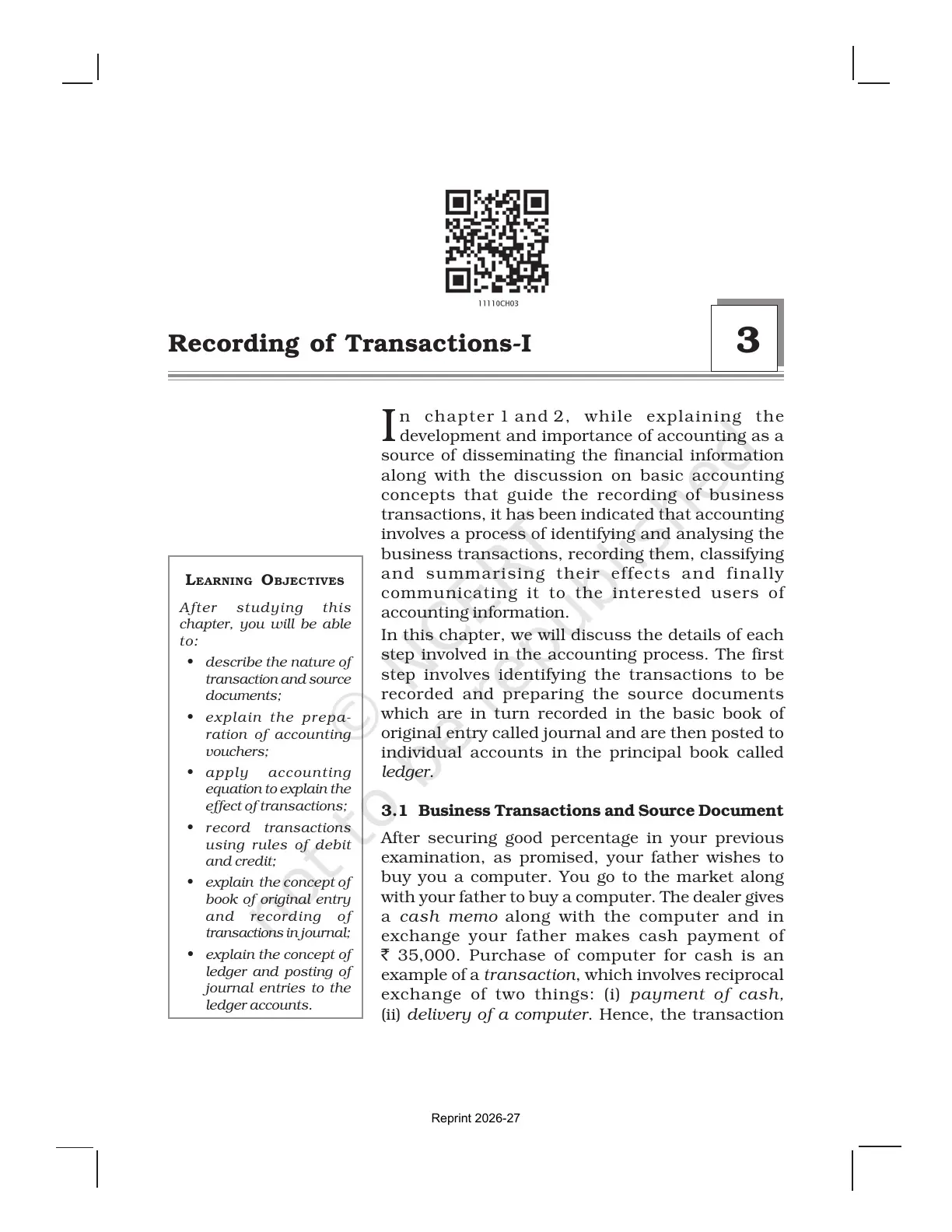
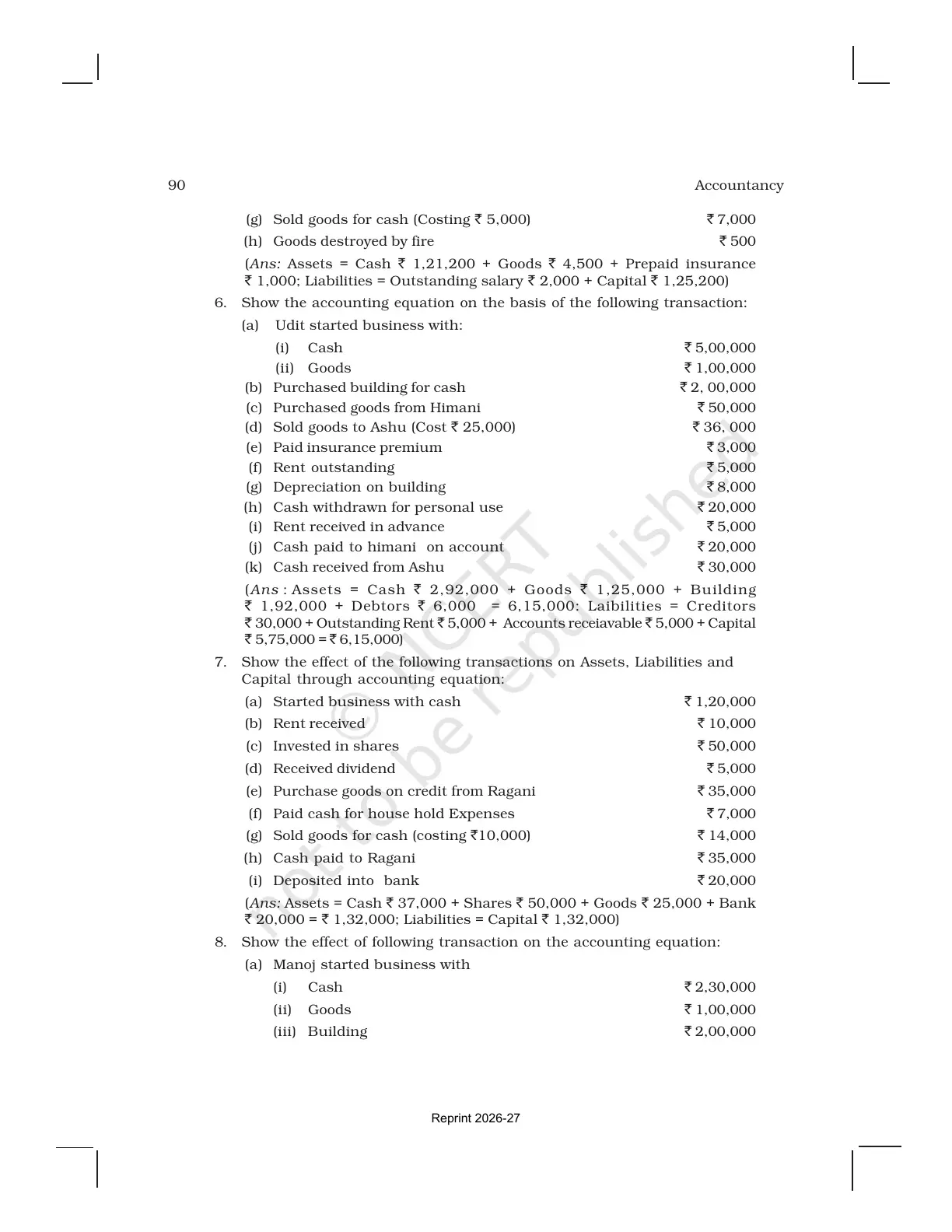
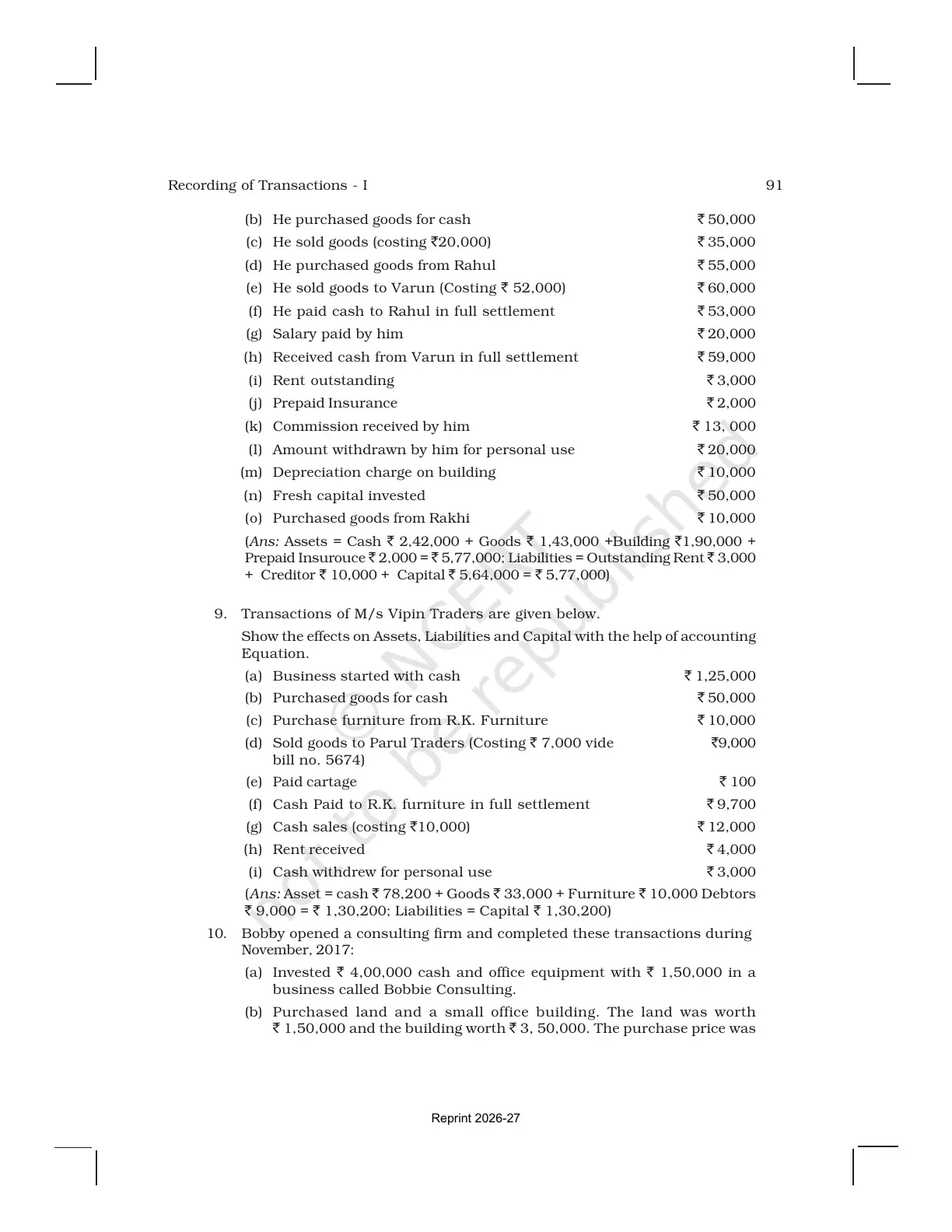
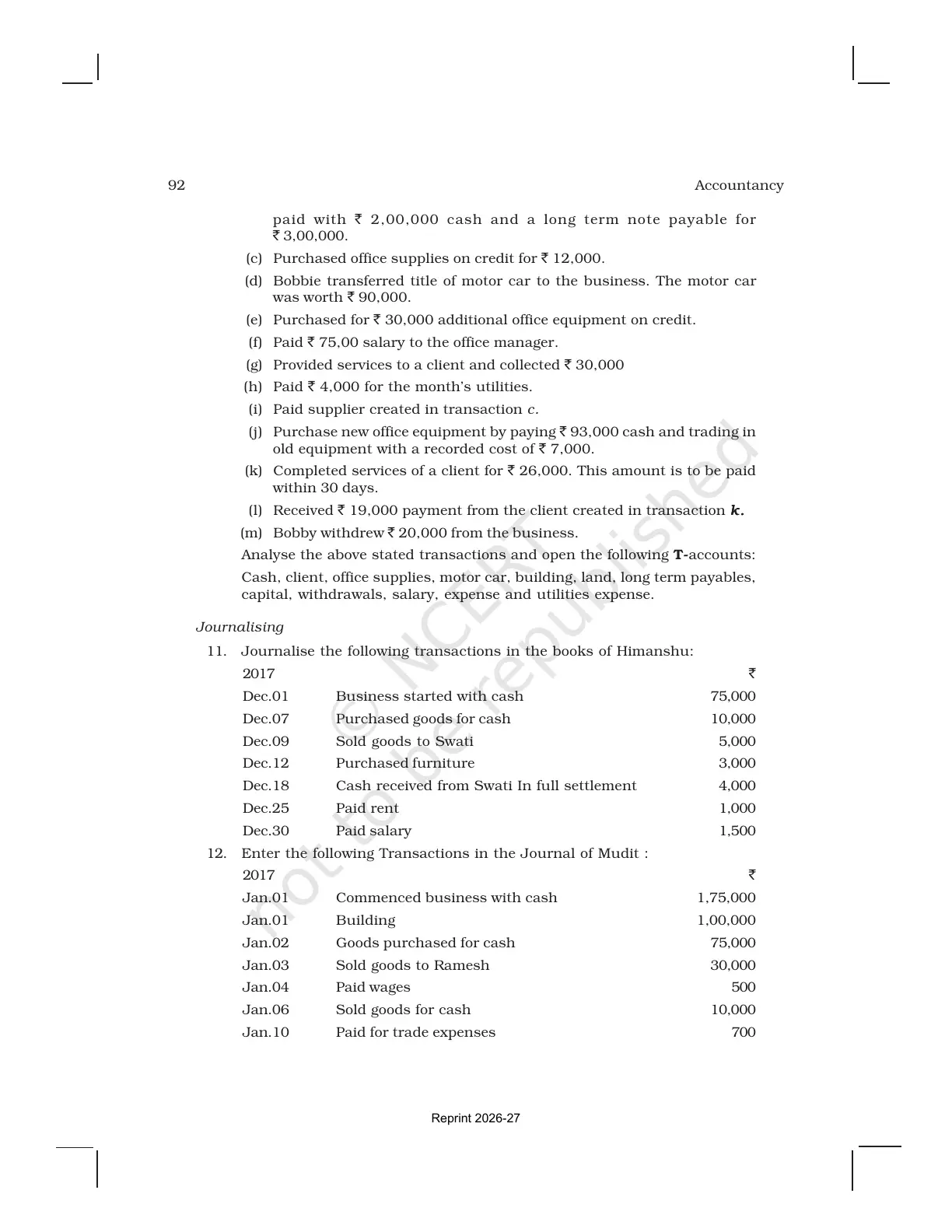
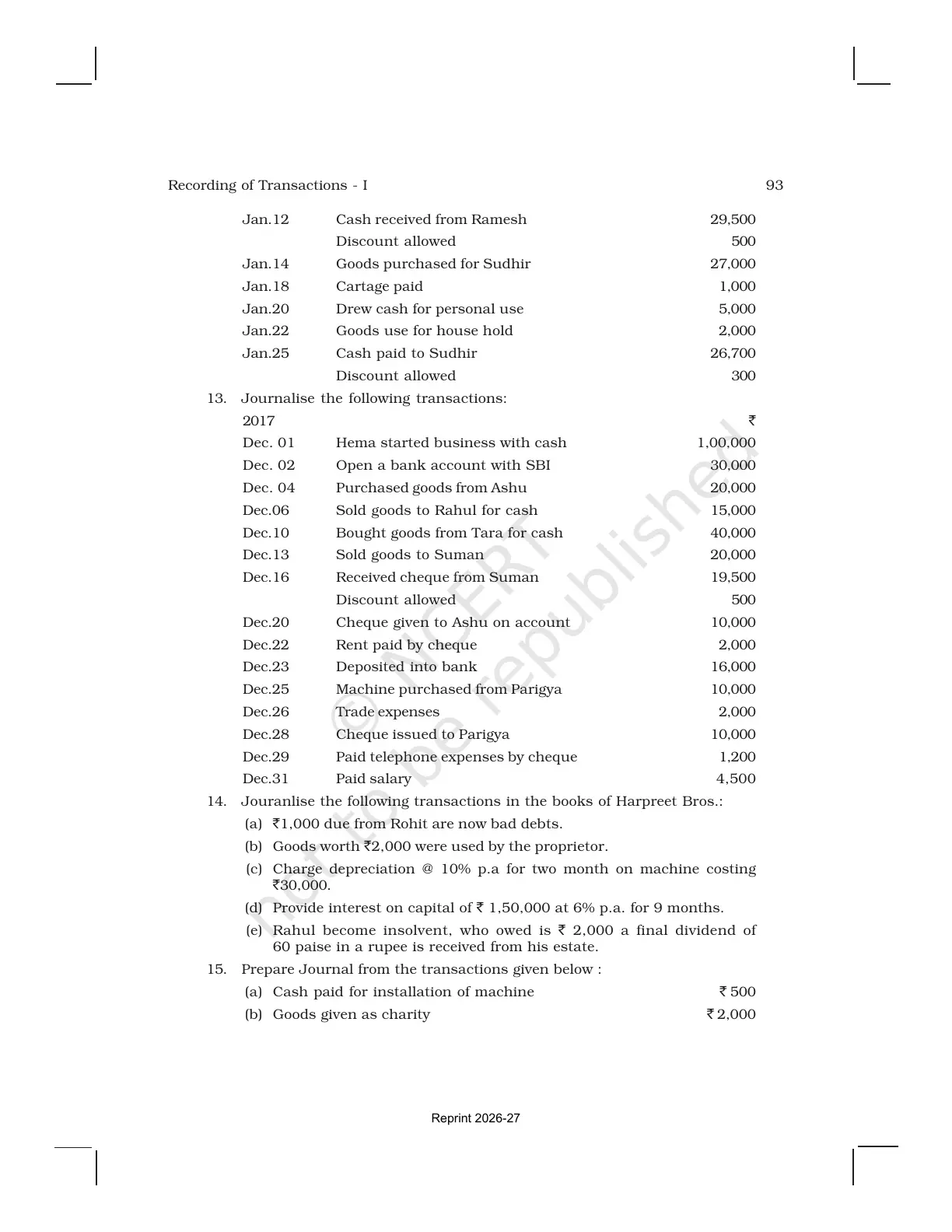
The NCERT Class 11 Accountancy Chapter 3 Recording of Transactions - I PDF explains the first practical step in accounting according to the 2026-27 textbook. Students learn how business events become journal entries before they move to ledger posting.
- Core focus: transactions, accounts, debit-credit rules and journal entries.
- Best use: read the PDF while practising each illustration in a notebook.
- Exam value: journal entries and accounting equation questions appear often.
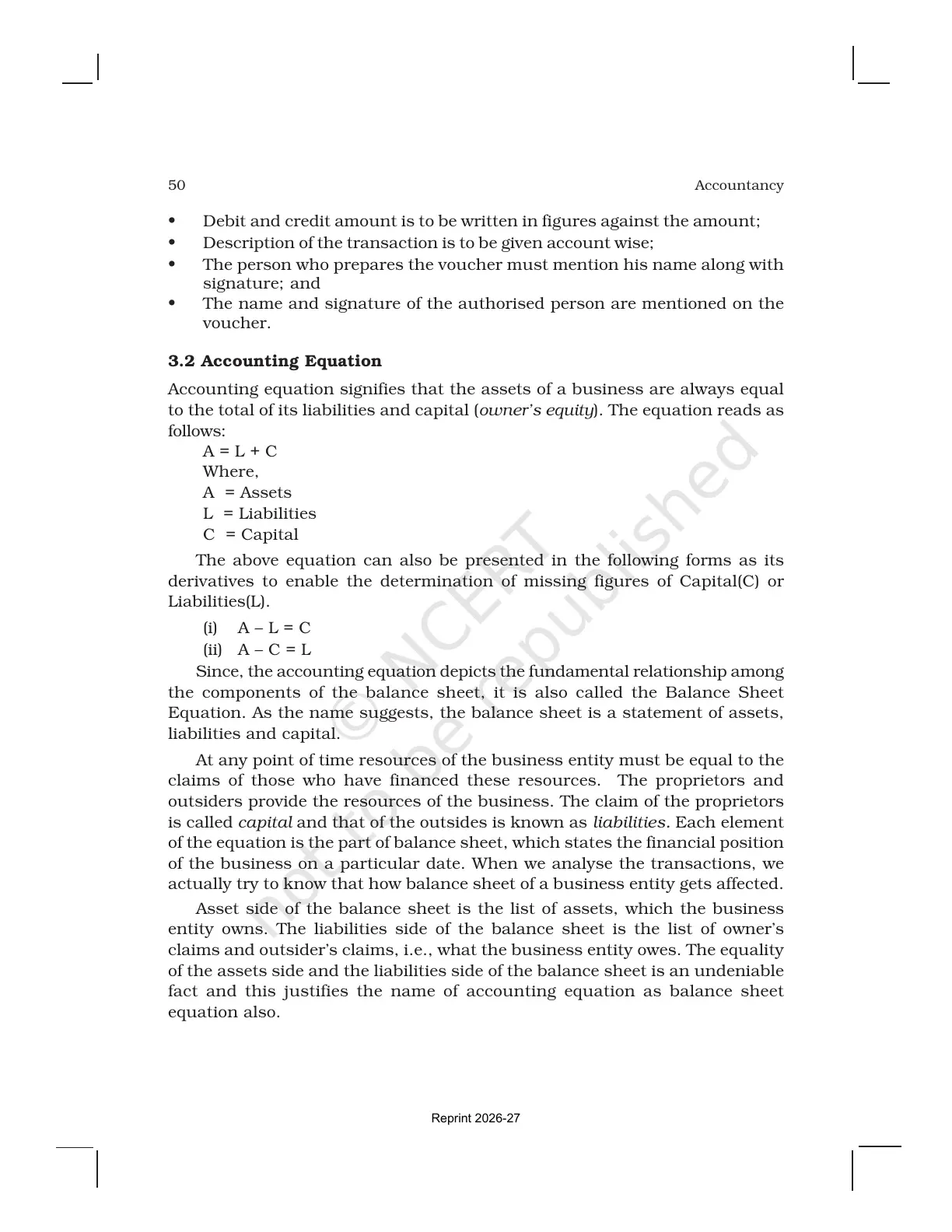
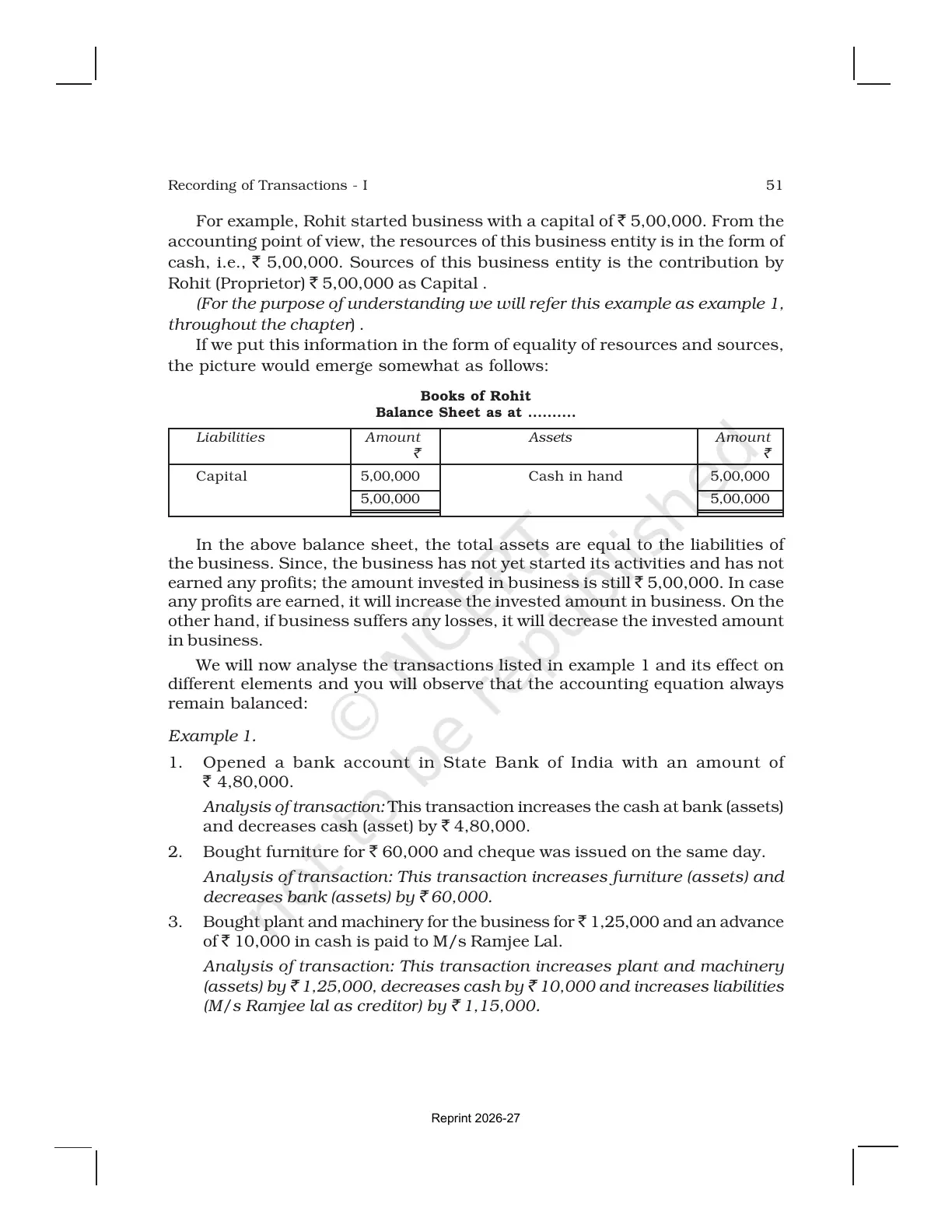
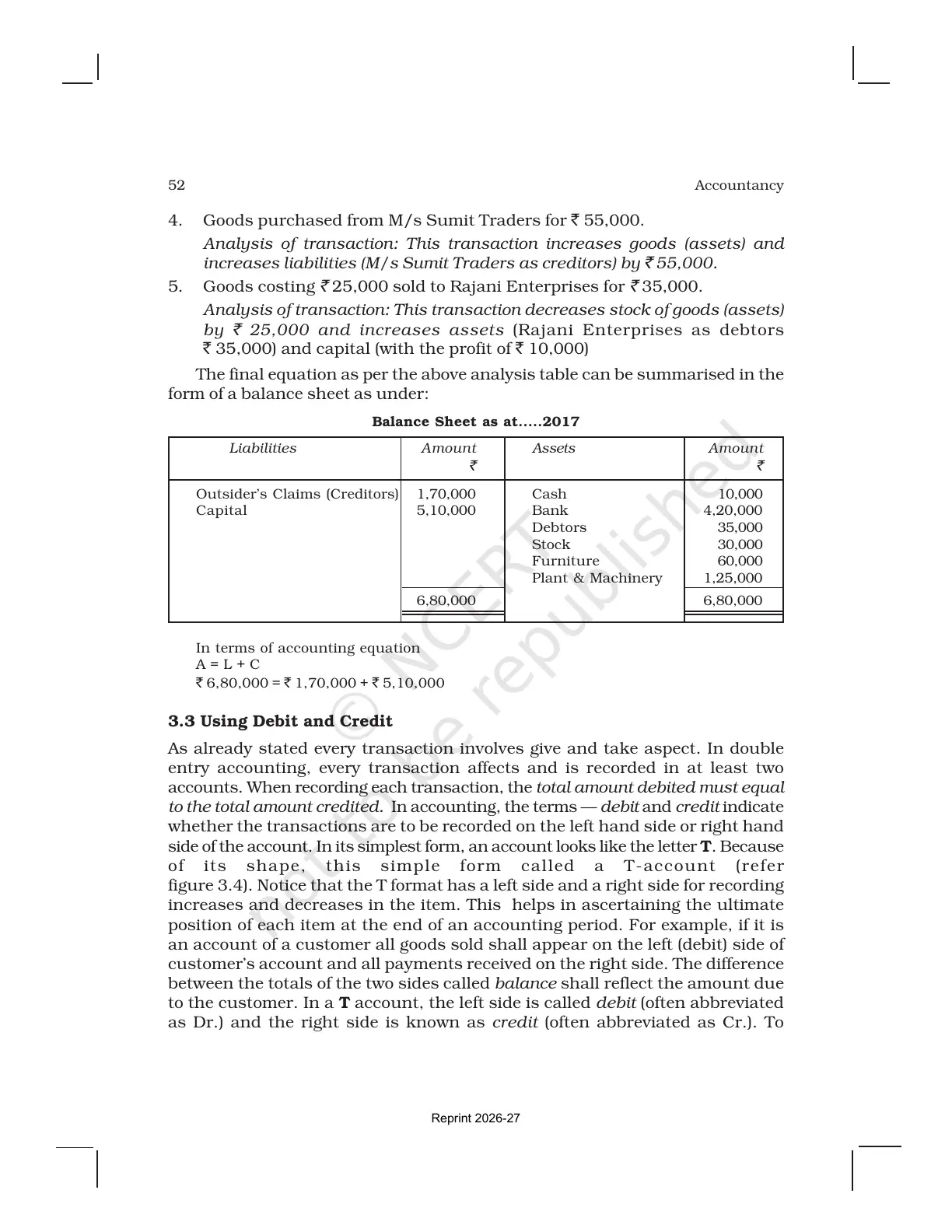
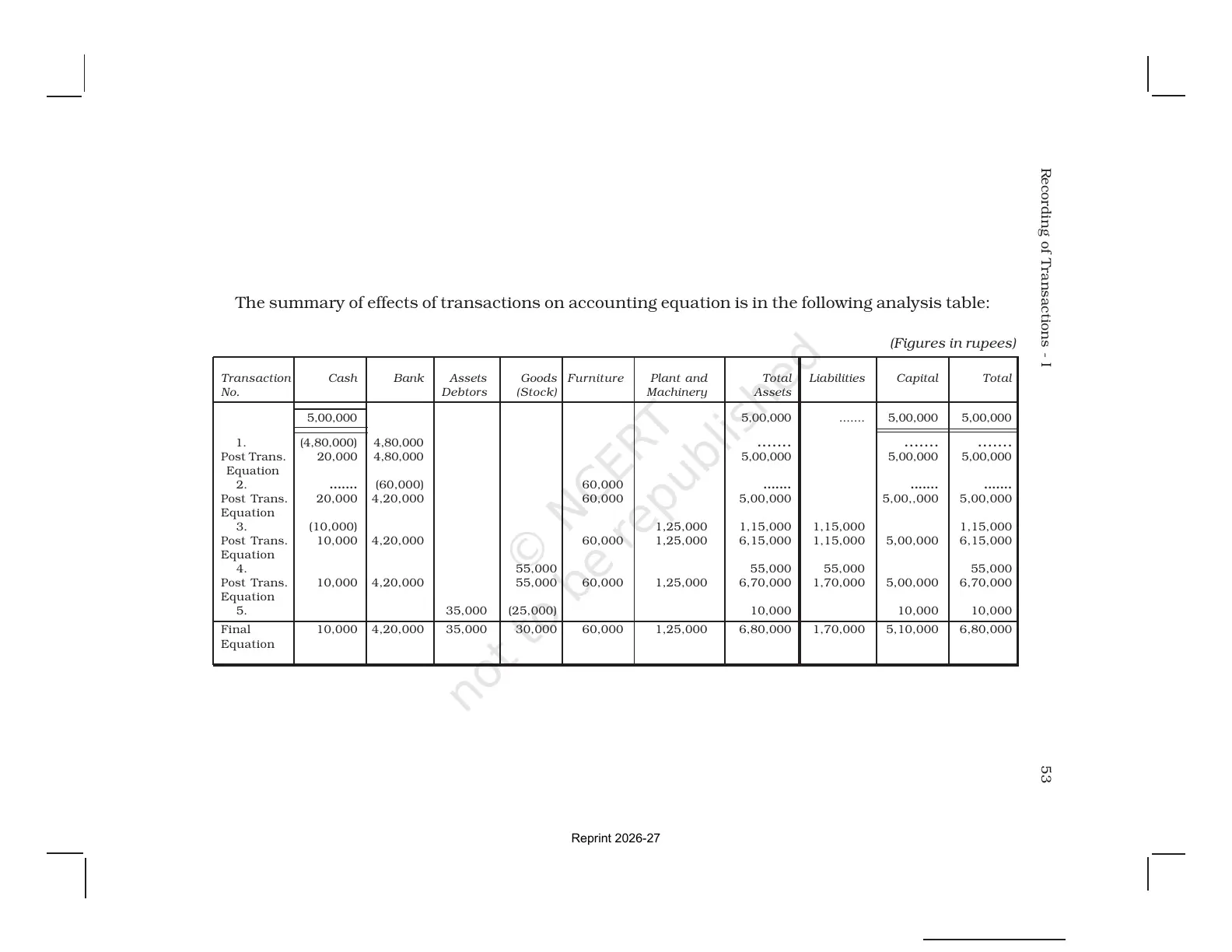
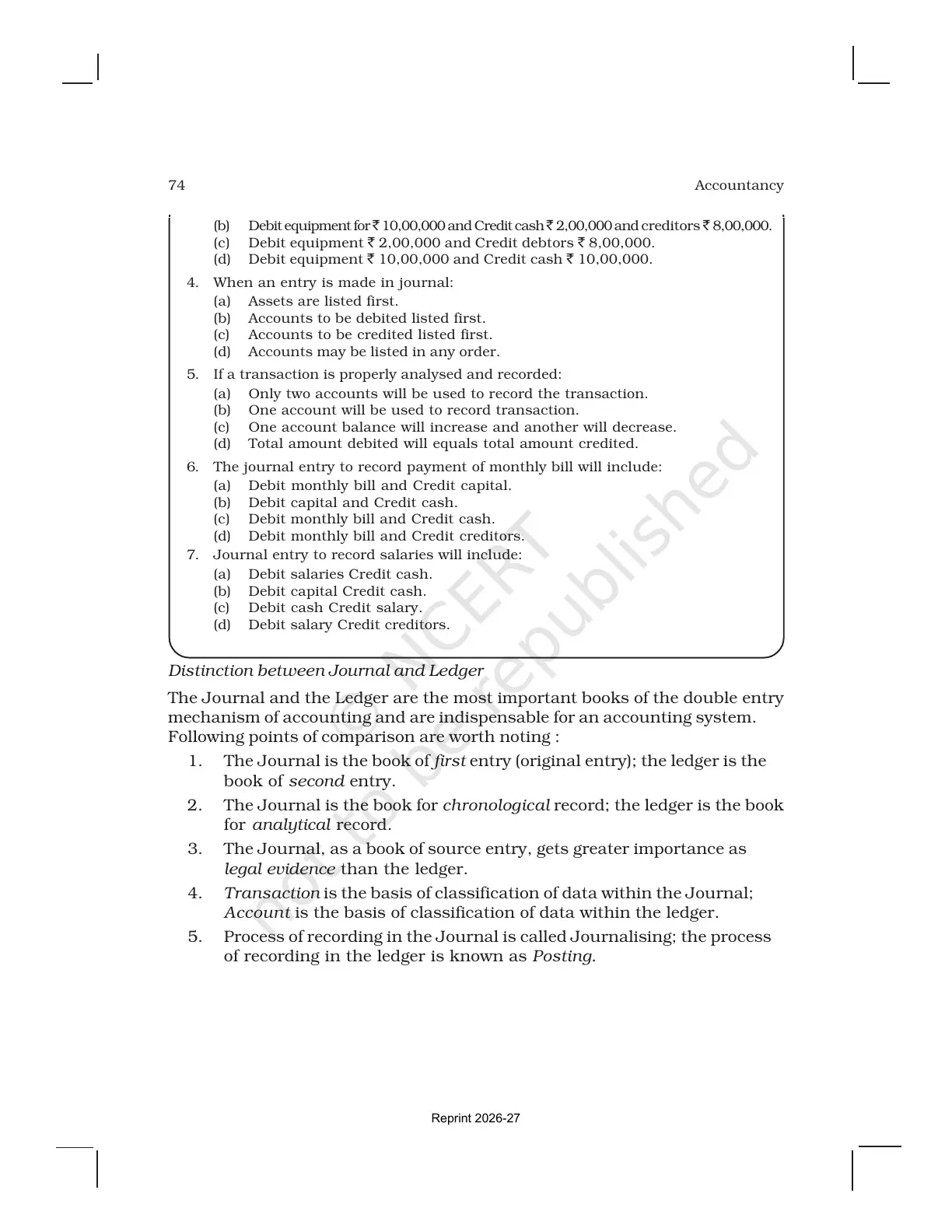
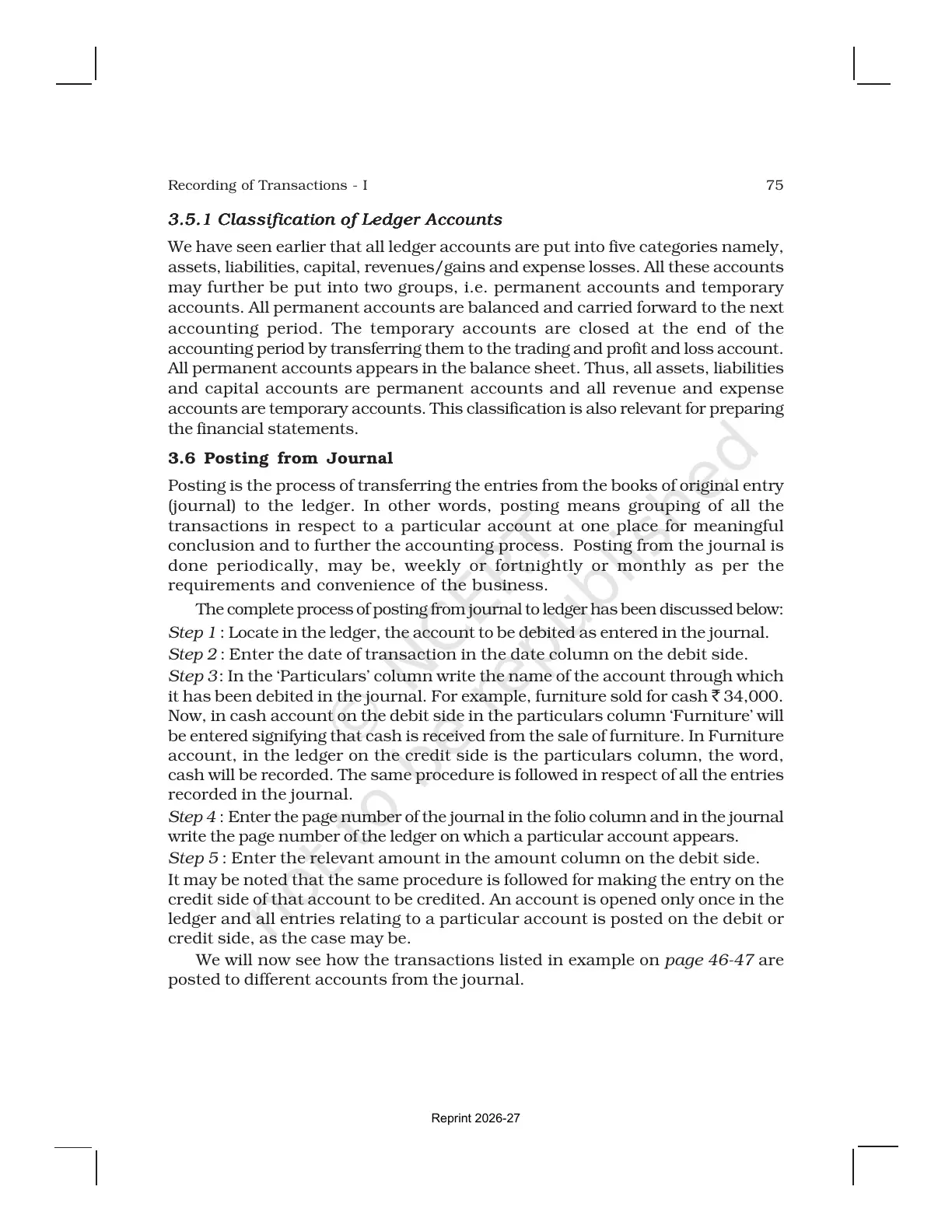
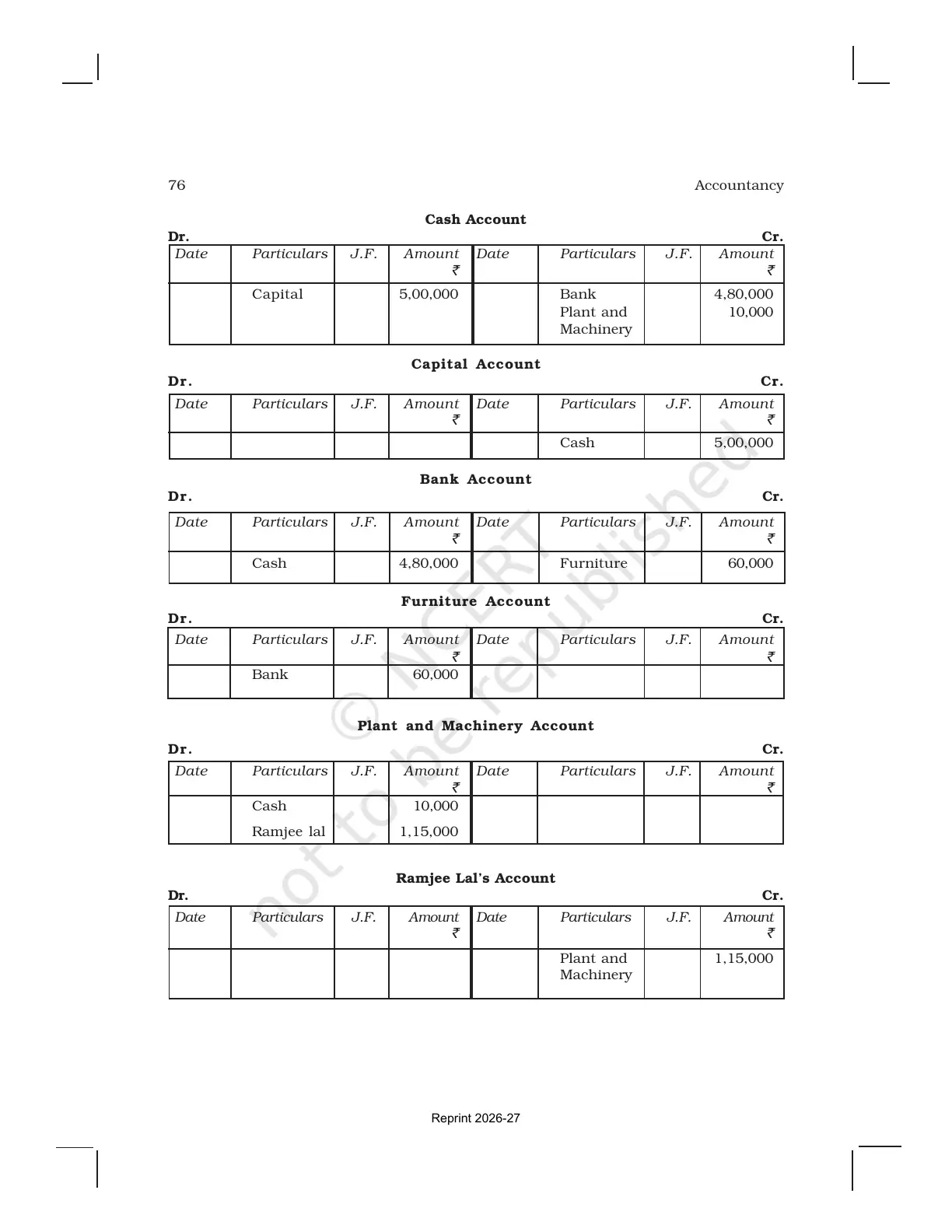
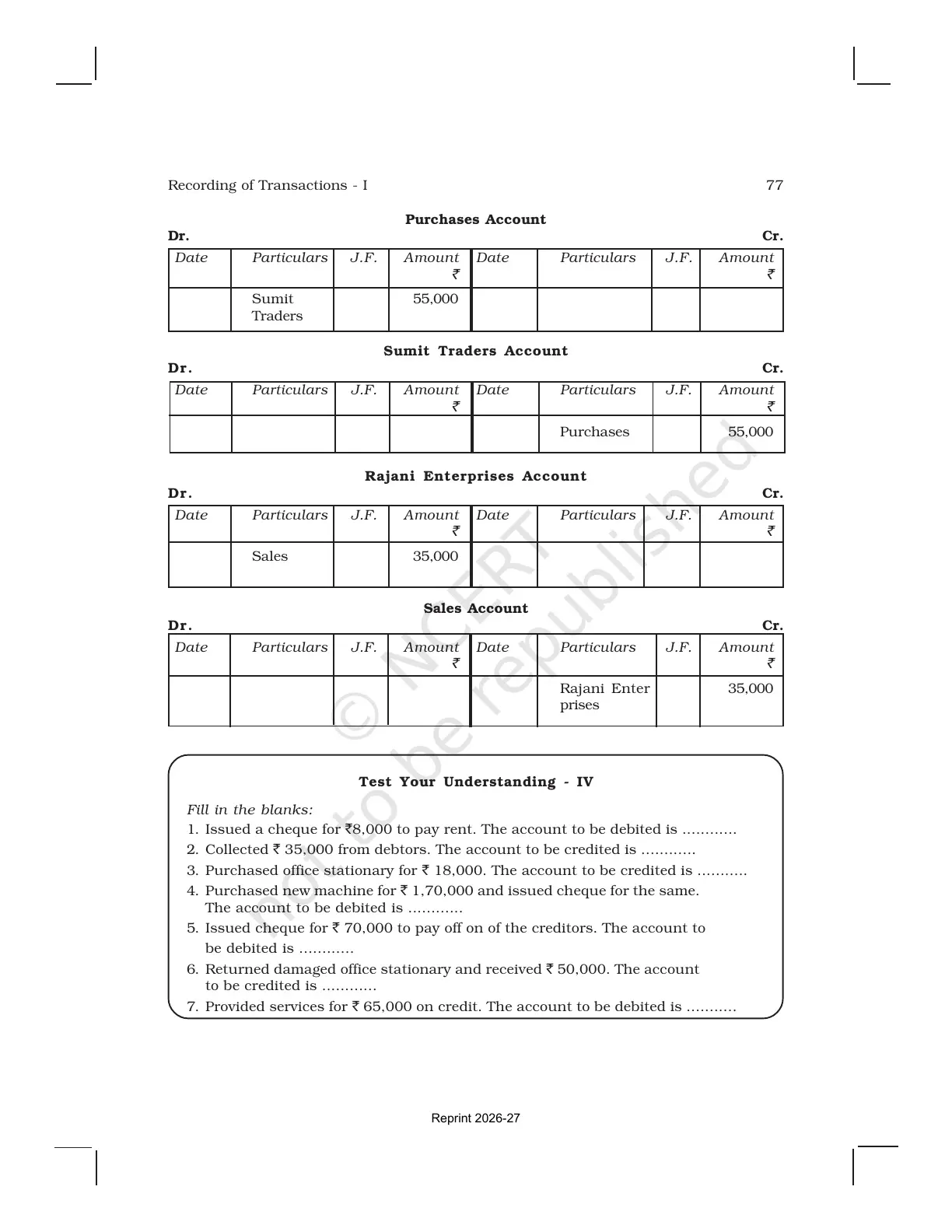
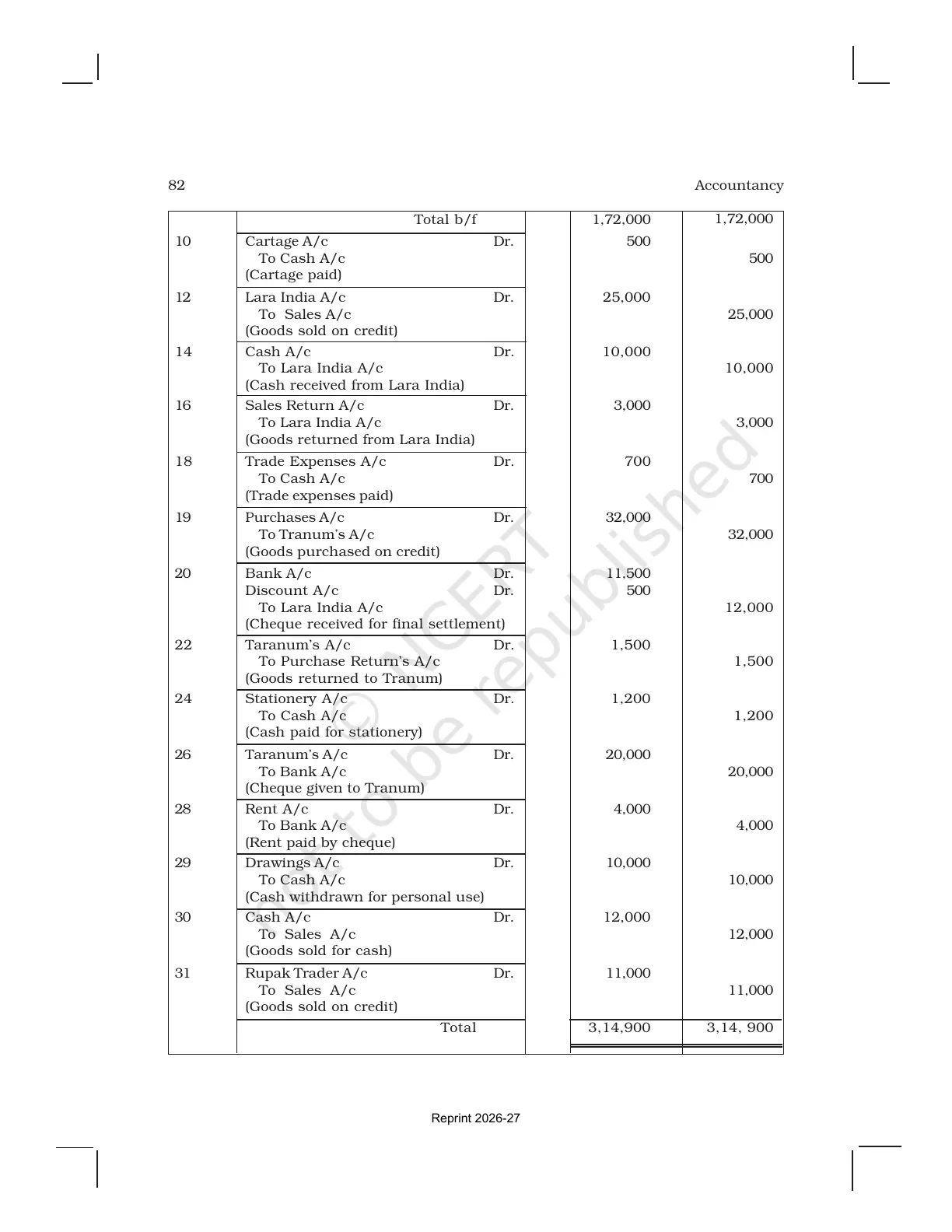
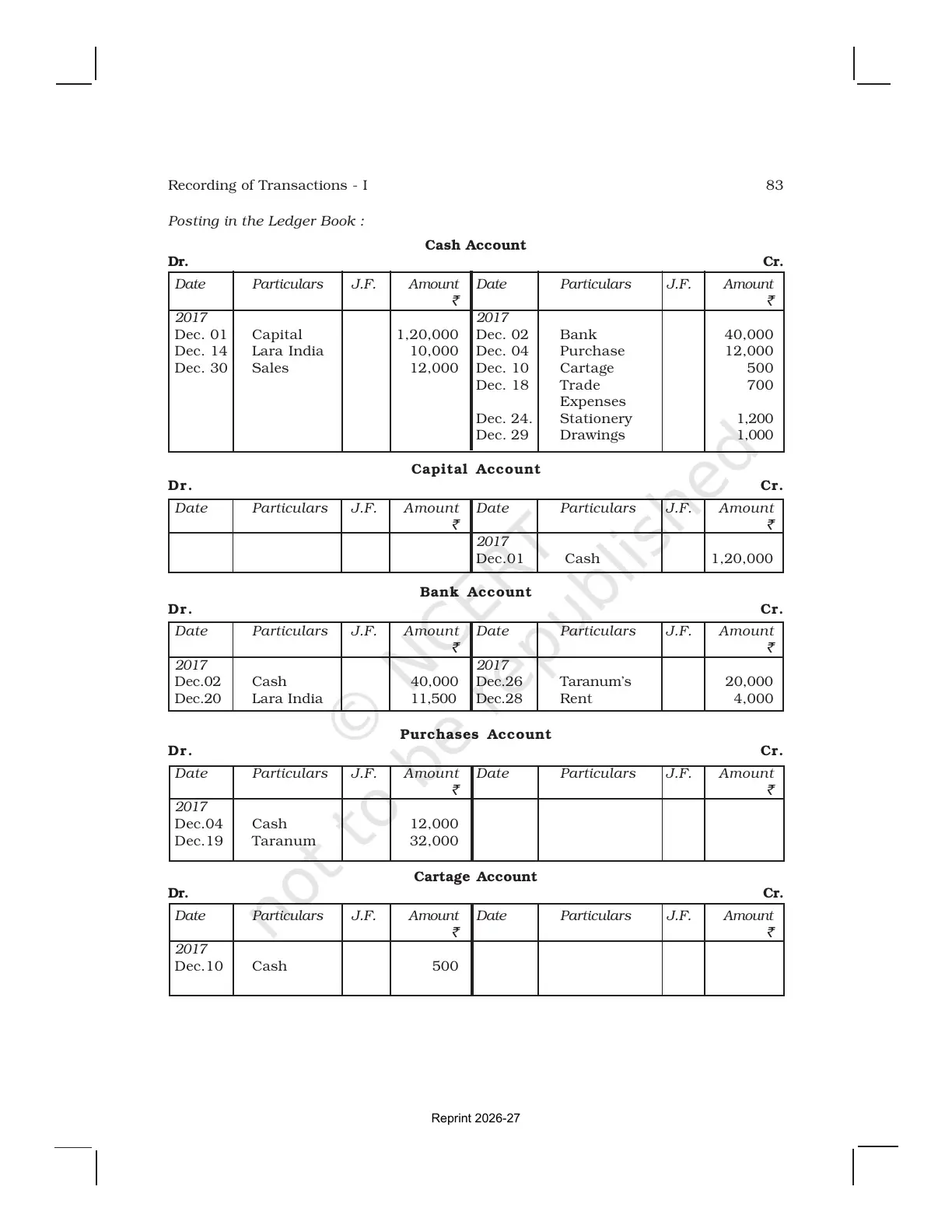
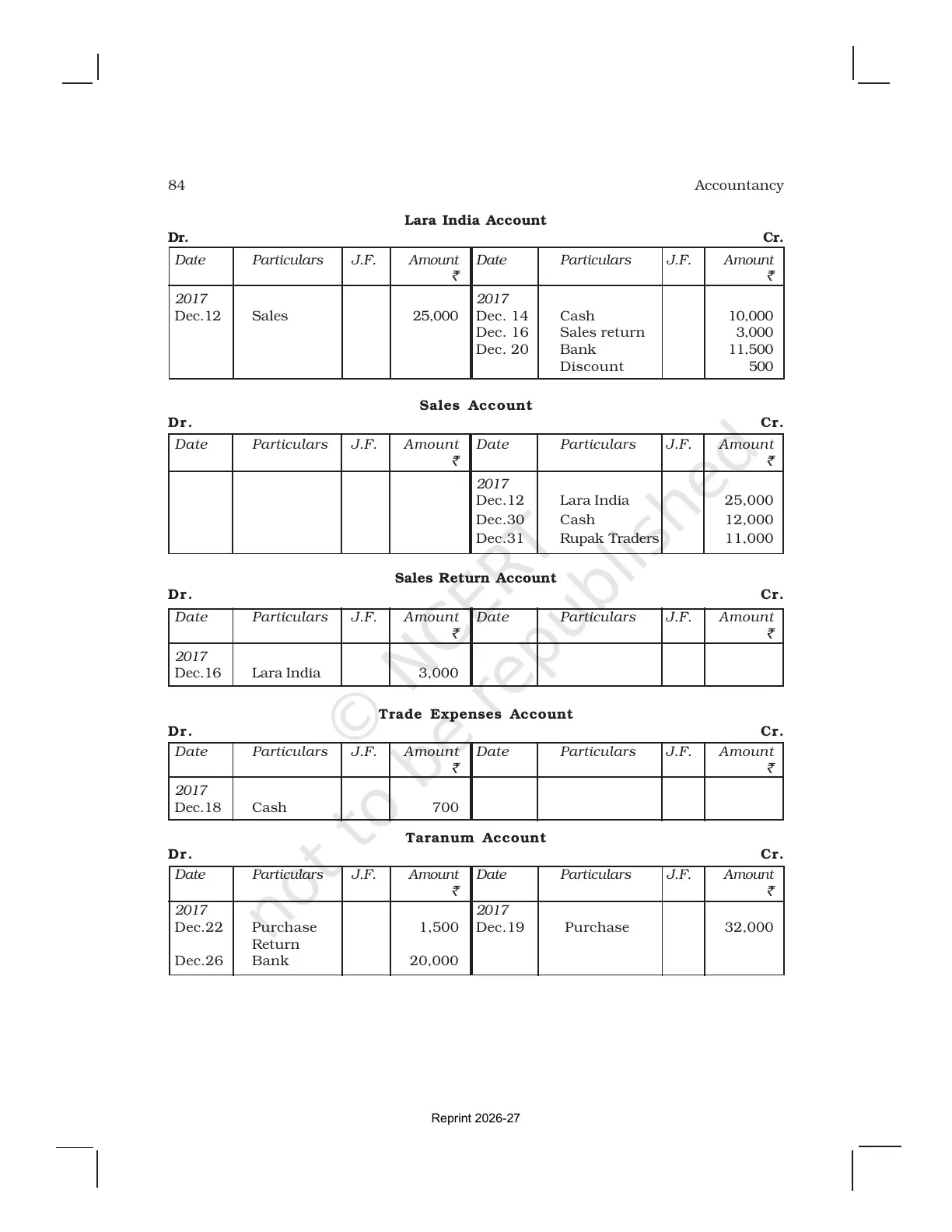
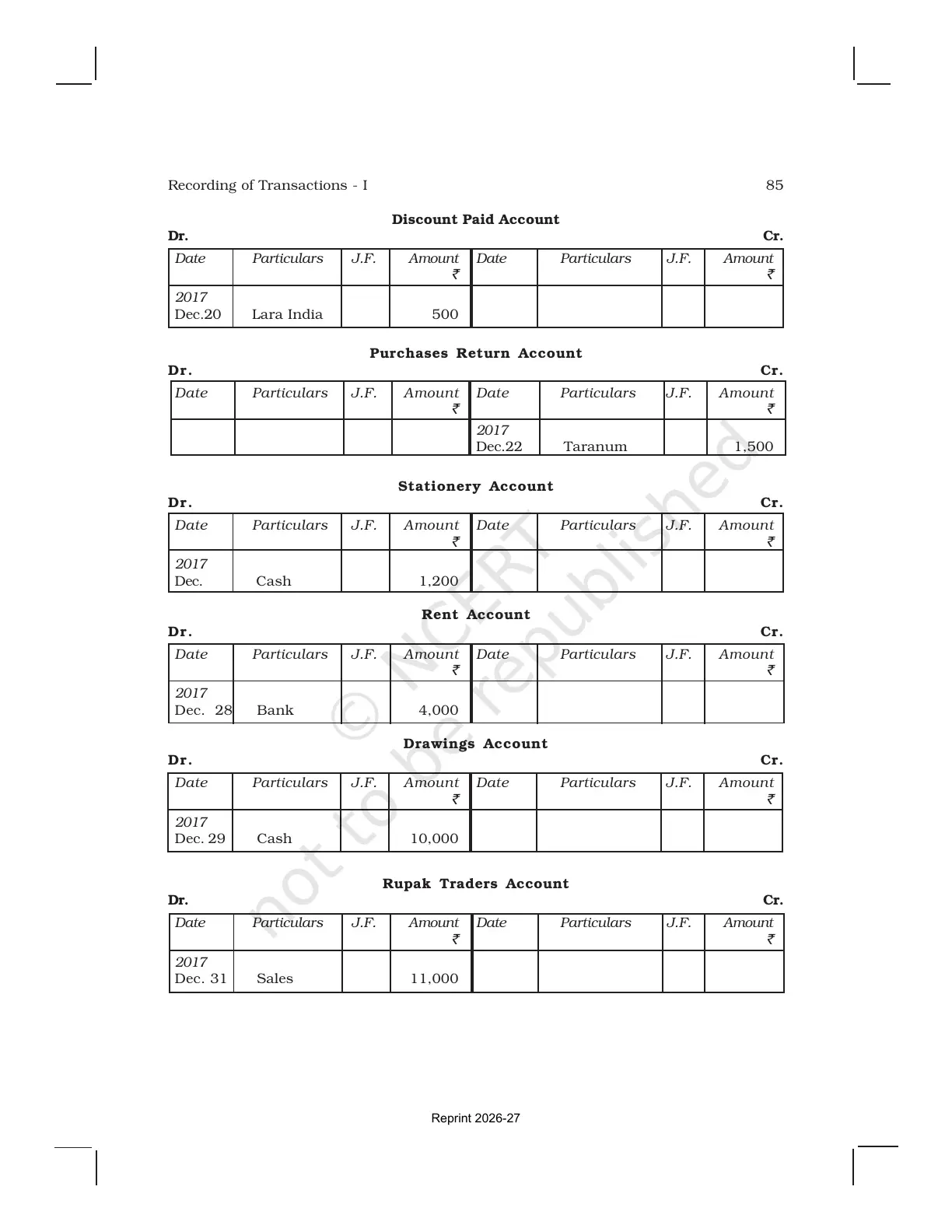
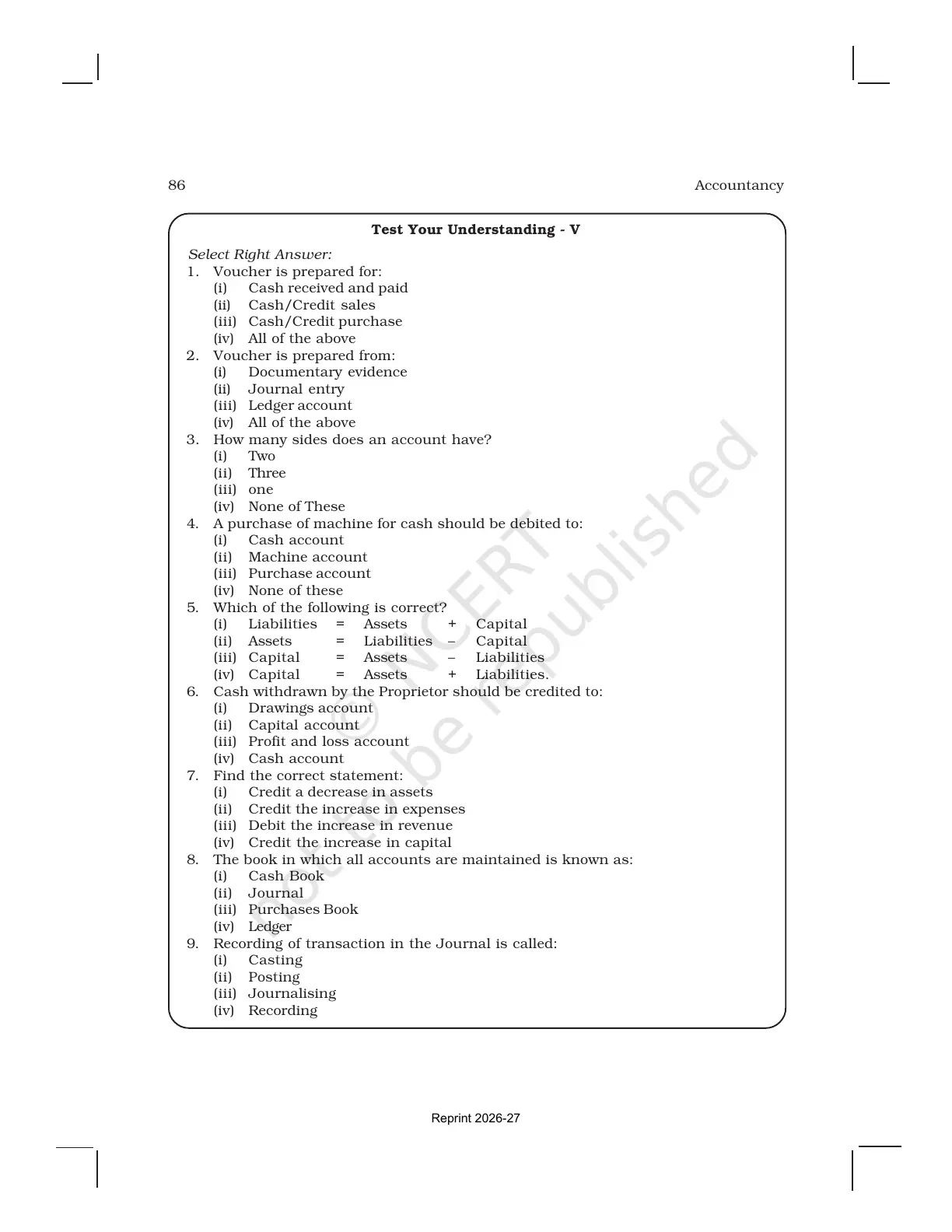
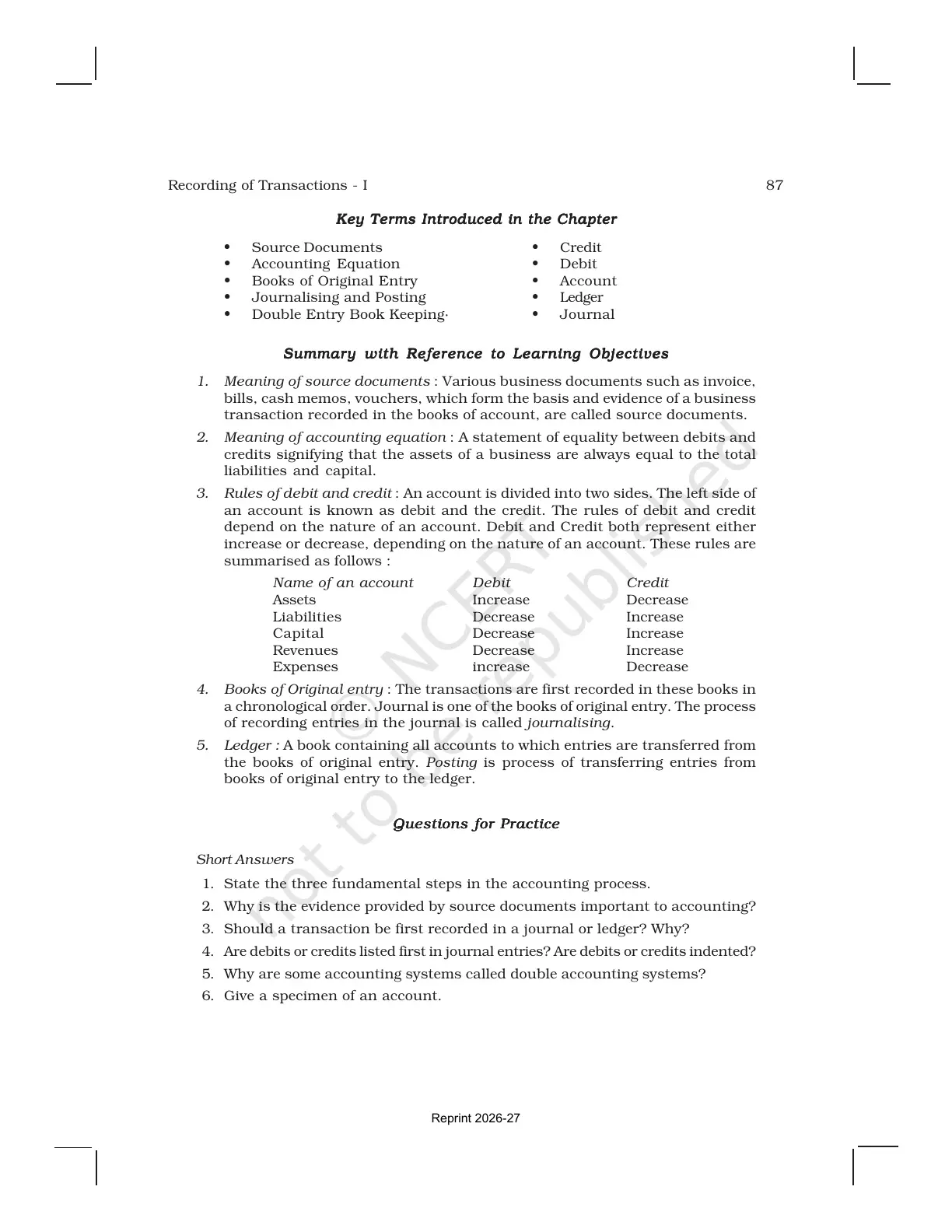
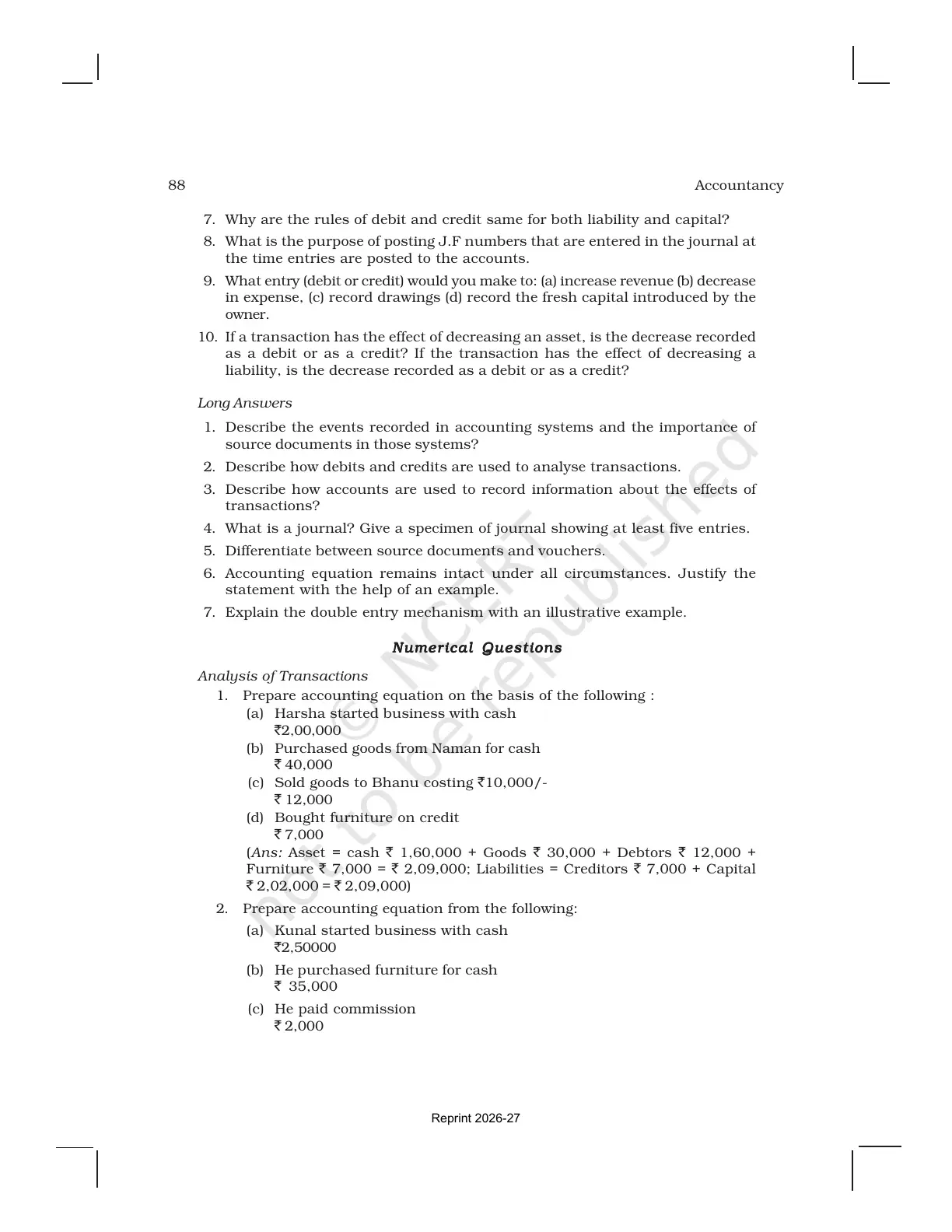
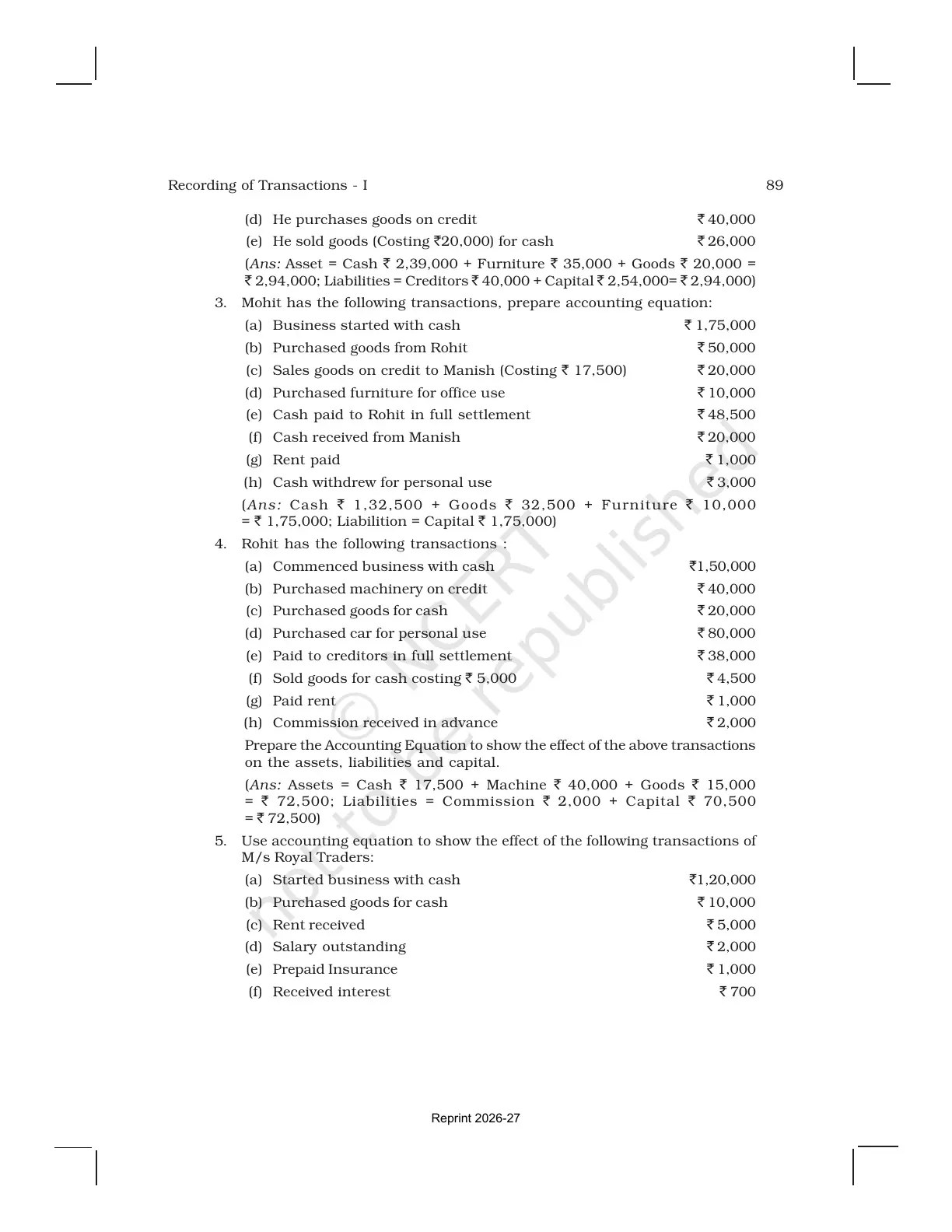
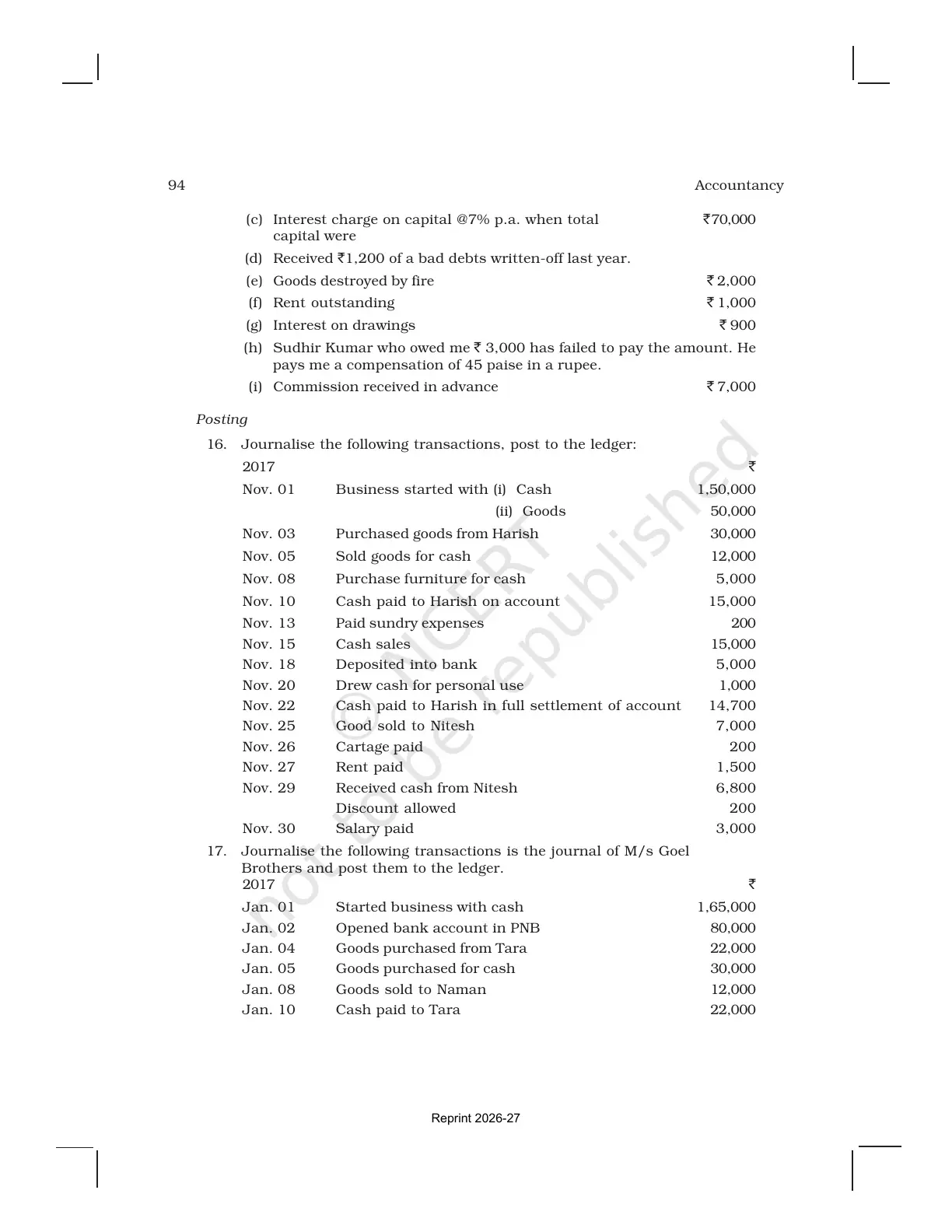
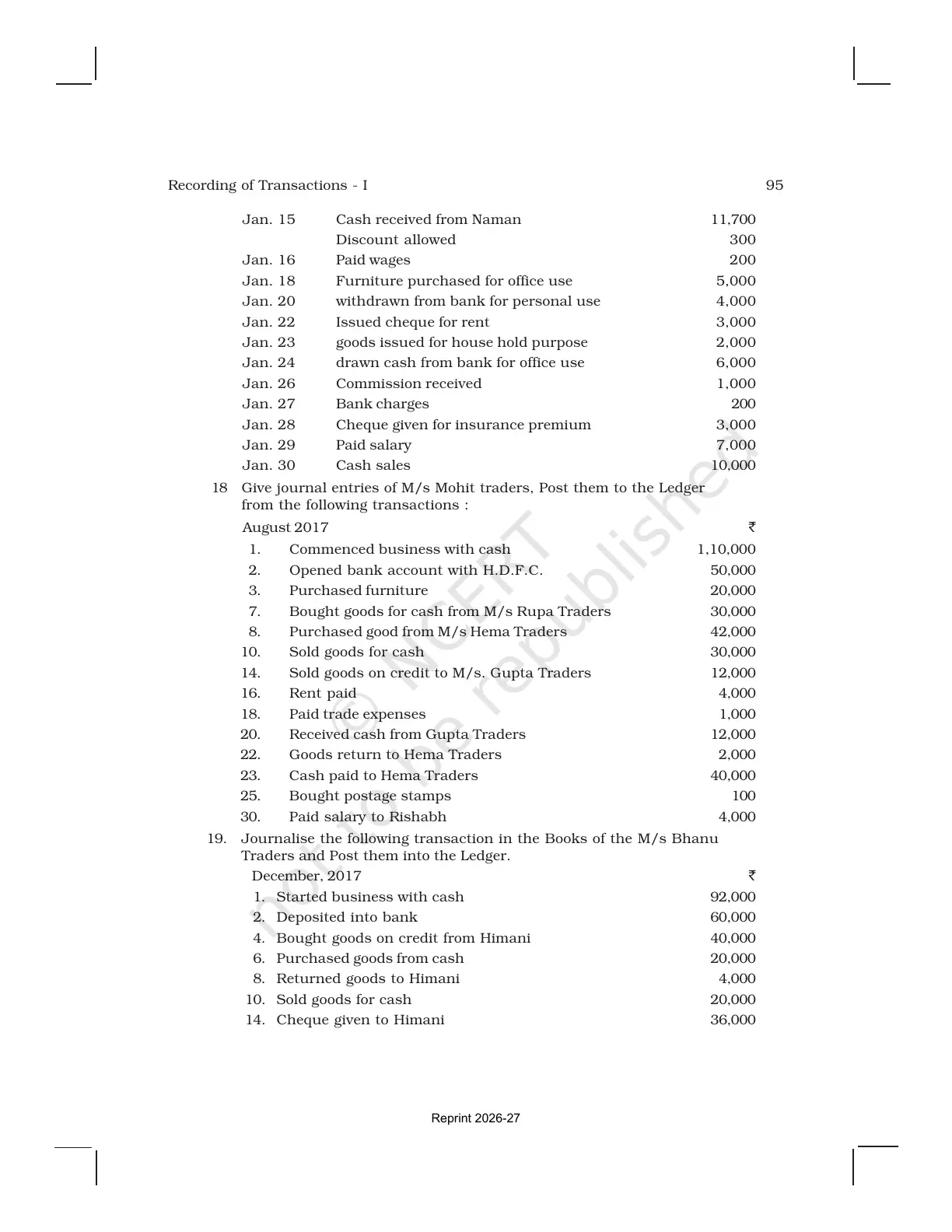
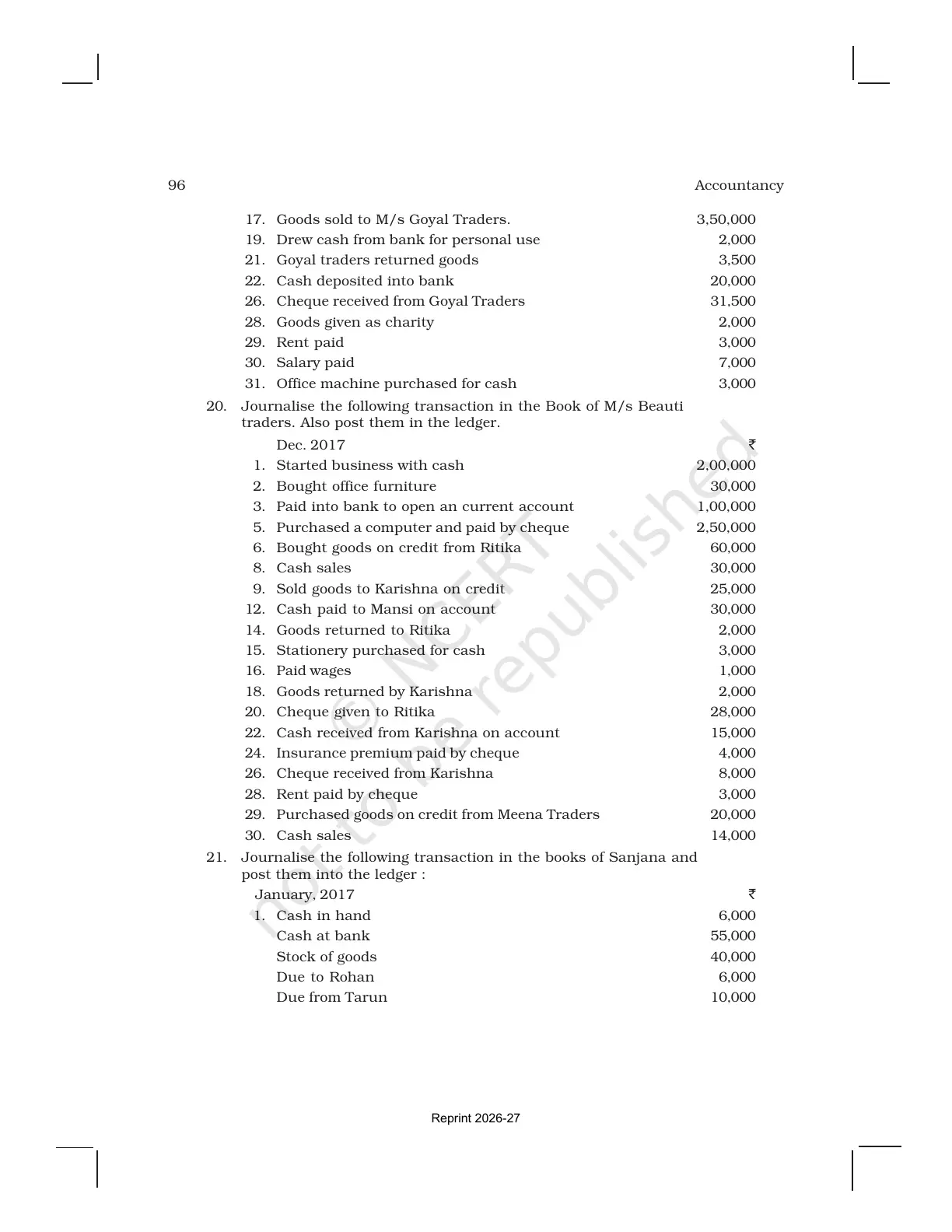
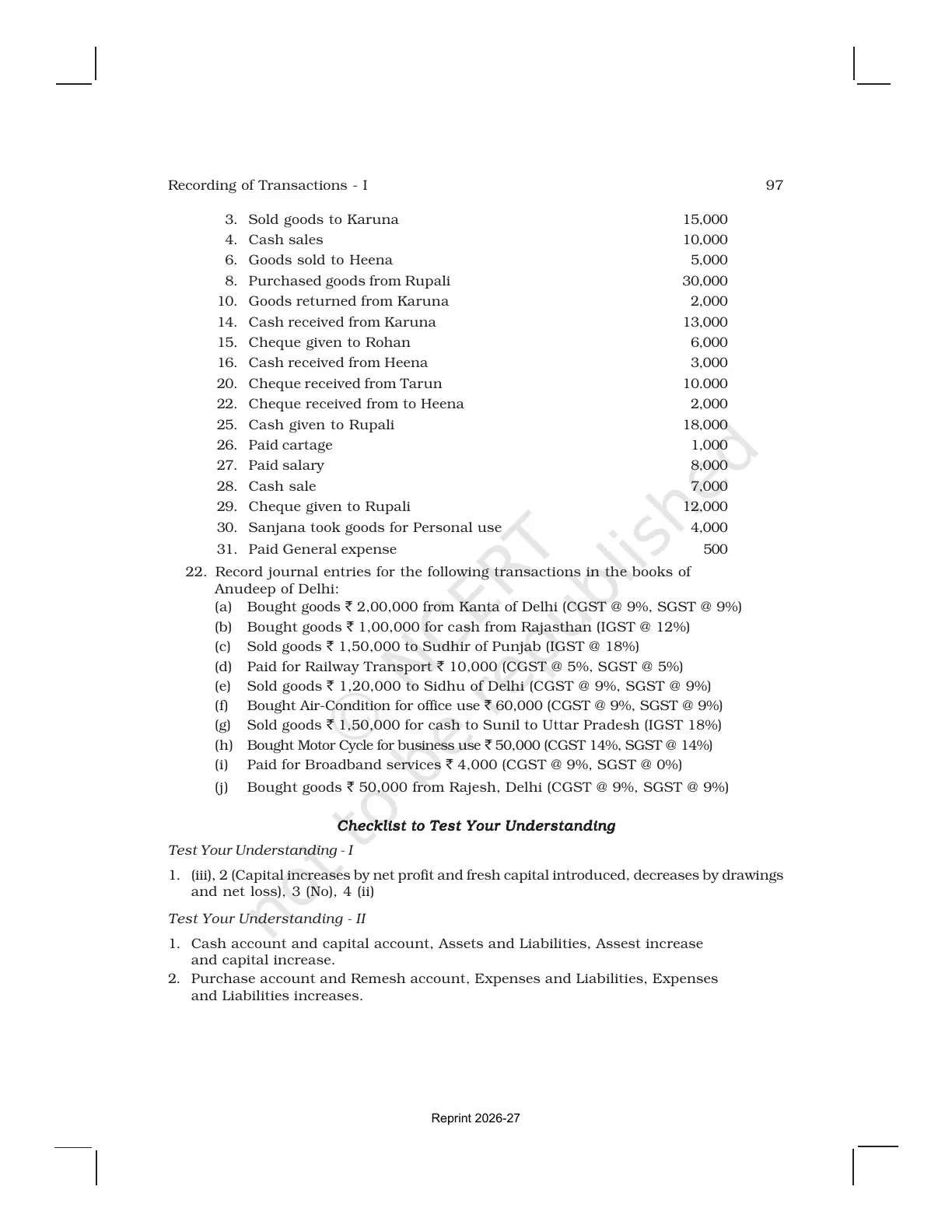
This Collegedunia chapter guide follows the 2026-27 NCERT Accountancy textbook and keeps the official journal rules, examples and revision tables together for careful study.
Student Feedback: In a Collegedunia classroom poll of 10,000 students, debit-credit charts were rated most useful for starting journal practice.
Recording of Transactions I Concepts Covered in the NCERT PDF
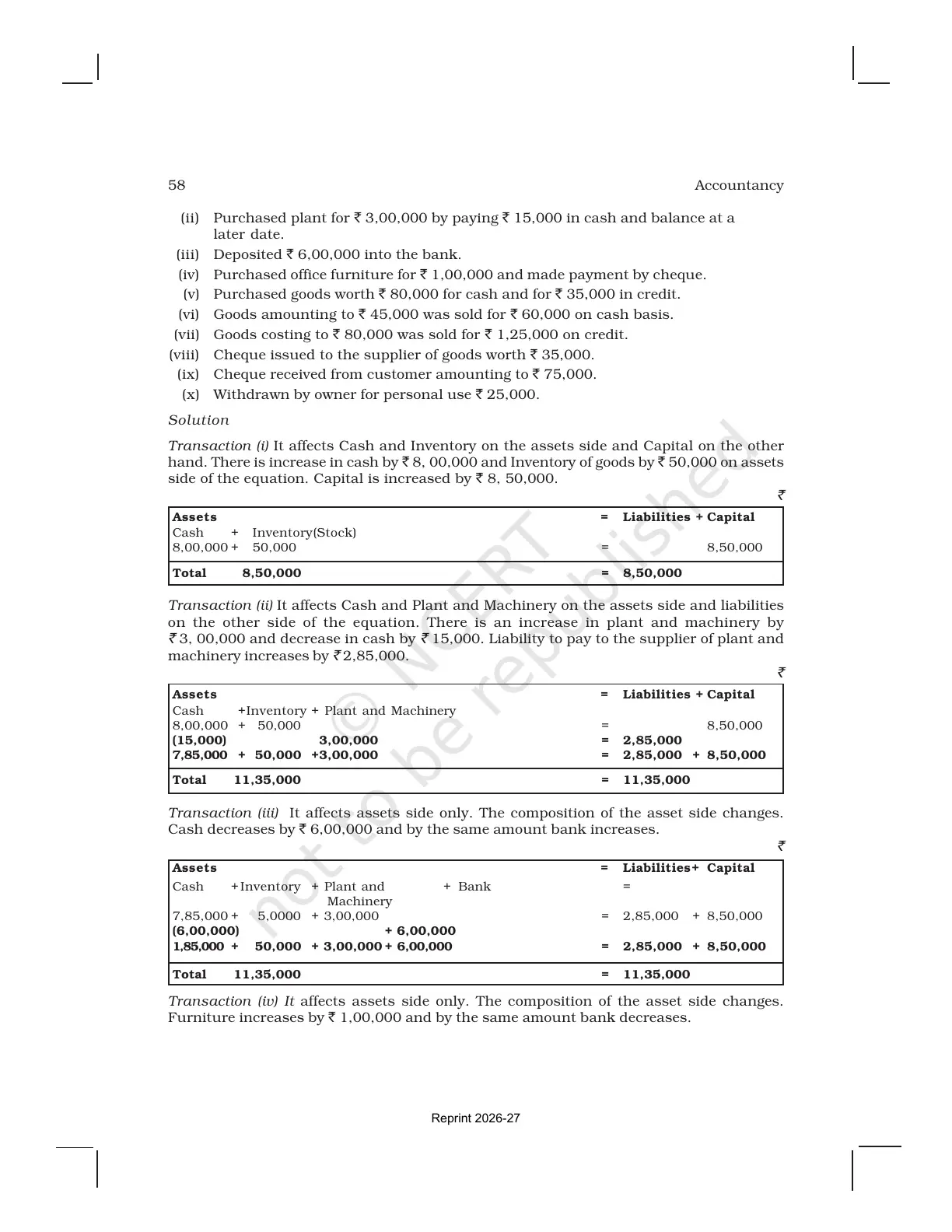
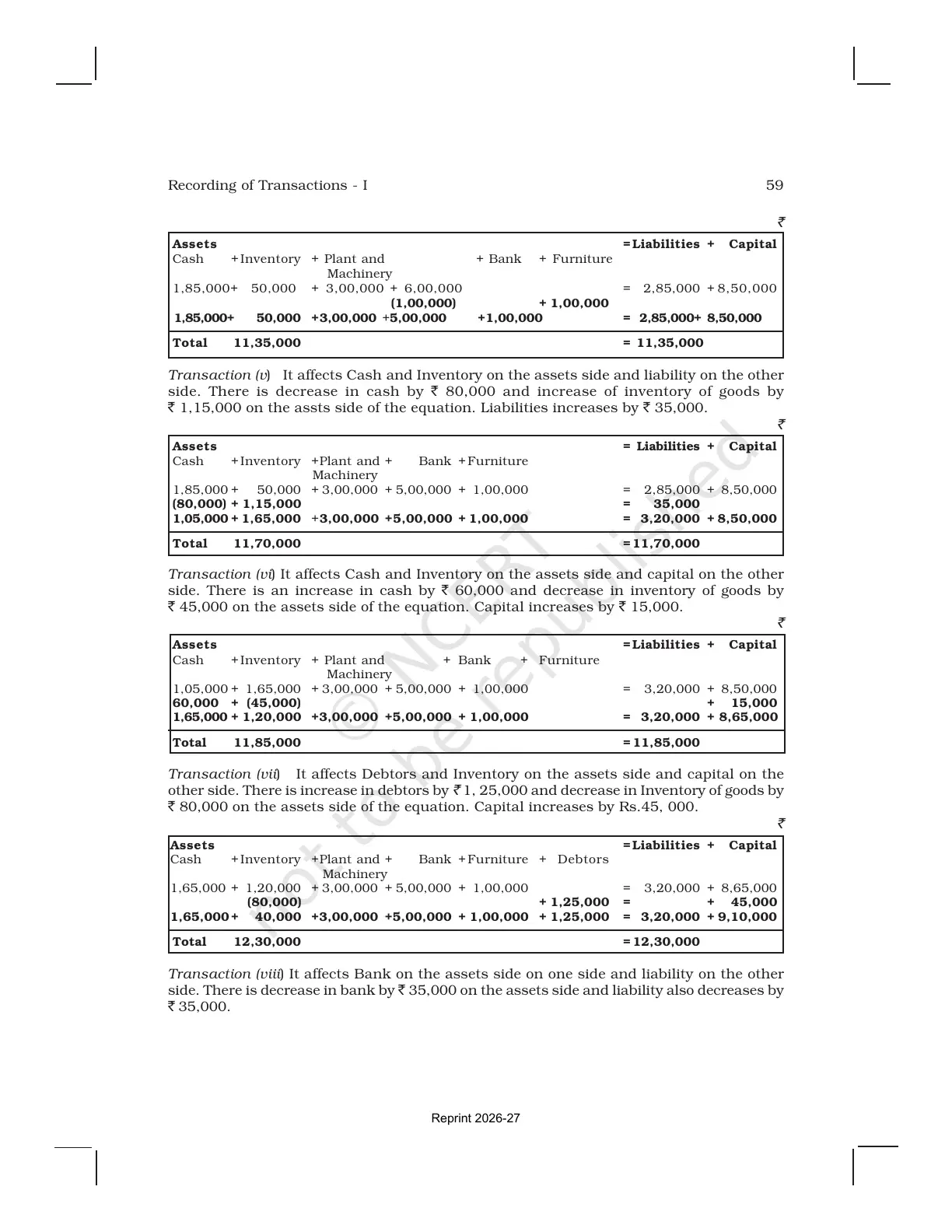
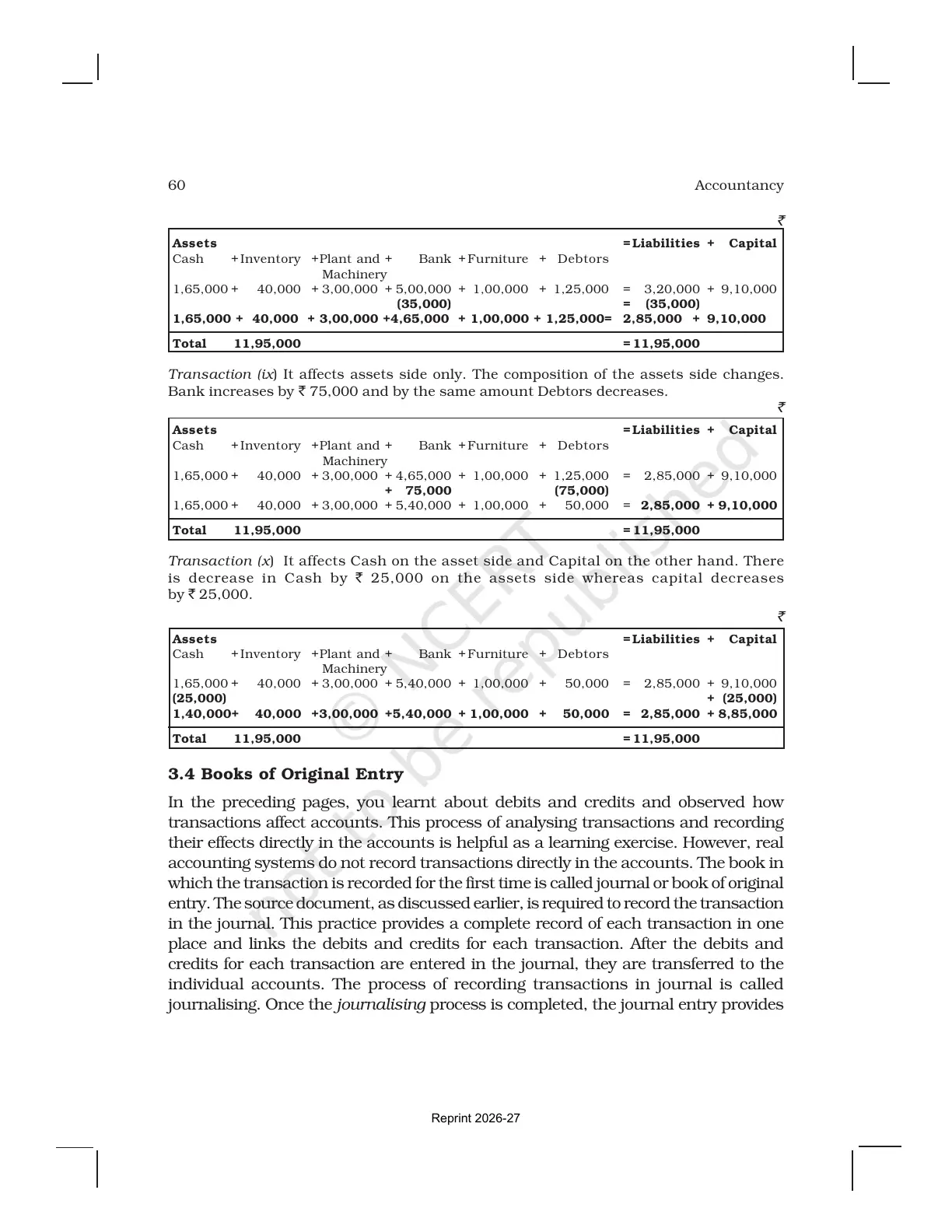
Recording of Transactions - I turns accounting theory into entries. NCERT first explains the meaning of a transaction, then shows how accounts are affected and how the rules of debit and credit are applied.
| Area | What to learn | Why it matters |
|---|---|---|
| Transactions | Events that can be measured in money | Decides what enters the books |
| Accounts | Asset, liability, capital, revenue and expense accounts | Names the two sides affected |
| Debit and credit | Rules for personal, real and nominal accounts | Builds correct journal entries |
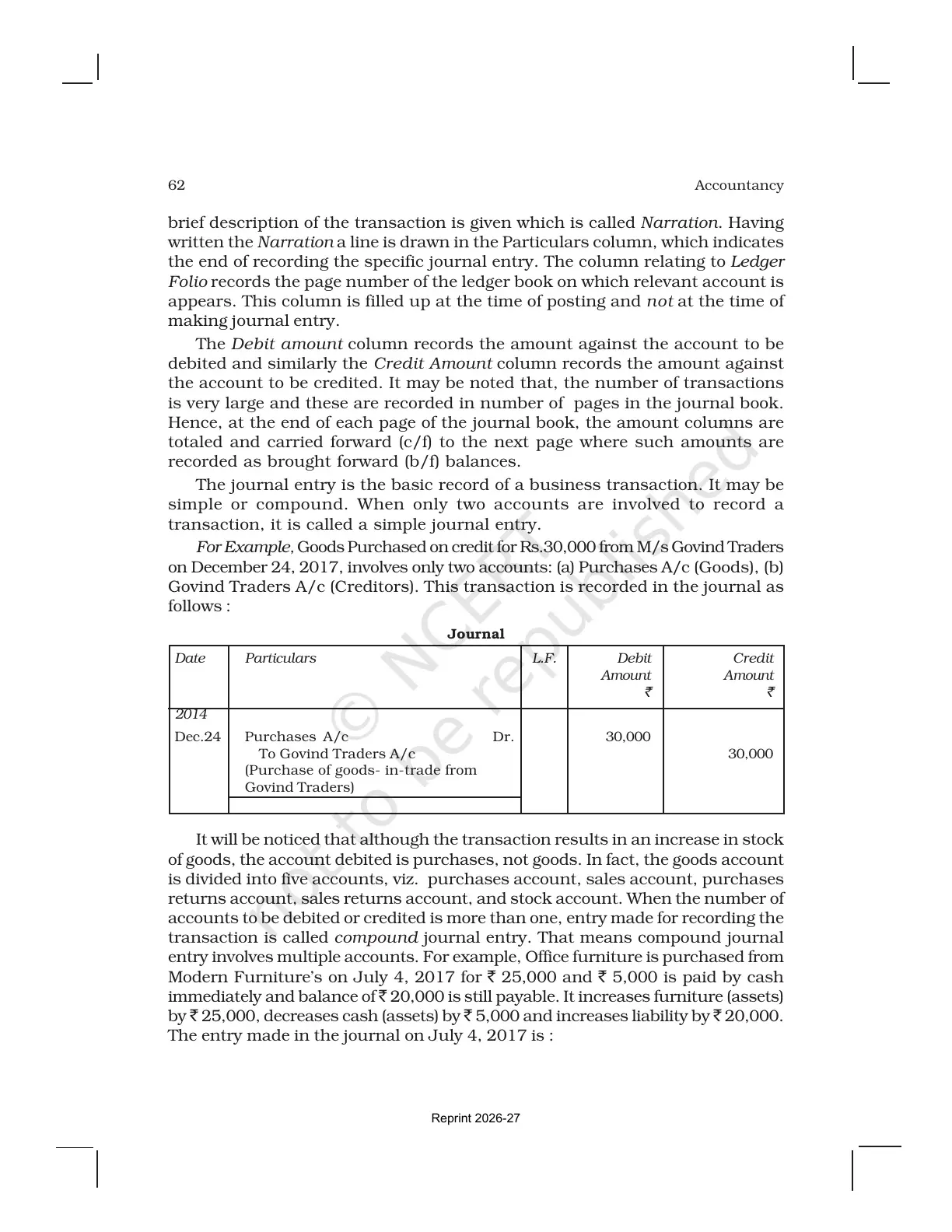
| Journal | Date, particulars, ledger folio, debit, credit and narration | Creates the first formal record |
The chapter is the bridge between accounting concepts and actual books of accounts. A clear hold on this chapter makes ledger, trial balance and rectification easier.
Recording Transactions Flow from Event to Ledger
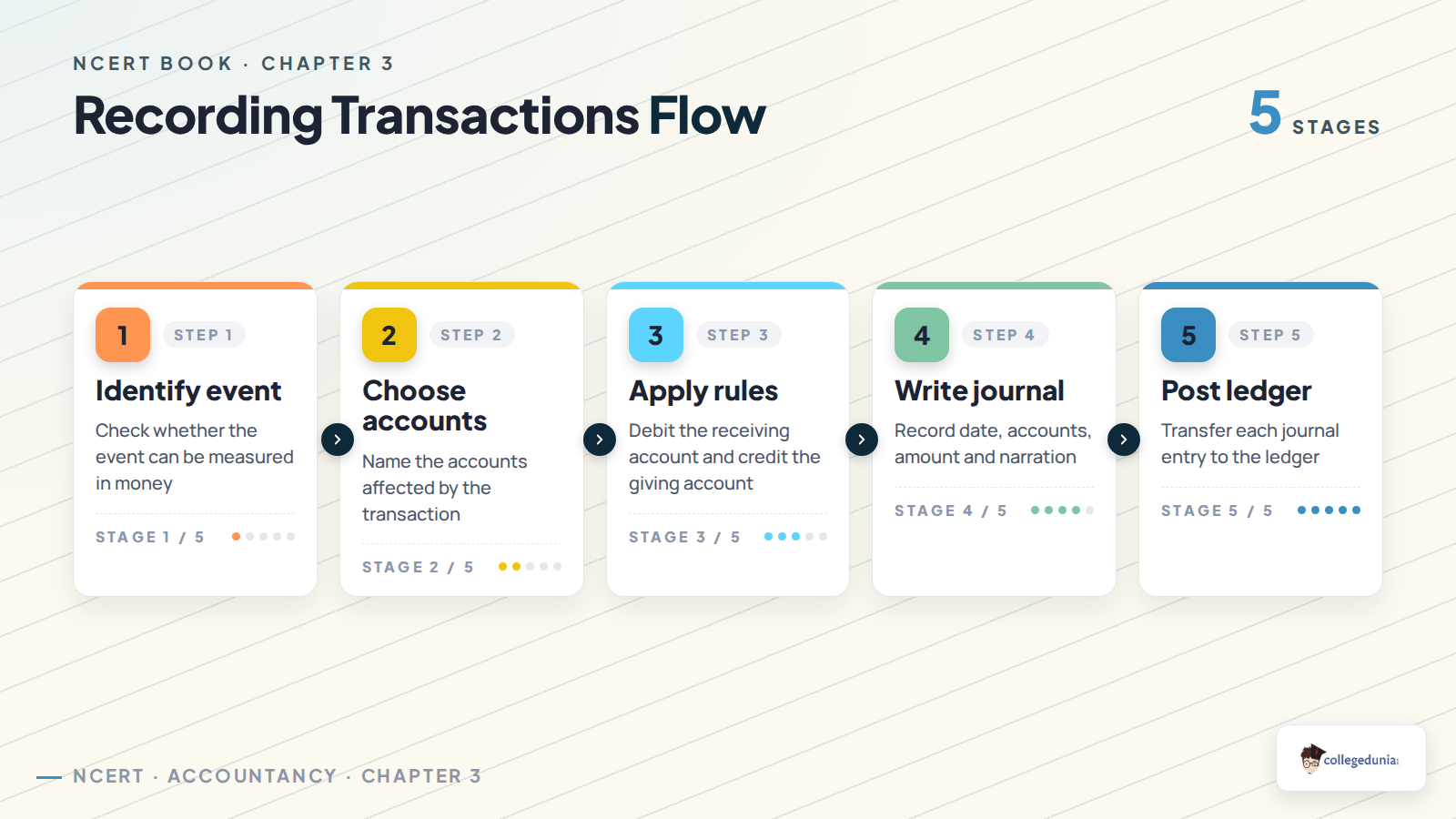
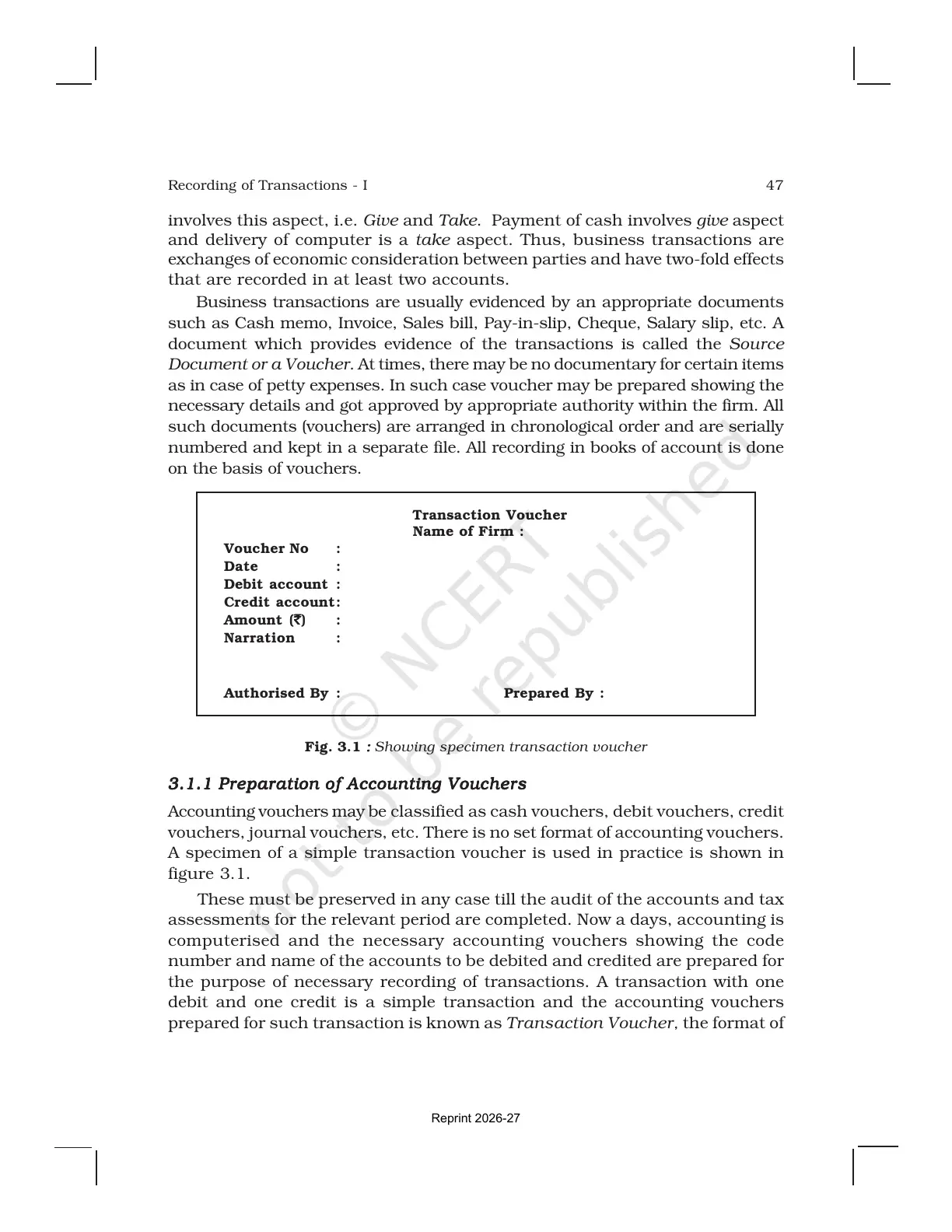
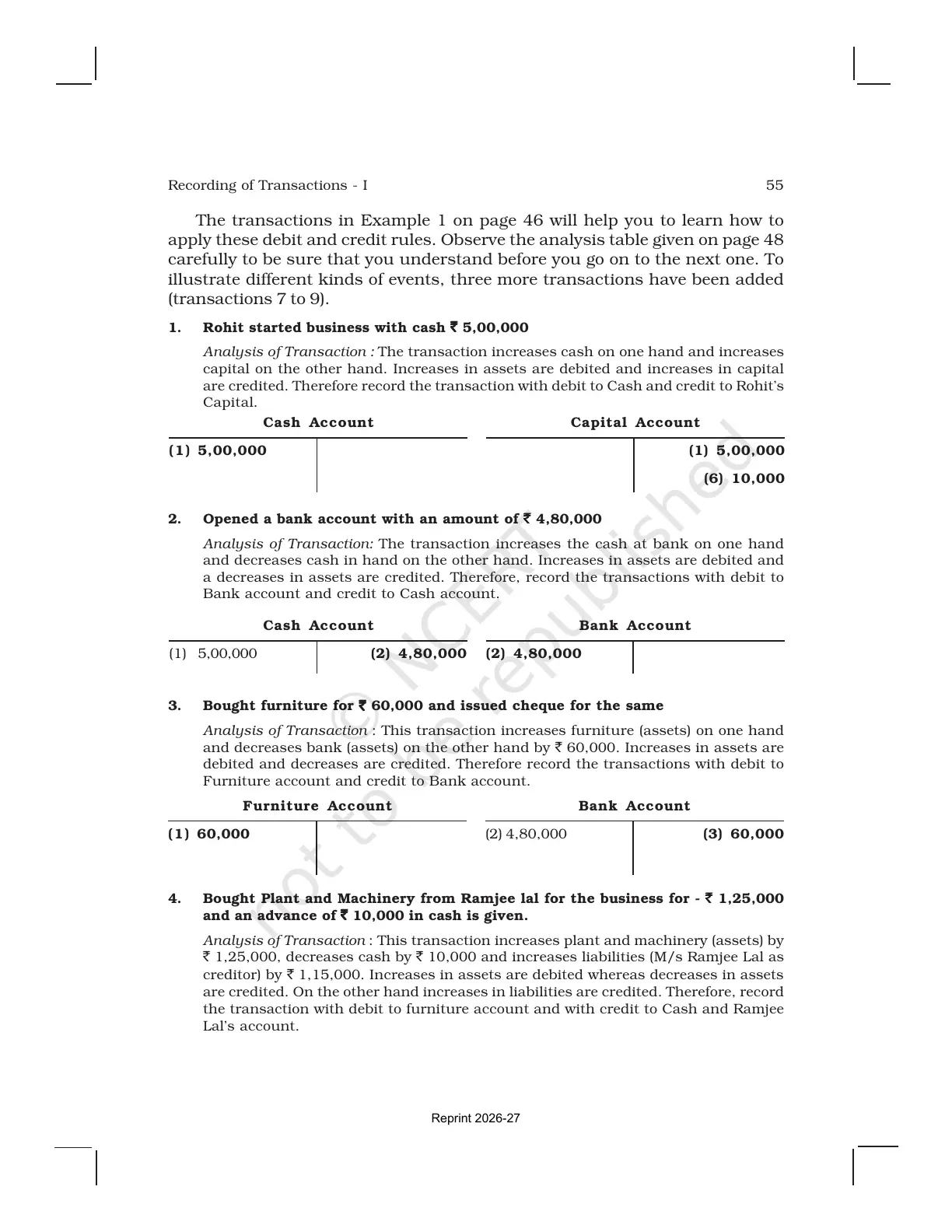
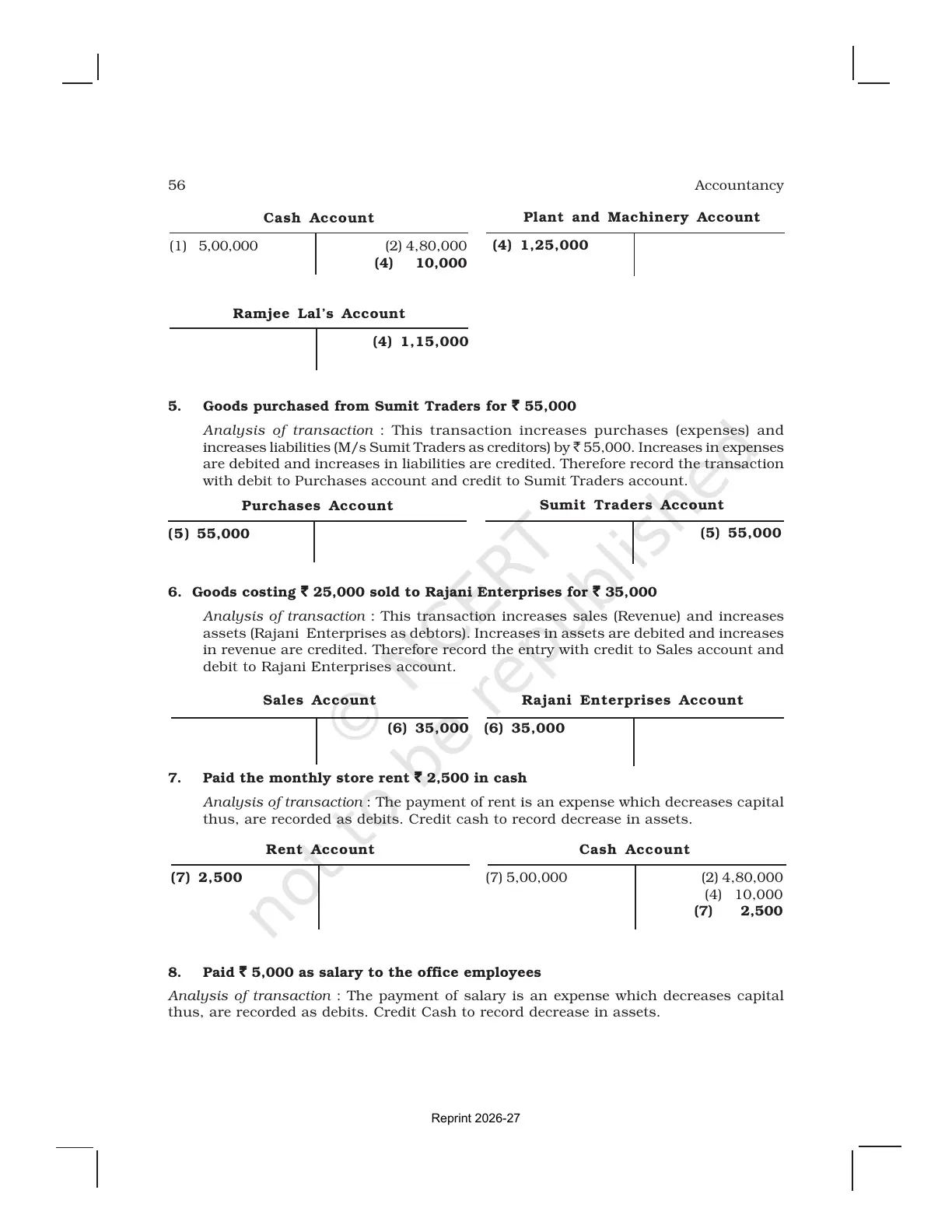
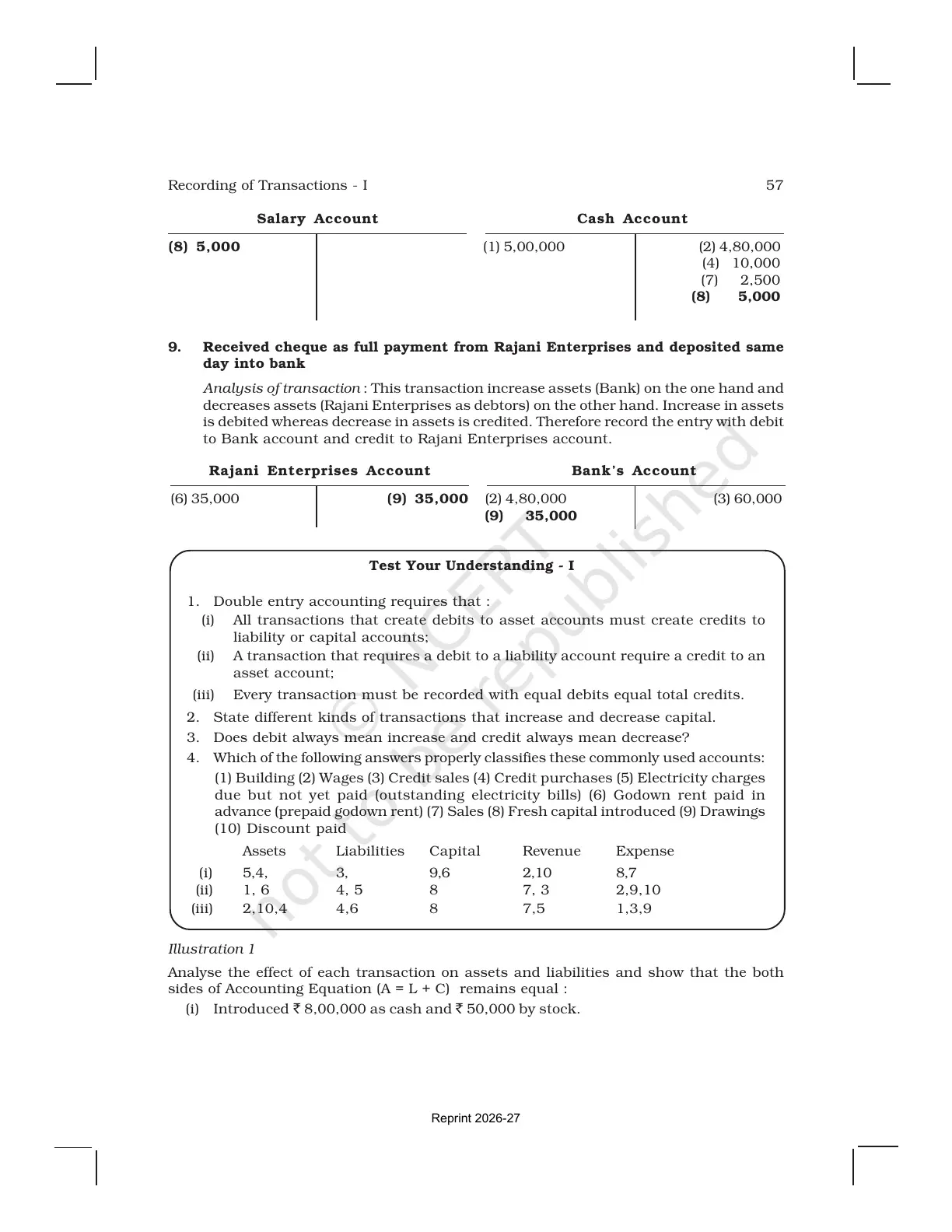
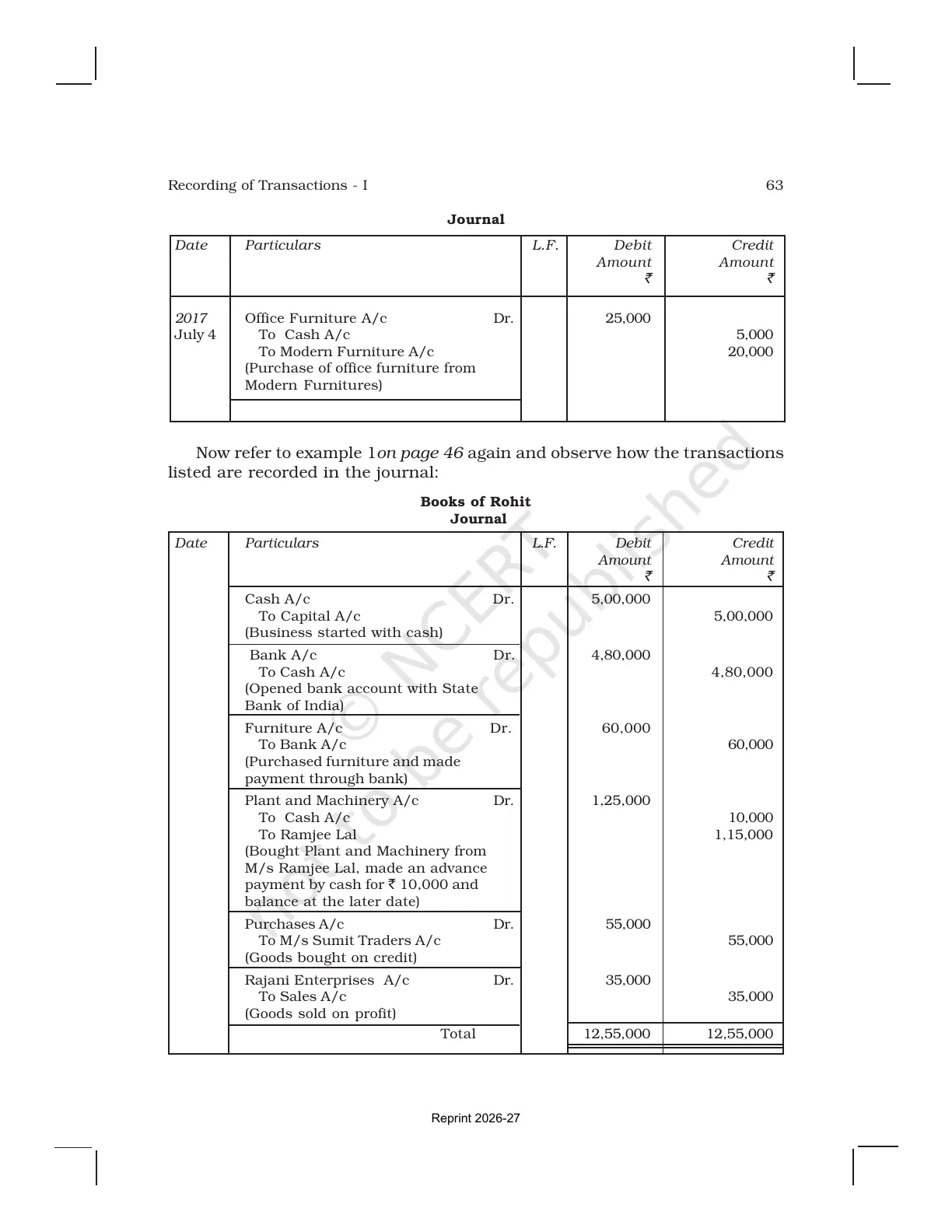
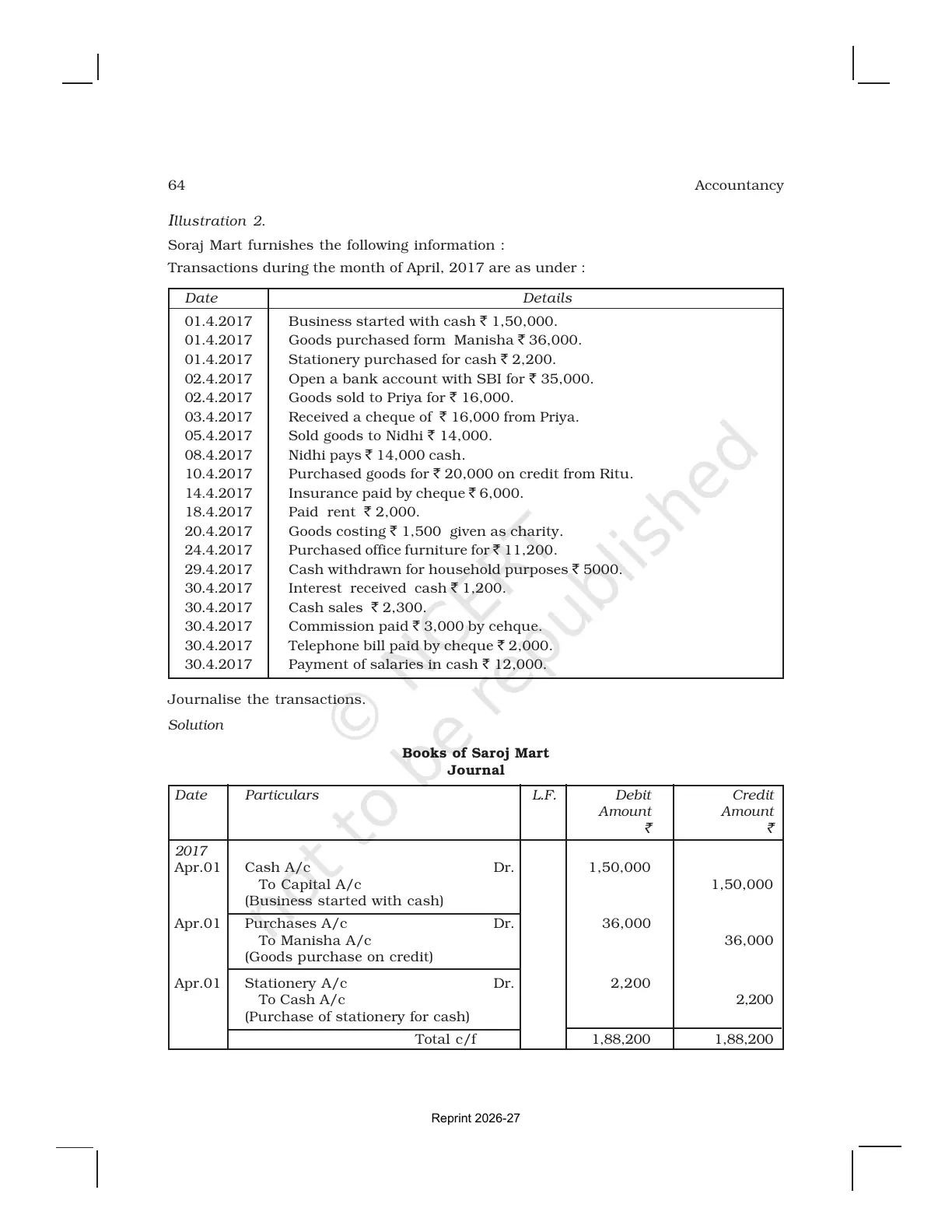
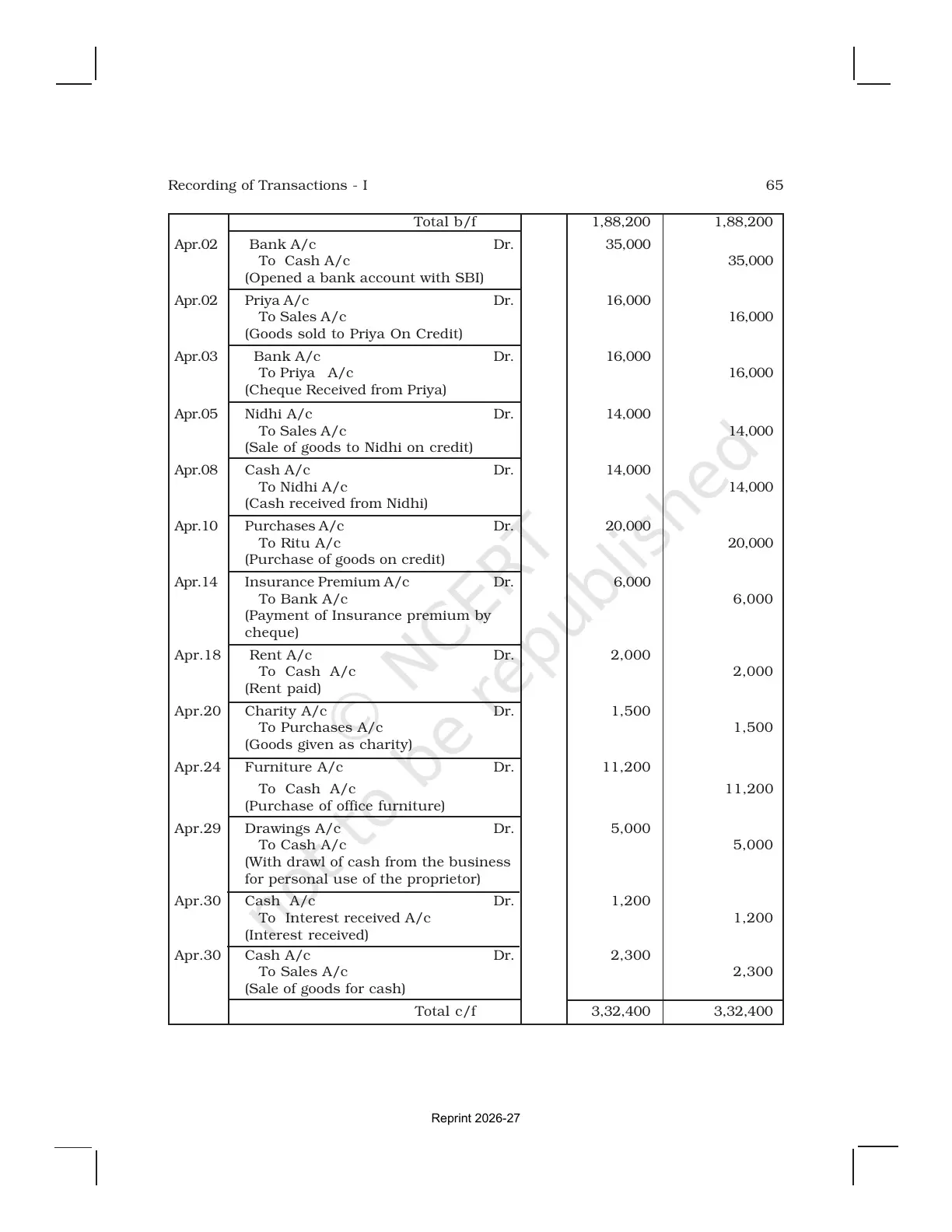
The chapter teaches a fixed path for every entry. First check whether the event is a business transaction. Then find the accounts affected, apply the debit-credit rule and write the journal entry with a short narration.
- Identify the event: record only money-measurable business events.
- Find the accounts: each transaction affects at least two accounts.
- Apply the rule: one account is debited and another is credited.
- Write the journal: add date, account names, amount and narration.
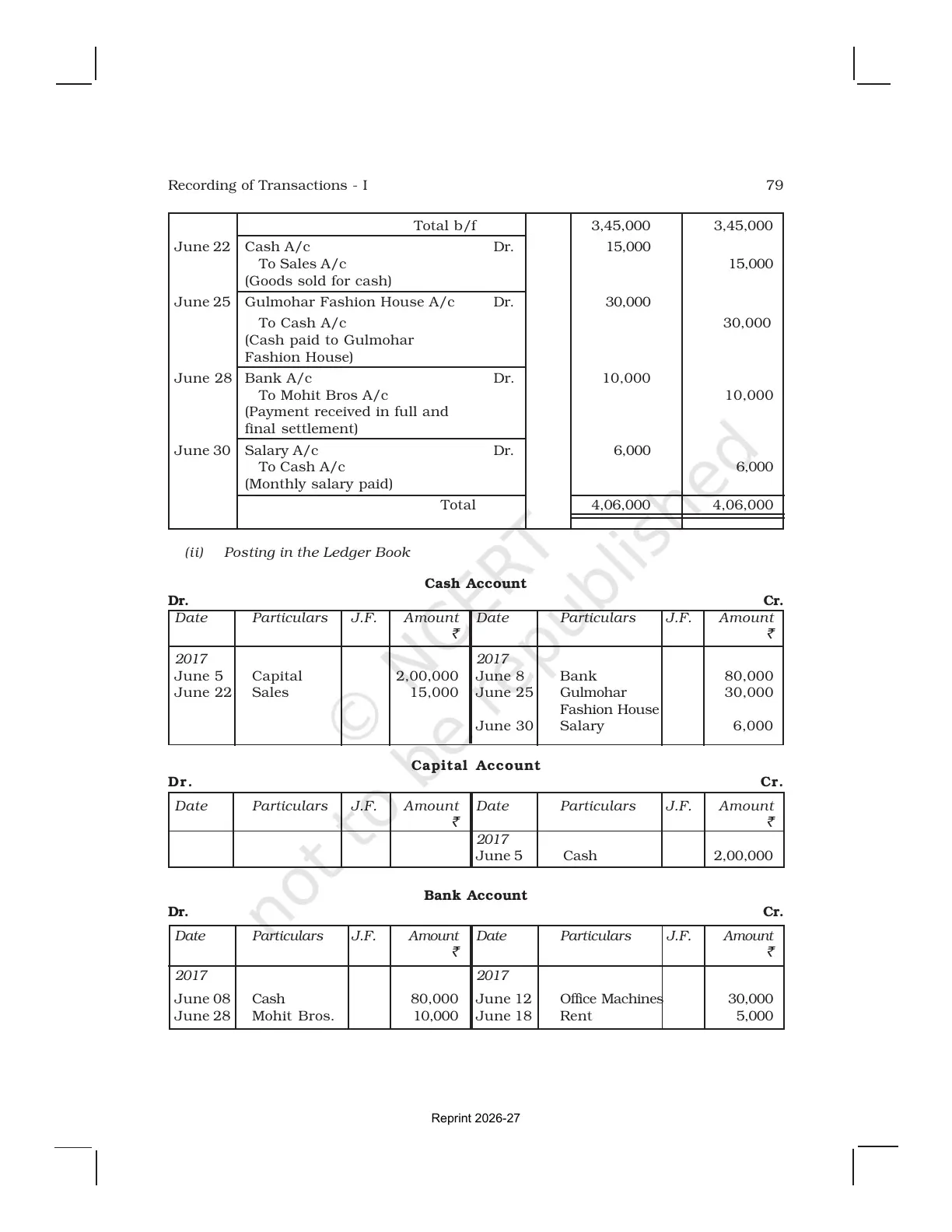
Every journal entry must keep debit total equal to credit total. This equality is the base of double-entry bookkeeping.
Recording Transactions I Journal Rules Video
Source: Magnet Brains on YouTube
Debit and Credit Rules for Recording of Transactions I
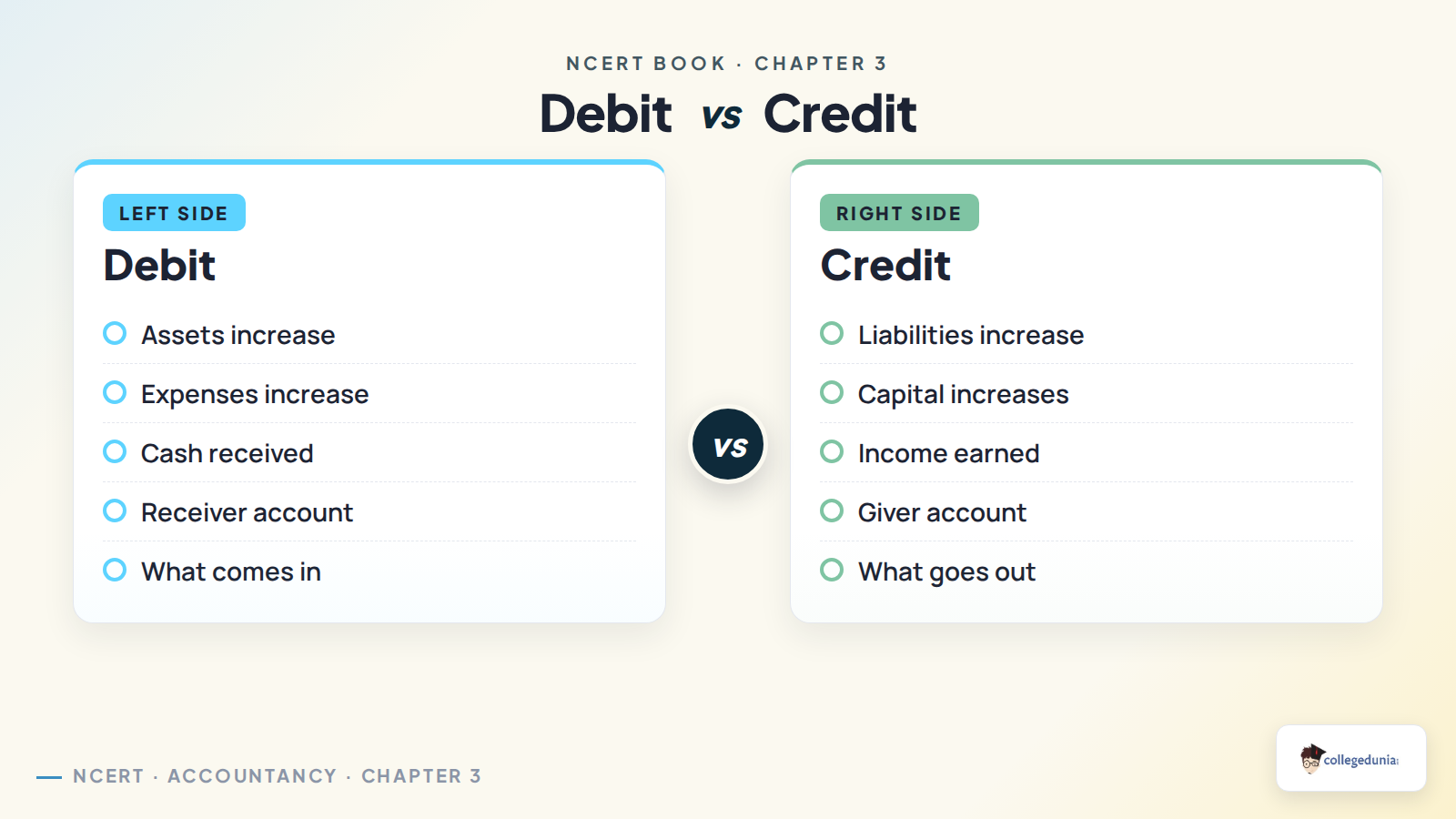
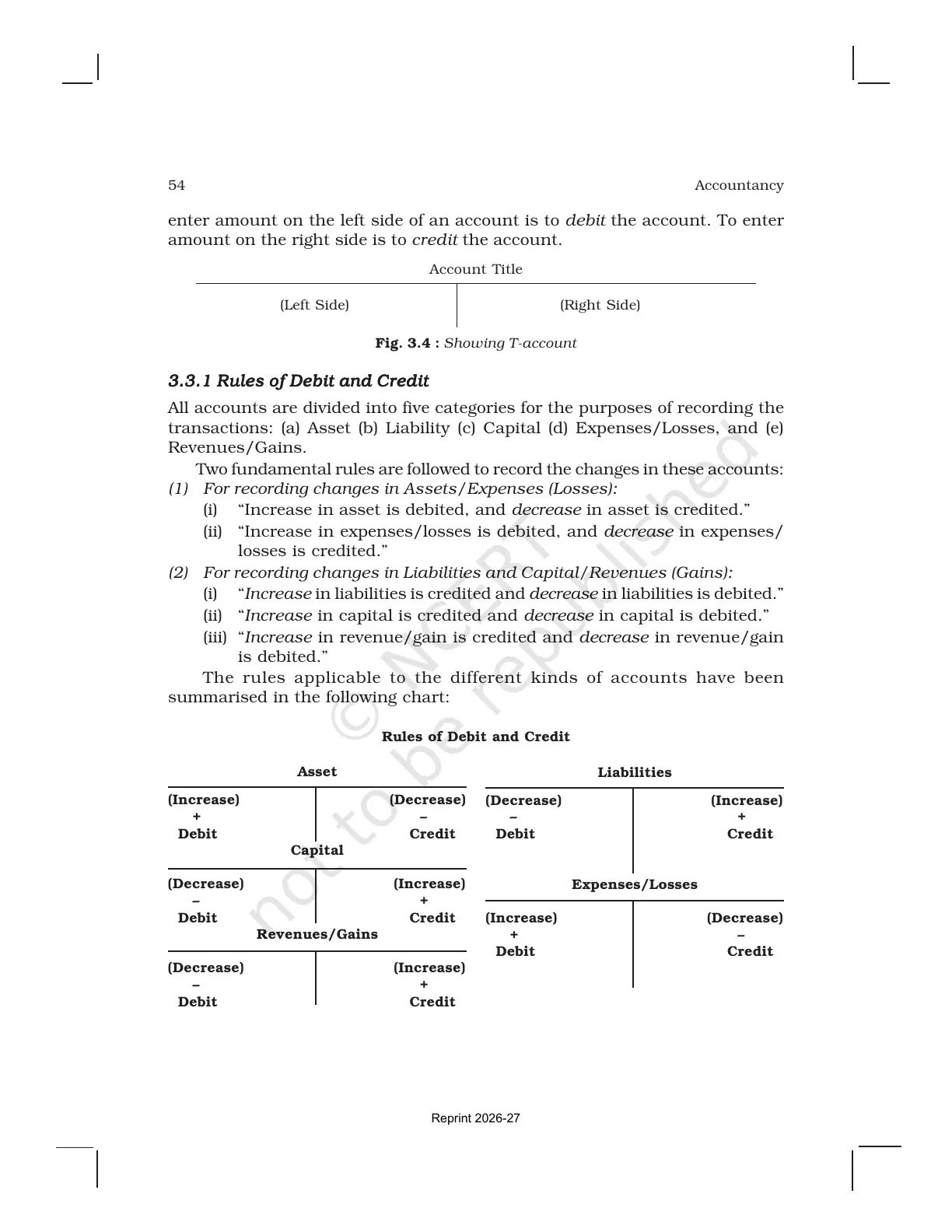
Debit and credit do not mean good or bad. They are the two sides of an account. NCERT uses them to show how value moves between accounts when a transaction takes place.
| Account type | Debit rule | Credit rule |
|---|---|---|
| Personal | Debit the receiver | Credit the giver |
| Real | Debit what comes in | Credit what goes out |
| Nominal | Debit expenses and losses | Credit incomes and gains |
Start with the account type before choosing debit or credit. Most wrong entries happen when students skip this step.
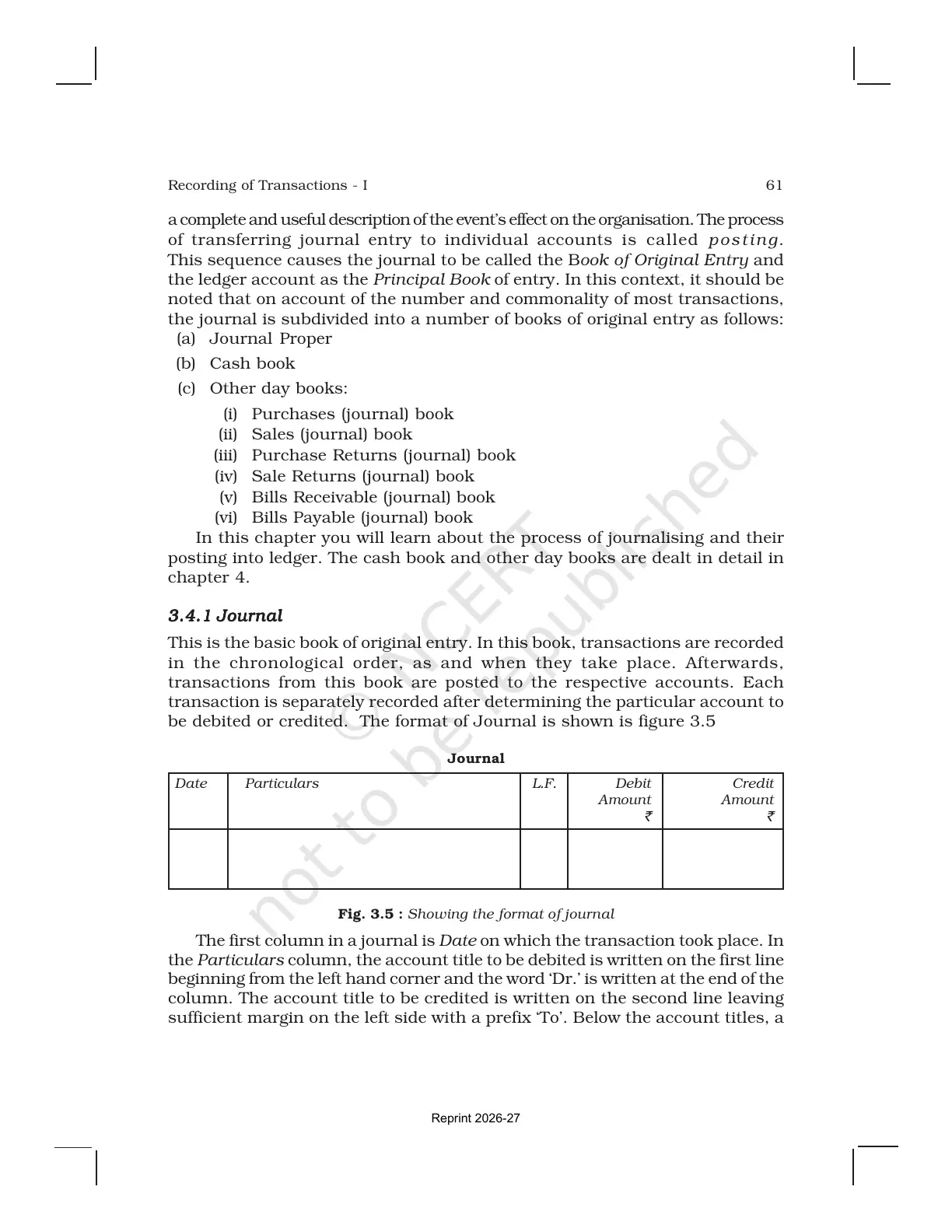
Journal Format Used in the Class 11 Accountancy NCERT Book
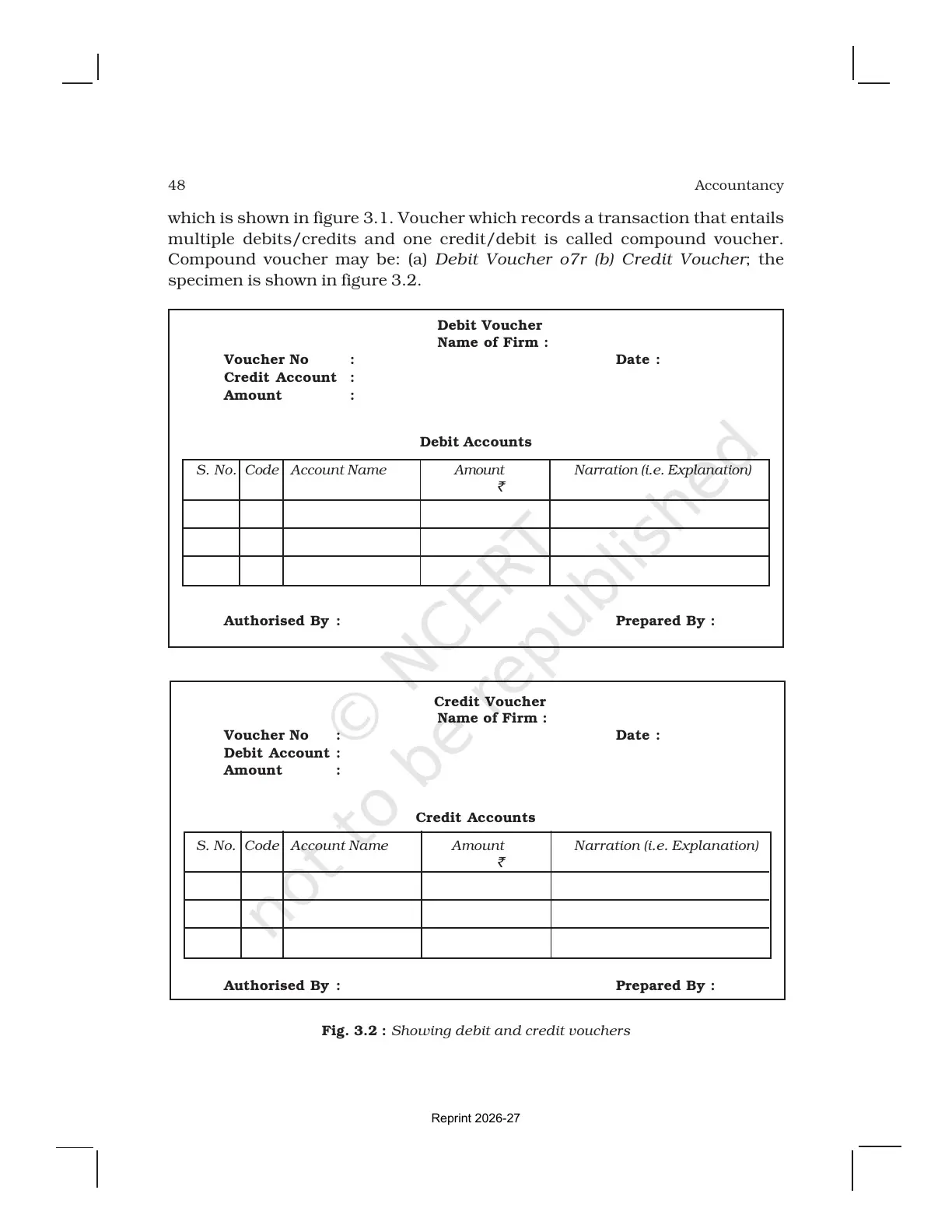
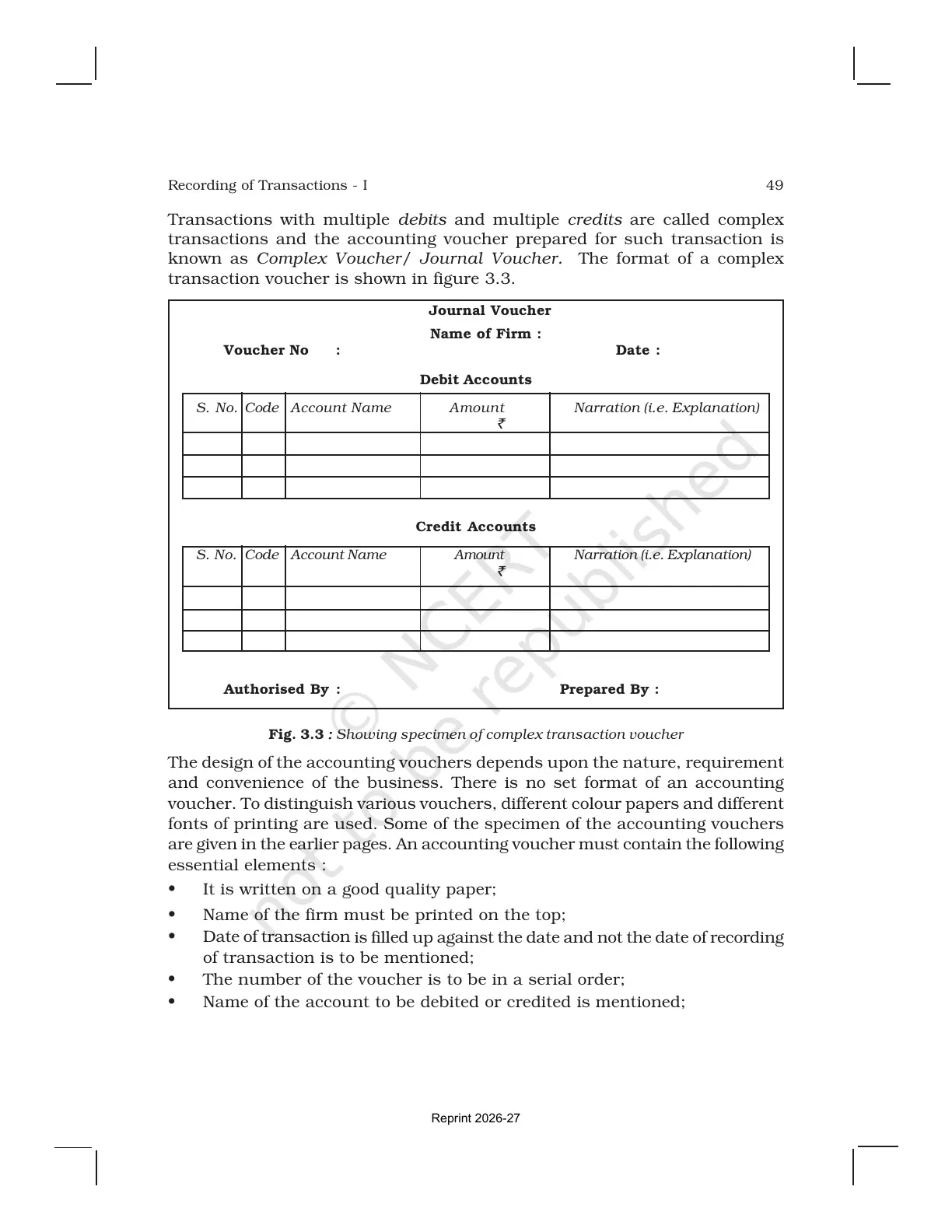
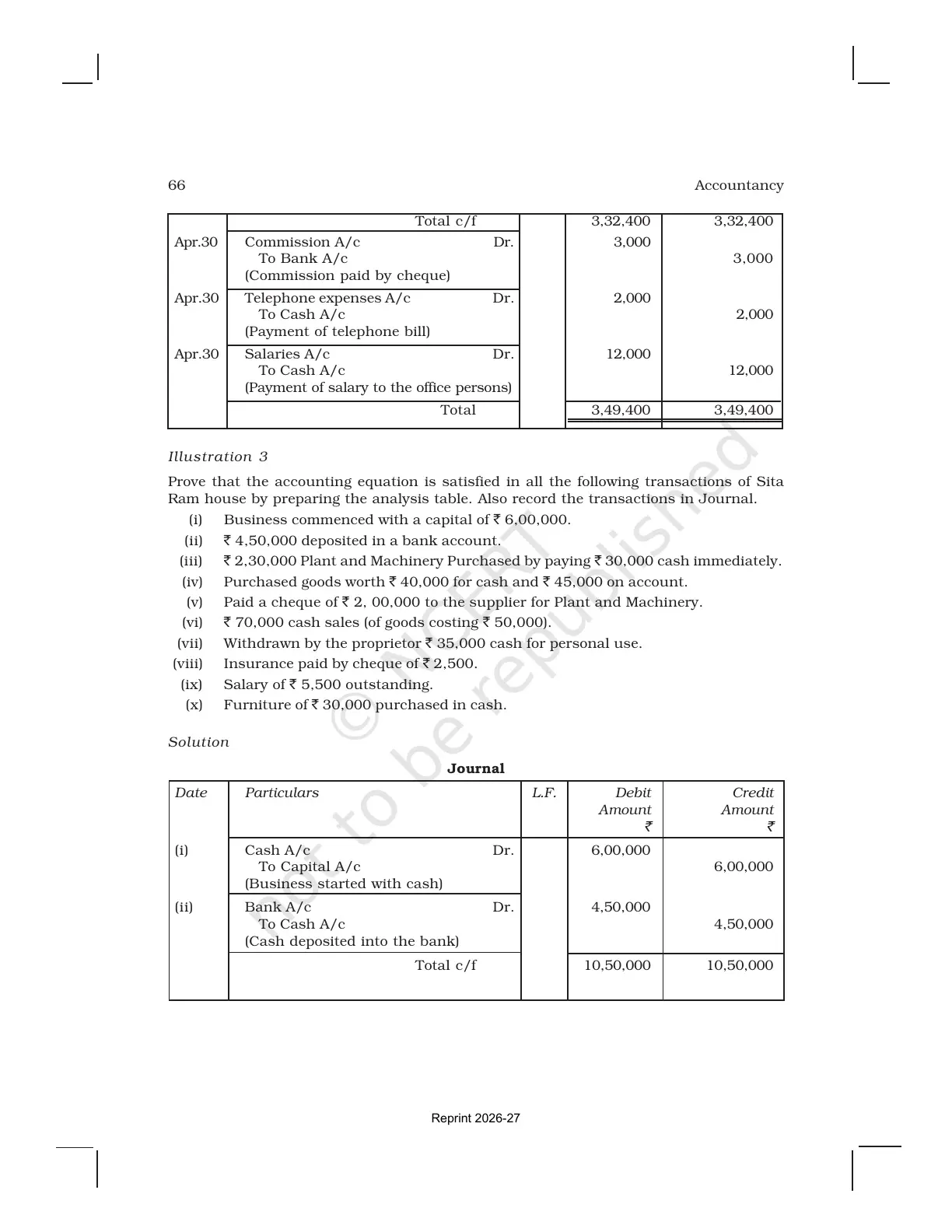
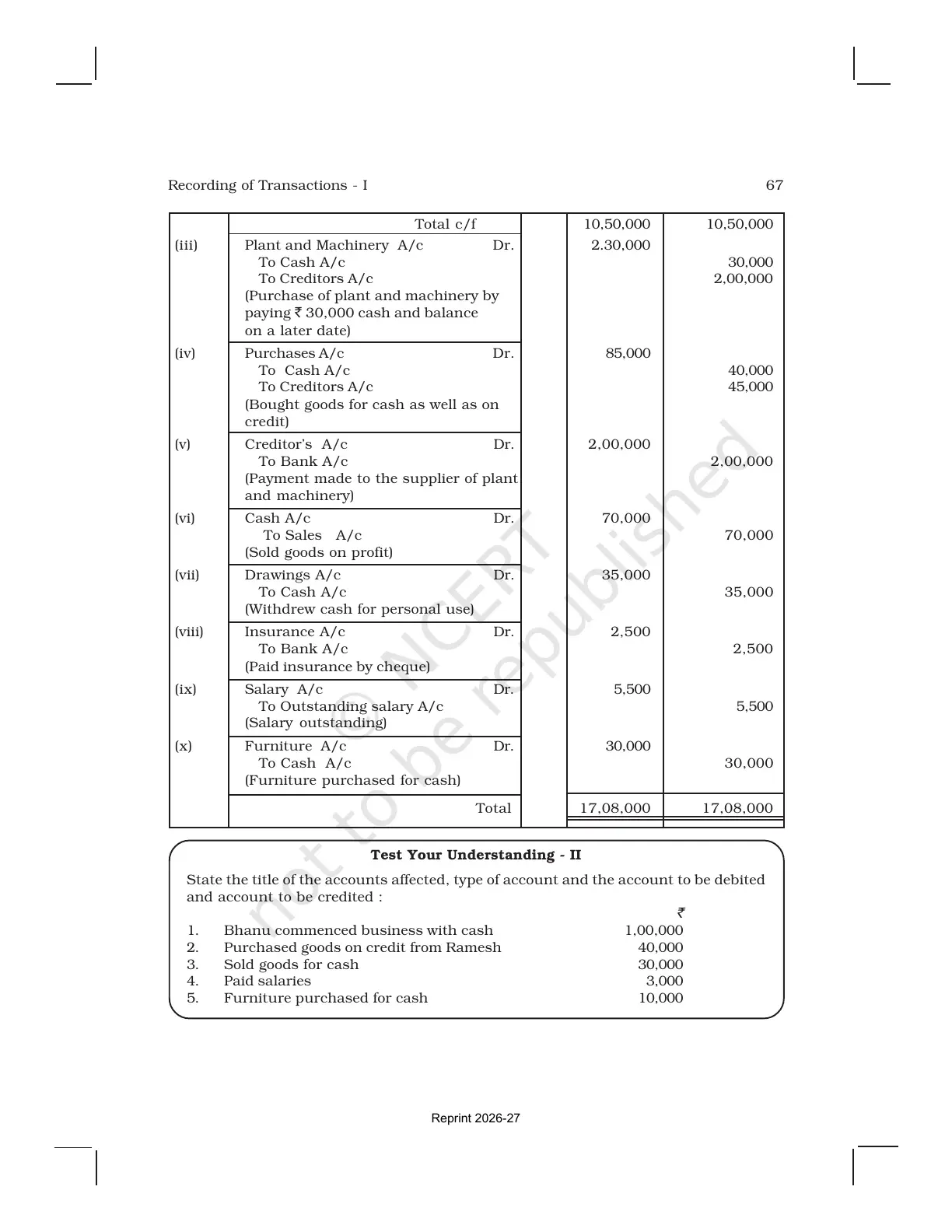
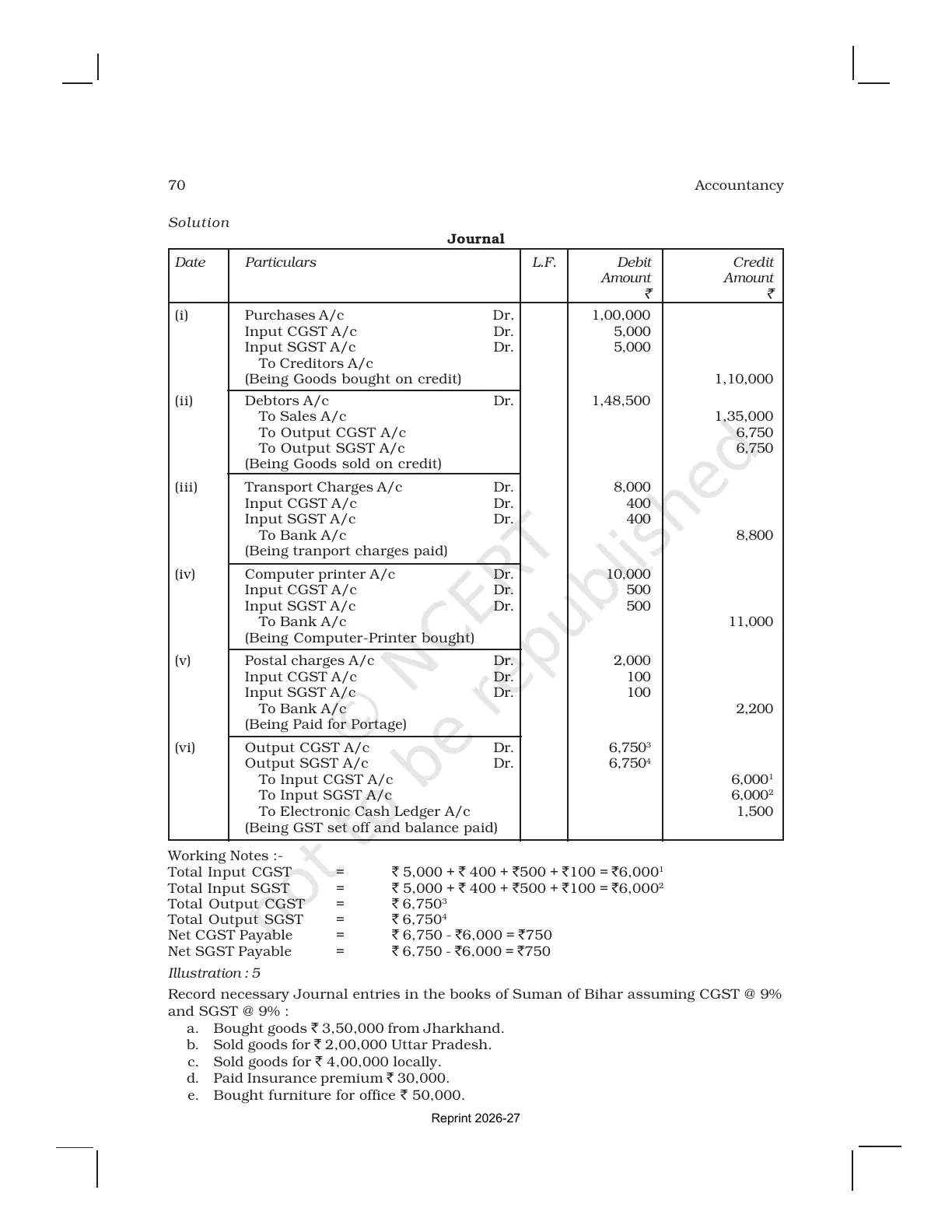
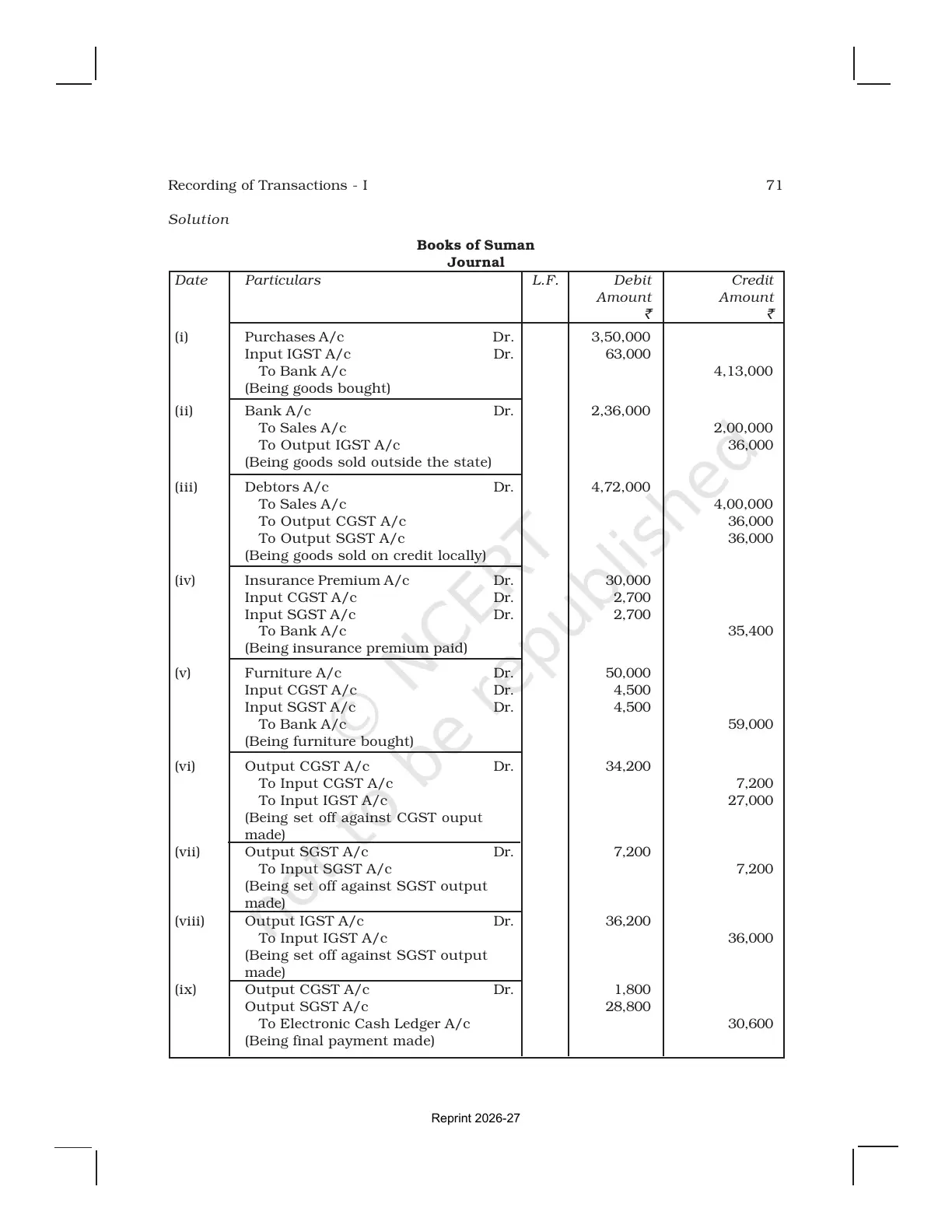
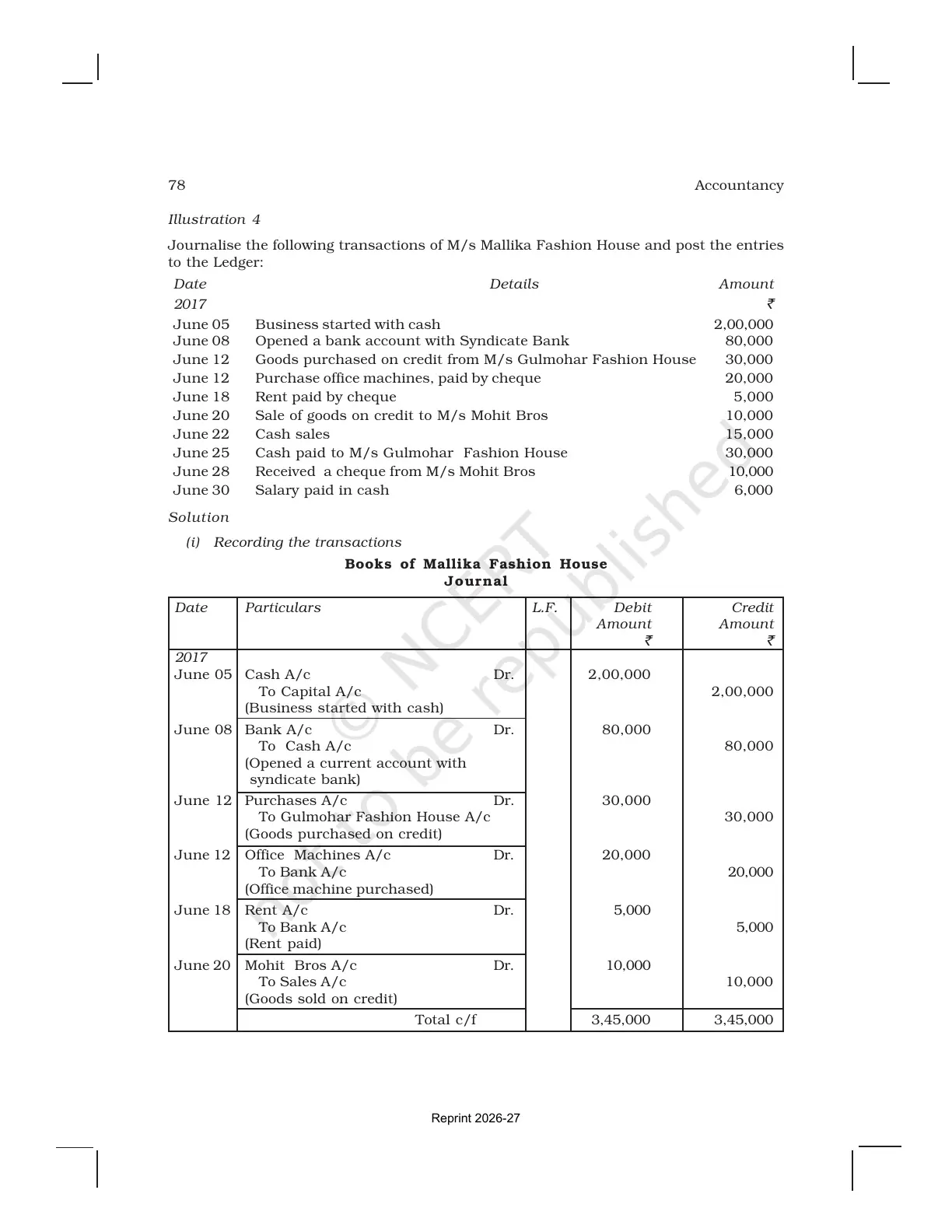
The journal is called the book of original entry because transactions are first recorded here. Each entry states the date, the accounts affected, the amounts and a narration that explains the transaction in one line.
- Date: write the transaction date in chronological order.
- Particulars: write the debit account first, then the credit account.
- Ledger folio: leave space for the ledger page reference.
- Debit and credit amount: record equal amounts on both sides.
- Narration: explain the transaction briefly inside brackets.
Narration is short but important. It tells why the entry was passed and helps when the entry is checked later.
Recording of Transactions I Class 11 Related Resources
| Resource | Best use |
|---|---|
| Recording of Transactions I Class 11 NCERT Solutions | Check textbook answers and journal-entry solutions |
| Recording of Transactions I Class 11 Notes | Revise rules, formats and common entry patterns |
| Recording of Transactions I Class 11 Handwritten Notes | Use handwritten revision notes before school tests |
All Class 11 Accountancy NCERT Book Chapters
| Chapter | NCERT Book PDF |
|---|---|
| 1 | Introduction to Accounting |
| 2 | Theory Base of Accounting |
| 3 | Recording of Transactions - I |
| 4 | Recording of Transactions - II |
| 5 | Bank Reconciliation Statement |
| 6 | Trial Balance and Rectification of Errors |
| 7 | Depreciation, Provisions and Reserves |
| 8 | Financial Statements - I |
| 9 | Financial Statements - II |
Recording of Transactions I Class 11 NCERT Book FAQs
Ques. What does Recording of Transactions - I explain?
Ans. It explains how business transactions are identified, analysed and recorded through journal entries in the Class 11 Accountancy textbook.
Ques. Why is the journal called the book of original entry?
Ans. It is called the book of original entry because every transaction is first recorded in the journal before ledger posting.
Ques. Which rules are used for debit and credit?
Ans. Personal, real and nominal account rules are used to decide which account is debited and which account is credited.
Ques. What is narration in a journal entry?
Ans. Narration is a short explanation written below a journal entry to describe the reason for recording the transaction.
Ques. What should students revise before ledger posting?
Ans. Students should revise account types, debit-credit rules, journal format and the equality of debit and credit amounts.



Comments