




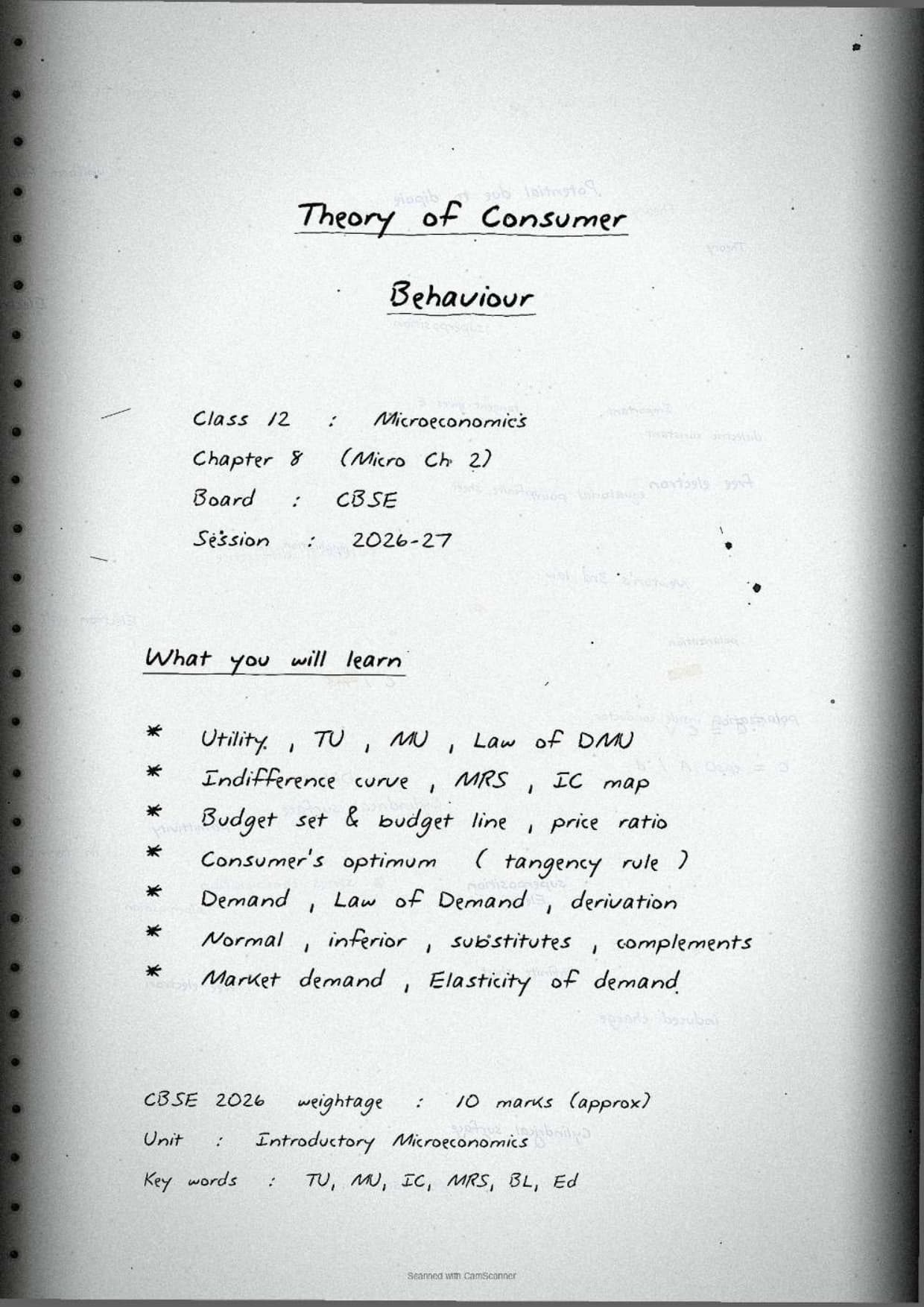
Theory of Consumer Behaviour is Chapter 2 of the Class 12 Microeconomics book. It covers utility, indifference curves, the budget line, consumer equilibrium and elasticity of demand. This page has scanned handwritten notes you can download as a free PDF.
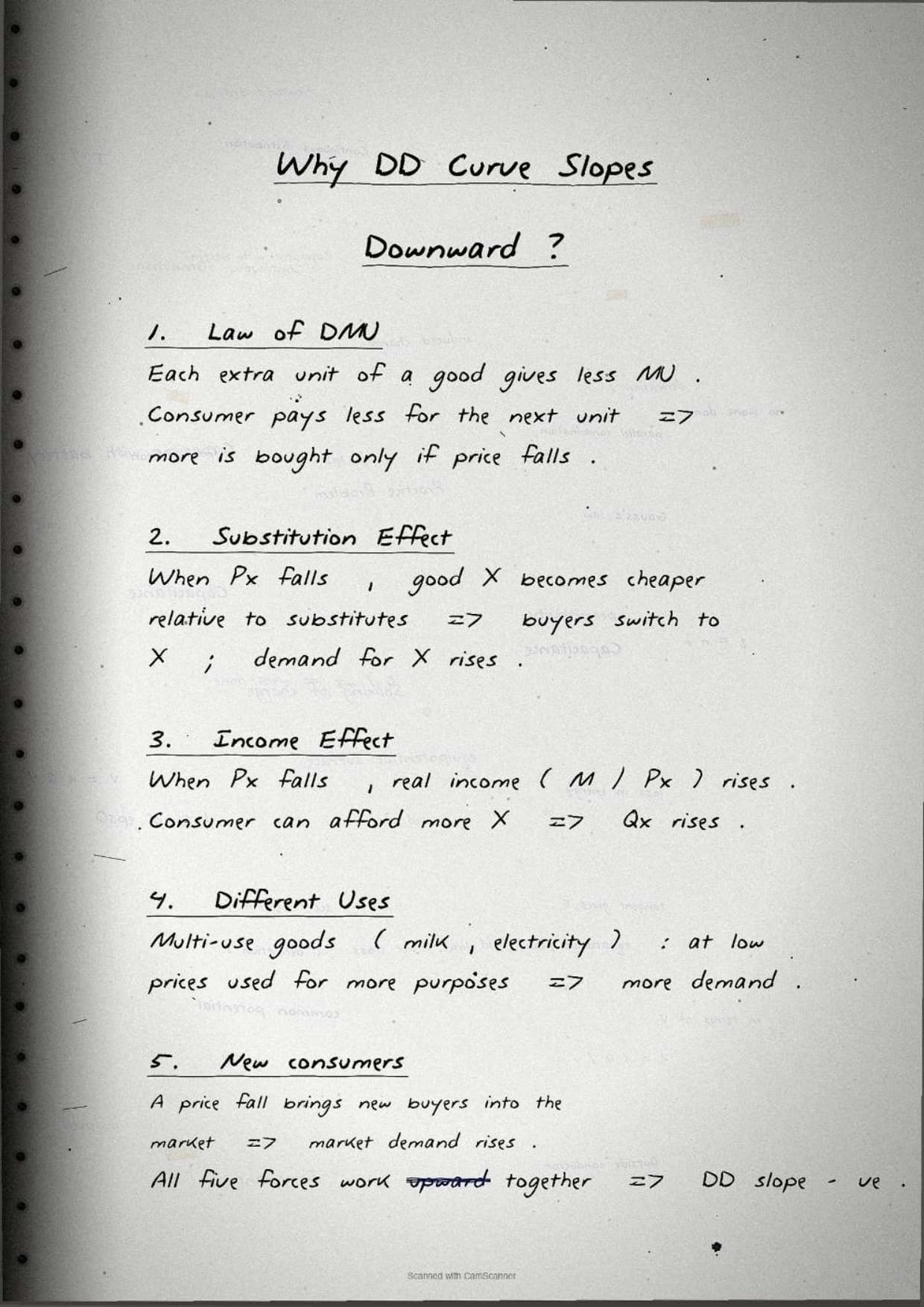
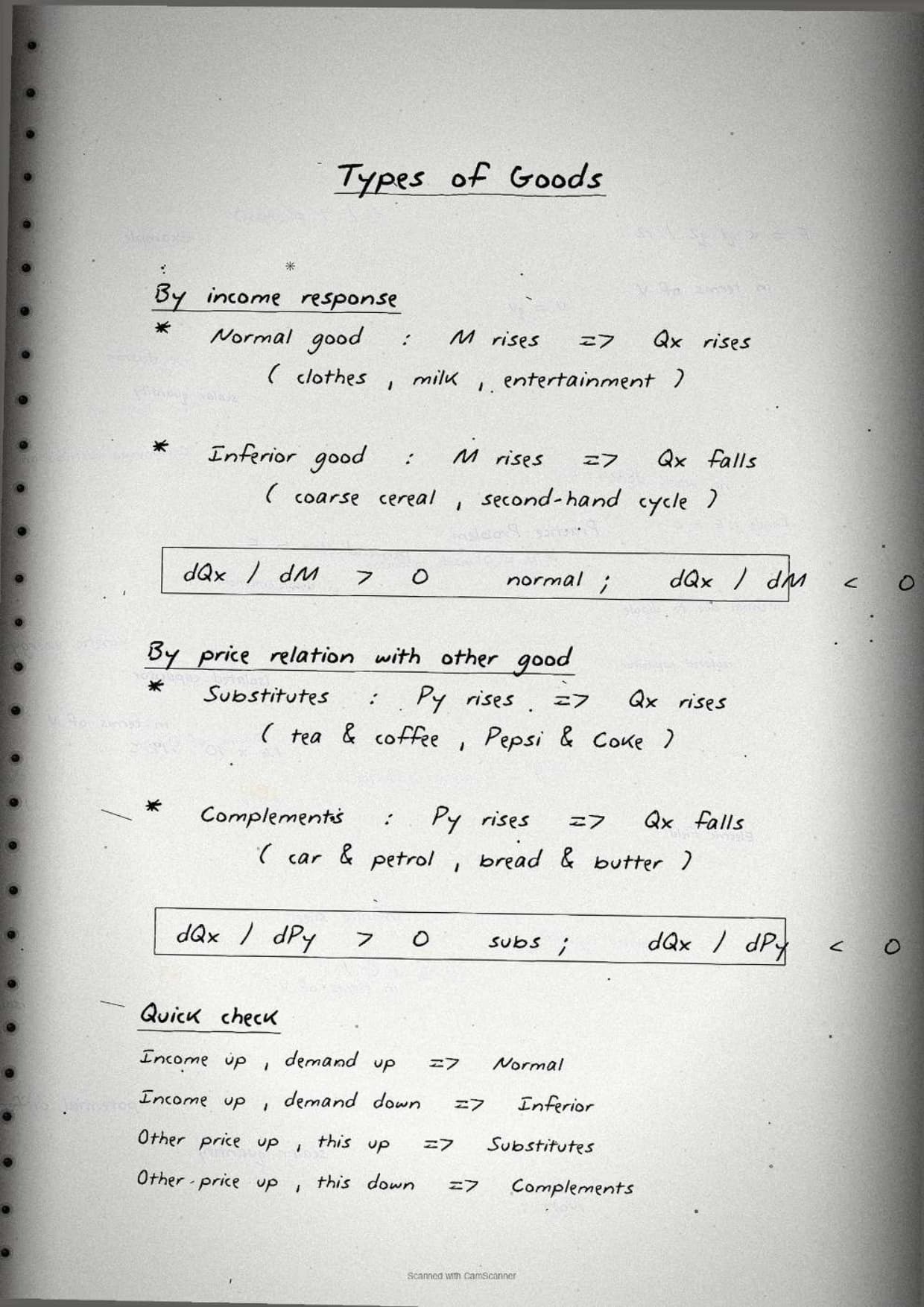
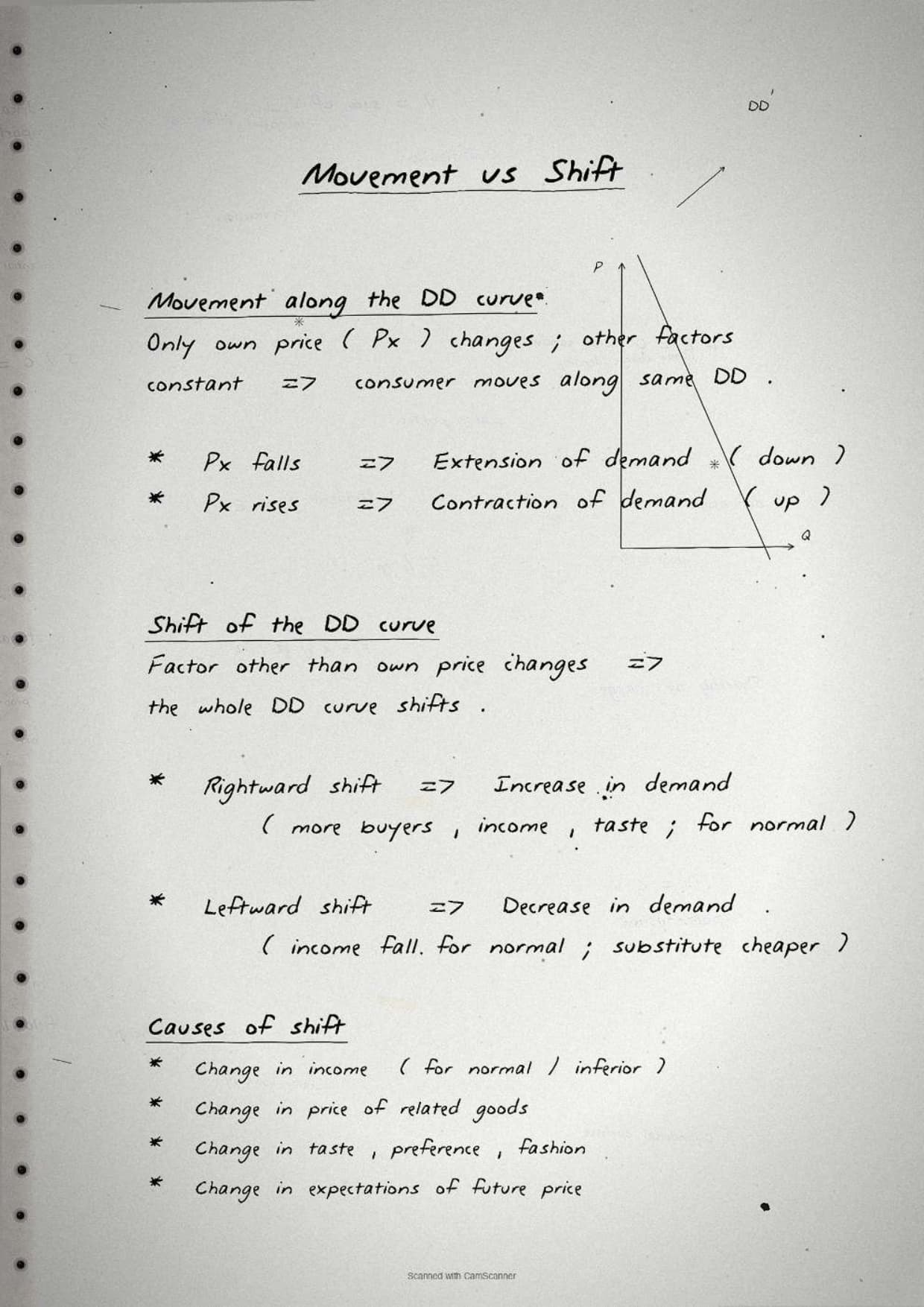
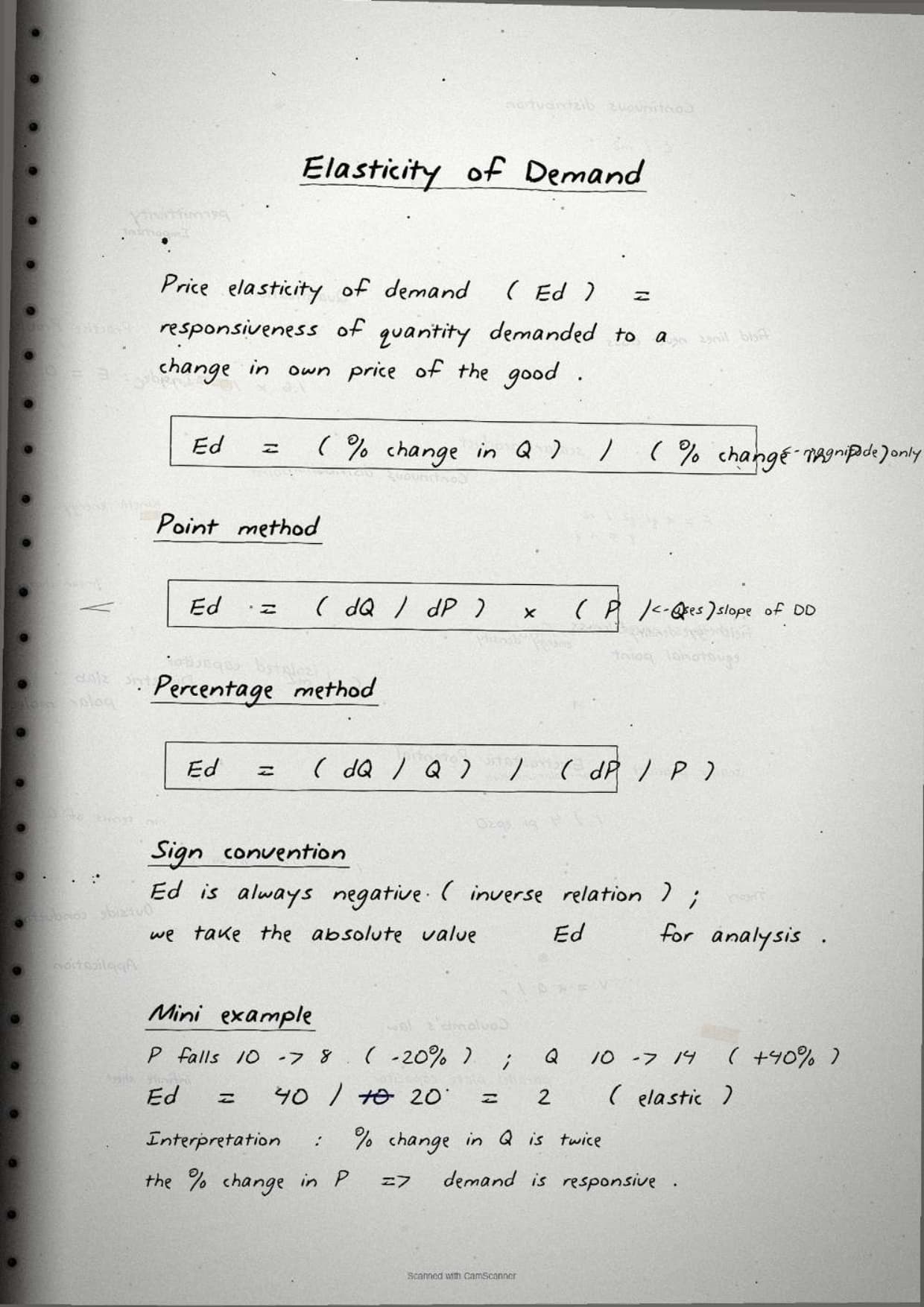
Here is what this chapter is worth in the exam:
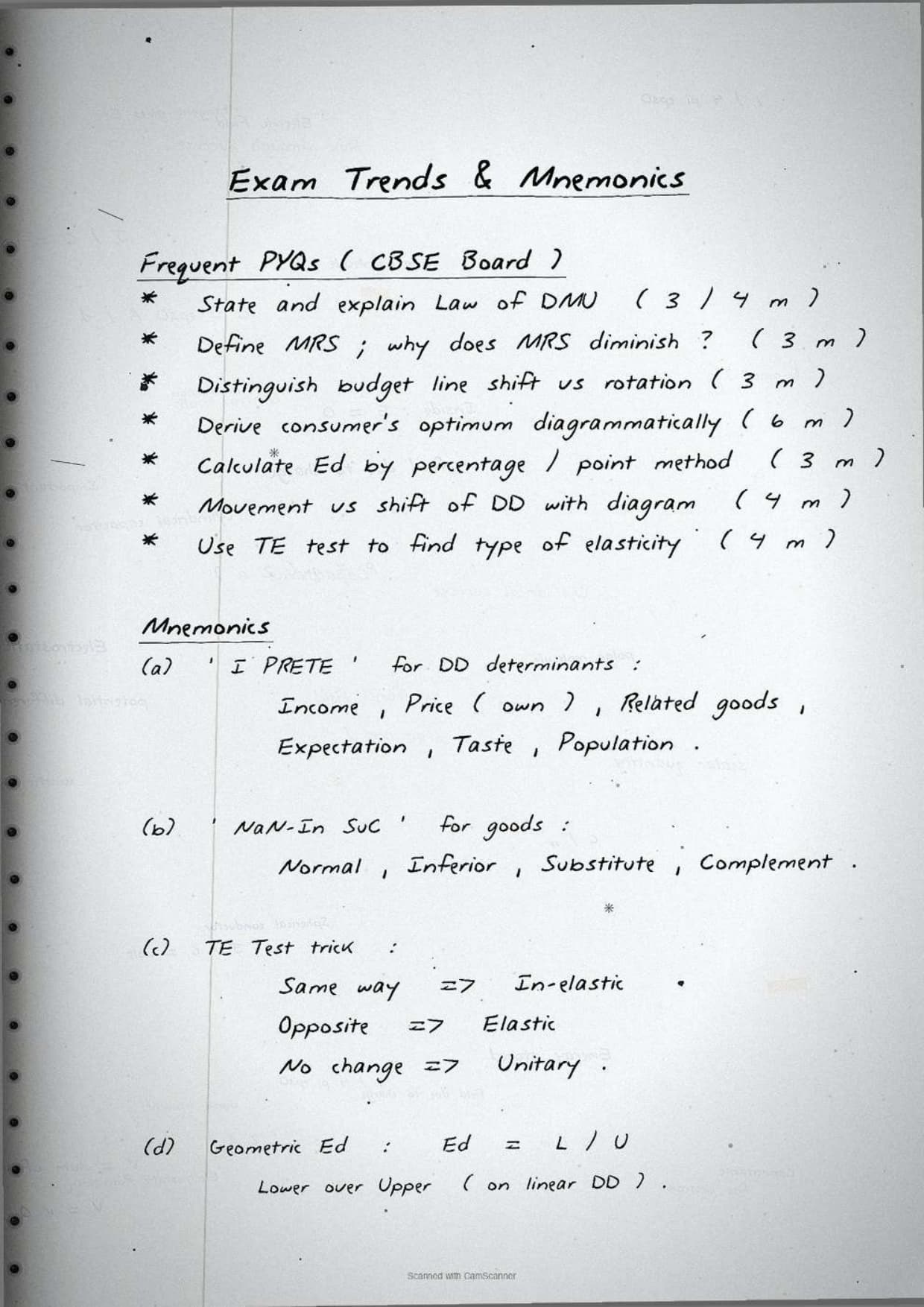
- CBSE Boards: about 10 to 12 marks, with one consumer equilibrium question and one elasticity sum.
- CUET: 2 to 3 questions each year on utility, indifference curves and elasticity.
- Revision time: about 25 minutes with these notes.
Each page of these handwritten notes is copied by hand by a Collegedunia subject expert, mapped to the 2026-27 NCERT Microeconomics textbook, and checked against the last five years of CBSE Class 12 Economics board papers.
What These Theory of Consumer Behaviour Class 12 Handwritten Notes Include
The PDF is a scanned notebook for last-mile revision. It is written in ballpoint pen on ruled paper, with hand-drawn curves, formula boxes and pen-touch corrections in a second ink. It covers every Chapter 2 topic in four pages.
| Page | What the page covers | Time |
|---|---|---|
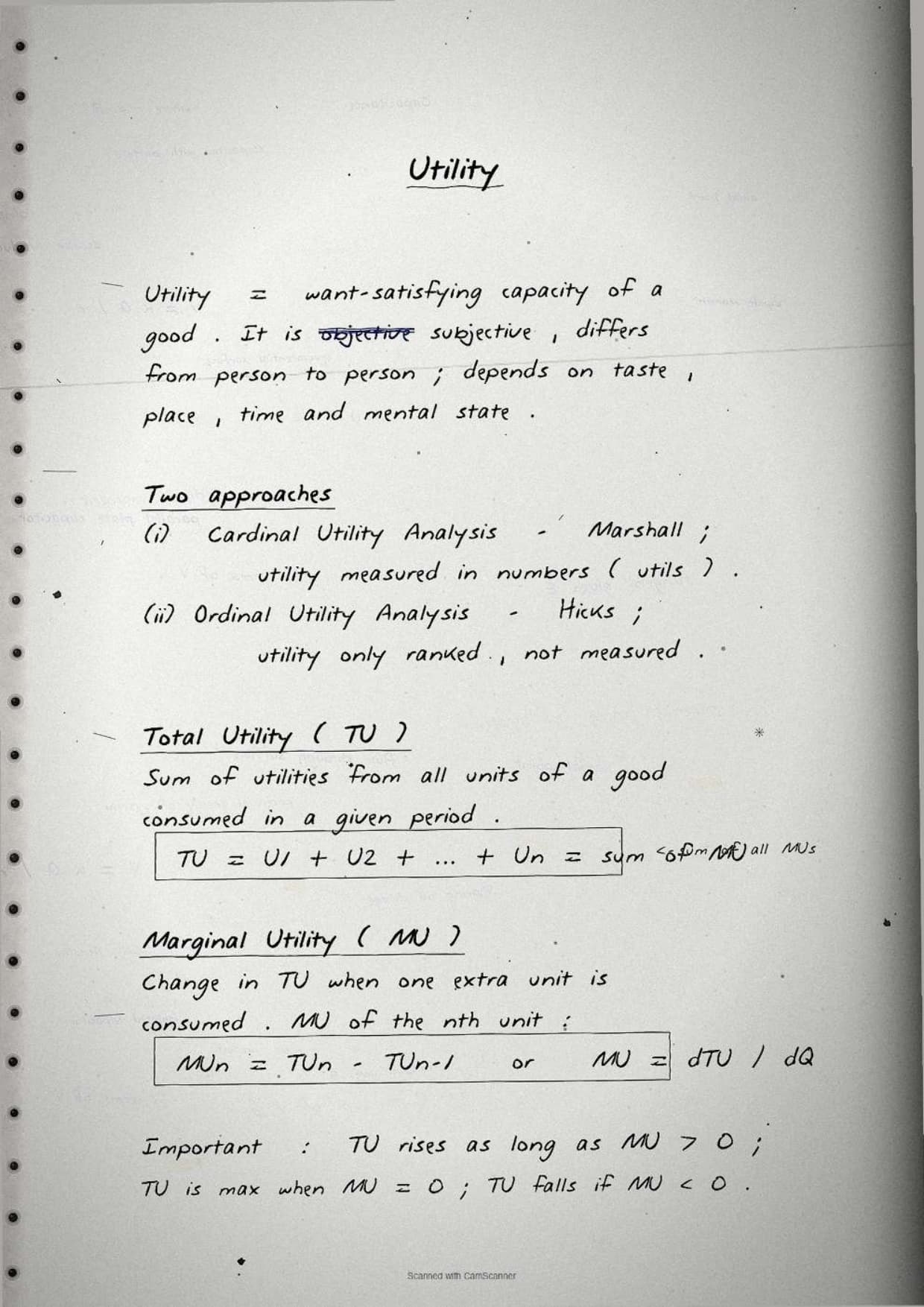
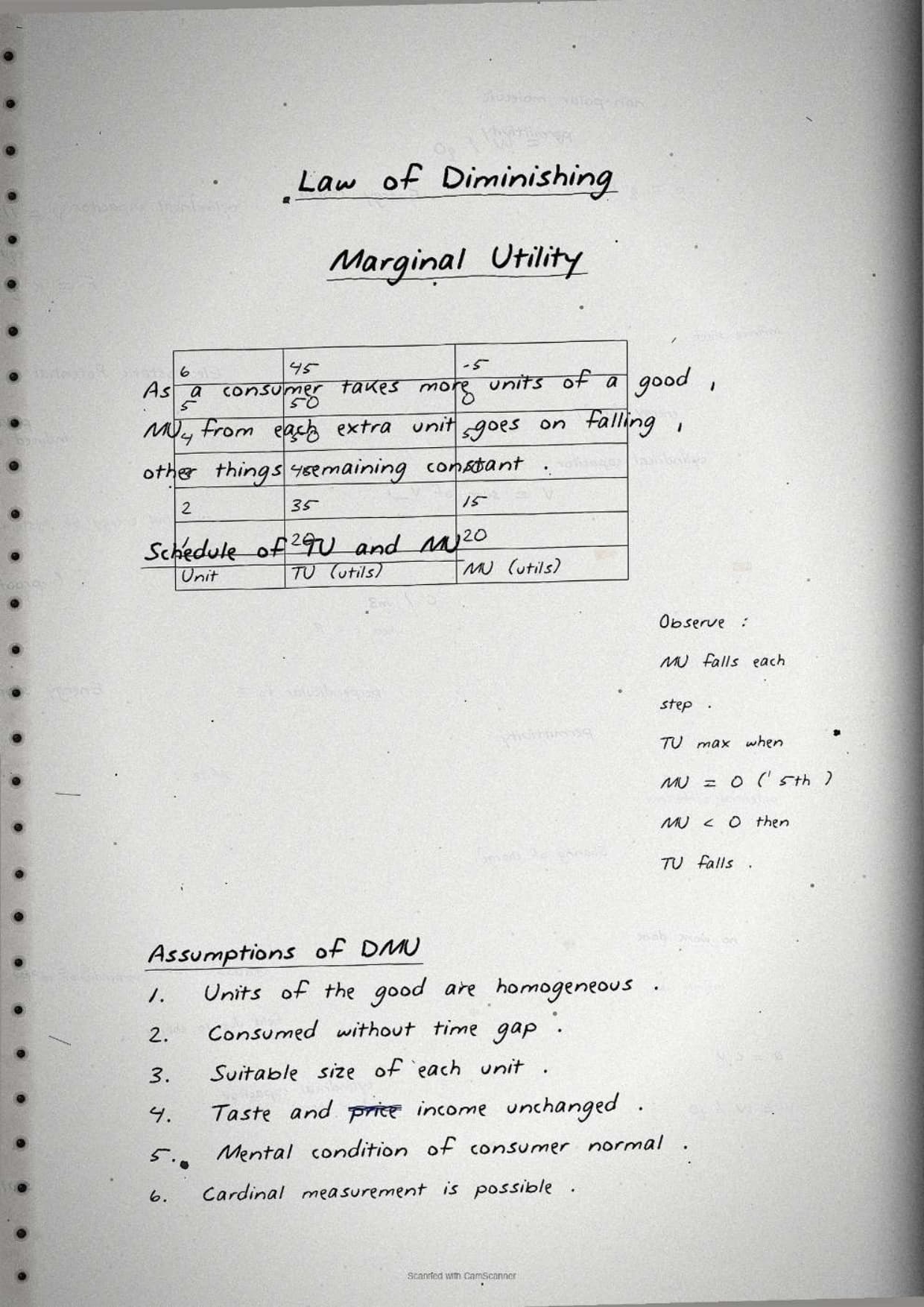
| Page 1 | Cardinal utility, TU and MU, law of diminishing marginal utility, TU and MU curves. | 6 min |
| Page 2 | Ordinal utility, the indifference curve map, four properties of ICs, the MRS box. | 7 min |
| Page 3 | Budget line, budget set, shifts, and the tangency condition for consumer equilibrium. | 6 min |
| Page 4 | Demand curve, and elasticity by the percentage and geometric methods. | 7 min |
Theory of Consumer Behaviour Class 12 Video Lesson
Source: Magnet Brains on YouTube
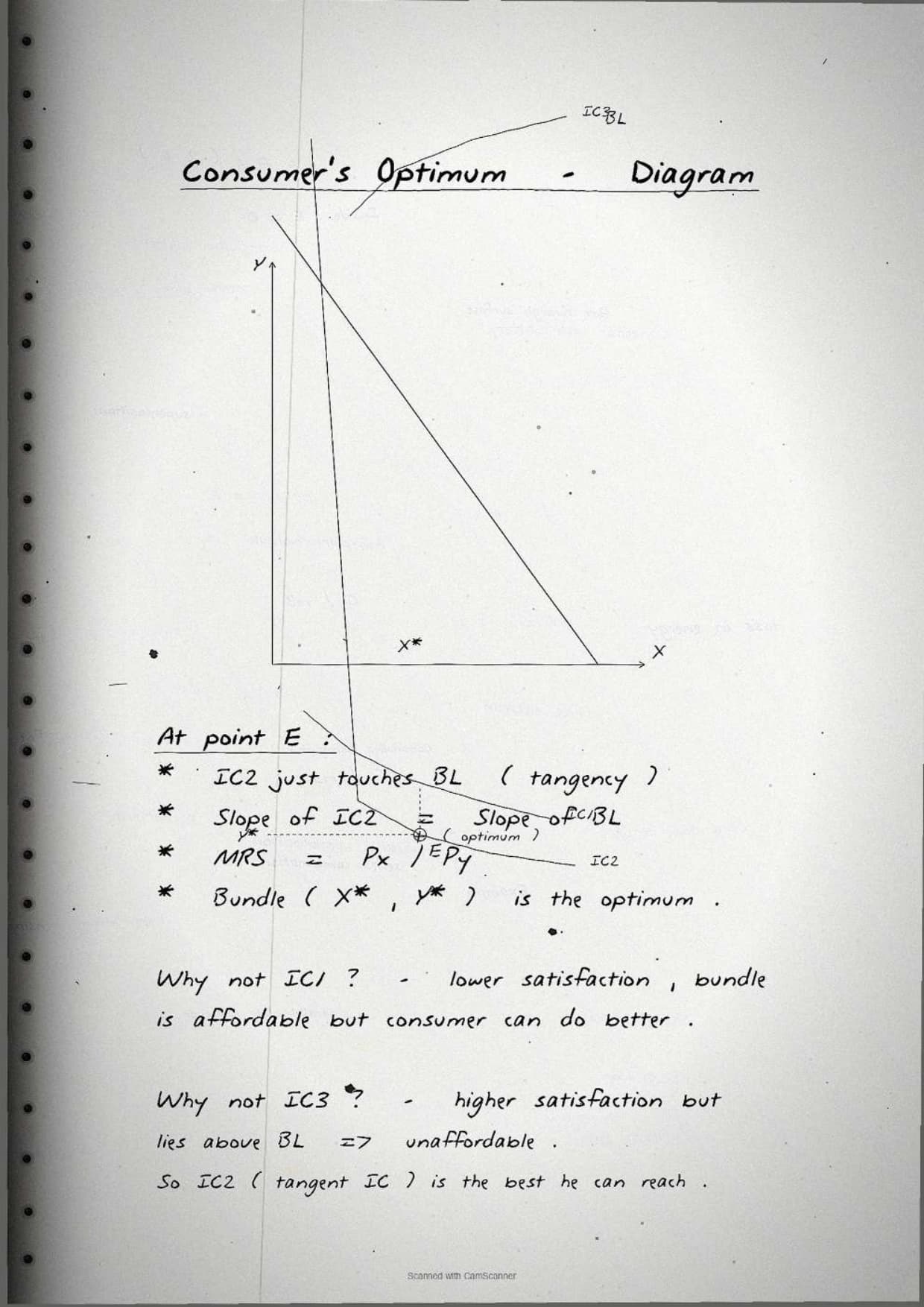
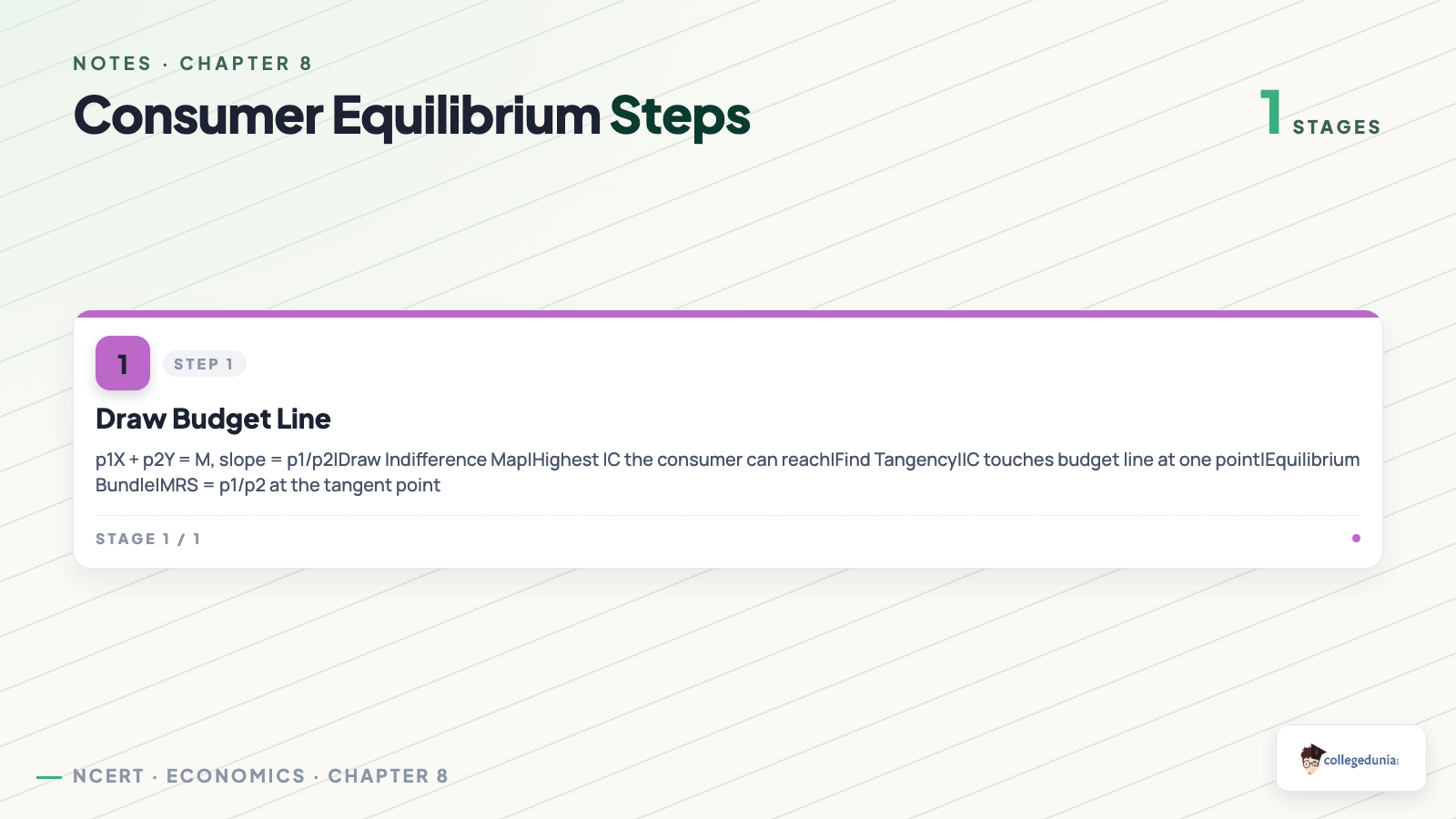
The scanned pages build up to one key diagram: the consumer equilibrium. The figure below shows how the budget line and the indifference map meet at the best bundle.
Indifference Curves and Consumer Equilibrium in Theory of Consumer Behaviour Class 12
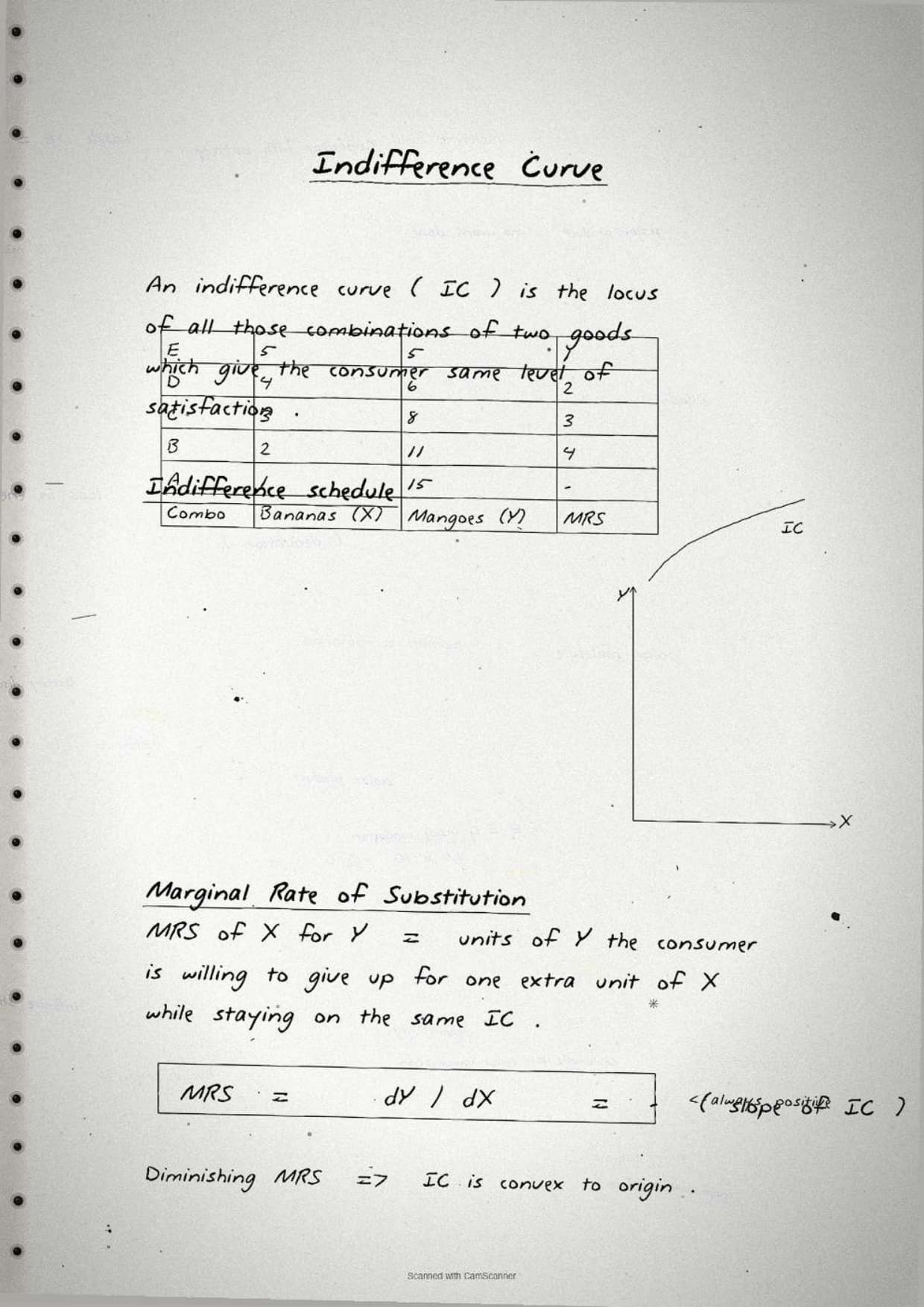
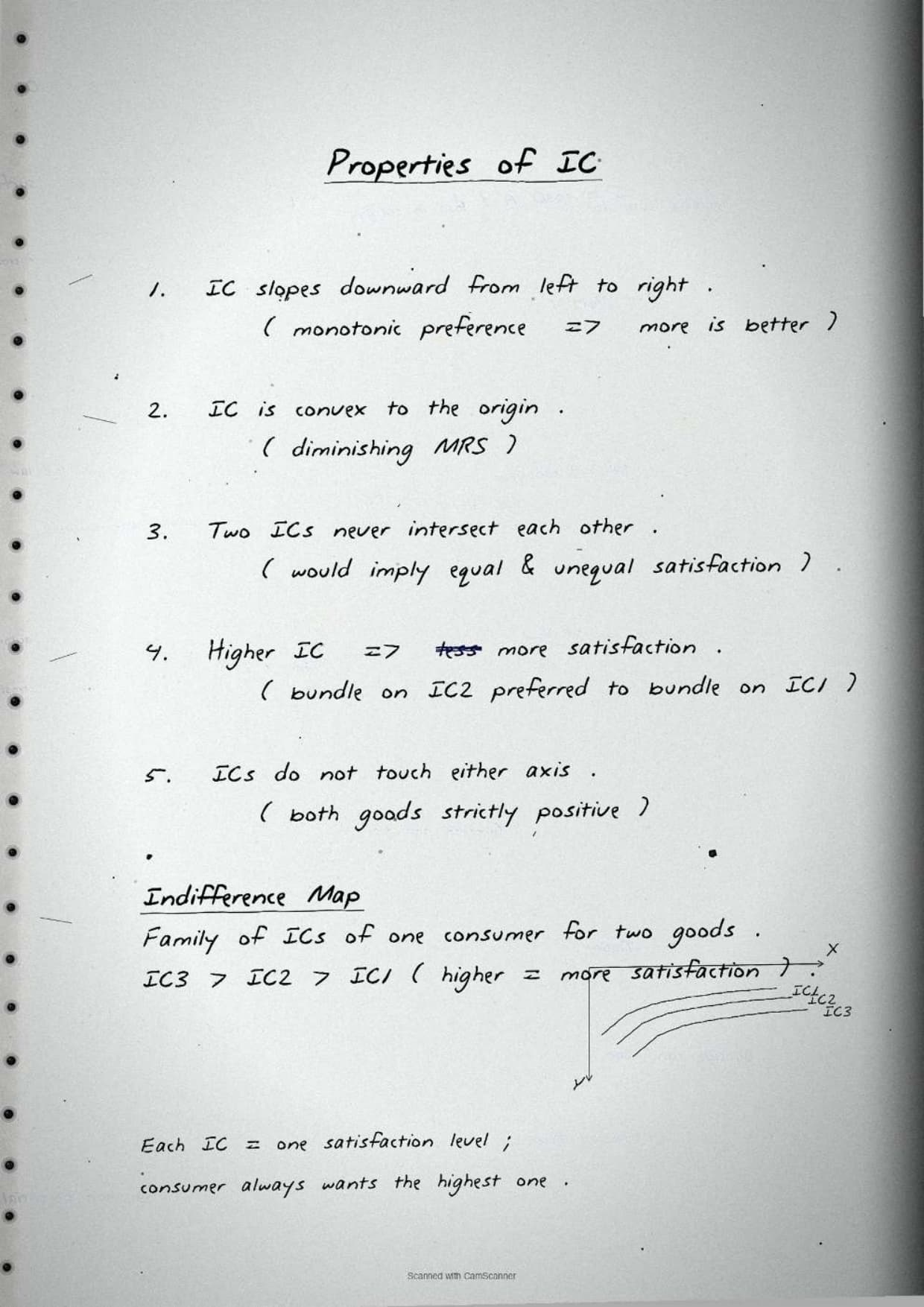
The indifference curve is the most-tested visual in this chapter. Page 2 gives it a full page: three curves stacked on one axis system, each drawn convex to the origin in a single pen stroke.
- Axes: Good 1 on the X-axis, Good 2 on the Y-axis, with outward arrows.
- Three curves labelled IC1, IC2, IC3 from bottom-left to top-right.
- Four properties: downward sloping, convex to origin, higher IC means higher utility, and two ICs never cross.
- MRS arrow from one point to a nearby point, with the box MRS = -ΔY/ΔX.
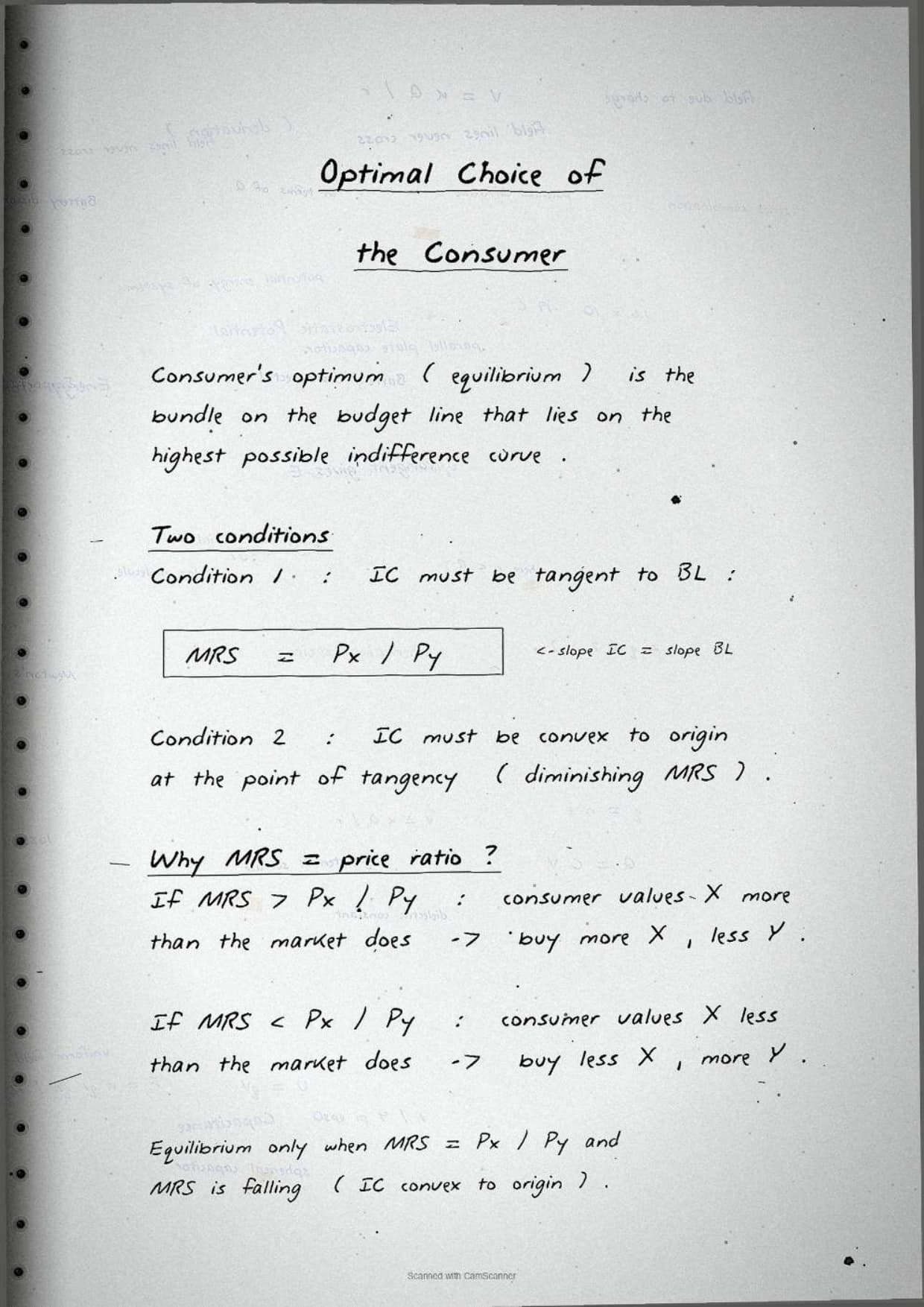
Consumer equilibrium is the point where the budget line just touches the highest reachable IC. That tangency is the diagram CBSE markers want in the 6-mark question, so drawing it in pen is the highest-yield act in the chapter.
Utility, MRS and Budget Line in Theory of Consumer Behaviour Class 12
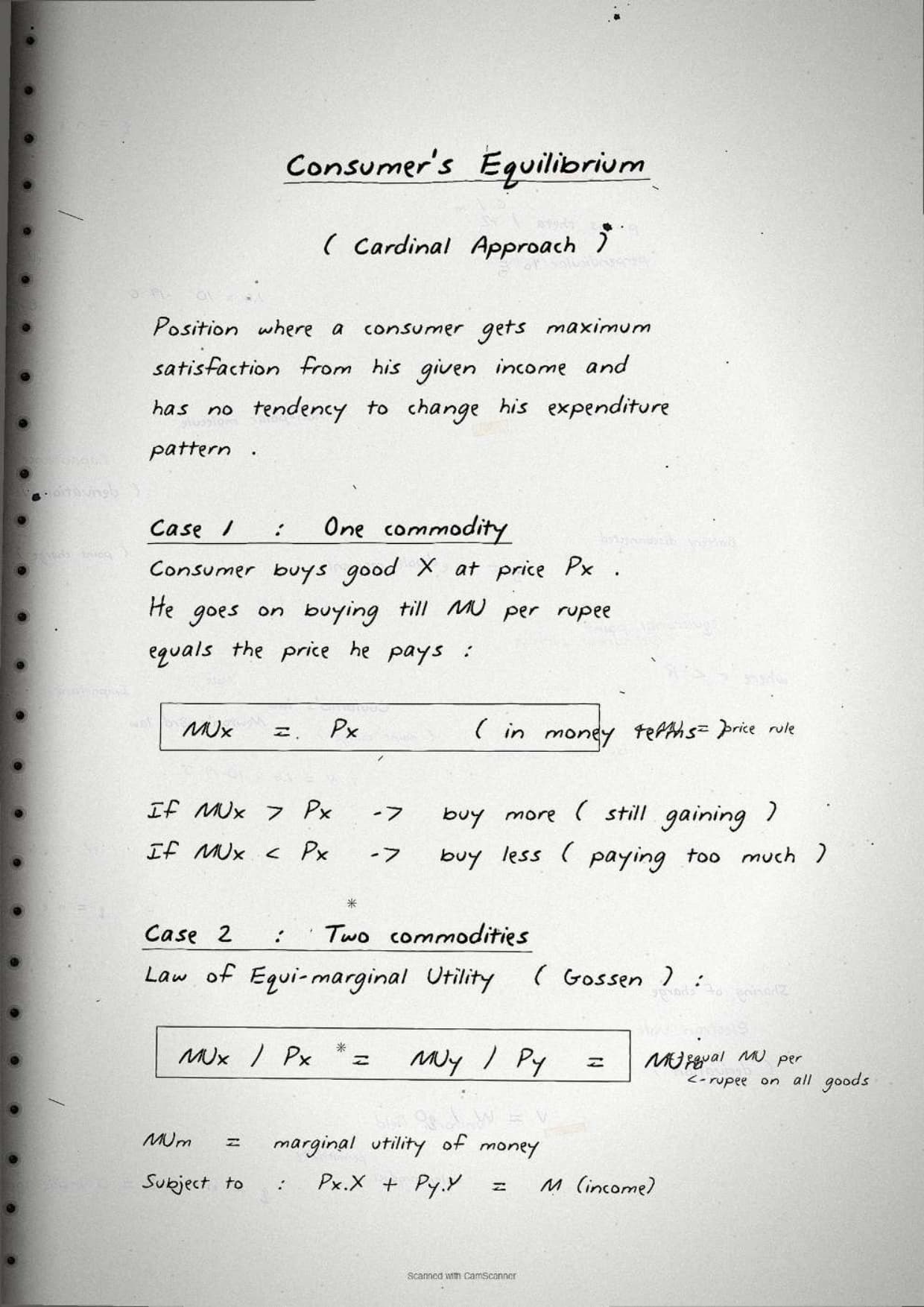
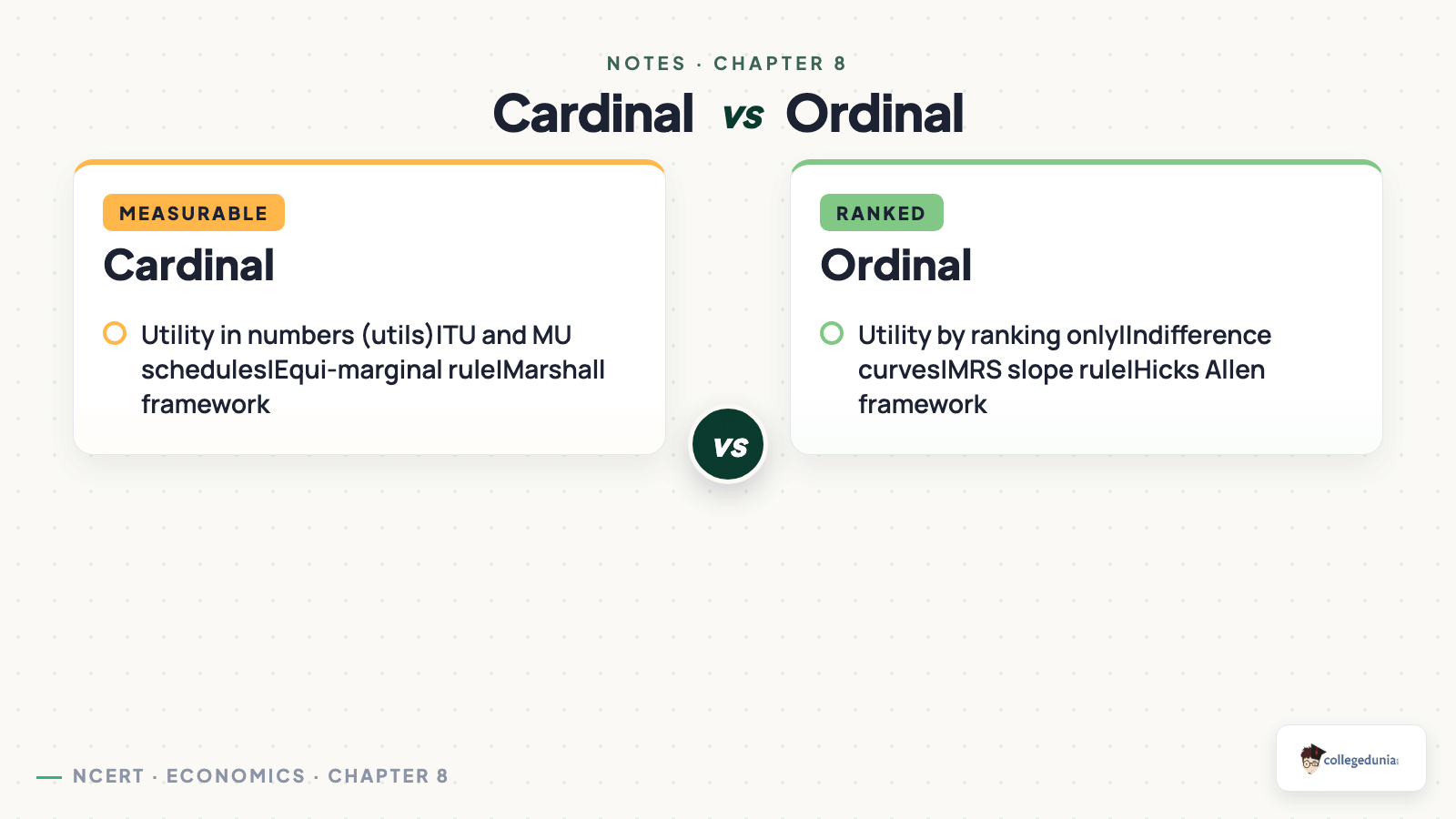
The chapter has two ways to find equilibrium. The cardinal way measures utility in units; the ordinal way only ranks it. Both give the same answer on the same data.
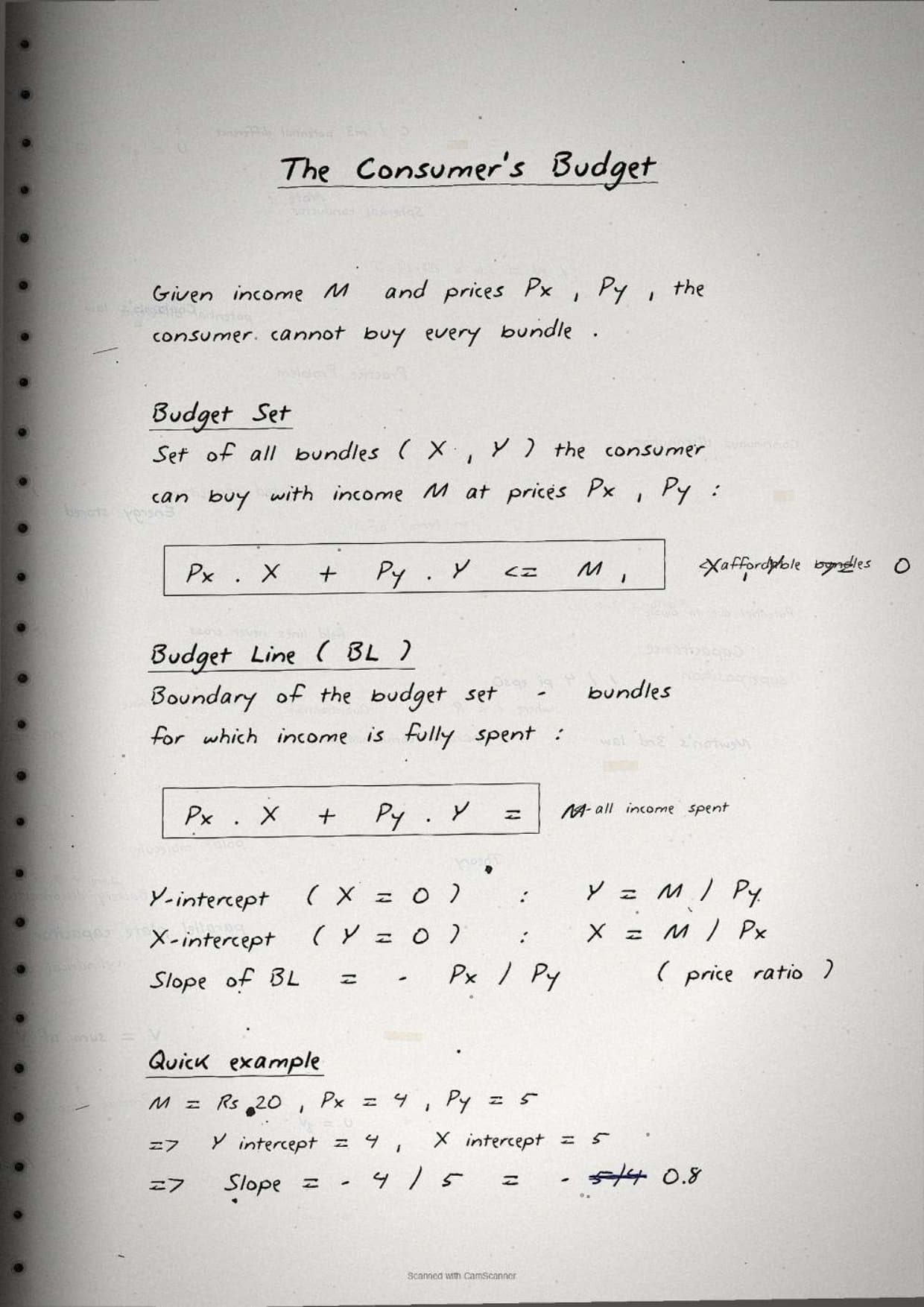
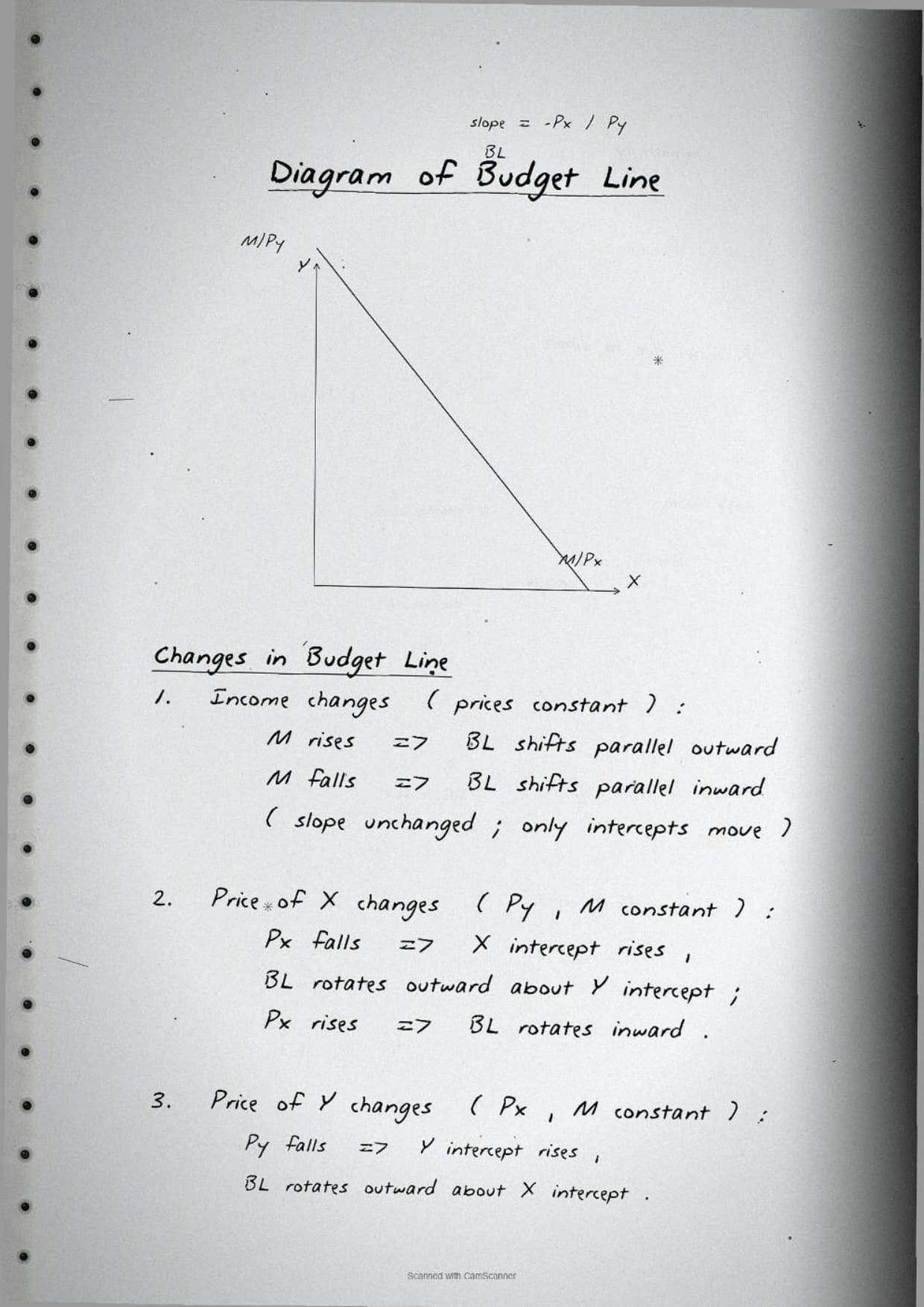
- Budget line: P1 X1 + P2 X2 = M, so X2 = (M/P2) - (P1/P2) X1, with slope -(P1/P2).
- Ordinal equilibrium: the IC slope equals the budget-line slope, so MRS = P1/P2.
- Cardinal equilibrium: the equi-marginal rule MUx/Px = MUy/Py.
Memory hook: MRS = P1/P2 carries 2 method marks on the 6-mark question. Always cross-check the cardinal and ordinal answers before you circle the final bundle.
Key Formulas in Theory of Consumer Behaviour Class 12 Handwritten Notes
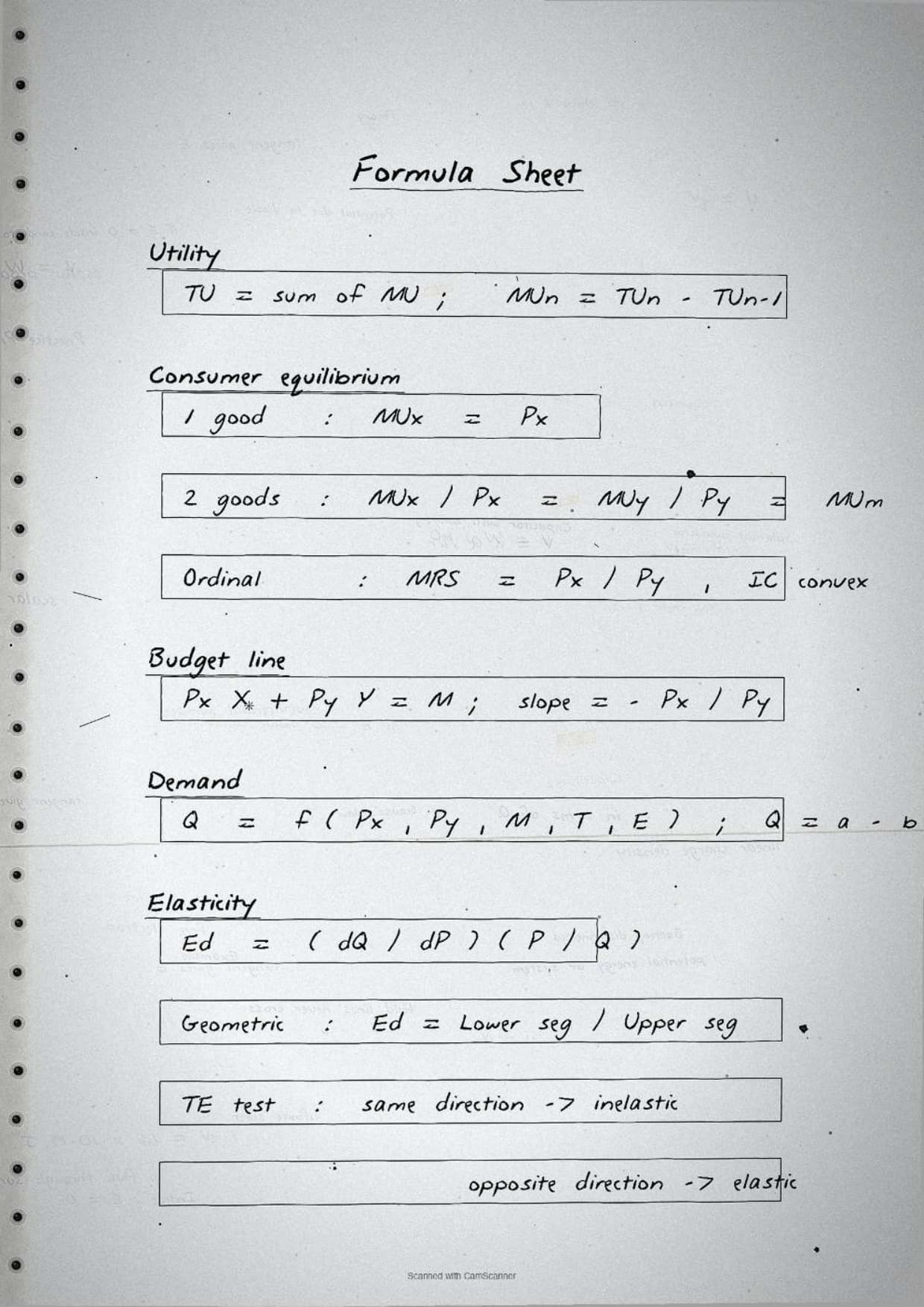
The formula sheet is the block to revise last. Every formula sits in a ruler-drawn box for quick recall. The table below lists them in notebook order.
| Concept | Formula |
|---|---|
| Marginal utility | MUn = TUn - TU(n-1) |
| MRS | MRS = -ΔY / ΔX along an IC |
| Budget line | P1 X1 + P2 X2 = M |
| Budget line slope | Slope = -(P1 / P2) |
| Cardinal equilibrium | MUx / Px = MUy / Py |
| Ordinal equilibrium | MRS = P1 / P2 |
| Price elasticity (percent) | Ed = %ΔQ / %ΔP |
| Price elasticity (point) | Ed = -(ΔQ/ΔP) × (P/Q) |
| Geometric method | Ed = Lower / Upper segment |
| Income elasticity | Ey = %ΔQ / %ΔM |
Elasticity of Demand in Theory of Consumer Behaviour Class 12
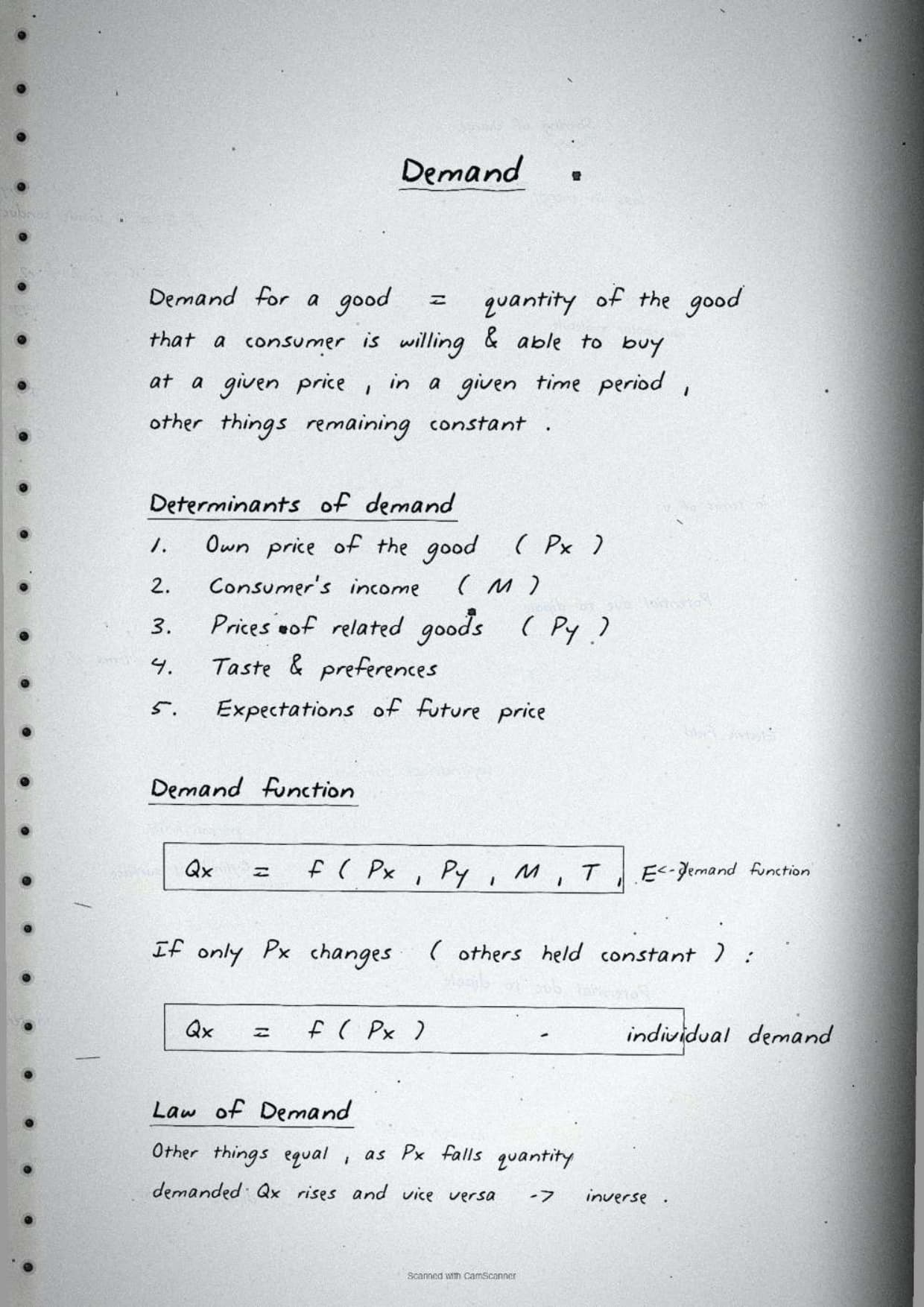
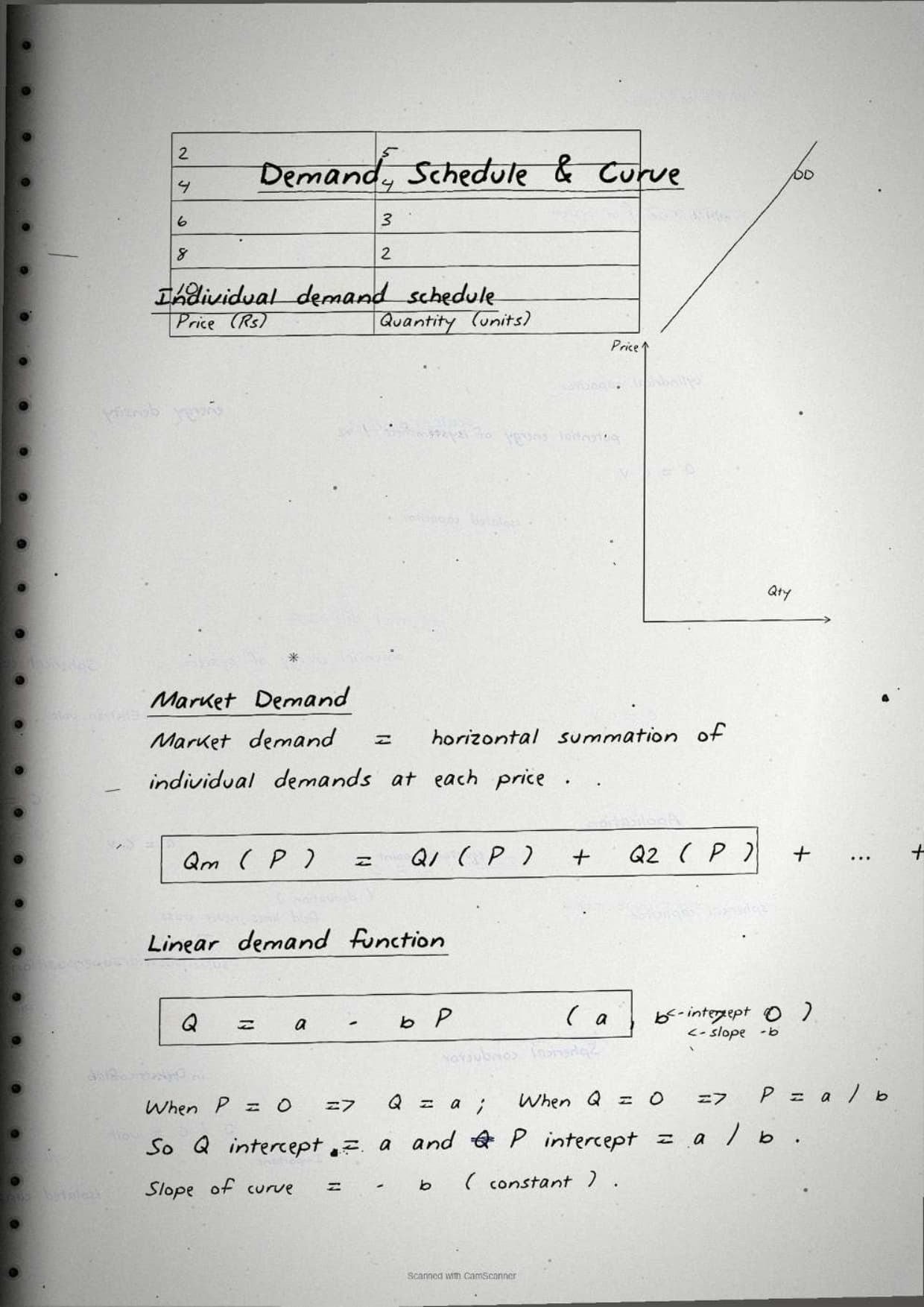
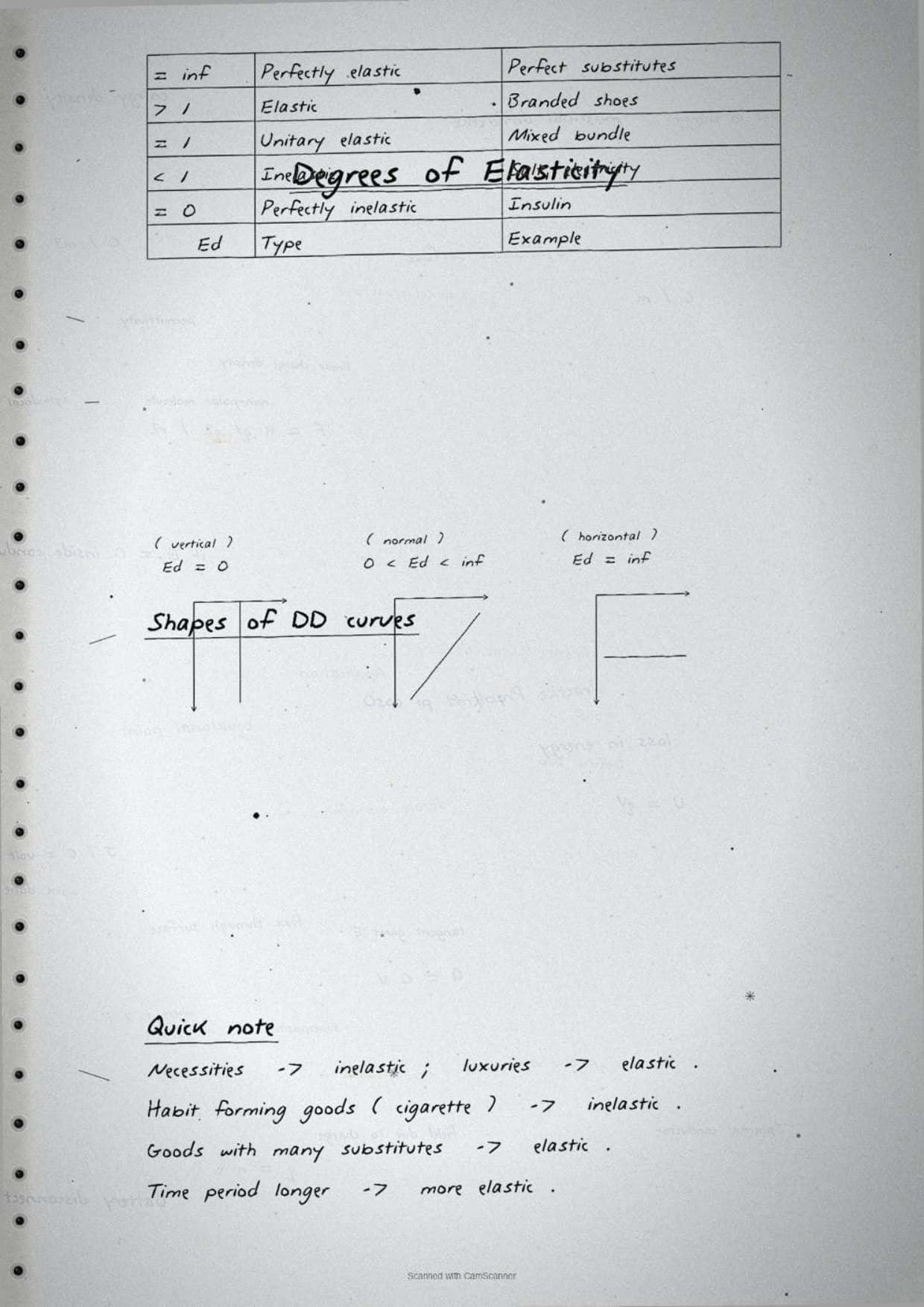
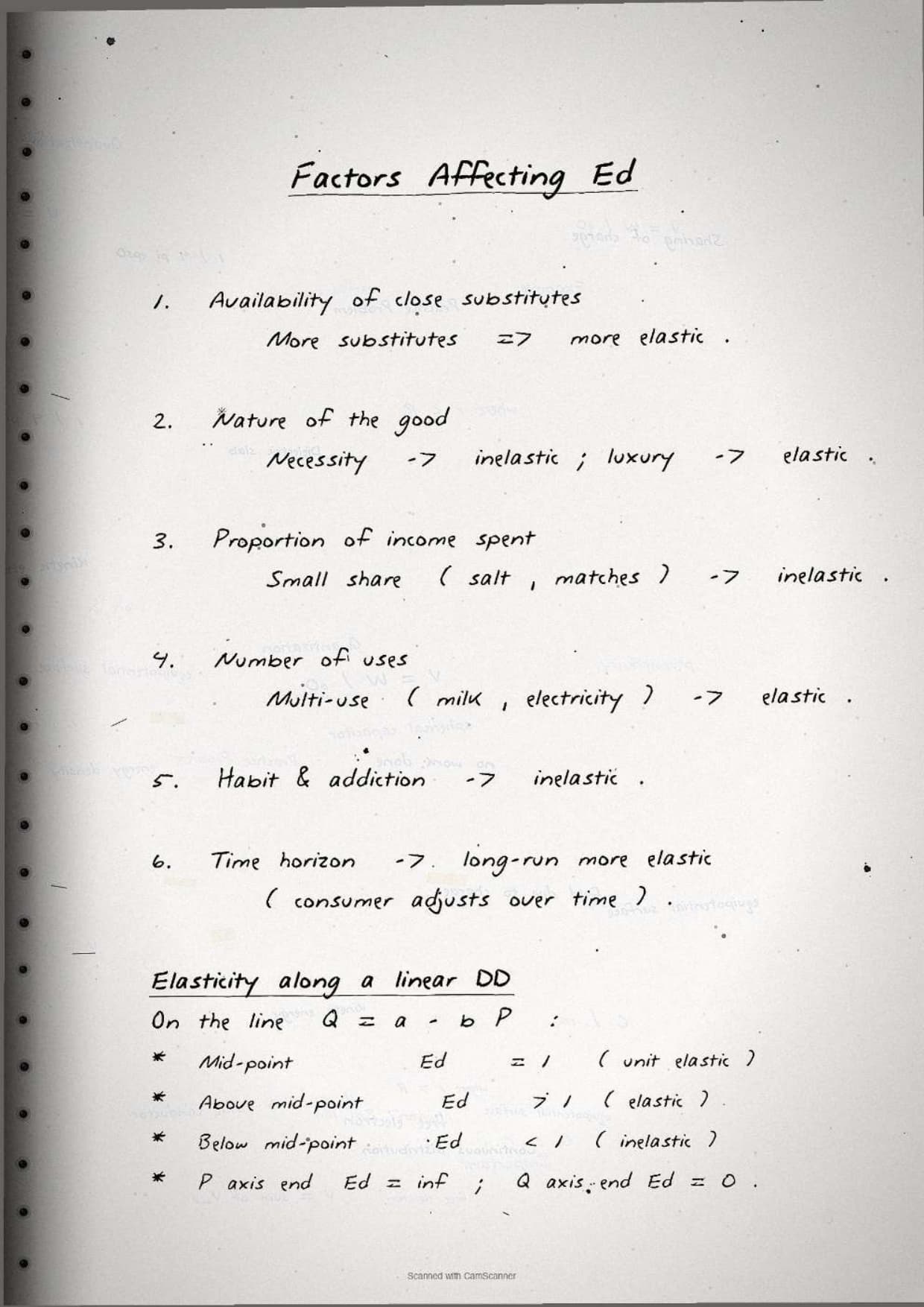
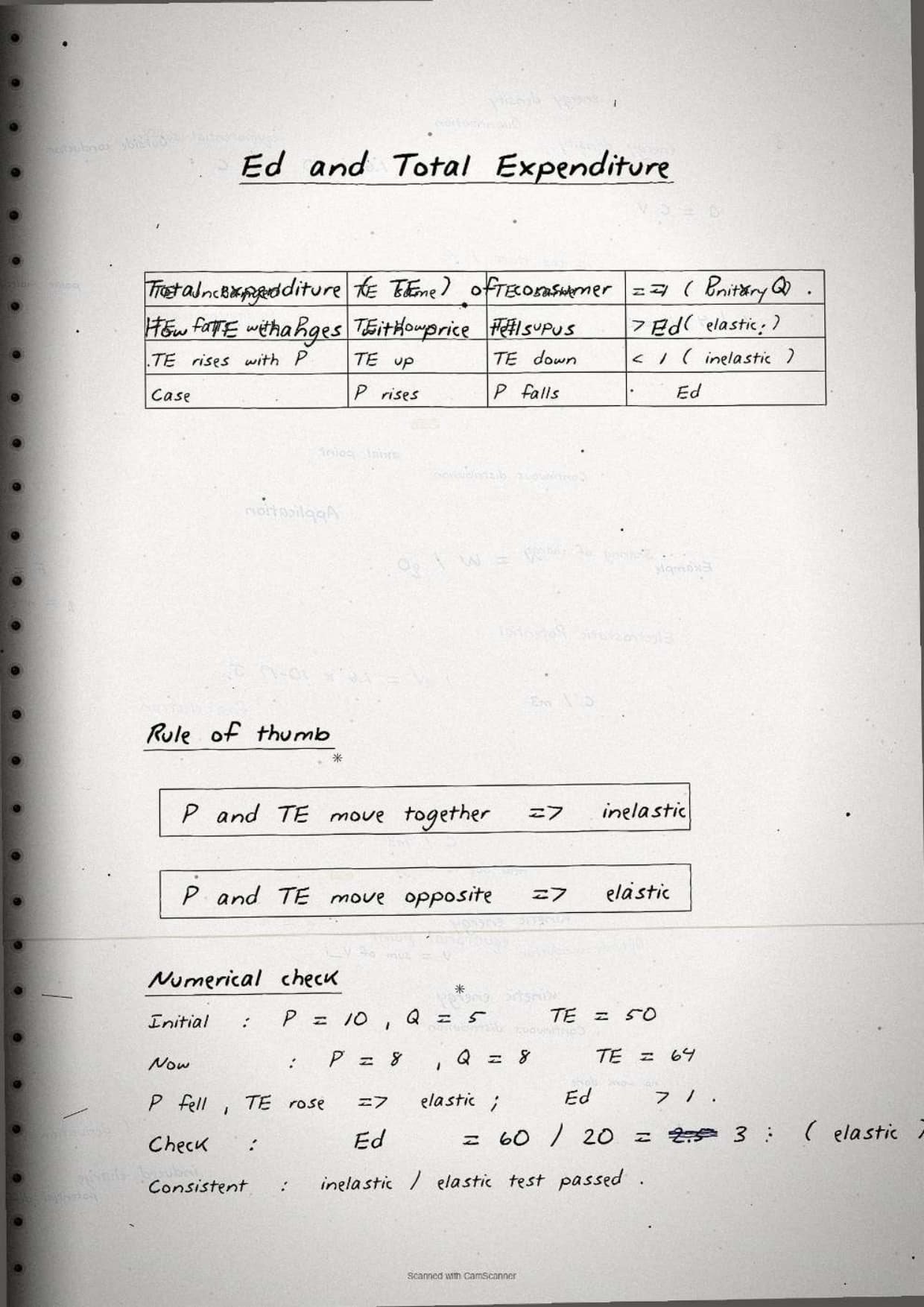
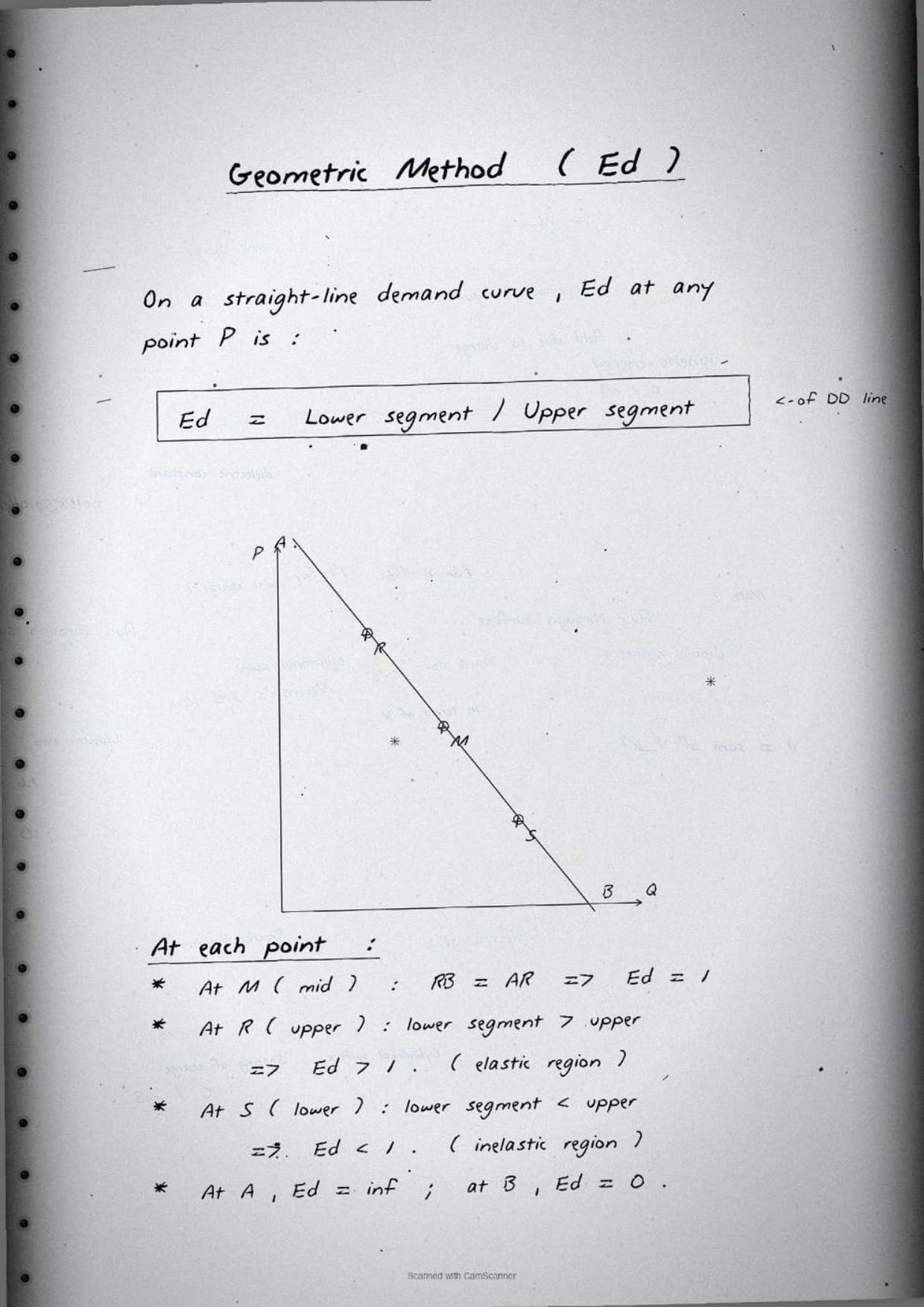
Price elasticity is the second-most-tested topic after consumer equilibrium. Page 4 holds three sub-blocks: the percentage method, the geometric method on a linear demand curve, and the total-expenditure rule.
One straight demand curve carries all five elasticity zones. The midpoint is Ed = 1 (unit elastic), the upper part is Ed > 1 (elastic) up to infinity at the top, and the lower part is Ed < 1 (inelastic) down to Ed = 0 on the X-axis. The total-expenditure rule sits in the margin: if Ed > 1 a price cut raises spending, if Ed < 1 it lowers spending, and if Ed = 1 spending stays the same.
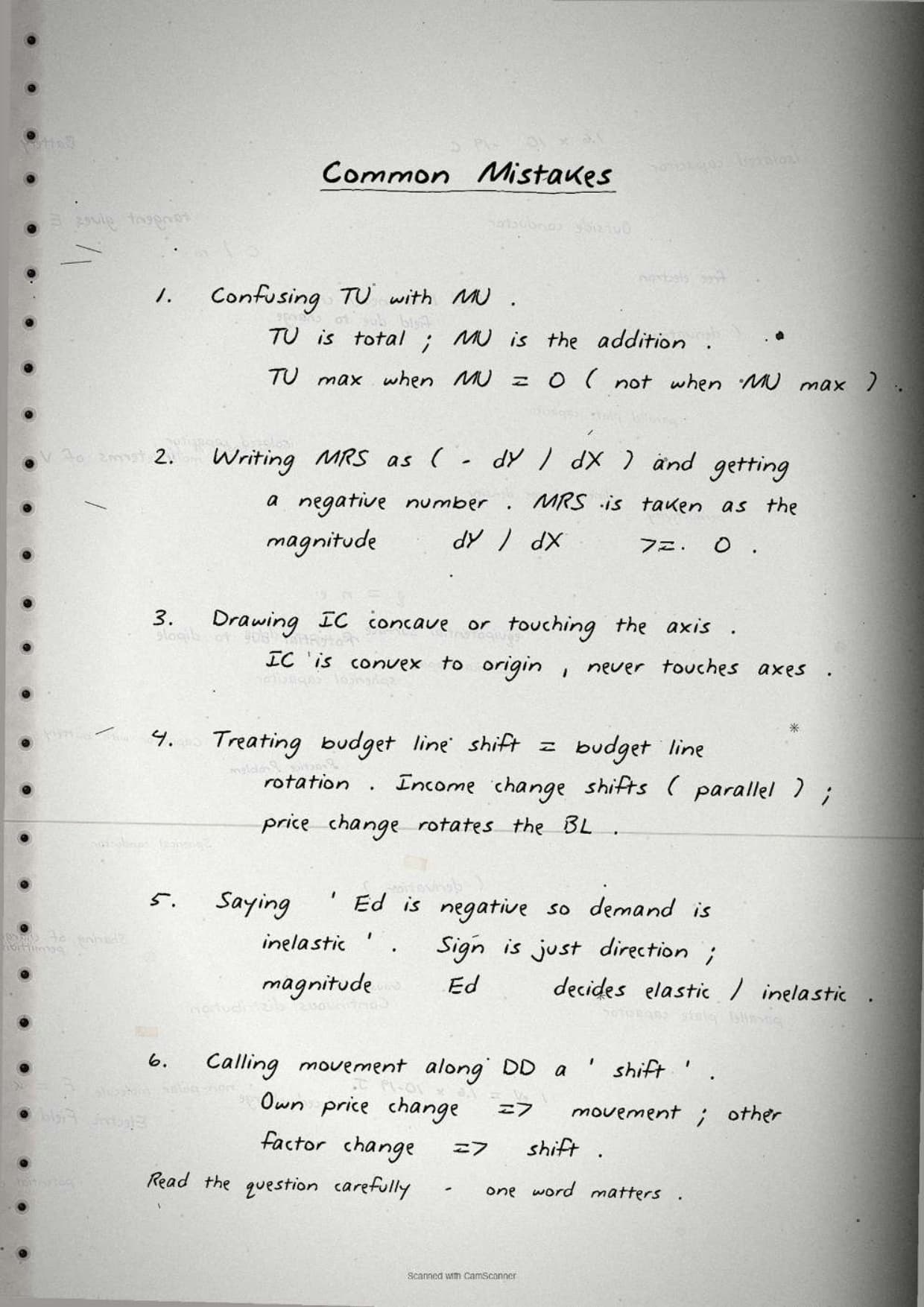
Common Mistakes in Theory of Consumer Behaviour Class 12
- Confusing TU and MU. TU is the running sum; MU is the change in TU.
- Drawing ICs that cross. Two indifference curves never intersect.
- Wrong sign on MRS. MRS is a magnitude, so write it as a positive number.
- Dropping the minus on price elasticity. Ed = -(ΔQ/ΔP)(P/Q) keeps an explicit minus.
- Mislabelling the budget-line slope. It is -(P1/P2), not -(P2/P1).
Theory of Consumer Behaviour Class 12 Weightage in CBSE and CUET
The chapter has stayed at a steady 10 to 12 marks in CBSE. The table maps where its topics have shown up.
| Year | CBSE question | Marks |
|---|---|---|
| 2025 | Draw the IC diagram and explain consumer equilibrium | 6 |
| 2024 | Define MRS, state properties, plus an elasticity sum | 6 |
| 2023 | Diminishing marginal utility and a budget-line sum | 7 |
| 2022 | Five degrees of price elasticity on a linear demand curve | 6 |
Student Feedback
We asked 10,820 Class 12 students about this chapter. 74% said hand-drawn indifference curves stick better than printed ones, and 4 out of 5 found the budget-line tangency diagram the hardest visual to reproduce in the board exam.
Other Resources for Class 12 Economics Chapter 2 Theory of Consumer Behaviour
Pair these handwritten notes with the Solutions, typed Notes and the official NCERT chapter below.
| Resource | What it covers | Open |
|---|---|---|
| Handwritten Notes | Scanned notebook pages for last-mile revision. | Chapter 2 Handwritten Notes |
| NCERT Solutions | Step-by-step answers to every exercise question. | Chapter 2 NCERT Solutions |
| Notes | Typed revision notes: definitions, formulas, IC theory, elasticity. | Chapter 2 Notes |
| NCERT Book PDF | Official NCERT Microeconomics Chapter 2 textbook. | Chapter 2 NCERT Book PDF |
All Chapters Handwritten Notes for Class 12 Microeconomics
| Chapter | Handwritten Notes link |
|---|---|
| Chapter 1 | Introduction to Microeconomics |
| Chapter 2 | Theory of Consumer Behaviour |
| Chapter 3 | Production and Costs |
| Chapter 4 | Theory of the Firm under Perfect Competition |
| Chapter 5 | Market Equilibrium |
Theory of Consumer Behaviour Class 12 Handwritten Notes FAQs
Ques. What do these Class 12 Economics Chapter 2 handwritten notes cover?
Ans. They are a scanned notebook for NCERT Chapter 2. They cover cardinal and ordinal utility, indifference curves, MRS, the budget line, the tangency for consumer equilibrium and the full elasticity block, all in four pen-on-paper pages. Worked sums sit in the matching NCERT Solutions.
Ques. What is the tangency condition for consumer equilibrium?
Ans. In the ordinal approach, equilibrium is where the indifference curve just touches the budget line. At that point the slopes match, so MRS = P1/P2. The notebook draws this on Page 3 with both slopes marked. This single equation carries 2 method marks on the 6-mark question.
Ques. What is the difference between cardinal and ordinal utility?
Ans. Cardinal utility measures satisfaction in units and uses MUx/Px = MUy/Py. Ordinal utility only ranks satisfaction and uses indifference curves with MRS = P1/P2. Both give the same equilibrium quantities on the same data, but NCERT treats the ordinal approach as the main one.
Ques. Are all the formulas included in the scanned PDF?
Ans. Yes. Pages 2 and 4 carry every formula the CBSE paper has tested over the last five years: marginal utility, MRS, the budget line and its slope, cardinal and ordinal equilibrium, price elasticity by the percentage, point and geometric methods, and income elasticity.
Ques. How long does it take to revise these notes?
Ans. The file is built for a 24-minute first pass, a 14-minute targeted pass and an 8-minute final pass before the exam. Page 2 (indifference curves) and Page 4 (elasticity) together take about 12 minutes and cover most of the 10 to 12 marks the chapter carries.



Comments