




Chapter 3 Reproductive Health is a high-yield chapter in the 2026-27 NCERT Class 12 Biology syllabus. It covers five sections: reproductive health goals, birth control, MTP, STIs, and infertility with ART. These Collegedunia handwritten notes compress the full chapter into a quick-revision PDF for CBSE Board and NEET students.
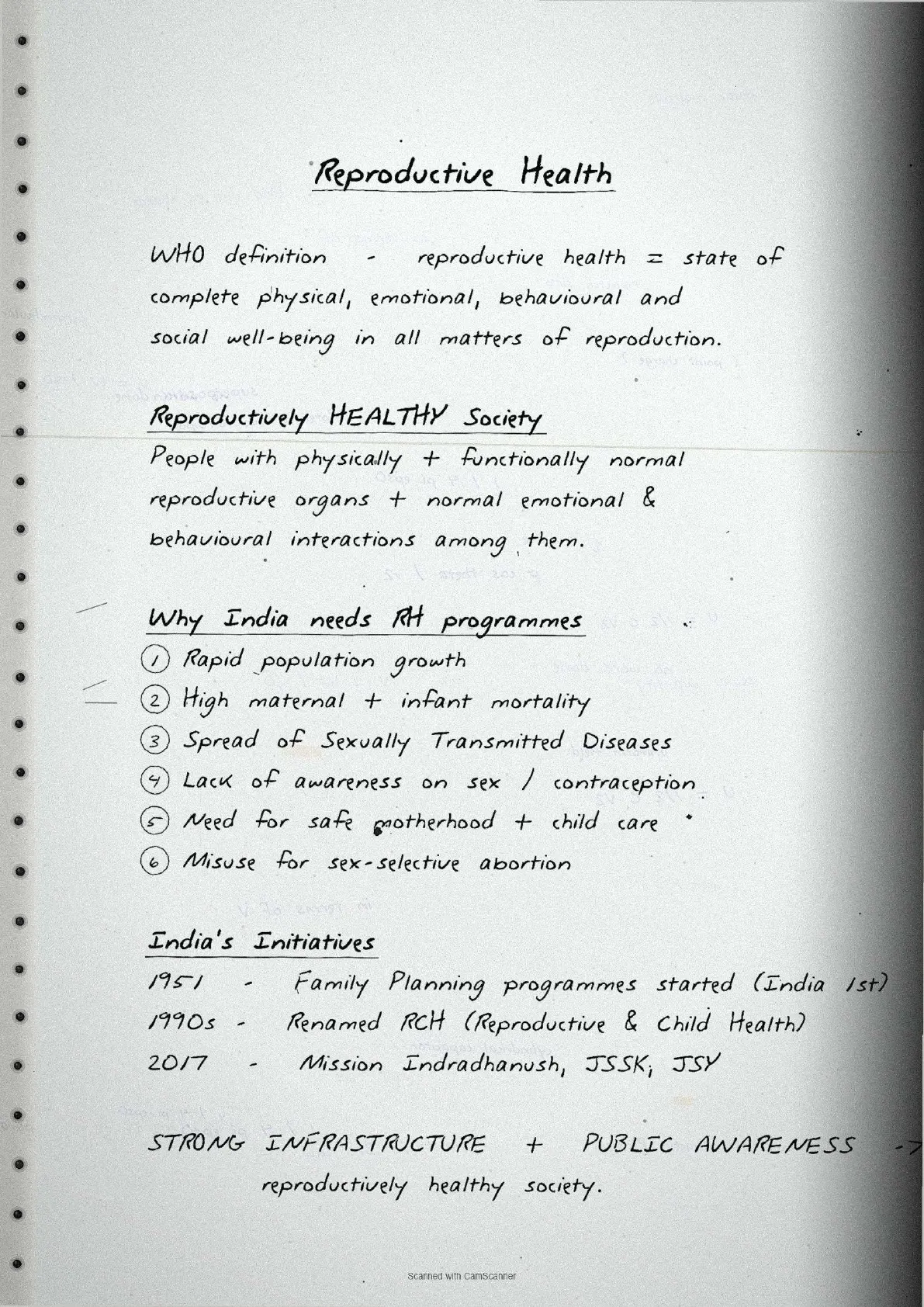
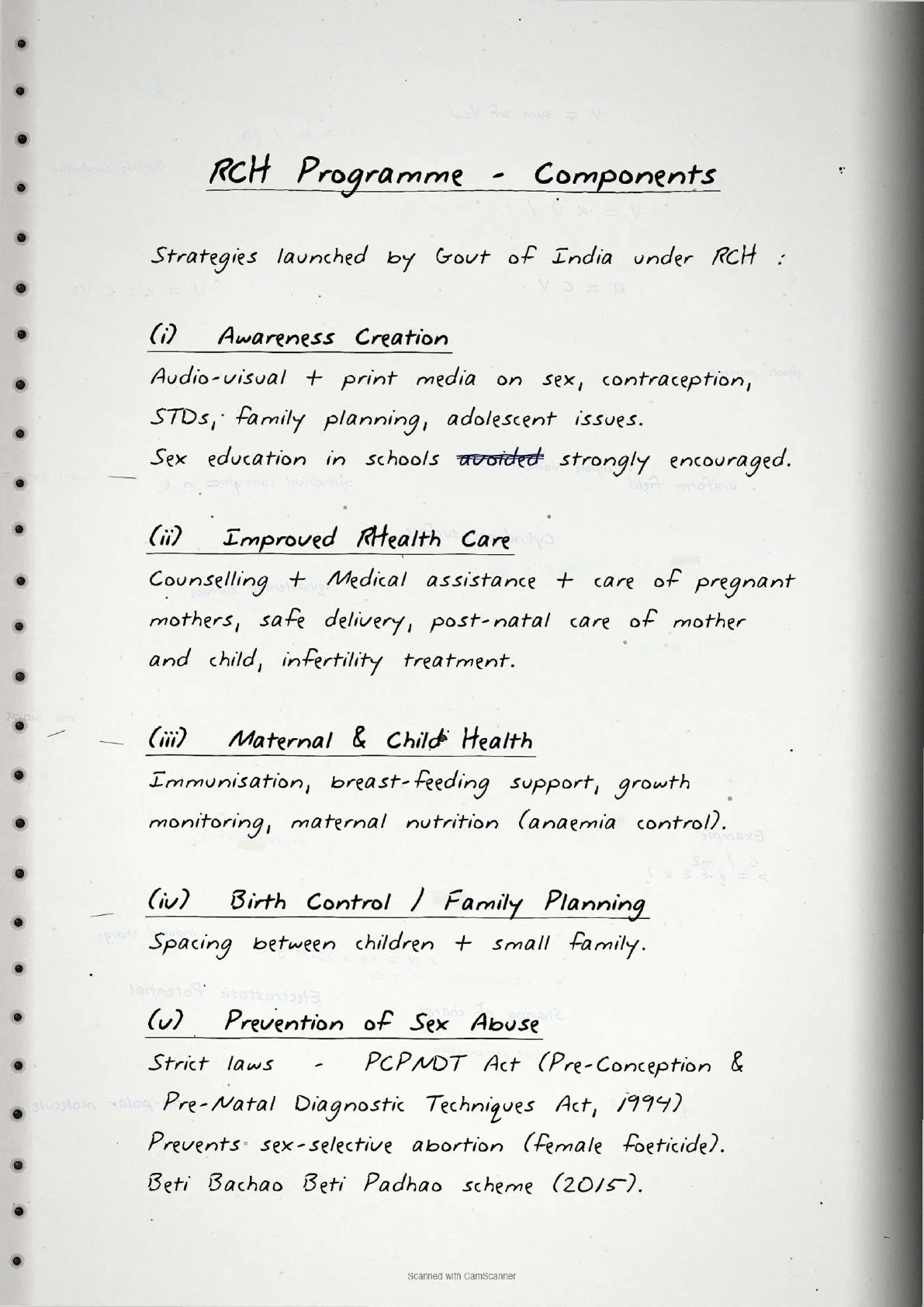
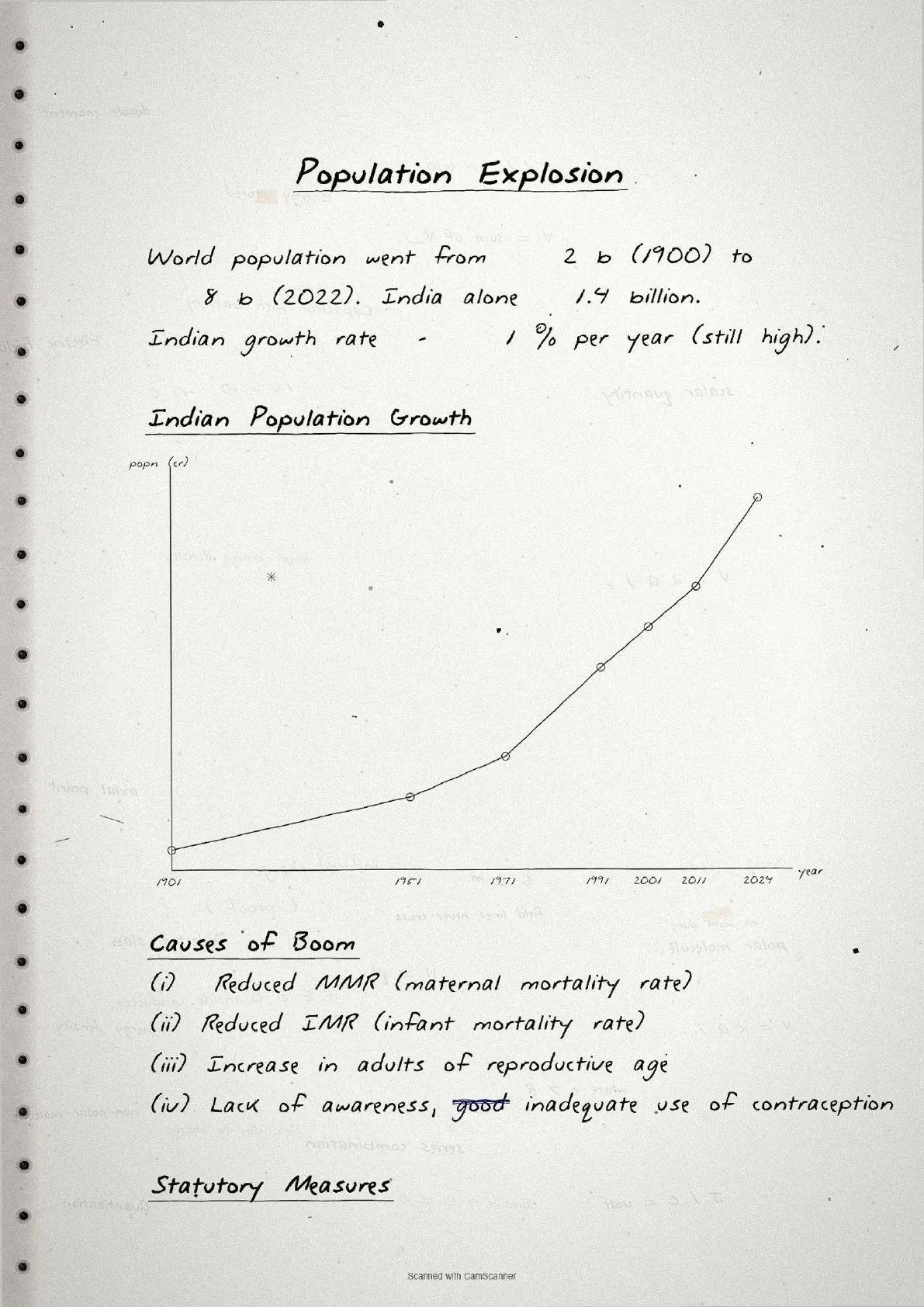
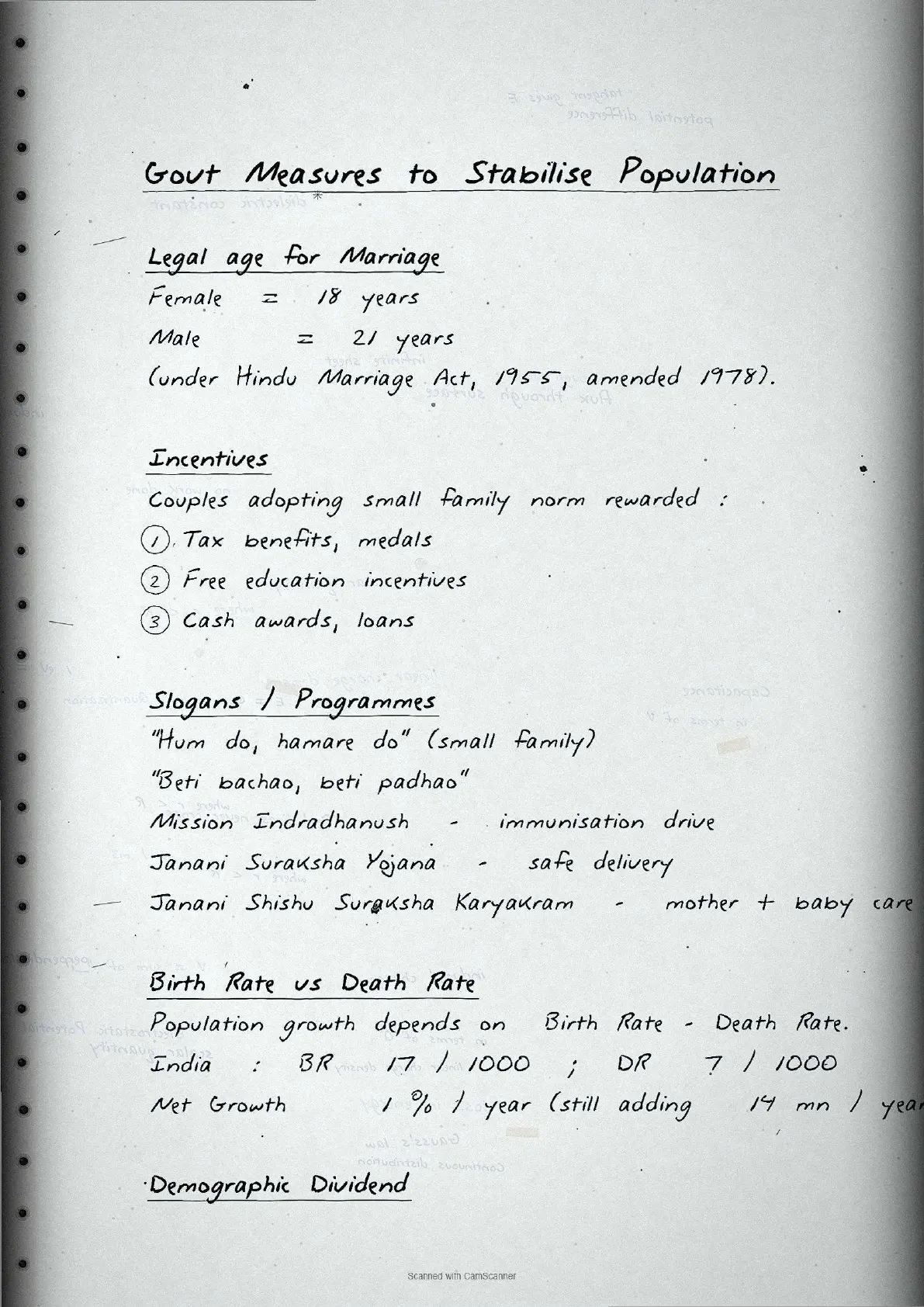
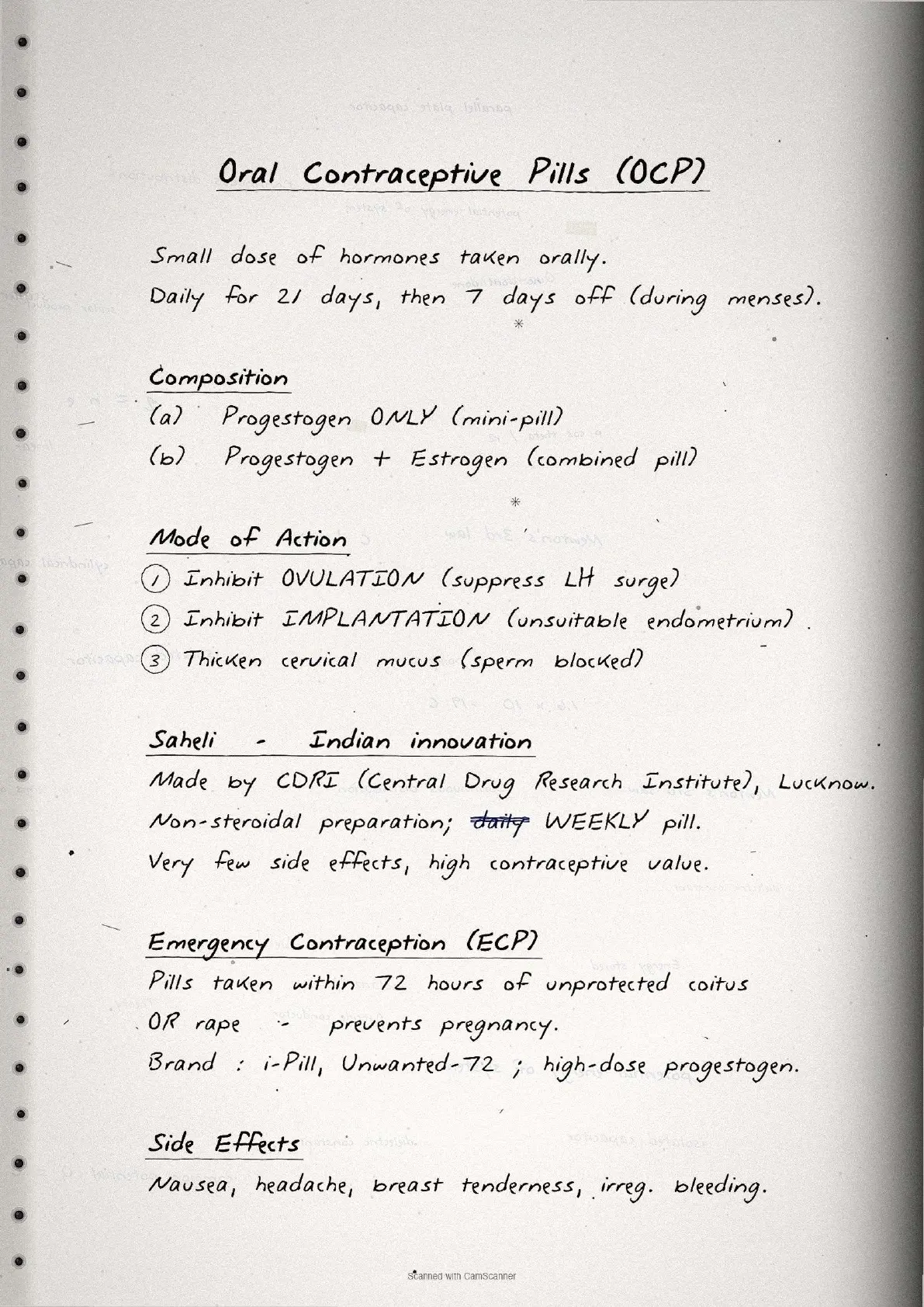
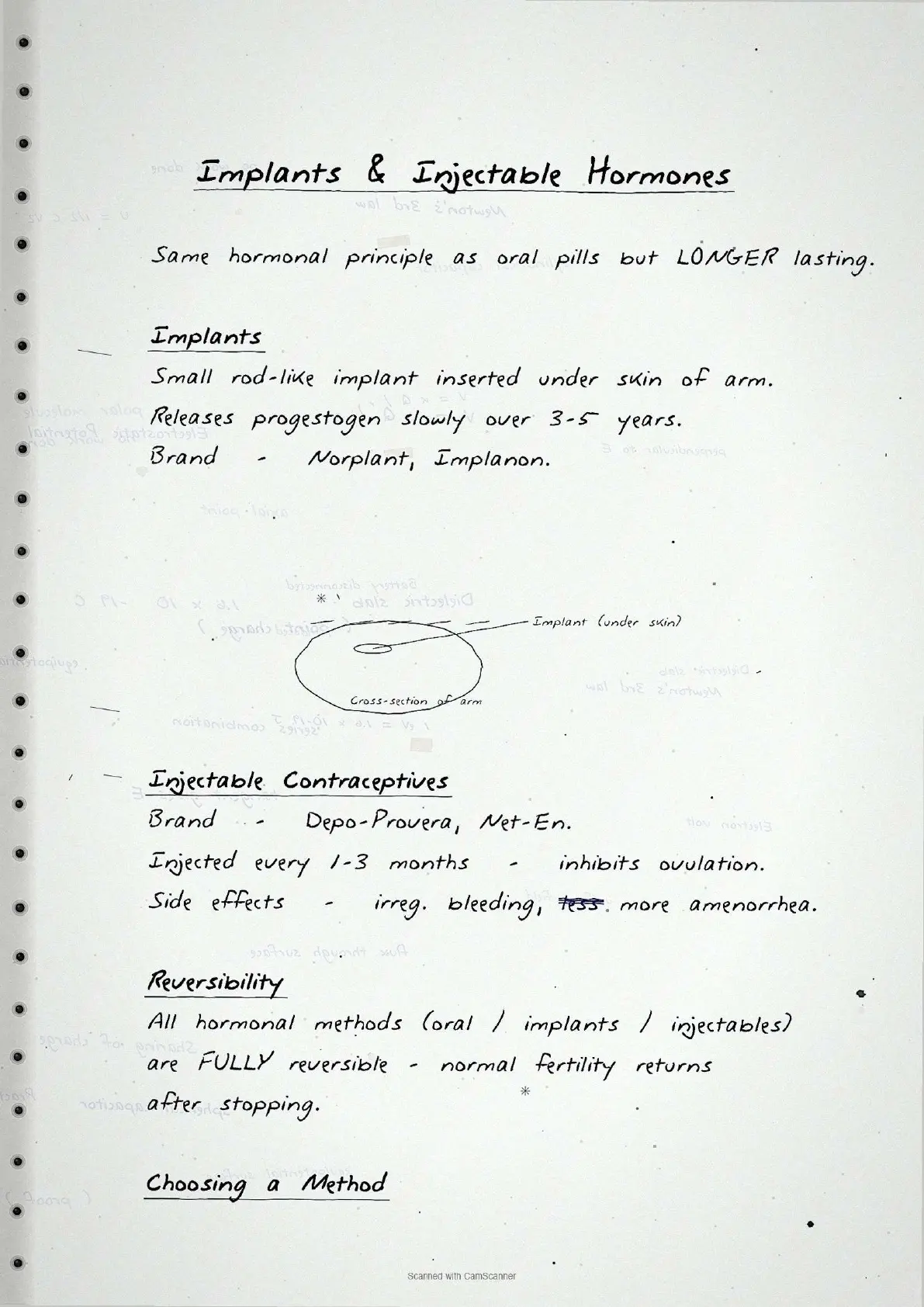
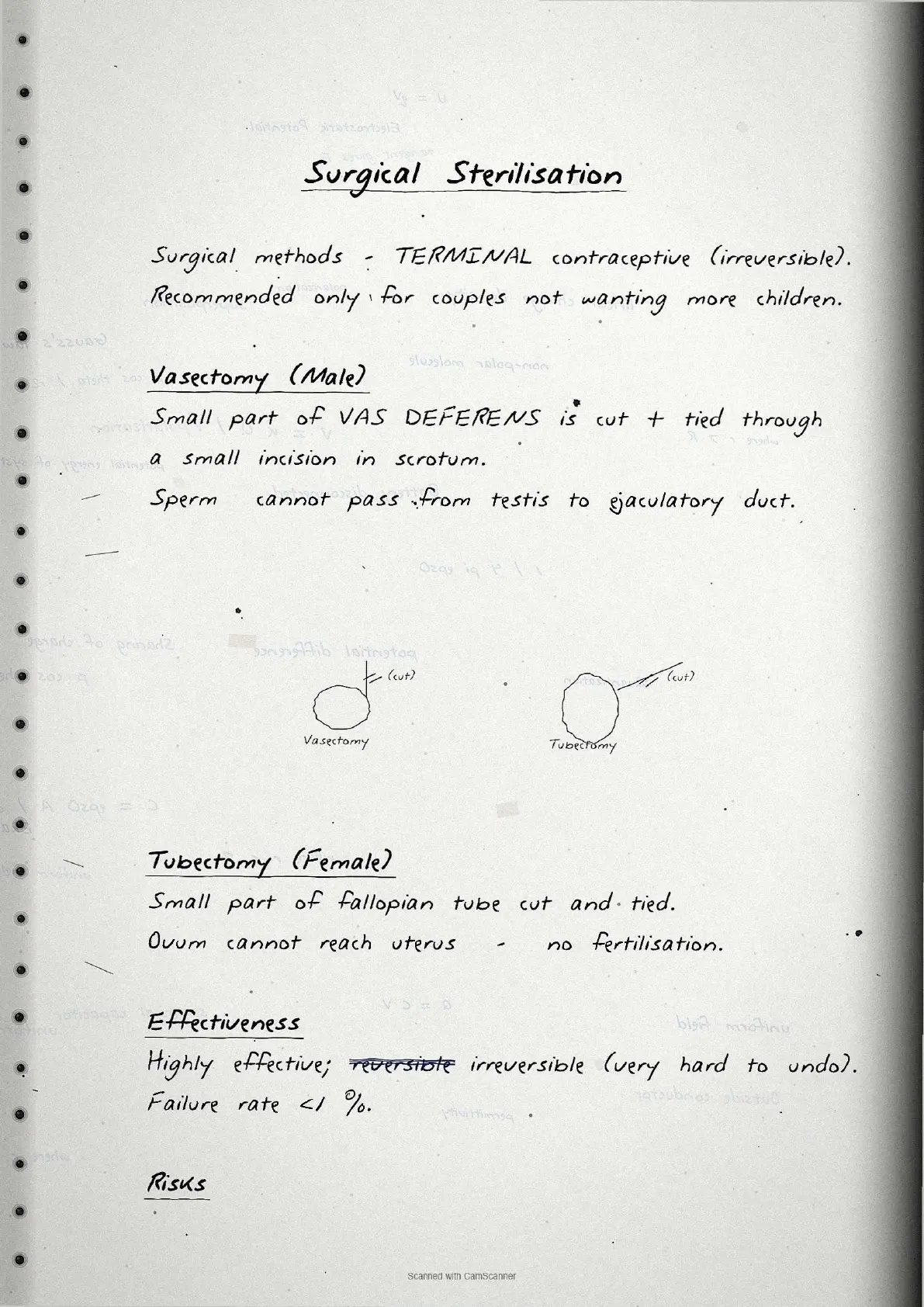
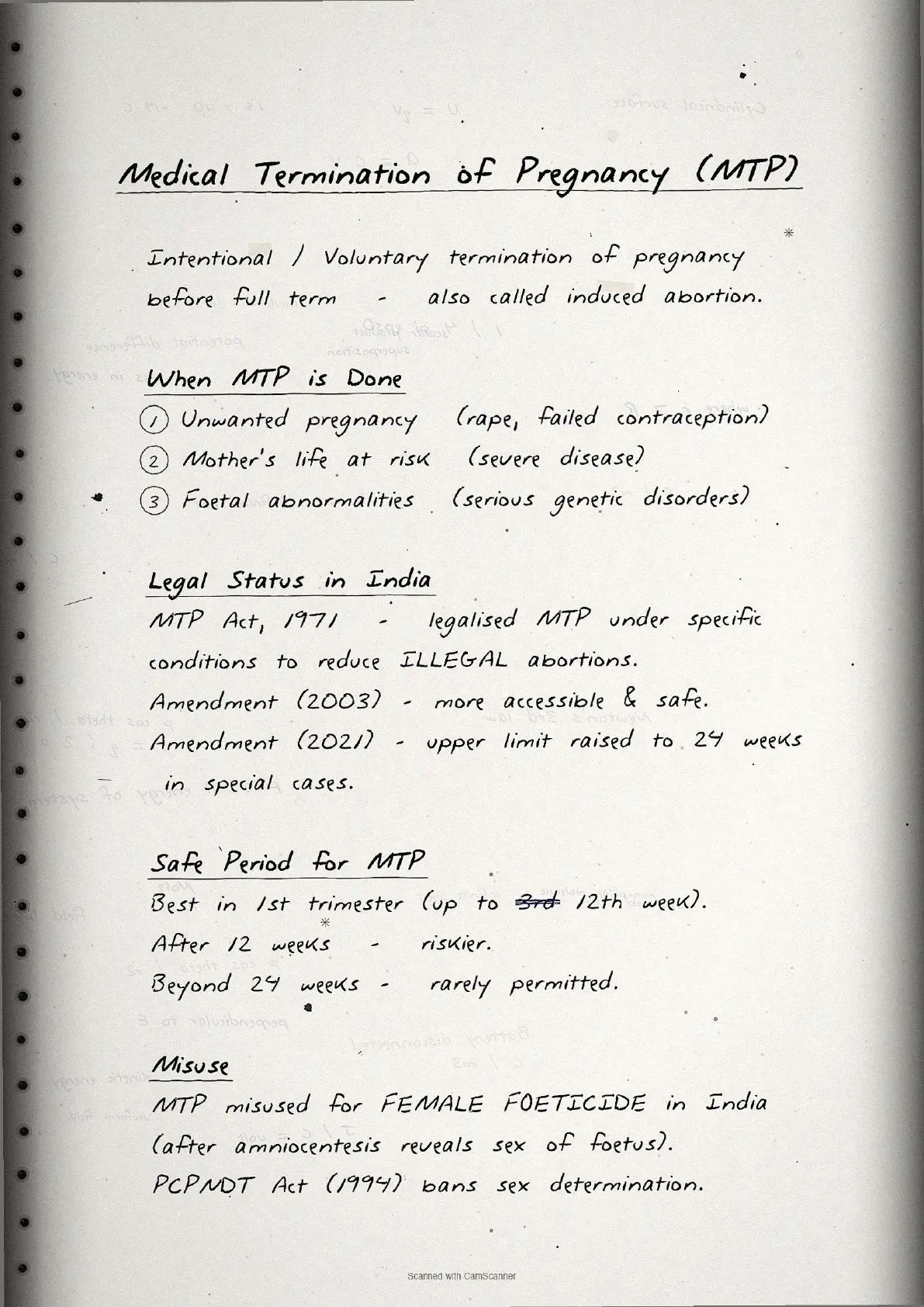
- CBSE Weightage: 5 to 7 marks (usually one 3-marker plus one short answer)
- NEET Weightage: 2 to 3 questions per year (high-yield, mostly fact-recall)
- Most-Tested Areas: contraceptive methods, ART techniques, amniocentesis, MTP rules

How Collegedunia's Handwritten Notes Help You Revise Reproductive Health
Reproductive Health is a fact-dense chapter where marks are lost on missed keywords, not calculations. These notes are built to fix exactly that.
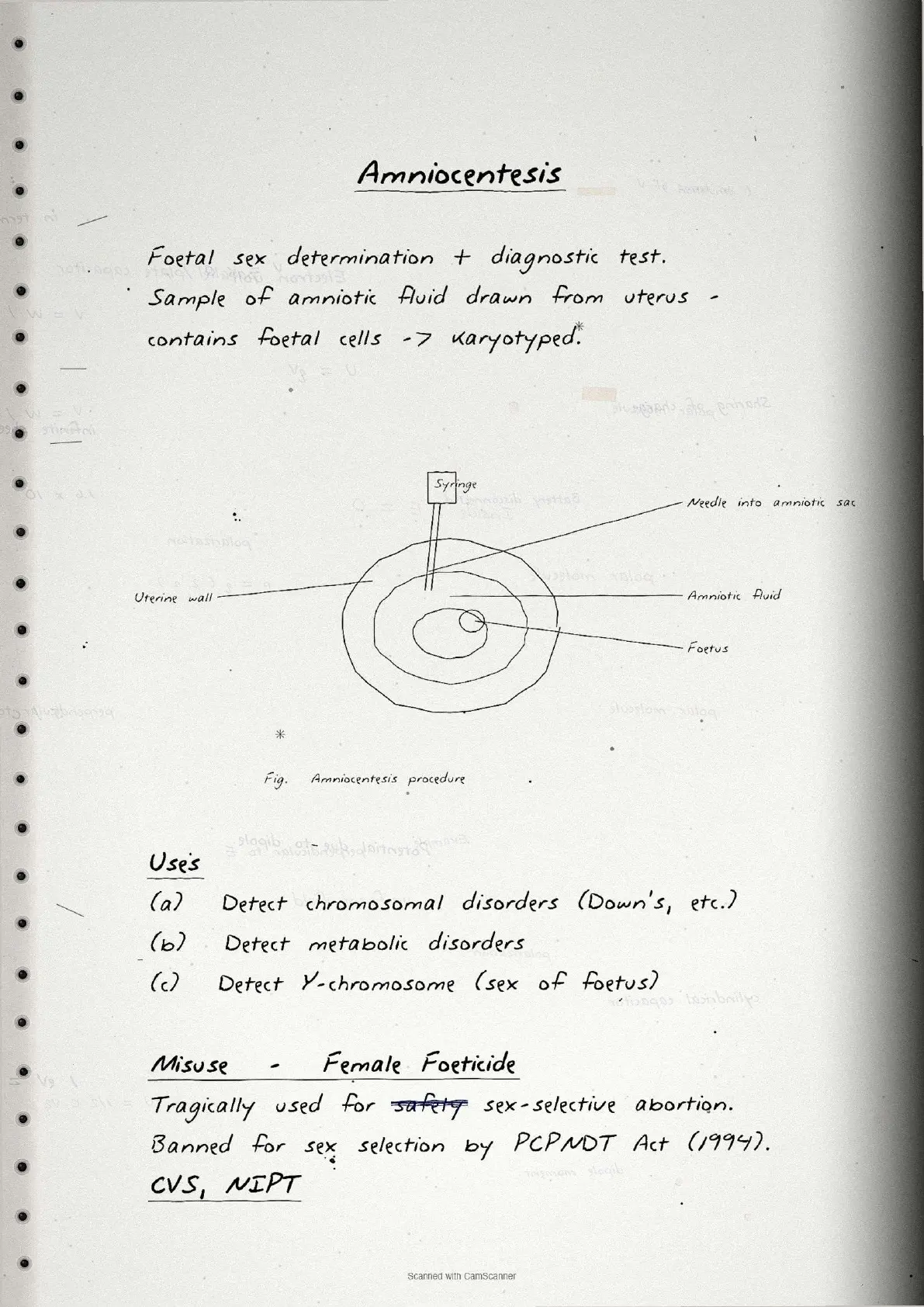
- 2026-27 NCERT Alignment: Every definition matches the current edition, including Saheli, the amniocentesis ban, and the MTP (Amendment) Act 2017 points.
- Hand-Drawn Figures: Condom, Copper-T, Vasectomy and Tubectomy are redrawn by hand for fast last-day revision.
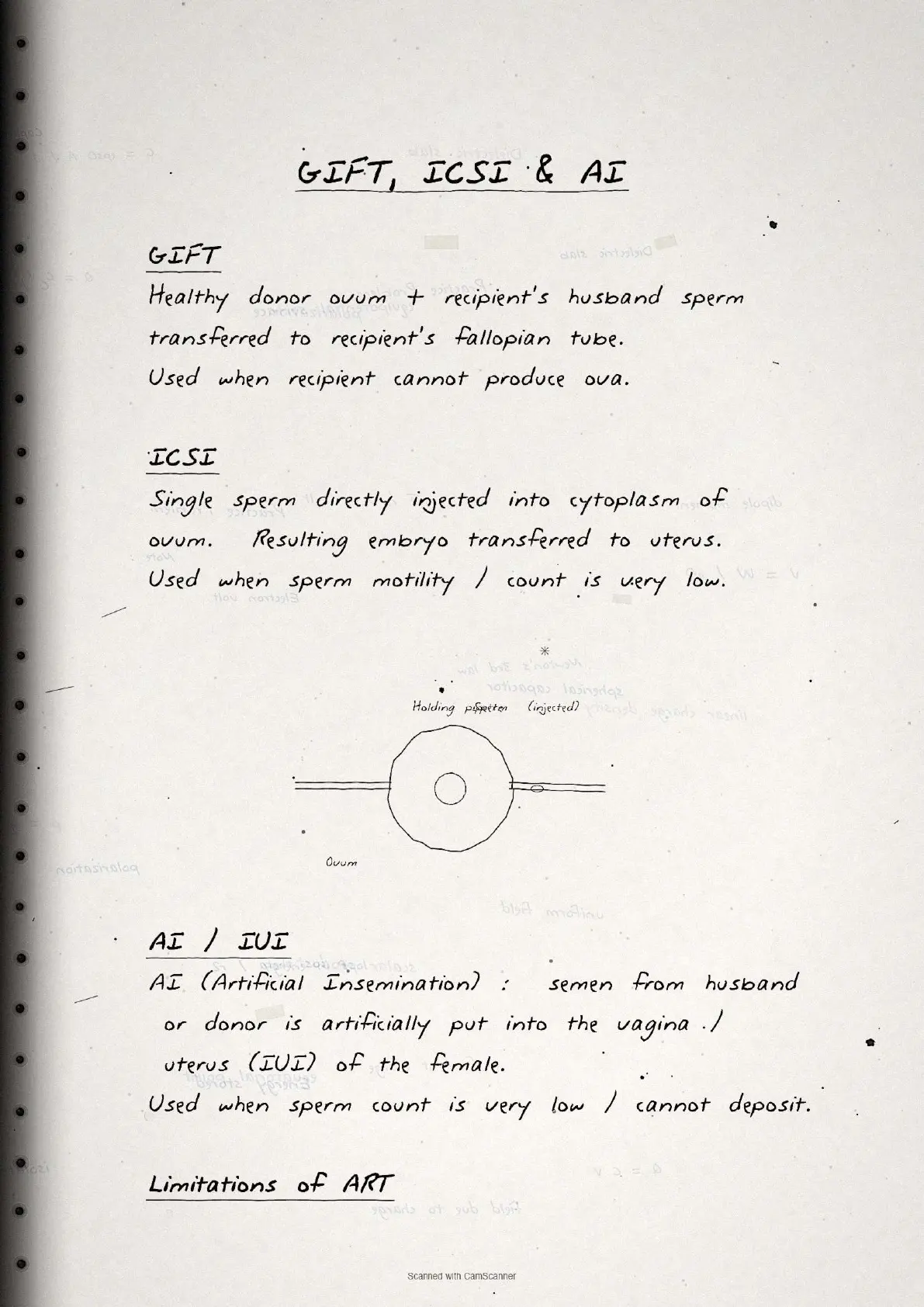
- Keyword-First Layout: Bold-ink keywords (ZIFT, GIFT, ICSI, IUI, lactational amenorrhea) sit in the margin for instant recall.
- Last-Day Ready: The colour-code legend and 24-hour card make the night-before pass under 20 minutes.
Reproductive Health Video Lecture for Class 12 Biology
Source: Magnet Brains on YouTube
What Is Inside the Class 12 Biology Chapter 3 Reproductive Health Handwritten Notes PDF
The notebook follows the NCERT section order and runs roughly 18 pages with a fixed four-colour ink scheme.
| Notebook Section | NCERT Reference | What It Covers |
|---|---|---|
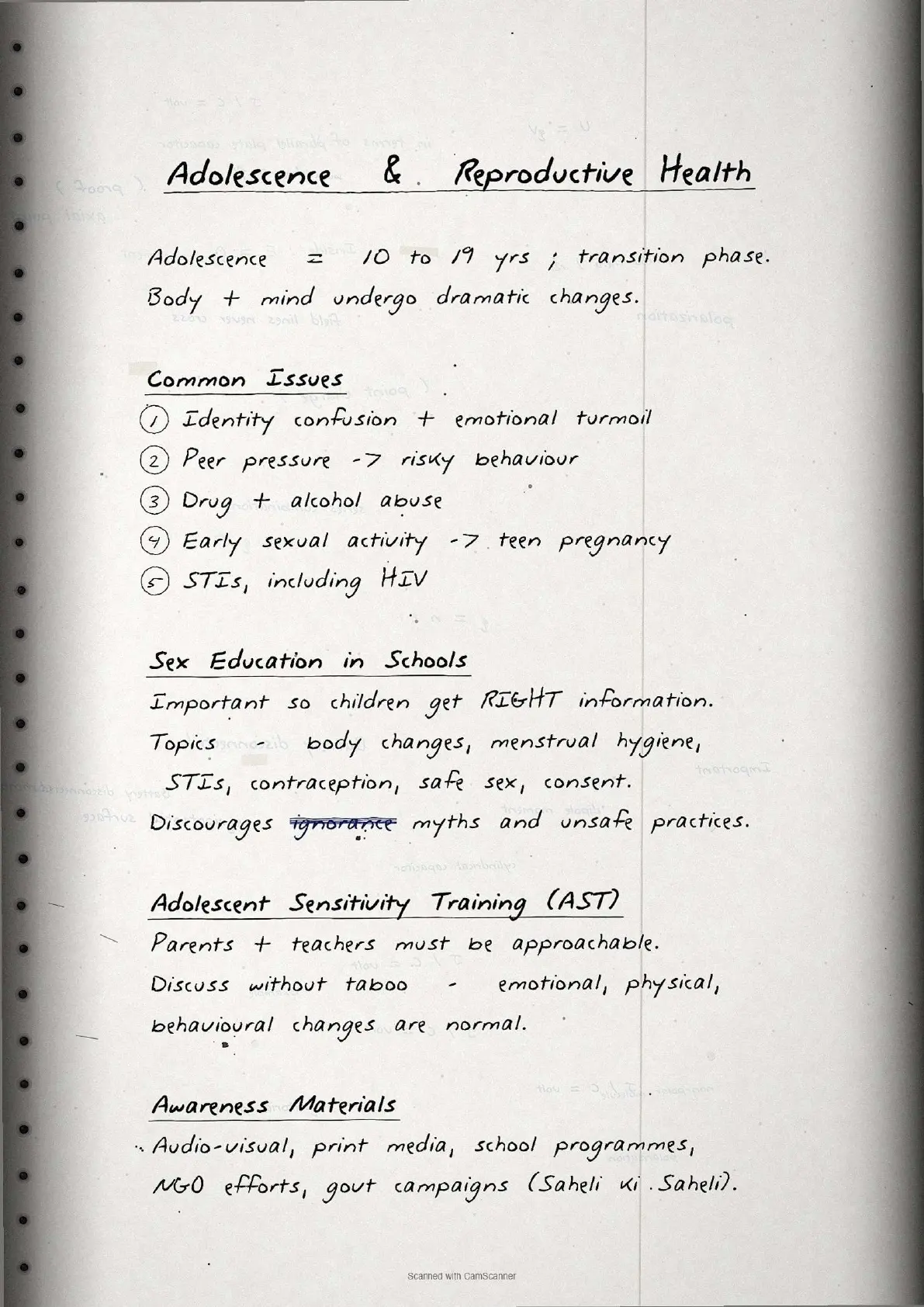
| Reproductive Health: Problems and Strategies | Section 3.1 | WHO definition, RCH programme, sex education, amniocentesis ban |
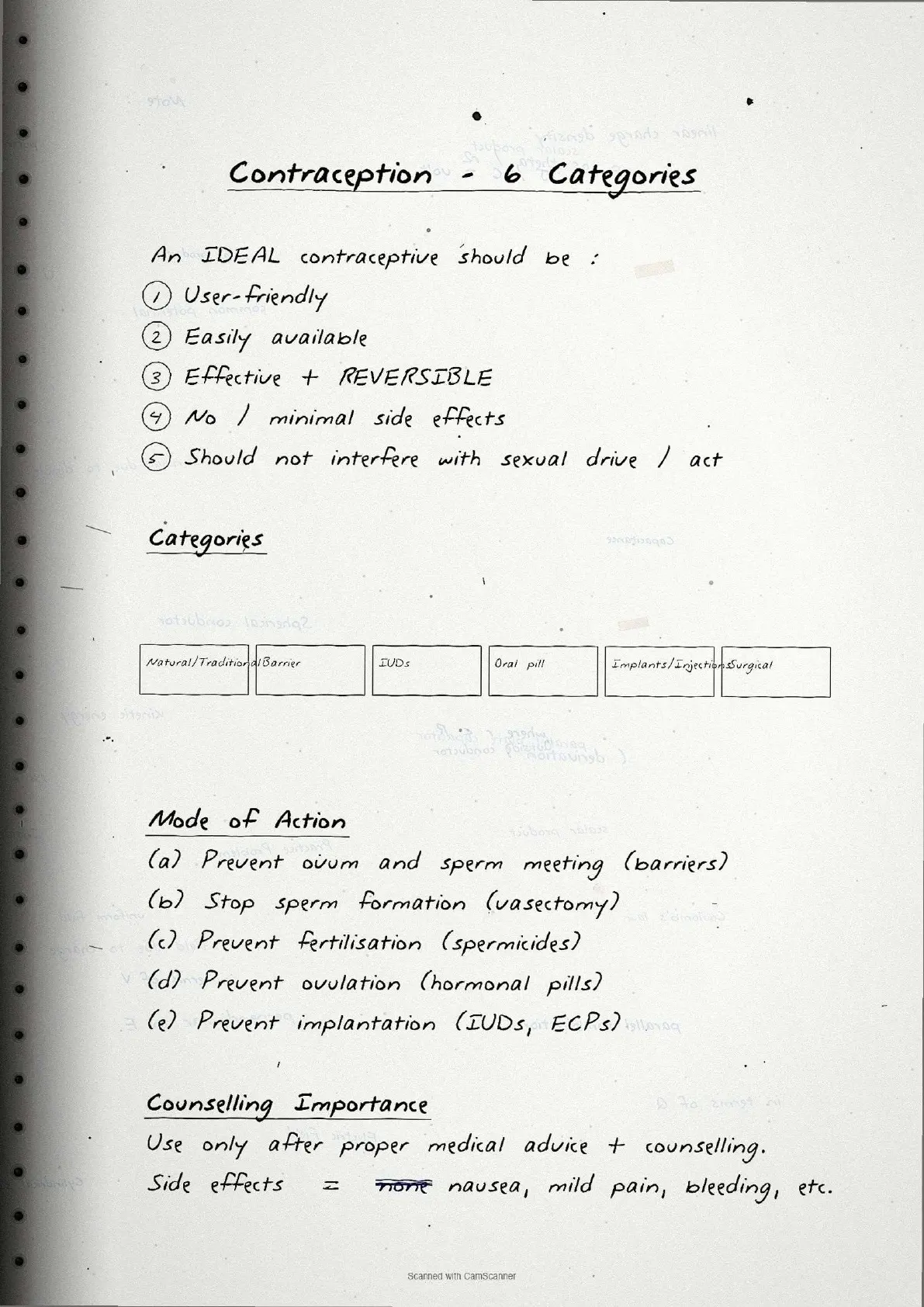
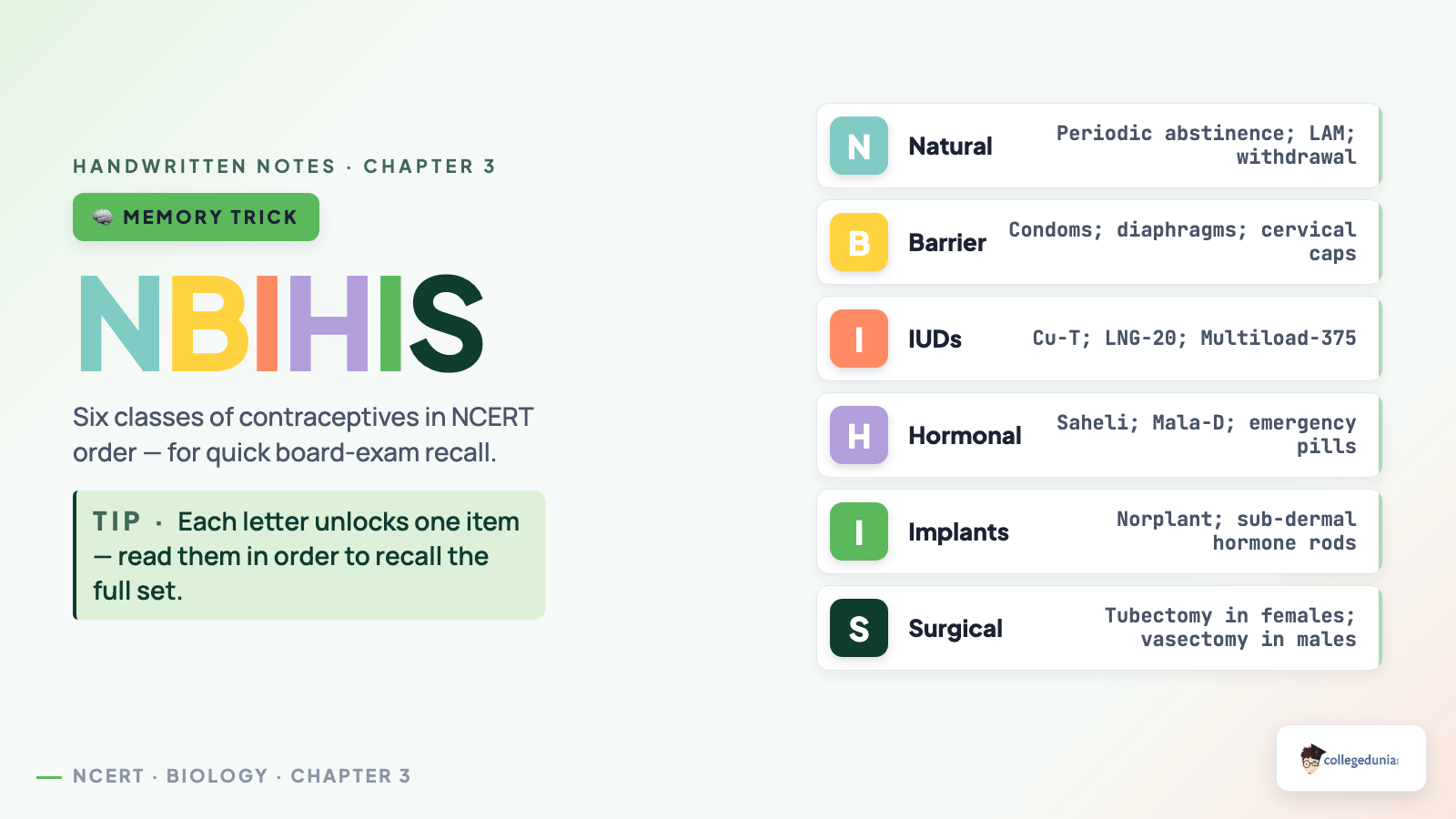
| Population Stabilisation and Birth Control | Section 3.2 | Contraceptive categories: natural, barrier, IUD, oral, injectable, surgical |
| Medical Termination of Pregnancy | Section 3.3 | MTP definition, legal limits, MTP (Amendment) Act 2017 grounds |
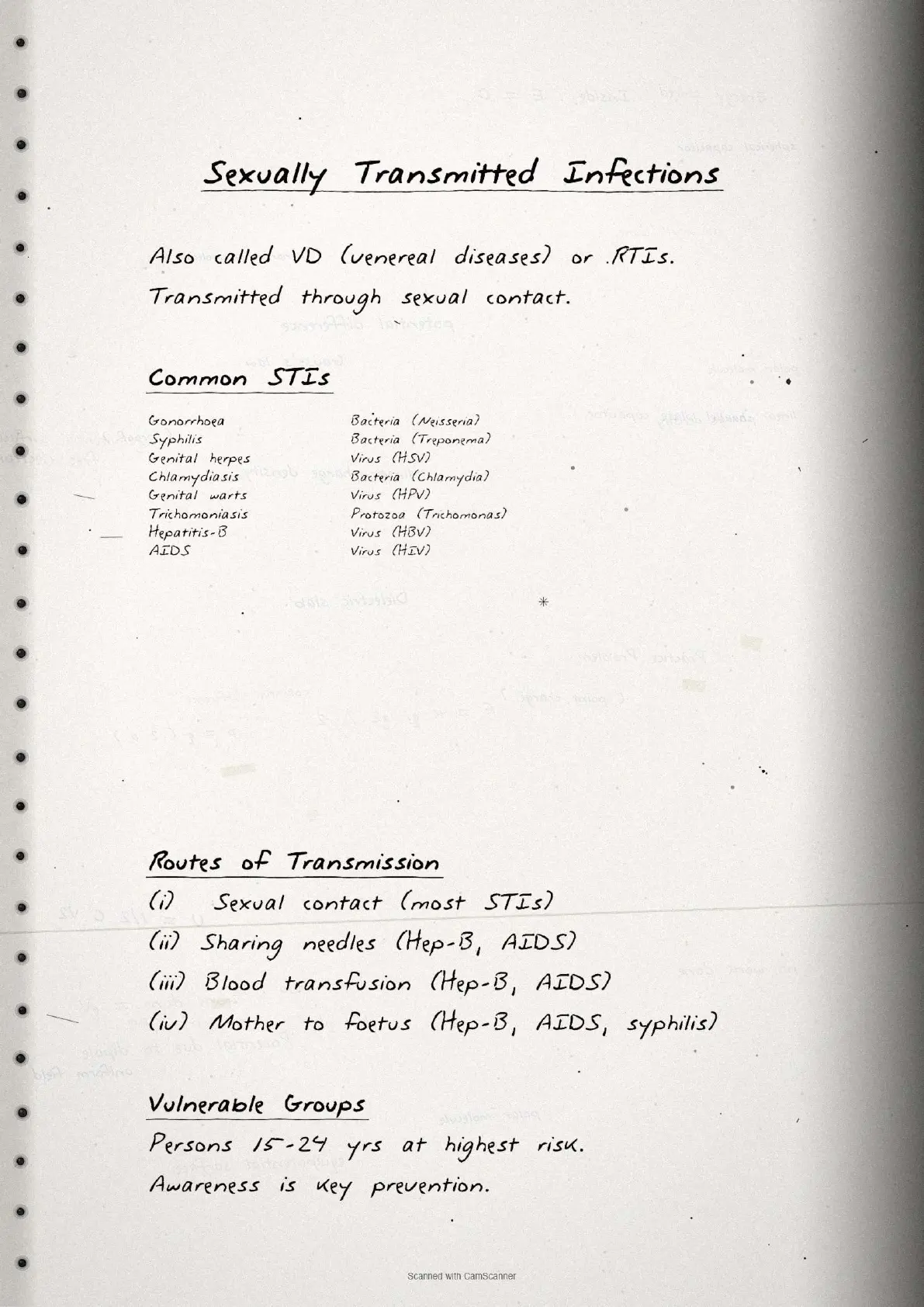
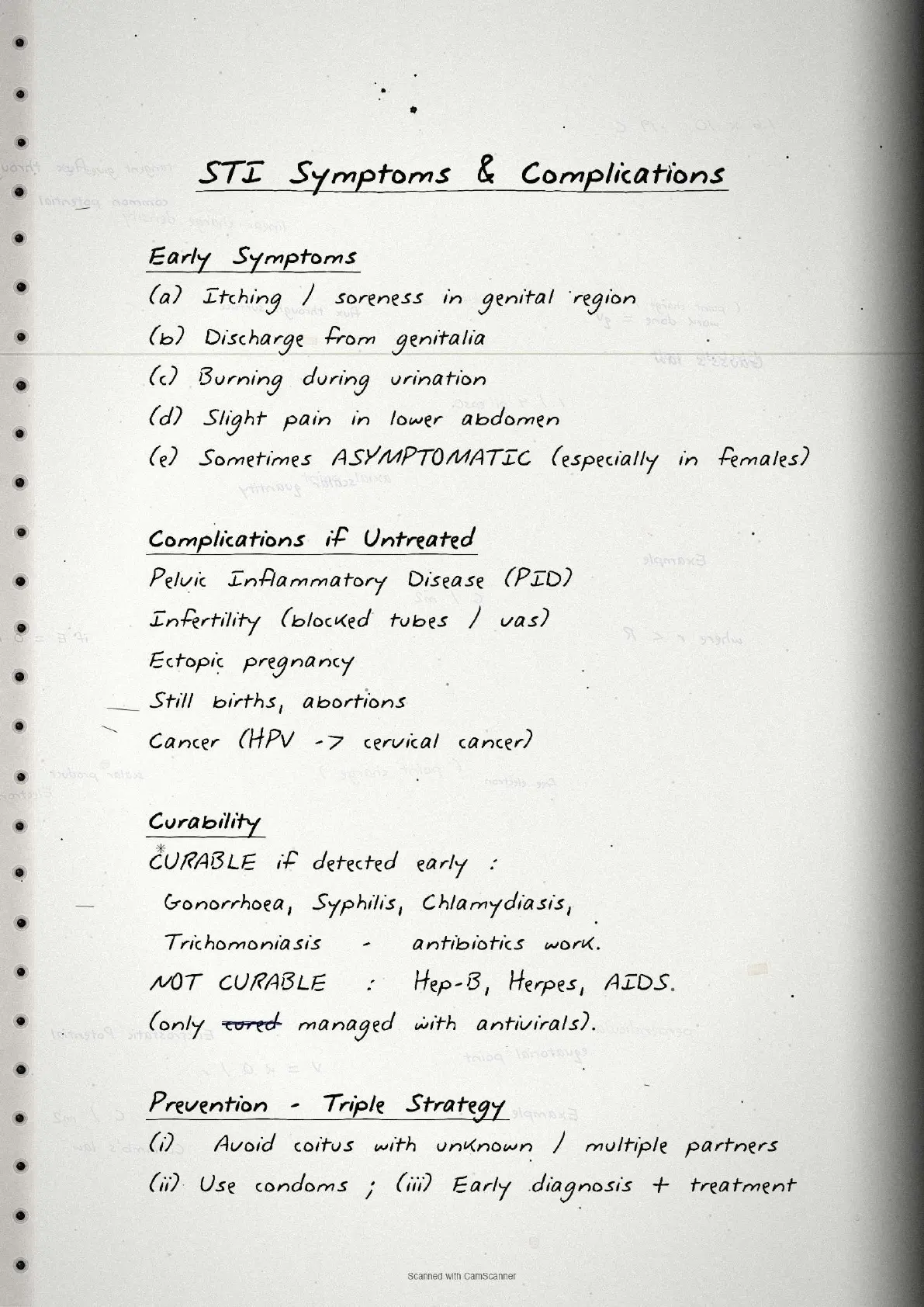
| Sexually Transmitted Infections | Section 3.4 | Common STIs, symptoms, complications, prevention principles |
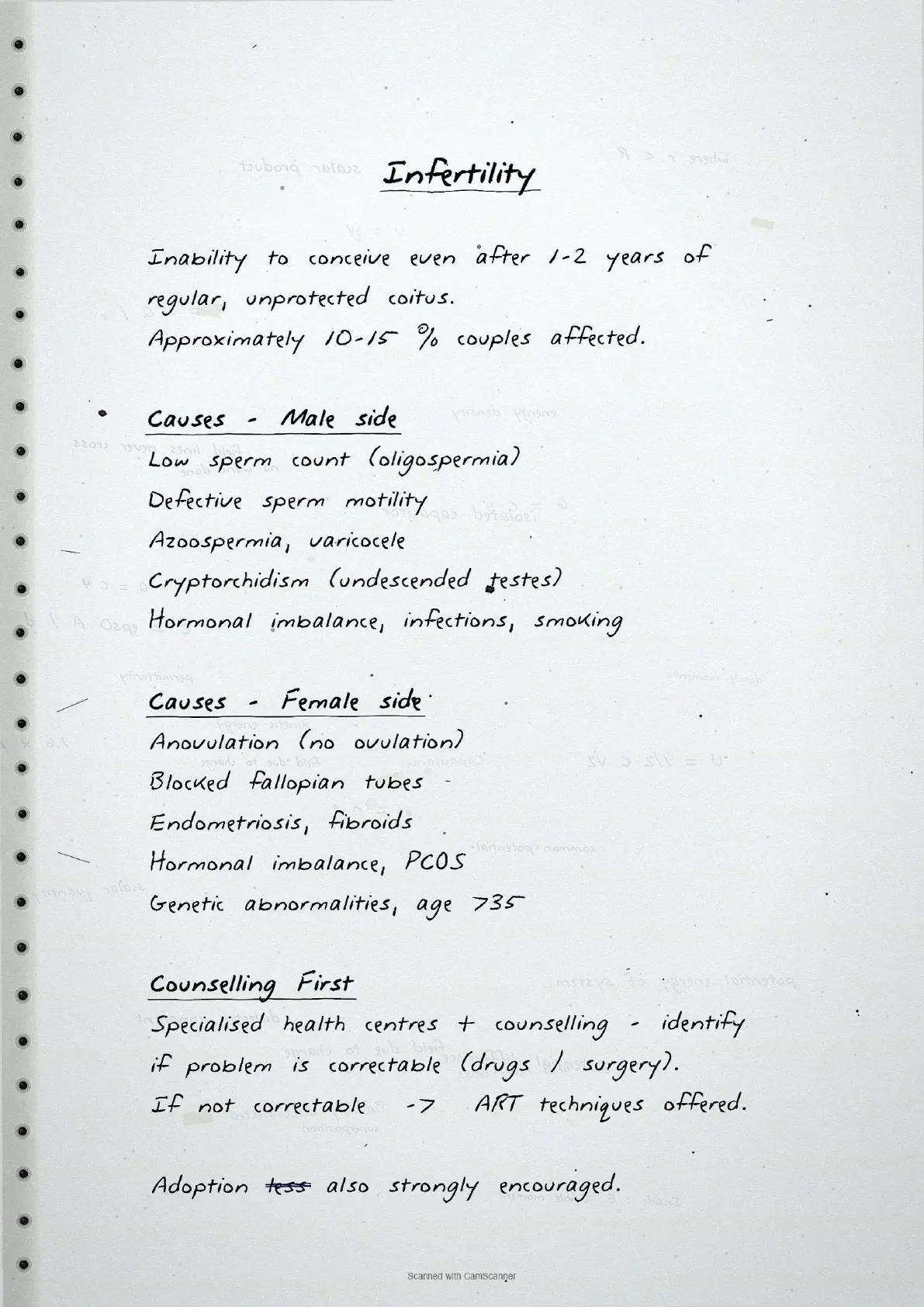
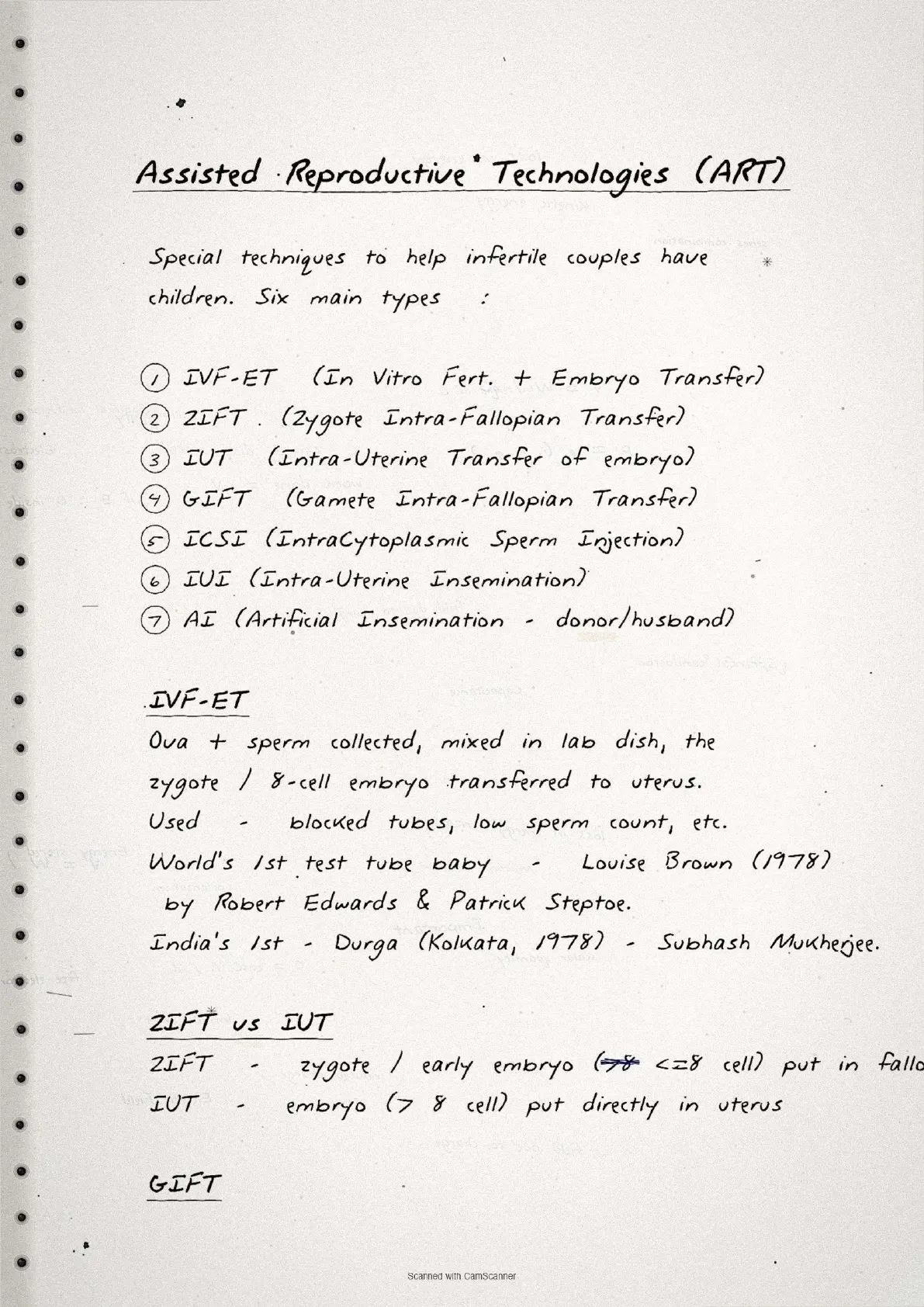
| Infertility and ART | Section 3.5 | IVF, ZIFT, GIFT, ICSI, IUI, ET, test-tube baby programme |
Reproductive Health Diagram Inventory for the Scanned Notebook
All four NCERT figures are hand-redrawn with full labels. Use the table to jump to any diagram during revision.
| Figure | Diagram | Why It Is Asked |
|---|---|---|
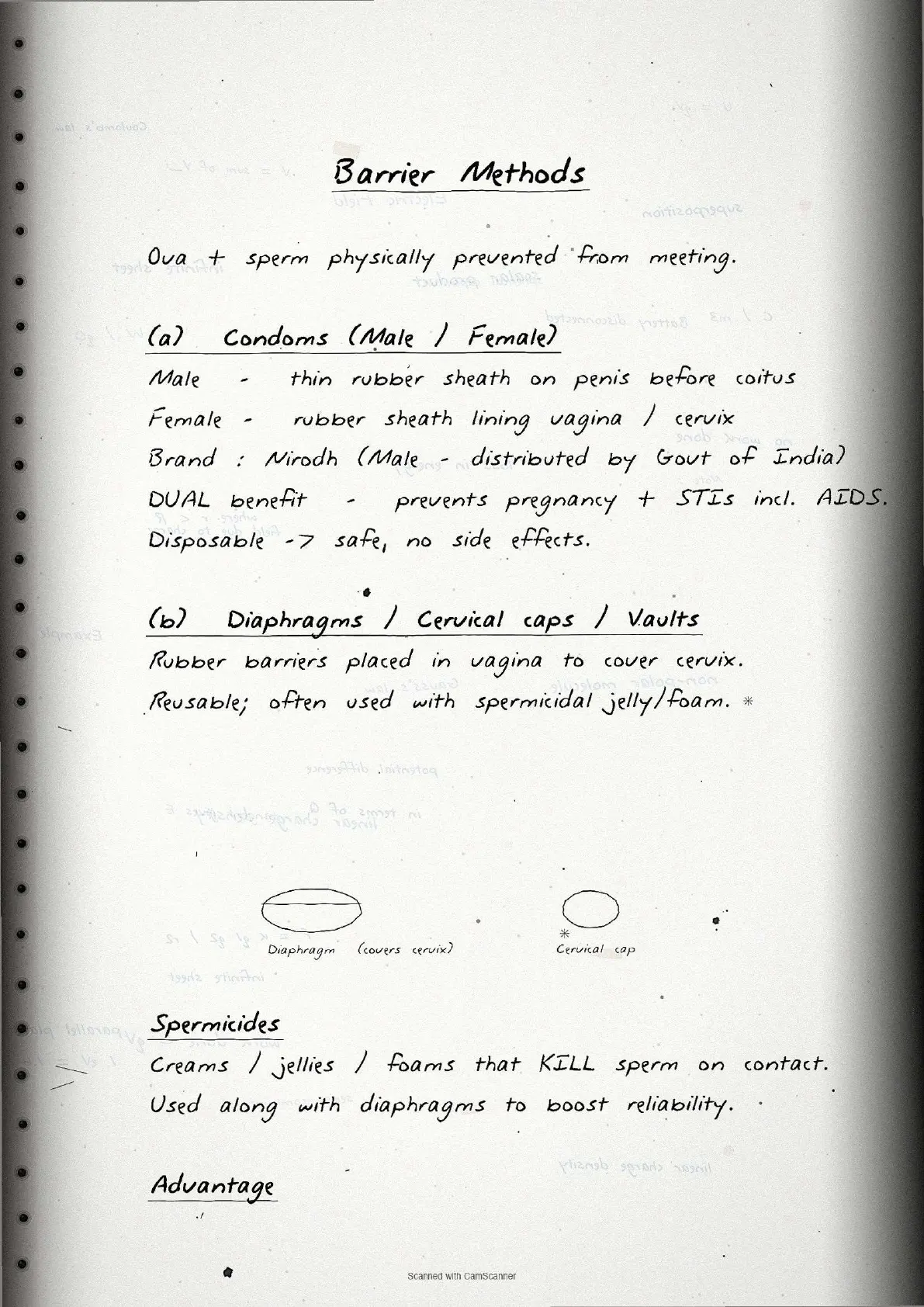
| Fig 3.1 (a, b) | Condom (male and female) | Barrier method; STI-protection point is a common 1-marker |
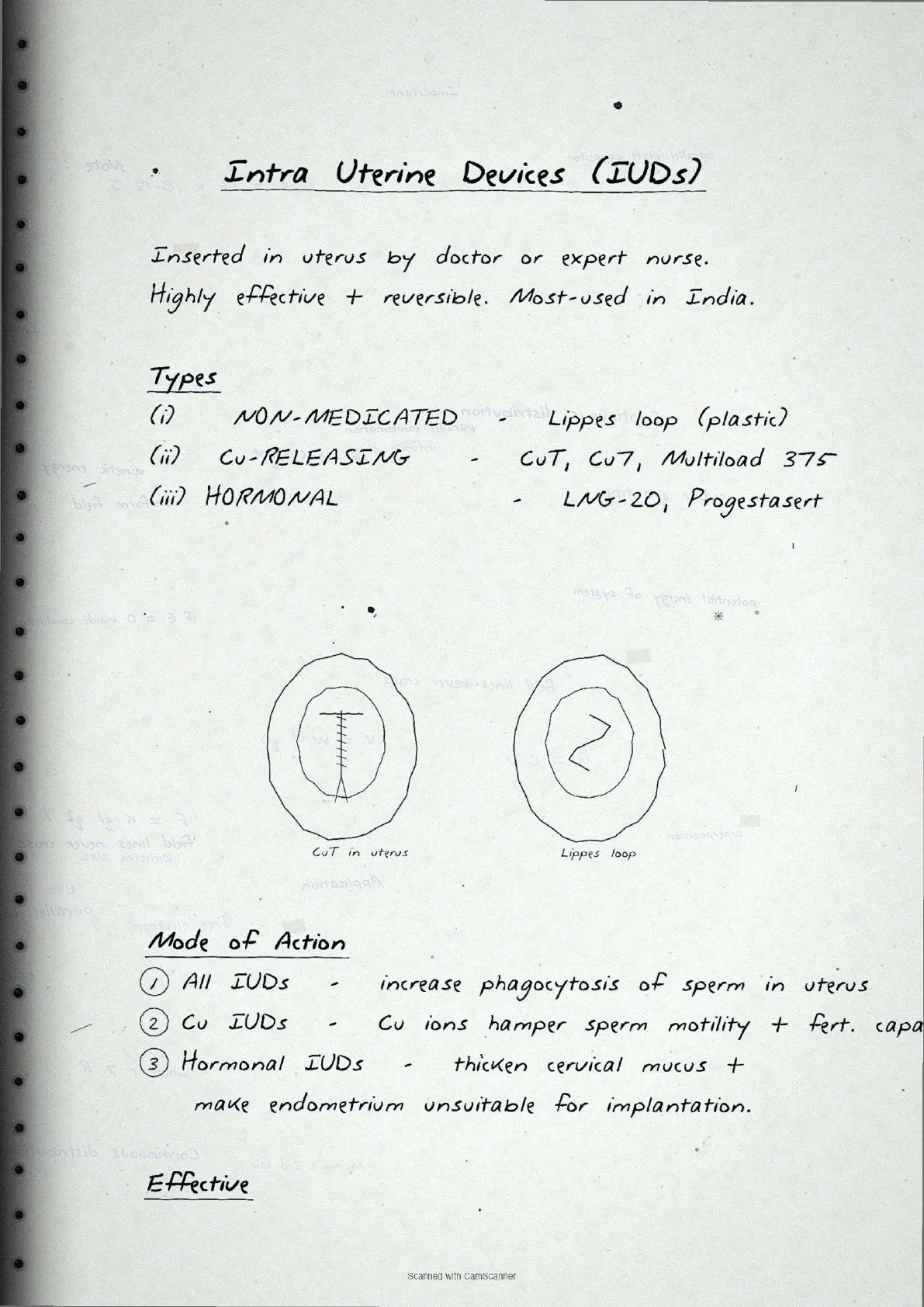
| Fig 3.2 | Copper-T (CuT) IUD | Mechanism: Cu ions suppress sperm motility |
| Fig 3.3 | Implants | Progestogen delivery; long effective period |
| Fig 3.4 (a, b) | Vasectomy and Tubectomy | Frequent 3-mark "compare surgical methods" question |
Reproductive Health Memory Mnemonics for Hard-to-Recall Lists
The notebook keeps a mnemonic strip beside each list. These four are the most-forgotten in the exam hall.
- Contraceptive categories (Natural, Barrier, IUD, Oral, Injectable, Implant, Surgical): "Naughty Boys In Office Ignore Important Surgery"
- ART techniques (IVF, ZIFT, GIFT, ICSI, IUI): "I Zoom Gleefully In Ice"
- ZIFT vs IUT split: ZIFT transfers embryos with up to 8 blastomeres into the fallopian tube; more than 8 go into the uterus (IUT).
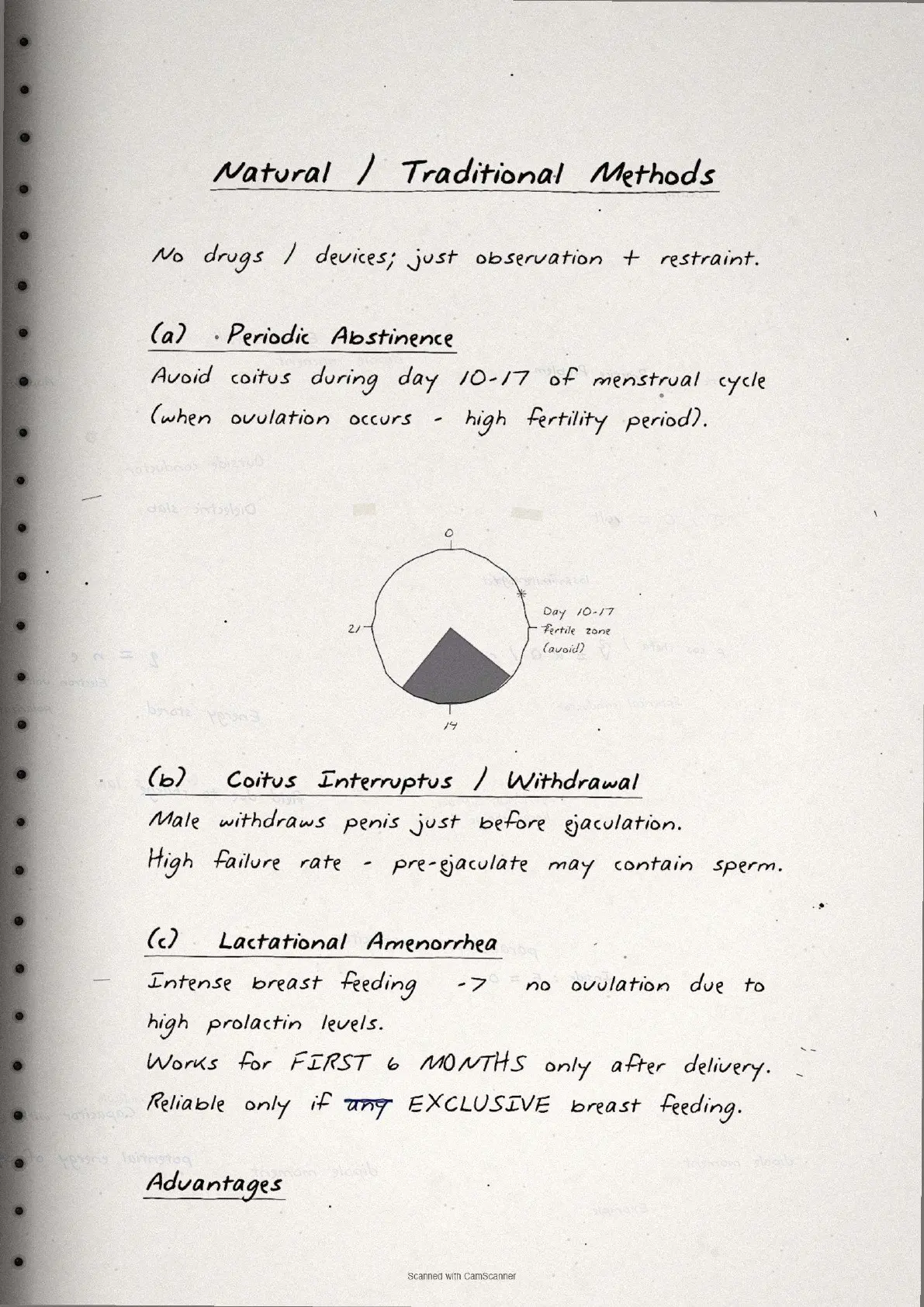
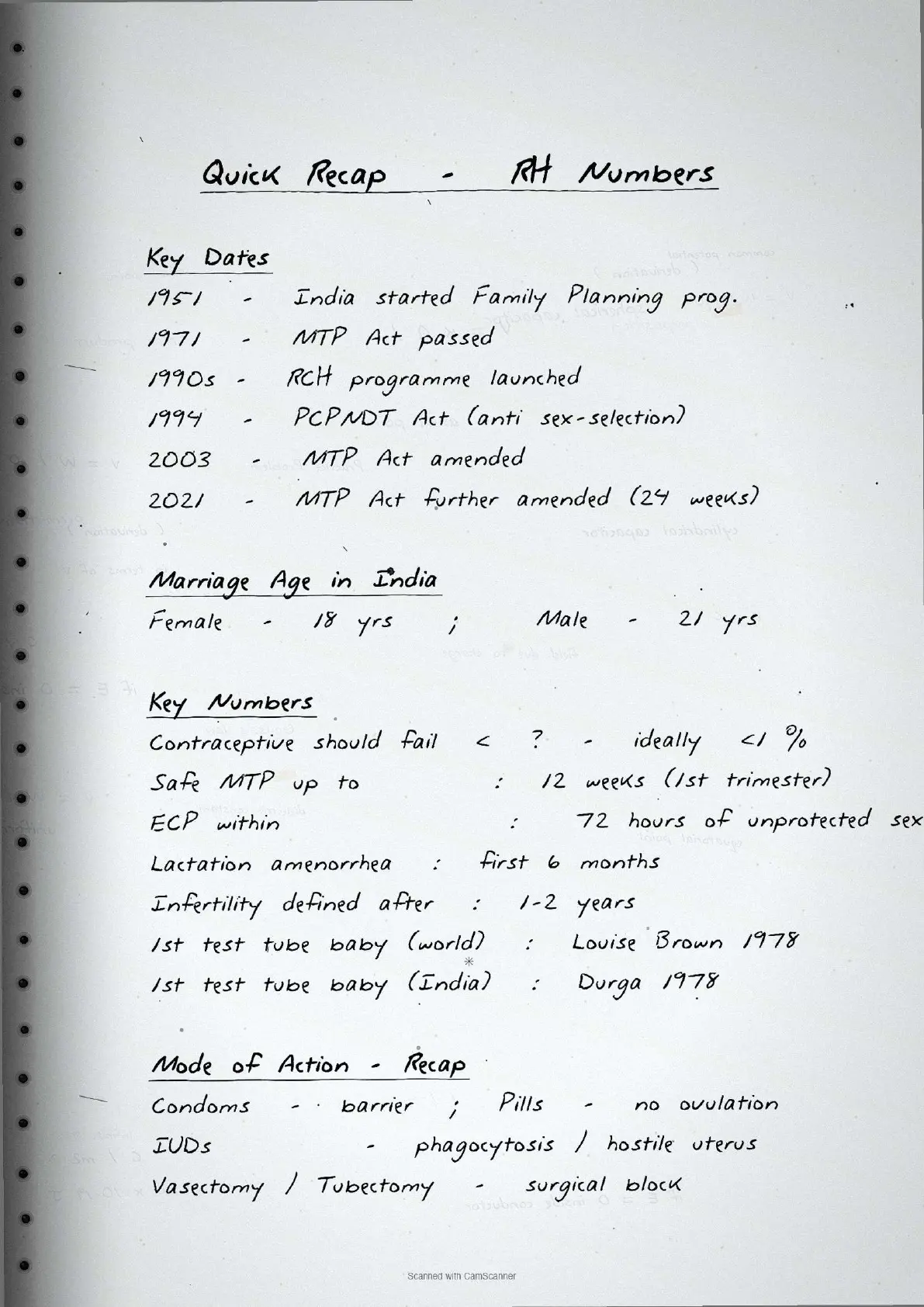
- Emergency contraception window: effective only within 72 hours of coitus.
Class 12 Biology Reproductive Health Self-Assessment Quiz
Use these five questions after one read of the notebook to check keyword recall.
Q1. In which year did India initiate family planning programmes at the national level?
(a) 1947 (b) 1951 (c) 1971 (d) 2017
Answer: (b) 1951; the programmes, later renamed RCH, began in 1951.
Q2. Saheli, the oral contraceptive, is a:
(a) Daily steroidal pill (b) Once-a-week non-steroidal pill (c) Injectable (d) IUD
Answer: (b) A once-a-week non-steroidal pill developed by CDRI, Lucknow.
Q3. Emergency contraceptives are effective if used within:
(a) 24 hours (b) 48 hours (c) 72 hours (d) 96 hours
Answer: (c) 72 hours of coitus.
Q4. In ZIFT, embryos with how many blastomeres are transferred into the fallopian tube?
(a) Up to 8 (b) More than 8 (c) Exactly 16 (d) Any number
Answer: (a) Up to 8 blastomeres; more than 8 go to the uterus through IUT.
Q5. Amniocentesis is statutorily banned in India to prevent:
(a) STIs (b) Sex-determination and female foeticide (c) Infertility (d) Population growth
Answer: (b) Misuse for sex-determination, which leads to female foeticide.
Reproductive Health Last 24-Hour Revision Card
Skim only these before the exam. Each point is a frequently asked CBSE or NEET keyword.
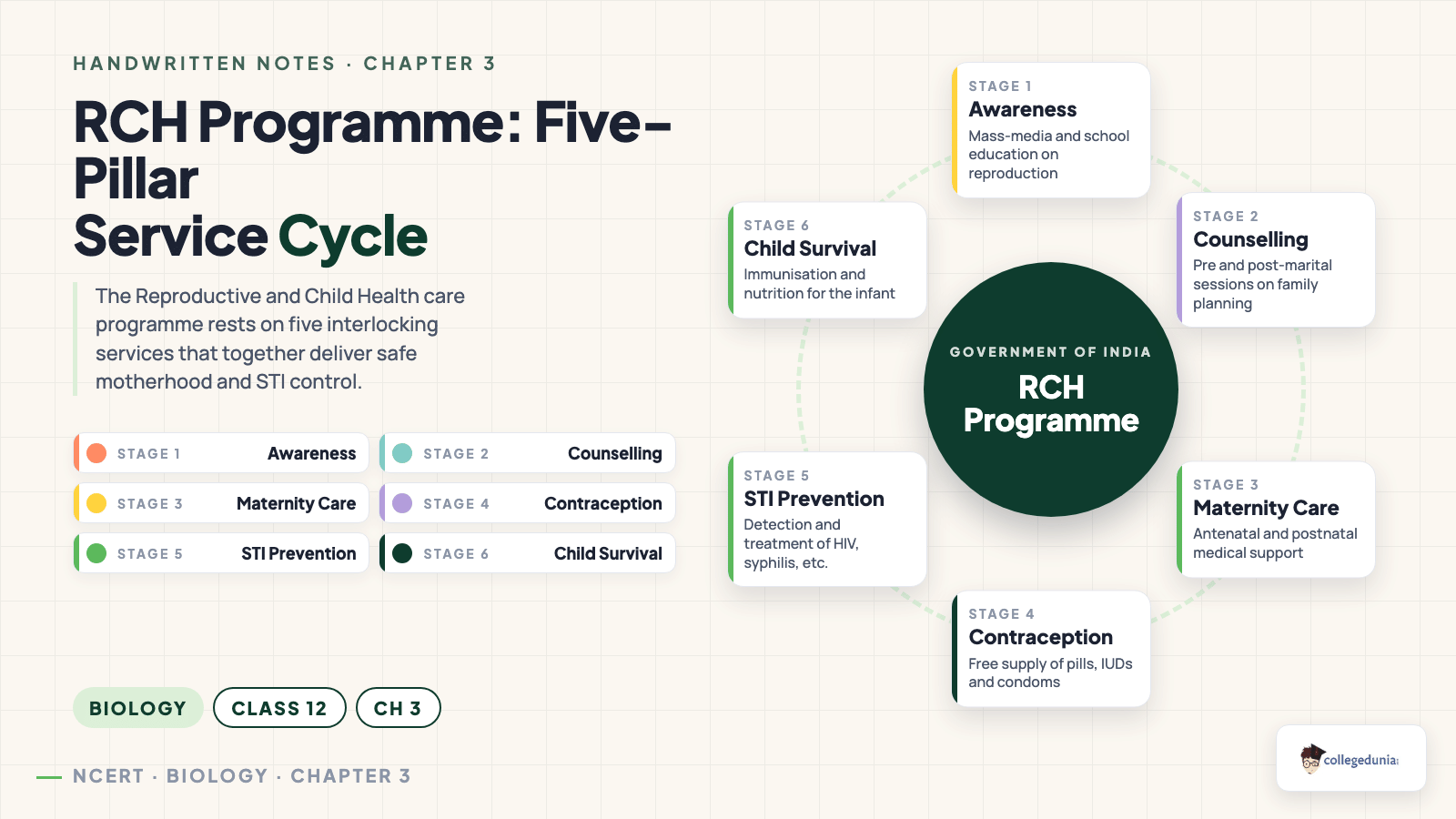
- Definition: reproductive health = total well-being in physical, emotional, behavioural and social aspects of reproduction (WHO).
- Programmes: family planning began 1951, now RCH; India was the first country to launch such national plans.
- Contraceptives: Natural, Barrier, IUD, Oral, Injectable, Implant, Surgical; only barrier methods and condoms also prevent STIs.
- IUDs: non-medicated (Lippes loop), Cu-releasing (CuT, Cu7, Multiload 375), hormone-releasing (Progestasert, LNG-20).
- MTP: legalised 1971; safe in first trimester; misuse for sex-determination is illegal.
- STIs: gonorrhoea, syphilis, genital herpes, chlamydiasis, HIV/AIDS; all curable early except hepatitis-B, genital herpes, HIV.
- ART: IVF + ET (test-tube baby), ZIFT, GIFT, ICSI, IUI; infertility is often due to the male partner, not always the female.
Reproductive Health Class 12 Biology Important Formulae and Quick Facts
This chapter has no numerical formulae, but these fixed numbers and dates behave like a formula sheet for MCQs.
| Quick Fact | Value |
|---|---|
| Family planning programmes started | 1951 (RCH) |
| MTP legalised in India | 1971 |
| Emergency contraception window | Within 72 hours of coitus |
Class 12 Biology Reproductive Health Most-Asked Previous Year Question Trends
Three areas repeat almost every year in CBSE Board and NEET papers. The full year-wise table is on the NCERT Solutions page.
- Contraceptive methods: compare two methods or state the mode of action of IUDs, asked nearly every CBSE year.
- ART techniques: expand and differentiate ZIFT, GIFT, IUI, ICSI, a recurring NEET fact-recall set.
- Amniocentesis and MTP: "why is amniocentesis banned" and MTP grounds appear as 2 to 3 mark questions.
Student Feedback on Reproductive Health Chapter 3
Student Feedback
What 11,200 students told us about Chapter 3 Reproductive Health revision:
- 70% of students surveyed marked ART terminology (ZIFT vs GIFT vs IUI) as the hardest sub-topic.
- 58% lost 1-2 marks on MTP Act time-window numbers even when the rest of their answer was correct.
- Average student took 4.9 hours for the first read and 2.0 hours for a focused revision pass.
Source: 2025-26 Class 12 Biology student survey. Sample of 11,200 students across 18 states.
Other Resources for Reproductive Health Class 12 Biology
| Resource | Link |
|---|---|
| Handwritten Notes | Reproductive Health Handwritten Notes |
| NCERT Solutions | Reproductive Health NCERT Solutions |
| NCERT Notes | Reproductive Health Class 12 Notes |
| Formula Sheet | Reproductive Health Formula Sheet |
| NCERT Book PDF | Reproductive Health NCERT Book PDF |
| Exemplar Solutions | Reproductive Health Exemplar Solutions |
| Exemplar Book PDF | Reproductive Health Exemplar Book PDF |
NCERT Handwritten Notes for Class 12 Biology: All Chapters
Use the table to jump to handwritten notes for any other Class 12 Biology chapter.
| Chapter | Resource |
|---|---|
| Chapter 1 | Sexual Reproduction in Flowering Plants Handwritten Notes |
| Chapter 2 | Human Reproduction Handwritten Notes |
| Chapter 3 | Reproductive Health Handwritten Notes |
| Chapter 4 | Principles of Inheritance and Variation Handwritten Notes |
| Chapter 5 | Molecular Basis of Inheritance Handwritten Notes |
| Chapter 6 | Evolution Handwritten Notes |
| Chapter 7 | Human Health and Disease Handwritten Notes |
| Chapter 8 | Microbes in Human Welfare Handwritten Notes |
| Chapter 9 | Biotechnology: Principles and Processes Handwritten Notes |
| Chapter 10 | Biotechnology and Its Applications Handwritten Notes |
| Chapter 11 | Organisms and Populations Handwritten Notes |
| Chapter 12 | Ecosystem Handwritten Notes |
| Chapter 13 | Biodiversity and Conservation Handwritten Notes |
Reproductive Health Class 12 Biology Handwritten Notes FAQs
Ques. Where can I download Reproductive Health Class 12 Biology Handwritten Notes PDF?
Ans. You can download the Reproductive Health Class 12 Biology Handwritten Notes PDF directly from this page. Both the Normal and HD versions are available, and both are free.
Ques. Is this Handwritten Notes PDF aligned with the 2026-27 NCERT?
Ans. Yes. The notes follow the current 2026-27 syllabus for Class 12 Biology. NCERT kept all five sections of Reproductive Health, including the MTP (Amendment) Act 2017 note and the amniocentesis ban, so nothing here is from an outdated edition.
Ques. How many pages is the Class 12th Biology Reproductive Health Handwritten Notes PDF?
Ans. The Handwritten Notes PDF runs approximately 18 pages and covers all five NCERT sections from reproductive health goals through contraception, MTP, STIs and ART.
Ques. Is Reproductive Health an important chapter for NEET?
Ans. Yes. Reproductive Health is a high-yield NEET chapter, typically contributing 2 to 3 fact-recall questions per year on contraceptives, ART techniques and STIs, which makes a keyword-first handwritten revision especially useful.
Ques. Which diagrams should I memorise from Reproductive Health Class 12?
Ans. Focus on the four NCERT figures redrawn in these notes: condom (male and female), Copper-T IUD, implants, and the Vasectomy and Tubectomy comparison, since labelled-diagram and surgical-method questions recur in CBSE Boards.
Ques. What is the difference between ZIFT and GIFT in Reproductive Health Class 12?
Ans. ZIFT (zygote intra fallopian transfer) moves a zygote or early embryo with up to 8 blastomeres into the fallopian tube, while GIFT (gamete intra fallopian transfer) transfers an ovum collected from a donor into the fallopian tube of a female who cannot produce one.
Ques. Are these handwritten notes enough to revise the full Reproductive Health chapter?
Ans. They are designed for fast revision and cover every NCERT keyword, definition and figure. For first-time learning or detailed answer-writing practice, pair them with the Collegedunia Reproductive Health Notes and NCERT Solutions linked above.



Comments