



The Acids, Bases and Salts Class 10 Science handwritten notes are scanned, boxed and built for fast last-minute revision, fully matched to the 2026-27 CBSE syllabus. They cover the properties of acids and bases, the pH scale and indicators, neutralisation, and the preparation and uses of common salts, all in clear ruled-page form.
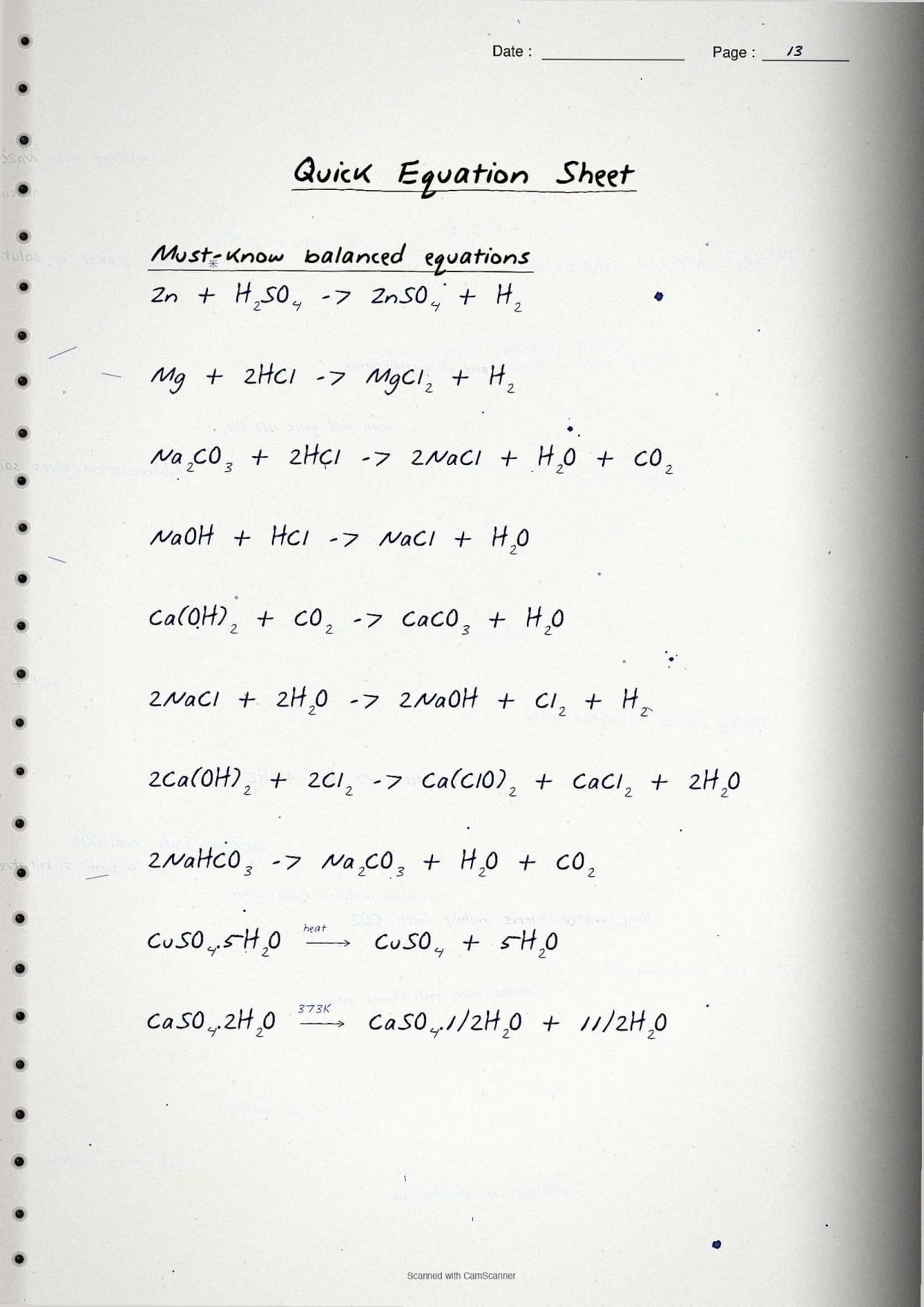
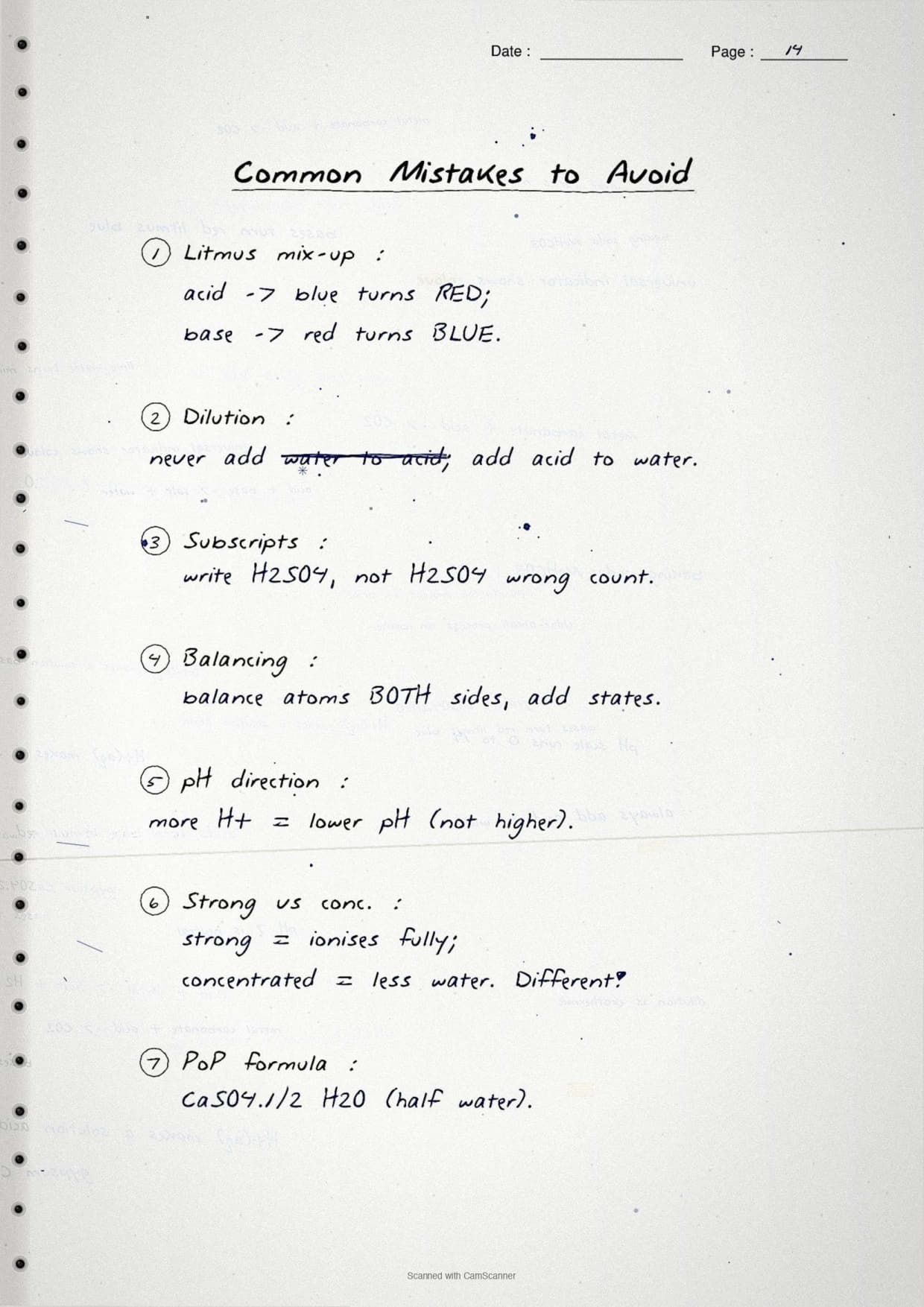
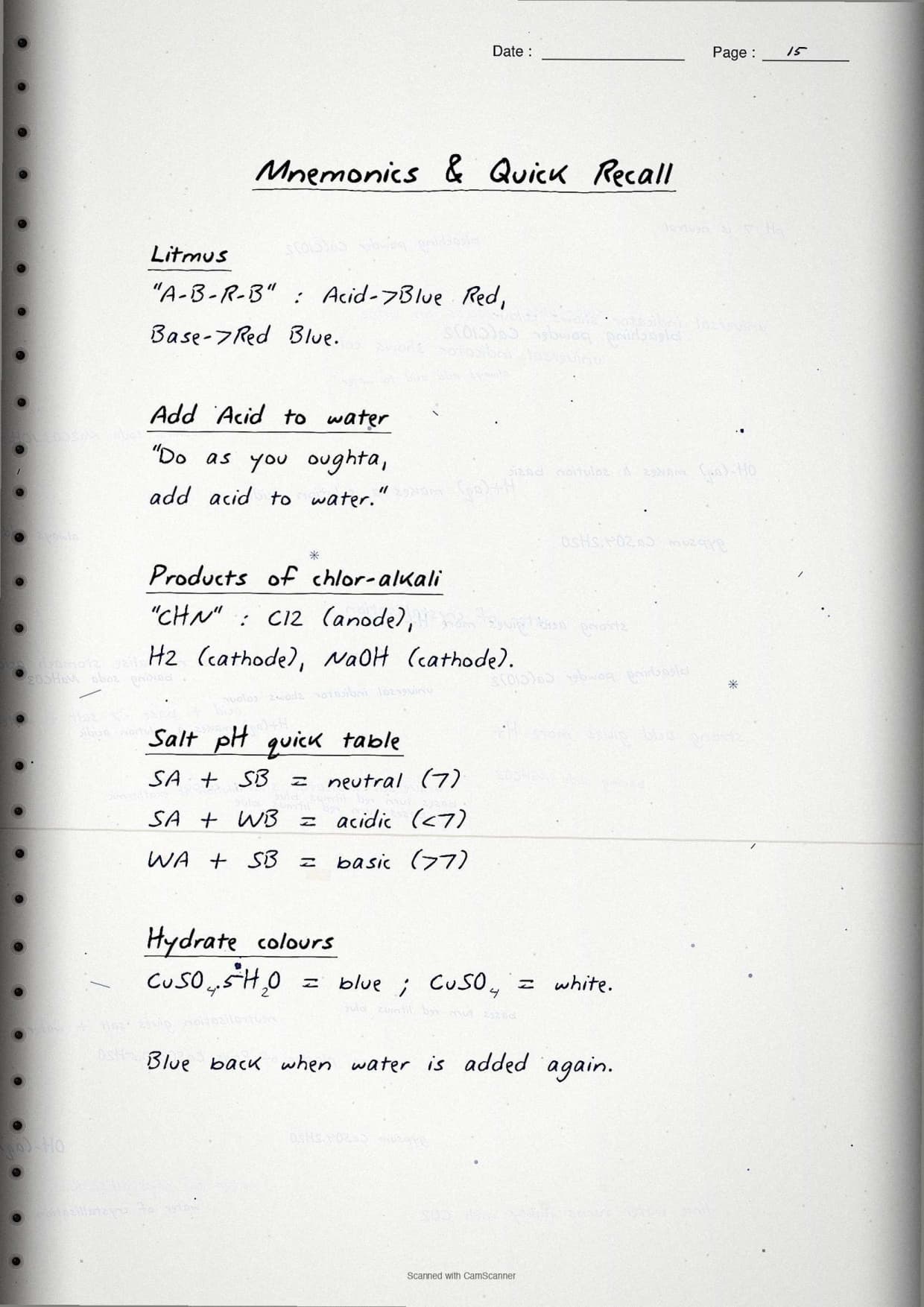
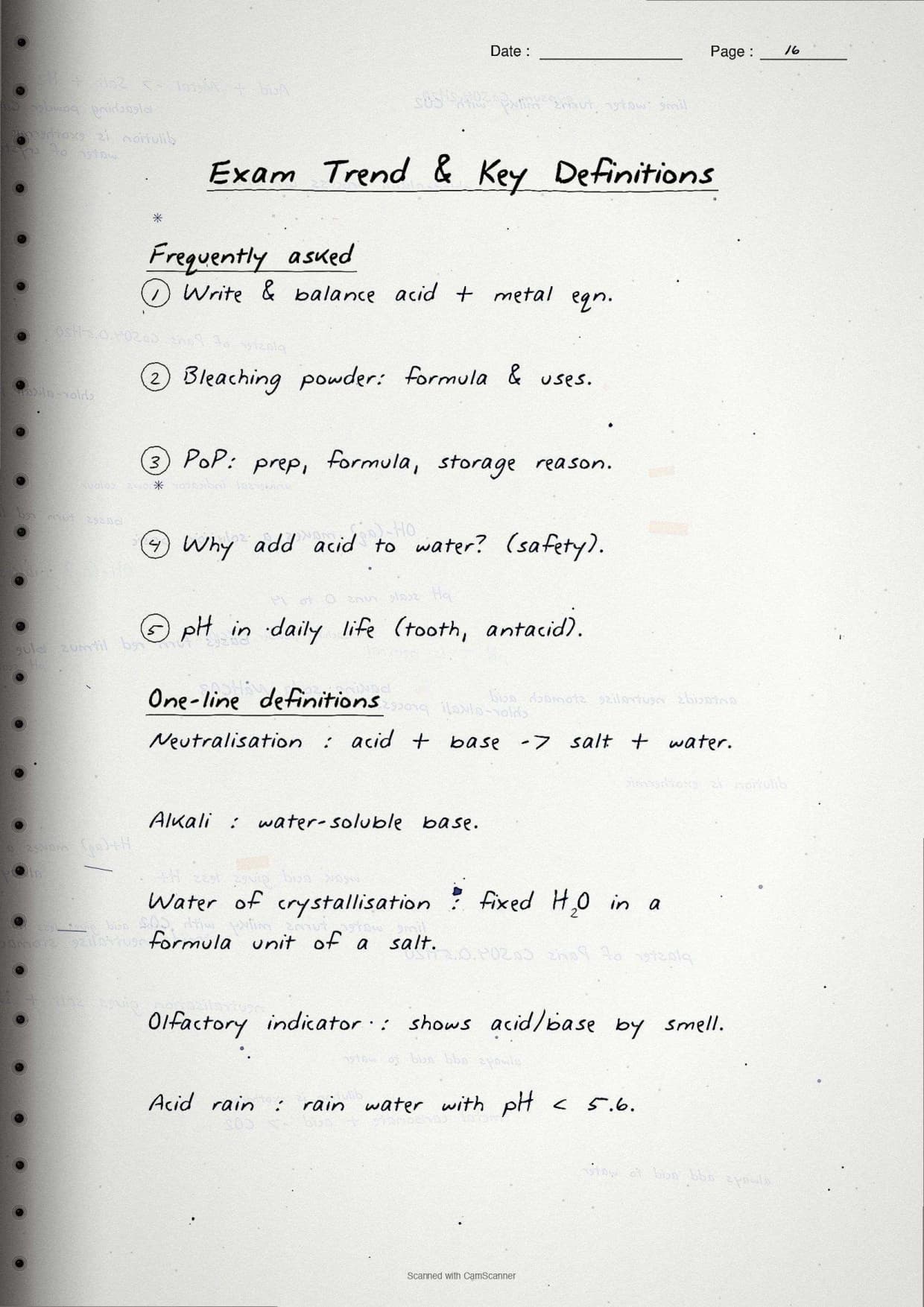
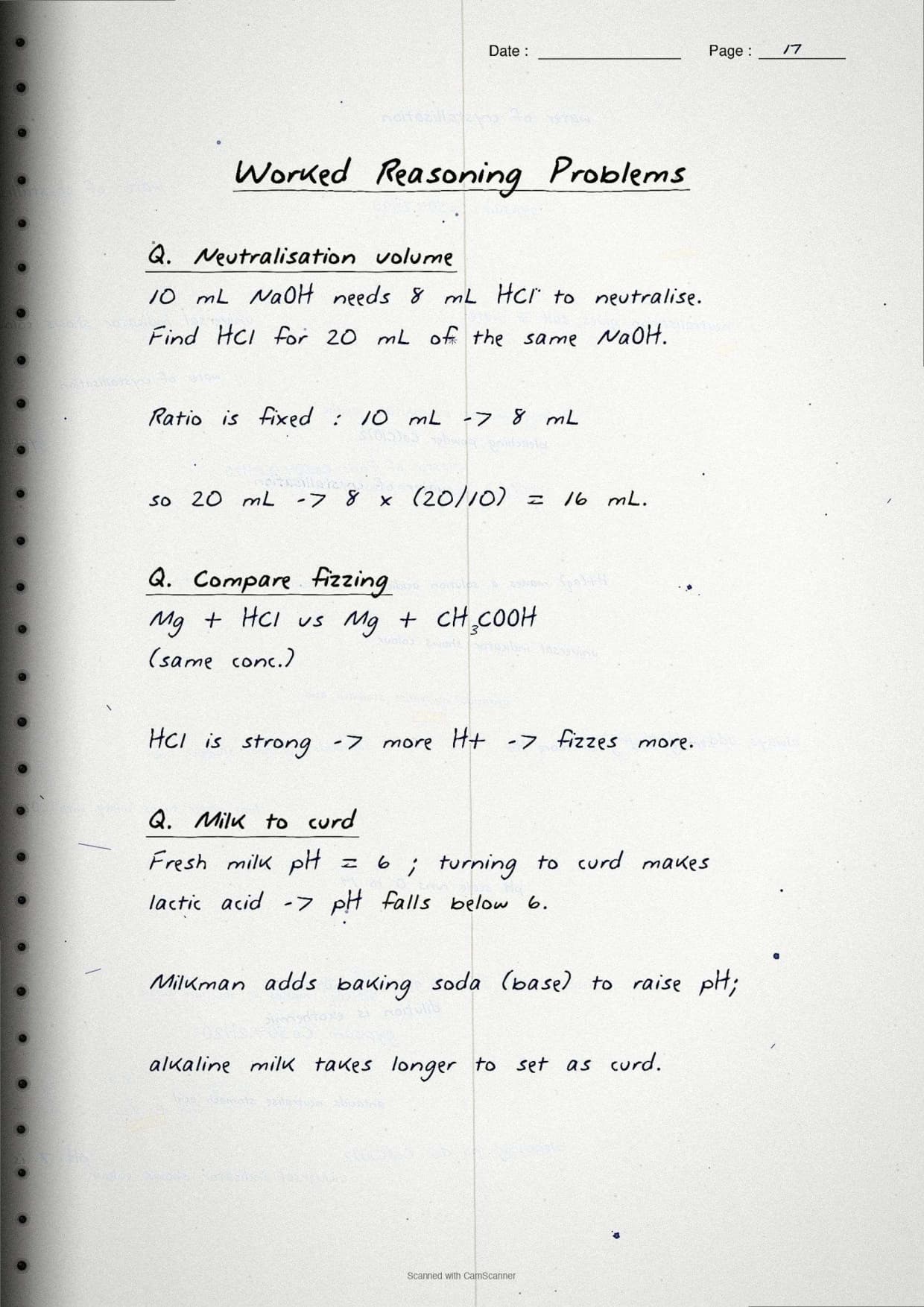
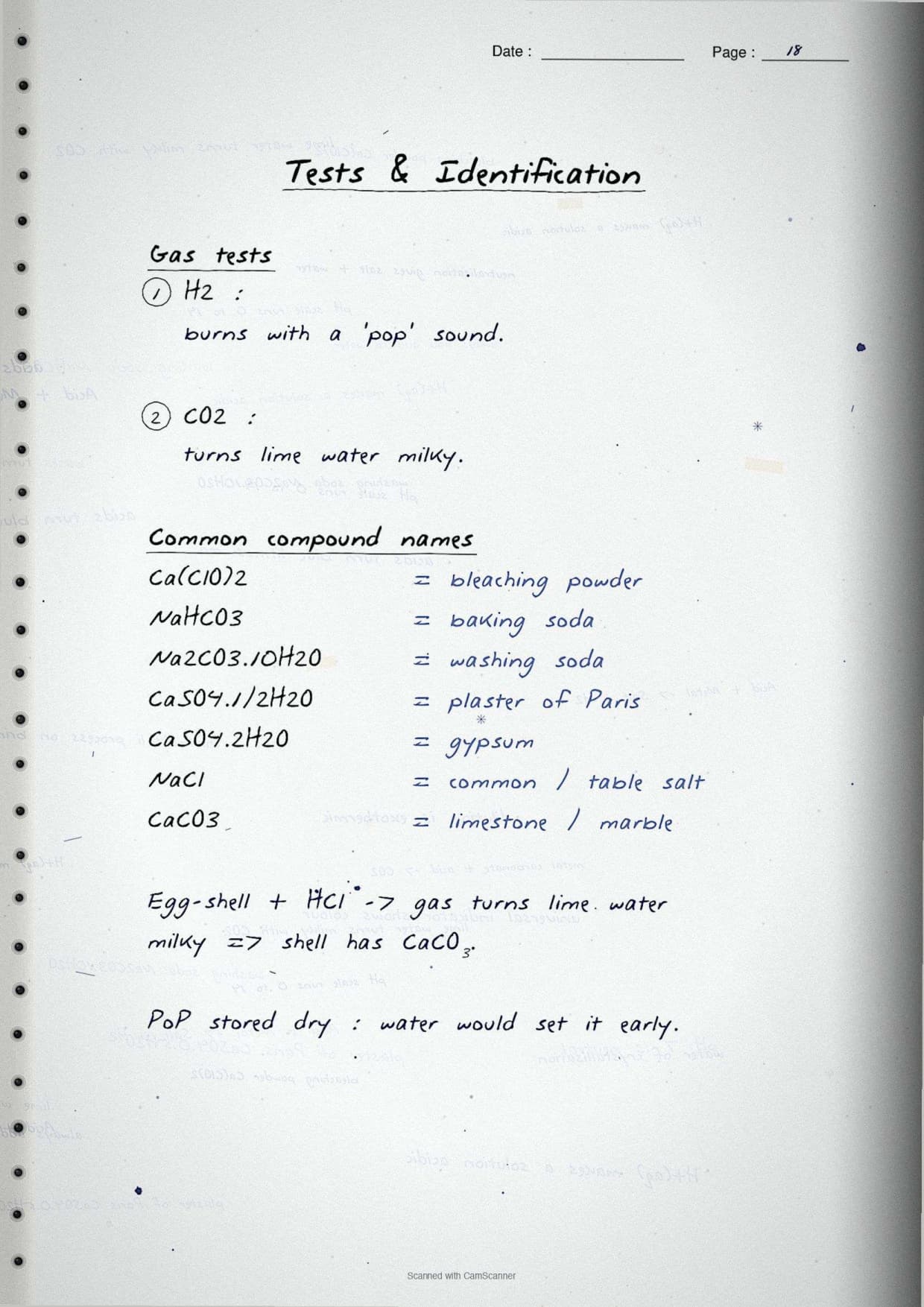
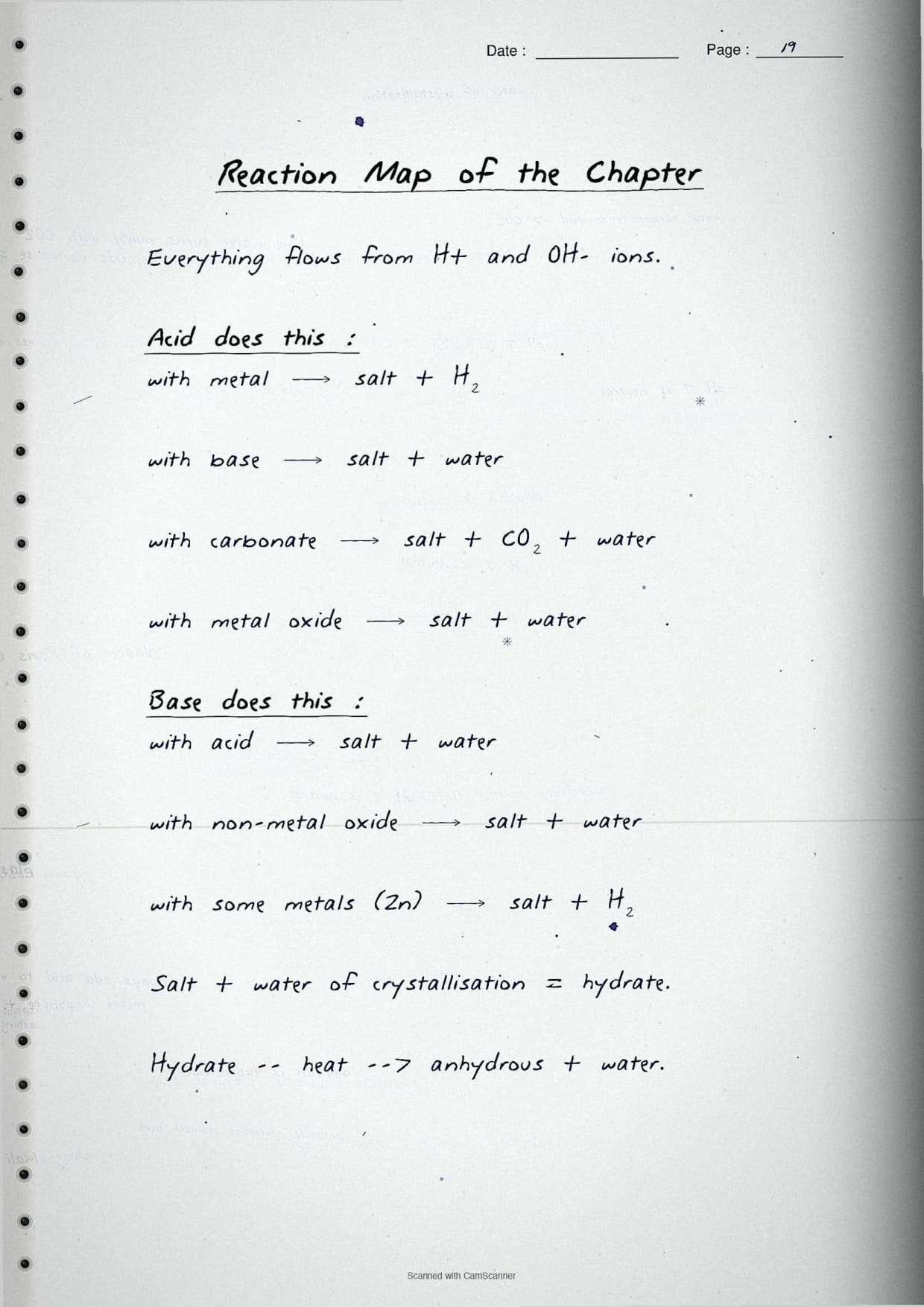
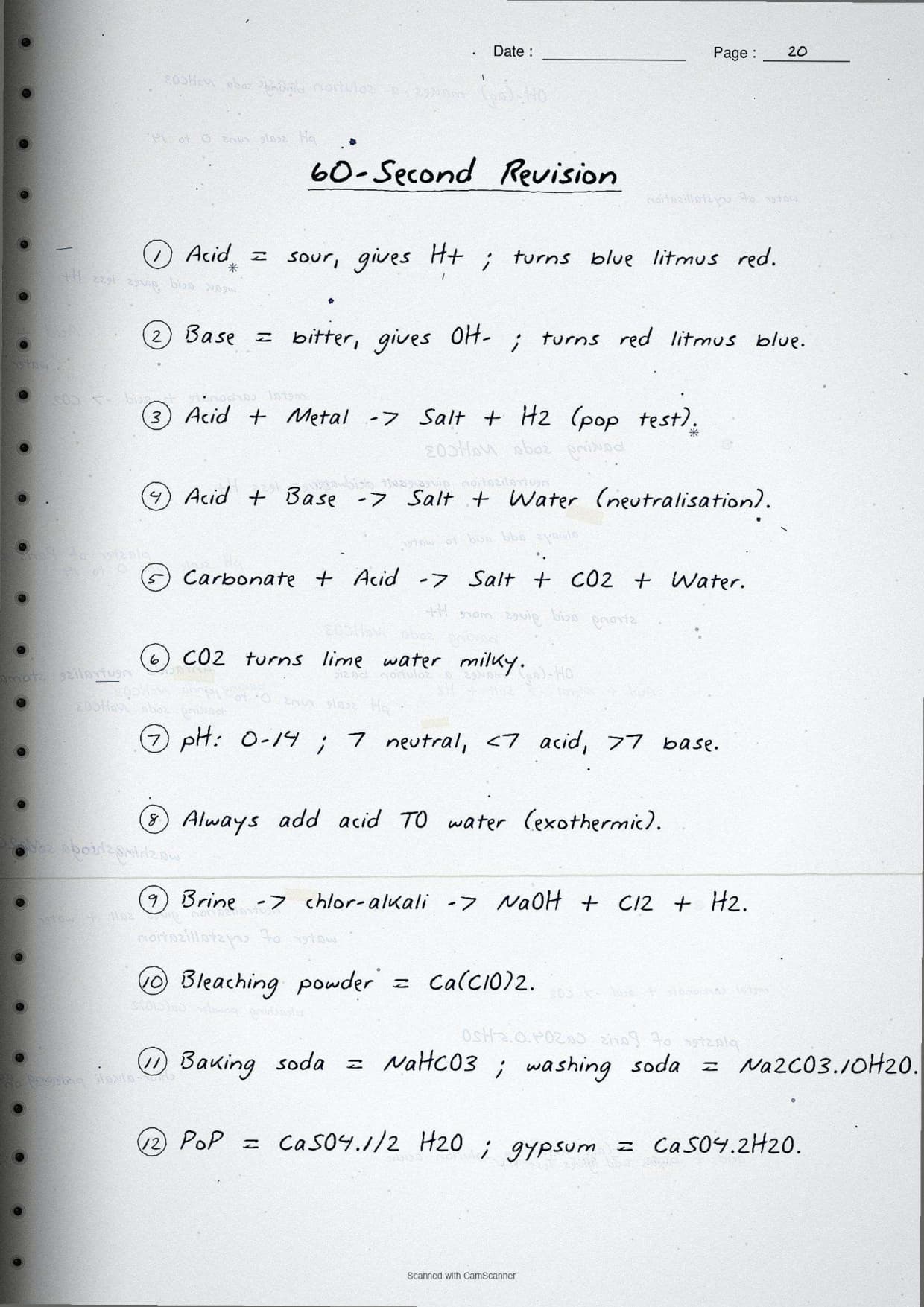
- CBSE Weightage: 5 to 7 marks from the Chemical Substances unit, often as 1-mark pH and indicator questions and 3-mark salt-preparation questions.
- Boxed reactions and an underlined keyword for every acid, base, indicator and salt the board paper asks about.
- Pairs with the NCERT Solutions, Notes and Book PDF linked lower on this page.
These Acids, Bases and Salts handwritten notes are prepared from the official NCERT Science textbook and matched to the 2026-27 CBSE syllabus.
Student Feedback: In a Collegedunia poll of 10,400 Class 10 Science students before the 2026 boards, 73% of students said the boxed pH-scale page was the fastest way to revise this chapter. Most students copied the hand-drawn indicator colour chart straight onto practice answer sheets.
Source: 2026-27 Class 10 Science student poll. Sample of 10,400 students from CBSE schools across 15 states.
Solved by Collegedunia: Every reaction and colour change in these Acids, Bases and Salts handwritten notes is checked by Collegedunia's Class 10 Science team against the latest 2026-27 NCERT textbook, so what you revise matches exactly what the CBSE board paper expects.
What These Acids, Bases and Salts Handwritten Notes Include
These Acids, Bases and Salts handwritten notes condense the chapter into 20 scanned pages, with every reaction boxed and every key term underlined. The pages cover the three threads the board paper tests:
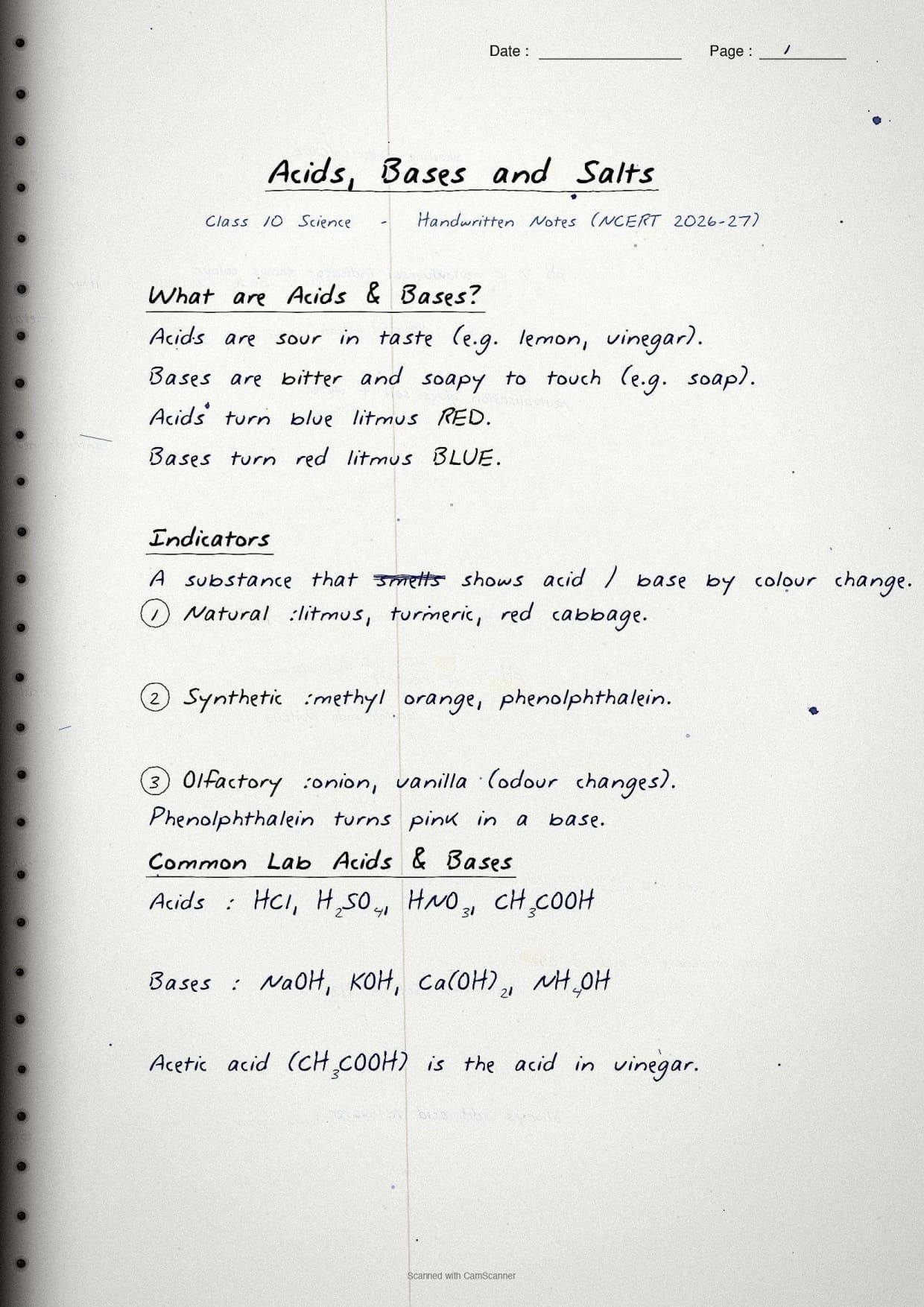
- Acids and bases: how each reacts with metals, carbonates and each other, and how a litmus or indicator tells them apart.
- The pH scale: what pH measures, the 0 to 14 range, and its everyday role.
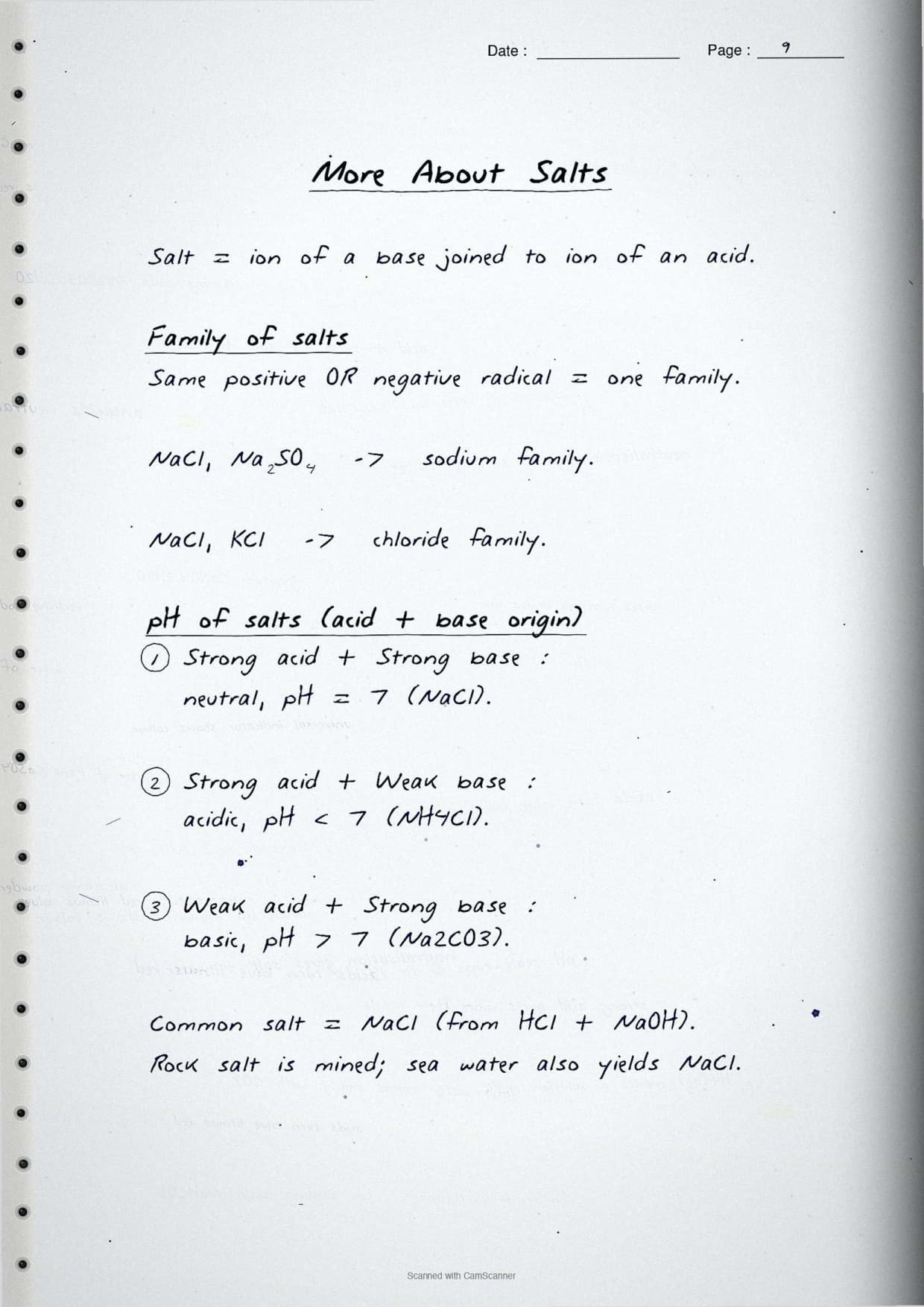
- Salts: the family of salts, the preparation of common salt, washing soda, baking soda, bleaching powder and plaster of Paris, and their uses.
Acids, Bases and Salts Class 10 Science Video Lecture
Source: Magnet Brains on YouTube
Properties of Acids and Bases: The First Pages
The opening pages settle how acids and bases behave. Acids turn blue litmus red; bases feel soapy and turn red litmus blue.
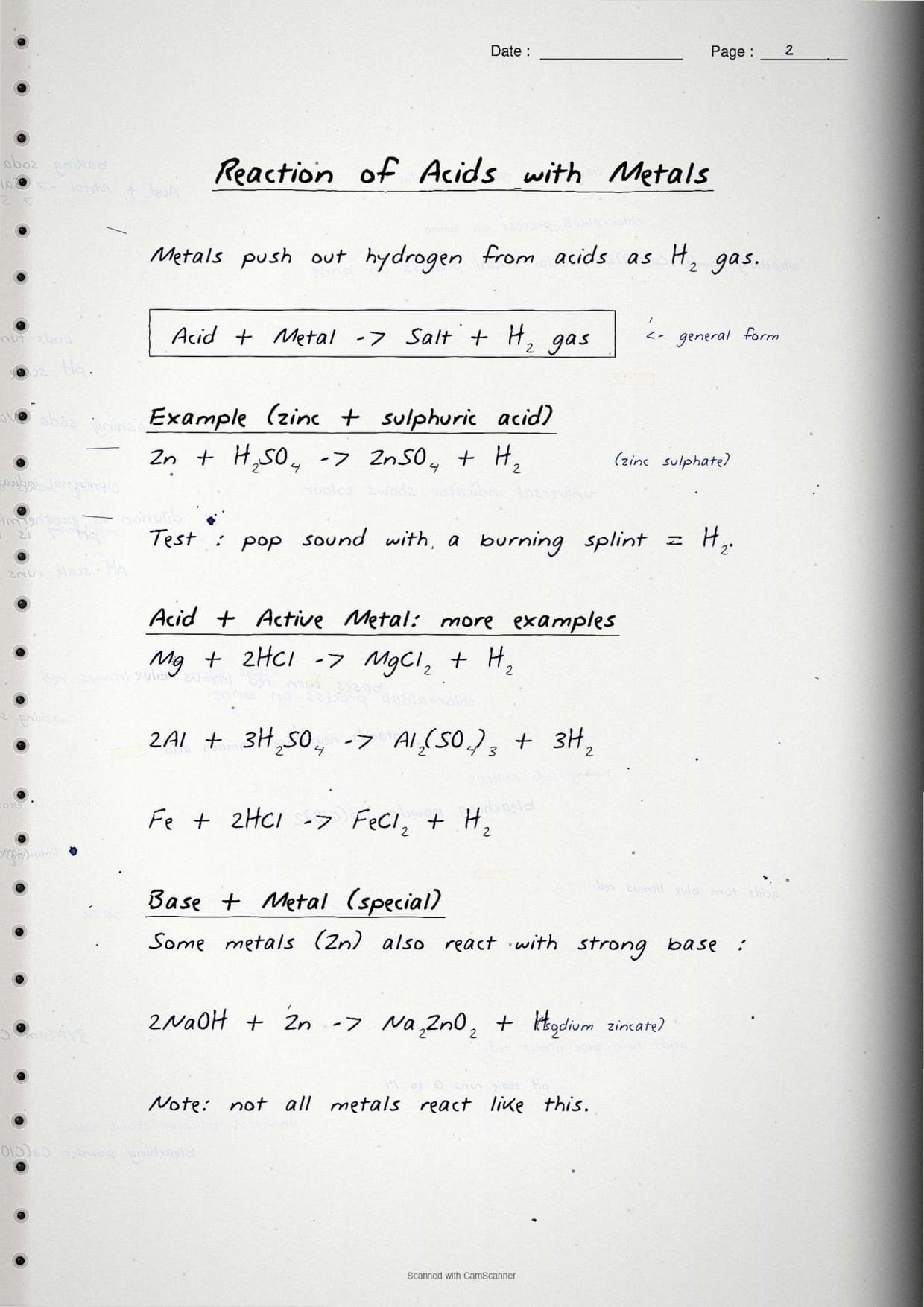
- Acid + metal: a salt forms and hydrogen is released, tested with a burning splinter.
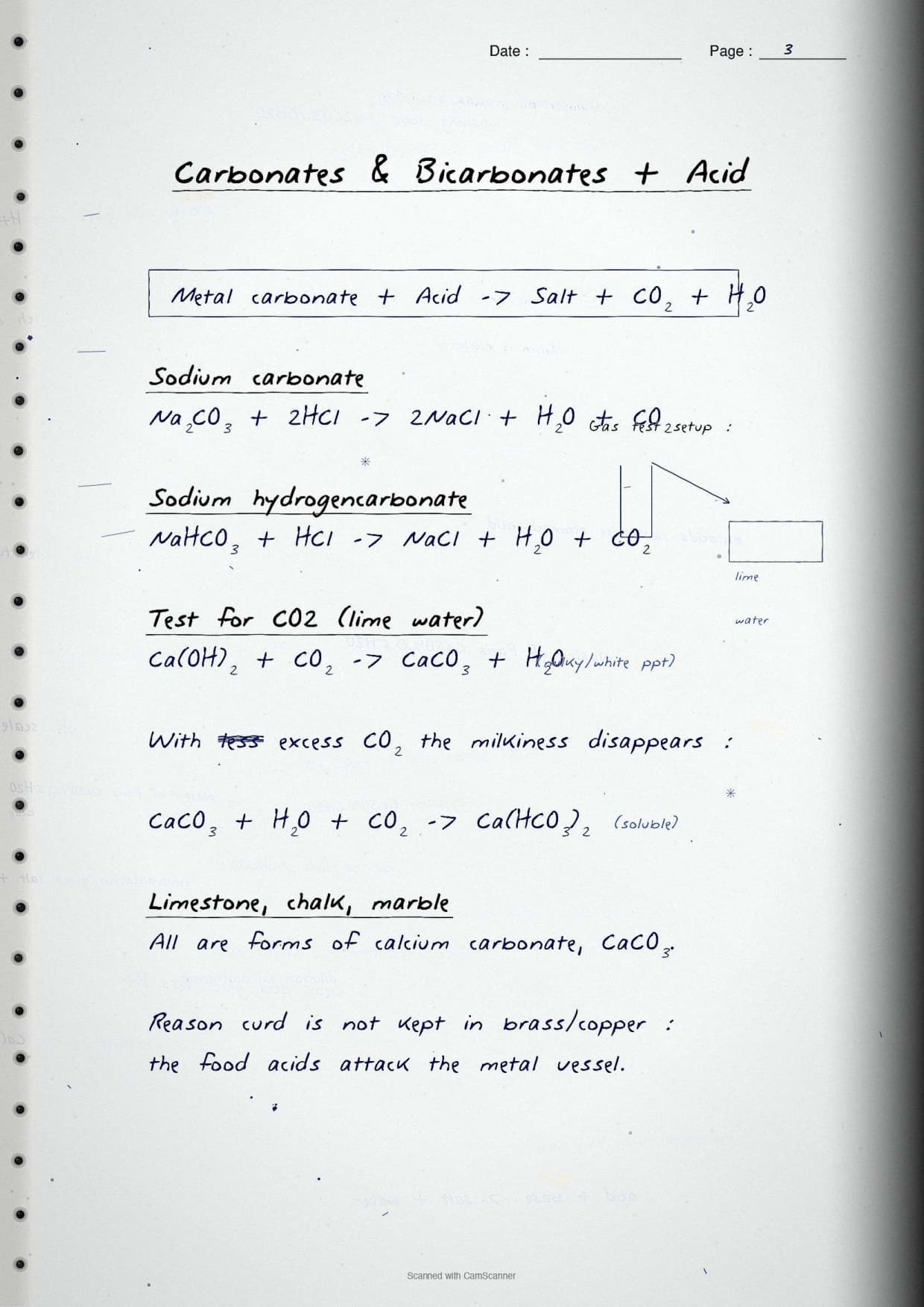
- Acid + metal carbonate: salt, water and CO2 form, the gas that turns lime water milky.
- Base + metal: reactive metals like zinc give a salt and hydrogen.
The boxed example is zinc with dilute HCl:
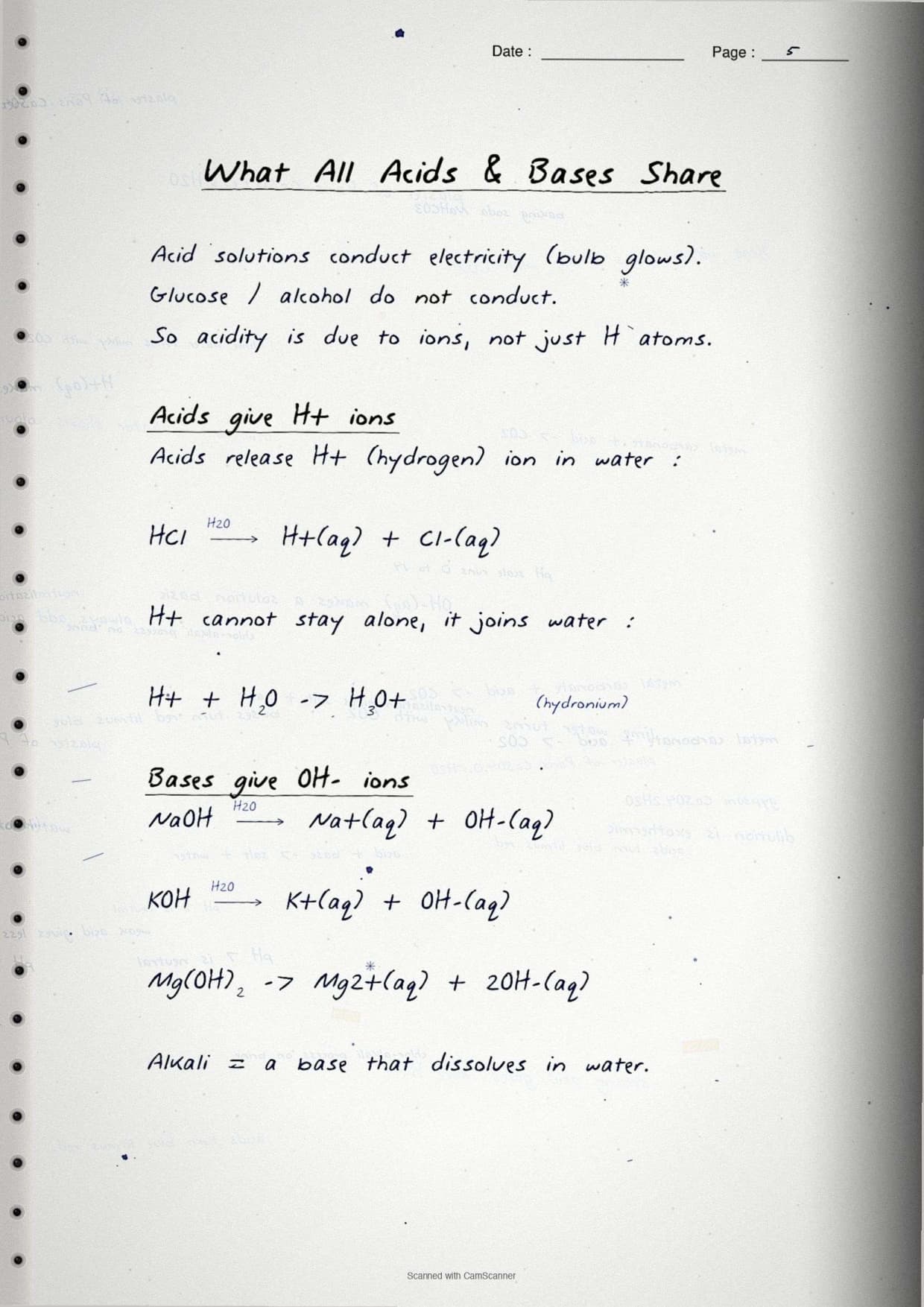
An acid produces H+(aq) in water; a base produces OH-(aq). The acid-carbonate reaction, a 1-mark favourite, is also boxed:
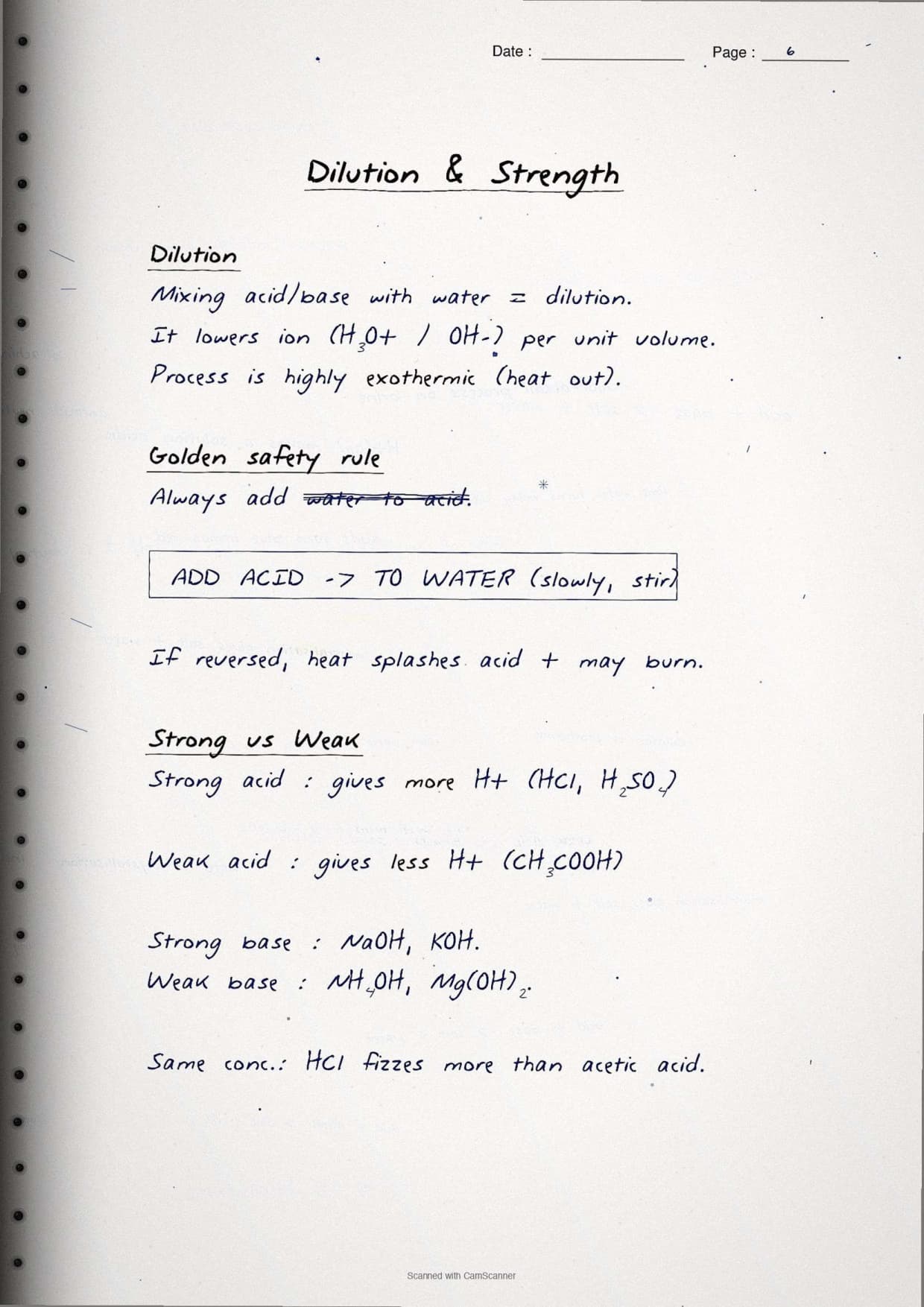
Safety rule: always add acid to water, never water to acid, because dilution is highly exothermic and can splash.
The pH Scale and Indicators Every Class 10 Student Must Know
One spread covers the pH scale and the named indicators, with each colour change and pH band listed.
| Indicator | Colour in acid | Colour in base |
|---|---|---|
| Litmus | Red | Blue |
| Methyl orange | Red | Yellow |
| Phenolphthalein | Colourless | Pink |
| Onion / clove (olfactory) | Smell stays | Smell fades |
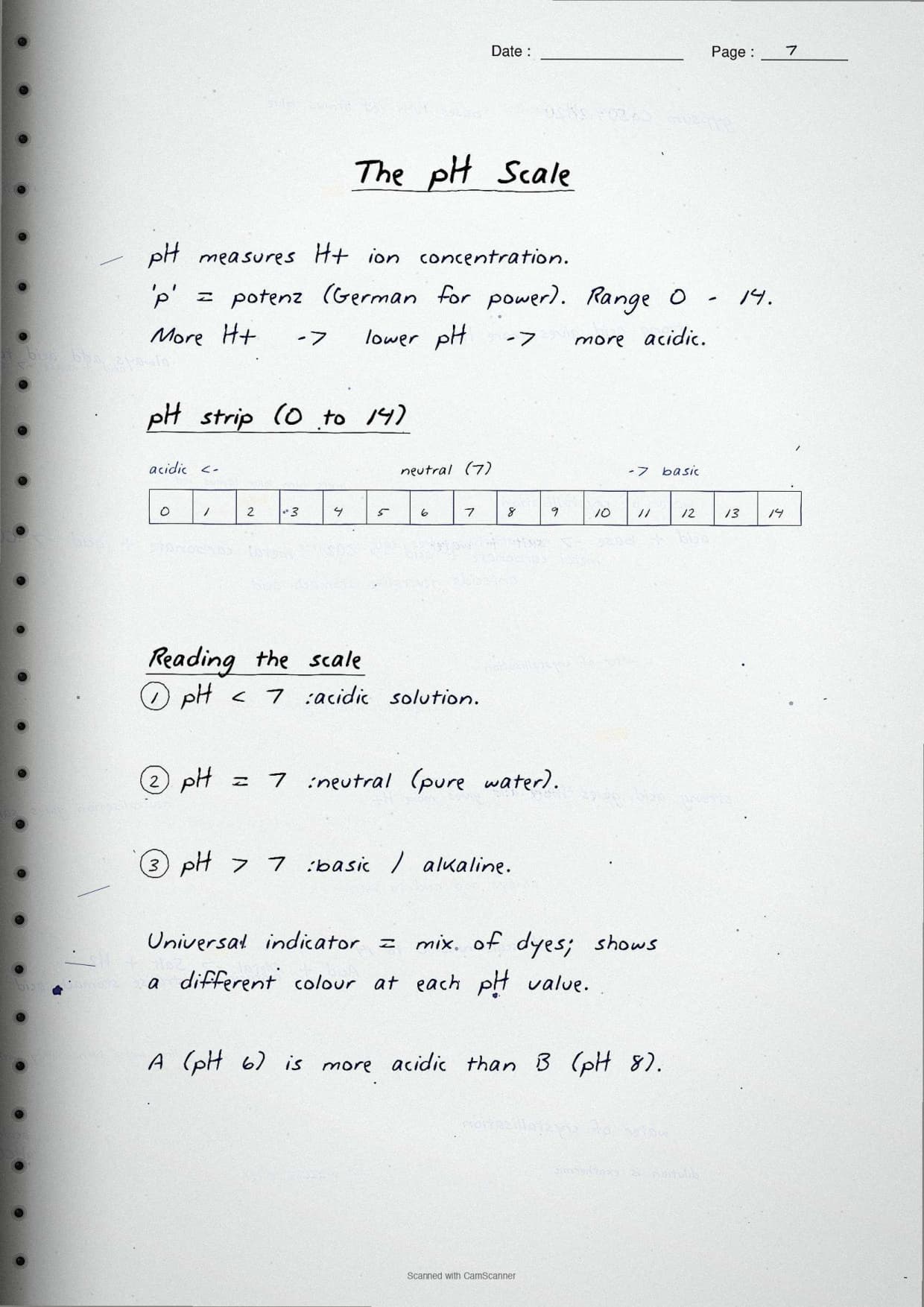
The pH scale runs from 0 to 14: below 7 acidic, 7 neutral, above 7 basic. The fact students miss most: lower pH means a stronger acid, which turns a vague comparison into a full-marks answer. Where pH matters daily:
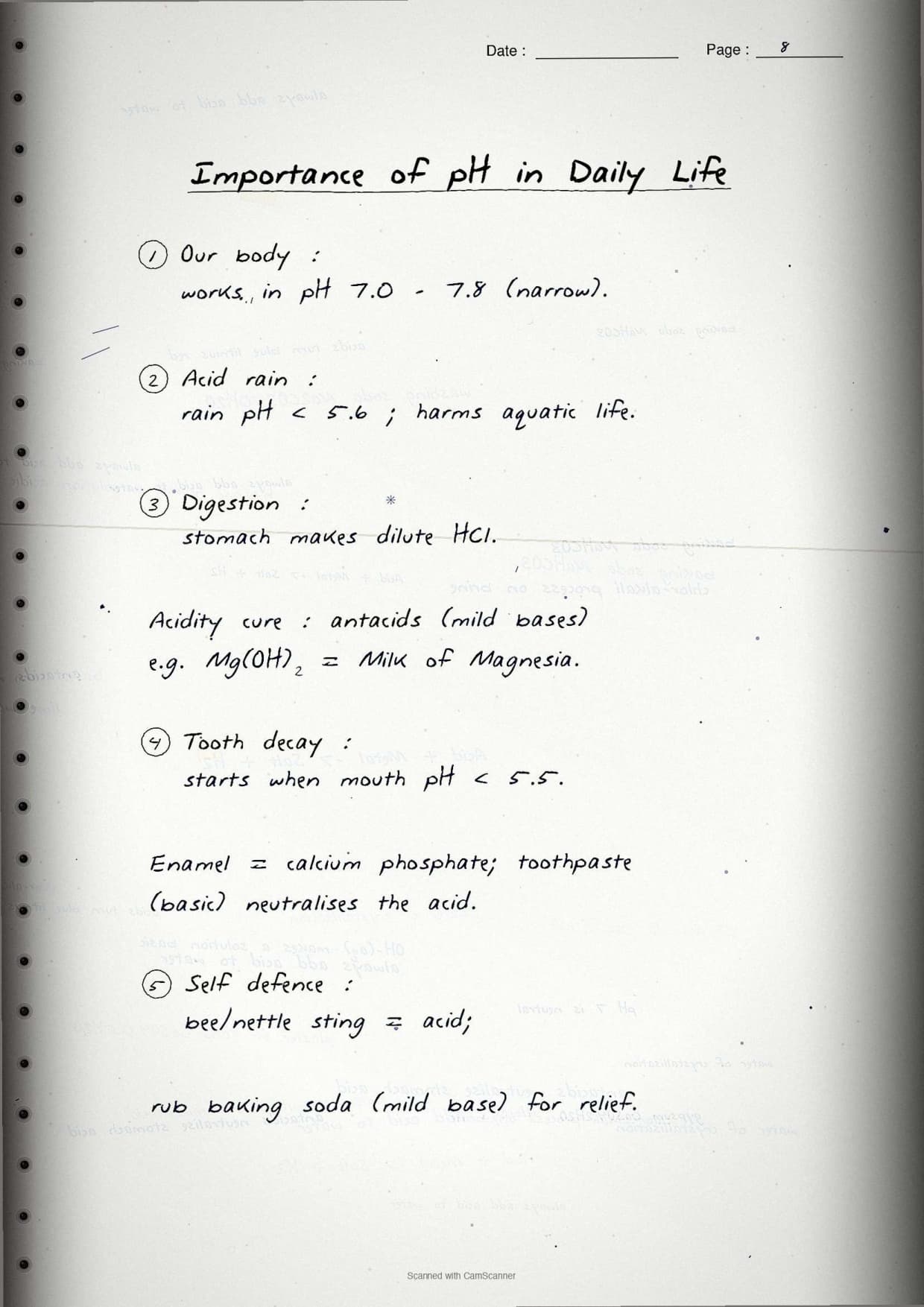
- Body: tooth decay starts below mouth pH 5.5; an antacid neutralises excess stomach acid.
- Soil and rain: plants grow best near neutral pH; rain below pH 5.6 is acid rain.
- Stings: a bee sting is acidic, eased with baking soda.
How Acids and Bases React: Neutralisation in the Notes
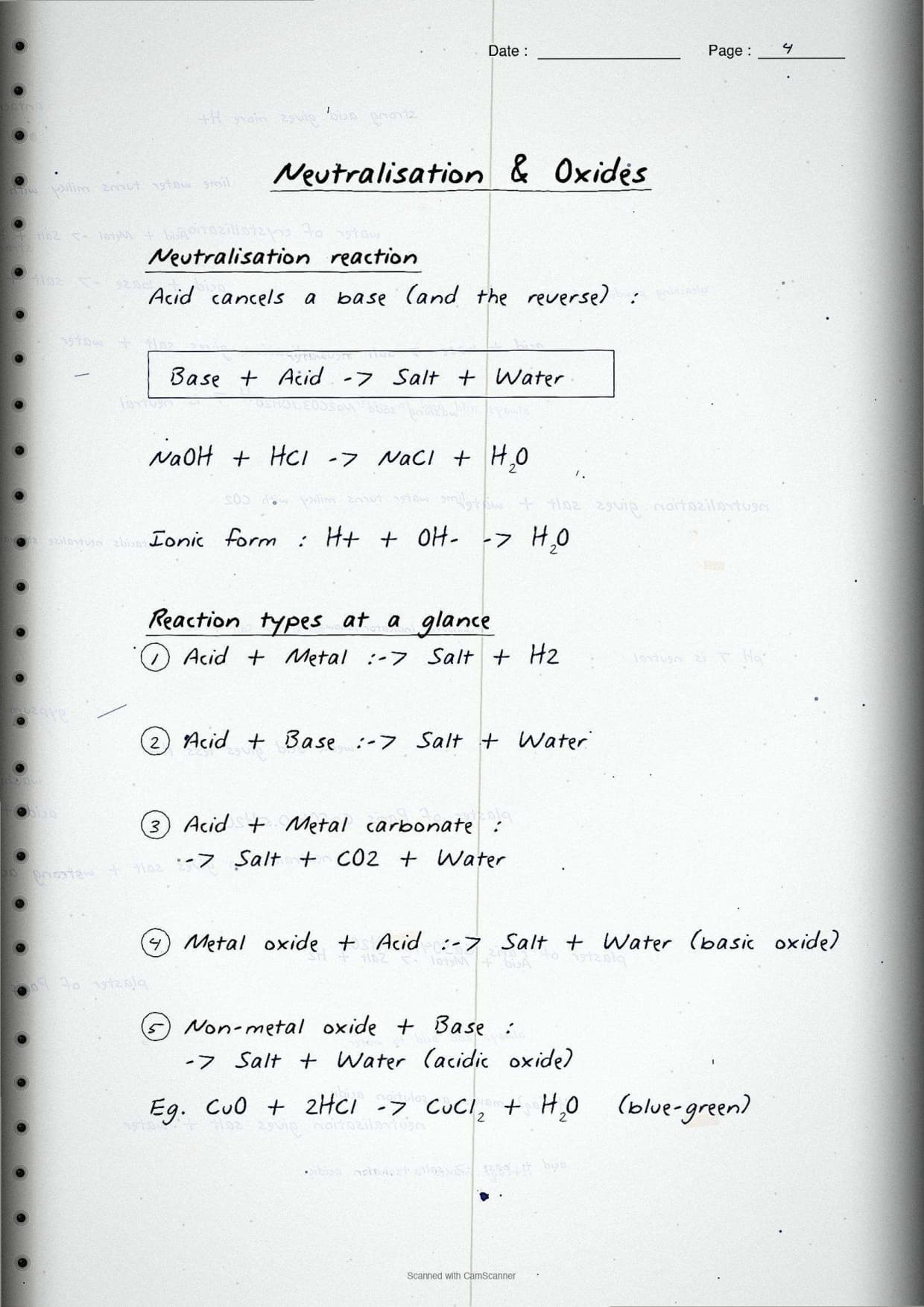
This page is revised most for 2 and 3-mark questions. A neutralisation reaction is an acid reacting with a base to give a salt and water. The boxed example uses NaOH and HCl:
The boxed rules examiners reward:
- Acid + base → salt + water, the one-line definition.
- Strong acid + strong base gives a neutral salt, such as NaCl (pH 7).
- Strong acid + weak base gives an acidic salt; a weak acid + strong base gives a basic salt.
Margin note: an acid-base reaction is always exothermic. Stating that heat is released, and naming the salt, often carries the extra mark. A weak acid like acetic acid only partly ionises, so it is weaker than HCl.
Preparation and Uses of Common Salts
This spread covers the salts the board names, boxing one preparation and one use each.
| Salt | Common name & formula | Main use |
|---|---|---|
| Sodium chloride | Common salt, NaCl | Food; raw material |
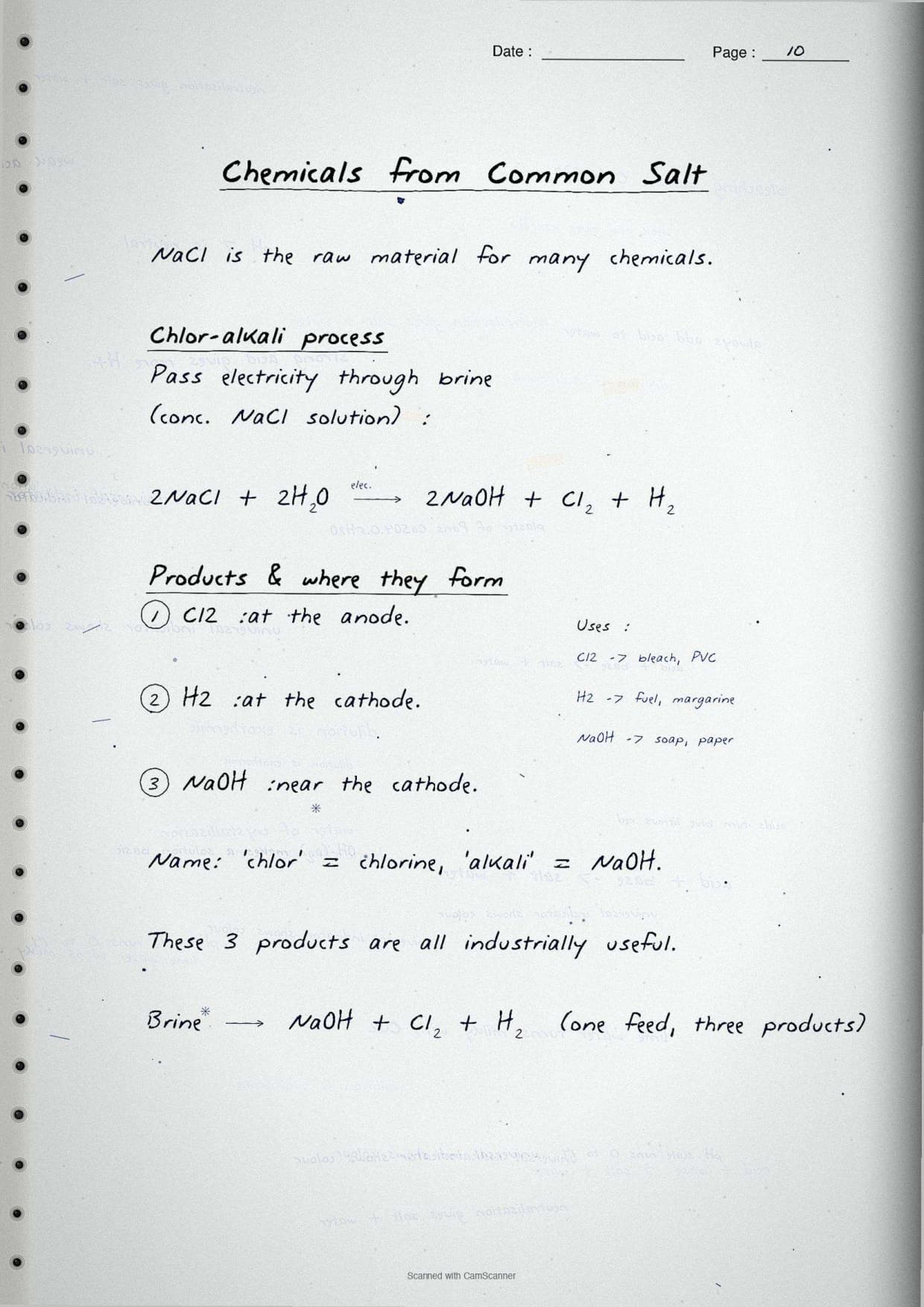
| Sodium hydroxide | Caustic soda, NaOH | Soap and paper (chlor-alkali) |
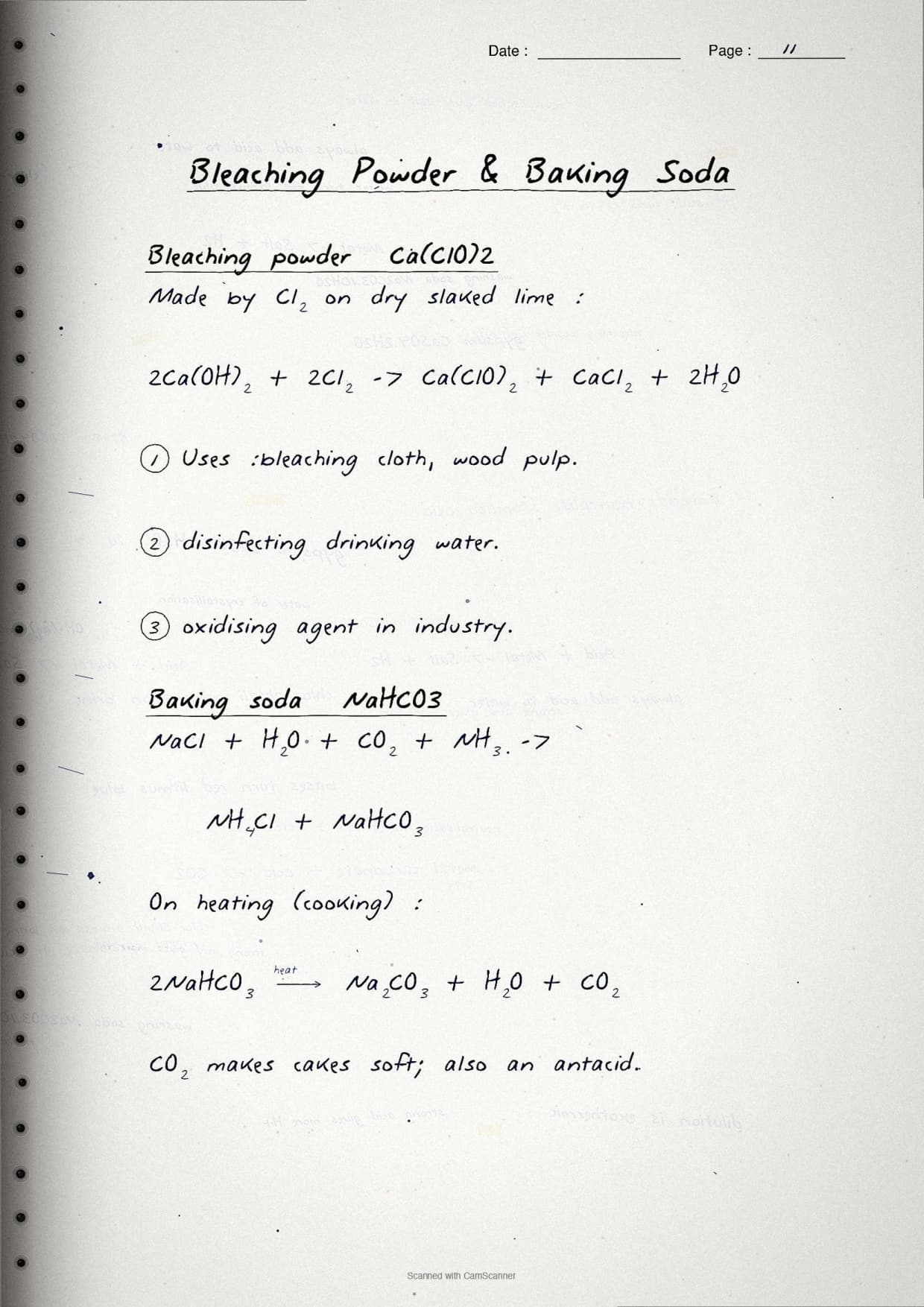
| Sodium hydrogencarbonate | Baking soda, NaHCO3 | Baking and antacid |
| Sodium carbonate | Washing soda, Na2CO3·10H2O | Cleaning; softening water |
| Bleaching powder | CaOCl2 | Bleaching; disinfecting |
The page boxes the chlor-alkali process, passing electricity through brine to give three products:
Memory hook: "chlor-alkali" makes chlorine and the alkali NaOH. Bleaching powder is made by passing chlorine over dry slaked lime.
Water of Crystallisation: Washing Soda and Plaster of Paris
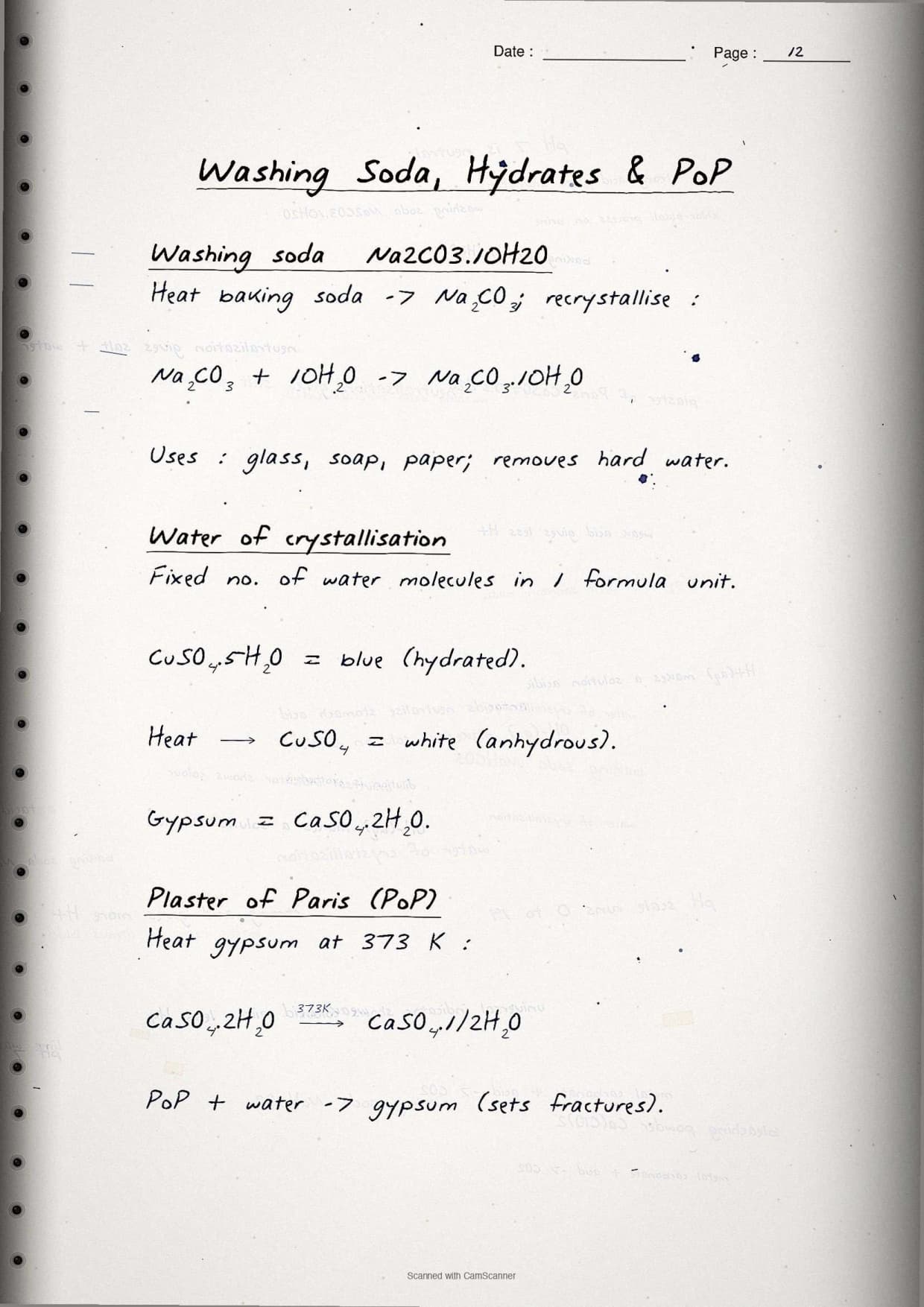
The last page covers water of crystallisation, with the two examples the board loves: washing soda and plaster of Paris.
- Water of crystallisation: the fixed number of water molecules in one formula unit, such as 10 in washing soda, Na2CO3·10H2O.
- Plaster of Paris: heating gypsum to about 100°C gives CaSO4·½H2O.
- Setting: it sets hard with water, reforming gypsum, CaSO4·2H2O.
Plaster of Paris must be stored moisture-proof, as dampness sets it early. Uses to state for full marks:
- Plaster of Paris: setting bones, making toys, smoothing walls.
- Washing soda: removing permanent hardness and cleaning, as it is basic.
- Baking soda: a mild base for cooking and as an antacid.
Margin note: both washing soda and baking soda are sodium salts of carbonic acid.
How to Use These Handwritten Notes Effectively
Handwritten notes work best as a final revision layer, not a first read. Follow this plan once a week before the board exam.
- First pass: read in order, acids and bases, then the pH scale, then the salts.
- Active recall: cover the boxed reactions and write each salt and water product from memory.
- Colour map: redraw the indicator colour chart, which the board often marks.
- Self-test: attempt a short class 10 science chapter 2 acids bases and salts drill.
Because the pages are scanned, students can save them on a phone and revise offline. Pair them with the full solutions to check your reactions against model answers.
Common Mistakes These Notes Help You Avoid
A few errors cost marks every year, mostly mixing up indicator colours or salt names.
- Saying a higher pH means a stronger acid. Lower pH is more acidic, higher pH more basic.
- Swapping litmus colours. Acid turns blue litmus red; base turns red litmus blue.
- Confusing washing soda (Na2CO3·10H2O) with baking soda (NaHCO3).
- Forgetting acid + metal carbonate gives CO2, water and a salt.
- Writing plaster of Paris as CaSO4·2H2O; that is gypsum. It is CaSO4·½H2O.
Fixing these five points moves students from average to high marks. Always write the salt formed, name the gas released and state the indicator colour.
How These Notes Pair with the Solutions and Book PDF
These notes are a revision layer. Use them with the resources below: read the notes, test with the solutions, then open the book PDF for the original text.
| Resource | Best used for |
|---|---|
| Acids, Bases and Salts NCERT Solutions | Step-by-step balanced answers for every question |
| Acids, Bases and Salts Class 10 Notes | Typed summary of every reaction, indicator and salt |
| Acids, Bases and Salts Formula Sheet | One-page list of reactions, colours and formulae |
| Acids, Bases and Salts NCERT Book PDF | The original NCERT chapter text |
Tip: redraw the indicator colour chart from memory, then write one neutralisation reaction by hand.
All Class 10 Science Handwritten Notes by Chapter
The table links handwritten notes for every Class 10 Science chapter.
| Chapter | Handwritten Notes |
|---|---|
| Chapter 1 | Chemical Reactions and Equations |
| Chapter 2 | Acids, Bases and Salts |
| Chapter 3 | Metals and Non-metals |
| Chapter 4 | Carbon and its Compounds |
| Chapter 5 | Life Processes |
| Chapter 6 | Control and Coordination |
| Chapter 7 | How do Organisms Reproduce? |
| Chapter 8 | Heredity |
| Chapter 9 | Light - Reflection and Refraction |
| Chapter 10 | The Human Eye and the Colourful World |
| Chapter 11 | Electricity |
| Chapter 12 | Magnetic Effects of Electric Current |
| Chapter 13 | Our Environment |
FAQs on Acids, Bases and Salts Handwritten Notes
Acids, Bases and Salts Class 10 Science Handwritten Notes Common Questions
Ques. Are these class 10 science chapter 2 Acids, Bases and Salts handwritten notes free to download?
Ans. Yes. The Acids, Bases and Salts handwritten notes are free to download as a PDF from this page. They follow the 2026-27 NCERT syllabus and cover the full chapter across 20 scanned, boxed-reaction pages for quick revision.
Ques. What does Chapter 2 Acids, Bases and Salts cover in Class 10 Science?
Ans. The notes cover the properties of acids and bases, the pH scale and indicators, neutralisation, and the preparation and uses of common salts like washing soda, baking soda, bleaching powder and plaster of Paris, all of which the CBSE board paper tests directly.
Ques. What is the pH scale in Class 10 Science?
Ans. The pH scale measures how acidic or basic a solution is, on a range from 0 to 14. A pH below 7 is acidic, a pH of exactly 7 is neutral, and a pH above 7 is basic. A lower pH means a stronger acid, so pH 1 is far more acidic than pH 6.
Ques. What is the difference between washing soda and baking soda?
Ans. Baking soda is sodium hydrogencarbonate, NaHCO3, a mild base used in cooking and as an antacid. Washing soda is sodium carbonate with ten water molecules, Na2CO3.10H2O, a stronger base used for cleaning and for removing the permanent hardness of water.
Ques. Are these notes enough for the class 10 science chapter 2 board exam?
Ans. They are a strong final revision layer. For full preparation, pair them with the NCERT Solutions linked on this page so you can write out complete balanced answers to every in-text and back-exercise question and check them against model answers.



Comments