


%20-%20DEDEEPYA.jpeg)
Reviewed on Feb 27, 2026(Enrolled 2023)
What Students Say
Likes
- Campus Life – The campus life is one of the main highlights of the university. It is vibrant, diverse, and full of activities. There are many student clubs, cultural events, and interactive programs that make student life enjoyable and engaging.(5/5)
- Accommodation – The accommodation facilities are comfortable and well-managed. The hostels provide a safe environment with good amenities, making it convenient for students to focus on their studies.(5/5)
Course Curriculum
10
- The course curriculum is well-structured, up-to-date, and relevant to current industry standards, particularly in the fields of Information Technology and Management. It maintains a good balance between theoretical knowledge and practical application.
- Each subject includes 3 hours of class per week, either as one continuous 3-hour session or divided into two 1.5-hour classes on different days. On average, students have 1–2 classes per day, depending on their schedule, and a minimum of three courses must be taken each semester
- The average class size is around 30 students, which allows for better interaction and discussion.
- There was no direct industrial exposure or formal research experience included in the core curriculum, but the coursework is industry-oriented and career-focused.
Admission Experience
- I initially received admission with a free seat in the Management Information Systems program at the University of Illinois Chicago. However, due to some unexpected issues involving third-party processes that were beyond my control, I decided to enroll at Illinois Institute of Technology instead.
- Illinois Institute of Technology offers a program with a similar academic structure and focus, and being located in Chicago was an important factor for me because of the strong professional opportunities and industry exposure available in the city. The curriculum’s balance between technical and management-oriented courses aligns well with my career goals.
- Overall, my experience has been positive. The academic environment is practical and career-focused, and the university provides good opportunities for professional growth. Despite the change in plans, choosing this university has been a valuable and rewarding decision.
- This experience also taught me the importance of carefully evaluating and researching any third-party involvement in academic decisions. Since choosing a university is a life-changing decision, it is essential to thoroughly review all processes and make informed choices.
-
For admission to Illinois Institute of Technology, the key requirements included the following:
- English Language Proficiency Test
- Test: IELTS / TOEFL / Duolingo (depending on what you submitted)
- Required Score:
- IELTS: Typically 6.5 overall (or equivalent)
- TOEFL iBT: Typically 79–80+ overall
- (These are the general benchmarks for international applicants — actual requirements may vary slightly by program.)
- My Score: GRE- 318, TOEFL-108
Faculty
10
- The faculty at Illinois Institute of Technology is knowledgeable and professional, though the faculty-to-student ratio is not very low, so individual attention can sometimes be limited. Most professors are approachable and willing to clarify doubts, but due to larger class sizes, one-on-one interaction may require extra effort from the student’s side.
- The staff and administration are generally helpful and responsive, providing guidance for academic and administrative matters. While I haven’t had a single professor who stood out as life-changing, the overall faculty provides a solid academic foundation and supports students who take initiative.
Campus Life
10
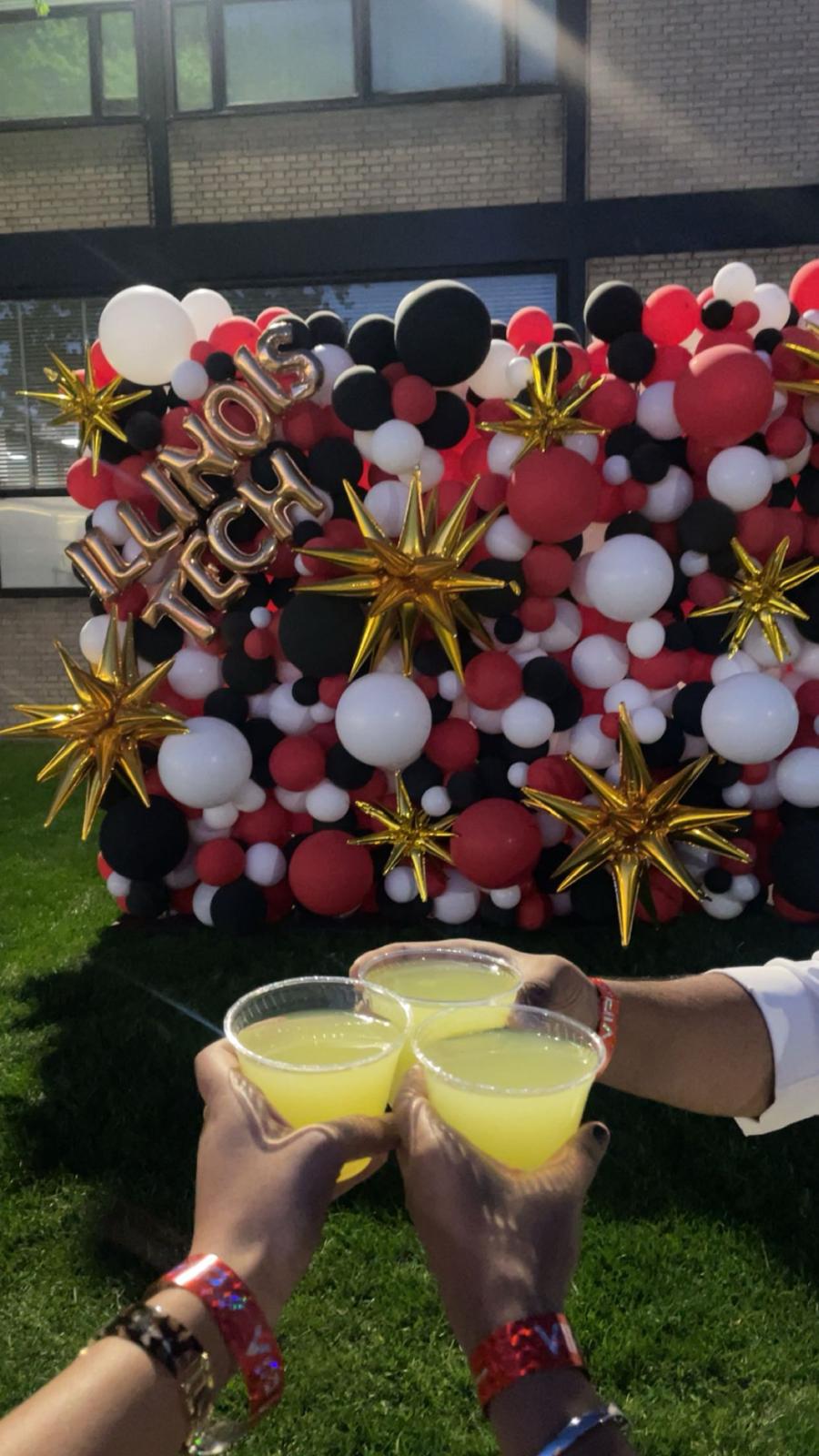
- Campus life at Illinois Institute of Technology is vibrant and engaging, offering a wide range of opportunities for learning, networking, and personal growth. The university has many student clubs, catering to diverse interests. I serve as the Vice Chair of the SGA – Students Global Association, which has helped me develop leadership skills, meet new people, and learn beyond the classroom. Clubs like this provide excellent opportunities to explore new areas, collaborate with peers, and gain practical experience.
- The campus also has a well-equipped sports center offering a variety of activities, including swimming, basketball, badminton, tennis, soccer, pickleball, and baseball. These facilities are great not only for fitness but also for learning new sports and socializing with fellow students.
- The library is another highlight, offering a peaceful environment with individual study rooms as well as group study areas. It provides access to a wide range of academic resources, making it an ideal place for focused learning and research.
- Overall, the campus infrastructure, extracurricular opportunities, and recreational facilities contribute to a balanced student life, combining academics, sports, and social engagement in a supportive environment.
Part Time Jobs
- Part-time job opportunities for students are mostly off-campus, as on-campus jobs are extremely rare, and only about 5–10% of students manage to secure positions. International students can work a maximum of 20 hours per week during the semester. Pay for part-time work is typically up to $15 per hour.
- Positions such as Teaching Assistant (TA), Research Assistant (RA), or Departmental Assistant (DA) are very limited. Students usually find part-time jobs through direct applications, networking, or online portals. I personally served as a Teaching Assistant, which gave me insight into how competitive and rare these on-campus roles are.
Placement
6
-
I wanna be brutally honest here:
- Job opportunities after graduation are not guaranteed and vary greatly depending on individual effort and networking. There is no official campus placement, so most students find jobs through internships, personal connections, LinkedIn, or online job portals.
- Average starting salaries are around $50,000–$70,000, but this depends on experience and location. Success largely depends on being proactive and leveraging the skills gained during the program.
Accommodation
Off Campus
10
- My family helped me look for accommodation, so I did not use external platforms. However, for new students, I strongly recommend using official university housing options or contacting the leasing office directly, rather than relying on online groups, Discord, or Telegram, as many scams target international students. Careful verification of all sources is essential.
- Monthly rent varies by location and type of accommodation, with a bare minimum of $350–$450. Additional expenses, such as utilities and Wi-Fi, are around $50 per month, and food costs range from $50–$100, making the total bare minimum approximately $500–$600 per month. Students should plan carefully and prioritize trusted channels to avoid scams.
Exams
- For admission to Illinois Institute of Technology, the primary requirement for international students was proof of English language proficiency. I submitted the TOEFL exam, where my score is108 overall (or equivalent in IELTS/PTE/Duolingo). GRE, with a score of 319 overall.
- Documents required for the admission process included:
- Completed online application form
- Official academic transcripts
- English language test scores (IELTS/TOEFL/PTE)
- Statement of Purpose (SOP)
- Letters of Recommendation (LORs)
- Resume/CV
- Copy of passport
- Proof of financial support (for I-20 processing)
- The overall admission process was straightforward, and the university provided clear instructions at each stage, making the process smooth and manageable.
Fees
- Total Tuition and Additional Fees
- Course Tuition: $1,750 per credit × 30 credits = $52,500
- Student Fees: approximately $800–$1,000
- Medical Insurance: approximately $2,250–$2,500 per year
- Other Semester Fees: around $100–$200 per semester
- Additional Miscellaneous Fees: may vary by around $2,000
- Estimated Total Cost: roughly $57,500–$58,500, depending on exact fees and semester-specific charges.


