


Reviewed on Dec 24, 2025(Enrolled 2023)
What Students Say
Likes
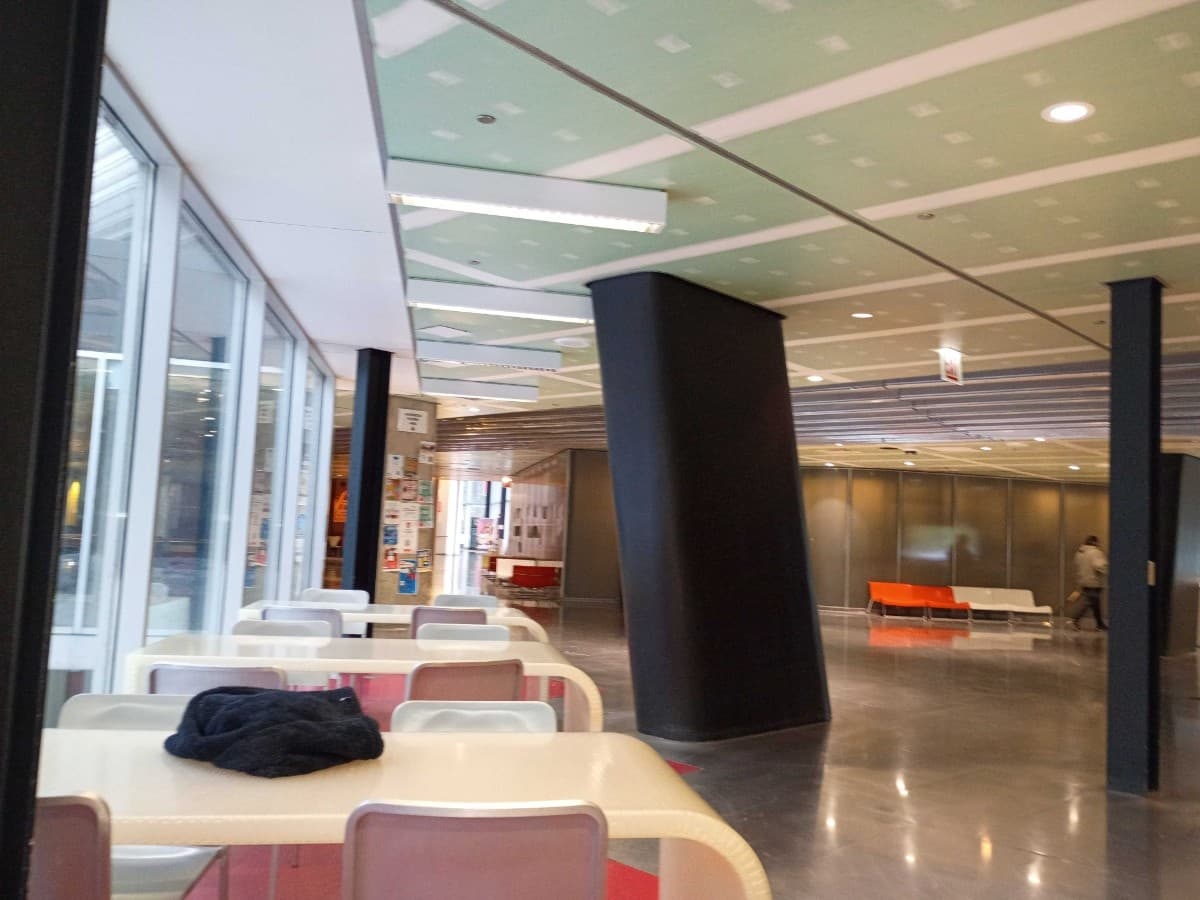
- The campus environment is really nice, specially the library where I feel more peaceful
- Professors are mostly helpful but sometimes they reply very late and its bit annoying
- Coursework is kind of heavy but if you study ok then it makes sense
Dislikes
- Sometimes the tuition fees feels too high compare to the facilities
- Academic advisors reply very slow, sometime not even same week
- Parking is very limited and expensive also, make it hard for students
Course Curriculum
2
- Academically, the course is kinda mixed, not super easy but also not impossible… difficulty level depends on the subjects you pick
- Some classes were more theoretical, like concept-heavy, but a few courses had good practical projects also, so overall it felt like a mix of both
- The positive part of the course is that projects actually teach you real stuff, and you learn tools that are useful for jobs
- The negative part is that sometimes the workload becomes too much, and a few professors just rush through slides without explaining properly
- Usually, in a day you don’t have too many classes… mostly 1 or 2 classes, each around 1.5 to 2 hours
- Timings are mostly afternoon or evening, especially for graduate courses, because many students do part-time jobs
- The average number of students in one class is around 25–35, sometimes more, depending on the popular course
- My batch profile is quite mixed, students from India, China, the US, the Middle East… but Indian students are the majority in many tech programs
- In my course, around 60–70% were Indian students, so you find a lot of familiar people
- Classroom learning is okay; some professors are very engaging, some just do basic teaching
- Group projects help you interact with batchmates and understand different work styles
- Overall, academics are manageable if you stay consistent, but last-minute studying becomes tough
- Few courses give weekly quizzes and assignments, so you have to be regular
- Sometimes TA support also helps, but not always available
- Overall, I feel the course gave good learning, but could improve in teaching quality for some subjects
Admission Experience
- I applied to around 6 colleges, not too many but enough for options
- The colleges were: IIT Chicago, DePaul, UIC, Syracuse, NEU, and the University of Cincinnati
- status was mixed… IIT got admitted, Depaul also admitted, and UIC waitlisted me
- Syracuse rejected, NEU also rejected, Cincinnati waitlisted
- confirmed admissions I got from IIT Chicago and DePaul only
- Yes, I got rejections from Syracuse and NEU
- Honestly, I think maybe my profile was not super strong for them, or maybe the competition was too high that year
- Also, my SOP may not have been that great. I wrote in a hurry, so it didn't sound very strong
- My GPA is also not very high compared to top applicants, so that could be one reason
- Maybe I applied a bit late, so my chances also got affected
- I think I could have shown more projects or work experience in my resume
- Also, recommendation letters were ok-ok, not very impressive
- Maybe I didn't highlight my achievements properly, so they didn't see my full potential
- Overall, I feel it was a combination of timing, competition, and not the best documents
- Next time I would prepare earlier and make the application more strong and clearer
- I chose this college mainly because the course structure looked more practical and kind of matched what I wanted to study
- Also, Chicago is a big city with more job opportunities, which also influenced my decision a lot
- I had admission from Depaul, too, but IIT felt more technically focused, Depaul was more business side
- IIT also gave me a bit faster response, and overall I felt more comfortable with their program detail.
- The admission process was simple but a little confusing at some points… first, I submitted an online application, then uploaded all the documents, then waited for 3–4 weeks
- After that, they asked for financial docs, and then finally, I got the admit mail
- The eligibility criteria were normal… they accept IELTS, TOEFL, and some accept Duolingo too
- minimum score they wanted was around 6.5 in IELTS (no band less than 6), TOEFL around 80+,
- I think the GPA requirement is not mentioned as strict, but better to have above average
- Overall admission experience was fine, but communication was sometimes slow, and I had to email two–three times for the same question
- The highlight was getting the admit email. It felt good after waiting so long
- The challenge for me was uploading all documents because the portal sometimes did not load properly
- But still, overall I would say the process was manageable, just need patience
- I also liked that they didn't ask for the GRE, so that also saved my time
- Final decision I took because the fee was a little affordable compared to others, and the program looked solid
- I applied for the Fall 2023 intake, mainly because fall has more course options and also a better chance for internships later
- Also, many of my friends were applying for the fall, so I also decided same, felt more safer option for me
- The admission process took around 4–6 weeks total, but it honestly felt longer because the waiting time was too much
- My timeline was something like this:
- I submitted my application in February 2023, with all documents except financials
- Around 2 weeks later, I got an email saying my application is under review
- Then, after around 3rd week, they asked for some extra documents, like a bank statement
- After submitting those, again I waited around 10–12 more days
- Finally, in mid-March 2023, I got my acceptance.
- The whole process from application to admission took roughly 1 month and some days, but communication was a little slow
- One challenge was that the portal was not updating properly, so I was not sure if my docs were uploaded correctly
- But overall Fall intake made more sense for job timing and course planning, so I went with it
- If I applied for Spring, maybe I wouldn't get so many subject choices
Faculty
2
- The faculty-to-student ratio is not bad, maybe around 1:20 to 1:25, so you can approach professors if needed, but sometimes they are busy
- This ratio helps a bit because you can ask questions in class or during office hours, but sometimes, if everyone comes at the same time, hard to get attention
- The teaching methodology is mixed; some professors explain the concept clearly with examples, some just read slides and don't interact much
- Course content is mostly sufficient for jobs, especially practical projects, but some subjects need extra self-study for real-world applications
- Few professors help students with a job or an internship, but they give reference letters or introduce them to their network if you are good in class
- I personally admire Prof. Sharma because he always simply explains tough topics and helps with career advice
- Also, Prof. Lee is very supportive, always available for questions, and shares industry contacts for internships
- A few professors are strict about deadlines, but still approachable if you ask nicely
- Overall faculty is helpful, but the quality depends on which professor you get
- Sometimes, guest lectures from industry people are very useful for learning practical things
- Interaction with faculty is better in smaller classes, bigger classes, and sometimes you feel lost
- I feel that if you work hard and ask the right questions, the faculty can guide you well
- The teaching approach is mostly project + theory, which helps to prepare for jobs in the field
- The only downside is that some professors are less engaging, making the class a little boring
- Overall, I am happy with faculty support and knowledge, especially for technical subjects
Campus Life
2
- IIT Chicago has basically one main campus in downtown Chicago, very close to the city center
- The campus has a library, computer labs, sports facilities, a small gym, a cafeteria, a health center… all the basic things you need
- The library is good with study space and digital resources, but sometimes seating is limited in peak time
- Sports facilities are okay, basketball court, small gym, a few outdoor fields, not super big, but enough for students
- The campus organizes a few major events: the annual tech fest, cultural fest, hackathons, and career fairs
- Clubs are also there, like coding club, robotics club, debate club, photography club, dance/music groups
- Some student orgs also help with volunteering, community service, and networking events
- Extracurriculars are a mix of sports, cultural events, and workshops… You can join any based on interest
- Fests are fun, Tech Fest has competitions, hackathons, coding challenges, prizes… very interactive
- The cultural fest has music, dance, food stalls… a lot of students participate and enjoy
- Clubs are mostly student-run, and you can learn leadership and teamwork through them
- Sometimes, guest lectures from industry people or alumni are also organized, which helps in learning outside the classroom
- Overall, campus life is good, not very big but interactive, and you meet people from different countries
- Some events can be crowded but overall enjoyable, which helps break the monotony of studies
- Few students stay busy with studies and internships, so participation depends on your schedule
Part Time Jobs
- Part-time opportunities are there, but not very easy to get, especially for new students
- Few students secure TA, RA, or DA positions, maybe around 10–15% of the batch, depending on your performance and skills
- Pay for TA/RA/DA is decent, roughly 15–25 USD per hour, sometimes a little more if a research grant is involved
- Other on-campus jobs include library assistant, lab assistant, cafeteria work, IT help desk… usually around 12–18 USD per hour
- Maximum hours allowed are normally 20 hours per week during the semester, and full-time breaks are sometimes 40 hours
- Securing on-campus jobs is a bit competitive, especially for TAS/RA, because professors prefer students who performed well in class
- You need to apply early and sometimes email professors directly for RA positions
- On-campus jobs are helpful for monthly expenses, but not enough to cover tuition
- Off-campus part-time is tricky because you need CPT or proper work authorization, so few international students go for it
- Overall, on-campus part-time is manageable if you plan time well, but not guaranteed
- Some students also do freelance or tutoring outside campus legally to earn small extra money
- The timing of the job must not conflict with your class schedule, so planning is important
- The hardest part is getting a TA/RA because limited positions and many students want the same
- Still, if you work hard, show interest, you can get an opportunity easily in library or lab assistant roles
- Overall, part-time work helps reduce small expenses but cannot replace tuition or high costs
- most Indian students prefer working on-campus jobs like library assistant, lab assistant, cafeteria work or TA/RA positions, because easier and allowed by visa some also try freelancing or tutoring online, few try internship for CPT to get practical experience and pay hourly pay mostly 12–25 USD, TA/RA a bit higher 15–25, other on-campus jobs like cafeteria or library 12–15 USD securing part-time is moderate difficulty, depends on position and your networking, TA/RA more competitive, simple jobs easier usual process is like: first search job openings on college portal, student groups, or email professors for RA/TA then you prepare resume/CV and submit online or email to department sometimes you need to write small cover letter or SOP for RA/TA after that, you may get shortlist or interview, some jobs no interview just selection based on resume if selected, then fill paperwork with HR or department, show your eligibility documents (like visa, passport, I-20) after approval, you get assigned hours and start working timing must match your class schedule, usually max 20 hours per week overall, simple jobs like library or cafeteria are easier, TA/RA needs good academic performance some students get help from seniors or student groups to know openings off-campus jobs are trickier because need CPT or work authorization, so most stick to on-campus
Placement
2
- Full-time job opportunities are okay, mostly depending on your skills and projects done during the course
- around 60–70% of my batch got jobs within 6 months of graduation, some take longer because they wait for a specific company or visa
- The average salary range is mostly 70k–90k USD per year, some get more if internship experience or strong skills, some less for small companies
- Students find jobs through a combination of campus placement, internships, networking, LinkedIn, and online job portals like Indeed, Glassdoor, and Handshake
- internship helps a lot because many companies hire interns for full-time later
- Placement experience of my batchmates was mixed; some got big tech companies like Microsoft, Amazon, Google, and some got startups
- roles mostly software engineer, data analyst, business analyst, product roles
- A few batchmates got consulting or finance-related roles, depending on their background.
- Major companies hiring graduates from my program include Microsoft, Google, Amazon, IBM, Deloitte, Cognizant, also some local tech startups.
Accommodation
Off Campus
2
- I opted for off-campus accommodation; on-campus was too costly and not available immediately
- I found my place mostly through Facebook groups and Telegram groups, and some listings from online rental platforms also
- monthly rent was around 800–900 USD, included basic furniture, internet, and sometimes water/electricity, partly included
- Challenges were many… landlords sometimes fake photos, some places are too far from campus, negotiation also takes time
- A few places require a deposit of 1–2 months, and sometimes they ask for extra charges for utilities
- Based on my experience, I recommend starting to search early, joining local student groups, and visiting the place before paying anything
- Also, negotiate for rent and check neighborhood safety before finalizing
- My accommodation was around 25–30 mins by bus from college, sometimes 15–20 mins if the traffic is good
- Most Indian students prefer staying closer to downtown or near CTA lines for easy commuting
- Shared apartments are common, cheaper, and better for meeting new people
- Some friends stayed in nearby suburbs, which are cheaper but have longer commutes
- Overall off-campus experience is manageable, but you need patience and carefulness while finalizing
- On-campus dorms are convenient but very expensive and have less freedom
- transportation cost adds extra if you stay far, so plan accordingly
- Also check the grocery, laundromat, and food options near the accommodation before taking place
Exams
- For my college, they mostly accept IELTS, TOEFL, and Duolingo; GRE was optional and not mandatory for my program.
- I took IELTS, and that was enough for the English requirement; they mainly want 6.5 overall with no band below 6.
- Documents needed were like normal ones… Statement of Purpose, 2–3 LOR, Resume/CV, Transcripts, Passport copy, and later financial documents
- SOP was important, but I wrote it a little fast, so it was not super perfect, but still, they accepted.
- LORs can be from professors or employers, but they don’t force anything specific.
- For my case, there was no interview; the whole process was document-based only
- Some friends said a few colleges take small interviews, but IIT Chicago didn’t take me in.
- So the admission decision was only based on my academics, SOP, English score, and overall profile
- Honestly, it was easier because an interview sometimes makes me nervous, so I was happy that there was no interview.
- Whole process felt straightforward, just slow sometimes because they take time to review documents.
Fees
- The fee structure honestly a little confusing at first, but overall, tuition was the main big amount
- My full course tuition was around high amount per credit, so the total went somewhere near 32–35 credits, depending on classes
- I didn’t take it because it's too costly, but on-campus housing is normally around 1200–1500 per month, which is quite high
- There were some extra charges also, like student activity fee, health insurance, library fee, etc, which added a few hundred more every semester
- Fees are mostly credit-based, as you pay for how many credits you register each semester
- Some semesters become heavy if you take more subjects because the credit fee multiplies
- Monthly expense in Chicago is not cheap… for me, around 1100–1400 USD monthly, totally
- Rent alone comes like 700–900 (if shared room), single room even more
- Transportation around 60–80 if you take the CTA pass, sometimes Uber, etc, makes it more
- Grocery around 150–200, depending on how you eat. If you eat outside, then more expensive
- Phone bill is like 25–35, internet sometimes included, sometimes not
- Small things like laundry, coffee, random stuff also add like 30–50
- Overall, managing expenses is a little tough at the start, but after some time, you understand the pattern
- Tuition fee hits the hardest because every semester payment feels heavy
- But compared with other colleges, IIT is still kinda manageable if you plan properly
Scholarship
- Yes, there are some scholarships available, but honestly, not too many for international students
- I didn’t receive any scholarship during my course. I applied late, so maybe that’s why I didn't get
- I heard about some scholarships like “International Student Merit Scholarship,” but the eligibility is good GPA, early application, and a strong profile
- The award amount is usually not very big, something like 3000–5000 USD for the whole year
- A few of my batchmates got small financial aid or a fee discount, mostly based on academic performance
- One friend got like 4000 because his undergrad GPA was pretty high
- But the majority of students don’t get it; only a small percentage received aid
- On average, maybe 10–15% students get some scholarship, and the amount is around the 2000–5000 range normally
- Some TA/RA positions are also there, but very limited and hard to get in the first semester
- Overall, scholarships help, but not enough to reduce the full burden
- I wish they had more options for international students
- A few people also get on-campus jobs, but that is not a scholarship; it just helps with monthly expenses
- Many students try for CPT/Internship later to manage cost
- The admission office always says to apply early for a scholarship, but even early applicants do not always get
- So scholarships exist, but chances are low, especially for MS programs in the tech field


