


Integral University MD Dermatology FAQs
Ques. What is the difference between MD Dermatology and DNB Dermatology?
Ans. MD Dermatology is a university-based postgraduate degree awarded by the university after 3 years of study and examination. DNB Dermatology is a national-level qualification awarded by the National Board of Examinations. Both are recognized by the Medical Council of India and have similar career prospects. MD is typically pursued through university medical colleges, while DNB is pursued through accredited teaching hospitals. MD is generally considered more traditional and university-based, while DNB is more flexible and can be pursued in various accredited institutions. Both qualifications are equally valid for practice and further specialization.
Ques. What is the scope of MD Dermatology in India and abroad?
Ans. MD Dermatology has excellent scope in India with high demand for specialist dermatologists in government and private hospitals, diagnostic centers, and private clinics. The field is expanding with increasing focus on cosmetic dermatology, laser therapy, and aesthetic procedures. Internationally, countries like USA, UK, Canada, and Australia have strong demand for dermatologists, though additional qualifications or certifications may be required. Many Indian dermatologists work abroad in prestigious hospitals and cosmetic centers. The field also offers opportunities in research, academics, pharmaceutical industry, and specialized areas like cosmetic dermatology and dermatosurgery.
Ques. What are the career prospects after completing MD Dermatology from Integral University?
Ans. MD Dermatology graduates from Integral University have excellent career prospects. They can work as Consultant Dermatologists in government and private hospitals, establish private dermatology clinics, pursue further specialization in cosmetic dermatology or dermatosurgery, work in diagnostic centers, or join academic institutions. The university reports a 98 percent placement rate with average salary packages ranging from Rs 8,00,000 to Rs 15,00,000 per annum for salaried positions. Many graduates also establish successful private practices. The demand for qualified dermatologists remains consistently high in India.
Ques. What is the academic structure and curriculum of MD Dermatology at Integral University?
Ans. The MD Dermatology curriculum at Integral University follows the NMC guidelines and is divided into 3 academic years. The first year focuses on fundamentals of dermatology, diagnostic techniques, and basic dermatological procedures. The second year emphasizes clinical dermatology, venereology, and therapeutic procedures. The third year includes advanced topics, cosmetic dermatology, dermatosurgery, and research projects. Throughout the course, students have extensive clinical exposure in the dermatology department. The curriculum emphasizes both theoretical knowledge and practical skills through hands-on training and patient care.
Ques. What clinical exposure and practical training is provided during MD Dermatology?
Ans. MD Dermatology students at Integral University receive extensive clinical training through rotations in the dermatology department. Students manage various dermatological conditions, perform diagnostic procedures, and conduct therapeutic interventions. The program includes training in dermatological surgery, laser therapy, cosmetic procedures, and venereology. Students also participate in research projects, journal clubs, and case presentations. The state-of-the-art dermatology clinic on campus provides diverse clinical cases and learning opportunities. Students develop competency in both routine and advanced dermatological procedures.
Ques. What are the hostel facilities and campus life at Integral University for MD Dermatology students?
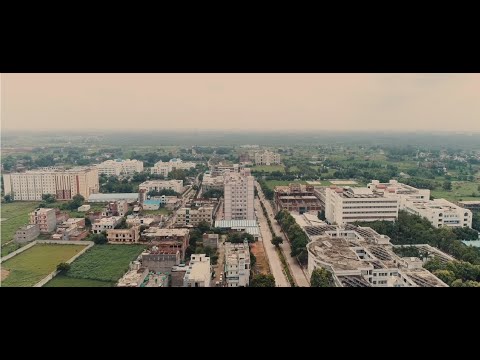
Ans. Integral University provides comprehensive hostel facilities for MD Dermatology students on its 200-acre campus. Hostel fees range from Rs 85,000 to Rs 3,00,000 per year depending on accommodation type. Hostels are equipped with modern amenities including 24/7 security, Wi-Fi connectivity, mess facilities with nutritious food, recreational areas, and sports facilities. The campus has a gymnasium, sports grounds, library with extensive medical journals and textbooks, and cultural facilities. Students have access to 24/7 medical facilities through the on-campus hospital. The university also provides transportation facilities and maintains a safe, pollution-free environment conducive to academic excellence and professional development.


.png?h=78&w=78&mode=stretch)

















.png?h=72&w=72&mode=stretch)

.png?h=72&w=72&mode=stretch)
.png?h=72&w=72&mode=stretch)


.JPG?h=72&w=72&mode=stretch)





Comments