



Master of Arts [M.A] (Broadcast Journalism)
Field of Study:
$23,625 /Yr

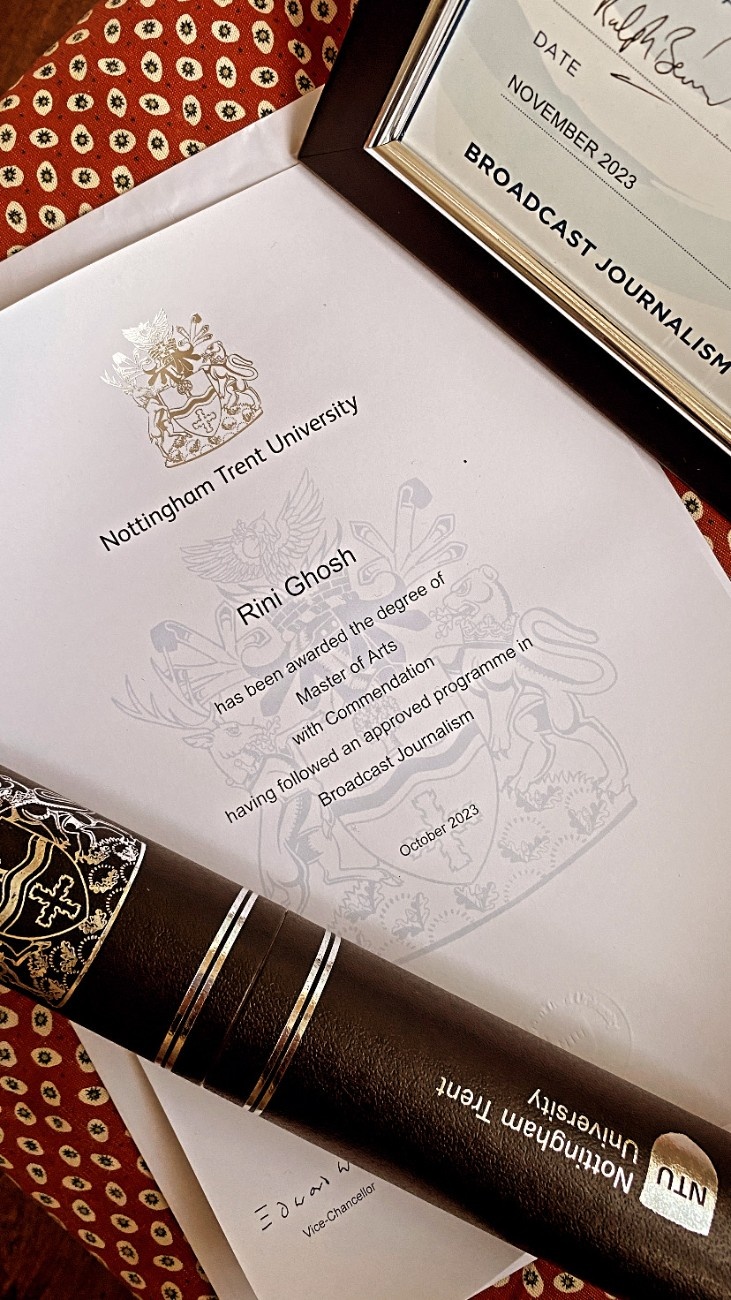
NTU Nottingham M.A Broadcast Journalism is a 1 year Full Time Master program. This program is offered Honours,on Campus. The first year fees for M.A Broadcast Journalism at NTU Nottingham is ₹ 22.04 Lakhs (GBP 17500). Earlier in 2021, the M.A Broadcast Journalism Fee was ₹ 27.33 Lakhs (GBP 21700). This shows that the academic fees has decreased by ₹ 528906 (GBP 4200).
Based on the student reviews at Collegedunia, the M.A Broadcast Journalism program at NTU Nottingham has received an average rating of 8.0 out of 10 from 1 review(s).
NTU Nottingham M.A Broadcast Journalism Total Fees 2026
The tuition fee for M.A Broadcast Journalism at NTU Nottingham is GBP 17500 per year (₹ 22.04 Lakhs). Meanwhile, the total cost is GBP 28700/Year (₹ 36.14 Lakhs). This includes the tuition fee and other expenses such as Living Cost, Books & Supplies, Health Insurance, etc.
The tuition fee for M.A Broadcast Journalism at Nottingham Trent University is as follows:
| Expense Type | Average Cost (INR) | Equivalent (GBP) |
|---|---|---|
| Tuition Fee | ₹ 22.04 Lakhs | GBP 17500 |
The other expenses for M.A Broadcast Journalism at Nottingham Trent University is as follows:
| Expense Type | Average Cost (INR) | Equivalent (GBP) |
|---|---|---|
| Living Expenses | ₹ 14.1 Lakhs | GBP 11200 |
| Total Cost | ₹ 14.1 Lakhs | GBP 11200 |
M.A Broadcast Journalism Tuition Fee Trends at NTU Nottingham
NTU Nottingham M.A Broadcast Journalism Fees for Indian students is ₹ 22.04 Lakhs (GBP 17500). This academic fee has decreased by ₹ 528906 (GBP 4200) from 2021. Candidates can check the year on year trends in NTU Nottingham Fees in the table below.
| Academic Year | Tuition Fees (INR) | Tuition Fees (GBP) |
|---|---|---|
| 2023 | ₹ 22.04 Lakhs | GBP 17500 |
| 2021 | ₹ 27.33 Lakhs | GBP 21700 |
NTU Nottingham M.A Broadcast Journalism Application Deadlines & Important Dates
The key dates for the application process for M.A Broadcast Journalism at NTU Nottingham include:
- Application Opens for January 2026 Intake is 01 July 2025
- Application Opens for September 2025 Intake is 01 September 2024
M.A Broadcast Journalism at NTU Nottingham Admission 2026
To be eligible for admission to M.A Broadcast Journalism at NTU Nottingham, applicants must meet specific academic and language requirements.
Academic Eligibility:
- Bachelor's degree (honours) from a recognized institution or an equivalent degree from the university. or
- Appropriate work experience combined with a relevant qualification.
- If students have a Diploma in Management Studies (DMS) or PgD in Management from the University, gained within the last five years, they will be able to complete the MSc by attending the research methods sessions and completing a dissertation.
Indian Student Eligibility:
Indian students are eligible to apply if they meet one of the following eligibility criteria:
- Completed the undergraduate degree(honours) from a recognized institution.
- Students should have appropriate experience in this field.
Along with the minimum eligibility requirements, international students hailing from non-English speaking countries need to prove English proficiency through IELTS/TOEFL/any equivalent test.
NTU Nottingham M.A Broadcast Journalism Application Link
NTU Nottingham M.A Broadcast Journalism Application Link; Apply Here
M.A in Broadcast Journalism Fee Comparison
The fee comparison for similar programs like NTU Nottingham M.A Broadcast Journalism are:
| University | Program | First Year Fees in GBP | First Year Fees in INR |
|---|---|---|---|
| Coventry University | M.A Automotive Journalism | GBP 18,600 /Yr | INR 23.4 L/Yr |
| Kingston University | M.A Journalism | GBP 20,700 /Yr | INR 26.1 L/Yr |
| Nottingham Trent University | M.A Media and Globalisation | GBP 17,500 /Yr | INR 22 L/Yr |
Tuition Fees
| Year | 1st Year Fees |
|---|---|
| Tuition Fees | $23625 (GBP 17500) |
Other Expenses
| Head | Avg Cost Per Year |
|---|---|
| Living Expenses | $15120 (GBP 11200) |
| Total Cost | $15120 (GBP 11200) |
Previous Year Tuition Fees
| Year | 1st Year Fees |
|---|---|
| 2021 | $29295 (GBP 21700) |
Important Dates
Applications take plce on a rolling basis until the course is full.
| Event | Application Date |
|---|---|
| Application Opens for January 2026 Intake | Jul 1, 2025 |
| Application Opens for September 2025 Intake | Sep 1, 2024 |
Reviews
23 Reviews Found
Likes
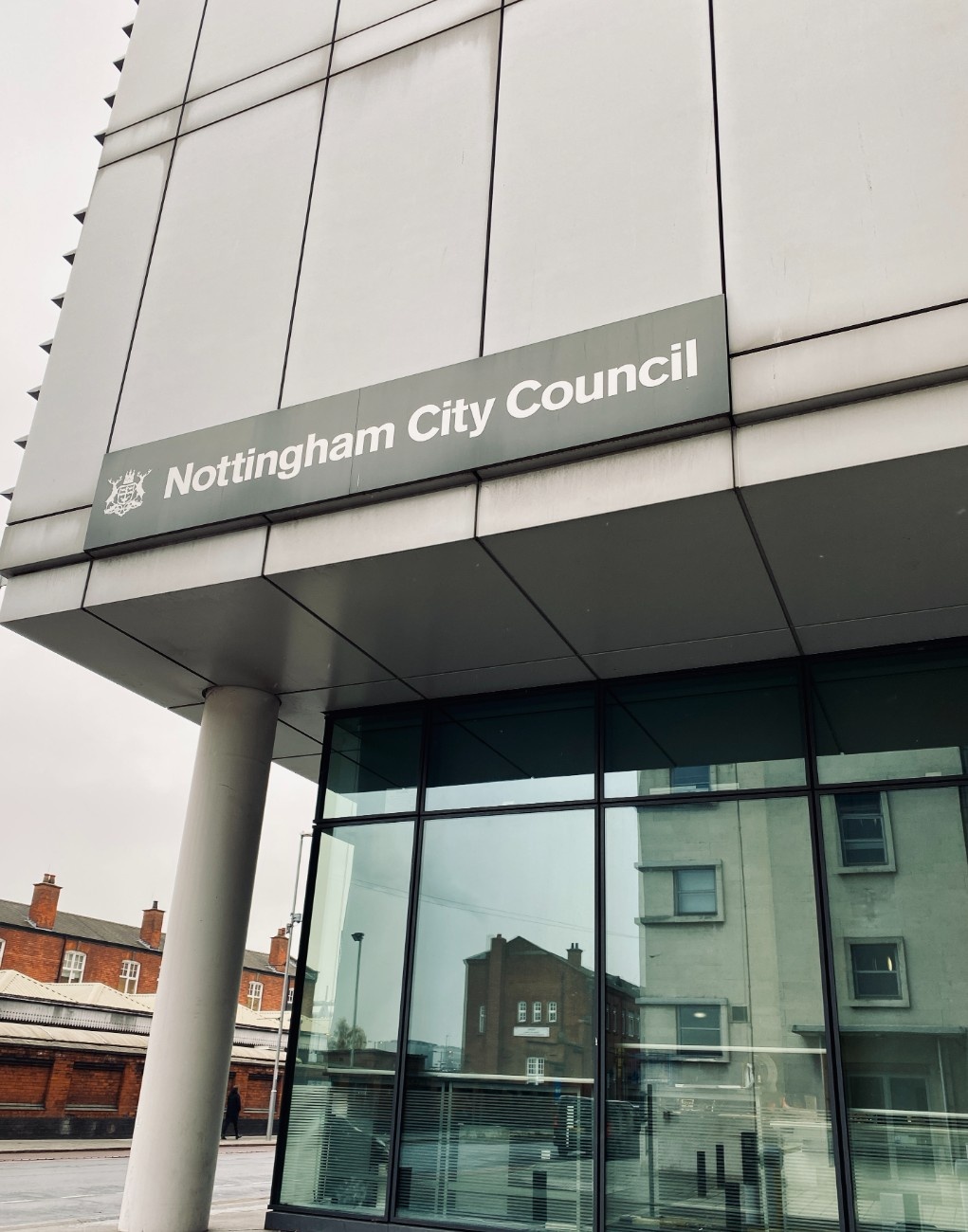
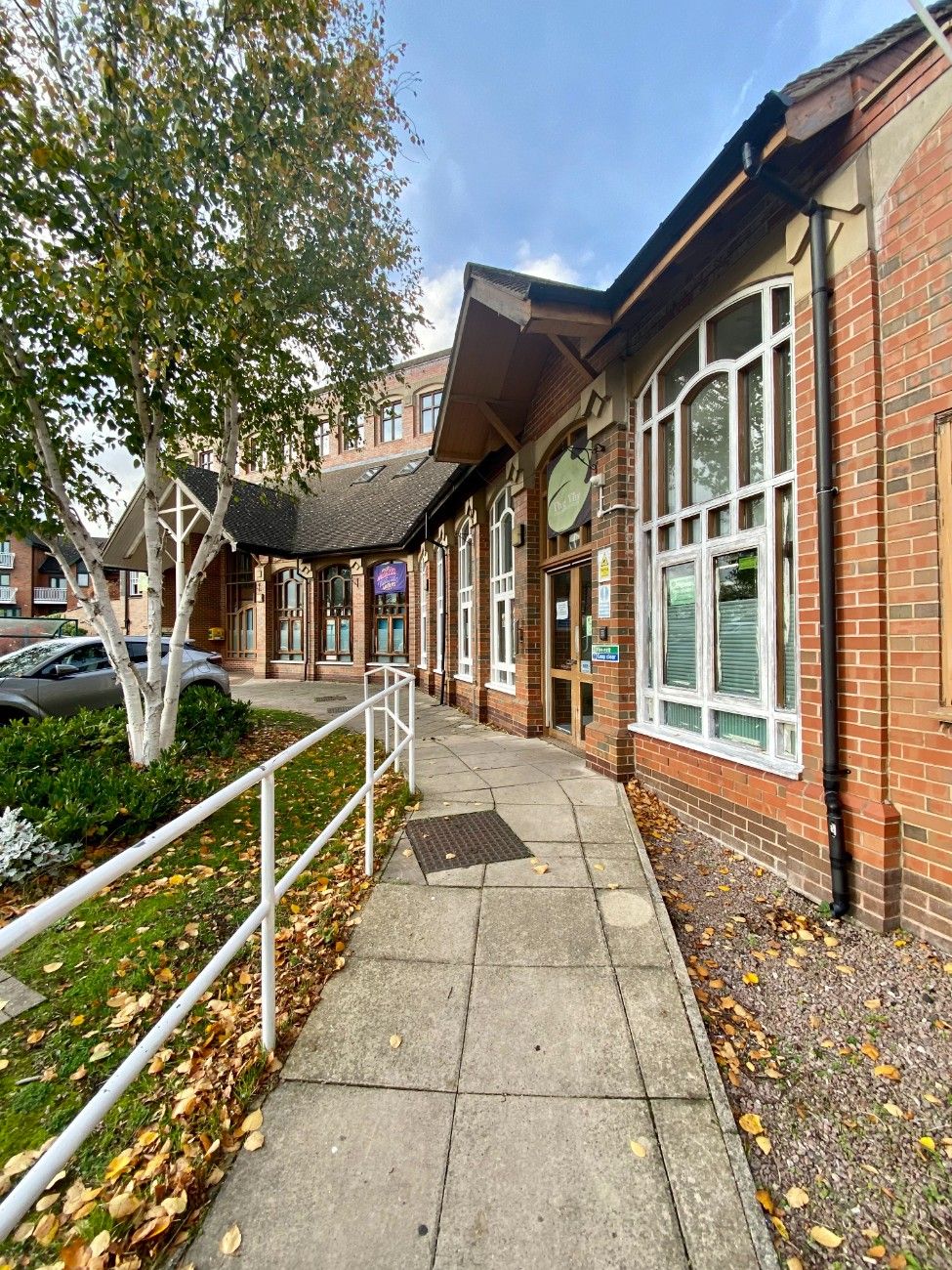
- The student accommodation provided by our uni at a reduced price: I couldn't find a decent accommodation even 2 weeks before leaving, so when I contacted representatives from our uni, they immediately helped me get a wonderful place to stay called The Maltings which was 20 mins away from the City Campus. It was okay priced. And we had all facilities available including a one year free bus pass that helped me tour the entire city fully free of cost. Infact the bus stop was 1 min away, yes 1 min away from our hostel and made our commute very quick and nifty.
- Incredible tutors with real newsroom experience: The lecturers weren’t just academics — I mean yes they were all scholars with terribly rich backgrounds that will stupefy you beyond comprehension but they were ALL seasoned journalists who had actually worked in BBC, ITV, Sky News and major global outlets. Their stories, their constructive feedback, and their refusal to sugarcoat the realities of the industry made every class feel alive and rooted in real-world journalism. We often had people from Facebook, Twitter (X), Reach PLC and other major organisations visit us. They were not intimidating but their resumes were. It felt like being mentored by such humble personas and not just taught.
- The adrenaline rush of daily newsdays followed by 3 newsweeks: Our newsdays were intense and so rewarding. We had to pitch, produce, edit, and deliver real broadcast packages under strict deadlines — just like in a real newsroom. The rush of pulling a package together in time, coordinating with your team, and then seeing your work aired or published was absolutely unforgettable. We would fall apart and pull through simultaneously. But more than that, we always had each others' back. If someone didn't have a story, one of us will find one for another. If one struggled with editing, we would jump in. If someone was ill, others would lend a hand. It wasn't you vs me. It was WE. One batch of 15 students who worked for the same goal.
Dislikes
- Some modules felt outdated or too UK-centric: Now I say this with all the love for NTU but to be crazy and brutal honest, As an international student, I sometimes felt like the curriculum assumed prior familiarity with British politics, media law, and institutional systems. I mean we went for Journalism, right? Why were we obsessively being taught only UK House of Lords and House of Commons? Their Municipal/County system? Their laws? I kinda hated learning those modules but the stakes were high so we mugged up as much as we could but didn't like it at all. It was forced down our gullet with no optional modules. The topics could be more global but they couldn't have cared the least. Media Law was still okay but Public Affairs was the worst. To learn the entire UK map and their government felt like a major waste of time. There wasn’t always space made for global media perspectives or alternative storytelling structures outside the UK style. No, forget global, I would expect include Europe atleast. But nope. Give us a comparison with other countries, but no. It made me feel a bit unseen at times. Imagine coming from India, in a class that's filled with Indians and the uni pays no, not one second of academic interest in our country.
- Lack of emotional or mental health support during high-pressure periods: Newsweeks could get brutal. But we lacked any morale from the authorities. We were expected to perform like professionals, like Journalists in training and often with little room for error, no room for NO error but without consistent mental health check-ins or even acknowledgment of burnout. It was a lot — especially for international students managing life alone in a new country. The thing is there are Students Counselling Services provided and I took them but they didn't help me that much. I had little to no moral support and often felt suffocated and extremely overwhelmed with the academic pressure. Only we had a few handful friends as support but that was never enough.
Course Curriculum
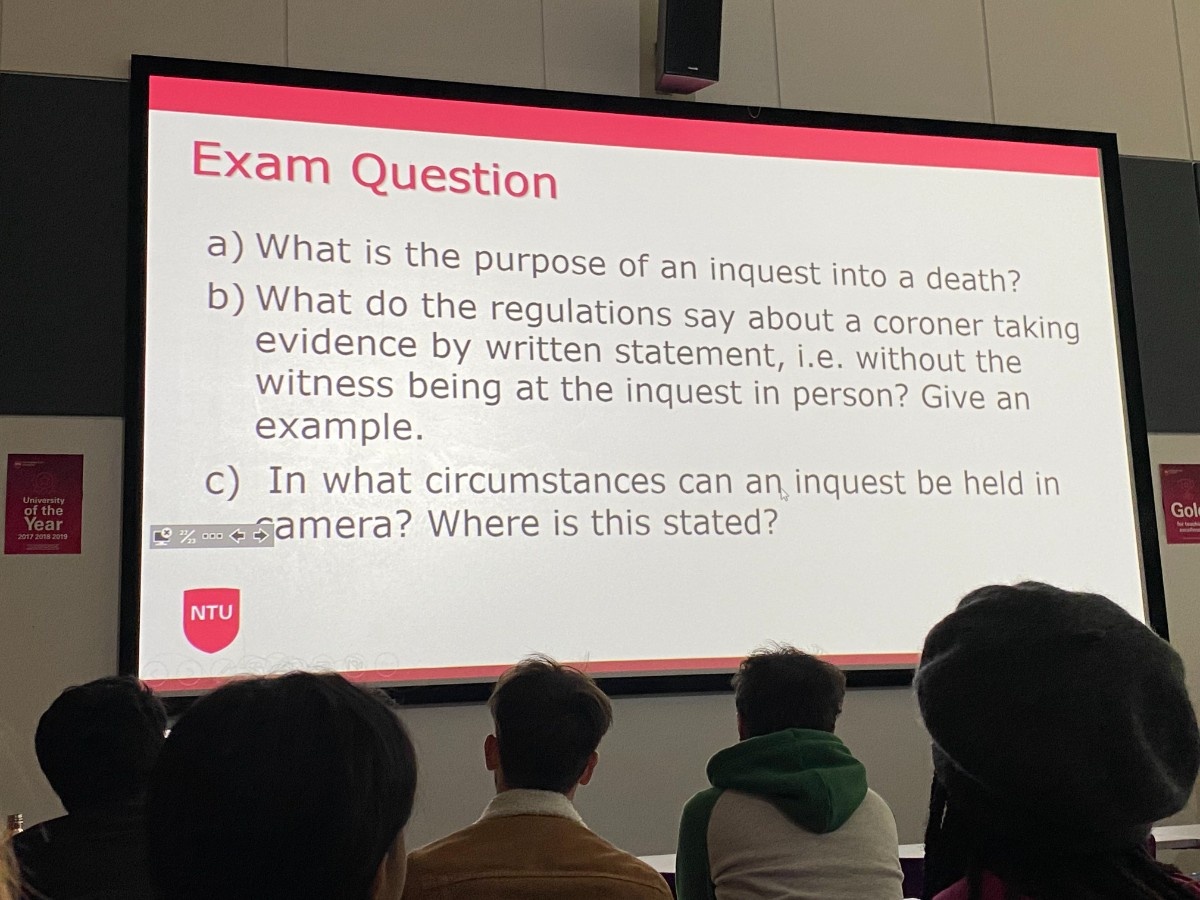
- It was moderately difficult, I won't lie. First sem was theoretical. Second and third were more practical, with a bit of both.
- I thought I already mentioned it; the positive was the hands-on training by BBC execs and the negative was not getting opportunities to work there.
- We had 3-4 classes per week. From 8 to 5. 15 students in our class. 7 were Indian.
Fees
- It was broken into four parts and was all covered by the Education loan. Total 15 lakhs; after a 50 percent scholarship, it was 7.5 Lakhs which is the minimum amount of loan you have to take. SBI covered that in four halves, in 3-month intervals.
- Housing was 4884 GBP which we paid from home. Monthly expenses were around 200 to 250 GBP which I earned from working part-time with the Josh app (an Indian app) remotely.
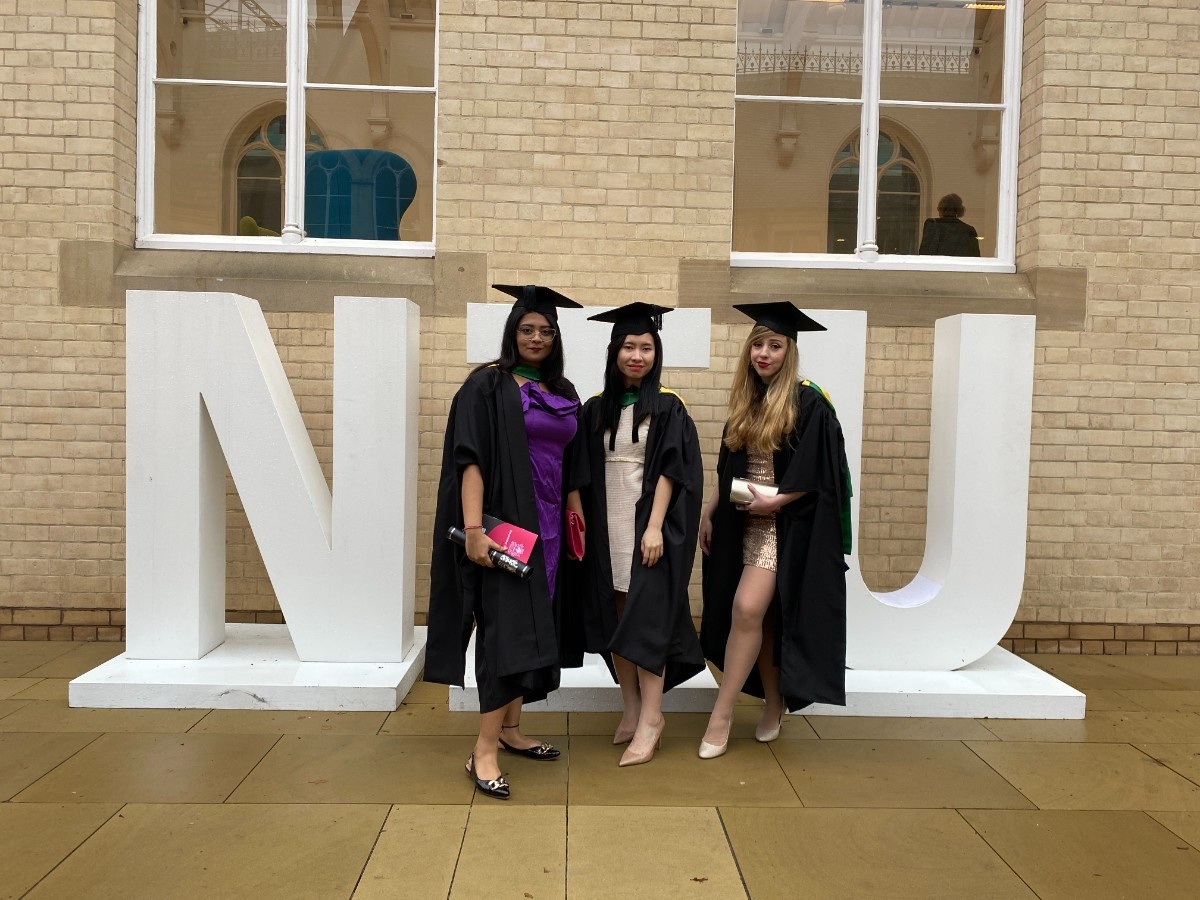
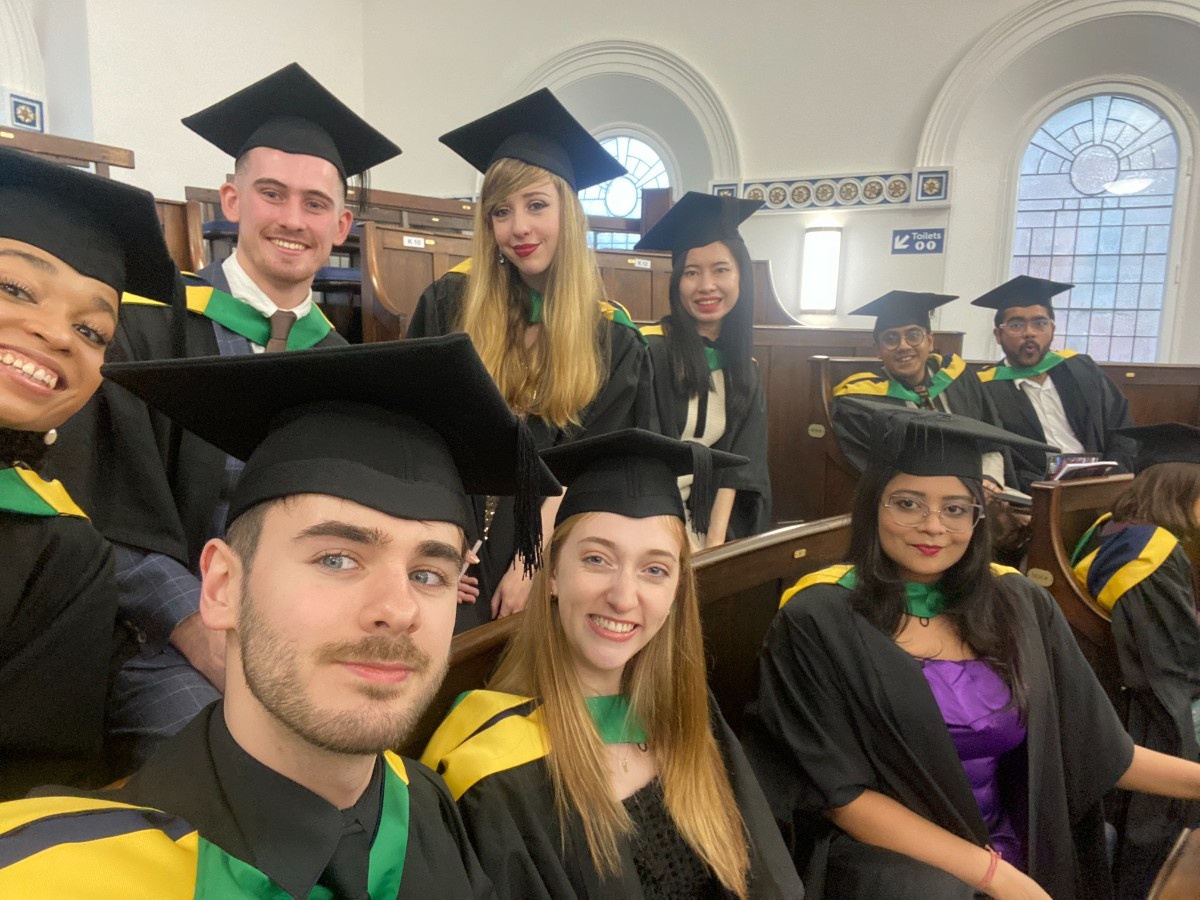
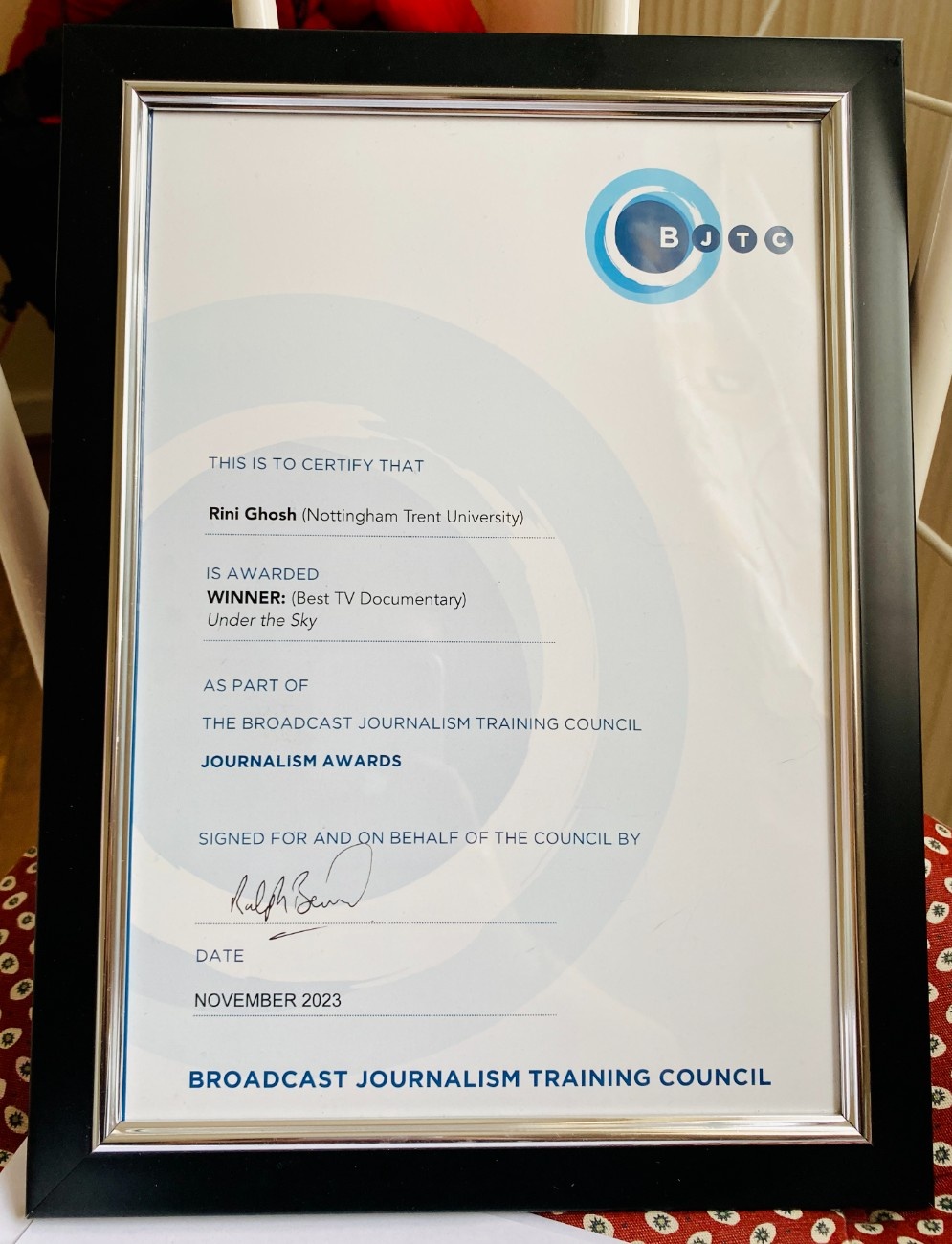
Scores Required


Do you think the Rankings are wrong ? Report Here
Key Resources for Your Study Abroad Journey


Course Guides
1 Year Masters Programs in UK for International Students
MA in UK: Fees, Top Colleges, Placements & Salaries
Masters in Journalism in UK: Fees 2024, Top Colleges, Placement and salaries
Masters in UK: Top Universities, Admission Requirements, Tuition Fees, and Scholarships
Scholarship Grants & Financial Aids
| Name | Scholarship Per Student | Level of Study | Type | |
|---|---|---|---|---|
| India Postgraduate Taught Master’s Scholarship | Scholarship per student$ 4,799/Yr$3,555 | Level Of StudyMaster | TypeCollege-Specific | |
| Axol Science Scholarship | Scholarship per student$ 2,700/Yr$2,000 | Level Of StudyBachelor | TypeCompany-Sponsored | |
| Leo Murray Entrepreneurship Scholarship | Scholarship per student$ 18,900/Yr$14,000 | Level Of StudyMaster | TypeCollege-Specific | |
| Business Administration Scholarships | Scholarship per studentVariable Amount | Level Of StudyBachelor | TypeMerit-Based | |
| VueVille Future Technology Scholarship | Scholarship per student$ 1,350/Yr$1,000 | Level Of StudyBachelor | TypeMerit-Based | |
| Bharat Petroleum Scholarship | Scholarship per studentVariable Amount | Level Of StudyMaster | TypeMerit-Based |
Similar Programs
| Program | Important Date | Total Fees | Median Exams Score | Action |
|---|---|---|---|---|
| USD 26,325 /Yr GBP 19,500 /Yr |
| |||
Application Deadline For September Intake (14th Aug 2026) Application Deadline For November Intake (2nd Oct 2026) | USD 27,945 /Yr GBP 20,700 /Yr |
| ||
-- | USD 23,625 /Yr GBP 17,500 /Yr |
|


Do you think the Dates are wrong ? Report Here


interested in this College ?
Follow & Share this college to get information about admission.



Comments