





De Montfort University admissions run three intakes each year — October, January, and April — with October the primary window for Indian applicants; undergraduate candidates need Class XII at 65% average, while postgraduate applicants need a Bachelor’s at 50 to 60% with IELTS 6.0 to 6.5.
- Next live deadline: primary October 2027 intake, UCAS equal consideration 13 January 2027 for UG; direct international deadline 31 July 2027.
- Base tuition: UG £16,800 to £17,300 (₹21.70 to ₹22.35 Lakhs) per year, PGT £16,100 to £25,700 (₹20.80 to ₹33.20 Lakhs); UG UCAS application fee £34.50 (₹4,457), direct PG applications carry no application fee.
- Basic eligibility: UG Class XII 65% average in best four subjects; PG Bachelor’s 50 to 60%; IELTS 6.0 UG, 6.0 to 6.5 PG by faculty.
- Acceptance rate around 45%, moderately selective; strong Indian intake in Computing, Business, Law, and Design.
Indian students most commonly enrol in Computer Science, Business and Management, Law, Engineering, and Art and Design at De Montfort University, with reviewer sentiment often highlighting the block teaching model where you take one module at a time in six-to-seven-week blocks instead of parallel semesters.
Table of Contents
- De Montfort University Application Deadlines
- DMU Eligibility for Indian Students
- De Montfort University PG Programs and English
- DMU Undergraduate Programs and Grades
- De Montfort MBA Admissions for Indians
- DMU PhD Admissions and Funding
- De Montfort University Application Process
- DMU Documents Required for Indian Applicants
- De Montfort University Acceptance Rate
- UK Student Visa for De Montfort University
- DMU Application Tips and Checklist
- De Montfort University Admissions FAQs
De Montfort University Application Deadlines for Indian Students
De Montfort University runs three international intakes: October (primary, most programmes), January (secondary, smaller programme set), and April (limited, largely research). All dates below are drawn from the DMU international applications page. Undergraduate applicants apply through UCAS or directly; postgraduate applicants apply directly via the DMU portal.
De Montfort’s primary intake for Indian students is October 2027 — most taught programmes open here.
| Intake | Level | Deadline | App Fee | Portal |
|---|---|---|---|---|
| January 2027 (Secondary) | PhD international | 1 October 2026 (Closing Soon) | No application fee | DMU Portal |
| January 2027 (Secondary) | PGT / UG direct | Rolling to mid-October 2026 | No application fee | DMU Portal |
| April 2027 (Limited) | PhD international | 1 January 2027 | No application fee | DMU Portal |
| October 2027 (Primary intake) | UG via UCAS | 13 January 2027 (equal consideration) | £34.50 (₹4,457) | UCAS |
| October 2027 (Primary intake) | UG / PGT direct international | 31 July 2027 | No application fee | DMU Portal |
| October 2027 (Primary intake) | PhD international | 28 July 2027 | No application fee | DMU Portal |
| October 2027 (Primary) | UG UCAS late applications | 30 June 2027 (final) | £34.50 (₹4,457) | UCAS |
Direct international applicants must clear tuition deposit, credibility interview, and CAS issuance after acceptance; the October 2027 CAS window typically opens from May 2027. UCAS applicants can send one application to up to five UK universities under the single £34.50 (₹4,457) fee.
Planning note: DMU’s January intake carries a much smaller programme set than October. If your target course is offered in October only, applying early in the October 2027 cycle is safer than waiting for a January window that may not exist for your programme.
De Montfort University Eligibility for Indian Students
Eligibility at De Montfort University combines an academic percentage floor with an English proficiency floor, and Indian applicants have a genuine MOI waiver route that removes the English test in most cases. Academic thresholds come from the official India entry requirements page; English figures below are the institution-wide minimums.
- UG general entry: Class XII with 65% average in the best four subjects, excluding Hindi.
- UG subject prerequisites: Mathematics through Class XII for Engineering; portfolio for Art, Design, Architecture.
- PG general entry: Bachelor’s with 50 to 60% depending on programme and university tier.
- English UG floor: IELTS 6.0 for Business, Computing, Art, Design, Engineering; IELTS 6.5+ for Law and Science.
- English PG floor: IELTS 6.0 for Business and Computing; IELTS 6.5 for Humanities, Law, Media, and Science.
Other accepted tests include TOEFL iBT, PTE Academic, and Duolingo English Test, at DMU-mapped equivalents. Confirm the exact per-test score on your programme page before booking a test slot.
De Montfort University IELTS Waiver for Indian Students
DMU accepts a Medium of Instruction (MOI) waiver for Indian applicants who studied and were examined in English through Class XII. Qualifying pathways:
- CBSE / CISCE Class XII: minimum 65% in English component from any board that teaches in English (waiver excludes certain state boards such as Punjab, Haryana, and Uttar Pradesh).
- IGCSE / GCSE English: Grade C or above accepted in place of IELTS.
- PG applicants: the waiver applies if the Class XII qualification was completed from 2014 onward.
- Gap policy: DMU allows up to a 7-year gap between Class XII and application for MOI waiver eligibility.
Insider note: The 7-year gap allowance is unusually generous for a UK university. Indian applicants who finished school in 2019 or later and have no IELTS booking can still enter DMU on MOI, saving both test cost and a two-month prep window.
De Montfort University PG Programs and English Scores
Postgraduate taught programmes at De Montfort University run largely for one year full-time and use the block teaching model — students study one module at a time in short blocks instead of four parallel modules across a semester. Base tuition for PGT sits between £16,100 and £25,700 (₹20.80 to ₹33.20 Lakhs) per year depending on faculty. For the course-wise fees breakdown, see the De Montfort University programs and fees page.
| Programme | Duration | Minimum Eligibility | English Req. Min. |
|---|---|---|---|
| Computing MSc | 1 year | Bachelor’s 50%+ in Computing or related | IELTS 6.0 |
| Artificial Intelligence MSc | 1 year | Bachelor’s 50%+ in Computer Science or related | IELTS 6.0 |
| Aeronautical Engineering MSc | 1 year | Bachelor’s in Engineering, 55%+ | IELTS 6.0 |
| Accounting and Finance MSc | 1 year | Bachelor’s 50%+ in Accounting, Finance, or related | IELTS 6.0 |
| International Business Management MSc | 1 year | Bachelor’s 50%+ in any discipline | IELTS 6.0 |
| Project Management MSc | 1 year | Bachelor’s 50%+ in any discipline | IELTS 6.0 |
| Human Resource Management MSc | 1 year | Bachelor’s 50%+ in any discipline | IELTS 6.0 |
| Advertising and PR Management MSc | 1 year | Bachelor’s 50%+ in any discipline | IELTS 6.0 |
| Architecture and Sustainability MSc | 1 year | Bachelor’s in Architecture or Built Environment | IELTS 6.5 |
| Contemporary Art Practice MA | 1 year | Bachelor’s in Art / Design + portfolio | IELTS 6.0 |
Note: Program-specific entry requirements, fees, and intake availability may differ from the institution-wide minimums shown above. Always confirm on the official De Montfort University page for your chosen programme before applying.
De Montfort University Undergraduate Programs and Entry Grades
Undergraduate programmes at De Montfort University typically run for three years full-time, with four-year sandwich options that add a paid placement year. Base UG international tuition is £16,800 to £17,300 (₹21.70 to ₹22.35 Lakhs) per year. All figures below match published entry requirements on individual course pages at DMU.
| Programme | Duration | Minimum Eligibility | English Req. Min. |
|---|---|---|---|
| Applied Computing BSc (Hons) | 3 years | Class XII 65% average, best four subjects | IELTS 6.0 |
| Artificial Intelligence BSc (Hons) | 3 years | Class XII 65% with Mathematics studied through Class XII | IELTS 6.0 |
| Aeronautical Engineering BEng (Hons) | 3 years | Class XII 65% with Mathematics and Physics | IELTS 6.0 |
| Accounting and Finance BSc (Hons) | 3 years | Class XII 65% average | IELTS 6.0 |
| Architecture BA (Hons) | 3 years | Class XII 65% + design portfolio | IELTS 6.5 |
| Advertising and Digital Marketing BA (Hons) | 3 years | Class XII 65% average | IELTS 6.0 |
| 3D Animation and Visual Effects BSc (Hons) | 3 years | Class XII 65% + portfolio | IELTS 6.0 |
UG applicants route through UCAS (Institution code DEM / D26) or directly to DMU. The UCAS fee of £34.50 (₹4,457) covers up to five university choices under one submission — a cost-efficient option even if DMU is your only target.
De Montfort University MBA Admissions and Rounds
De Montfort University offers the Master of Business Administration MBA (Global) at the Leicester Castle Business School — a compact 12-month programme designed for early-career applicants without managerial experience. The January 2027 intake variant runs 16 months. Base MBA tuition is £20,900 (₹27.00 Lakhs) for the 2026/27 fee year.
DMU MBA Eligibility and English Scores
- Academic floor: UK 2:2 Honours equivalent — around 55% in an Indian three-year Bachelor’s, any subject.
- Work experience: not required for MBA (Global); an alternative pathway accepts 5+ years of managerial experience without a degree.
- GMAT / GRE: not required for admission consideration.
- English: IELTS 6.0 overall with 5.5 in each band — one of the more accessible MBA English floors in the UK.
De Montfort MBA Intakes and Interview
The MBA (Global) opens in September and January. Applicants who clear the academic and English screen are typically invited to a short admissions interview covering motivation, career goals, and fit for the block-taught format. There is no separate case-study round.
Note: Programme-specific fees and intake availability may differ from the institution-wide minimums shown above. Always confirm on the official De Montfort University MBA page before applying.
De Montfort University PhD Admissions and Funding
De Montfort University’s Doctoral College admits research students in three intakes: October, January, and April. Applicants must first identify a supervisor, agree a research proposal, and secure funding before submitting the formal application via MyDMU or the DMU Admissions Portal.
DMU PhD Eligibility for Indian Applicants
- Academic floor: a Master’s degree in a related discipline, or a strong Bachelor’s with First Class Honours equivalent (around 65% Indian).
- Research proposal: a written proposal aligned to at least one active supervisor’s research area.
- English: IELTS Academic 6.5 overall with no component below 6.0, or a degree taught in an English-speaking country within the last five years.
De Montfort PhD Timeline and Funding
- October 2027 intake: international deadline 28 July 2027.
- January 2027 intake: international deadline 1 October 2026 — closing soon.
- April 2027 intake: international deadline 1 January 2027.
- Funding: Advertised DMU-funded studentships cover full tuition plus a UKRI-linked stipend; self-funded routes are also open. Confirm current stipend on the specific project listing.
Note: PhD project availability and stipend amounts may differ from the summary above. Always confirm on the official DMU Doctoral College page for your chosen project before applying.
De Montfort University Application Process for Indian Students
Indian applicants apply to De Montfort University through one of two verified routes: UCAS for undergraduate applications, or the direct DMU Application Portal for postgraduate and PhD applications. Both routes converge at the credibility interview stage before CAS issuance.
- Register on the portal: UCAS at ucas.com for UG (Institution code DEM), or the DMU international applications portal for PGT and PhD.
- Pay the application fee: UCAS applicants pay £34.50 (₹4,457) covering up to five UK universities; direct DMU applications have no application fee.
- Upload documents: transcripts, degree certificate, passport, personal statement (~500 words), two references, and English test or MOI proof.
- Wait for offer: DMU typically issues conditional offers within two to four weeks for taught programmes.
- Accept offer + pay deposit: minimum £1,000 (₹1.29 Lakhs) refundable tuition deposit to enter the credibility process.
- Credibility interview: DMU-conducted video interview covering funding, DMU knowledge, course choice, and accommodation.
- CAS issuance: after 50% of first-year tuition is paid, DMU releases the Confirmation of Acceptance for Studies for your visa.
De Montfort University Admission Decisions
DMU offers are usually conditional — dependent on final grades, English scores, or credibility interview outcome. Applicants must respond within four weeks to accept and pay the deposit. Deferrals to the next intake are permitted for taught courses in most cases, subject to written approval from the admissions team via india@dmu.ac.uk.
De Montfort University Documents Required for Indian Students
Prepare the following paperwork before submitting your De Montfort University application. Every document must be a scanned colour copy of the original; final admissions require certified hard copies at CAS stage.
- Passport: current passport bio-data page, valid at least six months beyond the intended course end date.
- Academic transcripts: Class X, Class XII, and every semester or year of your Bachelor’s or Master’s, in English.
- Degree certificate: or a provisional degree letter if your final result is pending.
- Personal statement: around 500 words covering motivation, course fit, and career goals.
- References: two letters — one academic (mandatory) and one academic or professional.
- English test score: IELTS, TOEFL iBT, PTE Academic, or Duolingo — or MOI certificate from your Class XII school if opting for the waiver route.
- CV or résumé: mandatory for PGT and MBA; useful for PhD.
- Research proposal: PhD applicants only — 2,000 to 3,000 words aligned to a DMU supervisor.
- Financial proof: bank statements or sponsor letter for the deposit and CAS steps.
- Passport photo: recent white-background photo, less than six months old.
De Montfort University Acceptance Rate for Indian Students
De Montfort University has an acceptance rate of around 45%, placing it in the moderately selective band of UK post-92 universities. This means slightly more than four in ten qualifying international applicants receive an offer, and the bar for Indian applicants sits mostly on hitting the published academic and English floors rather than clearing competitive shortlisting.
What Drives the DMU Admissions Decision
Assuming you meet the 65% Class XII floor for UG or the 50-to-60% Bachelor’s floor for PG, the deciding factors are: personal statement quality, English proficiency evidence, and credibility interview outcome. DMU is a threshold-based admissions university, not a comparative-shortlist one — you are not directly ranked against other Indian applicants for most taught courses.
De Montfort Selectivity by Course Type
Selectivity is higher in Architecture, Design, Law, and Pharmacy where portfolio review or professional recognition applies. Computing, Business, and Engineering taught programmes are the most accessible for well-prepared Indian applicants. DMU’s global QS band is 851-900 for 2027, and its Collegedunia Study Abroad ranking places it at 478/824 globally.
Insider note: The credibility interview is where borderline offers get lost, not the paperwork. Indian applicants should rehearse specific answers on funding source, course modules, and Leicester as a city before booking the interview slot.
UK Student Visa for De Montfort University Applicants
Indian students admitted to De Montfort University apply for the UK Student Route visa (formerly Tier 4) after receiving their CAS letter. The visa can be filed up to six months before the course start date and is granted for the course length plus four months.
Core steps for the Student Route visa:
- Get the CAS letter from DMU after paying 50% first-year tuition and clearing the credibility interview.
- Book the online visa application at gov.uk, pay £524 (₹67,715) visa fee, and the Immigration Health Surcharge of £776 per year (₹1.00 Lakh per year).
- Financial proof: maintenance funds of £1,483 per month (₹1.92 Lakhs per month) for up to nine months held for 28 consecutive days.
- Biometrics and TB test at a VFS Global centre in India.
- Attend visa interview if called; decision typically issued in three weeks.
2026 update: The UK Graduate Route currently allows a 2-year post-study work visa for Bachelor’s and Master’s graduates, and 3 years for PhD graduates. Indian applicants should factor this window into their return-on-investment planning for DMU.
De Montfort University Application Tips and Checklist
The following tips and steps are drawn from Indian applicant patterns at De Montfort University. Combine them into your application timeline before opening the portal, not after.
- Book your IELTS or confirm MOI eligibility 10 weeks before deadline: late test dates are the single most common reason for missed CAS deadlines.
- Get transcripts certified 8 weeks before deadline: Indian university registrar offices take three to six weeks to release certified copies.
- Draft the personal statement in three passes: first pass on motivation, second on course fit, third on career goals.
- Line up two academic references early: professional references are accepted for PGT but not preferred.
- Pay the £1,000 deposit within four weeks of accepting the offer: holds your seat and unlocks the credibility interview slot.
- Rehearse the credibility interview: know your programme modules by name, your funding source, and why Leicester over London.
- Apply for the visa within four weeks of CAS: earlier CAS use signals a stronger case and shortens processing.
- Check student sentiment via De Montfort University student reviews before finalising the offer acceptance.
De Montfort University’s threshold admissions model, MOI waiver for Indian applicants, and no direct application fee together make it one of the more accessible mid-tier UK options, especially for Computing, Business, and Design applicants targeting the primary October 2027 intake with UCAS or direct routes.
De Montfort University Admissions: Frequently Asked Questions
Ques. Is De Montfort University hard to get into for Indian students?
Ans. DMU has an acceptance rate of around 45% and is moderately selective. Indian applicants who meet the Class XII 65% floor for UG or the 50-to-60% Bachelor’s floor for PG usually clear the academic threshold; the credibility interview is the more critical filter.
Ques. What is the IELTS waiver policy at De Montfort University?
Ans. DMU accepts a Medium of Instruction waiver for Indian applicants with 65% or more in Class XII English from CBSE or CISCE and most other boards (Punjab, Haryana, and Uttar Pradesh boards excluded). IGCSE or GCSE English at Grade C also works. A gap of up to seven years post Class XII is allowed.
Ques. Which intake is best for Indian applicants to DMU?
Ans. The October intake is the primary window and carries the widest programme choice. January and April intakes offer fewer courses and are best used if you miss the October cycle or apply for a research programme with a project-specific start date.
Ques. How do I apply to De Montfort University as an Indian student?
Ans. Undergraduate applicants apply via UCAS with Institution code DEM or D26, or directly through the DMU Application Portal. Postgraduate and PhD applicants apply directly to DMU. All applicants complete a credibility interview before CAS issuance.
Ques. What is the application fee at De Montfort University?
Ans. DMU does not charge its own application fee for direct undergraduate or postgraduate applications. Applicants using the UCAS route pay a UCAS fee of £34.50 (₹4,457) for up to five UK university choices under a single submission.
Ques. What is the minimum percentage required for a Master’s at DMU?
Ans. A Bachelor’s degree with 50 to 60% is the institution-wide floor, depending on your university tier and the programme. Business, Computing, and general MSc programmes typically sit at 50%; Engineering, Architecture, and Law expect closer to 55 to 60%.
Ques. Does De Montfort University accept the Duolingo English Test?
Ans. Yes, DMU accepts Duolingo English Test, TOEFL iBT, and PTE Academic in addition to IELTS Academic. Score equivalents are mapped to the IELTS floor for your programme — confirm the exact minimum on your specific course page.
Ques. How long does the DMU admission decision take?
Ans. Conditional offers for taught programmes are typically issued within two to four weeks of a complete application. Portfolio-based courses in Art, Design, and Architecture can take four to six weeks. PhD decisions depend on supervisor confirmation and can take six to twelve weeks.
Ques. Can I apply to the DMU MBA without work experience?
Ans. Yes. The MBA (Global) at Leicester Castle Business School is designed for early-career applicants and does not require managerial work experience. A UK 2:2 Bachelor’s equivalent (around 55% Indian) is enough, with IELTS 6.0 overall and 5.5 in each band.
Ques. What is the credibility interview at De Montfort University?
Ans. The credibility interview is a short video interview all Indian applicants complete before CAS issuance. It checks funding source, knowledge of the course and modules, reasons for choosing DMU and Leicester, and accommodation plans. Weak or unprepared answers can result in offer withdrawal.
Ques. Does De Montfort University require a tuition deposit before CAS?
Ans. Yes. Indian applicants must pay a minimum £1,000 (₹1.29 Lakhs) refundable tuition deposit to enter the credibility process, and at least 50% of first-year tuition before DMU issues the CAS letter used for the Student Route visa application.
College Student Profiles

De Montfort University Program Fees & Deadlines
| Program | Important Dates | Fees | Application Fees | Eligibility | Financial Aid |
|---|---|---|---|---|---|
MSc Sport Management 1 year | Spring 2027 intake rolling application deadline (1st Jan 2027) | USD 22,176 /Yr GBP 16,800 /Yr | - | IELTS: 6.0, Bachelor's Degree | |
| USD 22,229 /Yr GBP 16,840 /Yr | - | - | - | ||
February 2027 intake rolling application deadline (1st Feb 2027) April 2027 intake rolling application deadline (1st Apr 2027) | USD 25,080 /Yr GBP 19,000 /Yr | - | IELTS: 6.0, Bachelor's Degree | ||
M.Sc Data Analytics 16 months | Application Deadline For February 2026 Intake (15th Dec 2026) | USD 23,232 /Yr GBP 17,600 /Yr | - | - | - |
Application Deadline For February 2026 Intake (15th Dec 2026) | USD 23,694 /Yr GBP 17,950 /Yr | - | - | - | |
MSc Project Management 1 year | Spring 2027 intake rolling application deadline (1st Jan 2027) | USD 25,080 /Yr GBP 19,000 /Yr | - | IELTS: 6.0, Bachelor's Degree | |
MSc Cyber Security 1 year | Spring 2027 intake rolling application deadline (1st Jan 2027) | USD 24,552 /Yr GBP 18,600 /Yr | - | IELTS: 6.0, TOEFL: 3.5, PTE: 59, Duolingo: 105, Bachelor's Degree in Computer Science, Computer Security, Informatics, Electrical and Communication Engineering, Cyber Security, or Software Engineering | |
BA Business Management 3 years | UCAS 2027 undergraduate application deadline (13th Jan 2027) | USD 22,176 /Yr GBP 16,800 /Yr | 29 | IELTS: 6.0, TOEFL: 3.5, PTE: 59, Duolingo: 105, High School Diploma | |
LLB Law 3 years | UCAS 2027 undergraduate application deadline (13th Jan 2027) | USD 22,176 /Yr GBP 16,800 /Yr | 29 | IELTS: 6.0, TOEFL: 3.5, PTE: 59, Duolingo: 105, High School Diploma | |
MA Interior Design 1 year | USD 22,176 /Yr GBP 16,800 /Yr | - | IELTS: 6.0, TOEFL: 3.5, PTE: 59, Duolingo: 105, Bachelor's Degree in Interior Design |
Do you think the Dates are wrong ? Report Here
Important Alerts
| Events | Dates |
|---|---|
| Design - Research January 2027 research degree application deadline | Closing in 27 days |


Course Finder - Search from 50K+ courses
Popular Streams:
Reviews
Most Popular Tags
12 Reviews Found
Likes
- Our college provides picking subjects we are passionate about and learning alongside experts.
- The teaching staffs are highly professional, inspiring and supportive and also the teaching system is well organised and effective.
- Our college helps in taking up responsibilities in the real world.
Dislikes
- University accommodation is very expensive compared to apartments and houses outside.
- They do cancel the CAS interviews and make the students wait.
- They just put academic offence to our assignments with any proper reason.
Scholarship
- I received £1500 as a scholarship. This is a referral scholarship program. I got this as I was referred by my friend, who was studying. This is a program specifically made for students to get their friends and families to join the university.
- This program awards student who refers a friend with receive £1500 reward and a £1500 discount in fees for new students, which is termed a scholarship.

Likes
- Modern facilities- library, labs, lecture halls everything was perfect, student friendly
- Outstanding Career support- CV workshops, placement support were offered by DMU
- Diverse Community- I was able converse and learn about different community, knowing their perspectives- making DMU an inclusive and global learning environment.
Dislikes
- Administration- I faced a bit of delay with official processes(documentation, visa letter)
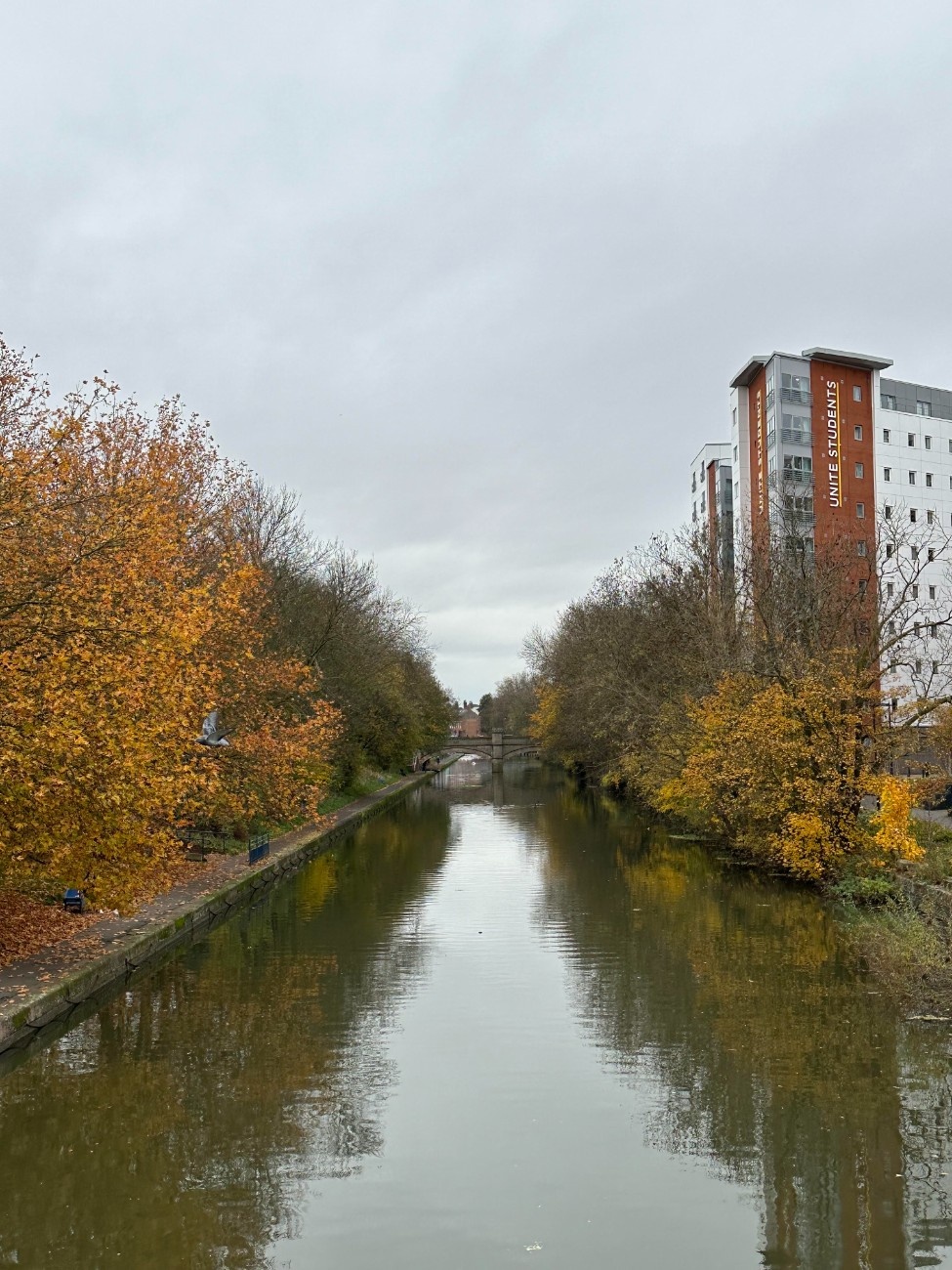
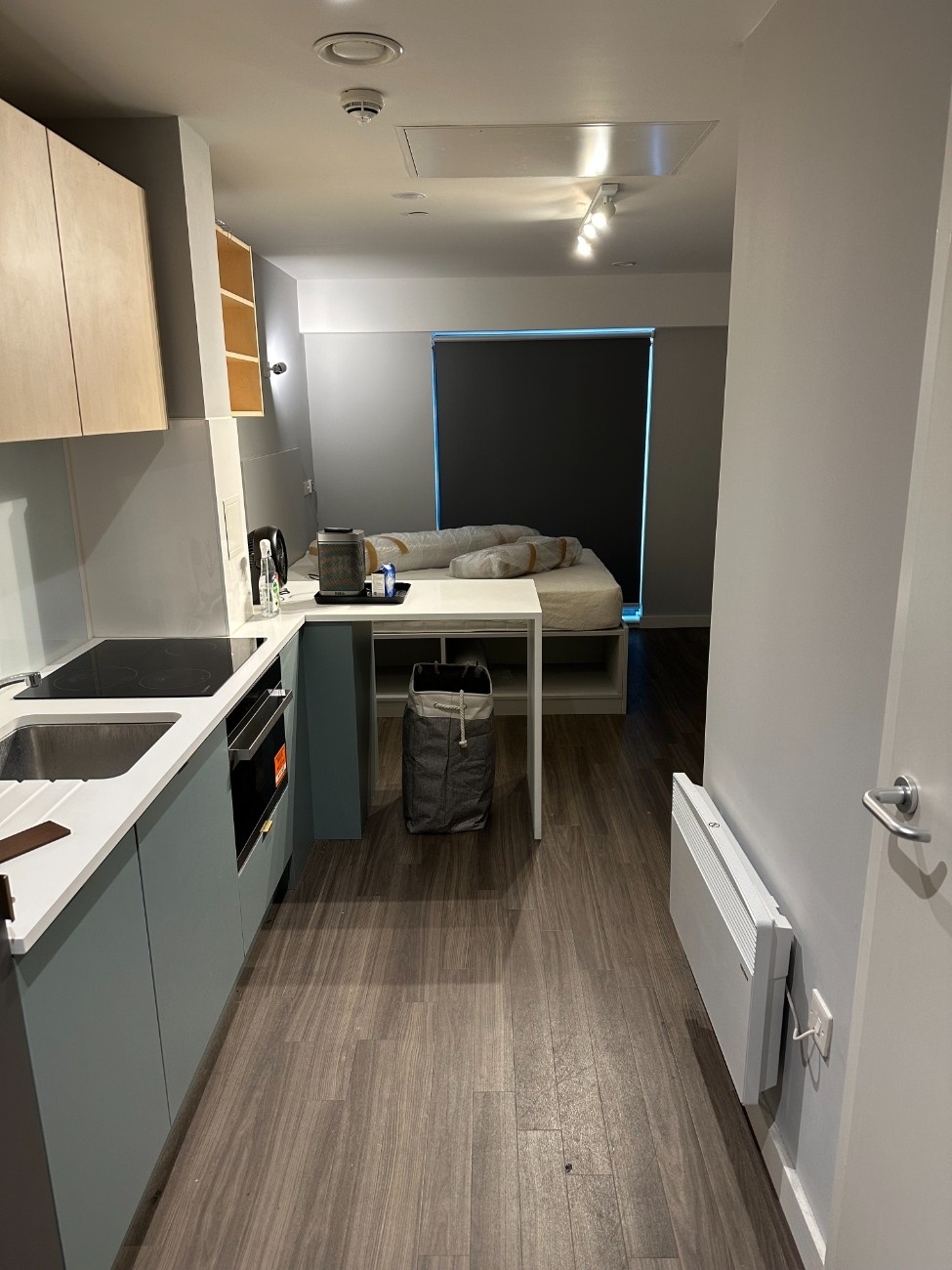
- Accommodation cost- housing around campus was a bit expensive.
- Outdated Portal- university system (blackboard) felt outdated, downtime was there, not user friendly.
Scholarship
- Yes, I received a scholarship; as I paid my fees yearly, I got a fee waiver of 2000 pounds
- Some of my batchmates received same amount and also some received 1000 pounds according to the initial fees what they decide to pay
- In my course an average of 40 students got the scholarship and the scholarship vary from 500 to 2500 pounds
- In other courses there are more scholarships available according to merit.



Likes
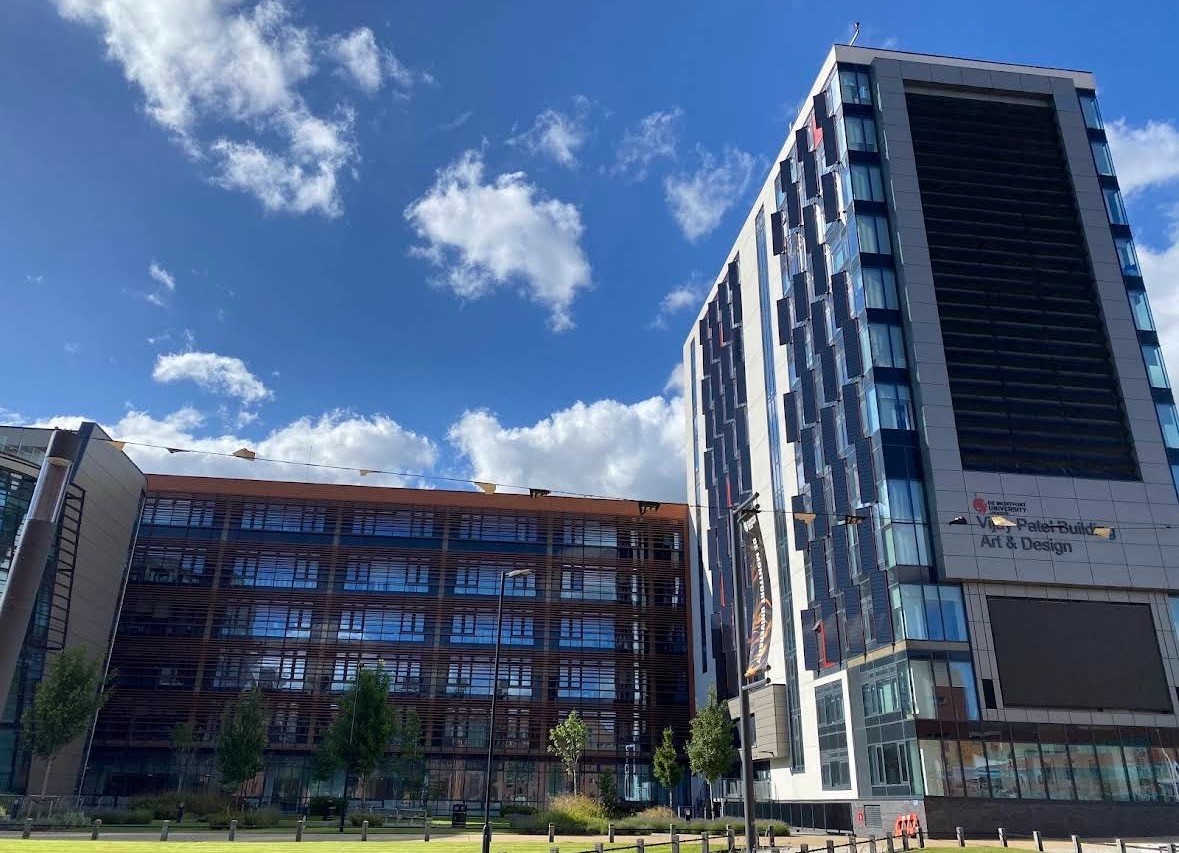
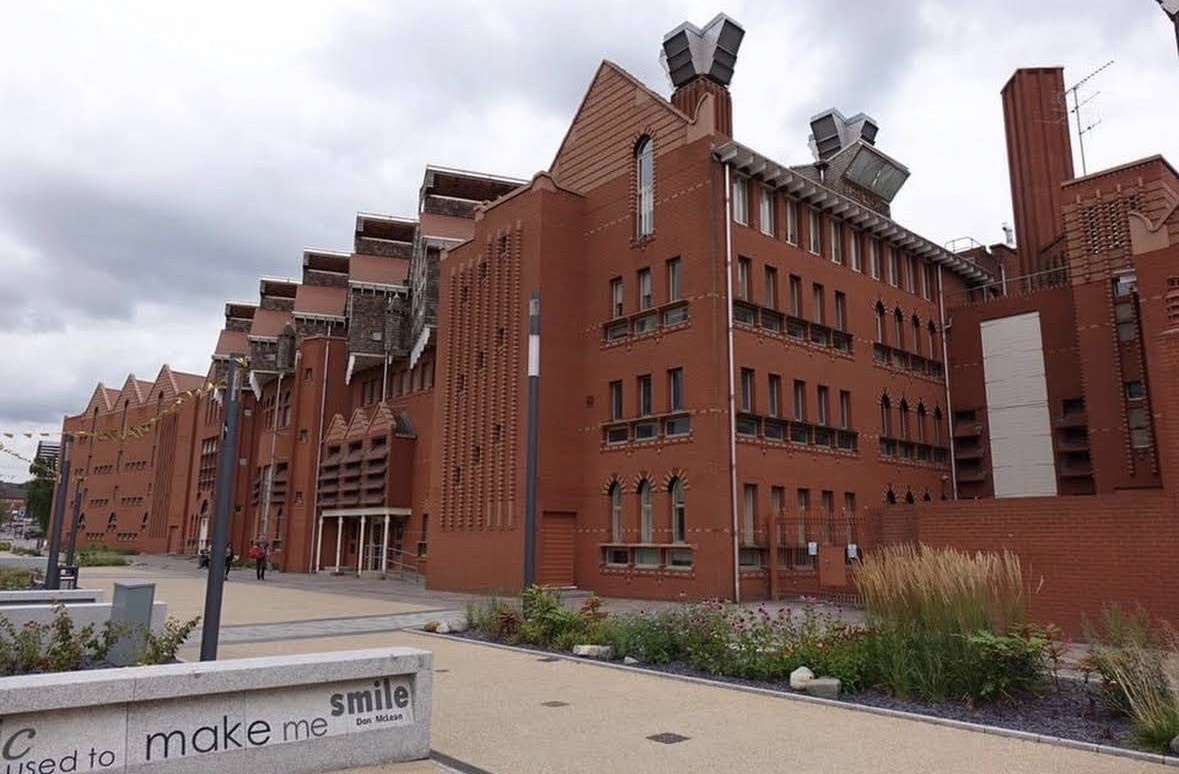
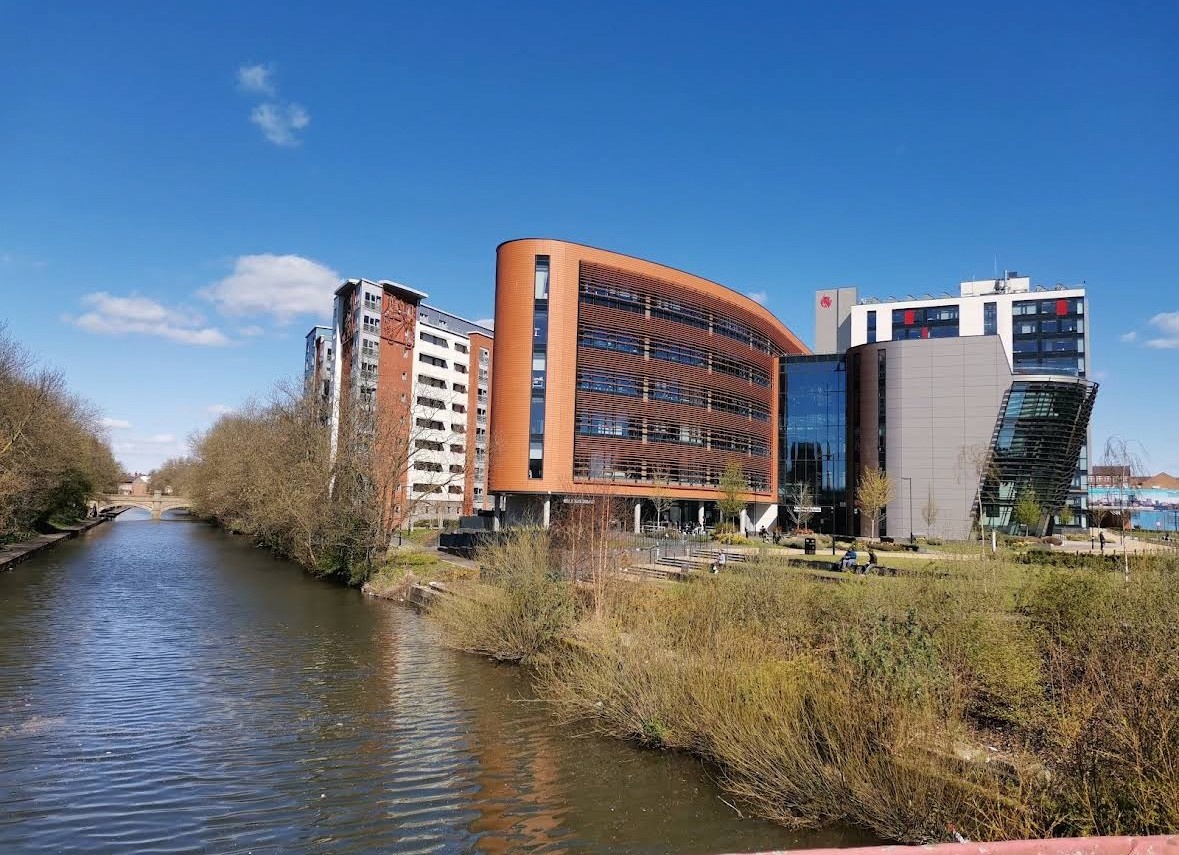
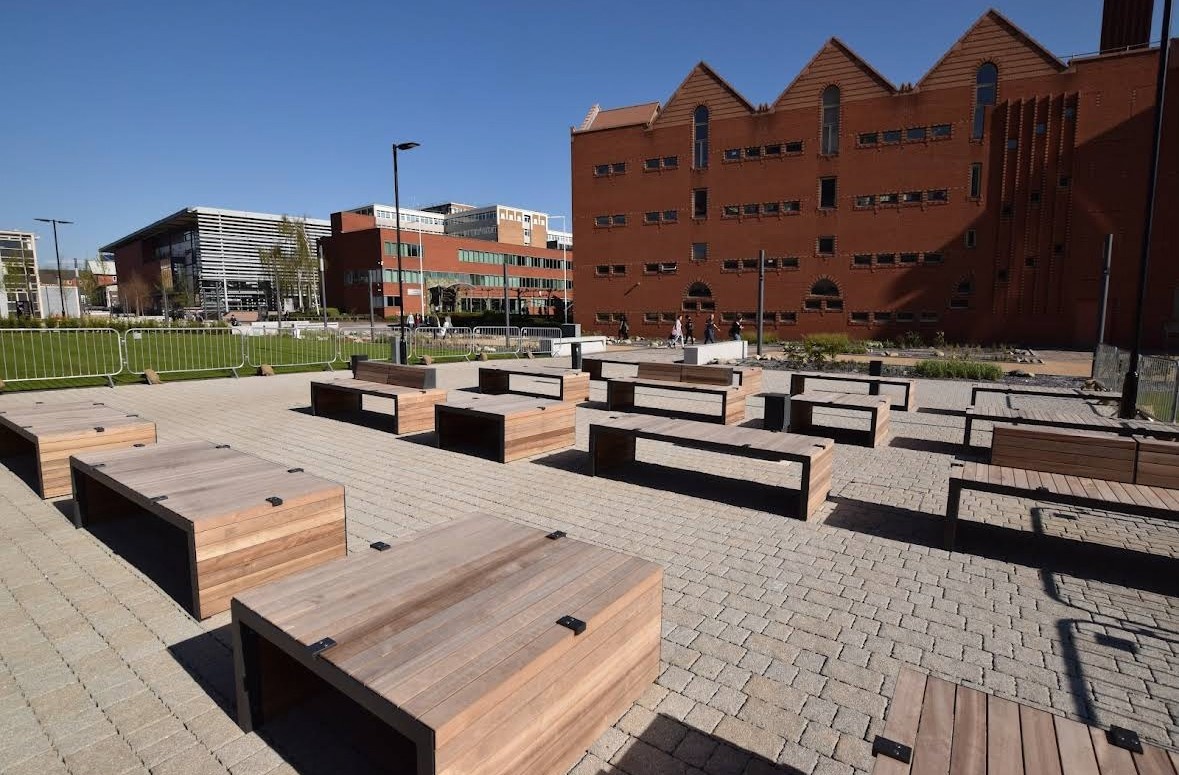
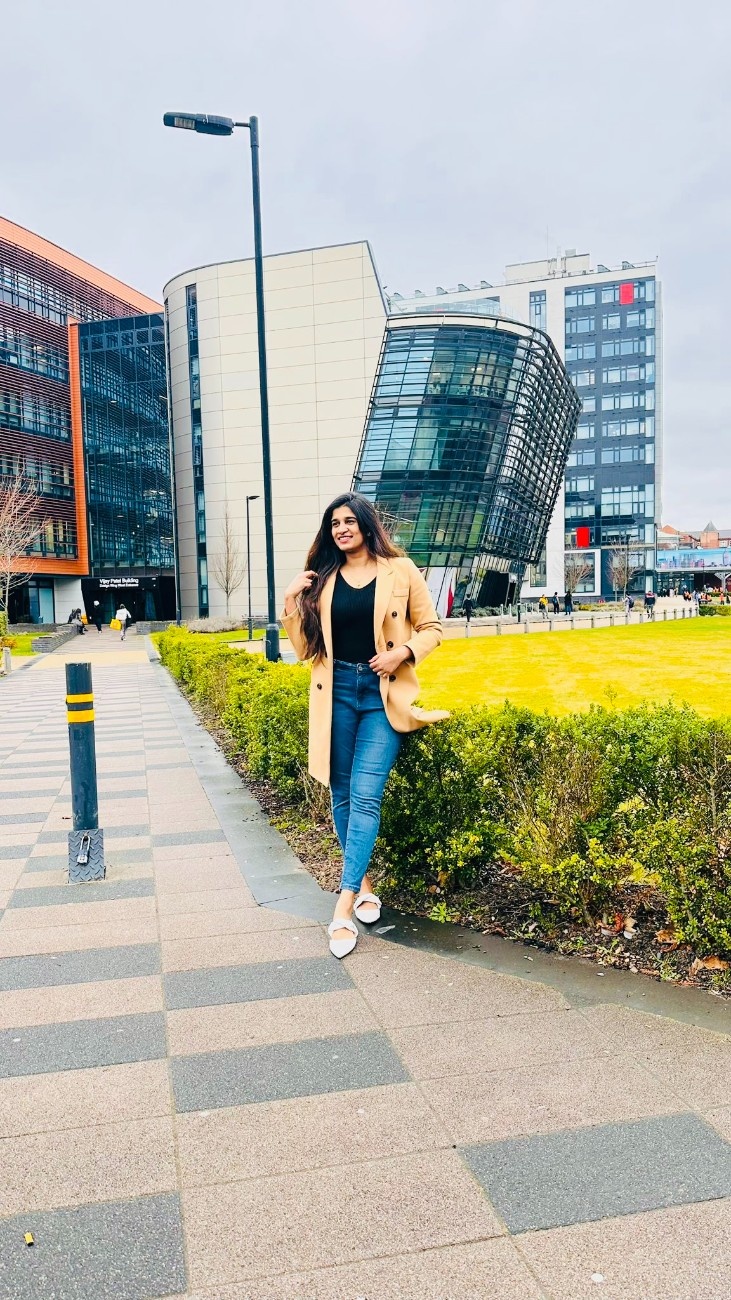
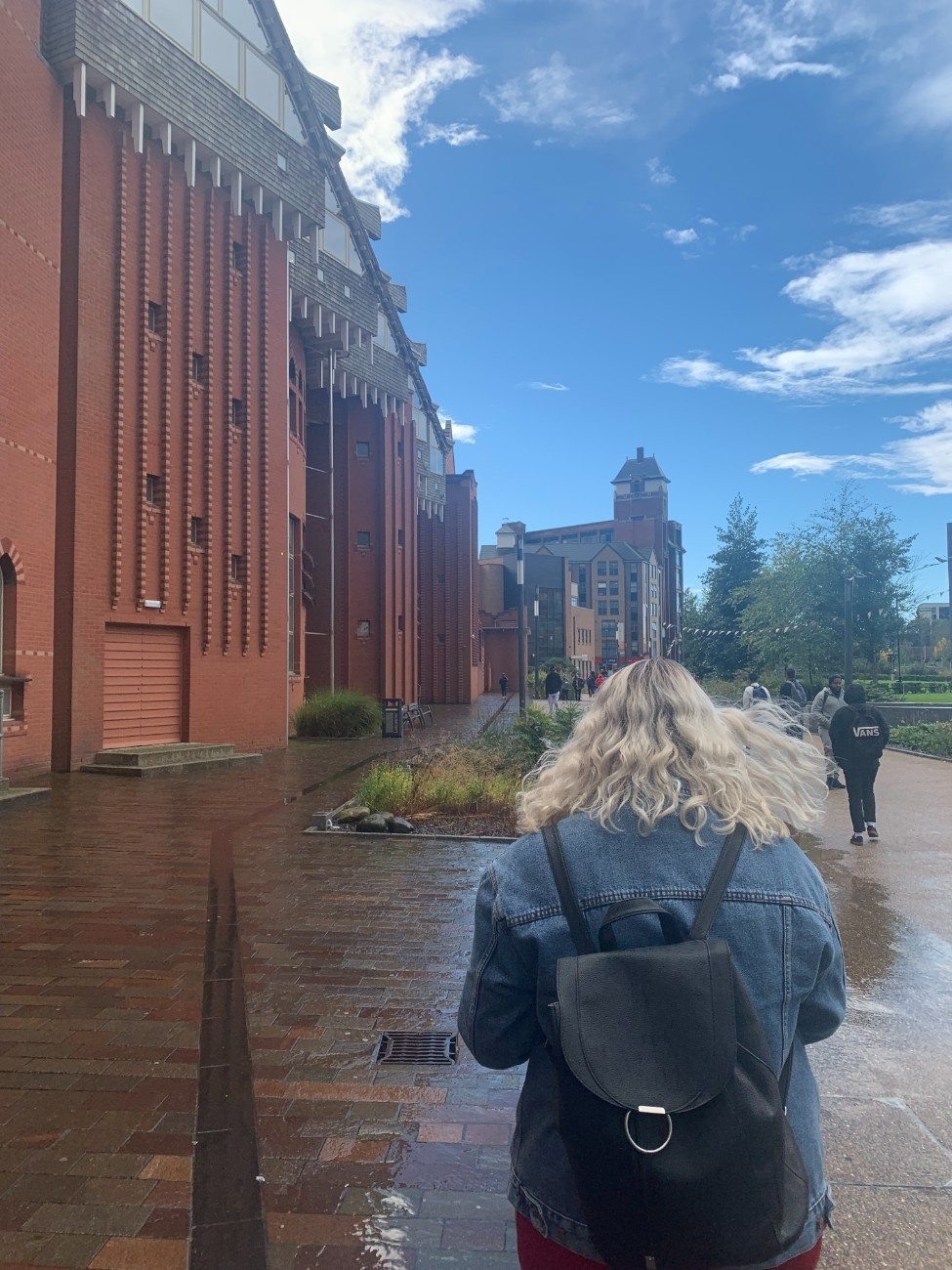
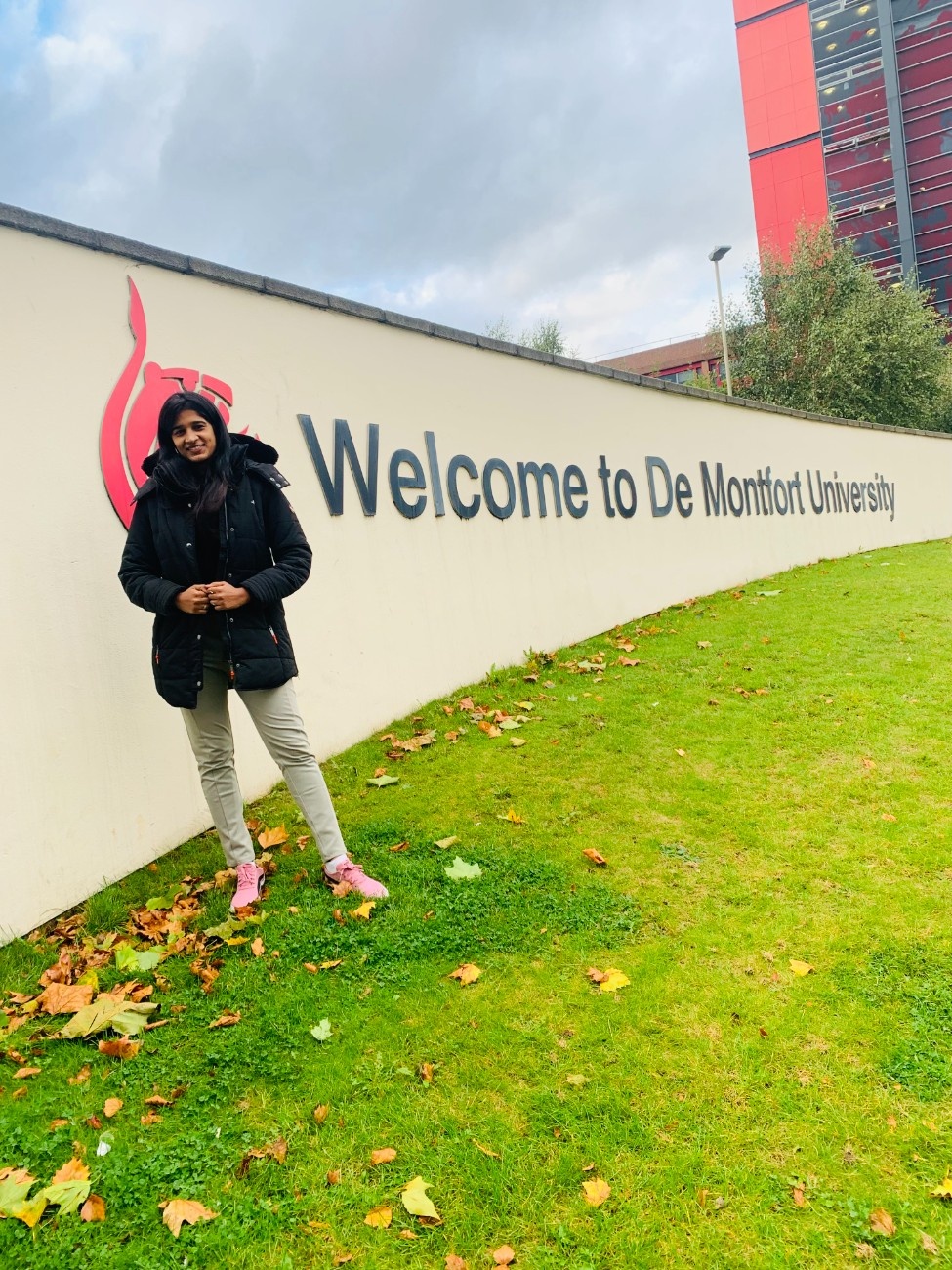
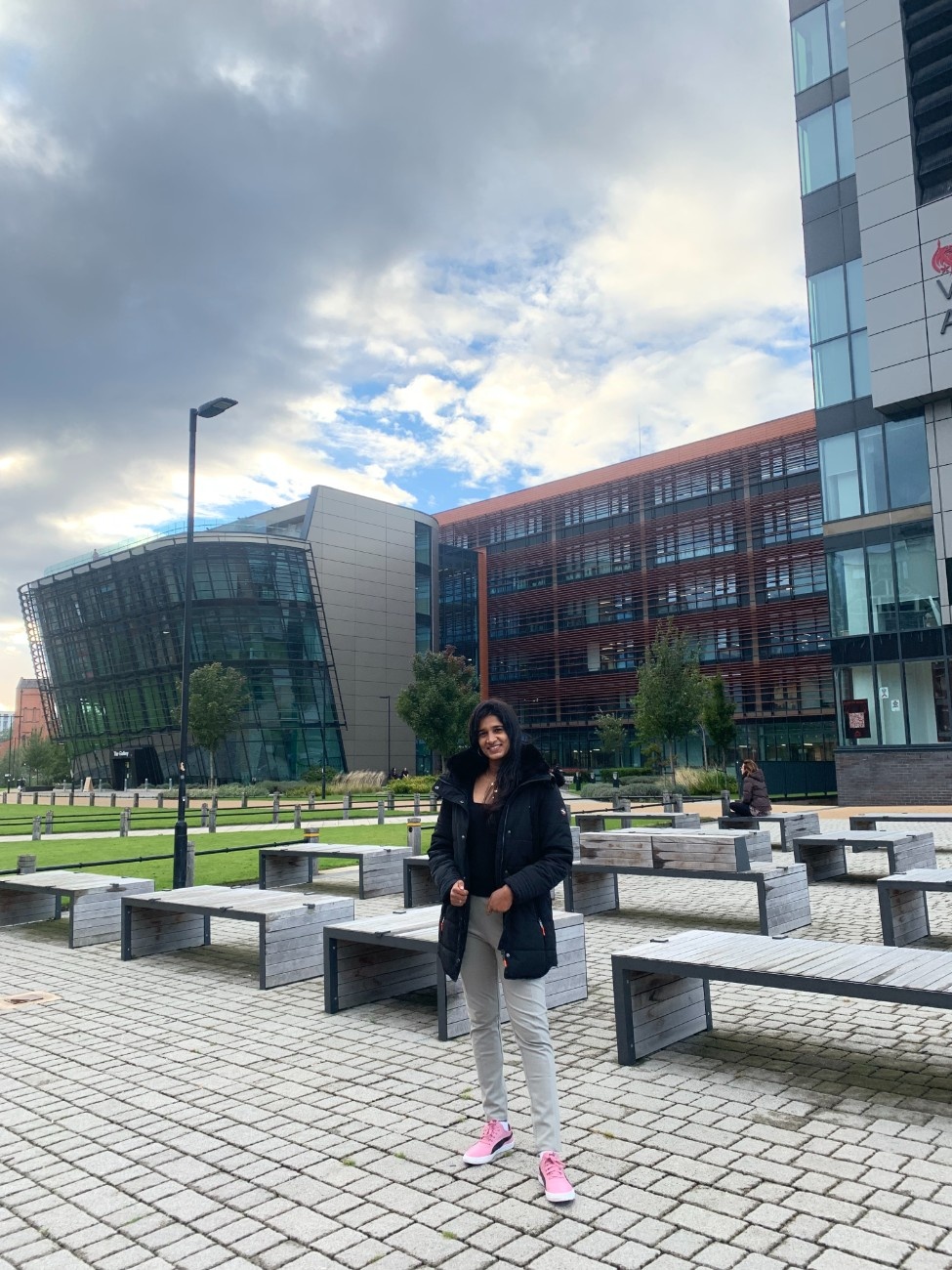
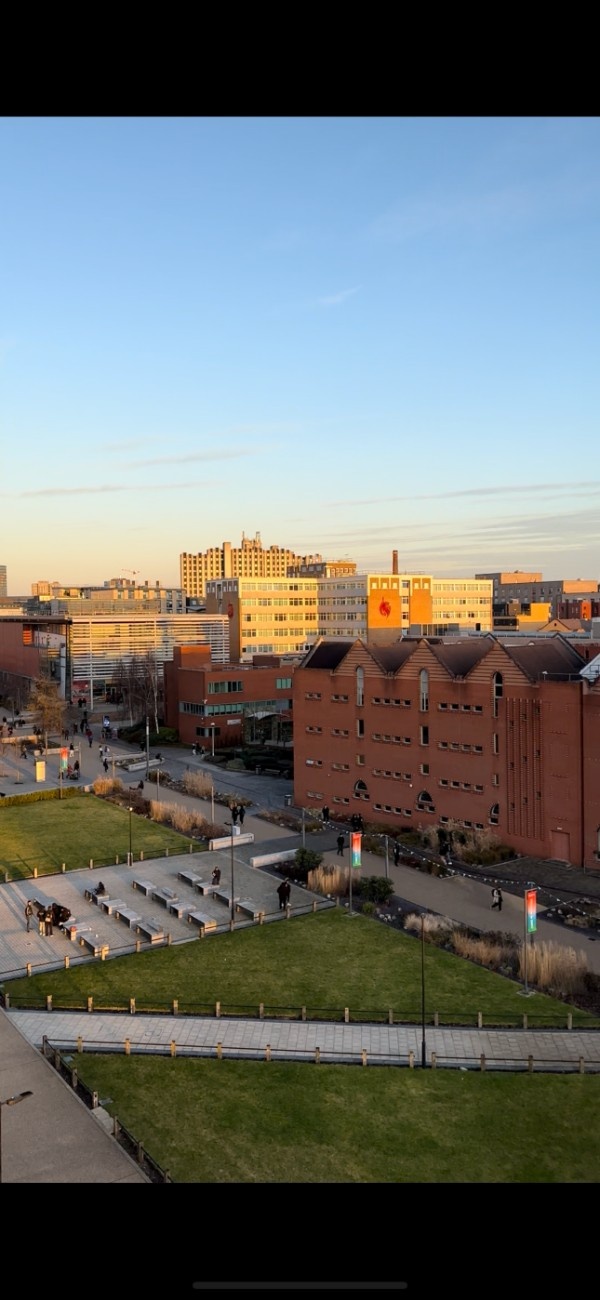
- Campus: The campus is huge (compared to other universities in Leicester).
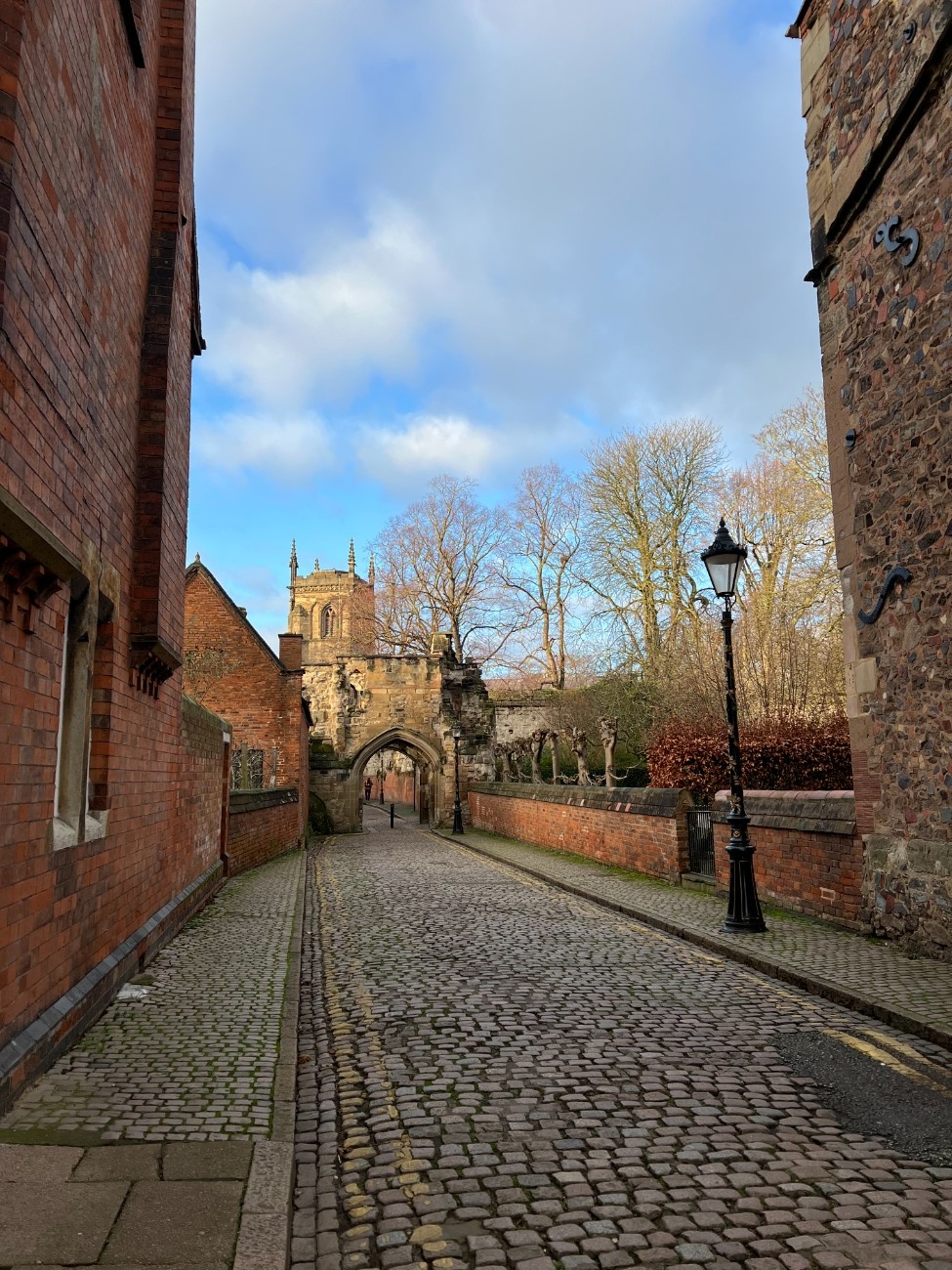
- Location: The campus is right next to the city center of Leicester, which makes it easy for students to access and explore while they're on lunch breaks/after classes.
- Variety of courses: They offer variety of courses, especially in Arts/Design field. Variety of courses are also available in masters courses in management.
Dislikes
- Quality of education/faculty: The lecturers are decent but not up to the mark.
- Assignments: The assignments are too subjective in nature. The evaluation of your assignments are done from a narrow perspective. The evaluators of your assignments will mostly be done by Phd students, so even if yours and your friend's answers are identical the mark won't be because the possibility is that the evaluators are different for both of you.
- Food/Refreshments on campus: The campus lacks good canteen. There's no variety of food available. The food on campus is also quite expensive and not so great in taste. Students prefer to go to the city center during their lunch hours. Although, they have subway, an Indian fast food restaurant and a small convenience store on campus.
Scholarship
- Yes, I received a scholarship before getting the unconditional offer from DMU. There's no such name for this scholarship and the eligibility criteria are that if the student pays 50% of the course fee within 30 days of the conditional offer being offered by the university, then the student is eligible for this scholarship.
- The amount was £1,000, which was deducted from the overall course fee.
- Many of my batchmates received the same scholarship from the university.


Likes
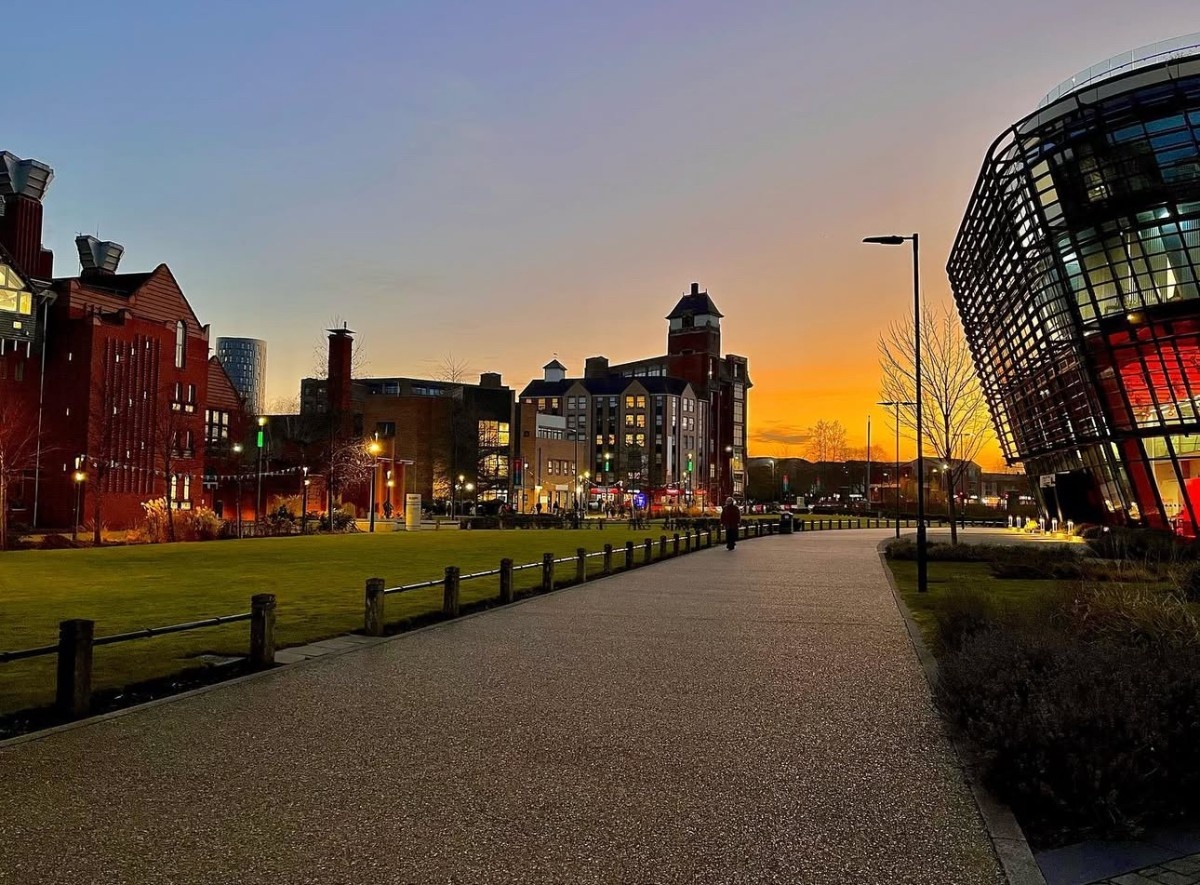
- Campus - Amazing, spacious and good infrastructure
- Course Structure - Block Teaching Structure
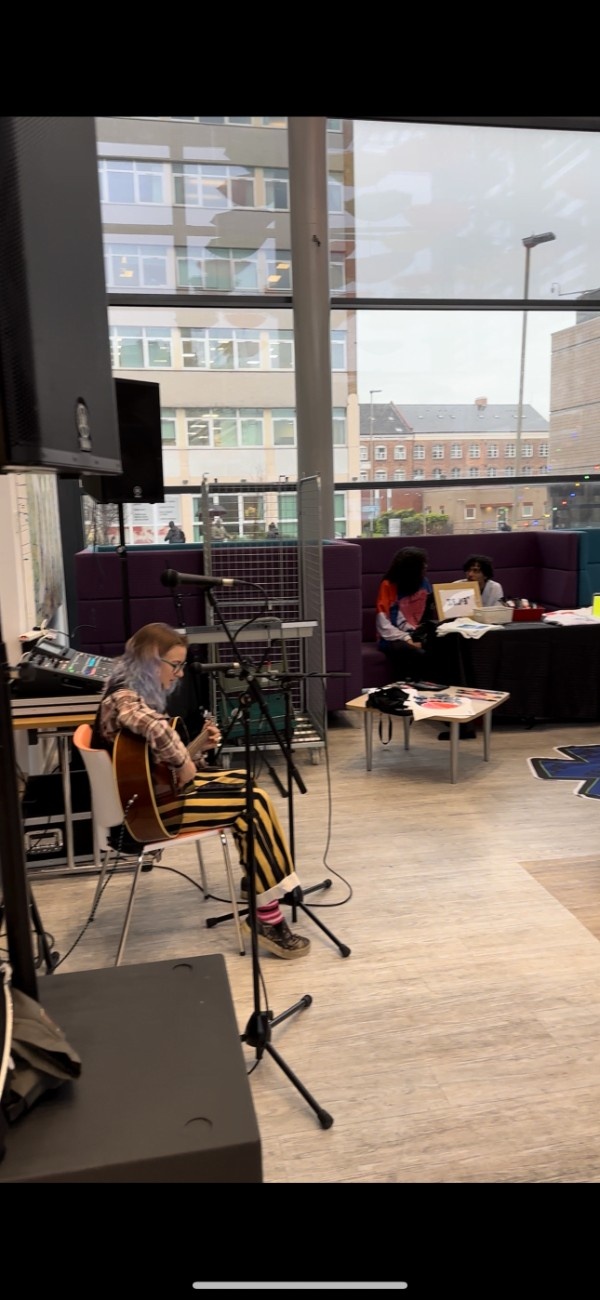
- Extracurricular Activities - Lots of opportunities to participate in different competitions and activities
Dislikes
- Less classes - Block teaching left the students with more holidays than classes throughout the academic year
- Overall teaching approach and not in-depth teaching - They had a more generalised way of teaching than a specialised way of teaching
- Limited Alumni engagement - Very few events to connect alumni with on-campus students
Scholarship
- Yes, I received a scholarship but that was a part of the partnership that DMU had with my college (The Vedica Scholars Programme for Women).
- I received a 50% scholarship. Considering that I was not doing the full course, I had to pay 12000 pounds but because of the scholarship, I paid half of that i.e., 6000 pounds.
- Yes, my batchmates from Vedica who joined DMU received an equivalent scholarship.
- I do not have an idea about the number of students who receive scholarship but I have heard that they reduce the fees based on your previous academic performance.
.jpg)

Likes
- Supportive peer group: The course was such that we had to work on assignment in teams and the teams had people from across the world. It gave one an opportunity to interact with different nationalities and learn from them
- University Campus: Huge university campus, very aesthetic and pleasing.
- Structure and approach of modules and seminars: the design of the course was such that it was an immersive experience of theory and practical.
Dislikes
- Cold weather: as an Indian it was tough for me to navigate and survive in the constant cold and rainy weather.
- Attendance: we had card which we had to tap to get attendance for every lecture and sometime that wouldn't work so it was bit tricky.
- Lack of physical copies of study material
Scholarship
- I am not aware of any scholarship for this particular course but one can do their own research maybe the university has now introduced some sort of scholarship for this particular course now. While I was there I was not aware of any such thing but one can do their own research about this and get to know more through their brochure and university website.
Likes
- 24 hours library
- Provides hands-on experience in industrial quality equipments and facilities
- Appreciating every culture and also have a DMU Indian society ( Conduct cultural programs, Holi celebrations etc..)
Dislikes
- About 150 to 300 students in one class (most of the time some students doesn't get seats)
- Running from one building to another building to next class (sometimes with the same Professor)
- Using code for submitting attendance (some students send codes to their friends who isn't present in class and they get attendance)
Scholarship
- I didn't receive any scholarship during my course Master of Science in Pharmaceutical Biotechnology for De Montfort University. I was late to apply for the scholarship as my admission was done in last minutes.
- One of my friend actually received scholarship from University. The amount was about £2000.
- It is heard that De Montfort University provides scholarship for about 10 to 25% students considering various categories.
%20-%20Sandhra%20Saburaj%20(1).jpg)
.jpg)
.jpg)
.jpg)
.jpg)
.jpg)
.jpg)
.jpg)
.jpg)

Likes
- The management was very kind and helpful.
- The infrastructure is world class.
- The course structure was informative and up to date.
Dislikes
- The city was small. It was the based in leicester city.
- The weather was not suitable for me personally. It is always cold outside.
- The amount of lectures were less. (Twice a week)
Scholarship
- There is scholarship available for people who have prior work experience. I had 3 years of work experience, So I got £2000 worth of scholarship. It also depends on the interview. If they think you are worth the money, they will surely give you discounts and help you with accomodations. In my class, I think 25% of the people got scholarship and all of them had prior work experience. They typical amount that people get is £2000 in my knowledge.
.jpg)
Likes
- The course structure was really good, with great overall exposure to different areas needed in an MBA.
Dislikes
- The placements were not good at all, not too much help in getting a job.
Overview
I chose this country since I did not require a Visa here. The reason I chose this University because it was the highest rated in the shortlist I had since I just had 2 years of work experience, I was limited to options. Overall it was a good experience since it was a very new experience, just had issues with getting a job.
Overview
This University ticked all the boxes that I had in mind for a great place to do career advancement for the next two years. One of the many things I like about this university is the enormous-beautiful-widespread campus, Its global rankings, the courses they offered, their UK rankings , employment opportunities after graduation, and finally a good life off campus as well.
Scholarship
Yes, I did receive an MBA scholarship worth 2500 GBP. I submitted a 1000 words essay on why I think I am eligible for this scholarship. This scholarship is very rare and is given to exceptional students as a token of appreciation for their hard work and excellence in a particular field.
Overview
Course curriculum had specific topics that interested me. Was research based.
Scholarship
No

interested in this College ?
Follow & Share this college to get information about admission.



Comments