




Master of Science [M.Sc] (Principles of Clinical Neuropsychology)
Field of Study:
$23,940 /Yr

Bangor Uni M.Sc Principles of Clinical Neuropsychology is a 1 year Full Time Master program. This program is offered On Campus. The first year fees for M.Sc Principles of Clinical Neuropsychology at Bangor Uni is ₹ 22.67 Lakhs (GBP 18000). Earlier in 2023, the M.Sc Principles of Clinical Neuropsychology Fee was ₹ 23.05 Lakhs (GBP 18300). This shows that the academic fees has decreased by ₹ 37779 (GBP 300).
For admission to M.Sc Principles of Clinical Neuropsychology at Bangor Uni, international students need Duolingo-105. For more details, check Bangor Uni Admissions 2026
Based on the student reviews at Collegedunia, the M.Sc Principles of Clinical Neuropsychology program at Bangor Uni has received an average rating of 9.3 out of 10 from 1 review(s).
Bangor Uni M.Sc Principles of Clinical Neuropsychology Total Fees 2026
The tuition fee for M.Sc Principles of Clinical Neuropsychology at Bangor Uni is GBP 18000 per year (₹ 22.67 Lakhs). Meanwhile, the total cost is GBP 31632/Year (₹ 39.83 Lakhs). This includes the tuition fee and other expenses such as Living Cost, Books & Supplies, Health Insurance, etc.
The tuition fee for M.Sc Principles of Clinical Neuropsychology at Bangor University is as follows:
| Expense Type | Average Cost (INR) | Equivalent (GBP) |
|---|---|---|
| Tuition Fee | ₹ 22.67 Lakhs | GBP 18000 |
The other expenses for M.Sc Principles of Clinical Neuropsychology at Bangor University is as follows:
| Expense Type | Average Cost (INR) | Equivalent (GBP) |
|---|---|---|
| Living Expenses | ₹ 17.17 Lakhs | GBP 13632 |
| Total Cost | ₹ 17.17 Lakhs | GBP 13632 |
M.Sc Principles of Clinical Neuropsychology Tuition Fee Trends at Bangor Uni
Bangor Uni M.Sc Principles of Clinical Neuropsychology Fees for Indian students is ₹ 22.67 Lakhs (GBP 18000). This academic fee has decreased by ₹ 37779 (GBP 300) from 2023. Candidates can check the year on year trends in Bangor Uni Fees in the table below.
| Academic Year | Tuition Fees (INR) | Tuition Fees (GBP) |
|---|---|---|
| 2024 | ₹ 22.67 Lakhs | GBP 18000 |
| 2023 | ₹ 23.05 Lakhs | GBP 18300 |
Bangor Uni M.Sc Principles of Clinical Neuropsychology Application Link
Bangor Uni M.Sc Principles of Clinical Neuropsychology Application Link; Apply Here
M.Sc Principles of Clinical Neuropsychology at Bangor Uni Admission Requirements
For admission to M.Sc Principles of Clinical Neuropsychology, Bangor Uni accepts IELTS, TOEFL, PTE, Duolingo exam. The average scores among admitted students are typically around: 6.0 in IELTS, 75 in TOEFL, 56 in PTE, 105 in Duolingo.
Also Check:Tuition Fees
| Year | 1st Year Fees |
|---|---|
| Tuition Fees | $23940 (GBP 18000) |
Other Expenses
| Head | Avg Cost Per Year |
|---|---|
| Living Expenses | $18131 (GBP 13632) |
| Total Cost | $18131 (GBP 13632) |
Previous Year Tuition Fees
| Year | 1st Year Fees |
|---|---|
| 2023 | $24339 (GBP 18300) |
Reviews
4 Reviews Found
Likes
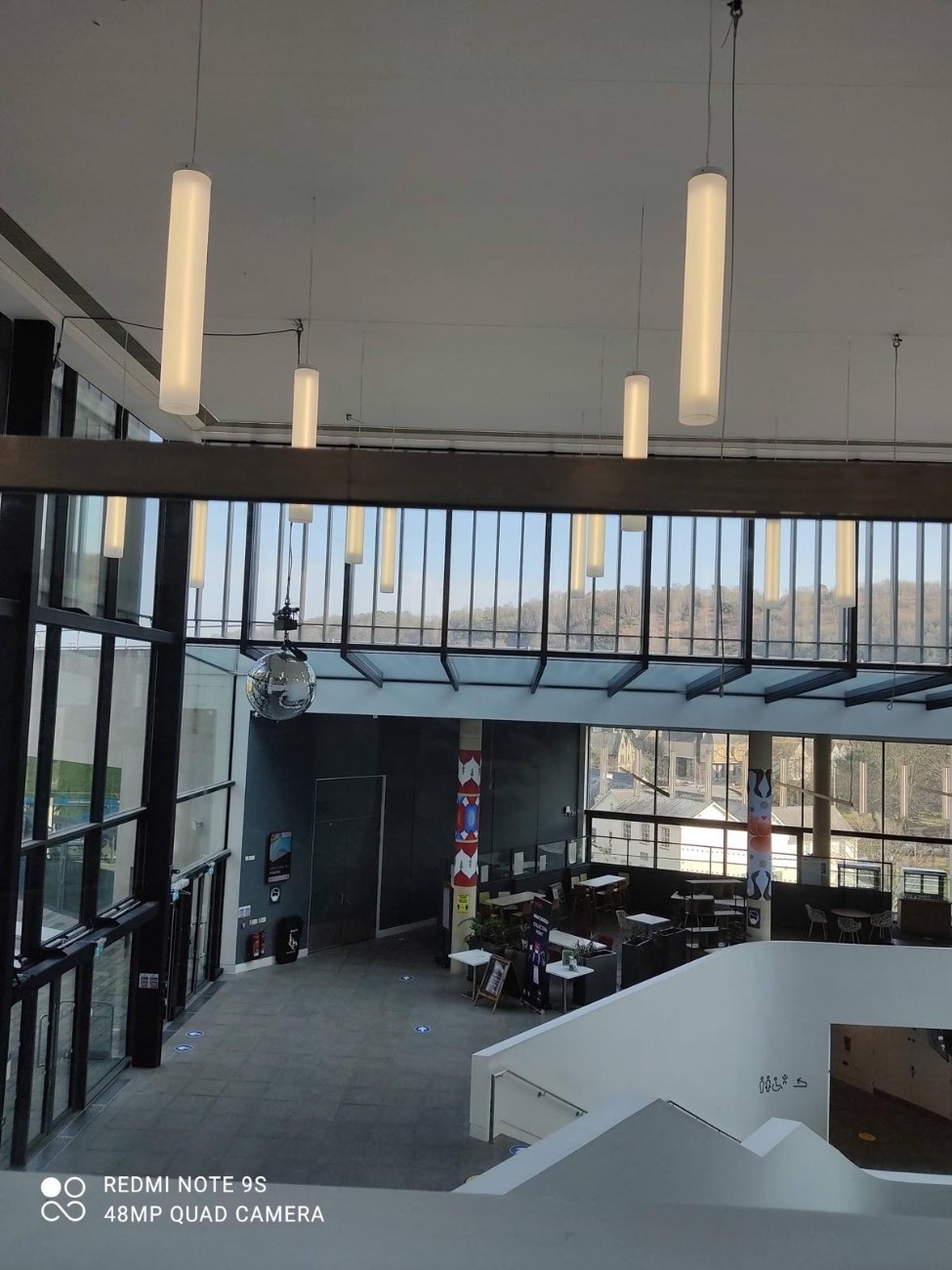
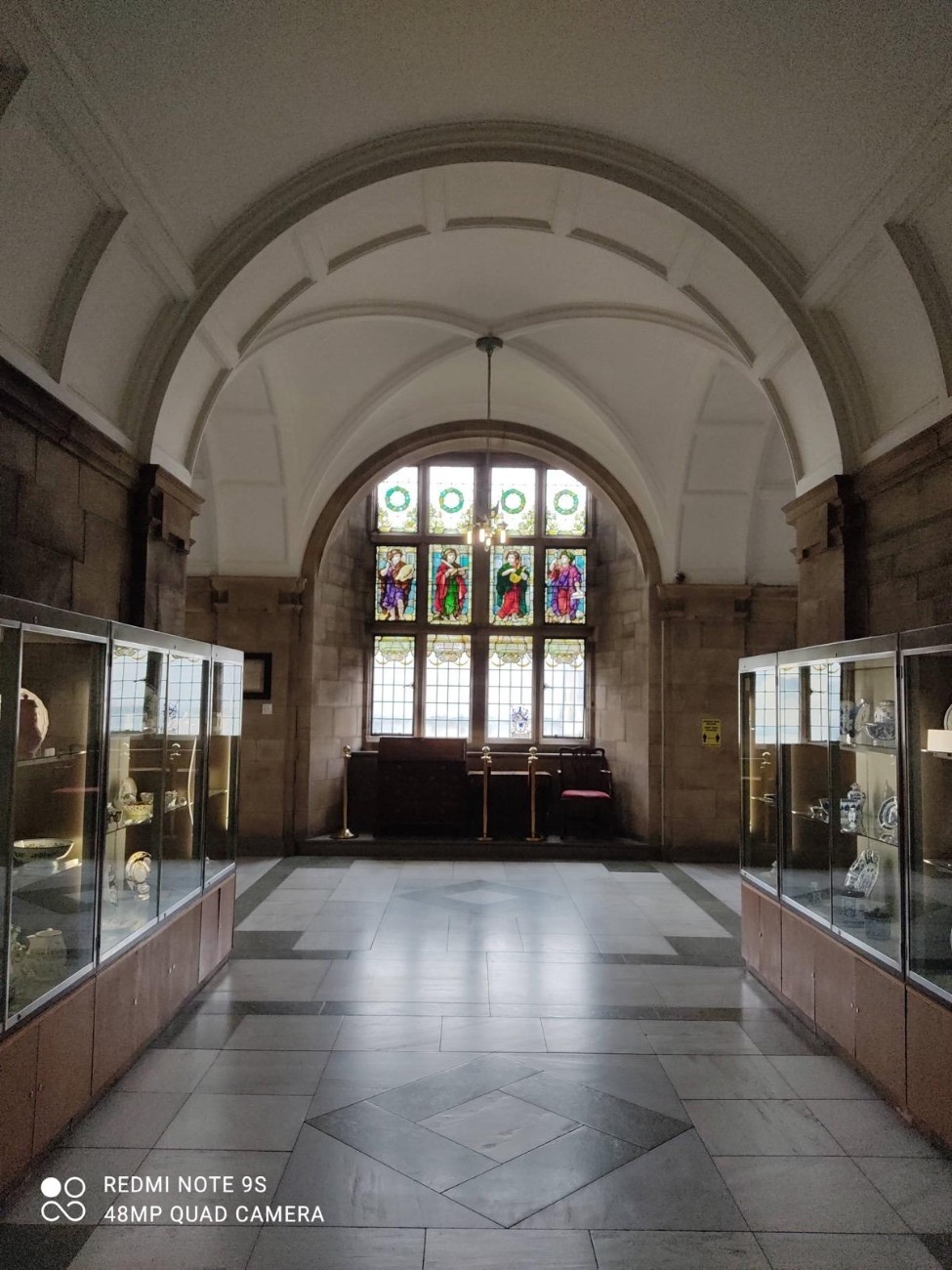
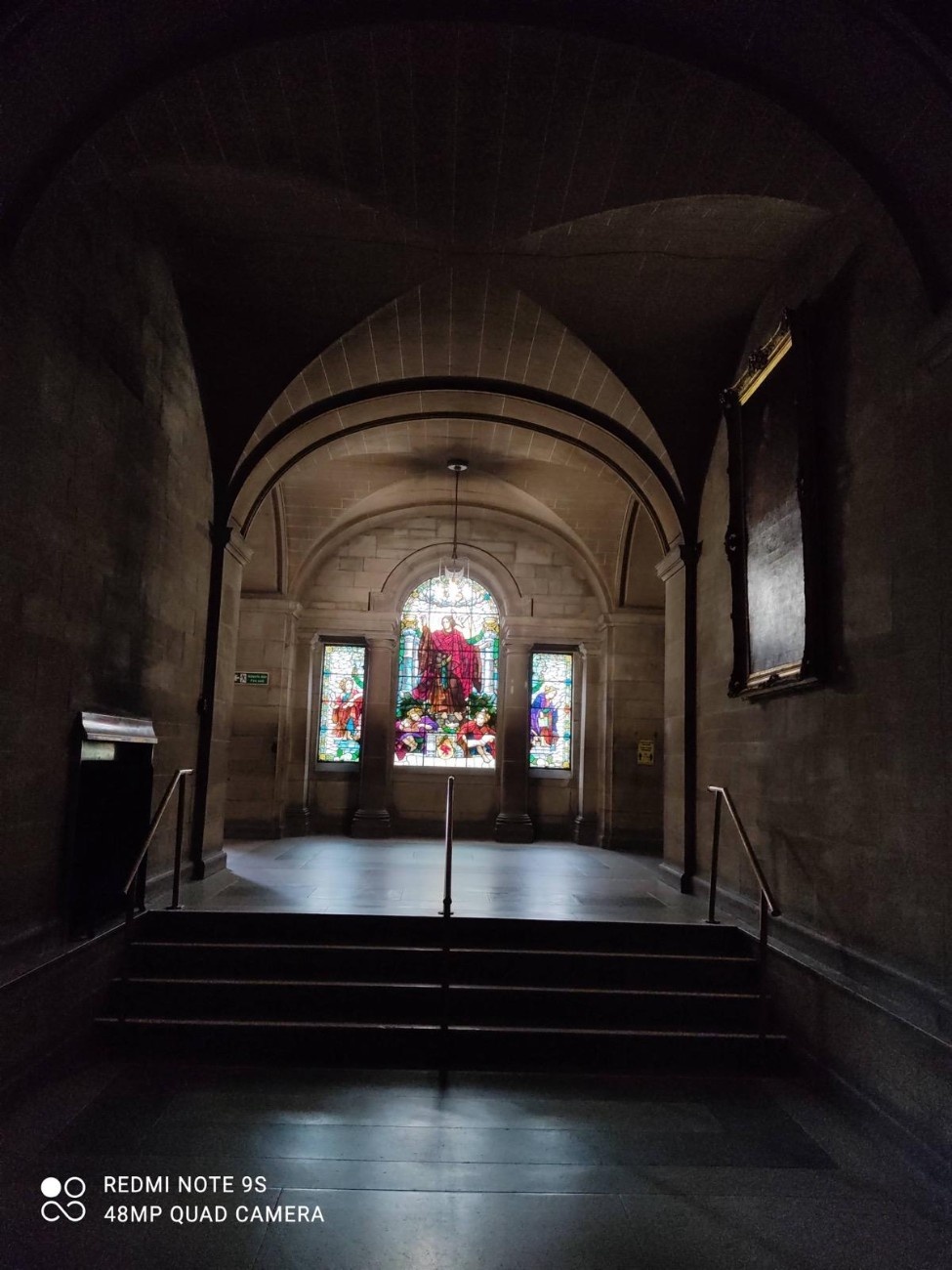
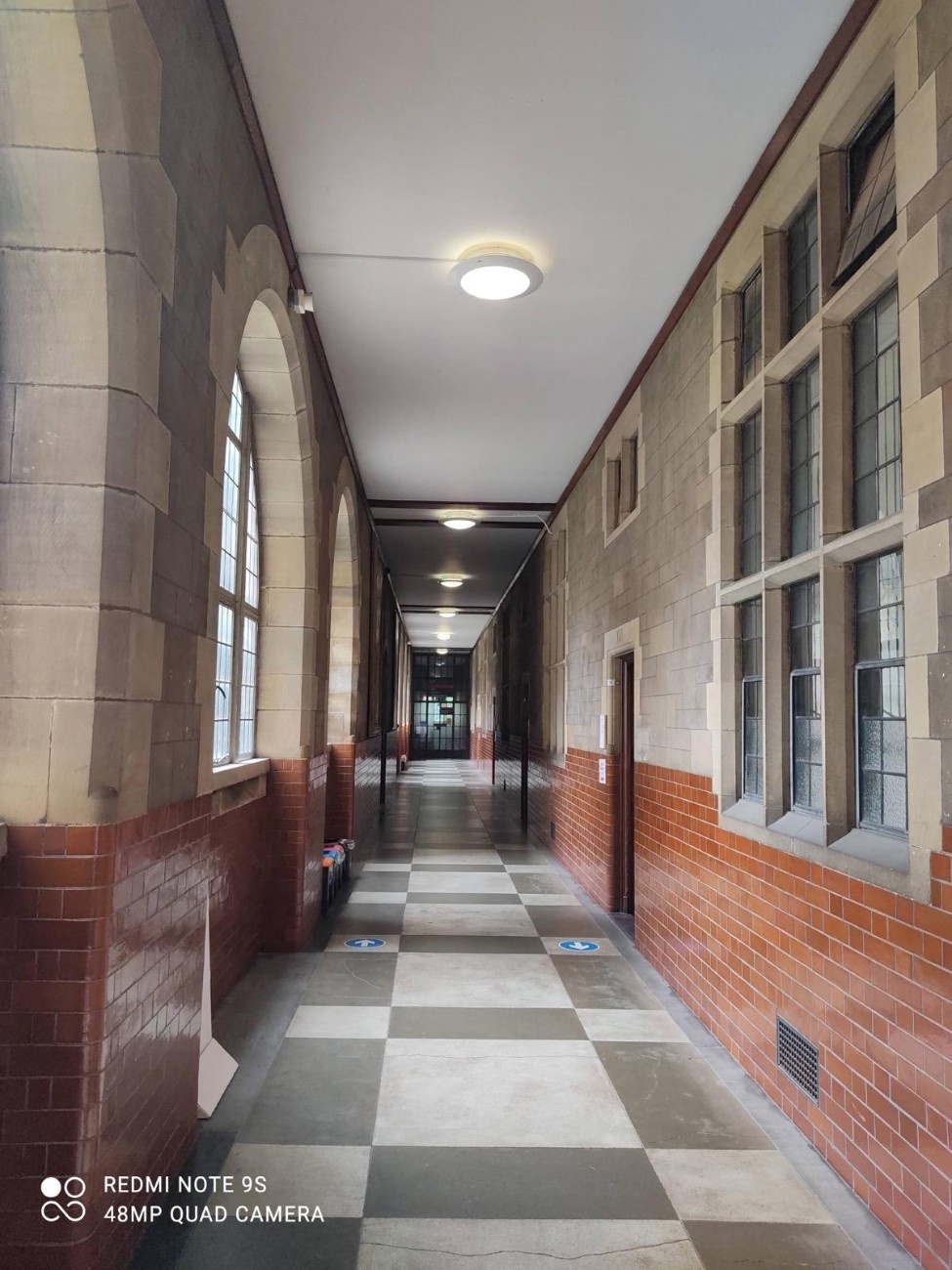
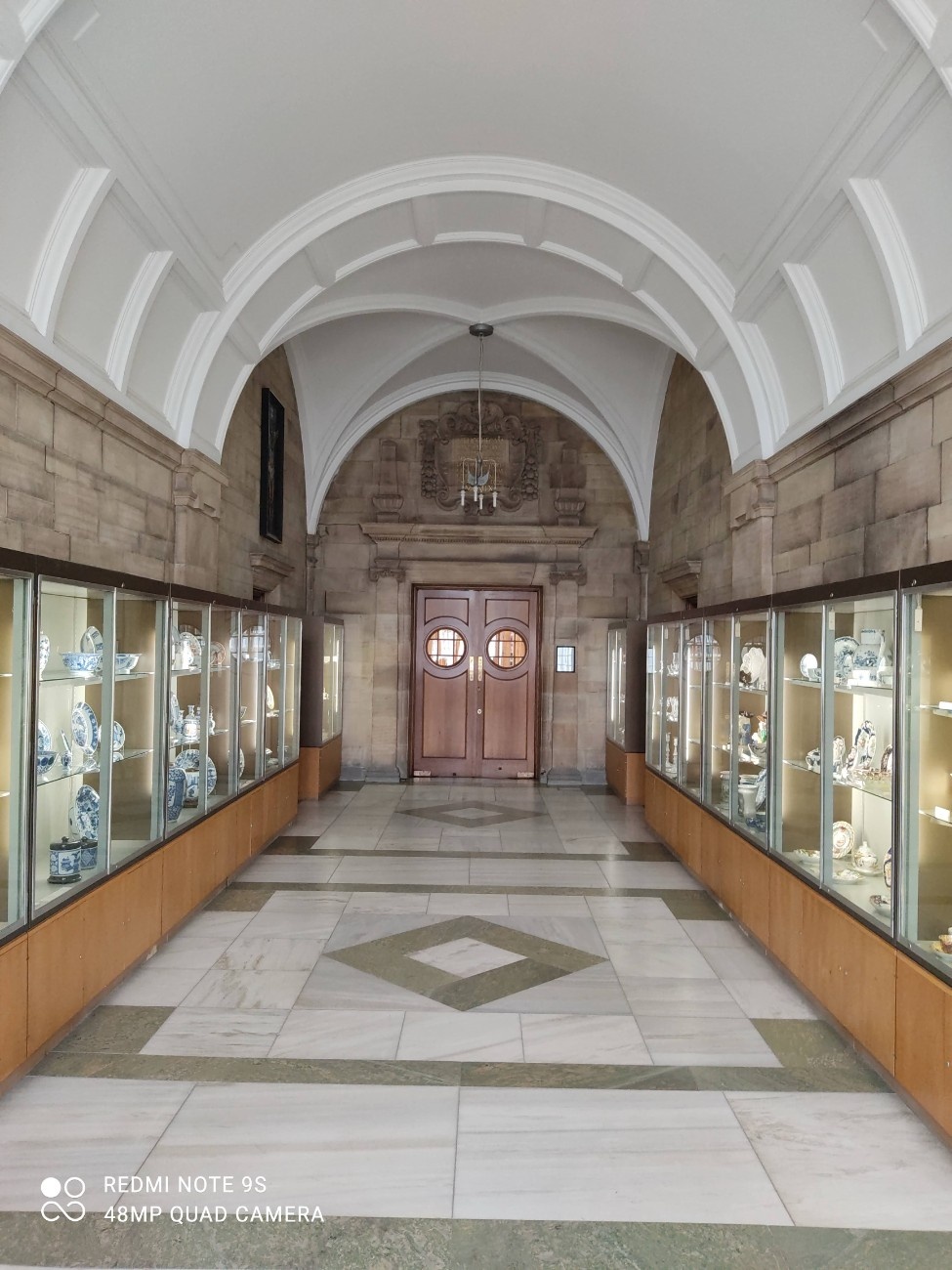
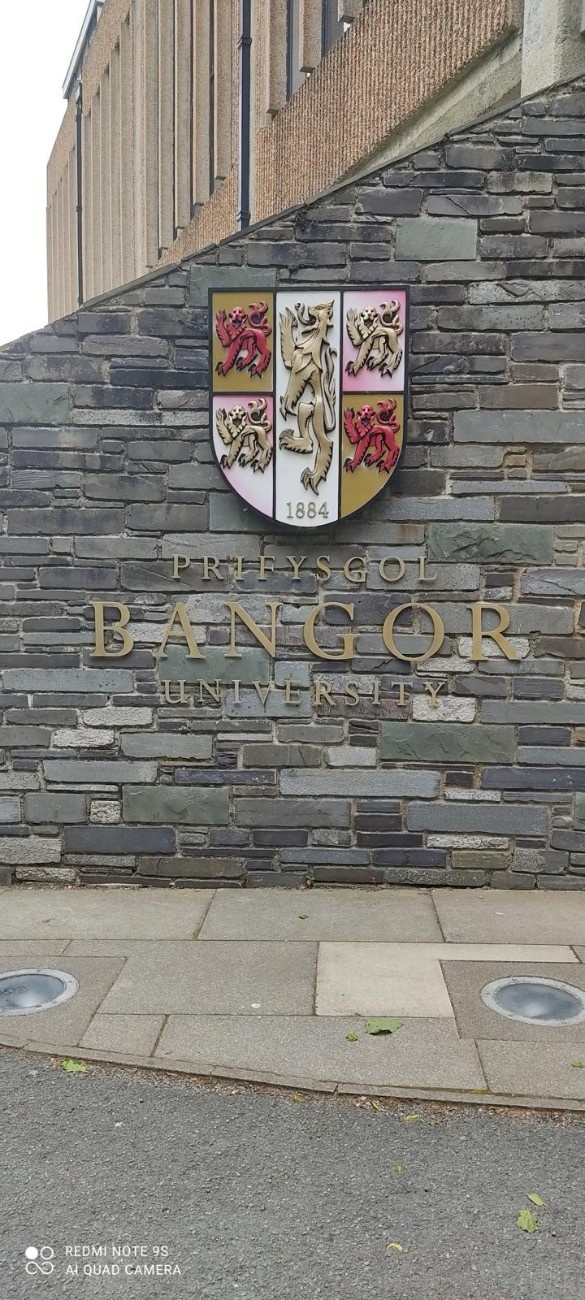
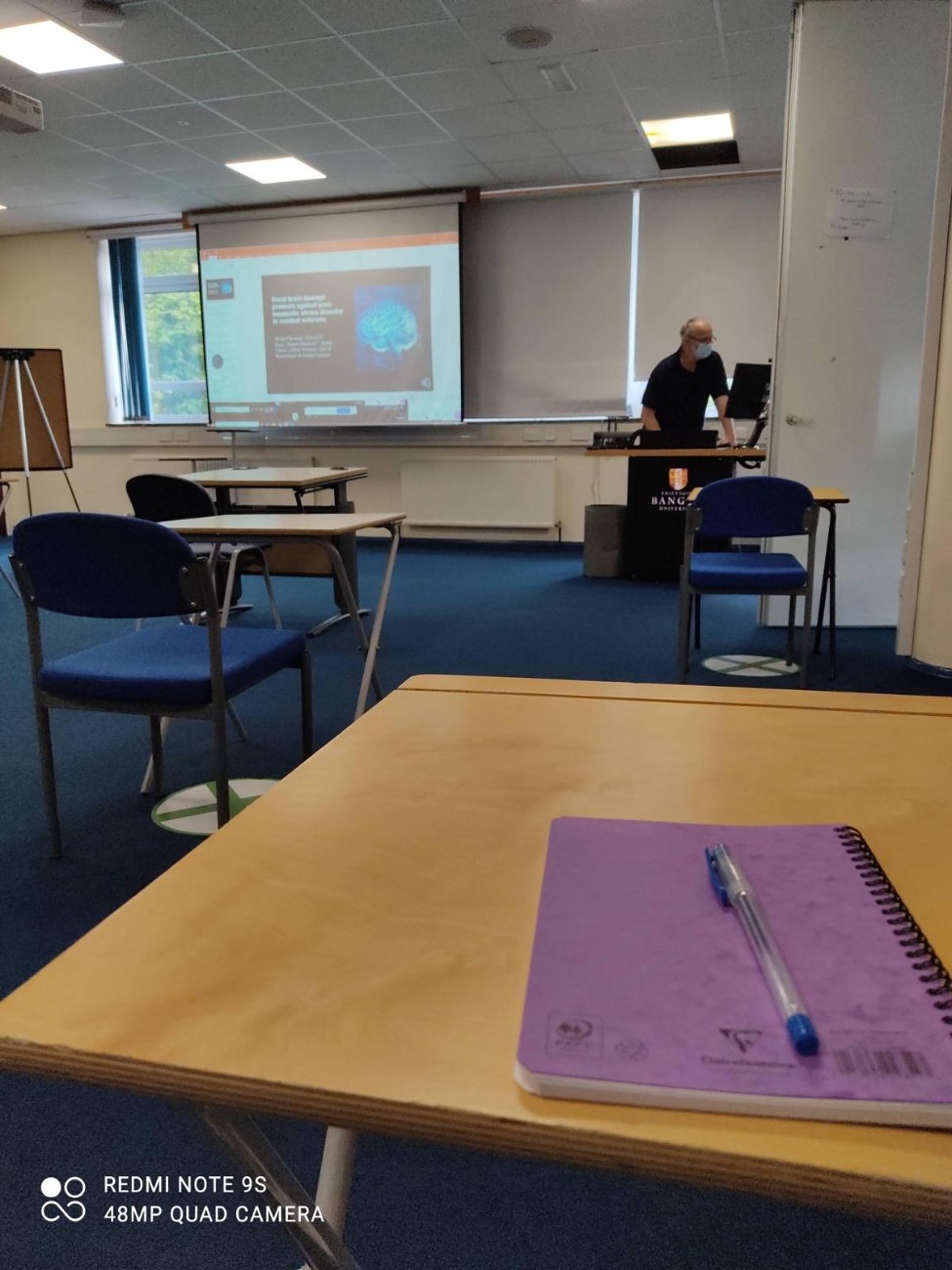
- I genuinely loved the amazing infrastructure of the university from ancient buildings to modern labs and classrooms.
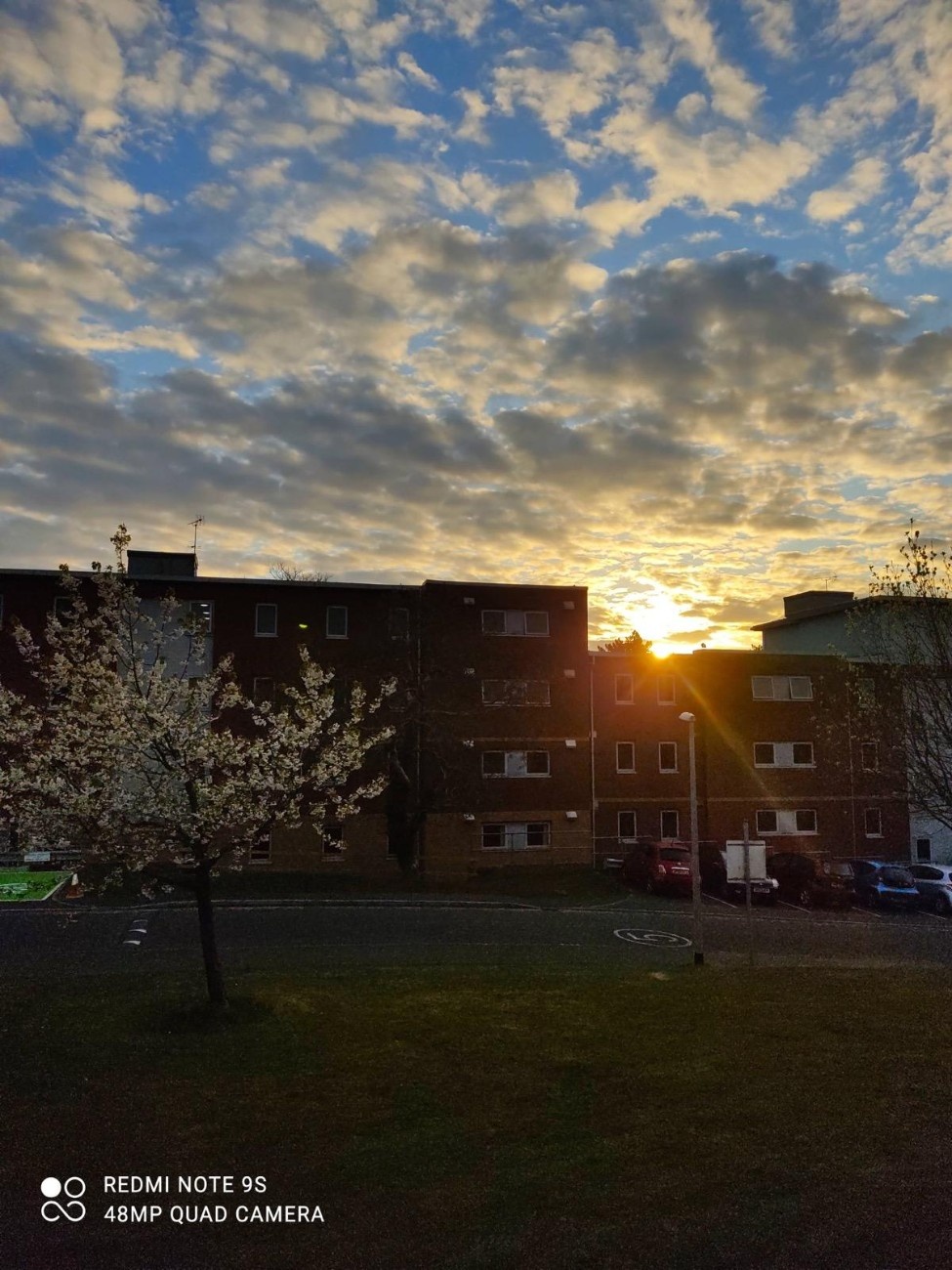
- Student life experience was one of the key features of Bangor including outdoor activities, student clubs, and events.
- Well-accessible libraries (both online and offline) have been such a positive experience for me personally as I was never worried about finding research journals and course specific books.
Dislikes
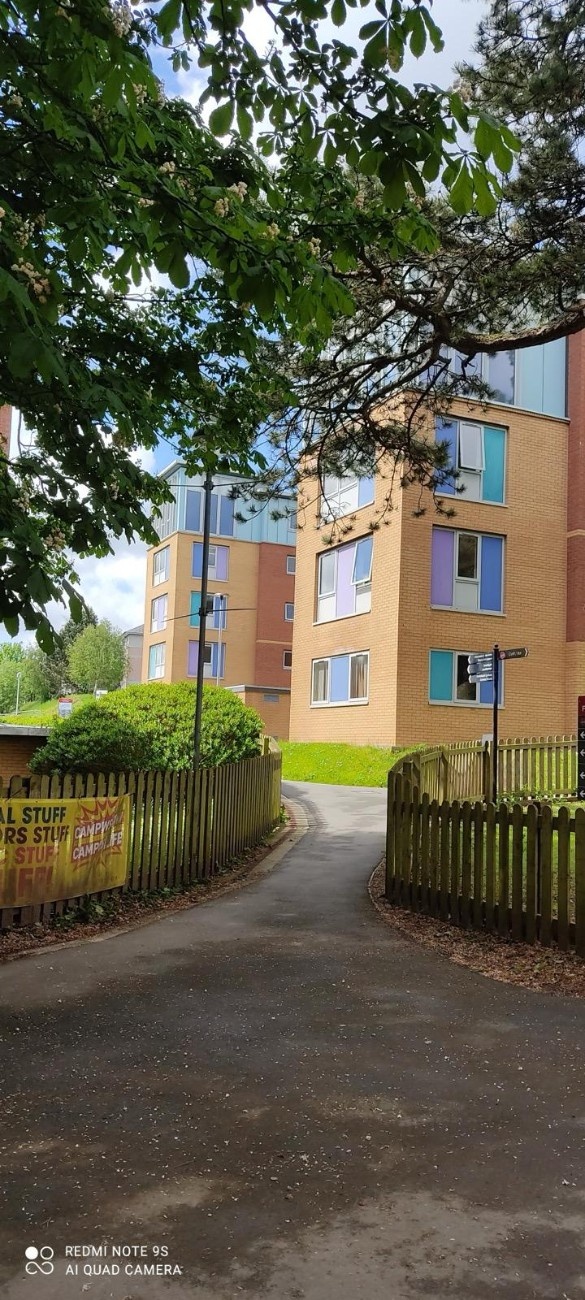
- Bangor hardly had any cons but I disliked too much walking around the university for different lectures as buildings of the university are spread all over the hilly town.
- I also did not like the huge gap in teacher-student ratio because it made it difficult to interact with the teachers personally due to large number of students.
Course Curriculum
- I personally did not find my course extraordinarily difficult. It was a mixture of both theoretical and practical aspects. The most positive aspect of my course was the very tailored research project that you work on throughout the year. The only negative aspect I would like to share is the inability to select more elective modules due to clashes in lecture timings.
- Number of lectures in a day or week are very subjective and depends on the credits of the module. The higher the credit of the module, the higher scheduled lectures during the week. However, all the lectures would be scheduled between 9 am to 5 pm with sufficient breaks.
- The average number of students was anywhere from 15 to more than 100, depending on the module.
- I am not completely sure about the number of Indian students enrolled in my course because lectures were held in batches and would sometimes be combines with students of other courses who chose the module as one of their electives.
Fees
- For the academic year 2020-21, my tuition fees were £17,500, and my accommodation was £650 per month. There was an option to pay it in installments throughout the year.
- The estimate of monthly expenditure was roughly around £800-1000, including food, commute, leisure, and rent; however, it is subjective and depends from person to person. However, Bangor is a small town and easily accessible by walking, so transportation expenses are minimal.



Do you think the Rankings are wrong ? Report Here
Key Resources for Your Study Abroad Journey


Course Guides
1 Year Masters Programs in UK for International Students
Masters in Clinical Psychology in UK: Top Universities, Fees, Job Opportunities and Scholarships
Masters in Psychology in UK: Universities, Admission Requirements and Job Outcomes
Masters in UK: Top Universities, Admission Requirements, Tuition Fees, and Scholarships
Scholarship Grants & Financial Aids
| Name | Scholarship Per Student | Level of Study | Type | |
|---|---|---|---|---|
| Bharat Petroleum Scholarship | Scholarship per studentVariable Amount | Level Of StudyMaster | TypeMerit-Based | |
| Forktip Women’s- Innovation Scholarship | Scholarship per studentVariable Amount | Level Of StudyBachelor | TypeCollege-Specific | |
| India Postgraduate Taught Master’s Scholarship | Scholarship per student$ 4,728/Yr$3,555 | Level Of StudyMaster | TypeCollege-Specific | |
| Axol Science Scholarship | Scholarship per student$ 2,660/Yr$2,000 | Level Of StudyBachelor | TypeCompany-Sponsored | |
| Leo Murray Entrepreneurship Scholarship | Scholarship per student$ 18,620/Yr$14,000 | Level Of StudyMaster | TypeCollege-Specific | |
| Business Administration Scholarships | Scholarship per studentVariable Amount | Level Of StudyBachelor | TypeMerit-Based |

interested in this College ?
Follow & Share this college to get information about admission.



Comments