




The ncert class 10 history book pdf chapter 3 The Making of a Global World is the official source text for the third chapter of the India and the Contemporary World II textbook.

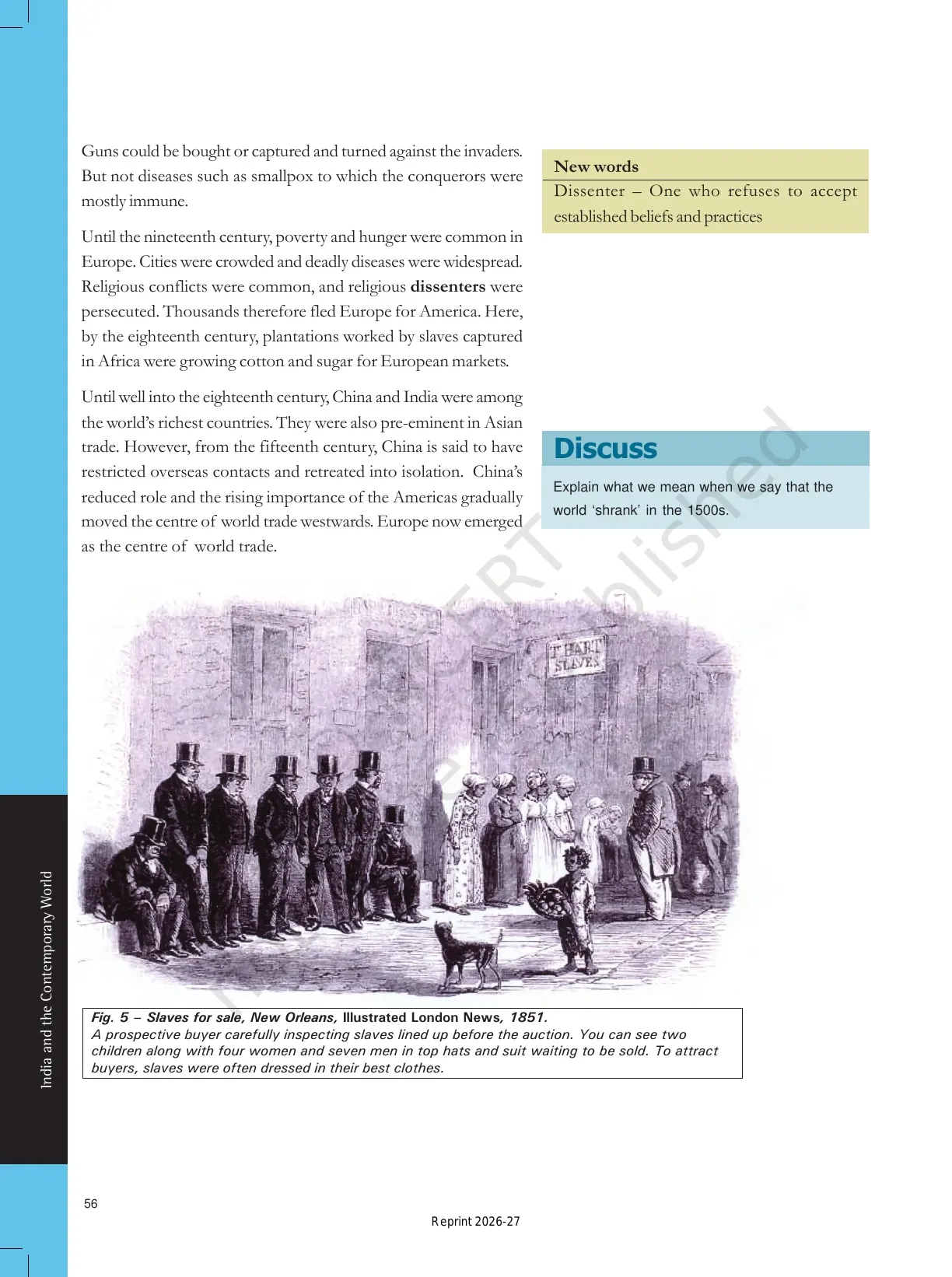
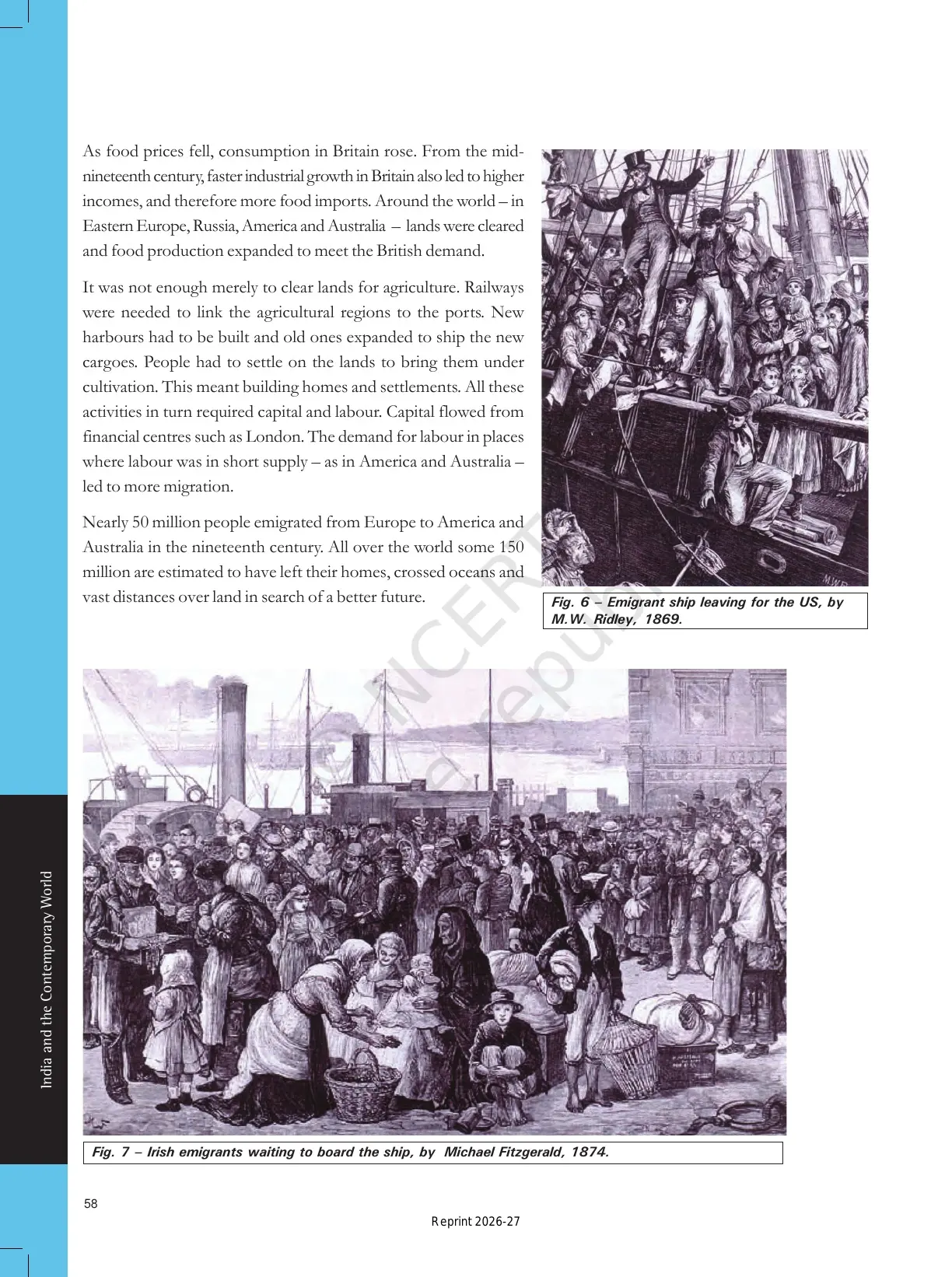
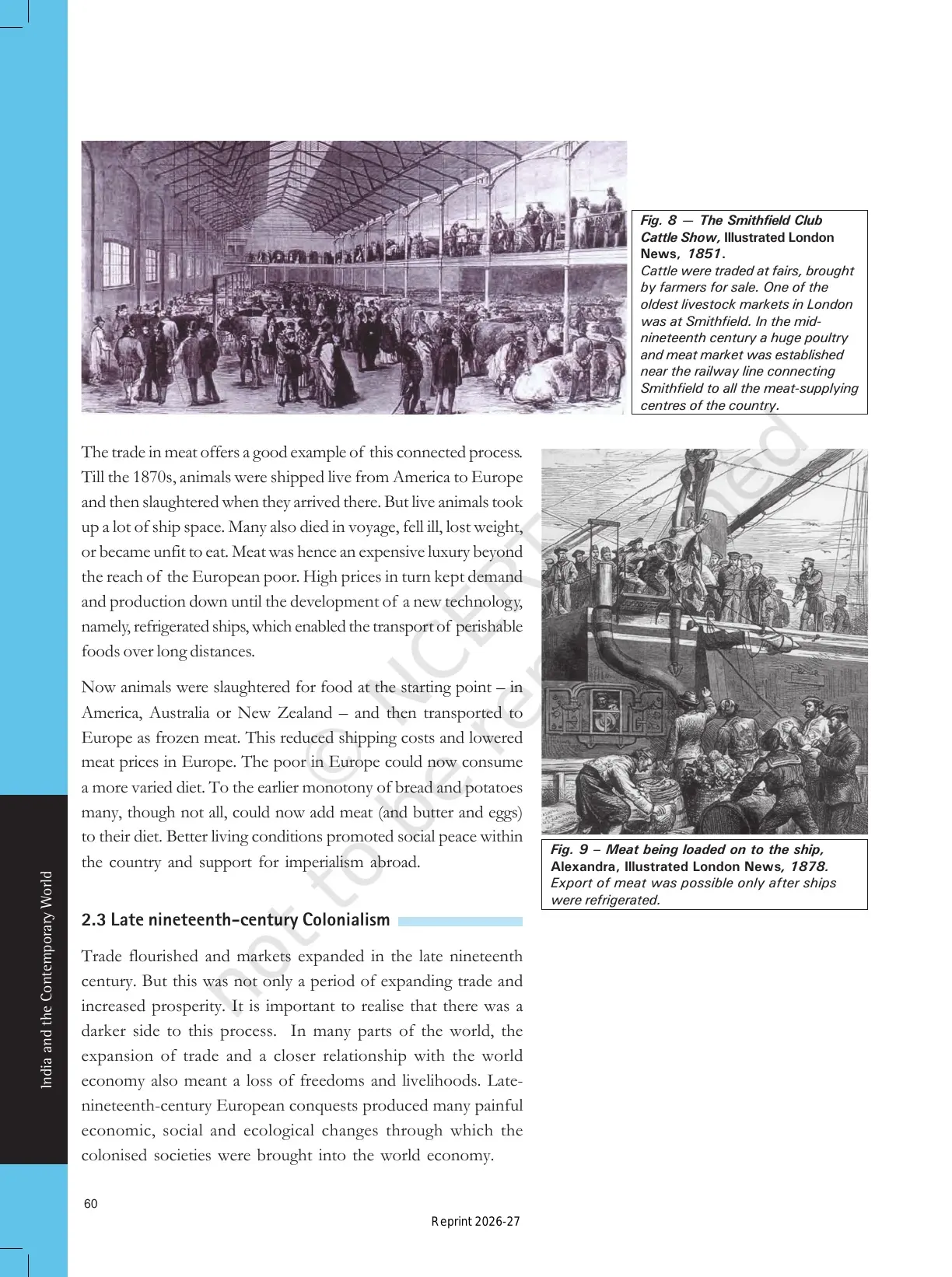
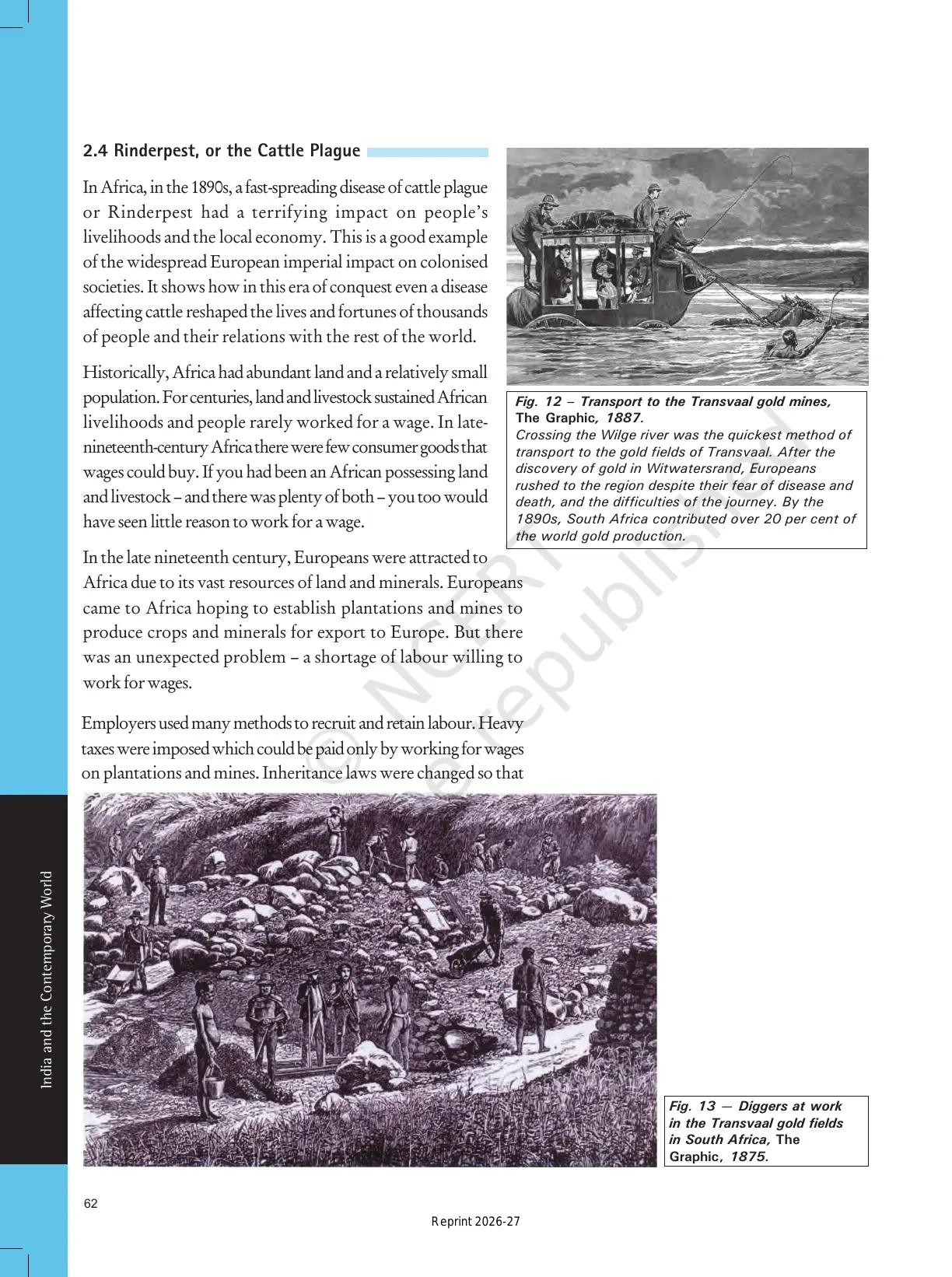
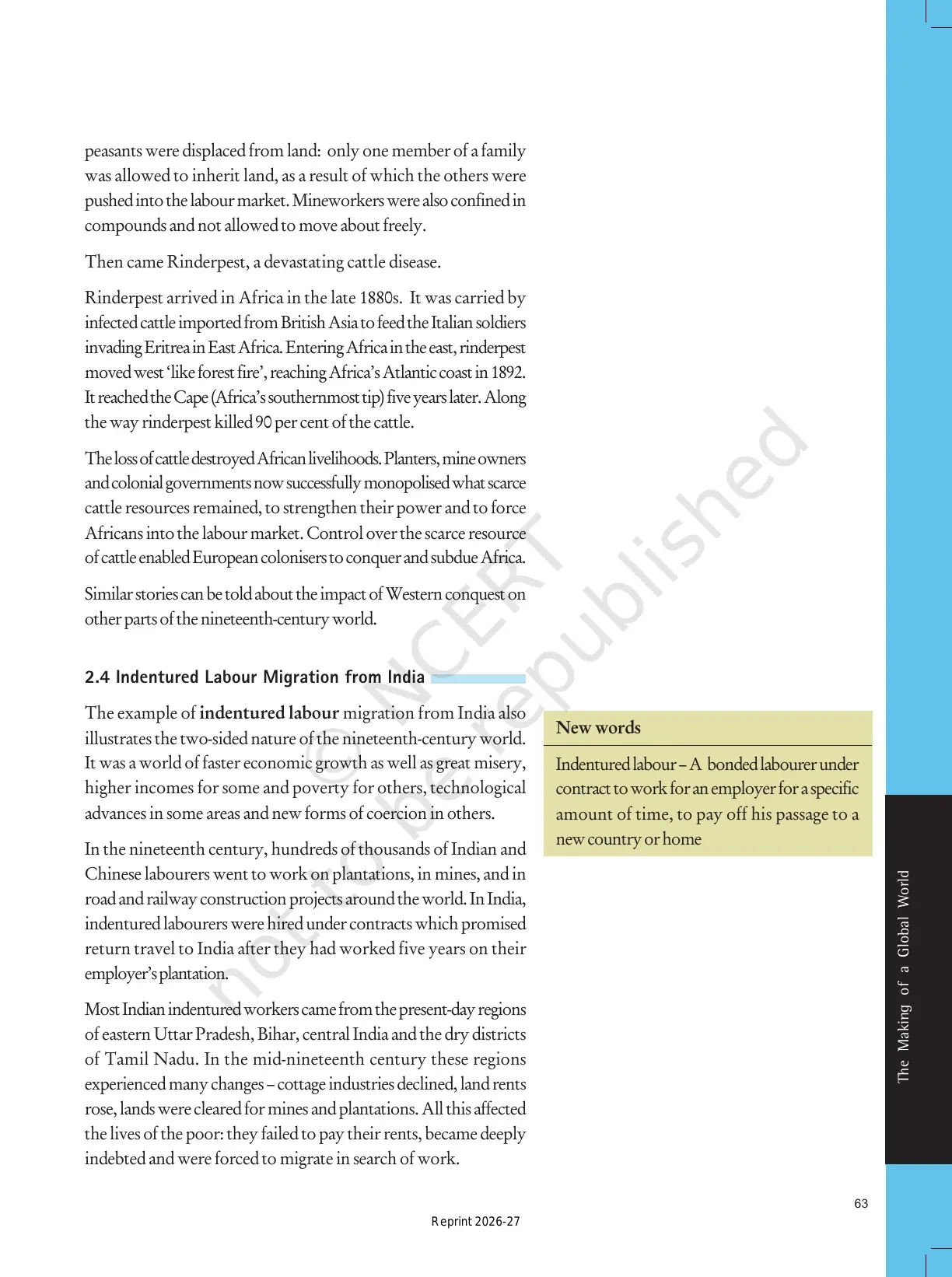
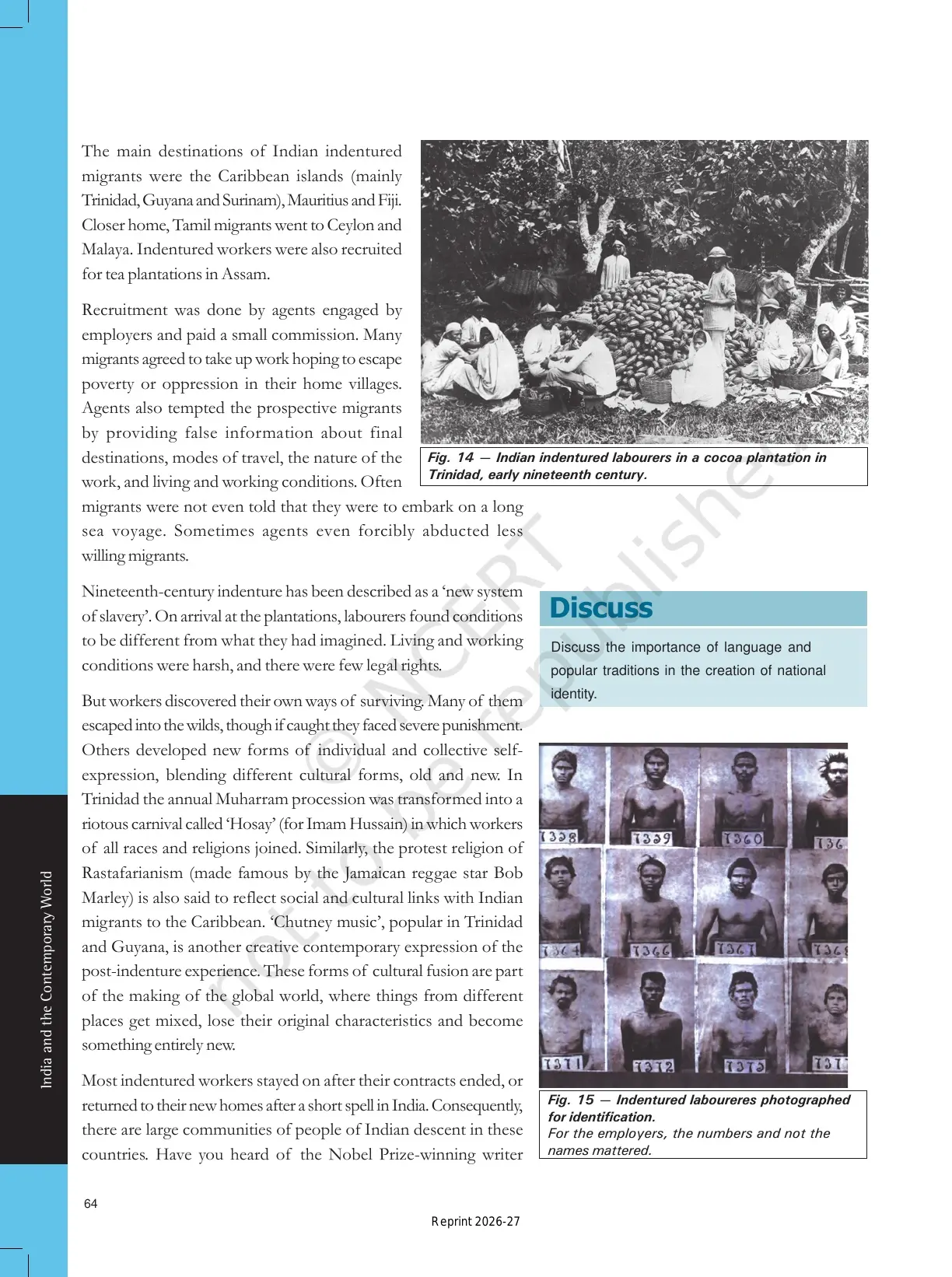
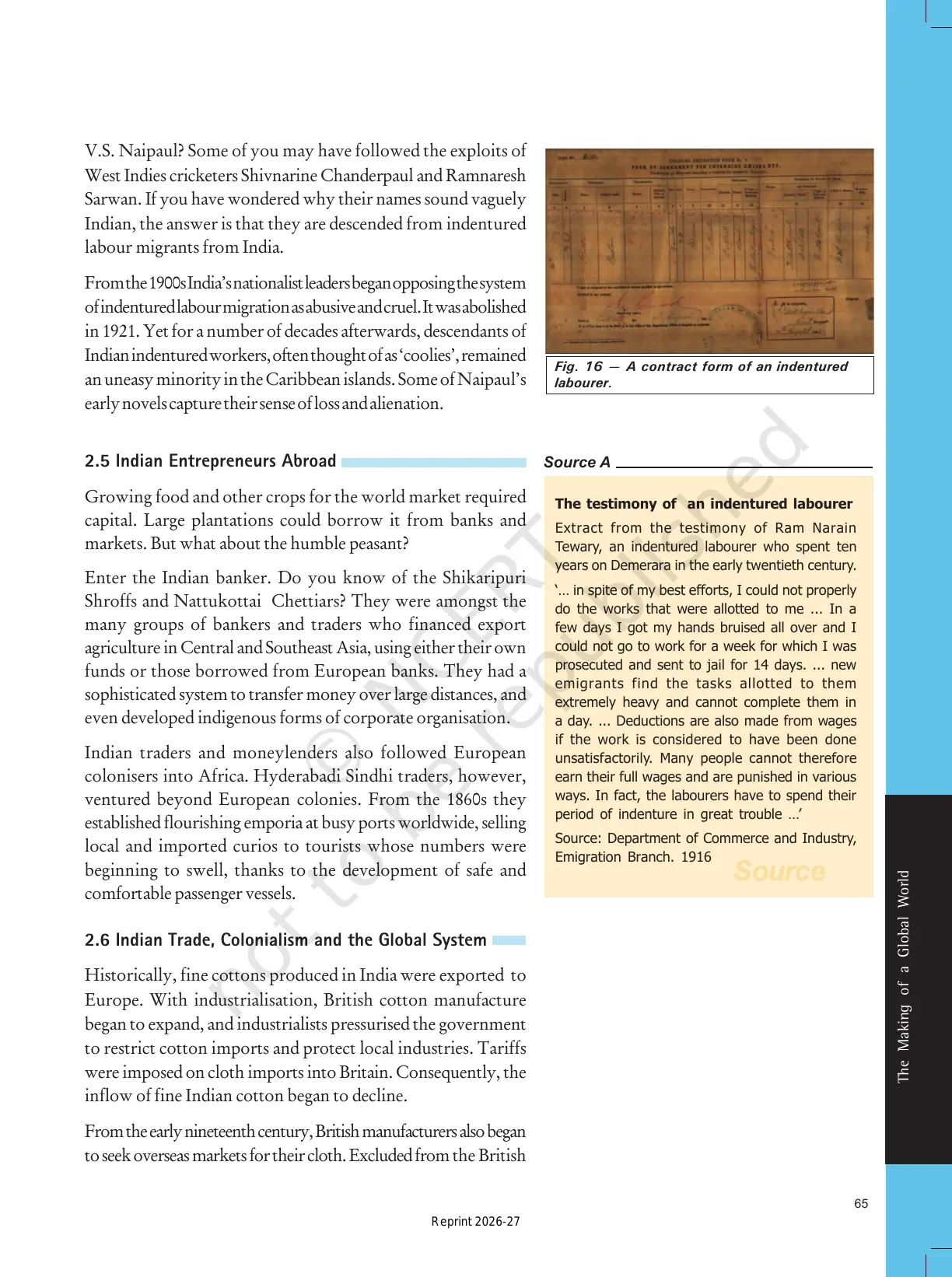
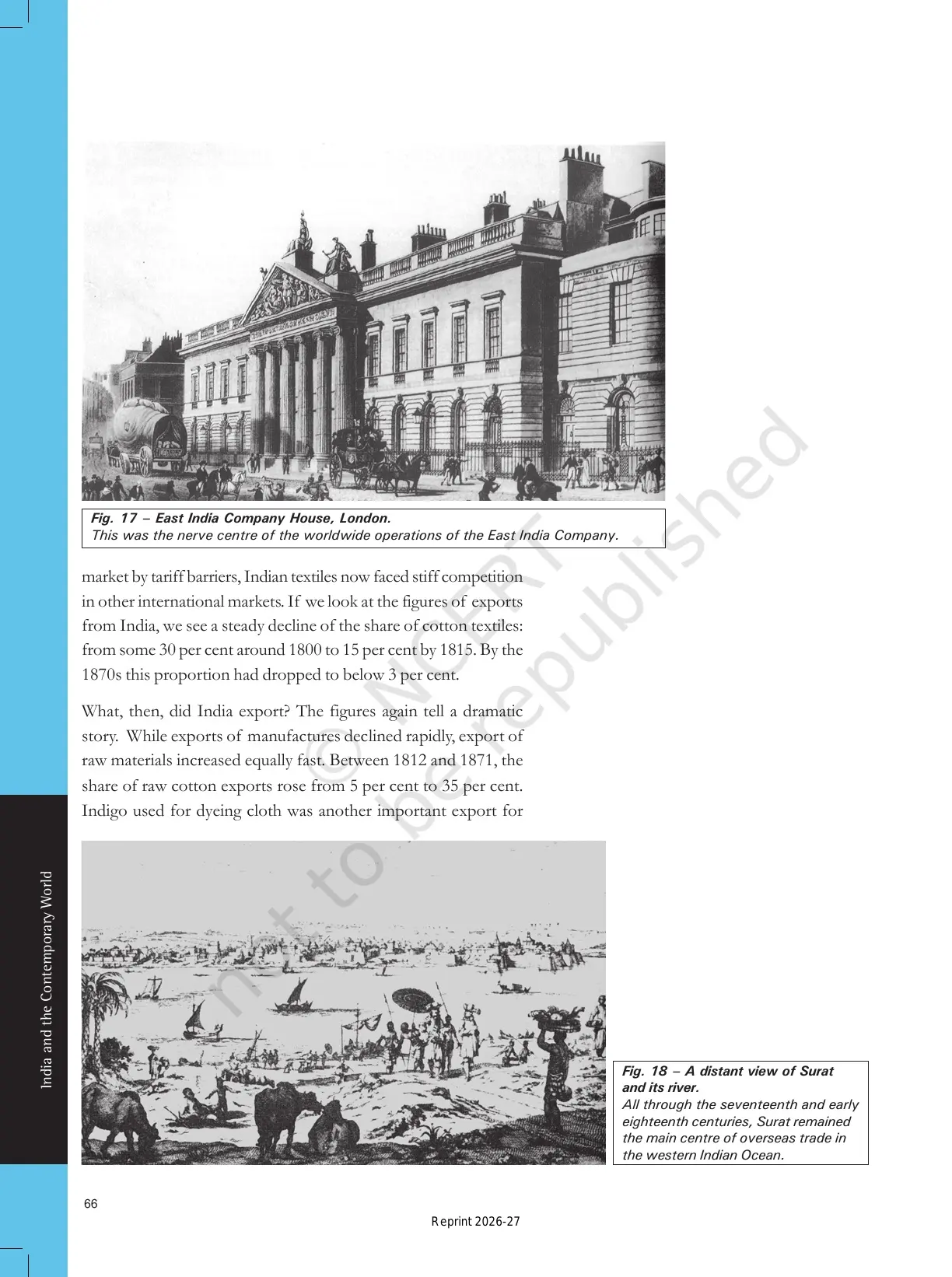
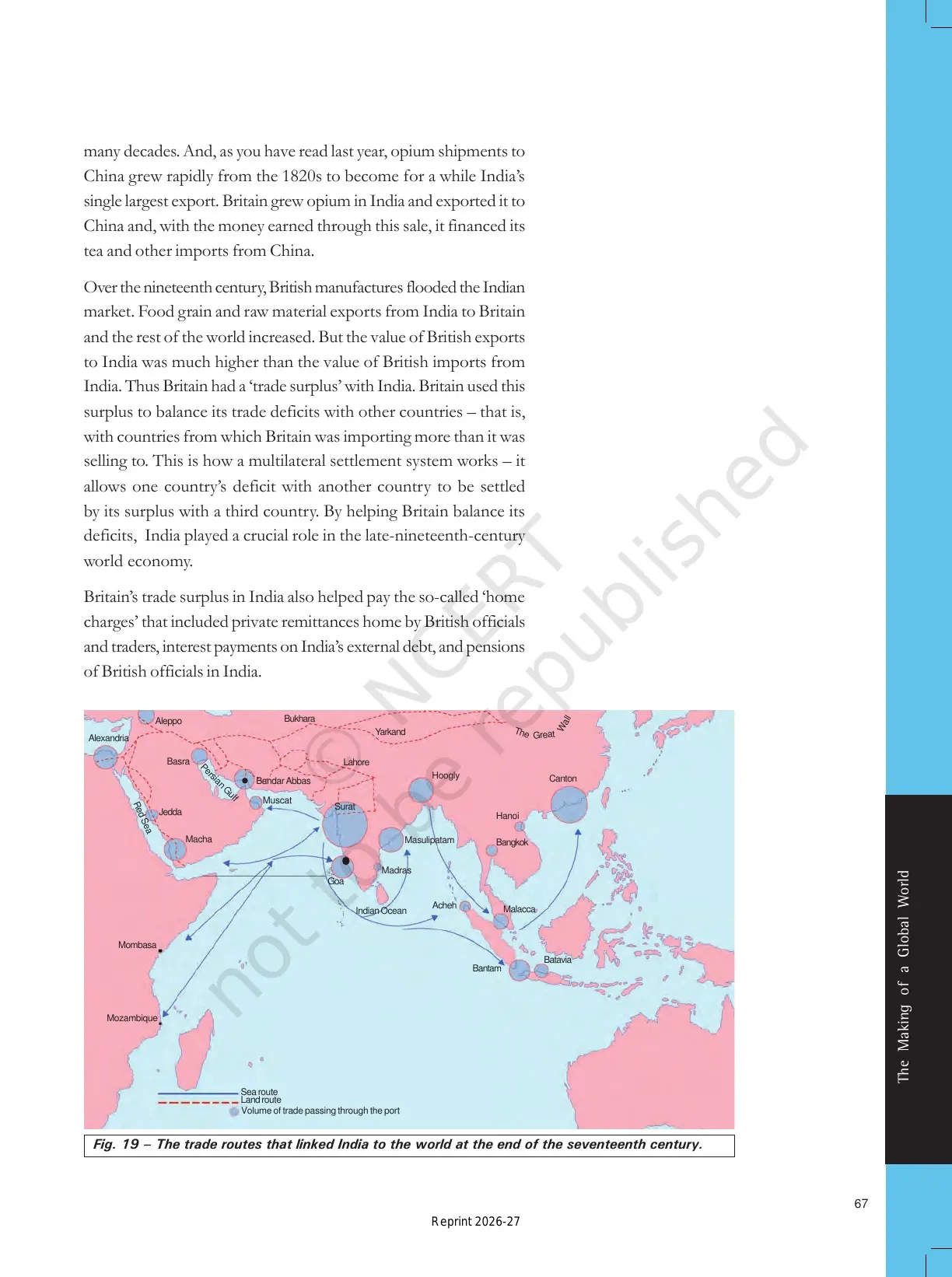
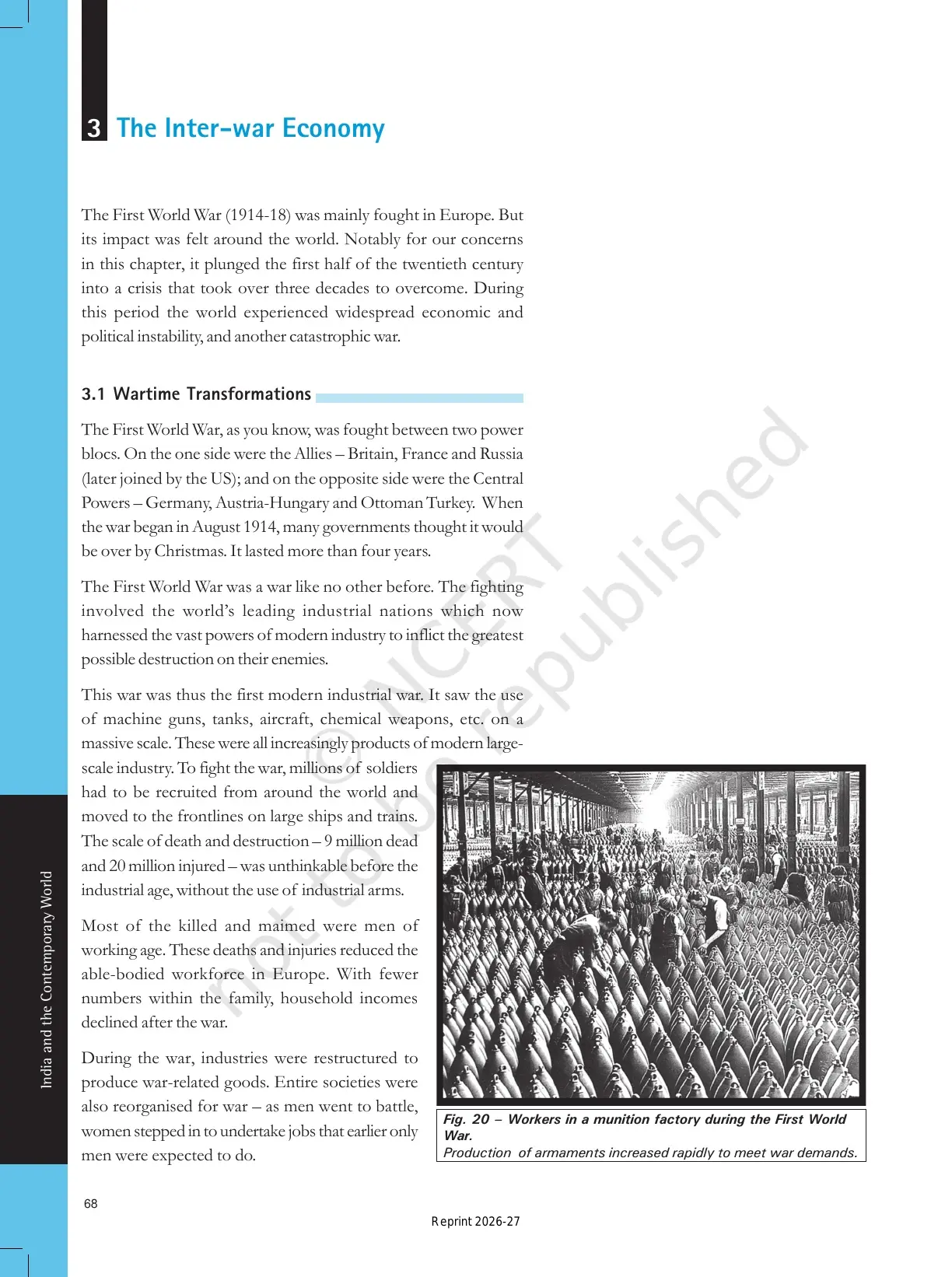
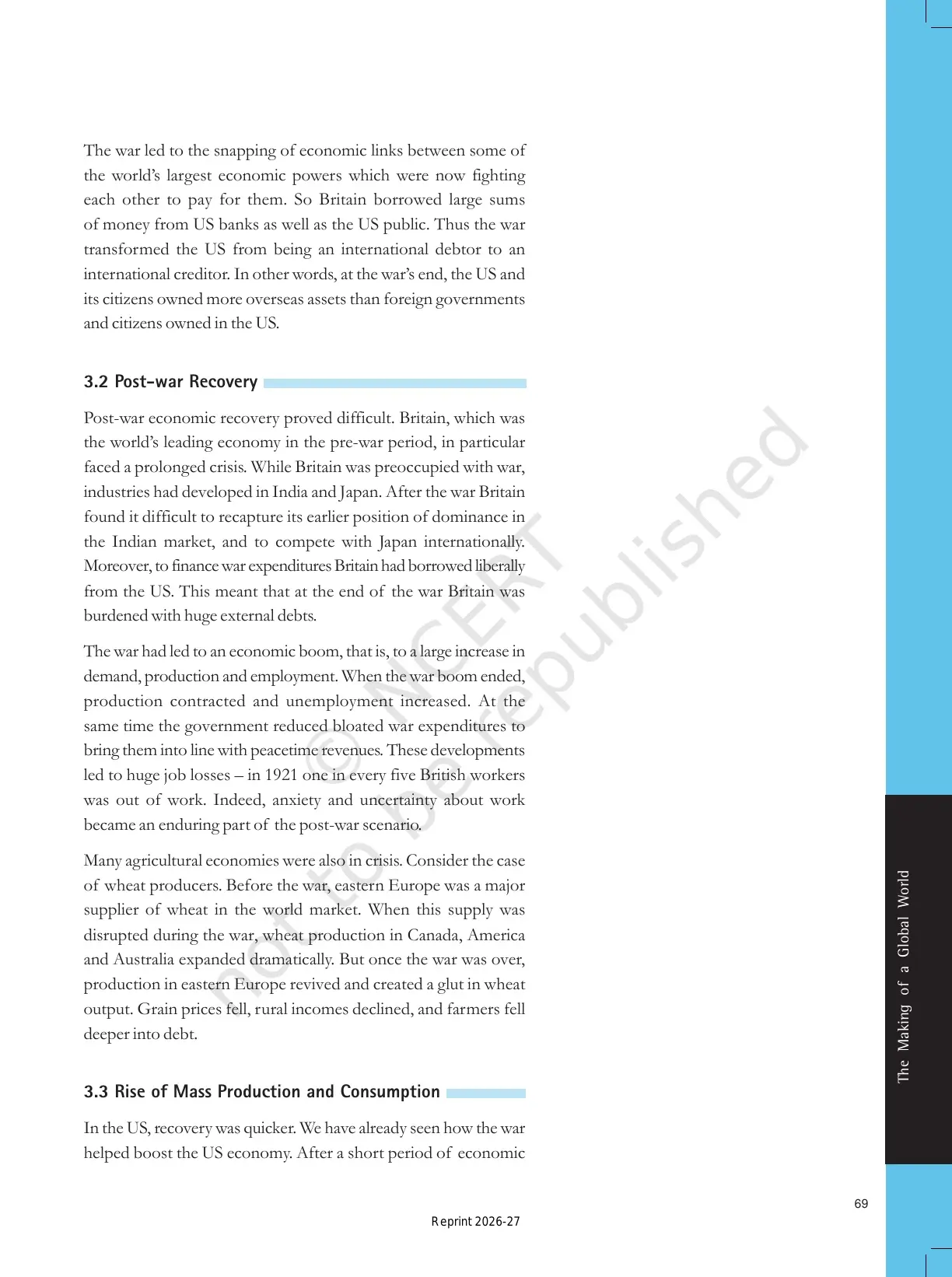
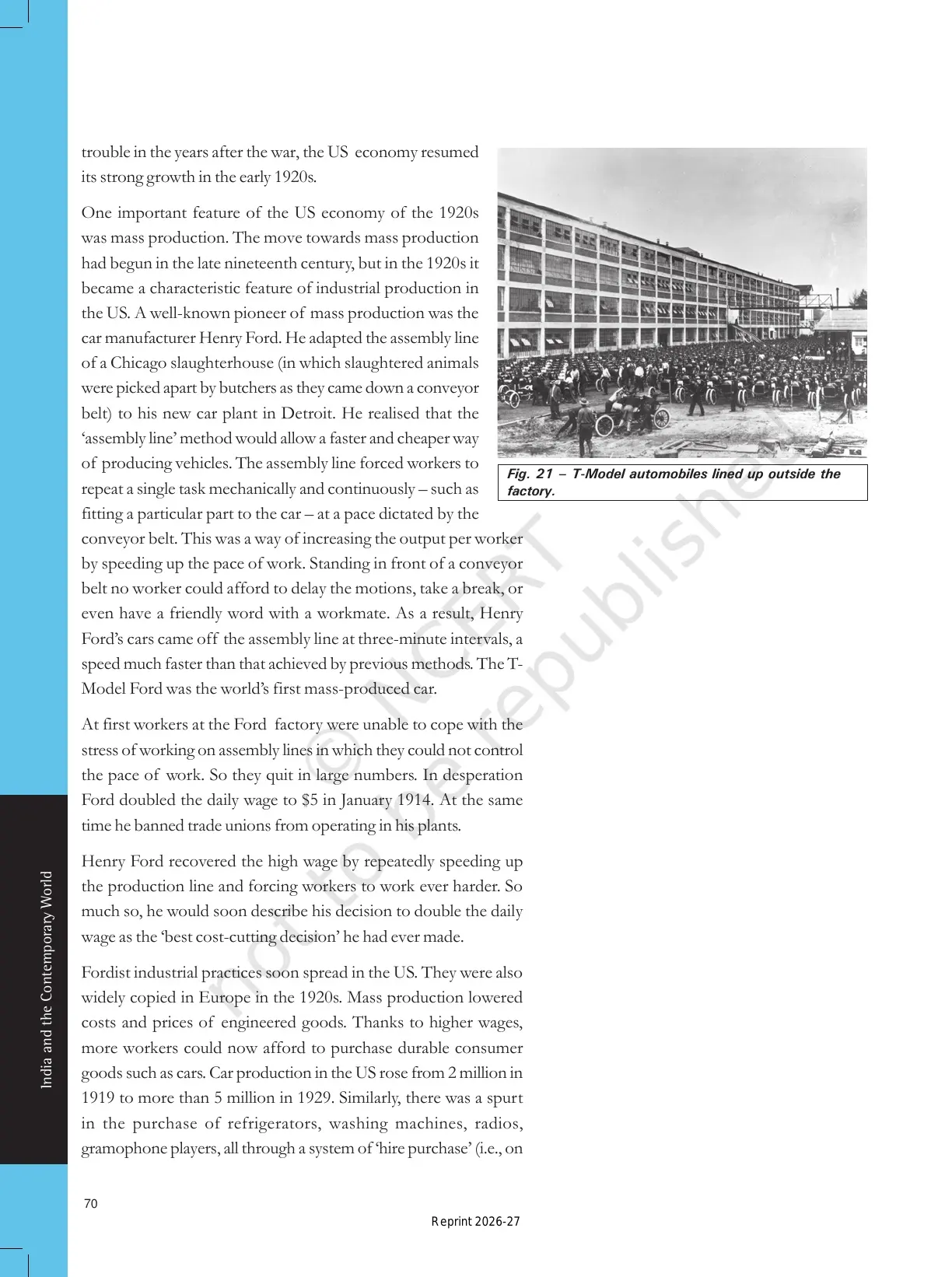
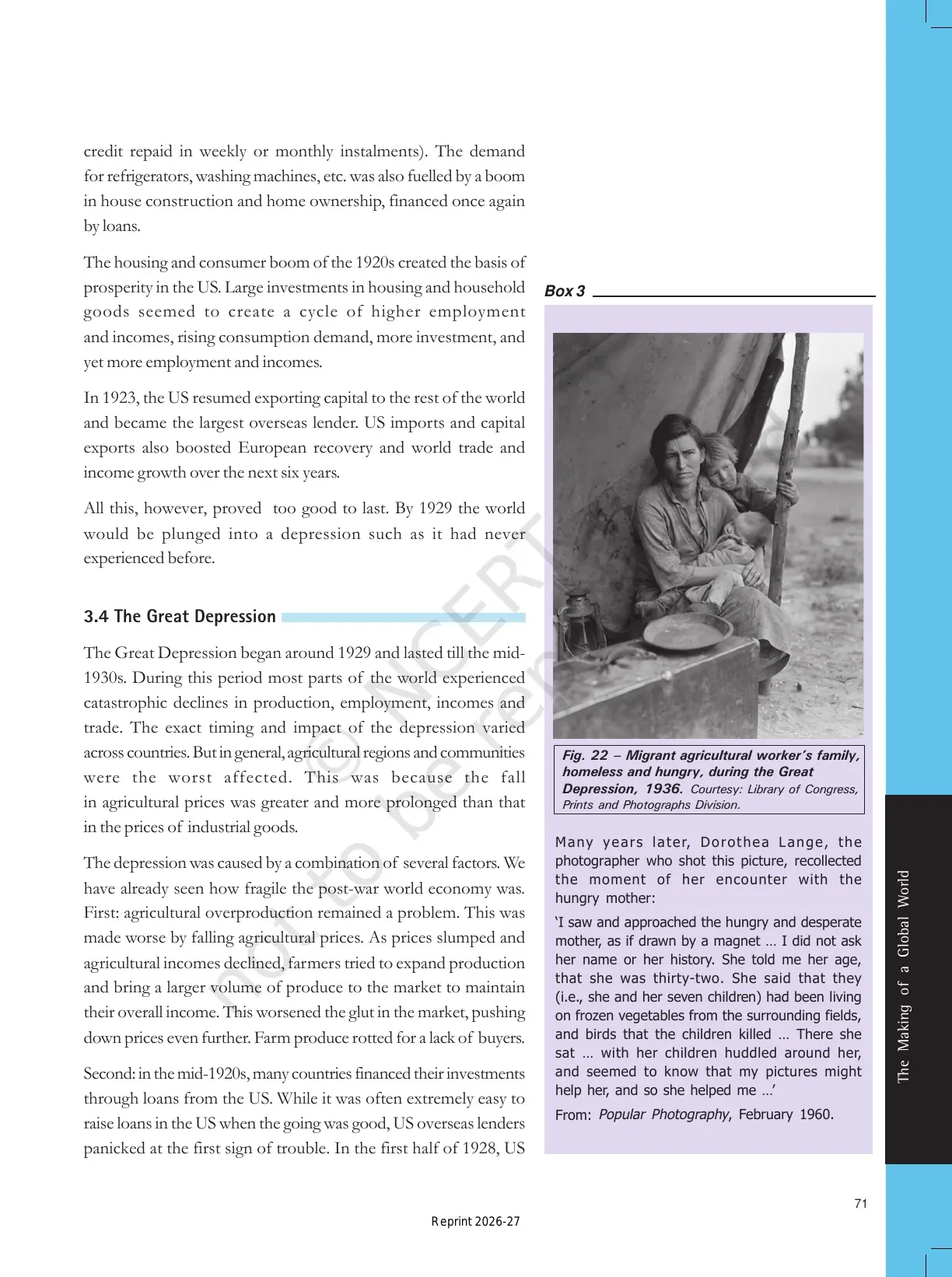
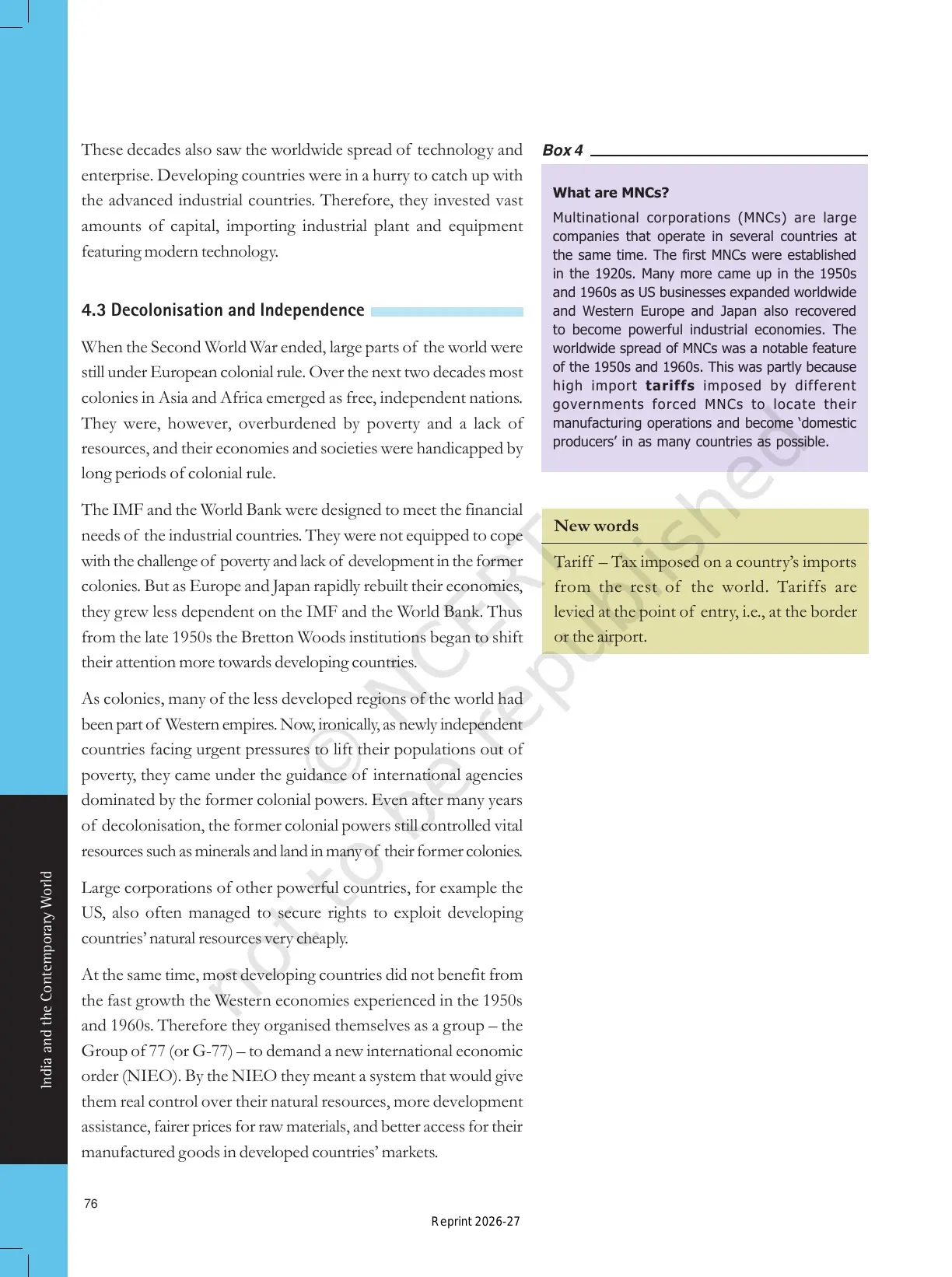
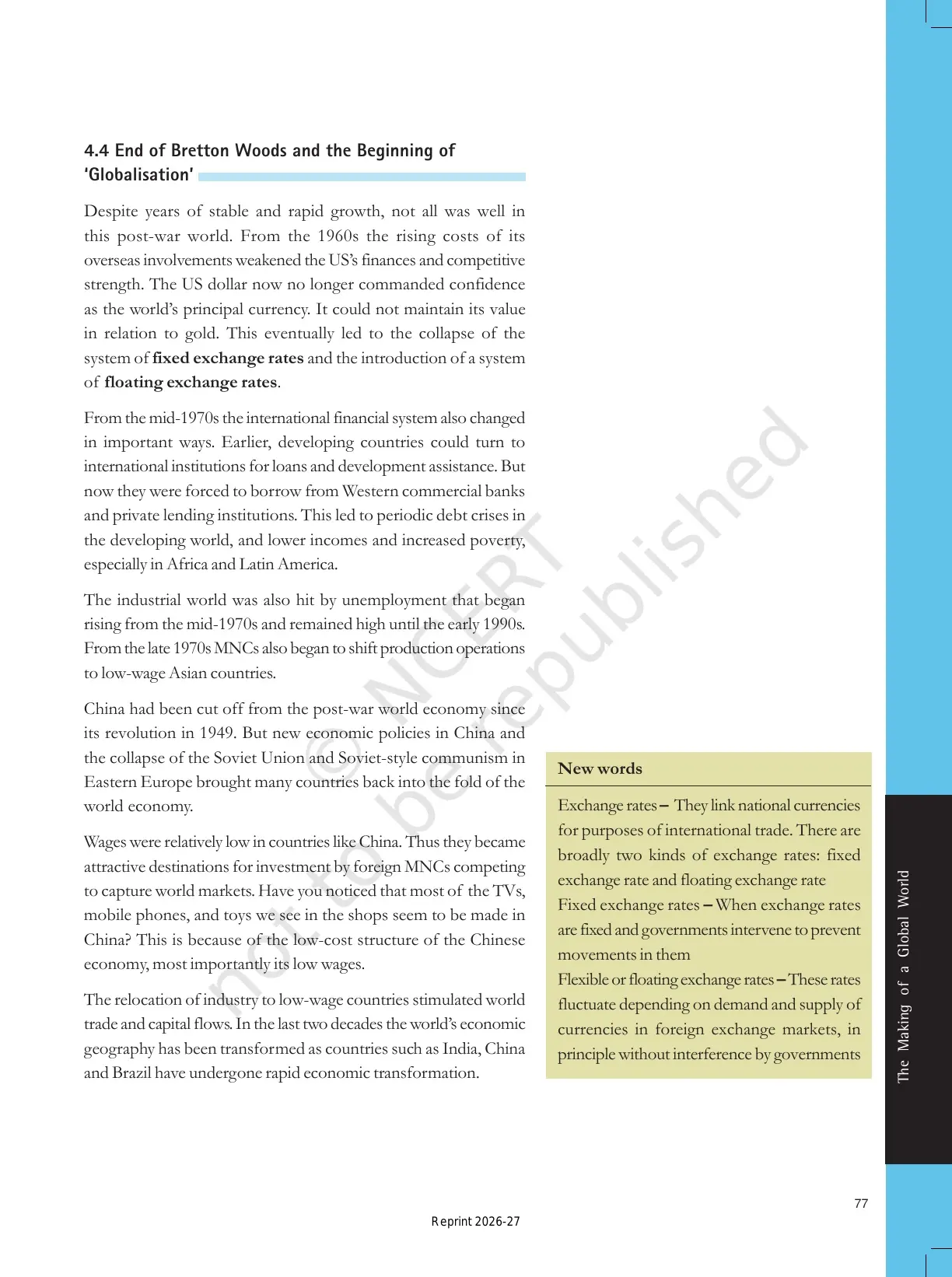
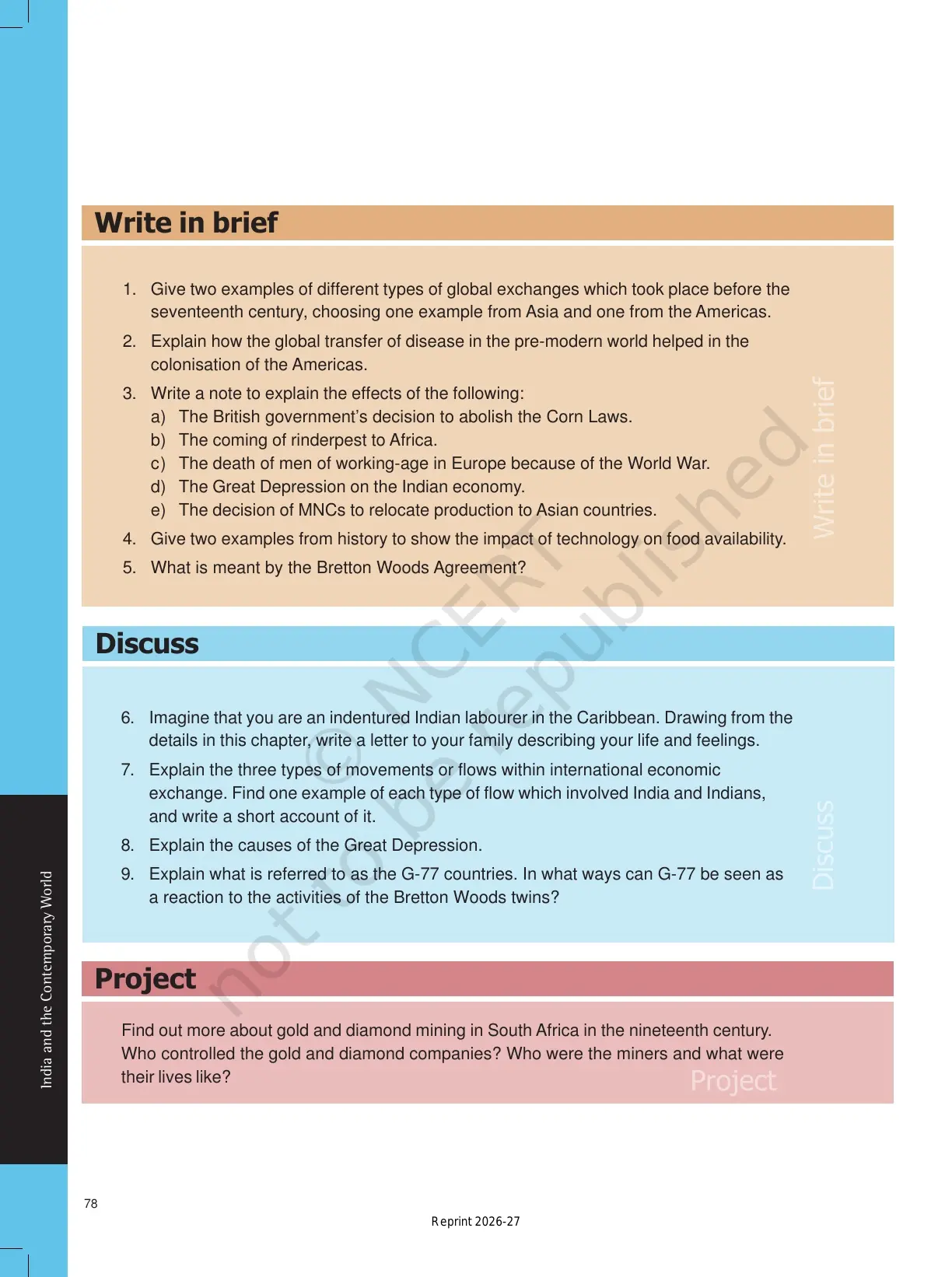
It traces how trade, migration, capital, and disease tied the world together, from the silk routes to the Great Depression and the Bretton Woods system. This chapter usually carries 5 to 6 marks in the Class 10 Social Science board paper, and every map, source extract, and figure that CBSE quotes in the question paper comes straight from this PDF.
- Official NCERT Class 10 History textbook PDF for Chapter 3, aligned to the 2026-27 CBSE syllabus.
- 5 to 6 marks board-paper weightage; the textbook is the only source CBSE references for the silk routes, the Rinderpest story, and the Bretton Woods system.
- Pair it with the matching NCERT Solutions and Handwritten Notes for full chapter revision.
Every page of the ncert class 10 history book pdf chapter 3 The Making of a Global World shared here is the official NCERT print, aligned to the 2026-27 CBSE syllabus and checked against the last five years of board papers.
Student Feedback on the NCERT Book
In a Collegedunia poll of 12,140 Class 10 students conducted before the 2026 boards, 77% said they read the official NCERT PDF before opening any guide book. Most students rated the inter-war economy and the Great Depression as the hardest part to keep in order.
Source: 2026-27 Class 10 History student poll. Sample of 12,140 students from CBSE schools across 14 states.
What the NCERT Class 10 History Chapter 3 PDF Covers
The ncert class 10 history book pdf chapter 3 The Making of a Global World shows that globalisation is not new. The chapter moves from the pre-modern silk routes, to the nineteenth-century flows of trade, labour and capital, then the First World War, the Great Depression, and finally the post-war Bretton Woods system. Reading the official PDF first keeps that long timeline correct before students open any notes or guide.
Inside the PDF, students read how cowries, food crops, and germs travelled across continents long before factories existed. The class 10 history chapter 3 the making of a global world also explains indentured labour migration from India, the Rinderpest cattle plague in Africa, and how the Great Depression reached Indian farmers.
The Making of a Global World Class 10 Video Lesson
Source: Magnet Brains on YouTube
Topics in the Chapter: Section-Wise Map of the NCERT PDF
The official PDF is organised into three numbered parts. The table below maps each part to its key idea and to the exam concept students should pull out of it. The nineteenth-century flows and the inter-war economy together drive most of the board-paper marks.
| Section | NCERT sub-topic | Dominant exam concept |
|---|---|---|
| 1 | The Pre-modern World | Silk routes, cowries, the spread of disease-carrying germs |
| 1.2 | Food Travels: Spaghetti and Potato | Columbian exchange, potato and the Irish famine |
| 1.3 | Conquest, Disease and Trade | Smallpox and the Spanish conquest of America |
| 2 | The Nineteenth Century (1815-1914) | Three flows: trade, labour, capital; the Corn Laws |
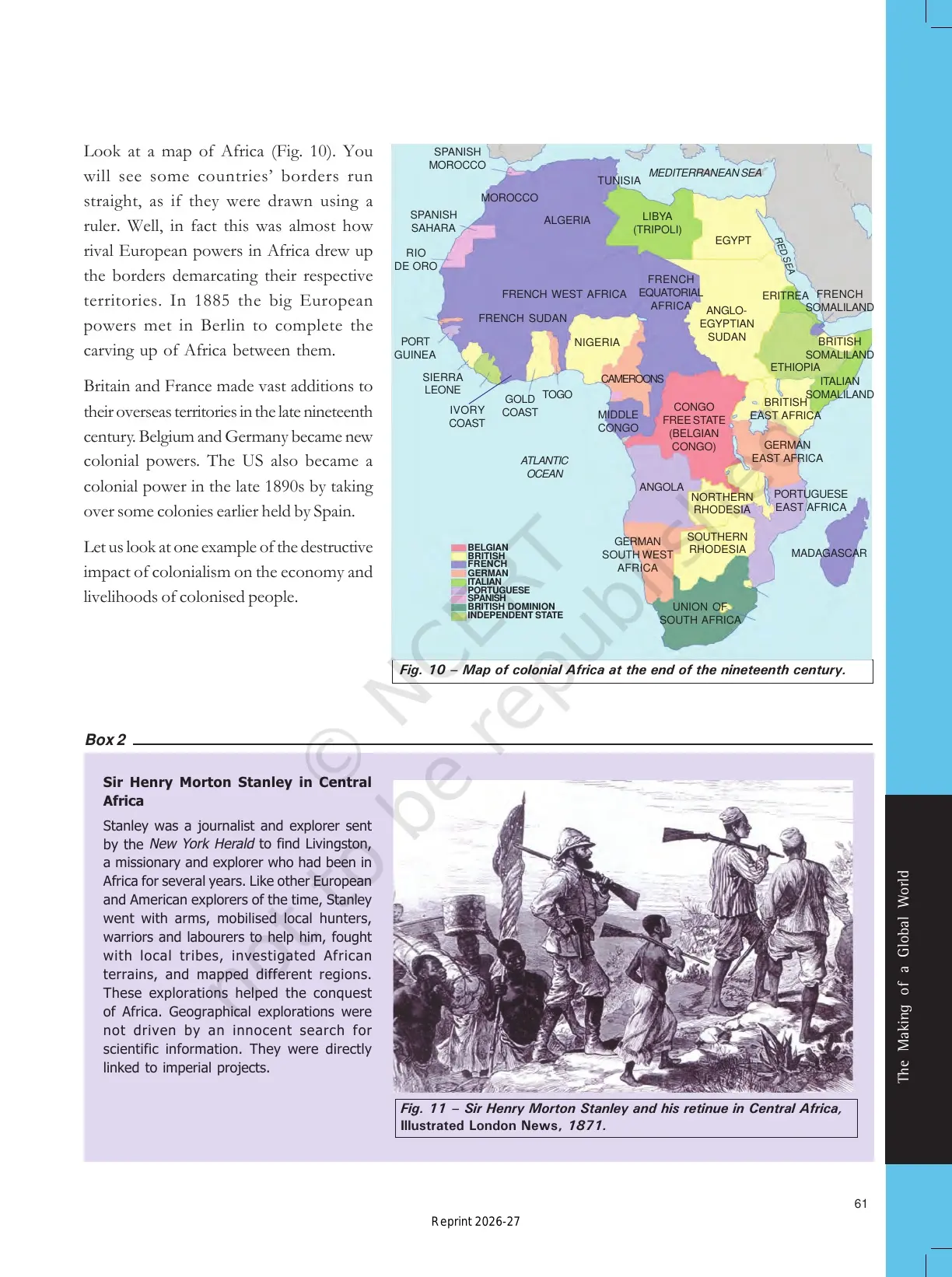
| 2.3 | Late Nineteenth-Century Colonialism | Scramble for Africa, Berlin Conference of 1885 |
| 2.4 | Rinderpest, or the Cattle Plague | Loss of livelihoods, control over the labour market |
| 2.4 | Indentured Labour Migration from India | The new system of slavery, cultural fusion in the Caribbean |
| 3 | The Inter-war Economy | First World War, mass production, the Great Depression |
| 3.5 | India and the Great Depression | Falling farm prices, gold exports, peasant debt |
The dates and terms in Sections 2 and 3 need the most attention, as they account for most long-answer questions.
Key Topics From the Class 10 History Chapter 3 Textbook
The PDF is the only place students will find the exact NCERT phrasing of the following topics. Reproducing the textbook wording and the correct year is the fastest route to full marks on dated questions.
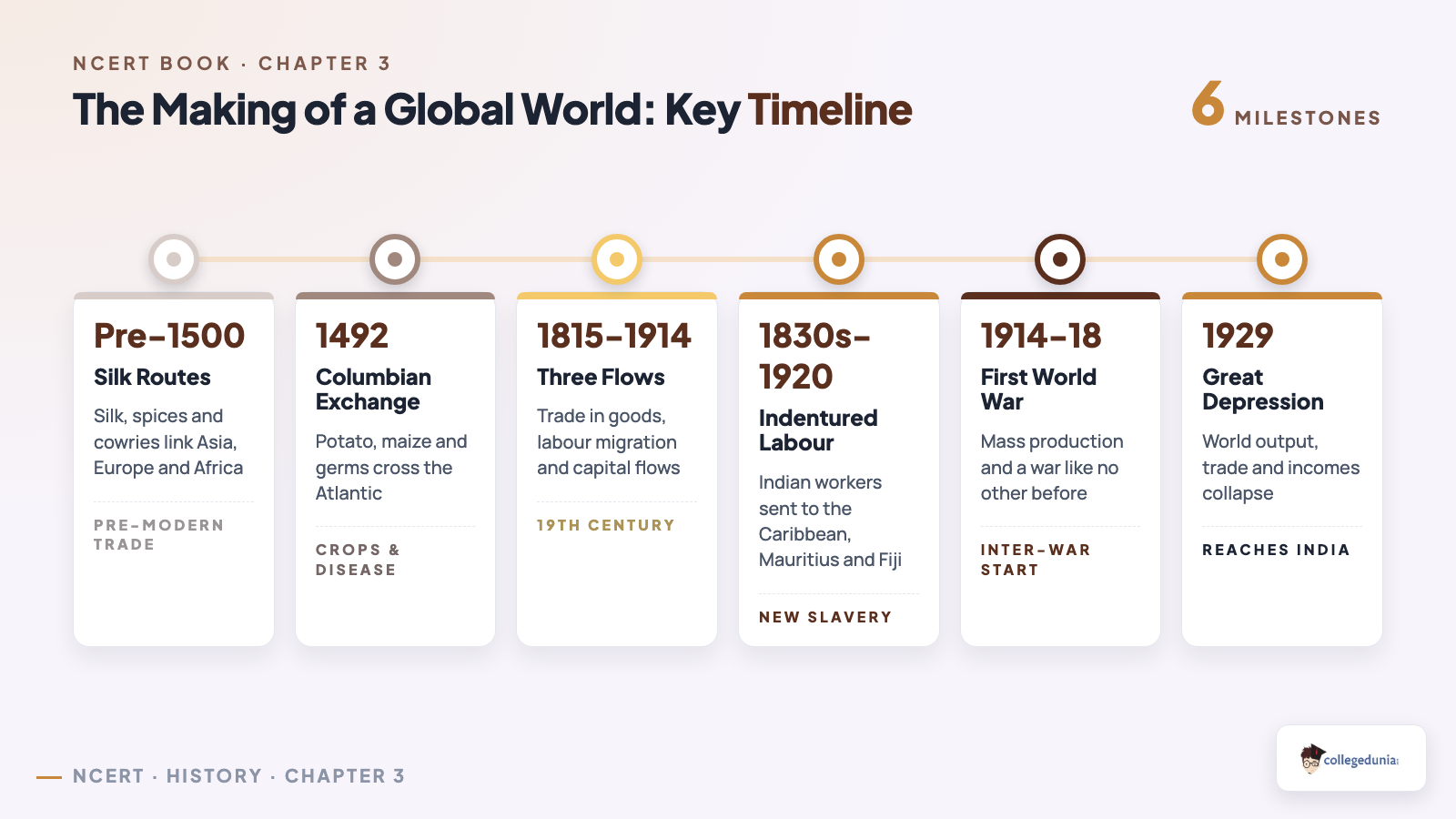
The Silk Routes and the Pre-modern World
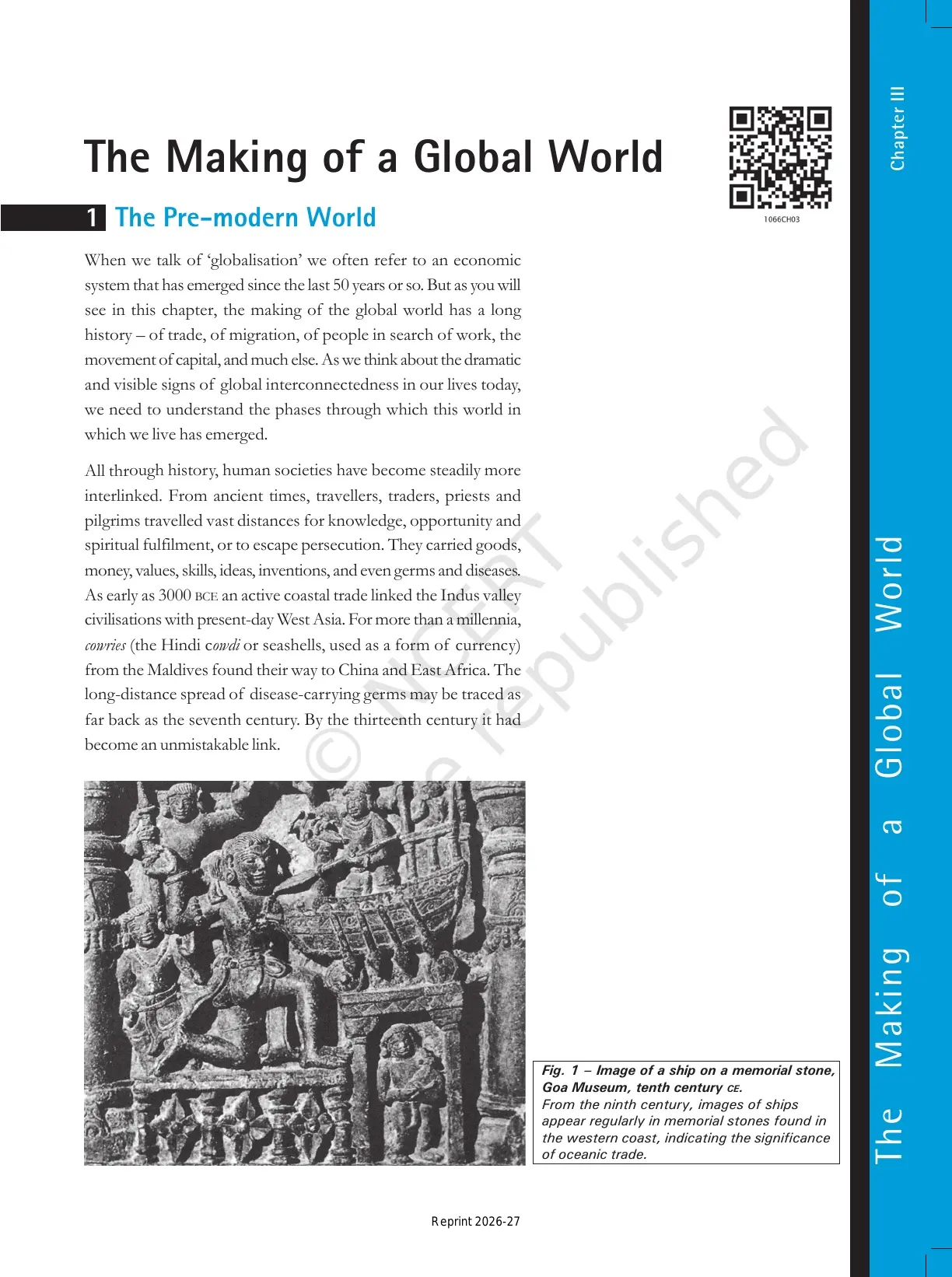
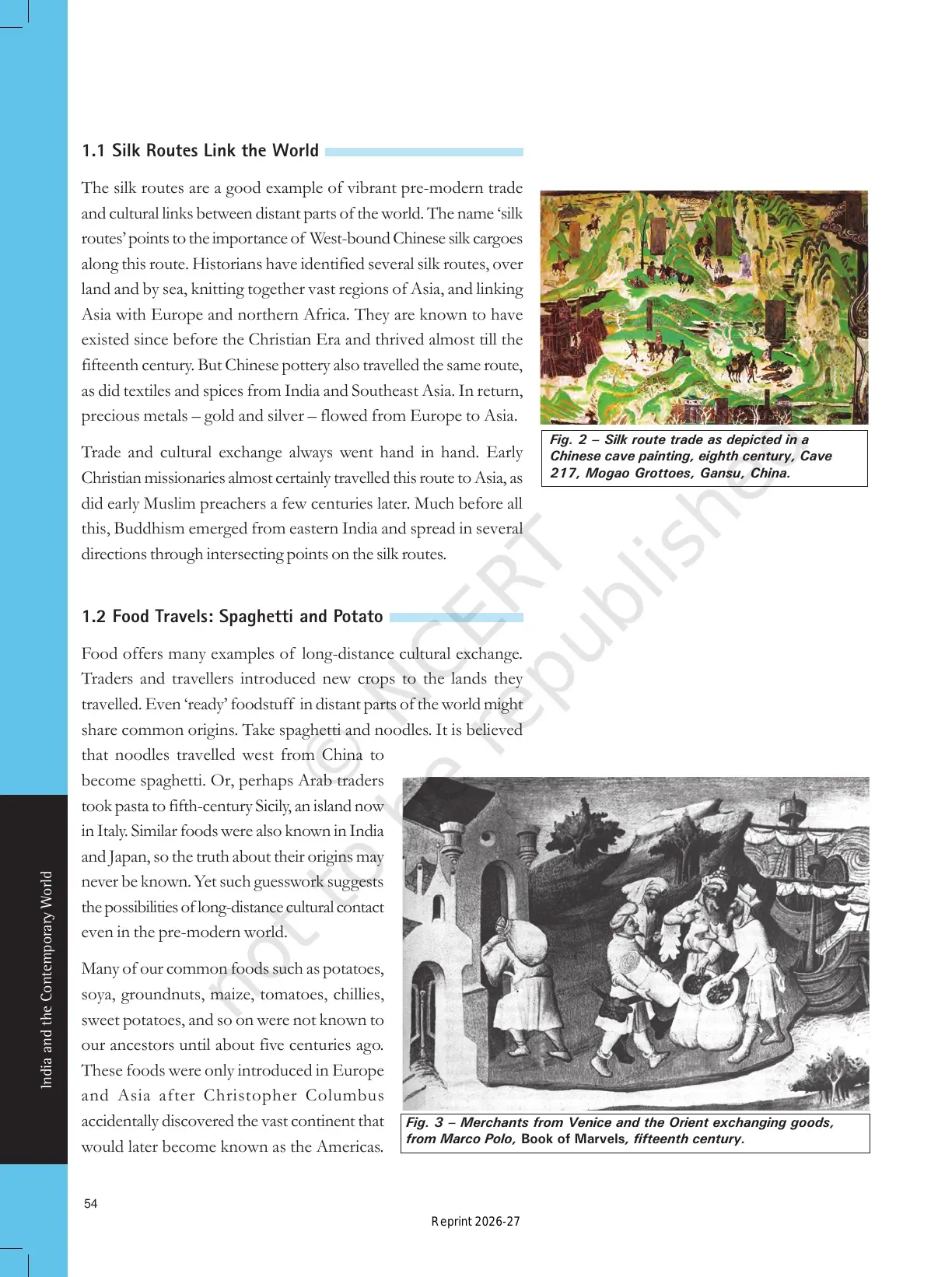
The first sign of a connected world was the network of silk routes linking Asia, Europe, and northern Africa. Chinese silk, Indian textiles and spices, and European metals all travelled these routes, and so did Buddhism, Christian missionaries, and Muslim preachers. Cowrie shells from the Maldives reached China and East Africa as currency, a one-mark fact CBSE asks often.
Food, Conquest and Disease
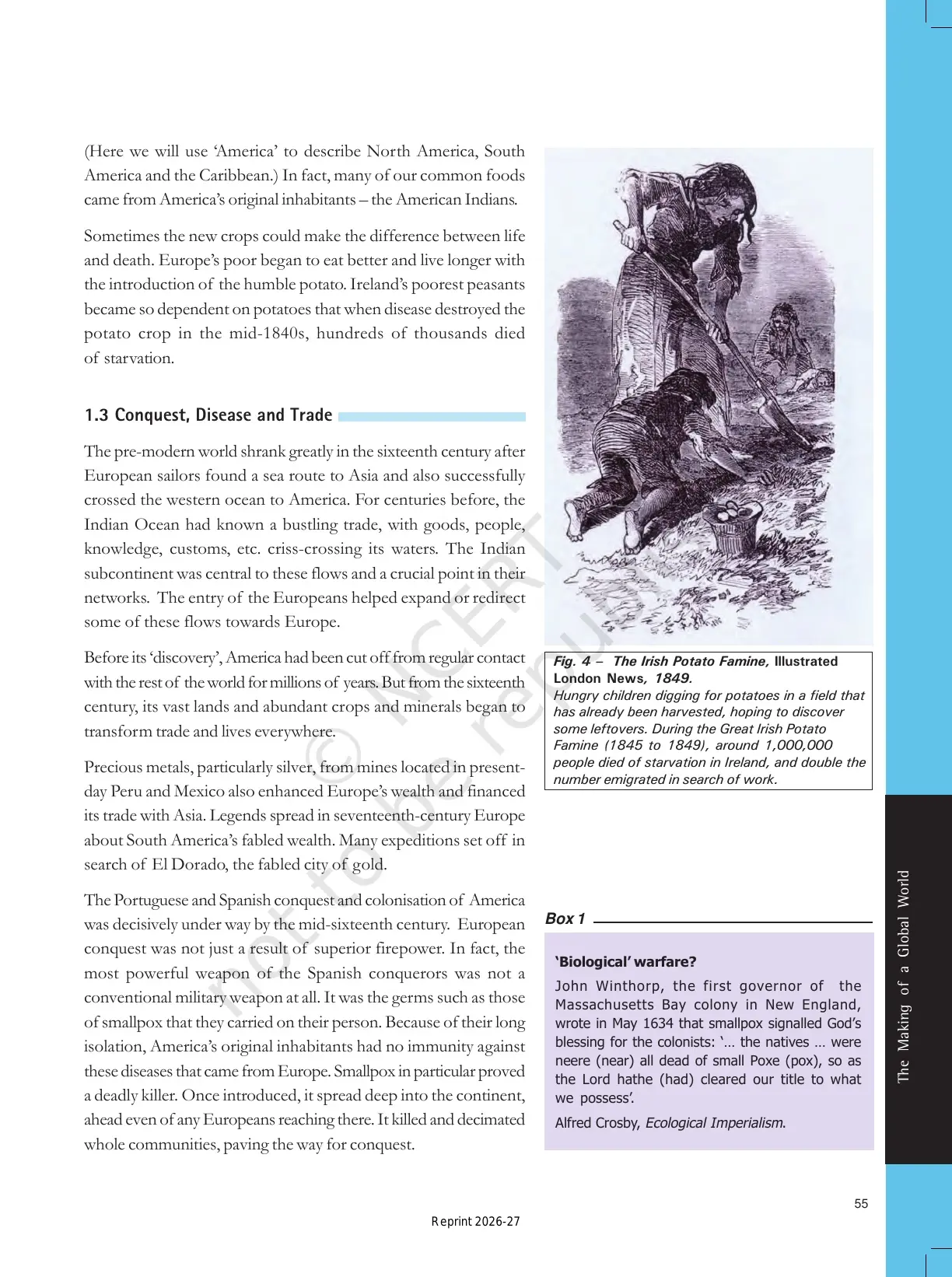
Potatoes, maize, tomatoes, and chillies came to Europe and Asia only after Columbus reached the Americas around five centuries ago. Ireland's poor became so dependent on the potato that the crop failure of the mid-1840s killed hundreds of thousands. The deadliest weapon of the Spanish conquerors was not the gun but smallpox, against which America's original people had no immunity. This is a frequent three-mark question.
The Three Flows of the Nineteenth Century
The chapter identifies three flows: trade in goods, labour, and the movement of capital. Britain's repeal of the Corn Laws led to cheaper food imports, threw farm workers out of work, and pushed nearly 50 million Europeans to migrate to America and Australia. By 1890 a global agricultural economy had taken shape, tied together by railways, refrigerated ships, and London capital.
Indentured Labour and the Inter-war Crisis
Indentured labour migration sent hundreds of thousands of Indian workers to the Caribbean, Mauritius, and Fiji under harsh contracts, often called a new system of slavery. The chapter then turns to the First World War, mass production under Henry Ford, and the Great Depression of 1929, which reached Indian farmers through falling prices and rising debt. These two stories are the most testable block in the chapter.
Concepts the NCERT chapter introduces:
- Silk routes as the first vibrant network of pre-modern trade.
- Columbian exchange of crops, germs, and people after 1492.
- Three flows of trade, labour, and capital in the nineteenth century.
- Indentured labour migration as a new system of bonded work.
- Great Depression and the Bretton Woods system that followed the war.
Why Read the NCERT PDF Directly Instead of a Guide Book
Guide books shorten the chapter into bullet timelines, but they cannot replace the official textbook. The CBSE board paper sets every source-based question from the exact extracts in the NCERT chapter, such as the testimony of the indentured labourer Ram Narain Tewary and the Alfred Crosby box. The maps of colonial Africa and the trade routes are reproduced in board-paper marking schemes, and the picture-based questions only make sense after reading the textbook captions.
Guide books also often drop the Rinderpest story and the figures on indentured labour. The Rinderpest cattle plague killed 90 per cent of Africa's cattle and is regularly examined as a five-mark source-based question.
What the Guide Books Cannot Replace
- The testimony of Ram Narain Tewary, 1916 - the source on the misery of indentured labour
- The map of colonial Africa, Fig. 10 - the base for the Scramble for Africa answer
- The Rinderpest story - the canonical example of disease reshaping a colonial economy
- The trade-routes map, Fig. 19 - needed for the India-and-the-world question
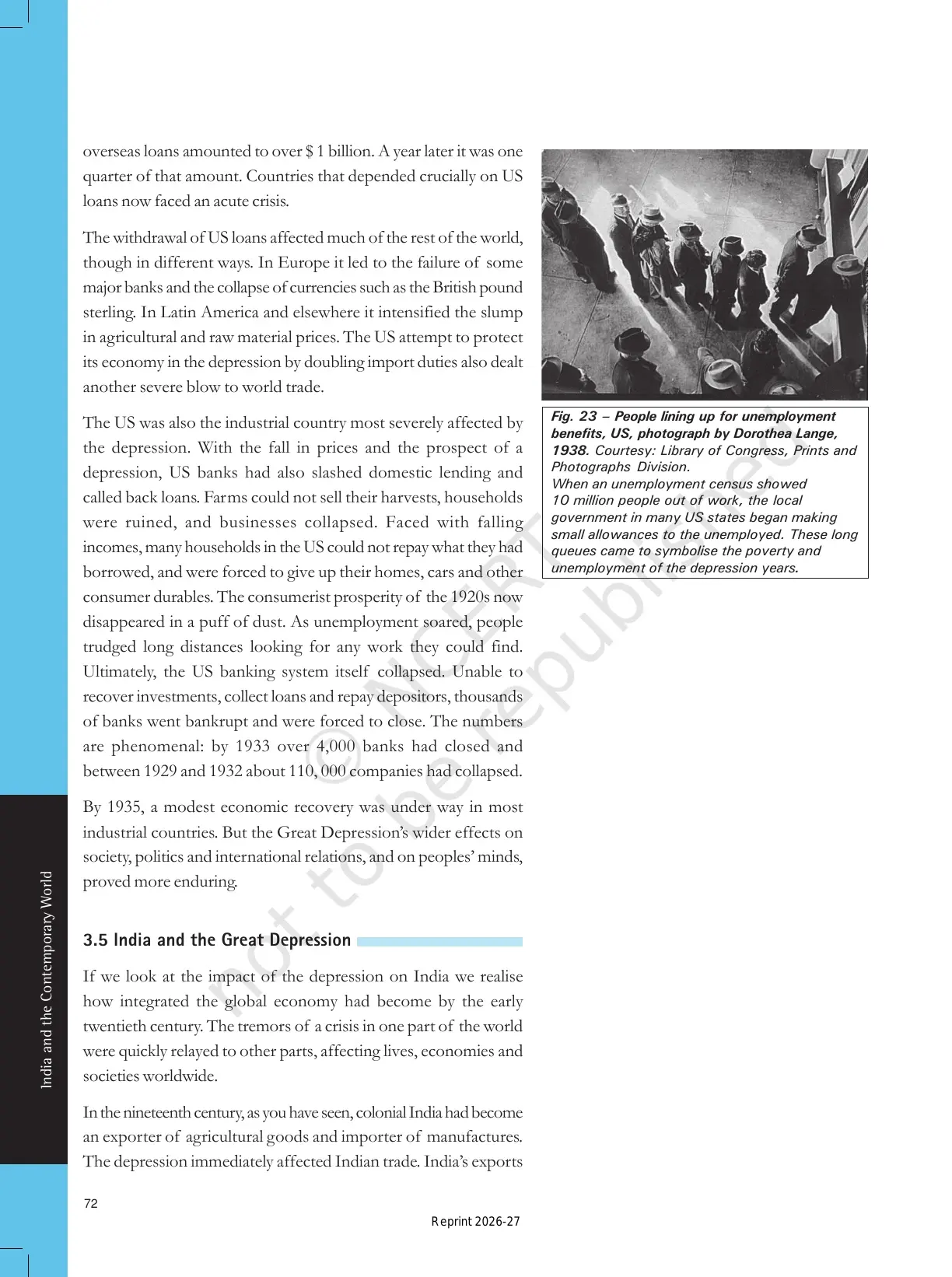
- The Great Depression images - the migrant mother and the unemployment queues
Previous Year Question Trends From This NCERT Chapter
The CBSE board paper follows a stable pattern. The chapter has averaged 5.6 marks across the last five board papers, with source-based and map questions appearing almost every year.
| Year | Total marks | Question types | Most common topic |
|---|---|---|---|
| 2025 | 6 | 1 source-based + 1 short answer + 1 MCQ | Indentured labour migration from India |
| 2024 | 5 | 1 long answer + 1 MCQ | The Great Depression and India |
| 2023 | 6 | 2 MCQs + 1 short answer | The silk routes and pre-modern trade |
| 2020 | 5 | 1 source-based (Rinderpest) + 1 short answer | Rinderpest and colonial Africa |
| 2019 | 6 | 1 long answer + 1 short answer | The three flows of the nineteenth century |
The dominant question type is a source-based question on indentured labour or a five-mark question on the Great Depression and Rinderpest, both needing the exact extracts from the official PDF.
How to Read This NCERT PDF Alongside Other Resources
The textbook PDF is the source, but students who score full marks pair it with notes and worked solutions in the order below.
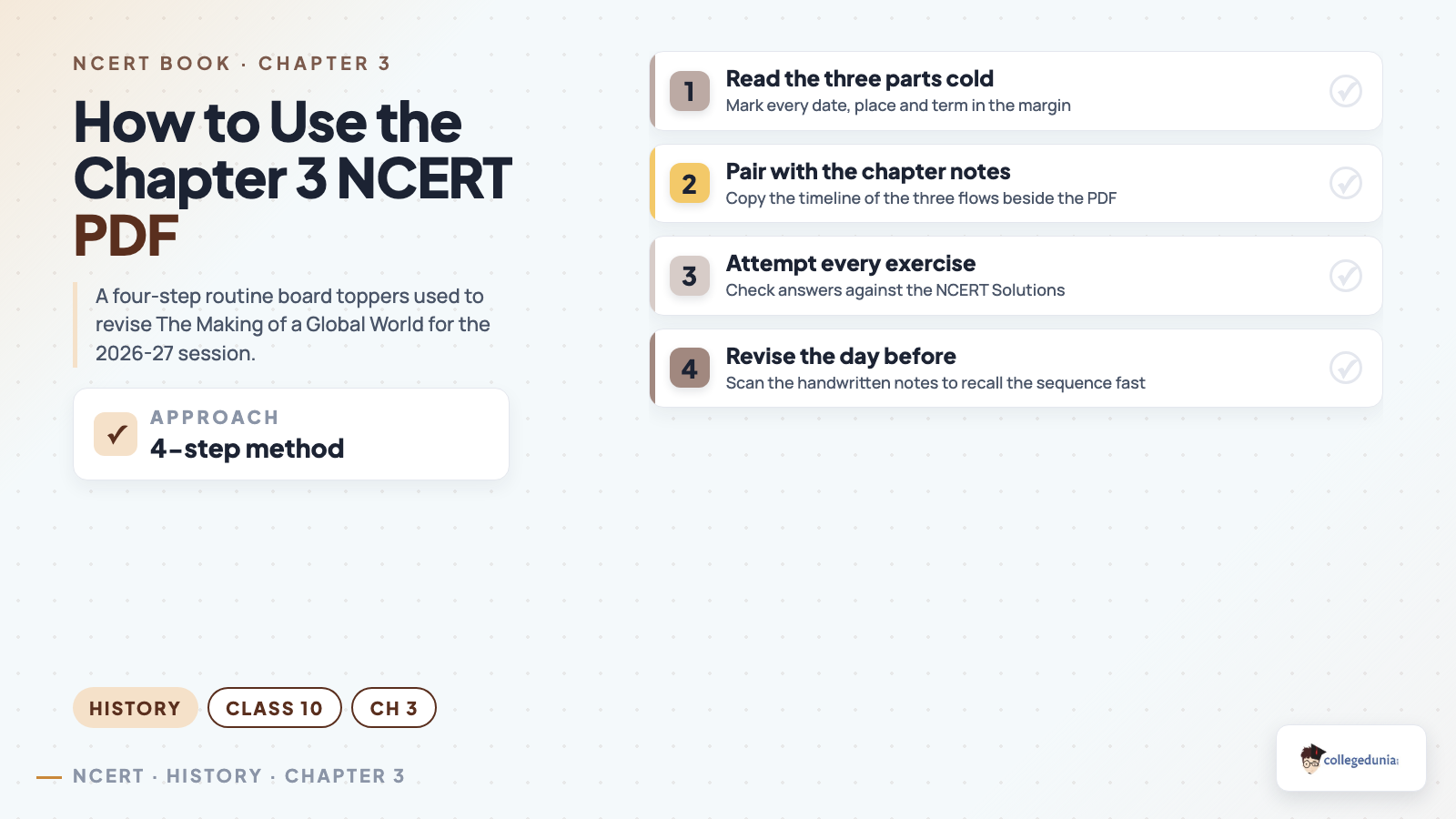
- First read (cold): Read the three numbered parts in order, marking every date, place, and term.
- With notes: Open the Class 10 History Chapter 3 Notes beside the PDF and copy the timeline of the three flows.
- Question practice: Attempt every exercise, then check it against the NCERT Solutions.
- Revision sprint: The day before the exam, scan the handwritten notes.
What Students Should Avoid While Reading This NCERT PDF
Students make four predictable mistakes. The most expensive is mixing up the three flows of trade, labour, and capital, or forgetting which flow drove migration.
- Do not confuse the three flows. Trade is goods, labour is people, capital is money.
- Do not skip the source extracts. The Ram Narain Tewary testimony and the Alfred Crosby box are direct source-based questions.
- Do not ignore the maps. The colonial Africa map and the trade-routes map appear almost every year.
- Do not learn terms without examples. CBSE pairs Rinderpest, indentured labour, and the Corn Laws with their effects.
Quick Glossary From the Class 10 History Chapter 3
Students should be able to define each term in one line for MCQs. Reproducing these definitions in textbook phrasing is the fastest route to full marks on one-mark questions.
- Silk routes: Overland and sea routes that linked Asia with Europe and northern Africa, used for silk, spices, and ideas.
- Cowries: Sea shells from the Maldives used as a form of currency in long-distance trade.
- Indentured labour: A bonded labourer under contract to work for an employer for a fixed time to pay off the cost of passage.
- Rinderpest: A fast-spreading cattle plague that killed most of Africa's cattle in the 1890s.
- Corn Laws: British laws restricting the import of corn, abolished under pressure from industrialists.
- Great Depression: The worldwide collapse in production, trade, and incomes that began around 1929.
Also Explore Other Resources for Class 10 History
| Resource | Link |
|---|---|
| NCERT Solutions | The Making of a Global World Class 10 NCERT Solutions |
| Handwritten Notes | The Making of a Global World Class 10 Handwritten Notes |
| Subject Hub | Class 10 History All Chapters |
All Chapters: Class 10 History NCERT Book PDF
| Chapter | NCERT Book PDF |
|---|---|
| Chapter 1 | The Rise of Nationalism in Europe NCERT Book PDF |
| Chapter 2 | Nationalism in India NCERT Book PDF |
| Chapter 3 | The Making of a Global World (You are here) |
| Chapter 4 | The Age of Industrialisation NCERT Book PDF |
| Chapter 5 | Print Culture and the Modern World NCERT Book PDF |
Frequently Asked Questions on Class 10 History Chapter 3 NCERT Book PDF
Ques. Where can students download the official NCERT Class 10 History Chapter 3 The Making of a Global World PDF?
Ans. Students can download the official ncert class 10 history book pdf chapter 3 The Making of a Global World directly from the download card at the top of this page. It is the single-chapter file from the India and the Contemporary World II textbook, aligned to the 2026-27 CBSE syllabus.
Ques. What is the main idea of the NCERT Class 10 History Chapter 3?
Ans. The main idea is that globalisation has a long history. The chapter shows how trade, migration, capital, and even disease linked distant parts of the world long before the modern age, from the silk routes to the Great Depression.
Ques. What were the silk routes in the Class 10 History chapter?
Ans. The silk routes were a network of overland and sea routes that linked Asia with Europe and northern Africa before the modern era. They carried Chinese silk, Indian textiles and spices, precious metals, and also ideas like Buddhism and Christianity.
Ques. What was indentured labour migration from India?
Ans. Indentured labour was a system in which Indian workers signed contracts to work abroad for a fixed time to pay off the cost of their passage. Hundreds of thousands went to the Caribbean, Mauritius, and Fiji. It was so harsh it was called a new system of slavery.
Ques. What was Rinderpest and why is it important in this chapter?
Ans. Rinderpest was a fast-spreading cattle plague that reached Africa in the 1890s and killed about 90 per cent of the cattle. The loss of cattle destroyed African livelihoods and forced people into the labour market, which helped Europeans conquer and control Africa.
Ques. How did the Great Depression affect India according to the NCERT chapter?
Ans. The Great Depression hit India because the country was already an exporter of farm goods. Farm prices crashed, peasant debt rose, and India exported gold to meet payments. The depression showed how integrated the global economy had become by the early twentieth century.
Ques. What were the three flows of the nineteenth century in this chapter?
Ans. The three flows were the flow of trade in goods, the flow of labour as migration, and the movement of capital for investment. These three flows were closely linked and reshaped economies and lives across the world.
Ques. How much weightage does Chapter 3 The Making of a Global World carry in the CBSE board paper?
Ans. Across the last five CBSE board papers, this chapter has averaged about 5.6 marks, with source-based questions, map questions, and short-answer questions appearing almost every year. Indentured labour and the Great Depression are the most frequently tested topics.
Ques. Is the Class 10 History syllabus changing for 2026-27?
Ans. No major changes. The India and the Contemporary World II chapter structure is unchanged for 2026-27, and the official NCERT PDF on this page is aligned to the 2026-27 syllabus. CBSE continues to reward textbook phrasing and accurately labelled maps.
Ques. Why should students read the NCERT PDF directly instead of a guide book for this chapter?
Ans. The CBSE board paper sets every source-based question from the exact extracts in the NCERT chapter, such as the testimony of Ram Narain Tewary and the Alfred Crosby box. Guide books drop these sources and the original maps, so students who read only a guide miss easy source and map marks.
Ques. What is the best order to use the NCERT PDF, Notes, and Solutions for Class 10 History Chapter 3?
Ans. Read the NCERT PDF cold first, then read the matching Class 10 History Chapter 3 Notes alongside the PDF, then attempt all exercises and check them against the NCERT Solutions. Use the handwritten notes for last-mile revision before the exam.



Comments