



These Social Influence and Group Processes handwritten notes turn the whole Psychology Chapter 7 into clean, handwritten pages for fast last-minute revision. They follow the 2026-27 CBSE syllabus and the official NCERT chapter. Students get the key terms, the types of groups, Tuckman's five stages and the group-influence section in a pen-on-paper format that is easy to skim before a test.
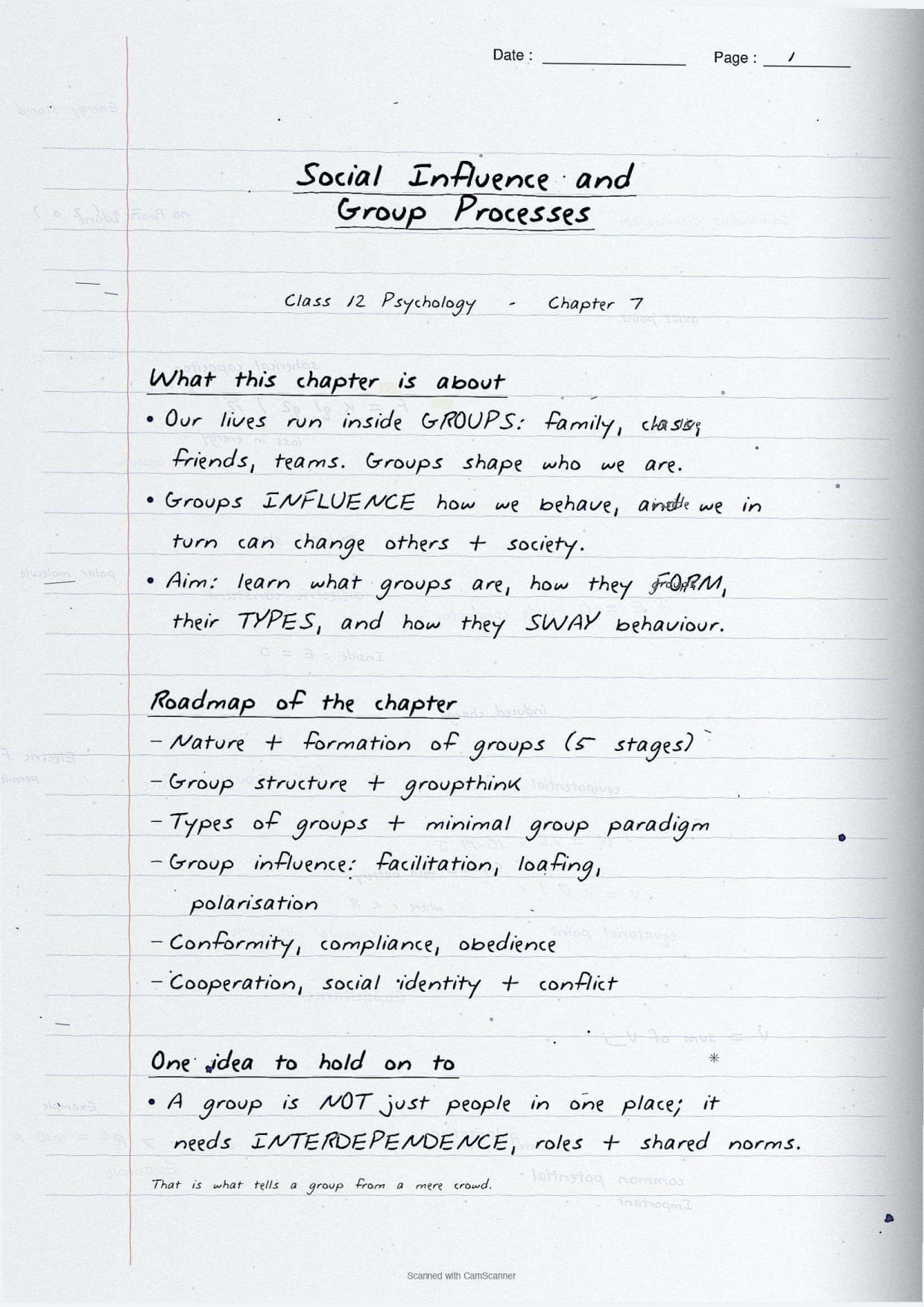
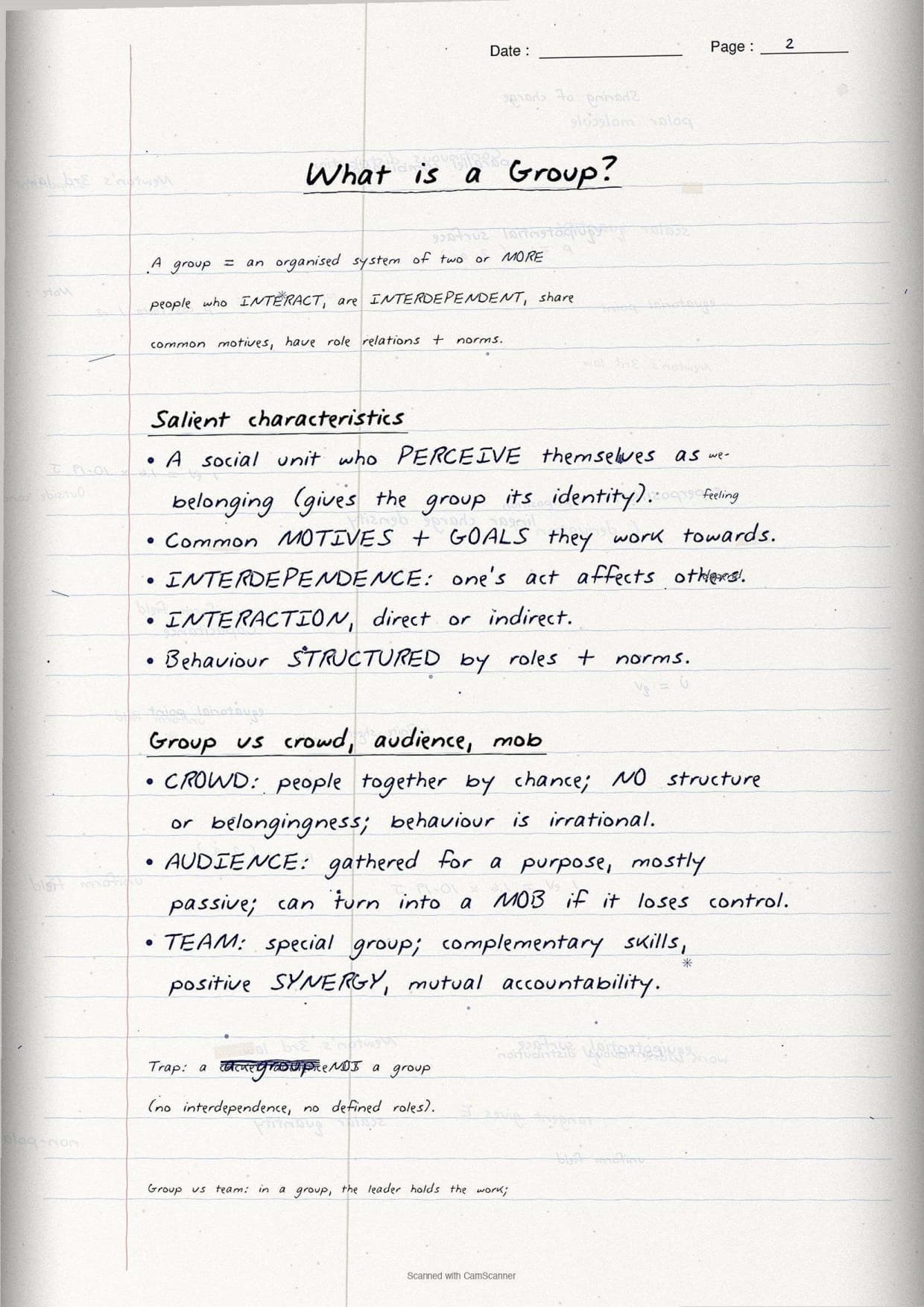
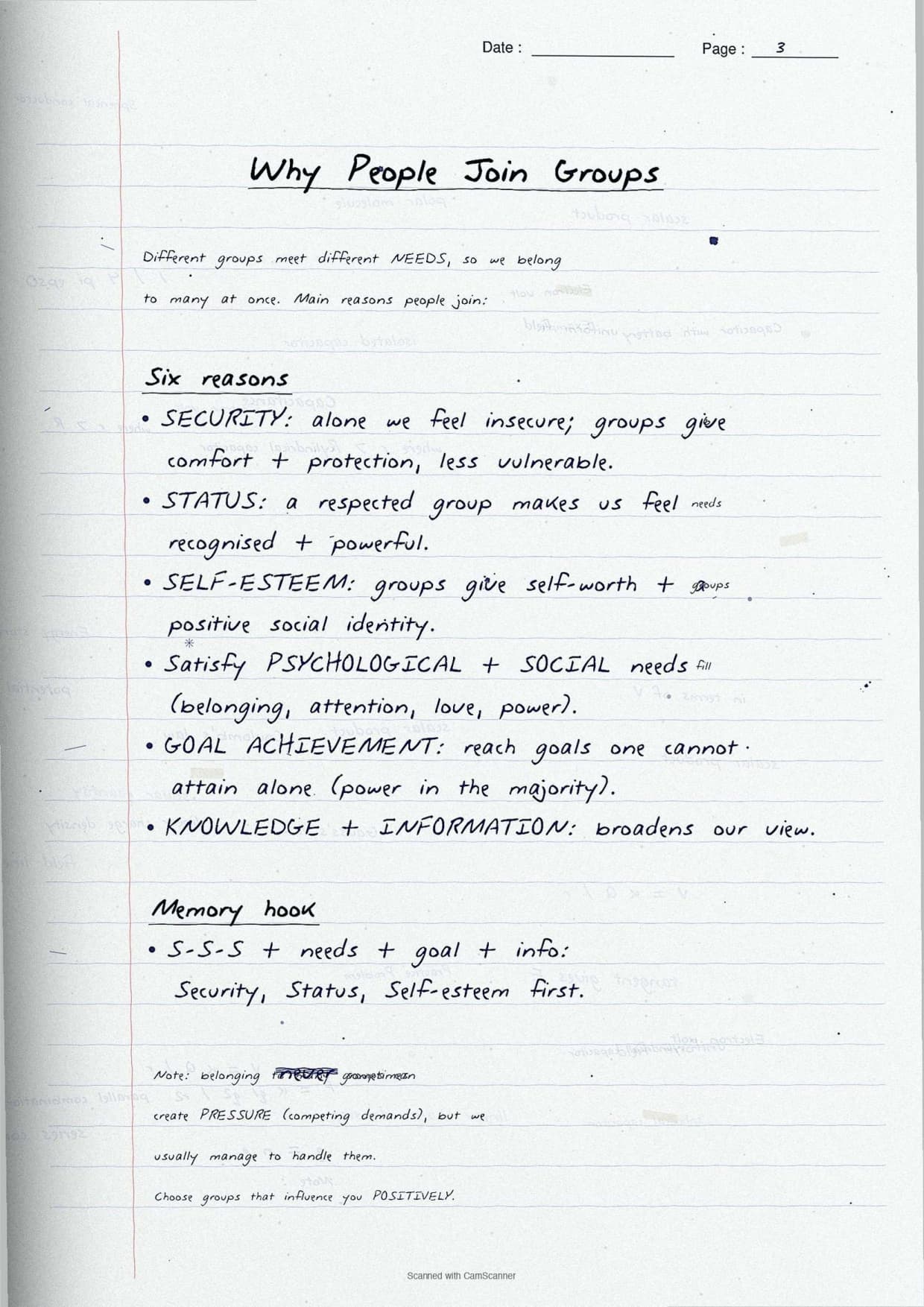
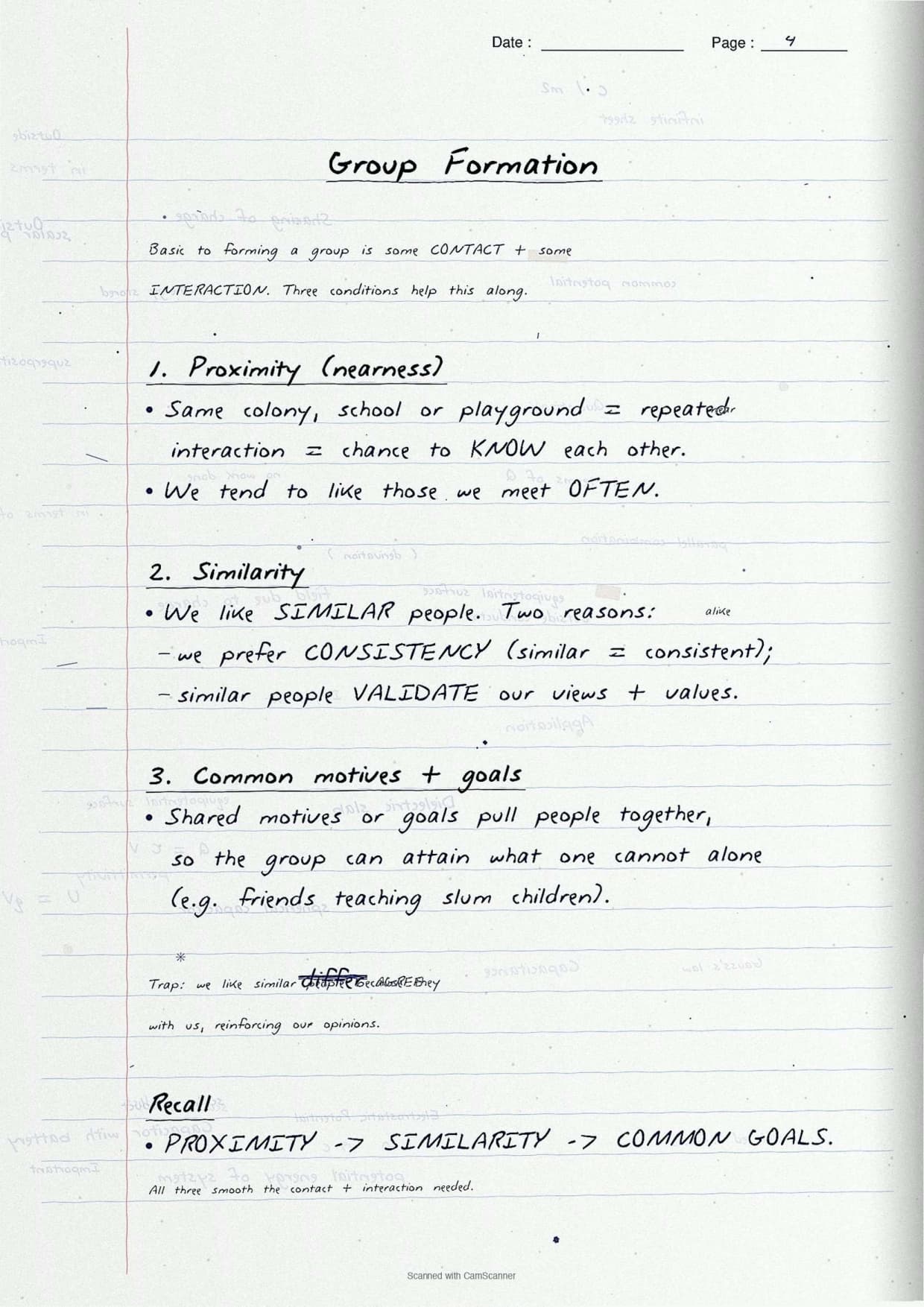
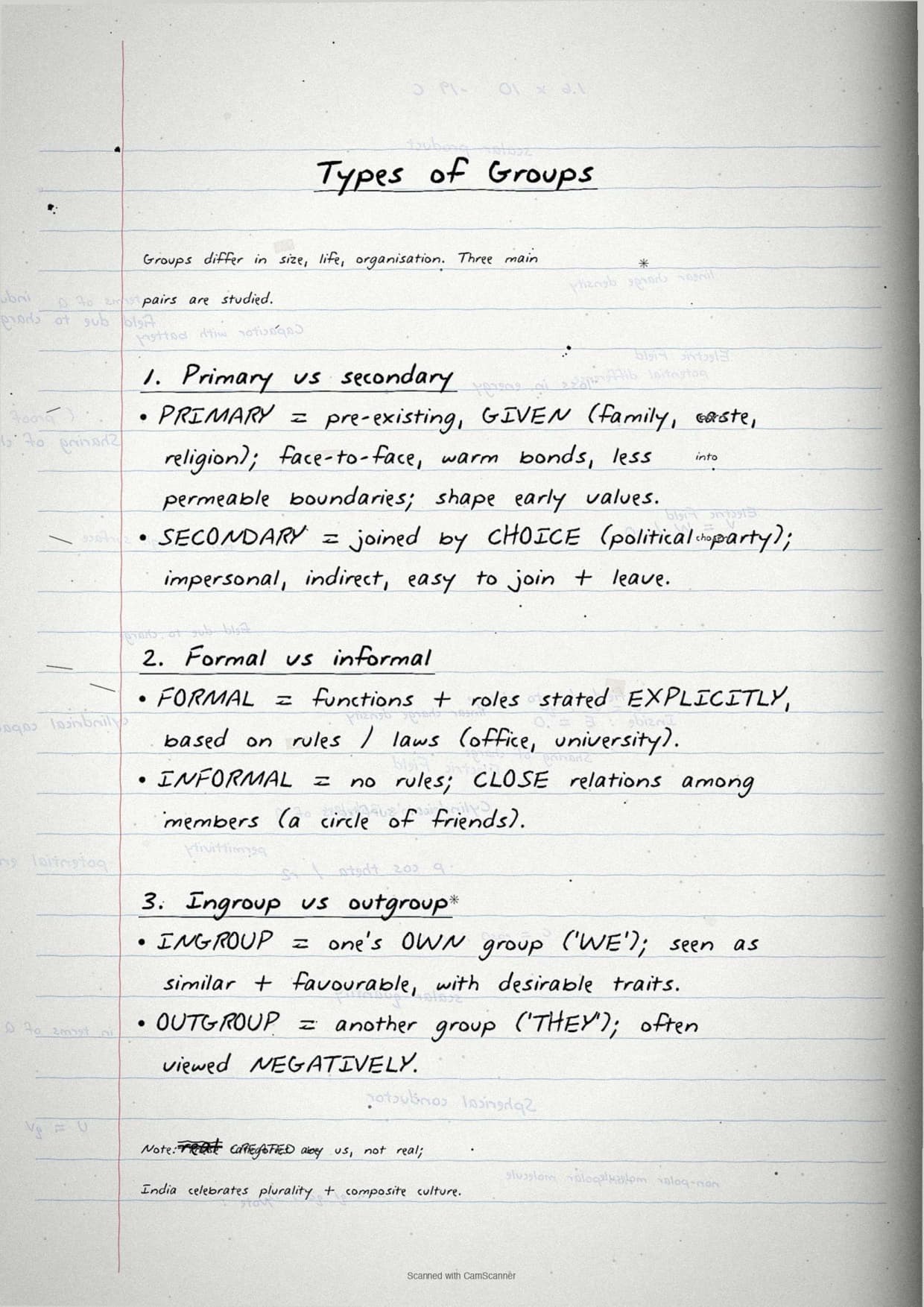
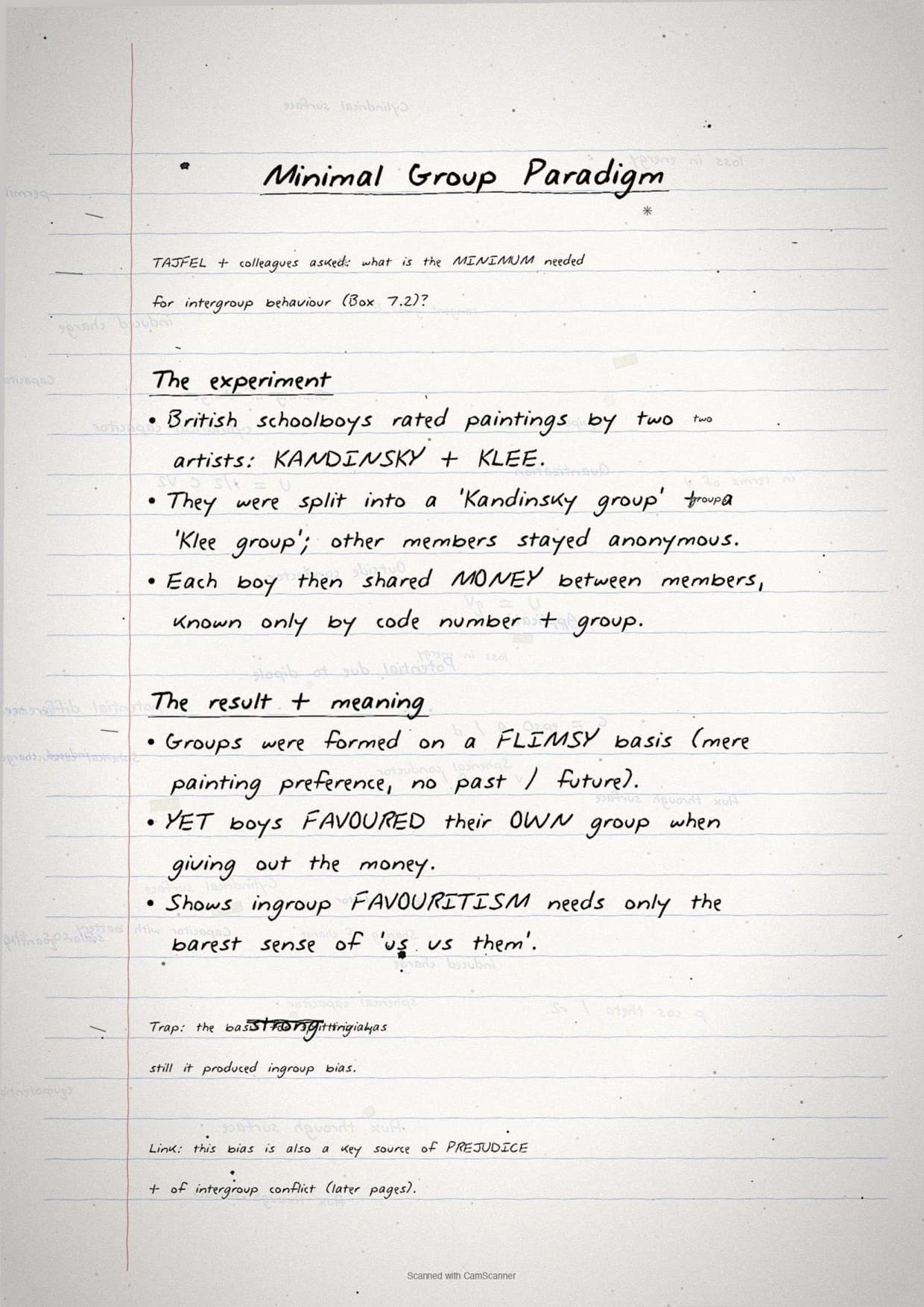
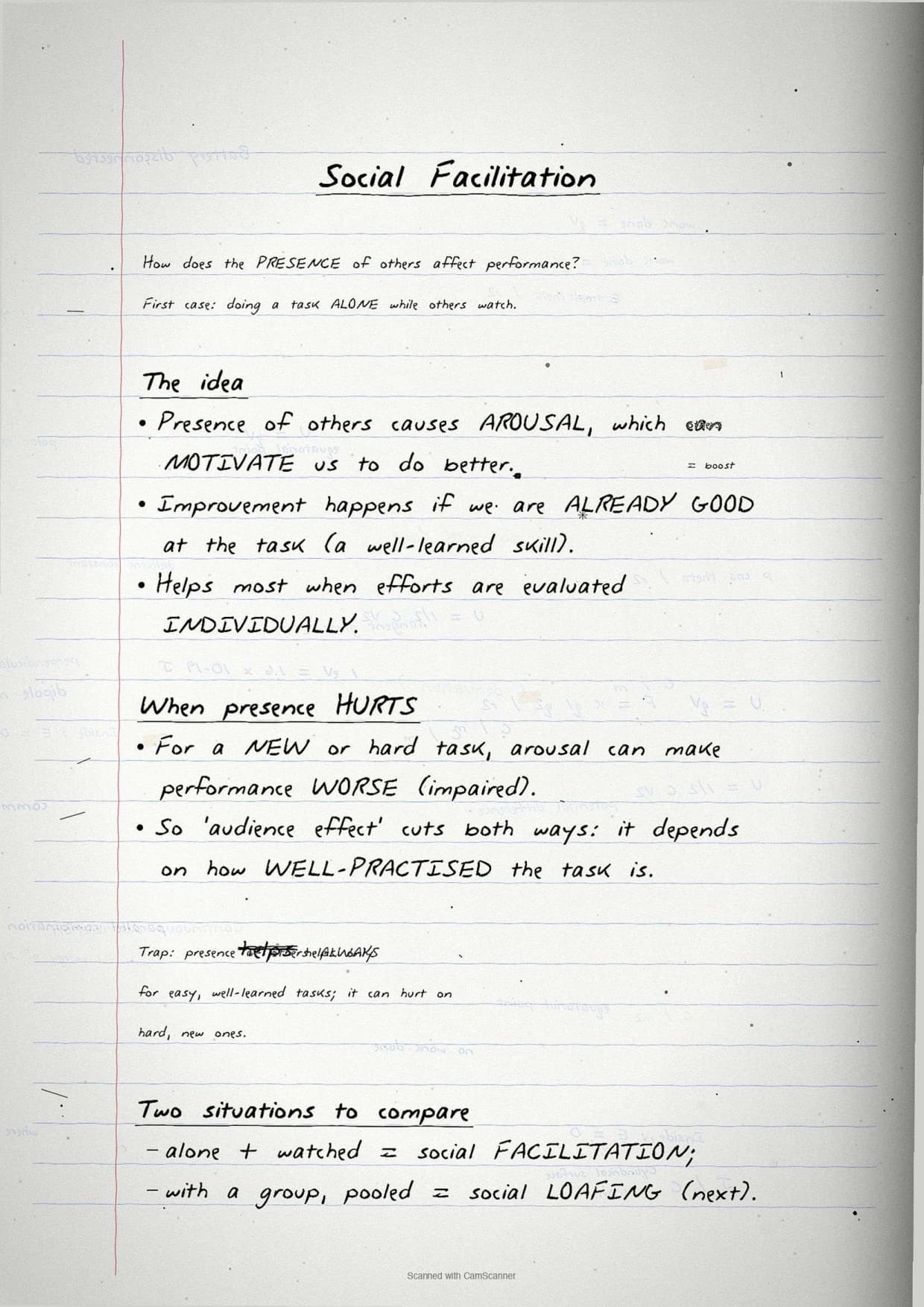
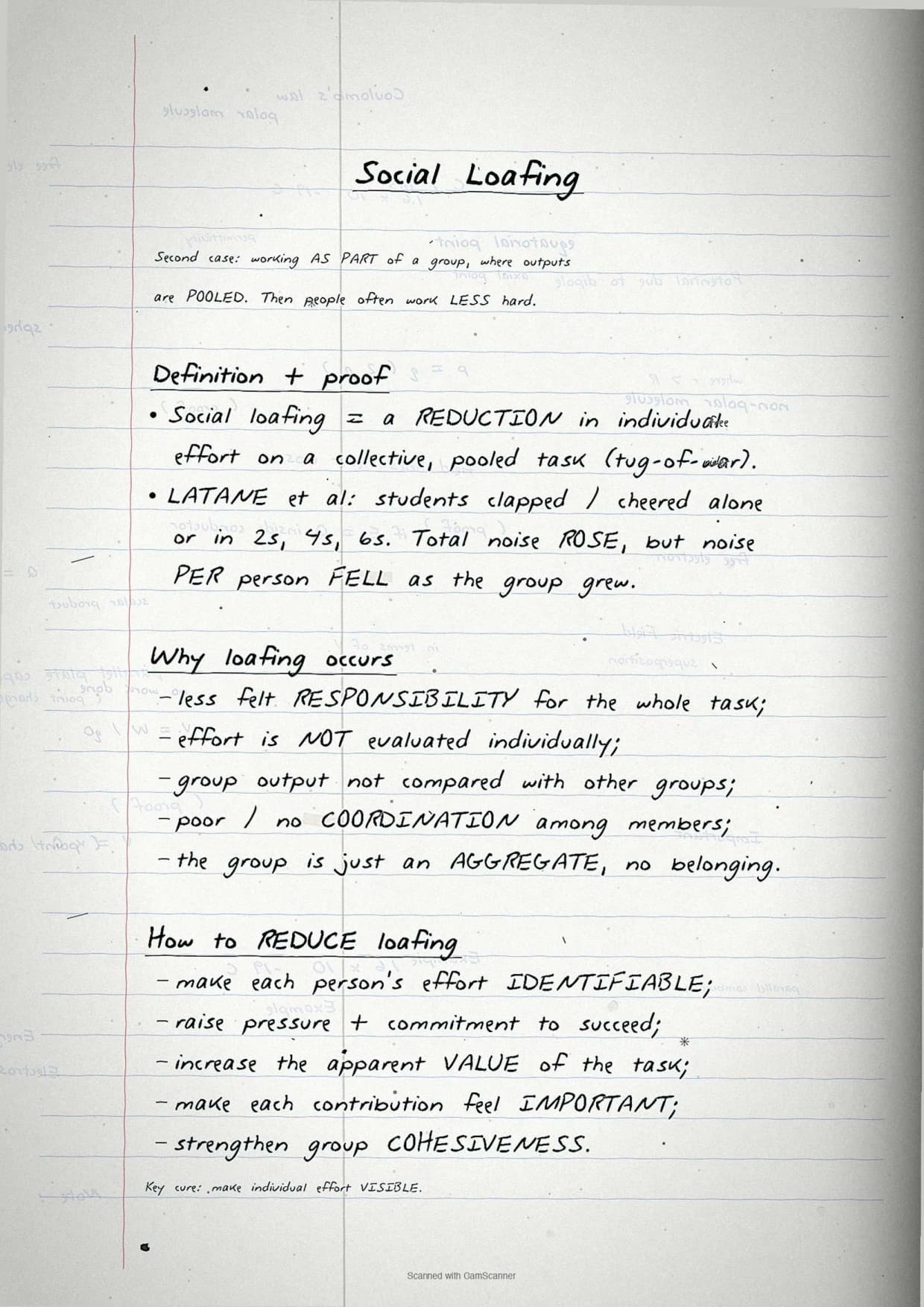
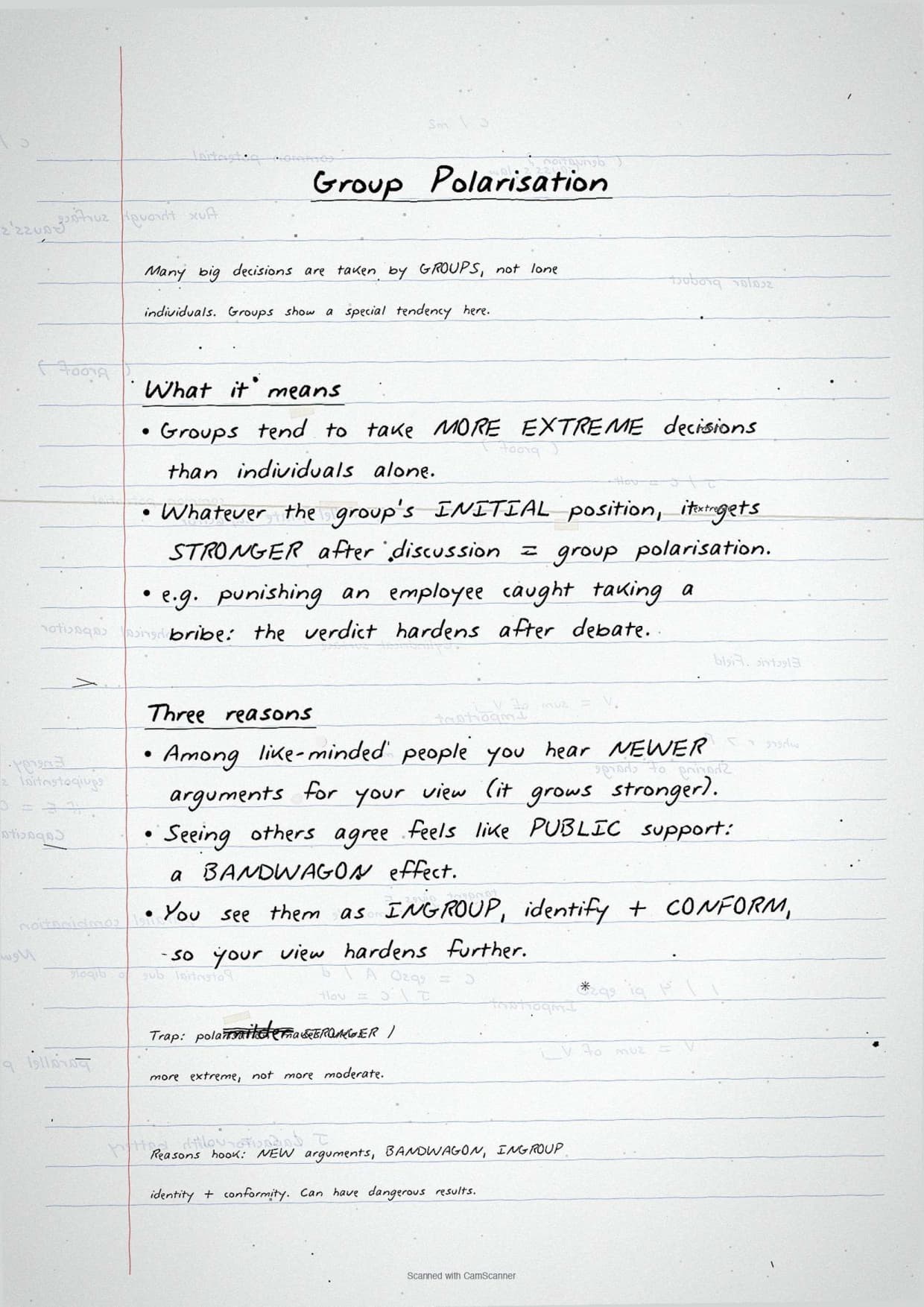
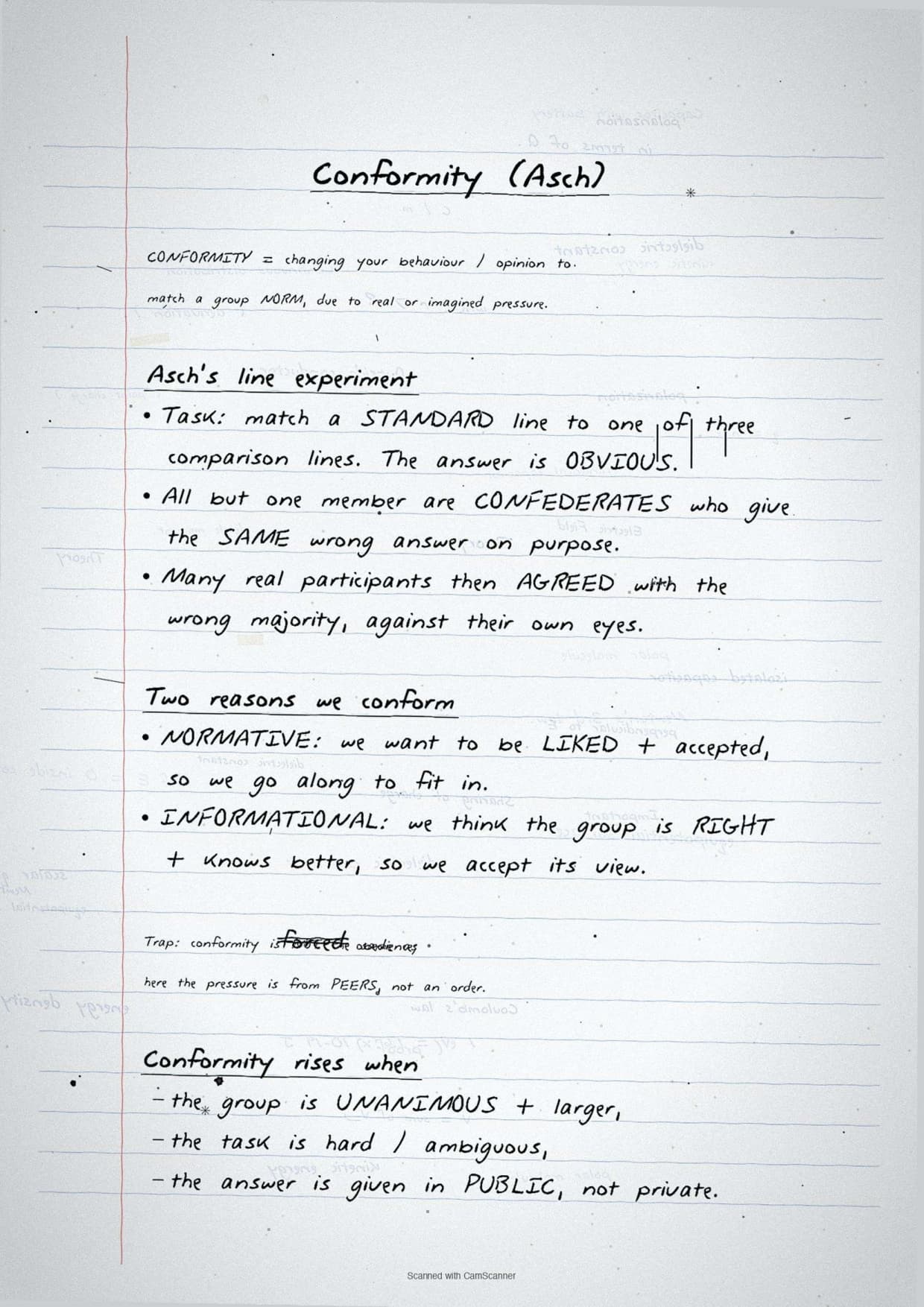
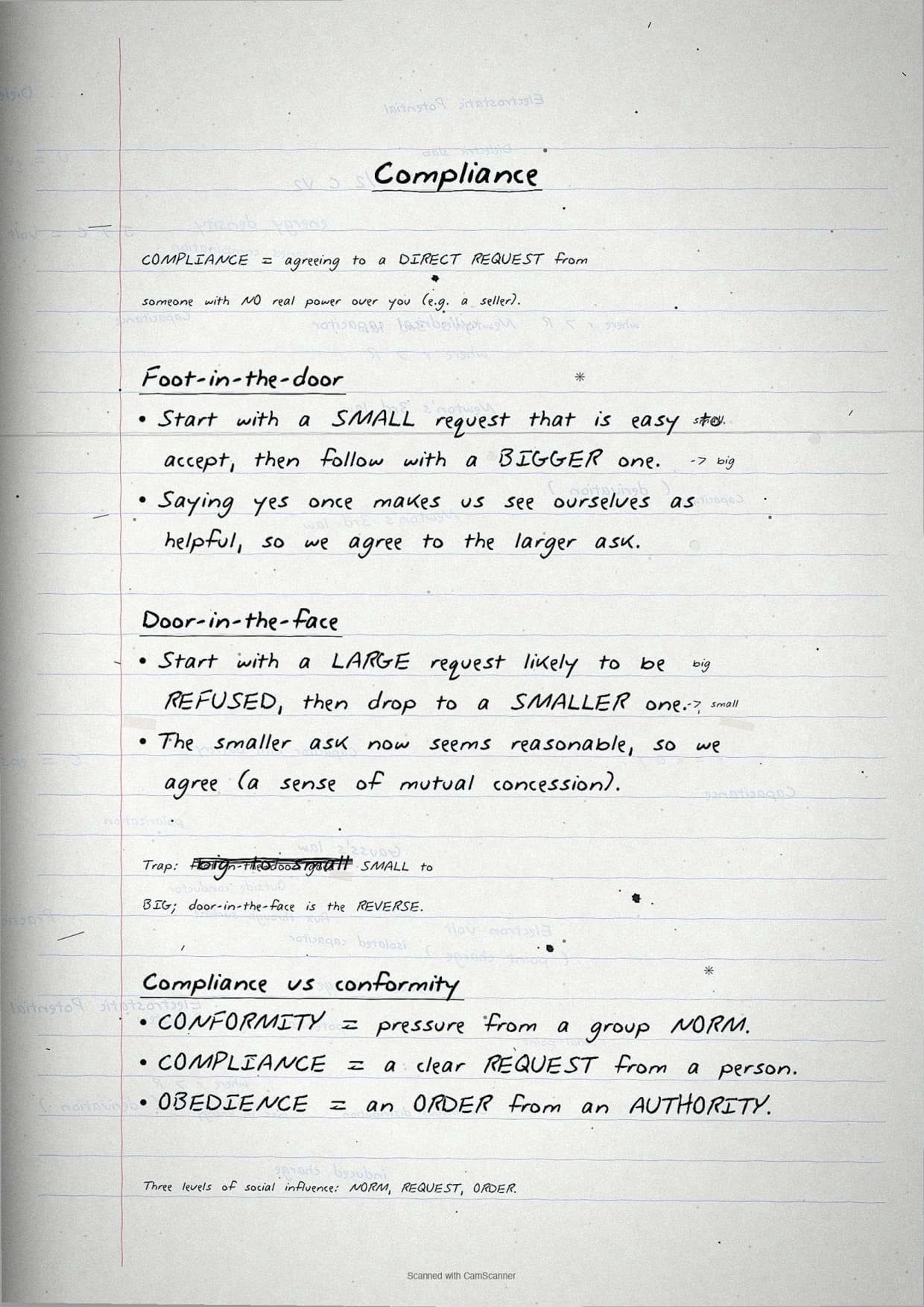
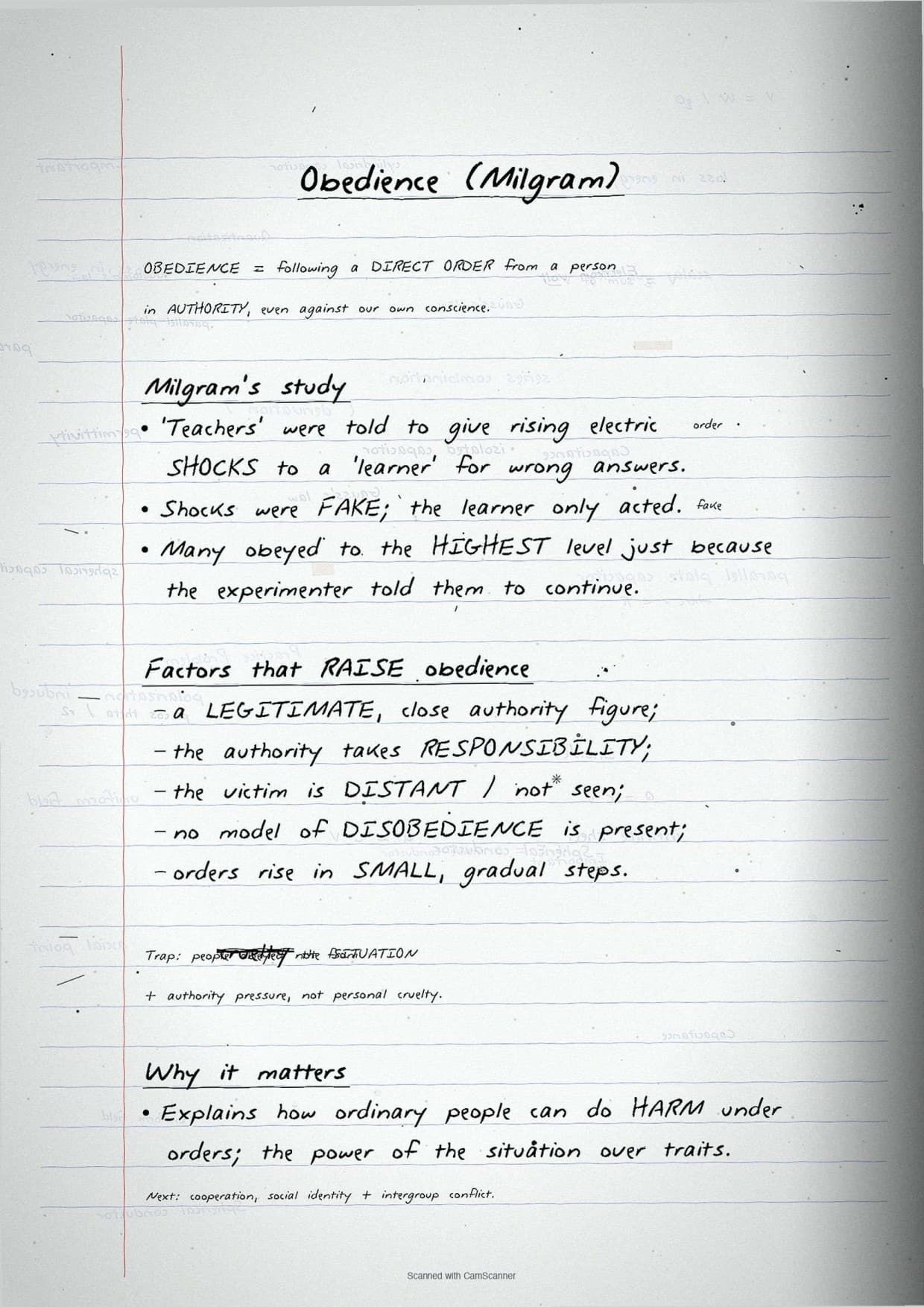
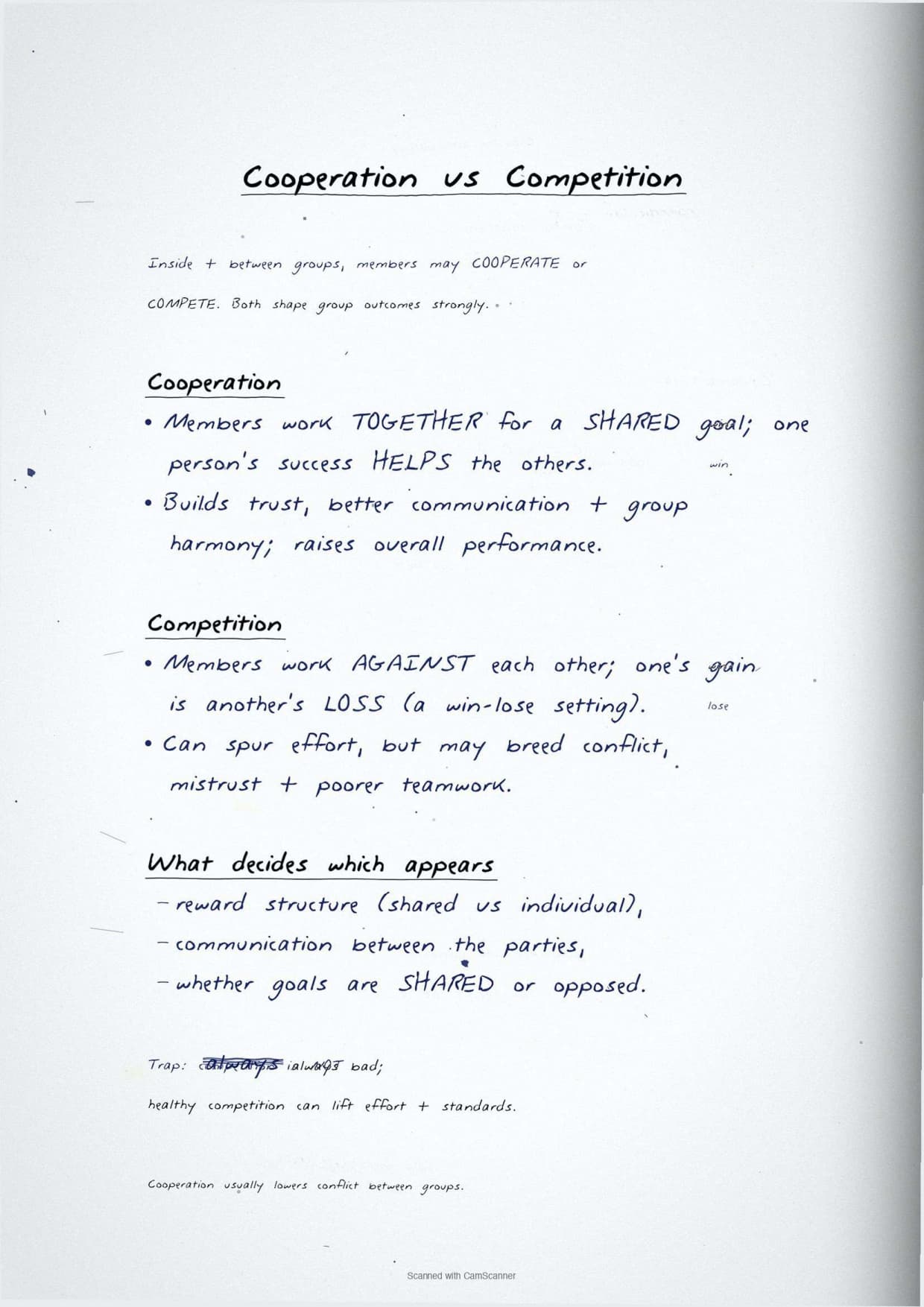
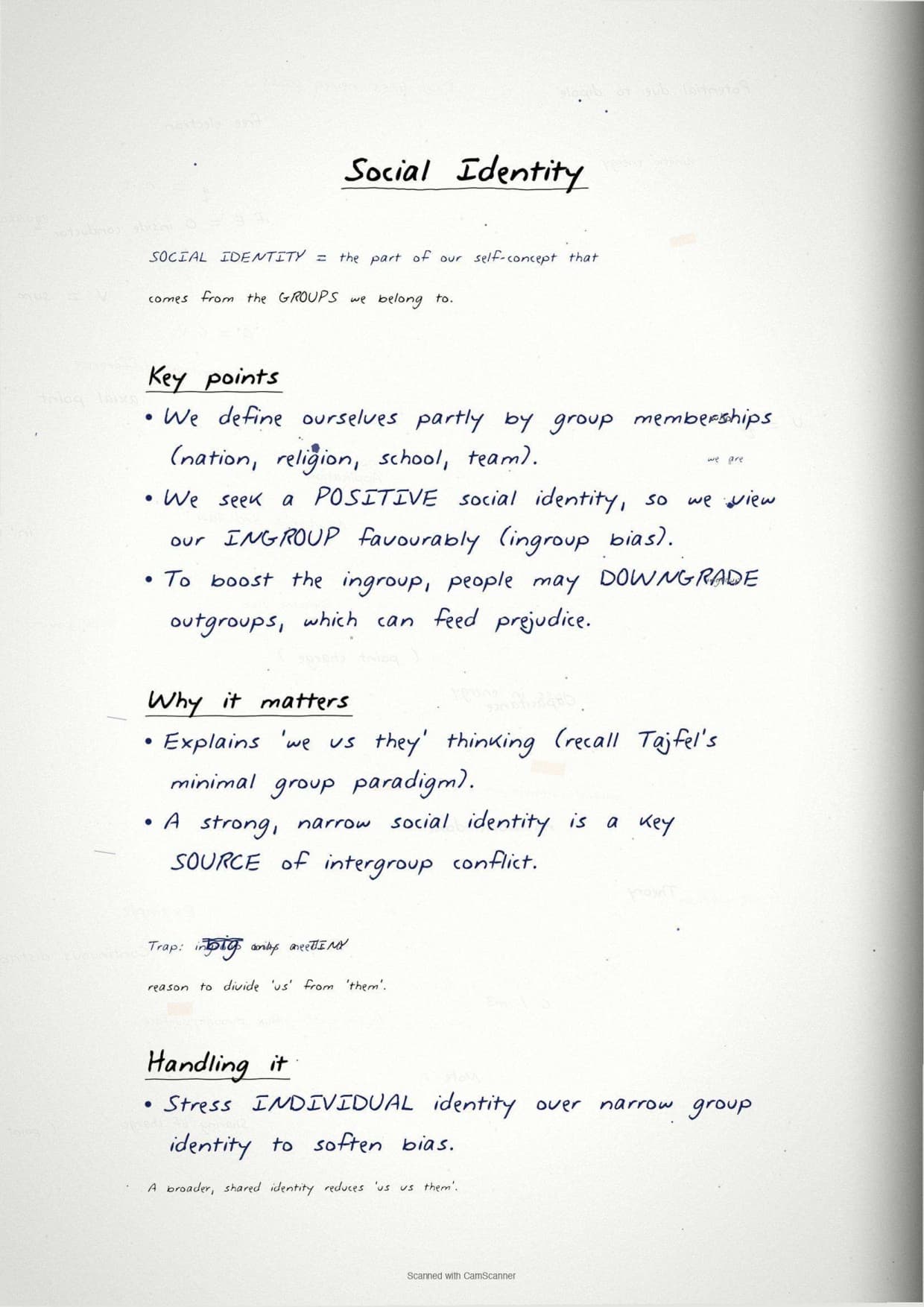
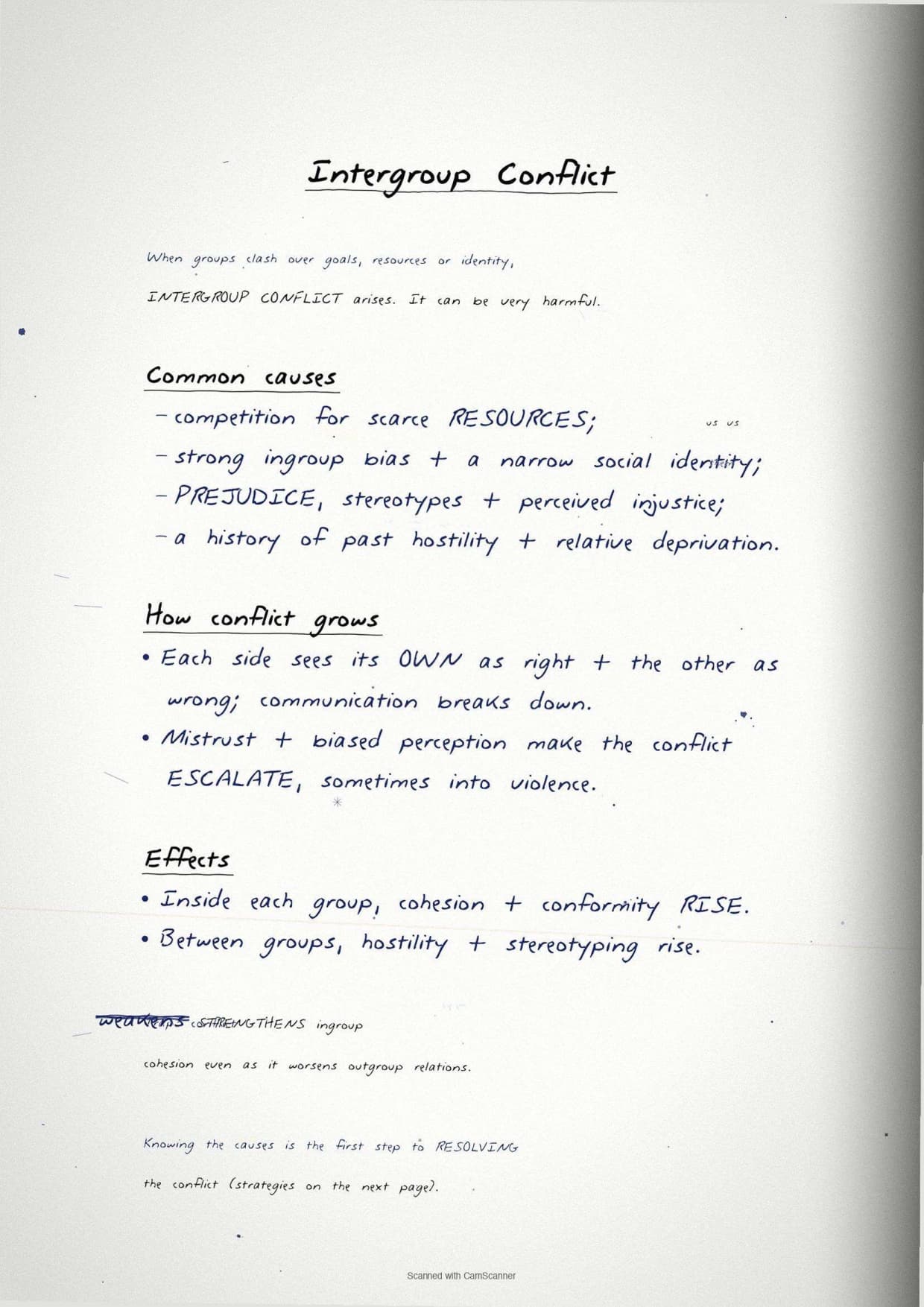
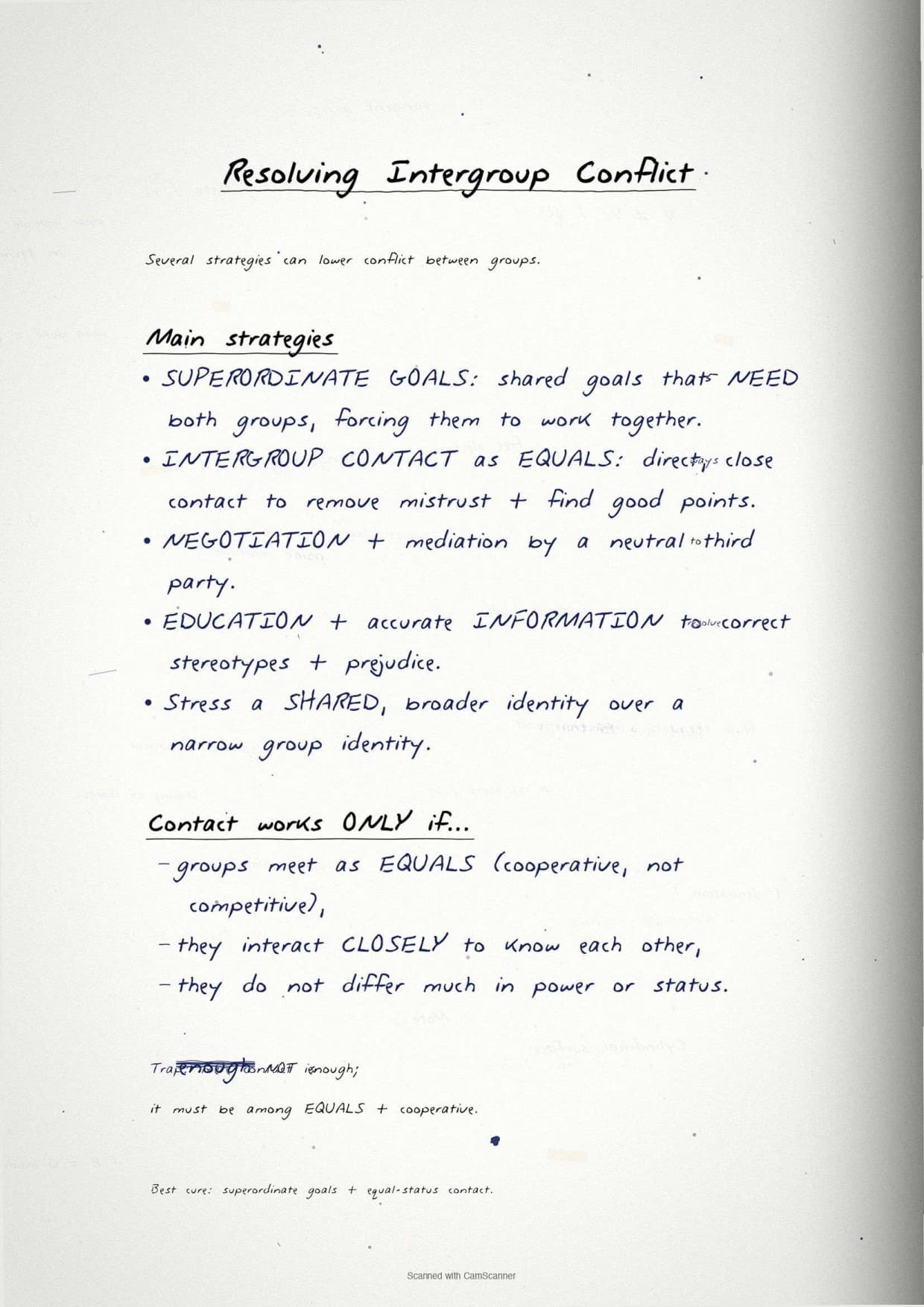
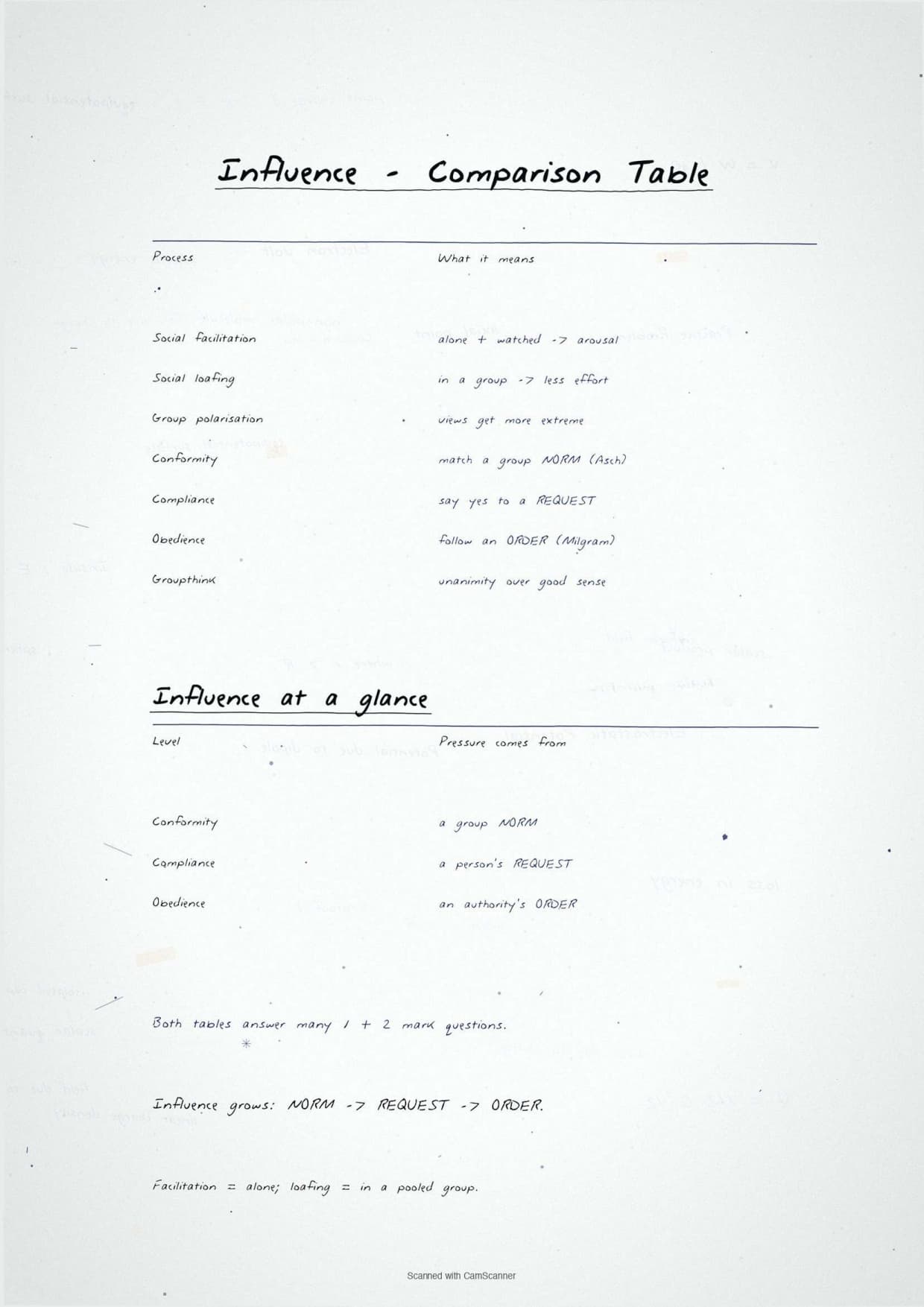
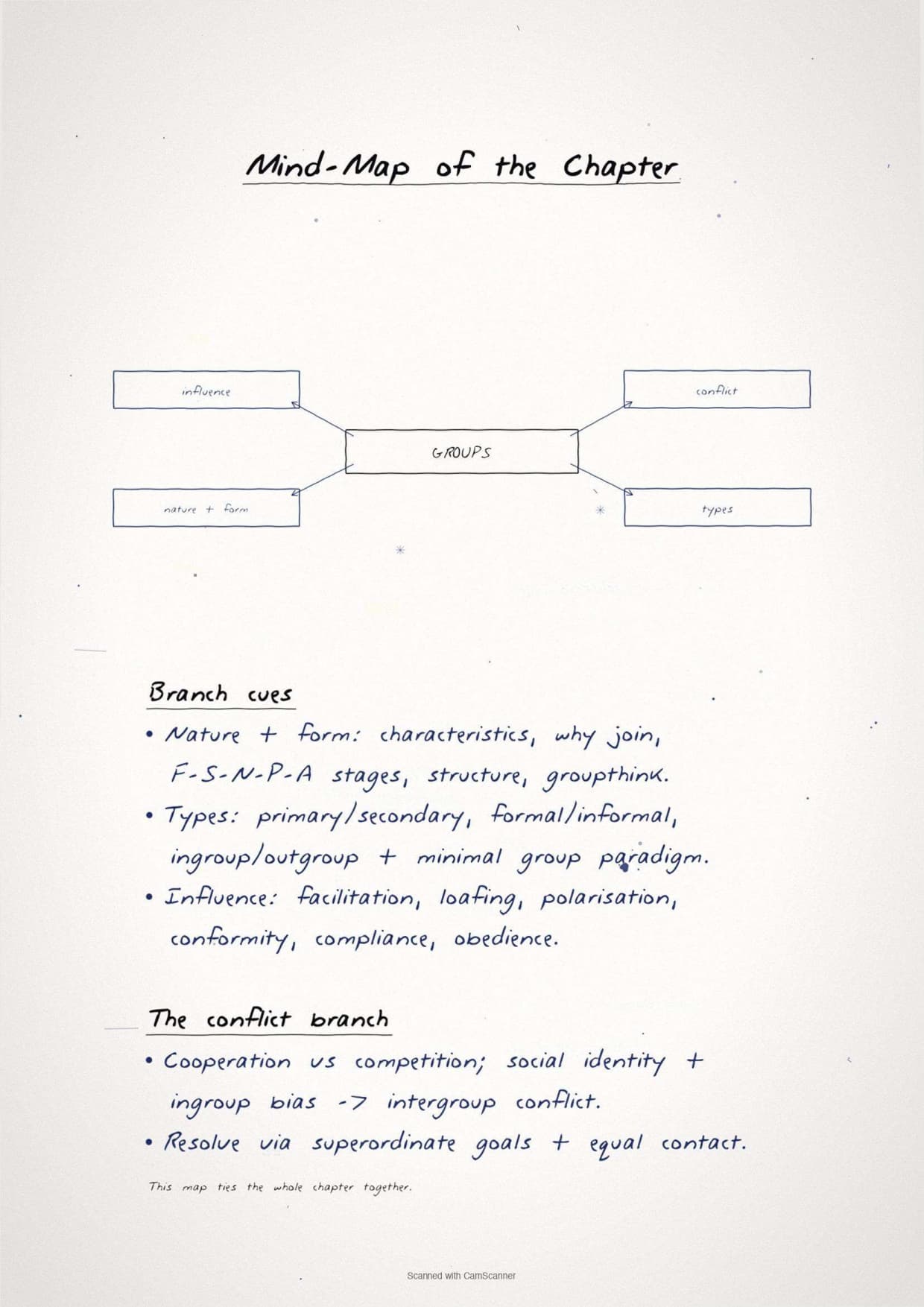
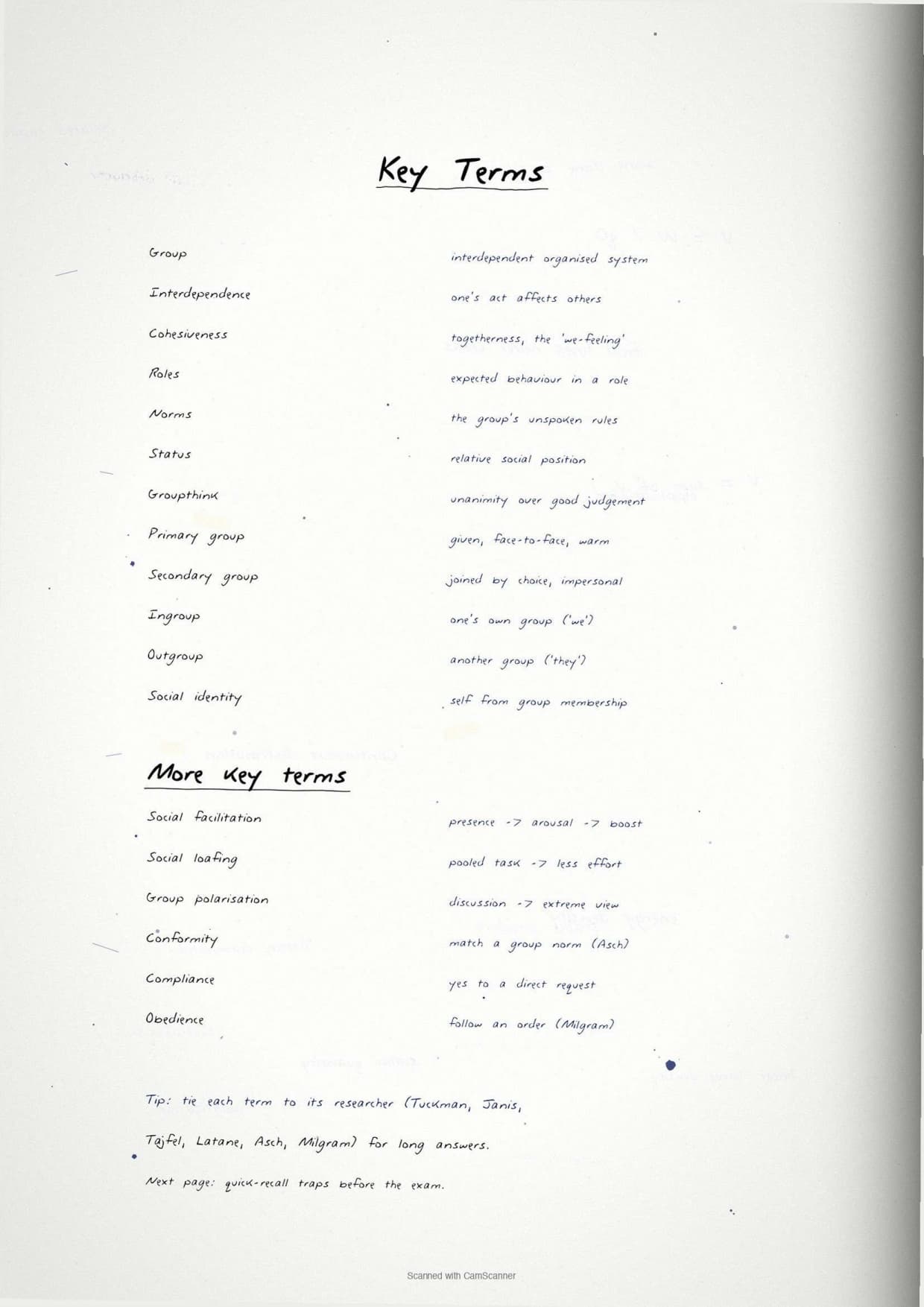
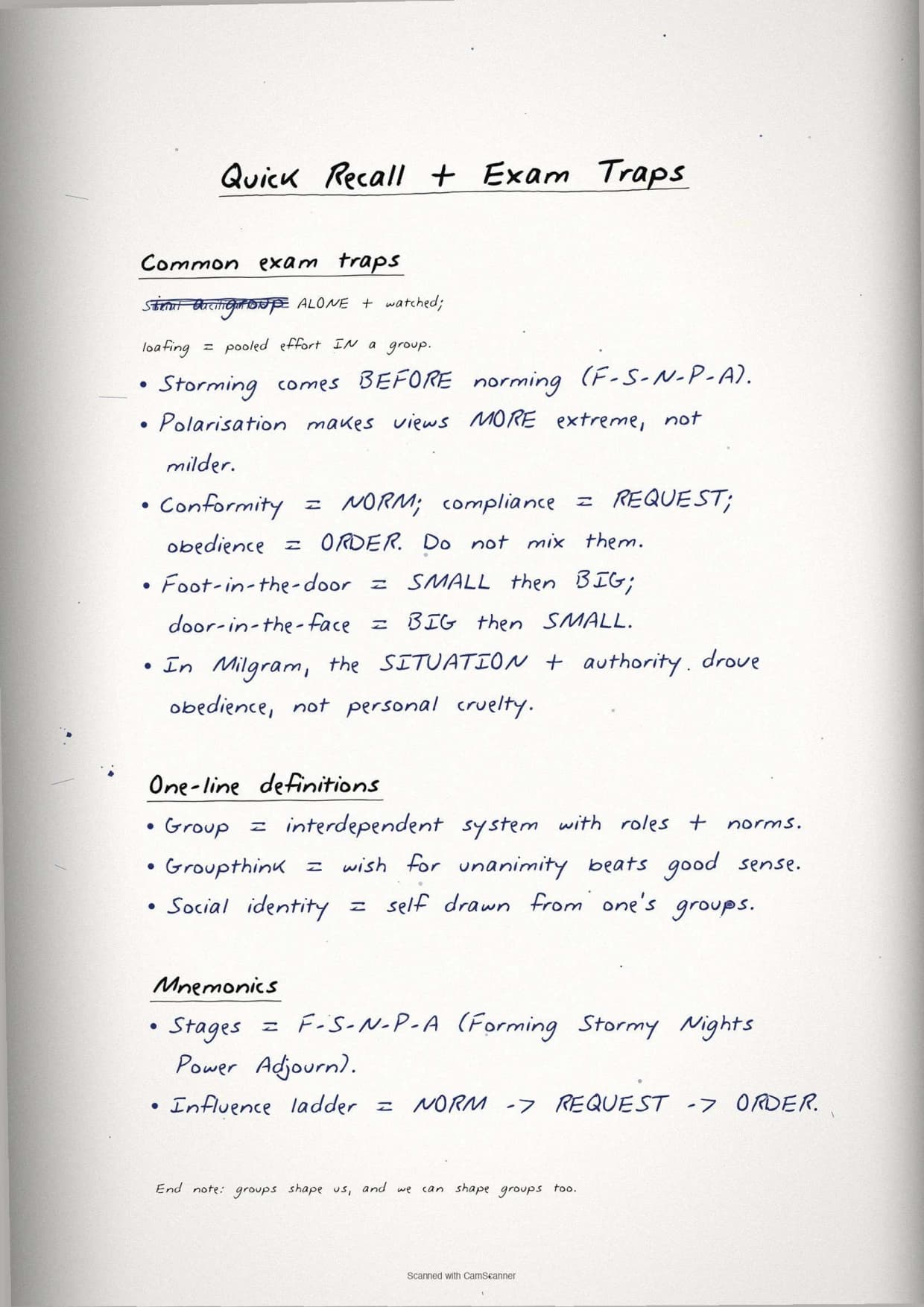
- Handwritten pages with boxed key terms and labelled diagrams.
- This Class 12 Psychology chapter usually carries 4 to 6 marks in the board paper.
- Pairs with the NCERT Solutions, Notes and Book PDF linked lower on this page.
These Social Influence and Group Processes handwritten notes are prepared from the official NCERT Psychology textbook and checked against the last five years of CBSE board papers.
Student Feedback: In a Collegedunia poll of 6,240 Class 12 Psychology students taken before the 2026 boards, 68% of students said handwritten, boxed notes helped them recall Tuckman's five stages and the types of groups faster than typed text. Most students used these handwritten pages for a final skim on the morning of the exam.
Source: 2026-27 Class 12 Psychology student poll. Sample of 6,240 students from CBSE schools across 11 states.
What Is Inside These Handwritten Notes
These Social Influence and Group Processes handwritten notes cover the full chapter in a handwritten format, so the whole of Psychology Chapter 7 fits into a short stack of pages. Each page keeps one idea, with the key term boxed and an example written beside it.
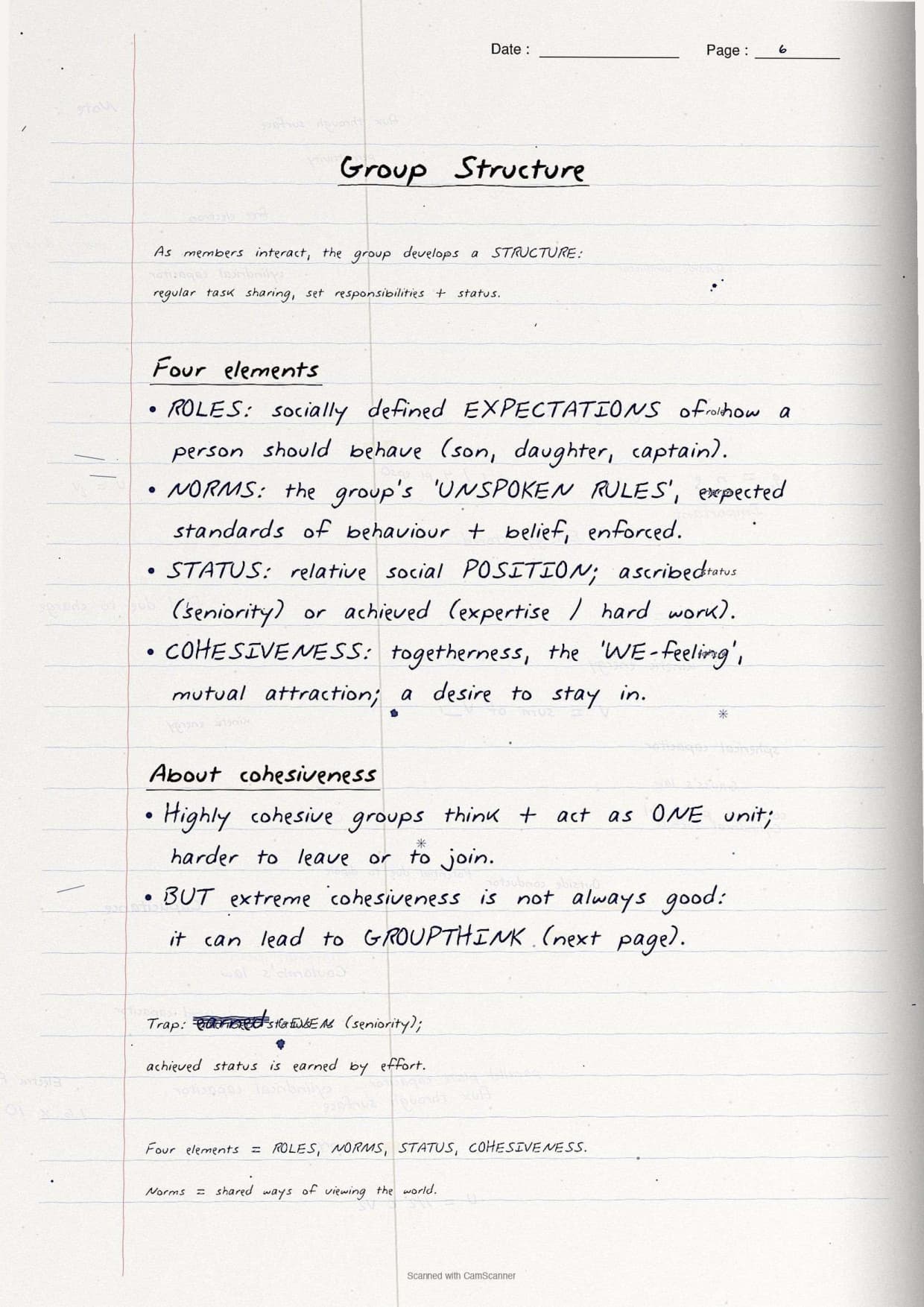
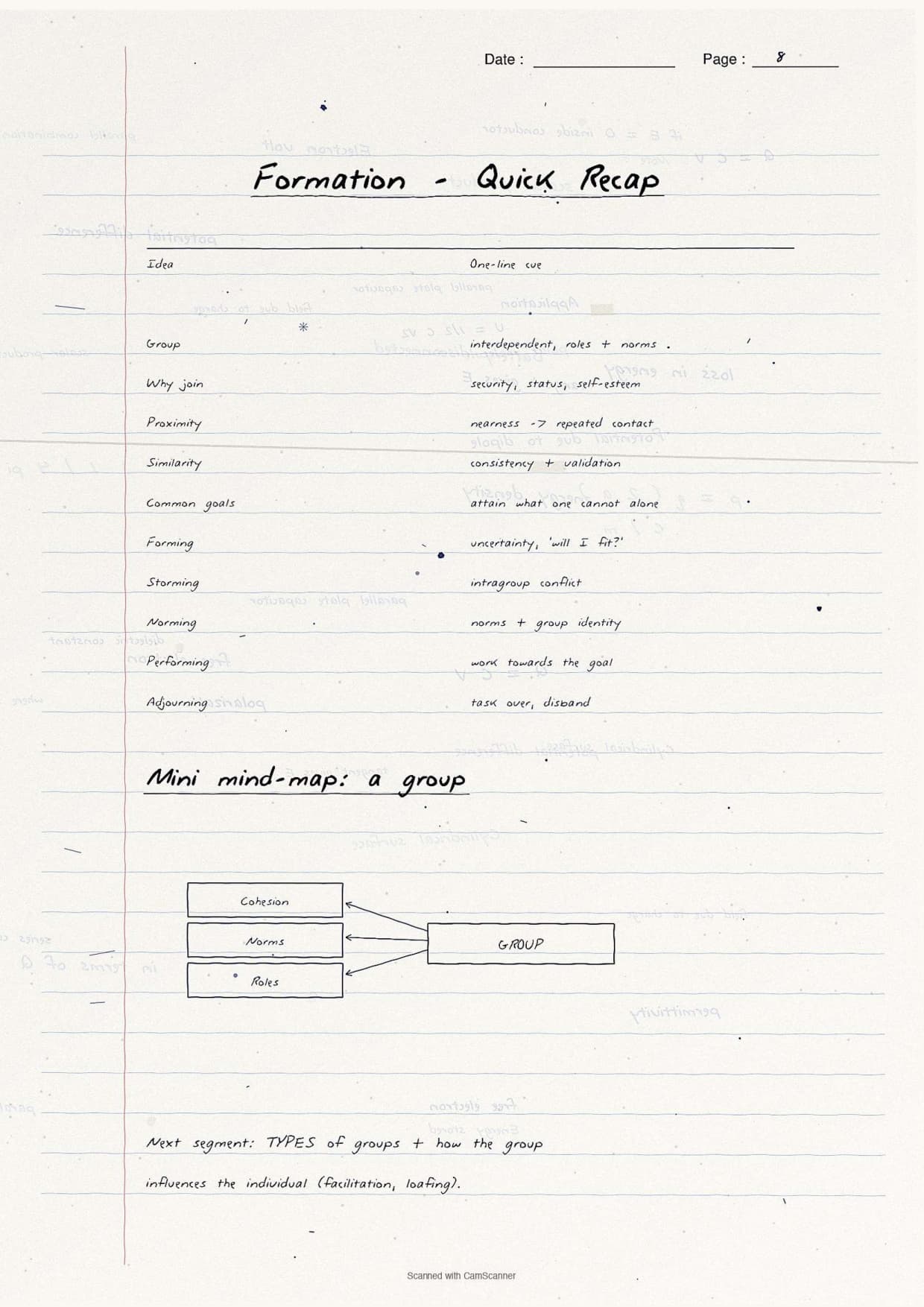
- Groups: the meaning of a group, why people join, and how groups form, each boxed.
- Types: primary and secondary, formal and informal, ingroup and outgroup.
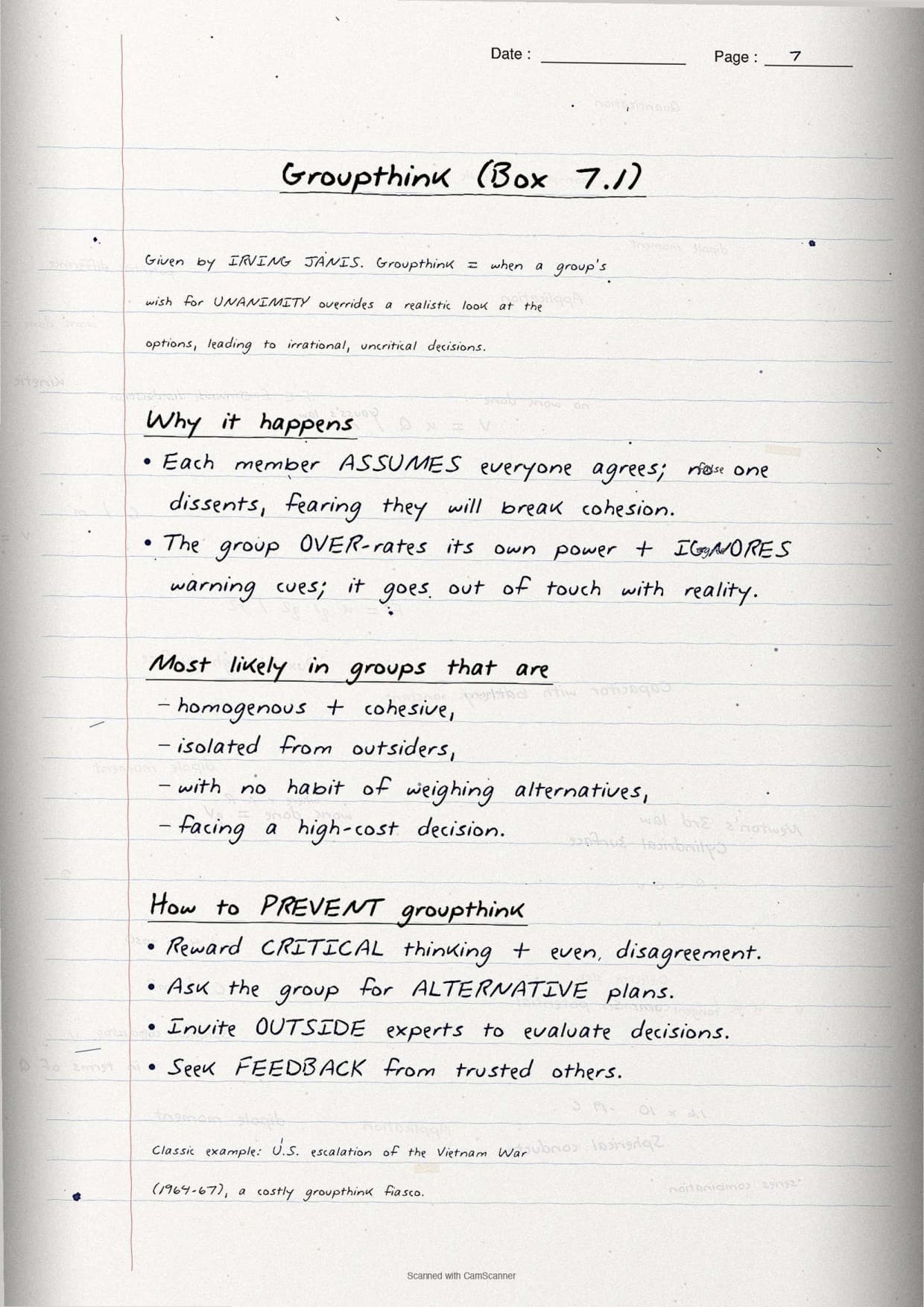
- Group influence: social loafing, group polarisation and groupthink, kept apart clearly.
The pages are written by hand and proofread, so the spelling of terms like group polarisation is correct and easy to copy. The point of a handwritten set is speed: you skim the boxes, not full paragraphs, which is exactly what last-minute revision needs.
Topic-by-Topic Layout of the Notes
The notes follow the chapter order, so they sit neatly beside the textbook and the printed Notes. The table shows what each part covers, so students can jump straight to the topic they need to revise.
| Part | What the pages cover |
|---|---|
| Nature of groups | What a group is, how it differs from a crowd, a mob and a team. |
| Joining and forming | The five reasons people join, and the conditions of formation. |
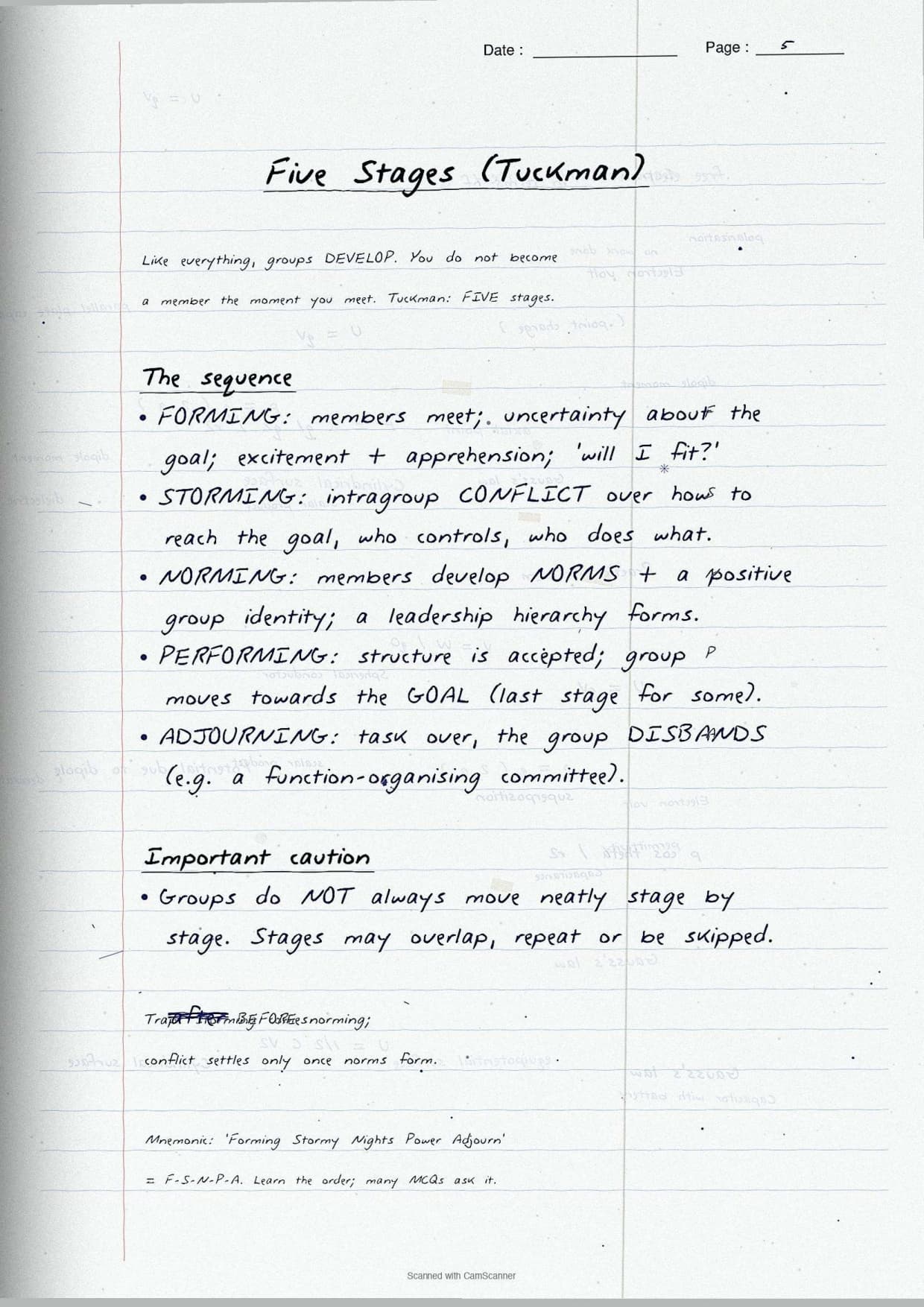
| Tuckman's stages | Forming, storming, norming, performing and adjourning. |
| Types of groups | Primary/secondary, formal/informal, ingroup/outgroup. |
| Group influence | Social loafing, group polarisation and groupthink, with their cures. |
Each part is short on purpose. The most important boxes are Tuckman's five stages and the social-loafing-versus-polarisation contrast, so those pages are kept clearest. Skim them first if you are short on time.
How to Use These Notes Before the Exam
Handwritten notes work best as the last layer of revision, not the first. Read the full chapter and the printed Notes first, then use these pages to lock the facts in. A simple routine gets the most out of them.
- Skim the boxes: read only the boxed terms and one example each, in chapter order.
- Cover and recall: hide the answer side and say Tuckman's five stages from memory.
- Mark the weak pages: flag any box you forgot and re-skim only those before the exam.
The single most useful page is the one with the five stages of group formation, because that topic is both common and easy to drop a point from. Keep that page on top for the final read.
Common Mistakes These Notes Help You Avoid
A few errors cost marks every year, and the boxed layout is built to stop them. Most slips come from blurring close terms or dropping one item from a list. Fixing these five points is the quickest way to lift a score.
- Naming only some of Tuckman's stages; the boxed page shows all five, forming, storming, norming, performing and adjourning.
- Treating group polarisation and groupthink as the same; the contrast box keeps them apart.
- Mixing the types of groups with the reasons people join them.
- Saying social loafing is laziness; the loafing box proves it is the drop in pooled, unevaluated effort.
- Forgetting that the ingroup-outgroup split is socially created, not real.
Students who fix these five points usually move from average to high marks. The boxed pages flag each soft point, so you can phrase it safely in the answer sheet.
How These Notes Pair with the Solutions and Book PDF
These handwritten notes are for quick recall. For full preparation, students should use them alongside the other resources for the same chapter, all linked in the table below. Read the printed Notes first, lock the facts with these pages, then test yourself with the solutions.
| Resource | Best used for |
|---|---|
| Social Influence and Group Processes NCERT Solutions | Step-by-step answers to all 5 Review Questions |
| Social Influence and Group Processes Class 12 Notes | A quick, point-wise summary of the whole chapter |
| Social Influence and Group Processes NCERT Book PDF | Reading the original NCERT chapter text |
Tip: read the printed Notes first, then use these handwritten pages to lock the facts, and only then attempt the solutions. That order builds memory faster than copying answers straight away.
All Class 12 Psychology Handwritten Notes by Chapter
The table links the handwritten notes for every chapter in Class 12 Psychology, so students can move across the course in one click. Social Influence and Group Processes is highlighted.
| Chapter | Handwritten Notes |
|---|---|
| Chapter 1 | Variations in Psychological Attributes |
| Chapter 2 | Self and Personality |
| Chapter 3 | Meeting Life Challenges |
| Chapter 4 | Psychological Disorders |
| Chapter 5 | Therapeutic Approaches |
| Chapter 6 | Attitude and Social Cognition |
| Chapter 7 | Social Influence and Group Processes |
FAQs on Social Influence and Group Processes Class 12 Handwritten Notes
Social Influence and Group Processes Class 12 Psychology Handwritten Notes Common Questions
Ques. Where can I download the Social Influence and Group Processes handwritten notes PDF?
Ans. You can download the Social Influence and Group Processes Class 12 Psychology handwritten notes PDF directly from this page. It is free, follows the 2026-27 NCERT, and presents the whole chapter as clean, handwritten pages.
Ques. Are these handwritten notes enough to revise the whole chapter?
Ans. They are ideal for last-minute recall of Tuckman's stages, the types of groups and the group-influence section. For full preparation, use them alongside the printed Notes and the NCERT Solutions linked on this page.
Ques. What does the Social Influence and Group Processes chapter cover?
Ans. It covers the nature and formation of groups, the reasons people join, Tuckman's five stages, group structure, the types of groups, and how groups influence behaviour through social loafing, group polarisation and groupthink.
Ques. Are the handwritten notes accurate for the 2026-27 syllabus?
Ans. Yes. They are prepared from the official NCERT Psychology textbook for 2026-27 and checked against the last five years of CBSE board papers, so the terms and examples match the current course.
Ques. How should I use these notes on the day of the exam?
Ans. Skim only the boxed terms in chapter order, cover the answer side and recall Tuckman's five stages and the social loafing cures from memory, then re-read only the pages you forgot. Keep the stages page on top for the final read.



Comments