




These Therapeutic Approaches handwritten notes turn the whole treatment chapter into clean, handwritten pages for fast last-minute revision. They follow the 2026-27 CBSE syllabus and Chapter 5 of Class 12 Psychology. Students get the therapies, techniques, founders and key terms in a pen-on-paper format that is easy to skim before a test.
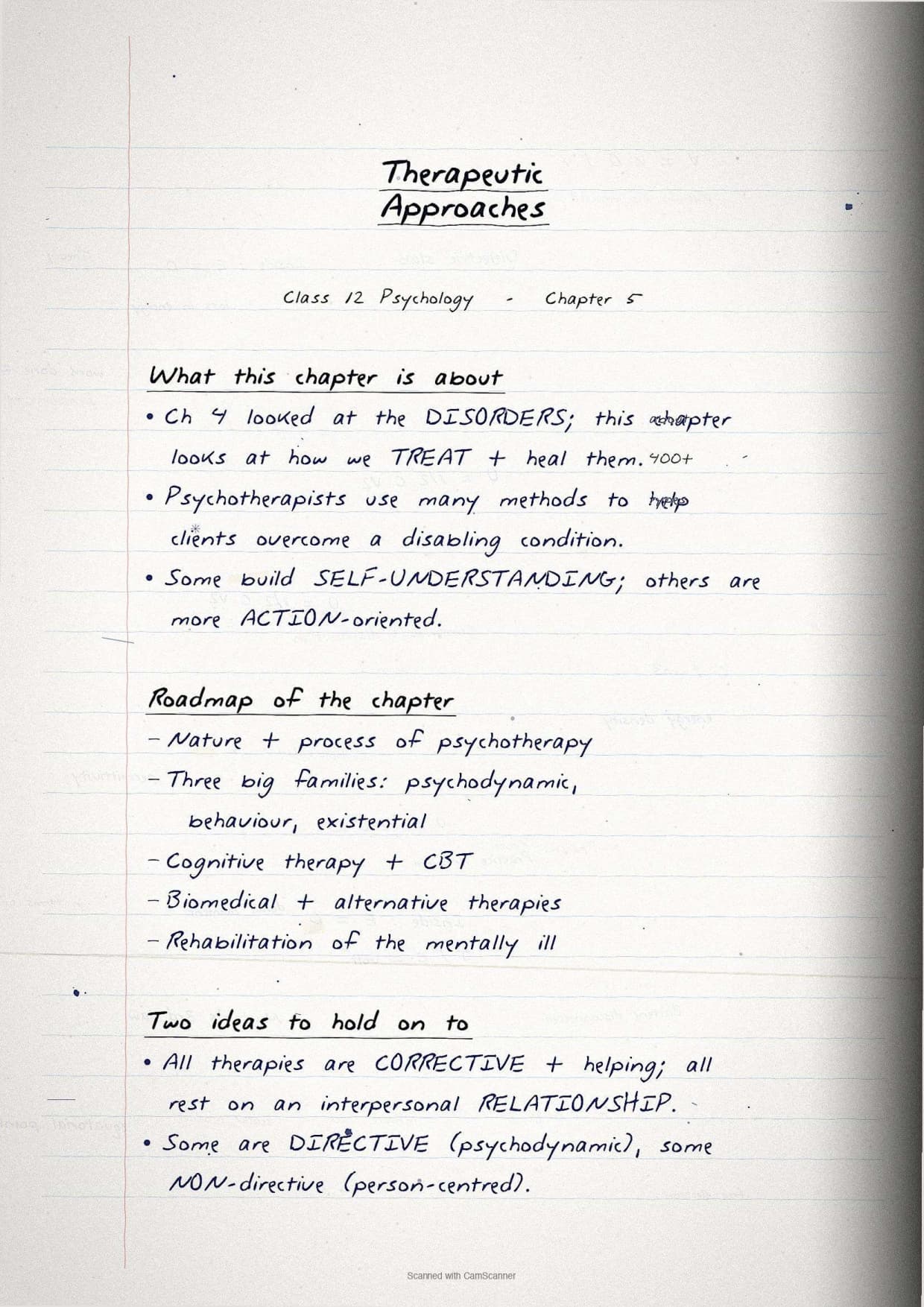
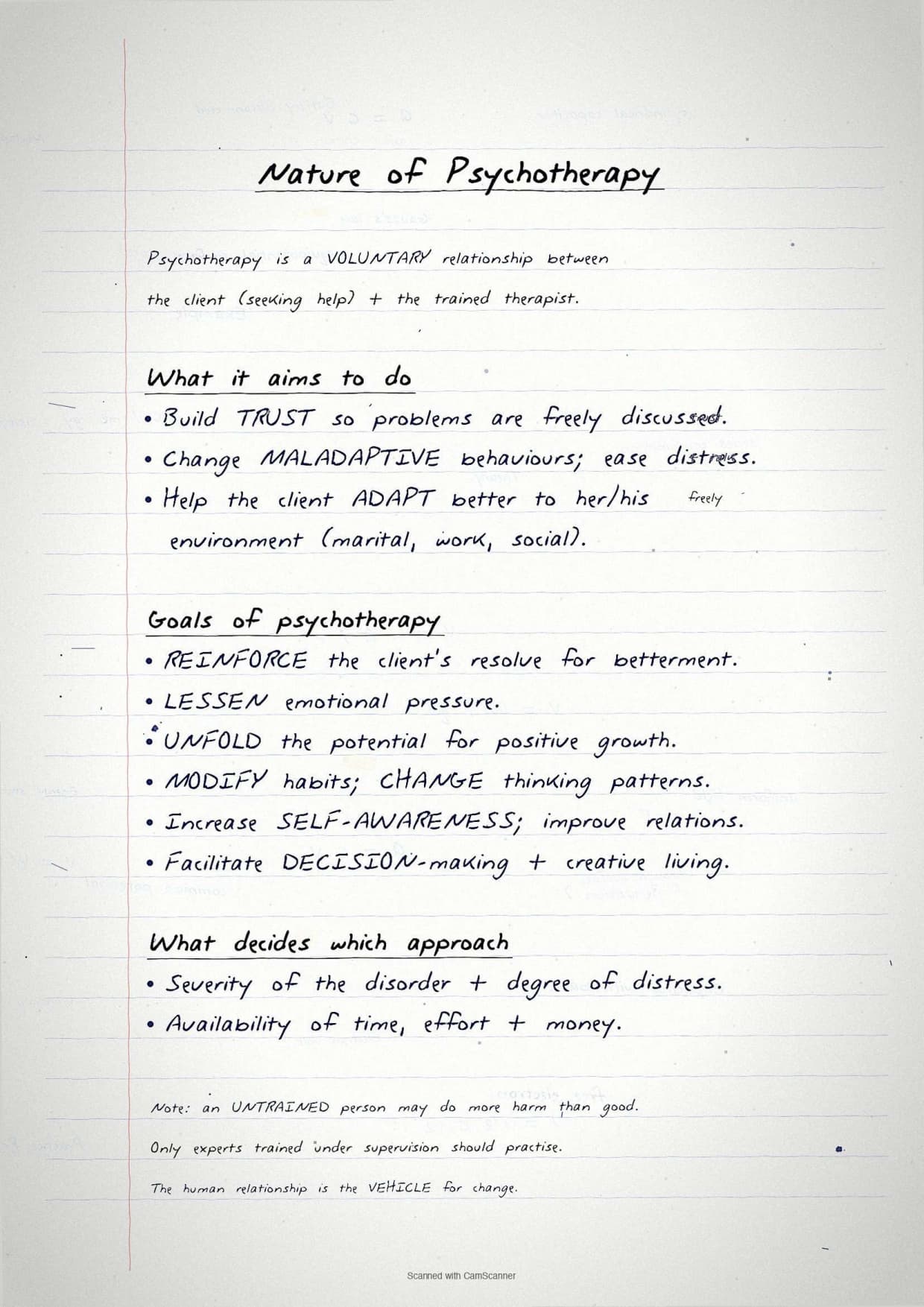
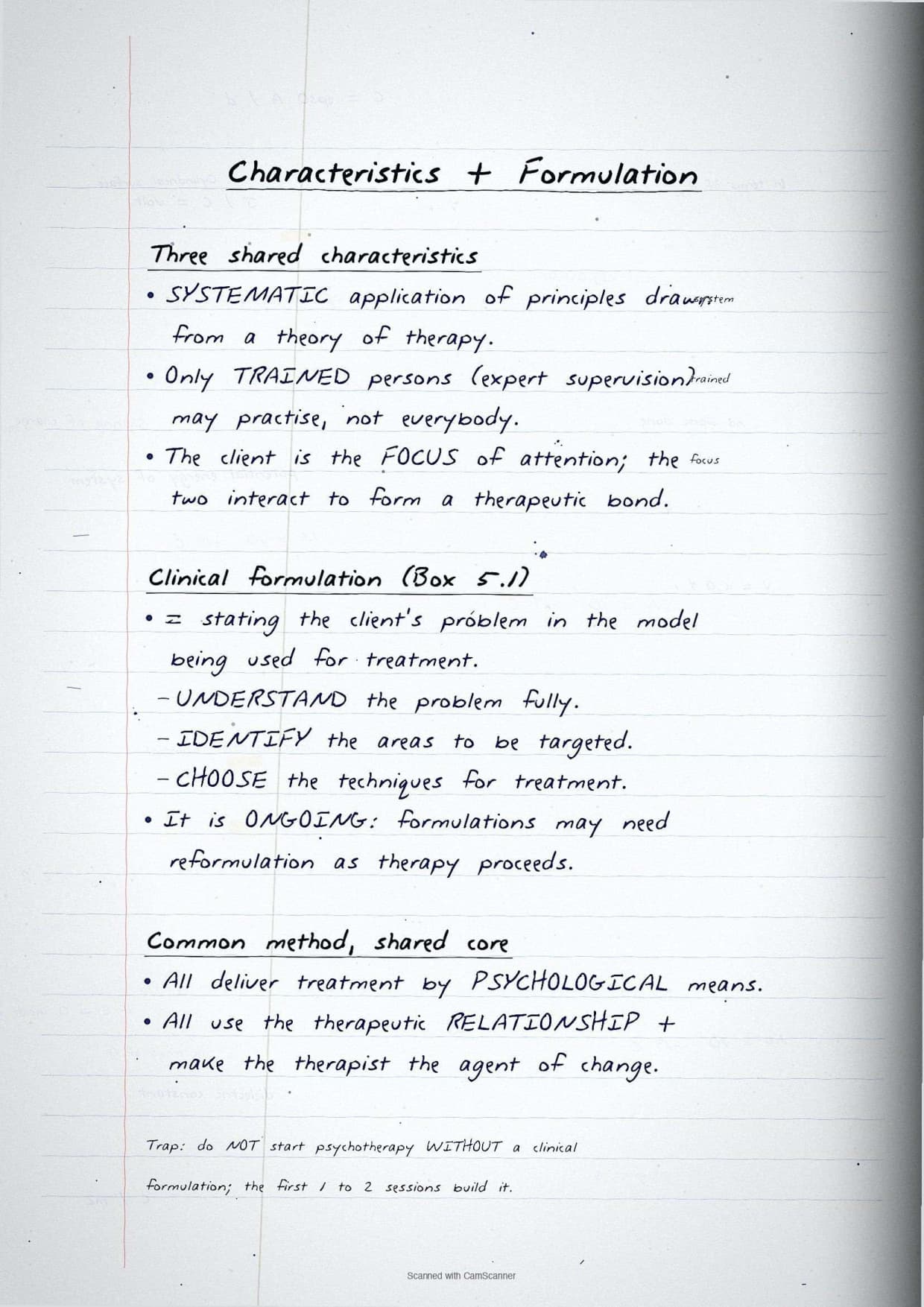
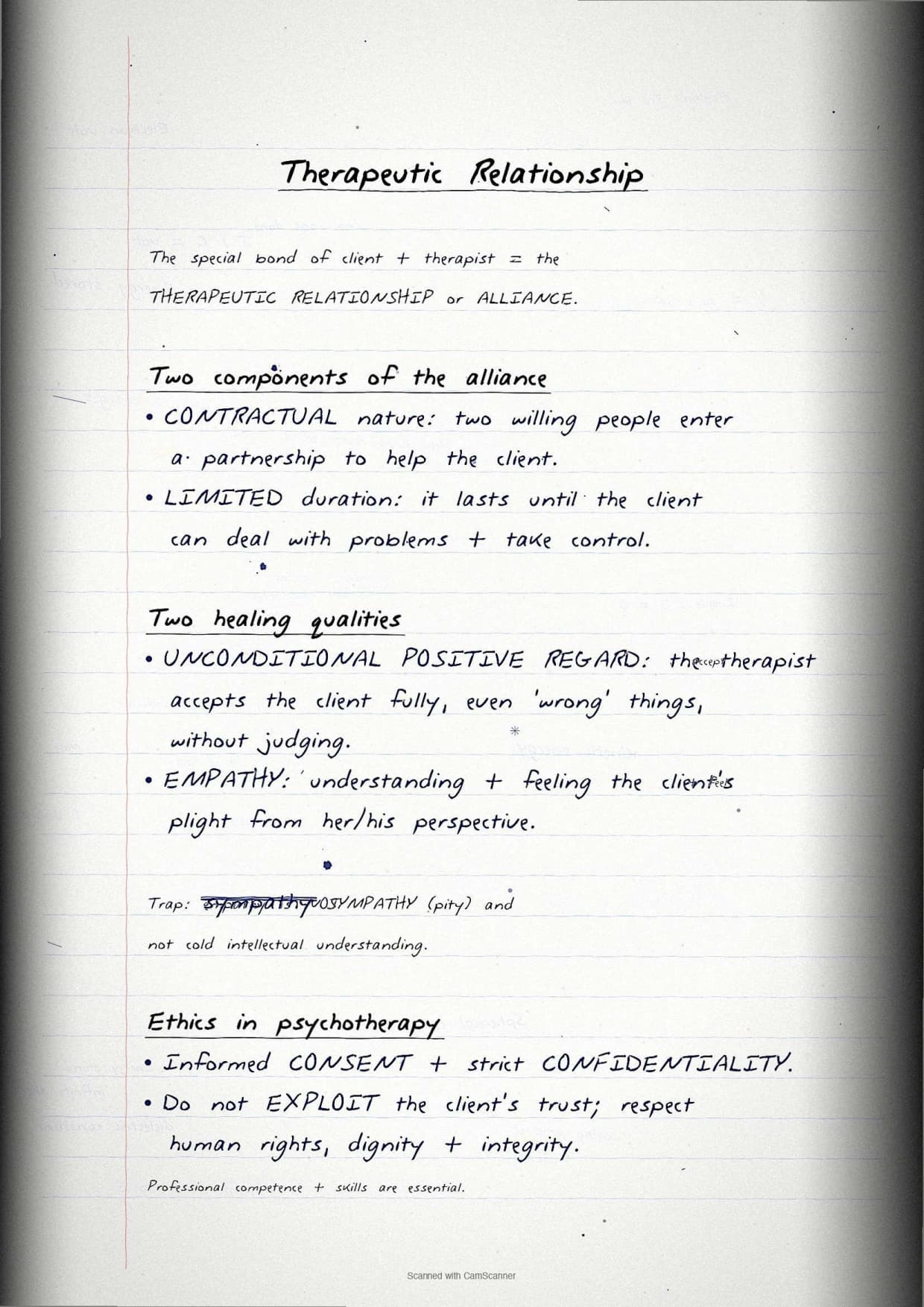
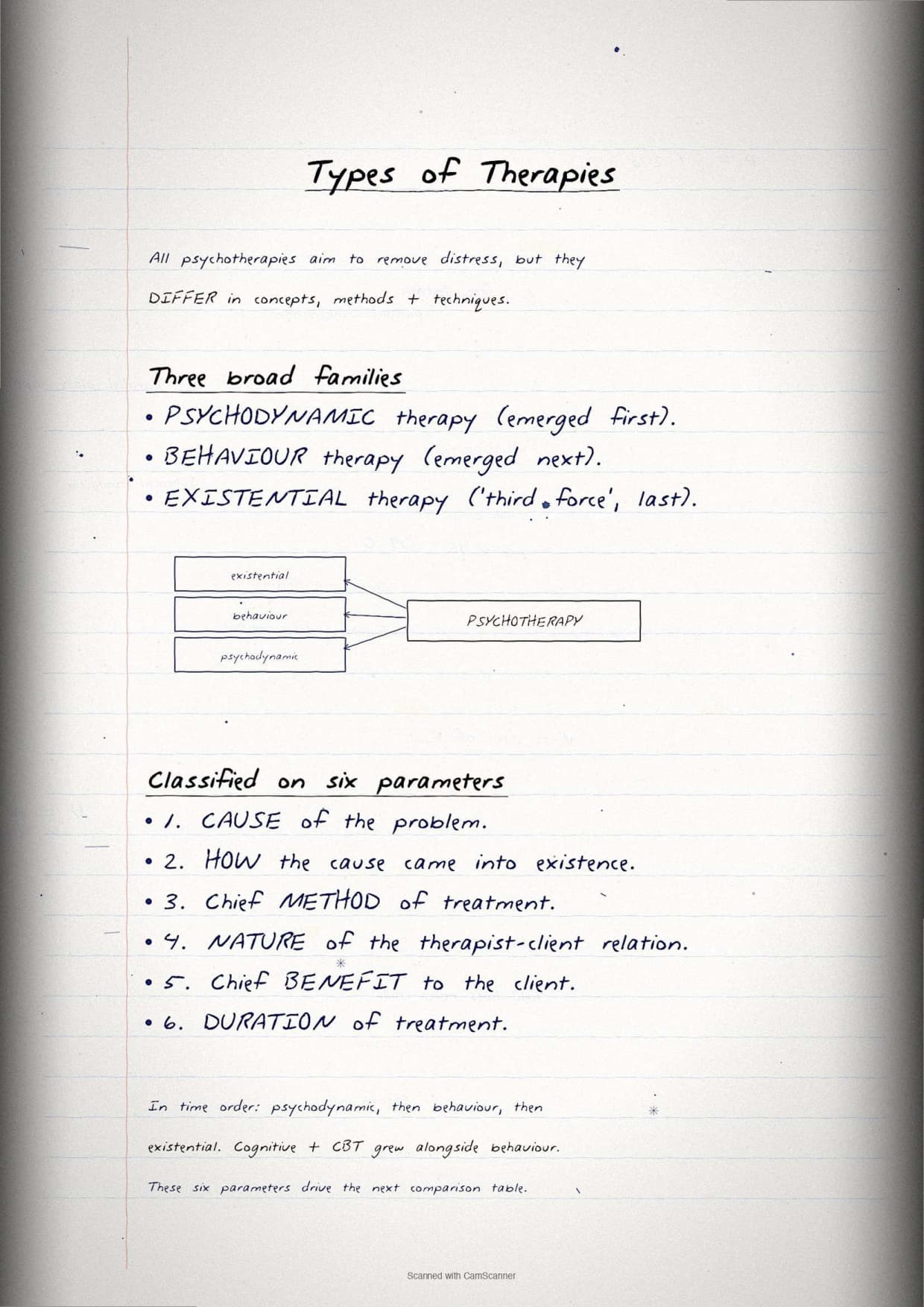
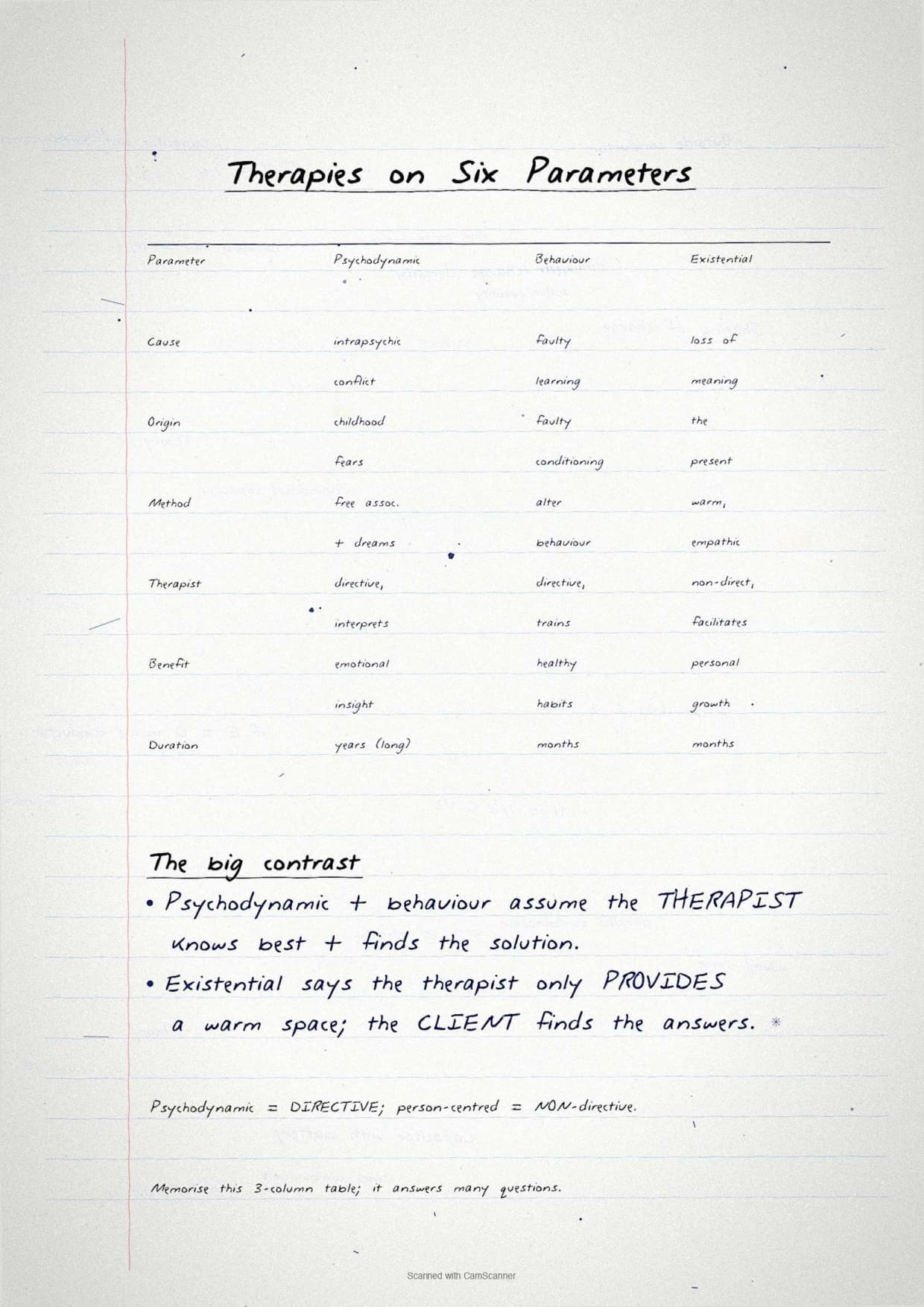
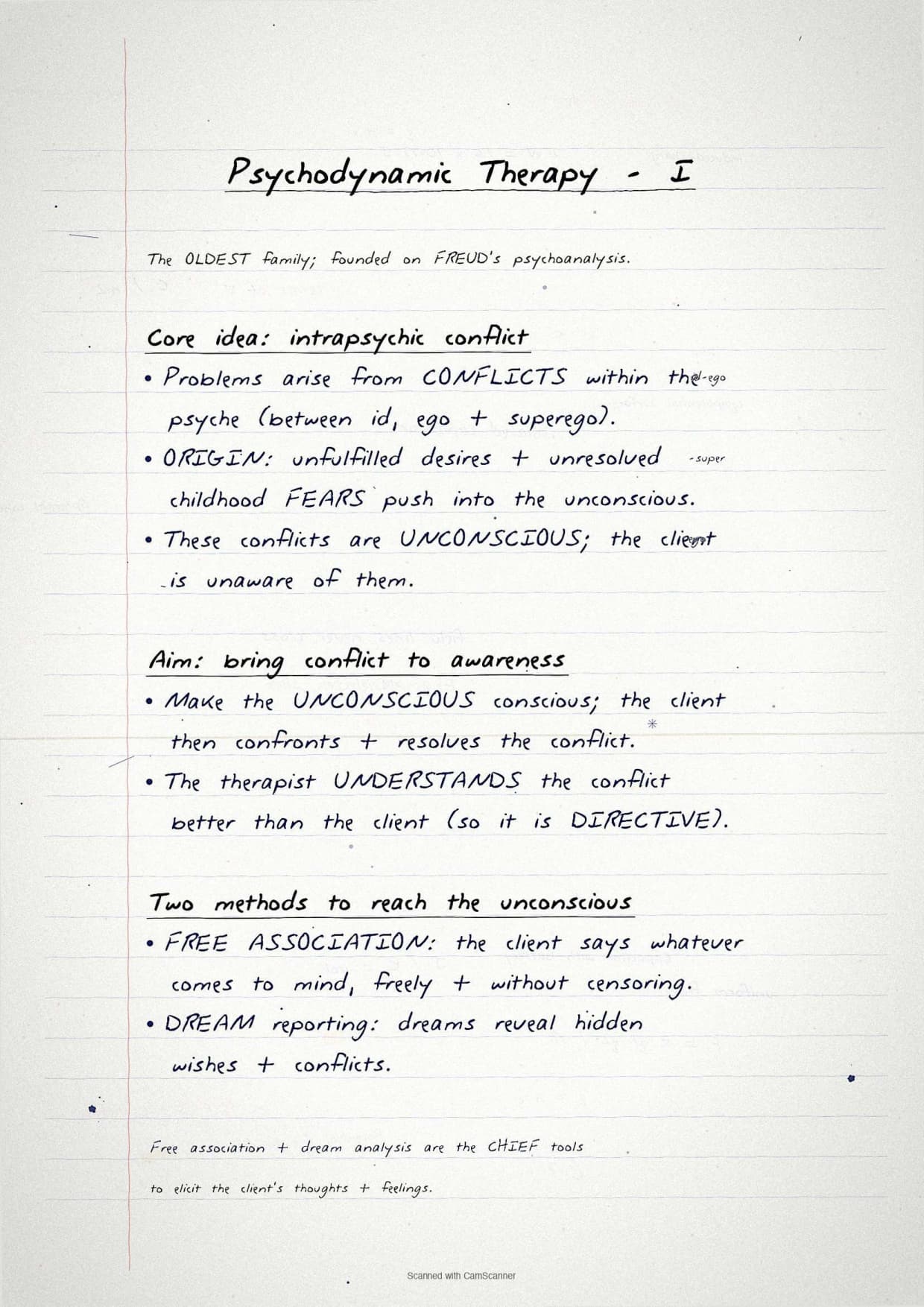
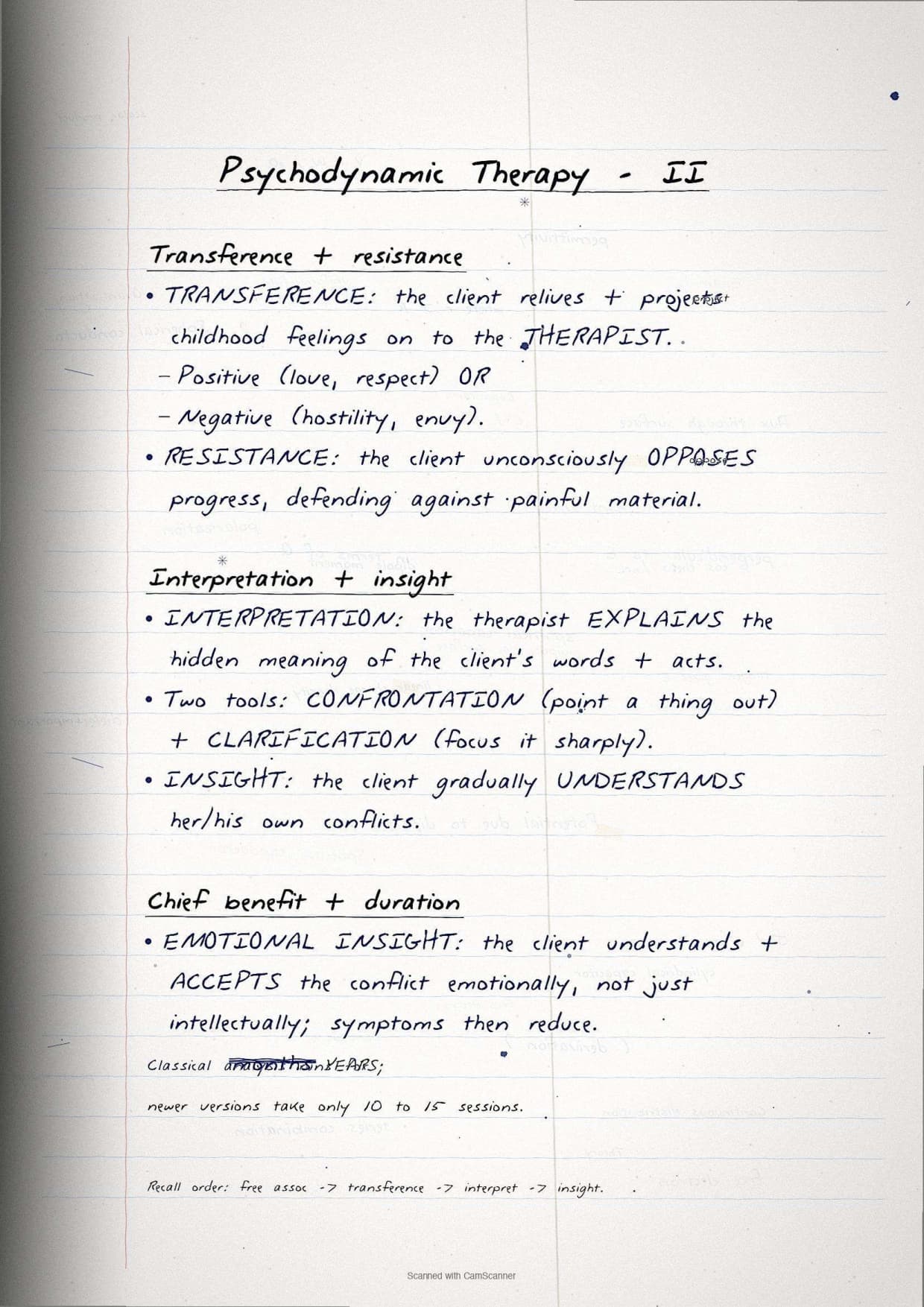
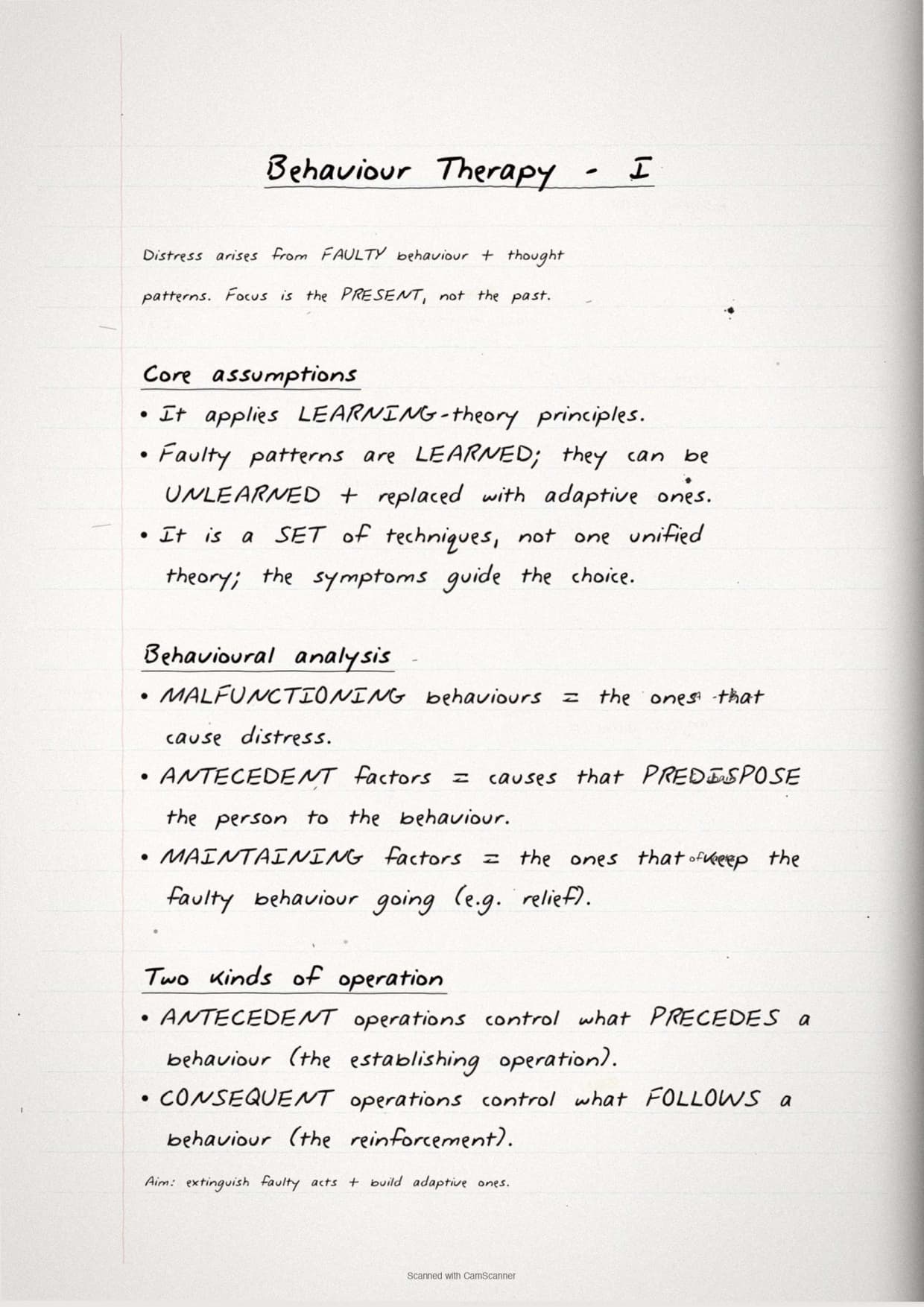
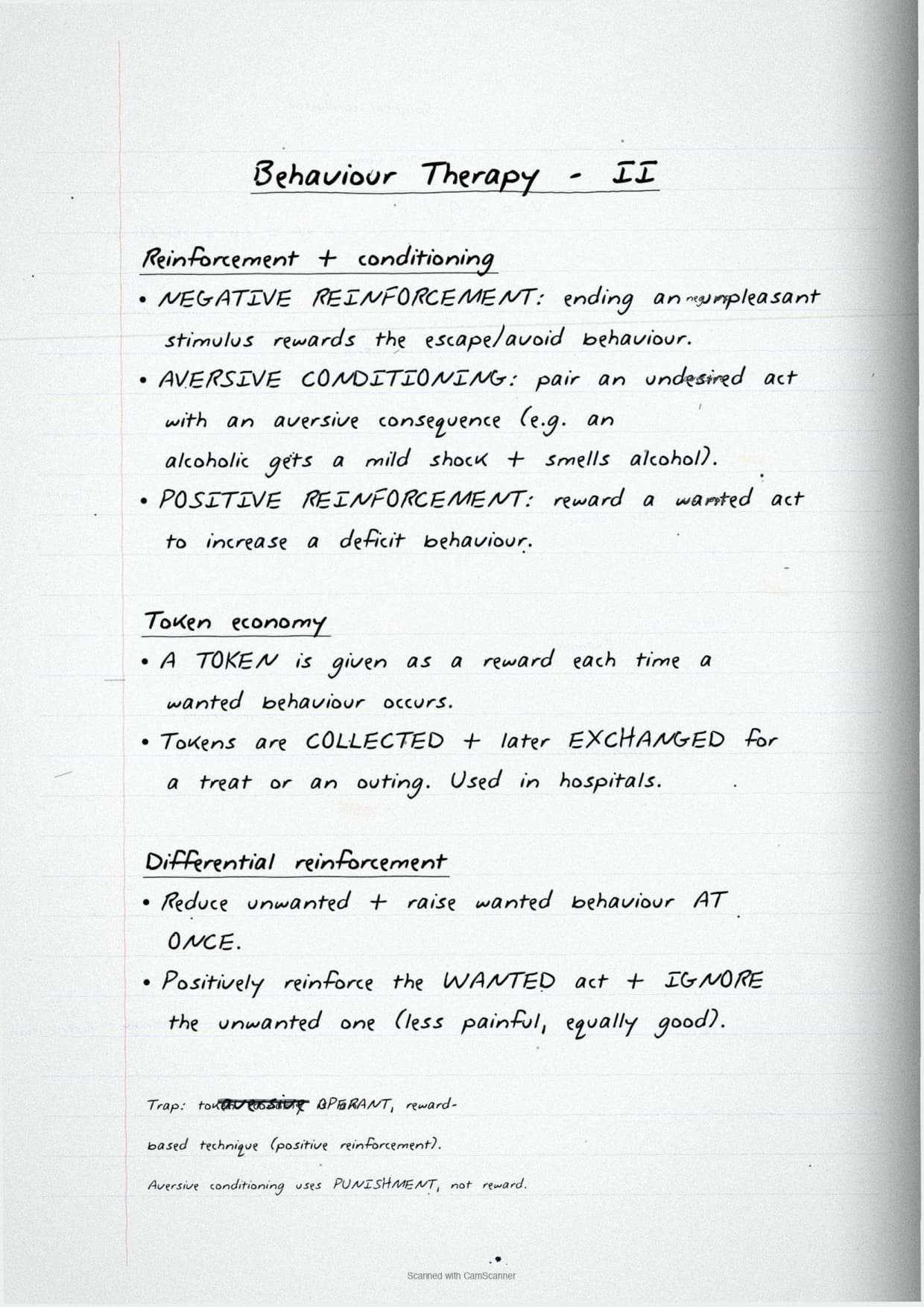
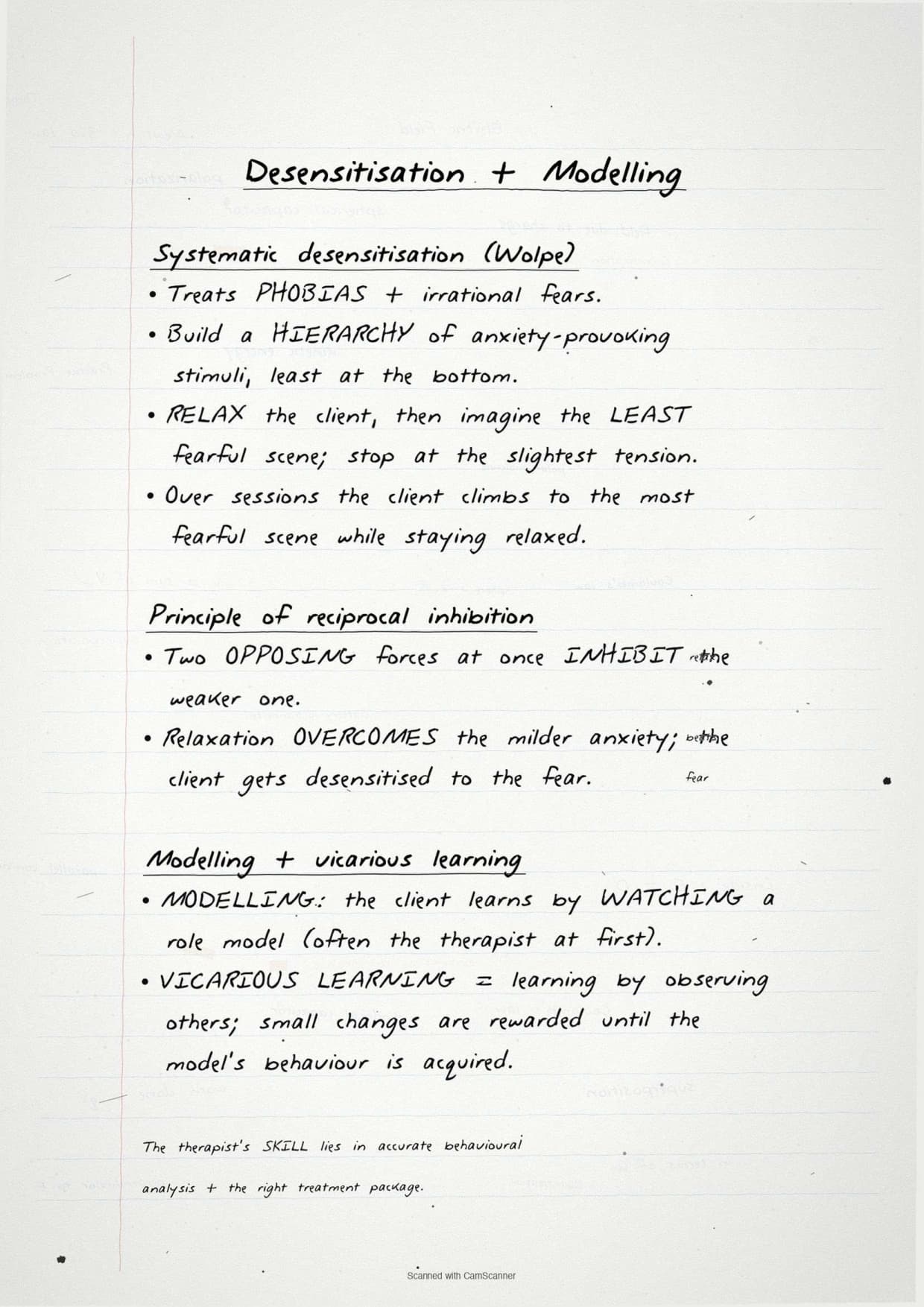
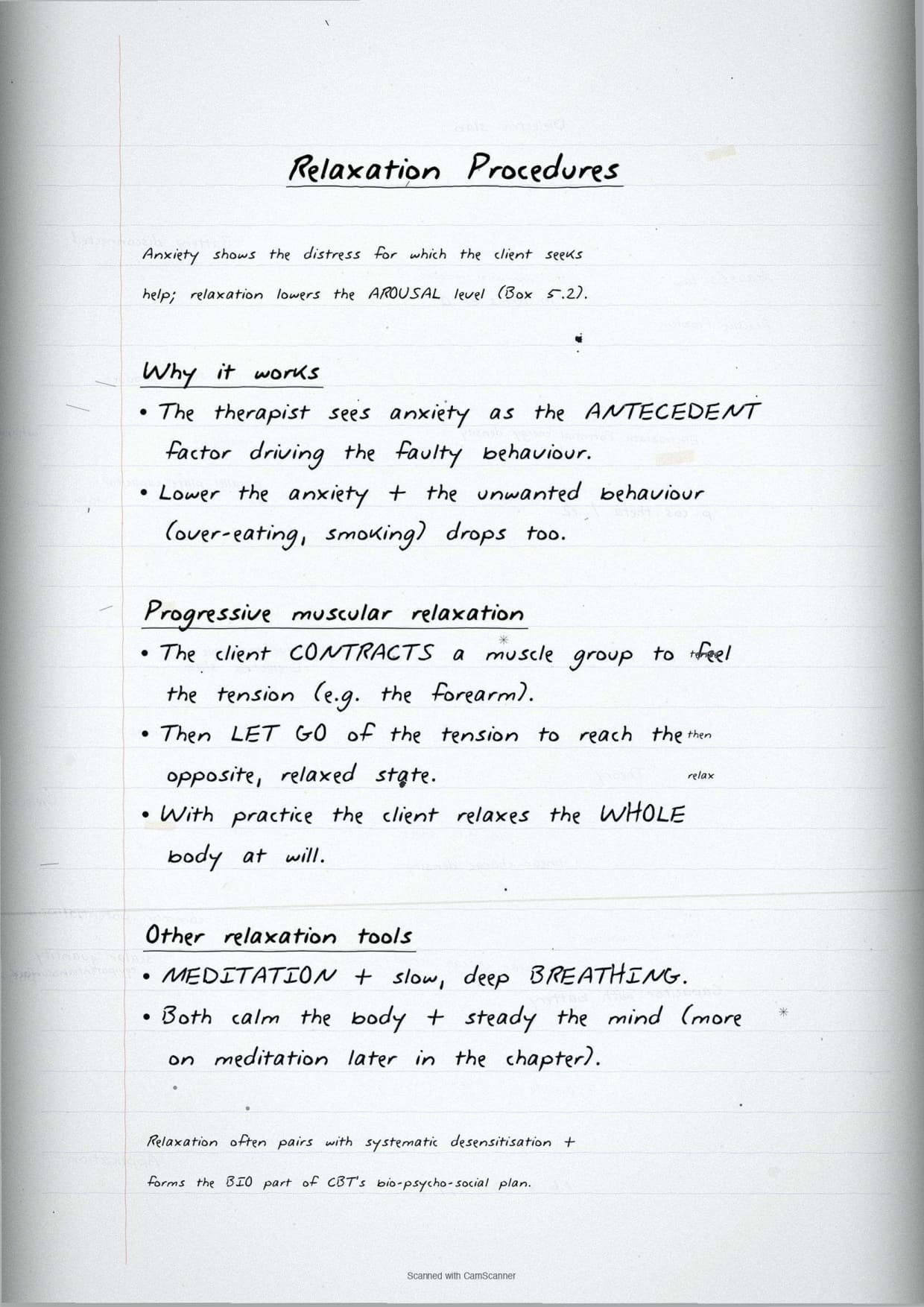
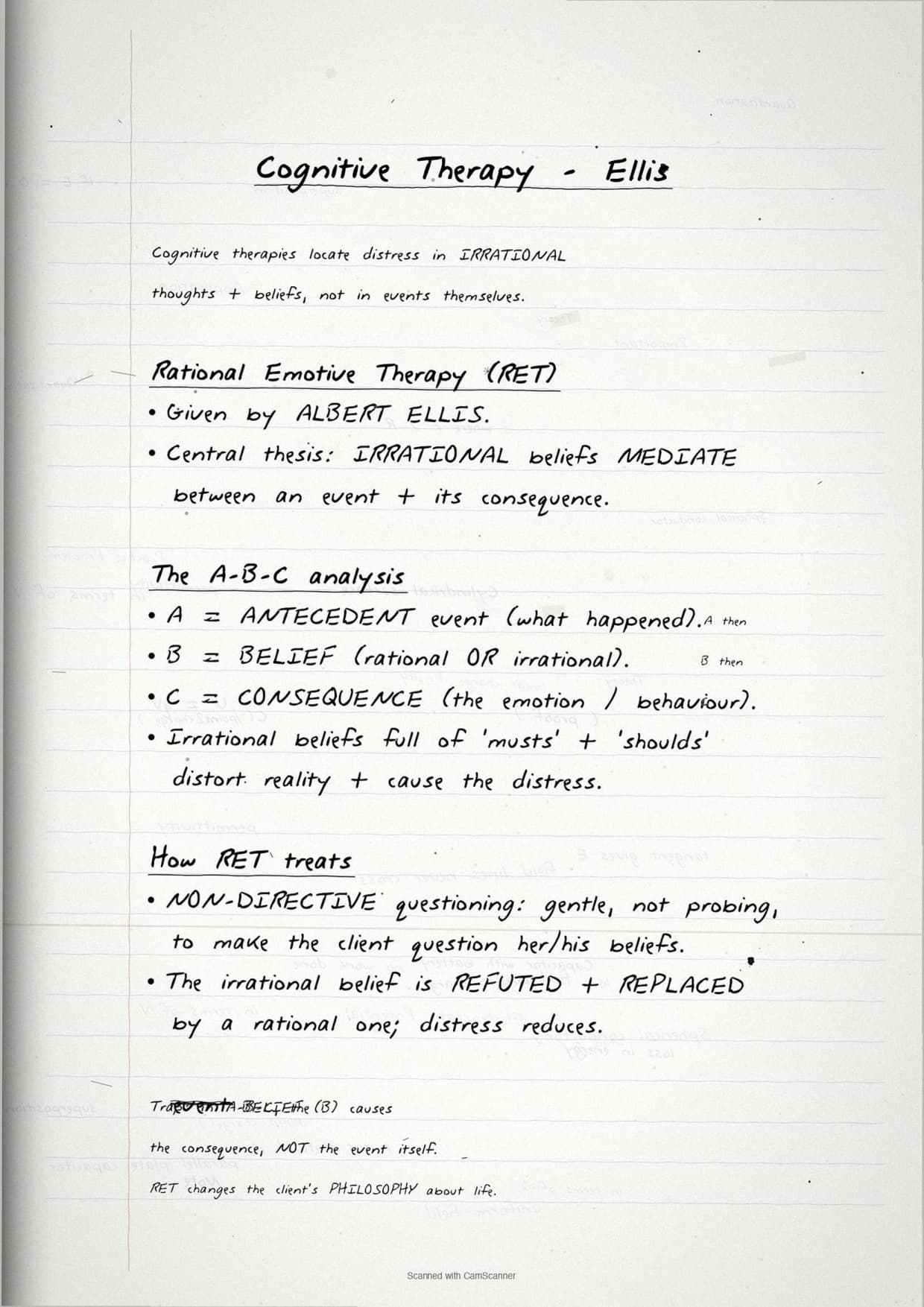
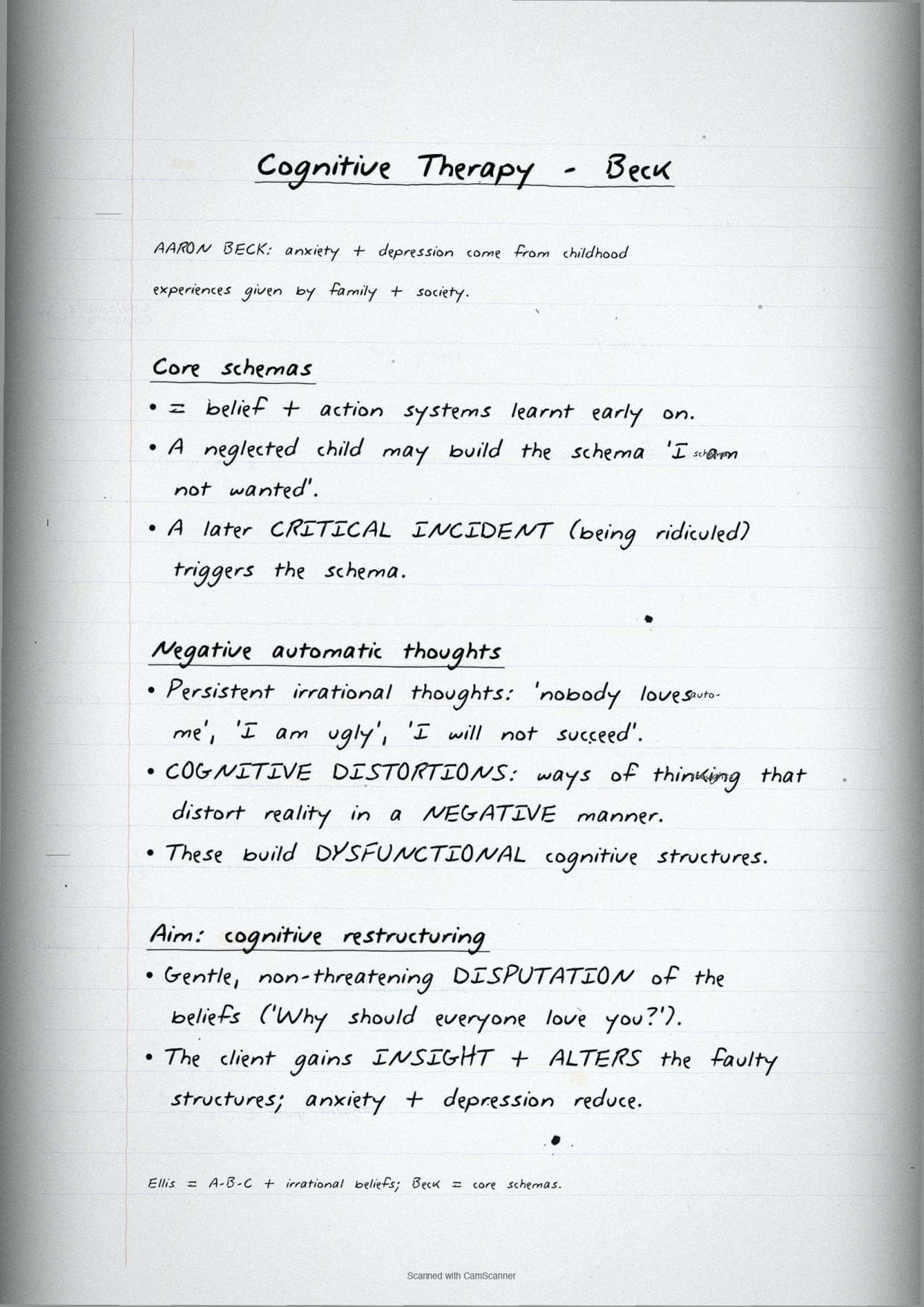
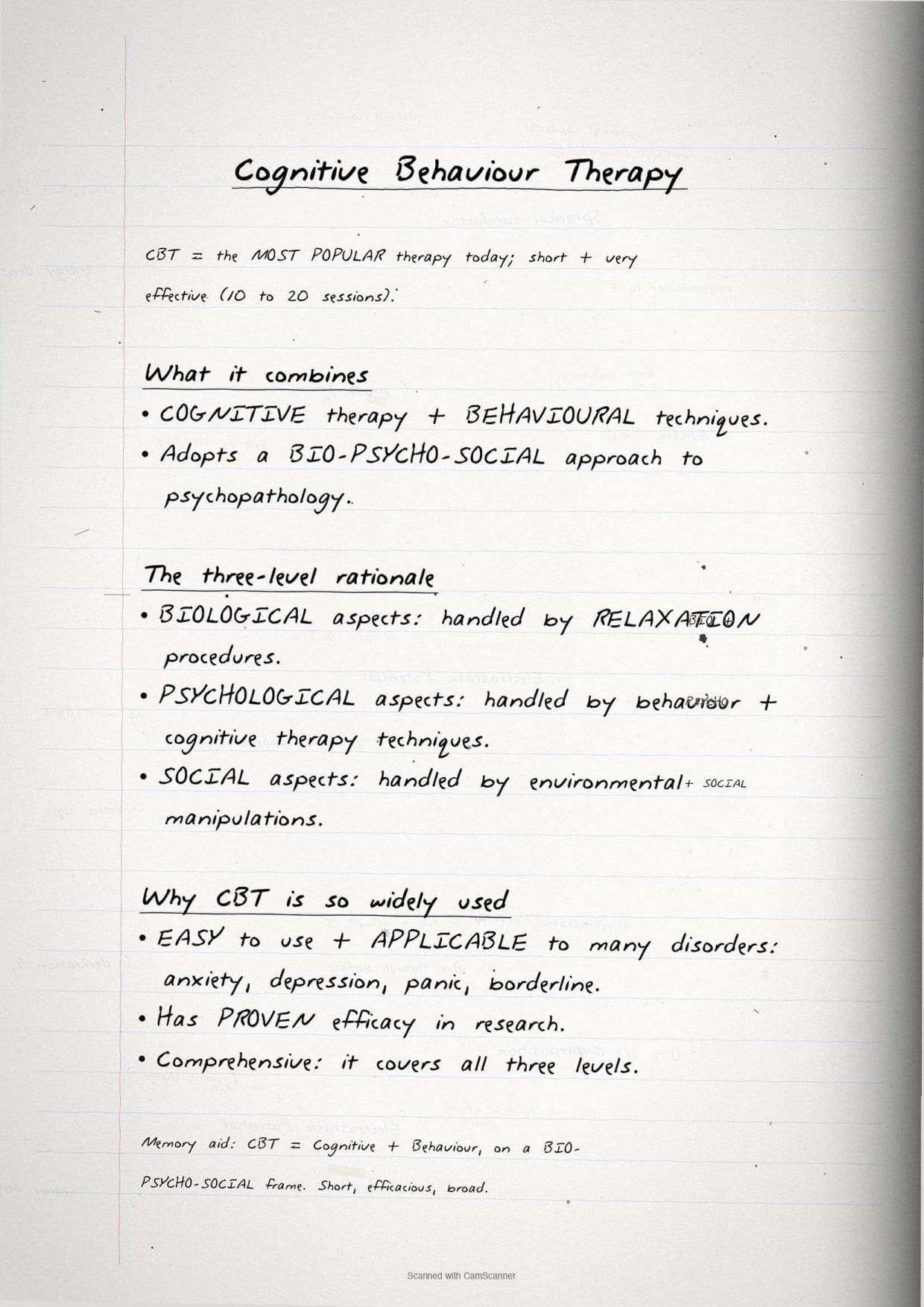
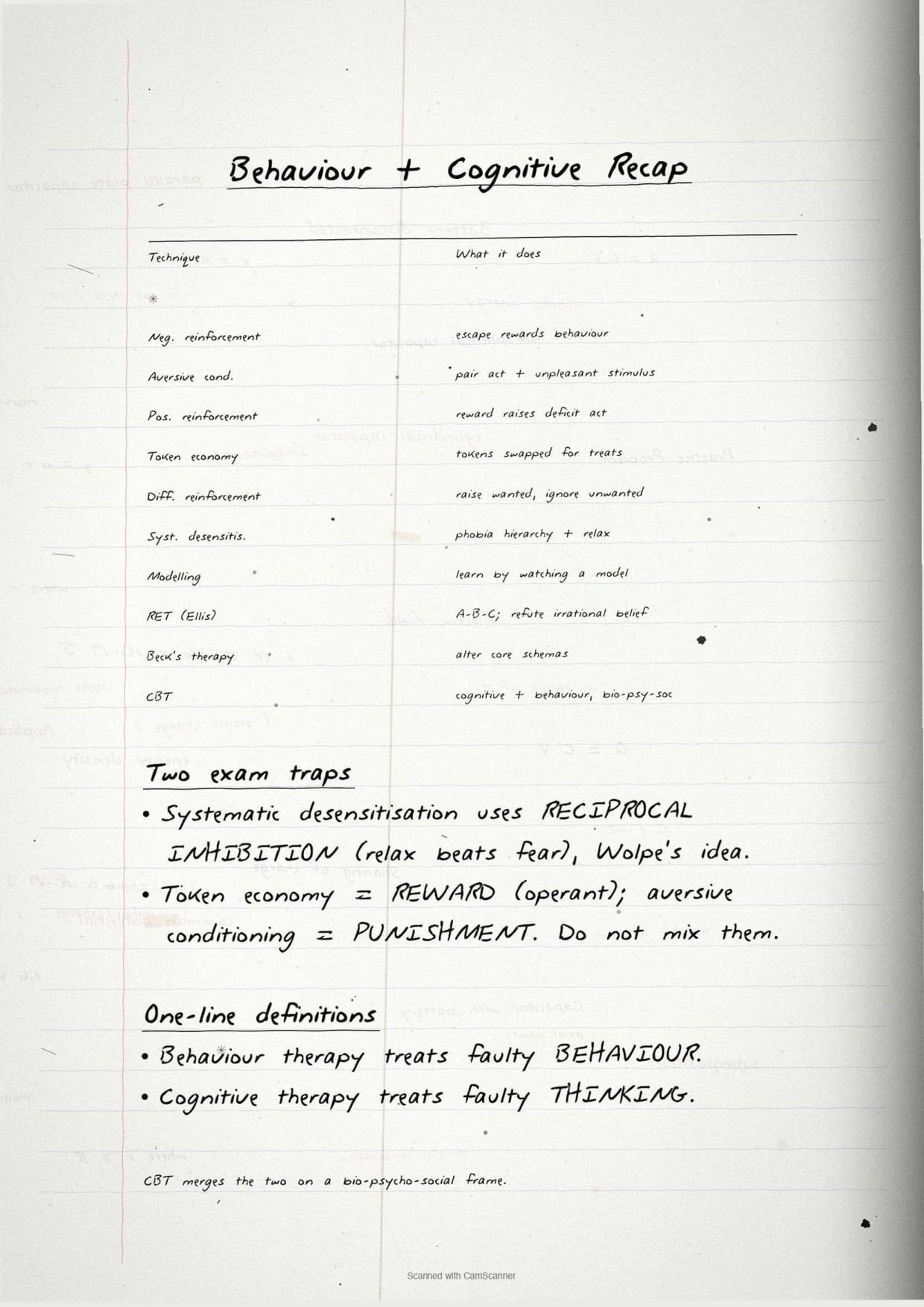
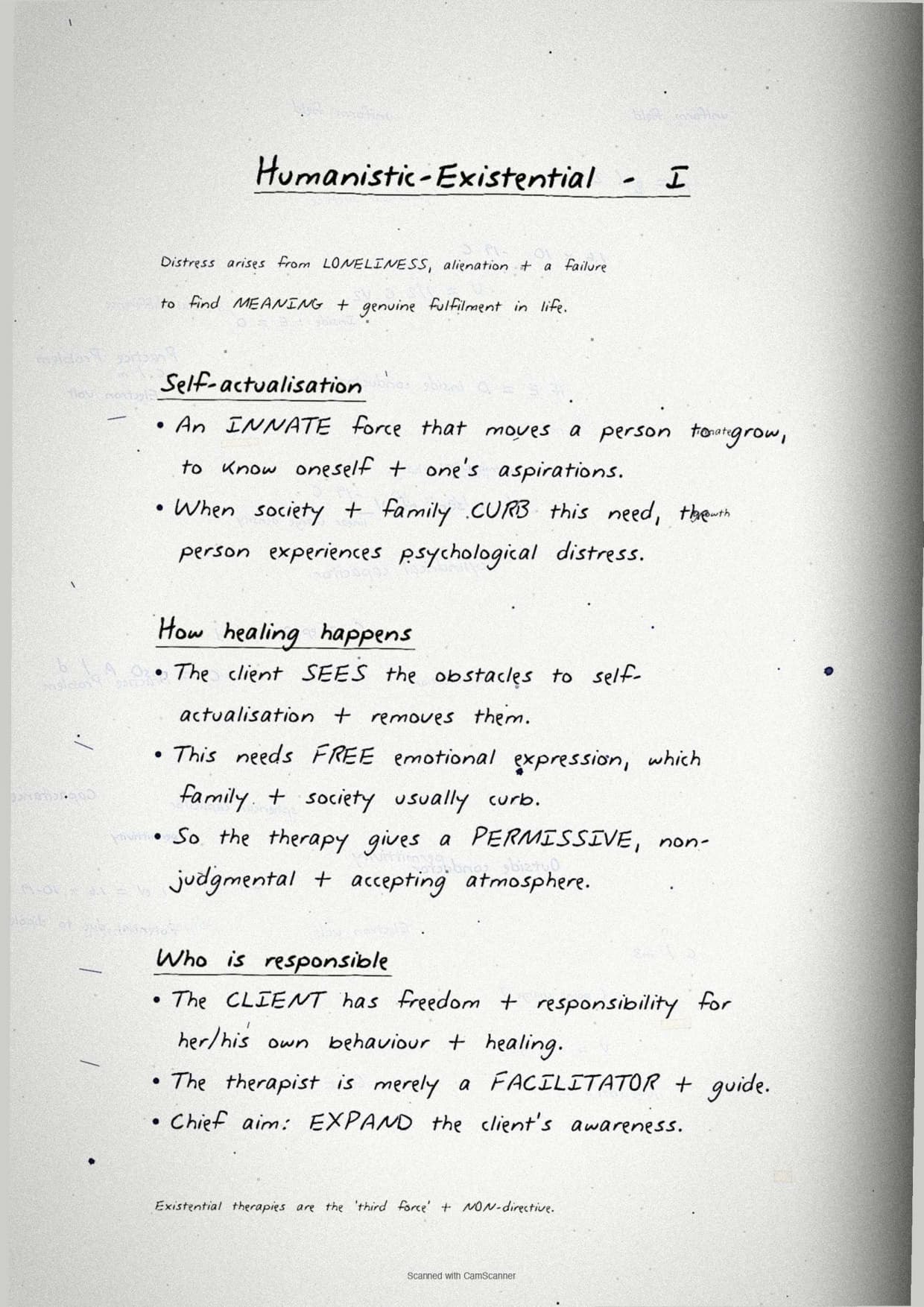
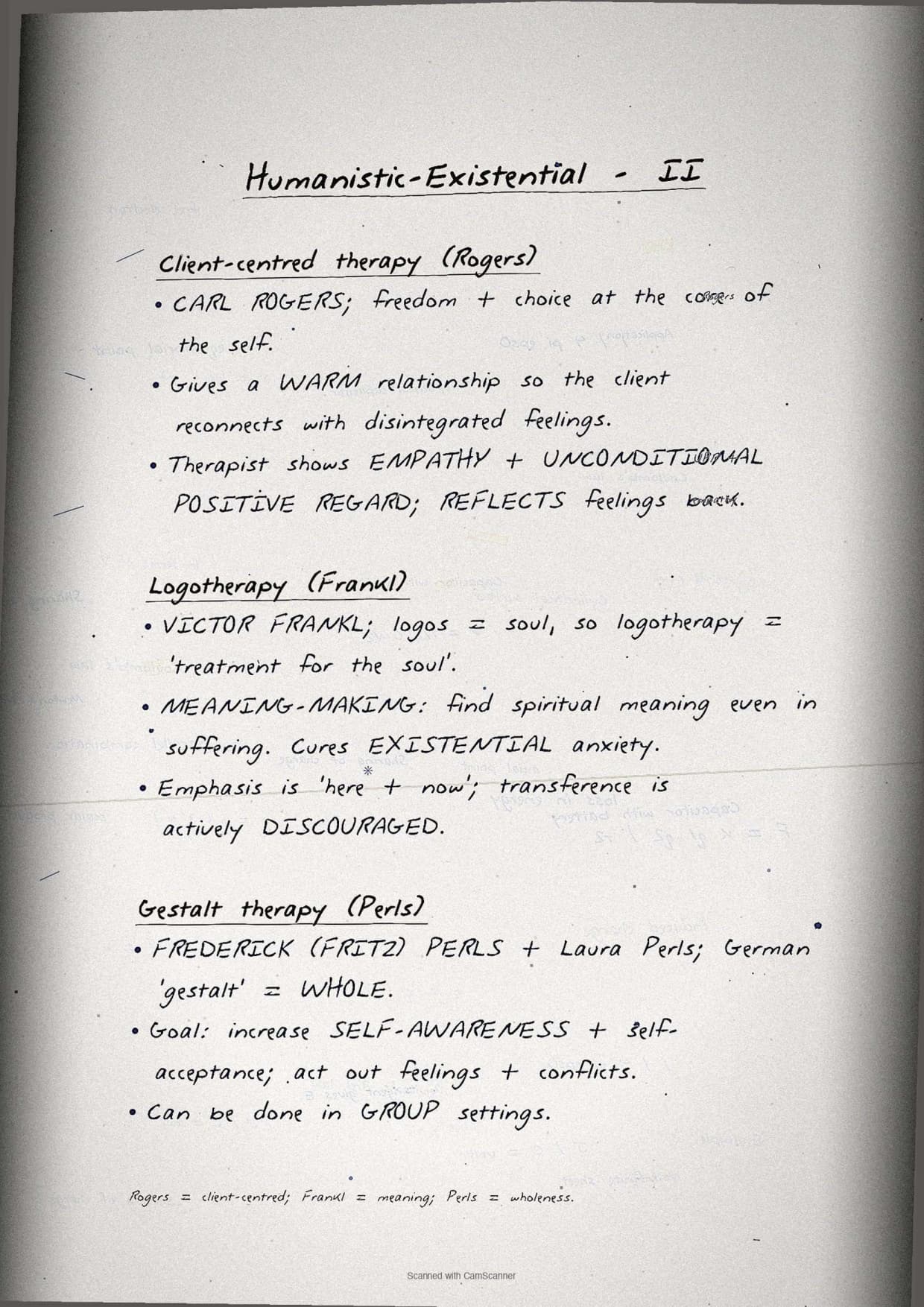
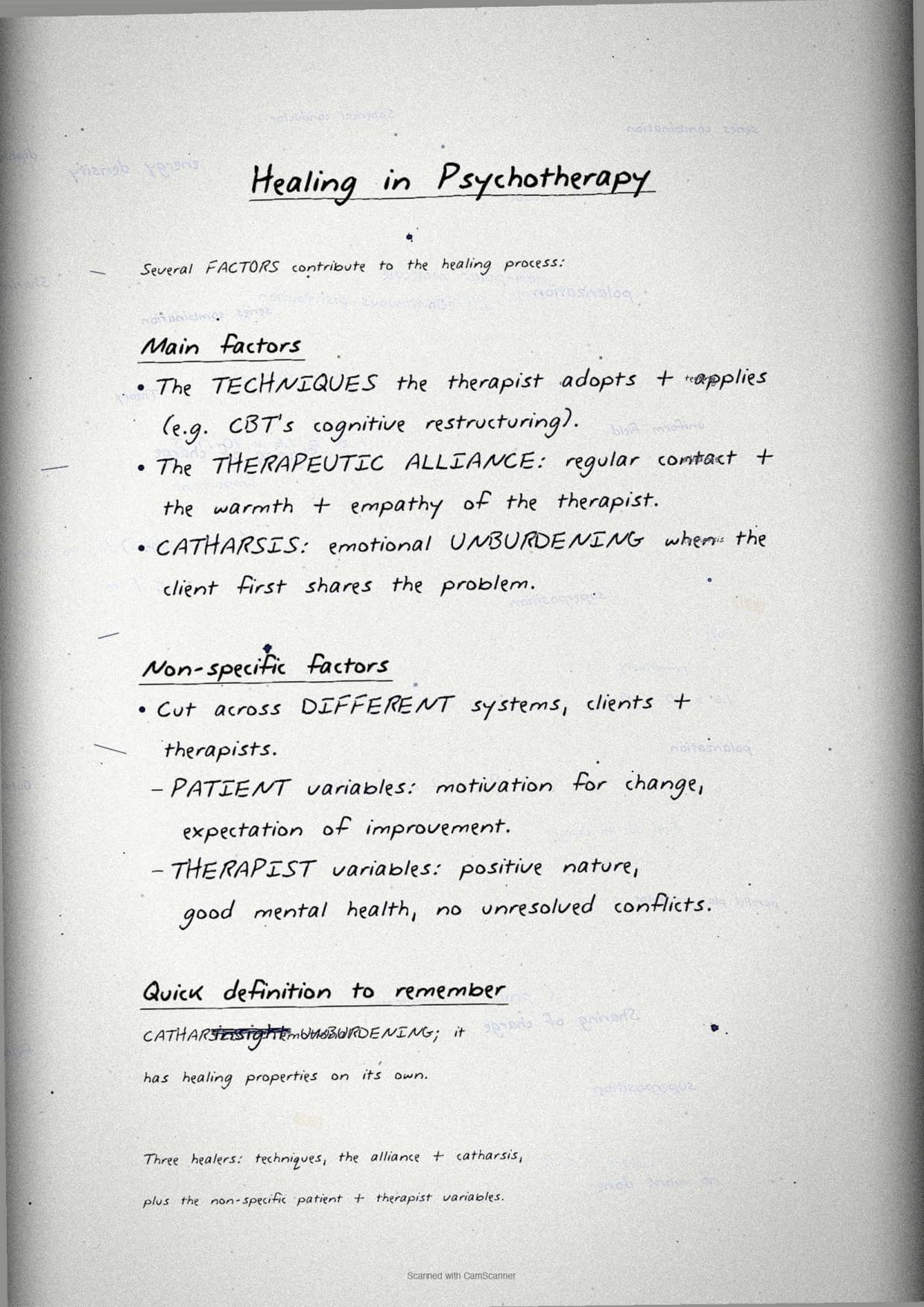
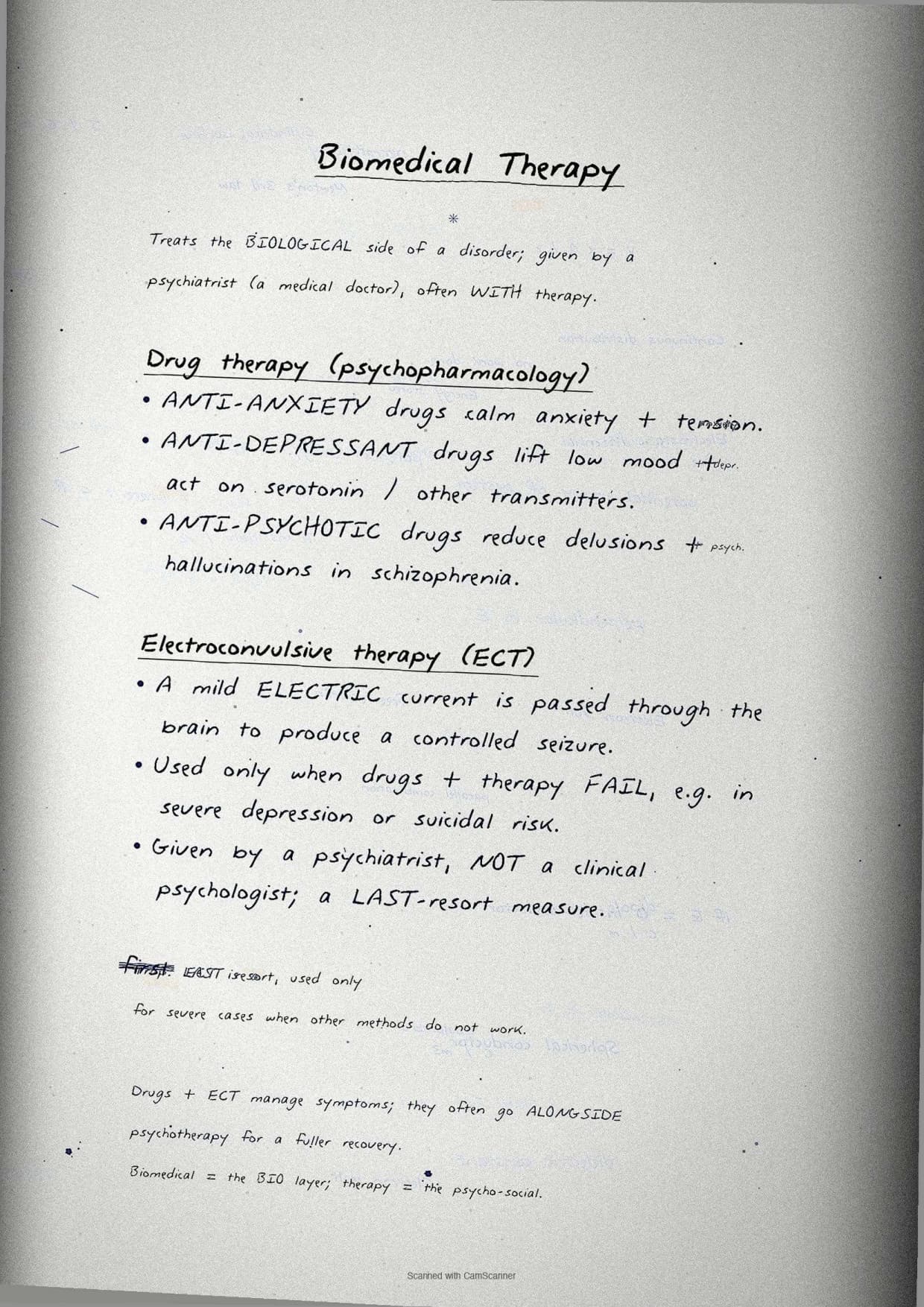
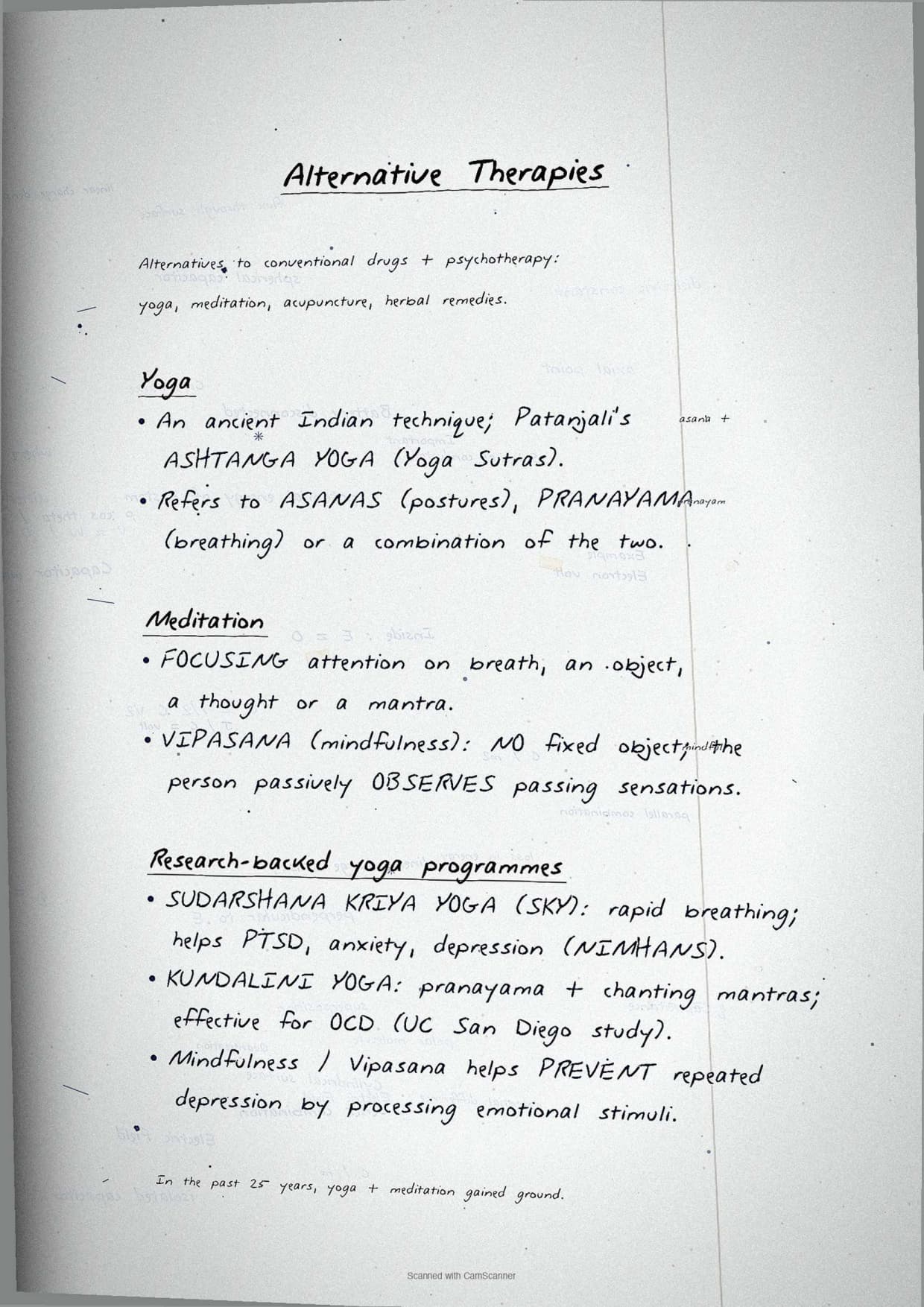
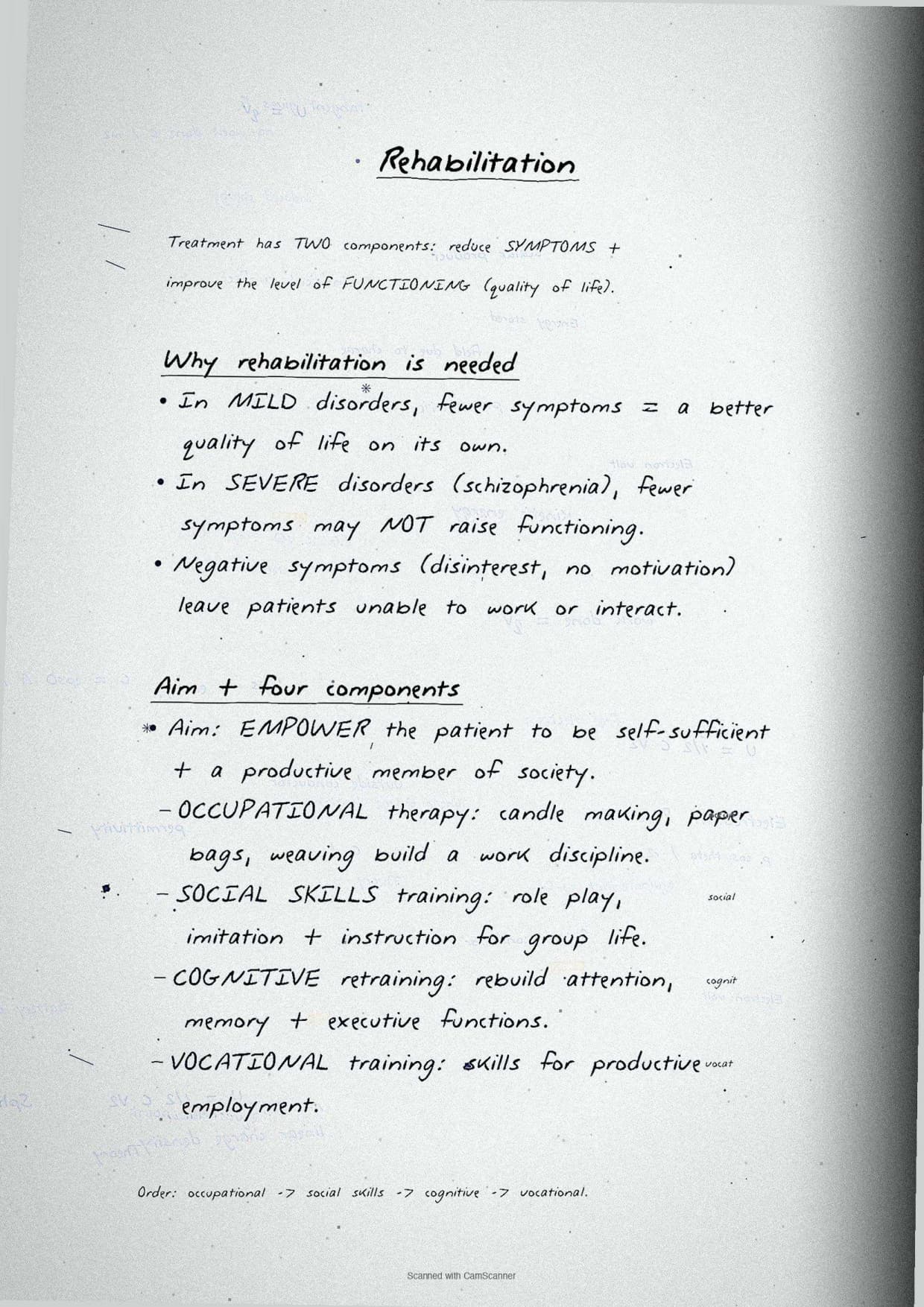
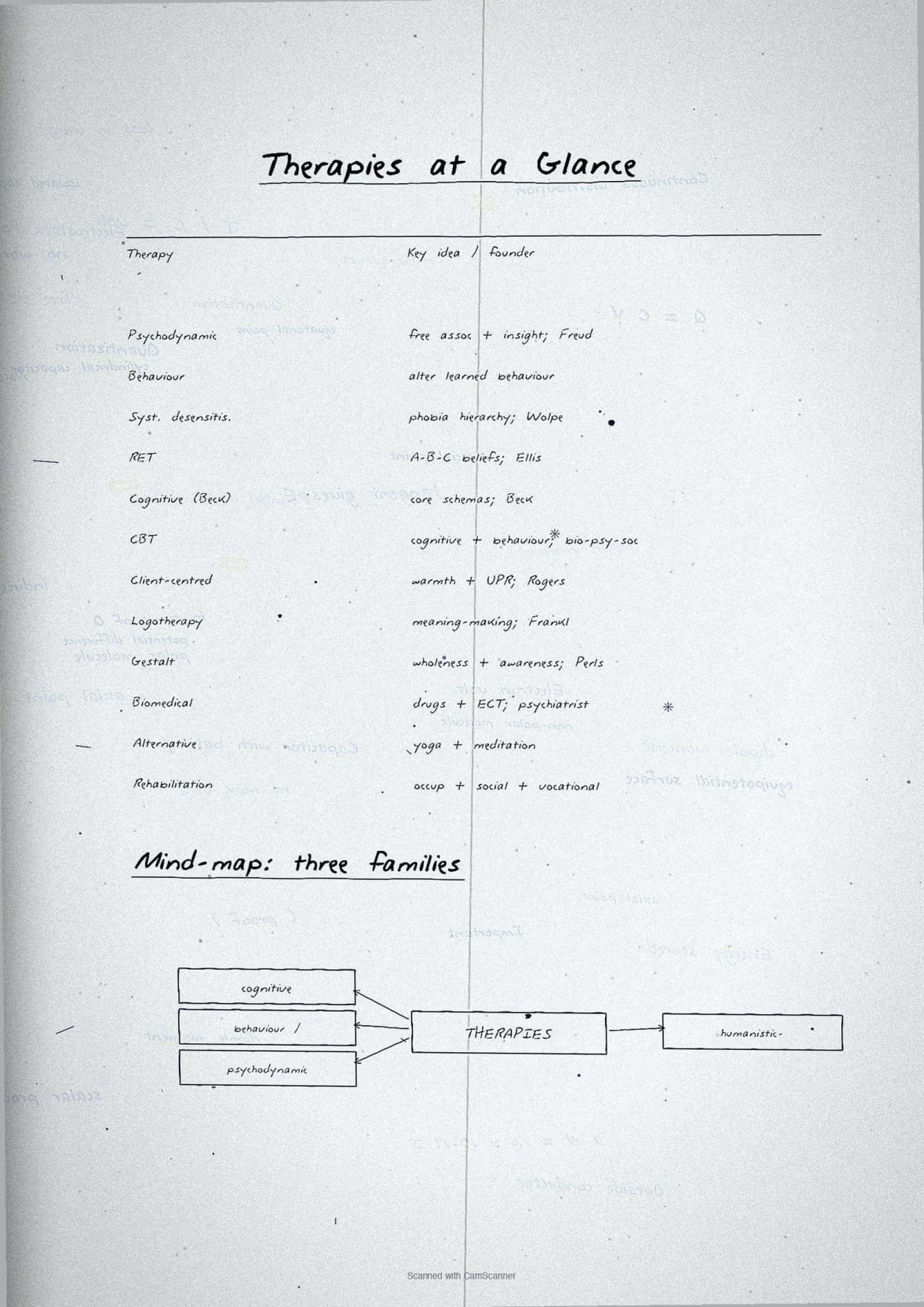
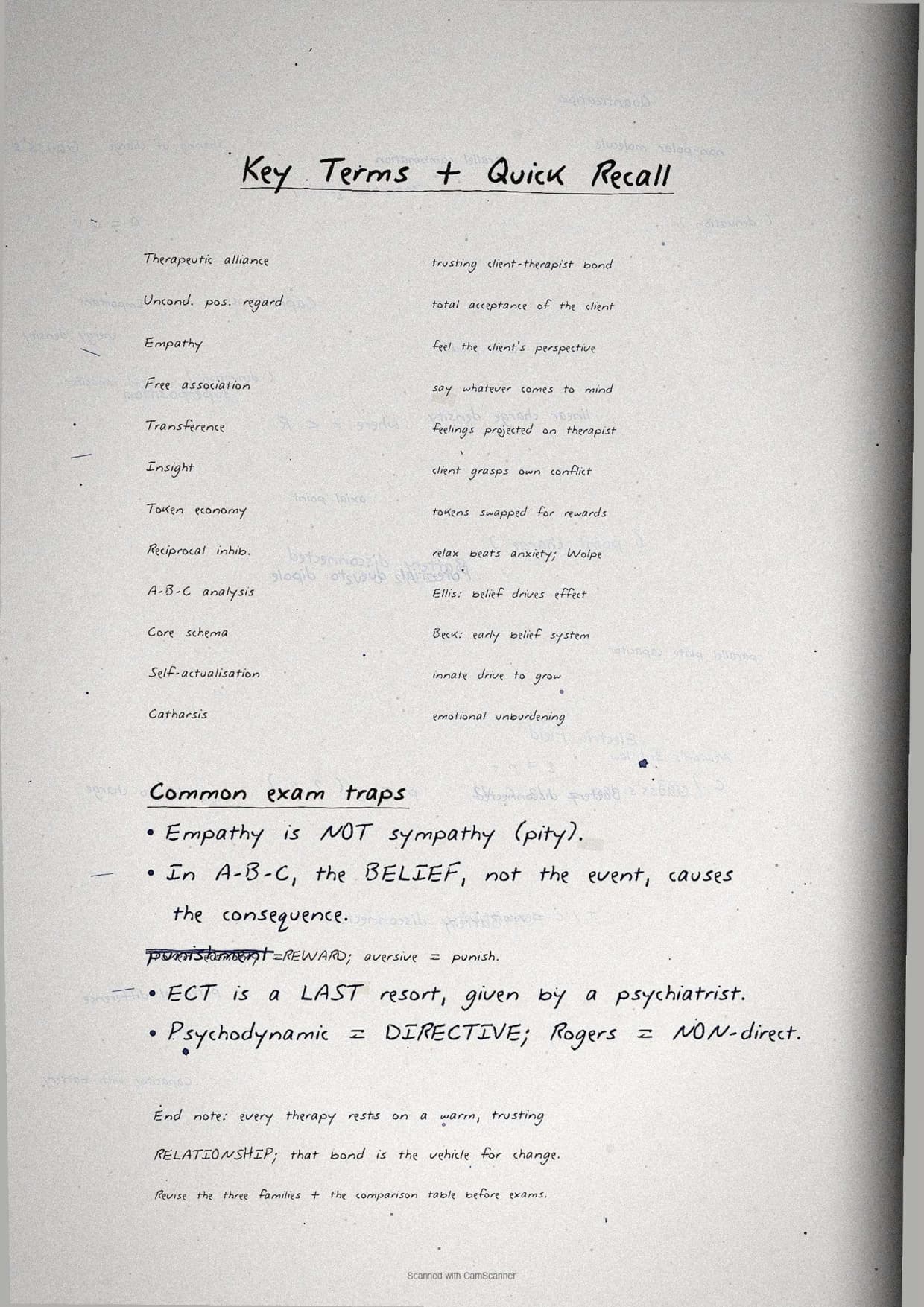
- Handwritten pages with boxed key terms and labelled therapy charts.
- This Class 12 Psychology chapter usually carries 6 to 8 marks in the board paper.
- Pairs with the NCERT Solutions, Notes and Book PDF linked lower on this page.
These Therapeutic Approaches handwritten notes are prepared from the official NCERT Psychology textbook and checked against the last five years of CBSE board papers.
Student Feedback: In a Collegedunia poll of 7,340 Class 12 Psychology students before the 2026 boards, 73% of students said handwritten notes felt faster to revise from than printed text for this chapter. Most students used the boxed therapy chart to recall the matching answer in the exam.
Source: 2026-27 Class 12 Psychology student poll. Sample of 7,340 students from CBSE schools across 12 states.
|
Table of Contents |
What Is Inside These Therapeutic Approaches Handwritten Notes
The notes cover the full chapter in handwritten pages, so students can flip through them like their own revision book. Each topic gets a boxed heading, a short point list and a small chart where it helps.
- Psychotherapy basics: the features, the therapeutic relationship and the goals.
- The six therapies: psychodynamic, behaviour, cognitive, humanistic, biomedical and alternative, each linked to its founder.
- Techniques: behaviour and cognitive methods boxed and labelled.
- Healing and rehabilitation: the factors that aid recovery and the steps that rebuild a patient's life.
The pages are written by hand, so the key terms stand out in boxes and arrows link causes to effects. This is what makes Therapeutic Approaches handwritten notes quicker to skim than a printed summary the night before a test.
Topic-by-Topic Coverage in the Notes
Every section of the chapter has its own handwritten page, so nothing is skipped. The table shows what each page holds, so students can jump straight to the topic they need.
| Page topic | What it holds |
|---|---|
| Psychotherapy | Definition, the contractual bond plus rapport, and the goals of therapy. |
| Behaviour therapy | Negative reinforcement, aversive conditioning, token economy, desensitisation, modelling. |
| Cognitive therapy | Cognitive distortions, Beck's triad, Ellis's A-B-C model and CBT. |
| Humanistic therapy | Rogers's client-centred therapy and its three conditions. |
| Rehabilitation | Occupational therapy, social skills training, vocational training. |
The most useful page for many students is the behaviour therapy one, because the five techniques are boxed with a one-line use each. A handwritten chart makes the systematic desensitisation steps far easier to recall than a paragraph.
How to Use These Handwritten Notes for Revision
Handwritten notes work best as a final-revision tool, not a first read. The plan below gets the most out of them in the last week before the exam.
- Read once slowly: go through each page so the layout and arrows fix in memory.
- Cover and recall: hide the answer side and try to name each therapy's method and founder.
- Use the charts: redraw the desensitisation steps and the therapy chart from memory.
- Last day: skim only the boxed key terms and the common-mistake page.
A simple rule helps: read the Notes for understanding, but revise from these handwritten pages for speed. Because the pages look like a student's own book, the brain recalls them faster in the exam hall than printed text.
Common Mistakes These Notes Help You Avoid
The notes flag the errors that cost marks every year, so students stop making them. Most come from mixing up the therapies or their founders.
- Confusing behaviour therapy with cognitive therapy - one changes habits, the other changes thoughts.
- Linking client-centred therapy to Freud - it is Carl Rogers.
- Calling free association a behaviour technique - it belongs to psychoanalysis.
- Forgetting Rogers's three conditions: unconditional positive regard, empathy and genuineness.
- Mixing up the parts of the therapeutic relationship - it is a contractual bond plus rapport.
Each of these points sits on its own boxed line in the notes, so a quick last-day skim fixes them. The exam rewards a clear link between each therapy, its founder and its method, so the notes keep the three together on every page.
How These Handwritten Notes Pair with the Solutions and Book PDF
These notes are for fast revision. To learn the chapter in full, students should use them alongside the other resources for the same chapter, all linked in the table below.
| Resource | Best used for |
|---|---|
| Therapeutic Approaches Class 12 NCERT Solutions | Full point-wise answers to all 9 review questions |
| Therapeutic Approaches Class 12 Notes | A fuller revision summary with tables and key terms |
| Therapeutic Approaches NCERT Book PDF | Reading the original NCERT chapter text and case examples |
Tip: read the Notes first, revise from these handwritten pages, then test yourself against the Solutions. That order builds memory faster than copying answers straight away.
All Handwritten Notes for Class 12 Psychology
The table links the Handwritten Notes for every chapter in Class 12 Psychology, so students can move across the course in one click. Therapeutic Approaches is highlighted.
| Chapter | Handwritten Notes |
|---|---|
| Chapter 1 | Variations in Psychological Attributes |
| Chapter 2 | Self and Personality |
| Chapter 3 | Meeting Life Challenges |
| Chapter 4 | Psychological Disorders |
| Chapter 5 | Therapeutic Approaches |
| Chapter 6 | Attitude and Social Cognition |
| Chapter 7 | Social Influence and Group Processes |
FAQs on Therapeutic Approaches Class 12 Handwritten Notes
Therapeutic Approaches Class 12 Psychology Common Questions
Ques. Where can I download the Therapeutic Approaches handwritten notes PDF?
Ans. You can download the Therapeutic Approaches Class 12 Psychology handwritten notes PDF directly from this page. It is free, follows the 2026-27 NCERT, and presents the whole chapter as handwritten pages.
Ques. Are handwritten notes good for revising Therapeutic Approaches?
Ans. Yes. Handwritten notes are best for last-minute revision because boxed key terms and small charts are quick to skim. For full answers, pair them with the NCERT Solutions on this site.
Ques. What does the Therapeutic Approaches chapter cover?
Ans. It covers psychotherapy, the six families of therapy, behaviour and cognitive techniques, humanistic therapy, healing factors, alternative therapies and the rehabilitation of the mentally ill.
Ques. How are these handwritten notes different from the typed Notes?
Ans. The handwritten notes are built for speed and recall, with boxed terms and charts. The typed Notes give a fuller summary with tables. Many students read the Notes first and revise from the handwritten pages.
Ques. Do these notes follow the 2026-27 CBSE syllabus?
Ans. Yes. They are prepared from the official NCERT Psychology textbook for the 2026-27 session and checked against the last five years of CBSE board papers, so nothing out of syllabus is included.



Comments