




These Meeting Life Challenges handwritten notes turn the whole stress and coping chapter into clean, handwritten pages for fast last-minute revision. They follow the 2026-27 CBSE syllabus and Chapter 3 of Class 12 Psychology. Students get the key terms, the GAS stages, the coping styles and the life skills in a pen-on-paper format that is easy to skim before a test.
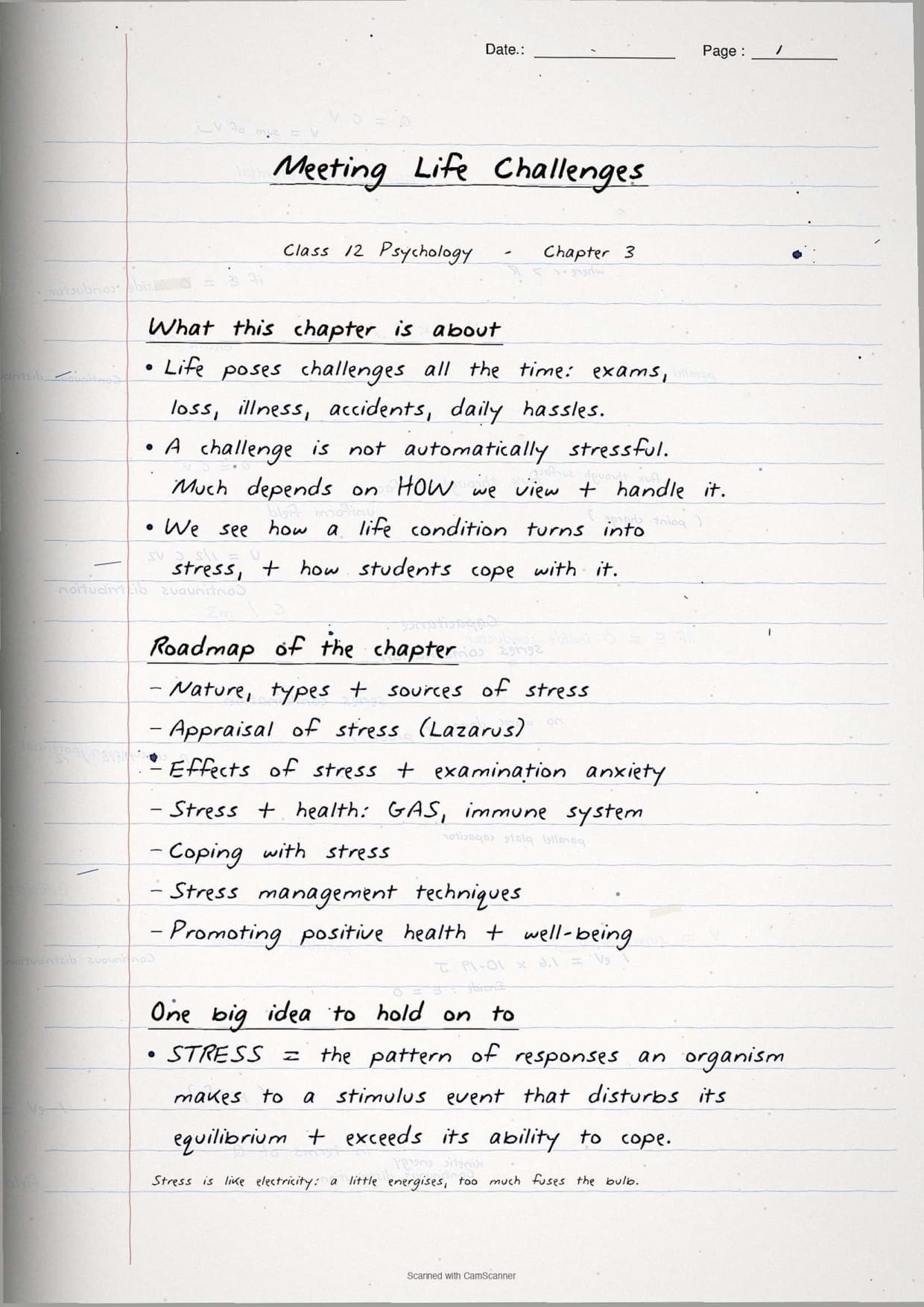
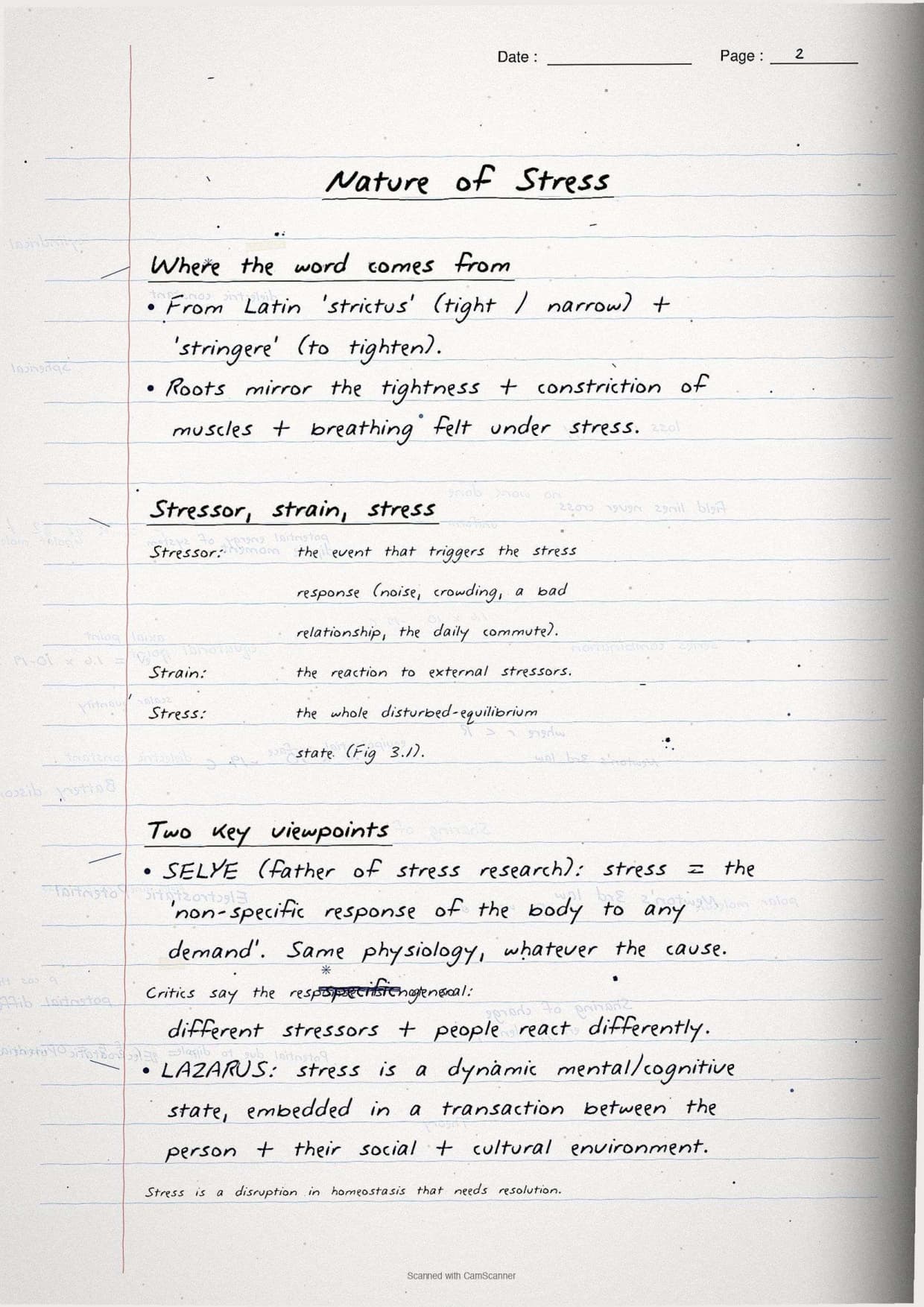
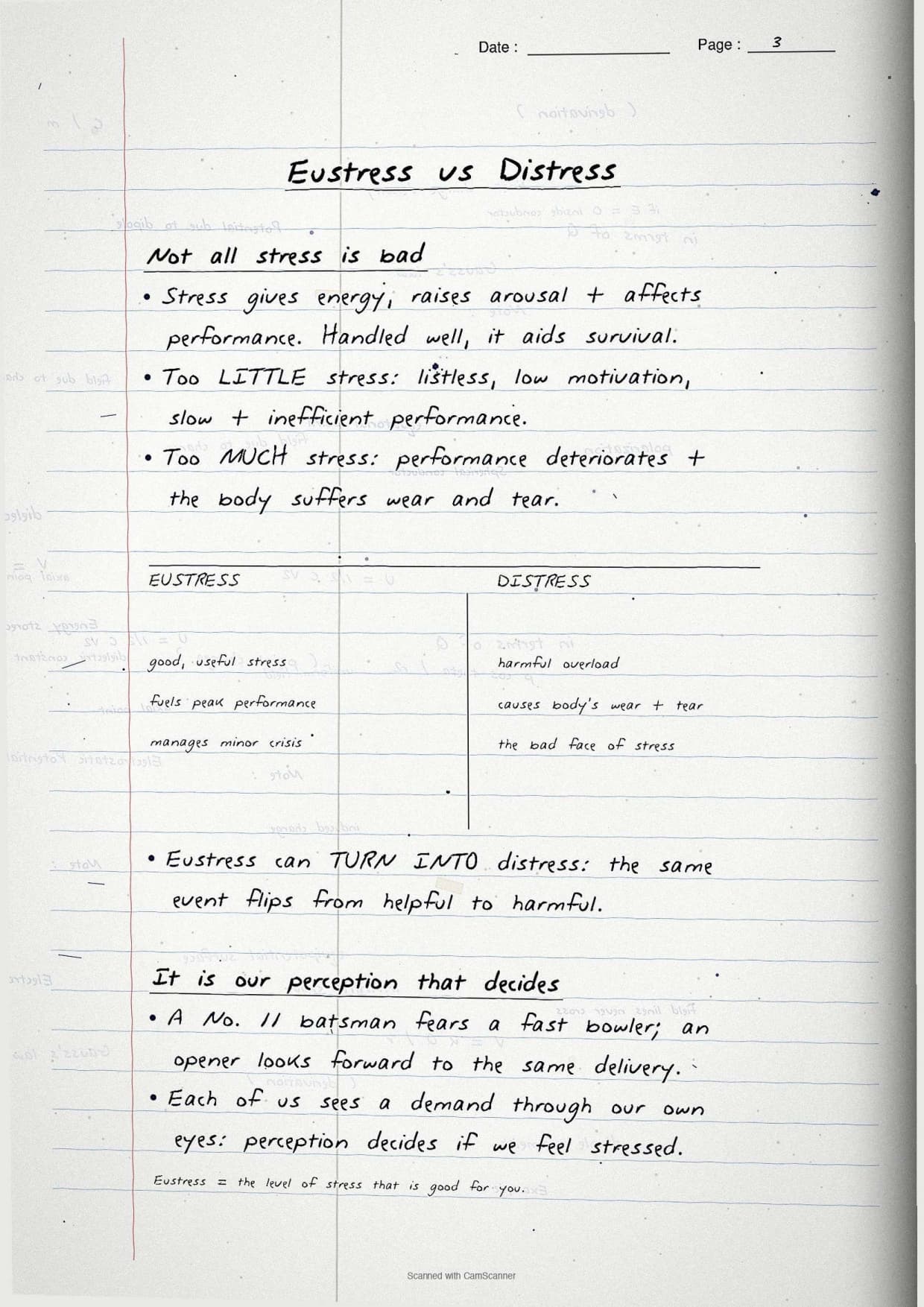
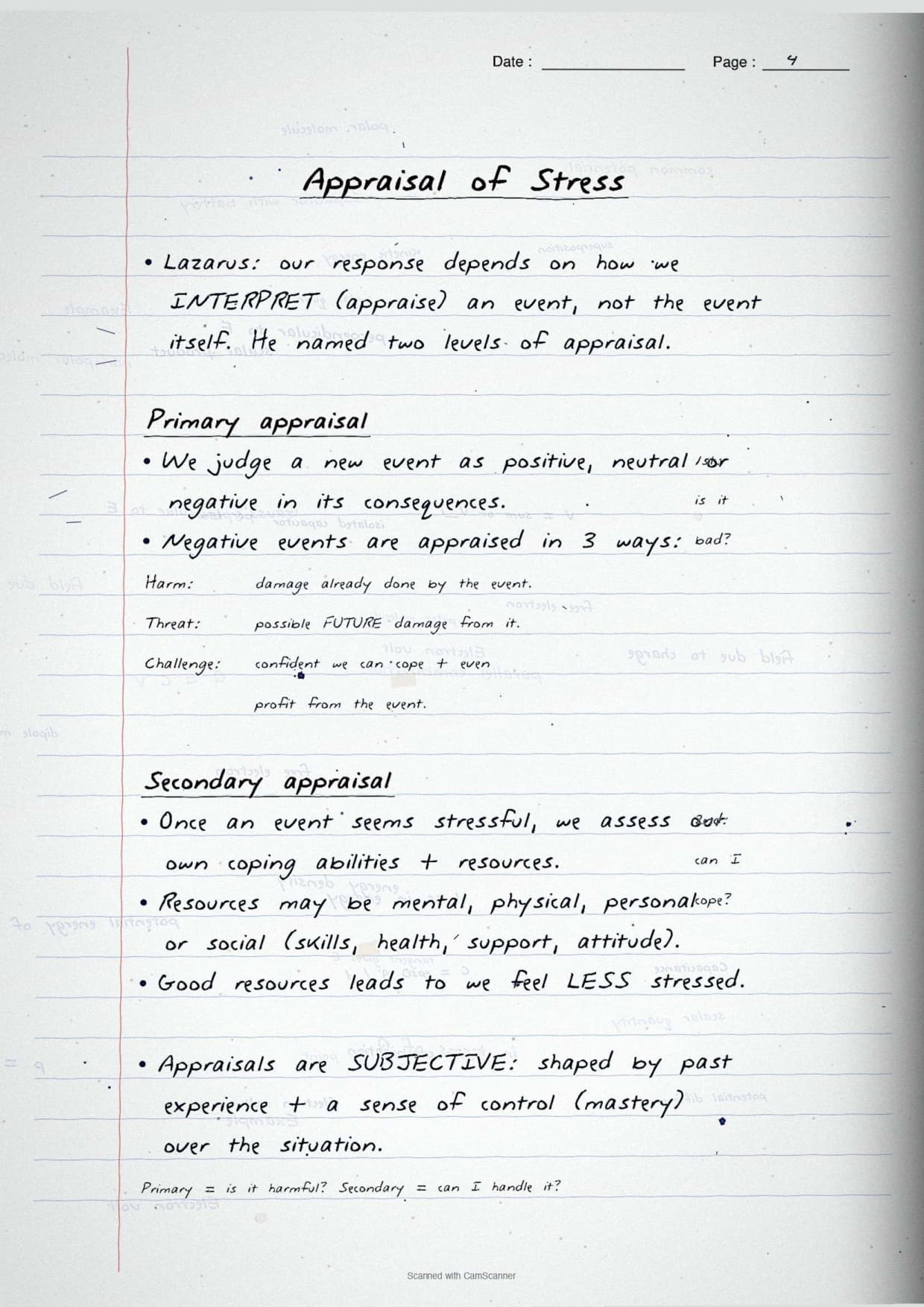
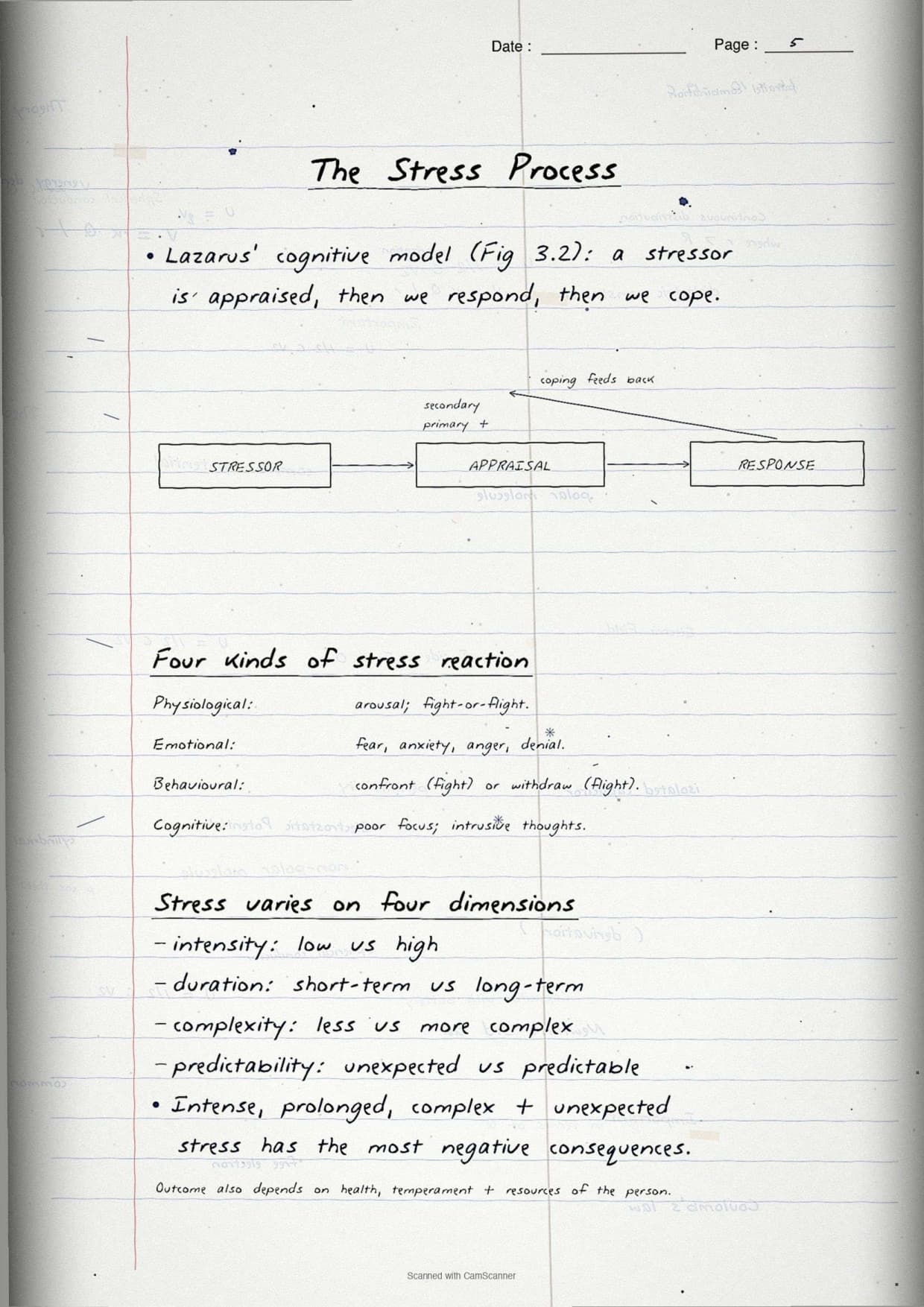
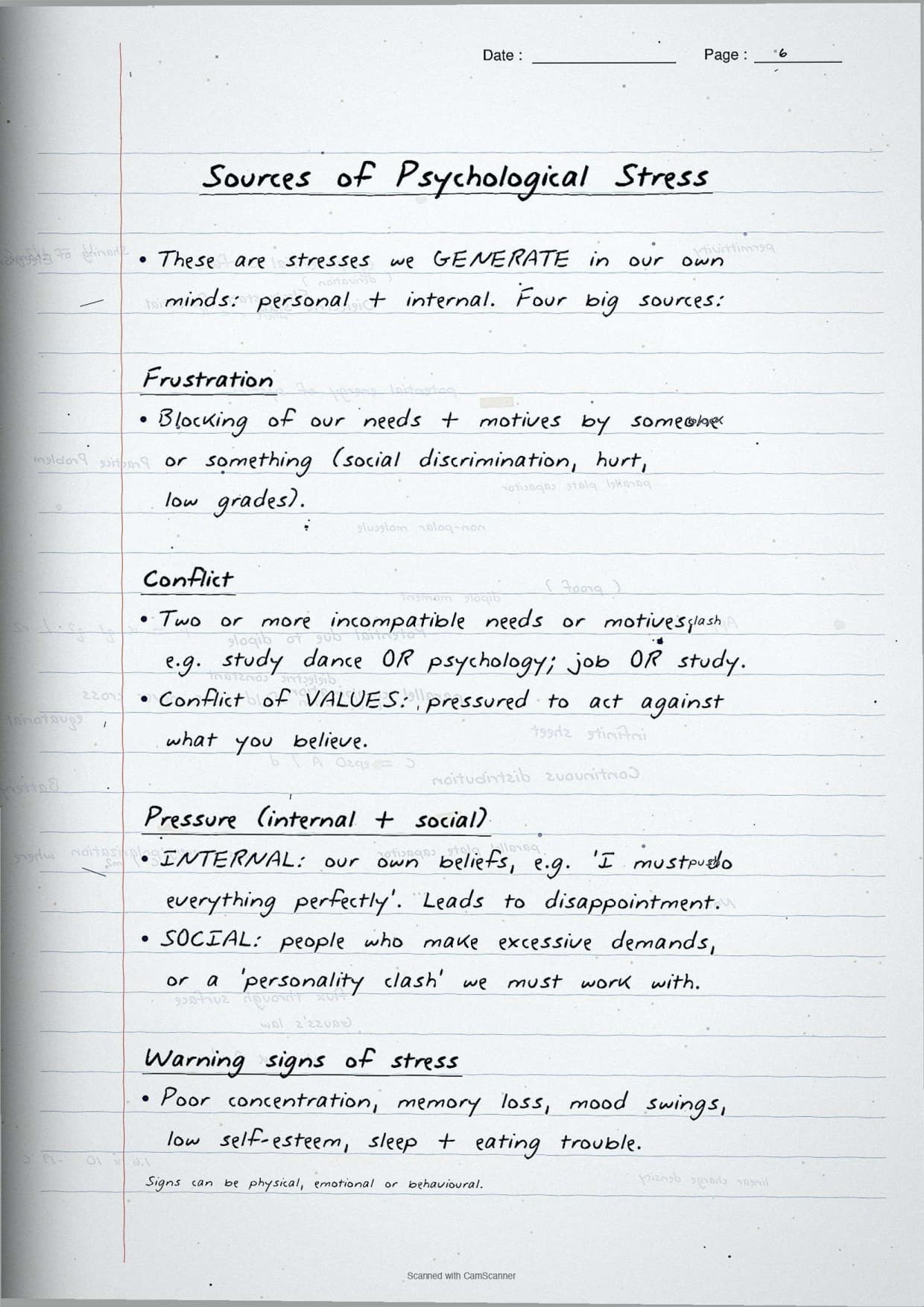
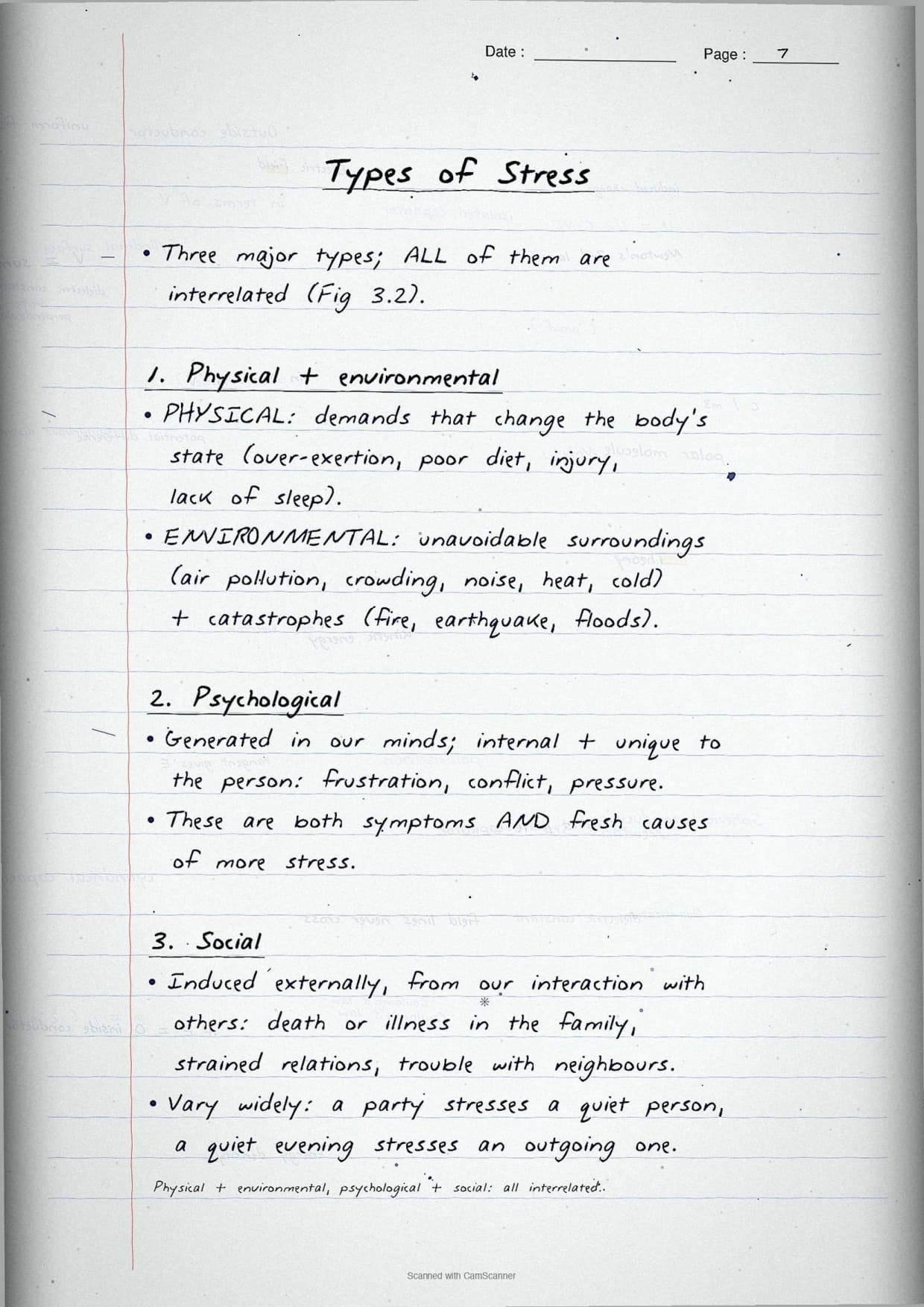
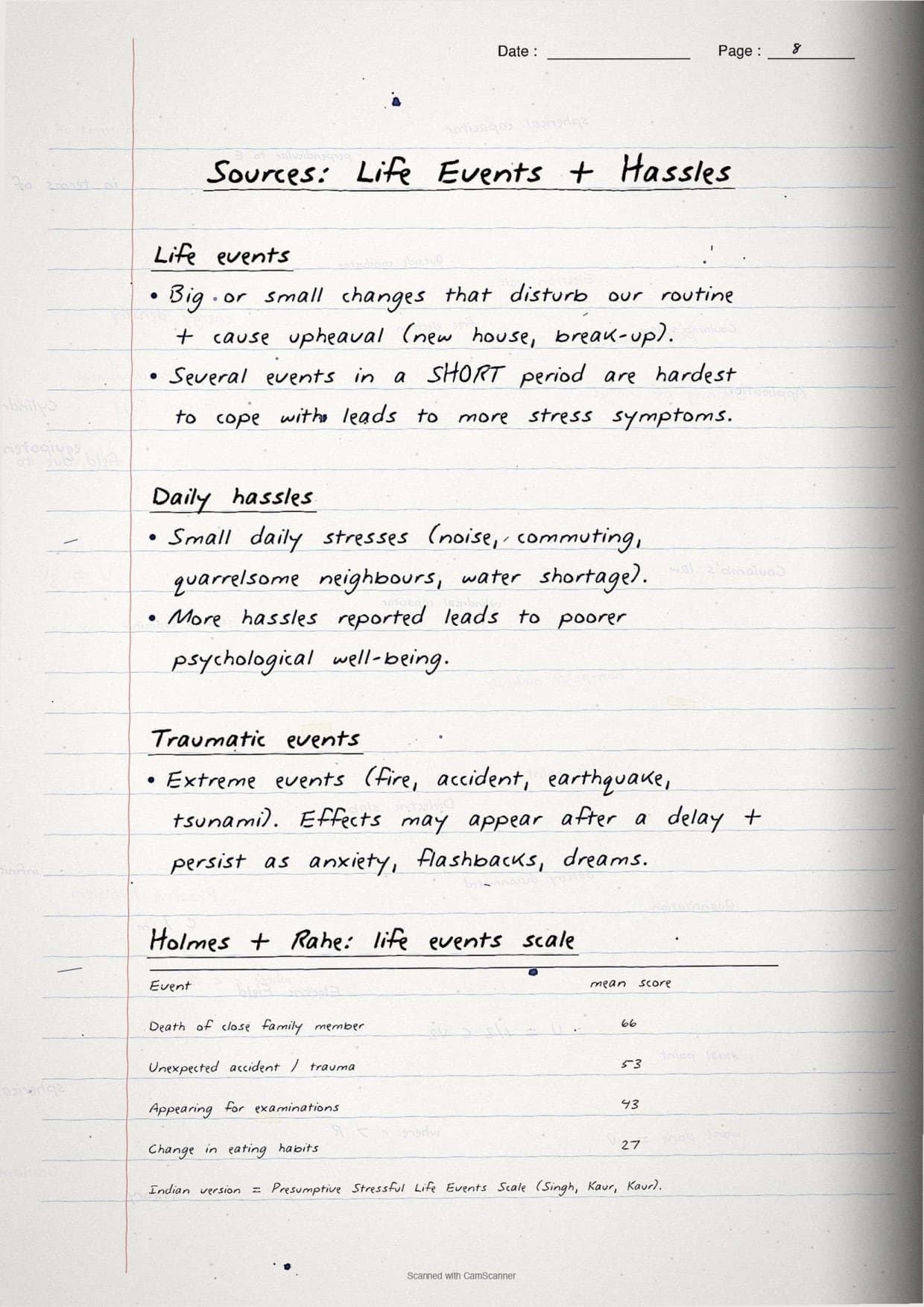
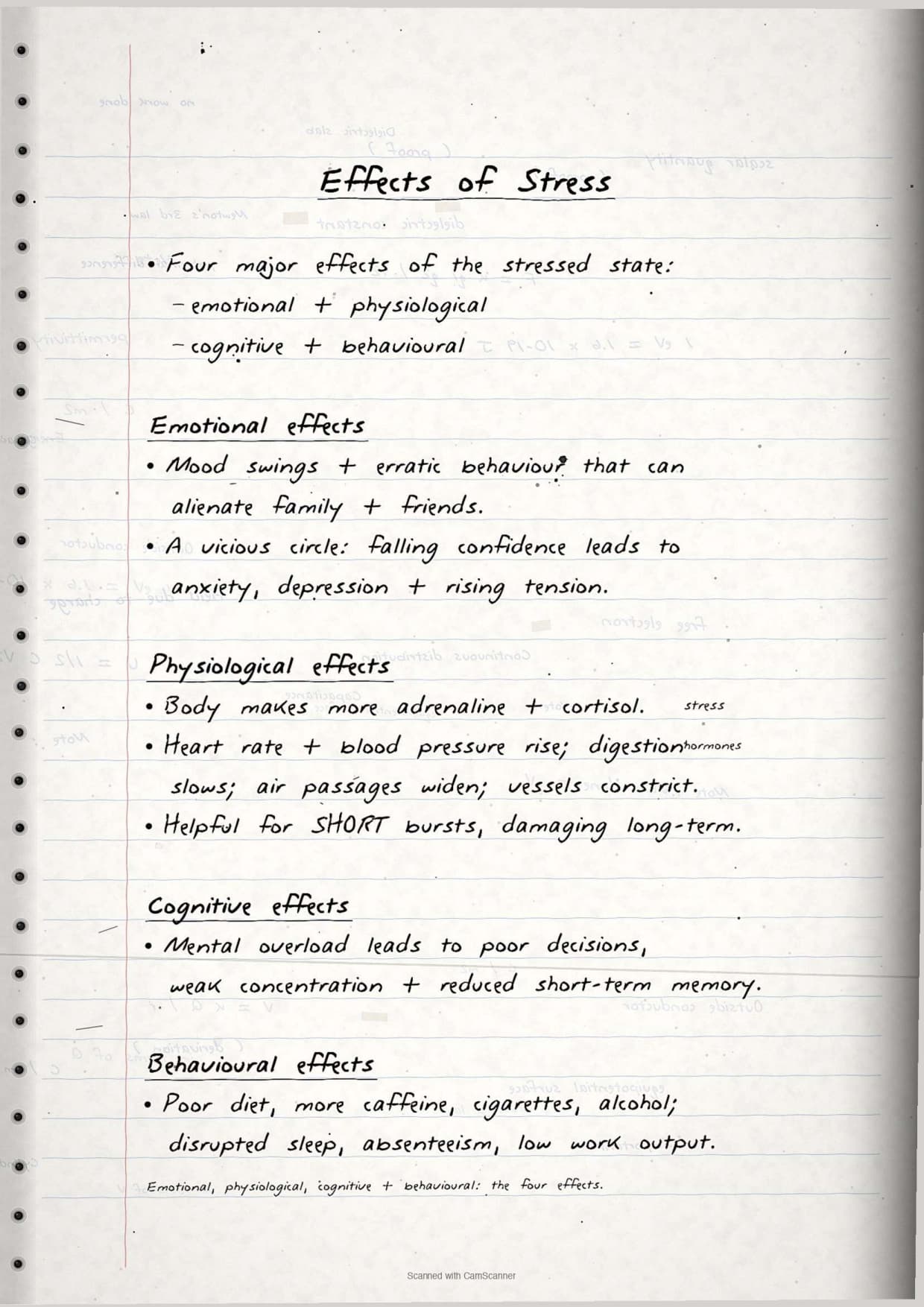
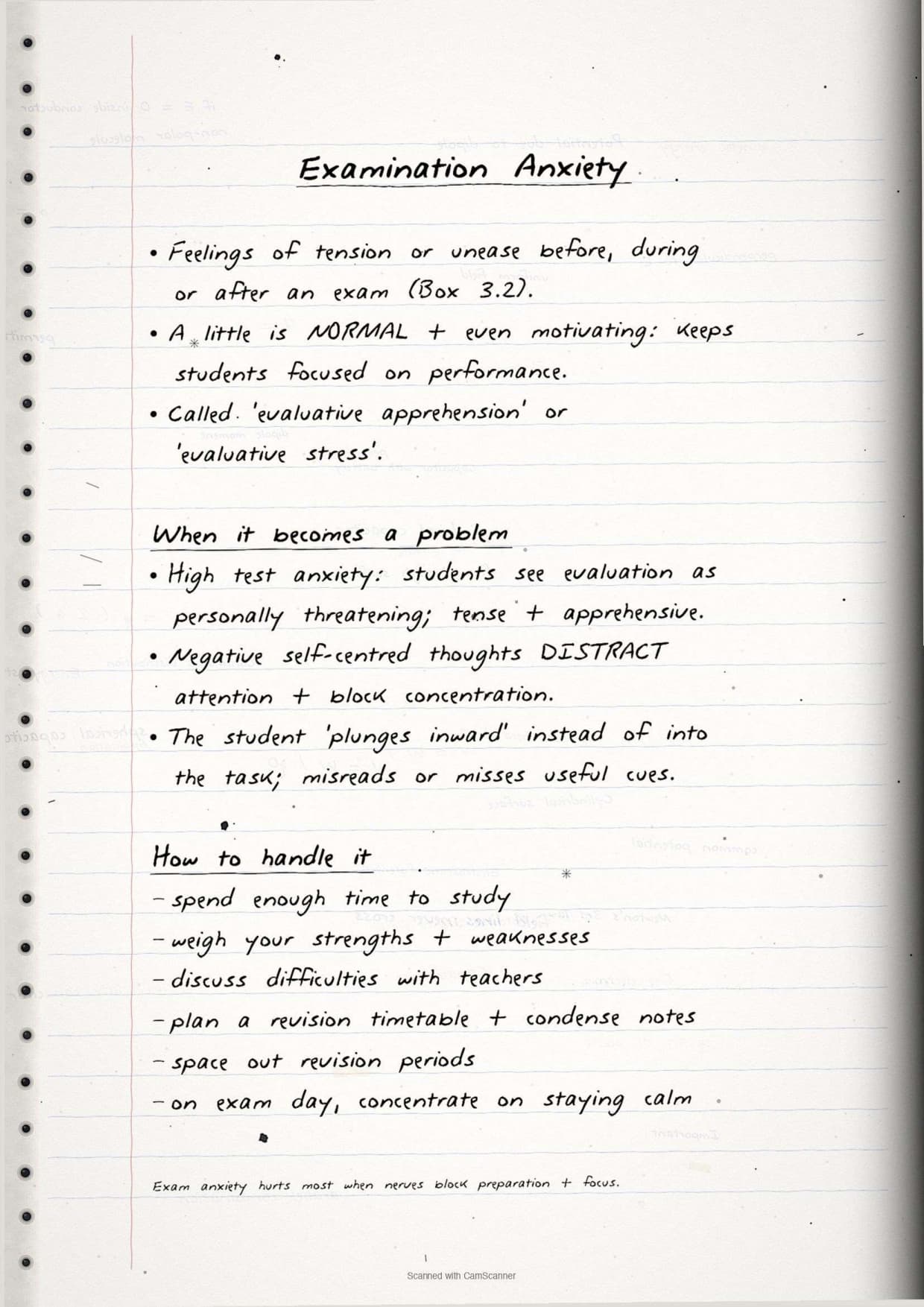
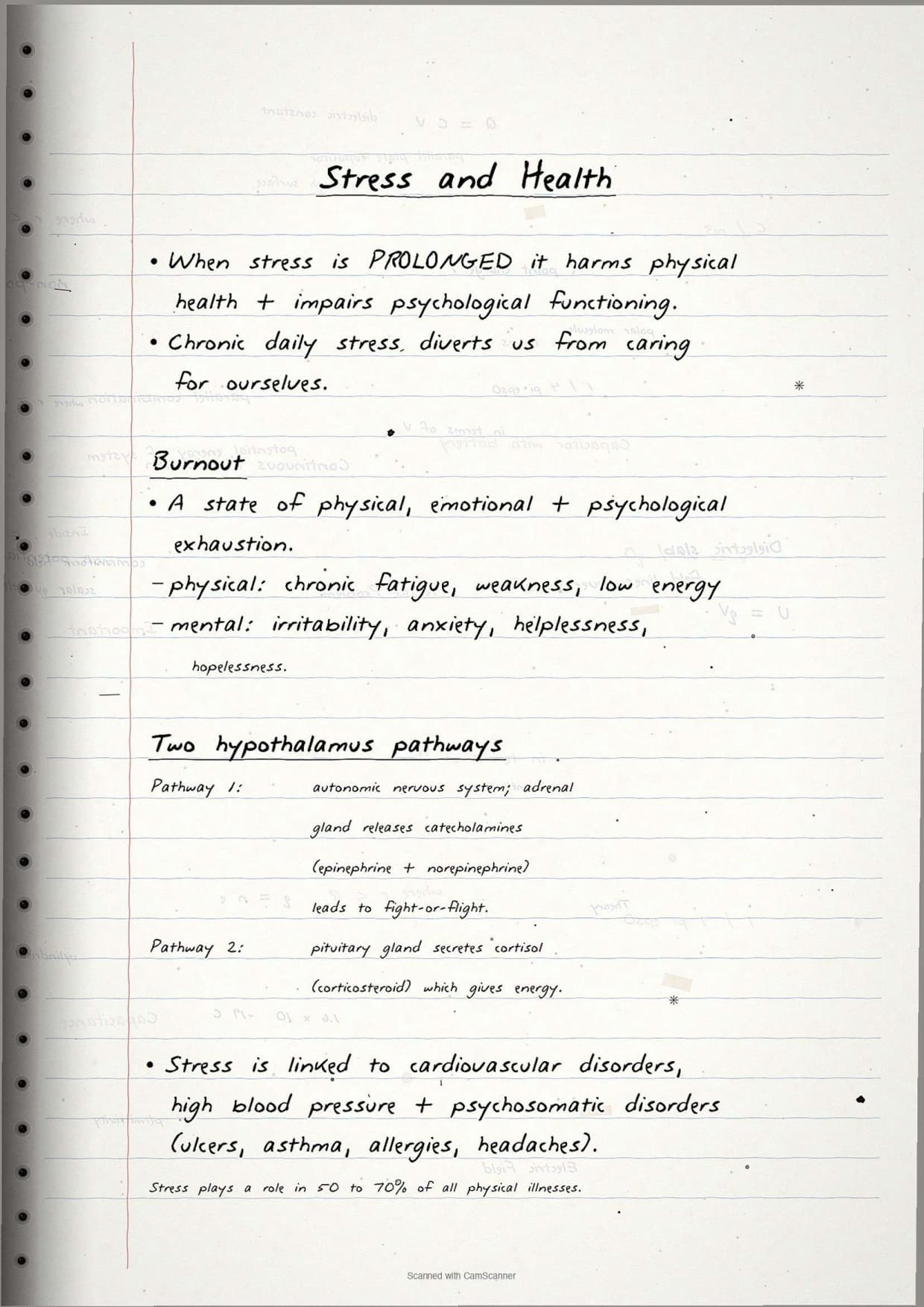
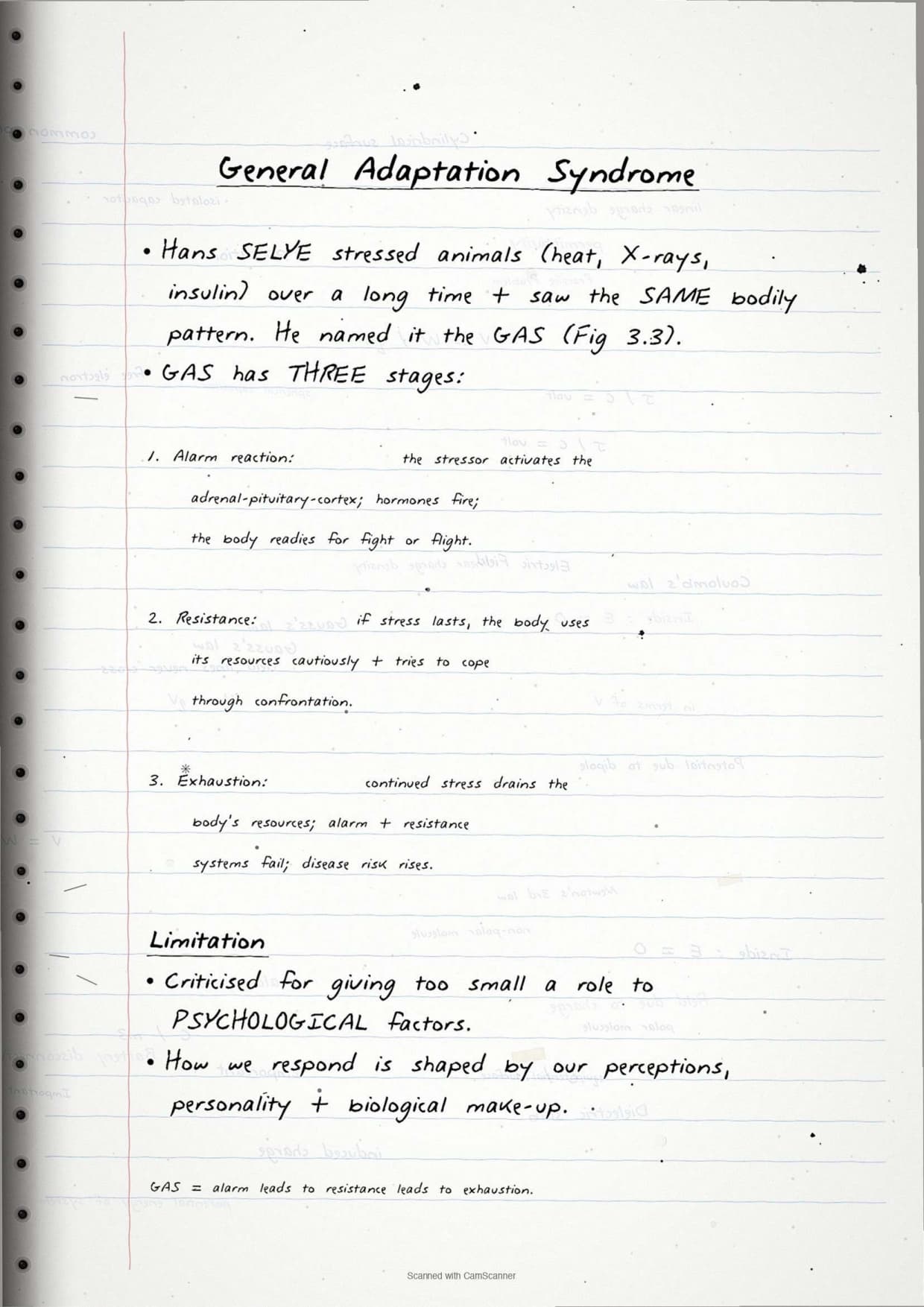
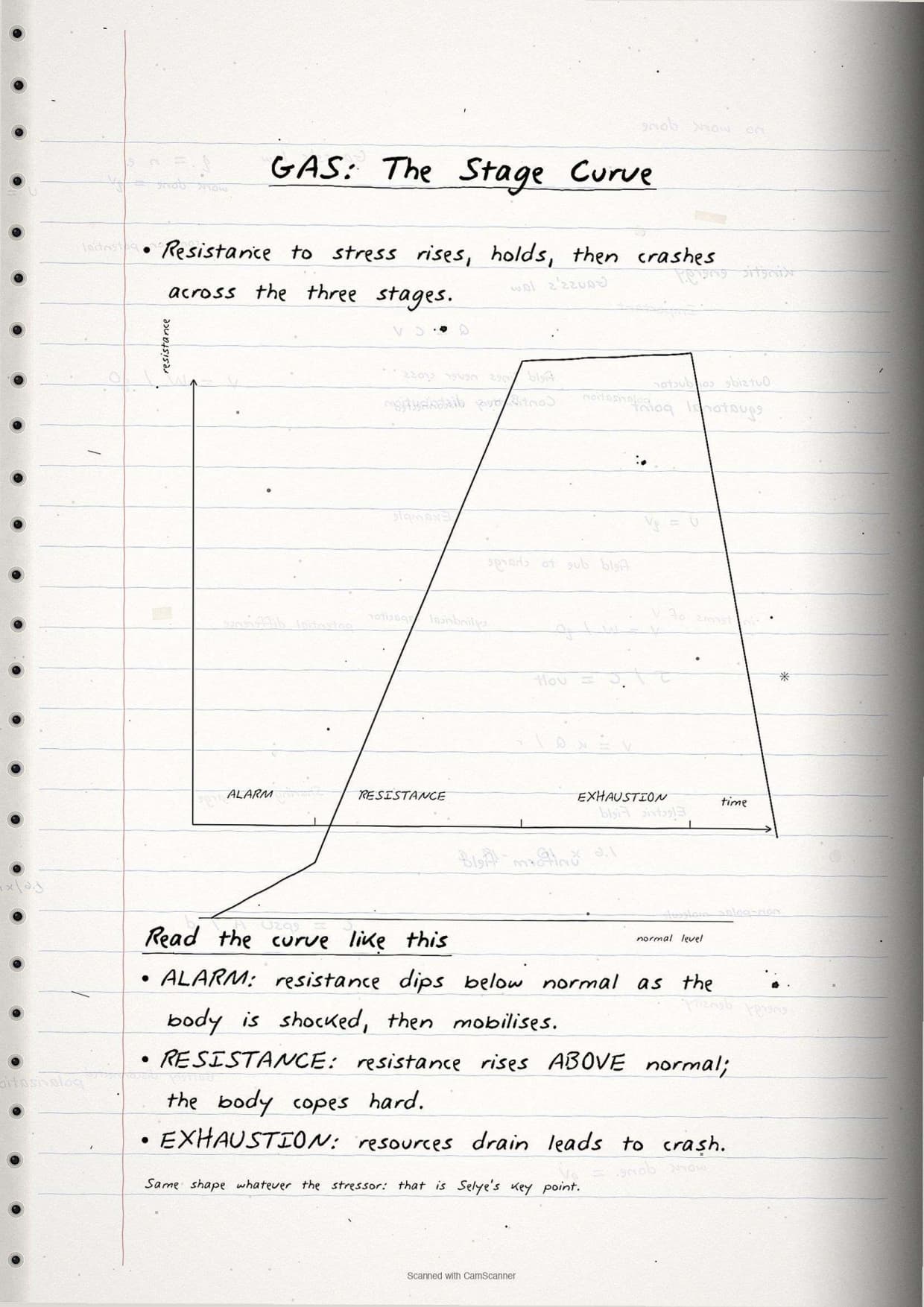
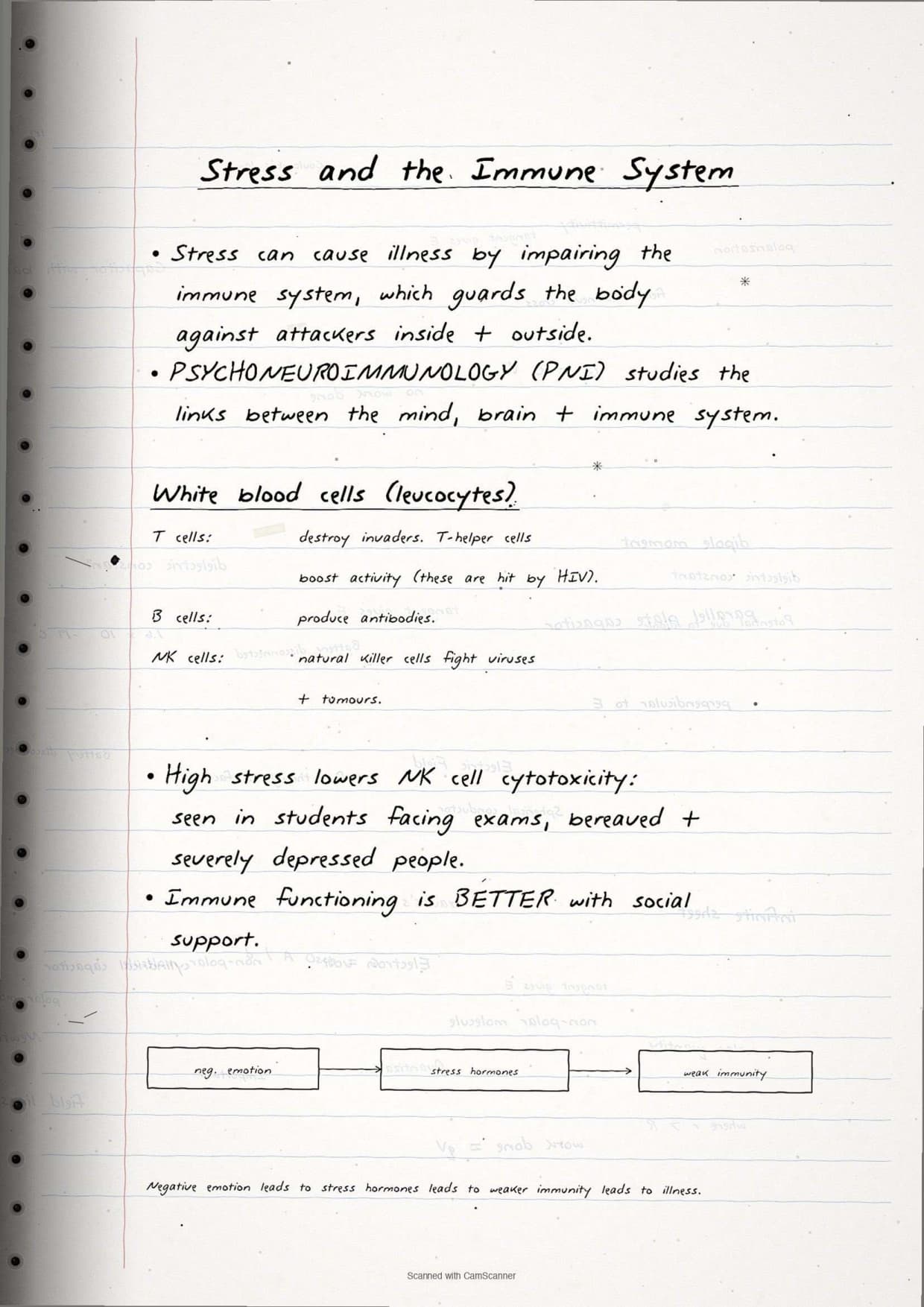
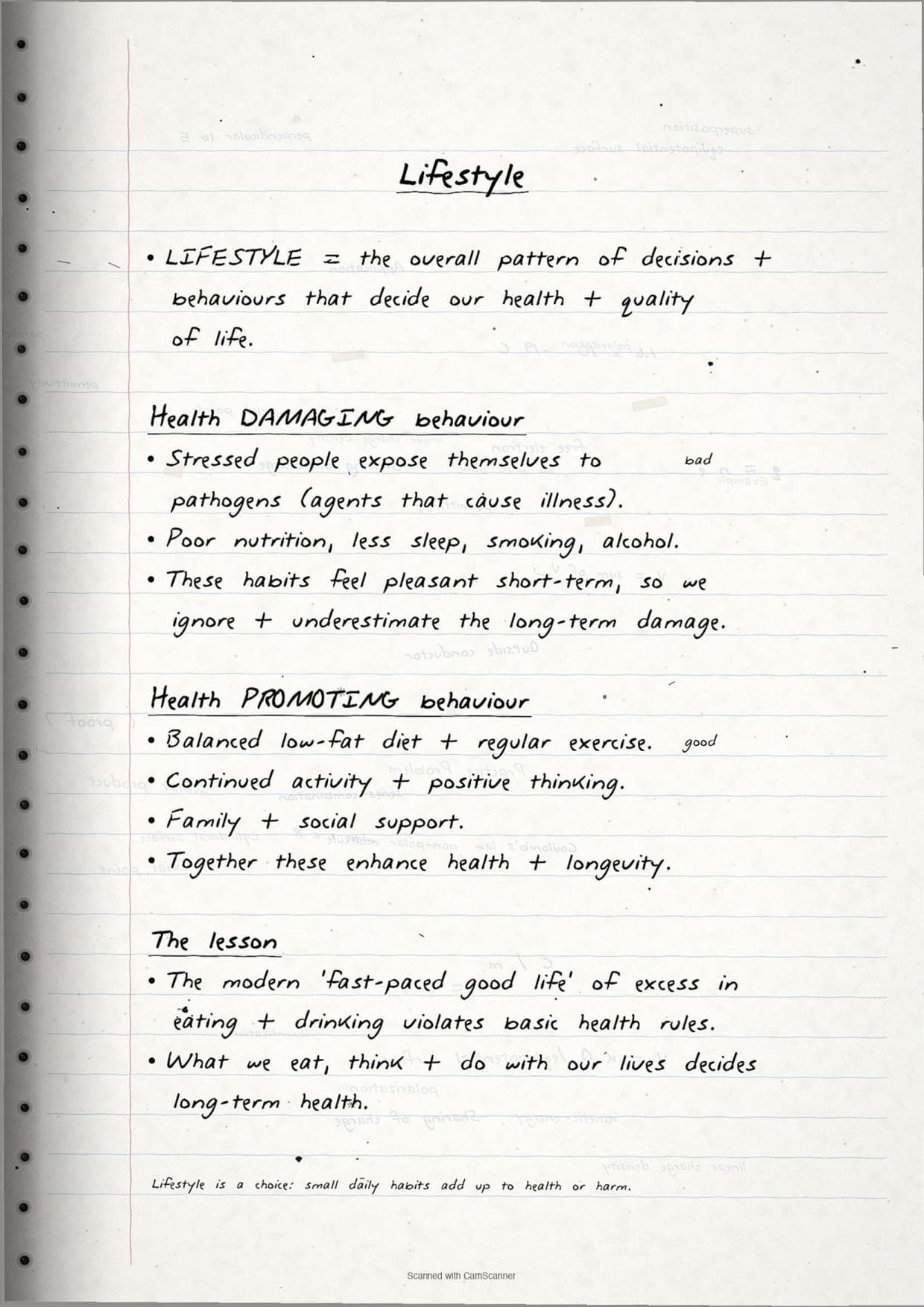
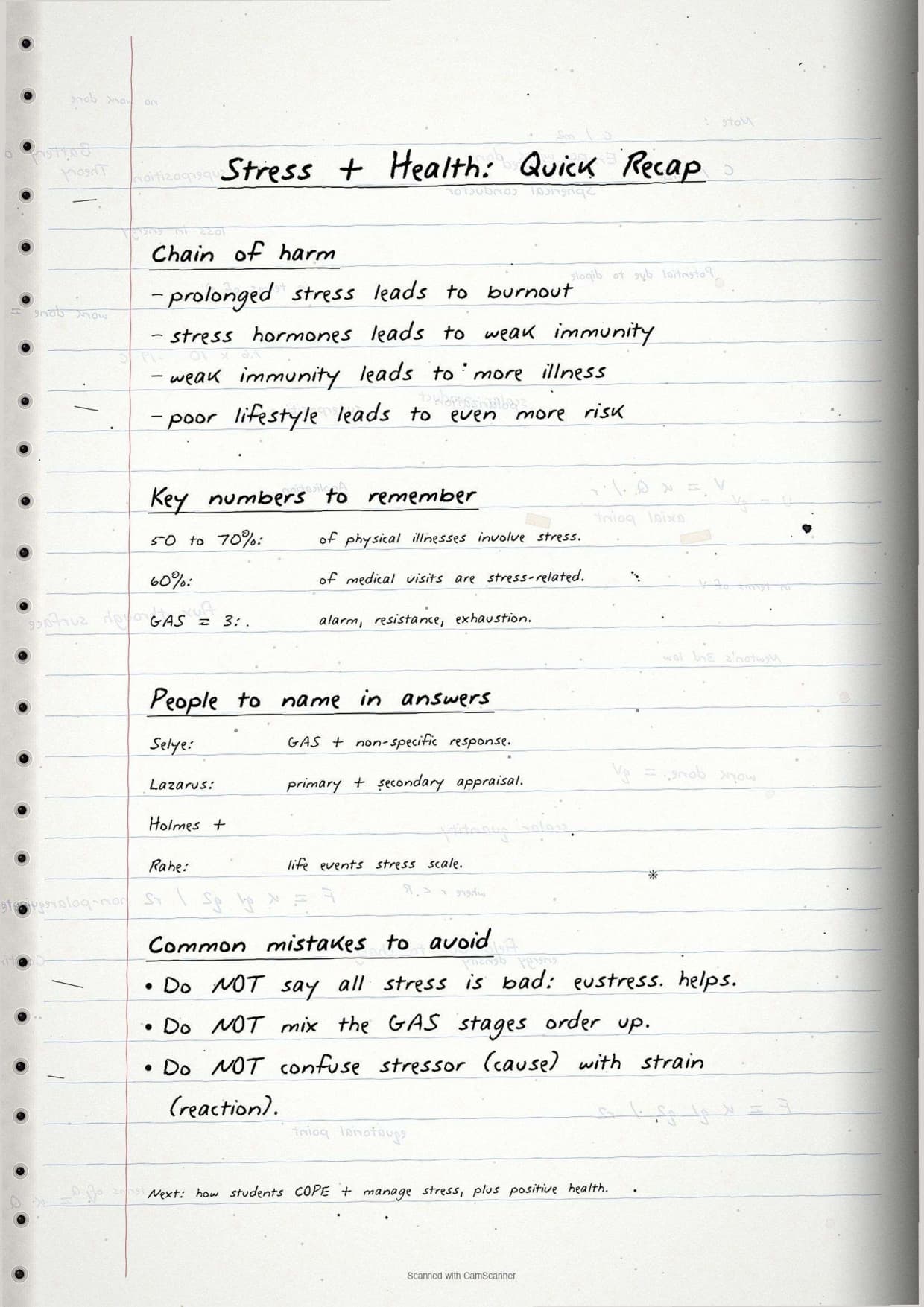
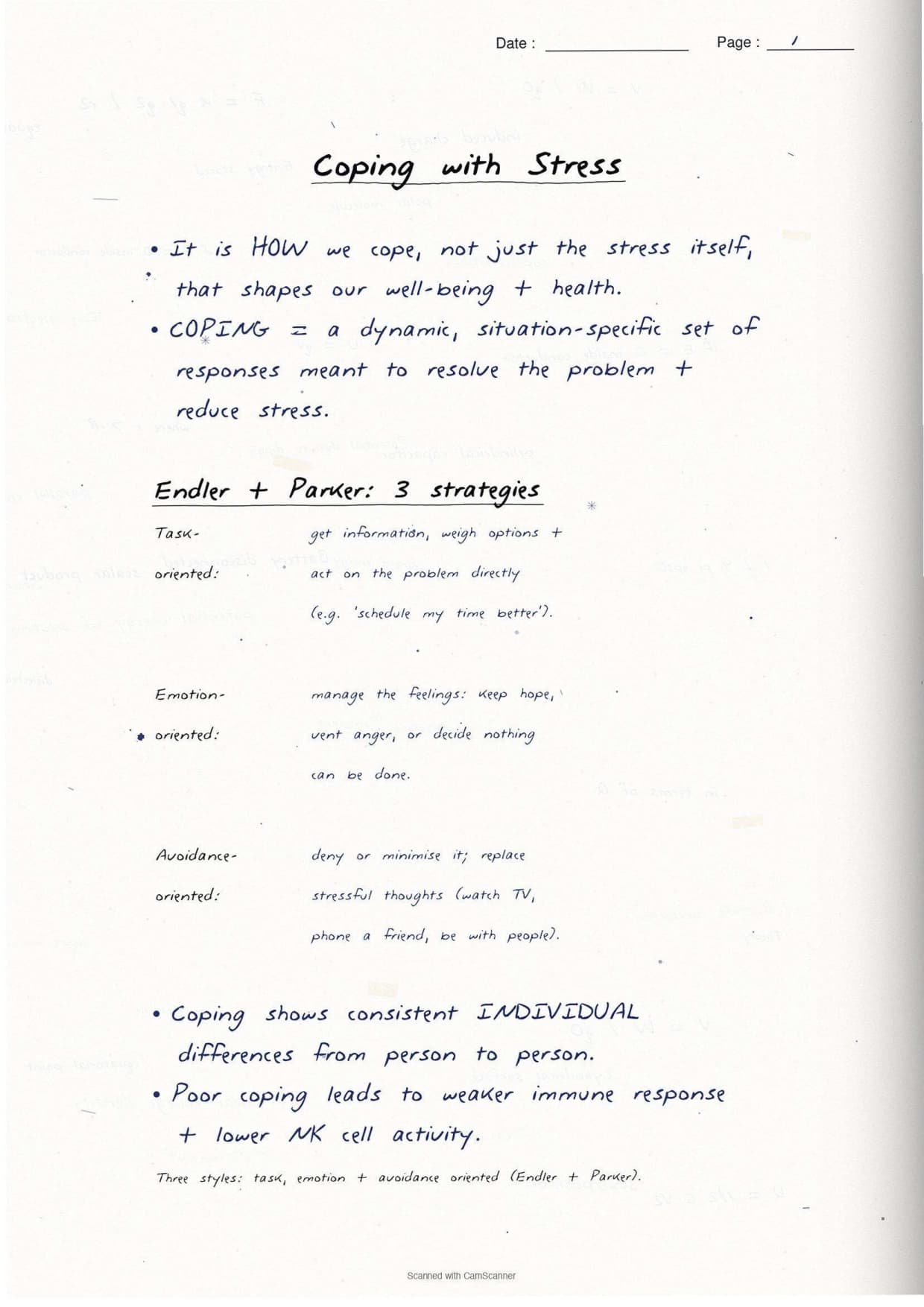
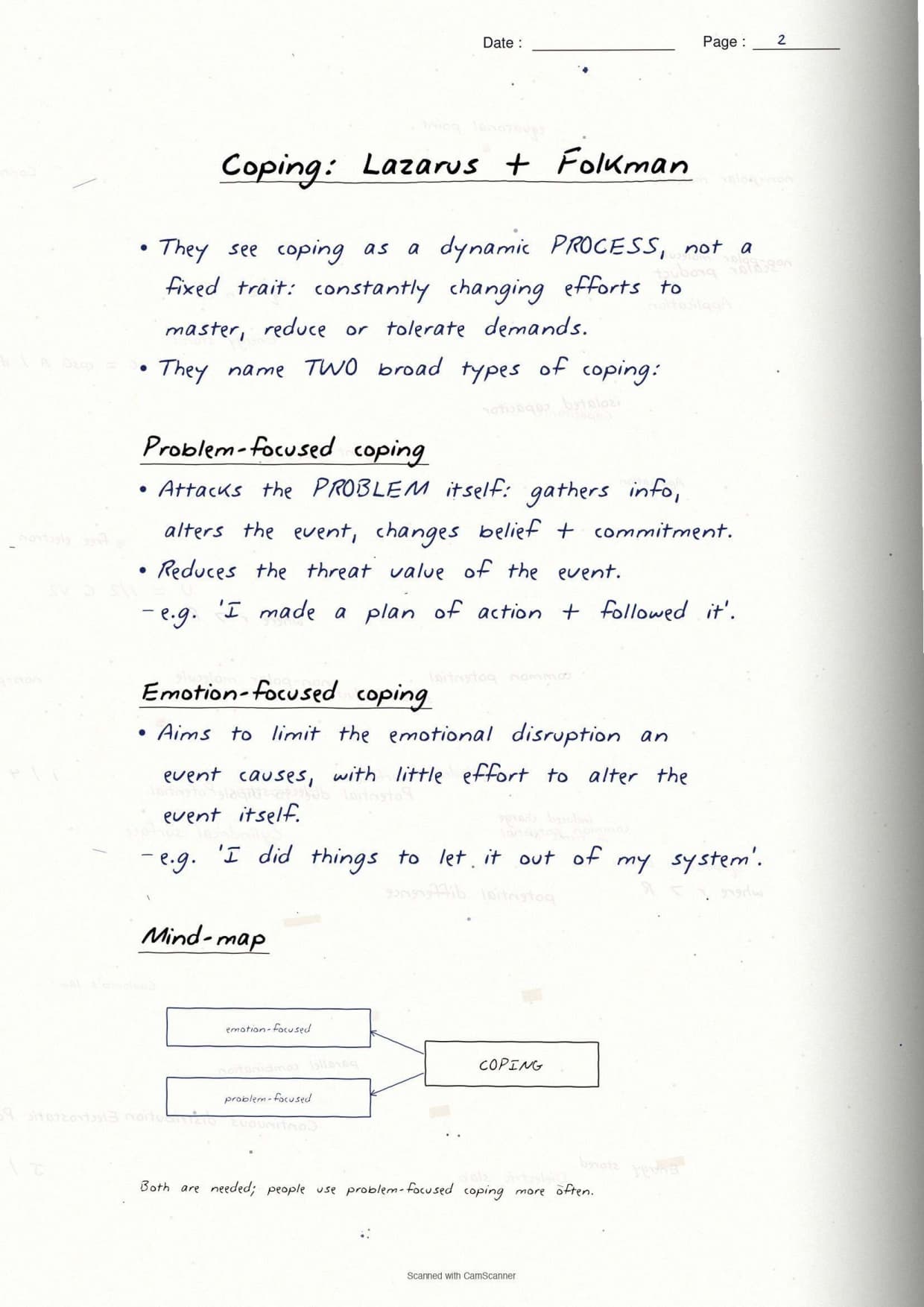
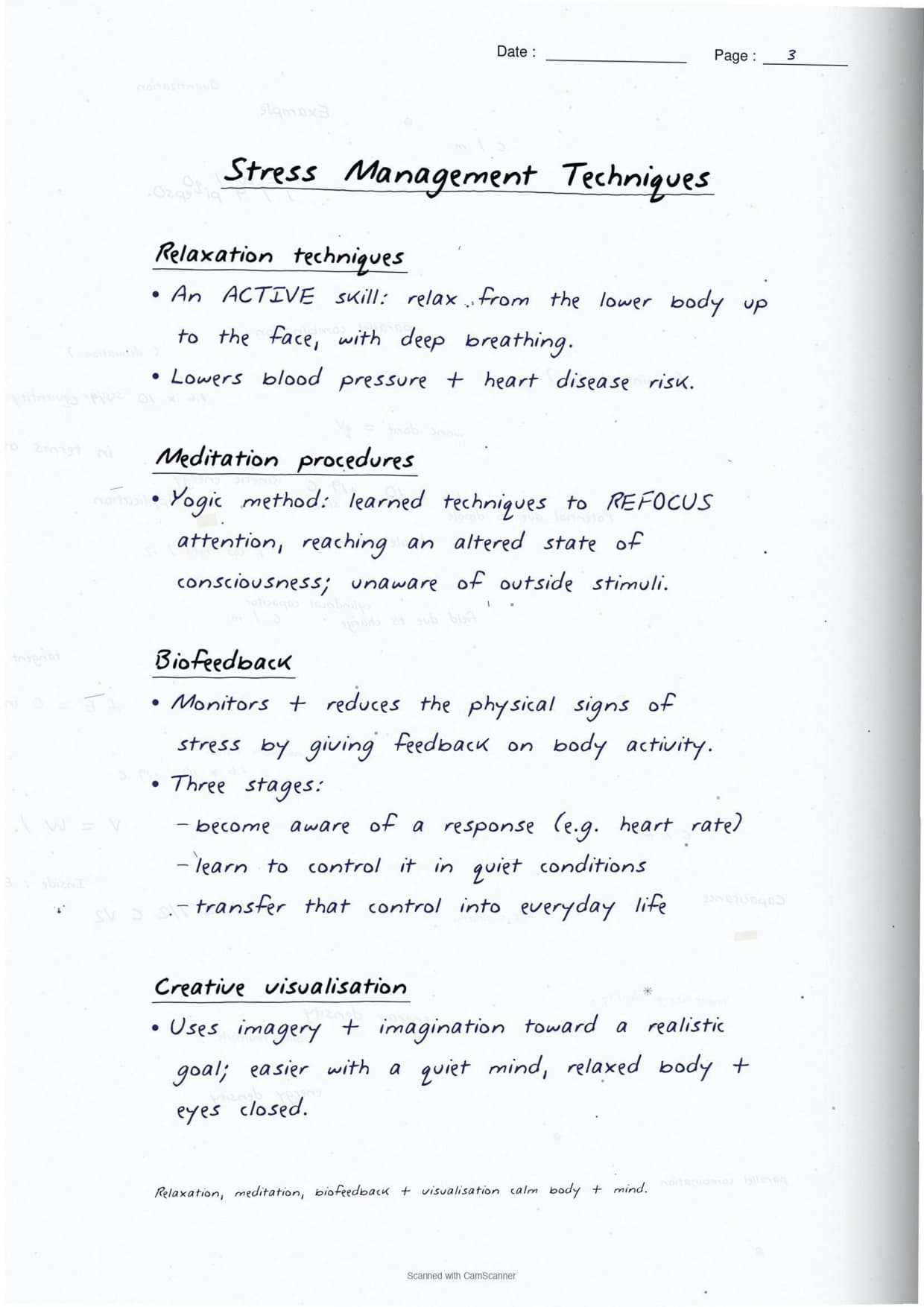
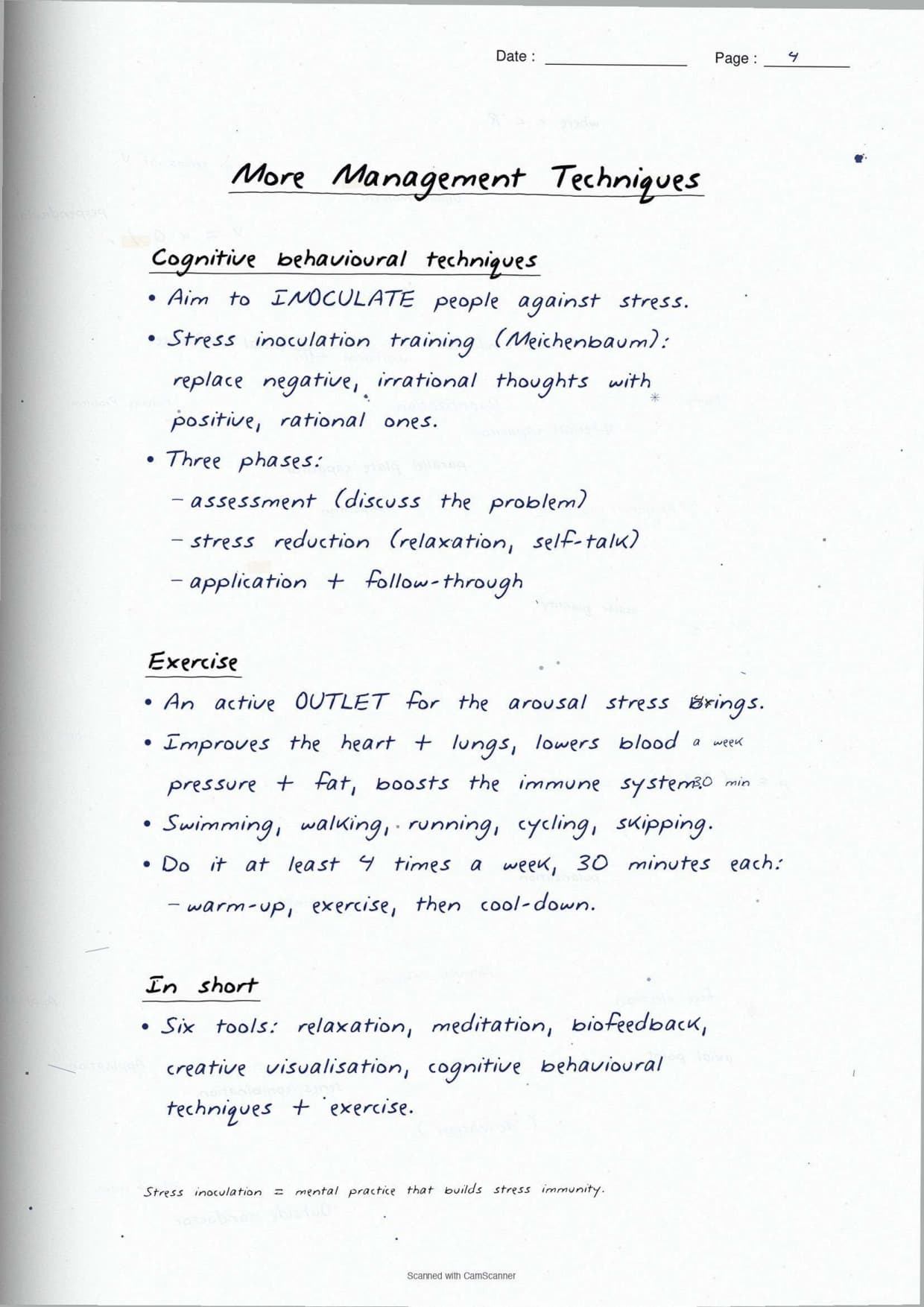
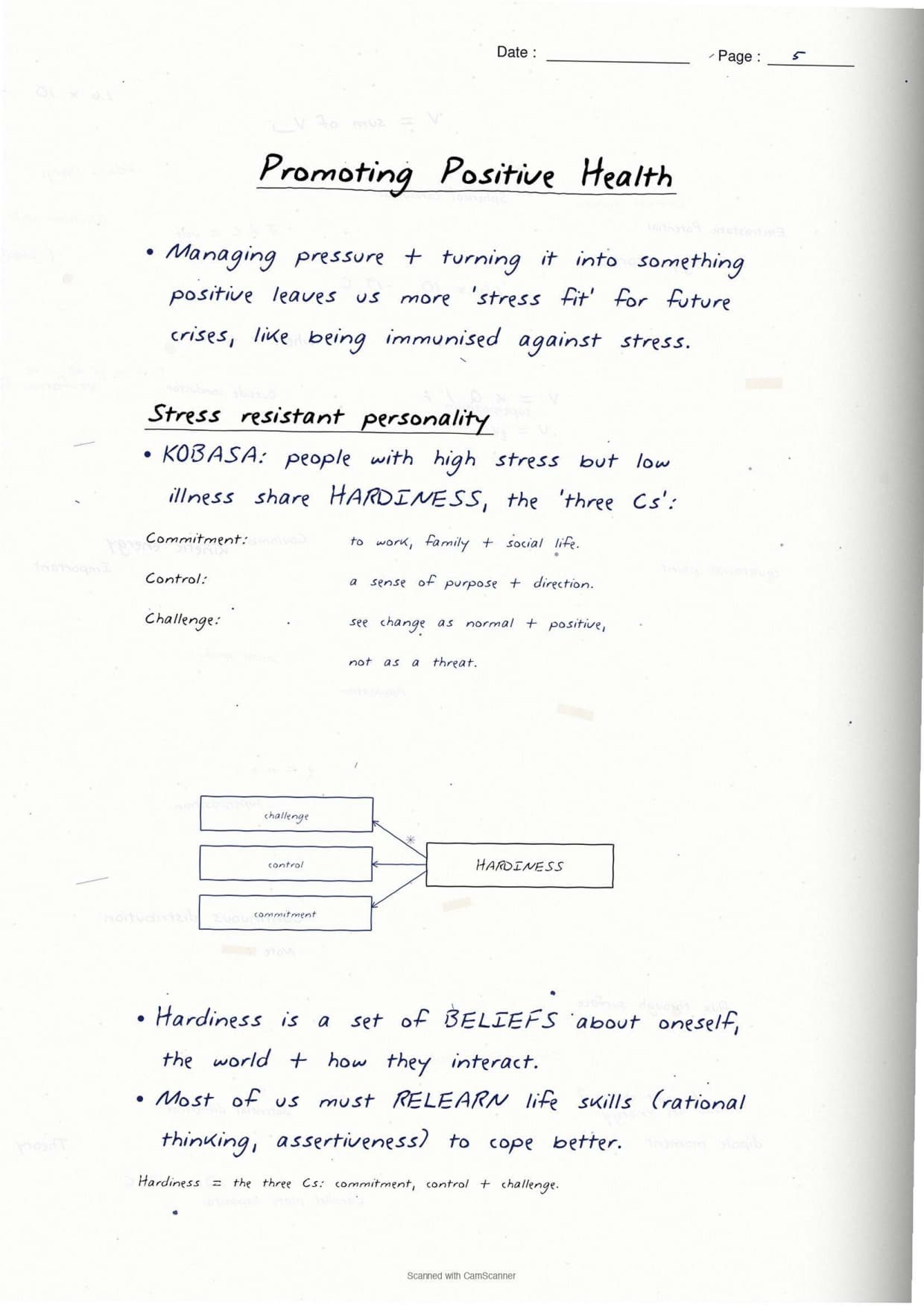
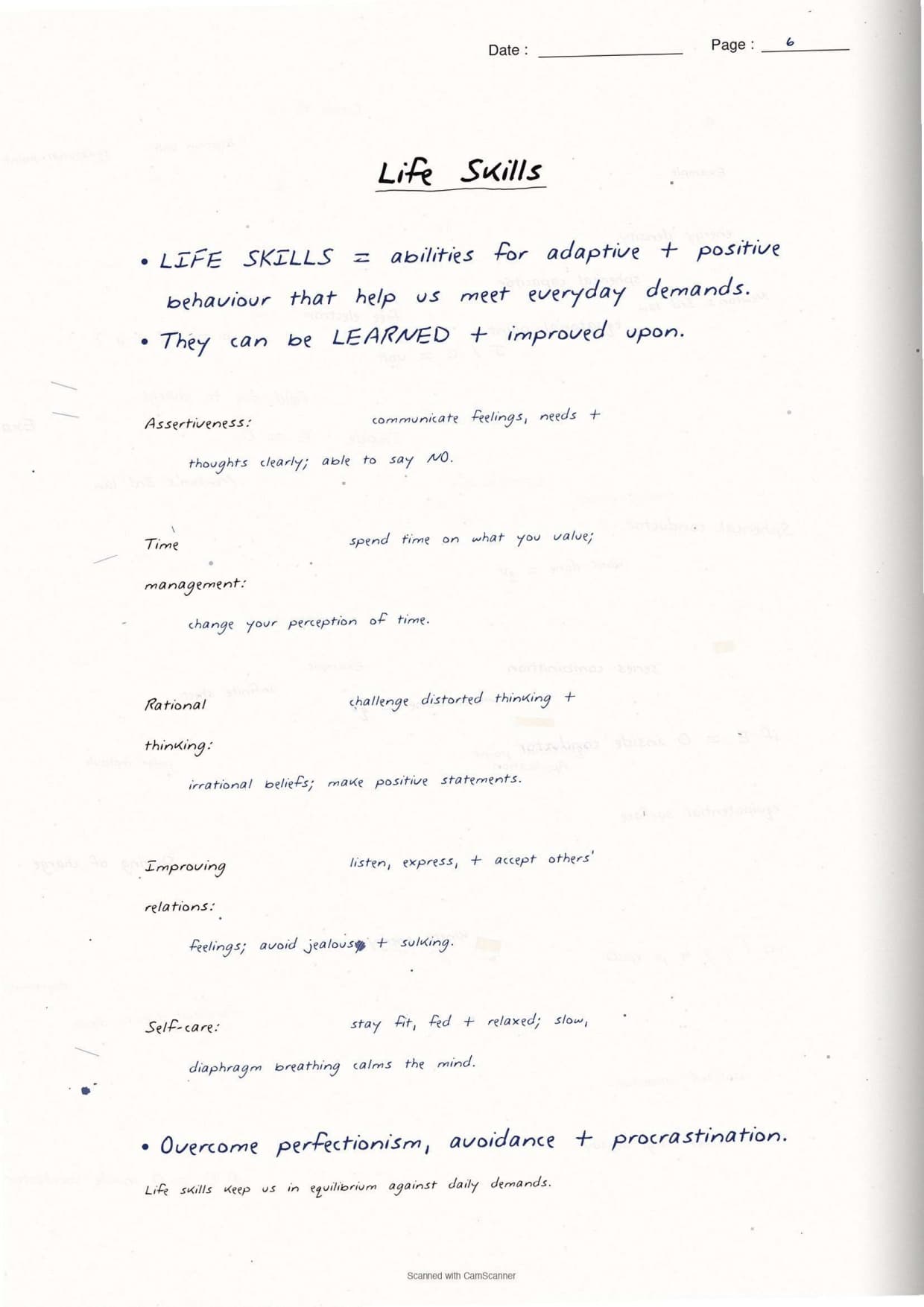
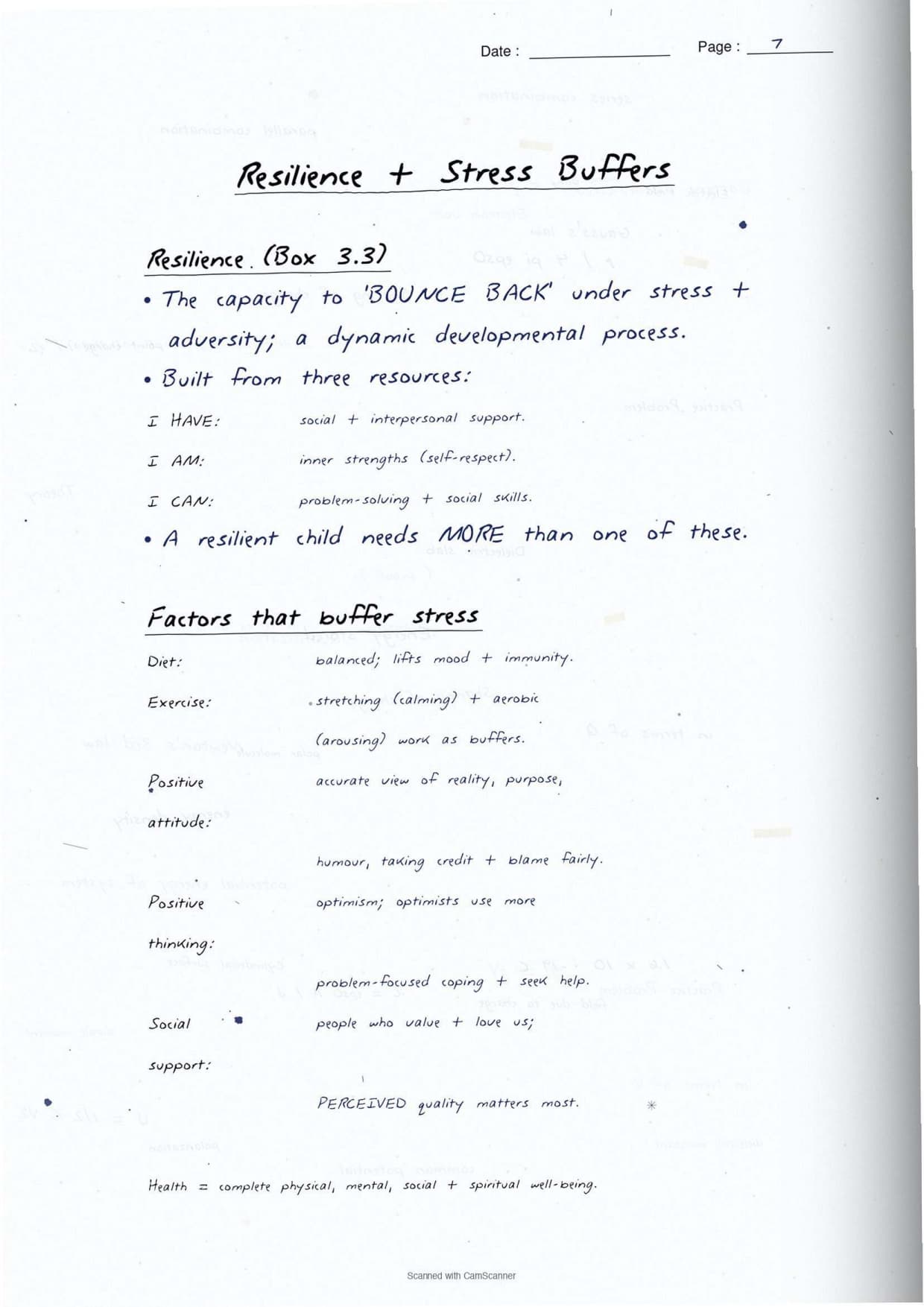
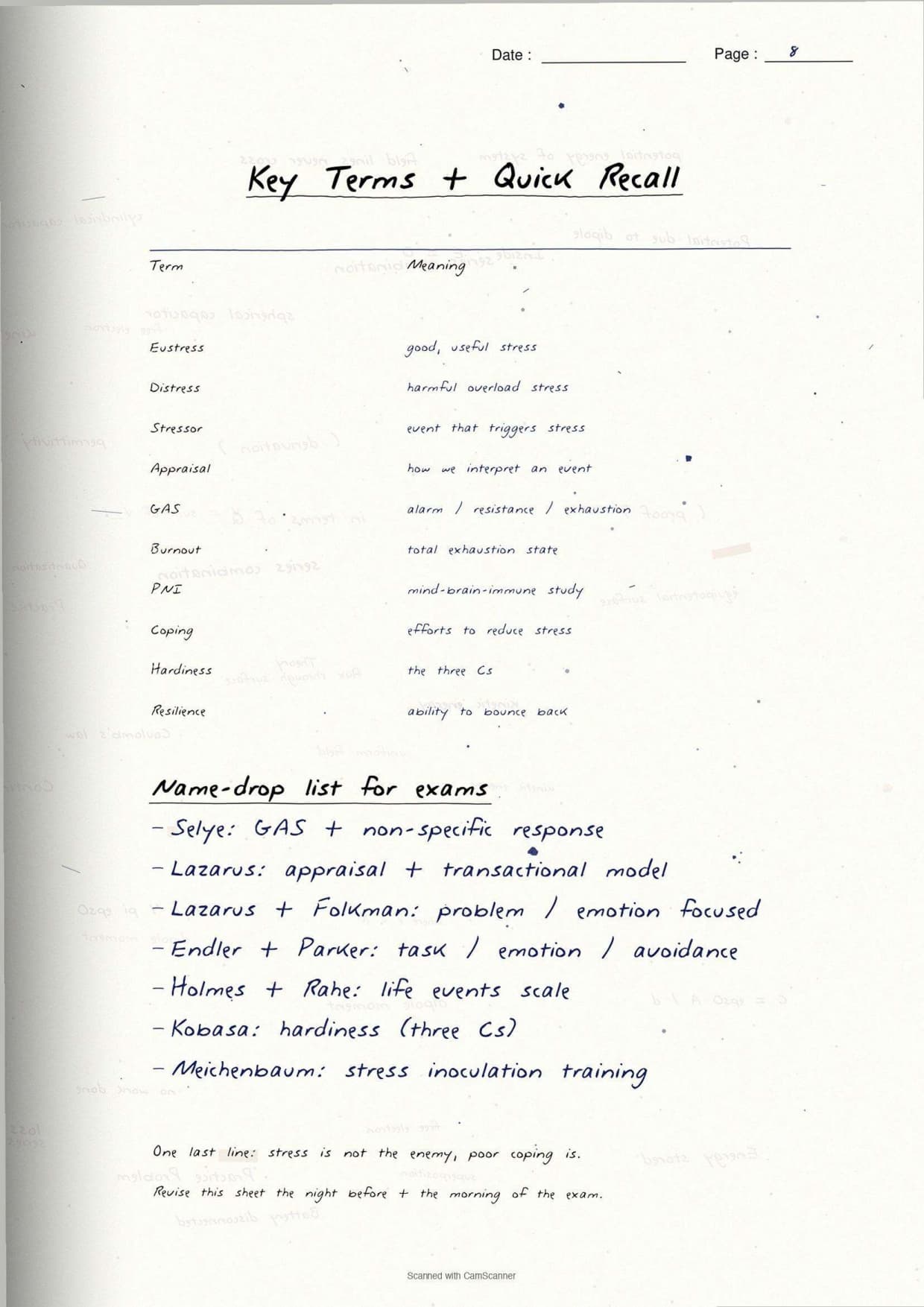
- Handwritten pages with boxed key terms and a labelled GAS timeline.
- This Class 12 Psychology chapter usually carries 6 to 7 marks in the board paper.
- Pairs with the NCERT Solutions, Notes and Book PDF linked lower on this page.
These Meeting Life Challenges handwritten notes are prepared from the official NCERT Psychology textbook and checked against the last five years of CBSE board papers.
Student Feedback: In a Collegedunia poll of 7,510 Class 12 Psychology students before the 2026 boards, 74% of students said handwritten notes felt faster to revise from than printed text for this chapter. Most students used the boxed GAS timeline to recall the alarm, resistance and exhaustion order in the exam.
Source: 2026-27 Class 12 Psychology student poll. Sample of 7,510 students from CBSE schools across 12 states.
What These Handwritten Notes Include
Meeting Life Challenges is the third chapter of Class 12 Psychology. It studies how stress shapes our lives and how we can stay healthy in spite of it. These handwritten notes condense the chapter into pages a student can read in one sitting.
Every page is built around the three threads of the chapter:
- Nature pages cover what stress is, its types and sources, and the role of appraisal.
- Effects pages cover the four effects of stress, the GAS model and the immune system.
- Management pages cover coping styles, life skills and positive health.
Because the notes are handwritten, the key terms sit in boxes and the important models are underlined, so the eye jumps straight to them. This makes the meeting life challenges handwritten notes ideal for a last revision when there is no time to read full paragraphs. Sort each fact under nature, effects or management, and the whole chapter falls into place.
Nature and Sources of Stress Pages
The first pages explain what stress is and where it comes from. The notes keep the central idea as a boxed list so students can copy it straight onto the answer sheet. Each key word is underlined so it stands out at a glance.
- Stress (Selye): the non-specific response of the body to any demand; the reaction is strain.
- Eustress and distress: good stress energises, harmful stress overwhelms.
- Symptoms: physical, emotional and behavioural signs of strain.
- Sources: life events, daily hassles and traumatic events.
The notes box the most-tested point in red ink: stress is a transaction, not just an event or a reaction. A small arrow links this to the idea that the same event stresses people differently, because each of us appraises the demand through our own eyes. This makes the "what is stress" answer easy to write.
The GAS Model and Stress Effects Pages
These pages carry the chapter's biggest long answer. The notes draw the GAS curve and box the three stages, so students can describe them in order. The table below mirrors what the pages box for quick revision.
| GAS stage | Key idea to recall |
|---|---|
| Alarm reaction | Body readies for fight or flight; hormones released. |
| Resistance | Body settles in to cope; sustained, cautious effort. |
| Exhaustion | Resources drained; risk of stress-related disease rises. |
The pages box the single sharpest point in the margin: long, unrelenting stress, not a single shock, wears the body down. A hand-drawn arrow links the GAS curve to a prolonged-stress example, such as a student under months of exam pressure. The four effects of stress, emotional, physiological, cognitive and behavioural, sit in a boxed grid alongside, with burnout marked as the end-point.
Coping, Life Skills and Positive Health Pages
The last set of pages covers how we manage stress. The notes line up the two coping schemes and the six life skills, because the exam wants them clearly labelled. A small "task, emotion, avoidance" sketch helps students remember the strategies.
- Endler and Parker: task-oriented, emotion-oriented and avoidance-oriented strategies.
- Lazarus and Folkman: problem-focused and emotion-focused styles.
- Life skills: assertiveness, time management, rational thinking, relationships, self-care, dropping unhelpful habits.
- Positive health buffers: diet, exercise, positive attitude, optimism and social support.
The pages box the verdict clearly: problem-focused coping solves the problem, while avoidance gives only short-term relief. A linking arrow ties life skills to the appraisal stage, underlining that they turn a threat into a challenge. Keeping these labels together makes the coping and life-skills answers easy to write under exam pressure.
How to Use These Handwritten Notes
Handwritten notes work best as a final layer of revision, not as your first read. The plan below helps students get the most out of the meeting life challenges handwritten notes before the board exam. Follow it once a week in the run-up to the test.
- First pass: read the notes once, following the nature, effects and management order.
- Active recall: cover the boxed terms and try to write each list from memory.
- Timeline practice: redraw the GAS curve and label alarm, resistance and exhaustion without looking.
- Self-test: attempt a short class 12 psychology chapter 3 mcq drill to check the small facts.
Because the notes come as a downloadable PDF, students can save them on a phone and revise offline on the way to the exam centre. Many students search for class 12 psychology chapter 3 notes on their phone the night before a test, so a saved PDF means revision is always at hand. Pair these pages with the full solutions to check your written answers against model points.
Common Mistakes These Notes Help You Avoid
A few errors cost marks in this chapter every year. Most come from mixing up symptoms with sources, or giving the GAS model without an example. The notes flag each soft point in the margin so students phrase it safely on the answer sheet.
- Listing "anxiety" as a source of stress, when it is a symptom; the source is the event behind it.
- Describing the GAS model but forgetting to illustrate it with an example.
- Giving only one coping scheme, when the full answer needs both Endler and Parker and Lazarus and Folkman.
- Treating "psychological functioning" as emotion only, and skipping the cognitive effects.
- Reducing harmful lifestyle habits to "weak willpower", when the point is reward now versus distant risk.
Students who fix these five points usually move from average to high marks. The exam rewards precise vocabulary, so always use the chapter's own terms. The handwritten margin notes nudge you to keep that precision in the right places.
How These Notes Pair with the Solutions and Book PDF
These handwritten notes are a revision layer. To prepare fully, students should use them with the other resources for the same chapter, all linked in the table below. Read the notes, then test yourself with the solutions, and open the book PDF for the original text and figures.
| Resource | Best used for |
|---|---|
| Meeting Life Challenges NCERT Solutions | Step-by-step answers to all 12 review questions |
| Meeting Life Challenges Class 12 Notes | Quick chapter summary with all key terms in one place |
| Meeting Life Challenges NCERT Book PDF | Reading the original NCERT chapter text and figures |
Tip: use the handwritten GAS timeline to memorise the three stages, then write the full answer in your own words. Drawing the coping scheme once from memory fixes the strategies for good.
All Class 12 Psychology Handwritten Notes by Chapter
The table links the handwritten notes for every Class 12 Psychology chapter, so students can move across the course in one click. Meeting Life Challenges is highlighted.
| Chapter | Handwritten Notes |
|---|---|
| Chapter 1 | Variations in Psychological Attributes |
| Chapter 2 | Self and Personality |
| Chapter 3 | Meeting Life Challenges |
| Chapter 4 | Psychological Disorders |
| Chapter 5 | Therapeutic Approaches |
| Chapter 6 | Attitude and Social Cognition |
| Chapter 7 | Social Influence and Group Processes |
FAQs on Meeting Life Challenges Handwritten Notes
Meeting Life Challenges Class 12 Handwritten Notes Common Questions
Ques. Where can I download the Meeting Life Challenges handwritten notes PDF?
Ans. You can download the Meeting Life Challenges handwritten notes PDF directly from this page. It is free, follows the 2026-27 NCERT, and gives the chapter as clean handwritten pages with boxed terms and a labelled GAS timeline.
Ques. Are handwritten notes good enough for the class 12 psychology board exam?
Ans. Yes, for revision. Handwritten notes are best used as a final layer after you have read the chapter and practised the solutions. They make the GAS stages, the coping styles and the life skills quick to recall in the exam.
Ques. What does the Meeting Life Challenges chapter cover?
Ans. It covers the nature, types and sources of stress, appraisal, the four effects of stress, the General Adaptation Syndrome, stress and the immune system, coping styles, life skills and the factors behind positive health.
Ques. What are the three stages of the General Adaptation Syndrome?
Ans. The three stages are alarm reaction, resistance and exhaustion. The notes box each stage and draw the GAS curve, so students never confuse the order in the board paper.
Ques. How should I use these notes for quick revision?
Ans. Read the pages once in the nature, effects and management order, cover the boxed terms and write each list from memory, redraw the GAS timeline, then attempt a short class 12 psychology chapter 3 mcq drill to test the small facts.



Comments