




These Variations in Psychological Attributes handwritten notes turn the whole chapter on intelligence into clean, handwritten pages for fast last-minute revision. They follow the 2026-27 CBSE syllabus and Chapter 1 of Class 12 Psychology. Students get the theories of intelligence, the IQ formula and table, and the culture and creativity points in a pen-on-paper format that is easy to skim before a test.
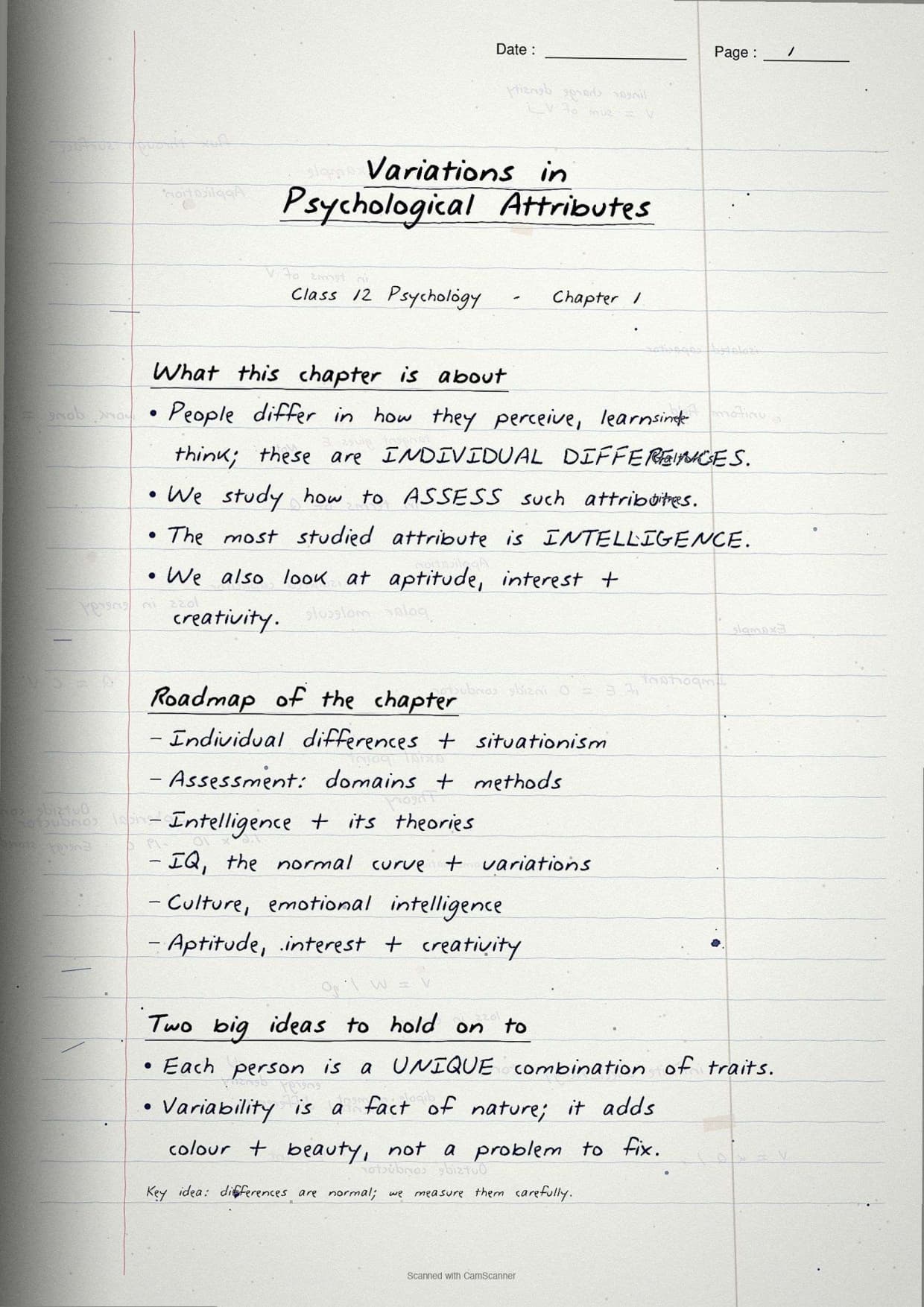
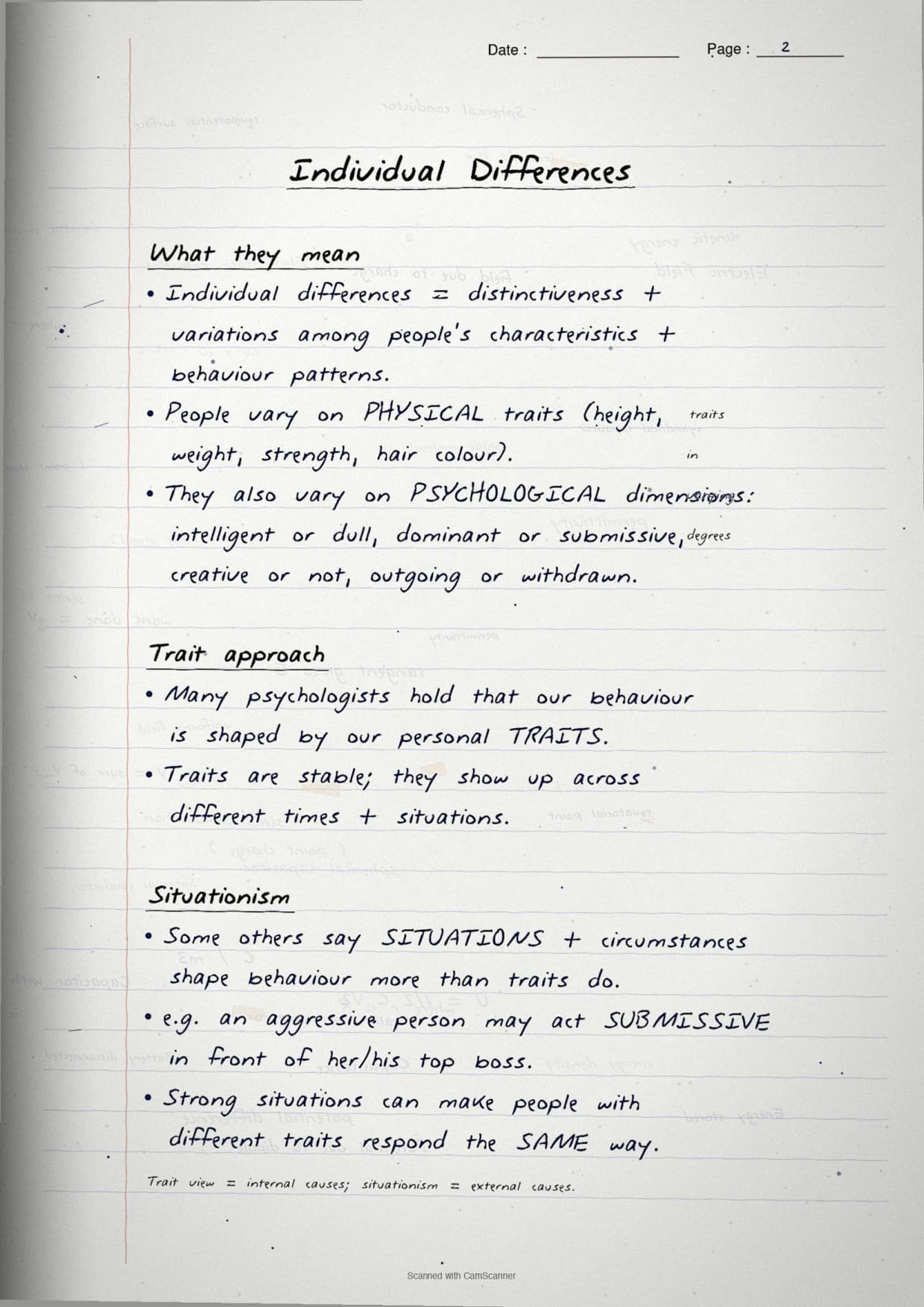
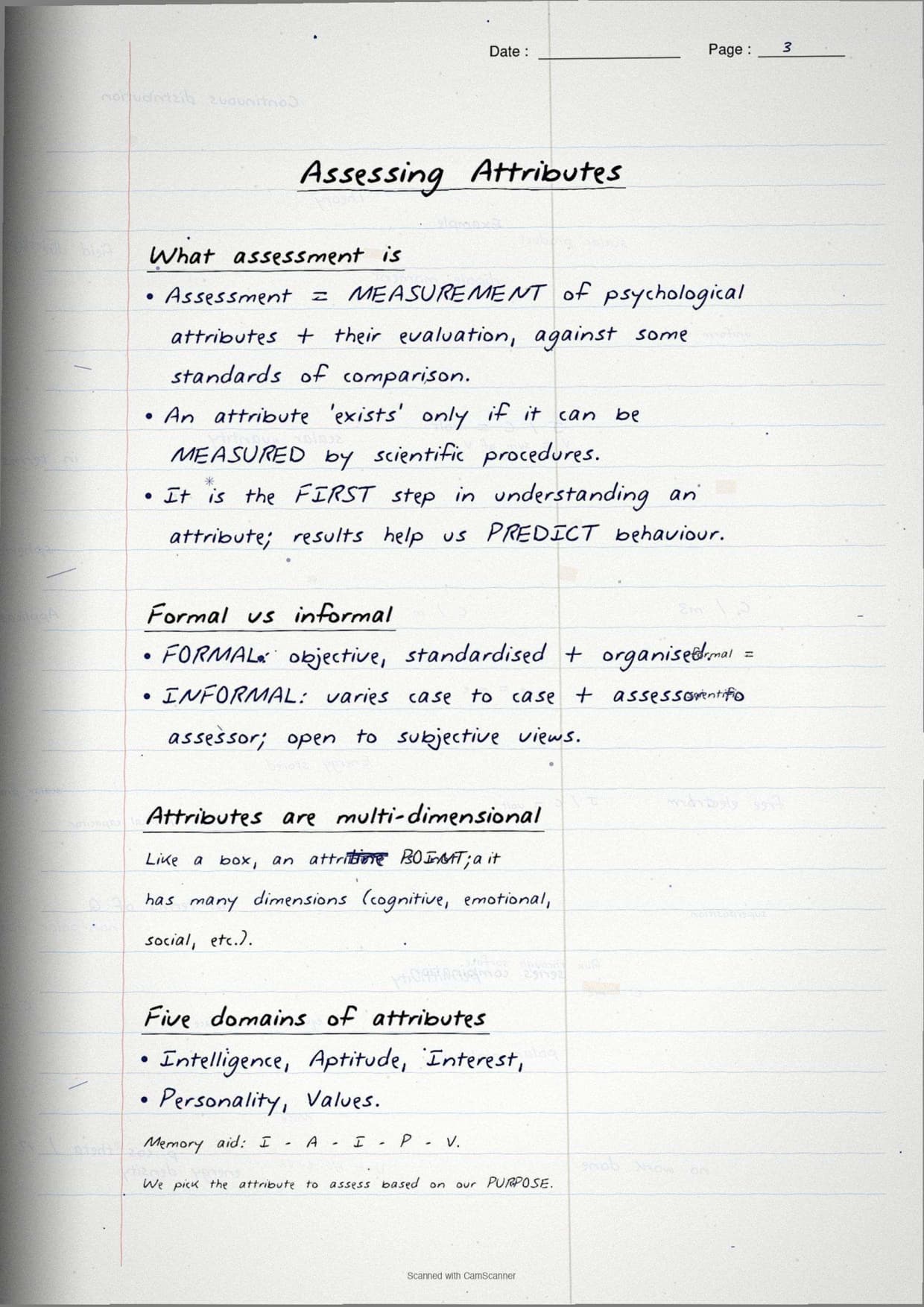
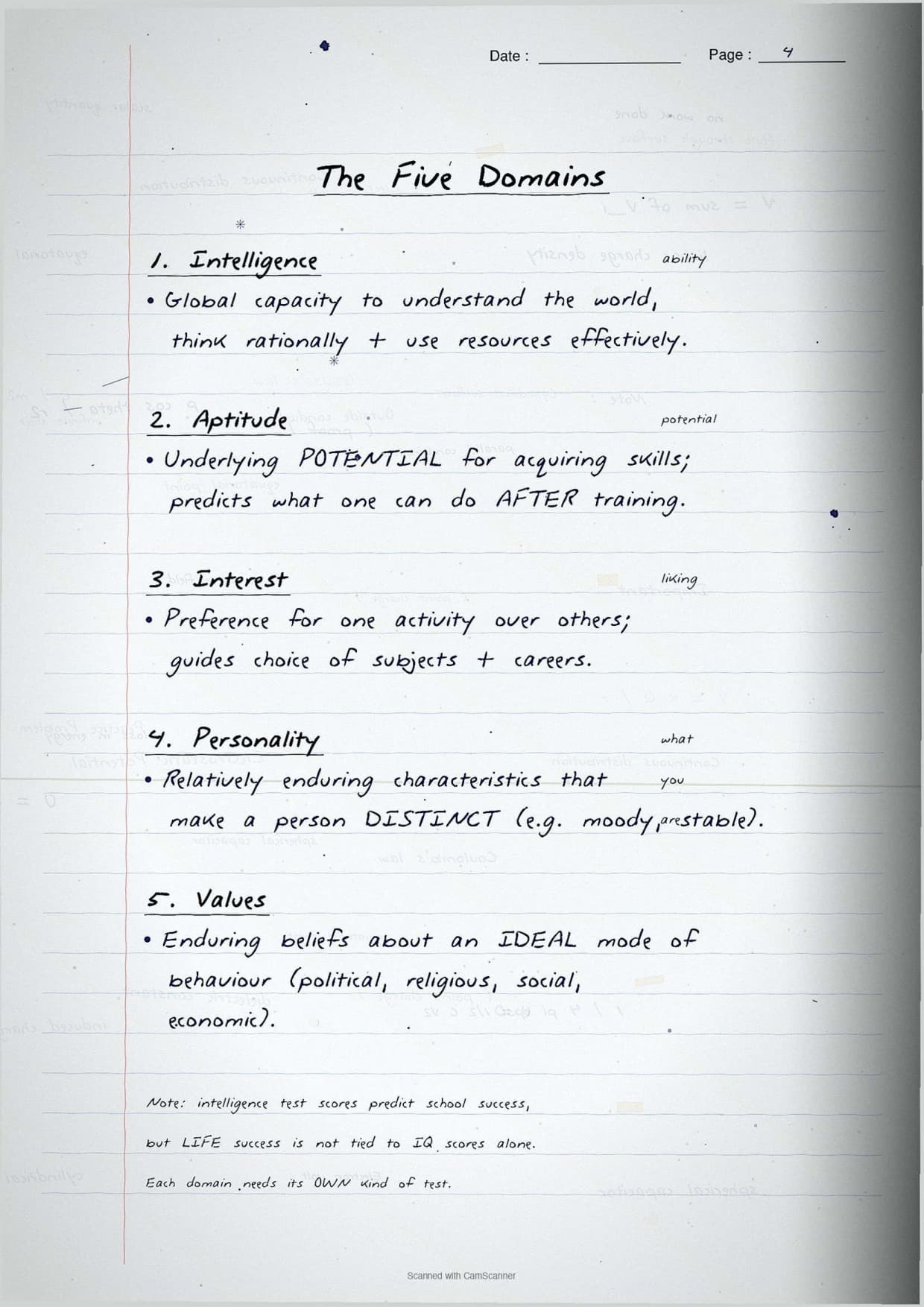
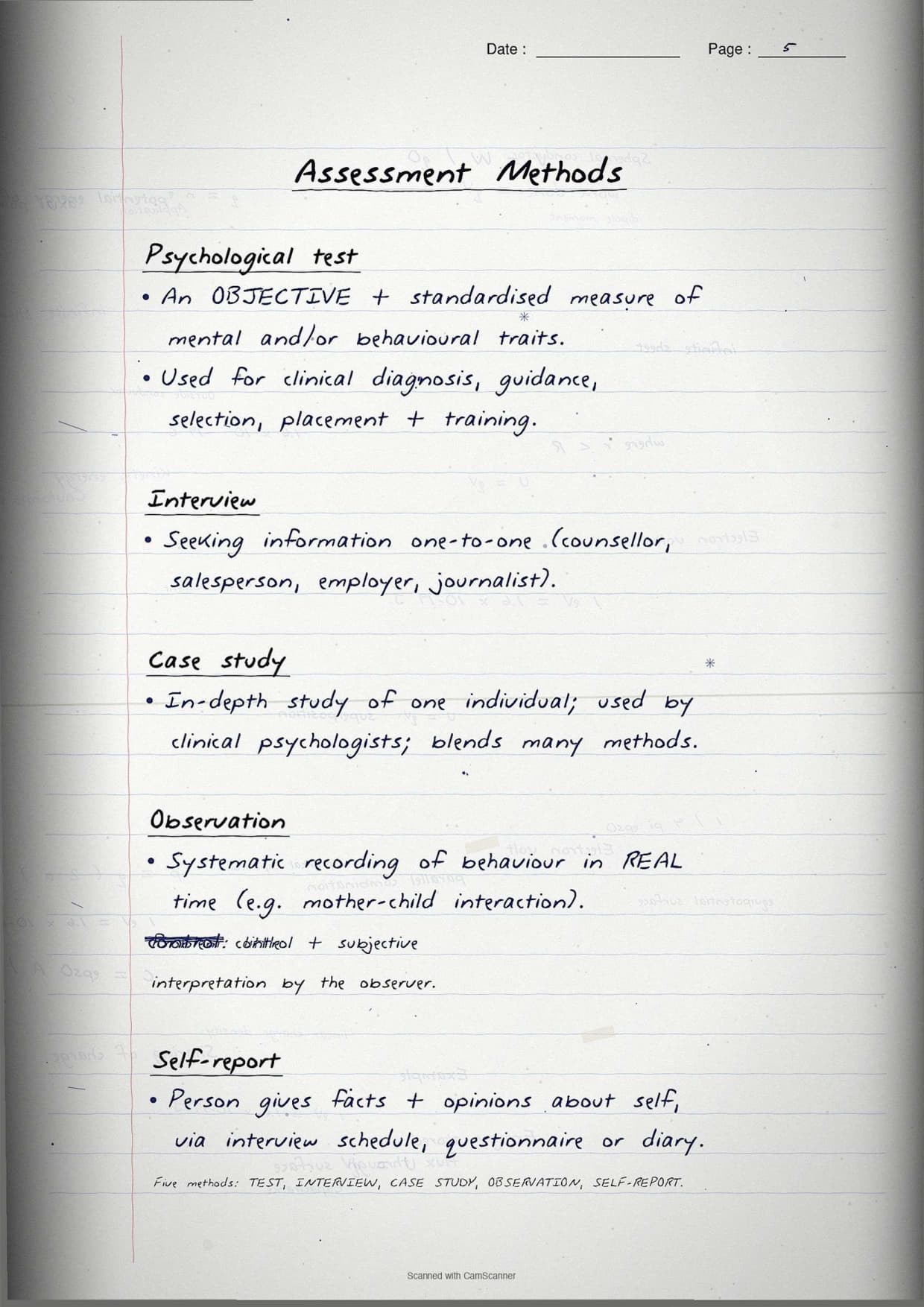
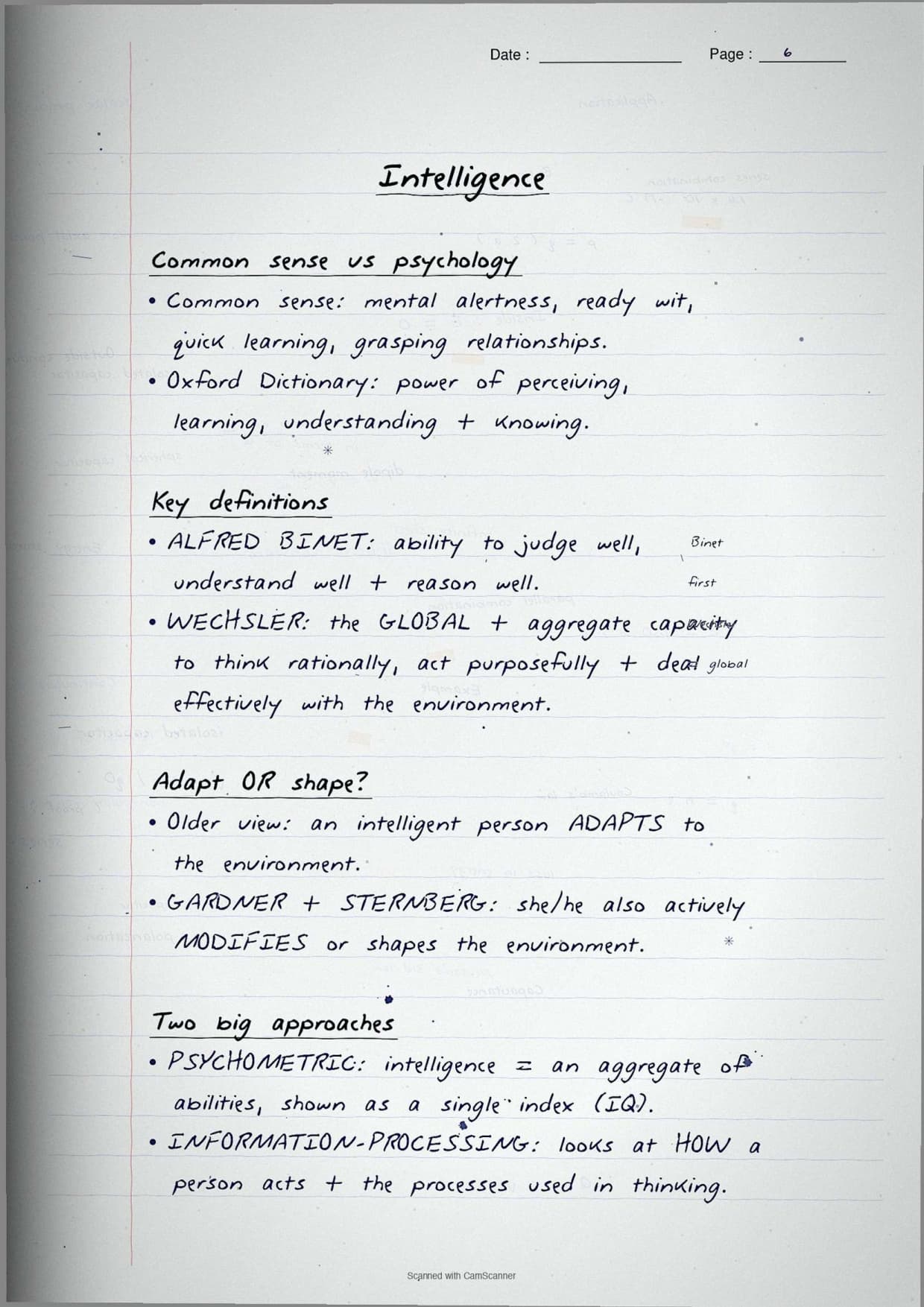
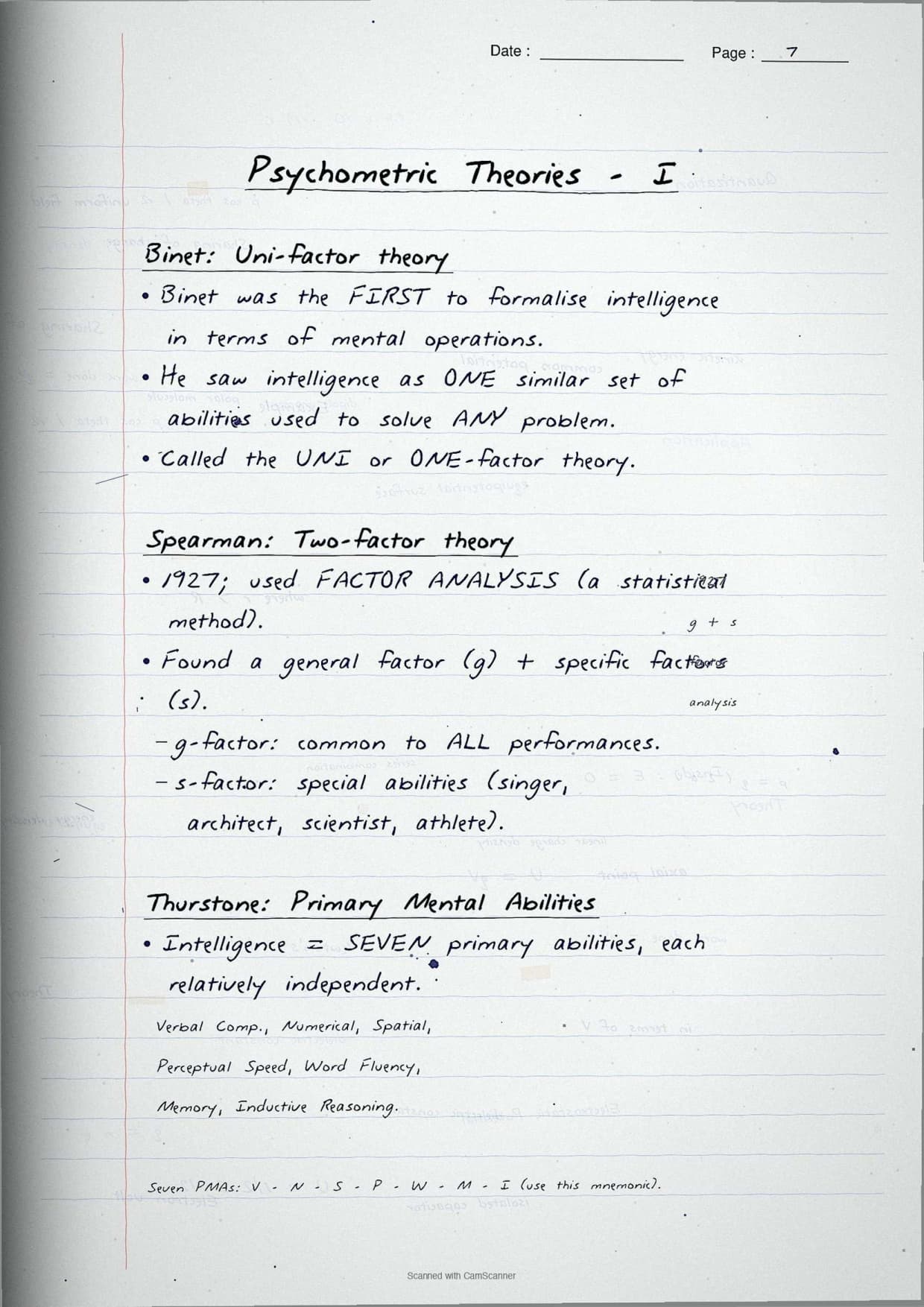
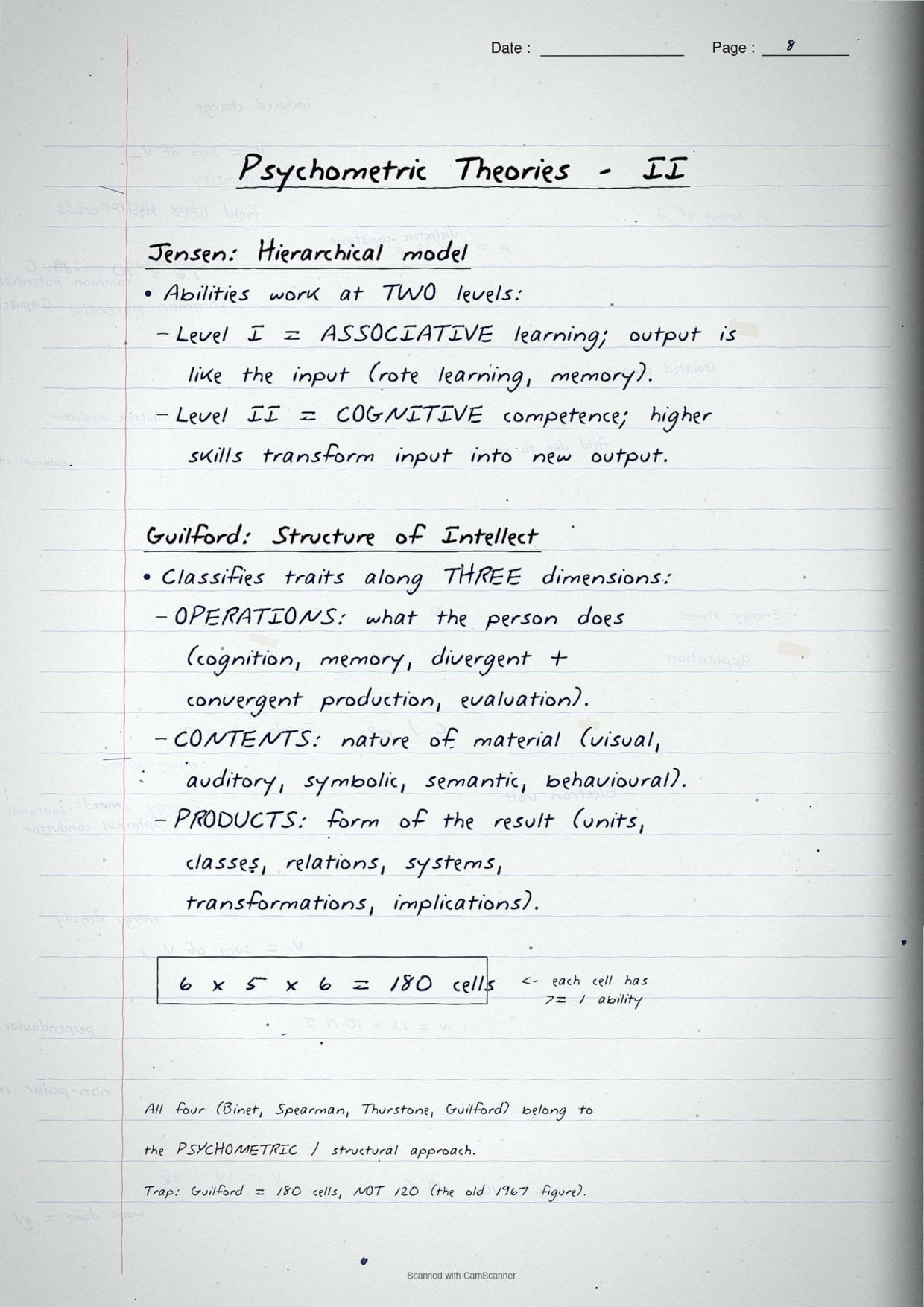
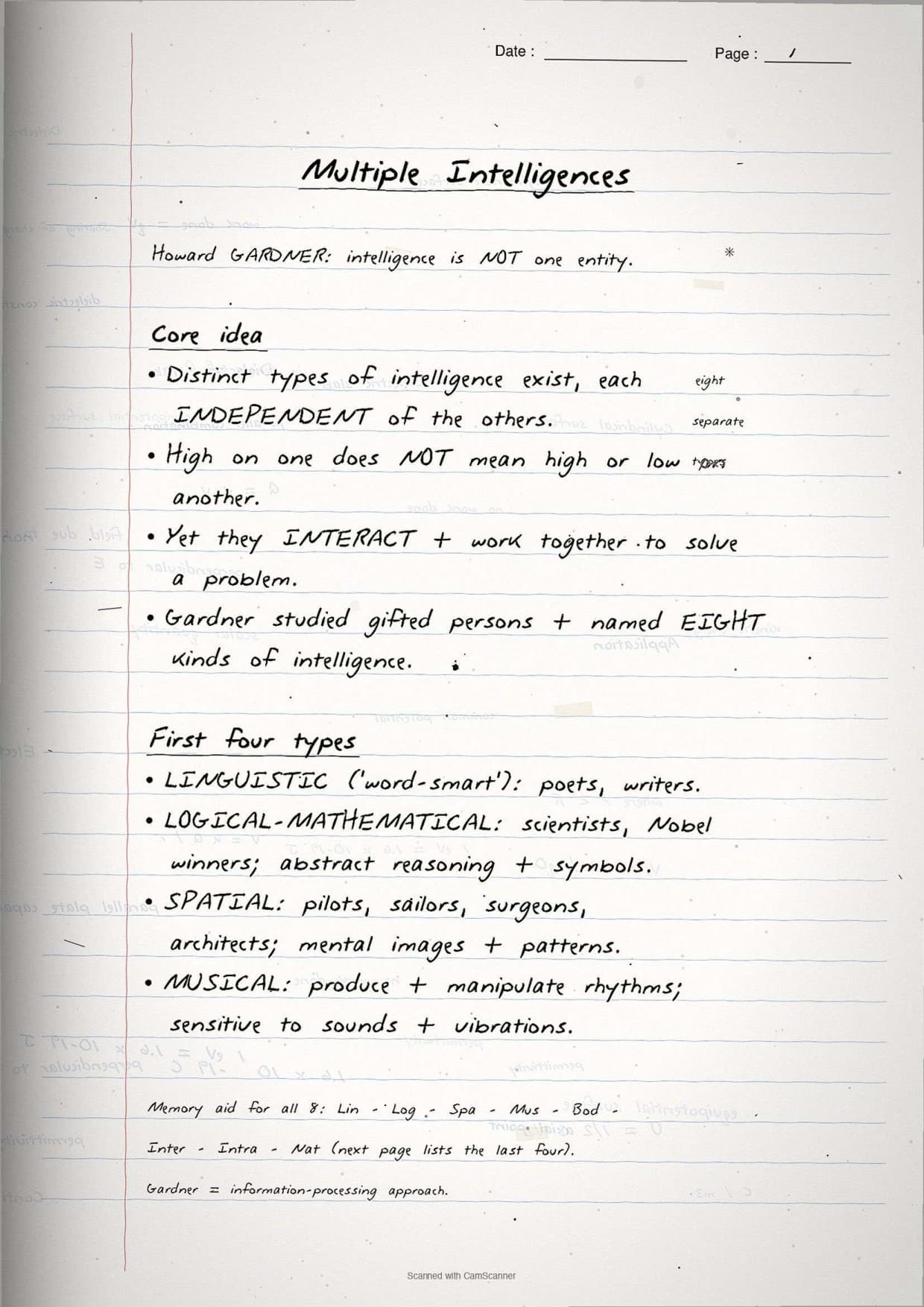
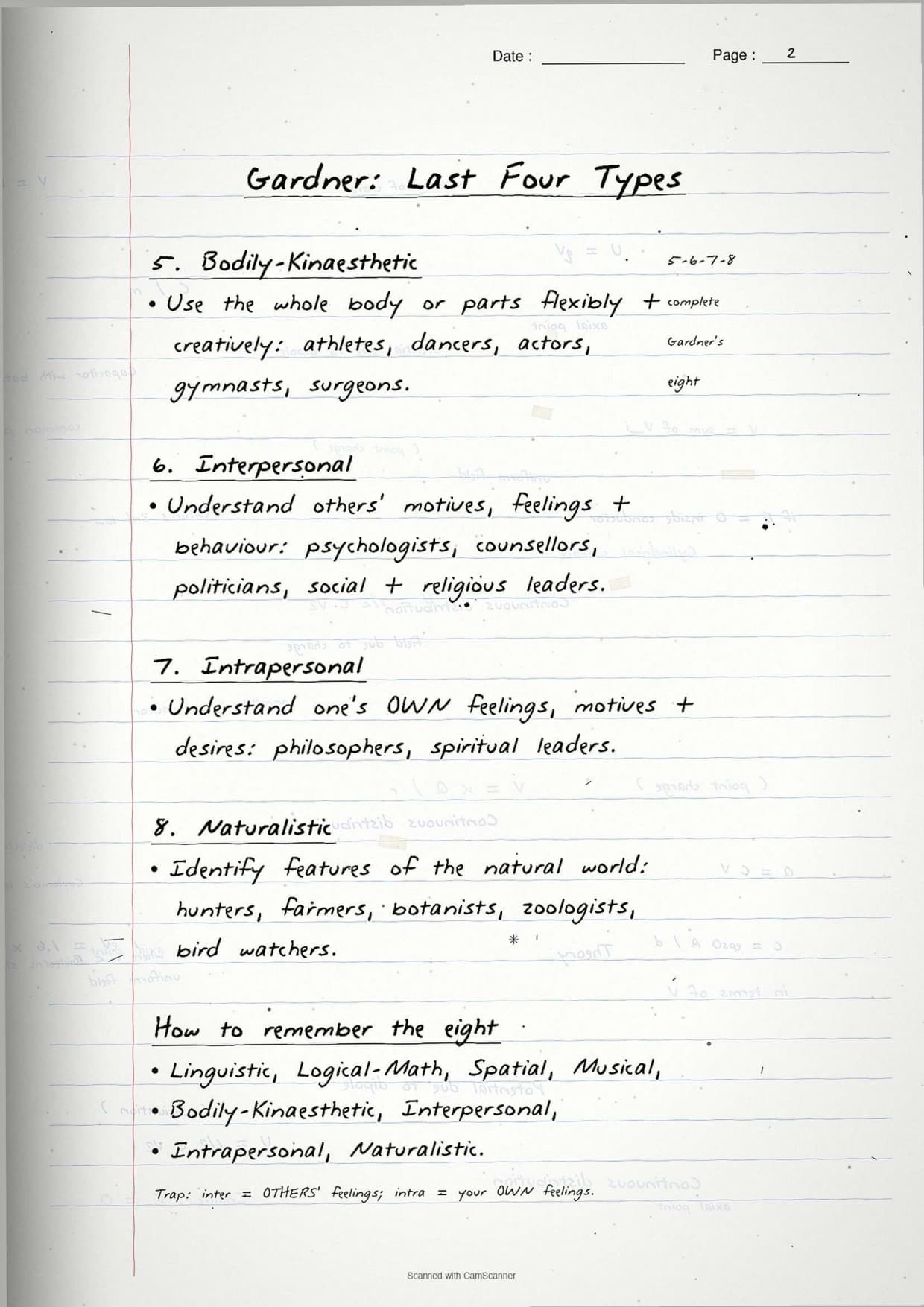
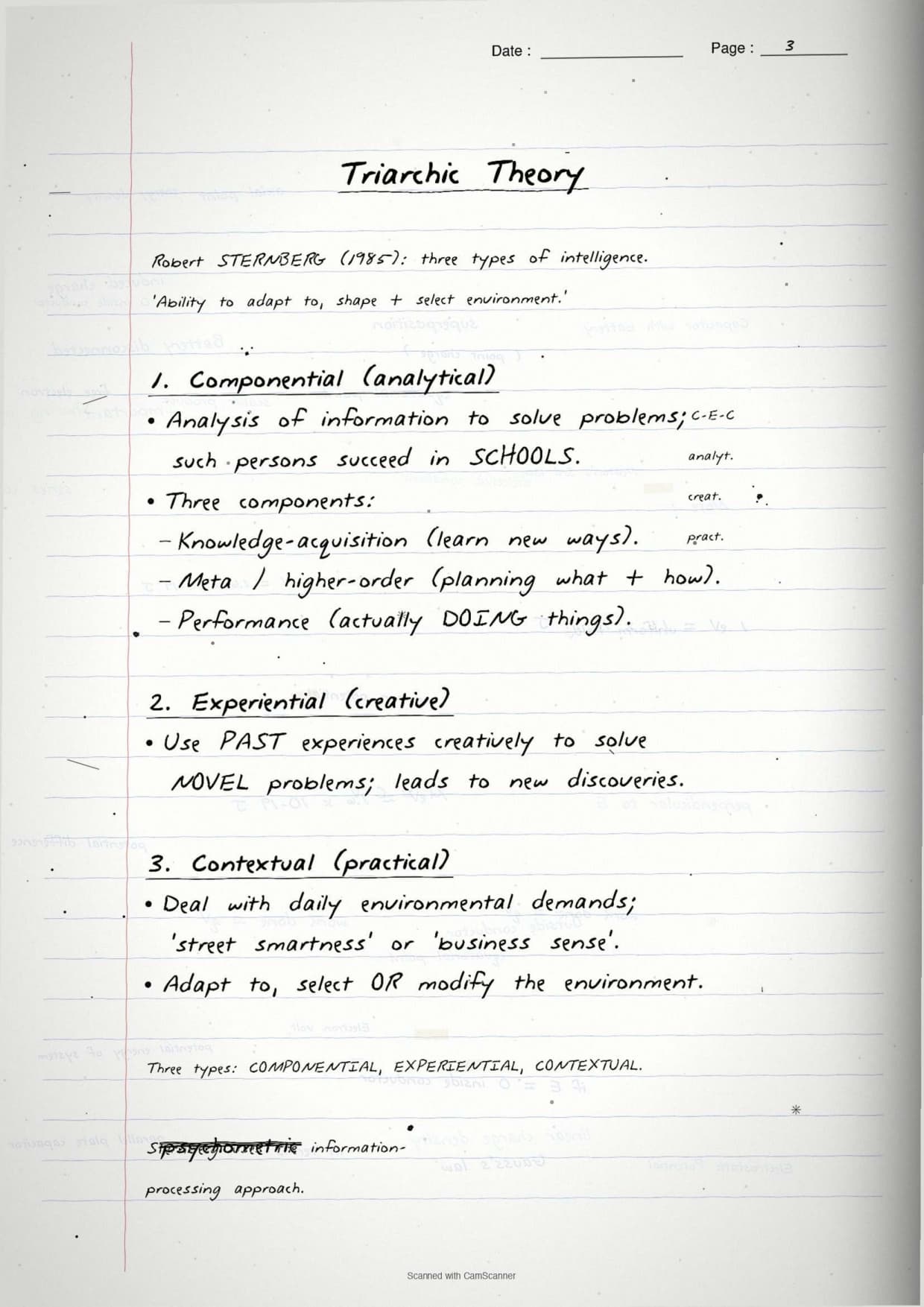
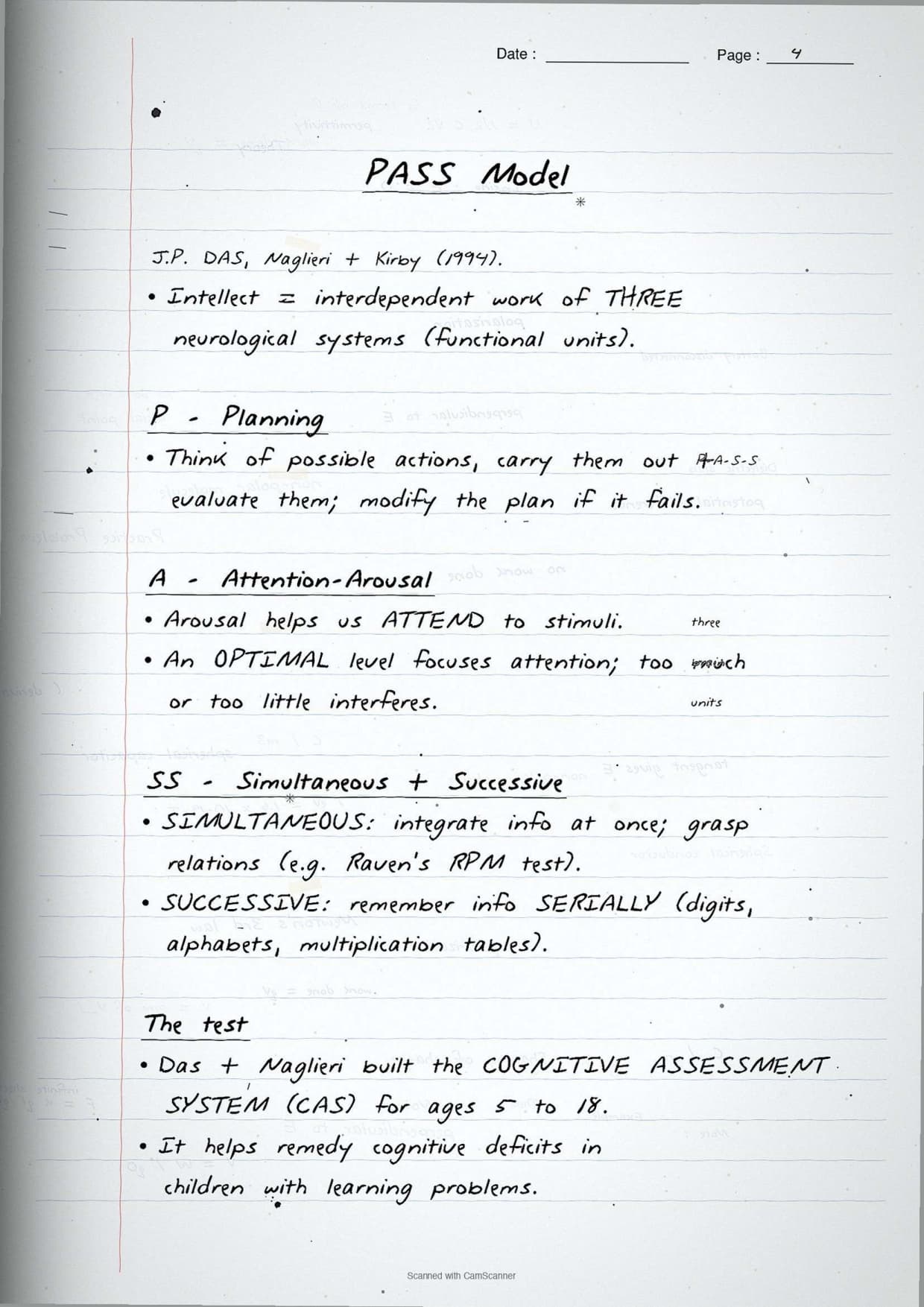
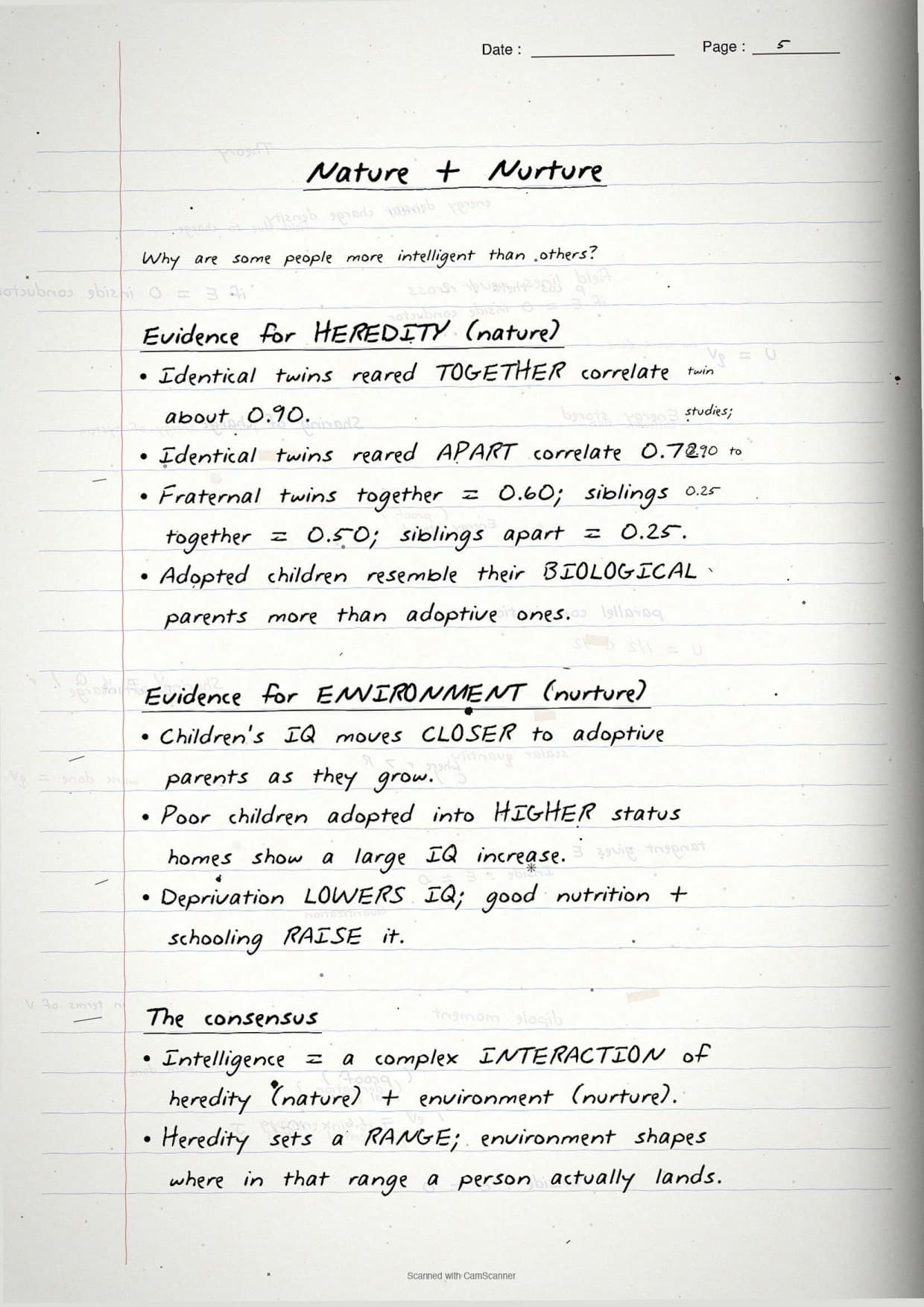
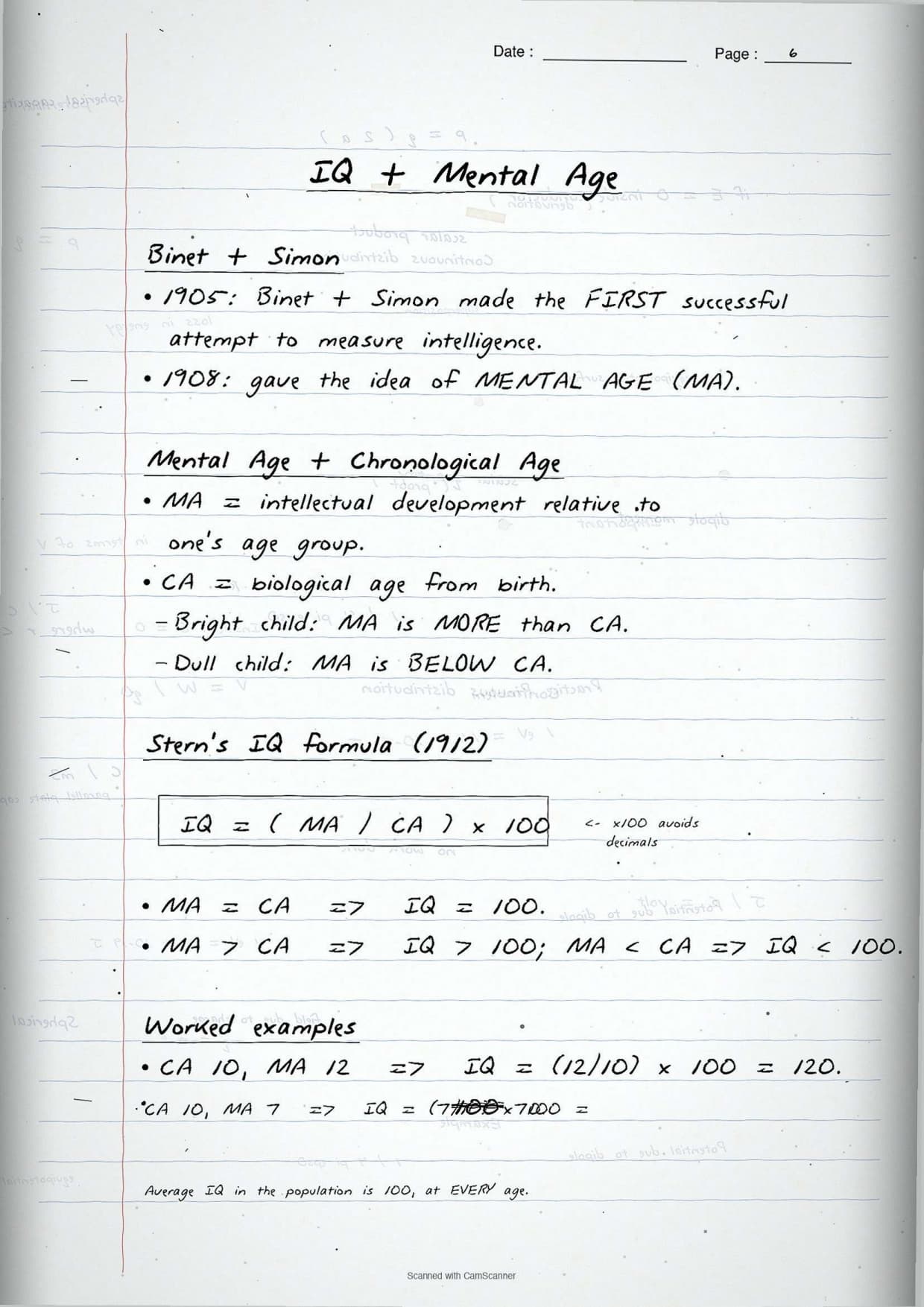
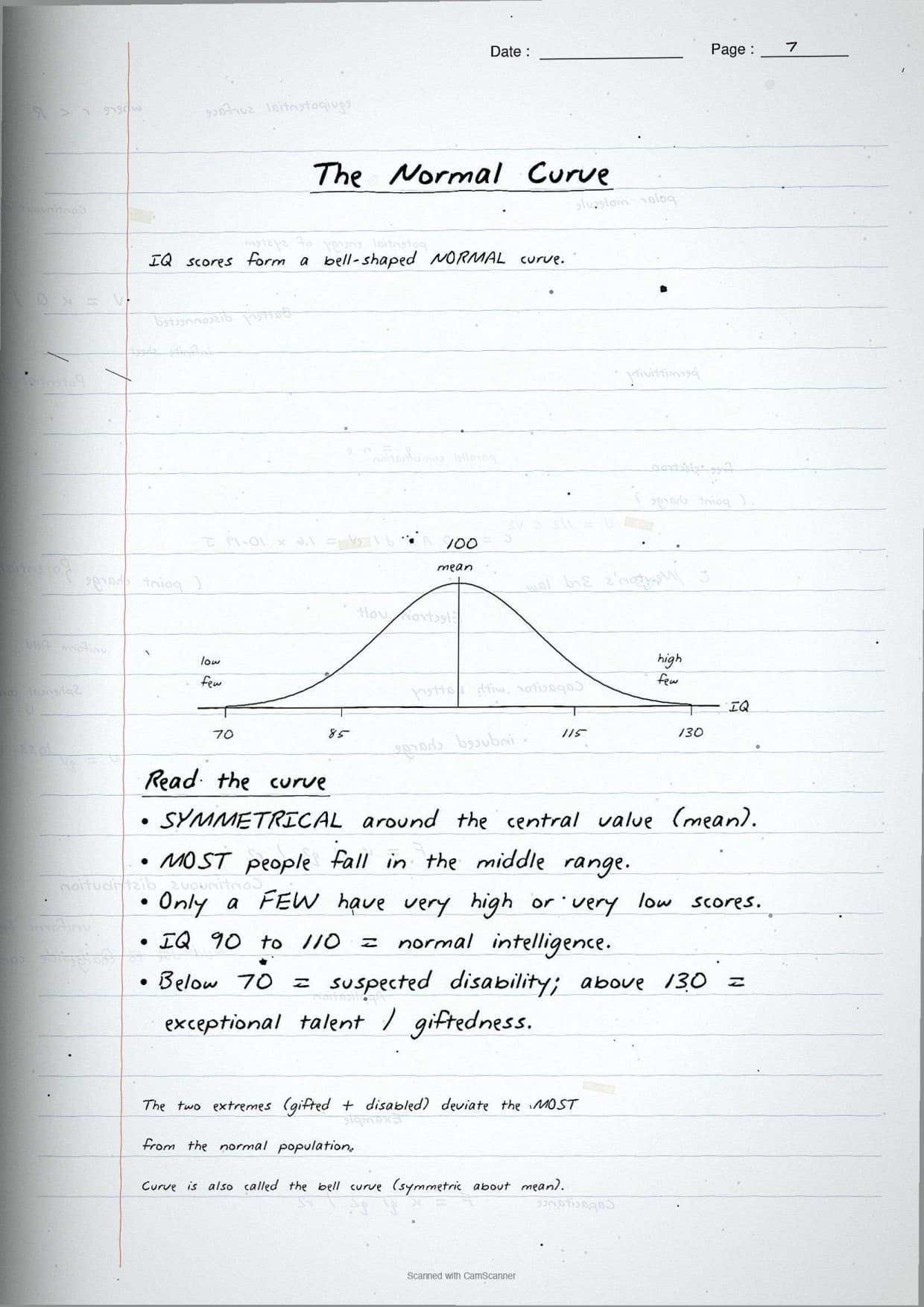
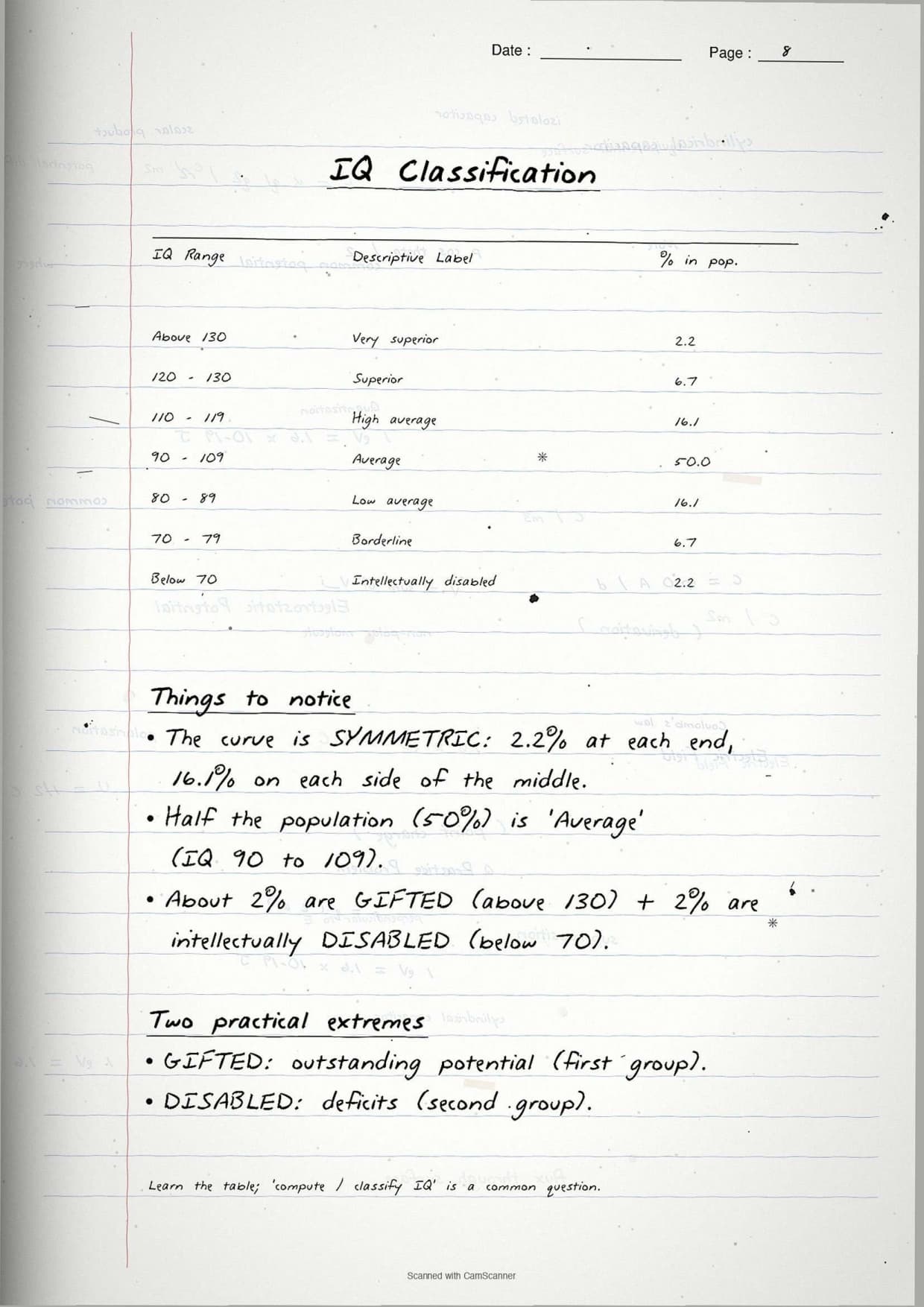
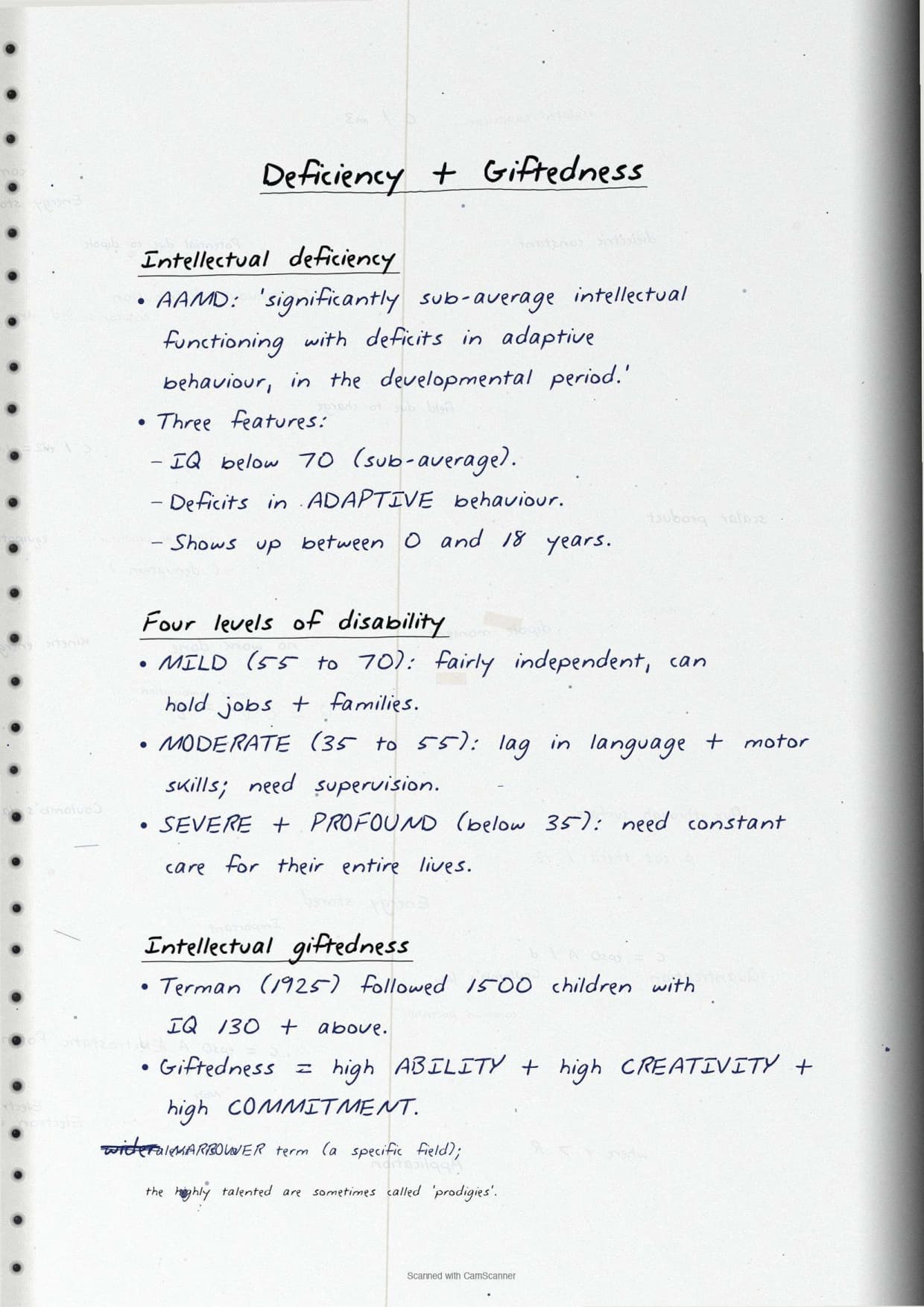
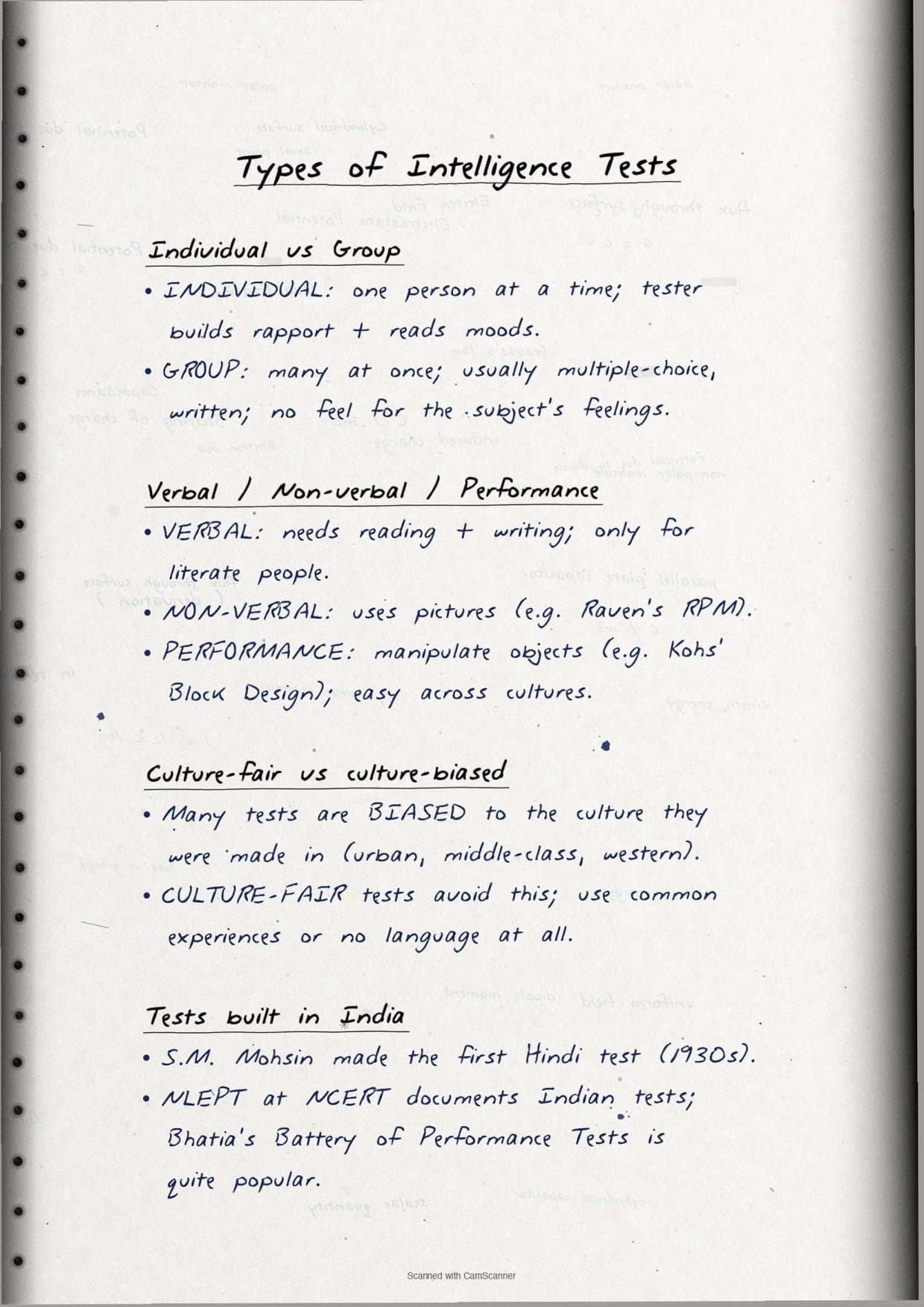
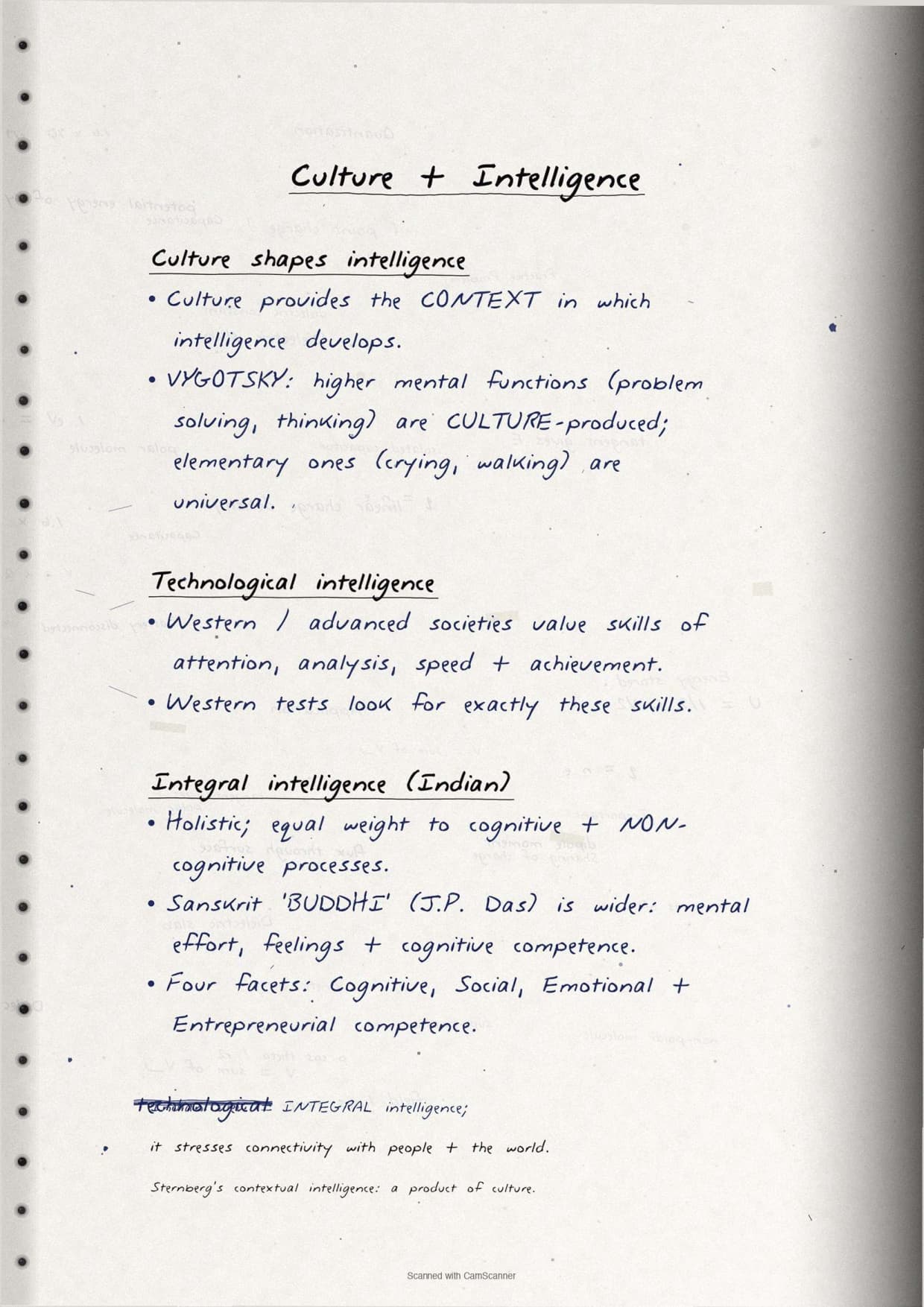
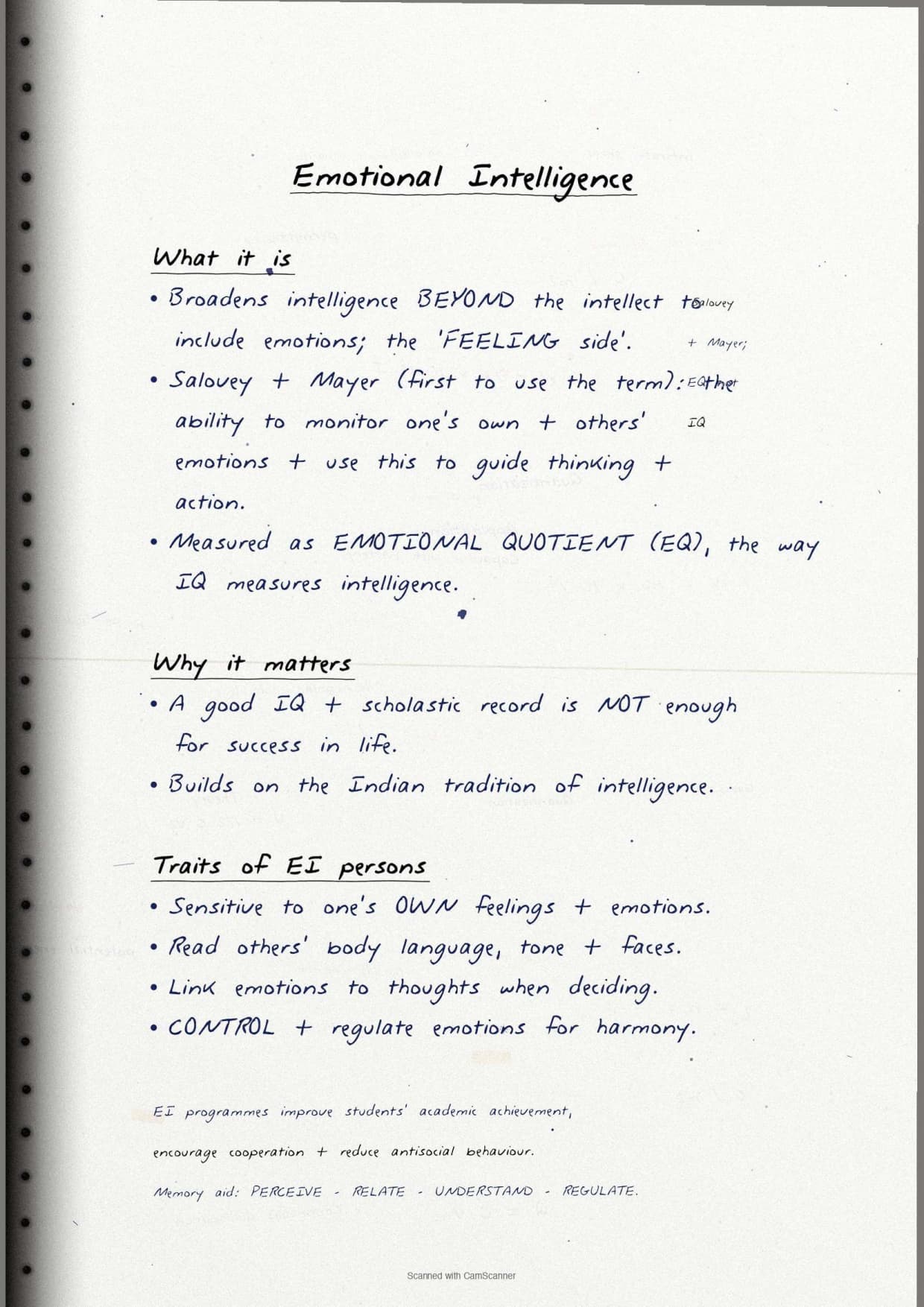
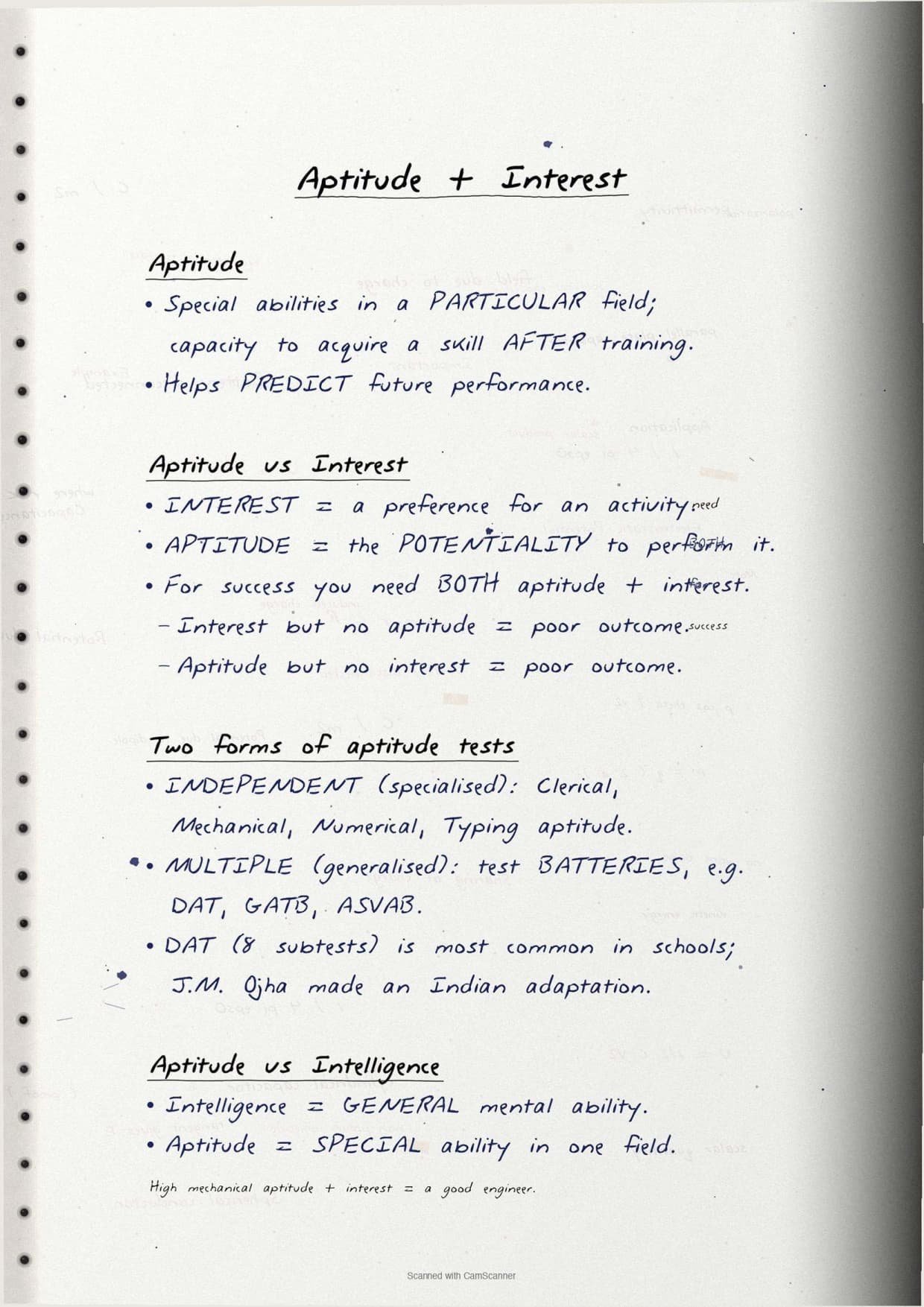
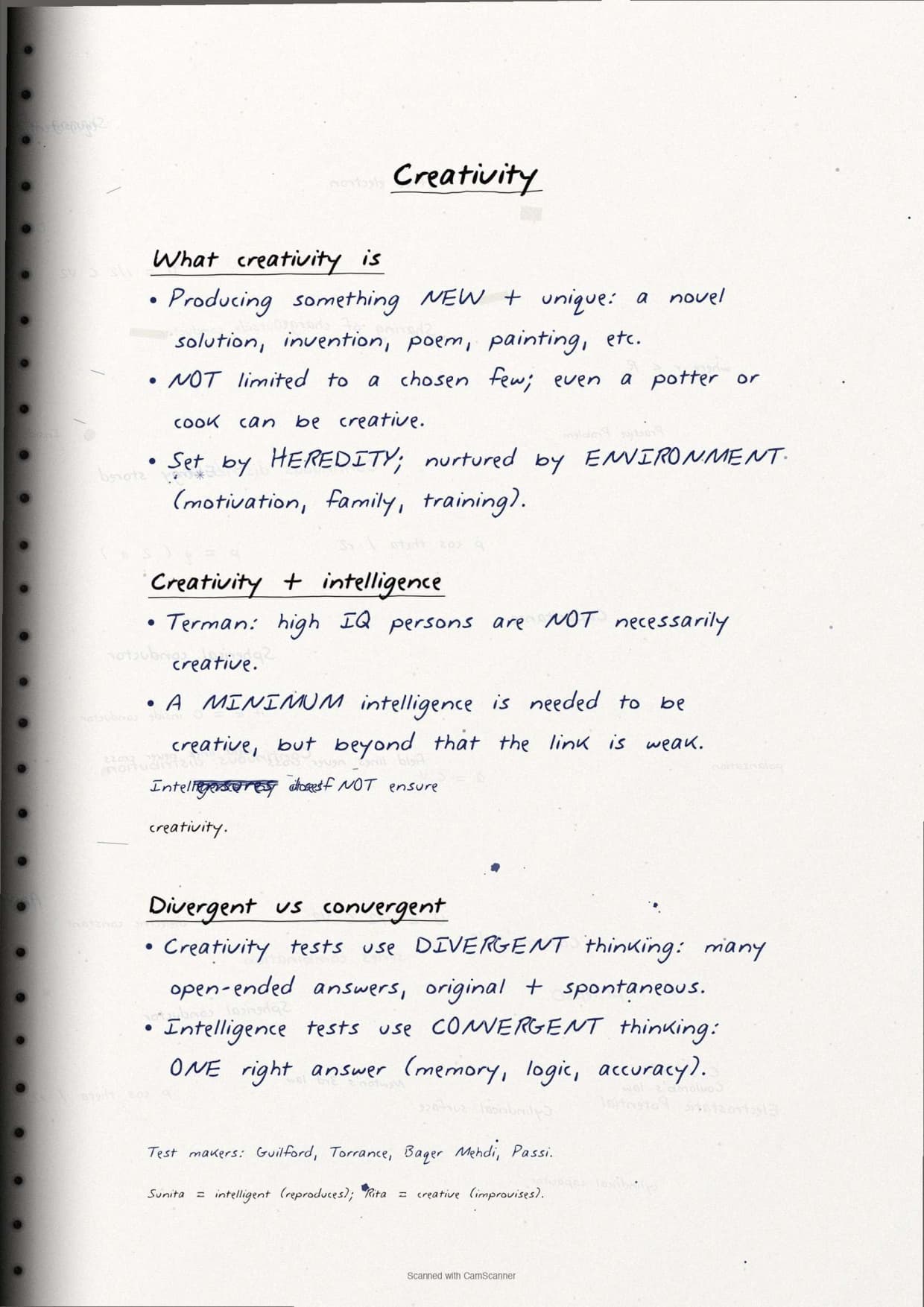
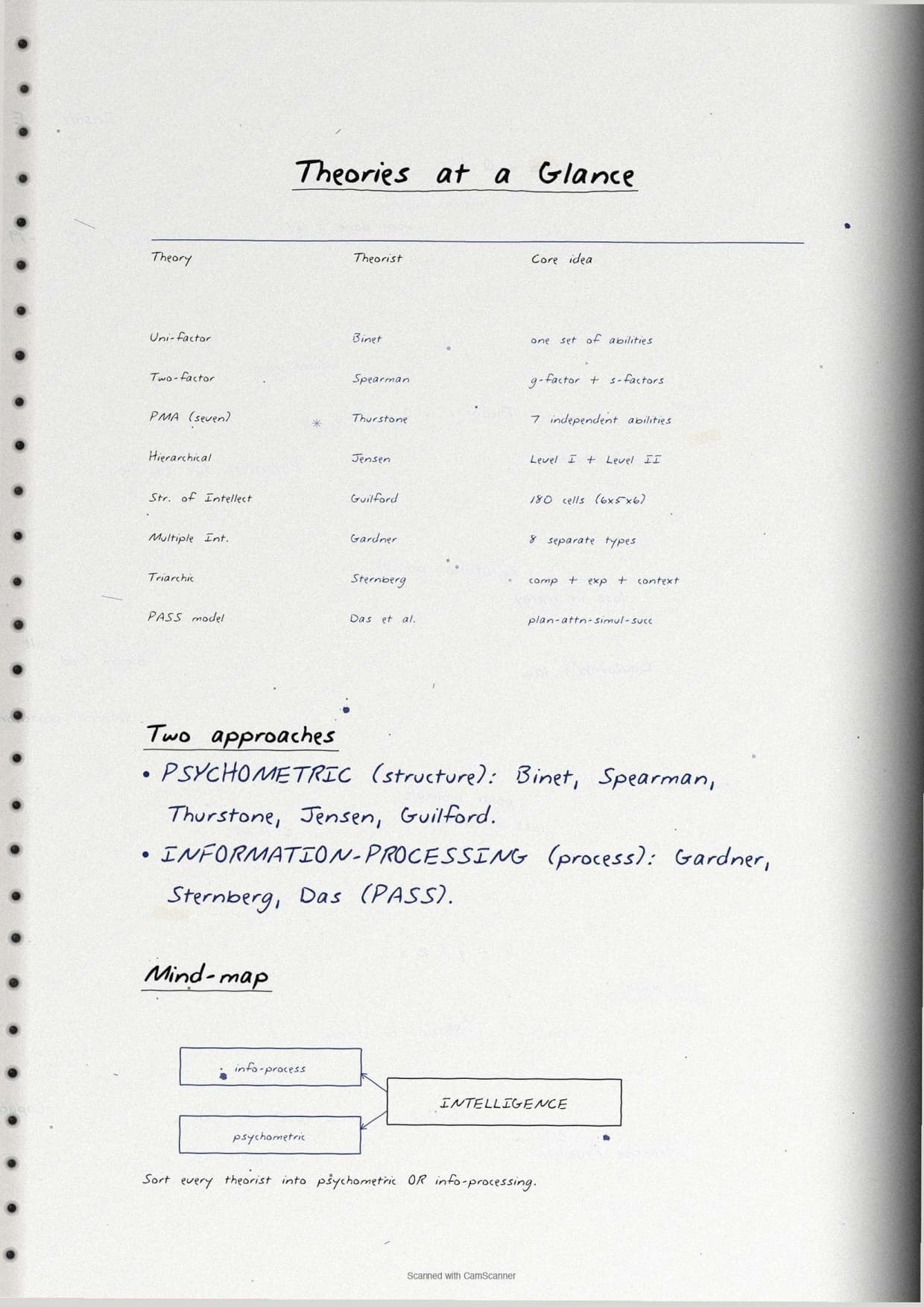
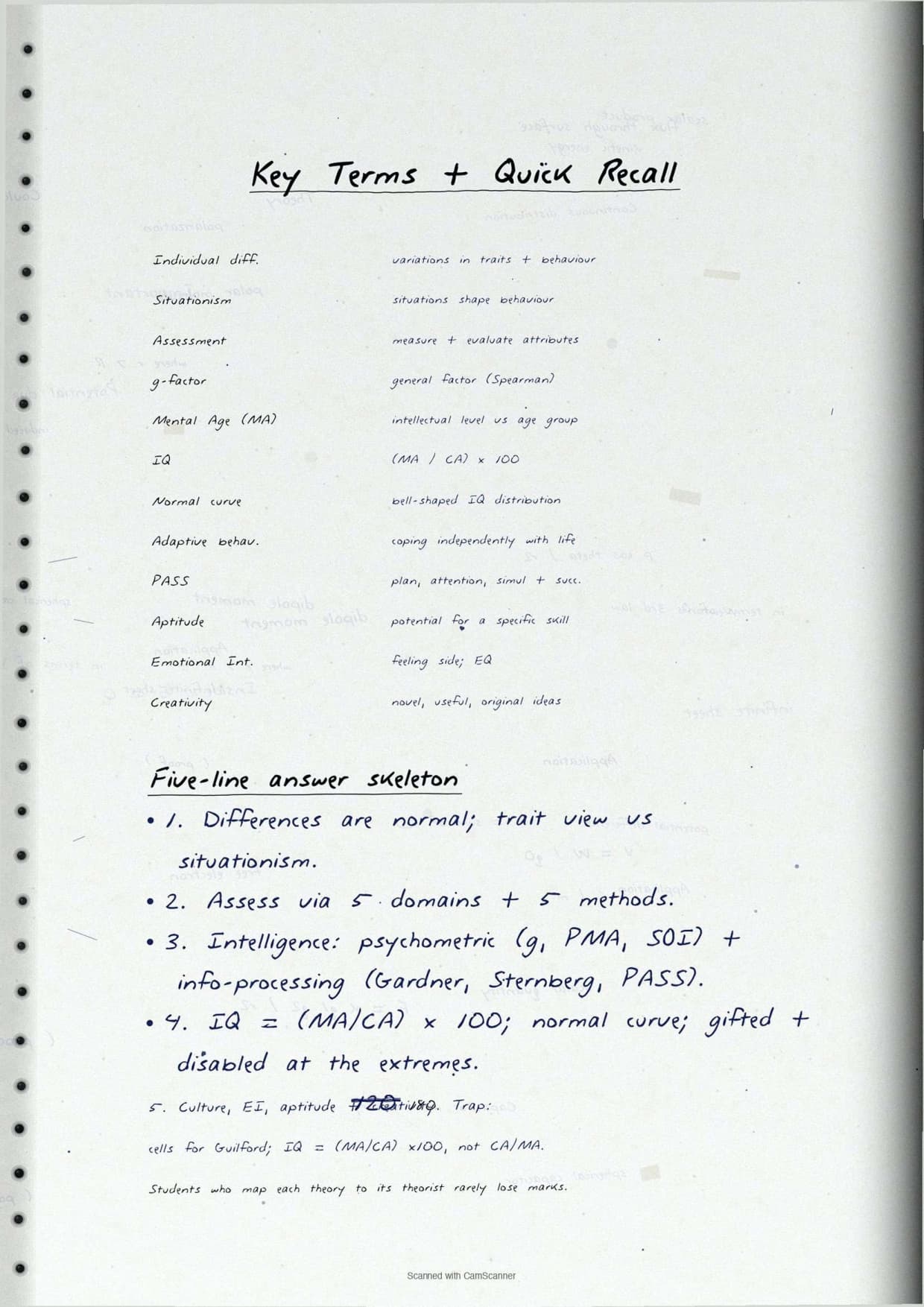
- Handwritten pages with boxed key terms and a labelled theories-of-intelligence map.
- This Class 12 Psychology chapter usually carries 6 to 7 marks in the board paper.
- Pairs with the NCERT Solutions, Notes and Book PDF linked lower on this page.
These Variations in Psychological Attributes handwritten notes are prepared from the official NCERT Psychology textbook and checked against the last five years of CBSE board papers.
Student Feedback: In a Collegedunia poll of 7,640 Class 12 Psychology students before the 2026 boards, 70% of students said handwritten pages helped them recall the eight Gardner intelligences and the IQ bands faster than printed text, because the boxed diagrams and arrows made the theories stick.
Source: 2026-27 Class 12 Psychology student poll. Sample of 7,640 students from CBSE schools across 12 states.
What These Variations in Psychological Attributes Handwritten Notes Contain
Variations in Psychological Attributes is the first chapter of Class 12 Psychology. It studies how people differ on psychological qualities, with the spotlight on intelligence. These handwritten notes condense the chapter into handwritten pages that read like a topper's own notebook.
The notes are organised under three threads, each on its own set of pages:
- The basics: individual differences, situationism and how attributes are assessed.
- The theories: the psychometric and information-processing models of intelligence.
- The wider picture: IQ, culture, emotional intelligence, aptitude and creativity.
Because the pages are handwritten, the key terms sit in boxes and arrows rather than long paragraphs. A student can flip through the Variations in Psychological Attributes class 12 pages in a few minutes and still pick up the theories, the IQ table and the main contrasts before walking into the exam.
Theories of Intelligence in the Handwritten Pages
The theories of intelligence fill the central pages, drawn as a clear map so the two families stand apart. The table below shows what the handwritten notes cover for each model.
| Theory | What the page shows |
|---|---|
| Spearman, Thurstone, Guilford | The psychometric side: g and s factors, primary mental abilities, structure of intellect. |
| Gardner (multiple) | The eight intelligences listed with one example occupation each. |
| Sternberg (triarchic) | Componential, experiential and contextual drawn as three boxes. |
| Das, Naglieri, Kirby (PASS) | Planning, Attention-arousal and Simultaneous-successive as linked units. |
The handwritten map makes the key point easy to see: psychometric models ask "how much" intelligence, while information-processing models ask "how" it works. Seeing the two families side by side on one page is the fastest way to remember which name sits where. Keep this contrast in mind for the long-answer comparison question.
IQ, Culture and Creativity in the Notes
The later pages cover IQ, culture, emotional intelligence and creativity. These topics feed the short and long answers, so the handwritten notes keep them as boxed lists. The lists below show what each page covers.
- IQ: the formula (mental age over chronological age, times 100), the normal curve, and the classification bands.
- Culture: Western "technological" intelligence versus Indian "integral" intelligence (buddhi).
- Emotional intelligence: perceiving and managing emotions, after Salovey and Mayer.
- Aptitude and creativity: aptitude as potential, and creativity needing a minimum intelligence.
The notes underline one judgement that scores well: a high IQ does not guarantee creativity, because creativity also needs divergent thinking. The handwritten pages box this line so it stands out. Pair the culture labels and the creativity point with the IQ table and you have the whole back half of the chapter on a few pages.
How to Use These Handwritten Notes
Handwritten notes work best as a final-revision tool, not a first read. The steps below show how to get the most out of the Variations in Psychological Attributes handwritten notes in the last days before a test.
- Download: tap the download card above to save the handwritten pages to your device.
- First read: read the printed Notes once so the handwritten pages act as a refresher, not a first source.
- Recall drill: cover the page and try to write the eight Gardner types and the IQ bands from memory.
- Night before: flip through the boxed pages for a quick last-minute recall of theories and numbers.
Many students search for class 12 psychology chapter 1 notes on their phone the night before a test, so a saved set of handwritten pages means you can revise offline. Use the handwritten notes for speed, then check the solutions to confirm you have the answer points right.
Common Mistakes These Notes Help You Avoid
A few errors cost marks every year. The handwritten notes flag each one in the margin so you can fix it before the exam. These five are the most common.
- Flipping the IQ formula. It is always mental age over chronological age times 100.
- Naming only some of Gardner's intelligences. The exam needs all eight.
- Confusing aptitude with interest. Aptitude is potential; interest is a preference.
- Saying high IQ guarantees creativity. A minimum intelligence is needed, but high IQ does not ensure it.
- Treating the PASS units as fully separate. They are independent in function but interdependent in action.
Students who fix these five points usually move from average to high marks. The handwritten notes box the IQ formula and list all eight Gardner types in full, so the soft points are hard to miss when you revise.
How These Handwritten Notes Pair with the Solutions and Book PDF
These handwritten notes are a fast revision tool. To prepare fully, students should use them alongside the other resources for the same chapter, all linked in the table below. Read the printed Notes, test yourself with the solutions, then use these pages for a final recall.
| Resource | Best used for |
|---|---|
| Variations in Psychological Attributes NCERT Solutions | Step-by-step answers to all 12 review questions |
| Variations in Psychological Attributes Class 12 Notes | Quick chapter summary with all theories and key terms in one place |
| Variations in Psychological Attributes NCERT Book PDF | Reading the original NCERT chapter text and figures |
Tip: read the printed Notes first, then attempt the solutions, and keep these handwritten pages for the final night-before flip. Using them for recall, not for the first read, builds memory faster.
All Class 12 Psychology Handwritten Notes by Chapter
The table links the handwritten notes for every chapter in Class 12 Psychology, so students can move across the course in one click. Variations in Psychological Attributes is highlighted.
| Chapter | Handwritten Notes |
|---|---|
| Chapter 1 | Variations in Psychological Attributes |
| Chapter 2 | Self and Personality |
| Chapter 3 | Meeting Life Challenges |
| Chapter 4 | Psychological Disorders |
| Chapter 5 | Therapeutic Approaches |
| Chapter 6 | Attitude and Social Cognition |
| Chapter 7 | Social Influence and Group Processes |
FAQs on Variations in Psychological Attributes Handwritten Notes
Variations in Psychological Attributes Class 12 Psychology Handwritten Notes Common Questions
Ques. Where can I download the Variations in Psychological Attributes handwritten notes PDF?
Ans. You can download the Variations in Psychological Attributes Class 12 Psychology handwritten notes PDF directly from this page. It is free, follows the 2026-27 NCERT, and presents the theories of intelligence, IQ, culture and creativity as handwritten pages.
Ques. Are handwritten notes good for revising Class 12 Psychology Chapter 1?
Ans. Yes. Handwritten notes are best for fast, last-minute revision because the boxed key terms and arrows make the theories and the IQ table easy to skim. Use them after a first read of the printed Notes, not as your only source.
Ques. What topics do these handwritten notes cover?
Ans. They cover individual differences and situationism, assessment methods, the psychometric and information-processing theories of intelligence, IQ and its classification, cultural views of intelligence, emotional intelligence, aptitude and creativity.
Ques. Who prepared these handwritten notes?
Ans. They are written and proofread by hand by a subject expert with a PhD in Psychology and years of CBSE Class 12 teaching experience, using the official NCERT textbook and the last five years of board papers.
Ques. How should I use these notes with the other resources?
Ans. Read the printed Notes first, test yourself with the NCERT Solutions, then keep these handwritten pages for the final night-before flip. Using them for recall rather than the first read builds memory faster.



Comments