




These Human Development handwritten notes turn the whole chapter on how people grow and change into clean, handwritten pages for fast last-minute revision. They follow the 2026-27 NCERT syllabus and Chapter 3 of Class 11 Psychology. Students get the meaning of development, the life-span perspective, the role of heredity and environment, and the stages from prenatal to old age in a pen-on-paper format that is easy to skim before a test.
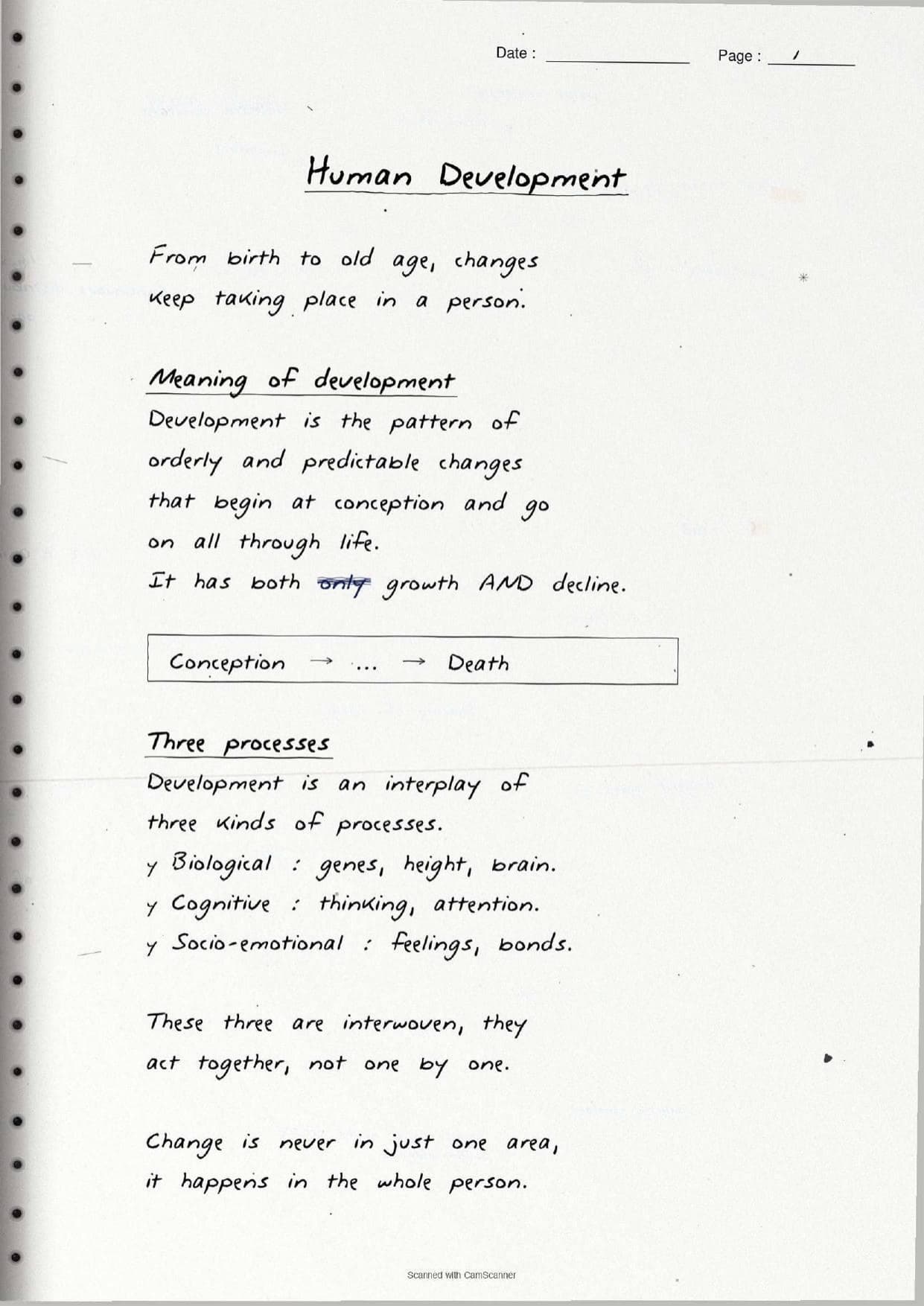
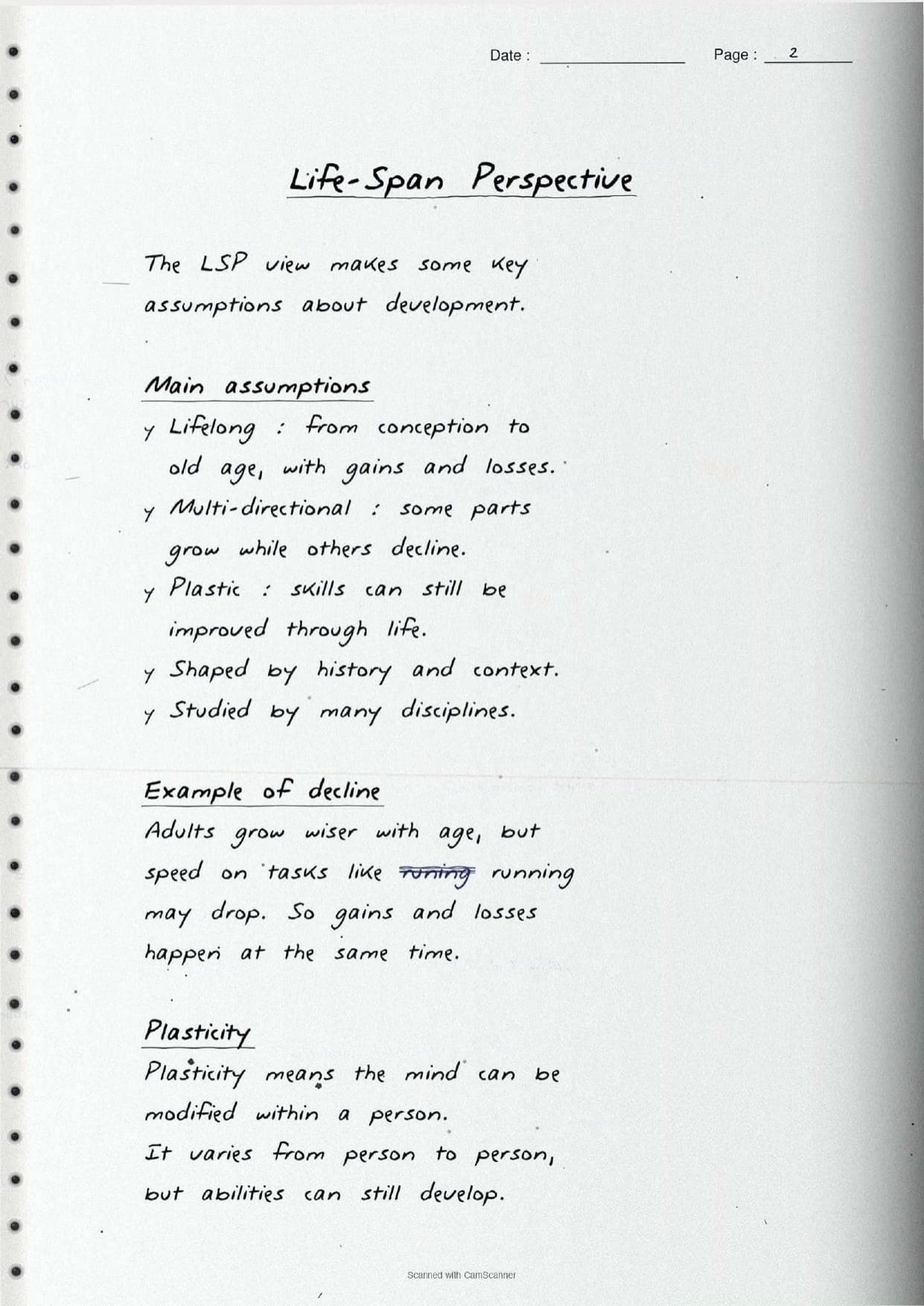
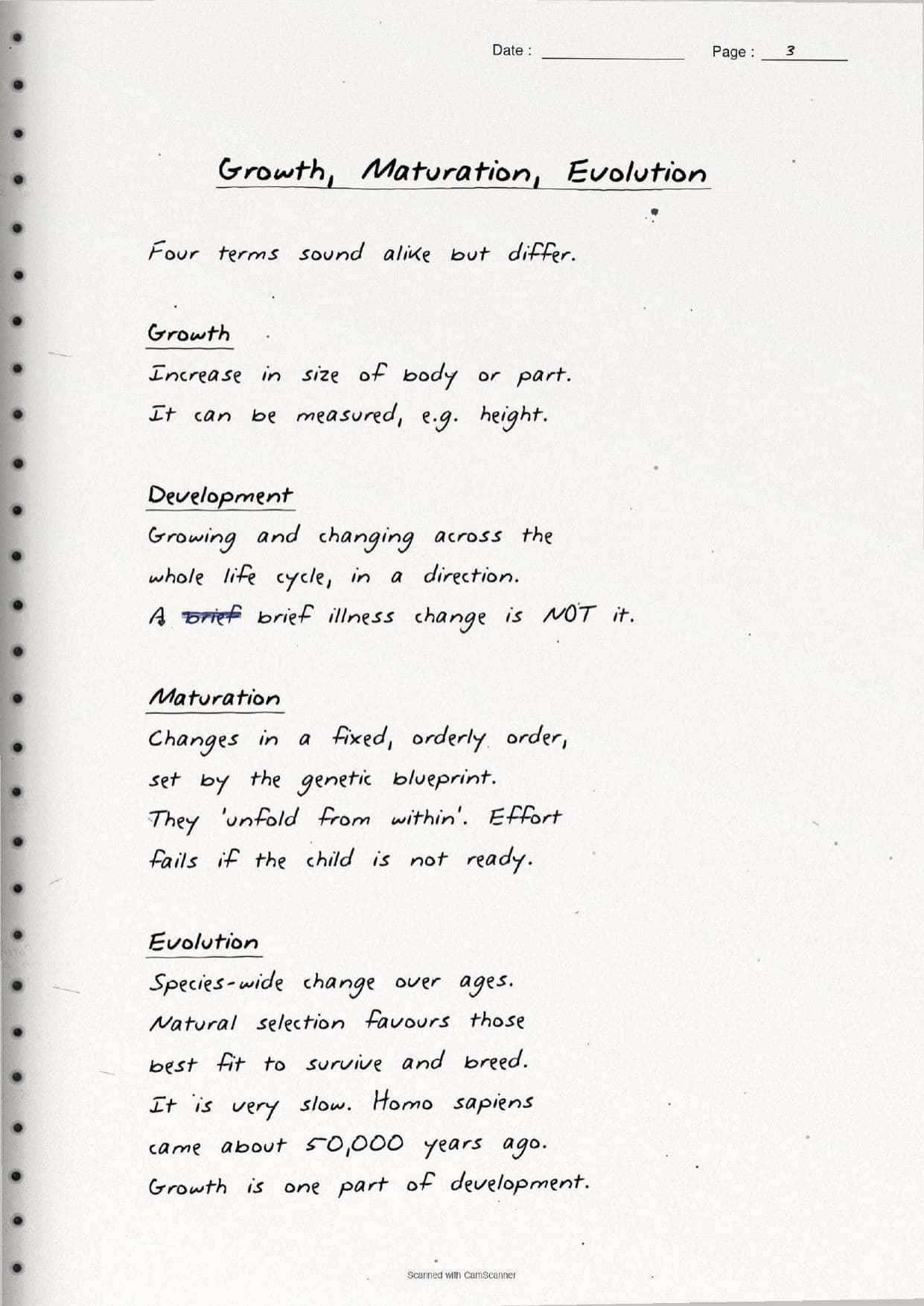
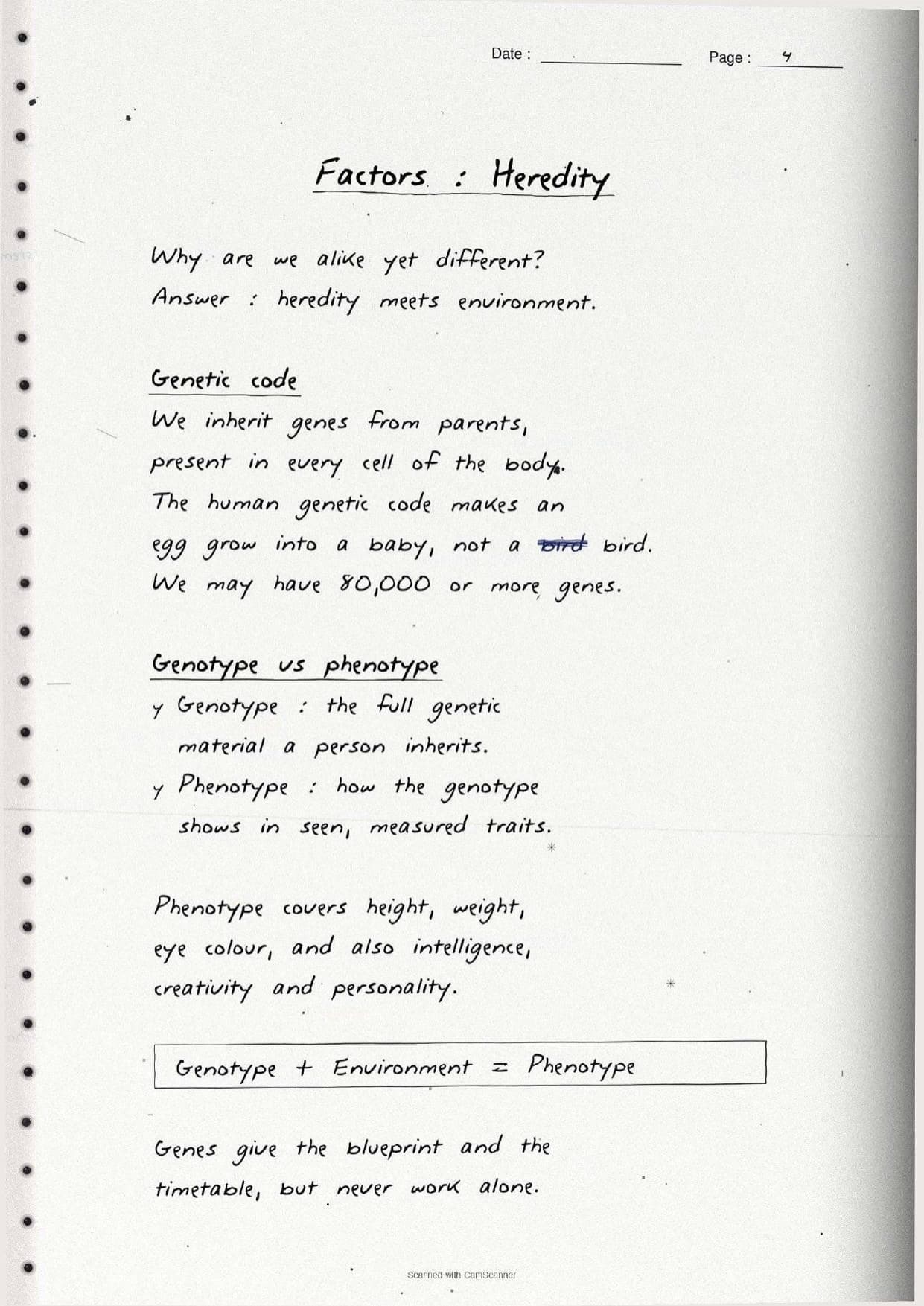
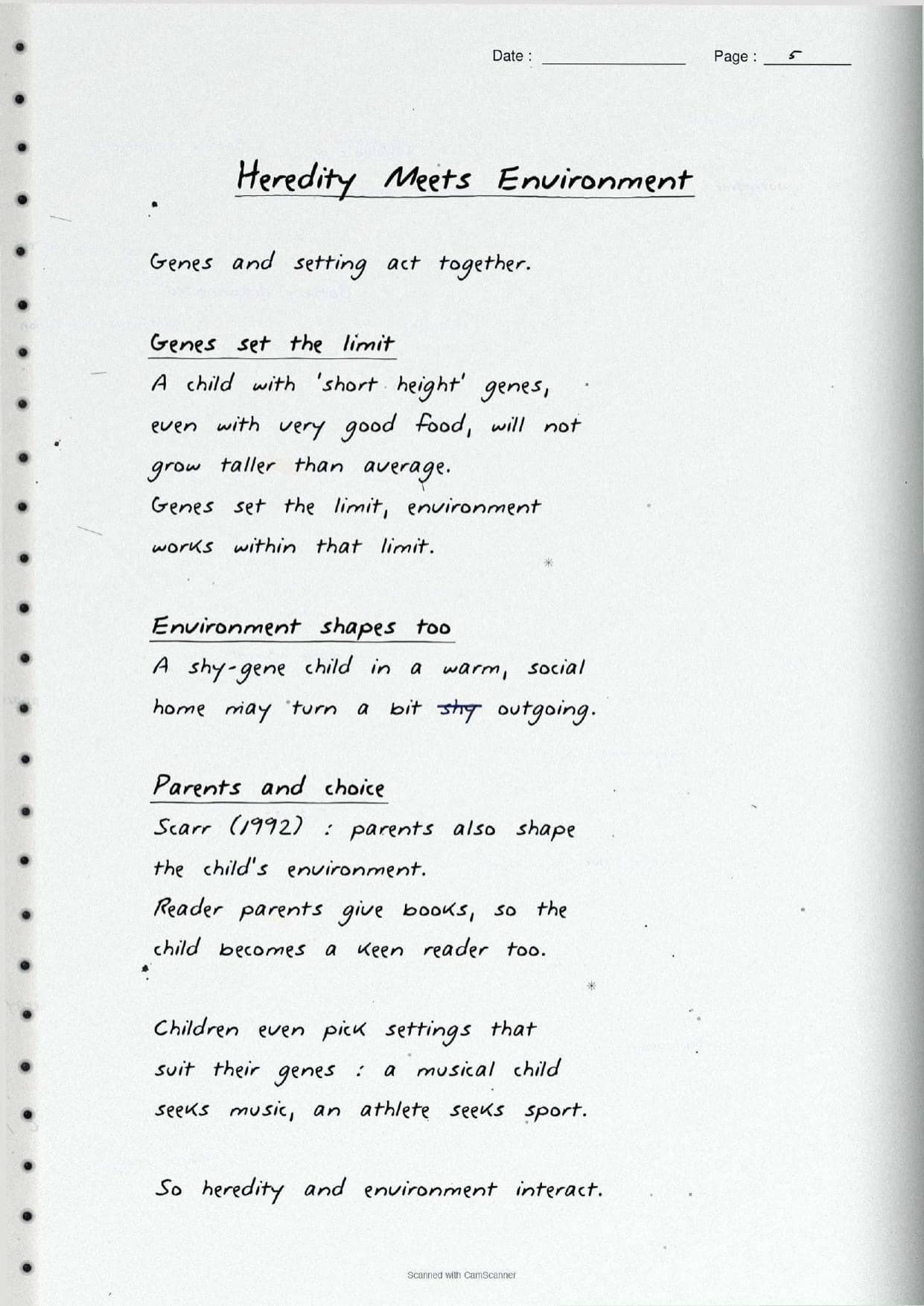
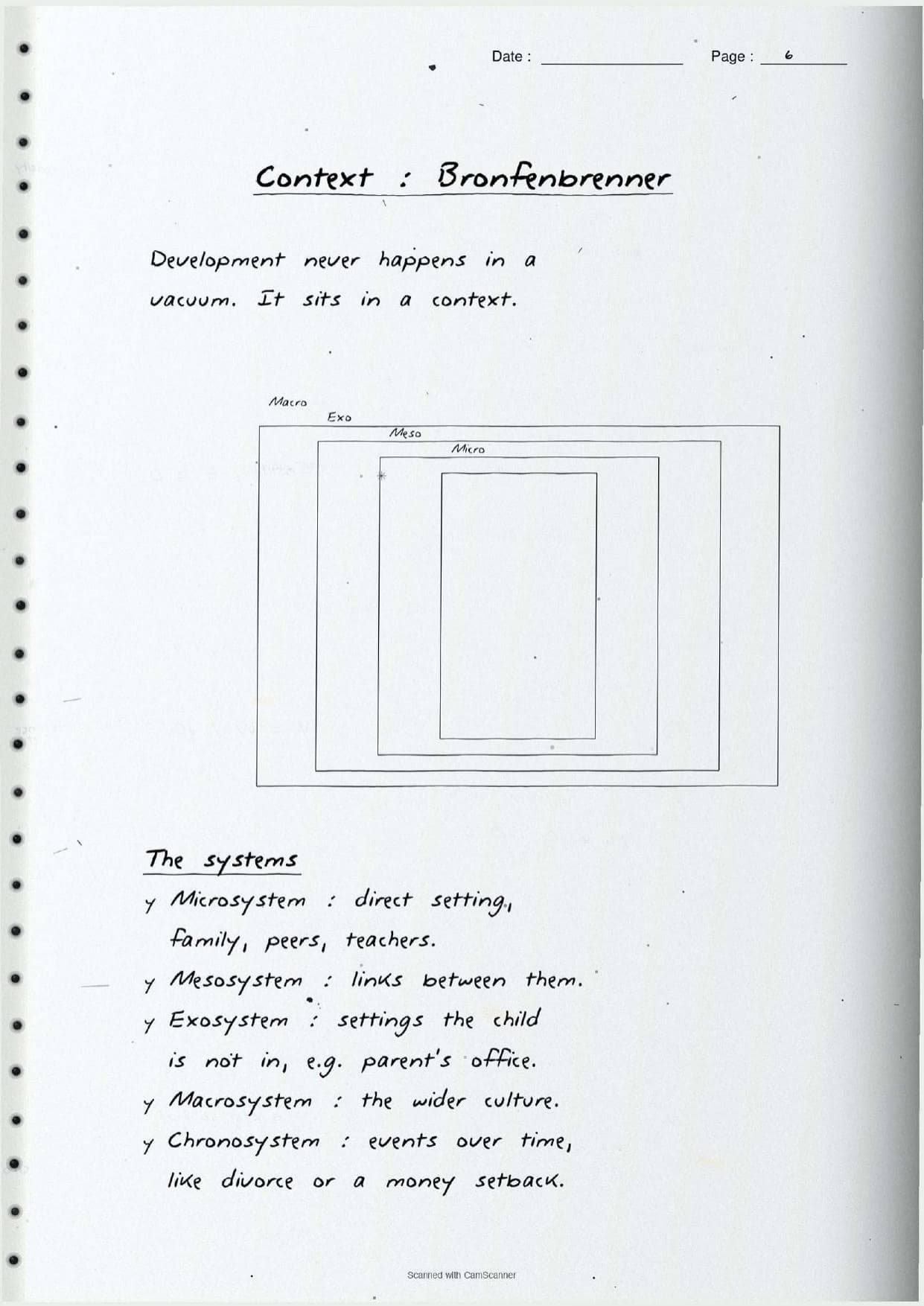
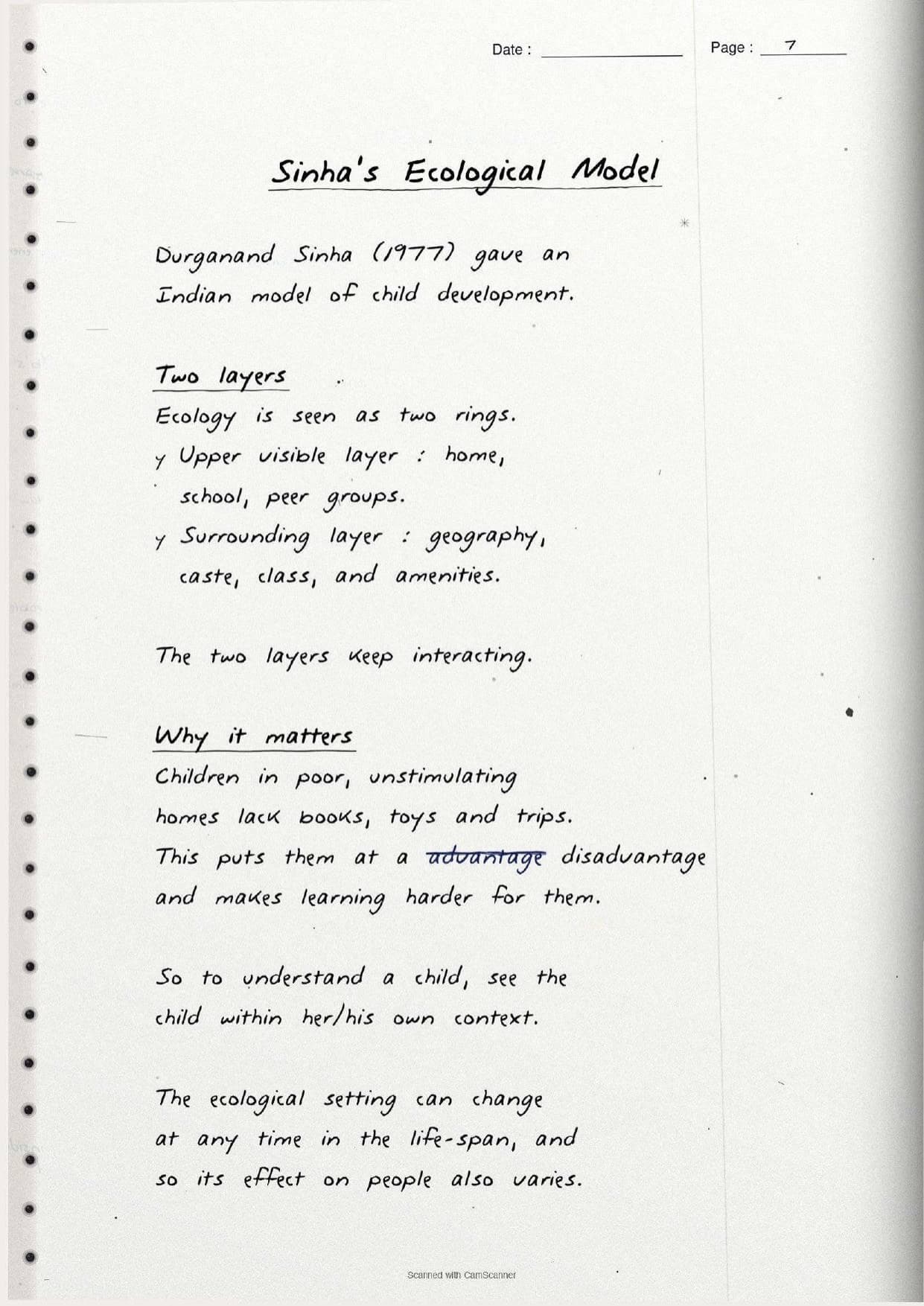
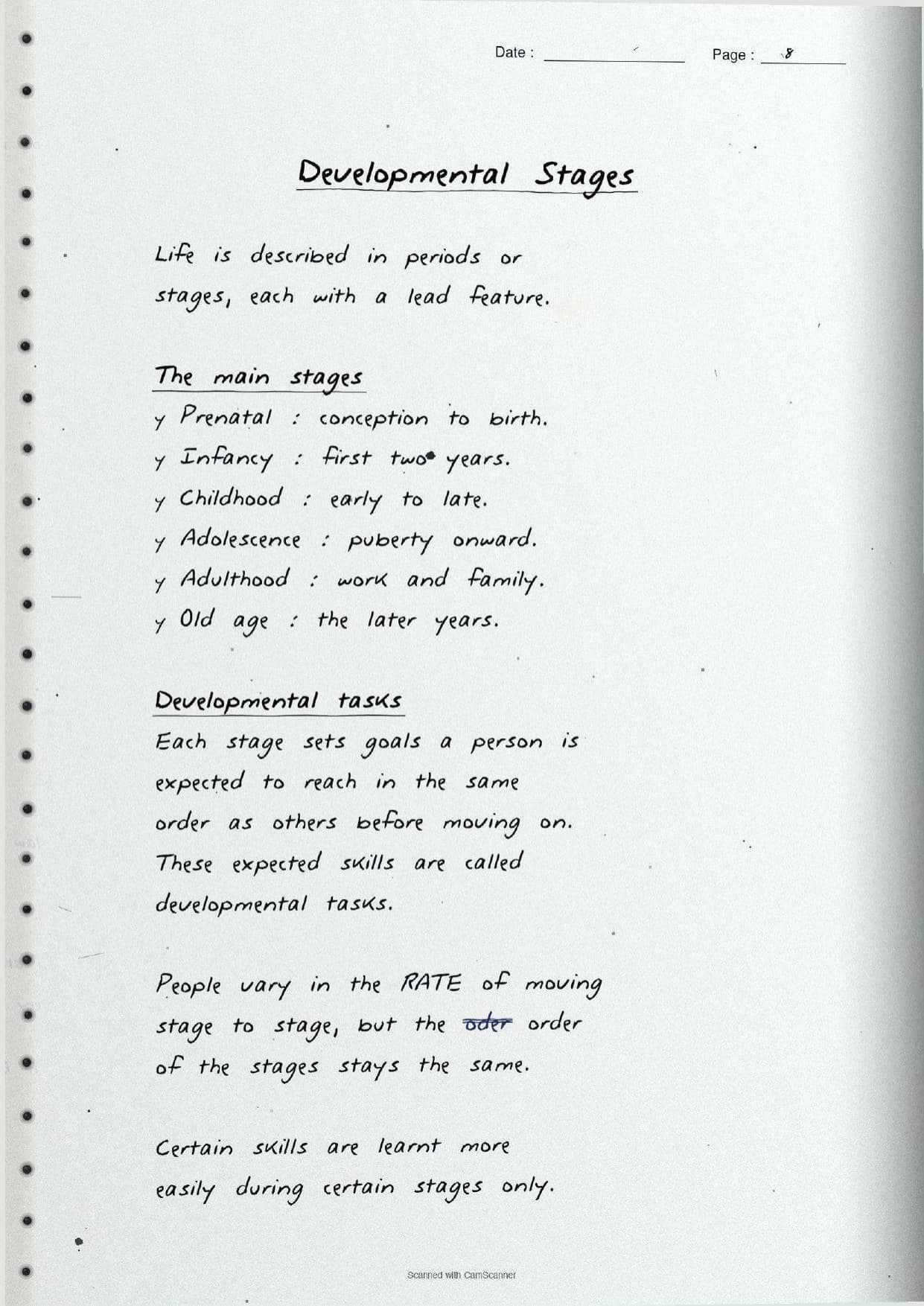
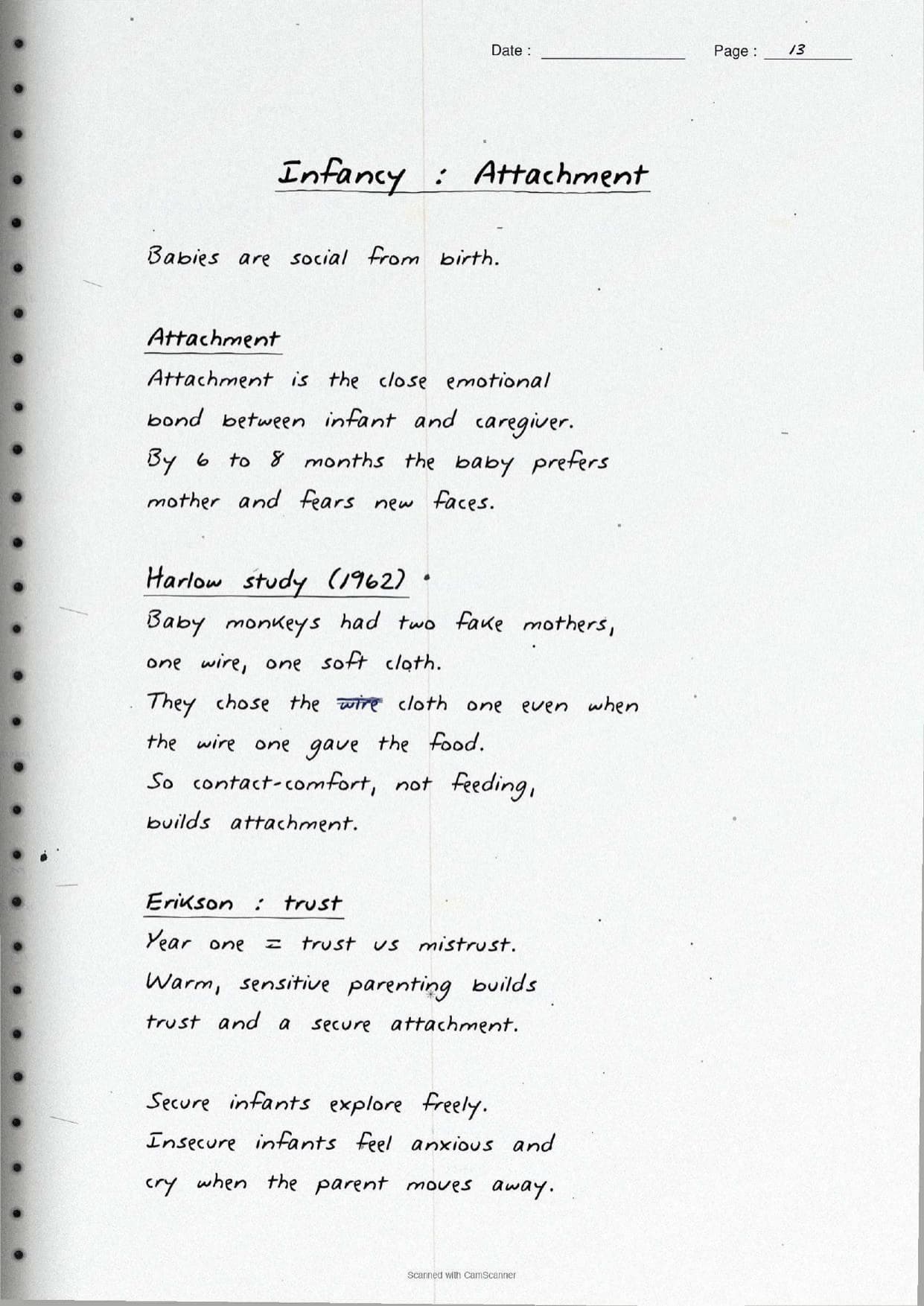
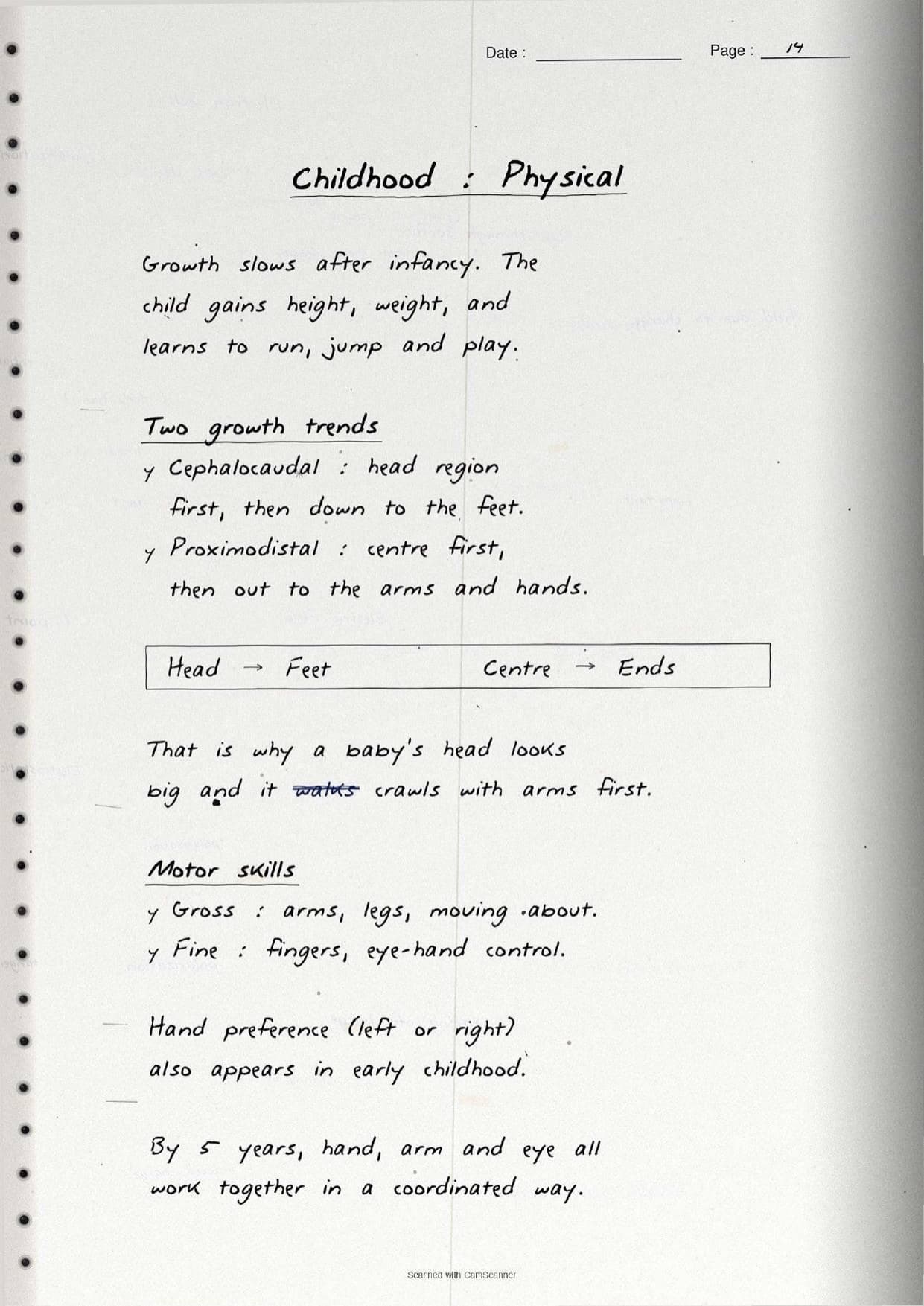
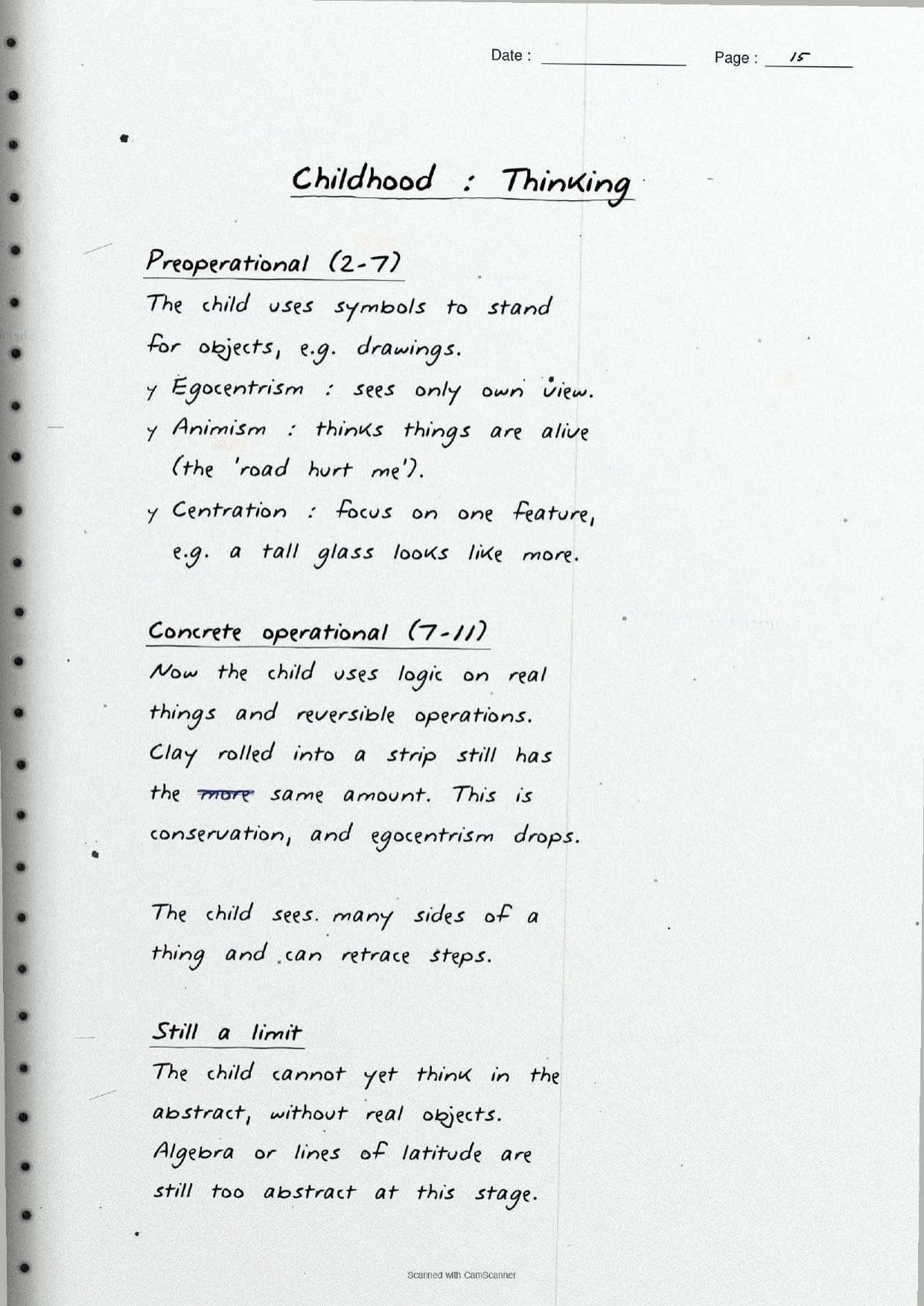
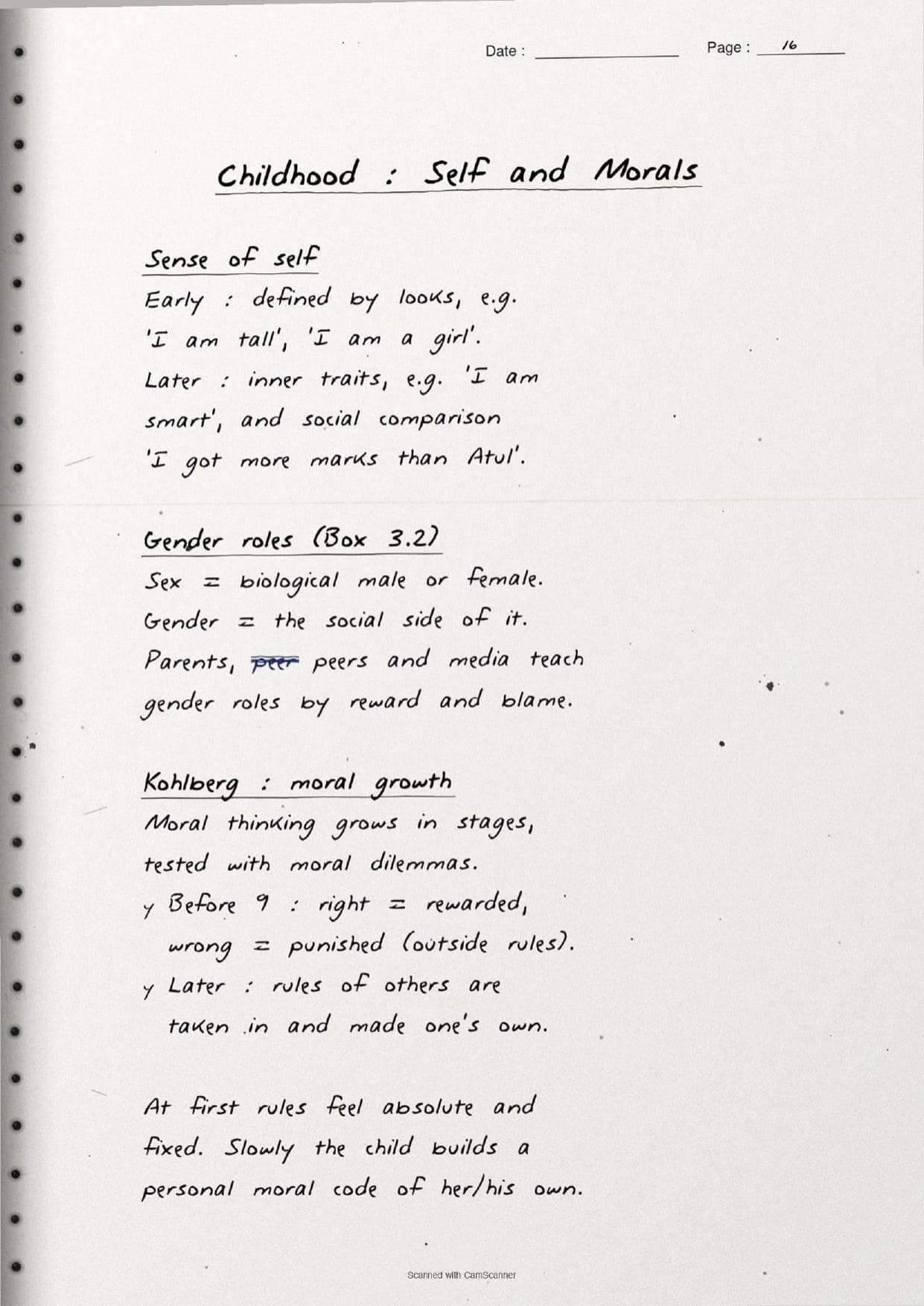
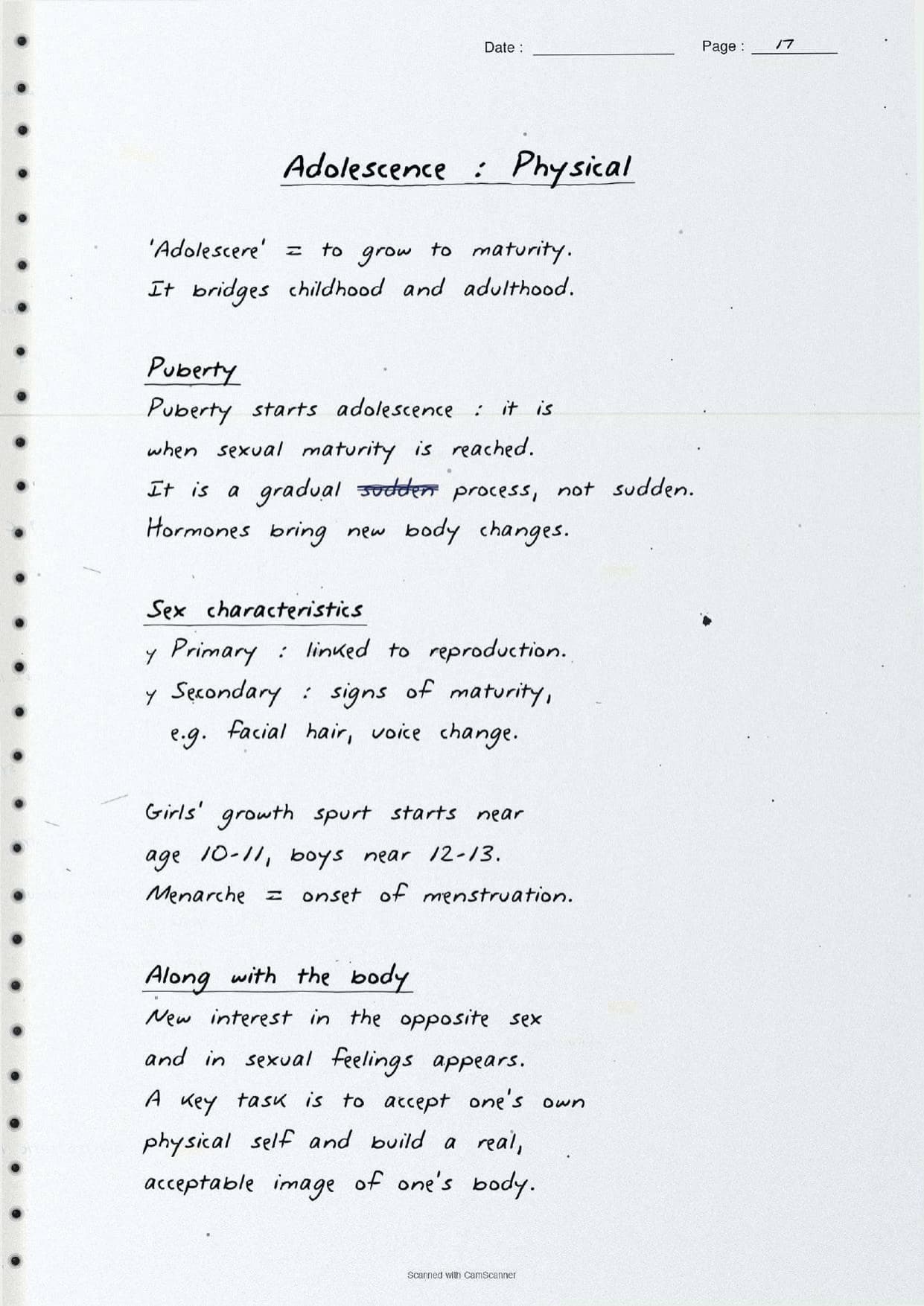
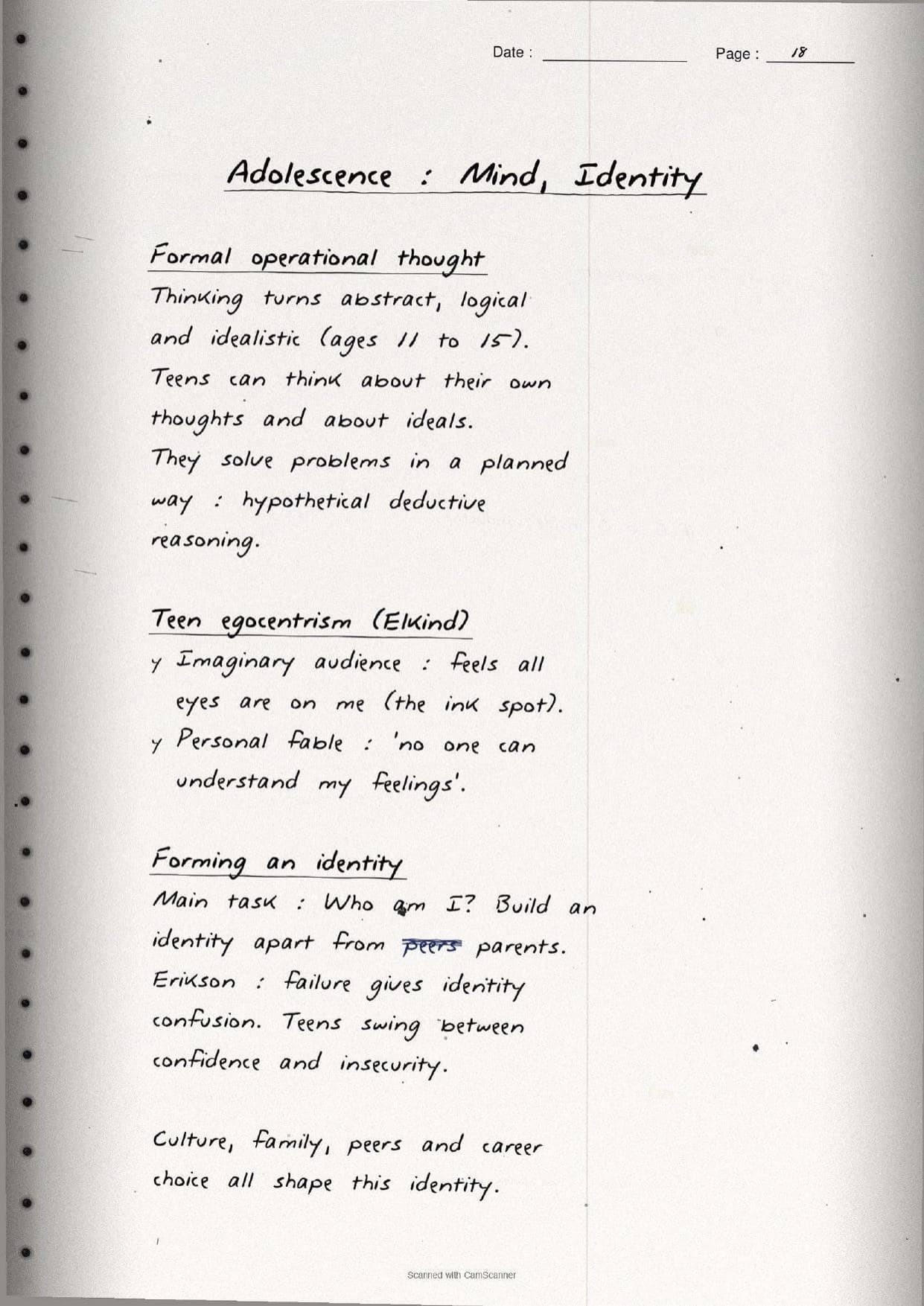
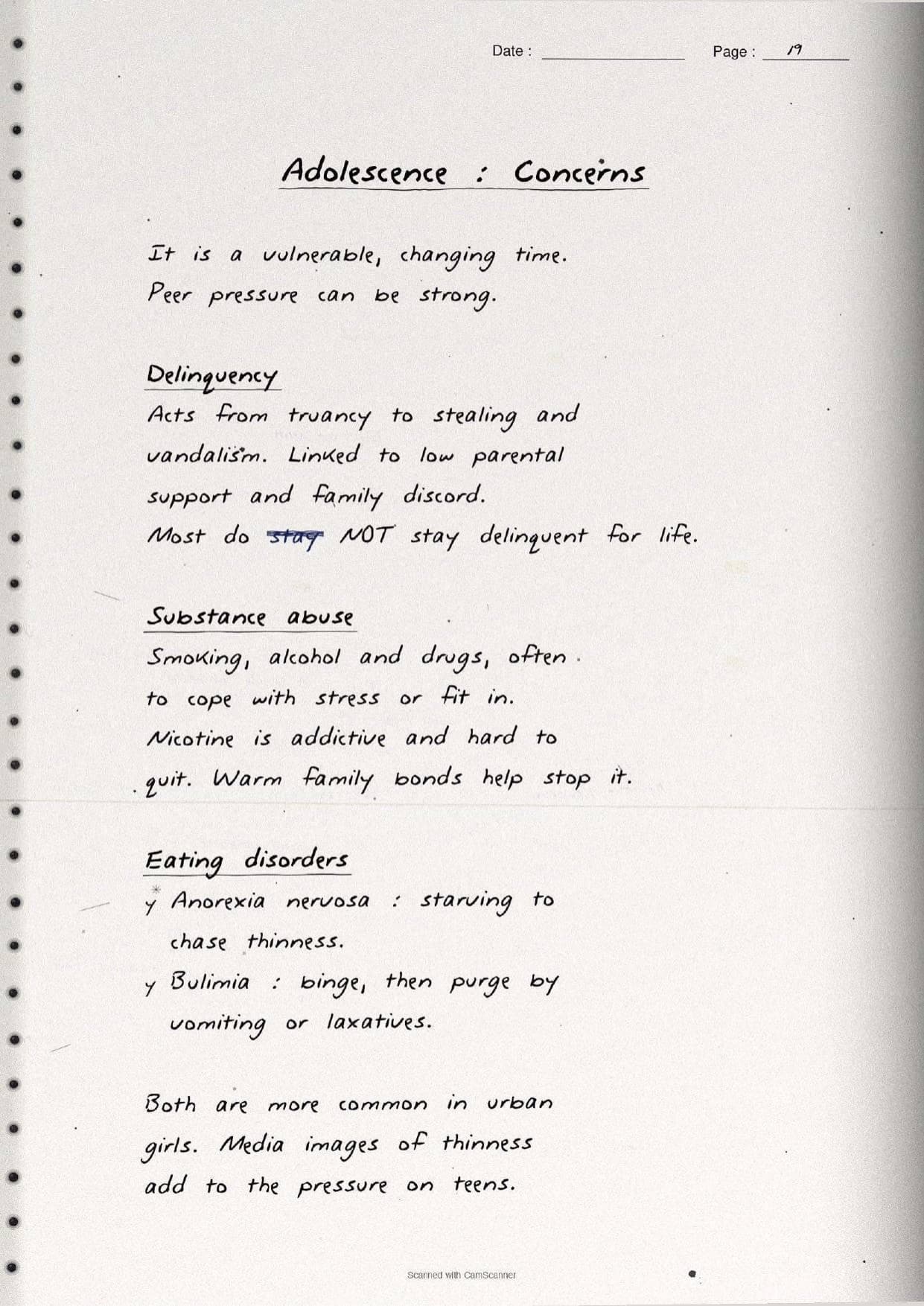
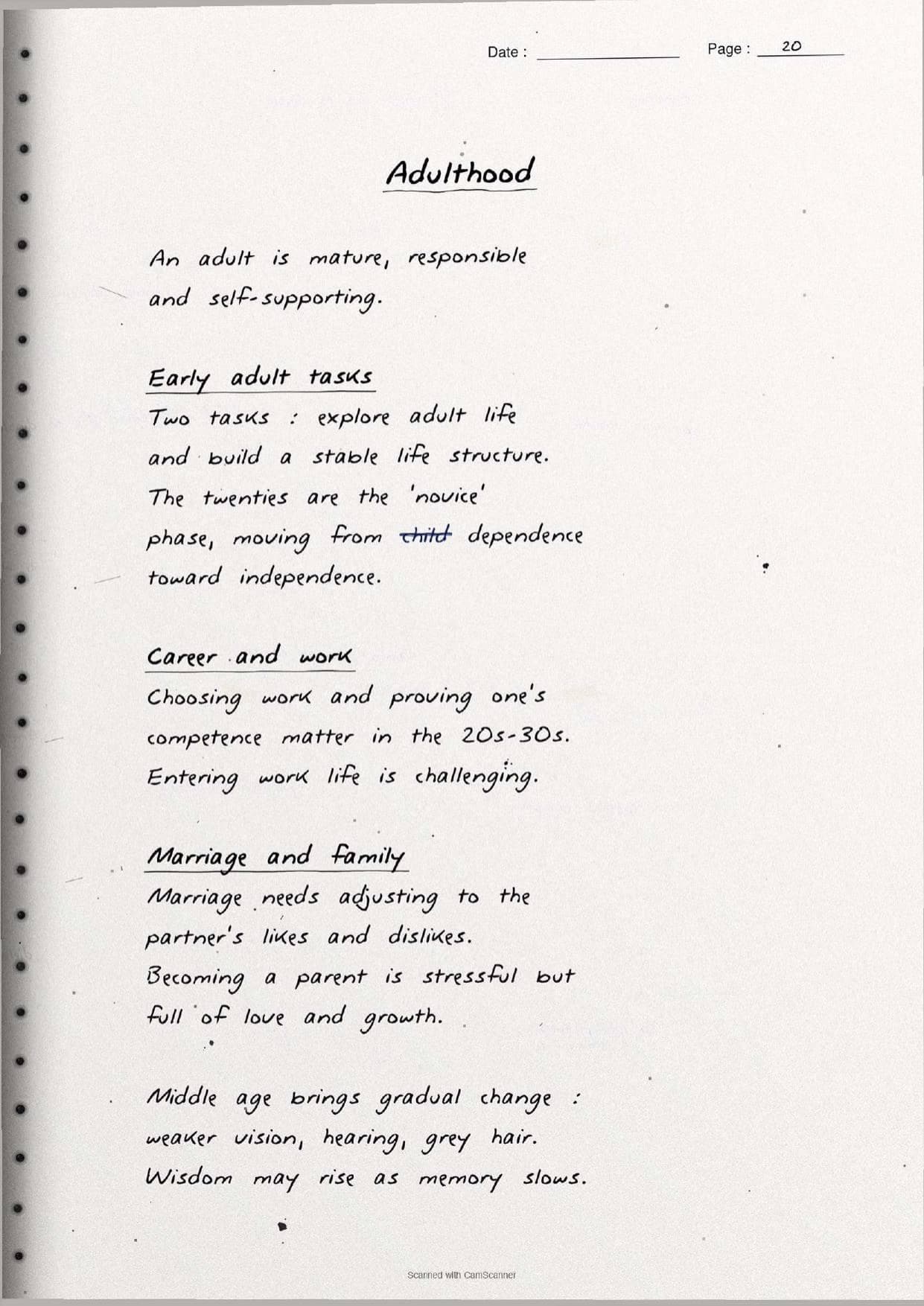
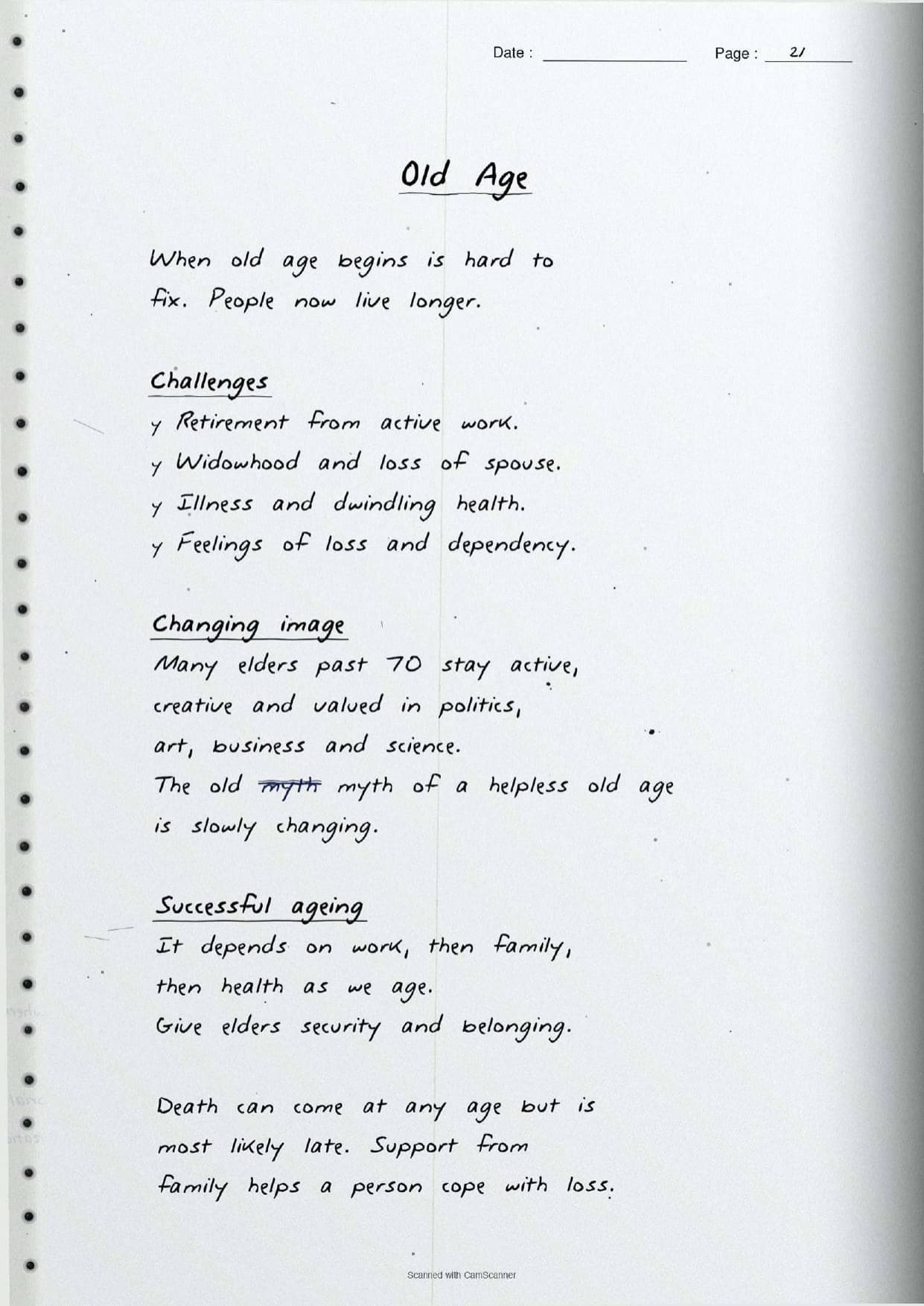
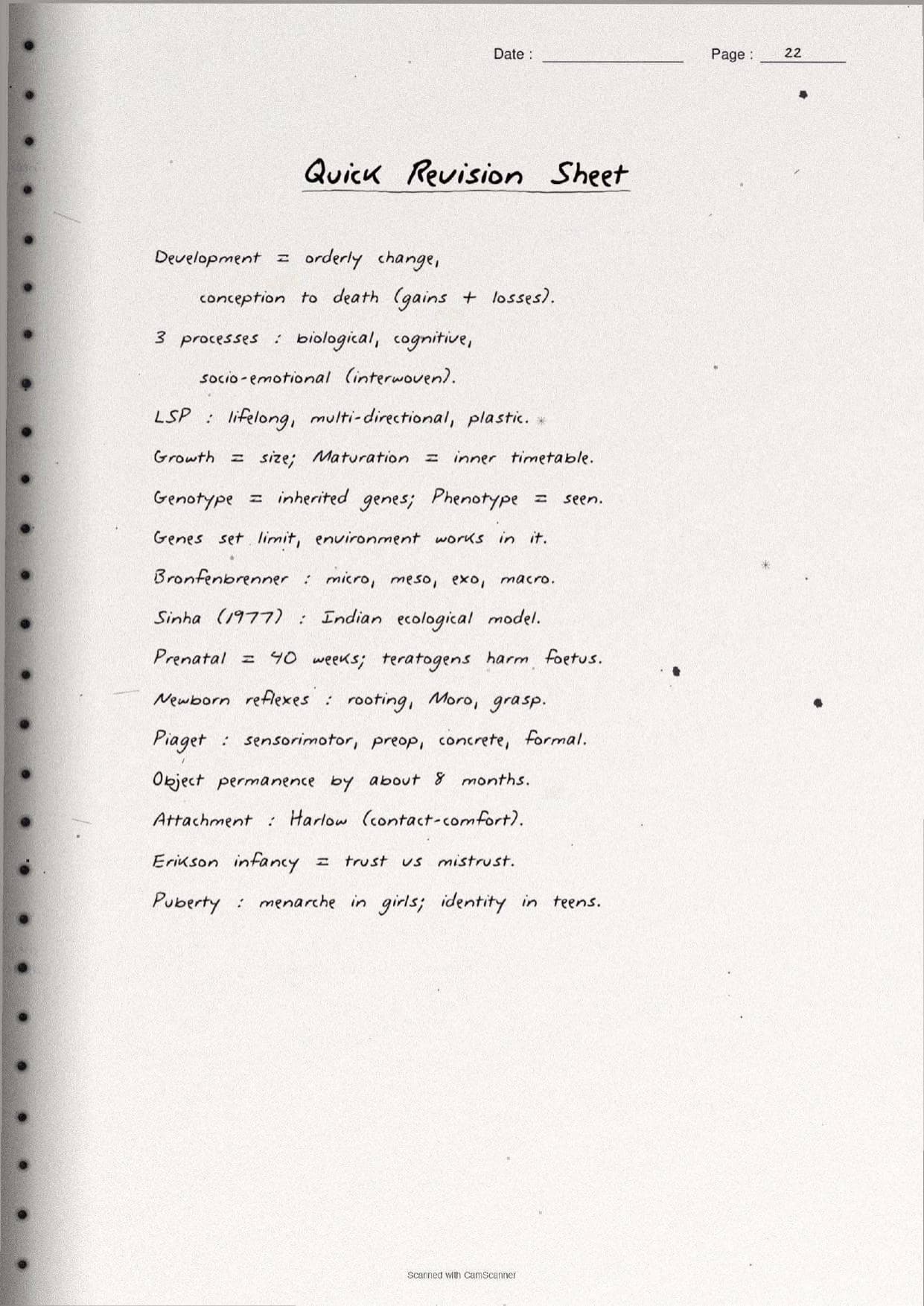
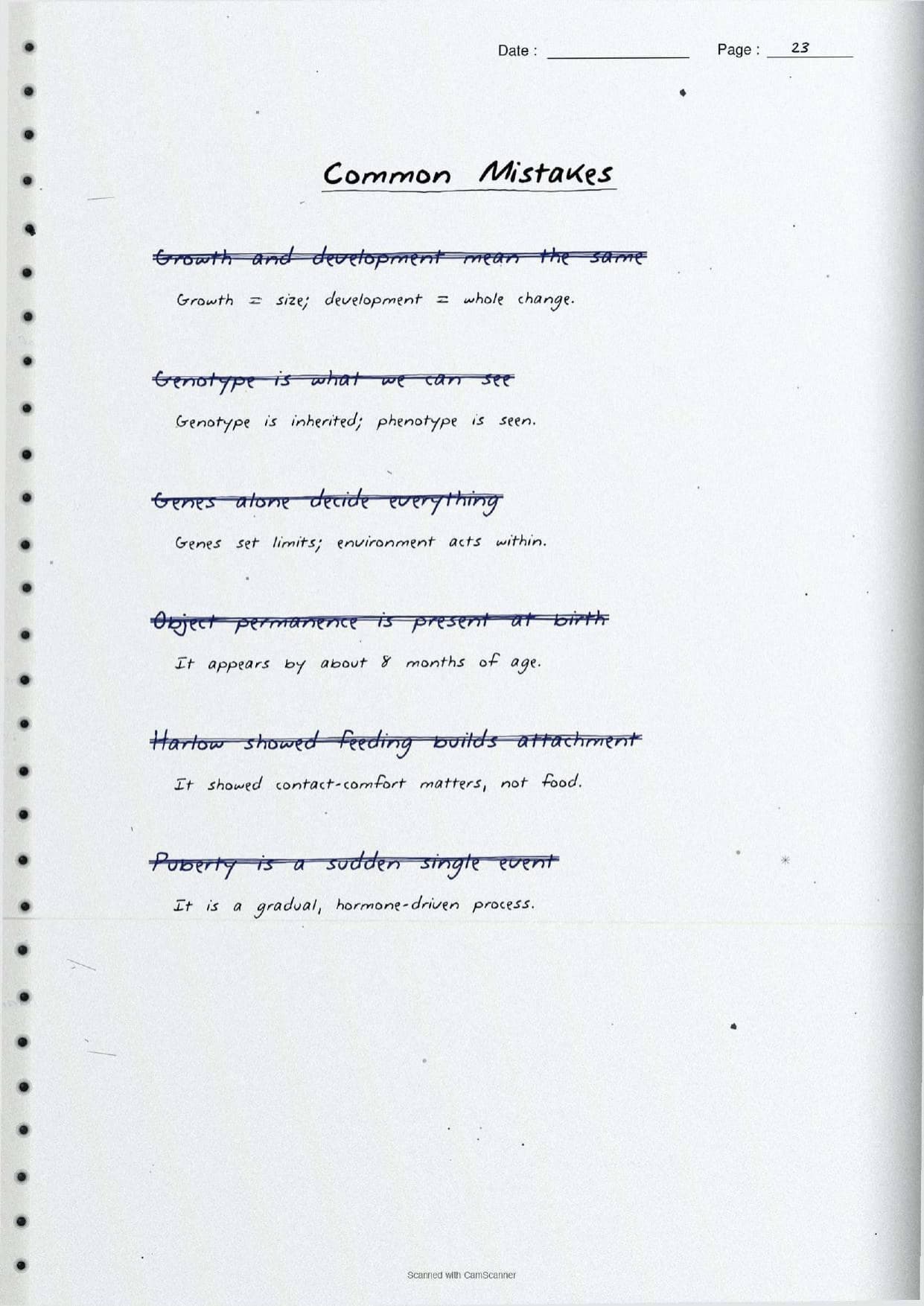
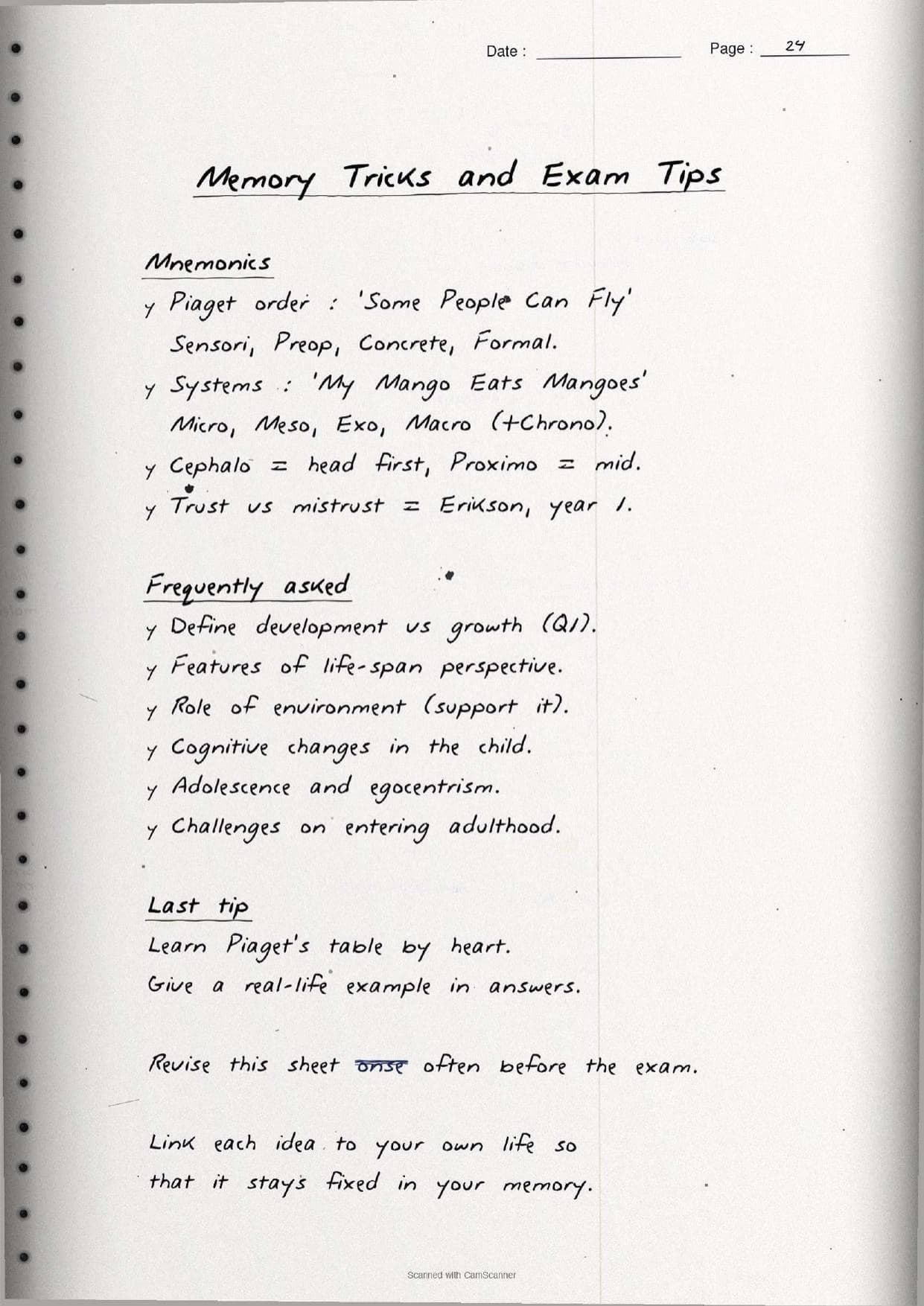
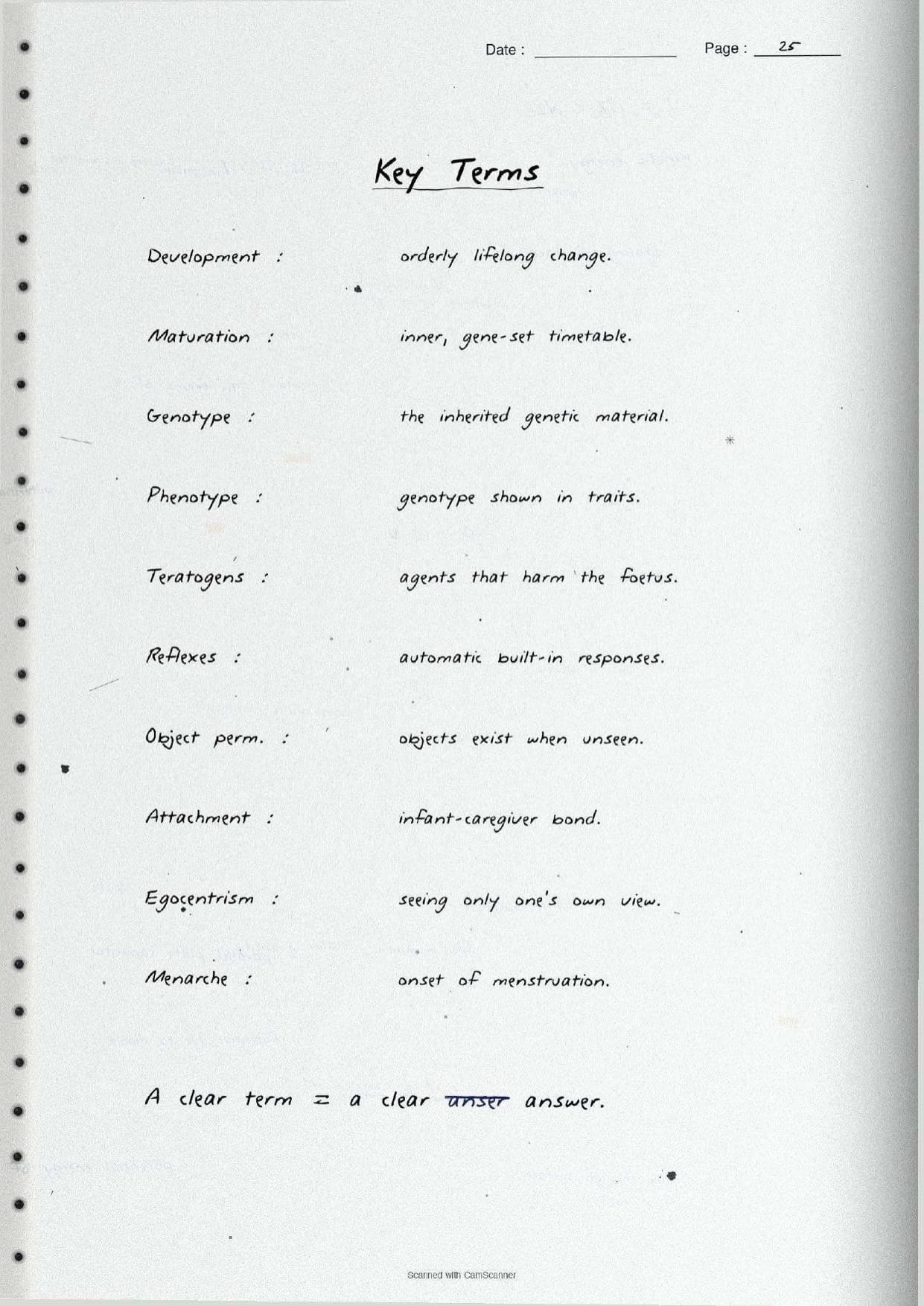
- Handwritten pages with boxed key terms and a labelled stages-of-development timeline.
- This Class 11 Psychology chapter carries steady weight in the final exam and is a common source of short and long answers.
- Pairs with the NCERT Solutions, Notes and Book PDF linked lower on this page.
These Human Development handwritten notes are prepared from the official NCERT Psychology textbook and checked against recent CBSE Class 11 question papers.
Student Feedback: In a Collegedunia poll of 6,215 Class 11 Psychology students, 72% of students said handwritten pages helped them recall the six stages and the life-span assumptions faster than printed text, because the boxed timeline and arrows made the sequence stick.
Source: 2026-27 Class 11 Psychology student poll. Sample of 6,215 students from CBSE schools across 11 states.
What These Human Development Handwritten Notes Contain
Human Development is the third chapter of Class 11 Psychology. It studies the pattern of orderly, progressive changes that begin at conception and continue through old age. These handwritten notes condense the chapter into handwritten pages that read like a topper's own notebook.
The notes are organised under three threads, each on its own set of pages:
- The meaning: development as progressive change, the life-span perspective, and the difference between growth, development, maturation and evolution.
- The causes: the interplay of heredity (genotype and phenotype) with environment and socio-cultural context.
- The stages: prenatal, infancy, childhood, adolescence, adulthood and old age with their key features.
Because the pages are handwritten, the key terms sit in boxes and arrows rather than long paragraphs. A student can flip through the Human Development Class 11 pages in a few minutes and still pick up the six stages, the life-span assumptions and the main terms before walking into the exam.
Meaning of Development and the Factors That Shape It
Development is the pattern of progressive, orderly and predictable changes that begin at conception and continue throughout life. It involves both growth and decline, and it is driven by the interplay of biological, cognitive and socio-emotional processes. The handwritten pages open with this definition and the four related terms, drawn as a clear map so the ideas do not blur into one another.
| Term | What the page shows |
|---|---|
| Growth | Increase in size of body parts, measurable in height and weight. |
| Development | The overall process of growing and changing across the life cycle; includes growth as one aspect. |
| Maturation | Changes that follow an orderly, genetically set timetable, unfolding from within. |
| Evolution | Species-specific changes through natural selection, passed across generations at a very slow pace. |
The next pages set out the Life-Span Perspective (LSP), which the exam often asks about directly. The notes box its main assumptions: development is lifelong, multi-directional (gains and losses together), highly plastic (skills can still be improved), influenced by historical conditions, and studied by many disciplines like psychology, sociology and anthropology. Each point sits on its own line so students can list them quickly in a long answer.
The chapter then explains what causes people to differ yet stay alike: the interaction of heredity and environment. The notes box two terms, genotype (the genetic material a person inherits) and phenotype (the way that genotype shows in observable traits such as height or personality). A short line captures the key judgement: genes set the limits, and within those limits the environment shapes development. The pages also sketch two context models, Urie Bronfenbrenner's system of micro, meso, exo, macro and chronosystem, and Durganand Sinha's ecological model for the Indian context.
The Stages of Development in the Notes
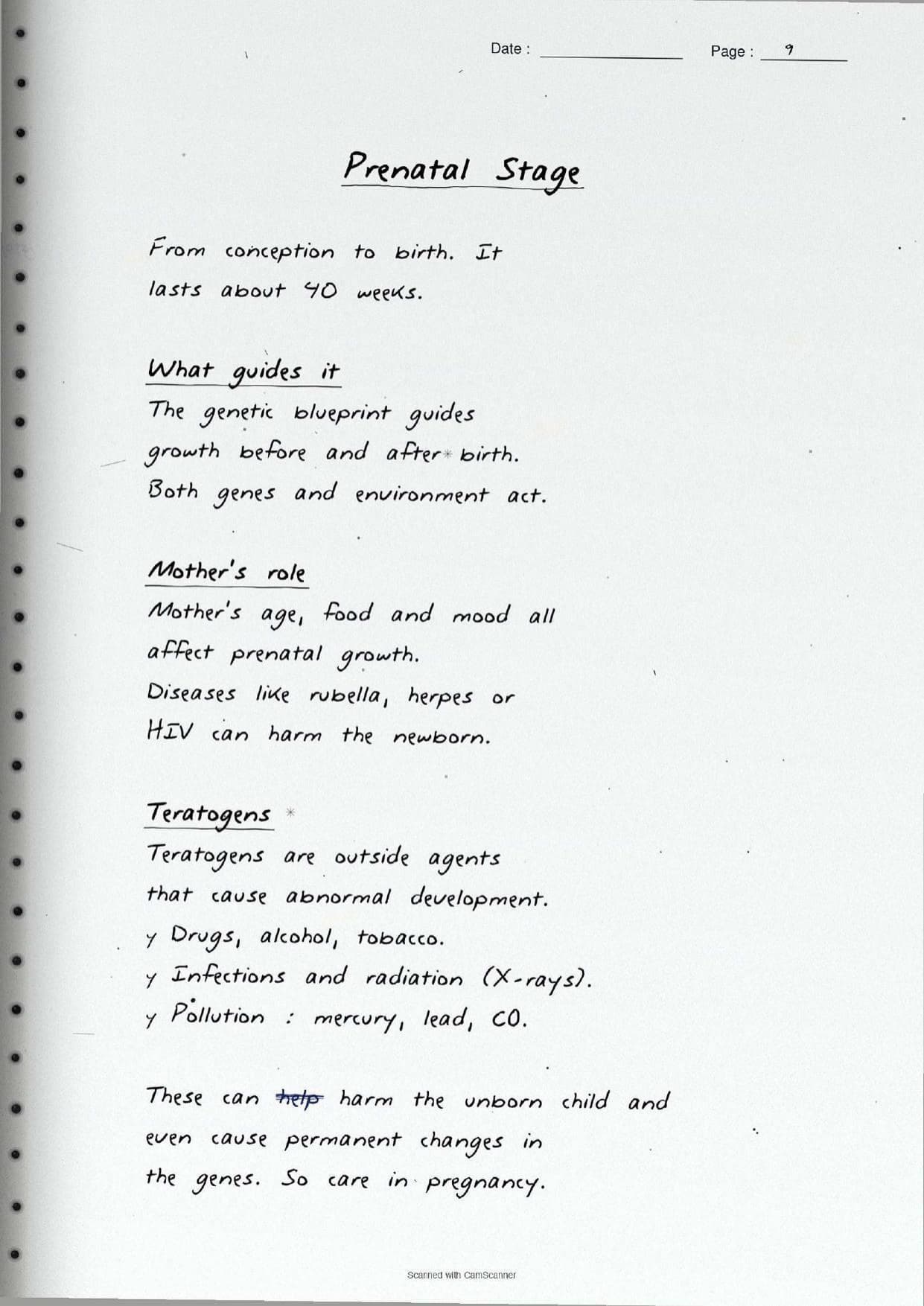
The heart of the chapter is the sequence of developmental stages, and the handwritten notes draw them as a single timeline so the order is easy to hold in memory. Development is described in periods, each marked by a leading feature and its own developmental tasks. The table below shows what the pages cover for each stage.
| Stage | Key features in the notes |
|---|---|
| Prenatal | Conception to birth, about 40 weeks. Affected by maternal age, nutrition and teratogens like drugs, infections and radiation. |
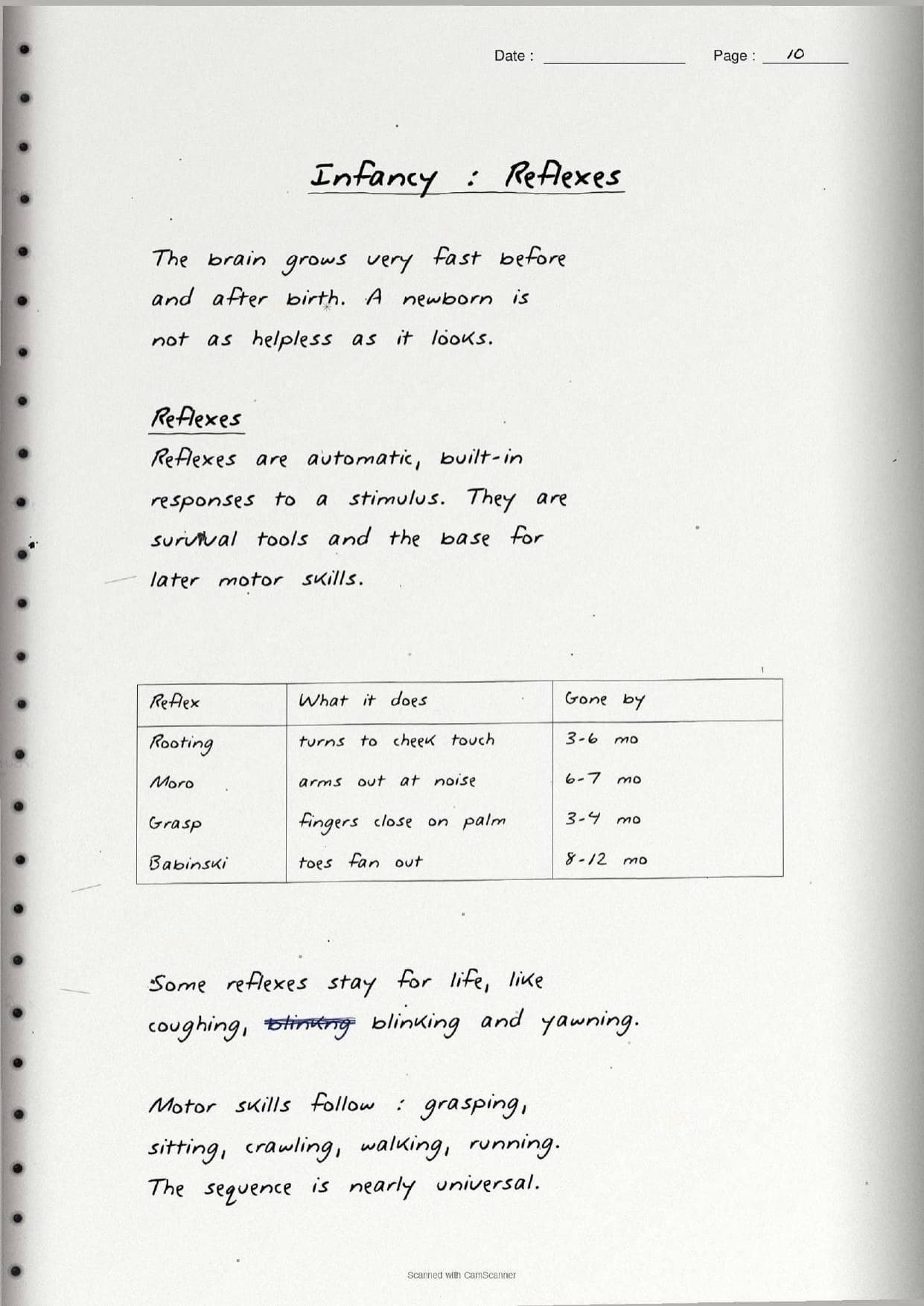
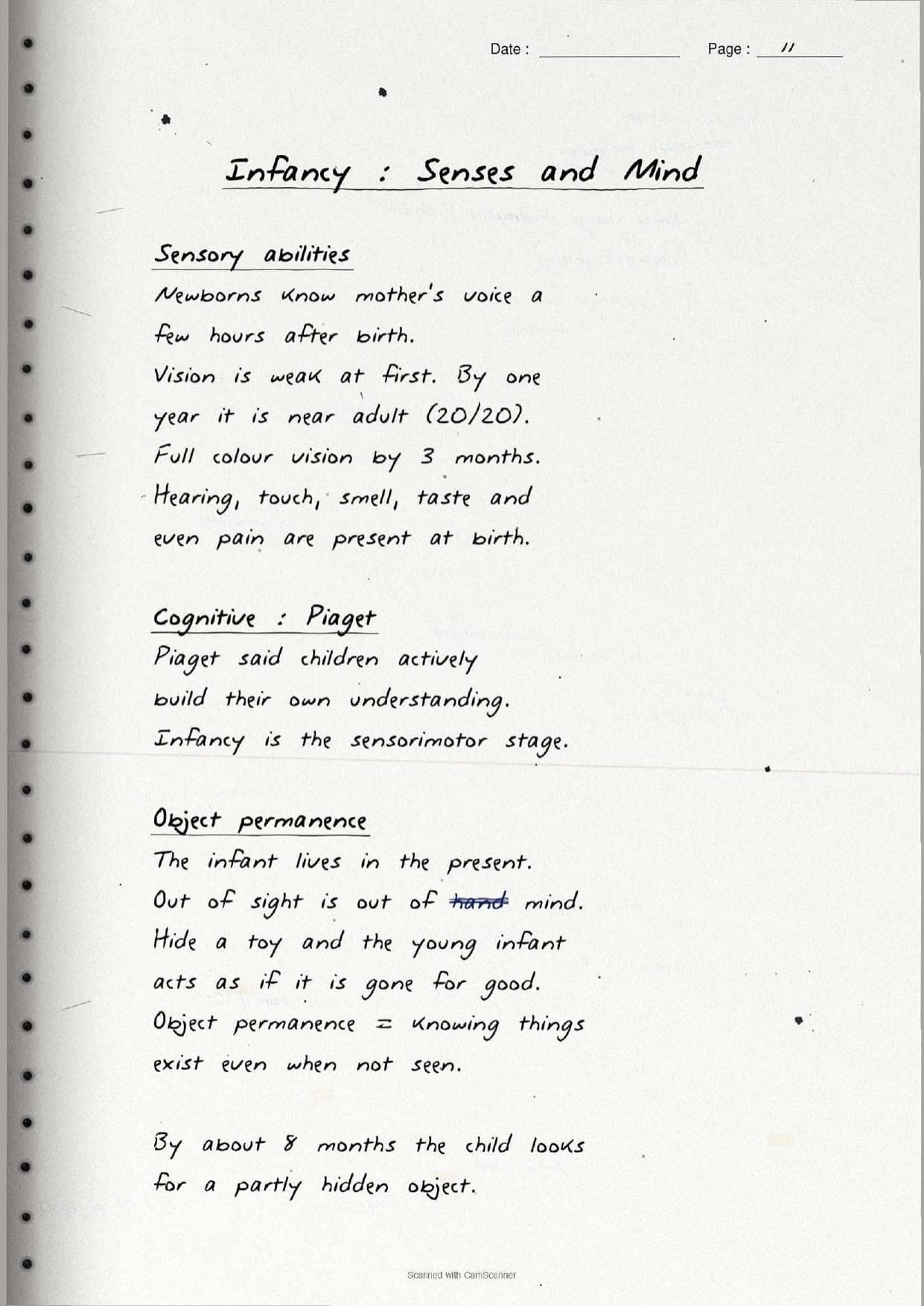
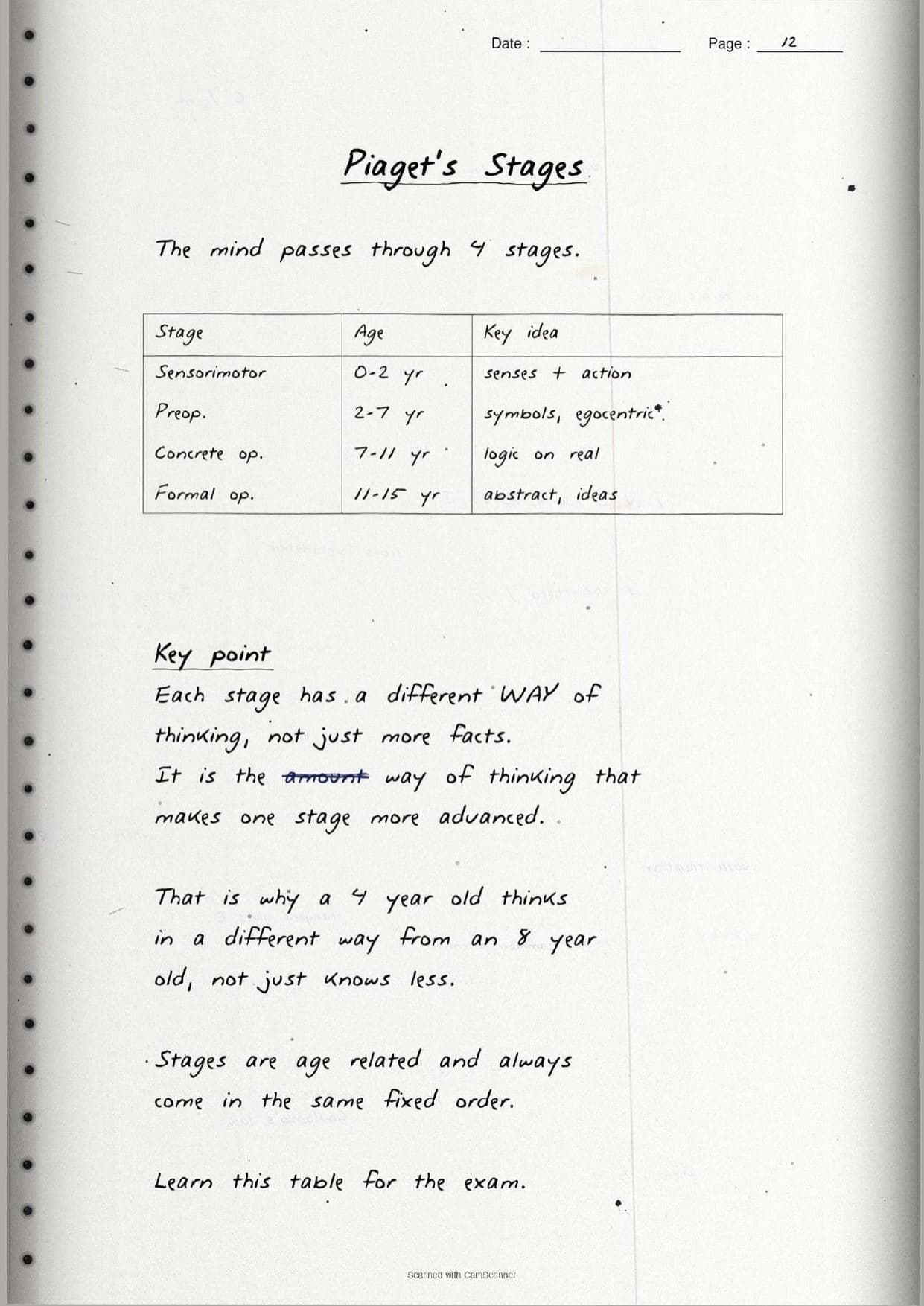
| Infancy | Rapid brain growth, newborn reflexes (rooting, Moro, grasp, Babinski), Piaget's sensorimotor stage, object permanence and attachment. |
| Childhood | Cephalocaudal and proximodistal growth, preoperational and concrete operational thought, and moral development after Kohlberg. |
| Adolescence | Puberty, formal operational thought, identity formation, and concerns like delinquency, substance abuse and eating disorders. |
| Adulthood and Old Age | Career and marriage tasks, physical decline balanced by wisdom, retirement, and adjusting to loss. |
The notes underline a few contrasts that score well. Reflexes like rooting and Moro fade as the brain matures, while coughing and blinking stay for life. Object permanence, the awareness that things still exist when out of sight, develops gradually in infancy. During childhood, thought moves from egocentric and centred to logical and reversible. In adolescence, Piaget's formal operational stage brings abstract, hypothetical reasoning, and David Elkind's imaginary audience and personal fable explain teenage self-consciousness. Keeping these labels boxed on the timeline is the fastest way to remember which feature belongs to which stage.
How to Use These Handwritten Notes
Handwritten notes work best as a final-revision tool, not a first read. The steps below show how to get the most out of the Human Development handwritten notes in the last days before a test.
- Download: tap the download card above to save the handwritten pages to your device.
- First read: read the printed Notes once so the handwritten pages act as a refresher, not a first source.
- Recall drill: cover the page and try to write the six stages and the life-span assumptions from memory.
- Night before: flip through the boxed timeline for a quick last-minute recall of stages and key terms.
Many students search for Class 11 Psychology Chapter 3 notes on their phone the night before a test, so a saved set of handwritten pages means you can revise offline. Use the handwritten notes for speed, then check the solutions to confirm you have the answer points right. The same pages are useful later when you revise Human Development for CUET.
Common Mistakes These Notes Help You Avoid
A few errors cost marks every year. The handwritten notes flag each one in the margin so you can fix it before the exam. These five are the most common.
- Mixing up growth and development. Growth is size only; development is the wider, directed change across life.
- Swapping genotype and phenotype. Genotype is what is inherited; phenotype is what is observed.
- Reversing the growth trends. It is cephalocaudal (head to tail) and proximodistal (centre to extremities).
- Forgetting object permanence belongs to the sensorimotor stage, not to later childhood.
- Listing only some life-span assumptions. Long answers need the full set, from lifelong to multi-disciplinary.
Students who fix these five points usually move from average to high marks. The handwritten notes box the two growth trends and list the life-span assumptions in full, so the soft points are hard to miss when you revise.
How These Handwritten Notes Pair with the Solutions and Book PDF
These handwritten notes are a fast revision tool. To prepare fully, students should use them alongside the other resources for the same chapter, all linked in the table below. Read the printed Notes, test yourself with the solutions, then use these pages for a final recall.
| Resource | Best used for |
|---|---|
| Human Development NCERT Solutions | Step-by-step answers to all the review questions |
| Human Development Class 11 Notes | Quick chapter summary with all stages and key terms in one place |
| Human Development NCERT Book PDF | Reading the original NCERT chapter text and figures |
Tip: read the printed Notes first, then attempt the solutions, and keep these handwritten pages for the final flip before a test. Using them for recall, not for the first read, builds memory faster.
All Class 11 Psychology Handwritten Notes by Chapter
The table links the handwritten notes for every chapter in Class 11 Psychology, so students can move across the course in one click. Human Development is highlighted.
| Chapter | Handwritten Notes |
|---|---|
| Chapter 1 | What is Psychology? |
| Chapter 2 | Methods of Enquiry in Psychology |
| Chapter 3 | Human Development |
| Chapter 4 | Sensory, Attentional and Perceptual Processes |
| Chapter 5 | Learning |
| Chapter 6 | Human Memory |
| Chapter 7 | Thinking |
| Chapter 8 | Motivation and Emotion |
FAQs on Human Development Handwritten Notes
Human Development Class 11 Psychology Handwritten Notes Common Questions
Ques. Where can I download the Human Development handwritten notes PDF?
Ans. You can download the Human Development Class 11 Psychology handwritten notes PDF directly from this page. It is free, follows the 2026-27 NCERT, and presents the meaning of development, the life-span perspective and the stages from prenatal to old age as handwritten pages.
Ques. Are handwritten notes good for revising Class 11 Psychology Chapter 3?
Ans. Yes. Handwritten notes are best for fast, last-minute revision because the boxed key terms and the stages timeline make the sequence easy to skim. Use them after a first read of the printed Notes, not as your only source.
Ques. What topics do these handwritten notes cover?
Ans. They cover the meaning of development, the life-span perspective, the difference between growth, development, maturation and evolution, the roles of heredity and environment, context models by Bronfenbrenner and Sinha, and the stages of prenatal, infancy, childhood, adolescence, adulthood and old age.
Ques. Who prepared these handwritten notes?
Ans. They are written and proofread by hand by a subject expert with a PhD in Psychology and years of CBSE teaching experience, using the official NCERT textbook and recent Class 11 question papers.
Ques. How should I use these notes with the other resources?
Ans. Read the printed Notes first, test yourself with the NCERT Solutions, then keep these handwritten pages for the final flip before a test. Using them for recall rather than the first read builds memory faster.



Comments