




These Understanding Health handwritten notes turn the whole chapter into clean, handwritten pages for fast revision. They follow the 2026-27 NCERT "Health and Physical Education" Class 11 syllabus and Chapter 2. Students get the WHO meaning of health, the six dimensions of health, the health needs of children and adolescents, healthy lifestyle and SMART health goals, and the MDGs and SDGs in a pen-on-paper format that is easy to skim before the Class 11 final exam.
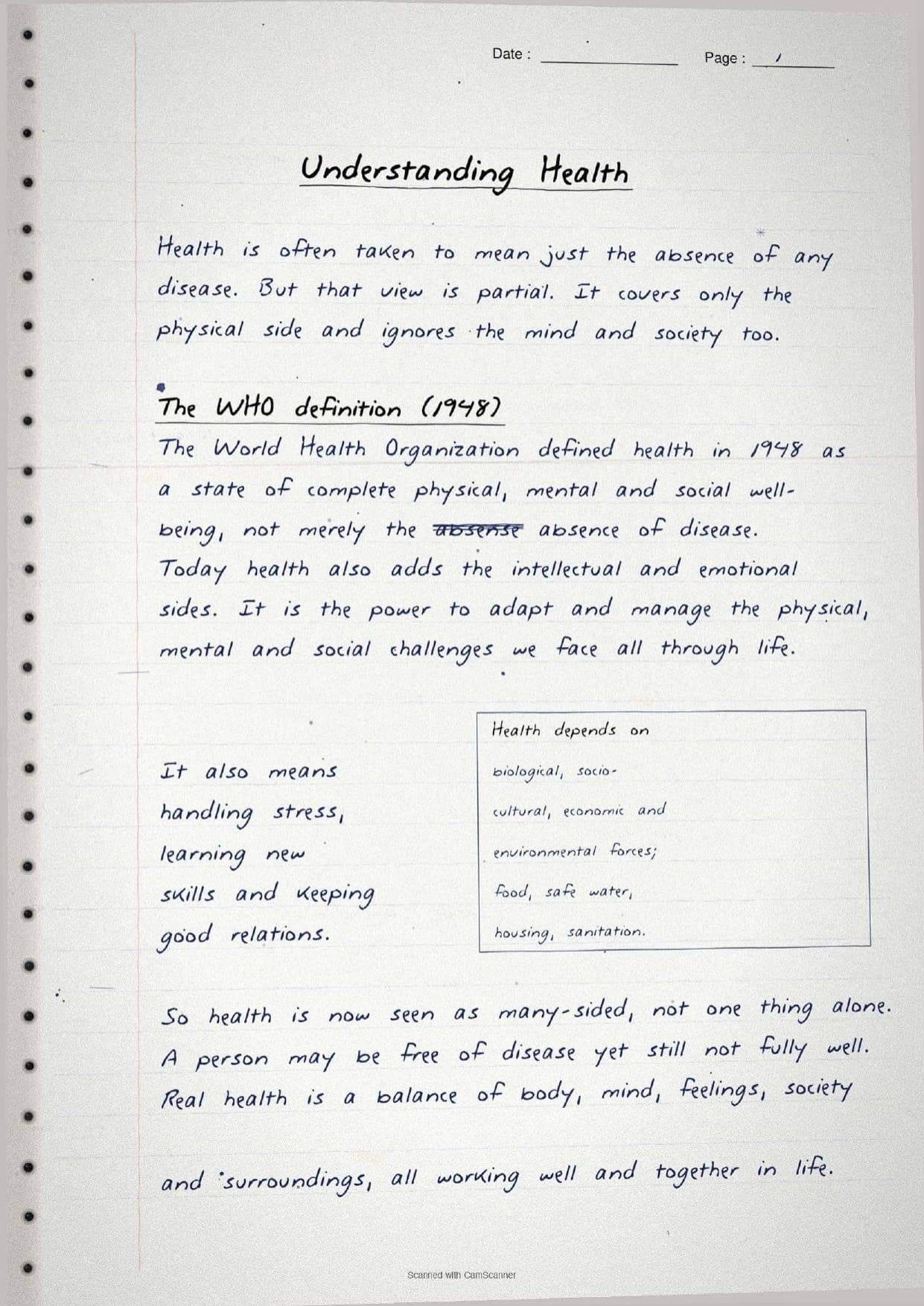
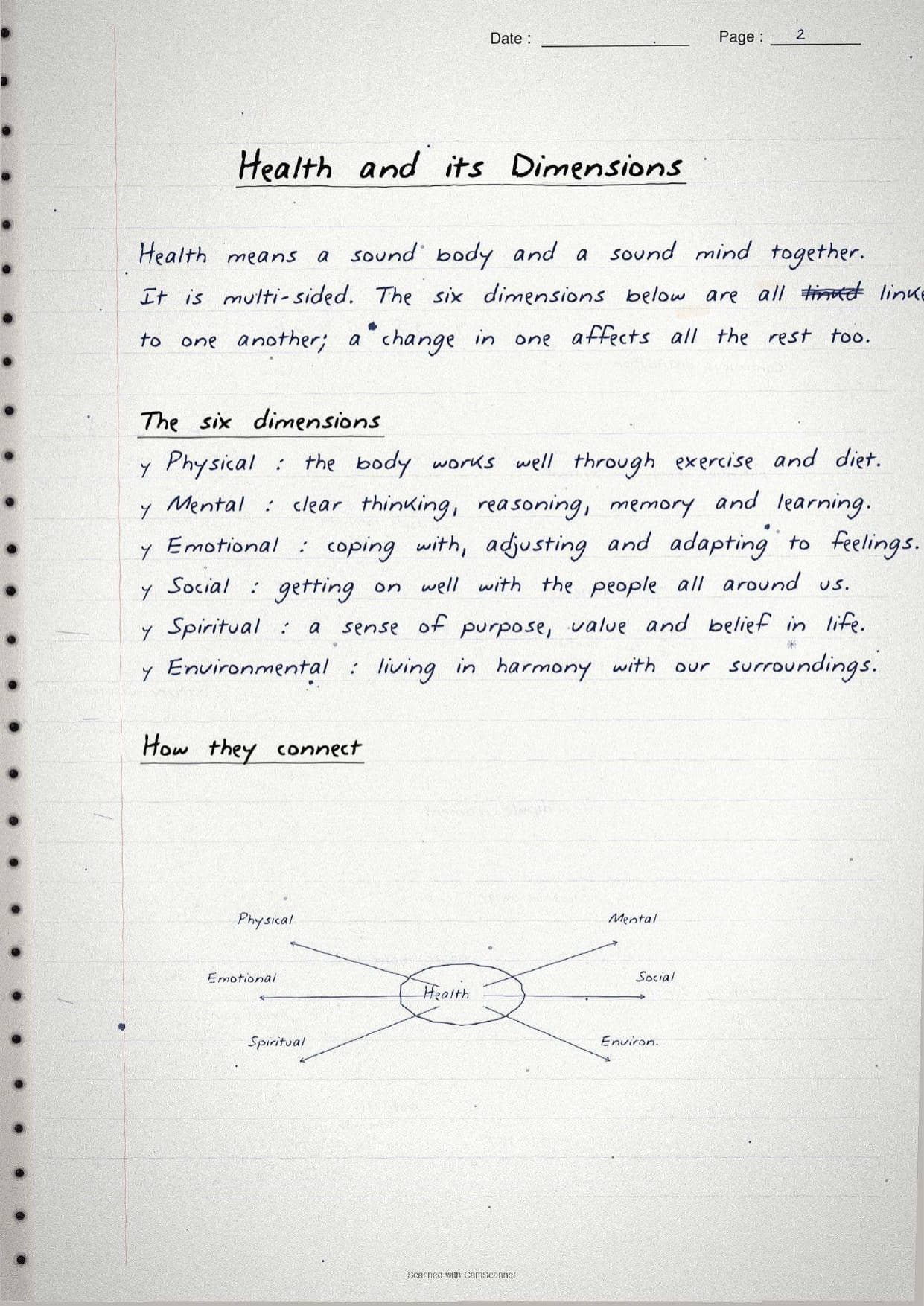
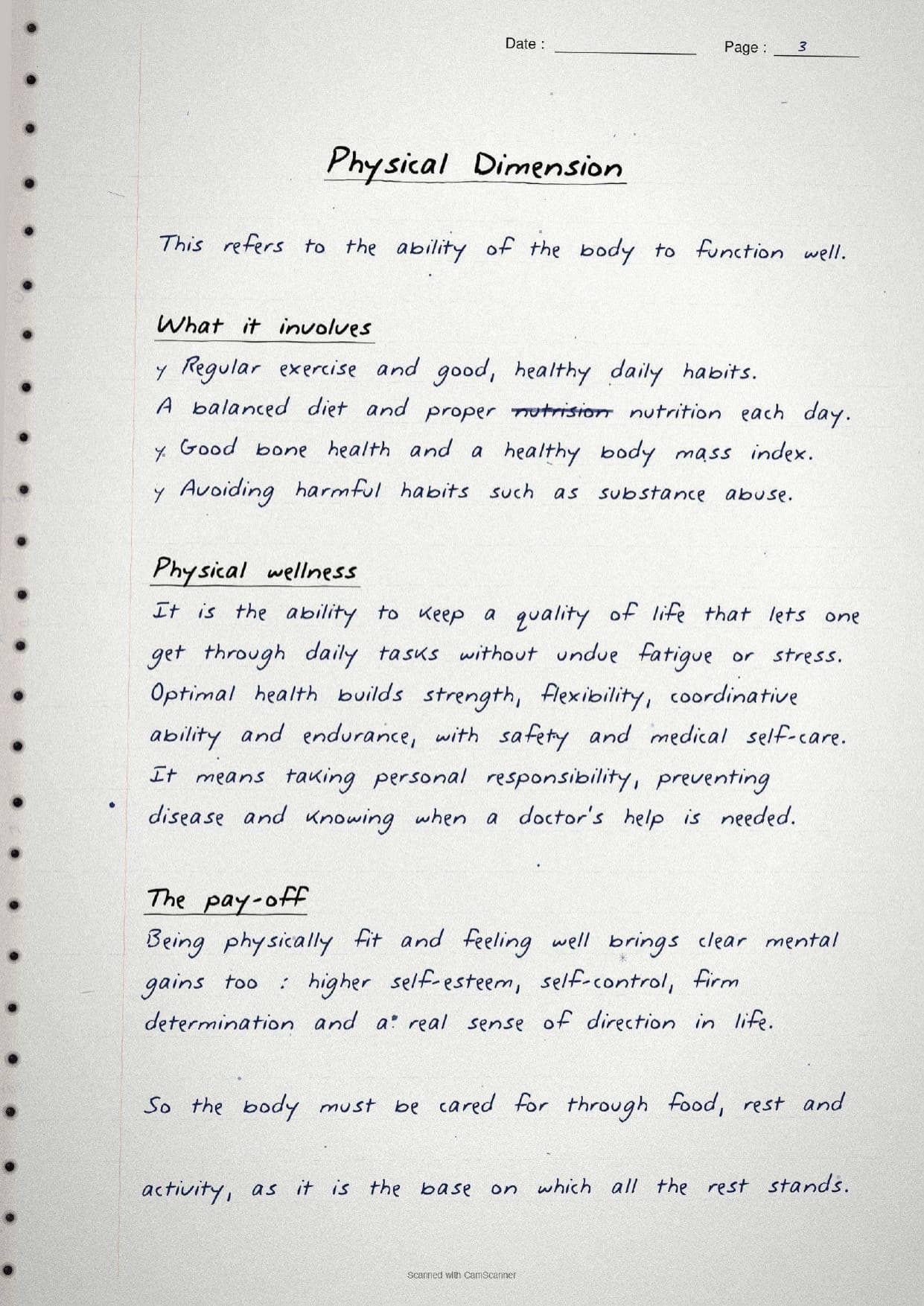
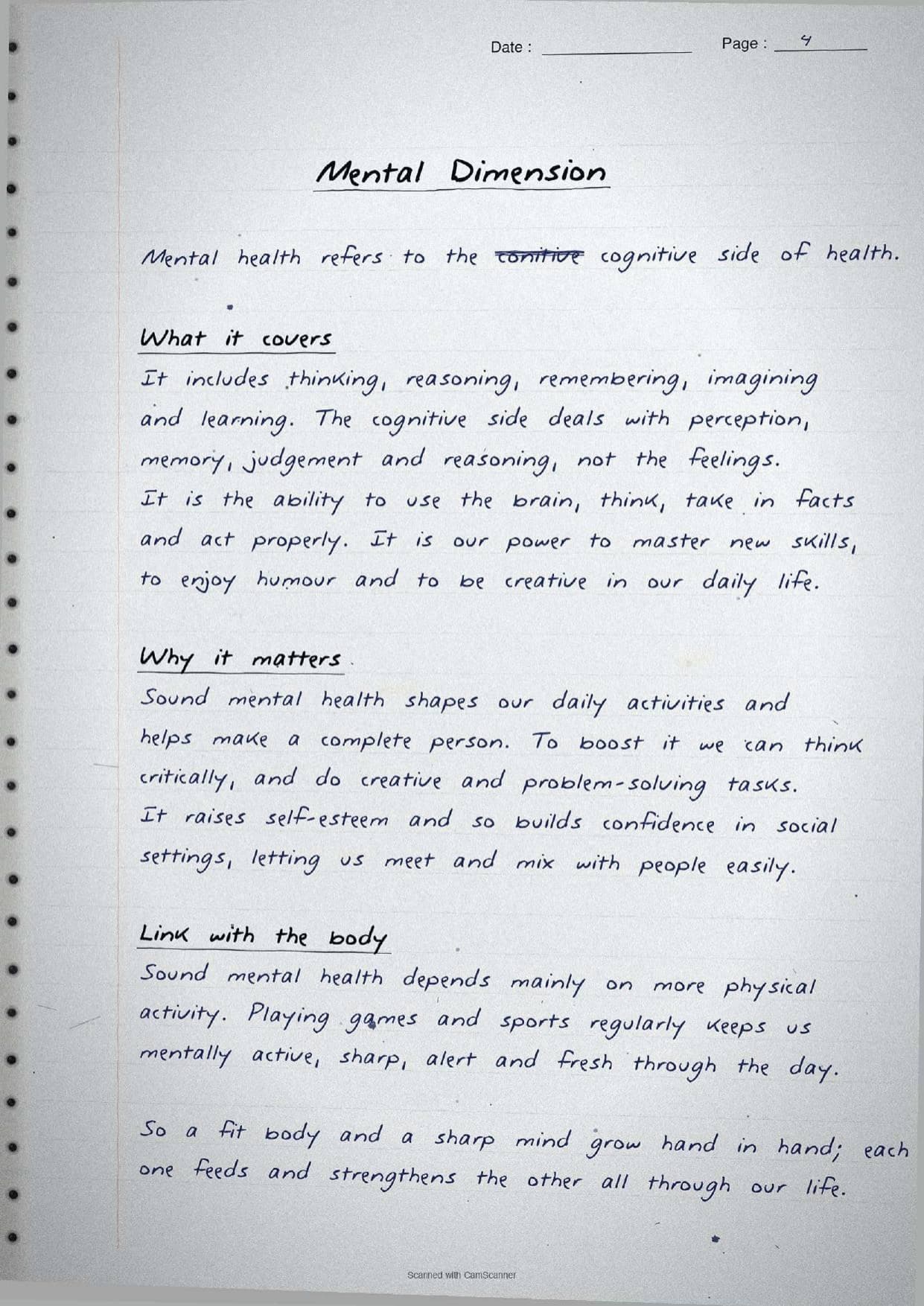
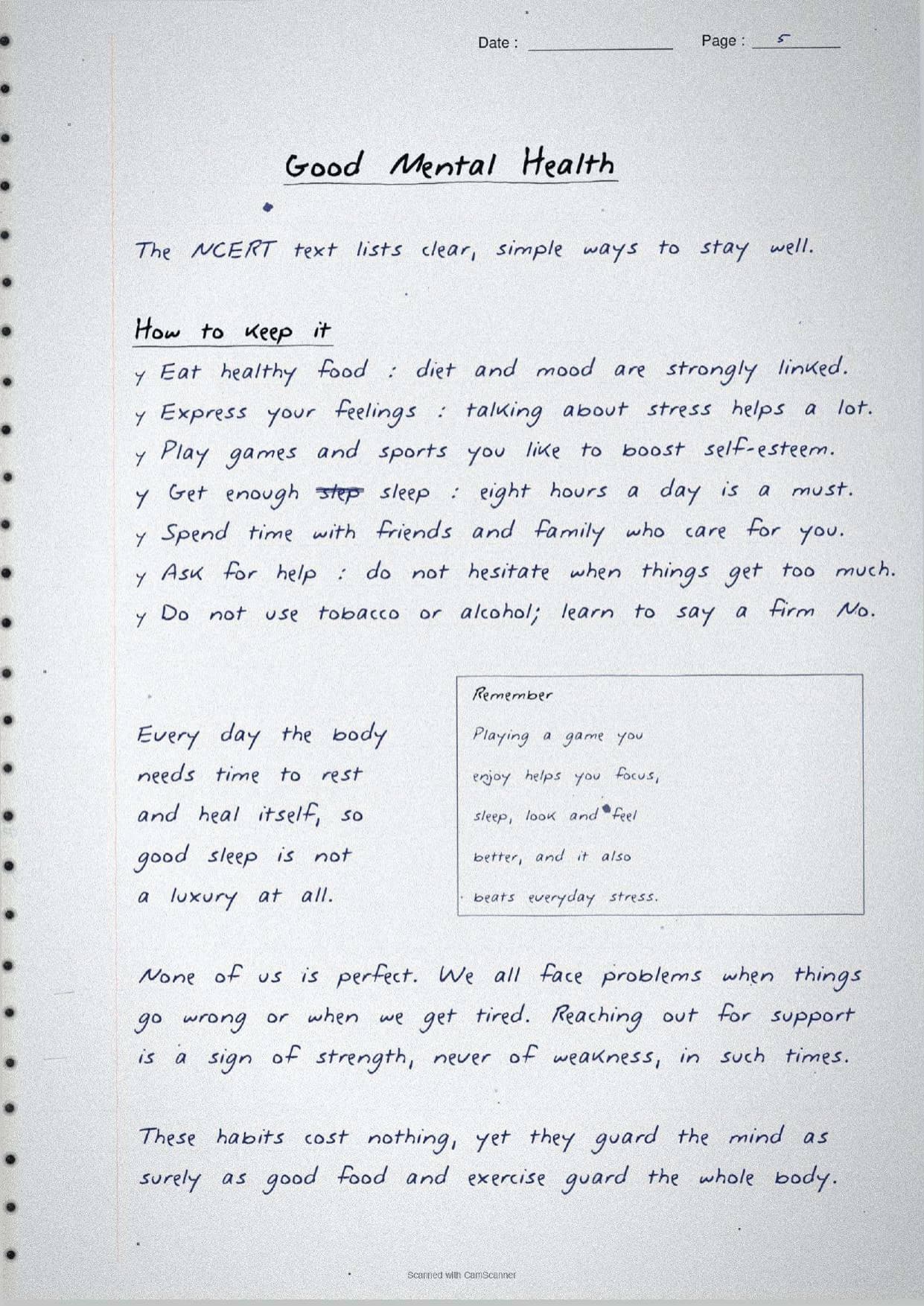
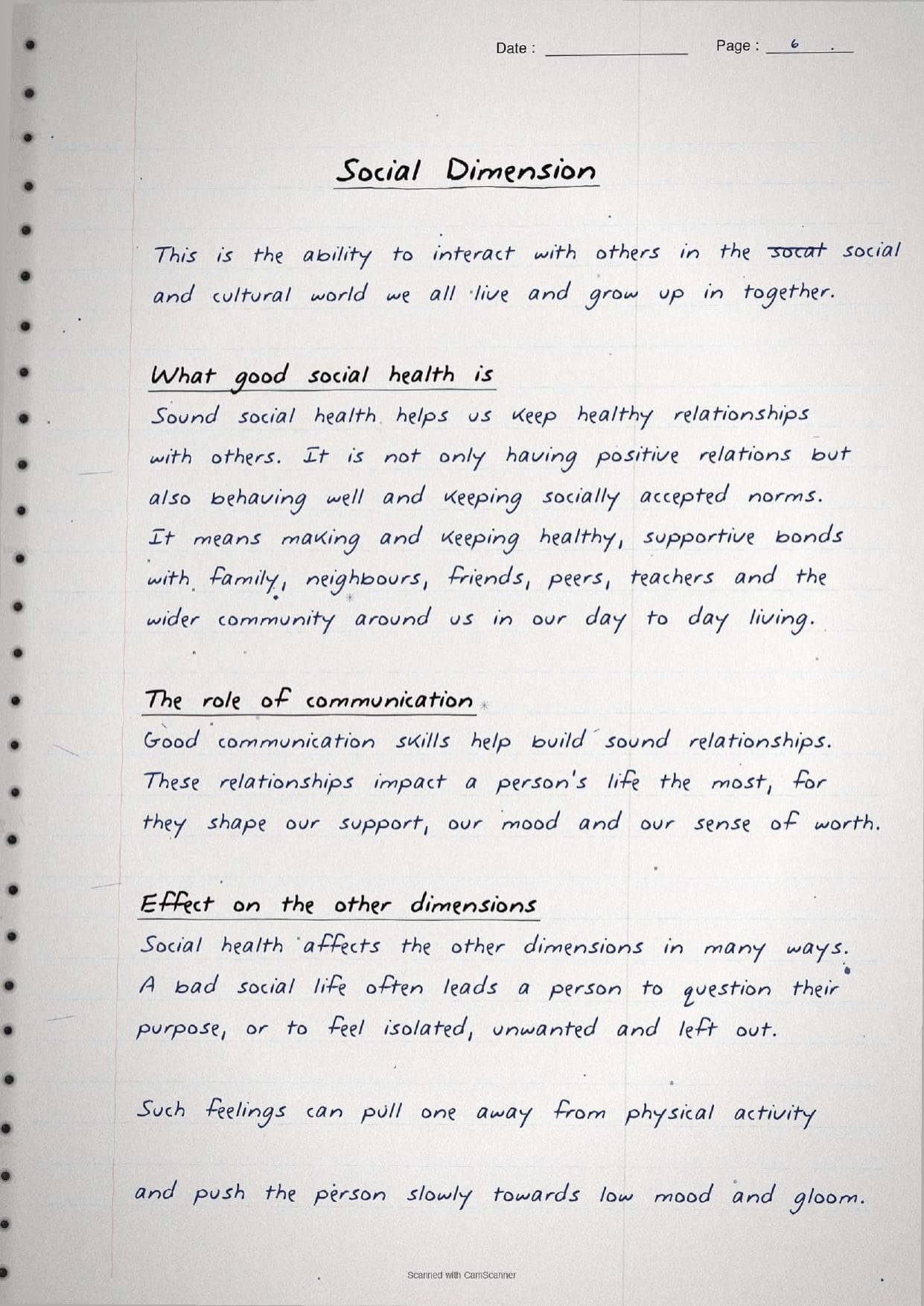
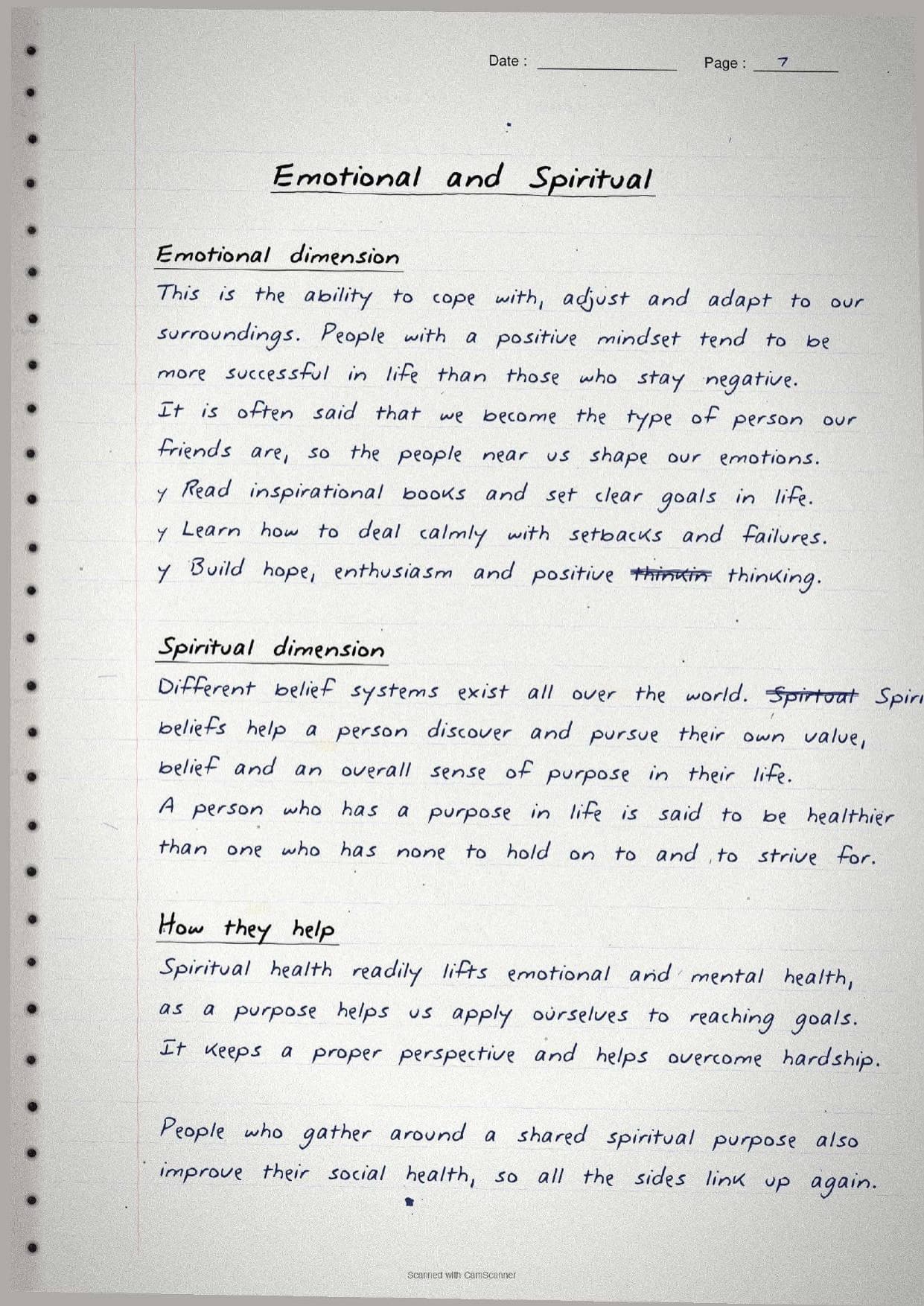
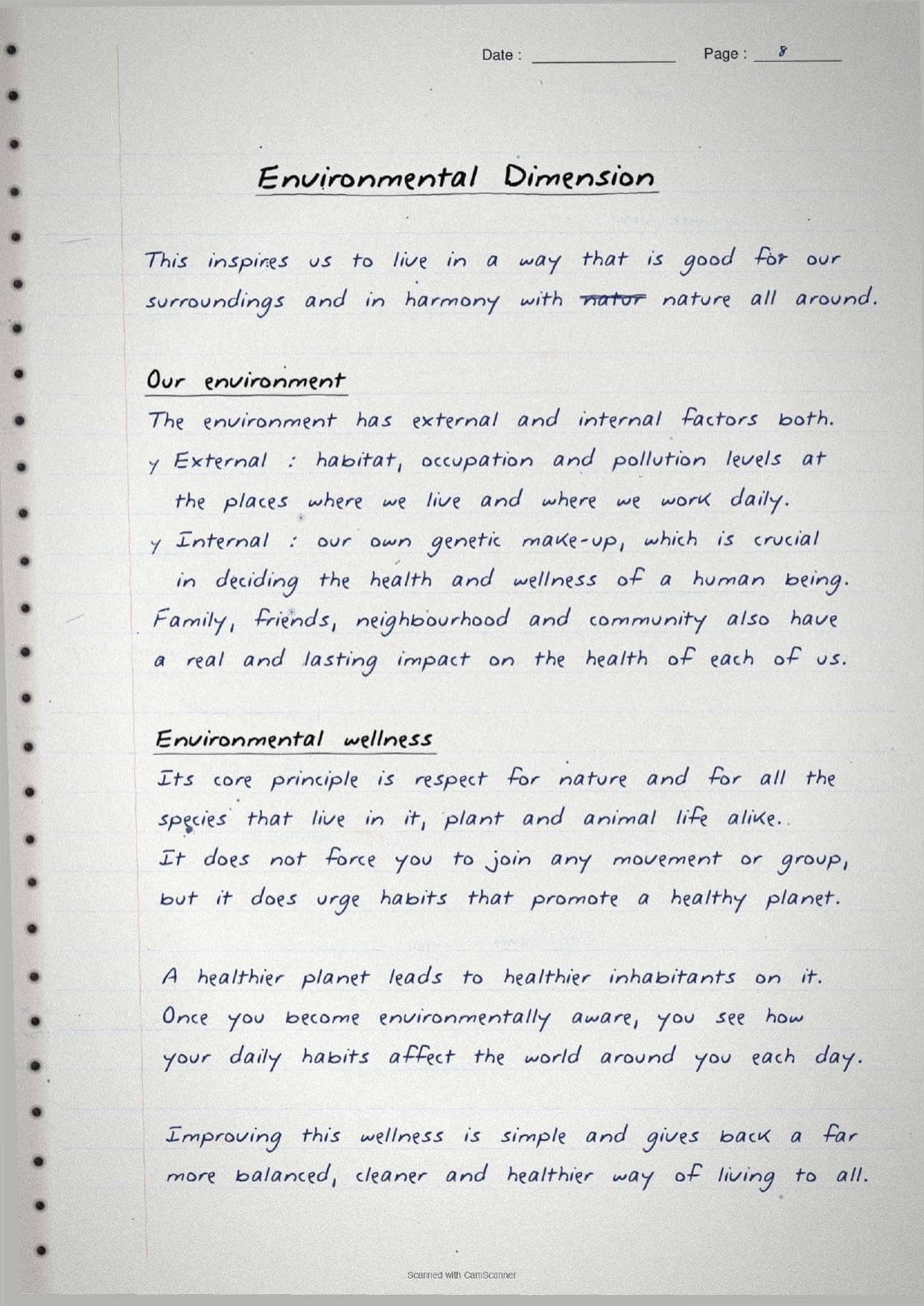
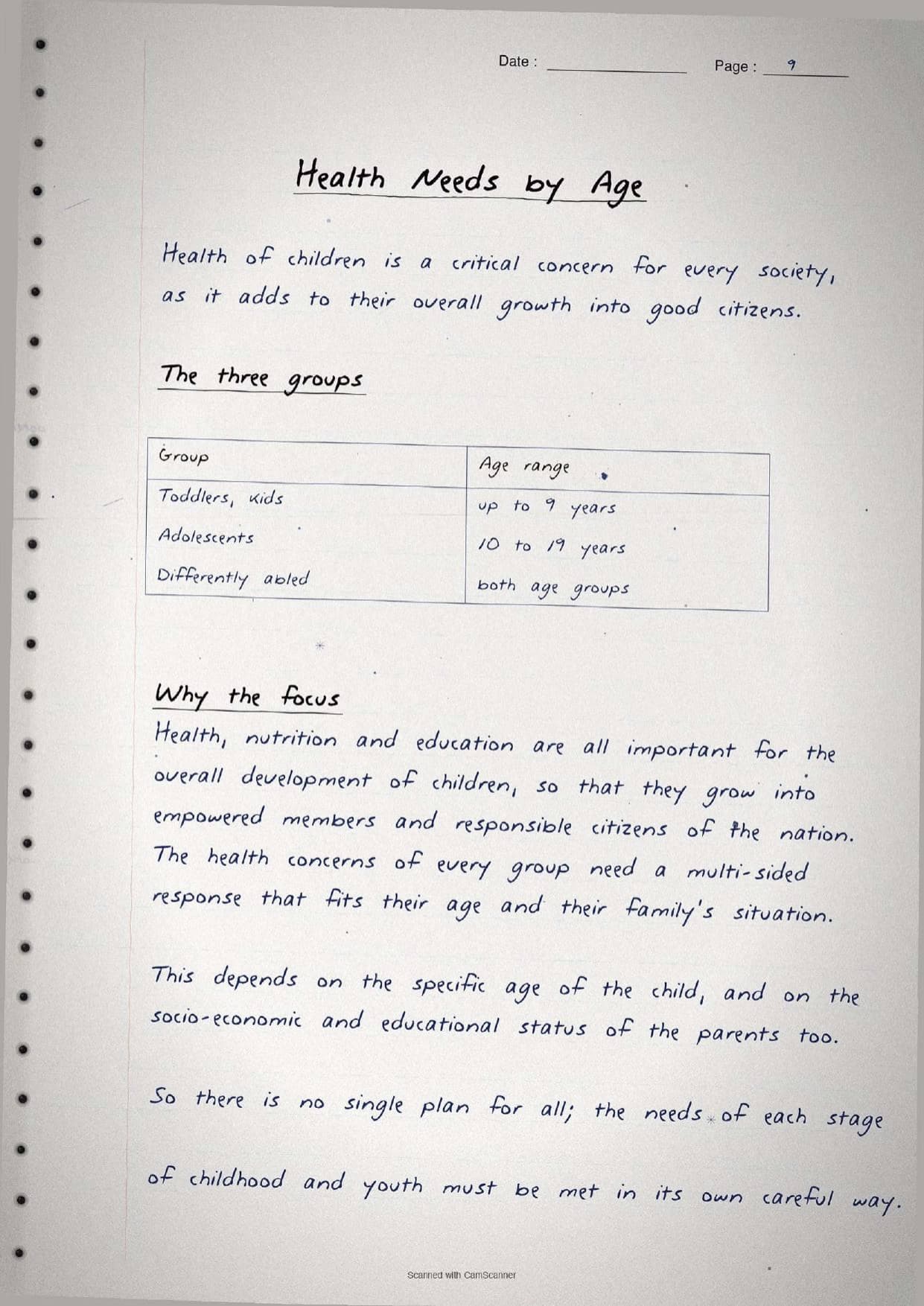
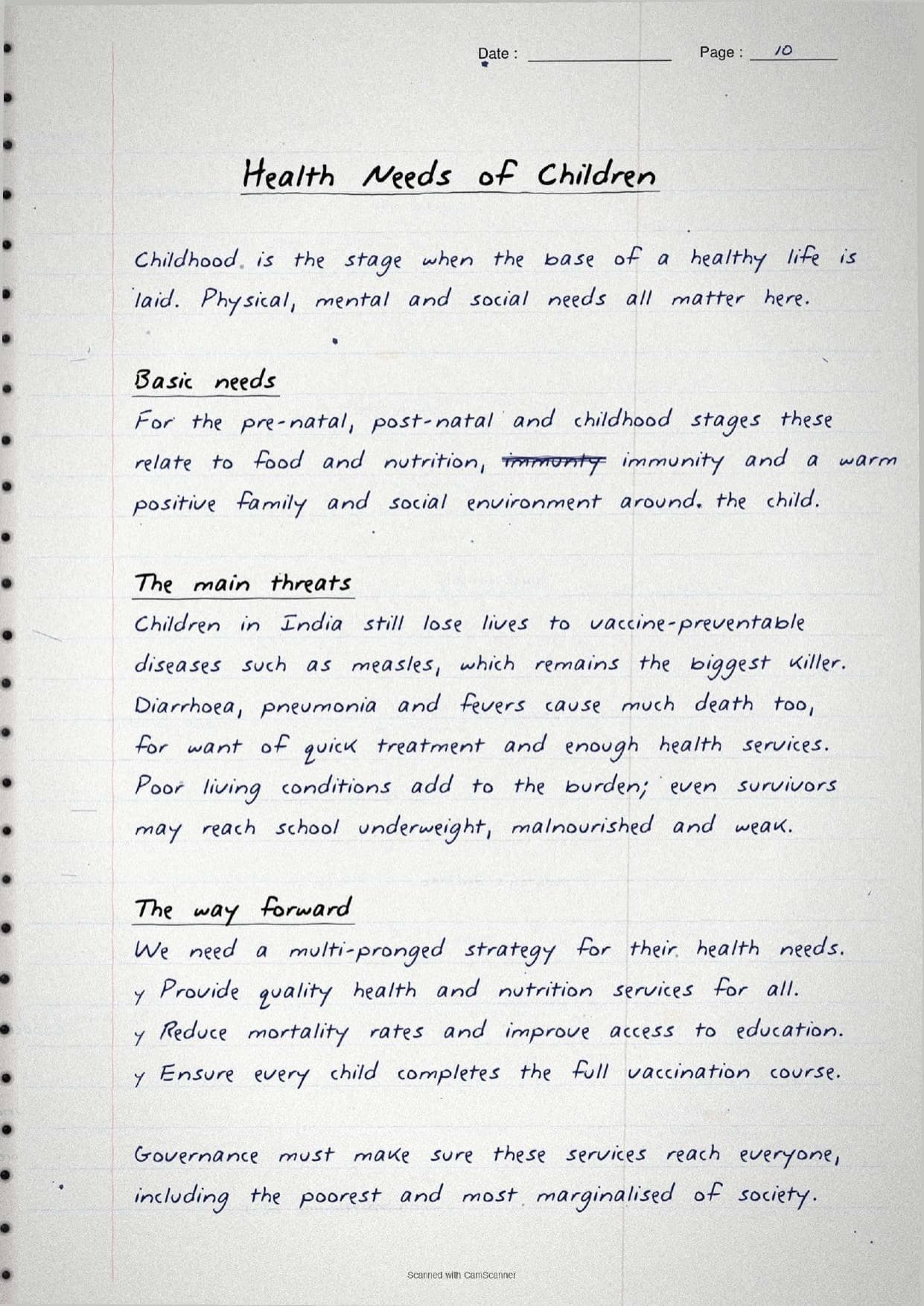
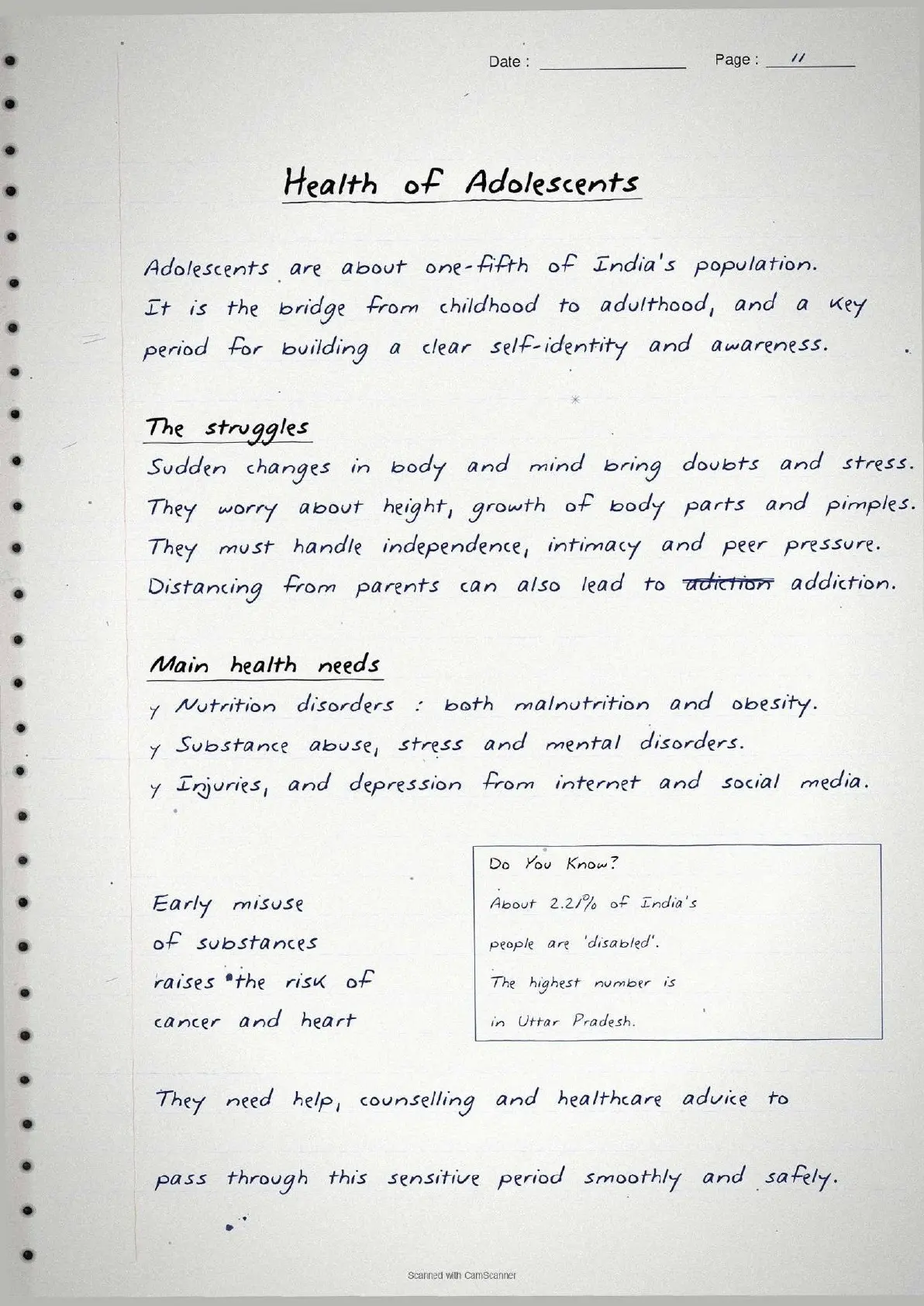
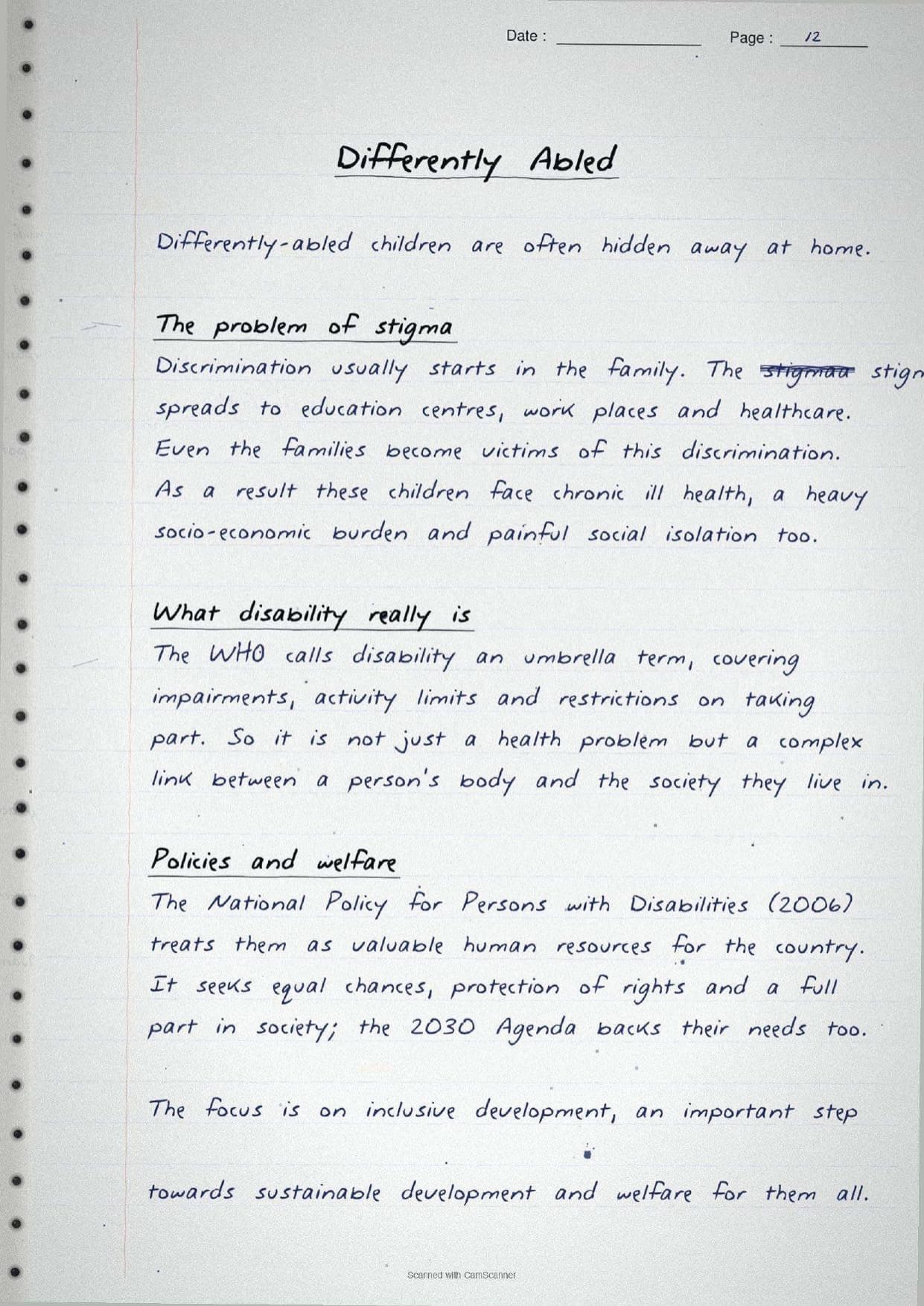
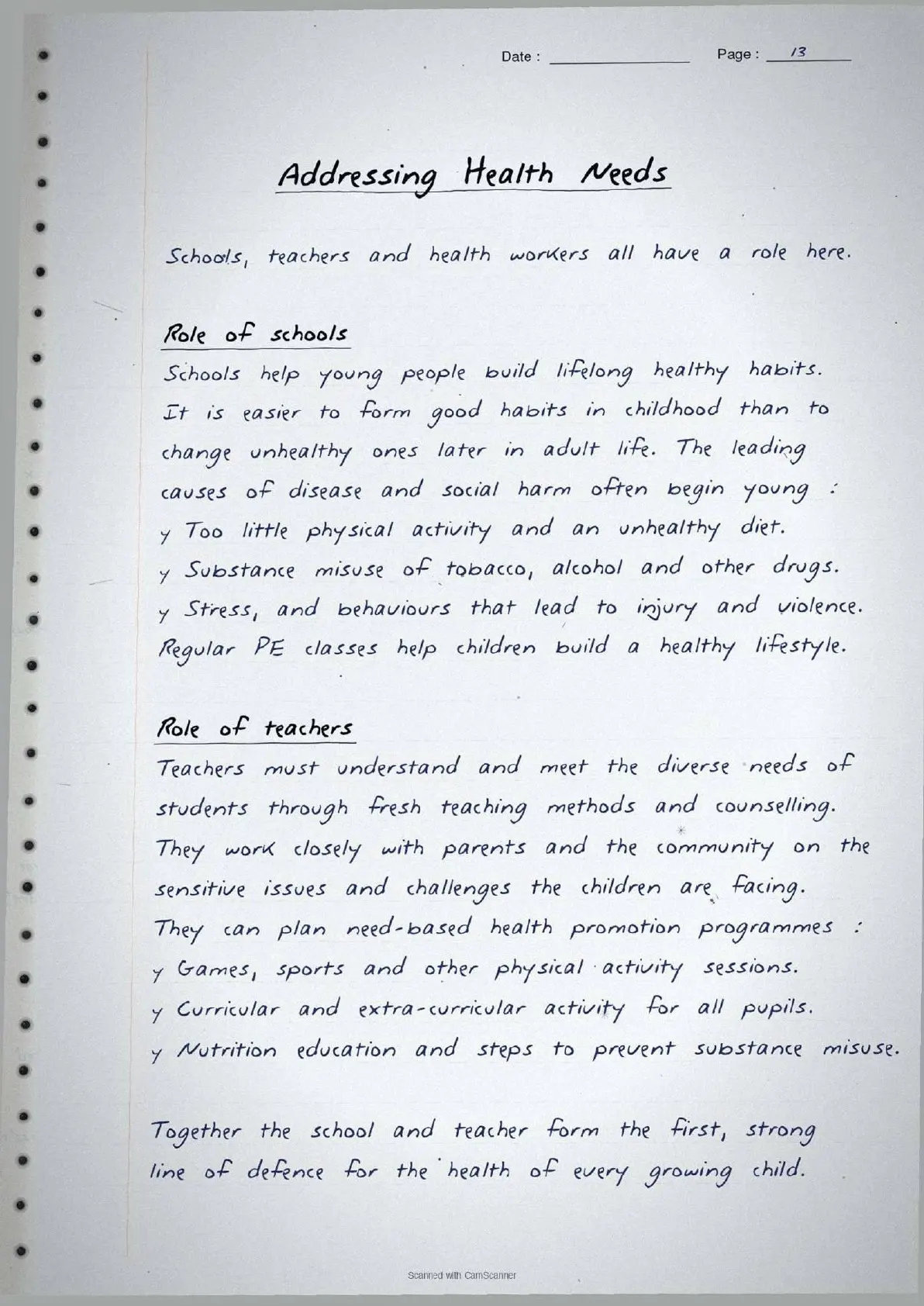
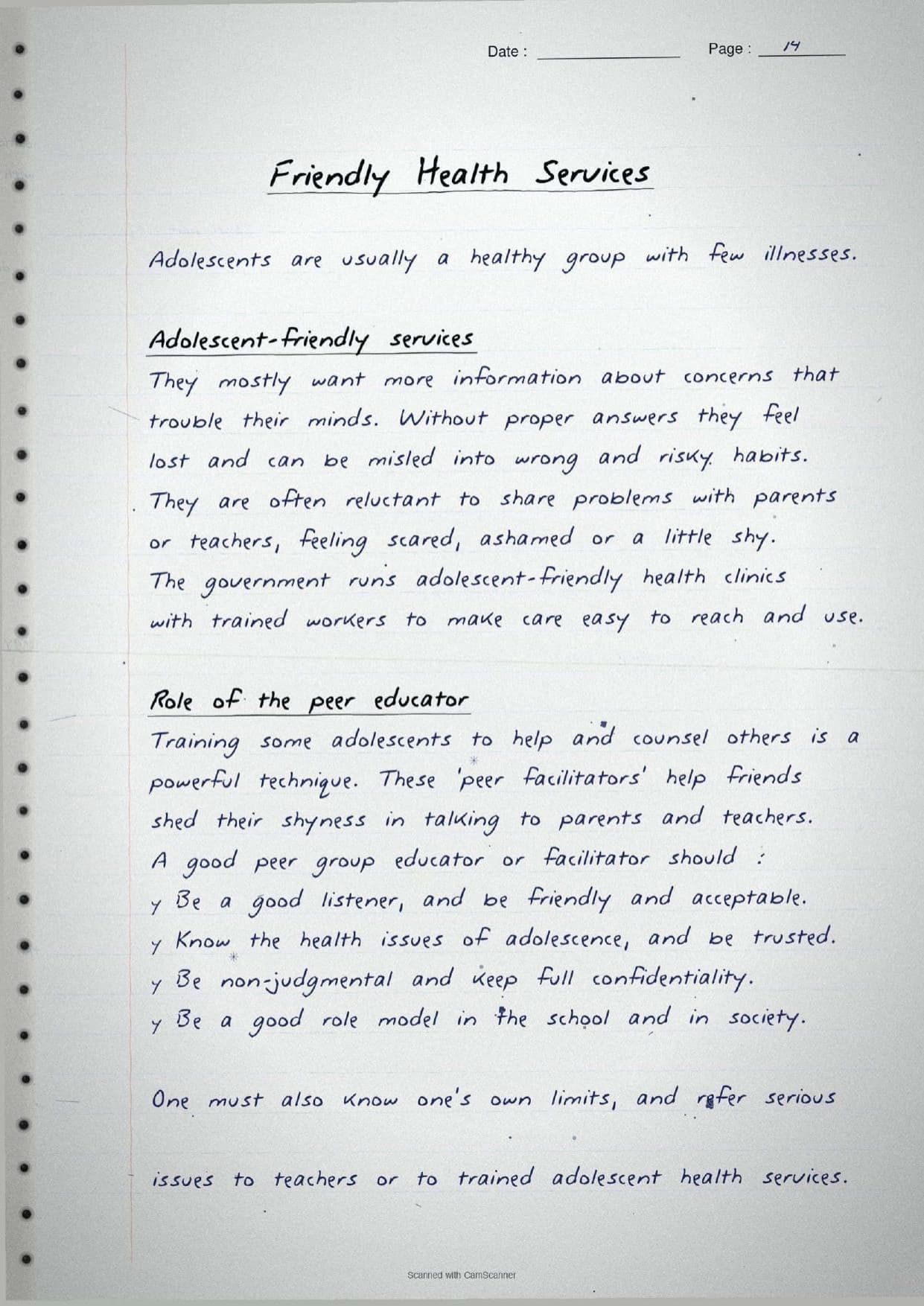
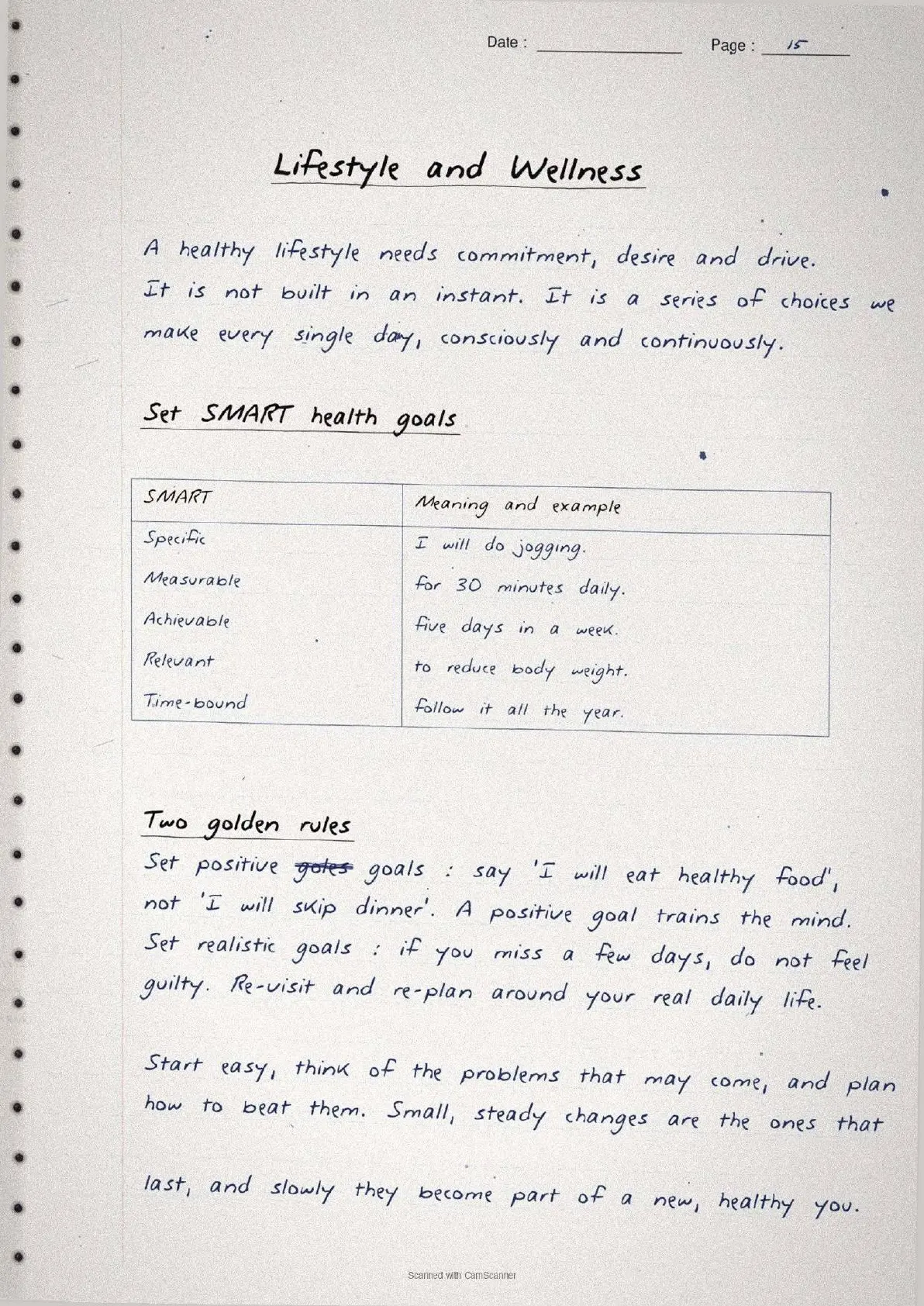
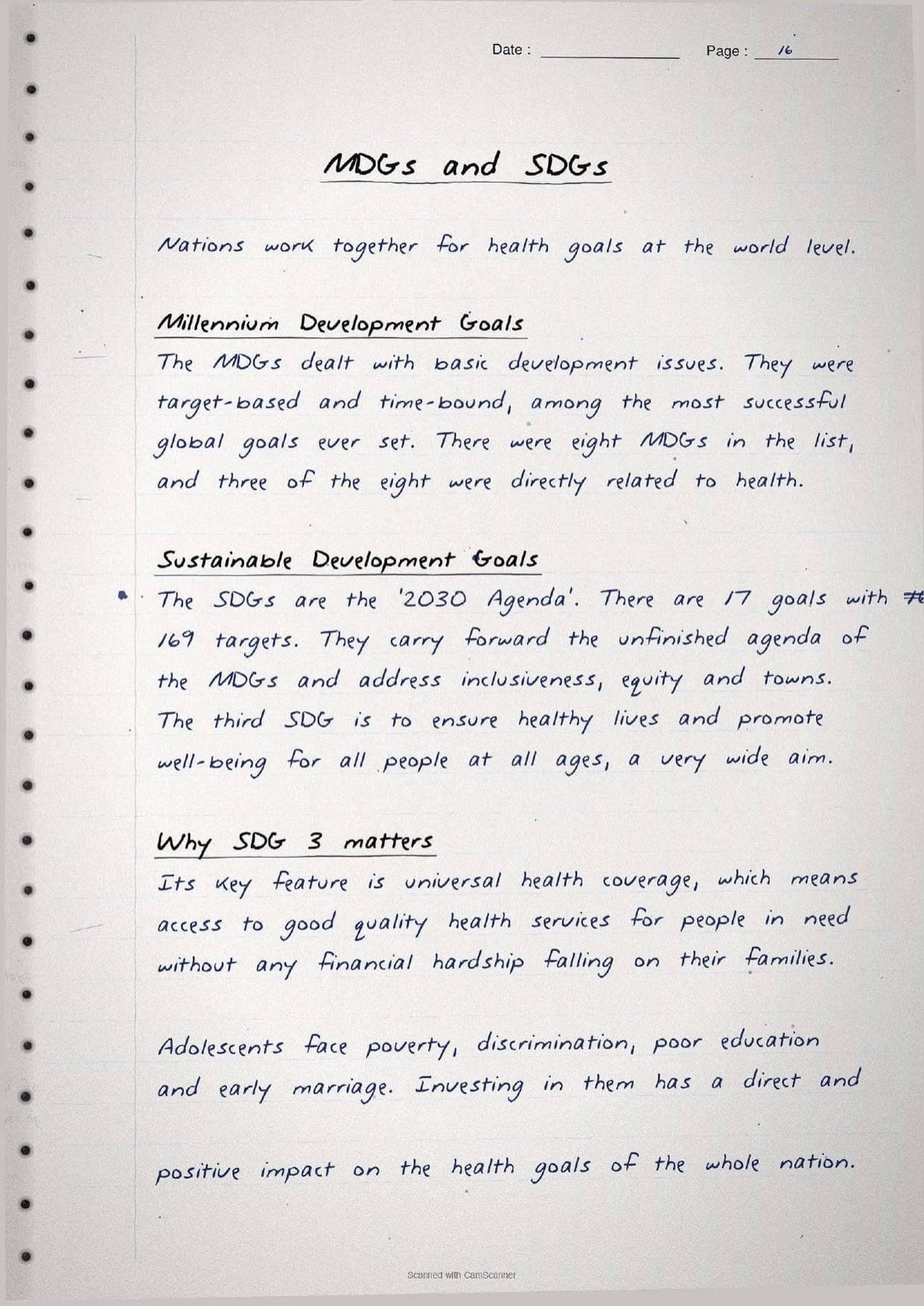
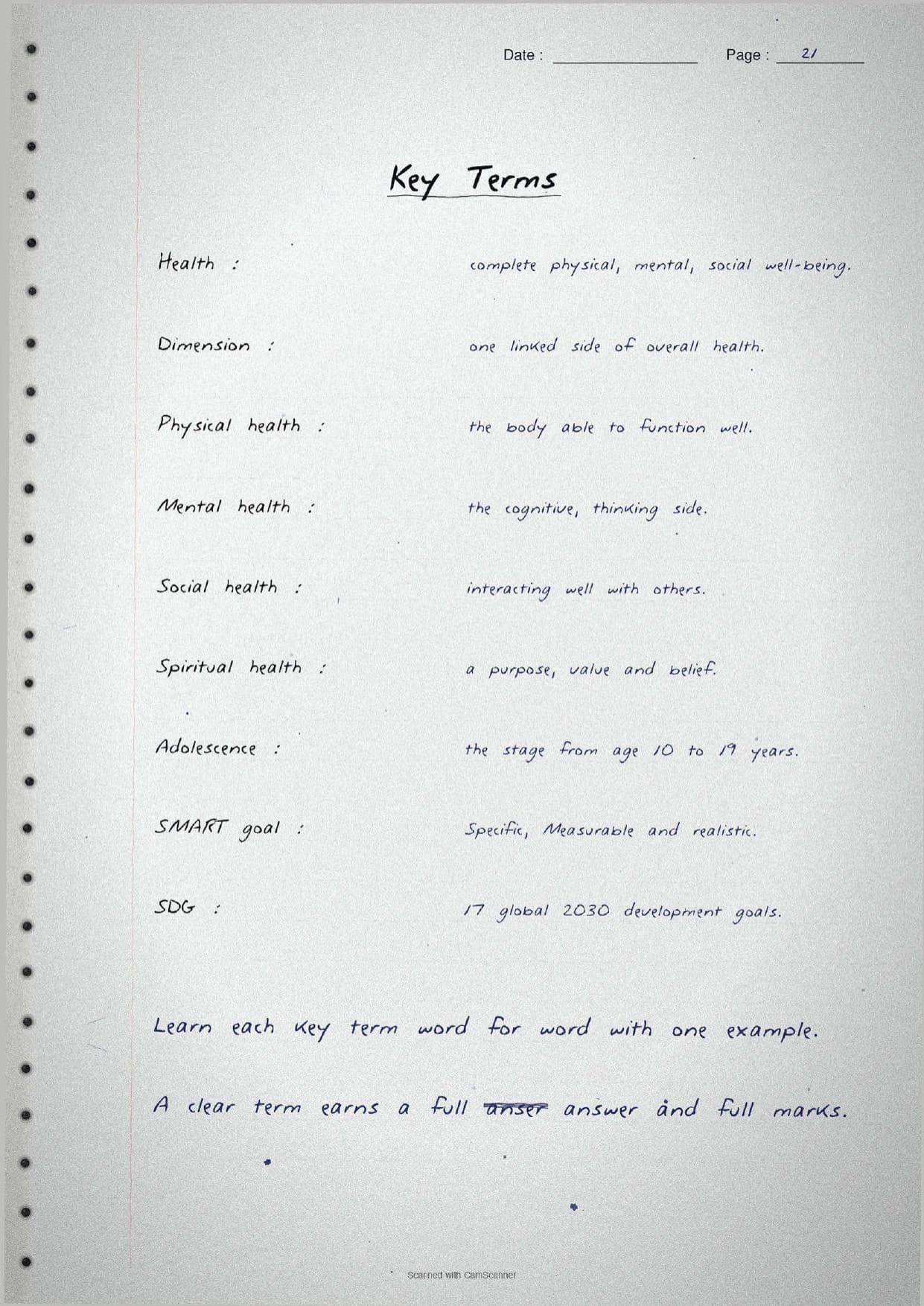
- Handwritten pages with boxed key terms and a labelled six-dimensions-of-health map.
- This Class 11 Physical Education chapter is a high-scoring theory unit, so quick recall of definitions and lists matters.
- Pairs with the NCERT Notes and Book PDF linked lower on this page.
These Understanding Health handwritten notes are prepared from the official NCERT Health and Physical Education textbook and checked against recent CBSE Class 11 Physical Education question papers.
Student Feedback: In a Collegedunia poll of 6,180 Class 11 Physical Education students, 72% of students said handwritten pages helped them recall the six dimensions of health and the SMART goal points faster than printed text, because the boxed lists and arrows made the definitions stick.
Source: 2026-27 Class 11 Physical Education student poll. Sample of 6,180 students from CBSE schools across 11 states.
What These Understanding Health Handwritten Notes Contain
Understanding Health is the second chapter of Class 11 Physical Education. It explains what health really means, the many dimensions of health, the health needs of different age groups, and how a healthy lifestyle is built through daily choices. These handwritten notes condense the chapter into handwritten pages that read like a topper's own notebook.
The notes are organised under three threads, each on its own set of pages:
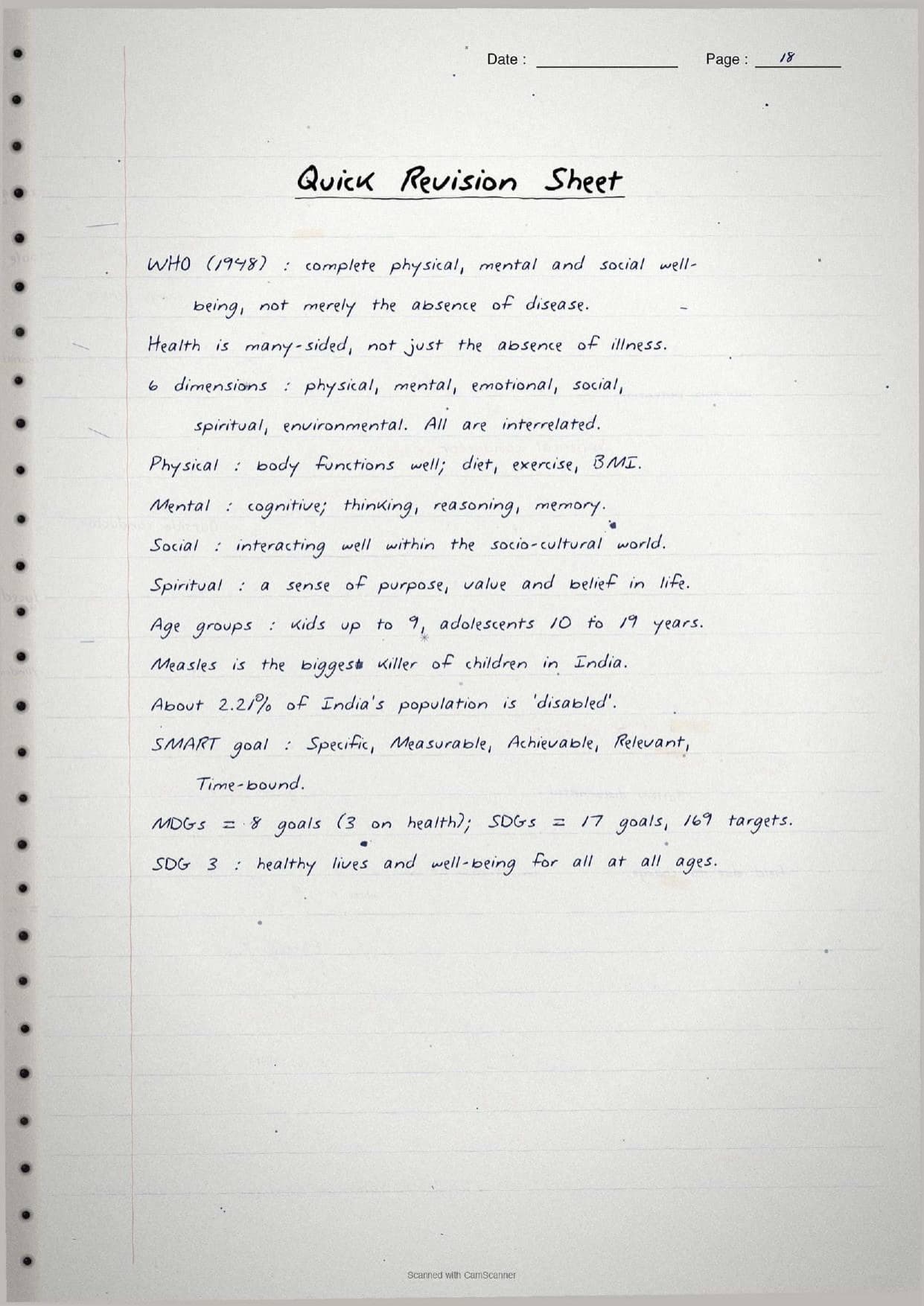
- The meaning of health: the old "absence of disease" view and the full WHO 1948 definition of complete physical, mental and social well-being.
- The dimensions: the physical, mental, emotional, social, spiritual and environmental sides of health, drawn as one map.
- The wider picture: health needs of children, adolescents and the differently abled, healthy lifestyle, SMART health goals, MDGs and SDGs.
Because the pages are handwritten, the key terms sit in boxes and arrows rather than long paragraphs. A student can flip through the Understanding Health class 11 pages in a few minutes and still pick up the WHO definition, the six dimensions and the health-goal points before walking into the exam.
The Six Dimensions of Health in the Handwritten Pages
The dimensions of health fill the central pages, drawn as a clear map so each side of health stands apart. The chapter stresses that health is multidimensional and that all the dimensions are interrelated. The table below shows what the handwritten notes cover for each dimension.
| Dimension | What the page shows |
|---|---|
| Physical | The body's ability to function through exercise, balanced diet, bone health, body mass index and disease prevention. |
| Mental | The cognitive side: thinking, reasoning, memory, judgment, learning new skills and creativity. |
| Emotional | The ability to cope, adjust and adapt, with a positive mindset, hope and enthusiasm. |
| Social | Healthy relationships with family, friends, peers and community, and good communication. |
| Spiritual | A sense of purpose, value and belief that supports emotional and mental health. |
| Environmental | Living in harmony with nature, respecting external and internal surroundings. |
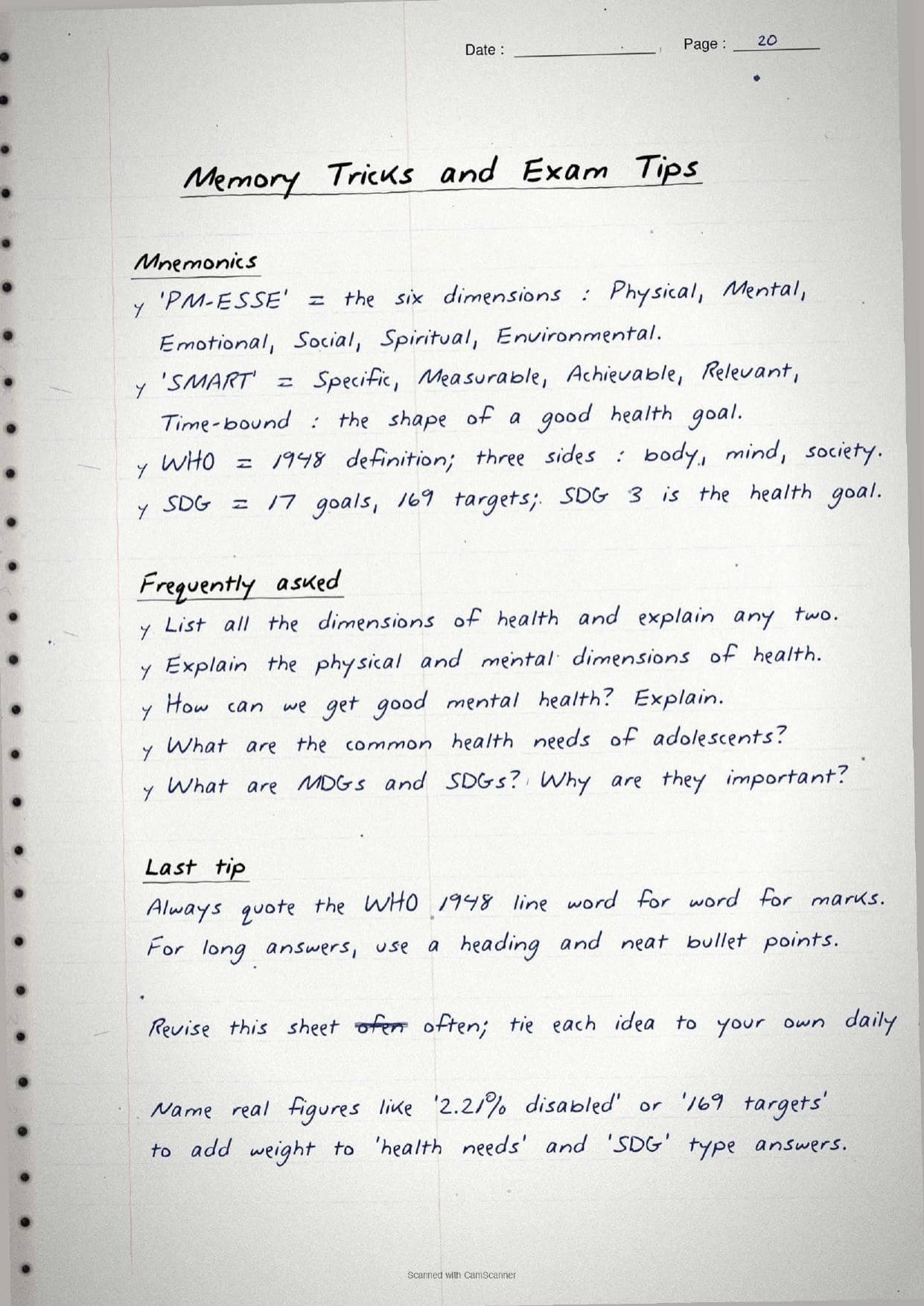
The handwritten map makes the key point easy to see: health is a sound body and a sound mind together, not just the absence of disease. The notes box the WHO 1948 line, "a state of complete physical, mental and social well-being and not merely the absence of disease or infirmity," because it is the most common definition question here. The pages also flag the "good mental health" tips: eat healthy food, express feelings, play games, get about eight hours of sleep, and say no to tobacco and alcohol.
Healthy Lifestyle, Health Goals and the SDGs in the Notes
The later pages cover health needs by age group, a healthy lifestyle and the global health goals. These topics feed the short and long answers, so the handwritten notes keep them as boxed lists. The lists below show what each page covers.
- Health needs by group: children need food, nutrition, immunity and vaccination; adolescents (10 to 19 years) face stress, substance abuse and body-image worries; the differently abled need equal opportunity and inclusive development.
- Roles that help: schools, teachers, adolescent-friendly health services and the peer educator or peer facilitator.
- SMART health goals: Specific, Measurable, Achievable, Relevant and Time-bound, with the "set positive goals" and "set realistic goals" rules.
- Global goals: the eight MDGs (three health-related) and the 17 SDGs with 169 targets, with SDG 3 on healthy lives and universal health coverage.
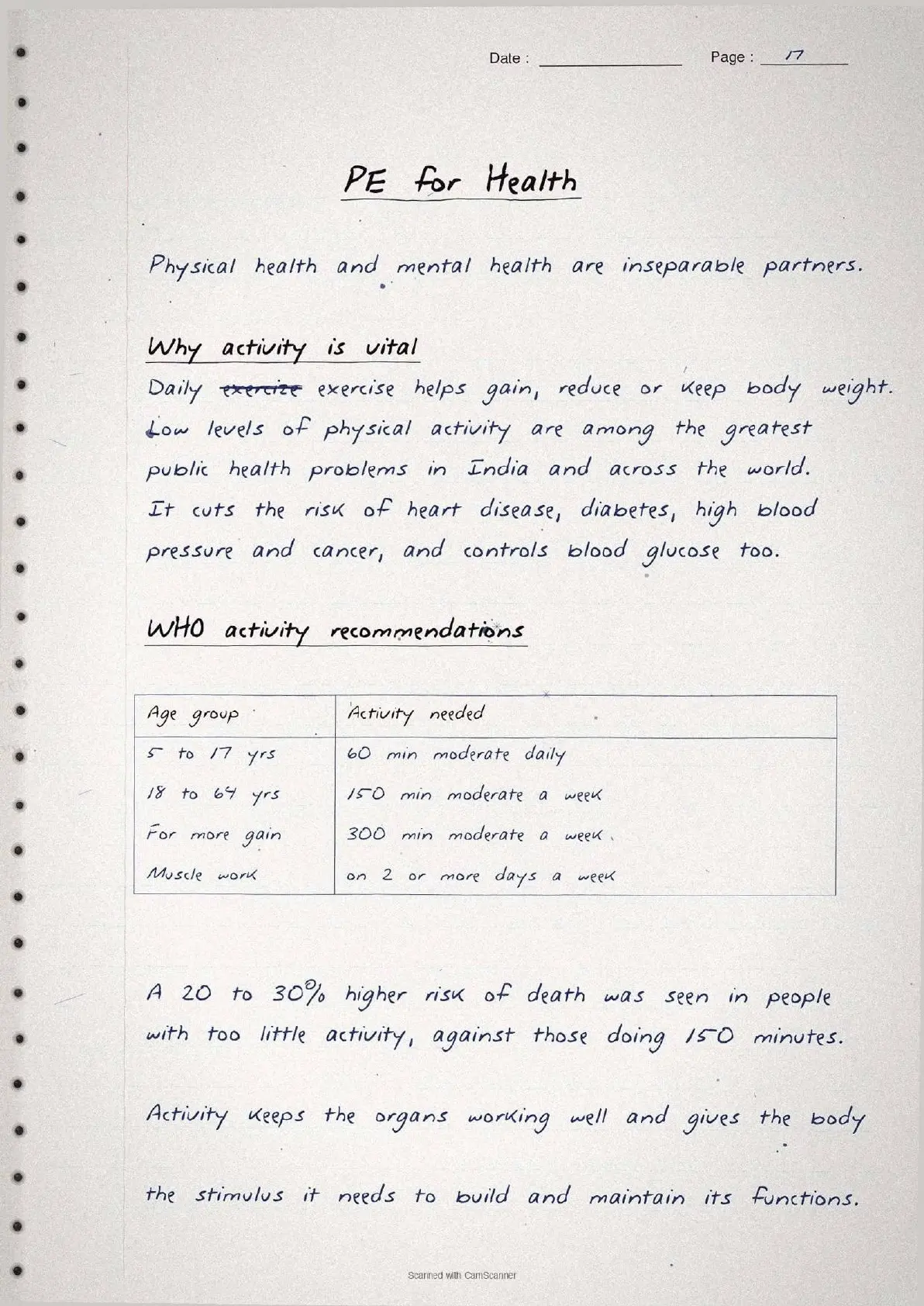
The notes underline one judgement that scores well: a healthy lifestyle is a series of daily choices, not an instant change. The handwritten pages box the WHO physical-activity advice too: children aged 5 to 17 need at least 60 minutes of moderate to vigorous activity daily, and adults aged 18 to 64 need at least 150 minutes of moderate activity a week. Pair the SMART goal card with the SDG list and these numbers and you have the whole back half of the chapter on a few pages.
How to Use These Handwritten Notes
Handwritten notes work best as a final-revision tool, not a first read. The steps below show how to get the most out of the Understanding Health handwritten notes in the last days before a test.
- Download: tap the download card above to save the handwritten pages to your device.
- First read: read the printed Notes once so the handwritten pages act as a refresher, not a first source.
- Recall drill: cover the page and try to write the six dimensions of health and the five SMART points from memory.
- Night before: flip through the boxed pages for a quick last-minute recall of the WHO definition and the health-goal lists.
Many students search for class 11 physical education chapter 2 notes on their phone the night before a test, so a saved set of handwritten pages means you can revise offline. Use the handwritten notes for speed, then check the printed Notes to confirm you have the answer points right.
Common Mistakes These Notes Help You Avoid
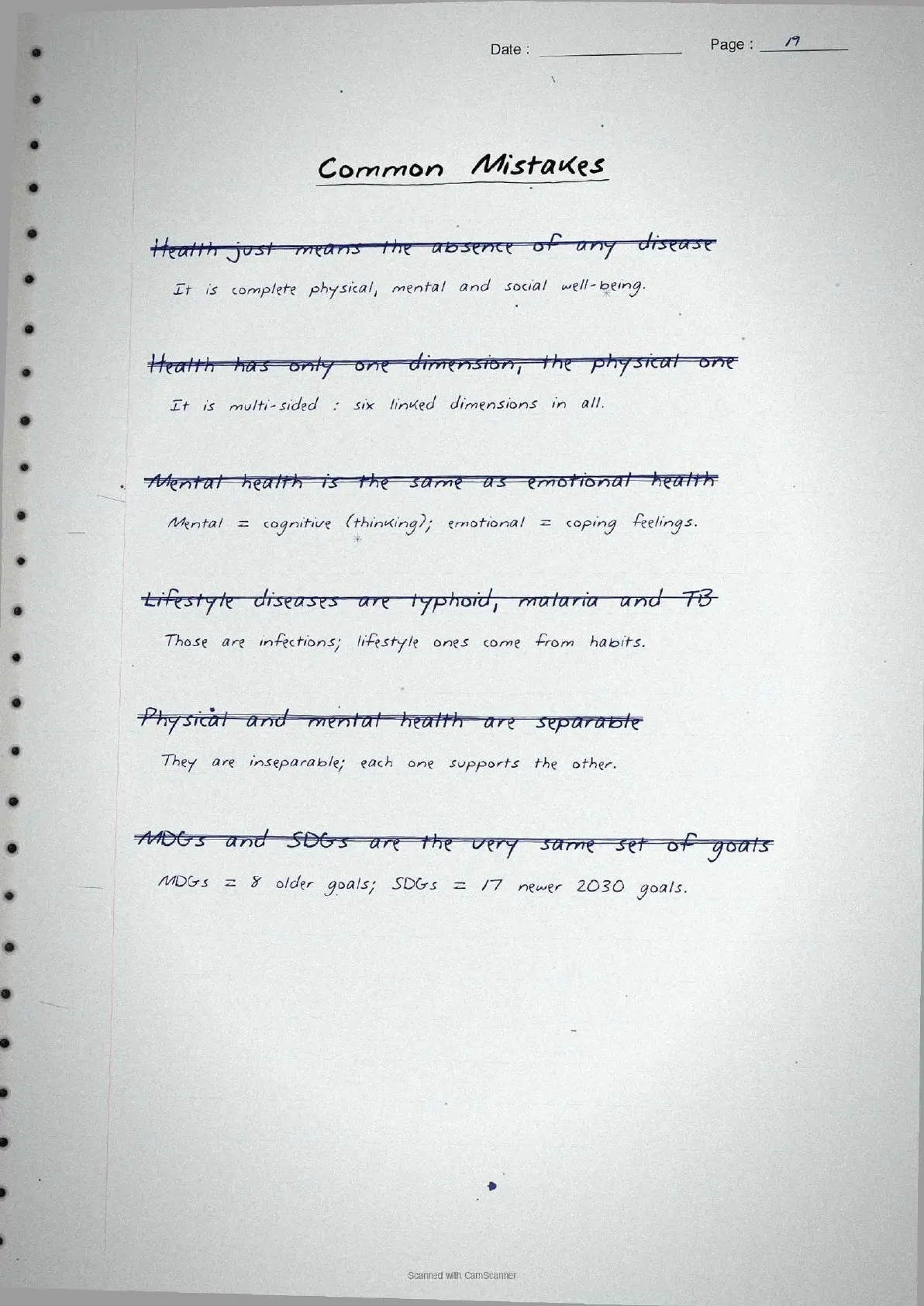
A few errors cost marks every year. The handwritten notes flag each one in the margin so you can fix it before the exam. These five are the most common.
- Defining health as only the absence of disease. That view is partial; the full WHO definition covers physical, mental and social well-being.
- Naming only three or four dimensions. The chapter lists six: physical, mental, emotional, social, spiritual and environmental.
- Mixing up MDGs and SDGs. There are 8 MDGs and 17 SDGs with 169 targets, and SDG 3 is the health goal.
- Forgetting the SMART goal terms. All five, Specific, Measurable, Achievable, Relevant and Time-bound, are needed for full marks.
- Confusing the age bands. Adolescents are 10 to 19 years, and WHO advises 60 minutes of daily activity for ages 5 to 17.
Students who fix these five points usually move from average to high marks. The handwritten notes box the WHO definition and list all six dimensions in full, so the soft points are hard to miss when you revise.
How These Handwritten Notes Pair with the Notes and Book PDF
These handwritten notes are a fast revision tool. To prepare fully, students should use them alongside the other resources for the same chapter, both linked in the table below. Read the printed Notes, then use these pages for a final recall.
| Resource | Best used for |
|---|---|
| Understanding Health Class 11 Notes | Quick chapter summary with all dimensions and key terms in one place |
| Understanding Health NCERT Book PDF | Reading the original NCERT chapter text and figures |
Tip: read the printed Notes first, then keep these handwritten pages for the final night-before flip. Using them for recall, not for the first read, builds memory faster.
All Class 11 Physical Education Handwritten Notes by Chapter
The table links the handwritten notes for every chapter in Class 11 Physical Education, so students can move across the course in one click. Understanding Health is highlighted.
| Chapter | Handwritten Notes |
|---|---|
| Chapter 1 | Physical Education |
| Chapter 2 | Understanding Health |
| Chapter 3 | Physical and Physiological Aspects of Physical Education and Sports |
| Chapter 4 | Individual Games |
| Chapter 5 | Team Games |
| Chapter 6 | Yoga and its Relevance in the Modern Times |
| Chapter 7 | Safety and Security |
| Chapter 8 | Health Related Physical Fitness |
| Chapter 9 | Measurement and Evaluation |
| Chapter 10 | Tournaments and Competitions |
| Chapter 11 | Adventure Sports |
FAQs on Understanding Health Handwritten Notes
Understanding Health Class 11 Physical Education Handwritten Notes Common Questions
Ques. Where can I download the Understanding Health handwritten notes PDF?
Ans. You can download the Understanding Health Class 11 Physical Education handwritten notes PDF directly from this page. It is free, follows the 2026-27 NCERT, and presents the WHO meaning of health, the six dimensions of health, health goals and the SDGs as handwritten pages.
Ques. Are handwritten notes good for revising Class 11 Physical Education Chapter 2?
Ans. Yes. Handwritten notes are best for fast, last-minute revision because the boxed key terms and arrows make the dimensions of health and the SMART goal points easy to skim. Use them after a first read of the printed Notes, not as your only source.
Ques. What topics do these handwritten notes cover?
Ans. They cover the meaning and WHO definition of health, the six dimensions of health, the health needs of children, adolescents and the differently abled, healthy lifestyle and SMART health goals, the MDGs and SDGs, and the contribution of physical education to health.
Ques. Who prepared these handwritten notes?
Ans. They are written and proofread by hand by a subject expert with an MPEd, NIS coaching certification and years of CBSE Class 11 Physical Education teaching, using the official NCERT textbook and recent Class 11 question papers.
Ques. How should I use these notes with the other resources?
Ans. Read the printed Notes first, then keep these handwritten pages for the final night-before flip. Using them for recall rather than the first read builds memory faster, and the Book PDF is there when you want the original NCERT text.



Comments