




These Media and Communication Technology handwritten notes turn the whole sixth chapter into clean, handwritten pages for fast last-minute revision. They follow the 2026-27 NCERT syllabus and Chapter 6 of Class 11 Home Science. Students get the meaning of communication, the word root communis, the SMCRE process with its six elements, noise and barriers, the types of communication, the classes and nine functions of media, communication technology and ICT, and the role of media on adolescents, all in a pen-on-paper format that is easy to skim before a test.
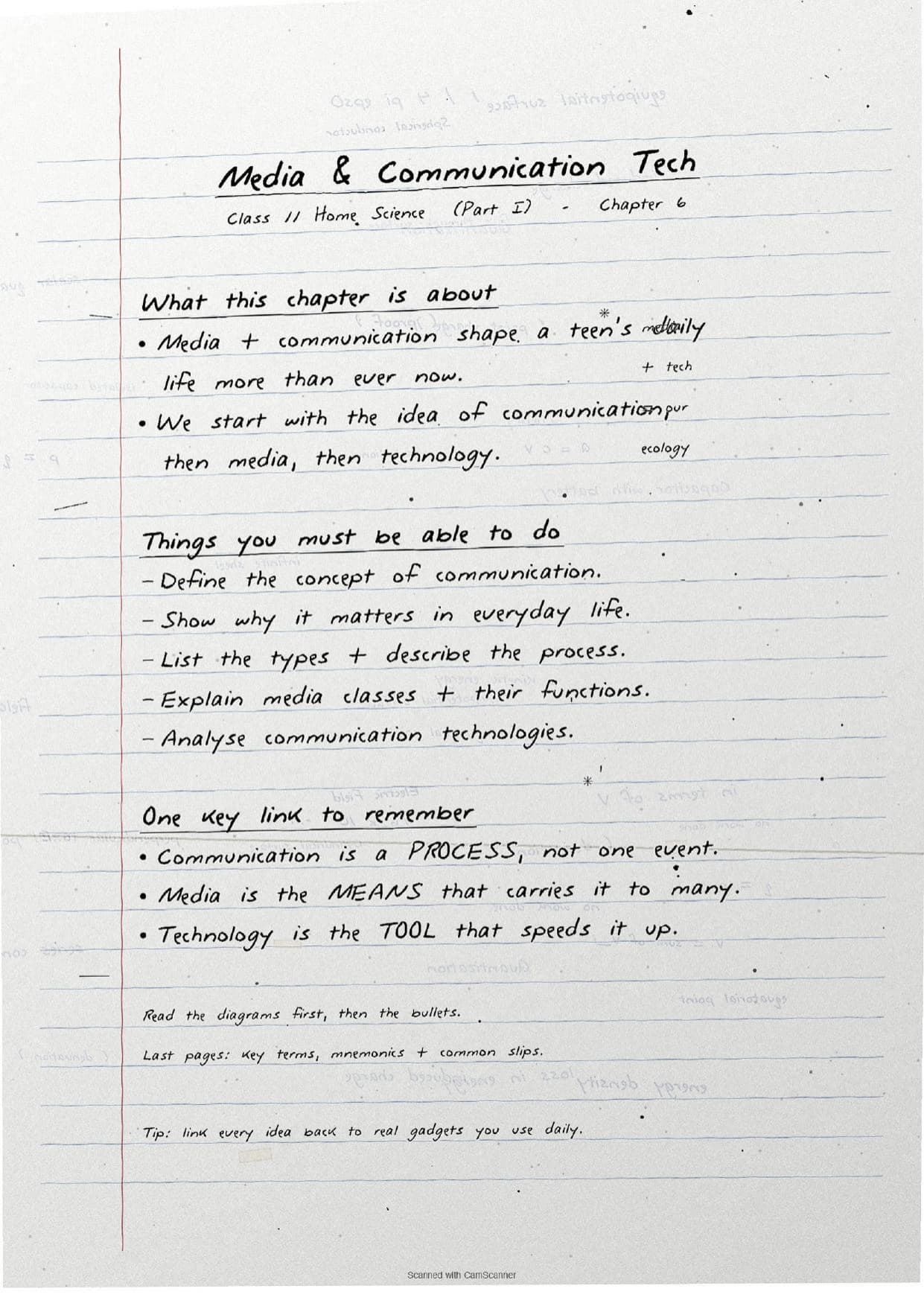
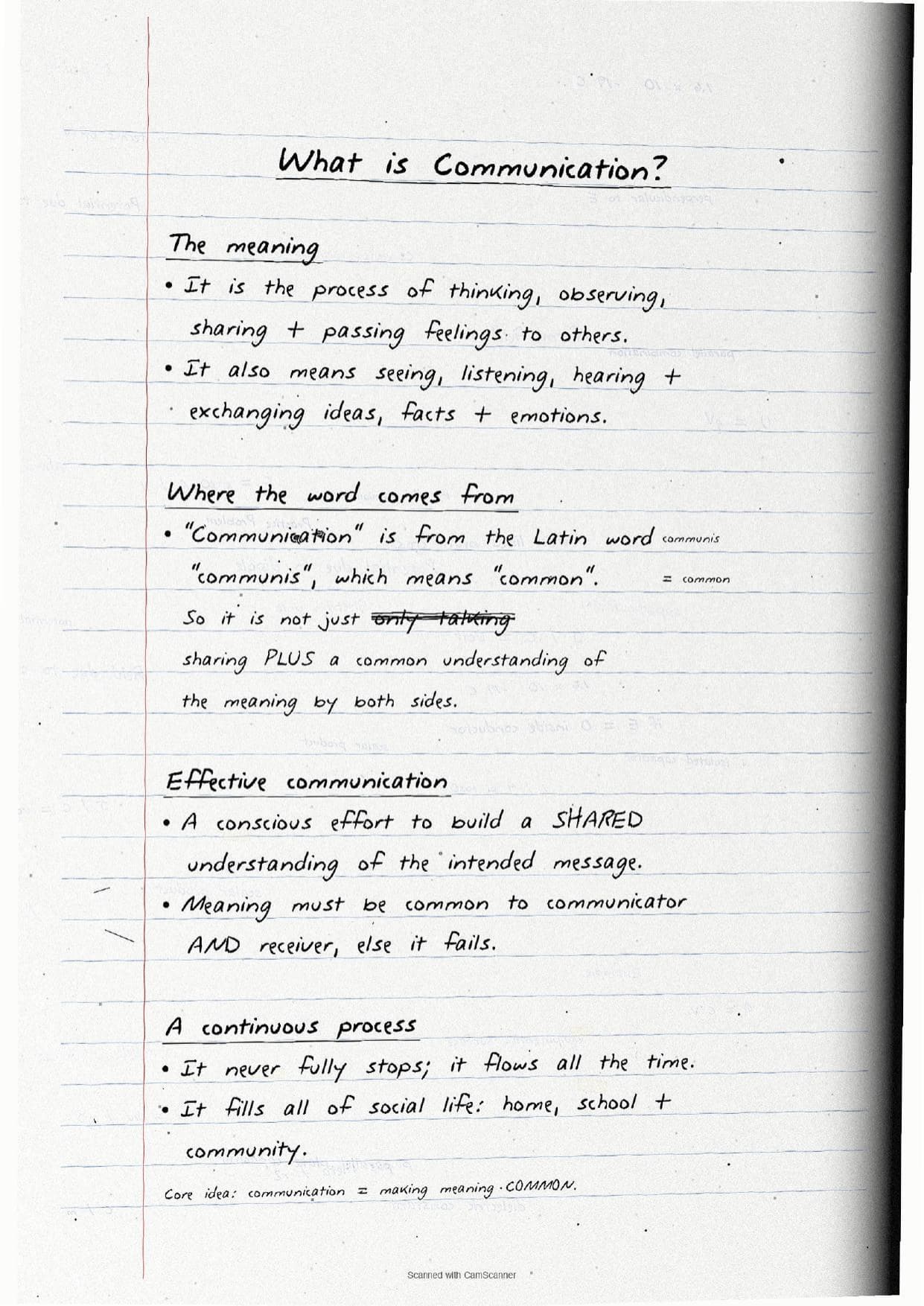
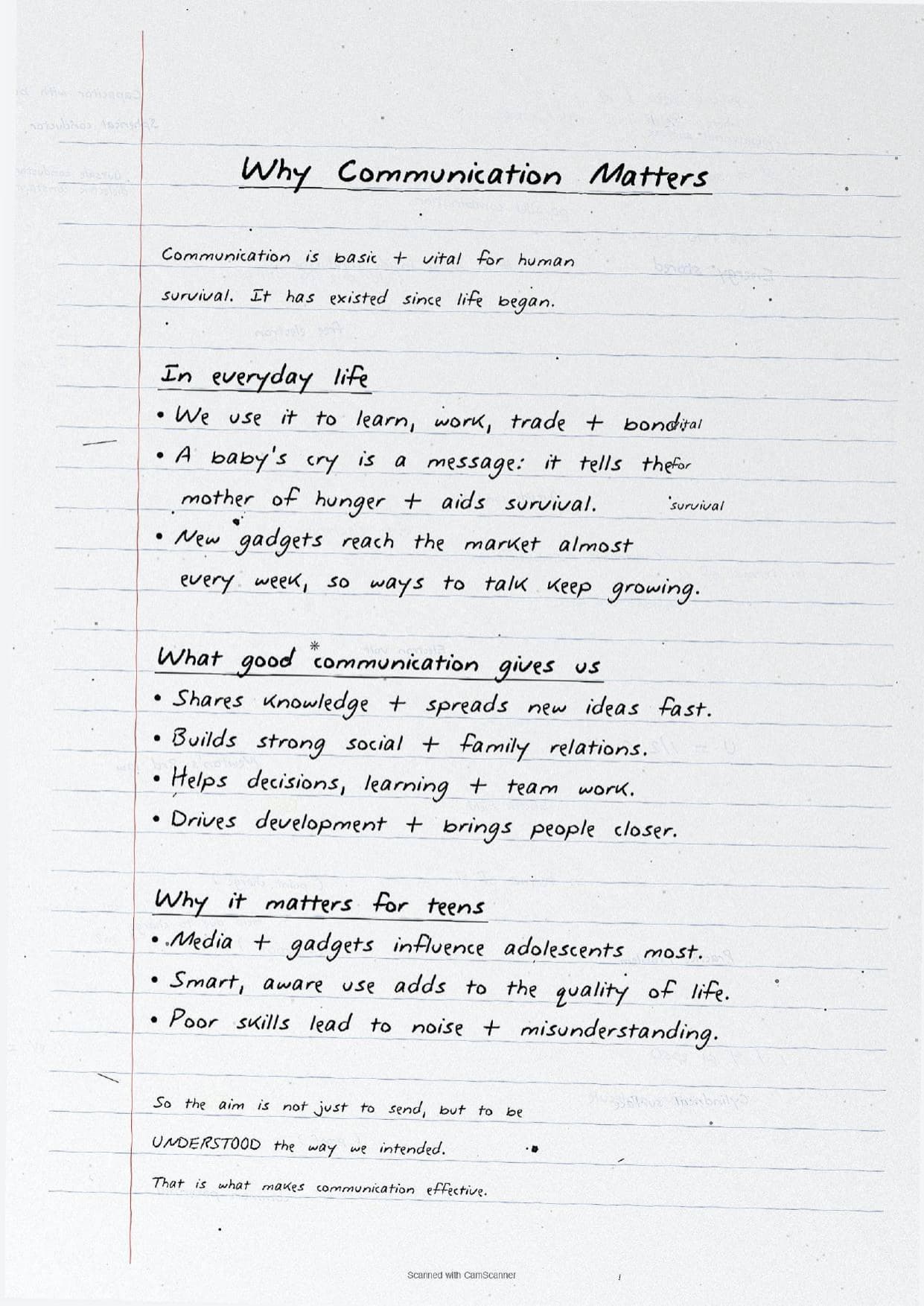
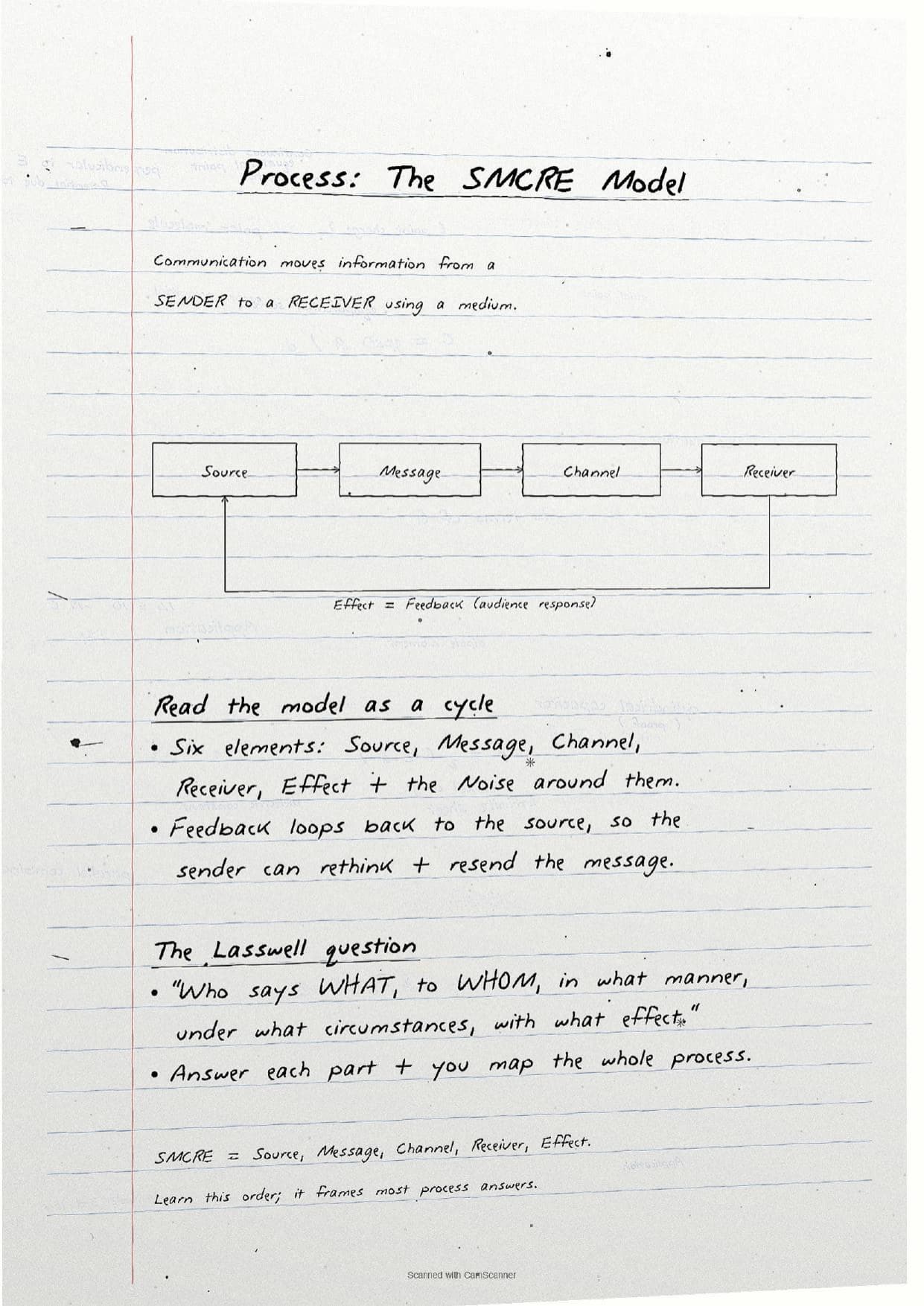
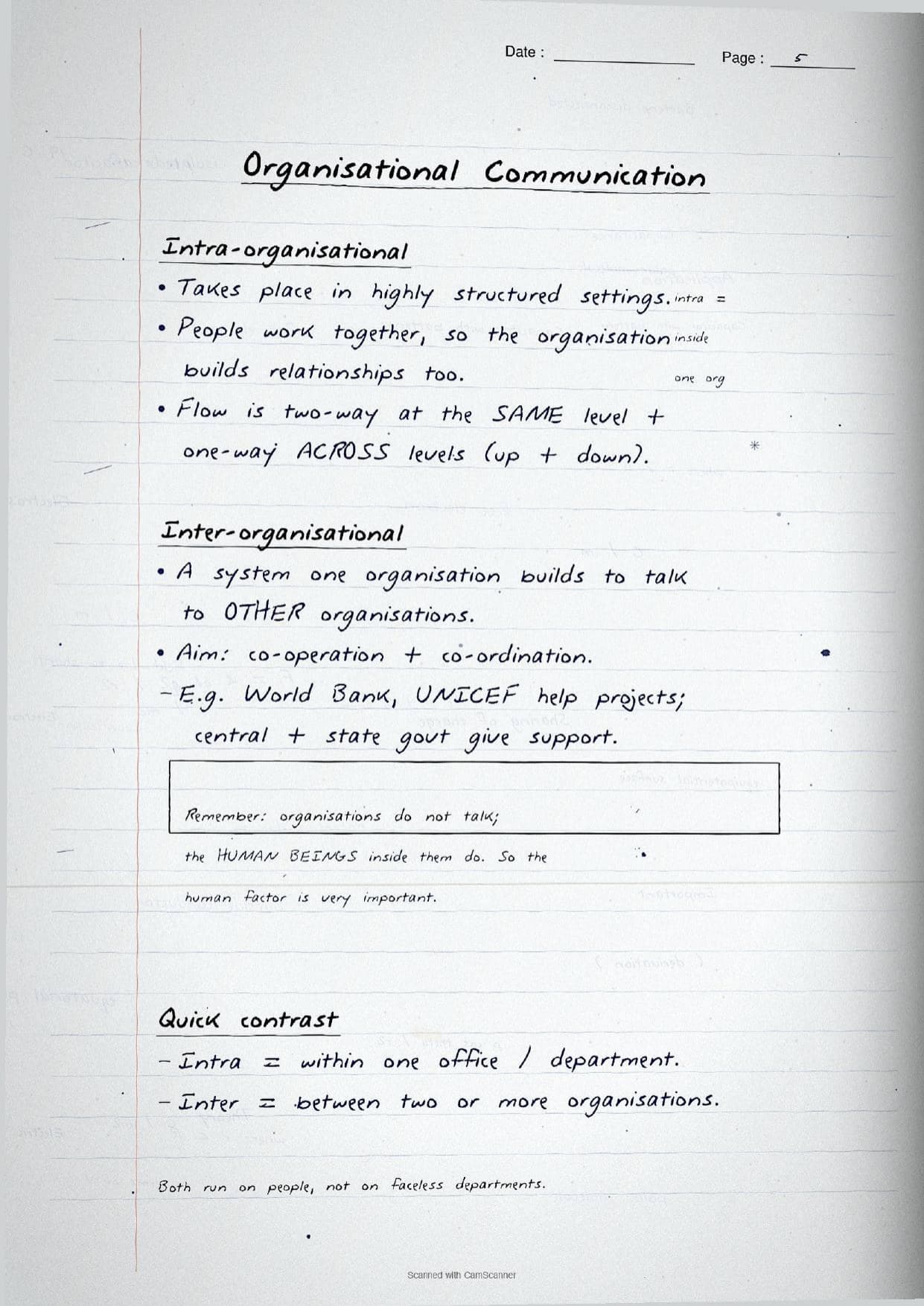
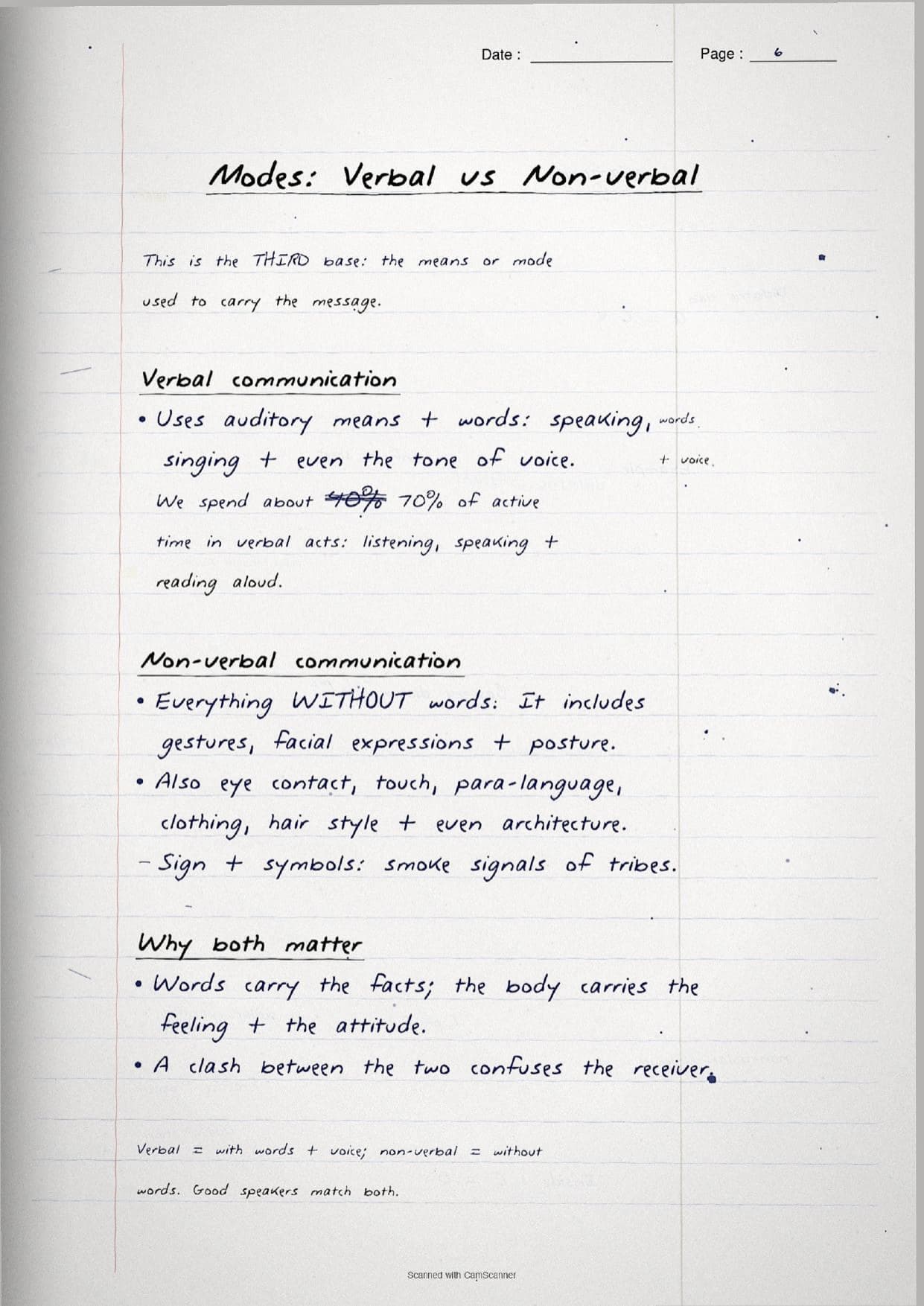
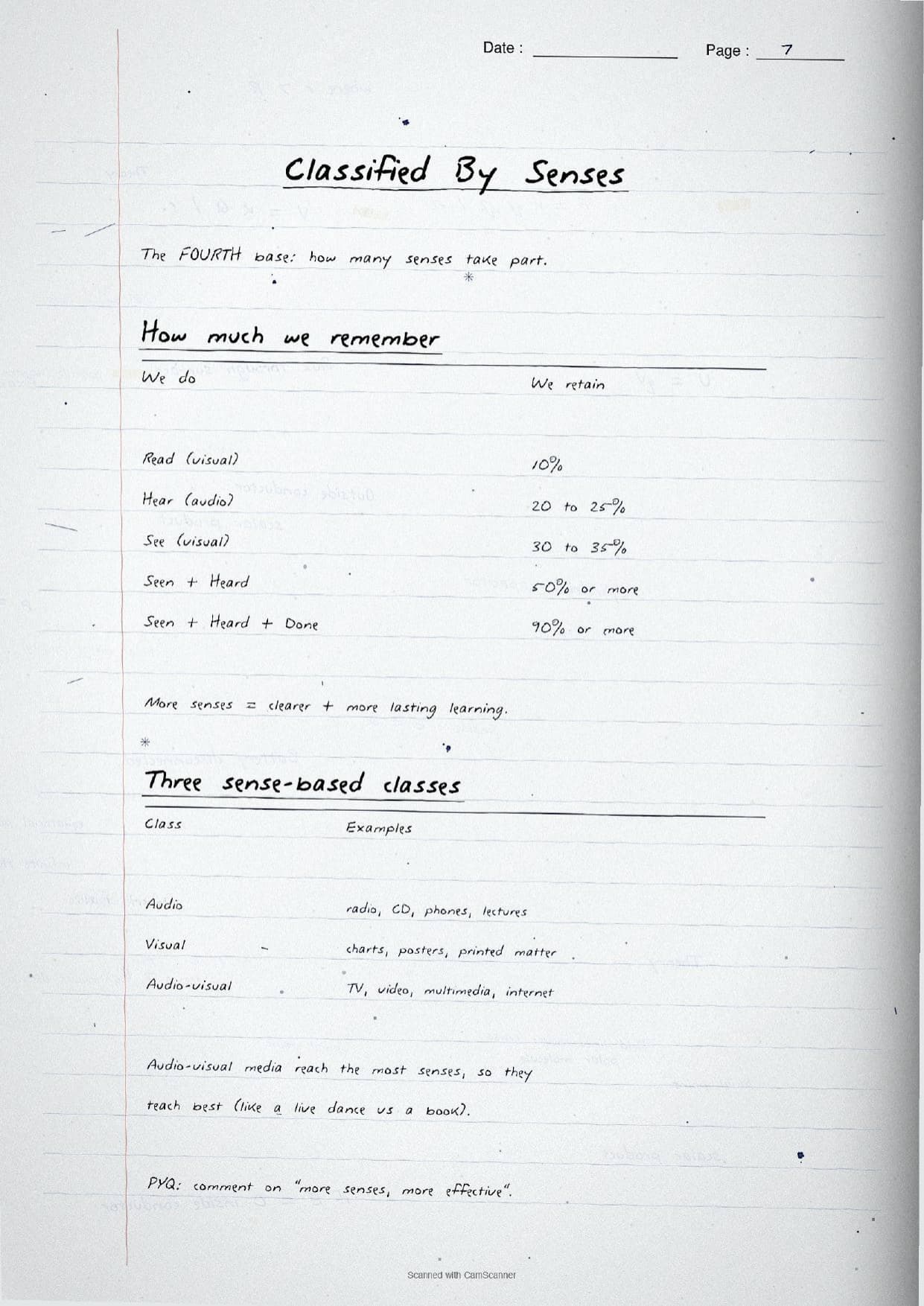
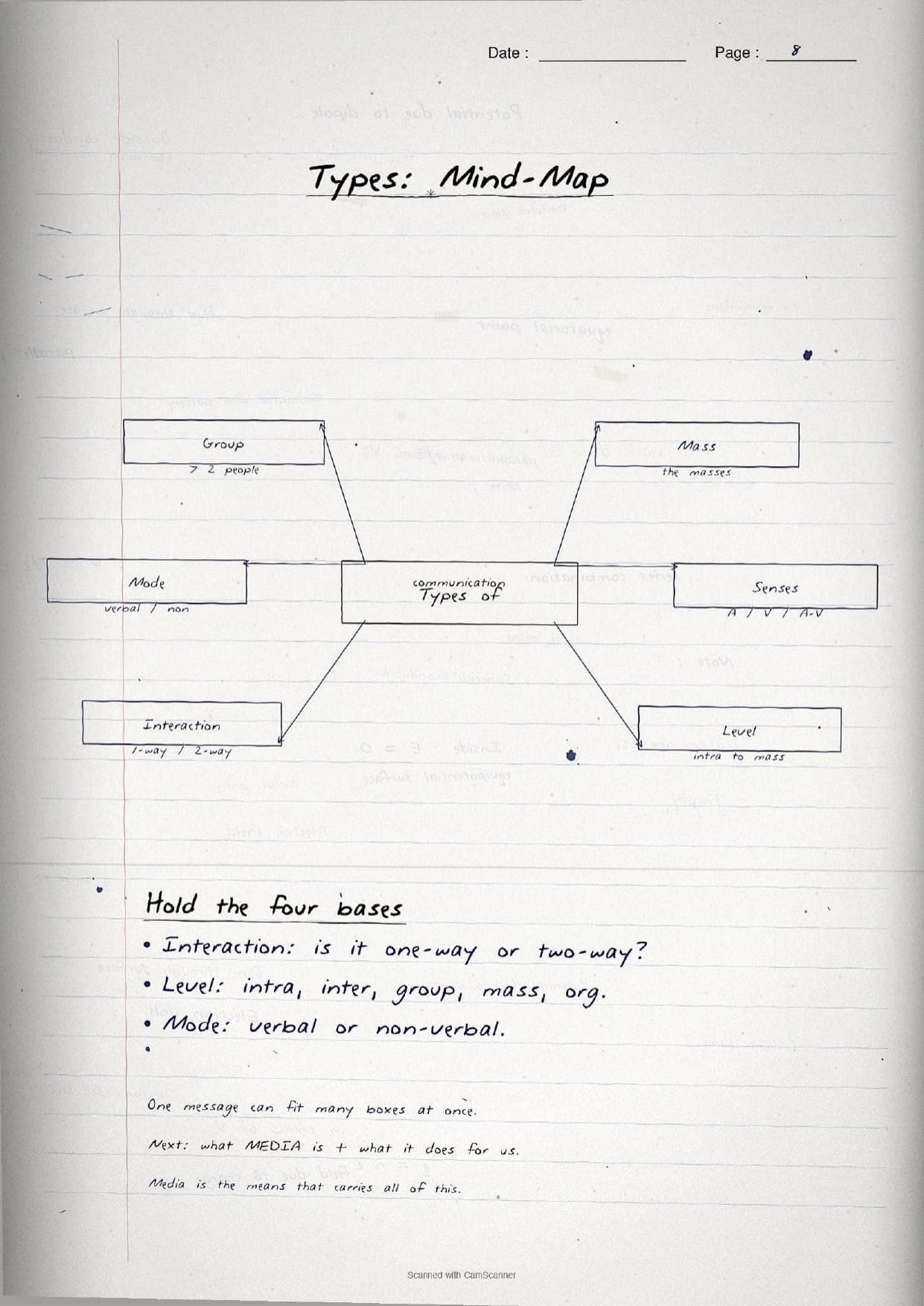
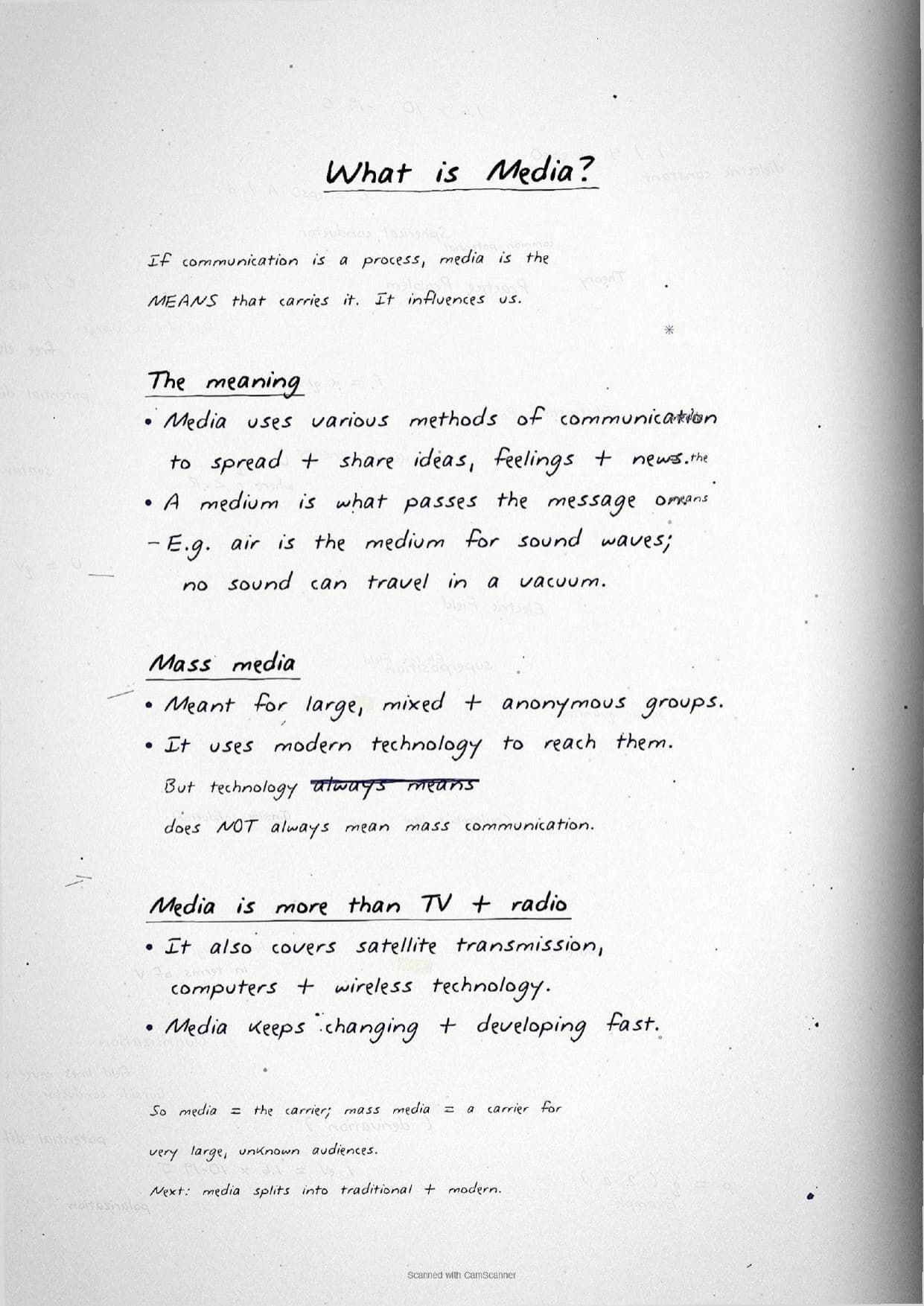
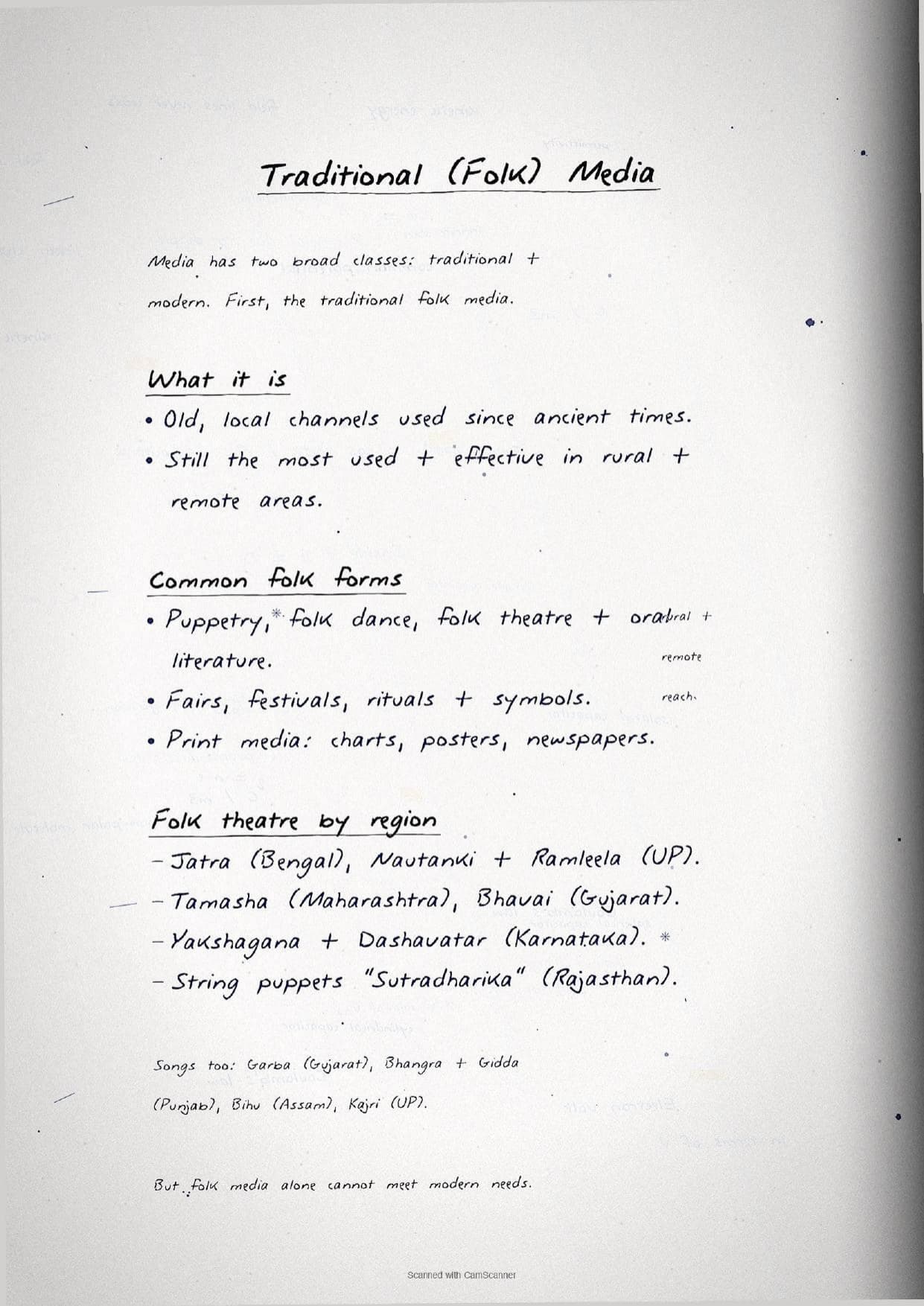
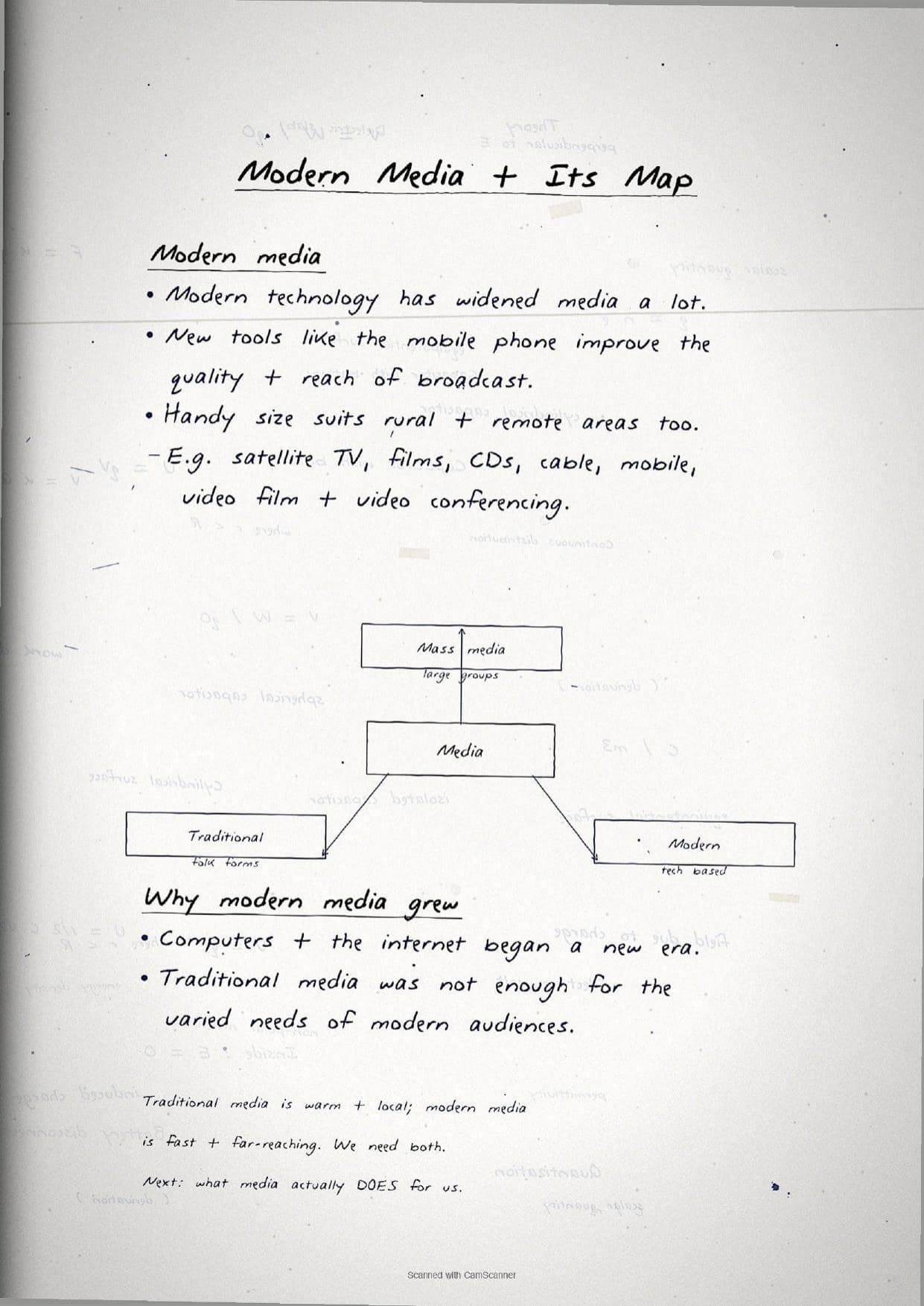
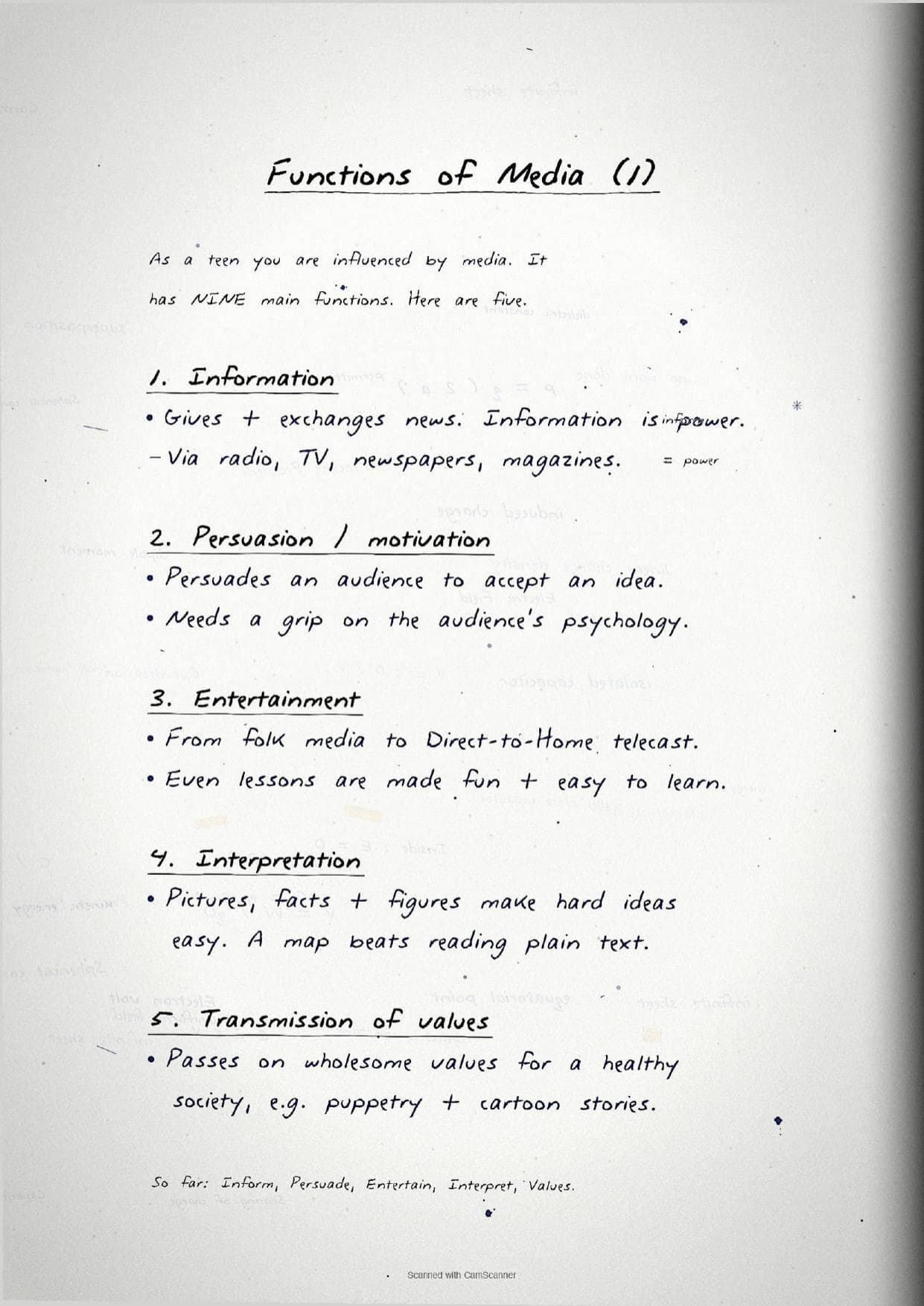
- Handwritten pages with boxed key terms, a labelled SMCRE process diagram, and mind-maps of communication types and media.
- This chapter of Class 11 Home Science links directly to daily gadget use, so it is high-scoring and easy to relate to.
- Pairs with the NCERT Solutions, Notes and Book PDF linked lower on this page.
These Media and Communication Technology handwritten notes are prepared from the official NCERT Home Science (Human Ecology and Family Sciences) textbook and checked against recent CBSE Class 11 question papers.
Student Feedback: In a Collegedunia poll of 4,640 Class 11 Home Science students, 78% of students said the handwritten SMCRE diagram helped them recall the six elements of the communication process and the nine functions of media faster than printed text, because the boxes and feedback arrows made the cycle stick.
Source: 2026-27 Class 11 Home Science student poll. Sample of 4,640 students from CBSE schools across 9 states.
What These Media and Communication Technology Handwritten Notes Contain
Media and Communication Technology is Chapter 6 of Class 11 Home Science. It explains what communication is, how the process works, the many types it takes, and how media and modern technology carry it to millions. These handwritten notes condense the chapter into handwritten pages that read like a topper's own notebook.
The notes are organised under three threads, each on its own set of pages:
- The process: the meaning of communication, the Latin root communis, its significance, and the SMCRE model with its six elements and noise.
- The types: one-way and two-way, intrapersonal to mass and organisational, verbal and non-verbal, and the classes based on senses.
- The media and tools: the meaning of media, traditional and modern classes, the nine functions of media, and communication technology with ICT.
Because the pages are handwritten, the key terms sit in boxes and arrows rather than long paragraphs. A student can flip through the media and communication technology class 11 pages in a few minutes and still pick up the process, the types and the functions before walking into the exam.
Concept of Communication and the SMCRE Process
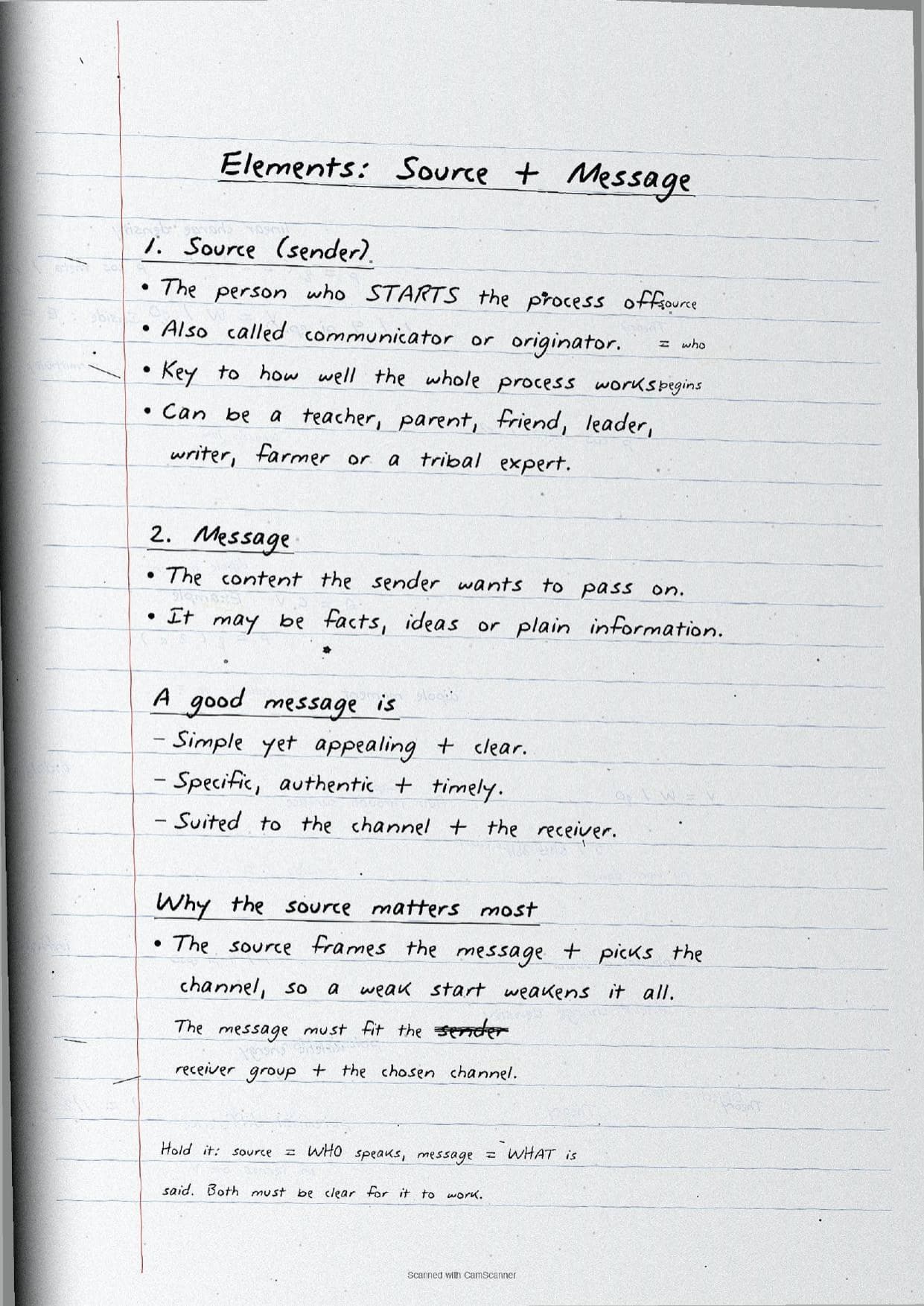
The opening pages settle what communication actually is. The word comes from the Latin word communis, which means common. So communication is not just talking; it is the process of sharing ideas, facts and feelings plus building a common understanding of the meaning by both sides. The notes box this idea and stress that it is a continuous process, not a single event, and that it is vital for human survival.
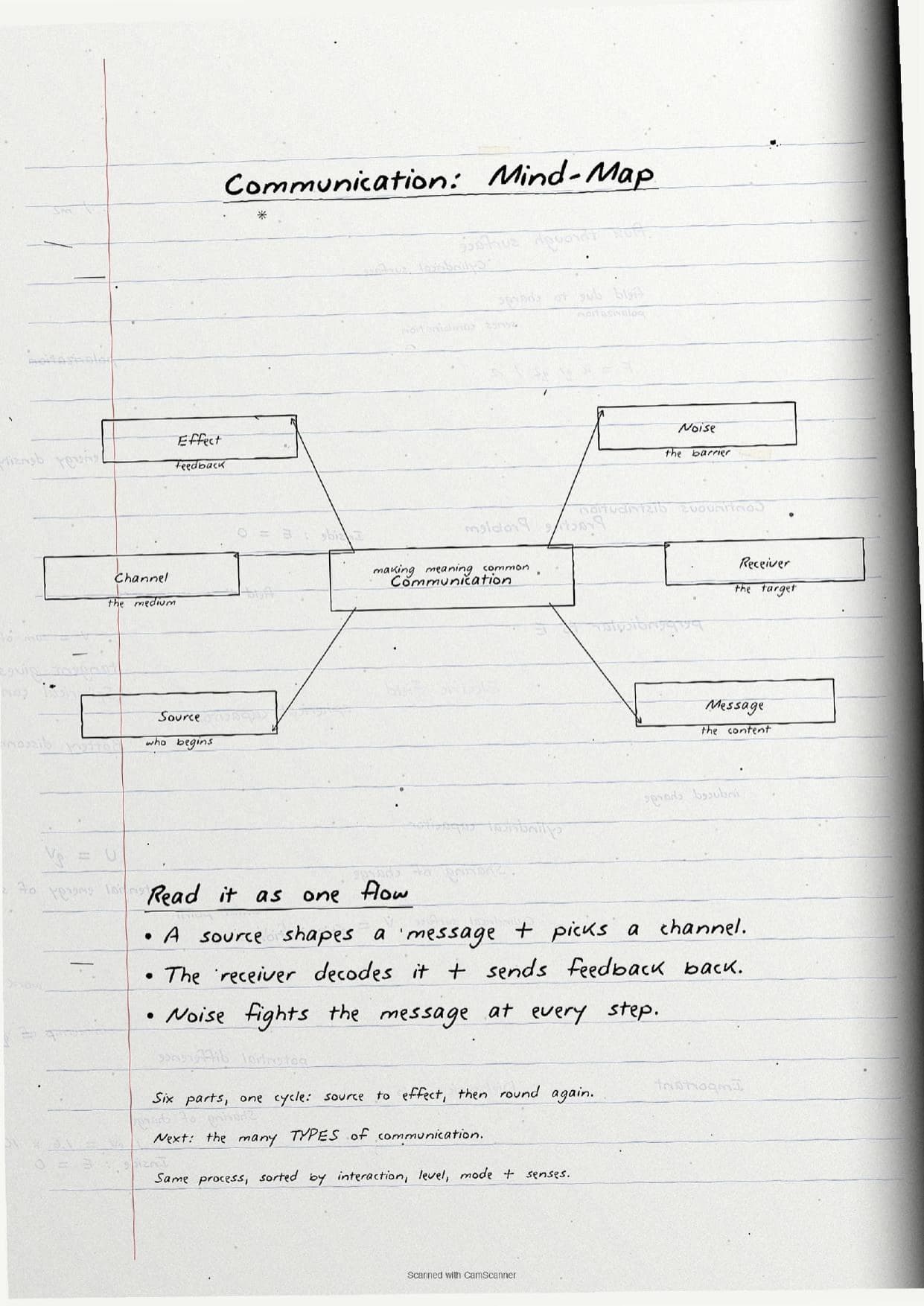
The middle pages draw the process as a cycle using the SMCRE model. The table below shows what the handwritten notes cover for each element.
| Element | What the page shows |
|---|---|
| Source (sender) | The person who starts the process; also called communicator or originator, and key to how well it works. |
| Message | The content passed on; it should be simple, clear, specific, authentic and timely. |
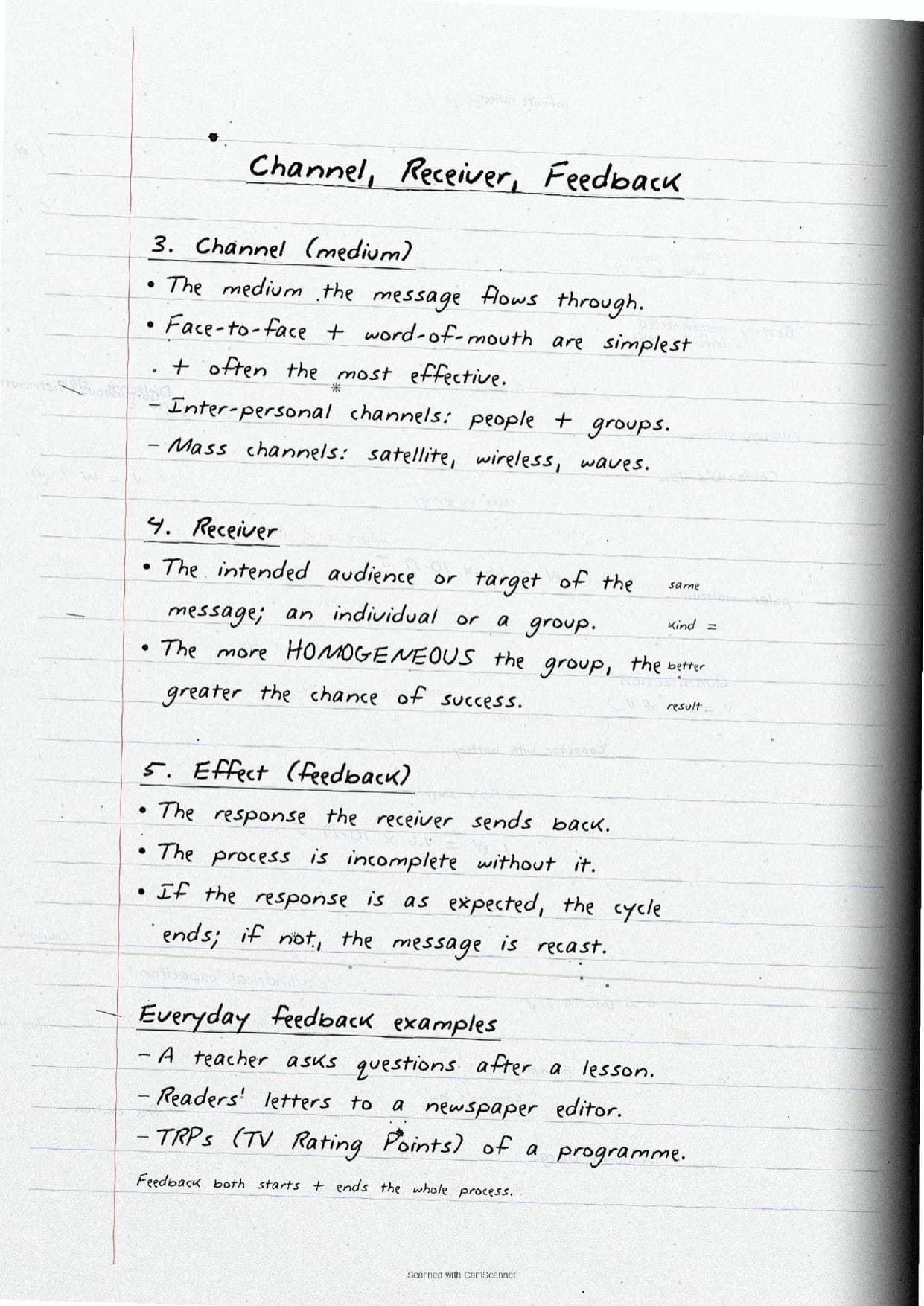
| Channel | The medium the message flows through, from face-to-face to satellite and waves. |
| Receiver | The target audience; the more homogeneous the group, the greater the chance of success. |
| Effect (feedback) | The response sent back; the process is incomplete without it. |
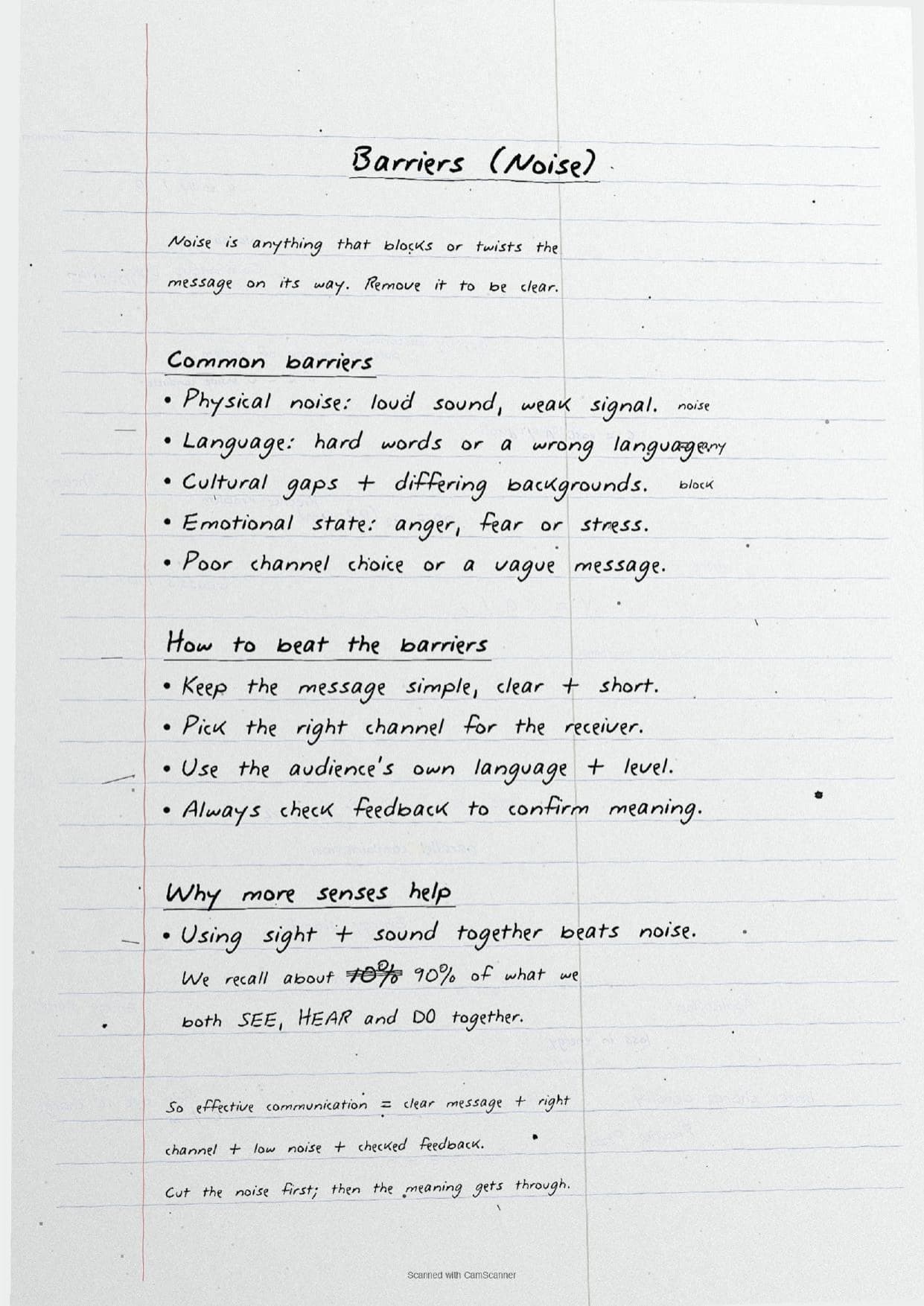
A separate box covers noise, which is anything that blocks or twists a message on its way, such as loud sound, hard words, cultural gaps or a stressed mood. The pages also carry the Lasswell question, who says what, to whom, in what manner and with what effect, as a quick way to map the whole process. A margin note reminds students that we recall about 90% of what we see, hear and do together, so using more senses beats the noise.
Types of Communication and Classes of Media
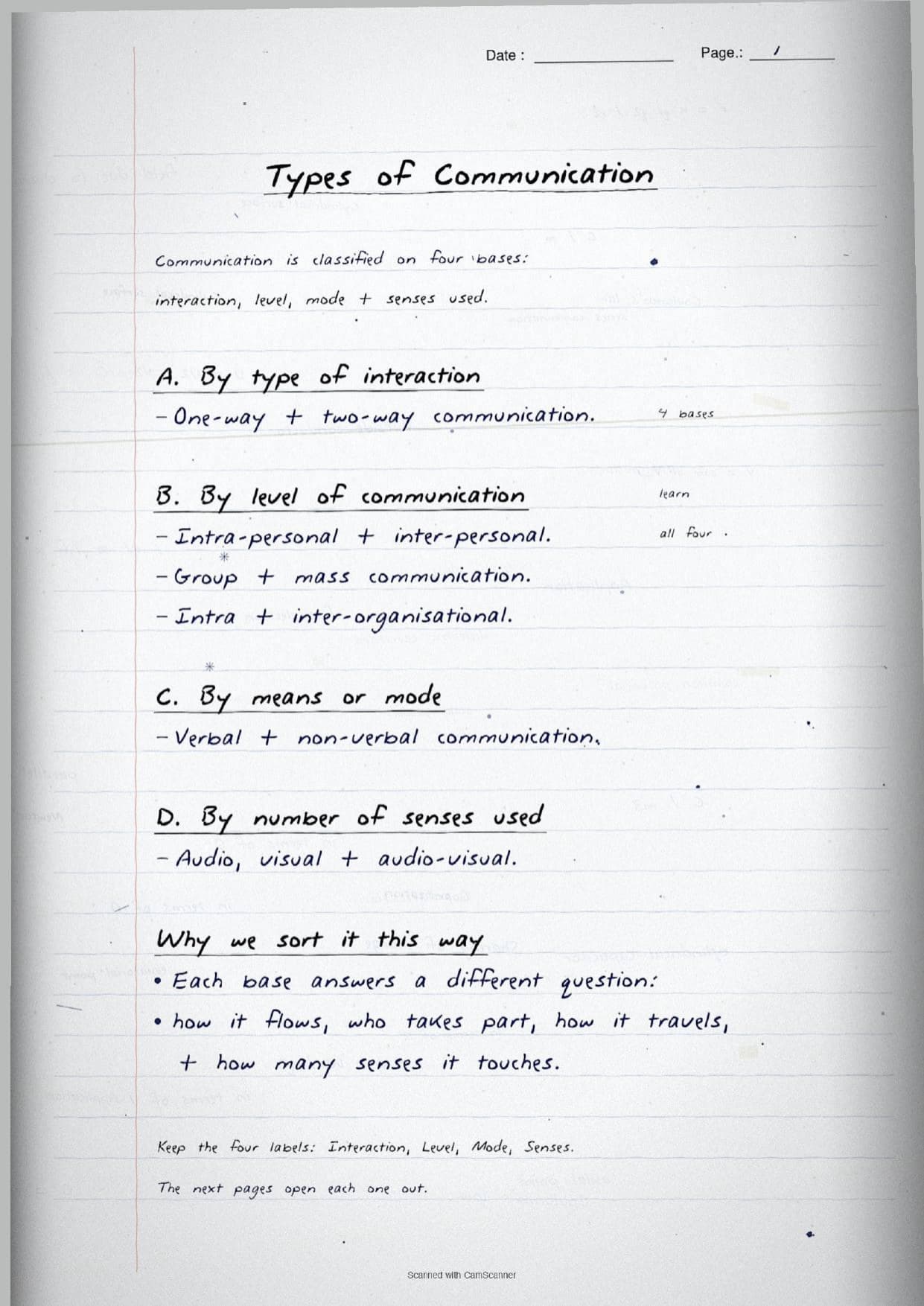
These pages sort communication on four bases: interaction, level, mode and the senses used. A clear mind-map keeps the four labels apart so students can name any example under the right head.
| Base | Types on the page |
|---|---|
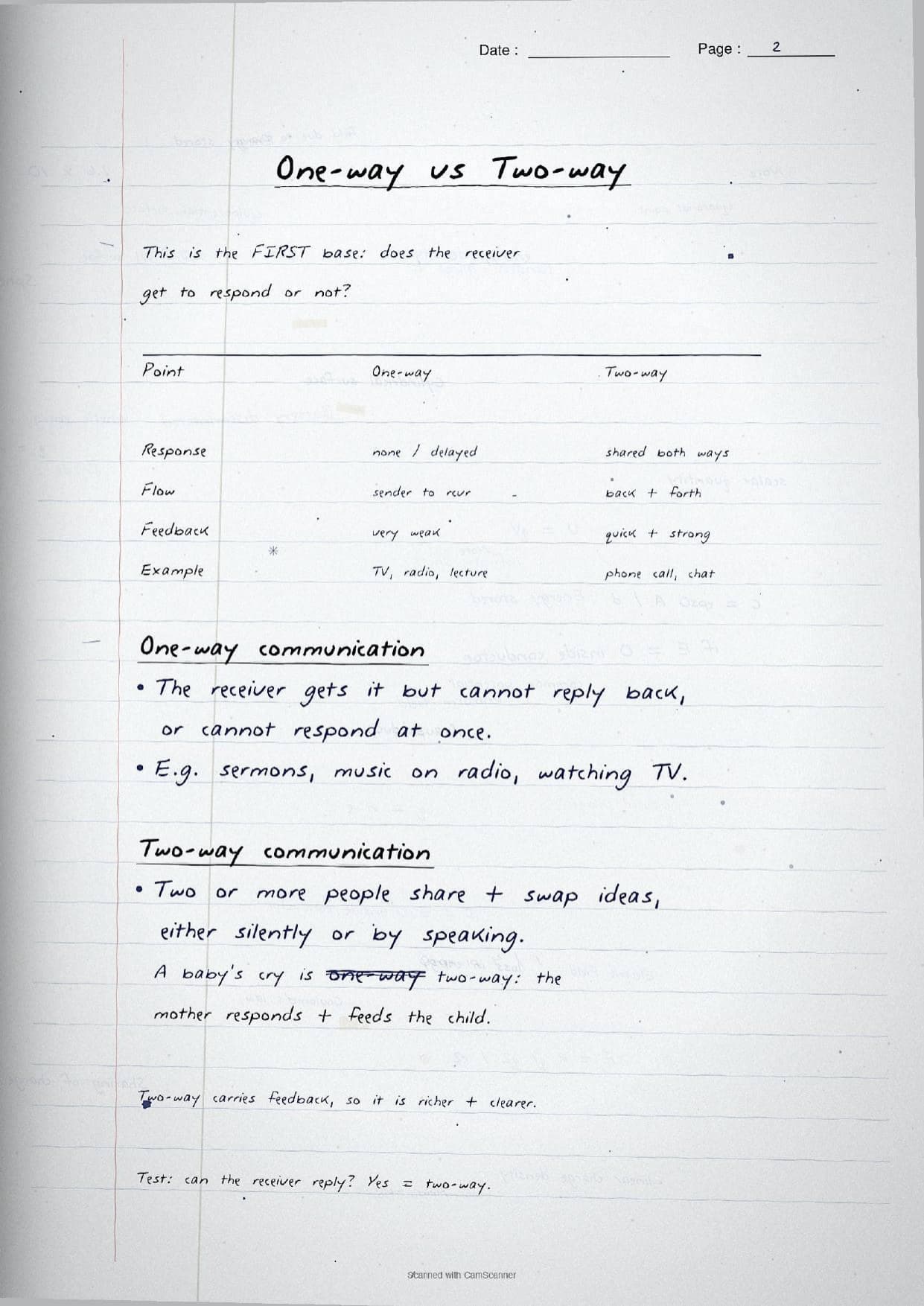
| Interaction | One-way (TV, radio, lecture) and two-way (phone call, chat) where the receiver can reply. |
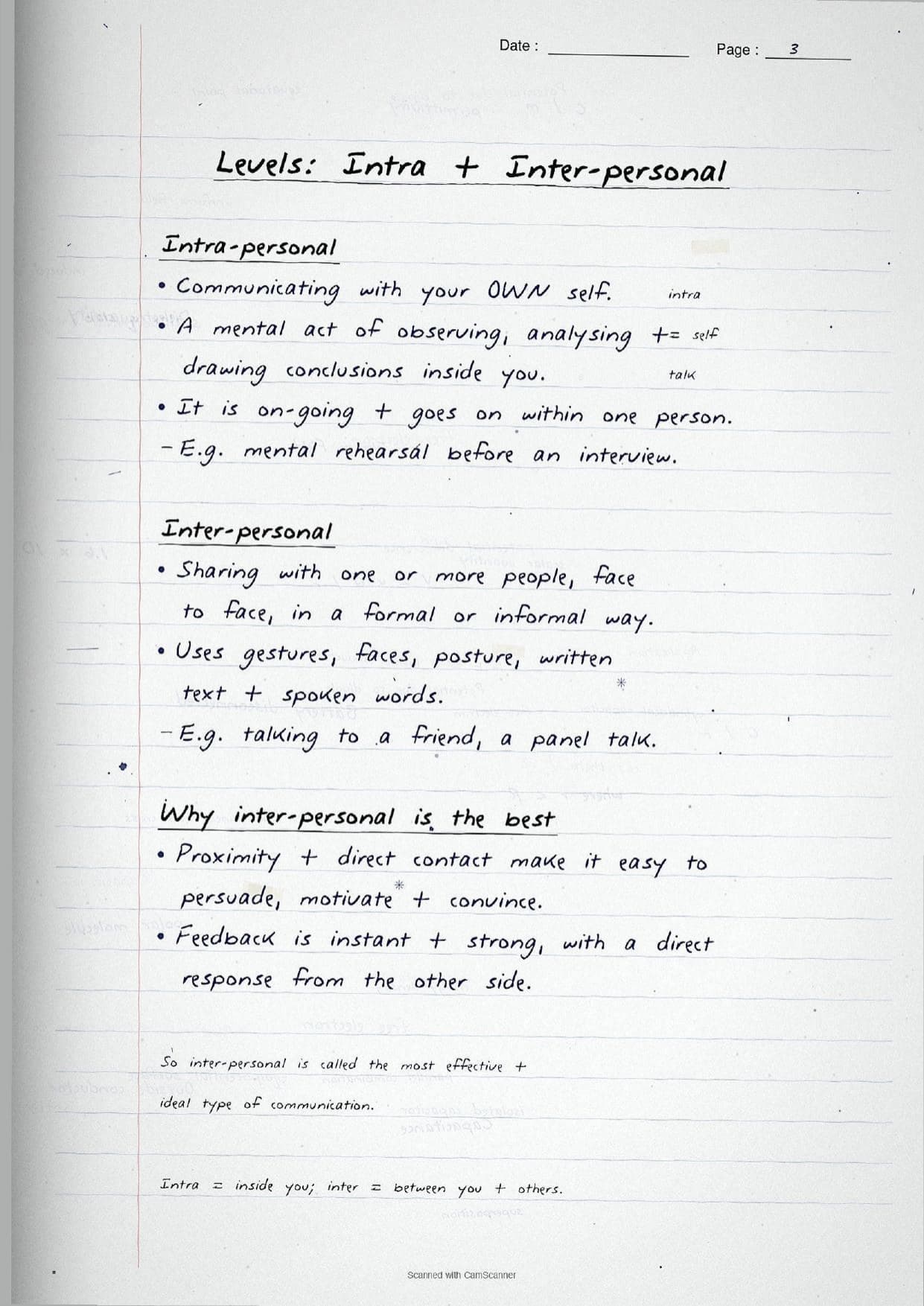
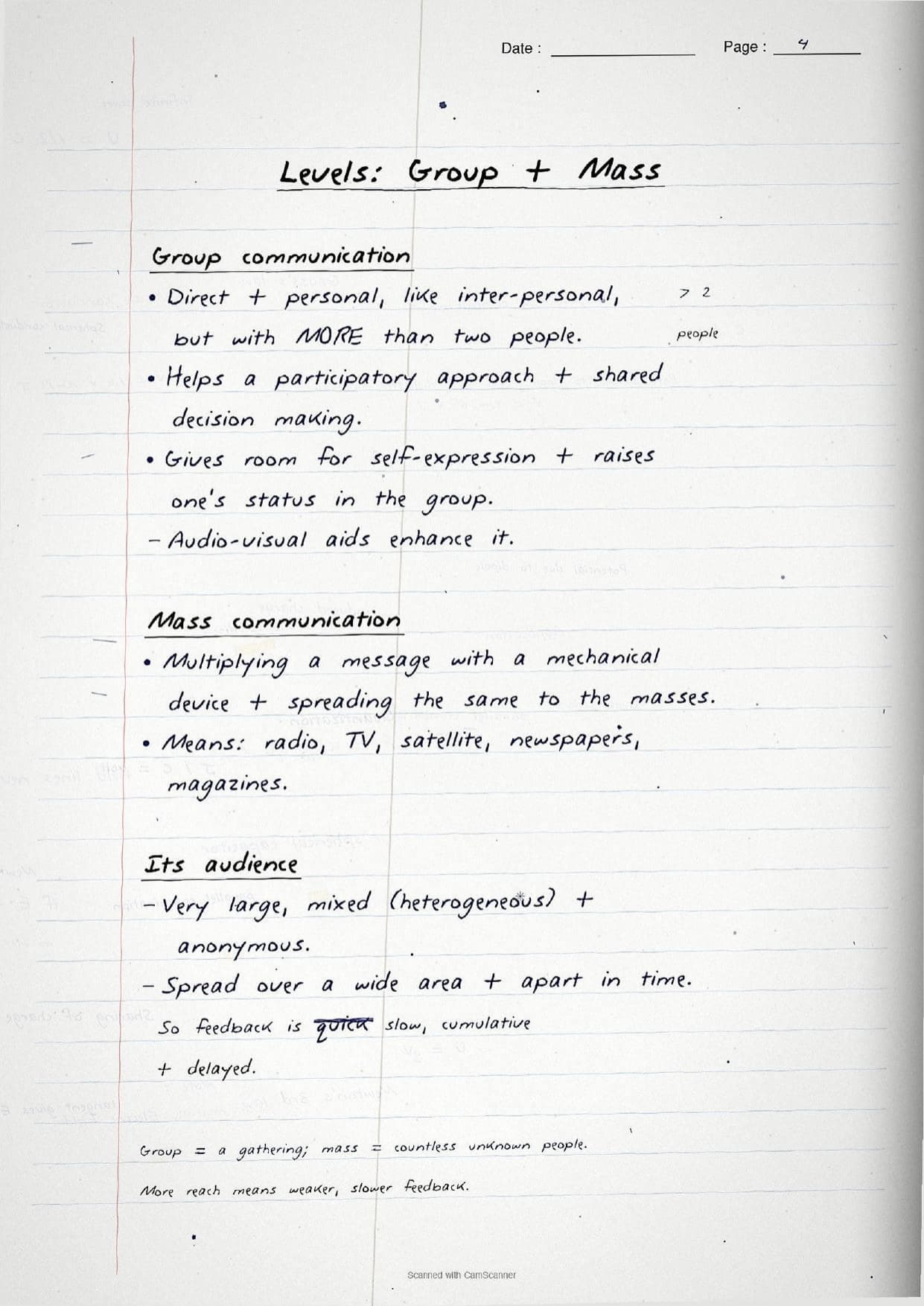
| Level | Intrapersonal, interpersonal, group, mass, and intra or inter-organisational. |
| Mode | Verbal (words and voice) and non-verbal (gestures, faces, posture, signs). |
| Senses | Audio, visual and audio-visual, the last reaching the most senses. |
The notes point out that interpersonal communication is the most effective type, because direct contact gives instant feedback, while mass communication reaches a large, mixed and anonymous audience with slower feedback. The later pages then turn to media, the means that carries communication. Media splits into two classes:
- Traditional (folk) media: old, local forms like puppetry, folk theatre such as Jatra, Nautanki and Tamasha, fairs, songs and print, still strong in rural and remote areas.
- Modern media: technology-based tools like satellite TV, films, cable, mobile phones, video film and video conferencing, which reach far and fast.
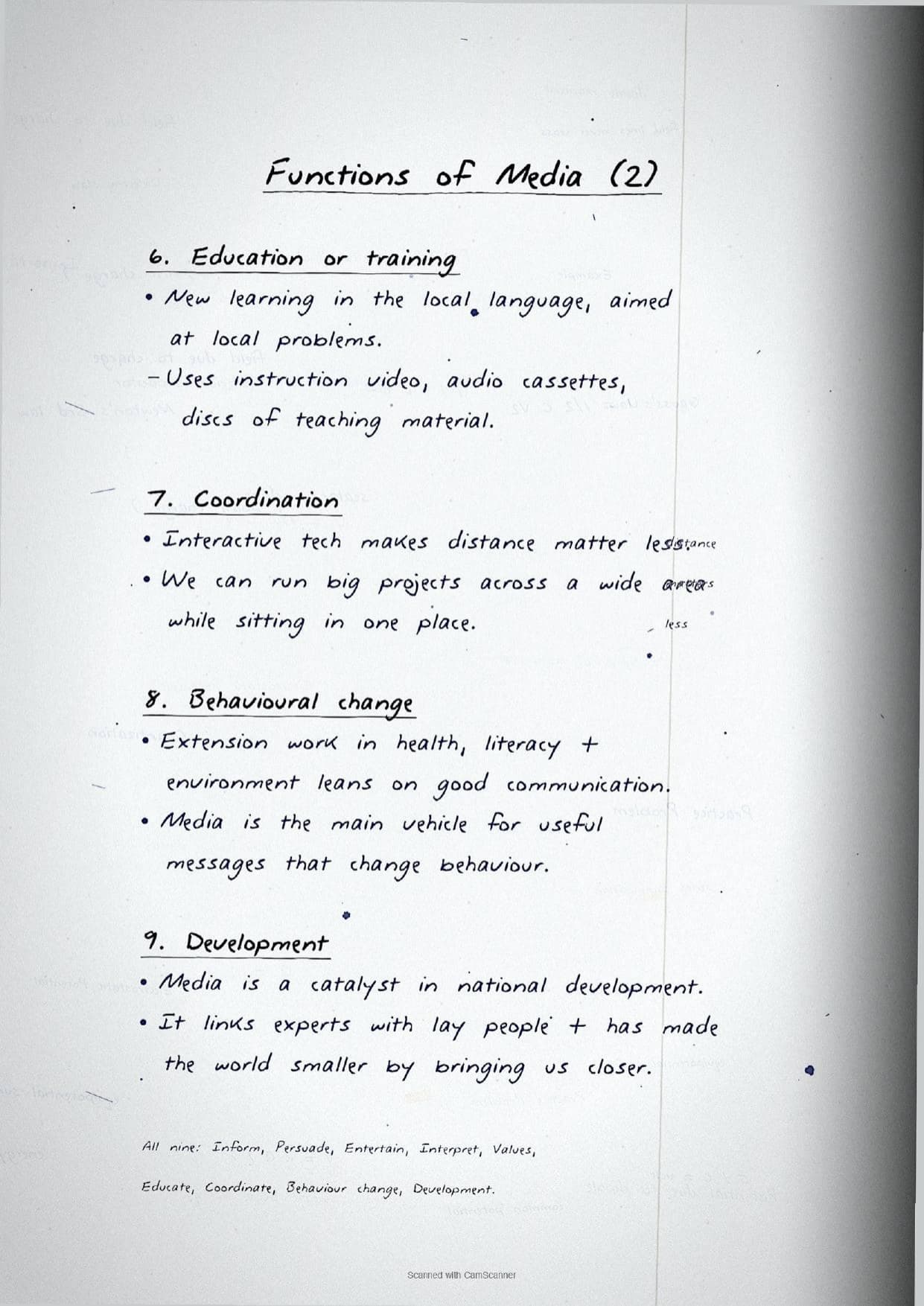
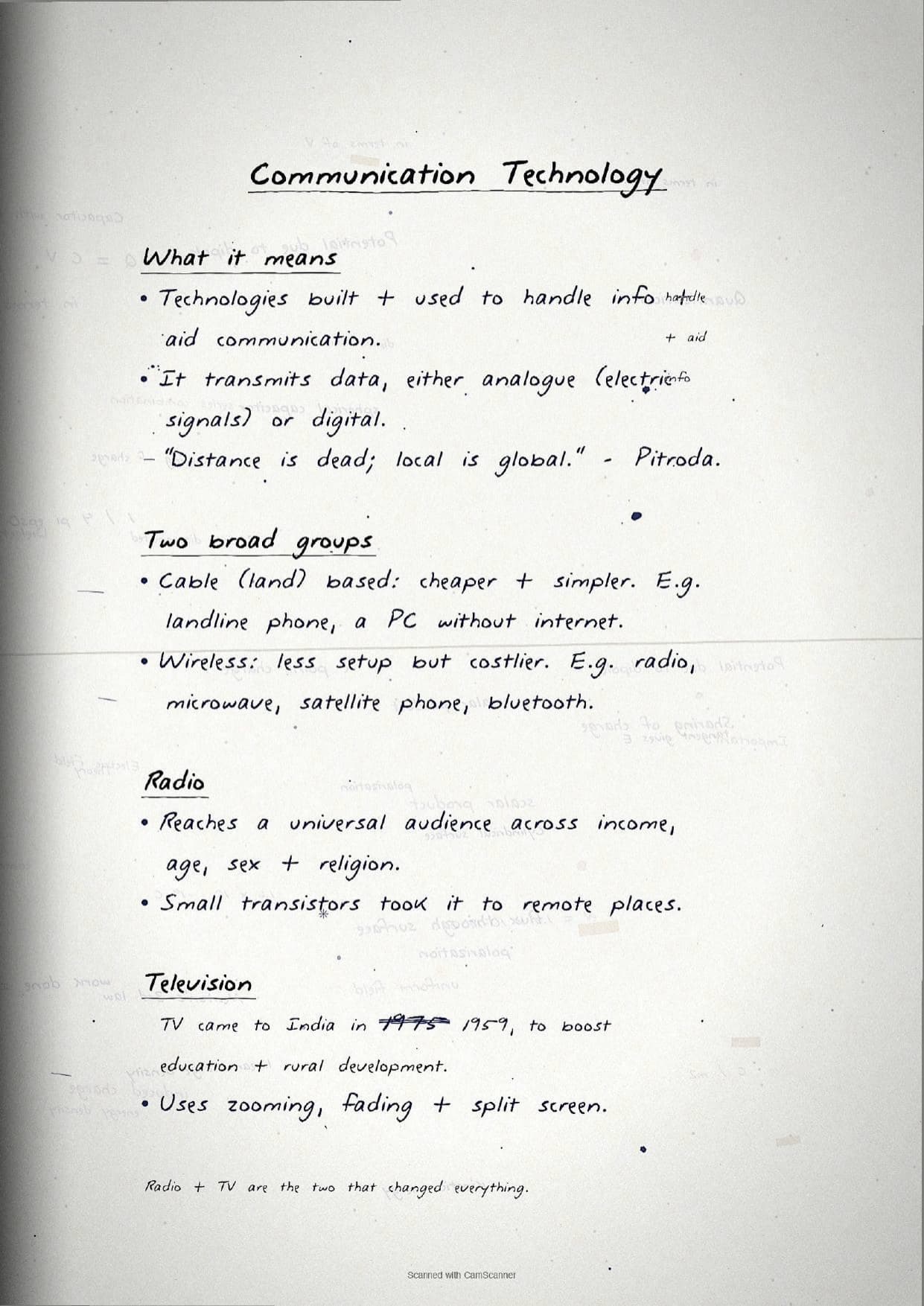
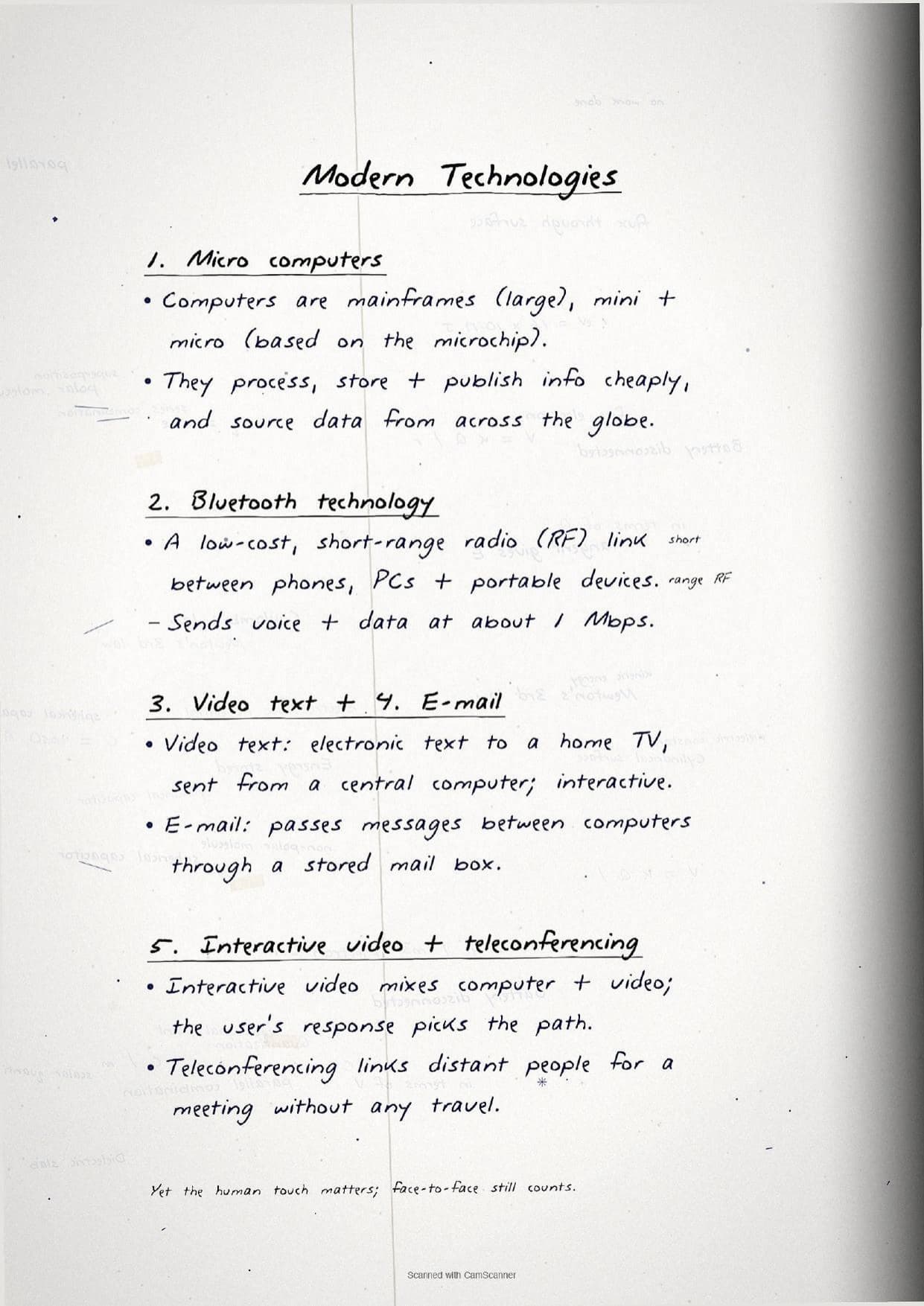
A boxed list captures the nine functions of media: inform, persuade, entertain, interpret, transmit values, educate, coordinate, change behaviour and drive development. The last pages cover communication technology and ICT, split into cable (land) based and wireless, with radio and television as the two tools that changed everything, plus modern tools like micro computers, Bluetooth, video text, e-mail, interactive video and teleconferencing. Because media influences adolescents most, the notes stress smart, aware use.
How to Use These Handwritten Notes
Handwritten notes work best as a final-revision tool, not a first read. The steps below show how to get the most out of the Media and Communication Technology handwritten notes in the last days before a test.
- Download: tap the download card above to save the handwritten pages to your device.
- First read: read the printed Notes once so the handwritten pages act as a refresher, not a first source.
- Recall drill: cover the page and try to draw the SMCRE cycle and list the nine functions from memory.
- Night before: flip through the boxed mind-maps for a quick last-minute recall of the types of communication and the classes of media.
Many students search for class 11 home science chapter 6 notes on their phone the night before a test, so a saved set of handwritten pages means they can revise offline. Students should use the handwritten notes for speed, then check the solutions to confirm the answer points are right.
Common Mistakes These Notes Help You Avoid
A few errors cost marks every year. The handwritten notes flag each one in the margin so students can fix it before the exam. These five are the most common.
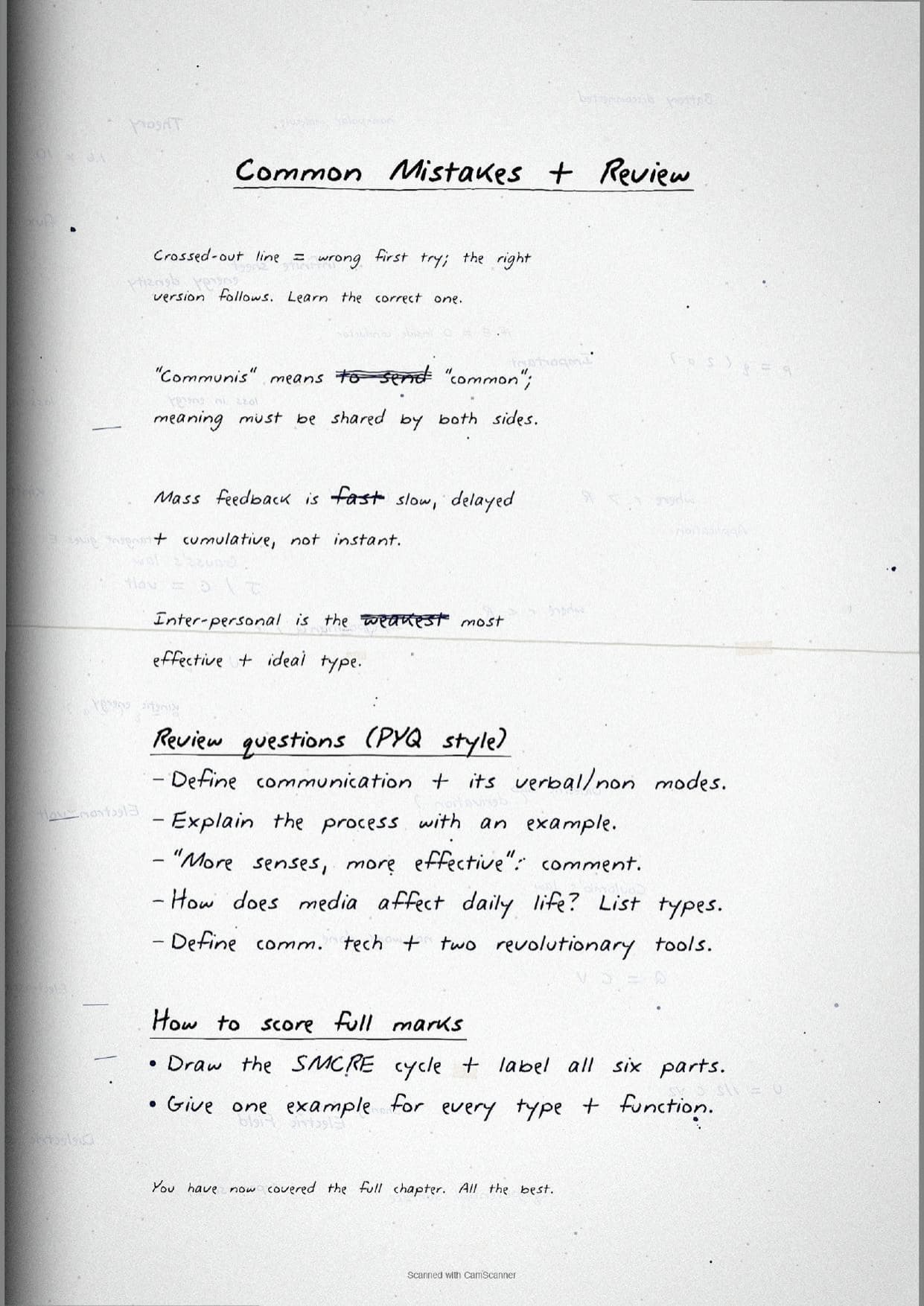
- Mistaking the root word. Communis means common, not "to send"; the meaning must be shared by both sides.
- Saying mass feedback is fast. It is slow, delayed and cumulative, not instant like interpersonal feedback.
- Calling interpersonal the weakest type. It is the most effective and ideal type because of direct contact.
- Dropping an element or a function. The exam expects all six SMCRE elements and all nine functions of media.
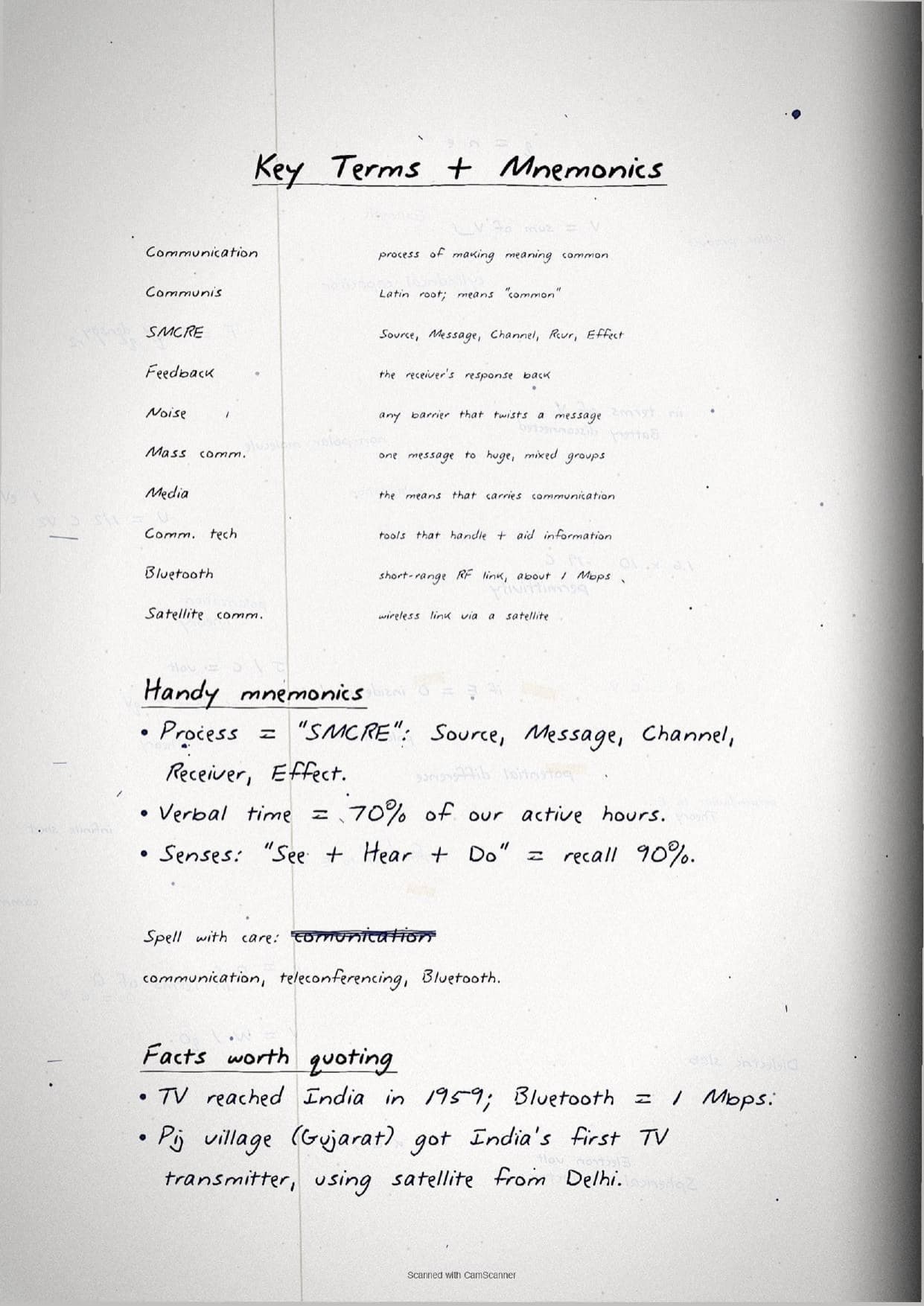
- Wrong facts. Television reached India in 1959, and Bluetooth sends data at about 1 Mbps.
Students who fix these five points usually move from average to high marks. The handwritten notes box the SMCRE cycle and list every type and function in full, so the soft points are hard to miss during revision.
How These Handwritten Notes Pair with the Solutions and Book PDF
These handwritten notes are a fast revision tool. To prepare fully, students should use them alongside the other resources for the same chapter, all linked in the table below. Read the printed Notes, test yourself with the solutions, then use these pages for a final recall.
| Resource | Best used for |
|---|---|
| Media and Communication Technology NCERT Solutions | Step-by-step answers to all the review questions |
| Media and Communication Technology Class 11 Notes | Quick chapter summary with the process, types and functions in one place |
| Media and Communication Technology NCERT Book PDF | Reading the original NCERT chapter text and figures |
Tip: read the printed Notes first, then attempt the solutions, and keep these handwritten pages for the final night-before flip. Using them for recall, not for the first read, builds memory faster.
All Class 11 Home Science Handwritten Notes by Chapter
The table links the handwritten notes for every chapter in Class 11 Home Science, so students can move across the course in one click. Media and Communication Technology is highlighted.
| Chapter | Handwritten Notes |
|---|---|
| Chapter 1 | Human Ecology and Family Sciences |
| Chapter 2 | Understanding the Self |
| Chapter 3 | Food, Nutrition, Health and Fitness |
| Chapter 4 | Management of Resources |
| Chapter 5 | Fabrics Around Us |
| Chapter 6 | Media and Communication Technology |
| Chapter 7 | Concerns and Needs in Diverse Contexts |
| Chapter 8 | Nutrition, Health and Well-being |
| Chapter 9 | Our Apparel |
| Chapter 10 | Financial Management and Planning |
| Chapter 11 | Care and Maintenance of Fabrics |
FAQs on Media and Communication Technology Handwritten Notes
Media and Communication Technology Class 11 Home Science Handwritten Notes Common Questions
Ques. Where can I download the Media and Communication Technology handwritten notes PDF?
Ans. You can download the Media and Communication Technology Class 11 Home Science handwritten notes PDF directly from this page. It is free, follows the 2026-27 NCERT, and presents the communication process, the types, the classes of media and the nine functions as handwritten pages.
Ques. What is communication in Class 11 Home Science Chapter 6?
Ans. Communication is the process of sharing ideas, facts and feelings and building a common understanding of the meaning by both sides. The word comes from the Latin communis, meaning common. The handwritten notes box this definition and draw the SMCRE process as a cycle.
Ques. What topics do these handwritten notes cover?
Ans. They cover the meaning and significance of communication, the SMCRE process with its six elements and noise, the types of communication by interaction, level, mode and senses, the meaning and classes of media, the nine functions of media, communication technology and ICT, radio and television, and the role of media on adolescents.
Ques. Are handwritten notes good for revising Class 11 Home Science Chapter 6?
Ans. Yes. Handwritten notes are best for fast, last-minute revision because the boxed key terms, the SMCRE diagram and the mind-maps make the ideas easy to skim. Students should use them after a first read of the printed Notes, not as their only source.
Ques. How should I use these notes with the other resources?
Ans. Read the printed Notes first, test yourself with the NCERT Solutions, then keep these handwritten pages for the final night-before flip. Using them for recall rather than the first read builds memory faster.



Comments