




About 5 to 7 marks per CBSE Social Science board paper come from Agriculture, Chapter 4 of Contemporary India II.
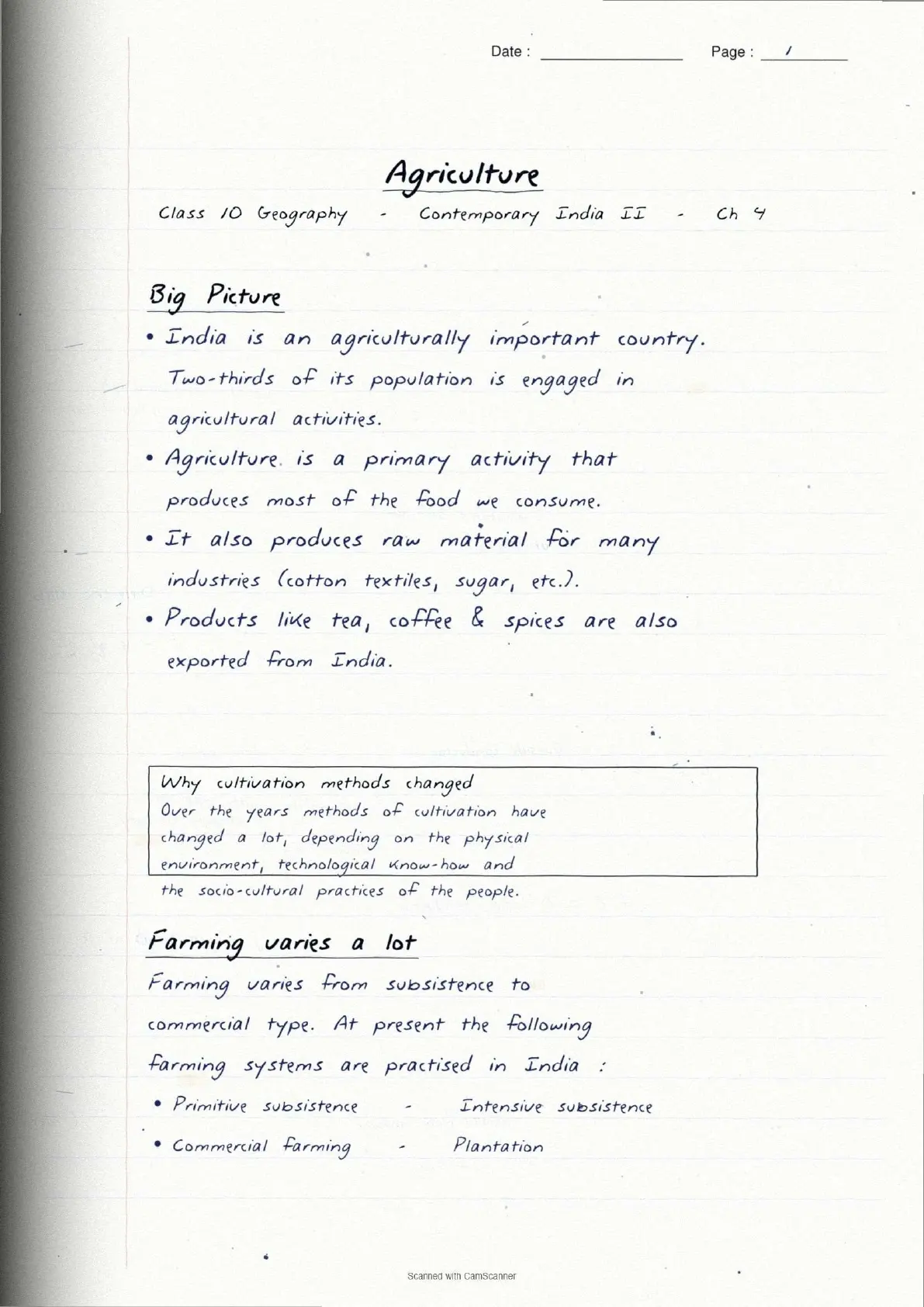
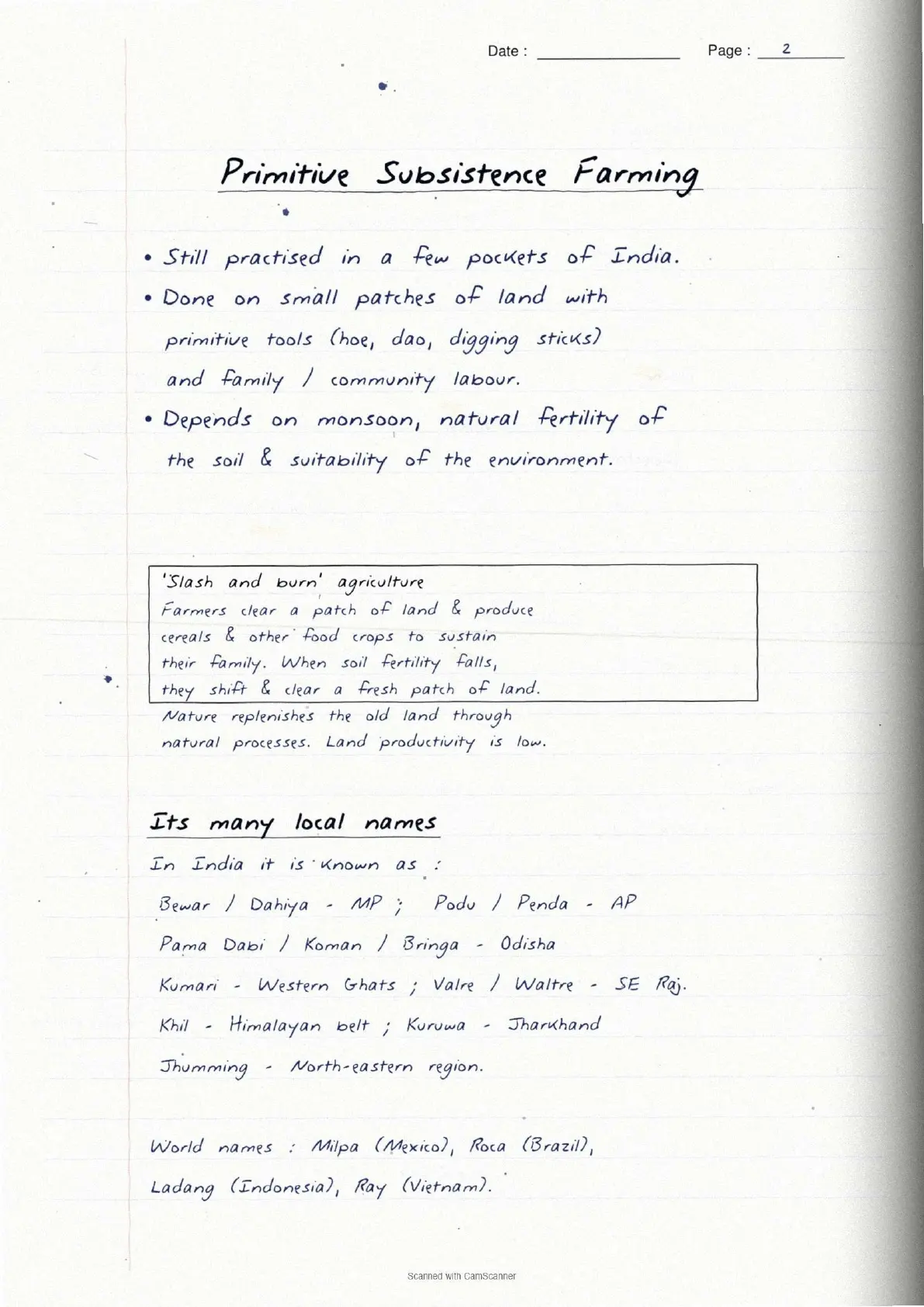
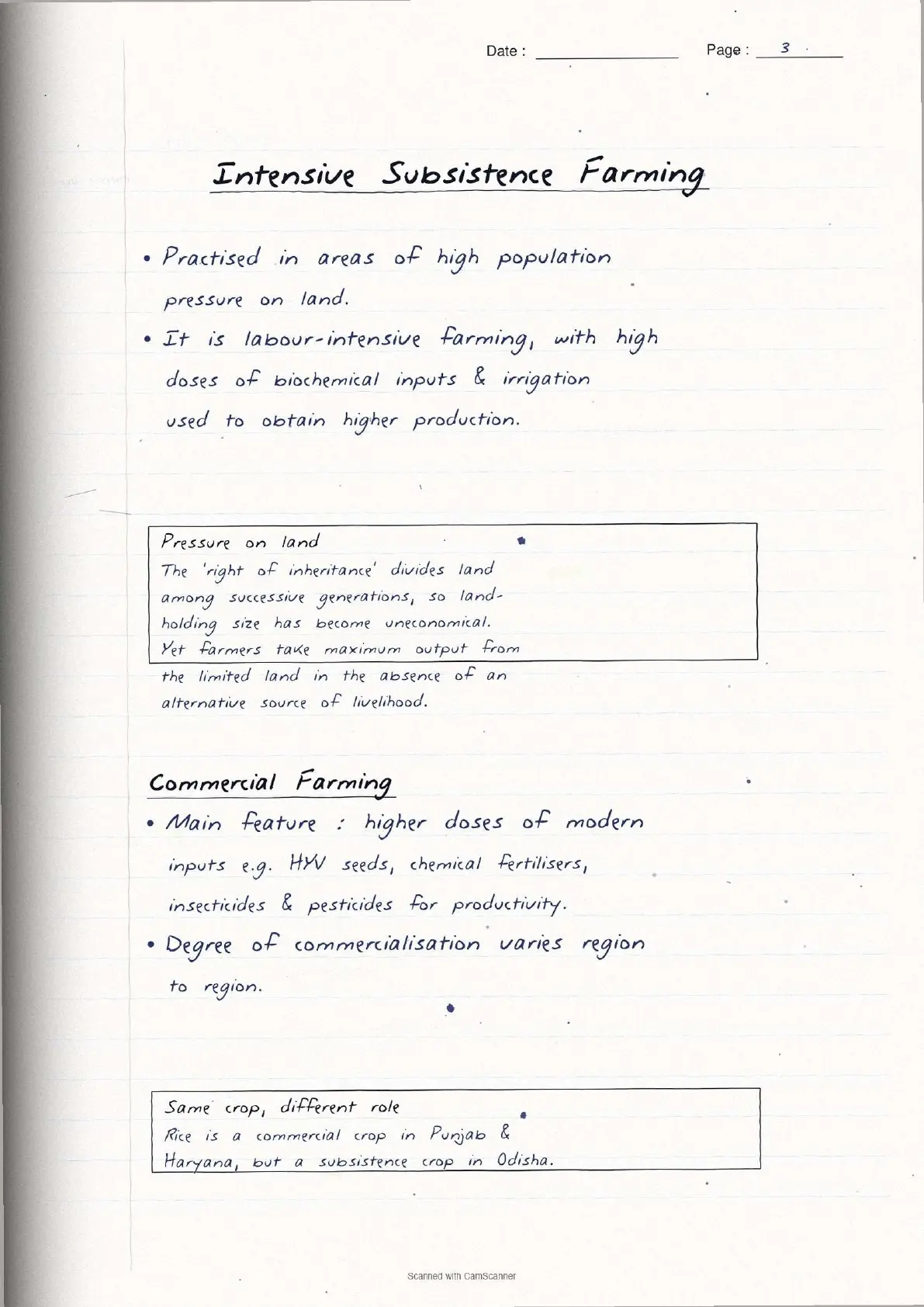
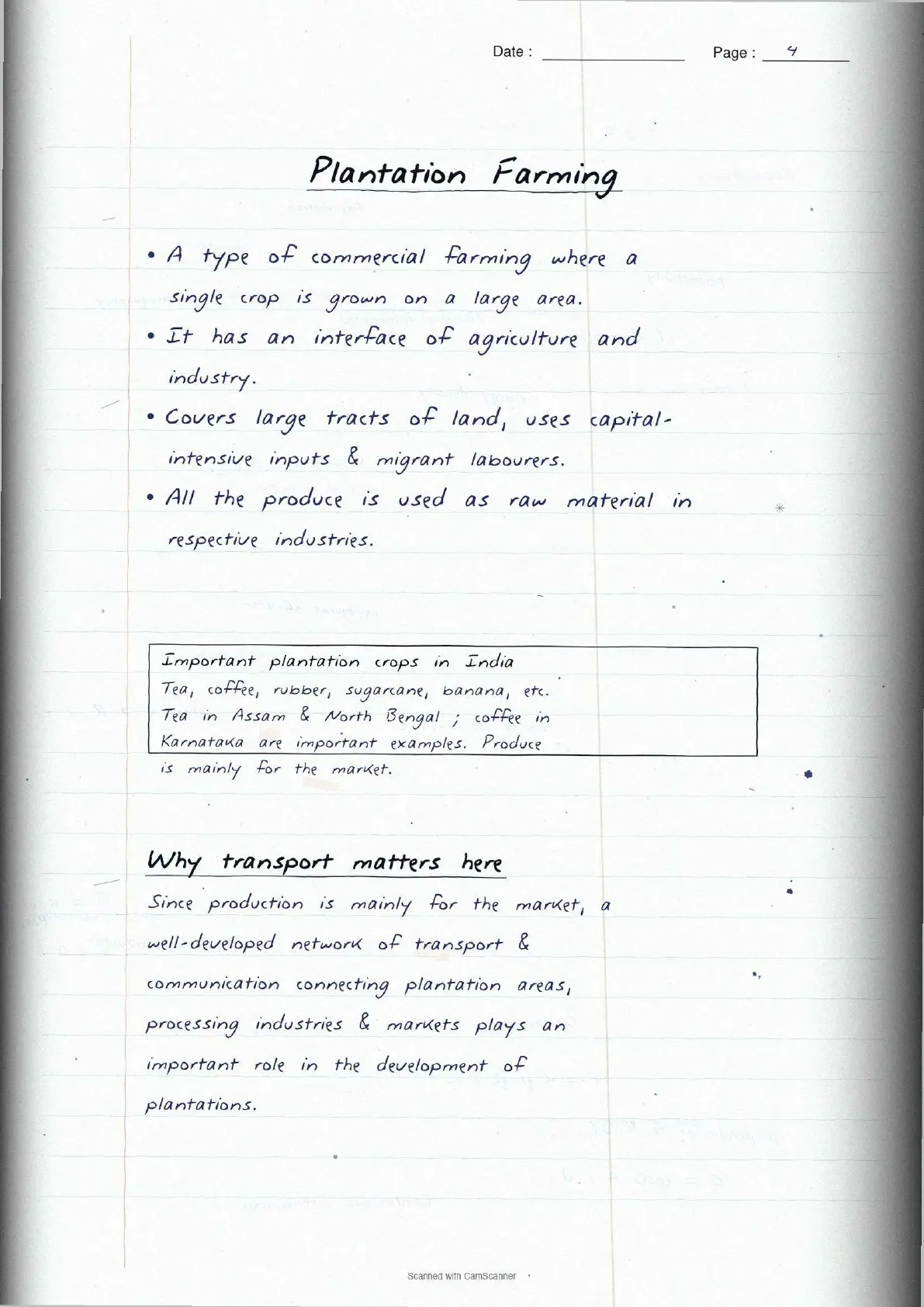
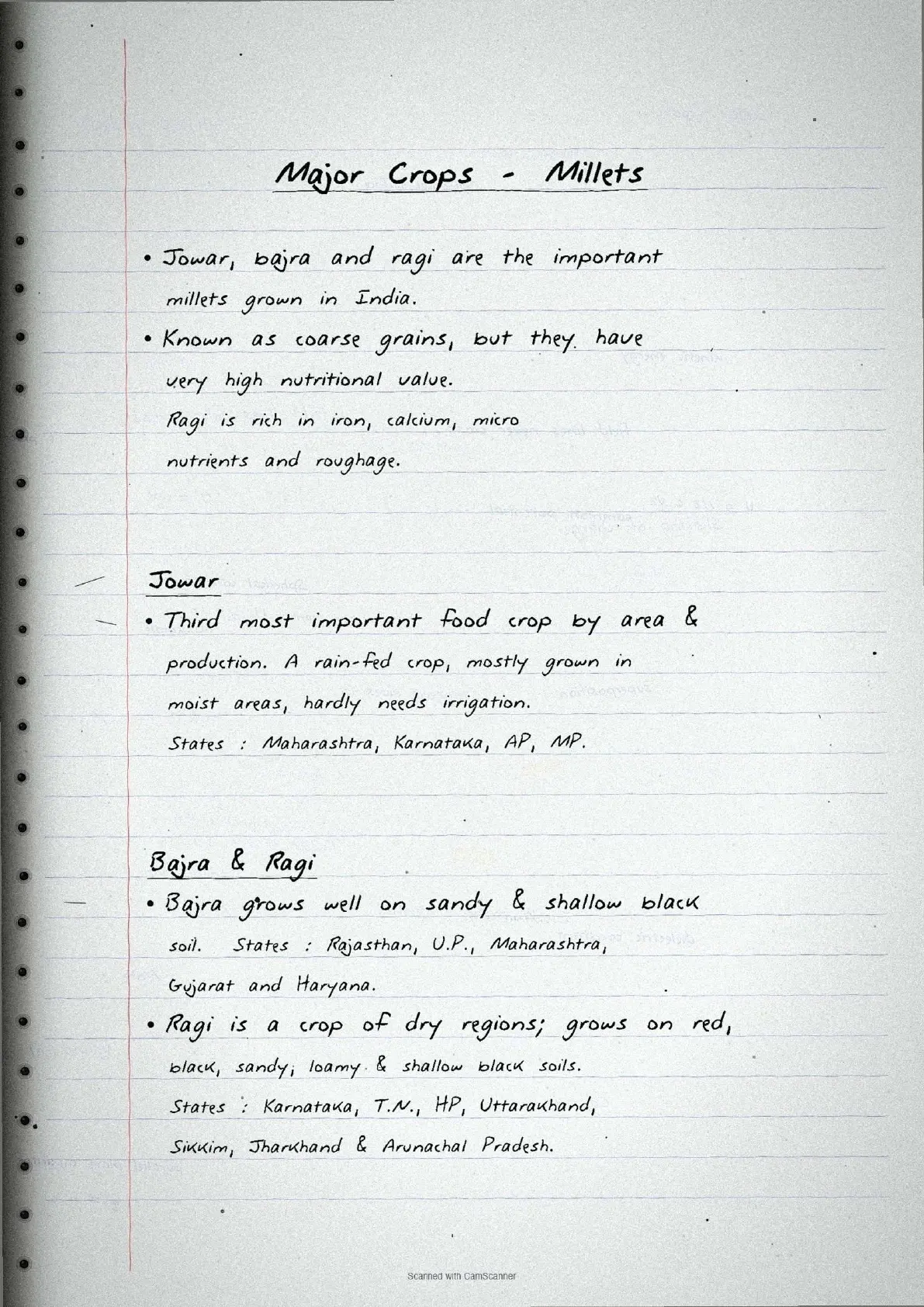
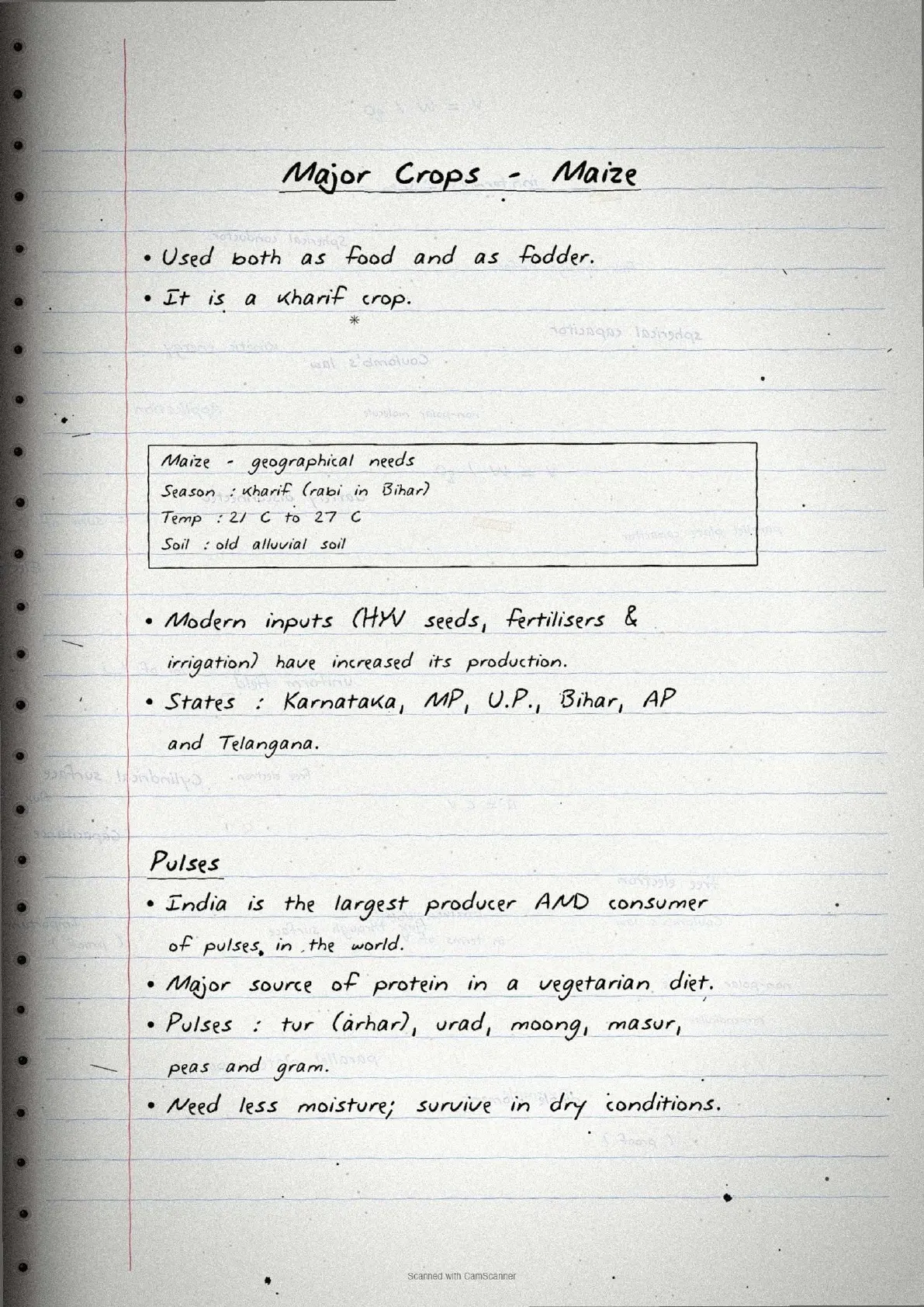
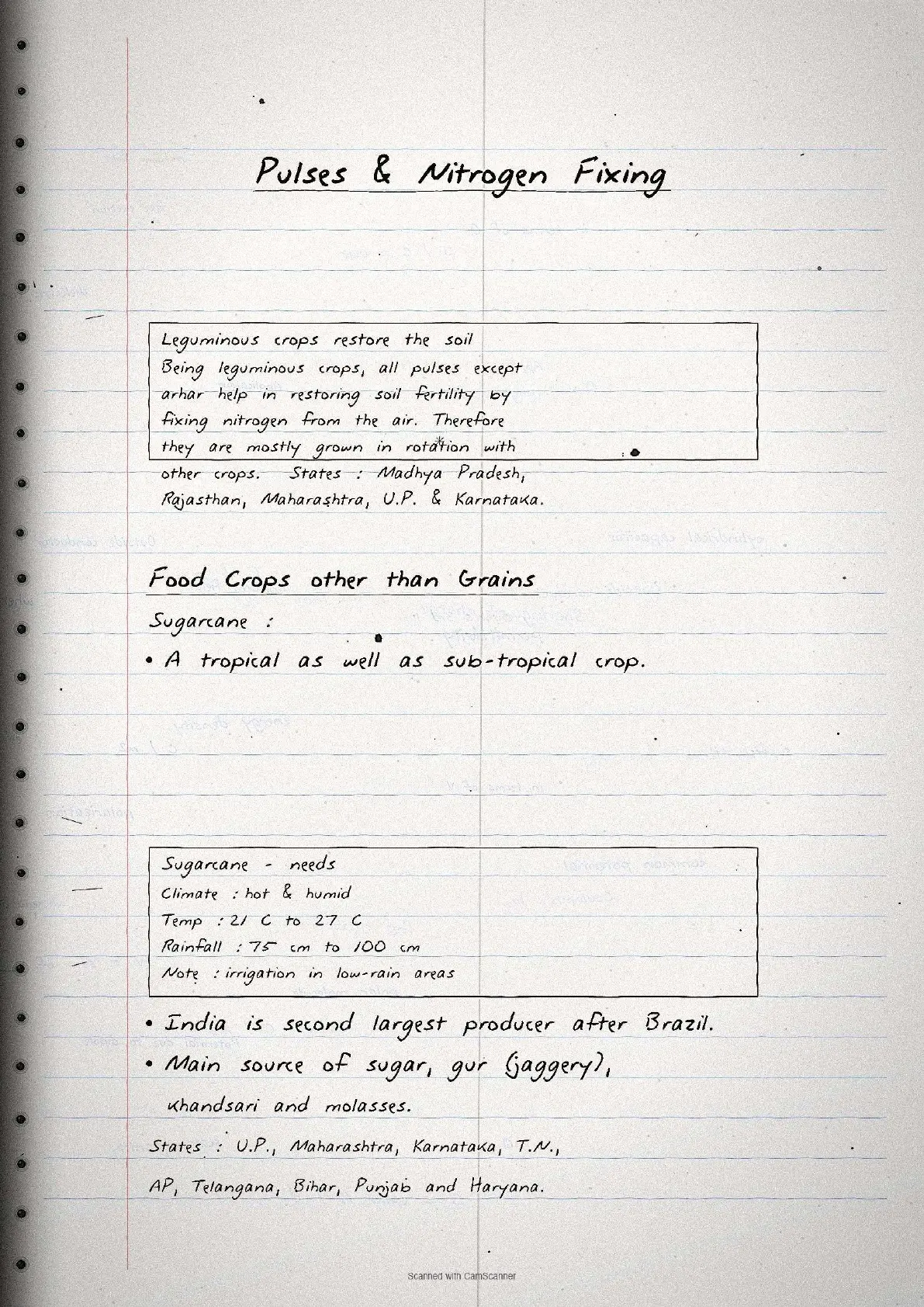
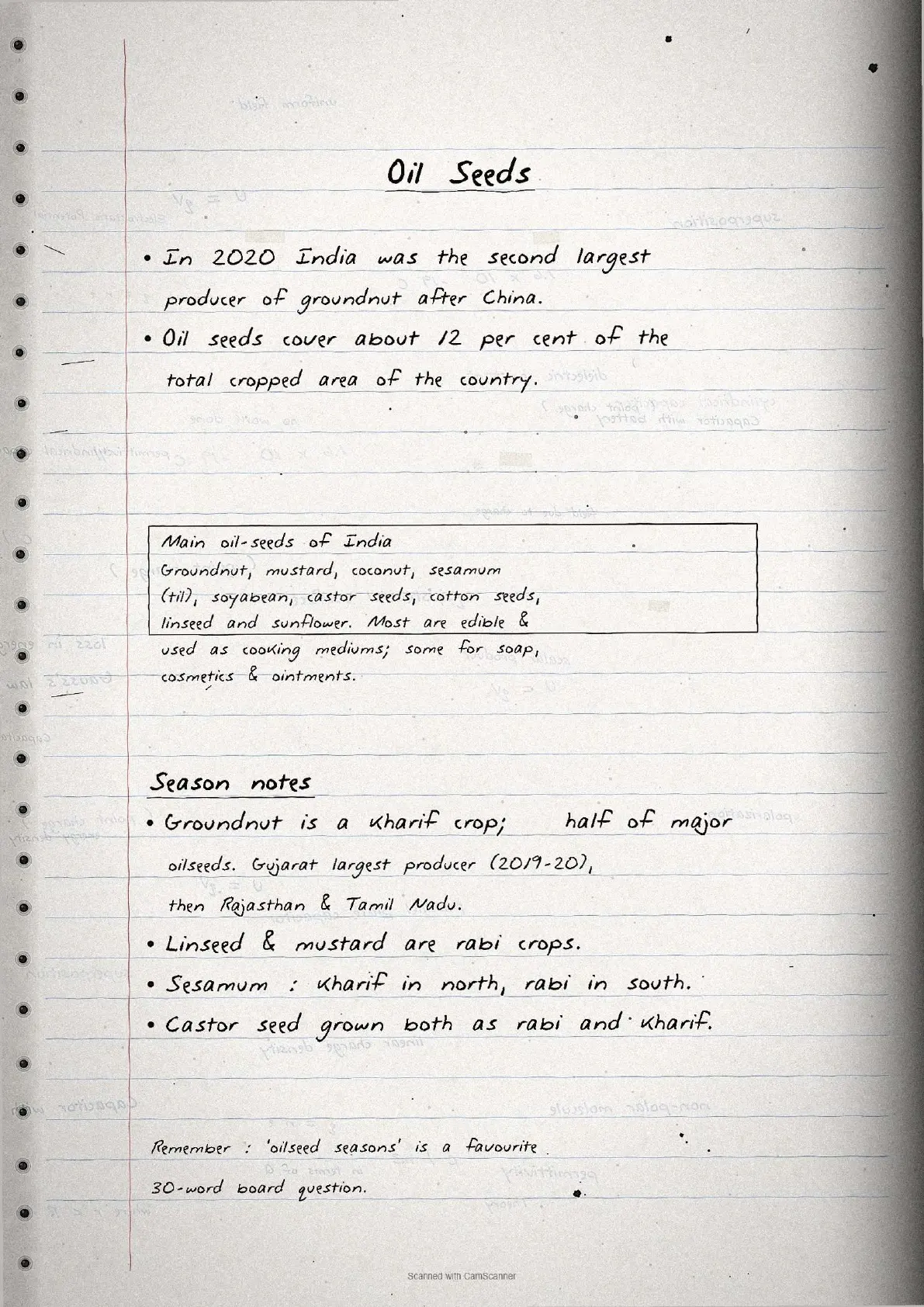
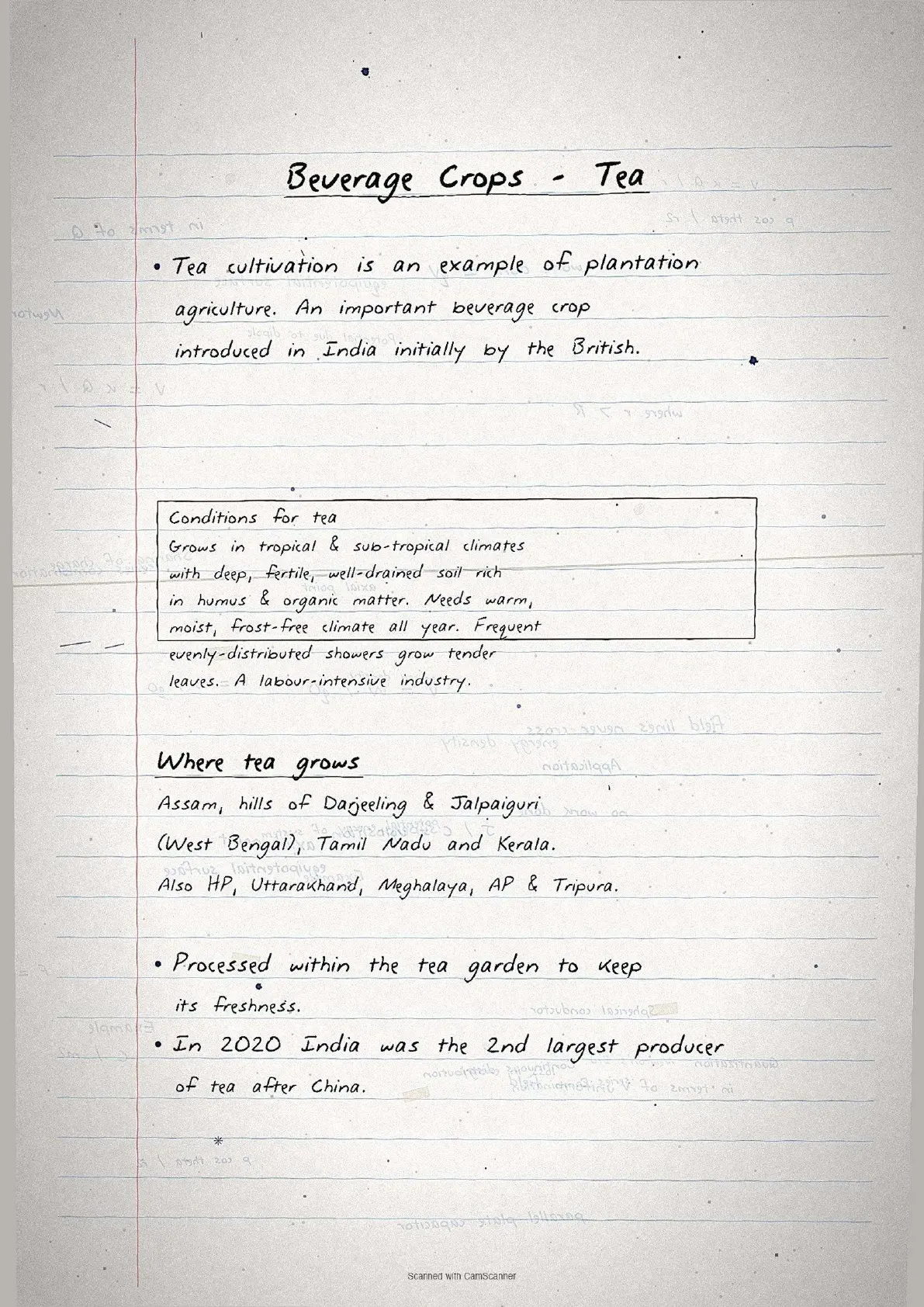
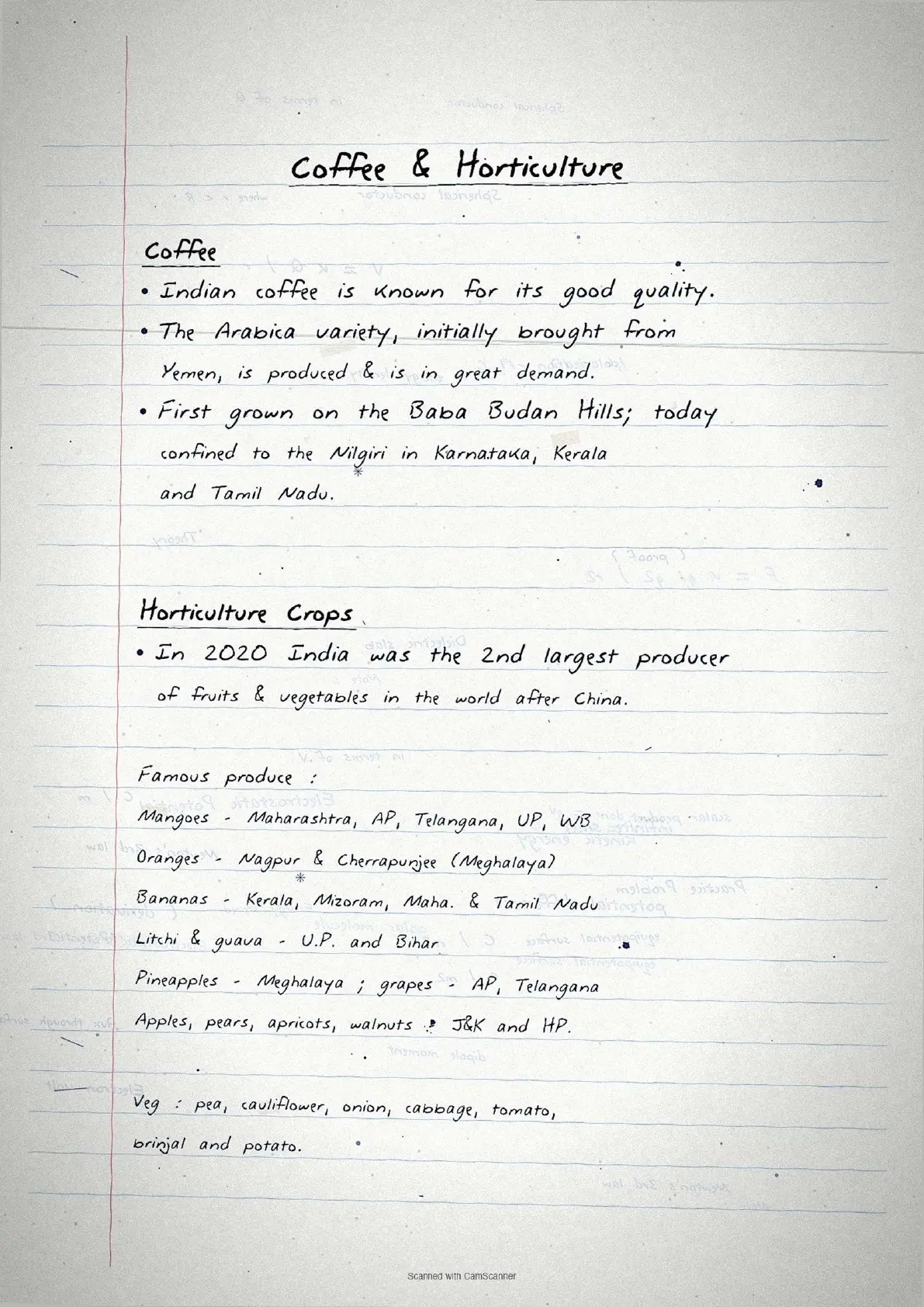
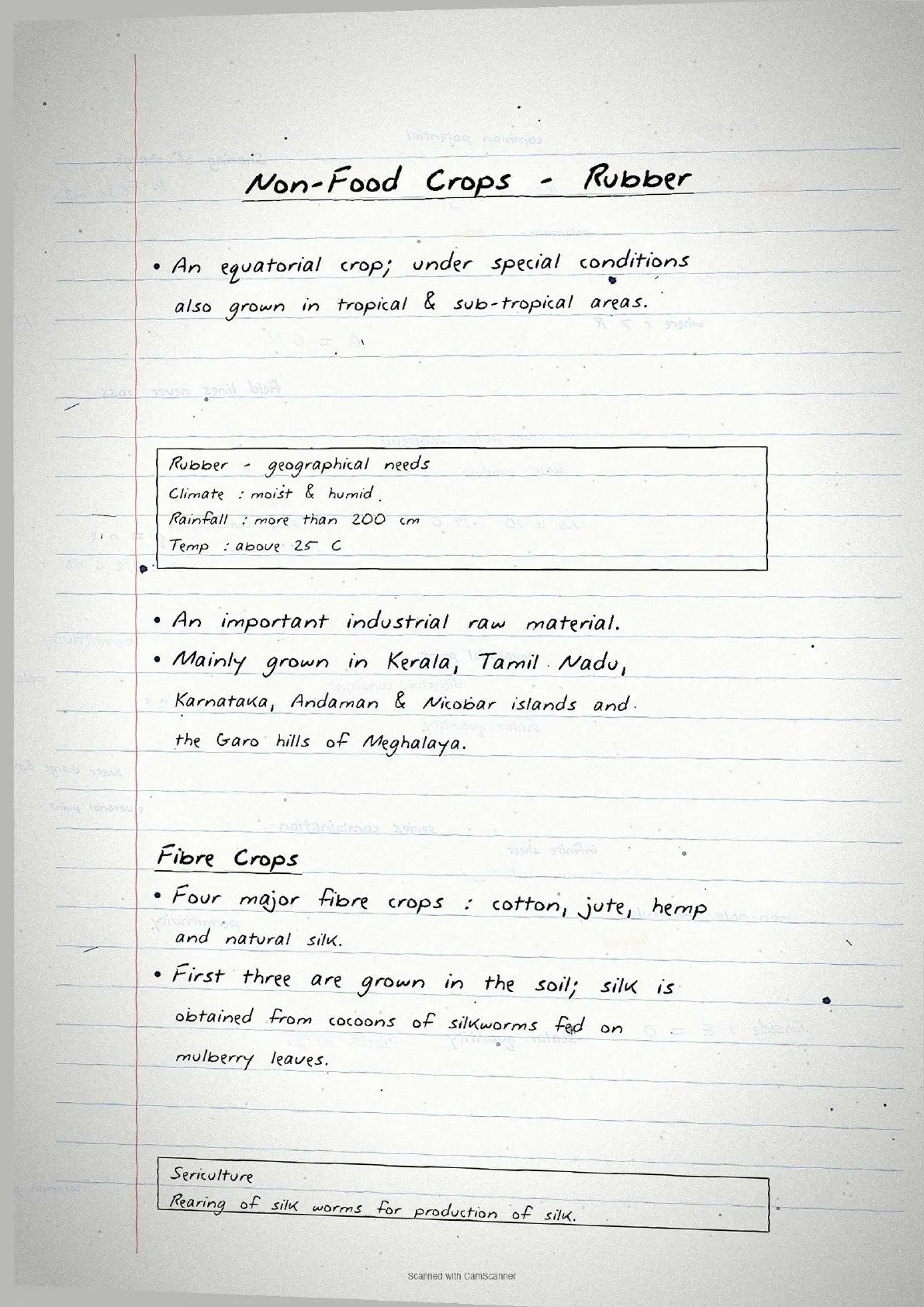
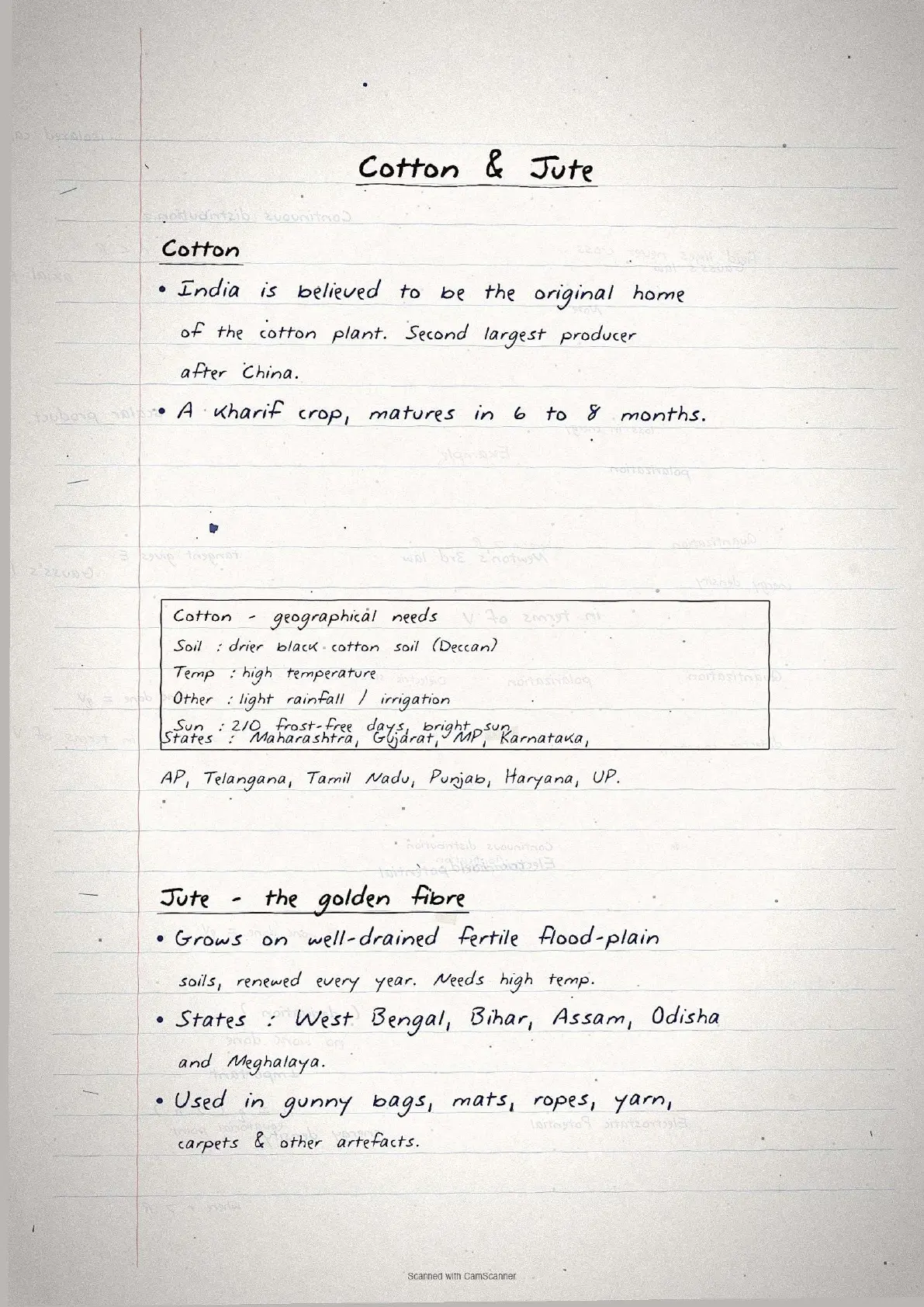
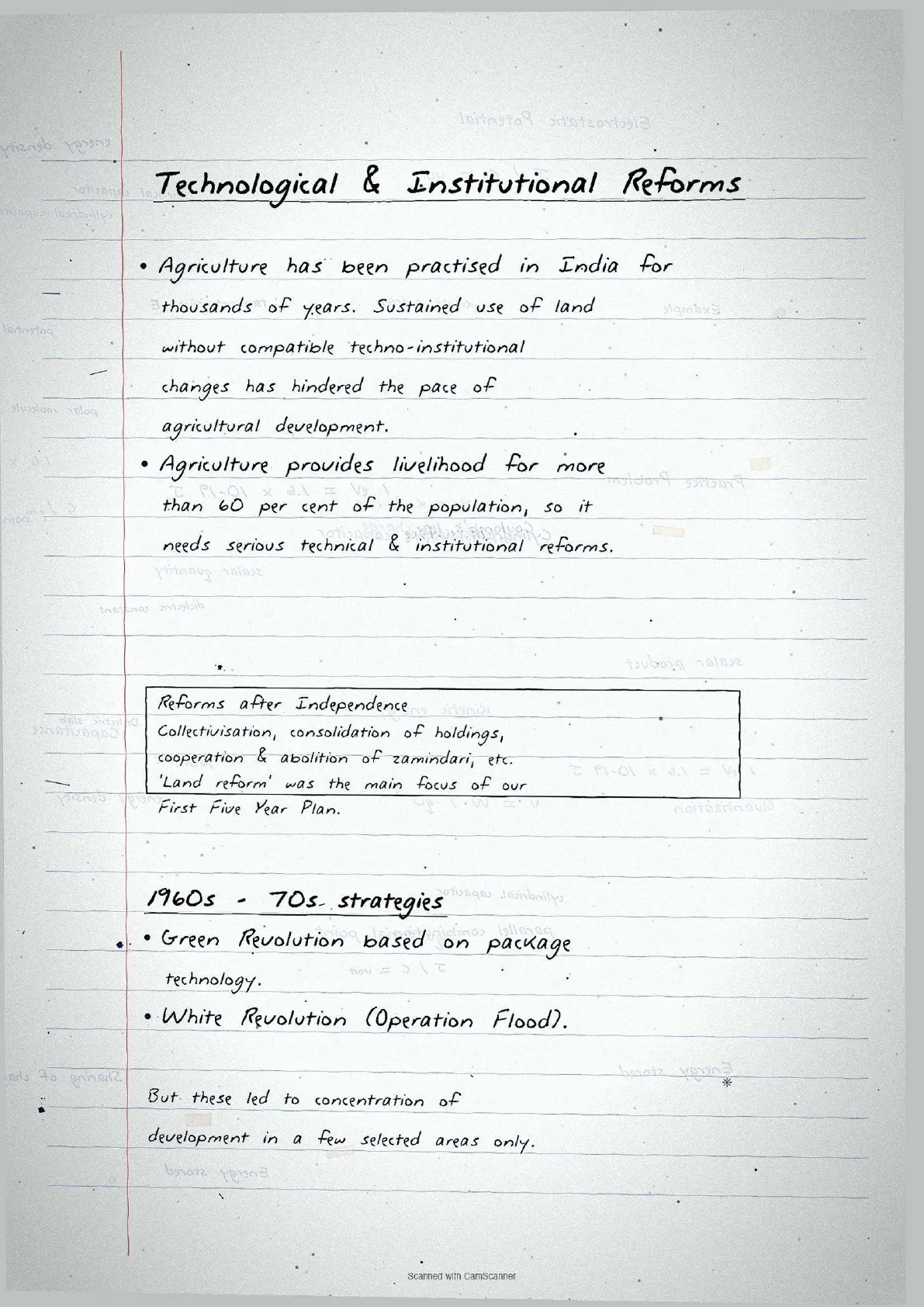
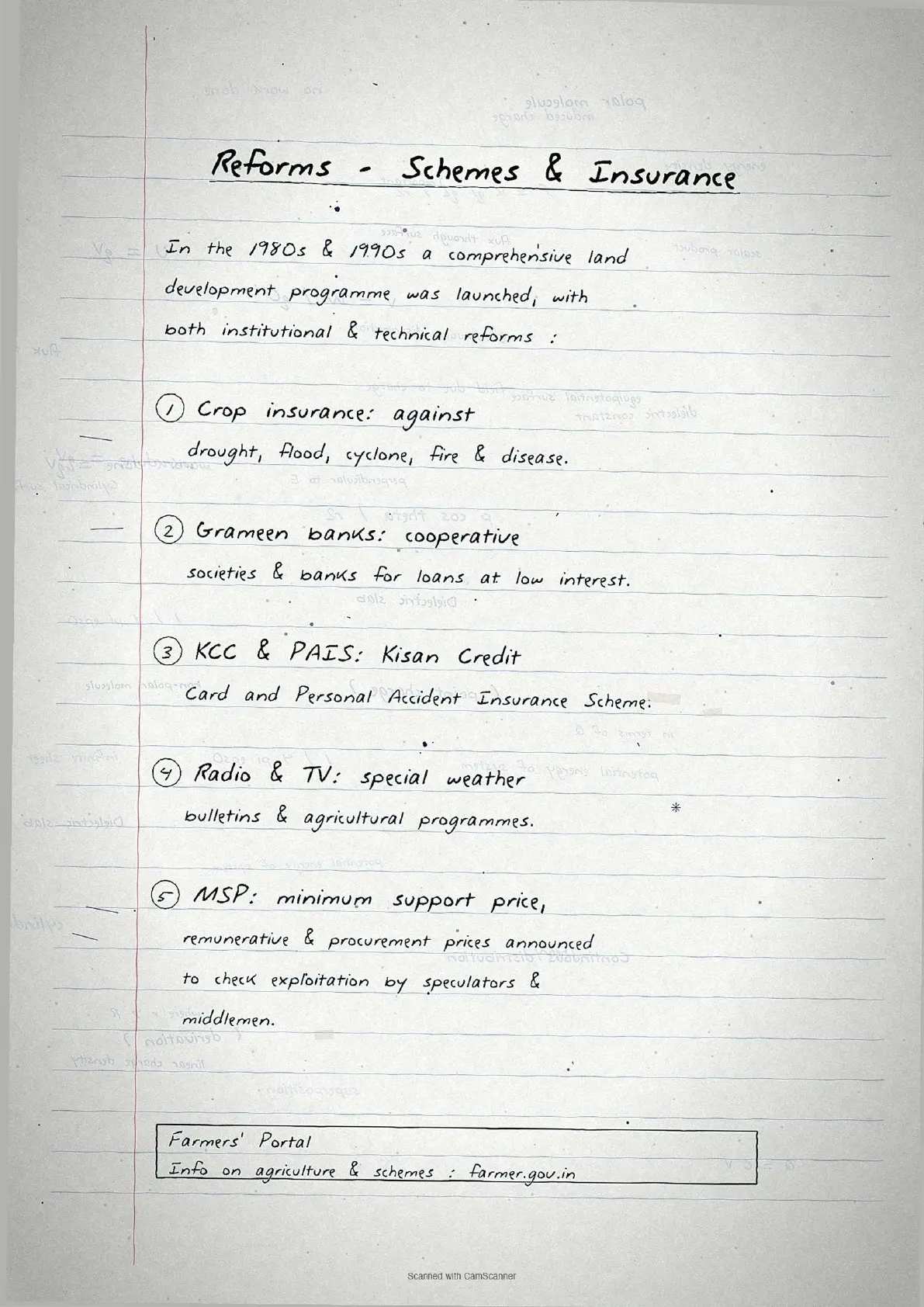
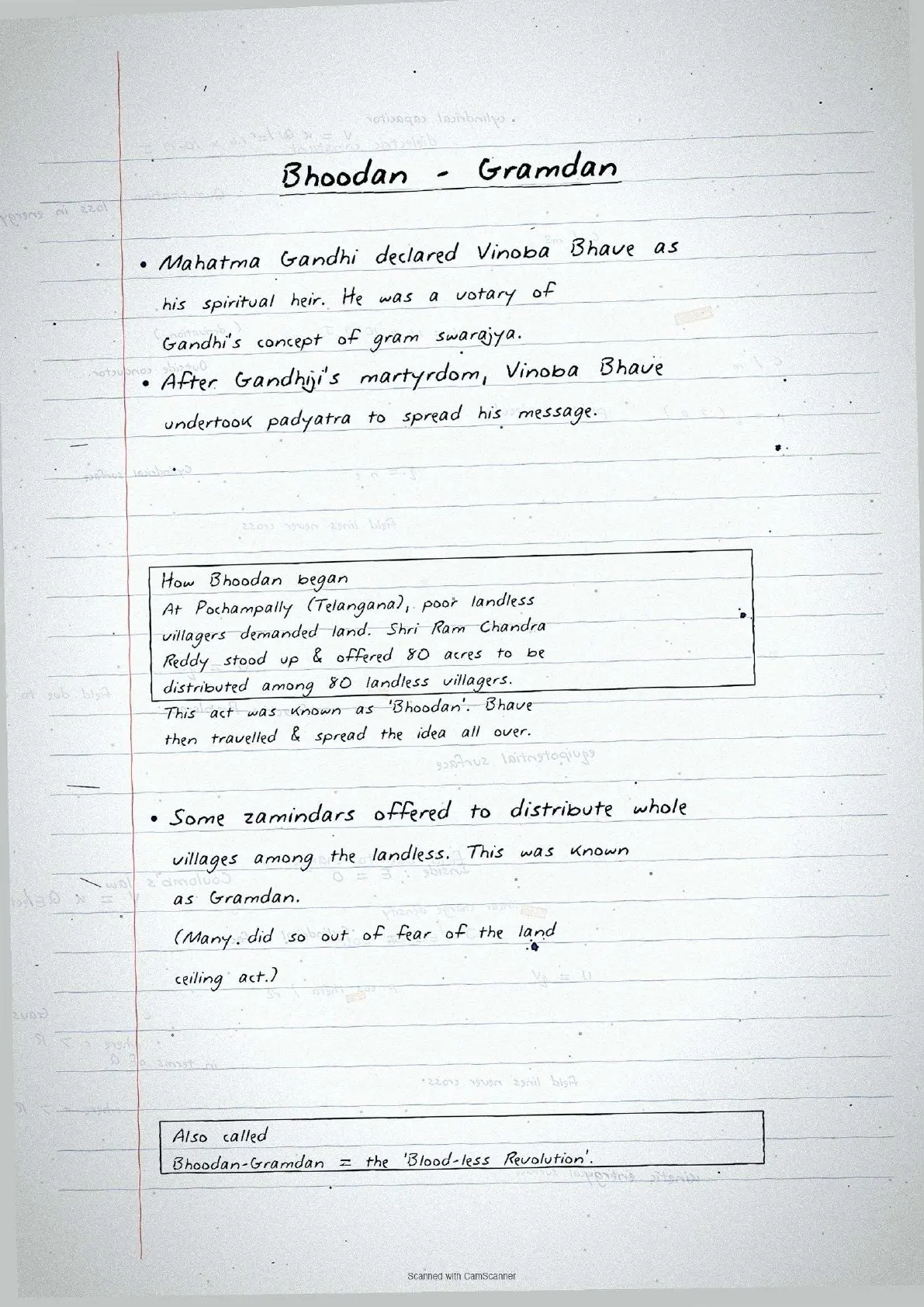
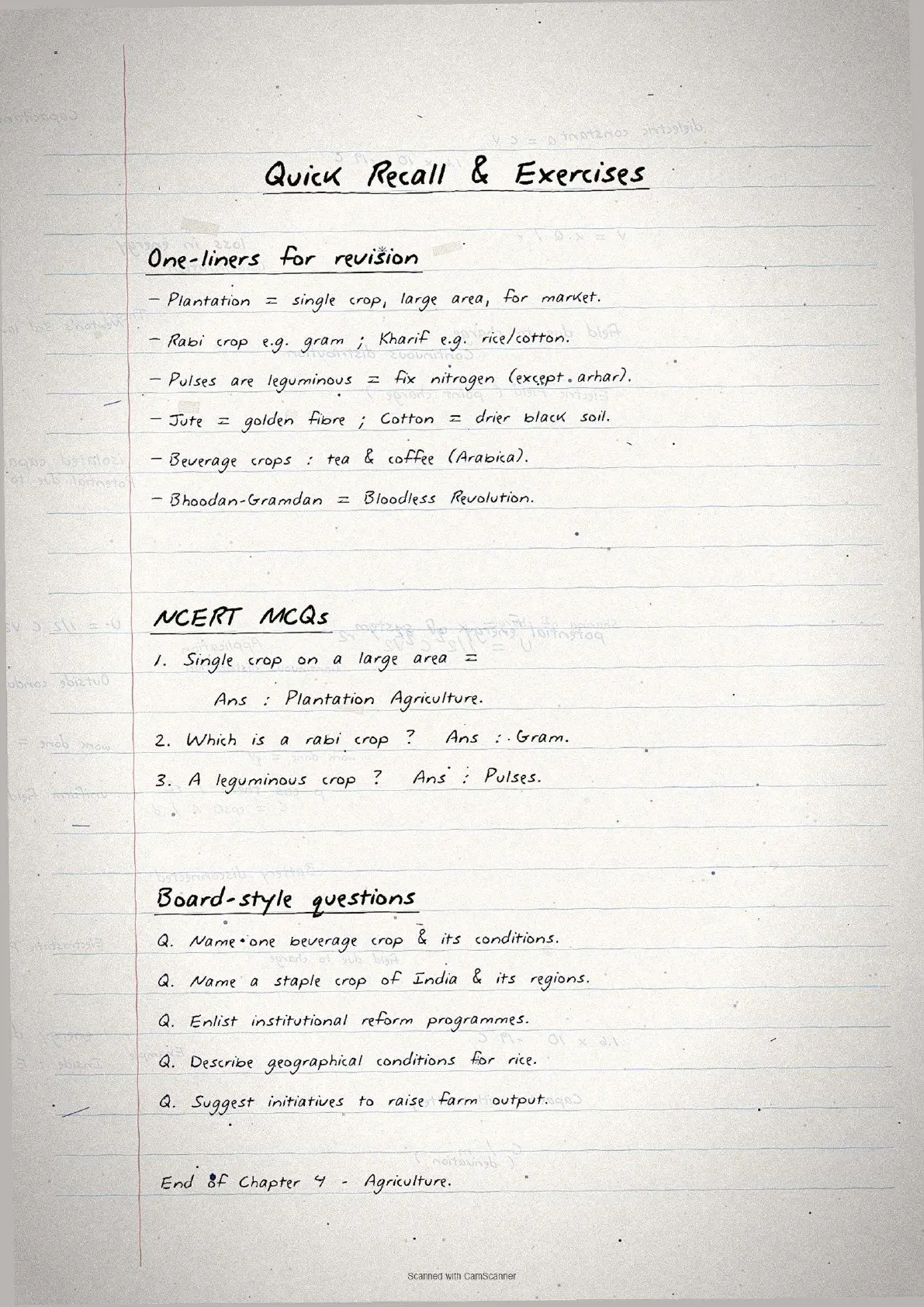
These class 10 geography handwritten notes chapter 4 Agriculture turn the chapter into clean, scanned notebook pages for fast revision, following the 2026-27 CBSE syllabus.
- Scanned, pen-on-paper pages with boxed key terms, a cropping-season table and an India crop-region sketch.
- One of the higher-weightage Class 10 Geography chapters, often carrying a Long Answer plus a map question.
- Pairs with the NCERT Solutions, Notes and Book PDF for the same chapter, all linked lower on this page.
These Agriculture handwritten notes are prepared from the official NCERT Contemporary India II textbook and checked against the last five years of CBSE Social Science board papers.

|
Table of Contents |
What These Handwritten Notes Include
Agriculture is the fourth chapter of Contemporary India II. It covers the types of farming in India, the three cropping seasons, the major food and cash crops, and the reforms that shaped Indian farming. These notes condense it into pages students read in one sitting.
Every page is built around the four threads the board tests:
- Farming types pages cover primitive subsistence, intensive subsistence, commercial and plantation farming.
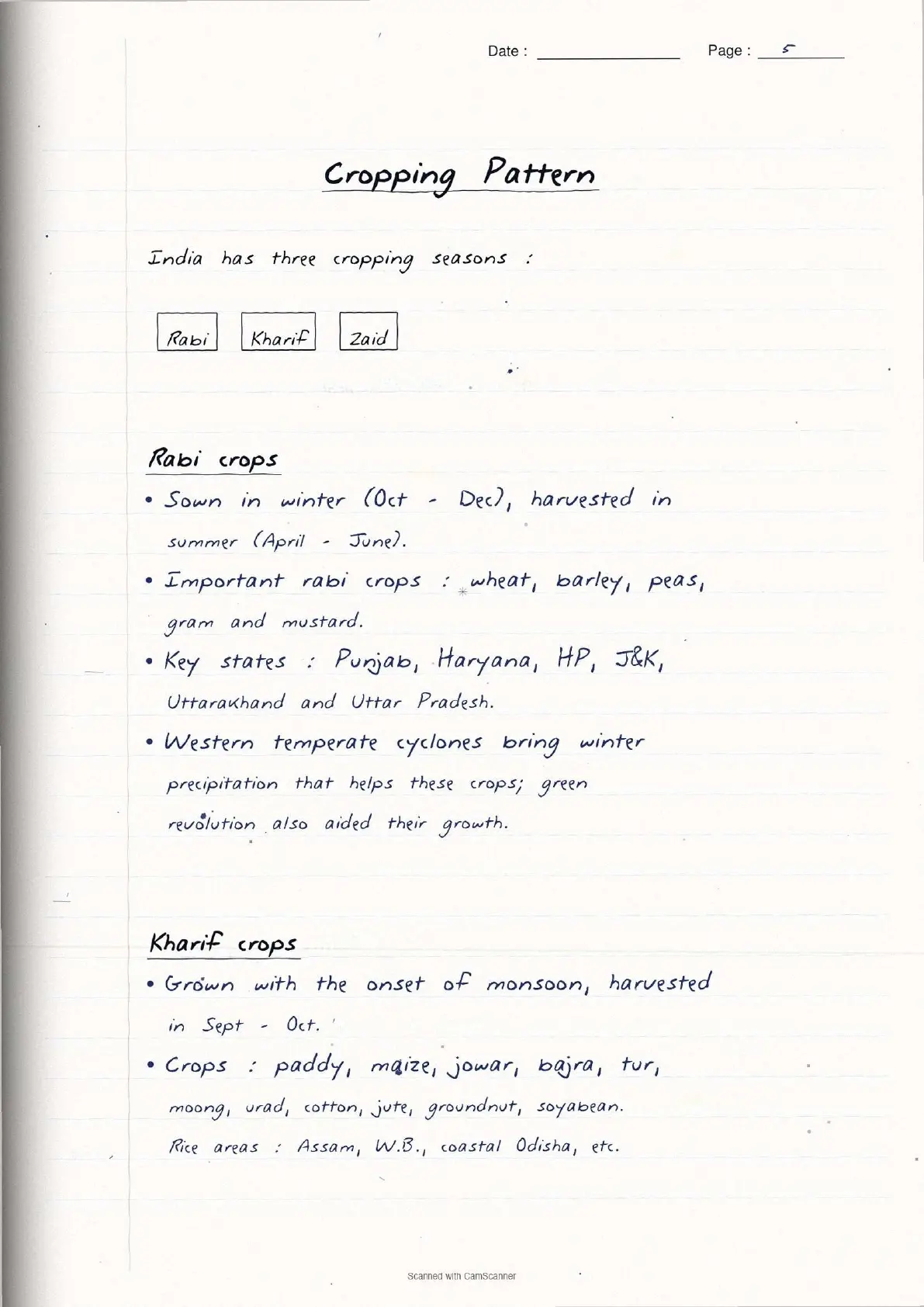
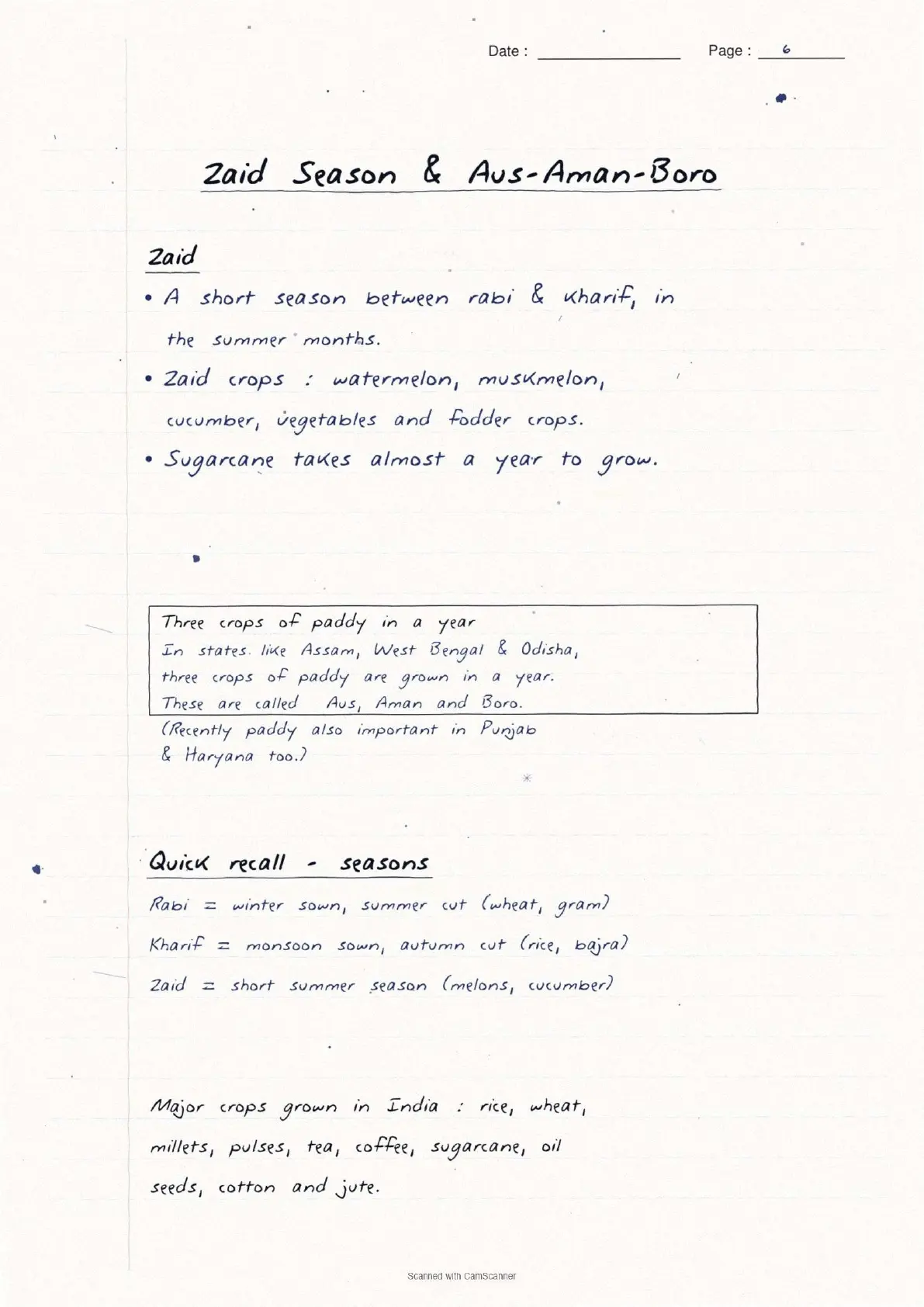
- Cropping seasons pages cover rabi, kharif and zaid with their sowing and harvest months.
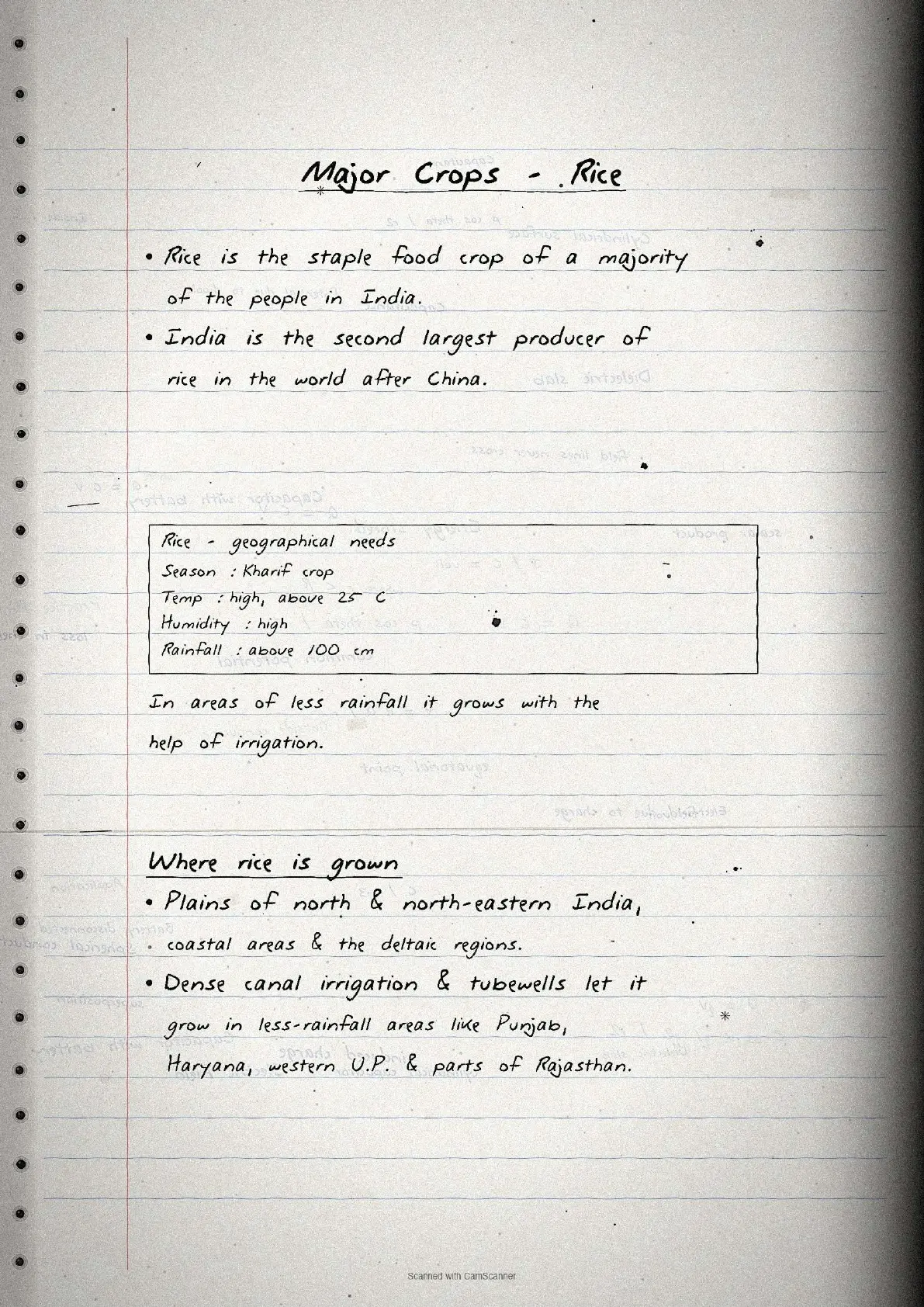
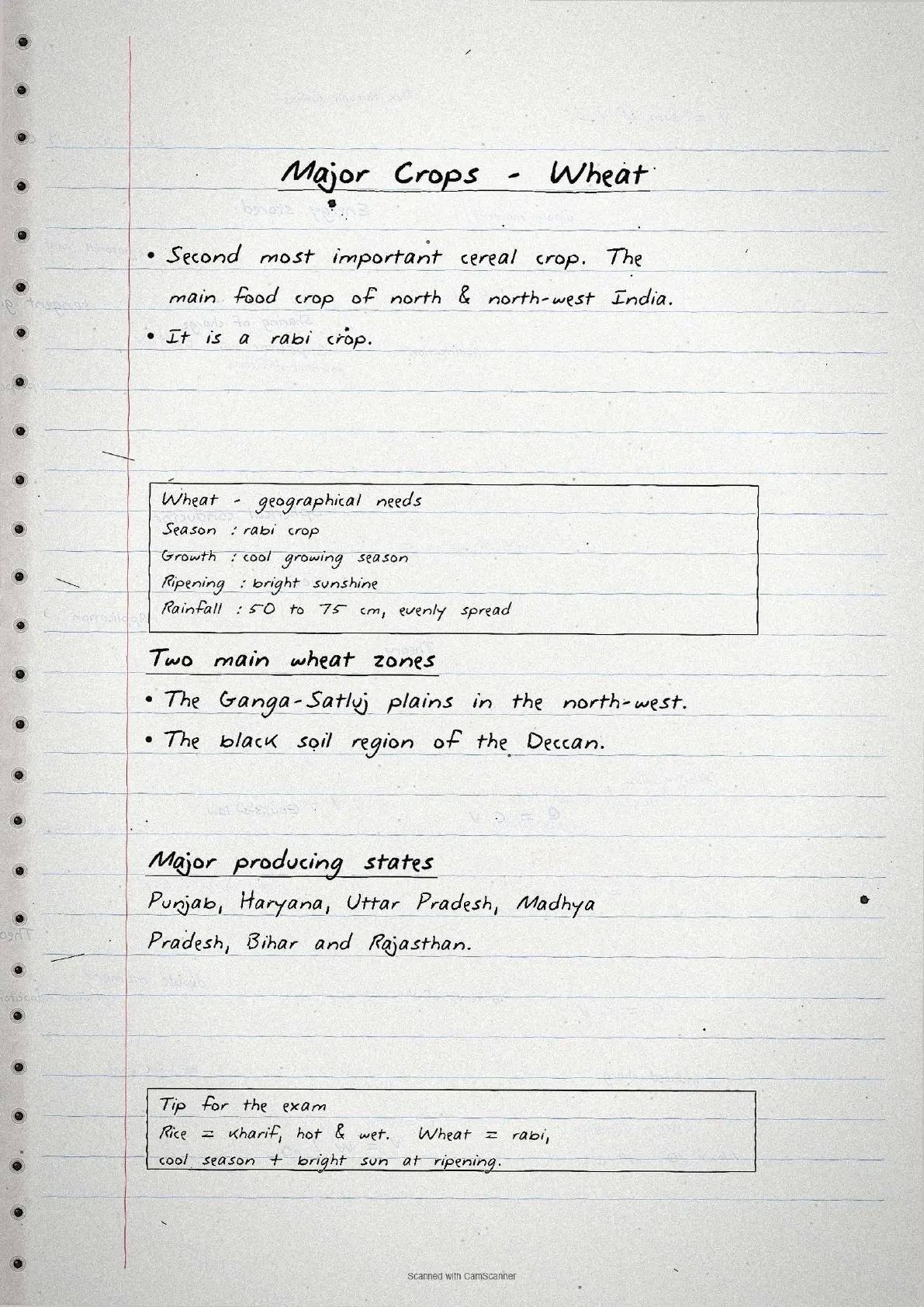
- Major crops pages cover rice, wheat, millets, pulses, sugarcane, tea, coffee and the fibre crops.
- Reforms pages cover the Green Revolution, the White Revolution, Bhoodan-Gramdan and the MSP.
Key terms sit in boxes and crop names are underlined, so the Agriculture handwritten notes work well for a last revision.
Types of Farming in India Pages
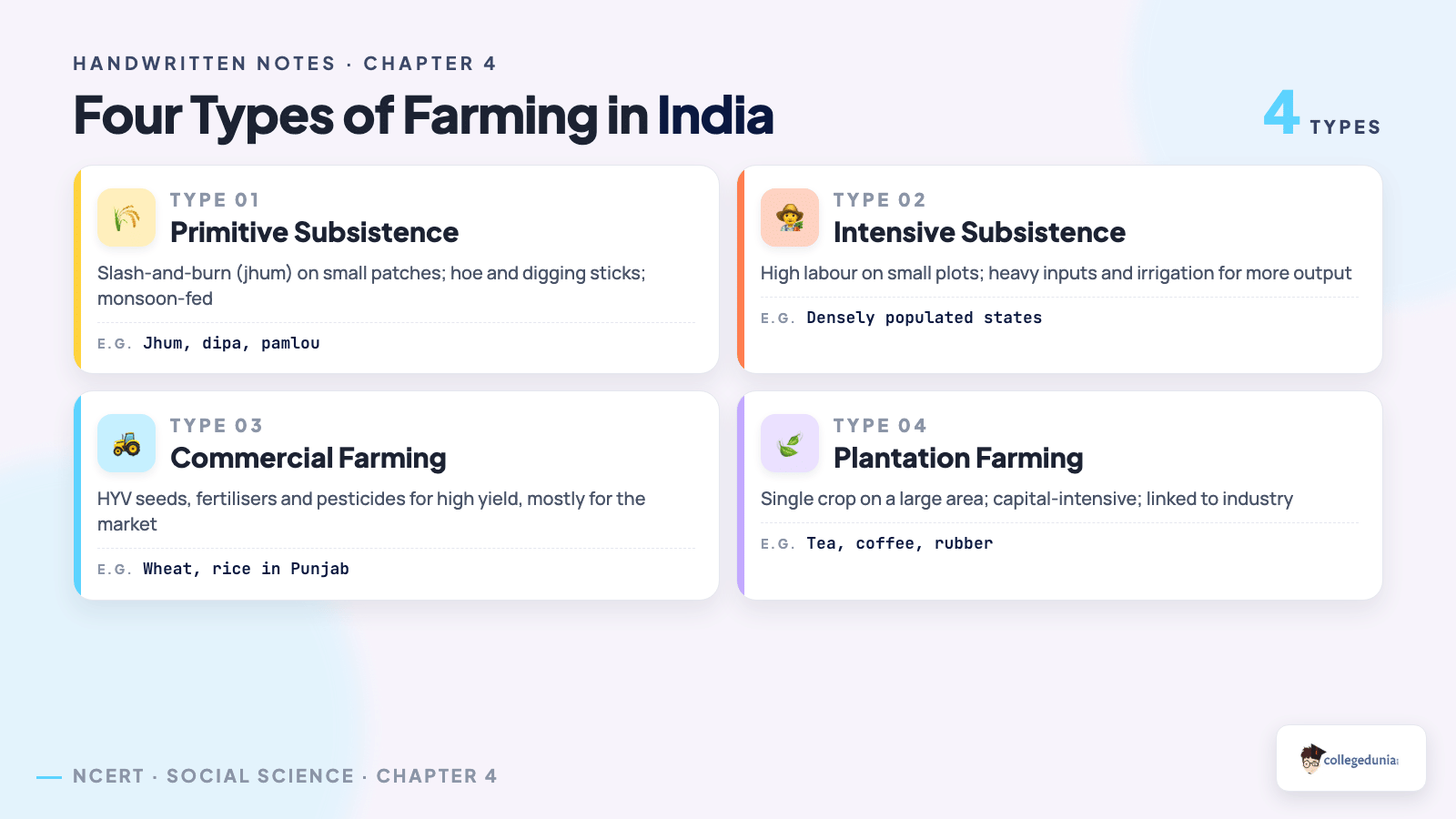
The first pages keep the four farming types side by side, because the board picks a three or five-mark question straight from this list. Each type sits in a box.
| Type of farming | Main feature |
|---|---|
| Primitive subsistence | Slash-and-burn (jhumming); small patches; uses hoe, dao and digging sticks; depends on monsoon. |
| Intensive subsistence | High labour on small plots; high doses of biochemical inputs and irrigation for more output. |
| Commercial farming | Modern inputs (HYV seeds, fertilisers, pesticides) for higher yield; mostly for the market. |
| Plantation farming | Single crop on a large area, capital-intensive, linked to industry; tea, coffee, rubber. |
A red box flags the most-tested fact: jhum, the local name for slash-and-burn farming, changes from state to state, like dipa in Bastar and pamlou in Manipur. Learn the four types and these agriculture class 10 notes questions become easy marks.
Cropping Seasons and Pattern Pages
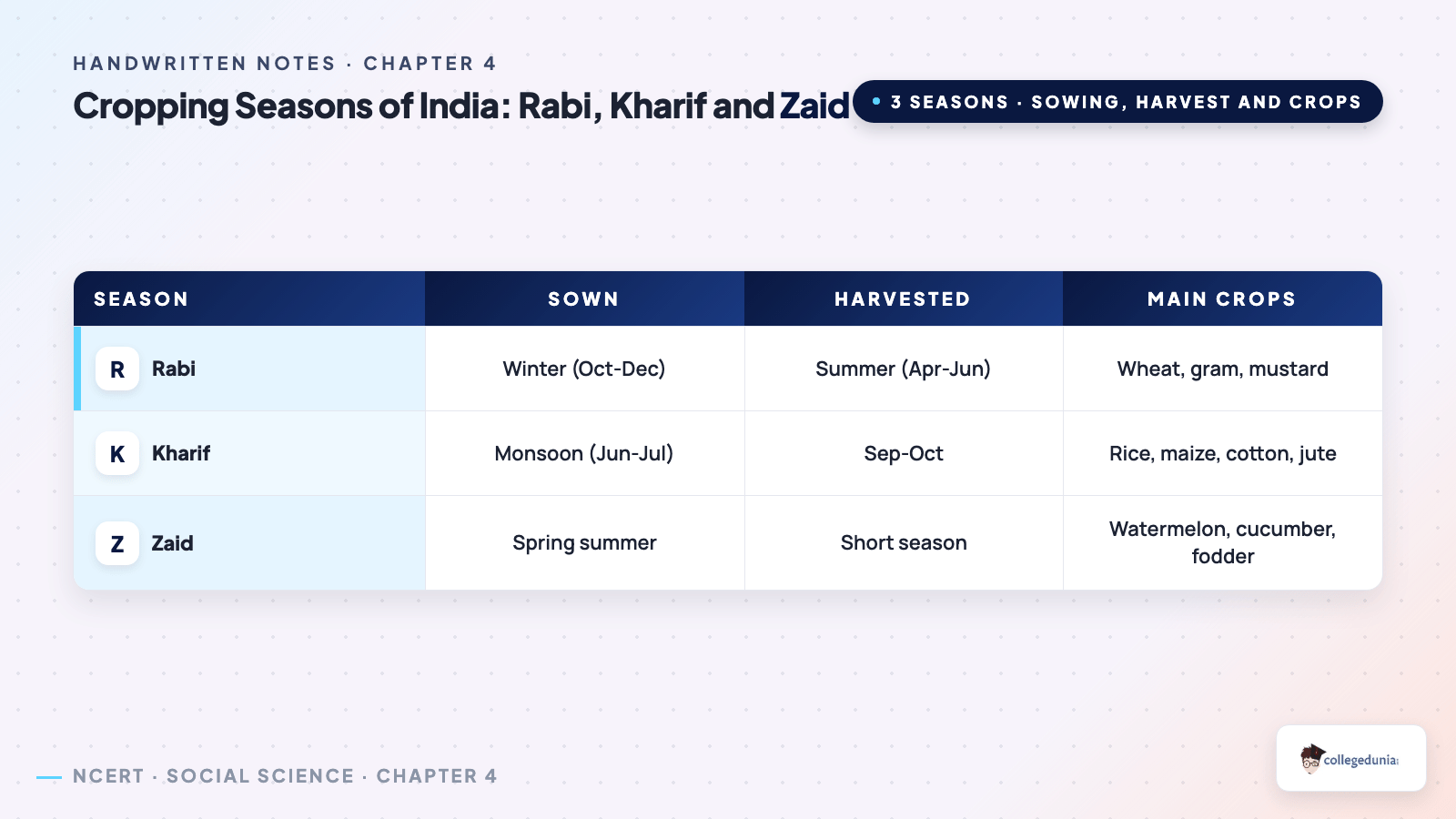
These pages keep the three cropping seasons in order, because the board often asks students to match a crop to its season. They give the sowing and harvest months, then the crops.
| Cropping season | Sown / harvested and main crops |
|---|---|
| Rabi | Sown in winter (Oct to Dec), harvested in summer (Apr to Jun); wheat, barley, peas, gram, mustard. |
| Kharif | Sown with the monsoon (Jun to Jul), harvested Sep to Oct; rice, maize, jowar, bajra, cotton, jute. |
| Zaid | Short summer season between rabi and kharif; watermelon, muskmelon, cucumber and fodder crops. |
The notes underline the most-asked link: rabi crops need a mild, cool growing season and a warm ripening one, which is why the green revolution helped grow them in Punjab, Haryana and western Uttar Pradesh. A margin note keeps zaid apart, because students forget it.
Agriculture Class 10 Explained by Magnet Brains
Source: Magnet Brains on YouTube
Major Crops of India Pages
The crop pages are the heart of the chapter. The notes give one box per crop with its growing conditions and top producing states, plus a small India crop-region sketch for the map-work question.
- Rice: a kharif crop of the high-rainfall plains and deltas; West Bengal, Punjab and Uttar Pradesh lead.
- Wheat: the main rabi food crop; needs cool sowing and bright sunshine at ripening; Punjab and Haryana lead.
- Millets: jowar, bajra and ragi are coarse grains; ragi is rich in iron, calcium and roughage.
- Sugarcane: a tropical and subtropical crop; gives sugar, gur, khandsari and molasses.
- Tea and coffee: plantation crops; tea needs warm, frost-free slopes; Indian coffee began in the Baba Budan hills.
- Fibre crops: cotton needs black soil and a frost-free spell; jute is the golden fibre of the Ganga delta.
The notes box the most-asked food fact: pulses are the main source of plant protein in a vegetarian diet, and India is the largest producer and consumer of pulses in the world. A margin arrow links arhar and moong to nitrogen fixation.
Farm Reforms, Green Revolution and Food Security Pages
These pages keep the reform story in order, because the board pairs the problem with the policy in one question. They list the land reforms first, then the technology and the support price.
- Bhoodan-Gramdan: Vinoba Bhave's land-gift movement that redistributed land to the landless after independence.
- Green Revolution: HYV seeds, fertilisers and irrigation that raised foodgrain output, mainly in wheat and rice.
- White Revolution: Operation Flood, the dairy programme that made India a top milk producer.
- Minimum Support Price (MSP): a price the government announces to protect farmers from a fall in market price.
The notes box the institutional support: MSP, subsidies on inputs, crop insurance and the Kisan Credit Card were brought in to make farming secure. A margin note adds that globalisation made farmers compete with cheaper imports.
How to Use These Handwritten Notes
Handwritten notes work best as a final layer of revision, not as your first read. The plan below helps students get the most out of the class 10 geography handwritten notes chapter 4 Agriculture.
- First pass: read the notes once, following the farming, season, crop and reform order.
- Active recall: cover the boxed crop names and write each crop with its top states from memory.
- Map practice: redraw the India crop-region sketch and mark the rice, wheat and tea areas without looking.
- Self-test: attempt a short class 10 geography chapter 4 mcq drill to check the small facts.
Because the pages are scanned, students can save them on a phone and revise offline. Pair them with the full solutions to check your written answers against model points.
Common Mistakes These Notes Help You Avoid
A few errors cost marks every year. Most come from mixing up the cropping seasons or matching a crop to the wrong soil. The notes flag each soft point in the margin.
- Swapping rabi and kharif - wheat is rabi, rice is kharif; learn the months once and never mix them.
- Calling tea a kharif crop - tea and coffee are plantation crops, not season crops.
- Forgetting the zaid season - name it as the short summer season between rabi and kharif.
- Writing that millets need rich soil - jowar, bajra and ragi grow on less fertile, sandy land.
- Confusing primitive subsistence with commercial farming - jhum uses simple tools, not HYV seeds.
Students who fix these five points usually move from average to high marks. Always pair the crop with its season and soil.
Other Resources for Agriculture Class 10 Geography
These handwritten notes are a revision layer. Use them with the other resources for this chapter, linked below. Read the notes, test yourself with the solutions, then open the book PDF for the original text, maps and figures.
| Resource | Best used for |
|---|---|
| Agriculture NCERT Solutions | Step-by-step answers to every back-exercise question |
| Agriculture Class 10 Notes | Quick chapter summary with farming types, cropping seasons and crop-region data in one place |
| Agriculture NCERT Book PDF | Reading the original NCERT chapter text, crop maps and figures |
Tip: use the handwritten crop-region sketch to memorise which crop grows where. Drawing the crop map once from memory fixes the map-work answer for good.
Student Feedback
In a Collegedunia poll of 12,100 Class 10 Social Science students before the 2026 boards, 79% of students said the scanned cropping-season table was the fastest way to revise this chapter. Most students used the rabi-kharif-zaid box and the farming-types box to recall the answer in the exam.
Source: 2026-27 Class 10 Social Science student poll. Sample of 12,100 students from CBSE schools across 15 states.
All Class 10 Geography Handwritten Notes by Chapter
The table links the handwritten notes for every chapter in Class 10 Geography. Agriculture is highlighted.
| Chapter | Handwritten Notes |
|---|---|
| Chapter 1 | Resources and Development |
| Chapter 2 | Forest and Wildlife Resources |
| Chapter 3 | Water Resources |
| Chapter 4 | Agriculture |
| Chapter 5 | Minerals and Energy Resources |
| Chapter 6 | Manufacturing Industries |
| Chapter 7 | Lifelines of National Economy |
Agriculture Class 10 Handwritten Notes Common Questions
Ques. Where can I download the Agriculture handwritten notes PDF?
Ans. You can download the Agriculture handwritten notes PDF directly from this page. It is free, follows the 2026-27 NCERT, and gives the chapter as clean scanned notebook pages with boxed crop names, a cropping-season table and an India crop-region sketch.
Ques. Are handwritten notes good enough for the class 10 geography board exam?
Ans. Yes, for revision. Handwritten notes are best used as a final layer after you have read the chapter and practised the solutions. They make the four farming types, the three cropping seasons and the major crops quick to recall in the exam.
Ques. What does the Agriculture chapter cover?
Ans. It covers the types of farming in India, the three cropping seasons (rabi, kharif and zaid), the major food and cash crops with their states, and the farm reforms such as the Green Revolution, the White Revolution, Bhoodan-Gramdan and the Minimum Support Price.
Ques. What are the three cropping seasons in agriculture class 10?
Ans. The three cropping seasons are rabi, kharif and zaid. Rabi crops like wheat are sown in winter and harvested in summer, kharif crops like rice are sown with the monsoon, and zaid is the short summer season for crops like watermelon and cucumber.
Ques. How should I use these notes for quick revision?
Ans. Read the pages once in the farming, season, crop and reform order, cover the boxed crop names and write each crop with its top states from memory, redraw the India crop-region sketch, then attempt a short class 10 geography chapter 4 mcq drill to test the small facts.



Comments