




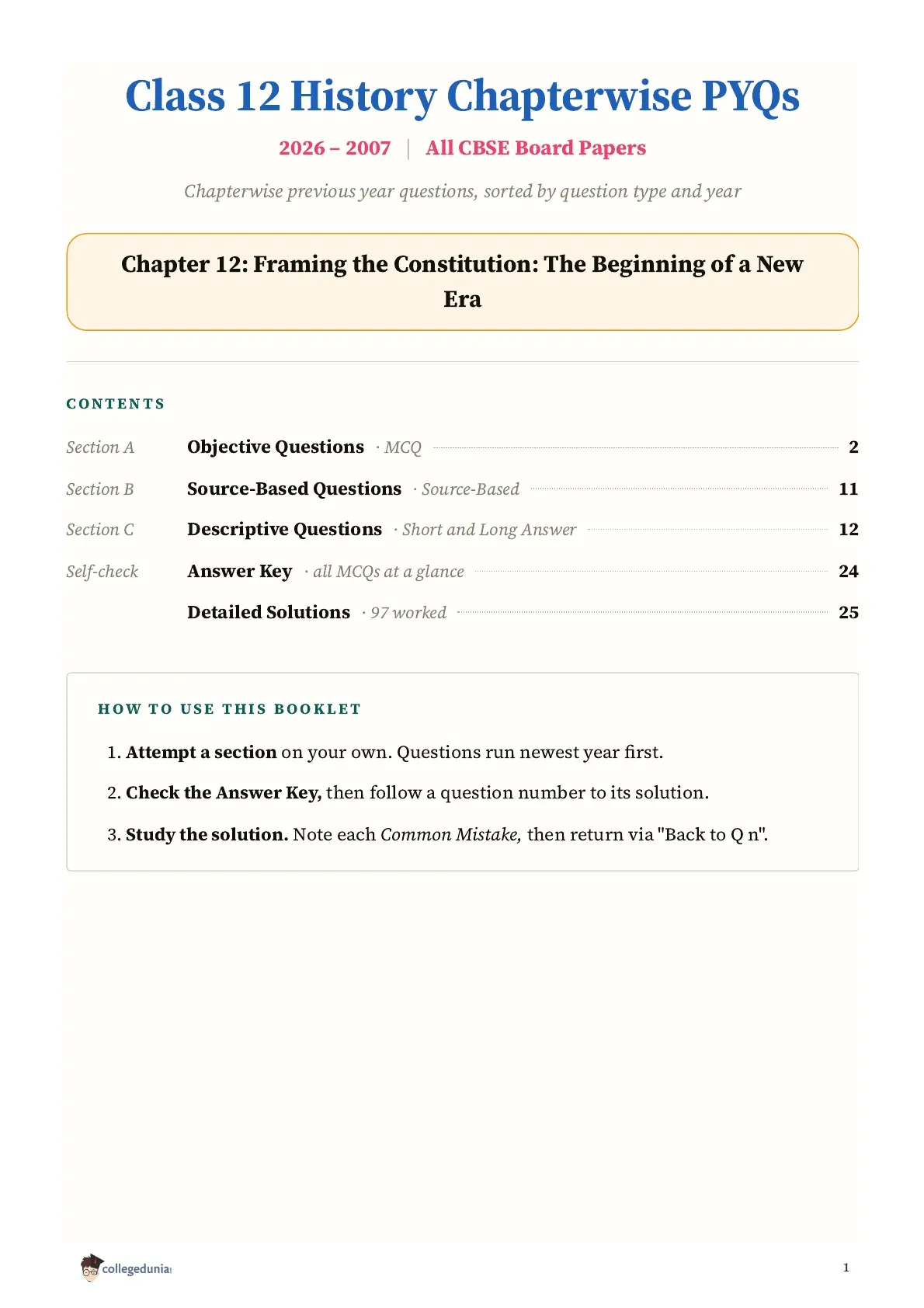
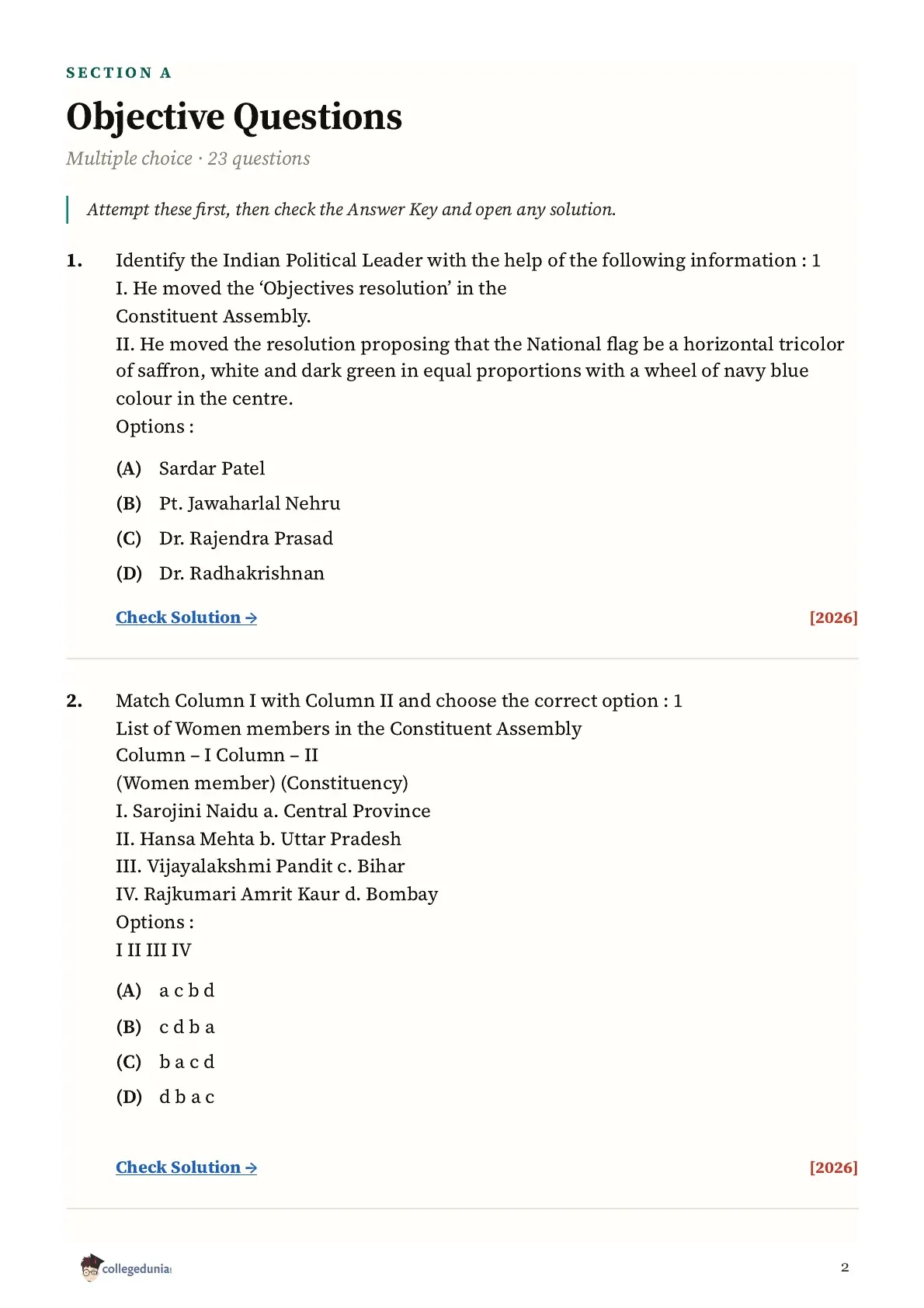
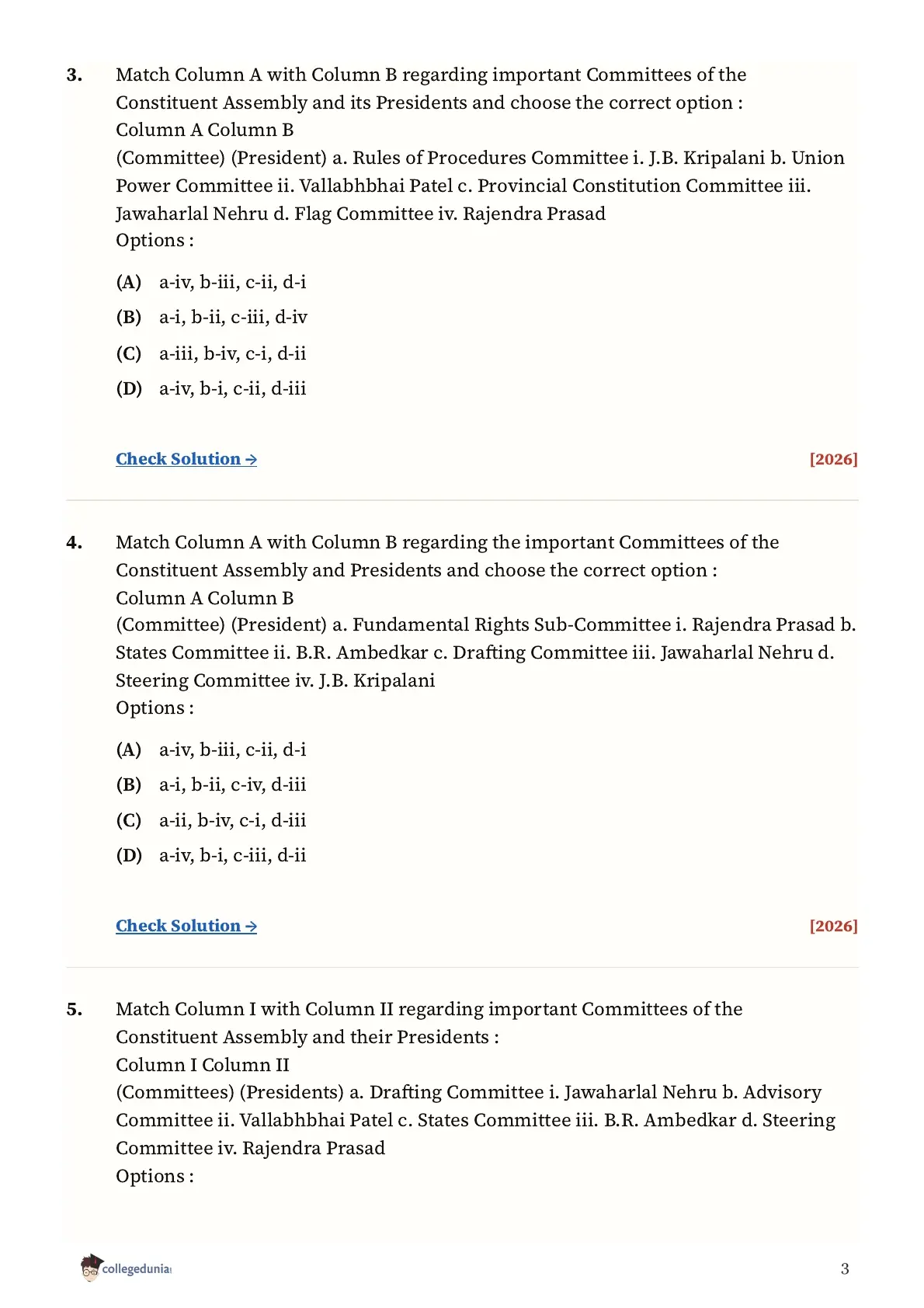
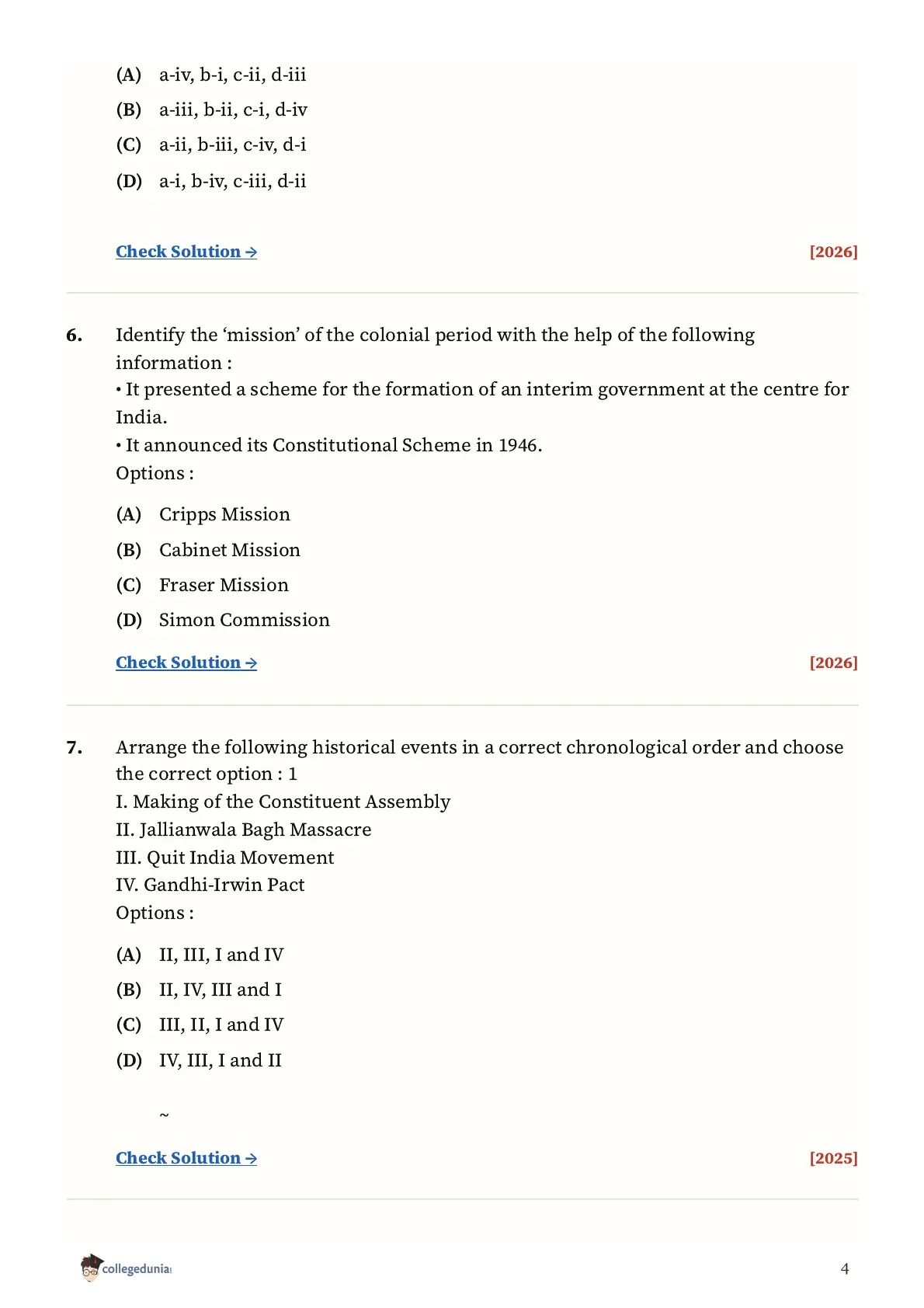
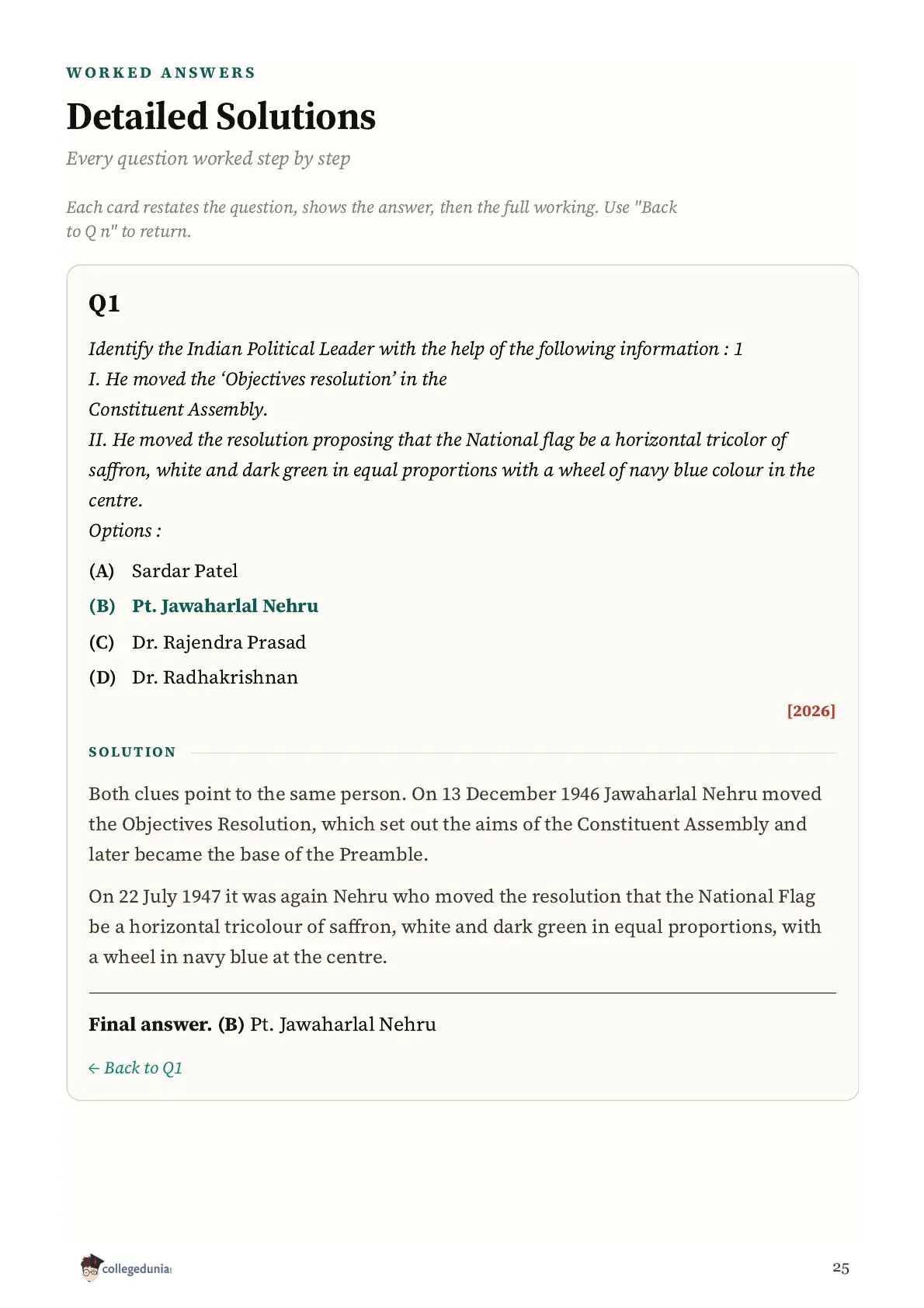
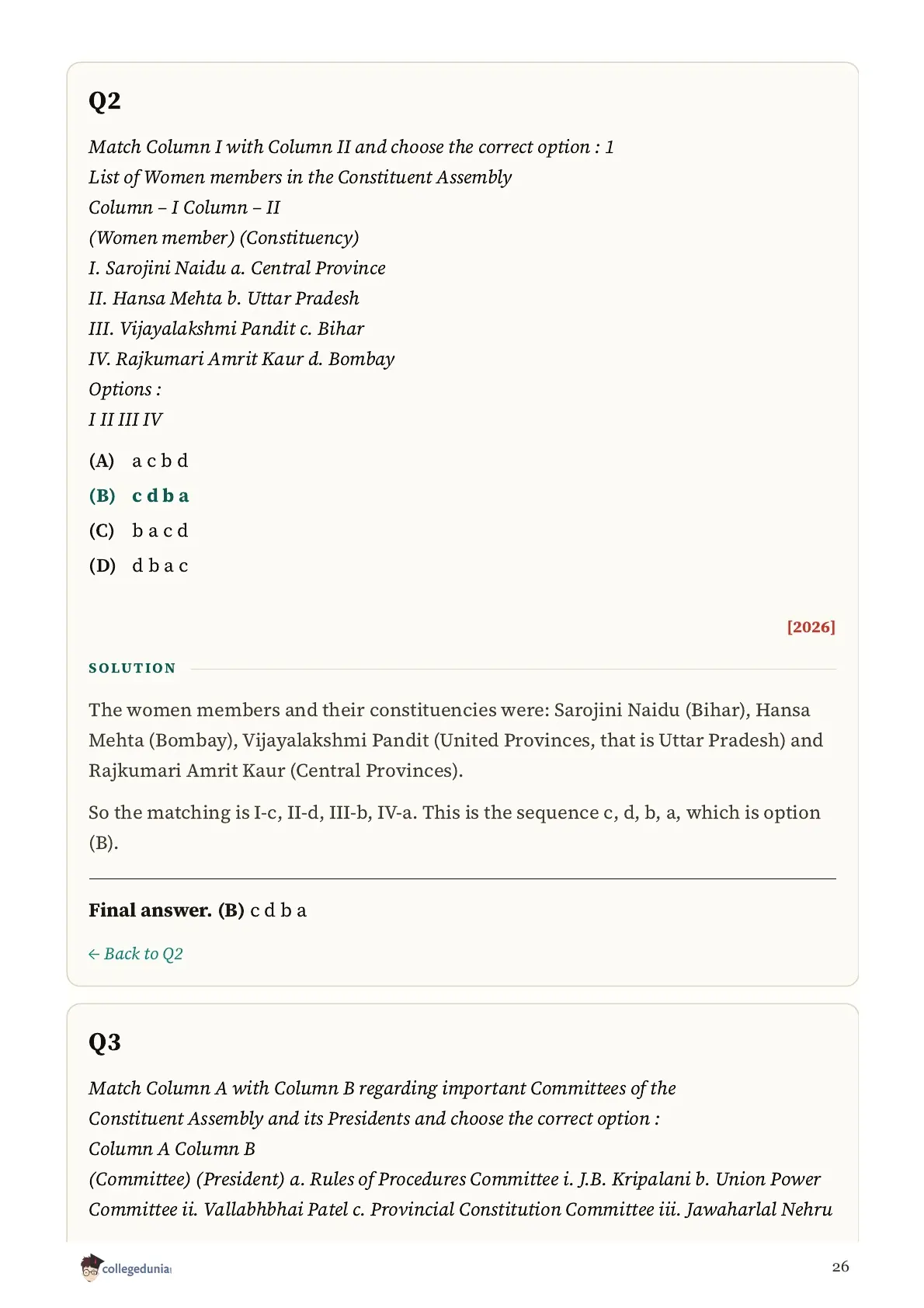
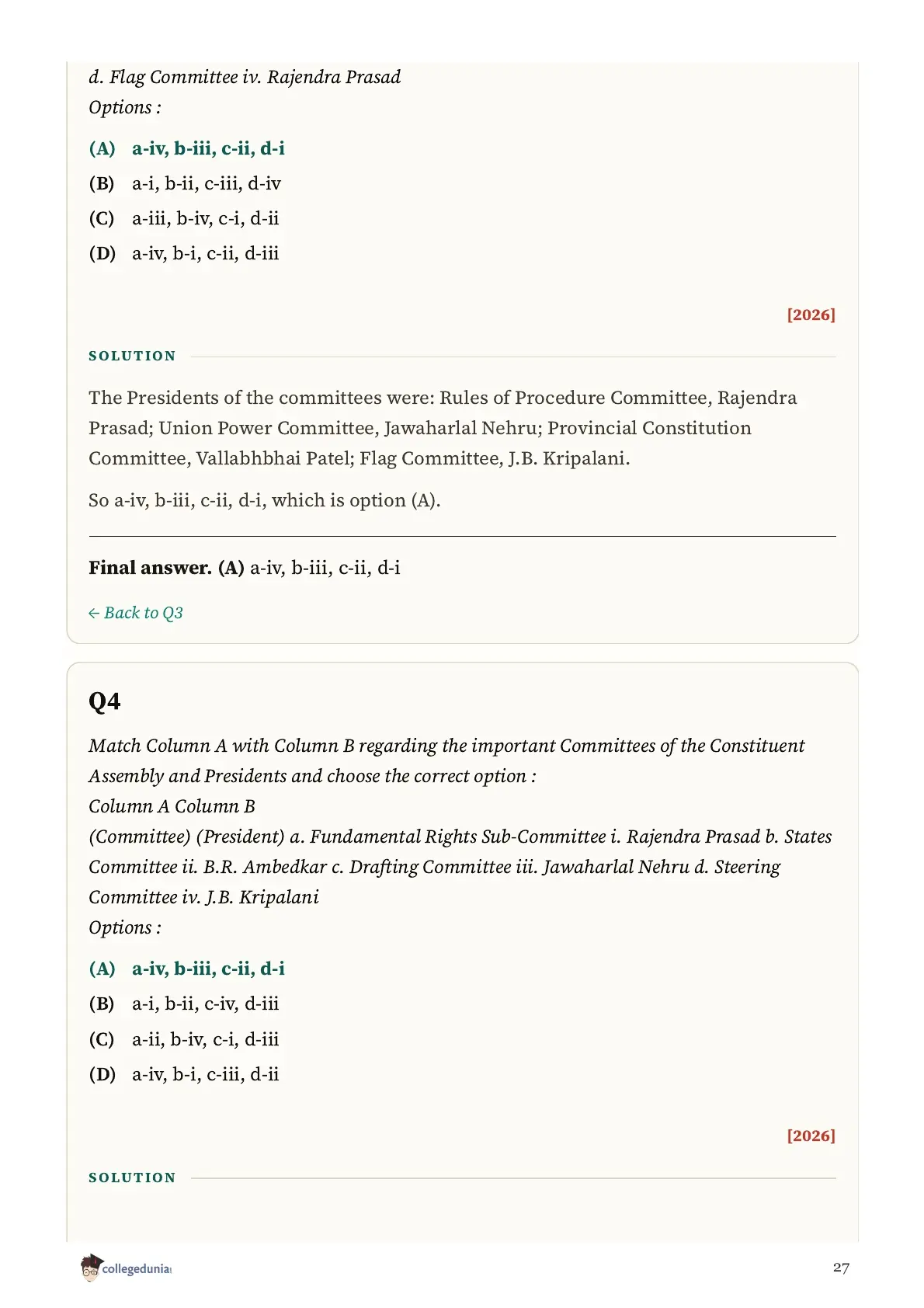
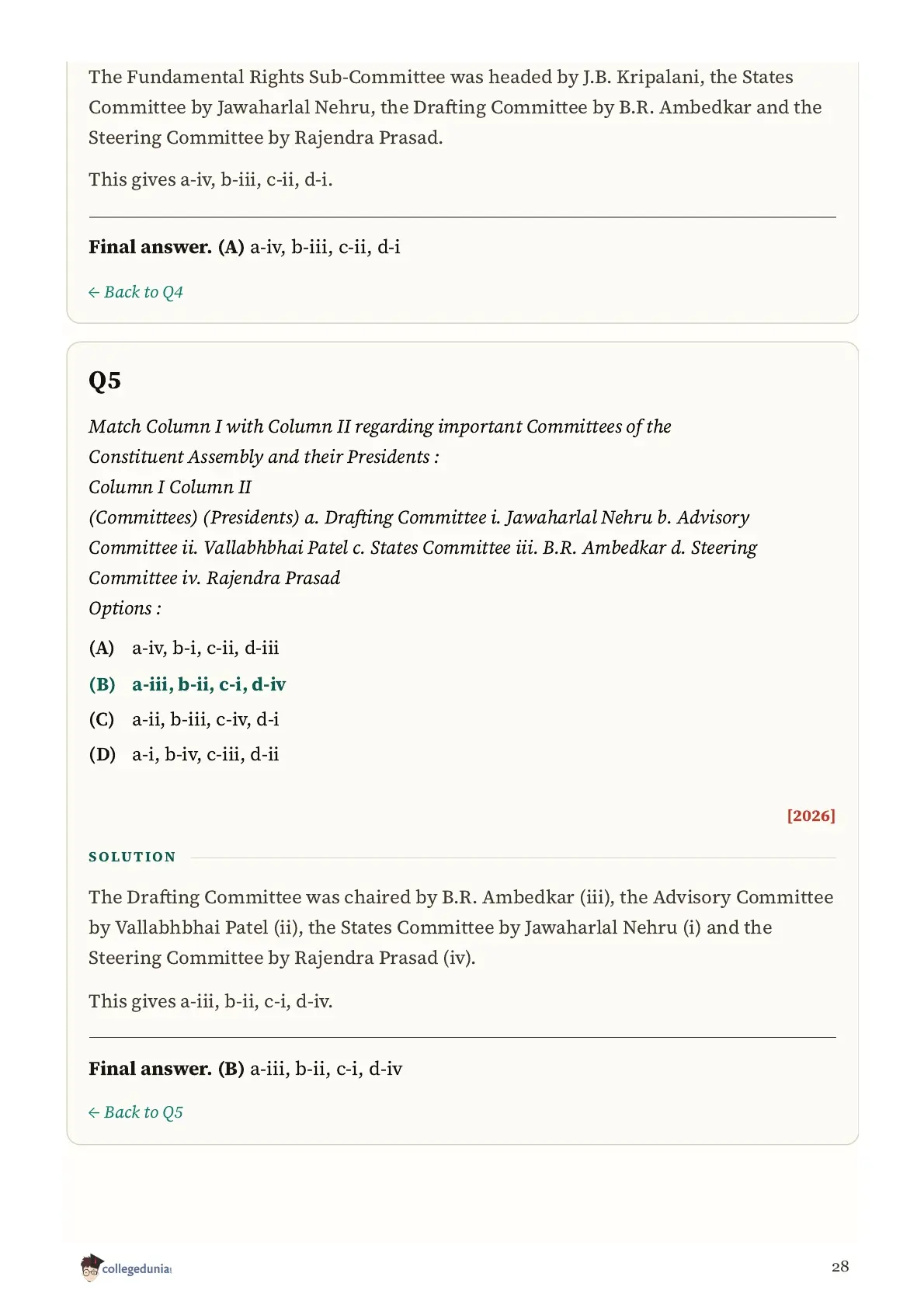
Class 12 History Framing the Constitution PYQ, free to download as a 95-page PDF. Theme 12 sits in Part III (Themes 9 to 12), which carries about 25 of the 80 marks, and in 97 solved questions from the 2007 to 2026 papers the board keeps returning to the same few subjects: the Constituent Assembly (50 questions), separate electorates (17), the powers of the Centre and the states (17), Nehru (15), Ambedkar (12) and the Objectives Resolution (8). 23 of the questions are MCQs, 2 are source passages and 72 are short or long answers, so start with the Assembly debates on electorates and federalism, then move to the Objectives Resolution.
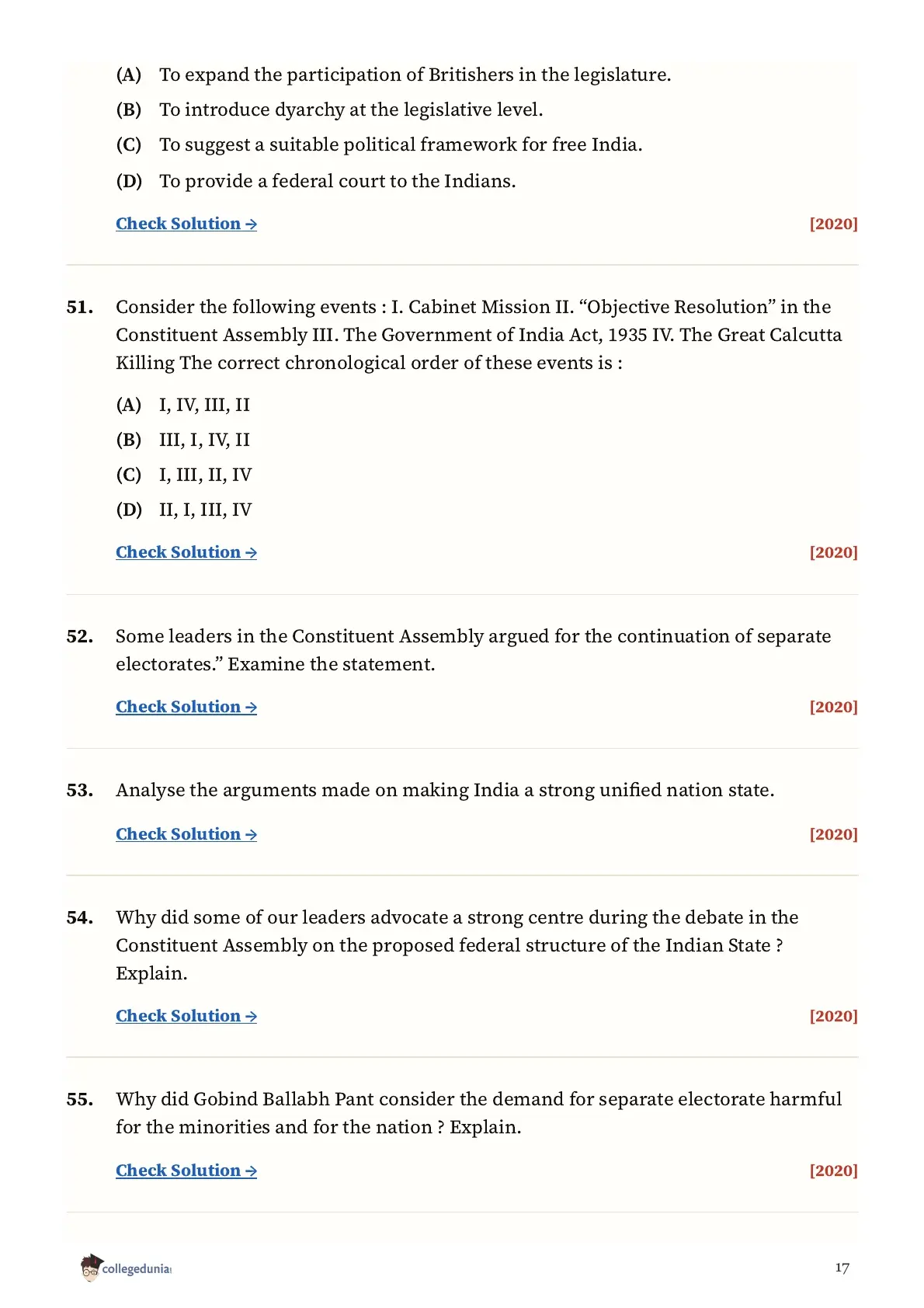
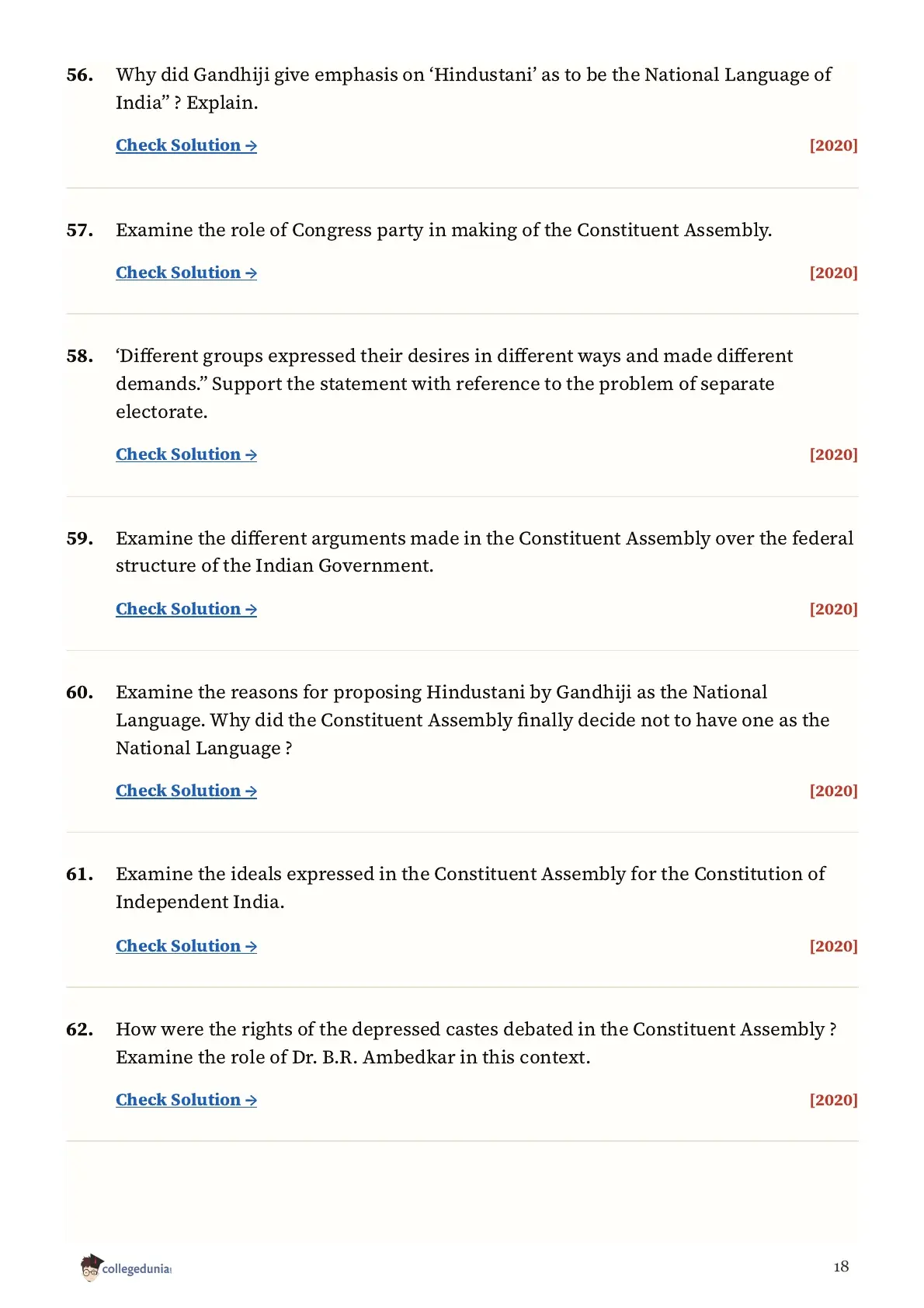
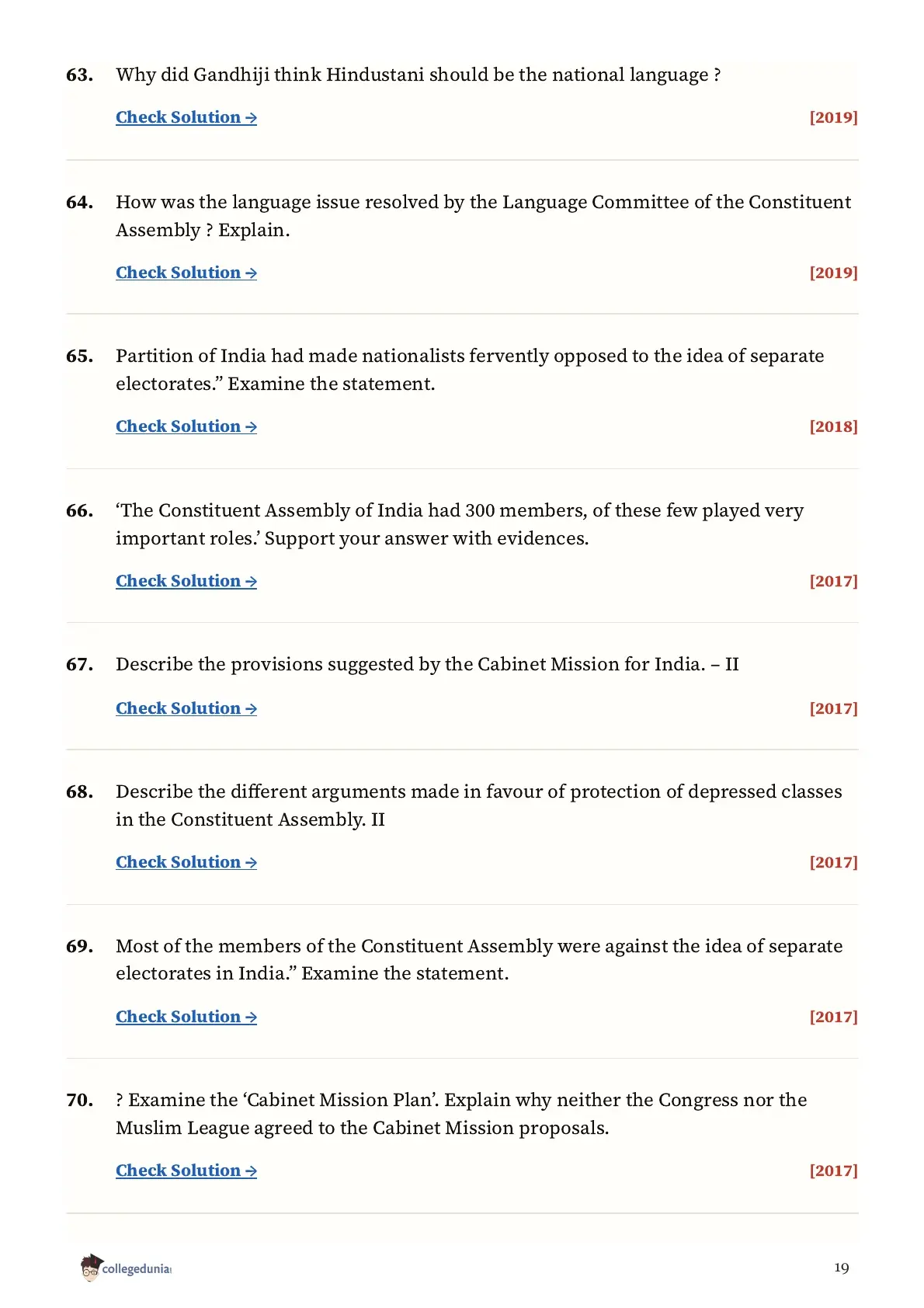
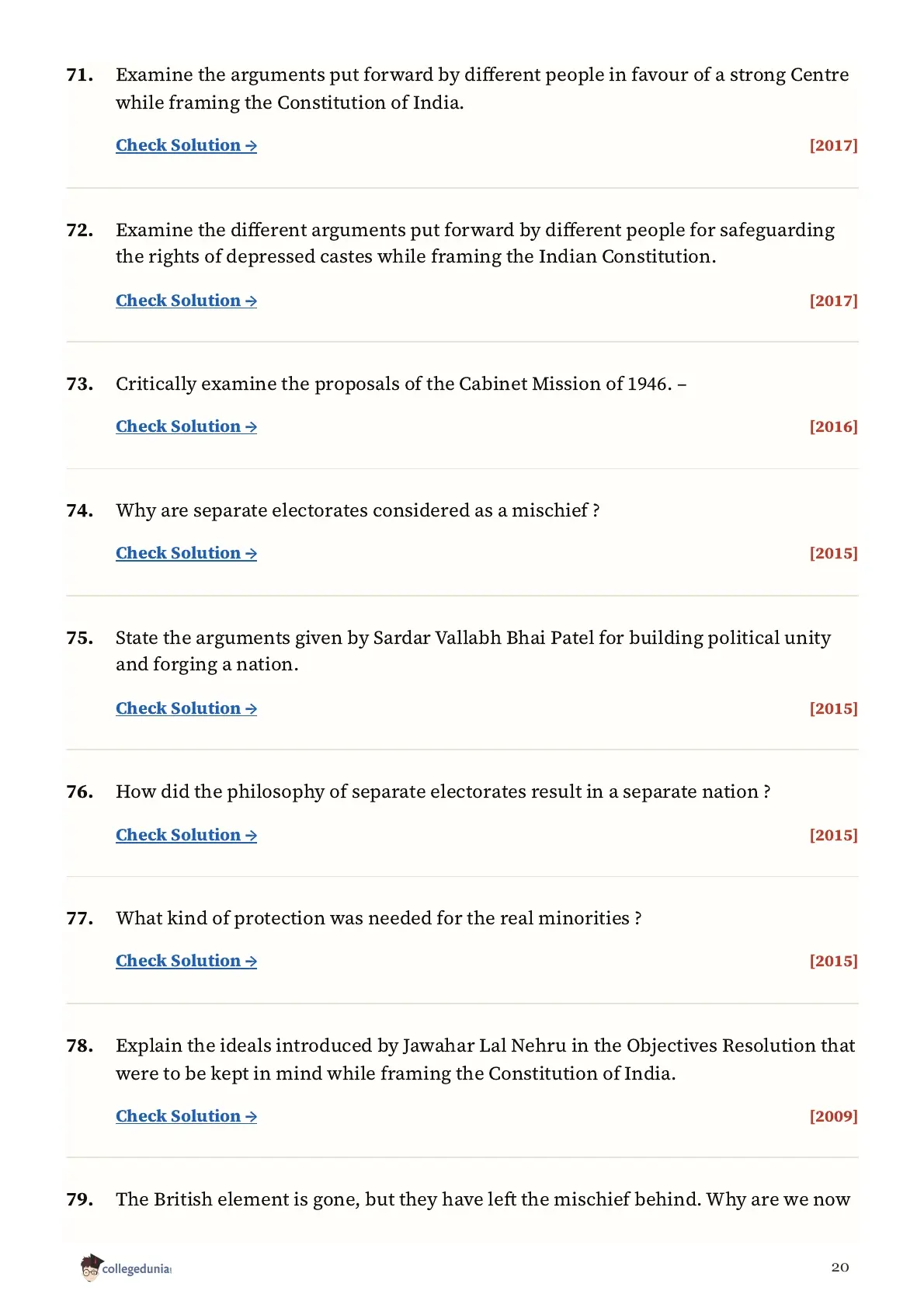
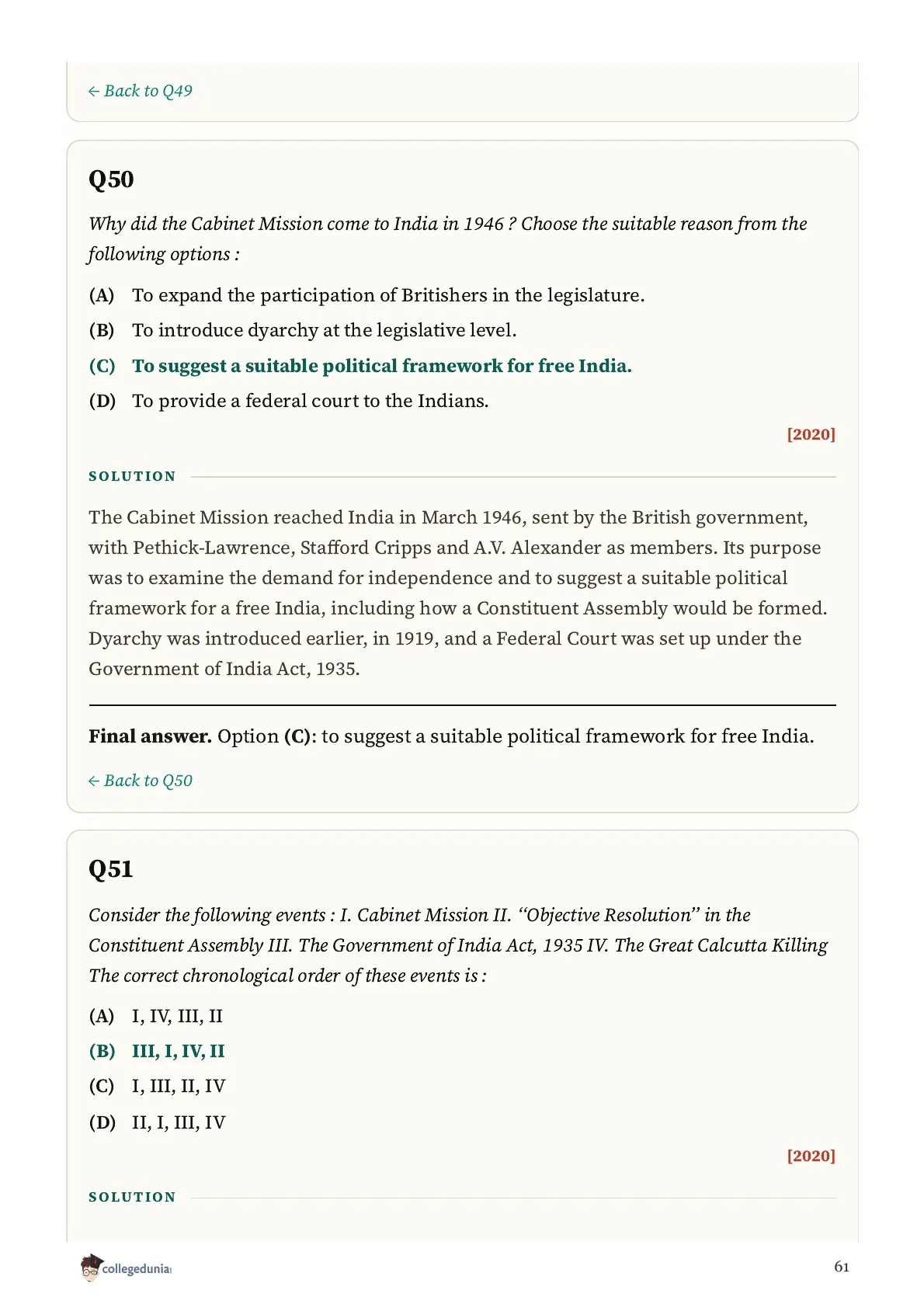
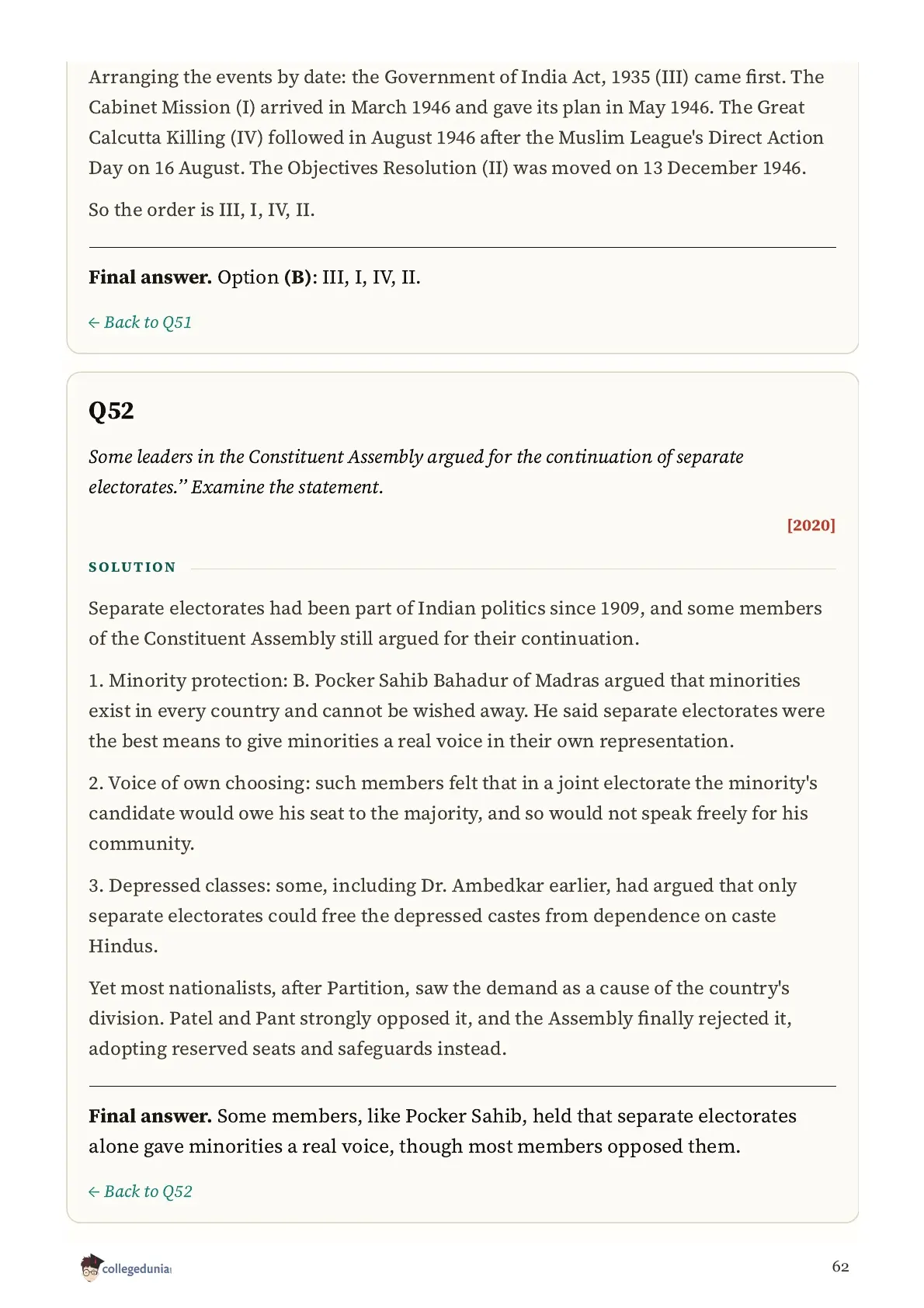
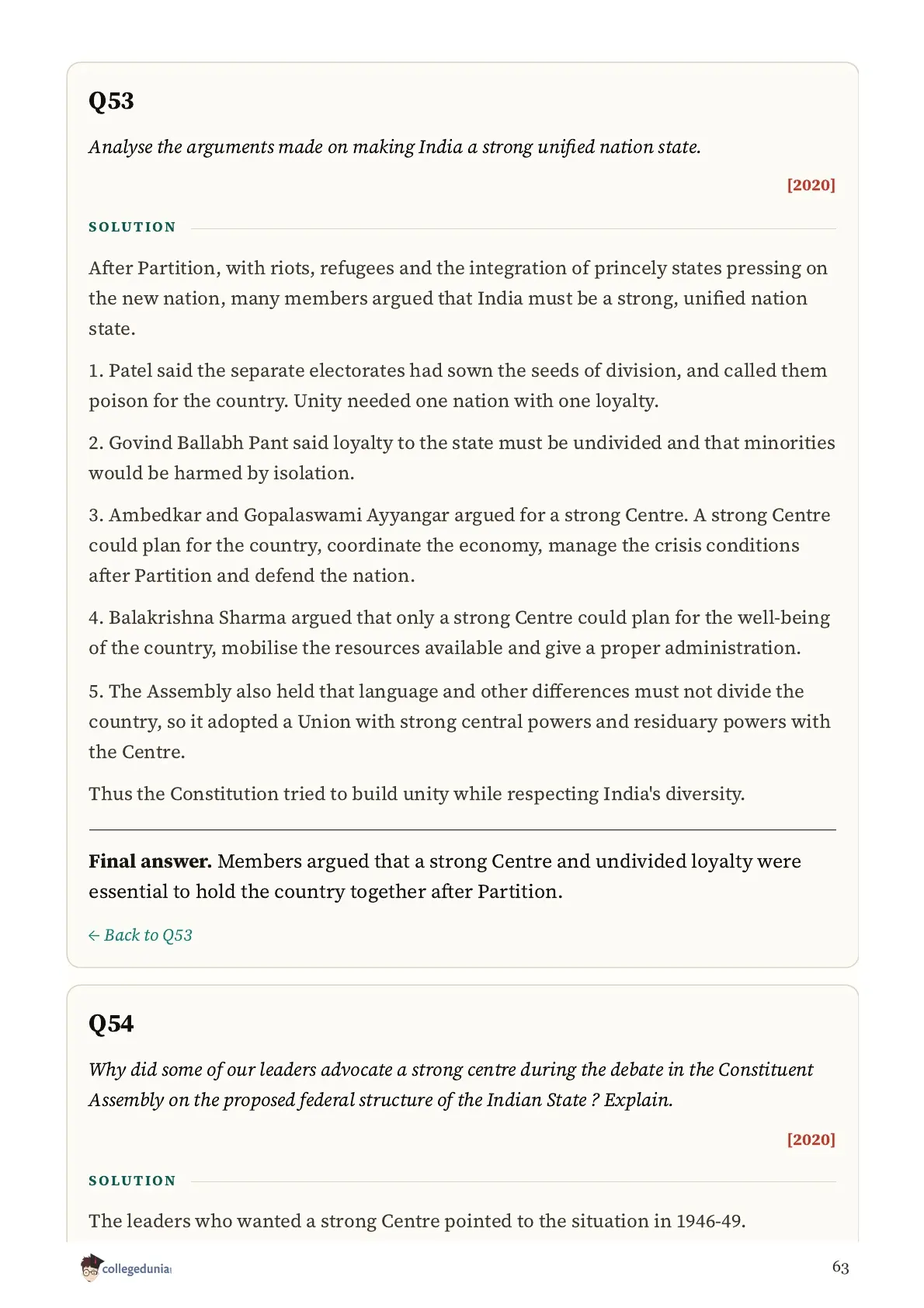
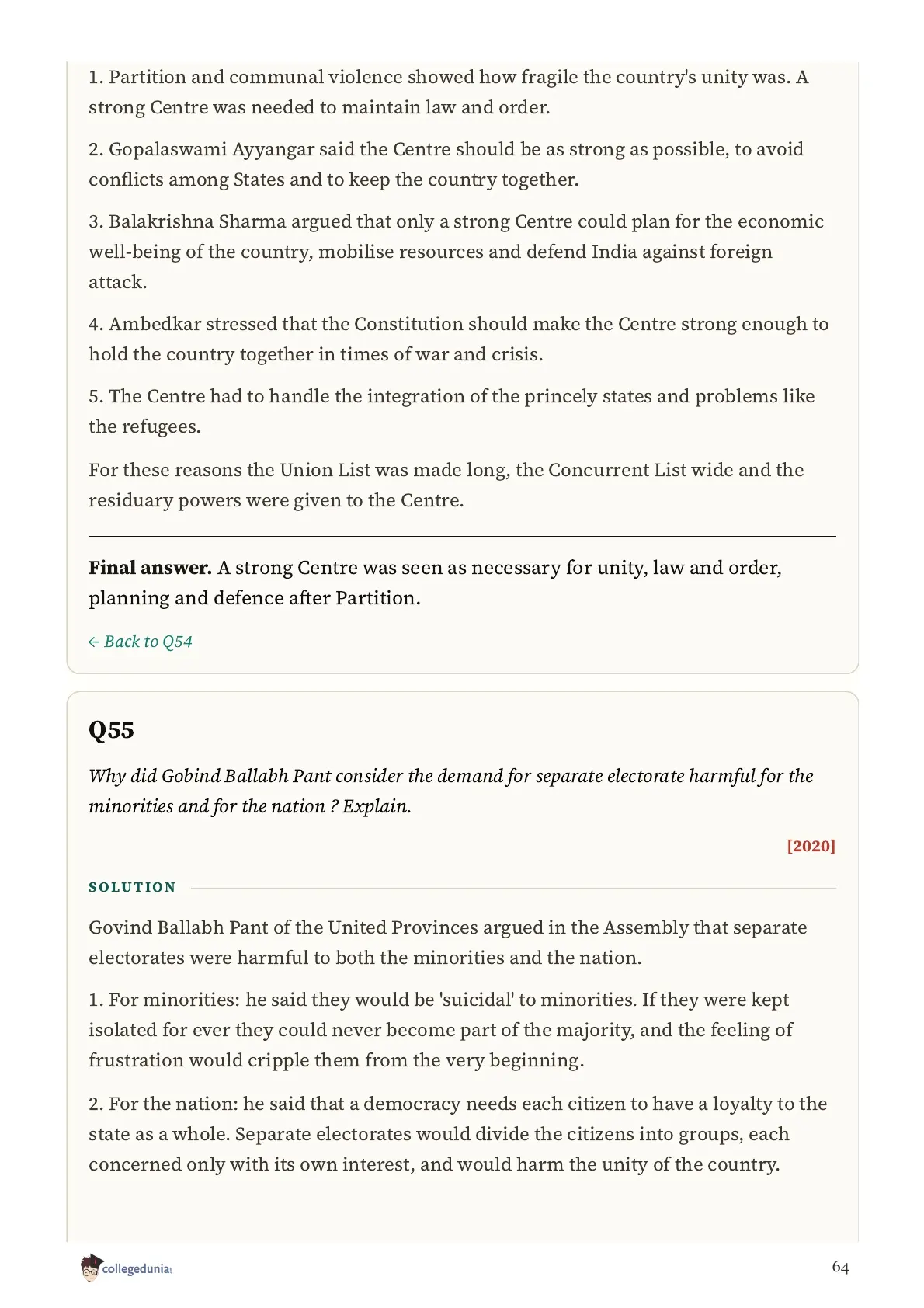
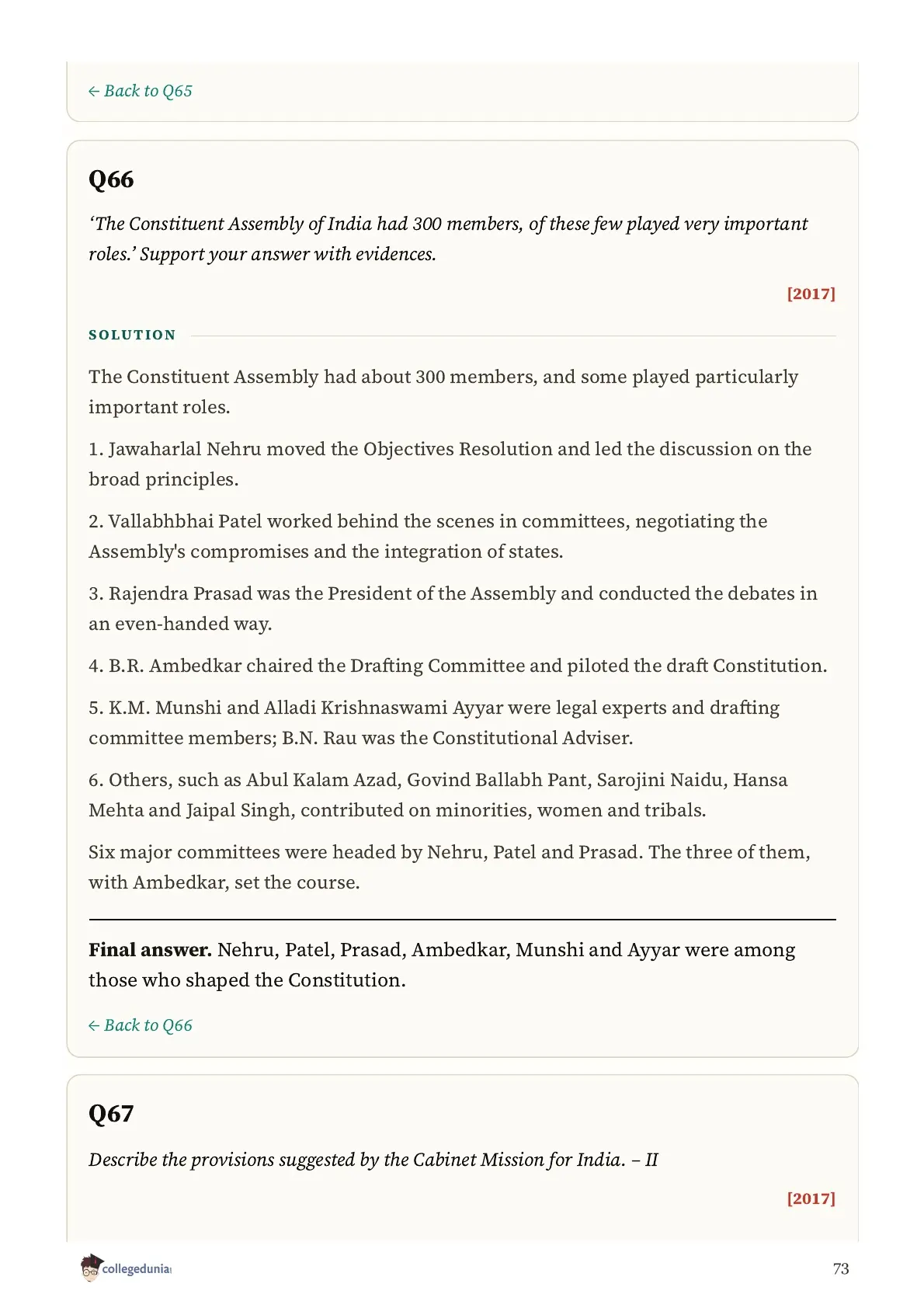
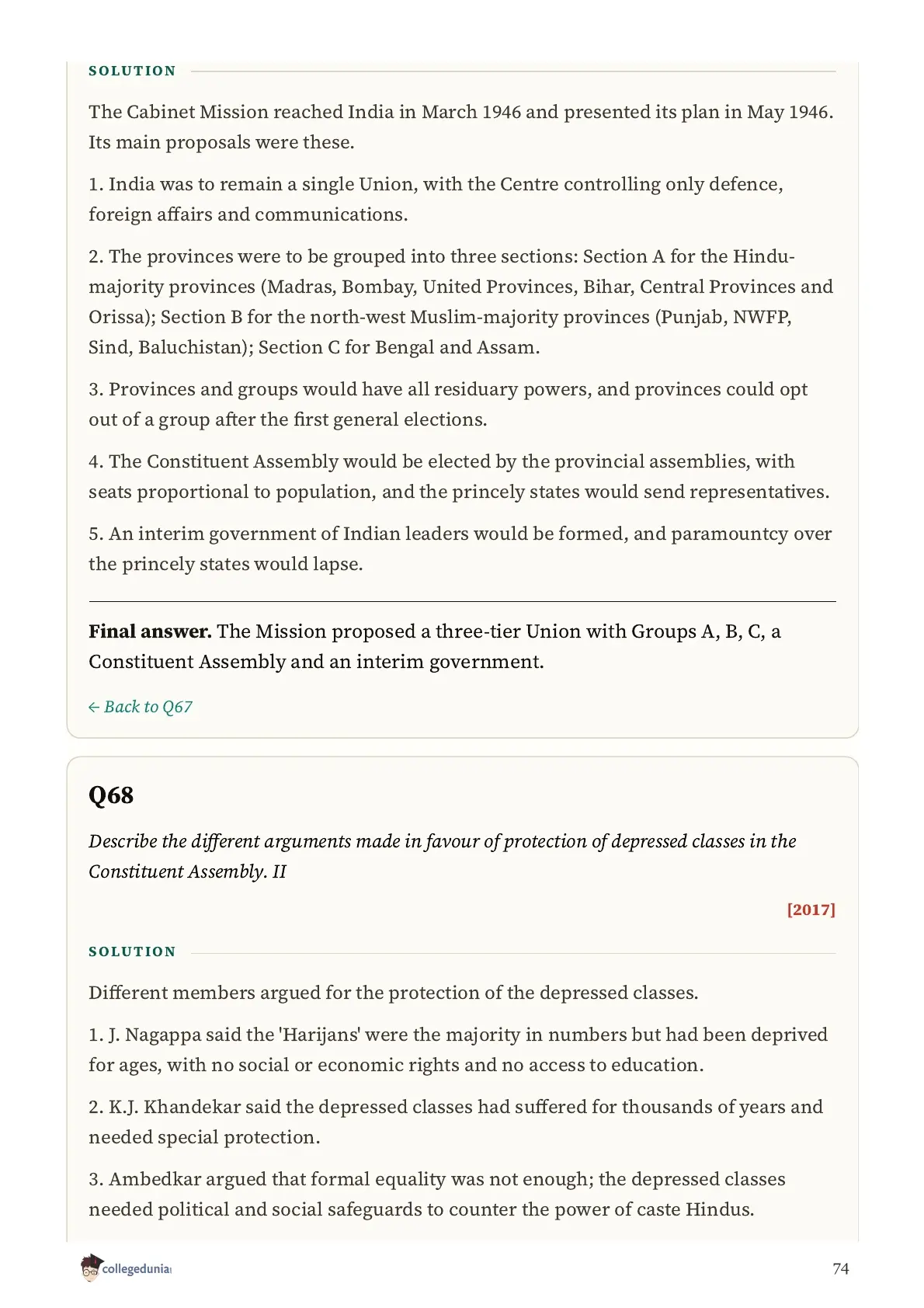
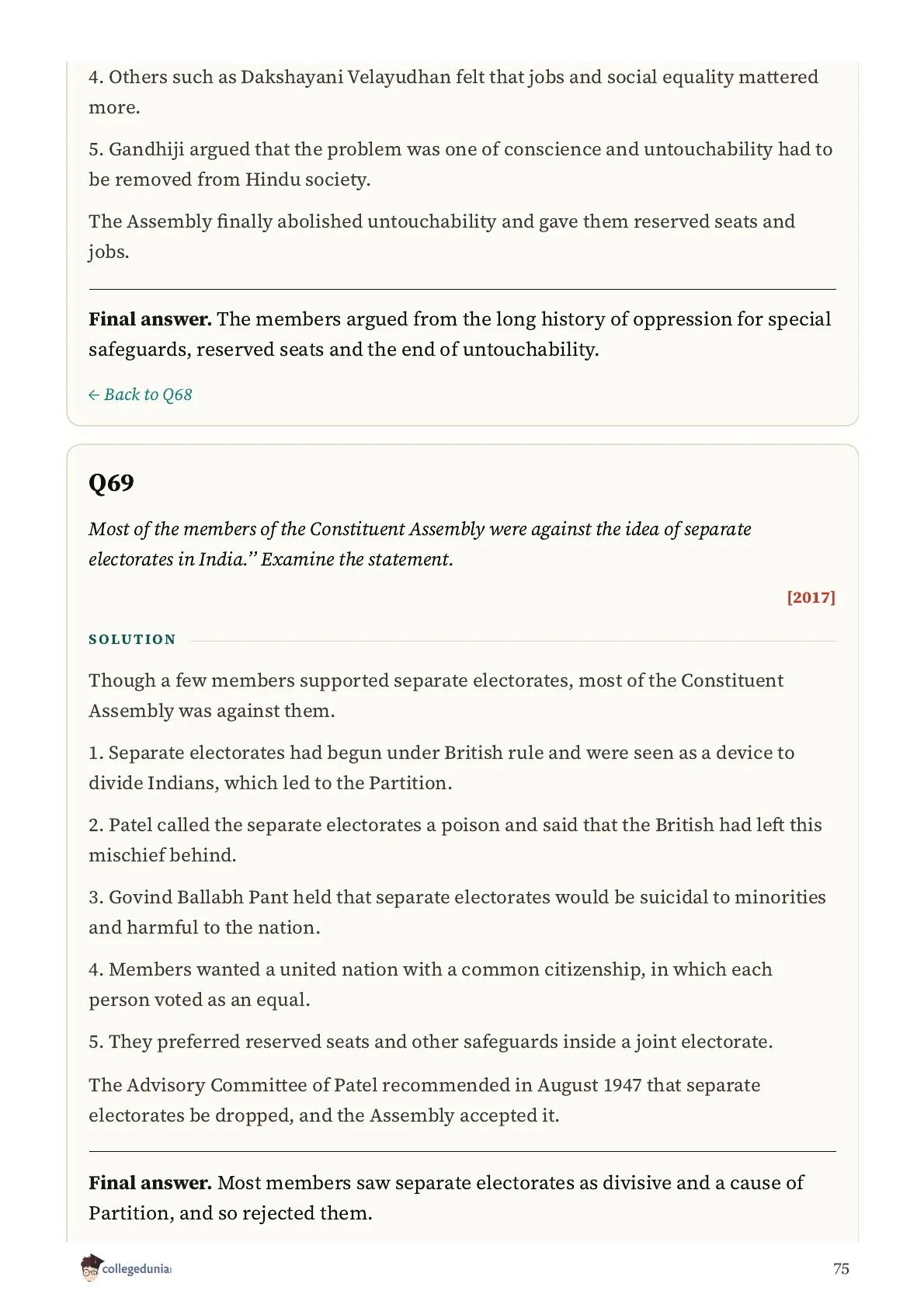
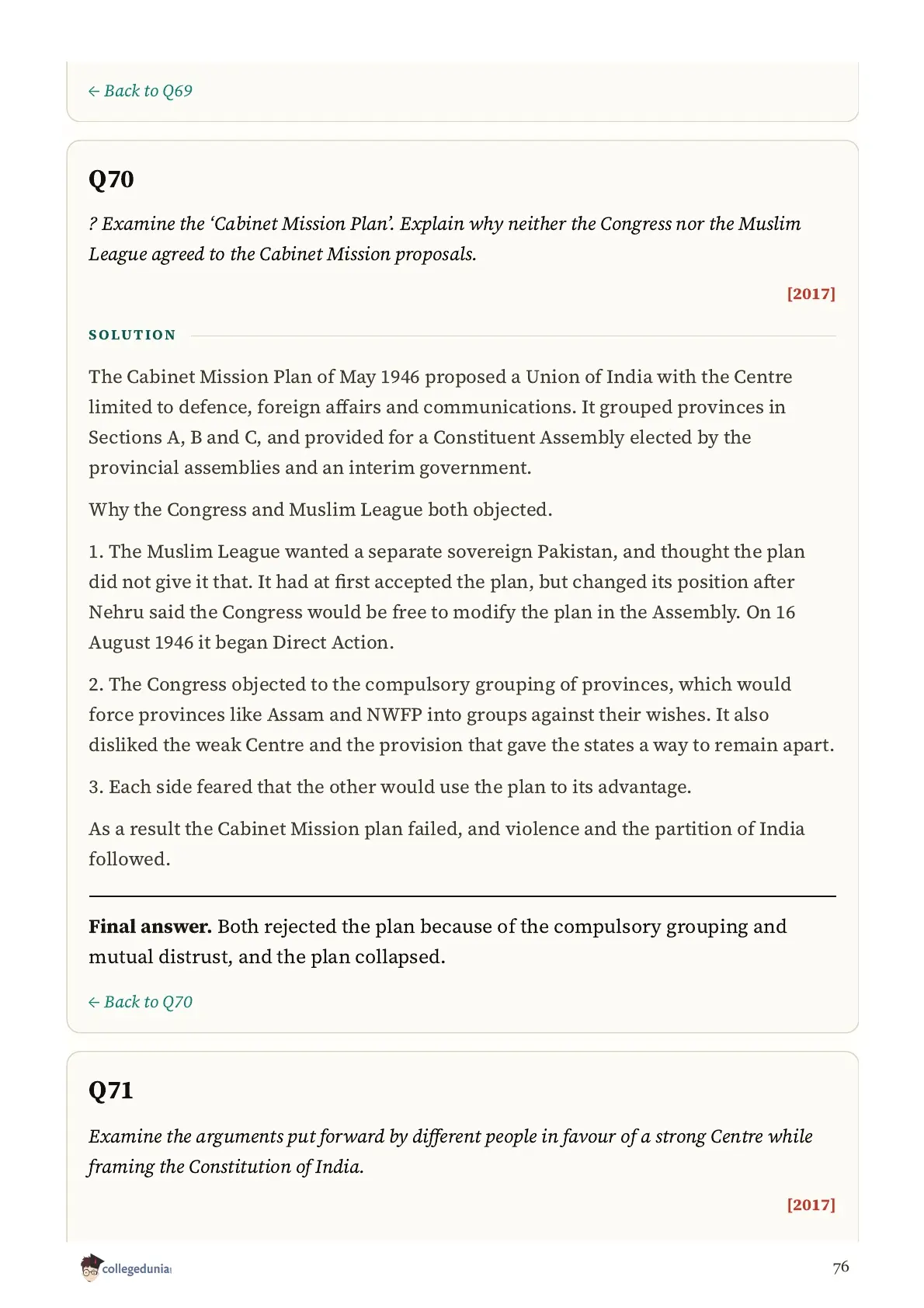
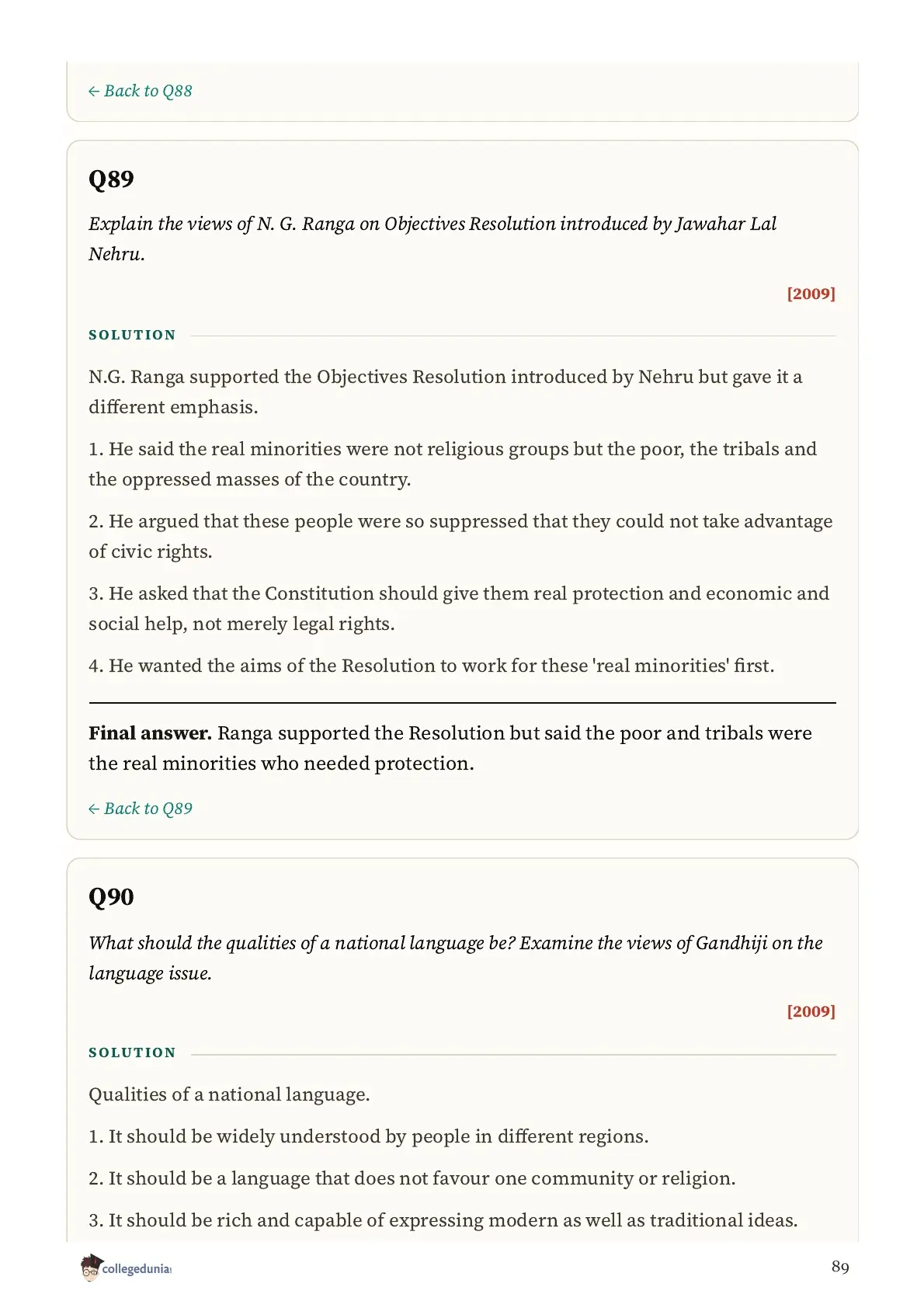
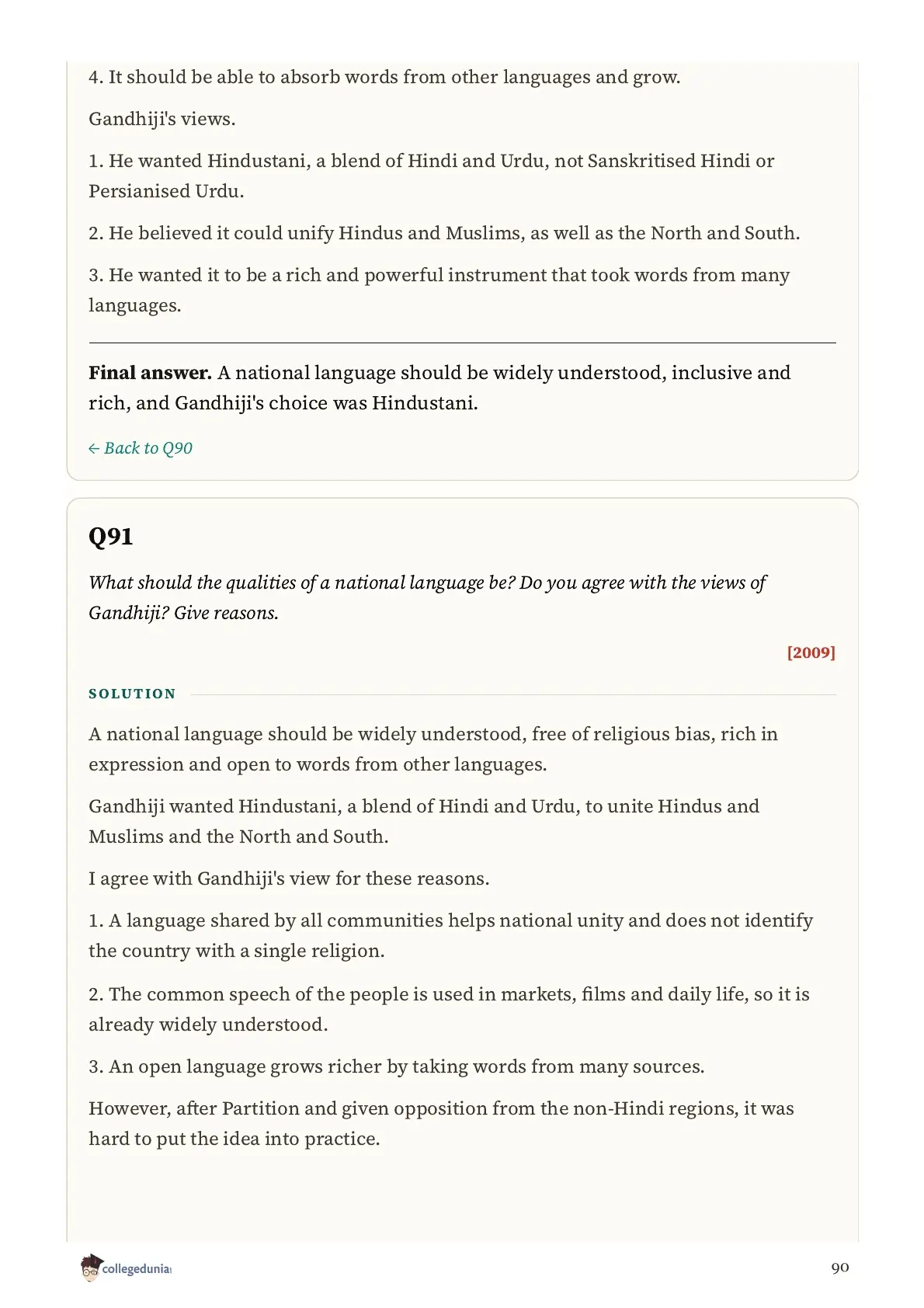
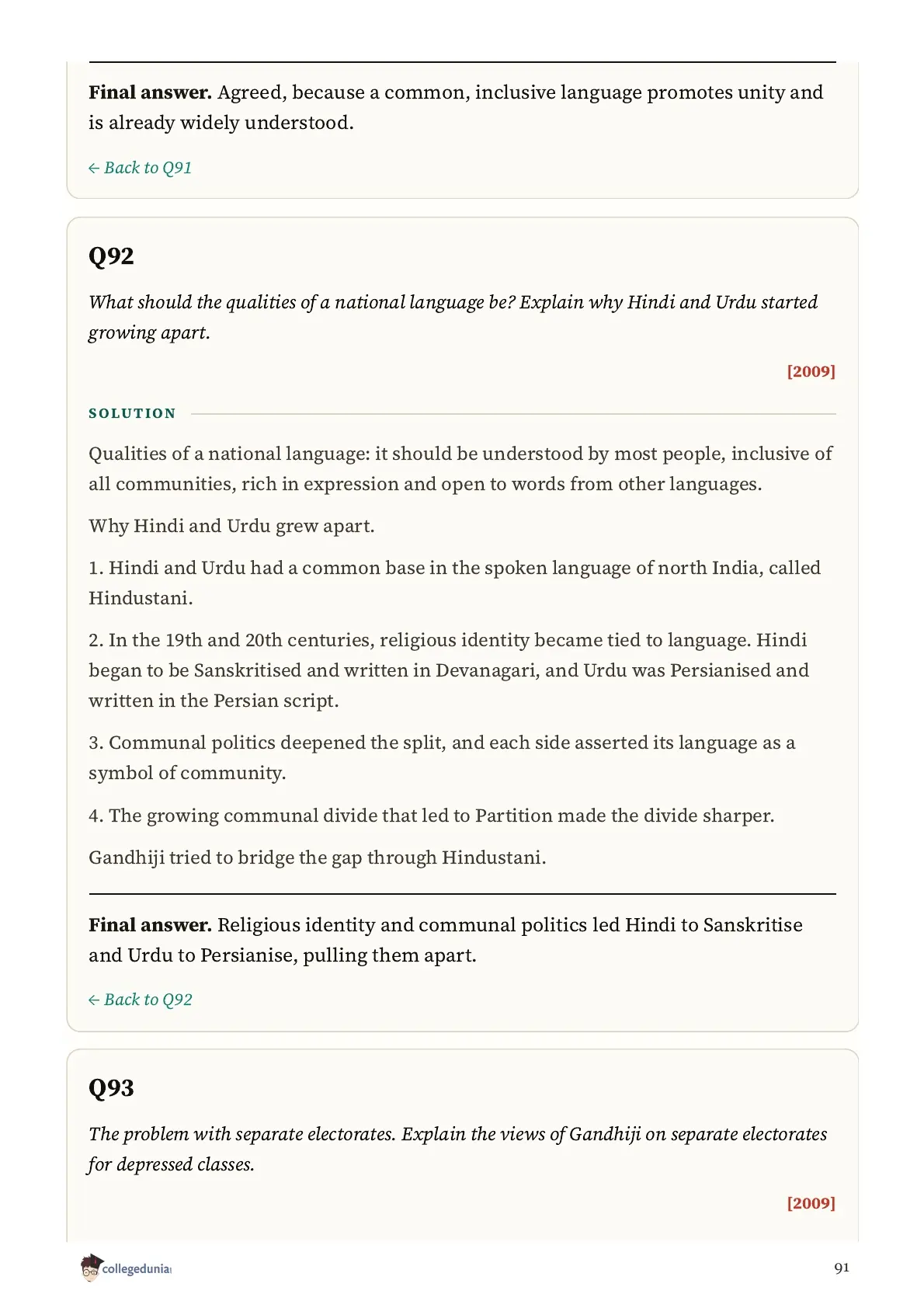
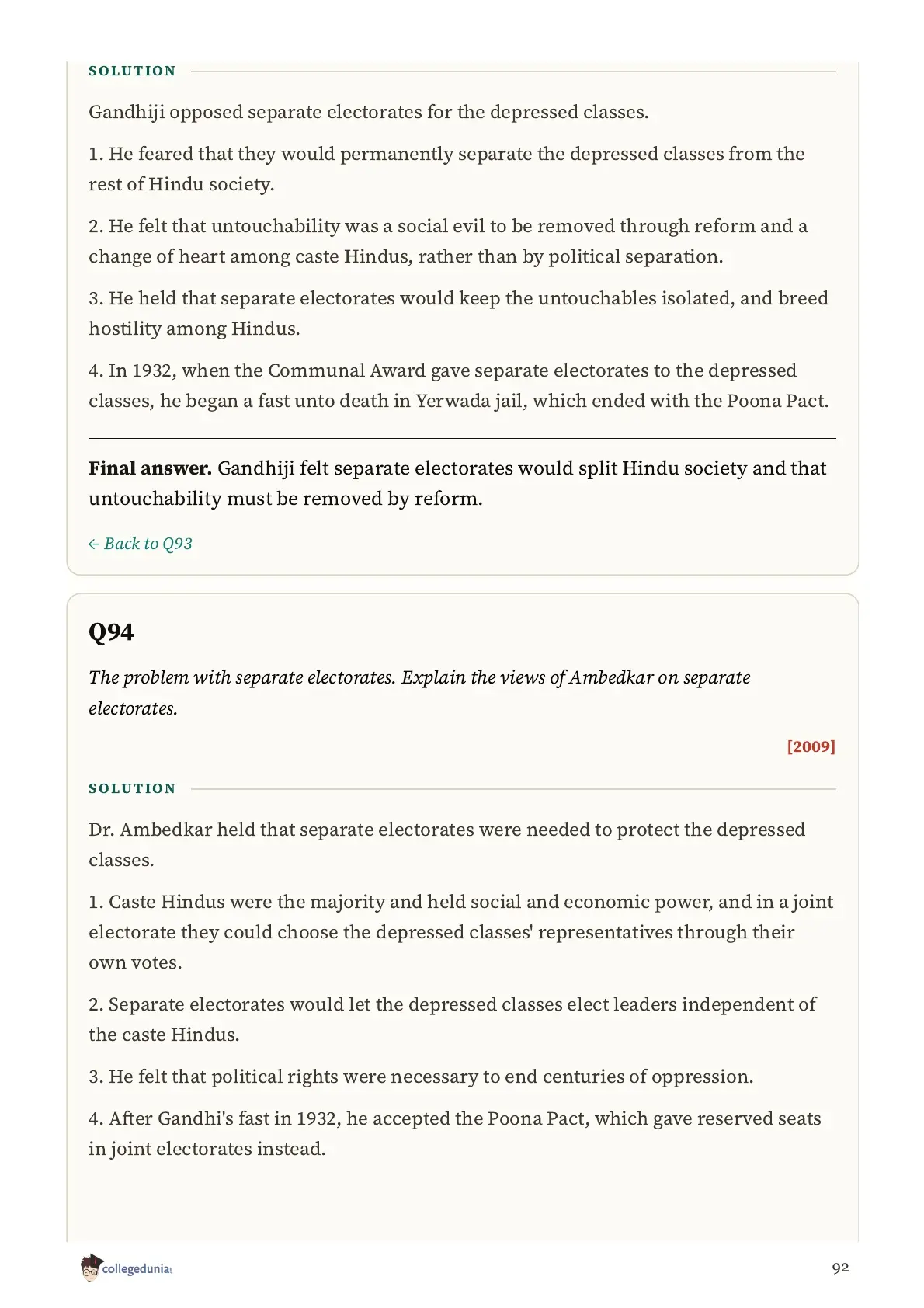
Framing the Constitution Weightage in the Class 12 Board Paper
As per History Framing the Constitution weightage from past years, students can expect this theme to be part of the roughly 25 marks the board paper sets from Part III (Themes 9 to 12), out of 80 theory marks. CBSE does not print a separate figure for Theme 12, so the Part III figure is the one to use. It comes from the marking scheme table on the Physics Wallah Class 12 History page, which lists the Part III themes at 25 and map work at 5, and it is unofficial, so check the curriculum on cbseacademic.nic.in.
The question bank carries no marks, so the table below shows how many questions of each type are in the set, not marks.
| Question Type | Questions in the Set |
|---|---|
| Objective (MCQ) | 23 |
| Source-based | 2 |
| Short and long answers | 72 |
Framing the Constitution Questions by Topic
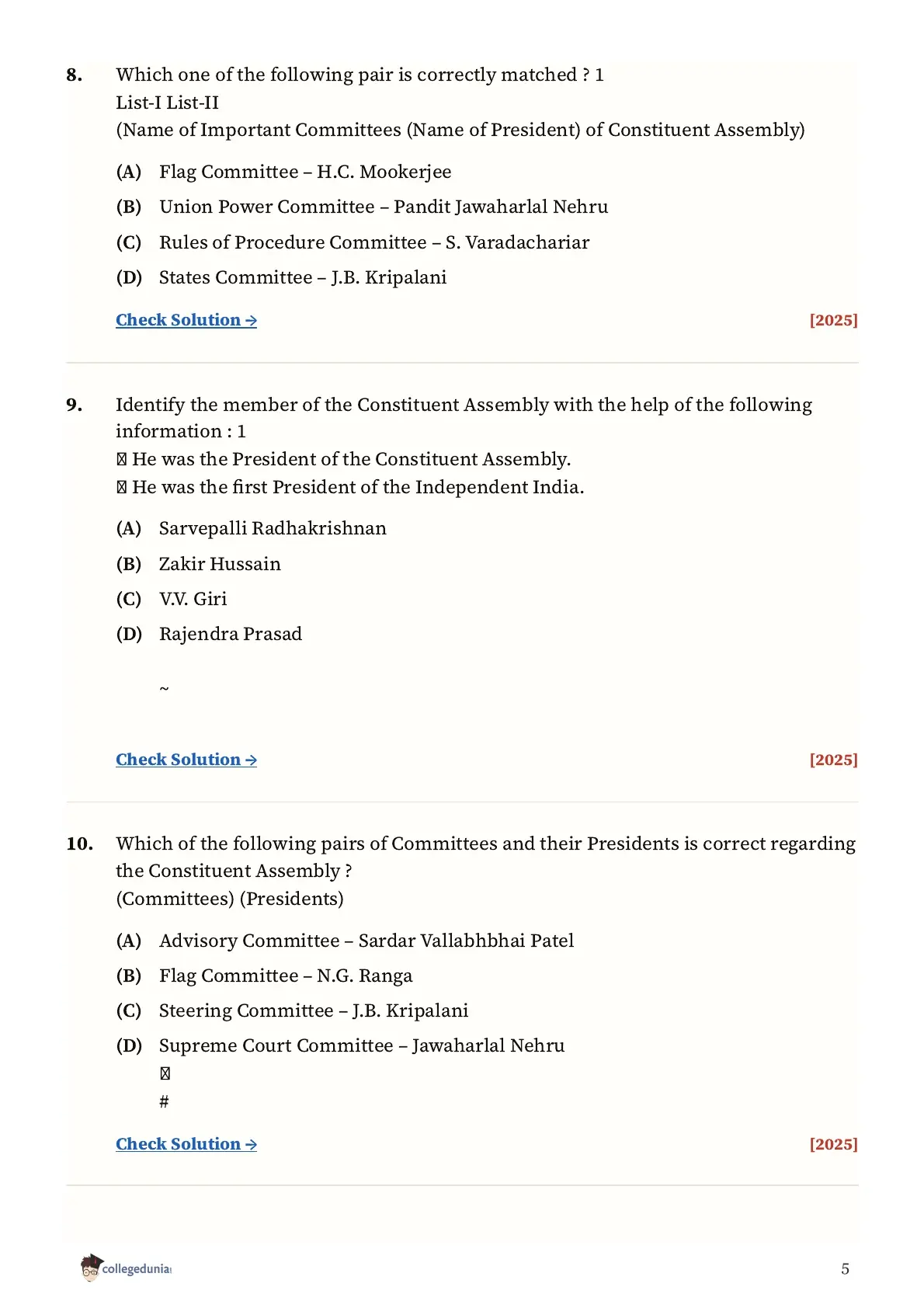
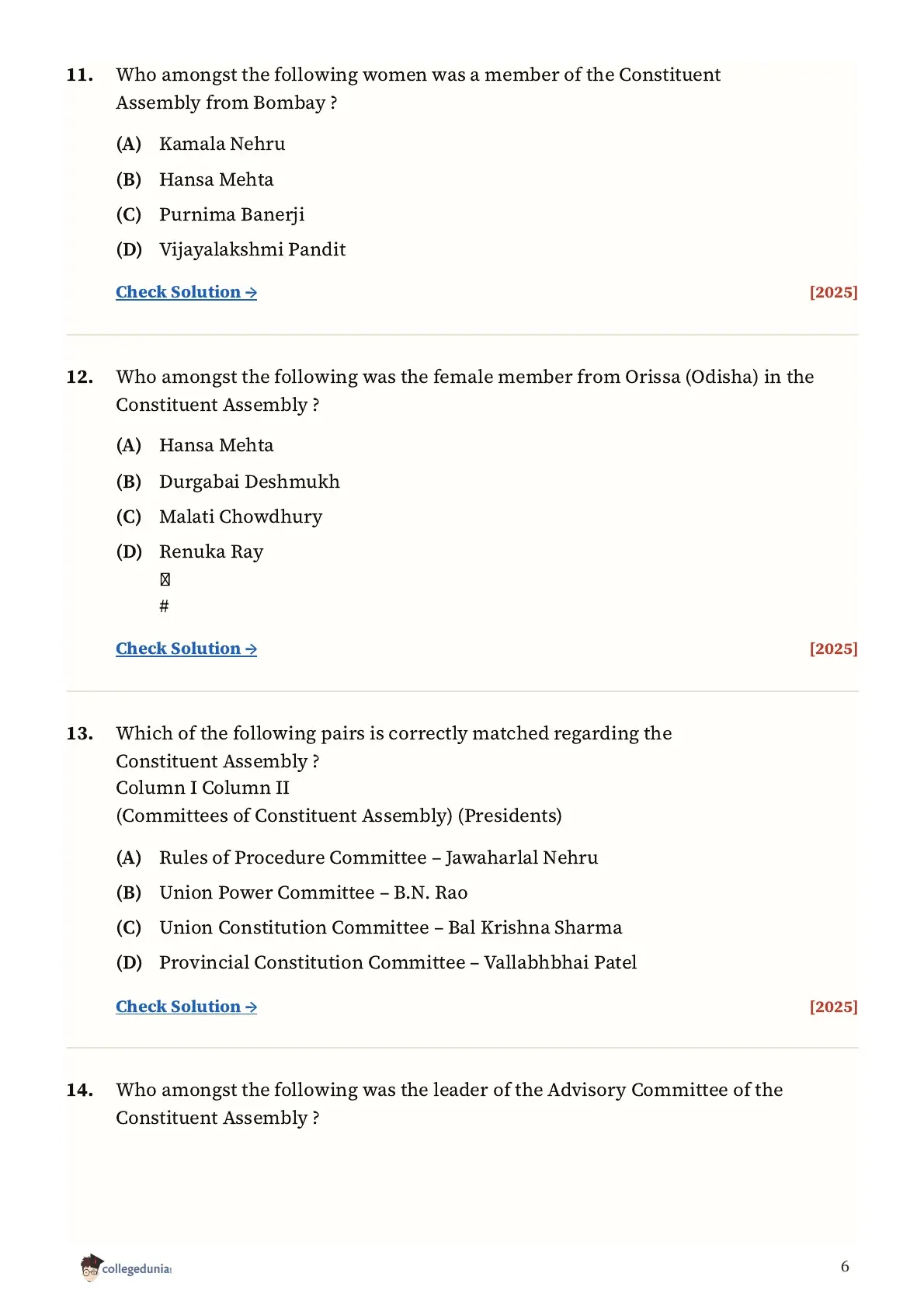
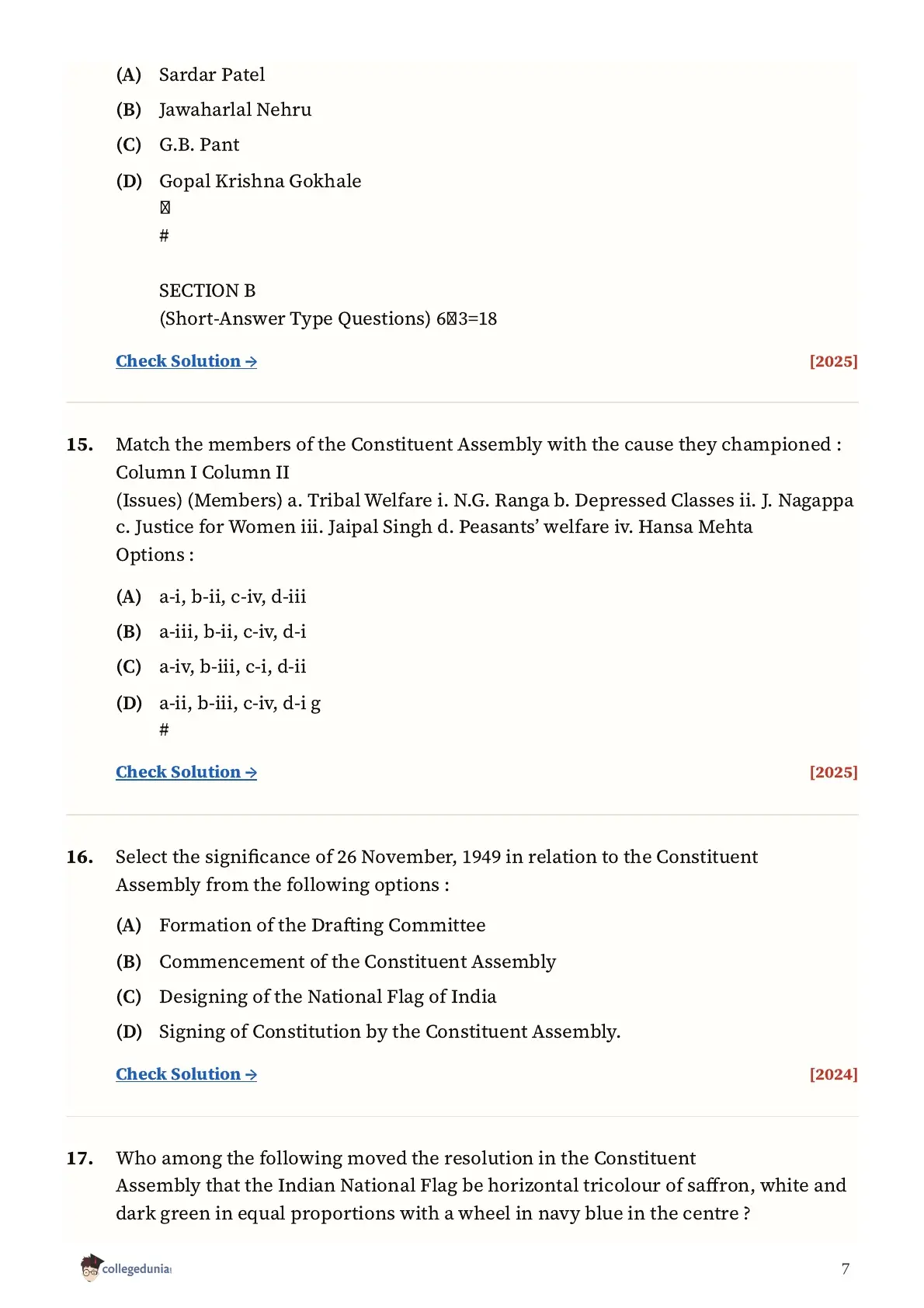
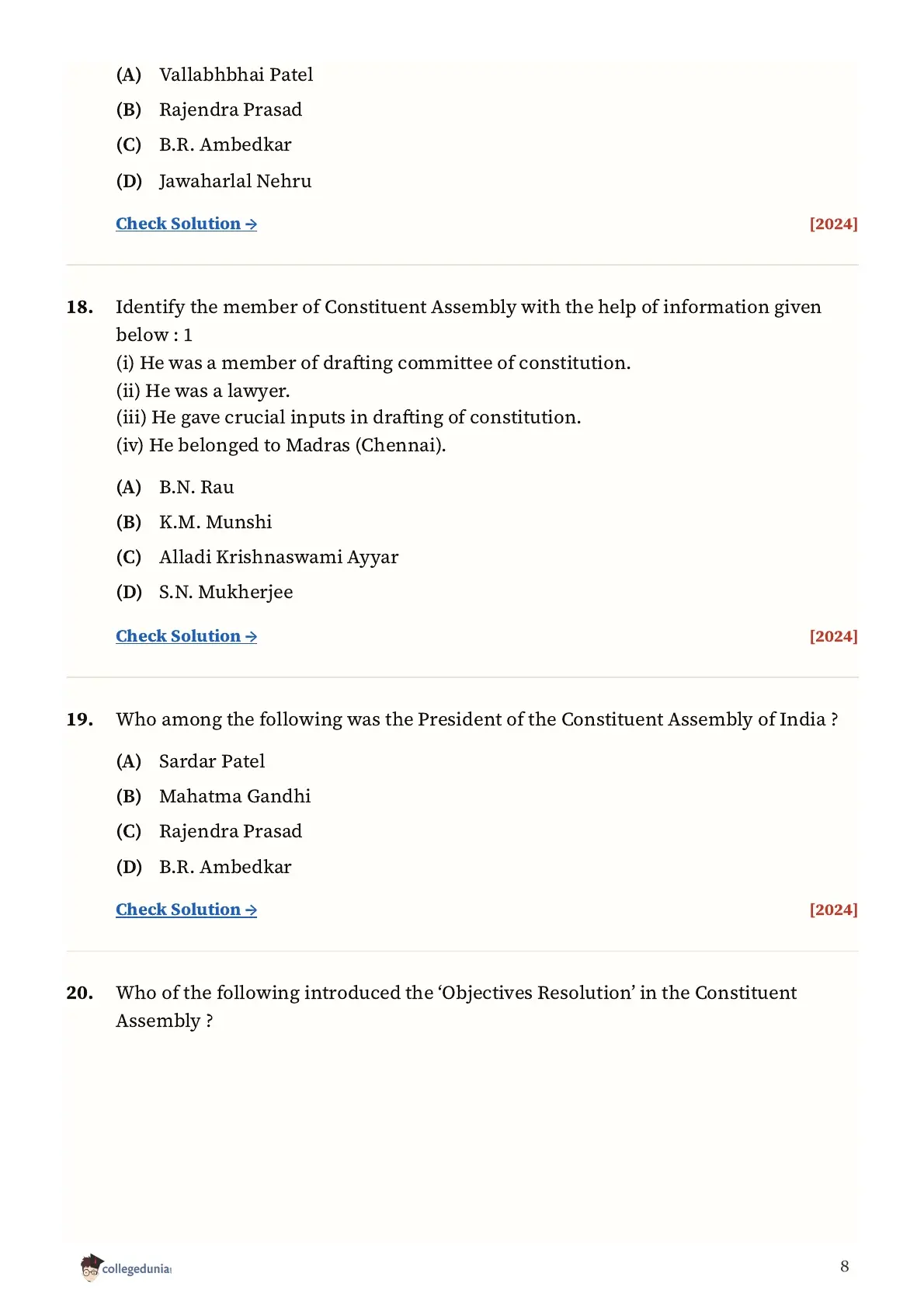
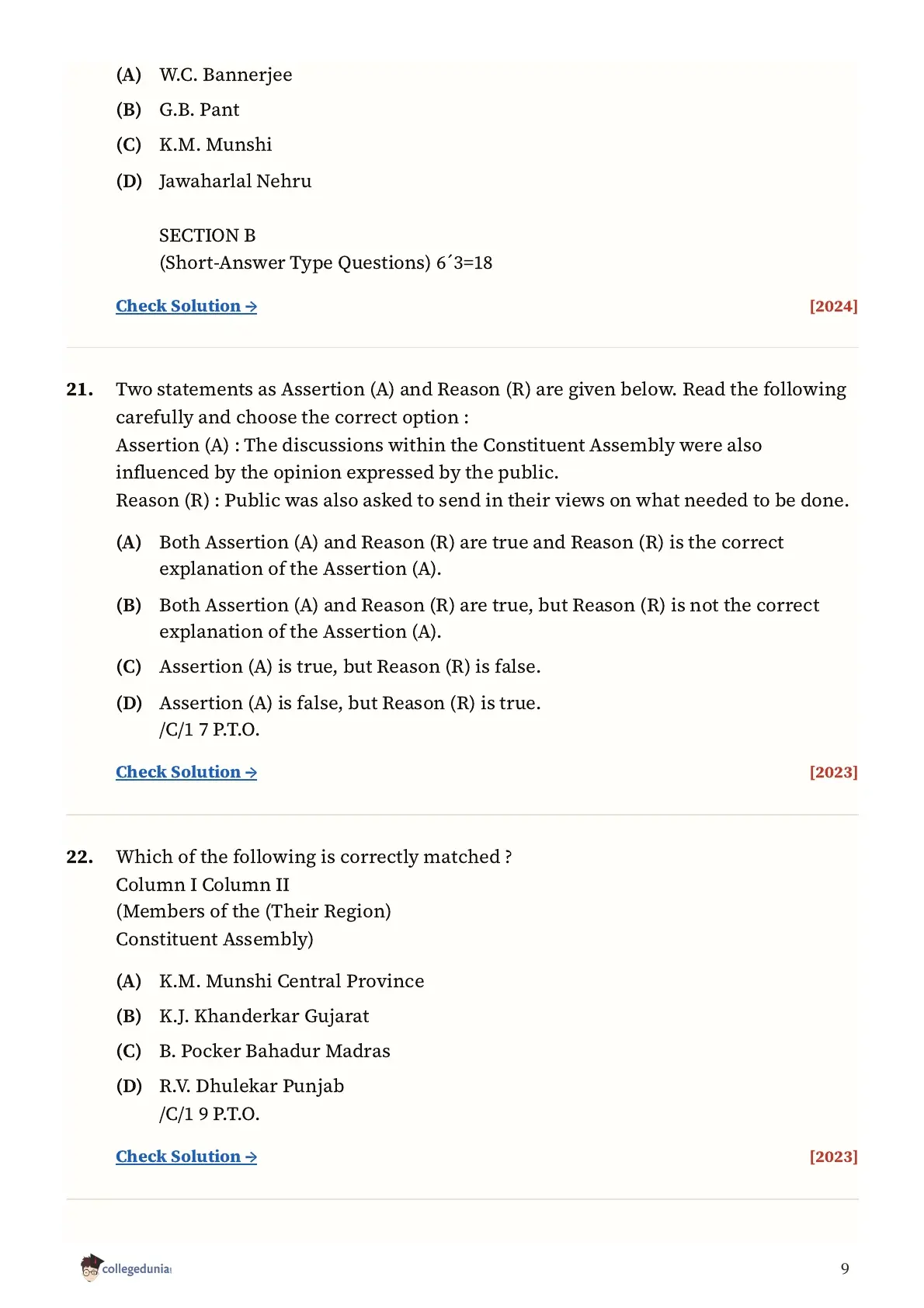
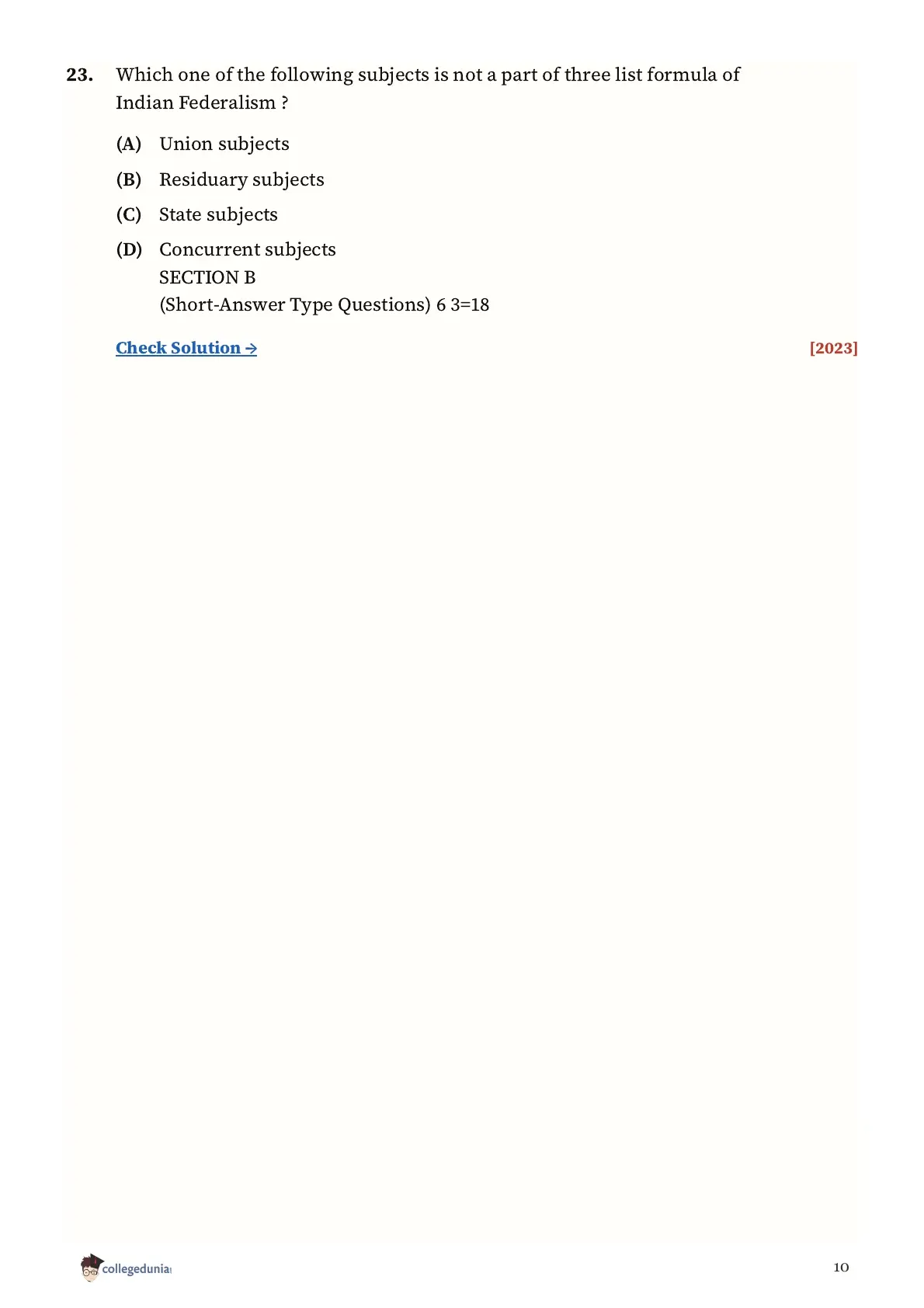
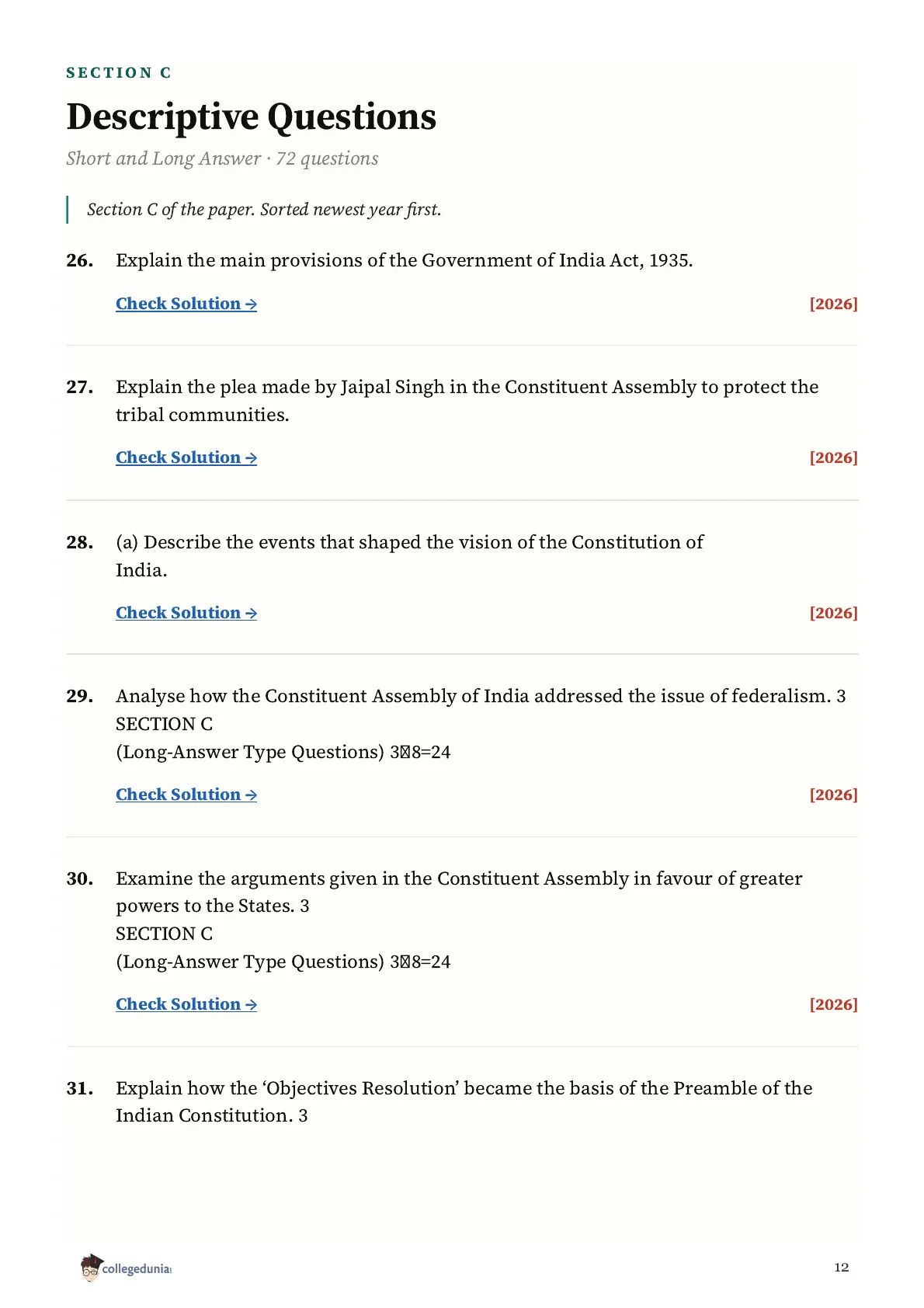
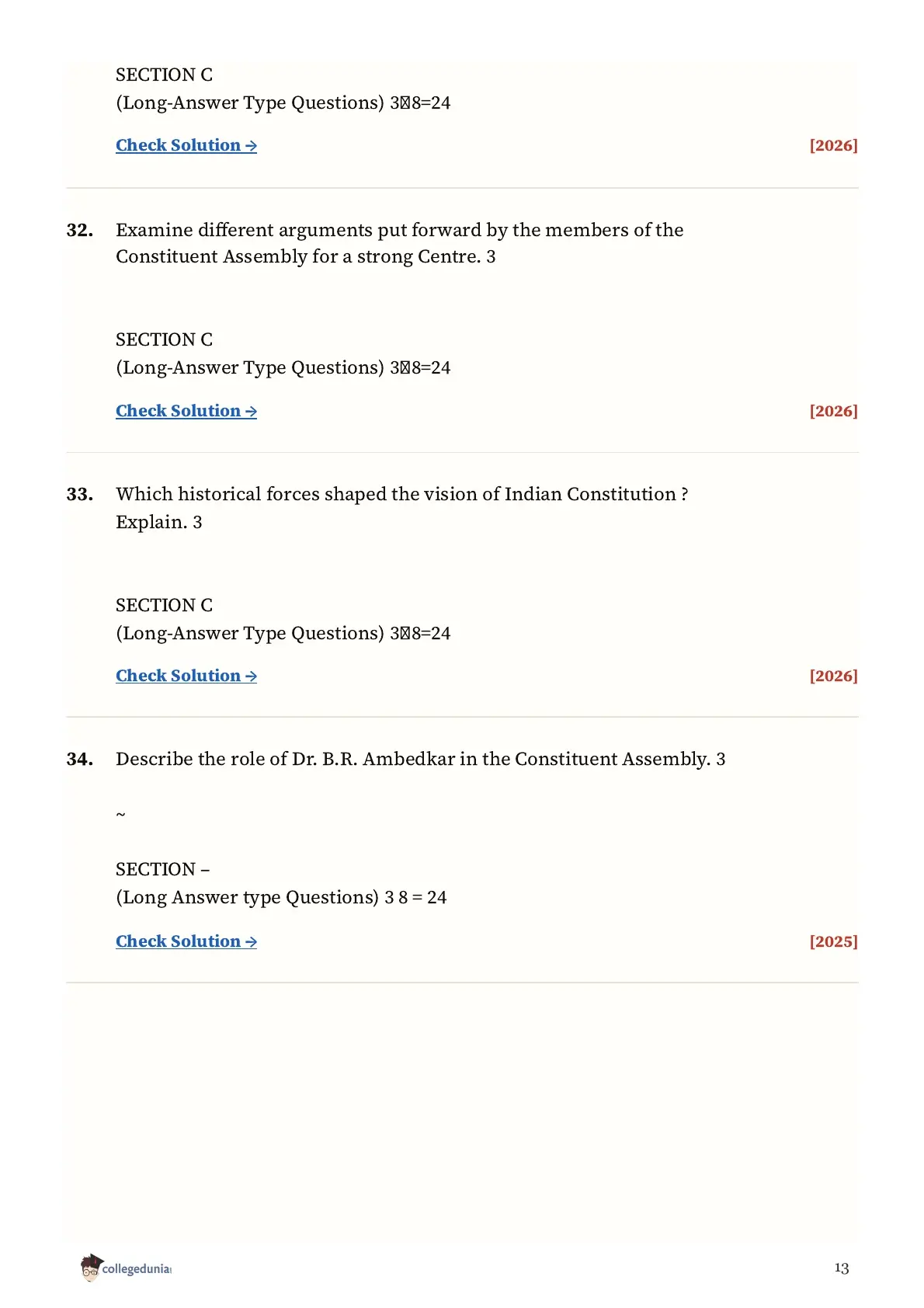
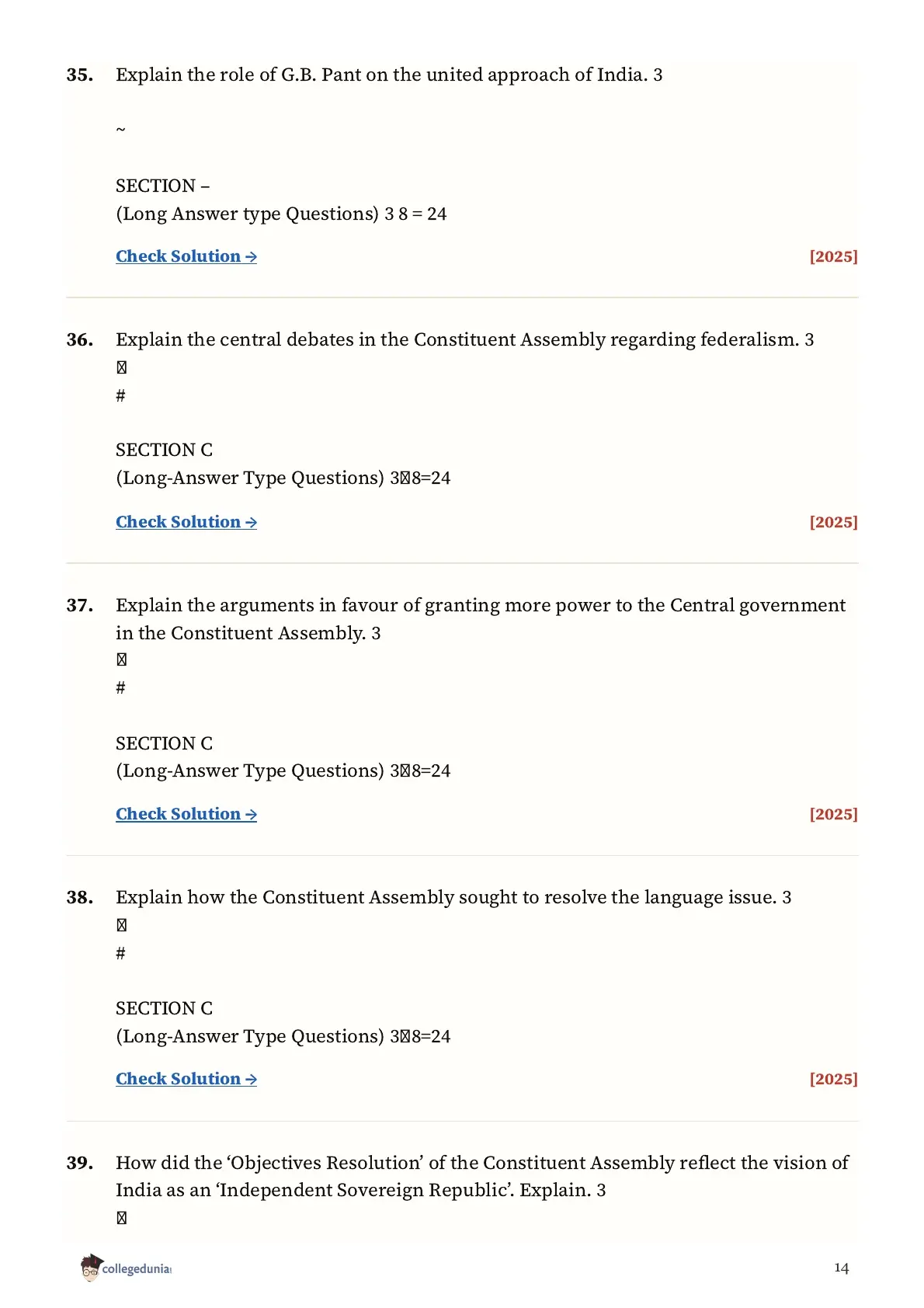
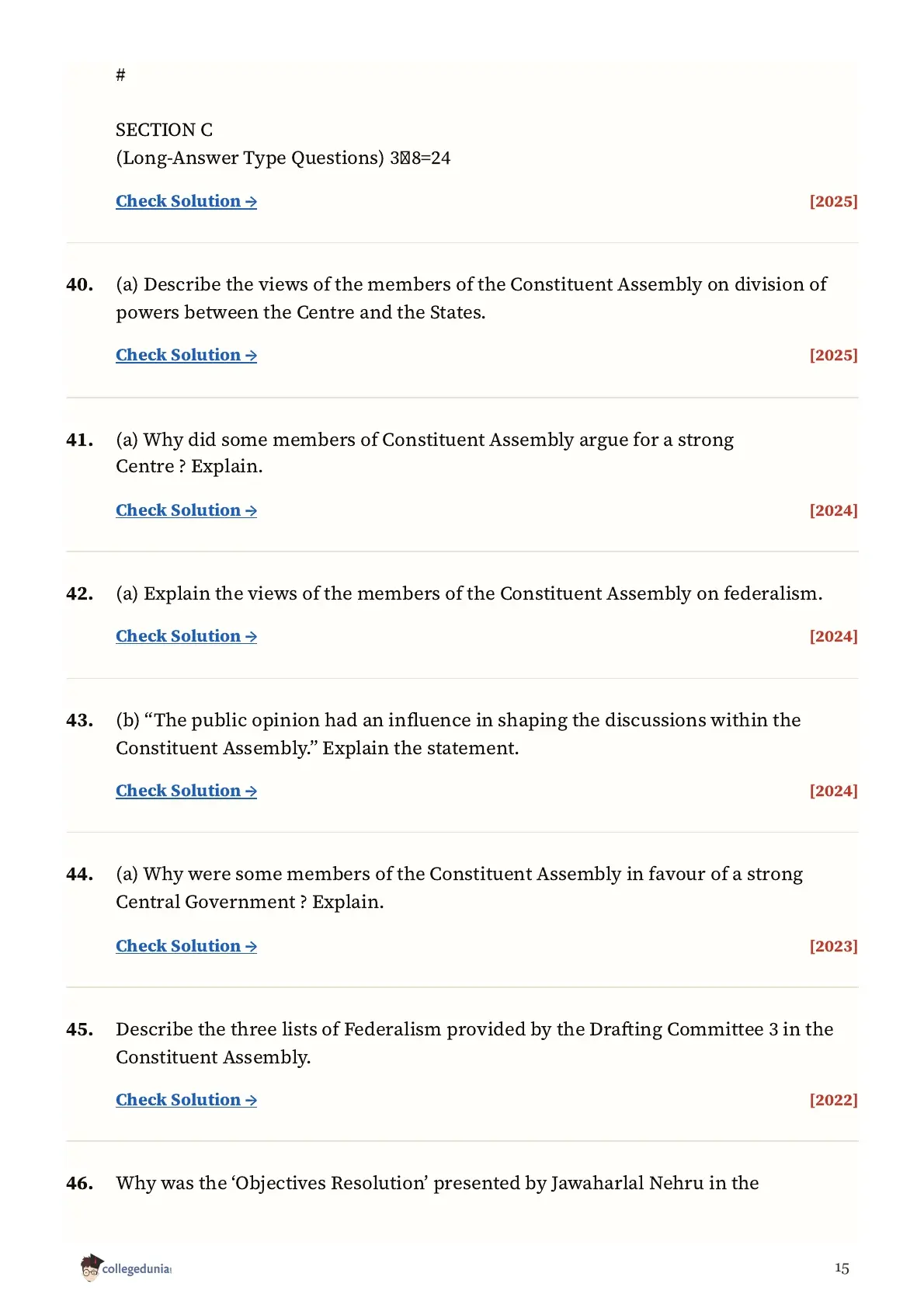
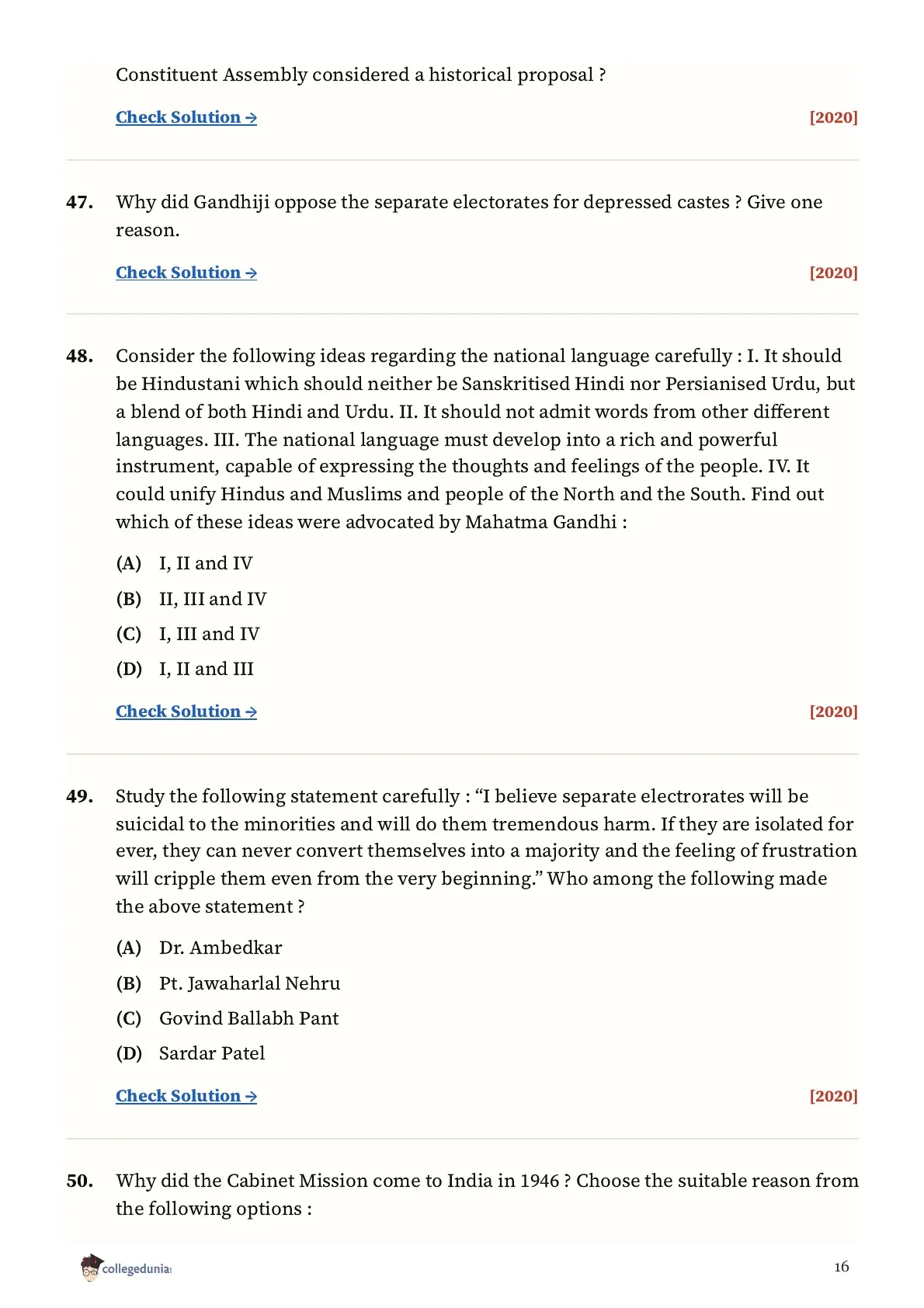
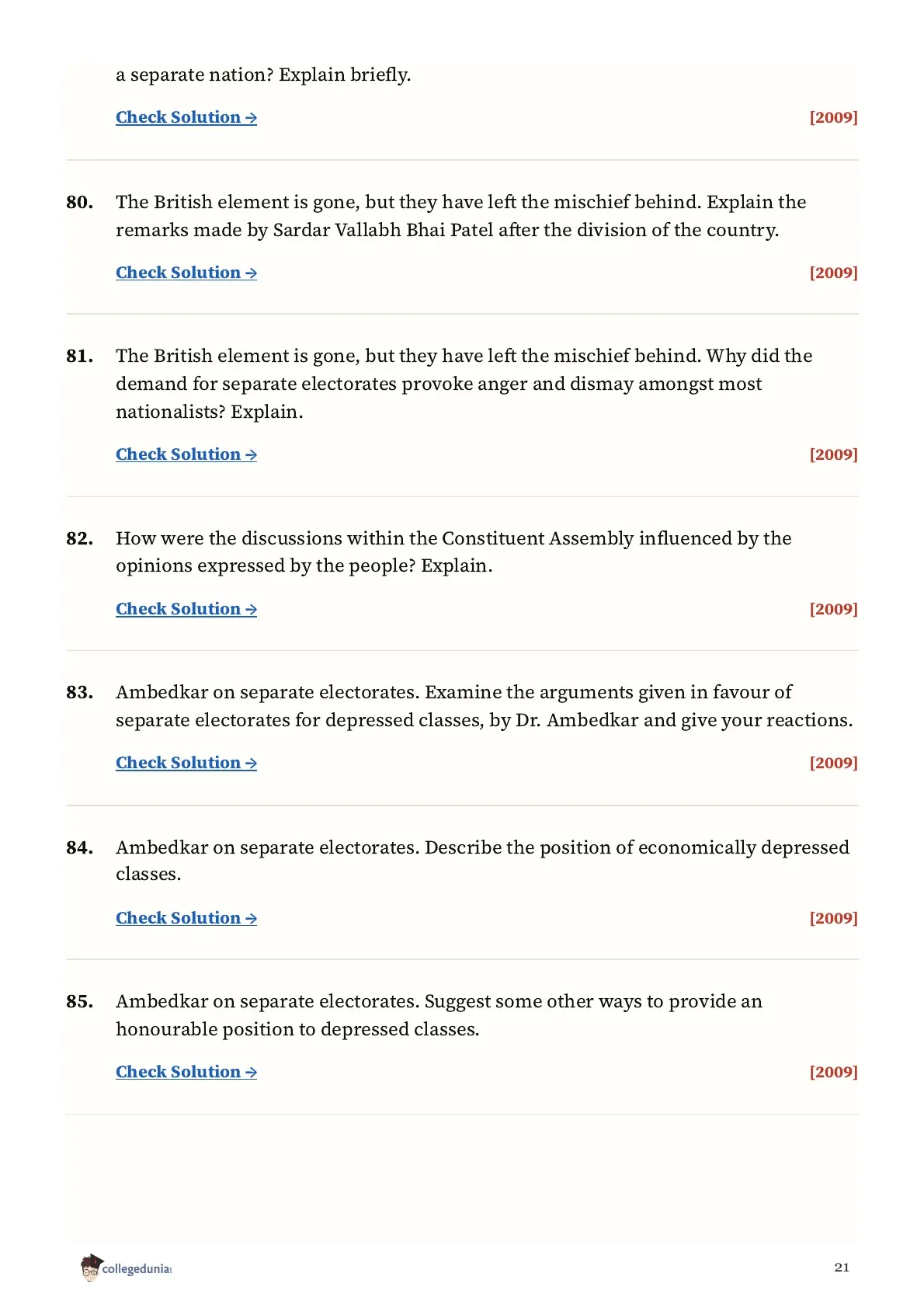
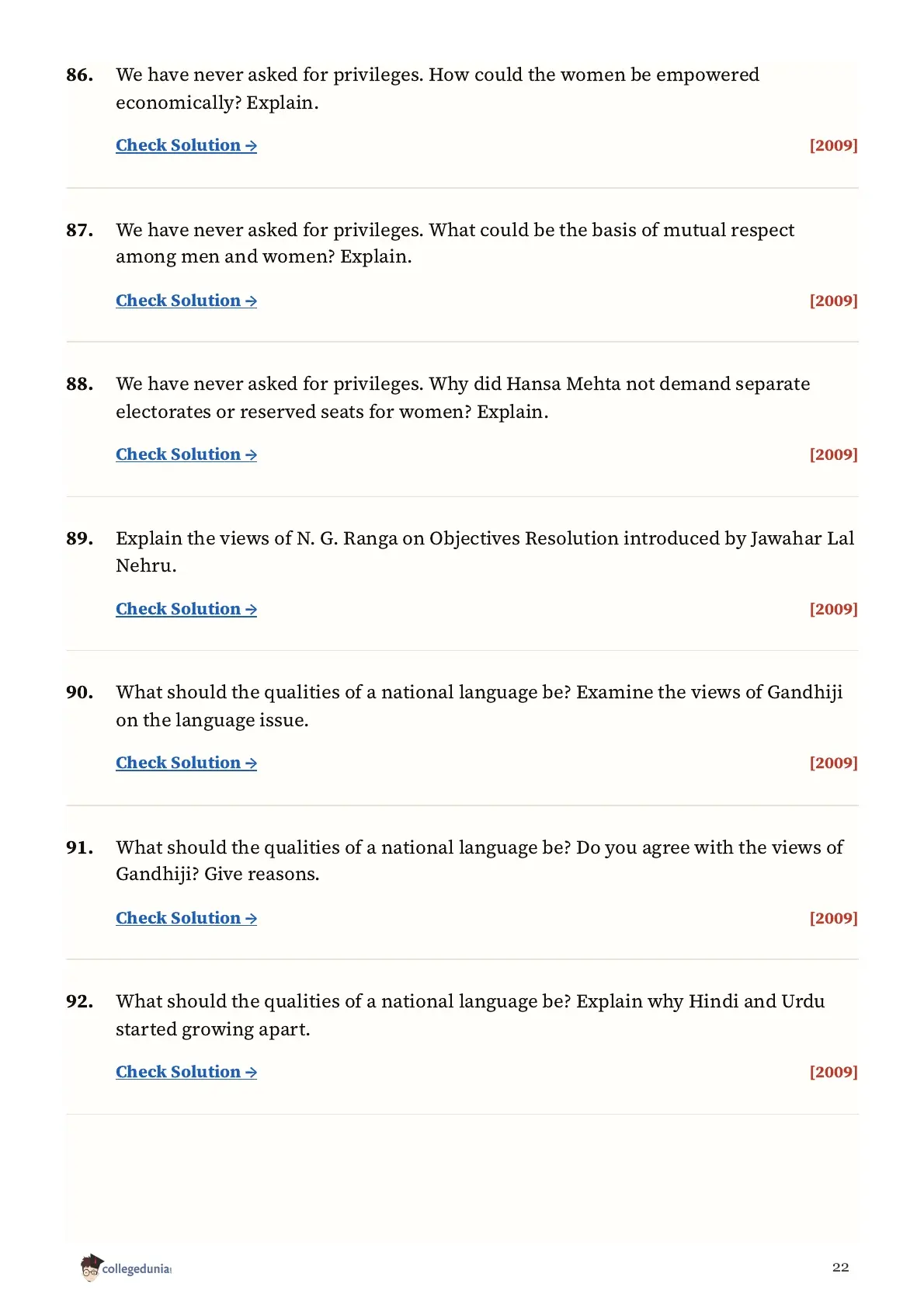
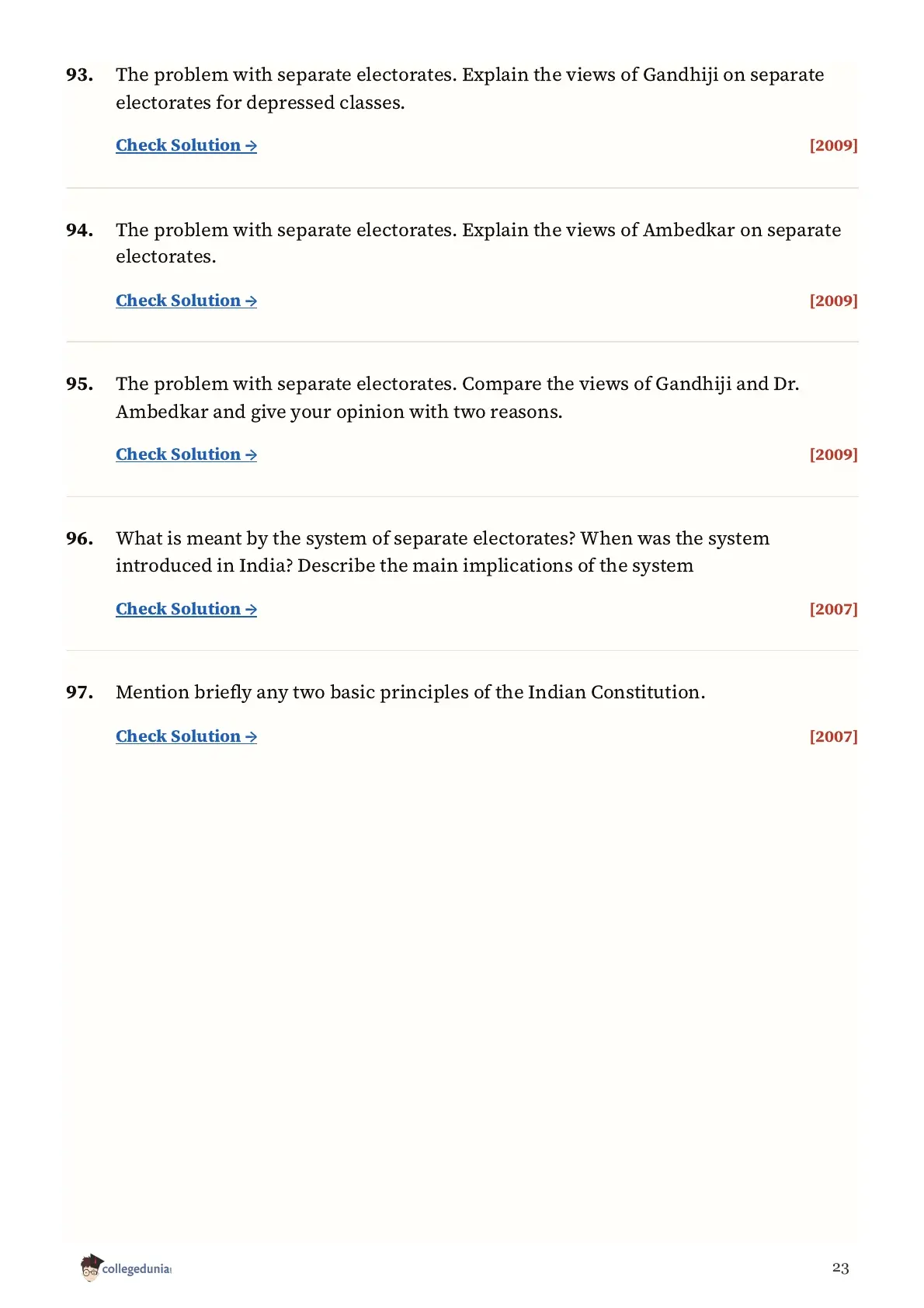
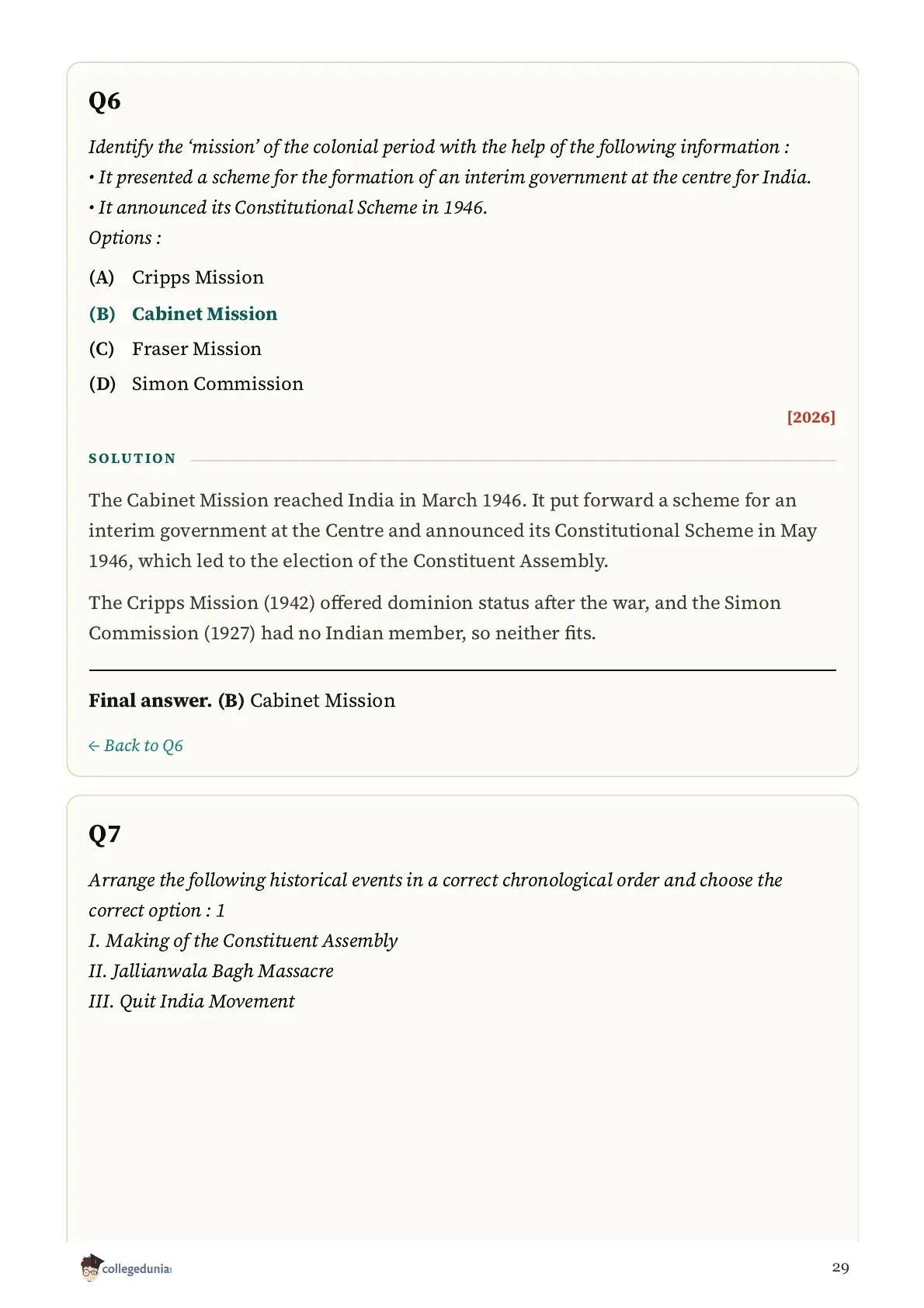
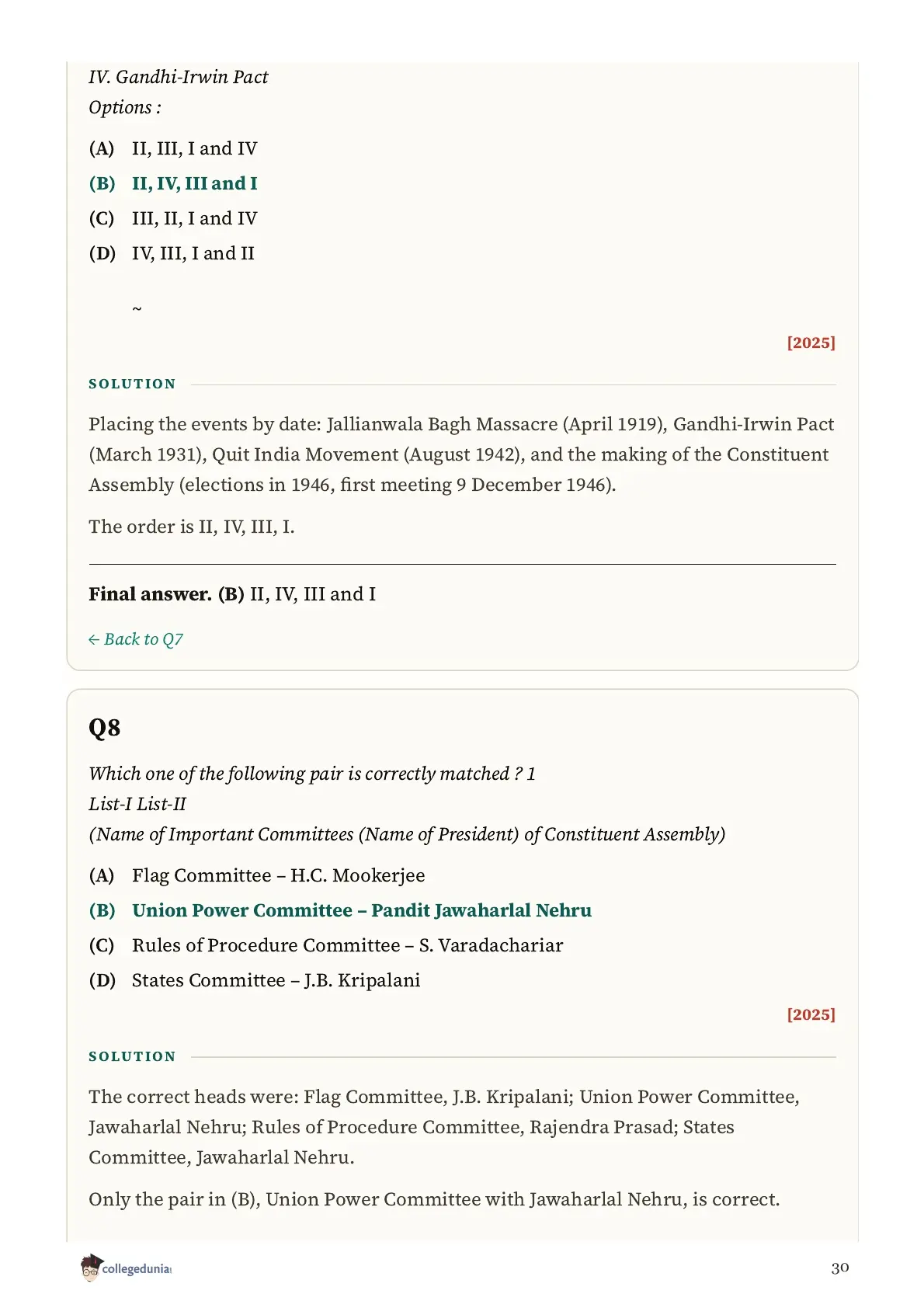
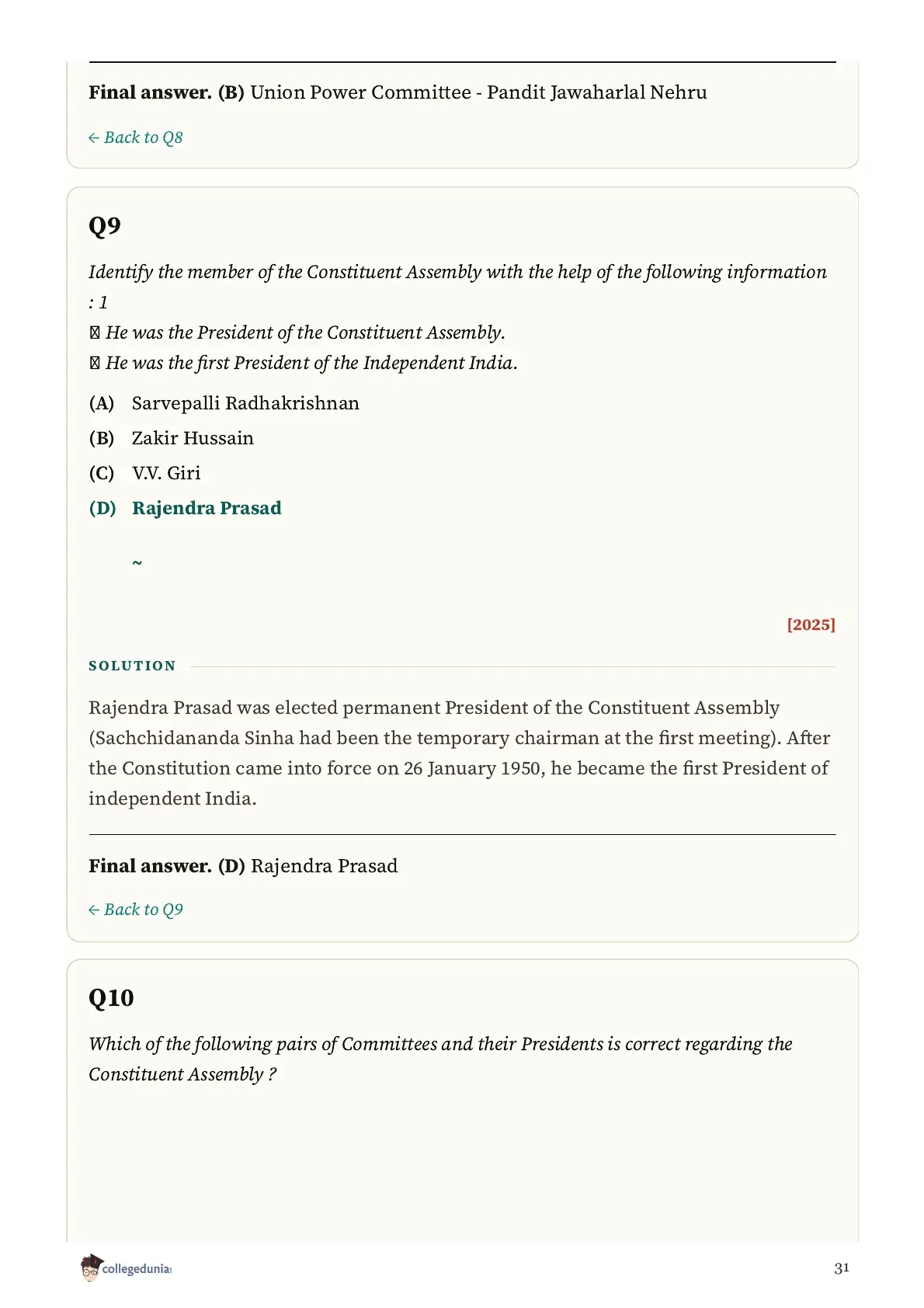
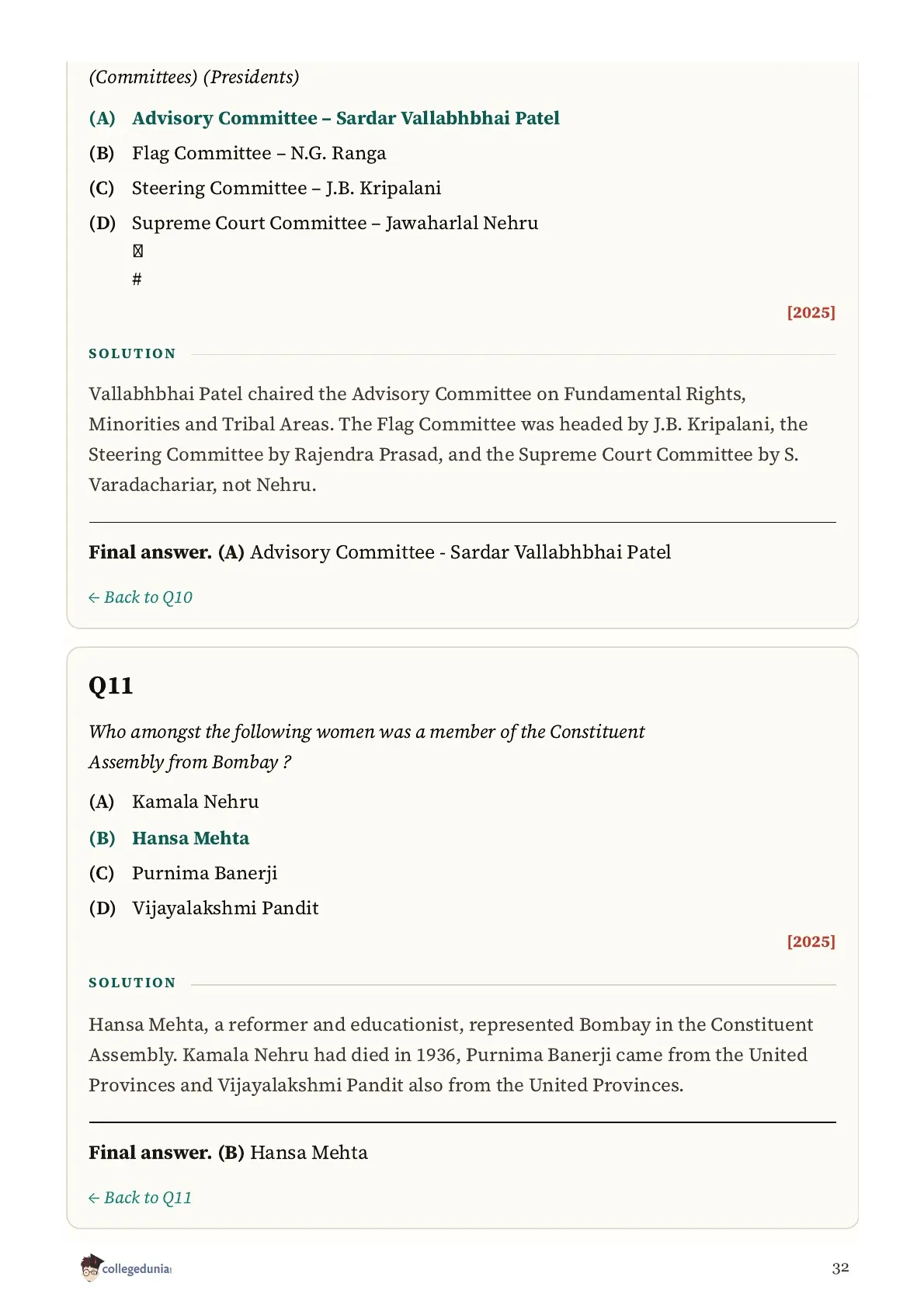
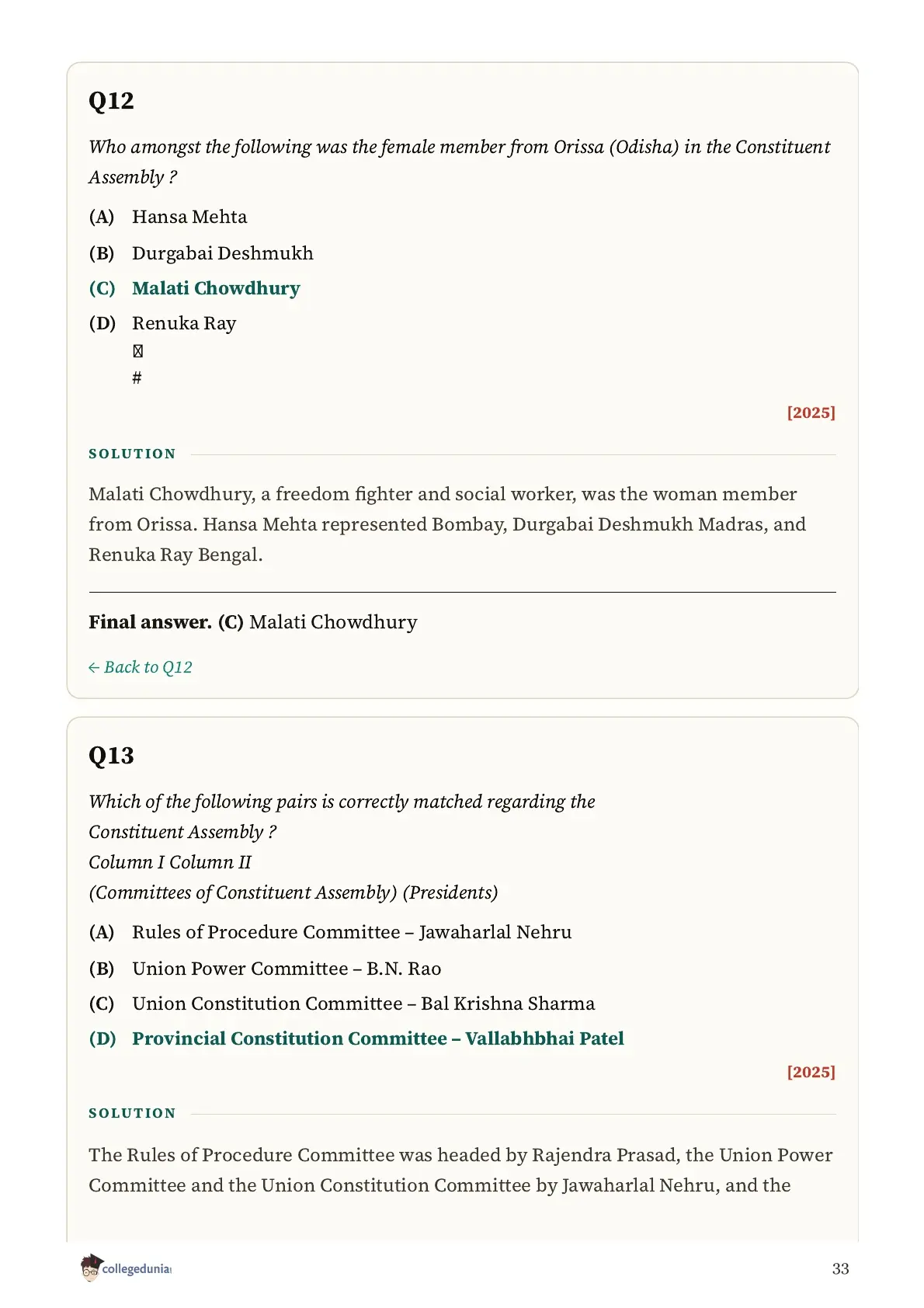
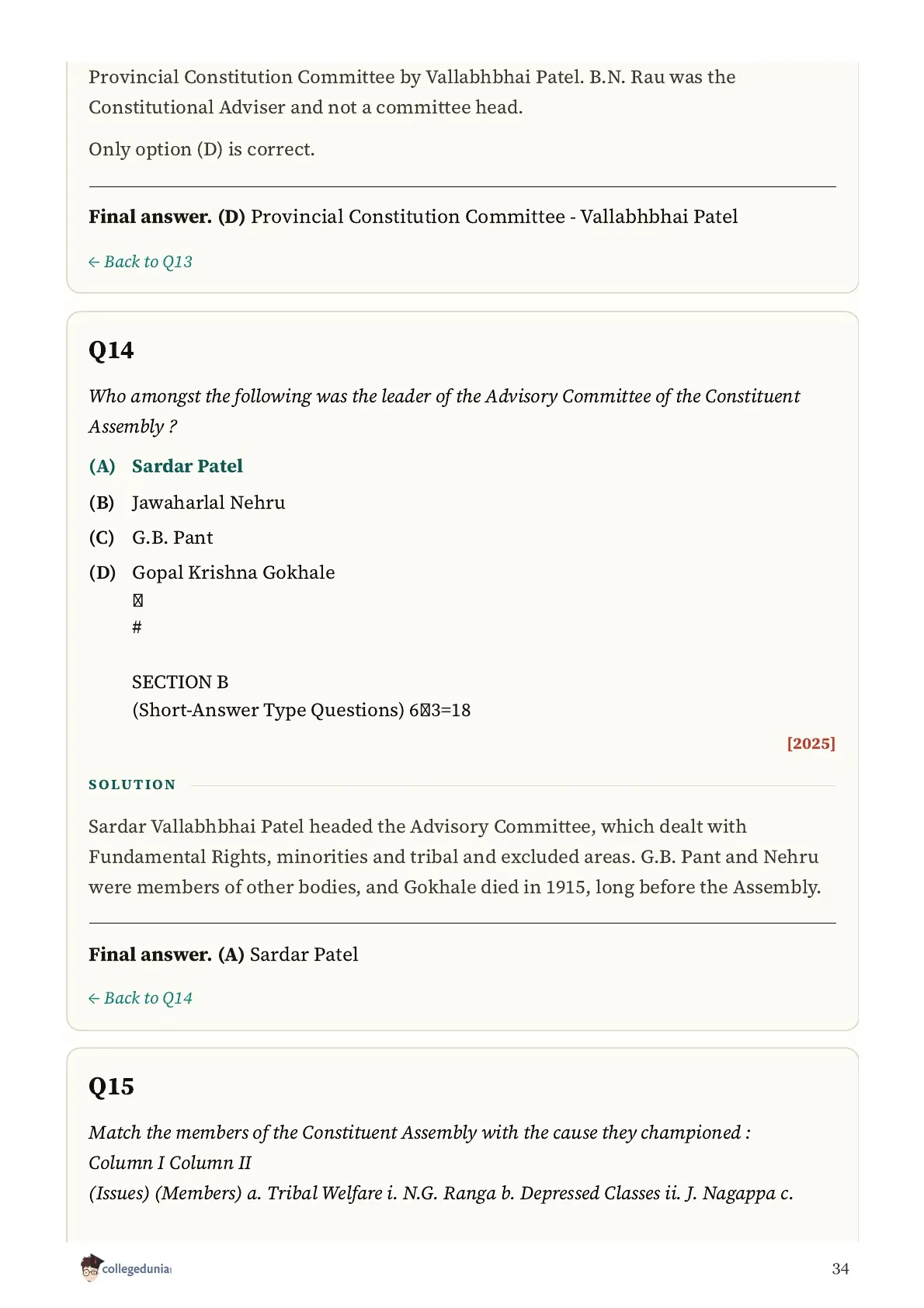
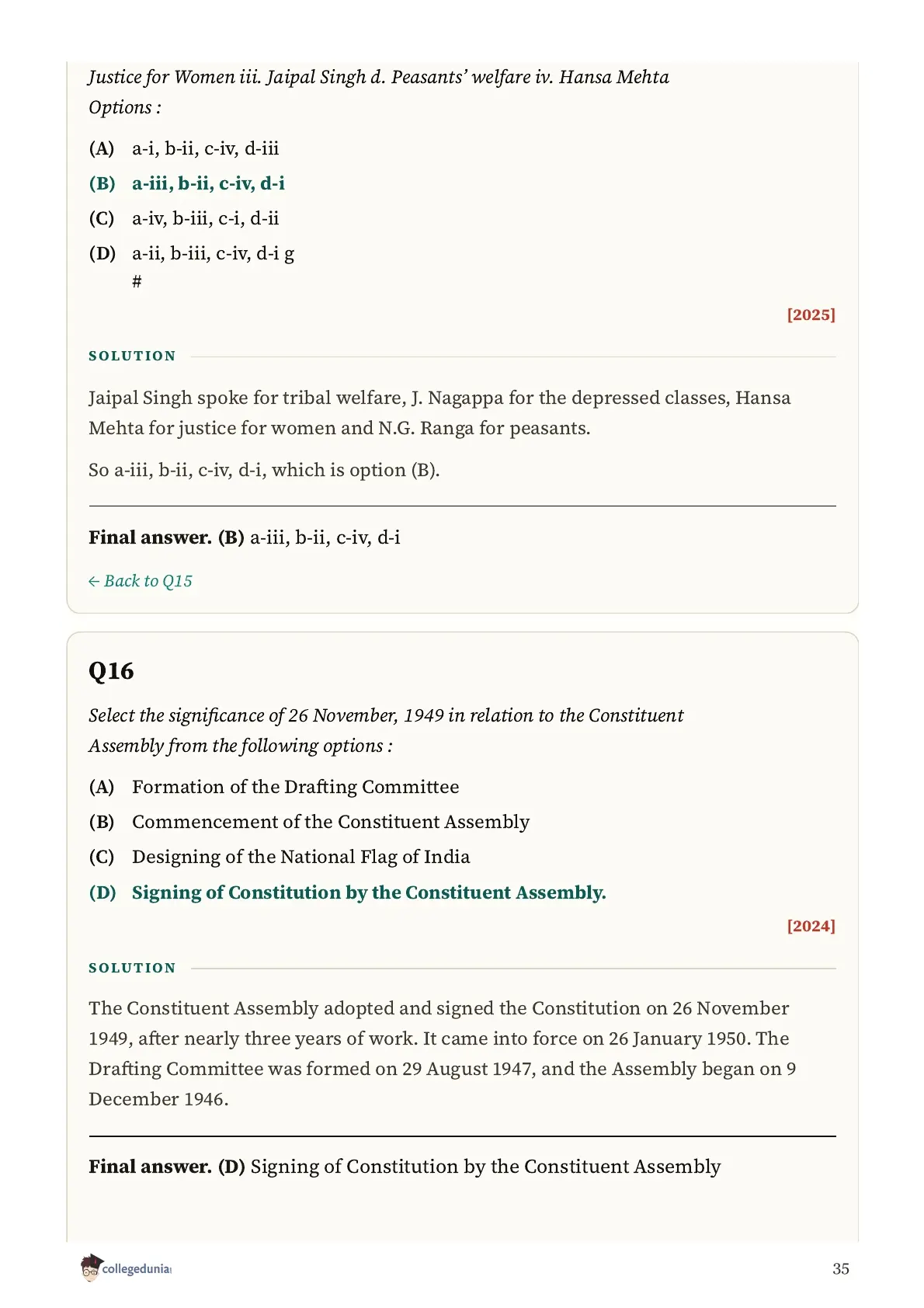
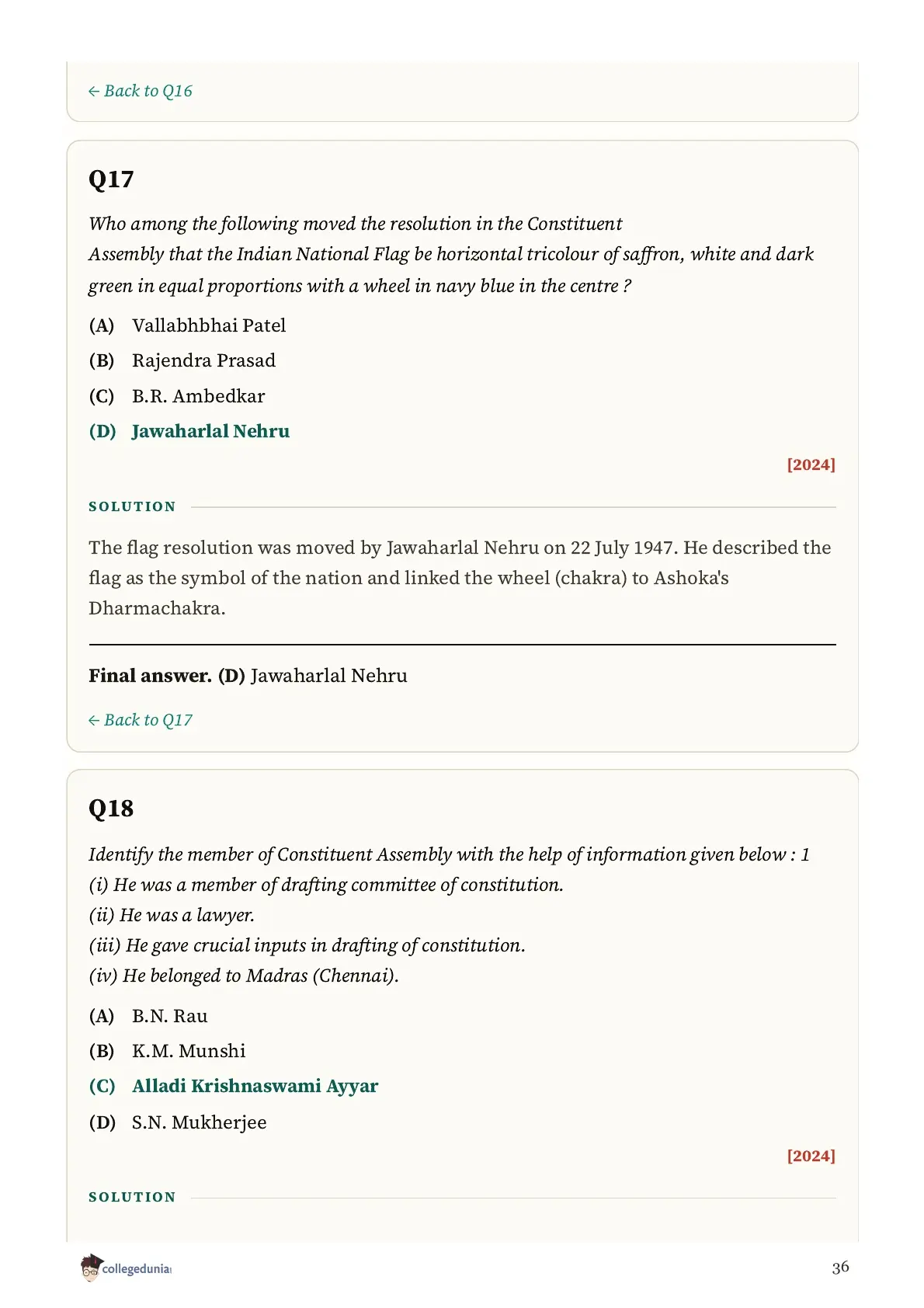
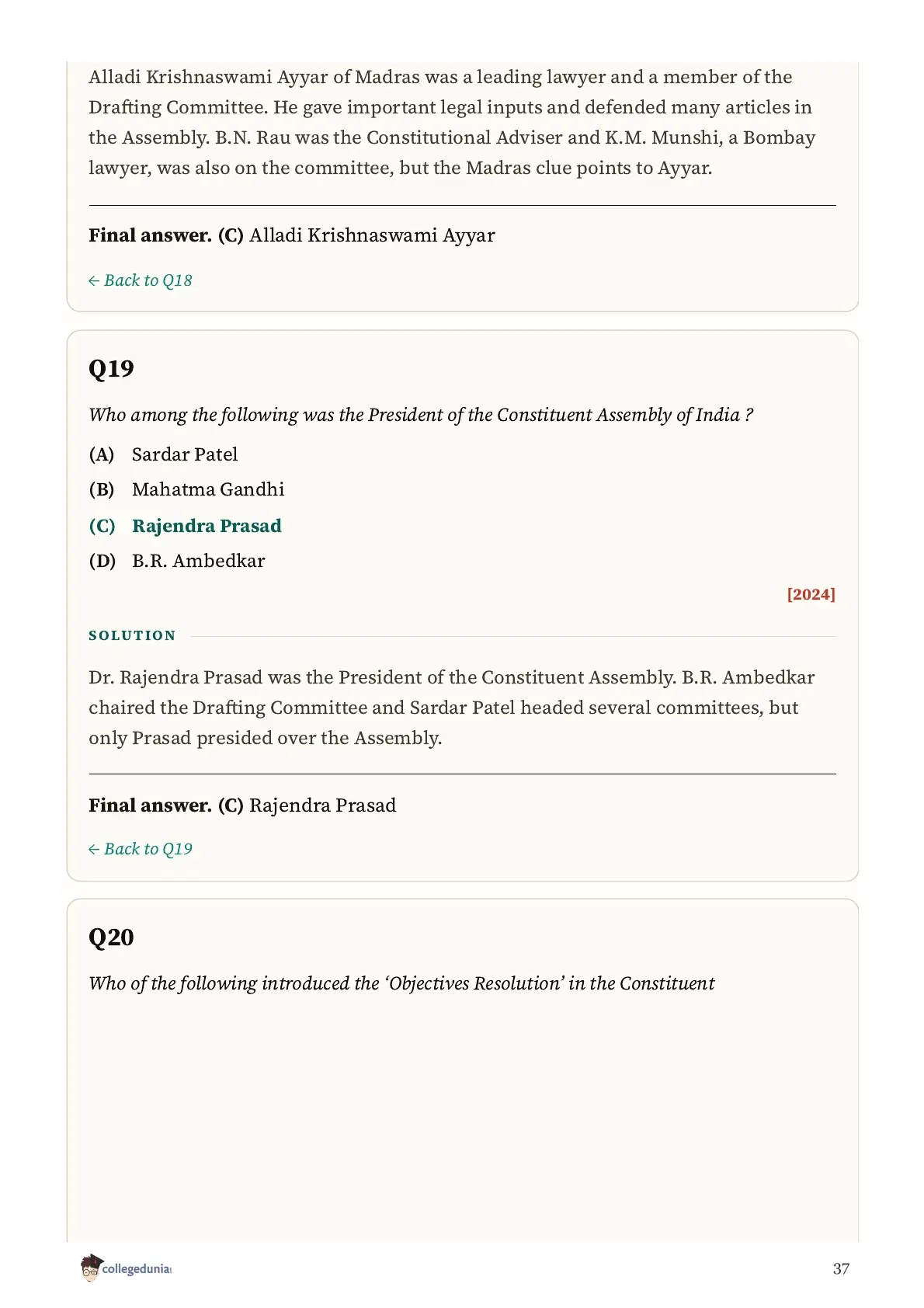
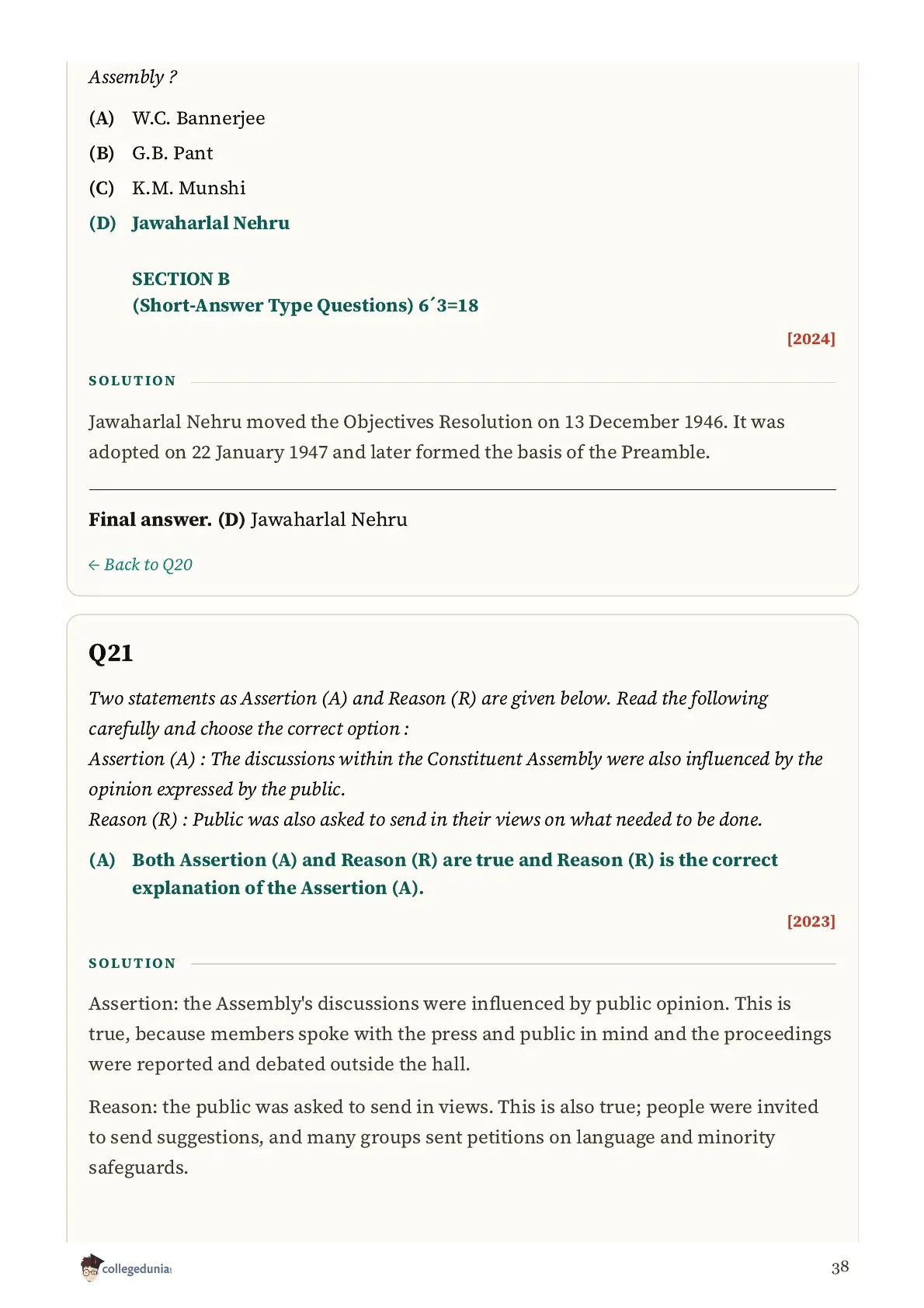
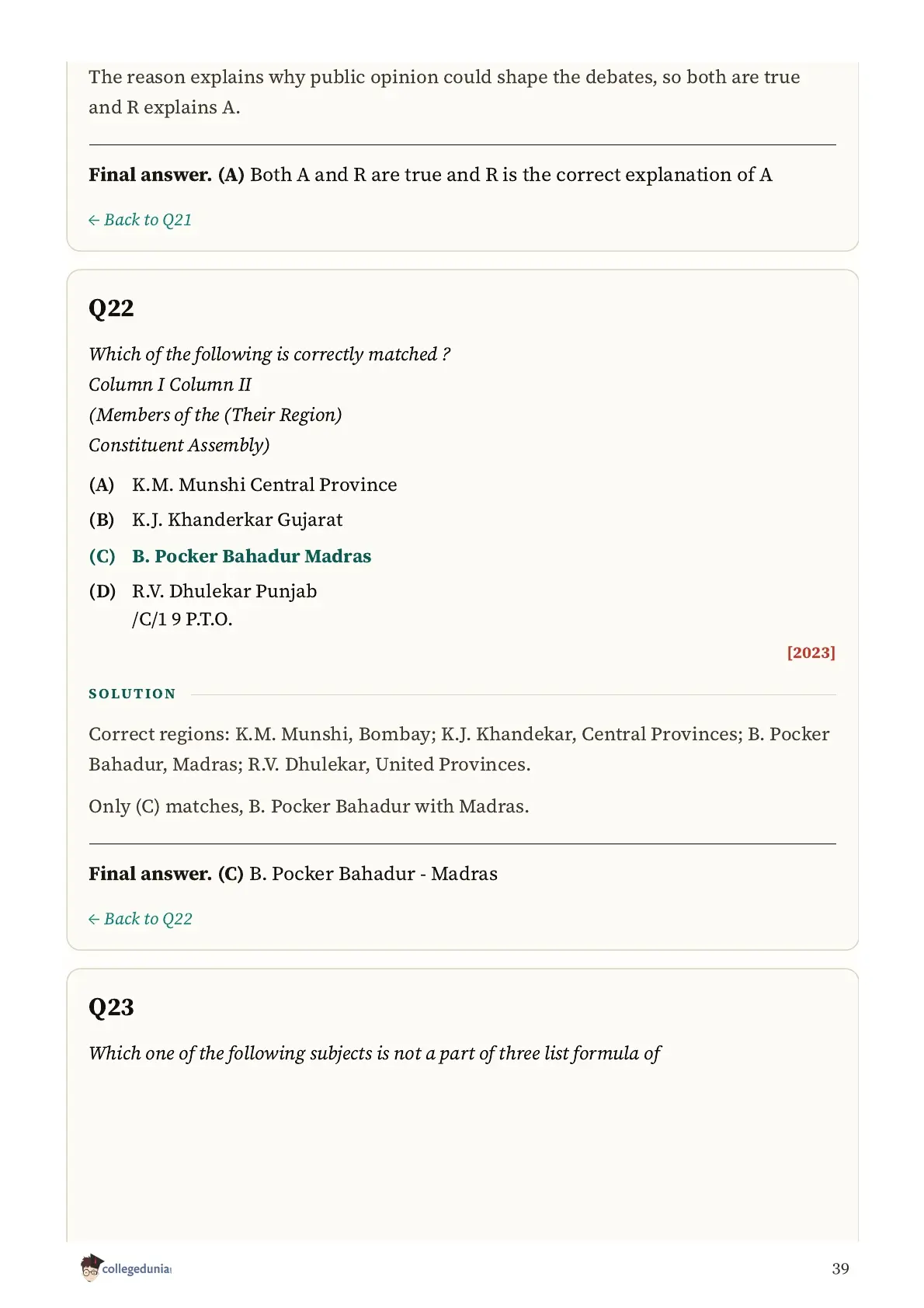
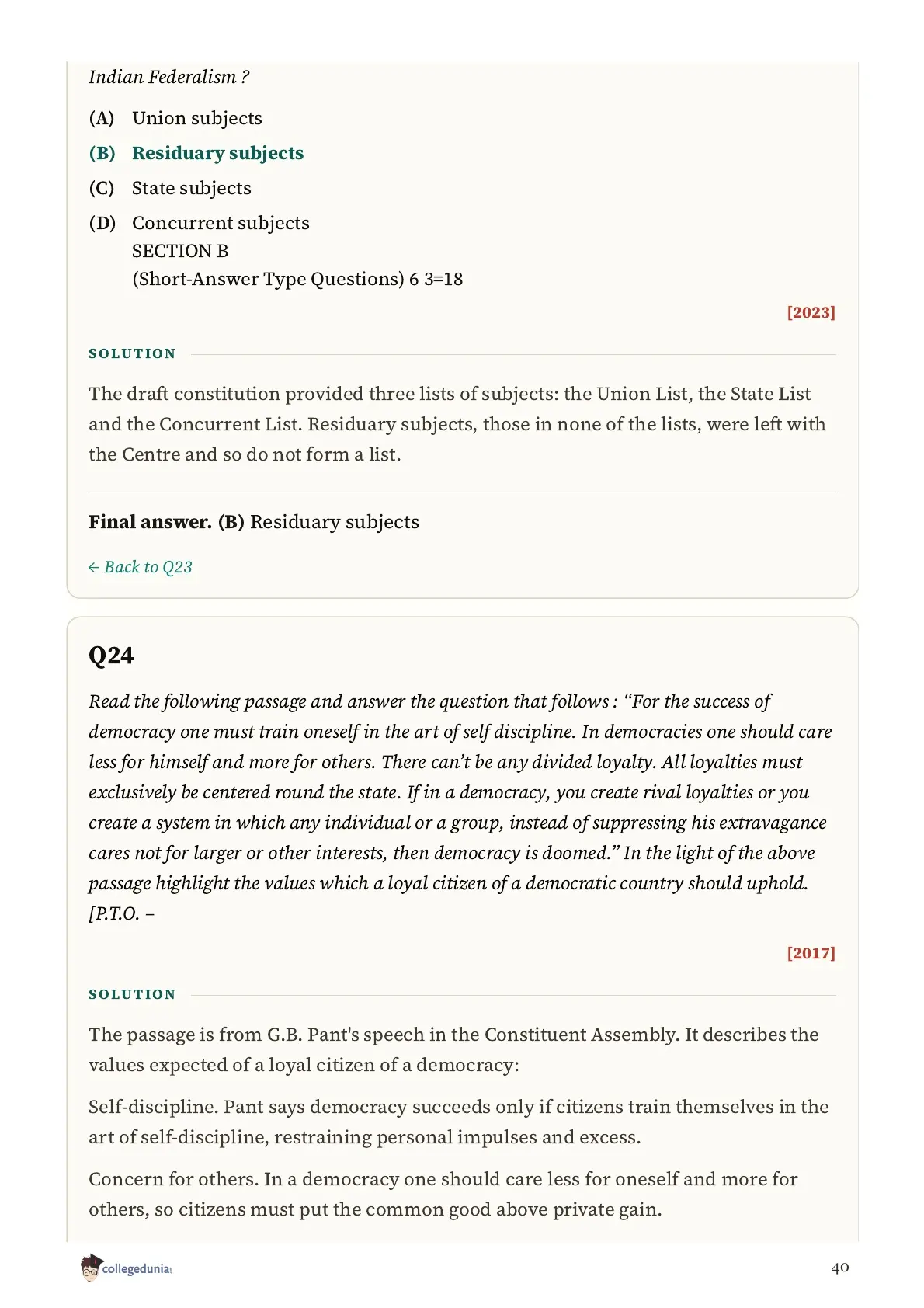
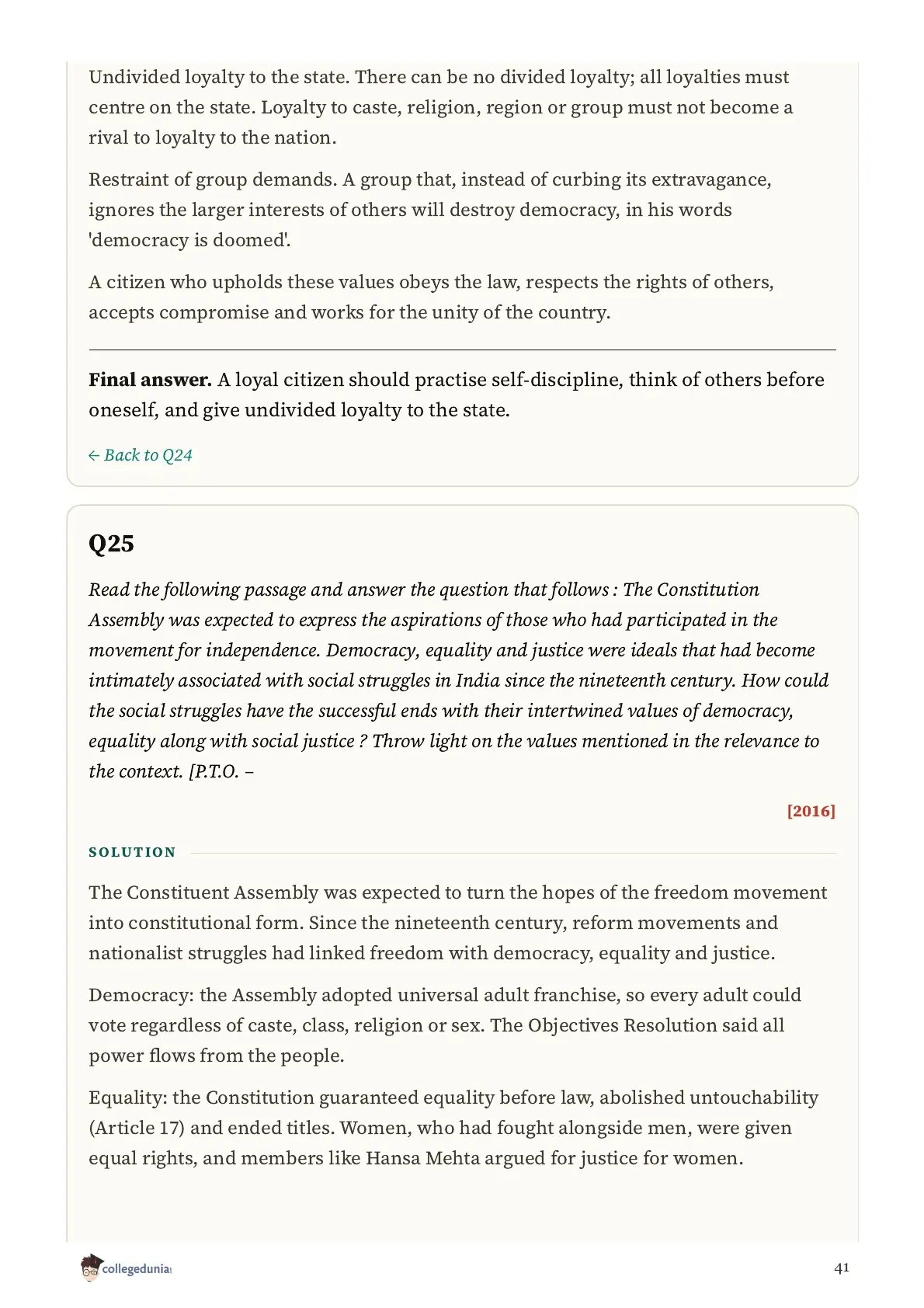
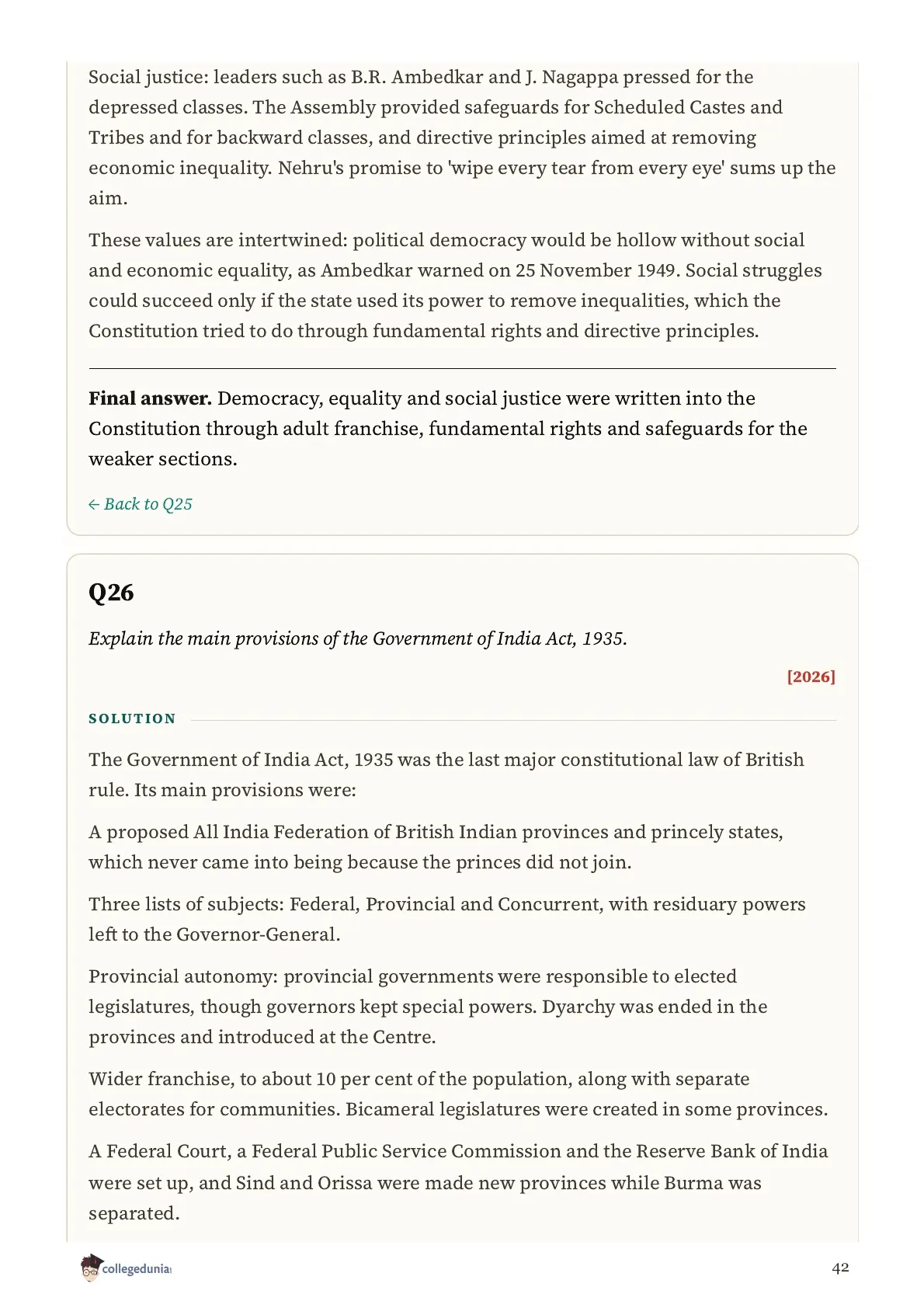
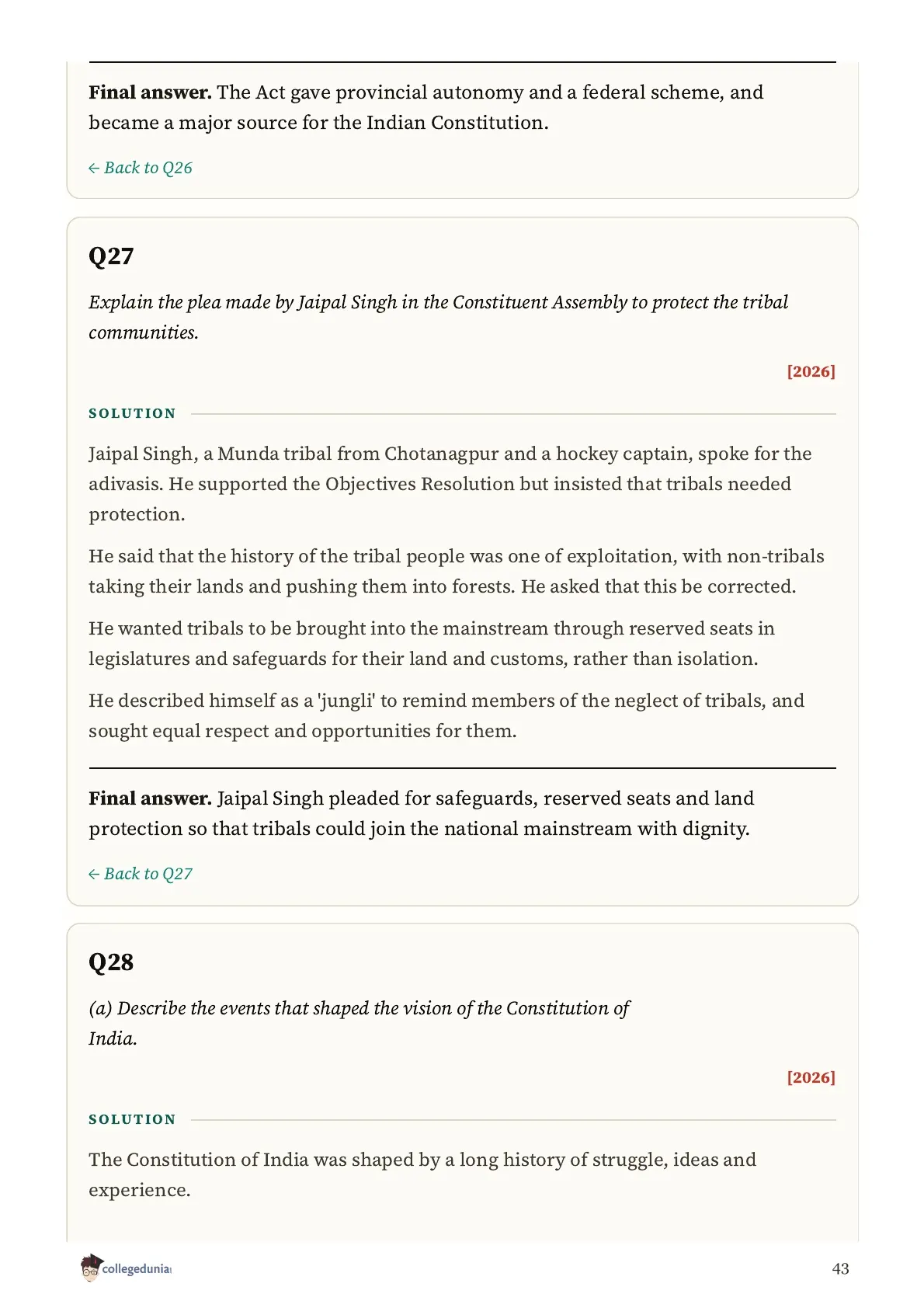
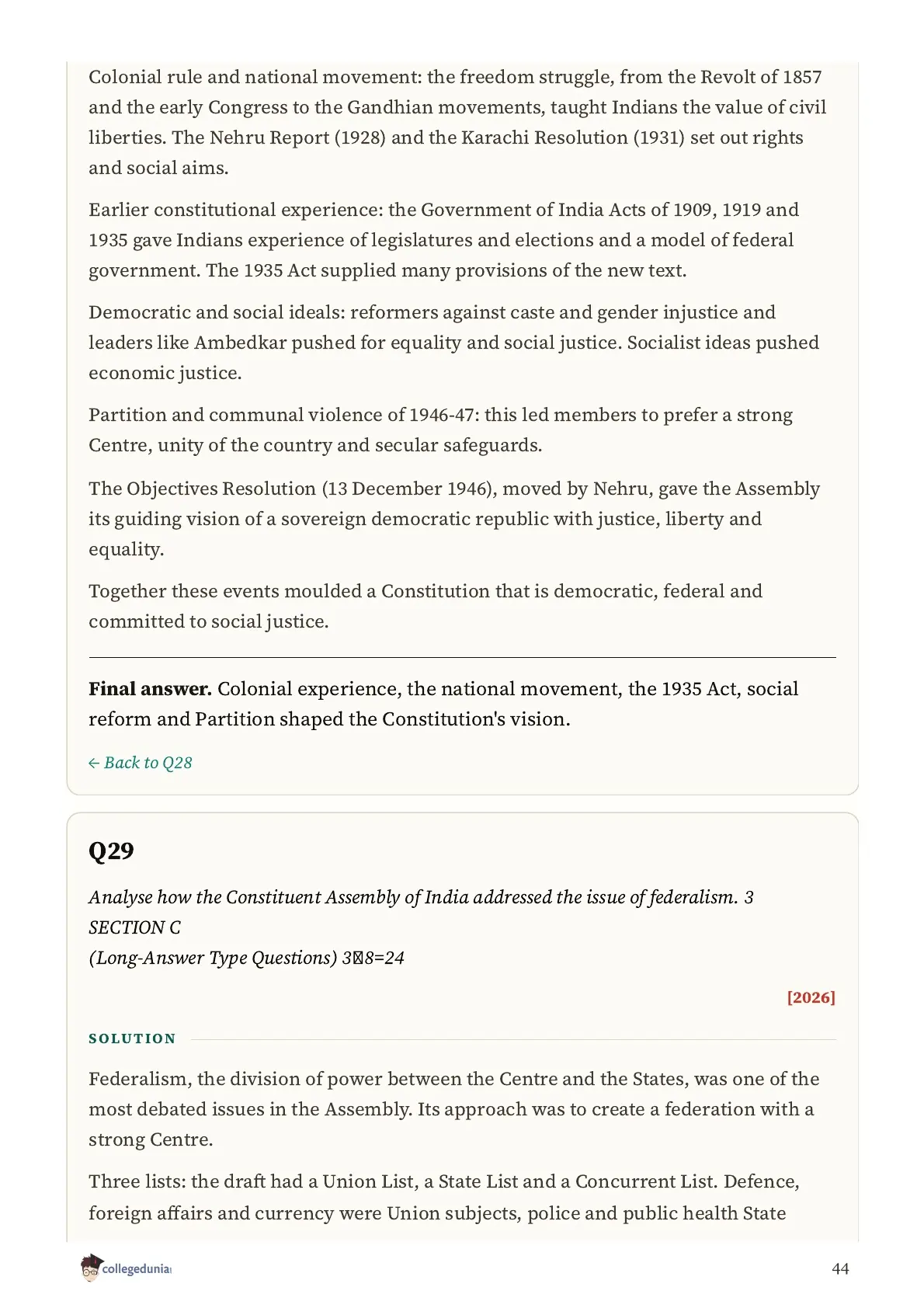
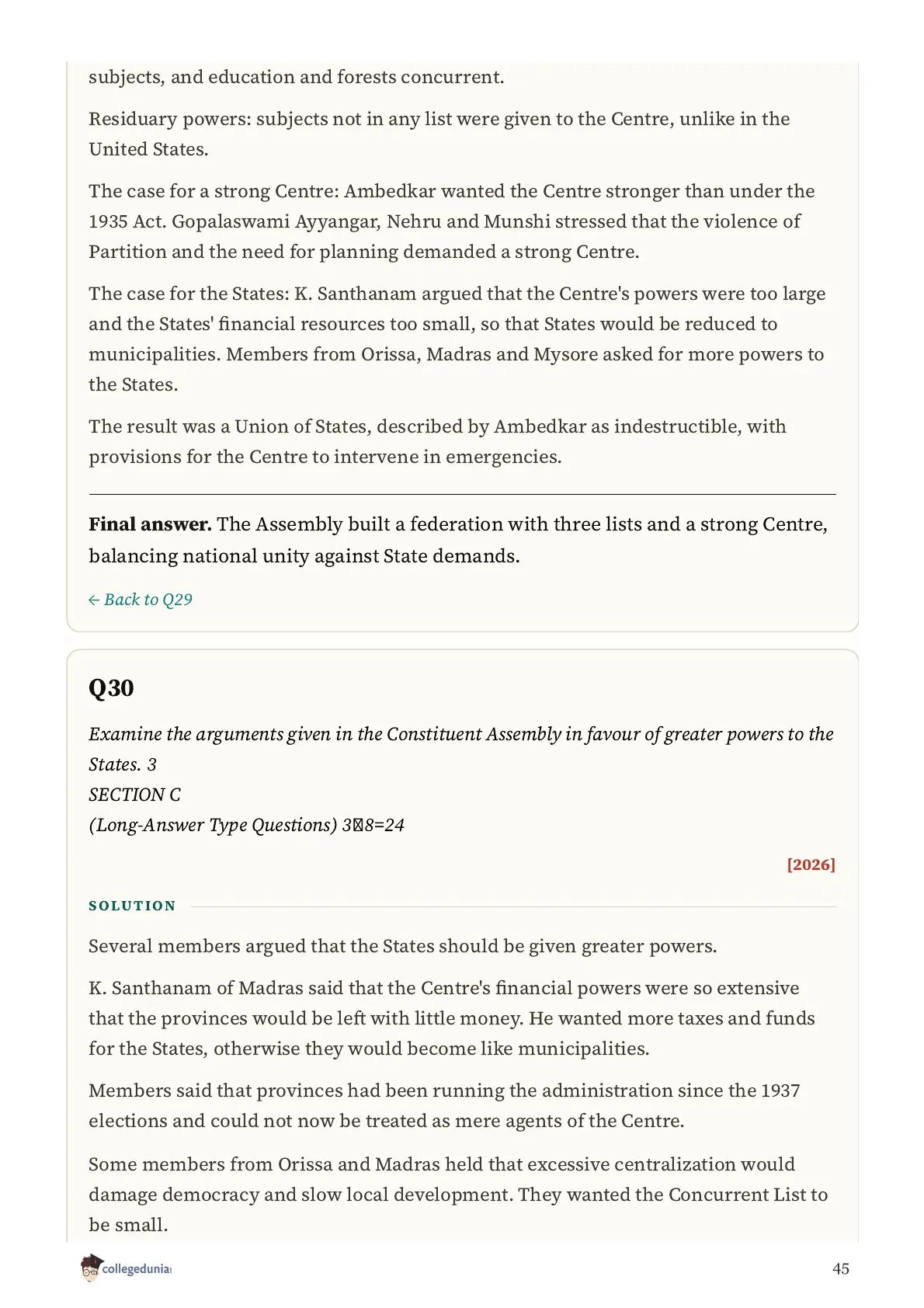
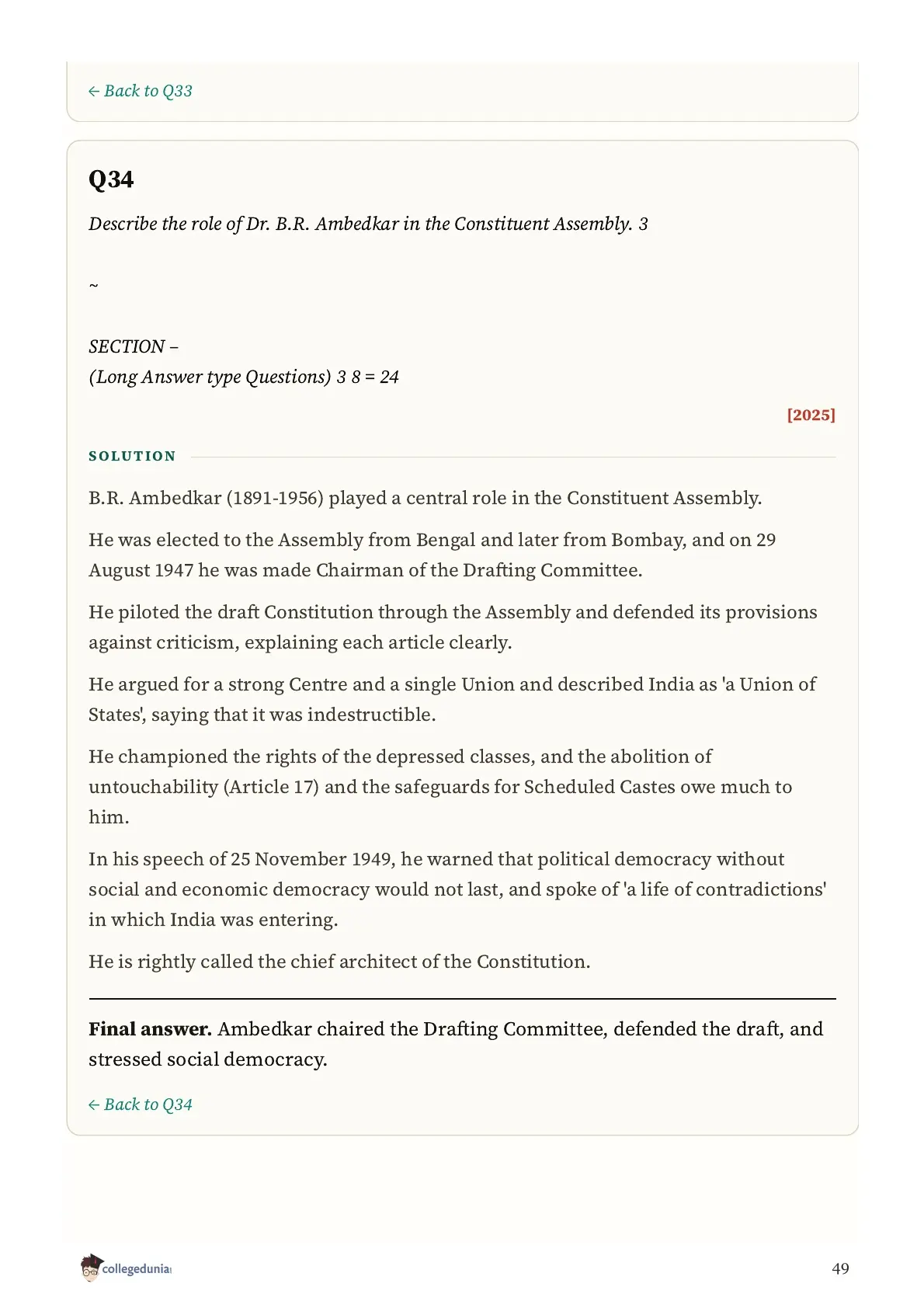
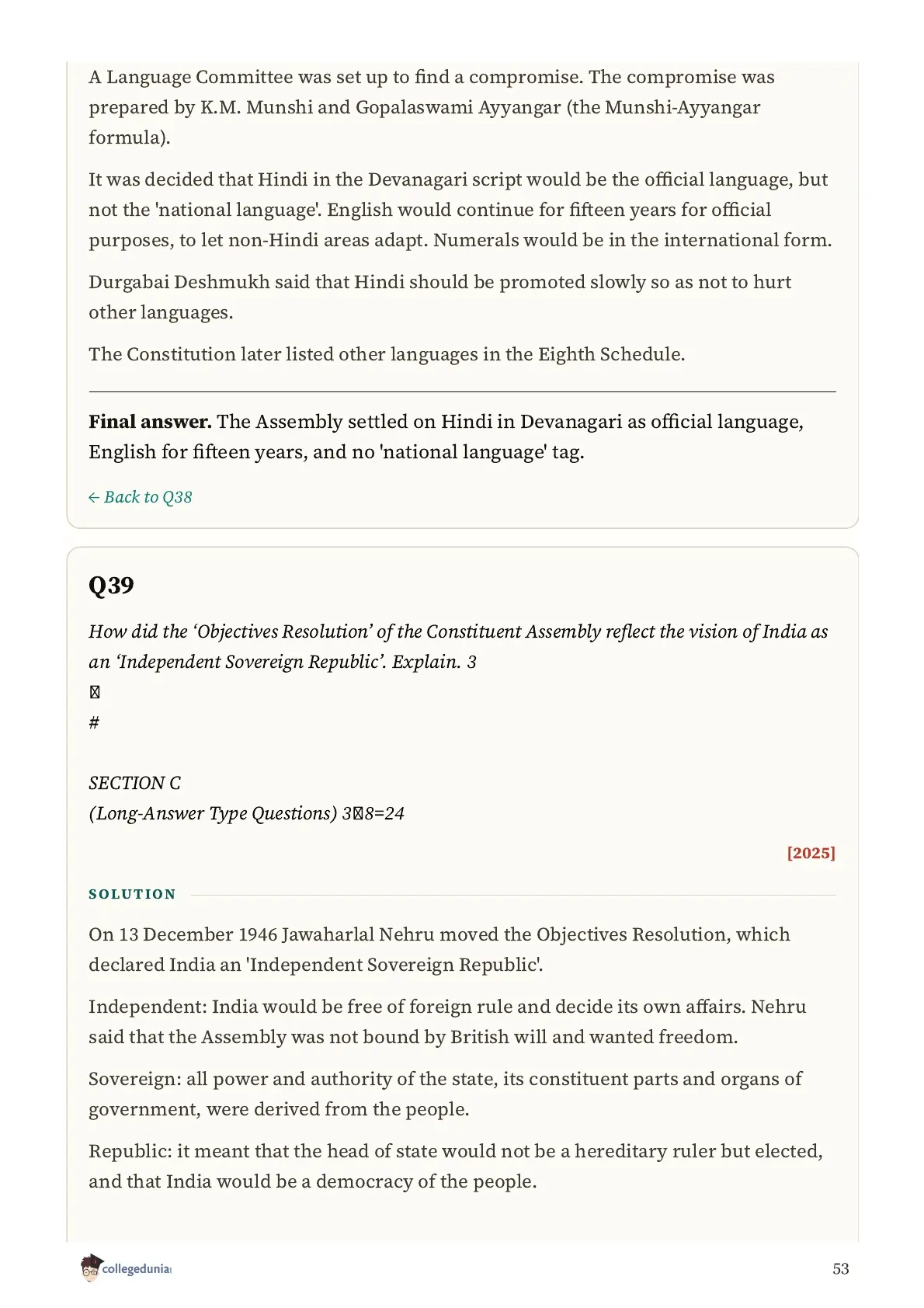
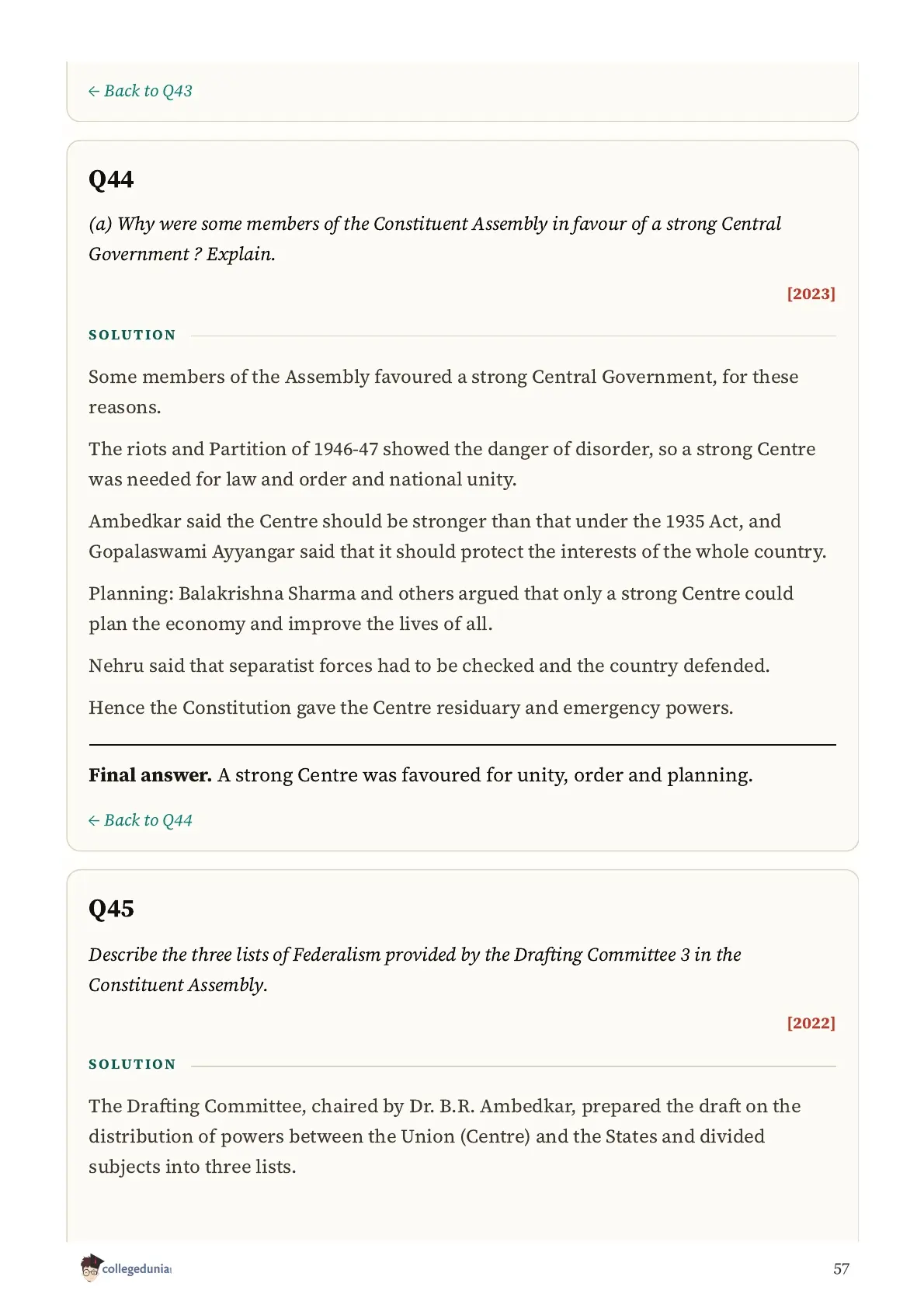
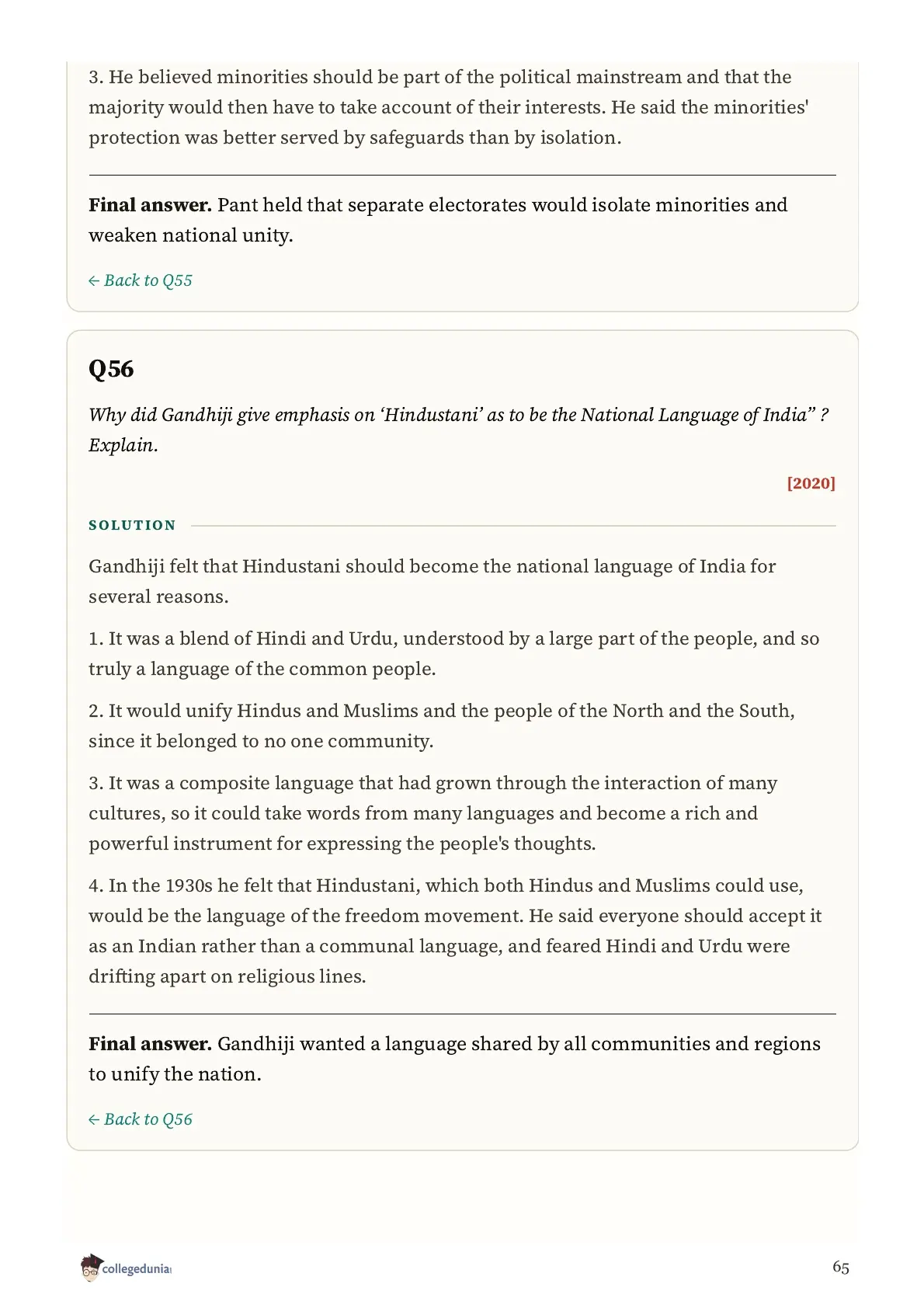
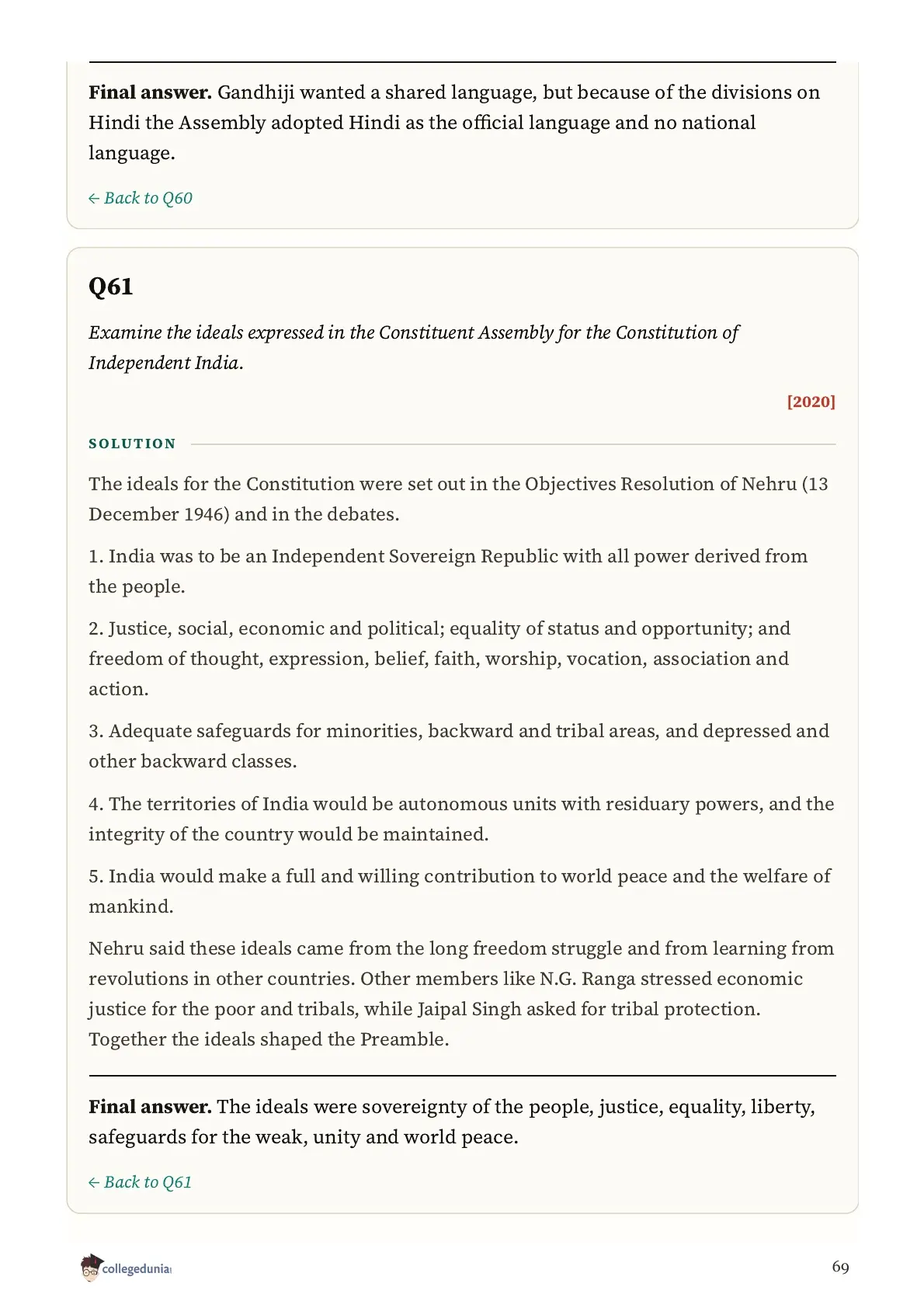
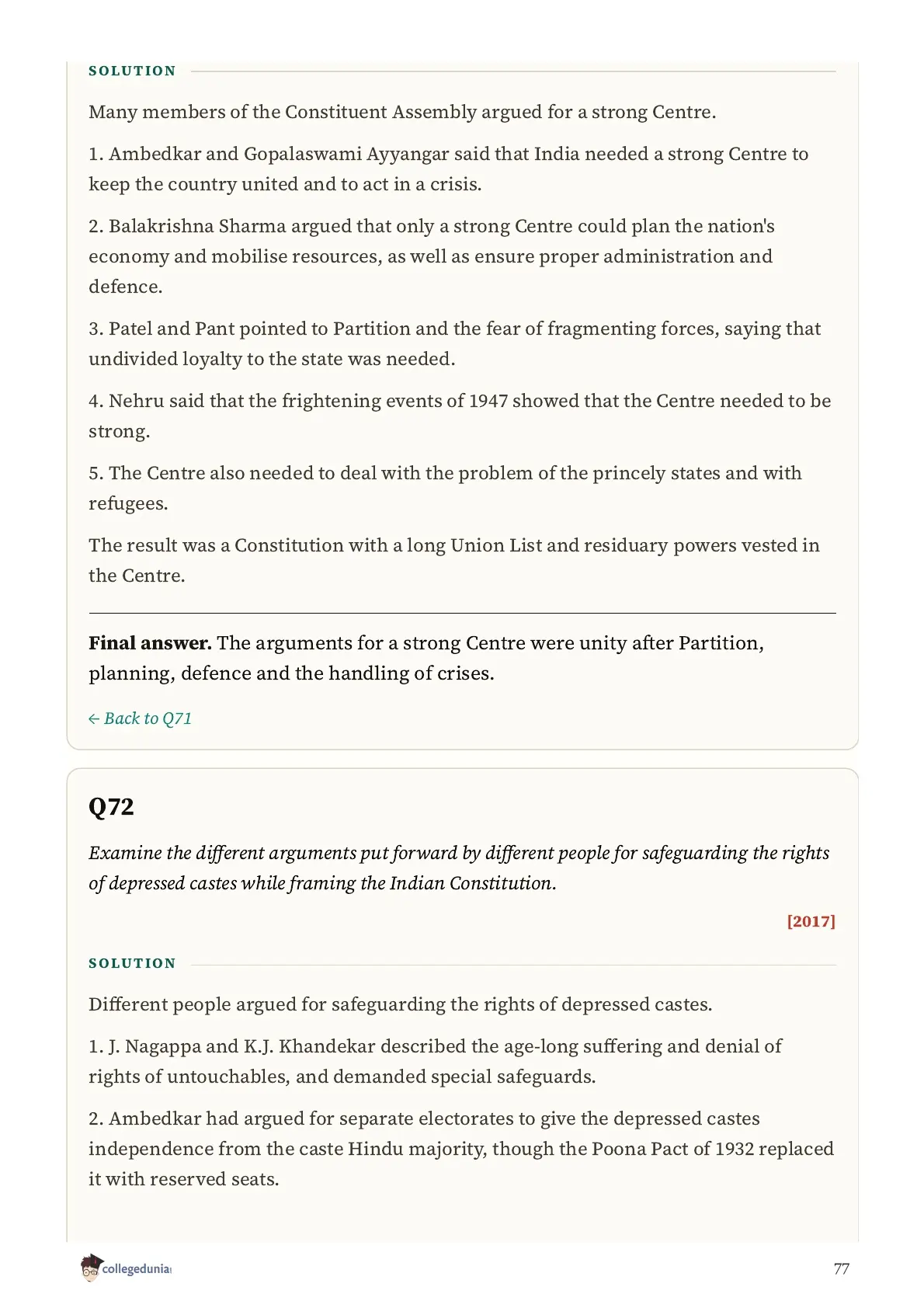
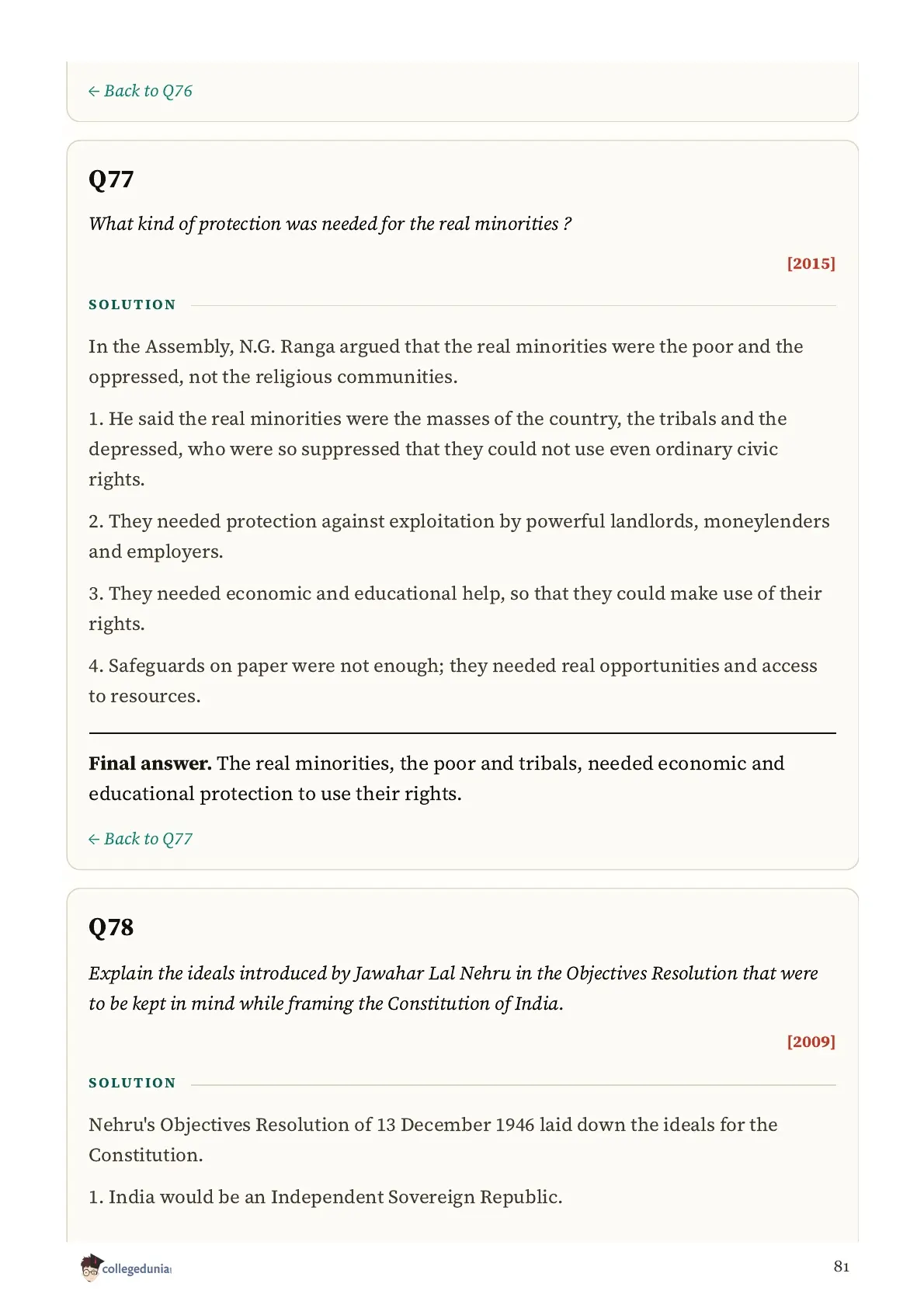
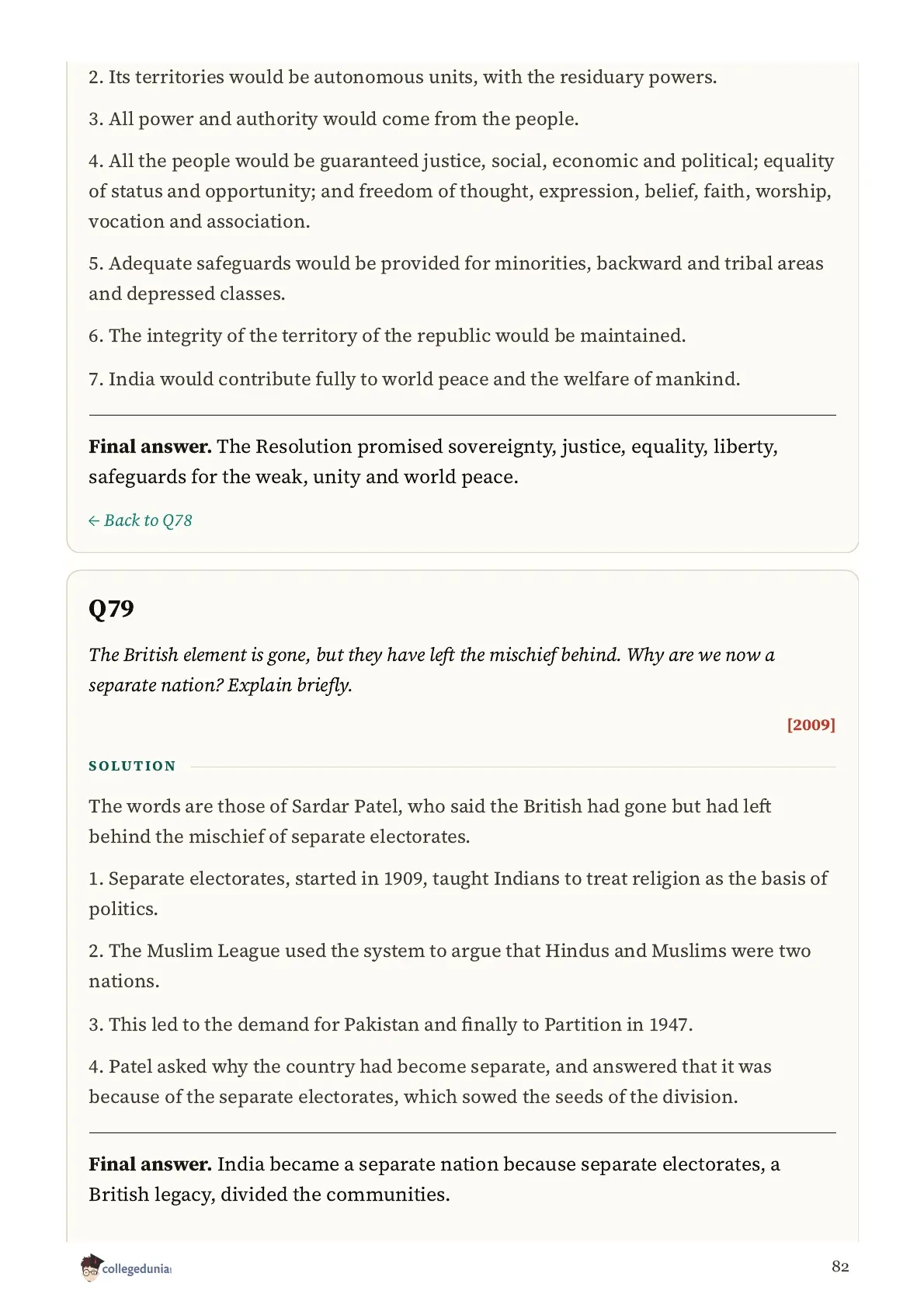
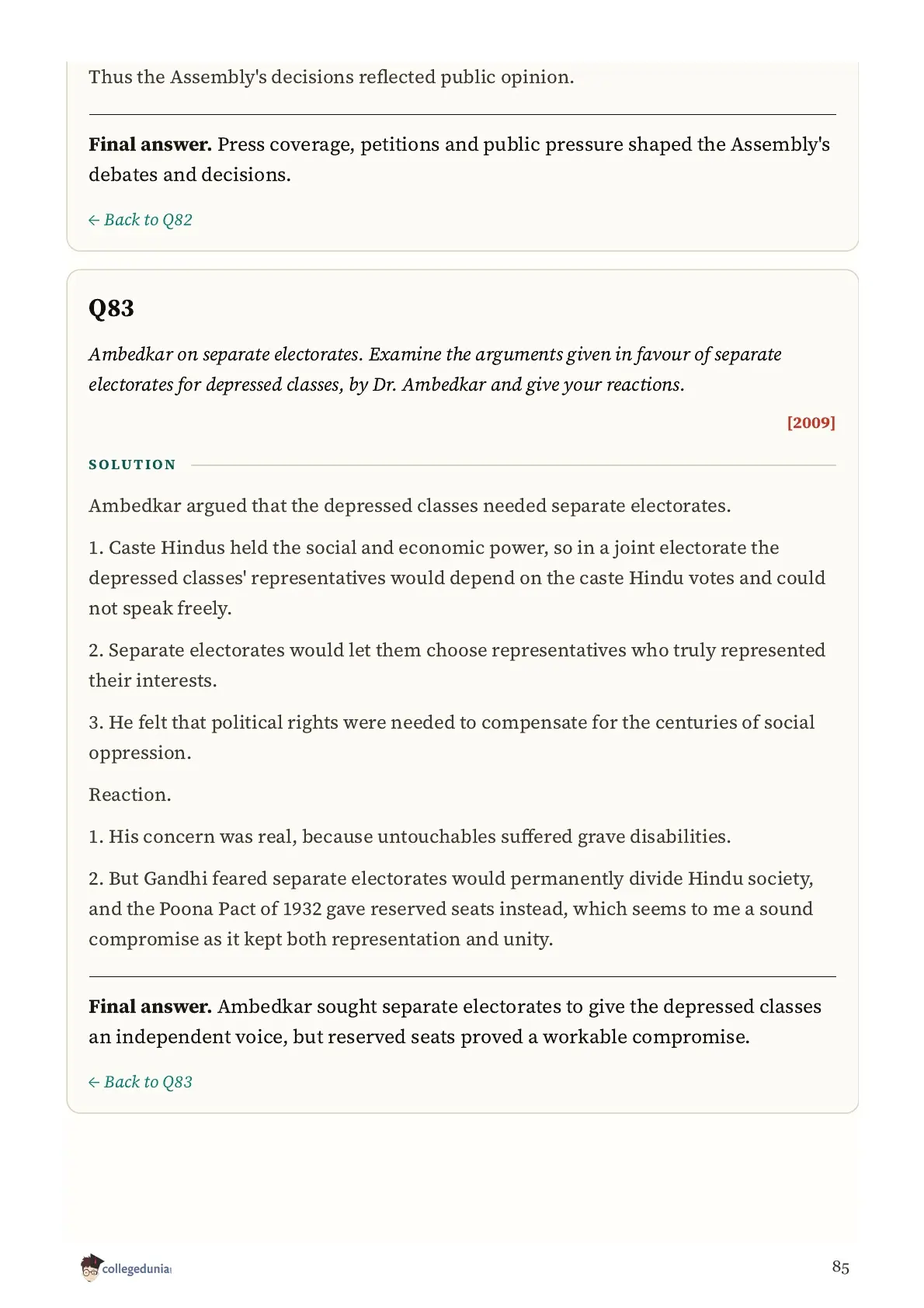
The Constituent Assembly is the backbone of the set. 50 of the 97 questions name it, and they range from who sat in it and how it was chosen to what its members argued about in the debates of 1946 to 1949.
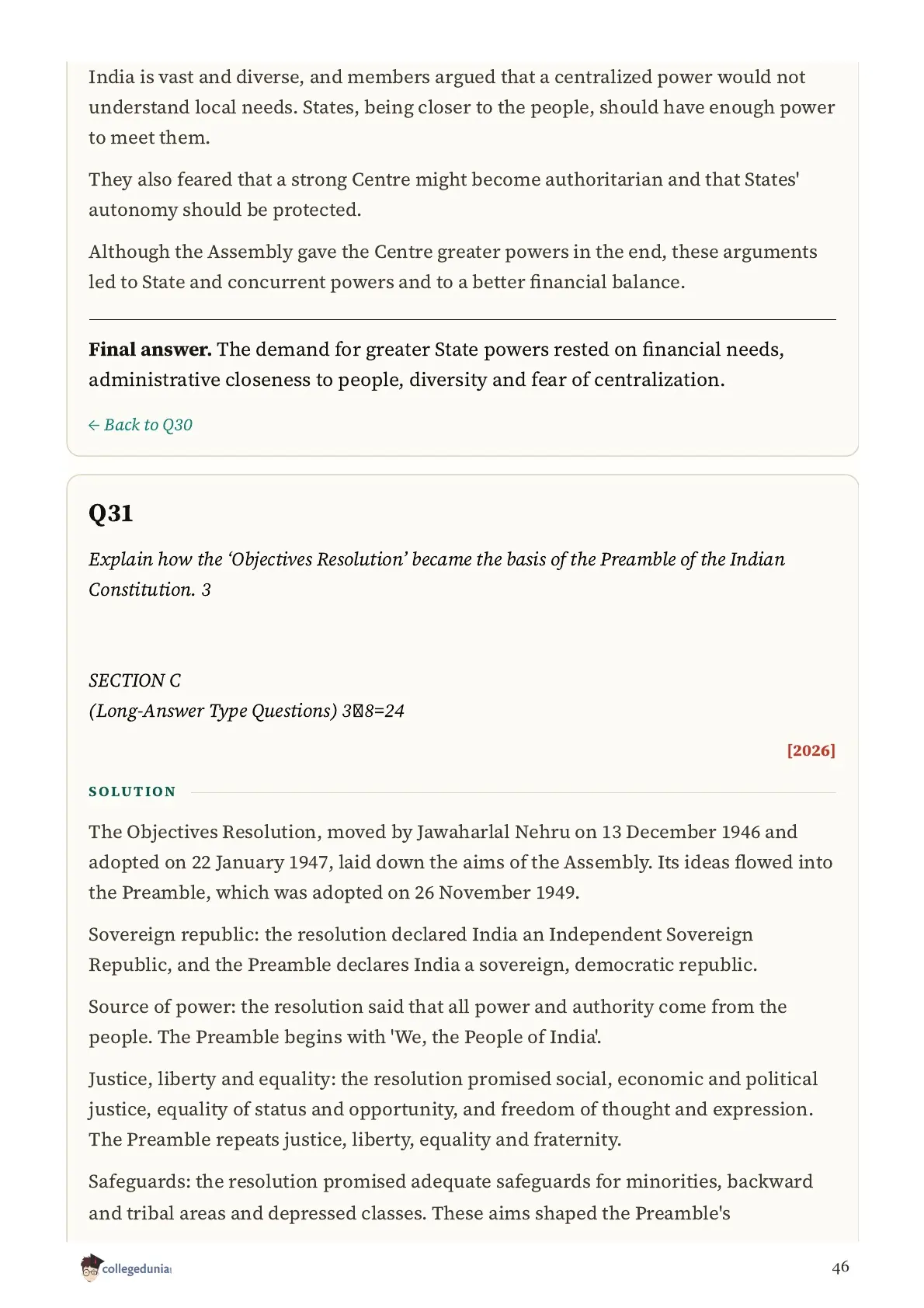
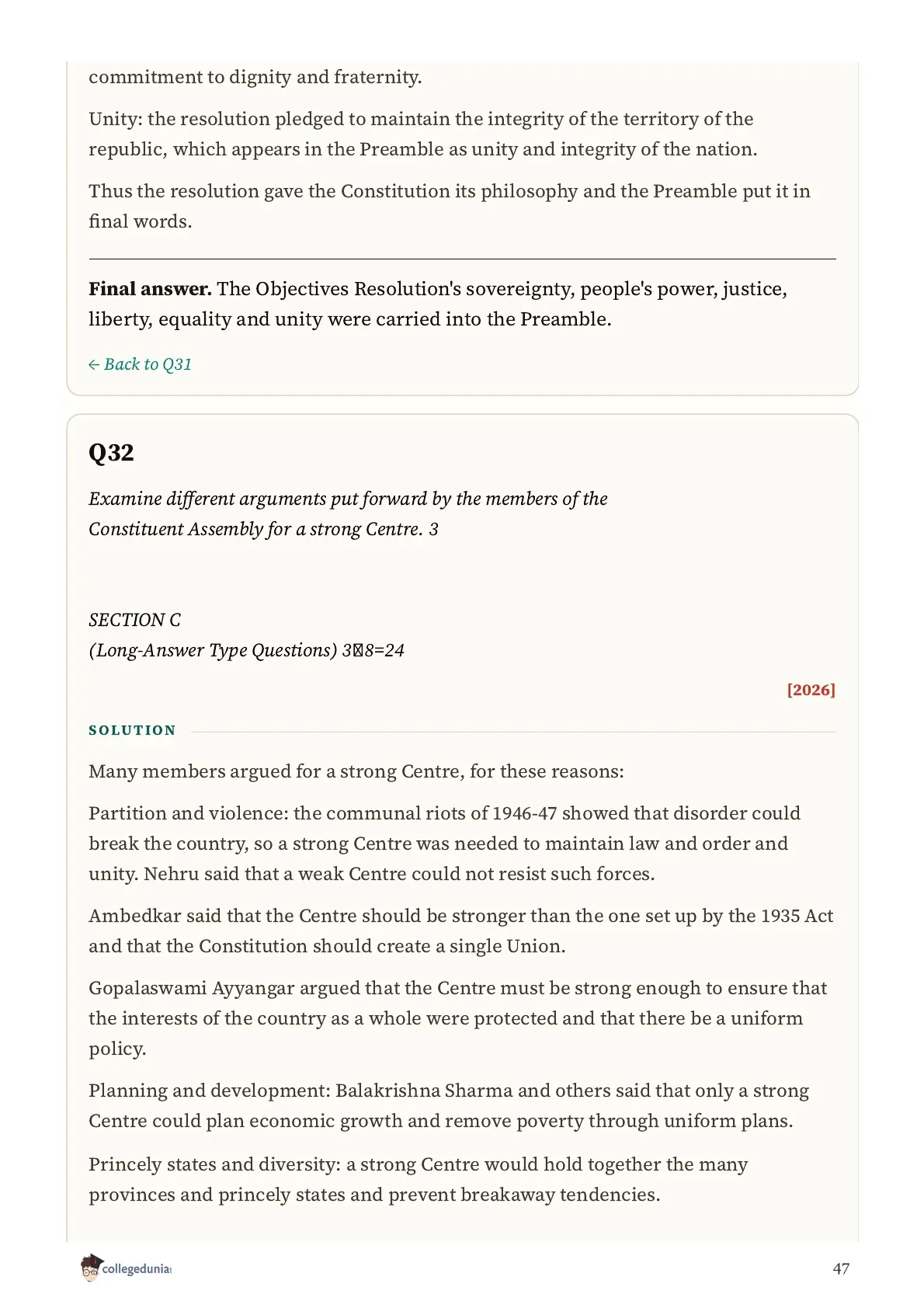
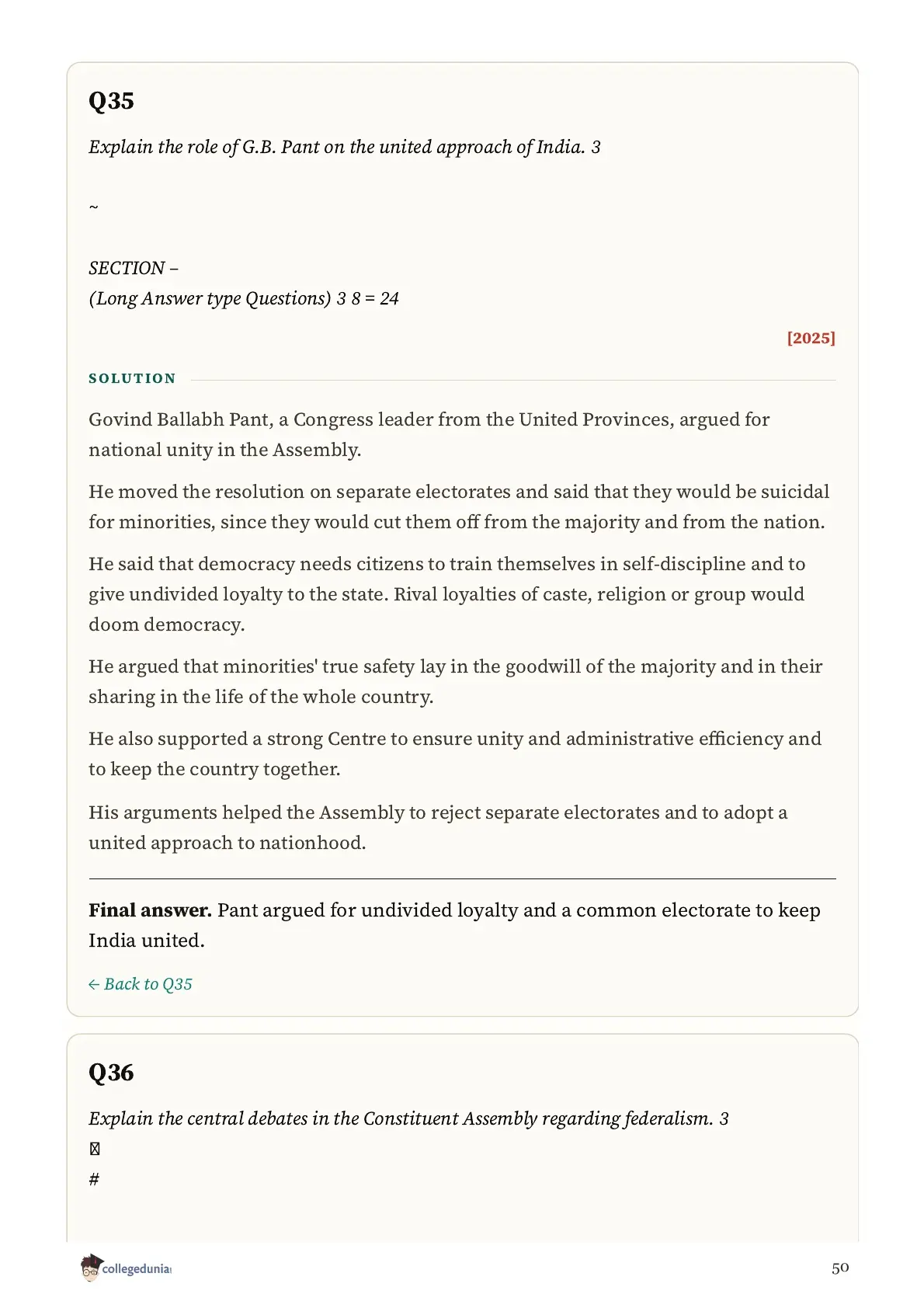
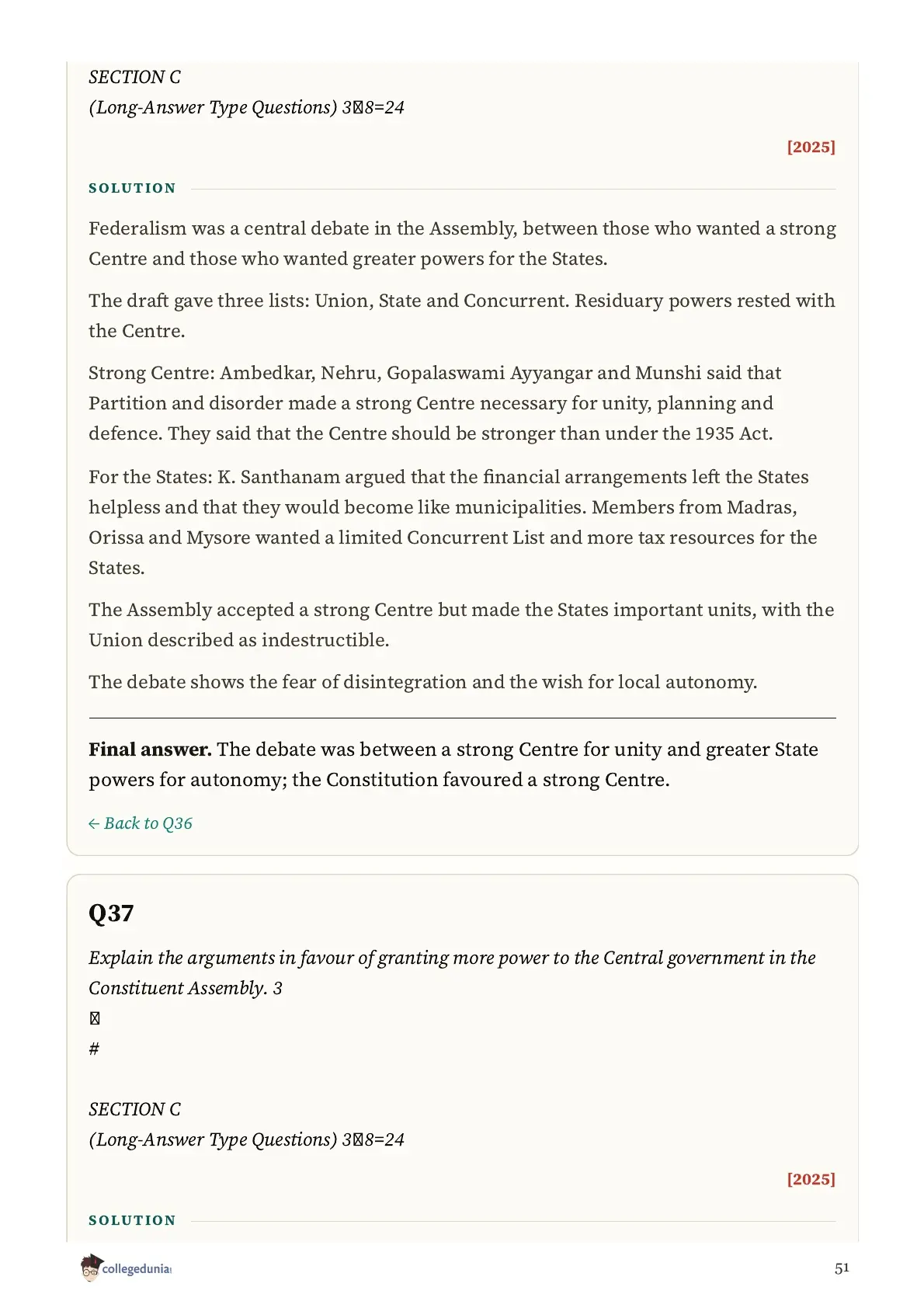
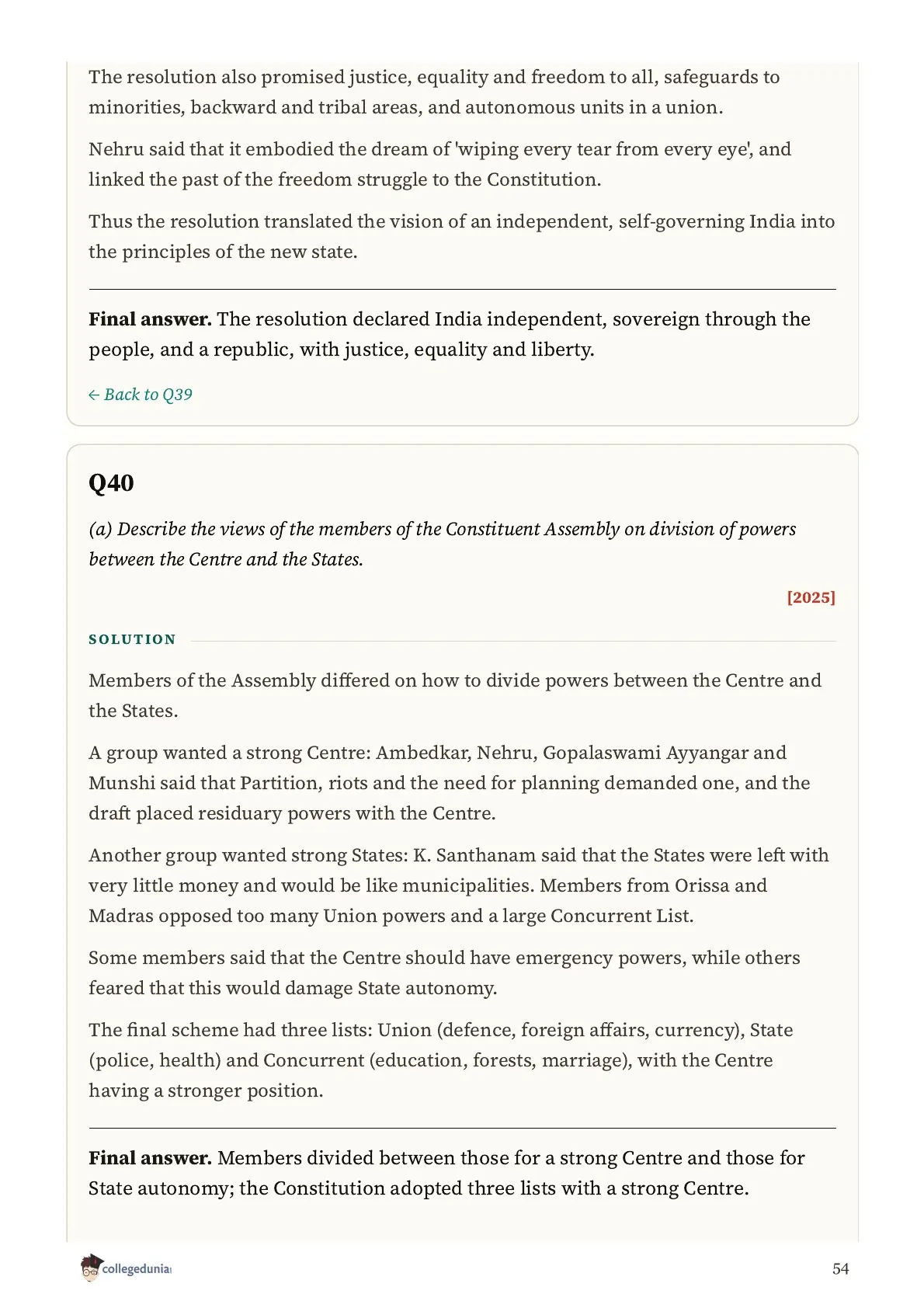
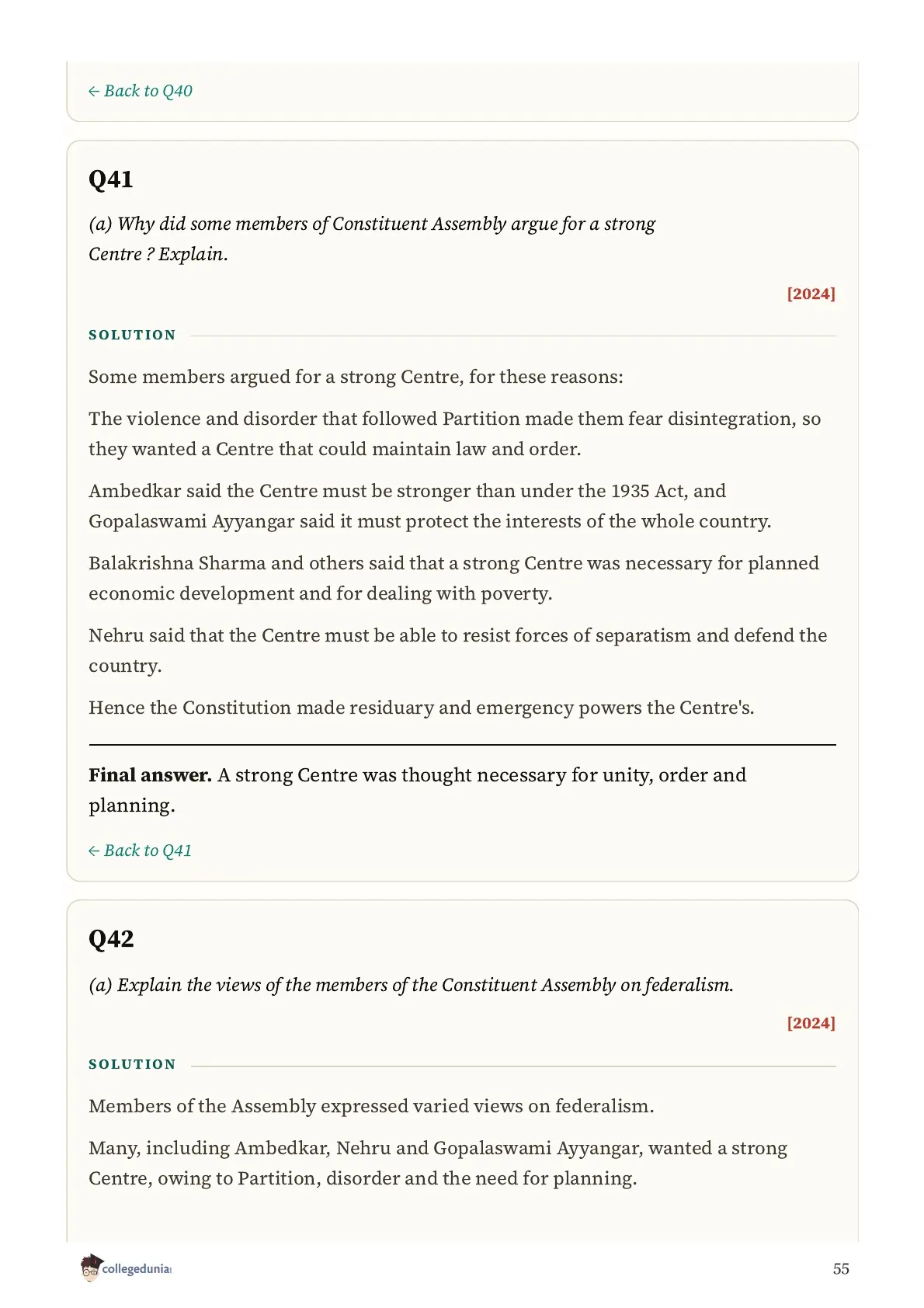
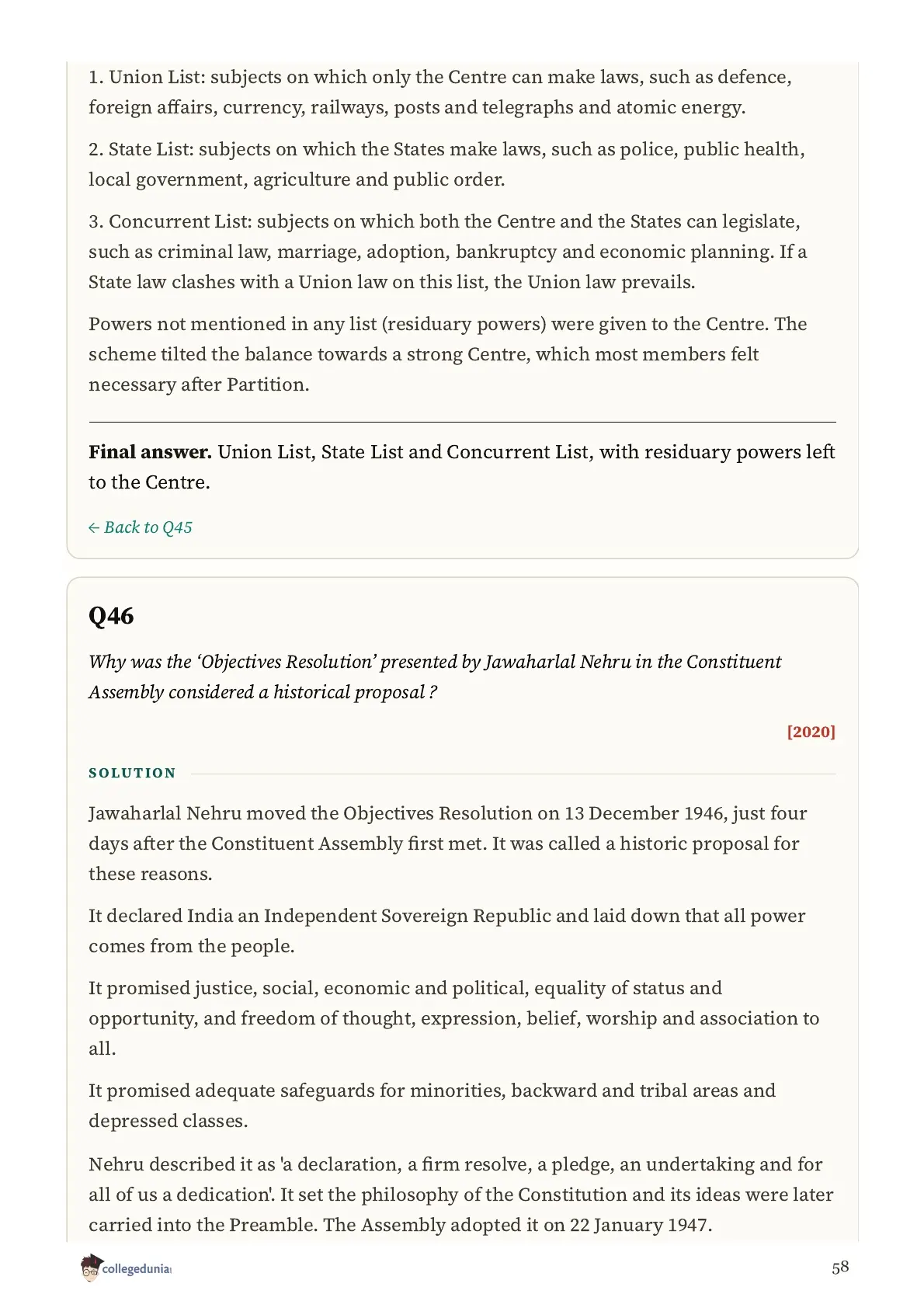
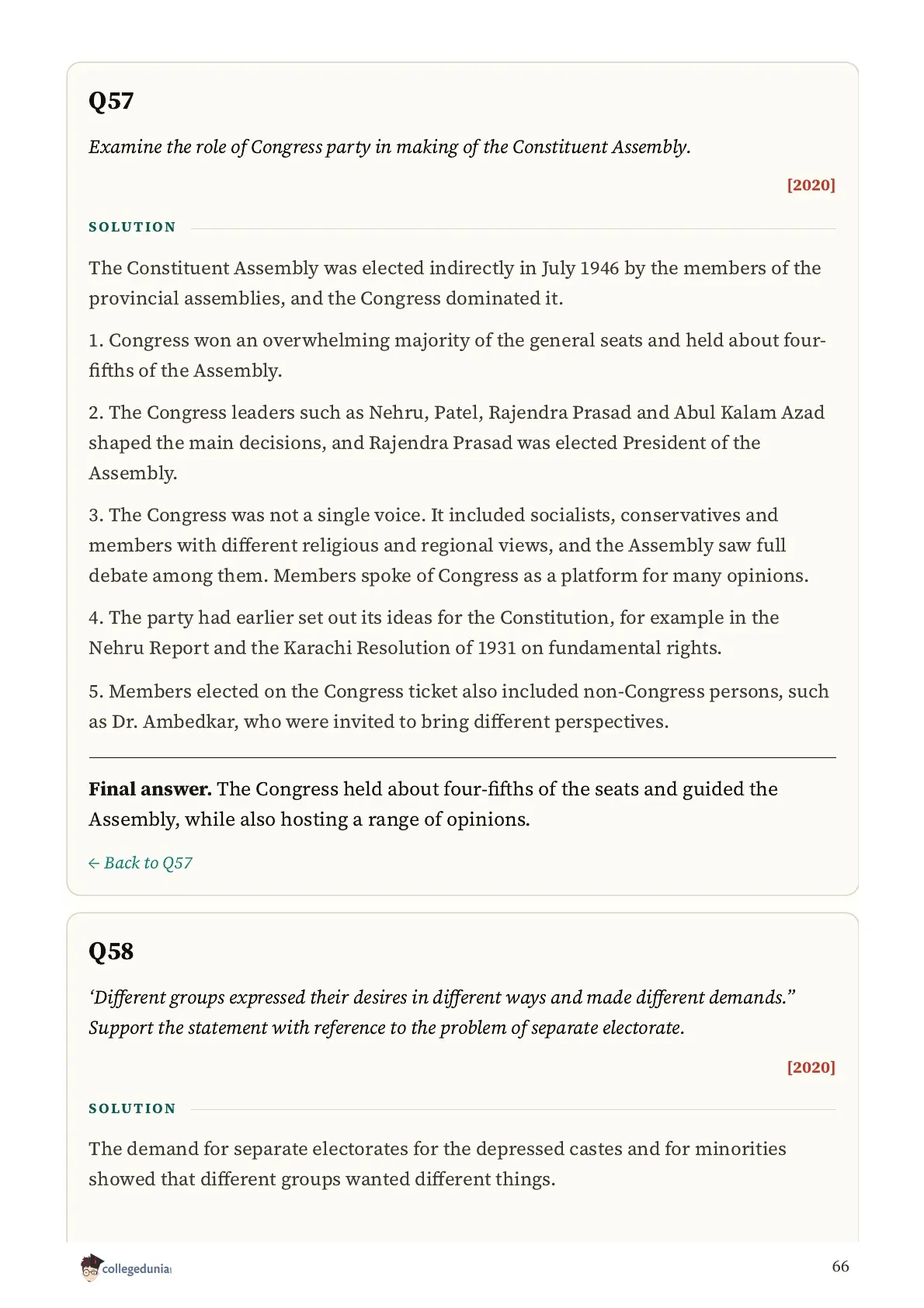
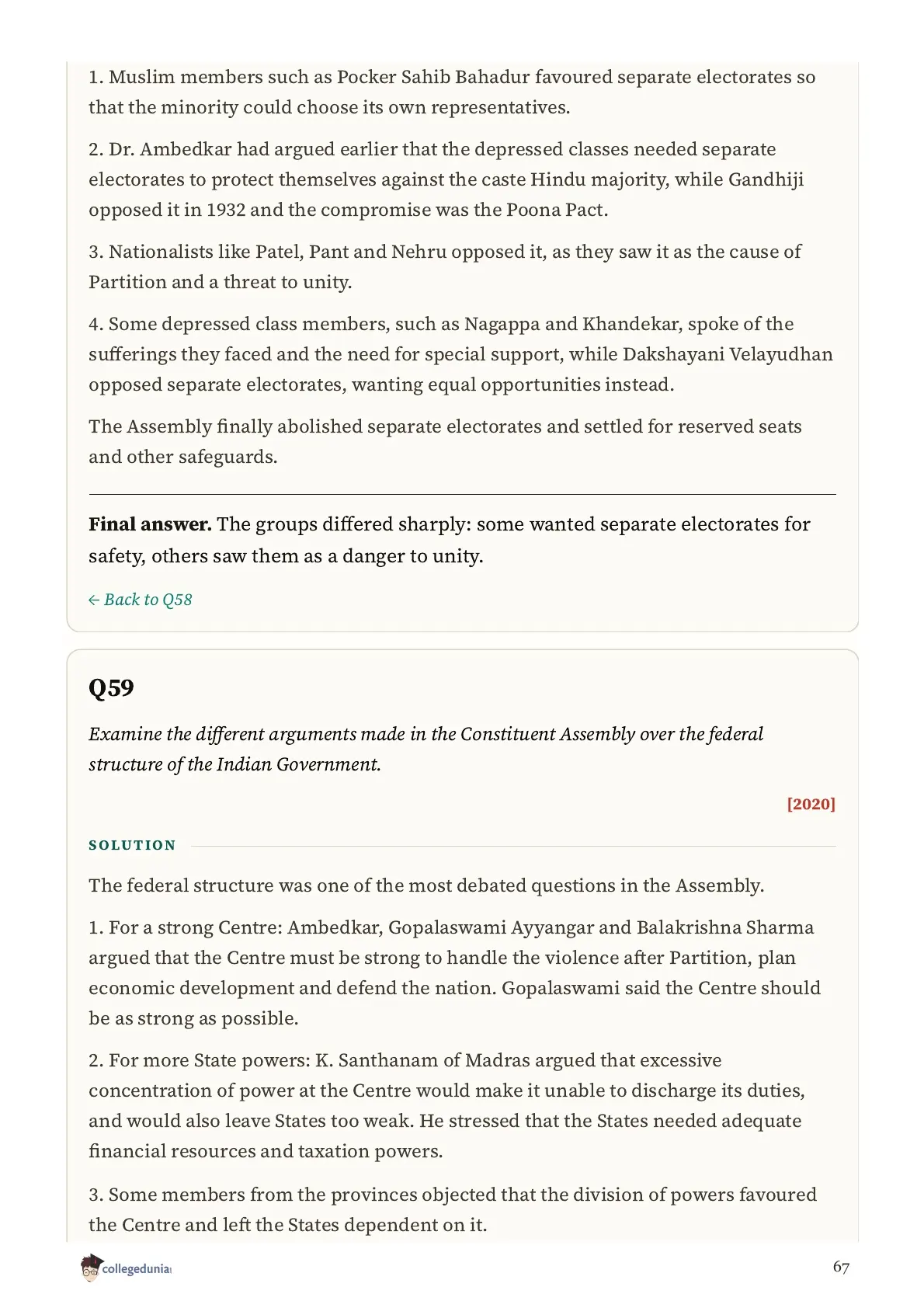
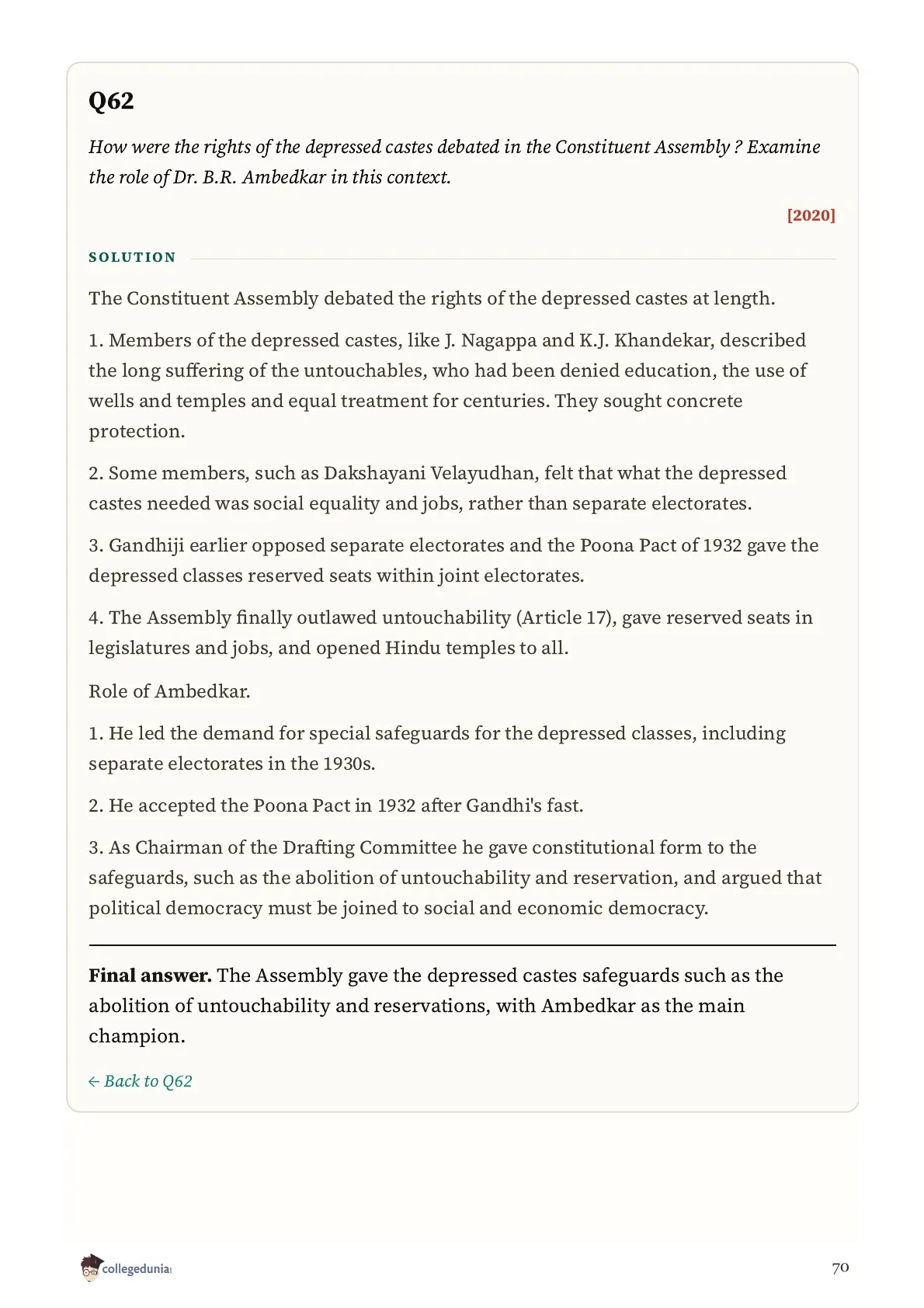
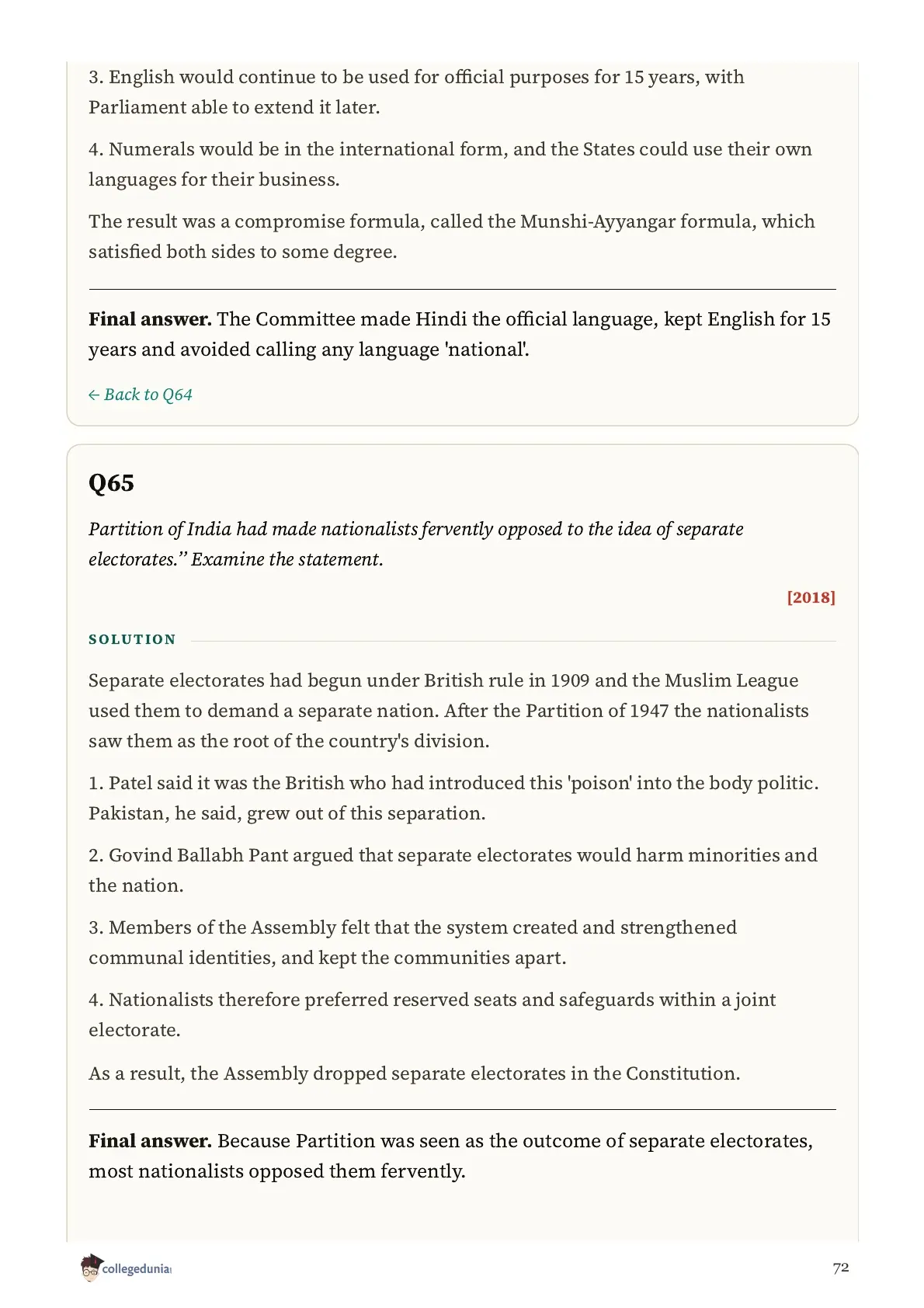
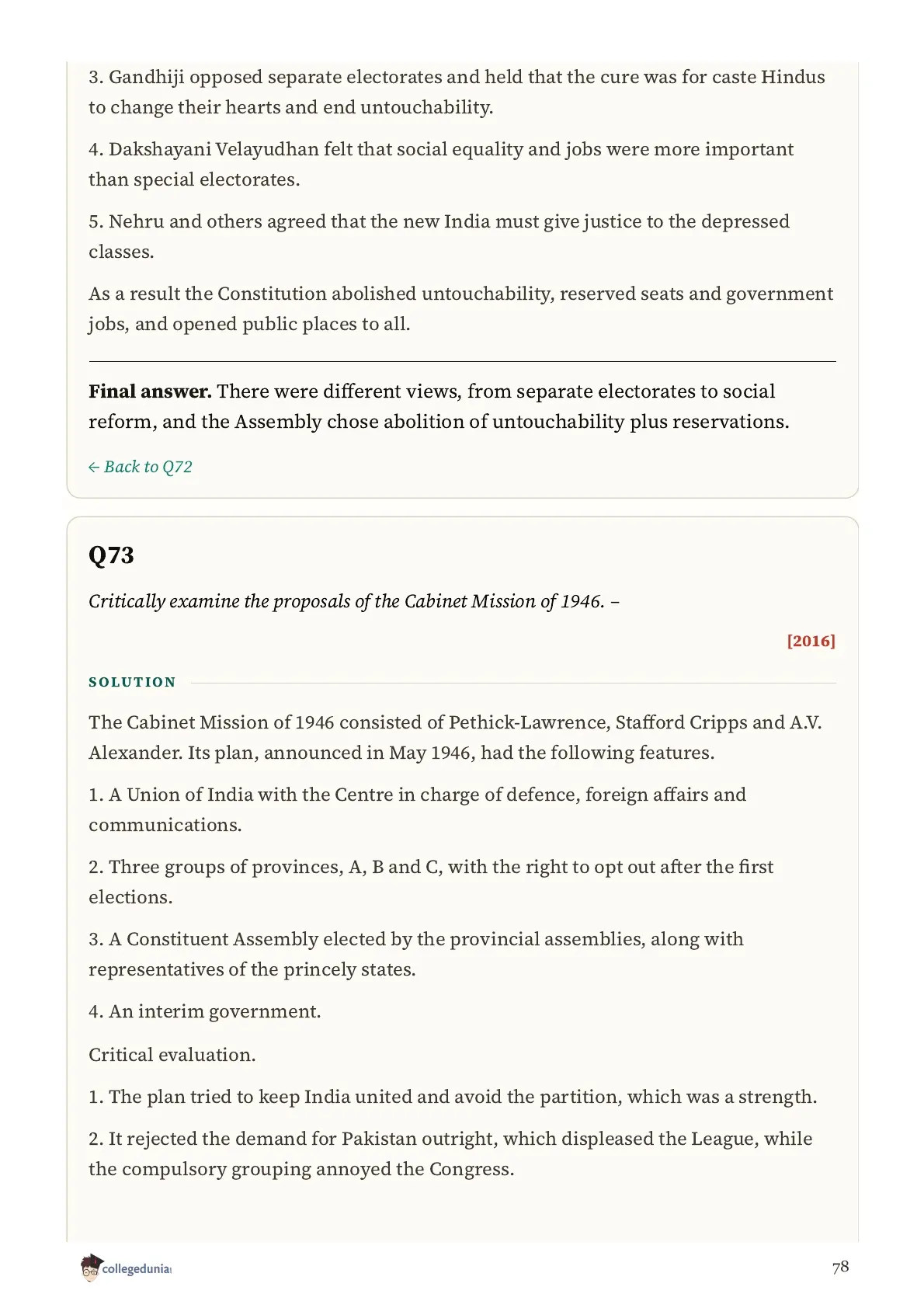
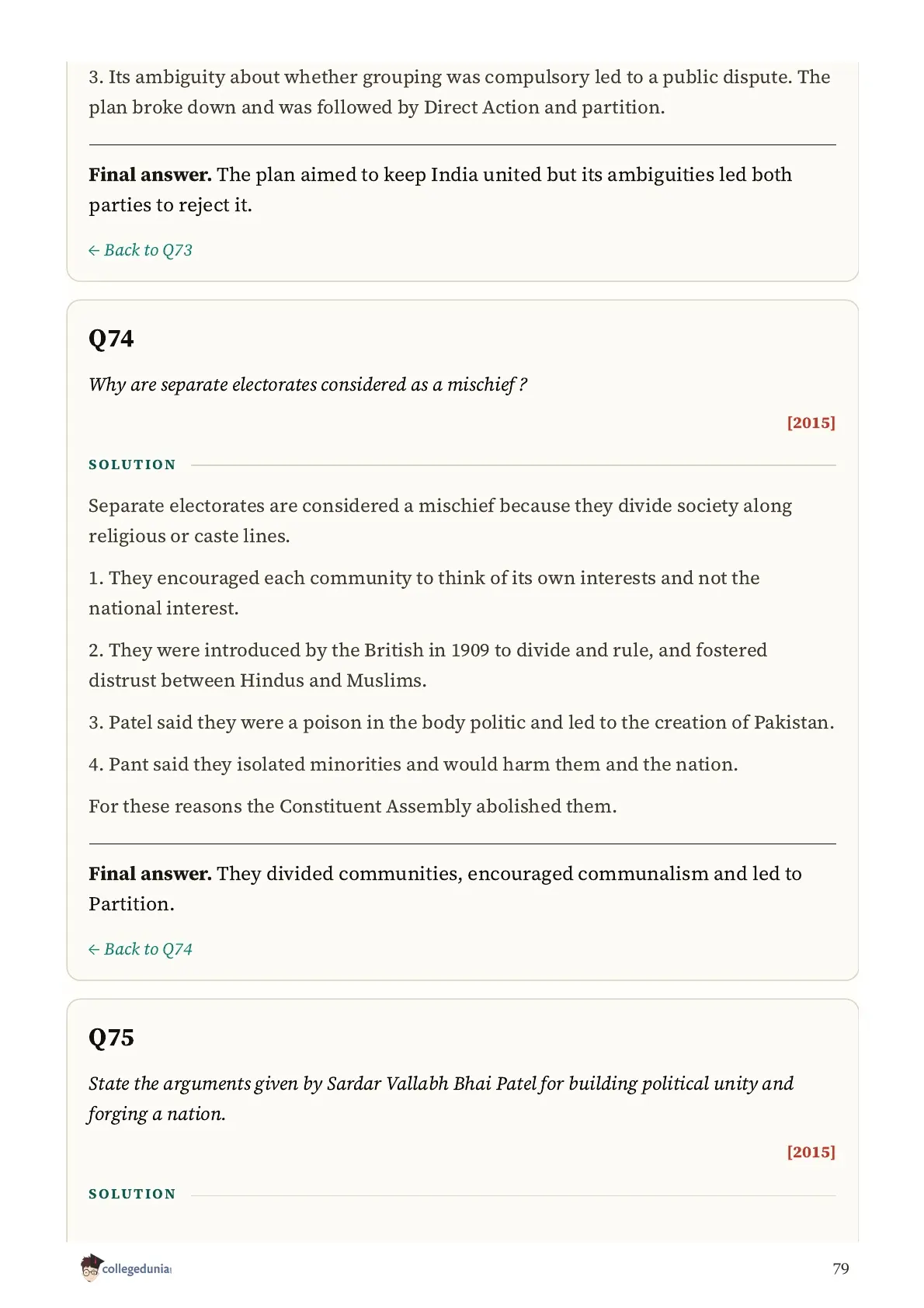
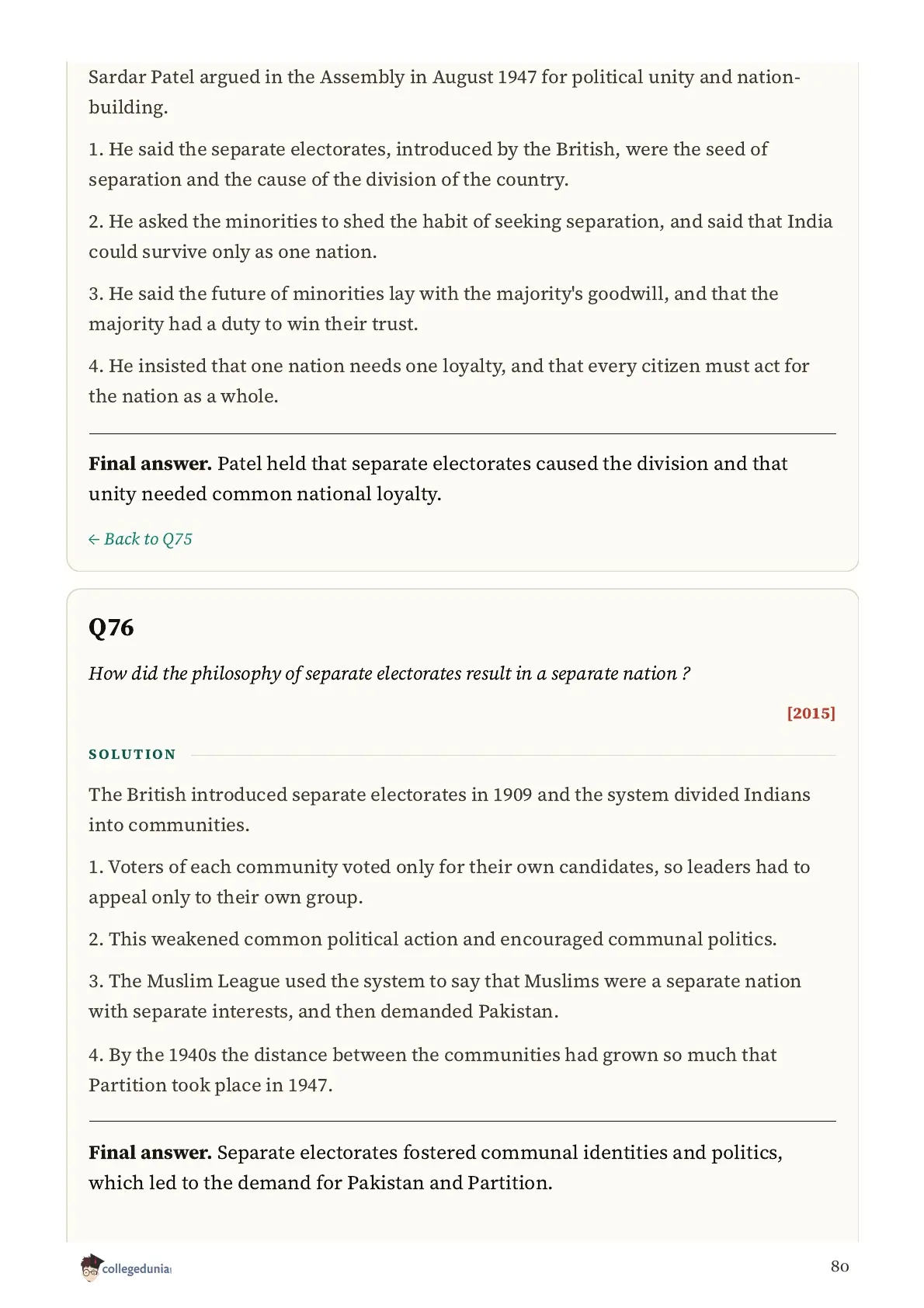
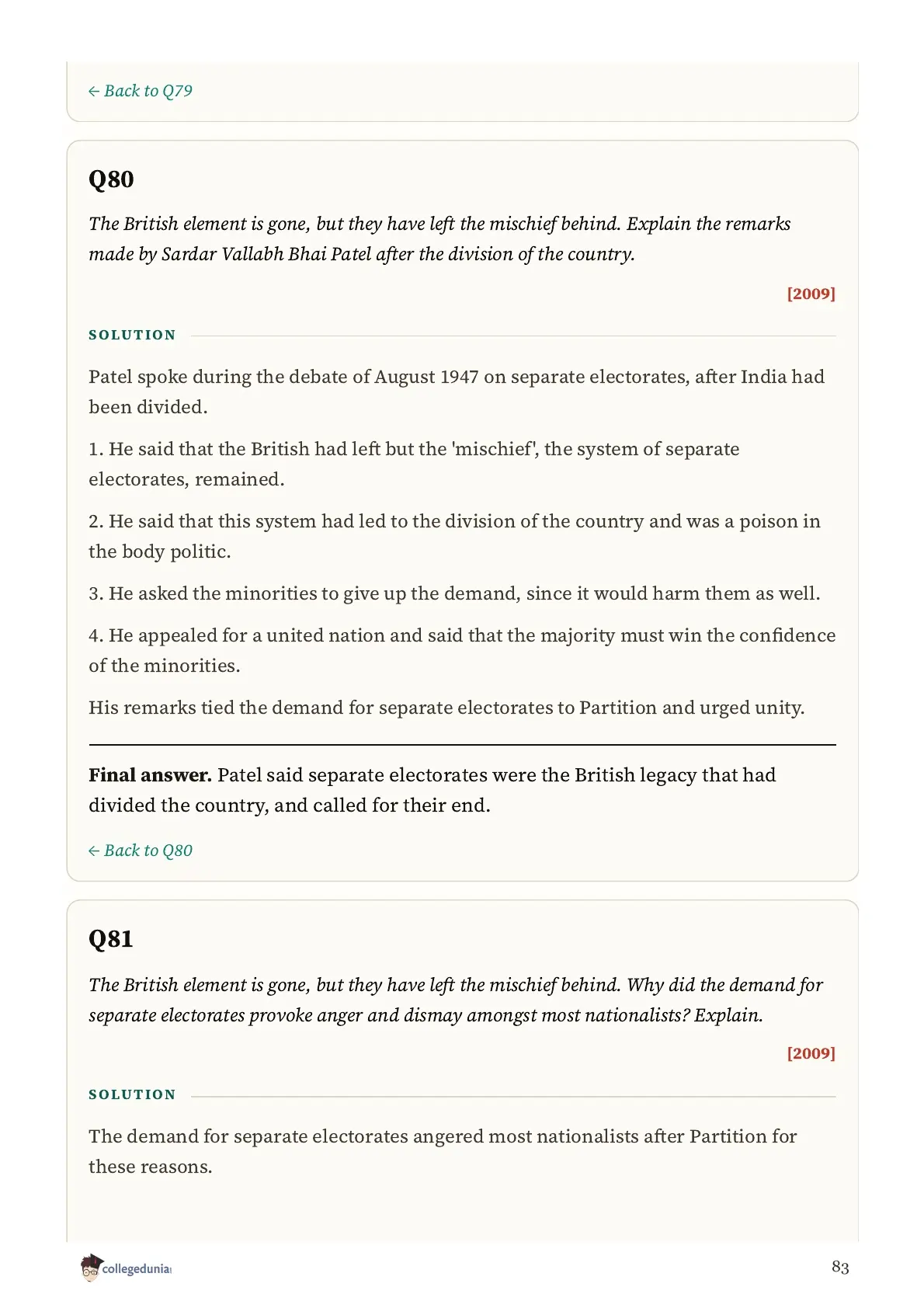
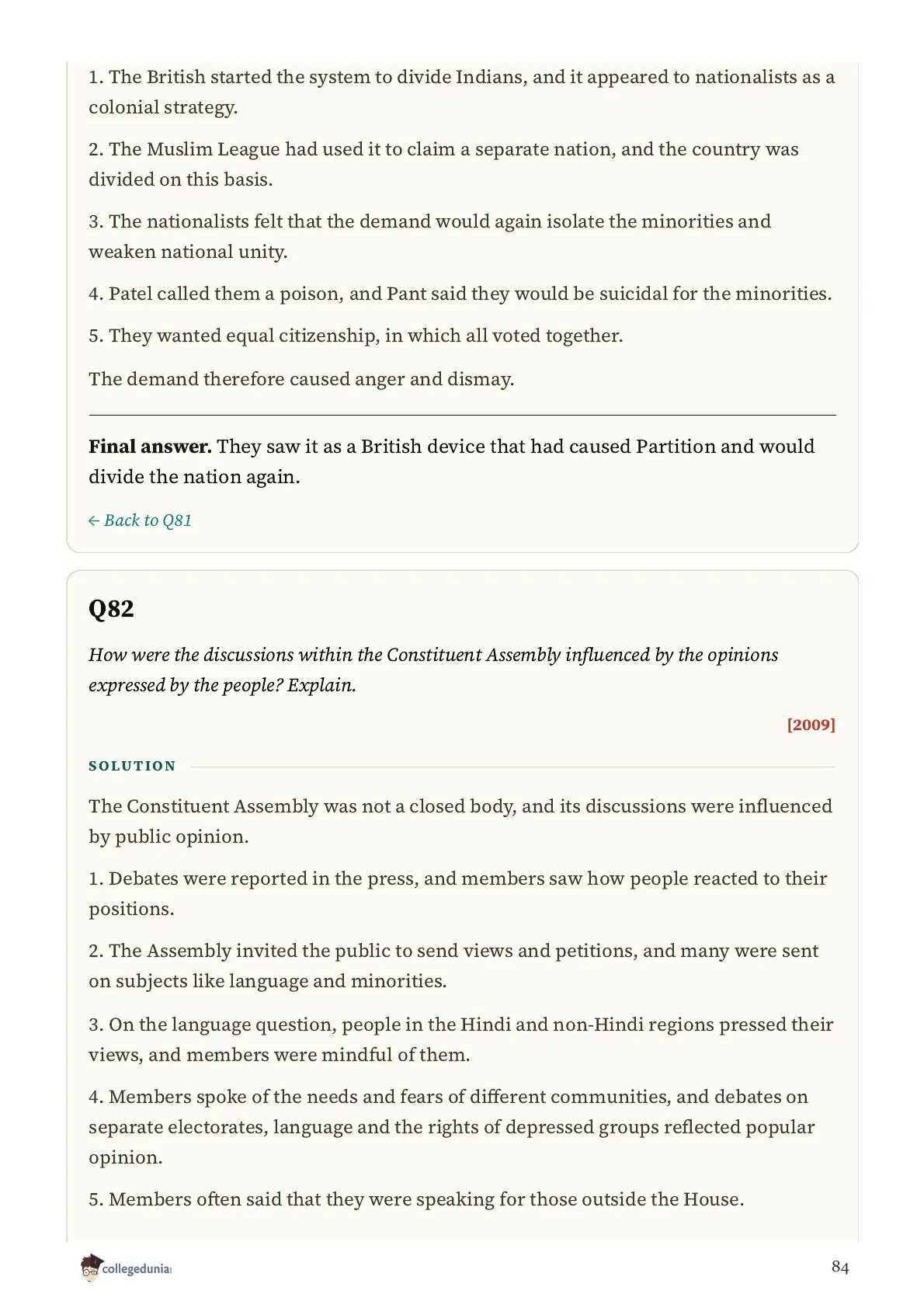
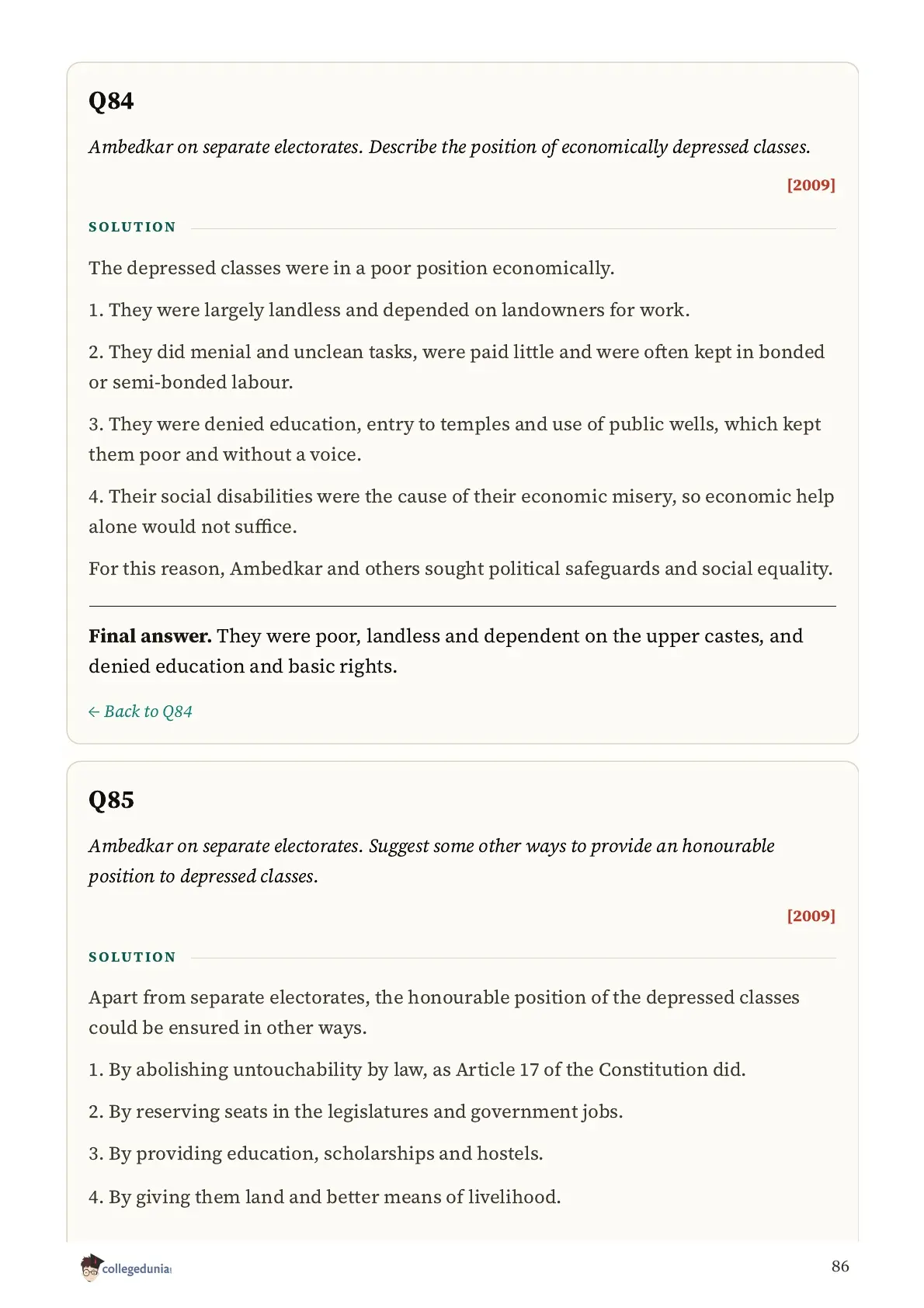
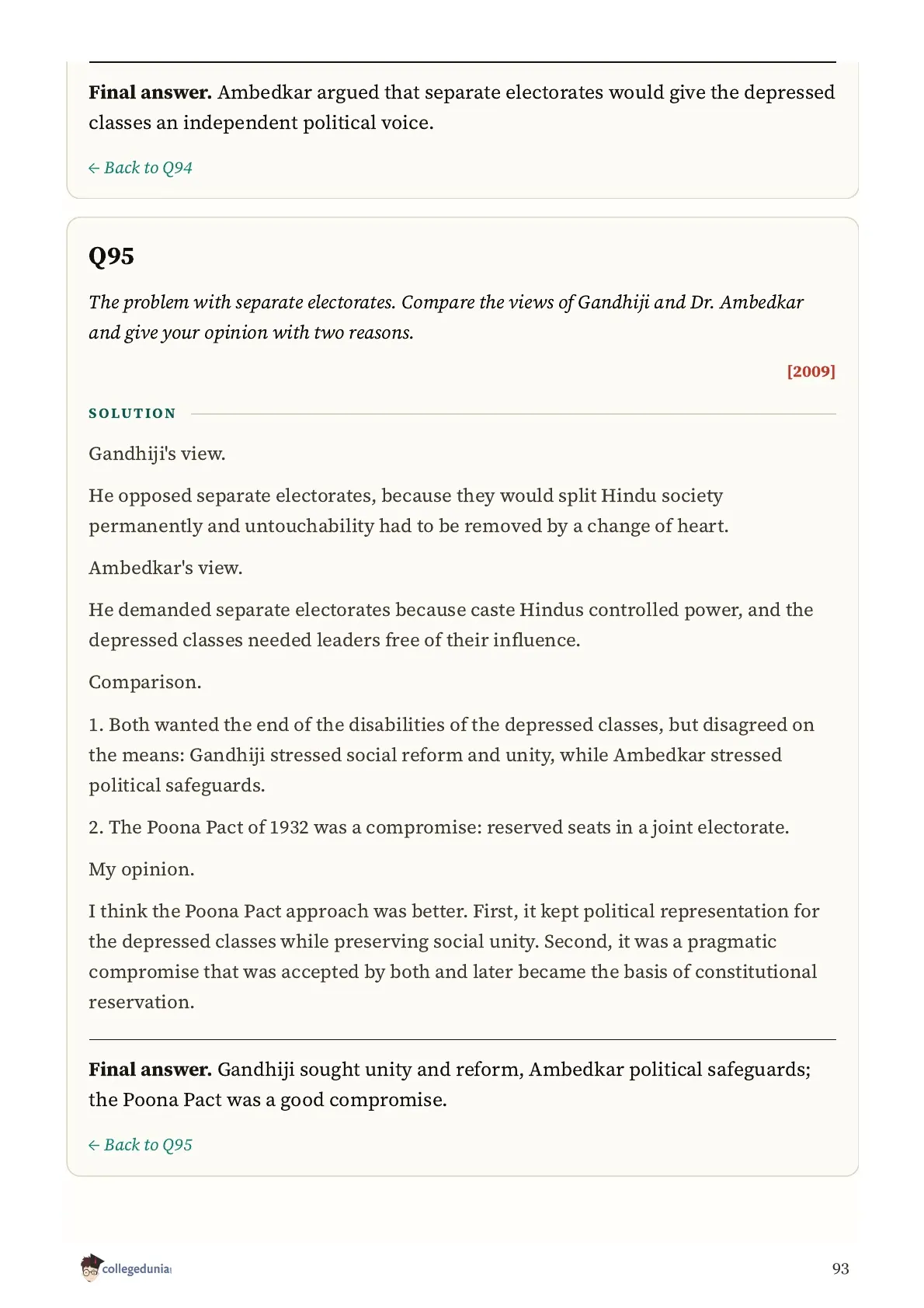
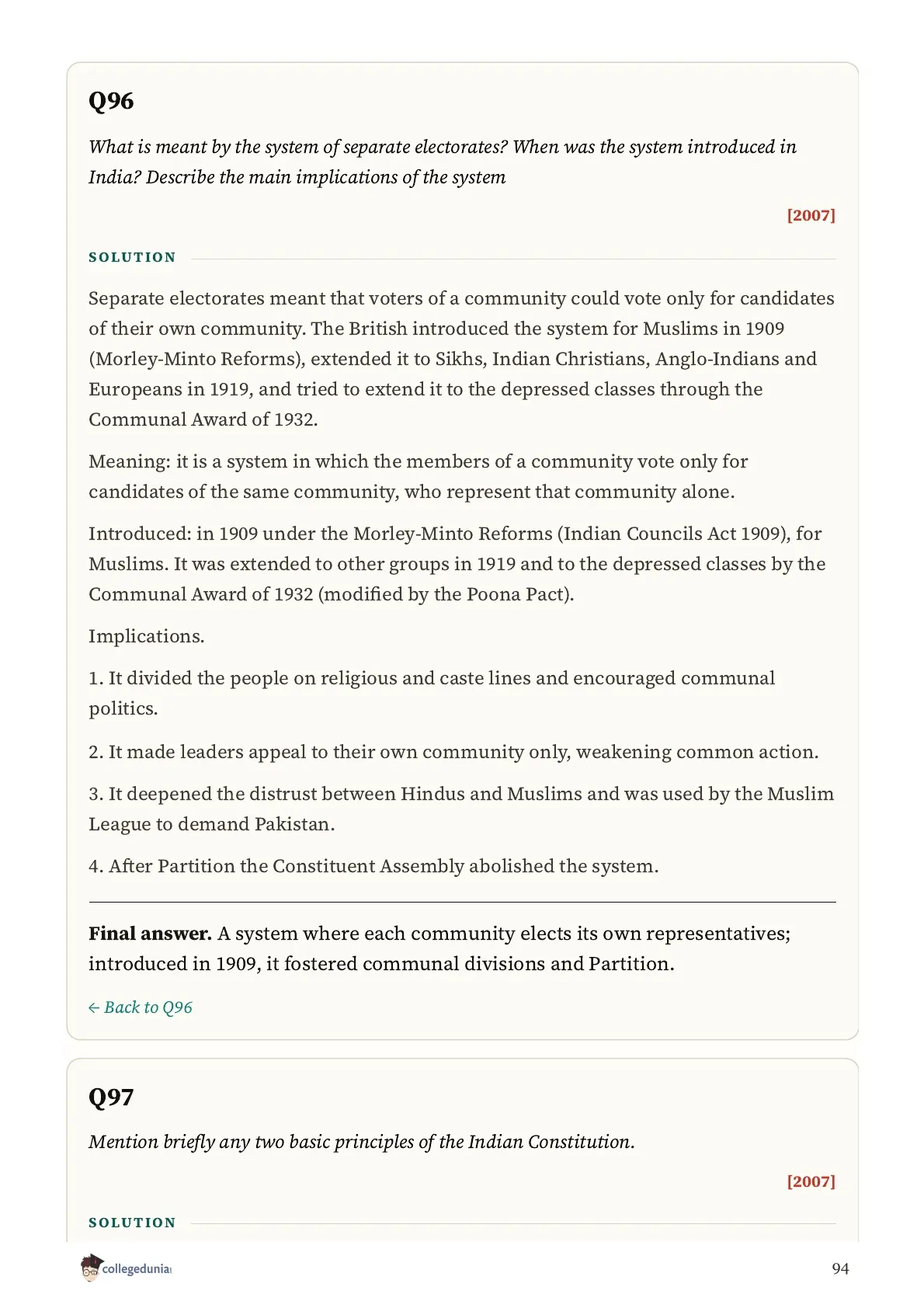
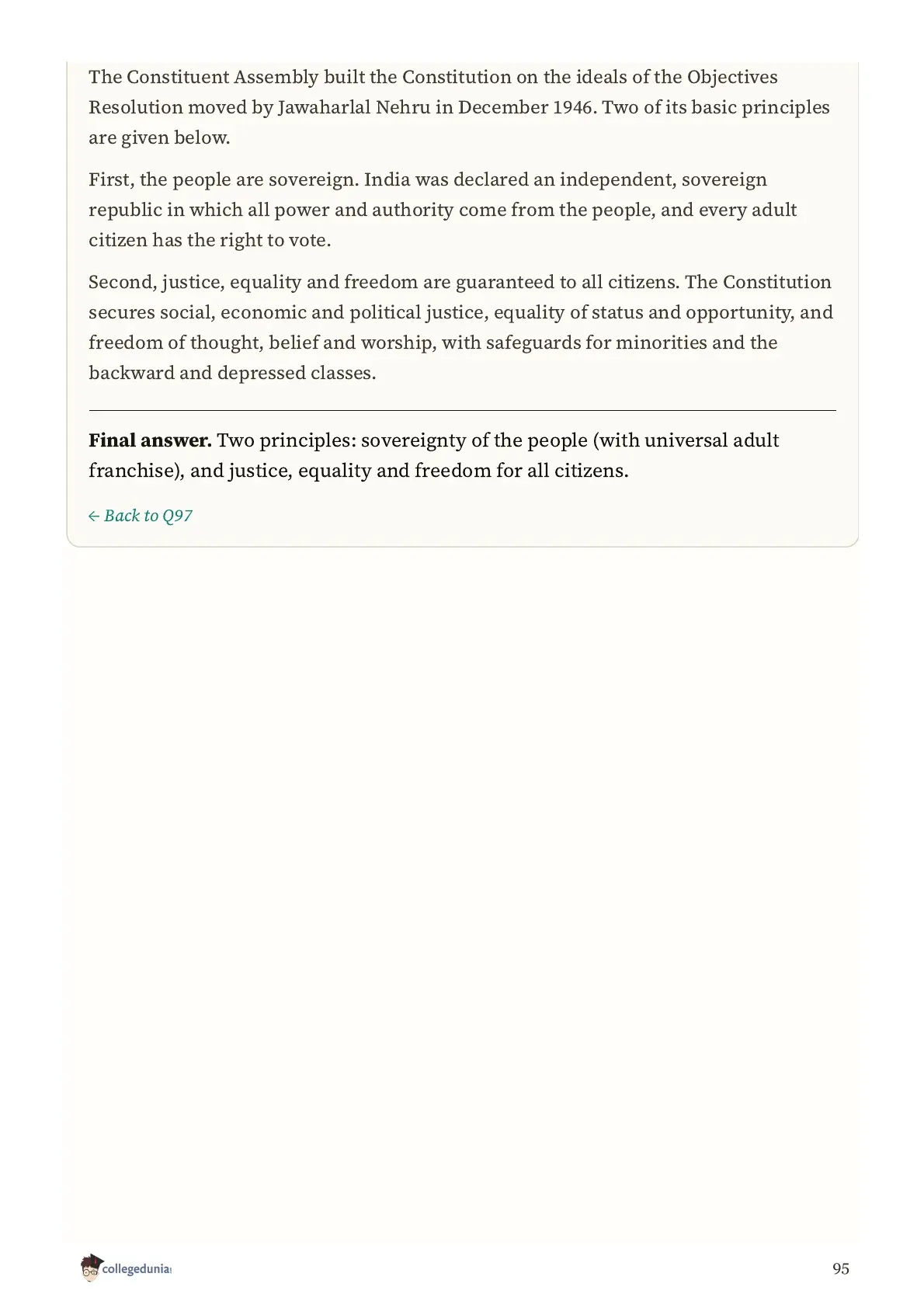
Two arguments from those debates repeat. 17 questions name separate electorates, usually asking why the demand was made and why most members opposed it, and 17 name the Centre, federal powers or Article 356, asking how much power the Union should hold over the states. The Objectives Resolution moved by Nehru is named in 8 questions, and Nehru himself in 15.
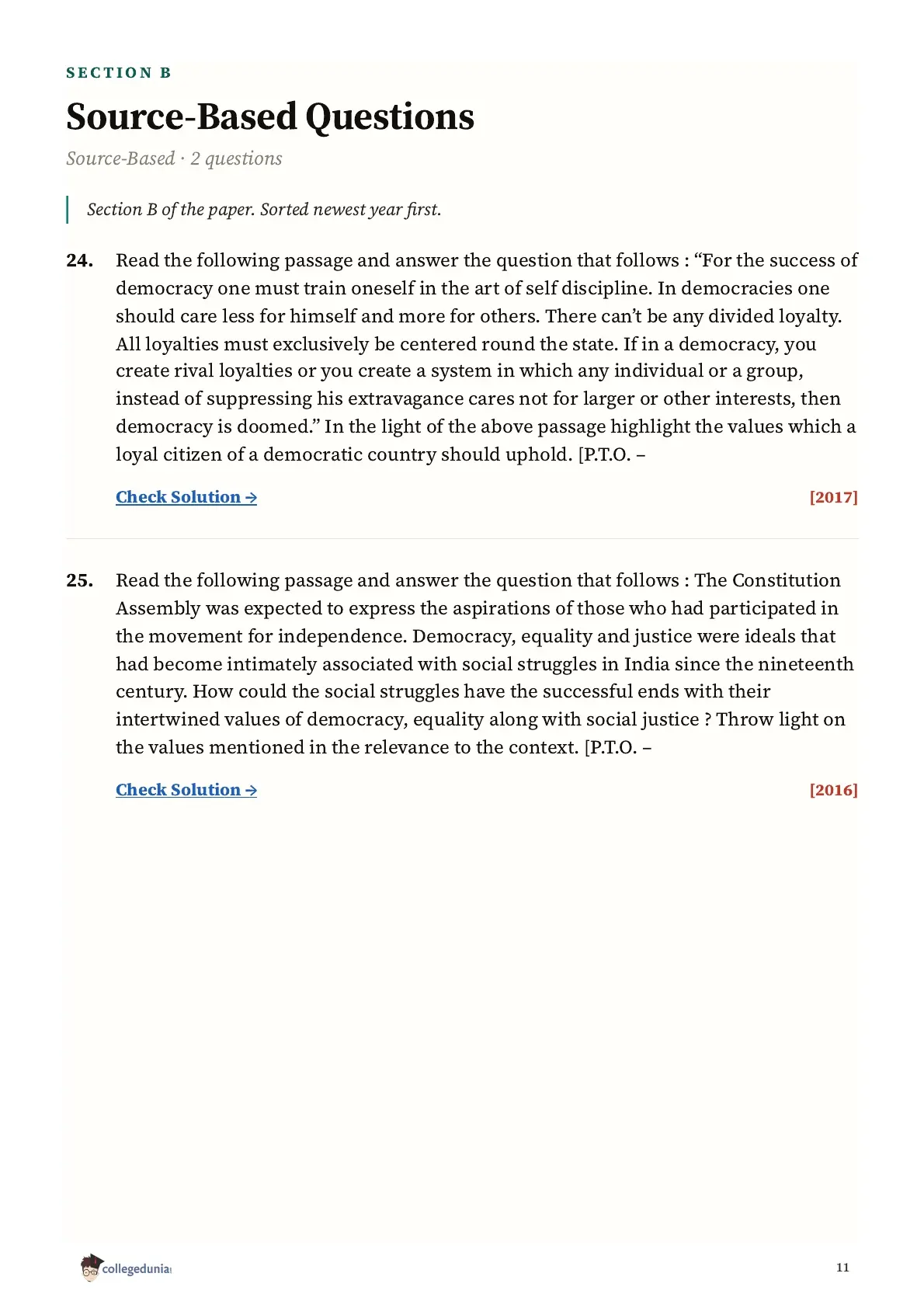
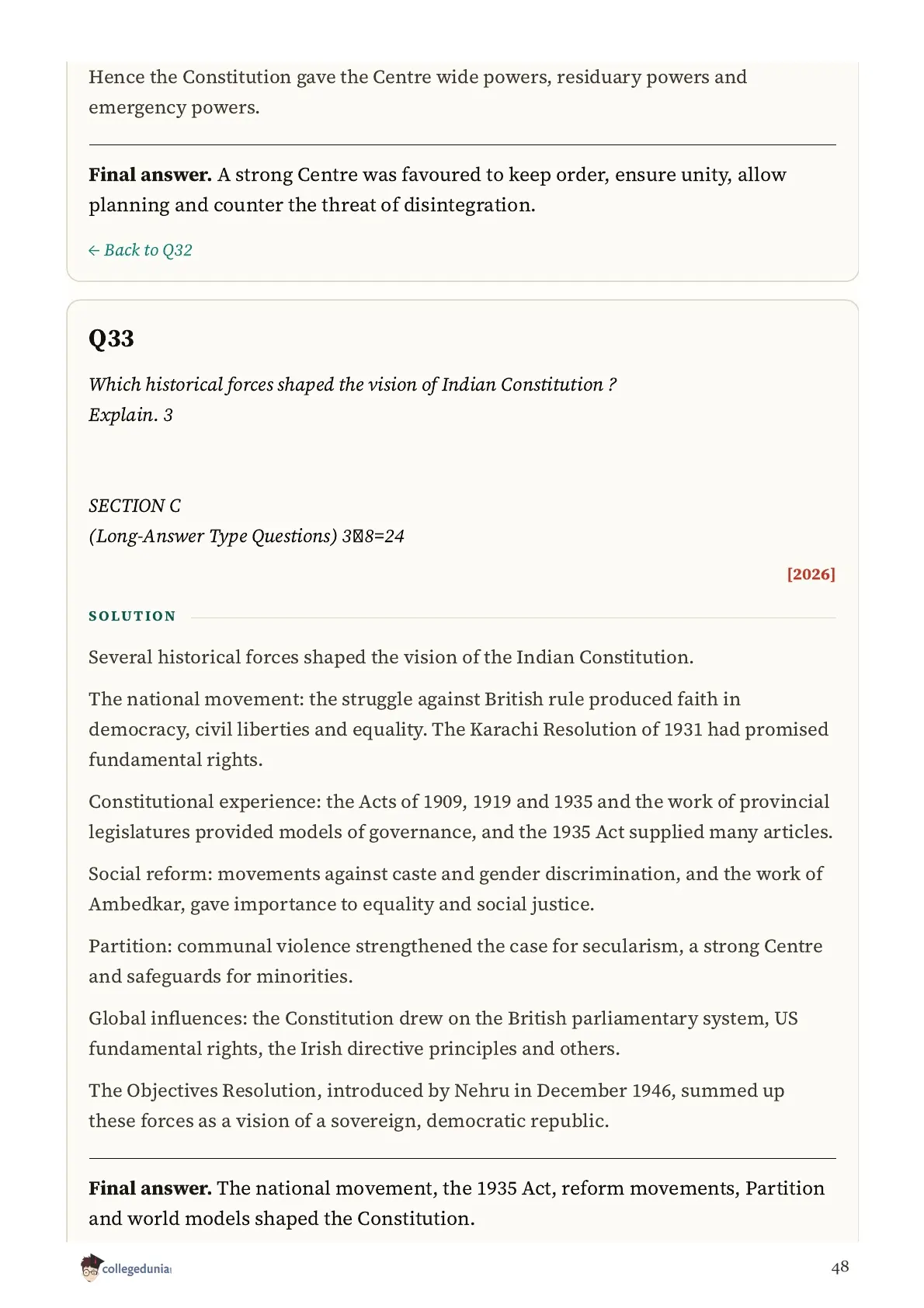
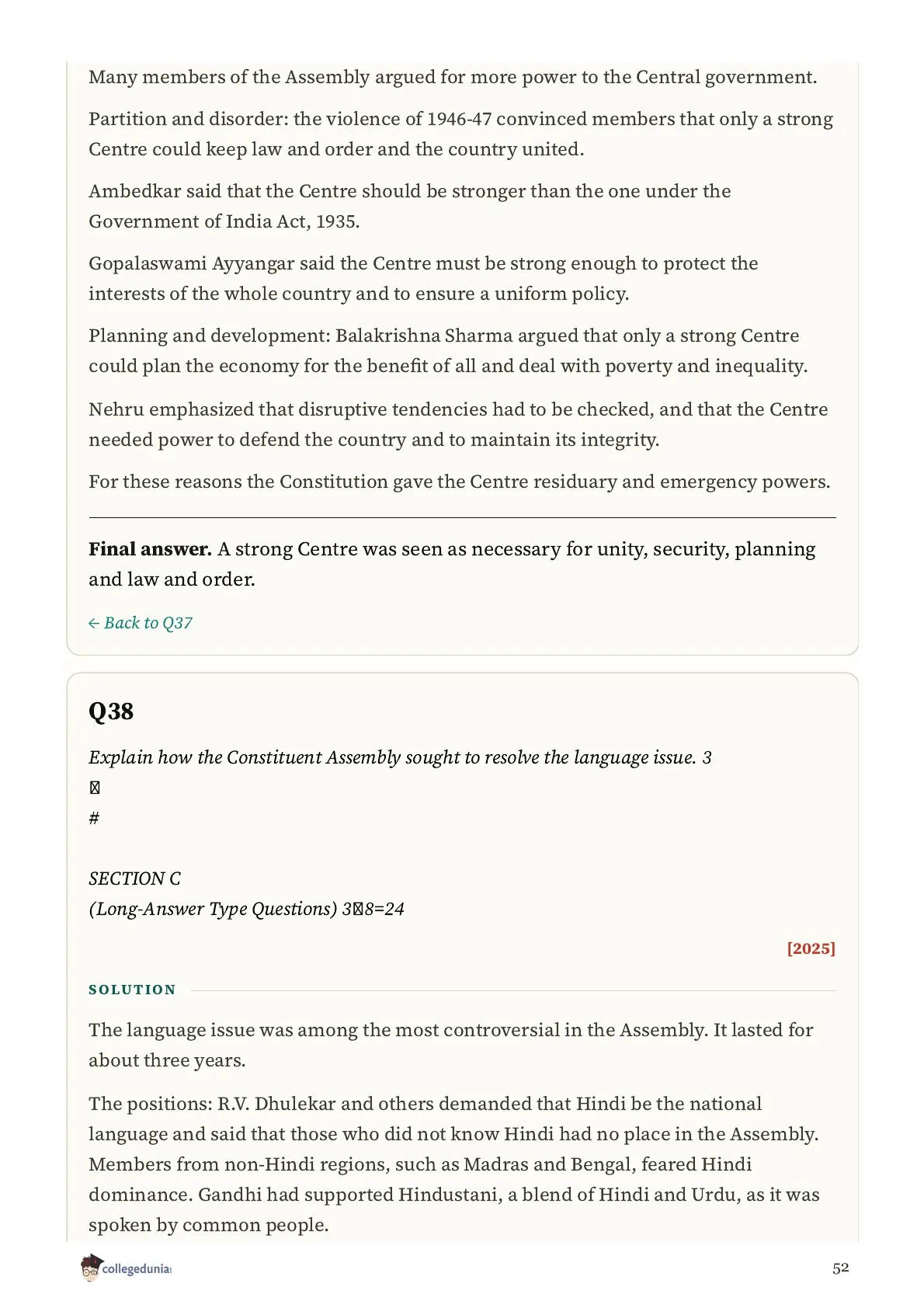
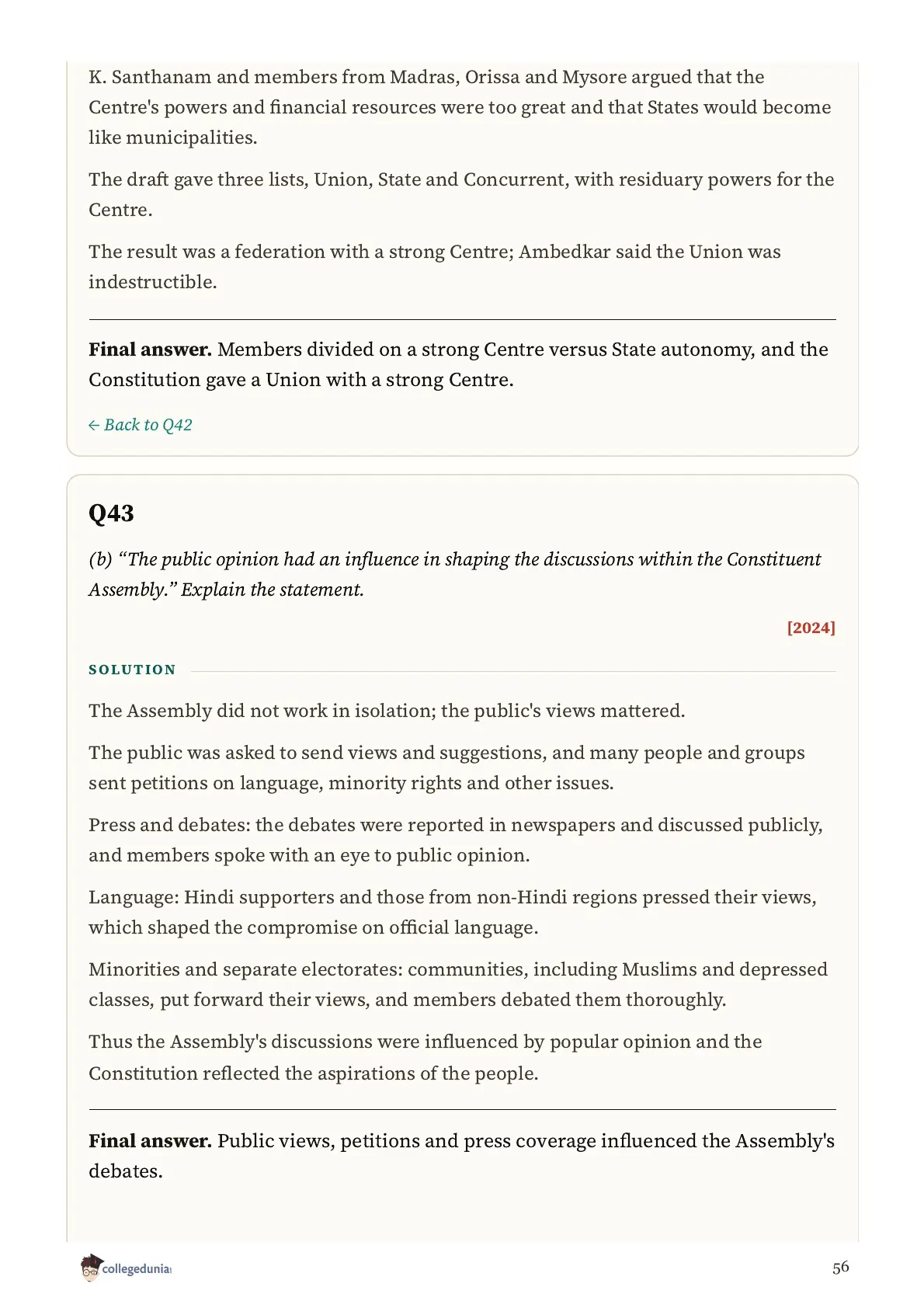
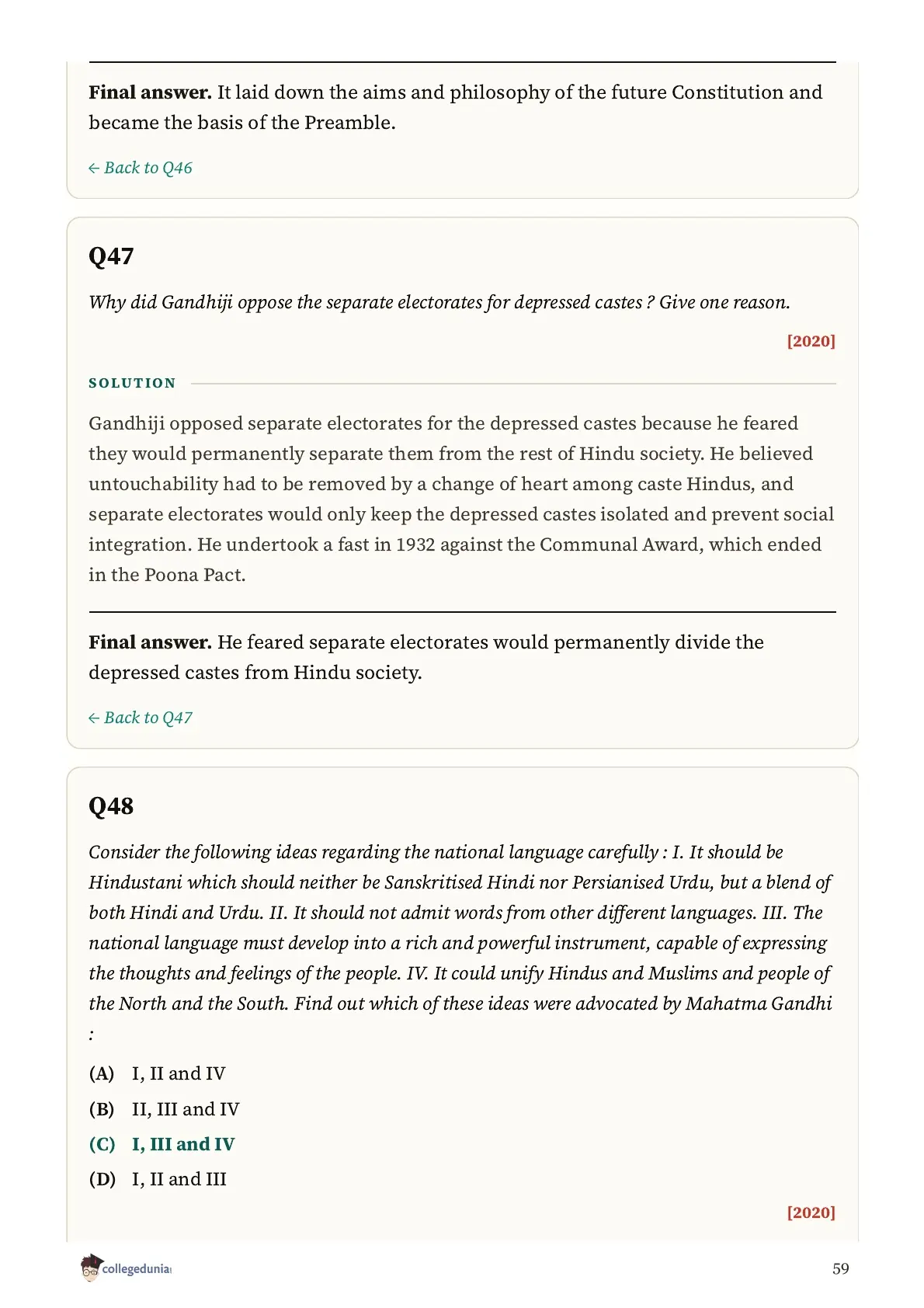
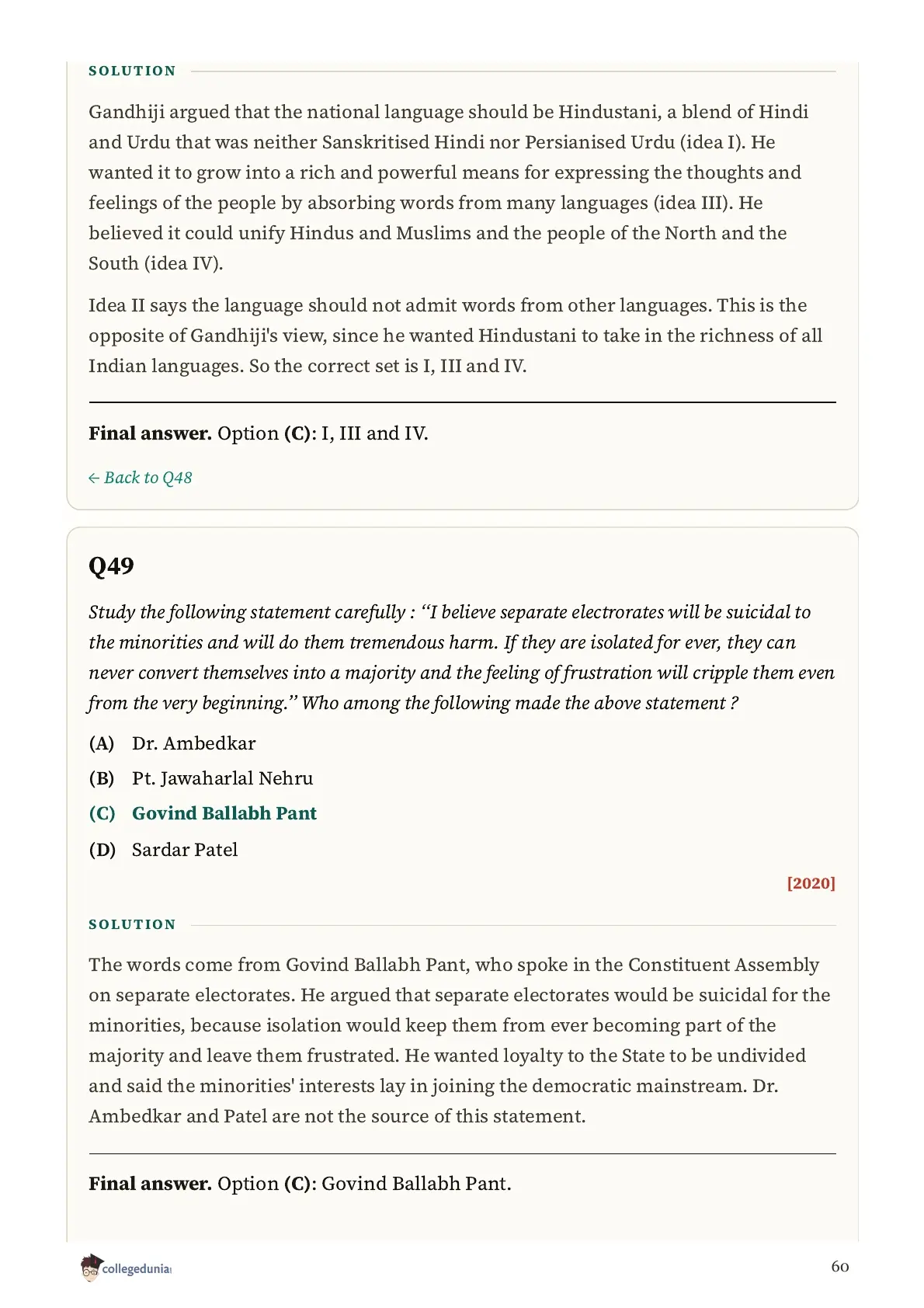
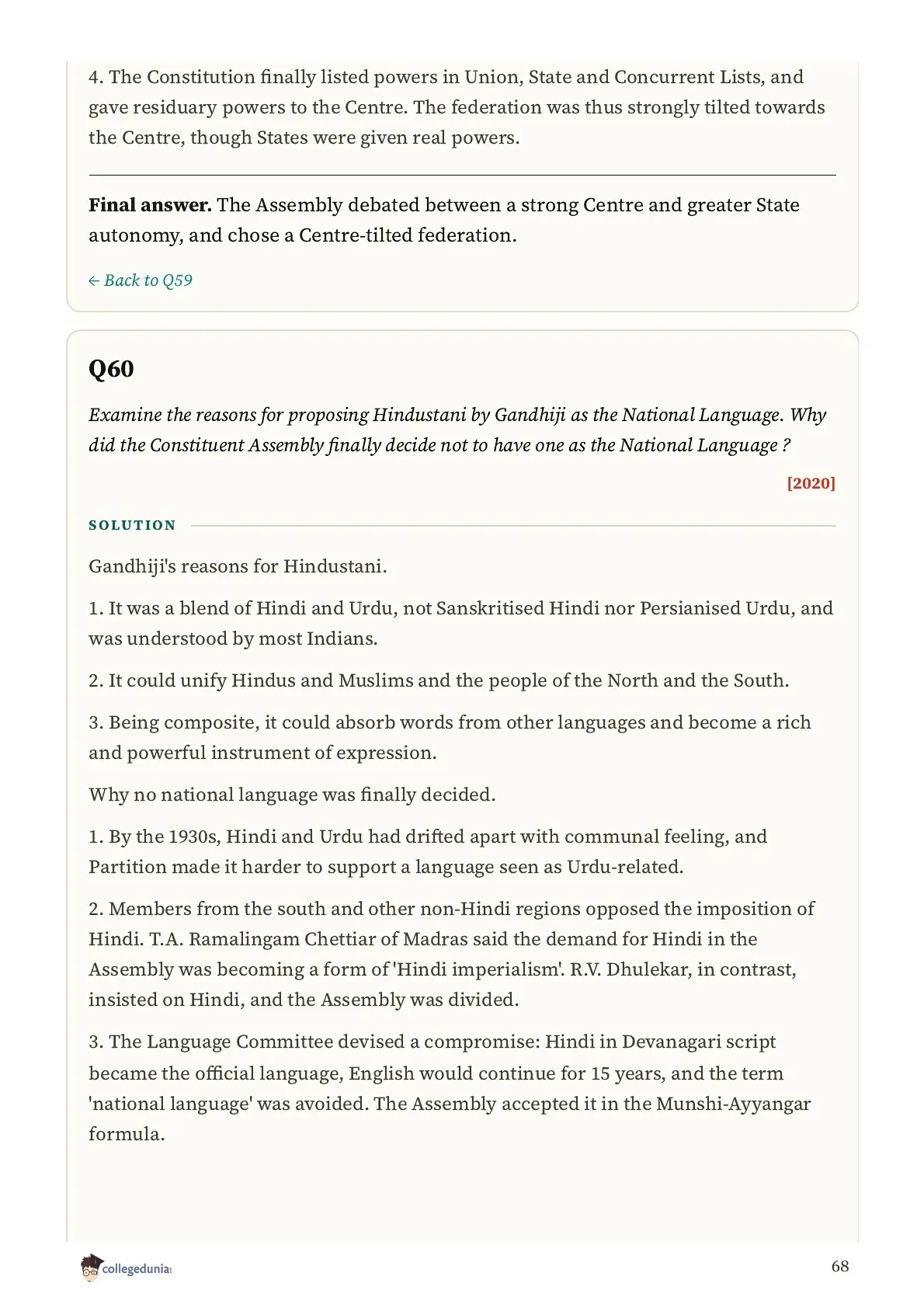
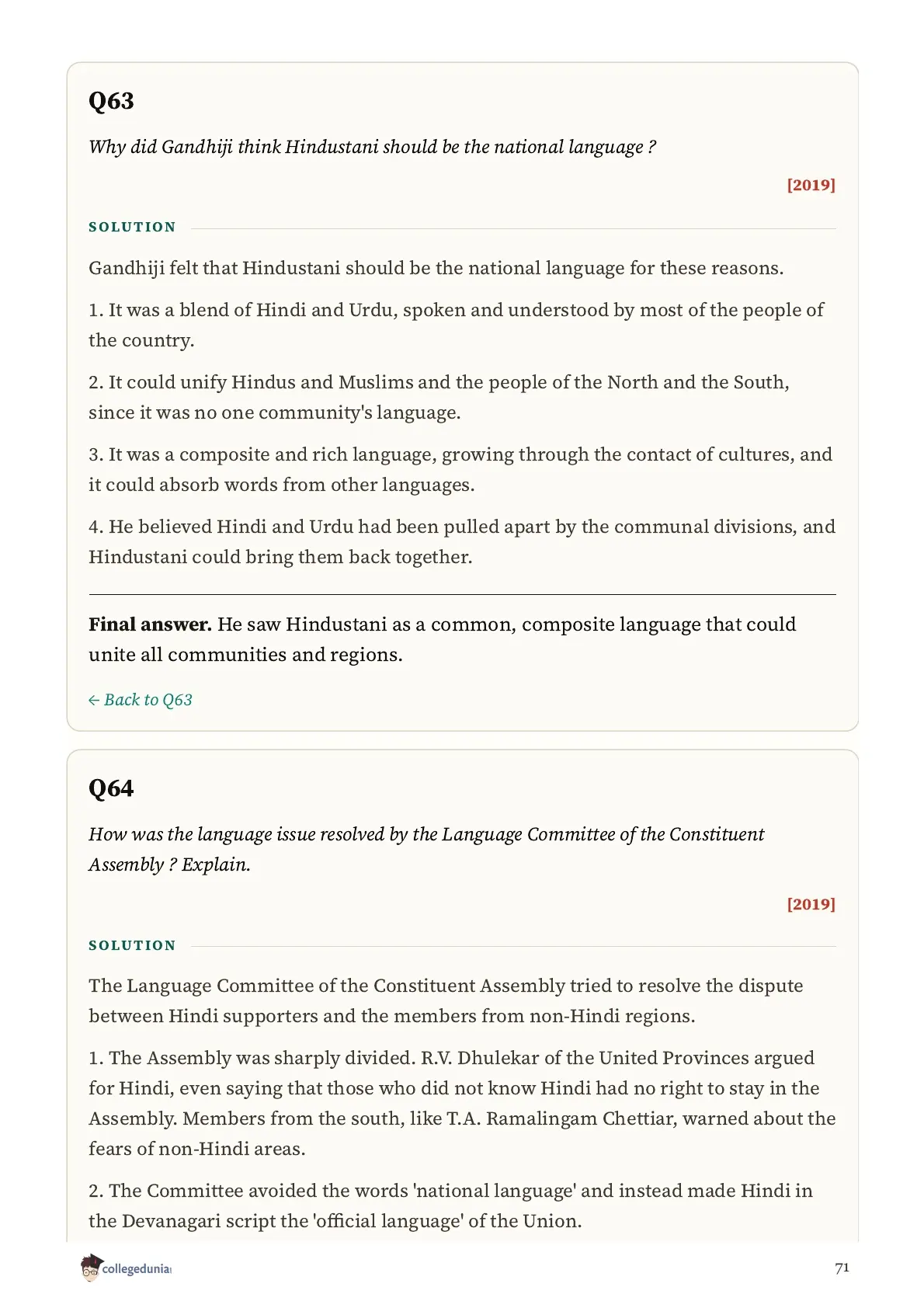
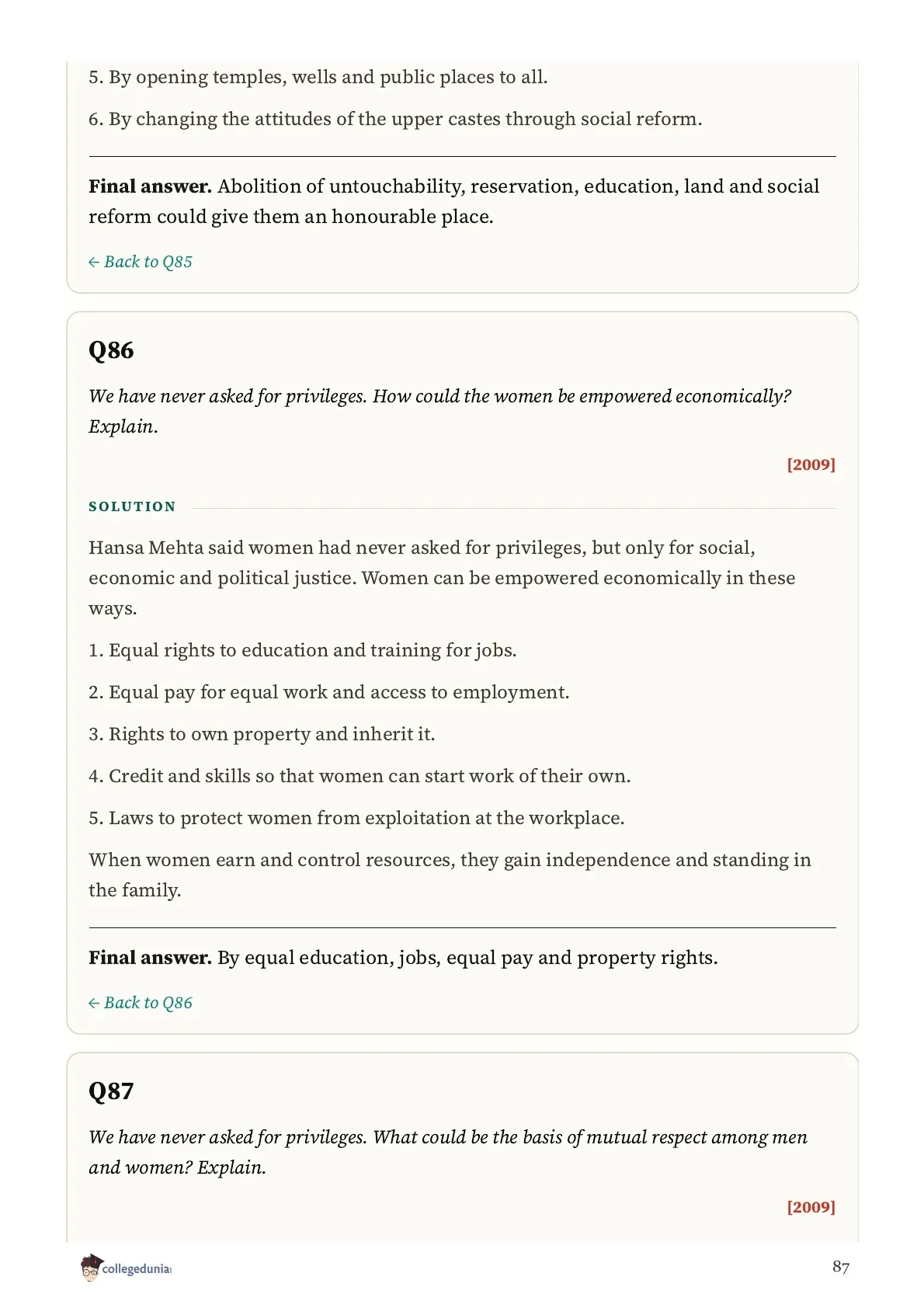
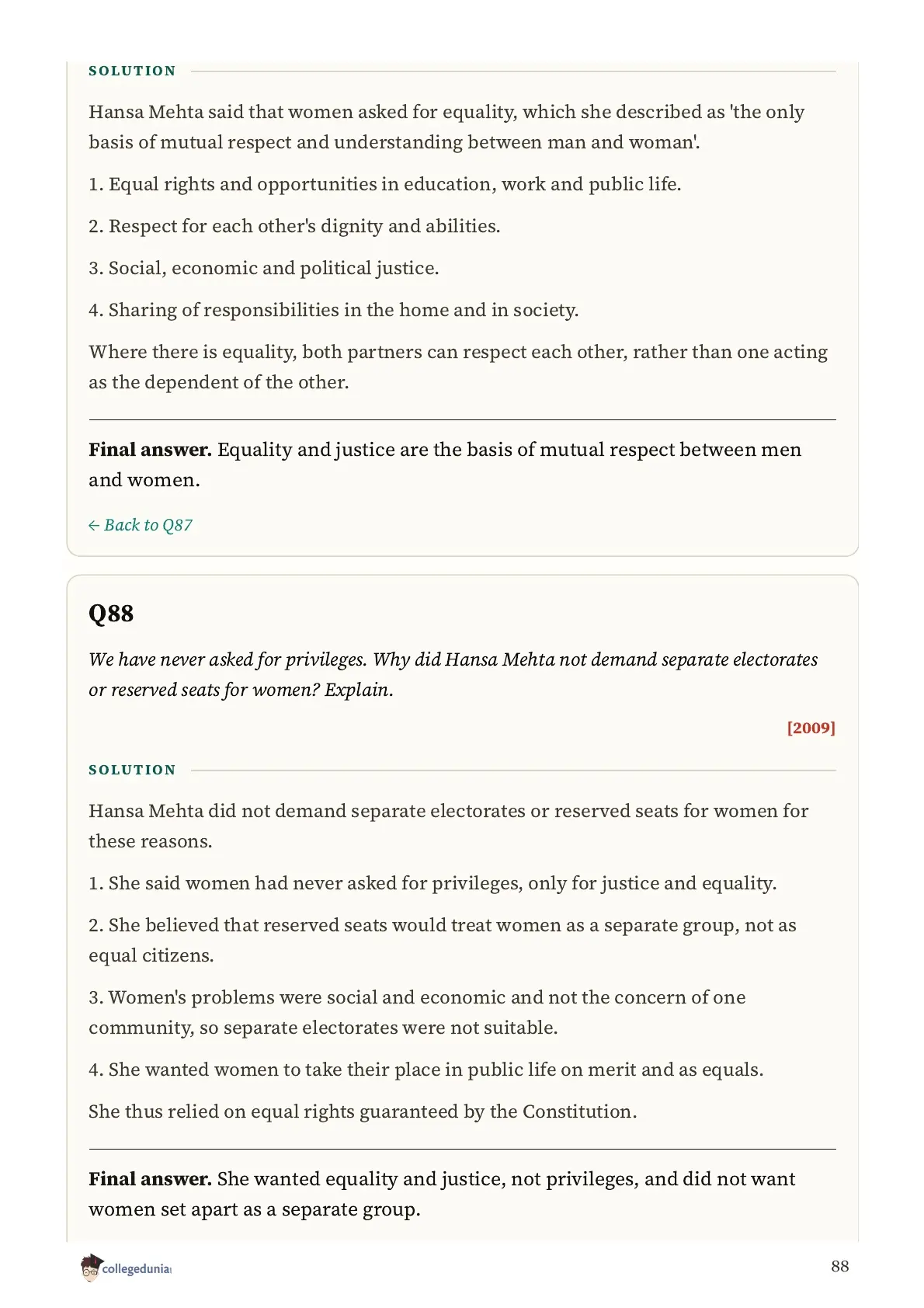
Ambedkar is named in 12 questions and Patel in 11. 9 questions name the depressed classes, 7 name Hansa Mehta or women members, and 7 name the language question, where Hindi and Hindustani were argued over. The 2 source passages are speeches from the Assembly debates.
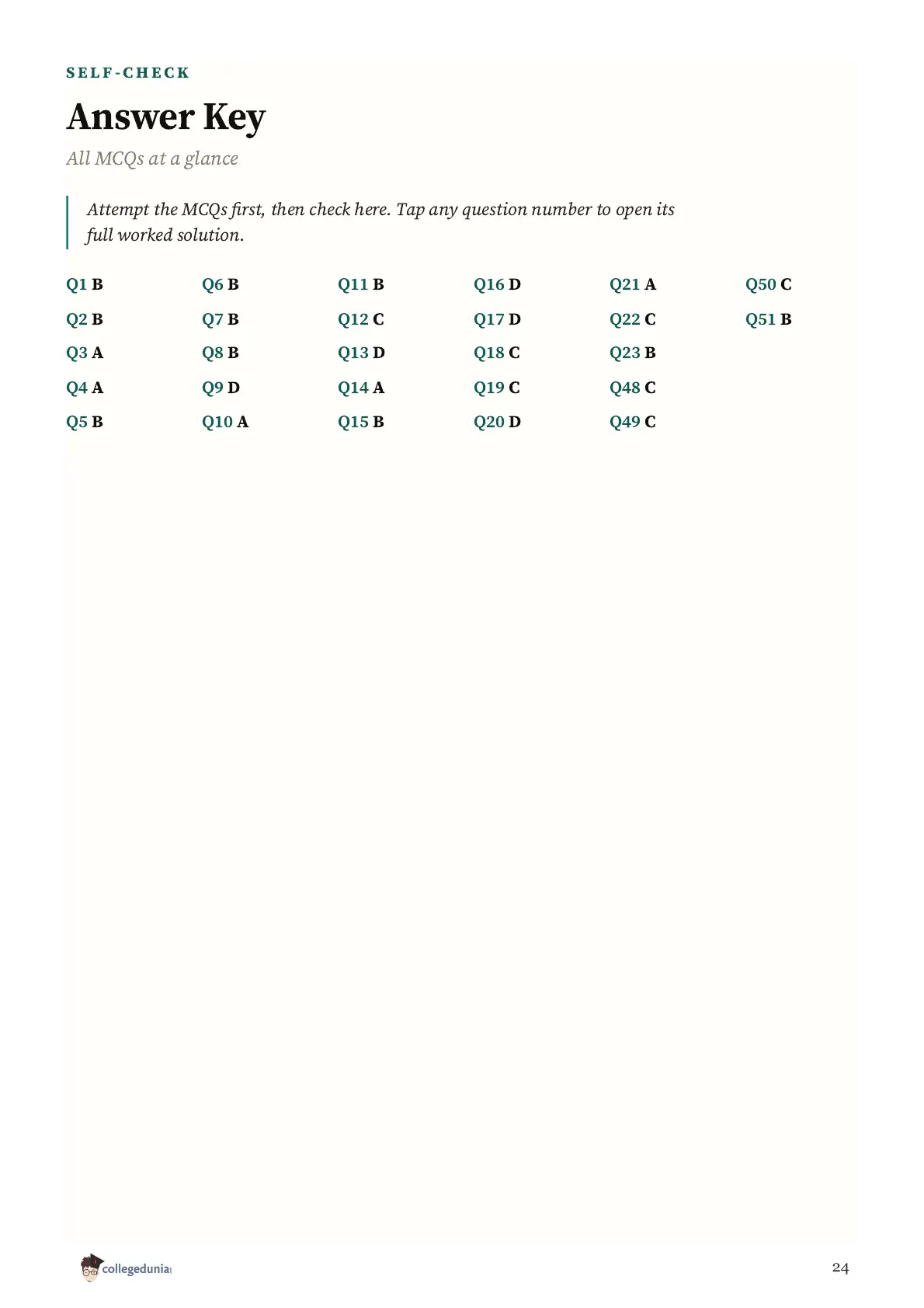
Counts come from keyword matches over the question text, so a question that names two subjects is counted under both. Of the 72 written questions, 4 carry MCQ options, so the Answer Key lists 27 questions. By opening word, Explain begins 9 questions, Examine 8 and Why 8.
Source: Eklavya Study Point
How to Approach the Set
Do the 23 MCQs in one sitting and check them against the Answer Key. Most turn on who said what in the Assembly, so a miss tells you which member or committee to revisit. Then take the written answers by debate rather than by year. Prepare one full answer each on the Objectives Resolution, separate electorates, the Centre and the states, the language question and the rights of the depressed classes and minorities. The two source passages reward a habit of naming the speaker and the date before commenting on the argument.
Common Mistakes in Framing the Constitution Questions
- Crediting Ambedkar with the Objectives Resolution. Nehru moved it in December 1946.
- Writing that separate electorates were granted. The Assembly rejected them, and the question usually asks why members, including Patel, opposed them.
- Treating the Constituent Assembly as elected by all adults. Its members came from the provincial assemblies chosen under the 1935 franchise.
- Giving one general paragraph for "any three" instead of three separate points.
- Quoting a source passage back without saying what it shows about the speaker's position.
- Mixing up the Hindi and Hindustani positions in the language debate.
Using the Answer Key and Solutions
The PDF is 95 pages and free to download. Each section is sorted newest year first, the Answer Key lists every MCQ at a glance, and each question links to its worked solution and back. Attempt a section first, check the key, then read the solution. The solutions are written by Collegedunia's History experts and are not official CBSE marking schemes.
Class 12 History PYQs by Theme
| Theme | PYQ Page |
|---|---|
| Theme 1 | Theme 1: Bricks, Beads and Bones: The Harappan Civilisation Class 12 PYQ |
| Theme 2 | Theme 2: Kings, Farmers and Towns Class 12 PYQ |
| Theme 3 | Theme 3: Kinship, Caste and Class Class 12 PYQ |
| Theme 4 | Theme 4: Thinkers, Beliefs and Buildings Class 12 PYQ |
| Theme 5 | Theme 5: Through the Eyes of Travellers Class 12 PYQ |
| Theme 6 | Theme 6: Bhakti-Sufi Traditions Class 12 PYQ |
| Theme 7 | Theme 7: An Imperial Capital: Vijayanagara Class 12 PYQ |
| Theme 8 | Theme 8: Peasants, Zamindars and the State Class 12 PYQ |
| Theme 9 | Theme 9: Colonialism and the Countryside Class 12 PYQ |
| Theme 10 | Theme 10: Rebels and the Raj: The Revolt of 1857 Class 12 PYQ |
| Theme 11 | Theme 11: Mahatma Gandhi and the Nationalist Movement Class 12 PYQ |
| Theme 12 | Theme 12: Framing the Constitution Class 12 PYQ |
Framing the Constitution Class 12 History PYQ FAQs
Ques. How many questions are in the Framing the Constitution Class 12 PYQ PDF?
Ans. The PDF has 97 questions from CBSE board papers between 2007 and 2026. 23 are MCQs, 2 are source passages and 72 are short or long answers.
Ques. Does this PYQ PDF include solutions, or only the questions?
Ans. All 97 questions have a worked solution in the PDF, and the MCQs also have an Answer Key at the start of the solutions.
Ques. Are the solutions official?
Ans. No. They are written by Collegedunia's History experts and are not an official CBSE marking scheme.
Ques. How many marks does Framing the Constitution carry in the Class 12 board paper?
Ans. CBSE does not publish a mark figure for each theme. The Physics Wallah marking scheme table for 2026-27 lists 25 of the 80 theory marks for Part III, which covers Themes 9 to 12. The figure is unofficial, so check the curriculum on cbseacademic.nic.in.
Ques. Which topics are asked most in this theme?
Ans. The Constituent Assembly is named in 50 questions, separate electorates in 17, the Centre and the states in 17, Nehru in 15 and Ambedkar in 12.
Ques. How often does the Objectives Resolution appear?
Ans. In 8 questions, mostly asking what the resolution laid down and why Nehru moved it.
Ques. Are there questions on the language question and women members?
Ans. Yes. 7 questions name the language question and 7 name Hansa Mehta or women members of the Assembly.



Comments