



University of Minnesota - Twin Cities, Ph.D. Bioproducts and Biosystems Engineering / Chemical Engineering
Reviewed on Jan 29, 2026(Enrolled 2021)What Students Say
Likes
- The campus community is very vibrant. As an urban campus, there are many activities available to you.
- It is a very research-oriented school, with a lot of projects that go on across a variety of fields.
- The teaching standard and quality of professors are also on par with competing top schools.
Dislikes
- On the negative side, the Twin Cities campus is split across three internal campuses, and while you have the ability to take classes across all three campuses, it involves a bit of travel. You do have campus connectors that run every 5 mins, but it isn't the same as hopping between buildings for classes. This is very specific to your program and field of study; in most cases, you might not have this issue.
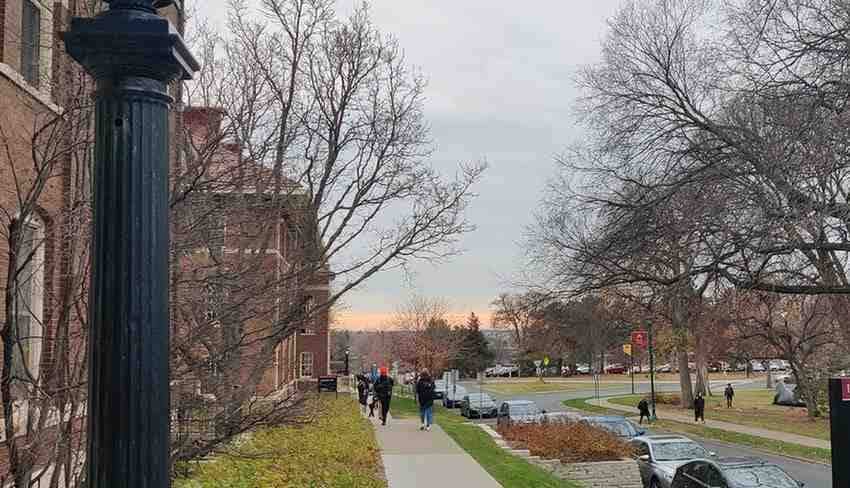
- The second negative is probably the weather. Minnesota is the third coldest state in the country; winter lows can drop to roughly -25°C and lower on some days. Personally, I love the winters, but it isn't everyone's cup of tea. While it might seem intimidating, you get used to it!
Course Curriculum
8
- Many courses in my program are at least partially updated every year
- I had an industrial internship, and being in a Ph.D. program was involved in research for roughly 5 years
- It is very dependent on the program; most engineering classes are earlier in the day, 8 am - 5 pm. Some management-based classes are sometimes scheduled for 6 pm - 9 pm. At UMN, students typically sign up for 9 credits per semester if they have research duties, which roughly translates to 9 class hours/week. Some programs have a fixed plan, whereas many have a few mandatory courses, with the rest of the credits up to the student's choice, based on what makes more sense in their field of work. A personal suggestion would be to take the first semester light, with 6-9 credits, to get used to the teaching style and adjust to the new location, if possible.
- Many master's and Ph.D. level courses can have anywhere between 6 and 50 students based on the level of specialization and program.
Admission Experience
- UMN is one of the top schools in the world for Chemical engineering-based research. In many cases, because the faculty are at the top of their fields, you have access to well-funded research projects and can develop meaningful connections with industry and national lab folks. My interests were in decarbonization and green manufacturing practices, and my PI is very well known in the bioproducts field for decarbonization work. We connected through one of my professors in my undergrad program at NIT Trichy, and then formally applied to the direct Ph.D. track in my final year of B.Tech.
- IELTS minimum of 6.5. My score was 8.0. GRE is not mandatory at UMN; some programs may still require it.
Faculty
10
- Roughly 1:18-20 faculty-student ratio. Most faculty are very kind and approachable, and many are comfortable conversing on a first-name basis. My advisor, Shri Ramaswamy, has had the most impact on me, an absolute gem!
Campus Life
10
- The university is very vibrant, with more than 300 active clubs and associations, ranging from technical clubs to sporting and extracurricular activities. I helped initiate and currently serve as the head of a graduate students' association for international students from India that helps students move to Minnesota and coordinates with organizations for temporary accommodation, furniture drives, events, etc.
- UMN is part of the Big Ten association, making it very active in sports, and all sports facilities are constantly updated and state-of-the-art. In many programs, tuition covers 6-14 credits; some students take 1-credit PE courses if they don't max out the 14-credit limit in their coursework. I had taken Sabre Fencing as a course in one of my earlier semesters.
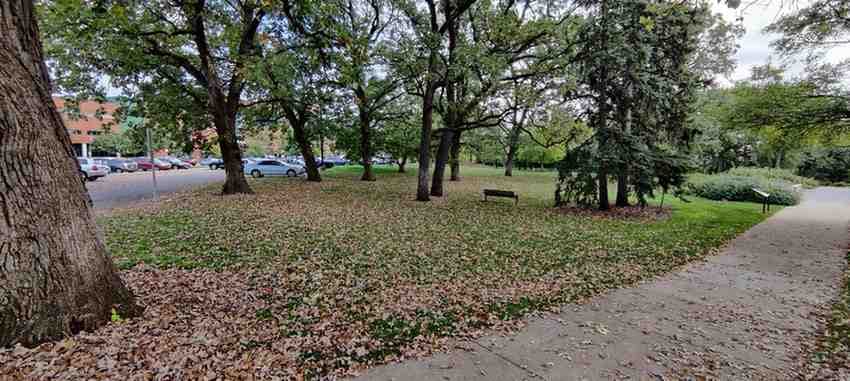
- The campus has a couple of museums as well, and with the Mississippi River running right through it, there is a hiking trail along the riverbanks, making it well connected to Nature. There are a bunch of hidden gems, like the Raptor Center that collaborates with the Veterinary School, which gives free tours to students, and you get to see a bunch of owls, eagles, and falcons that the center fosters and gives treatment to.
Part Time Jobs
- On-campus jobs are roughly $15-17/hour. There is a University portal for all jobs on campus, from dining and office front desk work to Professor-level jobs. As an F-1 student, you are allowed 20hours/week during semesters and 40 hours/week during breaks. It's very easy to secure on-campus jobs. TA and RA positions are difficult because they also cover tuition partially or fully, and therefore are in high demand. Almost everyone in my program has a TA or RA.
Placement
8
- Roughly 90+ %
- About $80k and higher, this is very location-dependent
- Campus career fairs are highly tuned towards undergraduate students; LinkedIn and Handshake are good options. Networking is key! I landed my internship through a departmental golf outing.
Accommodation
Off Campus
10
- I found my accommodation through my college seniors who were studying here at UMN. Common sources are WhatsApp groups, FB pages, and the UMN subreddit (has more than 25k people).
- I live in a student co-op, 3 bed apartment with 2 other grad students. I pay $665 a month that covers all utilities as well. Private apartments might tend to be a bit more expensive, and you at least have to pay for electricity separately.
Exams
- English language requirements, such as IELTS, TOEFL, etc.
- GMAT is still required in most management-based programs
- CV, 2-3 LORs, Statement of Purpose, Diversity Statement
Fees
- As part of the engineering school, tuition is roughly $ 17,000 per semester, plus an additional $ 2,000 to cover insurance and other fees. Master's programs are usually 30 credits; I've seen some students complete in 3 semesters and others in 4. In cases involving research, I've seen students take more semesters as well.
- TAs and RAs, based on the number of hours covered, receive at least a portion of their tuition and a very comfortable stipend. For living expenses, factor in about $ 1,500 per month.


