


Reviewed on Feb 5, 2025(Enrolled 2024)
What Students Say
Likes
- The campus is huge, covering about 2,000 acres, and has all the necessary facilities.
- Transportation is very convenient with free Wolfline buses on campus and free Raleigh city bus rides for NC State students, making travel costs zero.
- There are plenty of dining options, stores, and facilities on campus, which makes it easy for students to find campus jobs without much trouble.
Dislikes
- Academics feel tough, very competitive. For computer majors like CS, projects and assignments feel too much sometimes, get stressful. Not much free time.
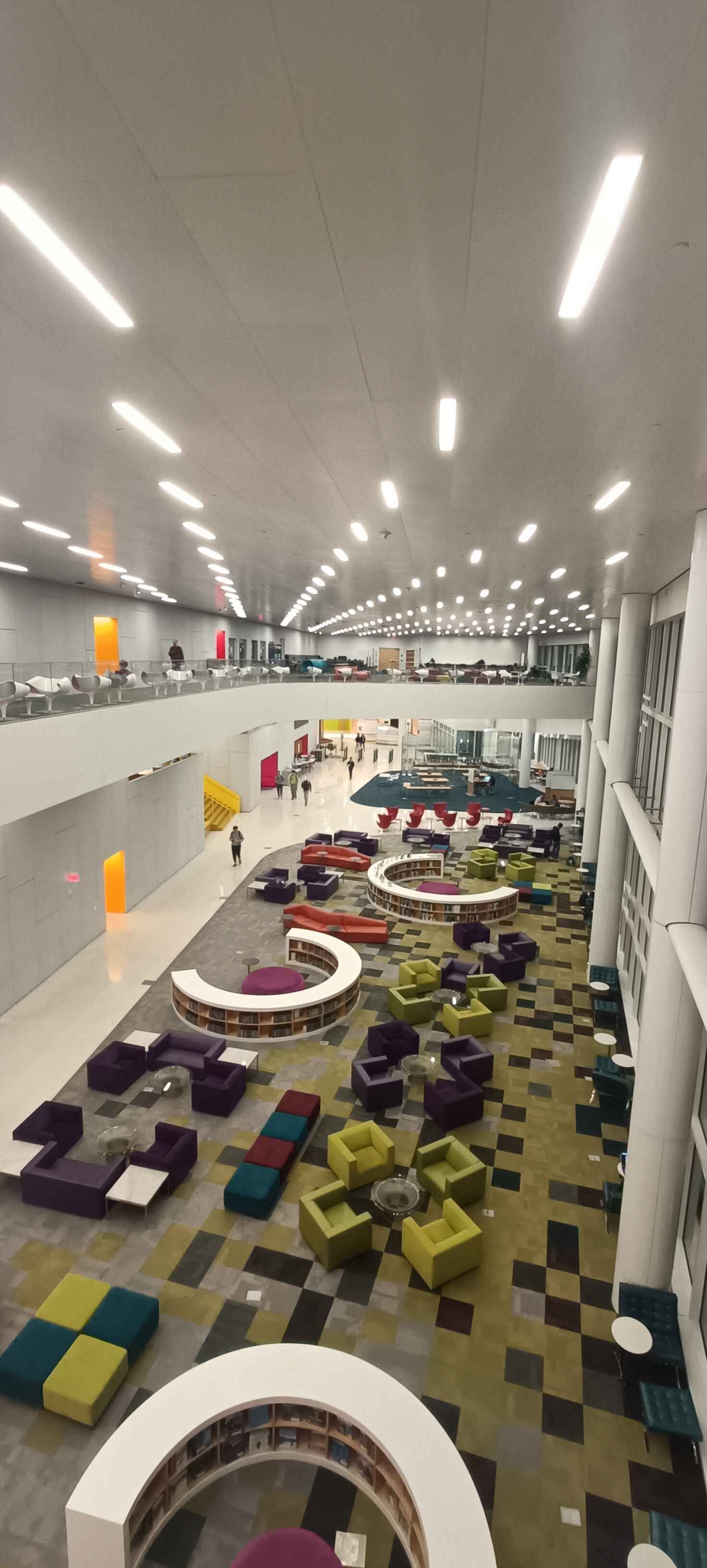
- Library gives cool stuff to borrow like cameras or iPads, but laptops or MacBooks only for 24 hours. Other colleges let you borrow longer, like for weeks.
- Crime is low, but every month or so, there's an alert from University Police, like car theft or shootings. Makes it feel unsafe sometimes.
Course Curriculum
10
- The academics in my course are a mix of theoretical and practical learning. Around 60% of the grading is based on projects and assignments, while the remaining 40% comes from exams. The exams can vary in format: some are open-book, others allow a single cheat sheet, and some professors permit the use of online tools, including LLMs (language models). Generally, the more tools allowed, the higher the difficulty of the exam.
- In the first year, adapting to the self-study-orientated teaching style takes some time. Professors provide the concepts and guidance, but most of the learning requires independent effort.
- For each subject, there are typically two classes per week, with each class lasting 75 minutes. The weekly schedule depends on the subjects you choose.
- In Computer Science and Computer Engineering, about 30% of the students are Indian. Across the university, the student strength is approximately 35,000, with around 1,500–2,000 Indian students. Indian cultural events often see 500–700 attendees.
- The most positive aspect of the course is the hands-on learning through projects. However, the self-study focus and challenging curriculum can be a bit overwhelming initially.
Admission Experience
- I applied to five colleges: SUNY Buffalo, Stony Brook University, Rutgers University, NC State University, and UT Dallas.
- I was accepted by SUNY Buffalo and NC State University. Stony Brook also offered me admission but for a different specialised program.
- Unfortunately, I was rejected by Rutgers University and UT Dallas.
- In my opinion, I was rejected by Rutgers because it’s very competitive, especially for the Computer Science program, which has a high number of applicants. As for UT Dallas, I later realised that they require a score of 4.0 in the analytical writing section of the GRE, whereas I scored 3.5, which likely impacted my application.
- I chose this university because one of my cousins graduated from here and secured a good job, which gave me confidence in its career opportunities. Additionally, he lives here, so I had a familiar connection. I also learnt about the Research Triangle development project in Raleigh, which is a great hub for innovation and job prospects. I feel this university is underrated and has a lot to offer.
- The admission process was straightforward, similar to other universities. I filled out the application on the official university website, uploaded my academic documents and background information, and sent my GRE and TOEFL/IELTS scores directly from the testing agency’s official site.
- The university accepts TOEFL and IELTS, and GRE is mandatory for some programs, including Computer Science. The minimum requirements are:
- IELTS: 7.0
- TOEFL: At least 20 in each section (overall around 80).
- GRE: While no specific cutoff is mentioned, a score of 310+ is generally considered competitive.
- My admission experience was smooth overall. I didn’t face any major challenges, and I appreciated the support from various student groups that help new students find accommodations before arriving on campus.
- I applied for the Spring 2024 intake. I chose this intake because it aligned with my academic goals and allowed me to start earlier rather than waiting for the fall semester.
- The timeline for my admission process is:
- September 2023: Submitted my application.
- October 2023: Received my offer letter.
- November (first week) 2023: Confirmed my admission.
- November (last week) 2023: Scheduled and attended my visa appointment.
- The entire process, from application submission to securing my visa appointment, took about three months.
Faculty
8
- Faculty-student ratio depends. Big classes like 300 students have many TAs to help, but smaller specialised classes have 10–15 students and feel personal. Professors teach differently, some strict, some chill. Many use their own books, which are famous in other colleges too. If you do well, like get an A+, you can work as a TA or grader next semester and earn good pay.
- Some professors with big research funds who hire as RAs also pay great. They guide with real-world tips, not just book stuff. One professor I liked taught Network Security; he worked with the government, shared unique skills, and felt very practical. Professors here give you tools but make you work hard, which is good for job prep.
Campus Life
10
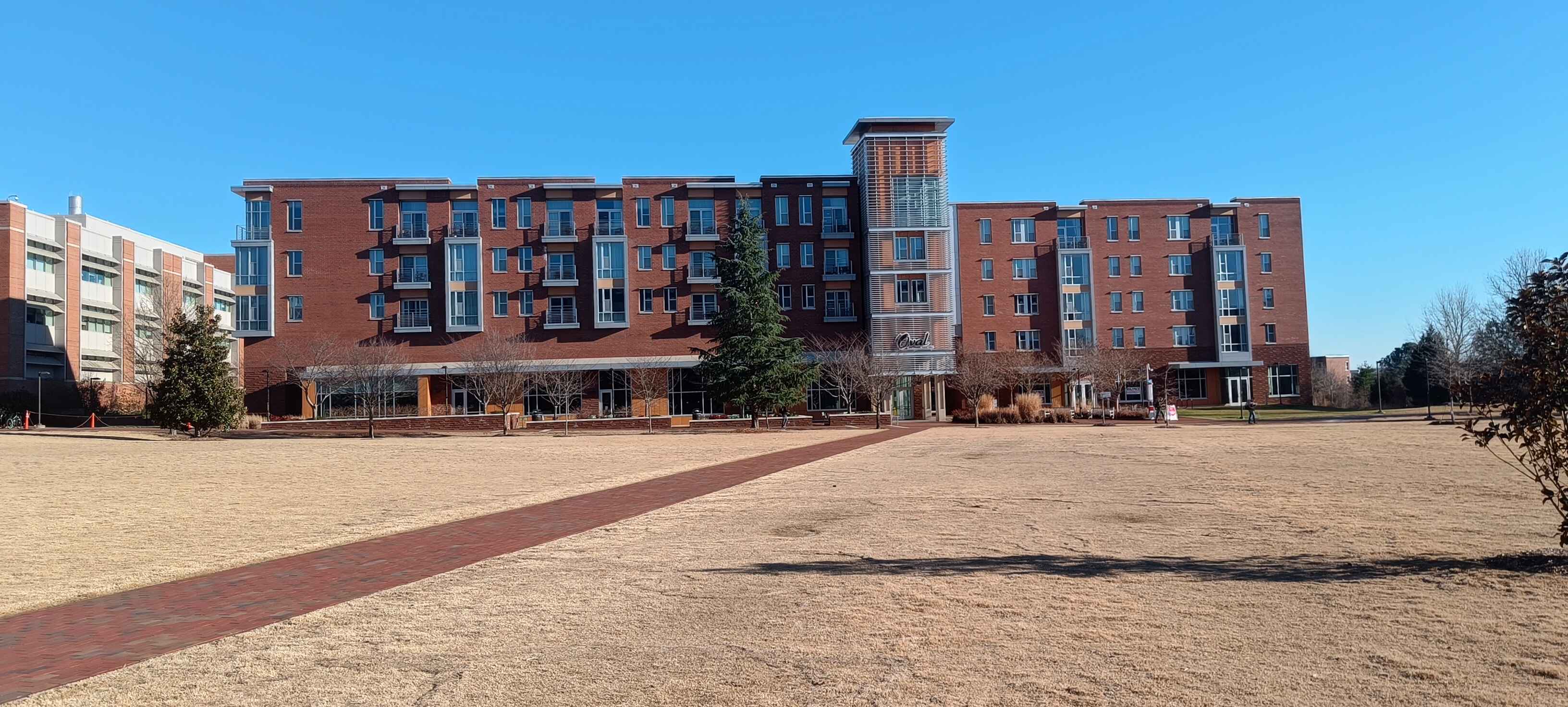
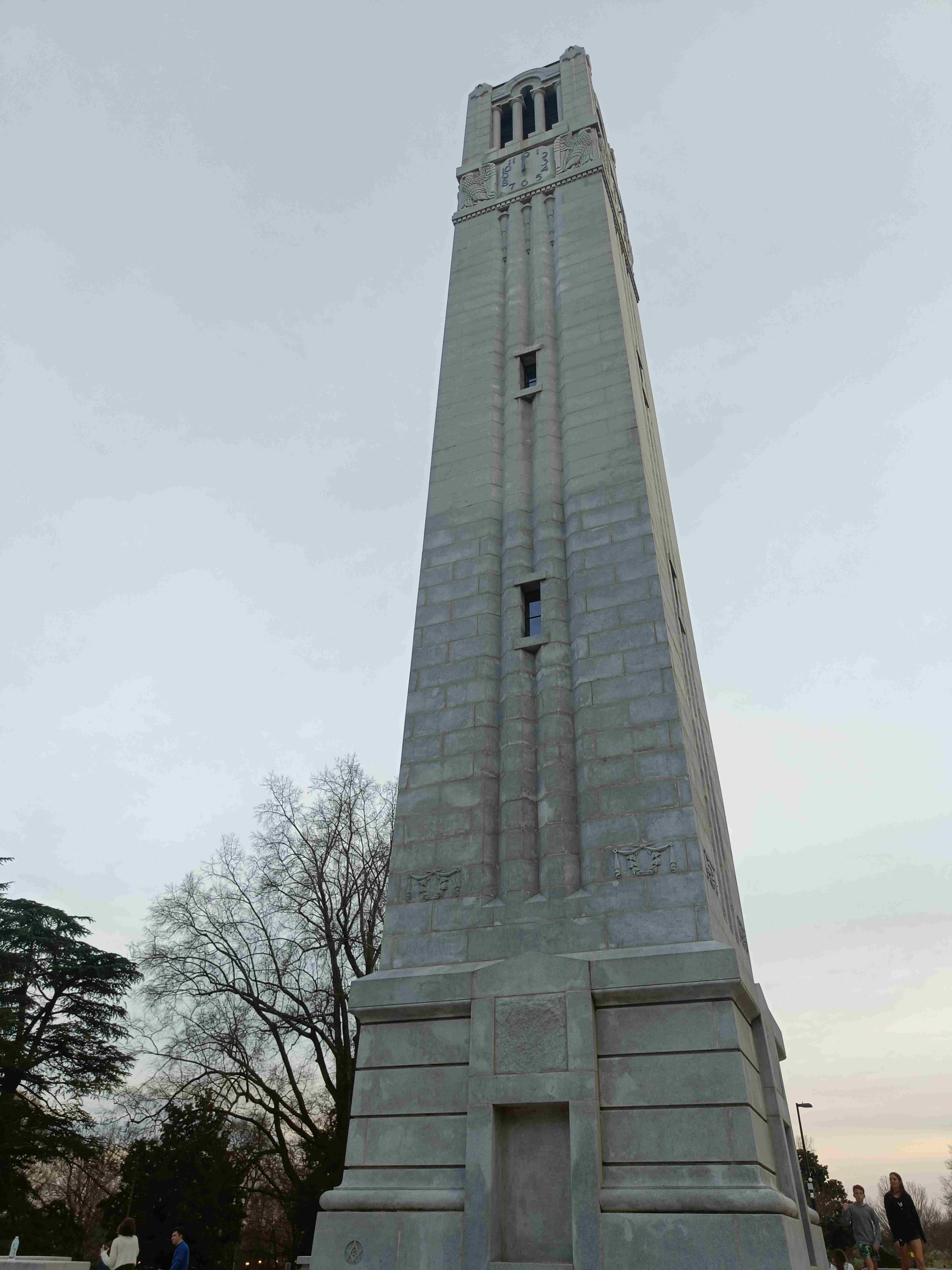
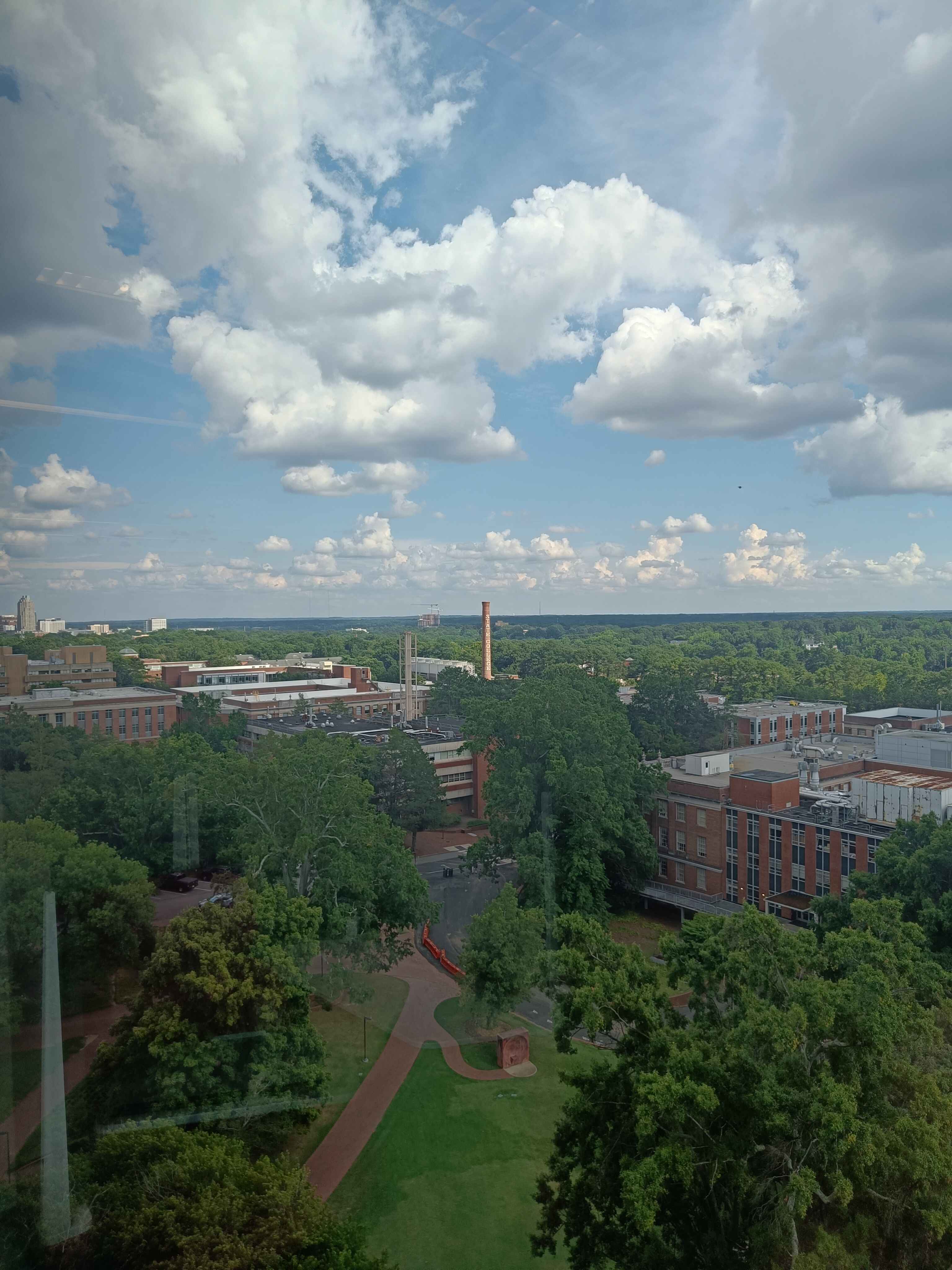
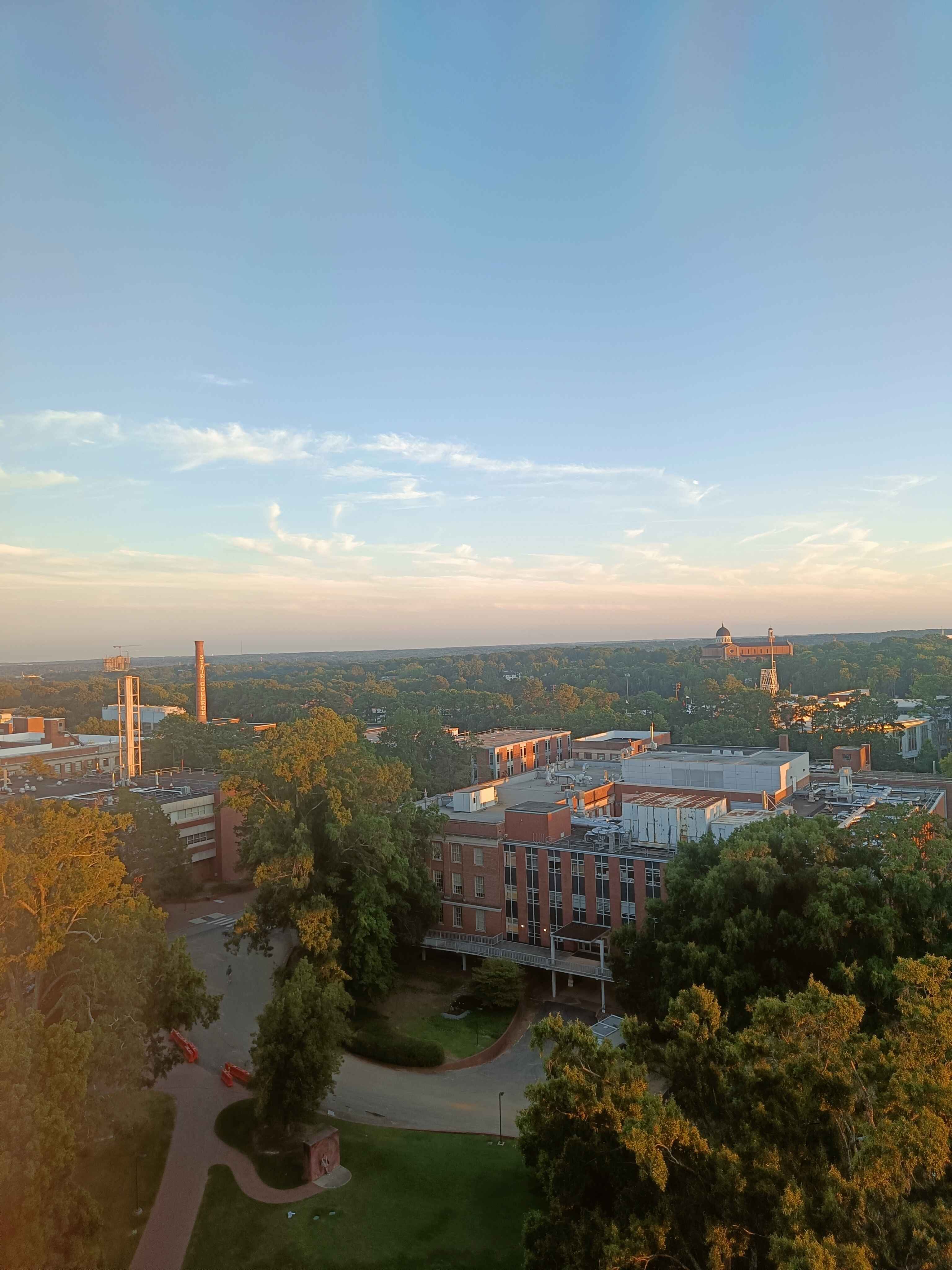
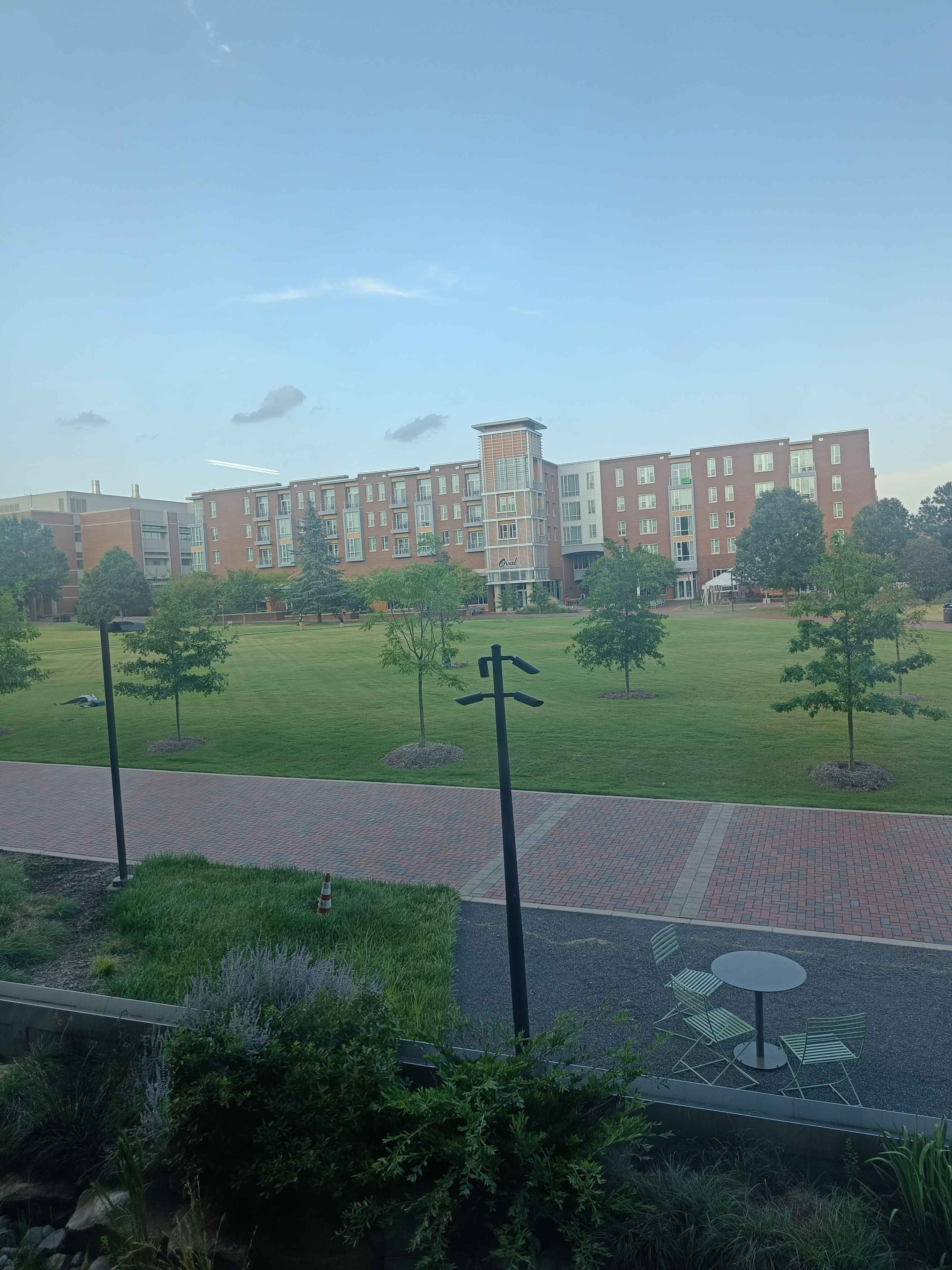
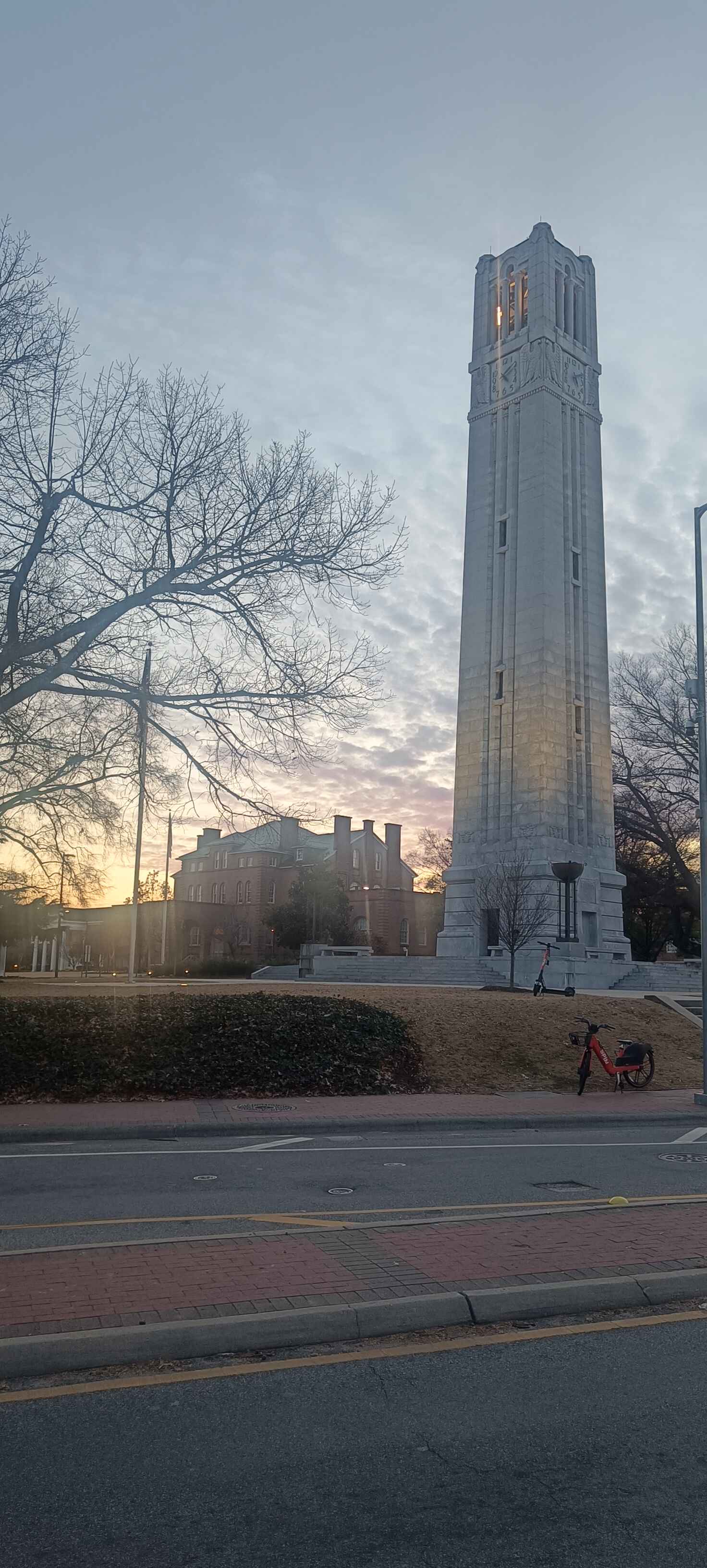
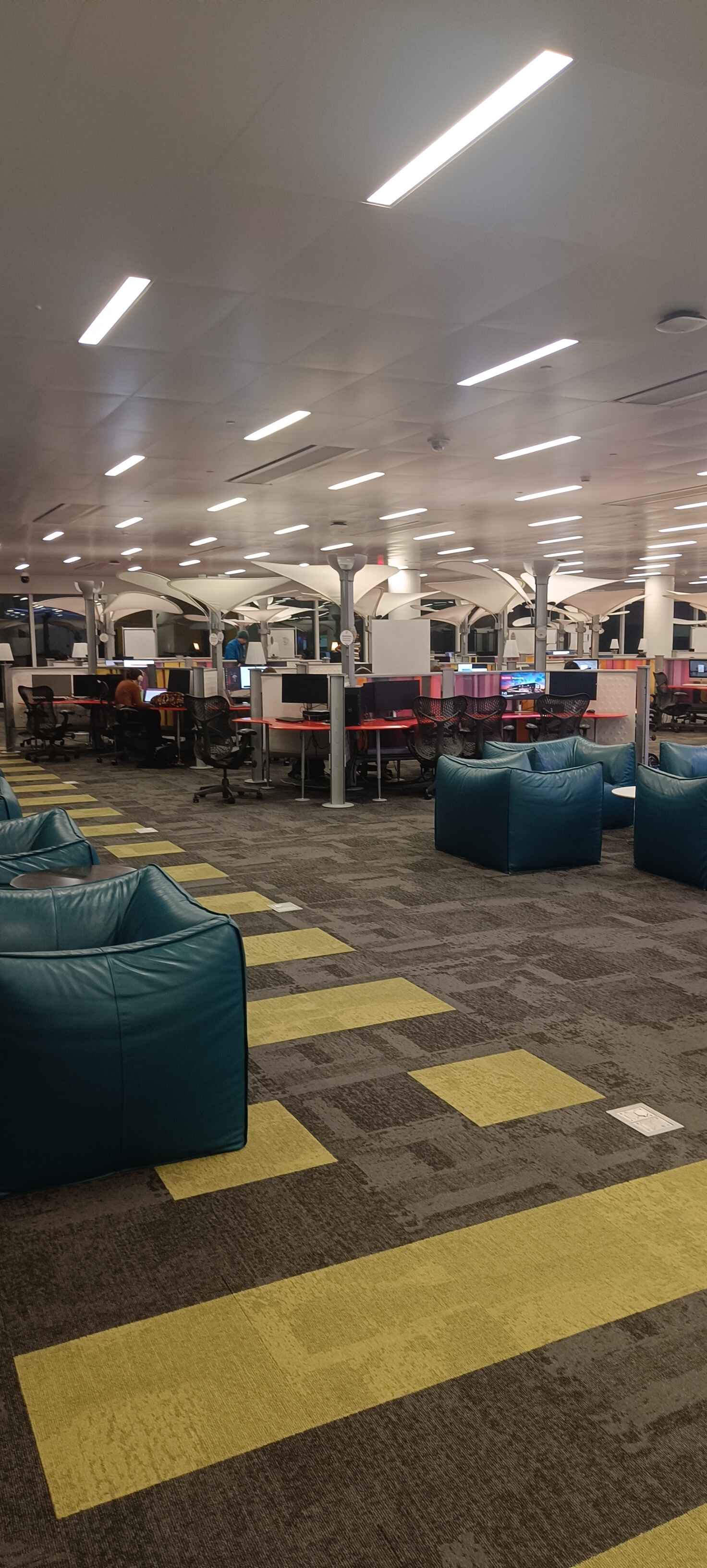
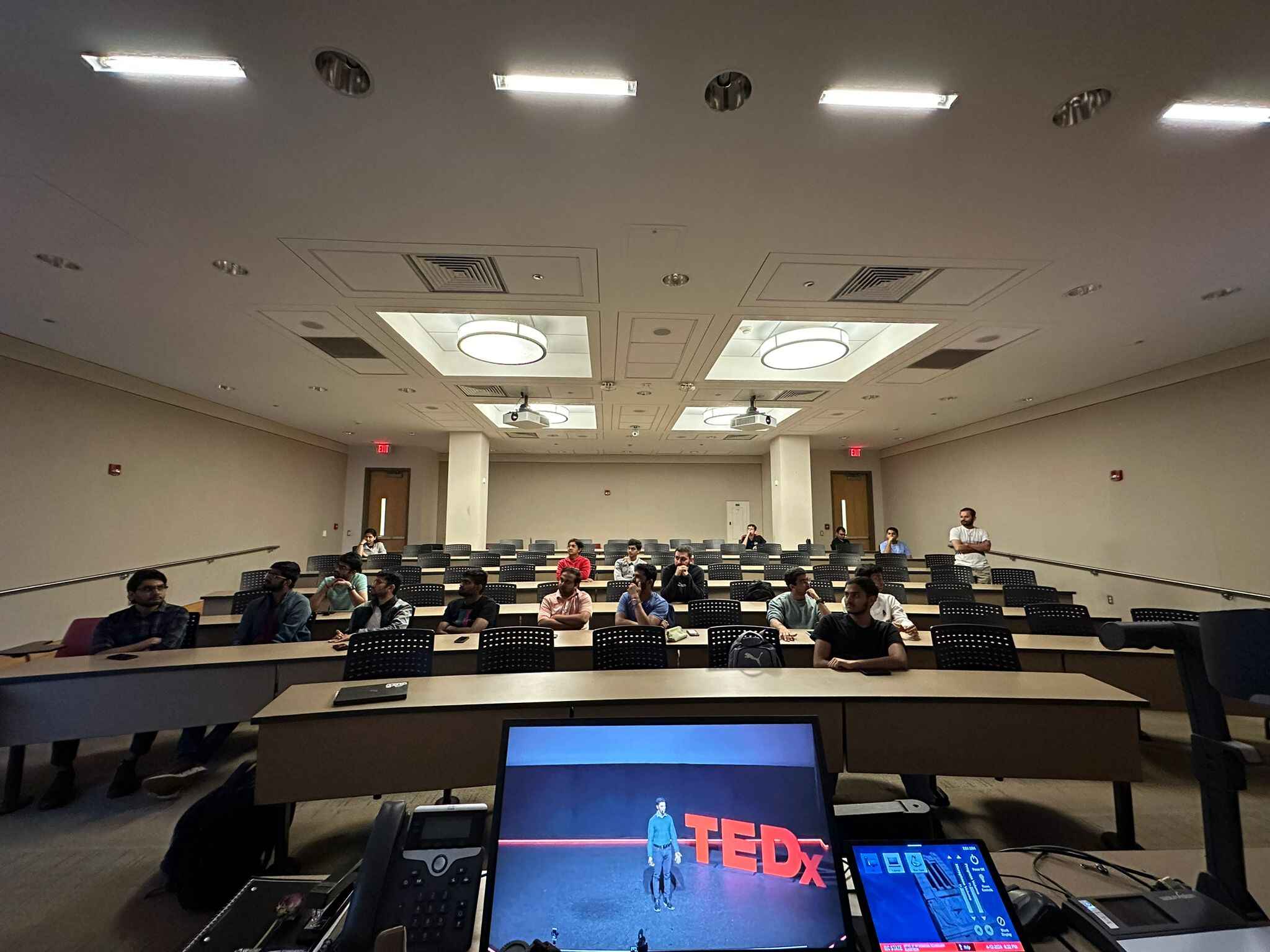
- NC State University is spread across a massive 2,000-acre area. Undergraduate classes are mostly on the main campus, while master’s students attend classes on the Centennial Campus. Campus is 4 miles from downtown Raleigh. The university has large libraries, great sports facilities with gyms, fields, and courts, and a student health centre offering medical care, counselling, and free primary care.
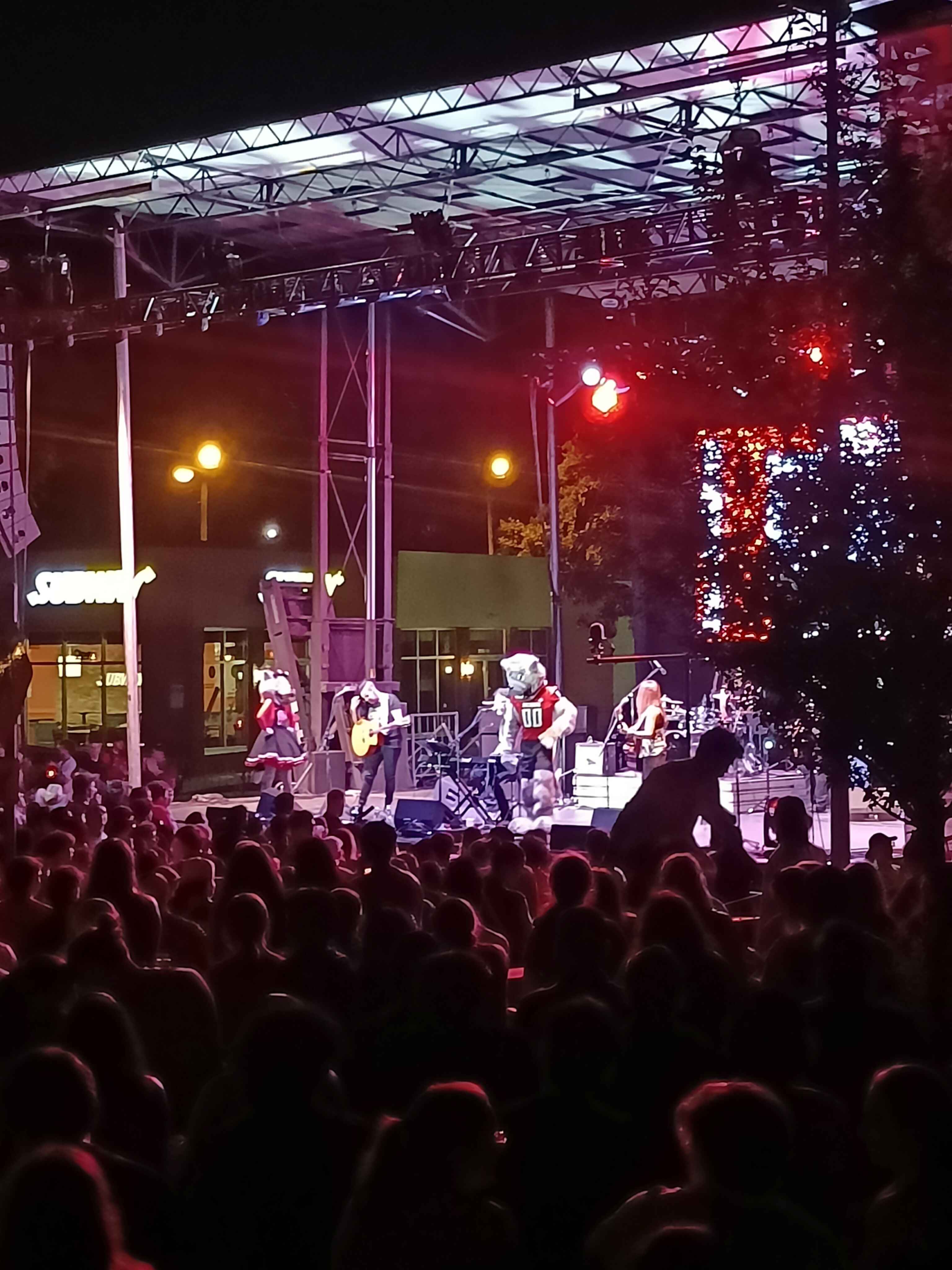
- Big events happen a lot. Packapalooza is fun, with food, music, and free goodies like T-shirts. Football games are crazy exciting; everyone loves them. Moonlight Run is a night run event with a really cool vibe. Hillsborough Street is where most fun stuff happens, like fireworks and music nights.
- Clubs and groups are everywhere. Sports, tech, or cultural activities—you'll find something. Events bring people together, and it’s easy to join in and make friends. Life here isn’t just about studying; it’s got something for everyone.
Part Time Jobs
- Part-time jobs are common for students. TA, RA, and grader jobs are top ones, but only 10% get them. Pay for these is around $15-$30 per hour, based on role and experience.
- Other on-campus jobs are in dining halls, cafes, libraries, and events. Dining jobs are popular because free food is given during shifts. Students also work in housing during summer breaks. Pay is usually $10-$15 per hour.
- Maximum work hours allowed is 20 per week. Finding jobs on campus is not tough, as there are many options. Basic English skills and a short interview are enough for most jobs. Many students use campus groups or forums to know about openings. Jobs are flexible with studies.
- Most Indian students tend to prefer working in dining services for their part-time jobs because they offer free food during the shift. Some students also work at cafes or around various stores on campus, where they receive discounts or benefits like free items. Others work in the library, and during the summer, there are opportunities in housing services where students assist with housing-related tasks. Students typically earn around $9 to $15 per hour for part-time jobs, depending on the role. Securing part-time employment while studying is relatively easy due to the large number of available jobs. The process usually involves searching for job openings on the university’s career portal or job boards. After finding a suitable job, students submit their applications or resumes, and most positions don’t require formal interviews. For many campus jobs, the interview is simple and mainly focuses on assessing basic English communication skills, with the expectation that the employer will train the student for the job.
Placement
8
- Getting full-time jobs depends on the field and market. Around 60–70% of students secure internships, which often turn into jobs. The employment rate after six months of graduation is decent, though the current IT market is slow.
- The average salary range for graduates is $80K to $150K. Many students find jobs through career fairs, university seminars, networking, and online portals like LinkedIn. Internships also help a lot in building industry connections.
- Top companies hiring from campus include Google, Cisco, HP, Red Hat, Volvo, and Deutsche Bank. Some batchmates joined big firms, while others got into startups or research roles. University career fairs and workshops are helpful to prepare for interviews and resumes. Finding a job needs effort but support is available.
Accommodation
Off Campus
8
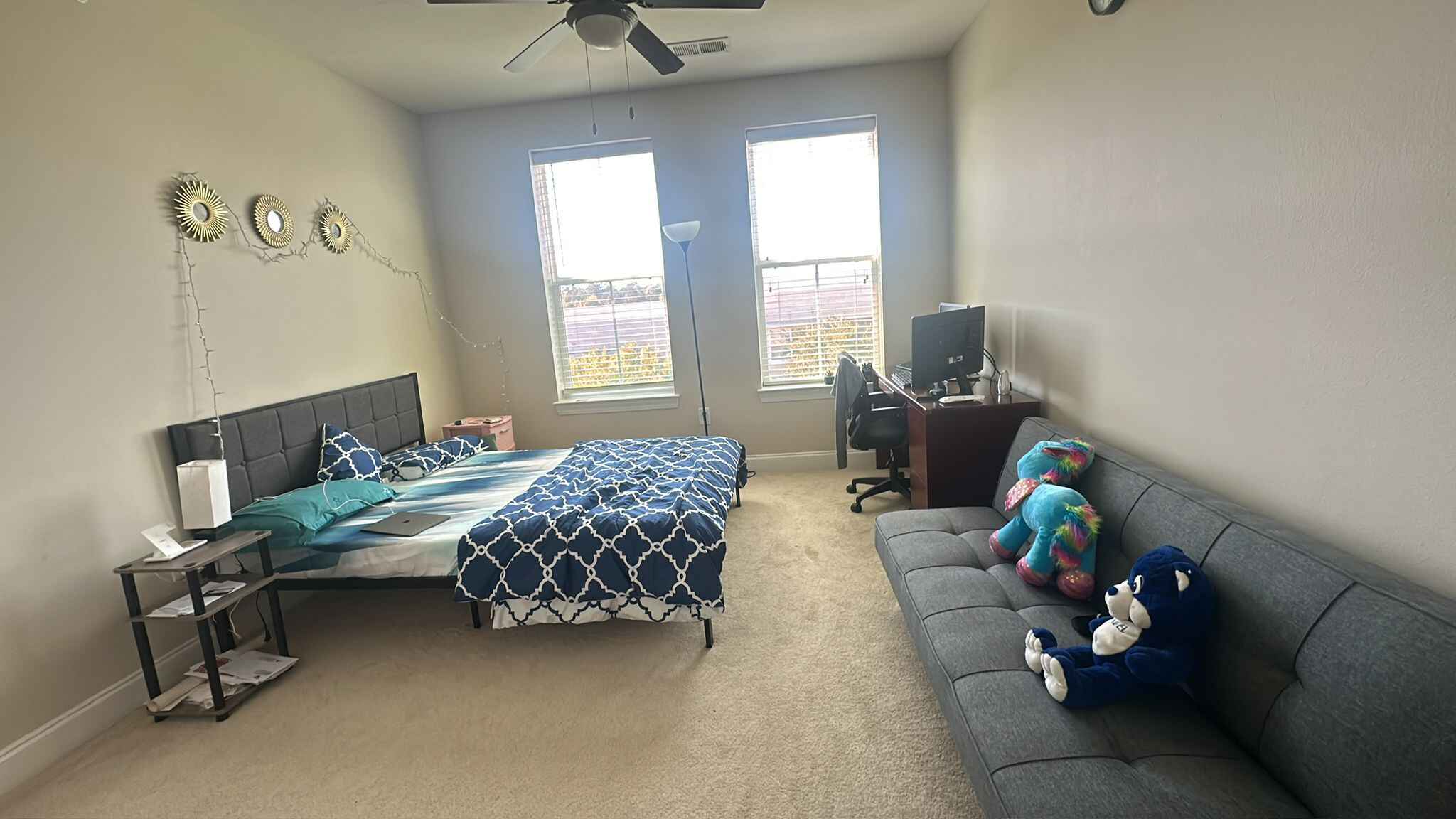
- I opted for off-campus accommodation and found it through a WhatsApp forum. Each university has an Indian student community office called Maitri, where students share accommodation ads.
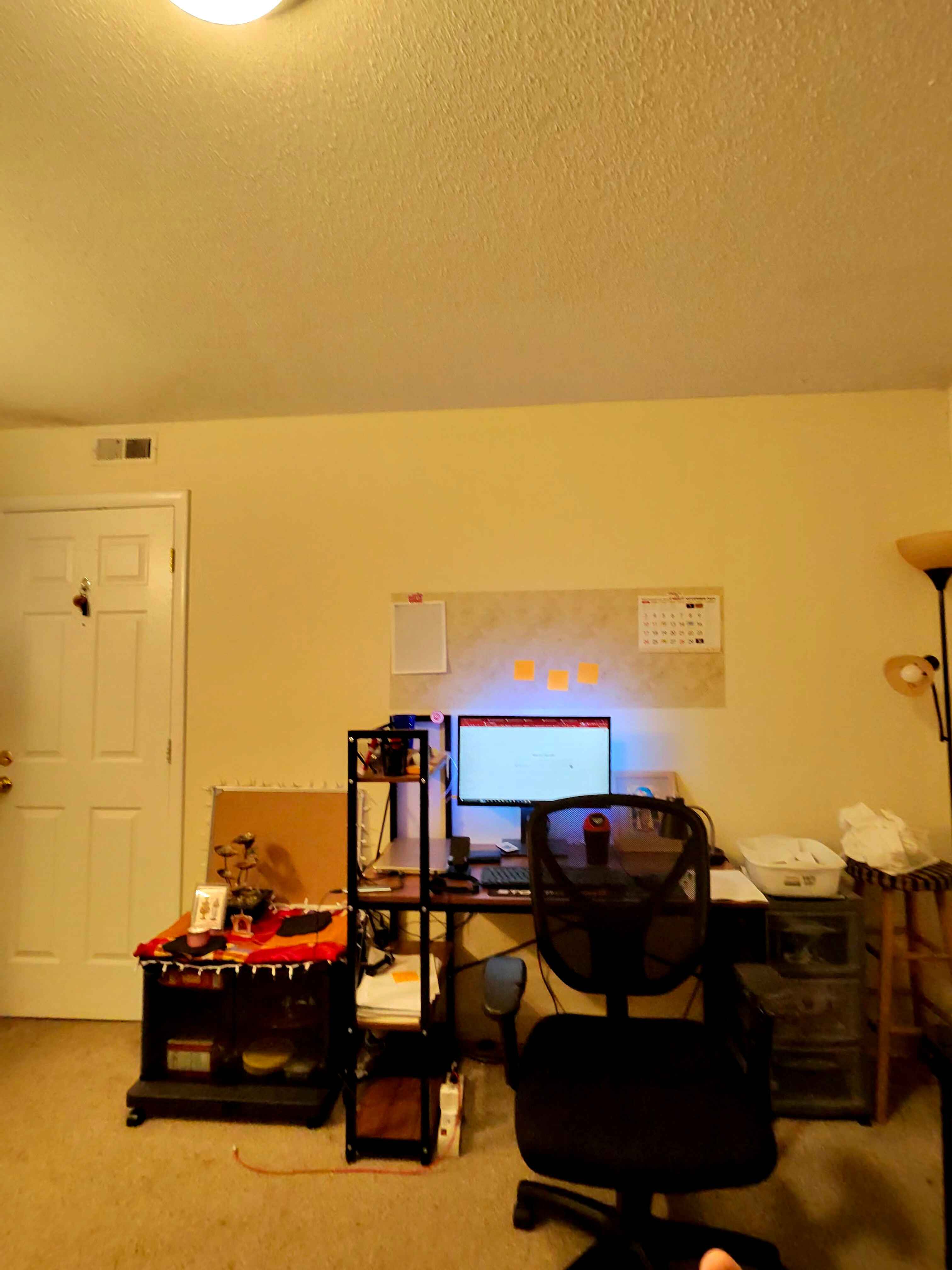
- My monthly rent was $600, which included electricity, water, and Wi-Fi. The accommodation came fully furnished with a sofa, kitchen, washer, and dryer, all set up by the property owner.
- The main challenge I faced was the initial search, but joining the university’s community groups on platforms like Reddit and Maitri made the process easier.
- For future students, I recommend joining the college's official groups, such as Maitri, and checking platforms like Reddit to find accommodation options.
- My accommodation was about 1 mile from the bus stop, which was convenient for commuting. Most Indian students tend to stay off-campus in nearby apartments or rental homes.
Exams
-
Exams:
- GRE
- Either IELTS or TOEFL
- Documents:
- Letter of Recommendation (LOR)
- Academic documents such as transcripts and graduation degrees
- Statement of Purpose (SOP) may also be required, depending on the program.
- A confirmation email from the university is the final step after acceptance.
- There was no interview involved in the admission process. It was purely based on the submitted documents, test scores, and application review.
Fees
- The fee structure for my course is as follows:
- The tuition fee is $20,500 per semester for 9 credits.
- For the first three semesters, I take 9 credits each, paying $20,500 per semester.
- In the final semester, I only need 3 credits, which costs around $7,000.
- The total course requires 31 credits, bringing the total cost to approximately $70,000.
- Fees are charged semester-wise, based on the number of credits taken in that semester.
- Monthly Expenses:
- Rent and utilities: I pay $600, which includes electricity, water, Wi-Fi, and other bills.
- Groceries and food: Around $200.
- Other expenses (mobile bill, miscellaneous): Around $100.
- In total, my monthly expenses are approximately $900–$1,000, depending on spending habits.
Scholarship
- I didn’t receive any scholarships during my course.
- However, one of my friends received a GSSP (Graduate Student Support Plan). Under this, a professor funds your education for that semester, and in return, the student works as a research assistant for them.
- The university doesn’t offer scholarships specifically for international students. Most financial aid opportunities for international students come through assistantships or external funding.


