

Why Employers Use Hubstaff to Support Distributed Early-Career Teams

Introduction
The modern workplace has undergone a dramatic transformation over the past decade. Advances in technology, changing employee expectations, and the rise of remote and hybrid work models have reshaped how organizations recruit, manage, and develop talent. Among the groups most affected by these changes are early-career professionals, including recent graduates, interns, trainees, apprentices, and entry-level employees.
Traditionally, early-career employees learned through in-person collaboration, direct supervision, and daily interactions with managers and colleagues. However, distributed work environments have altered this dynamic. Many organizations now hire talent from different cities, countries, and time zones, creating new opportunities but also introducing unique challenges.
Employers must find effective ways to support, engage, and develop early-career employees while maintaining productivity and accountability. This is where workforce management platforms like Hubstaff have become increasingly valuable.
Hubstaff helps organizations manage distributed teams through time tracking, productivity monitoring, workforce analytics, project management, and employee engagement tools. For companies with early-career professionals working remotely or in hybrid environments, Hubstaff provides visibility and structure that help employees succeed while enabling managers to offer meaningful support.
This comprehensive guide explores why employers use Hubstaff to support distributed early-career teams, the challenges these teams face, and how workforce management technology contributes to employee development, productivity, and long-term organizational success.
Understanding Distributed Early-Career Teams
Distributed early-career teams consist of employees who are in the early stages of their professional careers and work across multiple locations.
These individuals may include:
- Recent graduates
- Graduate trainees
- Interns
- Apprentices
- Entry-level professionals
- Junior specialists
- Associate consultants
- Junior developers
- Marketing coordinators
- Customer support representatives
Unlike traditional office-based teams, distributed teams collaborate remotely or through hybrid work arrangements.
Their work may occur across:
- Different cities
- Multiple states
- International locations
- Various time zones
While this model provides flexibility and access to broader talent pools, it also creates management challenges.
The Growing Importance of Early-Career Talent
Organizations increasingly recognize the importance of investing in early-career employees.
These individuals often represent:
- Future managers
- Team leaders
- Subject matter experts
- Department heads
- Executive talent
Developing early-career professionals effectively helps organizations:
- Build leadership pipelines
- Reduce future recruitment costs
- Improve retention rates
- Strengthen organizational culture
- Drive innovation
As a result, employers are placing greater emphasis on structured development programs.
Challenges Faced by Distributed Early-Career Teams
Supporting early-career employees remotely is significantly different from managing experienced professionals.
New employees often require:
- Frequent feedback
- Regular guidance
- Clear expectations
- Structured learning opportunities
Distributed environments can make these requirements more difficult to deliver.
Limited Visibility
Managers may struggle to understand how employees spend their time.
Questions often arise:
- Are employees engaged?
- Are projects progressing?
- Do team members need assistance?
Without visibility, support becomes reactive rather than proactive.
Reduced Informal Learning
In traditional offices, new employees learn through observation and spontaneous interactions.
Examples include:
- Listening to meetings
- Watching experienced colleagues
- Casual conversations
- Real-time problem solving
Remote environments reduce these opportunities.
Communication Barriers
Distributed teams rely heavily on digital communication.
Challenges may include:
- Delayed responses
- Misunderstandings
- Lack of context
- Information overload
Early-career employees may struggle more than experienced professionals in these situations.
Productivity Concerns
Managers often worry about maintaining productivity without direct supervision.
However, measuring productivity fairly can be difficult.
Organizations need data-driven insights rather than assumptions.
Engagement and Motivation
New employees often seek validation and feedback.
Without regular interaction, they may experience:
- Isolation
- Reduced motivation
- Lower engagement
- Uncertainty about performance
Employers must actively address these concerns.
What Is Hubstaff?
Hubstaff is a workforce management platform designed to help organizations manage distributed teams more effectively.
The platform provides tools for:
- Time tracking
- Productivity monitoring
- Project management
- Employee scheduling
- Reporting and analytics
- Payroll integration
- Workforce insights
Companies use Hubstaff to improve visibility, accountability, and operational efficiency.
For early-career teams, Hubstaff offers valuable support structures that help employees stay organized and productive.
Why Employers Choose Hubstaff for Early-Career Teams
Organizations use Hubstaff because it provides a balance between flexibility and accountability.
Rather than relying solely on supervision, managers gain objective insights into employee activity and performance.
This creates a more supportive and transparent work environment.
Time Tracking Creates Structure
One of the most important challenges for early-career employees is learning professional time management.
Many graduates transition directly from academic environments where schedules are less structured.
Hubstaff helps employees develop workplace habits through accurate time tracking.
Benefits include:
- Better scheduling
- Improved focus
- Clear work-hour records
- Stronger accountability
Managers also gain visibility into workload distribution.
Helping New Employees Build Professional Habits
Professional success often depends on habits developed early in a career.
These habits include:
- Prioritization
- Time management
- Consistency
- Accountability
Hubstaff reinforces these behaviors by encouraging employees to monitor and manage their own work patterns.
Over time, this contributes to stronger professional development.
Supporting Remote Onboarding
Remote onboarding presents unique challenges.
New employees may feel disconnected from:
- Team culture
- Organizational processes
- Company expectations
Hubstaff helps support onboarding through structured workflows and activity tracking.
Managers can monitor engagement and ensure new hires receive adequate support.
Improving Manager Visibility
Managers need visibility to provide effective coaching.
Without data, it can be difficult to identify:
- High performers
- Employees needing assistance
- Training gaps
- Workload imbalances
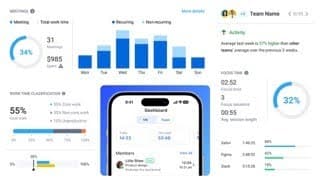
Hubstaff provides dashboards and reports that offer actionable insights.
This allows managers to intervene early when necessary.
Encouraging Accountability Without Micromanagement
One concern often associated with workforce monitoring tools is micromanagement.
However, many organizations use Hubstaff as a coaching and development tool rather than a surveillance system.
The focus is on:
- Transparency
- Support
- Growth
- Continuous improvement
When implemented correctly, the platform helps employees take ownership of their work.
Monitoring Project Participation
Early-career employees often contribute to multiple projects simultaneously.
Examples include:
- Marketing campaigns
- Product development
- Research initiatives
- Customer support projects
Hubstaff allows managers to track project involvement and understand how employees contribute to organizational goals.
This information supports performance evaluations and development discussions.
Data-Driven Performance Feedback
Feedback is critical for employee growth.
Early-career professionals benefit from frequent and constructive feedback.
Hubstaff provides objective data that supports meaningful conversations.
Managers can discuss:
- Productivity trends
- Time allocation
- Project contributions
- Development opportunities
This creates a more transparent evaluation process.
Enhancing Employee Confidence
New employees often question whether they are meeting expectations.
Access to performance data can increase confidence by providing clarity.
Employees gain insight into:
- Their achievements
- Progress toward goals
- Areas for improvement
This reduces uncertainty and supports professional growth.
Facilitating Mentorship Programs
Mentorship is one of the most effective tools for developing early-career talent.
Hubstaff enhances mentorship by providing mentors with valuable information about:
- Work habits
- Project participation
- Productivity patterns
- Development progress
Mentors can then offer more personalized guidance.
Supporting Hybrid Work Models
Many organizations operate hybrid workplaces where employees divide time between remote and office environments.
Hubstaff helps maintain consistency regardless of location.
Employees receive:
- Clear expectations
- Accurate time tracking
- Project visibility
Managers gain unified oversight across all work settings.
Workforce Analytics for Better Decision-Making
Modern organizations increasingly rely on workforce analytics.
Hubstaff provides data that helps leaders answer important questions:
- Which employees are thriving?
- Where are training gaps emerging?
- Are workloads balanced?
- Which teams need additional resources?
These insights support strategic workforce planning.
Reducing Administrative Burden
Managing distributed teams manually can be time-consuming.
HR departments often spend significant time:
- Tracking attendance
- Preparing reports
- Reviewing timesheets
- Monitoring productivity
Hubstaff automates many of these tasks.
This allows managers and HR professionals to focus on employee development.
Promoting Transparency
Transparency is essential for building trust.
Employees should understand:
- What data is collected
- Why it is collected
- How it will be used
Organizations that communicate clearly often experience higher employee acceptance and engagement.
Hubstaff supports transparent workforce management practices.
Identifying Training Needs
Early-career employees frequently require additional training.
Hubstaff helps identify development opportunities by highlighting:
- Productivity challenges
- Time management issues
- Project participation trends
Managers can use this information to create targeted learning plans.
Supporting Distributed Collaboration
Collaboration remains critical in distributed environments.
Hubstaff integrates with popular workplace tools such as:
- Asana
- Trello
- Jira
- ClickUp
- Slack
These integrations help teams coordinate work more effectively.
Early-career employees benefit from improved visibility into project workflows.
Encouraging Self-Management
One of the goals of professional development is creating self-sufficient employees.
Hubstaff encourages self-management by helping employees:
- Track progress
- Monitor productivity
- Understand work patterns
This promotes independence and confidence.
Improving Employee Retention
Employee turnover is expensive.
Organizations that provide support, development opportunities, and clear expectations often experience higher retention rates.
Hubstaff contributes to retention by:
- Improving communication
- Supporting mentorship
- Providing feedback mechanisms
- Creating accountability
Employees who feel supported are more likely to remain with the organization.
Measuring Program Effectiveness
Organizations frequently invest in:
- Graduate programs
- Internship programs
- Leadership development initiatives
Hubstaff helps evaluate these programs through measurable performance data.
Leaders can assess:
- Productivity improvements
- Employee engagement
- Development outcomes
This supports continuous improvement.
Building a Strong Company Culture
Culture is often more difficult to maintain in distributed environments.
Hubstaff supports cultural initiatives by promoting:
- Accountability
- Transparency
- Communication
- Goal alignment
These principles contribute to healthier workplace environments.
Supporting Career Growth
Early-career employees want opportunities to advance.
Managers can use Hubstaff insights to identify:
- Emerging leaders
- High performers
- Employees ready for promotion
This helps organizations develop internal talent pipelines.
Common Industries Using Hubstaff for Early-Career Teams
Hubstaff supports distributed teams across many industries.
These include:
Technology
- Software development
- IT services
- Cybersecurity
Marketing
- Digital agencies
- Content creation
- Advertising
Finance
- Accounting
- Banking
- Financial consulting
Customer Service
- Support centers
- Client success teams
Healthcare Administration
- Operations
- Scheduling
- Administrative support
Consulting
- Business analysis
- Project management
Best Practices for Employers
Organizations achieve the best results when they:
Set Clear Expectations
Employees should understand how Hubstaff supports productivity and development.
Focus on Growth
Use data to coach rather than punish.
Encourage Open Communication
Create opportunities for employees to discuss challenges.
Combine Data with Human Insight
Performance metrics should complement, not replace, manager observations.
Review Metrics Regularly
Continuous feedback produces better outcomes than annual evaluations.
The Future of Distributed Early-Career Work
Remote and hybrid work models are likely to remain important components of the modern workplace.
Future workforce trends include:
- Greater flexibility
- Global talent recruitment
- AI-powered workforce analytics
- Personalized development plans
- Digital-first onboarding
Organizations that adapt successfully will gain competitive advantages in talent acquisition and retention.
Hubstaff's evolving capabilities position it as a valuable tool for supporting these changes.
Why Hubstaff Continues to Grow in Popularity
Employers increasingly recognize that successful workforce management requires more than simple time tracking.
They need tools that provide:
- Visibility
- Accountability
- Productivity insights
- Employee development support
Hubstaff addresses these needs while helping organizations manage distributed teams effectively.
Its flexibility makes it particularly useful for early-career employees who benefit from additional structure and guidance.

Conclusion
The rise of distributed work has transformed how organizations recruit, onboard, manage, and develop early-career talent. While remote and hybrid environments offer flexibility and access to broader talent pools, they also introduce challenges related to visibility, engagement, accountability, and professional development.
Hubstaff helps employers address these challenges by providing a comprehensive workforce management platform that supports productivity, transparency, and employee growth. Through time tracking, project monitoring, analytics, reporting, and workforce insights, organizations gain the tools needed to manage distributed early-career teams effectively.
More importantly, Hubstaff empowers managers to provide better coaching, mentorship, and support. Instead of relying on assumptions, leaders can use data-driven insights to guide development conversations and create meaningful career pathways.
As organizations continue to embrace distributed work models, platforms like Hubstaff will play an increasingly important role in helping early-career professionals succeed. By combining technology with thoughtful management practices, employers can build stronger, more engaged, and more productive teams that are prepared for long-term success in the evolving workplace.

.png)




.png)
SUBSCRIBE TO OUR NEWS LETTER


