




Kerala Plus Two 2025 Sociology (SY-638) Model Question Paper with Solutions PDFs are now available for download. The Kerala Plus Two Physics Model Examination 2025 was conducted by the Directorate of Higher Secondary Education (DHSE), Kerala, to help students prepare for the final board exams. The paper is designed as per the latest syllabus and exam pattern prescribed for the academic year 2025–26.
Kerala Plus Two 2025 Sociology (SY-638) Model Question Paper with Solutions
| Kerala Plus Two 2025 Sociology (SY-638) Model Question Paper |  Download Download |
Check Solutions |
Name the Sociologist who described the concept ‘Dominant Caste’.
View Solution
The concept of the Dominant Caste was described by the renowned Indian sociologist M.N. Srinivas. This concept is a significant contribution to the study of the caste system in India and is used to understand the power structures within the caste-based social system, especially in rural areas.
1. M.N. Srinivas and his Contribution:
M.N. Srinivas was a pioneering sociologist who conducted extensive research on the social structure of rural India, particularly focusing on the caste system and its implications. He introduced the concept of the Dominant Caste in his research on the caste dynamics of Indian villages. His work primarily revolved around understanding how caste-based inequalities and social hierarchies functioned in everyday life.
2. Defining Dominant Caste:
Srinivas defined a Dominant Caste as a caste group that, although not necessarily the highest caste in the traditional Hindu caste hierarchy (which places Brahmins at the top), exercises significant power and influence in a particular locality. This power can come from various factors, including:
- Land Ownership: Castes that own significant amounts of land often wield considerable influence over the economic and social life of the village.
- Economic Resources: Economic dominance through trade, industry, or other forms of commerce allows a caste to control local markets, employment, and wealth distribution.
- Political Influence: The dominant caste often has control over local political institutions or can influence the decisions of village panchayats, councils, or elections.
3. How Dominant Castes Emerge:
In his studies, particularly in rural Karnataka, Srinivas observed that a caste becomes dominant not based on its rank in the caste hierarchy but based on its control over economic, political, or social resources. For example, in some regions, a merchant or land-owning caste, such as the Komatis in his study, could hold significant sway over the social life of the village, even though they were not at the top of the traditional caste hierarchy. Their economic control allowed them to exert influence over the lower castes and shape the village's social order.
4. The Social Influence of Dominant Castes:
The Dominant Caste has the power to impose social norms, control rituals, and influence the social behavior of other lower castes. They often enjoy privileges such as better access to resources, education, and employment opportunities. In his fieldwork in Rampura (a village in Karnataka), Srinivas found that the Komati caste was the dominant caste due to their economic strength, even though they were not at the top of the traditional caste hierarchy. Their economic control allowed them to exert influence over the lower castes and shape the village's social order.
5. The Relevance of the Concept in Contemporary India:
The concept of the Dominant Caste continues to be relevant in understanding caste-based power structures in India, particularly in rural areas where traditional caste dynamics still hold sway. In some parts of India, the Dominant Caste can control village panchayats, manipulate electoral politics, and control the distribution of resources such as land, water, and education. Despite legal advancements and affirmative action policies, caste-based power remains entrenched in many parts of India, and the idea of the Dominant Caste remains an important lens for understanding this reality.
6. Conclusion:
In conclusion, the concept of the Dominant Caste provided by M.N. Srinivas is a crucial contribution to the study of Indian society. It helps us understand the fluid and complex nature of caste dynamics, where power is not solely determined by caste rank but by economic and social influence. This concept has shed light on how caste-based power structures work in practice, particularly in rural India, and continues to be an essential tool for understanding social hierarchies in contemporary India. Quick Tip: \textbf{M.N. Srinivas’s} concept of the "Dominant Caste" highlights the socio-political power of a caste group in local settings, irrespective of its position in the traditional Hindu caste hierarchy.
Which of the following is an example of cultural diversity in India?
View Solution
Step 1: Understand cultural diversity in India.
India is known for its rich cultural diversity, and this is reflected in various aspects such as languages, religions, customs, and traditions.
Step 2: Analyze the options.
- (A) Different languages spoken in various States: India is home to a multitude of languages spoken across different states, reflecting its vast linguistic diversity.
- (B) A single uniform religion followed by all is not an example of cultural diversity, as India practices religious pluralism.
- (C) Similar food habits across regions do not represent cultural diversity, as food habits vary widely across the country.
- (D) A homogeneous dress code for everyone contradicts the diverse clothing styles in India, based on regional traditions and climates.
Step 3: Conclusion.
The correct example of cultural diversity is the different languages spoken across the states in India.
Final Answer:
Different languages spoken in various States Quick Tip: Cultural diversity in India is reflected in its linguistic, religious, and regional traditions, making it one of the most diverse nations in the world.
The digital platform where individuals can buy and sell things are known as ________ .
View Solution
The digital platform where individuals can buy and sell things are known as E-commerce platforms. E-commerce, short for electronic commerce, refers to the buying and selling of goods or services using the internet and the transfer of money and data to execute these transactions. E-commerce platforms have transformed the retail landscape by providing a marketplace for businesses and consumers to interact online, thereby removing the need for physical stores.
Introduction to E-commerce Platforms:
E-commerce platforms are digital spaces where products and services are sold to consumers (B2C) or between businesses (B2B). These platforms allow for a variety of transaction models, from auctions and direct sales to membership and subscription-based purchases. These platforms are designed to facilitate secure online transactions and customer service, helping buyers and sellers connect and make transactions seamlessly.
Types of E-commerce Platforms:
There are several types of e-commerce platforms catering to different kinds of transactions:
- B2C (Business-to-Consumer): This is the most common type of e-commerce model where businesses sell goods and services directly to consumers. Popular examples include Amazon, eBay, and Flipkart, where customers can shop for a wide variety of products ranging from electronics to clothing.
- B2B (Business-to-Business): This platform allows businesses to sell goods and services to other businesses. Examples of B2B platforms include Alibaba and IndiaMart, where businesses can find suppliers and manufacturers for wholesale orders.
- C2C (Consumer-to-Consumer): This type of e-commerce allows consumers to sell directly to other consumers. Platforms like eBay, Craigslist, and Etsy fall under this category, where individuals can list second-hand products, handmade goods, or offer services.
- C2B (Consumer-to-Business): This is a reverse model where individuals sell products or offer services to businesses. Websites like Freelancer and Upwork are examples where consumers (freelancers) offer their services to businesses.
Key Features of E-commerce Platforms:
E-commerce platforms offer several features that enhance the online buying and selling experience:
- Product Listings and Search Functionality: E-commerce platforms allow sellers to create product listings with detailed descriptions, images, and prices, making it easier for consumers to search for and compare products.
- Payment Gateways: E-commerce platforms integrate secure payment systems such as PayPal, Stripe, or credit/debit card payments to ensure safe transactions between buyers and sellers.
- Customer Reviews and Ratings: Many platforms allow customers to leave reviews and rate products, which helps build trust and credibility among potential buyers.
- Order Management: E-commerce platforms provide tools for sellers to manage inventory, track orders, and handle returns, making it easier for both businesses and consumers to track purchases.
- Customer Support: A good e-commerce platform ensures that customers can access assistance easily, whether through live chat, email support, or help centers.
Impact of E-commerce on Global Business:
E-commerce has significantly altered the way businesses operate. Traditional brick-and-mortar stores have had to adapt to the digital environment by either setting up online stores or integrating their physical stores with e-commerce platforms. Additionally, e-commerce has provided businesses with the ability to reach a global market, breaking geographical barriers and allowing small businesses to compete with larger players.
For consumers, e-commerce has made shopping more convenient, offering the ability to shop anytime and anywhere, with a wide range of products and services at their fingertips. With the rise of smartphones and mobile shopping apps, e-commerce is becoming increasingly accessible, making it a significant part of daily life for many people.
Challenges Faced by E-commerce Platforms:
Despite its rapid growth, e-commerce platforms face several challenges, including:
- Cybersecurity Concerns: E-commerce transactions involve sensitive data such as credit card information and personal details, which makes them a target for cybercriminals. Ensuring data security and protecting against online fraud remains a key concern for e-commerce platforms.
- Competition: The e-commerce market is highly competitive, with numerous platforms competing for consumer attention. Brands must invest in digital marketing, SEO, and user experience to stand out in the crowded market.
- Logistics and Delivery Issues: Efficient logistics are crucial for ensuring timely delivery of products. E-commerce platforms often partner with third-party delivery companies, but logistics issues such as delays, damage, or lost packages can negatively impact customer satisfaction.
Conclusion:
In conclusion, e-commerce platforms have revolutionized the way people shop and do business. They have made it possible for individuals and businesses to interact globally, offering a convenient and efficient way to buy and sell products. While challenges such as security and competition exist, the rapid growth of e-commerce indicates its integral role in the future of retail and commerce. As technology continues to evolve, e-commerce platforms will play an even larger role in shaping the way businesses operate and consumers make purchasing decisions. Quick Tip: E-commerce platforms have transformed traditional shopping by providing a digital marketplace that allows individuals and businesses to reach customers worldwide.
Pick the one which were NOT a British Presidency.
View Solution
Step 1: Understand the British Presidencies in India.
During British colonial rule, India was divided into several Presidencies: Bombay, Madras, and Calcutta. These were major administrative divisions controlled directly by the British. Delhi, however, was not a Presidency, but rather a part of the North-Western Provinces.
Step 2: Analyze the options.
- (A) Bombay: Bombay (now Mumbai) was a British Presidency.
- (B) Madras: Madras (now Chennai) was also a British Presidency.
- (C) Delhi: Delhi was not a British Presidency. It was part of the North-Western Provinces and later became the capital of British India in 1911.
- (D) Calcutta: Calcutta (now Kolkata) was one of the most important British Presidencies and the capital of British India until 1911.
Step 3: Conclusion.
The correct answer is Delhi, which was never a British Presidency.
Final Answer:
Delhi Quick Tip: The Presidencies of British India were Bombay, Madras, and Calcutta, while Delhi was a part of the North-Western Provinces.
Sociology teaches us how to look into ourselves ‘from the outside’. This is known as ________ .
View Solution
The process described in the question is known as Sociological Imagination. The term Sociological Imagination was coined by the American sociologist C. Wright Mills. It refers to the ability to see the connection between personal experiences and the wider society. In other words, it is the capacity to understand how individual lives are shaped by social structures, institutions, and historical context.
1. Understanding Sociological Imagination:
Sociological imagination involves stepping back from everyday experiences to see how they are influenced by larger social forces. It allows individuals to understand their personal issues as part of broader social patterns, rather than simply seeing them as isolated problems. For example, a person who is unemployed may view their situation through a sociological imagination lens and realize that economic structures, educational opportunities, and social policies contribute to their experience.
2. C. Wright Mills’ Contribution:
C. Wright Mills argued that by adopting the sociological imagination, individuals can understand their personal challenges in relation to public issues. It enables people to see that their problems are often not just personal failures but are embedded in larger social forces. Mills emphasized that this perspective can be transformative, leading to greater social awareness and the possibility of social change.
3. Examples of Sociological Imagination:
- Unemployment: A person struggling with unemployment might recognize that their situation is not just a result of personal failure but also influenced by structural factors such as the economy, job market, and government policies.
- Marriage and Family: Sociological imagination allows individuals to view their family life in the context of broader social changes such as shifts in gender roles, family dynamics, and societal expectations.
- Education: A student who feels frustrated by academic failure may understand that their difficulties are linked to issues such as the quality of education, socioeconomic background, and access to resources.
4. Conclusion:
In summary, Sociological Imagination is a vital concept in sociology that encourages individuals to step outside their personal experiences and see how their lives are influenced by larger social, economic, and historical contexts. It enables a deeper understanding of the relationship between personal troubles and public issues, making it a powerful tool for critical thinking and social analysis. Quick Tip: Sociological imagination allows us to see personal problems as part of larger societal issues, helping us to better understand and address them.
Scientific Management was introduced by
View Solution
Step 1: Understand Scientific Management.
Scientific Management is a theory of management that analyzes and synthesizes workflows, aiming to improve labor productivity. This concept was introduced by Frederick Winslow Taylor in the late 19th and early 20th century. His work aimed at improving industrial efficiency through systematic study and optimization of labor processes.
Step 2: Eliminate the incorrect options.
- (A) Adam Smith is known for his work on the division of labor and economics, but not scientific management.
- (C) Karl Marx focused on the theory of socialism and class struggle, not scientific management.
- (D) Max Weber is known for his theory of bureaucracy, not scientific management.
Step 3: Conclusion.
The correct answer is Frederick Winslow Taylor, who is regarded as the father of scientific management.
Final Answer:
Frederick Winslow Taylor Quick Tip: Frederick Winslow Taylor’s principles of scientific management revolutionized industrial management practices by focusing on efficiency and optimization of labor processes.
The aggressive chauvinism based on religious identity is called ________ .
View Solution
The aggressive chauvinism based on religious identity is called Religious Nationalism or Religious Chauvinism. It refers to the belief that one’s religion is superior to others and that the state and national identity should be shaped around religious beliefs. This ideology often leads to the marginalization of other religious communities and can manifest in discriminatory practices, social divisions, and, in extreme cases, violence against religious minorities.
1. Understanding Religious Nationalism:
Religious nationalism is an ideological stance where a particular religion is closely associated with the identity of the nation, and often, the state is considered to be an embodiment of that religion. Proponents of religious nationalism argue that a nation should be governed based on the principles and values of a specific religion. This form of chauvinism often results in the exclusion or oppression of people who follow different religious beliefs.
2. Historical Context:
Religious nationalism has been a significant force in the political history of many countries, including India, Israel, Turkey, and several others. It often arises in contexts where religion plays a central role in social and cultural identity, and where national unity is seen to be dependent on religious homogeneity.
- In India, for instance, the rise of Hindu Nationalism has been a prominent example of religious chauvinism, where certain groups have pushed for the nation to be governed according to Hindu principles, leading to tensions with other religious communities, particularly Muslims and Christians.
- Similarly, in countries like Israel, the religious identity of Judaism plays a key role in the political structure, which has often resulted in conflicts with other ethnic and religious groups in the region.
3. Characteristics of Religious Chauvinism:
- Exclusivity: Religious chauvinism promotes the idea that only one religion should dominate, often leading to the marginalization of religious minorities.
- Militarization: In some cases, religious nationalism can take an aggressive form, including the use of force or violence to defend or spread the religious identity.
- Identity Politics: Religious chauvinism often plays a central role in the identity politics of a country, where religious affiliation becomes a primary marker of national loyalty and citizenship.
- Social Divisions: It creates a division between ‘insiders’ (those who follow the dominant religion) and ‘outsiders’ (those who follow other religions), leading to social and political conflict.
4. Examples of Religious Chauvinism:
- Hindu Nationalism in India: Groups advocating for a Hindu-only India, where the dominance of Hindu culture and religious practices is emphasized at the expense of other religious communities.
- Islamic Fundamentalism: In certain parts of the world, groups have promoted the idea of an Islamic state based on strict interpretations of Islamic law, often leading to the oppression of non-Muslim populations.
- Christian Nationalism: In some countries, there are movements pushing for the state to be based on Christian teachings and values, leading to the exclusion or persecution of non-Christians.
5. Conclusion:
Religious nationalism or chauvinism is an extreme form of nationalism based on the belief that a particular religion should dominate the national identity. It often leads to exclusionary practices, conflict, and human rights violations. Understanding the dynamics of religious chauvinism is crucial for promoting peace, tolerance, and inclusive societies. Quick Tip: Religious nationalism is a powerful but divisive force in many societies, and it often leads to tensions between different religious groups within a country.
Which among the following States marks the lowest child sex ratio?
View Solution
Step 1: Understand the child sex ratio.
The child sex ratio (CSR) is the number of girls per 1,000 boys in the population of children aged 0-6 years. It is a critical indicator of gender equality and child welfare in a region.
Step 2: Analyze the States listed.
- Punjab has one of the lowest child sex ratios in India, primarily due to gender bias and a preference for male children.
- Haryana also has a low child sex ratio but is still slightly better than Punjab.
- Uttarakhand and Himachal Pradesh have relatively higher child sex ratios compared to Punjab and Haryana.
Step 3: Conclusion.
Punjab marks the lowest child sex ratio among the states listed.
Final Answer:
Punjab Quick Tip: The low child sex ratio in some states reflects societal issues like gender discrimination and a preference for male children, leading to skewed sex ratios.
Which among the following is an example of Agrarian Movement?
View Solution
Step 1: Understand Agrarian Movements.
Agrarian movements are protests and struggles by peasants and farmers to address issues related to land, rents, taxes, and exploitation by landlords or the government.
Step 2: Identify the Agrarian Movement.
- Thebhaga Movement was an agrarian movement in Bengal in the 1940s, where peasants demanded their rightful share of crops from landlords. It is a classic example of an agrarian struggle.
- Jharkhand Movement was primarily a tribal movement for the creation of the state of Jharkhand, rather than an agrarian movement.
- Kallumala Agitation was an agitation against the landlords in the Andhra region but did not gain the same significance as agrarian movements.
- Mahar Movement was focused on the social rights and empowerment of the Mahar community, not directly on agrarian issues.
Step 3: Conclusion.
Therefore, the correct answer is Thebhaga Movement, which is an example of an agrarian movement.
Final Answer:
Thebhaga Movement Quick Tip: Agrarian movements in India have played a crucial role in challenging exploitative landlord systems and fighting for the rights of farmers and peasants.
The traditional political system of the tribal group Khasis is known as ________ .
View Solution
The traditional political system of the tribal group Khasis is known as „Syiemship“. The Khasis, an indigenous tribe primarily residing in the state of Meghalaya, India, have a unique political system that is based on a decentralized, community-oriented structure. The system is governed by a Syiem, who is the head of a Khasi state or district. The Syiem is an elected leader, chosen by the members of the clan, and his role is both political and spiritual. He is responsible for the welfare of the people, maintaining law and order, and performing religious duties within the community.
1. The Role of Syiem:
The Syiemship system is quite unique in that it combines both political and religious authority in one figure. The Syiem presides over the Durbar (the traditional assembly) where all major decisions regarding the community, land, and resources are made. The Syiem is also responsible for resolving conflicts within the tribe and ensuring that the customs and traditions of the Khasis are respected.
2. The Role of the Clan and the Council:
The Khasis are organized into various clans, and each clan has its own leader. These clan leaders, along with the Syiem, form a council that helps in decision-making processes. The council’s role is to advise the Syiem and ensure that the interests of the different clans are represented in the overall governance. The council is responsible for matters such as land distribution, justice, and the enforcement of customary laws.
3. Matrilineal Society:
The Khasis follow a matrilineal system, meaning that lineage and inheritance are passed through the mother’s side. This unique system has a significant impact on the political structure. For instance, the Syiemship is usually passed down to the eldest sister’s children. The role of women in Khasi society is quite powerful, and they hold considerable authority in family and community matters.
4. Durbar and Community Participation:
The Durbar (traditional assembly) is a central institution in the Khasi political system. It is where the Syiem, clan leaders, and the community come together to discuss and decide on important matters. The Durbar serves as an open forum where every member of the society can participate, offering a truly democratic element to the governance structure. The traditional system encourages consensus-building and values community involvement in the decision-making process.
Conclusion:
In conclusion, the Syiemship of the Khasis is a unique form of traditional governance that combines political, religious, and social leadership. The system reflects the values of community, tradition, and respect for the role of women in Khasi society. Despite the influence of modern politics and governance, the Syiemship continues to be a significant and respected institution in Khasi culture. Quick Tip: The Syiemship system is rooted in community-based governance and matrilineal traditions, where power is shared through the Syiem and the council of clan leaders.
Write a short note on Glocalisation.
View Solution
Glocalisation is a combination of the words globalization and localization. It refers to the process by which a product, service, or idea is modified to suit the local culture, needs, and preferences while still being a part of the global market. The term highlights the interaction between global forces and local cultures, demonstrating how global trends can be adapted to fit local contexts.
1. Globalisation and Local Contexts:
Globalisation refers to the increasing interconnectedness of the world, where economic, cultural, technological, and political changes transcend national boundaries. However, while global influences spread, local cultures retain their unique characteristics. Glocalisation, therefore, is a recognition that global phenomena do not impose themselves in a uniform way everywhere; they are often modified or adapted to fit the local cultural, social, and economic contexts.
2. Examples of Glocalisation:
- Food Industry: Global fast food chains like McDonald’s or KFC have adapted their menu to suit local tastes and dietary preferences. For instance, McDonald’s in India offers vegetarian options and no beef products to cater to the local population's dietary restrictions.
- Cultural Products: Many Hollywood movies are adapted to suit local markets by including regional languages, references, and settings. This is done to increase the cultural resonance of the product while maintaining its global appeal.
- Brands: Many multinational companies such as Coca-Cola and Nike modify their advertising campaigns to resonate with local cultures and values. They keep the essence of their global brand but adapt their message to meet the specific preferences and values of different regions.
3. Importance of Glocalisation:
Glocalisation allows global entities to thrive in different cultural environments by tailoring their products, services, or campaigns to appeal to local tastes. It also promotes cultural diversity by fostering exchanges between global and local ideas. This process benefits both global brands seeking to expand their market and local consumers who get products and services that feel culturally relevant to them.
Conclusion:
In conclusion, glocalisation emphasizes the flexibility of global concepts to be tailored to local traditions, needs, and values. It is a key concept in the age of global commerce, where businesses and cultural products interact with and adapt to local settings. Quick Tip: Glocalisation is not just about spreading global products but adapting them to fit the local culture, enhancing their relevance and appeal in diverse regions.
Categorise the following into Social Change and Social Movement:
Brahma Samaj, Sanskritization, Right to Information Campaign, Westernisation

View Solution
The terms can be classified into Social Change and Social Movement as follows:
\begin{tabbing
\hspace{5cm \= \hspace{2cm \= \hspace{3cm \kill
Social Change \> Social Movement
Sanskritization \> Brahma Samaj
Westernisation \> Right to Information Campaign
\end{tabbing
1. Social Change:
- Sanskritization: This refers to a social change process where lower castes or tribes attempt to adopt the customs, rituals, and practices of the higher or dominant caste groups, typically the Brahmins, to improve their social status.
- Westernisation: Westernisation refers to the adaptation of Western culture, values, and lifestyle, often in urban contexts, influenced by colonial history, globalization, and the spread of media.
2. Social Movement:
- Brahma Samaj: The Brahma Samaj was a reformist movement that aimed to reform Hindu society by promoting monotheism, social equality, and women’s rights, challenging the traditional social practices, such as idol worship and caste discrimination.
- Right to Information Campaign: This is a social movement that fought for the implementation of the Right to Information Act, which empowers citizens to access government-held information, promoting transparency and accountability in governance. Quick Tip: Social change refers to long-term shifts in societal norms, practices, or values, while social movements are organized efforts to bring about or resist such changes.
Explain Home based work with examples.
View Solution
Home-based work refers to any work or job that is performed at home, rather than in an office or external workplace. It includes a wide variety of tasks, such as freelance jobs, online work, small-scale production work, and more. The primary advantage of home-based work is that it offers flexibility in terms of time and location, allowing individuals to balance personal and professional responsibilities.
Examples of Home-based work include:
1. Freelance Writing: Many individuals work as freelance writers, producing content such as articles, blogs, and social media posts for clients without having to leave their homes.
2. Online Teaching: With the rise of e-learning, many teachers and instructors offer courses, tutoring, or coaching services from home through online platforms.
3. Virtual Assistance: Virtual assistants handle administrative tasks, such as answering emails, scheduling appointments, and managing social media accounts for businesses or individuals.
4. Craftsmanship and Artisanal Work: Some people produce handmade goods like jewelry, clothing, or artwork at home, which they sell online or through local markets.
5. Data Entry: Data entry jobs involve entering, updating, or managing data for businesses. These jobs can be easily done from home using computers.
Overall, home-based work provides opportunities for individuals to earn income without the need to commute, but it also requires self-discipline and time management skills. Quick Tip: Home-based work offers flexibility and convenience, but it also demands a high level of time management and productivity.
Who introduced the concept of status symbol? Define the term status symbol.
View Solution
The concept of status symbols was introduced by the sociologist Thorstein Veblen in his book The Theory of the Leisure Class (1899). Veblen defined status symbols as material goods or behaviors that serve as indicators of an individual's social status and wealth. According to Veblen, people often acquire luxury goods not for their intrinsic value or utility, but to display their social standing and differentiate themselves from others.
Definition of Status Symbol:
A status symbol is an object, behavior, or possession that is used to indicate a person's position within a social hierarchy, especially in terms of wealth or prestige. Status symbols can include items such as expensive cars, designer clothing, high-end watches, large houses, and exclusive memberships. These symbols reflect an individual's success, wealth, or membership in a specific social class.
Examples of Status Symbols include:
1. Luxury Cars: Owning a high-end car such as a Rolls-Royce or Ferrari is often seen as a status symbol that indicates wealth and success.
2. Designer Clothing: Wearing clothes from high-end designers like Gucci, Louis Vuitton, or Chanel is often used to signal social status.
3. Private Jets or Yachts: Owning private aircraft or large yachts is considered a status symbol among the wealthy elite.
4. Expensive Watches: Watches from brands like Rolex or Patek Philippe symbolize wealth and luxury.
Thus, status symbols play an important role in societies where wealth and social position are often displayed through material possessions. Quick Tip: Status symbols reflect social prestige and are often used to signal wealth or power within a society.
Write the importance of social justice in society.
View Solution
Social justice is the concept of ensuring fair and equal treatment for all individuals in society, regardless of their race, gender, religion, or socioeconomic background. It emphasizes the distribution of wealth, opportunities, and privileges in a way that benefits everyone, particularly marginalized and vulnerable groups. The importance of social justice can be understood from the following points:
1. Promotes Equality and Fairness
Social justice ensures that all individuals have access to the same opportunities, which helps to reduce inequality in society. By fighting discrimination and ensuring fairness, social justice promotes a more equitable distribution of resources, such as education, healthcare, and employment opportunities.
2. Strengthens Social Cohesion
When social justice is promoted, it strengthens the social fabric by fostering a sense of unity and solidarity among different social groups. It reduces tensions and divisions by addressing systemic inequalities and providing everyone with a sense of belonging.
3. Supports Human Rights
Social justice is closely tied to the protection and promotion of human rights. It ensures that everyone’s basic rights, including the right to live free from discrimination, access to basic needs, and freedom of expression, are upheld.
4. Reduces Poverty and Marginalization
By focusing on the needs of the most vulnerable members of society, social justice aims to reduce poverty and ensure that marginalized groups, such as women, minorities, and the disabled, have access to resources and opportunities for a better life.
5. Encourages Economic Growth and Development
A society that practices social justice is more likely to experience sustainable economic growth. By ensuring equal access to education and resources, social justice helps build a skilled workforce, leading to greater productivity and innovation.
6. Promotes Peace and Stability
Social justice helps to address grievances and inequalities that may otherwise lead to conflict and unrest. By fostering peaceful coexistence, social justice contributes to a more stable and harmonious society.
In conclusion, social justice is essential for the well-being of society, as it ensures that all individuals are treated with dignity and respect, and that opportunities are available to everyone, regardless of their background. Quick Tip: Social justice is crucial for building a fair, equal, and peaceful society, where everyone has access to the resources and opportunities they need to thrive.
Explain Commodification with examples.
View Solution
Commodification refers to the process of turning something that was previously not considered a commodity into a commodity, which can be bought, sold, and traded in the market. This process is often seen in various aspects of modern life, including culture, services, and even relationships.
Step 1: Meaning of Commodification.
Commodification involves transforming goods, services, or even ideas into marketable commodities. It is the shift in value from something intangible or non-marketable to something that has a price tag and can be exchanged in a market economy.
Step 2: Examples of Commodification.
- Culture and Art: Art, which once was considered a form of individual expression, has become a commodity in the art market, where paintings are bought and sold at auctions for enormous sums of money.
- Education: Education, which was initially seen as a public service or social responsibility, has increasingly been commodified in many parts of the world, where education is treated as a marketable good, with private institutions charging tuition fees.
- Social Media: Platforms like Facebook or Instagram have commodified personal data, turning individuals’ social interactions and personal information into a product that is sold to advertisers.
Step 3: Conclusion.
Commodification reflects the increasing dominance of market principles in various aspects of human life, turning intangible aspects like culture, relationships, and services into commodities subject to market dynamics.
Quick Tip: Commodification can lead to the loss of intrinsic value of things, as their worth becomes defined by their market price rather than their social or cultural significance.
Explain the following:
a) Weightless economy
b) Transnational Corporations.
View Solution
Step 1: Weightless Economy.
A weightless economy refers to an economy that is less dependent on physical resources and more focused on knowledge, information, and services. In this type of economy, the production of goods and services relies heavily on intellectual capital and digital technologies, making them "weightless" in the sense that they do not rely on tangible, physical materials.
Examples of Weightless Economy.
- Digital goods and services: Software, digital media, and online services like cloud storage and streaming platforms are examples of weightless industries that are not dependent on physical products.
- Knowledge-based industries: Research, education, and consulting are also key areas where the economy is based on intellectual capital rather than physical goods.
Step 2: Transnational Corporations.
Transnational corporations (TNCs) are large companies that operate in multiple countries, with production and operations spread across national borders. These corporations often have subsidiaries, branches, or offices in various countries, and they may centralize management in one country while manufacturing or providing services in others.
Examples of Transnational Corporations.
- Apple Inc. operates globally, with manufacturing units in China, marketing offices in the U.S., and retail stores across the world.
- McDonald’s has outlets in almost every country, offering the same menu globally, but often adapting to local tastes.
Step 3: Conclusion.
The weightless economy and transnational corporations both highlight the increasing globalization and the shift toward knowledge and technology-driven industries. While the weightless economy focuses on the intangible, the transnational corporation operates across borders, representing the global reach of business today.
Quick Tip: In a weightless economy, the value of intellectual property and digital services is more significant than the value of physical goods.
Describe sociological imagination. Write down any two merits of sociological imagination.
View Solution
Sociological imagination is a concept introduced by sociologist C. Wright Mills in 1959. It refers to the ability to understand the relationship between individual experiences and broader social forces. It allows individuals to see how personal troubles are connected to public issues, and it emphasizes the importance of understanding the impact of social structures and historical context on individual lives. Sociological imagination helps individuals to view the world from a sociological perspective, providing a deeper understanding of the forces shaping human behavior.
Step 1: Explanation of Sociological Imagination.
Sociological imagination encourages people to link their personal experiences with societal patterns, helping them to understand the broader social context in which they live. It involves seeing beyond personal challenges and recognizing how social, economic, and historical structures shape people's lives.
Step 2: Merits of Sociological Imagination.
- Broadens Perspective: Sociological imagination helps individuals to broaden their view of society by examining how personal experiences are influenced by social factors such as class, race, and gender. It encourages empathy and understanding by fostering awareness of different societal issues.
- Helps in Social Change: By applying sociological imagination, individuals can identify and challenge social injustices and inequalities. It provides the critical tools needed to understand societal problems and can inspire individuals to engage in social change. Quick Tip: Sociological imagination provides a deeper understanding of the connection between individual experiences and larger social structures.
Distinguish between Organised and Un-organised Sectors.
View Solution
The organized and unorganized sectors represent two different categories of the workforce and types of economic activities within a country. These sectors have distinct features in terms of employment conditions, regulations, and job security.
Step 1: Definition of Organised Sector.
The organized sector refers to formal employment, where businesses and workers are registered with the government. This sector is governed by various labor laws and regulations, ensuring the rights and welfare of workers. Workers in this sector typically receive fixed wages, regular employment, and benefits like healthcare, pensions, and paid leave. Examples include large companies, government offices, and formal businesses.
Step 2: Definition of Un-organised Sector.
The un-organised sector, on the other hand, consists of informal employment where workers are not registered, and there are no formal labor laws governing their work. This sector is often characterized by low wages, irregular employment, and a lack of job security or benefits. Workers in this sector are usually employed in small businesses, agriculture, domestic work, and street vending.
Step 3: Key Differences.
Employment Status: Workers in the organized sector have formal contracts, while those in the unorganized sector typically work informally.
Job Security and Benefits: The organized sector offers better job security, regular wages, and benefits, whereas workers in the unorganized sector have unstable employment, low pay, and no benefits.
Regulation: The organized sector is governed by labor laws and regulations, while the unorganized sector operates with little or no regulation.
Size and Scale: The organized sector includes larger businesses and industries, while the unorganized sector mainly consists of smaller, informal businesses. Quick Tip: The key difference between the organized and un-organized sectors is the level of formality, regulation, and benefits available to workers.
Differentiate between industrialisation and de-industrialisation.
View Solution
Industrialisation and de-industrialisation are two opposite processes in the economic development of a country.
1. Industrialisation:
Industrialisation refers to the process through which a country transforms from an agrarian economy to an industrial one. It involves the expansion of manufacturing industries, the growth of infrastructure, and the increase in the use of machinery to produce goods. Industrialisation leads to urbanisation, job creation, and increased economic output. It typically results in higher productivity and growth in the national economy.
- Key Features of Industrialisation:
- Growth of industries like manufacturing, textiles, and technology.
- Development of infrastructure such as roads, electricity, and communication networks.
- Increase in factory jobs, leading to urbanisation and migration from rural areas to cities.
- Boost in economic output and national income.
2. De-industrialisation:
De-industrialisation is the process of decline in industrial activity, particularly the reduction of manufacturing sectors. It often occurs when industries are outsourced to other countries or when technological advancements render certain industries obsolete. De-industrialisation leads to the loss of factory jobs and an over-reliance on the service sector. This process can contribute to economic stagnation and social issues like unemployment in regions that were once heavily industrialised.
- Key Features of De-industrialisation:
- Decline in manufacturing industries and factory closures.
- Shift from an industrial-based economy to a service-based economy.
- Loss of industrial jobs, often leading to unemployment and poverty.
- Economic decline in regions that were dependent on industries.
Conclusion:
While industrialisation leads to growth and expansion in manufacturing and infrastructure, de-industrialisation signals a reduction in industrial activity and a shift toward service-based economies. Both processes significantly impact the economy and society, with industrialisation generally seen as a sign of economic progress, while de-industrialisation may indicate a loss of jobs and economic downturn. Quick Tip: Industrialisation leads to economic growth through increased manufacturing, while de-industrialisation reflects a decline in industrial activity, often shifting the economy toward services.
Summarise the powers and responsibilities of Panchayats.
View Solution
The Panchayats are the local self-governance bodies in rural India, established under the 73rd Constitutional Amendment Act of 1992. They serve as a mechanism for decentralized governance, ensuring that local communities have a say in the administration of their areas. The powers and responsibilities of Panchayats are divided into three levels: Gram Panchayat (village level), Panchayat Samiti (intermediate level), and Zilla Panchayat (district level).
1. Powers of Panchayats:
Panchayats are vested with both executive and legislative powers at the local level.
- Gram Panchayat: The village-level Panchayat has the power to make decisions on local issues like water management, sanitation, primary education, and healthcare. It can collect taxes and levies within its jurisdiction.
- Panchayat Samiti: At the intermediate level, Panchayat Samitis coordinate the activities of Gram Panchayats within their blocks, implement development schemes, and monitor the progress of local governance.
- Zilla Panchayat: At the district level, Zilla Panchayats focus on the overall coordination of the development activities of lower Panchayats. They are involved in implementing state policies at the local level and supervise the functioning of the Panchayat Samitis.
2. Responsibilities of Panchayats:
Panchayats are responsible for the development and welfare of rural areas. Some of their key responsibilities include:
- Implementing Development Schemes: Panchayats play a central role in the planning and execution of rural development schemes related to infrastructure, education, health, sanitation, and agriculture.
- Promoting Social Welfare: They are responsible for the welfare of marginalized sections of society, including women, children, and the elderly, through social schemes and support systems.
- Public Services and Infrastructure: Panchayats manage local services such as water supply, roads, electricity, and waste management, ensuring that rural areas have access to essential public amenities.
- Conflict Resolution: Panchayats also serve as forums for resolving local disputes, particularly related to land, property, and social conflicts, through mediation and arbitration.
Conclusion:
The Panchayats are vital institutions for local governance in India, providing a structure for rural self-rule and decision-making. They have the power to make local laws, implement policies, and manage development programs, ensuring that governance is inclusive, participatory, and accountable. Quick Tip: Panchayats empower rural communities by providing them with the authority to make decisions on local matters and manage resources, ensuring decentralized governance.
Explain the importance of Civil Society. List down any four issues taken up by Civil Societies in the contemporary world.
View Solution
Civil Society refers to the collective of non-governmental organizations, social groups, and individuals that operate independently of the government to promote various social, political, and cultural causes. Civil society plays a critical role in ensuring democracy, holding governments accountable, and advocating for social change. It is a key component of a functioning democracy, as it encourages citizen participation, facilitates dialogue, and helps to shape public policy.
1. Importance of Civil Society:
Civil society organizations (CSOs) are important for several reasons:
- Promoting Democracy: Civil society organizations promote democratic values by encouraging citizen engagement, advocating for transparency, and protecting individual rights.
- Accountability: Civil society groups act as a check on government power, holding political leaders and institutions accountable for their actions.
- Social Change: Civil society organizations play a crucial role in advocating for marginalized communities, promoting social justice, and addressing inequality.
- Empowering Citizens: Civil society empowers individuals by raising awareness, organizing movements, and providing resources to help people demand their rights.
2. Issues Taken Up by Civil Societies:
Civil societies take up a wide range of social, political, and environmental issues. Some prominent issues include:
- Human Rights: Civil society organizations often work to protect human rights by advocating for the rights of oppressed communities, such as women, children, refugees, and ethnic minorities.
- Environmental Protection: Environmental organizations focus on combating climate change, advocating for sustainable development, and protecting biodiversity and natural resources.
- Anti-corruption Movements: Civil society plays a key role in fighting corruption by demanding transparency, promoting accountability, and pushing for legal reforms.
- Social Justice: Civil society groups fight for social equality, promoting the rights of marginalized groups such as Dalits, tribals, and the LGBTQ+ community. They also work to eliminate discrimination based on caste, religion, gender, or race.
Conclusion:
In conclusion, civil society is essential for promoting social justice, democracy, and human rights. It acts as a bridge between the government and the people, raising issues, advocating for change, and ensuring that society’s needs are addressed. Civil societies help to amplify the voices of the marginalized and foster active civic participation in shaping policy and society. Quick Tip: Civil society plays an essential role in maintaining democracy and promoting social change by advocating for transparency, human rights, and environmental sustainability.
Match the following:

View Solution
Here, we are given names of prominent social reformers and social movements, and we need to match each person with the corresponding reform or idea they are associated with.
a) Mahatma Gandhi – Widow Remarriage
Mahatma Gandhi was an advocate for the upliftment of women and social reforms. He supported the remarriage of widows, seeing it as a way to improve the status of women and fight social discrimination.
b) Kaka Kalelkar – Sati
Kaka Kalelkar, an Indian social reformer, is associated with the fight against the practice of Sati (the immolation of widows). He was part of movements that aimed to eradicate this harmful practice.
c) M.G. Ranade – Harijan
M.G. Ranade was a prominent social reformer who worked for the rights and upliftment of lower castes. The term "Harijan" (children of God) was popularized by Mahatma Gandhi for the untouchables, but M.G. Ranade also advocated for the rights of these marginalized groups.
d) Tarabai Shinde – First Backward Class Commission
Tarabai Shinde, a social reformer, is known for her work related to the backward classes and women's rights. The First Backward Class Commission was appointed later by the Indian government, but Shinde's work laid the foundation for these reforms.
e) Raja Ram Mohan Roy – Stree Purush Tulana
Raja Ram Mohan Roy was a key figure in the Indian Renaissance and is best known for his book "Stree Purush Tulana," in which he advocated for the equal treatment of women, challenging the traditional social norms that oppressed women.
Thus, the correct matching is:
\begin{tabbing
\hspace{3cm \= \hspace{4cm \= \hspace{5cm \= \kill
a) \> Mahatma Gandhi \> Widow Remarriage
b) \> Kaka Kalelkar \> Sati
c) \> M.G. Ranade \> Harijan
d) \> Tarabai Shinde \> First Backward Class Commission
e) \> Raja Ram Mohan Roy \> Stree Purush Tulana
\end{tabbing Quick Tip: Mahatma Gandhi, Raja Ram Mohan Roy, and M.G. Ranade were key social reformers who worked for the upliftment of women and marginalized communities, tackling issues like Sati, widow remarriage, and caste discrimination.
Differentiate between sanskritisation and de-sanskritisation. State any two criticisms posed against sanskritisation.
View Solution
Step 1: Sanskritisation.
Sanskritisation refers to the process through which lower castes or tribal communities in India adopt the cultural practices, rituals, and beliefs of the upper castes, particularly the Brahmins, in an effort to improve their social status. It involves the adoption of Sanskritic ways, such as following Hindu religious practices, wearing specific attire, and adopting rituals associated with high-status communities.
Step 2: De-sanskritisation.
De-sanskritisation is the reverse process, where lower castes or communities reject the social and cultural norms of the higher castes and instead develop their own distinct identity. This movement aims at challenging the traditional caste hierarchy and asserting the autonomy of lower castes. It involves rejecting the influence of Sanskritic culture and embracing practices that are rooted in local or indigenous traditions.
Step 3: Criticisms of Sanskritisation.
1. Perpetuates Caste Hierarchy: Sanskritisation reinforces the social stratification and inequalities of the caste system. By aspiring to adopt practices of the higher castes, lower castes continue to be subordinated and do not challenge the existing power structures.
2. Cultural Homogenisation: Sanskritisation often leads to the erosion of indigenous or local cultures as lower castes adopt the practices of the higher castes, leading to a loss of cultural diversity and the suppression of their unique identities.
Step 4: Conclusion.
While Sanskritisation was seen as a means of upward social mobility, it has also faced criticism for reinforcing caste divisions and cultural dominance.
Quick Tip: De-sanskritisation is an important step towards empowering lower castes by encouraging them to retain their unique cultural identities.
Explain the impact of globalization on mass media in India.
View Solution
Globalization has had a significant impact on mass media in India, influencing the way media is produced, consumed, and regulated. Some key aspects of this impact include:
Step 1: Increased Media Accessibility.
Globalization has led to an increase in the accessibility of media through various channels, including cable television, satellite TV, the internet, and mobile phones. Global media networks like CNN, BBC, and Star TV have entered the Indian market, offering a wide range of international content. This has expanded the range of media choices available to Indian audiences.
Step 2: Influence of Western Culture.
With the influx of global media, Western values and lifestyles have become more prominent in Indian media. Hollywood movies, Western fashion trends, and international news channels have shaped public opinion and cultural preferences in India. This has led to a blending of global and local cultures in the media.
Step 3: Privatization of Media.
Globalization has encouraged the privatization of the media industry in India, leading to the growth of private television channels, radio stations, and online platforms. Media companies are now driven by commercial interests and are more attuned to consumer demands for entertainment, news, and infotainment.
Step 4: Impact on Journalism.
Globalization has also impacted journalism in India, with the rise of global news networks and digital platforms. The rapid spread of news through online media has made traditional journalism more competitive. However, it has also raised concerns about sensationalism and the decline of investigative journalism.
Step 5: Conclusion.
Globalization has transformed the Indian mass media landscape by increasing accessibility, introducing new content, and influencing public attitudes. While it has brought positive changes, it has also posed challenges in terms of cultural preservation and media regulation.
Quick Tip: Globalization in the media sector has led to both positive developments, such as increased media choices, and challenges like the influence of foreign content on local culture.
Elucidate the diverse forms of family on the basis of authority, residence, and lineage.
View Solution
Family, as a social institution, can take various forms based on factors such as authority, residence, and lineage. These factors shape the structure and functioning of the family unit. Let's examine the diverse forms of family based on these criteria:
Step 1: Authority.
The authority in a family refers to the power or control that certain members have over decision-making and family matters. Based on authority, families can be categorized into:
- Patriarchal Family: In this type of family, the father or eldest male member holds authority and decision-making power. He is the head of the family, and his decisions are generally considered final.
- Matriarchal Family: Here, the mother or eldest female member holds authority and is the decision-maker. This system is more common in some tribal communities.
- Egalitarian Family: In an egalitarian family, authority is shared equally between both partners, often reflecting a more balanced and mutual decision-making process in matters of family life.
Step 2: Residence.
The residence pattern of a family dictates where the couple and children live, and it can be classified into:
- Patrilocal Family: In this system, after marriage, the wife moves to live with or near the husband's family. It is the most common residence pattern in many societies.
- Matrilocal Family: In this system, the husband moves to live with or near the wife's family after marriage. This system is less common but is prevalent in some cultures.
- Neolocal Family: In a neolocal system, the couple establishes a new household independent of both their families. This is typical in modern urban societies.
Step 3: Lineage.
Lineage refers to the descent through which family members trace their ancestry. Families can be classified based on lineage into:
- Patrilineal Family: In this type of family, lineage is traced through the father's side, and inheritance passes from father to son.
- Matrilineal Family: Here, lineage is traced through the mother's side, and inheritance passes from mother to daughter.
- Bilateral Family: In bilateral families, lineage is traced through both the father’s and mother’s sides, and inheritance is shared equally between both sides. Quick Tip: The form of family, whether patriarchal, matriarchal, or egalitarian, is influenced by the broader social, economic, and cultural contexts in which it exists.
Define the terms social inequality and social exclusion. Narrate the struggle for women’s equality and rights.
View Solution
Step 1: Social Inequality.
Social inequality refers to the unequal distribution of resources, opportunities, and privileges within a society. It manifests in various forms, such as economic disparities, unequal access to education, healthcare, and employment opportunities, as well as differences in social status. Social inequality can be influenced by factors such as class, caste, race, gender, and age, leading to a stratified society where certain groups have more power and resources than others.
Step 2: Social Exclusion.
Social exclusion is the process by which certain groups or individuals are marginalized or pushed to the periphery of society. These excluded groups often lack access to social, economic, and political opportunities, resulting in their isolation from mainstream society. Social exclusion can affect various groups, including the poor, disabled, minorities, and women, and is often linked to social inequality. It perpetuates cycles of poverty and deprivation, limiting individuals' ability to fully participate in society.
Step 3: Women’s Struggle for Equality and Rights.
The struggle for women's equality and rights has been an ongoing movement across the globe. Historically, women were relegated to secondary roles in both family and society. However, the fight for gender equality has led to significant changes:
- The Right to Vote: One of the major milestones in the struggle for women's rights was the attainment of suffrage. Women in several countries, including the United States and the United Kingdom, fought for and won the right to vote in the early 20th century.
- Access to Education: Over time, women have fought for equal access to education, leading to the empowerment of women worldwide. Education has been instrumental in challenging traditional gender roles and giving women the tools to participate equally in economic and political life.
- Legal Rights and Gender Equality: The feminist movement has been instrumental in securing legal reforms, including laws against gender-based violence, unequal pay, and discrimination. Key movements, such as the MeToo movement, have also brought global attention to sexual harassment and gender inequality.
- Economic Independence: Women's economic independence has been another focus, with women seeking equal pay for equal work and the right to own property and assets. This has also included challenging the gendered division of labor, where women are often expected to take on unpaid domestic work.
Despite progress, gender inequality and exclusion still persist in many parts of the world. Women's struggle for equality continues, focusing on issues such as reproductive rights, political representation, and combating violence against women. Quick Tip: The struggle for women’s rights is an ongoing process, with key areas of focus including legal equality, economic independence, and combating gender-based violence.
Describe the agricultural modernisation which led to Green Revolution in India.
View Solution
The Green Revolution in India was a period of significant agricultural modernization that took place during the 1960s and 1970s. This revolution transformed India’s agriculture, making it more efficient and capable of producing higher yields. The key factors contributing to the Green Revolution include the introduction of high-yielding variety (HYV) seeds, improved irrigation techniques, modern farming machinery, and chemical fertilizers and pesticides. The goal was to increase food production, ensure food security, and make India self-sufficient in its agricultural needs.
Key Factors of Agricultural Modernization:
- High-Yielding Variety (HYV) Seeds: The introduction of genetically improved seeds, especially for wheat and rice, was a major catalyst for the Green Revolution. These seeds were specifically designed to produce higher crop yields with the use of modern farming techniques.
- Improved Irrigation Techniques: The use of efficient irrigation systems, including drip and sprinkler irrigation, helped ensure a steady water supply to crops, particularly in regions that had faced water scarcity. The development of large-scale irrigation projects, such as the construction of dams and canals, further contributed to agricultural productivity.
- Fertilizers and Pesticides: The use of chemical fertilizers and pesticides greatly increased crop production by ensuring optimal soil nutrition and protecting crops from pests and diseases. This allowed for multiple cropping cycles in a year.
- Mechanization of Agriculture: The adoption of modern machinery such as tractors, combine harvesters, and plows improved the efficiency of farming operations. This reduced the labor-intensive nature of farming and allowed farmers to manage larger areas of land.
- Government Policies: The Indian government played a crucial role in facilitating the Green Revolution by providing subsidies for fertilizers, seeds, and equipment, as well as implementing agricultural credit schemes. The government also promoted research and development in agricultural sciences.
Impact of Agricultural Modernisation:
The Green Revolution helped India achieve impressive growth in food production, particularly in the production of wheat and rice. India became self-sufficient in food grain production and reduced its dependence on food imports. The Green Revolution also contributed to increased agricultural exports, improved rural incomes, and poverty alleviation in some regions. Quick Tip: The Green Revolution in India was driven by the introduction of high-yielding variety seeds, improved irrigation, and the use of modern fertilizers and machinery, leading to increased agricultural productivity.
Explain the social consequences of Green Revolution.
View Solution
While the Green Revolution brought about significant increases in agricultural productivity and economic growth, it also had several social consequences, both positive and negative. These consequences were felt unevenly across different regions and social groups in India.
Positive Social Consequences:
- Improved Food Security: The Green Revolution made India self-sufficient in staple crops such as wheat and rice, reducing dependence on food imports and ensuring a more stable food supply for the population. This led to improvements in food security, particularly in urban and semi-urban areas.
- Increased Rural Employment: The modernization of agriculture, through mechanization and the use of improved farming techniques, led to a rise in rural employment opportunities, especially in the form of labor for irrigation, fertilizer application, and crop harvesting.
- Rural Prosperity in Certain Regions: Regions like Punjab, Haryana, and Western Uttar Pradesh, which had access to irrigation facilities and the financial resources to adopt new farming technologies, witnessed an increase in agricultural productivity and rural prosperity. These areas saw a rise in farmers' income and better living standards.
Negative Social Consequences:
- Regional Disparities: The benefits of the Green Revolution were not evenly distributed across India. States with favorable agricultural conditions, such as Punjab and Haryana, benefited the most, while states with less access to irrigation or infrastructure, like Orissa, Bihar, and Uttar Pradesh, lagged behind. This created growing regional disparities in agricultural development.
- Class Divisions and Inequality: The Green Revolution favored wealthier farmers who could afford the costs of purchasing high-yielding seeds, fertilizers, and machinery. Smaller farmers, especially those without access to capital or credit, were often left behind. This exacerbated the divide between rich and poor farmers, deepening class inequalities in rural areas.
- Environmental Degradation: The overuse of chemical fertilizers and pesticides, along with the intensive cultivation of land, led to soil degradation, water depletion, and pollution in some areas. The increased use of groundwater for irrigation in areas like Punjab has led to falling water tables, creating long-term sustainability issues for agriculture.
- Displacement of Traditional Practices: The Green Revolution led to a shift away from traditional agricultural practices, including organic farming, which were more suited to local ecosystems. The growing dependence on chemical inputs and monoculture farming weakened biodiversity and traditional knowledge systems.
- Social Tensions: The Green Revolution also contributed to social tensions, as some communities, particularly landless laborers and marginalized groups, found it difficult to access the benefits of agricultural modernization. In some cases, this led to rural unrest and protests.
Conclusion:
In conclusion, while the Green Revolution led to increased agricultural productivity and improved food security, it also had significant social consequences. These included increased regional disparities, class inequalities, and environmental challenges. A more inclusive approach, with attention to environmental sustainability and the needs of small farmers, is necessary for ensuring that the benefits of agricultural modernization reach all sections of society. Quick Tip: The Green Revolution brought about economic growth in agriculture but also led to inequalities, environmental issues, and uneven development across regions.
Explain different types of social movements with examples.
View Solution
Social movements are collective actions taken by individuals or groups to bring about social, political, or cultural change. There are various types of social movements that can be classified based on their objectives, strategies, and methods. Some of the key types of social movements are as follows:
1. Reform Movements
Reform movements aim to bring about gradual change in a specific area of society, such as politics, education, or health. These movements work within the existing political and social systems to implement reforms that promote equality and justice.
Example: The Civil Rights Movement in the United States, led by Martin Luther King Jr., worked to end racial segregation and discrimination.
2. Revolutionary Movements
Revolutionary movements seek to completely overthrow or change the existing political, economic, or social order. These movements often resort to radical actions and may use violence or non-violent means to achieve their objectives.
Example: The Bolshevik Revolution in Russia (1917), which led to the establishment of the Soviet Union, was a revolutionary movement aimed at overthrowing the Tsarist regime and establishing communism.
3. Reactionary Movements
Reactionary movements seek to preserve or restore a particular social, political, or economic order, often in opposition to progressive or reformist changes. These movements generally resist modernity and seek to return to an earlier period of time.
Example: The Ku Klux Klan in the United States is an example of a reactionary movement that opposed civil rights reforms and sought to maintain the dominance of white supremacy.
4. Redemptive Movements
Redemptive movements aim to promote a complete change in the individual’s life, often involving a religious or spiritual transformation. These movements are typically focused on the personal and inner development of their members.
Example: The Salvation Army, which seeks to promote spiritual salvation and humanitarian aid, is an example of a redemptive movement.
5. Environmental Movements
Environmental movements seek to protect and preserve the natural environment and address issues like pollution, climate change, and habitat destruction. These movements can range from local grassroots actions to large global initiatives.
Example: The Green Belt Movement in Kenya, founded by Wangari Maathai, aimed at planting trees to combat deforestation and promote environmental sustainability.
Thus, social movements can take many forms, each driven by distinct objectives, but all aimed at bringing about change or preserving existing structures in society.
Quick Tip: Social movements can be categorized into reformist, revolutionary, reactionary, redemptive, and environmental movements, each serving a unique purpose to address specific societal issues.
Analyse the importance of Chipko Movement in the ecological sustainability.
View Solution
The Chipko Movement, which began in 1973 in the Himalayan region of India, was a groundbreaking environmental movement that played a significant role in the protection of forests and promoting ecological sustainability. The movement was led by local villagers, particularly women, who engaged in non-violent resistance to prevent the cutting down of trees by loggers. The word "Chipko" means "to hug" or "to cling," and the movement earned its name from the act of people hugging trees to prevent them from being felled. The Chipko Movement holds a vital place in the history of environmental activism due to its impact on both ecological conservation and social change.
Step 1: Raising Awareness About Deforestation
The Chipko Movement highlighted the devastating impact of deforestation, which was causing soil erosion, loss of biodiversity, and the destruction of water sources. By physically protecting trees, the movement educated local communities and the wider public about the long-term consequences of deforestation on the environment.
Step 2: Empowering Local Communities
The movement empowered local communities, especially women, to take charge of their environment. Women played a pivotal role in the Chipko Movement as they understood the direct impact of deforestation on their daily lives, such as water shortages and agricultural decline. The movement helped to raise their political consciousness and provided them with a platform to voice their concerns.
Step 3: Promoting Sustainable Development
The Chipko Movement also promoted sustainable development by encouraging the conservation of forests rather than exploiting them for short-term economic gains. The movement called for alternative methods of development that would balance economic growth with environmental preservation, such as agroforestry and sustainable farming practices.
Step 4: Influencing Policy Change
The Chipko Movement’s success in raising awareness about the environmental dangers of deforestation led to significant policy changes. It influenced the Indian government to adopt laws for the protection of forests, and it laid the foundation for future environmental movements in India. The movement’s message of ecological sustainability resonated with policymakers, leading to the establishment of the Forest Conservation Act in 1980, which restricted the diversion of forest lands for non-forest purposes.
Step 5: Global Impact and Legacy
The Chipko Movement inspired similar environmental movements around the world, including the global “Tree-Hugging” campaign. It highlighted the power of grassroots movements in effecting positive environmental change, demonstrating that local communities could successfully challenge harmful development practices. The movement remains an important symbol of environmental activism, especially in the context of sustainable resource management.
In conclusion, the Chipko Movement was a crucial turning point in the global environmental movement. Its emphasis on ecological sustainability, community empowerment, and non-violent protest set a precedent for future environmental struggles, proving that grassroots activism can lead to significant changes in environmental policies and practices. Quick Tip: The Chipko Movement played a key role in raising awareness about deforestation, promoting sustainable development, and empowering local communities to protect their natural resources for future generations.
Analyse Malthusian theory of population growth. State criticisms levelled against Malthusian theory of population growth.
View Solution
The Malthusian theory of population growth, proposed by Reverend Thomas Robert Malthus in his work An Essay on the Principle of Population (1798), suggests that population growth occurs exponentially, while food production grows at an arithmetic rate. Malthus argued that this disparity between population growth and food production would lead to periodic shortages and famines, creating a "Malthusian crisis." According to this theory, without checks such as famine, war, or disease, the population would inevitably outgrow its resources, resulting in misery and population control.
Step 1: Key Features of the Malthusian Theory.
- Exponential Growth of Population: Malthus believed that population grows in a geometric progression (1, 2, 4, 8, etc.), meaning it doubles every fixed period.
- Arithmetic Growth of Food Supply: Malthus argued that food production grows in an arithmetic progression (1, 2, 3, 4, etc.), meaning it increases by a constant amount every period.
- Population Checks: Malthus identified two types of checks that could limit population growth: preventive checks (such as delayed marriage and moral restraint) and positive checks (such as famine, disease, and war).
Step 2: Criticisms of Malthusian Theory.
1. Technological Advancements in Agriculture: One of the primary criticisms of Malthus’ theory is that it did not account for technological advances in agriculture, such as the Green Revolution, which have significantly increased food production and broken the correlation between population growth and food scarcity.
2. Overemphasis on Catastrophes: Malthus assumed that famine and disease would serve as natural population checks. However, modern medical and social advancements have reduced mortality rates, especially in developing countries, leading to population growth without corresponding famines or disasters.
3. Failure to Consider Social and Economic Factors: Critics argue that Malthus ignored the role of social and economic factors in population control, such as government policies, birth control, education, and economic development, which have all played a role in curbing population growth in many regions.
4. Disregard for Demographic Transition Theory: Malthus’ theory failed to anticipate the demographic transition model, where societies tend to experience lower birth and death rates as they industrialize and develop economically, leading to stable or even declining populations.
Step 3: Conclusion.
While Malthus’ theory provided a foundational framework for understanding population dynamics, it has been largely criticized for its simplistic assumptions and failure to predict modern population trends. Advances in agriculture, medicine, and social policies have disproven many of Malthus’ predictions, although concerns about sustainability remain relevant in some areas of the world.
Quick Tip: The Malthusian theory serves as an important starting point for studying population dynamics, but modern perspectives emphasize the role of technology, policy, and economic development in shaping population growth.

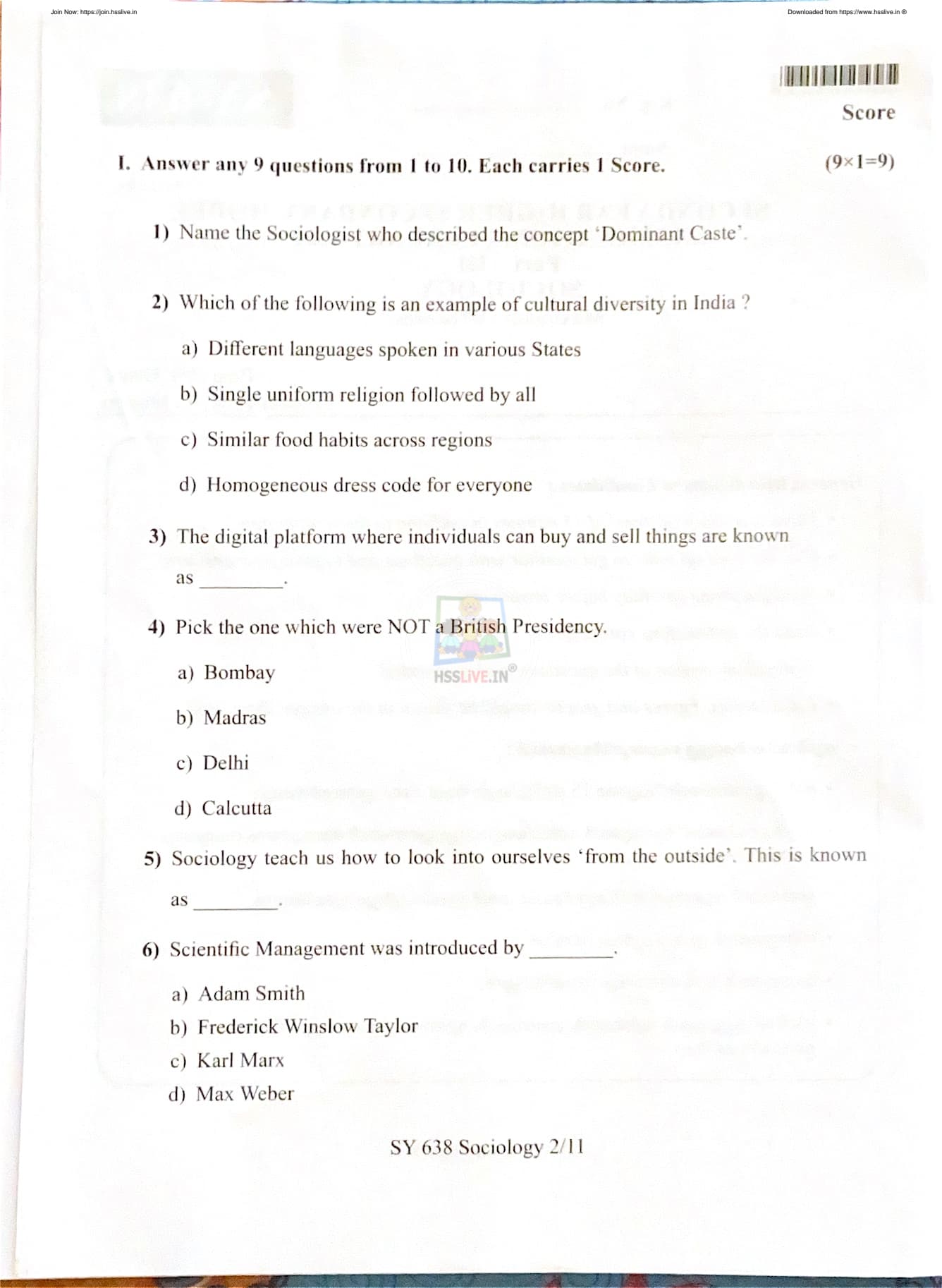












Comments