

![Pratiksha Institute of Pharmaceutical Sciences - [PIPS]](https://image-static.collegedunia.com/public/college_data/images/logos/1635582294PIPS.png?h=71.7&w=71.7&mode=stretch)
Dr. Satyendra Deka is the Principal cum Professor at PIPS. He has a Ph.D. in Pharmacy in 2015 from RGUHS, Bangalore. He has 13 years of teaching experience. He has secured distinction in M Pharm. He has been awarded a gold medal for topping in the final M. Pharm examination, 2010.

What are the key factors that keep you connected with the education sector?
As an educator, I always believe in self-upgradation with current topics and technologies. So that I can share new illustrations, knowledge, and my experience with the basics of any subject.
What can a student gain from studying in your institute?
Along with the curriculum, Pratiksha Institute of Pharmaceutical Sciences focuses on research, hands-on training on various advanced instruments and equipment, personality development, and extracurricular activities like yoga, sports, literature, and cultural events. As a result, students can receive expertise in a variety of subjects in addition to their study.
Check Pratiksha Institute of Pharmaceutical Sciences Courses & Fees
What is the curriculum you provide in your institute and how does the curriculum contribute to the growth of the students?
Pratiksha Institute of Pharmaceutical Sciences provides the curriculum for Bachelor of Pharmacy and Diploma in Pharmacy courses as per the regulations of the Pharmacy Council of India. Along with the syllabus, we are providing extra classes for competitive examinations like the Graduate Pharmacy Aptitude Test (GPAT), the NIPER entrance examination for higher studies, industrial training, hospital training, etc. Our curriculum is a combination of theory and practical. We also emphasize on teaching modern methodologies in industry and research. As a result, it will benefit students both academically and professionally.
How could your institute be welcoming to students of different races and backgrounds?
I believe that diversity on institute campuses creates spaces for students to discuss different perspectives, learn from peers who come from various backgrounds, and share experiences. Cultural diversity in colleges and universities offers multiple benefits, from getting an inclusive education to preparing for international career opportunities and much more. We have students from different communities and races from the entire northeastern region of India.
What should be the institute's top priority for the next 10 years?
Innovative teaching-learning practices that emphasize conceptual learning, real world application, and building skills to deal with unexpected problems should become the standard in educational institutions. Critical thinking, an innovation mindset, and problem-solving should become part of students’ lives. Blended classrooms, collaborative and social learning, flipped classes, experiential learning, and other progressive teaching and learning methodologies should become standard practice in every Institute. Student ownership in the learning process, self-discipline, and clarity of expression and thought in students should be every educator's vision and every educational institution's key focus. The goal of education is sometimes misinterpreted. It should not be the means to becoming a big, rich person. It should be about humanism. Students must be taught in depth about life principles and introduced to human values. They should be aware of the growing demand for environmental awareness.
What would people like to know about your university/institution that they may not know?
For students, it is one of the best private institutes in India's north-eastern area, where they can experience a blend of industrial and academic best practices. We scheduled various interactive sessions with renowned figures from industry, research, and academia for students. For employees, it is a fantastic place to work and the ideal environment to be a part of.
What are your institute's greatest strengths?
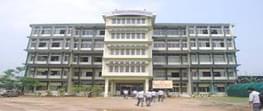
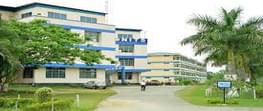
The Institute has well-trained, research-oriented, experienced, devoted, and dynamic teaching faculties, as well as supportive non-teaching and laboratory personnel. The infrastructure at the institute is excellent and well-maintained, including Smart Classrooms and well-equipped laboratories. Students and faculties organize extracurricular activities, sports culture, extension, and outreach programmes. The institute has collaborations with industry, research, and educational institutions.
What are the biggest challenges you see, for your institute?
In today's world, maintaining a positive and good attitude among students is the biggest challenge. To promote a healthy attitude and mental wellness, we provide a series of yoga and universal human values sessions at our institute on a regular basis.
Click Pratiksha Institute of Pharmaceutical Sciences Faculty
How do you tend to establish a healthy relationship and environment in your institute?
As educators, we have the highest responsibility to shape young brains. Part of that responsibility is setting a daily tone for our students that makes them feel safe and comfortable, so they can focus on learning. A safe learning environment goes beyond the classroom; it’s the intangible space that supports our students in the pursuit of knowledge, that inspires curiosity, and that makes them feel empowered to participate in class discussions. Creating a safe learning environment in the classroom is essential for serving the vast spectrum of student learning styles.
Any suggestions you would like to give to the current youth?
Be humble and respect time: Being arrogant is fashionable in today's world. Such views tend to make it difficult for people to form good relationships. Being humble helps you to be receptive to learning from elders and making changes to improve yourself. If you respect time, time will respect you. Don't simply waste time, think how you may strategically employ your time to make a difference in your life.
.png?h=132&w=263&mode=stretch)




![Pratiksha Institute of Pharmaceutical Sciences - [PIPS], Principal: Dr. Satyendra Deka Interview](https://image-static.collegedunia.com/public/image/21-09:17-Name Image (2).png?h=78&w=78&mode=stretch)















![Pratiksha Institute of Pharmaceutical Sciences - [PIPS], Principal: Dr. Satyendra Deka Interview](https://image-static.collegedunia.com/public/image/21-09:17-Name Image (2).png?h=72&w=72&mode=stretch)


.jpg?h=72&w=72&mode=stretch)





Comments