

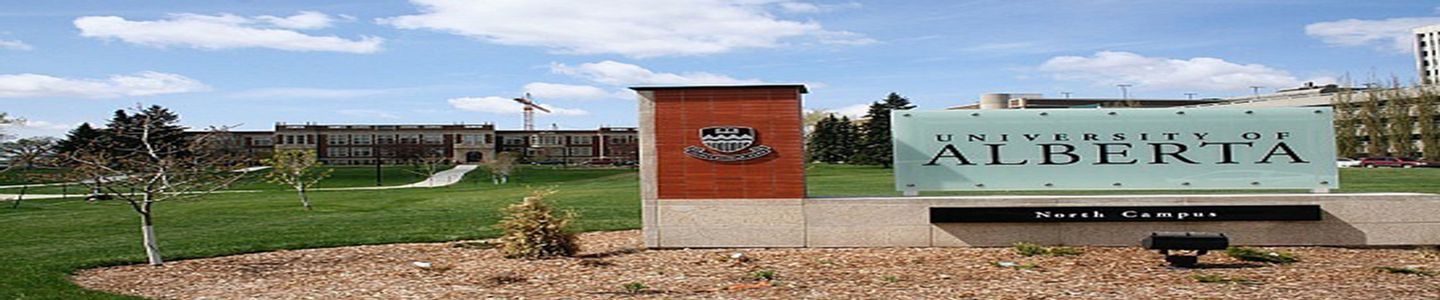


Bachelor of Science [B.S] (Nutrition and Food Science)
Field of Study:
$28,247 /Yr

University of Alberta Bachelor of Science [B.S] Nutrition and Food Science is a four-year honours degree program offered to international students in Edmonton, Alberta. Admission requires Grade 12 Chemistry and Biology with competitive marks. Total program fees range from C$37,000 to C$42,000 annually (INR 25.60 to 29.07 Lakhs). Applications open in October for Fall 2027 intake.
The programme uniquely integrates food science fundamentals with human nutrition science. Students gain laboratory experience in food safety, nutrient analysis, and product development. Distinctive features include hands-on experiential learning, industry partnerships, and a practical capstone project. The ideal applicant combines strong science fundamentals with genuine interest in food systems and public health.
- Access to advanced food science laboratories on North Campus with modern equipment for food analysis and sensory evaluation.
- Internship and co-op placements with food industry leaders, agriculture companies, and government nutrition agencies across Canada.
- Degree recognized by Dietitians Canada, opening pathways to dietitian registration with additional qualifications.
Current Admission Status
Applications for the Fall 2027 intake are Open. International student deadline: 31 March 2027.
Indian applicants require WES credential evaluation (4-6 weeks) and IELTS/TOEFL proof. Submit all documents by mid-February 2027 to allow for processing delays.
Also Check: University of Alberta Bachelor of Science Nutrition and Food Science Admission
University of Alberta B.S Nutrition and Food Science Fees and Living Costs 2027
The total cost of study includes tuition, mandatory fees, and living expenses. All figures reflect the 2025-2026 academic year with confirmed 2026-2027 increases. The complete four-year cost exceeds INR 1 Crore for Indian students.
| Cost Component | Annual (C$) | Annual (INR) | 4-Year Total (C$) | 4-Year Total (INR) |
|---|---|---|---|---|
| International Tuition (Science) | 38,500 | INR 26.62 Lakhs | 154,000 | INR 1.07 Crore |
| Non-Instructional Fees | 3,089 | INR 2.14 Lakhs | 12,356 | INR 8.55 Lakhs |
| Health Insurance (UAHIP, if needed) | 600 | INR 41,514 | 2,400 | INR 1.66 Lakhs |
| Living Costs (annual average) | 15,975 | INR 11.05 Lakhs | 63,900 | INR 44.21 Lakhs |
| Total Estimated 4-Year Cost | 232,656 | INR 1.61 Crore | All-In Budget for Full Degree | |
Source: University of Alberta International Tuition (2026), Collegedunia Study Abroad Cost Database, Government of Alberta Living Cost Estimates.
All INR conversions in the article use a conversion rate of C$ 1 = INR 69.19 as of May 2026. Rates fluctuate daily, verify before applying.
- Science tuition in 2026-2027 increased by 10% for new international students; future years may see 2-5% annual growth.
- Non-instructional fees cover athletics, health and wellness centres, U-Pass transit, and students’ union services.
- UAHIP health insurance is mandatory unless you are eligible for provincial Alberta Health Care Insurance Plan (AHCIP); most study-permit holders qualify for AHCIP after three months, making UAHIP optional.
- Living cost estimates based on Edmonton housing averages (rent C$600-1,000/month) and food, transport, personal expenses.
Cost of Living in Edmonton for Nutrition and Food Science Students
| Expense Category | Monthly (C$) | Monthly (INR) | Annual (C$) | Annual (INR) |
|---|---|---|---|---|
| Accommodation (shared/residence) | 750 | INR 51,893 | 9,000 | INR 6.23 Lakhs |
| Food and Groceries | 300 | INR 20,757 | 3,600 | INR 2.49 Lakhs |
| Transport (U-Pass included) | 50 | INR 3,460 | 600 | INR 41,514 |
| Personal Care and Entertainment | 150 | INR 10,379 | 1,800 | INR 1.25 Lakhs |
| Total Monthly Cost | 1,250 | INR 86,489 | 15,000 | INR 10.38 Lakhs |
Cost Reality for Indian Students: Edmonton offers lower living costs than Toronto or Vancouver; a food science student can sustain comfortably on C$1,250/month (INR 86,489), though meal prep is essential. Budget wisely: utility bills spike in winter heating season (November to March).
Read More: Cost of Living in Canada for Indian Students
University of Alberta B.S Nutrition and Food Science Admission
Admission is merit-based and open to international students with strong academic records. Standard intakes occur in Fall (September) and Winter (January); science students typically join in Fall. University of Alberta ranks 116th globally by QS World University Rankings 2026 with particular strength in health sciences.
Competitive admission requires a high school GPA of 75-80% and completion of Grade 12 Chemistry and Biology. The programme is moderately selective; Indian applicants with CBSE marks of 85%+ in PCB (Physics, Chemistry, Biology) are competitive.
| Intake | Application Opens | Expected Deadline | Status |
|---|---|---|---|
| Fall 2027 | October 2026 | 31 March 2027 | Open |
| Winter 2028 | August 2027 | 15 November 2027 | Expected |
English Language Proficiency (ELP) Requirements
International applicants from non-English-speaking countries must demonstrate English proficiency via approved standardized tests.
| Test Name | Overall Minimum | Per-Component Minimums |
|---|---|---|
| IELTS | 6.5 | No band below 6.0 (Reading, Writing, Listening, Speaking) |
| TOEFL iBT | 86 | Reading 21, Writing 20, Listening 21, Speaking 22 |
| Duolingo English Test | 120 | N/A |
| PTE Academic | 61 | N/A |
- IELTS is most accessible for Indian students; 12 weeks of targeted prep typically raises a 6.0 to 6.5 overall.
- TOEFL iBT is recognized globally; practice with university-level reading materials to exceed the 86 threshold comfortably.
- Score validity: IELTS and TOEFL valid for 2 years; submit results by the application deadline.
- Conditional entry: Students scoring 0.5 below the minimum may enter with mandatory English language support courses (12-16 weeks, tuition-included).
ELP Tip for Indian Applicants: Most Indian students achieve 6.5 IELTS within 8-12 weeks; focus on the Speaking and Writing bands, which are often weaker. TOEFL iBT demands faster reading; allow 14 weeks of preparation if you aim for 90+.
University of Alberta B.S Nutrition and Food Science Application
The application process is streamlined through the University of Alberta online portal. International applicants submit official high school transcripts, ELP test scores, and proof of financial support. Processing takes 4-8 weeks after the deadline.
| Deadline | Intake | Application Status | Decision Timeline |
|---|---|---|---|
| 31 March 2027 | Fall 2027 | Open | Decisions released May-June 2027 |
| 15 November 2027 | Winter 2028 | Expected | Decisions expected December 2027-January 2028 |
- Application fee: C$150 (INR 10,379) for new international students; non-refundable, payable online via credit card.
- Deposit to secure admission: C$5,000 (INR 3.46 Lakhs) required after acceptance; applies toward first-year tuition and covers the Provincial Attestation Letter for your study permit.
- Document submission: Upload high school transcripts, WES course-by-course credential evaluation, and IELTS/TOEFL directly in the portal.
- Study permit processing: Once you receive an admission letter, apply for a Canadian study permit via IRCC immediately; allow 8-12 weeks for processing.
Application Tip: Submit all documents by mid-February for Fall intake to avoid pile-up near the March 31 deadline. WES evaluation takes 4-6 weeks; initiate it as soon as you receive your final high school transcript.
University of Alberta B.S Nutrition and Food Science Scholarships
The University of Alberta offers international entrance scholarships for academic merit and leadership. Total scholarship value ranges from C$5,000 to C$120,000 over four years. Indian students are explicitly eligible for most awards.
| Scholarship Name | Value (C$) | Value (INR) | Eligibility (for Nutrition Students) | Automatic or Competitive |
|---|---|---|---|---|
| President’s International Distinction Scholarship | Up to 120,000 (4-year) | INR 83.03 Lakhs | Superior admission average + leadership; open to Indian students | Competitive (25 awards/year) |
| Gold Standard Scholarship | Up to 6,000 (annual) | INR 4.15 Lakhs | Top 5% in Science by GPA | Automatic |
| International Leader Scholarship | Up to 15,000 (one-time) | INR 10.38 Lakhs | Academic merit + community engagement | Competitive |
| University of Alberta International Admission Scholarship | Up to 5,000 (one-time) | INR 3.46 Lakhs | Strong high school record; automatic on admission | Automatic |
A Nutrition student with 80%+ admission average and CBSE 90%+ marks qualifies for automatic C$5,000 (INR 3.46 Lakhs) scholarships, reducing four-year costs by approximately 2-3%. Competitive scholarships like President’s International Distinction can offset tuition entirely. Apply for external scholarships via organizations like the Canada-India Foundation and study-abroad agencies concurrently.
Scholarship Reality: Entrance scholarships cover 2-15% of total program cost for most international students. Plan for full-cost funding; scholarships are a bonus, not a safety net.
Check Out: University of Alberta International Scholarships
University of Alberta B.S Nutrition and Food Science Salary
Graduates of the Nutrition and Food Science programme achieve strong employment outcomes. The University of Alberta reports 88-92% employment within six months of graduation for Science degree holders. Entry-level salaries for food scientists and nutrition professionals in Canada range from C$45,000 to C$62,000 annually.
| Role | Sector | Entry Salary (C$) | Entry Salary (INR) | 5-Year Average (C$) | 5-Year Average (INR) |
|---|---|---|---|---|---|
| Food Scientist (Quality/R&D) | Food Manufacturing | 48,000 | INR 33.21 Lakhs | 65,000 | INR 44.97 Lakhs |
| Nutritionist/Dietetic Technician | Healthcare/Government | 42,000 | INR 29.07 Lakhs | 58,000 | INR 40.13 Lakhs |
| Food Safety Auditor | Regulatory/Consulting | 52,000 | INR 35.98 Lakhs | 72,000 | INR 49.80 Lakhs |
| Product Development Specialist | Food/Beverage Industry | 50,000 | INR 34.60 Lakhs | 68,000 | INR 47.05 Lakhs |
Source: Statistics Canada Labour Force Survey, University of Alberta Graduate Employment Survey 2025, Glassdoor Canada.
These salaries are gross (before tax). Canadian federal tax reduces take-home by 14-20% depending on income level. Use the Government of Canada tax calculator to estimate net income for your role. Employers typically offer benefits including health insurance, pension contributions, and paid professional development.
- Food scientists in major urban centres (Toronto, Vancouver, Calgary) earn 8-15% above the Canadian average due to higher cost of living and competitive local markets.
- Government nutrition roles (Health Canada, provincial health agencies) often include pension plans and job security, offsetting slightly lower entry salaries.
- Post-study work permit holders earn the same wages as Canadian citizens; no visa-based discrimination in salary.
- Continuing education (Registered Dietitian credential) increases earning potential to C$65,000-85,000 within 5 years.
ROI Reality: Four-year degree cost of INR 1.61 Crore is recovered within 4-5 years of employment in Canada. Graduates typically earn C$35,000-42,000 more in Canada than comparable nutrition roles in India, though living costs also increase.
Canada Visa Process for Nutrition and Food Science Students
International students need a study permit to attend university in Canada. The process is straightforward: receive an admission letter, secure funding (C$5,000 deposit + living costs), and apply to Immigration, Refugees and Citizenship Canada (IRCC). Processing takes 8-12 weeks. After graduation, a Post-Graduation Work Permit (PGWP) allows three to four years of paid work in Canada.
- Study permit fee: C$150 (INR 10,379); includes biometric fees and application processing.
- Proof of funds required: C$5,000 (INR 3.46 Lakhs) deposit to university plus C$15,000-18,000 (INR 10.38-12.45 Lakhs) for annual living costs (GIC/bank account statement required).
- Post-Graduation Work Permit validity: Four years (matching degree duration) for Science graduates; full-time work eligibility across all Canadian employers without specific job offer required.
- Spouse and dependent support: Family members can apply for accompanying permits; children may attend public school at provincial expense.
Visa Reality: Study permit approvals for Indian students average 6-8 weeks; apply immediately after receiving your admission letter to clear processing before your program starts.
Read More: Canada Student Visa for Indian Students
University of Alberta B.S Nutrition and Food Science Ranking 2026
The University of Alberta does not hold a subject-specific ranking for Nutrition or Food Science from major ranking bodies (QS, THE, ARWU, US News). However, the institution ranks 116th globally in the QS World University Rankings 2026 with recognised strength in Life Sciences and Medicine, which encompasses food science and nutrition disciplines. Domestic recognition through Dietitians Canada accreditation enhances the programme’s credibility for dietitian pathways.
- QS Global Rank: 116th (2026); Life Sciences and Medicine subject area ranks among top 150 globally.
- Research output: Faculty publish in high-impact journals in food science, food safety, and nutrition research; U of A ranks 5th in Canada for agriculture and food-related research funding.
- Employer recognition: Graduates are recruited by major food corporations (Nestle, Kraft Heinz, Cargill) and government health agencies across North America.
- Accreditation pathway: Programme credits count toward Registered Dietitian credentials with Dietitians Canada; strengthens long-term career prospects in healthcare and public health sectors.
Ranking Context: Nutrition and Food Science is not ranked as a discrete subject; rely on the university’s overall standing and employer recognition rather than subject-level rankings when evaluating programme quality.
B.S Nutrition and Food Science FAQs
Ques. Can I work while studying the B.S Nutrition and Food Science programme at University of Alberta?
Ans. Yes. Study permit holders can work up to 20 hours per week during academic sessions and full-time during scheduled breaks (December, April, May, August). On-campus jobs in the food science lab or library pay C$15.50-16.50/hour (INR 1,073-1,142/hour), offsetting approximately 30-40% of living costs annually.
Ques. What is the difference between Nutrition and Food Science at University of Alberta versus a standalone Nutrition/Dietetics programme?
Ans. The B.S Nutrition and Food Science integrates food chemistry, food safety, and product development with human nutrition. Standalone Dietetics programmes focus solely on clinical nutrition and medical nutrition therapy. U of A’s hybrid approach is stronger for food industry careers; add a Dietitian’s credential later if healthcare specialization appeals. This broadens employment options immediately post-graduation.
Ques. What are the chances of getting a visa approved if I am an Indian student applying to this programme?
Ans. Study permit approval rates for Indian students exceed 95% if your application is complete: admission letter, proof of funds (deposit + bank statement), valid passport, and police clearance. Processing averages 6-8 weeks. Delays occur only if IRCC requests additional documents; include a detailed Statement of Purpose explaining your career goals in food science. No quota limits apply to Indian students.
Ques. Can international Nutrition and Food Science graduates stay in Canada after graduation?
Ans. Absolutely. Graduates receive a four-year Post-Graduation Work Permit (PGWP) allowing unrestricted employment in Canada. After one year of full-time skilled work, you can apply for Permanent Resident status via Express Entry (Federal Skilled Worker stream) or the Alberta Immigrant Nominee Program. Food scientists earning C$50,000+ qualify for PR pathways within 2-3 years.
Ques. What scholarships are available specifically for Nutrition and Food Science students from India?
Ans. The President’s International Distinction Scholarship (up to C$120,000 over four years) and Gold Standard Scholarship (up to C$6,000 annually) are open to Indian students with top academic records. Additionally, external scholarships from the Canada-India Foundation, Canadian Federation of University Women, and Indiaspora offer C$2,000-10,000 annually. Combine institutional and external awards for maximum funding (typically 15-30% of total cost).
The Bachelor of Science in Nutrition and Food Science at University of Alberta positions international students for careers spanning food manufacturing, healthcare, government regulatory agencies, and consulting. Graduates emerge with laboratory expertise, industry connections via capstone projects, and eligibility for further credentialing (Registered Dietitian, Food Safety Auditor). Strong employment outcomes, manageable living costs in Edmonton, and clear post-study work and permanent residence pathways make this a robust choice for students seeking food-science careers in North America.
Tuition Fees
| Year | 1st Year Fees |
|---|---|
| Tuition Fees | $28247 (CAD 39232.80) |
Other Expenses
| Head | Avg Cost Per Year |
|---|---|
| Housing | $7776 (CAD 10800) |
| Food | $1944 (CAD 2700) |
Previous Year Tuition Fees
| Year | 1st Year Fees |
|---|---|
| 2024 | $24457 (CAD 33968) |
| 2023 | $22964 (CAD 31895) |
| 2022 | $21665 (CAD 30090) |
| 2021 | $15930 (CAD 22125) |
Important Dates
| Event | Application Date |
|---|---|
| Application Deadline For Fall 2026 Intake | |
Required Document List
Following are the required documents:
- CV/Resume: Outline of academic achievements and/or awards, publications, relevant work, and/or volunteer experience.
- Transcripts: Submit copies of official transcripts from post-secondary institutions attended in PDF format.
- Reference Form/Letter: Three reference forms and letters of recommendation completed and uploaded by referees (Teachers, guidance counselors, or Professors) directly to the online portal.
- Three Letters of Reference: The online application system will notify the references and allow the student to upload their letters. Letters can be academic or business references.
- Statement of Intent: Reasons or intentions for pursuing studies in this program, including a description of prior experience.
- ELP Scores: Students have to submit their English language proficiency scores like IELTS, TOEFL, or other test scores.

1546425900.png?h=48&w=101&mode=stretch)
Do you think the Rankings are wrong ? Report Here
Key Resources for Your Study Abroad Journey


Course Guides
Top Undergraduate Courses in Canada: Fees 2024, Top Colleges, Admissions, Placements & Salaries
Career and Placement after Course
Possible careers opportunities after this course are:
- Market Research Analyst
- Marketing Manager
- Nutrition Consultant
- Nutrition Educator
- Wellness Program Coordinator
Options Available
| Program | Delivery Type | Duration | Program Type | Tuition Fees |
| B.S Nutrition and Food Science Technology | full time | 4 years | on-campus | $30584.16 |
Scholarship Grants & Financial Aids
| Name | Scholarship Per Student | Level of Study | Type | |
|---|---|---|---|---|
| India First Year Excellence Scholarship | Scholarship per student$ 3,600/Yr$5,000 | Level Of StudyBachelor | TypeCollege-Specific | |
| University of Alberta Graduate Fellowship | Scholarship per student$ 5,760/Yr$8,000 | Level Of StudyBachelor | TypeCollege-Specific | |
| VueVille Future Technology Scholarship | Scholarship per student$ 720/Yr$1,000 | Level Of StudyBachelor | TypeMerit-Based | |
| Go Clean Scholarship | Scholarship per student$ 2,520/Yr$3,500 | Level Of StudyBachelor | TypeMerit-Based | |
| Forktip Women’s- Innovation Scholarship | Scholarship per studentVariable Amount | Level Of StudyBachelor | TypeCollege-Specific | |
| Jared J. Davis Grant | Scholarship per student$ 720/Yr$1,000 | Level Of StudyBachelor | TypeMerit-Based |
Similar Programs
| Program | Important Date | Total Fees | Median Exams Score | Action |
|---|---|---|---|---|
 B.H.S, University of Ottawa B.H.S, University of Ottawa4 years | Application Deadline for Fall Intake (1st Mar 2027) Document Submission Deadline for Fall Intake (30th Mar 2027) | USD 31,200 /Yr CAD 43,334 /Yr |
| |
-- | USD 32,232 /Yr CAD 44,767 /Yr |
| ||
Application Deadline for Fall 2027 Intake (1st Jun 2027) | USD 28,248 /Yr CAD 39,233 /Yr |
|


Do you think the Dates are wrong ? Report Here


interested in this College ?
Follow & Share this college to get information about admission.



Comments