


.jpeg)
.jpeg)
Reviewed on Mar 6, 2025(Enrolled 2020)
What Students Say
Likes
- Infrastructure was really good, sports related facilities were amazing. As long as you are a student, one can easily access swimming pool, badminton courts, squash, gymnasiums without any extra fee.
- Accommodation was easily available around the university
- University was easily accessible through city buses and transit
Dislikes
- The rent was pretty expensive and university authorities couldn't do anything about it
- There were very less career fairs and students didn't get any chance to interact with industry professionals
- There didn't seem to be any extra effort from university's side whether the students were able to secure a job after graduating. More than half of my batch didn't have a field job even after 1 year of graduation
Course Curriculum
8
- The course curriculum was moderate. I won't call it very easy or very difficult. It was a mix of both practical and theoretical.
- The most positive aspects include that there were some very good courses, which are really needed in the industry nowadays, and the professors teaching those courses were really good. As for negative aspects, some courses were not that useful and professors for those courses were also very casual.
- There were two 1,1.5-hour lectures per week for each course and they usually happened from Monday to Thursday.
- The average number was 40-50 and more than 90% were from India.
Admission Experience
-
I applied to 5 universities:
- University of Toronto: Rejection
- University of British Columbia: Rejection
- University of Alberta: Rejection
- University of Calgary: Accepted
- Western University: Accepted
- In my opinion, the main reason for rejection could be high competition and a smaller number of seats. Moreover, I only applied to top universities in Canada with a very low acceptance rate.
- I accepted the University of Calgary as I did a lot of research about the university and the city of Calgary. Calgary is a growing city with more opportunities. In addition to this, my background was in the renewable energy sector, which was expected to grow in Calgary in the coming years.
- The main test result expected for the university was IELTS with a minimum of 6.5 overall. They may have changed requirements now.
- Ideally, there should be no major challenges as the administration is really good but in my case it was a pandemic year so I faced a lot of issues.
- There was no clarity as to when classes will start, whether they will be online or in person. There were immigration delays, which was really frustrating for me.
- I applied for fall intake in 2020 but due to COVID, I was able to reach only in September 2021.
- Everyone should apply for fall intake only, as all courses are available during that time. Also, the weather is good so one can easily adjust to the new city and culture.
- Other intakes include winter and spring/summer; during winters, Canada is very cold and not recommended. For spring-summer, there are very few courses offered.
- I applied in Oct-Nov 2019 and didn't hear anything from them till I got acceptance around March 2020. I started my classes online in September 2020.
Faculty
3
- The ratio was around 1:50. In my opinion, this ratio is not right; there should be 1 professor for every 20–25 students.
- The teaching methodology was just fine, not very good and it was not sufficient for securing a good job. More than half of my batch didn't have a job even after 1 year of graduation.
- No faculty member assisted my or my close friends in part-time or full-time jobs through their personal networks or references
- There was one faculty member who taught the Power System course, which I admire the most. I even took another course by him next semester. The other course was Restructured Power Systems.
Campus Life
10
-
The University has multiple campuses in Calgary
- 1. Main campus
- 2. Foothills campus
- 3. Spy Hill campus
- 4. Downtown campus.
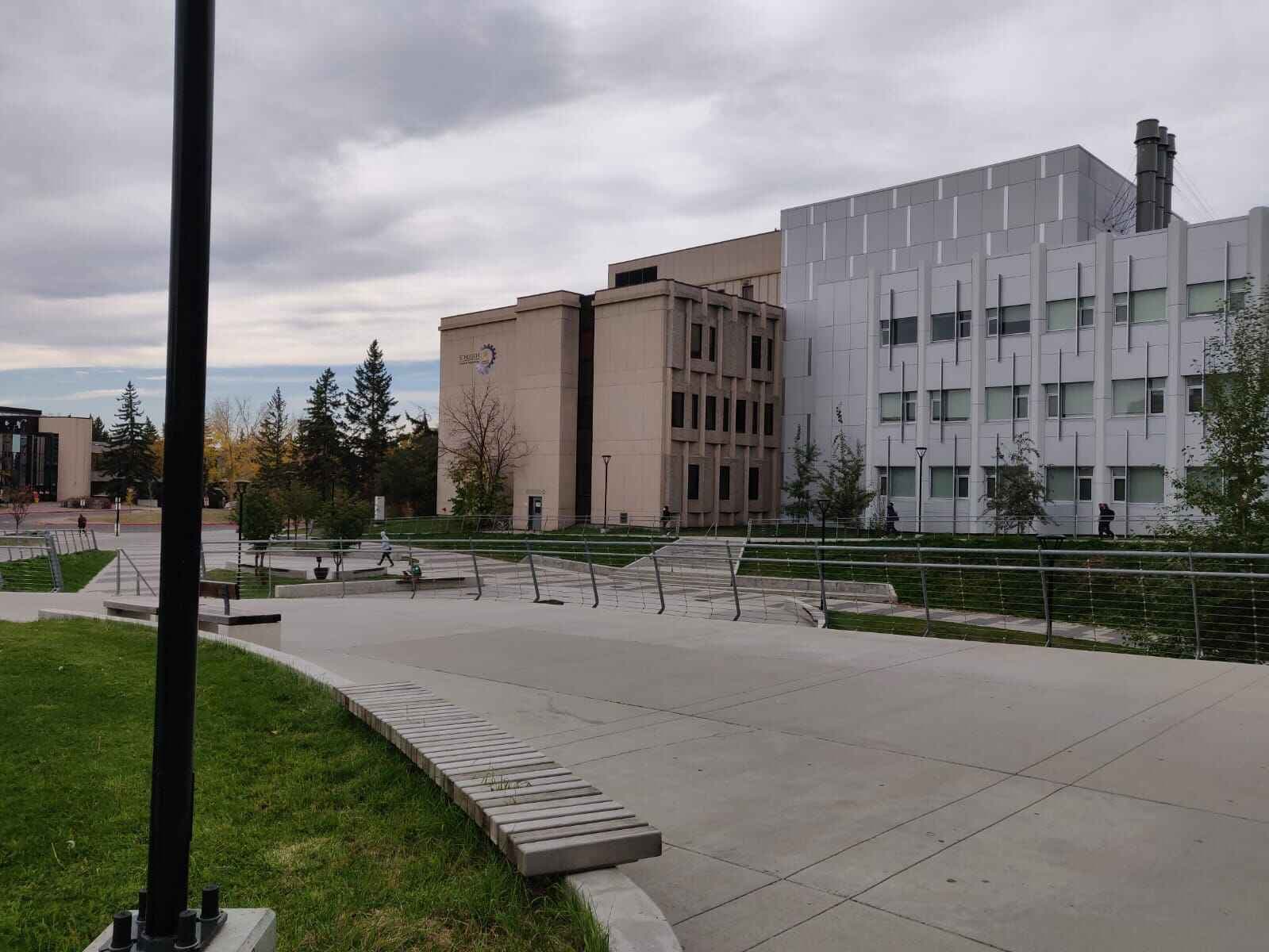
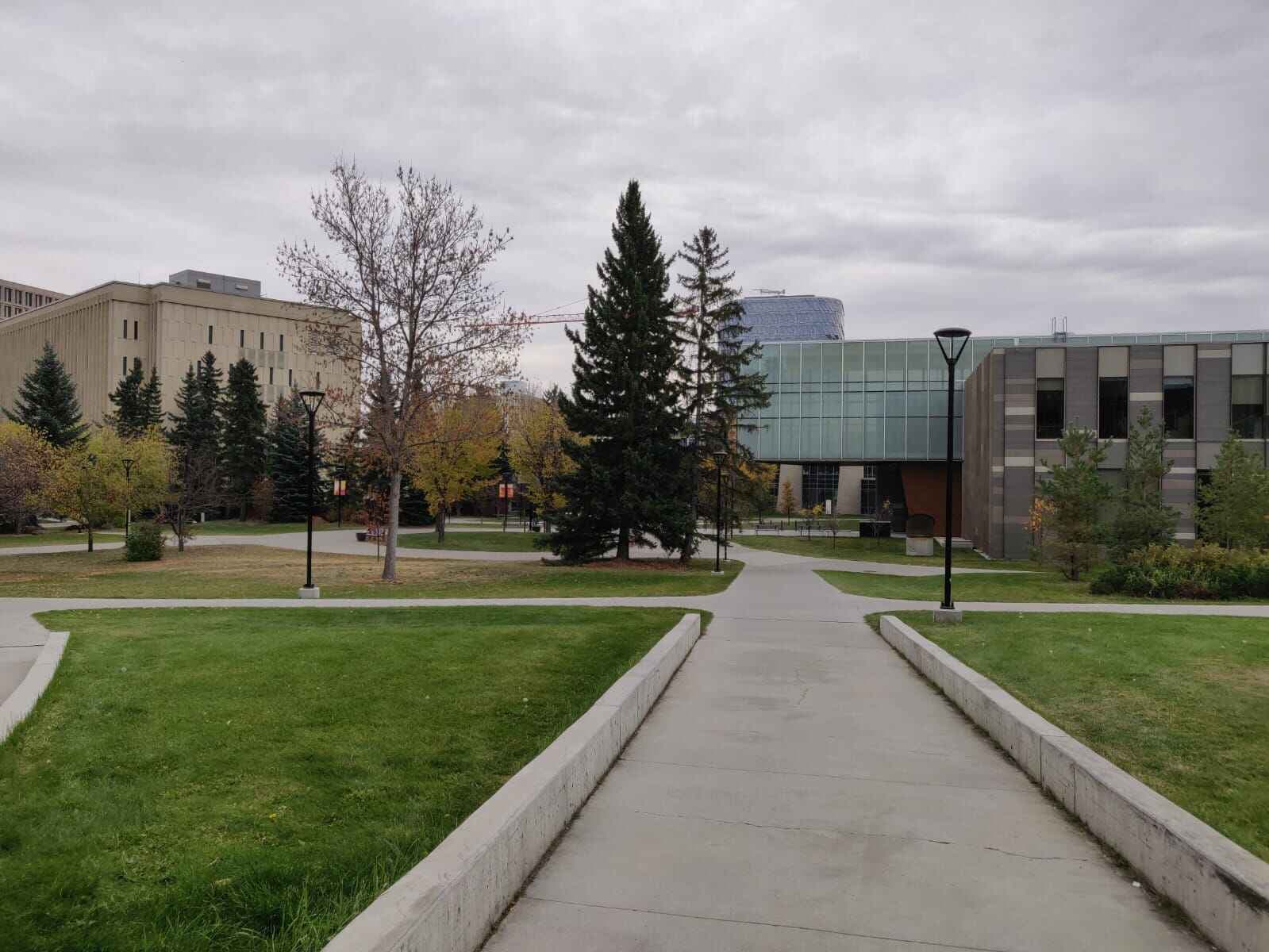
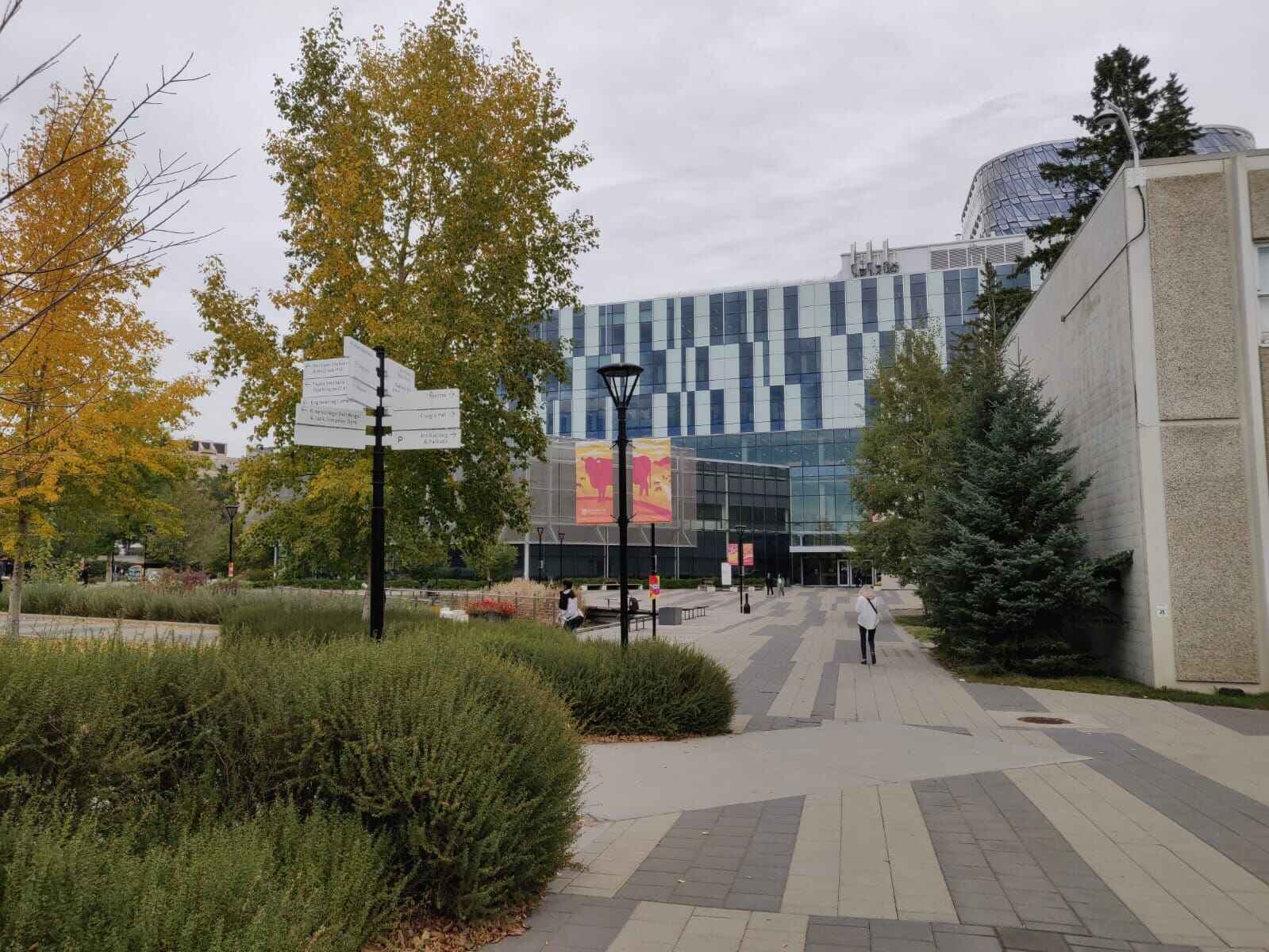
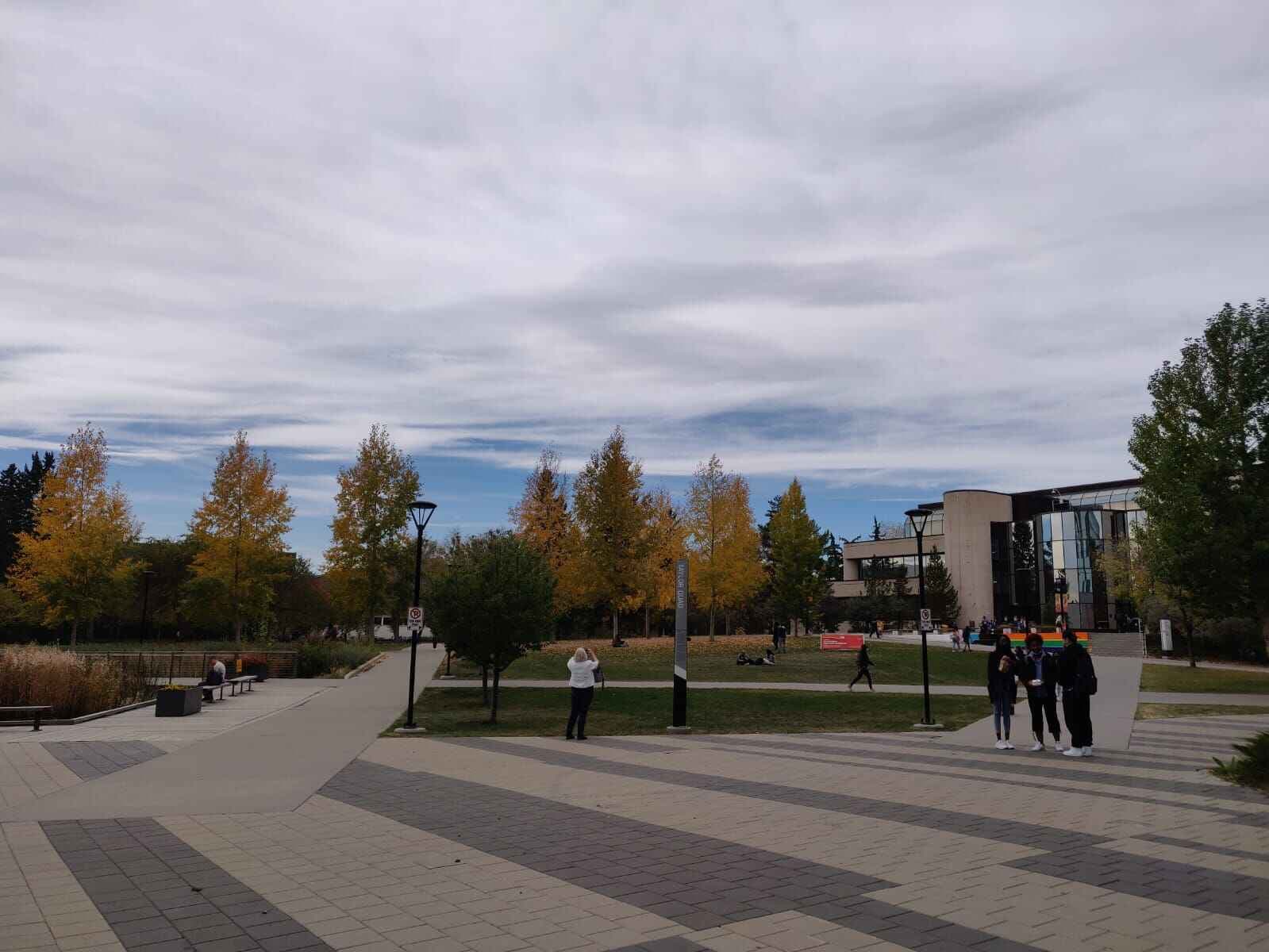
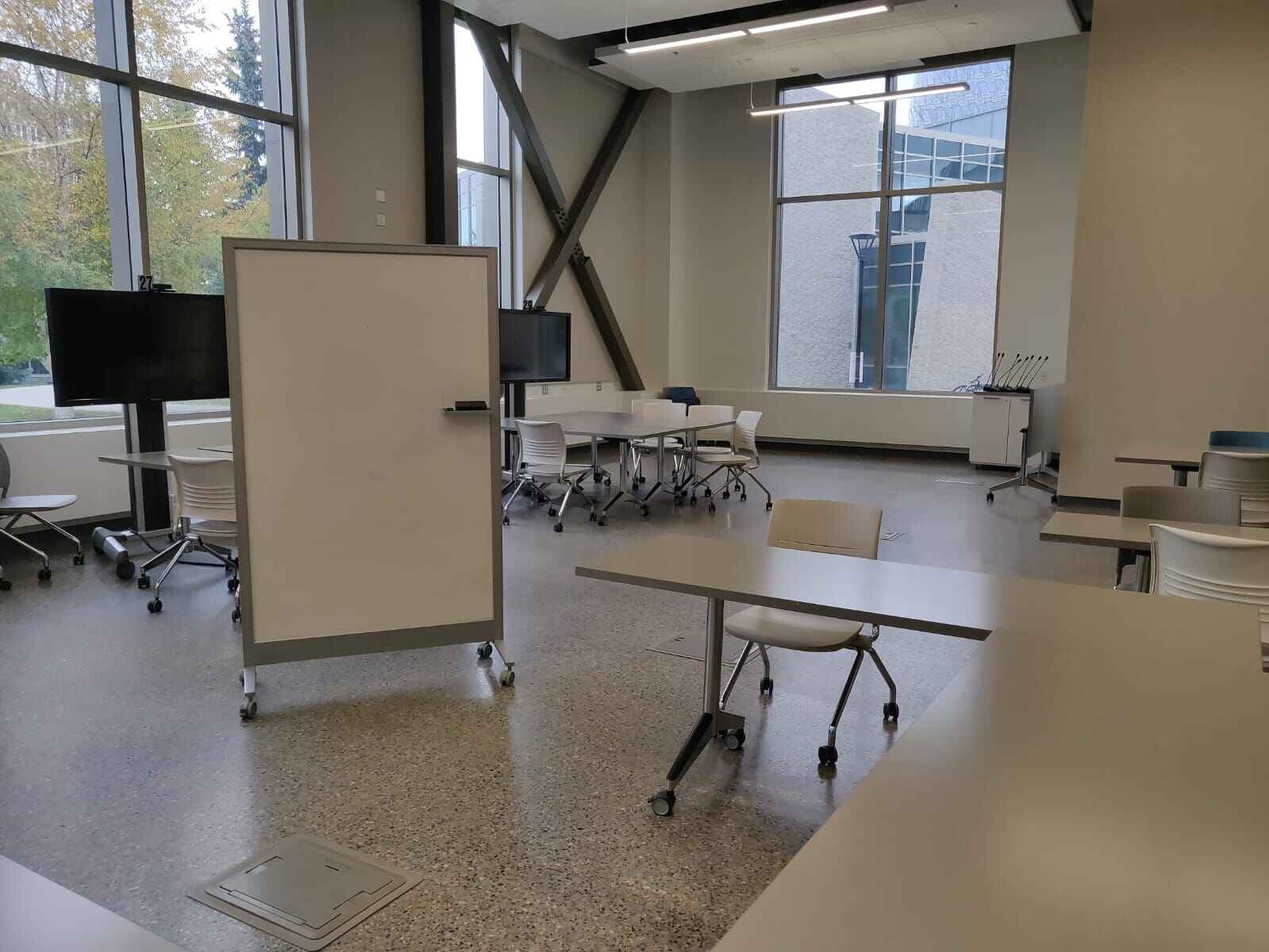
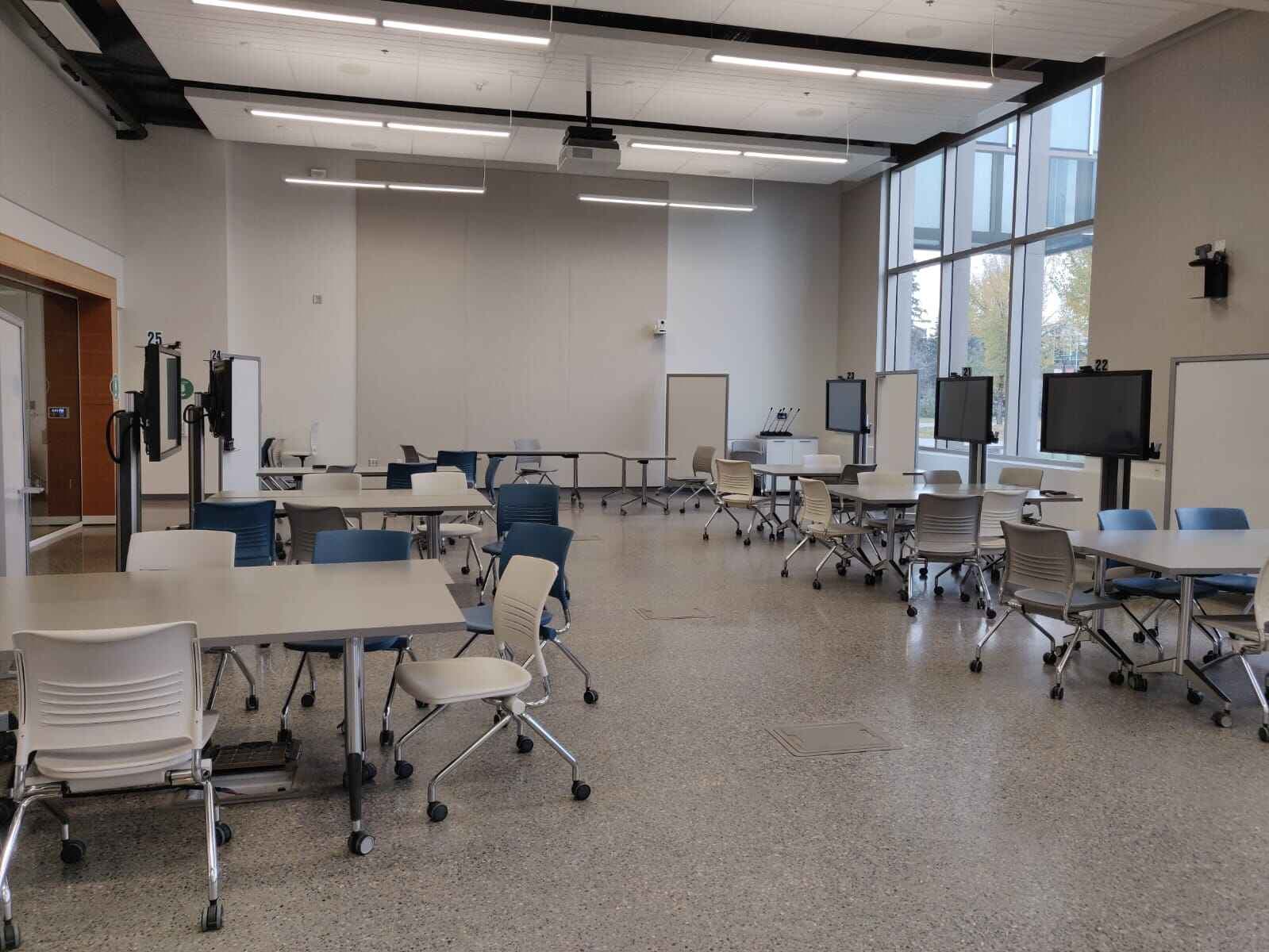
- I only used to visit the main campus and didn't visit others. Main campus had around 4-5 libraries with one main central library. There were a lot of sports facilities, including gymnasiums, swimming pools, badminton and squash courts.
- During my time, it was the COVID pandemic, so we didn't have much festivals and all, but yes, there used to be career fairs, concerts, and stand-up comedy shows regularly before that.
- There was a Graduate Student Association (GSA), which had people who could support you for things like accommodation, transit, medical, tax filing, etc.
Part Time Jobs
- There were very few students who were able to secure teaching assistant (TA), research assistant (RA), or departmental assistant (DA) positions. I myself tried for these but I didn't get selected. 1-2 people in 50 students were able to get selected for teaching assistant (TA) positions.
- The pay range of TAs used to be 40-50 CAD per hour with 8 to 10 hours per week. There might have been updates since I graduated. Other on-campus jobs included servers, fast food clerks, and proctors for examinations. The pay ranged from 15 to 25 CAD per hour.
- The maximum number of work hours outside campus were limited to 20 hours. On campus, there was no limit.
- During my first year in Canada, the economy started opening up after COVID so there were a lot of jobs but after 1 year, it became really tough to find a part-time job.
- On-campus jobs were really competitive but many of my friends did secure some but they always complained of a smaller number of hours.
- Most Indian students preferred working in grocery stores such as Walmart, Costco and Superstore. Students typically earn between 15 and 20 CAD per hour in their part-time jobs. Most jobs only pay a minimum wage to students. The process is usually simple but due to excessive competition, only people with references were able to get a job. The process started with applying online through a resume/CV and you could get a call for an interview after that. If you are selected for the interview, they will start the onboarding process.
Placement
4
- Full-time jobs were really hard to get after 2022 summers. There was high inflation and recession fears in 2023, with many organisations putting a hiring freeze in place.
- There were only 5-10% of students who could secure a good job within 6 months of completing their course.
- The salary range can be anywhere between 50k and 70k per annum upon graduation.
- Students usually find jobs through LinkedIn. The applications are usually online and you get a call for an interview if your resume is shortlisted.
- The placement experiences of batchmates were not so good; it was tough to even get to an interview for a company. They usually got placed in companies like Suncor, Enbridge, Wood PLC, WSP, and Stantec.
- I got placed in Wood PLC before my graduation and worked in that organization for 2.5 years.
Accommodation
Off Campus
4
- I was staying in an off-campus accommodation. I was staying in a 2-bedroom apartment in downtown. It was a shared accommodation where I was staying with 3 other guys.
- I found them through Facebook and WhatsApp groups prior to landing in Canada. The monthly rent was around $1500 but increased to around $1800 next year.
- The rent included water and electricity. The main challenge in shared accommodation is that its tough to trust someone you haven't met before.
- My recommendation is to either stay in downtown or stay close to the university. My accommodation was a 15-20-minute transit ride away from the university. Most of the Indian students stayed near the university or in downtown.
Exams
- Exams: IELTS
- Documents: Offer acceptance letter, Statement of Purpose, two LOR's from university professors or reporting managers, earlier degree proofs, experience letter if working, birth certificate, passport, photograph, IELTS result.
- Documents for visa process: Passport, fee payment confirmation, IELTS result, statement of purpose, photographs, medical examination
- Interviews were not part of the application process but some other universities did have an interview.
Fees
- I didn't take hostel so it was separate. For my fee, it was around $2500 for 3 units per course. We had to take at least 10 courses or a maximum of 12 courses. So if we multiply, the fee can range from 25,000 to 30,000 CAD for the whole course.
- The fee was increased a lot after our batch graduated.
- The fee was credit (unit)-based but was charged every semester.
- Monthly expenses
- Rent (including utilities): around 800-1000 CAD
- Groceries: 200 CAD
- Transportation: 150 CAD
- Phone bills: 50-70 CAD
- Misc.: 100 CAD
- Total expenses: 1300-1500 CAD, apart from the education fee.
- These numbers will change depending upon inflation in the last 2–3 years.
Scholarship
- No, I didn't receive a scholarship during the course. The university didn't convey any details related to scholarship. I did some research but was not eligible for most of them.
- Some of my batchmates did apply for financial aid. Some were paid around 1000-5000 CAD for the course. Its not a very large amount and only a few students received it. Many of my close friends had applied for it but didn't receive anything.


