



Master of Science [MS] (Electrical and Computer Engineering)
$6,003 /Yr

University of Calgary Master of Science [MS] Electrical and Computer Engineering is a two-year research-intensive postgraduate programme (4 semesters). Intake: Fall or Winter. Eligible: bachelor’s degree in engineering or related field, minimum GPA 3.0, IELTS 6.5. Total cost (two years): INR 1.49 Crores (C$ 212,128). Open to international students including Indian citizens. Location: Calgary, Alberta, Canada.
The programme trains graduates as research scientists and industry-leading engineers in power systems, control systems, signal processing, and embedded systems. You study at a research-intensive university in Canada’s energy-tech hub, gain lab experience in cutting-edge facilities, and access co-operative work placements. Ideal applicants hold a BTech or equivalent in electrical, computer, or electronics engineering, have a track record in project work, and seek either academic research careers or senior technical roles in energy, telecommunications, or software-intensive sectors.
- Tuition over two years costs C$ 71,244 (INR 49.98 Lakhs), significantly lower than US equivalents.
- Post-graduation work permit (PGWP) allows up to three years of open work in Canada after graduation.
- Embedded laboratory clusters and industry partnerships with oil-sands and telecom firms create real-world capstone opportunities.
Current Admission Status
Applications for the Fall 2027 intake are Not Yet Open. Expected international student deadline: March 1, 2027. WES credential evaluation takes 4-6 weeks; start that process by October 2026 at latest.
Winter 2028 intake is expected to open July 1, 2026 with a November 1, 2026 supplementary deadline. Plan your standardised test timeline accordingly.
Also Check: University of Calgary Admission Requirements and Process
University of Calgary MS Electrical and Computer Engineering Fees and Living Costs 2027
The total cost of study comprises tuition, compulsory health insurance, and ancillary fees. Tuition for postgraduate programmes is charged by the course and assessed annually.
| Cost Component | Amount (C$) | Amount (INR) | Duration |
|---|---|---|---|
| Annual Tuition (Postgraduate Engineering) | C$ 31,000 to C$ 36,000 | INR 21.73 Lakhs to INR 25.24 Lakhs | Per Year |
| Health / Ancillary Fees | C$ 2,270 | INR 1.59 Lakhs | Per Year |
| Application Fee (one-time) | C$ 145 | INR 10,157 | One-time |
| Tuition Deposit (one-time, credited to tuition) | C$ 500 | INR 35,060 | One-time, refundable toward first term |
| Total Cost (Two Years) | C$ 67,540 to C$ 76,540 | INR 47.38 Lakhs to INR 53.71 Lakhs (tuition only) INR 49.98 Lakhs to INR 56.29 Lakhs with fees |
Full Programme |
Source: University of Calgary Office of the Registrar (2026 rates, subject to 6% annual increase for international students).
Tuition for course-based master’s programmes is assessed per course. Typical engineering programmes run 10 to 12 courses over two years; the range reflects programme-specific variation. Health insurance (mandatory for all international students) covers prescription drugs, dental, and mental health services. Ancillary fees fund the student union and campus services.
Key Insight: Two-year engineering master’s cost less than one year at US Tier-1 programmes; still budget for living expenses of C$ 43,332 annually.
Cost of Living in Calgary for MS Engineering Students
Calgary has one of Canada’s lowest costs of living for students. Monthly budget for off-campus independent living:
| Category | Monthly (C$) | Monthly (INR) | Annual (C$) | Annual (INR) |
|---|---|---|---|---|
| Rent (1BR apartment, shared or dedicated) | C$ 1,800 to C$ 2,500 | INR 1.26 Lakhs to INR 1.75 Lakhs | C$ 21,600 to C$ 30,000 | INR 15.16 Lakhs to INR 21.04 Lakhs |
| Food, transport, personal care (excl. rent) | C$ 1,100 to C$ 1,600 | INR 77,000 to INR 1.12 Lakhs | C$ 13,200 to C$ 19,200 | INR 9.25 Lakhs to INR 13.46 Lakhs |
| Total Monthly (off-campus) | C$ 2,900 to C$ 4,100 | INR 2.03 Lakhs to INR 2.88 Lakhs | C$ 34,800 to C$ 49,200 | INR 24.41 Lakhs to INR 34.51 Lakhs |
Living Cost Reality: Students in co-op placements (typically W term) earn C$ 25,000 to C$ 40,000 (INR 17.53 Lakhs to INR 28.05 Lakhs) for four months, offsetting 2–3 months of living expenses and reducing true out-of-pocket cost.
Read More: Cost of Living in Canada for International Students
University of Calgary MS Electrical and Computer Engineering Admission 2027
The Master of Science programme welcomes applications from international students. Admissions are offered in both Fall (September) and Winter (January) intakes. The programme accepts approximately 40–60 graduate students per intake, with international students making up approximately 35–45% of cohort.
Academic Eligibility
| Requirement | Minimum / Expectation | Notes for Indian Applicants |
|---|---|---|
| Undergraduate Degree | Bachelor’s in Electrical Engineering, Computer Engineering, Electronics, or related discipline | BTech from AICTE-accredited institution; final-year applicants eligible |
| GPA / Percentage | Minimum 3.0 on 4.0 scale (equivalent to 75% or 7.5/10) | Calculated from final 24 months / last 60 credit hours of undergraduate study |
| Work Experience | Not mandatory; research or internship experience preferred | 6–12 months of summer internships or lab work strengthens candidacy significantly |
| Statement of Purpose | 500 words. Outline research interests, career goals, and fit with programme | Focus on specific technical areas (power systems, signal processing, embedded systems) rather than generic ambitions |
| References | Two academic references; one can be industrial supervisor | Professors from final-year BTech courses are ideal; avoid multiple references from the same person |
Tip for Indian Students: University of Calgary accepts direct BTech graduates without work experience. GPA conversion is strict: 75% undergraduate is borderline (3.0); 80%+ is competitive. Request WES official credential evaluation by October 2026.
English Language Proficiency (ELP)
All applicants from non-English-speaking countries (including India) must demonstrate English language proficiency. Accepted tests and minimum scores:
| Test | Overall Minimum | Minimum Per Component / Band | Test Duration |
|---|---|---|---|
| IELTS Academic | 6.5 | 6.0 (each band: reading, writing, listening, speaking) | 3 hours |
| TOEFL iBT | 83 | No per-section minimum (all sections combined to 83) | 3 hours |
| TOEFL PBT (if no iBT available) | 580 | N/A | 3 hours |
| Duolingo English Test | 110 | No per-section minimum | 1 hour |
| PTE Academic | 59 | No per-section minimum | 2-3 hours |
IELTS 6.5 is the most commonly chosen by Indian applicants because native English teaching in India aligns with IELTS formats. Most Indian BTech graduates score 6.5–7.5 on first or second attempt if they begin preparation 3–4 months before the test. TOEFL iBT 83 is harder for Indian students to achieve without US-style coaching (higher speaking bar); Duolingo 110 is the fastest path if you need a quick credential.
Honest Take: IELTS 6.5 is achievable but not casual. A 6.0 in even one band (e.g. speaking) blocks admission; retake until all four bands reach 6.0+. Plan 3–4 months of consistent practice, mock tests weekly, and live speaking tutoring (4–6 sessions) to close listening/speaking gaps.
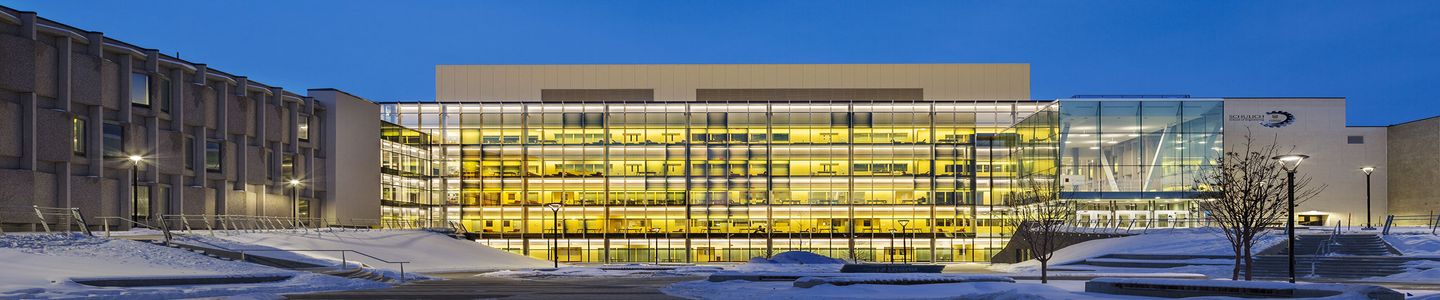
The University of Calgary ranks 211th globally (QS World University Rankings 2026) and 200th (THE World University Rankings 2026). No Electrical and Computer Engineering-specific subject ranking is published by major indices (QS, THE, ARWU, US News). Proxy context: Engineering disciplines at UCalgary rank in the 251-300 band globally, and the university maintains strong research output in power systems and embedded systems through the Schulich School of Engineering partnerships.
Also Check: University of Calgary Ranking
University of Calgary MS Electrical and Computer Engineering Application 2027
The online application opens in October for Fall intake and July for Winter intake. All documents must be uploaded to the Faculty of Graduate Studies portal. Deadline adherence is strict; late submissions are rejected.
| Intake | Application Opens | Supplementary Deadline | Expected Decision | Status |
|---|---|---|---|---|
| Fall 2027 (September) | October 1, 2026 | February 1, 2027 (final deadline) | May 31, 2027 | Not Yet Open |
| Winter 2028 (January) | July 1, 2026 | November 1, 2026 (final deadline) | January 31, 2027 | Expected to Open |
Winter 2028 is the fastest path if you are applying now (deadline Nov 1, 2026). Many Indian applicants target Fall intake because BTech results are typically declared by June; Winter intake requires early commitment. Document submission: transcripts (original + unofficial copies), statement of purpose, two reference letters, WES evaluation (required for Indian credentials), IELTS/TOEFL score, resume (optional but recommended for candidates with work experience). No GRE is required; GPA from transcripts is sufficient for screening.
Application Tip: Start WES evaluation in August 2026 (4-week turnaround). Upload WES report directly to the graduate portal. Delays in credential evaluation are the most common reason for missed deadlines from India.
Read More: Complete University of Calgary Application Process Guide
University of Calgary MS Electrical and Computer Engineering Scholarships 2027
International graduate students in engineering programmes at UCalgary are eligible for merit-based tuition awards and competitive scholarships. Tuition awards are guaranteed for most admitted students; competitive scholarships require separate applications.
| Scholarship / Award | Value (C$) | Value (INR) | Availability | Eligibility for International Students |
|---|---|---|---|---|
| International Graduate Tuition Award | C$ 3,060 (one-time) | INR 2.14 Lakhs | Automatic for most international engineering master’s admits | Yes; applied at admission |
| Alberta Graduate Excellence Scholarship (AGES) | C$ 11,000 to C$ 15,000 per year | INR 7.71 Lakhs to INR 10.52 Lakhs per year | Merit-based; ~50 awards annually across all faculties | Yes; automatic consideration for high-GPA admits |
| Graduate Award Competition (Faculty of Graduate Studies) | C$ 700 to C$ 36,000 (varies by award) | INR 49,084 to INR 25.24 Lakhs | Annual competitive pool; multiple award categories | Yes; apply during first term of study |
| Schulich School of Engineering Graduate Scholarships | C$ 2,000 to C$ 10,000 | INR 1.40 Lakhs to INR 7.01 Lakhs | Programme-specific; limited number | Yes; automatic consideration at admission if offered by Schulich |
Total scholarship upside for an international engineering master’s student with strong credentials (GPA 3.3+): C$ 16,000 to C$ 30,000 (INR 11.22 Lakhs to INR 21.04 Lakhs) over two years. The tuition award is near-automatic; AGES and Schulich awards require 3.3+ GPA and are not guaranteed but cover 20–40% of tuition for qualifying students. Living expenses are not covered by these scholarships; students must fund living costs (~C$ 43,332 per year) from personal/family resources, savings, or co-operative work earnings.
Scholarship Reality: International students in postgraduate engineering do not receive full scholarships. Budget full tuition out-of-pocket; scholarships are top-ups. Co-op earnings (W term, 4 months) of C$ 25,000–C$ 40,000 are more reliable for offsetting cost.
Check Out: Canada Scholarships and Financial Aid for International Students
University of Calgary MS Electrical and Computer Engineering Salary 2027
Graduates of the Master of Science programme in Electrical and Computer Engineering secure roles as research scientists, senior engineers, and systems architects in energy, telecom, software, and manufacturing sectors.
| Role / Sector | Gross Salary (C$) | Gross Salary (INR) | Experience | Employer Type |
|---|---|---|---|---|
| Software Engineer (embedded systems, firmware) | C$ 85,000 to C$ 110,000 | INR 59.60 Lakhs to INR 77.13 Lakhs | Entry (0–2 years post-MS) | Tech firms, startups, system integrators |
| Power Systems Engineer (oil, gas, utilities) | C$ 90,000 to C$ 120,000 | INR 63.11 Lakhs to INR 84.14 Lakhs | Entry (0–2 years post-MS) | Energy sector, utilities, consultancies |
| Research Scientist / Postdoctoral Fellow | C$ 48,000 to C$ 65,000 | INR 33.66 Lakhs to INR 45.58 Lakhs | Immediately post-graduation | University labs, research institutes |
| Senior Engineer (5+ years post-MS) | C$ 115,000 to C$ 150,000 | INR 80.64 Lakhs to INR 1.05 Crore | Mid-career (5+ years) | Energy, telecom, automotive OEM |
Source: Glassdoor Canada, Statistics Canada Job Bank (2026), UCalgary Graduate Employment Survey. Salaries are gross (before tax and social deductions).
Canadian federal tax (14% + 20.5% on salary up to C$ 117,045) plus Alberta provincial tax (5% + 9%) reduces take-home to roughly 55–65% of gross salary. Co-op earnings during the W term (~C$ 25,000–40,000 per 4-month placement) significantly boost earning profile before graduating. Career progression from entry-level engineer to senior role (5+ years) typically includes a C$ 25,000–50,000 salary jump in energy and tech sectors.
ROI Reality: Two-year cost (INR 49.98 Lakhs) is recovered in 8–12 months of first-job salary at Indian take-home rates (roughly C$ 85,000 gross = ~INR 45 Lakhs take-home after tax). Career upside to senior engineer (C$ 120,000+) makes the programme a strong financial decision for engineering career growth.
Read More: Canada Post-Study Work Visa and Graduate Employment Guide
Canada Visa Pathway for MS Engineering Graduates 2027
All MS graduates are eligible for a Post-Graduation Work Permit (PGWP), which allows unrestricted employment in Canada for up to three years. After 12 months of Canadian work experience, you can apply for permanent residence via Express Entry (Federal Skilled Worker) or Alberta Provincial Nominee Program (PNP).
- Post-Graduation Work Permit (PGWP): Open work permit valid for up to three years (matches programme length + grace period).
- Express Entry: Skilled Worker stream requires C$ 62,000+ gross salary and 12 months Canadian work experience. Processing time: 6 months; Comprehensive Ranking System (CRS) cutoff typically 450+.
- Alberta Provincial Nominee Program (PNP): Technology and engineering talent stream shortlists engineers earning C$ 75,000+ with 6 months Alberta experience. Faster pathway (12 months processing) than Express Entry.
- Spouse / Dependent: Can apply for study or work permits in Canada once your PGWP is approved.
Visa Reality: India to Canada is a four-step pathway: two-year MS, three-year PGWP, 12-month work experience, PR application. Total timeline: 4–5 years from start to permanent residence. PGWP is automatic upon graduation; no separate application required.
Also Check: Canada Student Visa Requirements and Application Process
FAQs
Ques. Can I start the MS ECE programme if my BTech is in Electronics or Computer Science (not Electrical Engineering)?
Ans. Yes. UCalgary accepts BTech graduates from electrical engineering, electronics, computer engineering, and related fields (embedded systems, telecommunications). If your degree title differs, include a curriculum outline in your statement of purpose to show your coursework overlaps with the required foundation (circuits, electromagnetics, signals, digital systems). Borderline candidates may be offered conditional admission if they complete bridge courses in their first term.
Ques. Do I need research or work experience to be admitted to the MS programme?
Ans. No. Final-year BTech students are admitted directly without work experience. However, 6–12 months of internship experience (summer research, co-op, or industry internship) significantly strengthens your application, especially if GPA is borderline. Include a brief description of technical outcomes (e.g. "Designed and tested a 5W DC–DC converter circuit") in your statement of purpose.
Ques. What is the difference between thesis-based and course-based MS tracks at UCalgary?
Ans. The ECE MS is a course-based programme: you complete 10–12 engineering courses (lecture and labs), one capstone project, and one research project (no standalone thesis). Thesis-based MS programmes (less common in engineering) have lower tuition (C$ 17,151/year) and longer timelines (2.5–3 years). Course-based is faster, higher-cost, and more career-focused. All ECE applicants enter the course-based stream unless you explicitly request thesis-based and meet supervisory availability criteria.
Ques. Can I work off-campus as an international student during the academic term?
Ans. Yes. International students with a valid study permit can work up to 20 hours per week during term and full-time during scheduled breaks (Winter, Summer). On-campus jobs (library, tutoring) are easier to obtain and do not require employer approval. Off-campus work requires a signed job letter from your employer. Co-operative work placements (W term) are off-campus paid internships (4 months, full-time) and do not count toward the 20-hour limit.
Ques. What is the placement rate for MS ECE graduates, and do most stay in Canada or return to India?
Ans. UCalgary does not publish ECE-specific placement rates, but engineering master’s graduates overall show 90%+ employment within three months of graduation. Approximately 60–65% of international graduates secure Canadian jobs (leveraging PGWP) and transition to PR. Approximately 30–35% return to India or move to a third country (USA, UK, UAE) after graduation. Your choice depends on PR prospects (easier if you earn C$ 75,000+), family ties, and career trajectory (research vs. industry).
The Master of Science in Electrical and Computer Engineering at University of Calgary is a fast-track, affordable route to senior technical roles in energy, software, and telecom sectors. Strong placement, PGWP eligibility, and a two-year timeline make it attractive for Indian engineers seeking North American experience before permanent residence. Cost is comparable to Europe but tuition is lower than the US; co-operative earnings offset living expenses significantly.
Gzo0q4
- Application Deadline for September 2027 Intake - Jan 31, 2027
8EJTse
| Year | 1st Year Fees |
|---|---|
| Tuition Fees | $6003 (CAD 8575) |
uPlTcS
| rhEkXj | Znqz7Q |
|---|---|
| Housing and food | $10500 (CAD 15000) |
| Health Insurance | $501 (CAD 716) |
XA/HUy
| 3PAU4M | N4s6oj |
|---|---|
| 2024 | $6003 (CAD 8575) |
| 2023 | $7598 (CAD 10854) |
| 2021 | $7465 (CAD 10664) |
7N6V25
| 0pC/y6 | 7d7ba6 |
|---|---|
| Application Deadline for September 2027 Intake | Jan 31, 2027 |
| Application Deadline for January 2027 Intake | Apr 30, 2027 |
cvagGg
34 GNzKnl
Likes
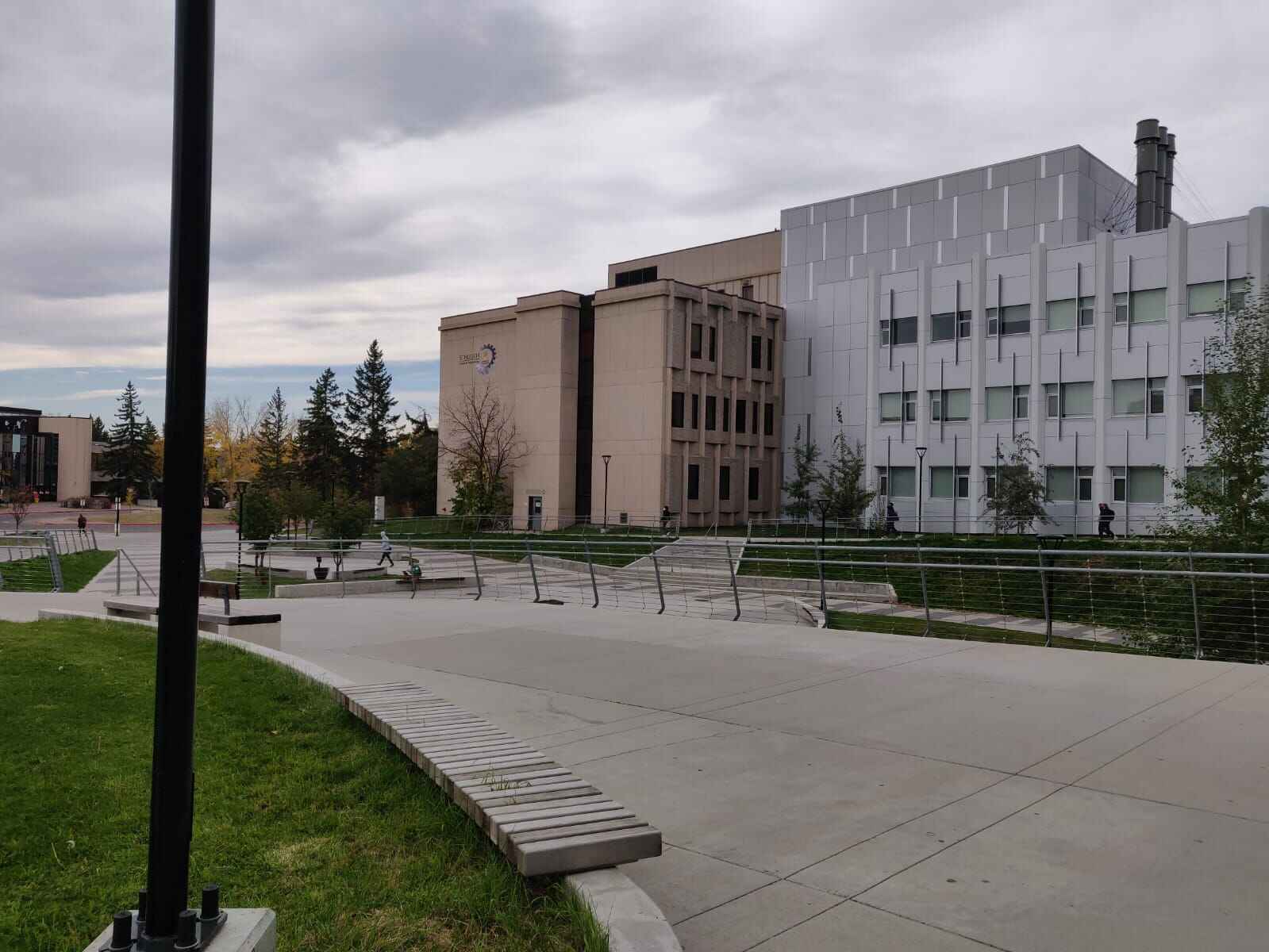
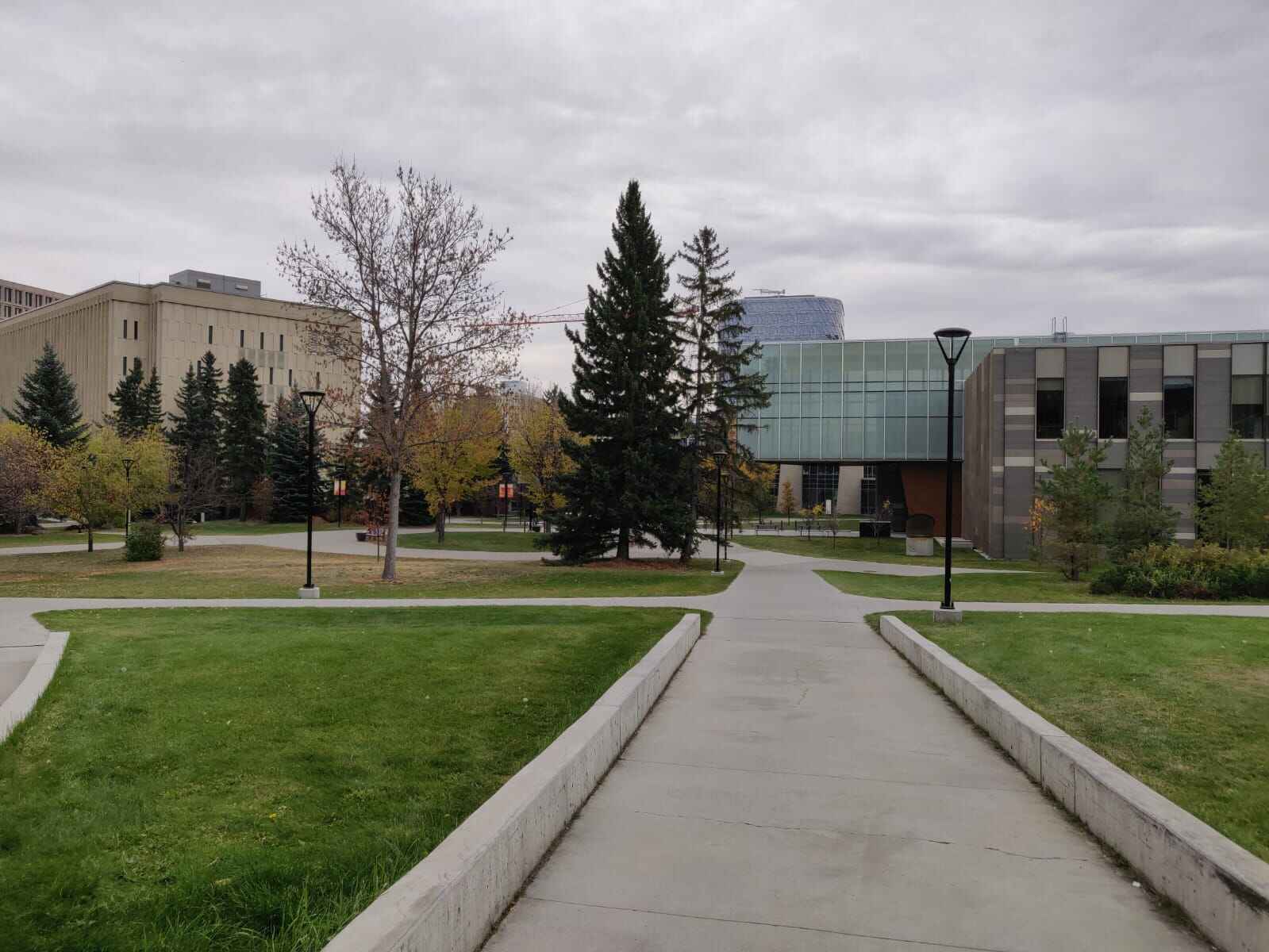
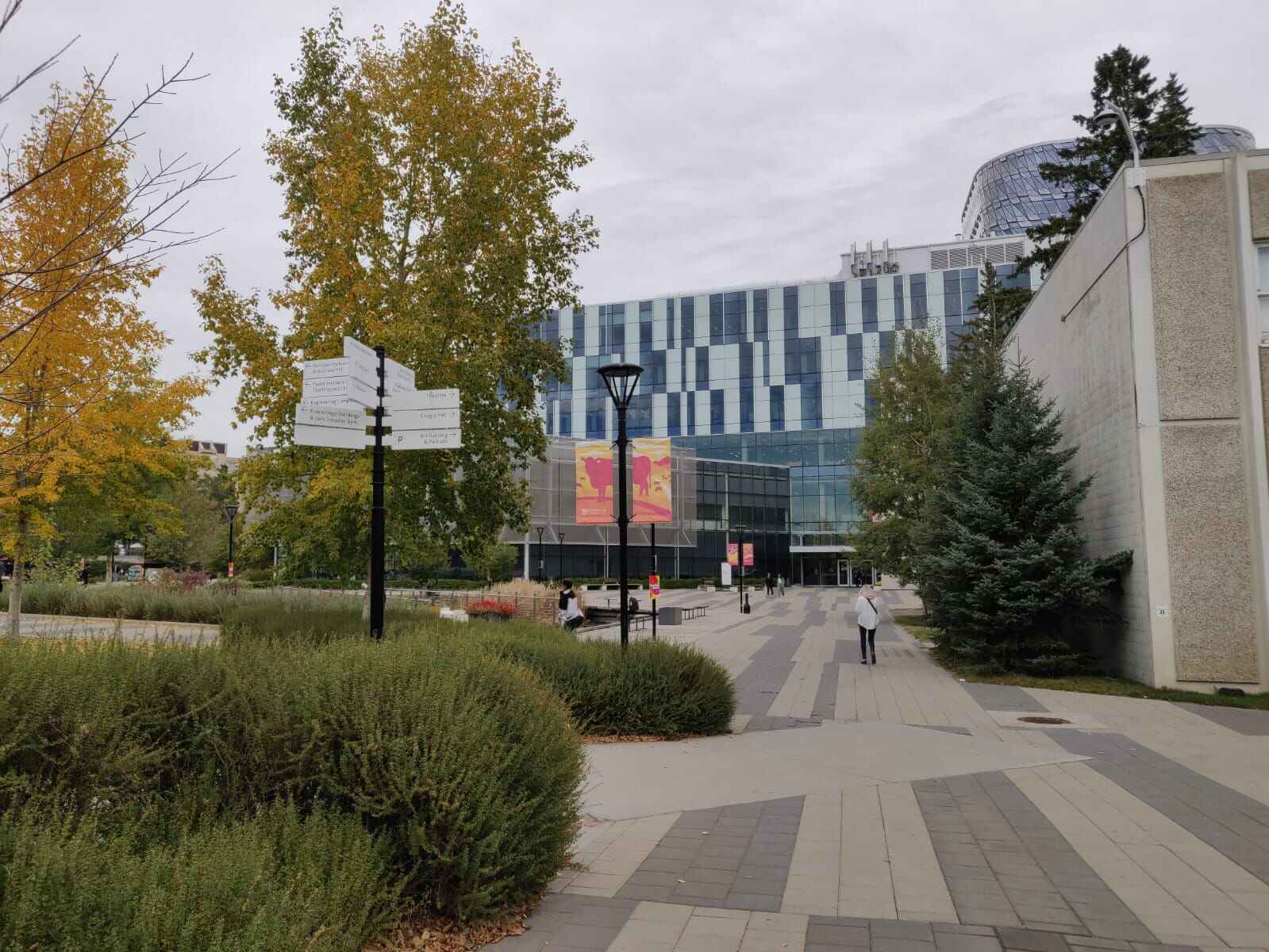
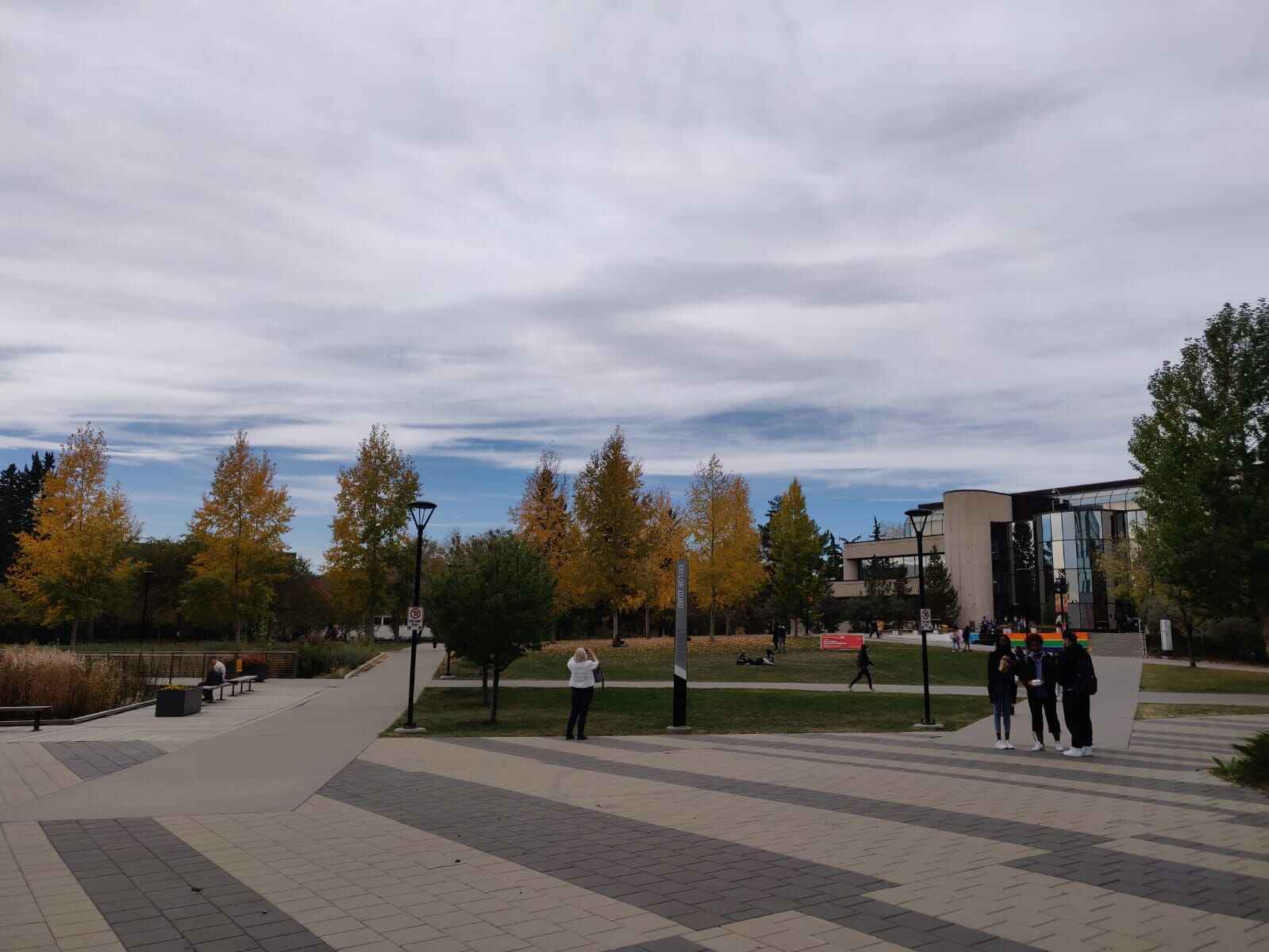
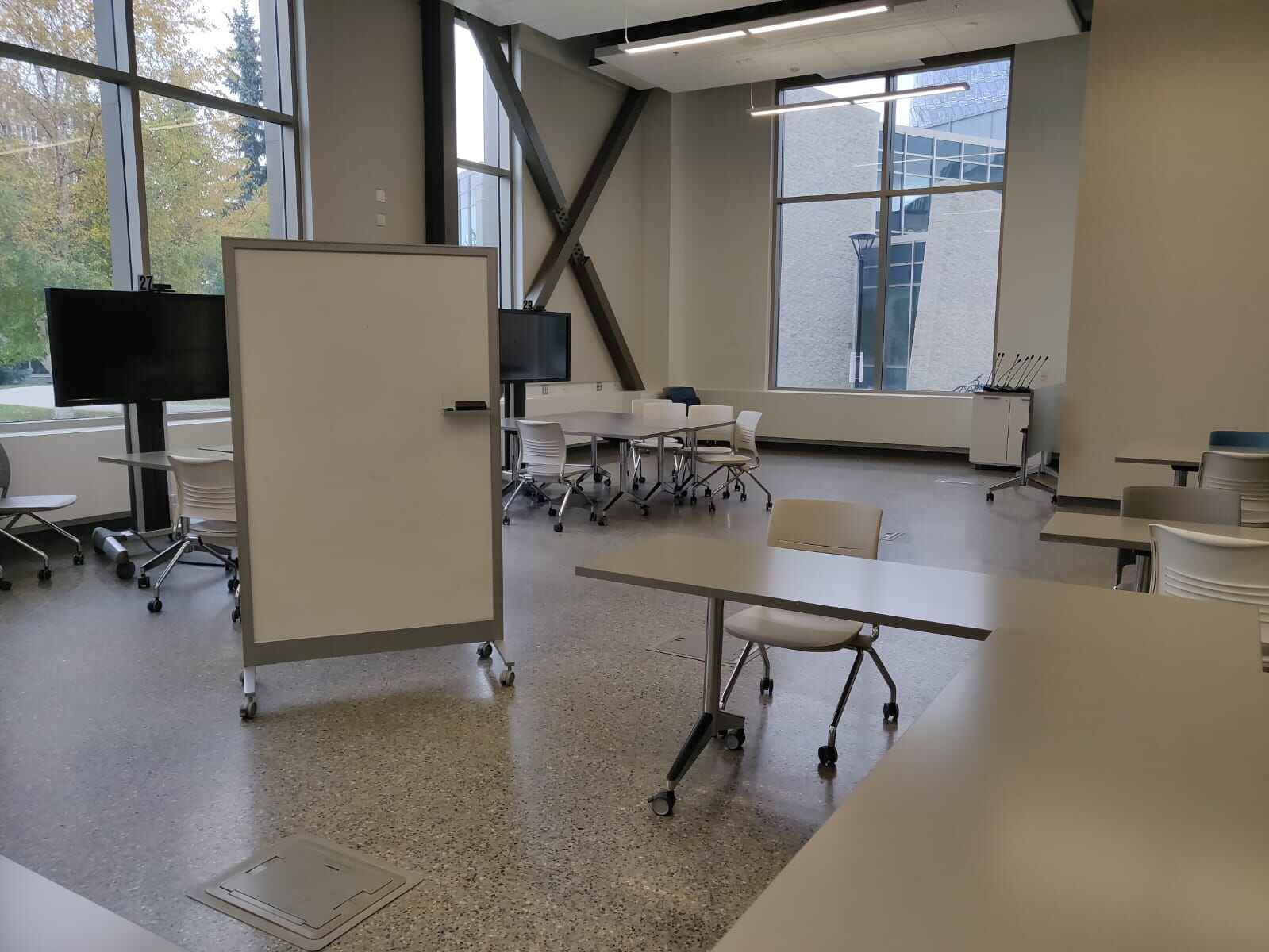
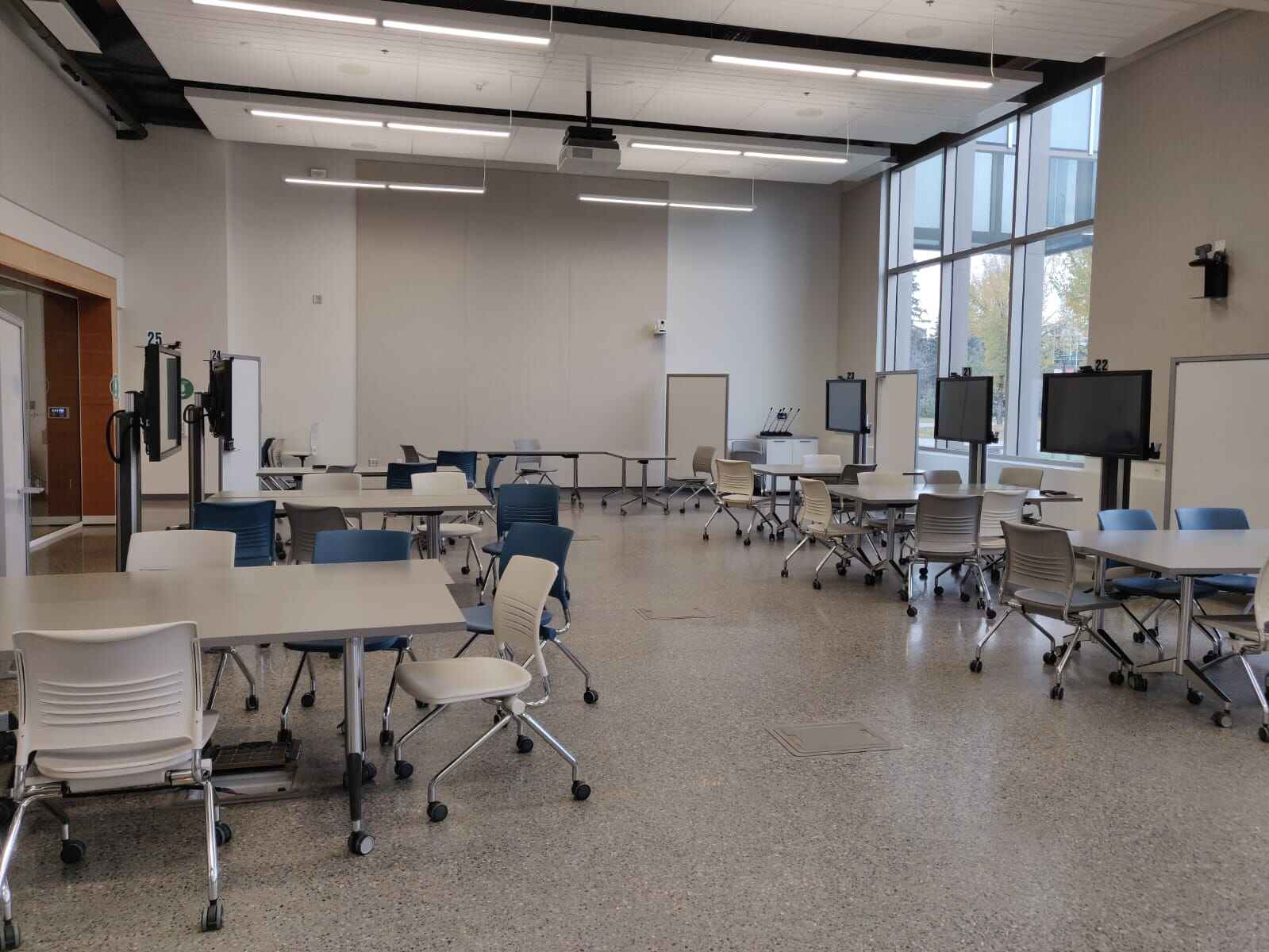
- Infrastructure was really good, sports related facilities were amazing. As long as you are a student, one can easily access swimming pool, badminton courts, squash, gymnasiums without any extra fee.
- Accommodation was easily available around the university
- University was easily accessible through city buses and transit
Dislikes
- The rent was pretty expensive and university authorities couldn't do anything about it
- There were very less career fairs and students didn't get any chance to interact with industry professionals
- There didn't seem to be any extra effort from university's side whether the students were able to secure a job after graduating. More than half of my batch didn't have a field job even after 1 year of graduation
- I was staying in an off-campus accommodation. I was staying in a 2-bedroom apartment in downtown. It was a shared accommodation where I was staying with 3 other guys.
- I found them through Facebook and WhatsApp groups prior to landing in Canada. The monthly rent was around $1500 but increased to around $1800 next year.
- The rent included water and electricity. The main challenge in shared accommodation is that its tough to trust someone you haven't met before.
- My recommendation is to either stay in downtown or stay close to the university. My accommodation was a 15-20-minute transit ride away from the university. Most of the Indian students stayed near the university or in downtown.
.jpeg)
.jpeg)
mbcuVI
LPsZaM
Complete Application
Application Fee
Official Transcripts
English Language Requirements
A copy of the Passport
Resume
Two Letters of Recommendation
Statement of Interest
Portfolio


Do you think the Rankings are wrong ? Report Here
uJXHGo
| GkV5N/ | k/jX7I | vvWrCI |
|---|---|---|
| Graduate Award Competition | $700 - $36,000 | Depends on Merit. |
| Alberta Innovates Graduate Student Scholarships | $26,000 Up to two years | Depends on Merit. |


TM2nmW
Best Post-Graduate Courses in Canada in 2025
Masters in Canada: Fees 2024, Top Colleges, Placements & Salaries
Masters in Computer Engineering in Canada: Complete Course Guide
Masters in Electrical Engineering in Canada: Fees 2024, Top Colleges, Placement and salaries
College Student Profiles

3o6p3A
| 6YtxFj | a+VJO9 | sFGV92 | +zy2Nq | |
|---|---|---|---|---|
| Jared J. Davis Grant | NDHjH0$ 700/Yr$1,000 | 70v4DRBachelor | +zy2NqMerit-Based | |
| The Google Lime Scholarship | NDHjH0$ 7,000/Yr$10,000 | 70v4DRBachelor | +zy2NqMerit-Based | |
| Golden Key Graduate Scholar Award | NDHjH0$ 1,050/Yr$1,500 | 70v4DRMaster | +zy2NqMerit-Based | |
| Axol Science Scholarship | NDHjH0$ 1,400/Yr$2,000 | 70v4DRBachelor | +zy2NqCompany-Sponsored | |
| Bharat Petroleum Scholarship | NDHjH0Variable Amount | 70v4DRMaster | +zy2NqMerit-Based | |
| Business Administration Scholarships | NDHjH0Variable Amount | 70v4DRBachelor | +zy2NqMerit-Based |
FfUuzJ
| 8MIU1T | S2h7Mt | BxsfMK | uN65io | bwRvnp |
|---|---|---|---|---|
Application Deadline for September 2027 Intake (15th Apr 2027) Application Deadline for January 2027 Intake (1st Aug 2027) | USD 29,041 /Yr CAD 41,487 /Yr |
| ||
| USD 40,263 /Yr CAD 57,519 /Yr |
| |||
Application Deadline for Fall Intake (1st Feb 2027) Application Deadline for Winter Intake (30th Apr 2027) | USD 7,351 /Yr CAD 10,502 /Yr |
|


Do you think the Dates are wrong ? Report Here

rd7VuE
qd/VKU



Comments
Found 9 Comments
To be eligible for admission to the MSc in Data Science program at the University of Calgary, you must have a four-year bachelor's degree in a relevant field such as computer science, mathematics, statistics, or engineering, with a minimum GPA of 3.0 out of 4.0, or an equivalent degree from a recognized institution. And if English is not your first lamguage, a valid ELP test score is necessary.
You can apply for the M.Eng Chemical and Petroleum Engineering proghram of the University of Calgary if you have completed a four-year bachelor’s degree in chemical or petroleum engineering with a minimum GPA of 3.0 on a scale of 4.0. You must submit your official transcripts as well as a copy of your cetificate. International students must also submit a valid ELP test score unless eligible for exemption.
The University of Calgary offers Masters programs in various academic disciplines. However, the university does not offer masters program in International Relations.