



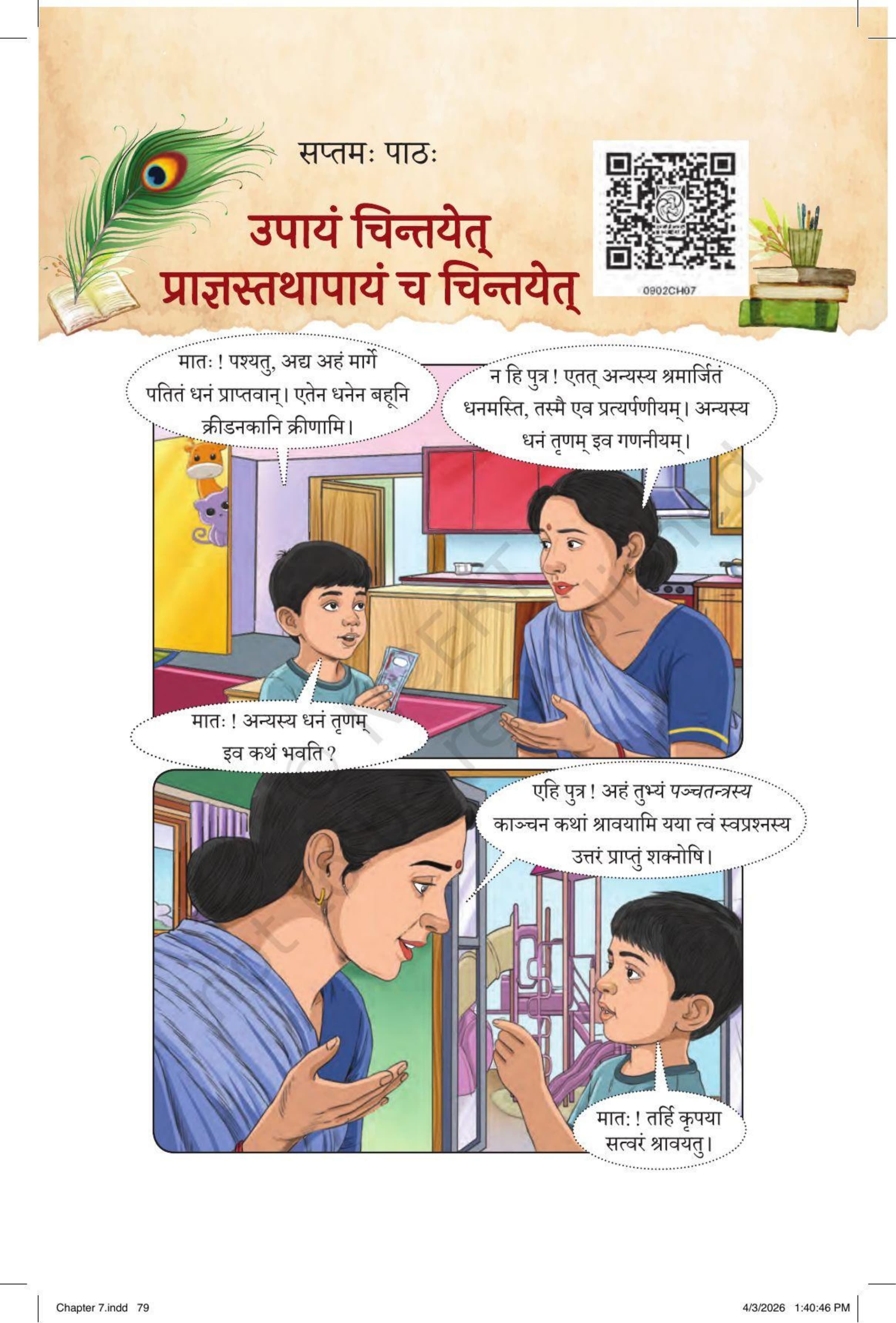
उपायं चिन्तयेत् प्राज्ञस्तथापायं च चिन्तयेत् is a dialogue between a mother and child. This class 9 sanskrit book pdf chapter 7 Upayam Chintayet Prajnah gives the official NCERT text for 2026-27 on thinking about risk as well as method.
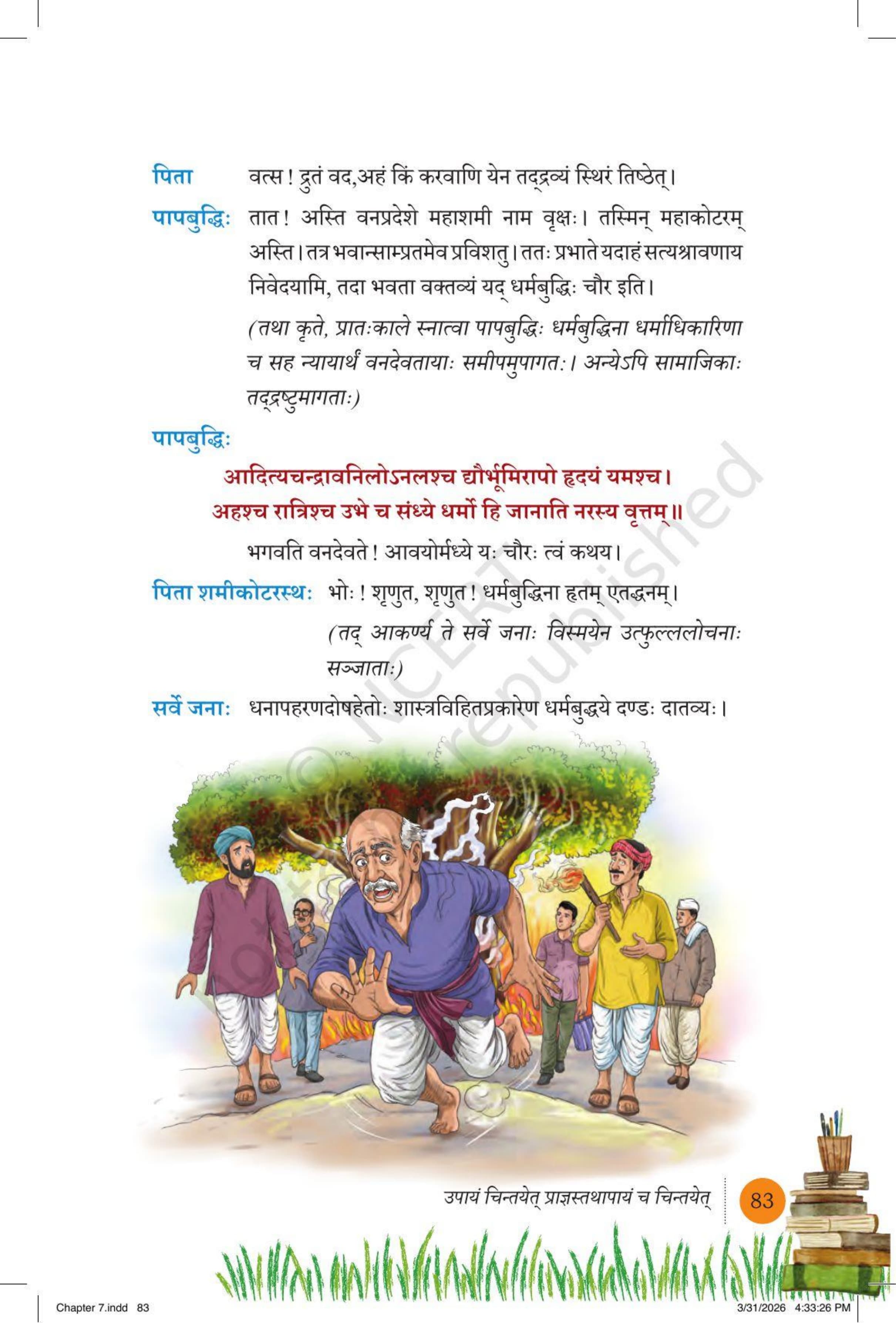
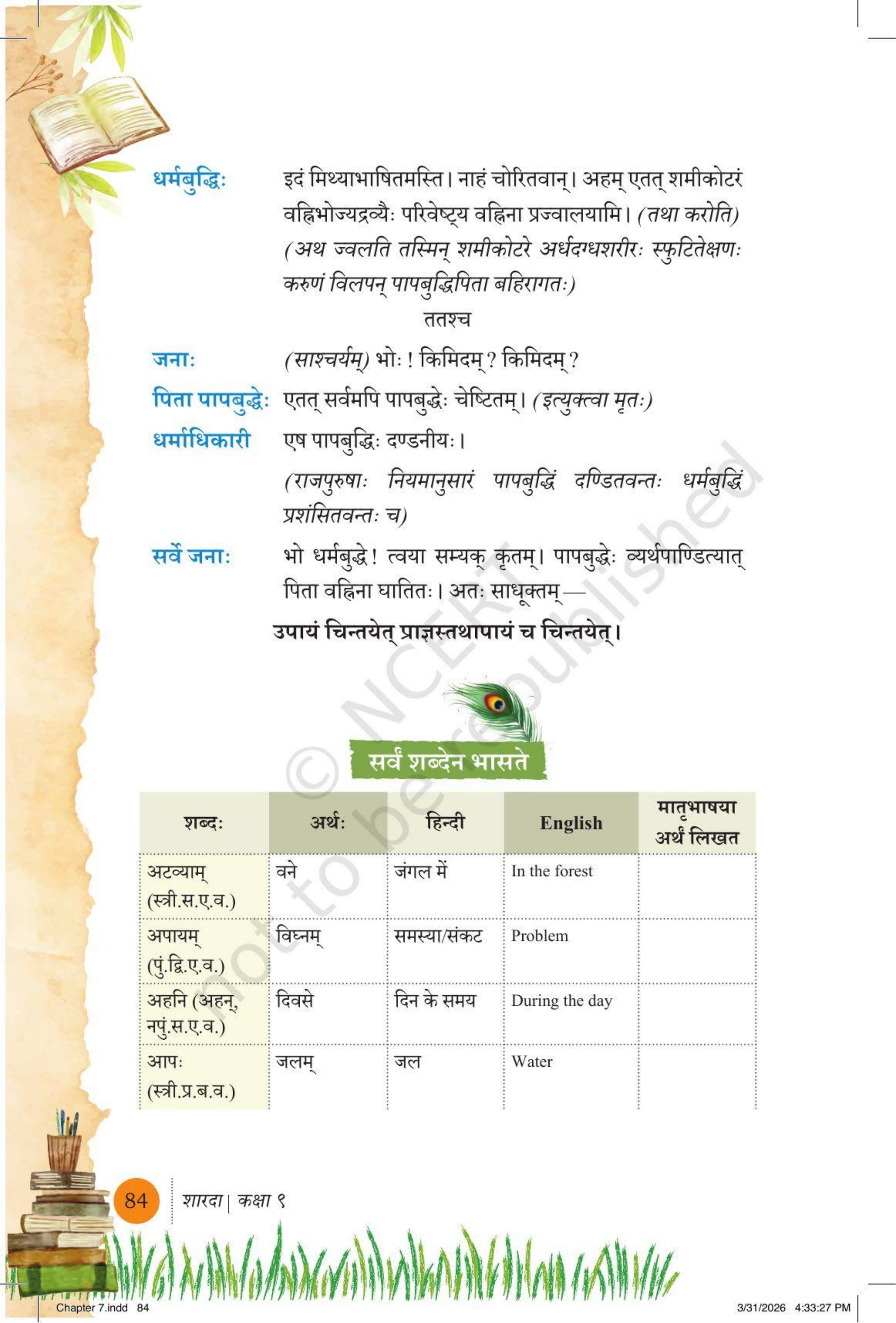
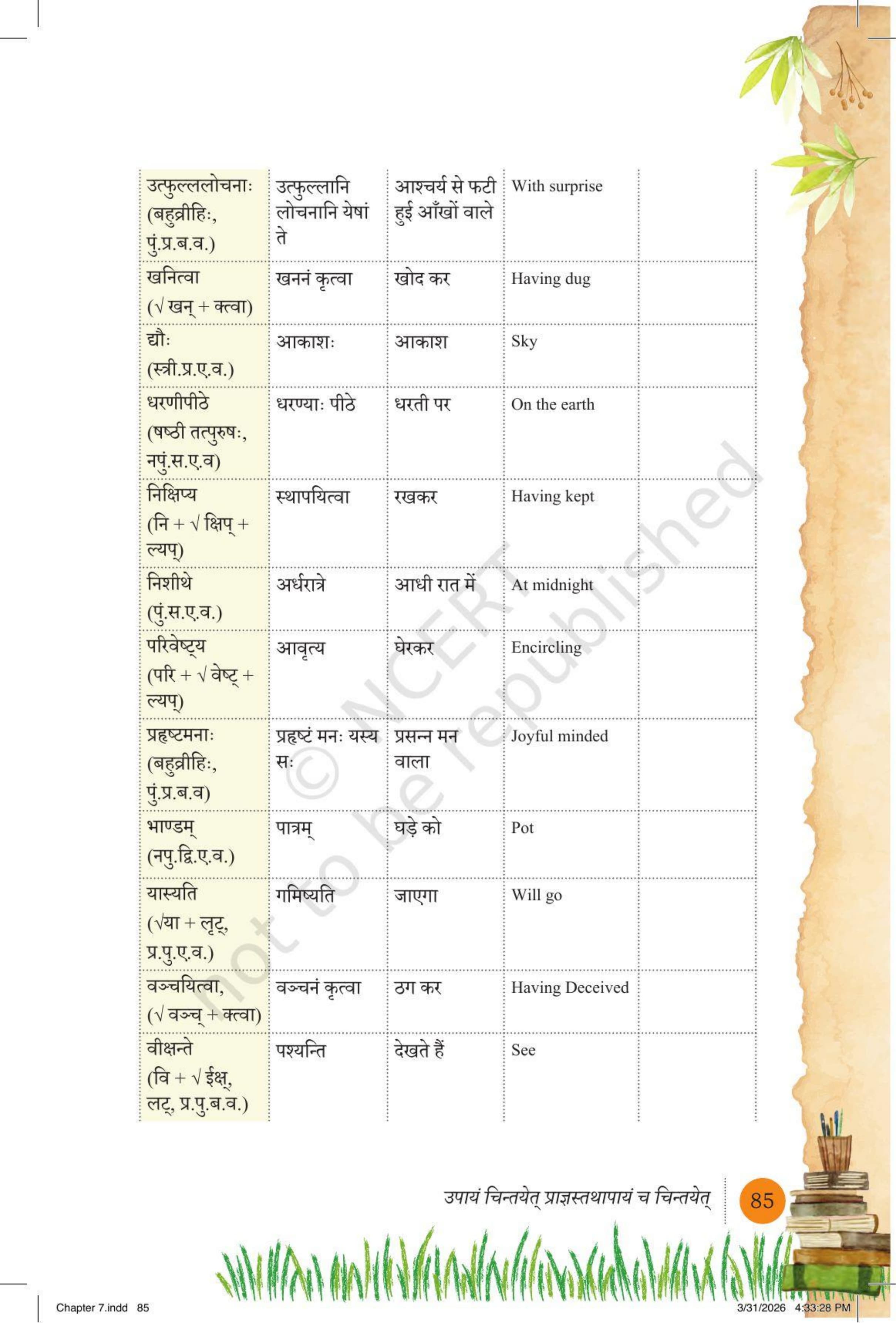
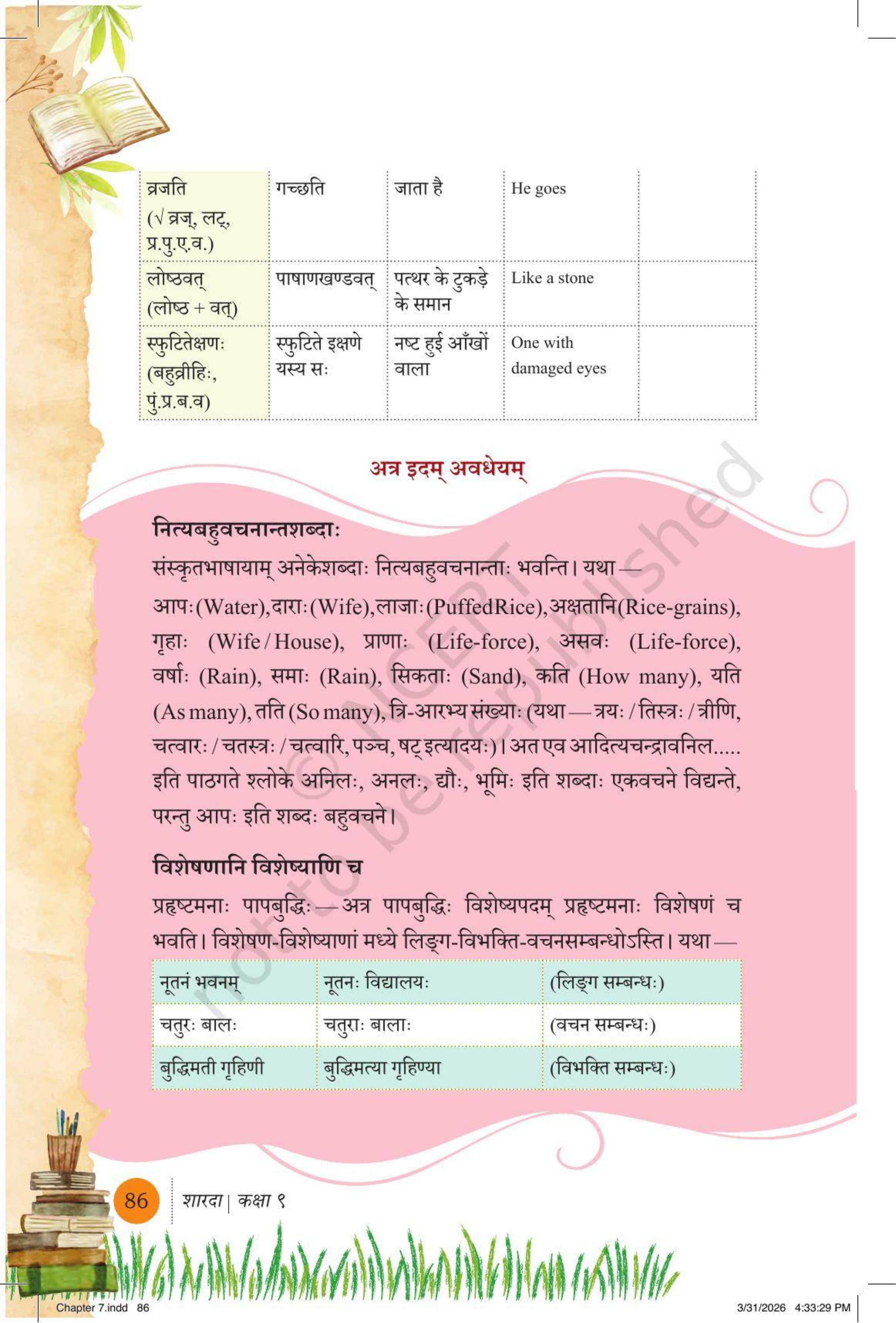
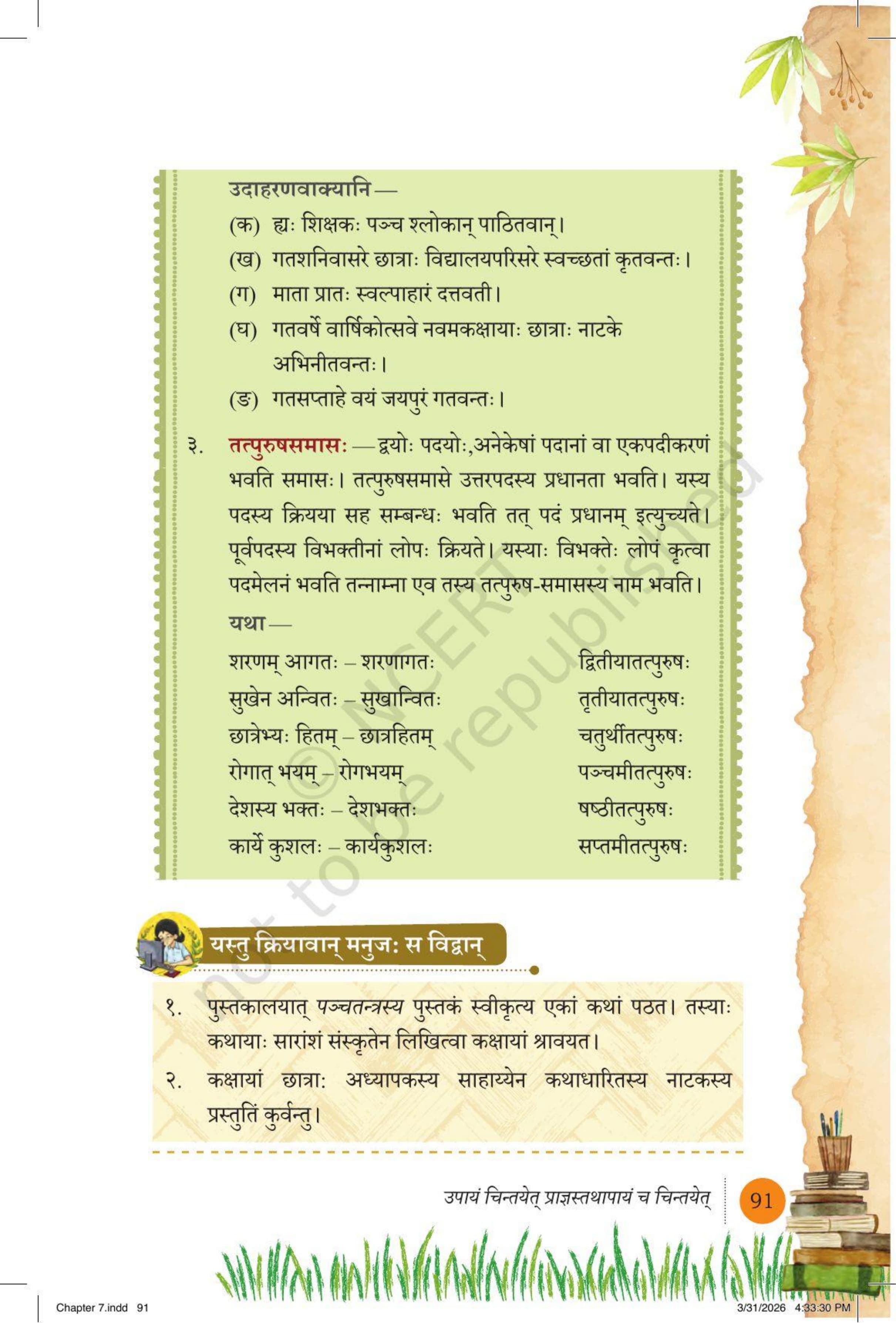
The complete 13-page class 9 sanskrit book pdf for Upayam Chintayet Prajnah sits in the reader below, exactly as NCERT published it.
- Lesson: सप्तमः पाठः, Upayam Chintayet Prajnah
- Theme: the wise consider the method and the danger together
- Best for: dialogue form and vocative address
This is the official NCERT Sharada chapter file for the 2026-27 session, hosted by Collegedunia exactly as NCERT published it, with no pages removed.
What Is Inside the Class 9 Sanskrit Upayam Chintayet Prajnah NCERT Book PDF
The passage is a conversation. A child reports something found on the road, and the mother's reply carries the lesson about other people's property.
- The dialogue between मातः and her child
- The child's report of what was found on the way
- The mother's reply on another's hard-earned property
- The सूक्ति of the title on method and risk
- Vocative forms such as मातः and पुत्र
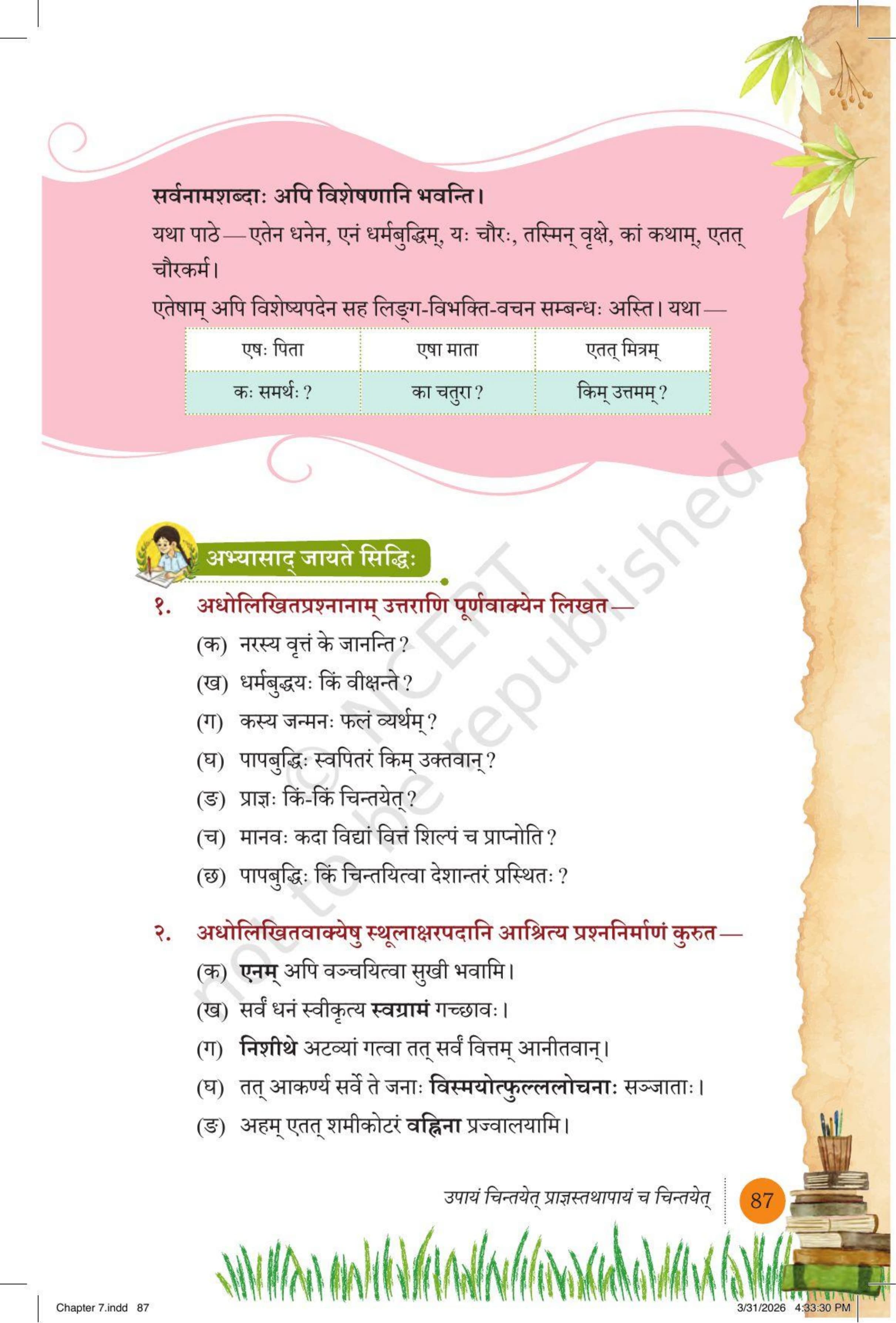
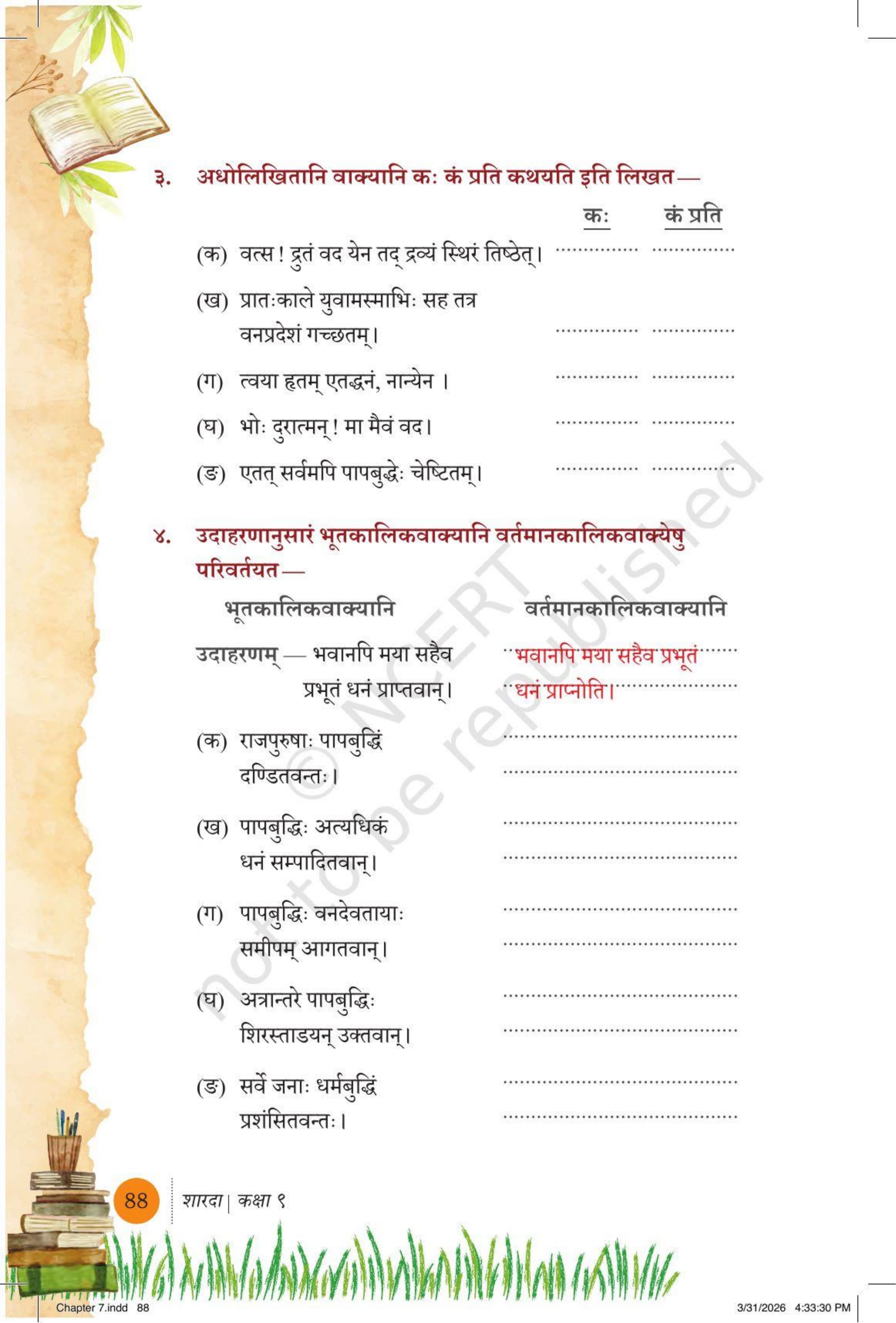
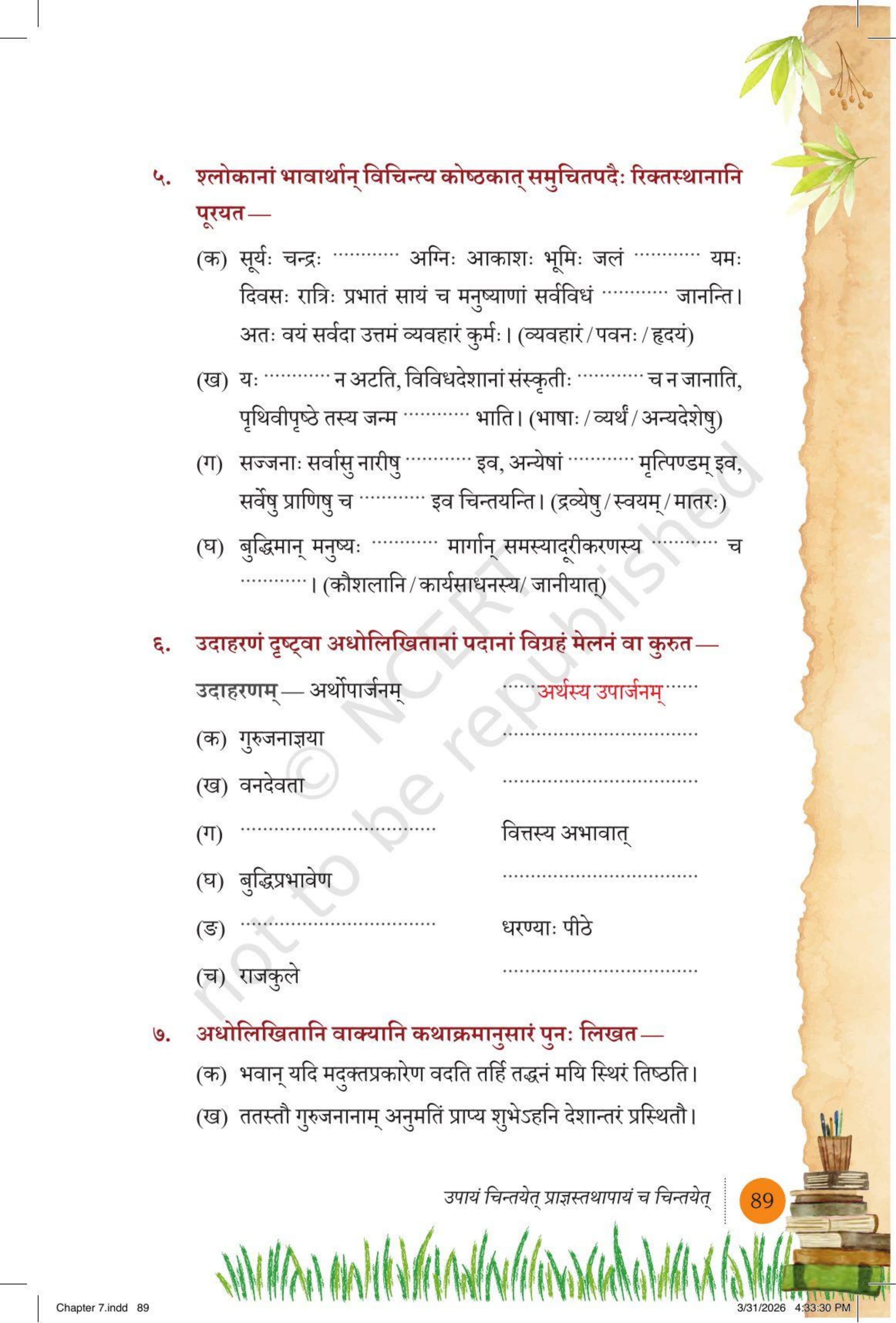
- The numbered अभ्यास set
Upayam Chintayet Prajnah Section-by-Section Overview
The lesson runs as alternating speech, then the exercises.
| Part of the chapter | What it covers |
|---|---|
| Heading | सप्तमः पाठः and the two-line सूक्ति title |
| The child speaks | what was seen and found on the road |
| The mother replies | why another's property is not to be taken |
| The lesson | consider both the way forward and the risk |
| अभ्यास | the numbered exercise set |
| Grammar work | vocative forms and dialogue verbs |
Exercises and Questions in Upayam Chintayet Prajnah
Questions ask who said what, so keep the two speakers clearly apart as you read.
| Exercise | What it asks you to do |
|---|---|
| एकपदेन उत्तरं लिखत | answer in a single word, taken straight from the passage |
| पूर्णवाक्येन उत्तराणि लिखत | answer in a complete Sanskrit sentence |
| रिक्तस्थानानि पूरयन्तु | fill the blanks using the correct form of the word |
| शब्दार्थमेलनम् | match Sanskrit words with their meanings |
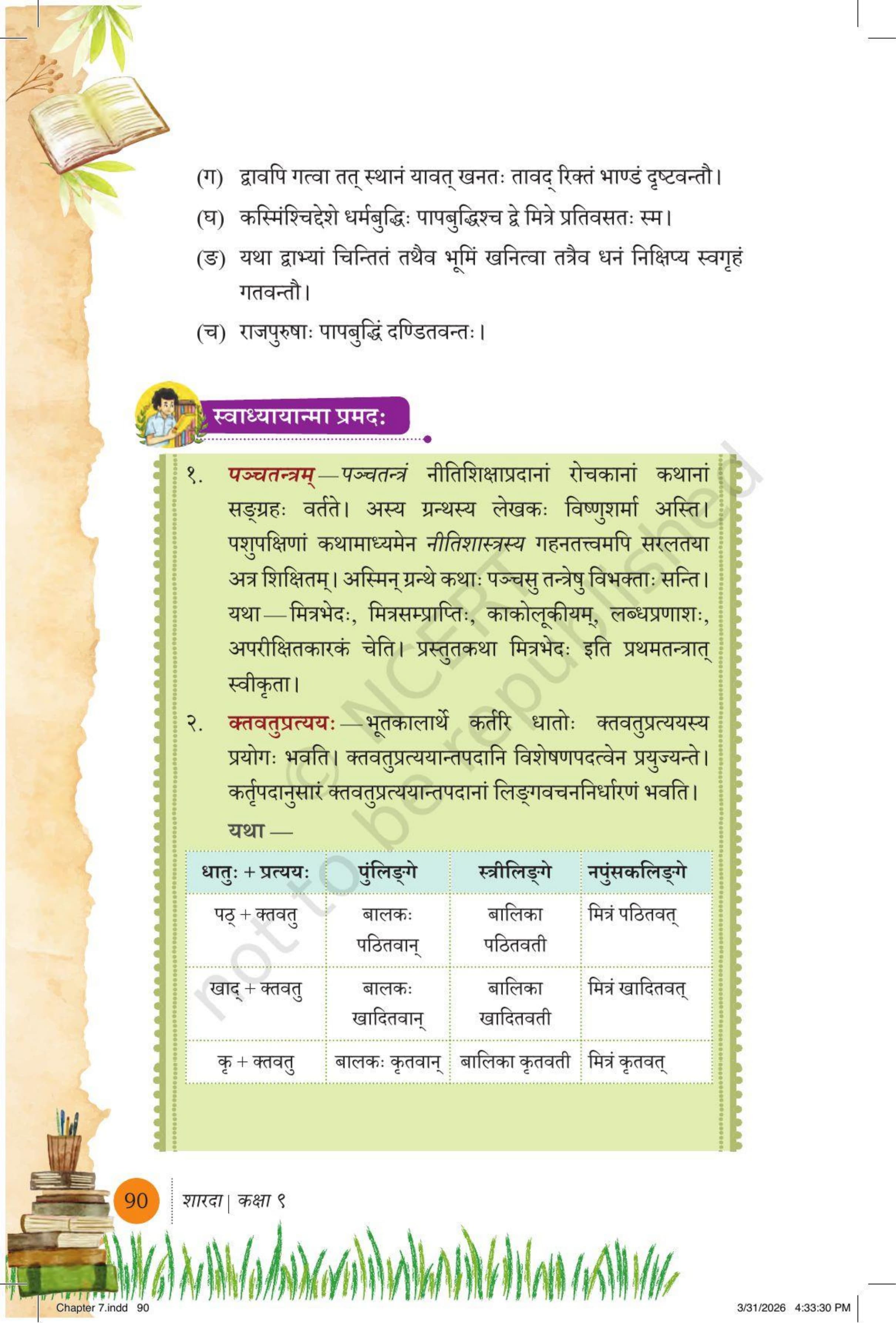
| भाषिककार्यम् | grammar work on the forms the passage uses |
What Changed in the 2026-27 Class 9 Sanskrit Book
Sharada is new for 2026-27 and uses dialogue as a teaching form in several lessons.
- Dialogues are printed with clear speaker turns
- Vocative address is taught through the conversation
- Ethical points come out of ordinary family exchanges
- Exercises ask students to identify the speaker
How to Read the Upayam Chintayet Prajnah Chapter
Read it with a partner, one taking each part. It is written to be spoken. Keep the class 9 sanskrit book pdf open beside you as you work.
- Read the dialogue once, marking who speaks each line
- Note the vocative forms मातः and पुत्र
- Write what the mother teaches the child
- Explain the title सूक्ति in your own words
How Collegedunia Helps You With the Upayam Chintayet Prajnah NCERT Book
Collegedunia hosts the class 9 sanskrit book pdf for Upayam Chintayet Prajnah unchanged and adds the reading support around it.
- Official file: the exact NCERT lesson PDF, with no pages dropped
- Read in the browser: page through the lesson before you download it
- Lesson list: jump to any other Sharada पाठ from one table
- Study material: solved exercises and revision notes for the same lesson
More Class 9 Sanskrit Study Material for Upayam Chintayet Prajnah
Read the lesson from the book first, then use the solved exercises and the notes to revise.
NCERT Book PDF for Class 9 Sanskrit: All Chapters
The Sharada book has eleven पाठ, followed by five परिशिष्ट for reference. The table links the official PDF for each lesson. Every chapter of the class 9 sanskrit book pdf is linked below.
Upayam Chintayet Prajnah Class 9 Sanskrit NCERT Book PDF FAQs
Ques. Where can I download the Class 9 Sanskrit Chapter 7 NCERT Book PDF?
Ans. The official 13-page lesson from the Class 9 Sharada textbook is on this page, free to download.
Ques. What does उपायं चिन्तयेत् प्राज्ञस्तथापायं च चिन्तयेत् mean?
Ans. A wise person should think of the method and also of the danger. The lesson argues that planning how to do something is incomplete without weighing what could go wrong.
Ques. Who are the speakers in this lesson?
Ans. A mother and her child. The child reports something found on the road and the mother replies about not taking what another person has earned through labour.
Ques. Which grammar does this lesson teach?
Ans. Vocative forms of address such as मातः and पुत्र, together with the verbs used in Sanskrit dialogue.
Ques. How many pages is the Chapter 7 PDF?
Ans. 13 pages, including the dialogue, word meanings and the numbered exercises.



Comments