




This page hosts the latest 2026-27 NCERT Book PDF for Class 12 Chemistry Chapter 3 Chemical Kinetics, with a section map to guide your reading.
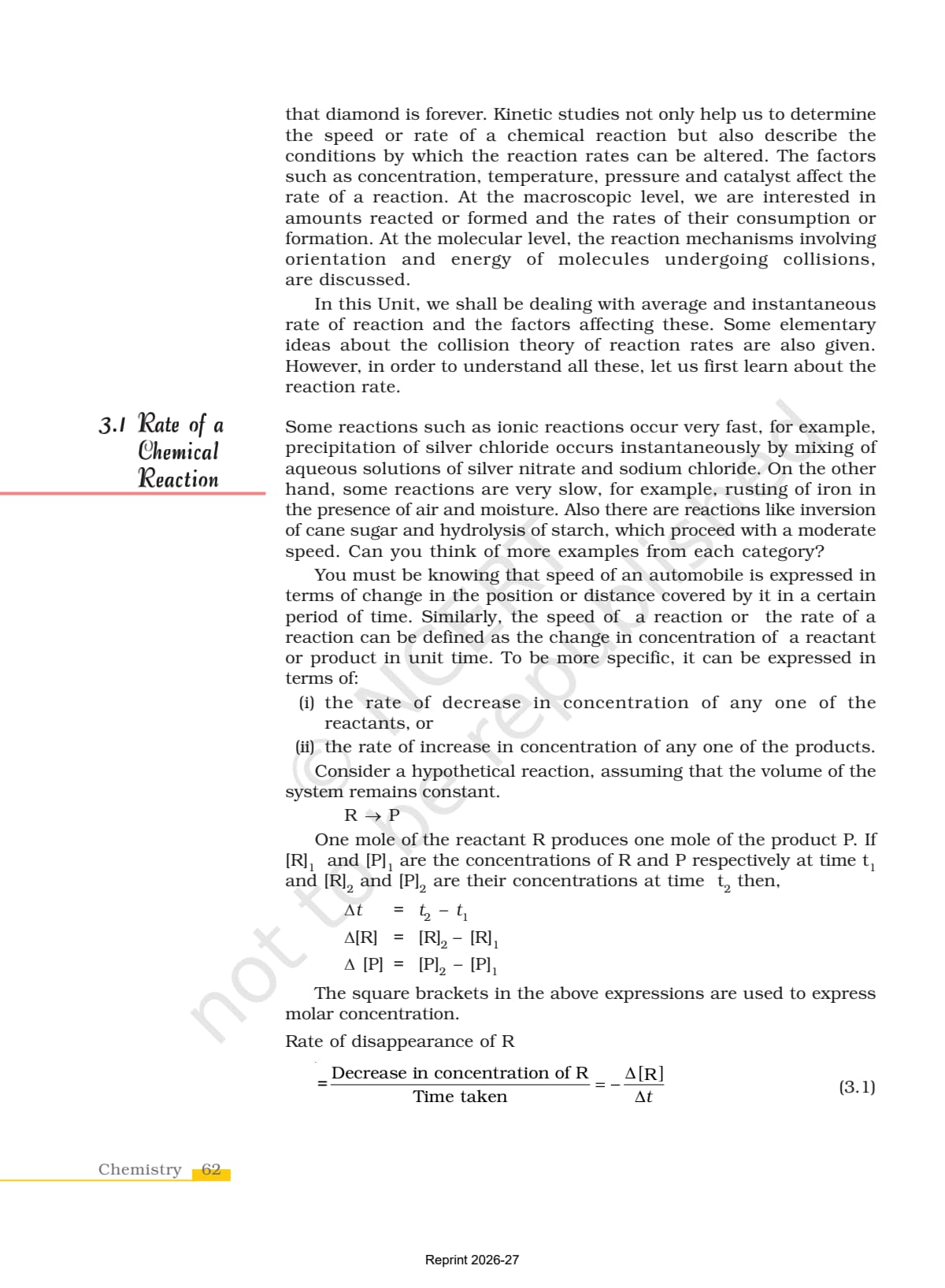
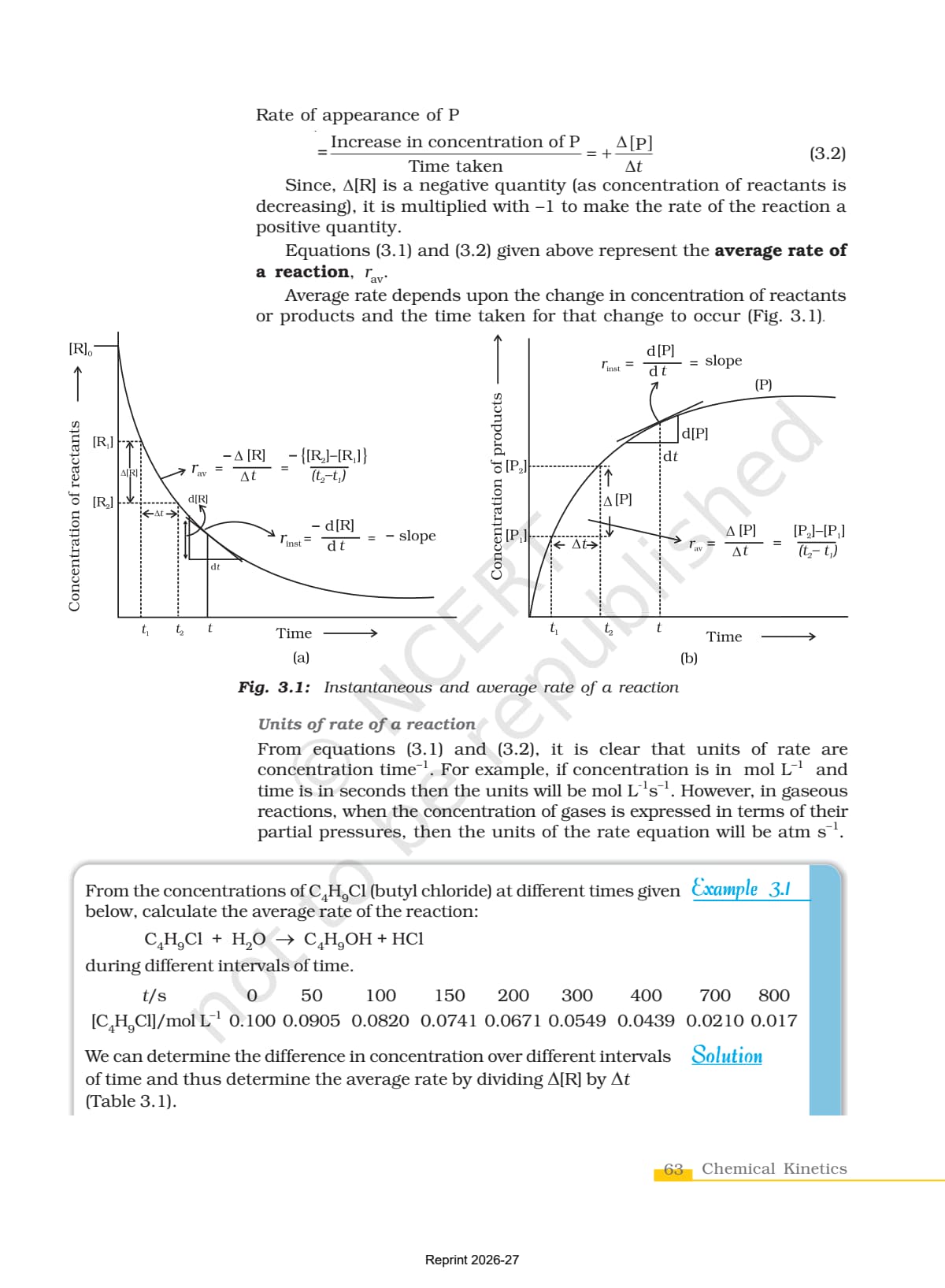
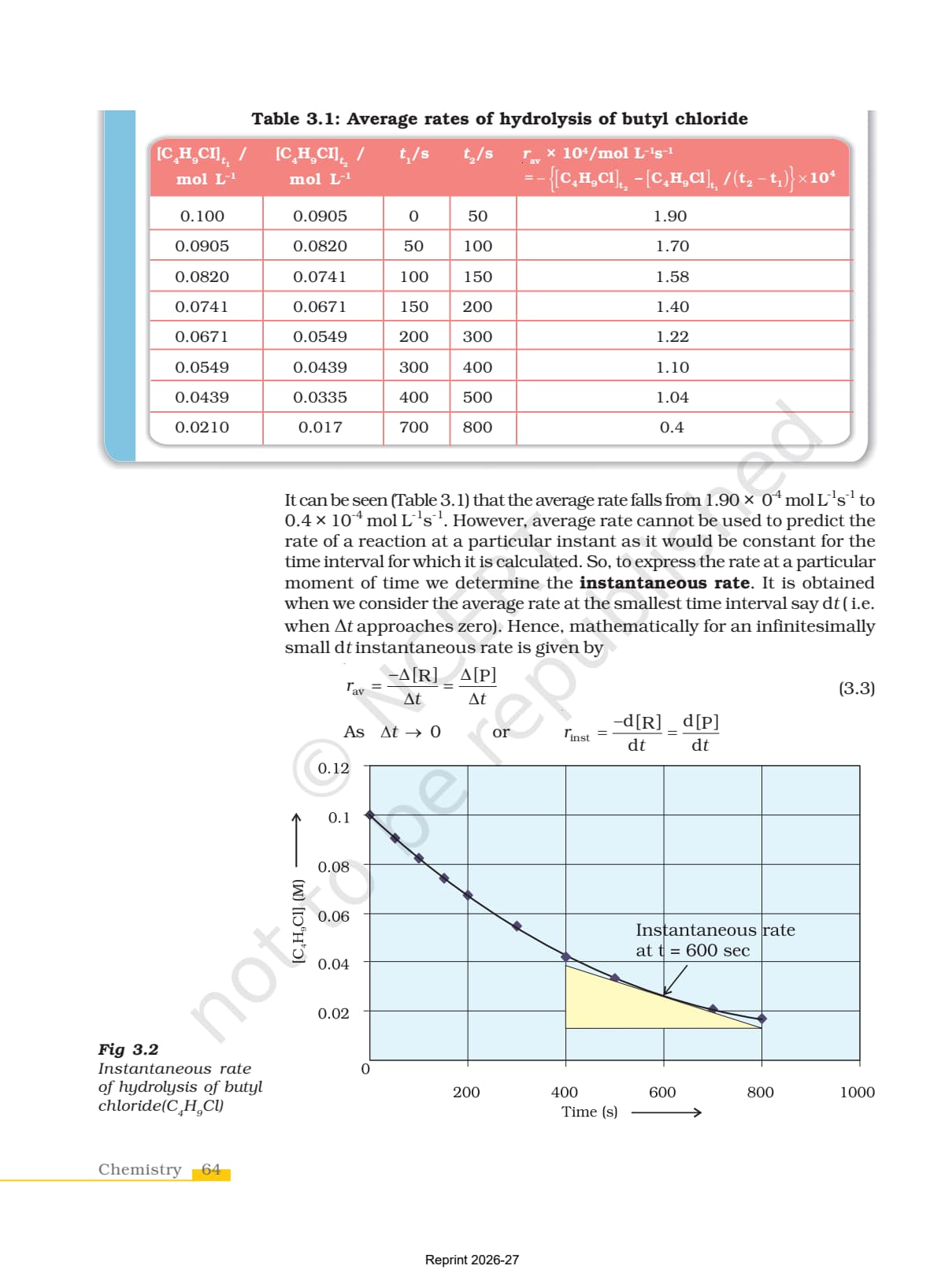
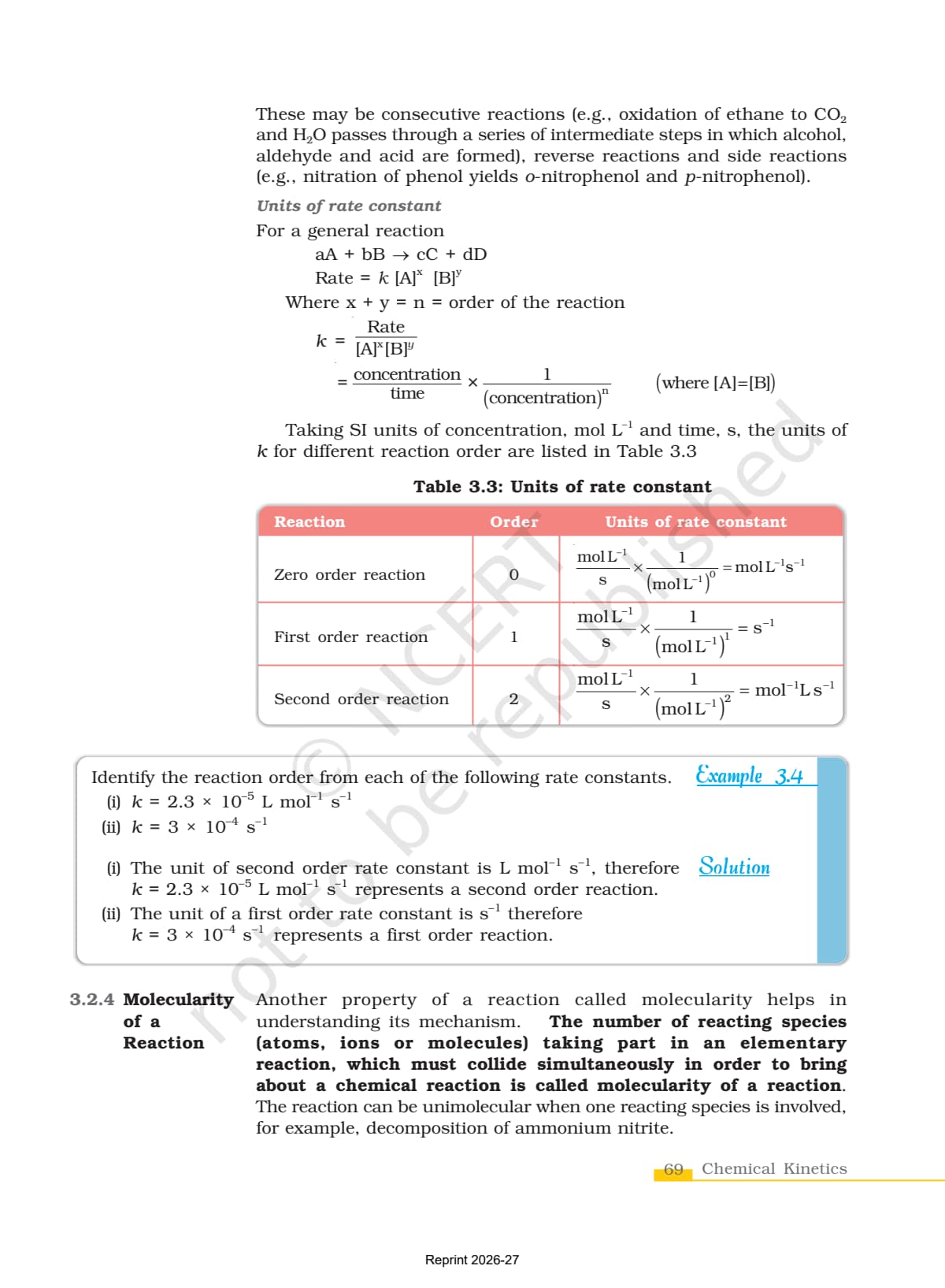
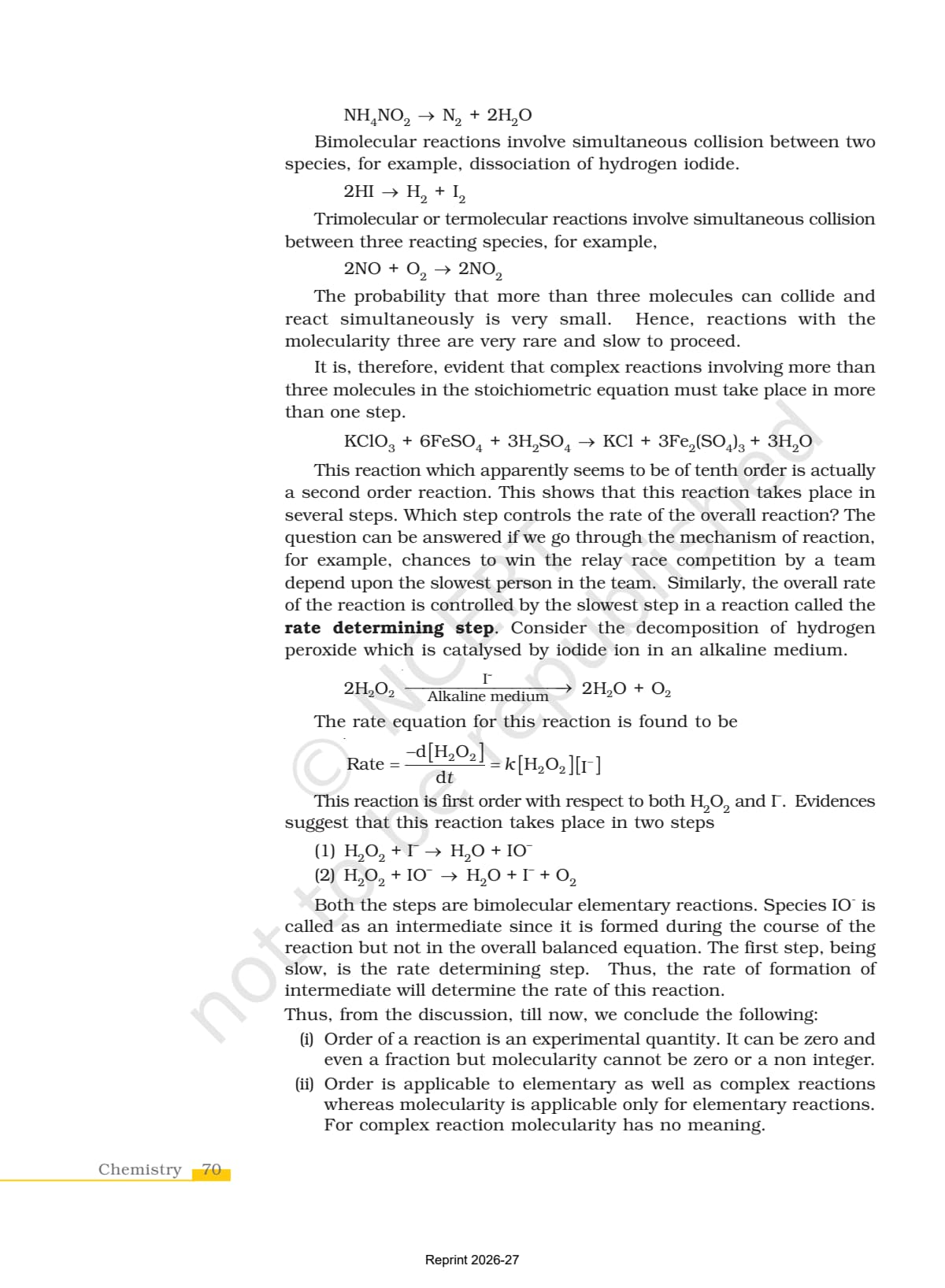
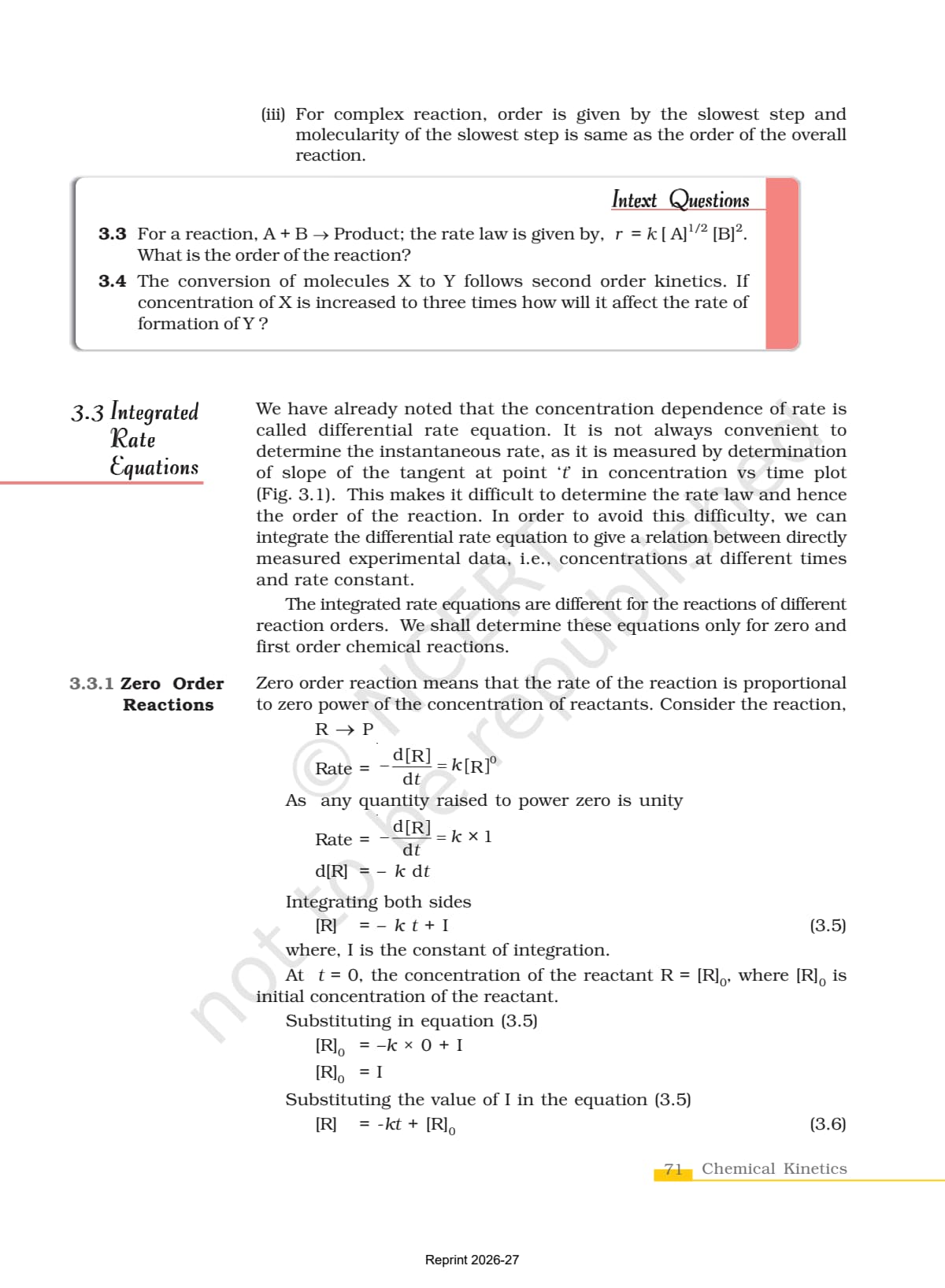
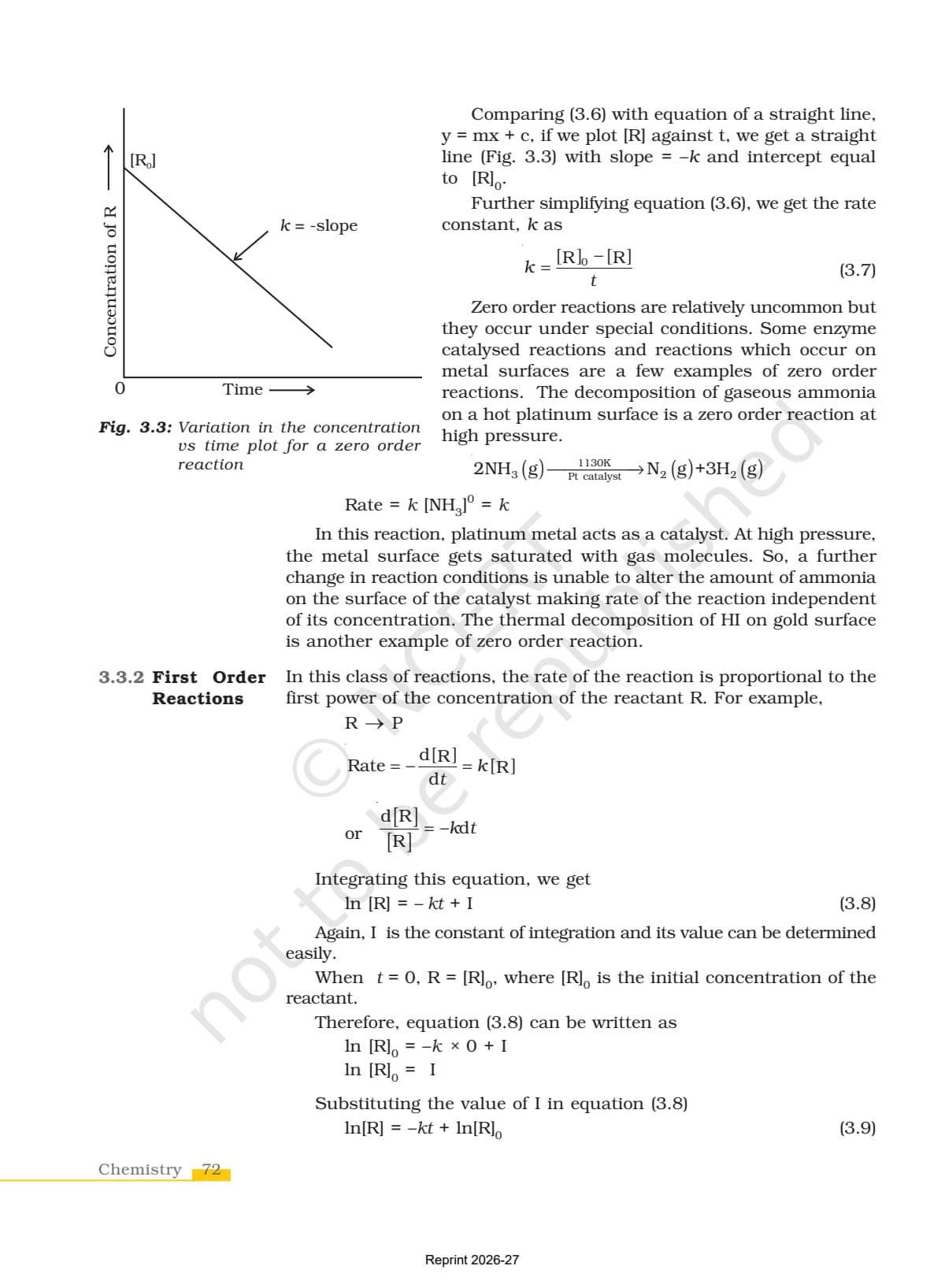
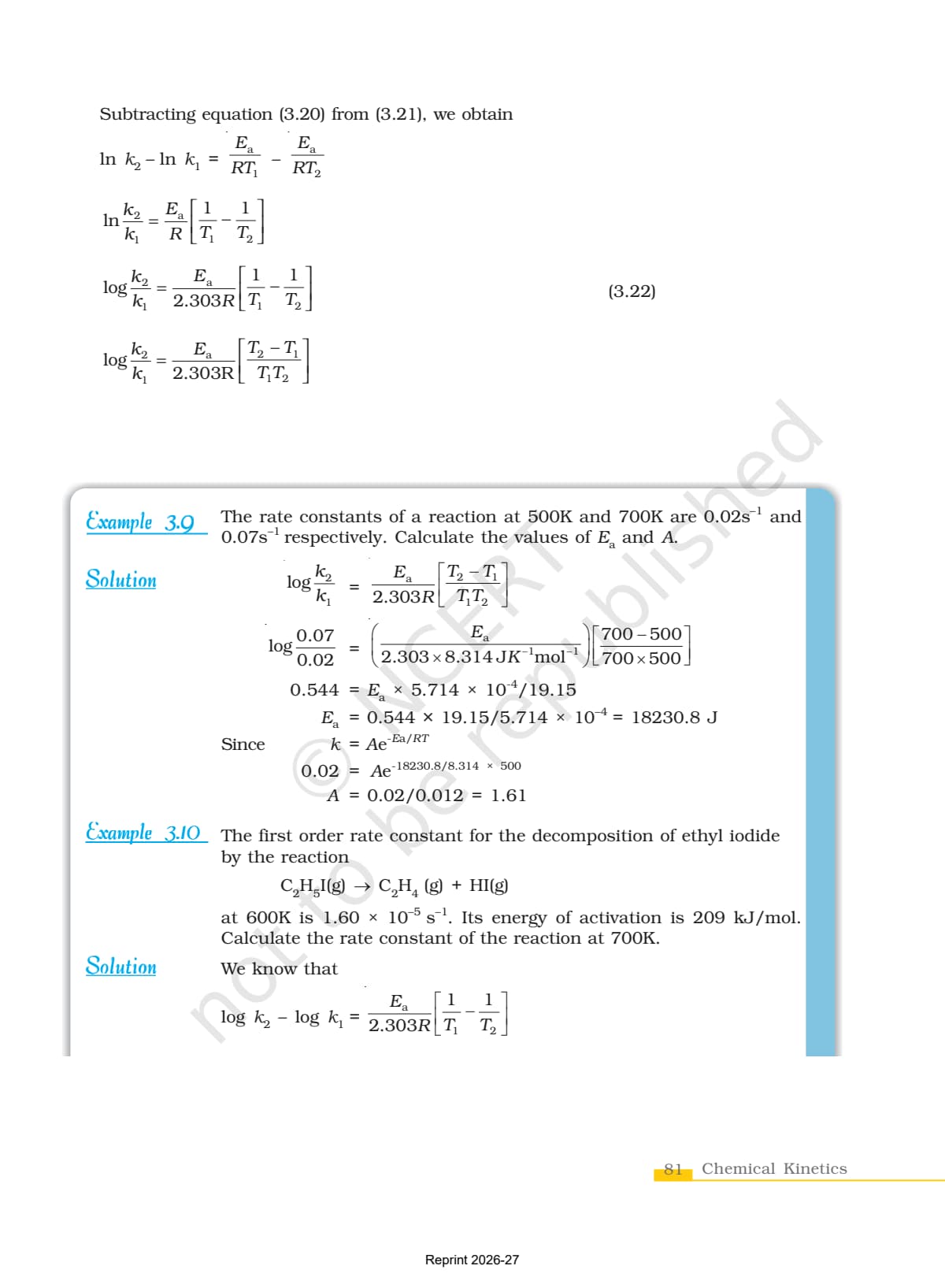
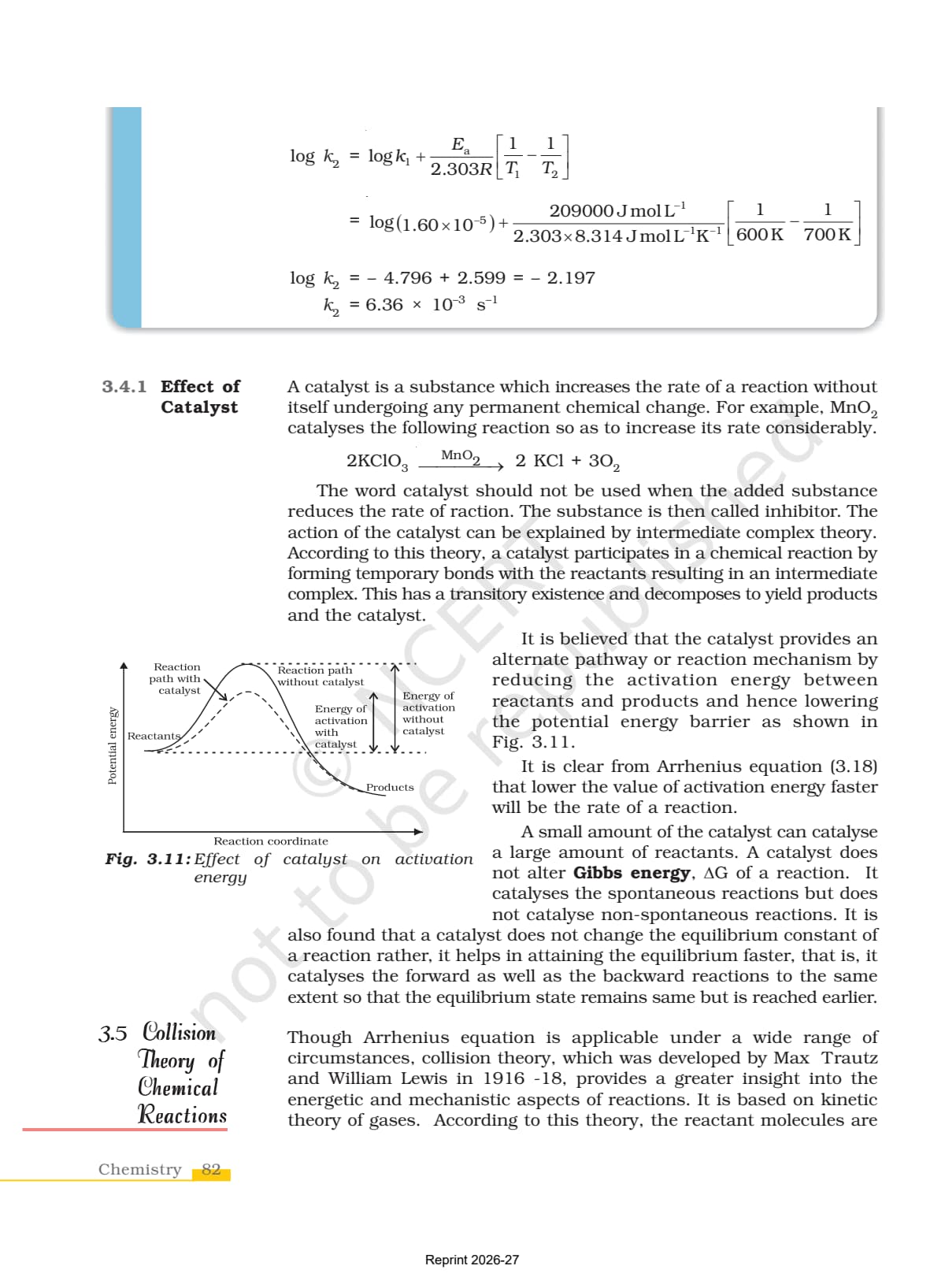

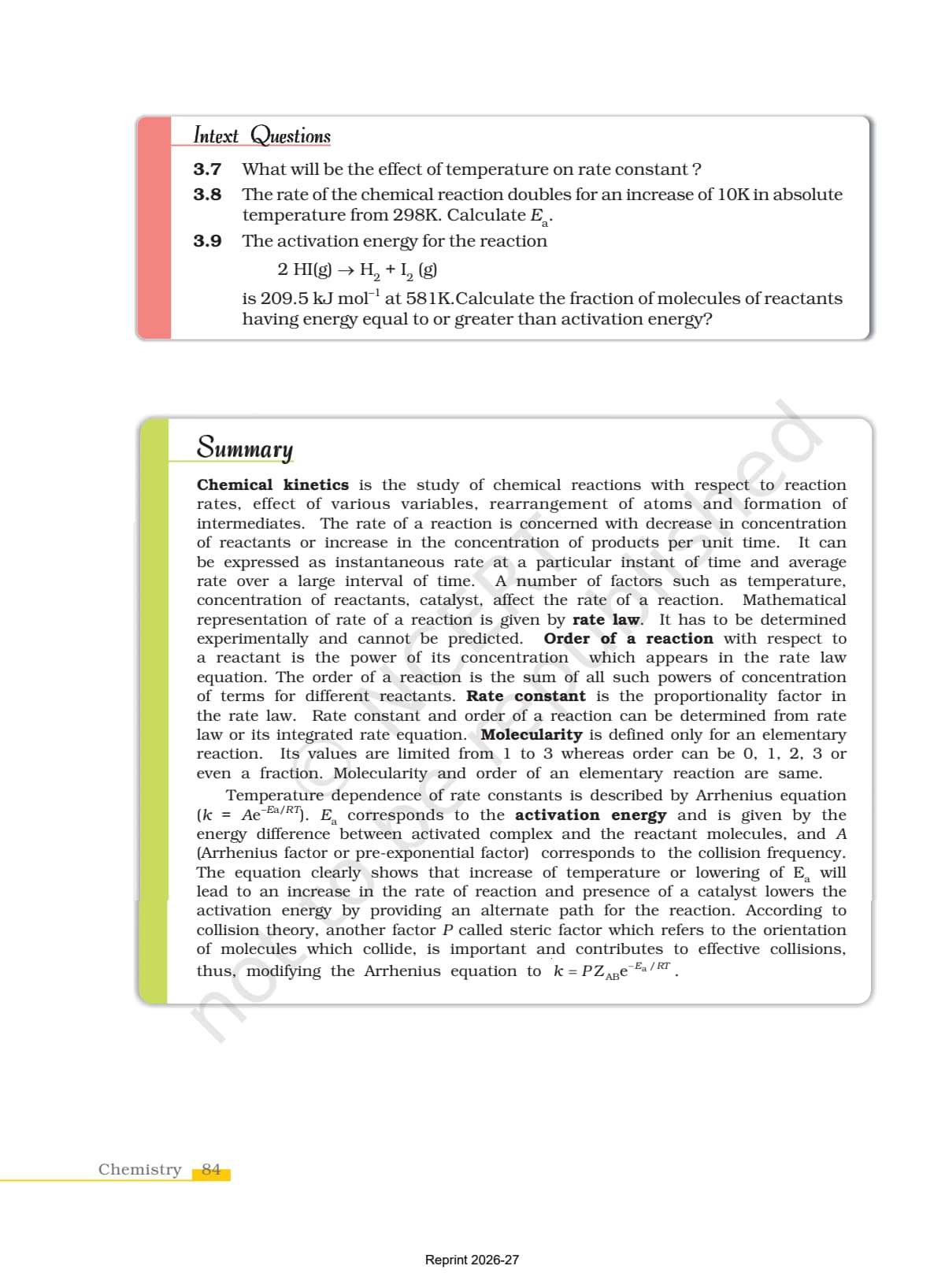
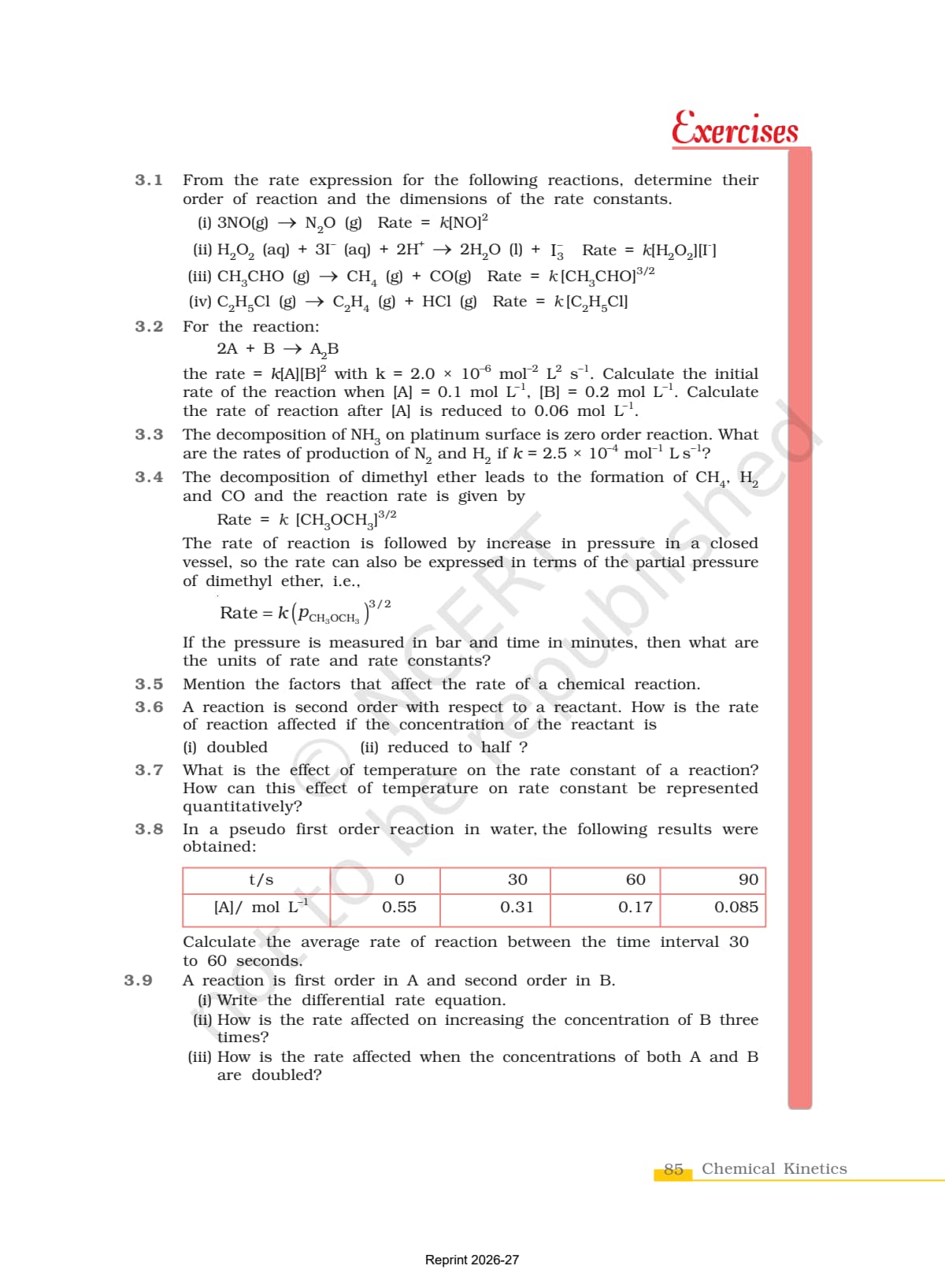
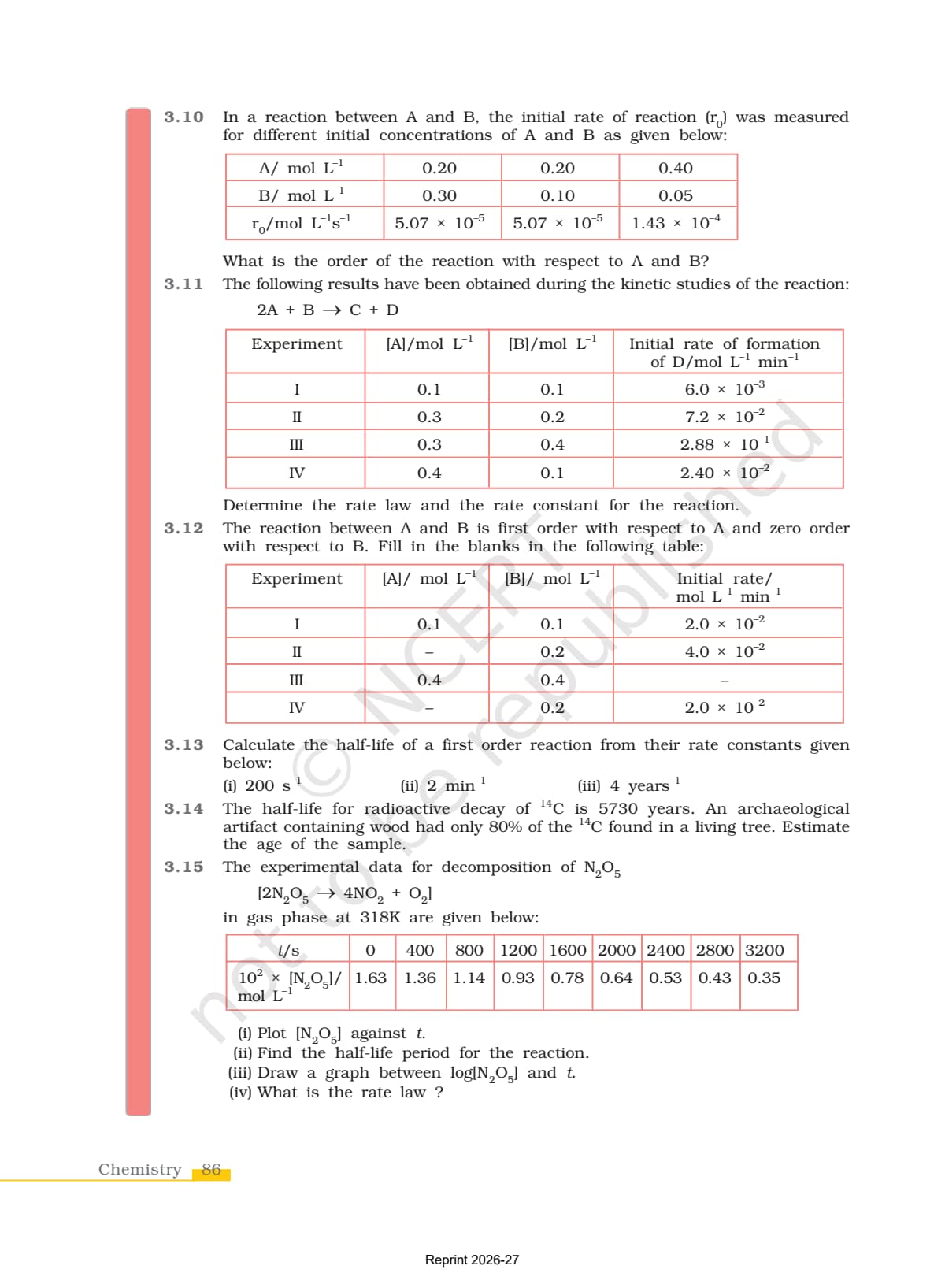
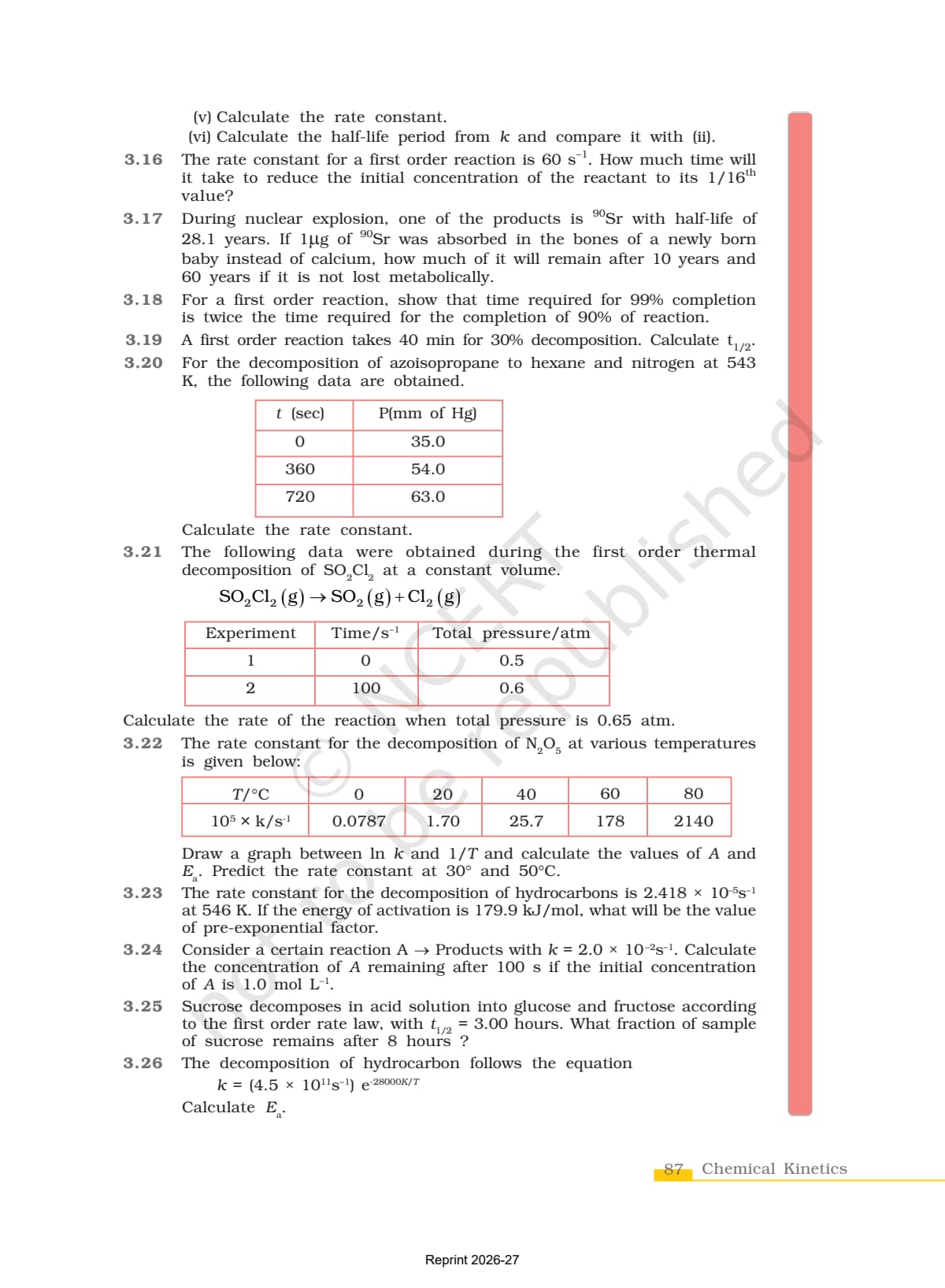
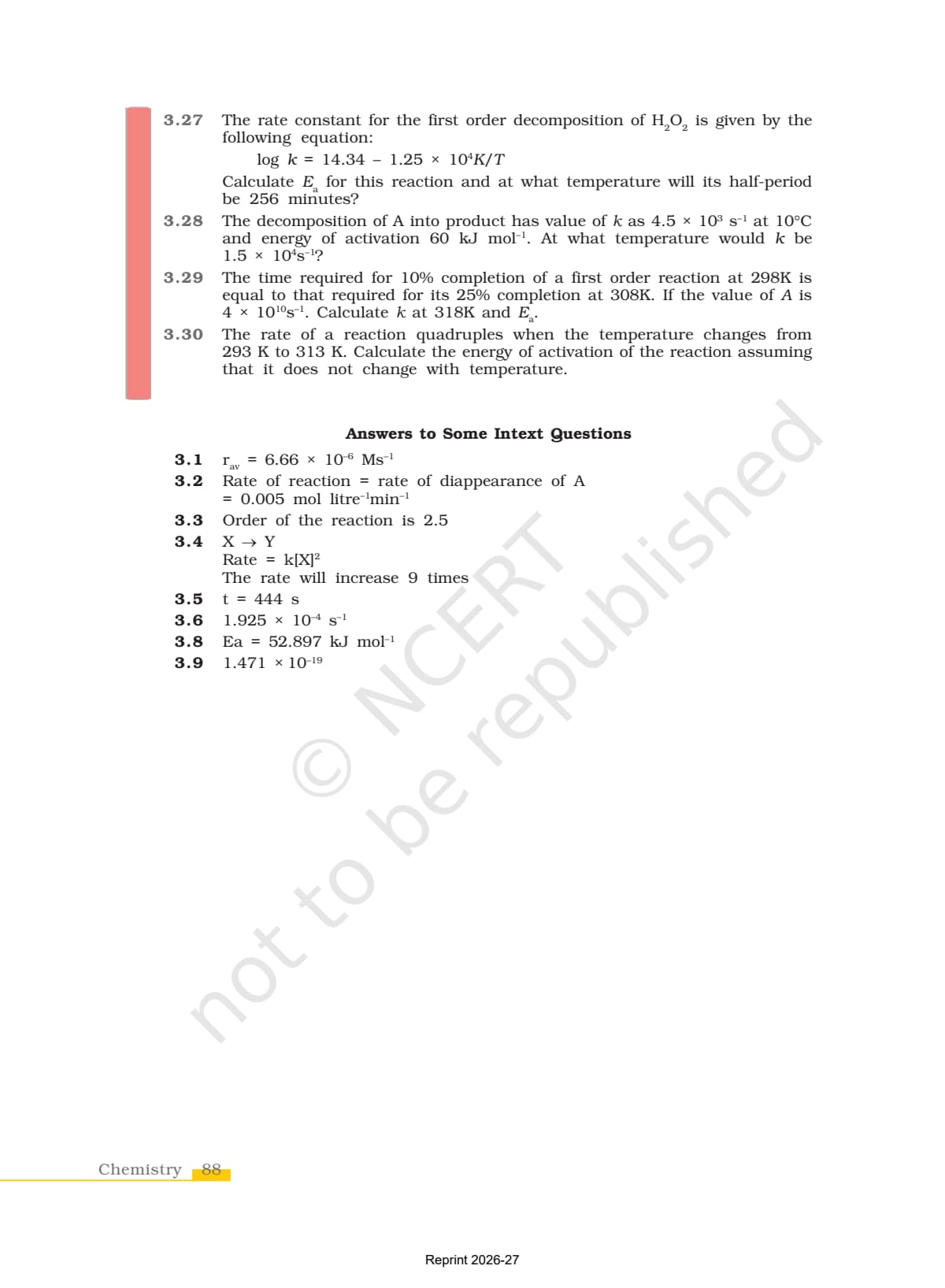
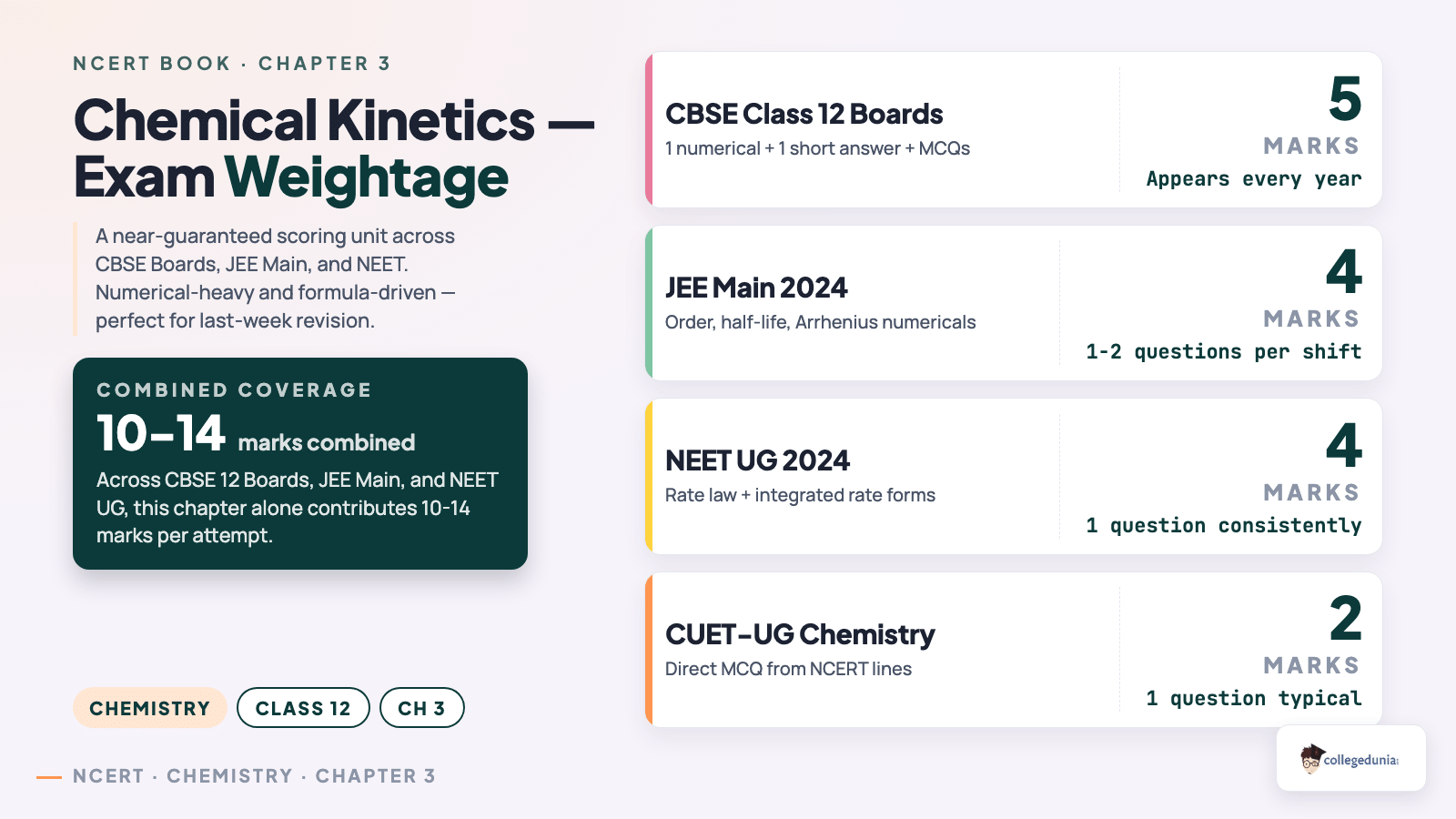
- CBSE Weightage: 6 to 8 marks (usually one 3-mark numerical plus one short concept question)
- JEE Main Weightage: 3 to 4% (2 to 3 questions per shift, mostly numerical-value type)
- NEET Weightage: 2 to 3 questions per year
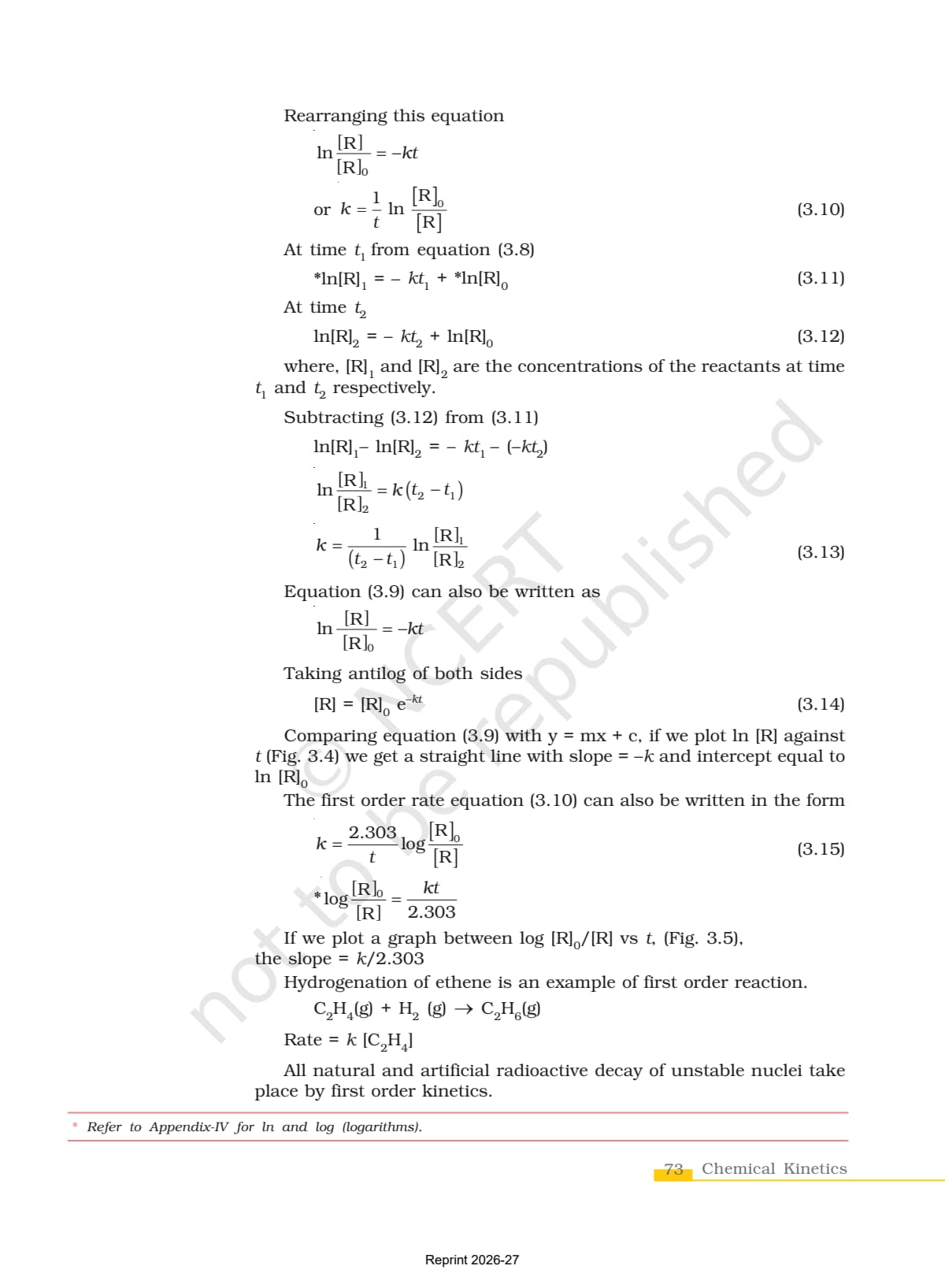
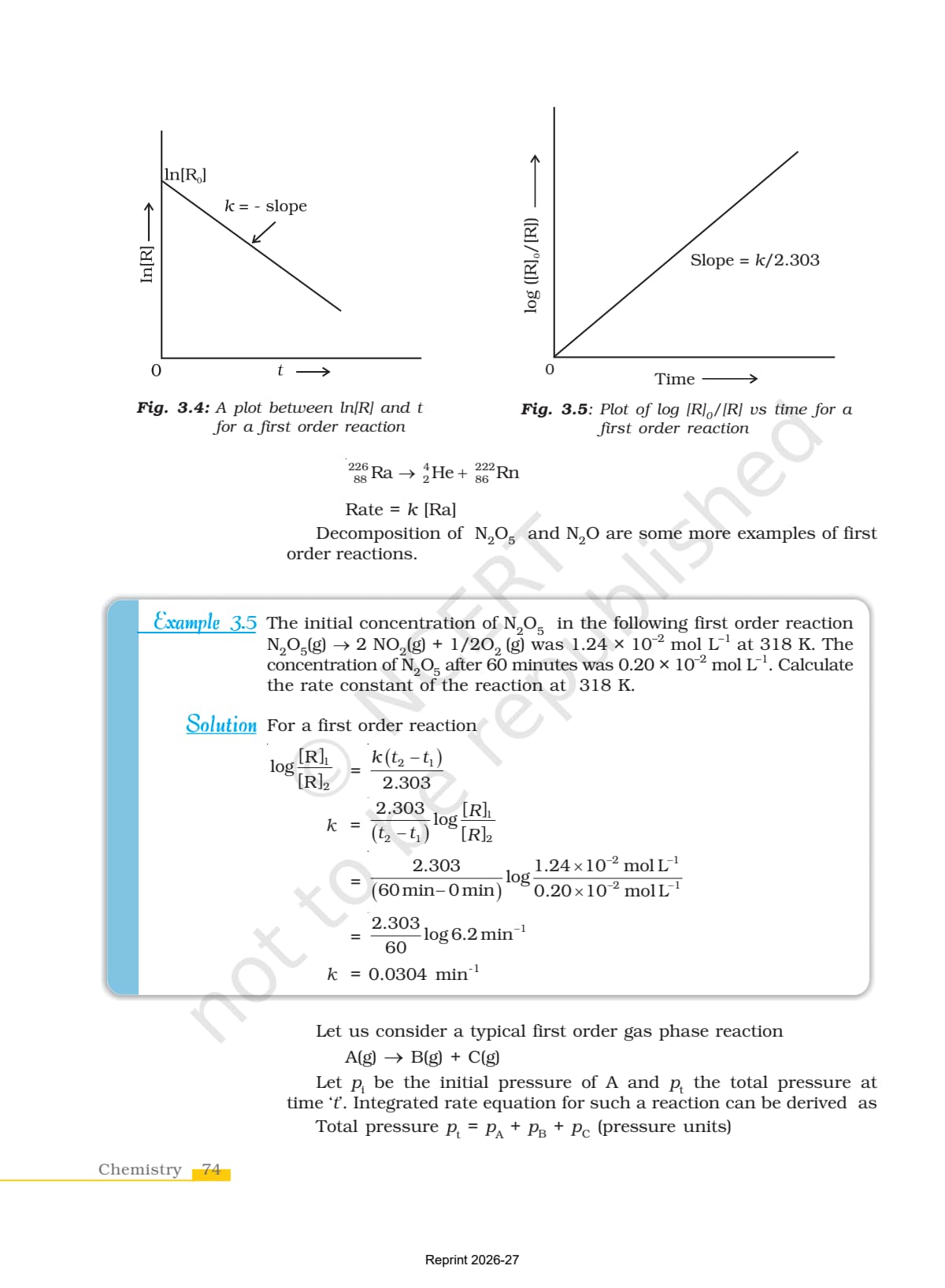
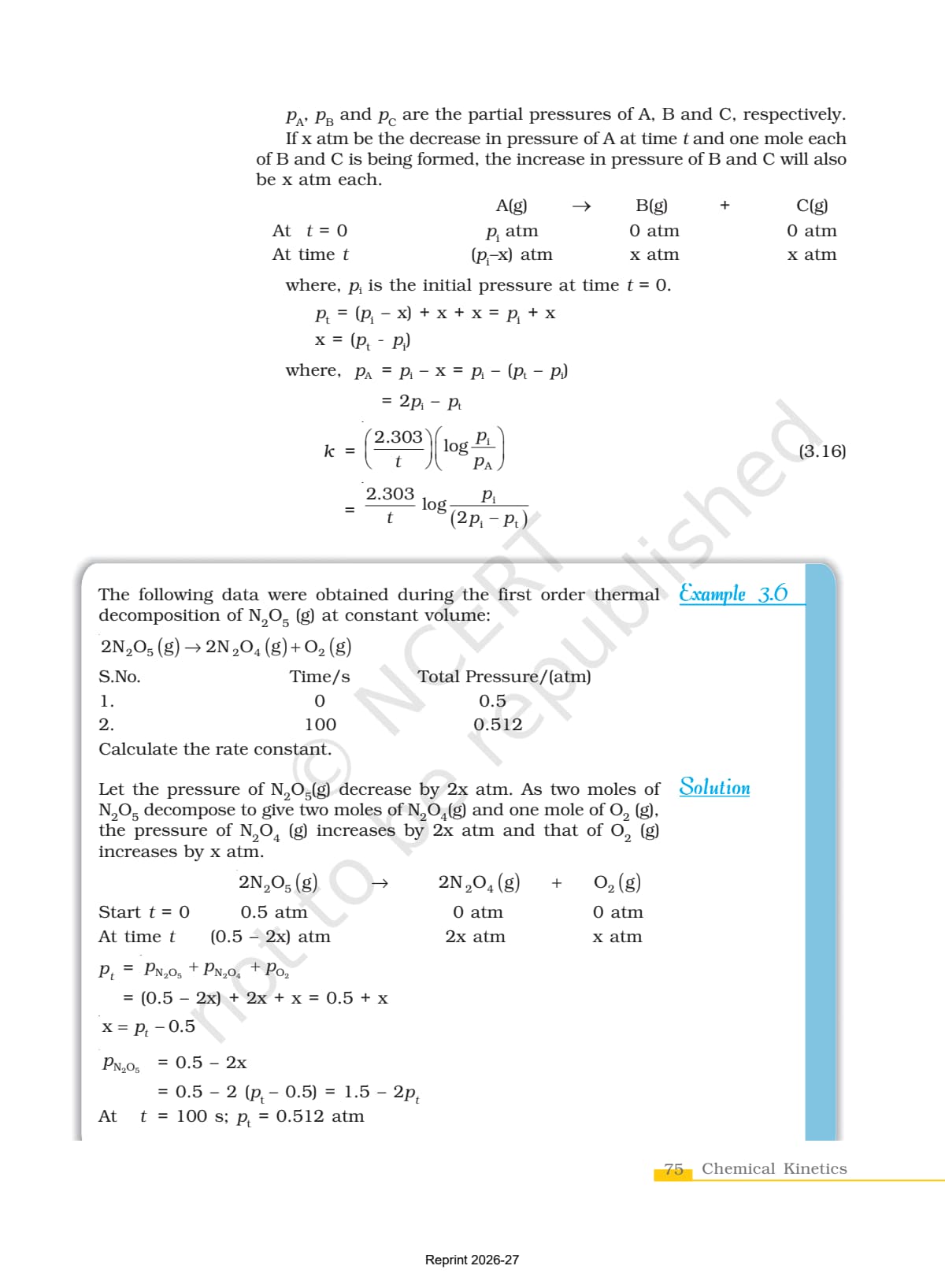
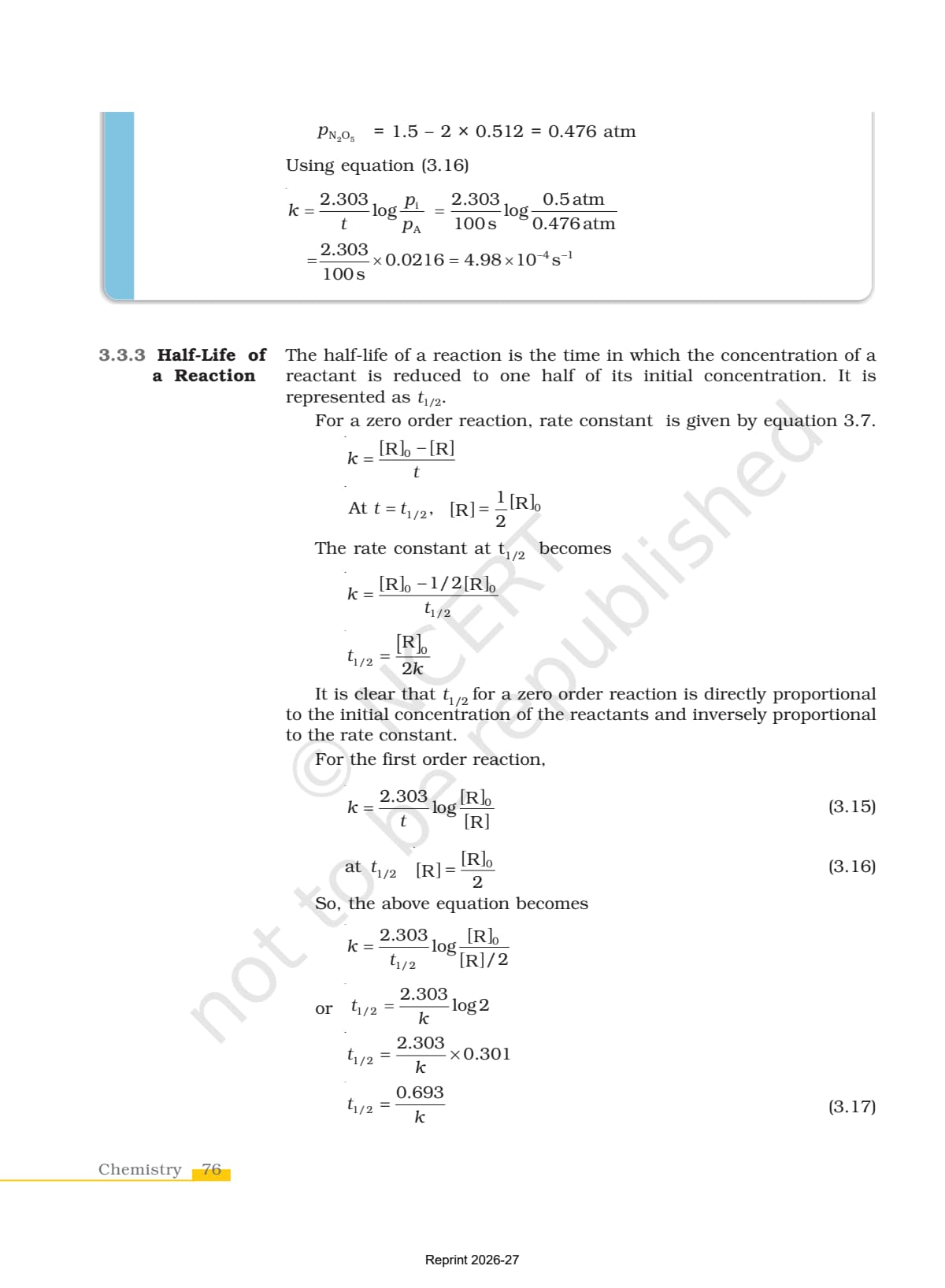
The PDF above is the full official NCERT print for Chapter 3 of the Class 12 Chemistry Part-I book.
This NCERT Book PDF is the official 2026-27 edition, matched to the CBSE Class 12 Chemistry syllabus.
Also Check:
- Class 12 Chemistry Chapter 2 Electrochemistry NCERT Book PDF
- Class 12 Chemistry Chapter 4 The d- and f-Block Elements NCERT Book PDF
- CBSE Class 12 Chemistry Syllabus 2026-27
Chemical Kinetics Weightage Compared Across Class 12 Chemistry Chapters
The chart below maps CBSE Board marks across all 10 chapters of the 2026-27 NCERT Class 12 Chemistry book. Chemical Kinetics sits in the upper half.
Chemical Kinetics Class 12 Chemistry Explained
Source: Magnet Brains on YouTube
How will Collegedunia's NCERT Book PDF Help You with Chemical Kinetics?
This page wraps the official NCERT print with navigation aids the PDF does not carry.
- 2026-27 NCERT alignment: latest print, with every rationalisation change flagged below.
- Section map with page ranges: jump straight to the section you need.
- Reading sequence: which sections and intext examples matter most for Boards.
- Companion resources: linked Notes, Formula Sheet, and Solutions for each sub-topic.
Chemical Kinetics NCERT Intext Examples and Their Sub-Topics
Chapter 3 carries 10 solved intext examples. Each tests a specific kinetics skill that recurs in CBSE numericals.
| Example | Sub-topic | Skill tested |
|---|---|---|
| 3.1 | Rate expression for N2 + 3H2 → 2NH3 | Write balanced rate in terms of every species |
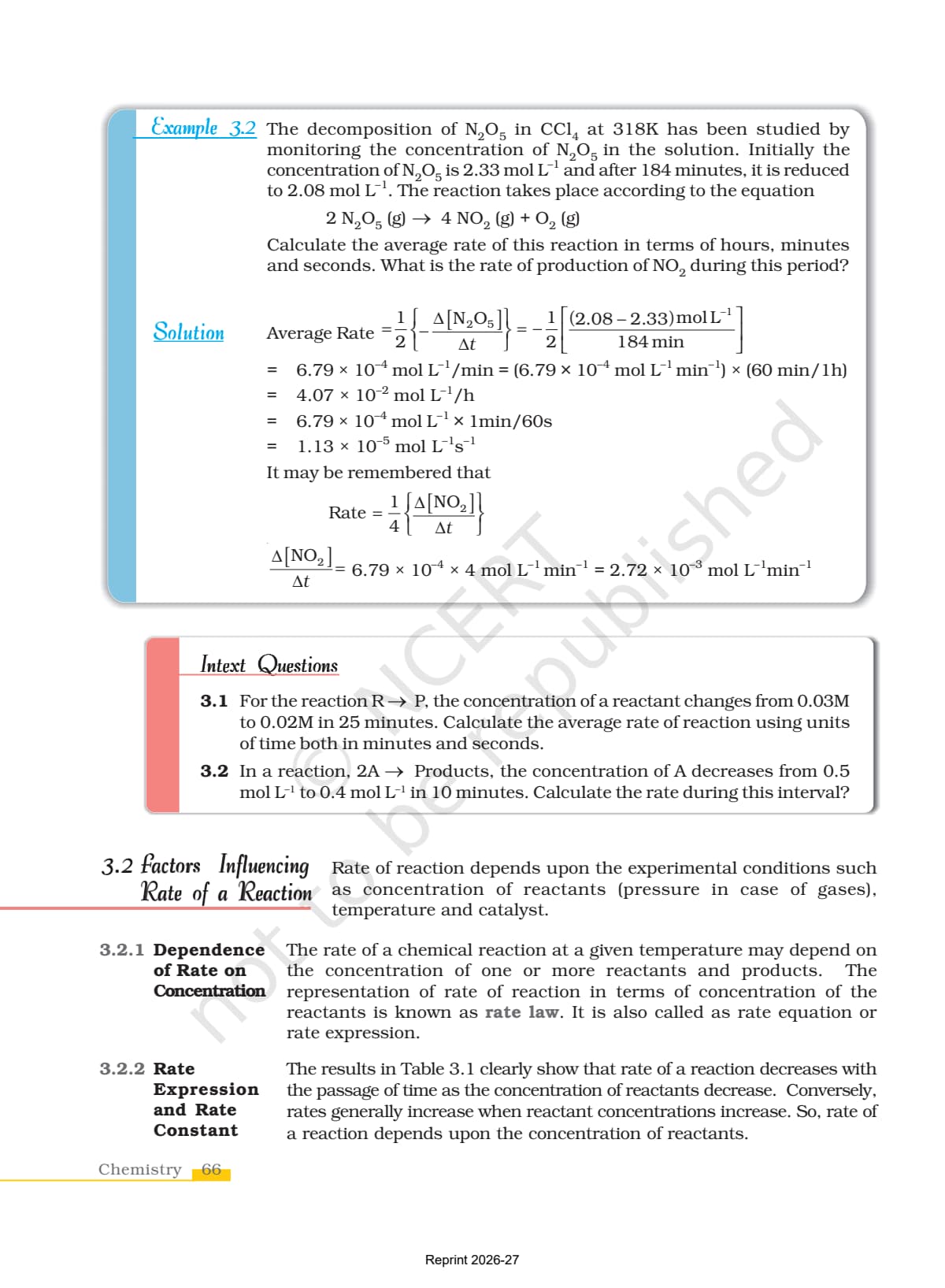
| 3.2 | Average rate calculation from concentration-time data | Apply Δ[R]/Δt with stoichiometry |
| 3.3 | Rate of decomposition of N2O5 | Convert rate of one species to rate of another |
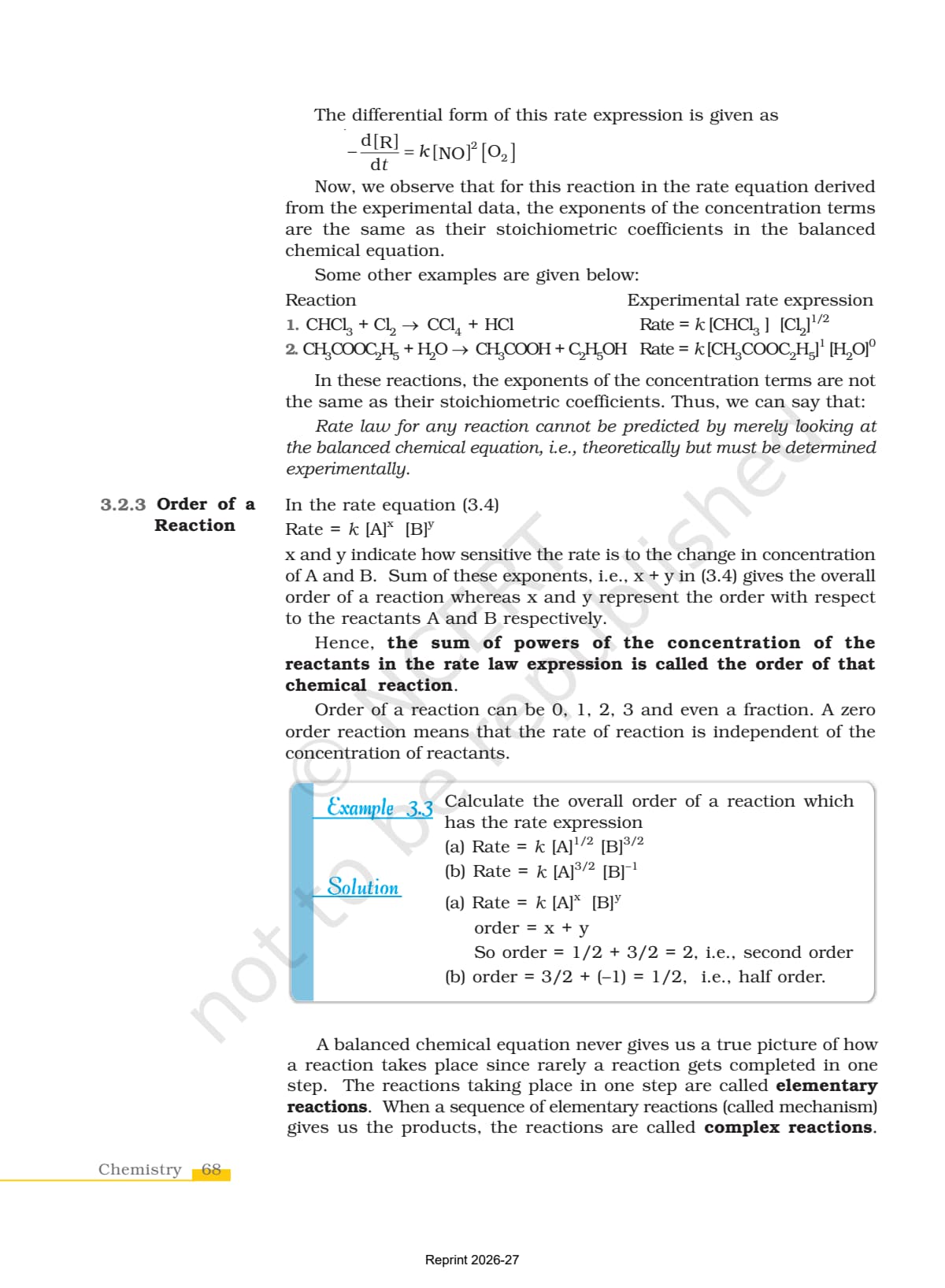
| 3.4 | Order of reaction from rate-law expression | Sum of exponents of concentration terms |
| 3.5 | Units of rate constant (zero, first, second order) | Dimensional reasoning for k |
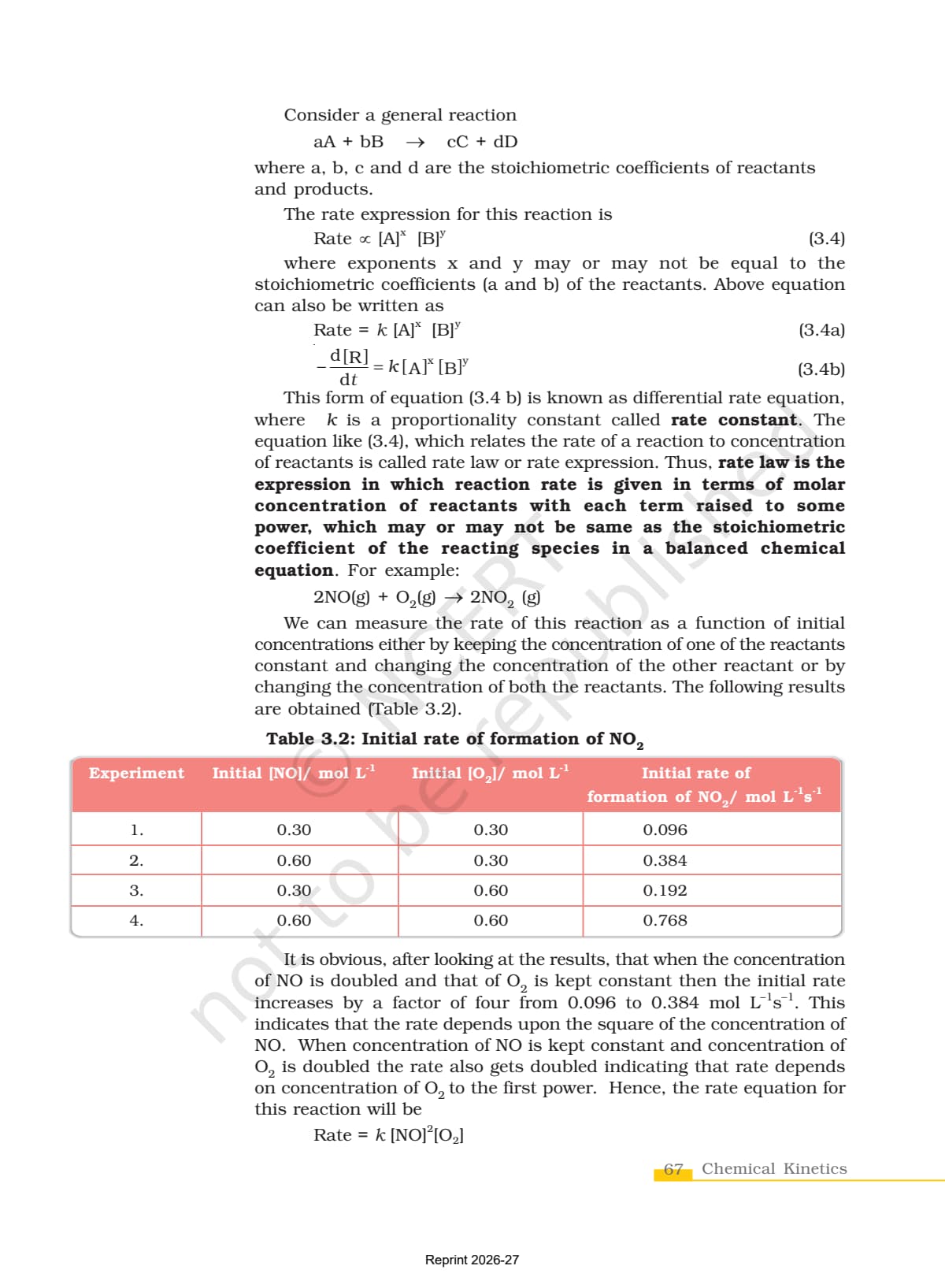
| 3.6 | Initial-rate method to find order | Compare rates at different initial concentrations |
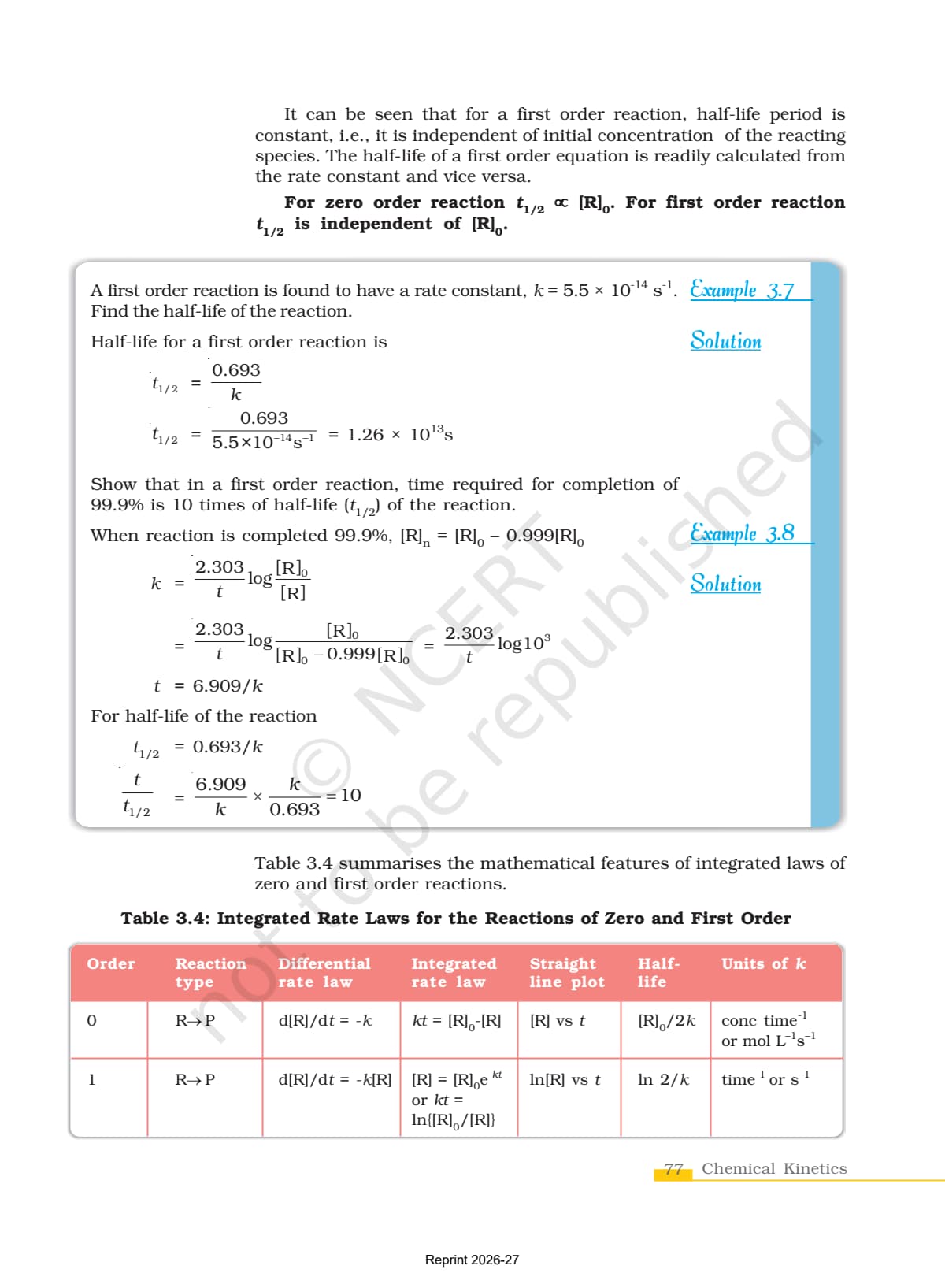
| 3.7 | Integrated first-order rate equation | Use k = 2.303t log [R]0[R] |
| 3.8 | Half-life of a first-order reaction | Apply t1/2 = 0.693k |
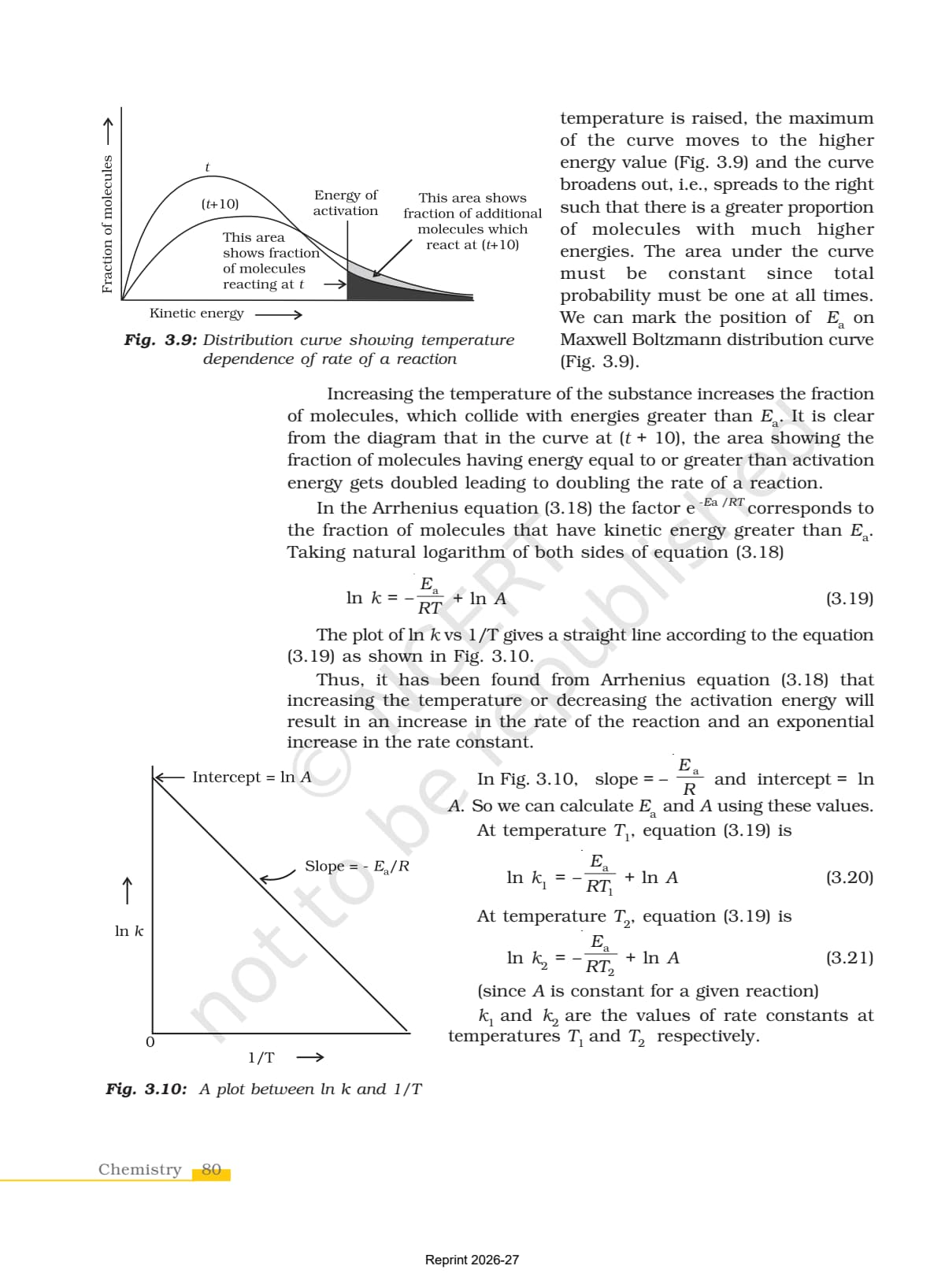
| 3.9 | Activation energy from Arrhenius plot | Slope of ln k vs 1/T graph |
| 3.10 | Effect of temperature on rate constant | Two-temperature Arrhenius form |
Chemical Kinetics NCERT Book: Section-by-Section Breakdown with Page Numbers
The table maps each of the five sections to its page range and scope. Sections 3.3 and 3.5 account for most CBSE numericals.
| Section | Title | Pages | What it covers |
|---|---|---|---|
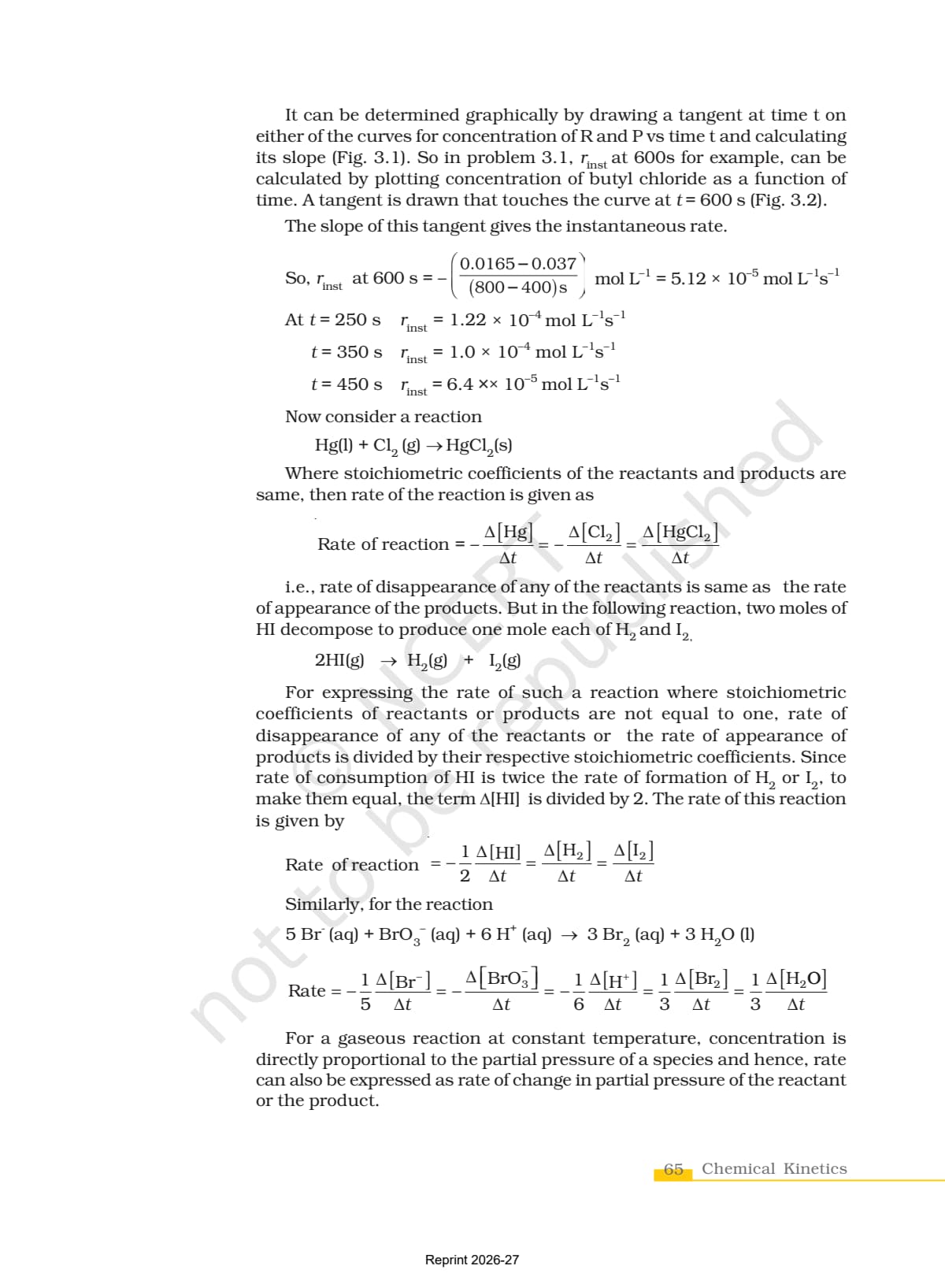
| 3.1 | Rate of a Chemical Reaction | 1-4 | Average and instantaneous rate, rate in terms of reactant and product, units |
| 3.2 | Factors Influencing Rate of a Reaction | 4-9 | Concentration dependence, rate law, order, molecularity, units of rate constant |
| 3.3 | Integrated Rate Equations | 9-17 | Zero-order and first-order integrated forms, half-life, graphical analysis |
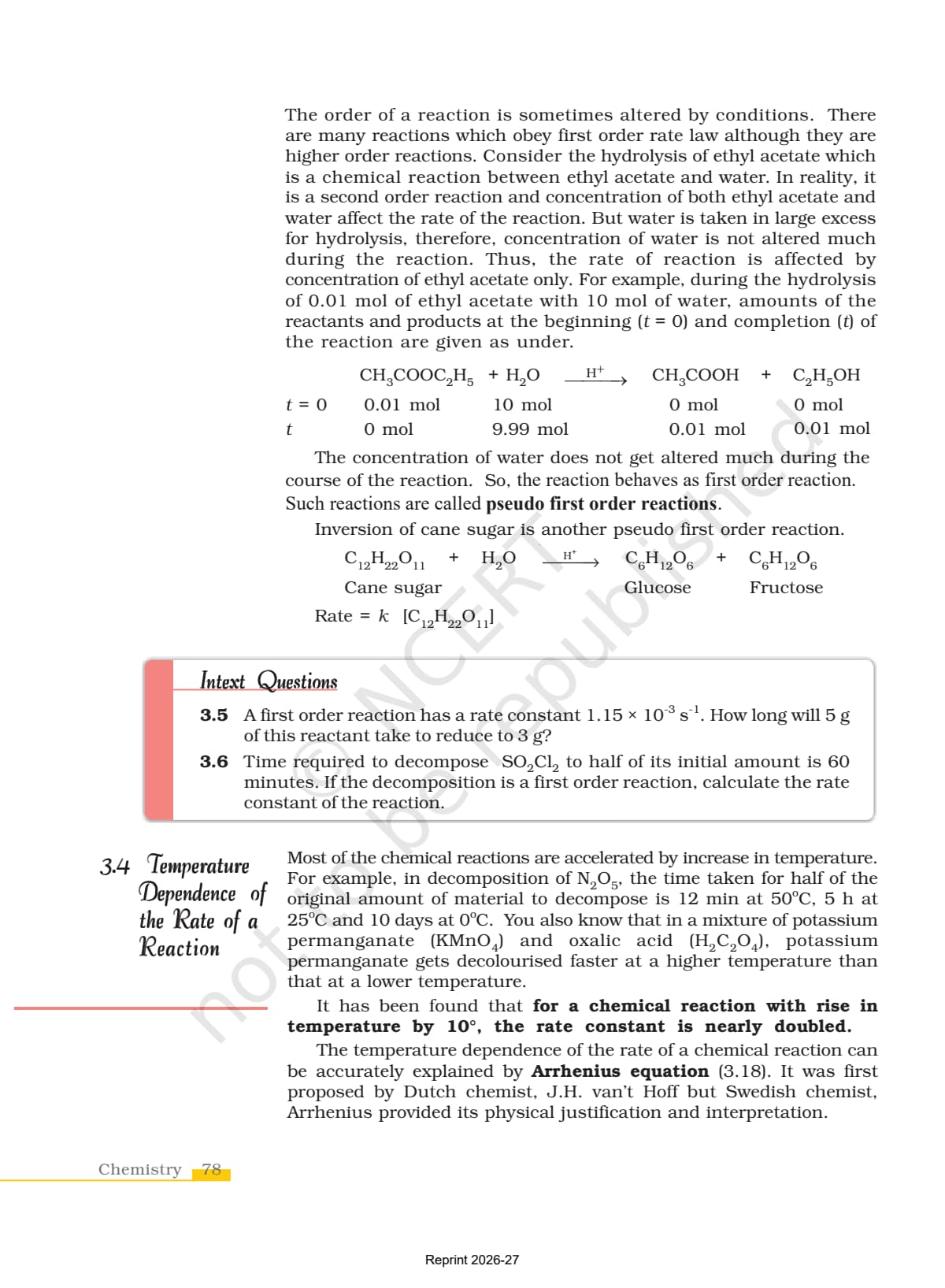
| 3.4 | Pseudo First Order Reaction | 17-19 | Acid hydrolysis of ester and inversion of cane sugar as examples |
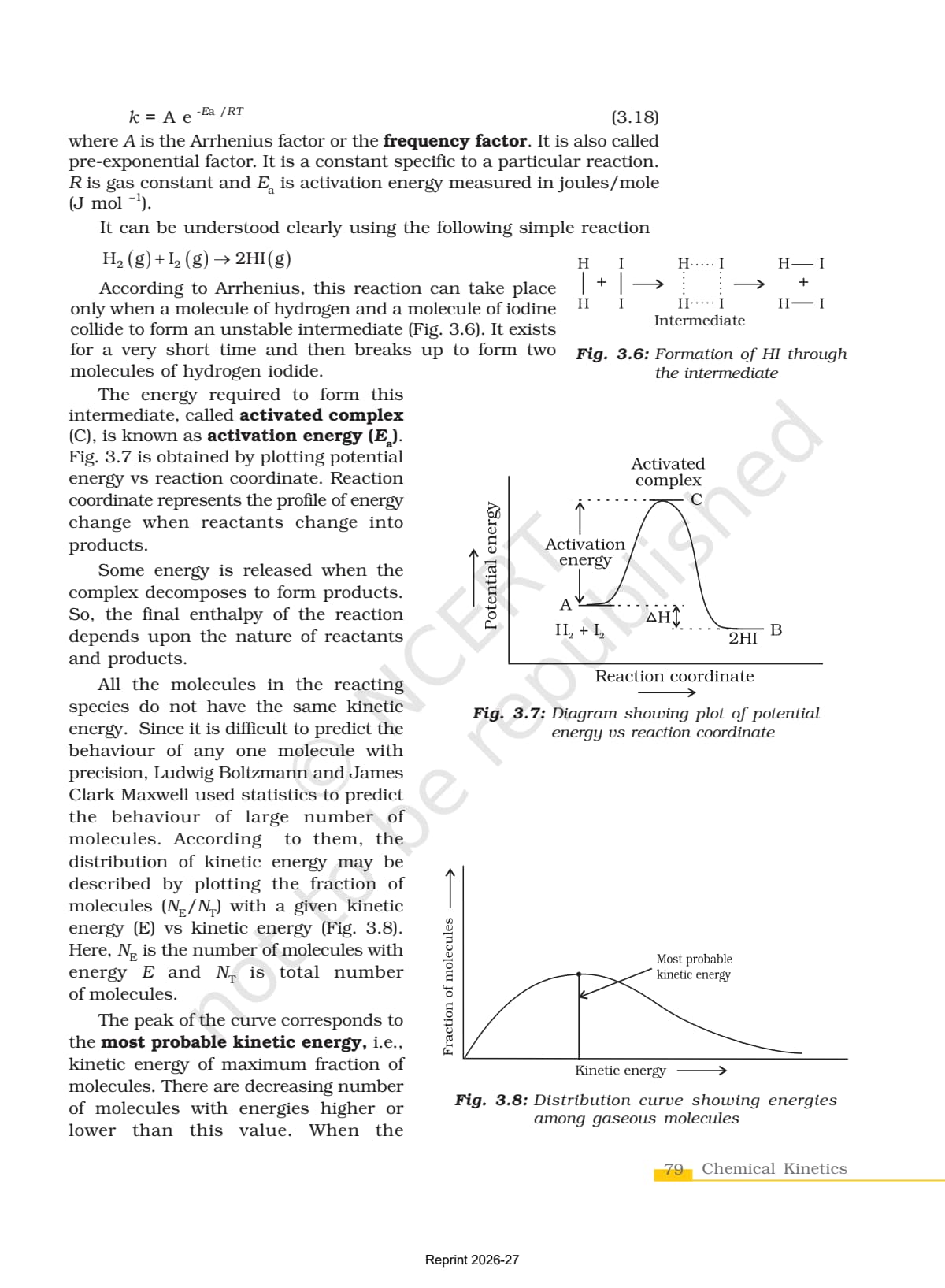
| 3.5 | Temperature Dependence of the Rate of a Reaction | 19-26 | Arrhenius equation, activation energy, effect of catalyst, collision theory |
| - | Summary, Exercises (30 Qs) | 26-30 | End-of-chapter problems for board-level practice |
The 30 exercises split into 10 conceptual, 15 numerical, and 5 graphical problems. The numerical block shows up most reliably in CBSE Boards.
How to Read Chemical Kinetics from the NCERT Class 12 Chemistry Book
The PDF rewards a three-pass read rather than one linear sitting.
- Pass 1 - Skim (45 min): section headings, the page-26 summary, and the boxed formulae.
- Pass 2 - Deep read (3 to 4 hrs): sections 3.1 to 3.5 in order; derive the integrated equations and solve every intext example.
- Pass 3 - Practice (2 to 3 hrs): the 30 exercises, using the Solutions only after a genuine attempt.
Chemical Kinetics Top 5 Formulae for Quick Recall
The five highest-yield formulae here - average rate, first-order integrated rate, half-life, zero-order rate constant, and the Arrhenius equation - are collected with dimensional checks and a "when to use which" guide on the dedicated Formula Sheet.
Full master table: Chemical Kinetics Class 12 Chemistry Formula Sheet
What Changed in Chemical Kinetics for 2026-27 NCERT (Rationalisation Note)
The 2026-27 NCERT keeps Chemical Kinetics but trimmed a few sub-topics from the older 2022 print. Knowing what stayed avoids wasted study time.
| Sub-topic | Status in 2026-27 | Notes |
|---|---|---|
| Rate of reaction (average and instantaneous) | Kept | Core section, unchanged |
| Rate law and order of reaction | Kept | Core section, unchanged |
| Integrated rate equations (zero, first order) | Kept | Core section, unchanged |
| Pseudo first-order reactions | Kept | Two textbook examples retained |
| Arrhenius equation, activation energy | Kept | Core section, unchanged |
| Collision theory of chemical reactions | Removed | Dropped in the current edition; do not study from older prints |
| Effect of catalyst (detailed) | Trimmed | Now a one-paragraph mention, no separate sub-section |
The older 2022 print carries close to 4 extra pages of removed content. The PDF here is the latest official 2026-27 NCERT.
Chemical Kinetics PYQ Trend in CBSE, JEE Main and NEET (2026 to 2021)
The three most repeated question types over the last five years are integrated first-order numericals, half-life calculations, and Arrhenius two-temperature problems. The full year-wise map sits on the NCERT Solutions page.
Full year-wise PYQ map: Chemical Kinetics Class 12 Chemistry NCERT Solutions
Author, Edition and Publisher Information for the Chemical Kinetics NCERT PDF
The PDF here is the official publication, not a third-party reprint. Study from the latest print, since rationalisation changes are not back-ported.
- Book: Chemistry Part-I, Class 12 (Textbook for Class XII)
- Chapter: 3 - Chemical Kinetics
- Publisher: National Council of Educational Research and Training (NCERT)
- Edition: 2026-27 reprint (post-rationalisation)
- Total pages in the chapter: 30 pages including summary and exercises
- Language editions available: English, Hindi (Rasayan Vigyan Bhag-I)
If your school issued a 2022 or earlier copy, use the official PDF on this page in parallel.
Related Links:
- Class 12 Chemistry NCERT Book PDF (All Chapters)
- CBSE Class 12 Chemistry Sample Papers 2026
- CBSE Class 12 Chemistry Previous Year Question Papers
Student Feedback
In a Collegedunia poll of 900 Class 12 students, 78% said the page-numbered section map made the 30-page Chemical Kinetics PDF far quicker to revise.
Other Resources for Chemical Kinetics Class 12 Chemistry
- Chemical Kinetics Class 12 Chemistry NCERT Book PDF
- Chemical Kinetics Class 12 Chemistry NCERT Solutions
- Chemical Kinetics Class 12 Chemistry Notes
- Chemical Kinetics Class 12 Chemistry Formula Sheet
- Chemical Kinetics Class 12 Chemistry NCERT Exemplar Book PDF
- Chemical Kinetics Class 12 Chemistry NCERT Exemplar Solutions
- Chemical Kinetics Class 12 Chemistry Handwritten Notes
NCERT Book PDF for Class 12 Chemistry: All Chapters
The table lists every chapter of the Class 12 Chemistry 2026-27 NCERT, each linking to its dedicated Collegedunia NCERT Book PDF page.
| Chapter | Resource |
|---|---|
| Chapter 1 | Solutions NCERT Book PDF |
| Chapter 2 | Electrochemistry NCERT Book PDF |
| Chapter 4 | The d- and f-Block Elements NCERT Book PDF |
| Chapter 5 | Coordination Compounds NCERT Book PDF |
| Chapter 6 | Haloalkanes and Haloarenes NCERT Book PDF |
| Chapter 7 | Alcohols, Phenols and Ethers NCERT Book PDF |
| Chapter 8 | Aldehydes, Ketones and Carboxylic Acids NCERT Book PDF |
| Chapter 9 | Amines NCERT Book PDF |
| Chapter 10 | Biomolecules NCERT Book PDF |
Chemical Kinetics Class 12 Chemistry NCERT Book PDF FAQs
Ques. Where can I download the Class 12 Chemistry Chapter 3 Chemical Kinetics NCERT Book PDF?
Ans. You can download the Chemical Kinetics Class 12 Chemistry NCERT Book PDF directly from this page. Both the Normal and HD versions are available and both are free, with no registration required.
Ques. Is the Chemical Kinetics chapter aligned with the 2026-27 NCERT?
Ans. Yes. The PDF reflects the current 2026-27 syllabus for Class 12 Chemistry. The chapter retains all five core sections on rate of reaction, factors affecting rate, integrated rate equations, pseudo first-order reactions, and the Arrhenius equation; collision theory of reactions has been dropped from the new edition.
Ques. How many pages is the Class 12th Chemistry Chemical Kinetics NCERT Book PDF?
Ans. The chapter runs roughly 30 pages, including the 5 numbered sections, 10 intext examples, the summary, and the 30 end-of-chapter exercises.
Ques. How many marks does Chemical Kinetics carry in the CBSE Class 12 Chemistry Board exam?
Ans. Chemical Kinetics typically carries 6 to 8 marks in the Class 12 Chemistry Board exam. The marks are usually split as one 3-mark integrated-rate or Arrhenius numerical plus one short conceptual question on rate law or order of reaction.
Ques. Which intext examples in Chemical Kinetics are most important for Boards?
Ans. Examples 3.7 (first-order integrated rate equation), 3.8 (half-life), 3.9 (Arrhenius plot), and 3.10 (two-temperature Arrhenius form) are the highest-yield. Practise each at least twice before the exam.
Ques. Has any topic been removed from Chemical Kinetics in the latest NCERT edition?
Ans. Yes. The collision theory of chemical reactions, which appeared in the older 2022 print, has been removed in the current 2026-27 NCERT edition. The detailed effect-of-catalyst sub-section was also trimmed to a single paragraph.
Ques. How long should I take to complete the Chemical Kinetics NCERT chapter?
Ans. A three-day plan of about 8 to 9 hours total is realistic - one day for sections 3.1 and 3.2, one for sections 3.3 and 3.4, and one for section 3.5 plus full revision. The Collegedunia multi-day study plan further up on this page breaks the hours down section by section.



Comments