




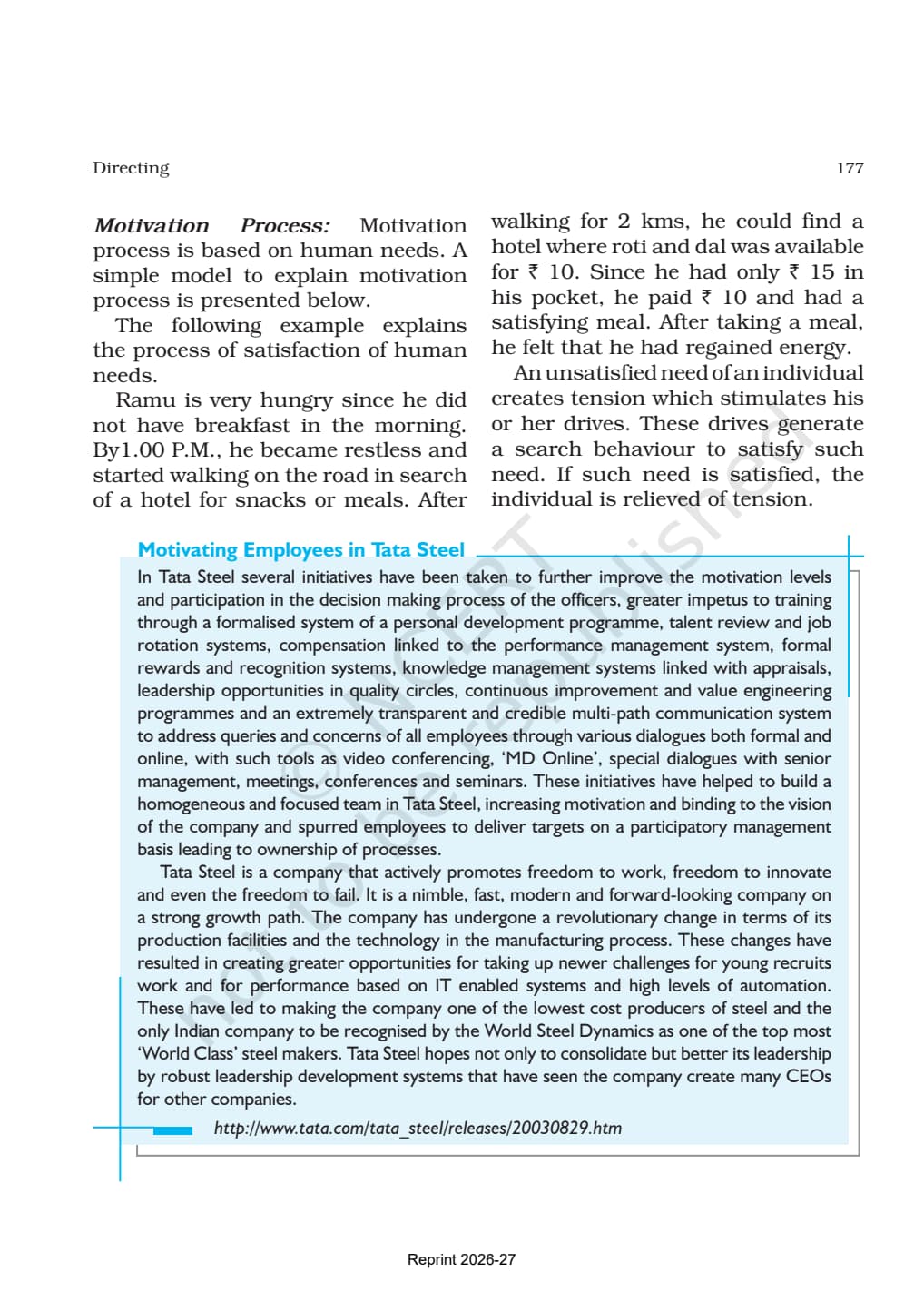
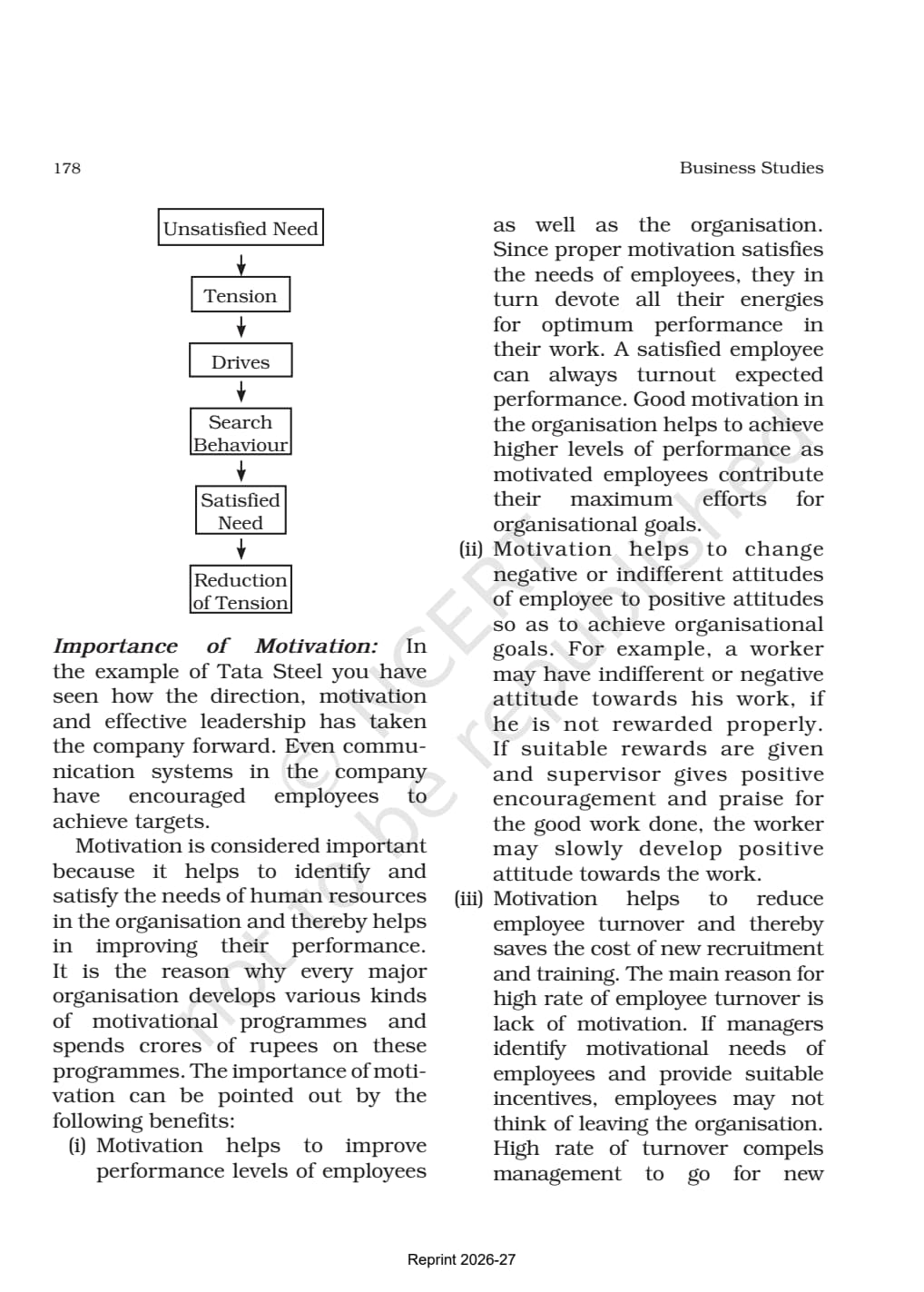
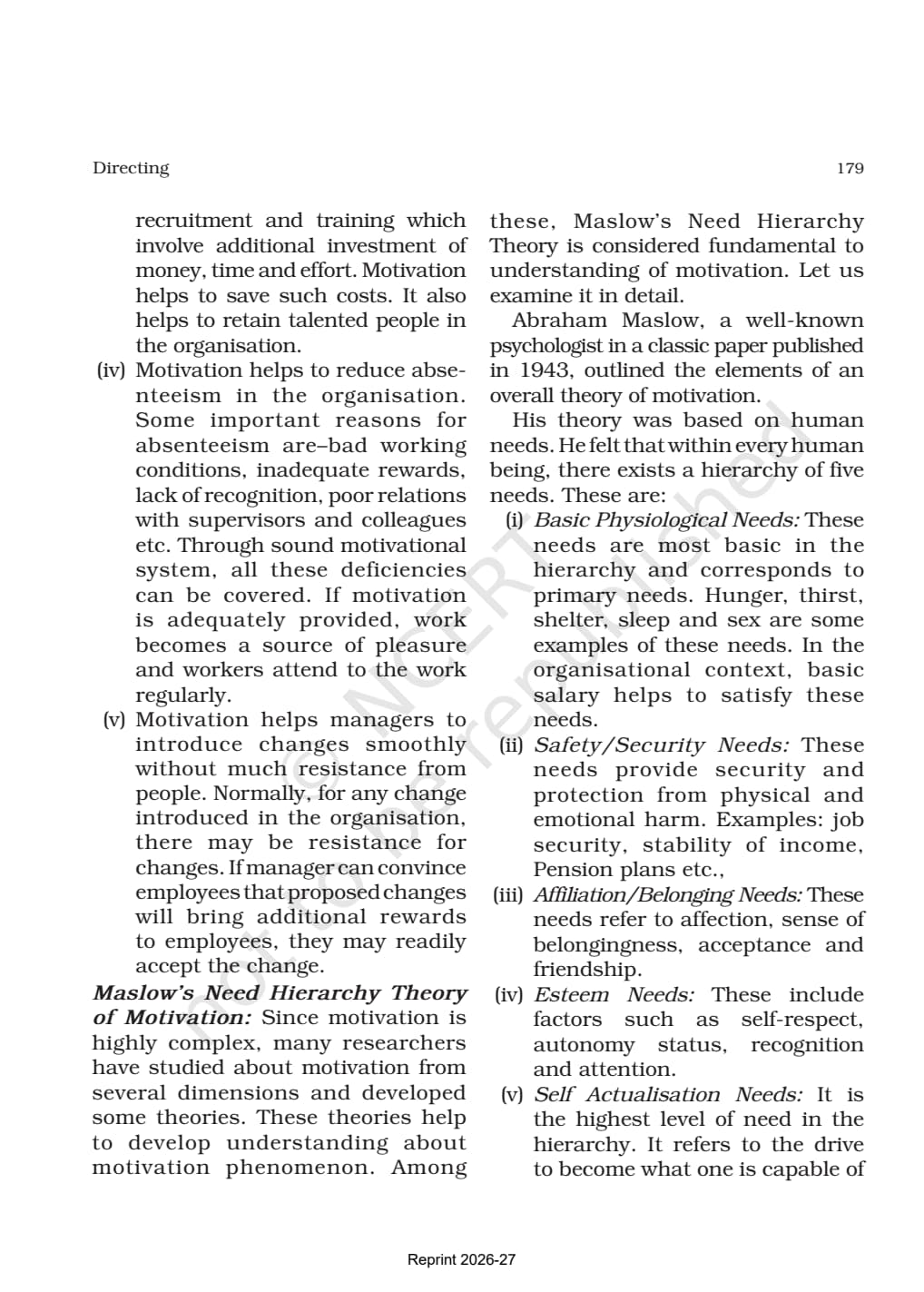
The Class 12 Business Studies Chapter 7 Directing textbook PDF is the official NCERT chapter for 2026-27, covering the four elements of directing, supervision, motivation, leadership and communication, plus Maslow's need hierarchy and incentives.
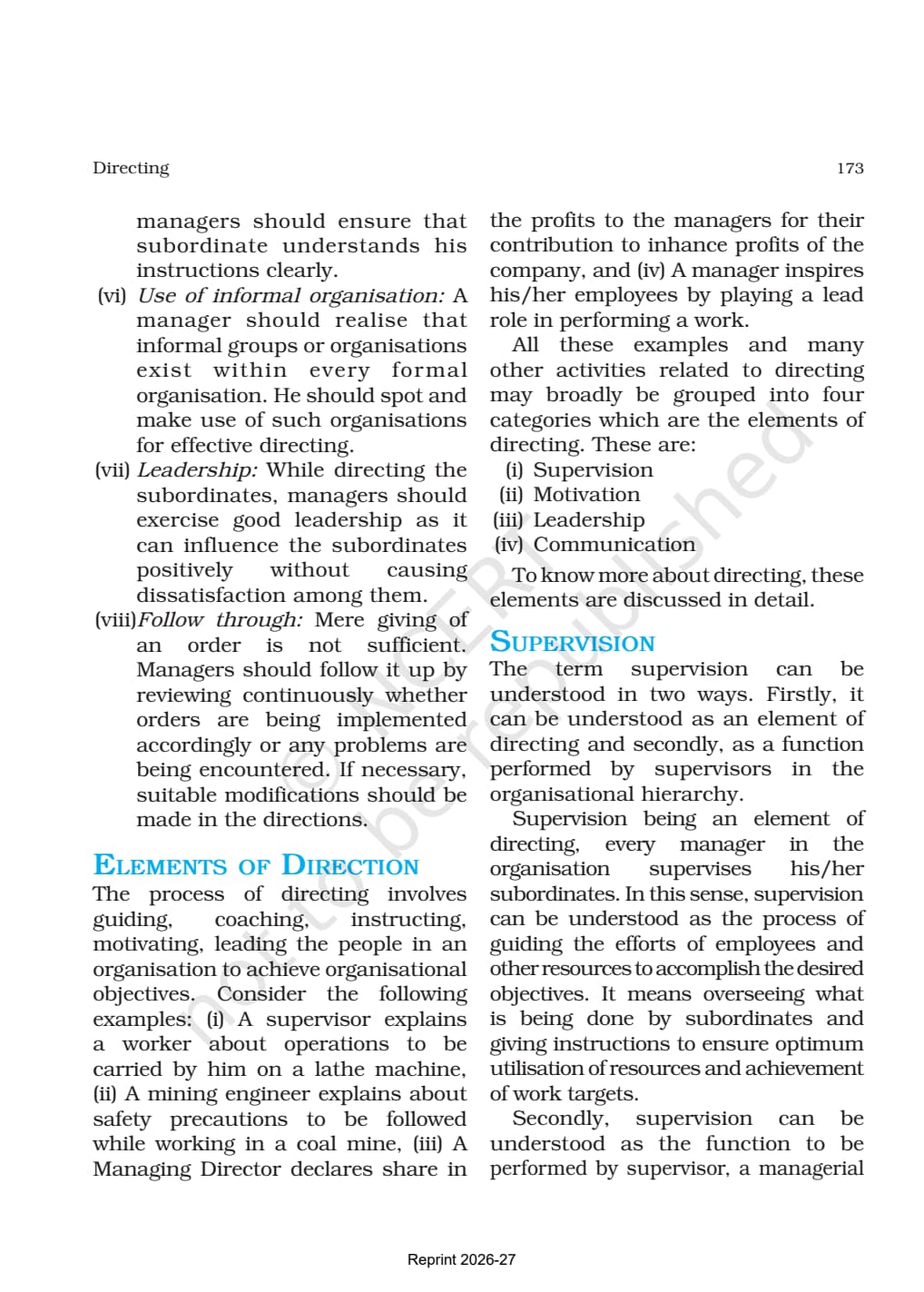
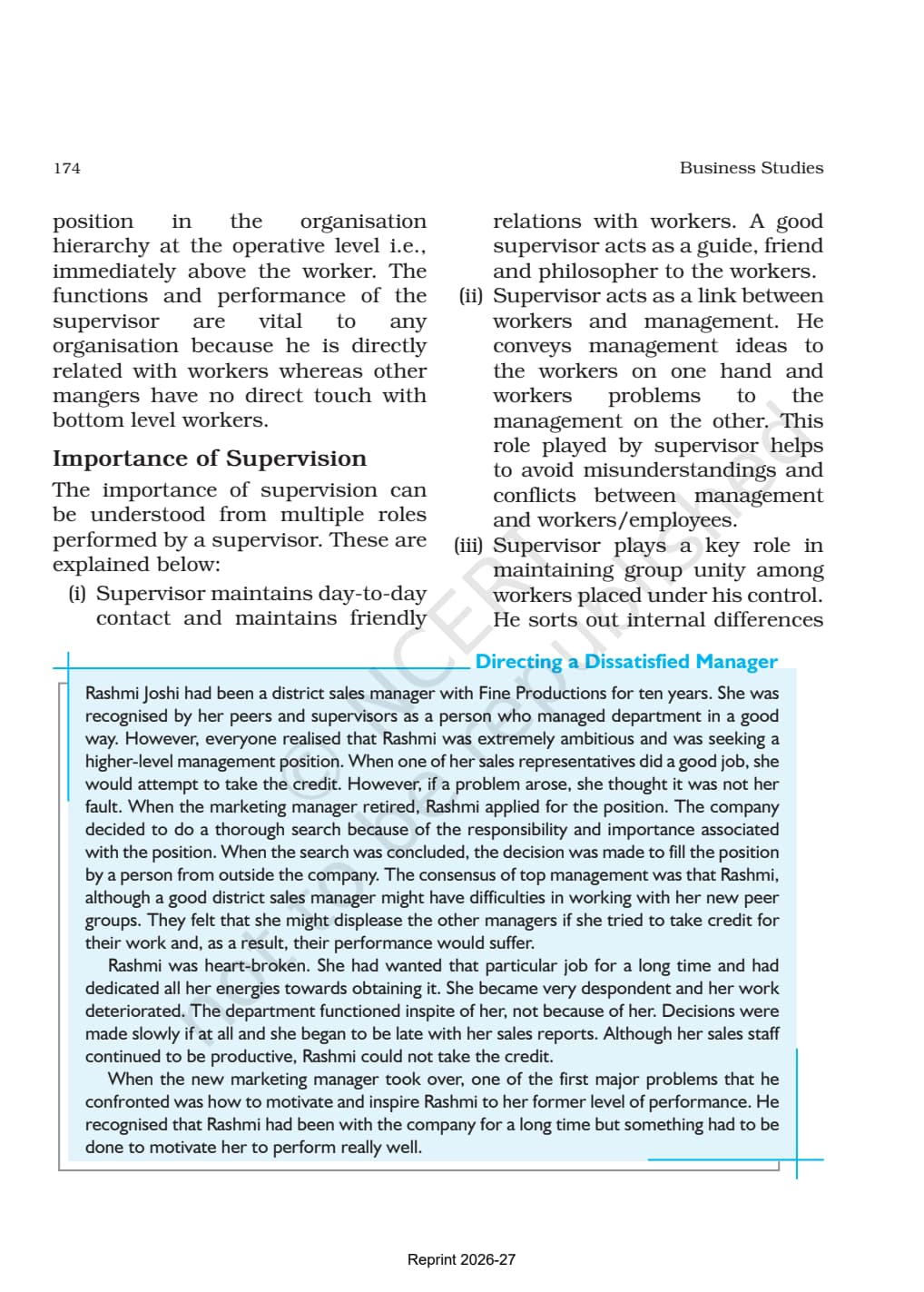
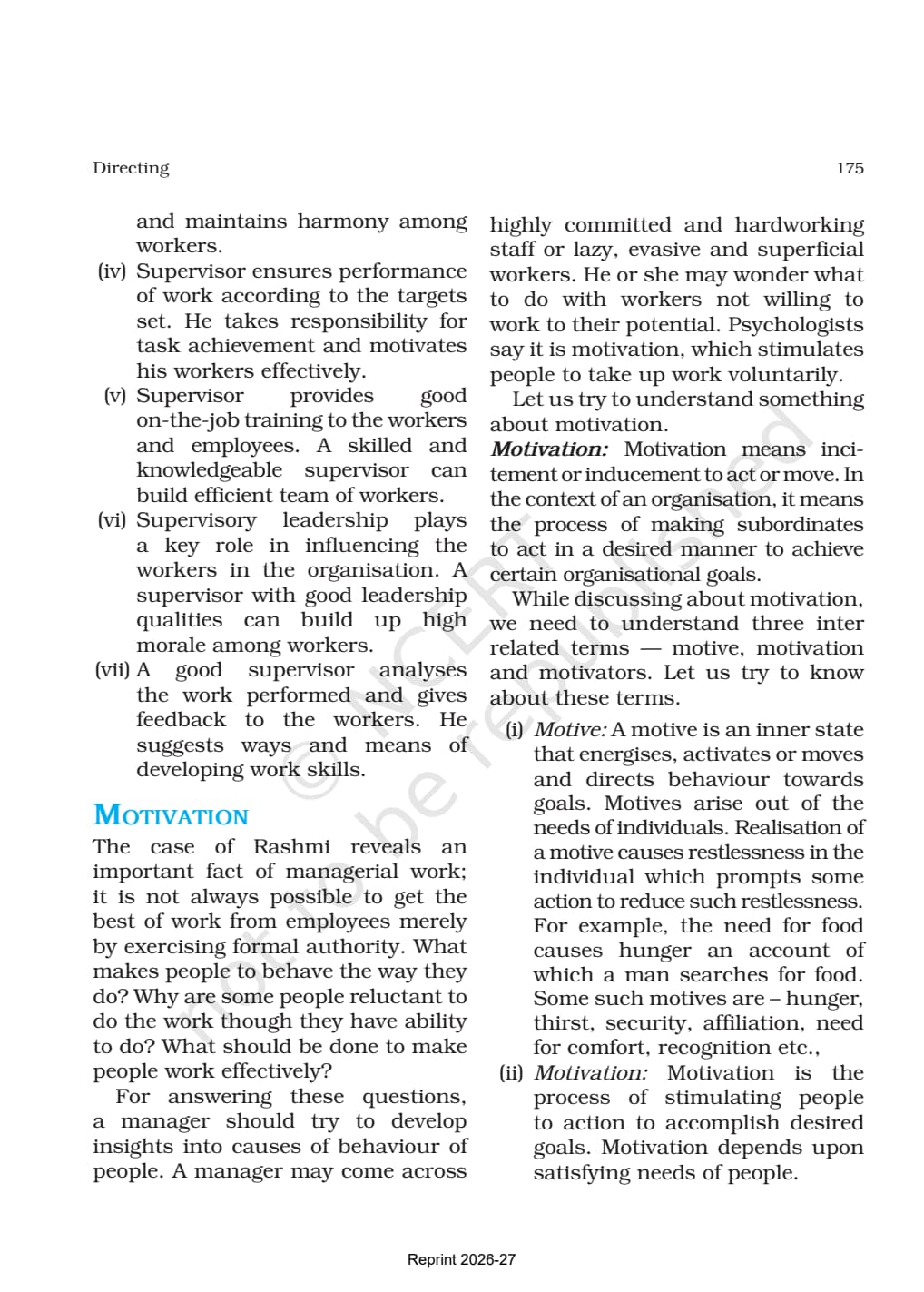
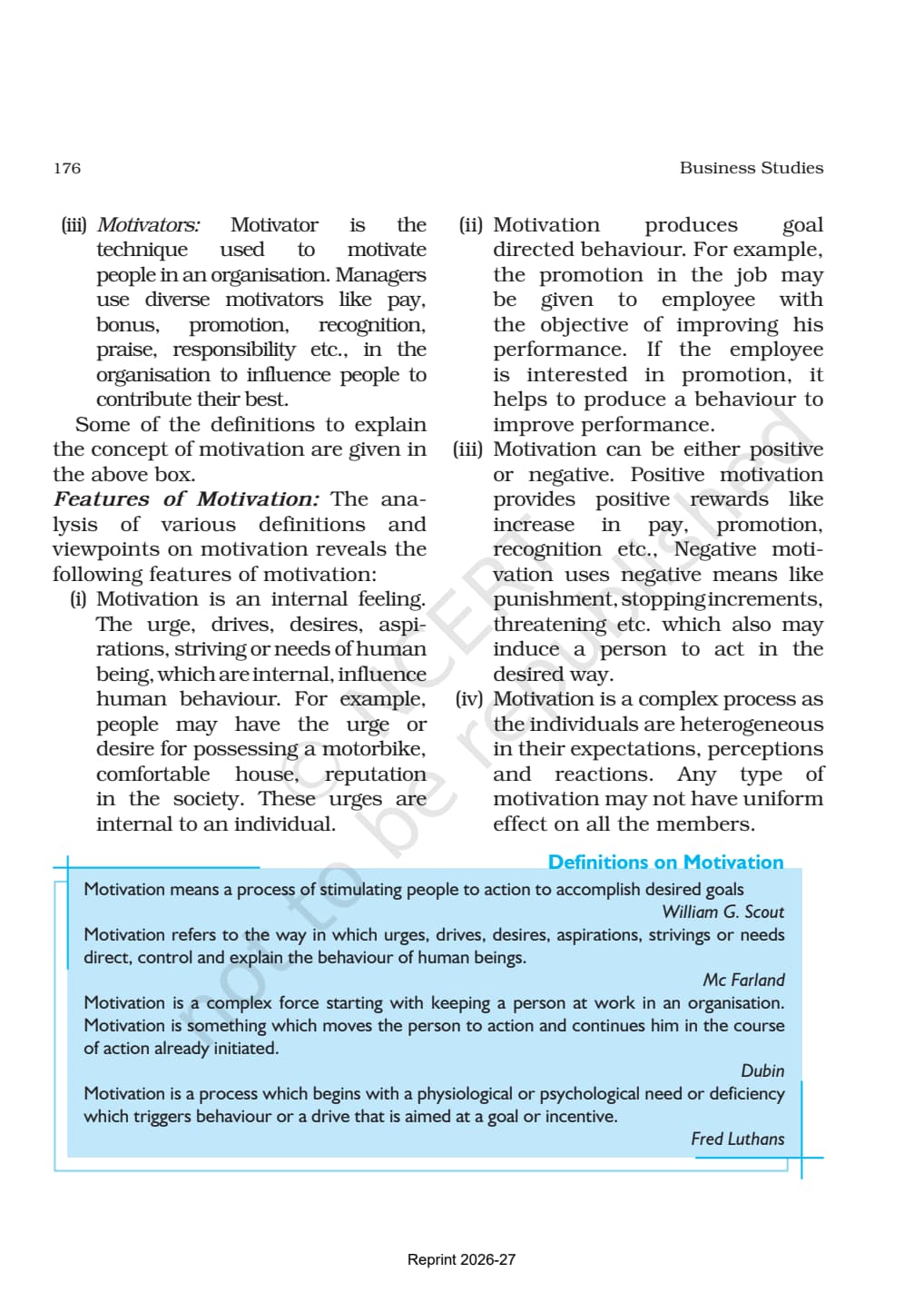
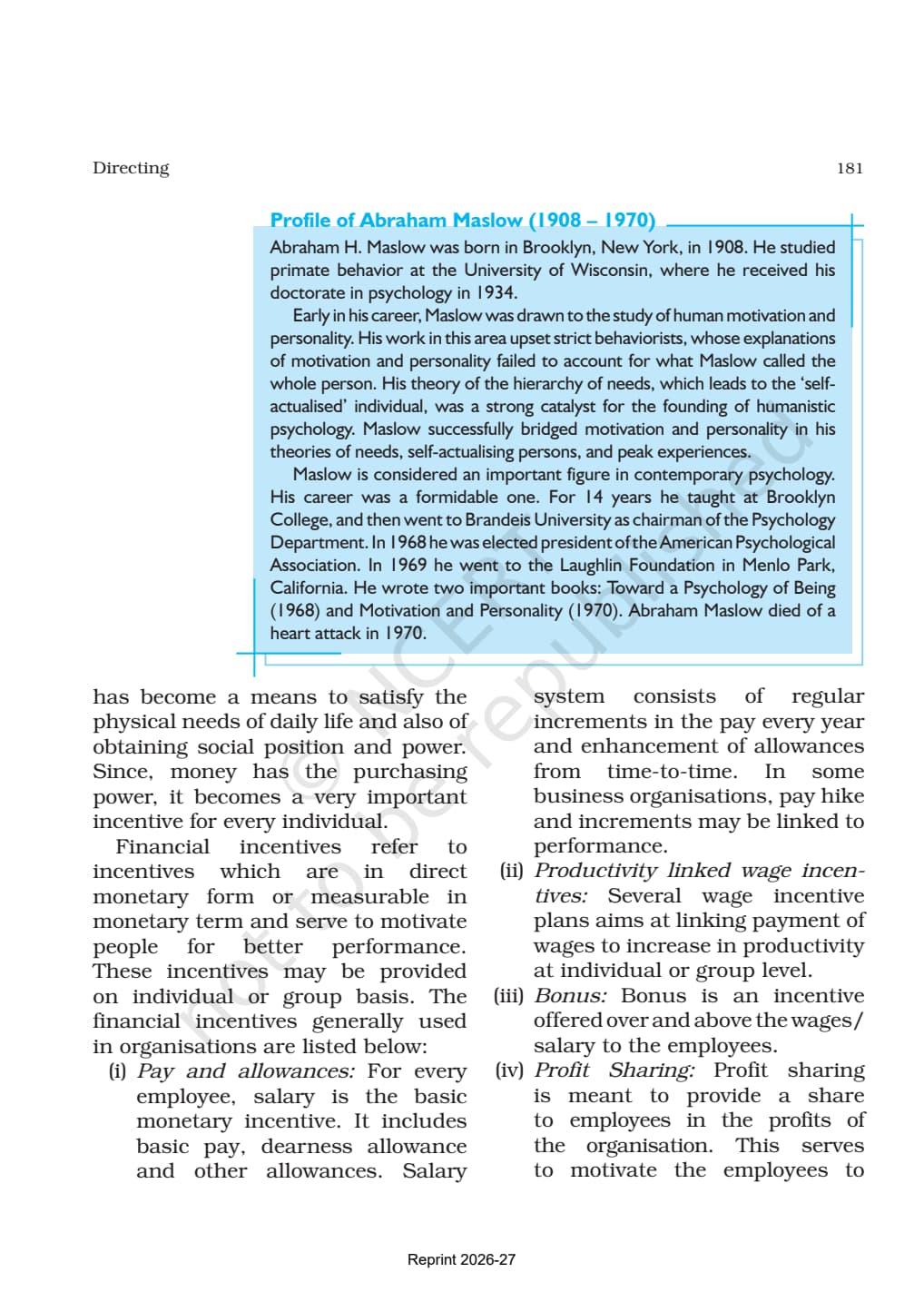
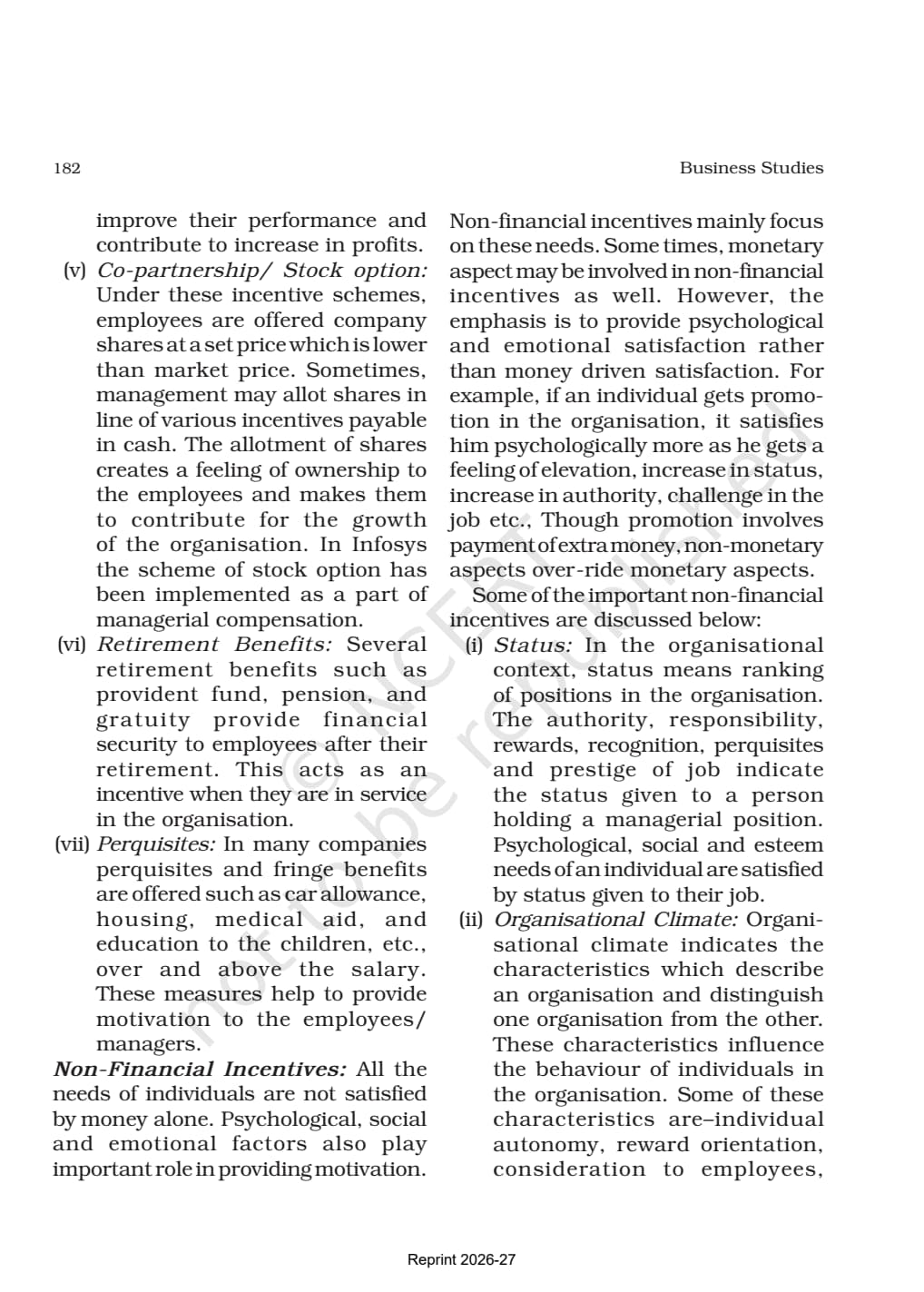
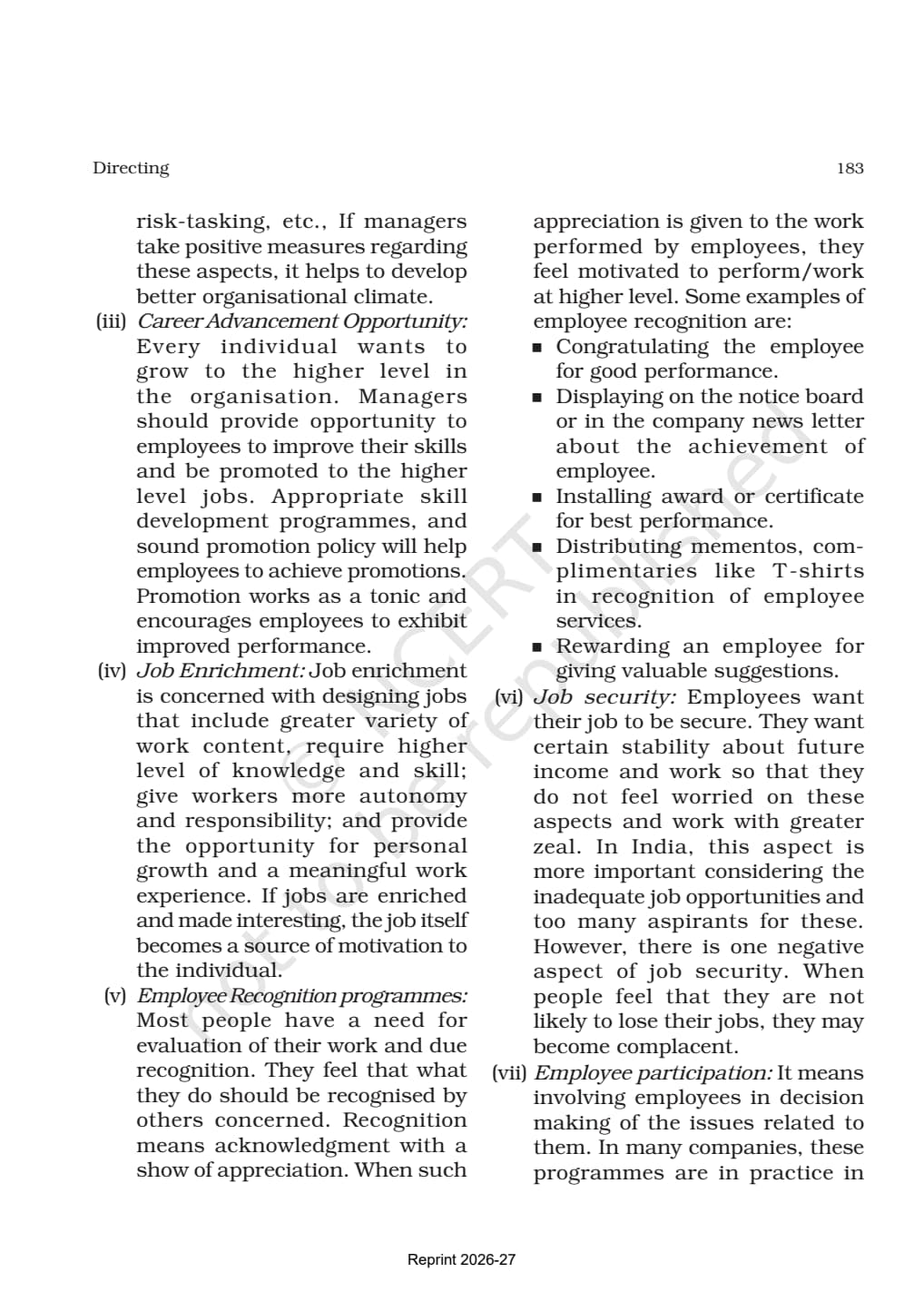
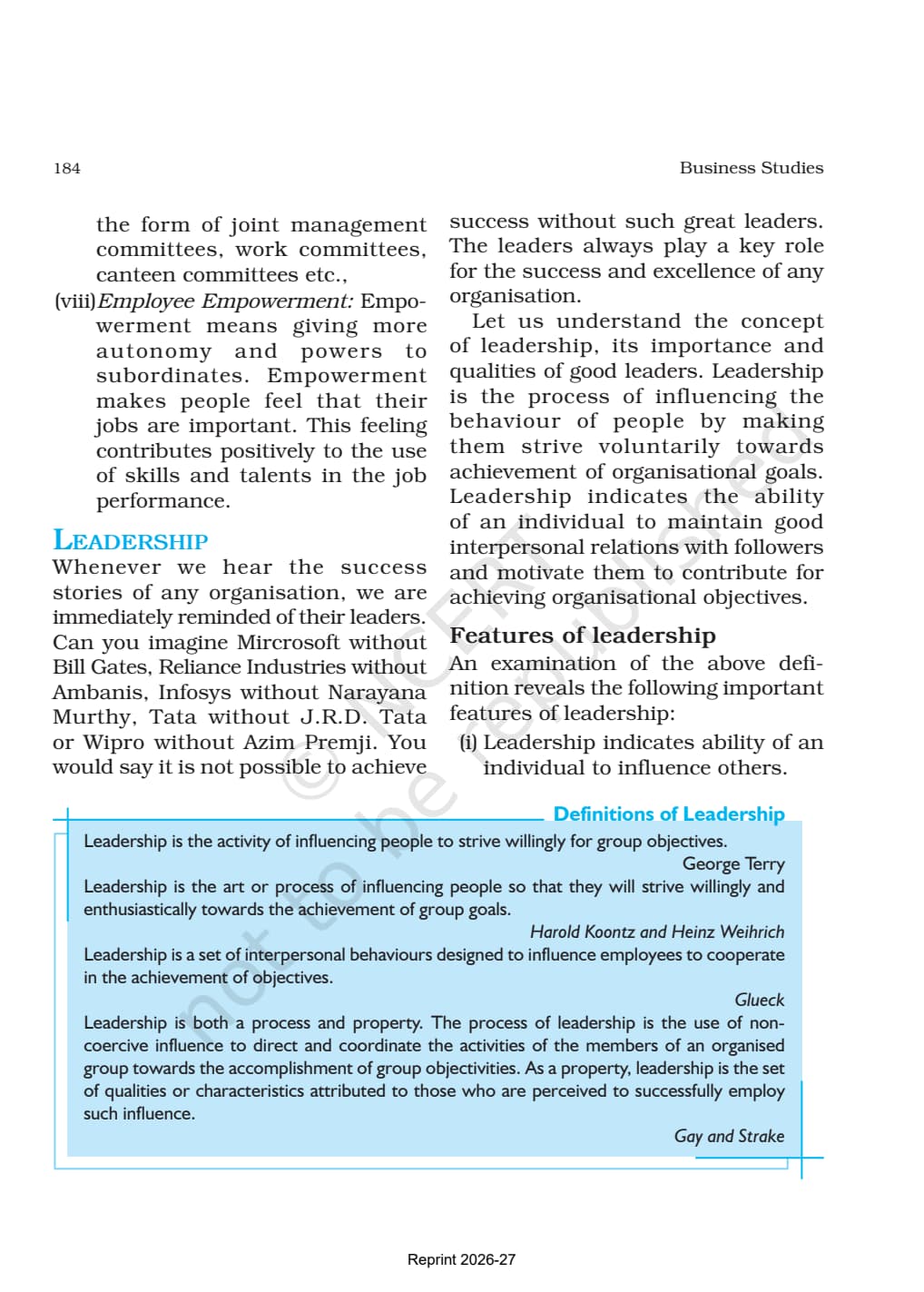
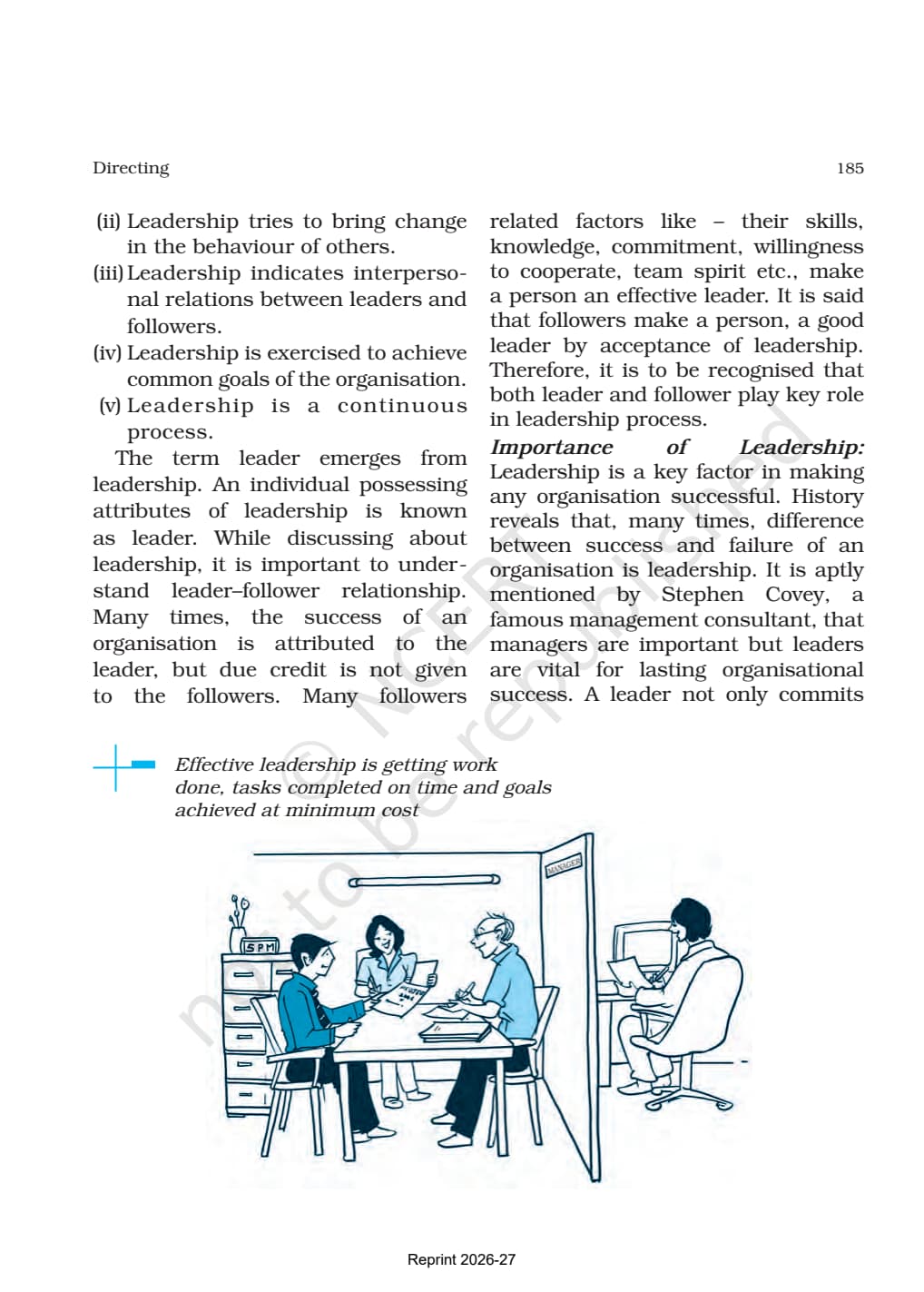
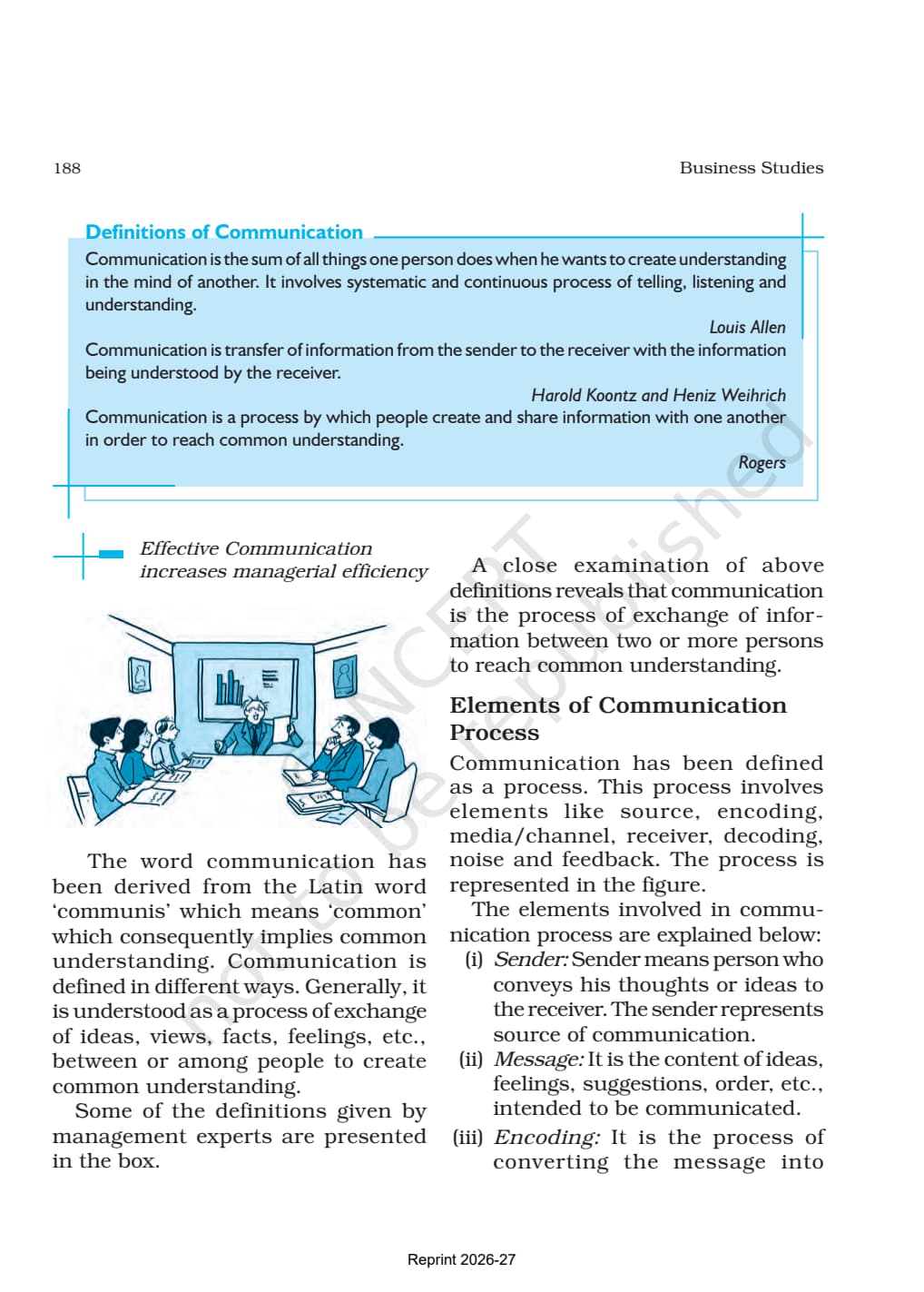
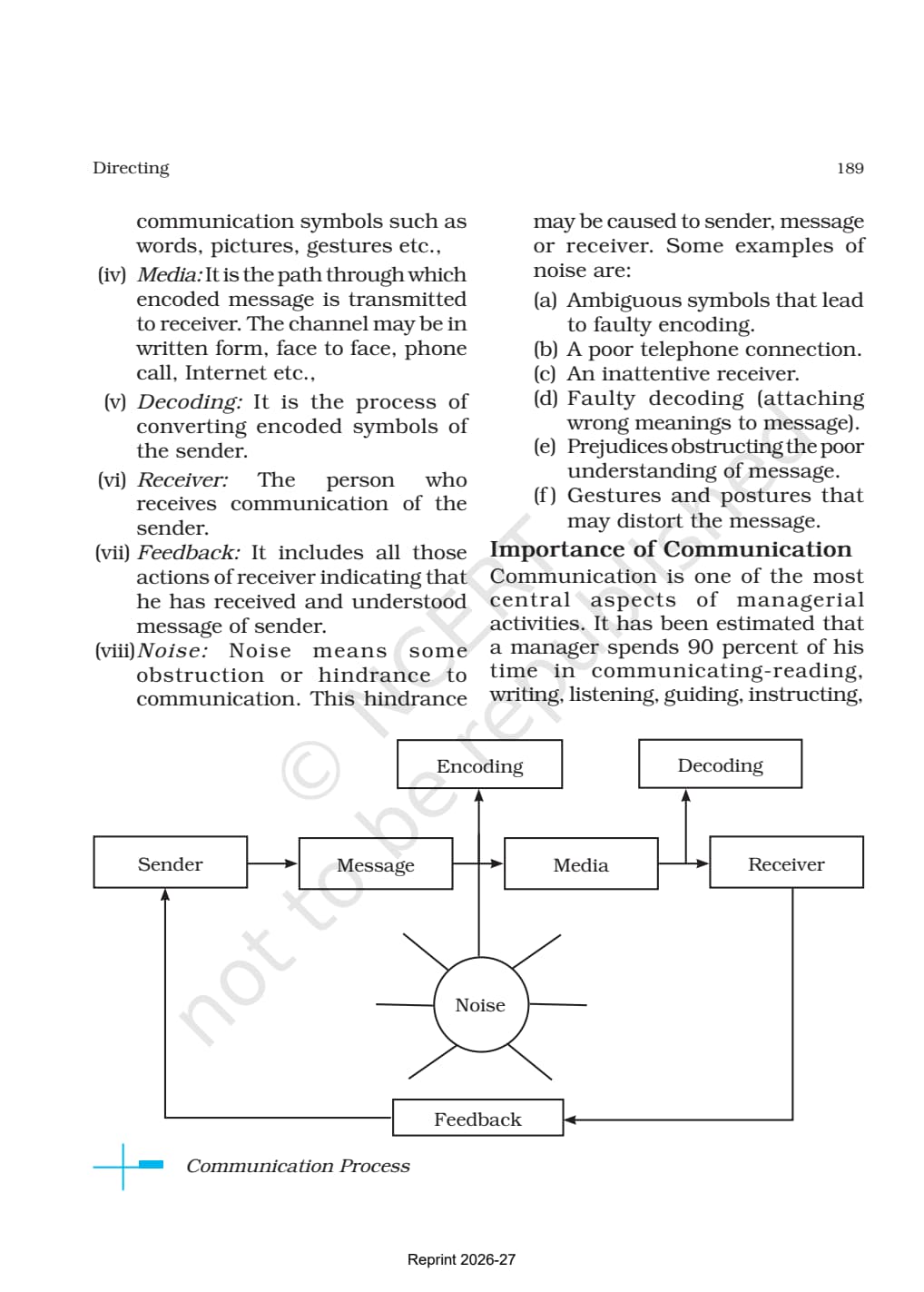
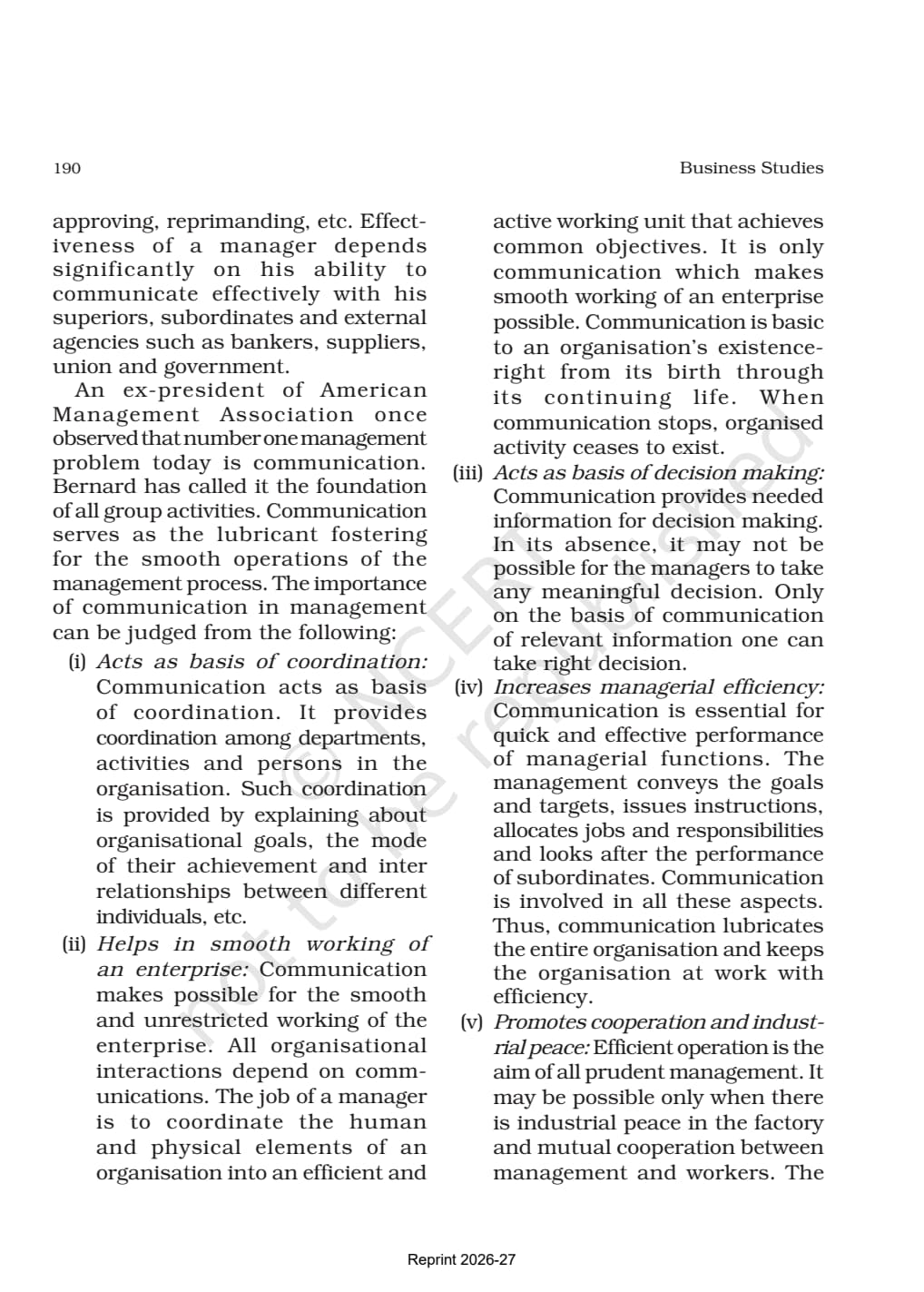
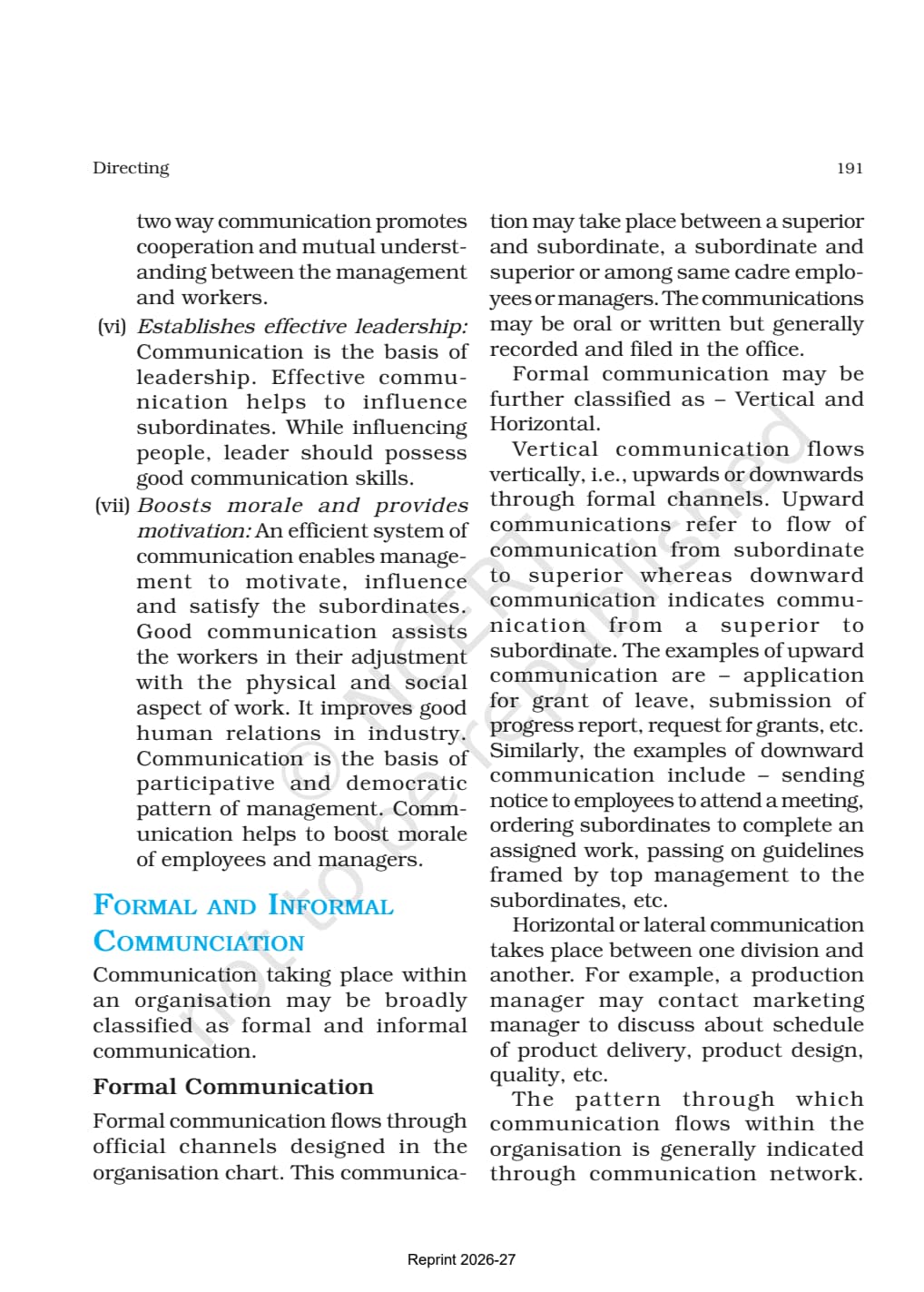
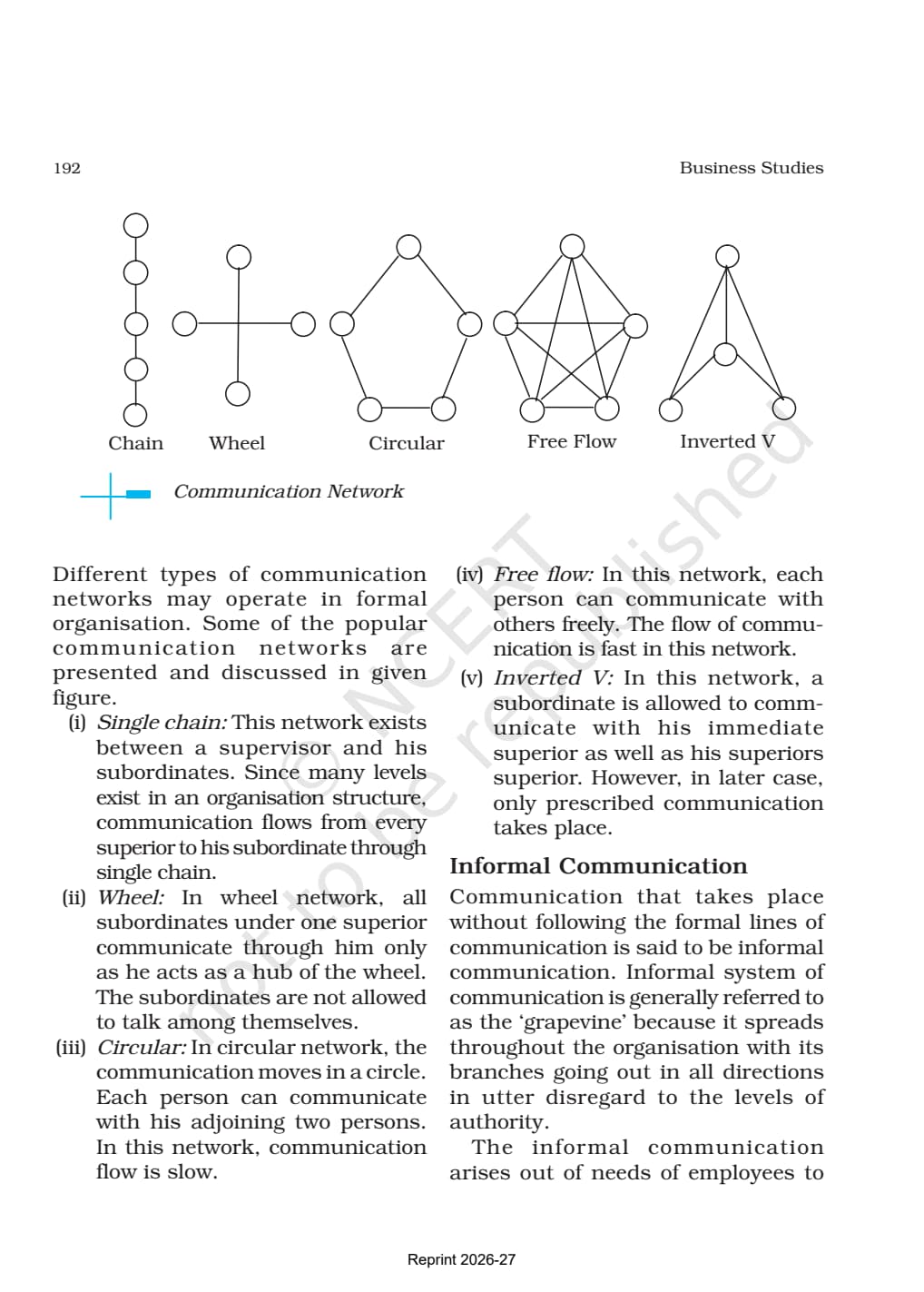
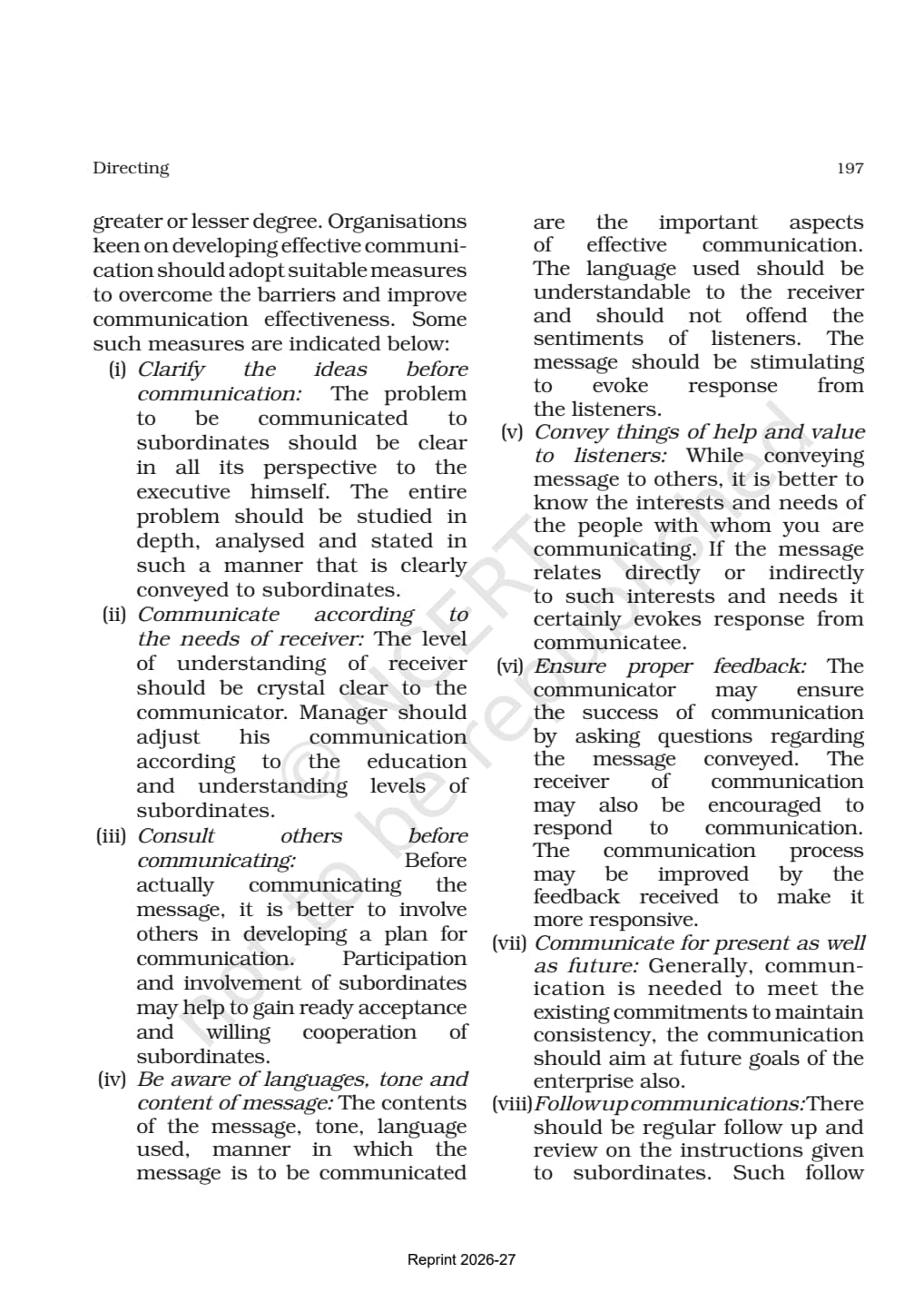
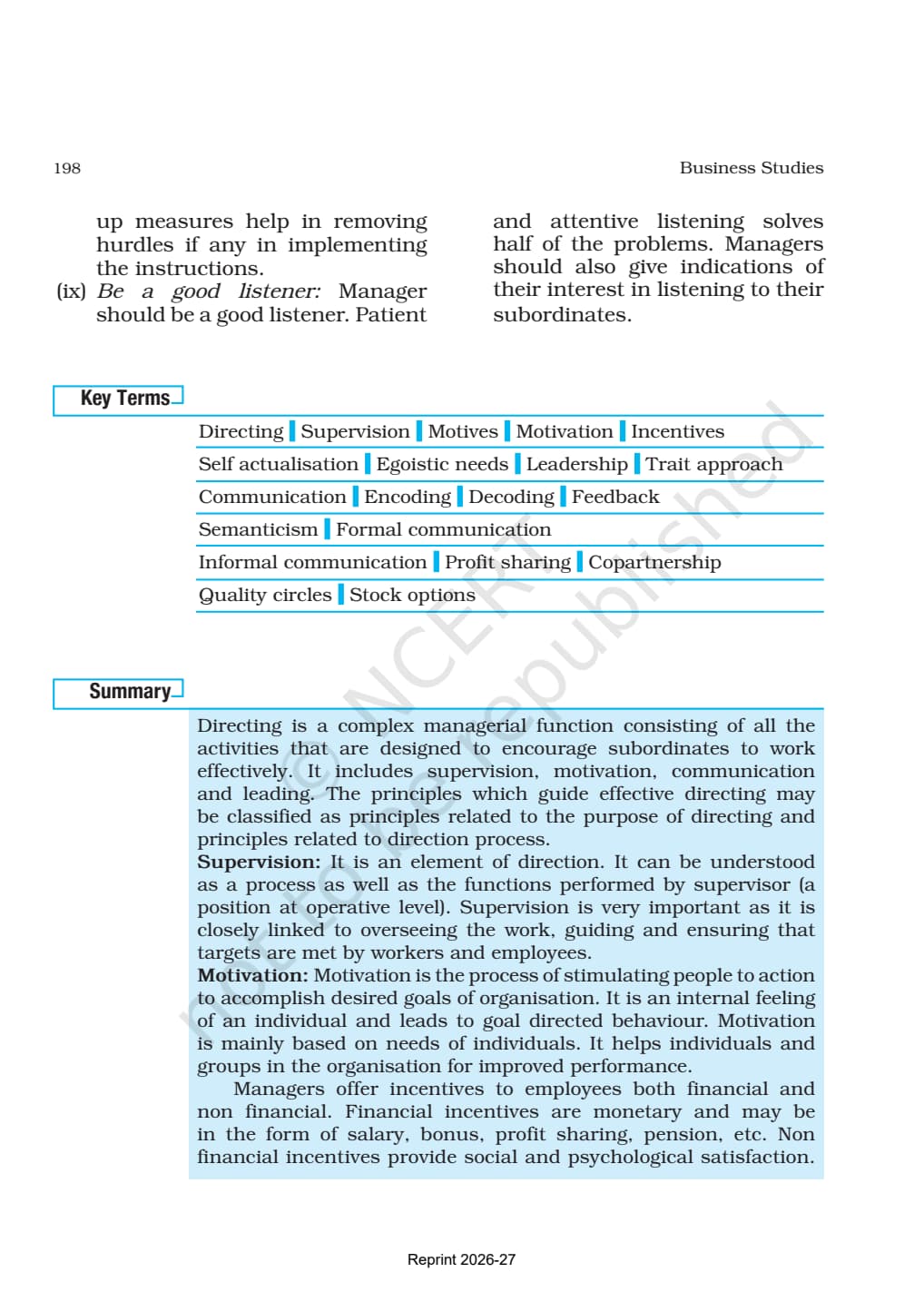
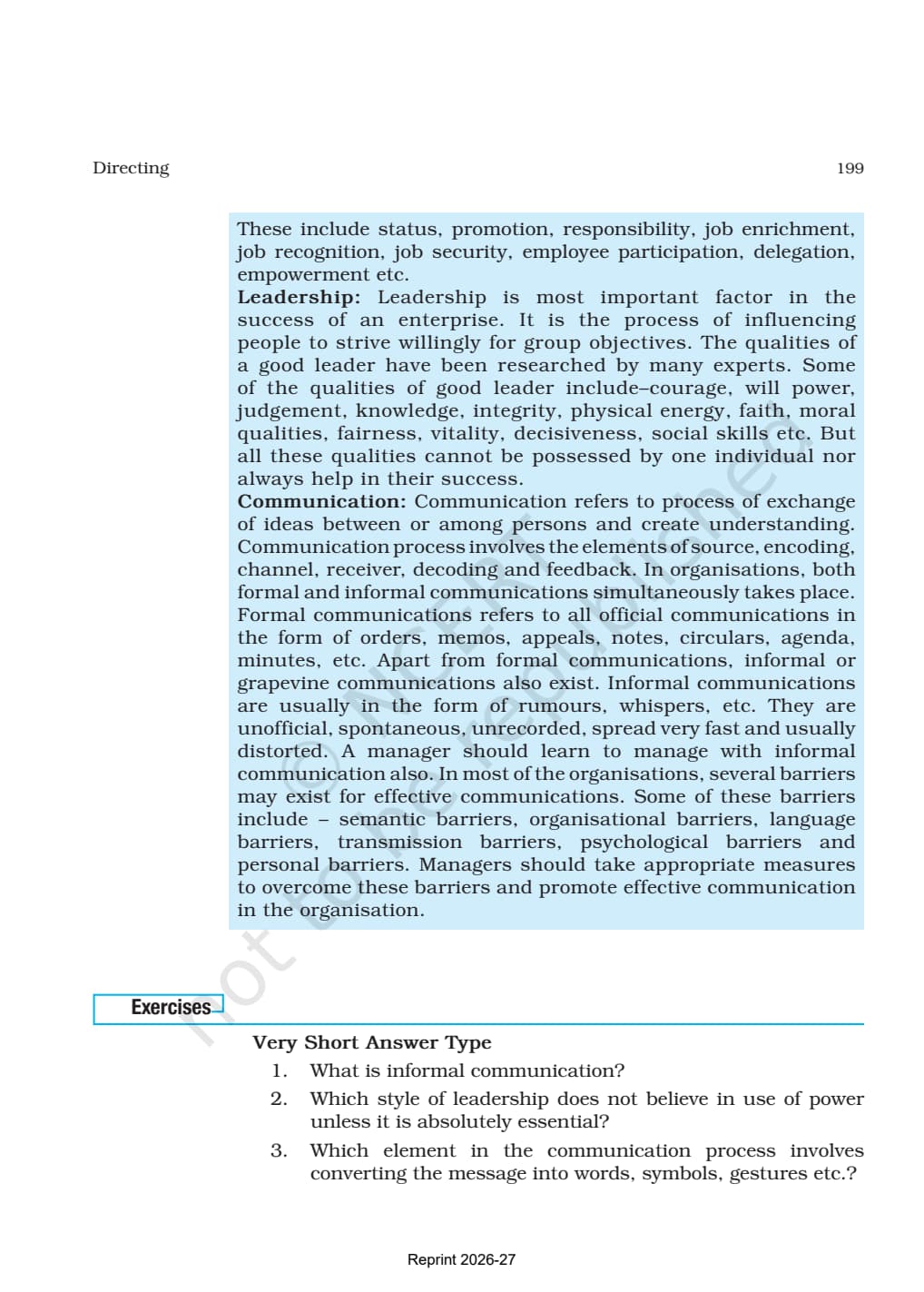
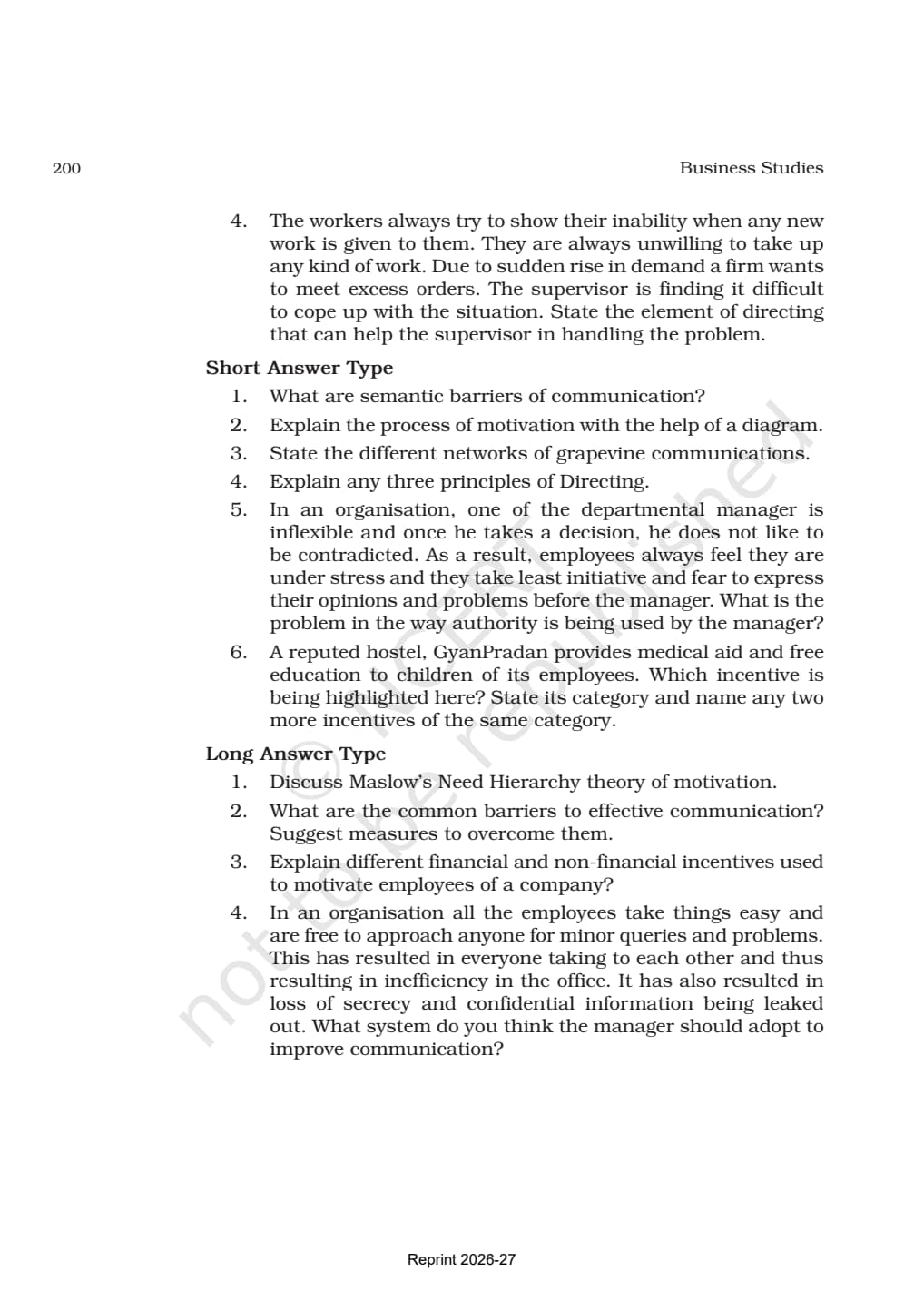
- CBSE Weightage: 6 to 10 marks (Unit 1, Principles and Functions of Management)
- Sections Covered: 13 concept blocks + 10-point cheat sheet (directing, Maslow, leadership, communication)
This NCERT Book PDF is meant for a Class 12 student reading the chapter for the first time, and for board-exam candidates revising in the last week before the paper. Every concept is explained with definitions, key features and one-line takeaways, with mnemonics, quick tips and common-mistake call-outs placed where students usually slip.
Directing Class 12 NCERT Book: Topic Map
Directing Video Chapter Walkthrough
Source: Magnet Brains on YouTube
What the Class 12 Business Studies Chapter 7 NCERT Book PDF Contains
- The official NCERT Reprint 2026-27 chapter PDF.
- Chapter 7 of the NCERT Class 12 Business Studies textbook, free download.
- The same text used as the source for Collegedunia's Notes, Solutions and Handwritten Notes PDFs for this chapter.
- Recommended reading order: read the NCERT chapter first, then the Notes for structured revision, then the Solutions for question practice.
- Cross-links to Solutions, Notes and Handwritten Notes for the same chapter.
Continue Learning: More Class 12 Business Studies Chapters
- Ch 6: Staffing Class 12 NCERT Book
- Ch 8: Controlling Class 12 NCERT Book
- All Class 12 Business Studies Chapters
Student Feedback
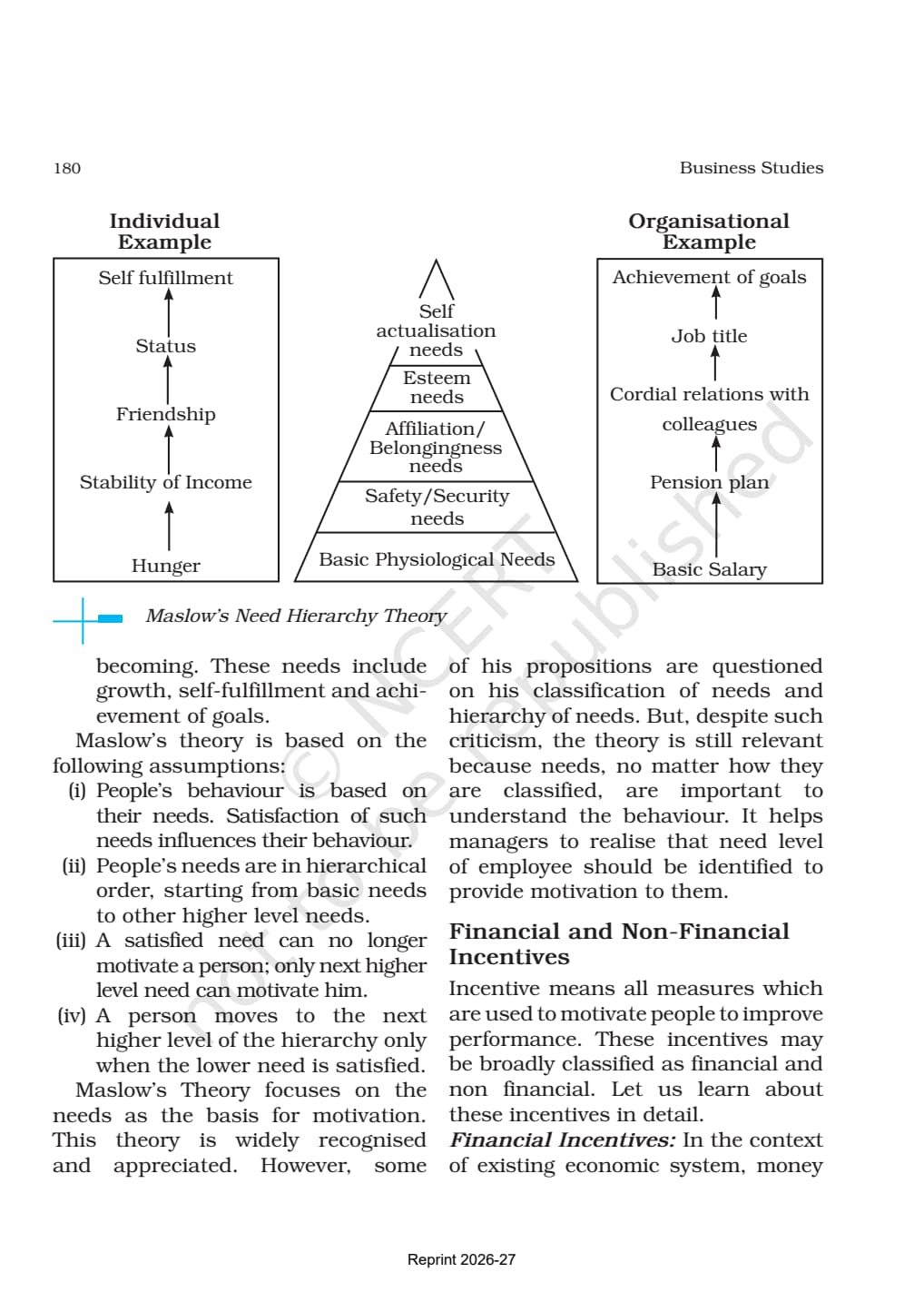
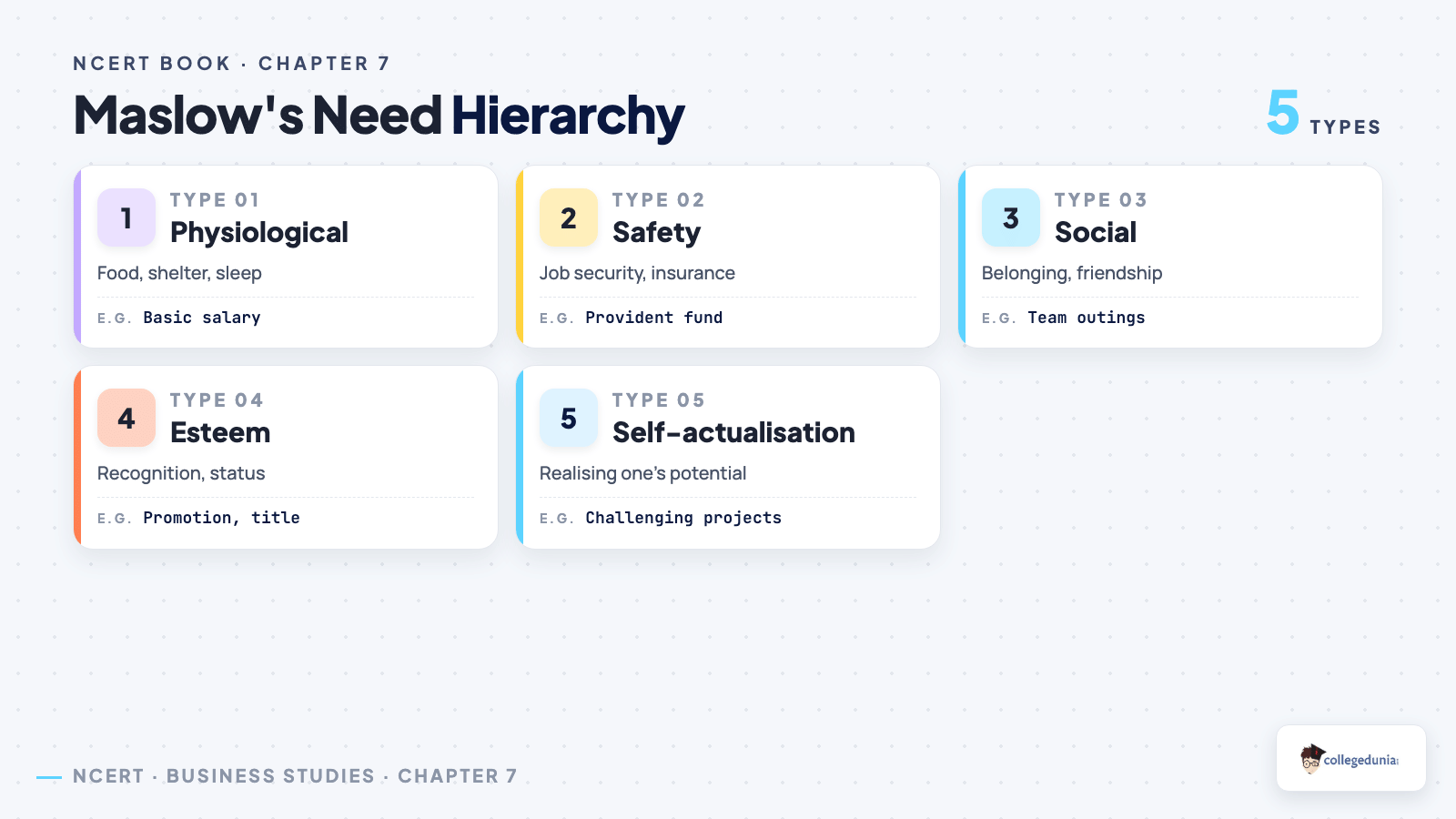
In a Collegedunia poll of 460 Class 12 Commerce students, 81% said the Maslow's need hierarchy diagram helped them recall the five levels faster in mock tests. 3 in 4 said matching real-life examples to the four elements of directing was the trickiest part of Chapter 7 before using this PDF.
Other Resources for Class 12 Business Studies Chapter 7 Directing
| Resource | Link |
|---|---|
| NCERT Solutions | Directing NCERT Solutions |
| Revision Notes | Directing Class 12 Notes |
| Handwritten Notes | Directing Handwritten Notes |
| NCERT Book PDF | Directing NCERT Book PDF |
Directing Class 12 - Frequently Asked Questions
Directing Class 12 - Frequently Asked Questions
What is directing in Class 12 Business Studies Chapter 7?
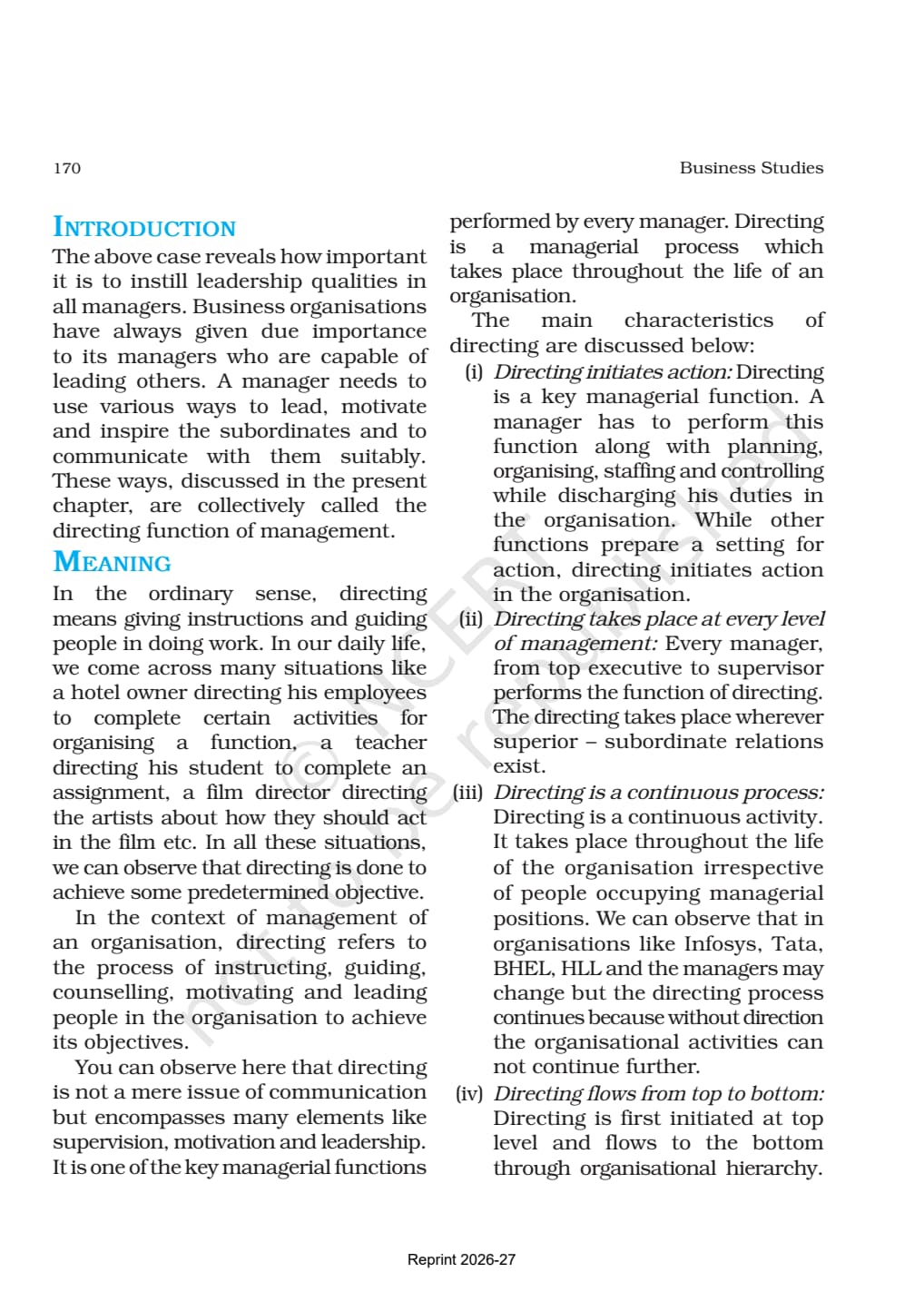
Directing is the management function of instructing, guiding, counselling, motivating and leading people in the organisation to achieve its objectives. It is the fourth function of management and converts plans on paper into actual goal-directed action.
What are the four elements of directing?
The four elements of directing are supervision, motivation, leadership and communication. Supervision is the first-line guidance of operatives; motivation stimulates the will to work; leadership influences people to strive willingly for group objectives; communication creates shared understanding.
What is Maslow's need hierarchy theory?
Abraham Maslow (1943) proposed that human needs follow a five-level hierarchy: (1) physiological, (2) safety, (3) social, (4) esteem, (5) self-actualisation. Lower needs are satisfied first; once satisfied, they stop motivating and the next higher need becomes the active motivator.
What is the difference between formal and informal communication?
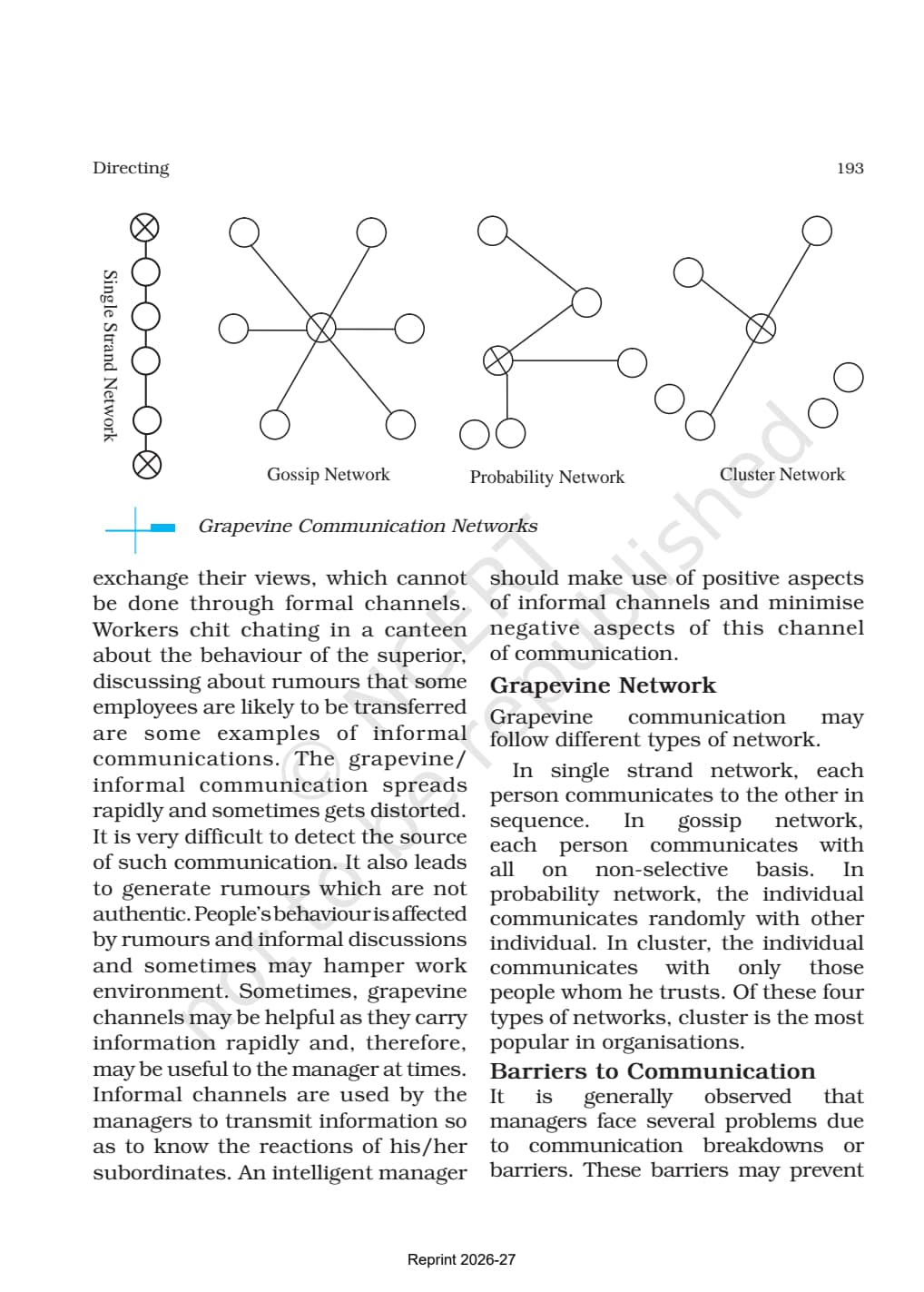
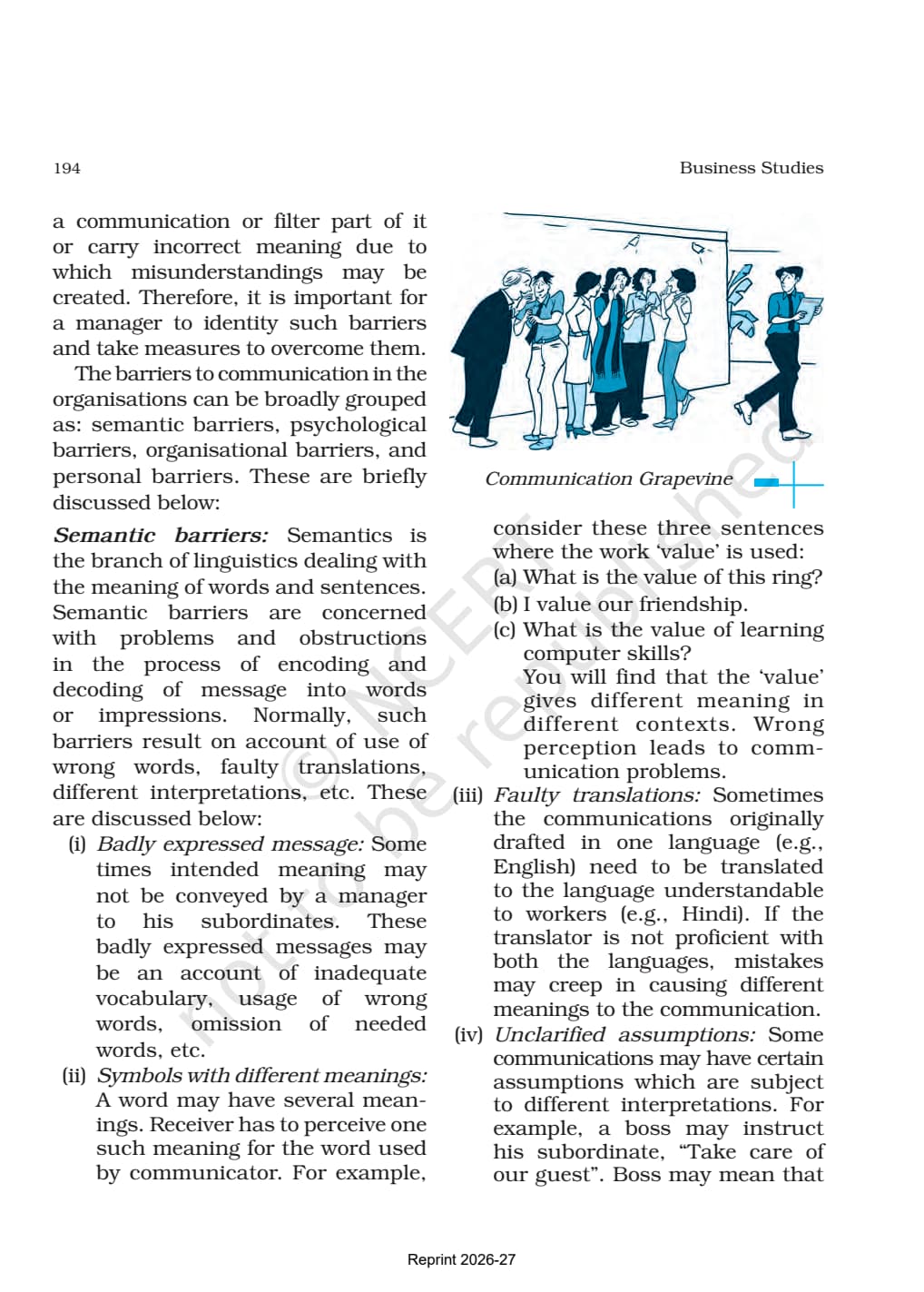
Formal communication follows the chain of authority designed by management (orders, memos, agenda, minutes); it is slower but reliable. Informal communication (or grapevine) arises spontaneously out of social ties (rumours, whispers); it is very fast but often distorted.
Where can I download the Class 12 Business Studies Chapter 7 Directing NCERT Book PDF?
You can download the Collegedunia Class 12 Business Studies Chapter 7 Directing NCERT Book PDF free of cost from this page. The PDF is aligned to the NCERT Reprint 2026-27 syllabus and includes all the concepts, comparisons, diagrams and case-study spotters you need for the board exam.



Comments