




The ncert class 12 accountancy book pdf chapter 4 Dissolution of Partnership Firm closes Part 1 of the textbook with a 30-page chapter that converts the entire Partnership block into a single audit-style question: how do you wind up a firm, square every account, and pay every claimant in the order the law demands. The Reprint 2026-27 PDF is the official NCERT source aligned to the CBSE 2026-27 syllabus.
| CBSE Weightage (Part A) | 6 to 8 marks |
| Chapter Length | 30 pages (Part 1, Ch 4) |
| Solved Illustrations | 8 to 10 + 20 practice questions |
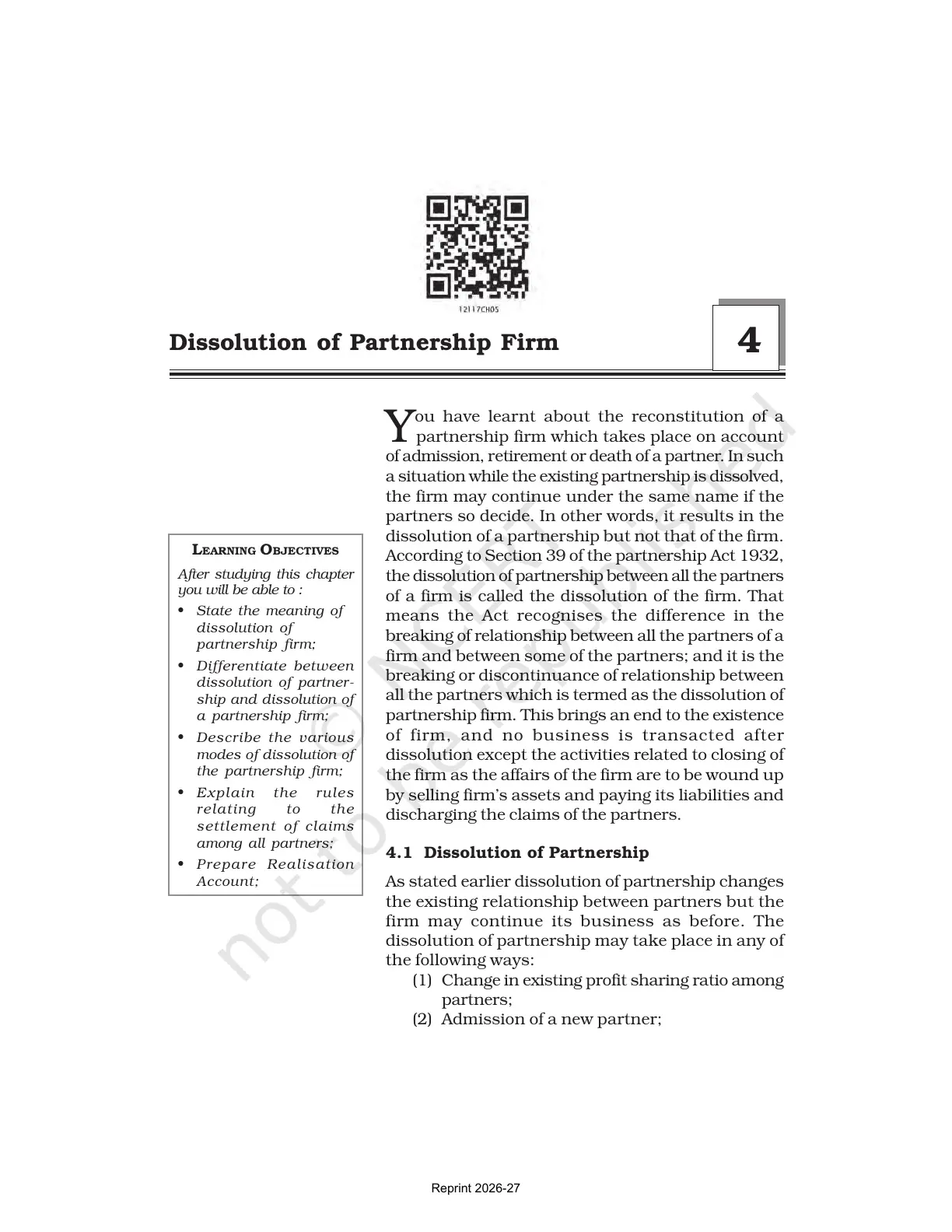
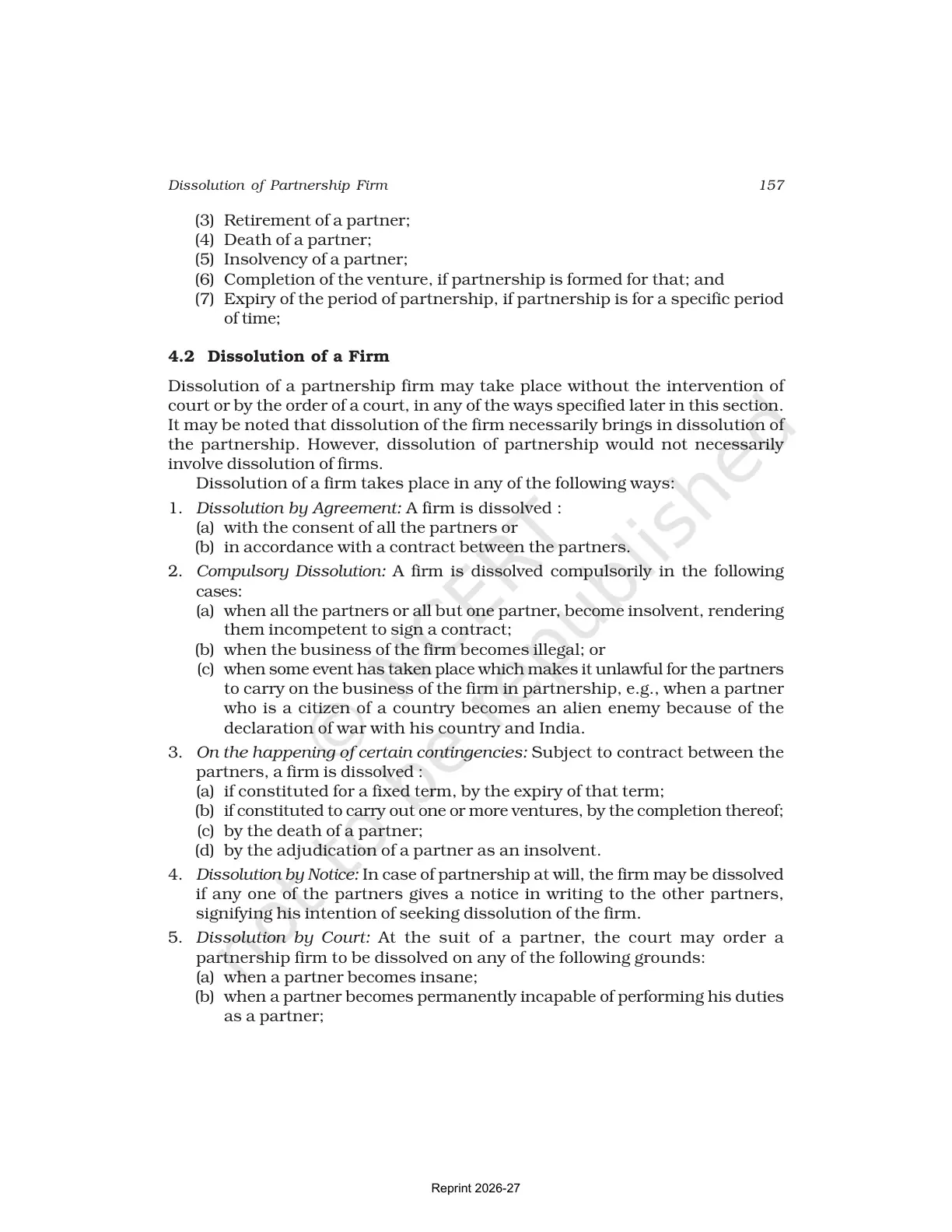
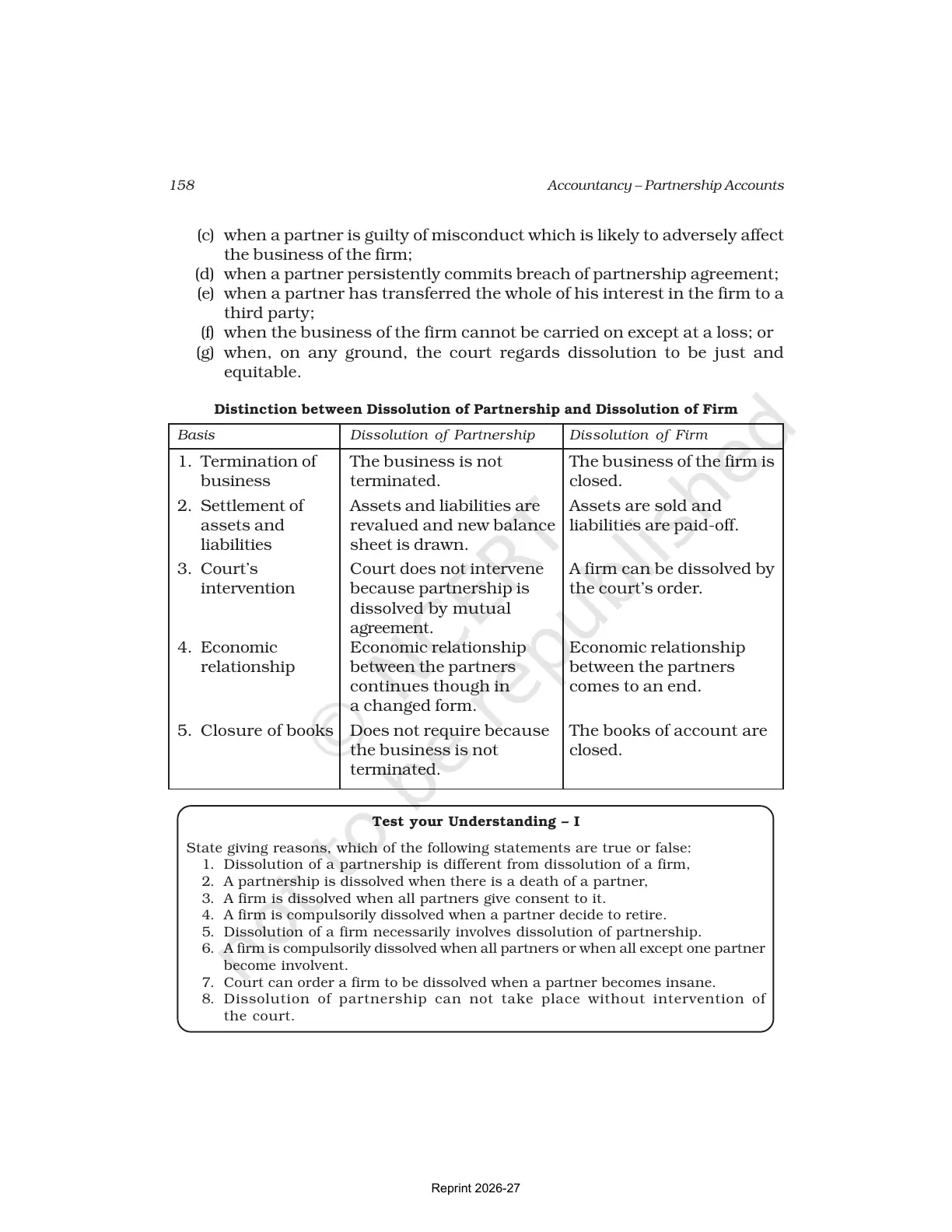
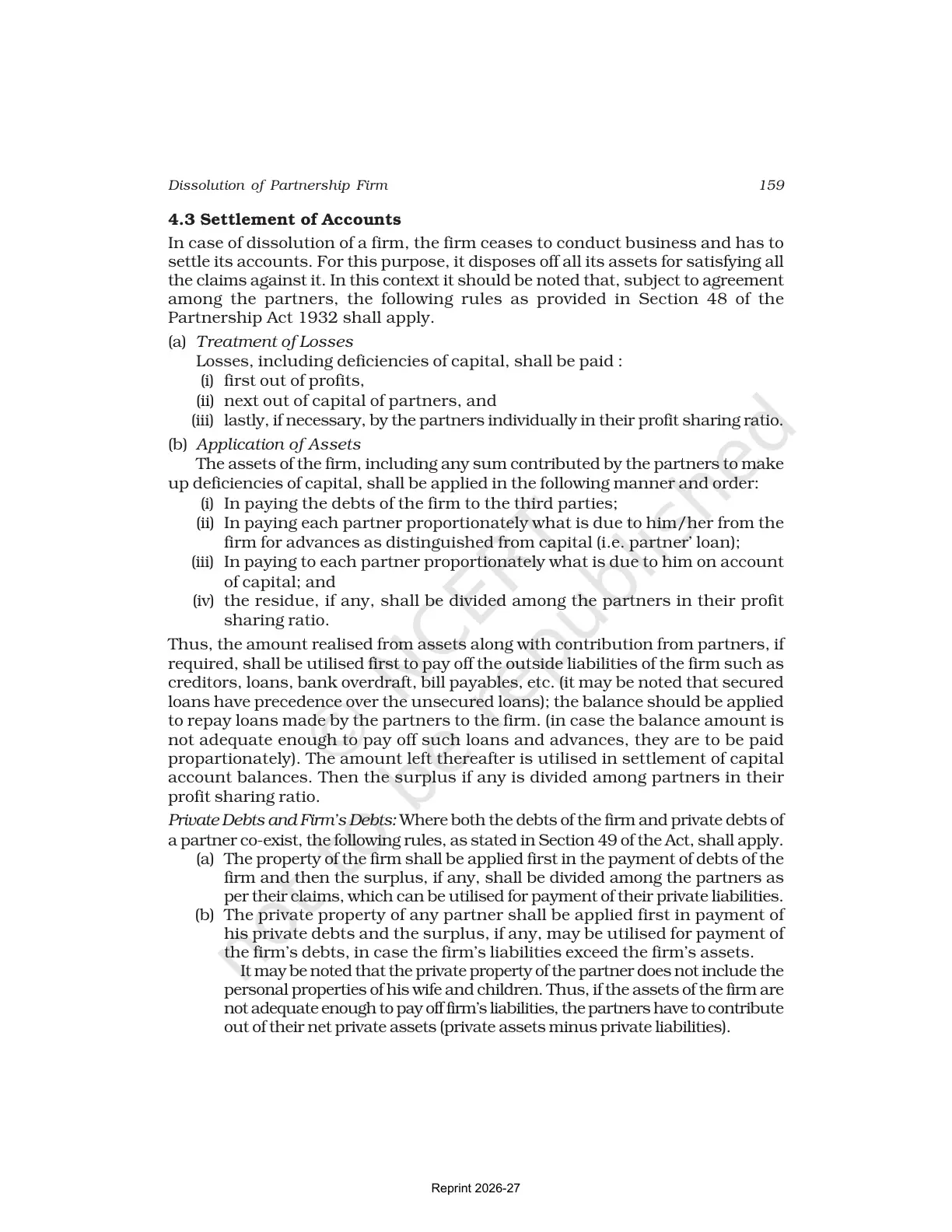
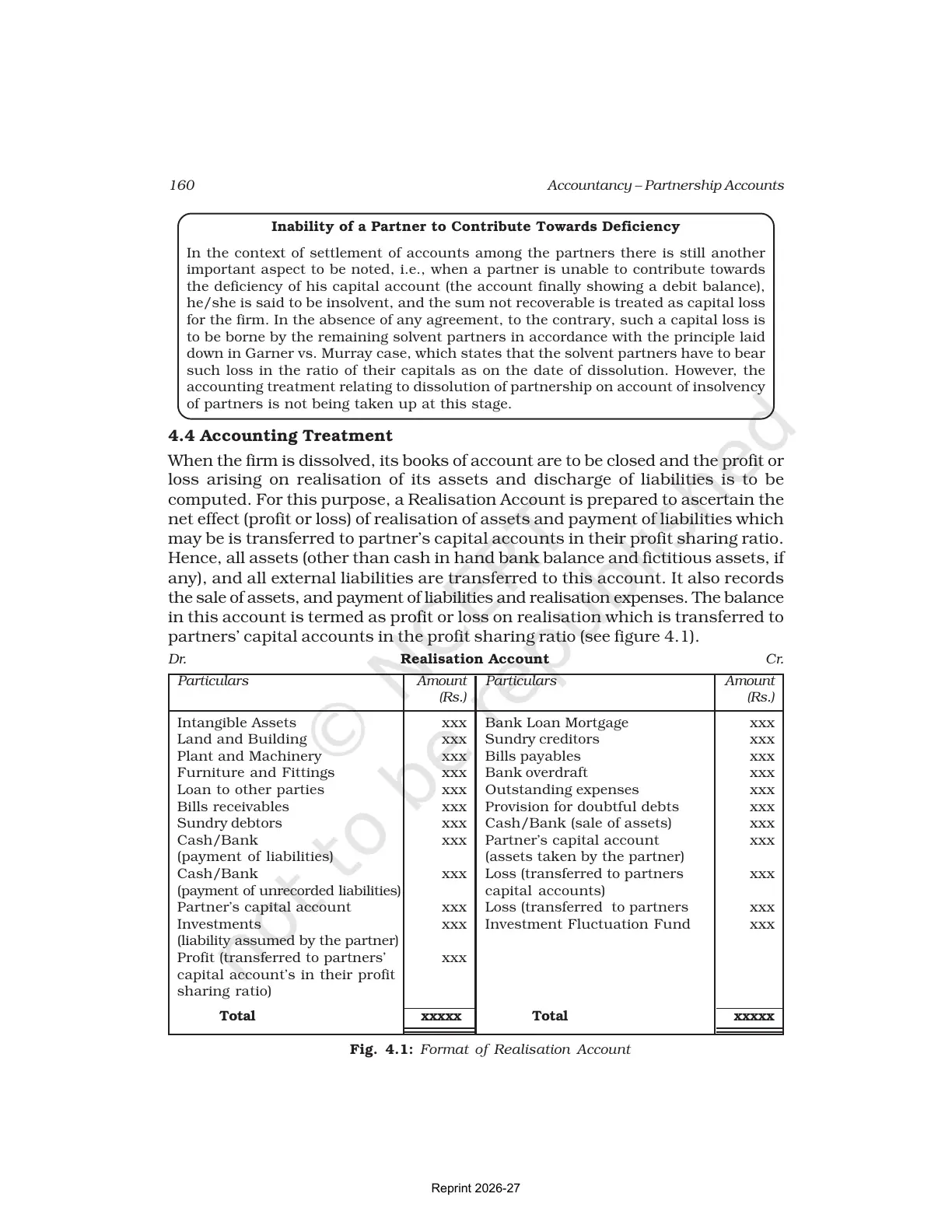
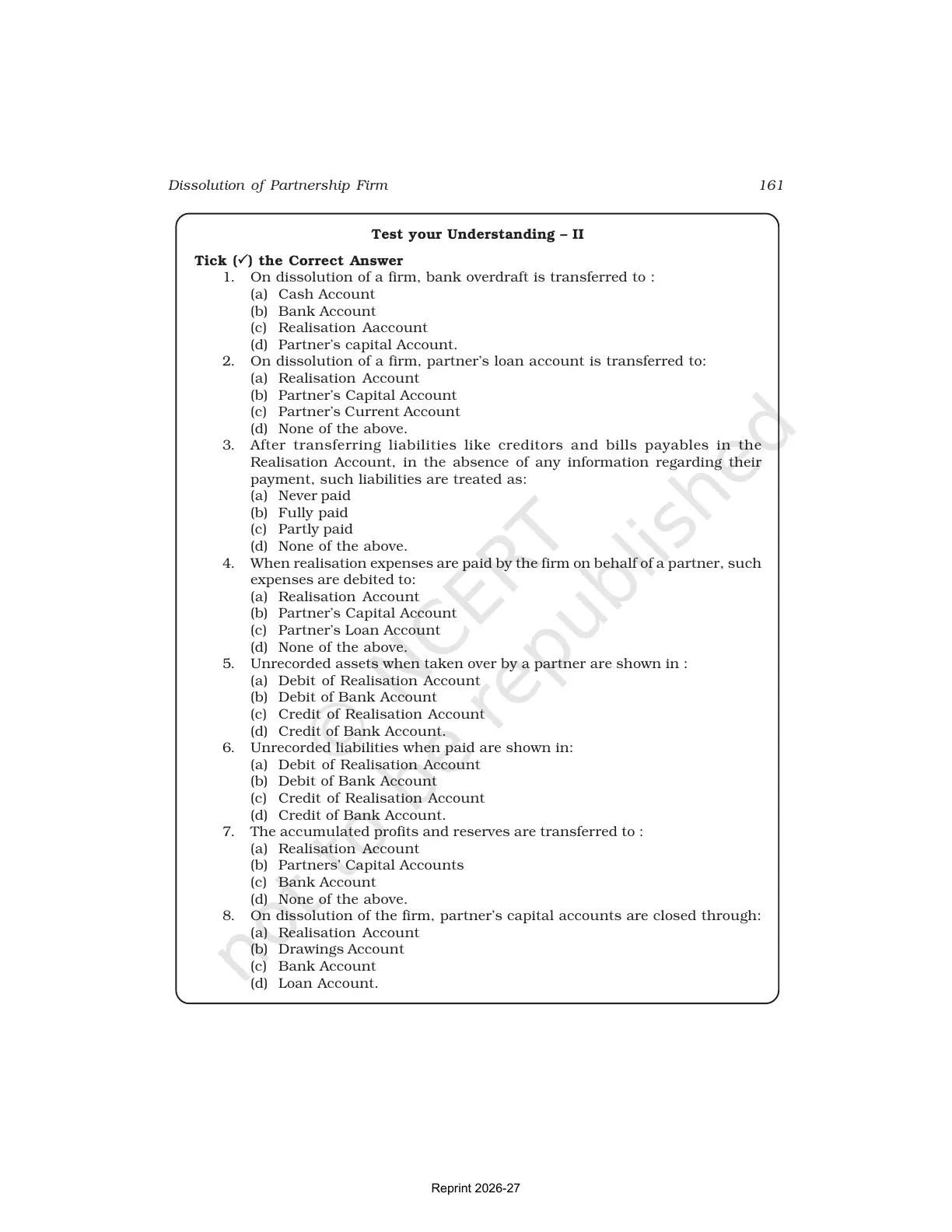
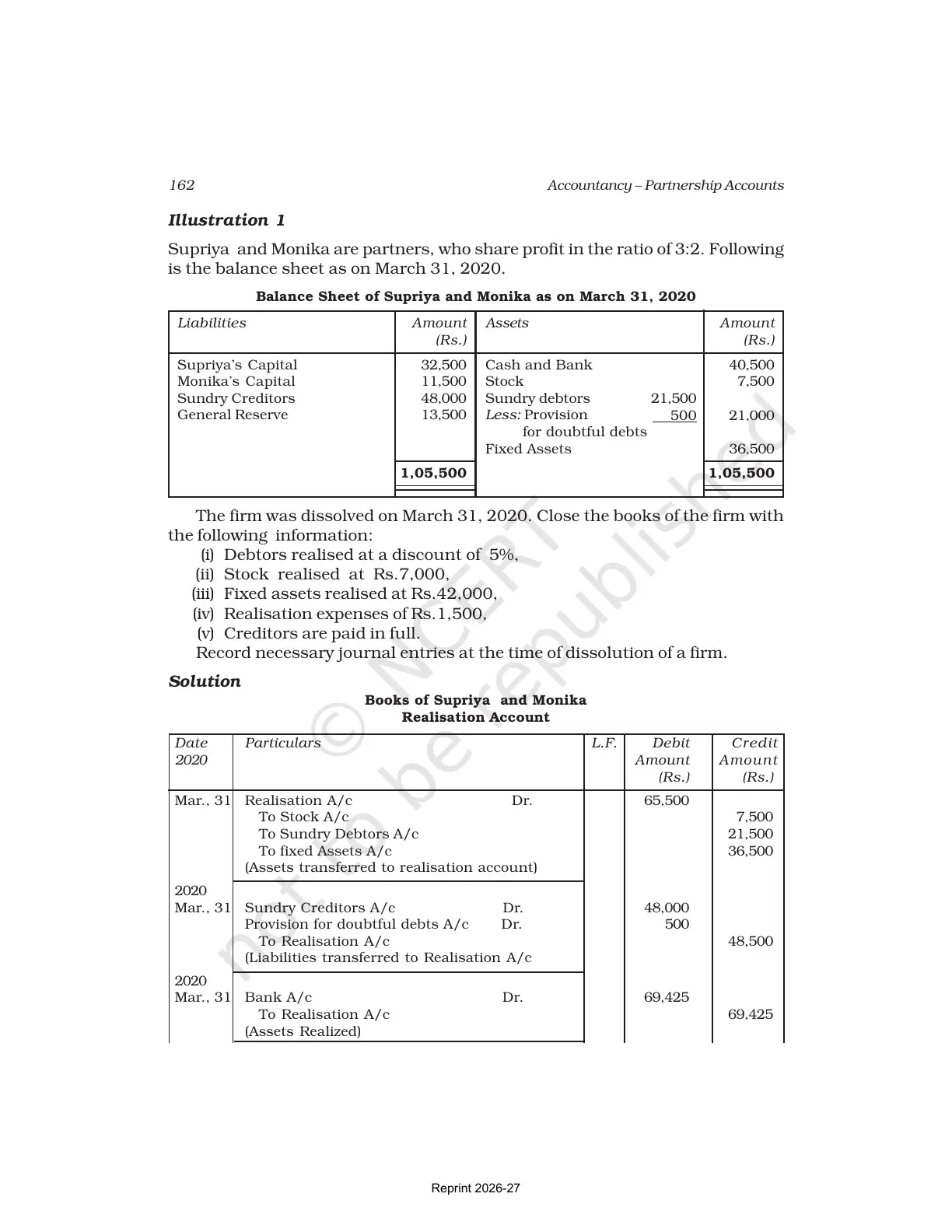
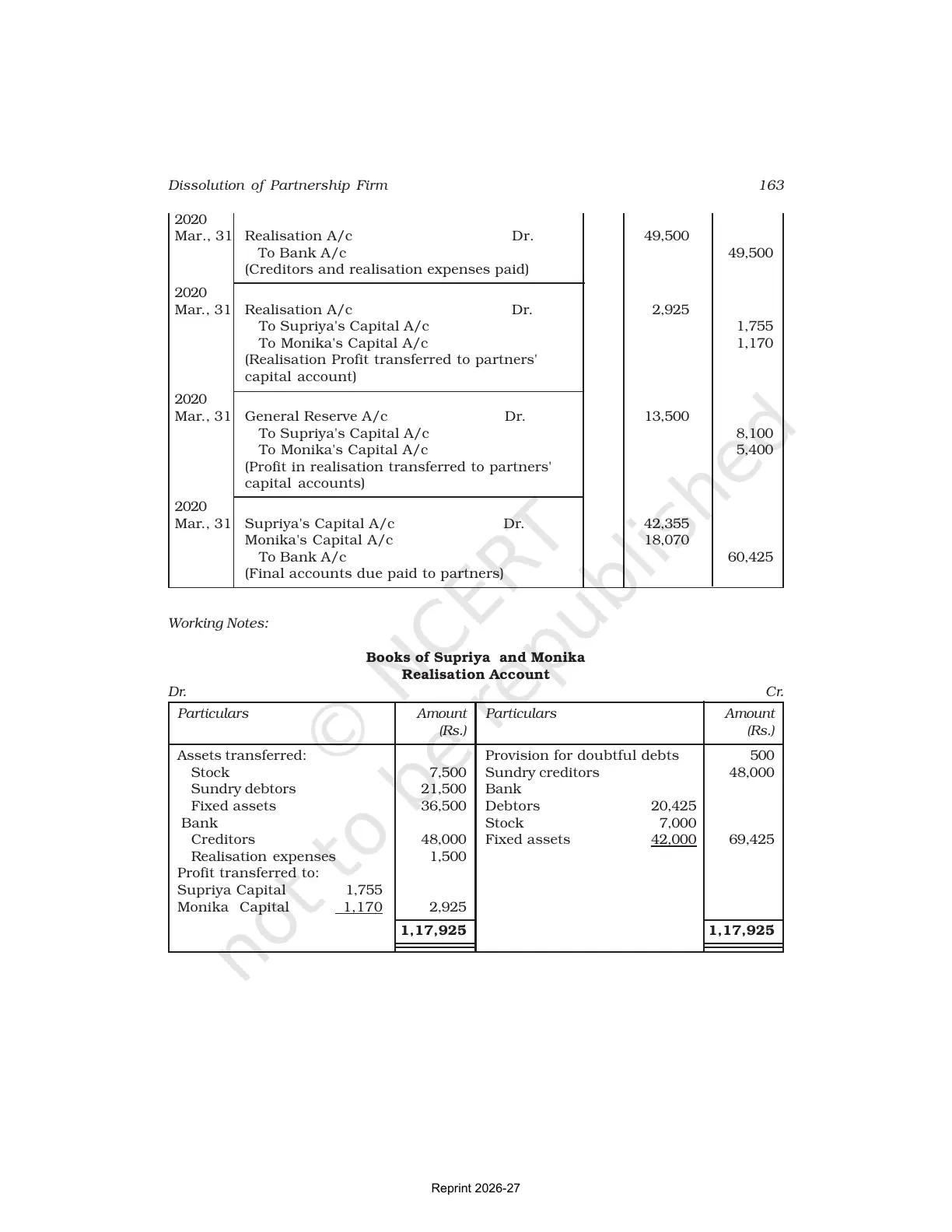
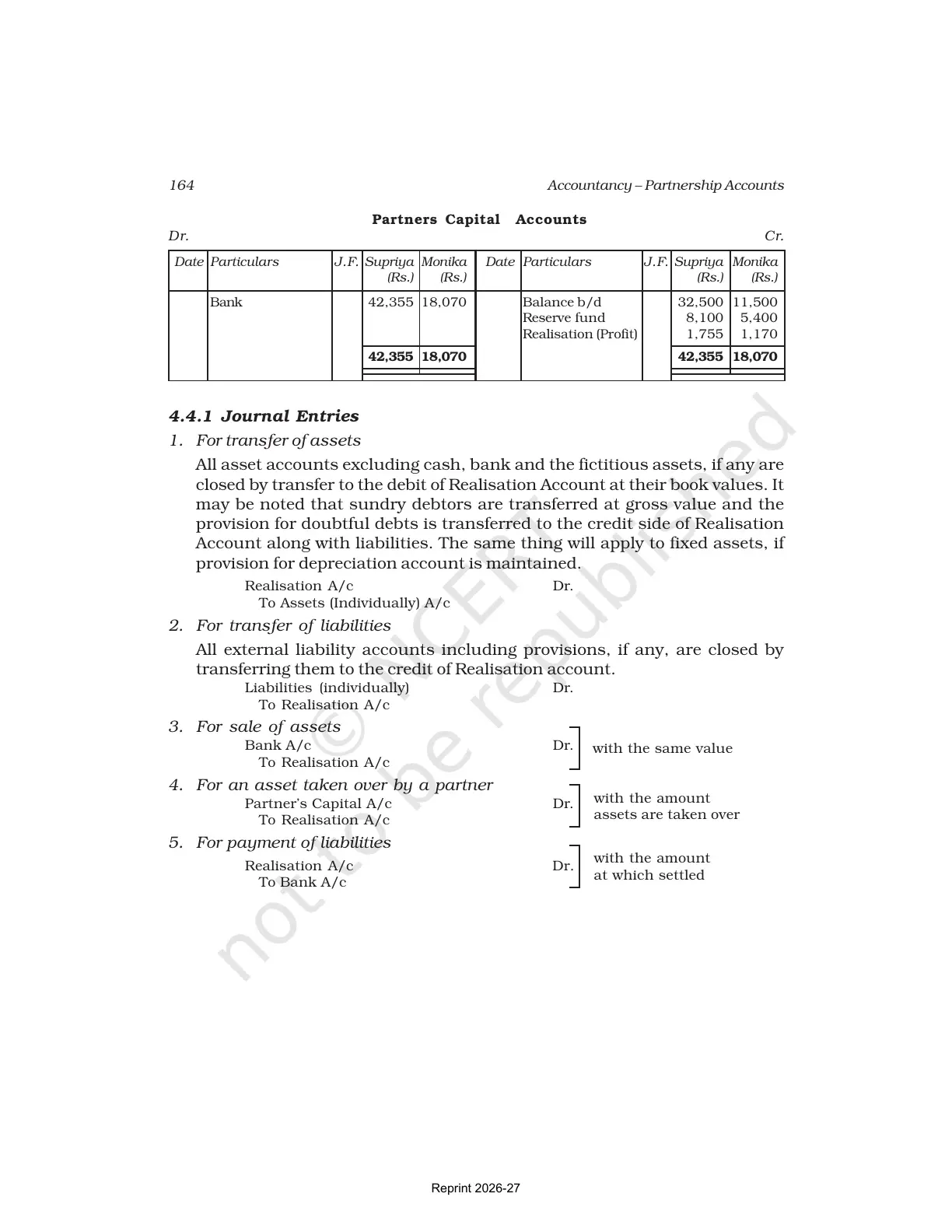
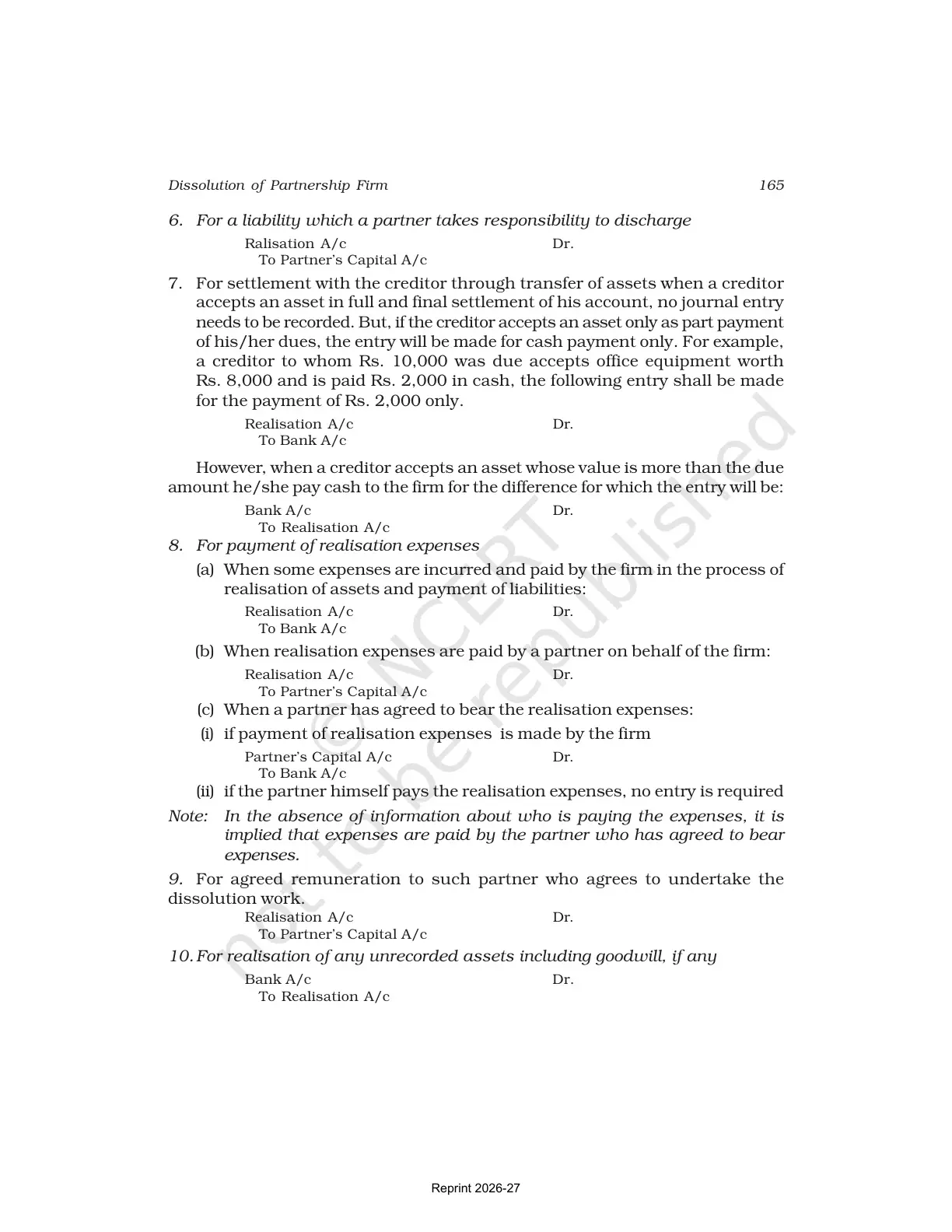
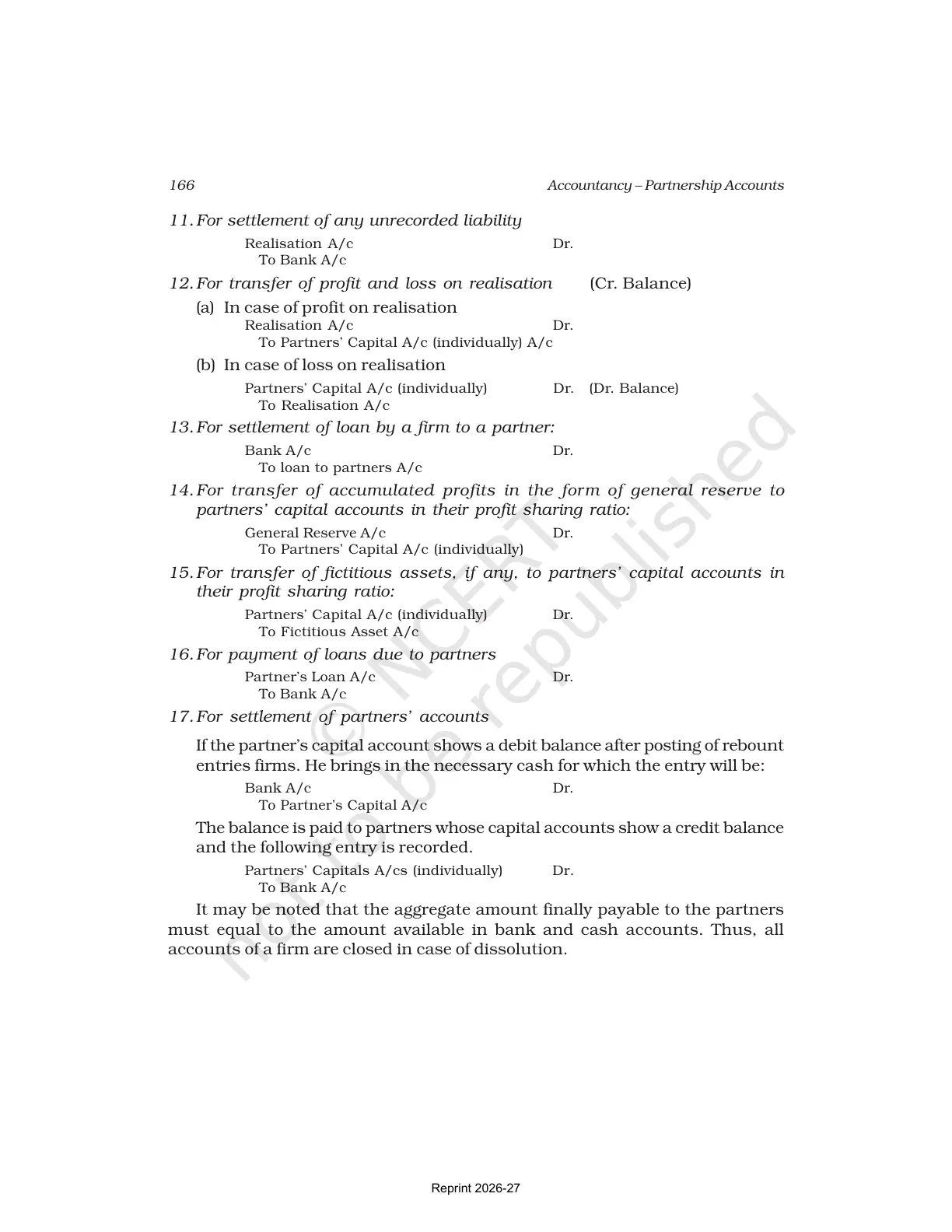
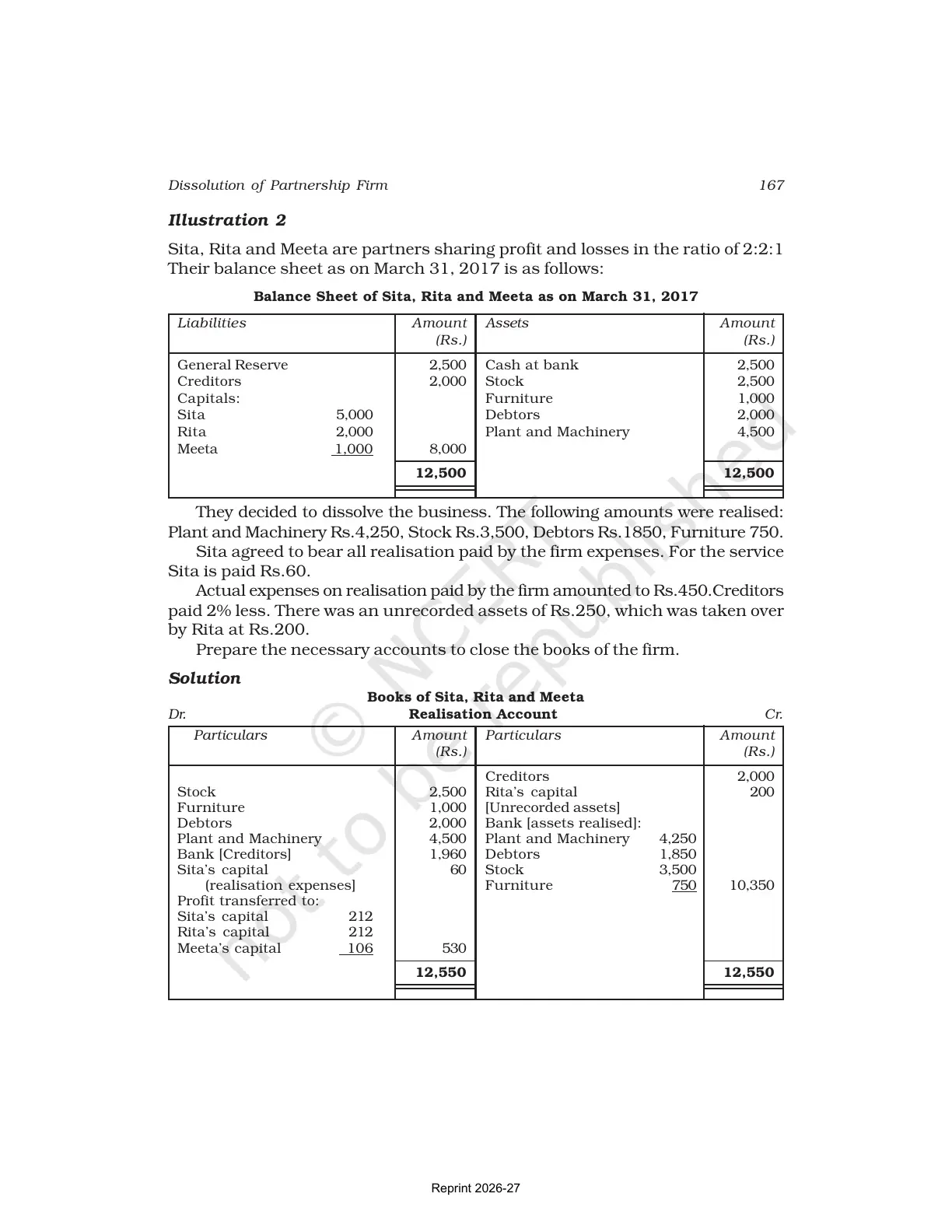
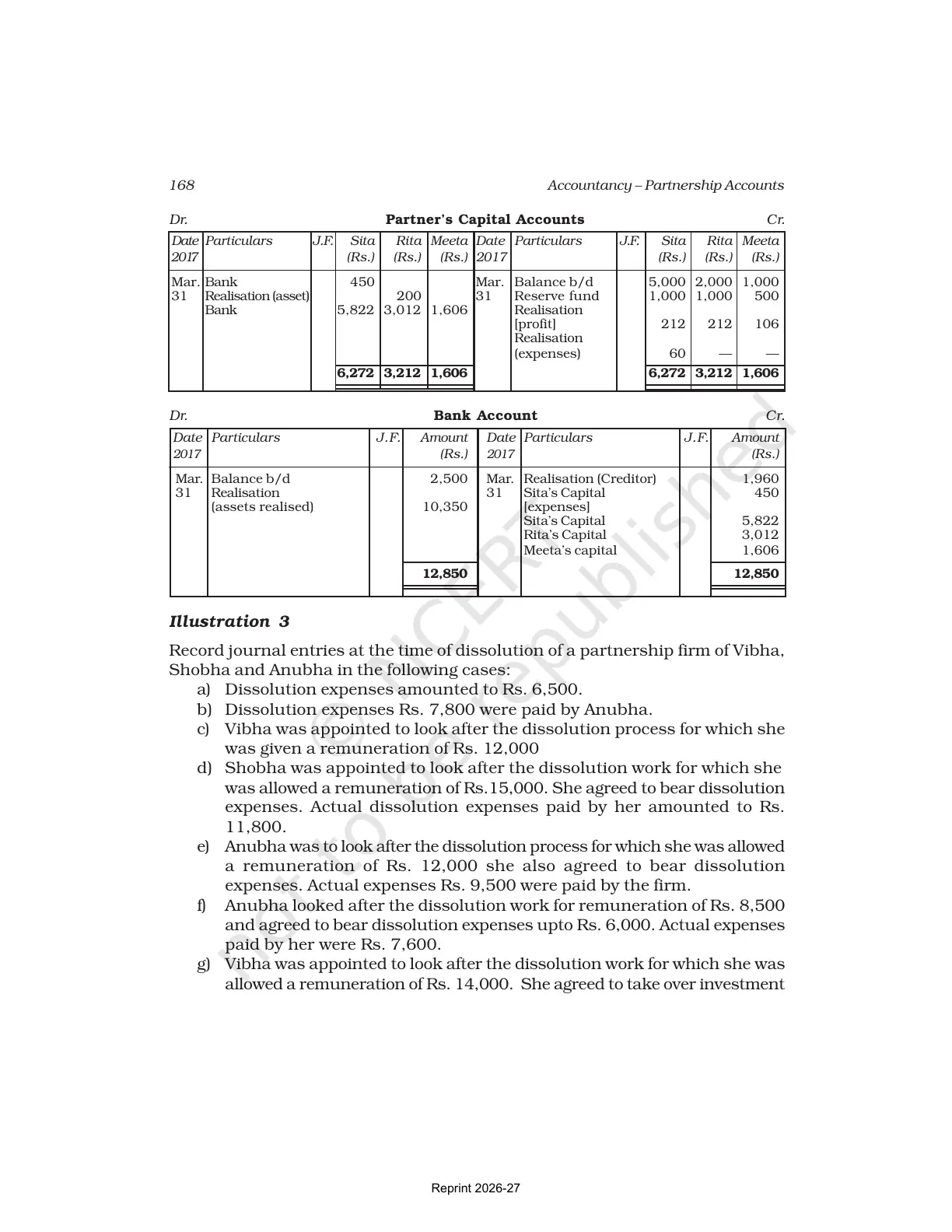
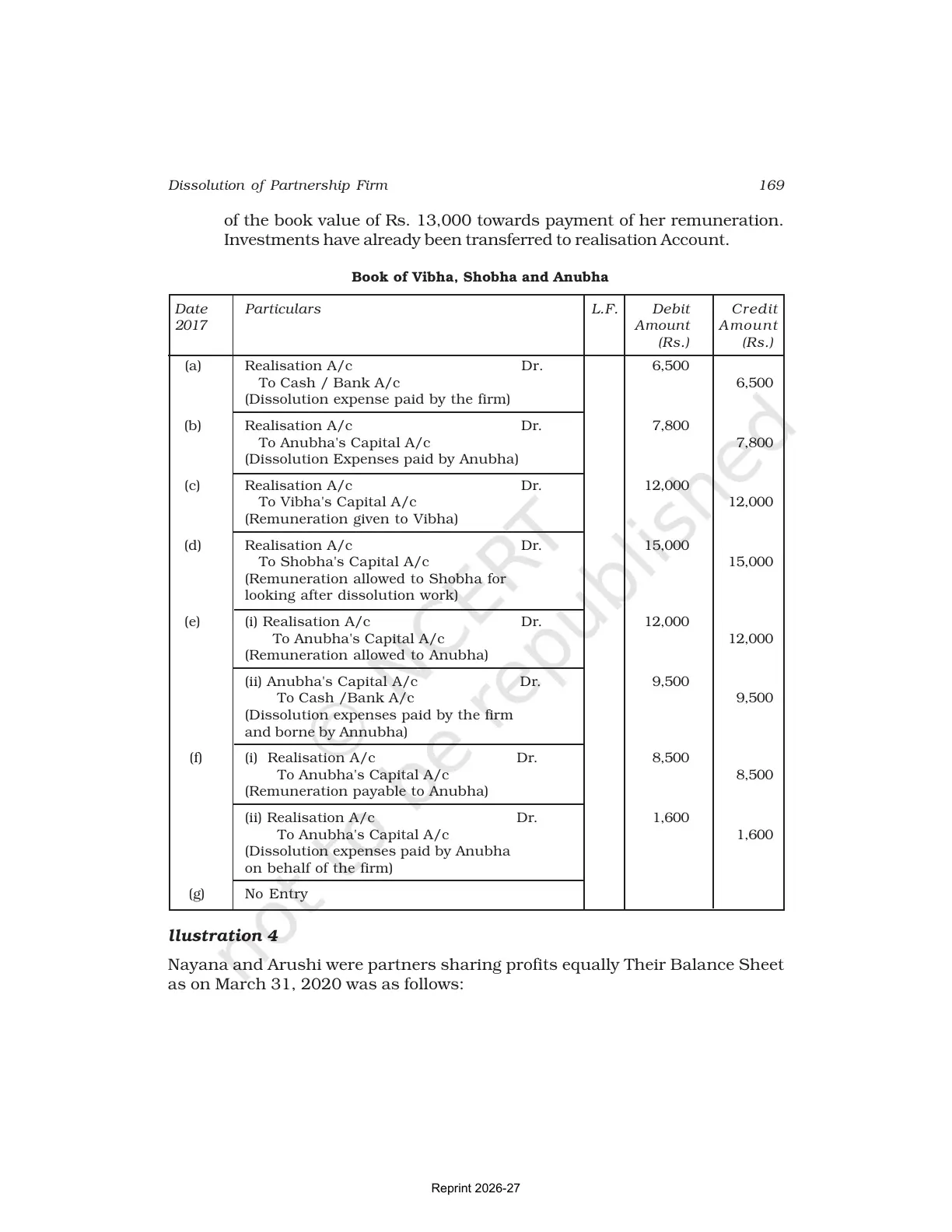
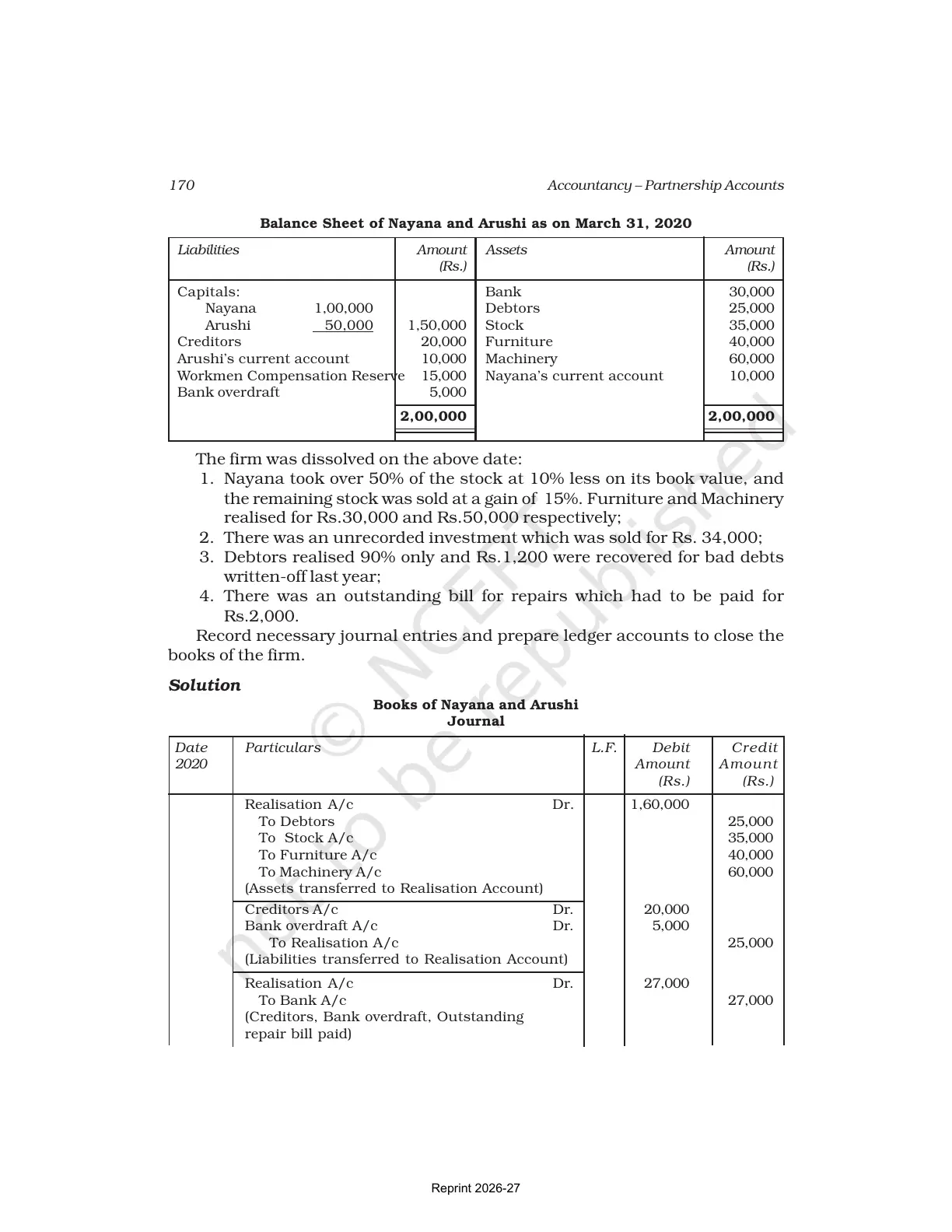
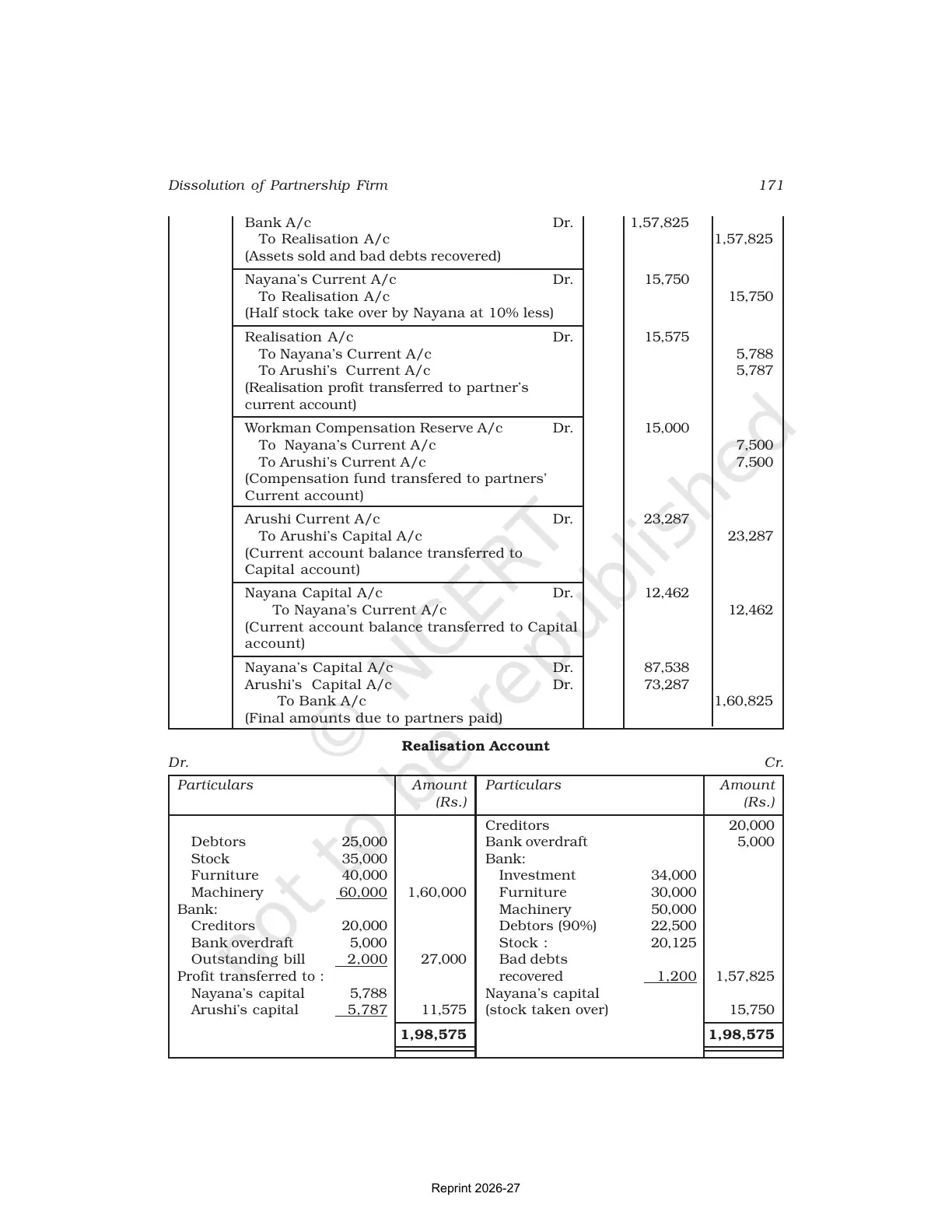
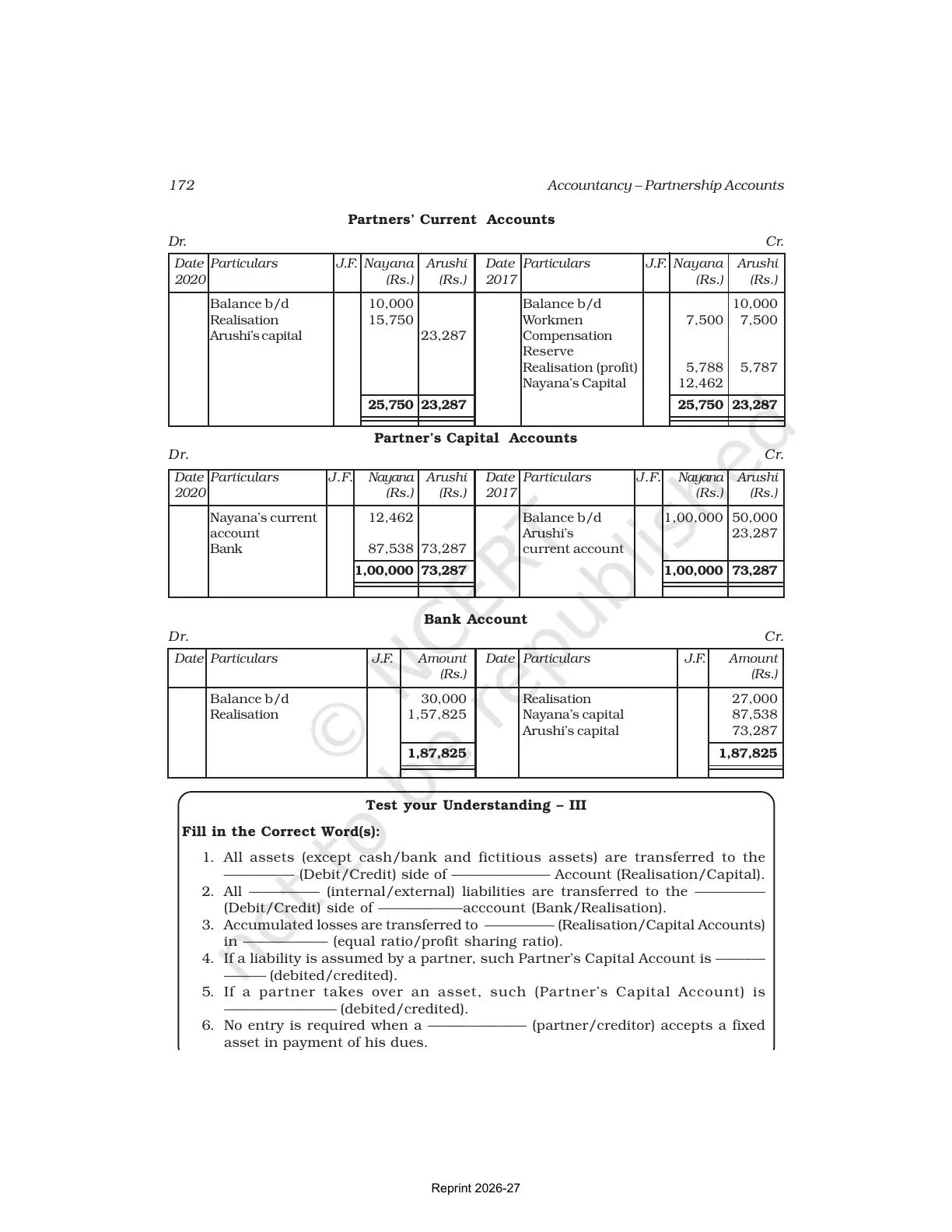
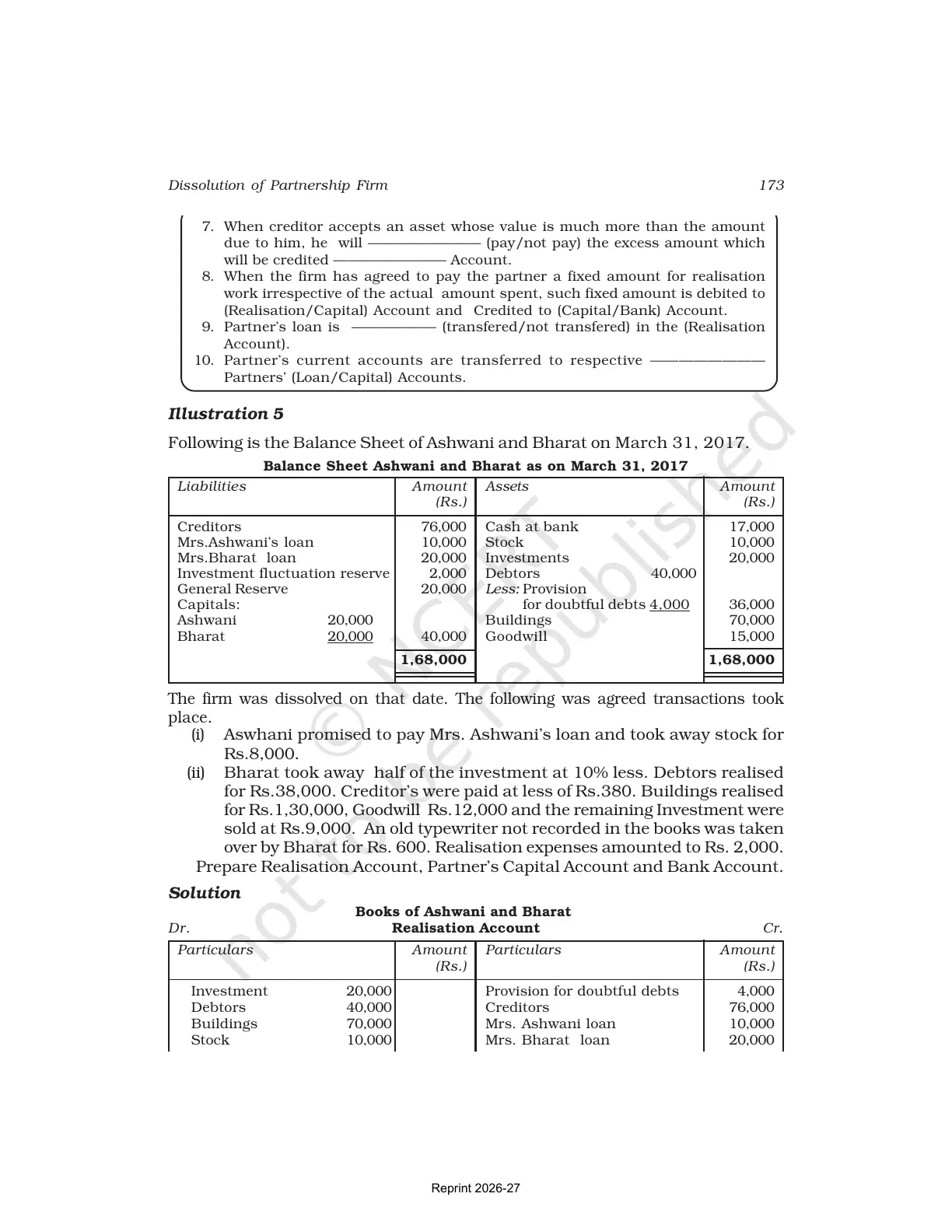
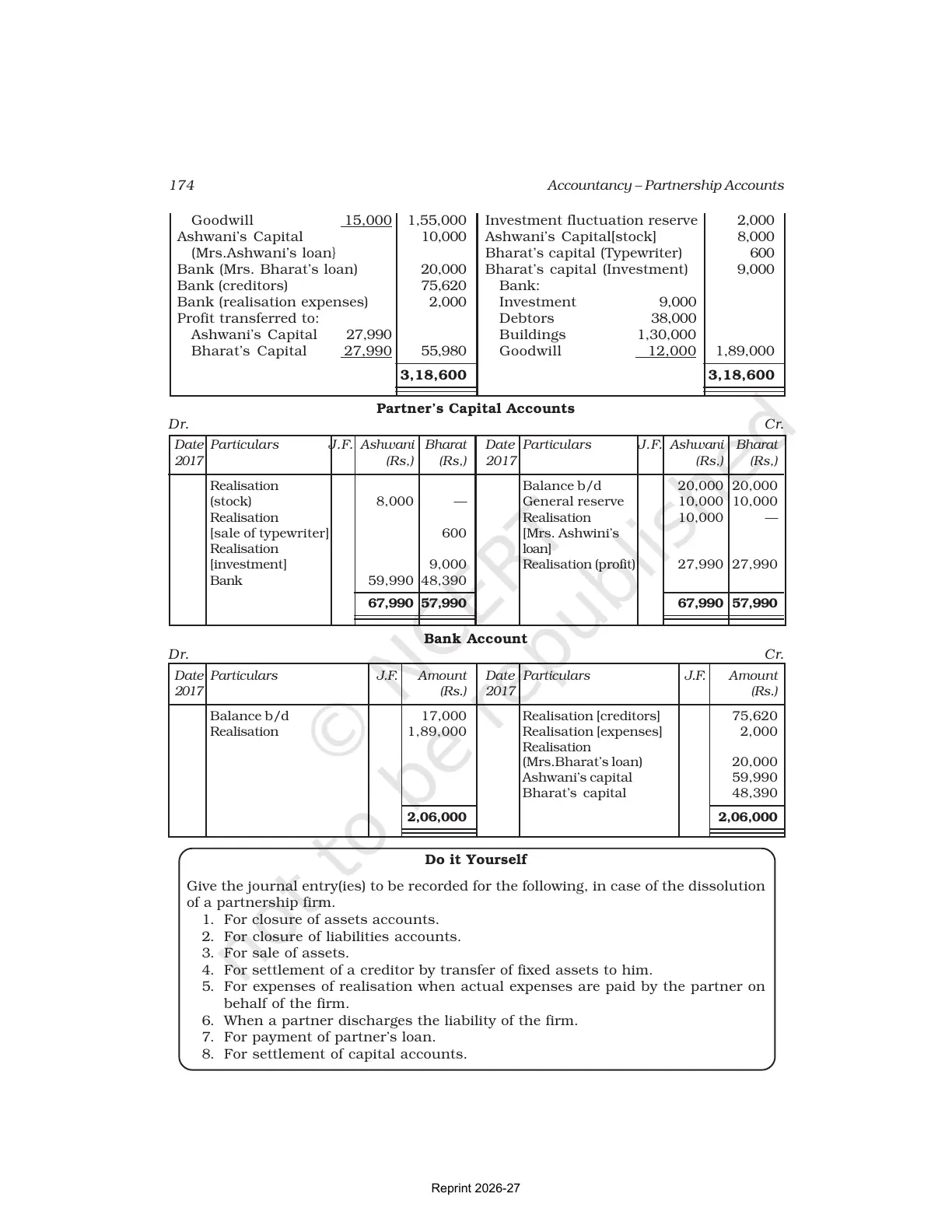
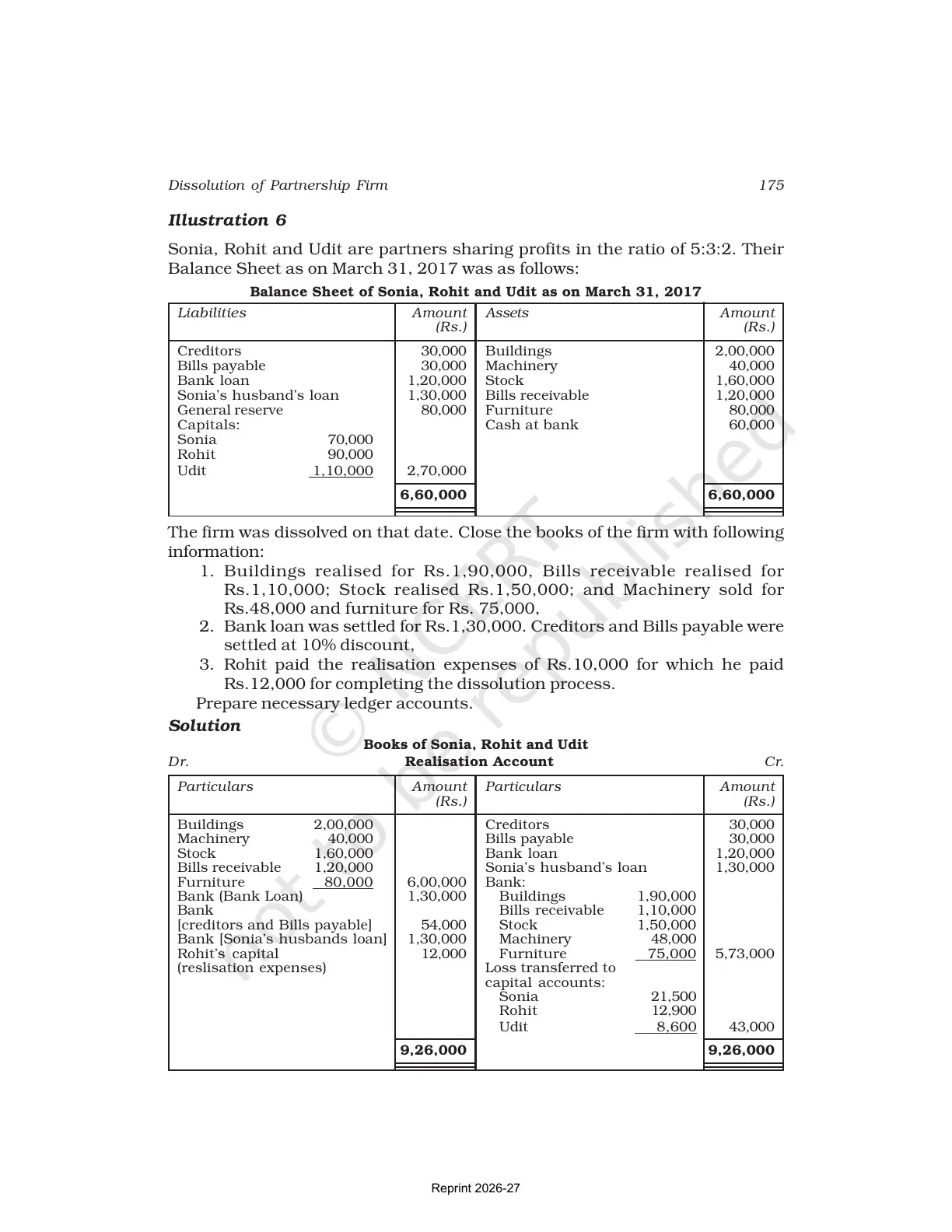
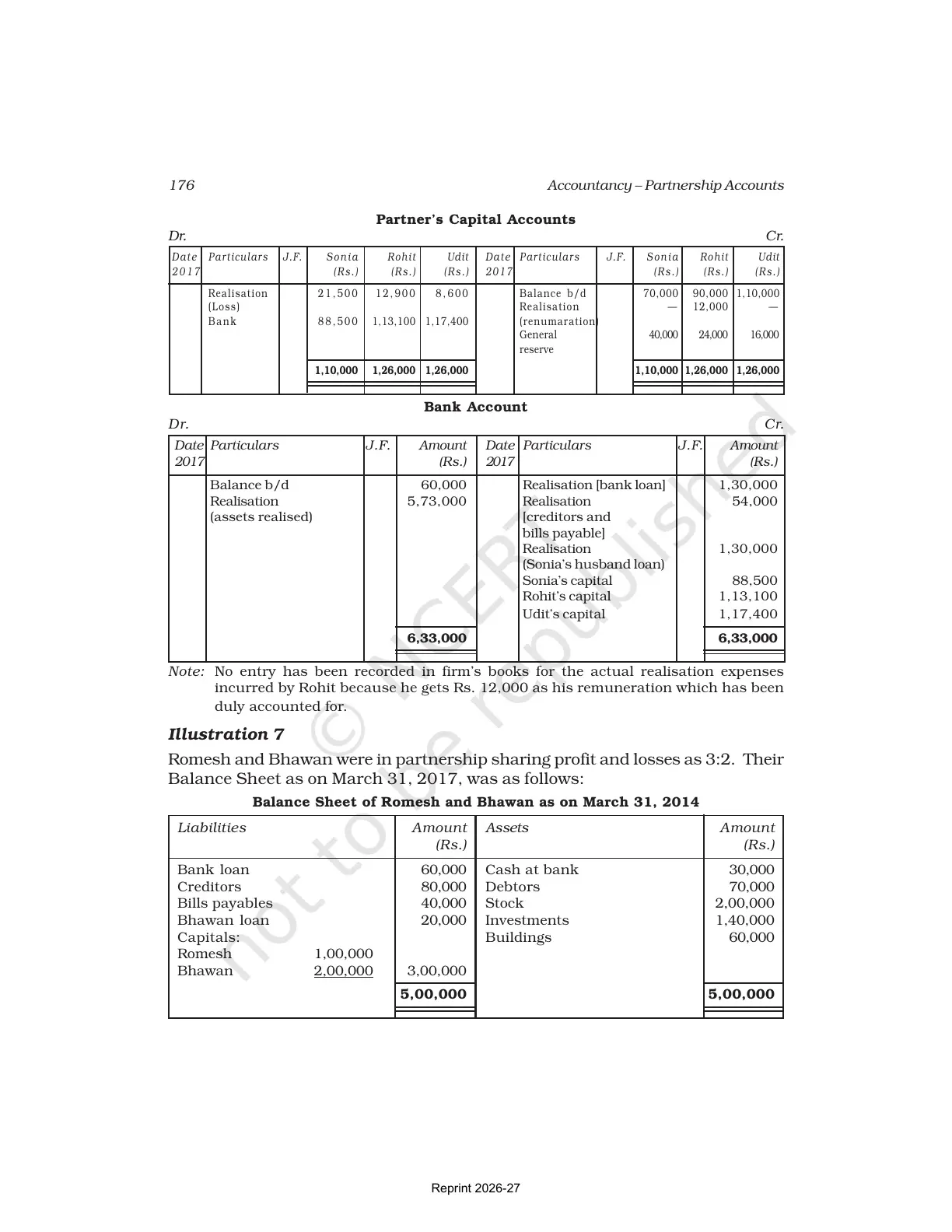
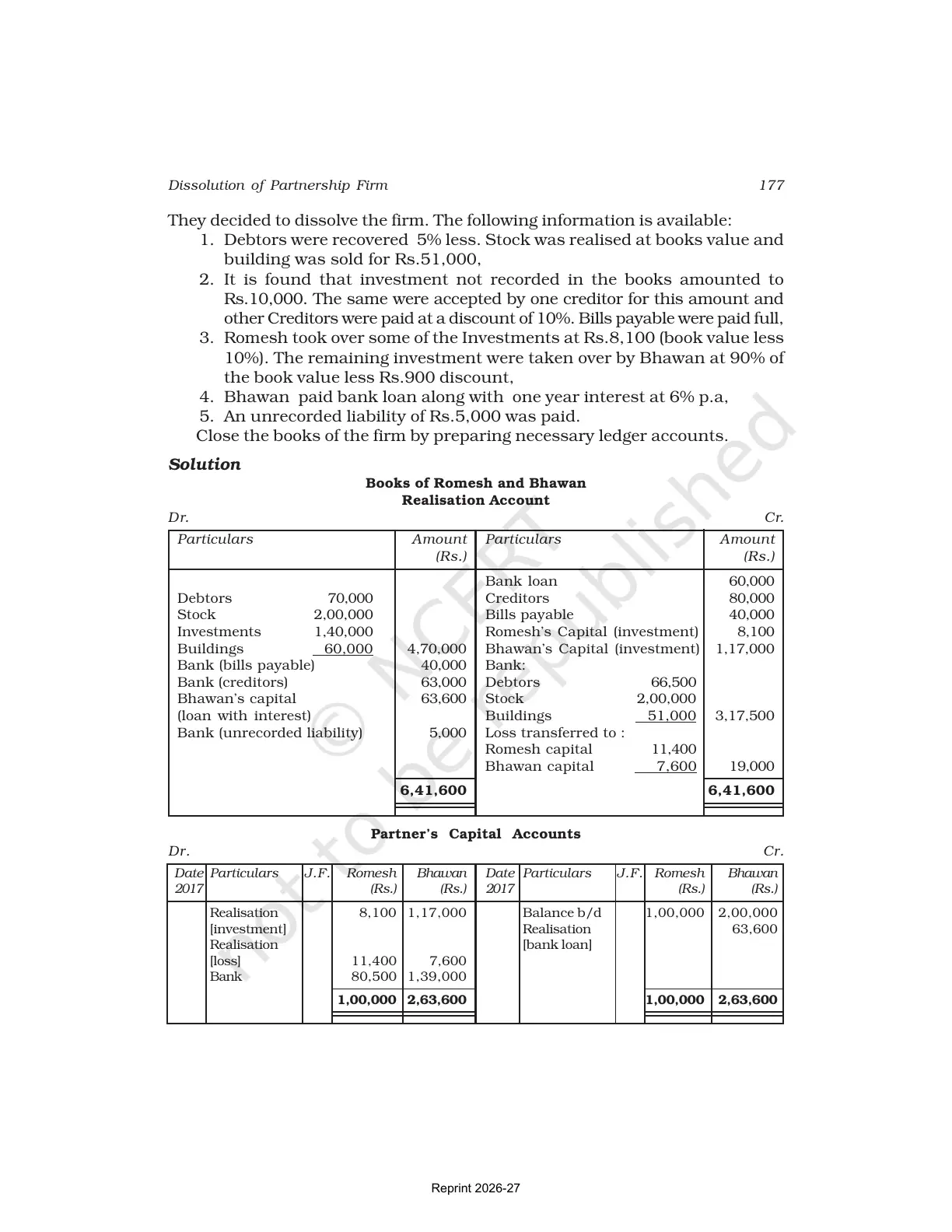
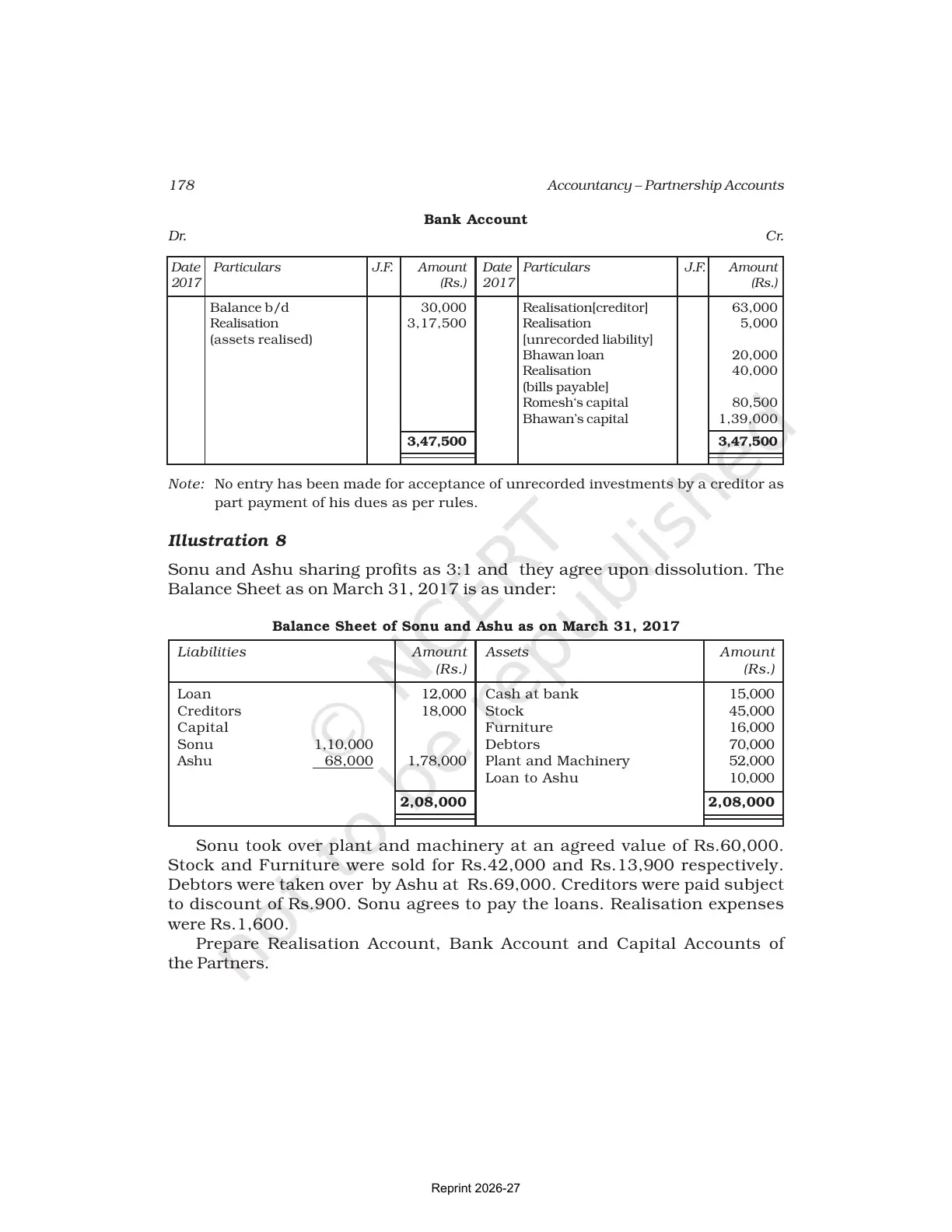
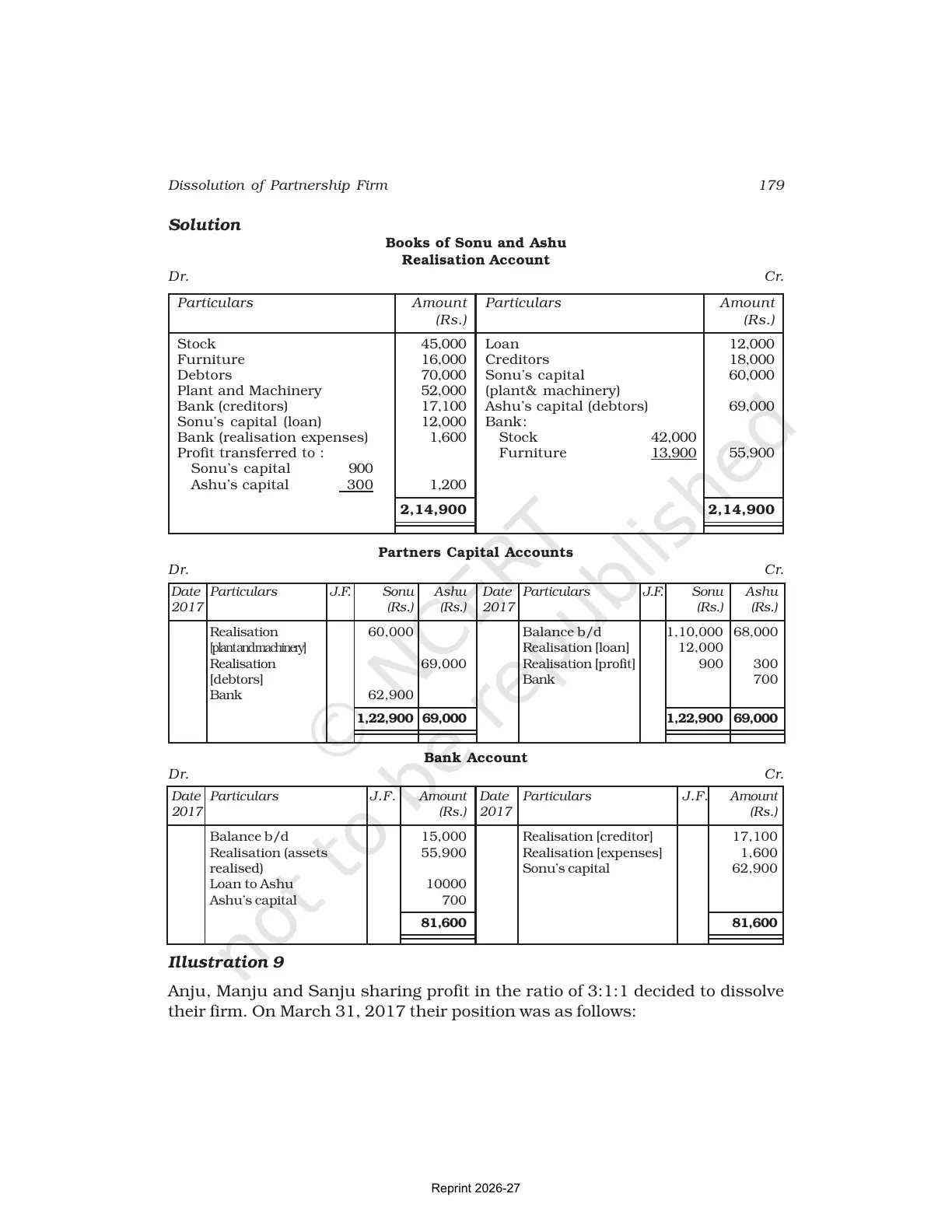
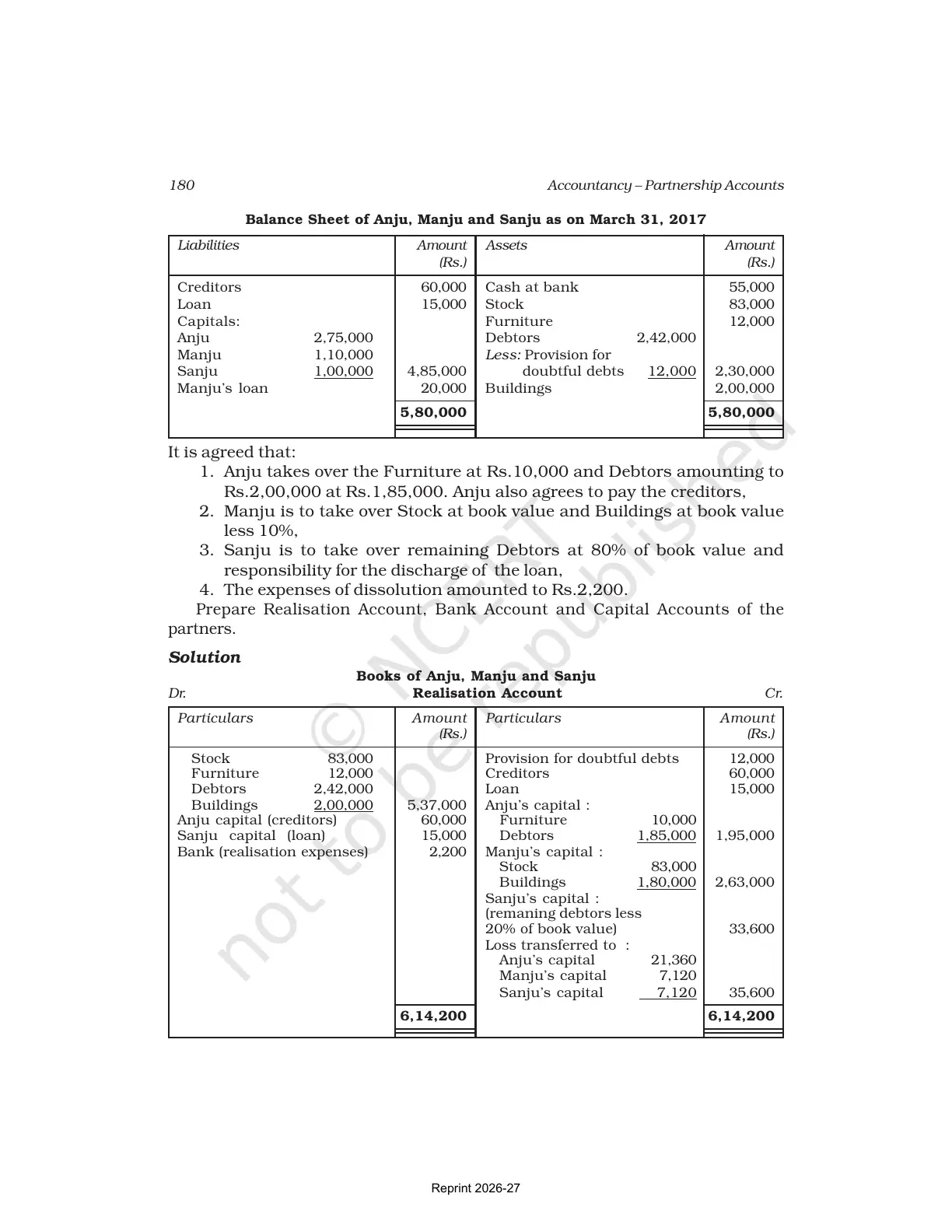
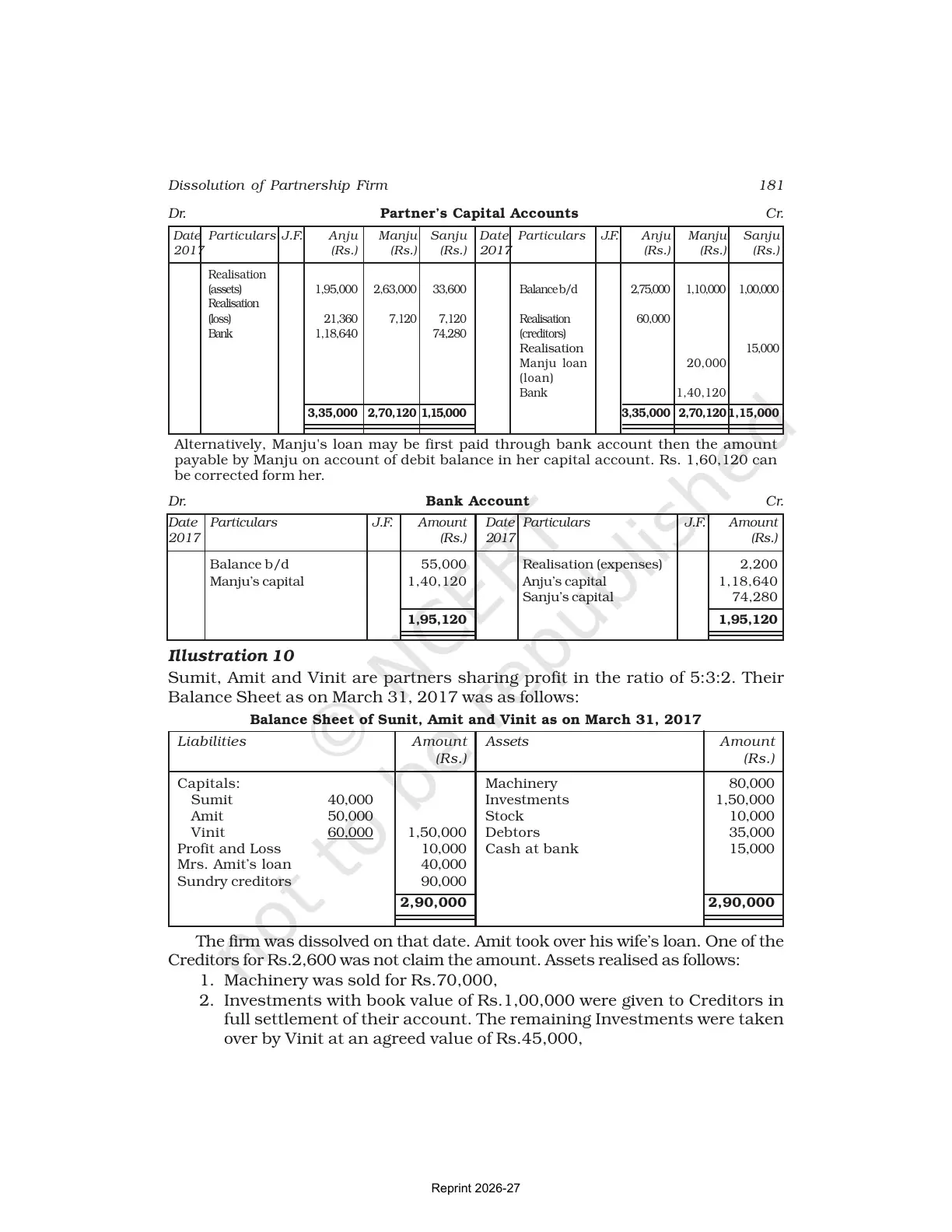
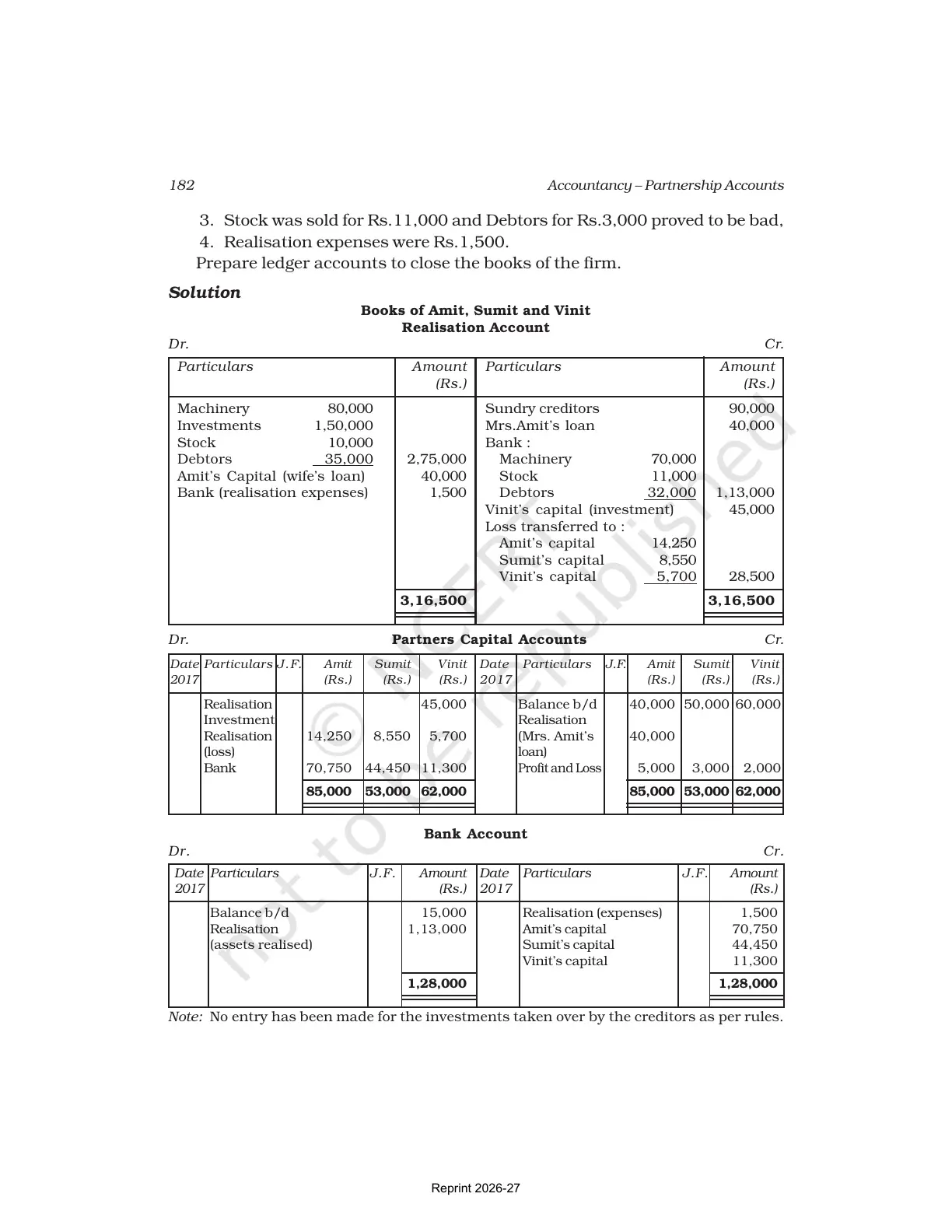
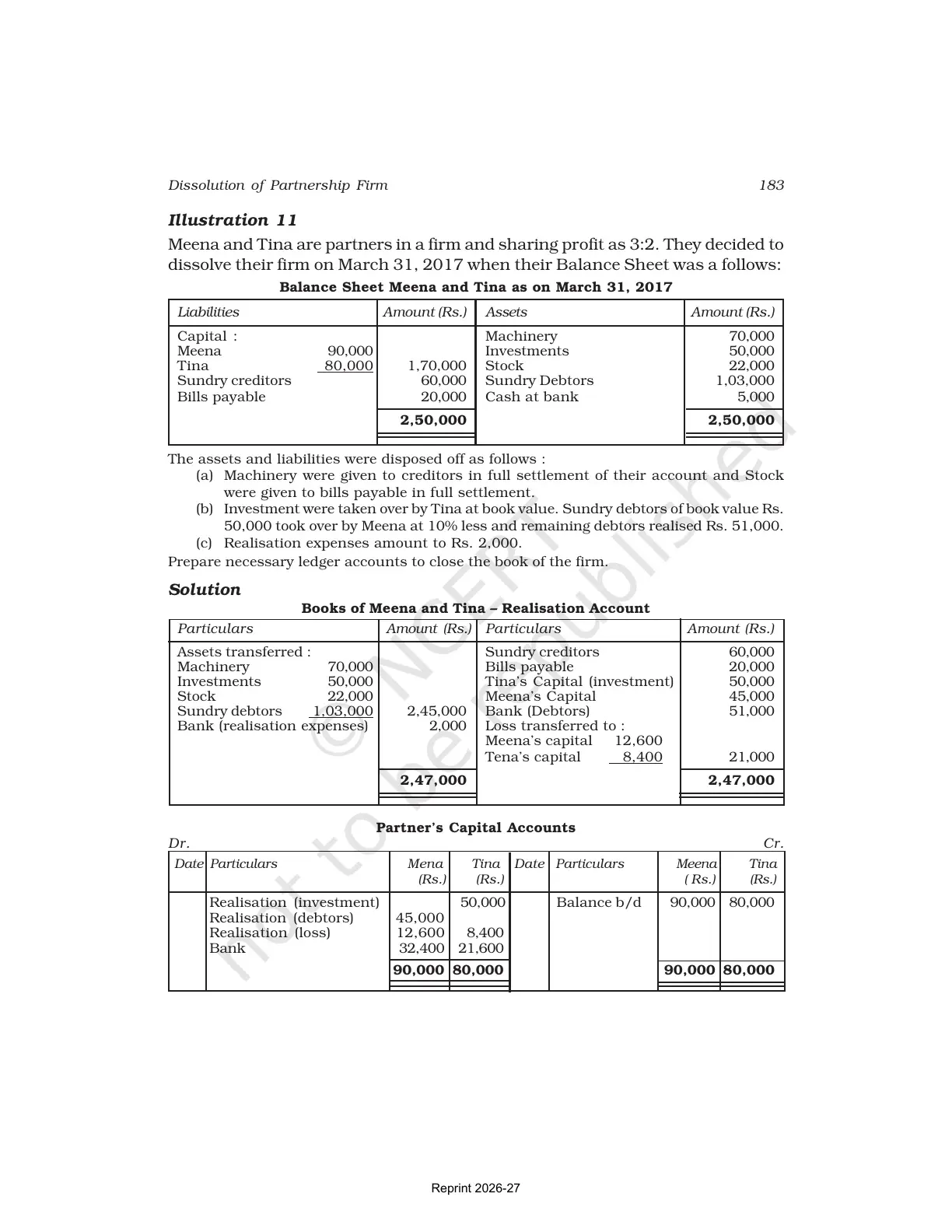
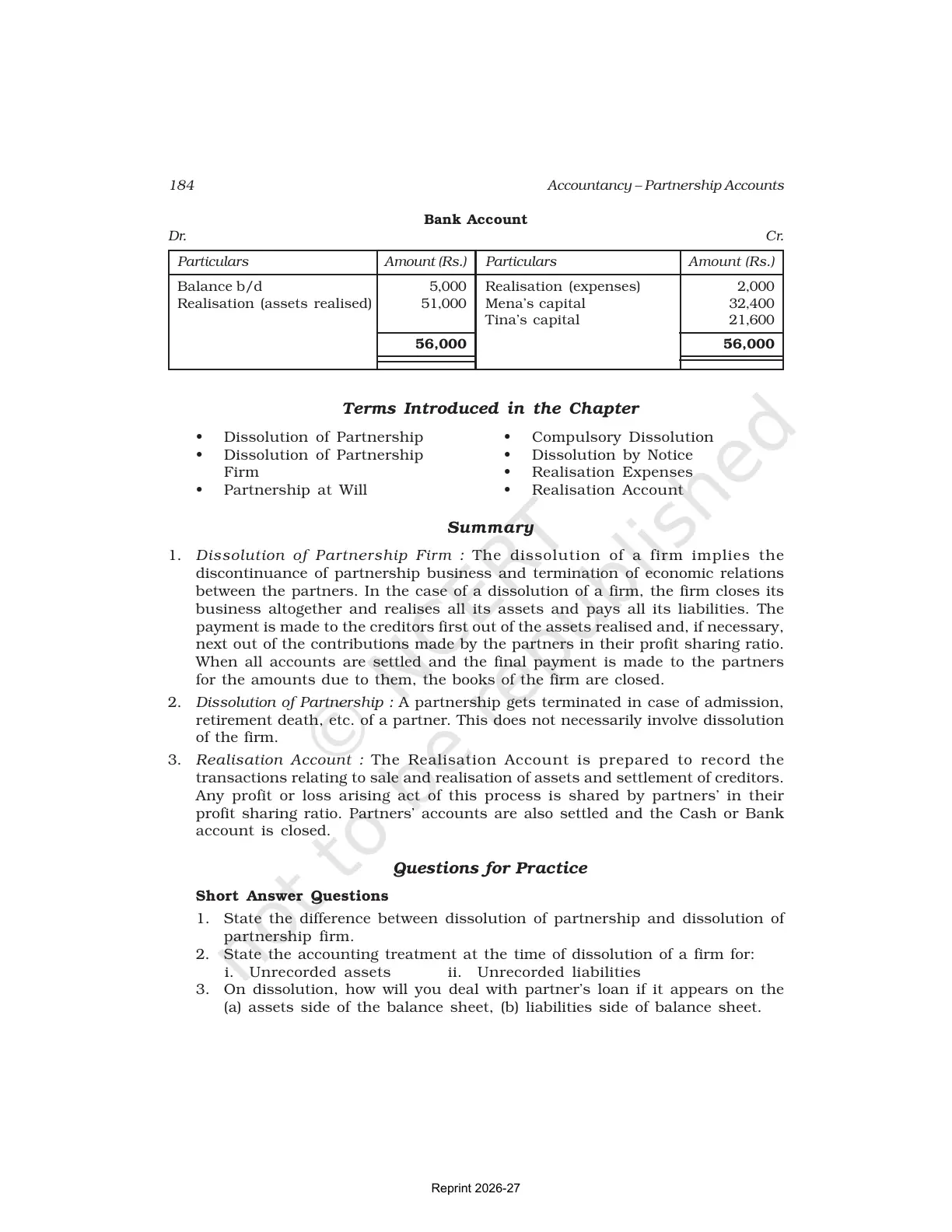
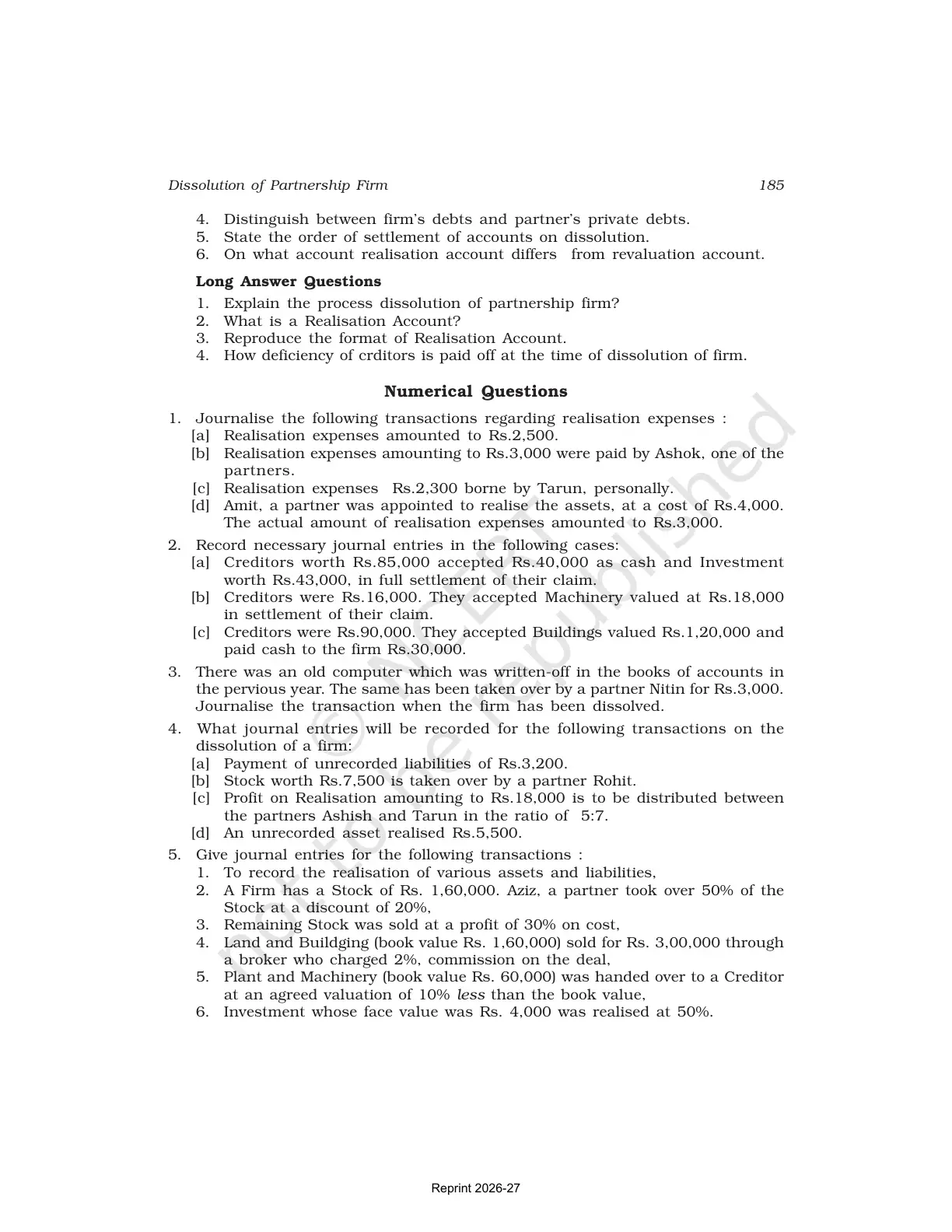
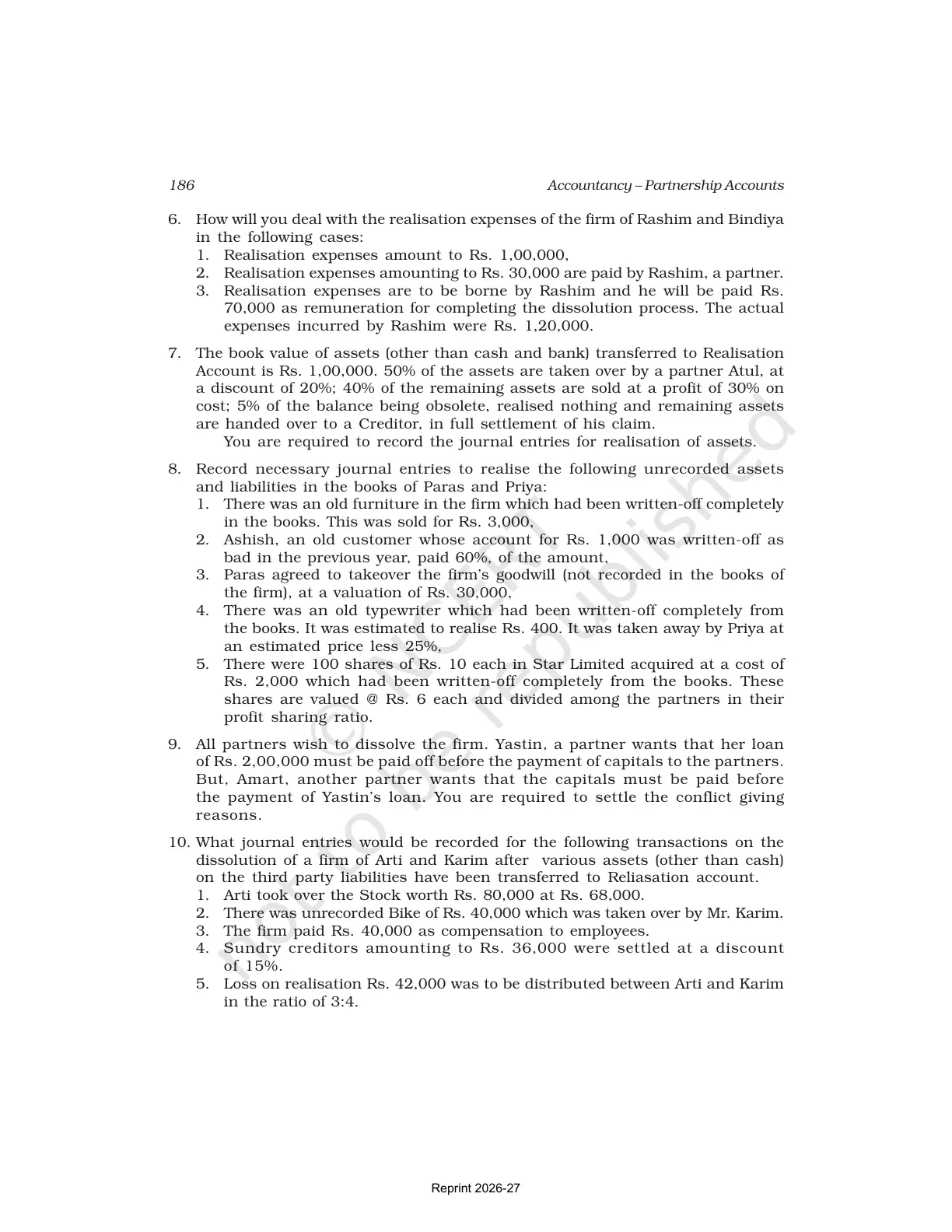
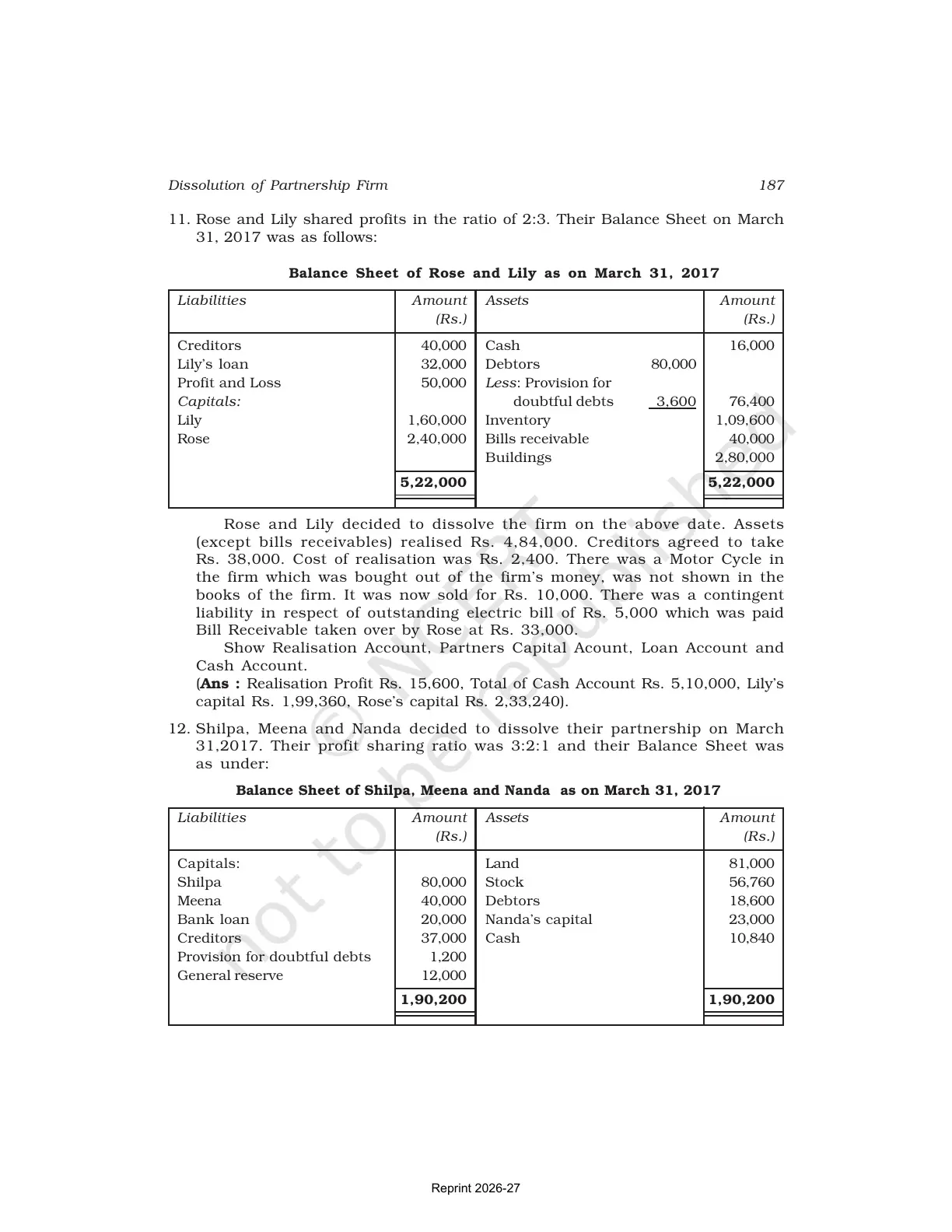
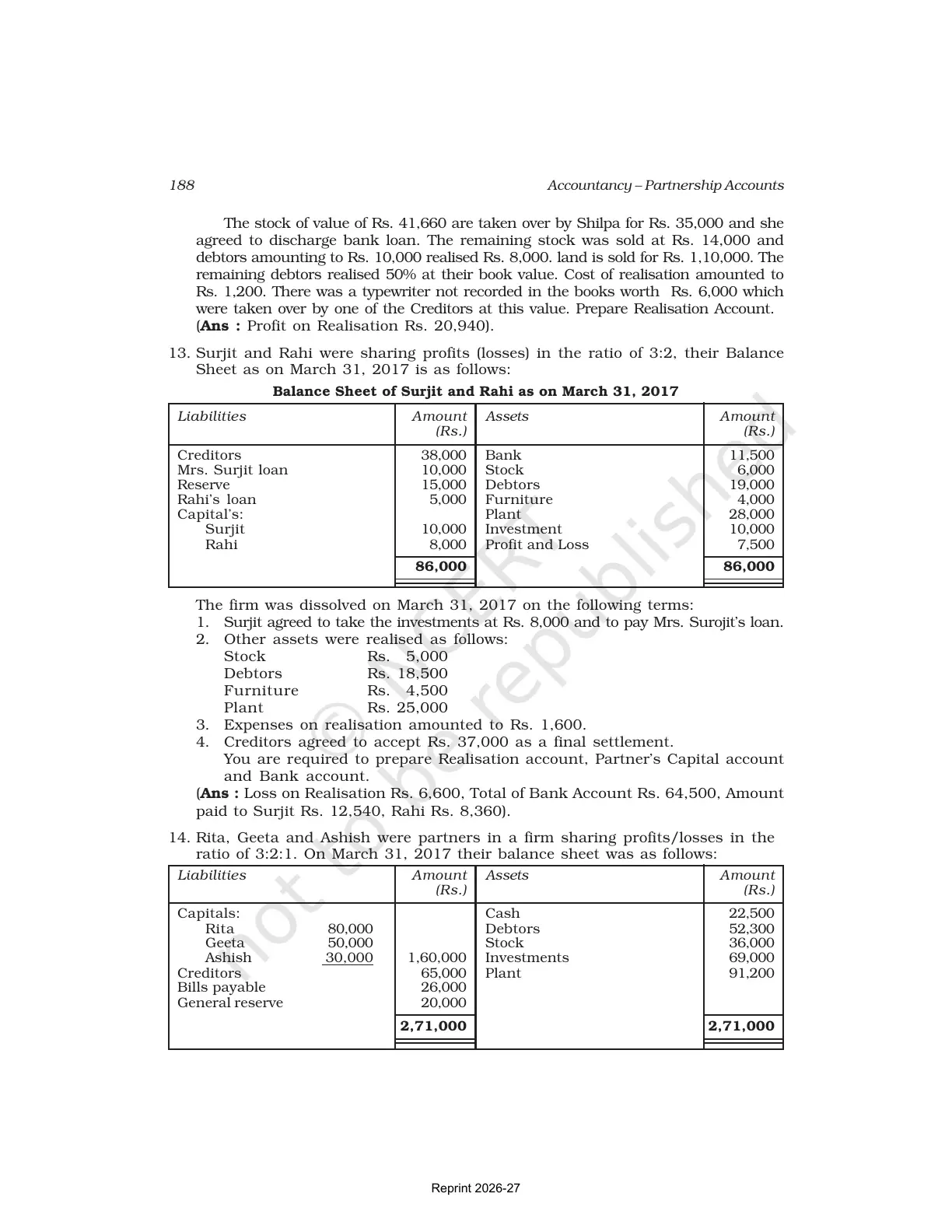
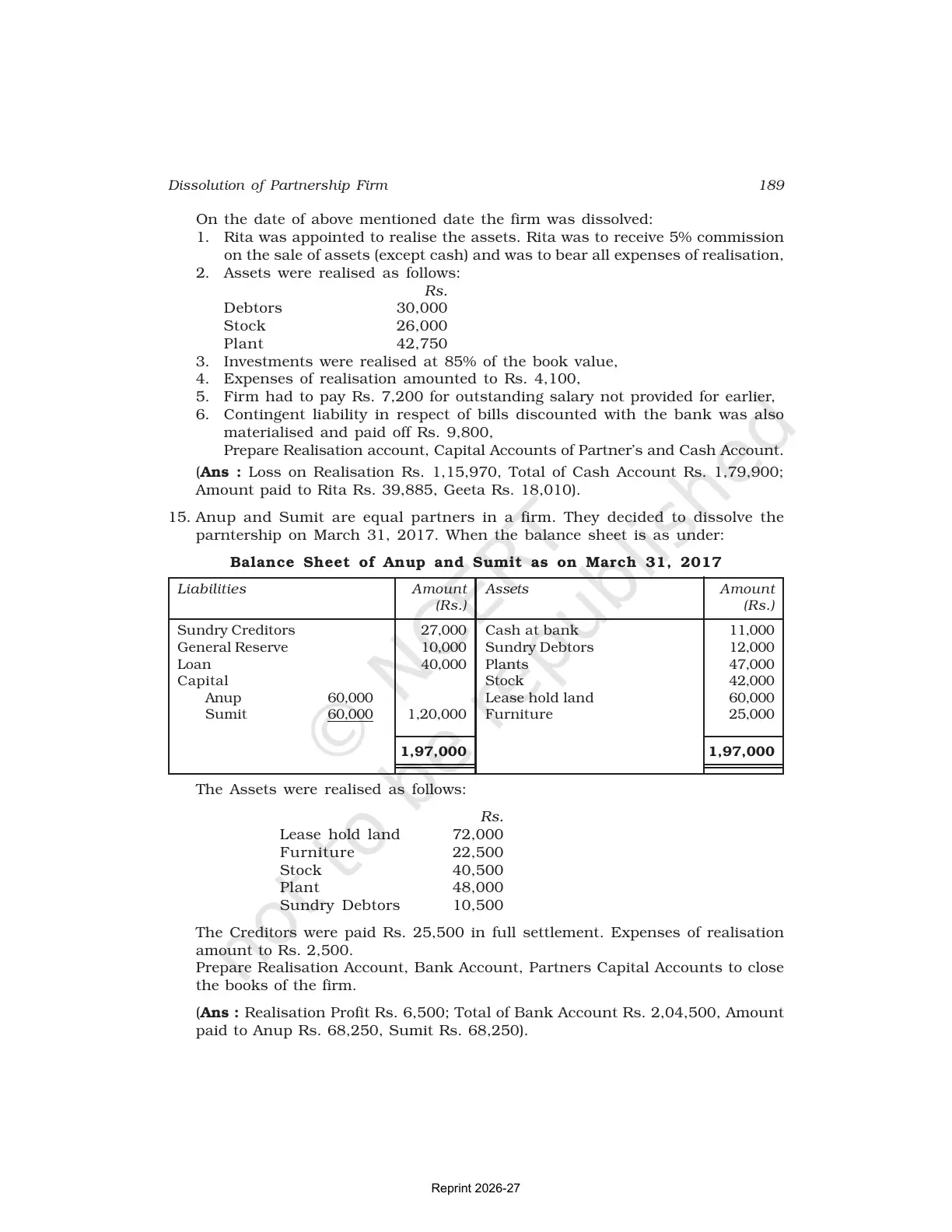
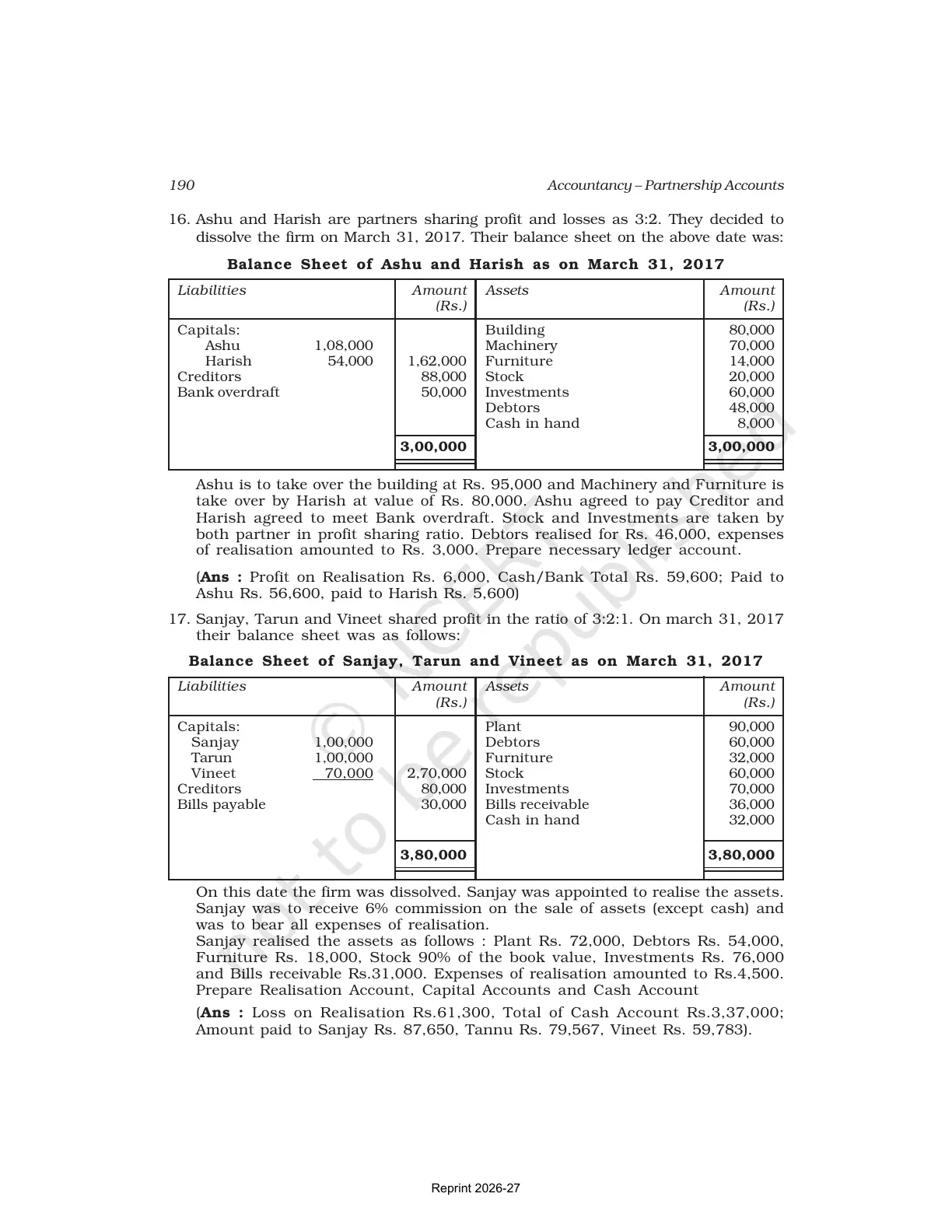
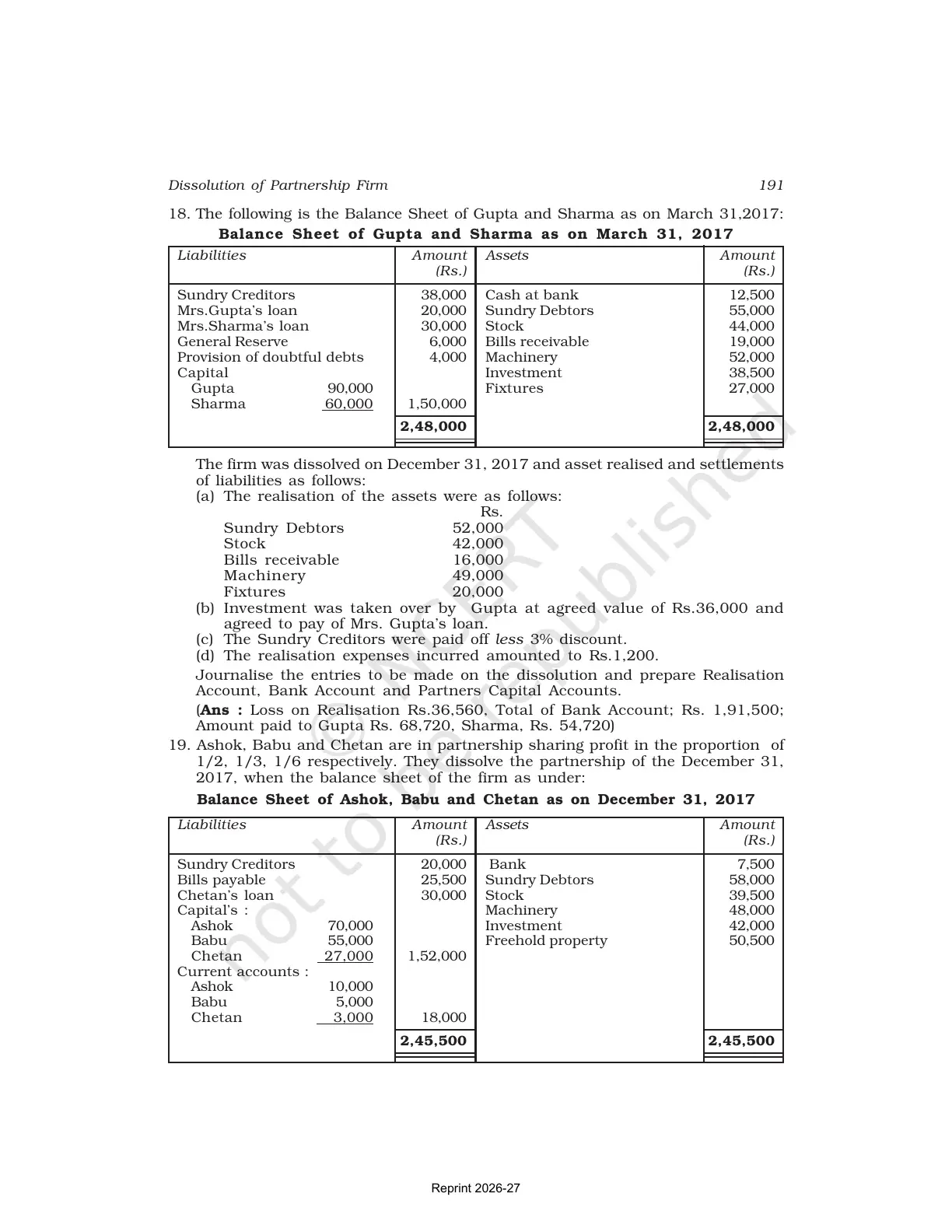
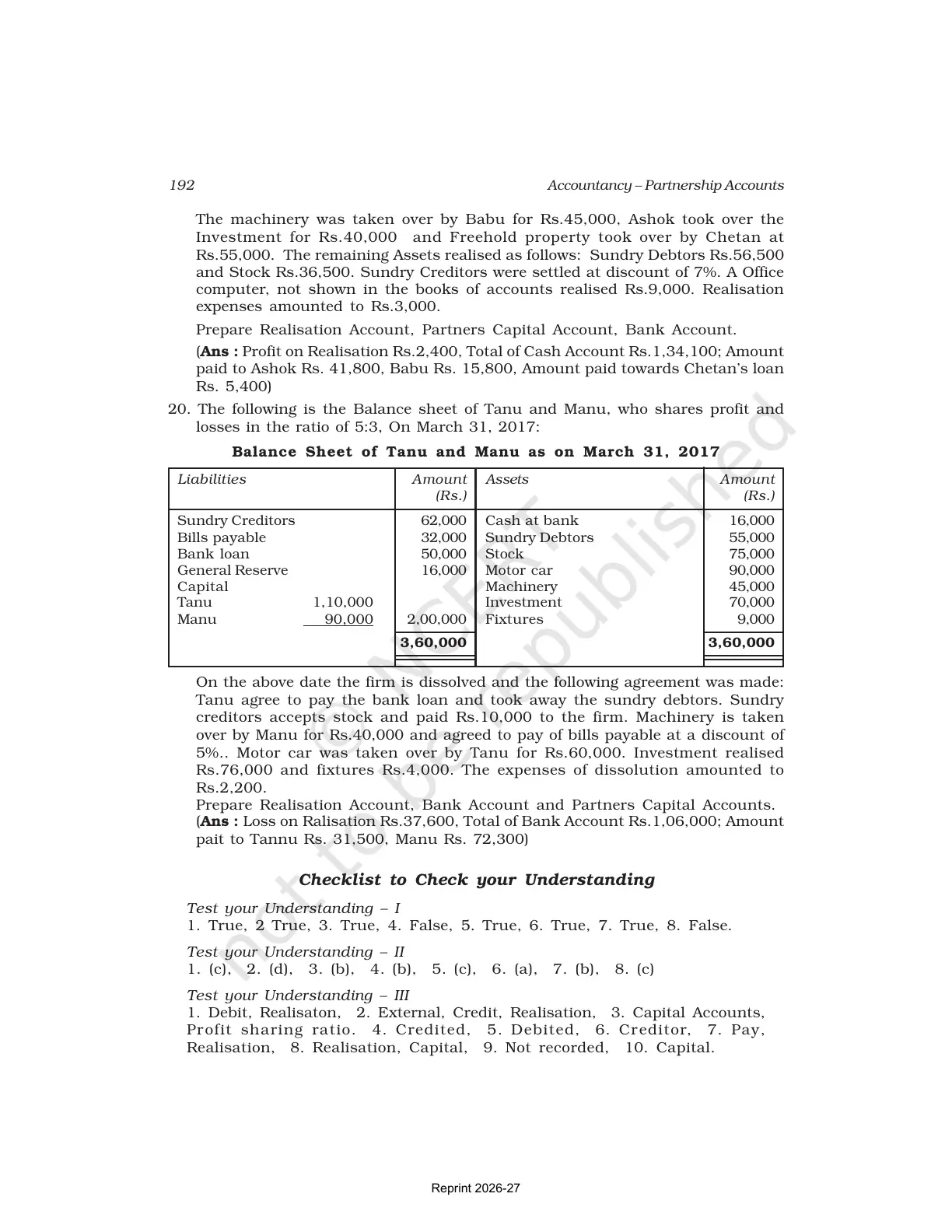


Chapter 4 builds the full Realisation Account procedure on top of Sections 39 to 44 and Section 48 of the Indian Partnership Act 1932. It separates dissolution of the partnership from dissolution of the firm, lists the four modes of dissolution, and then walks through settlement of accounts with worked treatment of unrecorded items, realisation expenses, partner's loan, and the final cash distribution.
This PDF is the source the Collegedunia NCERT Solutions and Handwritten Notes refer to. Read this chapter first, then move to the Solutions for active practice.
Also Check:
- Dissolution of Partnership Firm Class 12 NCERT Solutions PDF
- Dissolution of Partnership Firm Class 12 Accountancy Notes
- Dissolution of Partnership Firm Class 12 Handwritten Notes
What the ncert class 12 accountancy book pdf chapter 4 Dissolution of Partnership Firm Contains
The Part 1 chapter is built around five numbered sections plus two sub-blocks on unrecorded items and realisation expenses. Each section feeds directly into the Realisation A/c that the CBSE board paper asks you to prepare almost every year.
| Section | Topic | Why It Matters |
|---|---|---|
| 4.1 | Dissolution of Partnership vs Dissolution of Firm | One-mark trap: only the firm ending closes the books |
| 4.2 | Dissolution of a Firm (Modes) | By agreement, compulsory, contingent, by notice, by court |
| 4.3 | Settlement of Accounts (Section 48) | ELCS order: External, Loans, Capital, Surplus |
| 4.4 | Accounting Treatment | Realisation A/c, Partners' Capital A/c, Bank A/c |
| 4.5 | Unrecorded Assets and Liabilities | Four standard journal cases |
| 4.5.x | Realisation Expenses | Four cases by who pays and who bears |
Dissolution of Partnership Firm Video Chapter Walkthrough
Source: Rajat Arora on YouTube
Class 12 Accountancy Chapter 4 PYQ Trends in CBSE Board Exams
Dissolution appears in the Part A Partnership cluster every single year. The CBSE pattern alternates between a 6-mark full Realisation A/c numerical and a 3 to 4-mark journal-entry question on unrecorded items or realisation expenses.
| Year | Question Type | Marks | Sub-topic |
|---|---|---|---|
| 2025 | Long answer | 6 | Realisation A/c with unrecorded liability |
| 2024 | Short answer | 3 | Journal entries for realisation expenses (Case 3) |
| 2023 | Long answer | 6 | Complete dissolution with partner's loan |
| 2022 | Short answer | 4 | Section 48 order of payment |
| 2021 | MCQ + Short | 1+3 | Modes of dissolution; unrecorded asset |
A full Realisation A/c numerical (6 marks) has appeared in 8 of the last 10 CBSE board sessions.
How Will Collegedunia's Class 12 Accountancy Chapter 4 NCERT Book PDF Help You?
The official NCERT source is the only book CBSE examiners use to set Part A questions on Dissolution. Reading the chapter PDF first builds the legal framework before you attempt numericals. Collegedunia hosts the same Reprint 2026-27 chapter the board uses, plus the matching Solutions and Notes for cross-reference.
- Page-faithful PDF: the chapter appears exactly as printed by NCERT, with original illustration numbers retained.
- Direct download: no sign-up or paywall before the file opens.
- Connected resources: the Solutions and Handwritten Notes on Collegedunia reference this PDF by section number, so cross-checking a journal entry takes one click.
Key Concepts Inside Chapter 4 Dissolution of Partnership Firm
Three ideas carry almost every mark in this chapter. Read them in order before opening any numerical.
2. Section 48 ELCS order. Money realised must pay External liabilities, then partners' Loans, then Capital balances, then any Surplus is shared in the profit-sharing ratio. Reversing this order is a standard examiner trap.
3. Realisation A/c is a single ledger. All non-cash assets and external liabilities transfer to it at book value. The balancing figure is profit or loss on realisation, divided in the profit-sharing ratio.
2026-27 Edition Notes for Chapter 4
The current 2026-27 syllabus keeps Chapter 4 Dissolution of Partnership Firm unchanged from the previous reprint. No illustrations were dropped, the unrecorded-items block stays, and the Section 48 walk-through is identical. Students who used the 2024-25 or 2025-26 PDF can continue using the same problem set, but the page numbers in the new reprint shift by 1 to 2 pages because of front-matter changes.
Conversion of a partnership firm into a company is NOT in the 2026-27 CBSE Class 12 syllabus. Some private guides still print it; the NCERT chapter mentions it only in passing.
Three-Day Study Plan for Chapter 4
Use this short plan to cover Dissolution without crowding out the other Partnership chapters (Ch 1 Fundamentals, Ch 2 Admission, Ch 3 Retirement / Death).
| Day | Read | Practice |
|---|---|---|
| Day 1 | Sections 4.1, 4.2, 4.3 (legal framework) | Illustrations 1 to 3 |
| Day 2 | Section 4.4 Realisation A/c + 4.5 unrecorded items | Illustrations 4 to 7 + 5 practice Qs |
| Day 3 | Realisation expenses (4 cases) + revision | Illustrations 8 to 10 + last 3 years CBSE Qs |
Class 12 Accountancy Chapter Weightage Snapshot
Dissolution sits inside Part A (Accounting for Partnership Firms and Companies, 60 marks). Within the Partnership cluster of 36 marks, the four chapters share the load as below.
| Chapter | Topic | CBSE Marks (typical) |
|---|---|---|
| Ch 1 | Accounting for Partnership: Basic Concepts | 8 to 10 |
| Ch 2 | Reconstitution: Admission of a Partner | 8 to 10 |
| Ch 3 | Reconstitution: Retirement / Death | 8 to 10 |
| Ch 4 | Dissolution of Partnership Firm | 6 to 8 |
Full reference table: Class 12 Accountancy Weightage and Trend Notes
Other Resources for Chapter 4
- Dissolution of Partnership Firm NCERT Book PDF
- Class 12 Accountancy Chapter 4 NCERT Solutions
- Class 12 Accountancy Chapter 4 Notes
- Class 12 Accountancy Chapter 4 Handwritten Notes
NCERT Book PDF for Class 12 Accountancy: All Chapters
The full set of Class 12 Accountancy chapter PDFs, Part 1 and Part 2, sourced from the Reprint 2026-27 NCERT release.
| Chapter | Title |
|---|---|
| Chapter 1 | Accounting for Partnership: Basic Concepts NCERT Book PDF |
| Chapter 2 | Reconstitution: Admission of a Partner NCERT Book PDF |
| Chapter 3 | Reconstitution: Retirement / Death NCERT Book PDF |
| Chapter 5 | Accounting for Share Capital NCERT Book PDF |
| Chapter 6 | Issue and Redemption of Debentures NCERT Book PDF |
| Chapter 7 | Financial Statements of a Company NCERT Book PDF |
| Chapter 8 | Analysis of Financial Statements NCERT Book PDF |
| Chapter 9 | Accounting Ratios NCERT Book PDF |
| Chapter 10 | Cash Flow Statement NCERT Book PDF |
Student Feedback
In a Collegedunia poll of 1,240 Class 12 Commerce students, 76% rated Dissolution of Partnership Firm among the tougher parts of the Accountancy syllabus. After using these chapter resources, 4 in 5 said they felt ready for the board questions from this chapter.
ng>FAQs on Class 12 Accountancy Chapter 4 NCERT Book PDF
Student Feedback
In a Collegedunia poll of 1,240 Class 12 Commerce students, 76% rated Dissolution of Partnership Firm among the tougher parts of the Accountancy syllabus. After using these chapter resources, 4 in 5 said they felt ready for the board questions from this chapter.
ng>FAQs on Class 12 Accountancy Chapter 4 NCERT Book PDFFAQs on Class 12 Accountancy Chapter 4 NCERT Book PDF
Ques. Is this the official NCERT Class 12 Accountancy Chapter 4 PDF?
Ans.
Yes. This is the Reprint 2026-27 edition of Class 12 Accountancy Part 1, Chapter 4 Dissolution of Partnership Firm, sourced from ncert.nic.in and aligned to the CBSE 2026-27 syllabus.
Ques. What is the difference between dissolution of partnership and dissolution of firm?
Ans.
Dissolution of partnership means a change in the existing relationship between partners (admission, retirement, death) while the firm continues. Dissolution of the firm means the firm itself closes down, the books are settled, and the business ends.
Ques. What weightage does Chapter 4 carry in the CBSE Class 12 Accountancy board exam?
Ans.
Chapter 4 contributes 6 to 8 marks to the Part A Partnership cluster. A full Realisation A/c question of 6 marks has appeared in 8 of the last 10 CBSE board sessions.
Ques. Which sections of the Indian Partnership Act 1932 are covered in Chapter 4?
Ans.
Sections 39 to 44 cover the modes of dissolution (by agreement, compulsory, contingent, by notice, by court). Section 48 lays down the order of settlement of accounts: external liabilities, partners' loans, capital balances, then surplus in the profit-sharing ratio.
Ques. How many illustrations and practice questions are in Chapter 4?
Ans.
The chapter has 8 to 10 solved illustrations and around 20 practice questions across the Test Your Understanding blocks and the end-of-chapter exercise.
Ques. Is conversion of a partnership firm into a company part of the 2026-27 syllabus?
Ans.
No. Conversion of a partnership firm into a company is not in the 2026-27 CBSE Class 12 Accountancy syllabus. The NCERT chapter mentions it only briefly and CBSE has not asked it for several sessions.



Comments