




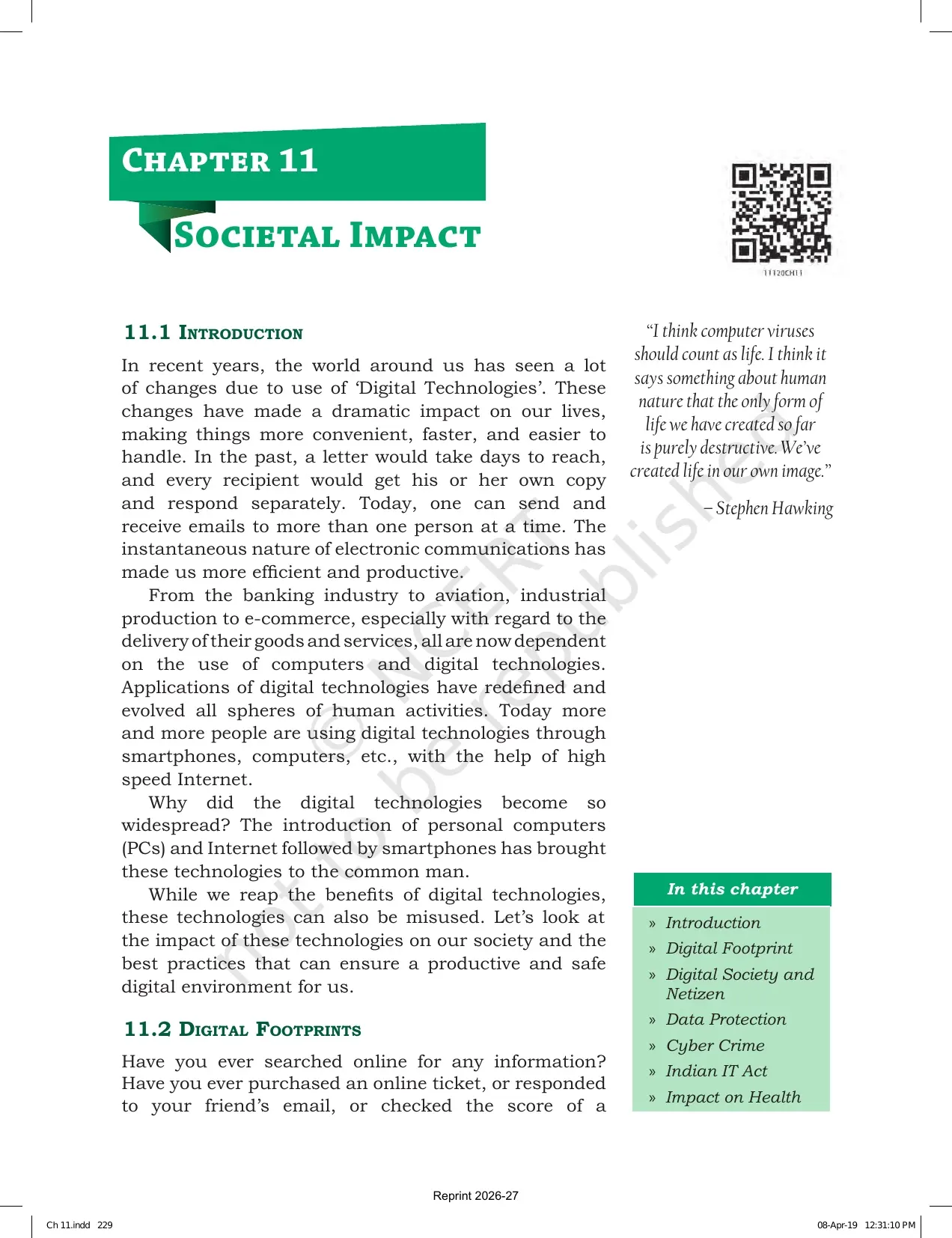
The NCERT Class 11 Computer Science Chapter 11 Societal Impact book PDF brings together the rules, risks and responsibilities that shape life in a digital society. The official 2026-27 NCERT chapter explains digital footprints, intellectual property, privacy, cybercrime, e-waste and inclusive access in clear terms.
- Download the official chapter PDF and read every definition in the textbook order.
- Revise privacy, copyright, cyber safety, e-waste and accessibility with quick tables.
- Use the examples to connect responsible online behaviour with daily choices.
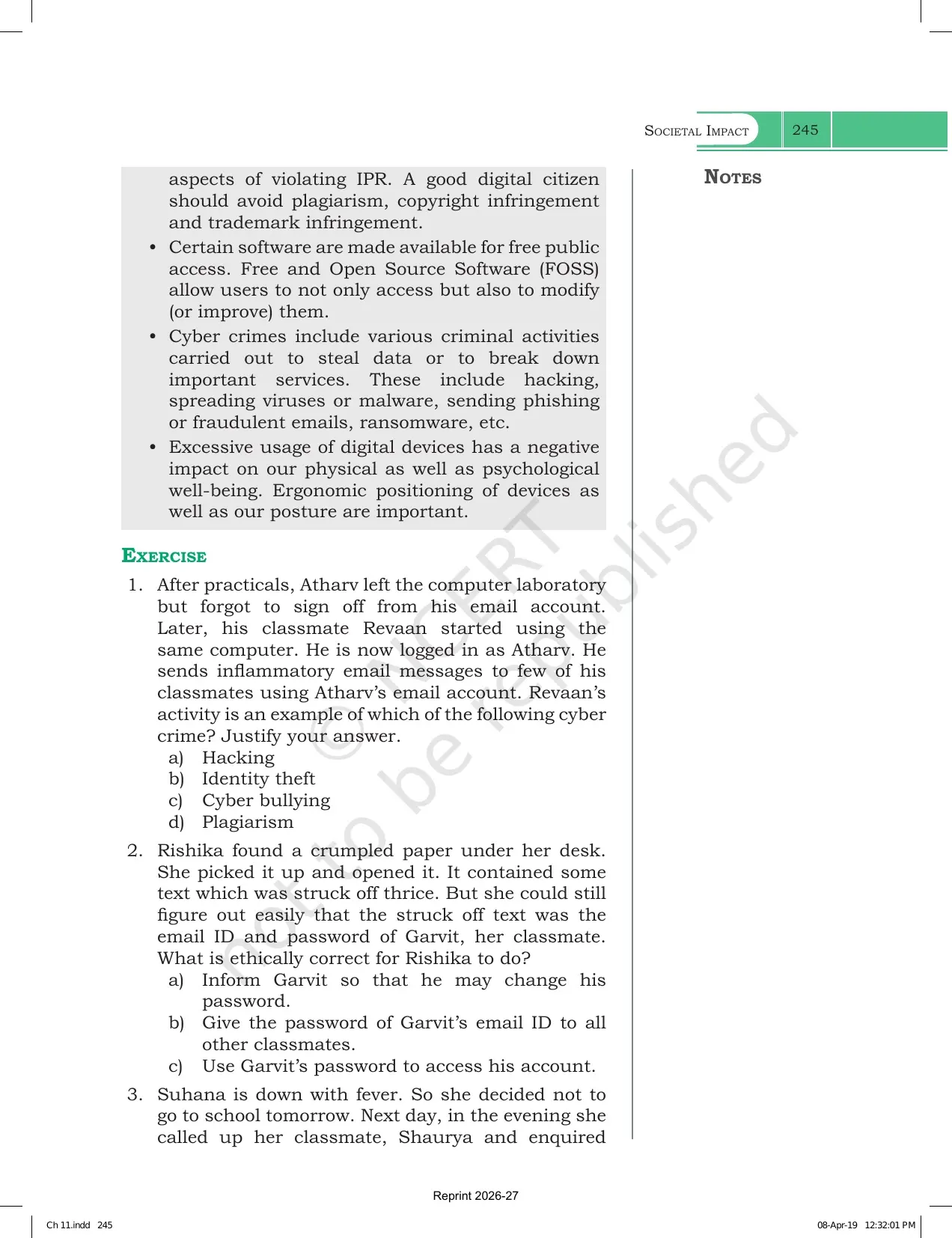
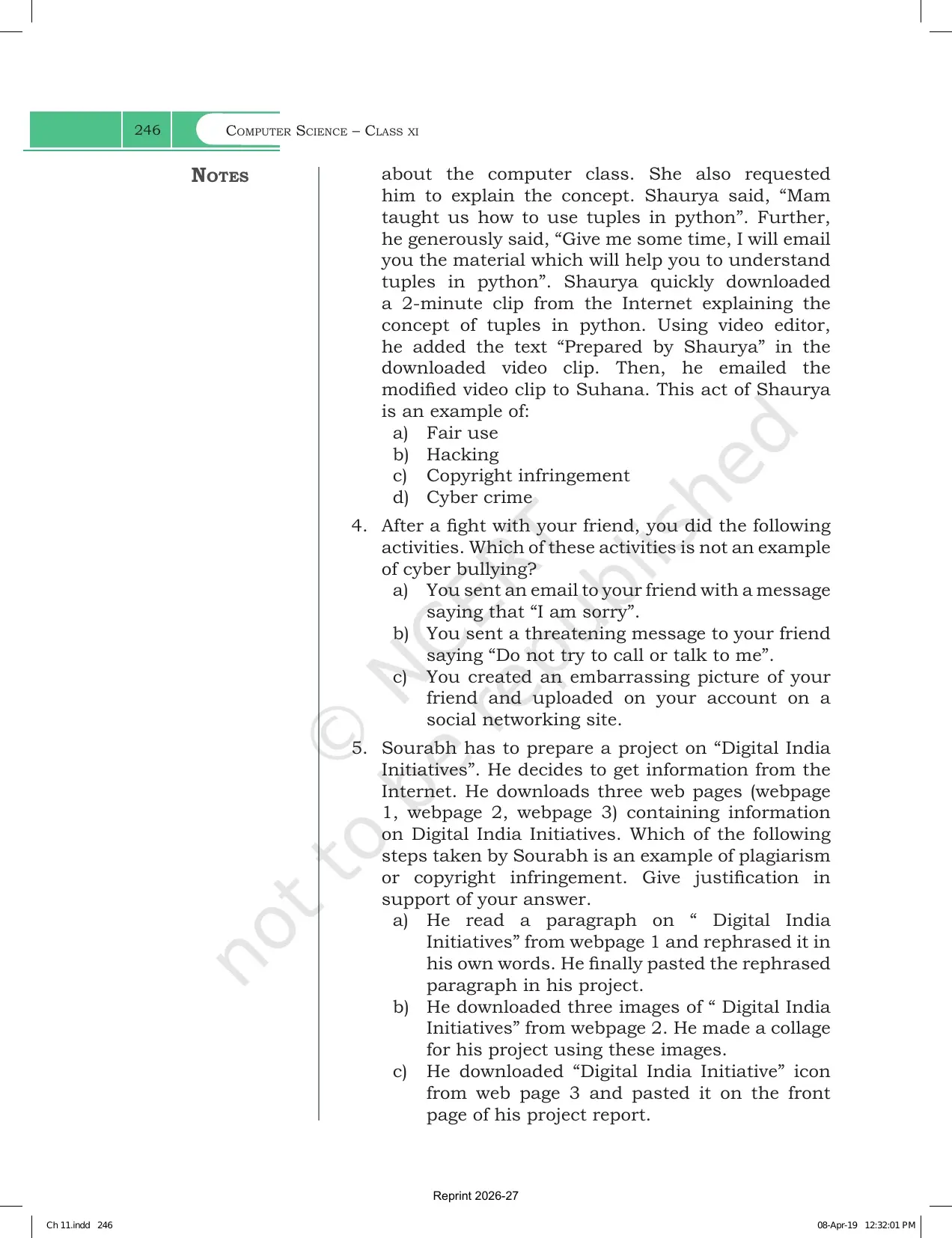
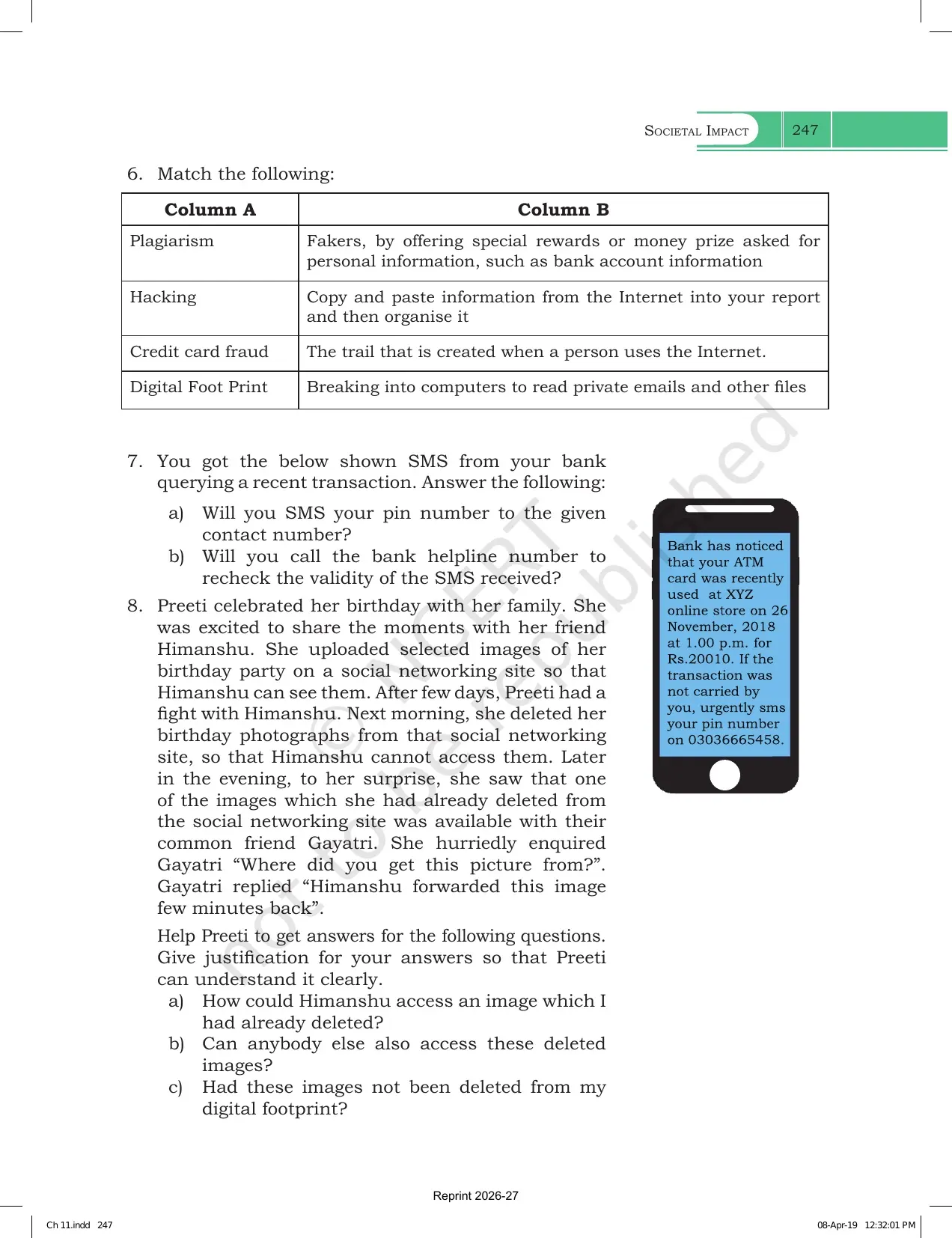
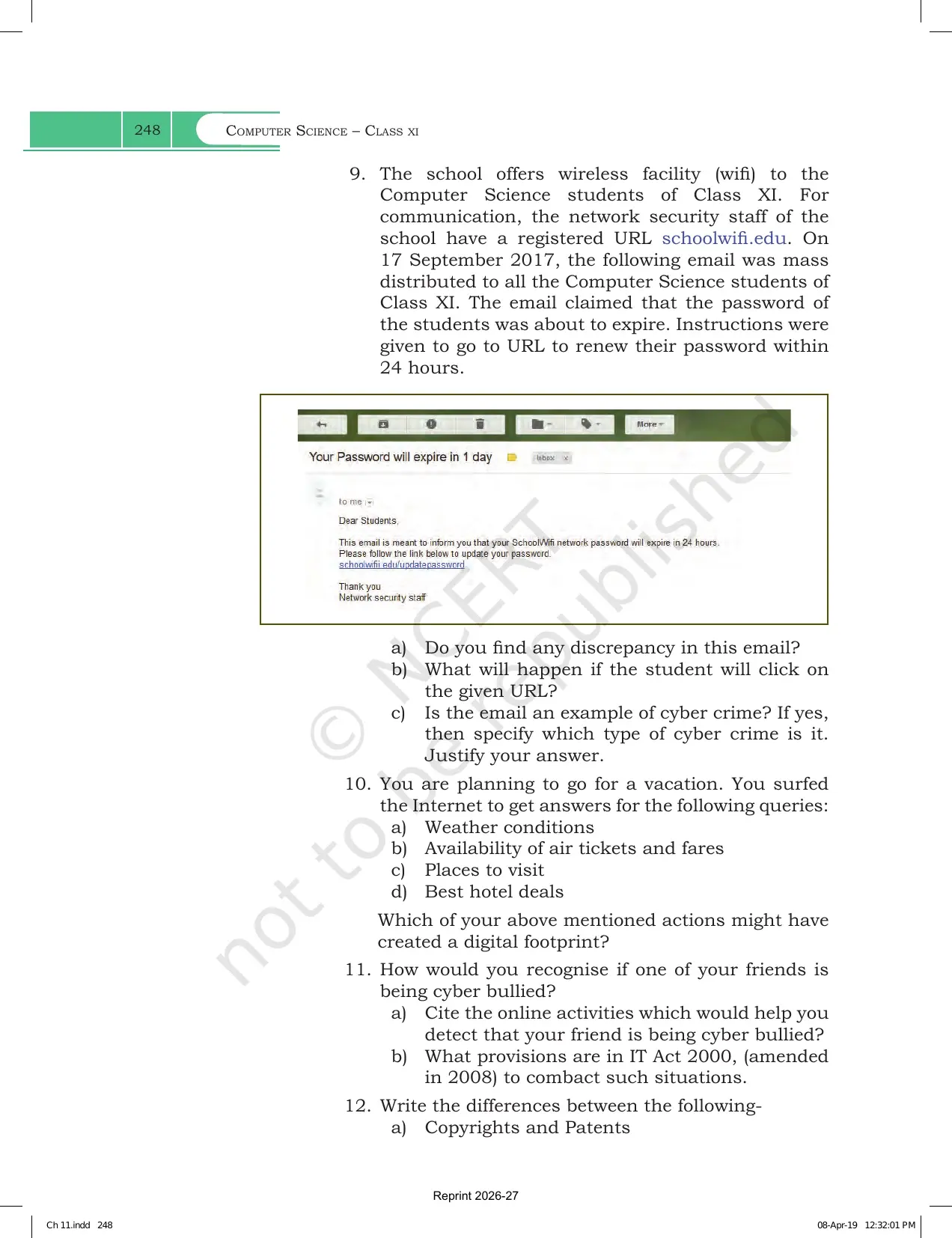


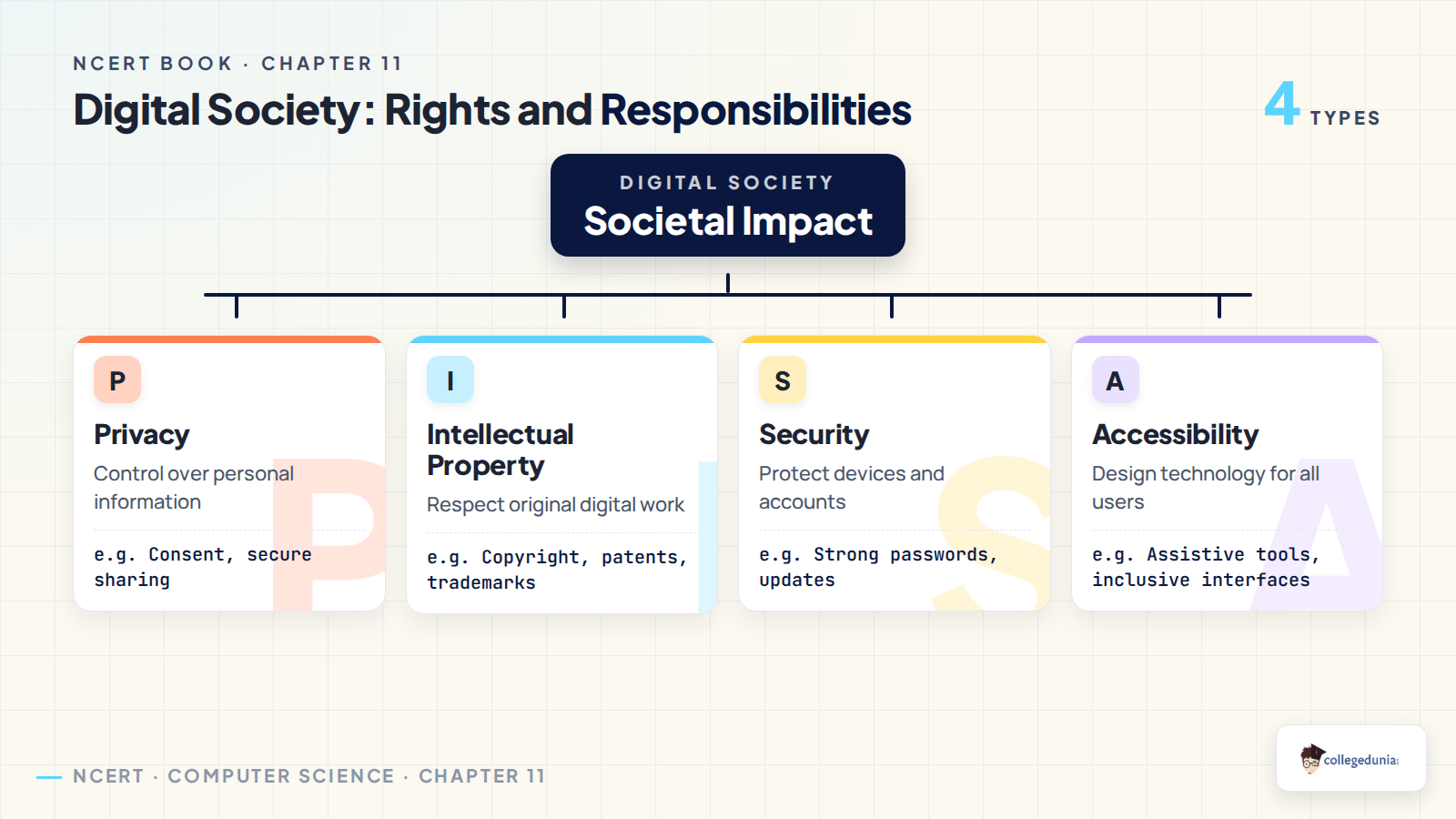
Student Feedback: 78% of students in a classroom review found the rights-and-responsibilities table useful for one-shot revision.
What the Societal Impact Chapter Covers
Chapter 11 asks a practical question: what happens when computing becomes part of school, work, communication and public life? It begins with a digital footprint, the trail created by searches, posts, purchases and account activity. Some parts are shared knowingly. Other parts are recorded automatically by websites, apps and connected devices. The chapter therefore treats awareness as the first step towards responsible use.
The text then links individual behaviour to wider social concerns. It explains why personal data needs protection, why creators own their work, why online abuse has real consequences and why discarded devices cannot be treated as ordinary rubbish. Technology is useful only when people can use it safely, fairly and responsibly.
Digital Footprints and Online Identity
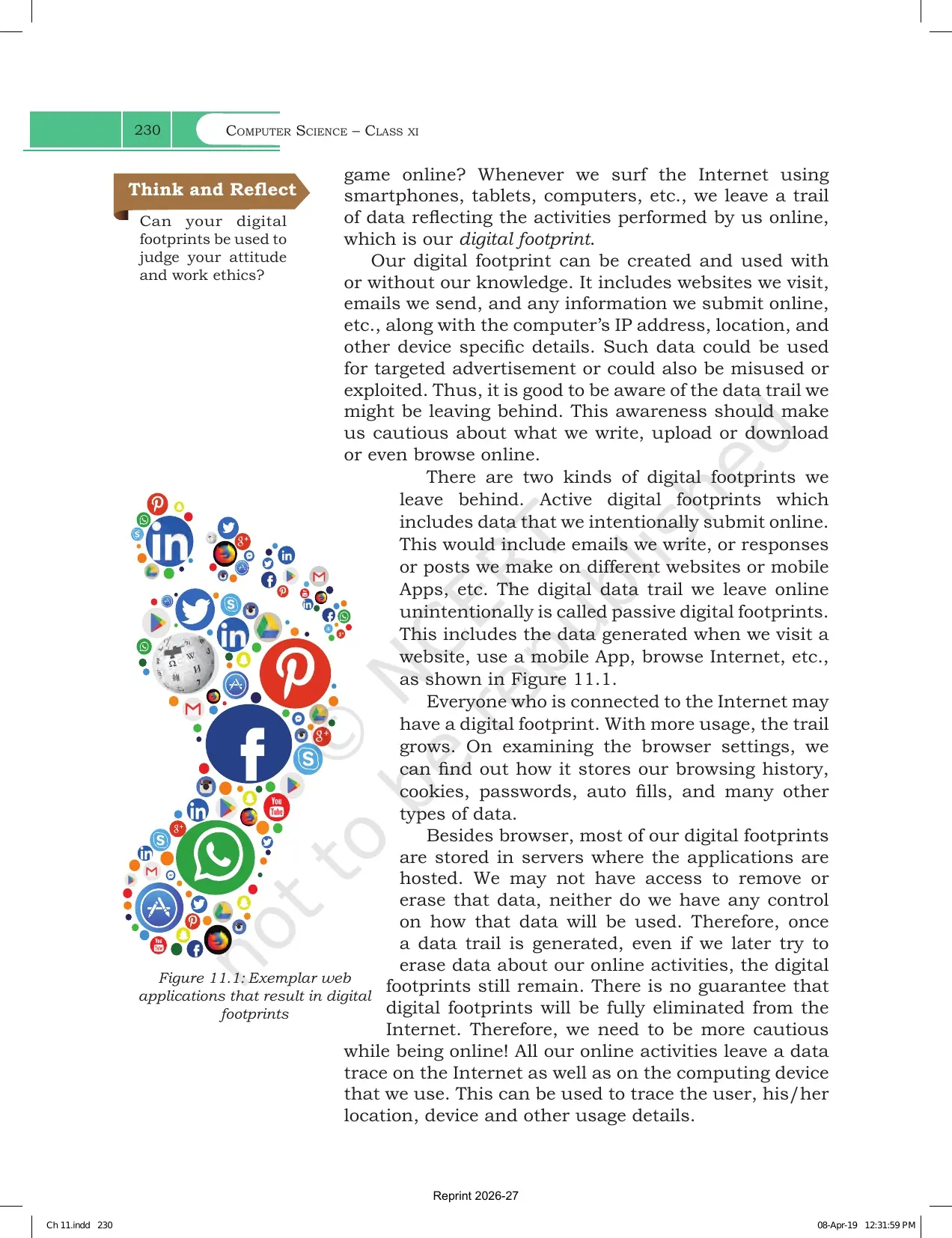
A digital footprint may include public posts, comments, uploaded photographs, browsing records and location data. A careful user checks privacy settings, limits unnecessary sharing and thinks before publishing. Deleting a post does not guarantee that every copy disappears. Screenshots, backups and cached pages may continue to exist.
- Active footprint: information a person chooses to publish or submit.
- Passive footprint: information collected through browsing, cookies or device activity.
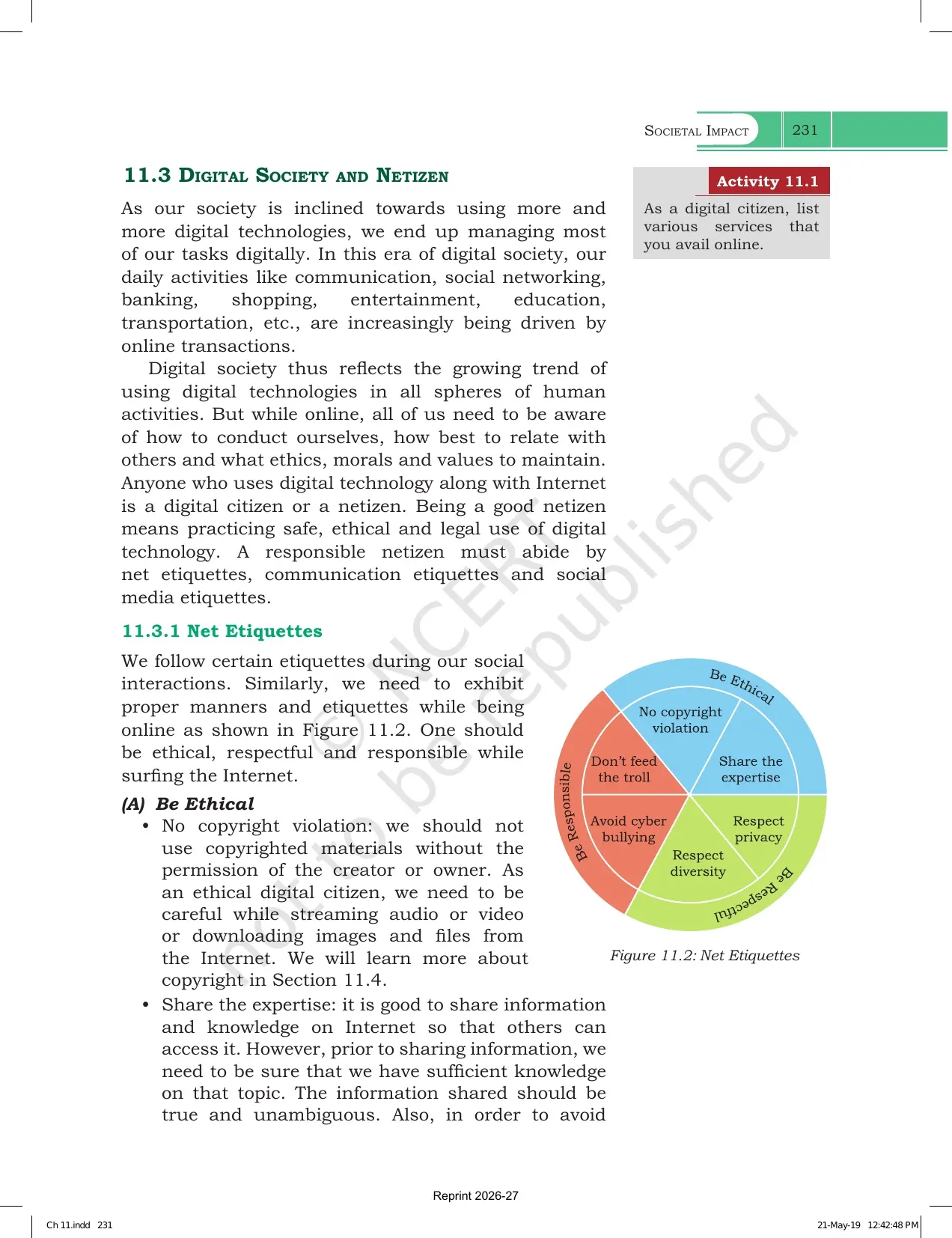
- Good practice: share the minimum needed and review account permissions regularly.
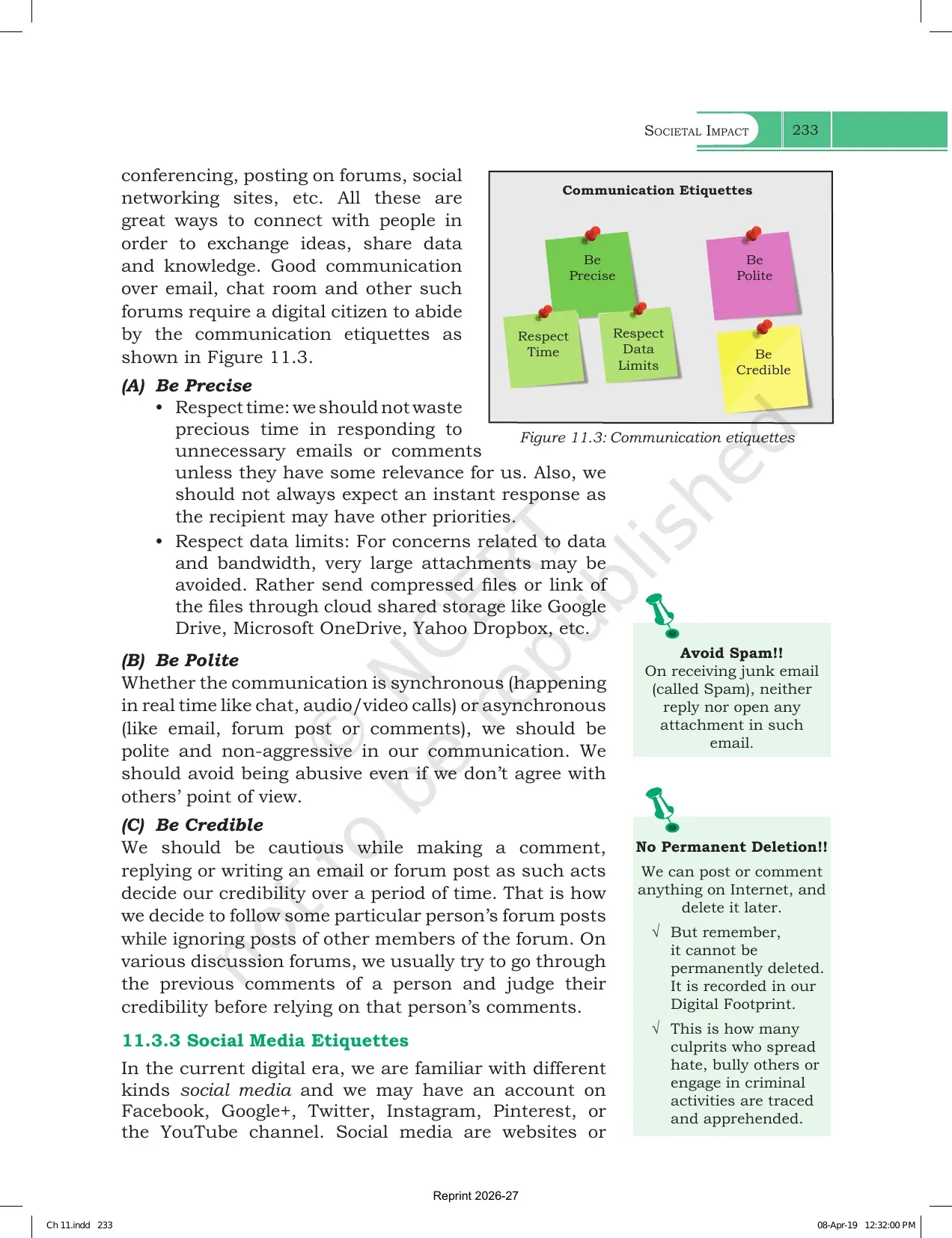
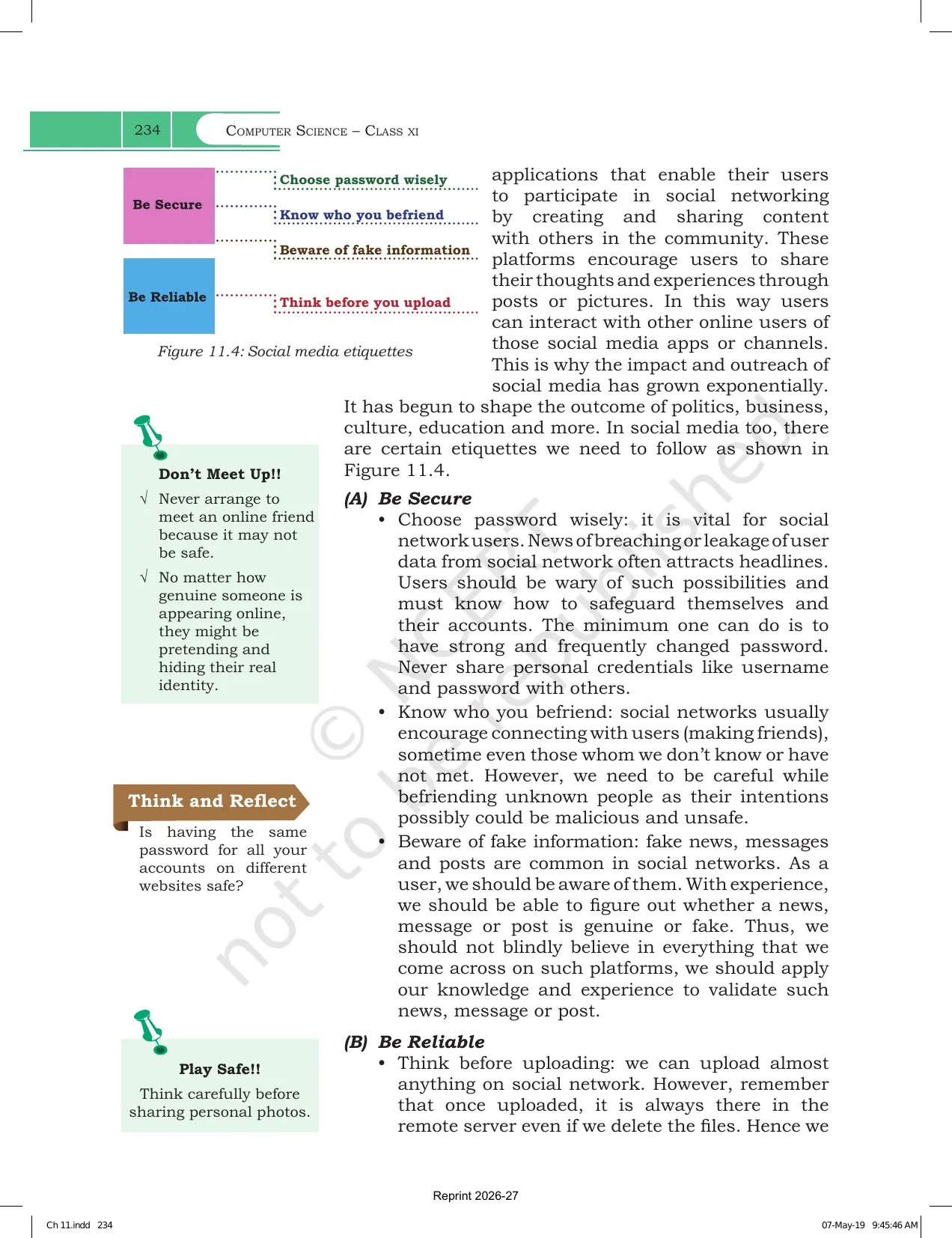
Students should also separate fact from rumour before forwarding content. A short pause can prevent misinformation, embarrassment and harm. The same rule applies to passwords: never share them, reuse them across important accounts or enter them on an unfamiliar page.
Privacy, Data Protection and Cyber Safety
Privacy means having reasonable control over personal information. Names, addresses, phone numbers, photographs, health details and financial records deserve care. Consent must be informed and specific. An app should not receive access simply because a user clicked through a permission screen without reading it.
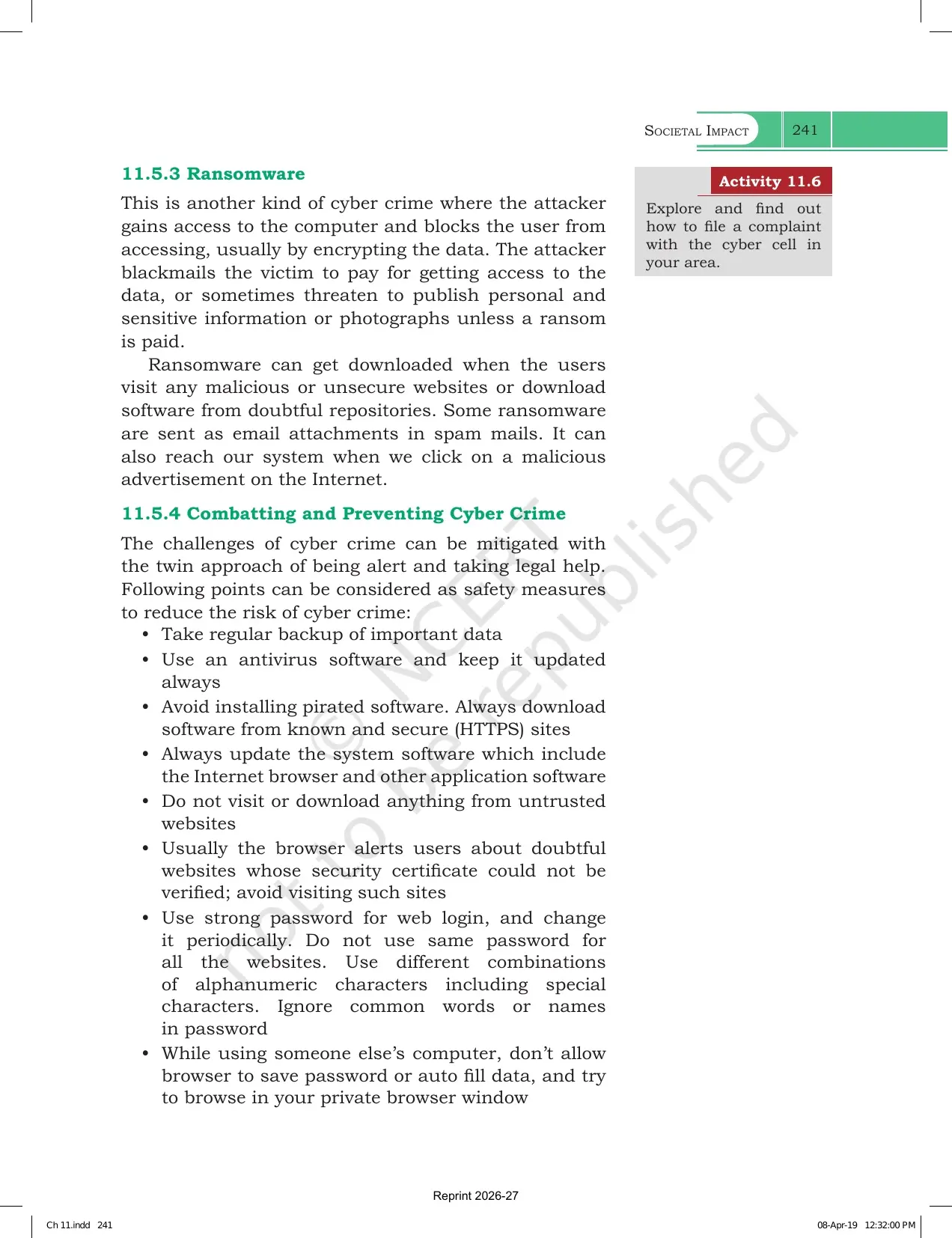
Cyber safety combines secure habits with good judgement. Use long, unique passwords and turn on multi-factor authentication where available. Install updates because they often fix known security weaknesses. Do not open unexpected attachments or follow urgent payment links. Report threats, impersonation and persistent harassment to a trusted adult or the relevant platform.
Societal Impact Chapter Overview Video
Source: Magnet Brains on YouTube
Intellectual Property Rights and Software Licences
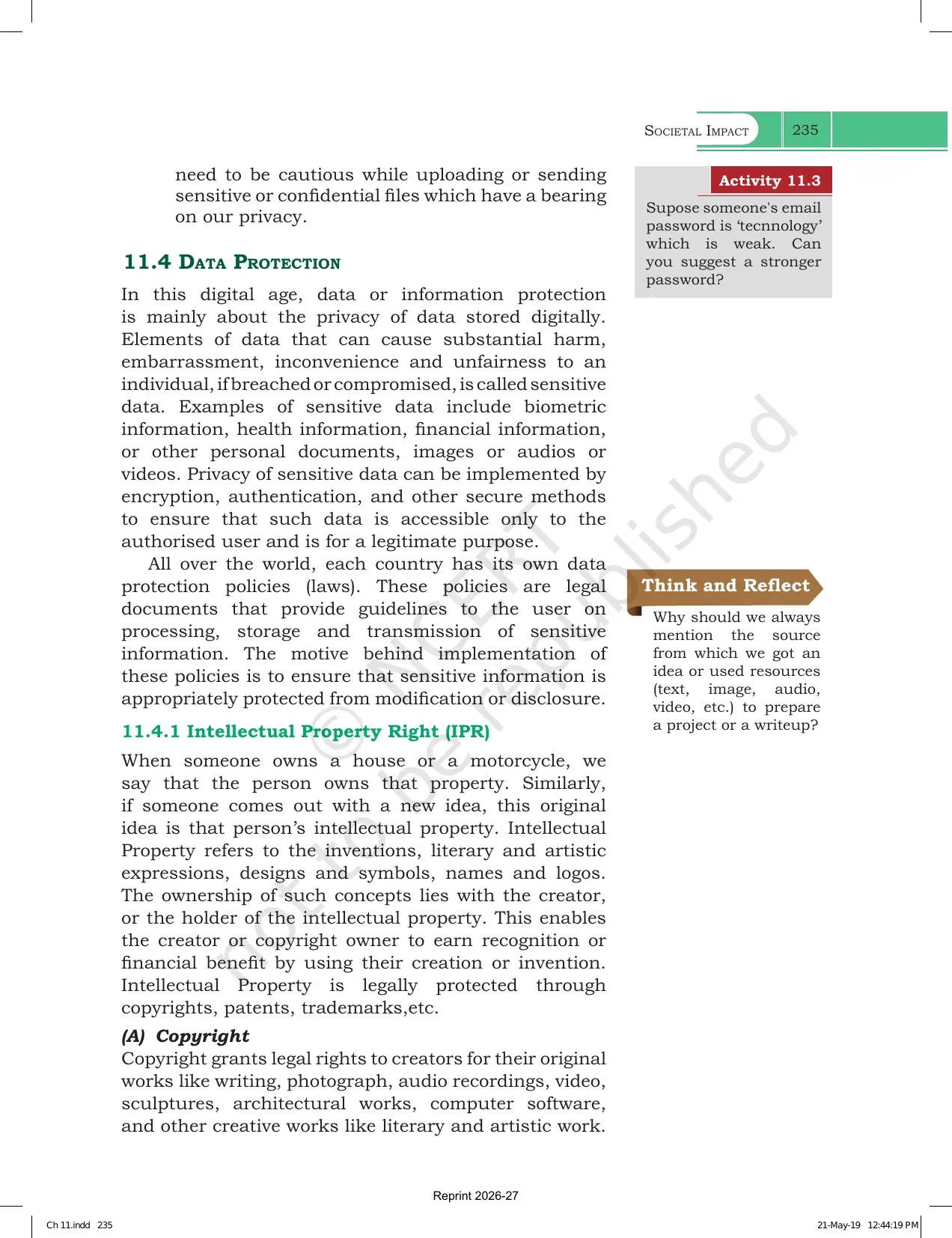
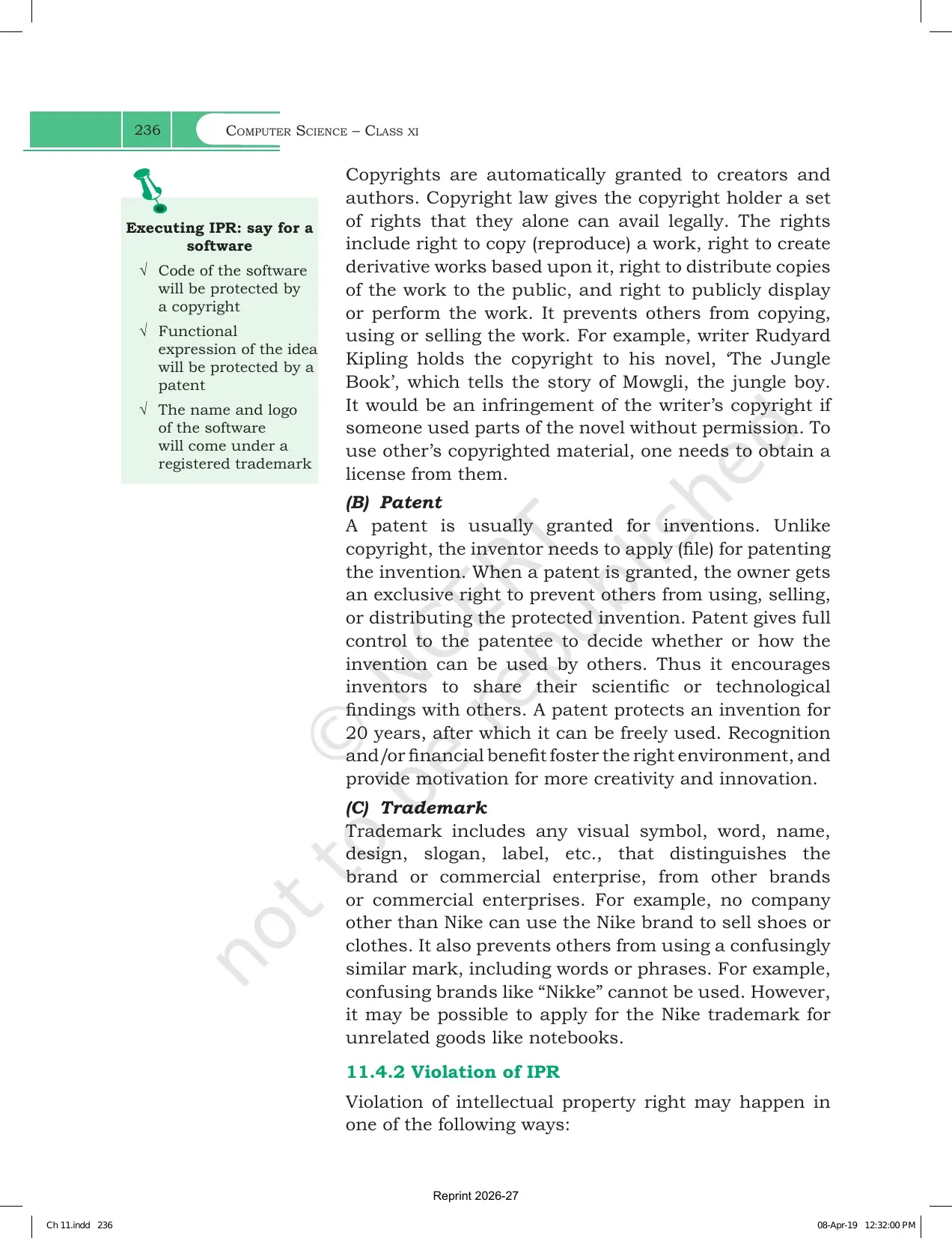
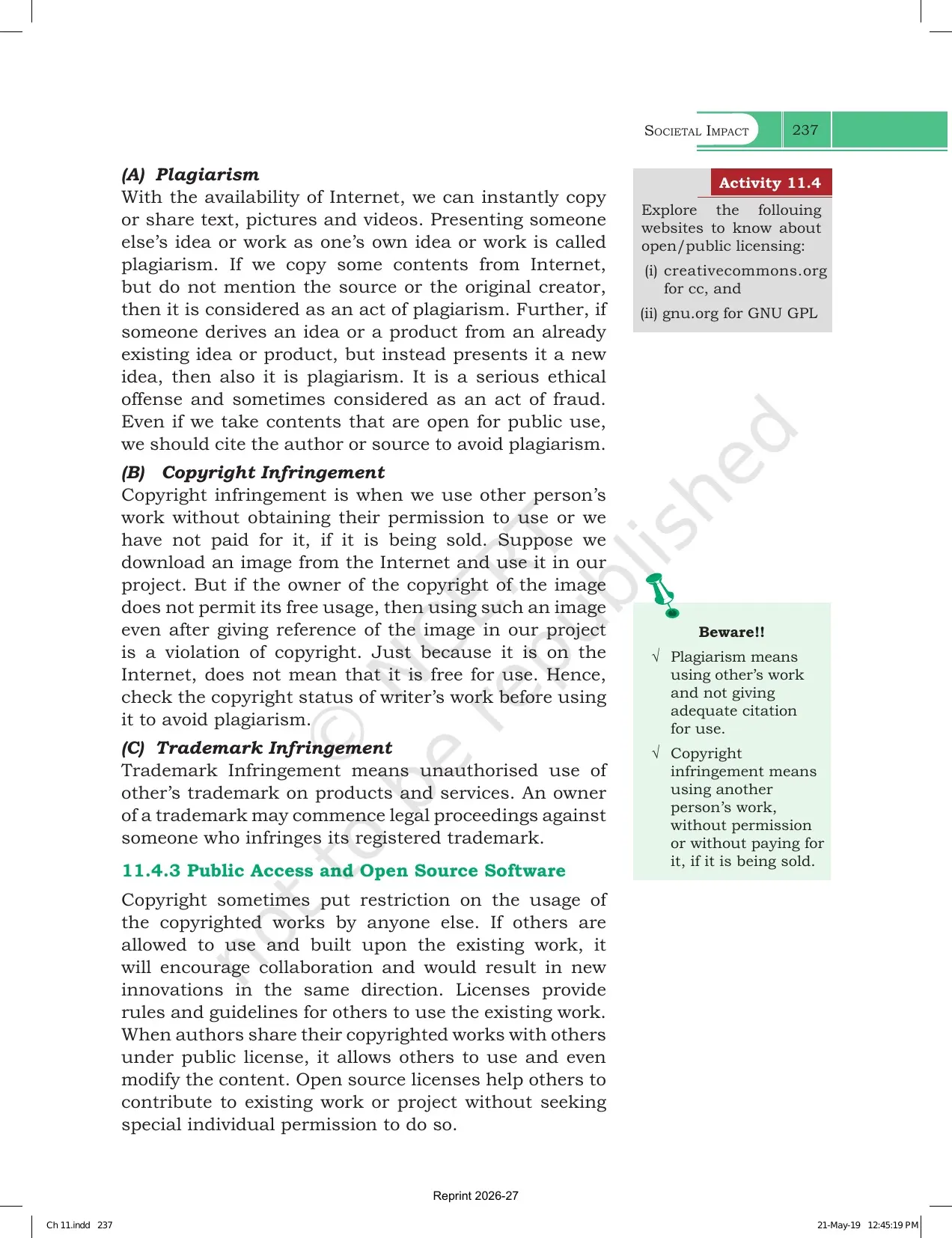
Intellectual property rights protect original creations. Copyright covers expressions such as books, music, photographs, films and software code. A patent may protect a qualifying invention. A trademark identifies the source of goods or services through a name, phrase or symbol. These protections encourage creative work while stating how others may use it.
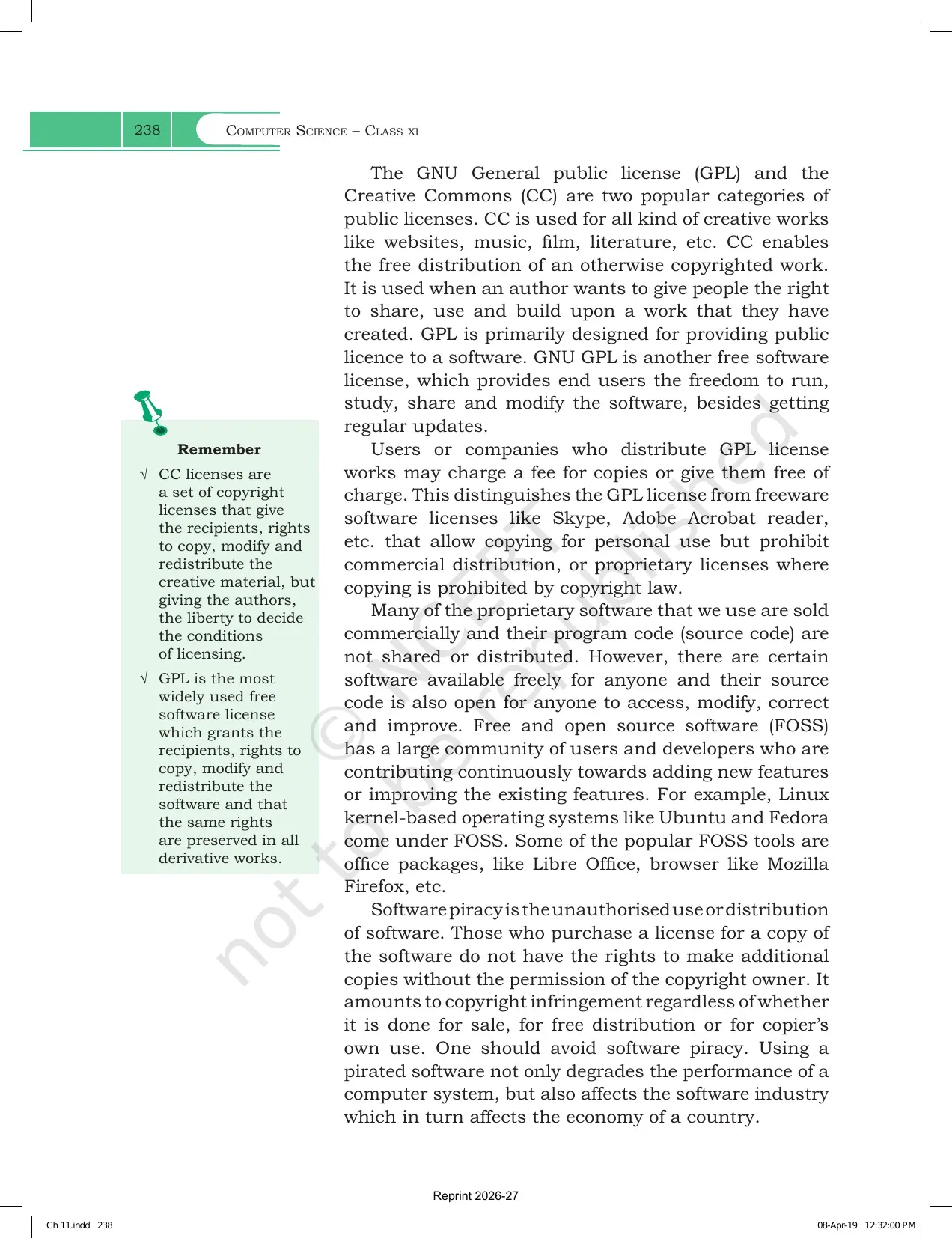
Copying a program, image or article without permission can violate the creator's rights. Giving credit is important, but credit alone does not always create permission. Users should check the licence. Open-source software permits study, modification and redistribution under stated conditions. Proprietary software usually restricts copying and modification. A licence tells users what they may do; it does not make every use automatically free.
Cybercrime, Harassment and Responsible Conduct
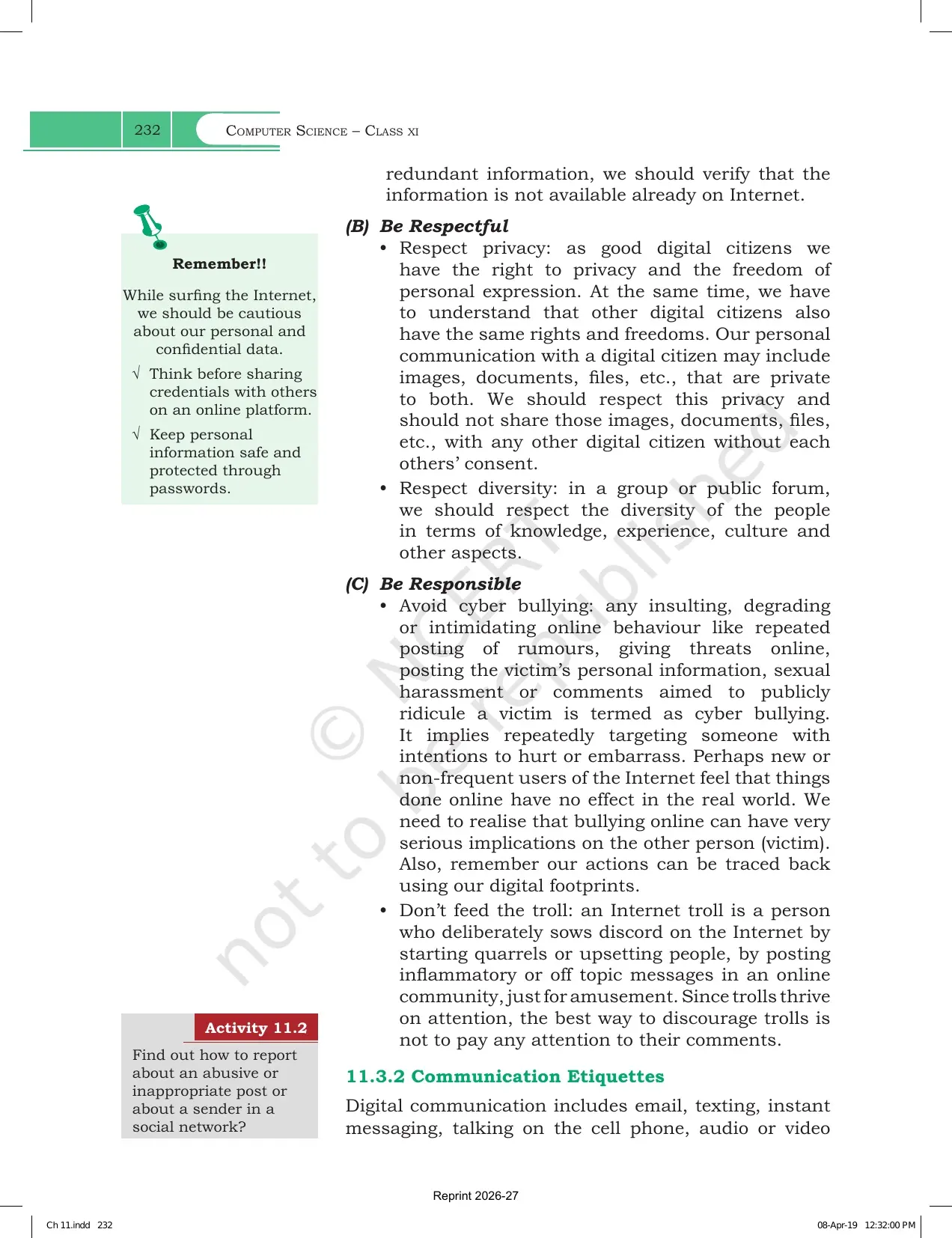
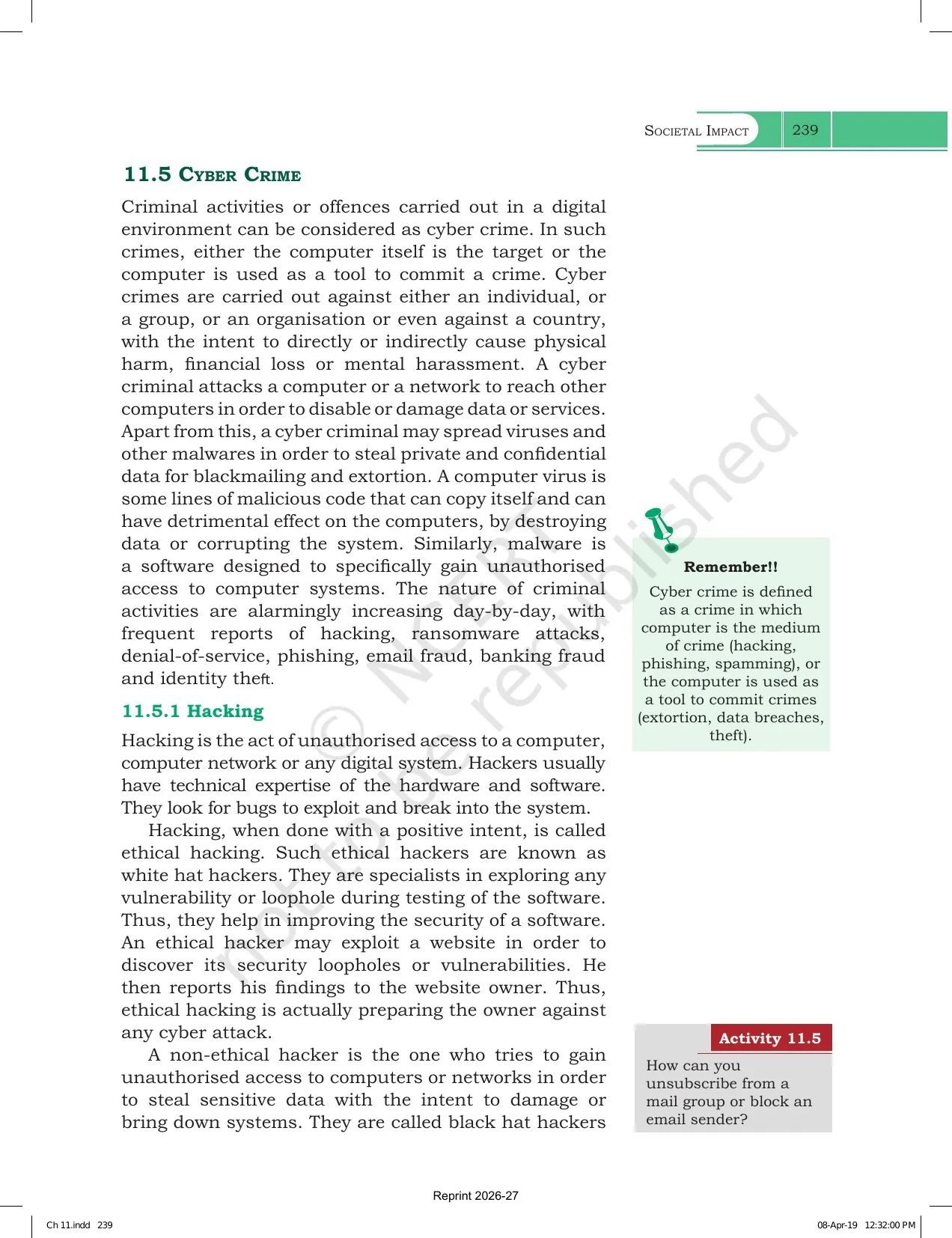
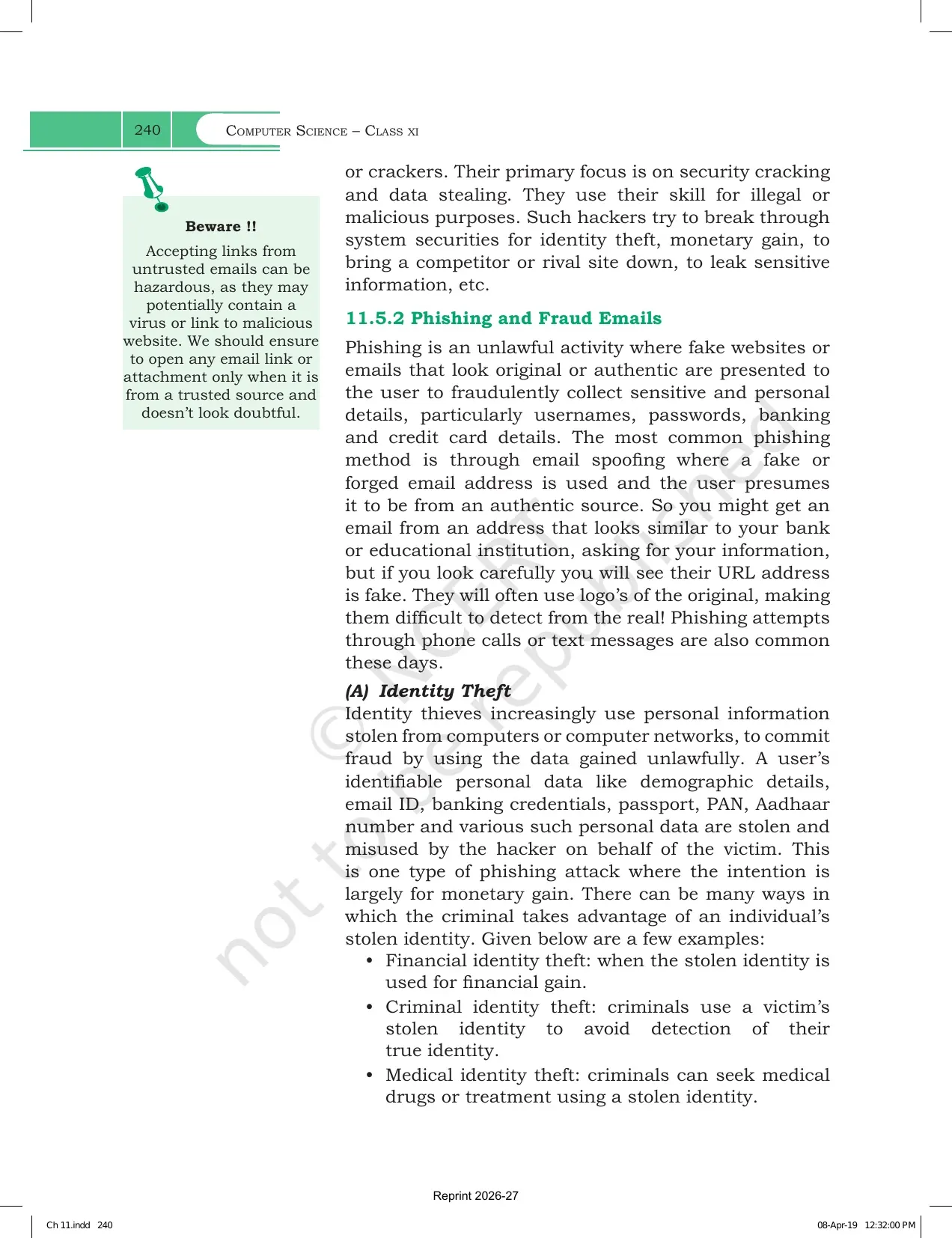
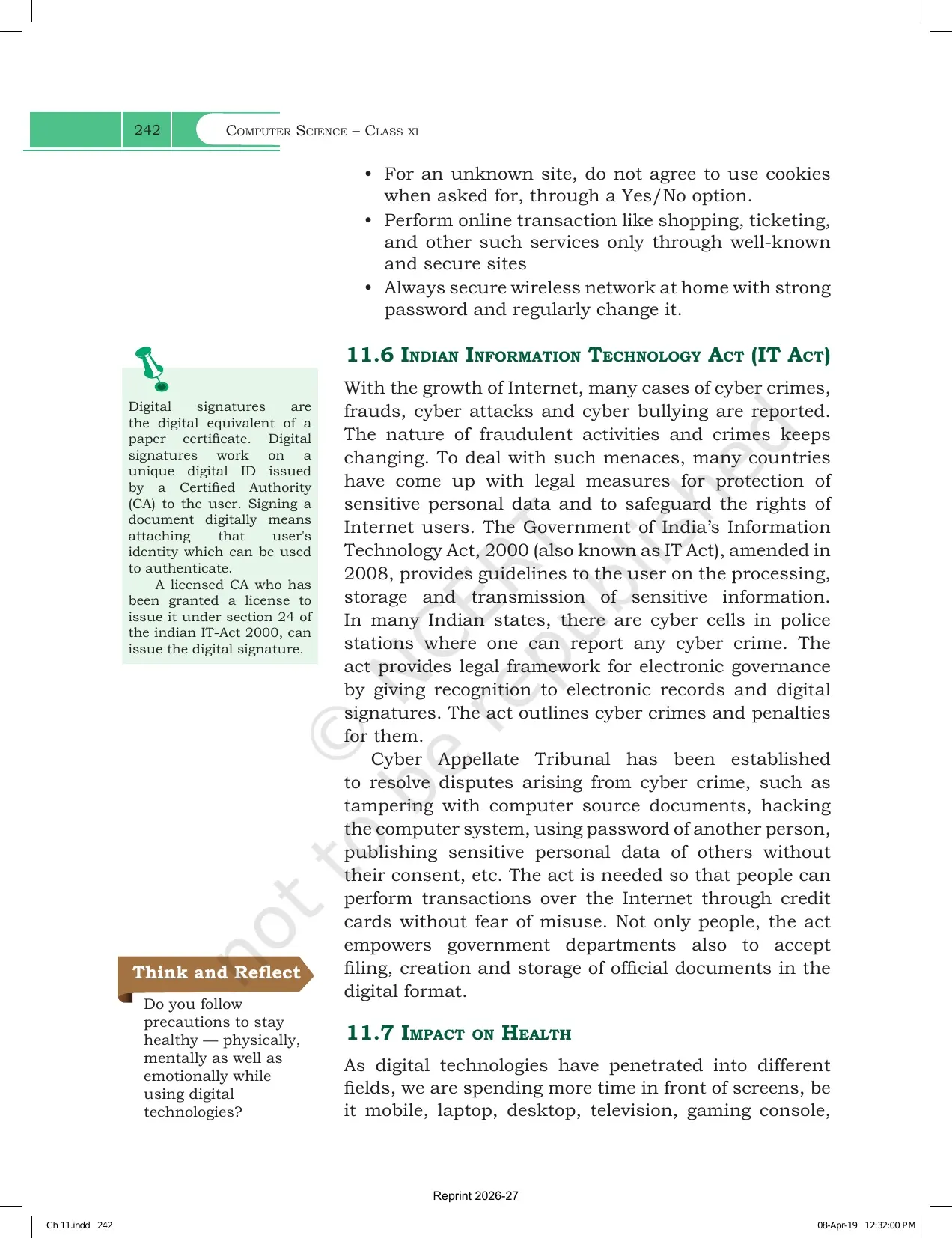
Cybercrime includes unlawful acts carried out through computers or networks. Examples include identity theft, phishing, unauthorised access and distribution of malicious software. Cyberbullying may use messages, images or false profiles to frighten or humiliate someone. The screen does not make the harm less serious.
Responsible conduct means respecting consent, dignity and law. Preserve evidence such as message links and timestamps when reporting abuse. Block the offender where appropriate, use the platform's reporting tools and seek help. Never retaliate by publishing another person's private information. A safe response protects the affected person without creating fresh harm.
E-Waste and Environmental Responsibility
Electronic waste contains valuable materials as well as substances that can harm people and the environment when handled badly. Phones, batteries, cables and computers should go to authorised collection or recycling channels. Working devices can often be repaired, upgraded, donated or resold before recycling becomes necessary.
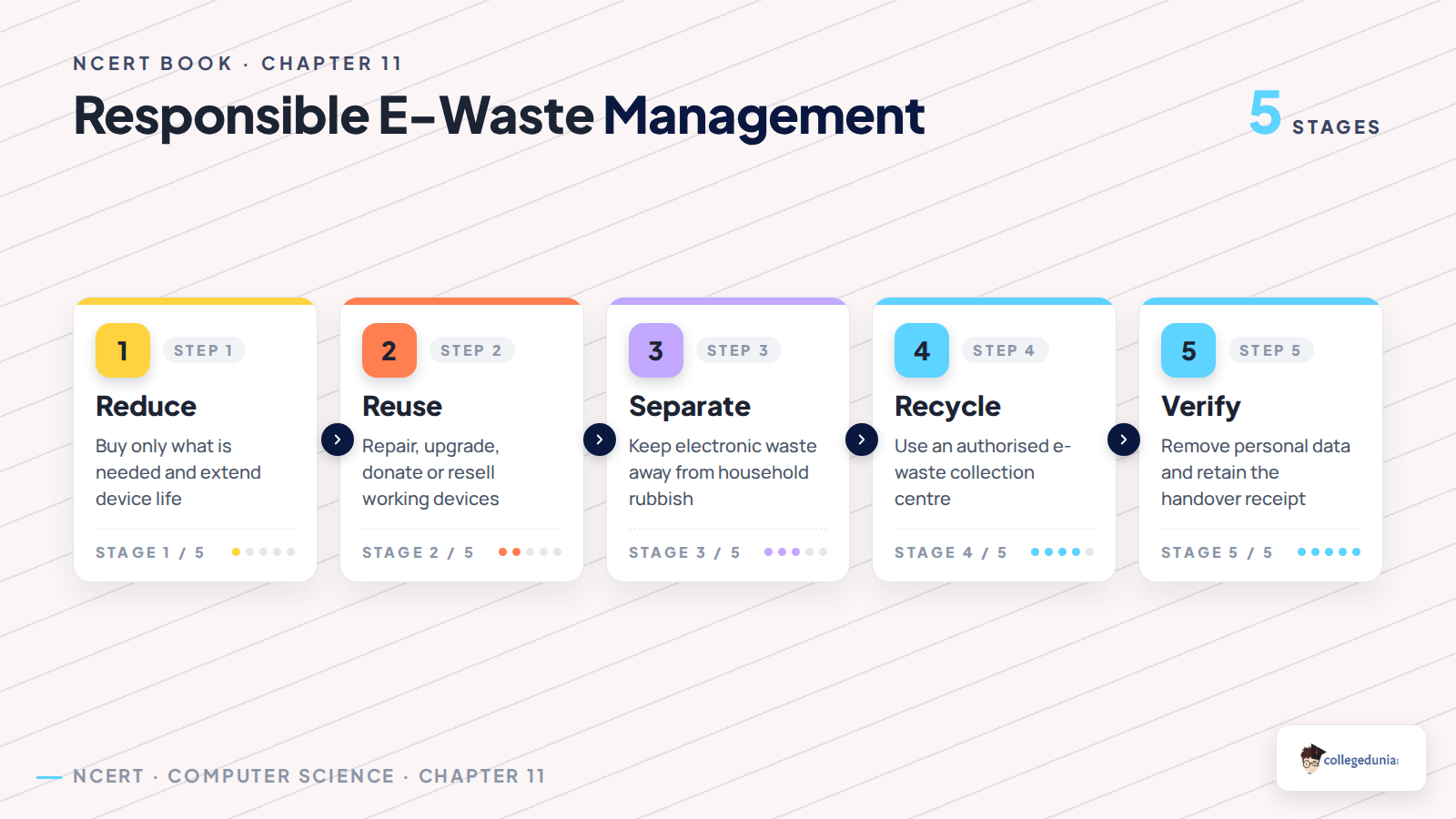
Before handing over a device, back up required files, sign out of accounts and erase personal data securely. Remove memory cards and SIM cards. Keep a receipt if the recycler provides one. Reducing unnecessary purchases has the greatest effect because it avoids waste before it exists.
Accessibility, Inclusion and the Digital Divide
The digital divide is the gap between people who can use digital technology effectively and those who cannot. Cost, connectivity, language, disability, location and digital skills can all create barriers. Providing a device is helpful, but access also needs reliable electricity, internet service, useful content and training.
Inclusive design supports more people from the start. Captions help learners who are deaf or studying in a noisy place. Screen-reader labels support blind users. Clear contrast, keyboard navigation and readable language improve access. The social value of computing grows when services do not exclude users by design.
How to Study Chapter 11 from the Official PDF
Read the chapter in three passes. First, mark every definition and example. Second, build a two-column sheet with the issue on one side and the responsible action on the other. Third, answer short situations: identify the problem, name the relevant concept and state the safest response.
- Learn the difference between active and passive digital footprints.
- Compare copyright, patents, trademarks and software licences.
- Practise identifying phishing, cyberbullying and privacy risks.
- Connect e-waste and accessibility to responsible technology use.
This method turns a theory chapter into decisions a student can explain. It also prevents vague answers. Use the NCERT wording for key terms, then add one relevant example in your own words.
Related Class 11 Computer Science Resources
| Resource | Use it for |
|---|---|
| Societal Impact Notes | Fast revision and important definitions |
| Societal Impact Solutions | Textbook exercise answers |
| Societal Impact Handwritten Notes | One-shot recall |
Class 11 Computer Science NCERT Book PDFs
| Chapter | NCERT Book PDF |
|---|---|
| Chapter 8 | Strings |
| Chapter 9 | Lists |
| Chapter 10 | Tuples and Dictionaries |
| Chapter 11 | Societal Impact |
Questions Students Ask About Societal Impact
Societal Impact Computer Science NCERT Book FAQs
Ques. What is a digital footprint?
Ans. It is the trail of data created through online activity, including posts, searches and information collected by services.
Ques. Which topics are covered in Chapter 11 Societal Impact?
Ans. The chapter covers digital footprints, privacy, cyber safety, intellectual property, cybercrime, e-waste, accessibility and the digital divide.
Ques. Is this the official NCERT chapter PDF?
Ans. Yes. The downloadable file is the official Class 11 Computer Science chapter used for the 2026-27 session.
Ques. How should students revise this theory chapter?
Ans. Learn each definition, pair every issue with a responsible action and practise short situation-based answers using NCERT terms.



Comments