




The NCERT Class 10 Economics Book PDF Chapter 5 Consumer Rights brings together every case study, right and legal term the CBSE board paper tests.
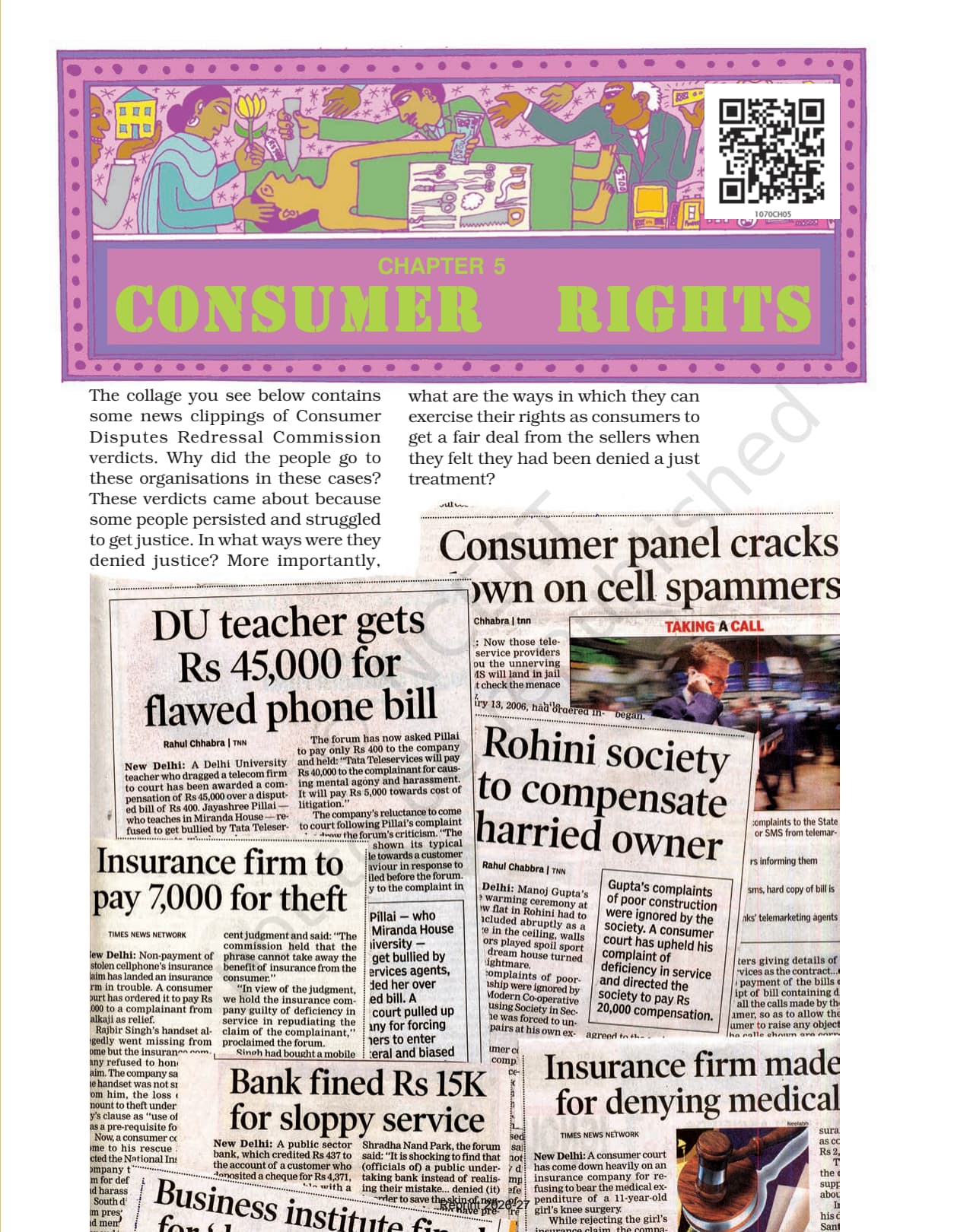
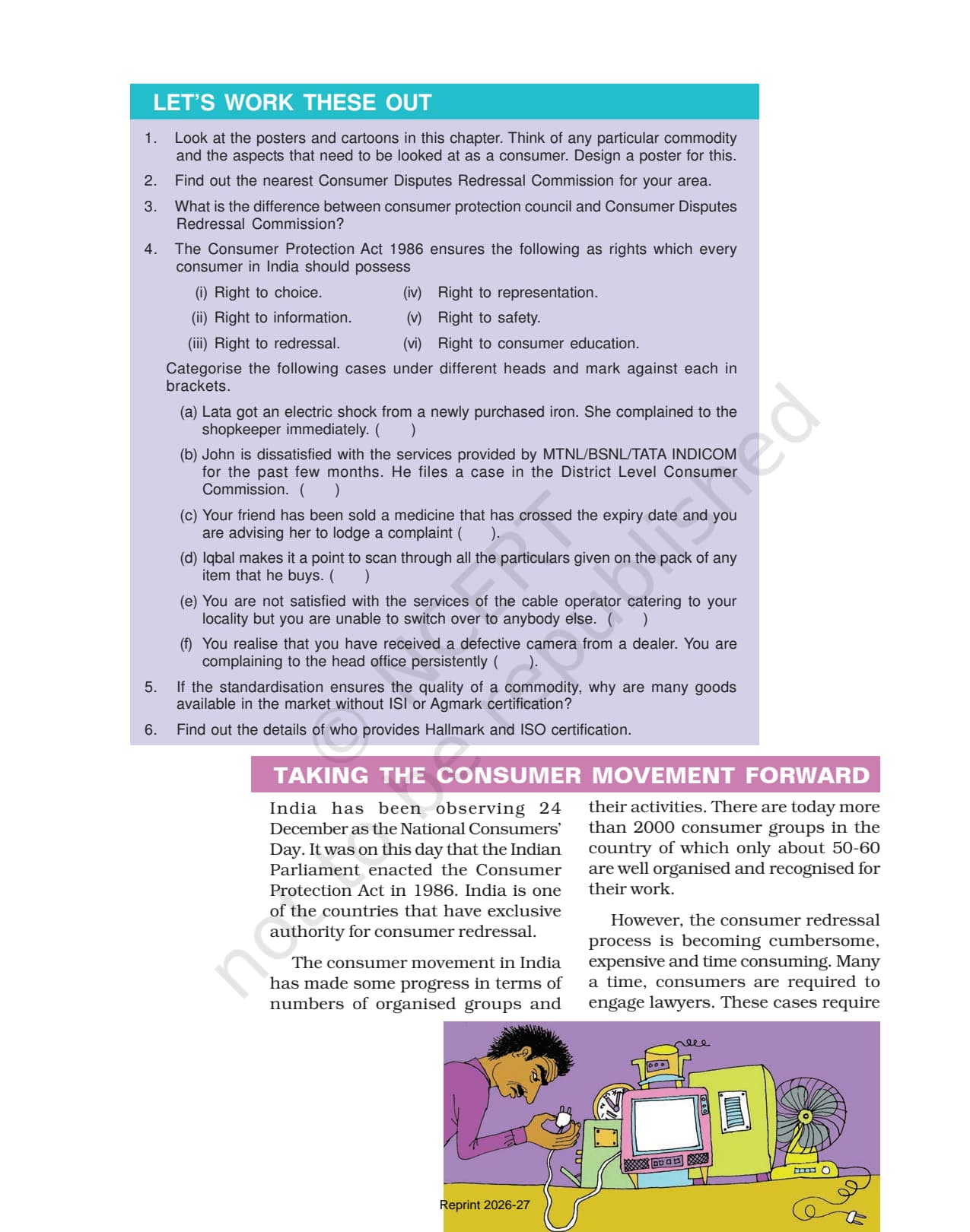
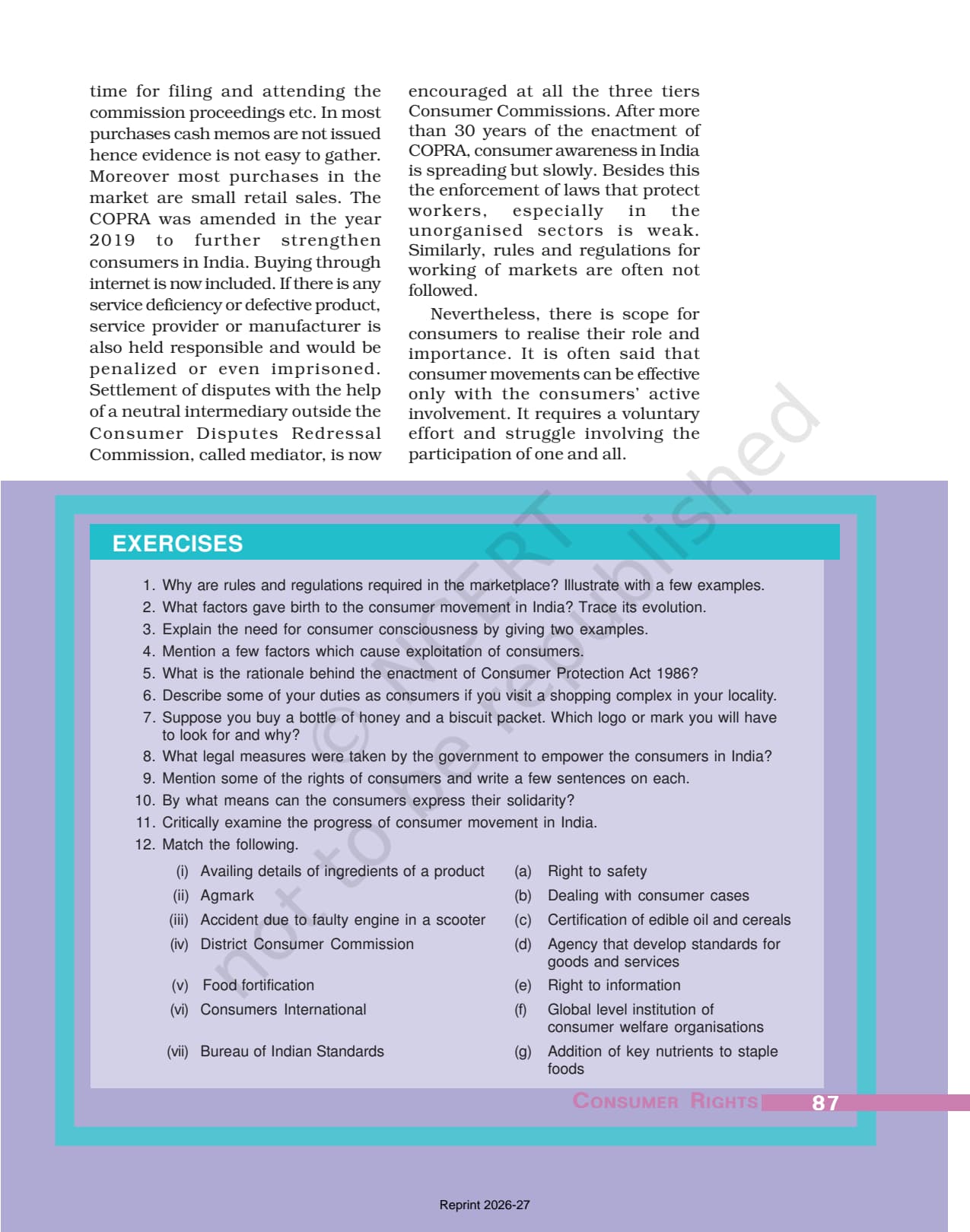
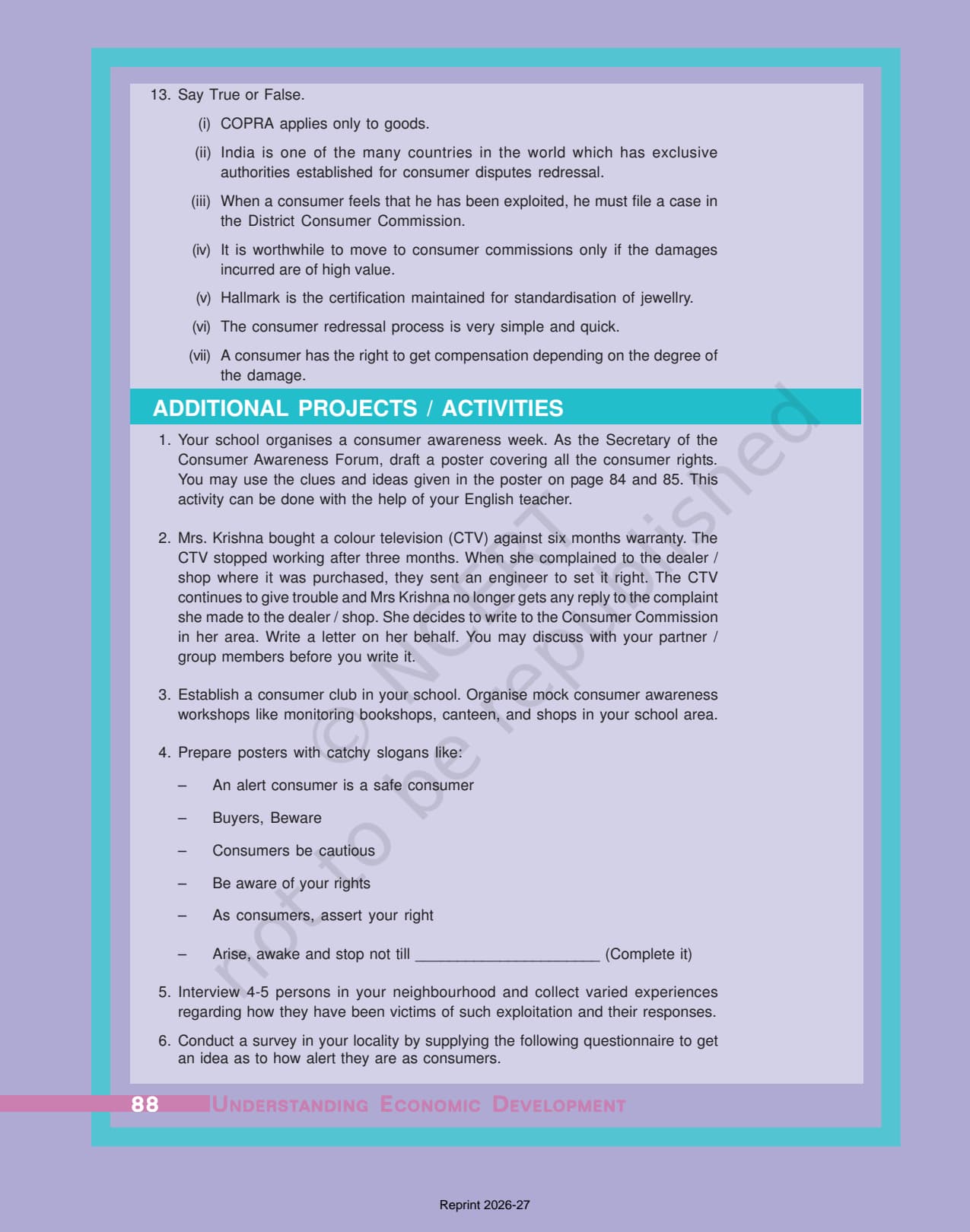
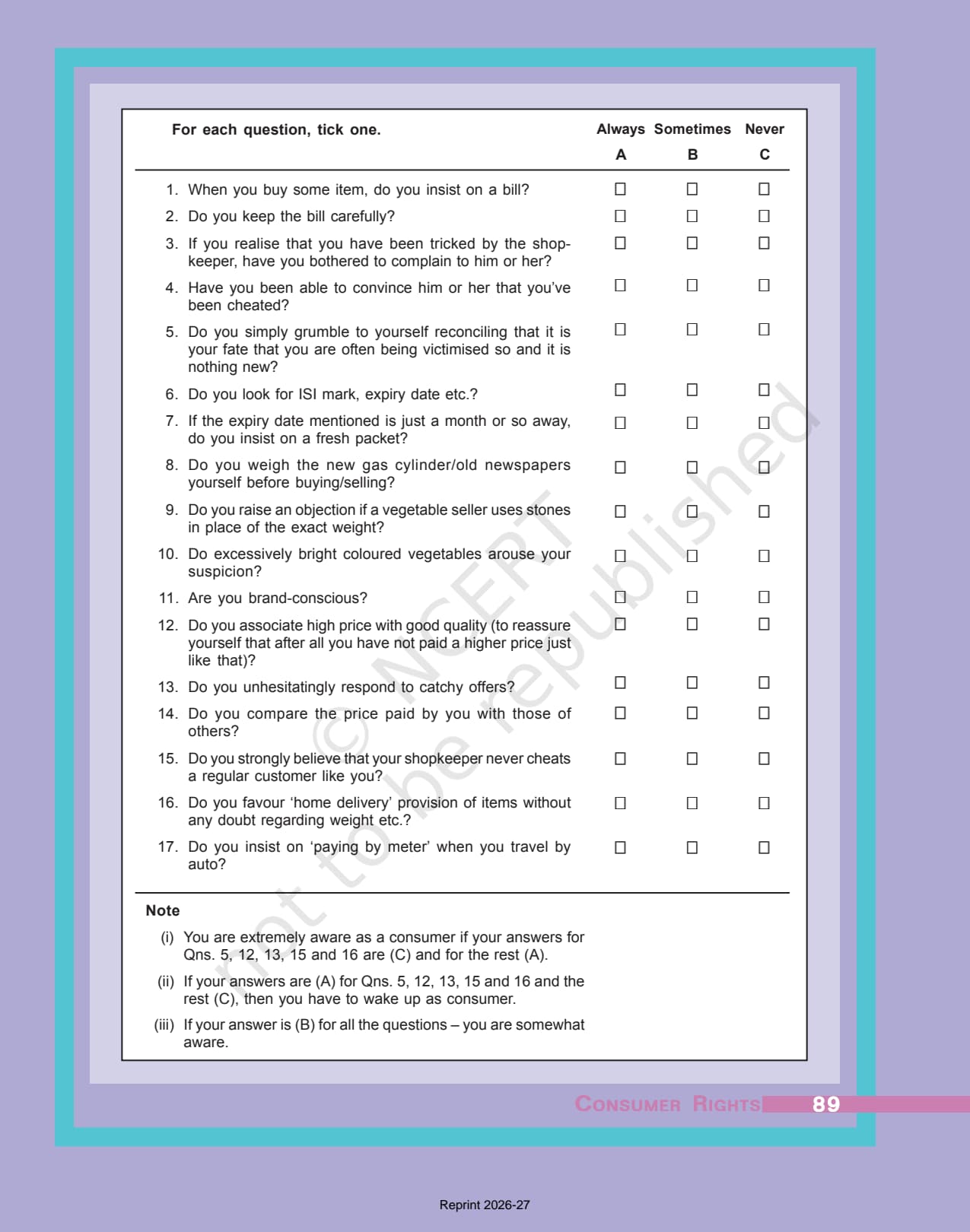
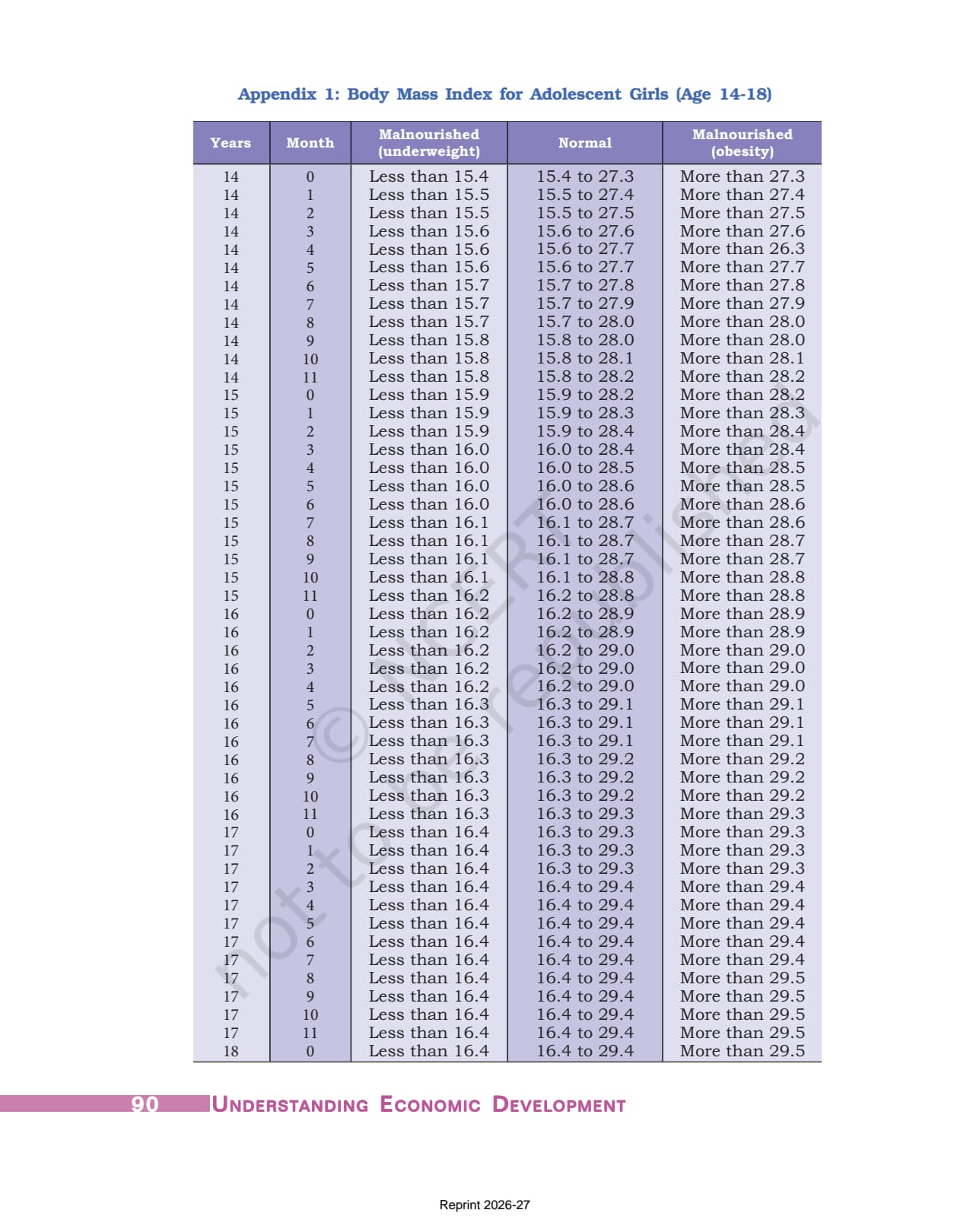
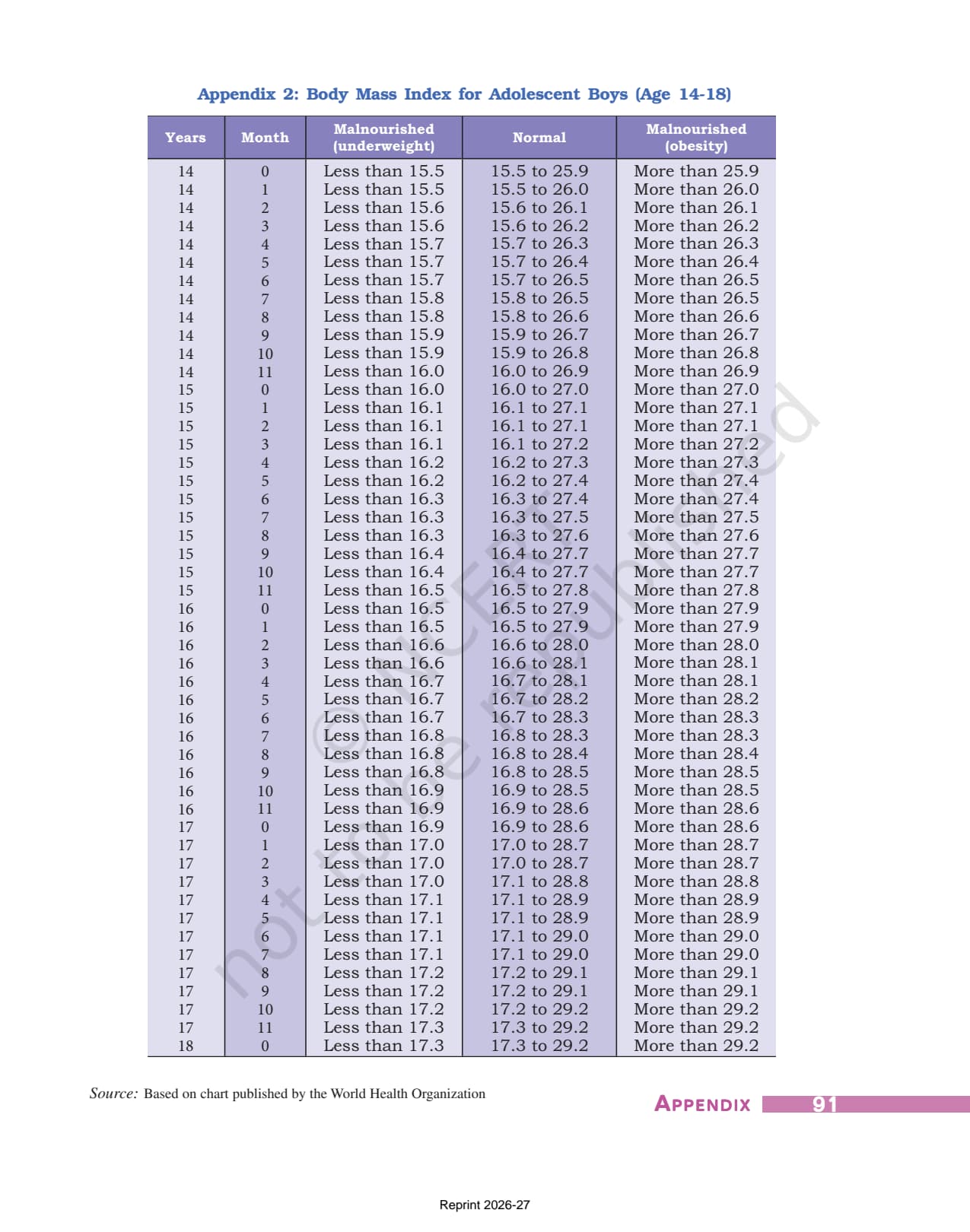
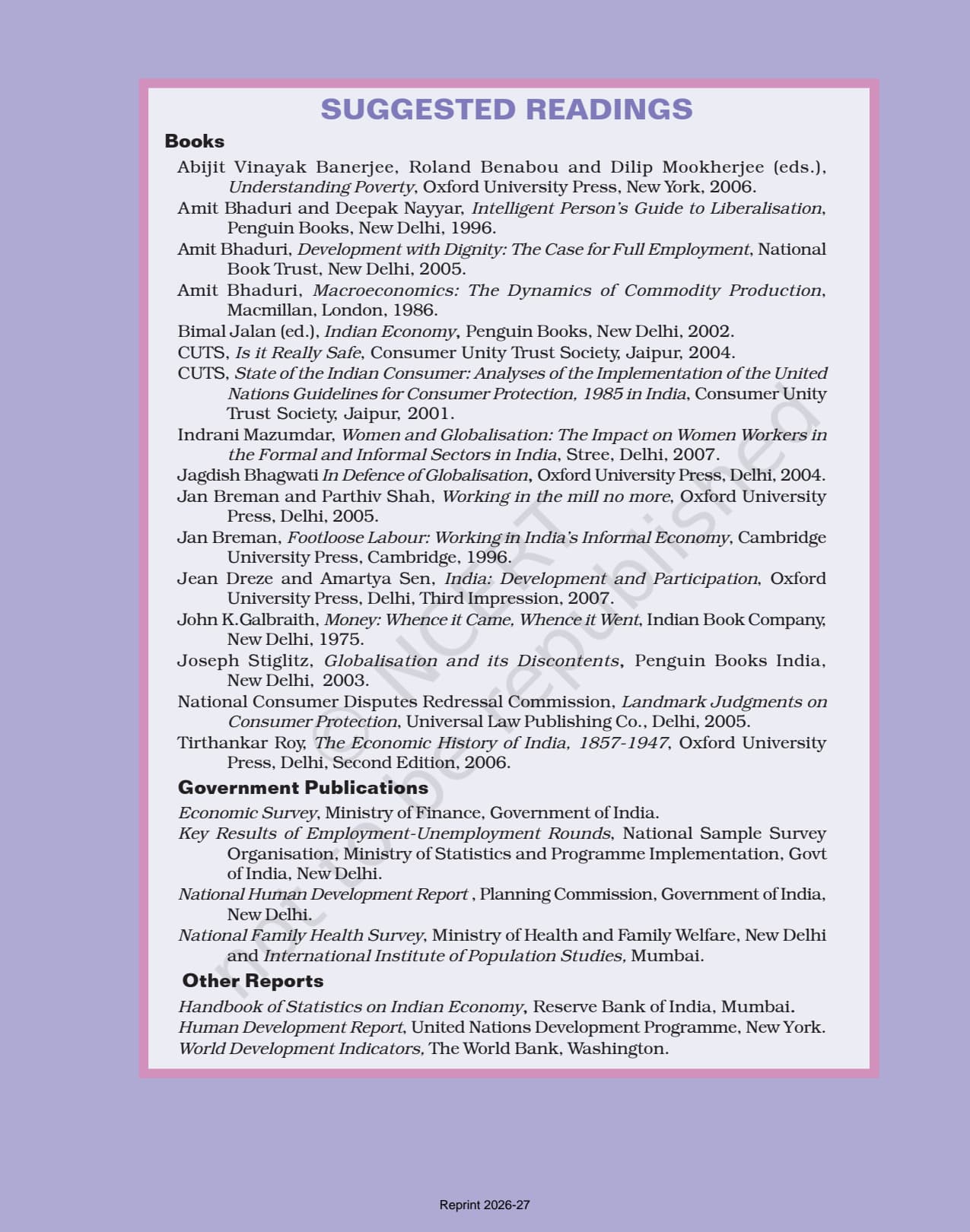
The chapter closes Understanding Economic Development and runs to about 16 pages in the 2026-27 reprint. It covers the consumer movement, the six consumer rights, COPRA 1986, the three-tier redressal system and standard marks like ISI and Agmark.
- Board Weightage: 4 to 6 marks in the Class 10 Social Science (Economics unit) paper, usually one short answer plus one case-based question
- What's Inside: consumer exploitation, the consumer movement, COPRA, the six consumer rights, redressal commissions and standardisation marks
This consumer rights class 10 economics pdf is the original NCERT print, hosted unmodified by Collegedunia, mapped to the 2026-27 syllabus and checked against the last five years of CBSE board papers.
NCERT Class 10 Economics Book PDF Chapter 5 Consumer Rights Download
The file above is the original Chapter 5 from Understanding Economic Development, the Class 10 Economics textbook published by NCERT. It is the same text used in every CBSE-affiliated school, hosted free with no edits.
What Chapter 5 Consumer Rights Covers
The chapter explains why consumers need protection and how the law gives it. It moves in a clear order, from why markets treat buyers unfairly to the rights and courts that fix it. Learn the order and the chapter becomes easy.
| Topic in Chapter 5 | Core Idea |
|---|---|
| The consumer in the marketplace | Buyers are often in a weak position and get exploited by sellers |
| Consumer movement and COPRA | Years of struggle led to the Consumer Protection Act 1986 |
| The six consumer rights | Safety, information, choice, redressal, representation and education |
| Redressal and standard marks | Three-tier commissions plus ISI, Agmark and Hallmark certify quality |
Most board questions ask you to name a consumer right and match it to a real case like Reji, Abirami or Prakash. Keep the order in mind and the long answers write themselves.
Consumer Rights Class 10 Explained in Simple Language
Source: Magnet Brains Hindi Medium on YouTube
The Consumer in the Marketplace and Why Exploitation Happens
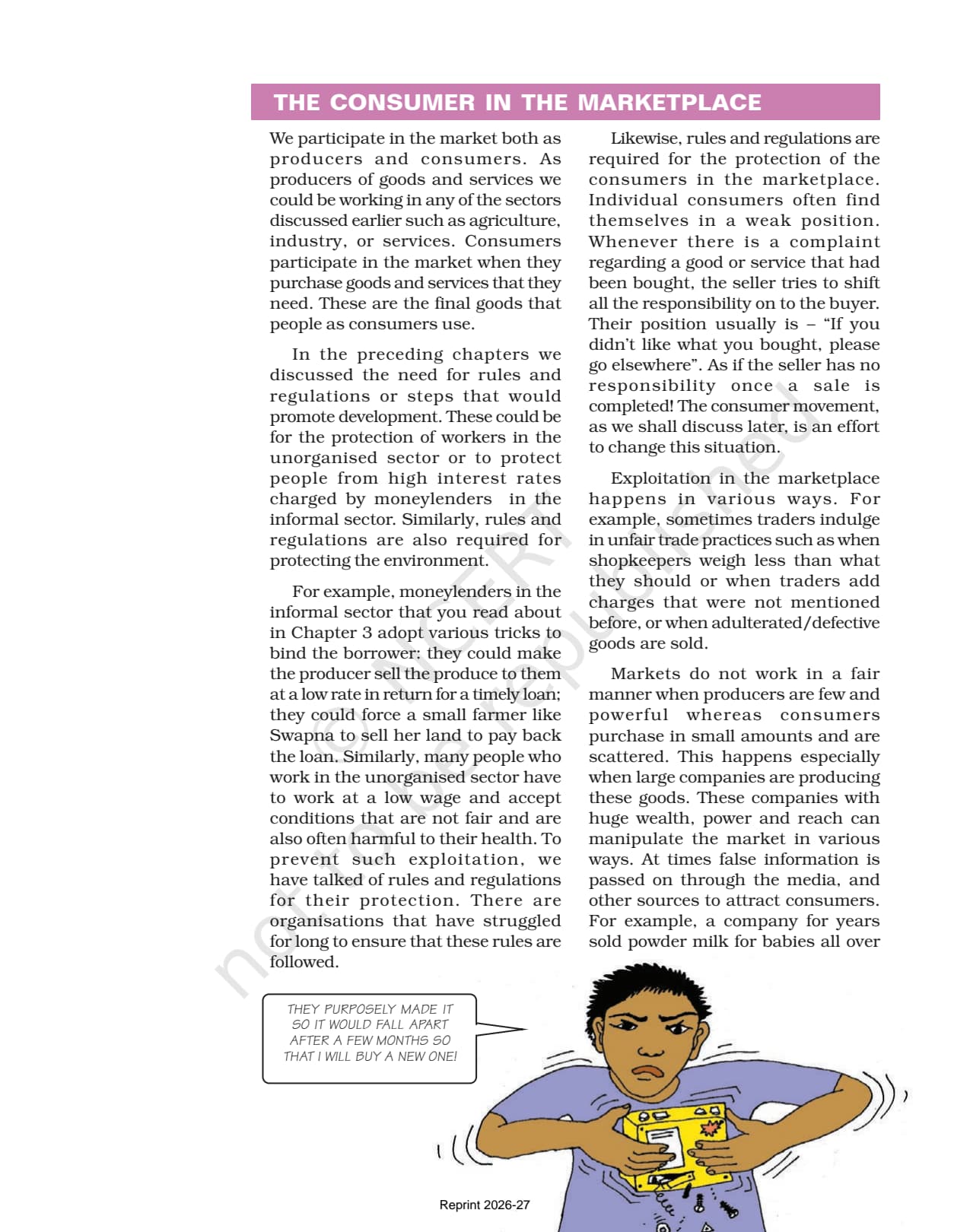
The chapter opens with a simple truth. We join the market as both producers and consumers, and as consumers we often end up in a weak position. When a buyer complains, the seller usually shifts the blame back on the buyer.
- Unfair trade practices: sellers weigh less, add hidden charges, or sell adulterated and defective goods.
- False information: big companies pass on false claims through the media, as the powder-milk and cigarette cases showed.
- Few sellers, many buyers: markets are unfair when producers are few and powerful while consumers are scattered.
A company sold powder milk for years as better than mother's milk before it was forced to accept the claim was false. So rules and regulations are needed to protect consumers in the marketplace.
The Consumer Movement and the Birth of COPRA 1986
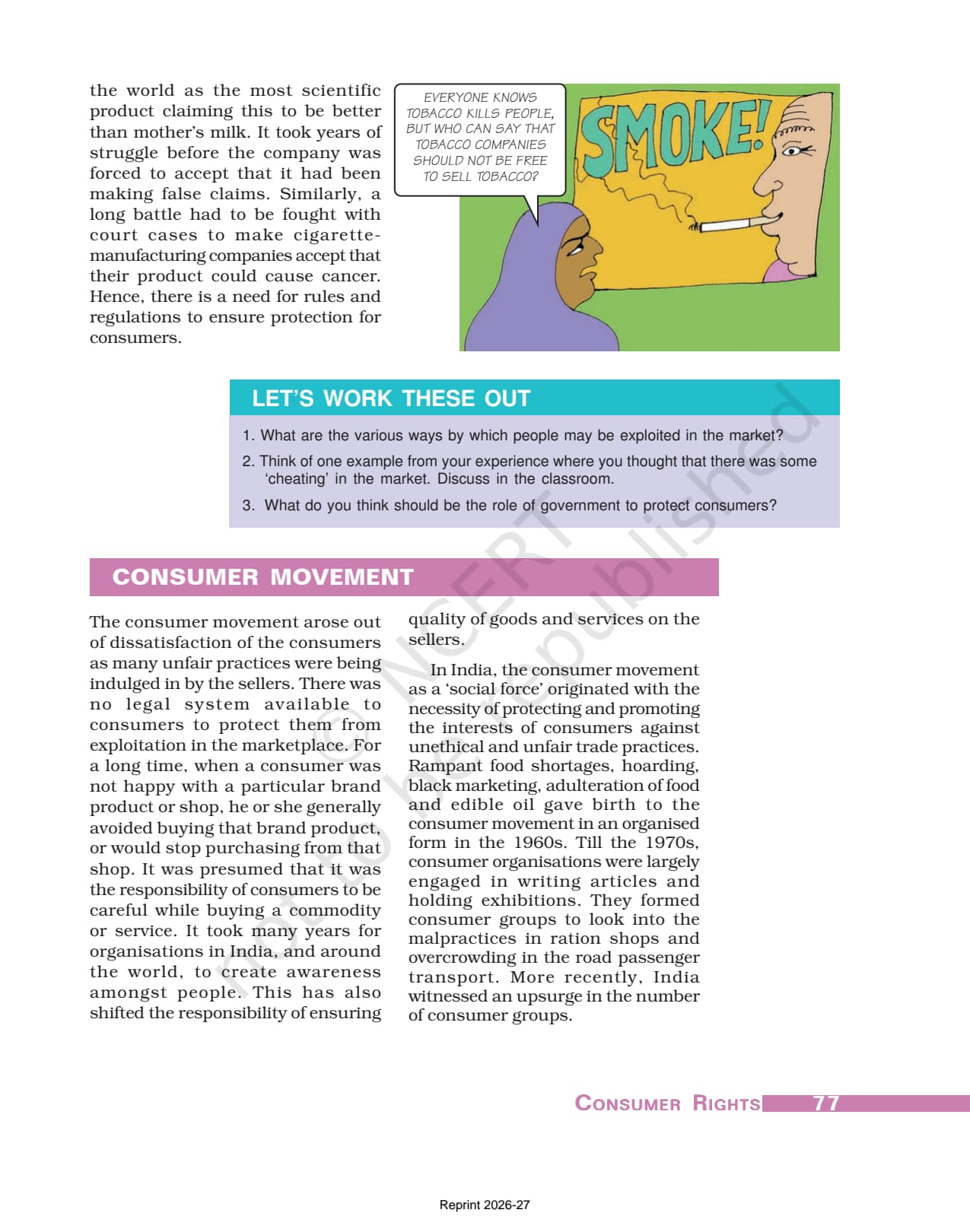
The consumer movement grew out of anger at unfair practices, when no legal system protected buyers. For a long time the burden was on the consumer to be careful. The movement slowly shifted that burden onto sellers.
- What started it: food shortages, hoarding, black marketing and adulteration pushed the movement in the 1960s.
- Early work: till the 1970s, consumer groups mostly wrote articles and held exhibitions to spread awareness.
- The legal milestone: in 1986 the government passed the Consumer Protection Act (COPRA), amended in 2019.
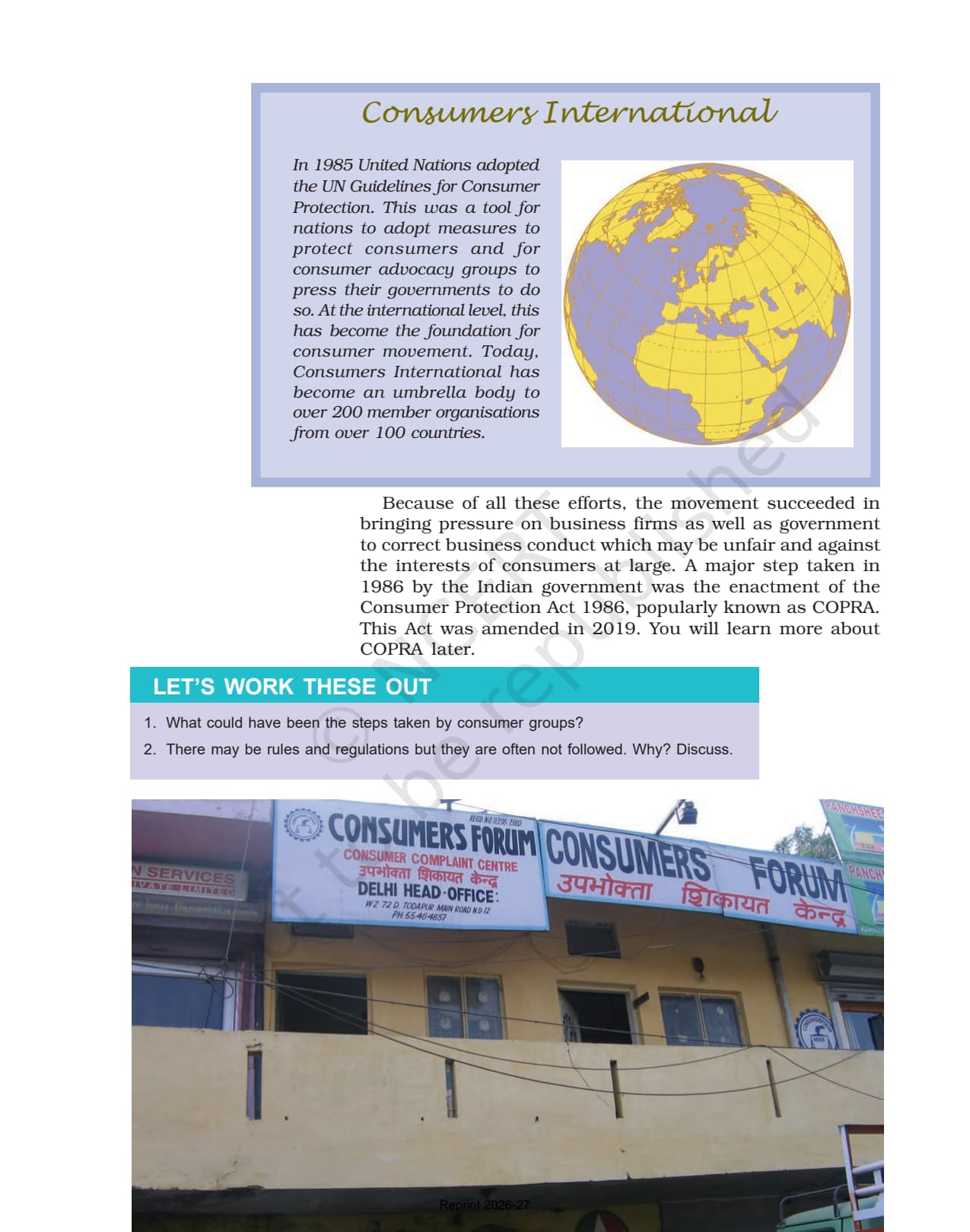
The 1985 UN Guidelines gave the movement a global base, and today Consumers International links over 200 organisations from 100-plus countries. The enactment of COPRA in 1986 is the single most asked fact in this chapter.
The Six Consumer Rights Every Class 10 Student Must Know
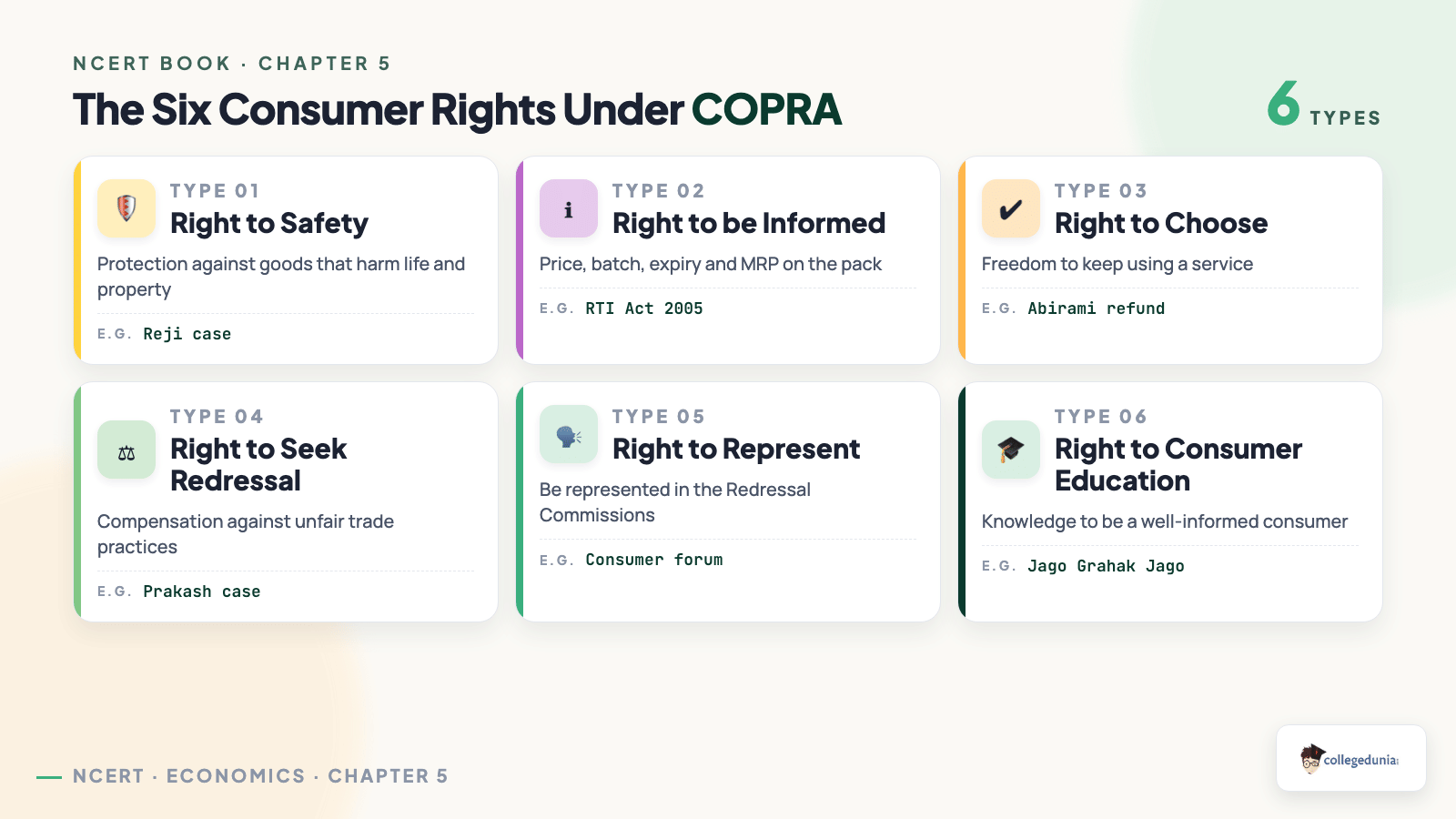
The heart of the chapter is the set of rights COPRA gives every consumer. Each right comes with a real textbook case, which makes it easy to remember and to write in the exam.
| Consumer Right | What It Means and the Textbook Case |
|---|---|
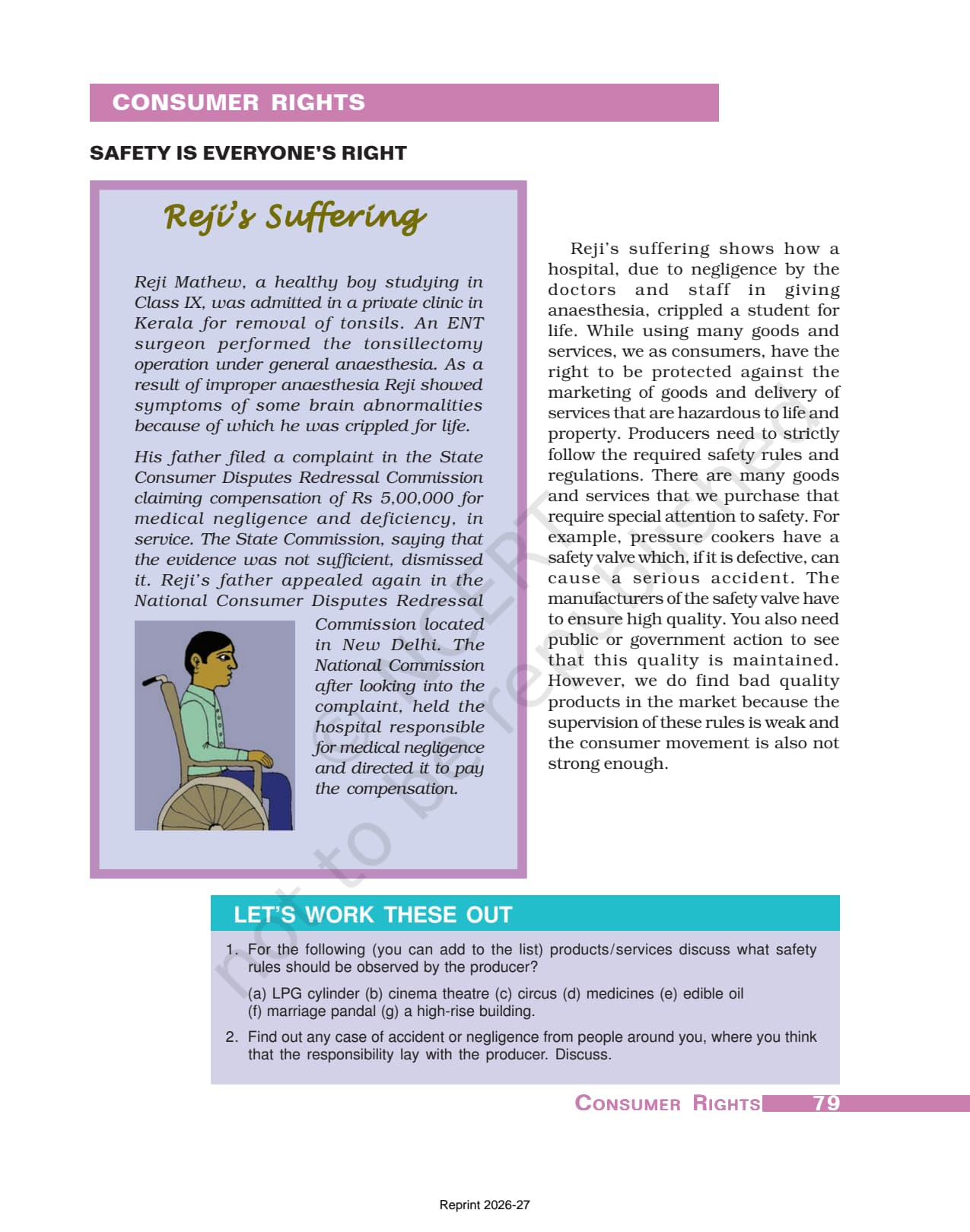
| Right to safety | Protection against goods and services that harm life and property. Reji's case shows medical negligence. |
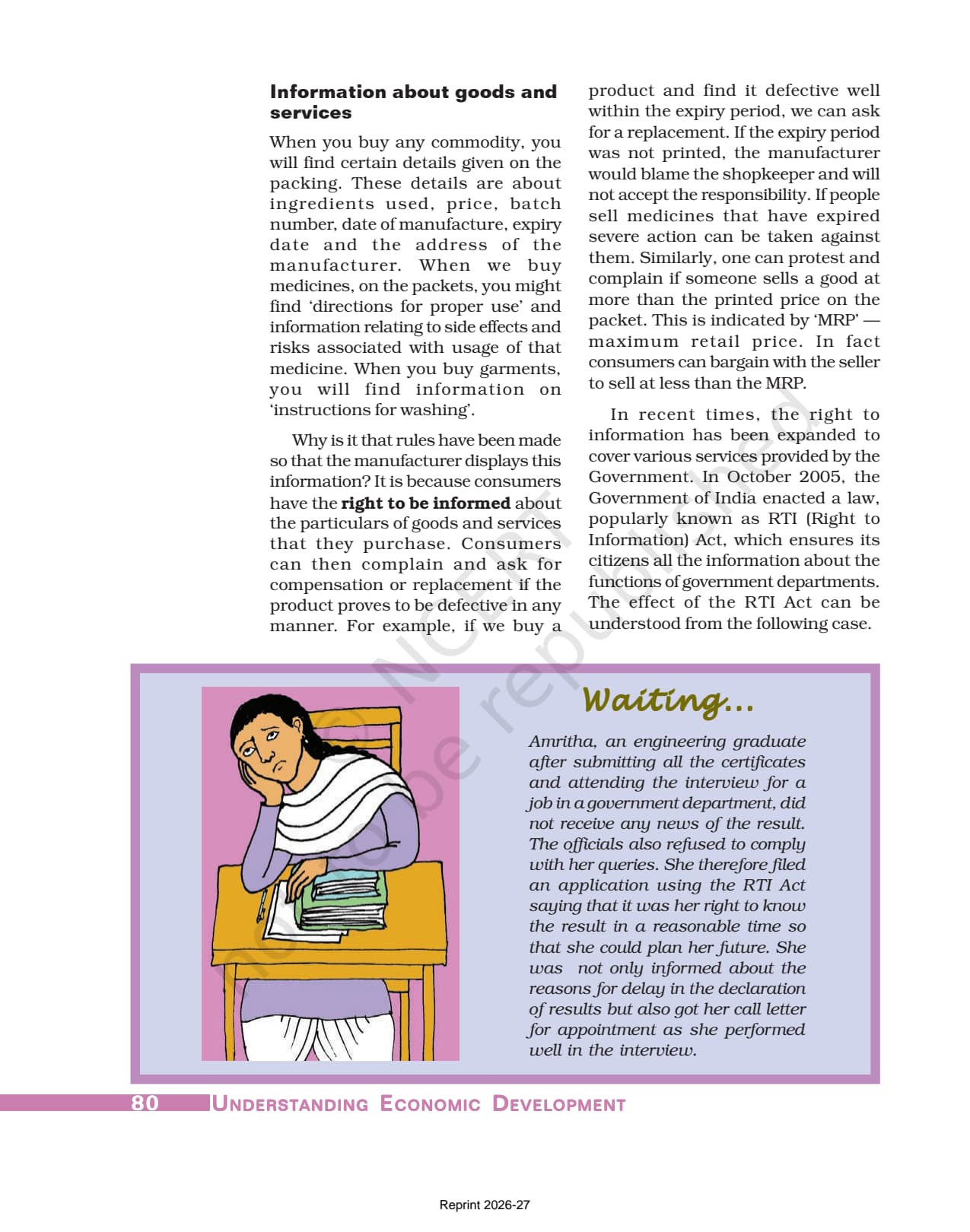
| Right to be informed | Details like price, batch number, expiry date and MRP must be on the pack. The RTI Act 2005 widened this right. |
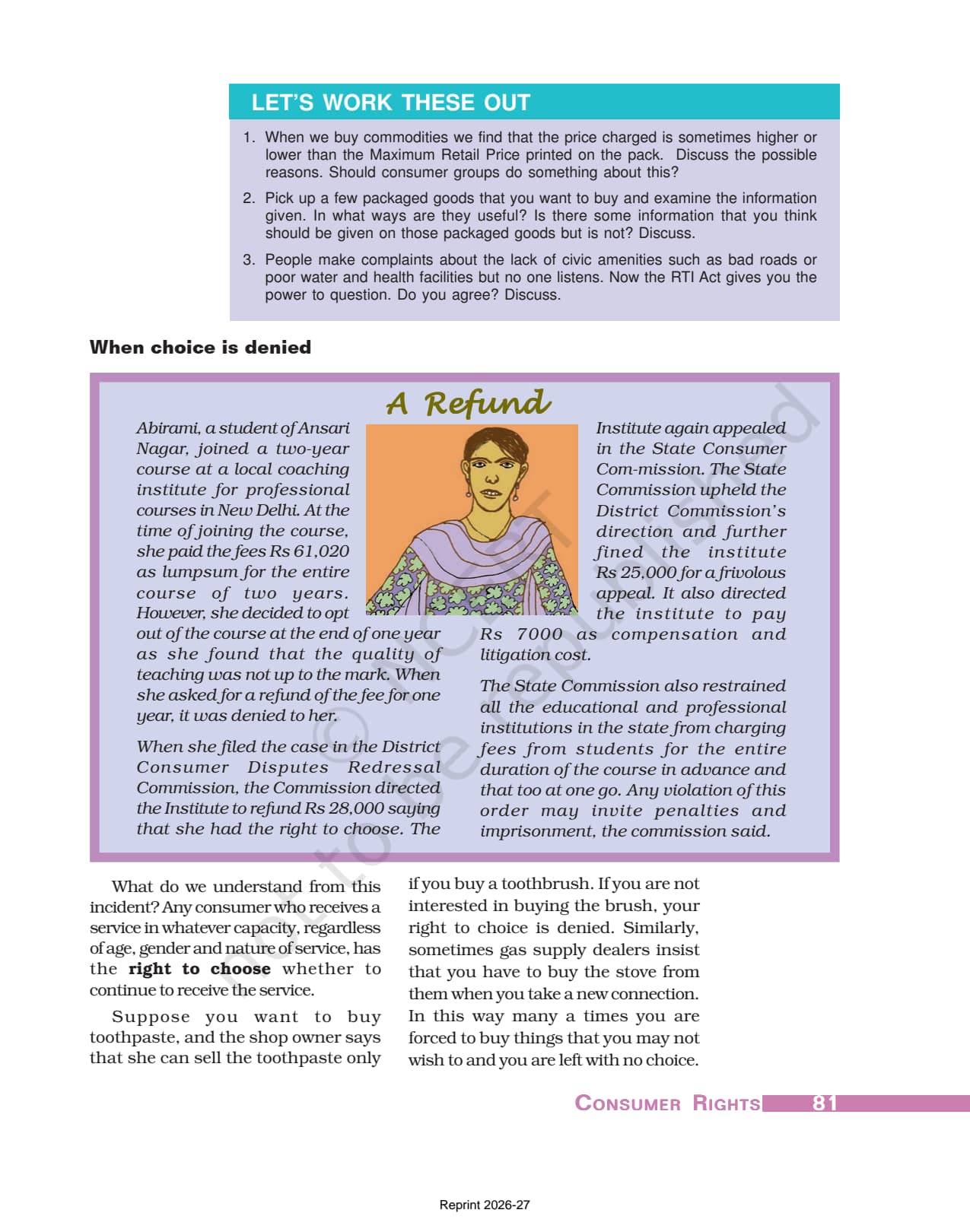
| Right to choose | Any consumer can choose whether to keep using a service. Abirami's refund case shows this right. |
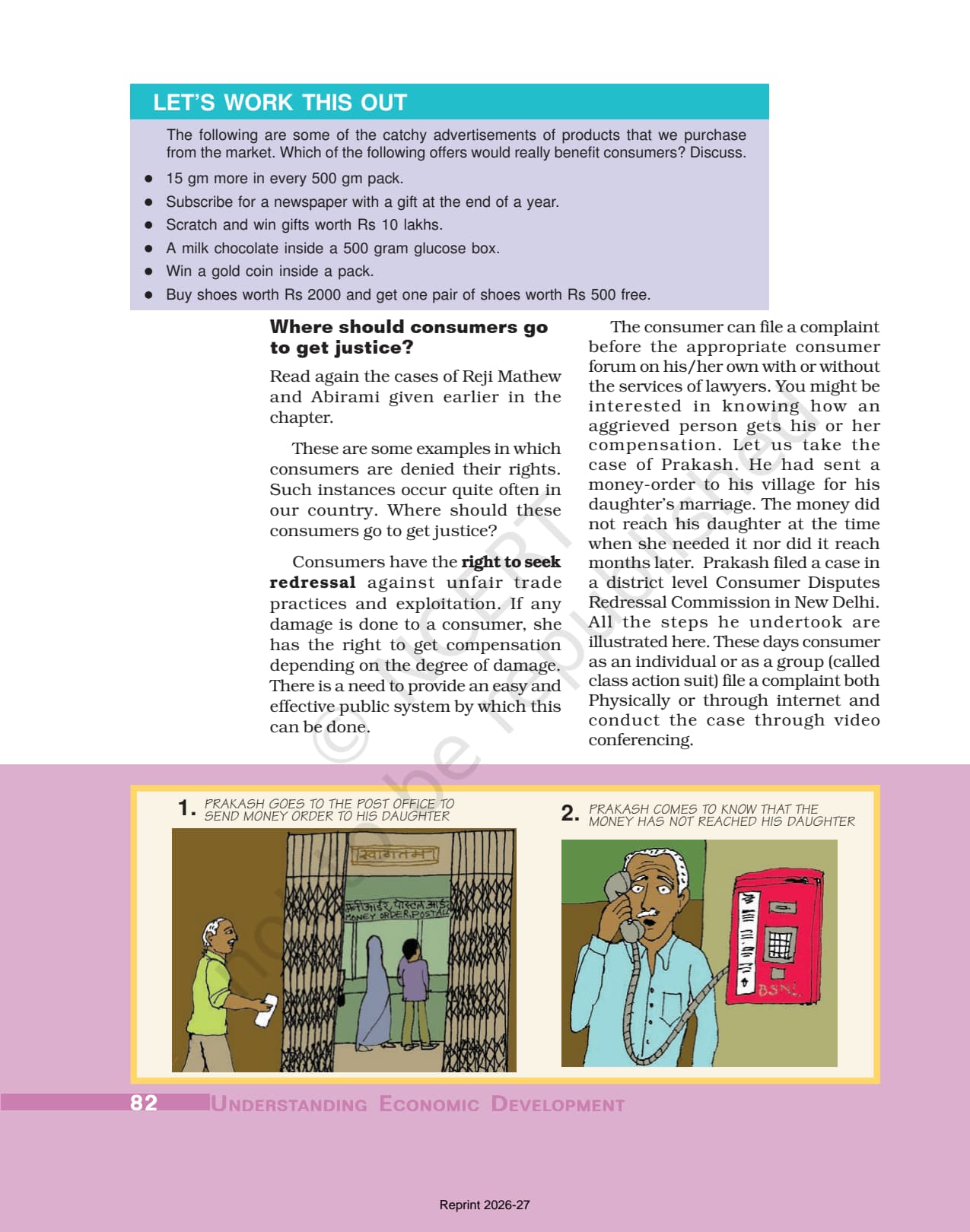
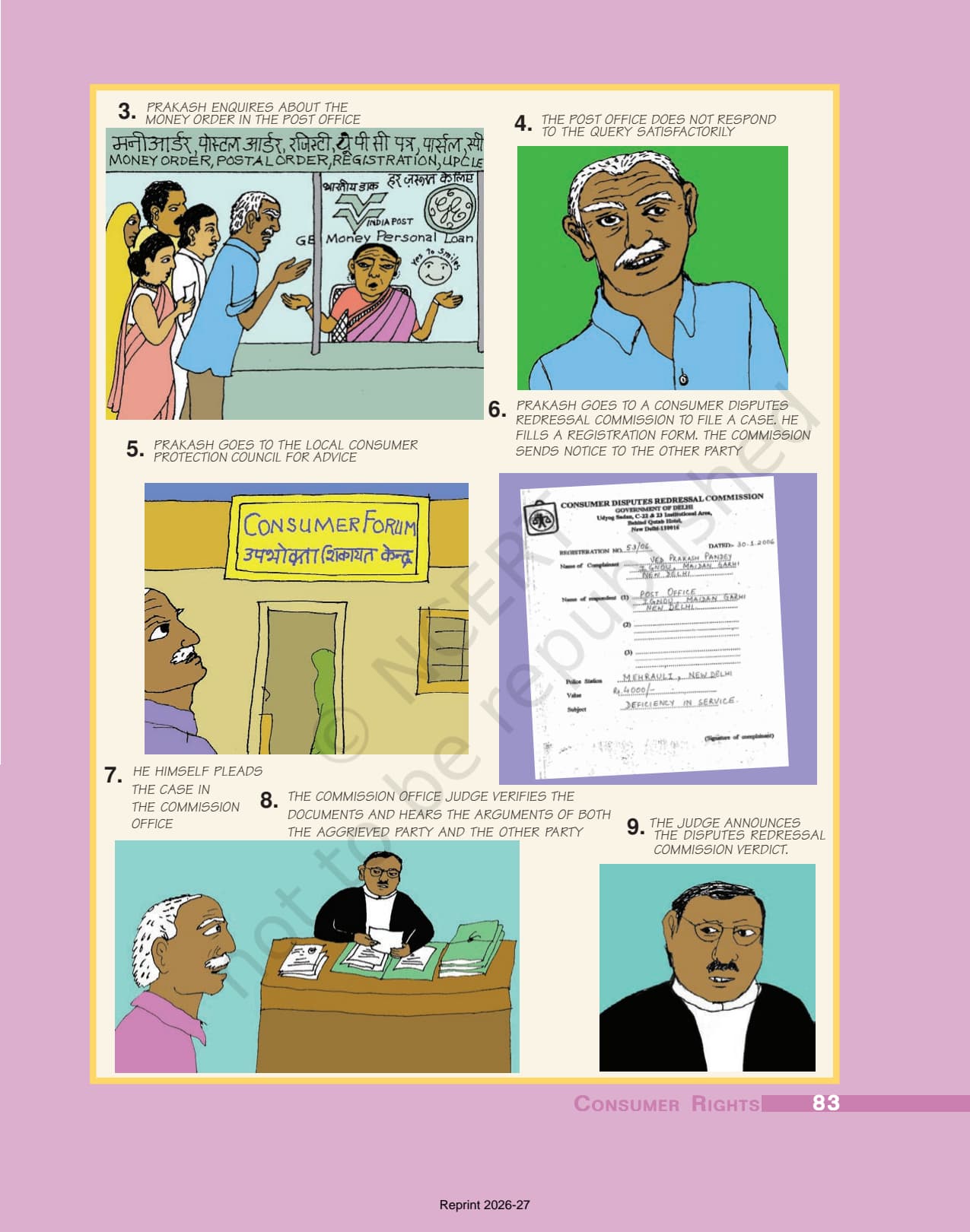
| Right to seek redressal | The right to compensation against unfair trade practices, shown by Prakash's money-order case. |
| Right to represent | The right to be represented in the Consumer Disputes Redressal Commissions. |
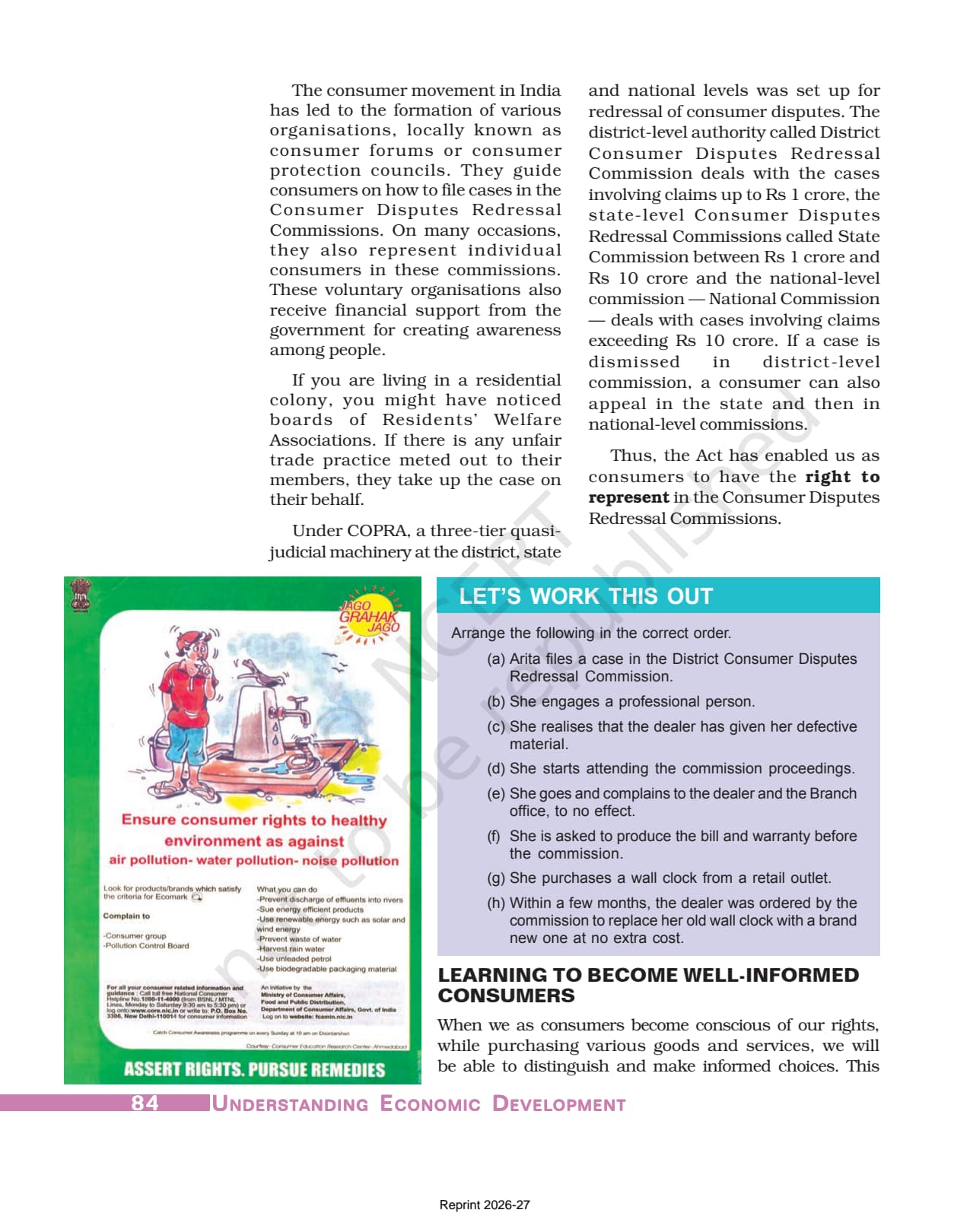
| Right to consumer education | The right to acquire knowledge and skill to become a well-informed consumer. |
Learn each right with its case name. Right to be informed, right to choose and right to seek redressal are the three most tested in the board paper.
The Three-Tier Consumer Redressal System Under COPRA
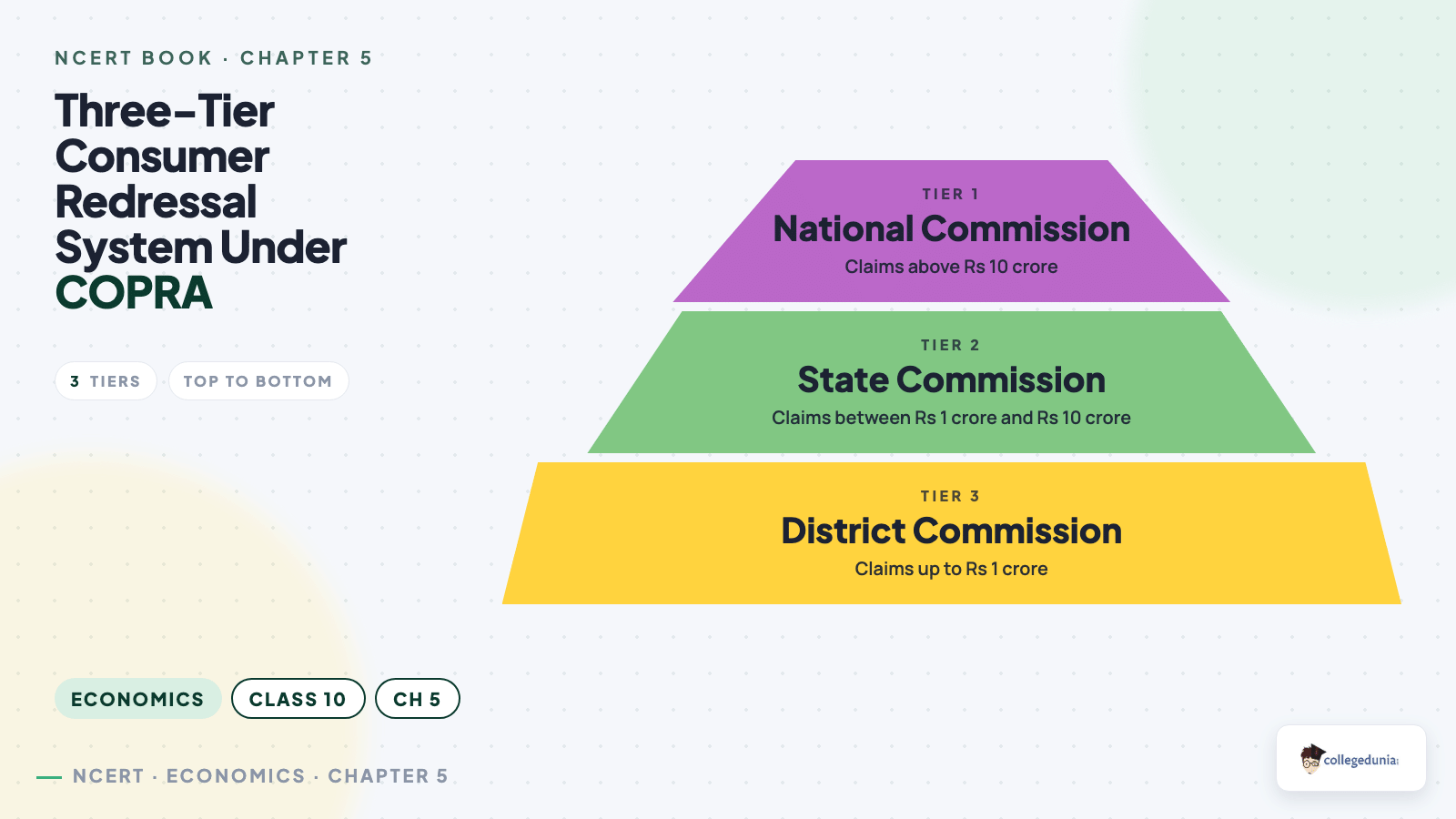
COPRA set up a three-tier quasi-judicial system so a consumer can file a complaint and get compensation. The level depends on the claim value, and you can appeal upward if a case is dismissed.
| Level | Claims It Handles |
|---|---|
| District Commission | Cases up to Rs 1 crore |
| State Commission | Cases between Rs 1 crore and Rs 10 crore |
| National Commission | Cases above Rs 10 crore |
A consumer can file alone, with or without a lawyer, or as a group. If a case is dismissed at the district level, the consumer can appeal in the state and then the national commission. This right of appeal is a common case-based question.
Standard Marks: ISI, Agmark and Hallmark in Chapter 5
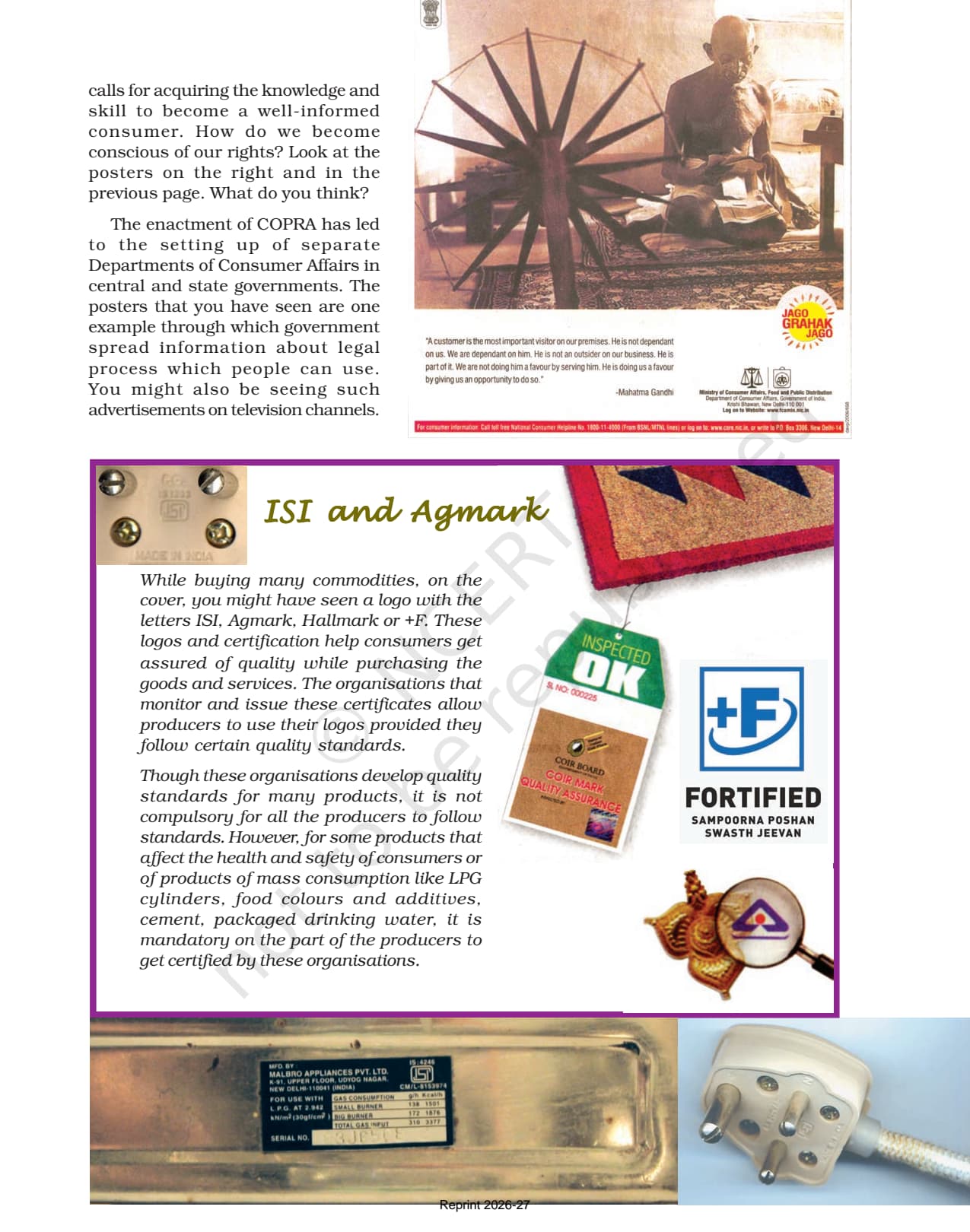
The chapter explains how logos help buyers judge quality before they pay. These marks come from organisations that set quality standards, and for some products they are compulsory.
- ISI: the Bureau of Indian Standards mark, mandatory for LPG cylinders and electrical goods that affect safety.
- Agmark: certification for edible oil, cereals and other farm products.
- Hallmark: the mark for the standardisation of jewellery.
Most marks are optional, but for products that affect health and safety, like LPG cylinders, food colours, cement and packaged drinking water, certification is mandatory. Remember ISI for electrical goods and Agmark for food, as the board asks you to match the mark to the product.
Class 10 Economics Chapter 5 Exam Weightage and Question Trends
Consumer Rights is one of the most scoring chapters in the unit, since it rewards plain recall. Over the last five board cycles it has appeared in nearly every paper.
| Year | Question Type Asked | Approx. Marks |
|---|---|---|
| 2025 | State any three consumer rights with examples | 3 |
| 2024 | Case-based question on the three-tier redressal system | 4 |
| 2023 | Why was COPRA enacted? Trace the consumer movement | 5 |
| 2022 | What is the right to be informed? Explain with the RTI Act | 3 |
| 2021 | Match the standard marks ISI, Agmark and Hallmark to products | 3 |
Revise the six rights with their case names and the three-tier money limits first.
Student Feedback on the Consumer Rights Chapter
In a Collegedunia poll of 13,640 Class 10 students conducted before the 2026 boards, 69% of students rated matching the standard marks ISI, Agmark and Hallmark to the right product as the part they confused most. Most students said the six rights with their textbook cases were the part they revised most often.
Source: 2026-27 Class 10 Economics student poll. Sample of 13,640 students from CBSE schools across 14 states.
Common Mistakes Students Make in the Consumer Rights Chapter
- Mixing up the three commission levels and their money limits.
- Writing only five rights. The textbook lists six; consumer education is the one most often left out.
- Confusing ISI (electrical goods) with Agmark (food) and Hallmark (jewellery).
- Saying COPRA was passed in 2019. It was passed in 1986 and only amended in 2019.
Other Resources for Consumer Rights Class 10 Economics
Use the PDF as your main reading text, then move to the linked revision pages below.
| Resource | Link |
|---|---|
| NCERT Solutions | Consumer Rights Class 10 NCERT Solutions |
| Notes | Consumer Rights Class 10 Notes |
| Handwritten Notes | Consumer Rights Class 10 Handwritten Notes |
| NCERT Book PDF | Consumer Rights Class 10 NCERT Book PDF |
NCERT Book PDF for Class 10 Economics: All Chapters
All five chapters of Understanding Economic Development are on Collegedunia. Use the table below to download any chapter PDF.
| Chapter | NCERT Book PDF |
|---|---|
| Chapter 1 | Development NCERT Book PDF |
| Chapter 2 | Sectors of the Indian Economy NCERT Book PDF |
| Chapter 3 | Money and Credit NCERT Book PDF |
| Chapter 4 | Globalisation and the Indian Economy NCERT Book PDF |
Ques. Is this the official NCERT Class 10 Economics Chapter 5 textbook PDF?
Ans. Yes. The file is the original NCERT Class 10 Economics Chapter 5 Consumer Rights from Understanding Economic Development, 2026-27 reprint, hosted unmodified for free student download.
Ques. How many pages is the Consumer Rights Class 10 chapter?
Ans. The chapter runs to about 16 pages in the 2026-27 NCERT reprint, covering consumer exploitation, the consumer movement, COPRA, the six consumer rights, redressal commissions and the end-of-chapter exercises.
Ques. What is the board weightage of Class 10 Economics Chapter 5?
Ans. Consumer Rights carries roughly 4 to 6 marks in the CBSE Class 10 Social Science board paper, usually as one short answer plus one case-based question on the consumer rights or the redressal system.
Ques. What are the six consumer rights in Class 10 Economics?
Ans. The six rights under COPRA are the right to safety, right to be informed, right to choose, right to seek redressal, right to represent and right to consumer education.
Ques. Is the NCERT Class 10 Economics book PDF free to download?
Ans. Yes. NCERT textbooks are open educational resources published by the Government of India and are free to download and use for study.
Ques. What is COPRA in Chapter 5 Consumer Rights?
Ans. COPRA is the Consumer Protection Act, passed in 1986 and amended in 2019. It set up a three-tier system of consumer commissions and gave consumers the legal right to seek redressal.
Ques. What is the three-tier consumer redressal system?
Ans. The District Commission handles claims up to Rs 1 crore, the State Commission handles claims between Rs 1 crore and Rs 10 crore, and the National Commission handles claims above Rs 10 crore.
Ques. Where can I get the ncert solutions for Class 10 Economics Chapter 5?
Ans. The Consumer Rights Class 10 NCERT Solutions page linked above works through every textbook exercise question with step-by-step answers, mapped to the 2026-27 syllabus.



Comments