




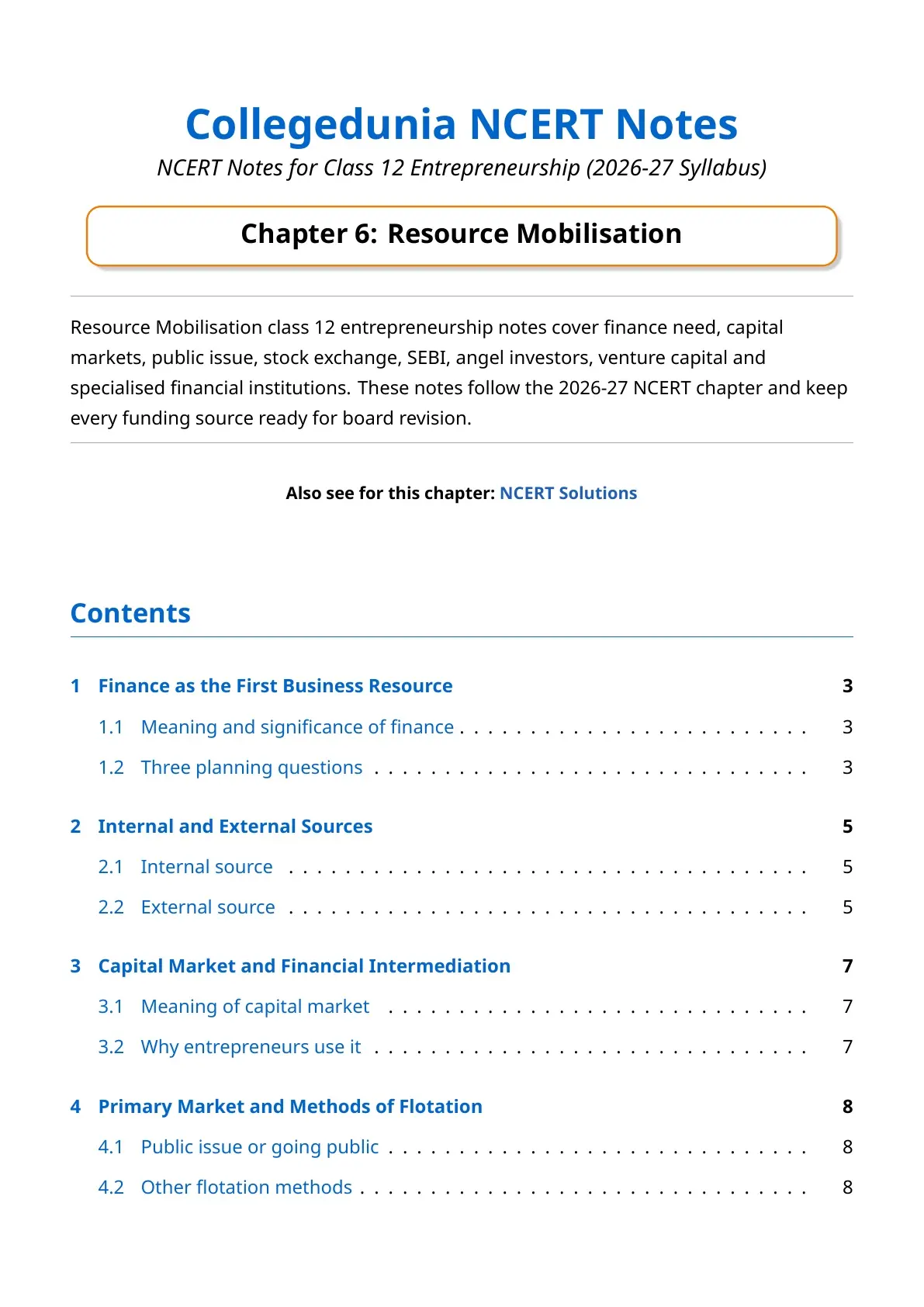
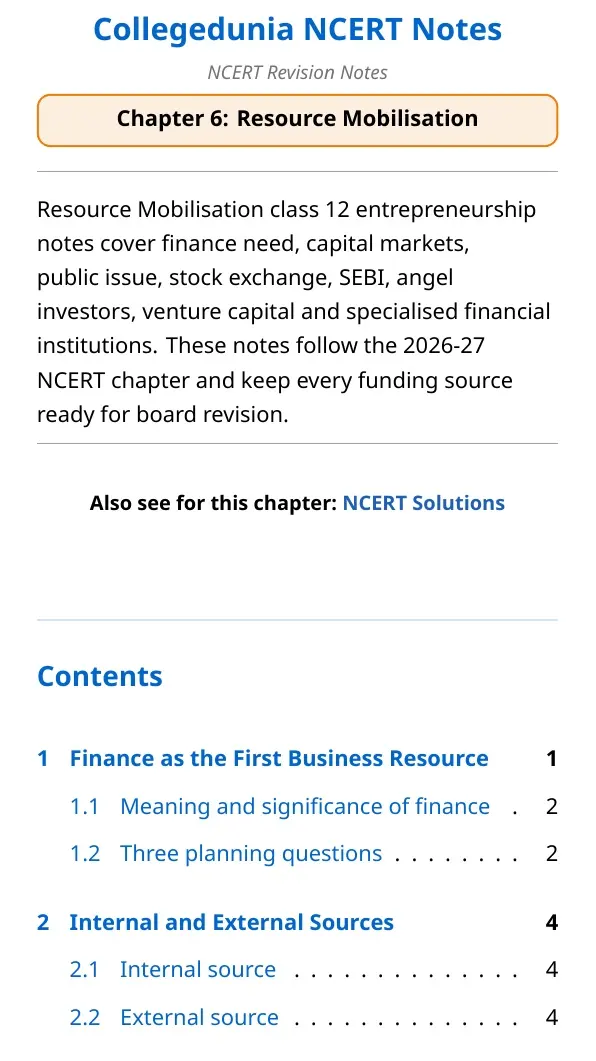
The NCERT Class 12 Entrepreneurship Chapter 6 notes for Resource Mobilisation cover finance needs, capital markets, IPO methods, stock exchange, SEBI, angel investors, venture capital and specialised financial institutions. The notes follow the 2026-27 NCERT textbook and include a free PDF for fast revision.
- Best for revision: primary market, secondary market, SEBI powers and finance sources.
- Use with the PDF: revise the comparison tables before writing long answers.
- 2026-27 focus: based on Unit 6 Resource Mobilisation from the official NCERT book.
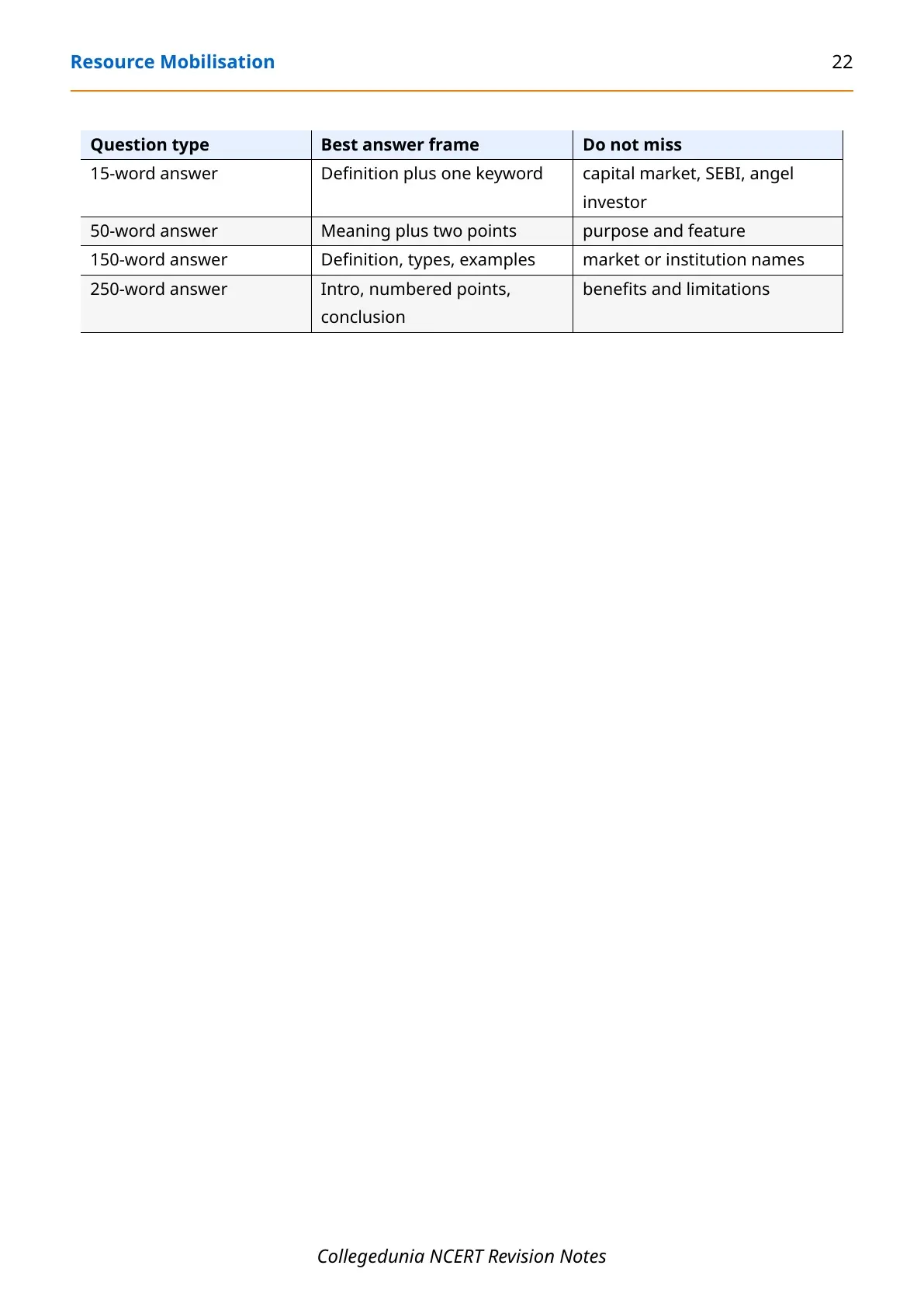

Student Feedback: Students usually score better in this chapter when they compare funding sources instead of memorising isolated definitions.
Resource Mobilisation Notes Overview
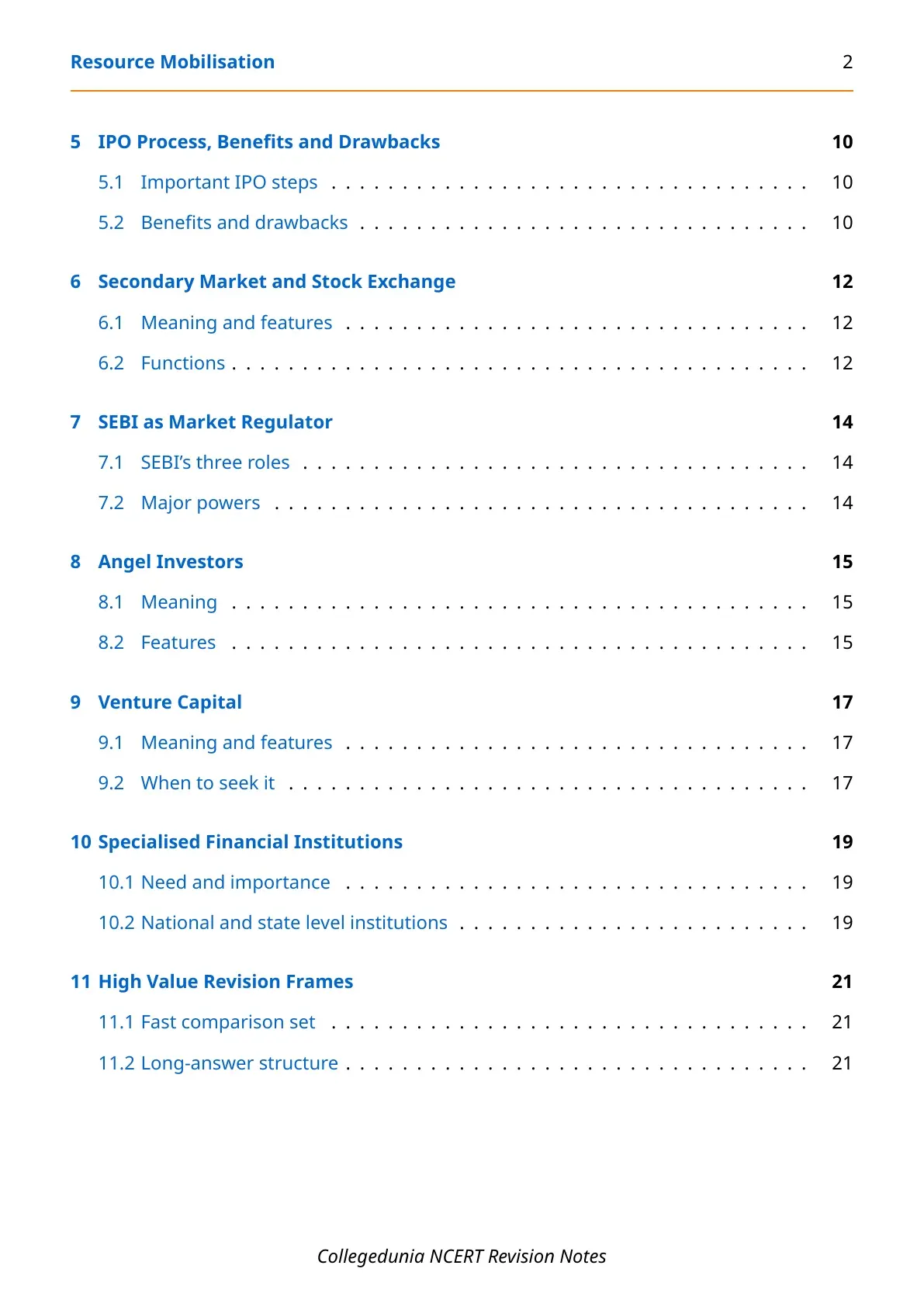
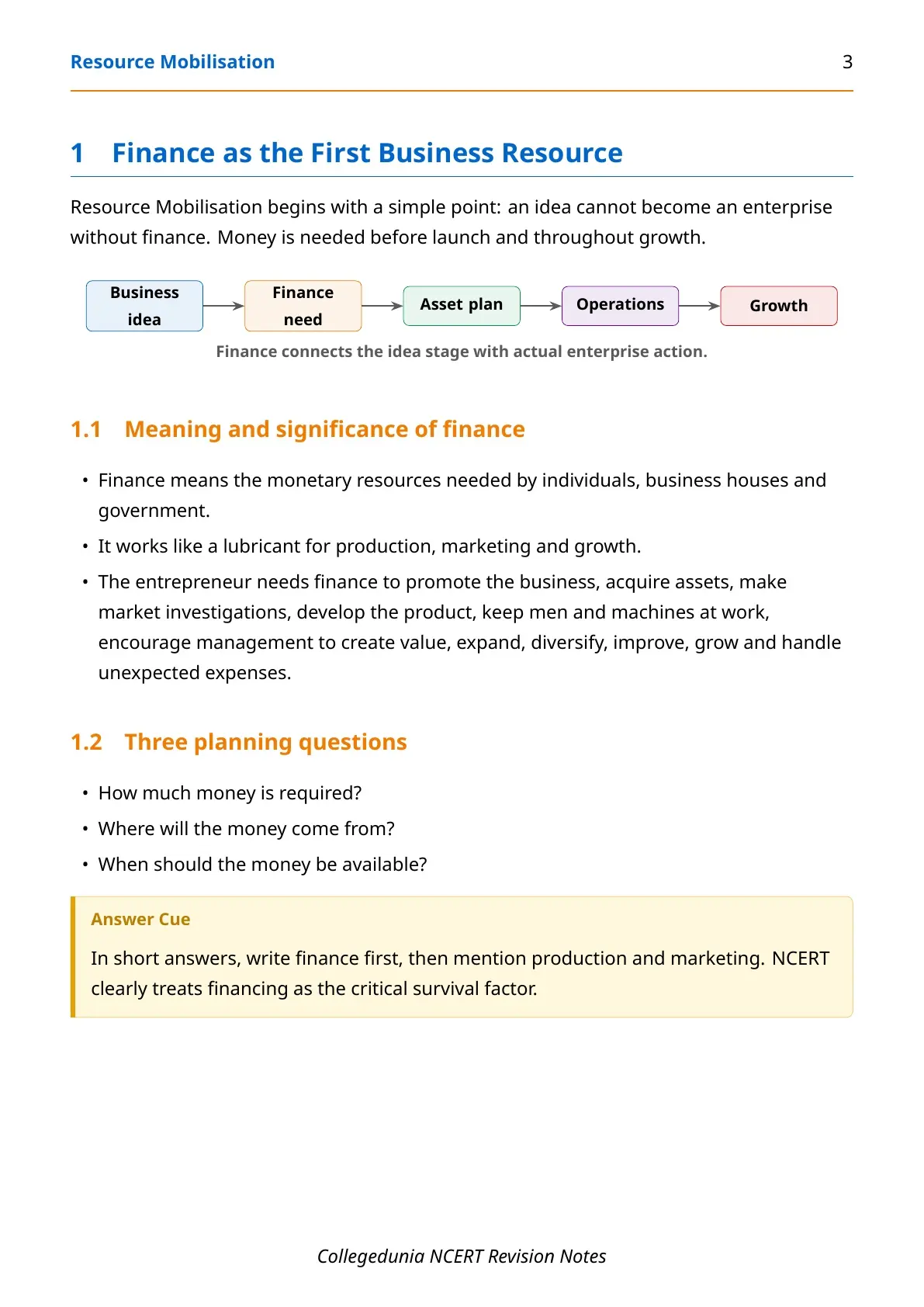
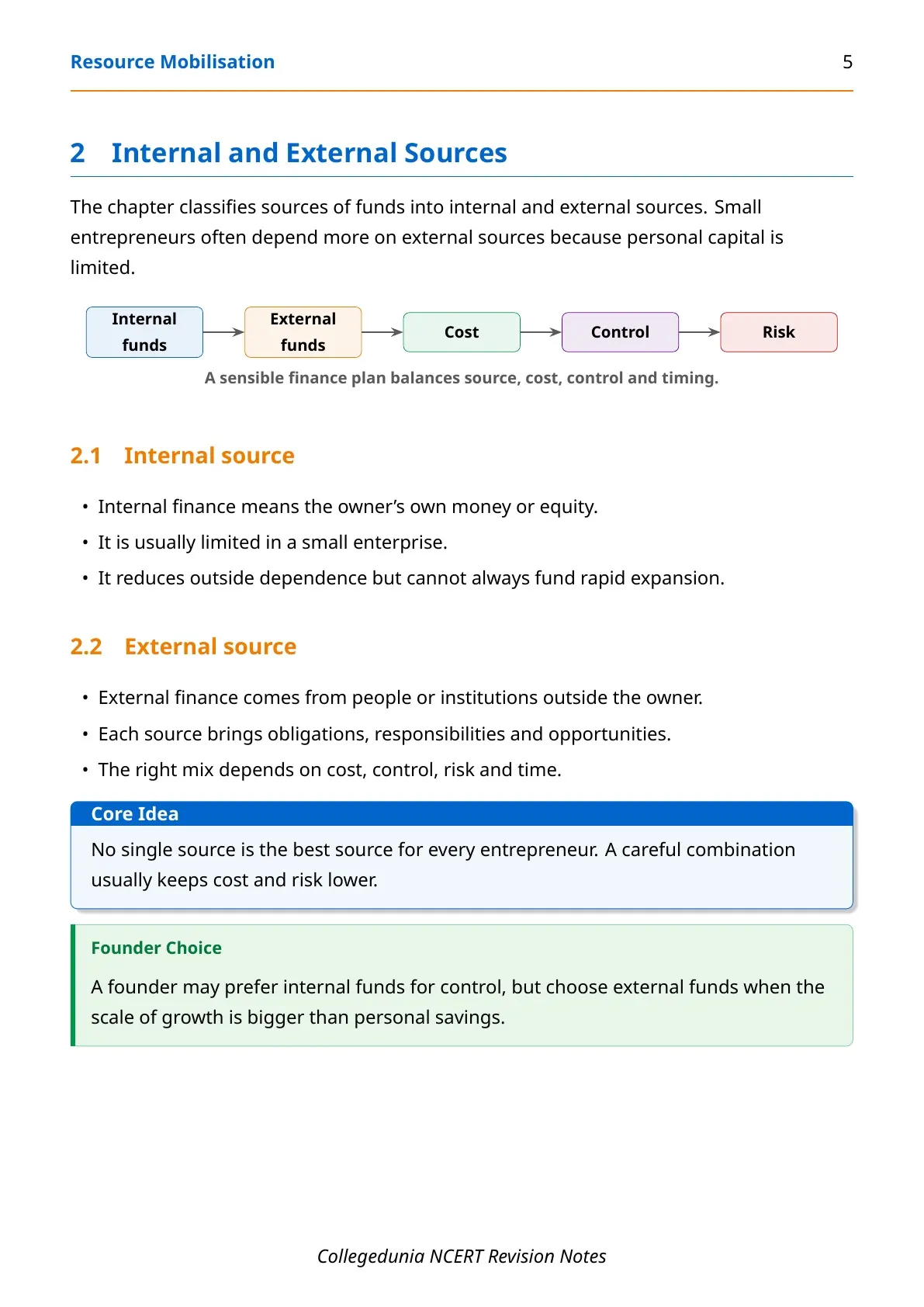
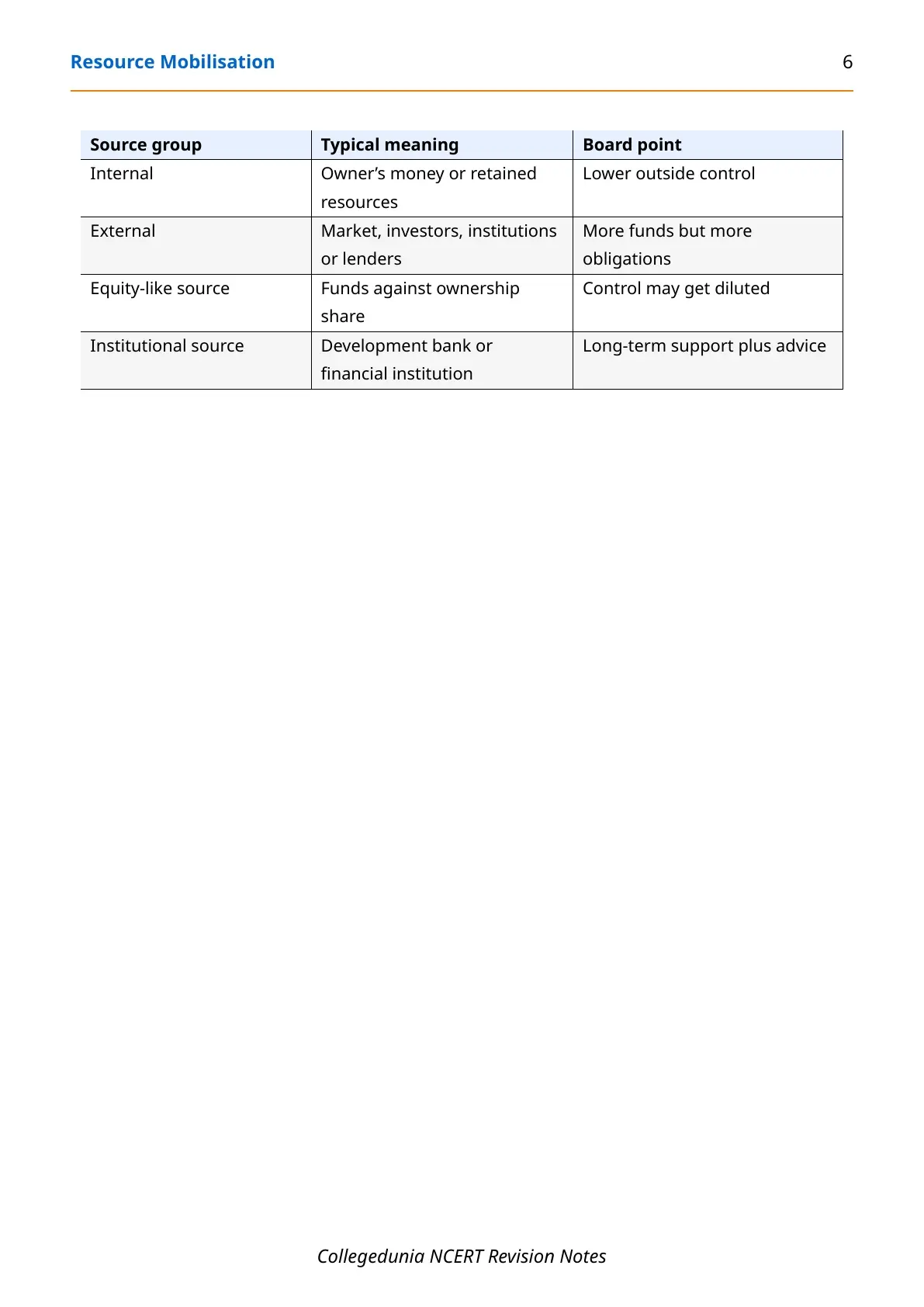
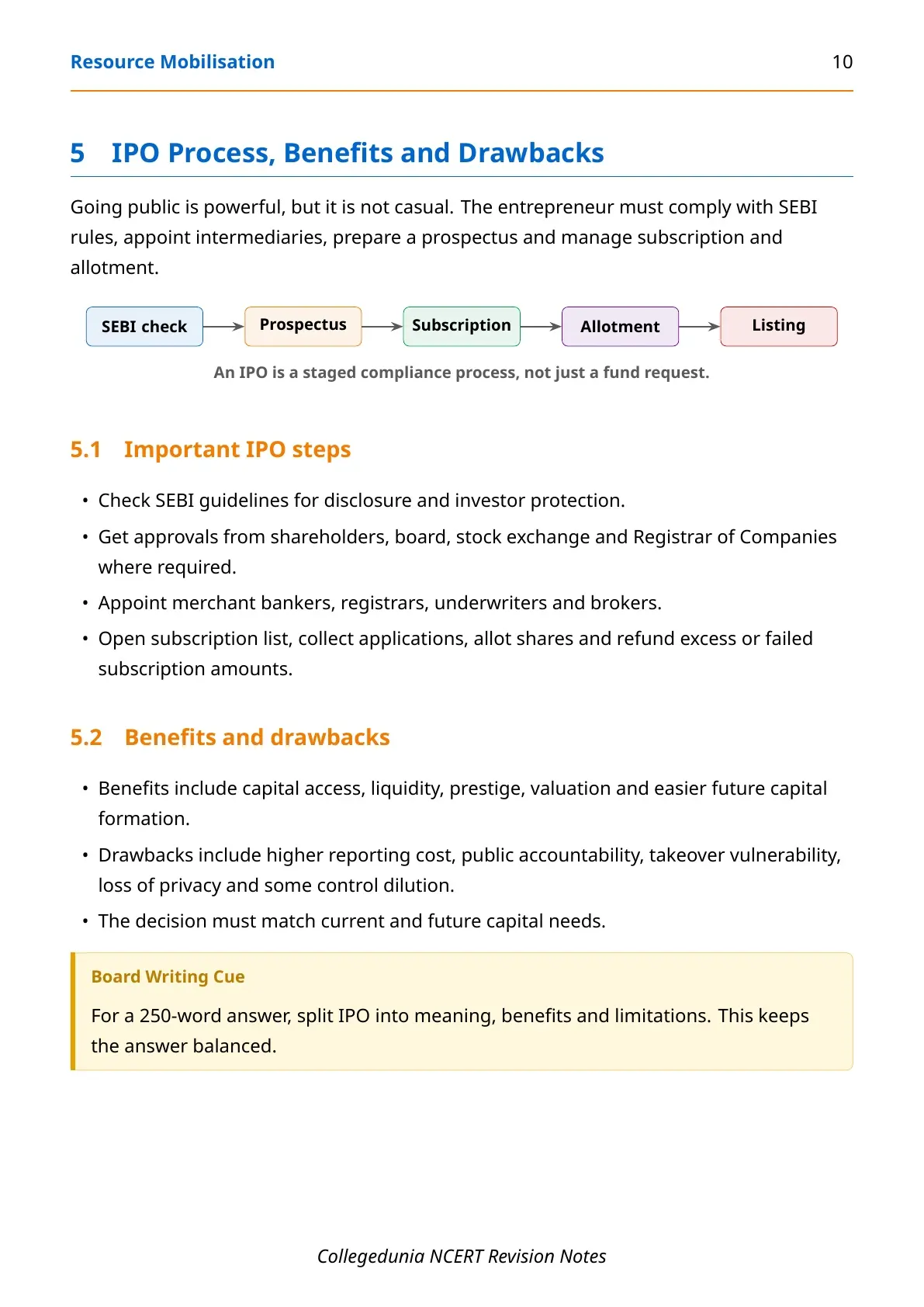
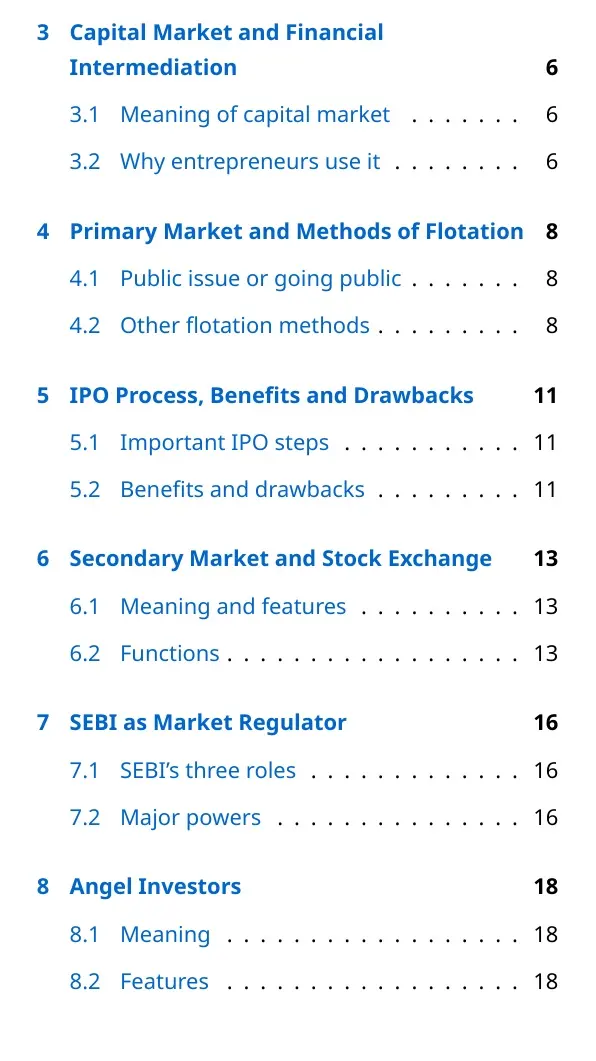
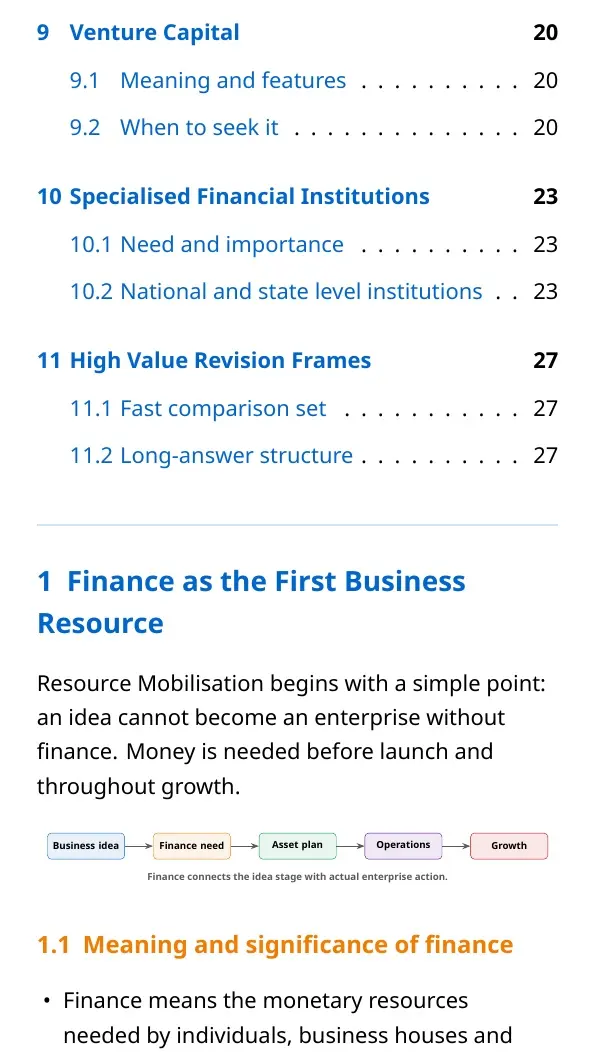
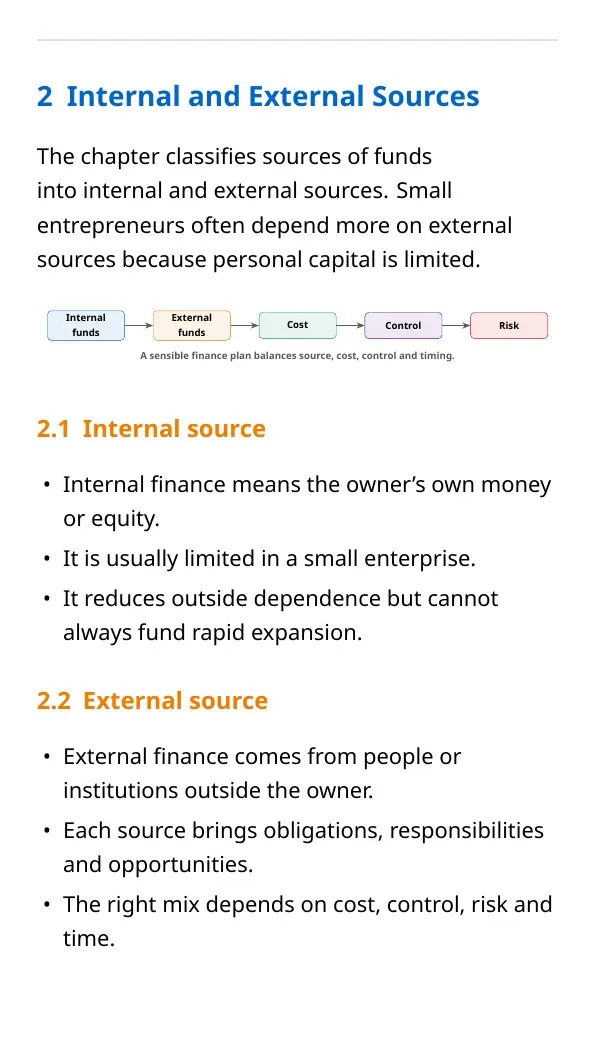
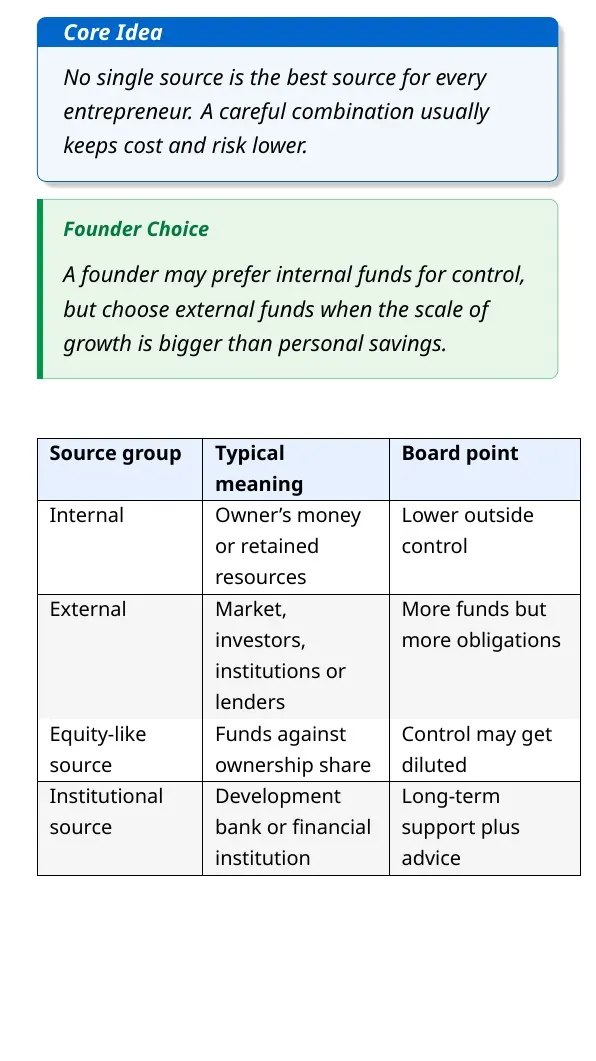
Resource Mobilisation explains how entrepreneurs arrange funds for starting, running and expanding a business. The chapter begins with finance as the first requirement, then moves to capital markets, stock exchange, SEBI, angel investors, venture capital and development institutions.
| Area | Key idea | Revision cue |
|---|---|---|
| Finance | Funds or monetary resources needed for enterprise activity | Ask how much, from where and when |
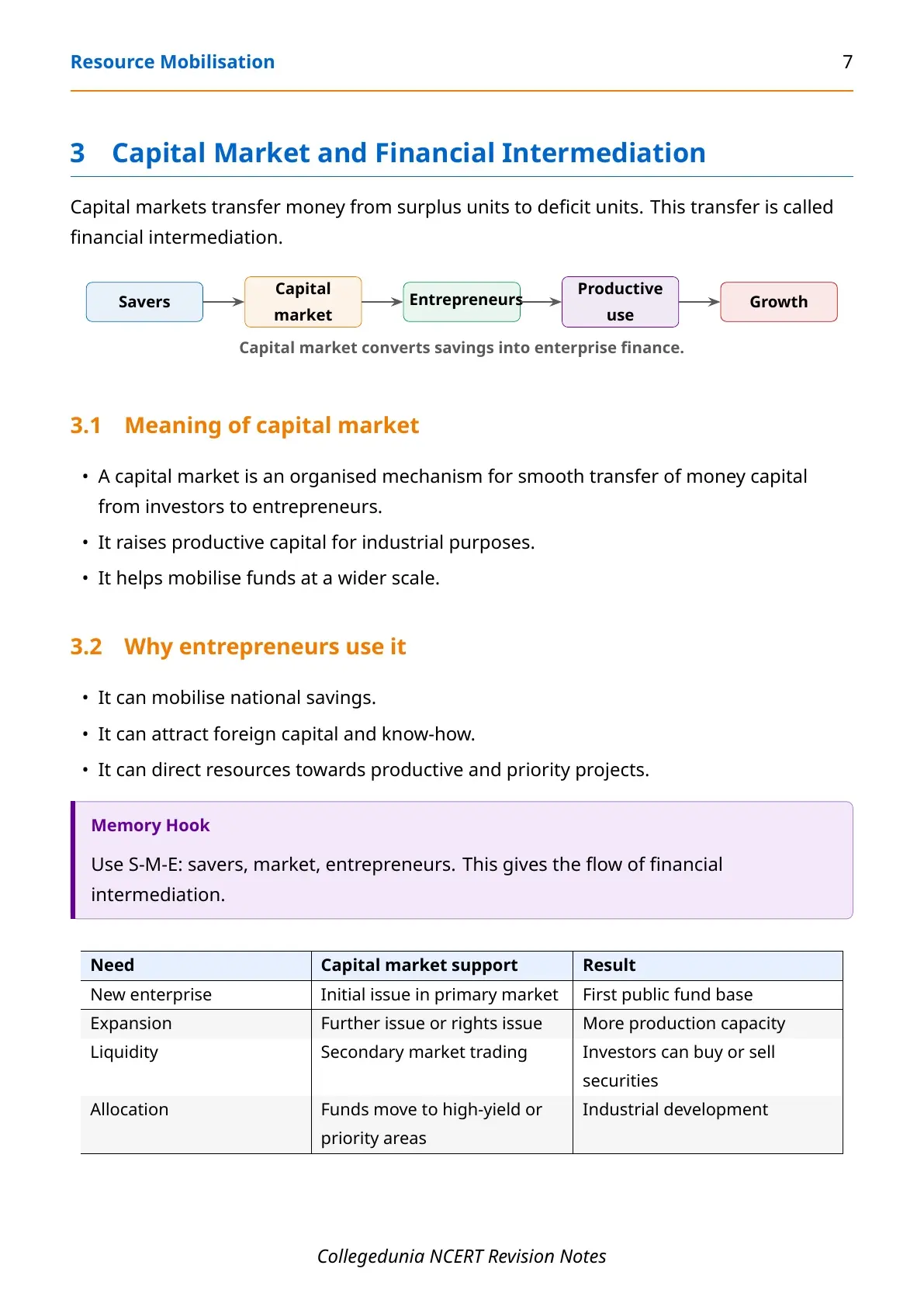
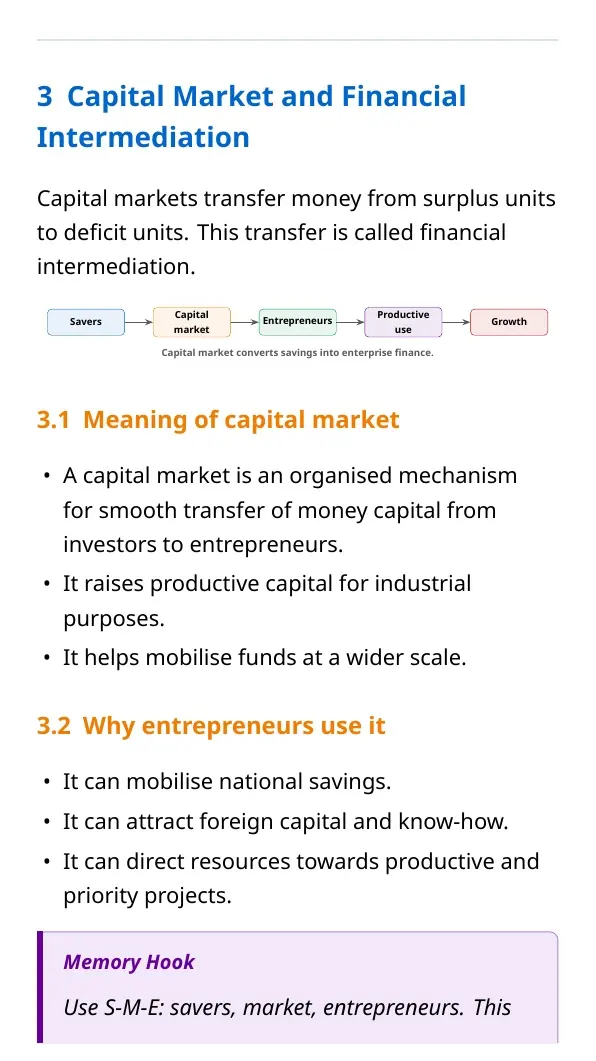
| Capital market | Transfers funds from savers to entrepreneurs | Primary and secondary market |
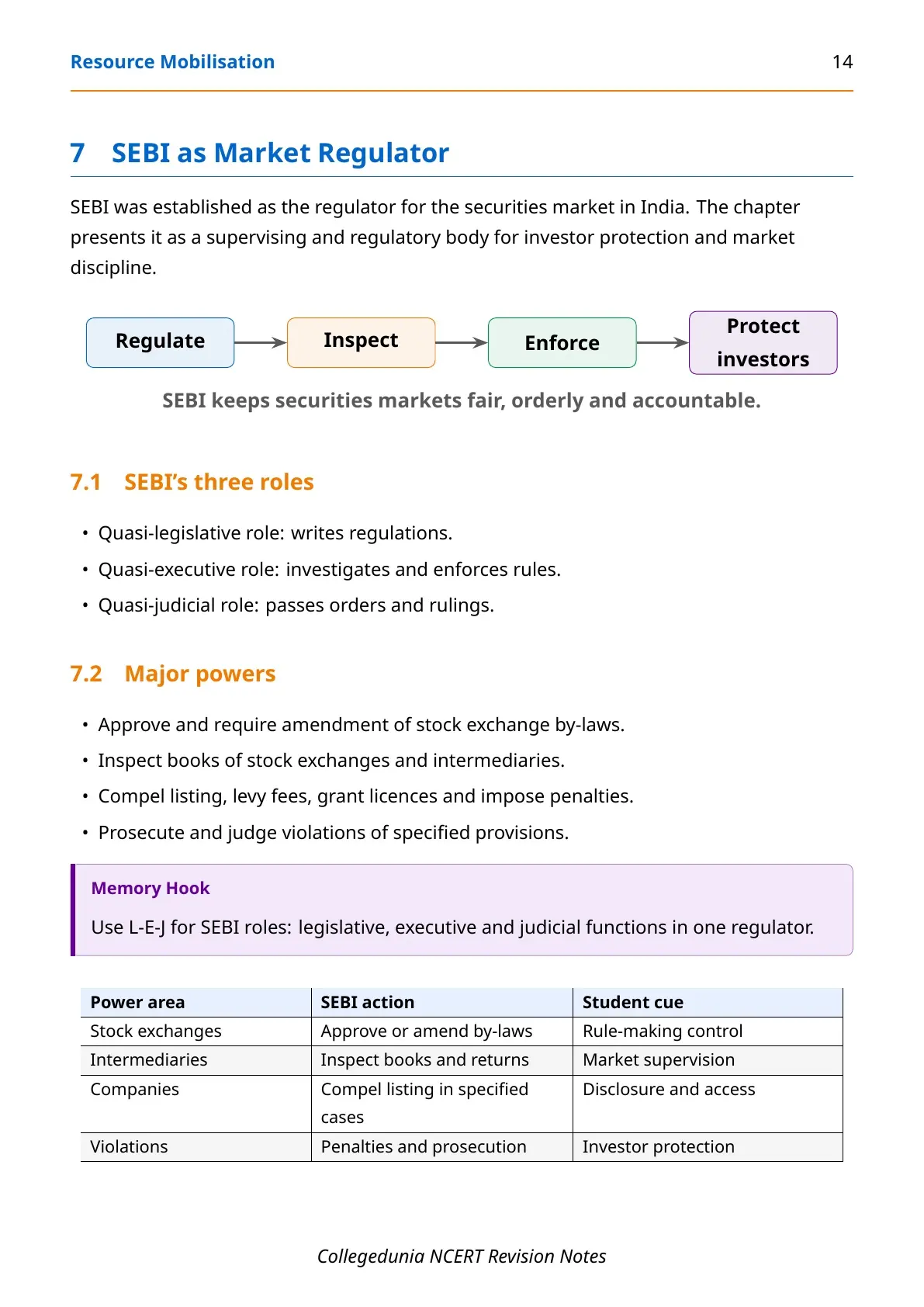
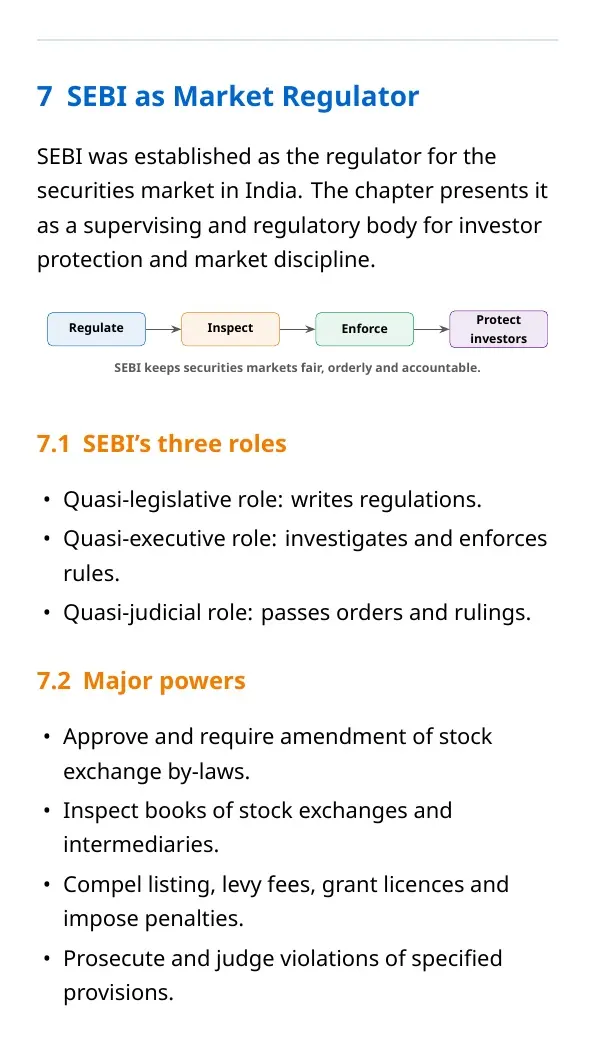
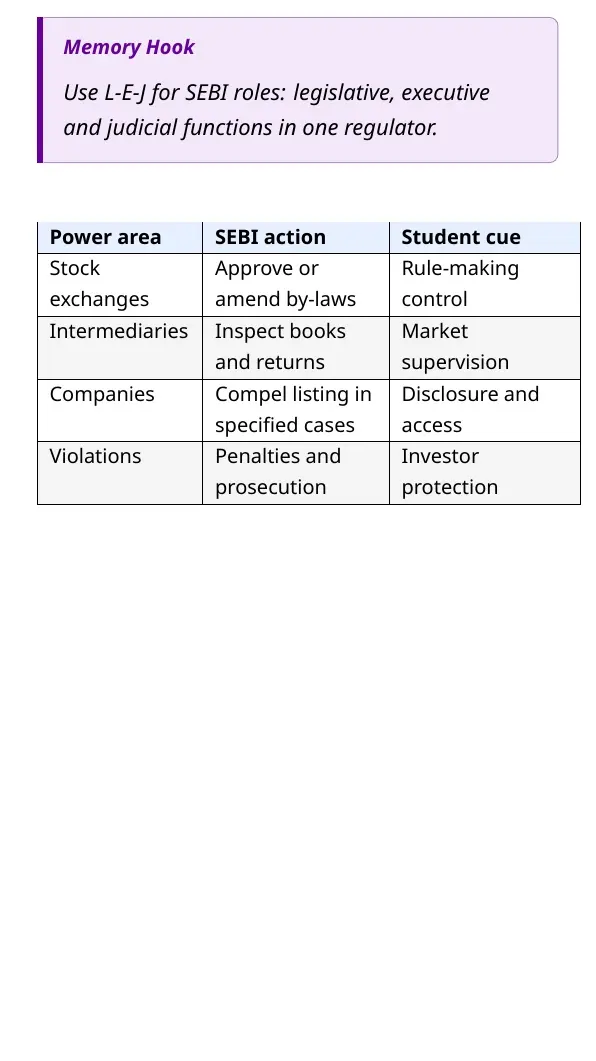
| SEBI | Regulates securities market and protects investors | Legislative, executive and judicial roles |
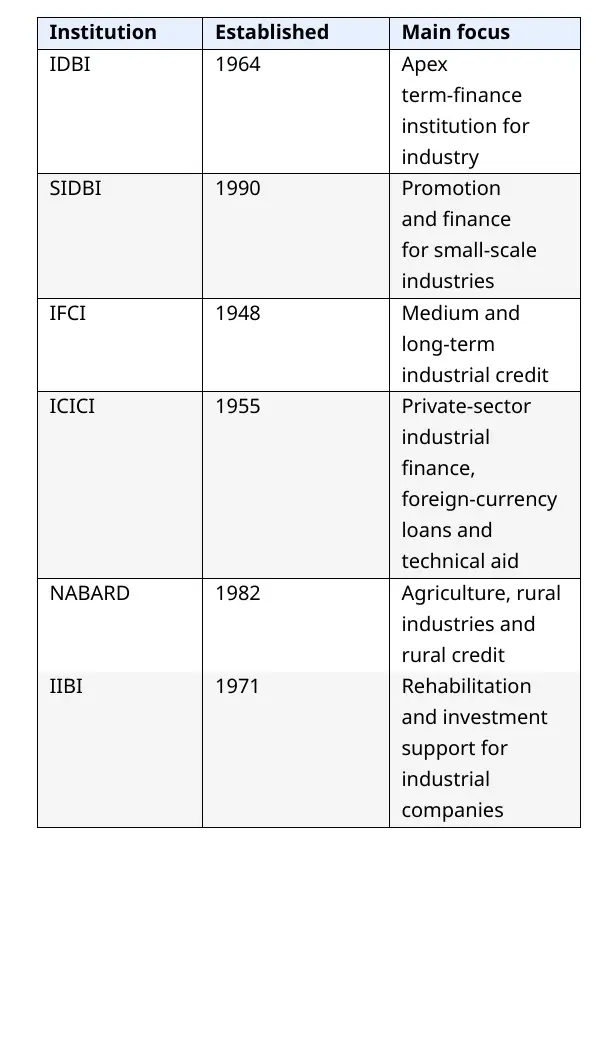
| SFIs | Give development finance and advice | IDBI, SIDBI, IFCI, NABARD |
Capital Market and IPO Methods
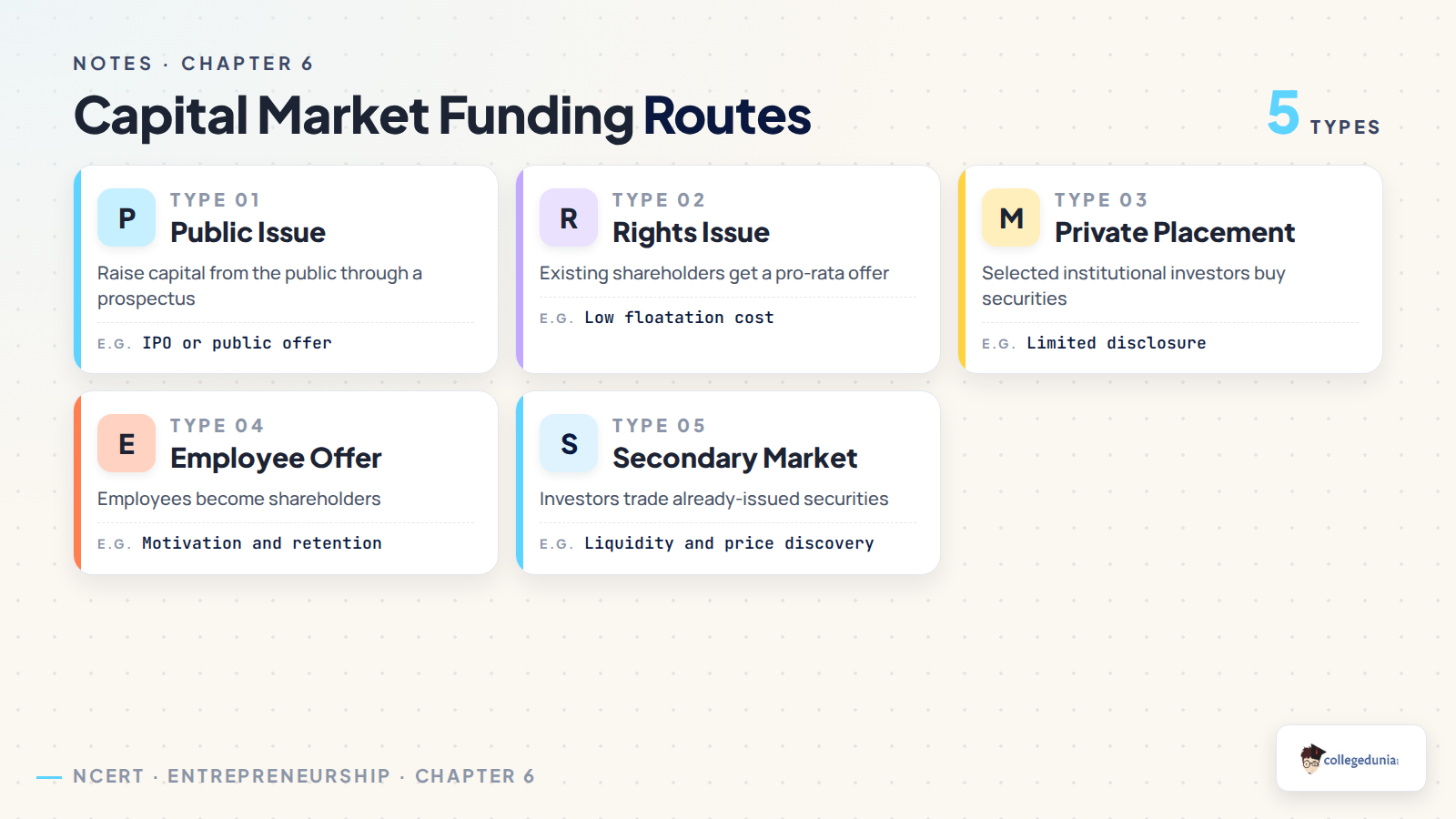
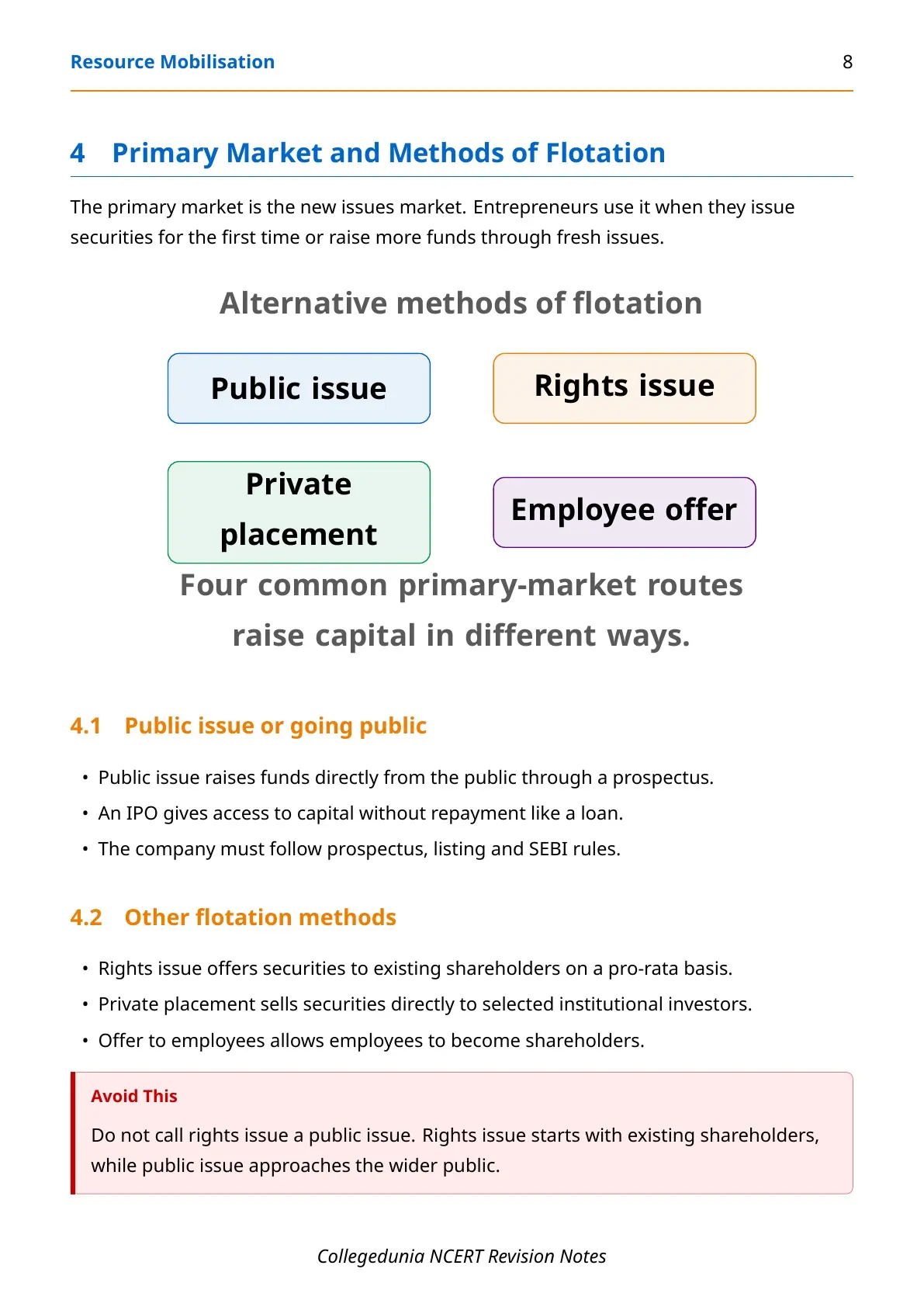
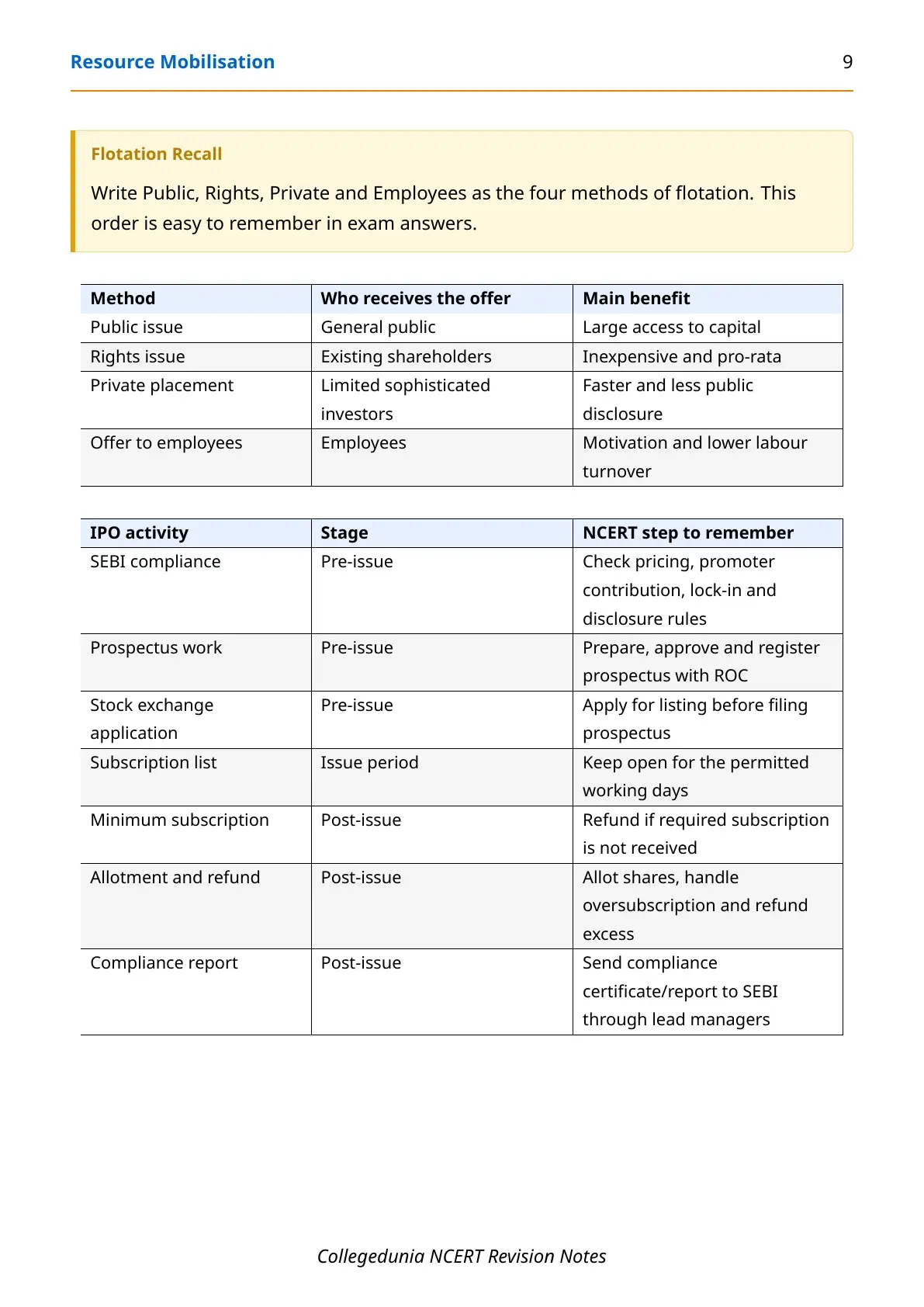
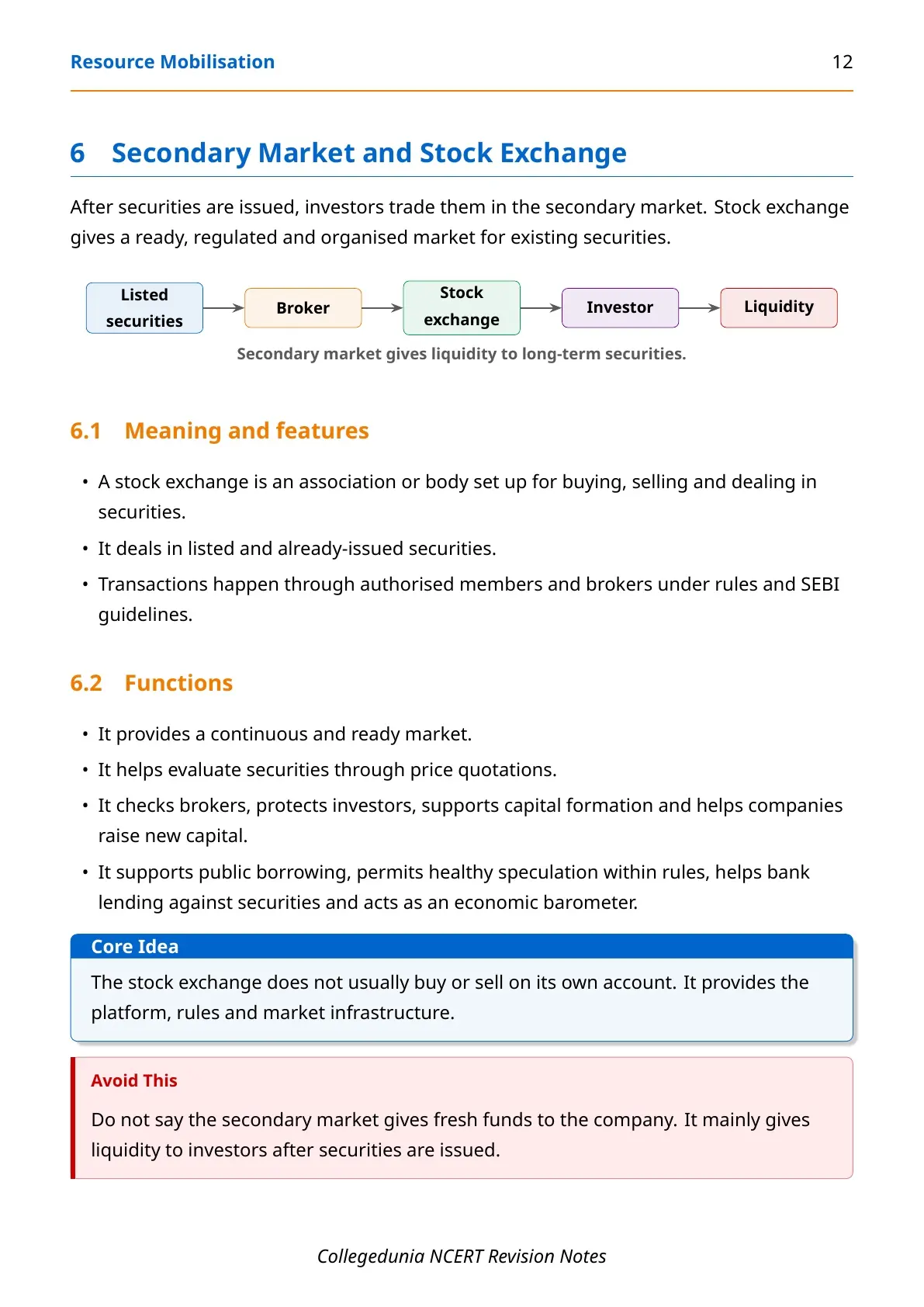
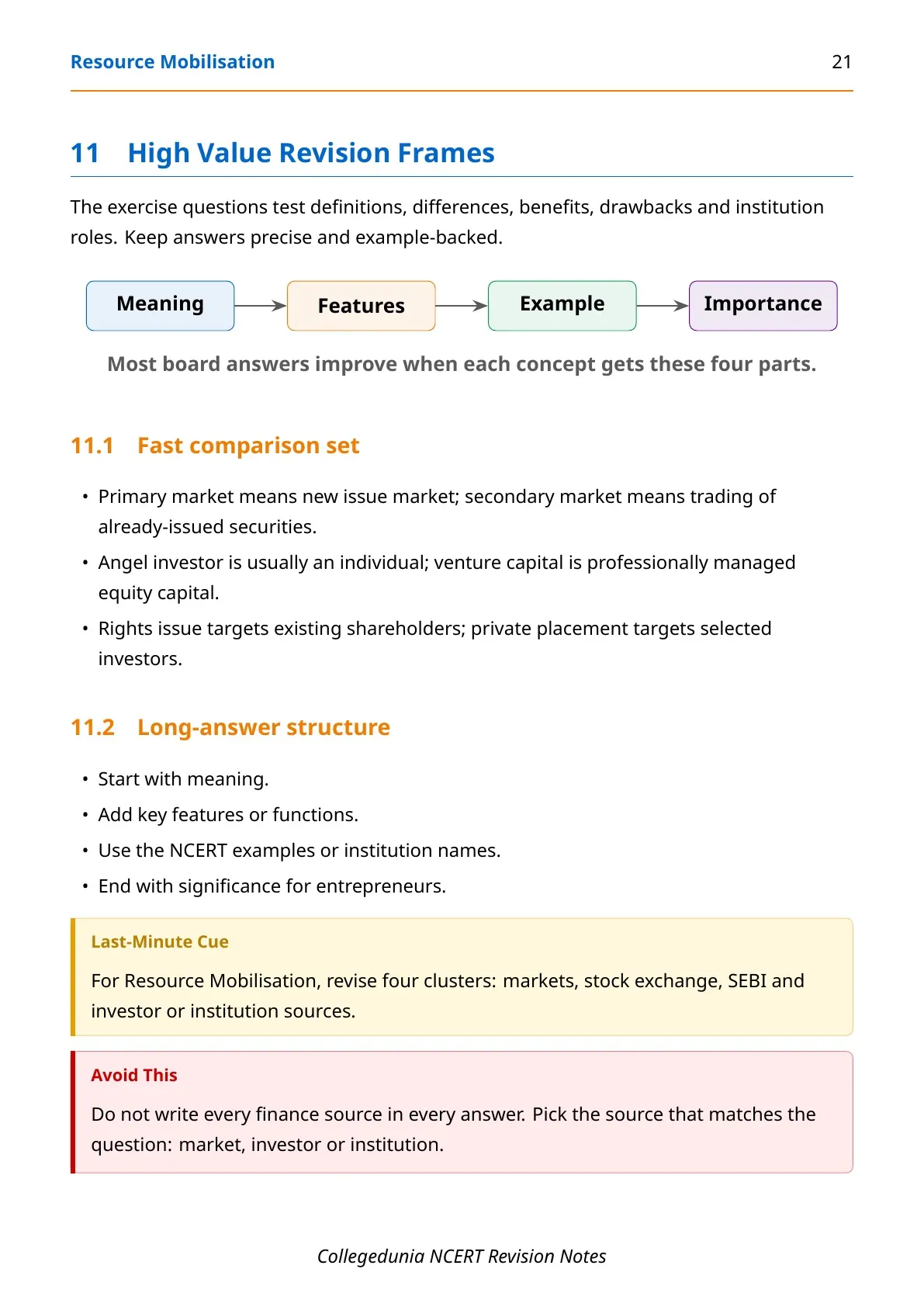
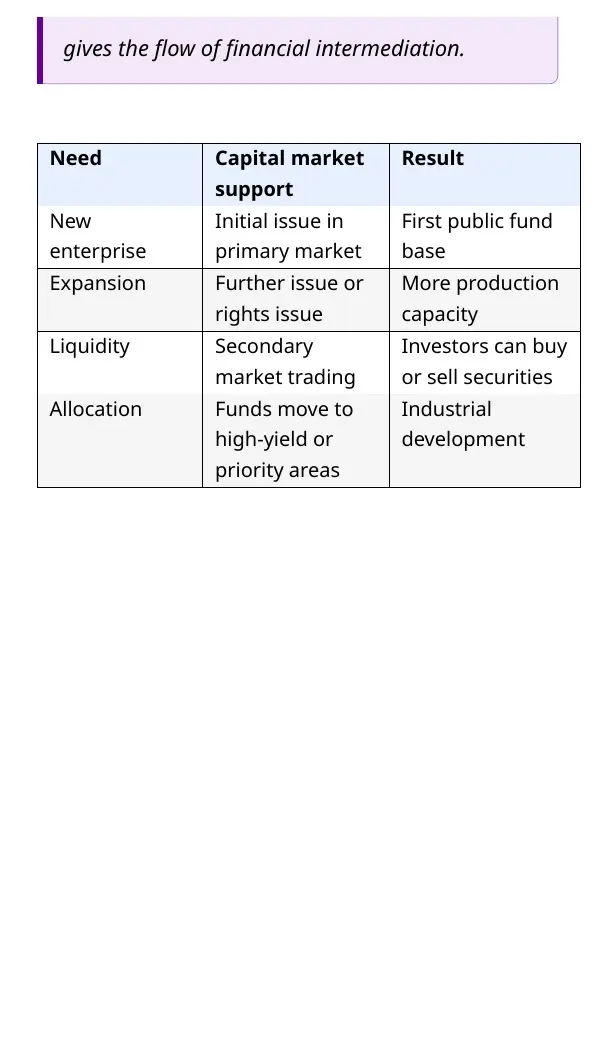
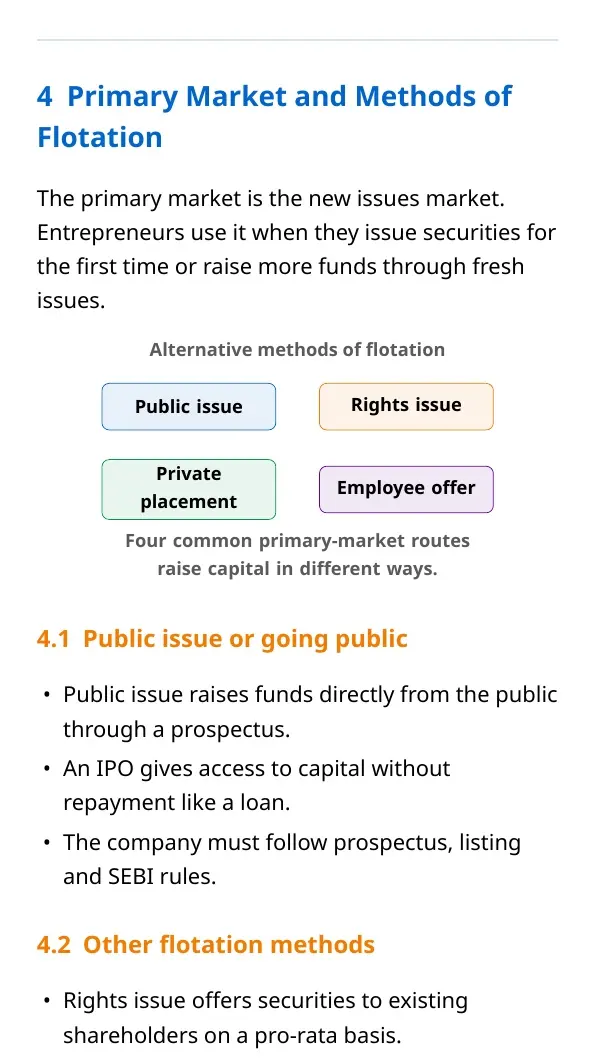
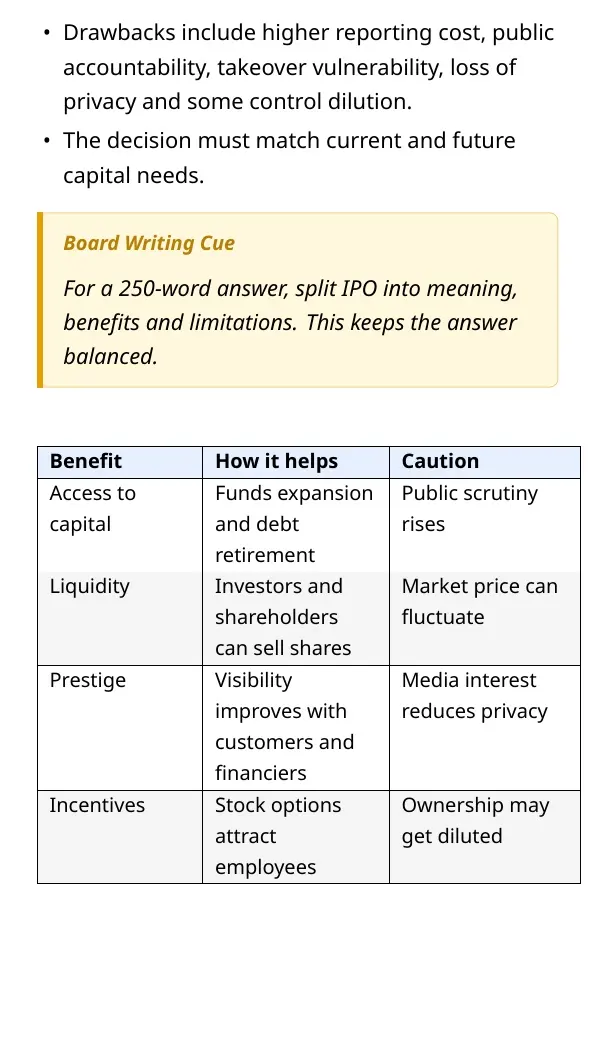
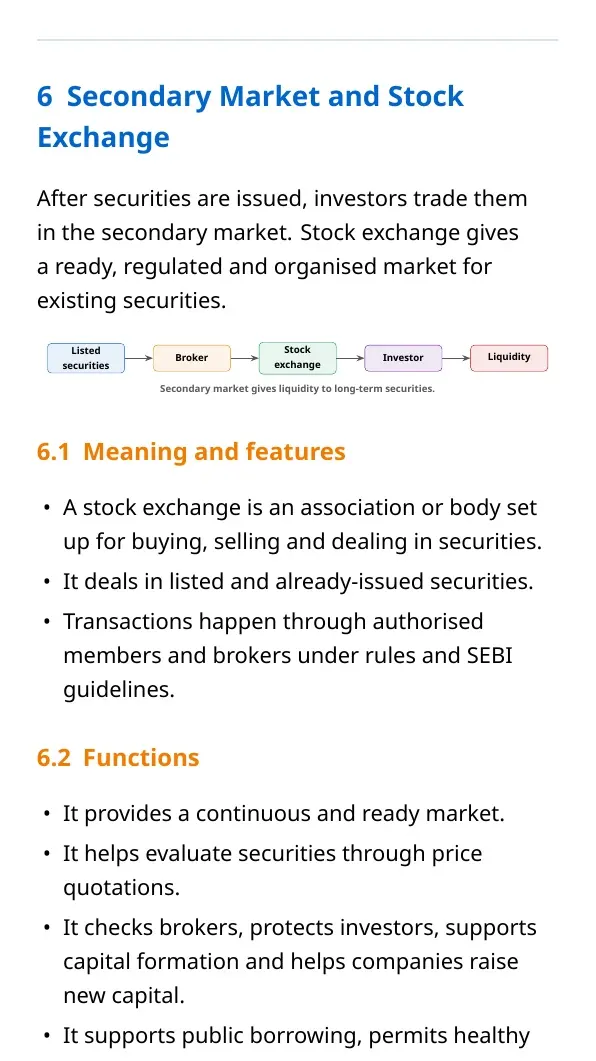
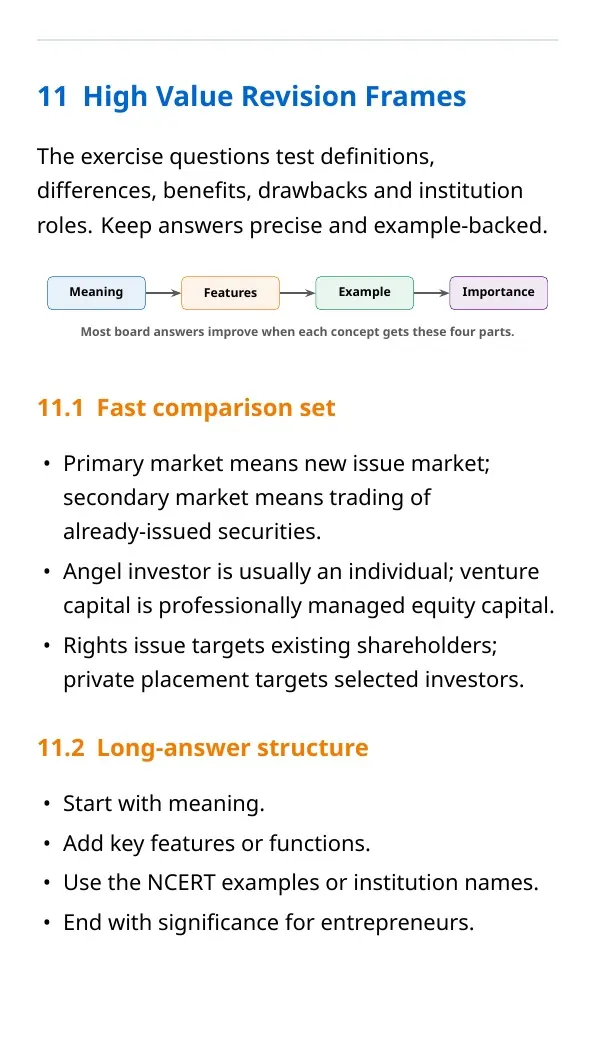
The capital market helps entrepreneurs raise long-term funds. The primary market deals with new issues, while the secondary market deals with already-issued securities. In the primary market, an entrepreneur may use public issue, rights issue, private placement or offer to employees.
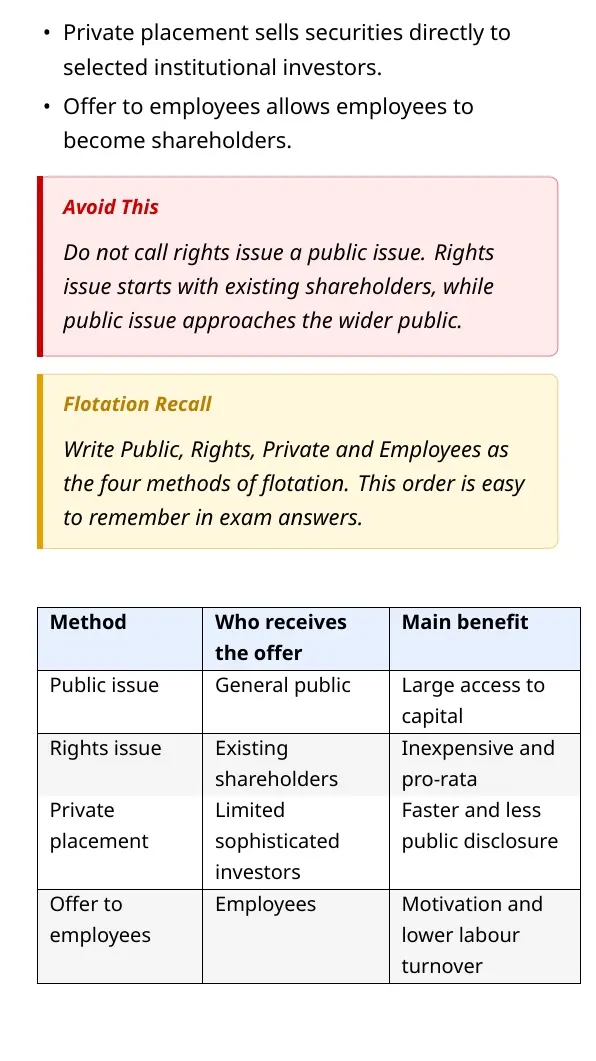
- Public issue: funds are raised directly from the public through a prospectus.
- Rights issue: existing shareholders get securities on a pro-rata basis.
- Private placement: securities are sold to selected institutional investors.
- Employee offer: employees become shareholders and share company growth.
Resource Mobilisation Chapter 6 Revision Video
Source: Rajat Arora on YouTube
SEBI, Angel Investors and Venture Capital
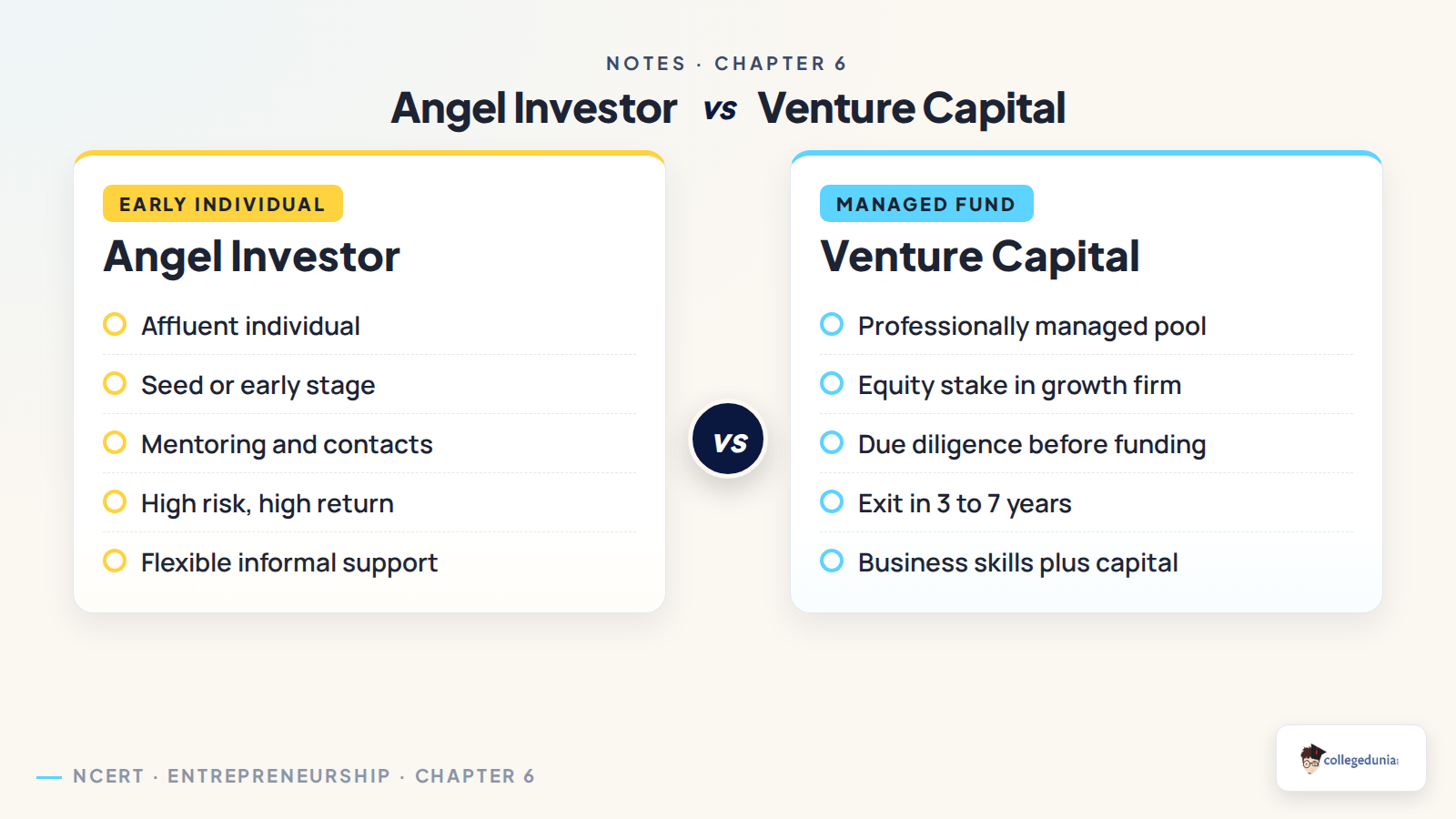
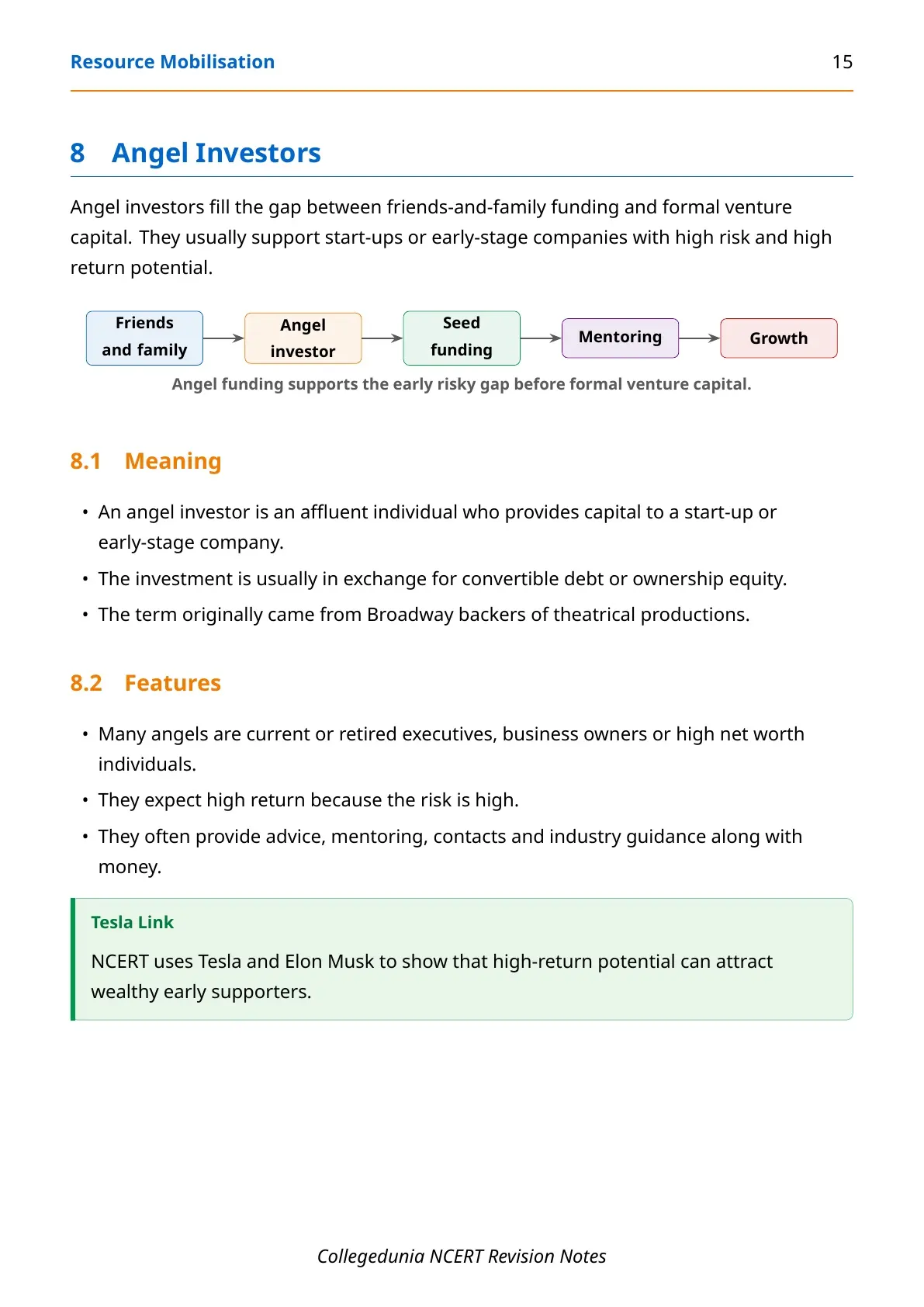
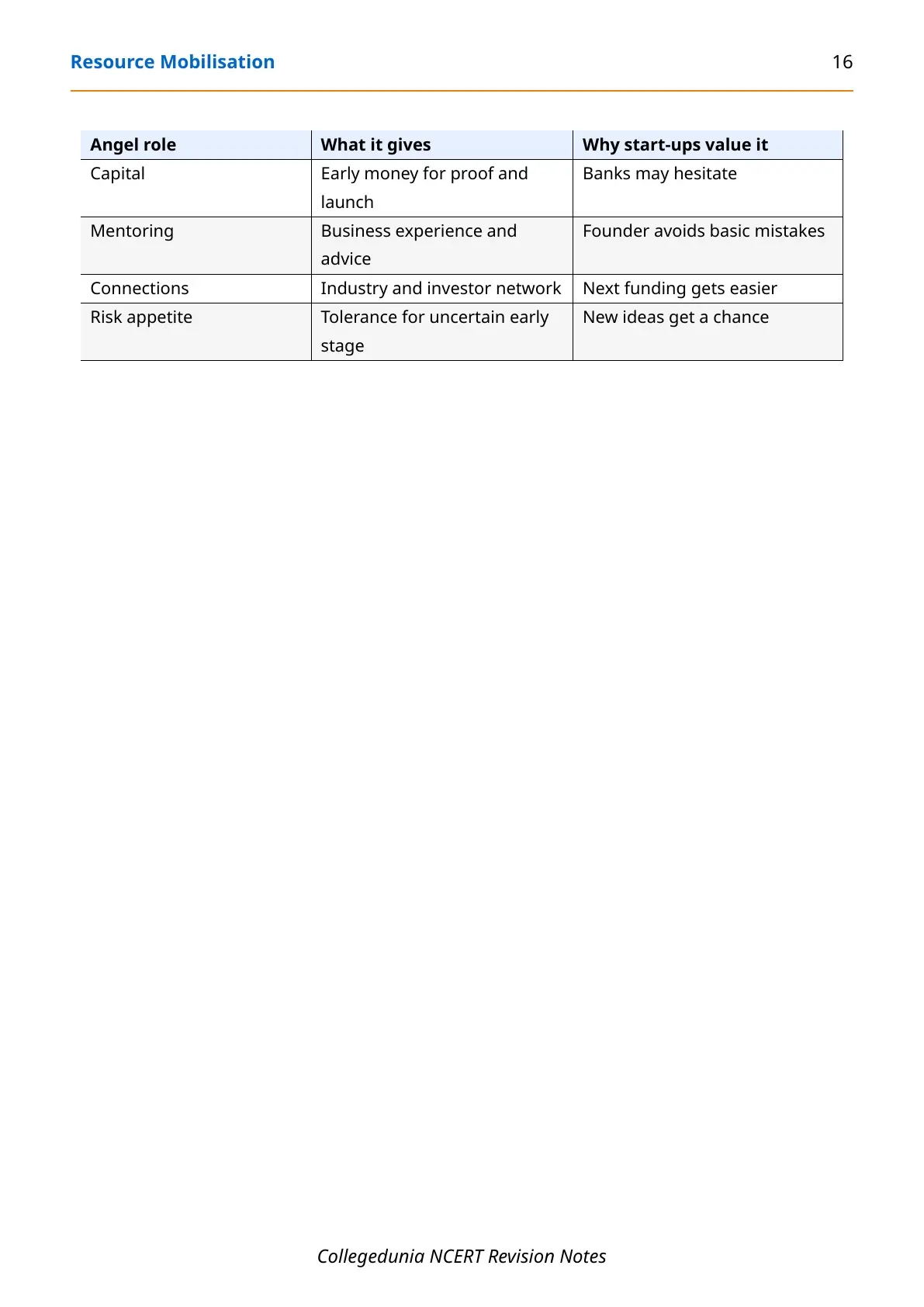
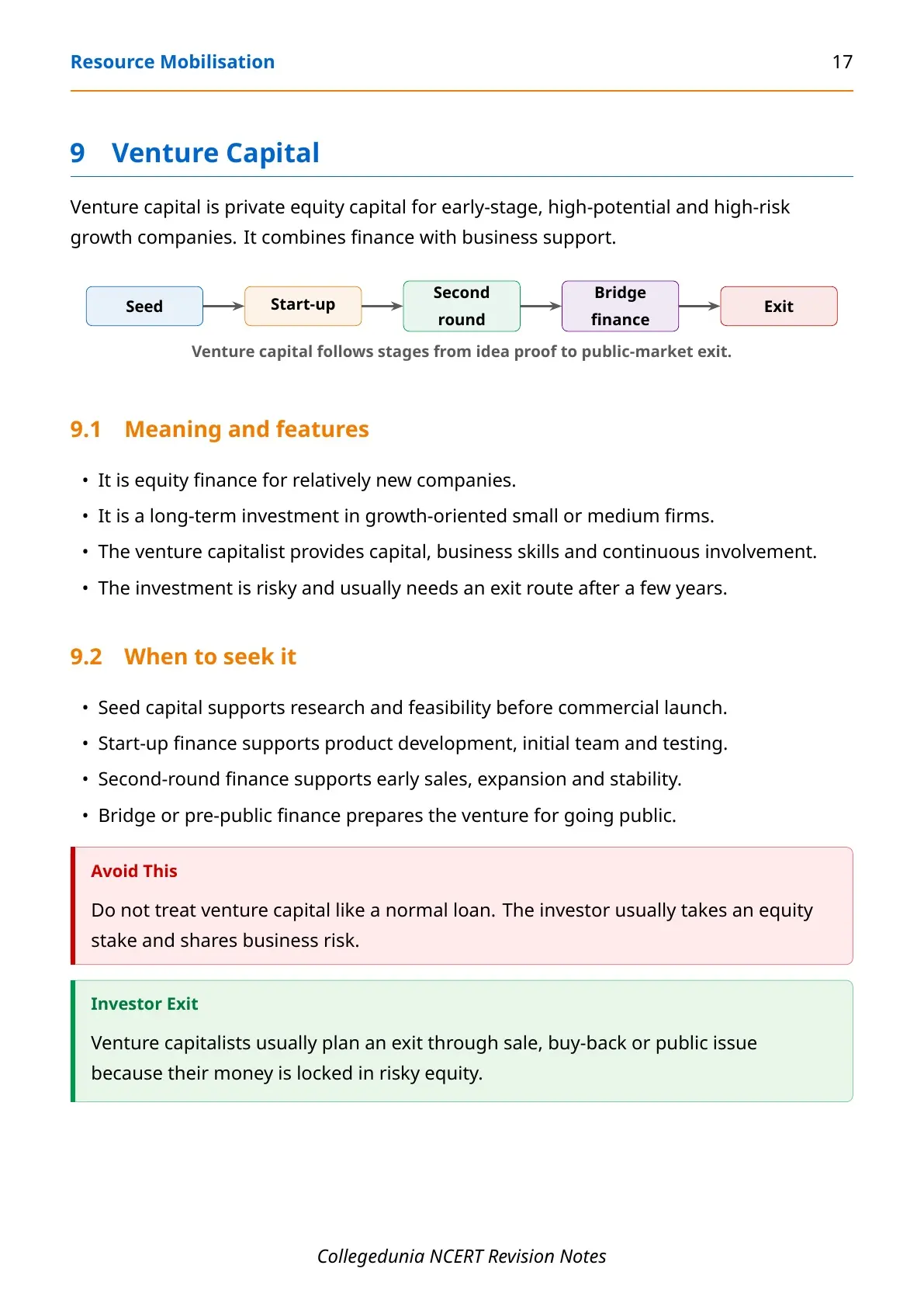
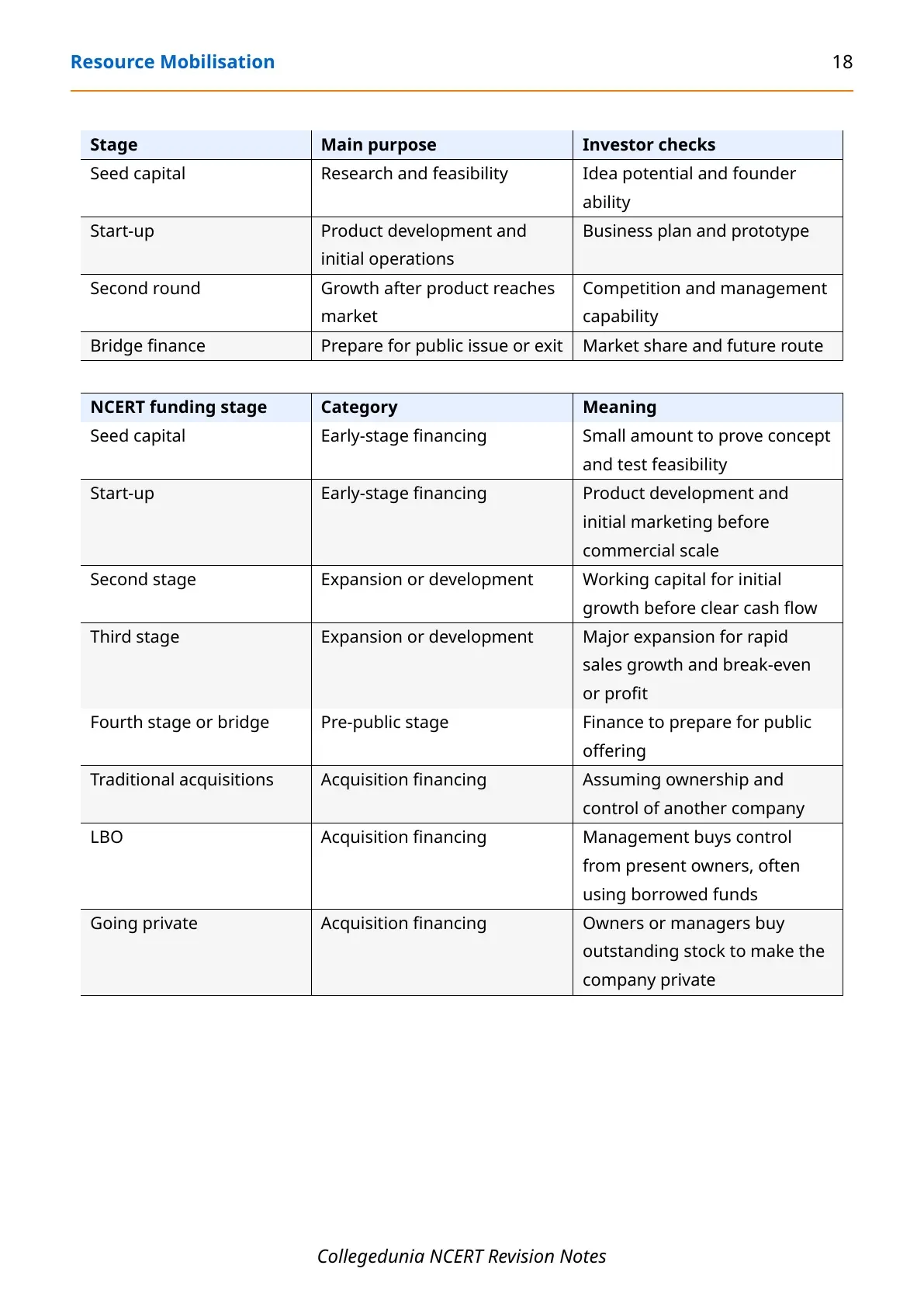
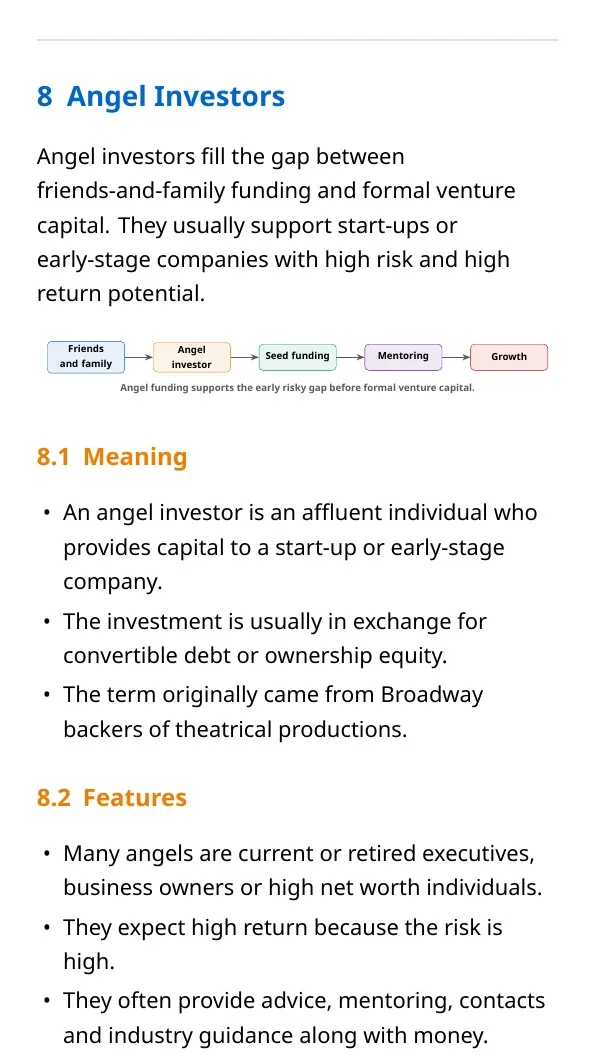
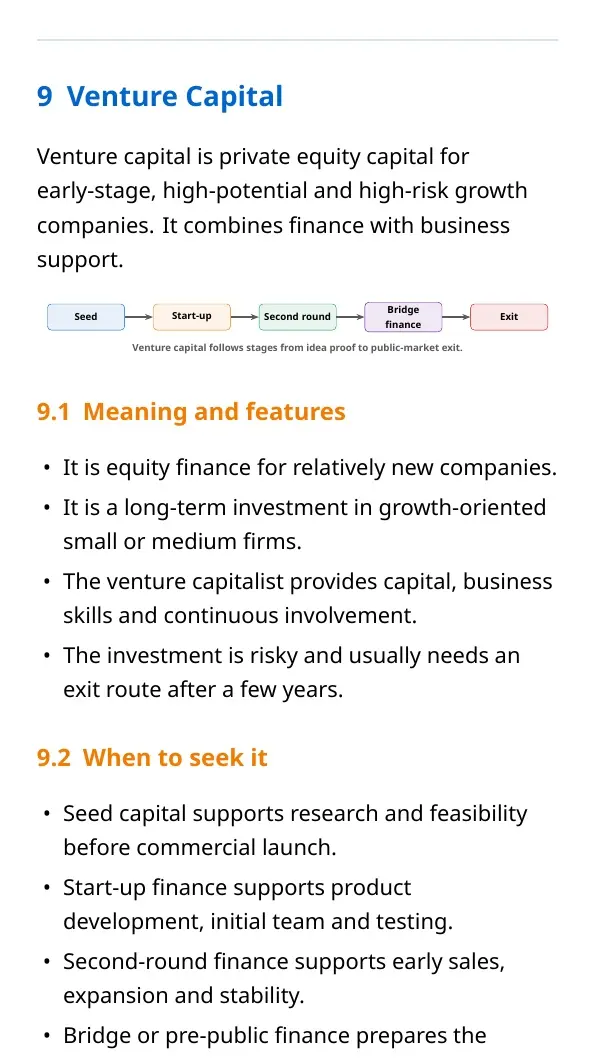
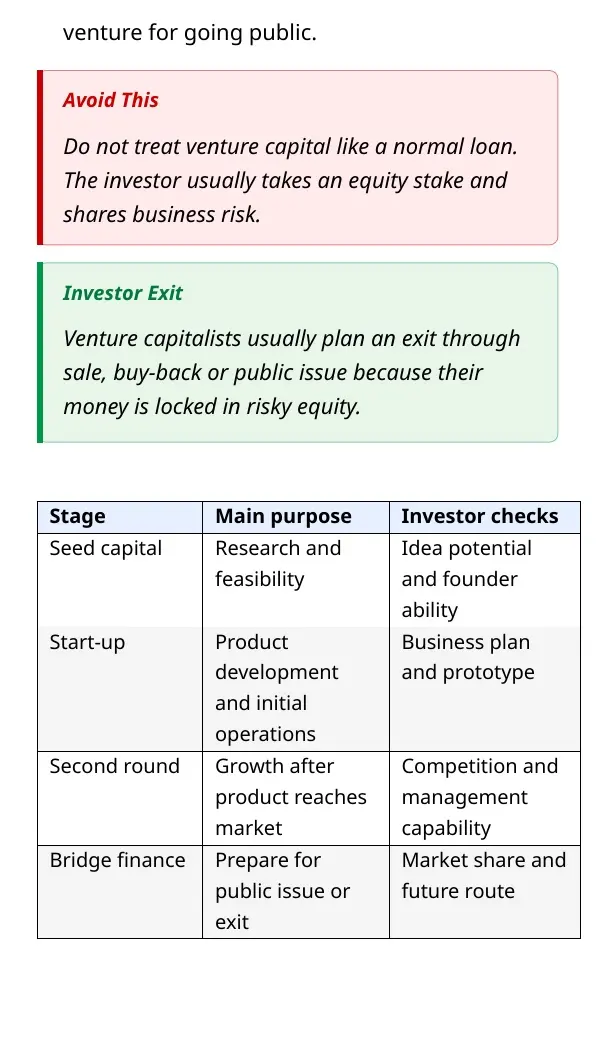
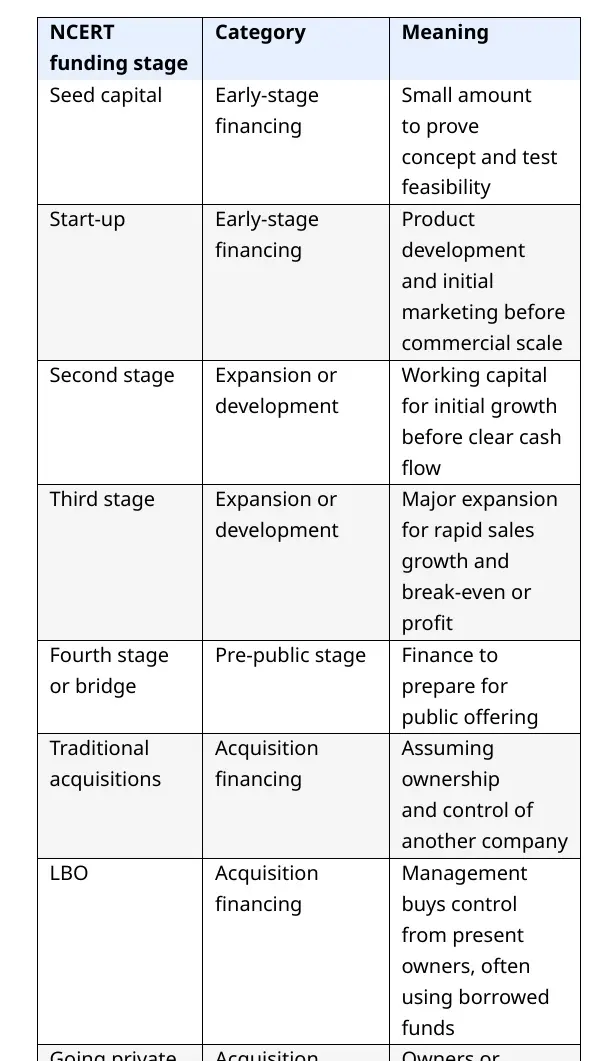
SEBI supervises and regulates the securities market. Angel investors and venture capitalists support young businesses, but they are not the same. Angel investors are usually affluent individuals. Venture capital is professionally managed equity capital for high-risk, high-potential growth ventures.
| Source | Meaning | Best used when |
|---|---|---|
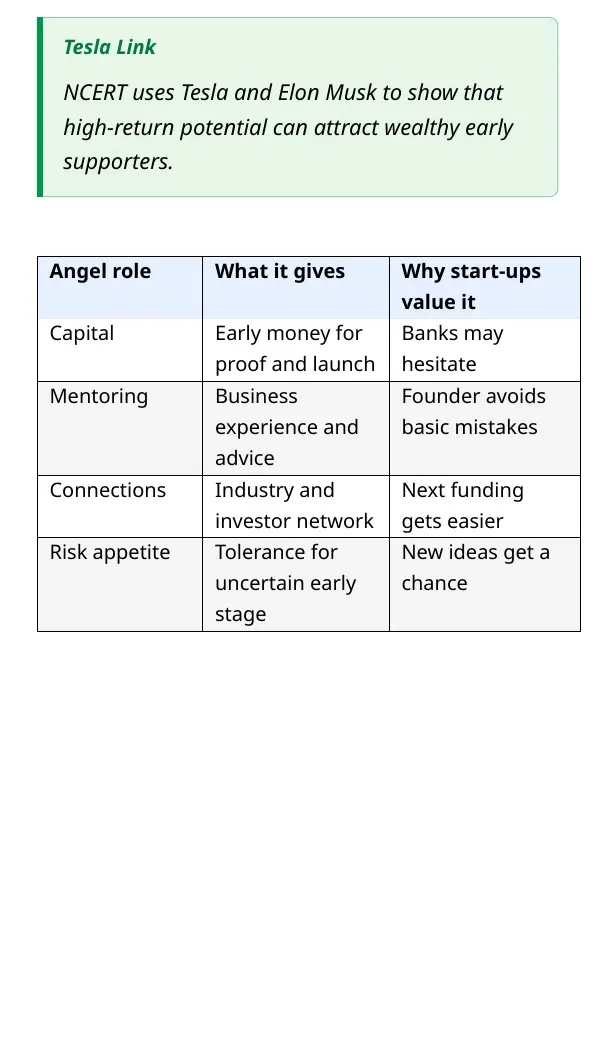
| Angel investor | Affluent individual giving early-stage capital | Start-up needs money plus mentoring |
| Venture capital | Private equity for growth-oriented risky ventures | Idea has high growth and exit potential |
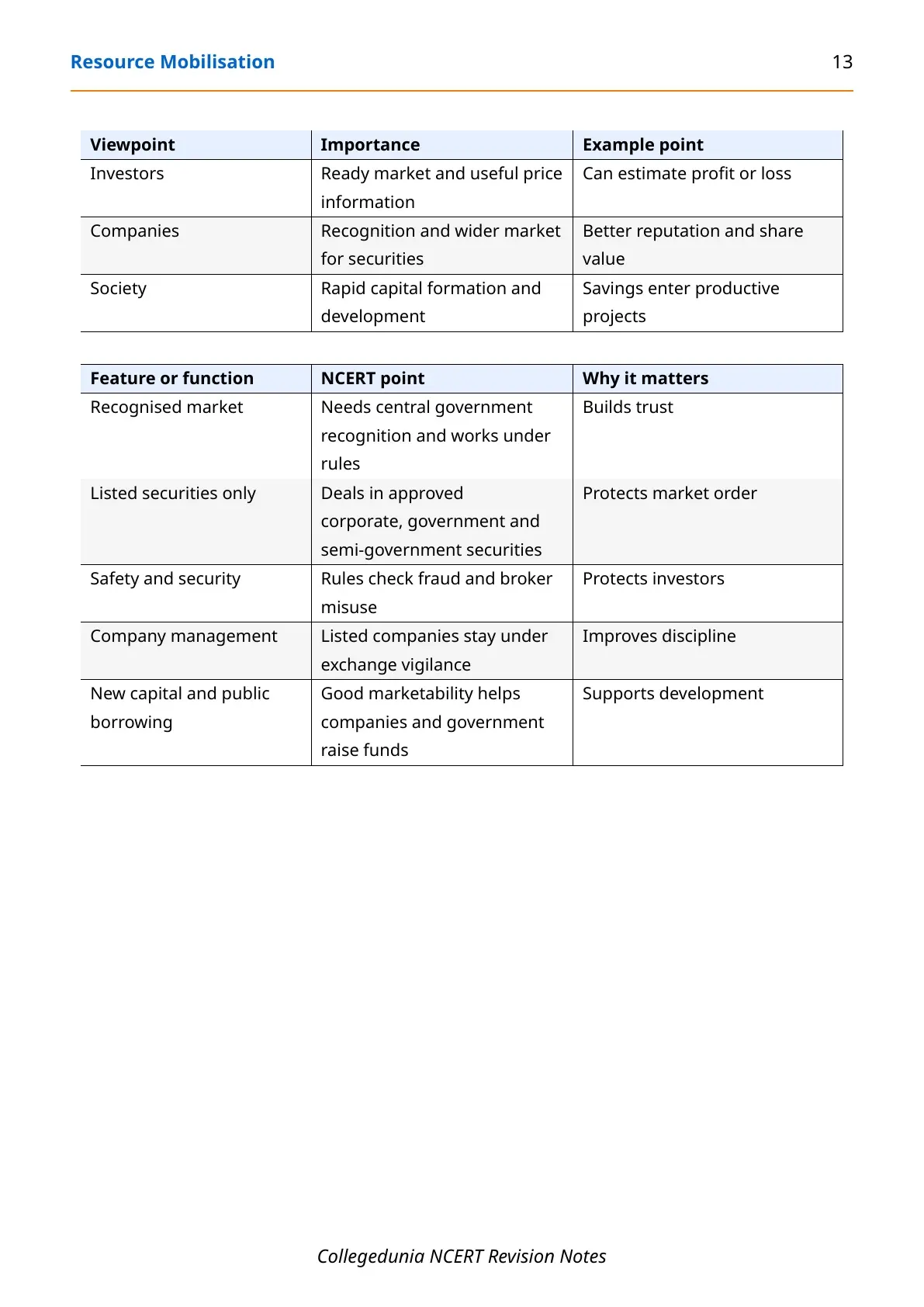
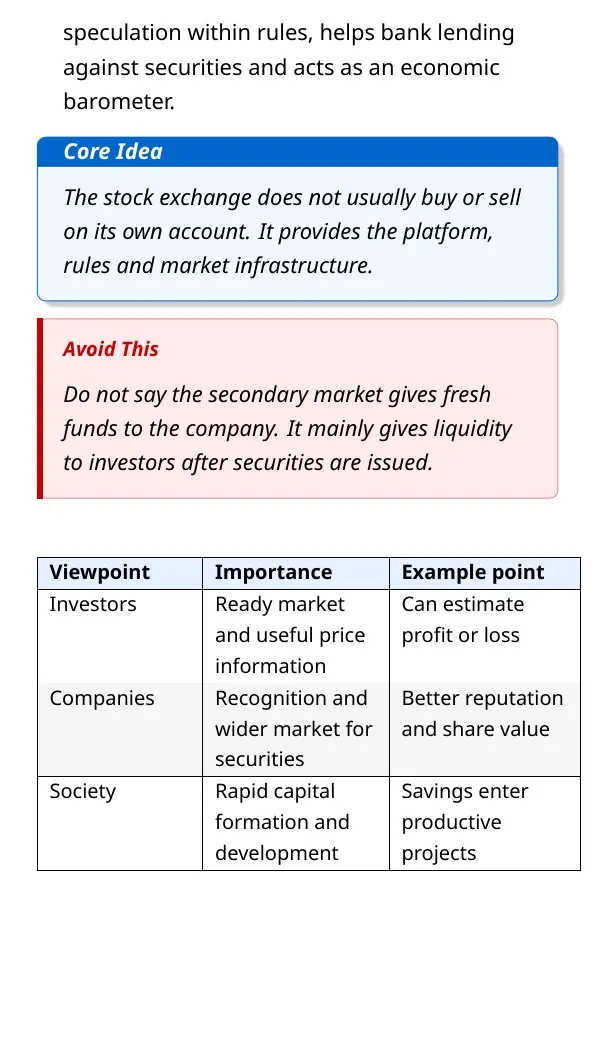
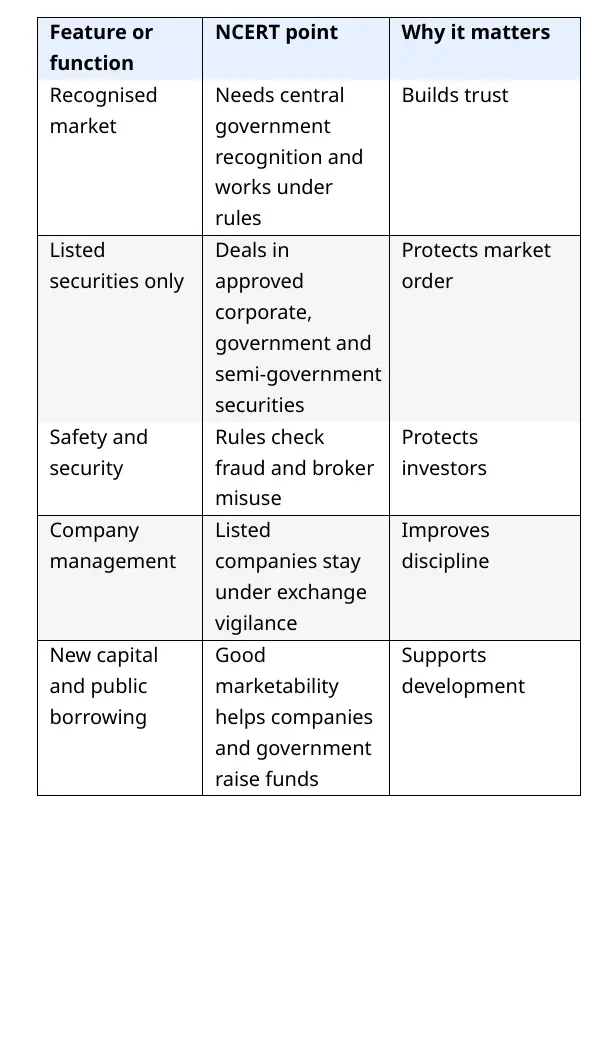
| Stock exchange | Organised market for listed securities | Investors need liquidity and valuation |
| SEBI | Securities market regulator | Investor protection and market discipline are needed |
Specialised Financial Institutions
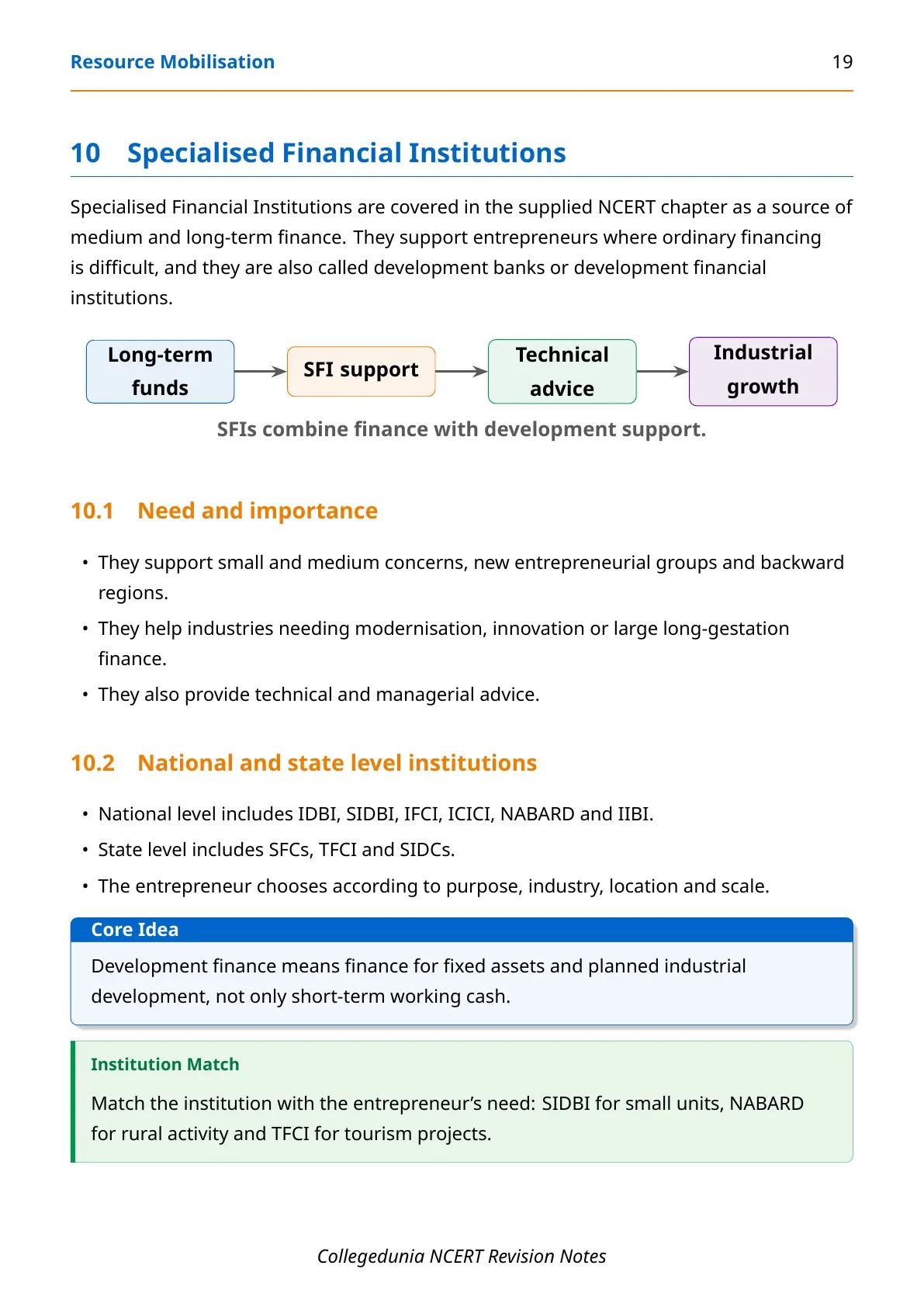
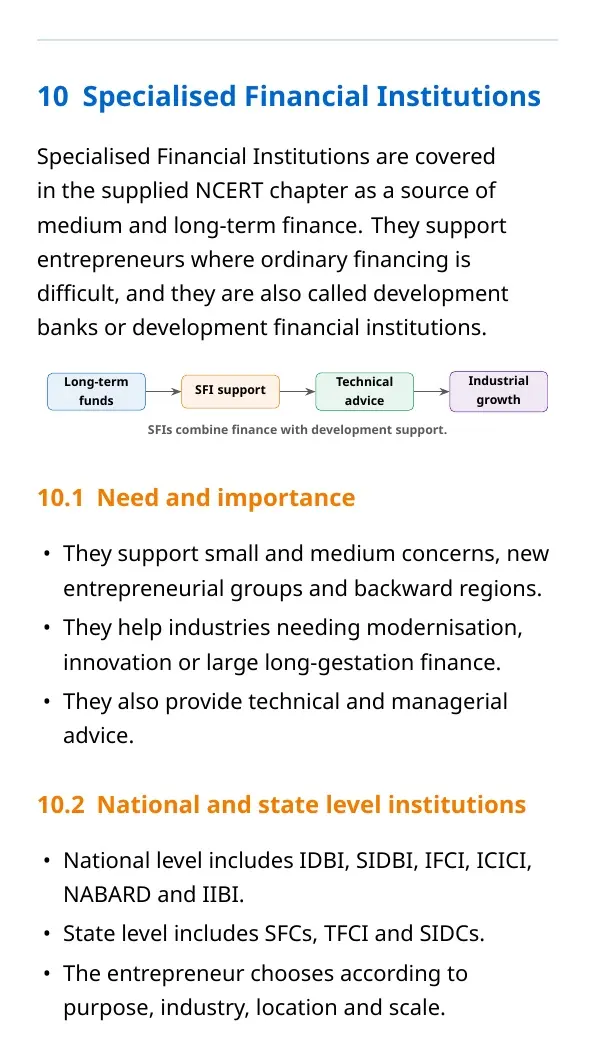
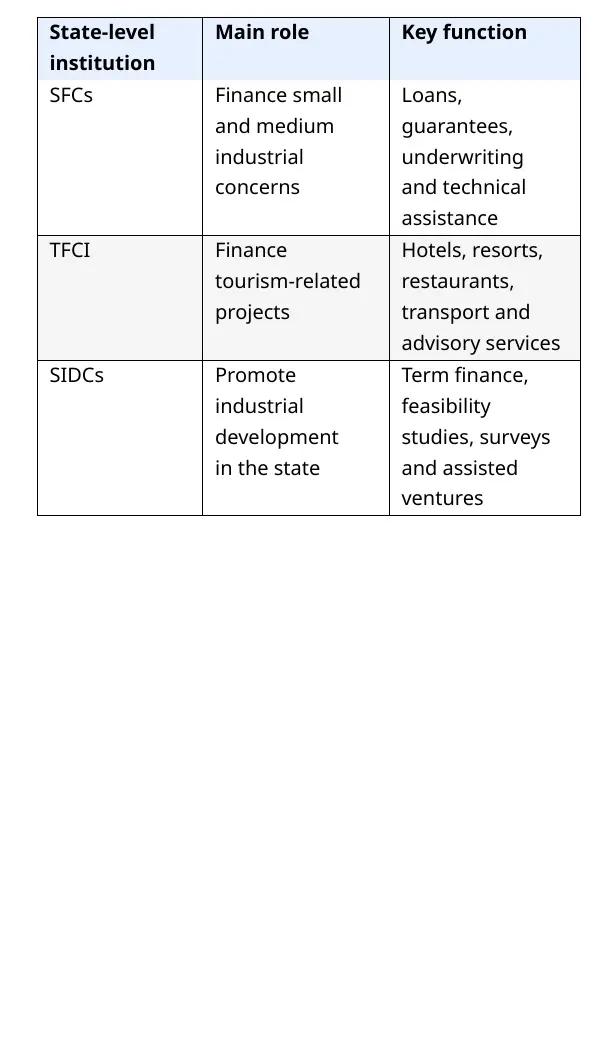
Specialised Financial Institutions support entrepreneurs who need medium or long-term development finance. They help small and medium concerns, new entrepreneurial groups, backward regions, innovation projects and large long-gestation projects.
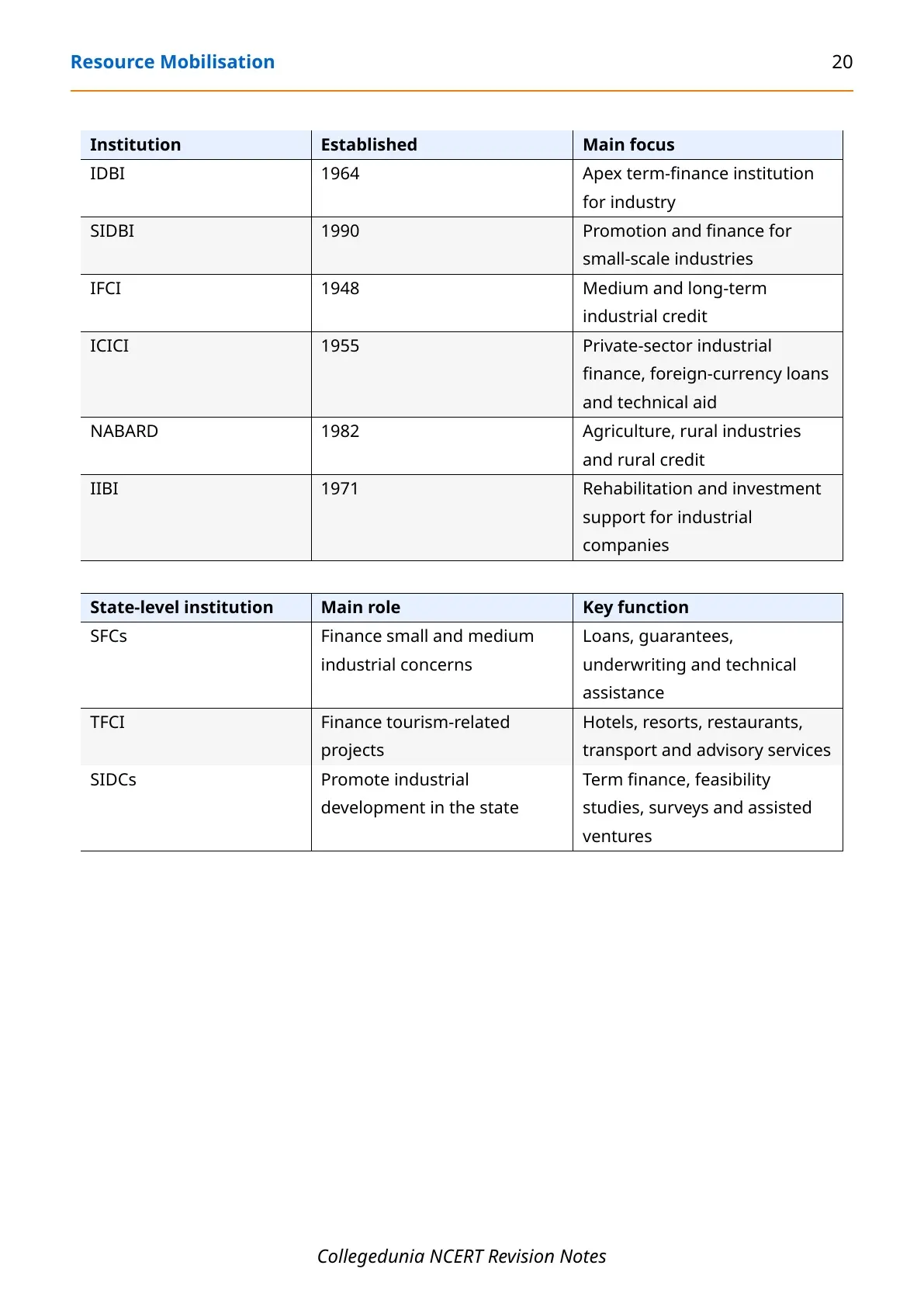
- IDBI: apex term-finance institution for industry.
- SIDBI: promotion and finance for small-scale industries.
- IFCI: medium and long-term credit for industrial enterprises.
- NABARD: agriculture, rural industries and rural credit support.
Resource Mobilisation Related Resources
| Resource | Best use | Link |
|---|---|---|
| NCERT Notes | Topic-wise revision with PDF | Current page |
| NCERT Solutions | Practice textbook answers | Open NCERT Solutions |
| NCERT Book PDF | Read the official chapter | Open Book PDF |
| Handwritten Notes | Quick one-sitting revision | Open Handwritten Notes |
Entrepreneurship Notes for All Chapters
| Chapter | NCERT chapter title | Notes link |
|---|---|---|
| Chapter 1 | Entrepreneurial Opportunity | Open Notes |
| Chapter 2 | Entrepreneurial Planning | Open Notes |
| Chapter 3 | Enterprise Marketing | Open Notes |
| Chapter 4 | Enterprise Growth Strategies | Open Notes |
| Chapter 5 | Business Arithmetic | Open Notes |
| Chapter 6 | Resource Mobilisation | Current notes |
Resource Mobilisation Class 12 Entrepreneurship Notes FAQs
Ques. What is Resource Mobilisation in Class 12 Entrepreneurship?
Ans. Resource Mobilisation explains how an entrepreneur arranges finance through markets, investors and financial institutions.
Ques. What are the main sources of finance in this chapter?
Ans. The chapter covers capital markets, angel investors, venture capital and specialised financial institutions.
Ques. What is the difference between primary and secondary market?
Ans. Primary market deals with new securities issues. Secondary market deals with buying and selling securities already issued.
Ques. What is the role of SEBI?
Ans. SEBI regulates the securities market, checks exchanges and intermediaries, protects investors and enforces market rules.
Ques. How are angel investors different from venture capital?
Ans. Angel investors are usually wealthy individuals who support early start-ups. Venture capital is professionally managed equity finance for high-growth ventures.



Comments