




These Follow That Dream Class 9 English handwritten notes give you the whole chapter in a topper's own handwriting, so the letter, its message, and the companion poem stay easy to picture on exam day. Written for Kaveri Unit 8 and matched to the 2026-27 NCERT, they turn Irene Chua's letter to Ming into quick, colour-marked revision points you can read in minutes.
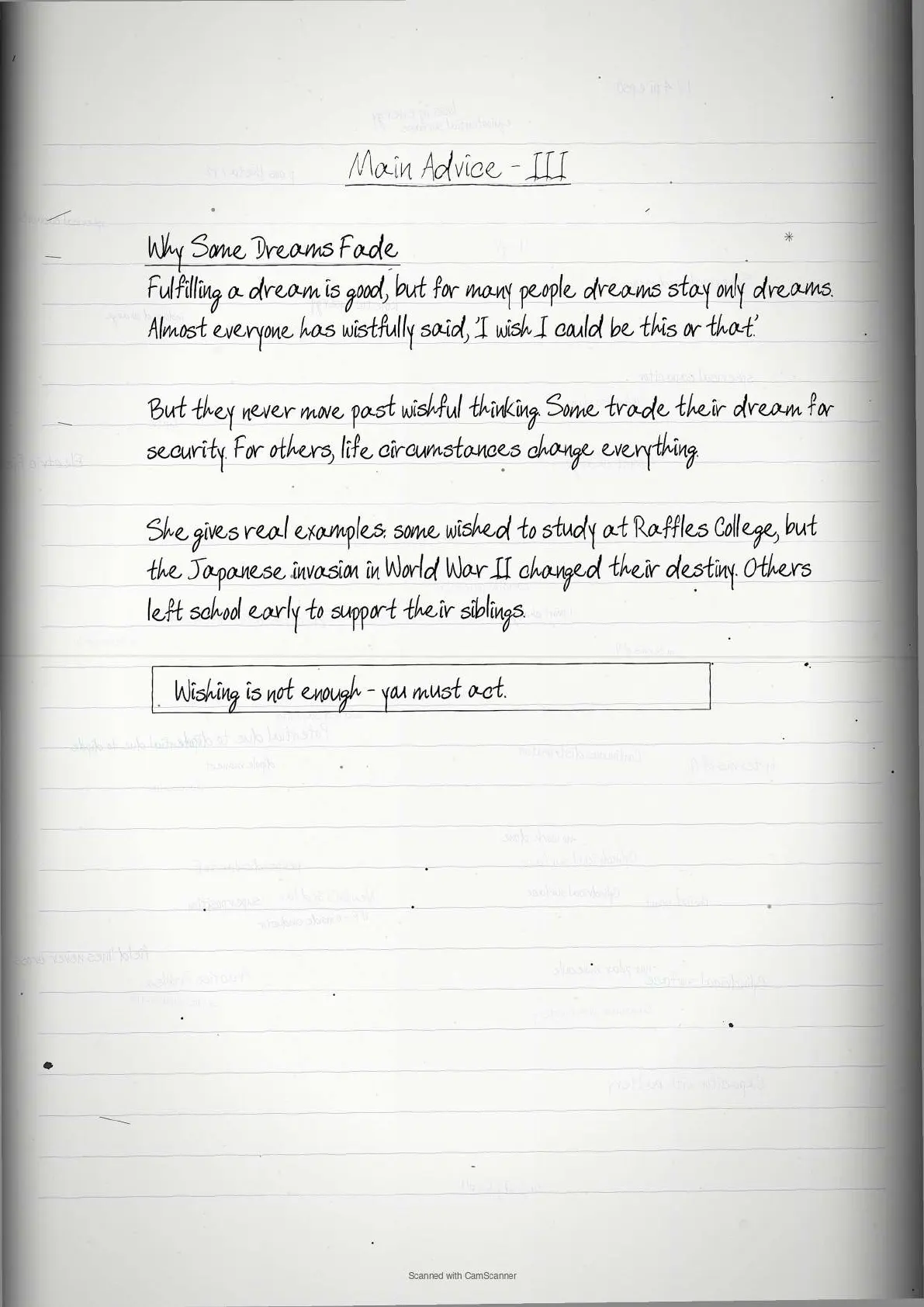
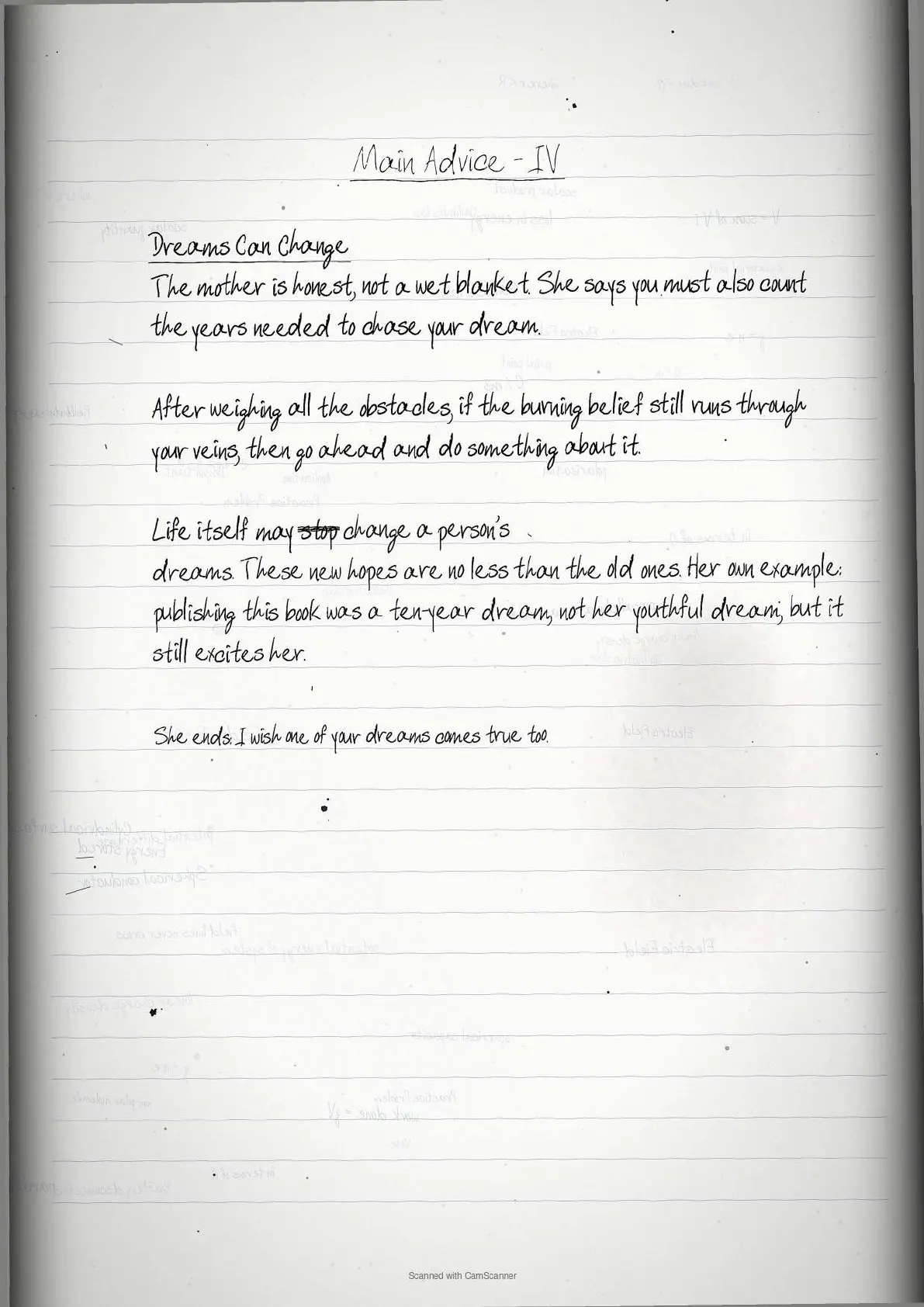
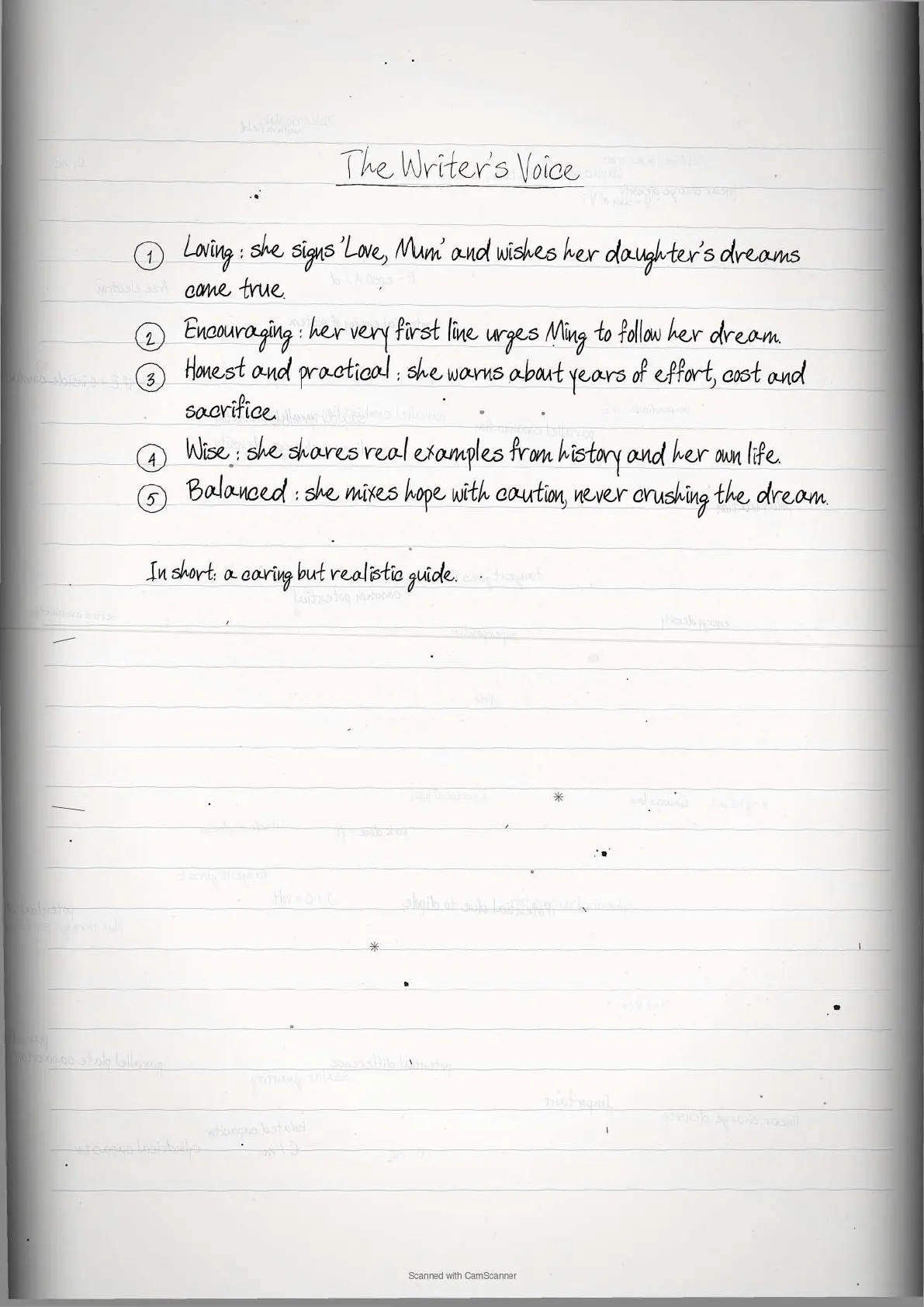
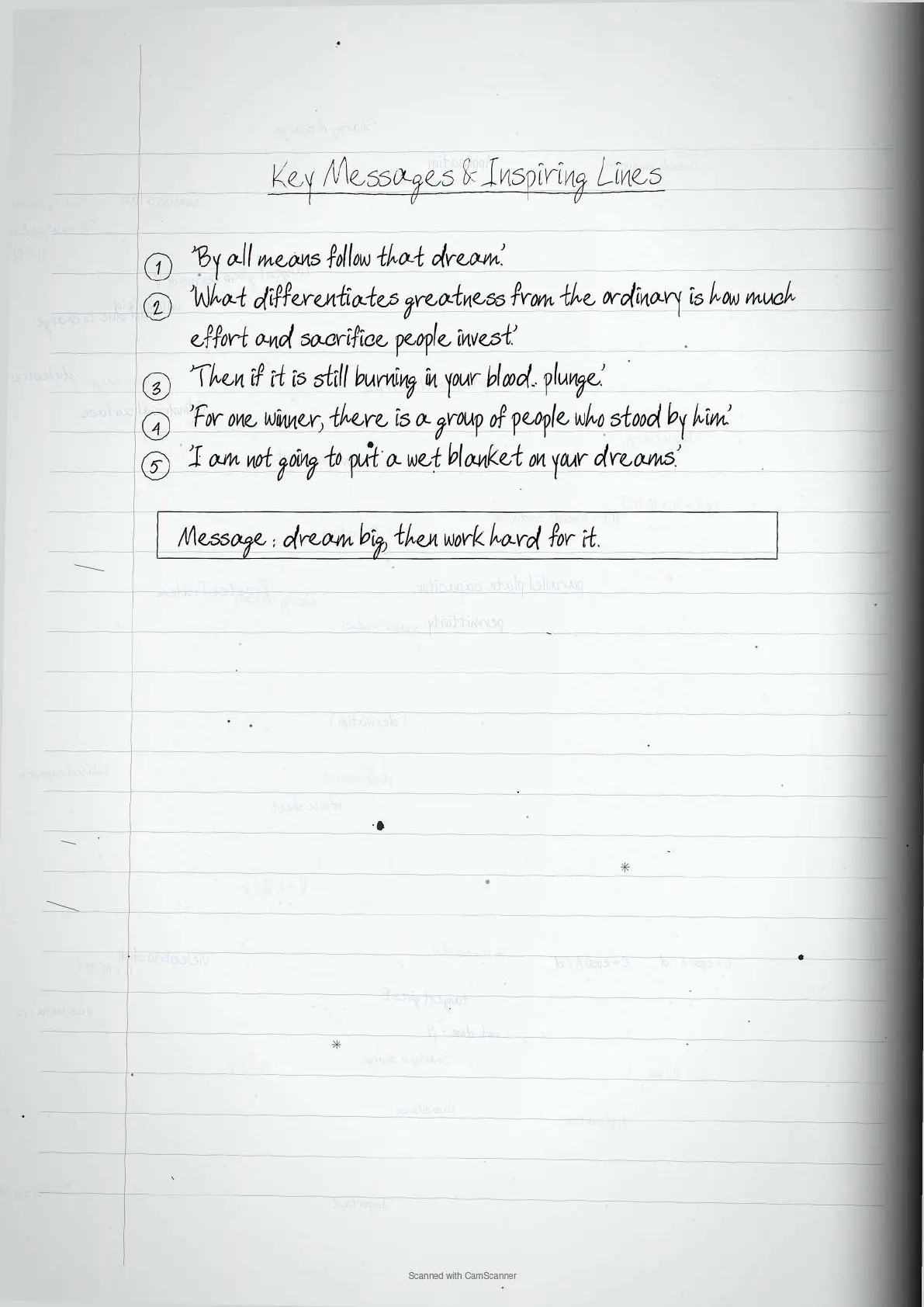
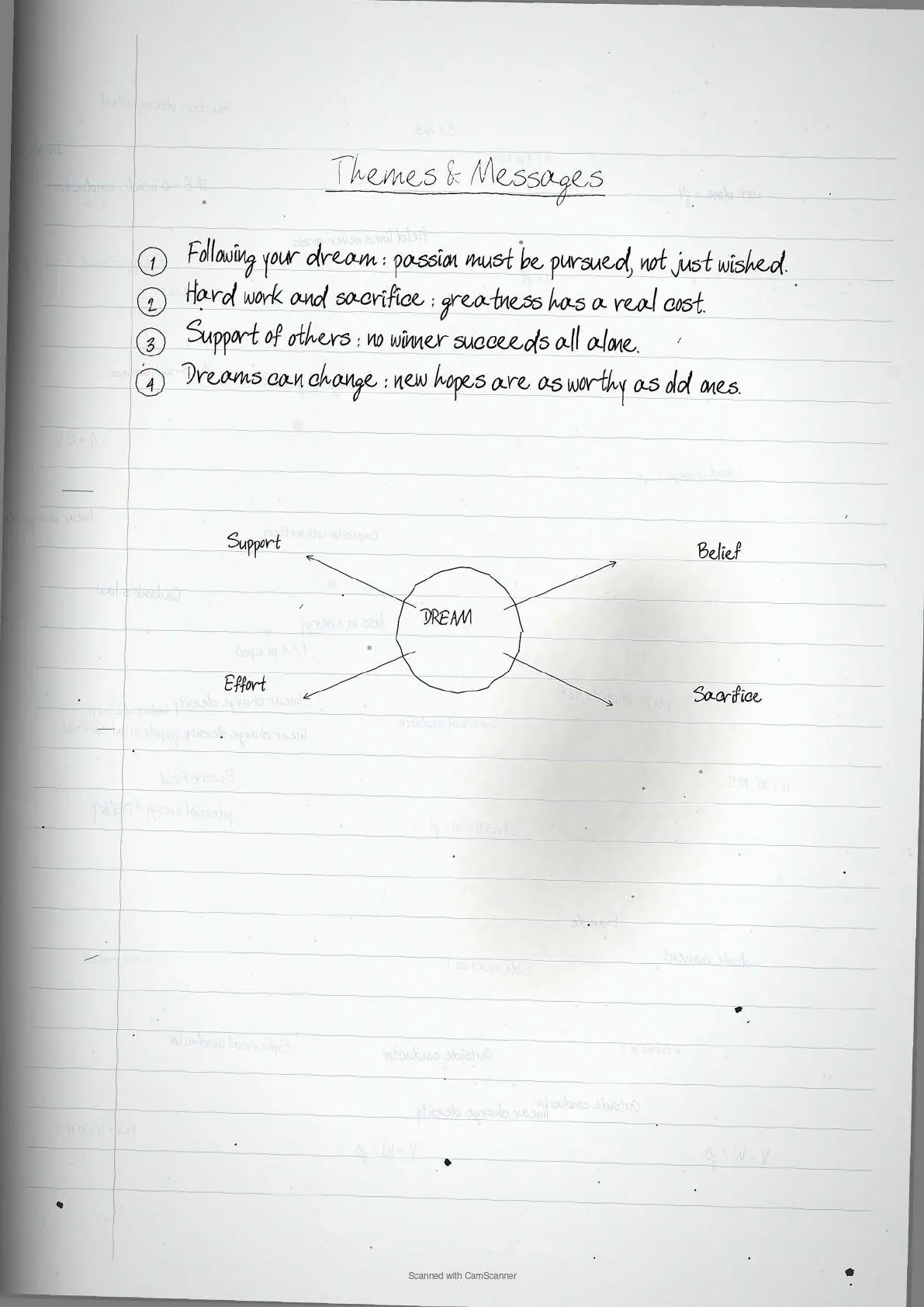
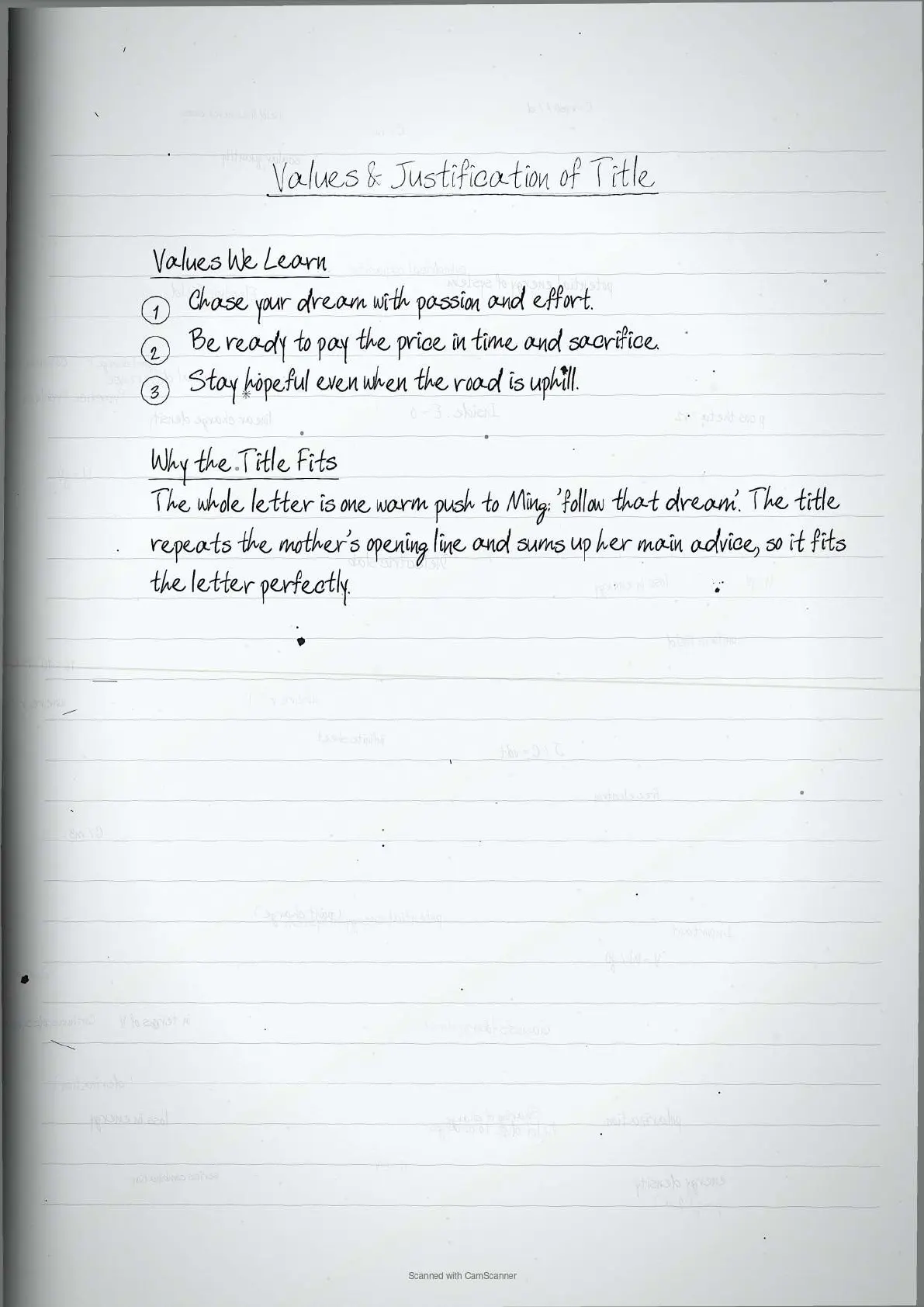
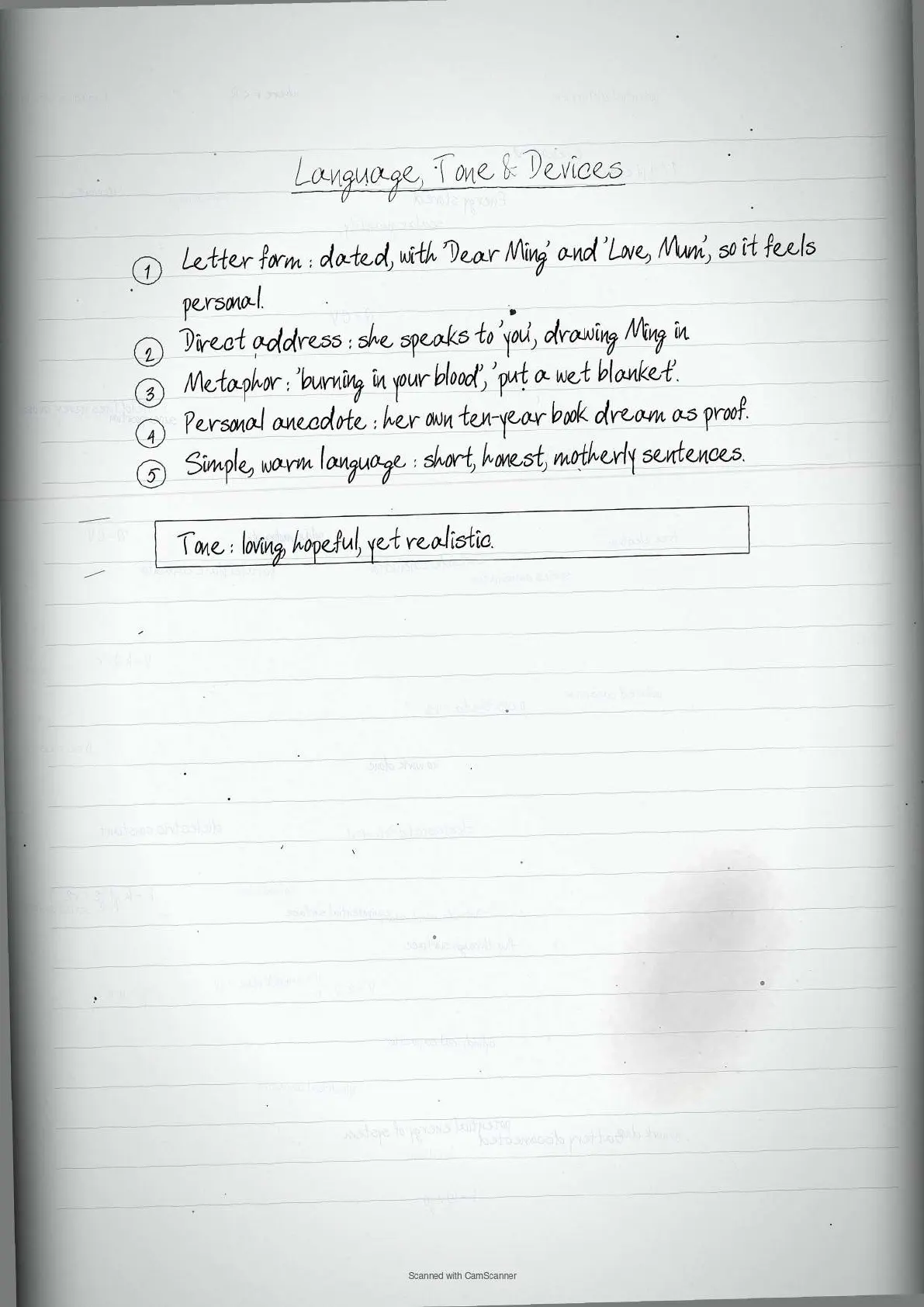
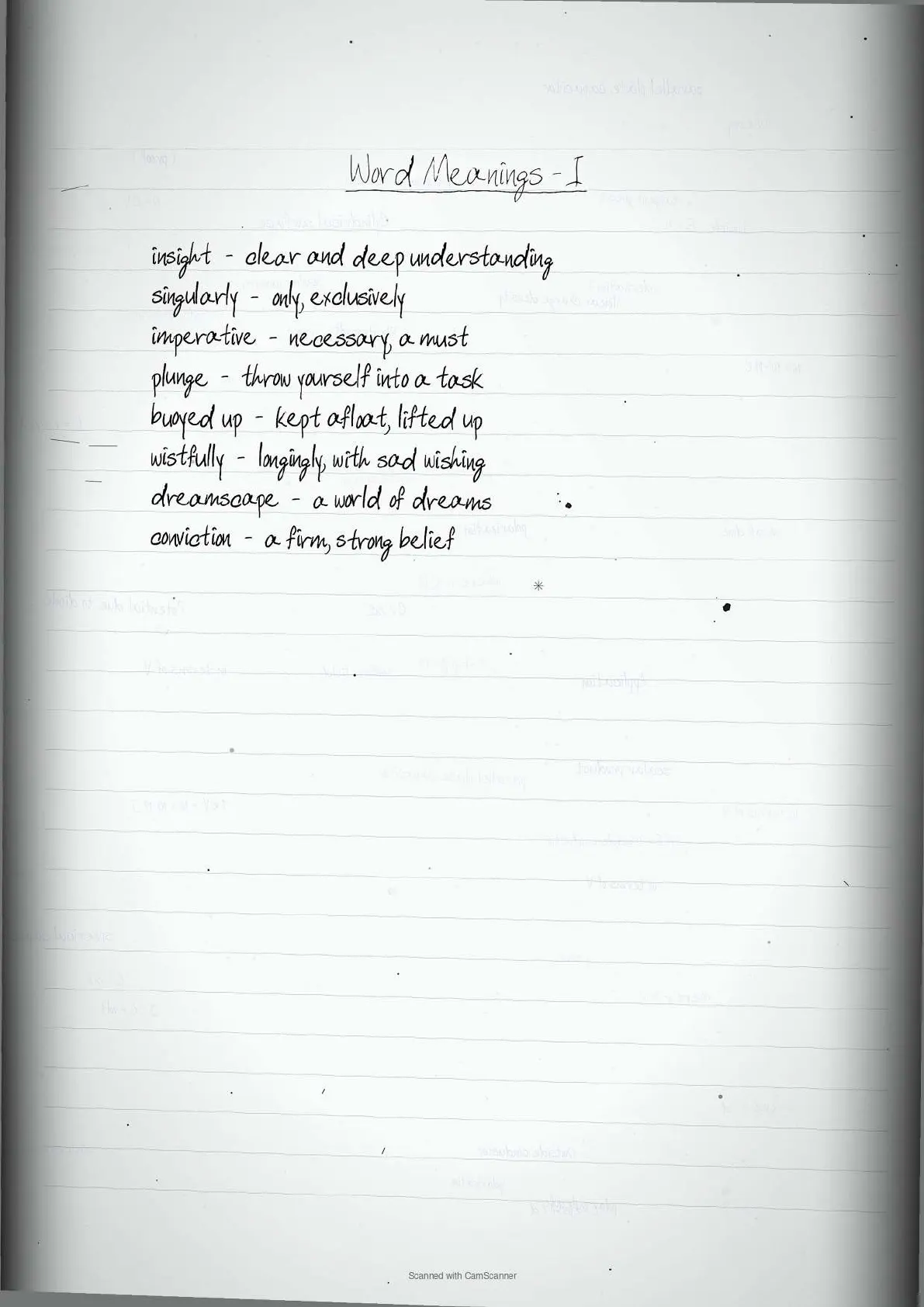
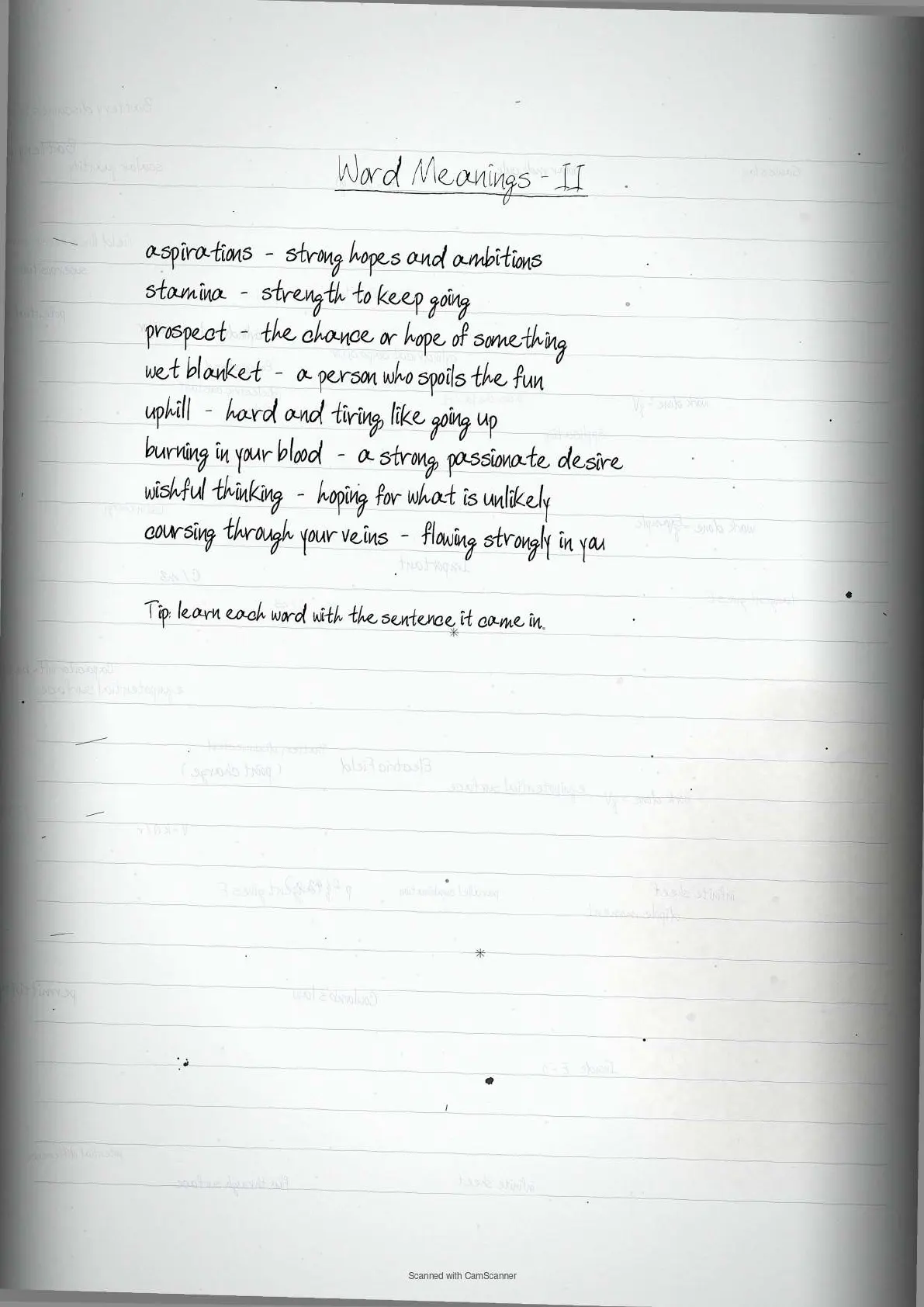
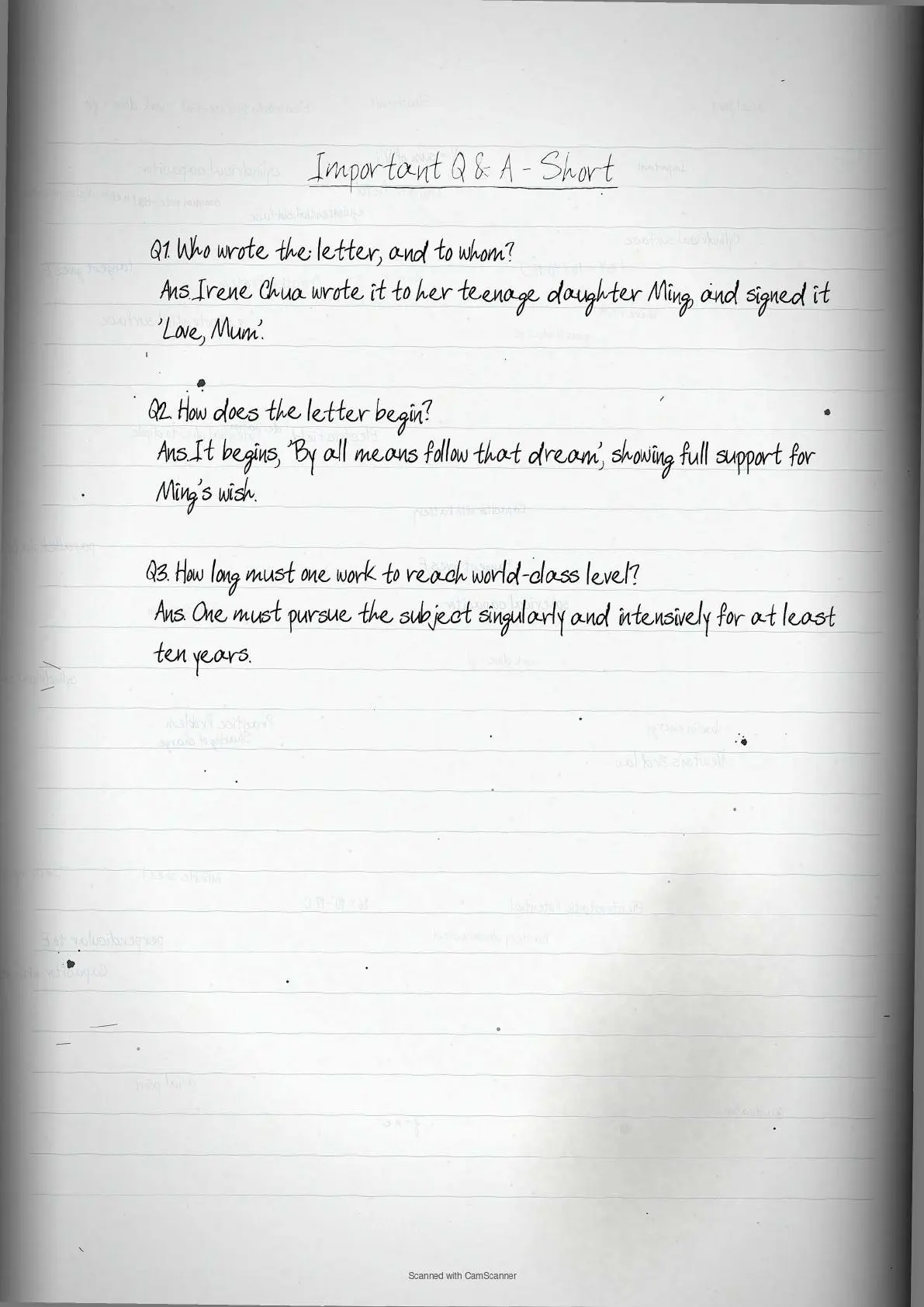
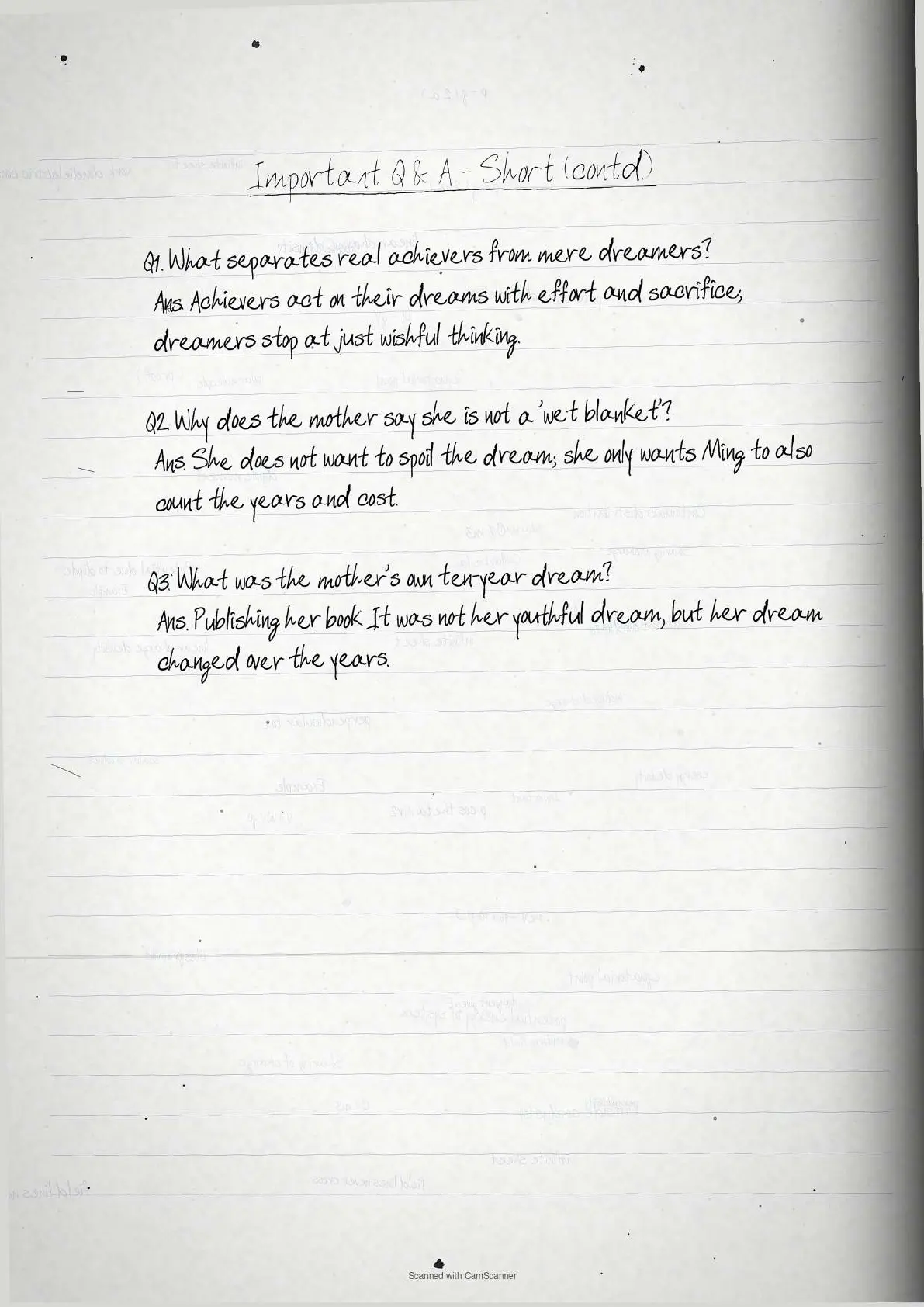
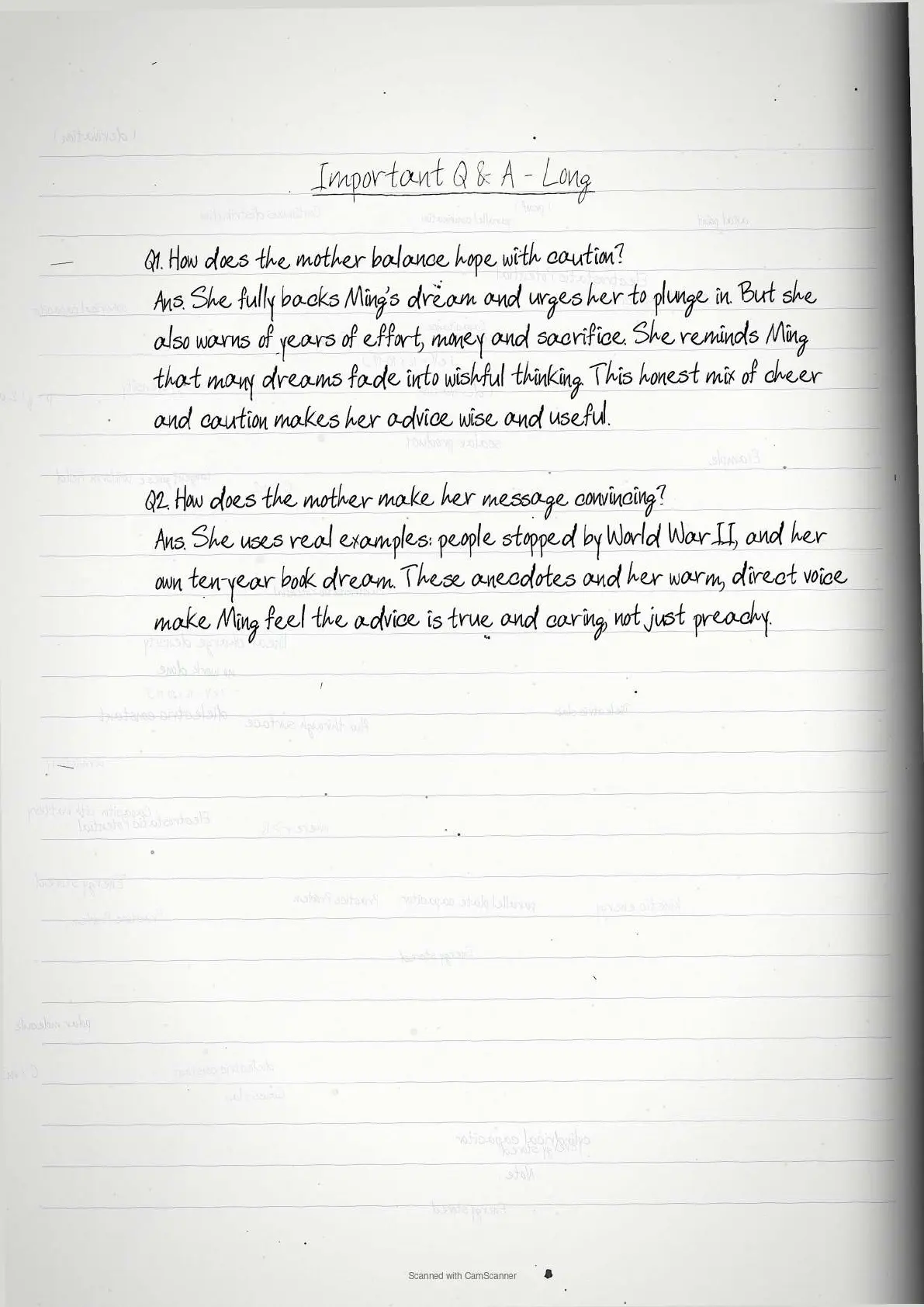
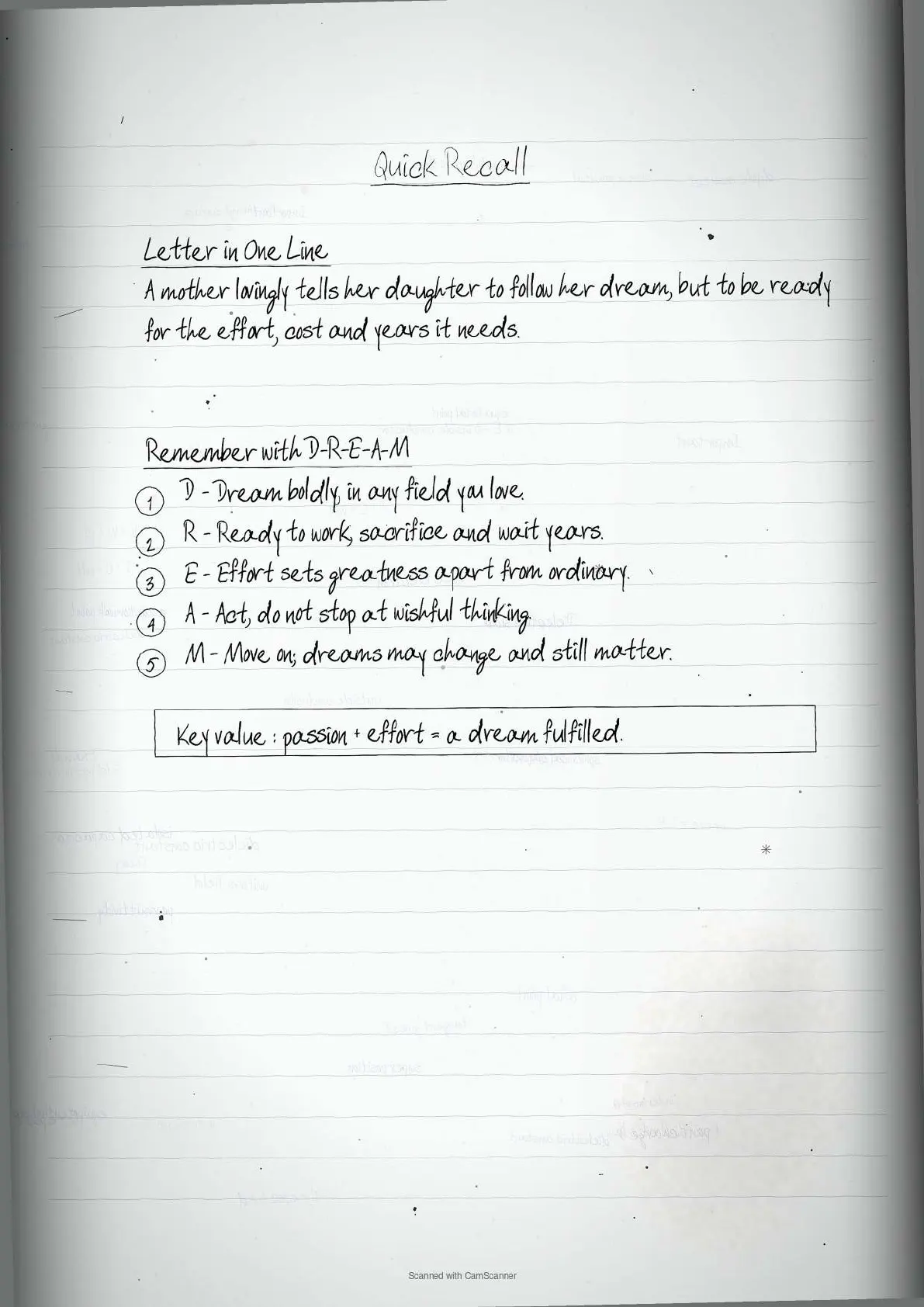
- Handwritten and marked: The main ideas, the key lines, and the poem's devices are underlined and boxed for fast recall.
- Most tested ideas: Counting the cost, the ten-year rule, the support network, and the difference between dreamers and achievers.
- 2026-27 NCERT: Prepared for the current Kaveri textbook, so nothing here is out of syllabus.
These handwritten notes are prepared by Collegedunia's toppers for the 2026-27 NCERT Kaveri textbook, and framed around the letter Follow That Dream and the poem Believe in Yourself.
Also Check:
What These Follow That Dream Handwritten Notes Cover
The notes hold everything you need for a last-day revision of Unit 8, written in a clear hand.
- Letter in short: The main ideas of the mother's advice to Ming, trimmed to the key points.
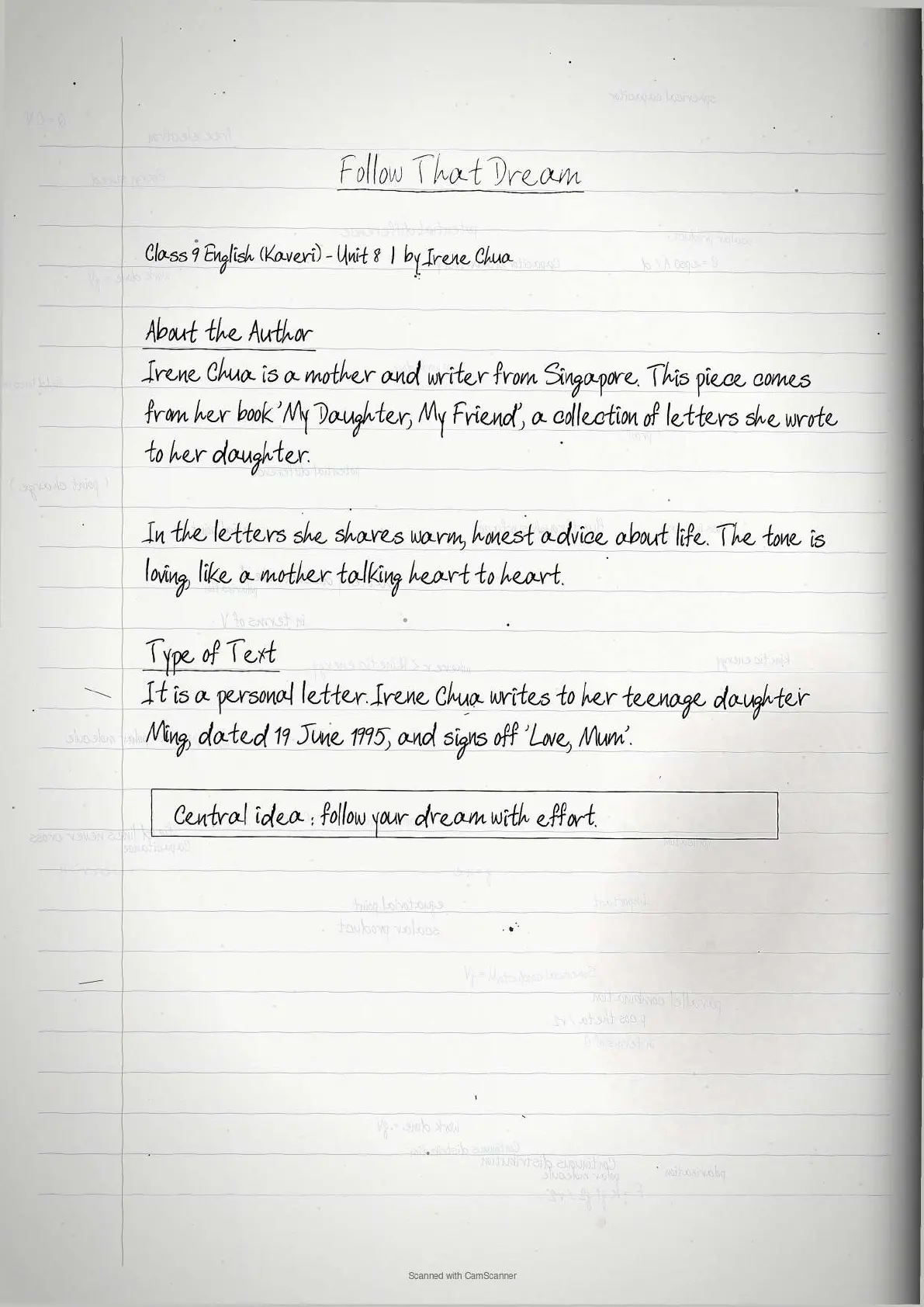
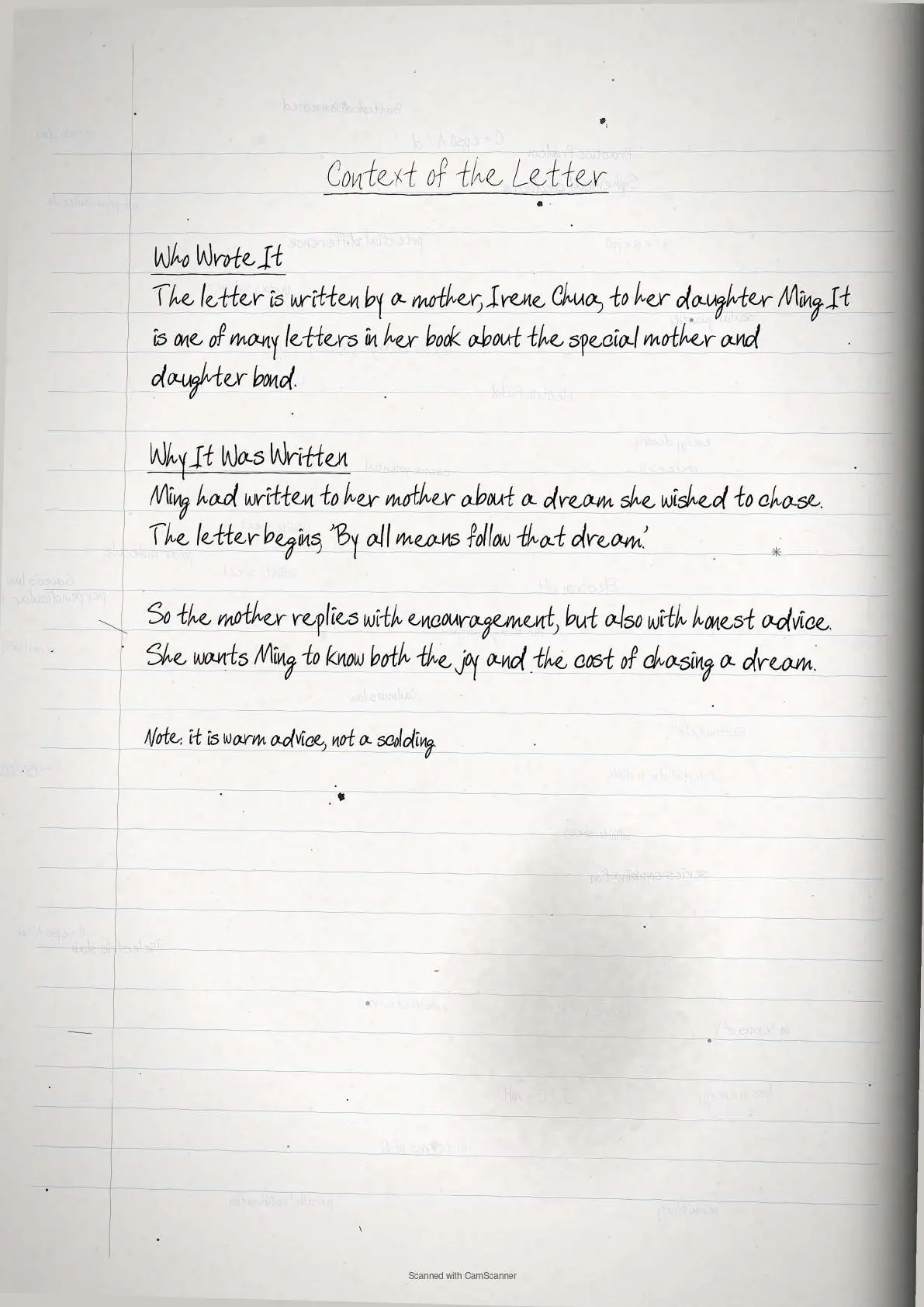
- Who wrote it: Irene Chua and the setting of the letter, with the facts boards ask about.
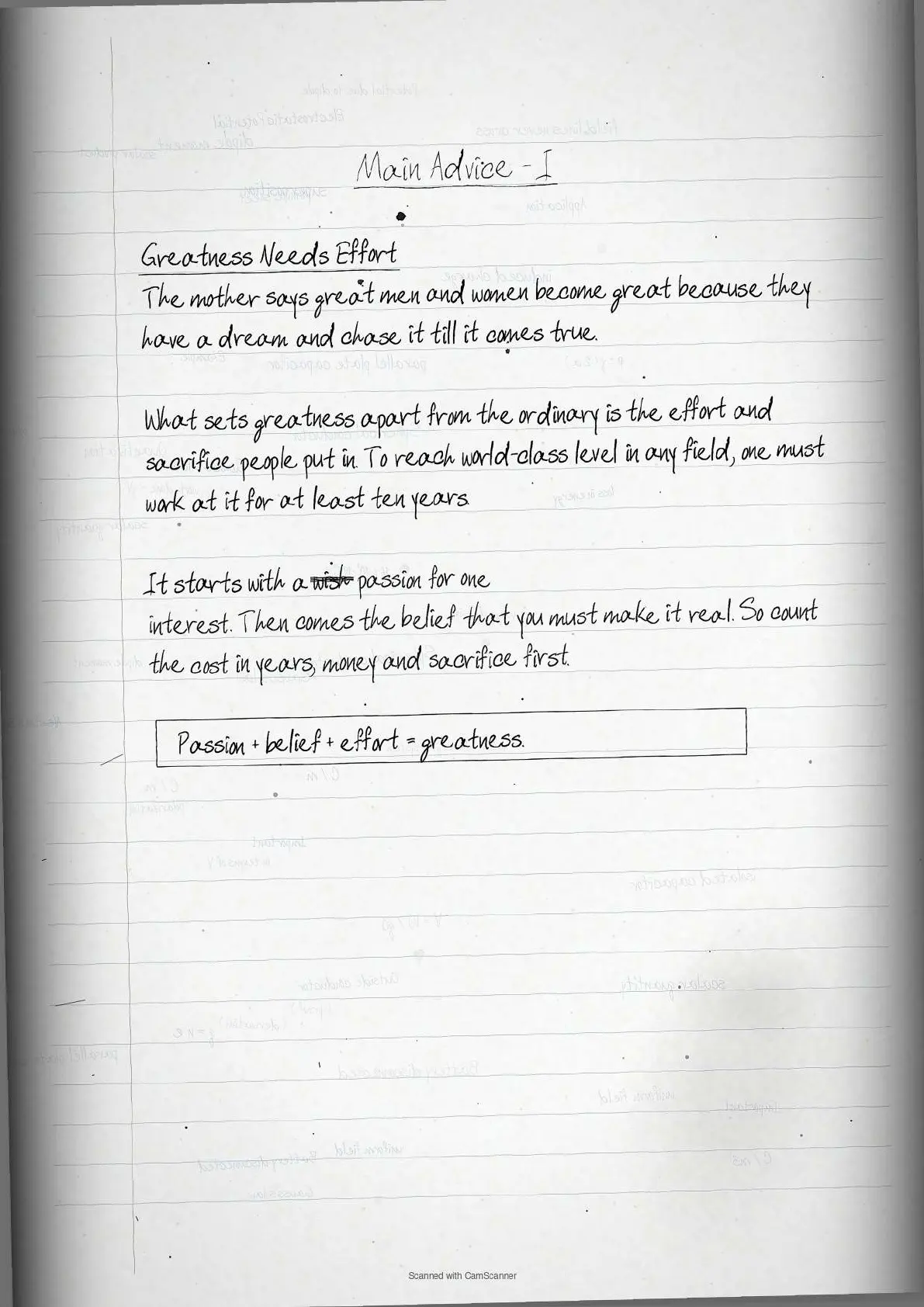
- Message and value: Follow your dream, but first count its cost in effort, time, and sacrifice.
- Poem pointers: Believe in Yourself, with its rhyme scheme and one device kept ready for the exam.
Follow That Dream Quick Revision at a Glance
This snapshot is the same one written at the top of the notes, so you recall the chapter in seconds.
| Point | Quick Recall |
|---|---|
| Gist | A mother's letter tells her daughter Ming to follow her dream, but only after counting its real cost |
| Key people | Irene Chua (the mother, the writer) and Ming (her teenage daughter) |
| Message | Follow your dream, but first count the cost in years of effort, investment, and sacrifice |
| Key value | Passion joined with realism, hard work, and a support network |
Follow That Dream Handwritten Notes: Key Points
These are the exact revision lines from the notes, grouped the way toppers lay them out.
Main Ideas
- The letter opens with warm approval: "By all means follow that dream".
- Before you plunge, "count the cost in years of effort, financial investments and sacrifice".
- World-class skill needs "singularly and intensively pursuing the subject for at least ten years".
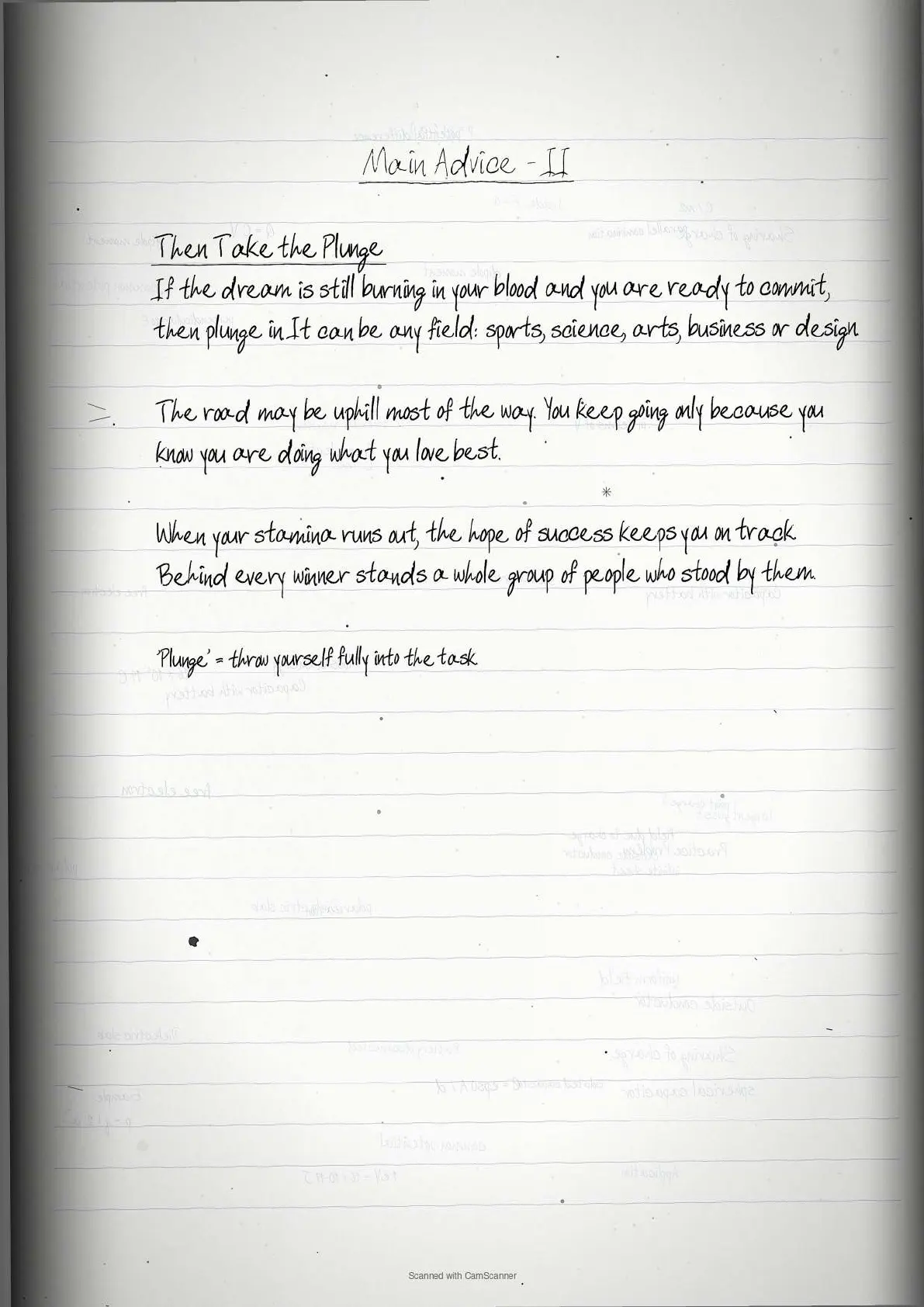
- Every winner has help: "for one winner, there is a group of people who stood by him/her".
- Achievers act on the dream "burning" in their blood; mere dreamers "never got beyond just wishful thinking".
- The mother admits "life itself may change a person's dreams", and later dreams are "no less" than the early ones.
Who Wrote It
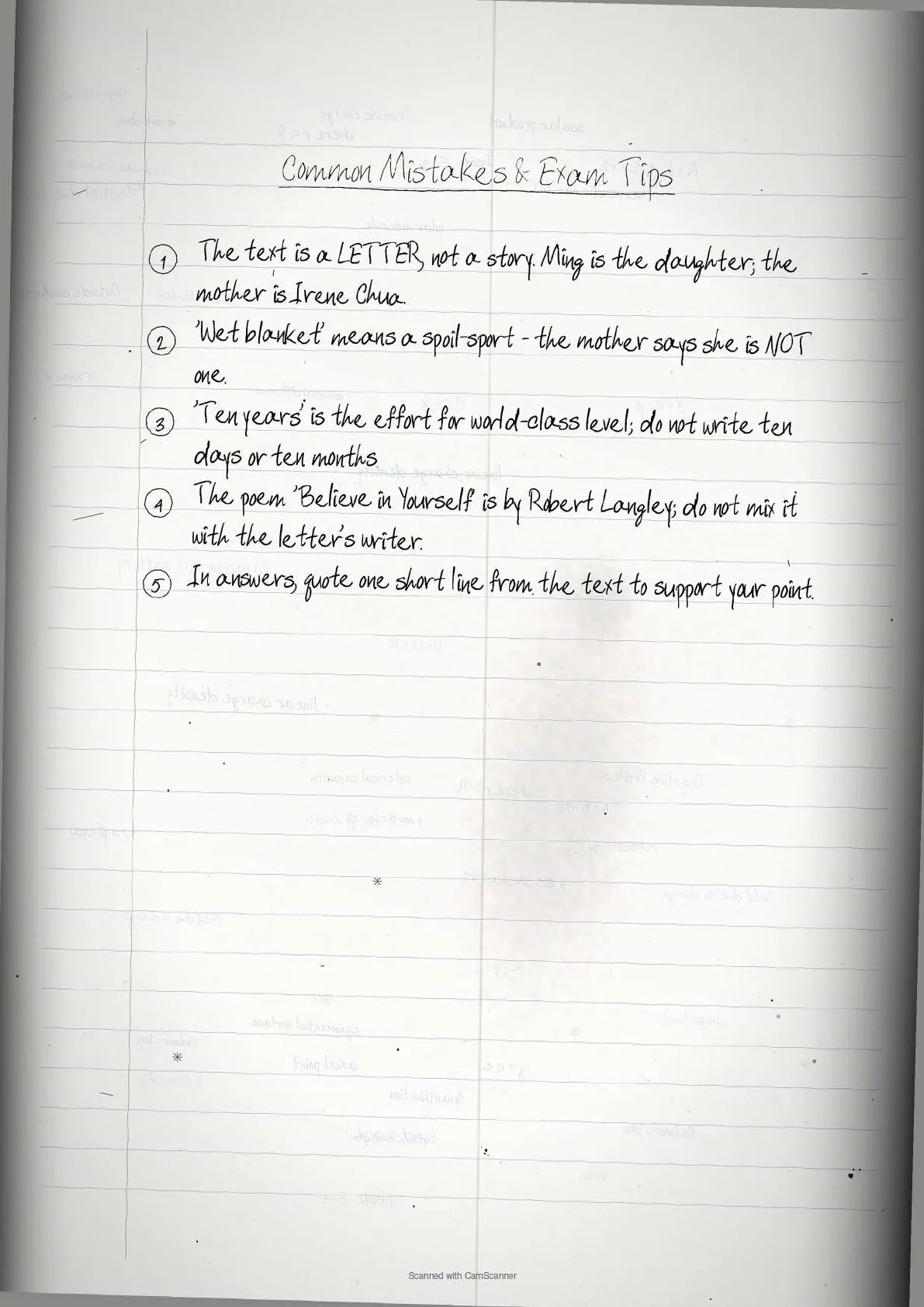
- Irene Chua: The writer and the mother; the letter is from her collection My Daughter, My Friend, dated 19 June 1995.
- Ming: Her teenage daughter, who had written to her about a dream she wished to follow.
Message
- Follow your dream, but be honest about the effort, time, and sacrifice it demands.
- She will not "put a wet blanket" on the dream, yet she asks Ming to weigh the years and the obstacles first.
Follow That Dream Companion Poem Believe in Yourself in Short
Unit 8 pairs the letter with a short poem that supplies the courage the letter's plan needs.
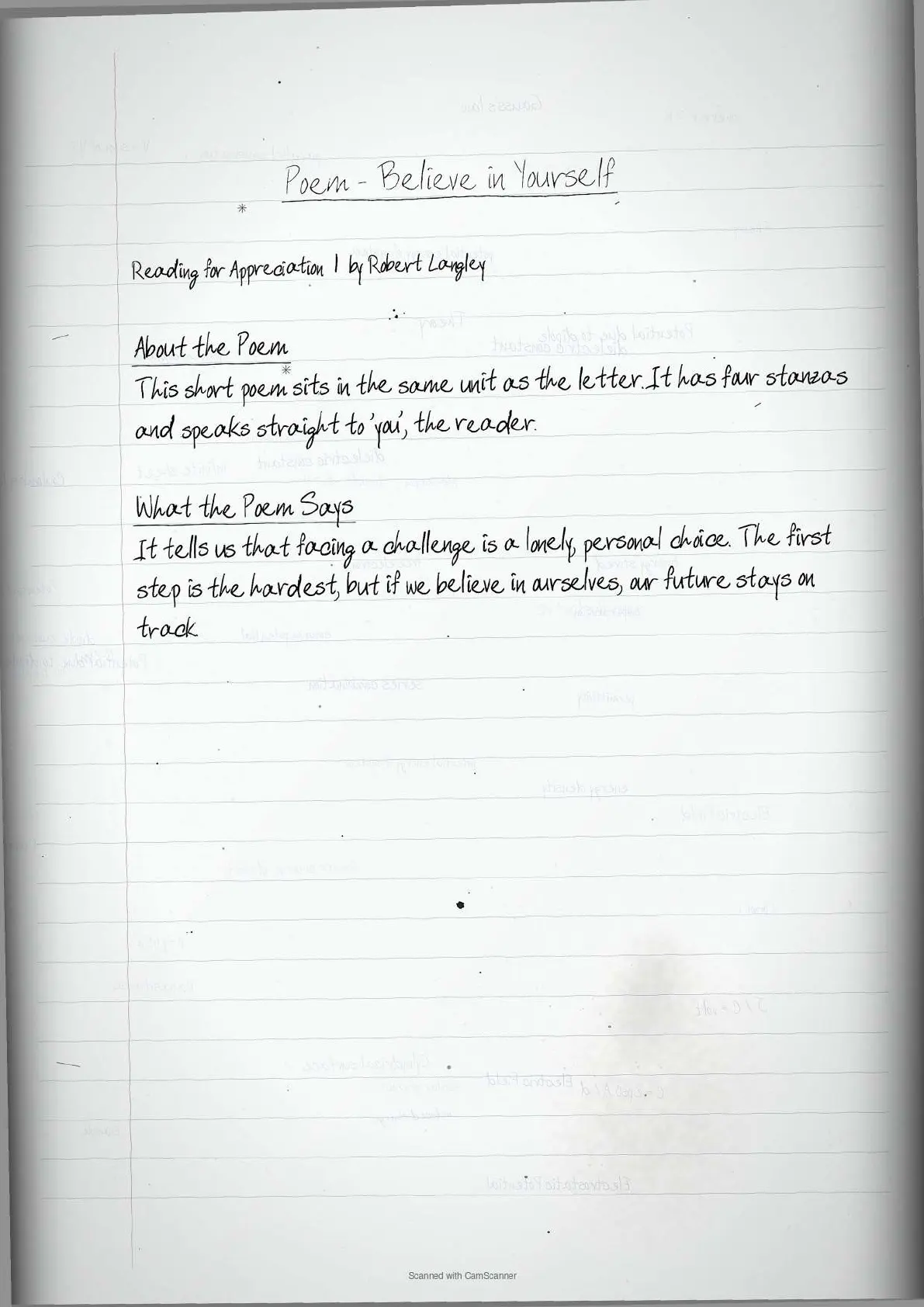
- Poet: Believe in Yourself is written by Robert Langley, in four stanzas.
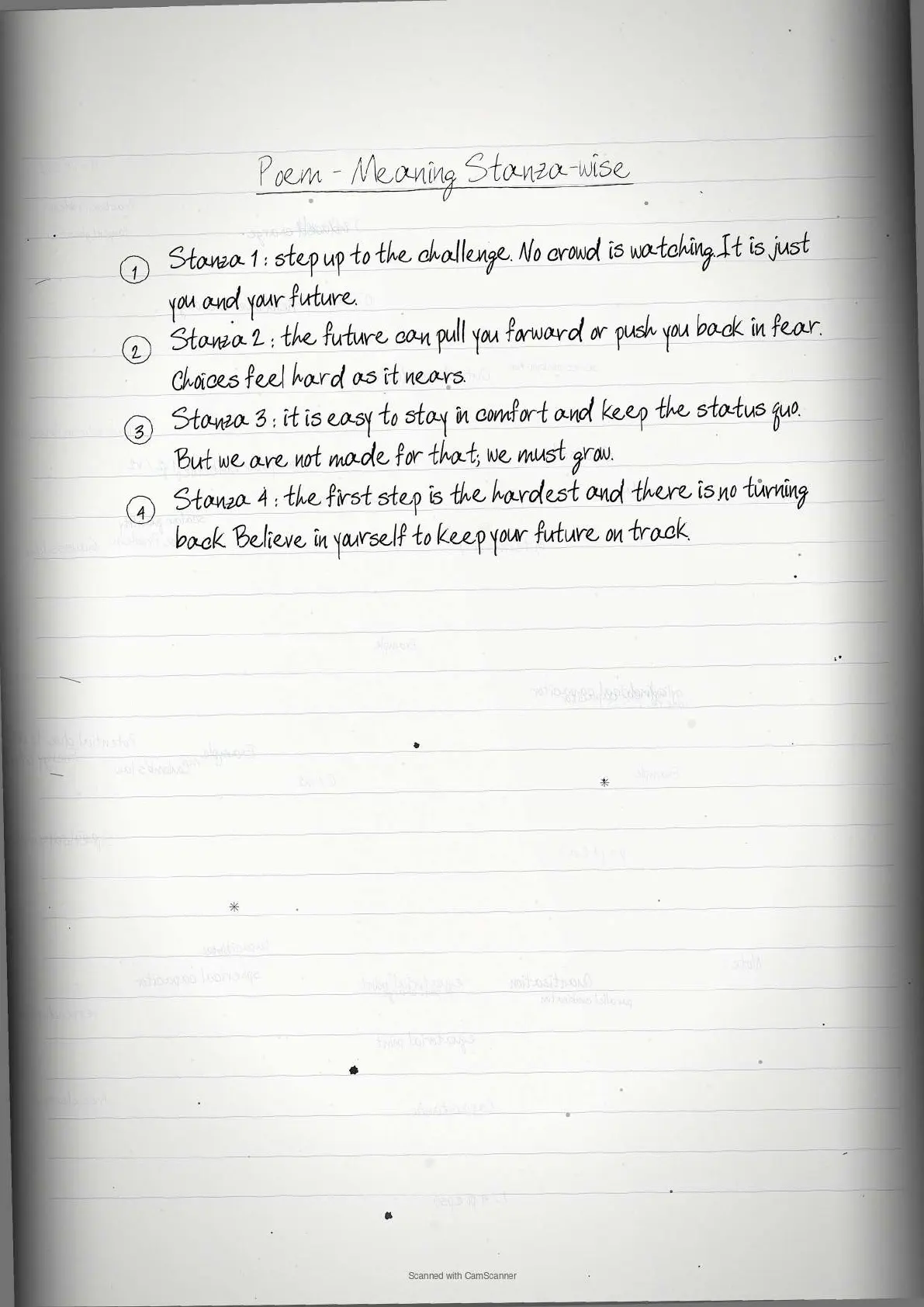
- Message: "Step up to the challenge" and take the first step, because self-belief keeps "your future to be on track".
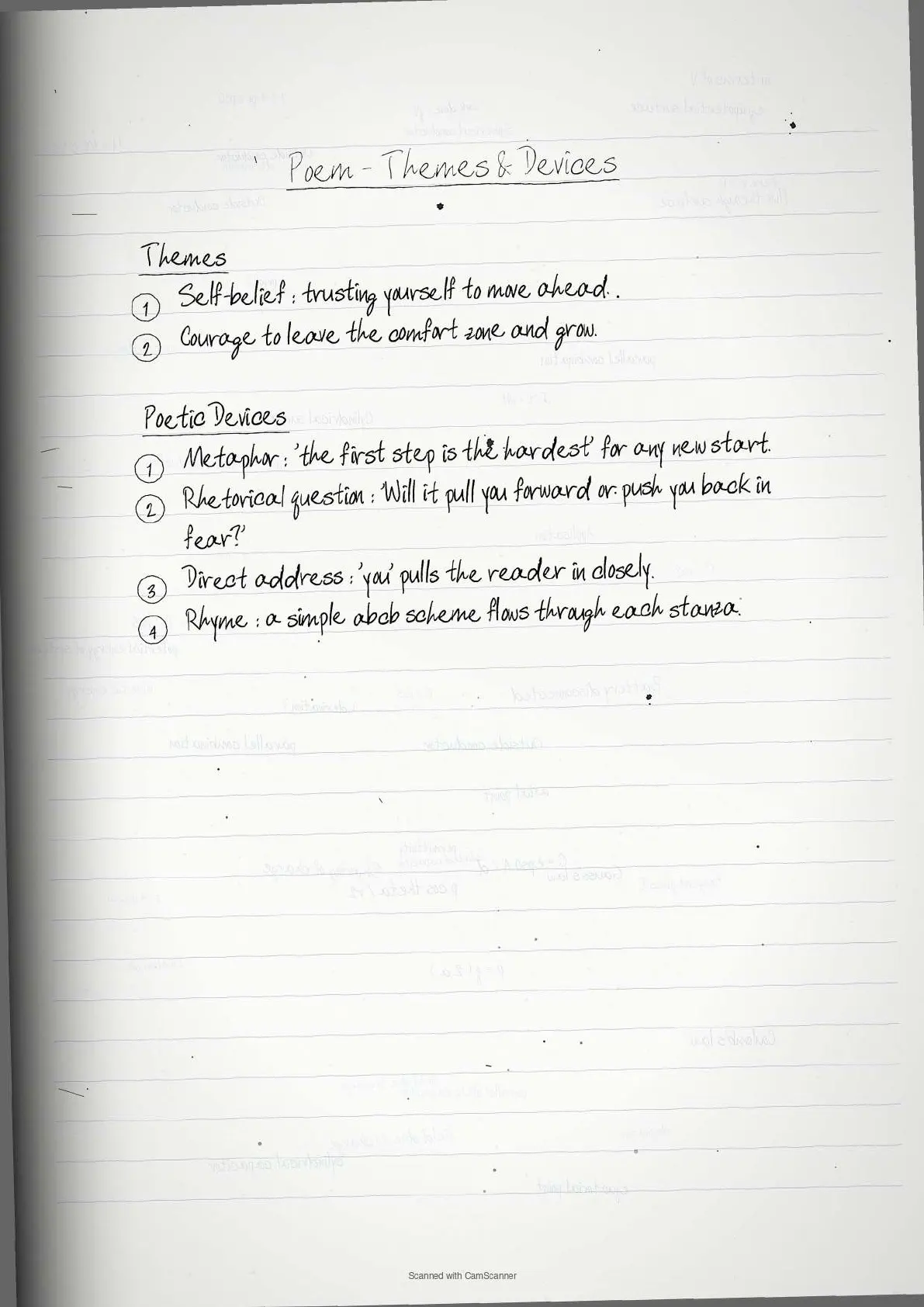
- One device: "The first step is the hardest" is a metaphor for the act of beginning; the rhyme scheme is ABCB.
Why Toppers' Handwritten Notes Help for Follow That Dream
Reading points in a real hand, with boxes and underlines, sticks in memory better than plain text.
- Faster recall: Colour marks and arrows help you picture the page during the exam.
- Exam-ready length: Points are already trimmed to what a Class 9 answer needs.
- No wasted time: The whole unit, letter plus poem, fits in a few pages you can revise in one sitting.
How to Revise Follow That Dream the Night Before the Exam
Use the notes as your final pass over the unit.
- Read the main-idea points once, then say the mother's advice aloud in your own words.
- Cover the "Who Wrote It" section and try to recall who wrote the letter, to whom, and when.
- Learn one line each on counting the cost, on the ten-year rule, and on the poem's metaphor.
More Follow That Dream Class 9 English Resources
Handwritten Notes for Class 9 English Kaveri: All Chapters
Open the handwritten notes for any other Kaveri chapter from this table.
| Chapter | Resource |
|---|---|
| Chapter 1 | How I Taught My Grandmother to Read Handwritten Notes |
| Chapter 2 | The Pot Maker Handwritten Notes |
| Chapter 3 | Winds of Change Handwritten Notes |
| Chapter 4 | Vitamin-M Handwritten Notes |
| Chapter 5 | The World of Limitless Possibilities Handwritten Notes |
| Chapter 6 | Twin Melodies Handwritten Notes |
| Chapter 7 | Carrier of Words Handwritten Notes |
| Chapter 8 | Follow That Dream Handwritten Notes |
Follow That Dream Class 9 English Handwritten Notes FAQs
Ques. Where can I download the Follow That Dream Class 9 English Handwritten Notes PDF?
Ans. You can download the Follow That Dream Class 9 English handwritten notes PDF directly from this page. Both the Normal and HD versions are free.
Ques. What do these handwritten notes cover?
Ans. They cover the main ideas of the letter, who wrote it and to whom, the message of counting the cost of a dream, and the companion poem Believe in Yourself, all in an easy-to-revise hand.
Ques. Who wrote the letter Follow That Dream?
Ans. The letter was written by Irene Chua to her daughter Ming on 19 June 1995, and is taken from her collection My Daughter, My Friend.
Ques. Are these notes good for last-minute revision?
Ans. Yes. The whole unit, letter and poem, is trimmed to a few marked pages, so you can revise Follow That Dream in one short sitting before the exam.
Ques. Are these handwritten notes aligned with the 2026-27 syllabus?
Ans. Yes. Follow That Dream is Unit 8 of the Kaveri textbook in the 2026-27 NCERT syllabus, so these notes are fully valid for the Class 9 English exam.



Comments