




These Globalisation handwritten notes turn the whole worldwide-interconnectedness chapter into clean, handwritten pages for fast last-minute revision. They follow the 2026-27 CBSE syllabus and Chapter 7 of Contemporary World Politics. Students get the key terms, the causes, the role of the state and the culture debate in a pen-on-paper format that is easy to skim before a test.
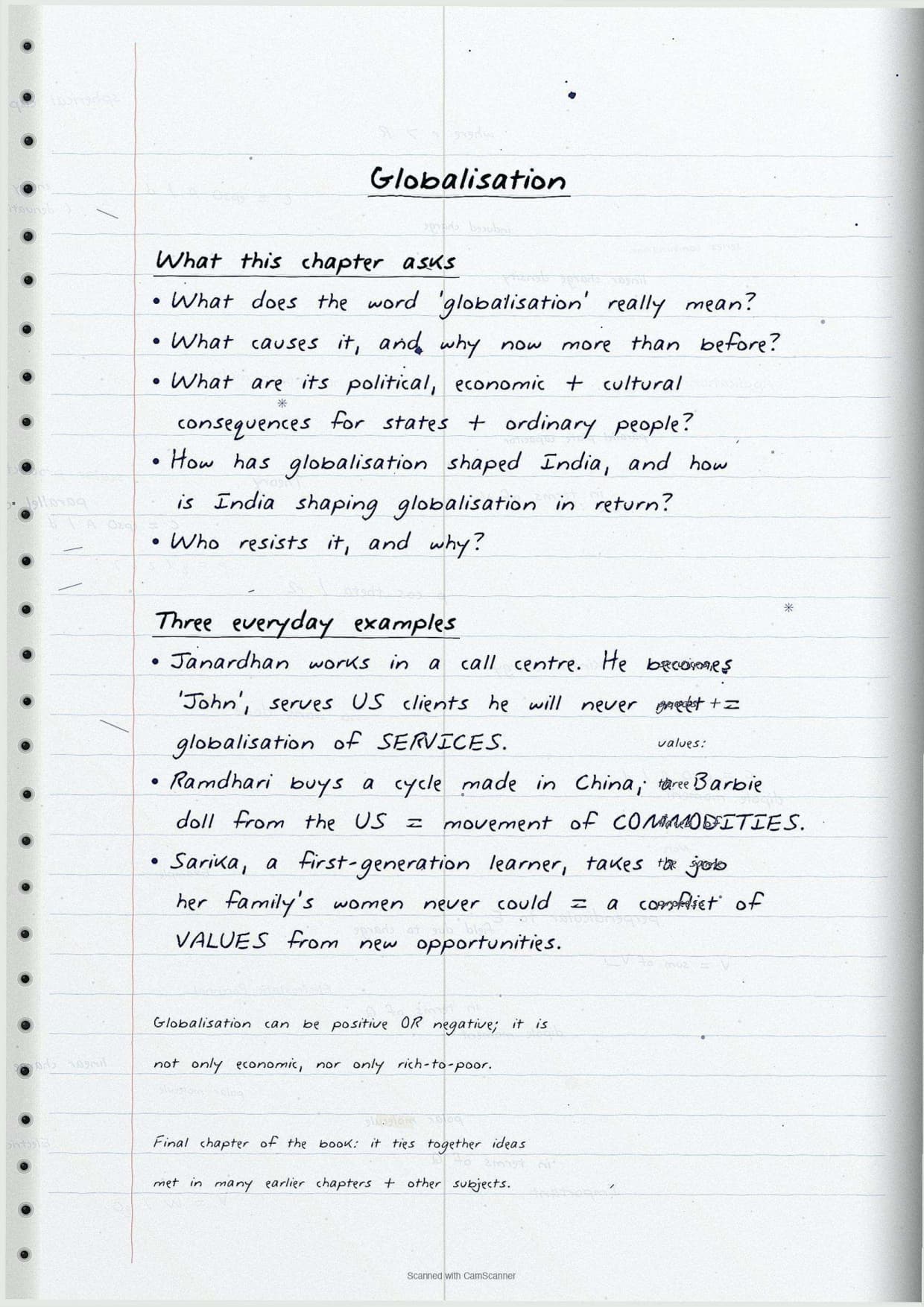
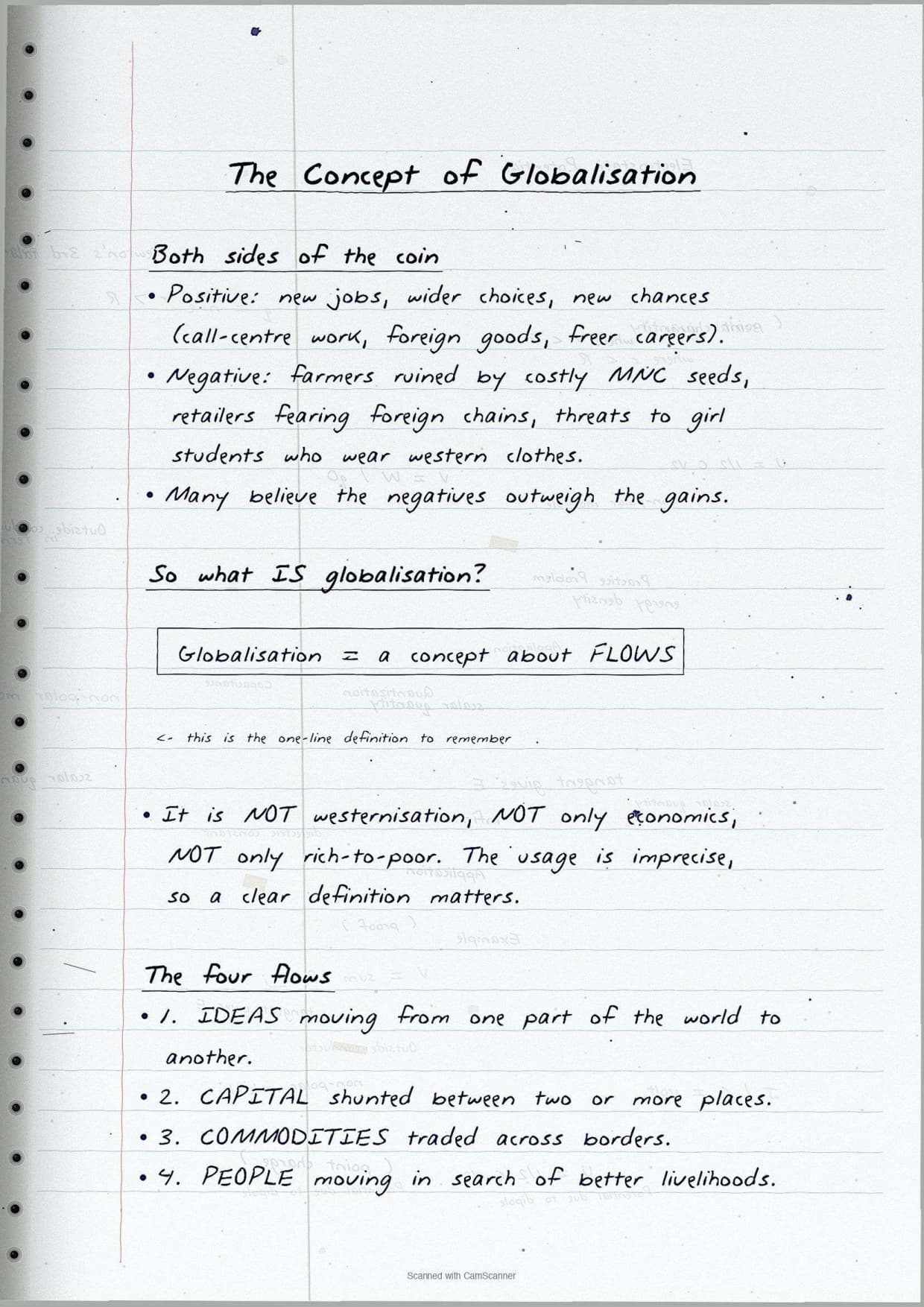
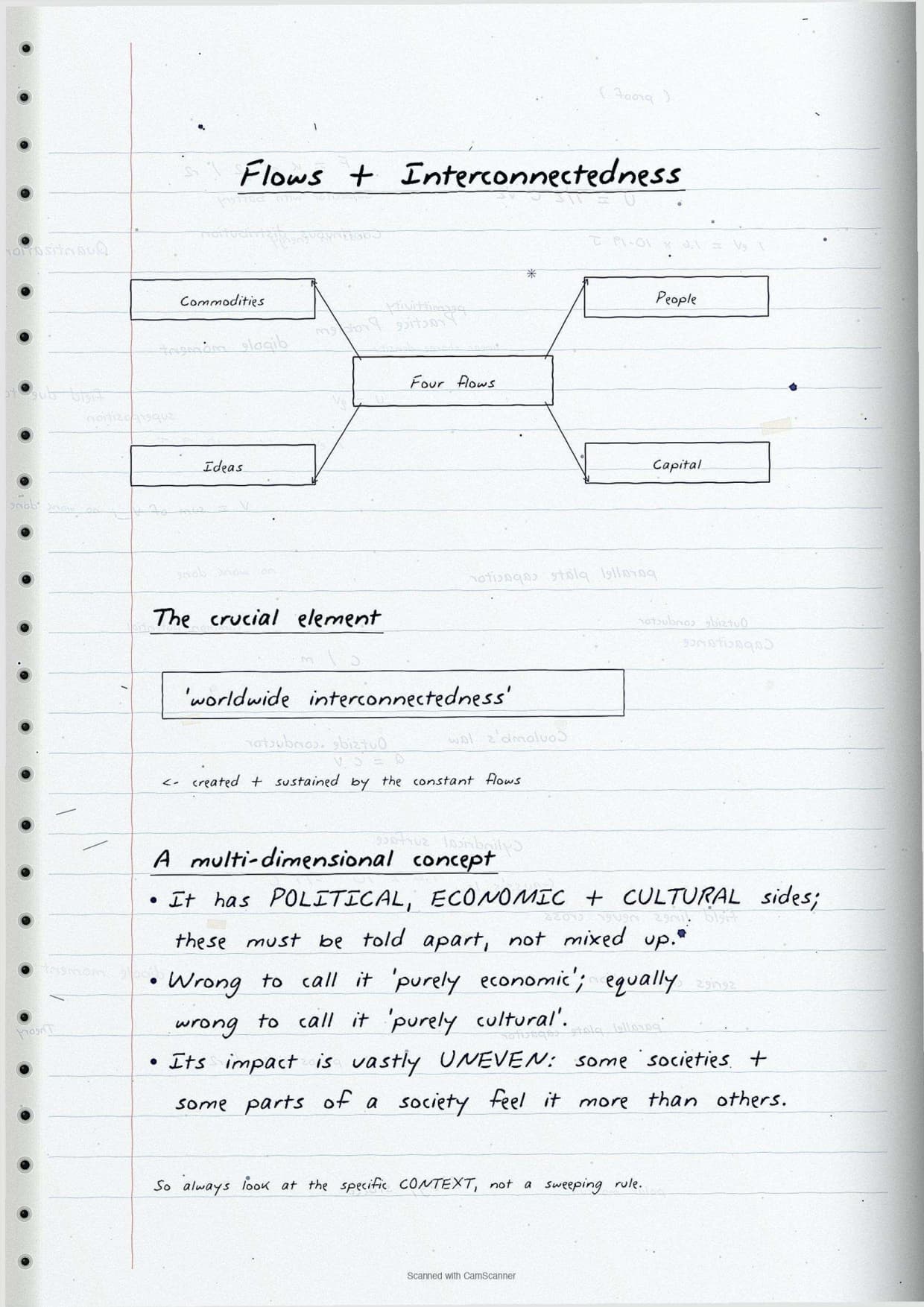
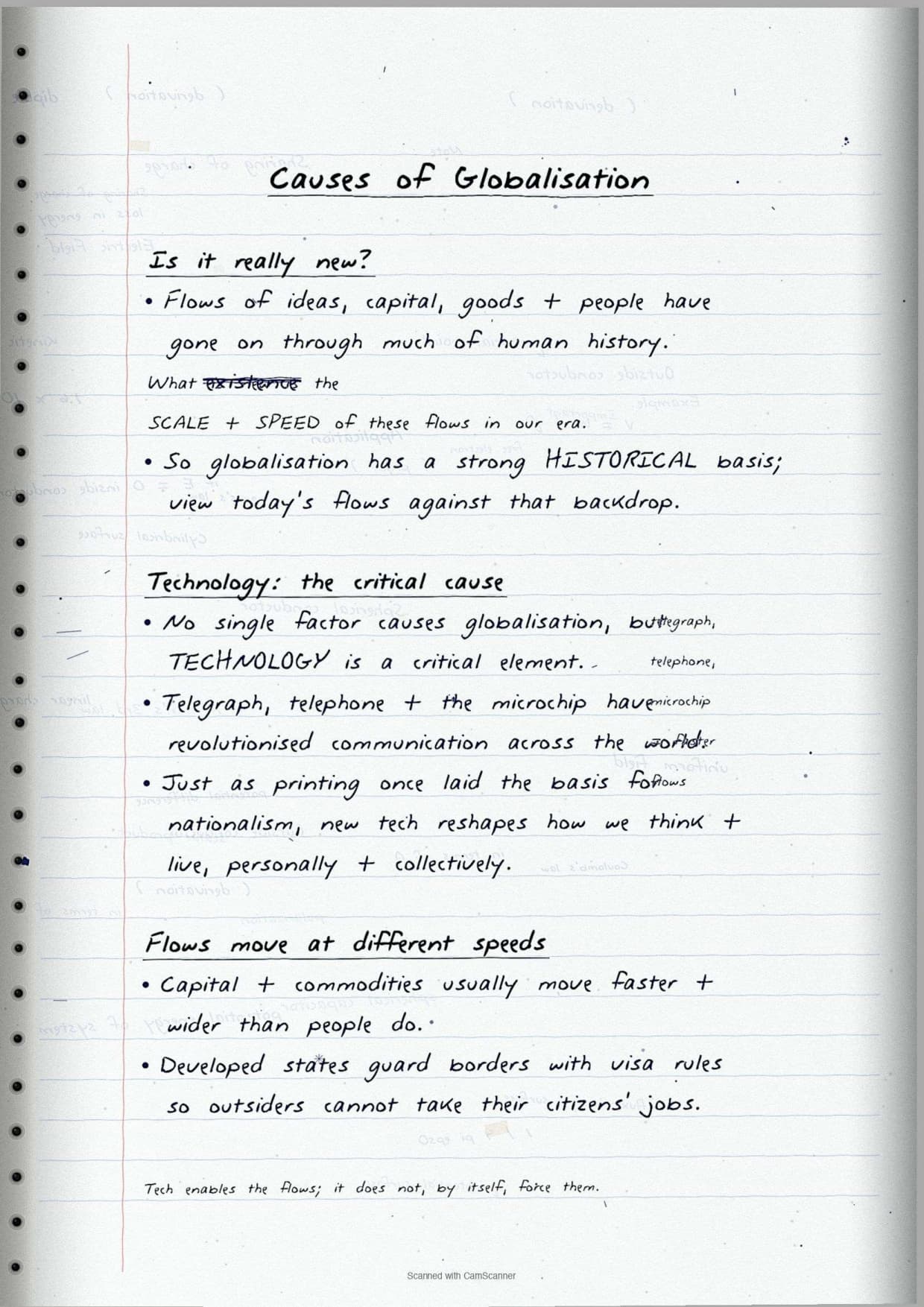
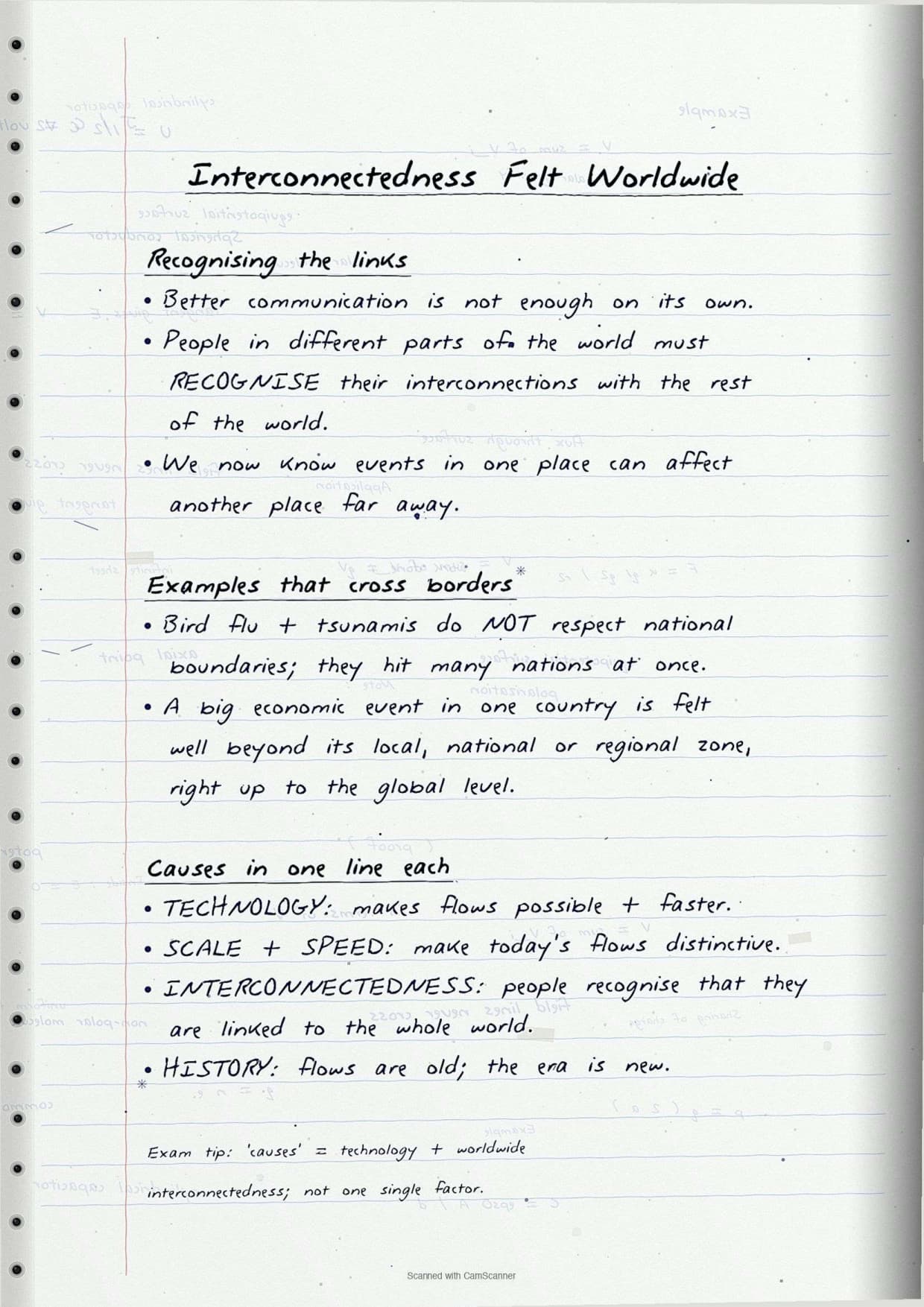
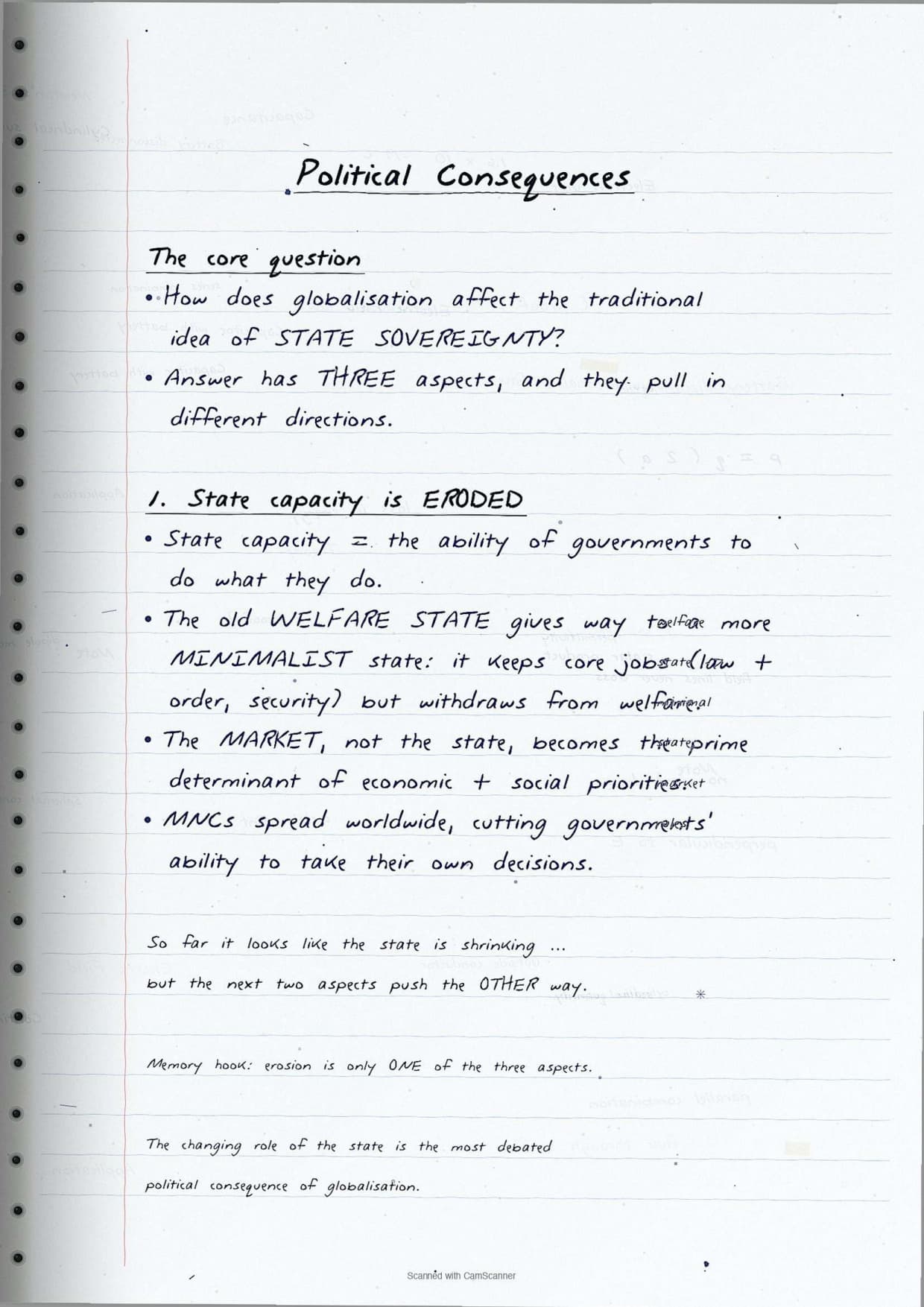
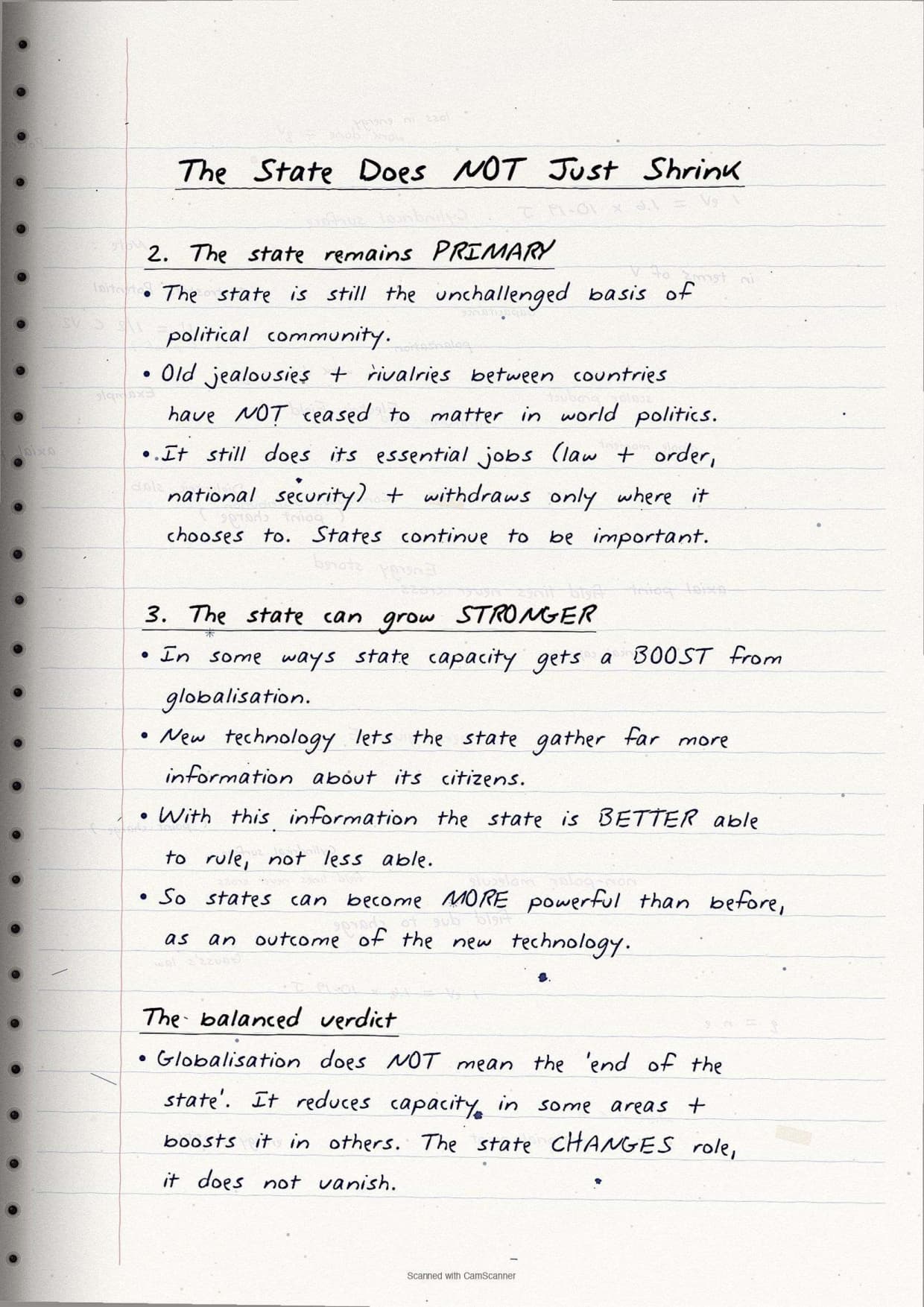
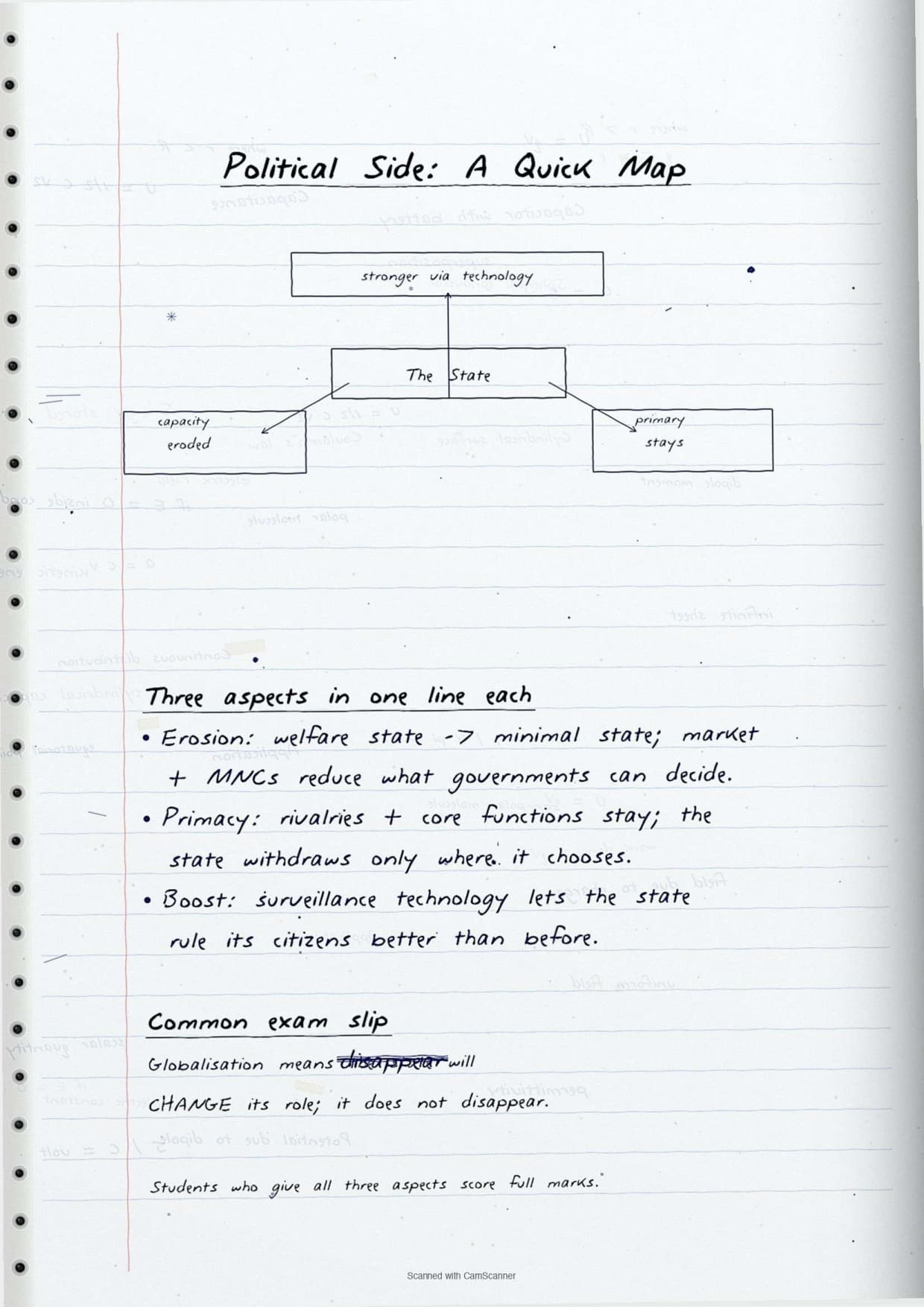
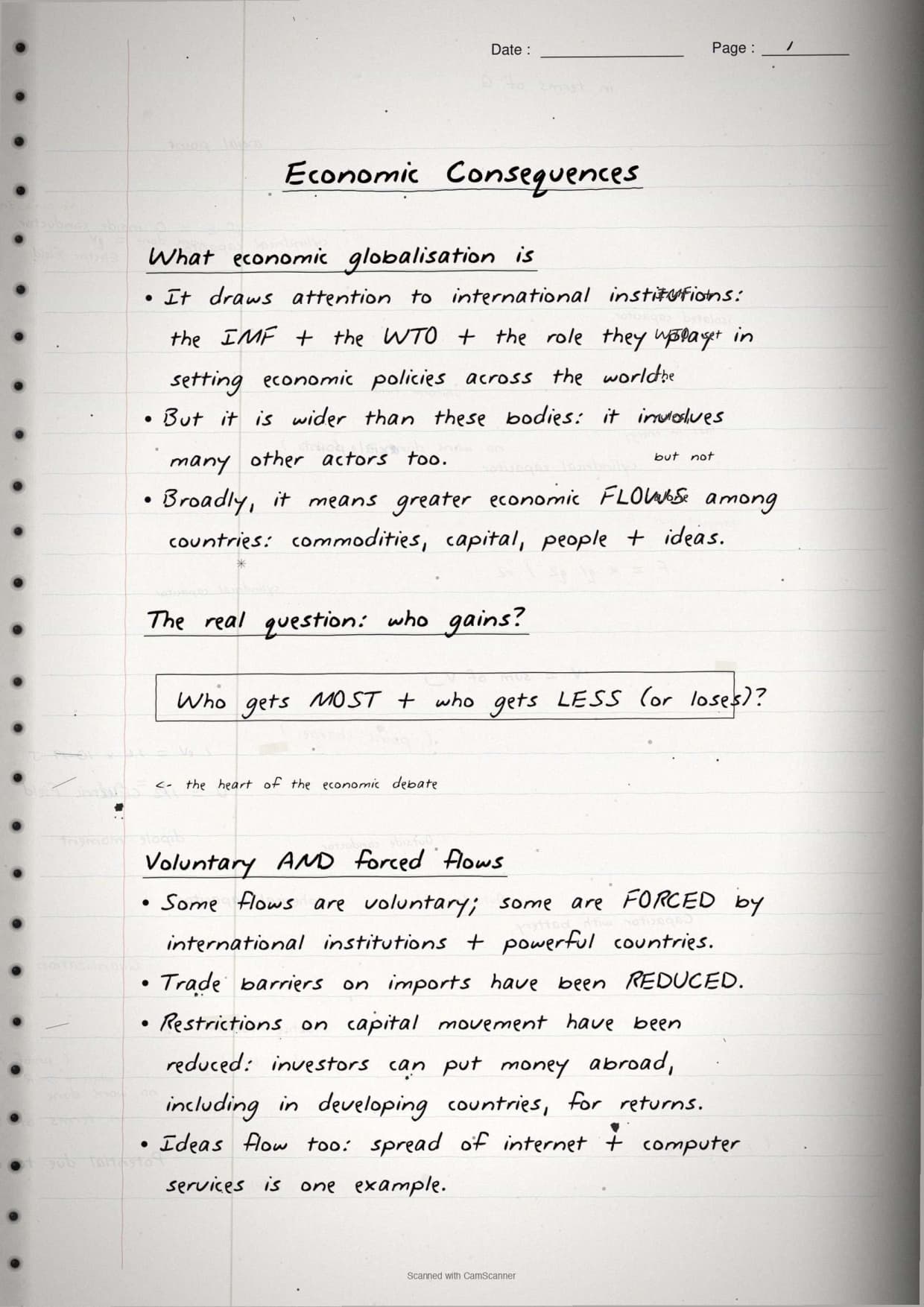
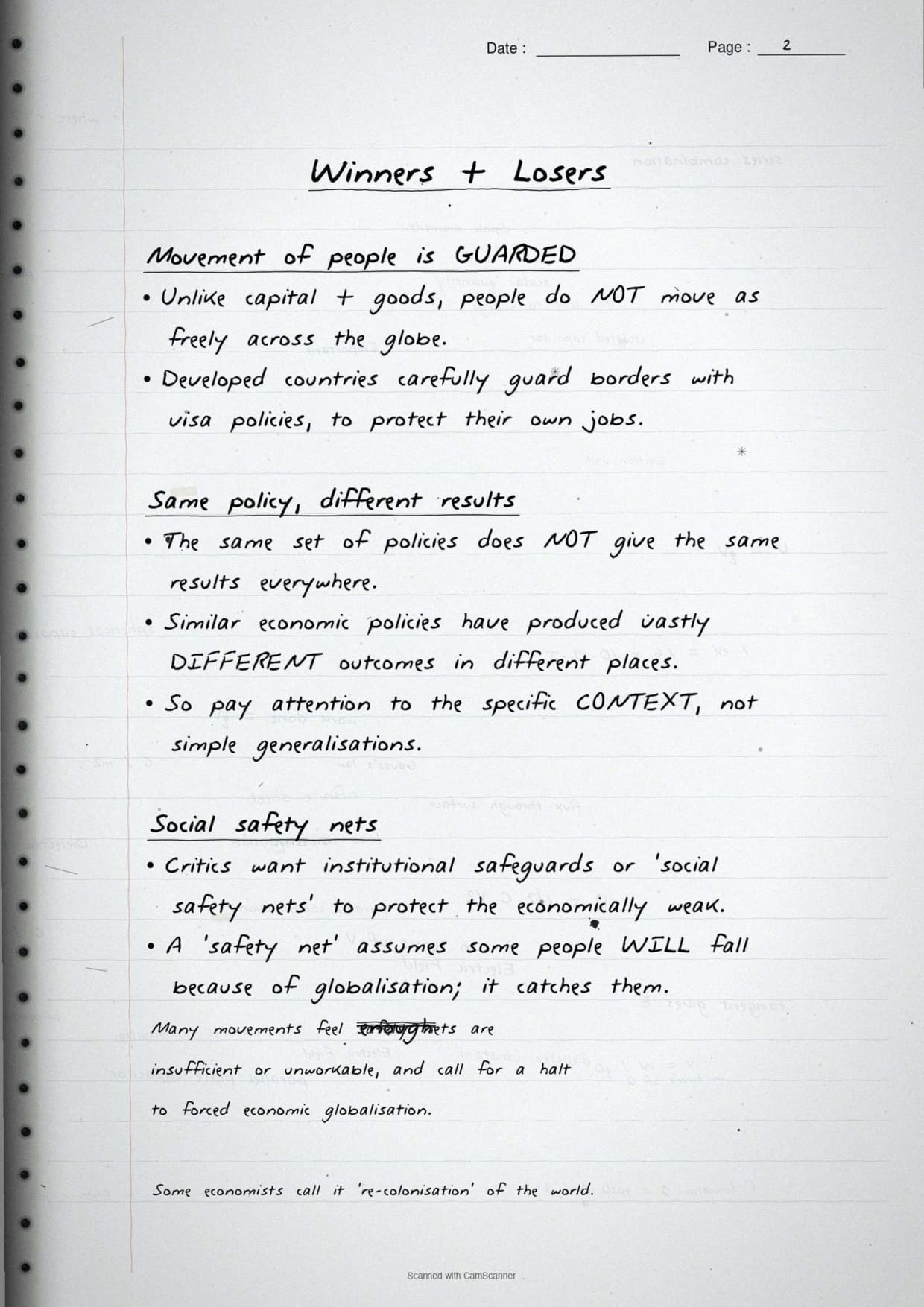
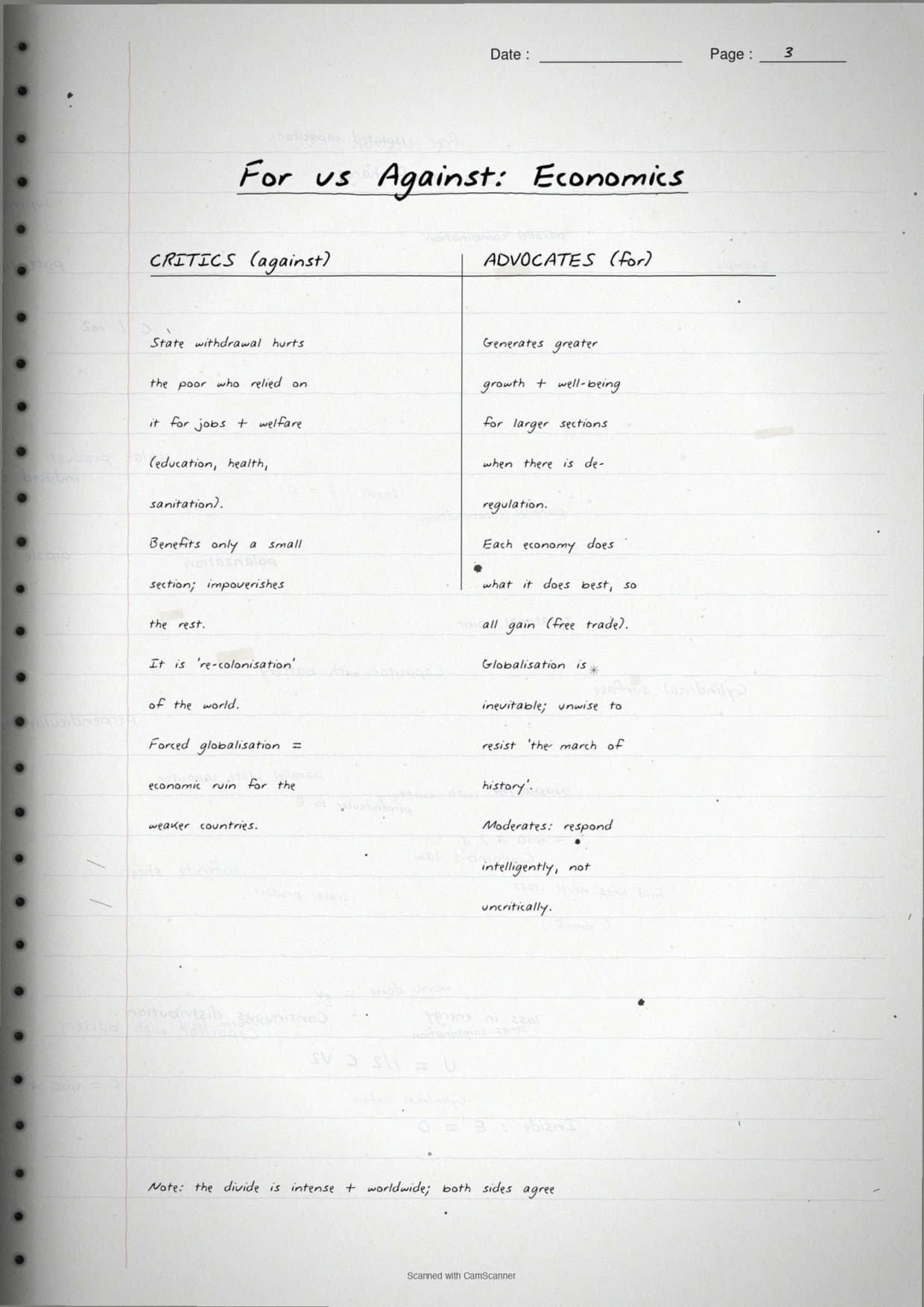
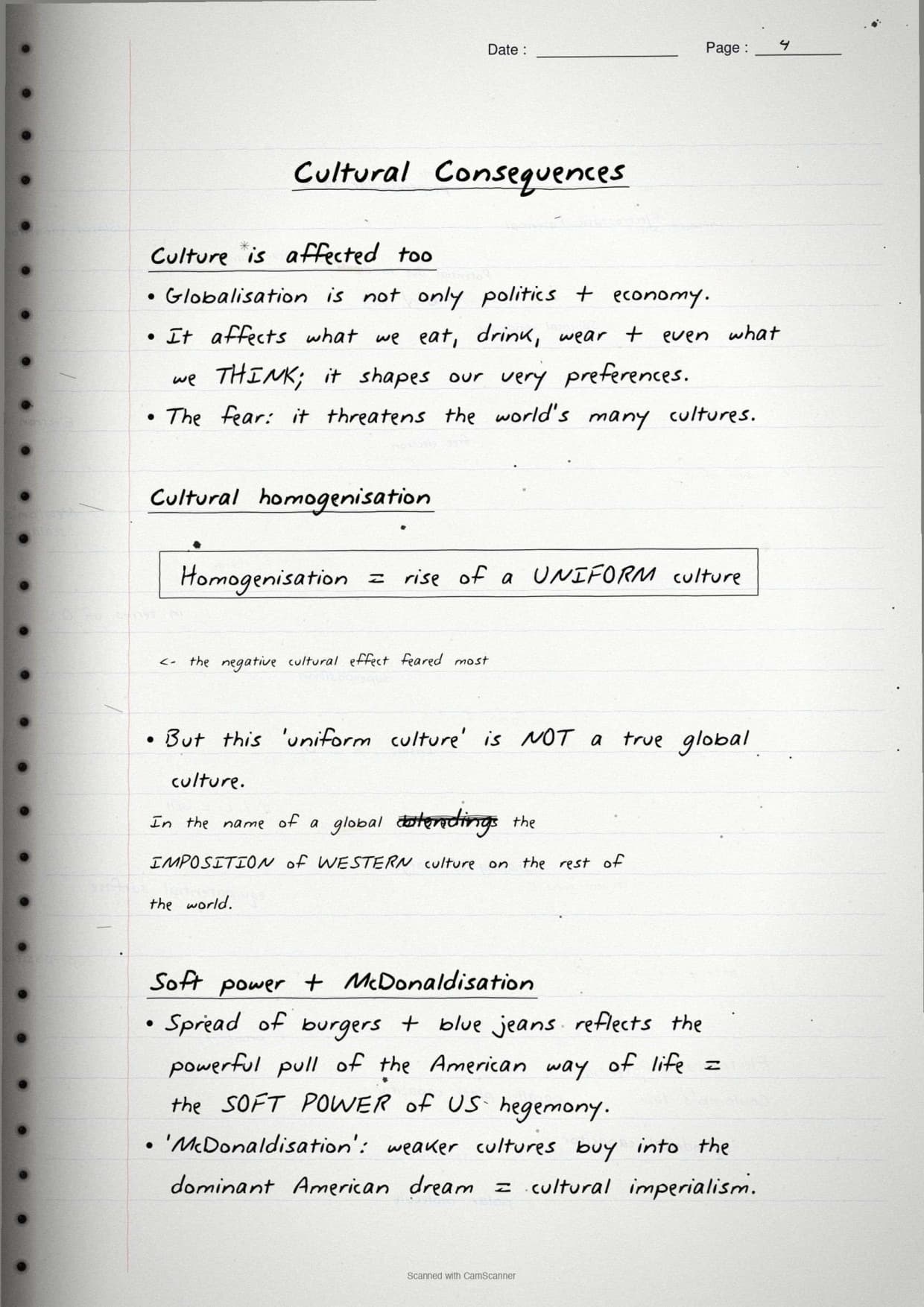
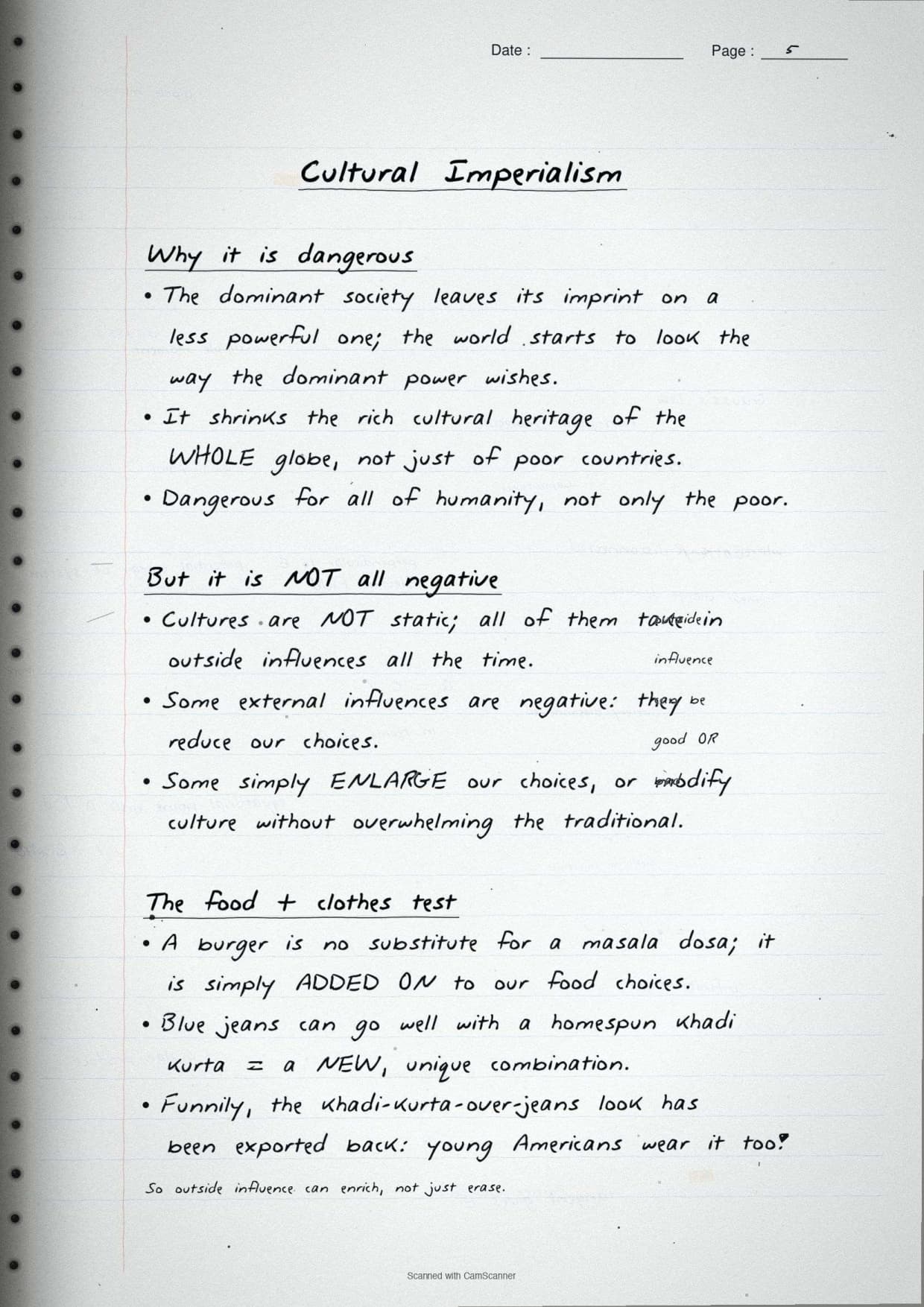
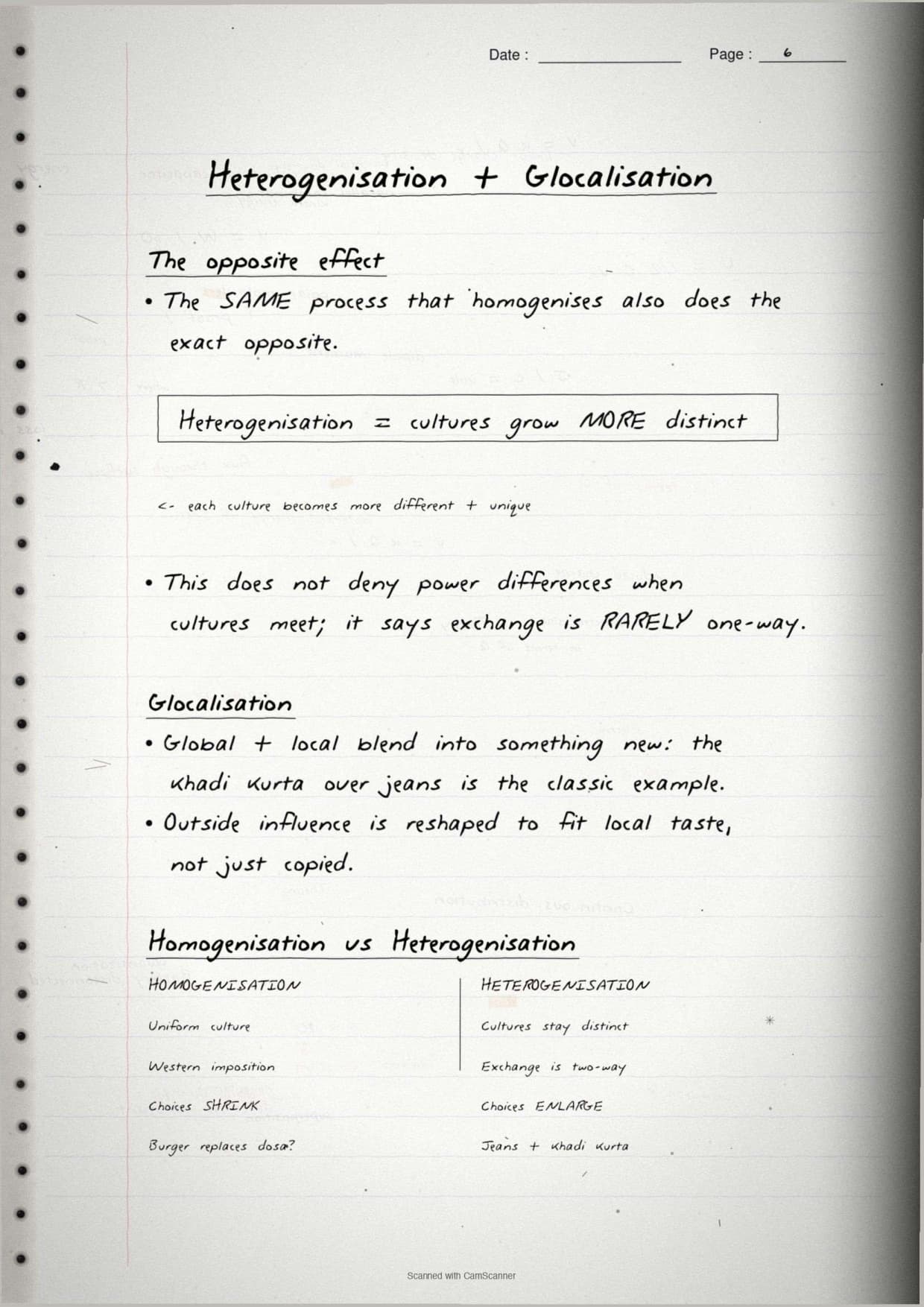
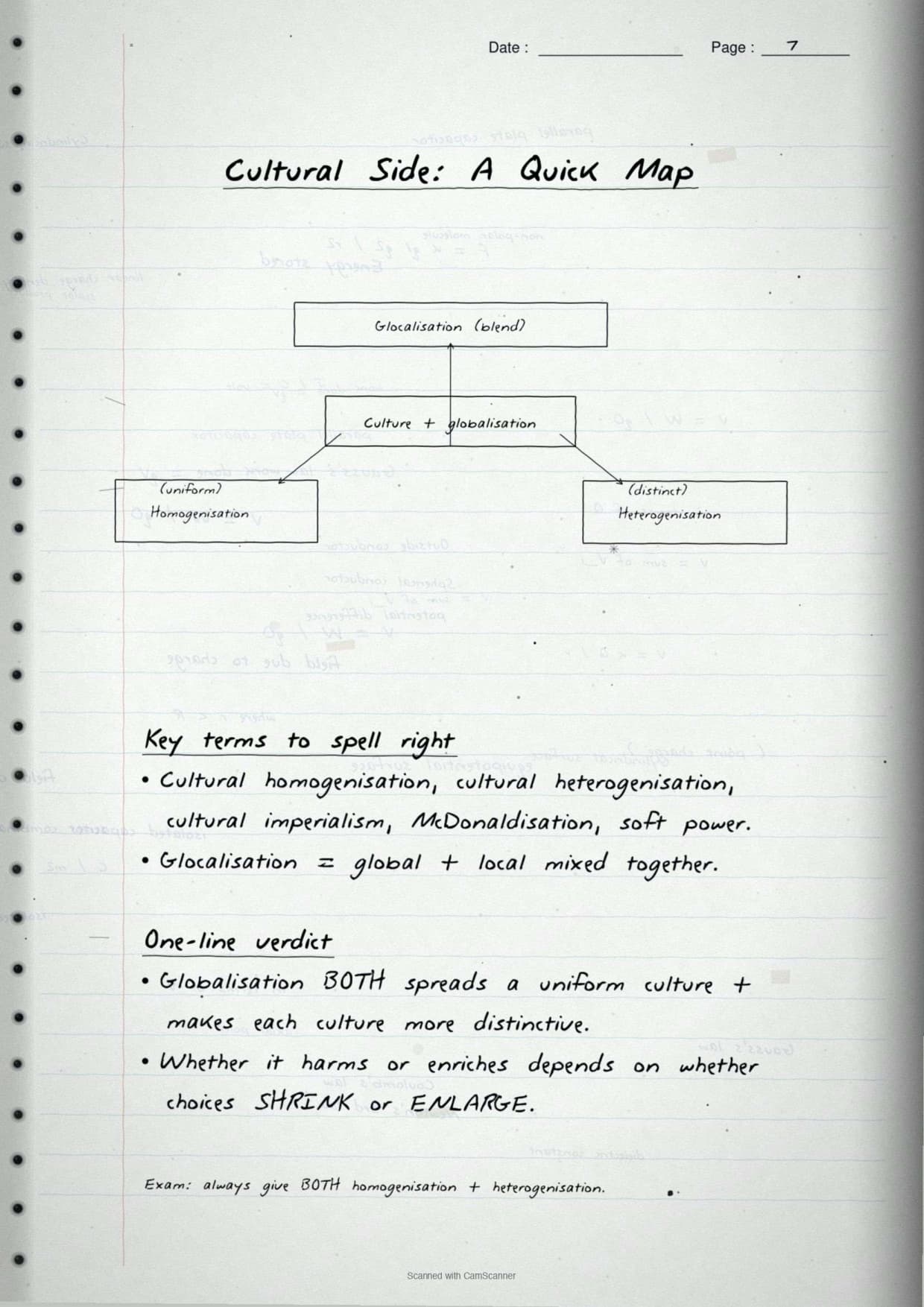
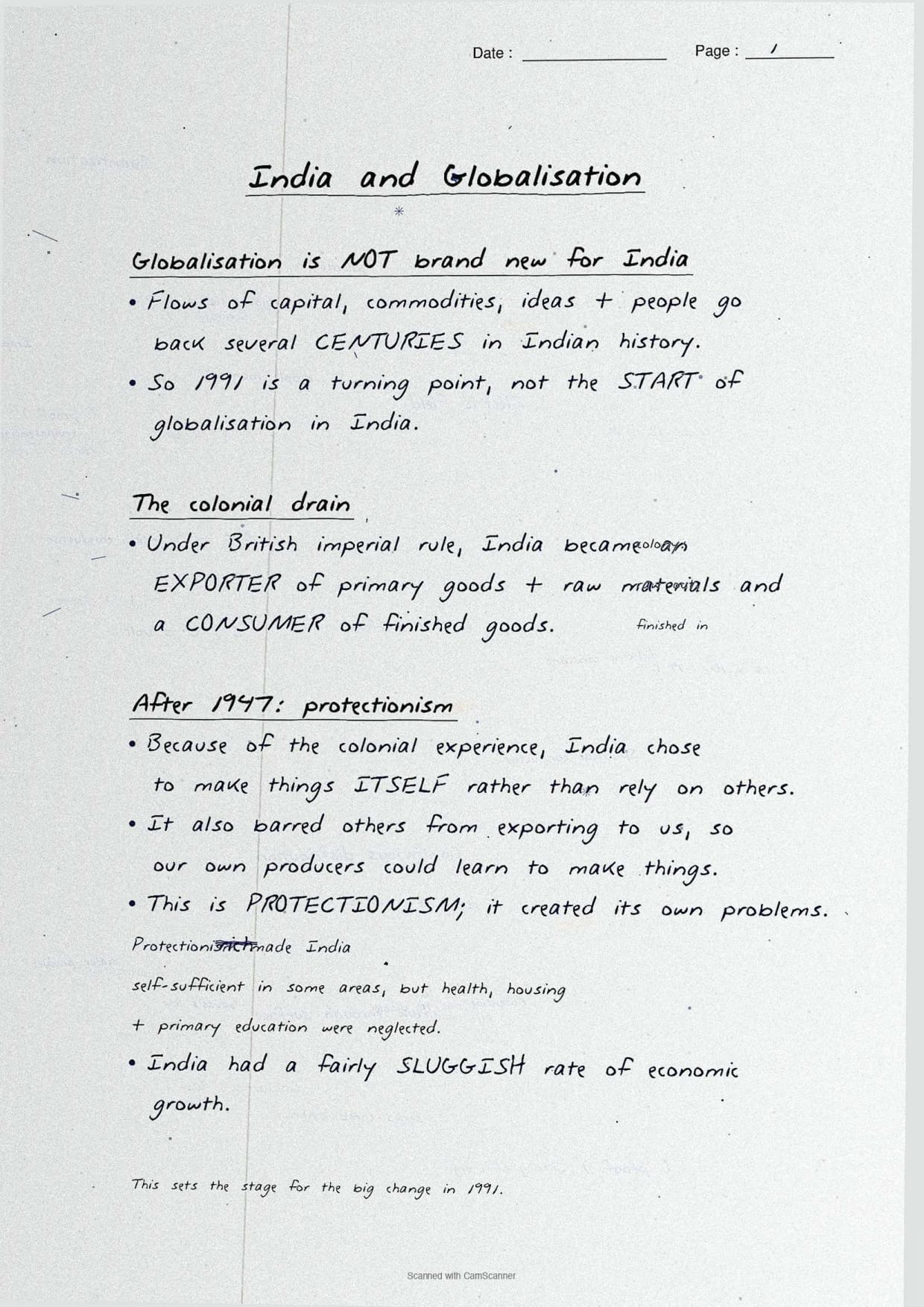
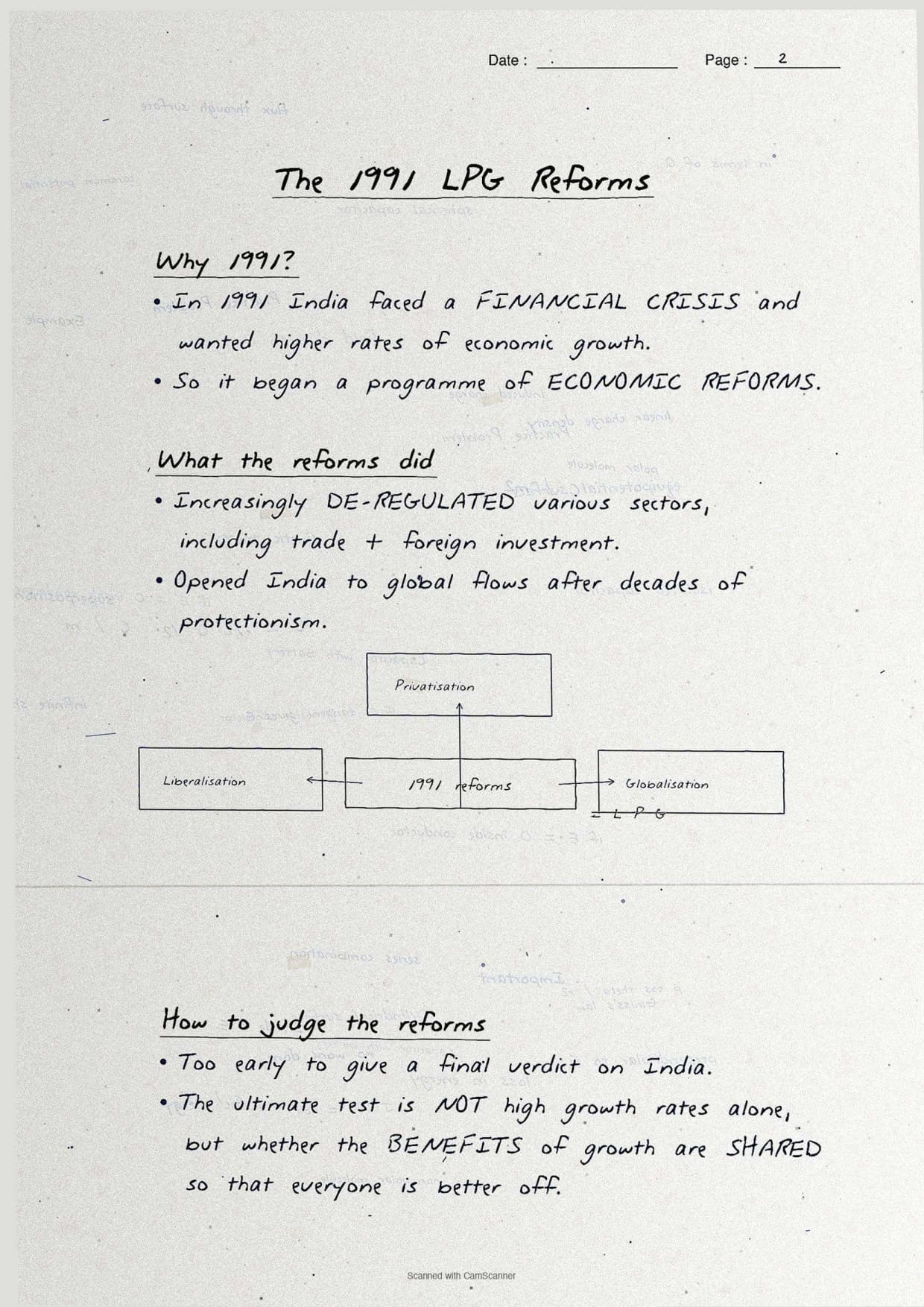
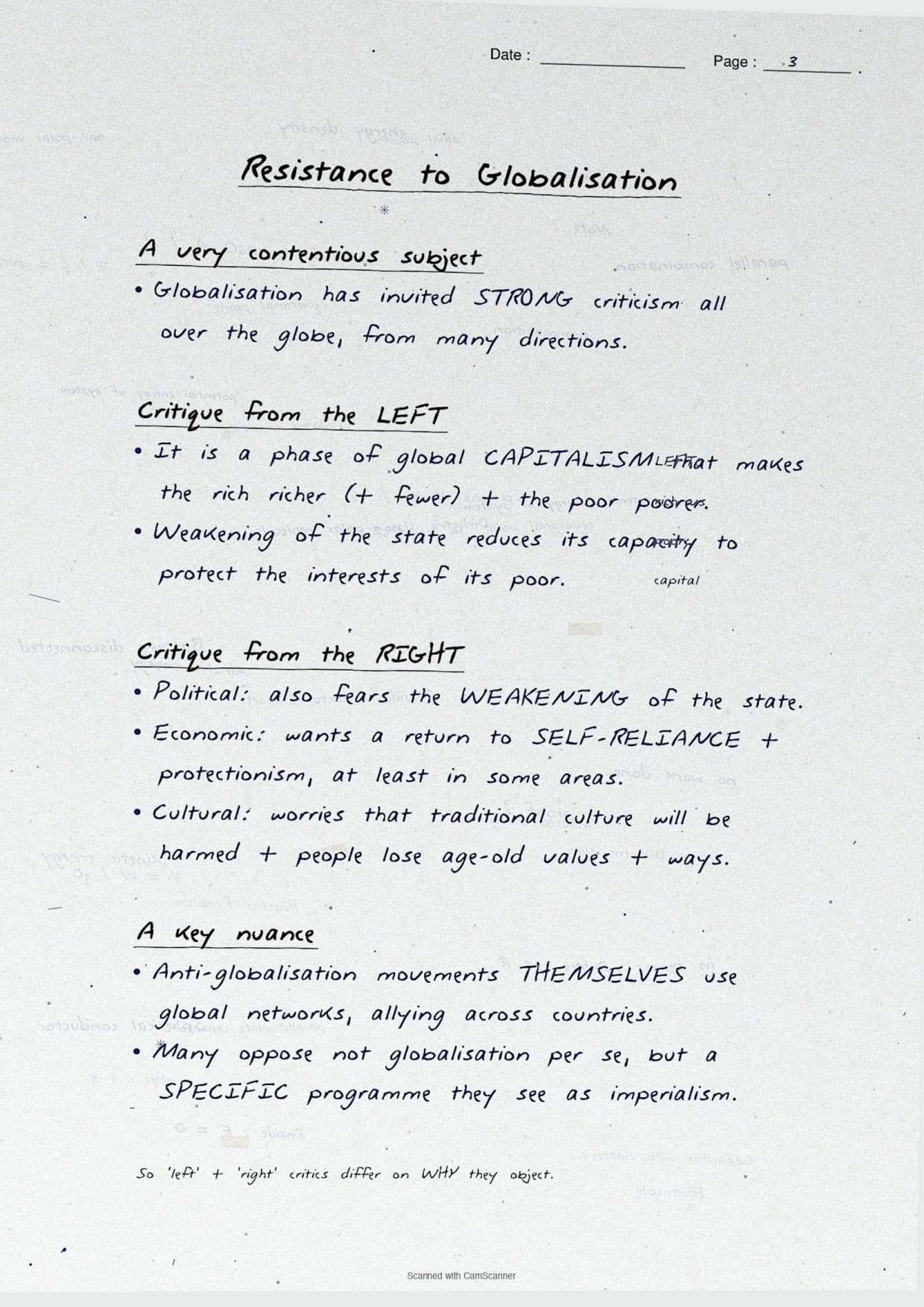
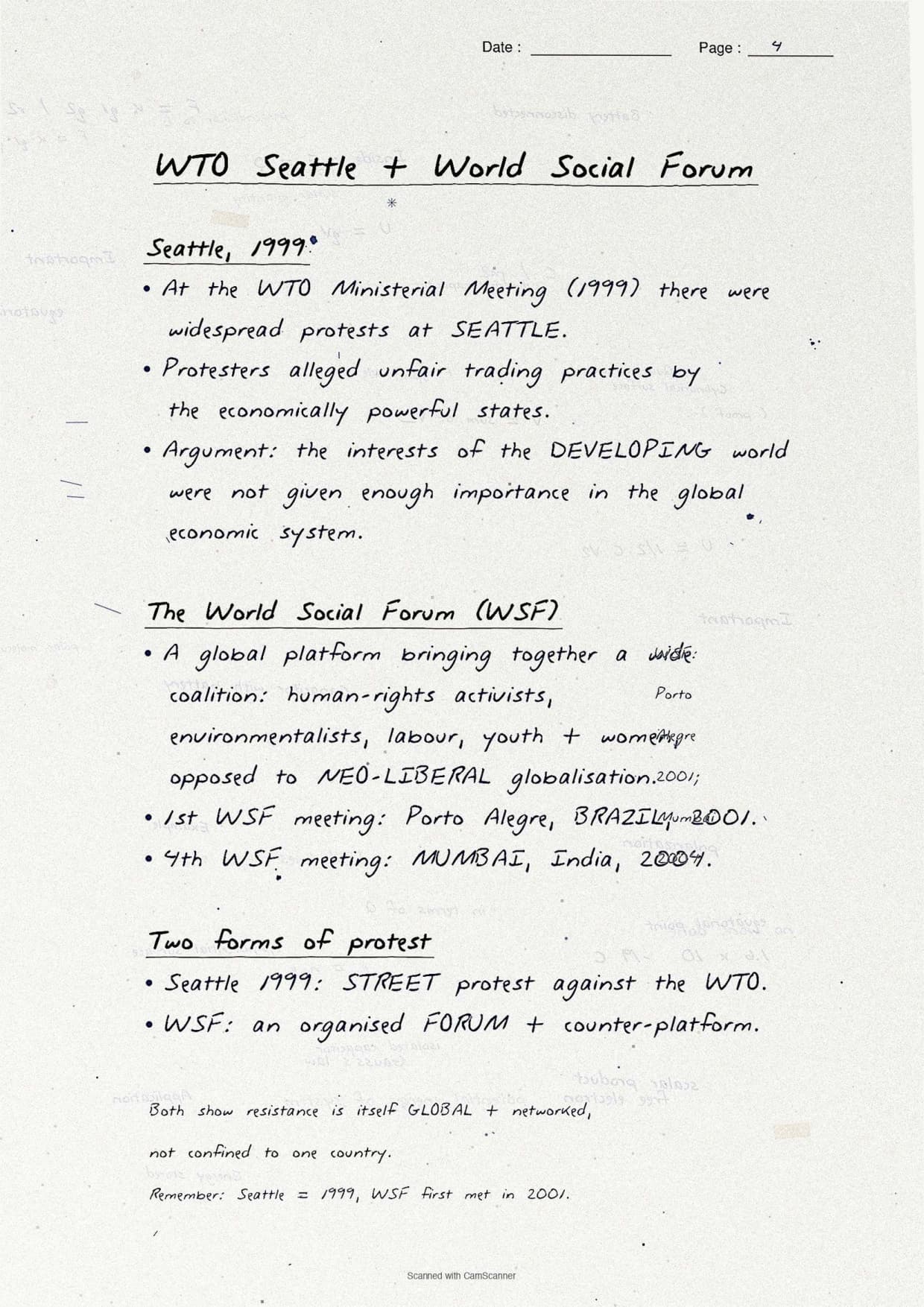
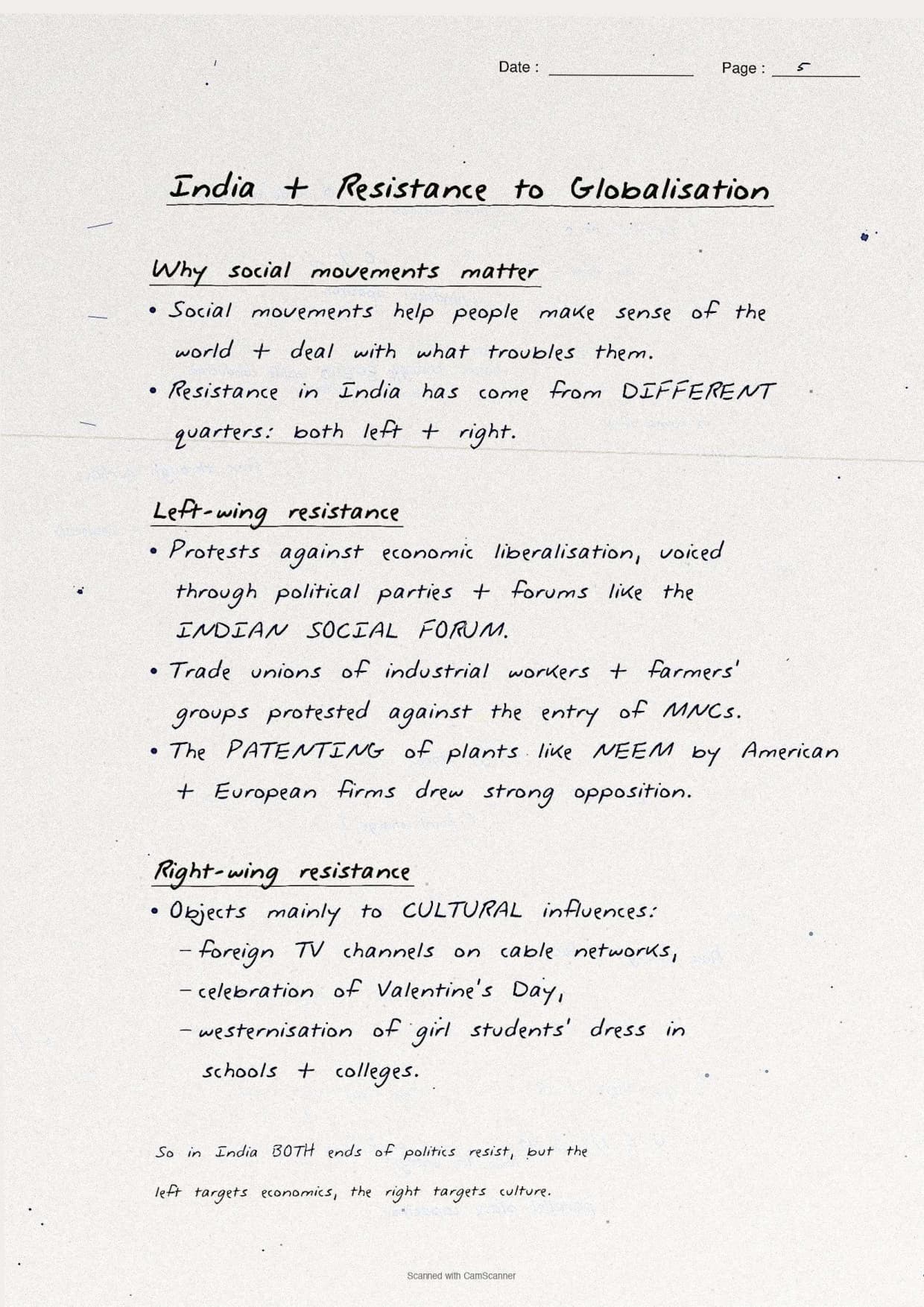
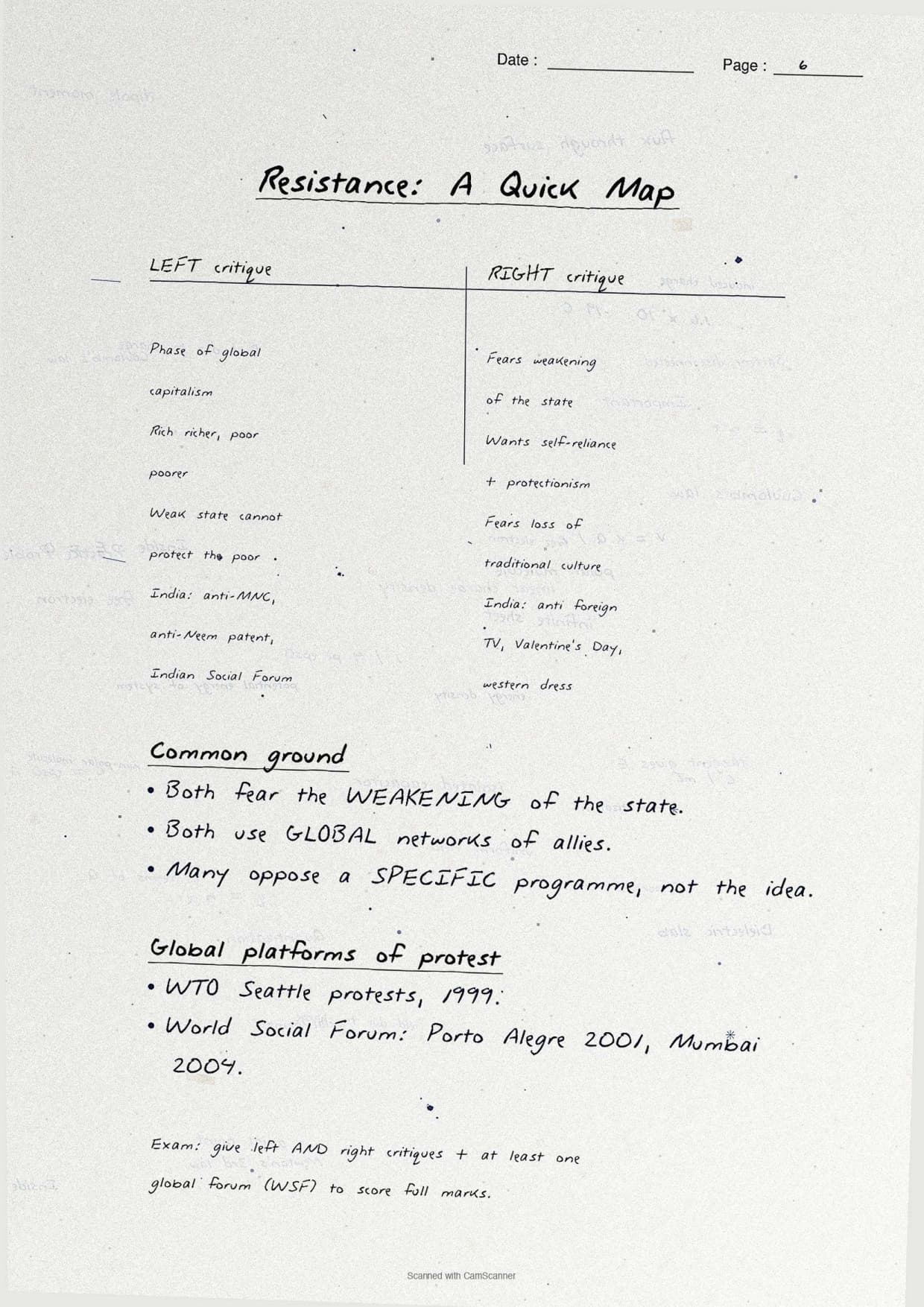
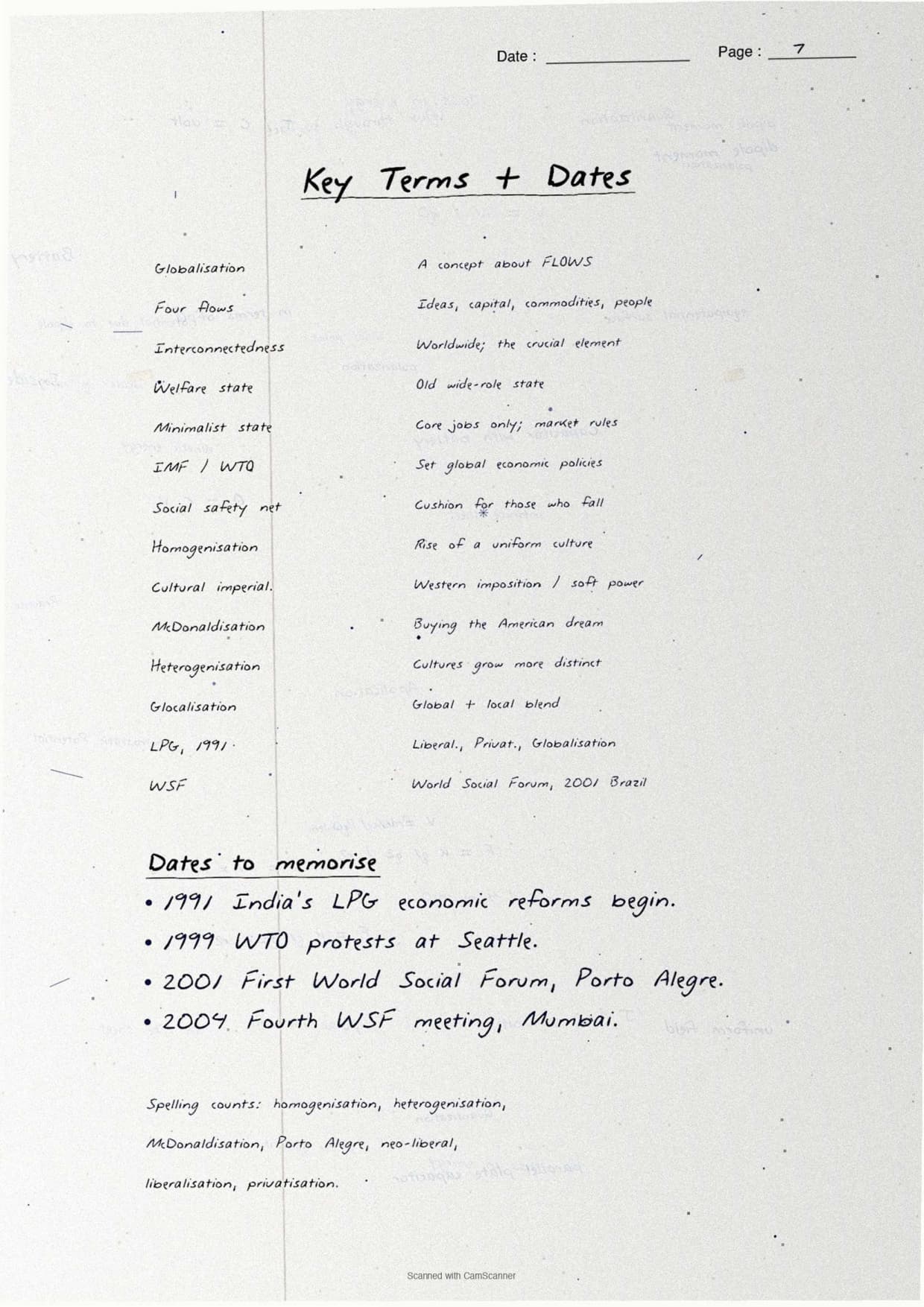
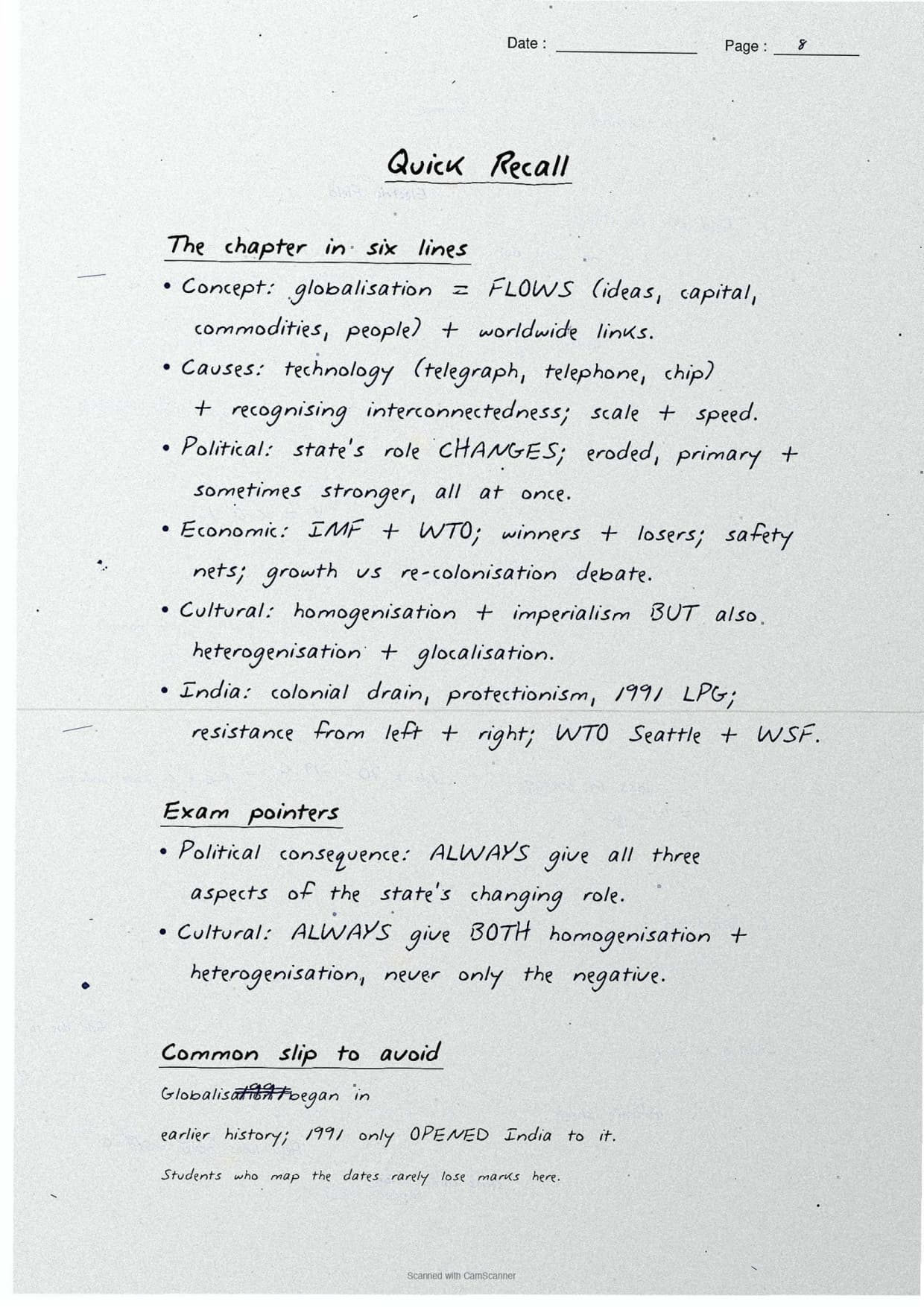
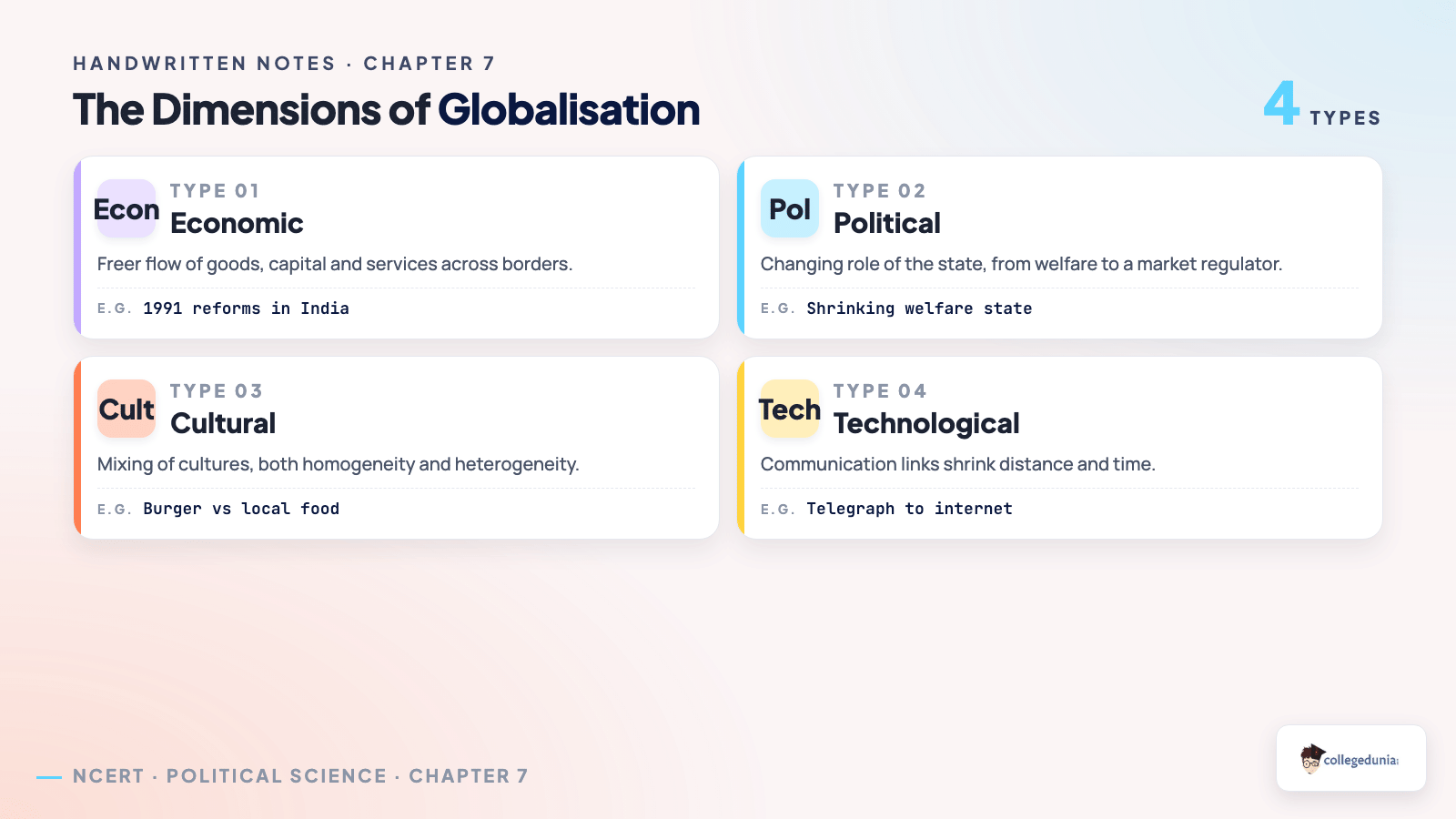
- Handwritten pages with boxed key terms and a labelled dimensions chart.
- This Class 12 Political Science chapter usually carries 5 to 6 marks in the board paper.
- Pairs with the NCERT Solutions, Notes and Book PDF linked lower on this page.
These Globalisation handwritten notes are prepared from the official NCERT Contemporary World Politics textbook and checked against the last five years of CBSE board papers.
Student Feedback: In a Collegedunia poll of 7,690 Class 12 Political Science students before the 2026 boards, 74% of students said handwritten notes felt faster to revise from than printed text for this chapter. Most students used the boxed dimensions chart to recall the multi-dimensional answer in the exam.
Source: 2026-27 Class 12 Political Science student poll. Sample of 7,690 students from CBSE schools across 12 states.
|
Table of Contents |
What These Handwritten Notes Include
Globalisation is the last chapter of Contemporary World Politics. It studies worldwide interconnectedness, the flow of ideas, capital, goods and people across the world, a process the chapter calls multi-dimensional. These handwritten notes condense the chapter into pages a student can read in one sitting.
Every page is built around the three threads of the chapter:
- Meaning pages cover what globalisation is and its main flows.
- Effects pages cover the state, the economy and culture.
- India pages cover the 1991 reforms and India's two-way impact.
Because the notes are handwritten, the key terms sit in boxes and the causes are underlined, so the eye jumps straight to them. This makes the Globalisation handwritten notes ideal for a last revision when there is no time to read full paragraphs. Sort each fact under meaning, effects or India, and the whole chapter falls into place.
Meaning and Components Pages
The meaning pages start with what globalisation is. The notes keep the four key flows as a boxed list so students can copy them straight onto the answer sheet. Each term is underlined so it stands out at a glance.
- Flow of capital: money and investment move quickly across countries.
- Flow of commodities: goods are made and sold across the world.
- Flow of people: migration of workers and movement across borders.
- Flow of ideas: the spread of beliefs, knowledge and ways of life.
The notes box the most-tested point in red ink: globalisation is multi-dimensional, not purely economic. A small arrow links this to the MCQ that asks which statement is true, so students recall that "multi-dimensional phenomenon" is the right line. This makes the quick MCQ marks easy to secure.
Causes and Technology Pages
The causes pages carry the heart of the chapter. The notes list the drivers as a boxed table with a small icon next to each, so students can describe the rise of globalisation in detail. The table below mirrors what the pages box for quick revision.
| Cause | What it meant |
|---|---|
| Technology | The telegraph, telephone and microchip shrank distance and time across the world. |
| Faster communication | Ideas, news and money now move almost instantly between countries. |
| Worldwide flows | Capital, goods, services and people cross borders more easily than before. |
| Not one nation | Globalisation is not owned by one community or one country alone. |
The pages box the single sharpest point in the margin: technology is the deepest cause, but globalisation belongs to no single nation. A hand-drawn arrow links the communication revolution to the worldwide flows it set off. This cause-and-effect split is what turns an average answer into a full-marks one.
The State and the Globalisation Debate Pages
These pages keep both sides of the state-and-globalisation debate side by side, because students often over-simplify it. The notes give one line for each side so you never claim the state simply disappears.
- Welfare shrinks: the state spends less on welfare and steps back from the economy.
- Markets lead: the market decides more of what is made and sold.
- State stays vital: the state remains the chief authority on law, order and security.
- New tools: better technology can make the state stronger in some areas.
The margin note underlines the honest line: globalisation gives the state a mixed role, not a smaller one across the board. A boxed for-and-against split shows advocates who argue for growth against critics who fear disparity. Redrawing this debate box once fixes both sides in memory for the long answer.
Culture and the Impact on India Pages
The last set of pages covers culture and India. The notes give the cultural debate first, then box the India effects, because the exam wants both before any judgement. A small "burger vs local food" sketch helps students remember the culture mix.
- Culture: globalisation brings both homogeneity and heterogeneity at once.
- 1991 reforms: India opened to freer trade, capital and foreign investment.
- Two-way impact: India also shapes globalisation through software and services.
- Resistance: both left-wing and right-wing critics resist globalisation.
The pages box the verdict clearly: globalisation works in two directions for India. A linking arrow ties this to the culture page, which underlines that both homogeneity and heterogeneity happen together. Keeping the India point and the culture point together makes the long answer and the essay easy to write under exam pressure.
How to Use These Handwritten Notes
Handwritten notes work best as a final layer of revision, not as your first read. The plan below helps students get the most out of the Globalisation handwritten notes before the board exam. Follow it once a week in the run-up to the test.
- First pass: read the notes once, following the meaning, effects and India order.
- Active recall: cover the boxed terms and try to write each list from memory.
- Debate practice: redraw the for-and-against box and label both sides without looking.
- Self-test: attempt a short class 12 political science chapter 7 mcq drill to check the small facts.
Because the notes come as a downloadable PDF, students can save them on a phone and revise offline on the way to the exam centre. Many students search for class 12 political science chapter 7 notes on their phone the night before a test, so a saved PDF means revision is always at hand. Pair these pages with the full solutions to check your written answers against model points.
Common Mistakes These Notes Help You Avoid
A few errors cost marks in this chapter every year. Most come from treating globalisation as purely economic, or giving only one side of the culture debate. The notes flag each soft point in the margin so students phrase it safely on the answer sheet.
- Saying globalisation is "purely economic" - it is multi-dimensional, touching politics and culture too.
- Confusing globalisation with westernisation - the two are not the same thing.
- Writing that globalisation "began in 1991" - 1991 was India's reform year, not the start of globalisation.
- Saying the state simply disappears - its role becomes mixed, not gone.
- Giving only one side of the culture debate - show both homogeneity and heterogeneity.
Students who fix these five points usually move from average to high marks. The exam rewards a balanced view, so always give both sides of the globalisation debate before you judge it. The handwritten margin notes nudge you to keep that balance in the right places.
How These Notes Pair with the Solutions and Book PDF
These handwritten notes are a revision layer. To prepare fully, students should use them with the other resources for the same chapter, all linked in the table below. Read the notes, then test yourself with the solutions, and open the book PDF for the original text and figures.
| Resource | Best used for |
|---|---|
| Globalisation NCERT Solutions | Step-by-step answers to all 10 back-exercise questions |
| Globalisation Class 12 Notes | Quick chapter summary with all key terms and the debate in one place |
| Globalisation NCERT Book PDF | Reading the original NCERT chapter text and figures |
Tip: use the handwritten dimensions chart to memorise the four sides of globalisation, then write the full answer in your own words. Drawing the chart once from memory fixes the "multi-dimensional" answer for good.
All Class 12 Political Science Handwritten Notes by Chapter
The table links the handwritten notes for every chapter in both Class 12 Political Science books, so students can move across the course in one click. Globalisation is highlighted.
| Chapter | Handwritten Notes |
|---|---|
| Contemporary World Politics | |
| Chapter 1 | The End of Bipolarity |
| Chapter 2 | Contemporary Centres of Power |
| Chapter 3 | Contemporary South Asia |
| Chapter 4 | International Organisations |
| Chapter 5 | Security in the Contemporary World |
| Chapter 6 | Environment and Natural Resources |
| Chapter 7 | Globalisation |
| Politics in India Since Independence | |
| Chapter 1 | Challenges of Nation Building |
| Chapter 2 | Era of One-Party Dominance |
| Chapter 3 | Politics of Planned Development |
| Chapter 4 | India's External Relations |
| Chapter 5 | Challenges to and Restoration of the Congress System |
| Chapter 6 | The Crisis of Democratic Order |
| Chapter 7 | Regional Aspirations |
| Chapter 8 | Recent Developments in Indian Politics |
FAQs on Globalisation Handwritten Notes
Globalisation Class 12 Handwritten Notes Common Questions
Ques. Where can I download the Globalisation handwritten notes PDF?
Ans. You can download the Globalisation handwritten notes PDF directly from this page. It is free, follows the 2026-27 NCERT, and gives the chapter as clean handwritten pages with boxed terms and a labelled dimensions chart.
Ques. Are handwritten notes good enough for the class 12 political science board exam?
Ans. Yes, for revision. Handwritten notes are best used as a final layer after you have read the chapter and practised the solutions. They make key terms, the causes and the for-and-against debate quick to recall in the exam.
Ques. What does the Globalisation chapter cover?
Ans. It covers worldwide interconnectedness, the causes of globalisation, the changing role of the state, the cultural debate, and the economic and cultural impact on India, including India's own two-way impact on globalisation.
Ques. What is the difference between cultural homogeneity and heterogeneity?
Ans. Homogeneity means cultures becoming more alike, often around a single global culture, while heterogeneity means cultures mixing to create new forms. The notes box both terms separately so students never confuse them in the board paper.
Ques. How should I use these notes for quick revision?
Ans. Read the pages once in the meaning, effects and India order, cover the boxed terms and write each list from memory, redraw the for-and-against debate box, then attempt a short class 12 political science chapter 7 mcq drill to test the small facts.



Comments