




Class 12 Economics Chapter 1 Introduction to Microeconomics is the first chapter of the Microeconomics book. These scanned handwritten notes cover scarcity, the central problems, the Production Possibility Frontier and opportunity cost in 3 to 4 pages. You can download the free handwritten notes PDF from this page.
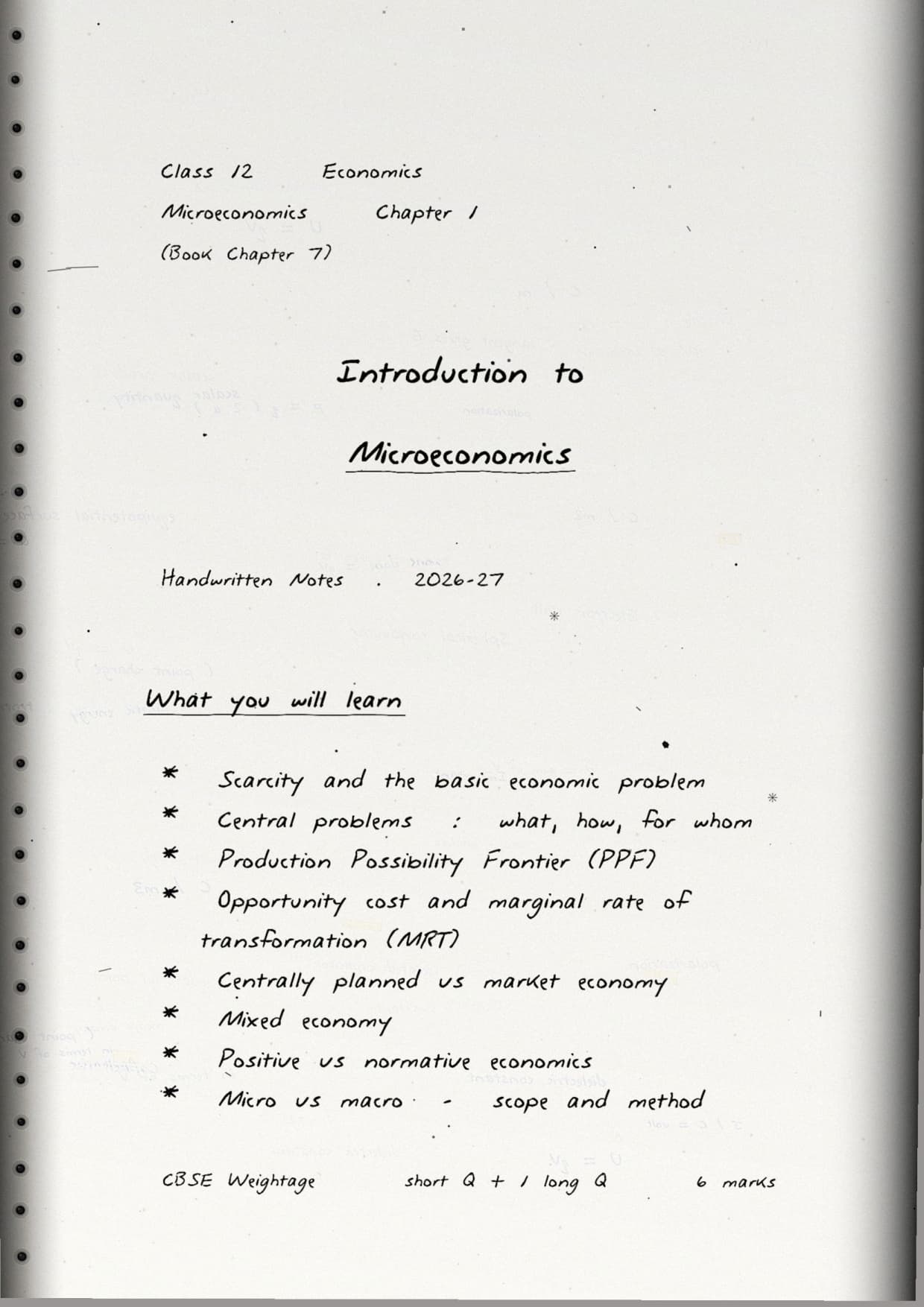
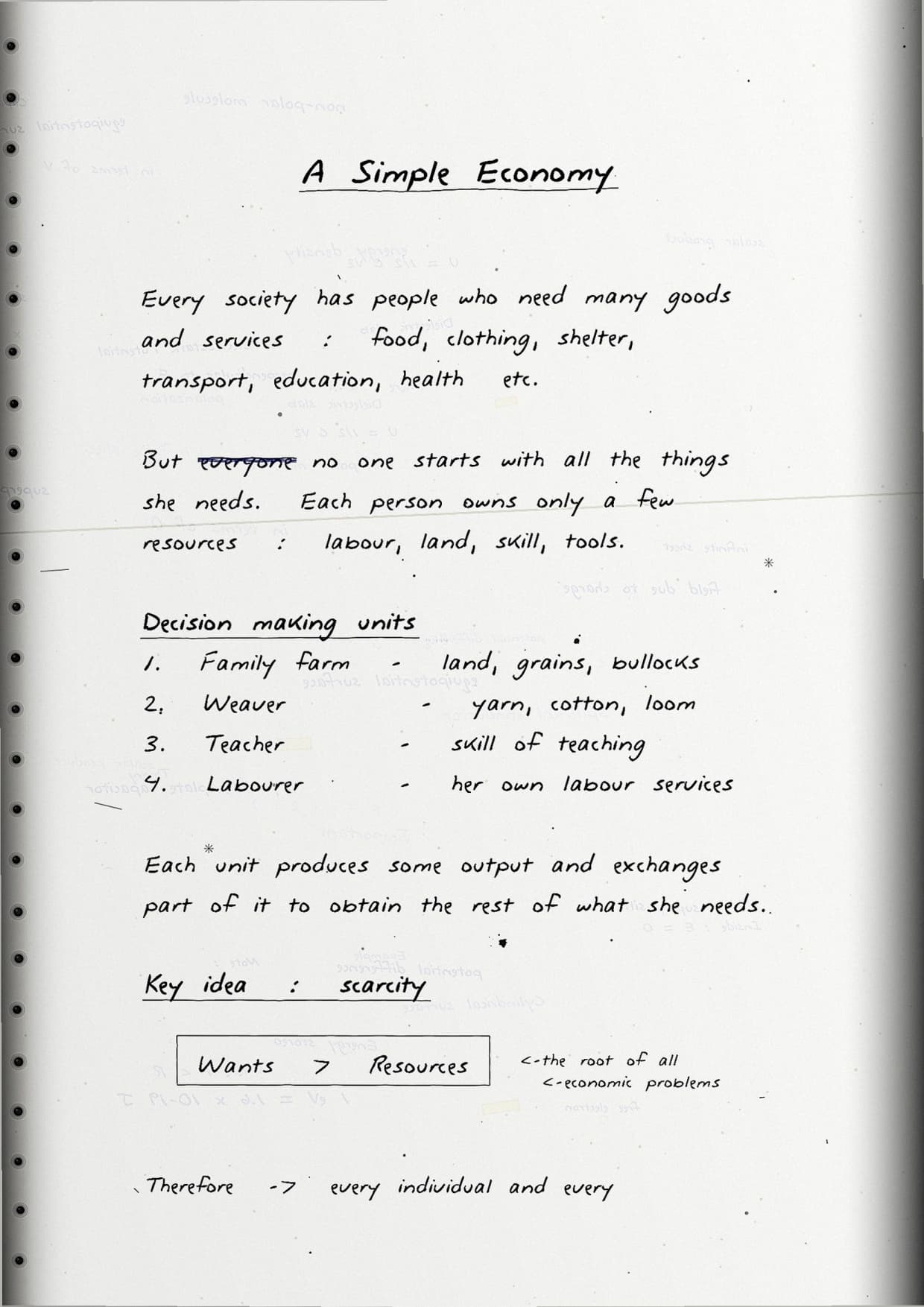
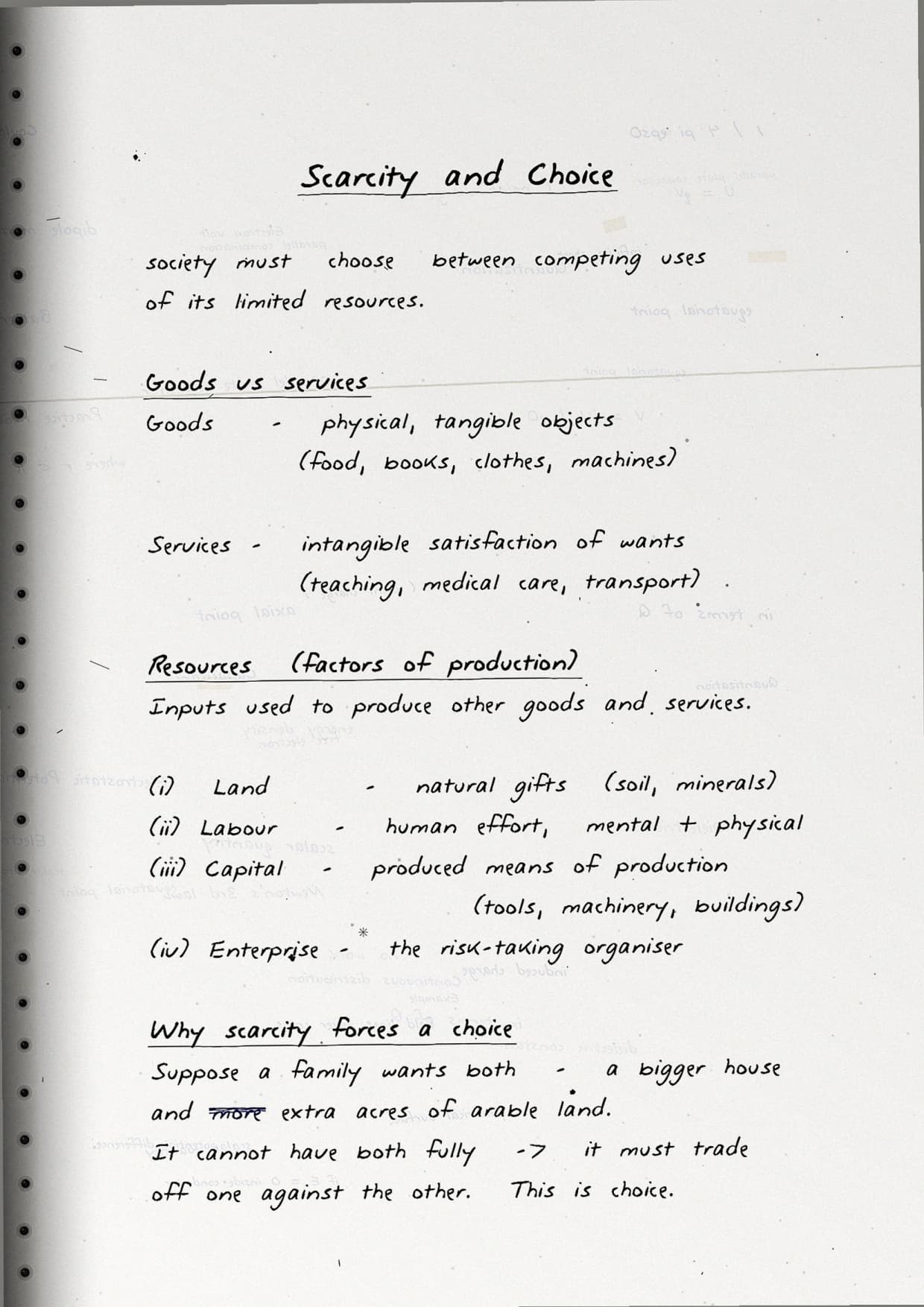
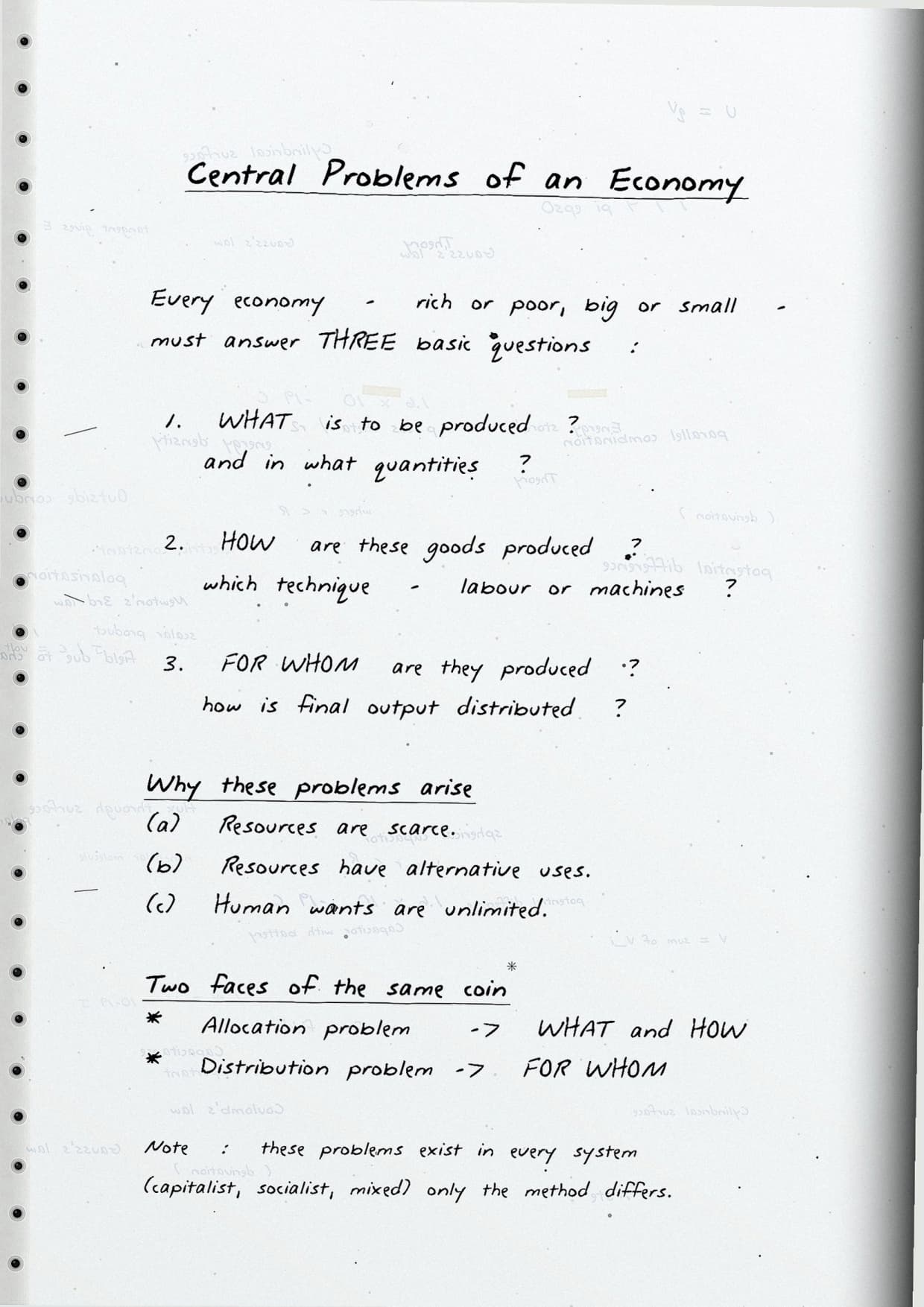
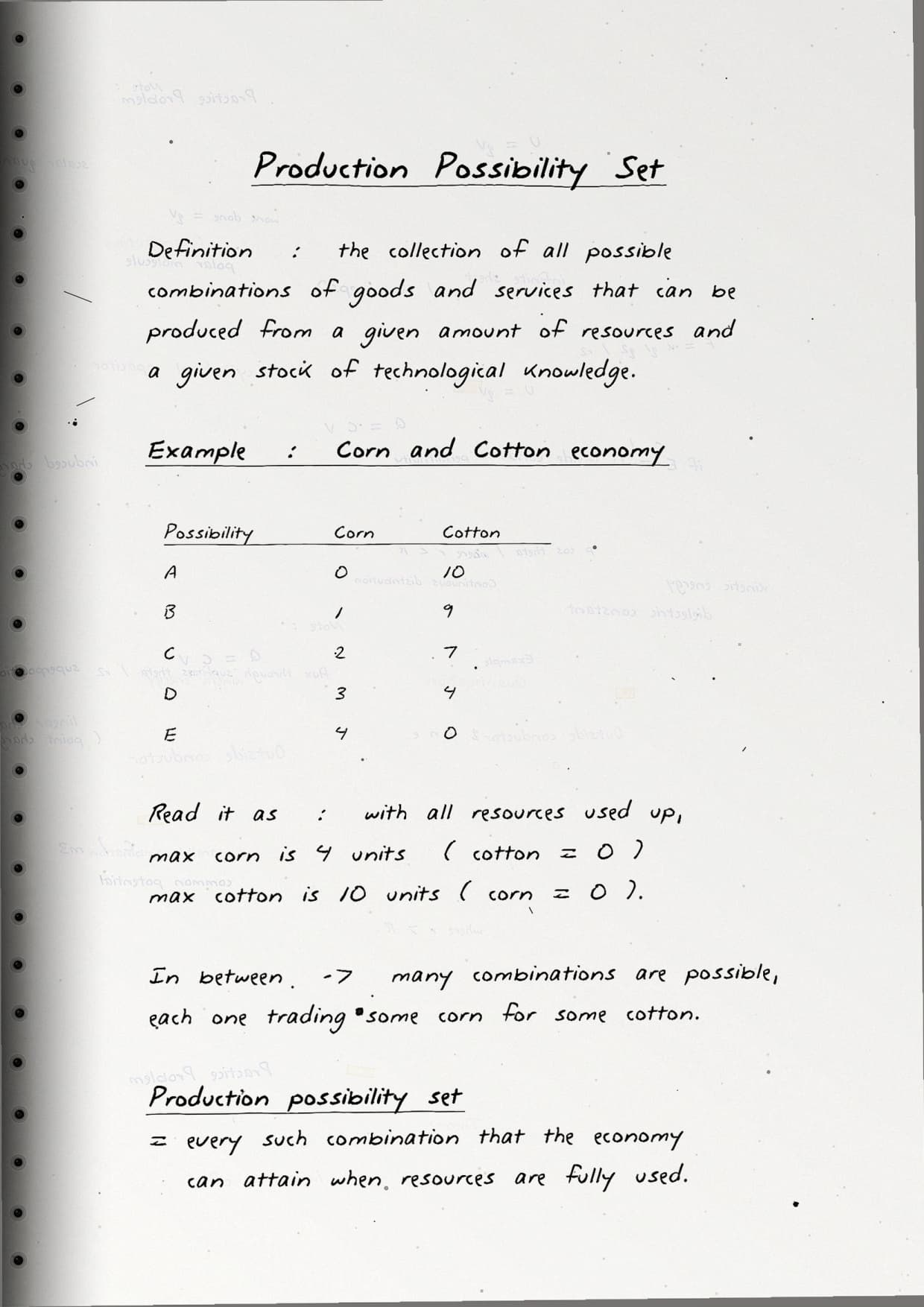
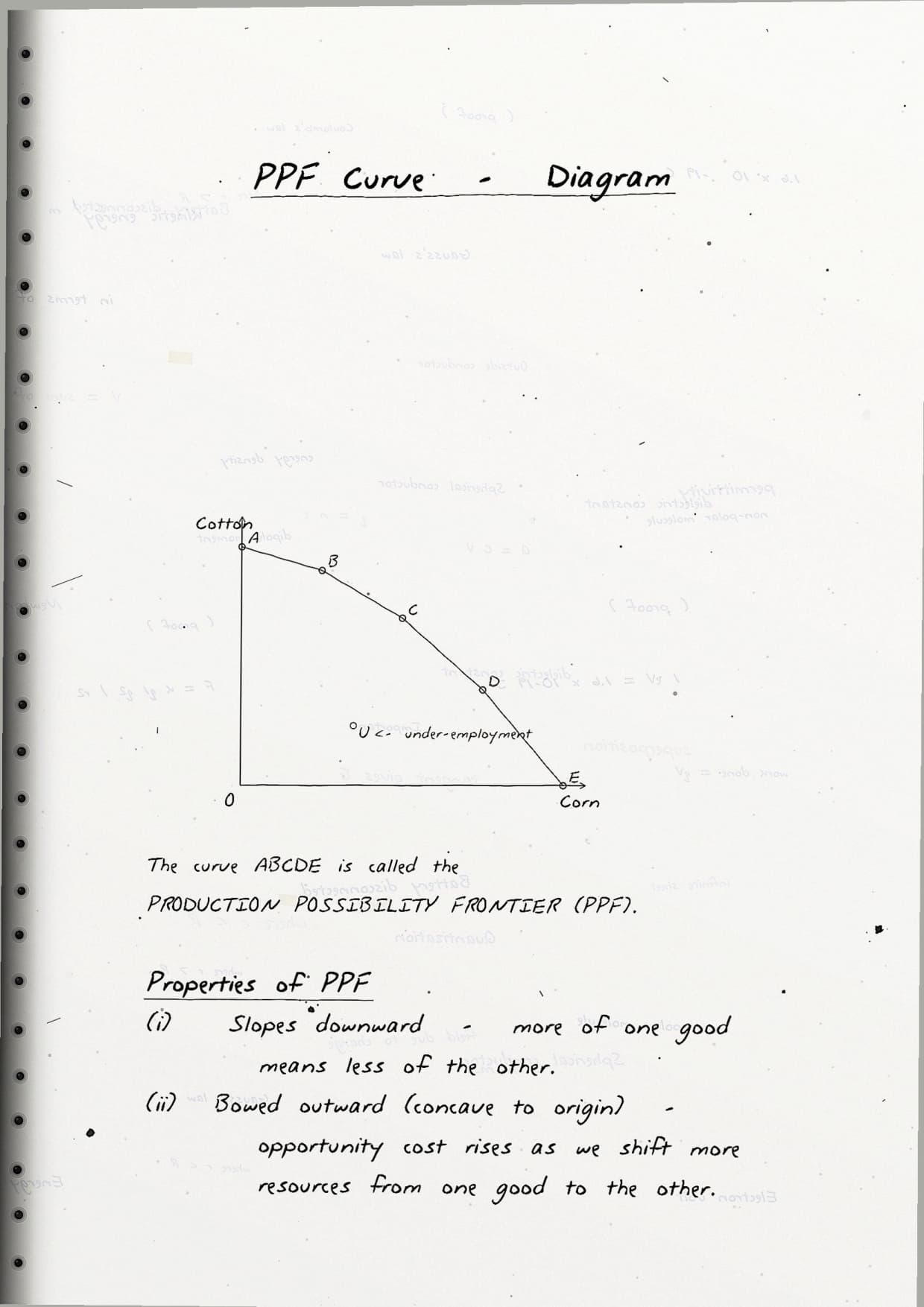
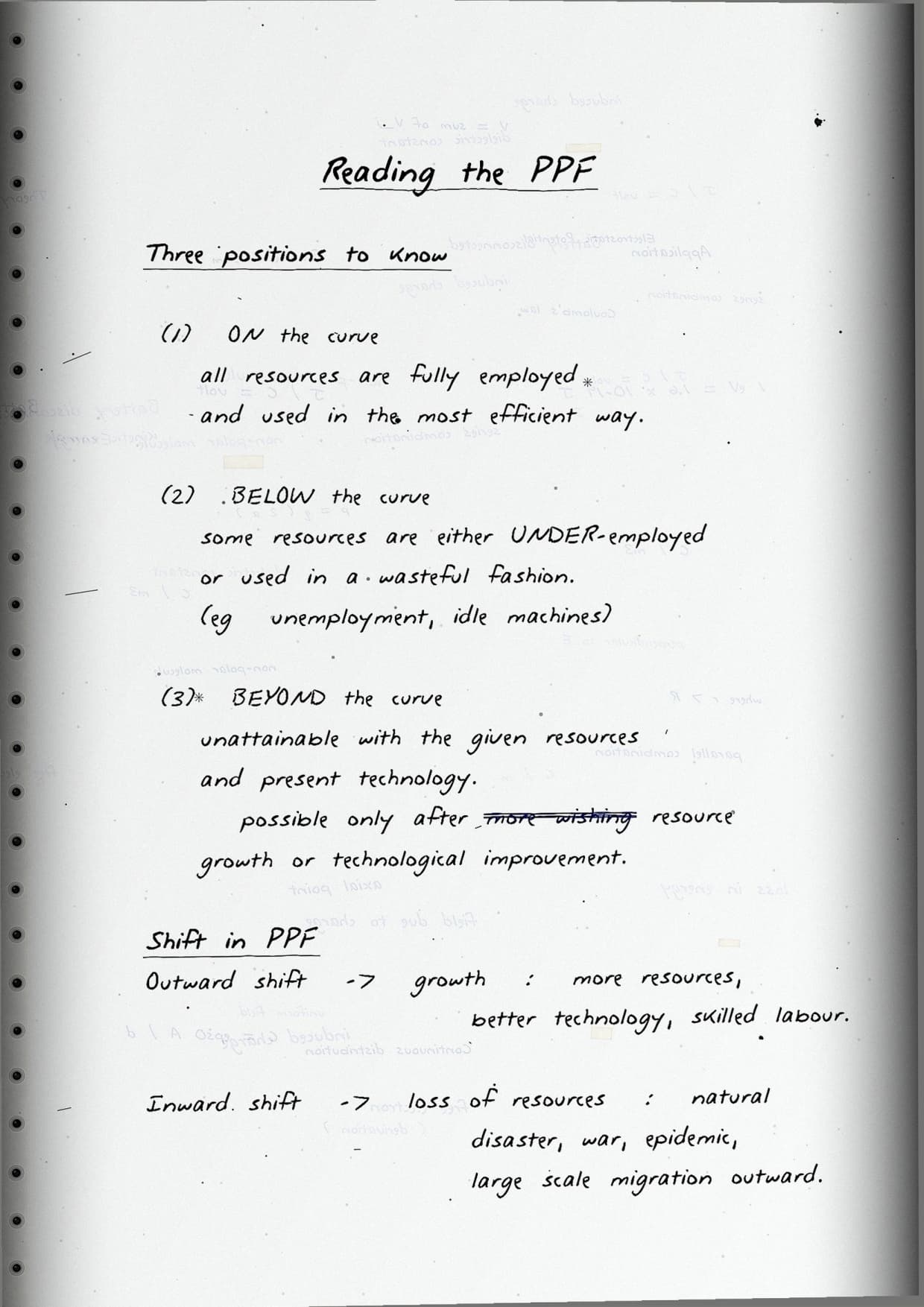
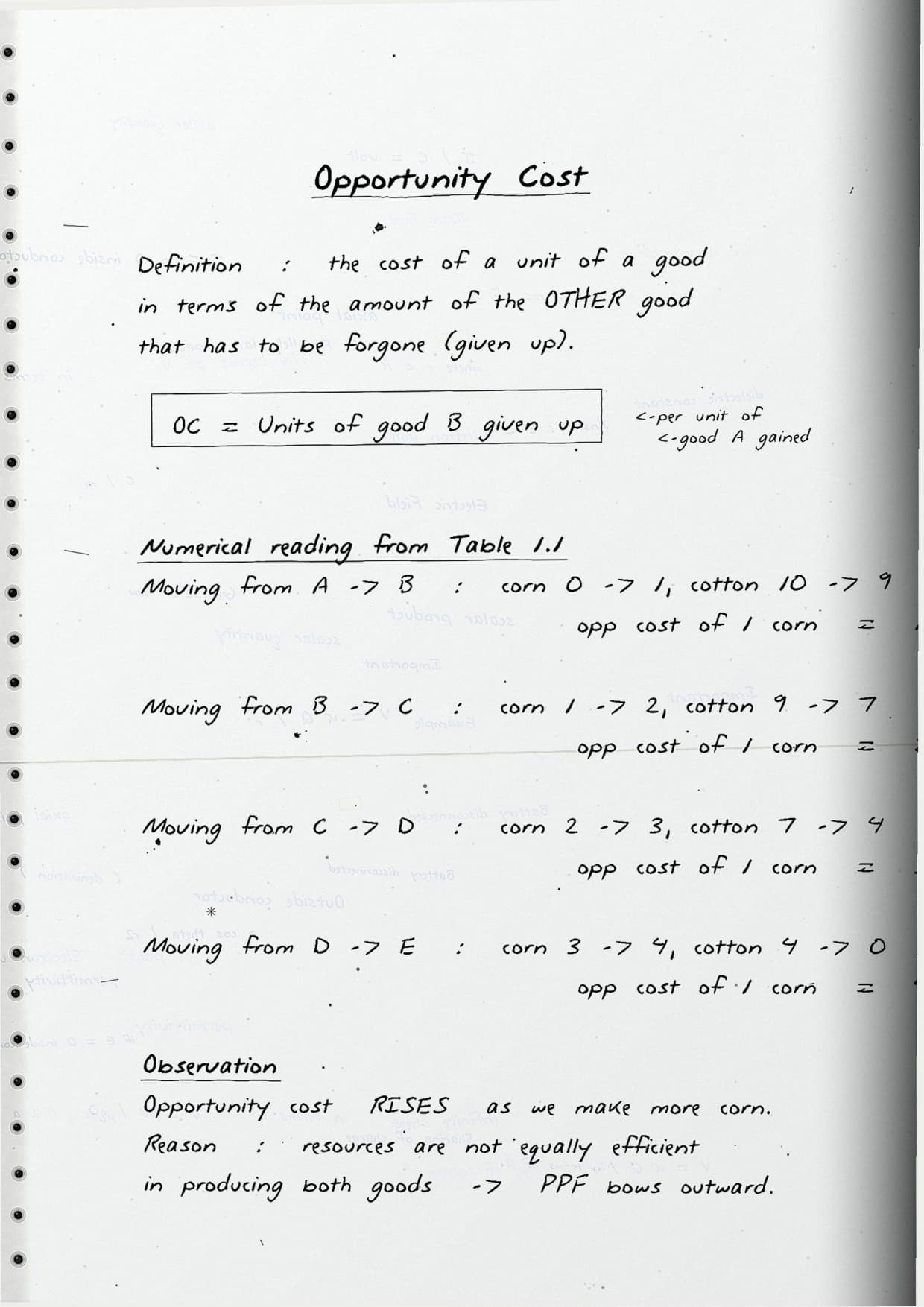
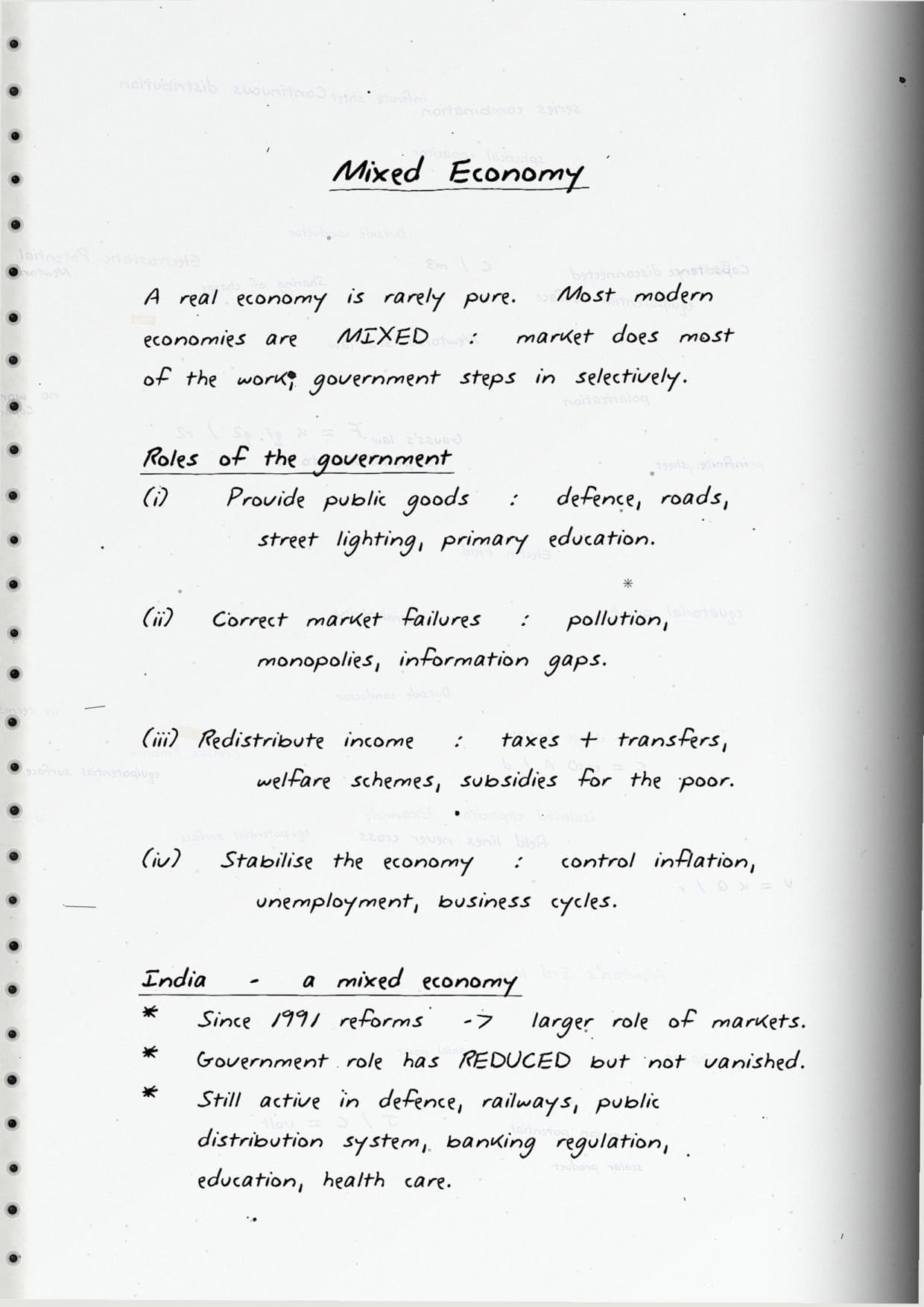
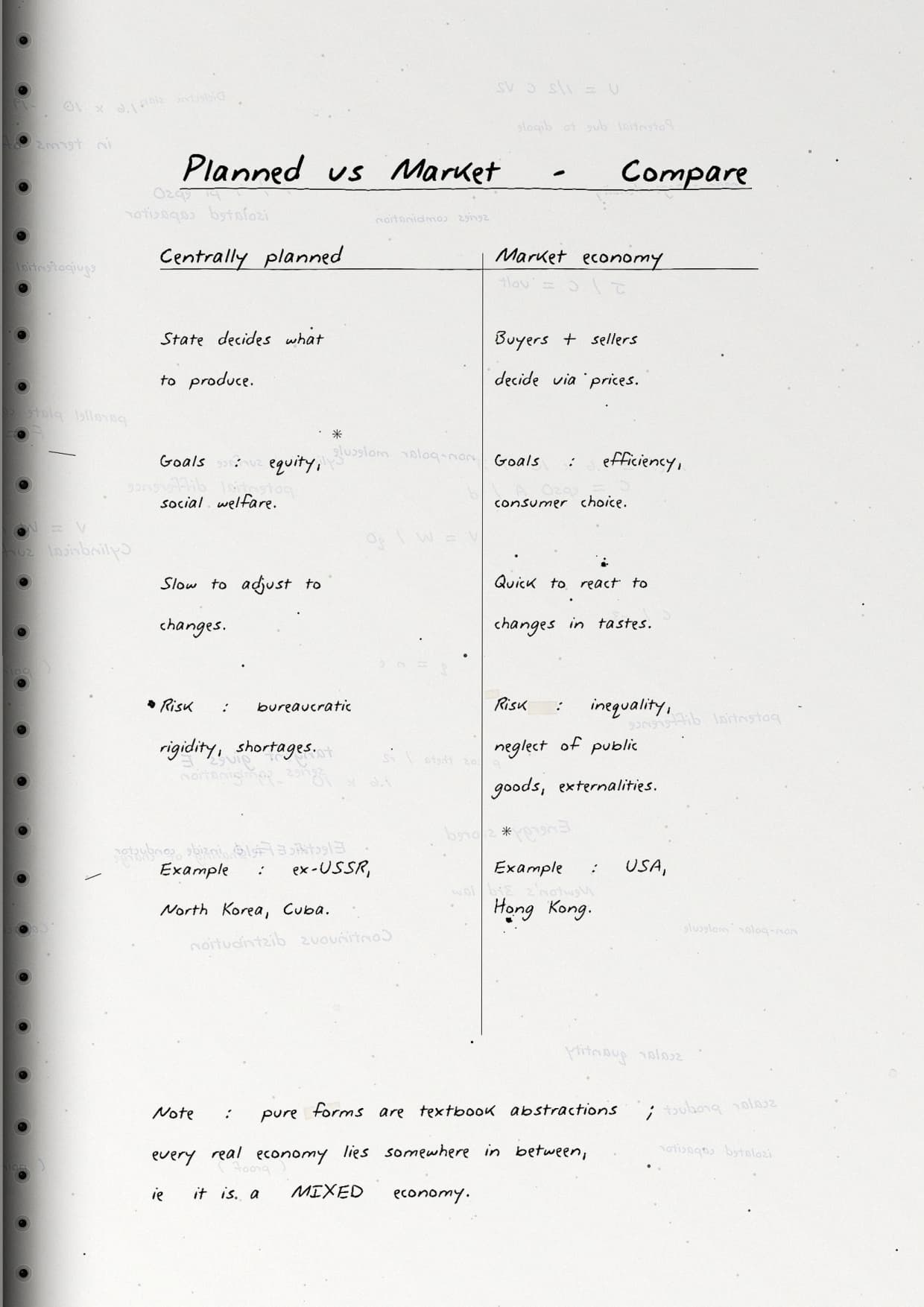
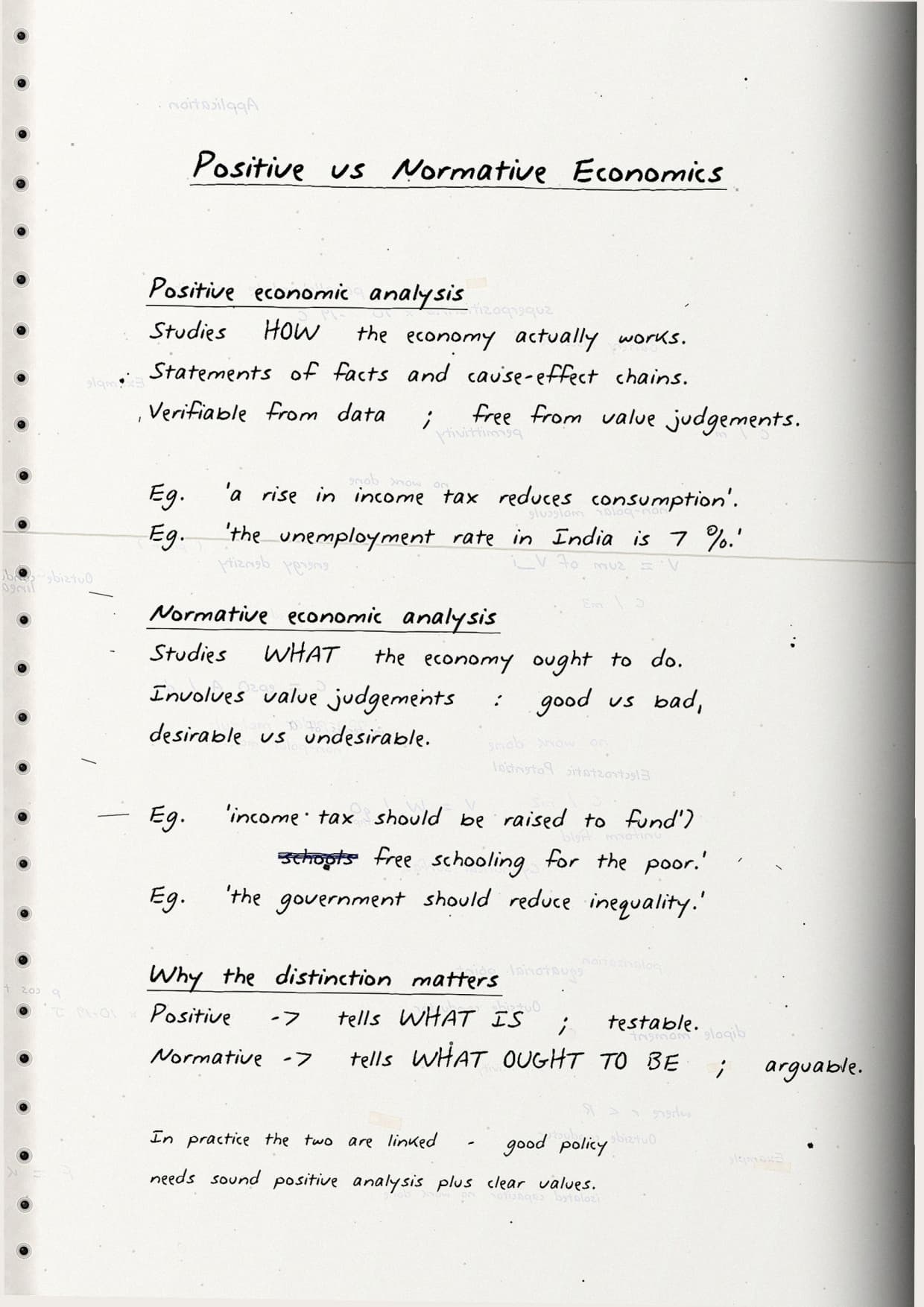
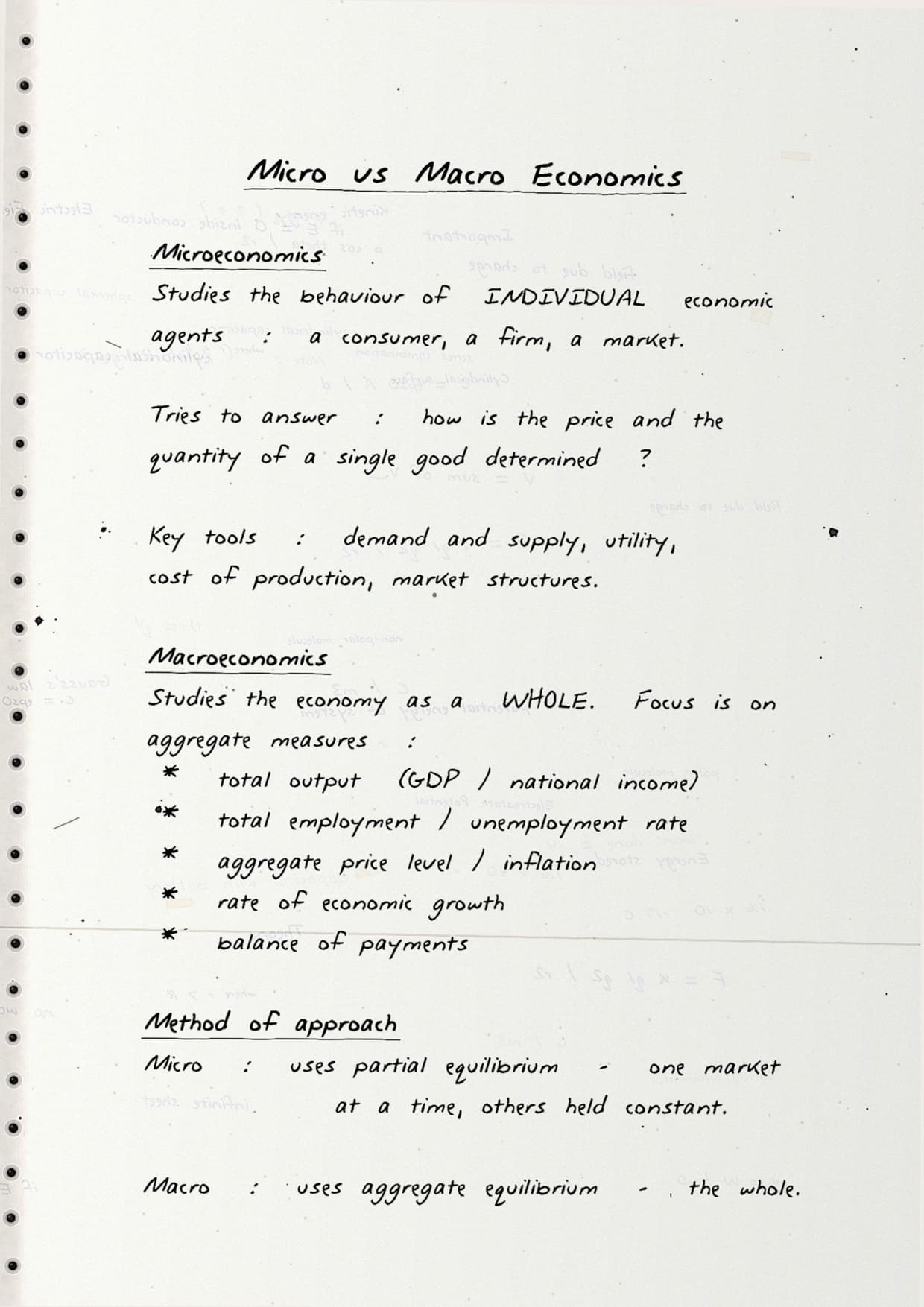
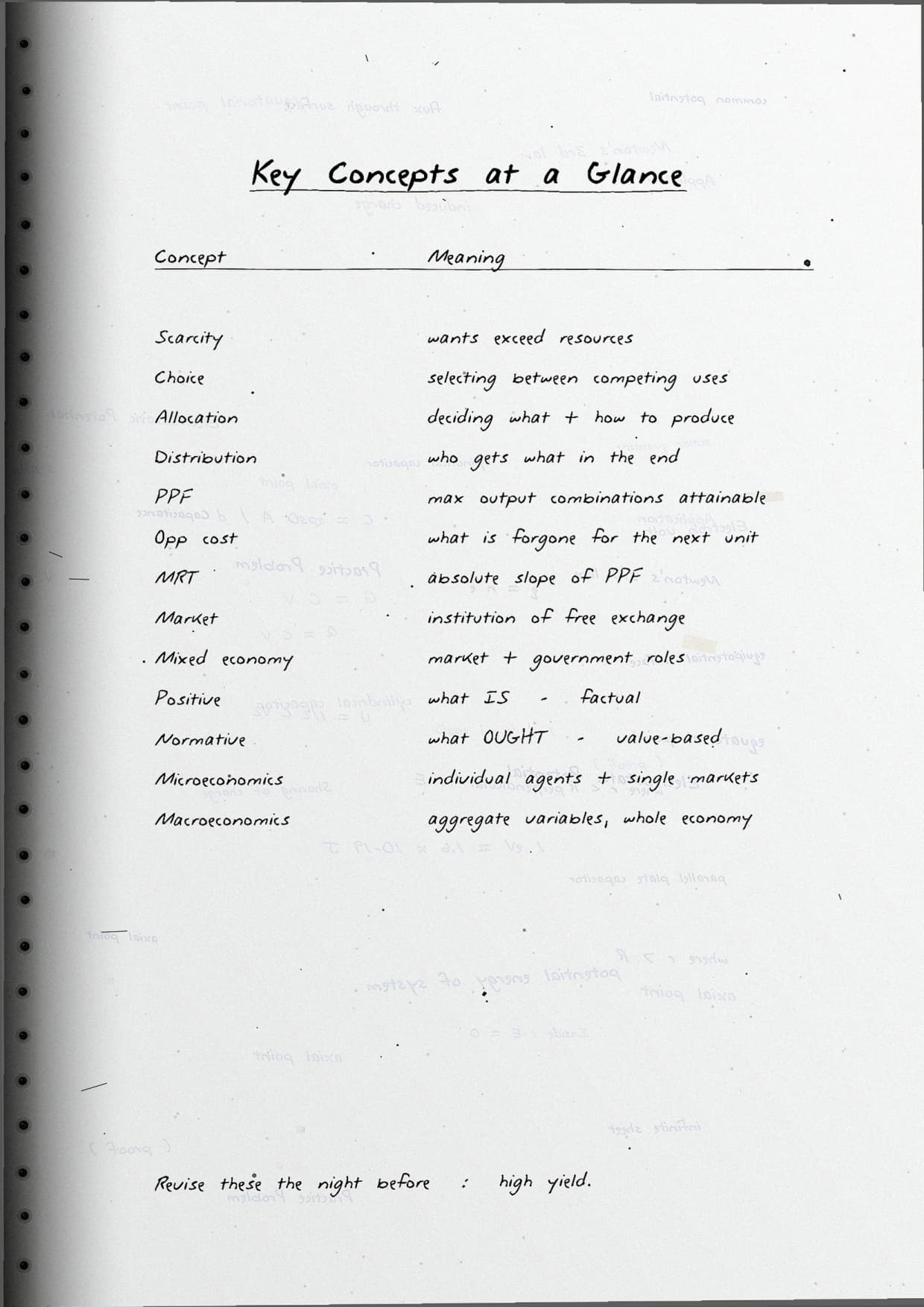
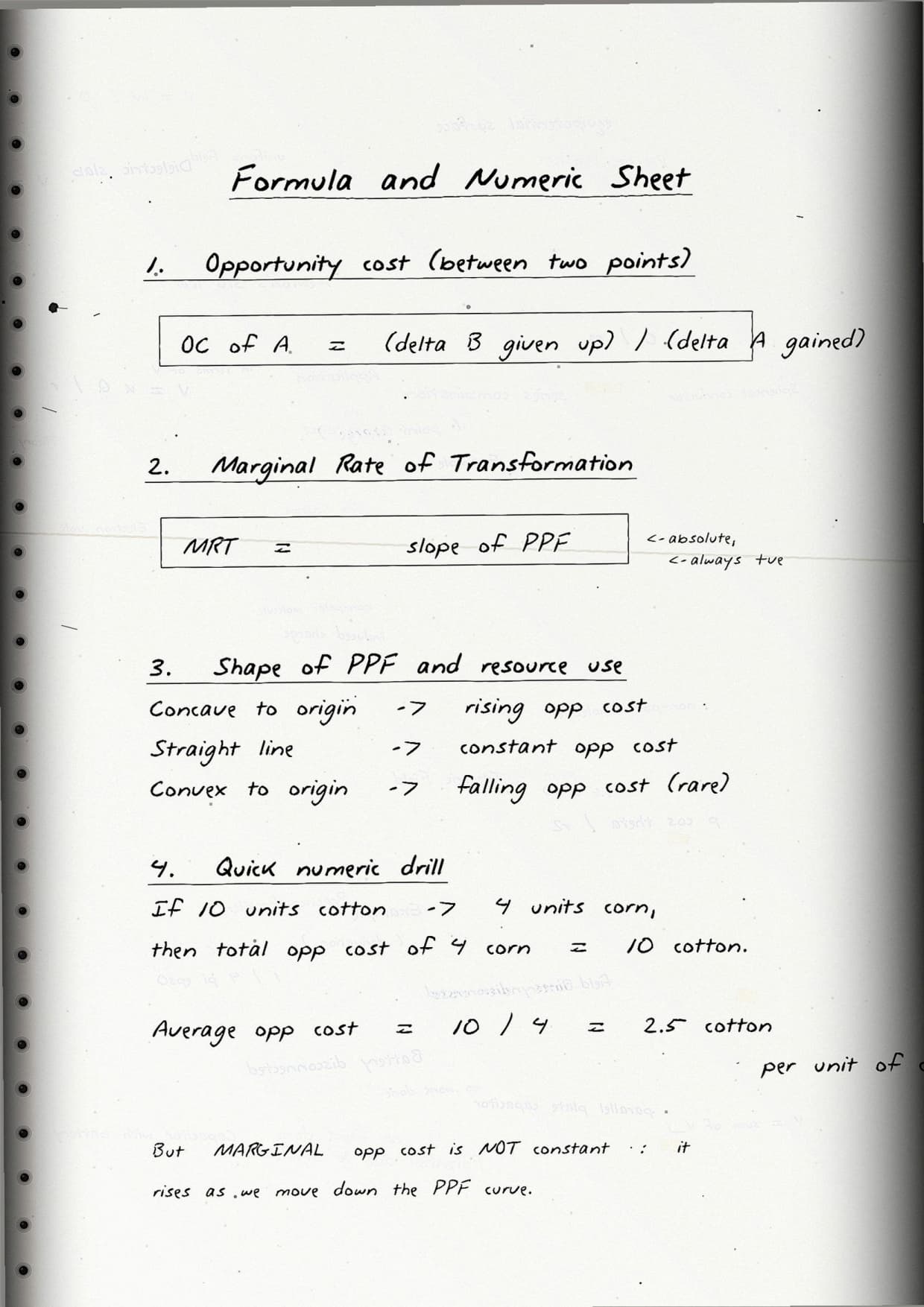
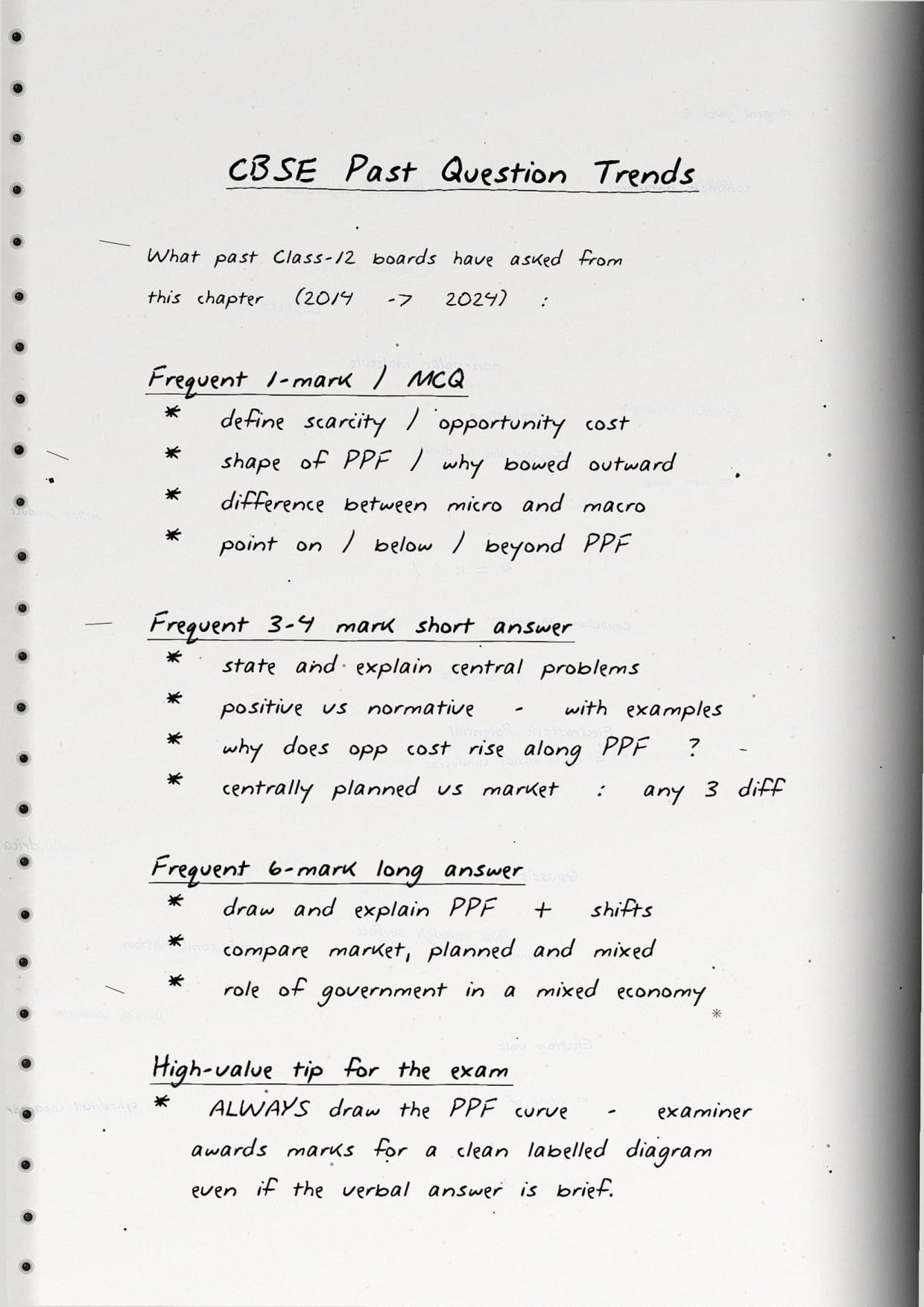
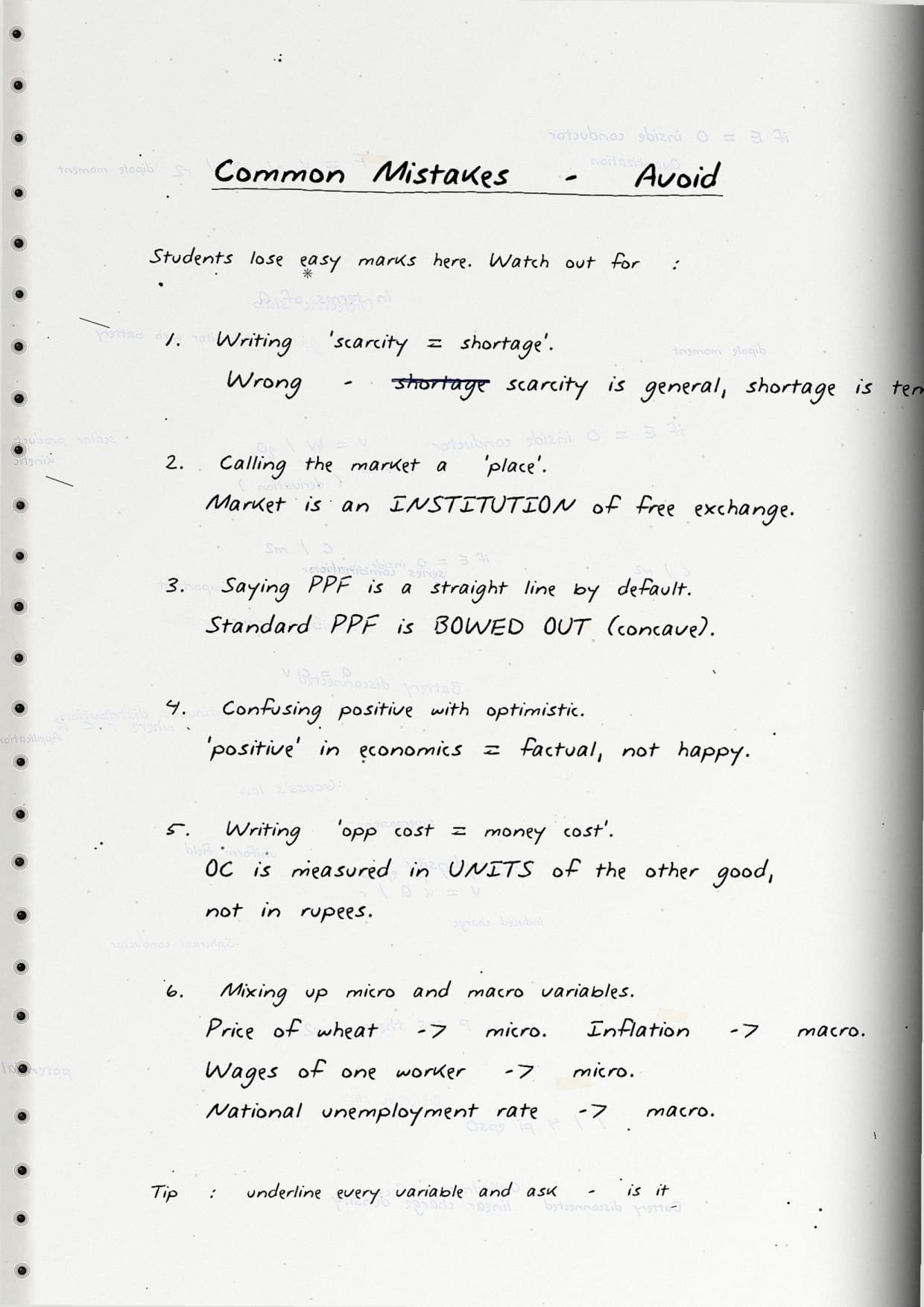
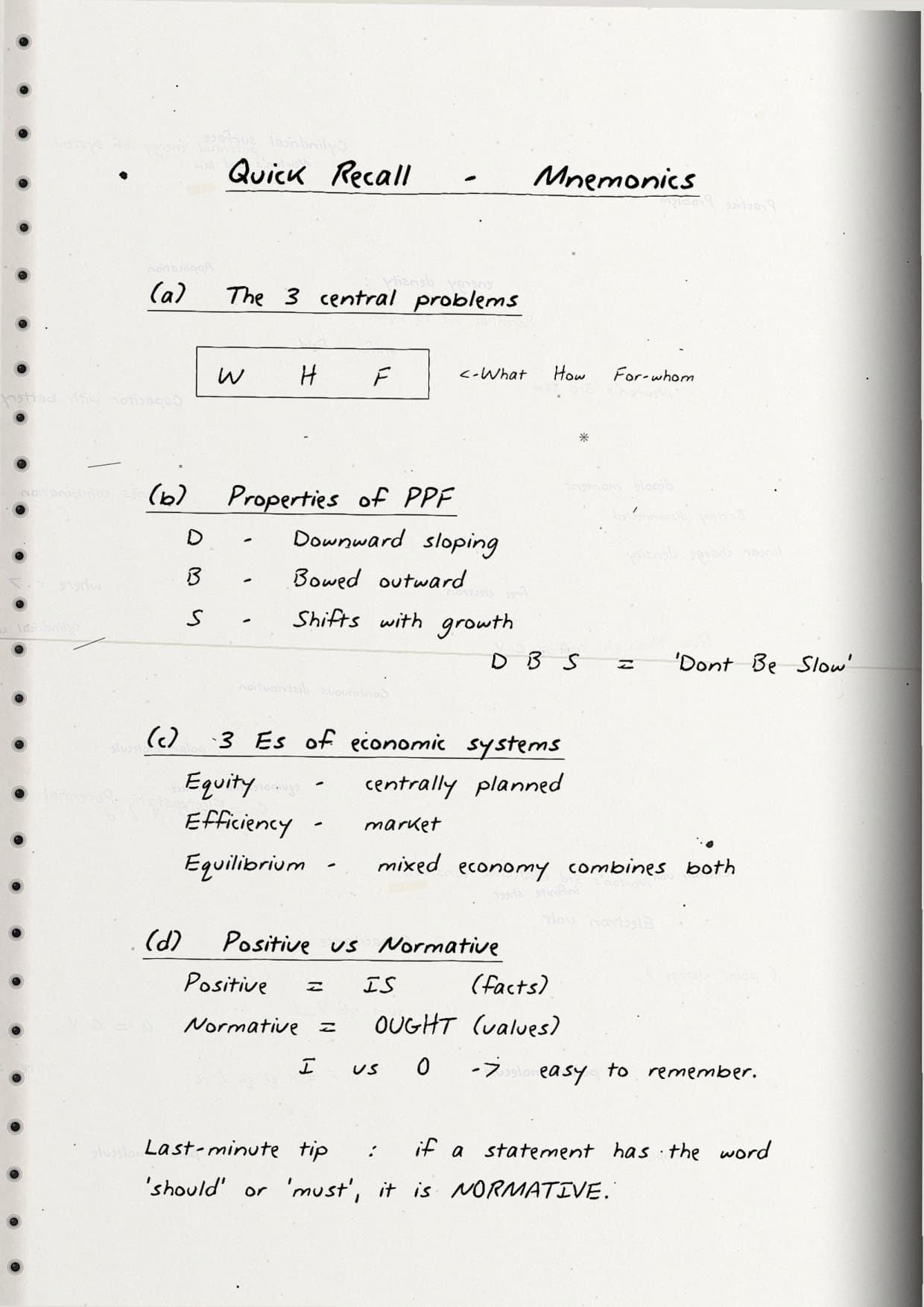
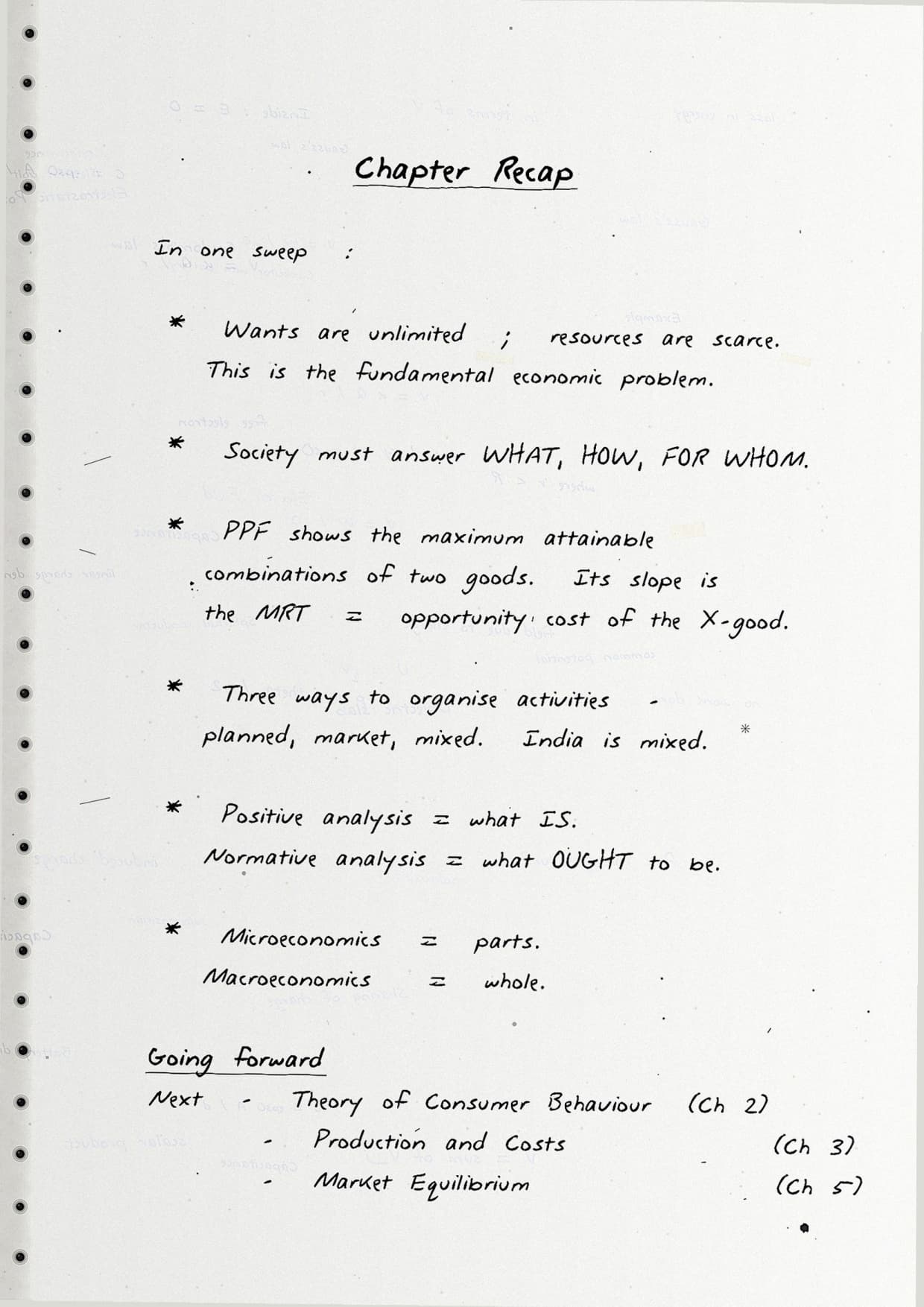
- Scanned handwritten notes in ballpoint pen on ruled paper, covering all of CBSE Class 12 Microeconomics Chapter 1.
- Worth about 4 to 6 marks in the CBSE board paper, with the PPF and opportunity cost worked out by hand.
- Useful for CUET too, where 2 to 3 questions come from these basic concepts each year.
- Pairs with the typed Notes, the NCERT Solutions and the official NCERT Book PDF for the same chapter.
What These Introduction to Microeconomics Handwritten Notes Cover
The handwritten notes are a short, scanned-notebook file for last-mile revision. Each page is hand-written in pen, with hand-drawn PPF curves and definition boxes. The table below shows what sits on each page.
| Page | What the page covers | Revision time |
|---|---|---|
| Page 1 | Meaning of microeconomics and macroeconomics, scarcity, positive vs normative economics. | 4 minutes |
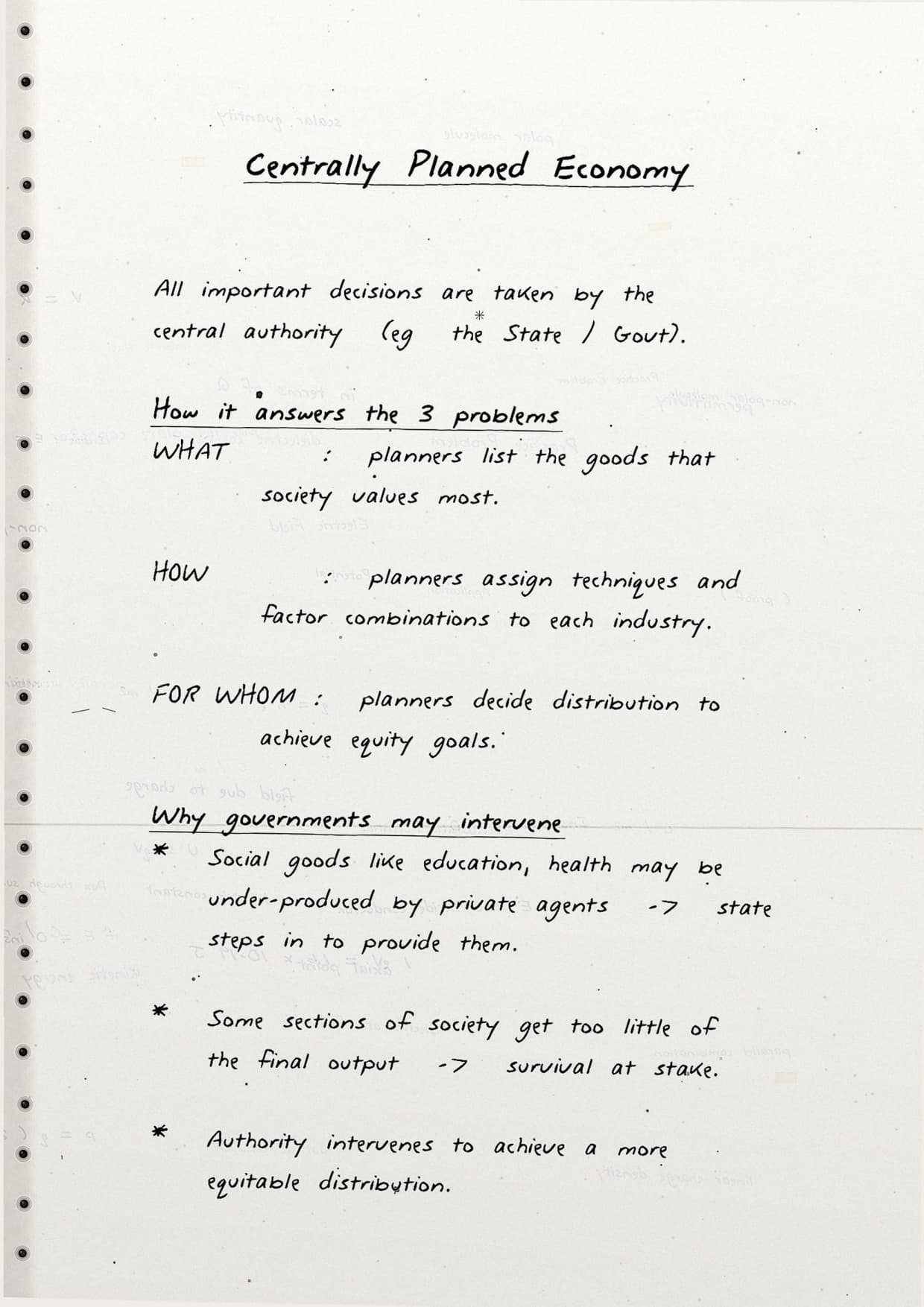
| Page 2 | The four central problems: what, how, for whom, and growth. | 5 minutes |
| Page 3 | PPF diagram in two ink colours, with marginal opportunity cost stepped on the curve. | 6 minutes |
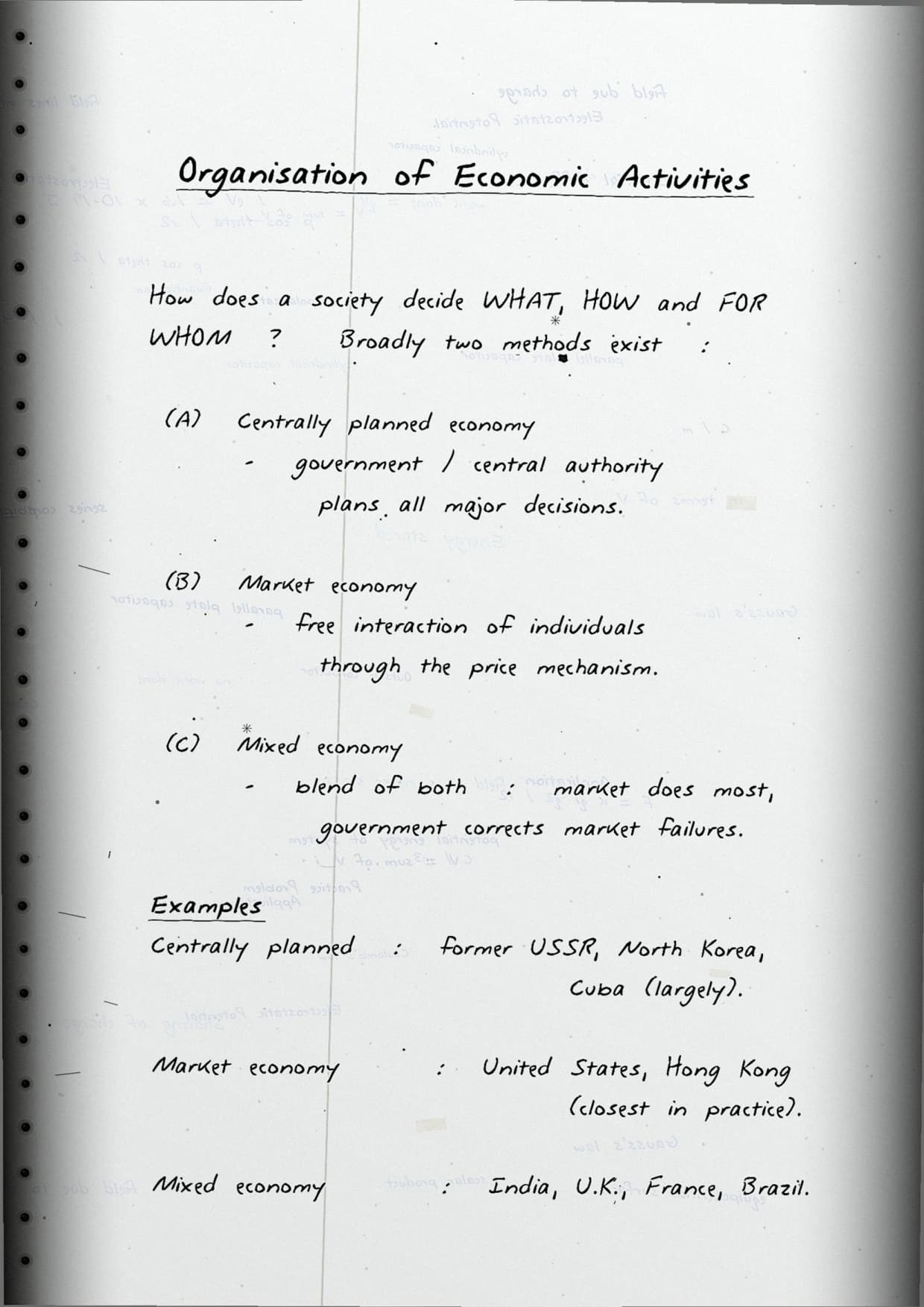
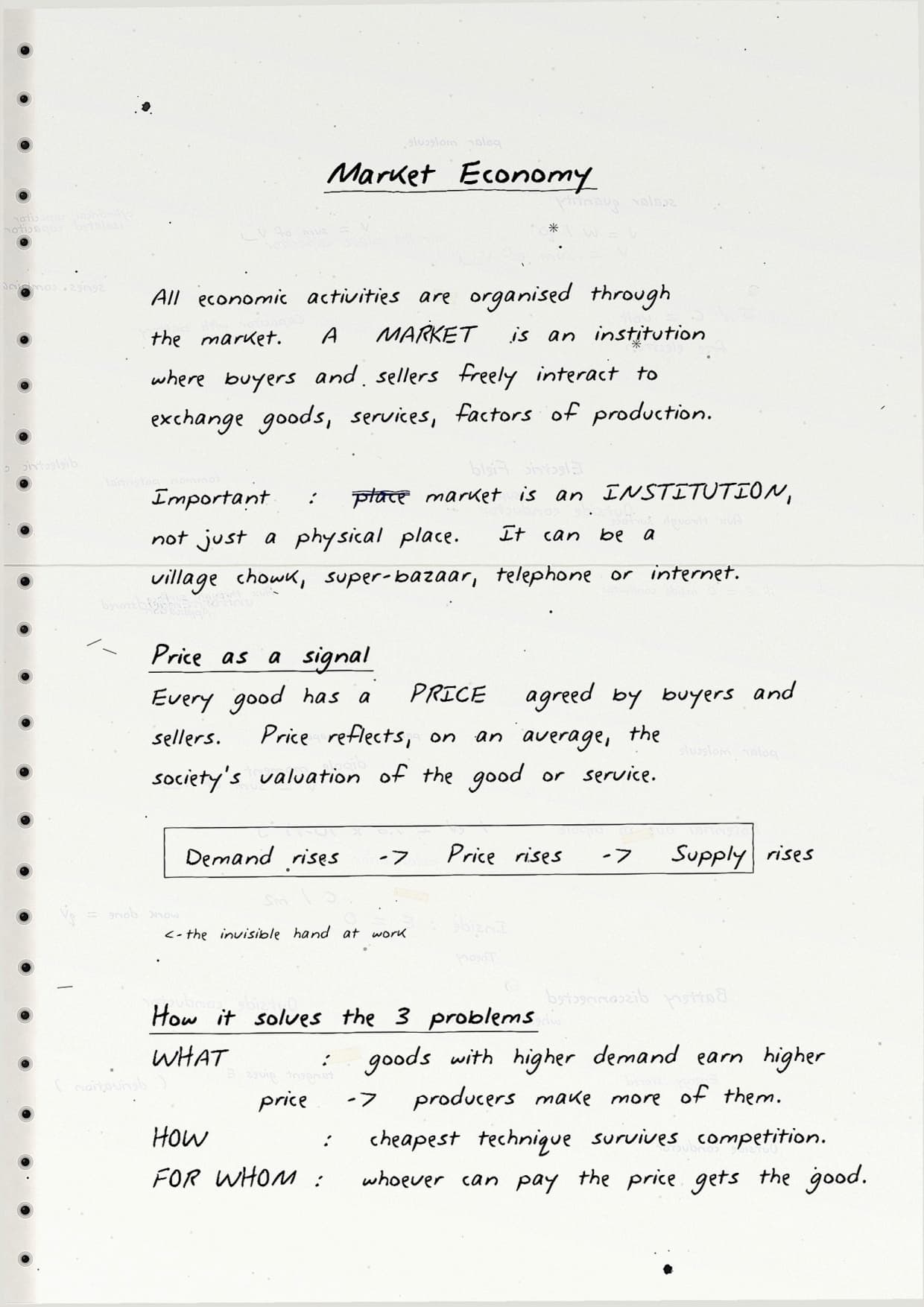
| Page 4 | Market economy vs centrally planned economy, plus the mixed economy box. | 3 minutes |
Key Definitions in the Introduction to Microeconomics Handwritten Notes
These are the terms students must know word-perfect for the board paper. In the scanned file, each one sits inside a ruler-drawn box for quick visual recall.
| Term | Handwritten definition |
|---|---|
| Microeconomics | Study of single units like one consumer, one firm or one market. |
| Macroeconomics | Study of the economy as a whole: national income, jobs, price level. |
| Scarcity | Limited resources against unlimited wants, which forces a choice. |
| Production Possibility Frontier | The most of two goods an economy can make with all resources fully used. |
| Opportunity cost | The next-best option given up when a choice is made. |
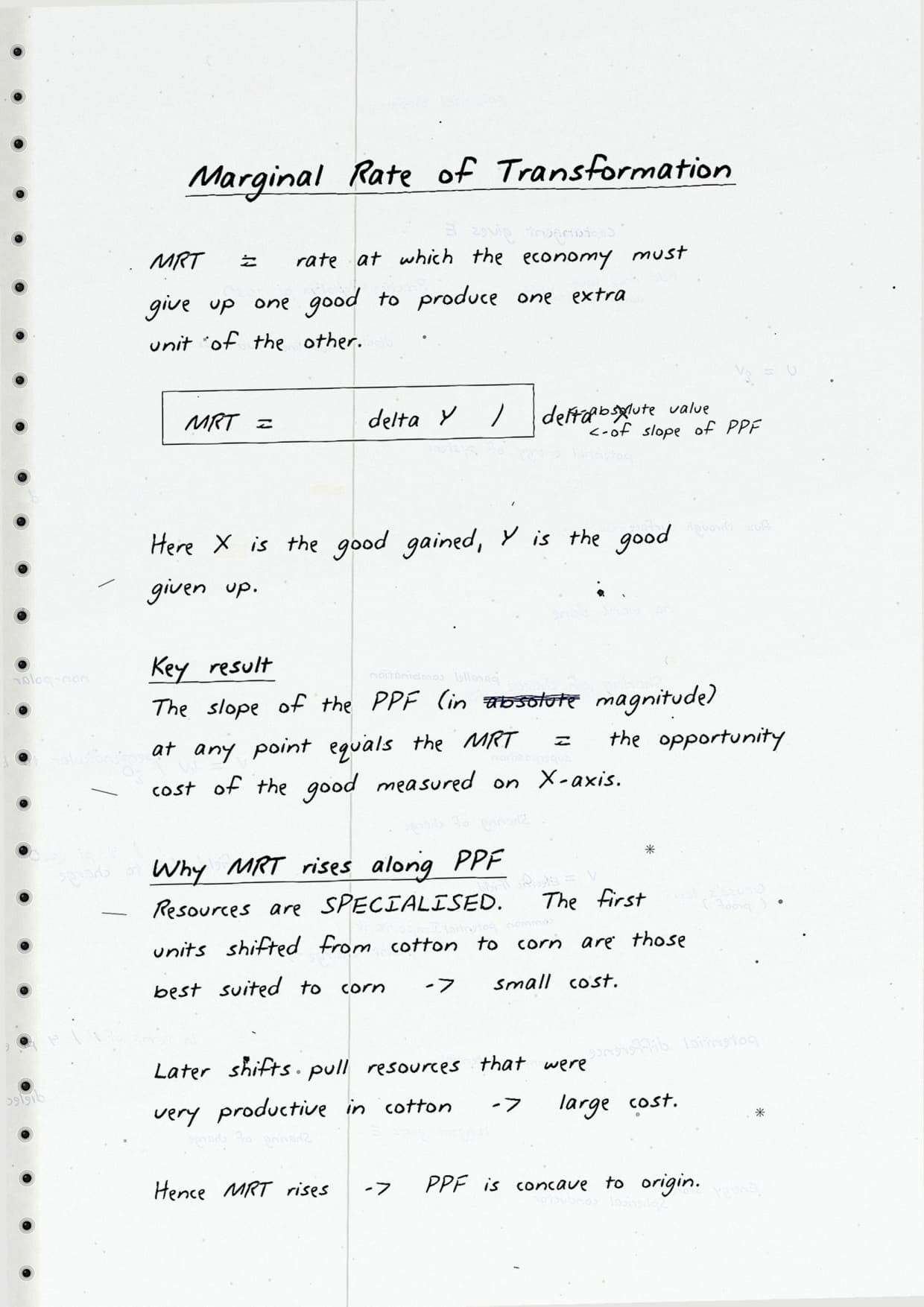
| Marginal opportunity cost | Units of one good given up for one more unit of the other; MOC = ΔY / ΔX. |
| Positive economics | Statements about what is, which can be checked with facts. |
| Normative economics | Statements about what should be, which are opinions. |
Central Problems of an Economy in Class 12 Microeconomics
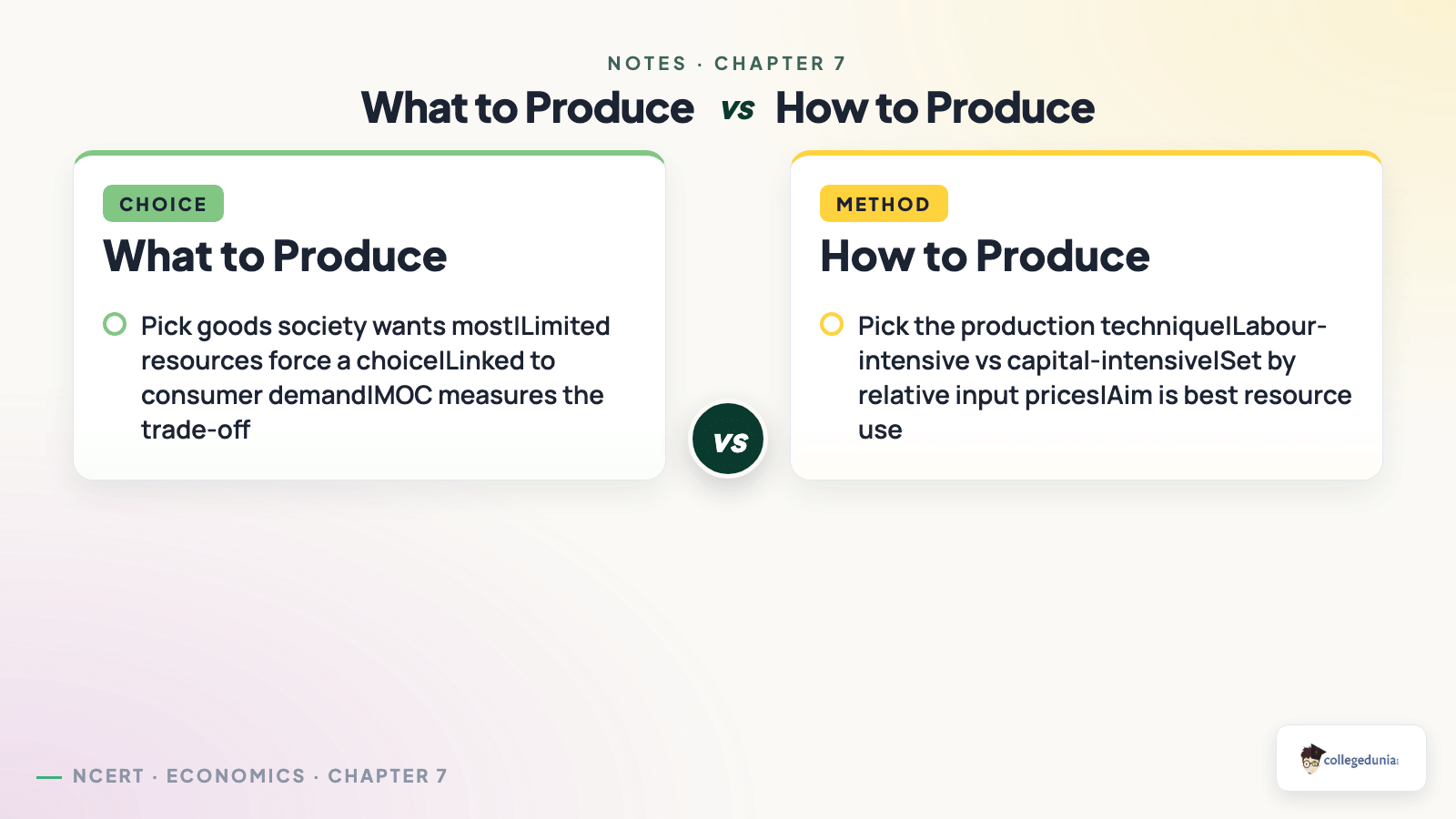
Every economy must answer these problems because resources are scarce. The scanned notebook keeps them on one comparison page:
- What to produce: which goods to make, and in what amounts.
- How to produce: the method, more labour or more machines.
- For whom to produce: how the output is shared among people.
- Growth and full employment: whether resources are fully used and capacity is rising.
Memory hook: the four central problems are central choices, made again and again. An economy answers them every year through its budget and its prices. The growth question is the one students forget, so the notebook flags it with a red arrow.
Production Possibility Frontier and Opportunity Cost Class 12 Notes
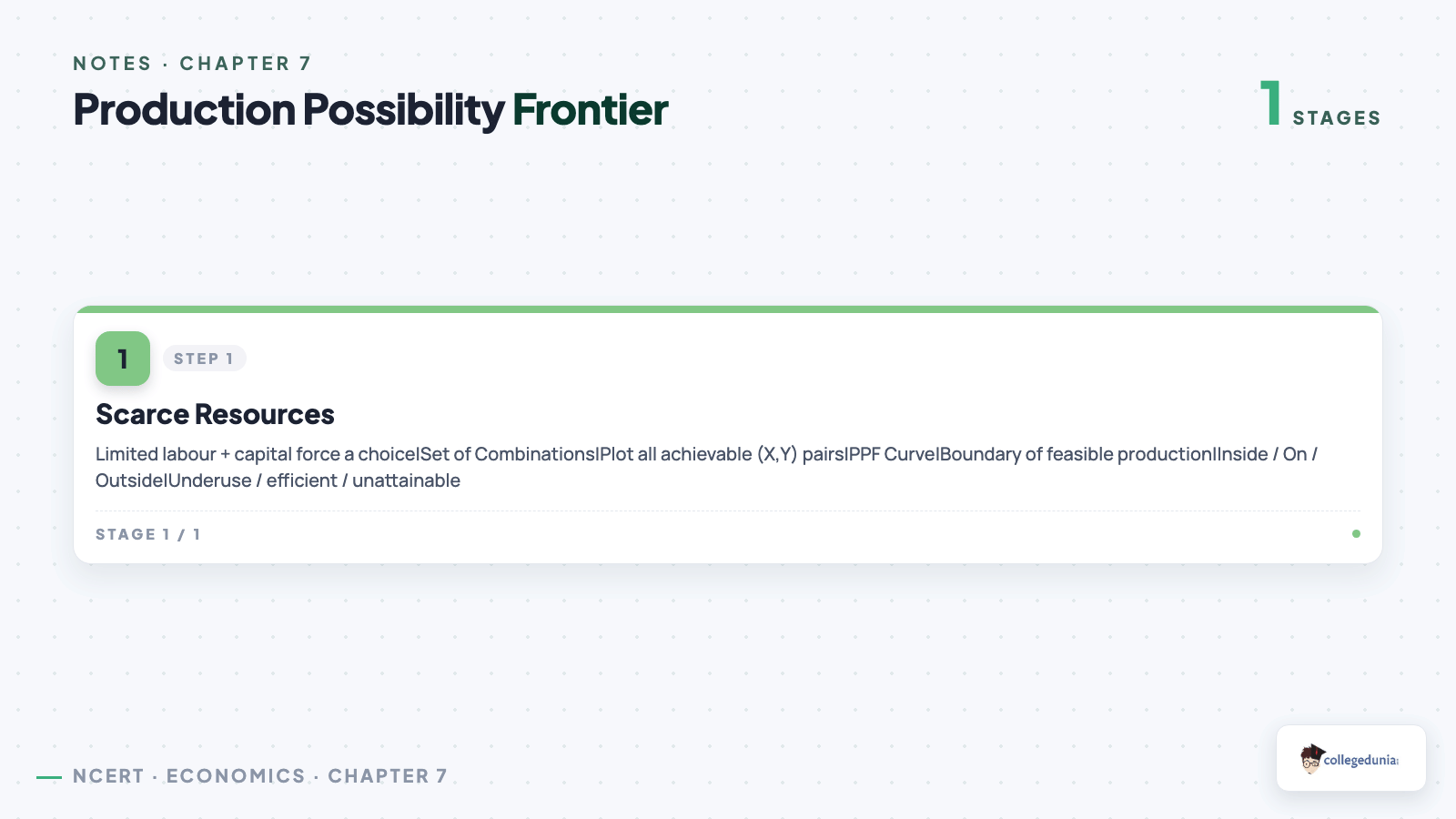
The PPF is the most-drawn diagram in this chapter. It shows the largest amounts of two goods an economy can make when all resources are used. The table maps the points students must read on the curve.
| Point | What it means | Resource use |
|---|---|---|
| Point on the curve | A mix of both goods, all resources used well. | Fully employed |
| Point inside | Some resources are idle, so more of both is possible. | Under-employed |
| Point outside | Not possible with current resources. | Not feasible |
| Outward shift | Growth from more resources or better technology. | Higher output |
The PPF is bowed out (concave) because the marginal opportunity cost rises as you make more of one good. Resources are not equally good at both goods, so each extra unit costs more. Students who draw it as a straight line lose 1 mark, and the scanned file warns against this in red ink.
Introduction to Microeconomics Class 12 Video Lesson
Source: EB Commerce : Edu Aditya on YouTube
Common Mistakes in Introduction to Microeconomics
- Drawing the PPF as a straight line when the answer needs a bowed-out curve.
- Treating scarcity and shortage as the same thing.
- Swapping points inside (possible but wasteful) and outside (not possible) the PPF.
- Reading opportunity cost as money cost instead of the option given up.
- Calling a "should" statement positive instead of normative.
Each mistake appears as a margin note in the scanned file, written in a second ink colour so students see the warning the first time they hit the concept.
How to Use These Introduction to Microeconomics Handwritten Notes for Revision
The file is built for three revision windows in the week before the board paper:
- 18-minute first pass (one week before): read all four pages once and mark the definitions you cannot recall.
- 12-minute targeted pass (the night before): re-read the marked boxes, then write each one out from memory.
- 6-minute final pass (30 minutes before): trace the PPF curve and read the four central problems aloud.
Introduction to Microeconomics Weightage in CBSE and CUET
The chapter has stayed at a steady 4 to 6 marks in CBSE, split across one theory question and one diagram question. The table maps recent board questions.
| Year | CBSE question | Marks |
|---|---|---|
| 2025 | Draw a PPF, explain why it is concave, and define opportunity cost | 4 |
| 2024 | Positive vs normative, plus the four central problems | 4 |
| 2023 | Define marginal opportunity cost and show it on a PPF | 4 |
| 2022 | Micro vs macro, plus the meaning of scarcity | 4 |
Student Feedback
We asked 10,820 Class 12 students about this chapter. 68% said scanned handwritten pages feel faster to revise than typed PDFs in the last 48 hours, and 4 out of 5 said the pen-drawn PPF stuck in memory better than a typed figure.
Other Resources for Class 12 Economics Chapter 1 Introduction to Microeconomics
Pair these handwritten notes with the typed Notes, the Solutions and the official NCERT chapter below.
| Resource | What it covers | Open |
|---|---|---|
| Handwritten Notes | Scanned ballpoint-on-ruled-paper revision pages for last-mile prep. | Chapter 1 Handwritten Notes |
| NCERT Solutions | Step-by-step answers to every exercise question. | Chapter 1 NCERT Solutions |
| Notes | Concept-first typed revision of the full chapter. | Chapter 1 Notes |
| NCERT Book PDF | Official NCERT Microeconomics Chapter 1 textbook. | Chapter 1 NCERT Book PDF |
All Chapters Handwritten Notes for Class 12 Microeconomics
| Chapter | Handwritten Notes link |
|---|---|
| Chapter 1 | Introduction to Microeconomics |
| Chapter 2 | Theory of Consumer Behaviour |
| Chapter 3 | Production and Costs |
| Chapter 4 | Theory of the Firm under Perfect Competition |
| Chapter 5 | Market Equilibrium |
Introduction to Microeconomics Class 12 Handwritten Notes FAQs
Ques. What are these Class 12 Economics Chapter 1 handwritten notes for?
Ans. They are a scanned-notebook revision file. They compress NCERT Chapter 1 into 3 to 4 pages of pen-on-paper definition boxes, a hand-drawn PPF curve and margin notes on common mistakes. Most students use the file for last-mile revision in the 24 hours before the board paper.
Ques. How are handwritten notes different from the typed microeconomics notes?
Ans. The typed Notes carry deeper prose around each definition and run longer. The handwritten notes compress that down to definition boxes and one PPF diagram, and lean on visual recall. The two are meant to be used together: read the typed Notes first, then revise from the handwritten file.
Ques. What is the Production Possibility Frontier in Class 12 Economics?
Ans. The PPF shows the largest amounts of two goods an economy can make when all resources are fully used. It slopes down, is bowed out because costs rise, and shifts out when the economy grows. The notebook draws it with a stepped arrow that increases as production shifts from one good to the other.
Ques. How many central problems of an economy are covered in these notes?
Ans. Four: what to produce, how to produce, for whom to produce, and the growth-and-full-employment question. All four sit on Page 2, each in its own box. The growth question is the one most students forget, so the scanned file flags it with a red arrow back to the PPF page.
Ques. Are these handwritten notes enough for the CBSE board exam?
Ans. They are enough for the definition-recall and diagram part, about 3 to 4 of the 4 to 6 marks the chapter carries. For full-answer practice, pair them with the matching NCERT Solutions PDF. Both are linked in the cross-resource table on this page.



Comments