




These handwritten notes on Class 12 Chemistry Chapter 9 Amines turn complex reactions into simple mind maps and mnemonics. Amines gives 1-3 questions each year across CBSE, JEE, and NEET.
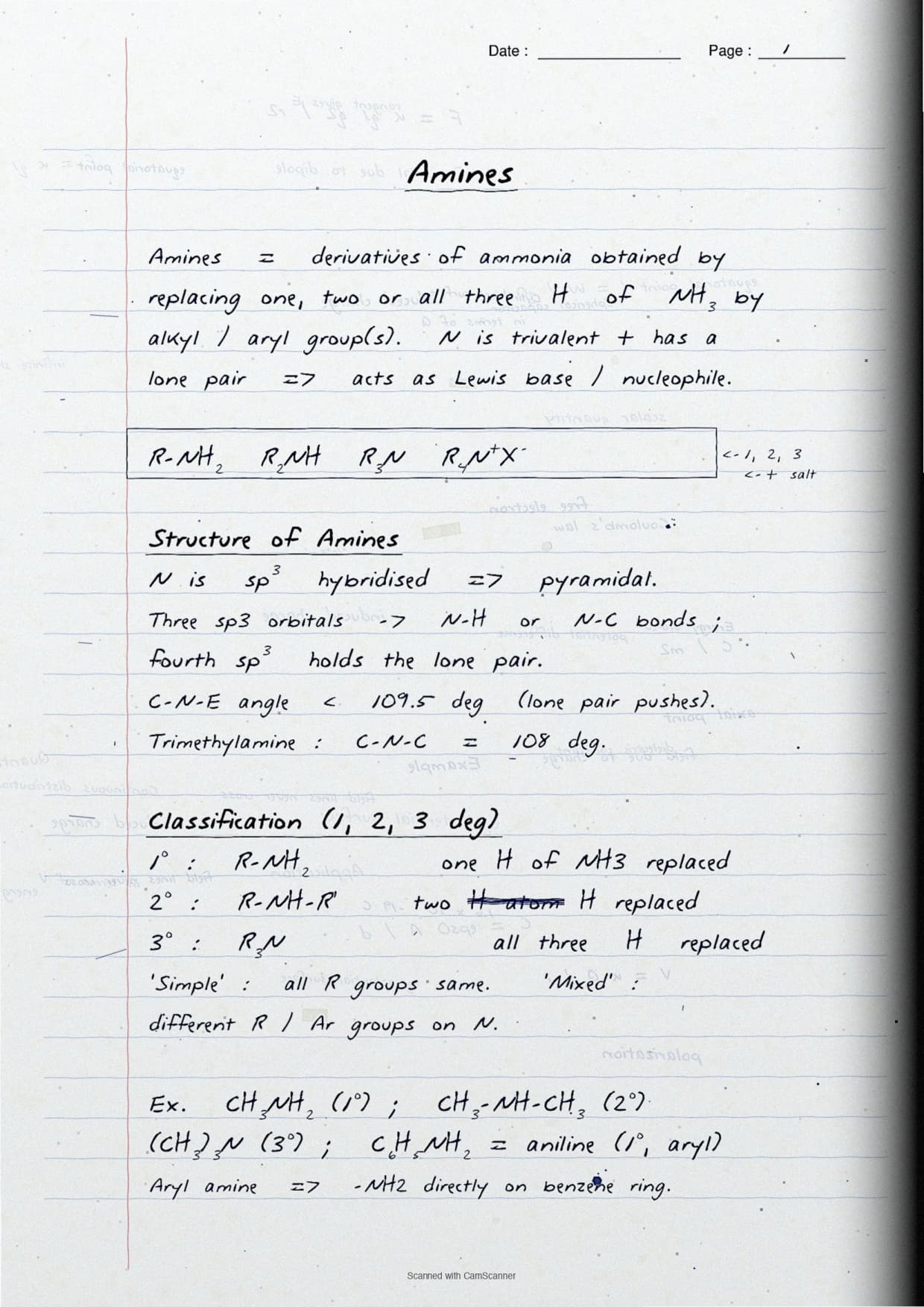
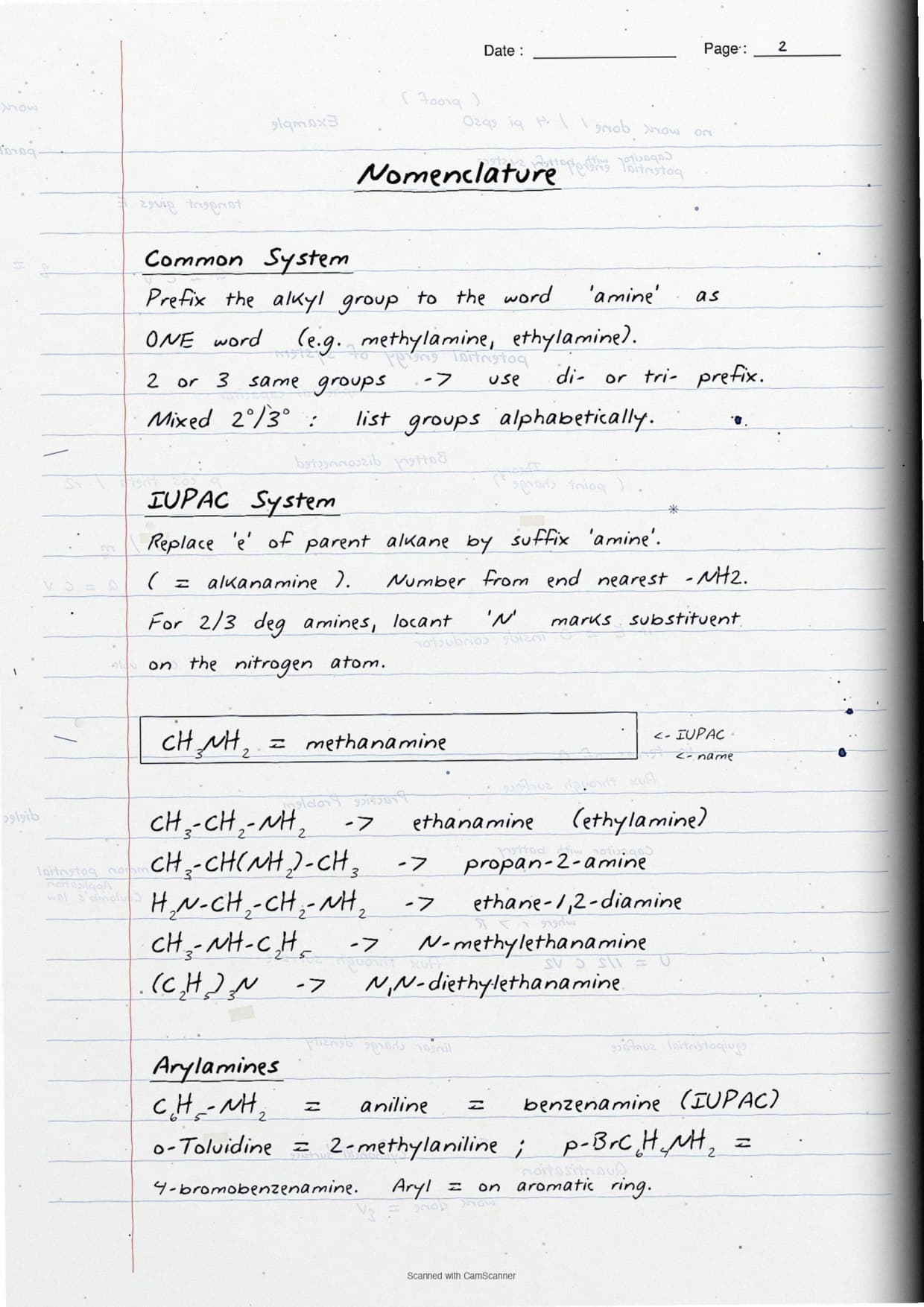
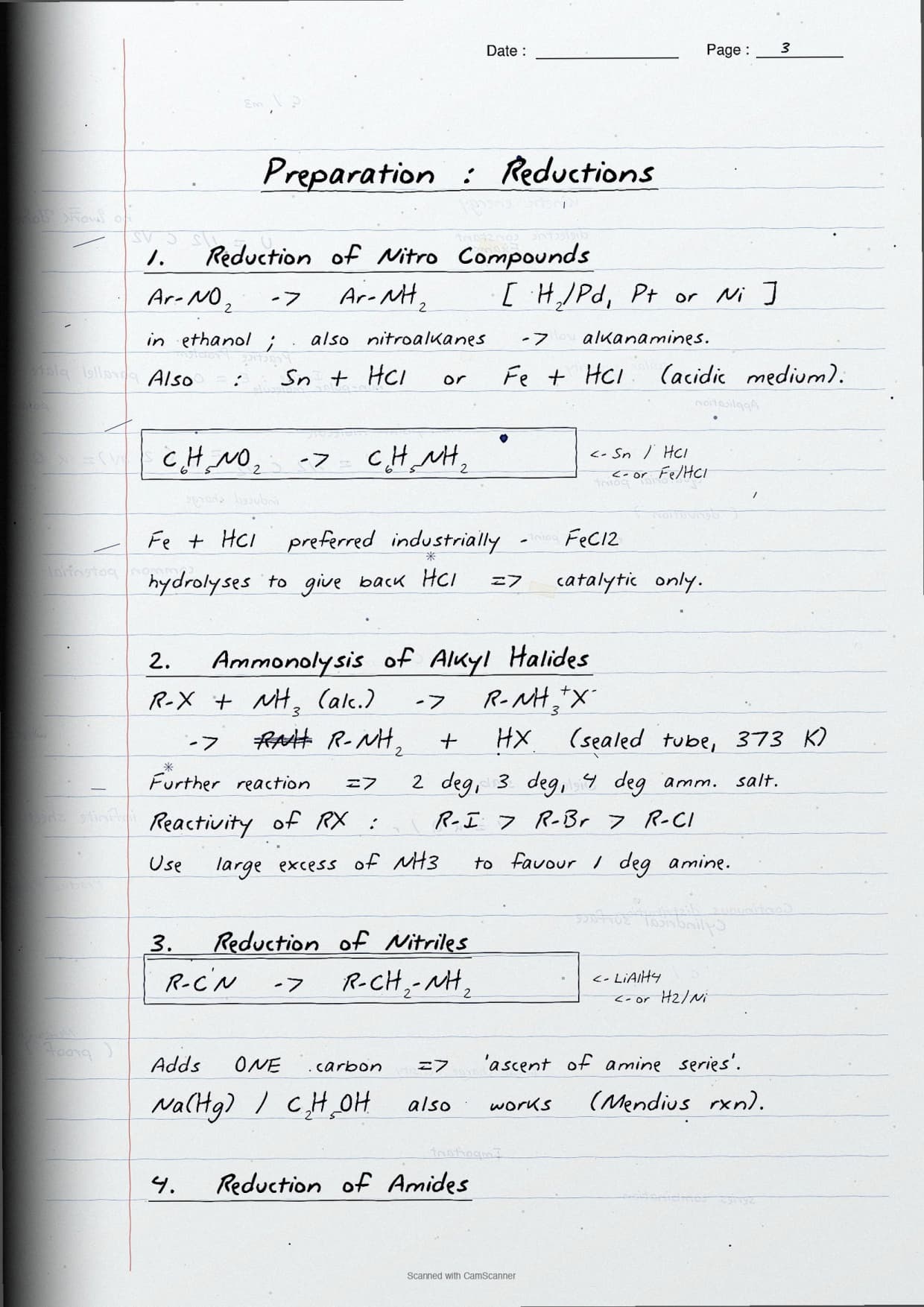
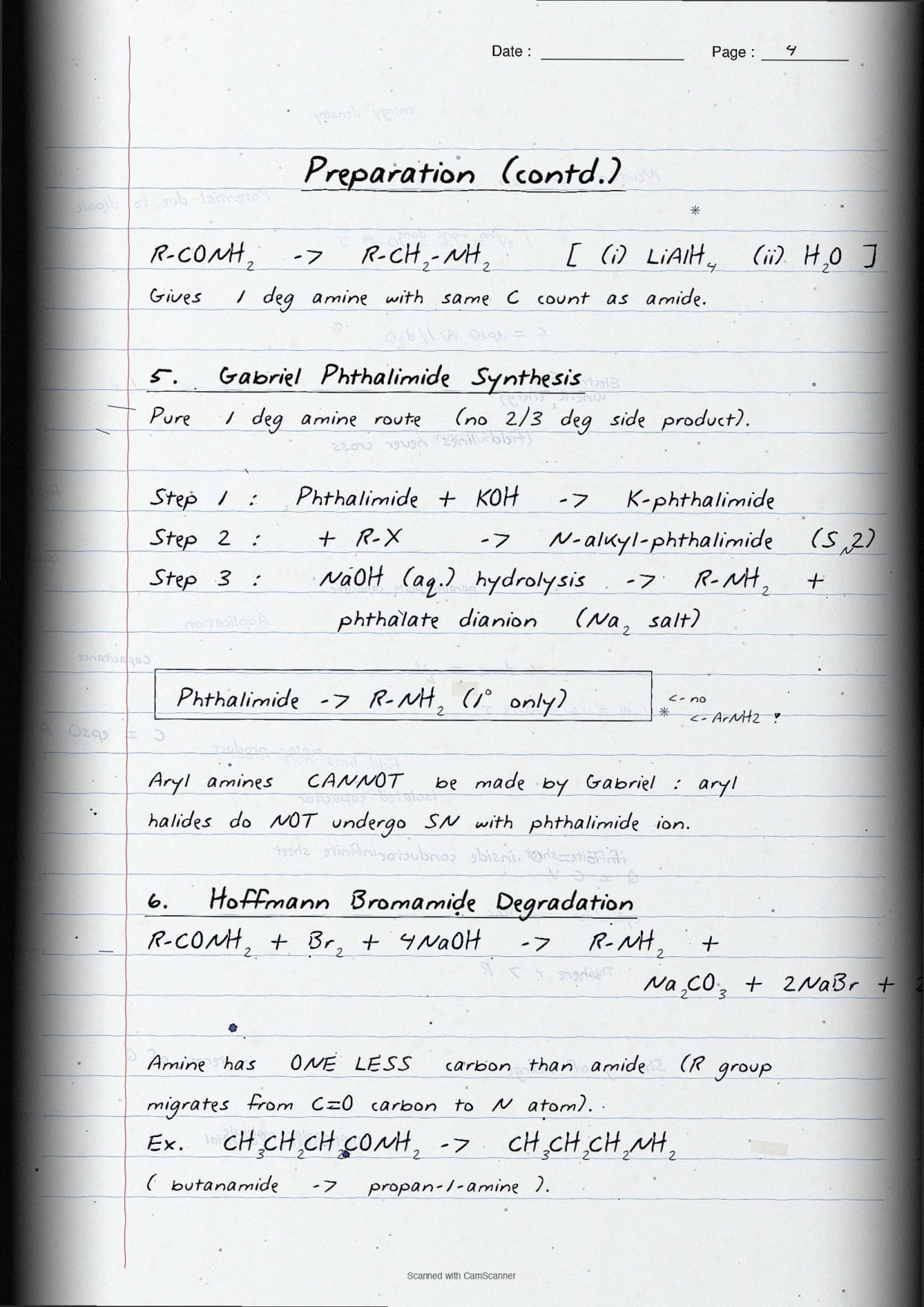
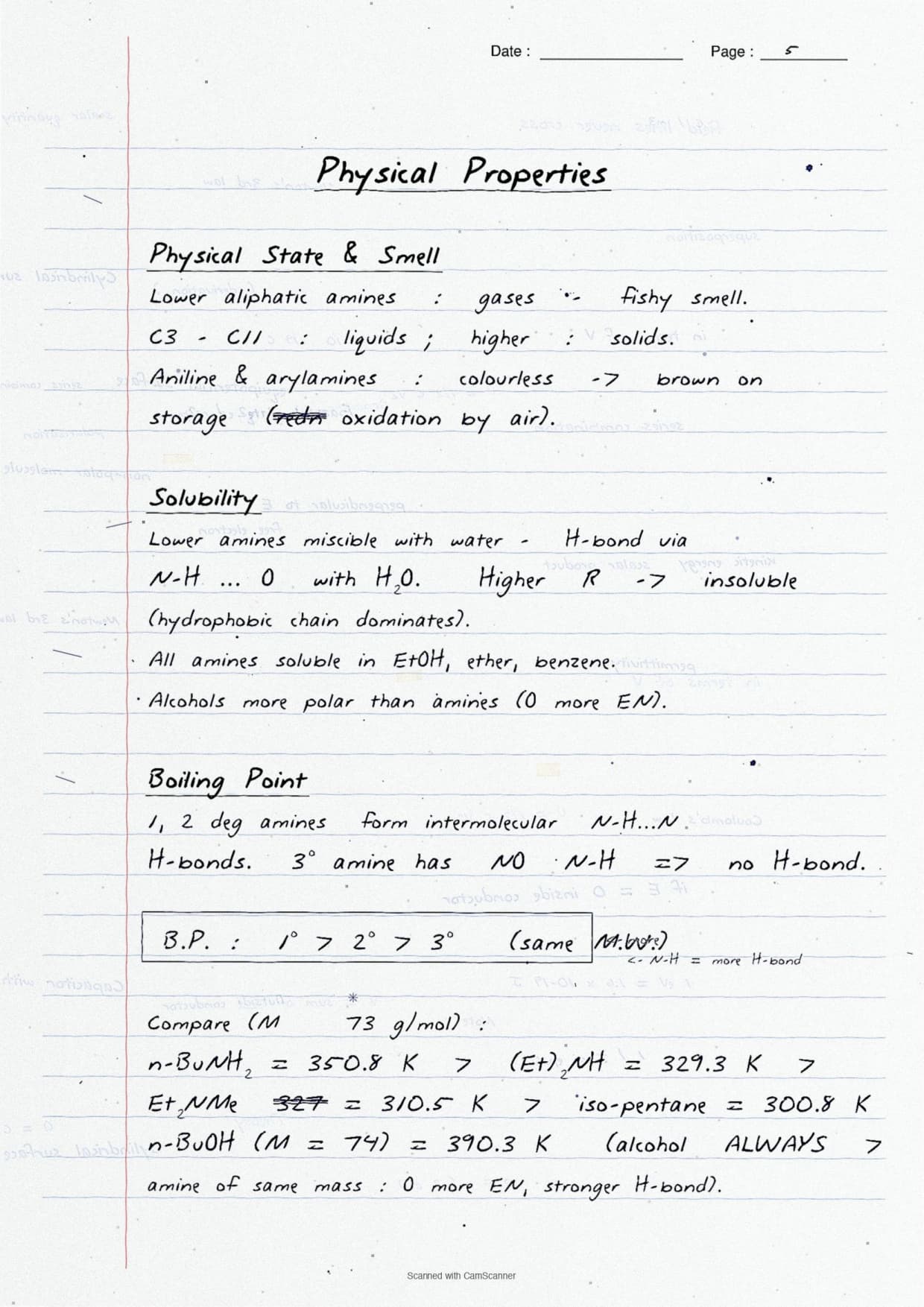
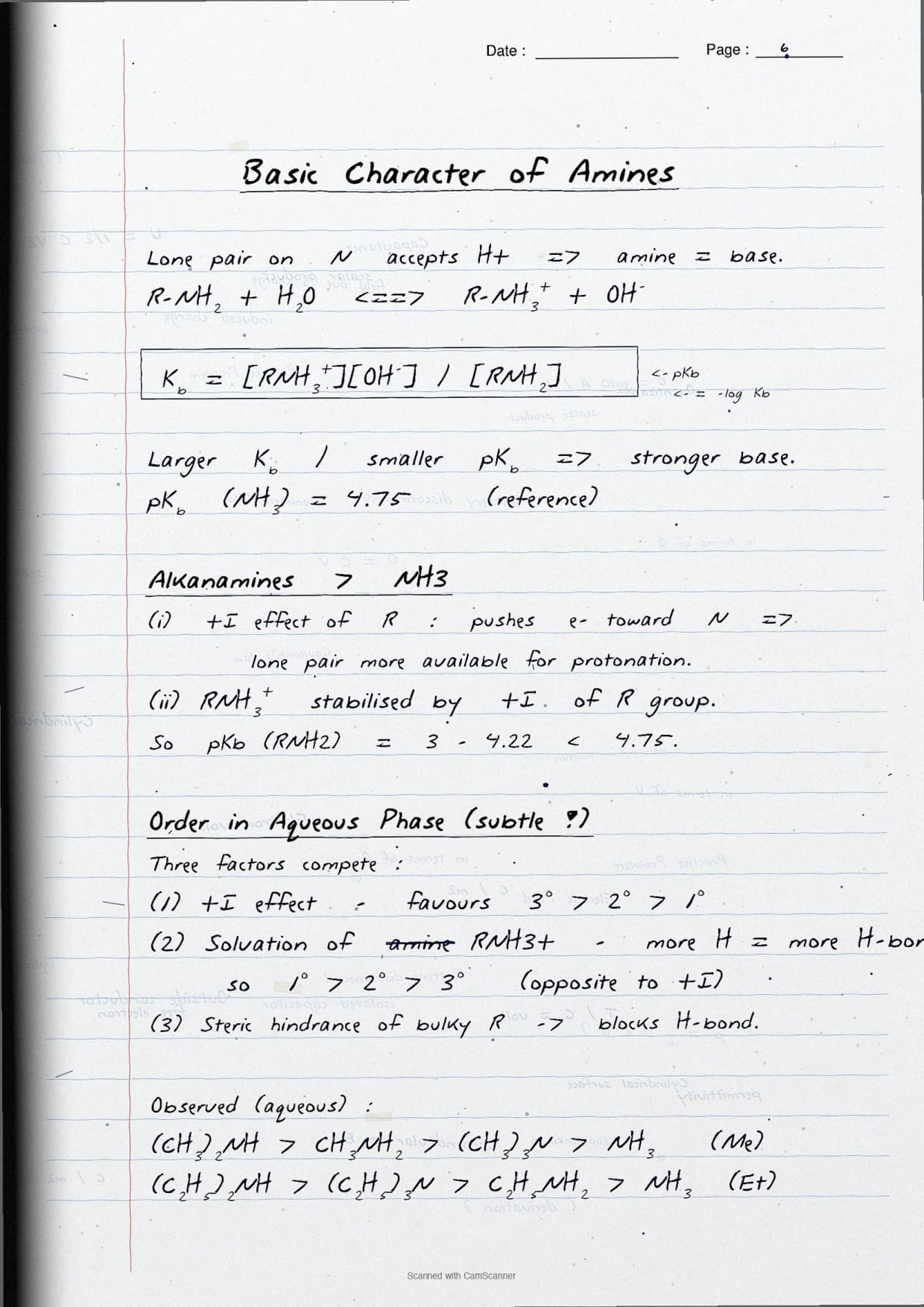
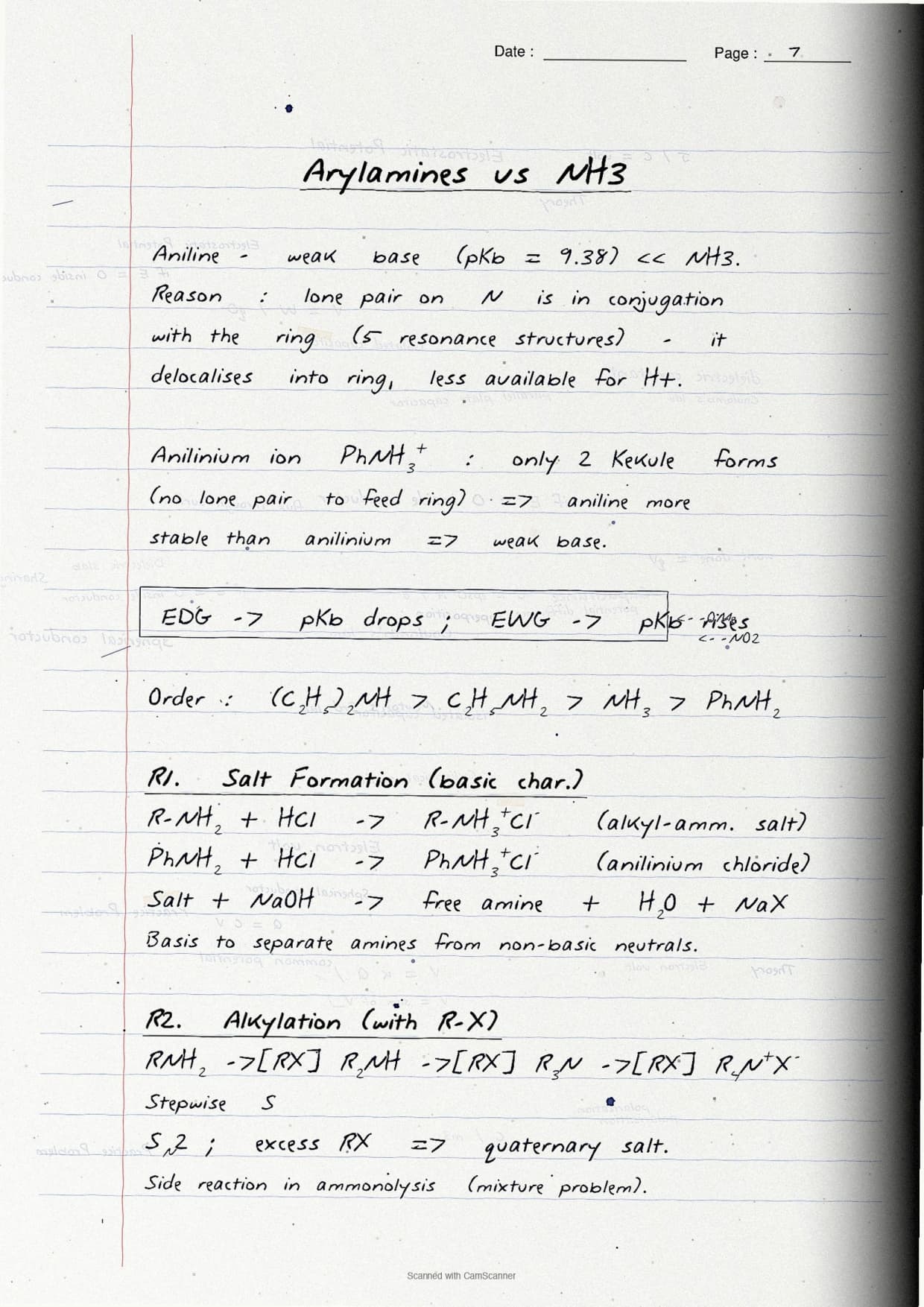
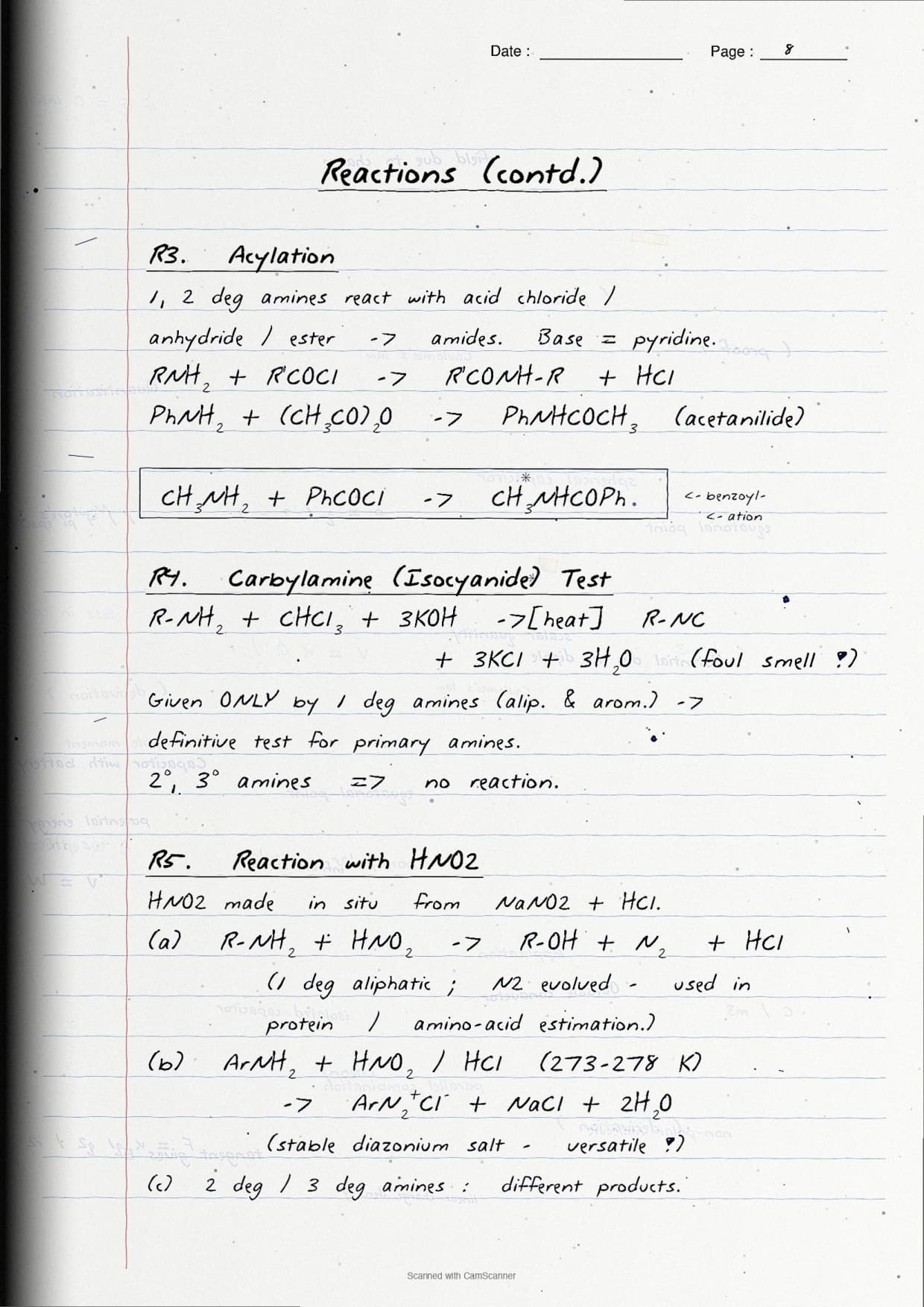
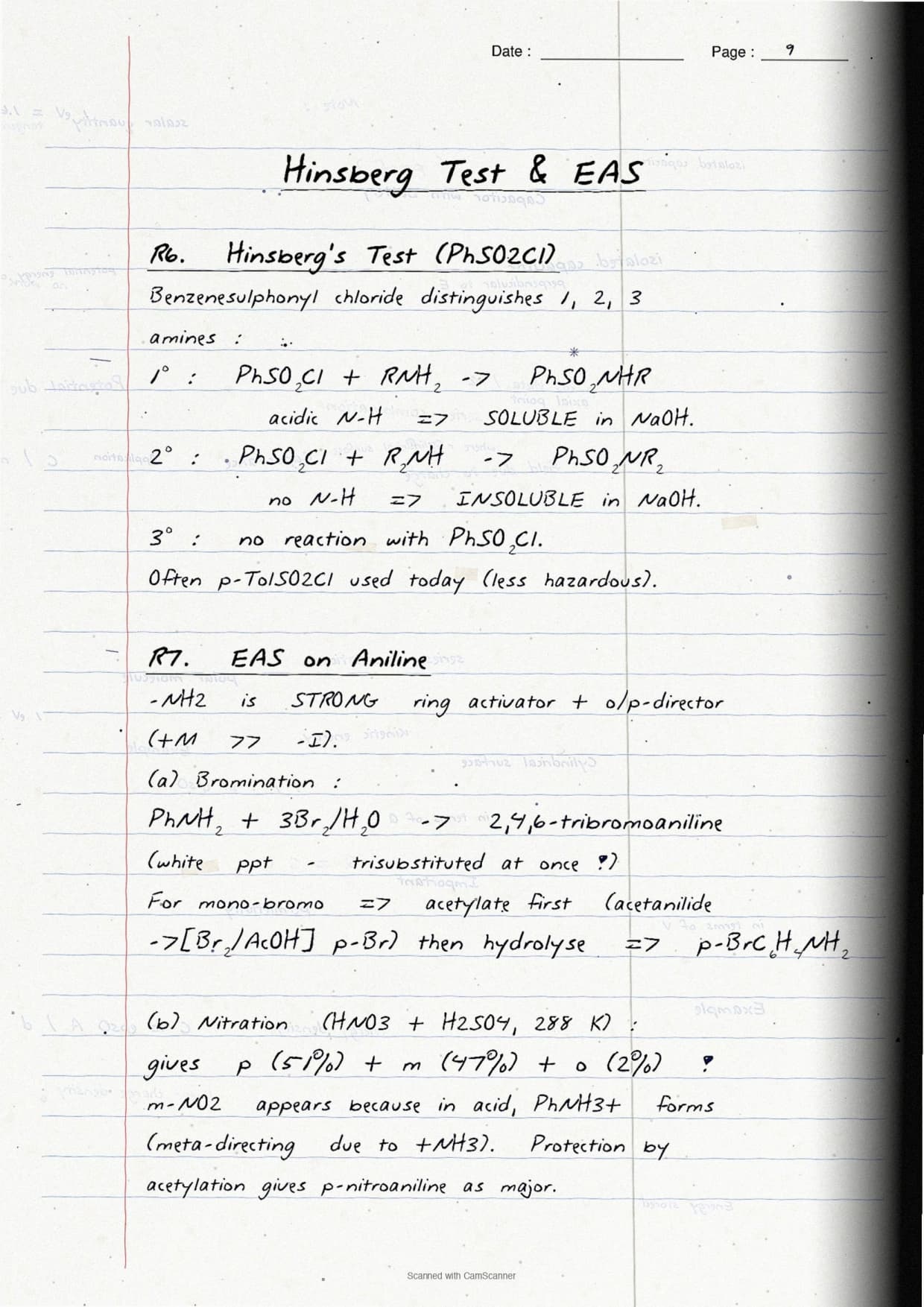
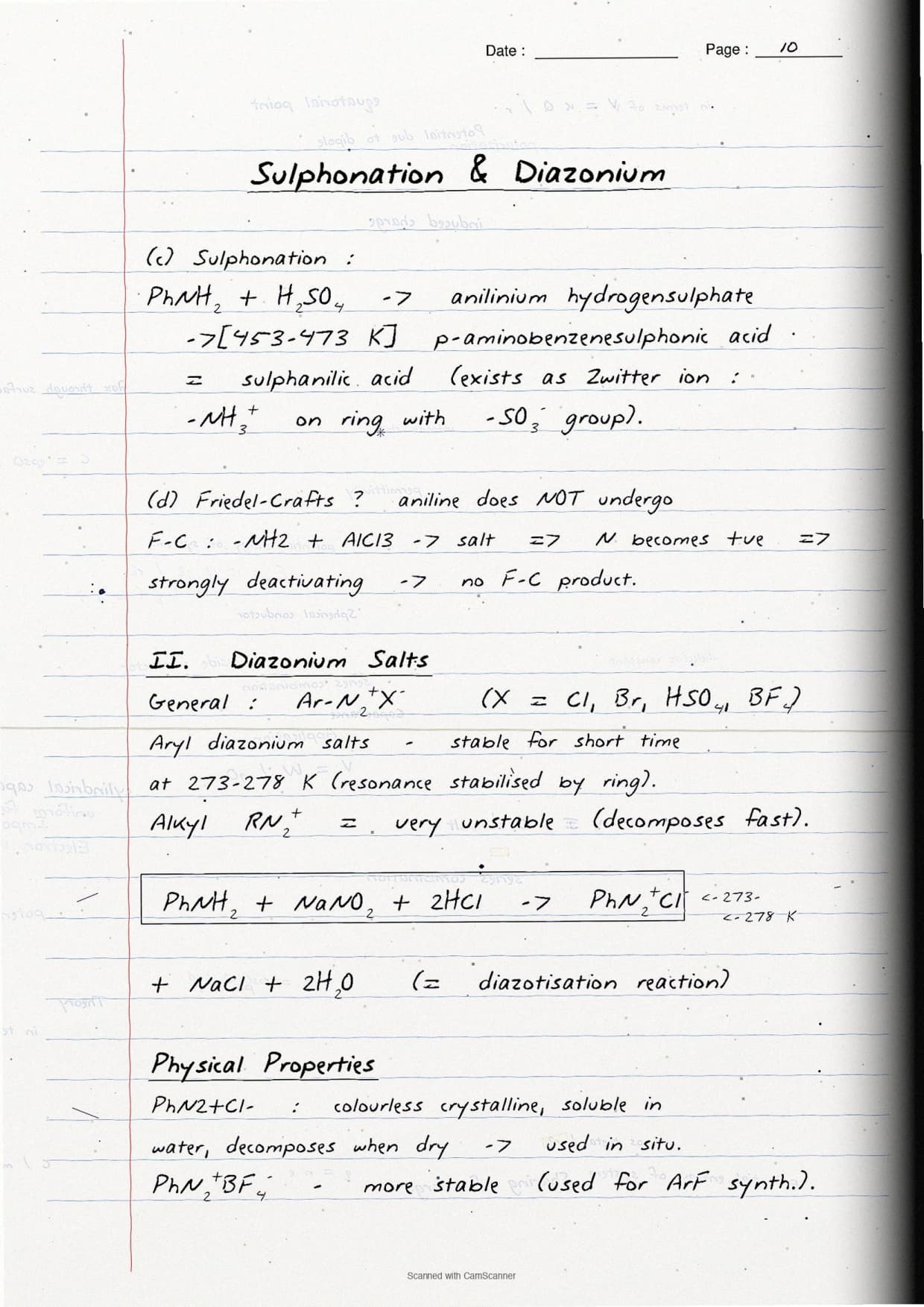
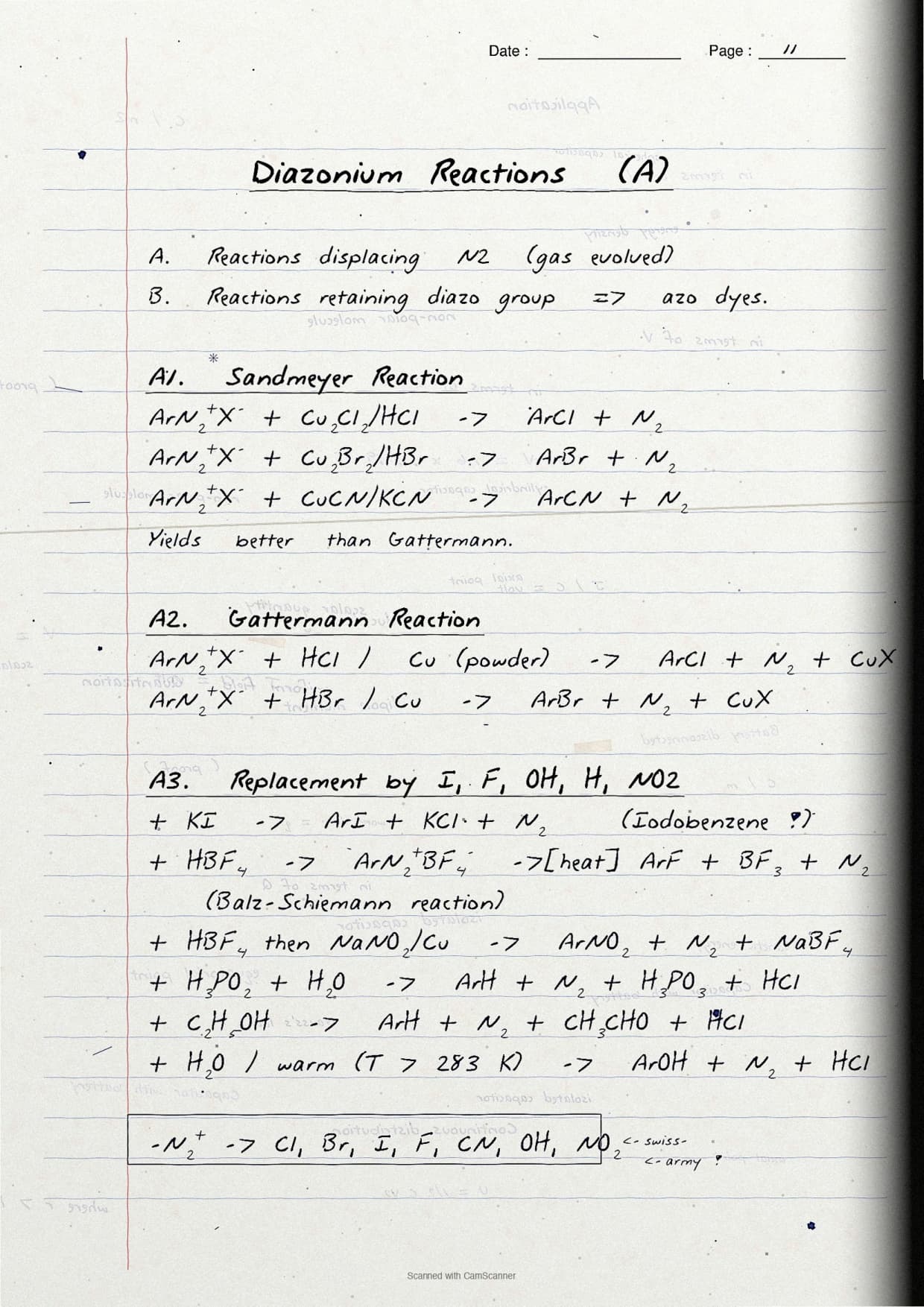
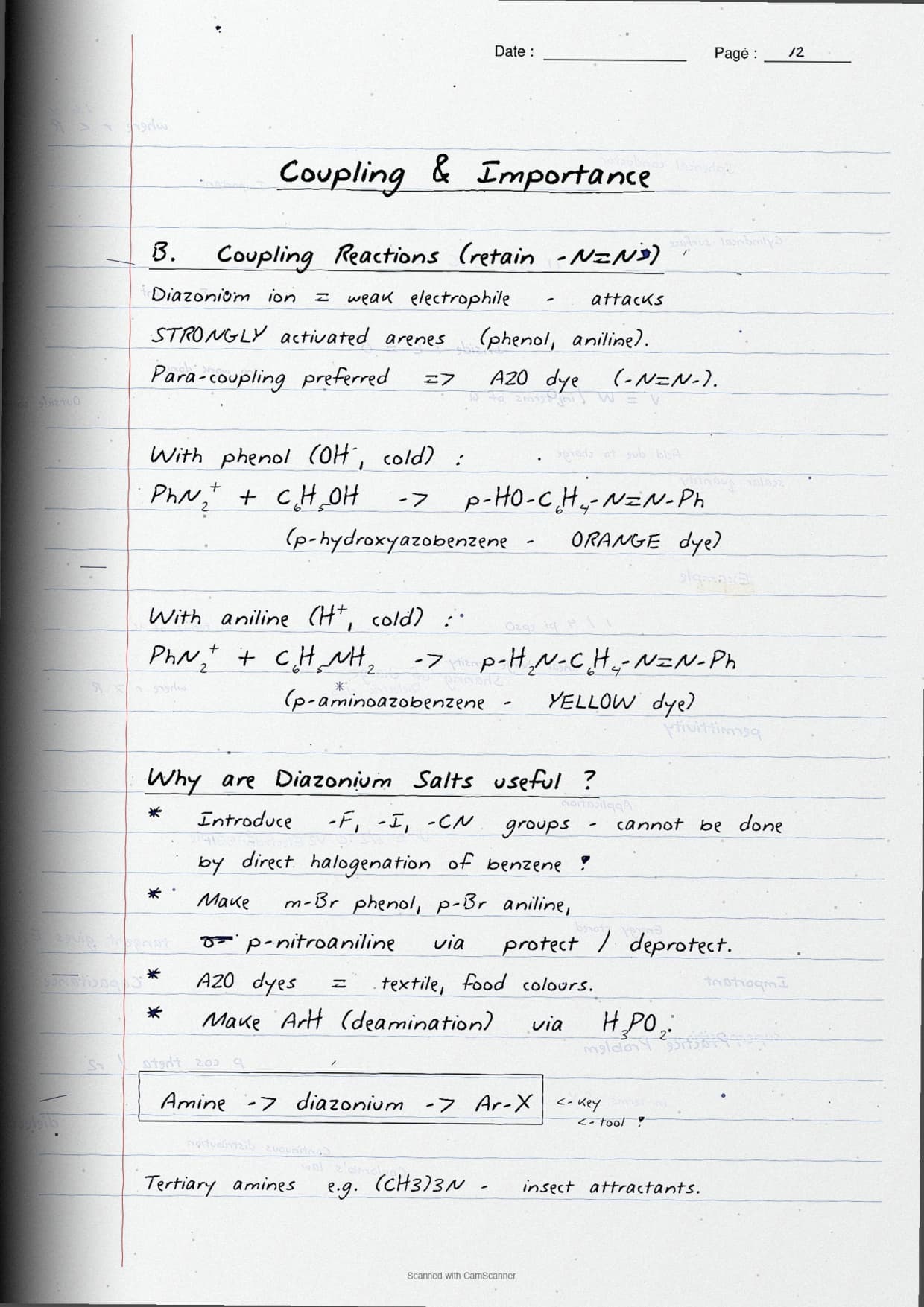
The Collegedunia scanned notebook redraws basicity ladders, diazonium chemistry, and various tests for Chapter 9 Amines.
- CBSE Weightage: 4 to 6 marks (a 3-mark mechanism or distinction question plus a 2-mark conversion or basicity comparison is the standard CBSE pattern, occasionally seen in a 5-marker on diazonium synthesis mechanism)
- JEE Main Weightage: 3 to 4% (1 to 2 questions per shift on basicity order, Hinsberg test, and Sandmeyer/diazonium reactions)
- NEET Weightage: 2 to 3 questions per year on amine preparation, carbylamine test, and aniline reactions
Scanned from a topper's notebook, cross-checked against the 2026-27 NCERT, and refined against the last five years of CBSE, JEE Main, and NEET papers.
Also Check:
- Amines Class 12 Chemistry Notes
- Amines Class 12 Chemistry NCERT Solutions
- Amines Class 12 Chemistry Formula Sheet
Amines Weightage Compared Across Class 12 Chemistry Chapters
Where this chapter sits in the Class 12 CBSE Chemistry mark distribution. Chapter 9 lands in the mid-upper mark band alongside Haloalkanes and Alcohols.
Amines Class 12 Chemistry Explained
Source: Magnet Brains on YouTube
How will Collegedunia's Handwritten Notes Help You with Amines?
A scanned topper notebook keeps the nitrogen lone pair and the colour cues that plain PDFs lose. NEET 2025 had two diazonium questions; JEE Main January 2025 had one on aniline basicity order.
- Lone-pair shading: N lone pair in red; aromatic ring conjugation arrows in blue. One glance triggers basicity recall.
- Primary vs secondary vs tertiary panels: Hinsberg outcomes drawn on the same page in three colour boxes.
- Basicity ladder for amines: Aliphatic, aromatic, and substituted aniline ranks with pKb numbers in the margin.
- Margin mnemonics: Carbylamine, Hinsberg, azo-coupling, Sandmeyer, Gabriel - one-line hook each.
Hand-Drawn Figures Indexed in This Notebook
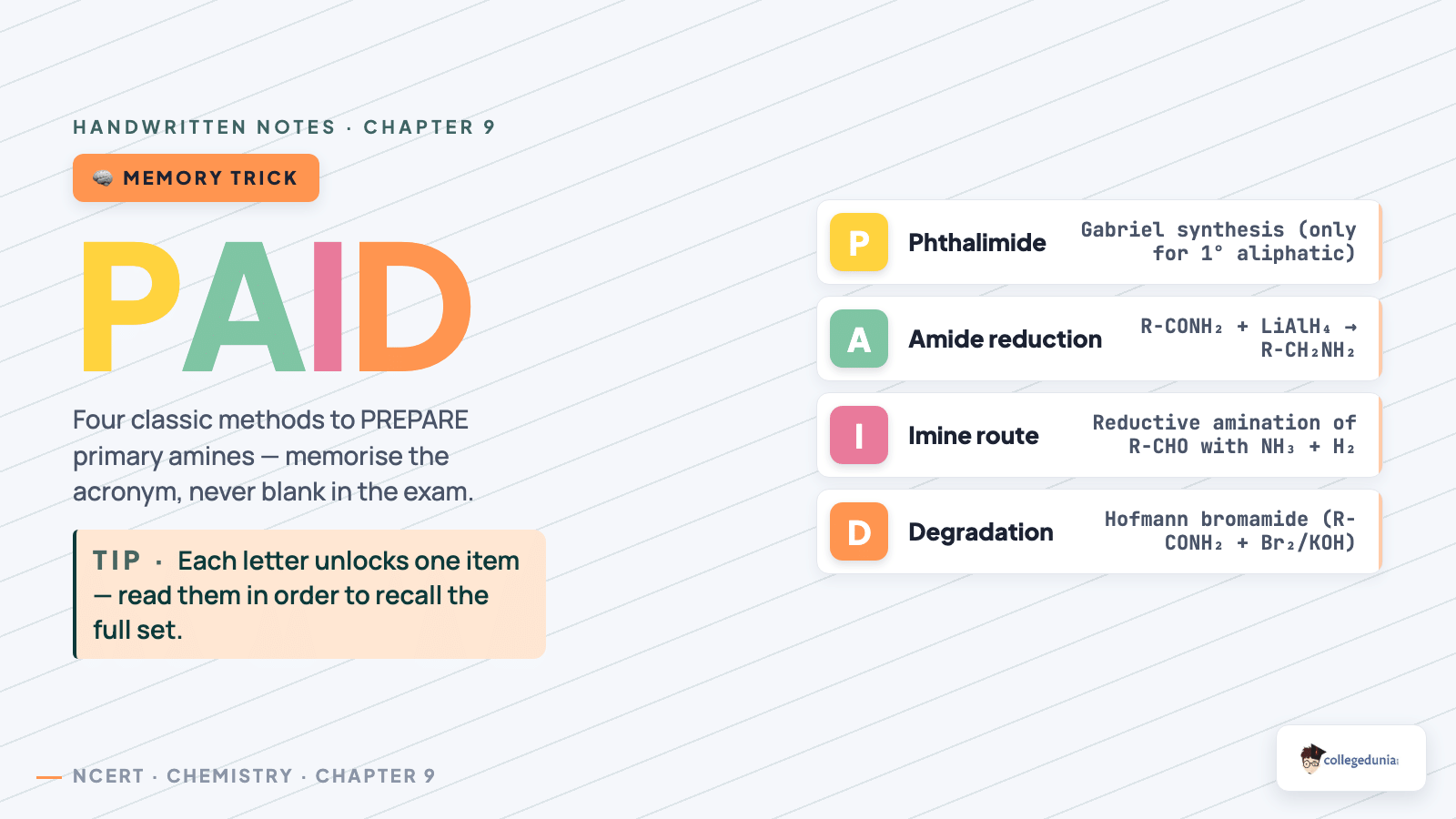
The notebook holds thirteen figures across 20 pages, each paired with the concept the diagram anchors.
| Fig No. | Figure | Page |
|---|---|---|
| Fig 9.1 | Amine sp3 nitrogen with lone pair | p. 2 |
| Fig 9.2 | Classification tree (1∘, 2∘, 3∘, quaternary) | p. 3 |
| Fig 9.3 | Gabriel phthalimide synthesis route | p. 5 |
| Fig 9.4 | Hofmann bromamide degradation | p. 6 |
| Fig 9.5 | Basicity order aliphatic amines (gas vs aqueous) | p. 8 |
| Fig 9.6 | Aniline resonance with benzene ring | p. 9 |
| Fig 9.7 | Substituted aniline pKb ladder | p. 10 |
| Fig 9.8 | Carbylamine test (1∘ amines only) | p. 12 |
| Fig 9.9 | Hinsberg test outcomes (1∘, 2∘, 3∘) | p. 13 |
| Fig 9.10 | Diazonium salt preparation (HNO2, 273-278 K) | p. 15 |
| Fig 9.11 | Sandmeyer and Gattermann replacement map | p. 16 |
| Fig 9.12 | Azo coupling with phenol and aniline | p. 17 |
| Fig 9.13 | Electrophilic substitution on aniline (acetylation block) | p. 19 |
For 30-minute last-day revision, lock Fig 9.5, 9.7, 9.9, and 9.11. These four cover roughly 70 per cent of the marks CBSE has awarded since 2021.
What's Inside the Amines Handwritten Notes PDF
A 20-page scan with a fixed ink-colour code. Use this page map to jump to your weakest sub-topic.
| Page Block | Topic | Why It Stays |
|---|---|---|
| p. 1-3 | Amine structure, classification, IUPAC and common names | sp3 N with lone pair sketch clicks only when hand-drawn |
| p. 4-6 | Prep: reduction of nitro/nitrile/amide, Gabriel, Hofmann bromamide | Five routes on one foldable page |
| p. 7-8 | Physical properties; H-bonding and solubility trends | Boiling-point ladder vs alcohols and alkanes |
| p. 9-11 | Basicity: aliphatic, aromatic, substituted; gas vs aqueous phase | +I, -R, steric and solvation reconciled on one ladder |
| p. 12-13 | Carbylamine, Hinsberg, nitrous acid distinction tests | 1∘ vs 2∘ vs 3∘ decision tree |
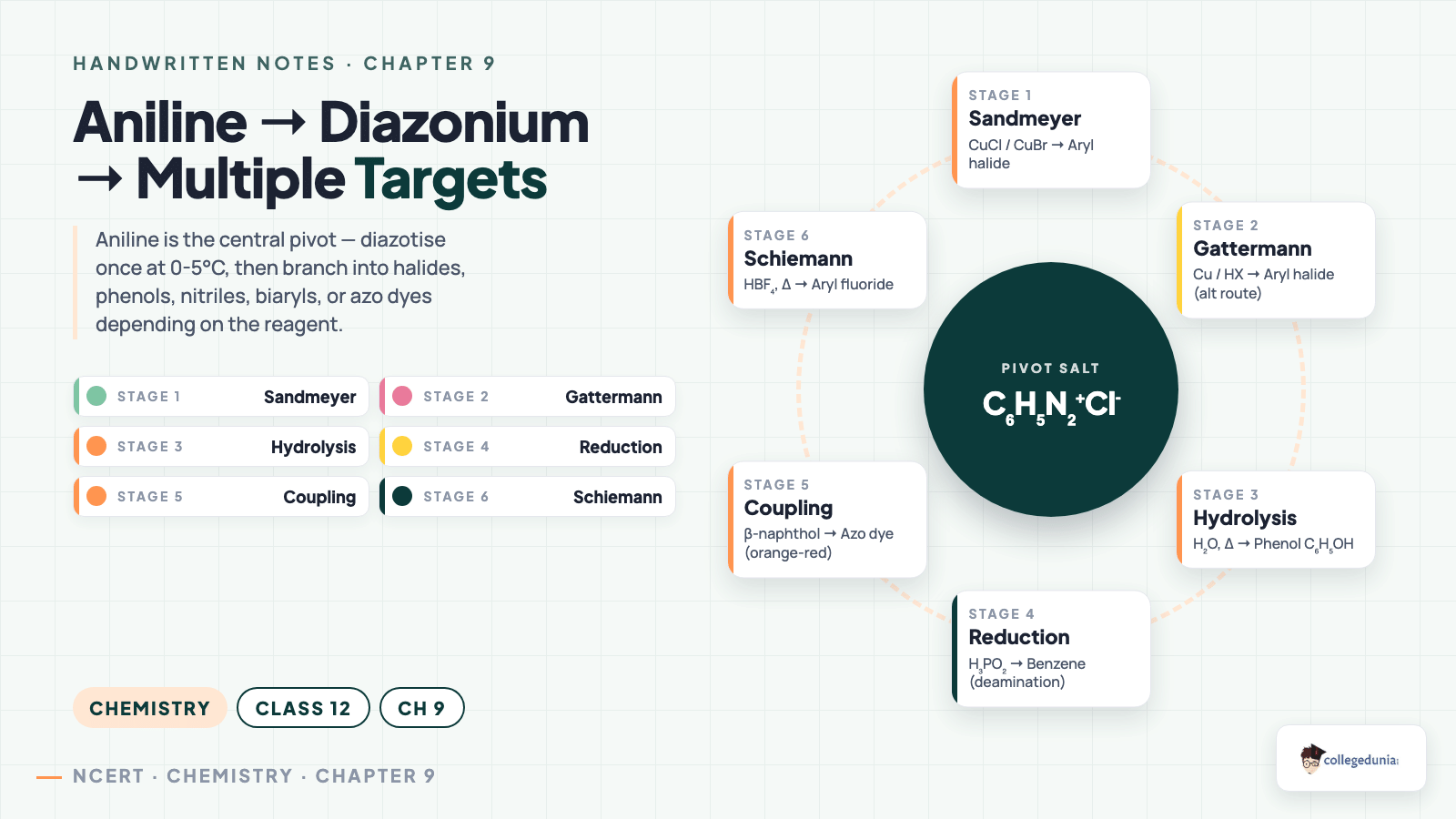
| p. 14-17 | Diazonium chemistry: prep, Sandmeyer, Gattermann, azo coupling | The JEE 2-marker bank lives here |
| p. 18-20 | Aniline electrophilic substitution; acetylation block; methylation | Why aniline needs the acetyl protecting group |
Why Amines Matters for JEE Main and NEET 2026
This chapter links basicity to diazonium routes, one of the densest mechanism blocks in organic. NEET carried 31 questions from 2014-2025; JEE Main carried 44 across 2024-2025. Three angles dominate.
Top Three Exam Angles
- Basicity comparison: Aliphatic vs aromatic vs substituted; +I, -R, solvation. CBSE 2-marker and JEE Main 1-marker yearly.
- Diazonium-based conversions: Aniline to phenol, chloro/bromobenzene, iodo, cyano, fluoro. CBSE Boards 2024 carried a 3-marker on this.
- Distinction-test decision: Hinsberg, carbylamine, nitrous acid. Recurring NEET 1-marker and CBSE 2-marker.
Amines: Last 24-Hour Revision Card for Class 12 Chemistry
If exam morning is hours away, skim these eight items in order. Each anchors a 2 to 5 mark cluster.
- Basicity (water): 2∘ > 1∘ > 3∘ > NH3; aniline << methylamine.
- Substituent shifts: EDG (+CH3, +OCH3) raises basicity; EWG (-NO2, -Cl) lowers it.
- Carbylamine (Fig 9.8): 1∘ amine + CHCl3 + KOH gives offensive isocyanide.
- Hinsberg (Fig 9.9): 1∘ gives KOH-soluble; 2∘ gives insoluble; 3∘ no reaction.
- Diazonium prep: ArNH2 + NaNO2 + HCl at 273-278 K gives ArN2+Cl-.
- Sandmeyer: ArN2+ + CuX/HX gives ArX (X = Cl, Br, CN).
- Azo coupling: ArN2+ + phenol (basic) or aniline gives bright azo dye.
- Five prep routes: Nitro reduction, nitrile reduction, amide reduction (LiAlH4), Gabriel, Hofmann bromamide.
Best Way to Use These Amines Handwritten Notes
The scan rewards a two-pass read; one read leaves arrows in your eyes but not your memory.
- Pass 1 (60 to 75 min) - diagrams only: Skip body prose. Look at the 13 figures and the seven page-block panels. The visual layer alone seeds 60 per cent of recall.
- Pass 2 (90 to 120 min) - basicity and diazonium: Read the basicity ladder on pages 8-10; lock the Sandmeyer/azo-coupling maps on pages 16-17 last.
- Pass 3 (night before, 30 min): The Last 24-Hour Revision Card above. Eight items, three minutes each.
Where Students Lose Marks in Class 12th Chemistry Chapter 9 Amines
Flagged in red ink in the notebook margins. Roughly 30 per cent of dropped marks trace to four errors.
- Gas-phase vs aqueous basicity: Pure +I gives 3∘ > 2∘ > 1∘; water adds solvation and flips to 2∘ > 1∘ > 3∘. Mixing the two costs a 2-marker.
- Wrong Hinsberg outcome: 1∘ gives KOH-soluble sulfonamide (acidic N-H); 2∘ gives KOH-insoluble (no N-H); 3∘ does not react. Flipping any pair loses the question.
- Aniline temperature error: Diazonium salts form only at 273-278 K; above 278 K they decompose to phenol. Writing "room temperature" loses the 3-marker.
- Acetylation skipped: Direct nitration or bromination of aniline gives unwanted ortho/para mixtures. Acetylation with acetic anhydride blocks N-lone pair, restores selectivity, then hydrolysis frees -NH2.
Full PYQ map: Amines Class 12 NCERT Solutions carries the full year-wise CBSE, JEE Main, and NEET trend (2021-2026) with the standard 5-marker marks budget.
Student Feedback
In a Collegedunia poll of 900 Class 12 students, 78% said the colour-coded basicity ladder and diazonium map made Amines the easiest organic chapter to revise.
Other Resources for Class 12 Chemistry Chapter 9
- Amines Class 12 Chemistry Handwritten Notes
- Amines Class 12 Chemistry Notes
- Amines Class 12 Chemistry NCERT Solutions
- Amines Class 12 Chemistry Formula Sheet
- Amines Class 12 Chemistry NCERT Book PDF
- Amines Class 12 Chemistry Exemplar Solutions
NCERT Handwritten Notes for Class 12 Chemistry: All Chapters
| Chapter | Handwritten Notes |
|---|---|
| Chapter 1 | Solutions Handwritten Notes |
| Chapter 2 | Electrochemistry Handwritten Notes |
| Chapter 3 | Chemical Kinetics Handwritten Notes |
| Chapter 4 | The d- and f-Block Elements Handwritten Notes |
| Chapter 5 | Coordination Compounds Handwritten Notes |
| Chapter 6 | Haloalkanes and Haloarenes Handwritten Notes |
| Chapter 7 | Alcohols, Phenols and Ethers Handwritten Notes |
| Chapter 8 | Aldehydes, Ketones and Carboxylic Acids Handwritten Notes |
FAQs on Amines Class 12 Handwritten Notes
Q. Are the Amines Class 12 handwritten notes aligned with the 2026-27 syllabus?
Yes. The scanned notebook covers every topic retained in the current 2026-27 NCERT print, including amine classification, IUPAC nomenclature, the five major preparation routes (nitro reduction, nitrile reduction, amide reduction, Gabriel phthalimide synthesis, Hofmann bromamide degradation), physical properties, basicity in gas and aqueous phases, distinction tests (carbylamine, Hinsberg, nitrous acid), and the full diazonium chemistry block. Sub-topics dropped from the rationalised edition (some industrial routes and a few specialised reactions) have been removed from the notebook to match the current syllabus exactly.
Q. How many name reactions does the notebook cover for Chapter 9?
The scan maps seven core name reactions: Gabriel phthalimide synthesis, Hofmann bromamide degradation, carbylamine reaction, Hinsberg test, Sandmeyer reaction, Gattermann reaction, and azo coupling. Each reaction has its mechanism arrows drawn in two-colour ink so the electron flow direction is unmistakable, and the diazonium replacement map on page 16 collects Cl, Br, I, CN, F, and OH in a single foldable panel.
Q. Why is the basicity order of methylamines different in gas phase and water?
In the gas phase only the intrinsic +I effect matters, so basicity follows 3∘ > 2∘ > 1∘ > NH3. In water, the conjugate acid (RnNH(4-n)+) is stabilised by hydrogen bonding with solvent, and fewer N-H bonds means fewer hydrogen bonds. Trimethylammonium has only one N-H so it is solvated poorly, while dimethylammonium with two N-H bonds is solvated best. The combined effect reverses the order to 2∘ > 1∘ > 3∘ > NH3. The notebook draws both ladders side by side on page 8.
Q. What is the expected CBSE Board weightage for Amines in 2026?
CBSE typically allocates 4 to 6 marks to this chapter, usually as one 2-marker on a distinction test or basicity comparison and one 3-marker on diazonium conversion or a name reaction mechanism. Occasionally the 5-mark long-answer question pulls entirely from this chapter when it combines a preparation route with a diazonium synthesis. JEE Main and NEET each carry one to two additional questions per shift on top of this.
Q. How do you distinguish between primary, secondary, and tertiary amines?
The Hinsberg test is the cleanest method. The amine is reacted with benzenesulfonyl chloride (C6H5SO2Cl) followed by KOH. Primary amines give a sulfonamide with an acidic N-H, which dissolves in KOH; secondary amines give a sulfonamide with no N-H, insoluble in KOH; tertiary amines do not react with the sulfonyl chloride at all. The carbylamine reaction (CHCl3 + KOH) is a complementary test that gives an offensive isocyanide only with primary amines. The notebook gives a colour-coded decision tree on page 13.
Q. What is the difference between Sandmeyer, Gattermann, and Balz-Schiemann reactions for diazonium salts?
All three convert an aryl diazonium salt (Ar-N2+) to a substituted arene, but the reagents and products differ. The Sandmeyer reaction uses cuprous halide (CuCl, CuBr, or CuCN) dissolved in the corresponding halogen acid and gives high-yield Ar-Cl, Ar-Br, or Ar-CN. The Gattermann reaction uses copper powder (Cu metal) with HCl or HBr, gives the same Ar-X products but at lower yield. The Balz-Schiemann reaction is the only Class 12 route to aryl fluoride: the diazonium chloride is first converted to the aryl diazonium fluoroborate with HBF4, then dry-heated to release N2 and BF3 leaving Ar-F. In MCQs, the catalyst is the key: Cu(I) salt = Sandmeyer, Cu metal + HX = Gattermann, HBF4 + heat = Schiemann.
Q. Why is azo coupling done in mild base with phenol and mild acid with aniline, and what dyes are produced?
Both couplings need the aryl diazonium electrophile (Ar-N2+) at 273-278 K. With phenol, mild NaOH converts PhOH to the much more nucleophilic phenoxide ion (PhO-), which couples with benzenediazonium chloride at the para position to give p-hydroxyazobenzene, an orange dye. With aniline, mild HCl is used so that the aniline N is not fully protonated; in mild acid medium it remains a free amine and couples at the para position to give p-aminoazobenzene, a yellow dye. If the medium were strong acid for the aniline coupling, the substrate would protonate fully to anilinium ion and the coupling would fail.
Q. Why does Friedel-Crafts alkylation fail on aniline, and how is this fixed in synthesis?
The Friedel-Crafts reaction needs a Lewis acid (typically AlCl3) to generate the electrophile. Aniline carries a basic nitrogen lone pair that coordinates strongly to AlCl3, forming an Ar-NH2-AlCl3 complex in which N now bears a formal positive charge. This deactivates the ring toward electrophilic attack. The standard fix is to acetylate the amine first with acetic anhydride to give acetanilide (Ar-NHCOCH3), perform the Friedel-Crafts on the acetanilide where the amide is only weakly activating, and then hydrolyse the acetyl group at the end to recover the substituted aniline. The same acetylation strategy is used for clean para-bromination and para-nitration of aniline.
Q. Are these handwritten notes enough to prepare for JEE Main and NEET 2026 questions from this chapter?
The notebook gives complete conceptual coverage of every NCERT topic plus the highest-yield mechanisms, but JEE Main and NEET demand timed practice on previous-year questions. Pair the notes with the Collegedunia NCERT Exemplar Solutions for this chapter and the last five years of JEE Main and NEET PYQs to convert this chapter into 6 to 10 marks across both exams.



Comments