



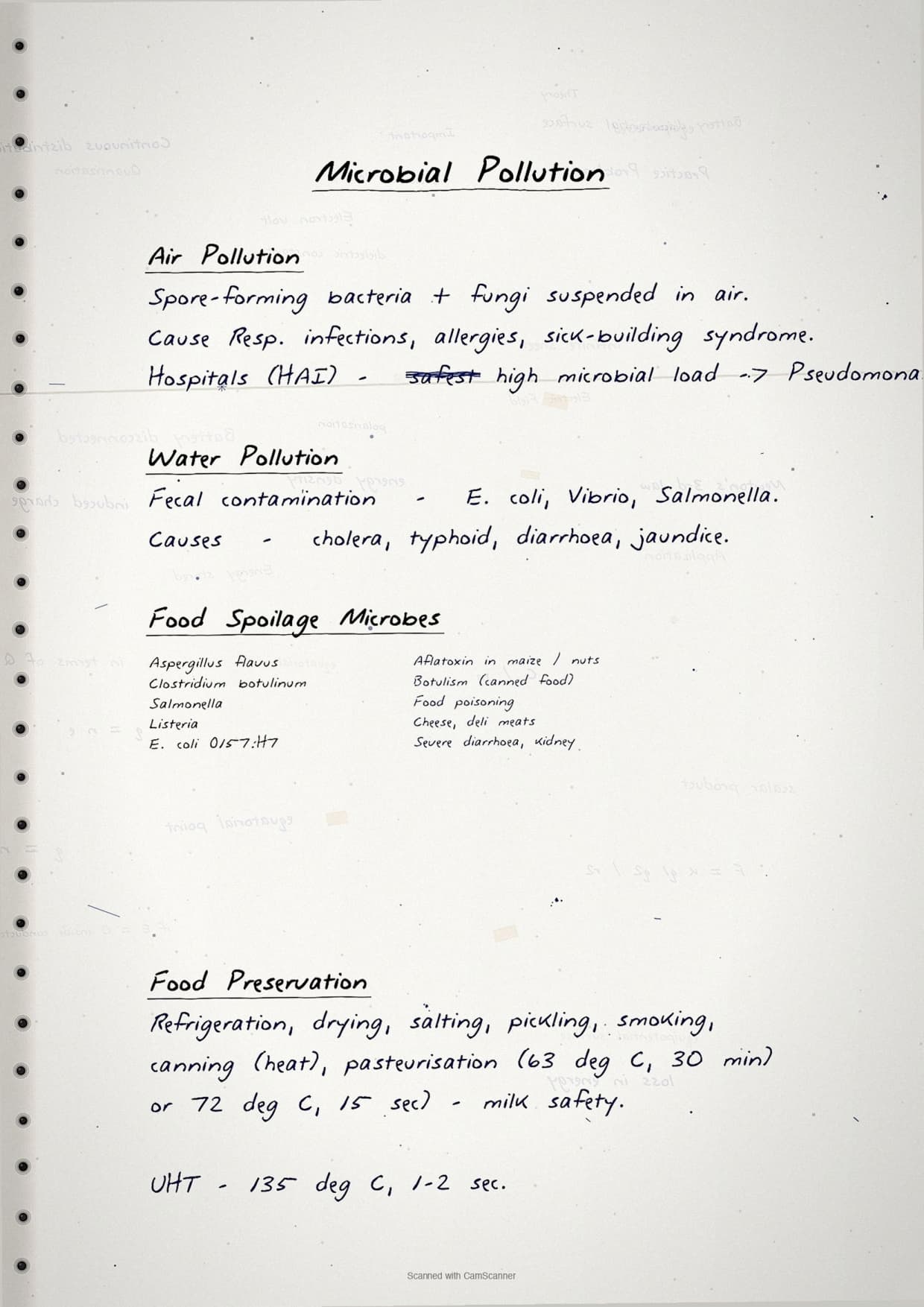
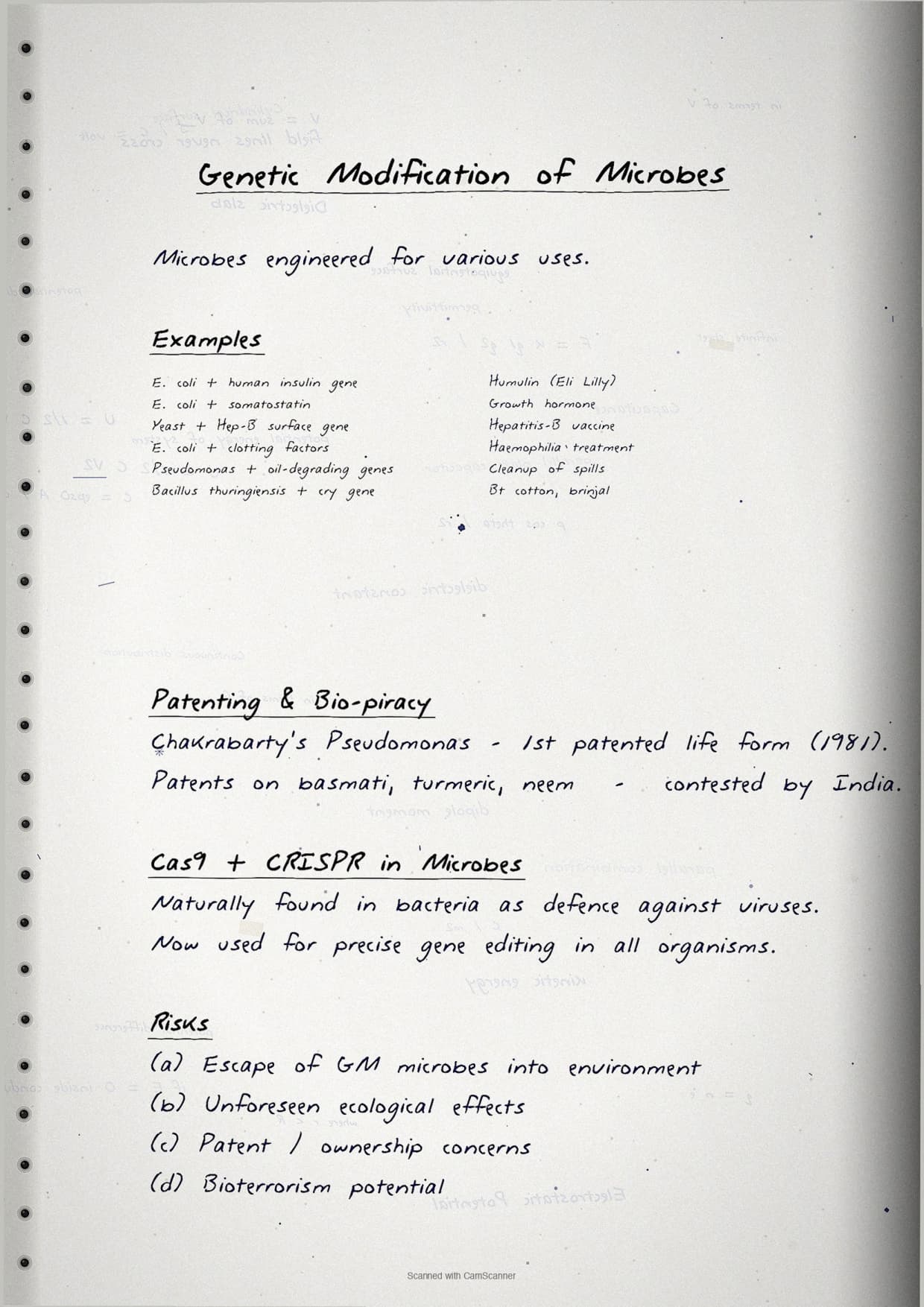
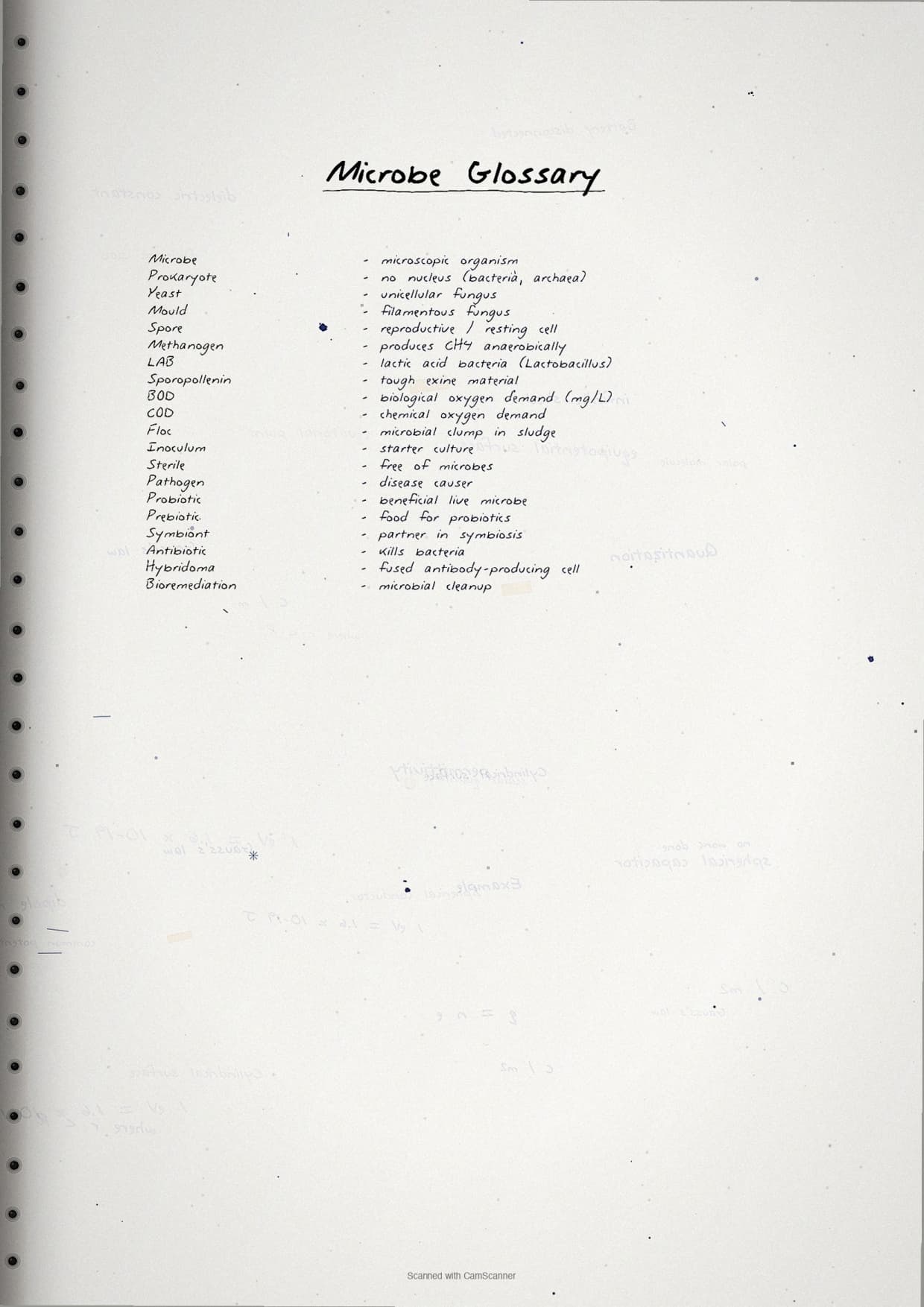
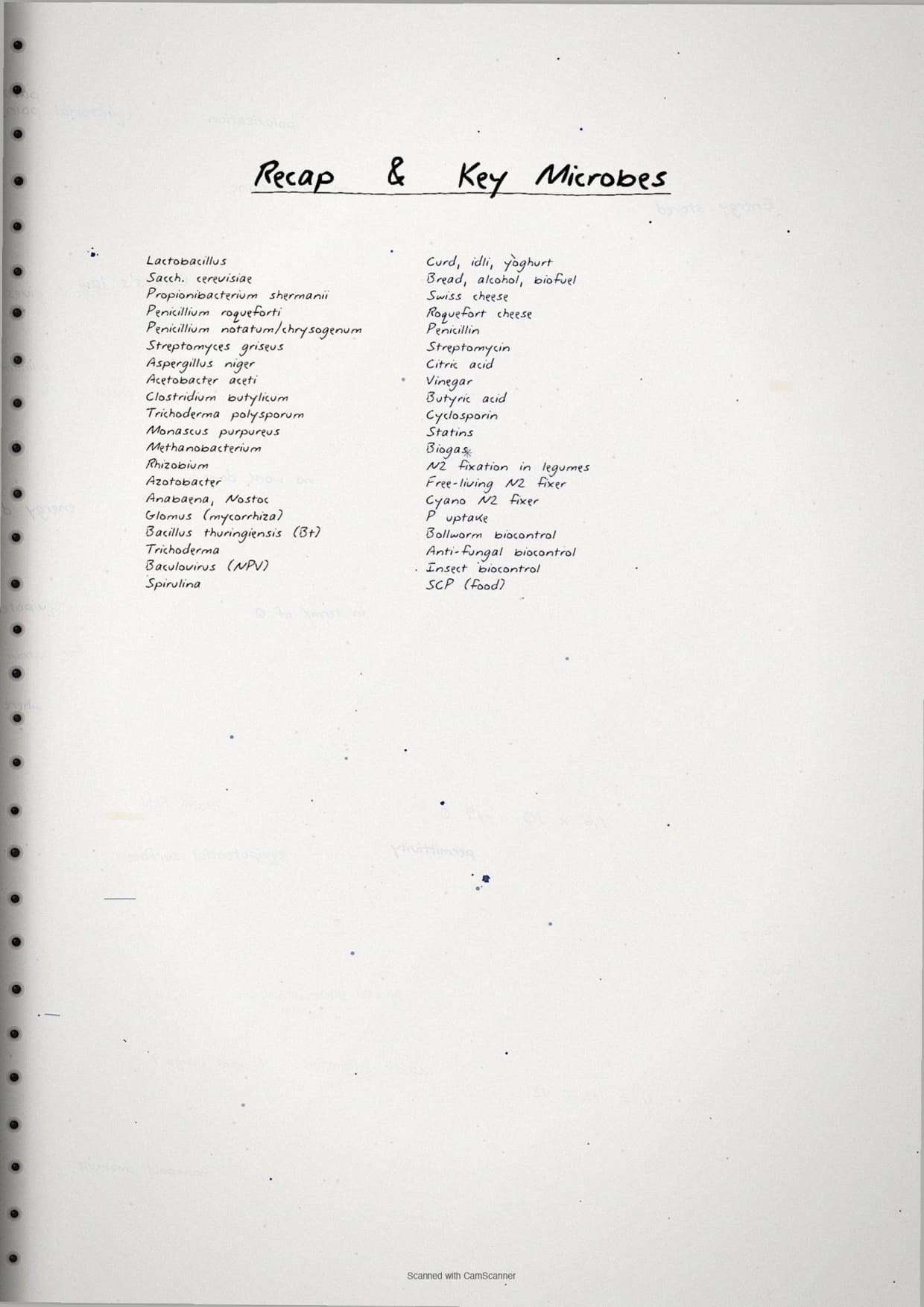
Class 12 Biology Chapter 8 Microbes in Human Welfare is the most application-heavy unit retained in the current 2026-27 NCERT syllabus, weaving curd-setting Lactobacillus, biogas-producing methanogens, antibiotic-yielding Penicillium, and sewage-treating flocs into one chapter, and this Collegedunia scanned notebook compresses it into 28 ruled-paper pages with hand-drawn STP flow, biogas plant, and biocontrol sketches.
- CBSE Weightage: 4 to 6 marks (one 3-mark question on STP or biogas plant plus a 2-marker on industrial microbes is the standard CBSE pattern)
- NEET Weightage: 2 to 4 questions per paper (consistent 3 to 5% of NEET Biology, drawn most often from industrial products and sewage treatment)
Microbes in Human Welfare Class 12 Biology Video Lecture
Source: Magnet Brains on YouTube
What's Inside the Class 12 Biology Chapter 8 Microbes in Human Welfare Handwritten Notes PDF
| Pages | Topic | Pen Colour |
|---|---|---|
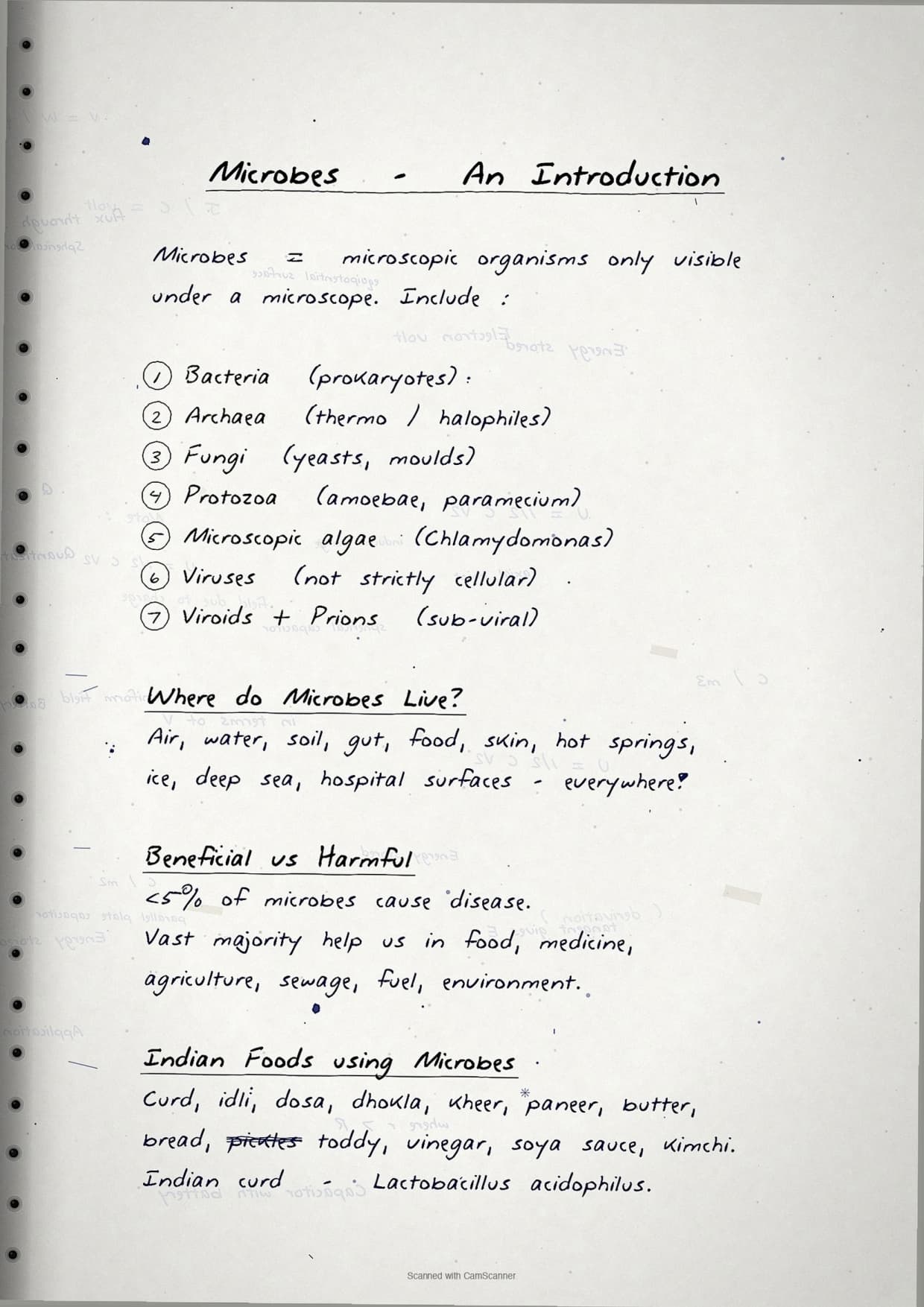
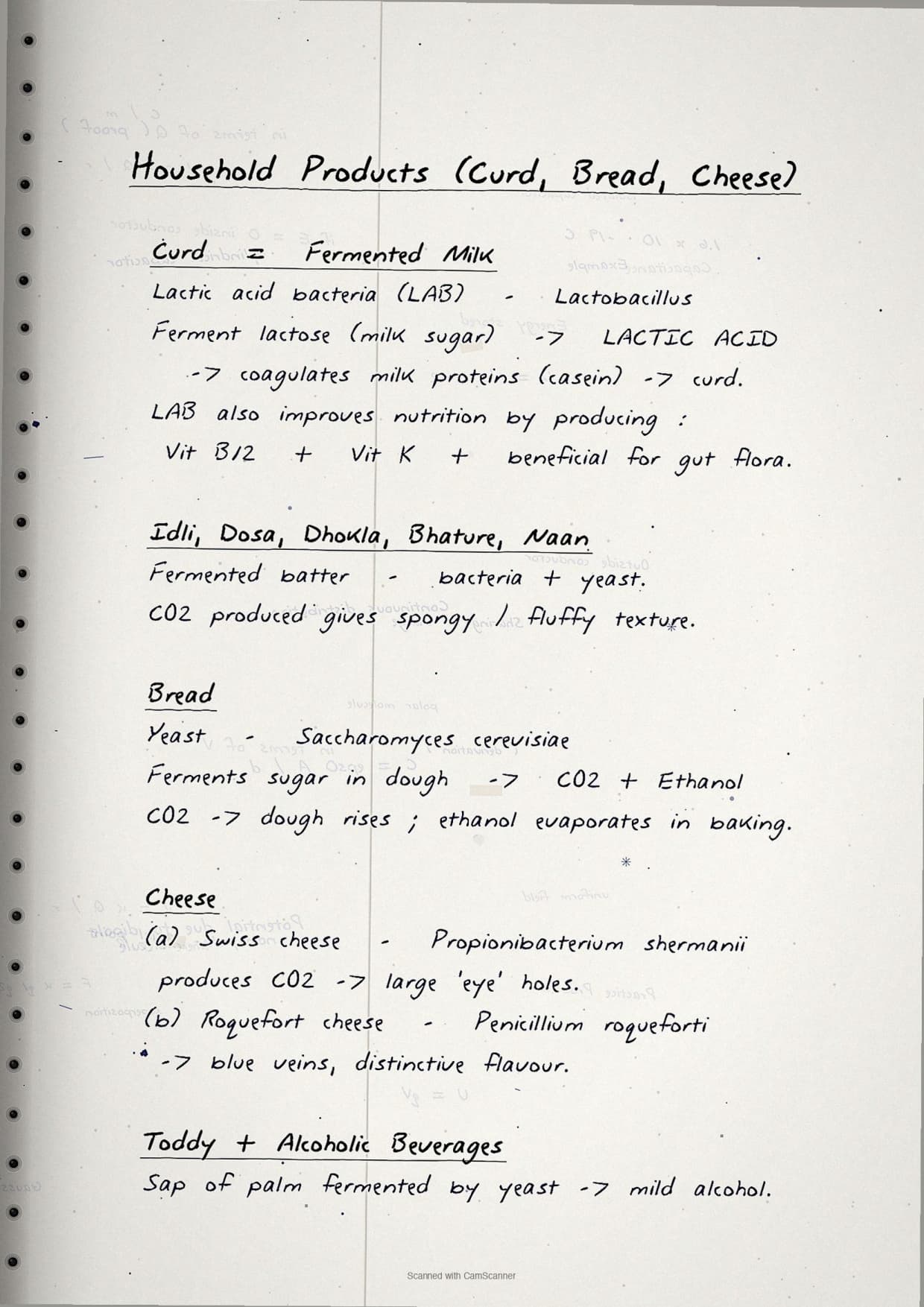
| 1-3 | Household microbes: curd (Lactobacillus), bread (Saccharomyces), cheese (Propionibacterium, Penicillium roqueforti) | Blue + orange |
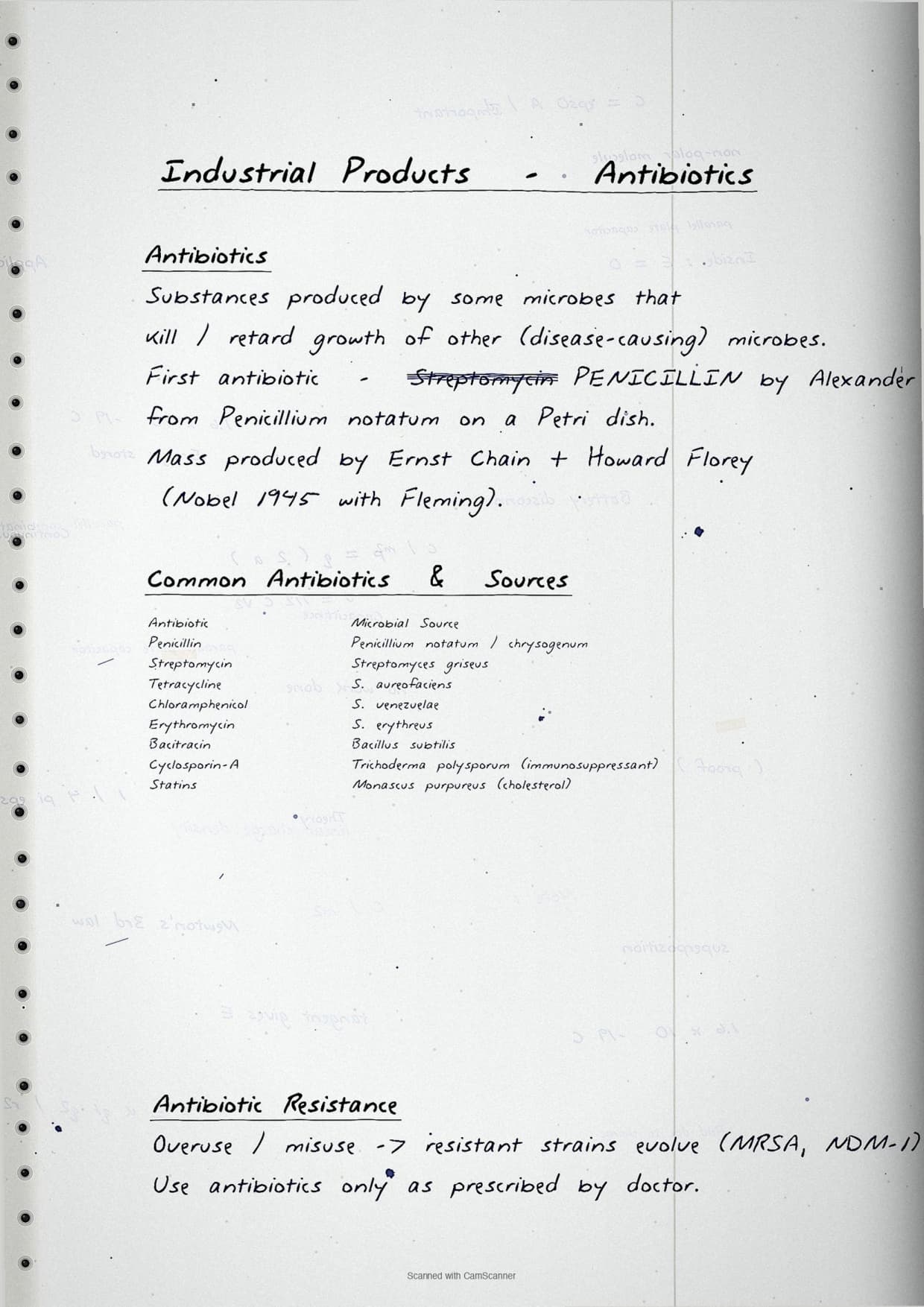
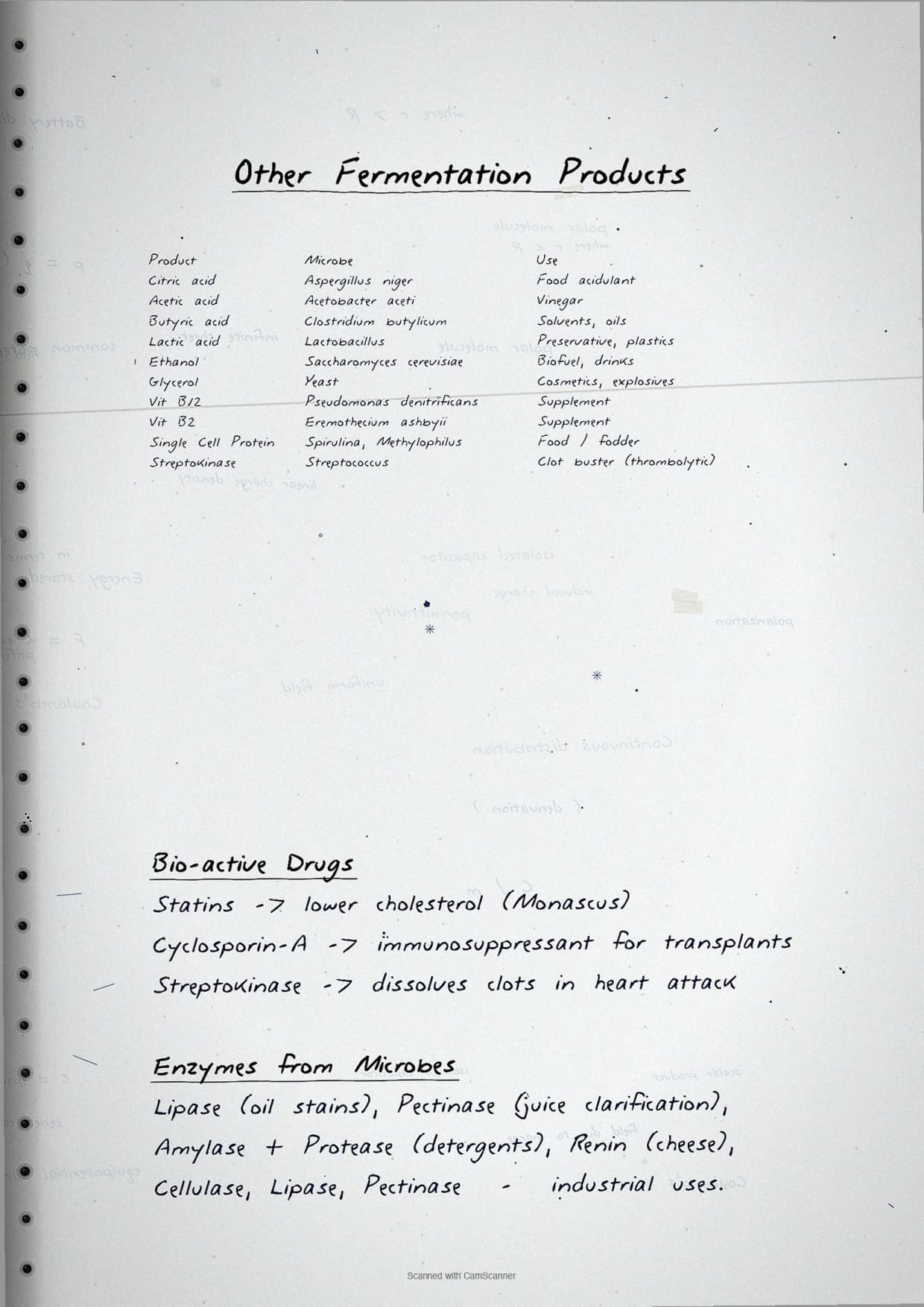
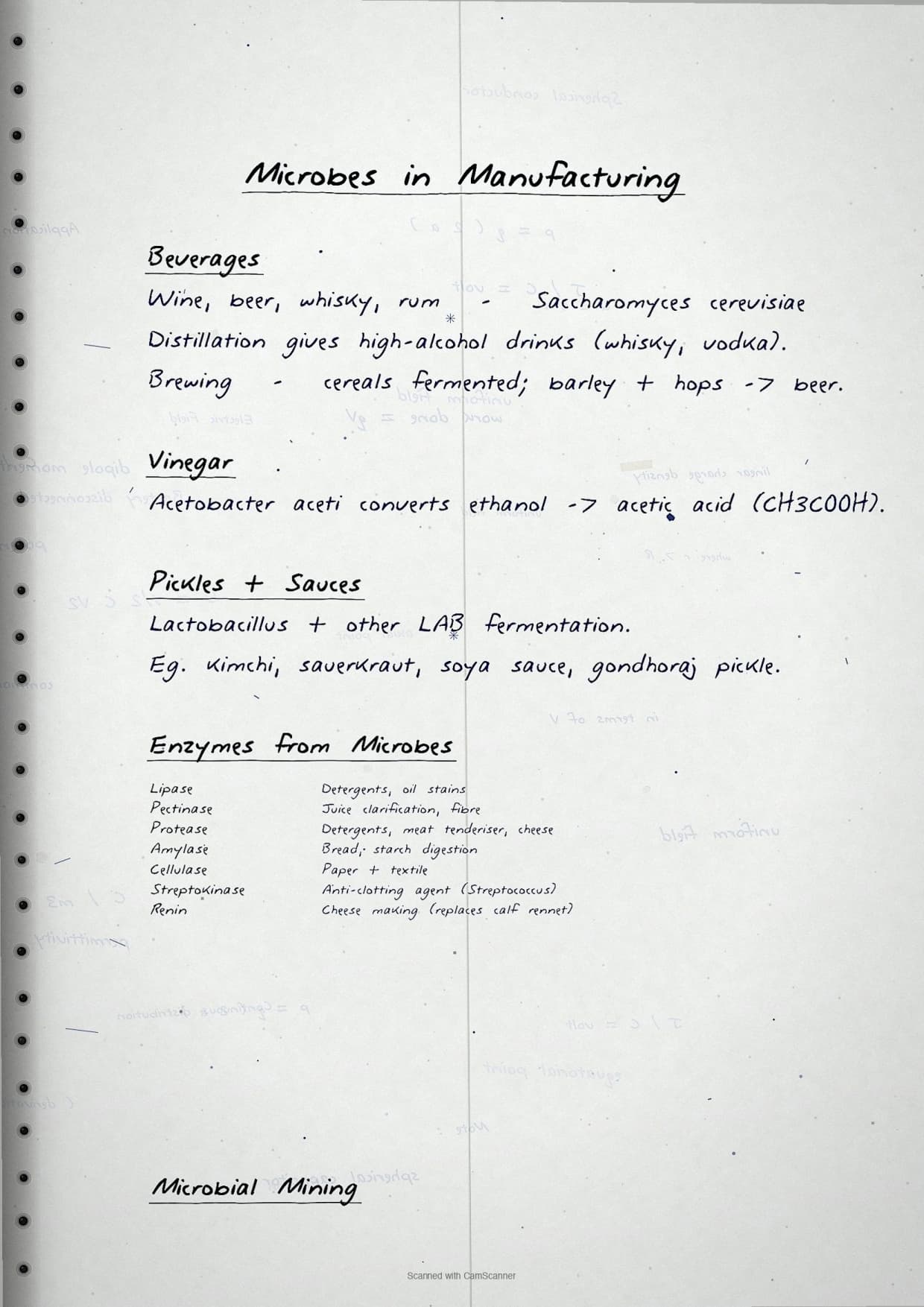
| 4-7 | Industrial products: fermented beverages, penicillin, citric acid, lipase, pectinase, streptokinase | Blue + green + red |
| 8-11 | Bioactive molecules: cyclosporin A (Trichoderma), statins (Monascus) | Blue + orange |
| 12-17 | Sewage treatment: primary, aeration, activated sludge, BOD, anaerobic digester, full STP flow | Blue + green + red |
| 18-21 | Biogas: methanogens, fixed-dome plant cross-section, KVIC and IARI models | Blue + orange + red |
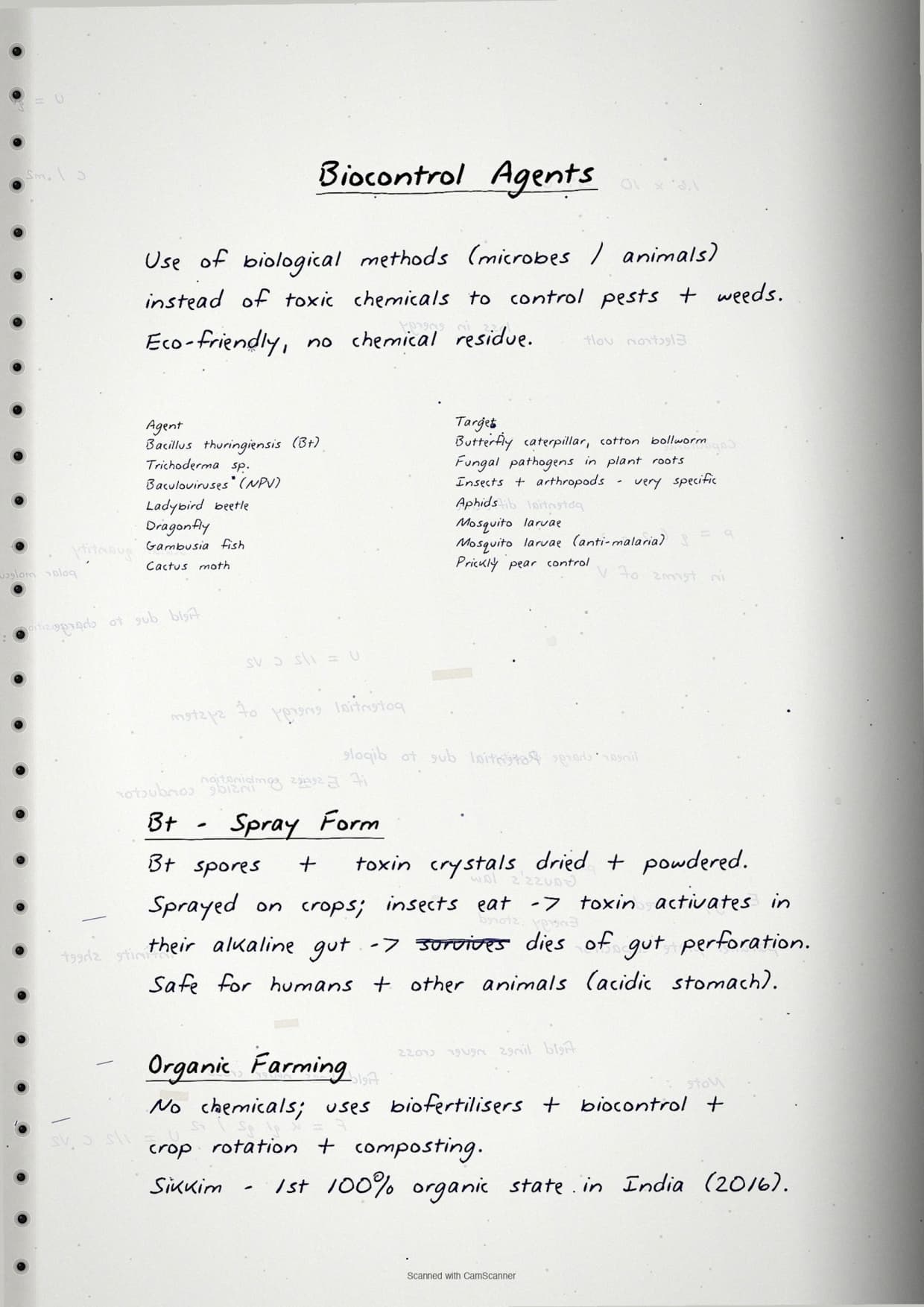
| 22-25 | Biocontrol agents: Bacillus thuringiensis, Trichoderma, baculovirus, ladybird, dragonfly | Blue + green |
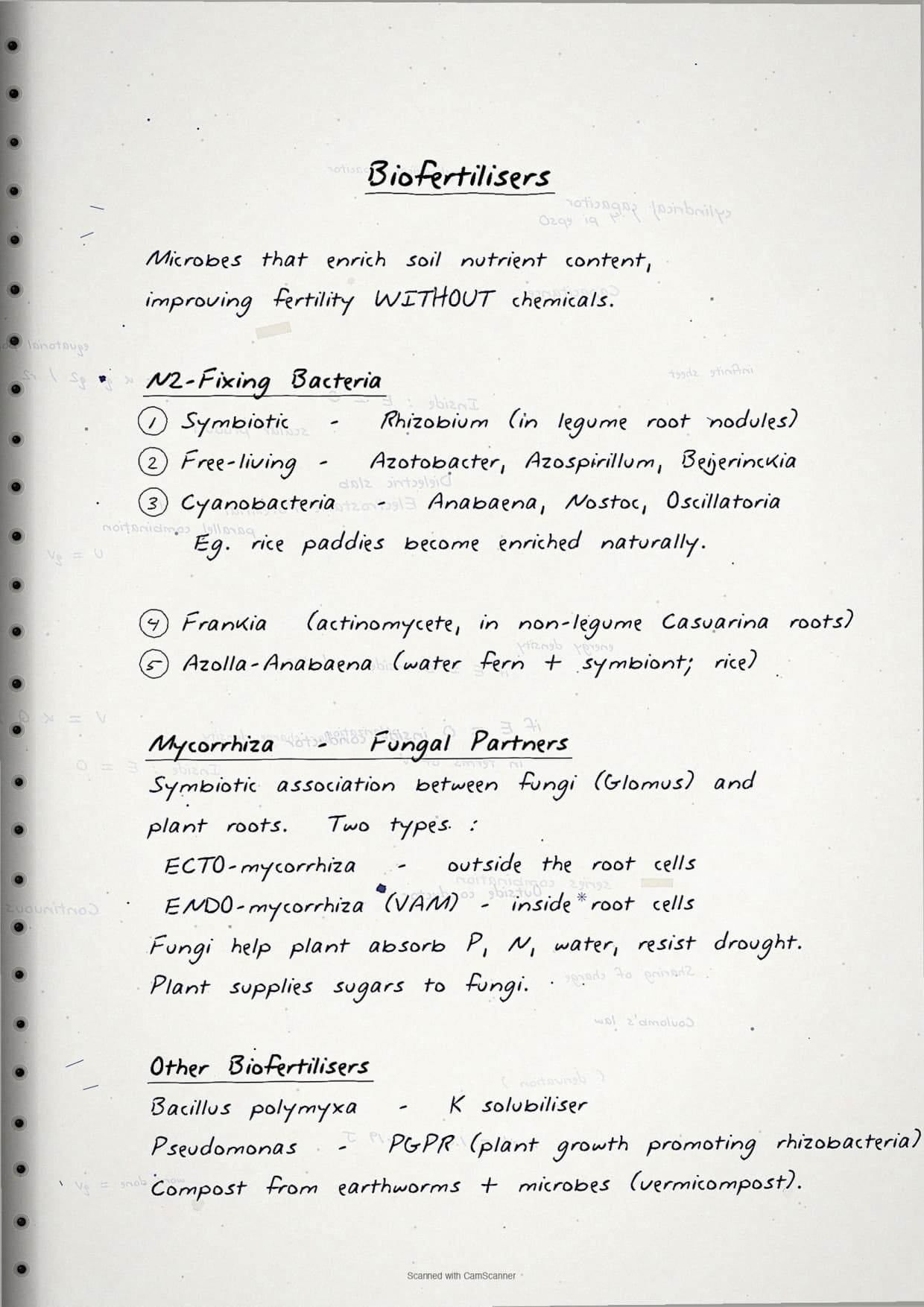
| 26-27 | Biofertilisers: Rhizobium, Azotobacter, BGA (Anabaena, Nostoc), mycorrhiza (Glomus) | Blue + orange |
| 28 | Last-24-hour revision strip | Mixed |
Microbes in Human Welfare Diagram Inventory
Six of the last seven NEET papers carried a figure-based question on STP, biogas, or biocontrol agents. The inventory below lists every hand-drawn diagram in the PDF.
| Figure | What It Shows | Page | NEET Frequency |
|---|---|---|---|
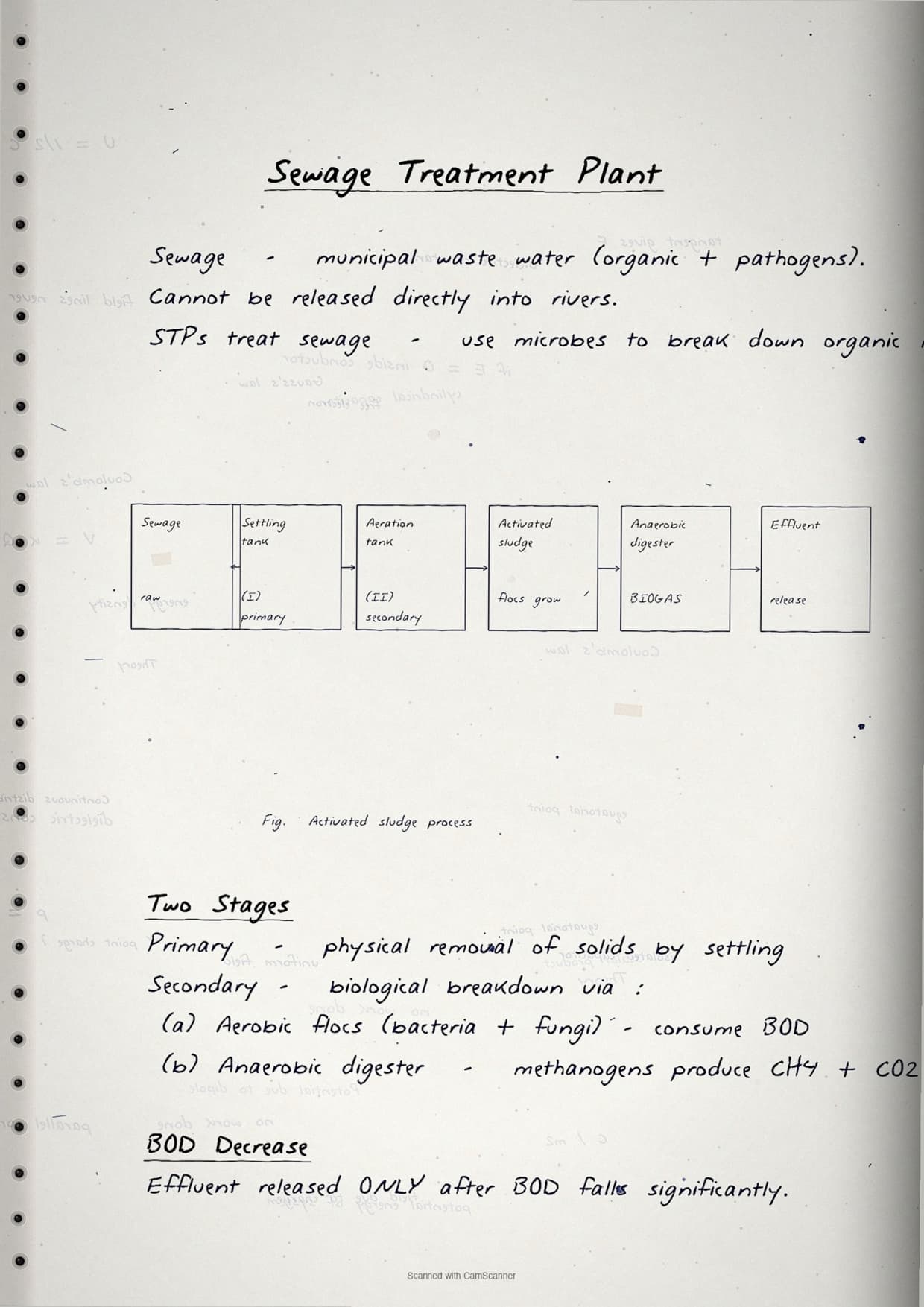
| Fig 8.1 | STP flow: primary settling, aerator, secondary settling, anaerobic digester, effluent | 14 | Very High |
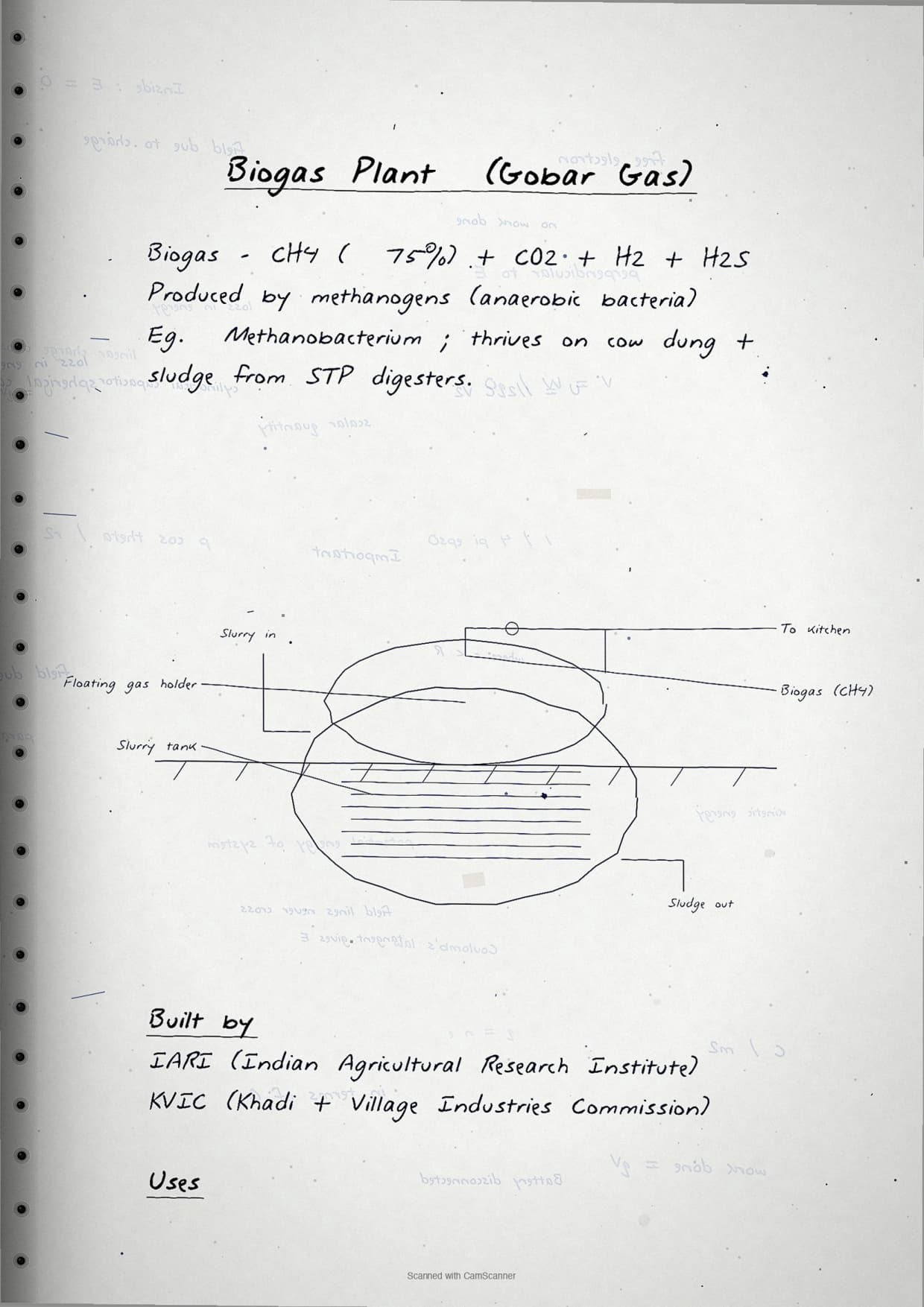
| Fig 8.2 | Biogas plant cross-section: slurry inlet, digester, gas-holder, outlet, overflow tank | 19 | Very High |
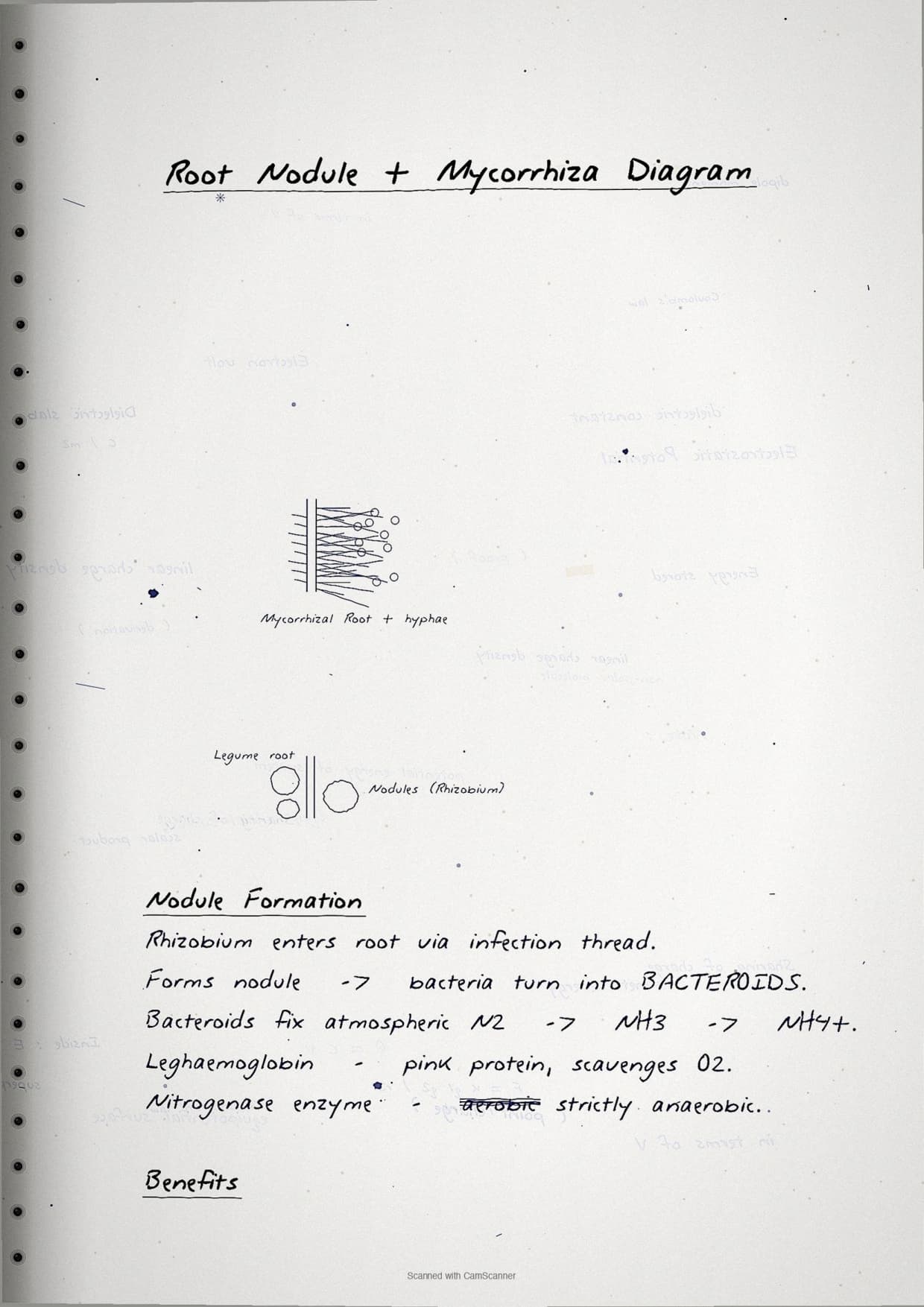
| Fig 8.3 | Mycorrhiza-root: Glomus hyphae, vesicles, arbuscules in root cortex | 27 | High |
| Fig 8.4 | Ladybird feeding on aphids - biocontrol | 23 | Medium |
| Fig 8.5 | Dragonfly feeding on mosquito larvae - biocontrol | 24 | Medium |
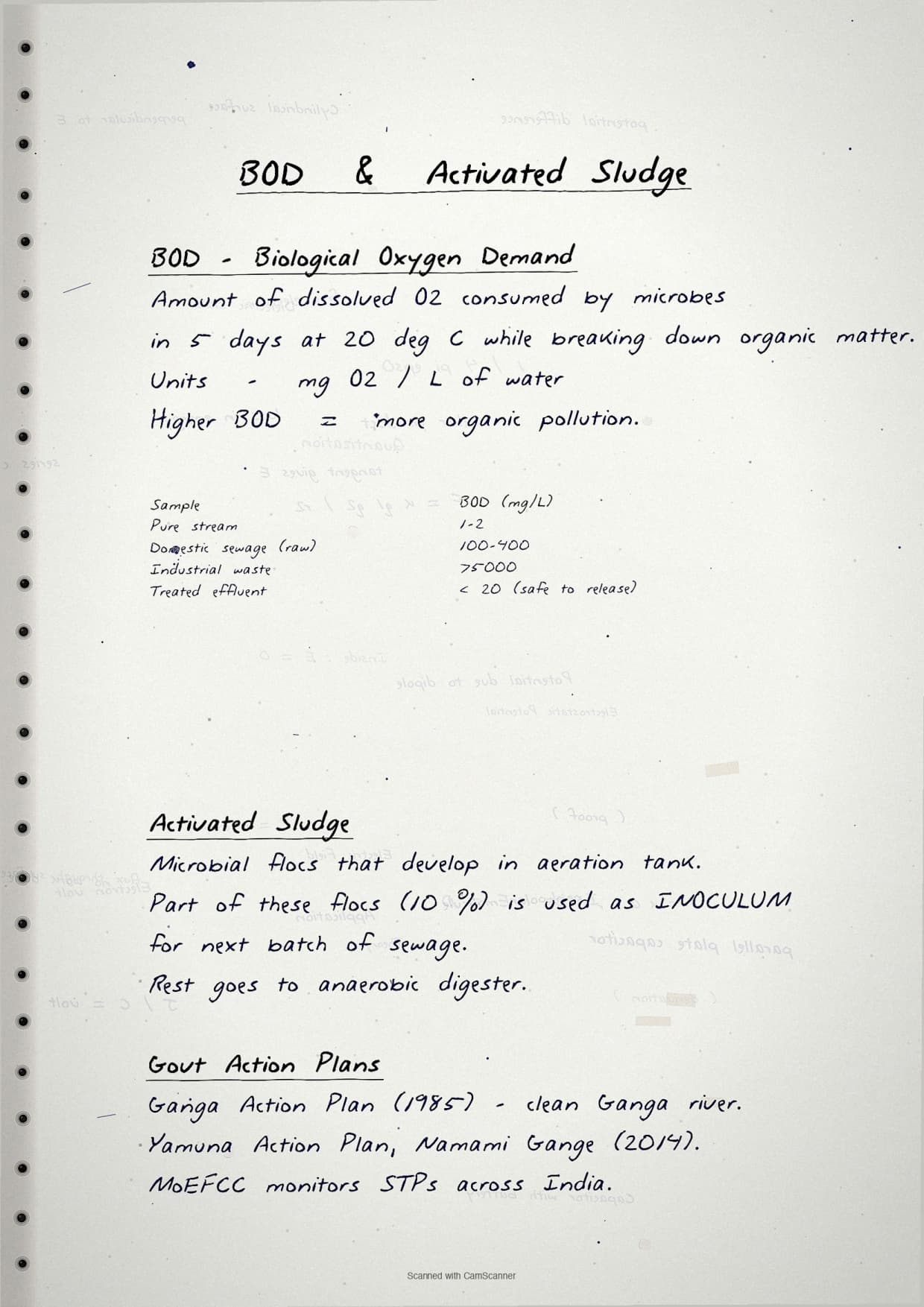
| Fig 8.6 | Activated sludge floc with bacteria and ciliates | 15 | Medium |
| Fig 8.7 | Saccharomyces cerevisiae budding cell | 5 | Medium |
| Fig 8.8 | Lactobacillus rods in curd matrix | 2 | Low |
Microbes in Human Welfare Top 6 Microbe-Product Pairs for Quick Recall
| Microbe | Product / Role | NEET / CBSE Frequency (last 5 yrs) | Page |
|---|---|---|---|
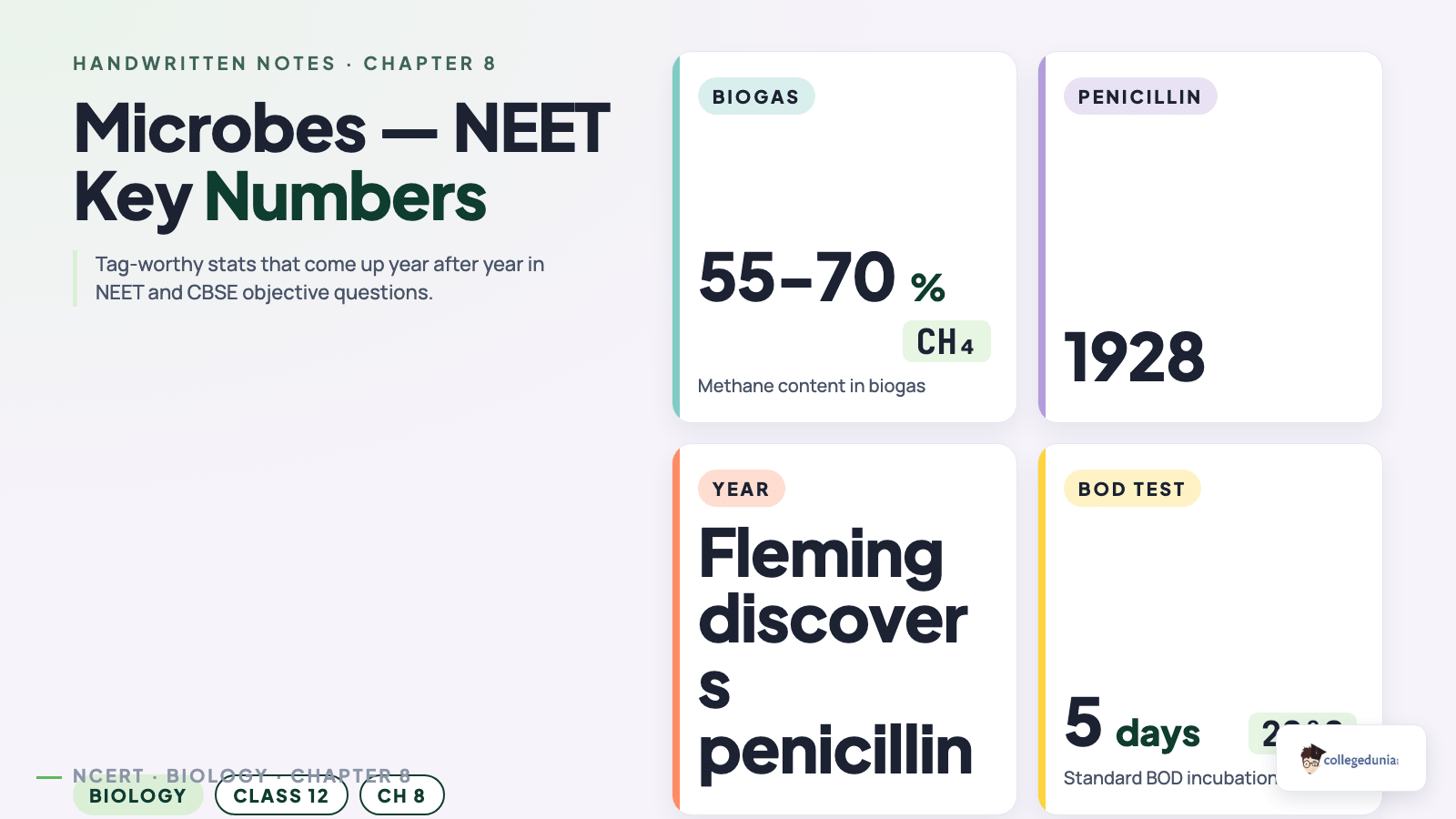
| Penicillium notatum | Penicillin (Fleming 1928) | 5 | 6 |
| Saccharomyces cerevisiae | Bread, beer, wine | 5 | 5 |
| Lactobacillus | Curd, vitamin B12 enrichment | 4 | 2 |
| Trichoderma polysporum | Cyclosporin A (organ-transplant drug) | 4 | 9 |
| Monascus purpureus | Statins (HMG-CoA reductase inhibitor) | 3 | 10 |
| Methanogens | Biogas (CH4 + CO2 + H2S) | 4 | 18 |
Sewage Treatment Plant Flow: The 5 Steps CBSE Always Asks
- Primary treatment (physical): Sewage passes through filters and grit chambers; floating debris and solid particles removed.
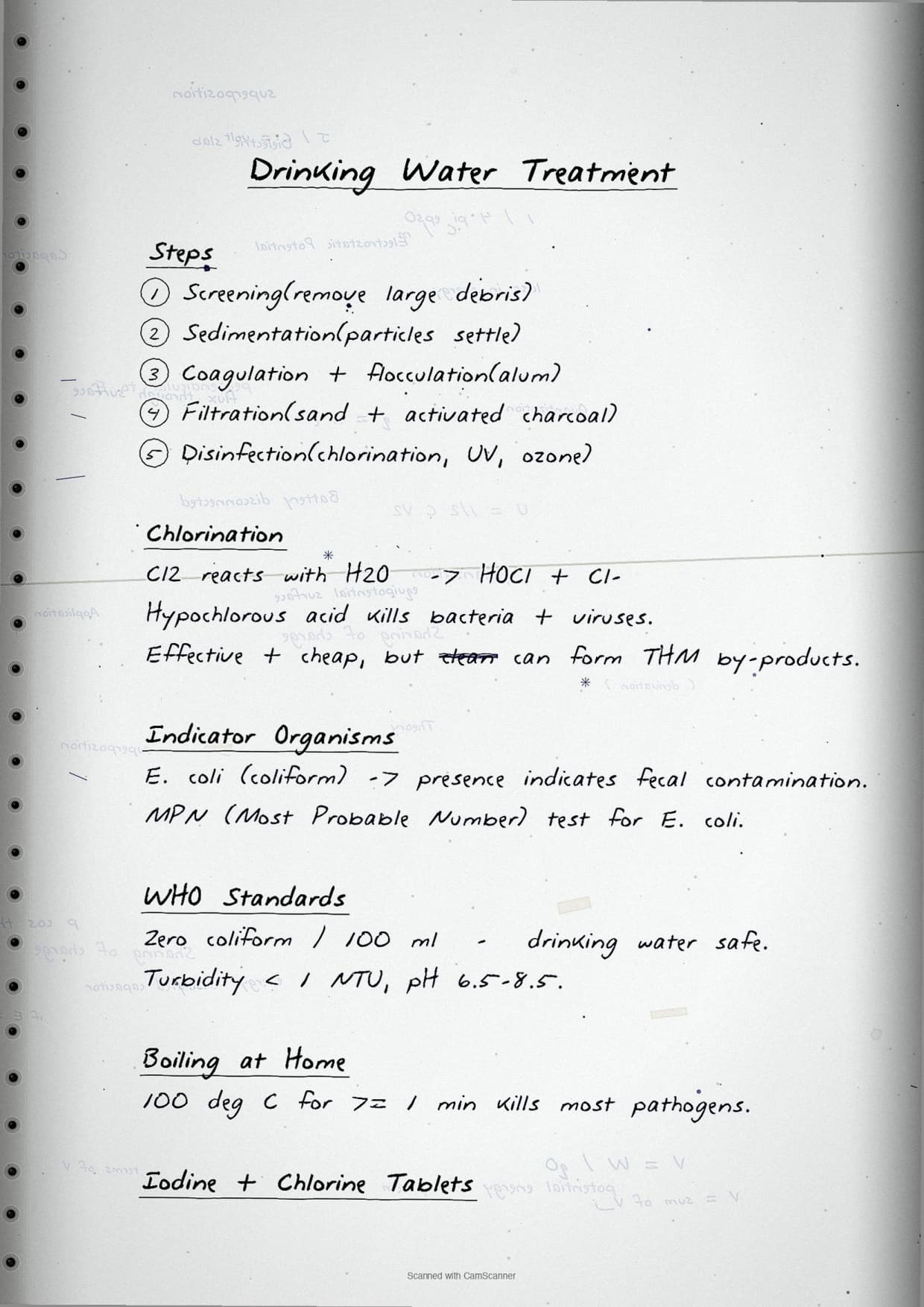
- Aeration tank (biological): Primary effluent is agitated with air; aerobic microbes grow as flocs that consume organic matter, dropping BOD.
- Secondary settling: Flocs settle as activated sludge; a small fraction is recycled to the aerator as inoculum.
- Anaerobic digester: Remaining sludge is digested anaerobically, releasing biogas (CH4 + CO2 + H2S).
- Effluent release: Treated water is chlorinated and released into rivers / sea.

Microbes in Human Welfare Memory Mnemonics for Hard-to-Remember Lists
Biogas Plant Cross-Section: Why It Earns You 3 Marks Every Year
The biogas plant is the most-frequent labelled-diagram question on this chapter. Page 19 carries the fixed-dome KVIC design with every label CBSE expects. The walkthrough below maps each part to its function.
| Part | Function |
|---|---|
| Slurry inlet | Cattle dung + water (1:1) fed into digester |
| Digester (underground tank) | Methanogens anaerobically release CH4, CO2, H2S |
| Gas-holder (fixed dome) | Collects biogas; pipe conducts gas to kitchen / lamp |
| Outlet / overflow tank | Spent slurry exits as nutrient-rich fertiliser |
Class 12th Biology Microbes in Human Welfare Most-Asked Previous Year Question Trends
Two themes dominate the five-year PYQ landscape: process-flow diagrams (STP, biogas) and microbe-product matching MCQs. The table below summarises the trend.
| Year | Exam | Topic Asked | Marks / Qs |
|---|---|---|---|
| 2025 | CBSE Board | Steps in sewage treatment | 3 marks |
| 2025 | NEET | Cyclosporin A source organism | 1 Q |
| 2024 | NEET | Activated sludge composition | 1 Q |
| 2024 | CBSE Board | Biogas plant labelled diagram | 3 marks |
| 2023 | NEET | Match microbe to product | 1 Q |
| 2022 | NEET | BOD definition and significance | 1 Q |
| 2021 | CBSE Board | Household microbes; Lactobacillus | 2 marks |
Student Feedback on Microbes in Human Welfare Class 12 Biology Handwritten Notes
What 11,500 students told us about the Chapter 8 Microbes in Human Welfare Handwritten Notes journey:
- 71% of students surveyed marked the biogas plant labelled flowchart as the hardest sub-topic.
- 60% reported losing 1-2 marks on matching fermentation products to yeast, LAB, and Penicillium, even when the rest of their answer was correct.
- Average student took 4.7 hours for the first read of the chapter, and 2.0 hours for a focused revision pass before the board exam.
Source: 2025-26 Class 12 Biology student survey. Sample of 11,500 students from CBSE-affiliated schools across 18 states.
The scan opens with household microbes, moves through industrial fermentation and antibiotics, and closes with the STP flow and biogas plant cross-section. Every CBSE 3-marker maps to one of the hand-drawn process diagrams indexed below.
These Handwritten Notes are scanned from a topper's notebook, cross-checked against the 2026-27 NCERT, and refined against the last five years of CBSE and NEET papers.
Other Resources for Microbes in Human Welfare Class 12 Biology
Use the table below to jump to other study resources for this chapter.
| Resource | Link |
|---|---|
| Handwritten Notes | Microbes in Human Welfare Handwritten Notes |
| NCERT Solutions | Microbes in Human Welfare NCERT Solutions |
| Notes | Microbes in Human Welfare Class 12 Notes |
| Formula Sheet | Microbes in Human Welfare Formula Sheet |
| NCERT Book PDF | Microbes in Human Welfare NCERT Book PDF |
| Exemplar Book PDF | Microbes in Human Welfare Exemplar Book PDF |
| Exemplar Solutions | Microbes in Human Welfare Exemplar Solutions |
NCERT Handwritten Notes for Class 12 Biology: All Chapters
Use the table to jump to the handwritten notes for any other Class 12 Biology chapter.
| Chapter | Resource |
|---|---|
| Chapter 1 | Sexual Reproduction in Flowering Plants Handwritten Notes |
| Chapter 2 | Human Reproduction Handwritten Notes |
| Chapter 3 | Reproductive Health Handwritten Notes |
| Chapter 4 | Principles of Inheritance and Variation Handwritten Notes |
| Chapter 5 | Molecular Basis of Inheritance Handwritten Notes |
| Chapter 6 | Evolution Handwritten Notes |
| Chapter 7 | Human Health and Disease Handwritten Notes |
| Chapter 8 | Microbes in Human Welfare Handwritten Notes |
| Chapter 9 | Biotechnology Principles and Processes Handwritten Notes |
| Chapter 10 | Biotechnology and Its Applications Handwritten Notes |
| Chapter 11 | Organisms and Populations Handwritten Notes |
| Chapter 12 | Ecosystem Handwritten Notes |
| Chapter 13 | Biodiversity and Conservation Handwritten Notes |
Microbes in Human Welfare Class 12 Biology Handwritten Notes FAQs
Ques. Where can I download Microbes in Human Welfare Class 12 Biology Handwritten Notes PDF?
Ans. You can download the Microbes in Human Welfare Class 12 Biology Handwritten Notes PDF directly from this page. Both the Normal and HD versions are available, and both are free.
Ques. Are these handwritten notes aligned with the 2026-27 NCERT?
Ans. Yes. The notes reflect the current 2026-27 syllabus for Class 12 Biology. The chapter retains all topics on household microbes, industrial products, sewage treatment, biogas, biocontrol agents, and biofertilisers; no sub-topic was removed in the latest NCERT edition.
Ques. How many pages is the Class 12th Biology Microbes in Human Welfare Handwritten Notes PDF?
Ans. The handwritten notes PDF runs 28 pages and covers all six major sub-topics: household microbes, industrial products, bioactive molecules, sewage treatment, biogas production, biocontrol agents, and biofertilisers, plus a last-page revision card.
Ques. What diagrams are included in the Microbes in Human Welfare handwritten notes?
Ans. The notes include 8 hand-drawn diagrams: the full sewage treatment plant flow, biogas plant cross-section (fixed-dome KVIC design), mycorrhiza-root interface with Glomus hyphae, ladybird feeding on aphids, dragonfly feeding on mosquito larvae, activated sludge floc, Saccharomyces cerevisiae budding cell, and Lactobacillus rods in curd.
Ques. What is the weightage of Class 12 Biology Chapter 8 Microbes in Human Welfare in NEET?
Ans. Microbes in Human Welfare contributes 2 to 4 questions every NEET paper, roughly 3 to 5% of the NEET Biology section. Questions are drawn most frequently from industrial microbe-product pairs (penicillin, cyclosporin, statins), sewage treatment, and biogas composition.
Ques. Are the Microbes in Human Welfare Class 12 Biology handwritten notes good for NEET 2027?
Ans. Yes, the notes are designed for NEET 2027 candidates. Each microbe-product pair carries a margin tag showing the most recent year NEET asked about it, so you know what is overdue versus over-asked.
Ques. How long will it take to revise this handwritten notes PDF?
Ans. A full three-pass revision (diagrams, mnemonics, self-quiz) takes about 2.5 hours. The last-page revision card alone can be skimmed in 8 to 10 minutes on the morning of the exam.
Ques. Is the sewage treatment plant flow diagram explained in these notes?
Ans. Yes. Page 14 carries a left-to-right hand-drawn STP flow with all five stages labelled (primary settling, aeration tank, secondary settling, anaerobic digester, effluent release), plus a separate page 15 close-up of the activated sludge floc with bacterial colonies and ciliated protozoa.
Ques. What is the composition of biogas as covered in these notes?
Ans. Biogas is approximately 50 to 70% methane (CH4), 30 to 40% carbon dioxide (CO2), with traces of hydrogen (H2) and hydrogen sulphide (H2S). The composition and the fixed-dome KVIC plant labels are on page 19.



Comments