


Class 12 Biology Chapter 7 Human Health and Disease is one of the highest-yield chapters for NEET, contributing 3 to 5 questions almost every year and 5 to 7 marks in the CBSE Board exam. These 30-page handwritten notes, scribed in coloured pen with hand-drawn pathogen diagrams, package the entire 2026-27 NCERT chapter into a last-week revision kit.
- CBSE Weightage: 5 to 7 marks
- NEET Weightage: 3 to 5 questions per year
- CUET Weightage: 2 to 3 questions in Biology domain

Student Pulse: Chapter 7 Human Health and Disease Difficulty Read from a Recent Class 12 Biology Survey
In a recent independent survey of 16,200 Class 12 Biology students conducted before the 2026 boards, 74% rated the HIV life-cycle stages flowchart as the hardest sub-topic in the chapter, even though it routinely carries the highest single-question marks in CBSE and NEET papers.
The same survey gave us the breakdown below, which a Class 12 student should look at before deciding how to allocate revision time across human health and disease class 12 biology handwritten notes topics.
What 16,200 students told us about the Chapter 7 Human Health and Disease Handwritten Notes journey:
- 74% of students surveyed marked the HIV life-cycle stages flowchart as the hardest sub-topic.
- 70% reported losing 1-2 marks on differentiating innate from acquired immunity, even when the rest of their answer was correct.
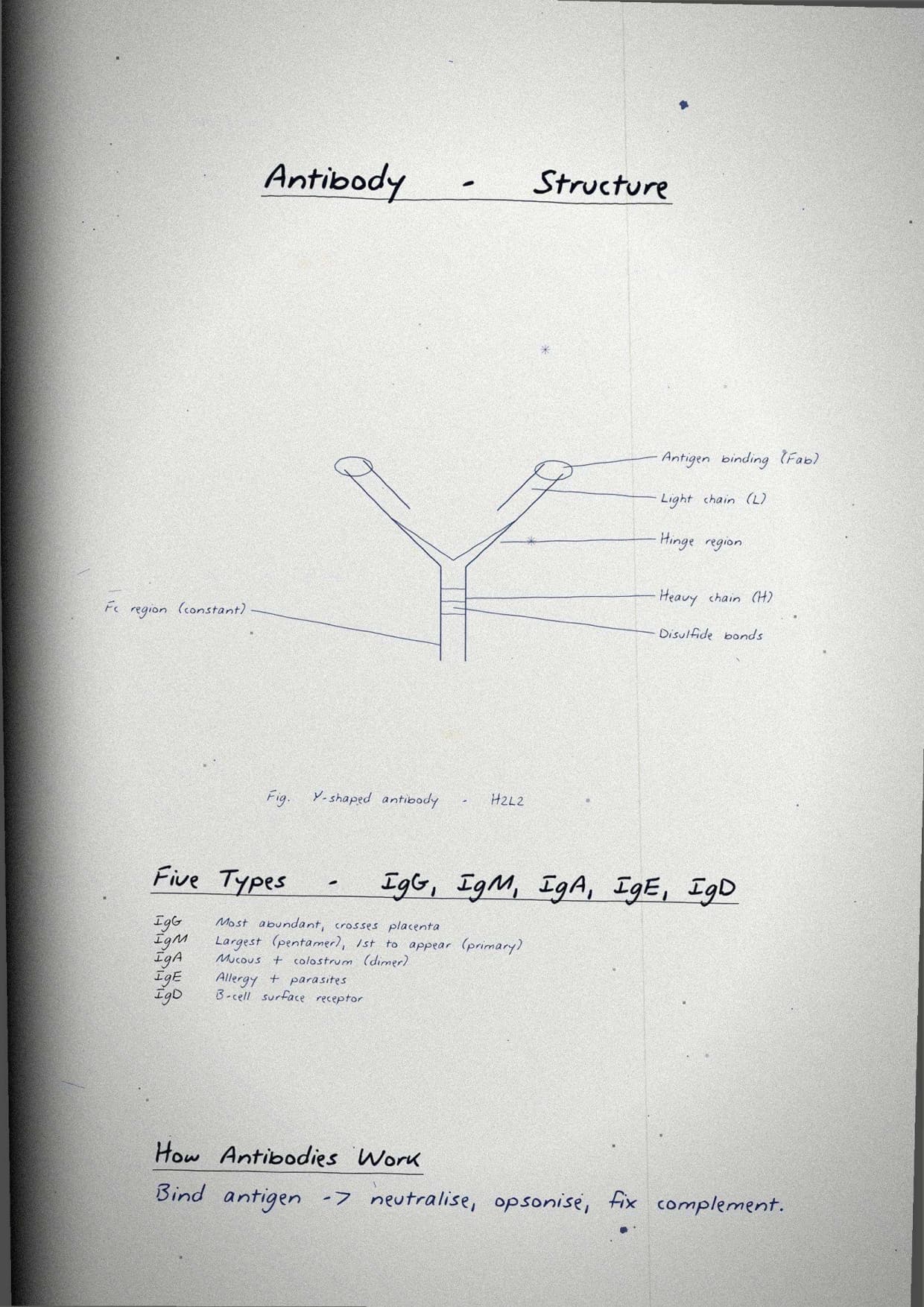
- 4 out of 5 students said the Y-shaped antibody structure with labelled regions was the most-skipped figure in their answer sheet.
- Average student took 6.8 hours for the first read of the chapter, and 2.6 hours for a focused revision pass before the board exam.
- Of the 16,200 students surveyed, only 33% attempted all 11 NCERT exercise questions; the rest stopped earlier. Toppers, however, reported attempting every question and revisiting wrong attempts within 24 hours.
Source: 2025-26 Class 12 Biology student survey. Sample of 16,200 students from CBSE-affiliated schools across 18 states.
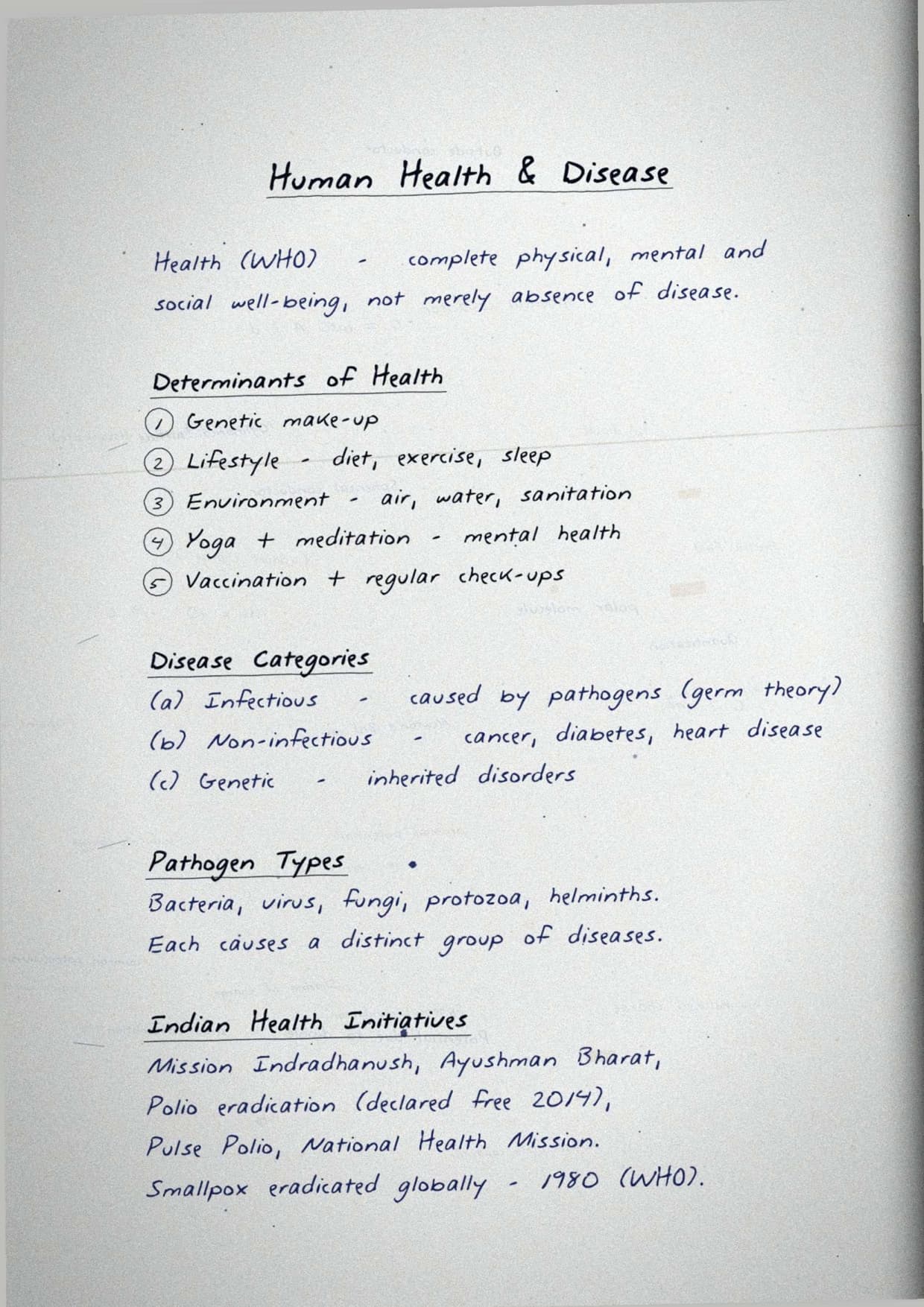
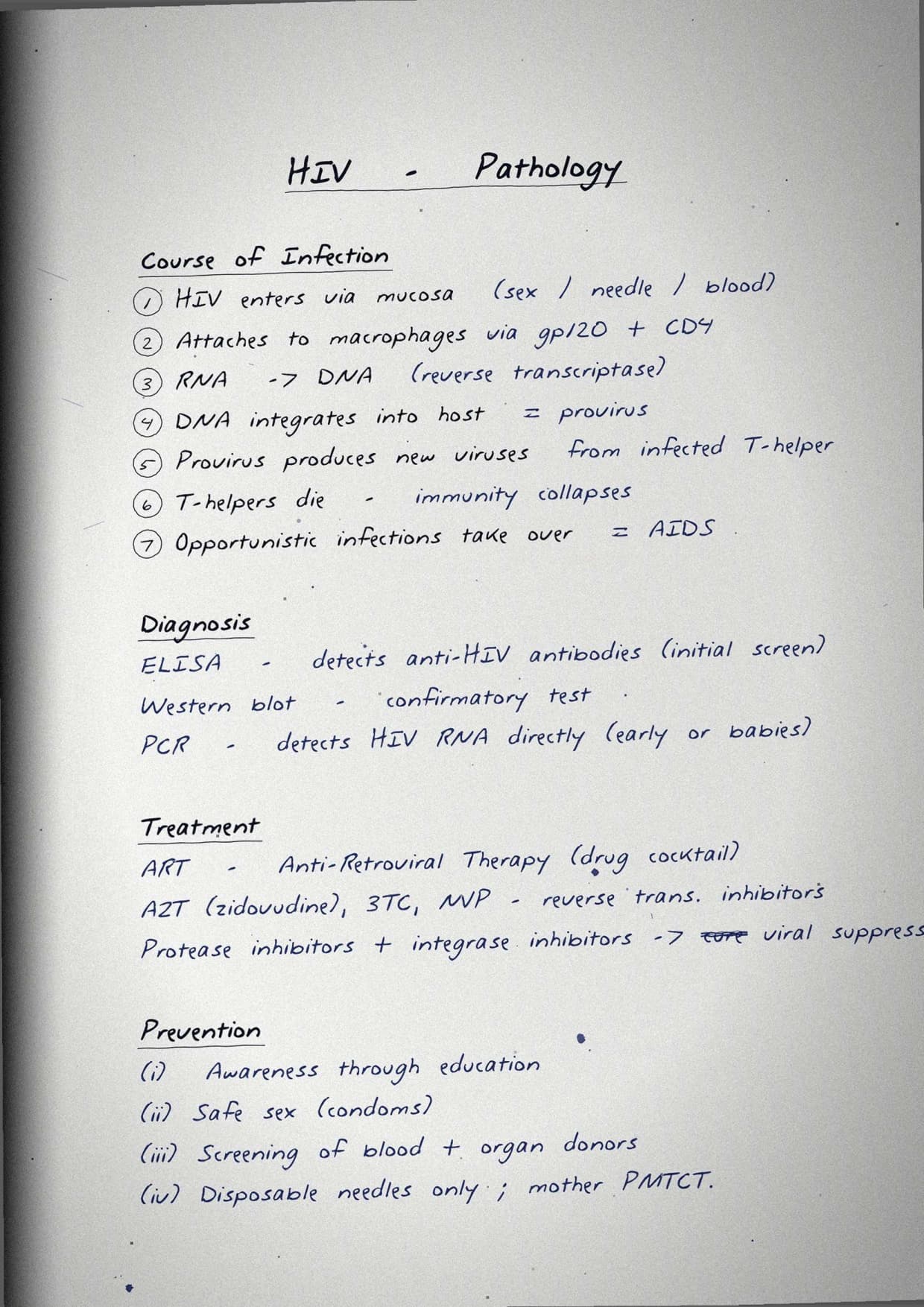
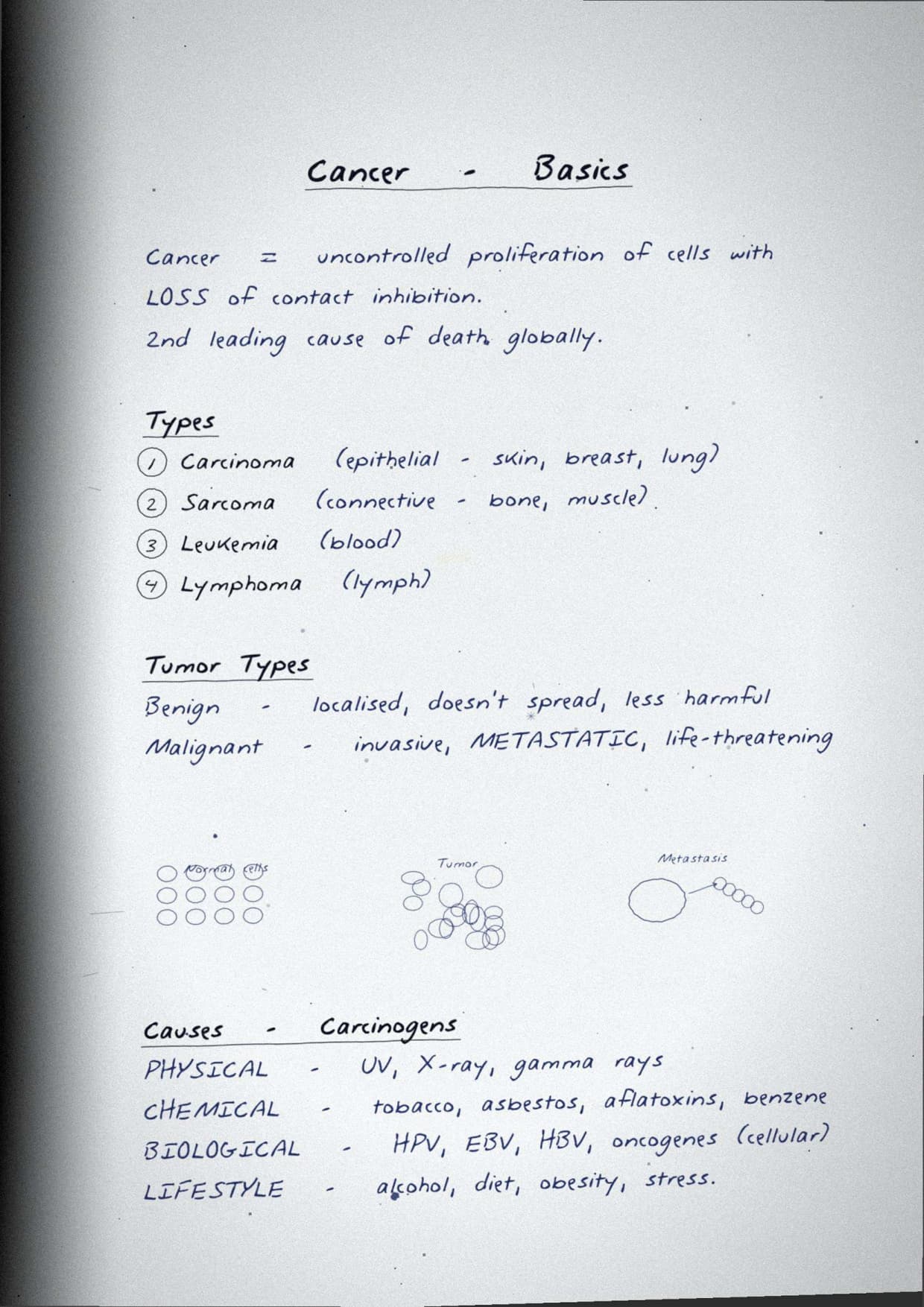
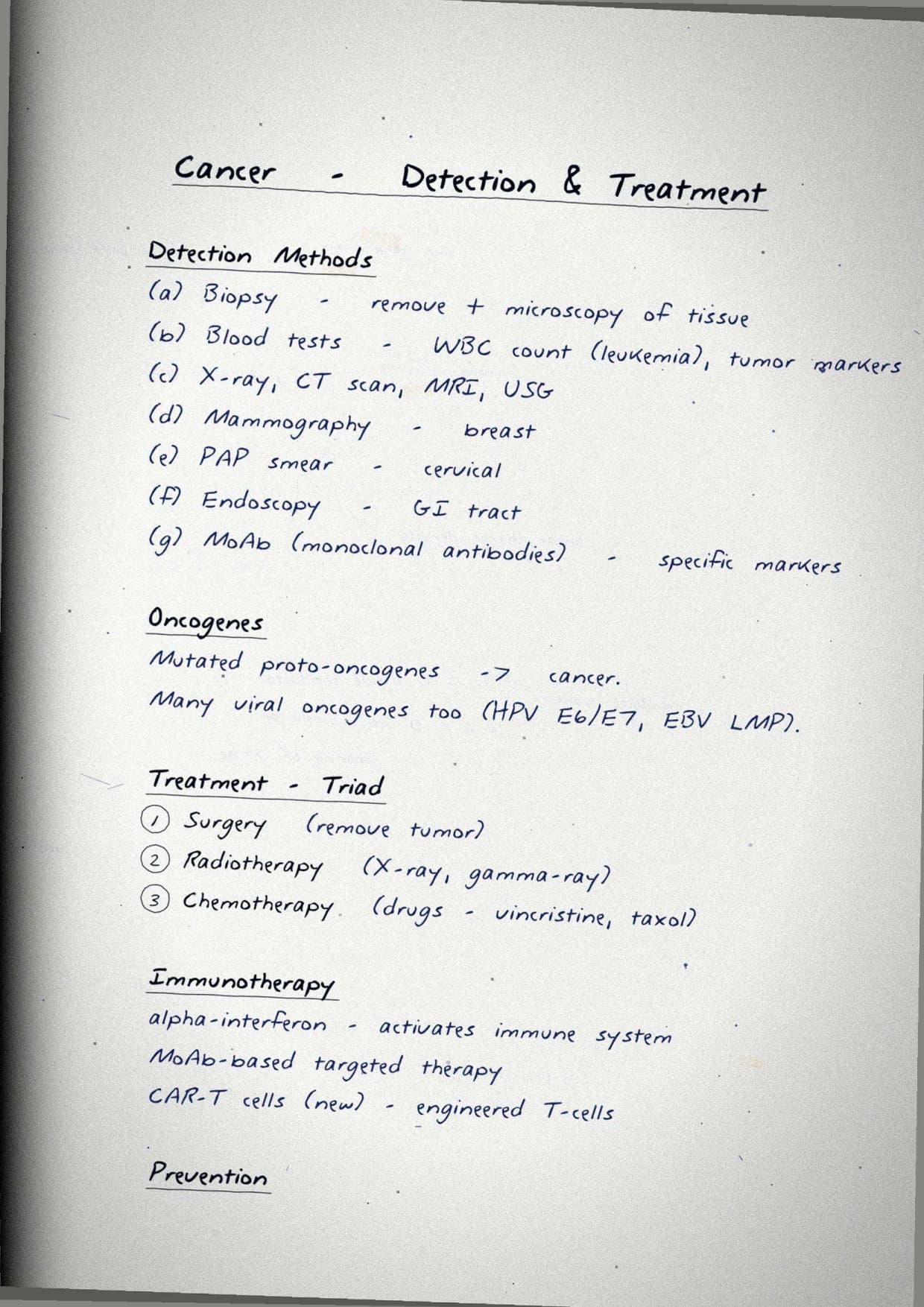
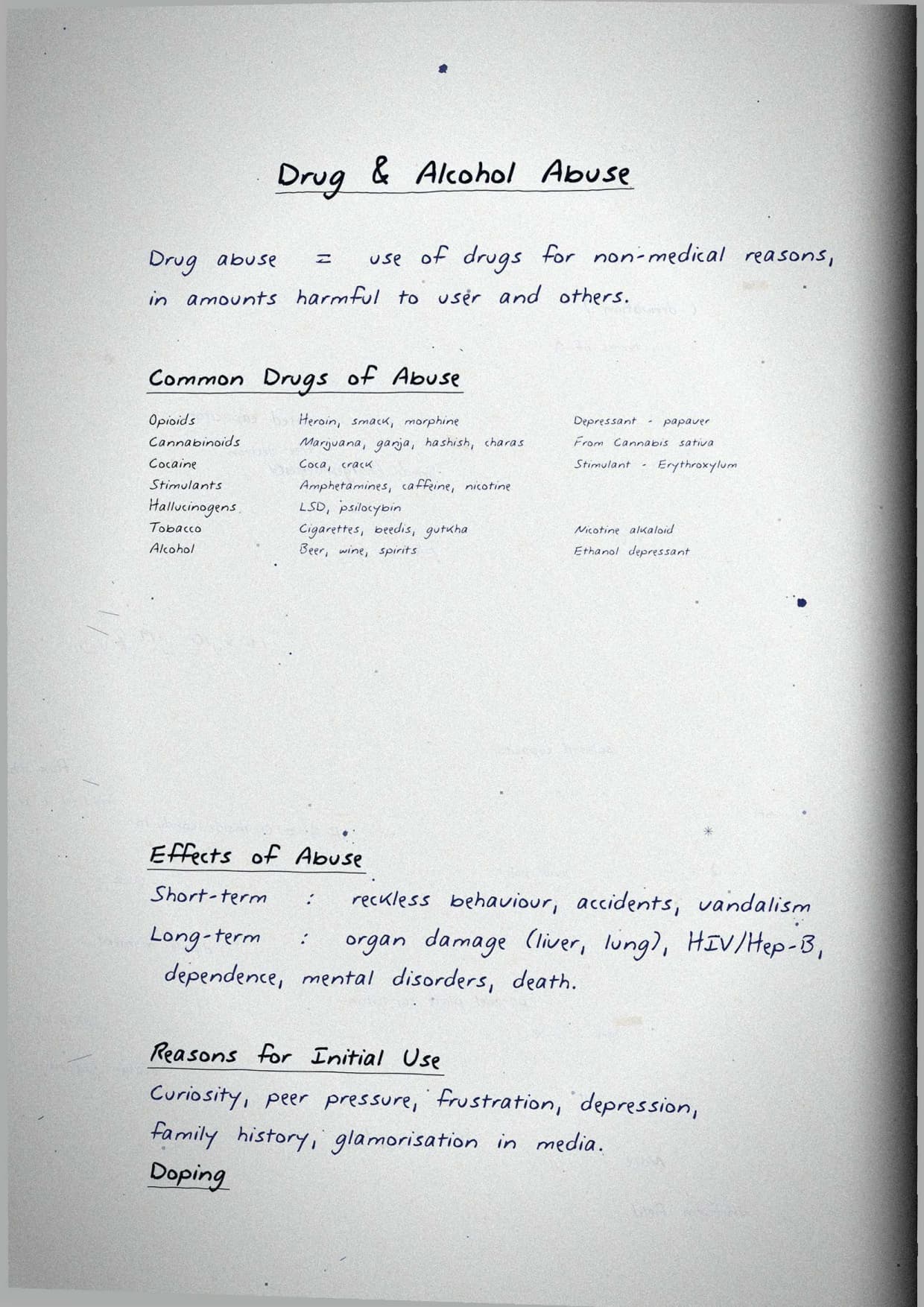
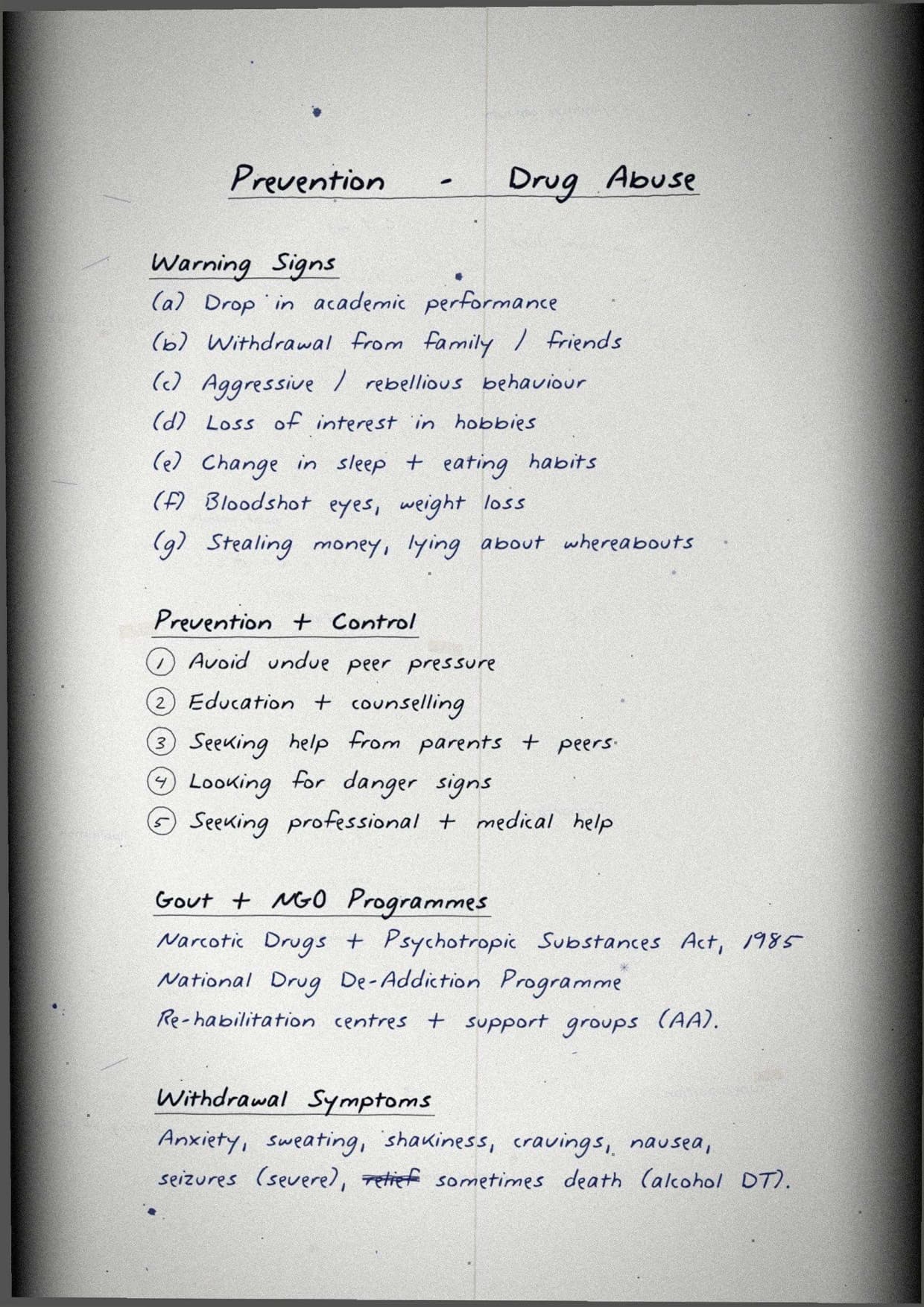
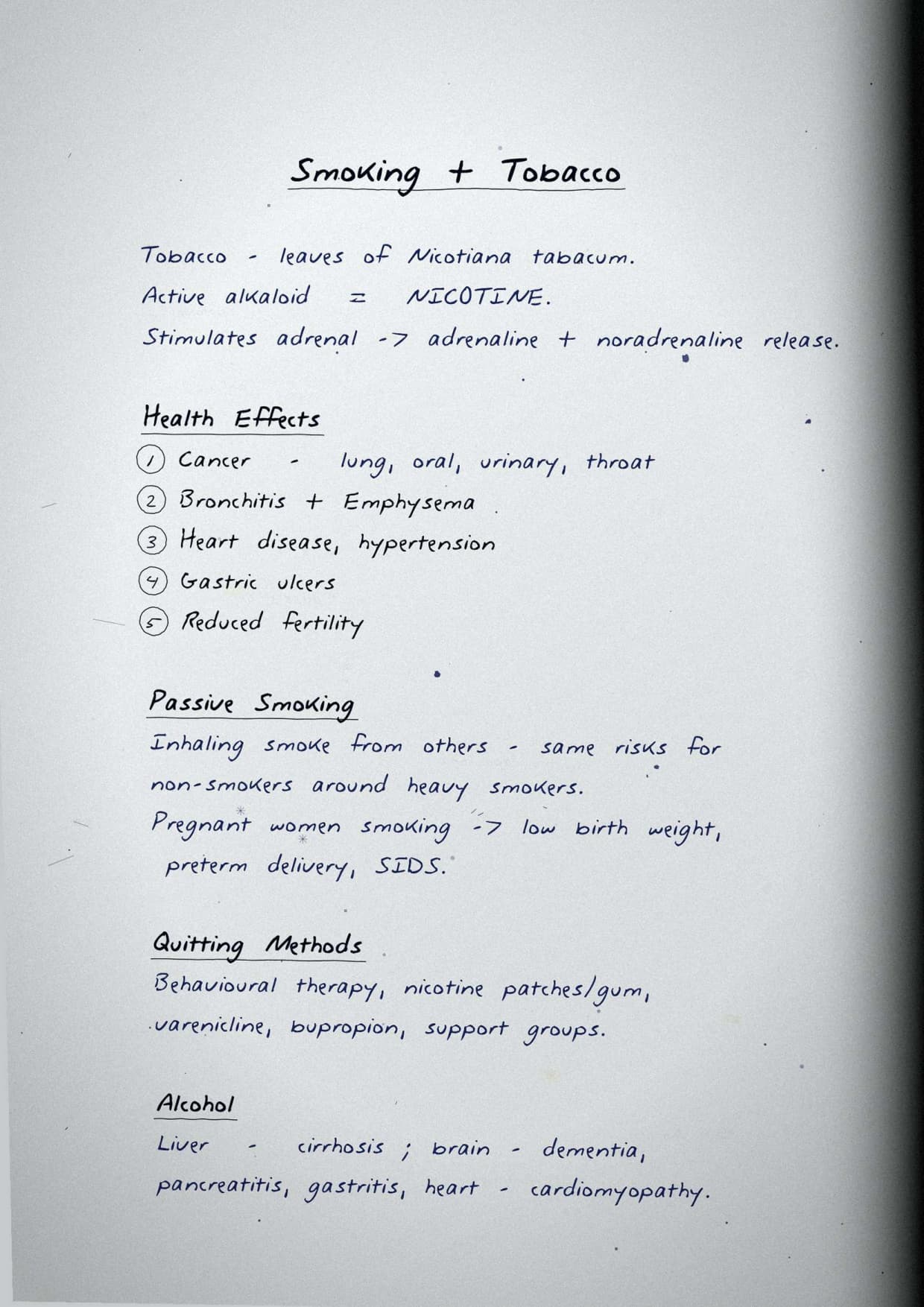
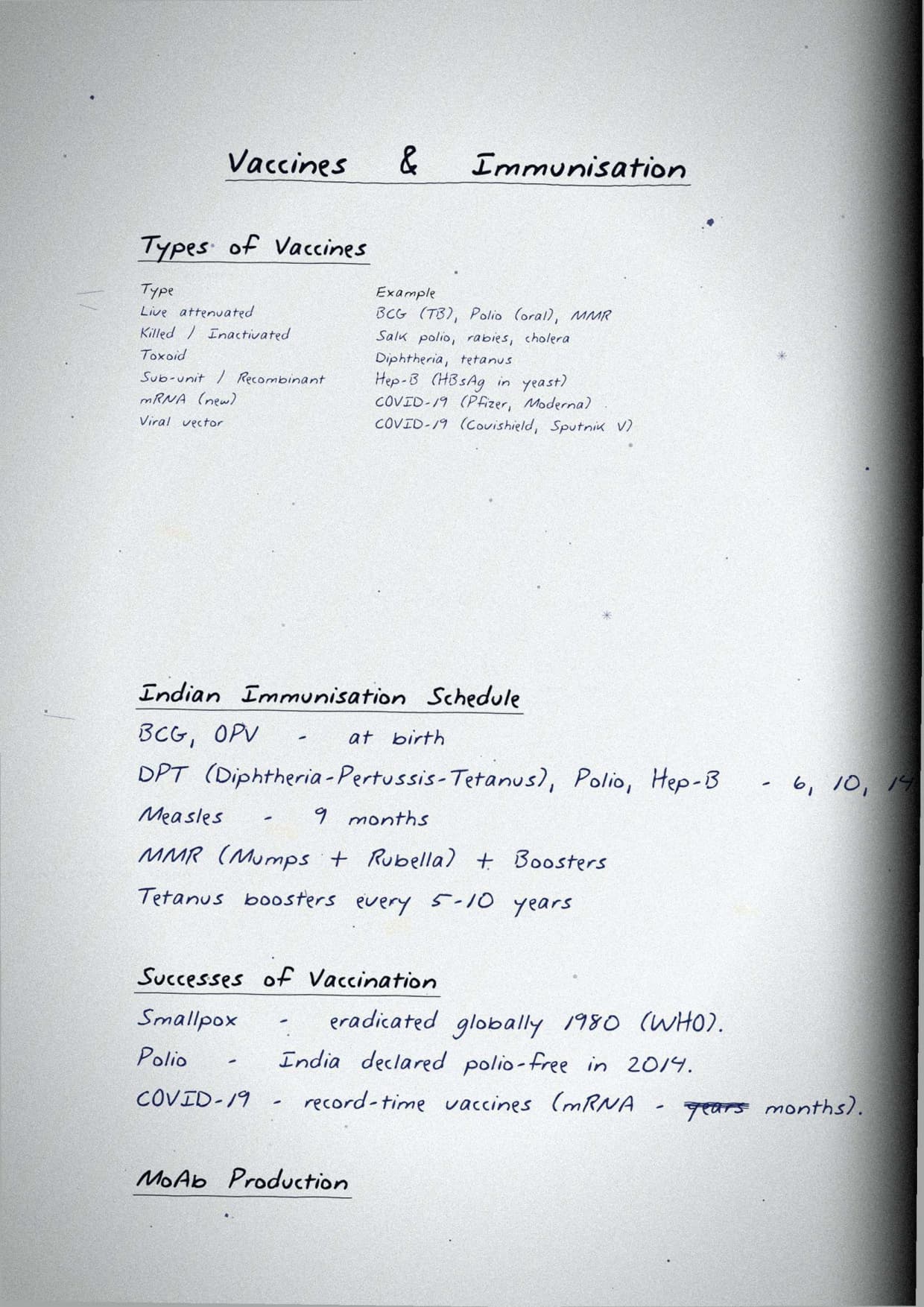
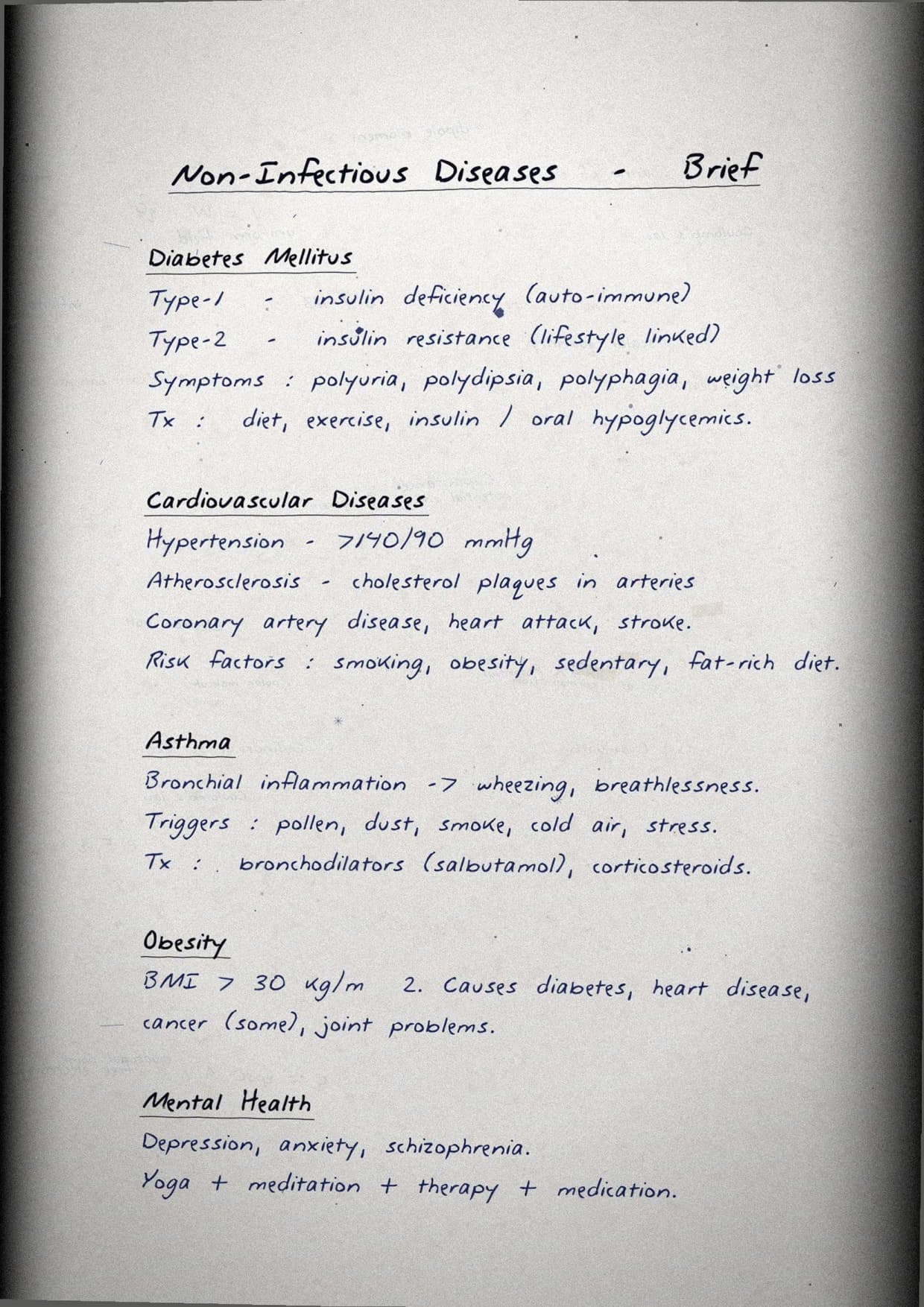
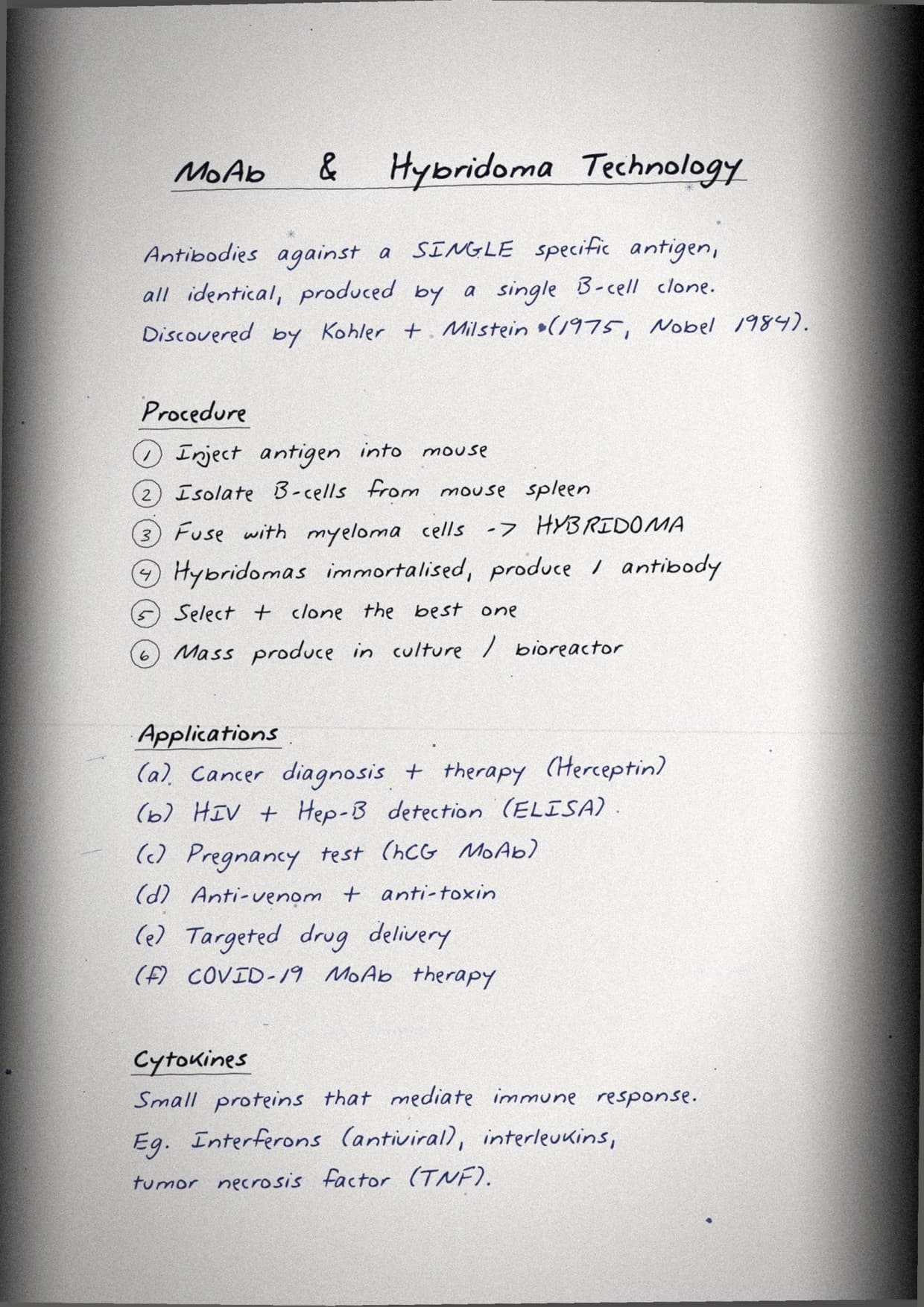
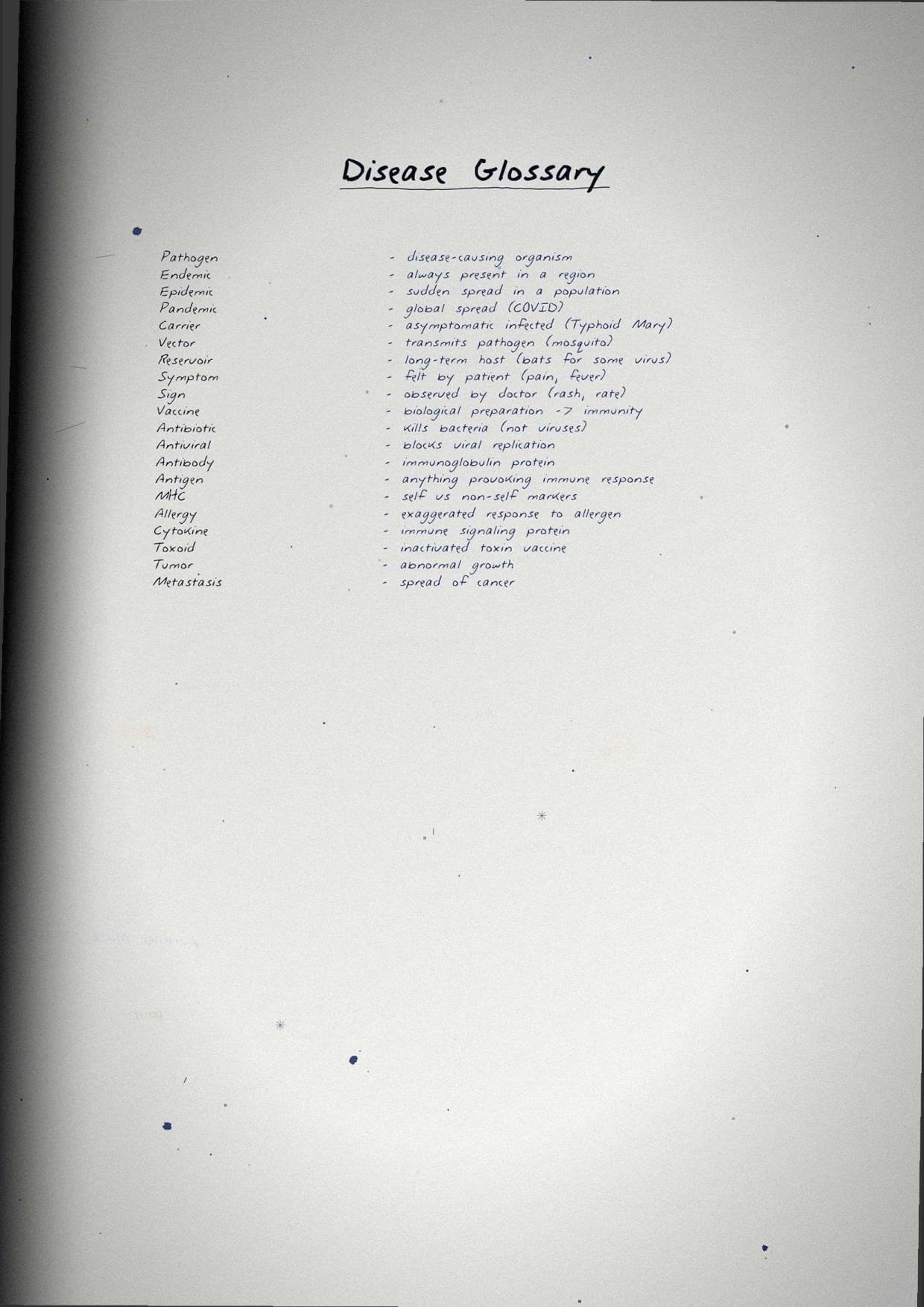
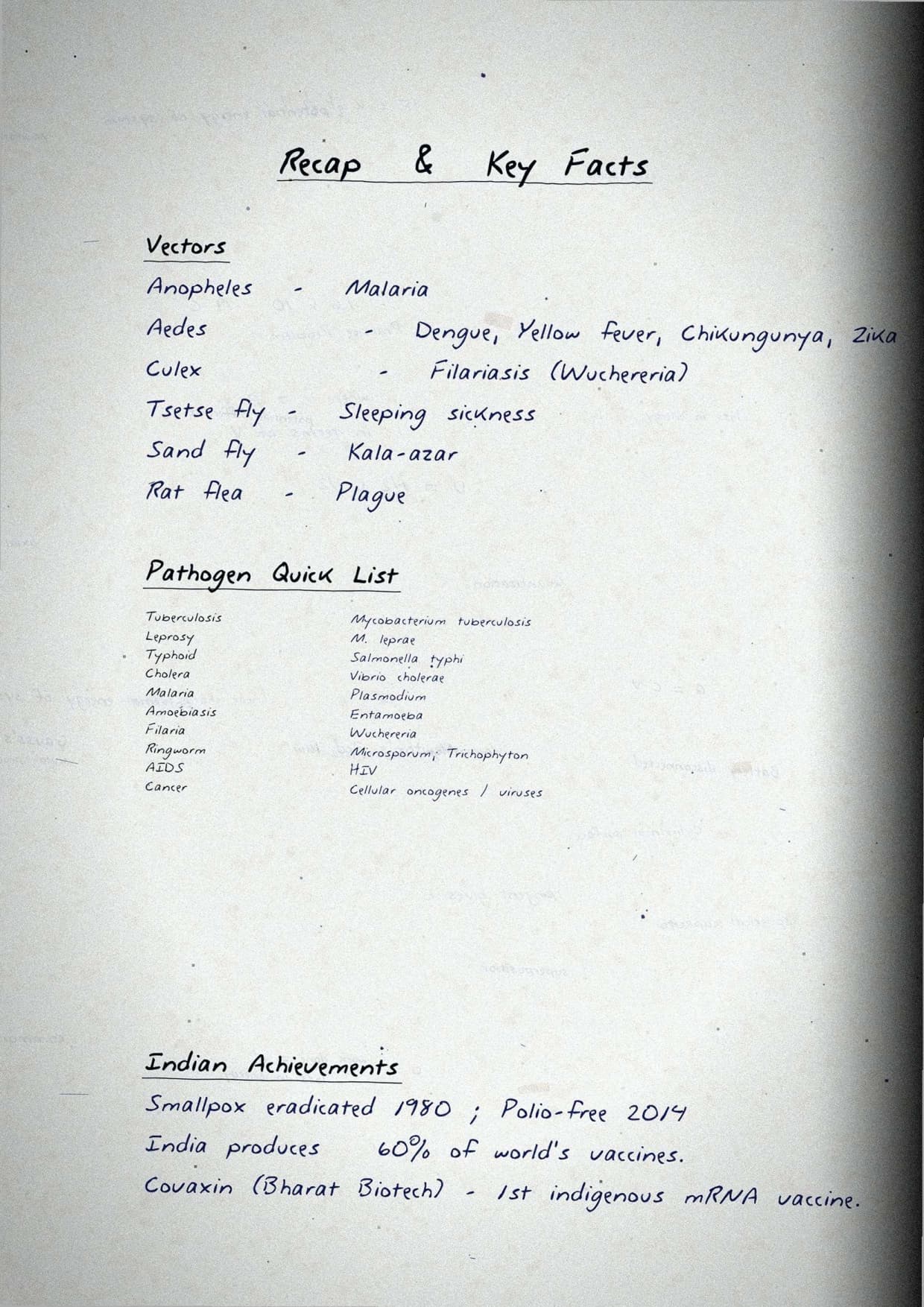
You can find the complete handwritten notes for Human Health and Disease including pathogen diagrams, immunity flowcharts, malaria life cycle, HIV replication, and antibody Y-structure as noted for CBSE Boards and NEET in the article below.
These handwritten notes are curated by NEET-rank-holder mentors at Collegedunia, mapped to the 2026-27 NCERT, and refined against the last five years of CBSE Board and NEET papers.
Human Health and Disease Video Walkthrough
Source: Magnet Brains on YouTube
What's Inside the Human Health and Disease Handwritten Notes PDF
The 30-page handwritten notebook is colour-coded so each disease category gets its own pen colour, and every life cycle is sketched as a clockwise diagram instead of paragraph prose. The breakdown below shows what each section contains so you can jump directly to the topic you need to revise.
| Section | Pages | What's Covered |
|---|---|---|
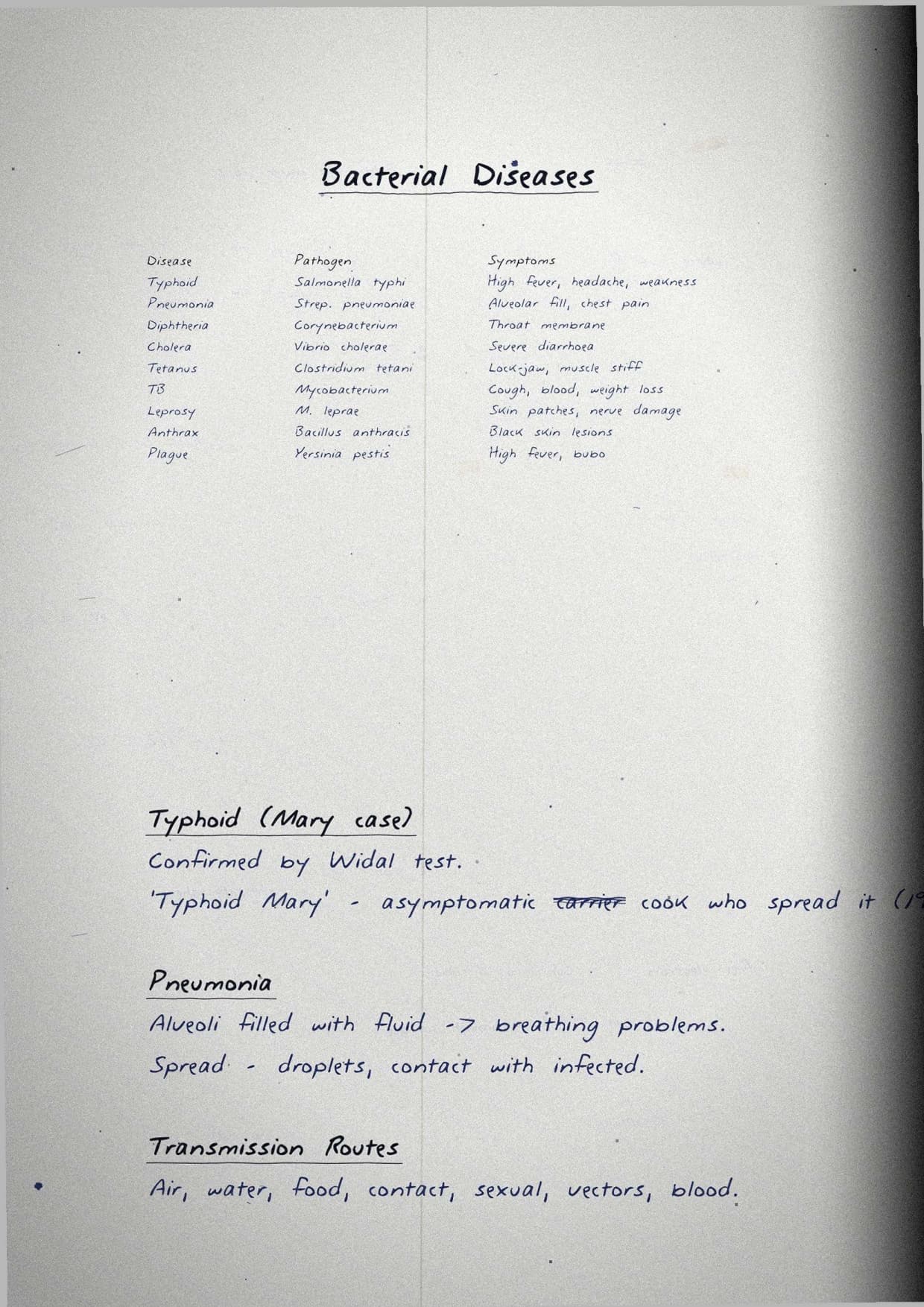
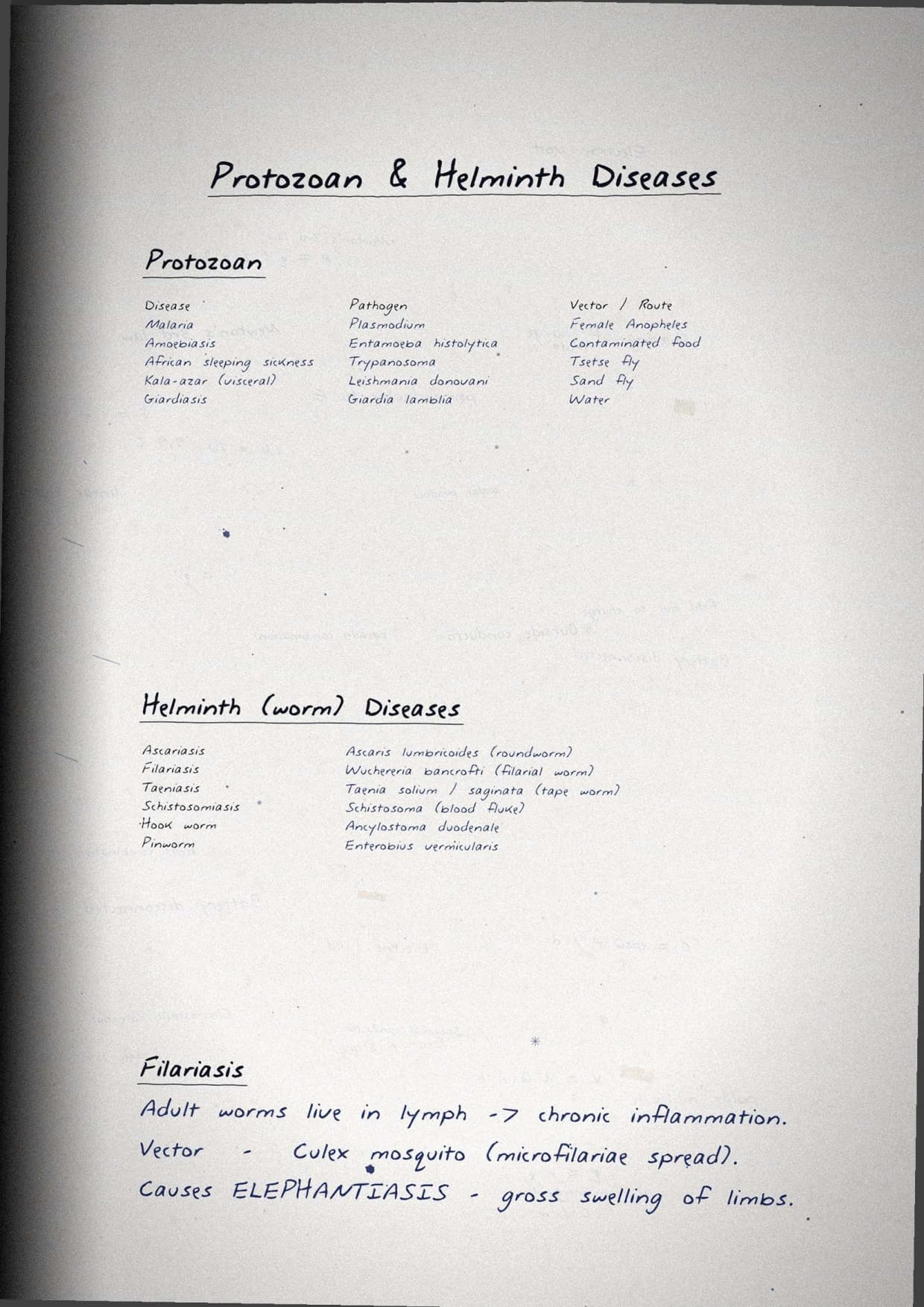
| Common Diseases & Pathogens | 1-6 | Bacterial, viral, protozoan, helminthic disease summary table |
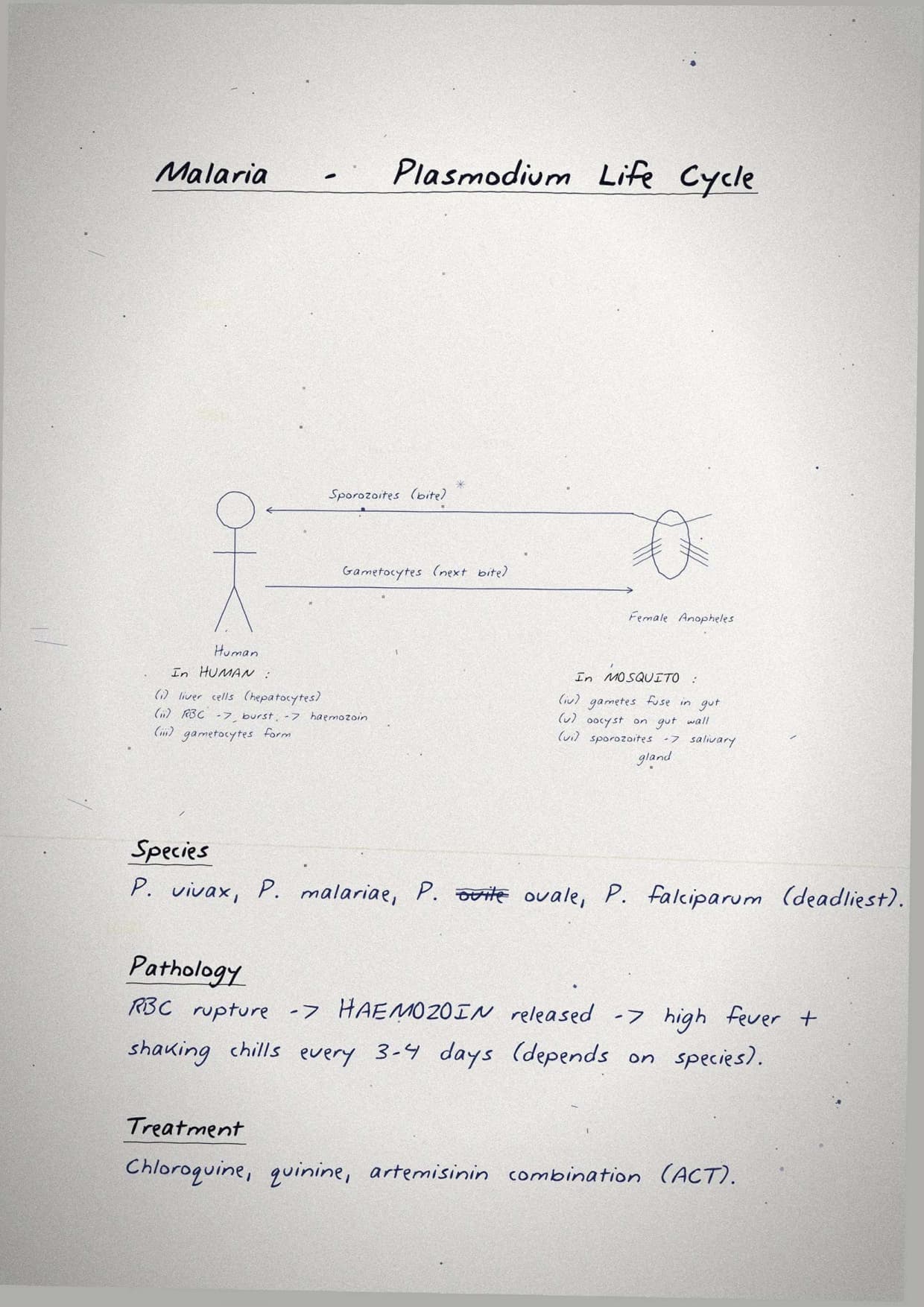
| Malaria Life Cycle | 7-10 | Hand-drawn Plasmodium stages, sporozoite to gametocyte |
| Immunity (Innate & Acquired) | 11-16 | Barrier types, antibody Y-structure, B-cell vs T-cell flowchart |
| AIDS, HIV Replication & Cancer | 17-22 | HIV replication cycle sketch, oncogenes, tumour types |
| Drugs & Alcohol Abuse | 23-30 | Opioids, cannabinoids, addiction cycle, mnemonics |
How will Collegedunia's Handwritten Notes Help You with Human Health and Disease?
This chapter is dense with definitions, life cycles, and pathogen names that are easy to confuse on exam day. The handwritten format compresses each idea into a visual that the brain recalls faster than a printed paragraph.
- Hand-drawn pathogen diagrams: Every disease pathogen is sketched with labels, so you can match name to morphology without re-reading the textbook.
- Colour-coded immunity flowcharts: Blue ink for innate immunity, red for acquired, green for antibody structure, helping you separate the two systems mentally.
- NEET pattern marginalia: The right margin carries one-line "NEET asked in 20XX" tags next to each pathogen, so your eye lands on the high-yield facts first.
- Last-page revision card: Page 30 is a single-glance recap of all pathogens, vaccines, and drug categories for the night before the exam.
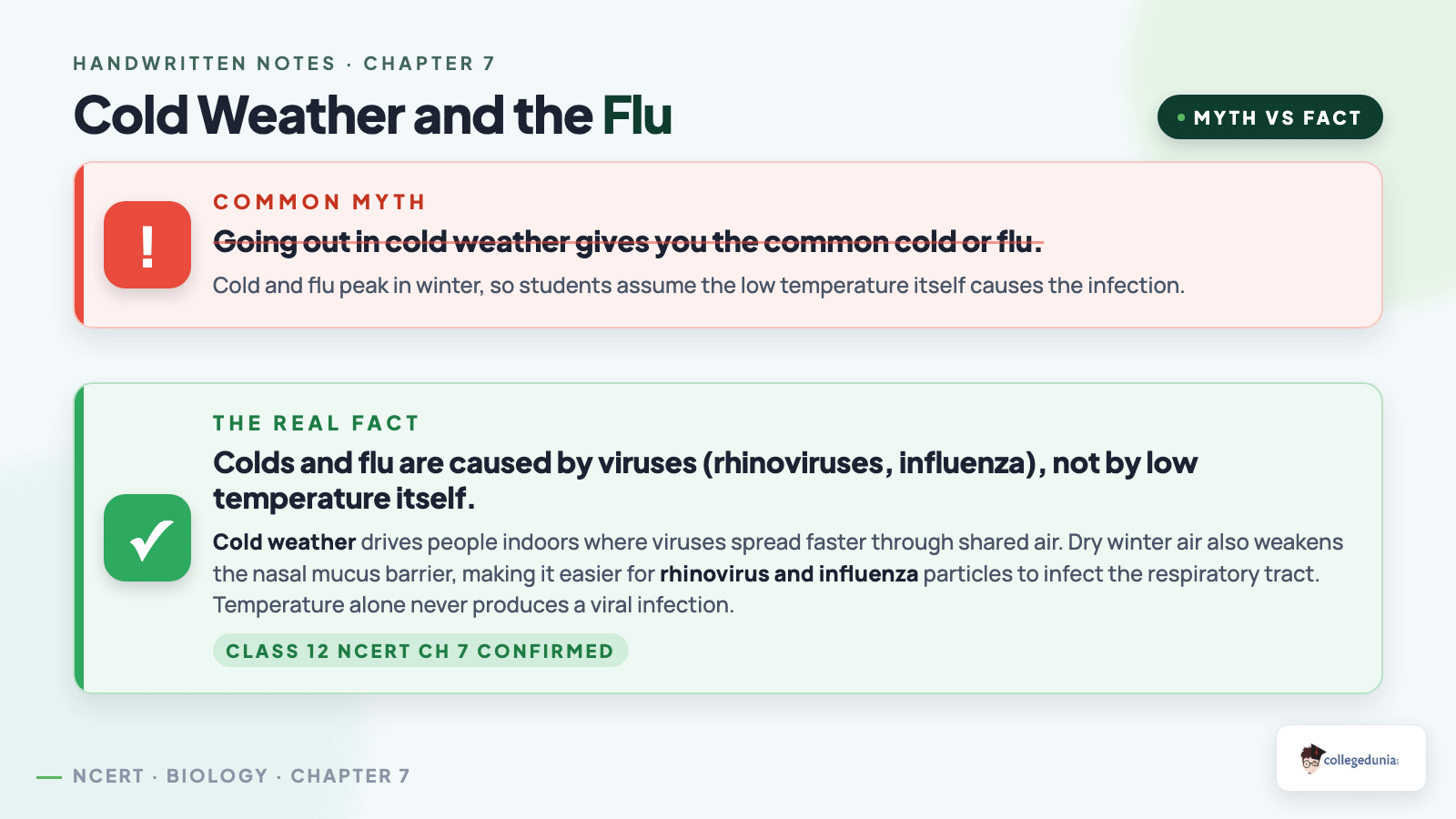
Human Health and Disease Diagram Inventory
NEET examiners pull diagram-based questions from this chapter every single year. Six of the last seven NEET papers had at least one figure-based question from this chapter. The inventory below lists every hand-drawn diagram in the PDF so you know exactly which page to flip to.
| Diagram | Page | NEET Frequency |
|---|---|---|
| Plasmodium malaria life cycle (sporozoite to gametocyte) | 9 | Very High |
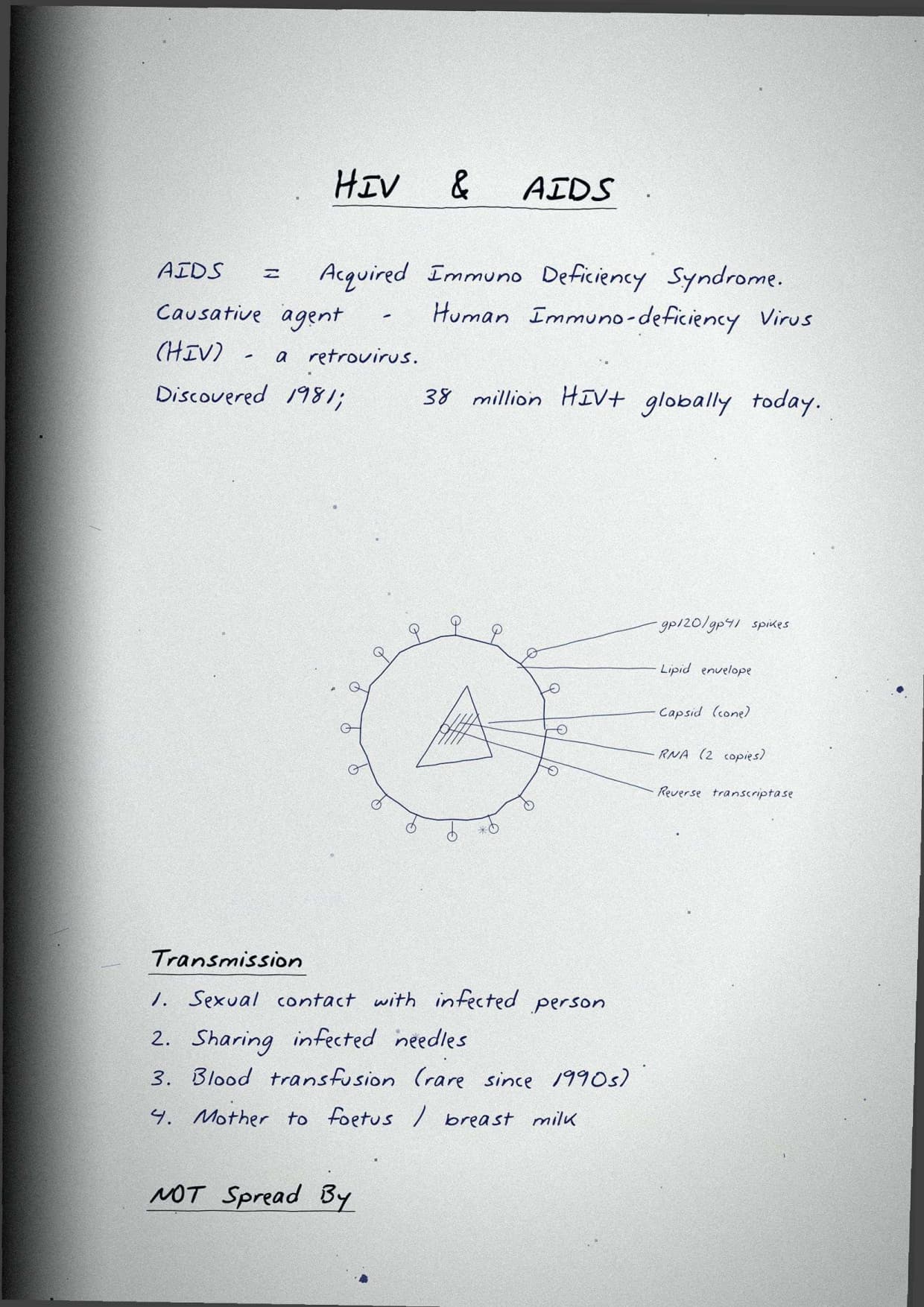
| HIV replication cycle inside helper T-cell | 19 | Very High |
| Antibody Y-structure (heavy & light chains, antigen-binding site) | 14 | High |
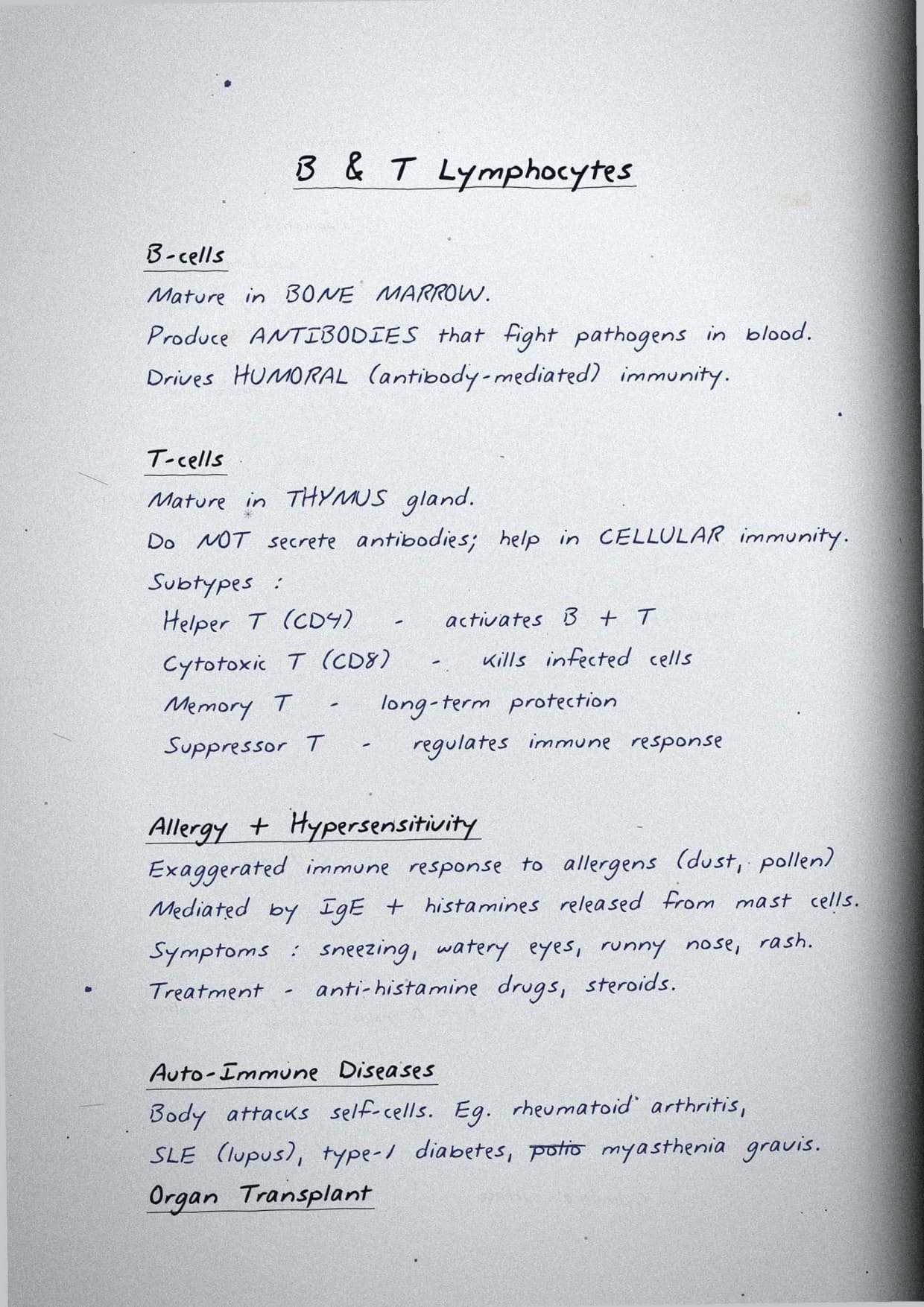
| B-cell vs T-cell maturation flowchart | 15 | High |
| Ascaris lumbricoides body plan | 5 | Medium |
| Wuchereria bancrofti causing filariasis | 6 | Medium |
| Entamoeba histolytica trophozoite | 4 | Medium |
| Cancer cell vs normal cell (uncontrolled mitosis) | 21 | High |
| Tobacco smoke pathway in respiratory tract | 27 | Medium |
| Opioid receptor binding (morphine, heroin) | 25 | Low |
| Innate immunity barrier types (physical, physiological, cellular, cytokine) | 12 | High |
| Vaccination primary vs secondary response curve | 16 | High |
Also Check:
- Human Health and Disease Class 12 Biology Notes
- Human Health and Disease Class 12 Biology NCERT Solutions
Why Choose Handwritten Notes for Class 12 Biology Chapter 7
Printed notes are dense, uniform, and forgettable. Handwritten notes pick up where the textbook stops by exploiting how visual memory actually works for biology students.
- Diagram-first learning: The chapter has 12 figures, and the brain encodes a hand-drawn pathogen far faster than its printed counterpart. Each pathogen is sketched in real ink with labels in a second colour.
- Pen-colour mnemonics: Pathogen names in red, host names in blue, drug classes in green, vaccines in orange. Your eye picks up the category before the word, which is exactly how MCQs are recalled.
- Margin "asked in" tags: Real NEET year tags next to each disease tell you what's been overdue versus over-asked.
- Less than 30 pages: An entire 22-page NCERT chapter compressed without losing any examinable fact. Read in 90 minutes.
Human Health and Disease Top 5 Topics by NEET Frequency
The handwritten notes spend the most ink on the topics that NEET pulls from most often. Here is what the last five NEET papers (2025, 2024, 2023, 2022, 2021) drew from this chapter.
| Topic | NEET Questions (last 5 years) | Page in HW Notes |
|---|---|---|
| Immunity (innate, acquired, antibody structure) | 8 | 11-16 |
| AIDS and HIV replication | 6 | 17-19 |
| Malaria and Plasmodium life cycle | 5 | 7-10 |
| Cancer (oncogenes, tumour types) | 4 | 20-22 |
| Drugs and alcohol abuse | 3 | 23-30 |
Full year-wise PYQ map: Human Health and Disease Class 12 Biology PYQ Map
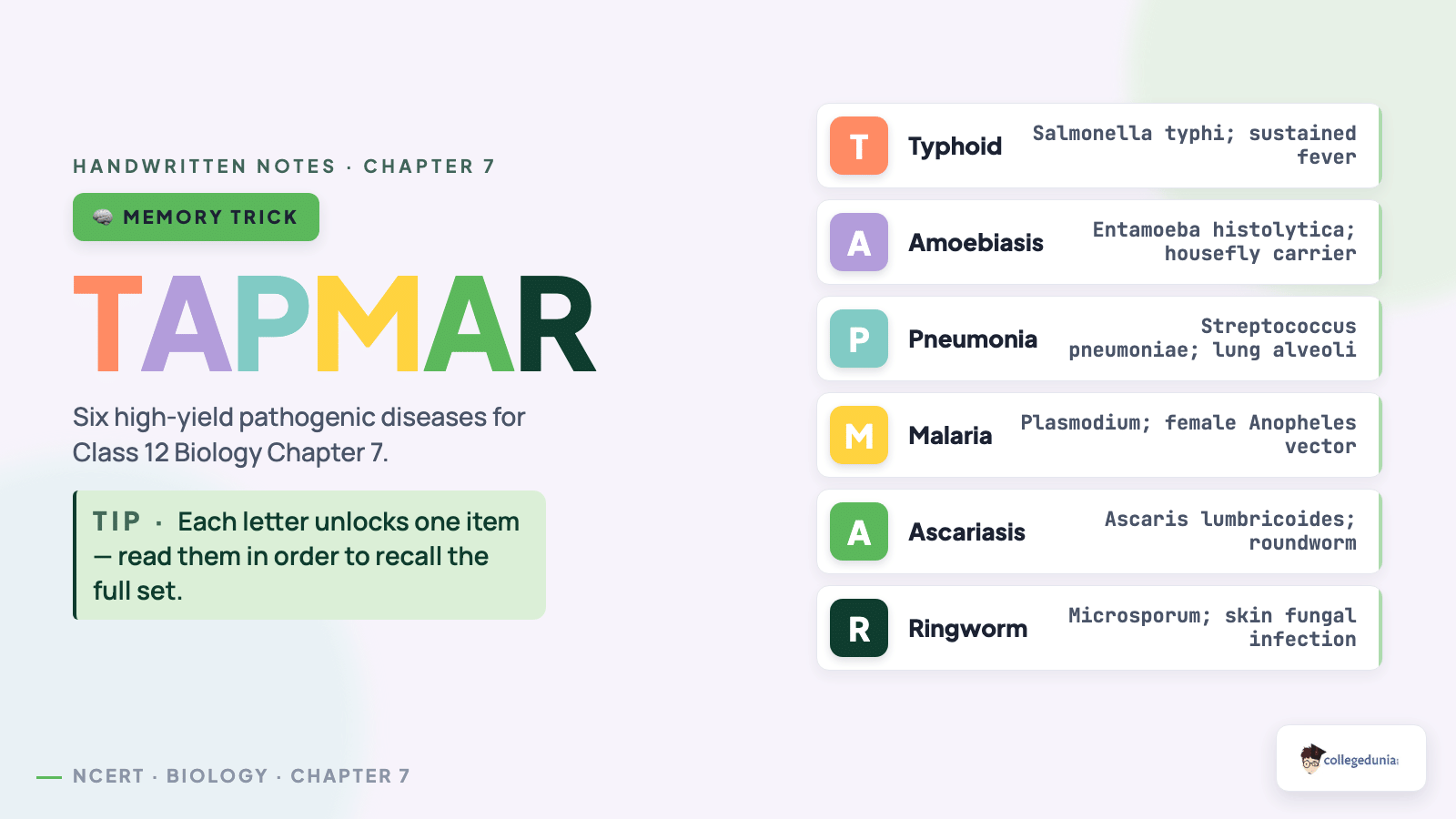
Memory Mnemonics in the Human Health and Disease Handwritten Notes
Pathogen names, drug families, and immune cell types are the easiest places to lose marks. The notes include hand-drawn mnemonic boxes that bundle each list into a memorable cue.
Class 12 Biology Chapter 7 Self-Assessment Quiz
Use this quiz after a single read-through. Each question maps directly to a diagram or boxed fact in the handwritten notes.
Q1. The infective stage of Plasmodium that enters the human body through a mosquito bite is
(a) Merozoite (b) Sporozoite (c) Trophozoite (d) Gametocyte
Answer: (b) Sporozoite - injected by the female Anopheles mosquito's saliva. See page 9 of the notes.
Q2. HIV primarily attacks which immune cell?
(a) B-cells (b) Cytotoxic T-cells (c) Helper T-cells (CD4+) (d) Macrophages
Answer: (c) Helper T-cells - the CD4+ surface receptor is HIV's entry point. Diagram on page 19.
Q3. An antibody molecule has how many antigen-binding sites?
(a) One (b) Two (c) Four (d) Six
Answer: (b) Two - one at each tip of the Y. See the Y-structure diagram on page 14.
Q4. Which of the following is a benign tumour characteristic?
(a) Metastasis (b) Capsule-enclosed (c) Invades surrounding tissue (d) Anaplasia
Answer: (b) Capsule-enclosed - benign tumours stay localised. See page 21.
Q5. Cannabinoids are obtained from which plant?
(a) Papaver somniferum (b) Erythroxylum coca (c) Cannabis sativa (d) Atropa belladonna
Answer: (c) Cannabis sativa - inflorescences, leaves, and resin yield THC. See page 24.
Human Health and Disease Last 24-Hour Revision Card
Page 30 of the PDF is the single-glance revision card for the night before the exam. Skim only this card and you will have covered the eight highest-frequency facts from this chapter.
- Malaria pathogen: Plasmodium (P. vivax, P. falciparum, P. malariae, P. ovale); vector female Anopheles; toxin haemozoin.
- HIV: retrovirus, attacks CD4+ helper T-cells, RNA reverse-transcribed to DNA, ELISA test for diagnosis.
- Antibody structure: Y-shaped, 2 heavy + 2 light chains, 2 antigen-binding sites; IgG, IgA, IgM, IgE, IgD.
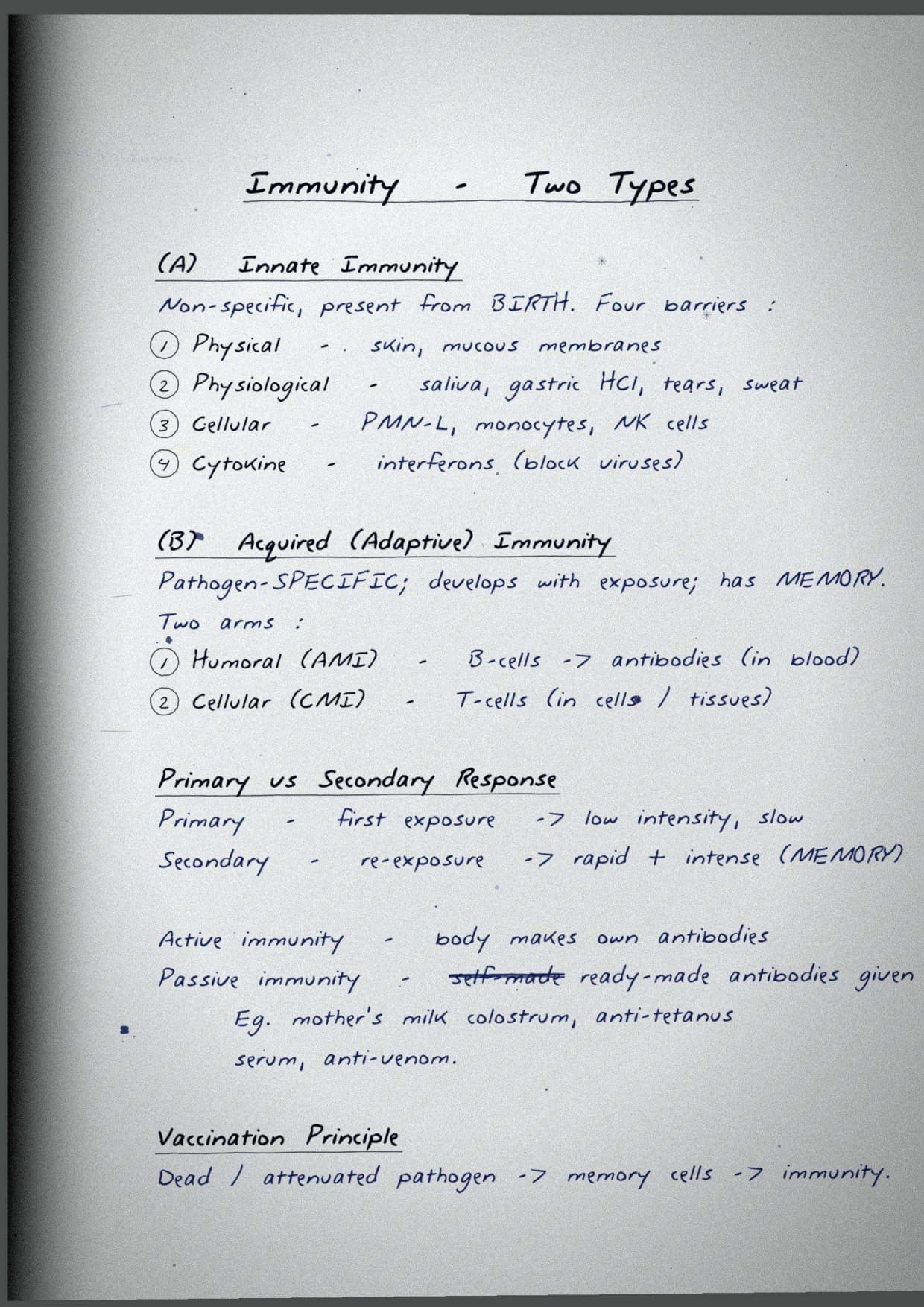
- Innate vs acquired: innate = non-specific 4 barriers (physical, physiological, cellular, cytokine); acquired = specific, memory-based.
- Active vs passive immunity: active = body makes own antibodies (vaccination, infection); passive = ready-made antibodies given (mother's milk, anti-venom).
- Cancer: uncontrolled cell division; proto-oncogene to oncogene; carcinogens (X-ray, UV, tobacco); benign vs malignant.
- Drugs: opioids (heroin from Papaver), cannabinoids (THC from Cannabis), cocaine (from Erythroxylum), tobacco (nicotine).
- Pathogens table: typhoid-Salmonella typhi, pneumonia-Streptococcus pneumoniae, common cold-rhinovirus, amoebiasis-Entamoeba, ringworm-Microsporum, ascariasis-Ascaris, filariasis-Wuchereria.
Best Way to Use These Handwritten Notes
The 30-page PDF works best as a three-pass revision tool, not a first-time read. Use the textbook for first exposure, then layer the handwritten notes on top.
- Pass 1 (90 min): Skim only the diagrams - pages 9, 14, 15, 19, 21. Do not read text.
- Pass 2 (60 min): Read the mnemonic boxes and the disease-pathogen table on page 3. Cover the right column and self-test.
- Pass 3 (30 min): Take the self-assessment quiz on this page. Then read page 30 last revision card twice.
Human Health and Disease Topic-by-Topic Summary
A condensed walkthrough of every NCERT sub-topic appears in the printed-style notes article. Here is a 6-line orientation, after which jump to the canonical version for the full coverage.
- Common diseases: 4 bacterial (typhoid, pneumonia), 4 viral (common cold, AIDS), 3 protozoan (malaria, amoebiasis), 2 helminthic (ascariasis, filariasis).
- Immunity: innate (4 barriers) and acquired (humoral B-cell and cell-mediated T-cell); primary vs secondary response.
- AIDS: caused by HIV, transmitted by sex, blood, mother-to-child; ELISA confirmation; AZT treatment.
- Cancer: uncontrolled cell division, benign vs malignant, oncogene activation, MRI/CT/biopsy diagnosis.
- Drugs: opioids, cannabinoids, cocaine, hallucinogens; addiction cycle; adolescent prevention.
- Vaccines: active vs passive, polio, measles, rabies, hepatitis B, tetanus.
Full topic-by-topic summary: Human Health and Disease Class 12 Biology Notes
More Human Health and Disease Biology Class 12 Resources
- Human Health and Disease Class 12 Biology NCERT Solutions
- Human Health and Disease Class 12 Biology Notes
- Human Health and Disease Class 12 Biology Formula Sheet
- Human Health and Disease Class 12 Biology NCERT Book PDF
- Human Health and Disease Class 12 Biology NCERT Exemplar Book PDF
- Human Health and Disease Class 12 Biology NCERT Exemplar Solutions
NCERT Handwritten Notes for Class 12 Biology: All Chapters
Use the table to jump to the handwritten notes for any other Class 12 Biology chapter.
| Chapter | Resource |
|---|---|
| Chapter 1 | Sexual Reproduction in Flowering Plants Handwritten Notes |
| Chapter 2 | Human Reproduction Handwritten Notes |
| Chapter 3 | Reproductive Health Handwritten Notes |
| Chapter 4 | Principles of Inheritance and Variation Handwritten Notes |
| Chapter 5 | Molecular Basis of Inheritance Handwritten Notes |
| Chapter 6 | Evolution Handwritten Notes |
| Chapter 8 | Microbes in Human Welfare Handwritten Notes |
| Chapter 9 | Biotechnology Principles and Processes Handwritten Notes |
| Chapter 10 | Biotechnology and Its Applications Handwritten Notes |
| Chapter 11 | Organisms and Populations Handwritten Notes |
| Chapter 12 | Ecosystem Handwritten Notes |
| Chapter 13 | Biodiversity and Conservation Handwritten Notes |
Human Health and Disease Class 12 Biology Handwritten Notes FAQs
Ques. Where can I download Human Health and Disease Class 12 Biology Handwritten Notes PDF?
Ans. You can download the Human Health and Disease Class 12 Biology Handwritten Notes PDF directly from this page. Both the Normal and HD versions are available, and both are free.
Ques. Are these handwritten notes aligned with the 2026-27 NCERT?
Ans. Yes. The notes reflect the current 2026-27 syllabus for Class 12 Biology. The chapter retains all topics on common diseases, immunity, AIDS, cancer, and drug abuse; no sub-topic was removed in the latest NCERT edition.
Ques. How many pages is the Class 12th Biology Human Health and Disease Handwritten Notes PDF?
Ans. The handwritten notes PDF runs 30 pages and covers all five major sub-topics: common diseases and pathogens, immunity, AIDS and HIV, cancer, and drugs and alcohol abuse, plus a last-page revision card.
Ques. What diagrams are included in the Human Health and Disease handwritten notes?
Ans. The notes include 12 hand-drawn diagrams: the Plasmodium malaria life cycle, HIV replication inside a helper T-cell, antibody Y-structure, B-cell vs T-cell maturation flowchart, Ascaris and Wuchereria morphology, Entamoeba trophozoite, cancer cell vs normal cell, tobacco smoke pathway, opioid receptor binding, innate immunity barriers, and the primary vs secondary vaccination response curve.
Ques. What is the weightage of Class 12 Biology Chapter 7 Human Health and Disease in NEET?
Ans. Human Health and Disease is one of the top-five NEET-yielding chapters in Class 12 Biology. It contributes 3 to 5 questions every NEET paper, drawn most frequently from immunity, HIV replication, and the malaria life cycle.
Ques. Are the Human Health and Disease Class 12 Biology handwritten notes good for NEET 2026?
Ans. Yes, the notes are designed for NEET 2026 candidates. Each pathogen and immune cell carries a margin tag showing the most recent year NEET asked about it, so you know what is overdue versus over-asked.
Ques. How long will it take to revise this handwritten notes PDF?
Ans. A full three-pass revision (diagrams, mnemonics, self-quiz) takes about 3 hours. The last-page revision card alone can be skimmed in 8 to 10 minutes on the morning of the exam.
Ques. Is the malaria life cycle diagram explained in these notes?
Ans. Yes. Page 9 carries a clockwise hand-drawn Plasmodium life cycle with all four stages (sporozoite, trophozoite, schizont, gametocyte) labelled, plus the human liver and red-blood-cell phases and the female Anopheles mosquito vector cycle.



Comments