




Class 12 Biology Chapter 6 Evolution covers natural selection, Hardy-Weinberg equilibrium, and human evolution. This page hosts a 28-page scanned notebook from a NEET 645/720 scorer, free for CBSE Board and NEET 2027 revision.

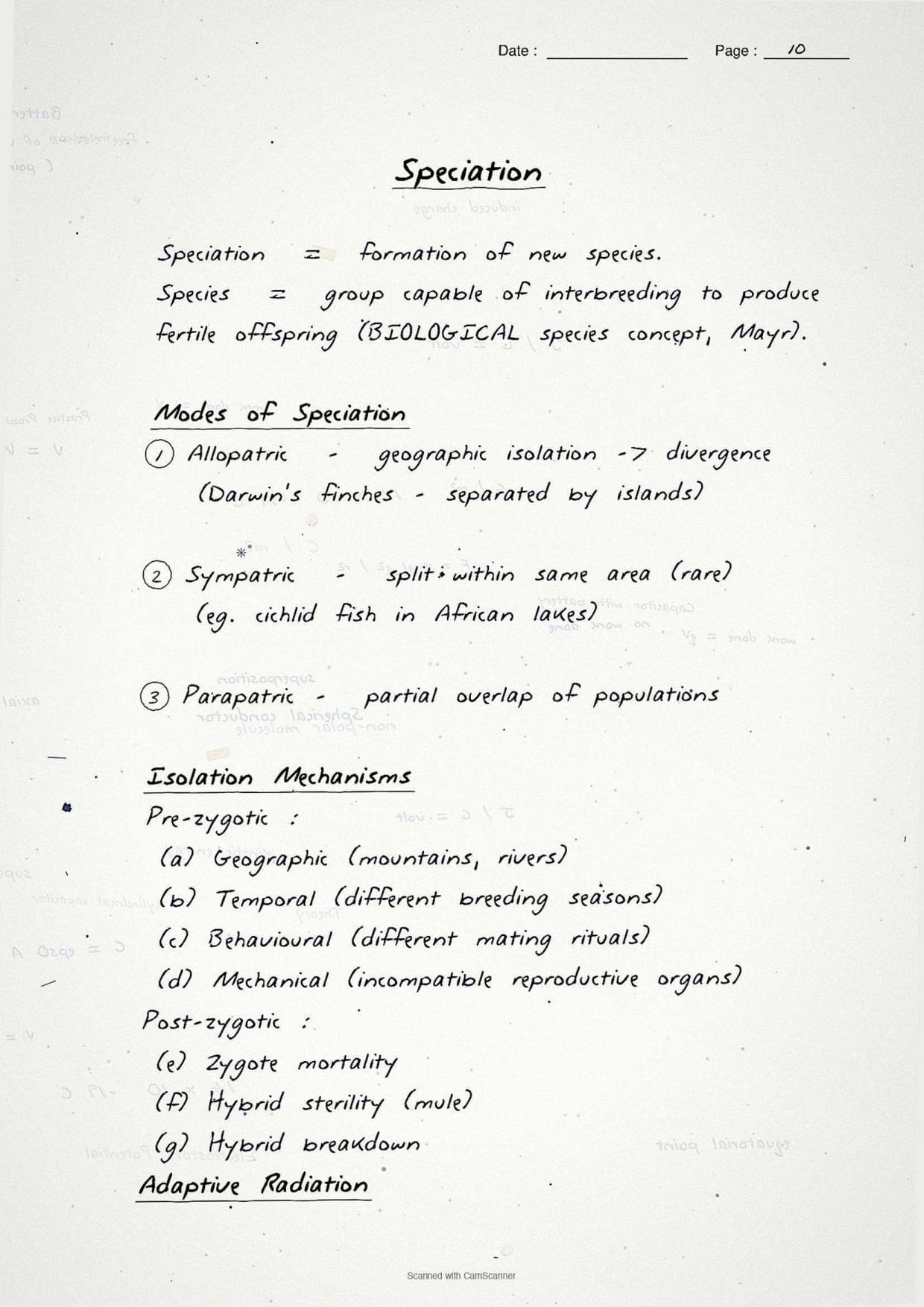
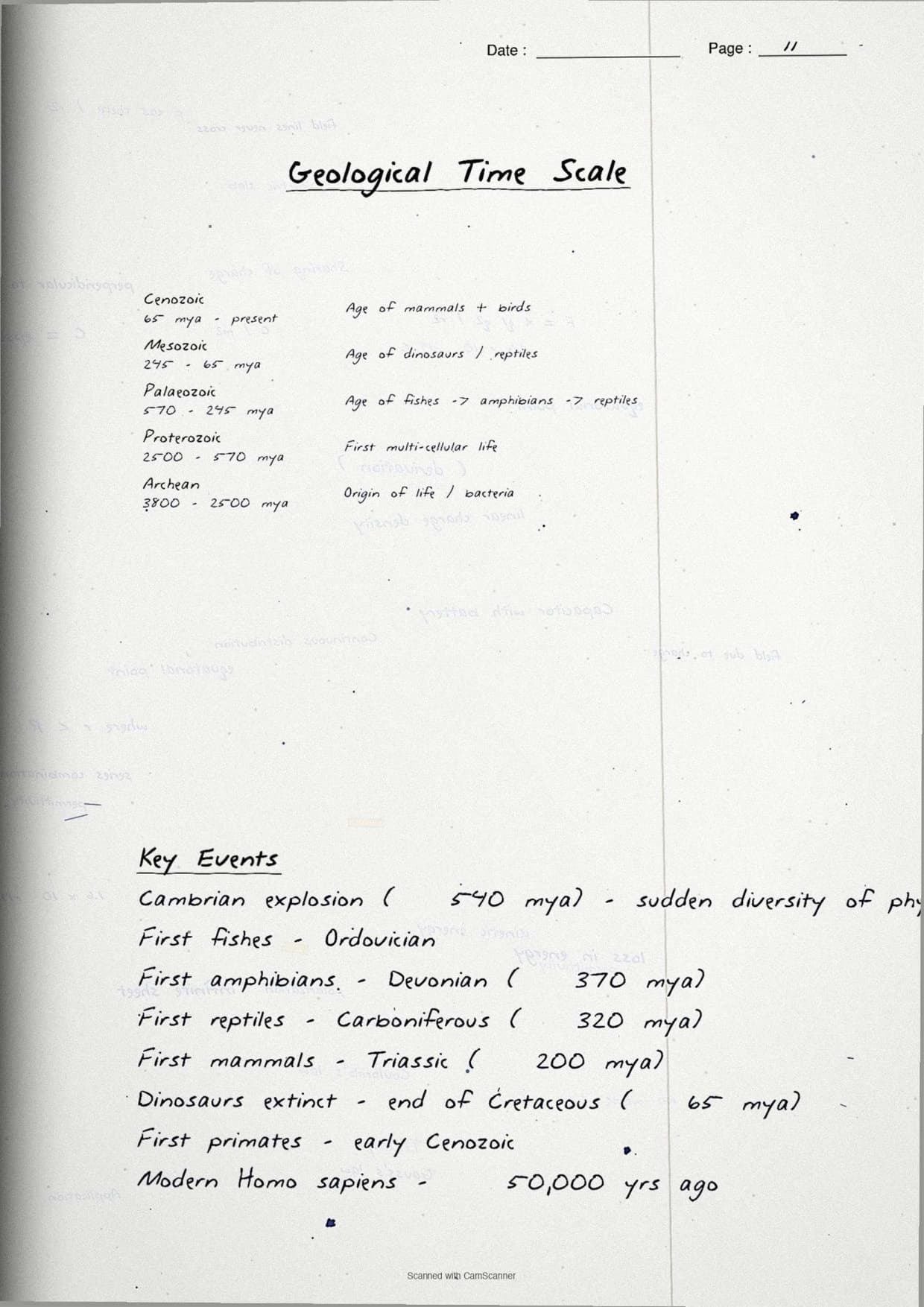
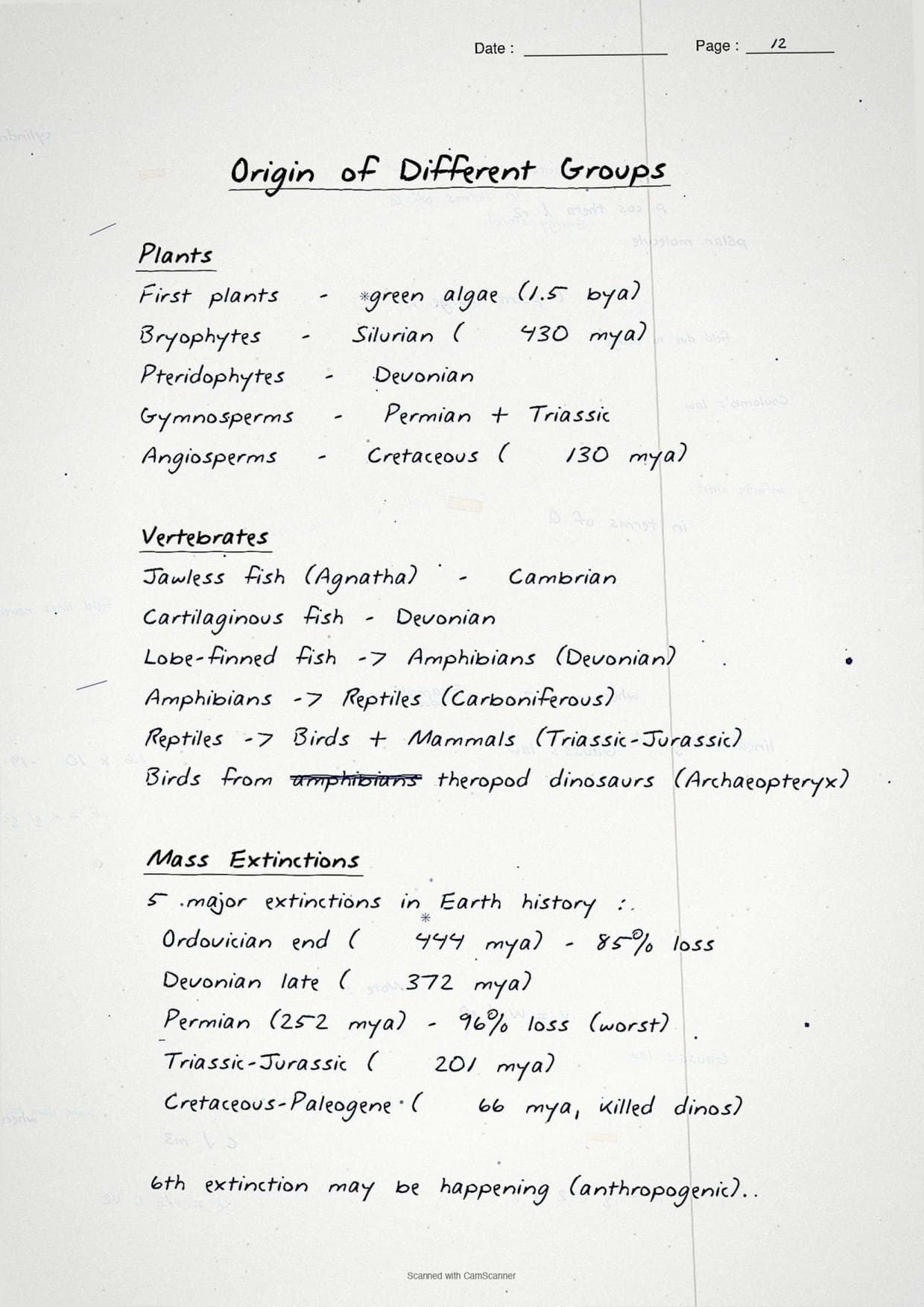
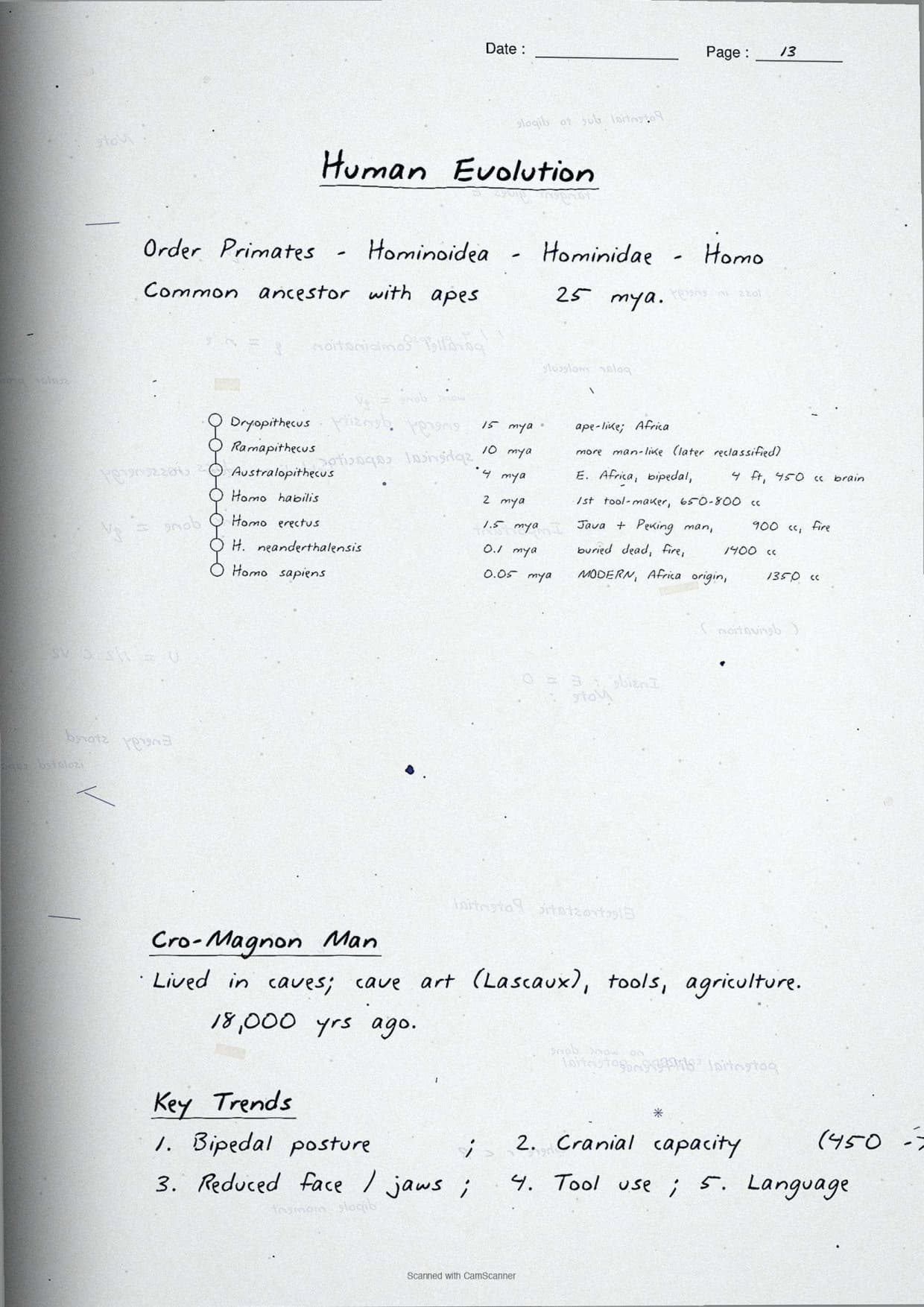

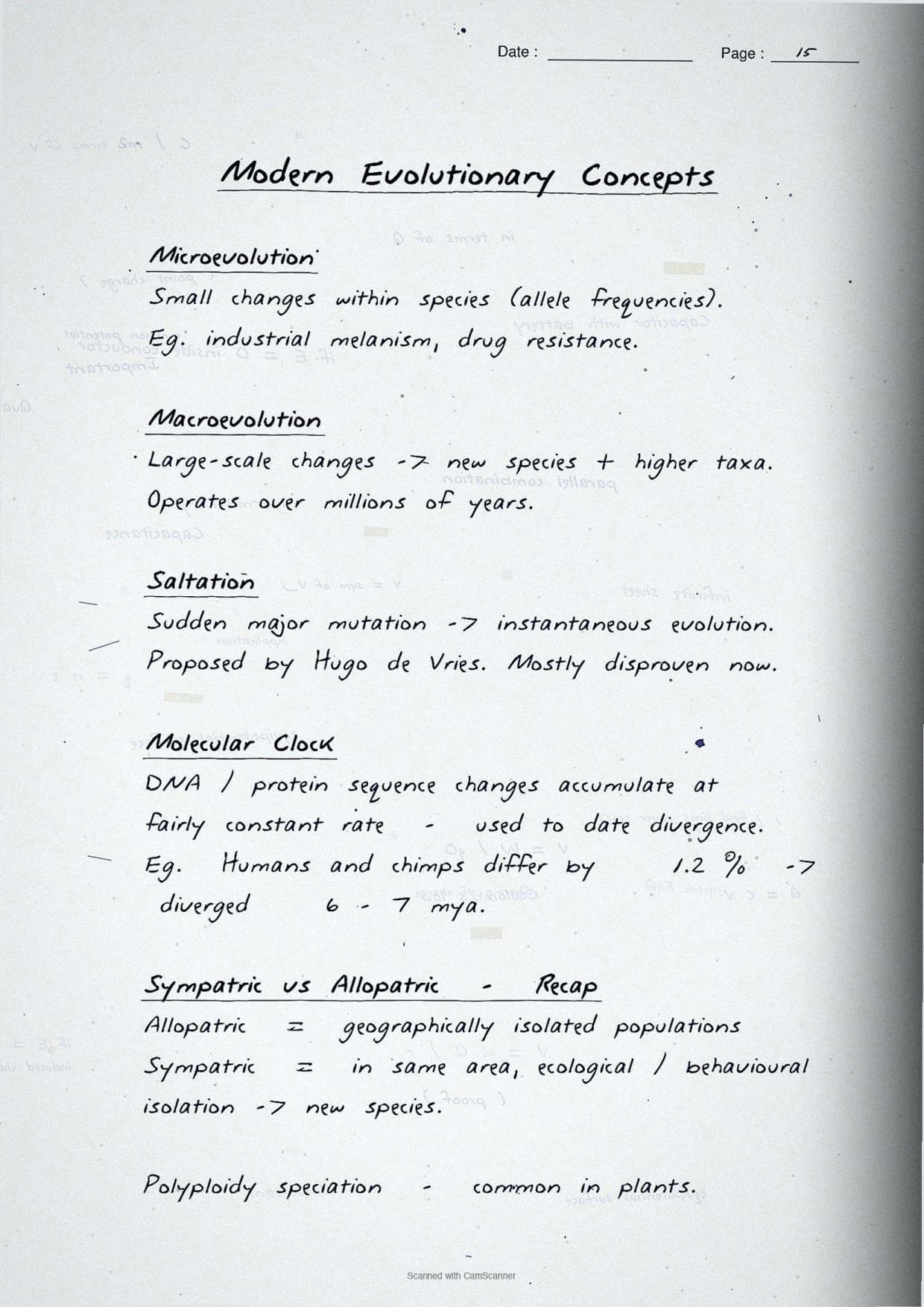
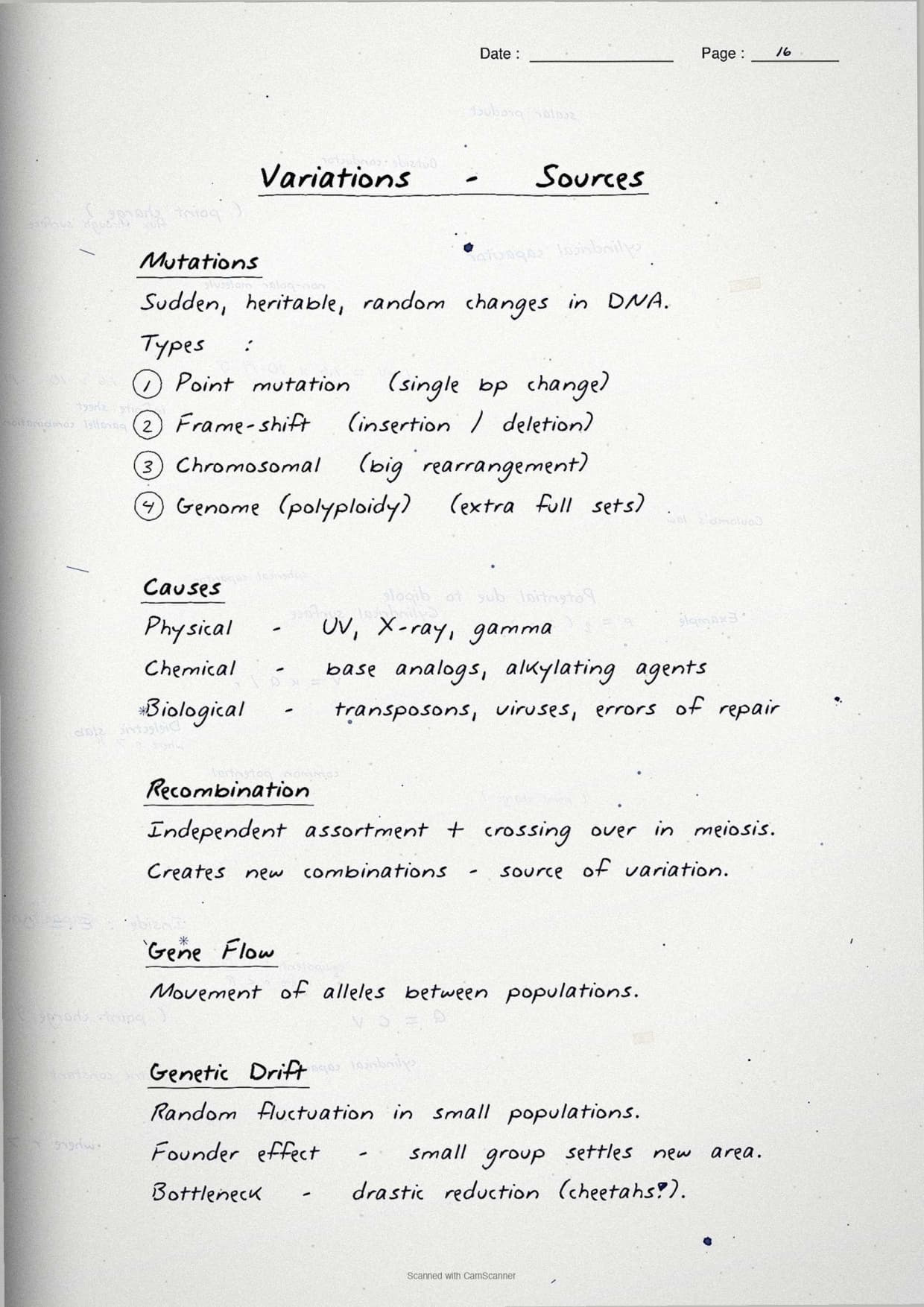

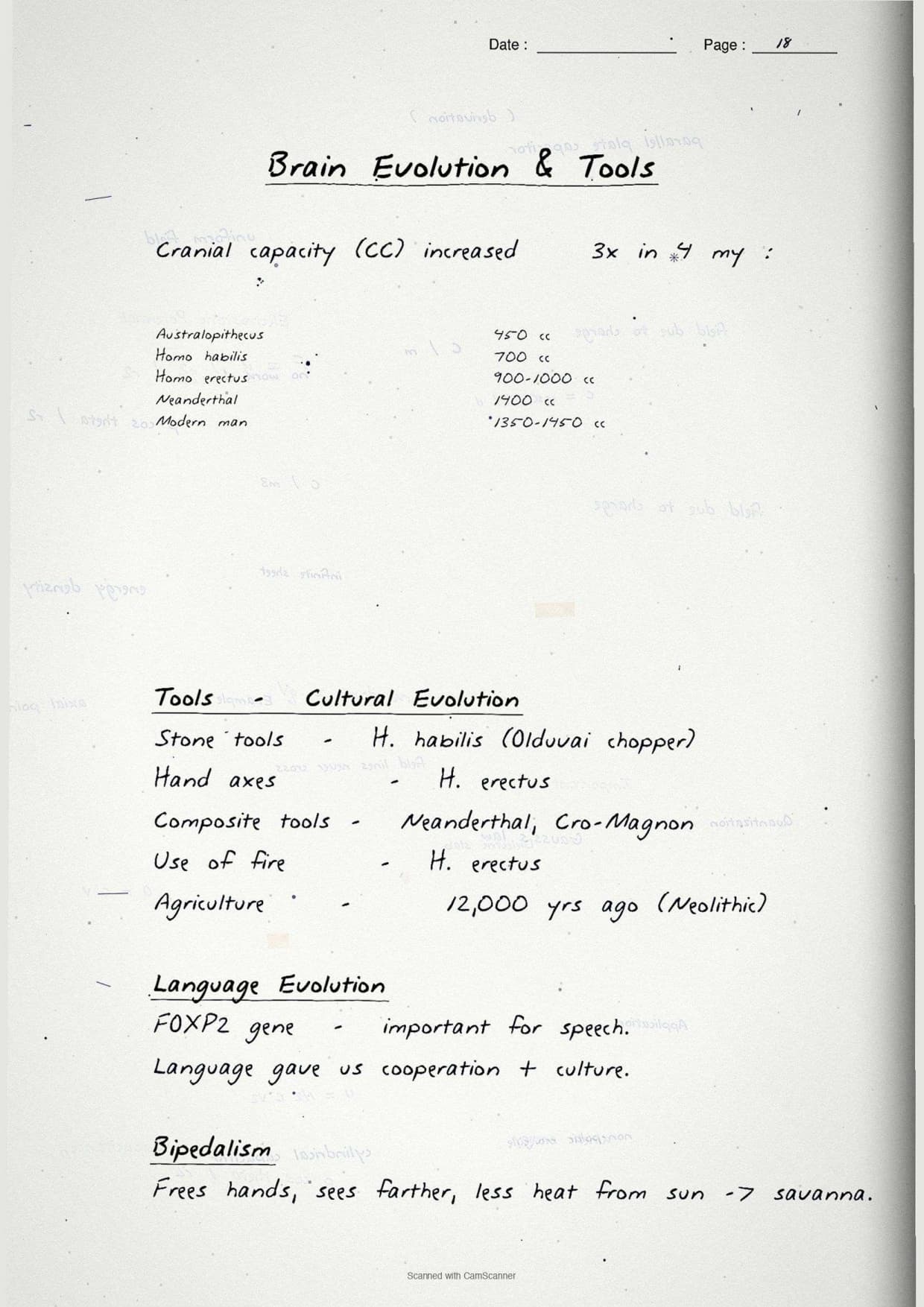
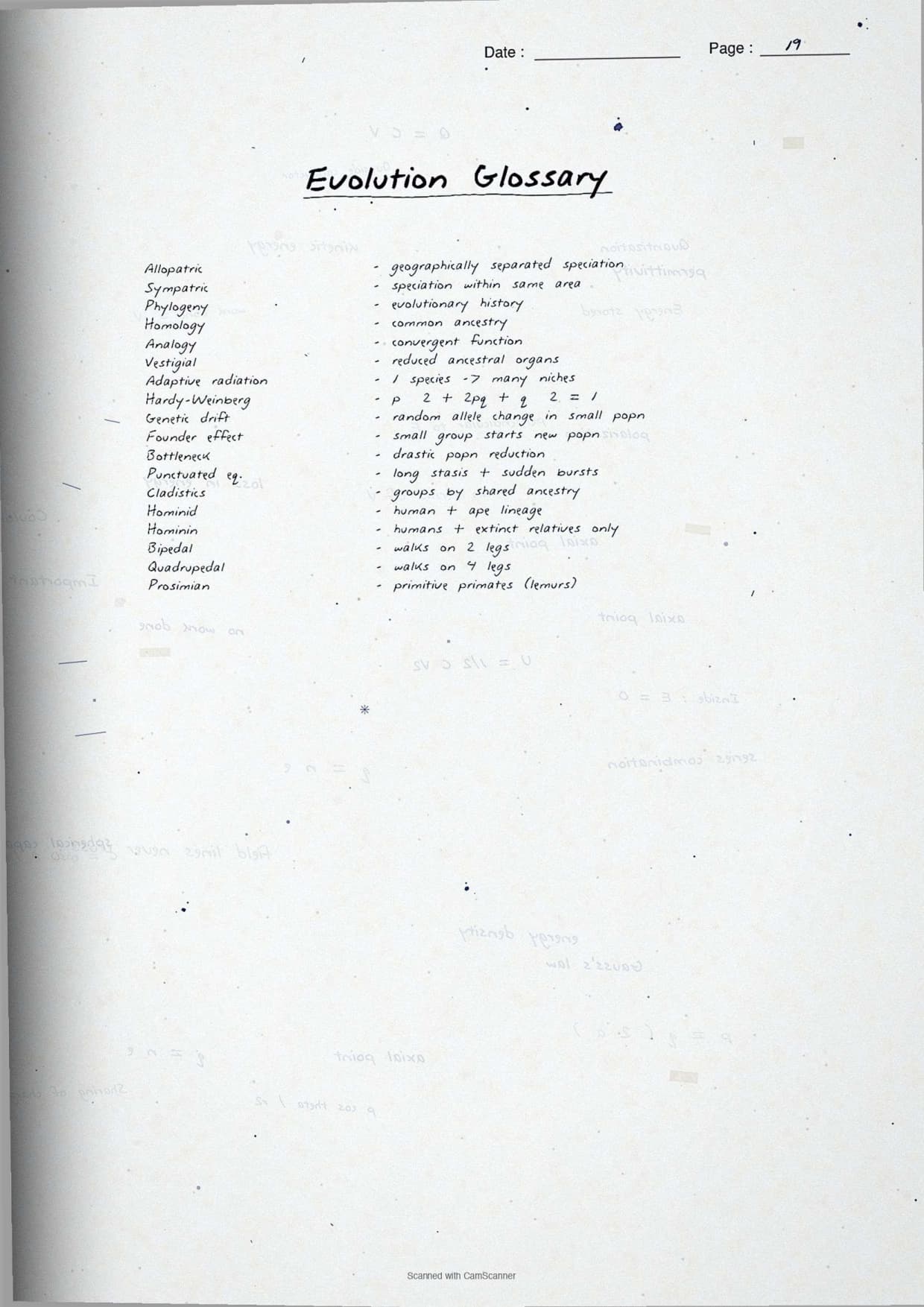
- CBSE Weightage: 5 to 7 marks (one 3-mark evidences or Hardy-Weinberg question plus a 2-marker on human evolution)
- NEET Weightage: 4 to 6 questions per paper, around 6% of NEET Biology, the highest-yielding chapter in the Evolution unit
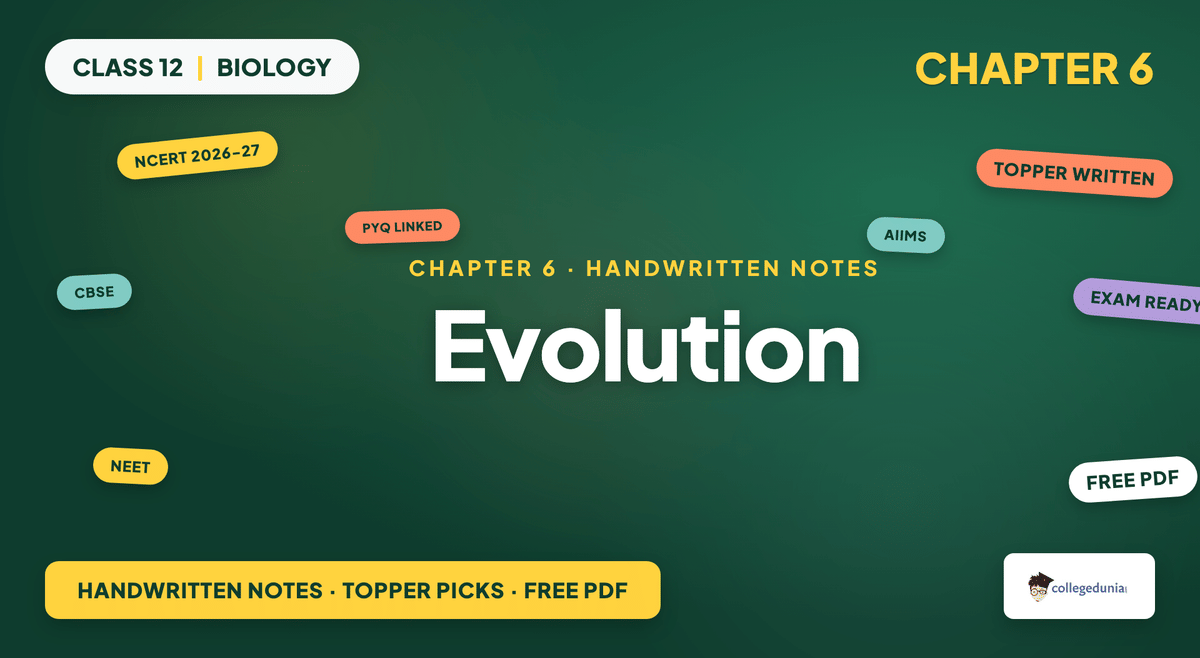
Why Evolution Matters for NEET 2027 and CBSE Class 12 Biology
Evolution is the highest-yield chapter in the NEET Biology Genetics and Evolution block. NEET averaged 5 questions per paper from 2021 to 2025. Three areas dominate: evidences of evolution (homology, analogy, fossils, embryology, biogeography), Hardy-Weinberg principle (allele-frequency numericals and five assumptions), and human evolution chronology. CBSE carries 5 to 7 marks on the same topics.
How These Handwritten Notes Help You Revise Evolution Faster
Evolution is diagram-dense. Drawing these visuals once helps retention far more than reading typed text.
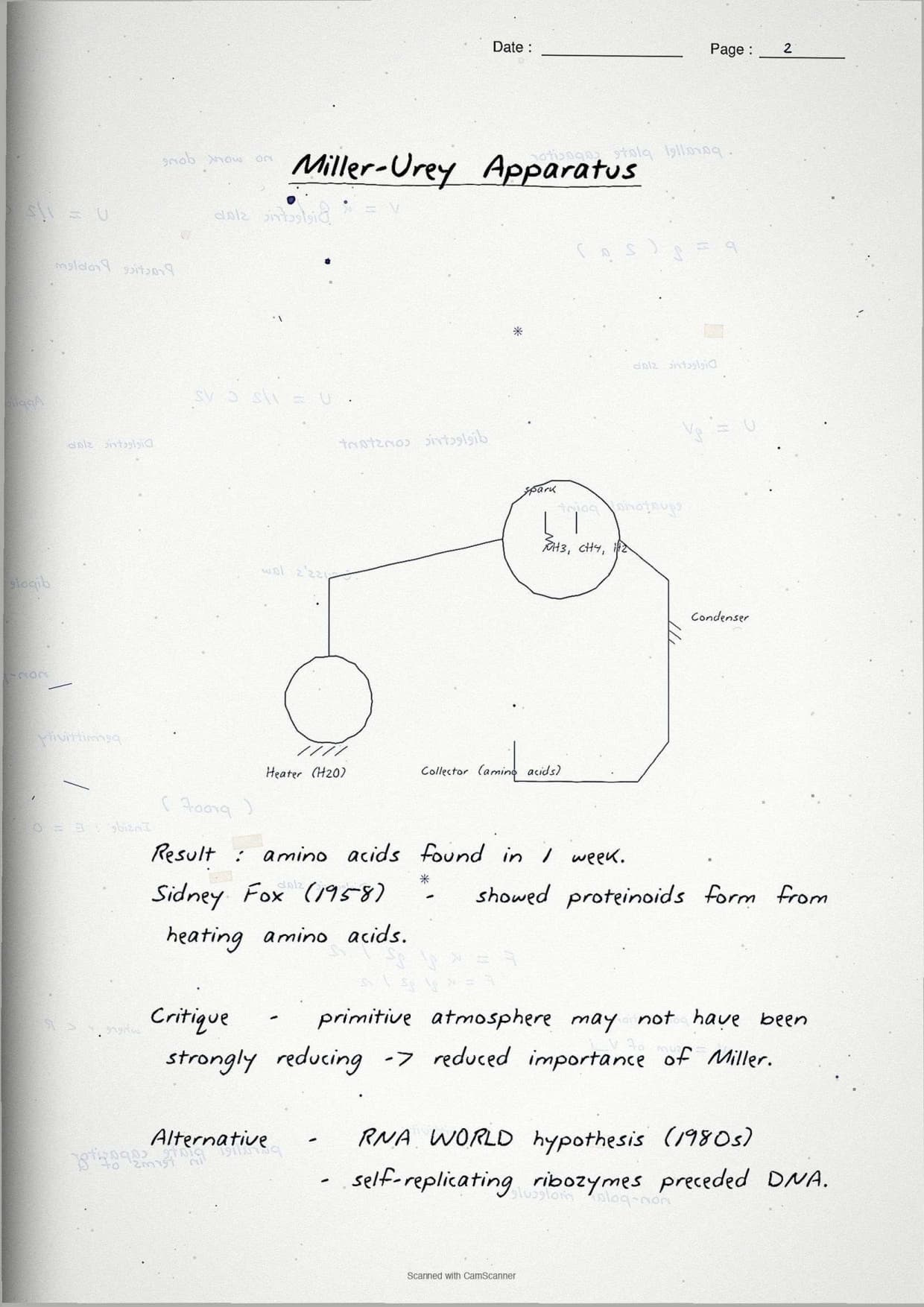
- Miller-Urey apparatus: Glassware with CH4, NH3, H2O and H2 labelled, so all four primitive-Earth conditions lock in one glance.
- Forelimb-homology card: Human arm, whale flipper, and bat wing colour-coded side-by-side, making divergent evolution obvious.
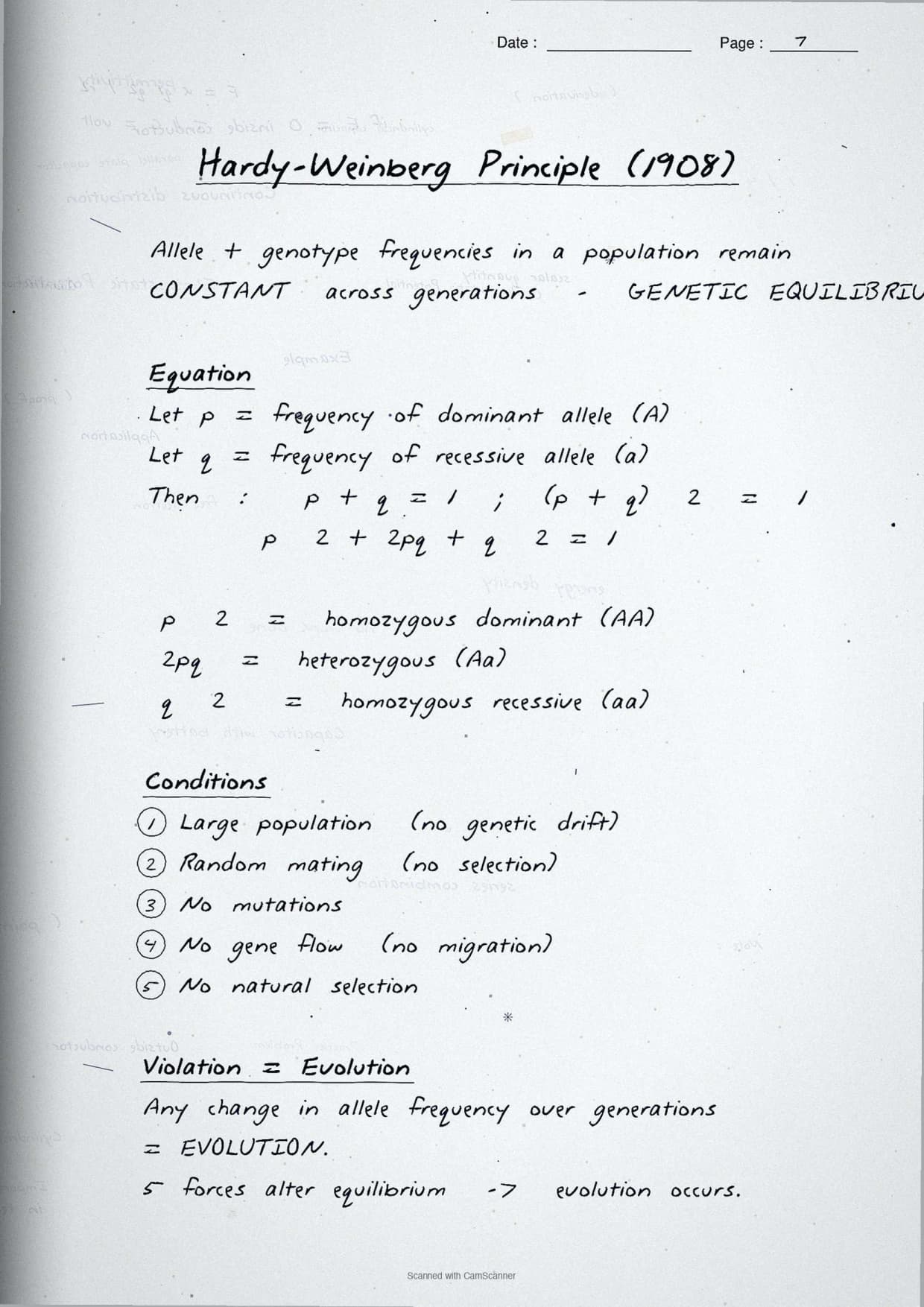
- Hardy-Weinberg parabola: The p2 + 2pq + q2 = 1 curve with five assumptions and a worked numerical on one spread.
- Skull timeline: Dryopithecus to Homo sapiens with cranial capacities as a visual progression, not a list to memorise.
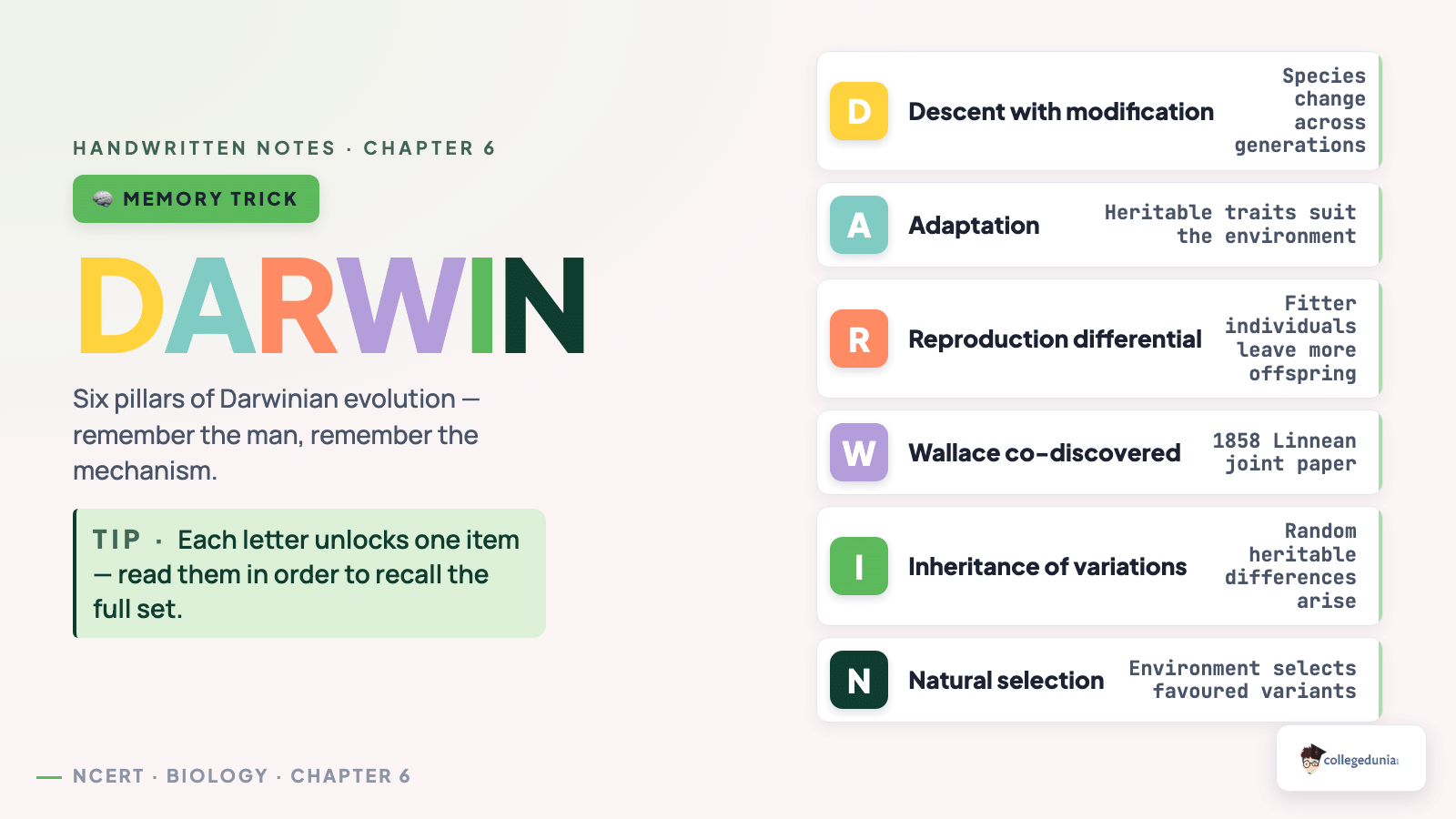
What's Inside the Evolution Chapter 6 Handwritten Notes PDF
A 28-page scan with a fixed ink-colour code. Jump straight to your weakest sub-topic.
| Pages | Topic | Pen Colour |
|---|---|---|
| 1-2 | Big Bang and primitive Earth timeline | Blue + orange |
| 3-5 | Oparin-Haldane theory, Miller-Urey experiment, chemical evolution | Blue + green |
| 6-9 | Evidences of evolution: homology, analogy, fossils, embryology, biogeography, molecular | Blue + orange + red |
| 10-12 | Lamarckism, Darwinism, natural selection, industrial melanism | Blue + orange |
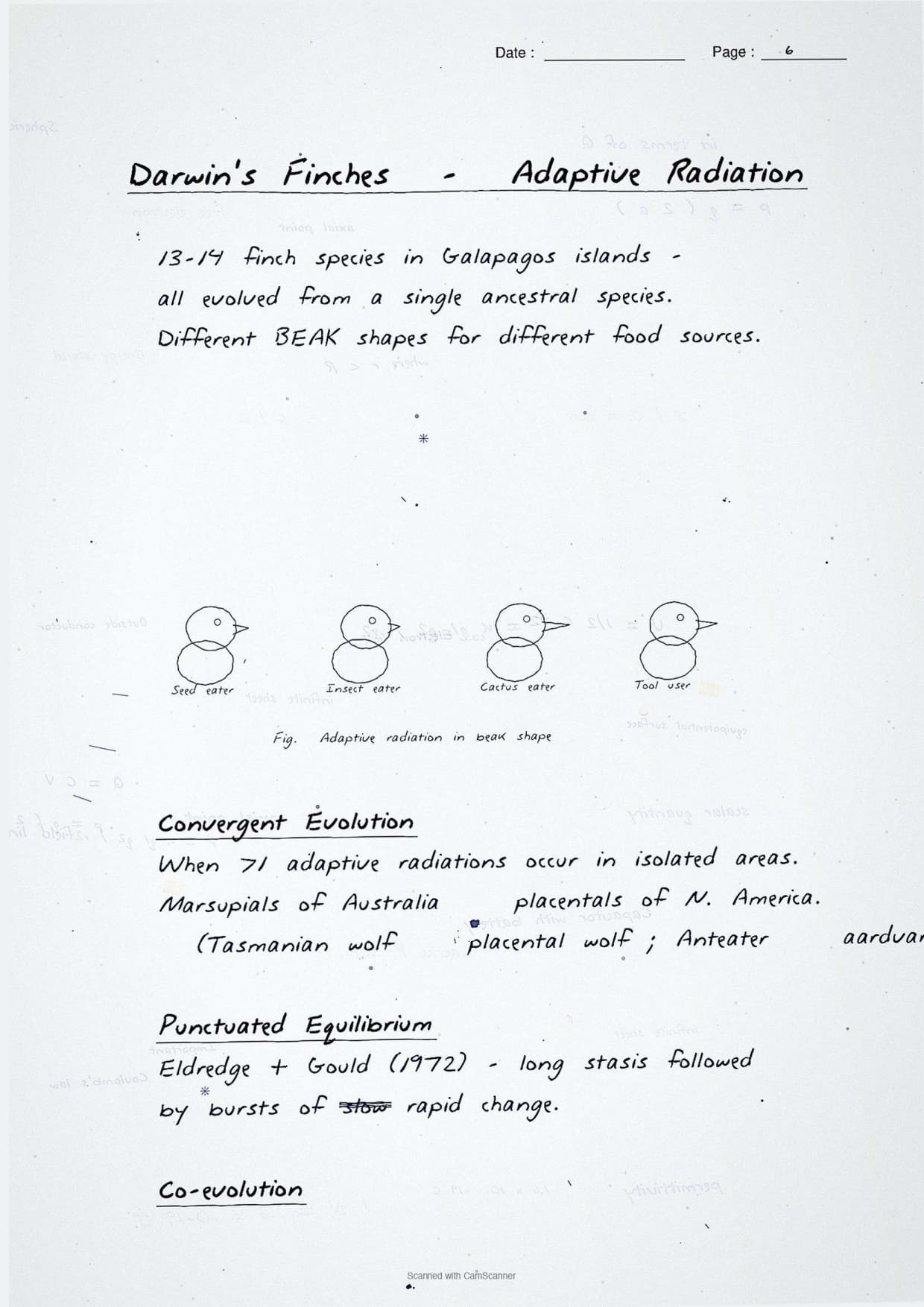
| 13-15 | Adaptive radiation: Galapagos finches and Australian marsupials | Blue + green |
| 16-19 | Hardy-Weinberg principle, five conditions, worked numericals | Blue + red + yellow |
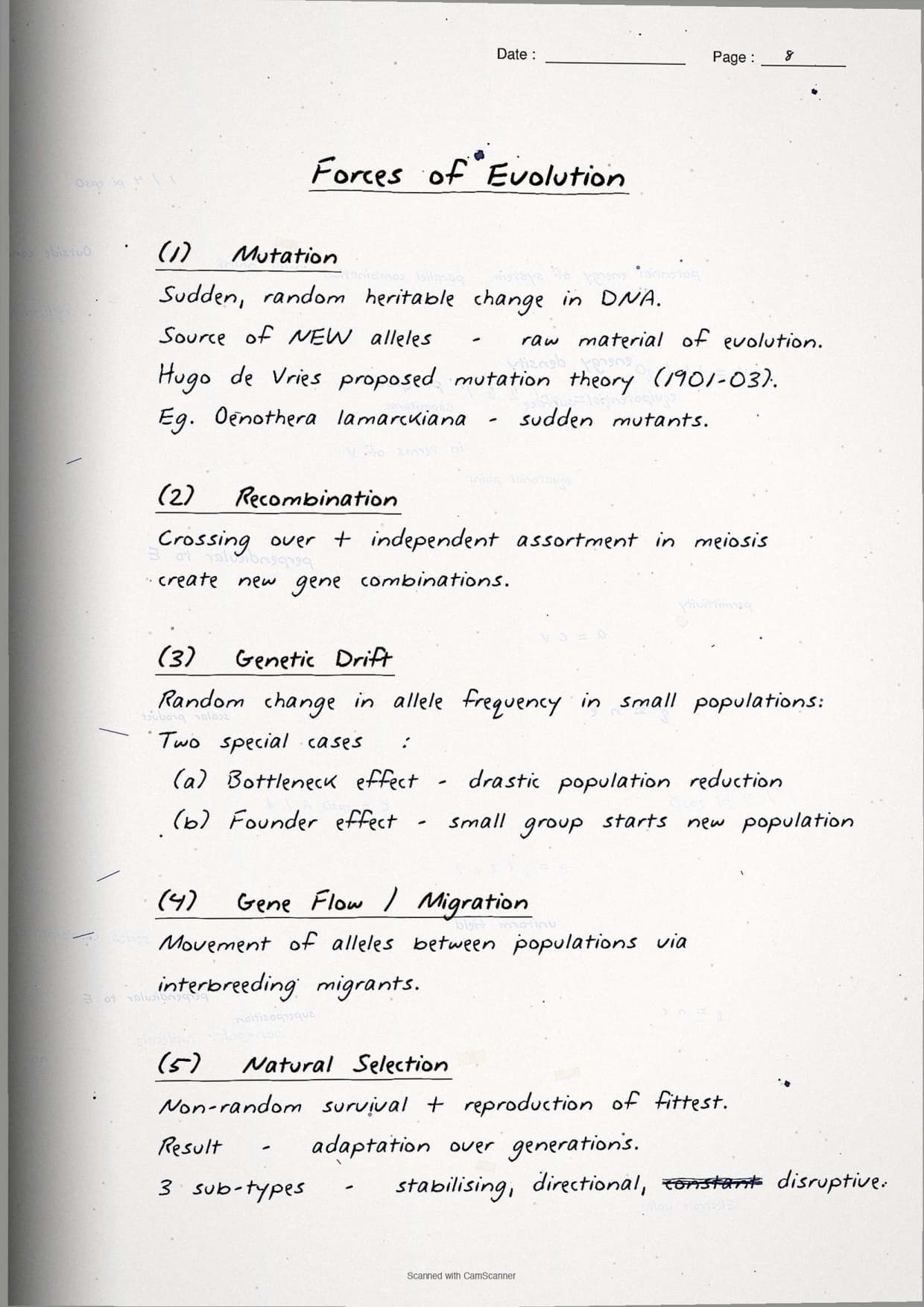
| 20-21 | Mutation, gene flow, genetic drift, founder effect, bottleneck | Blue + orange |
| 22-25 | Human evolution skull timeline: Dryopithecus to Homo sapiens | Blue + orange + red |
| 26-28 | Tree of Life overview and last-24-hour revision strip | Mixed |
Evolution Chapter 6 Video Lecture for Class 12 Biology
Source: Magnet Brains on YouTube
Every Hand-Drawn Diagram in the Evolution Notes PDF
Nine hand-drawn figures across 28 pages, each paired with a concept.
| Figure | What It Shows | Page |
|---|---|---|
| Fig 6.1 | Miller-Urey apparatus with CH4, NH3, H2O, H2 labelled | p. 4 |
| Fig 6.2 | Forelimb homology: human arm, whale flipper, bat wing colour-coded | p. 7 |
| Fig 6.3 | Embryo comparison at three stages (von Baer) | p. 8 |
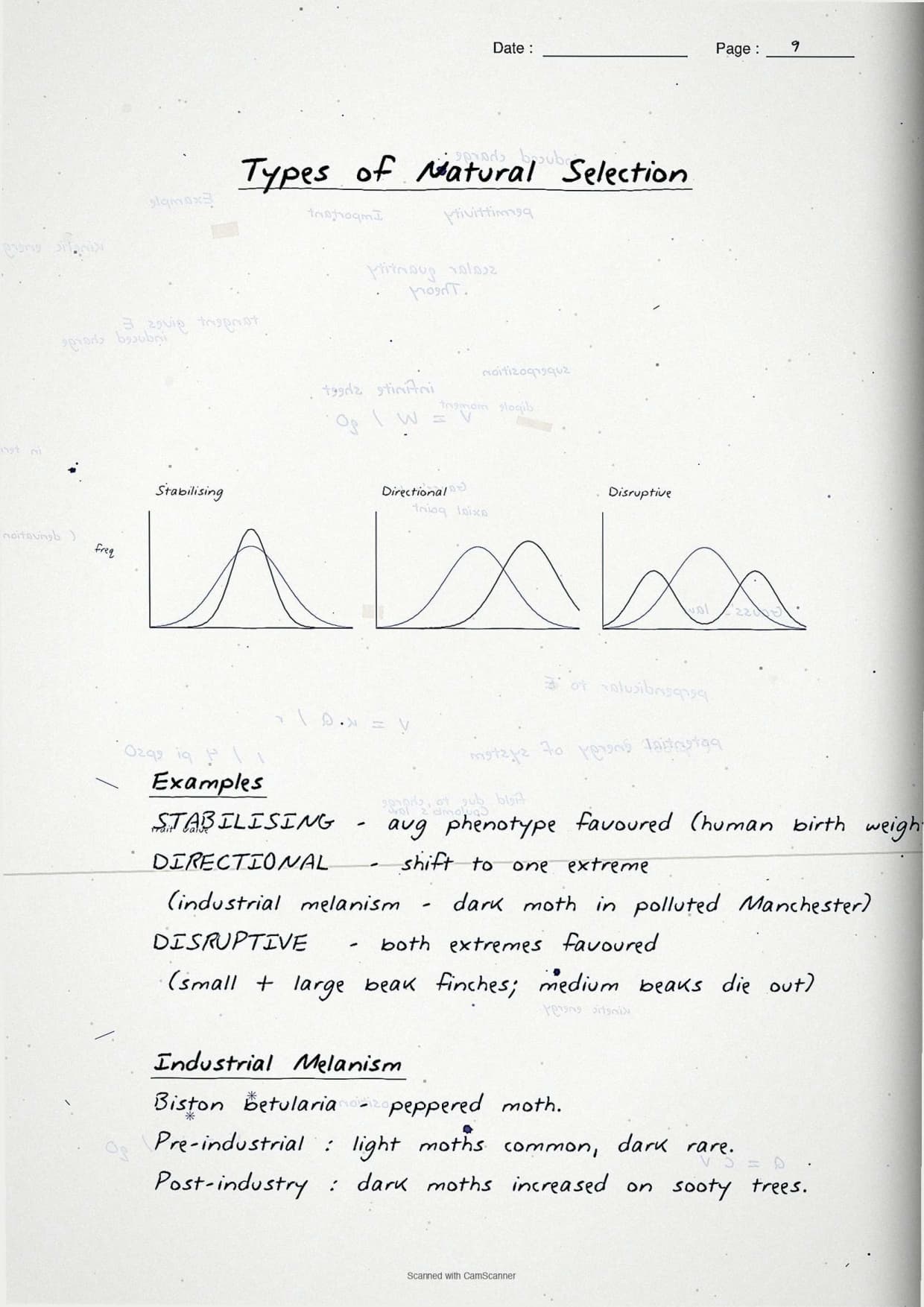
| Fig 6.4 | Peppered moth on lichen bark vs soot-darkened bark | p. 11 |
| Fig 6.5 | 13 Galapagos finch beak shapes with diet labels | p. 13 |
| Fig 6.6 | Hardy-Weinberg parabola: p2 + 2pq + q2 = 1 | p. 17 |
| Fig 6.7 | Phylogenetic tree from fish to mammals | p. 21 |
| Fig 6.8 | Human evolution skulls with cranial capacities and dates | p. 24 |
| Fig 6.9 | Tree of Life: bacteria, archaea, eukarya from LUCA | p. 26 |
For a 30-minute last-day pass, lock Fig 6.2, 6.5, 6.6 and 6.8. They cover every Evolution question CBSE and NEET have set since 2021.
Evolution Top 5 Concepts and Formulae for Quick Recall
Five tools that carry ~70% of the marks. Full derivations: Evolution Class 12 Biology Notes.
| Concept | Rule or Formula | When to Use |
|---|---|---|
| Hardy-Weinberg equation | p2 + 2pq + q2 = 1 and p + q = 1 | Allele or genotype frequency numericals |
| Five HW assumptions | No mutation, random mating, no migration, large population, no selection | Find the violated assumption in any numerical |
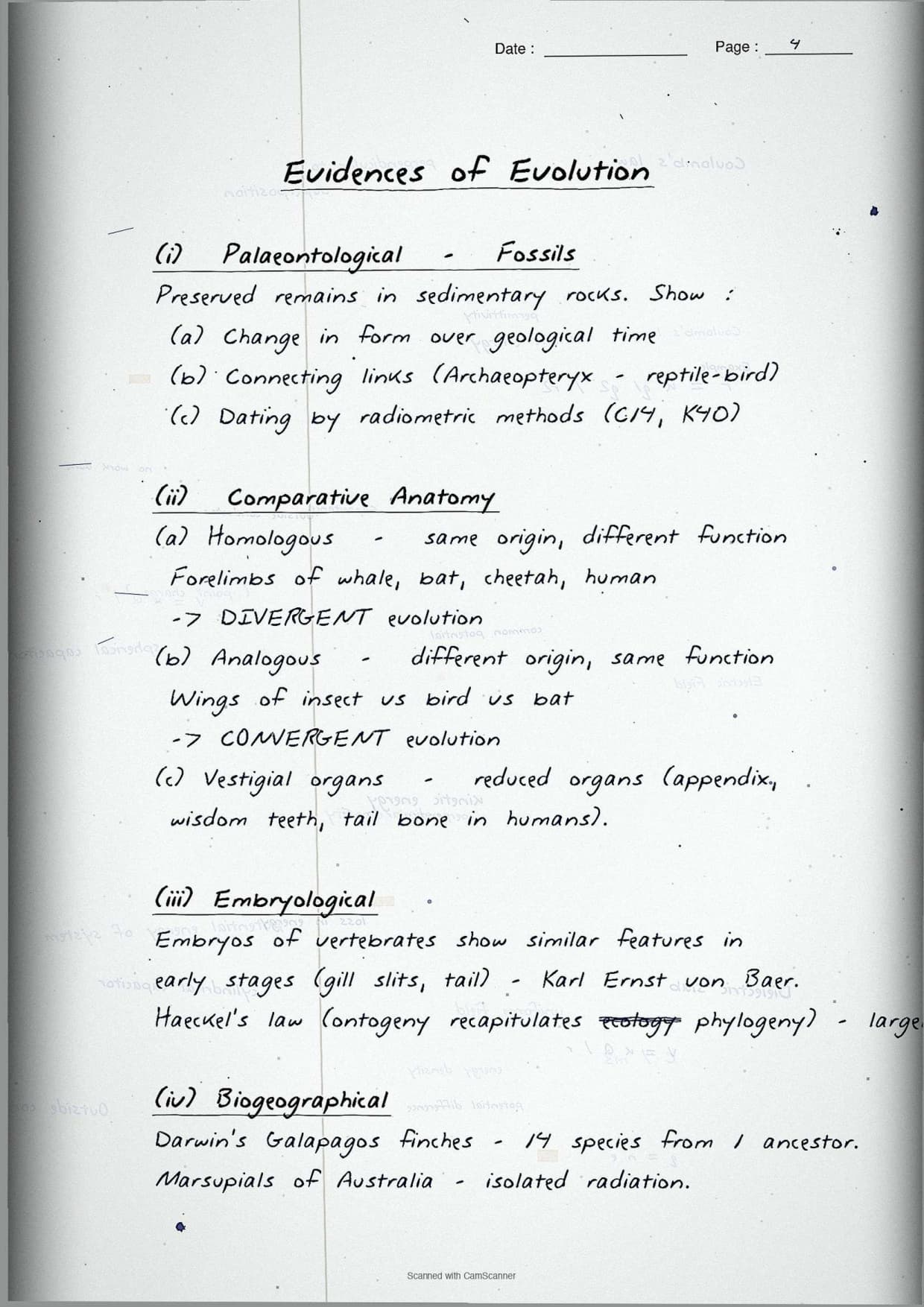
| Homology vs analogy | Same origin, different function (divergent) vs different origin, same function (convergent) | Does this structure support common ancestry? |
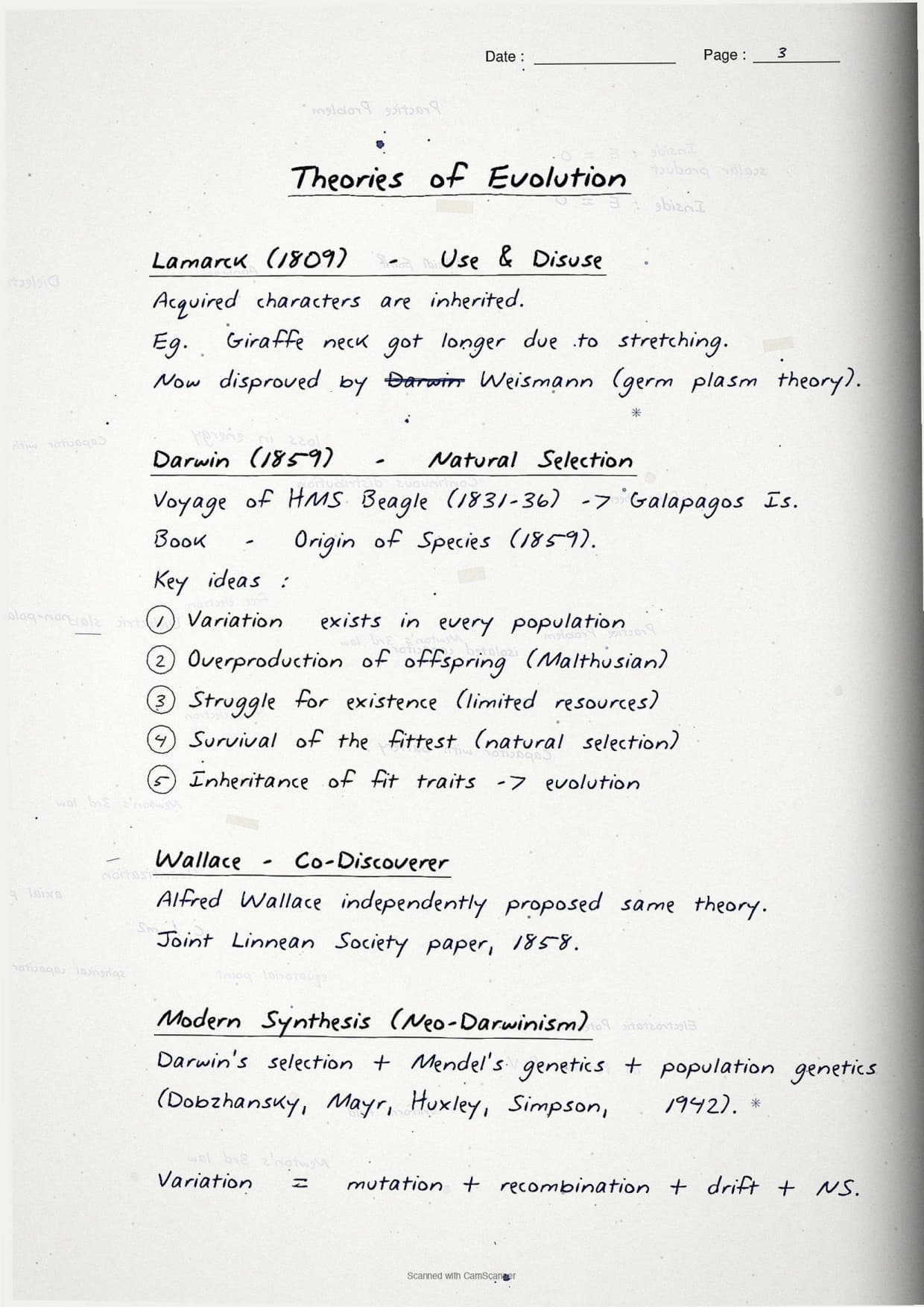
| Darwin's natural selection | Variation, struggle for existence, survival of the fittest, inheritance of favourable traits | Explaining industrial melanism or finch beaks |
| Genetic drift triggers | Founder effect (small splinter group) and bottleneck (population crash) | Chance-driven vs selection-driven evolution |
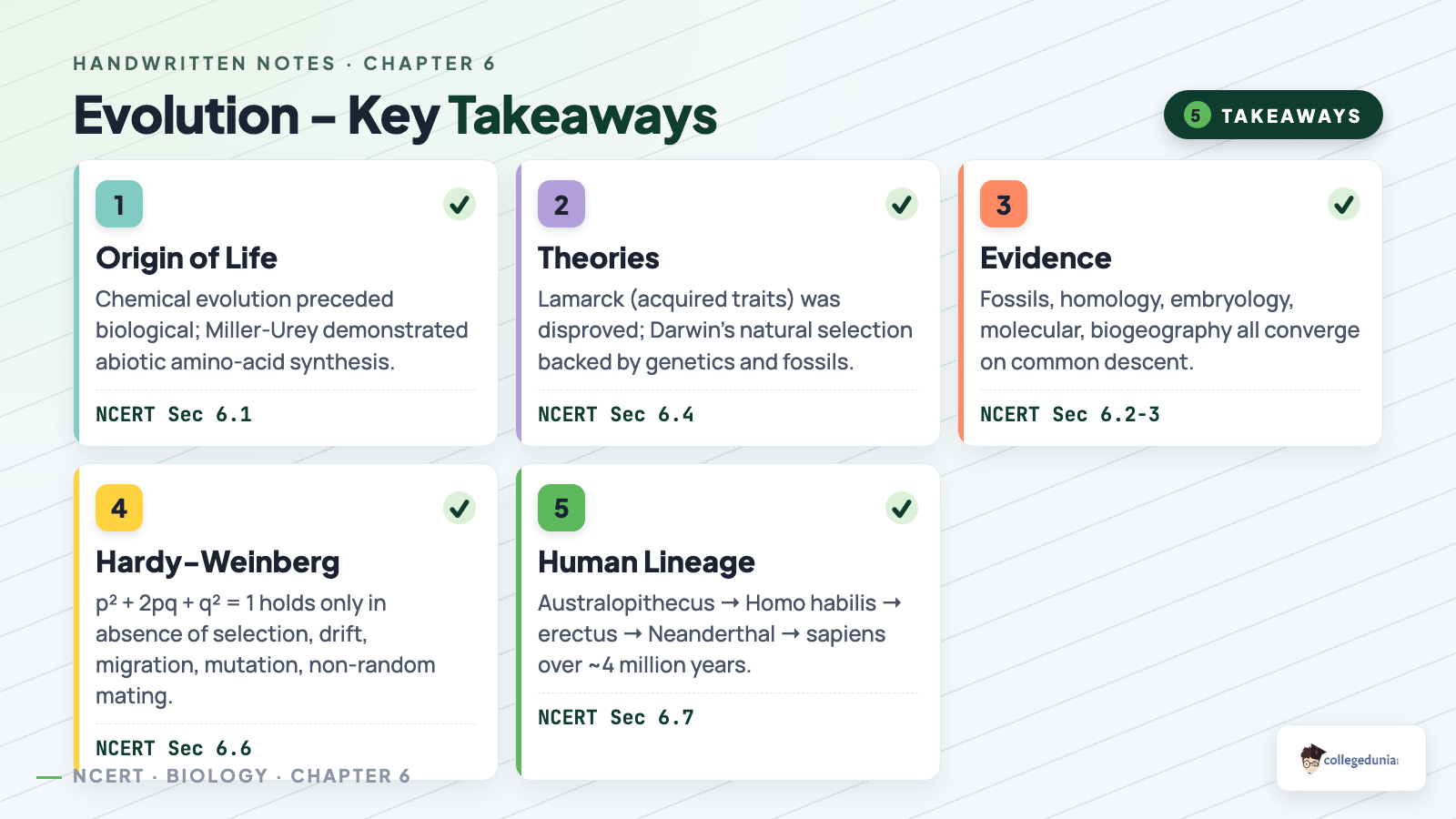
Evolution Memory Mnemonics for Hard-to-Remember Sequences
Three mnemonics for the chapter's trickiest sequences.
- "Dry Rama Aussie Hits Every Night Slowly" for human evolution: Dryopithecus → Ramapithecus → Australopithecus → Homo habilis → Erectus → Neanderthal → Sapiens.
- "My Random Migration Population Selection" for the five HW violators: Mutation, Random mating absent, Migration, small Population, Selection.
- "Same Origin = Homo, Same Function = Ana": Homologous = same origin (divergent), analogous = same function (convergent).
Evolution: Last 24-Hour Revision Card for Class 12 Biology
Eight points covering everything CBSE and NEET have asked since 2021. Total review time: 12 minutes.
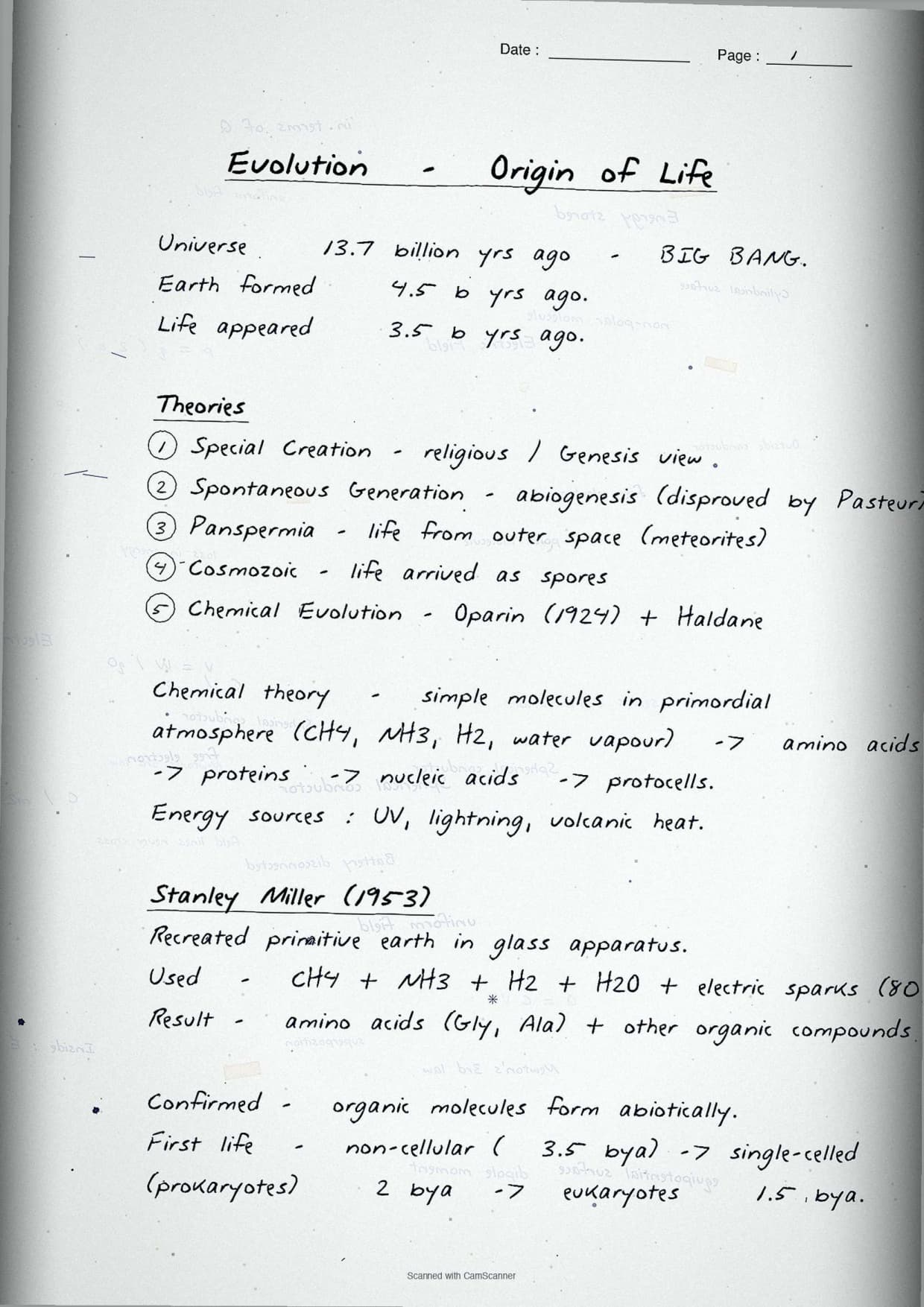
- Origin of life: Big Bang ~20 bya; Earth ~4.5 bya. Oparin-Haldane: abiogenic synthesis from CH4, NH3, H2O, H2. Miller-Urey (1953) produced amino acids experimentally.
- Five evidences: Paleontological, embryological (gill-slit stage), anatomical (homology/analogy/vestigial), biogeographical (finches, marsupials), molecular (common DNA).
- Lamarck vs Darwin: Lamarck (1809) - use-and-disuse. Darwin (1859) - variation, struggle, survival of the fittest. Biston betularia industrial melanism is the proof.
- Hugo de Vries (1901): Mutation theory - large random changes (saltation) drive speciation, contrasting Darwin's gradualism.
- Hardy-Weinberg (1908): p2 + 2pq + q2 = 1 ; five conditions: no mutation, random mating, no migration, large population, no selection. Violating any one drives evolution.
- Adaptive radiation: 13 Galapagos finches (different beaks) and Australian marsupials (placental-like in isolation).
- Mechanisms: Mutation, recombination, natural selection, gene flow, genetic drift (founder effect + bottleneck). Drift = chance; selection = direction.
- Human evolution: Dryopithecus (15 mya) → Ramapithecus (10 mya) → Australopithecus (2 mya) → Homo habilis (tools) → Homo erectus (fire) → Homo neanderthalensis → Homo sapiens (75,000 ya).
Class 12 Biology Evolution Most-Asked Previous Year Question Trends
Three patterns dominate CBSE and NEET papers on this chapter. Year-wise breakdown: Evolution NCERT Solutions.
- Evidences of evolution (homology, analogy, fossils, embryology, biogeography): present every year in both CBSE and NEET since 2021.
- Hardy-Weinberg principle and allele-frequency numericals: CBSE 2024, 2023, 2022; NEET 2025, 2024, 2022.
- Human evolution chronology and adaptive radiation: CBSE 2025, 2023, 2021; NEET 2025, 2024, 2023.
Student Feedback: What 10,900 Class 12 Biology Students Said
- 72% of students found the Hardy-Weinberg derivation hardest.
- 62% lost 1-2 marks on Lamarck vs Darwin, even with the rest of the answer correct.
- 4 out of 5 said the Miller-Urey apparatus diagram was most often skipped in their exam.
Source: 2025-26 Class 12 Biology student survey, 10,900 students, CBSE-affiliated schools.
Other Resources for Evolution Class 12 Biology
All resources for Evolution Chapter 6.
| Resource | Link |
|---|---|
| Handwritten Notes | Evolution Class 12 Biology Handwritten Notes |
| NCERT Solutions | Evolution Class 12 Biology NCERT Solutions |
| Notes | Evolution Class 12 Biology Notes |
| Formula Sheet | Evolution Class 12 Biology Formula Sheet |
| NCERT Book PDF | Evolution Class 12 Biology NCERT Book PDF |
| Exemplar Book PDF | Evolution Class 12 Biology Exemplar PDF |
| Exemplar Solutions | Evolution Class 12 Biology Exemplar Solutions |
NCERT Handwritten Notes for Class 12 Biology: All Chapters
Jump to handwritten notes for any other Class 12 Biology chapter.
| Chapter | Resource |
|---|---|
| Chapter 1 | Sexual Reproduction in Flowering Plants Handwritten Notes |
| Chapter 2 | Human Reproduction Handwritten Notes |
| Chapter 3 | Reproductive Health Handwritten Notes |
| Chapter 4 | Principles of Inheritance and Variation Handwritten Notes |
| Chapter 5 | Molecular Basis of Inheritance Handwritten Notes |
| Chapter 6 | Evolution Handwritten Notes |
| Chapter 7 | Human Health and Disease Handwritten Notes |
| Chapter 8 | Microbes in Human Welfare Handwritten Notes |
| Chapter 9 | Biotechnology Principles and Processes Handwritten Notes |
| Chapter 10 | Biotechnology and its Applications Handwritten Notes |
| Chapter 11 | Organisms and Populations Handwritten Notes |
| Chapter 12 | Ecosystem Handwritten Notes |
| Chapter 13 | Biodiversity and Conservation Handwritten Notes |
Evolution Class 12 Biology Handwritten Notes FAQs
Ques. Where can I download the Evolution Class 12 Biology Handwritten Notes PDF?
Ans. You can download the Evolution Class 12 Biology Handwritten Notes PDF directly from this page. Both the Normal and HD versions are free for the 2026-27 cycle.
Ques. Are these Handwritten Notes aligned with the 2026-27 NCERT?
Ans. Yes. The notes follow the current 2026-27 syllabus for Class 12 Biology, where Evolution is Chapter 6. The chapter was retained in the new NCERT edition, so every sub-topic in the PDF matches the 2026-27 textbook.
Ques. How many pages is the Class 12th Biology Evolution Handwritten Notes PDF?
Ans. The Handwritten Notes PDF runs 28 ruled-paper pages and covers origin of the universe and Earth, Oparin-Haldane theory and Miller-Urey experiment, the five classes of evidences of evolution, Lamarck versus Darwin, industrial melanism, adaptive radiation, Hardy-Weinberg principle with worked numericals, mechanisms of evolution, and the full human-evolution chronology.
Ques. What is the Hardy-Weinberg principle and what are its five conditions?
Ans. The Hardy-Weinberg principle (1908) states that allele and genotype frequencies in a population stay constant across generations in the absence of disturbing factors. The equation is p2 + 2pq + q2 = 1 , where p is the dominant allele frequency and q is the recessive, with p + q = 1 . The five conditions are: no mutations, random mating, no gene flow, large population, no natural selection. Violating any one drives evolution.
Ques. What is the difference between homologous and analogous organs?
Ans. Homologous organs share a common evolutionary origin but perform different functions - for example, human arm, whale flipper, and bat wing all share the same bone arrangement but serve different purposes. Homology proves divergent evolution. Analogous organs have different origins but similar functions - for example, bird wings and insect wings. Analogy proves convergent evolution. CBSE has asked this distinction every year since 2021.
Ques. Why is Evolution important for NEET 2027 preparation?
Ans. Evolution contributes 4 to 6 questions per NEET paper, roughly 6% of Biology, making it the single highest-yielding chapter in the Genetics and Evolution block. NEET 2025 carried 4 questions, NEET 2024 carried 5, NEET 2023 carried 5, and NEET 2022 carried 6. Key question types are Hardy-Weinberg numericals, evidences of evolution, Darwin vs Lamarck, human-evolution chronology, and adaptive radiation.
Ques. How should I revise Evolution the night before the CBSE Board exam?
Ans. Use the 8-point Last 24-Hour Revision Card in these Handwritten Notes. Focus on: the five evidences of evolution, the Hardy-Weinberg equation with its five conditions, the Lamarck versus Darwin comparison with the industrial-melanism example, and the human-evolution chronology from Dryopithecus to Homo sapiens with dates and cranial capacities. The card takes 12 minutes end to end.
Ques. Are handwritten notes better than typed notes for revising Evolution?
Ans. Yes, for the diagram-heavy parts. Miller-Urey apparatus, forelimb homology, Galapagos finch beaks, and the human-evolution skull timeline are visual memory anchors. CBSE examiners expect hand-drawn diagrams in the answer sheet, and copying from a typed PDF teaches the wrong reflex. For exact NCERT definitions and scientist attribution lists, printed notes remain better; the best plan is to use both.
Ques. What are the stages of human evolution in order?
Ans. The sequence is: Dryopithecus (15 mya, ape-like) → Ramapithecus (10 mya, more man-like) → Australopithecus (2 mya, 500 cc) → Homo habilis (1.5 to 2 mya, 650-800 cc, first tool-maker) → Homo erectus (1.5 mya, 900 cc, used fire) → Homo neanderthalensis (1 to 0.4 mya, 1400 cc, buried the dead) → Homo sapiens (75,000 ya, 1450 cc). Use the mnemonic "Dry Rama Aussie Hits Every Night Slowly" to anchor the order.



Comments