



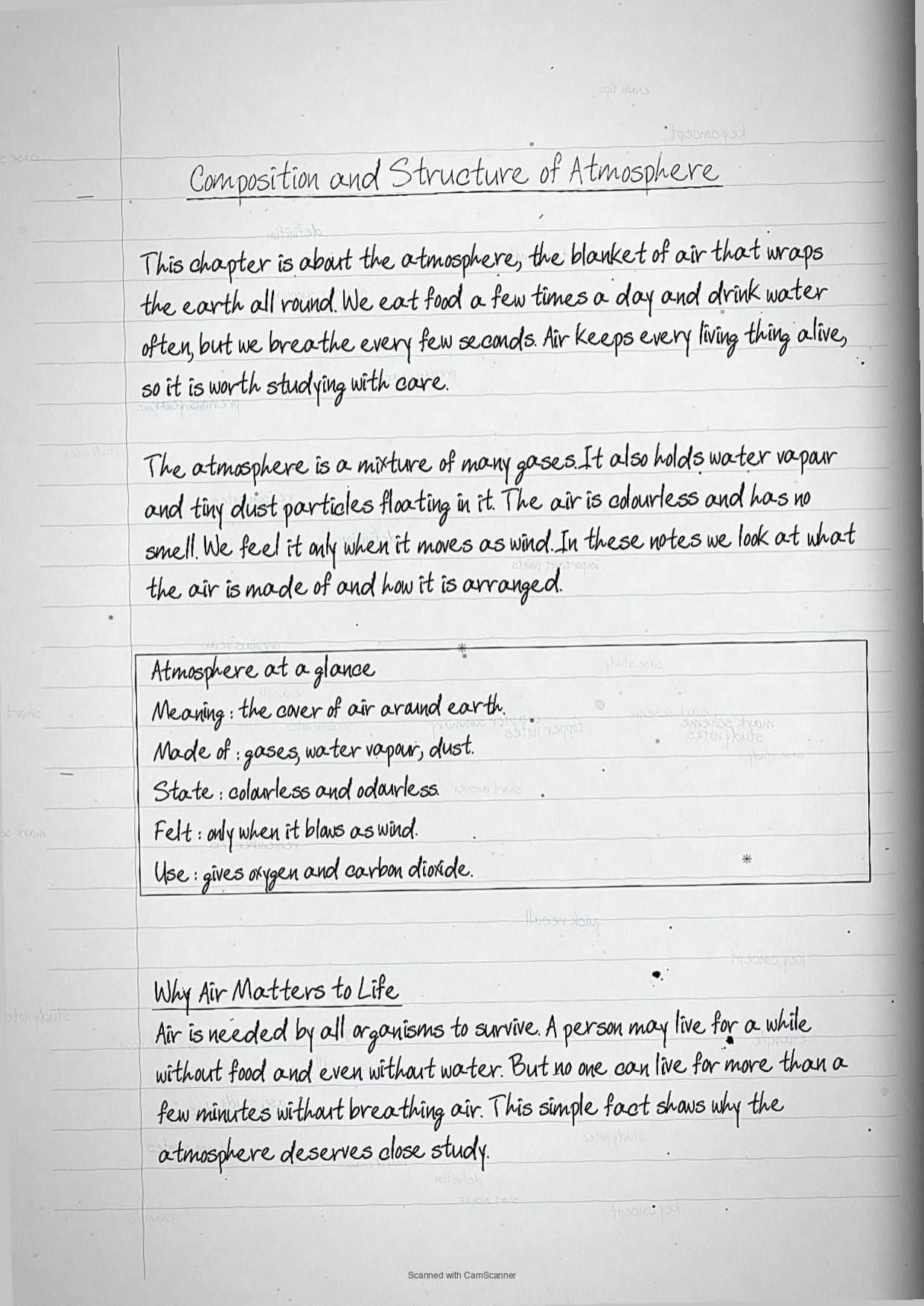
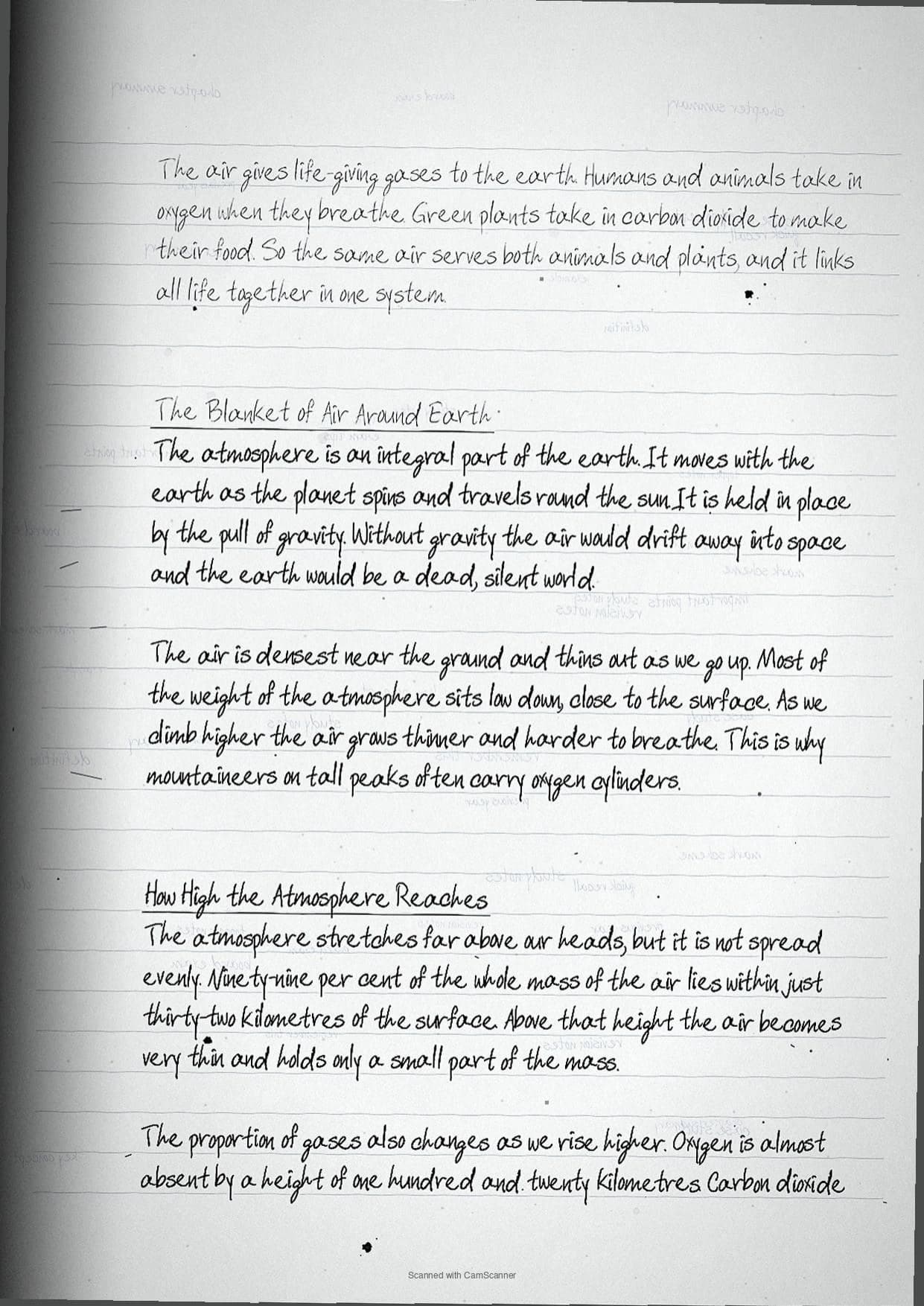
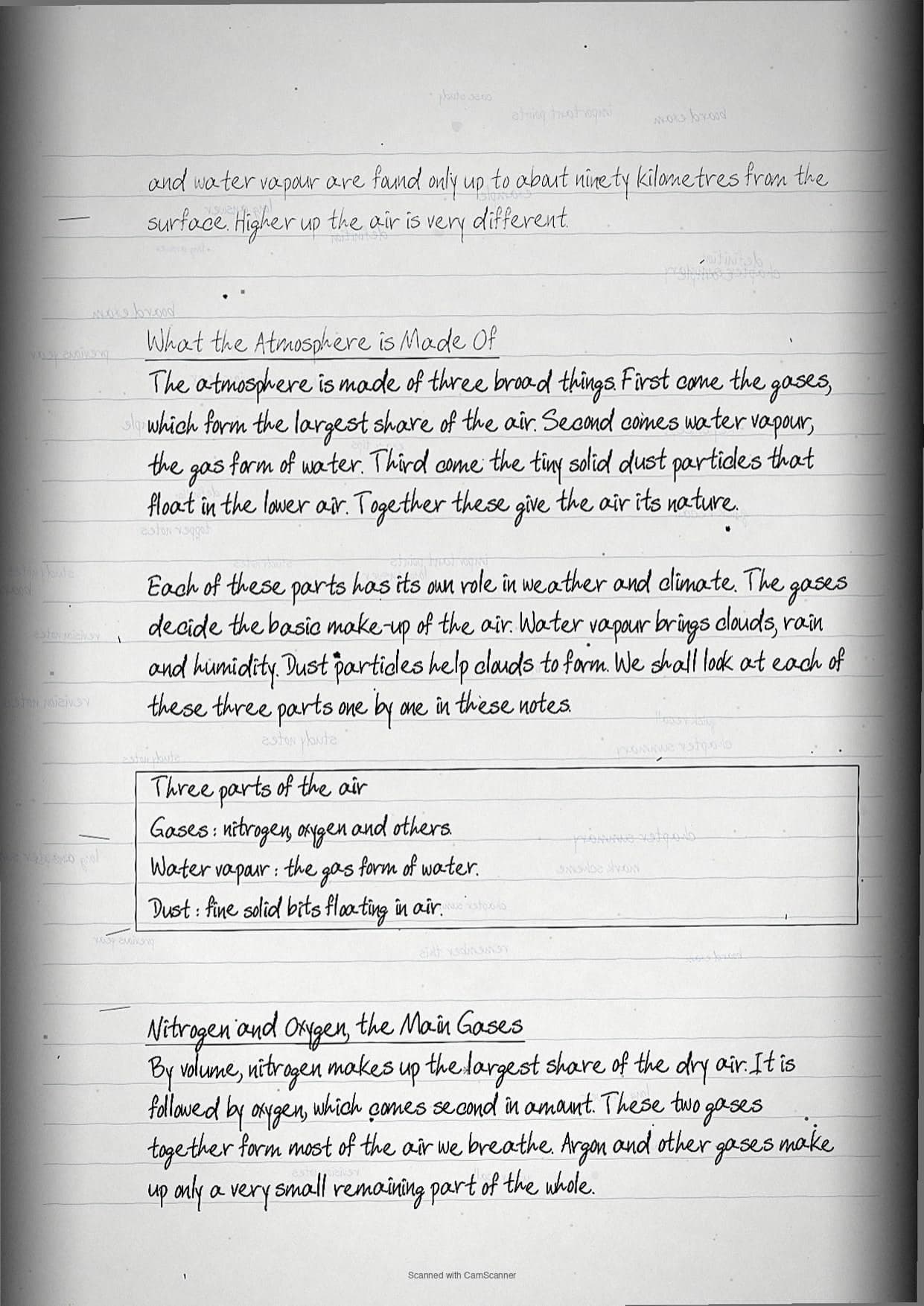
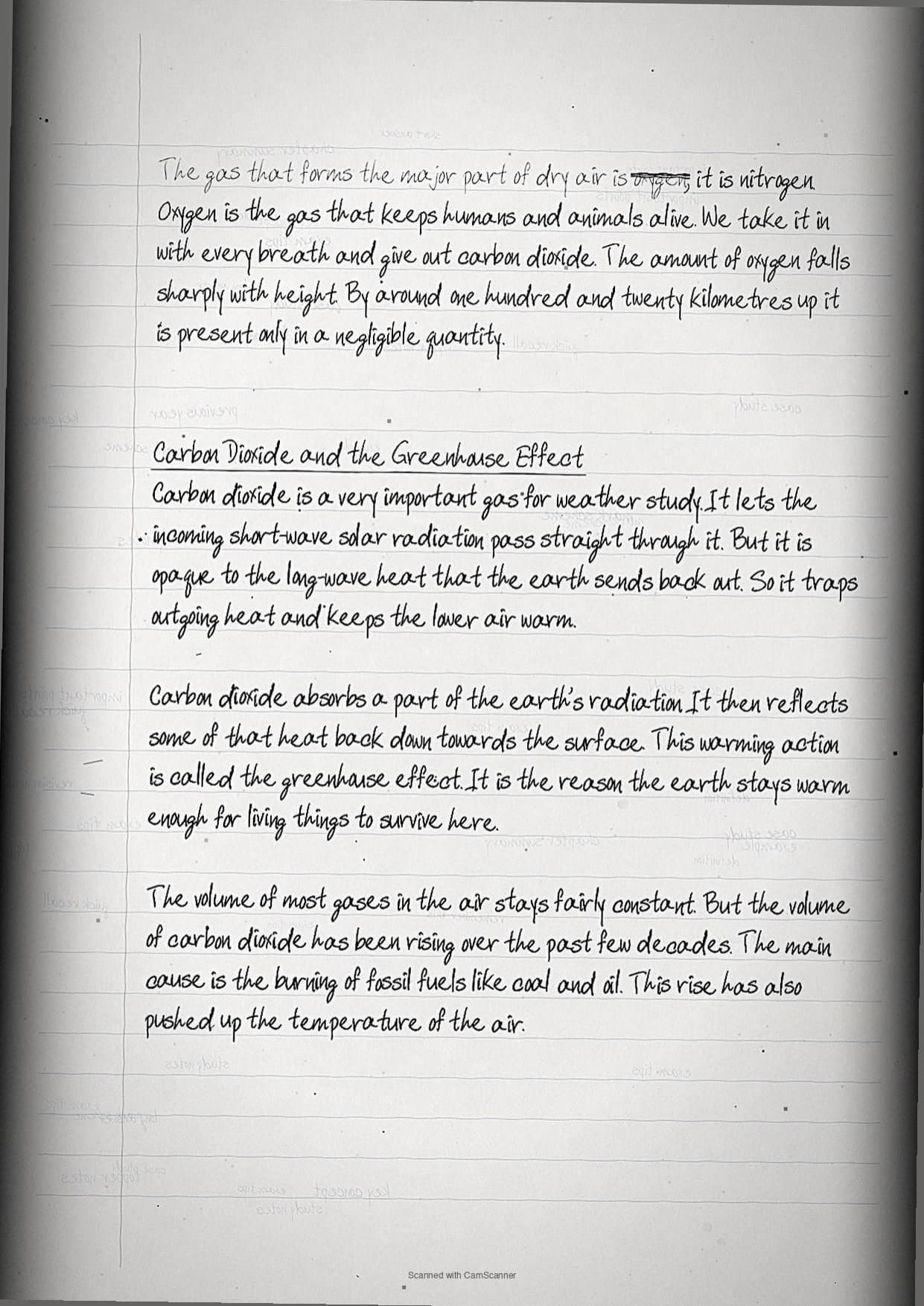
Questions from Class 11 Geography Chapter 7 Composition and Structure of Atmosphere come up often in the CBSE Class 11 exam. These class 11 geography handwritten notes chapter 7 Composition and Structure of Atmosphere follow the 2026-27 NCERT and cover why air is essential to all life, composition: gases, water vapour and dust, carbon dioxide and the greenhouse.
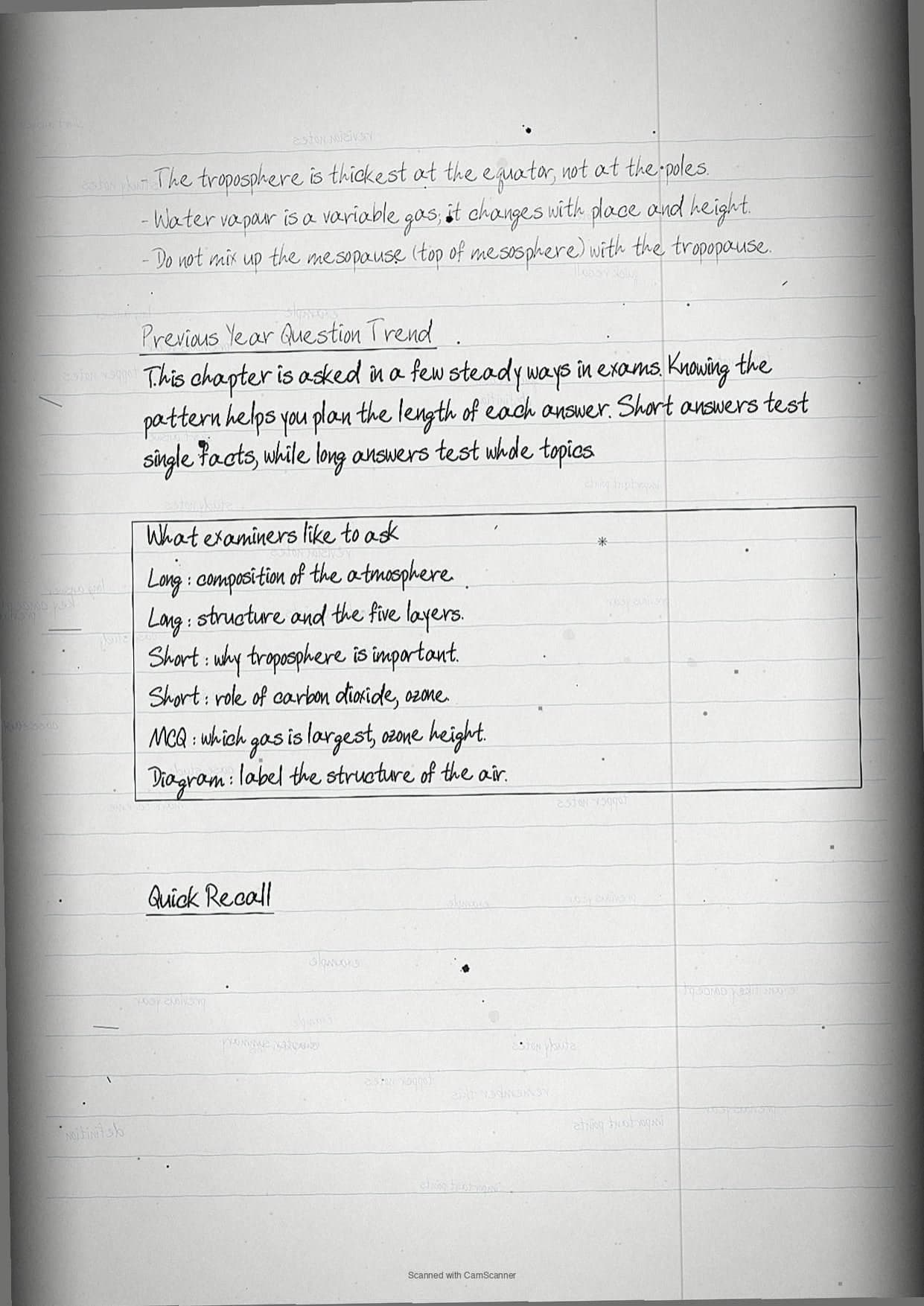
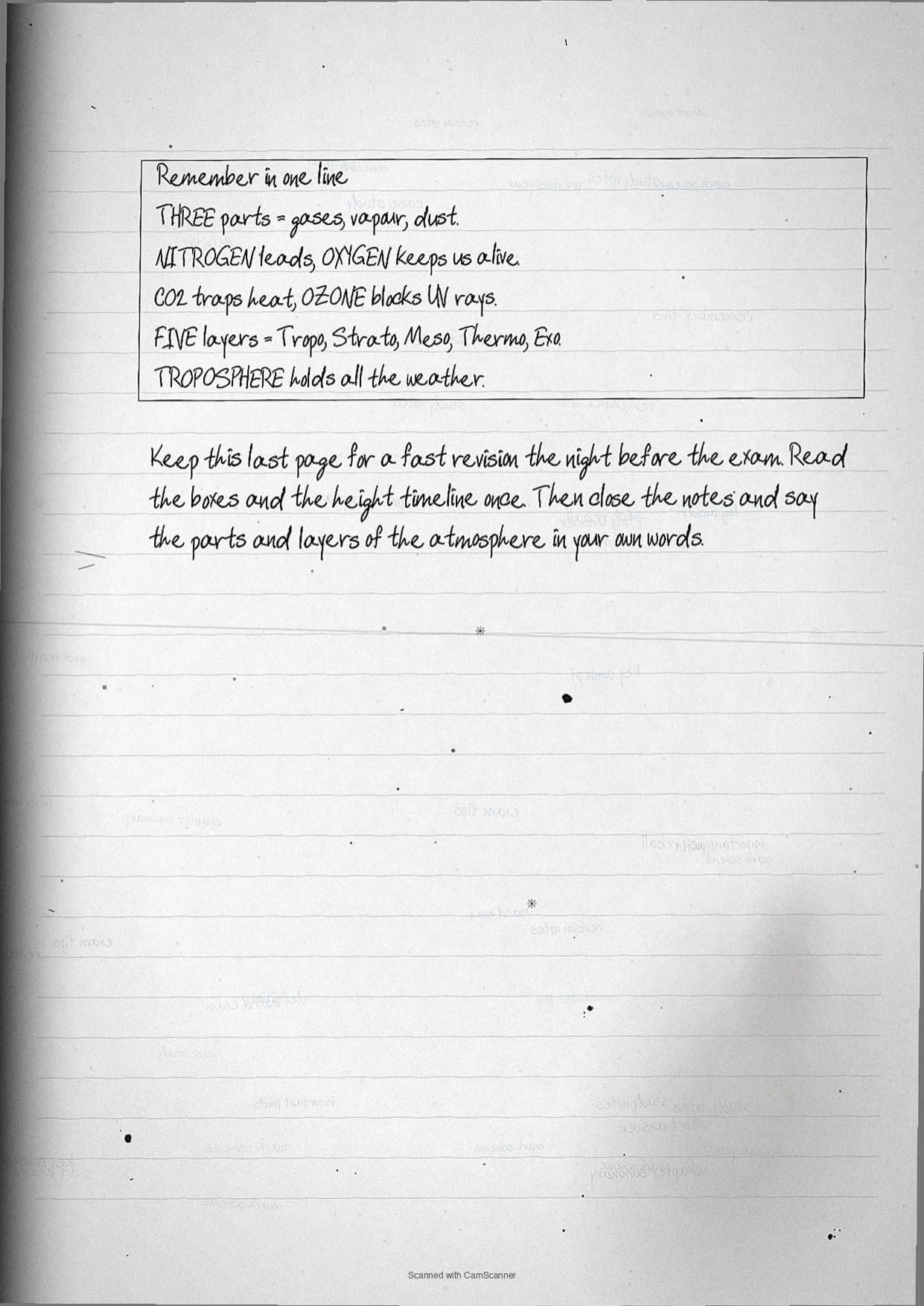
- CBSE Class 11 Weightage: a scoring chapter in the Geography paper, asked in short and long answers.
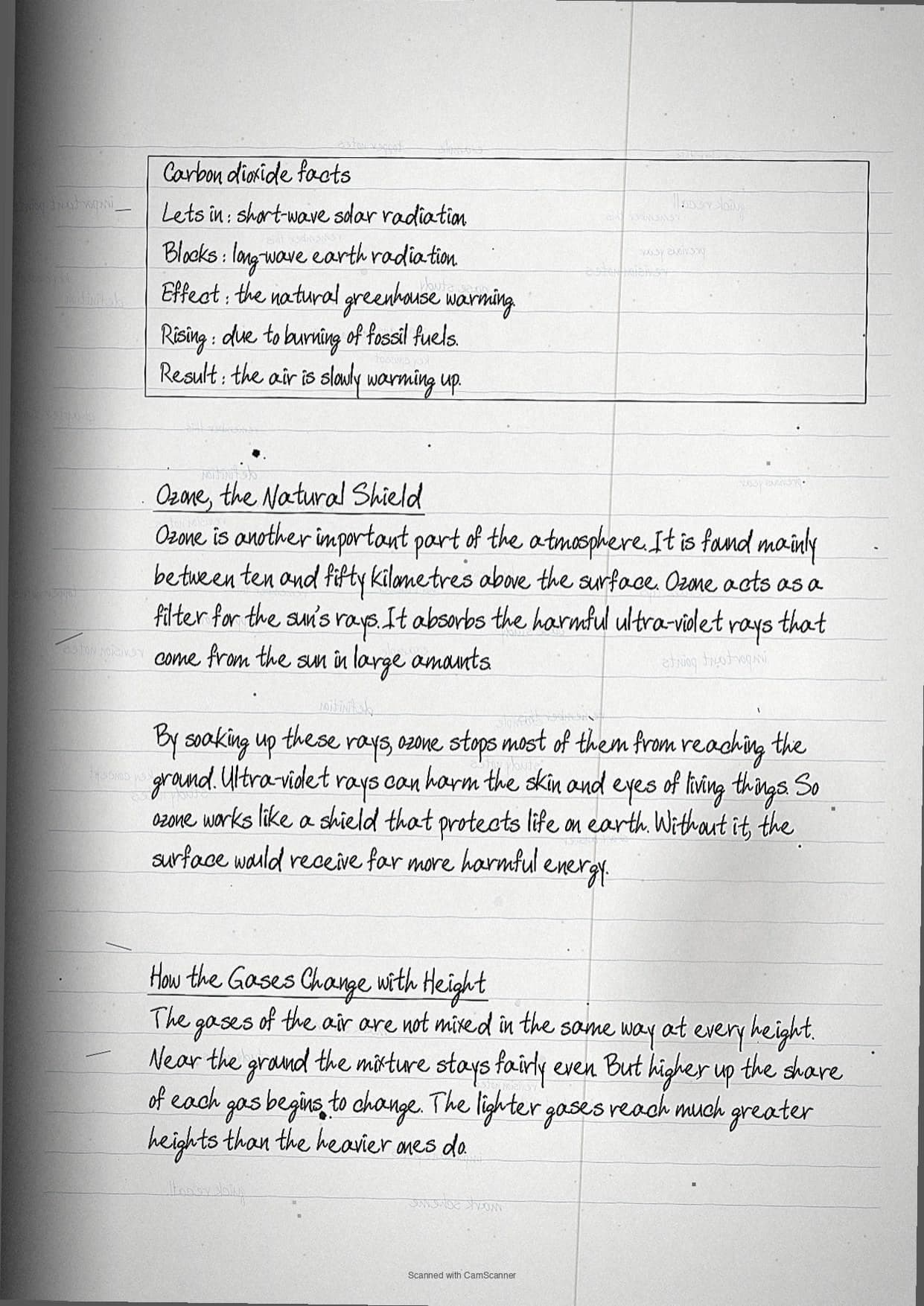
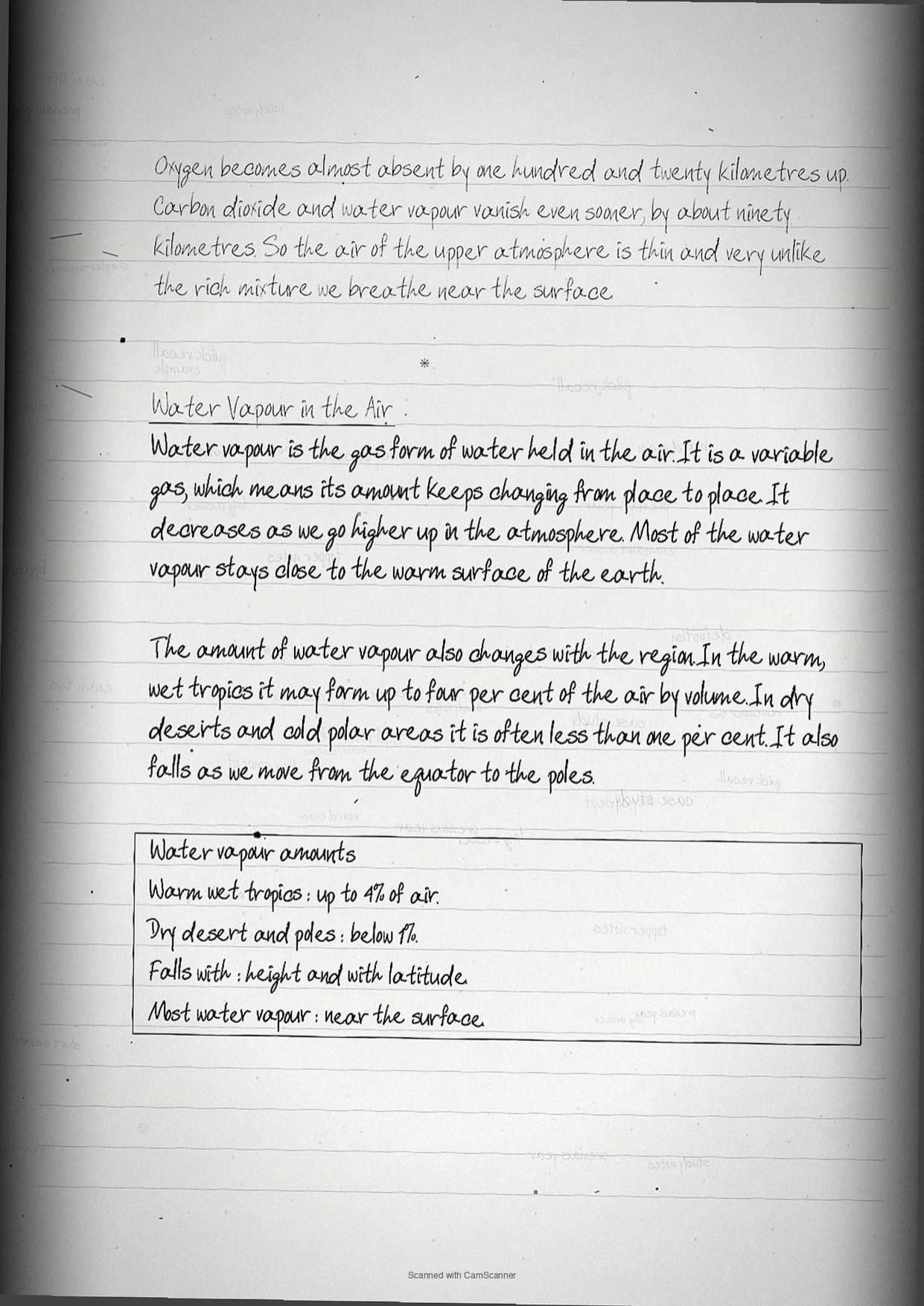
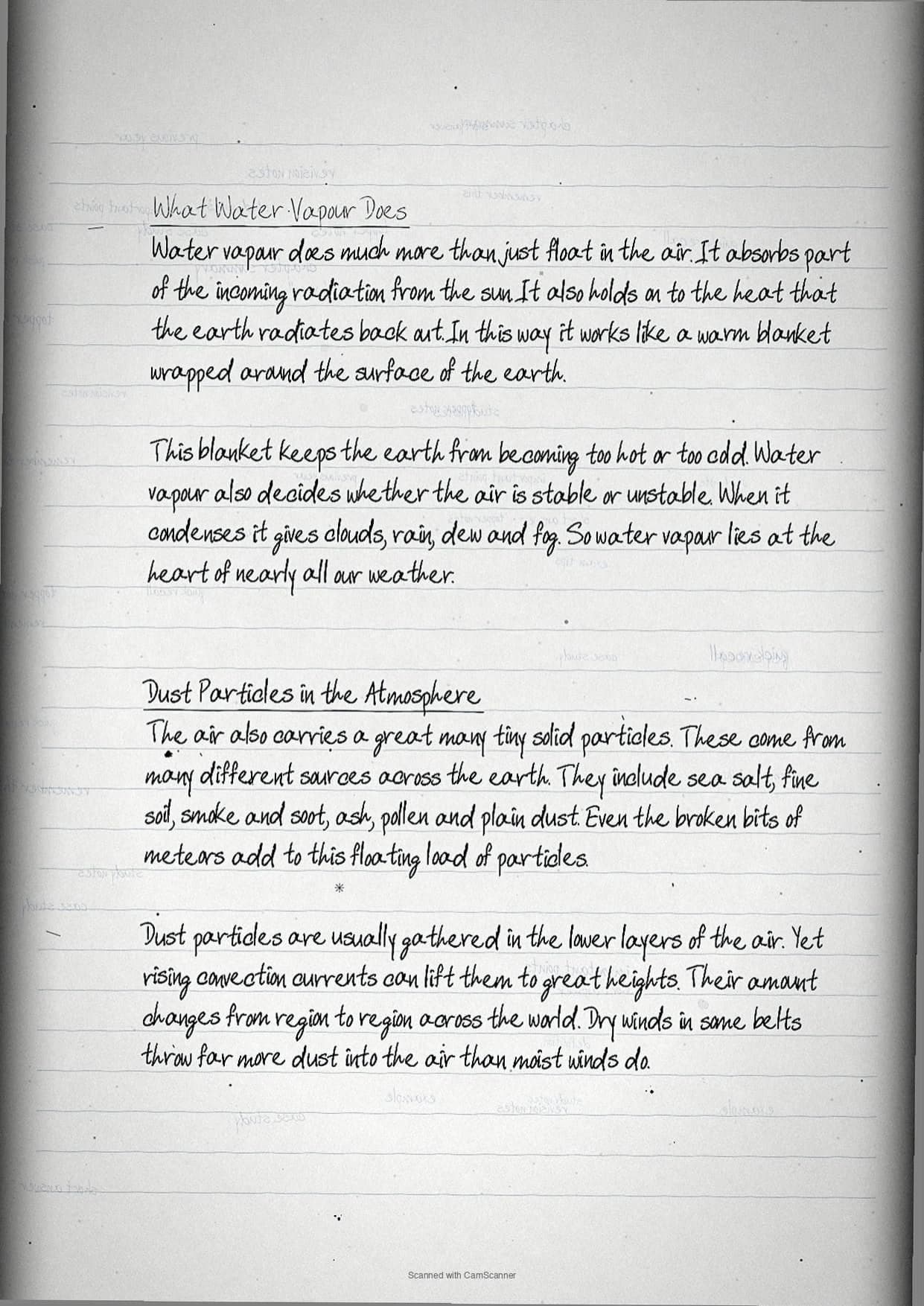
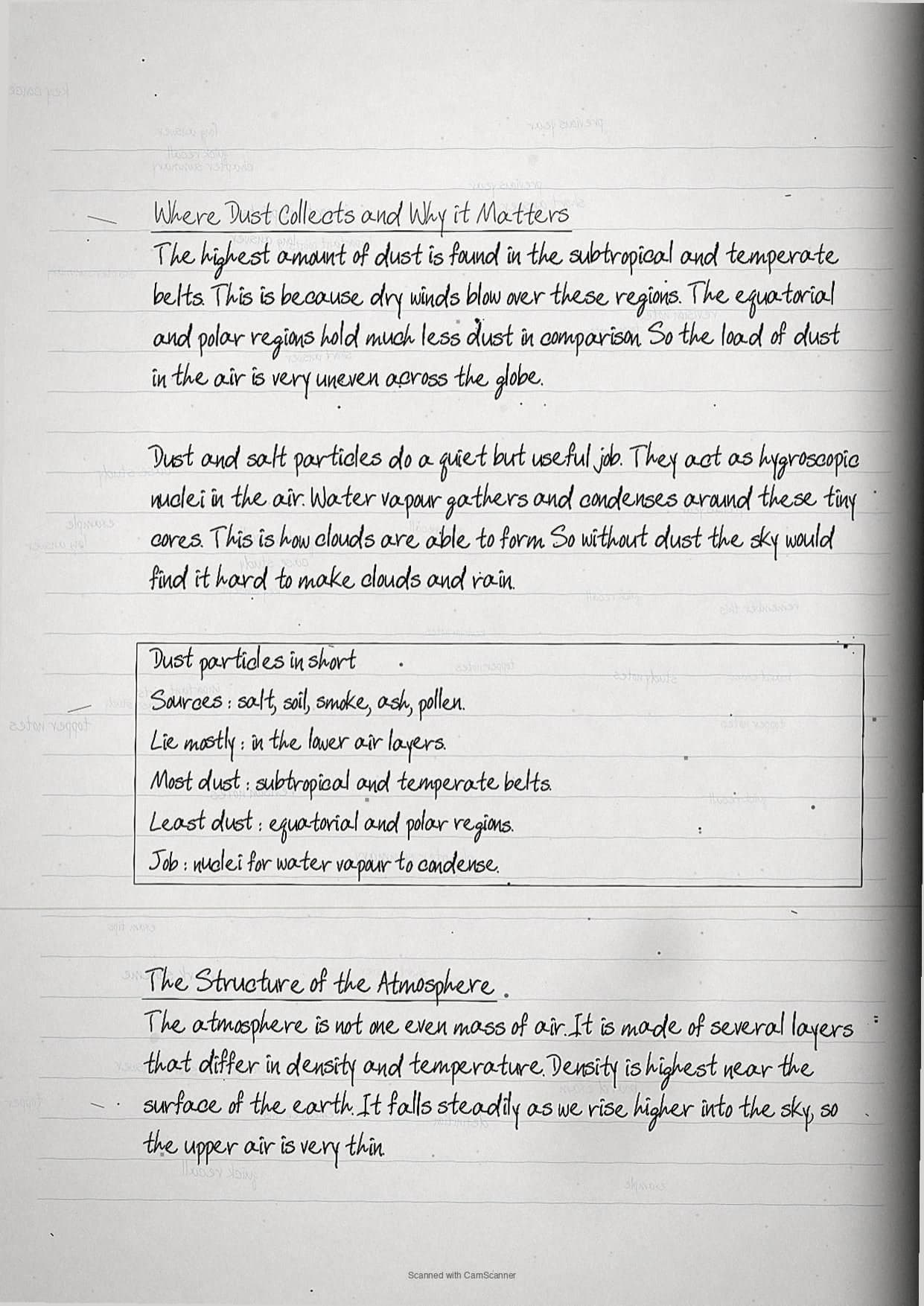
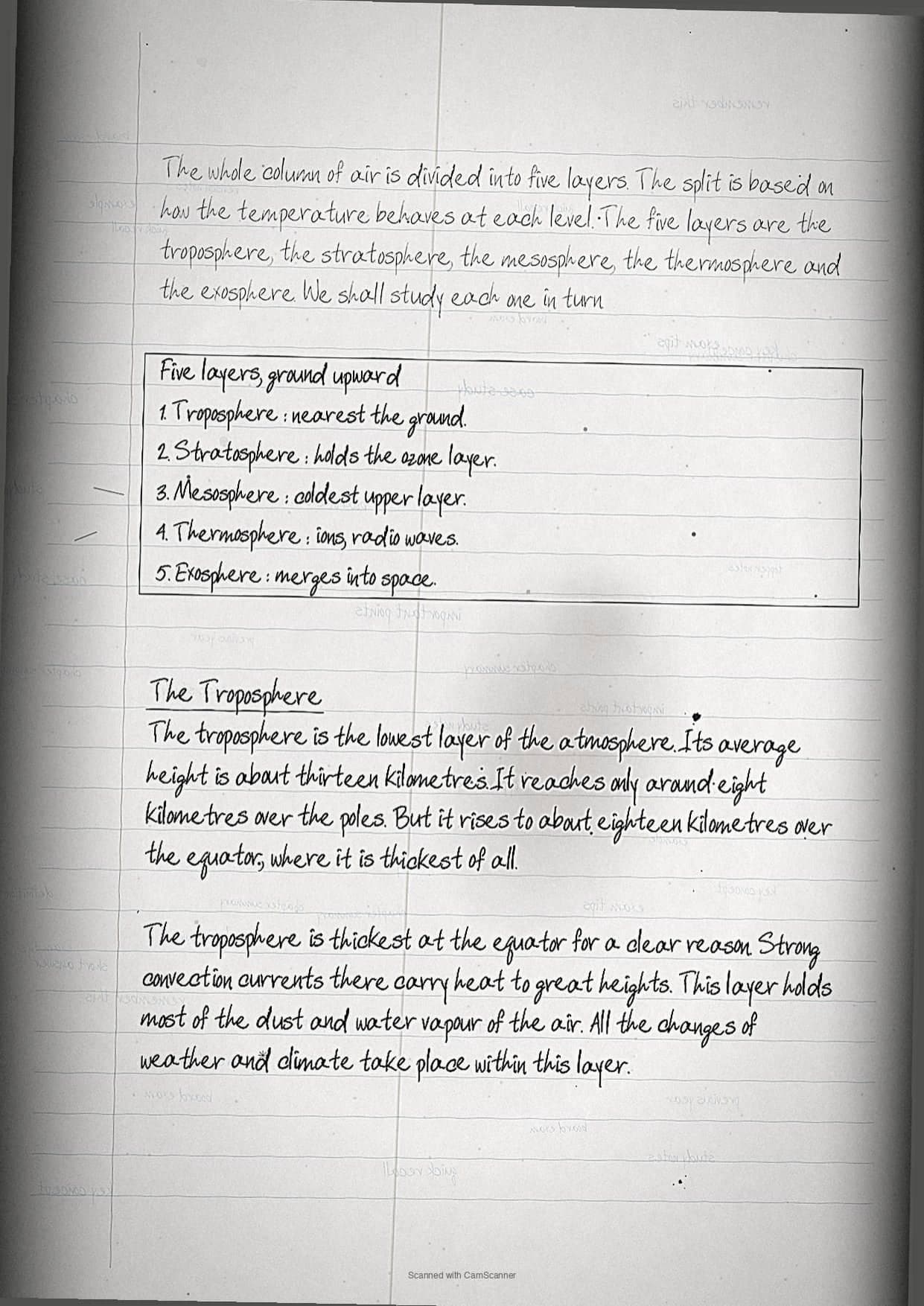
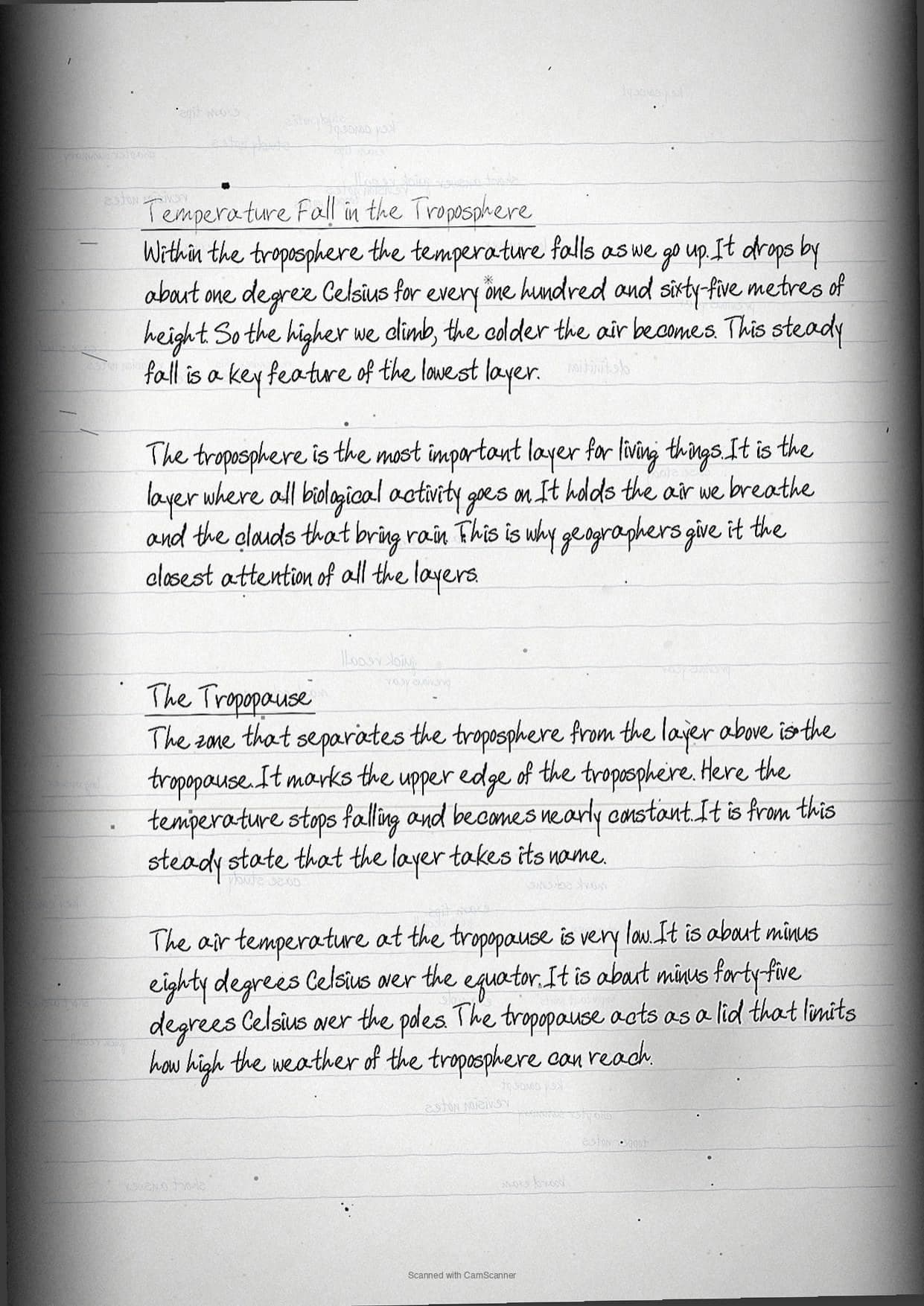
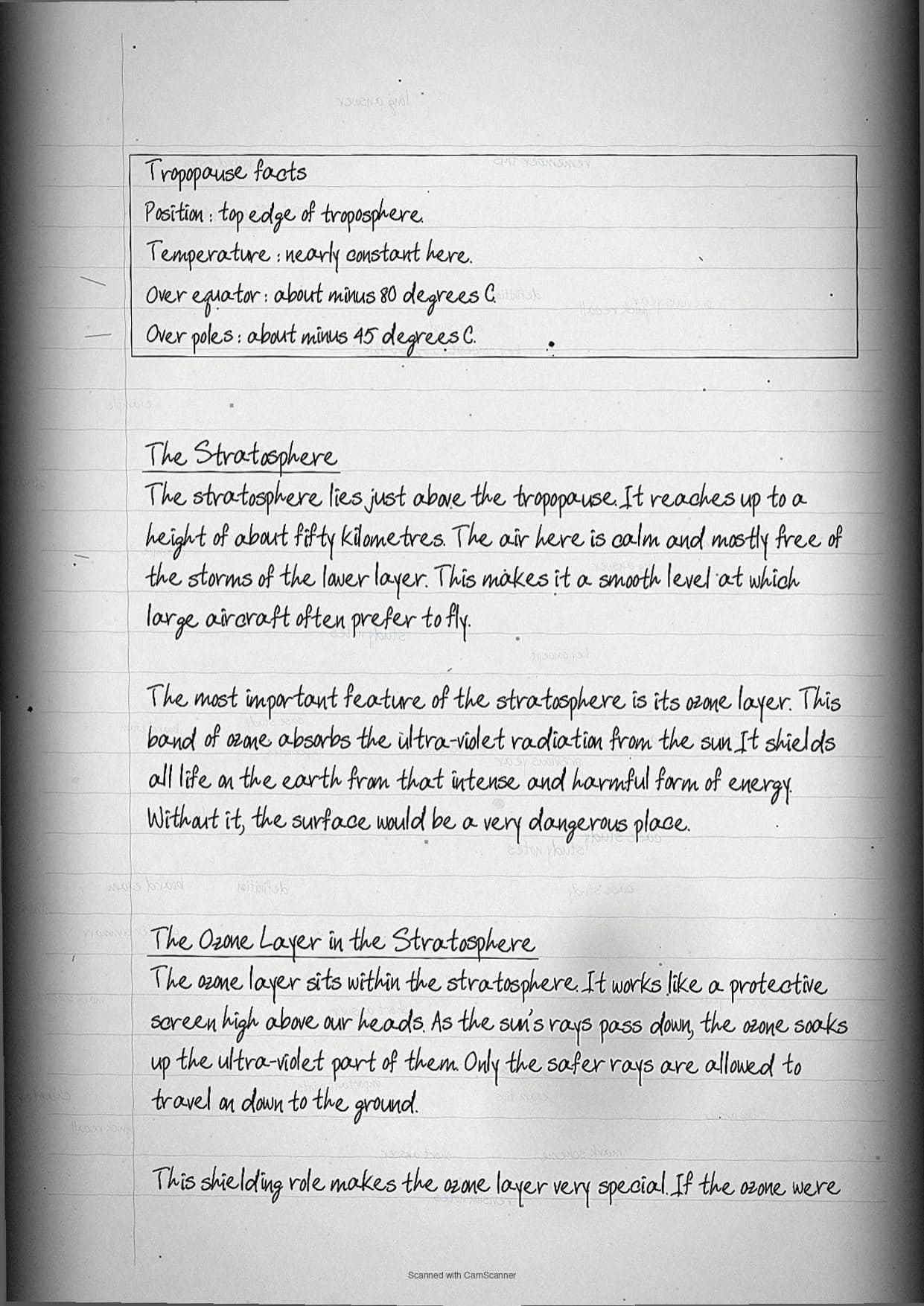
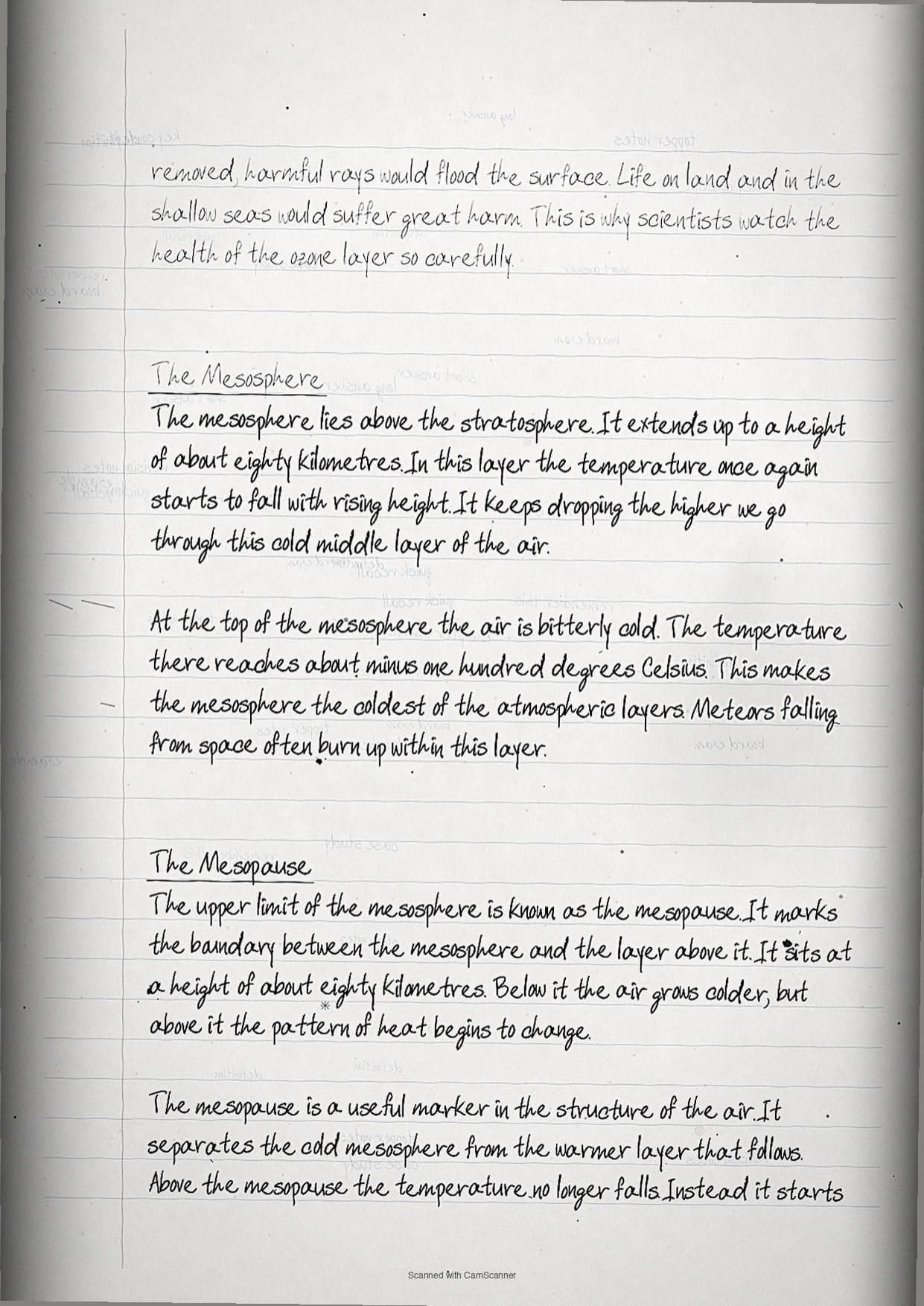
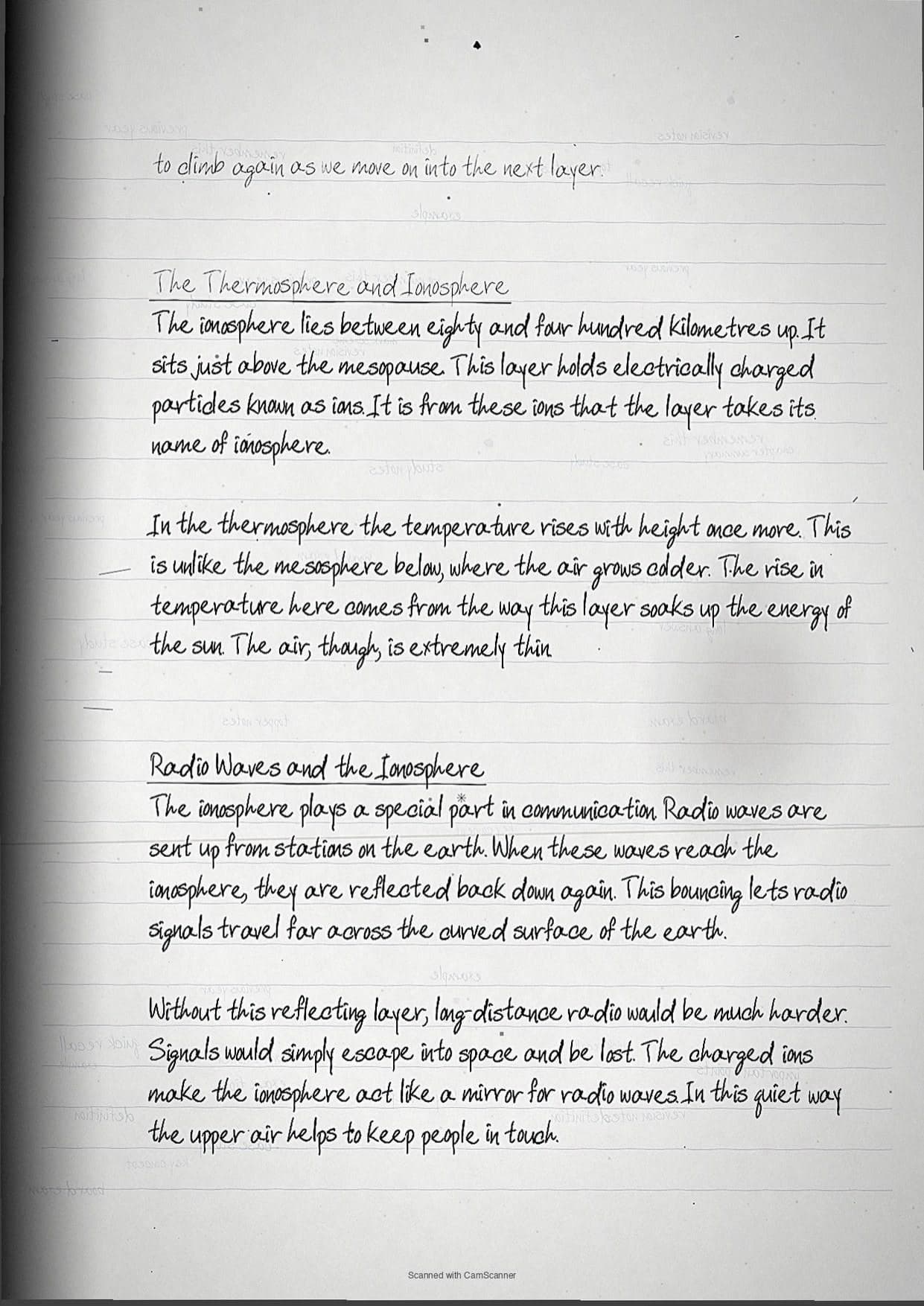
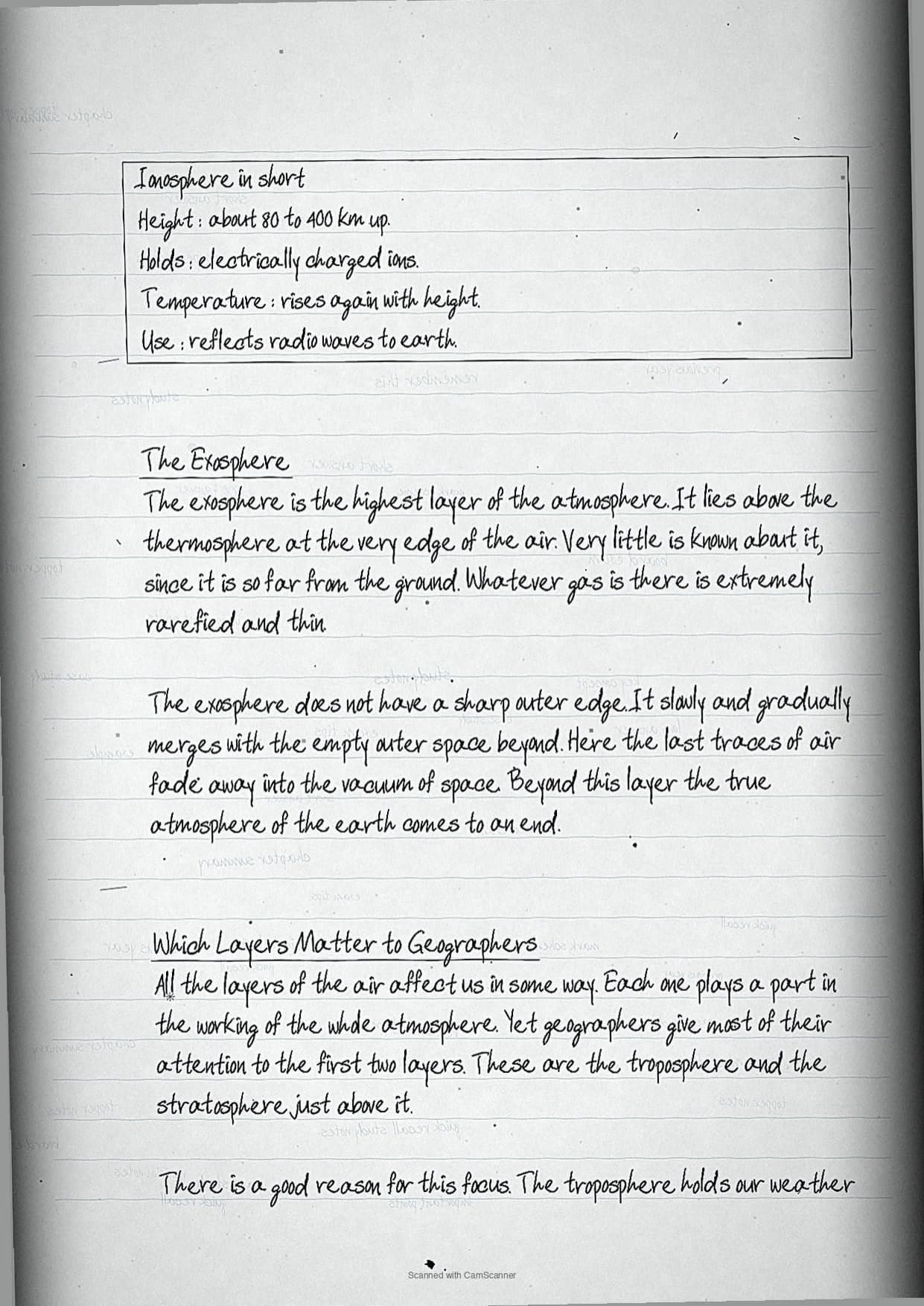
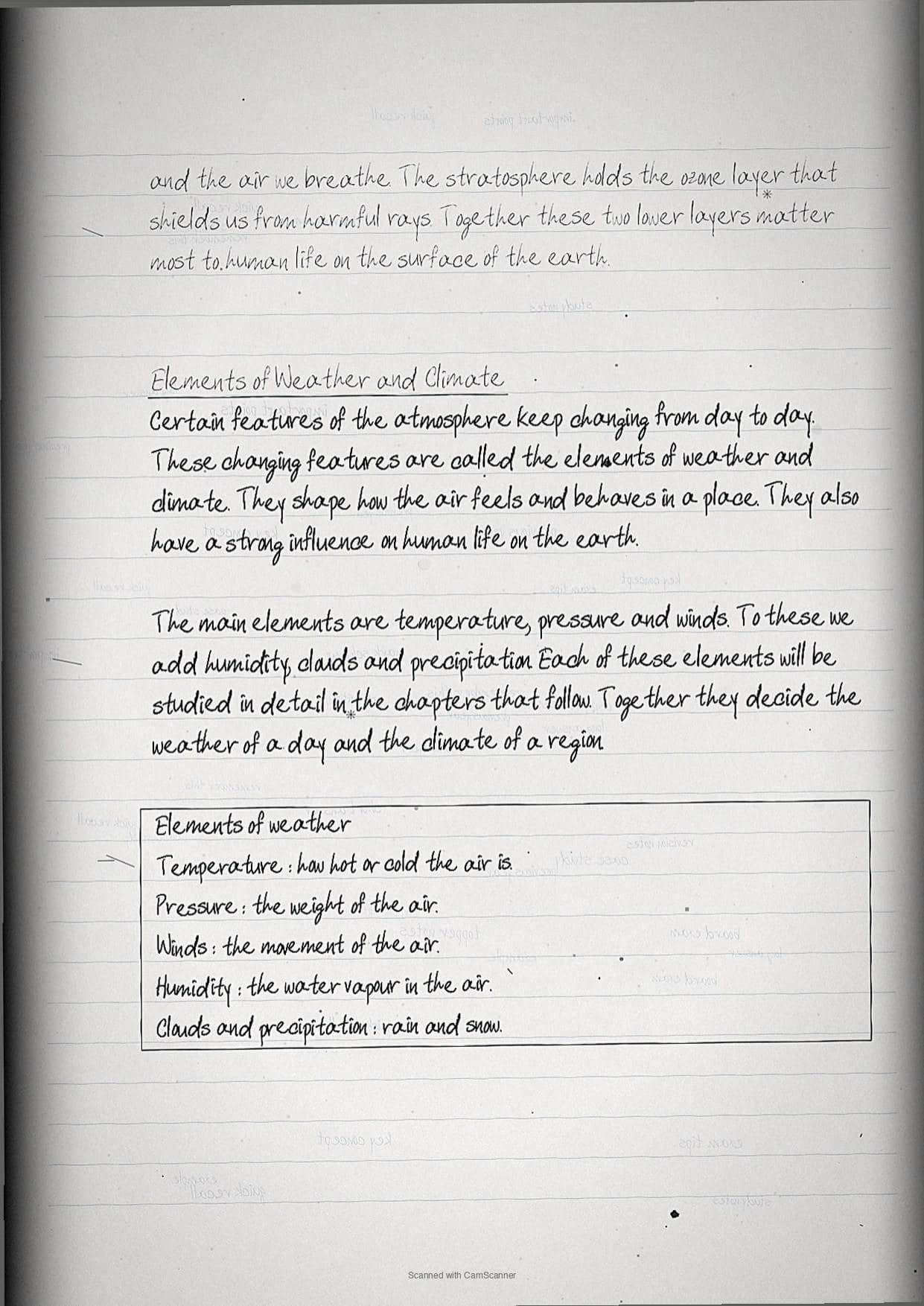
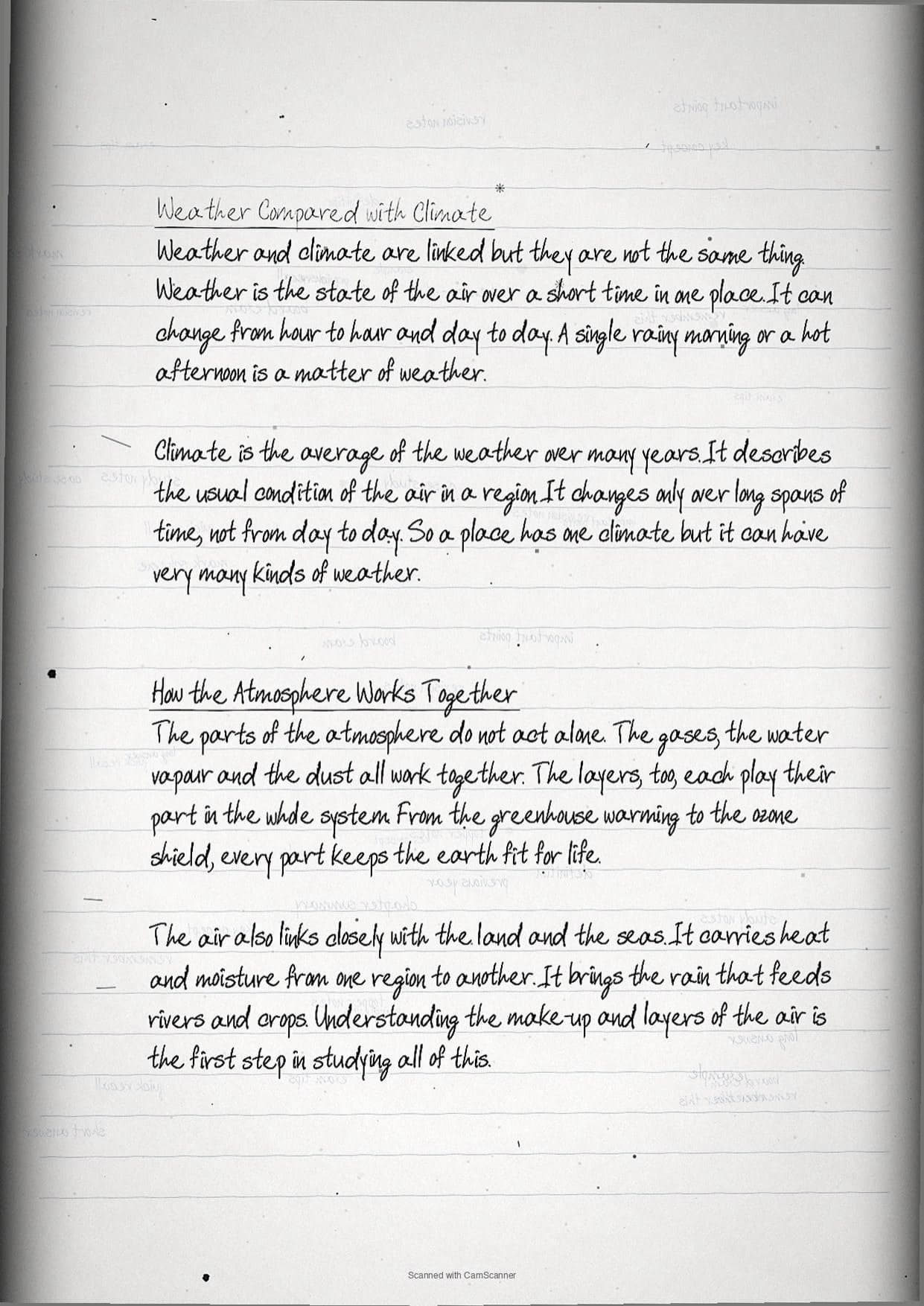
- What the notes cover: why air is essential to all life, composition: gases, water vapour and dust, carbon dioxide and the greenhouse effect, ozone as the natural shield against uv rays.
- Best for: quick revision before Class 11 exams and a base for CUET later.
You can read the complete class 11 geography handwritten notes for Composition and Structure of Atmosphere, with key terms, boxed definitions, and quick revision points, in the PDF below.
These handwritten notes are written by subject teachers, mapped to the 2026-27 NCERT, and checked against the last five years of CBSE Class 11 Geography papers.
What the Composition and Structure of Atmosphere Handwritten Notes Cover
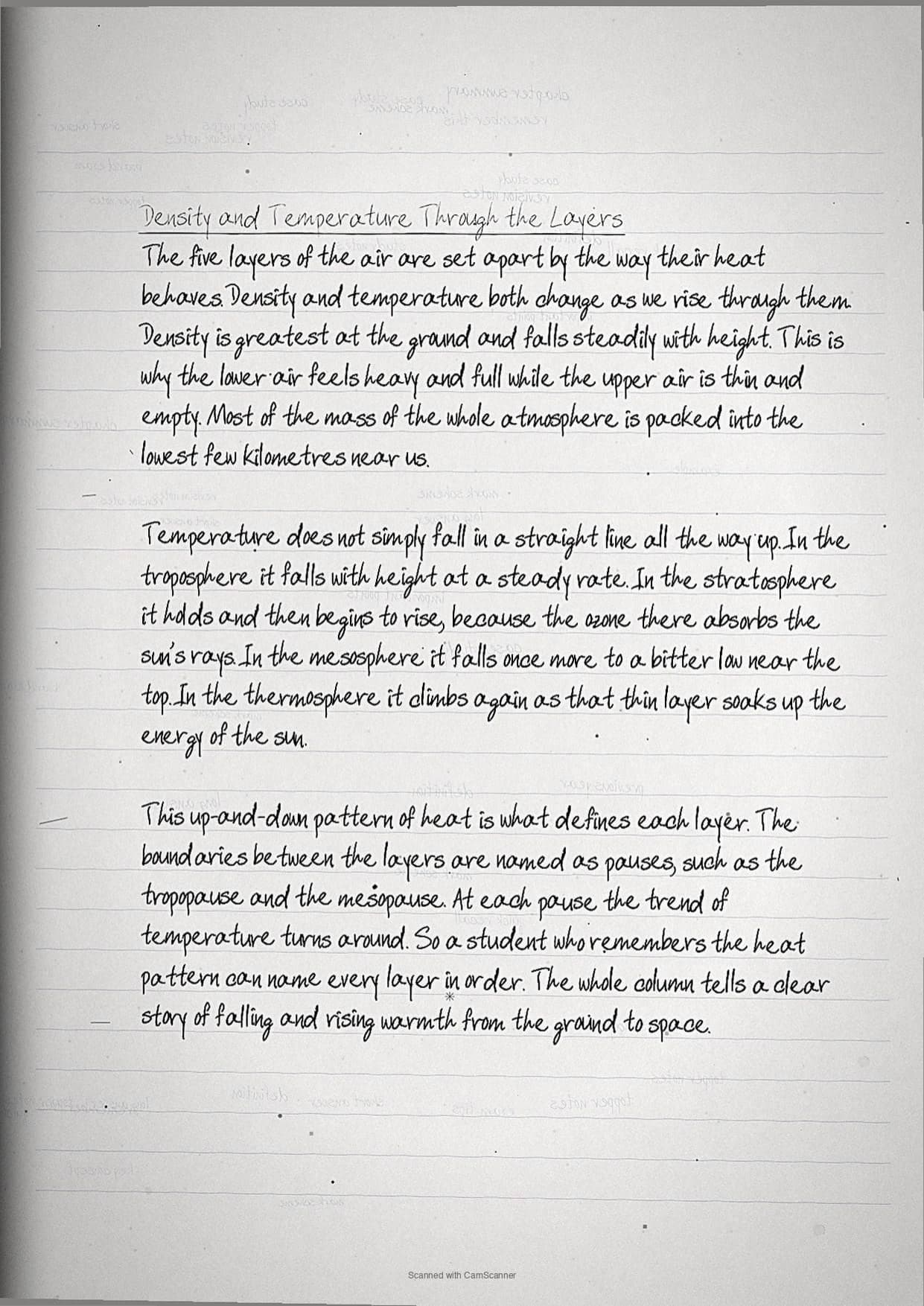
This chapter looks at the atmosphere, the blanket of air that wraps the earth. It explains what the air is made of and how it is arranged in layers. Air keeps every living thing alive, so it is worth studying with care.
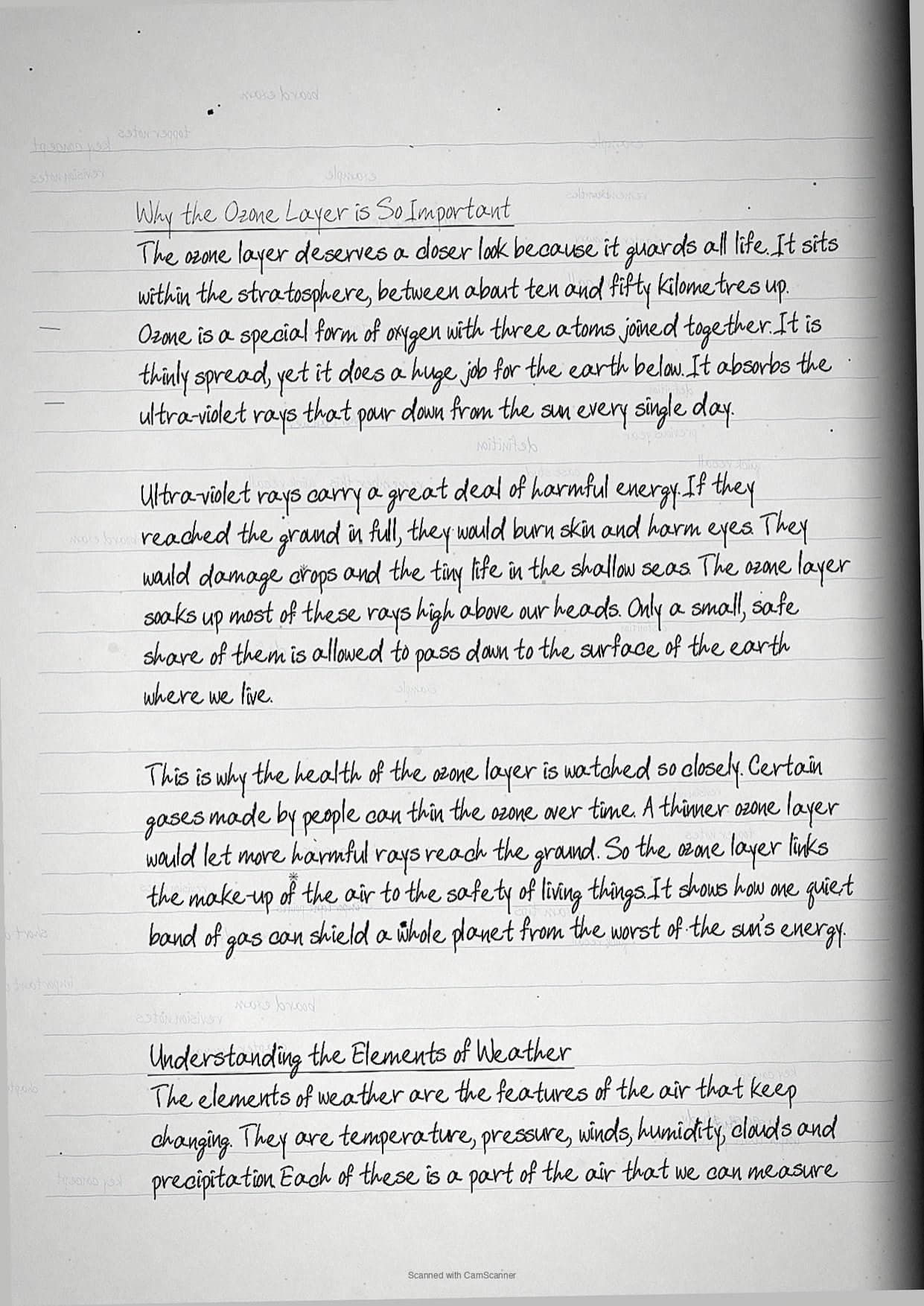
- Why air is essential to all life
- Composition: gases, water vapour and dust
- Carbon dioxide and the greenhouse effect
- Ozone as the natural shield against UV rays
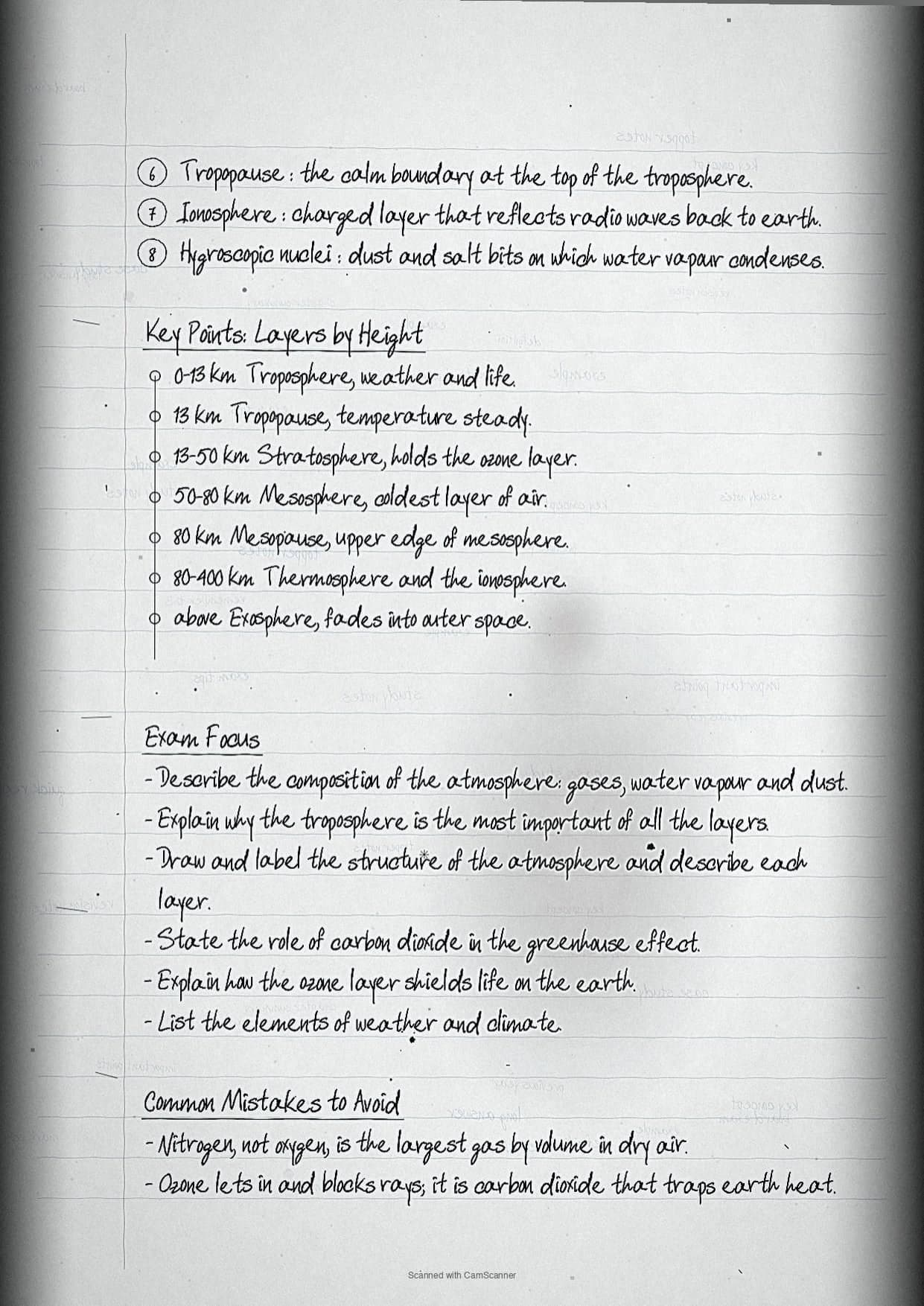
- The five layers of the atmosphere
- Why the troposphere matters most
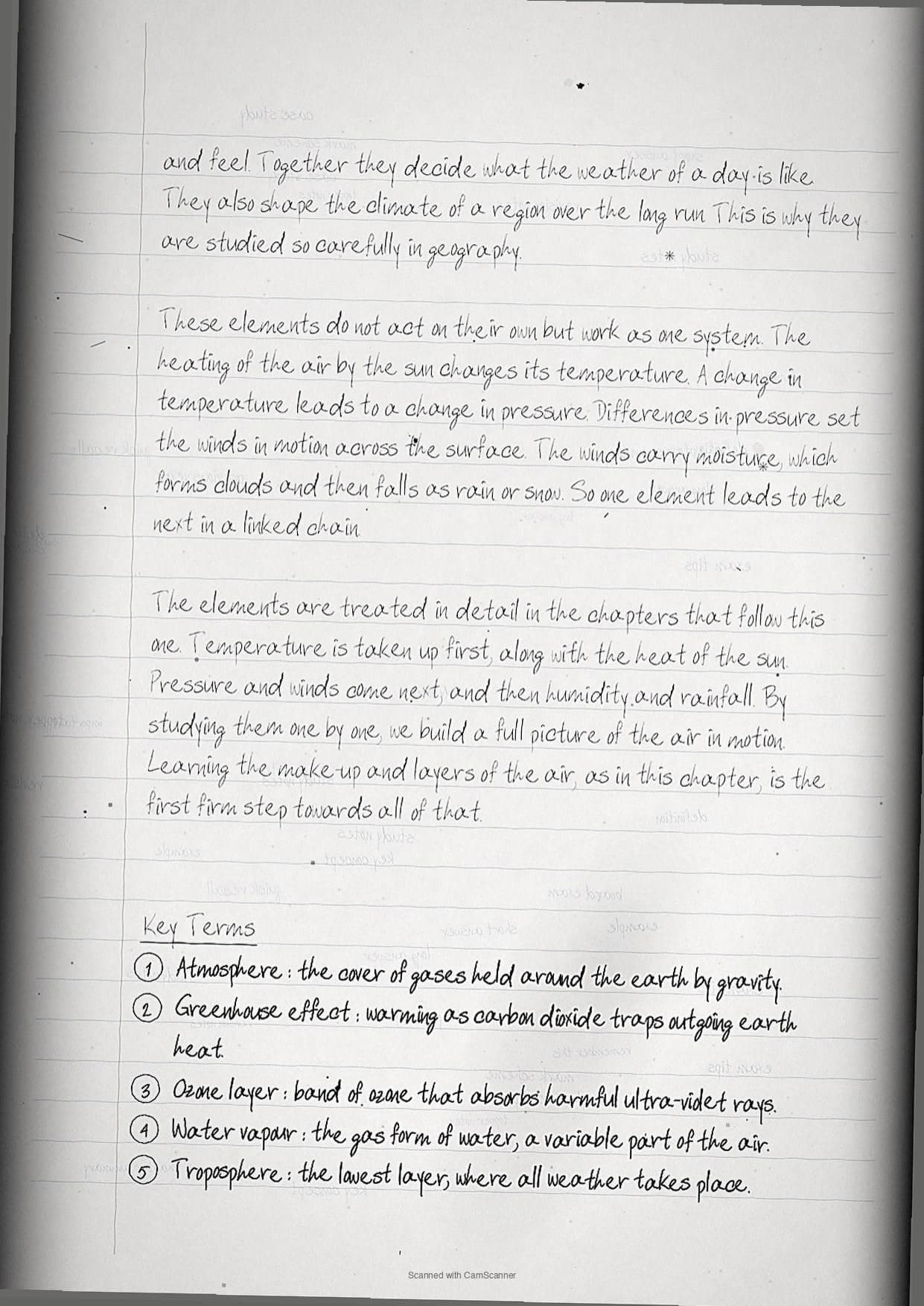
- Elements of weather and climate
Composition and Structure of Atmosphere Topic-wise Weightage for CBSE Class 11 Geography
Some parts of this chapter are asked more often than others. The table below shows which sub-topics to revise first, based on recent CBSE Class 11 question trends.
| Sub-topic | Weightage | CBSE Frequency |
|---|---|---|
| Structure and the five layers | High | Almost every year |
| Composition of the atmosphere | High | 3 of the last 5 years |
| Carbon dioxide and greenhouse effect | Medium | 3 of the last 5 years |
| Ozone and its shielding role | Medium | 2 of the last 5 years |
| Elements of weather and climate | Low | 1 of the last 5 years |
Key Terms and Ideas in Composition and Structure of Atmosphere
These are the terms and ideas the exam asks about most. Learn each one so you can define it and use it in your answers.
| Term / Idea | What it means |
|---|---|
| Nitrogen | The largest gas by volume in the dry air |
| Oxygen | Gas that keeps humans and animals alive |
| Carbon dioxide | Traps outgoing earth heat, causing greenhouse effect |
| Ozone | Absorbs harmful ultra-violet rays from the sun |
| Troposphere | Lowest layer where all weather takes place |
| Tropopause | Calm boundary at the top of the troposphere |
| Ionosphere | Charged layer that reflects radio waves to earth |
| Dust particles | Act as nuclei on which water vapour condenses |
How Collegedunia's Handwritten Notes Help You Revise Composition and Structure of Atmosphere
These notes are made for the night before the exam. They keep the facts short and easy to scan. Collegedunia maps every point to the 2026-27 NCERT.
- Clear handwriting: each topic is written in neat, easy-to-read handwriting.
- Boxed key terms: the main terms and definitions are boxed by hand for fast recall.
- Diagrams and tables: simple hand-drawn tables and charts make ideas clear.
- Colour-coded headings: new sub-topics stand out, so you find any section in seconds.
Composition and Structure of Atmosphere Self-Assessment Quiz
Try these quick questions after you read the notes. Tap each question to check your answer. They cover the points CBSE asks most often.
Which gas forms the major portion of the atmosphere?
(a) Oxygen (b) Nitrogen (c) Argon (d) Carbon dioxide
Answer: (b) Nitrogen - it is the largest gas by volume
Which layer is most important for human beings?
(a) Stratosphere (b) Mesosphere (c) Troposphere (d) Ionosphere
Answer: (c) Troposphere - it holds weather and the air we breathe
Sea salt, pollen, ash and soot are associated with?
(a) Gases (b) Dust particles (c) Water vapour (d) Meteors
Answer: (b) Dust particles - fine solids floating in the air
Oxygen is in negligible quantity at what height?
(a) 90 km (b) 120 km (c) 100 km (d) 150 km
Answer: (b) 120 km - oxygen almost vanishes by this level
Which gas is transparent to solar but opaque to earth radiation?
(a) Oxygen (b) Nitrogen (c) Helium (d) Carbon dioxide
Answer: (d) Carbon dioxide - it traps outgoing heat and warms the air
How to Use These Handwritten Notes for Class 11 Geography Revision
Use these class 11 geography handwritten notes in two passes. Read them slowly once for the full chapter. Then, near the exam, read only the boxes and key terms for a fast recall.
- Read the notes once with the NCERT chapter open beside you.
- Say each key term and idea in your own words.
- Practise one long-answer question from a past paper.
- On the last day, revise only the key terms and the boxes.
Class 11 Geography Handwritten Notes for All Chapters
The table below links the class 11 geography handwritten notes for every chapter. Use it to jump to any other chapter's notes.
Composition and Structure of Atmosphere Class 11 Geography Handwritten Notes FAQs
Ques. Where can I download Composition and Structure of Atmosphere Class 11 Geography Handwritten Notes PDF?
Ans. You can download the Composition and Structure of Atmosphere Class 11 Geography Handwritten Notes PDF directly from this page. Both the Normal and HD versions are free.
Ques. Are these handwritten notes aligned with the 2026-27 NCERT?
Ans. Yes. These notes follow the current 2026-27 syllabus for Class 11 Geography. These notes cover the composition of the atmosphere, its five layers, the greenhouse effect, ozone and the elements of weather and climate.
Ques. How many pages is the Class 11 Geography Composition and Structure of Atmosphere Handwritten Notes PDF?
Ans. The notes run about 21 pages. They cover the full chapter with key terms, hand-drawn boxes, and a short self-assessment quiz.
Ques. What is the main idea of the 11th standard Geography chapter Composition and Structure of Atmosphere?
Ans. The atmosphere is the blanket of gases, water vapour and dust held around the earth by gravity. It is arranged in five layers and keeps the planet warm enough and safe enough for life.
Ques. Are these Composition and Structure of Atmosphere notes enough for the CBSE Class 11 exam?
Ans. Yes, for revision. The Collegedunia handwritten notes cover every key point and exam term. Read them with the NCERT chapter and practise past questions.



Comments