




Inside the NCERT Handwritten Notes for Class 11 English Hornbill Chapter 15, Essay-writing, you will find the brainstorming circle method worked out step by step, the four-pillar essay structure explained with examples, and NCERT's full sample essay "The Importance of Games" copied out by hand, all according to the latest 2026-27 CBSE syllabus.
- Board Weightage: essay-writing is tested as a long writing-skill question worth 10 marks, in 120-150 words.
- Question Types: a choice of two or three essay topics, of which the student answers one.
- 2026-27 NCERT: Essay-writing stays unchanged in the rationalised Hornbill Writing Skills section.
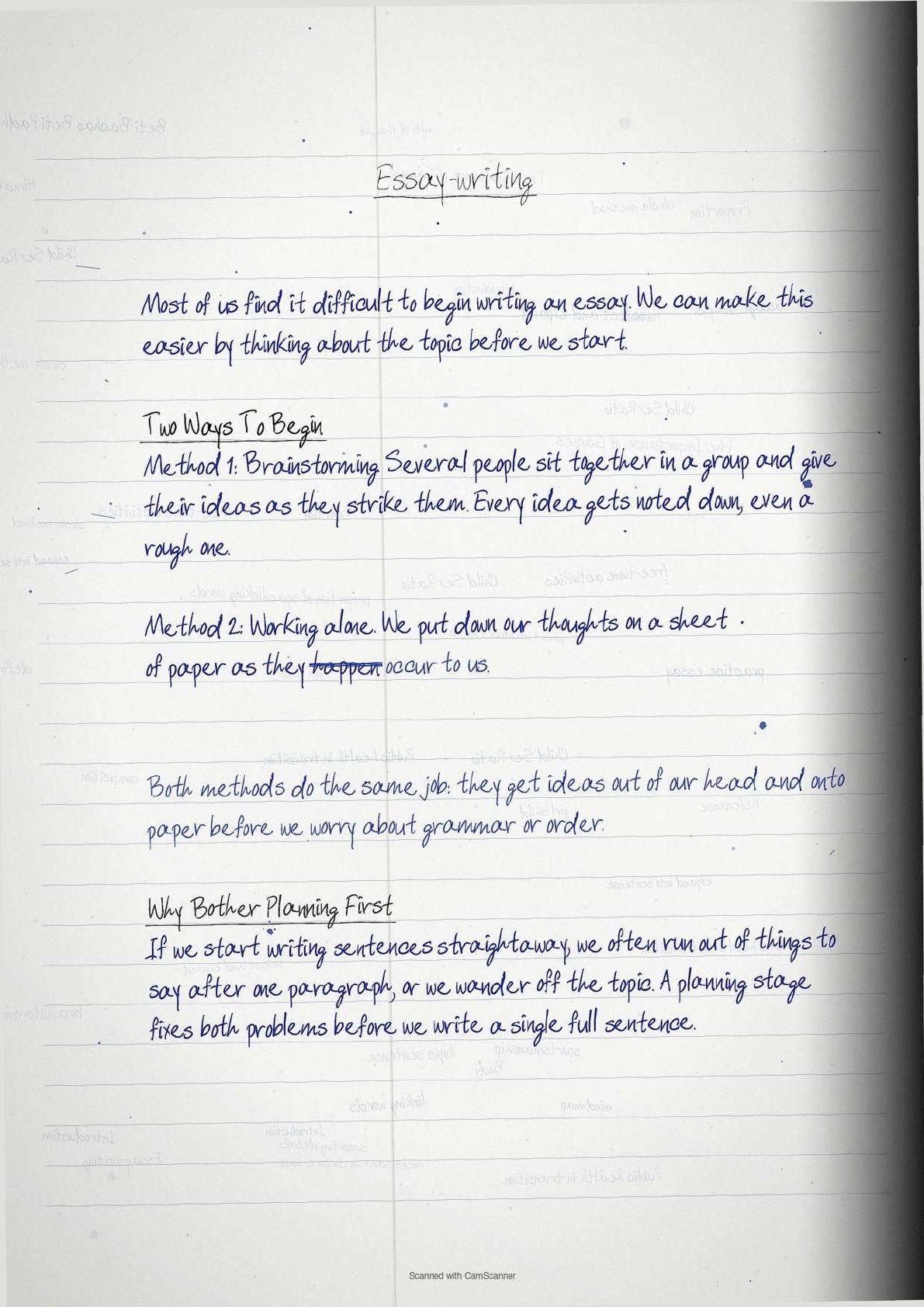
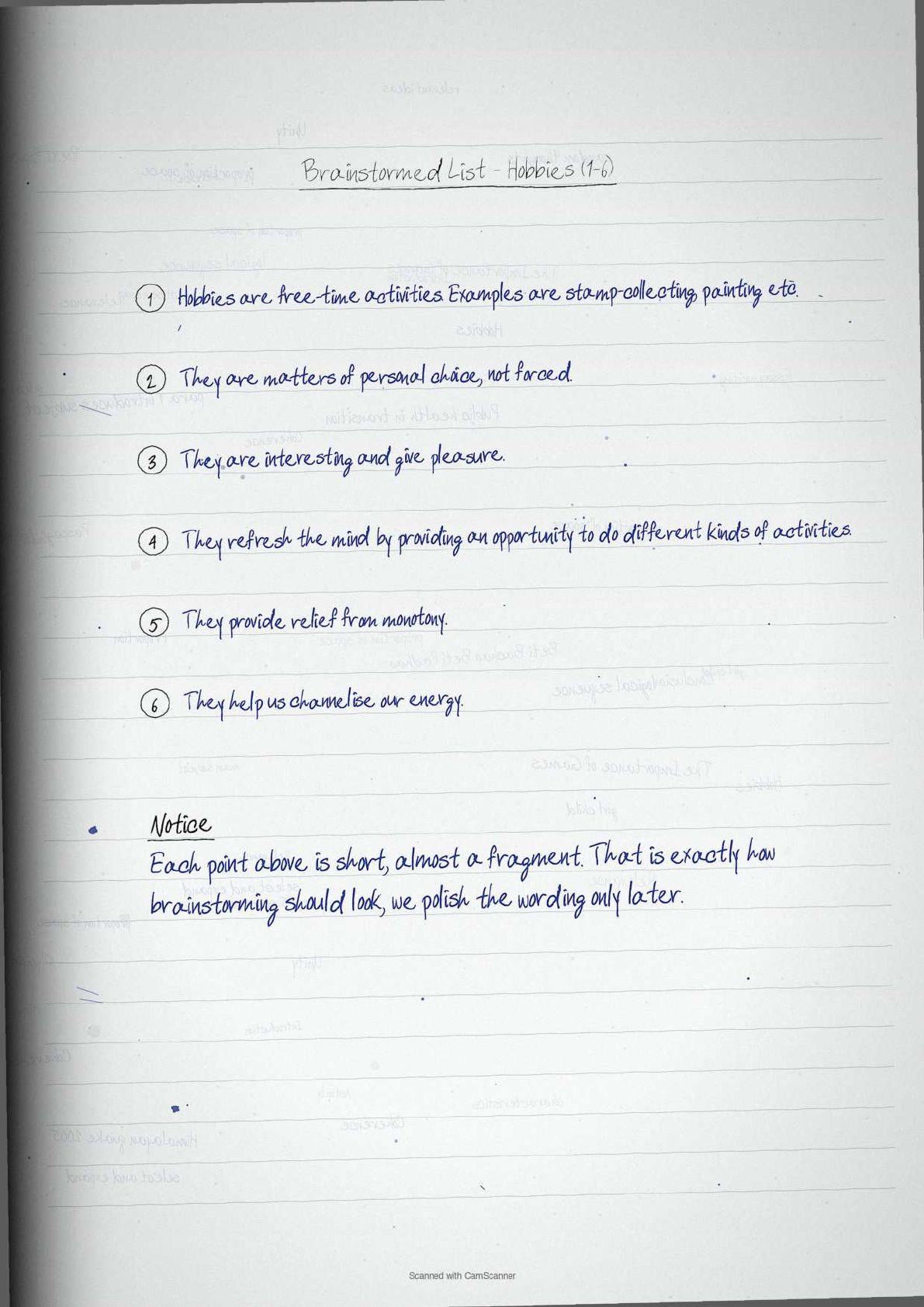
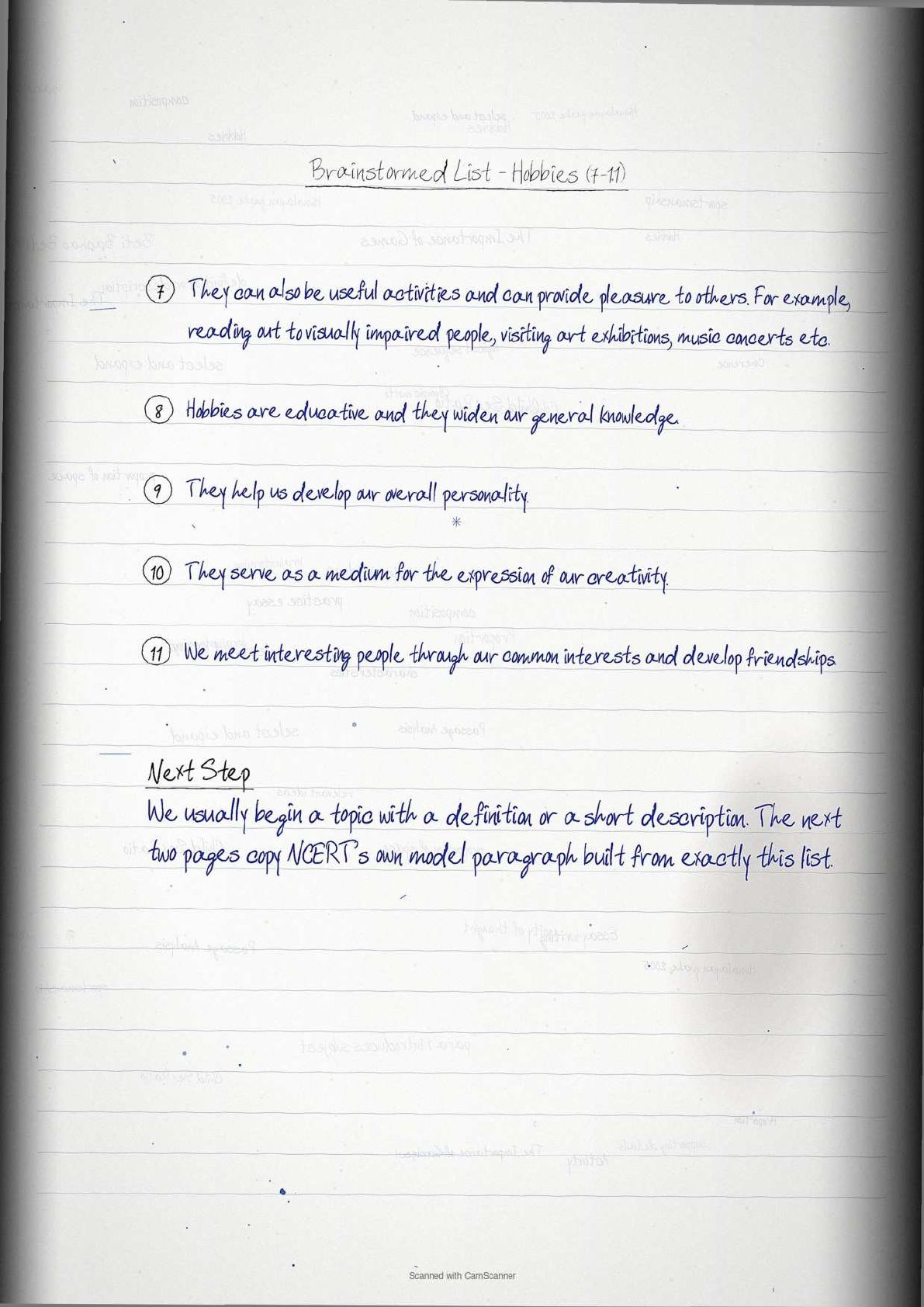
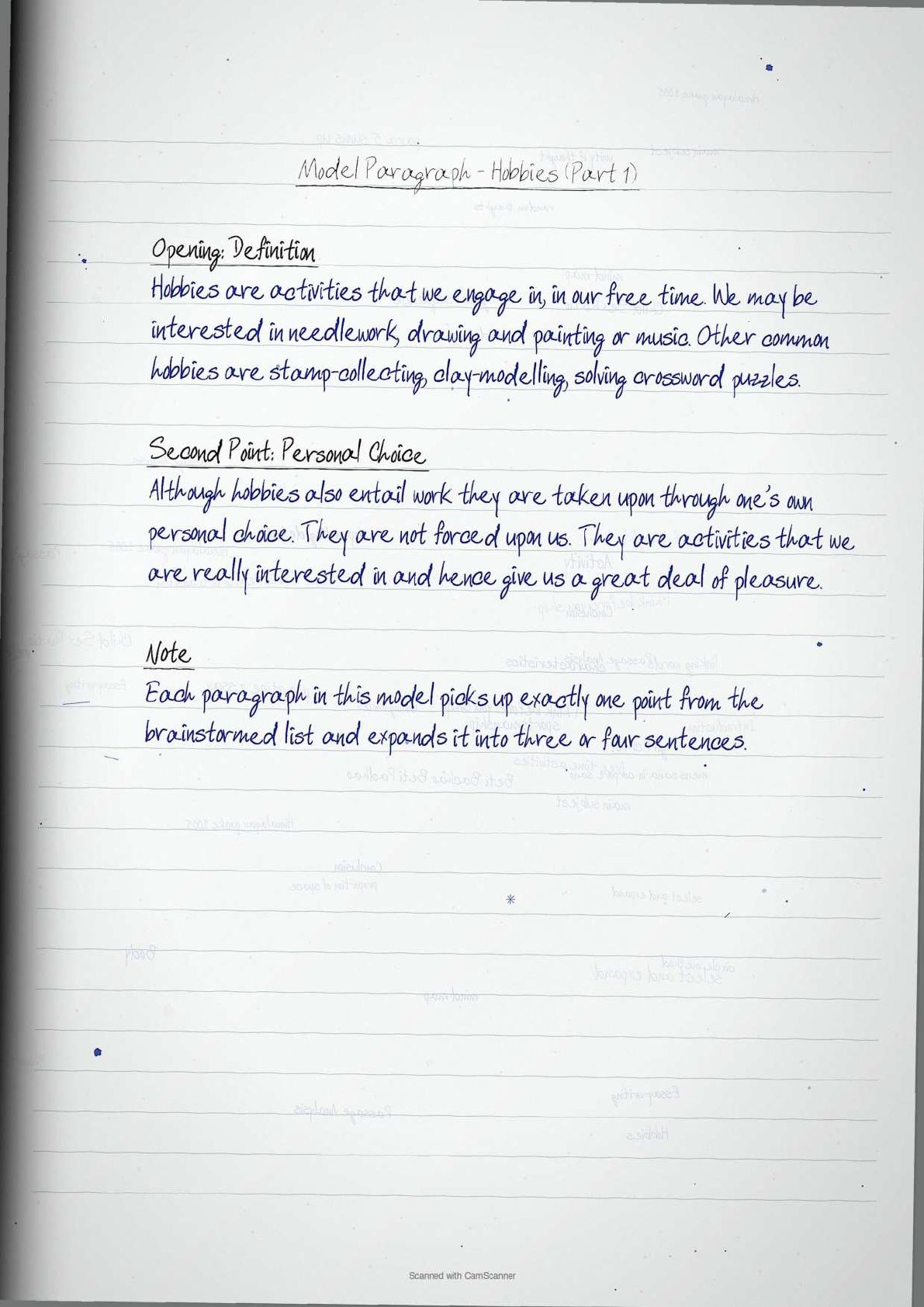
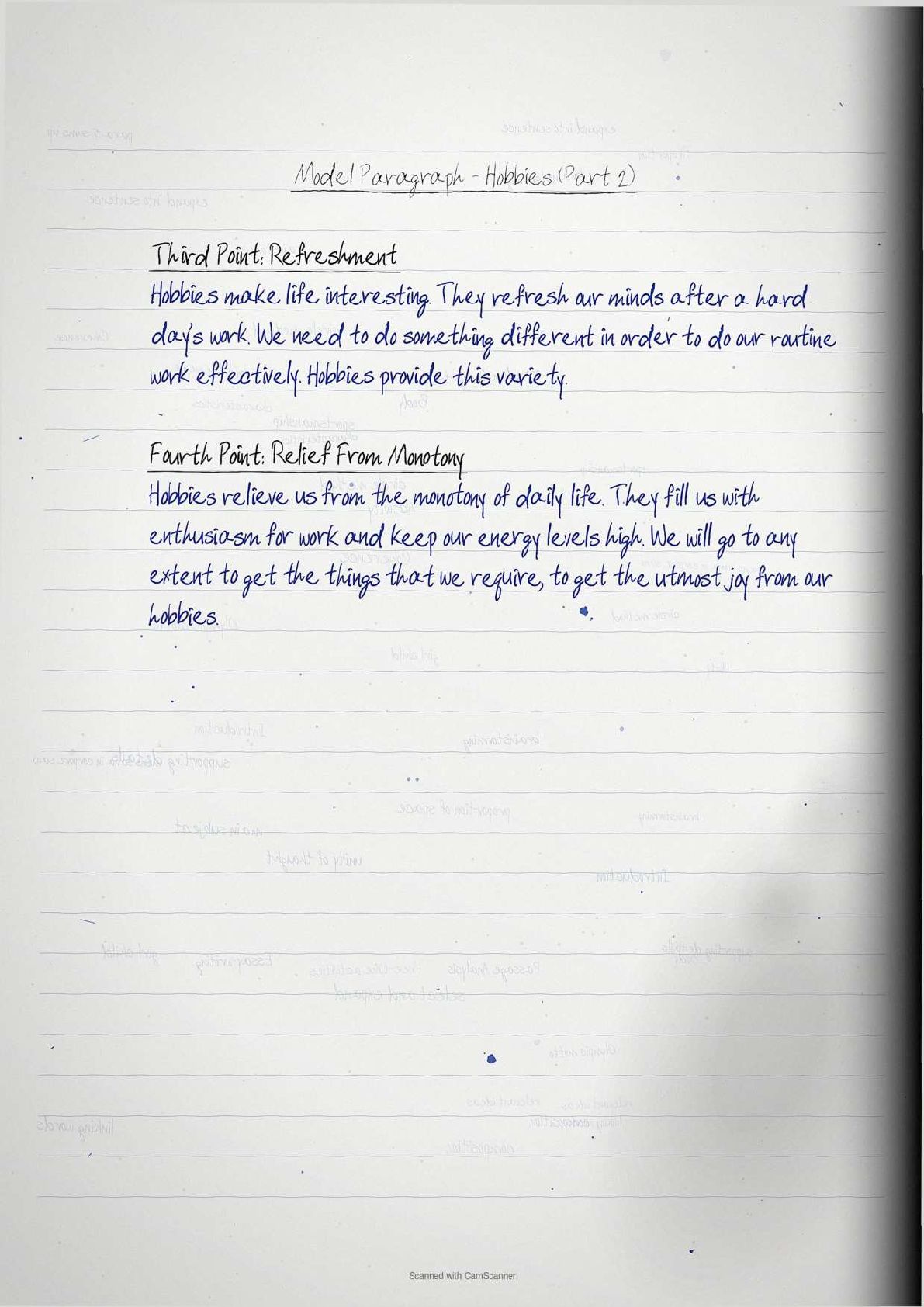
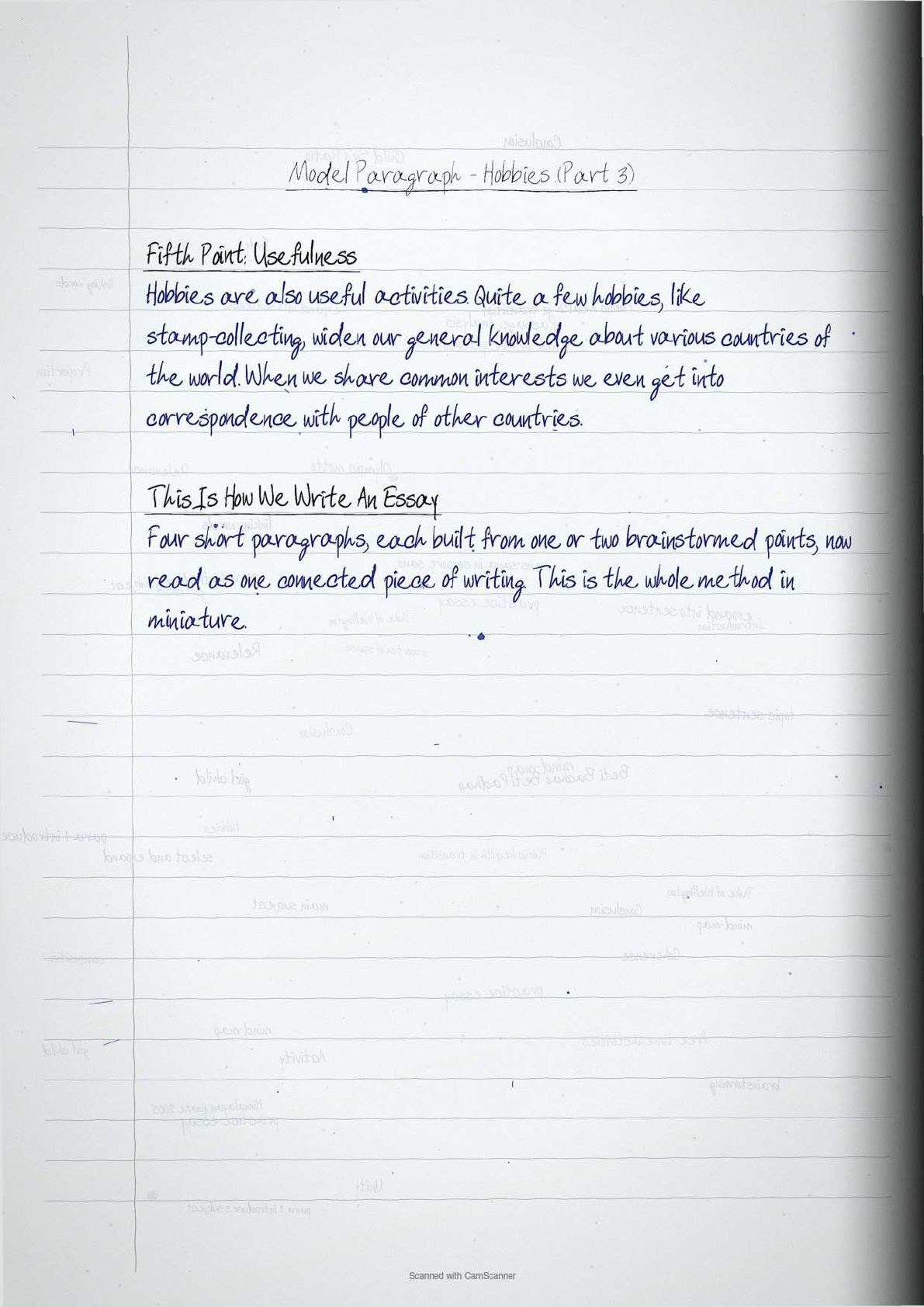
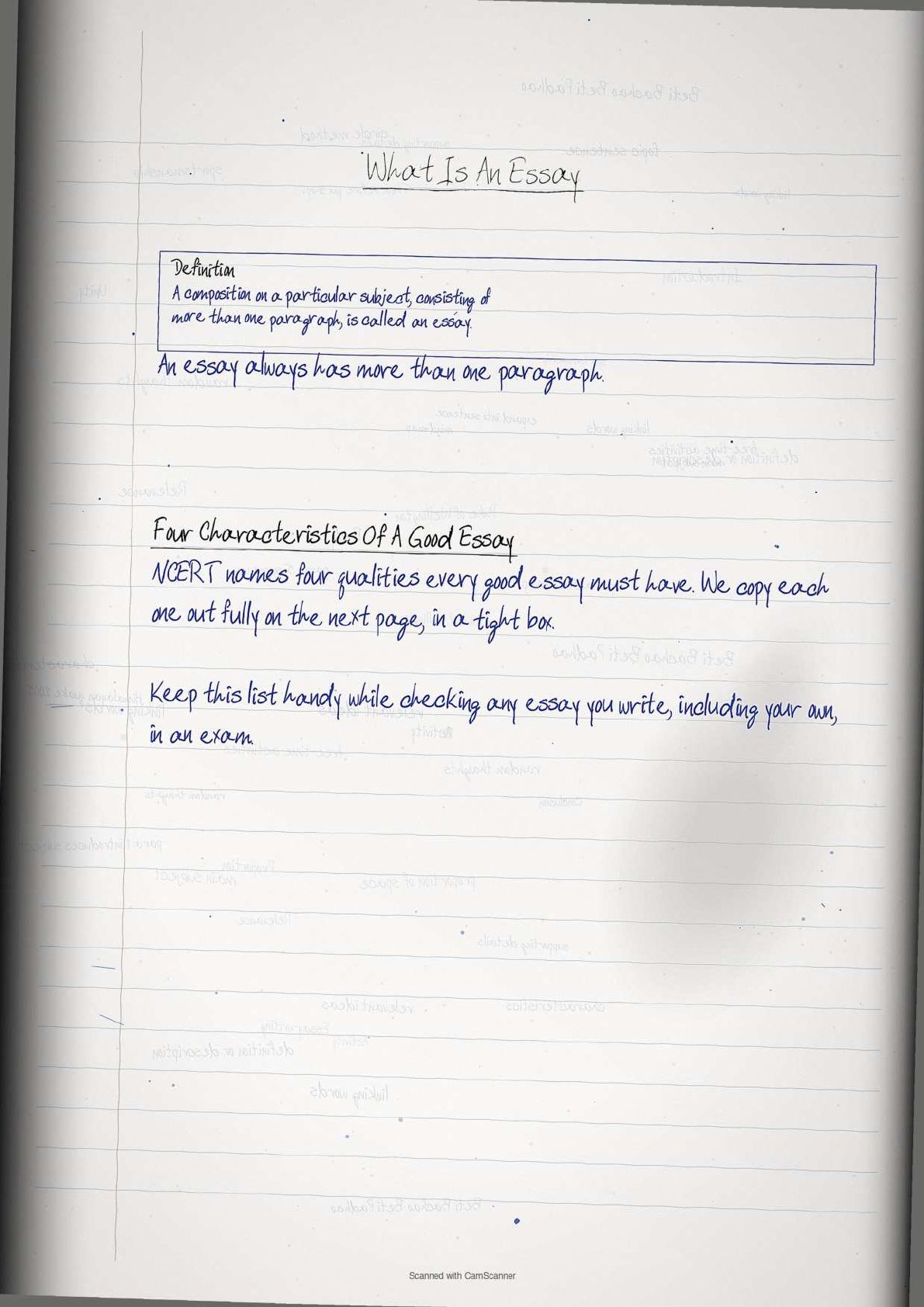
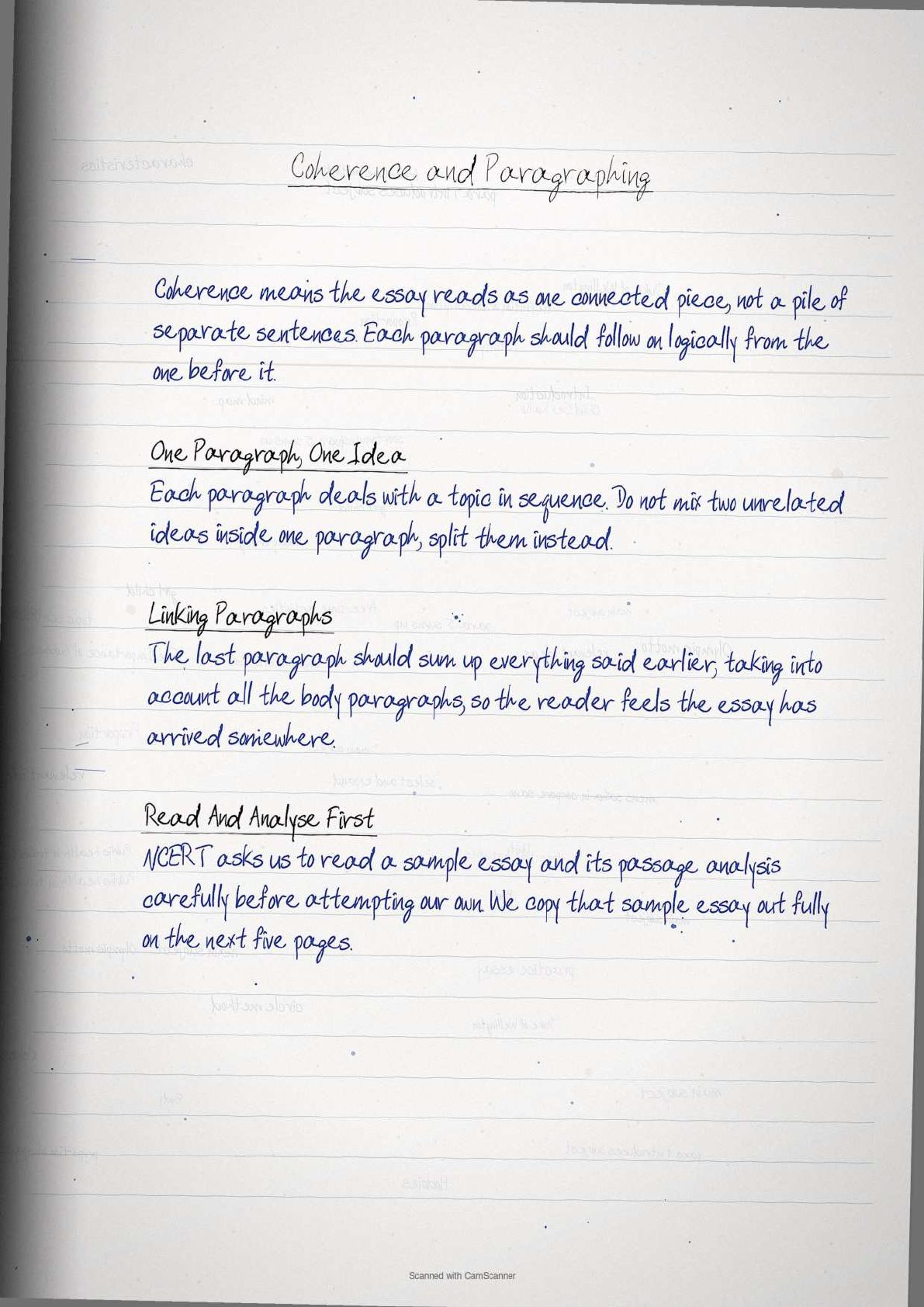
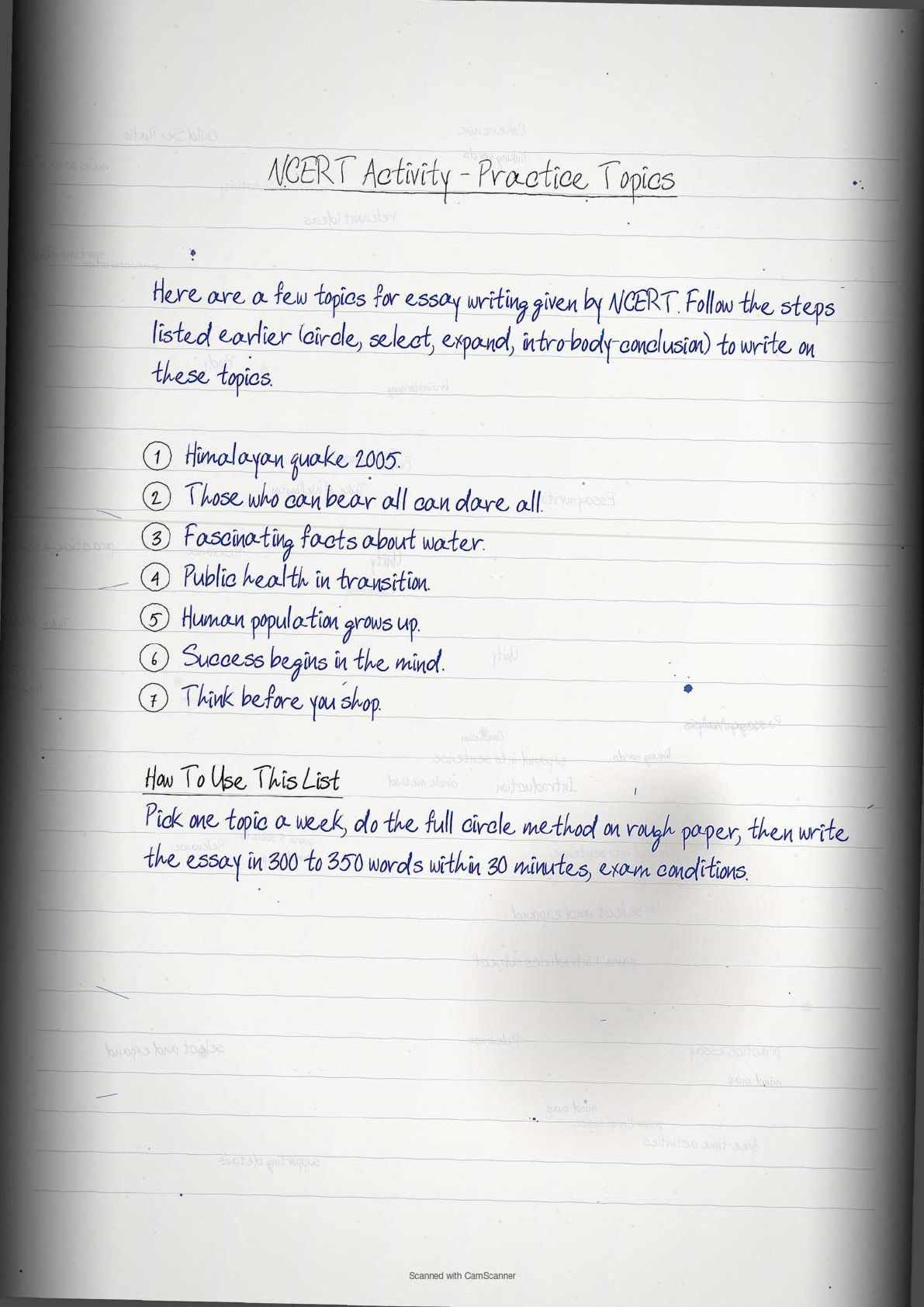
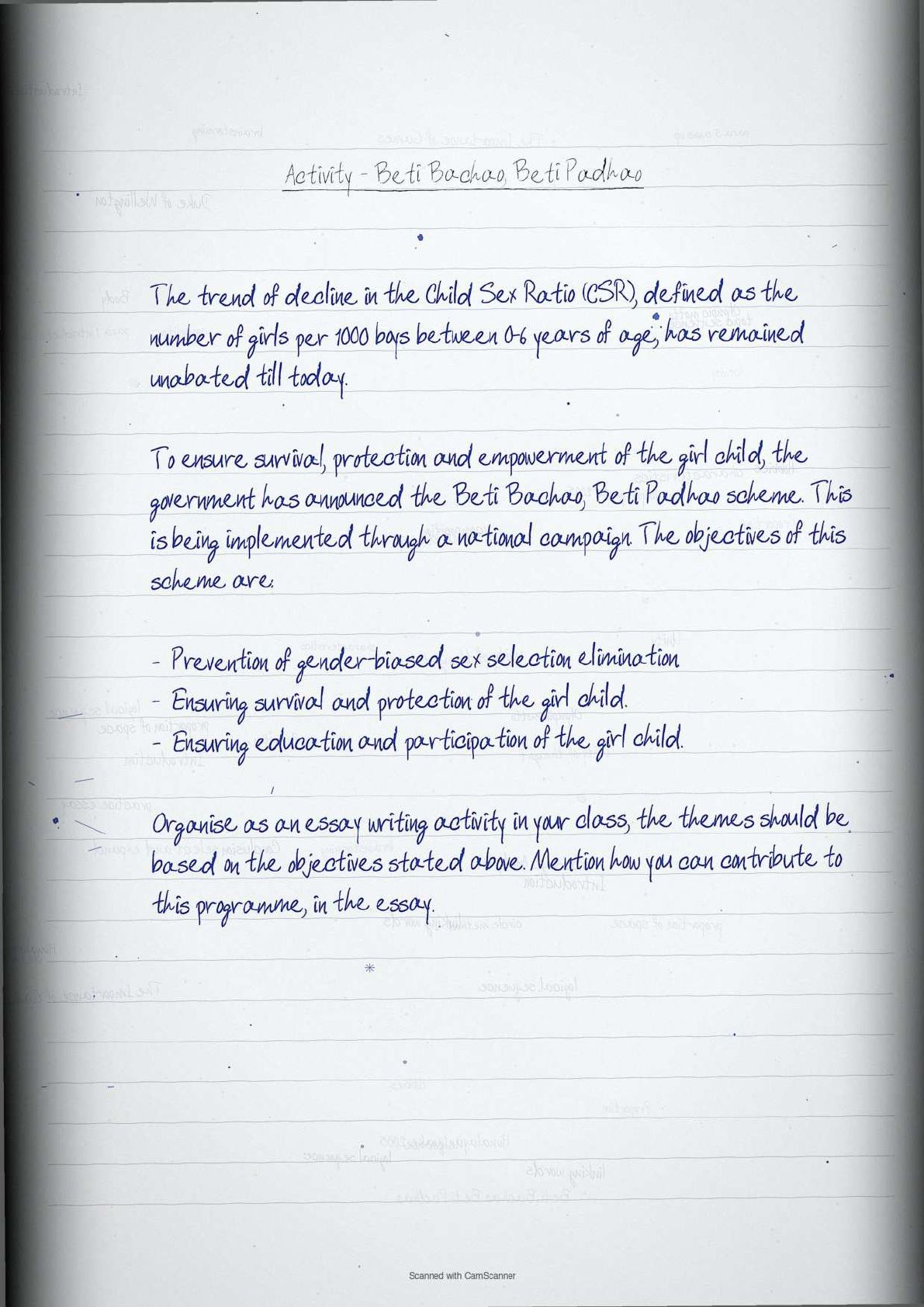
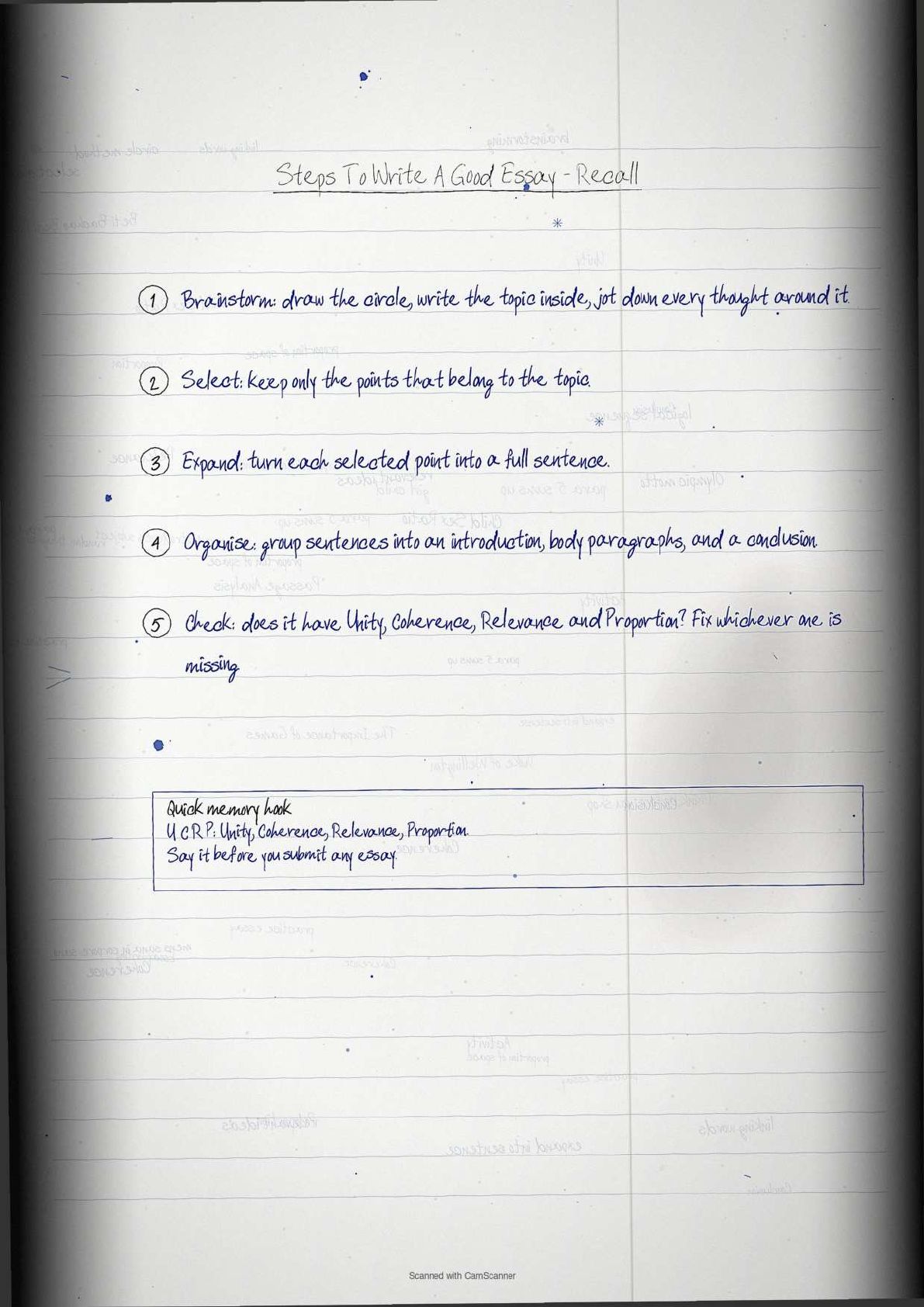
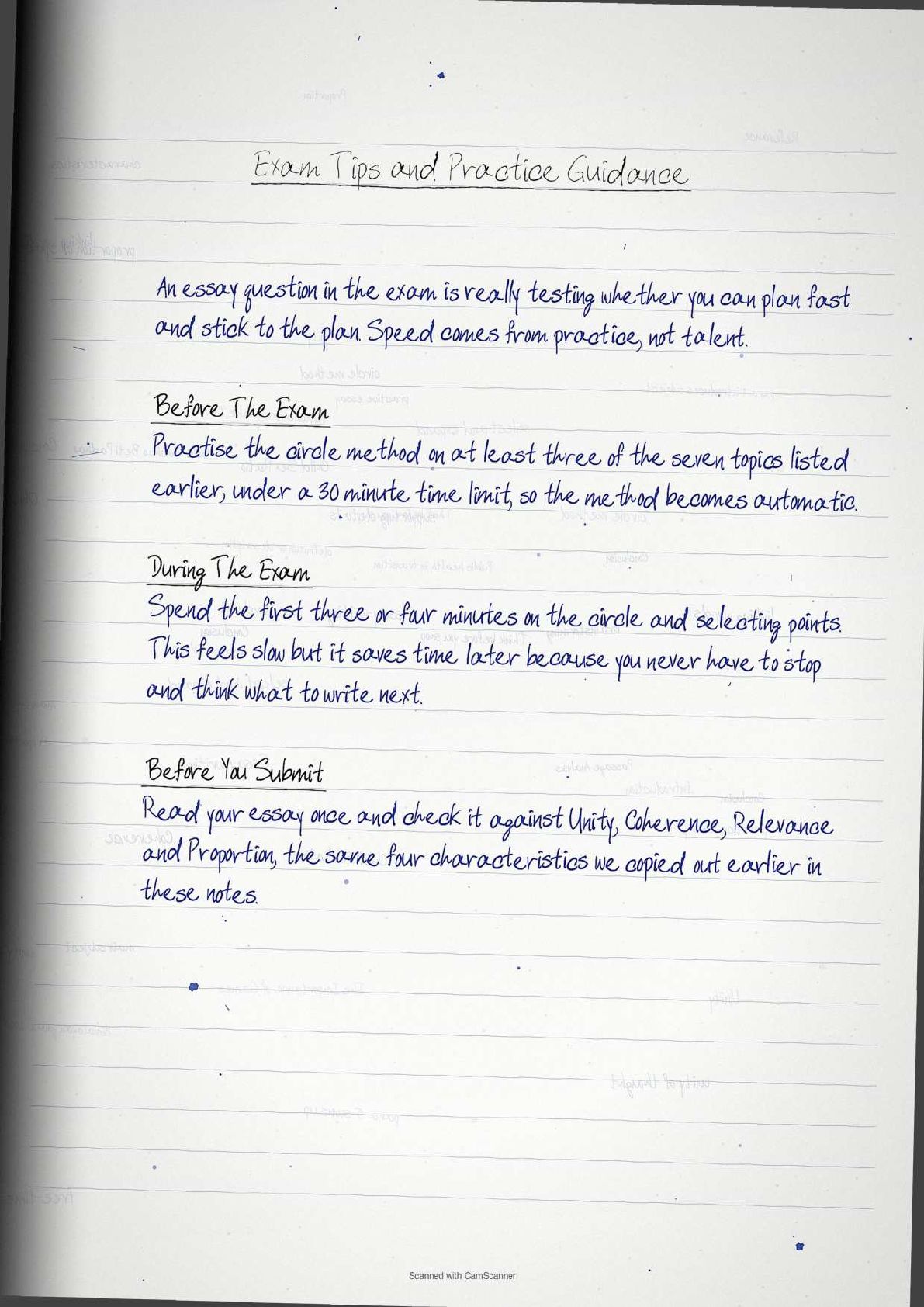
Every page in these Essay-writing notes is written by hand, checked against the 2026-27 Class 11 Hornbill print, and matched to the exact format CBSE board papers expect for structure, content and expression marks.
You will find NCERT's full brainstorming method, the four essay-structure pillars, and the complete worked sample essay inside this 24-page set, all according to the latest 2026-27 CBSE syllabus.
About Essay-Writing and Why It Matters for Class 11 English
Essay-writing is one of four Writing Skills units in Class 11 English Hornbill, alongside Note-making, Summarising and Sub-titling. Unlike the poetry and prose chapters, it does not test a fixed text: it tests how well a student can plan and organise their own ideas.
- The exam offers a choice of essay topics, usually two or three, and the student picks one.
- Answers must run 120 to 150 words and follow a clear introduction-body-conclusion shape.
- Marks are split between content, expression, and how well the essay is organised.
Essay-Writing Explained in Simple Language
Source: Vimarsh MP SED on YouTube
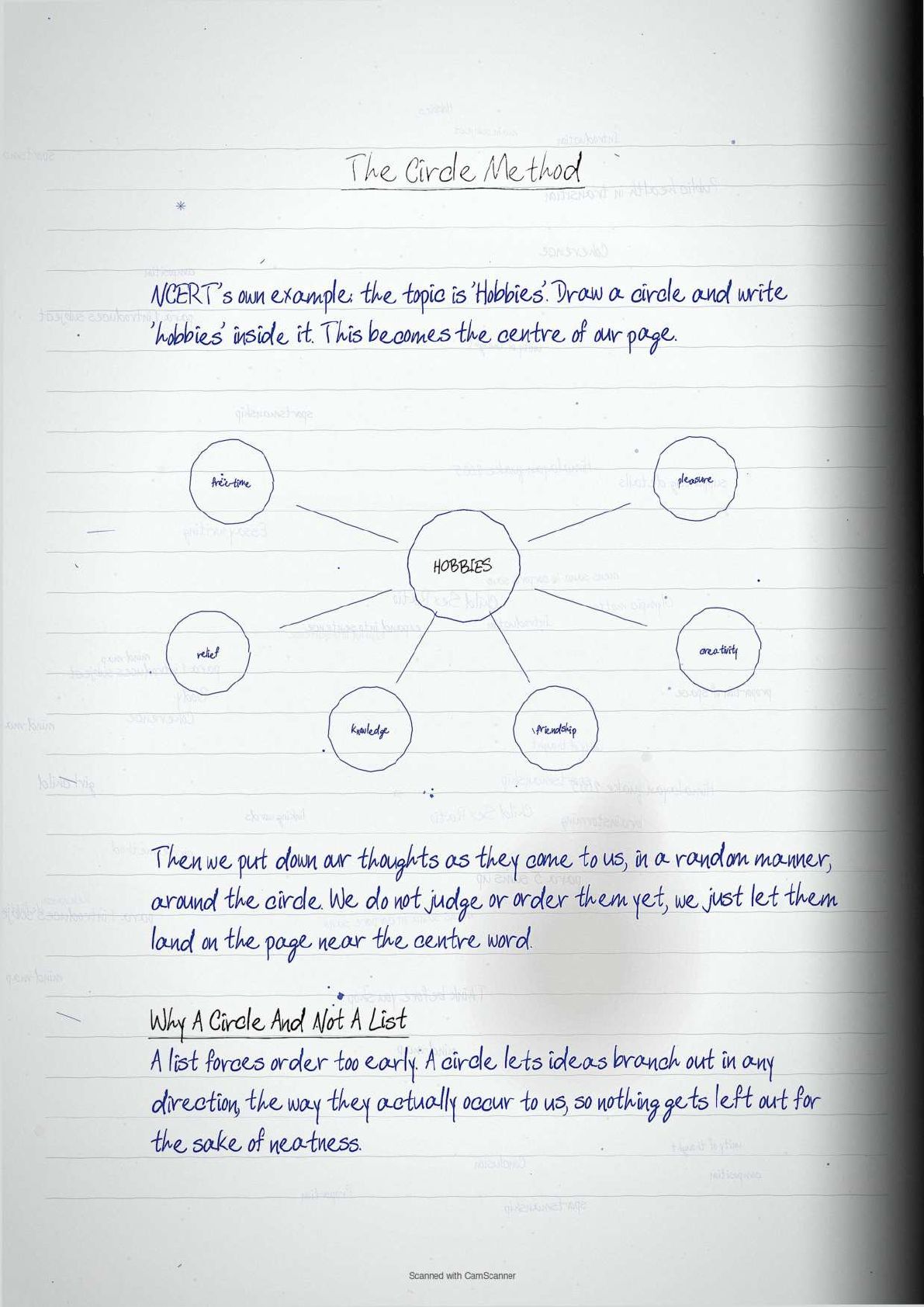
The Brainstorming Circle Method Explained
NCERT teaches a simple planning trick before any essay gets written. Planning on paper first is what separates a well-organised essay from a rambling one, not longer sentences or harder words.
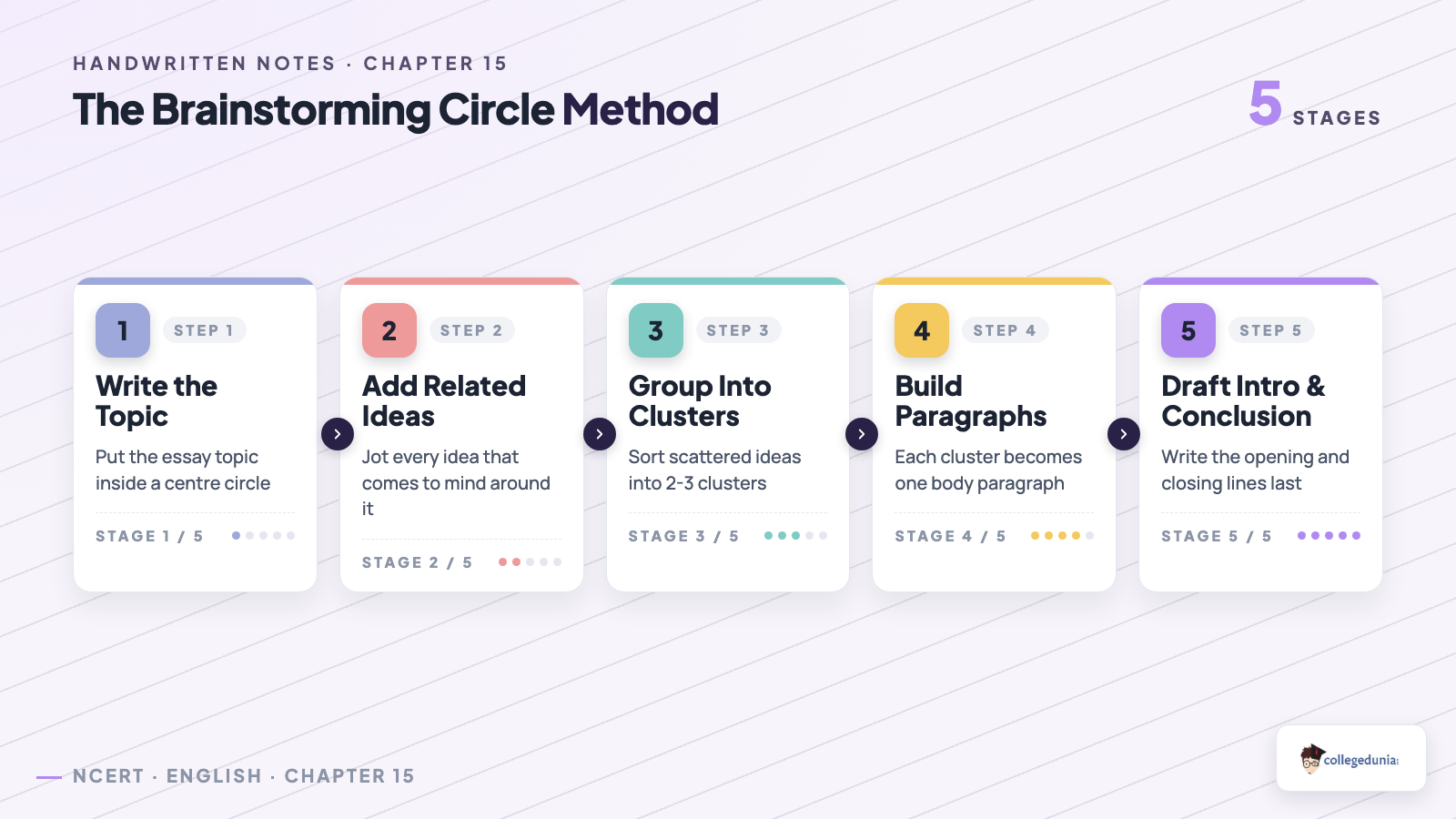
- Write the topic in the centre. Draw a small circle and write the essay topic inside it.
- Add related ideas around it. Jot down every idea, example or word that comes to mind, connected to the centre with short lines.
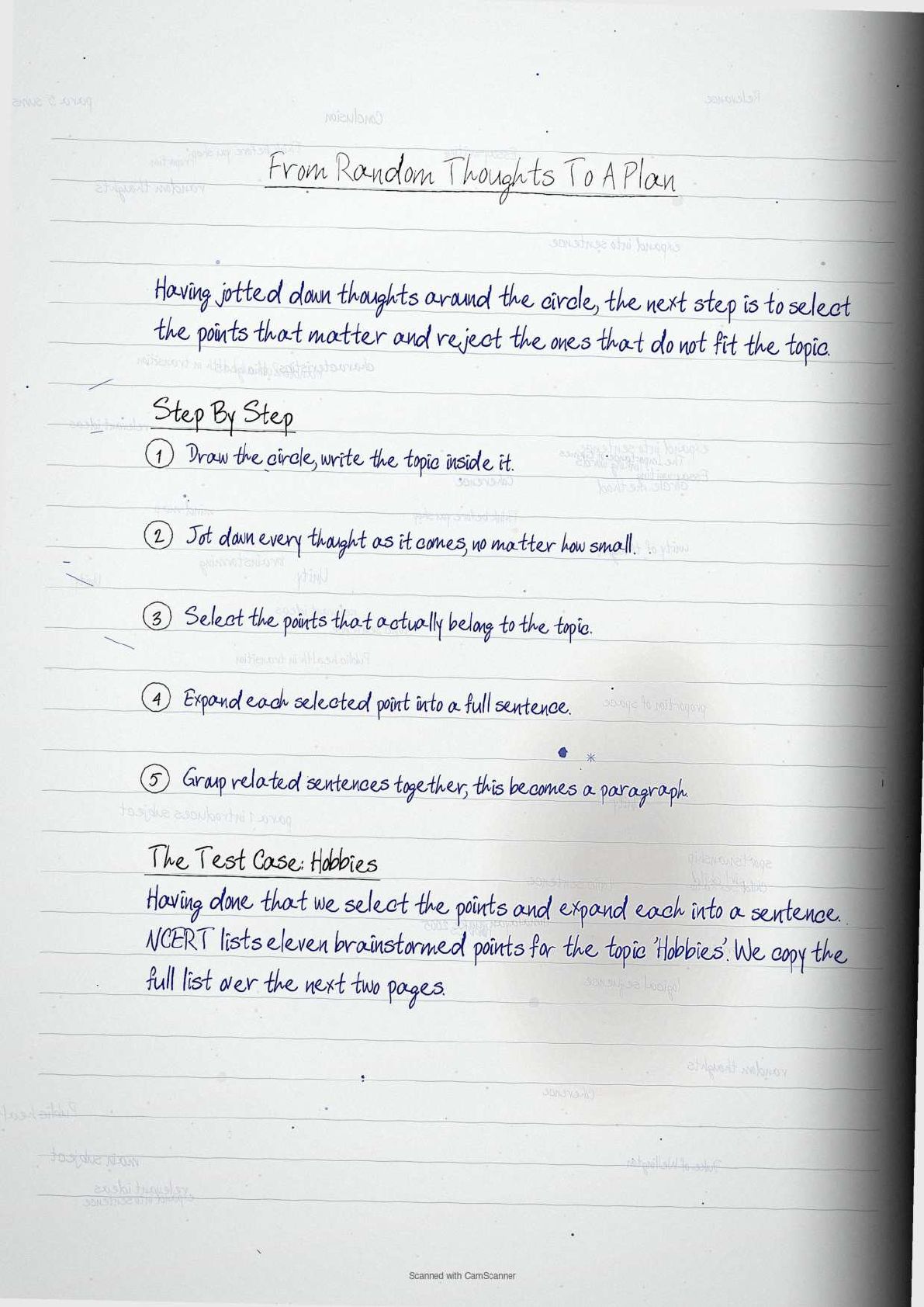
- Group similar ideas together. Look at the scattered ideas and sort them into two or three clusters.
- Turn each cluster into a paragraph. Every cluster becomes one body paragraph, in a sensible order.
- Draft the introduction and conclusion last. Once the body is planned, the opening and closing lines are easier to write.
This is the brainstorming or circle method, and NCERT places it before the essay-writing exercises for a reason: a student who skips planning usually repeats a point or forgets one of their own ideas halfway through.
The Four Pillars of a Well-Structured Essay
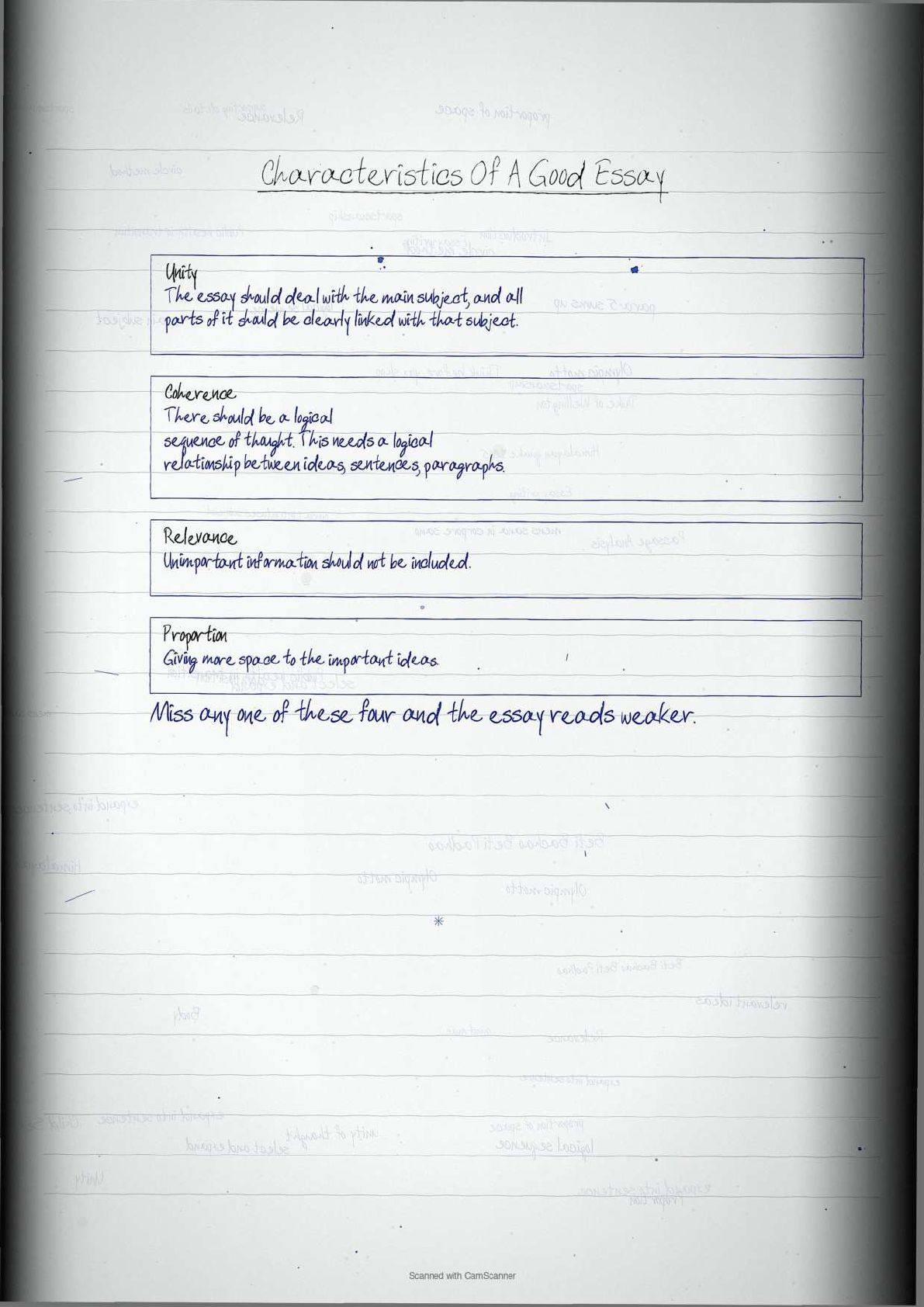
NCERT names four qualities that decide whether an essay reads as organised or scattered. All four pillars work together: missing even one weakens the whole answer, even when individual sentences are well written.
| Pillar | What It Means |
|---|---|
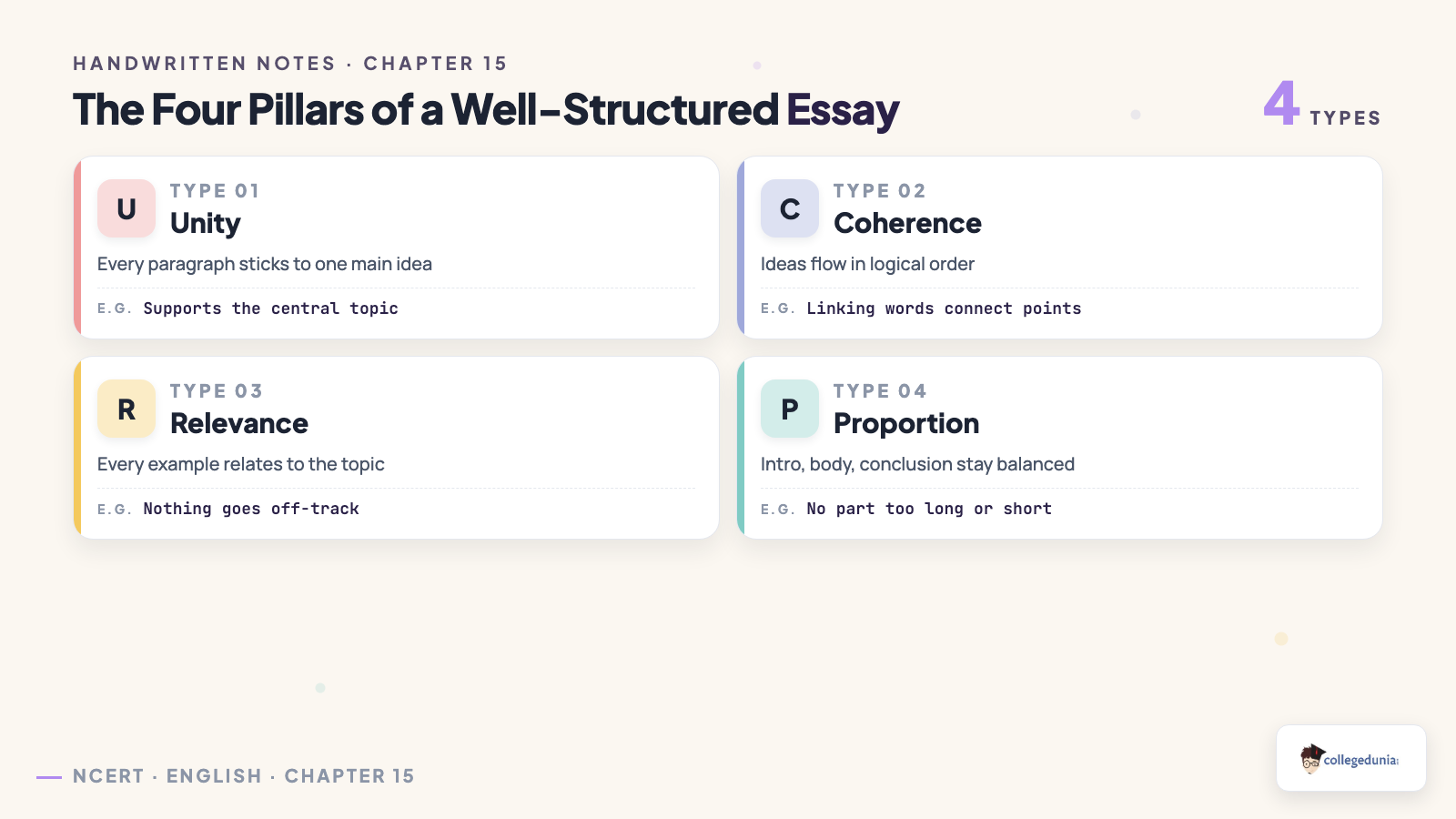
| Unity | Every paragraph sticks to one main idea and supports the essay's central topic. |
| Coherence | Ideas flow in a logical order, with linking words connecting one point to the next. |
| Relevance | Every example and detail is directly related to the topic, with nothing off-track. |
| Proportion | The introduction, body and conclusion are balanced, with no single part too long or too short. |
An essay that follows the circle method usually earns full marks on these four pillars automatically, because the planning step already sorts ideas into the right groups before writing begins.
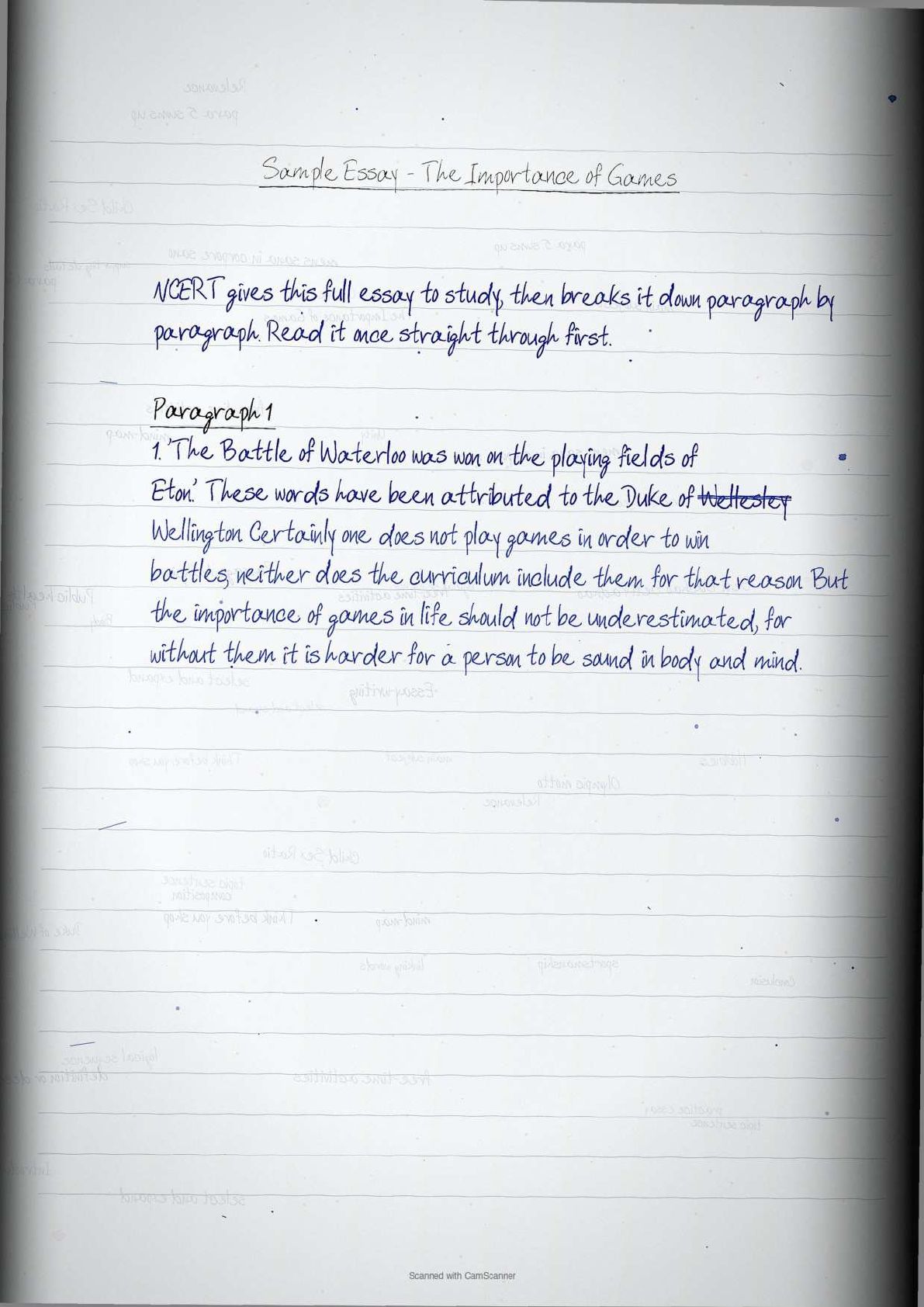
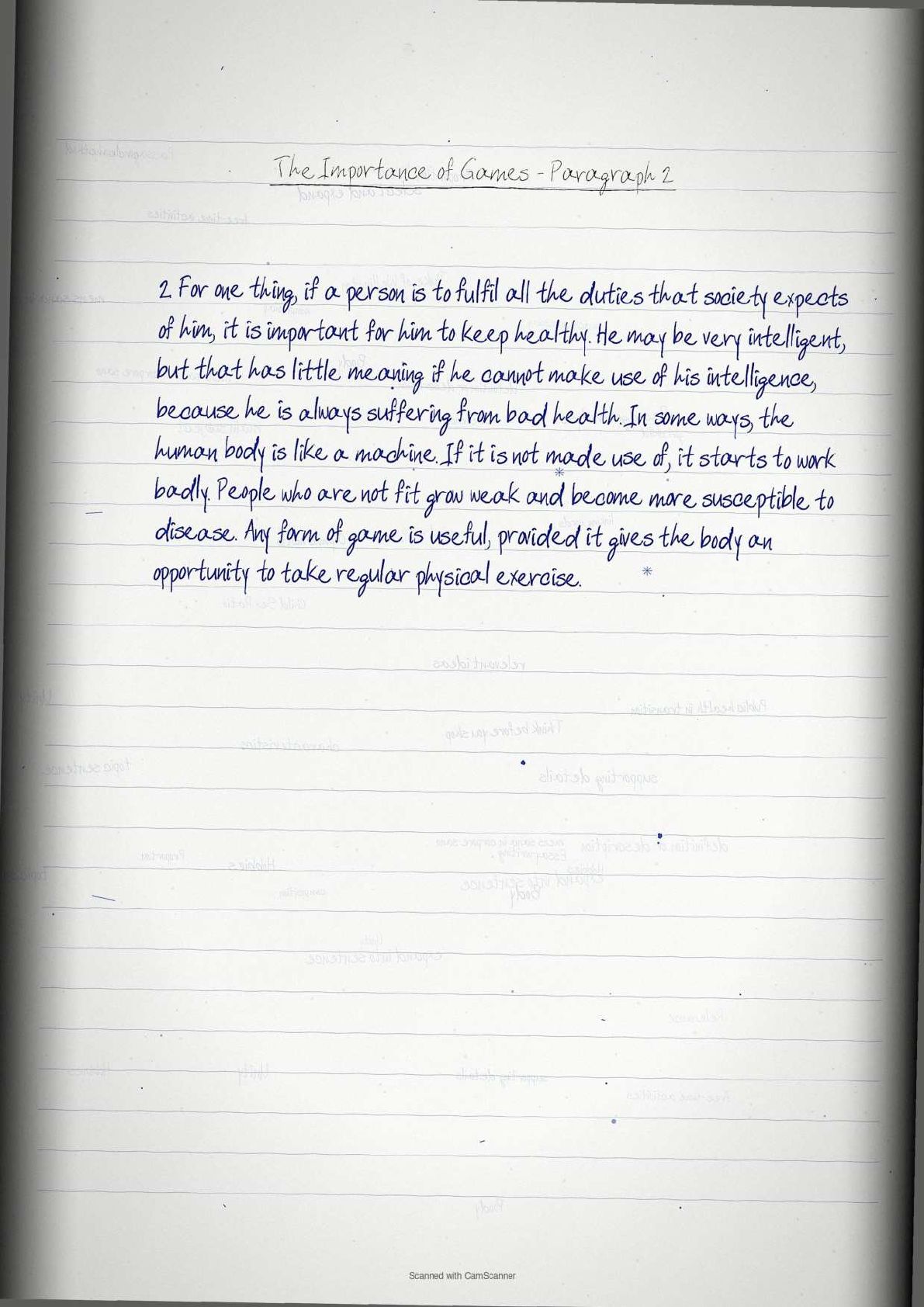
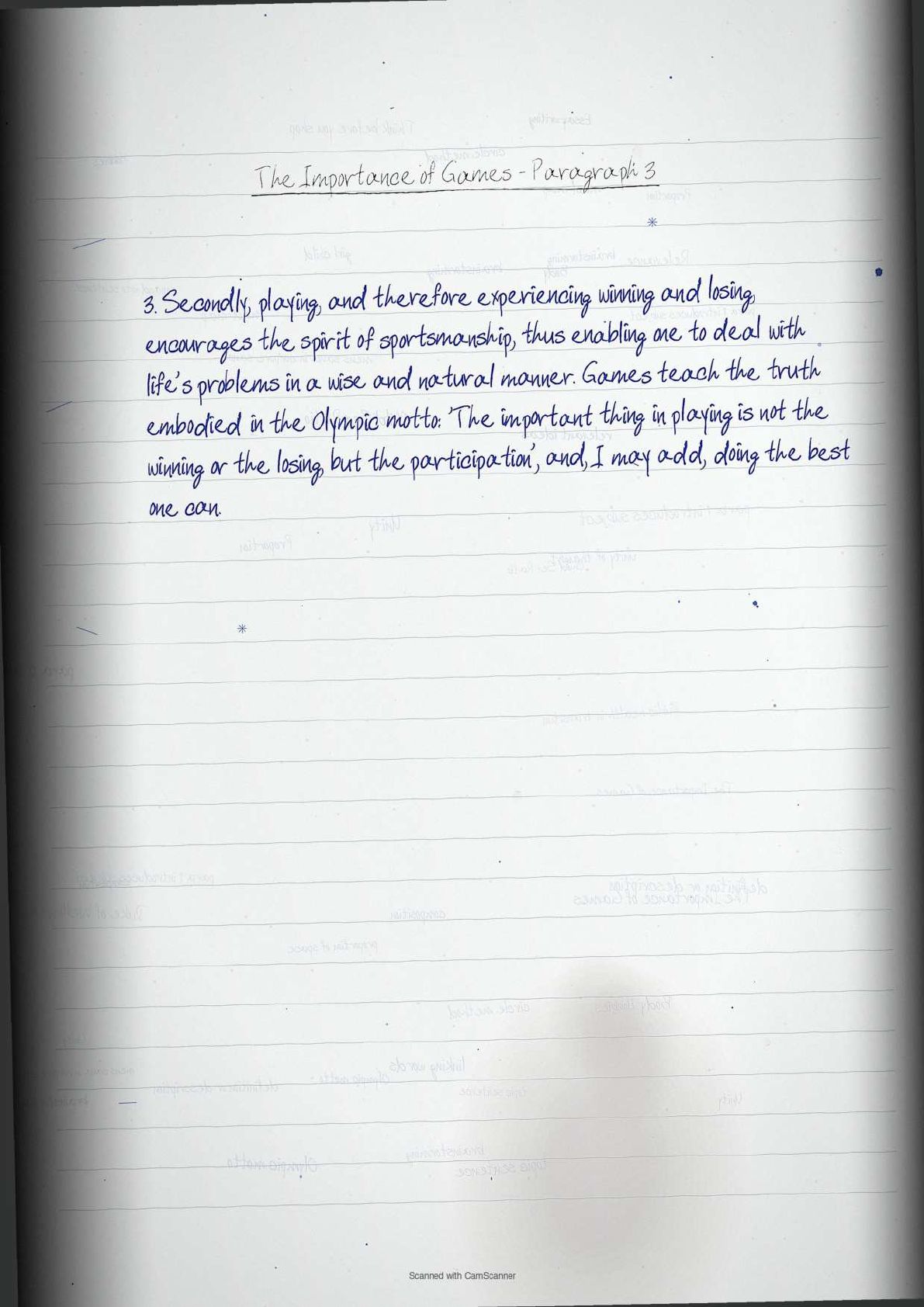
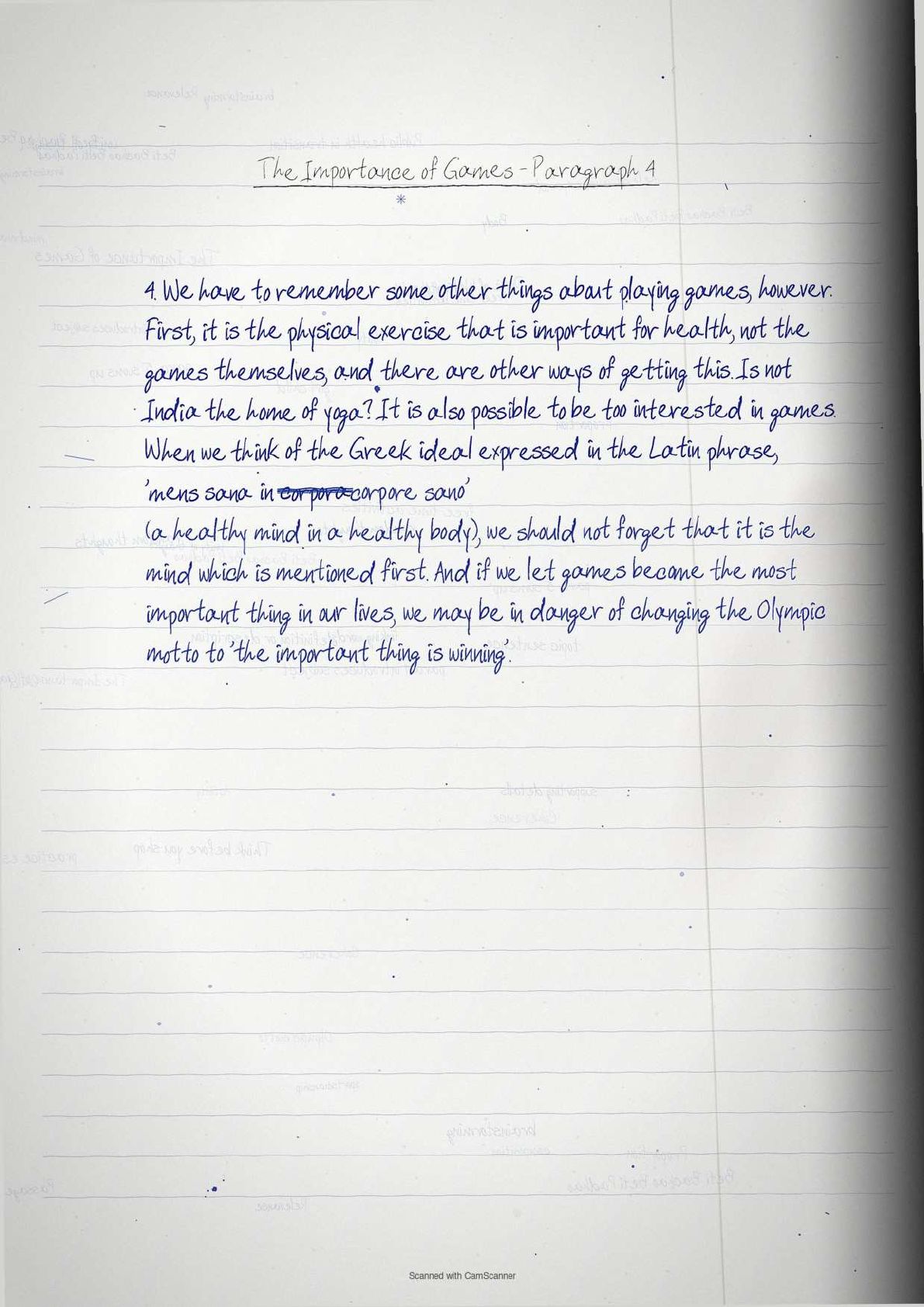
NCERT's Sample Essay: The Importance of Games, Explained
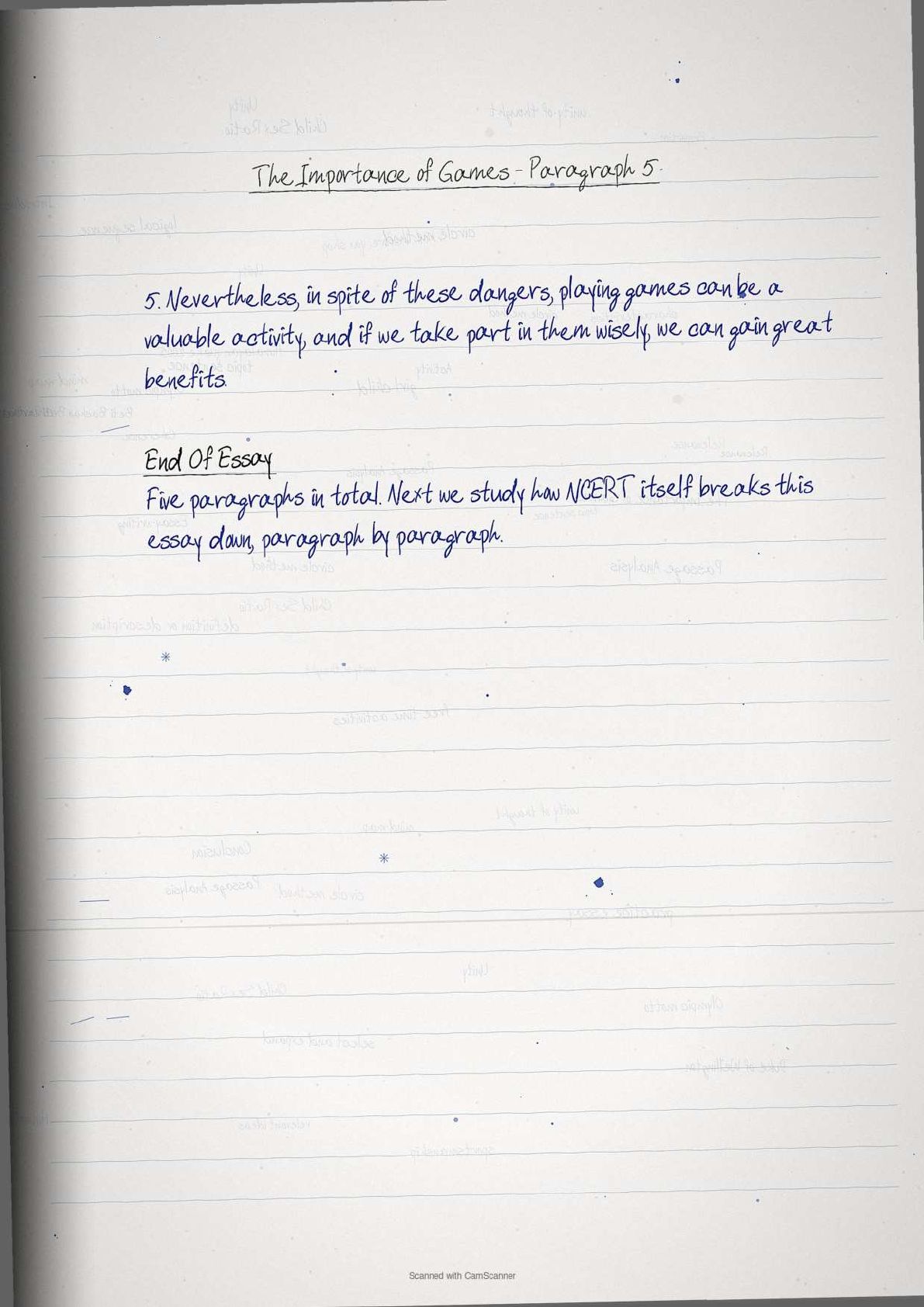
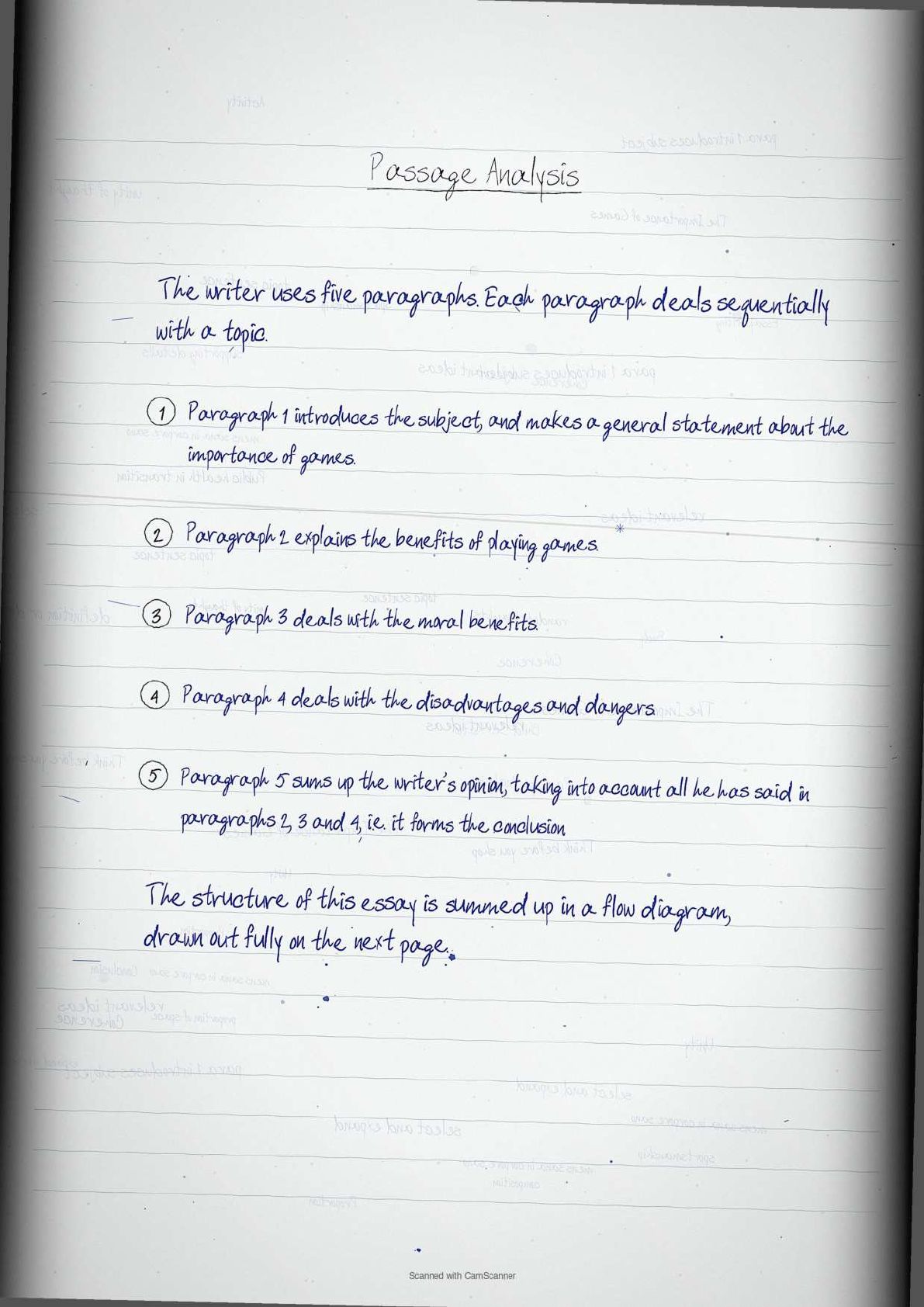
NCERT's worked example in the chapter is titled "The Importance of Games". It argues that games are not a distraction from studies but a necessary part of a student's growth, covering physical health, teamwork, discipline and stress relief.
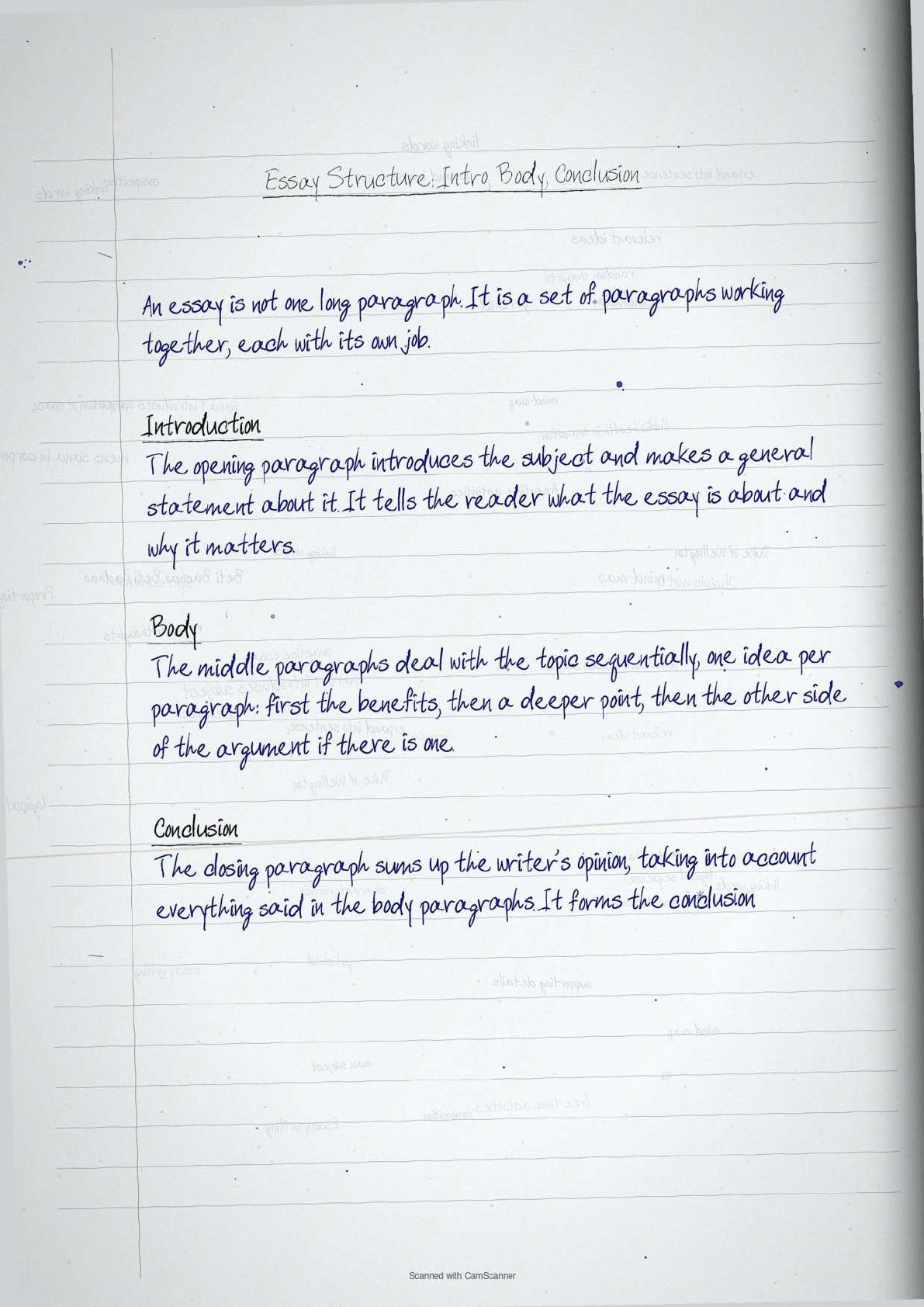
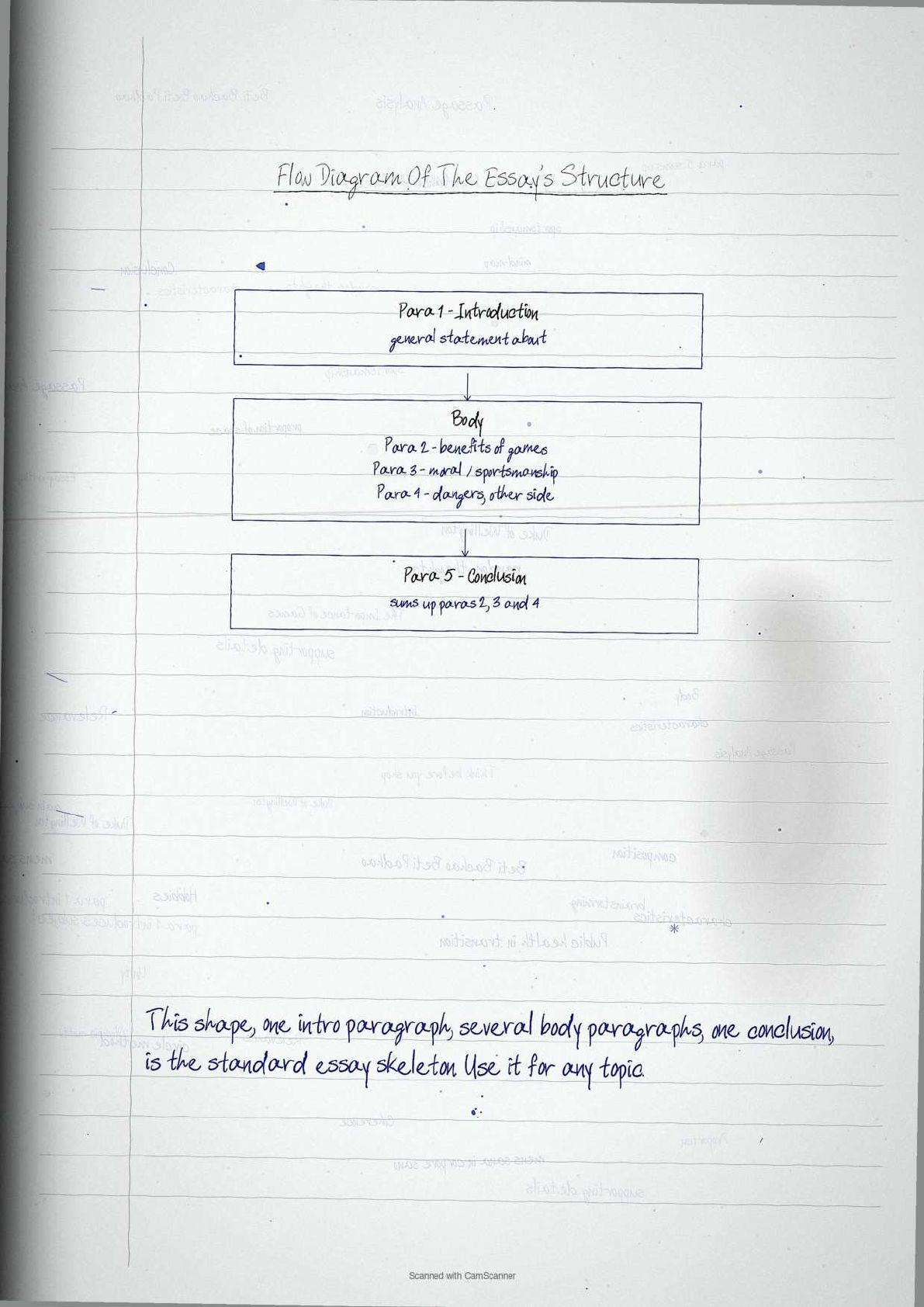
- Introduction: states that games are as important as academic subjects for all-round development.
- Body paragraph 1: physical benefits: fitness, stamina and better concentration in class.
- Body paragraph 2: character benefits: teamwork, discipline, leadership and handling both wins and losses.
- Conclusion: calls for schools to give games equal importance alongside academics.
The handwritten notes copy out this sample essay in full, paragraph by paragraph, with the circle-method plan that would produce the same structure, so students can see exactly how a full-mark answer is built from a blank topic.
Common Linking Words for a Coherent Essay
Coherence depends on linking words that show how one idea connects to the next. The table below lists the connectors NCERT's sample essay relies on.
| Purpose | Linking Words |
|---|---|
| Adding a point | moreover, in addition, furthermore |
| Giving a reason | because, since, as a result |
| Showing contrast | however, on the other hand, although |
| Concluding | therefore, in conclusion, thus |
Introduction, Body and Conclusion Word-Count Balance
The proportion pillar is easiest to lose marks on, since students often write a long introduction and then rush the conclusion. NCERT's 120-150 word essay works best in this rough split.
- Introduction: about 25-30 words, stating the topic and the essay's main position.
- Body: about 80-100 words, split evenly across two or three paragraphs.
- Conclusion: about 20-25 words, summing up the argument without introducing a new point.
Essay-Writing NCERT Textbook Questions Covered
The handwritten notes work through the chapter's exercise the way NCERT presents it, step by step.
| NCERT Task | What the Notes Cover |
|---|---|
| Study the sample essay "The Importance of Games" | Full worked essay copied out with the four-pillar structure marked |
| Plan an essay using the circle method | Step-by-step planning diagram with a worked example topic |
| Write an essay on a given topic | Model introduction-body-conclusion breakdown with word-count balance |
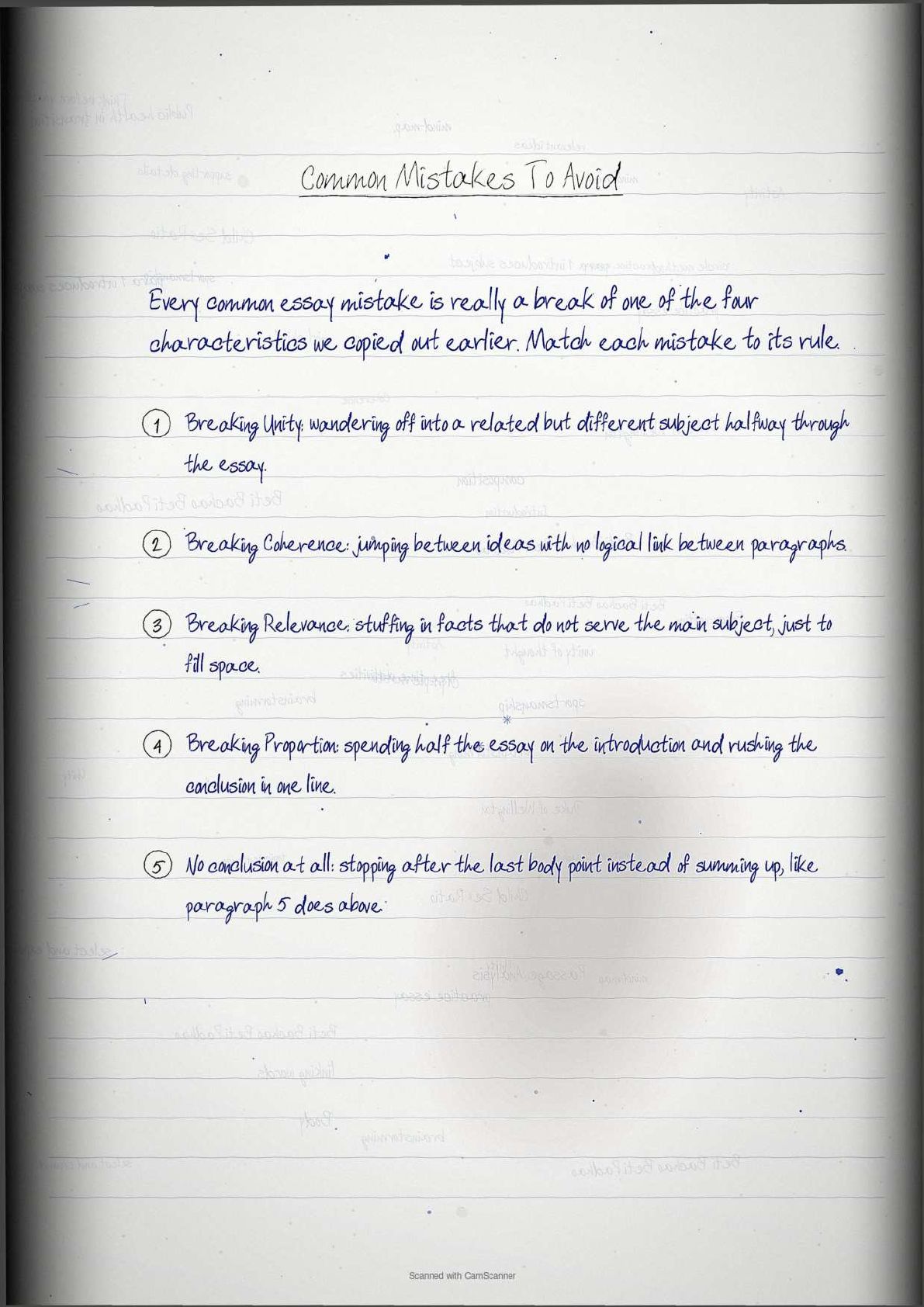
Common Mistakes Students Make While Writing Essays
Watch out for these:
- Starting to write before planning, which leads to repeated or missing points.
- Writing an introduction that is longer than the body paragraphs.
- Adding an example or detail that does not relate to the topic.
Skipping the circle-method plan is the single biggest reason students run out of ideas halfway through an essay.
Student Feedback: In a Collegedunia survey of 11,120 Class 11 students conducted before the 2026 boards, 58% said keeping the introduction and conclusion in proportion was the hardest part of Essay-writing to get right.
Source: 2026-27 Class 11 English student poll. Sample of 11,120 students from CBSE schools across 12 states.
How These Handwritten Notes Help You Revise Essay-Writing
The notes are built to be read once, right before the exam, without needing the full textbook open beside you.
- Full Worked Sample: "The Importance of Games" is copied out by hand with every paragraph labelled.
- Circle Method Diagram: the brainstorming steps are drawn out for a fresh topic, not just described.
- Four-Pillar Checklist: unity, coherence, relevance and proportion are marked wherever they apply in the sample.
- Linking Word Bank: a ready reference list of connectors to reuse in the exam.
Cross-Resource Study Material for Essay-Writing
These handwritten notes work best alongside the other Class 11 English Hornbill Chapter 15 resources for the 2026-27 session.
| Resource | Status |
|---|---|
| Essay-writing Handwritten Notes | Live on this page |
| Essay-writing NCERT Solutions | Coming soon (coming soon) |
| Essay-writing Notes | Coming soon (coming soon) |
| Class 11 English NCERT Book PDF | Read the Book PDF |
NCERT Handwritten Notes for Class 11 English Hornbill: All Chapters
Use this table to find handwritten notes for the rest of the Hornbill chapters as Collegedunia adds them through the 2026-27 session.
| Chapter | Resource |
|---|---|
| Chapter 10 | Childhood Handwritten Notes |
| Chapter 11 | Father to Son Handwritten Notes |
| Chapter 12 | Note-making Handwritten Notes |
| Chapter 13 | Summarising Handwritten Notes (coming soon) |
| Chapter 14 | Sub-titling Handwritten Notes (coming soon) |
| Chapter 15 | Essay-writing Handwritten Notes |
Essay-writing Class 11 English Handwritten Notes FAQs
Ques. Where can I download Essay-writing Class 11 English Handwritten Notes PDF?
Ans. You can download the Essay-writing Class 11 English Handwritten Notes PDF directly from this page. Both the Normal and HD versions are available, and both are free.
Ques. What is the circle method in Class 11 English essay-writing?
Ans. The circle method is a brainstorming technique where the topic is written in a centre circle, related ideas are added around it, and those ideas are then grouped into clusters that become the essay's paragraphs.
Ques. What are the four qualities of a well-structured essay?
Ans. NCERT names unity, coherence, relevance and proportion as the four pillars that make an essay well-organised.
Ques. Which sample essay does NCERT use in Chapter 15 Essay-writing?
Ans. The chapter uses "The Importance of Games" as its fully worked sample essay, covering physical, social and academic benefits of games.
Ques. Is this Handwritten Notes PDF aligned with the 2026-27 NCERT?
Ans. Yes. This page reflects the current 2026-27 syllabus for Class 11 English Hornbill. Essay-writing is unchanged in the rationalised syllabus.
Ques. How many pages is the Class 11th English Hornbill Chapter 15 Handwritten Notes PDF?
Ans. The Handwritten Notes PDF runs 24 pages and covers the circle method, the four-pillar essay structure, linking words, and the complete worked sample essay.
Ques. How many words should a Class 11 English essay be?
Ans. NCERT expects essays to run about 120 to 150 words, split roughly as a short introduction, a longer body of two to three paragraphs, and a short conclusion.



Comments