




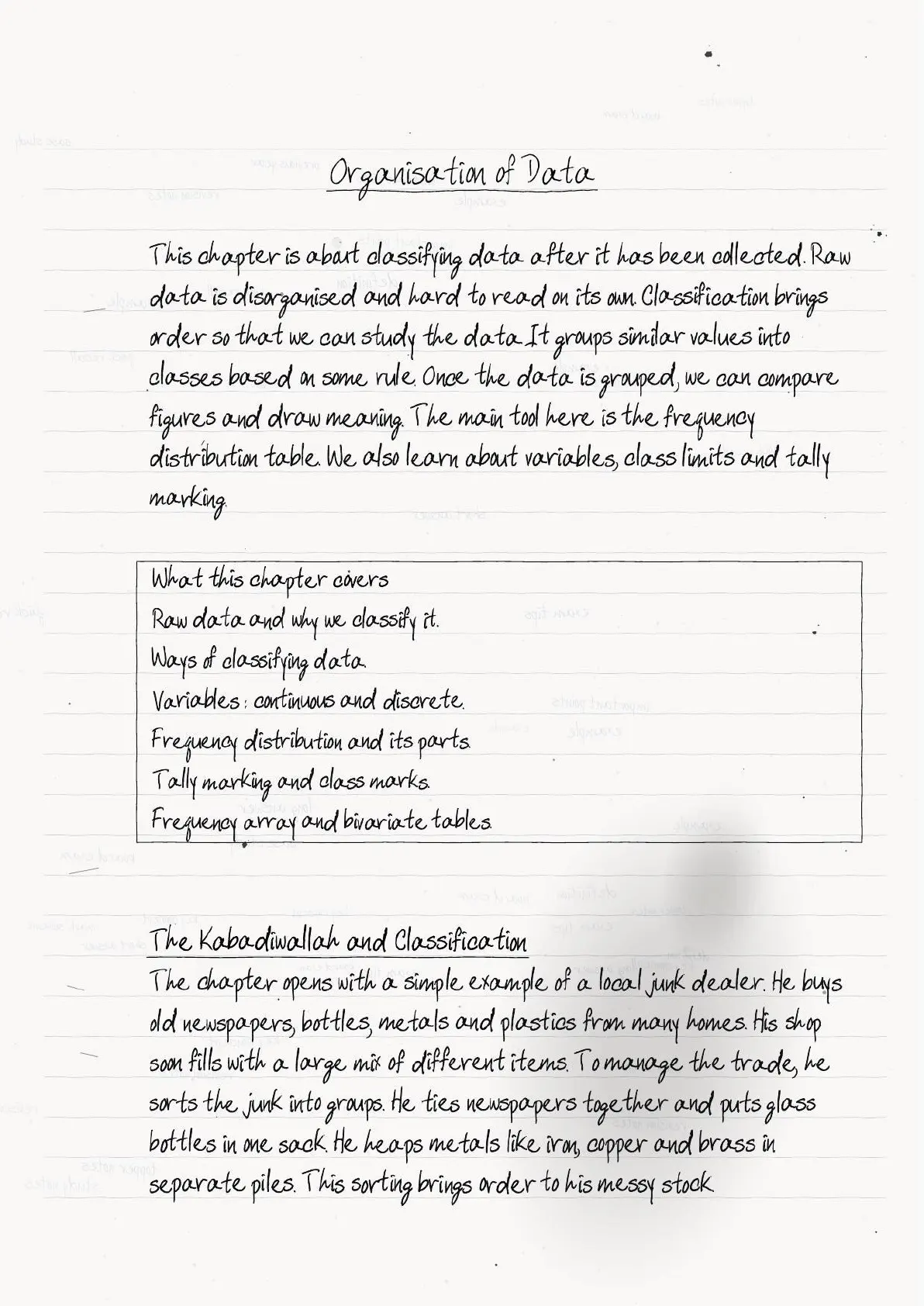
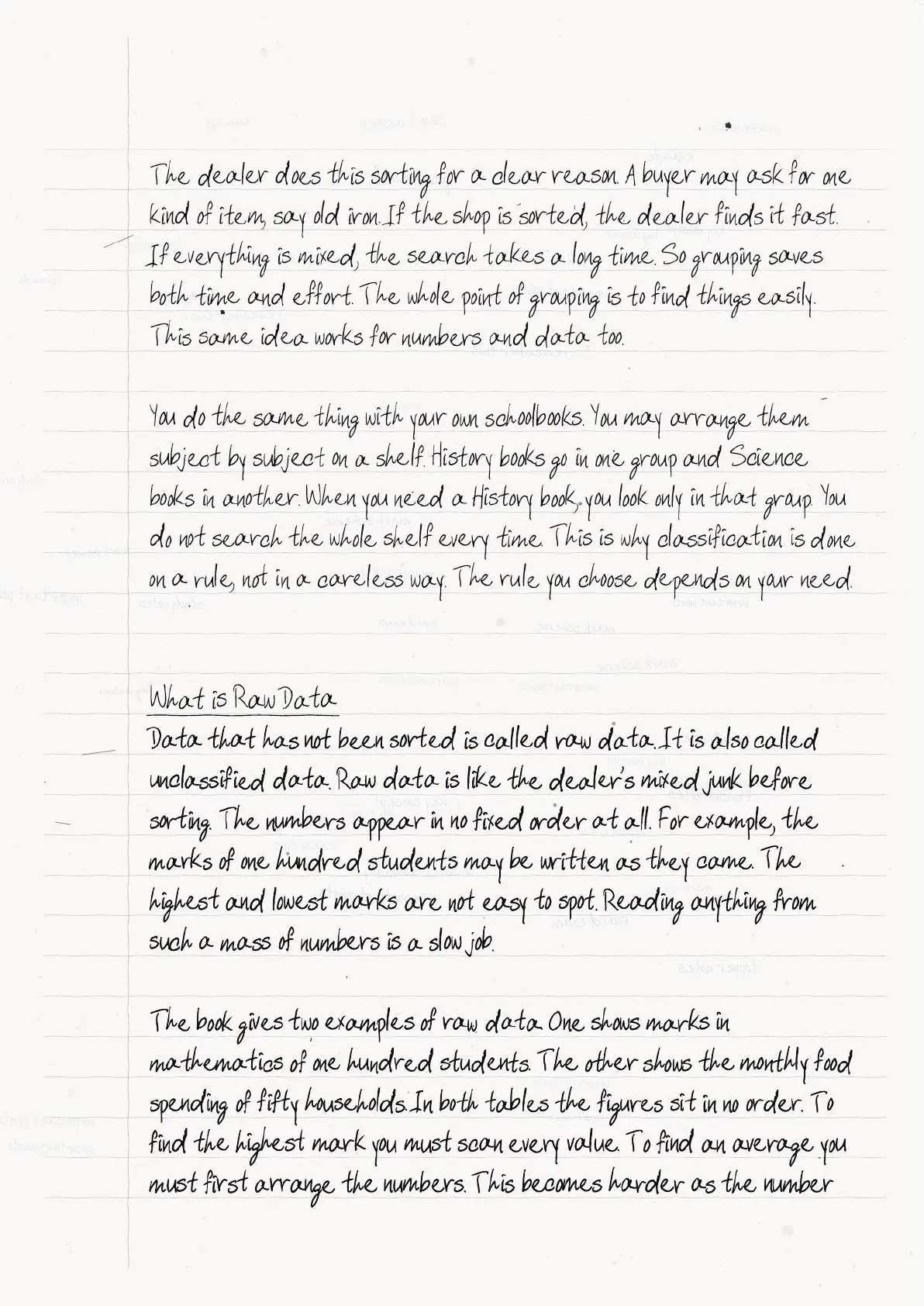
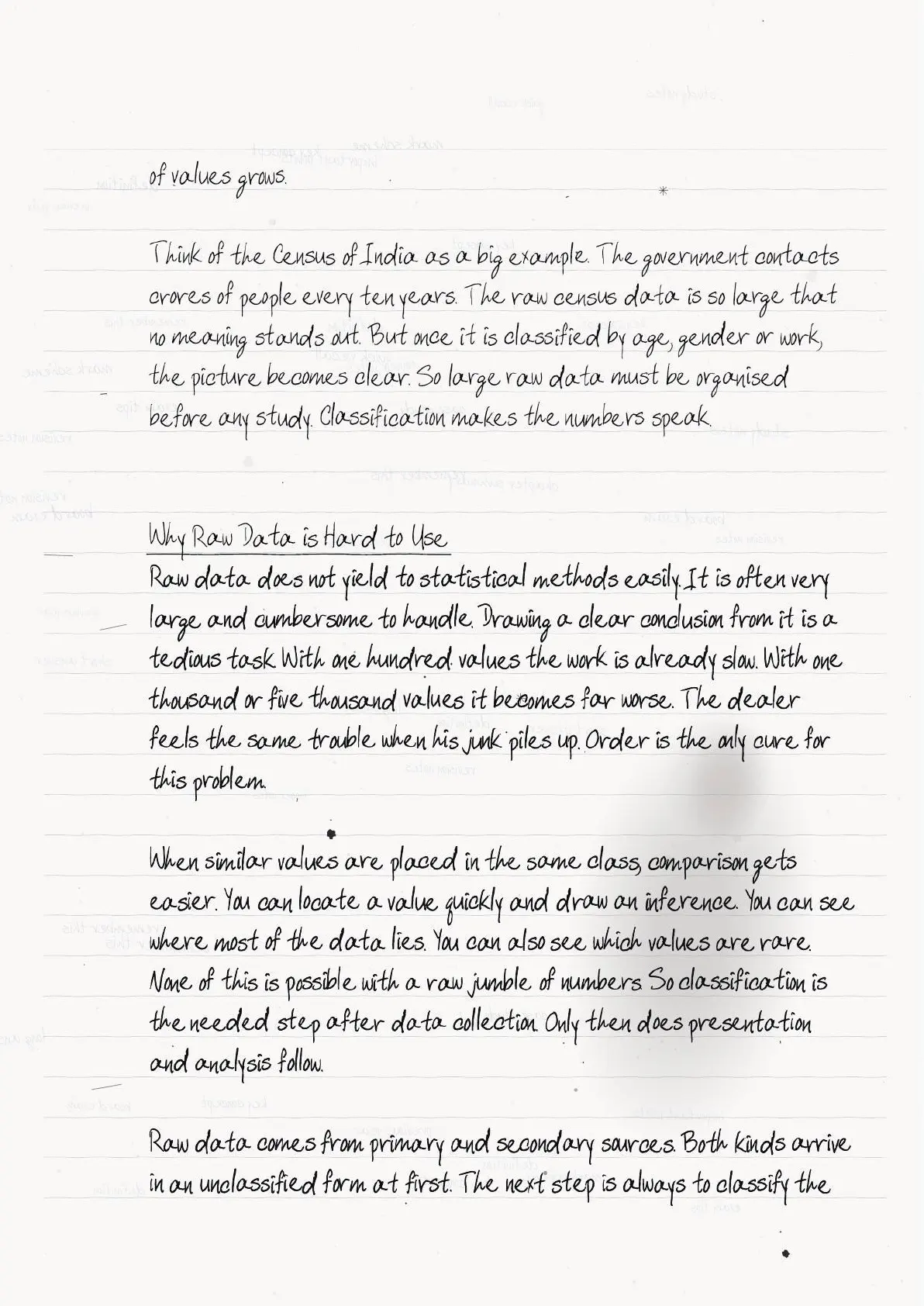
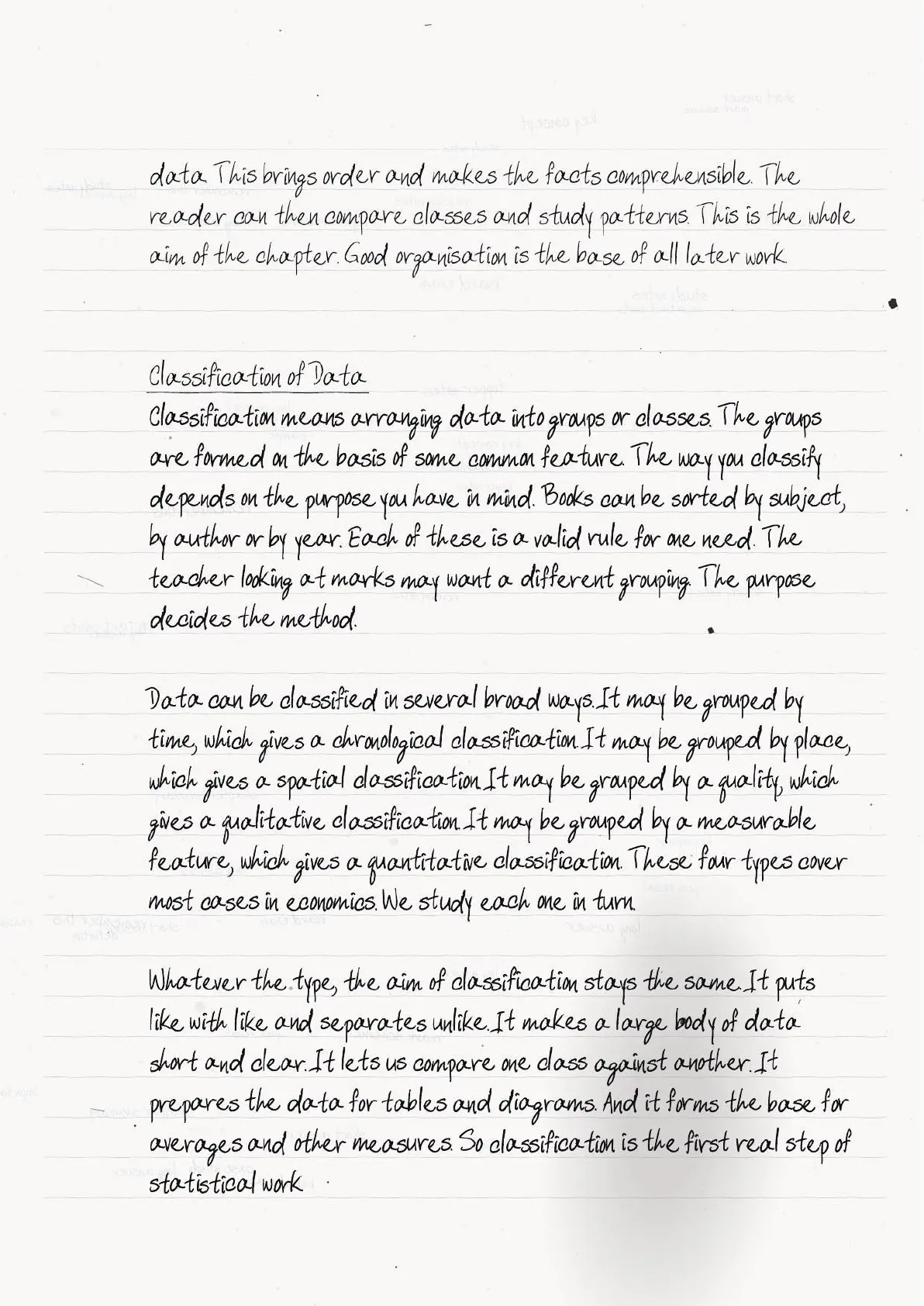
Questions from Class 11 Economics Chapter 3 Organisation of Data come up often in the CBSE Class 11 exam. These class 11 economics handwritten notes chapter 3 Organisation of Data follow the 2026-27 NCERT and cover raw data and the need for classification, chronological, spatial, qualitative and quantitative classification, continuous and discrete variables. This page hosts the notes.
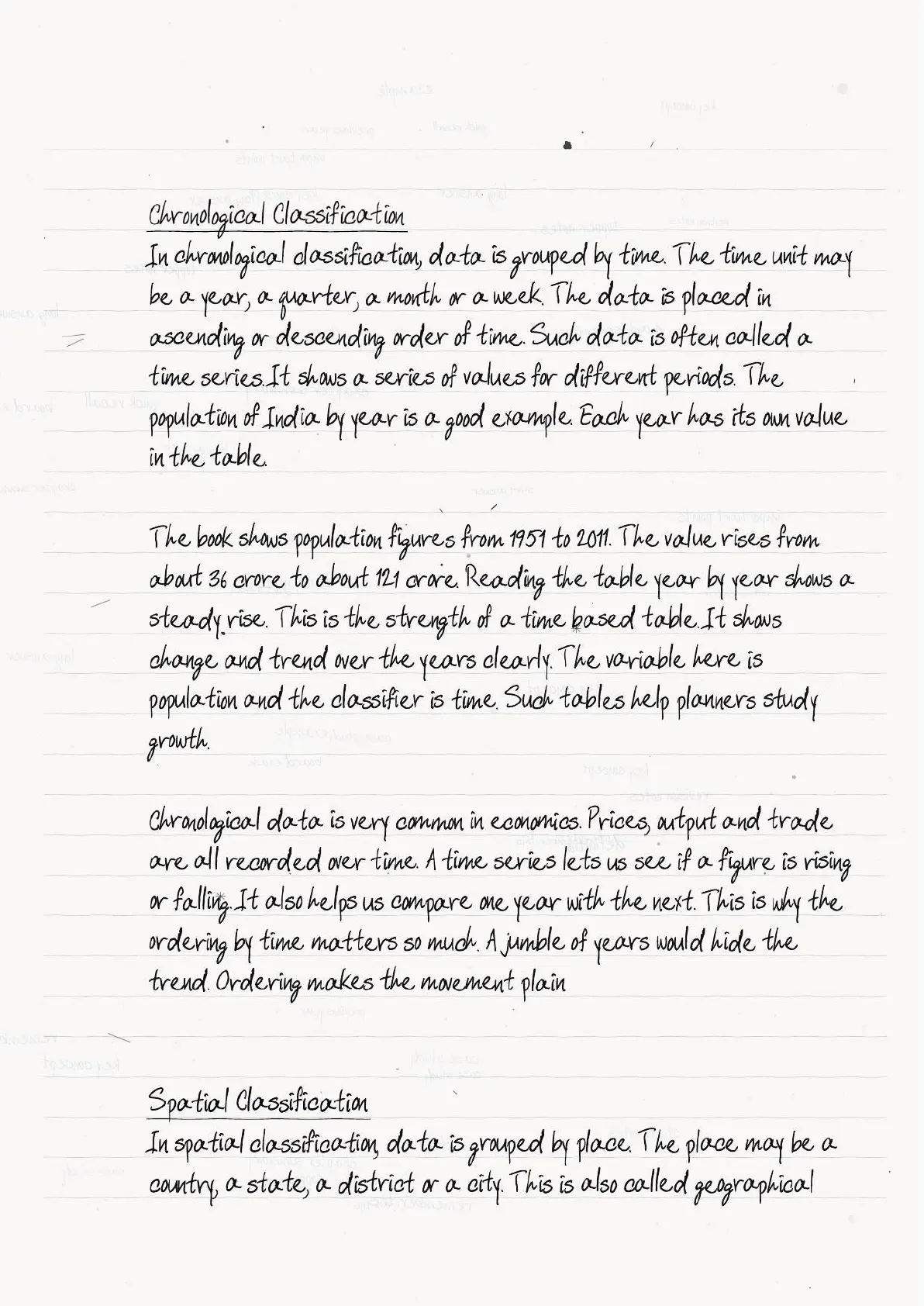
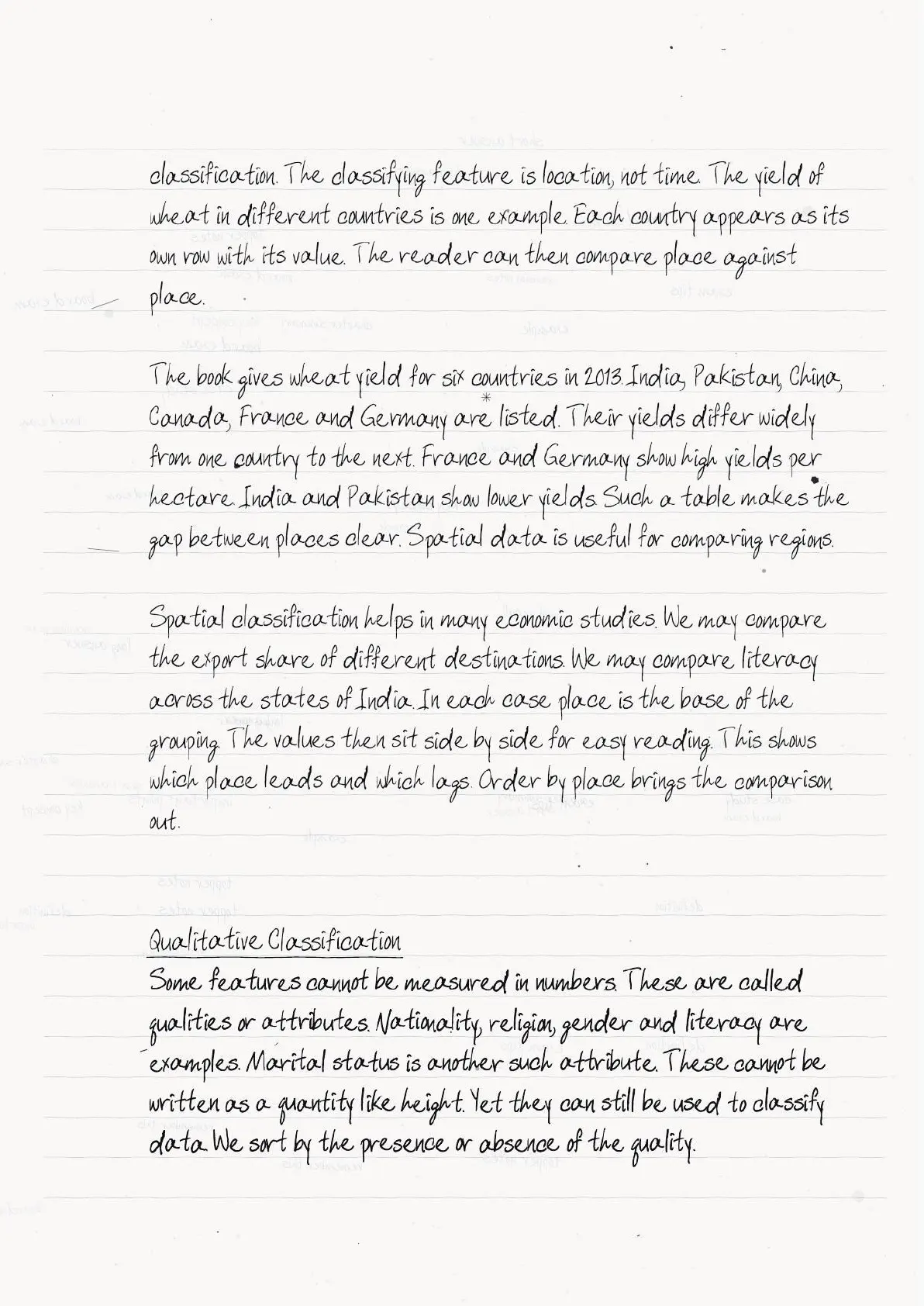
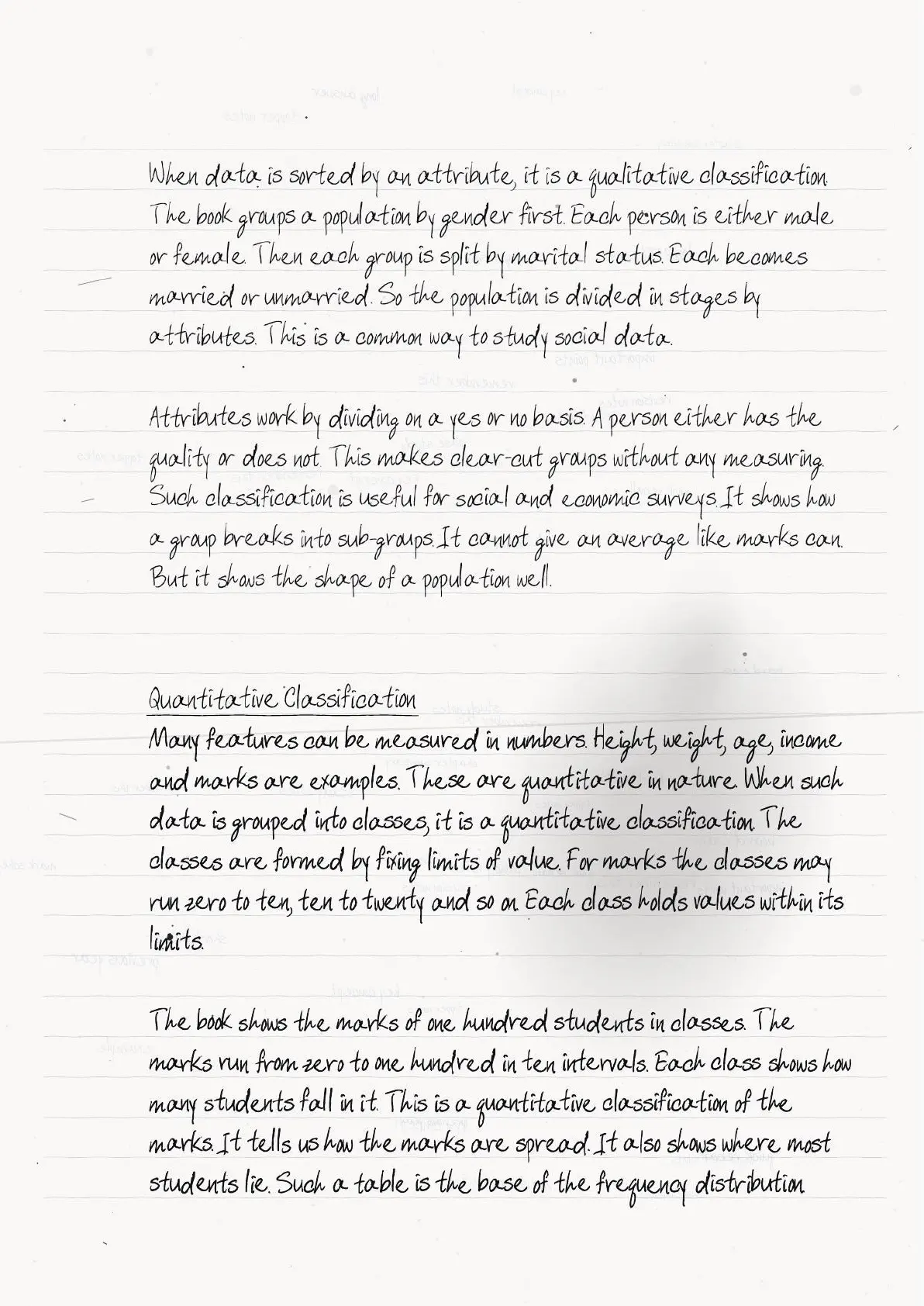
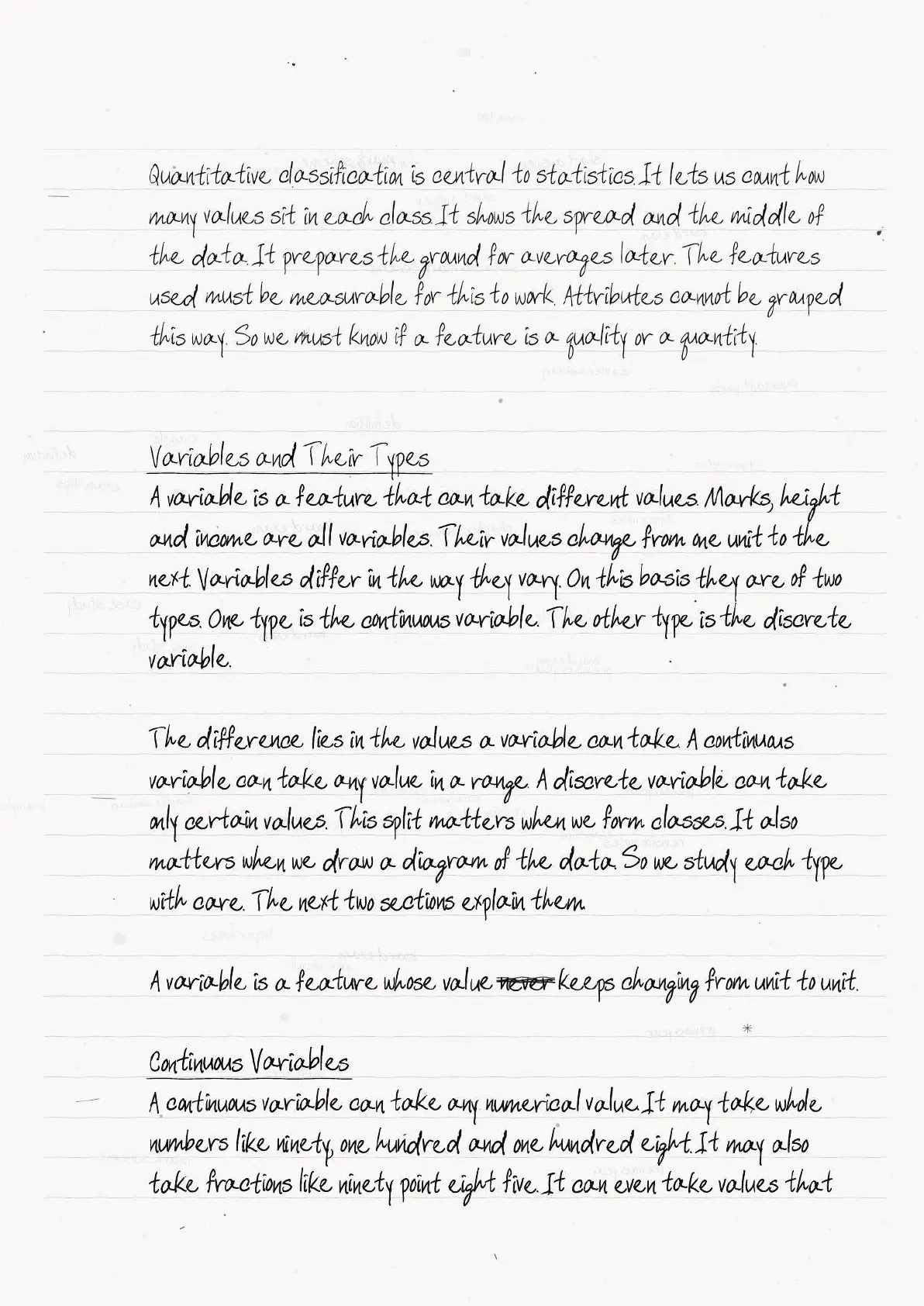
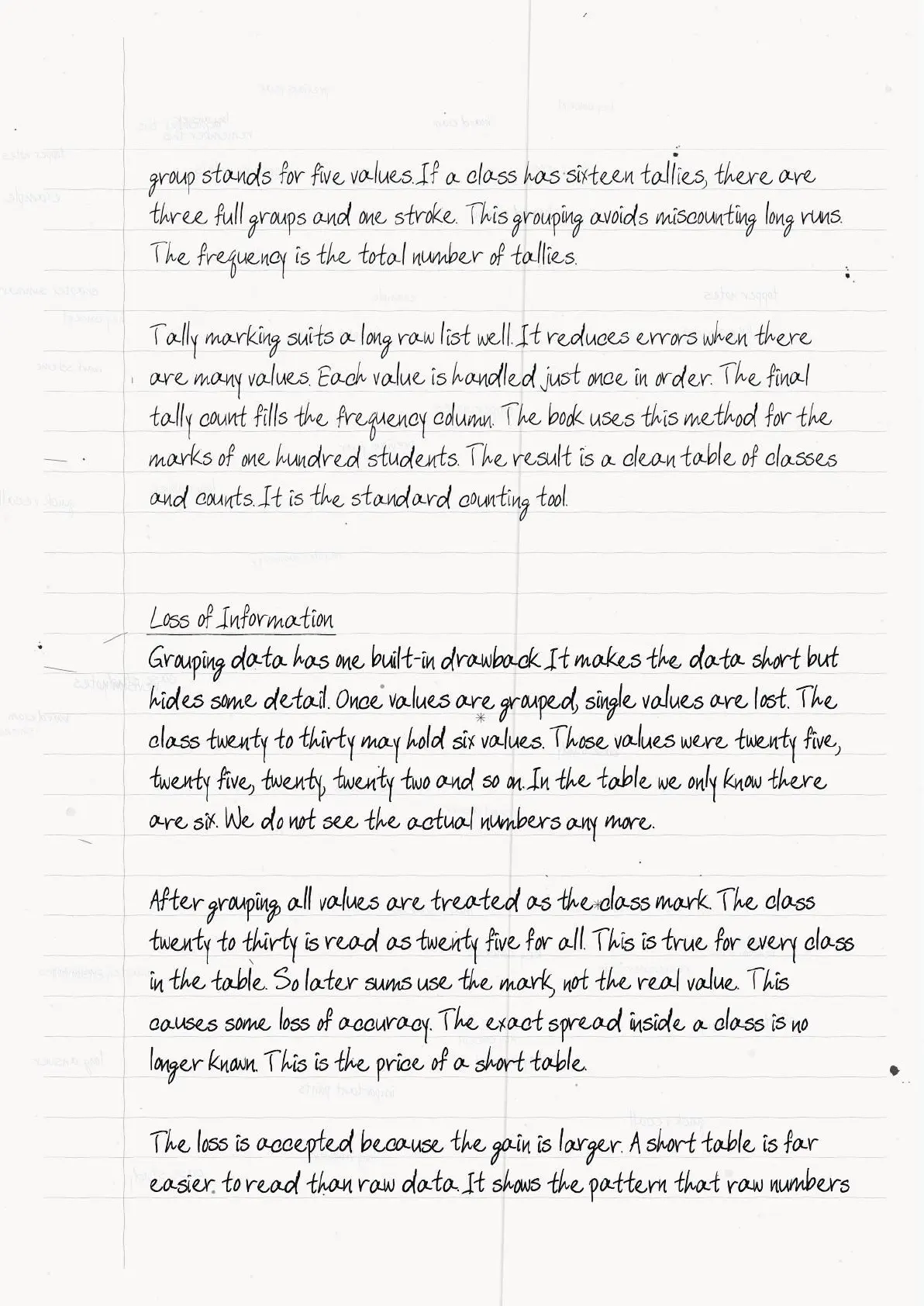
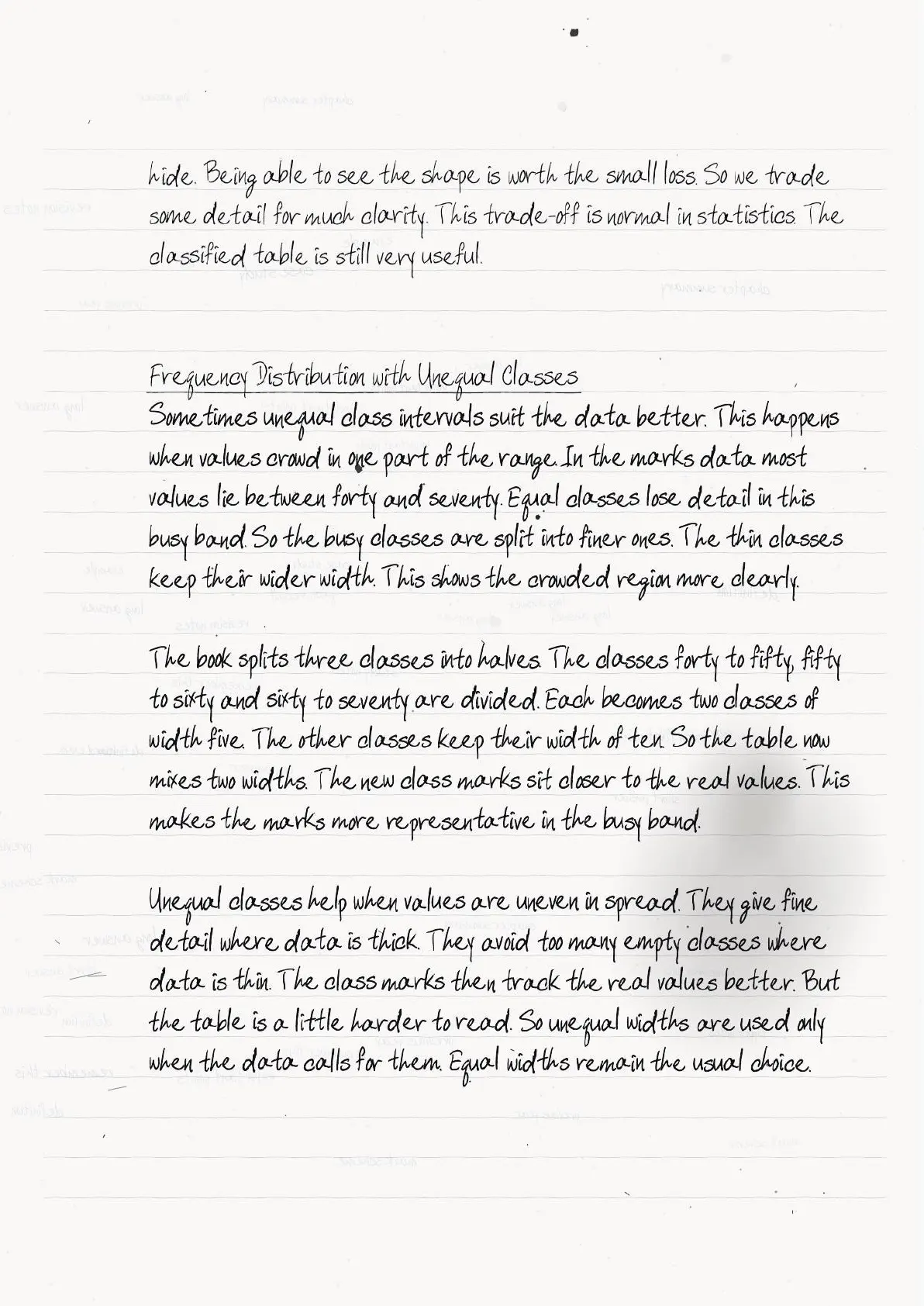
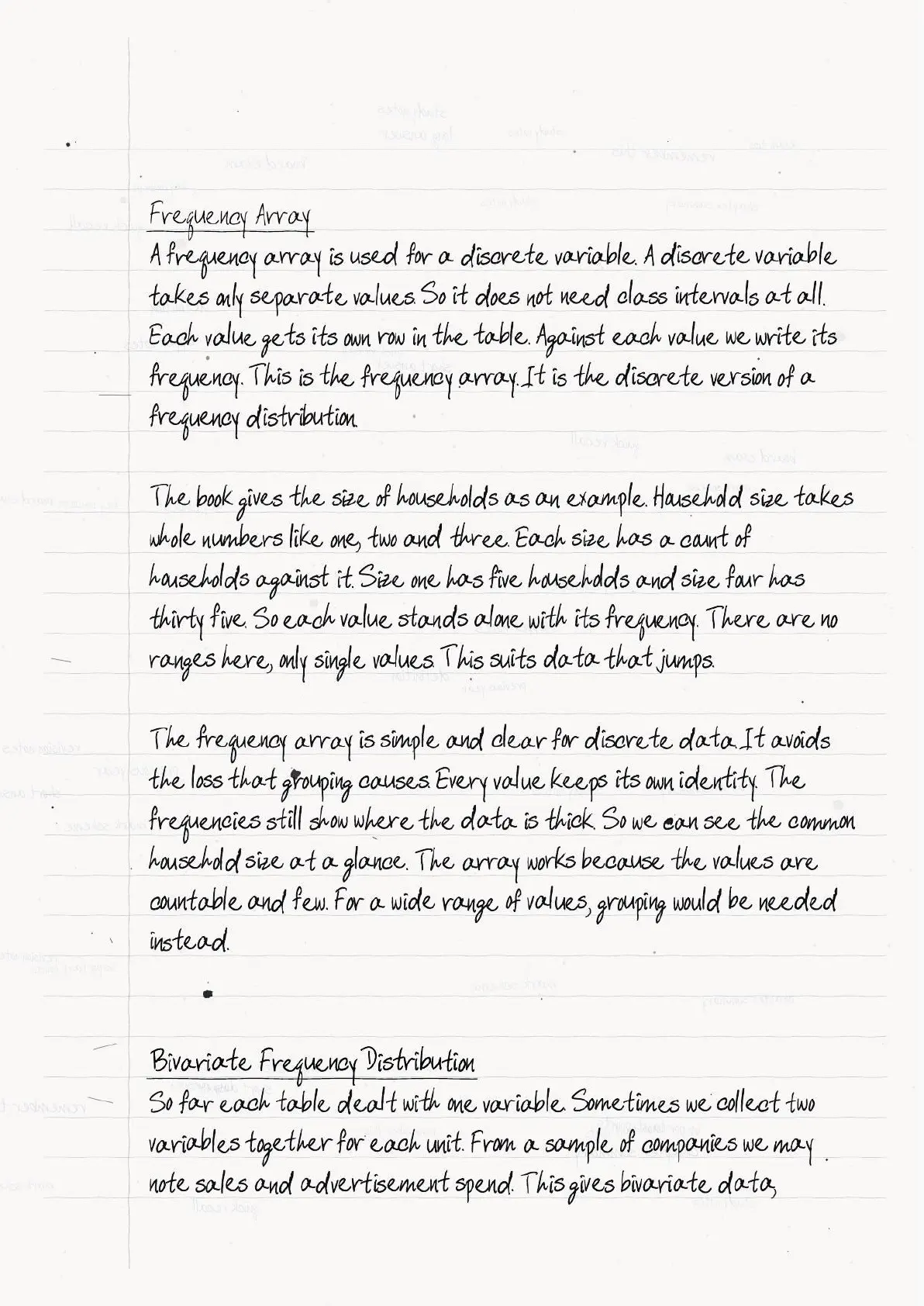
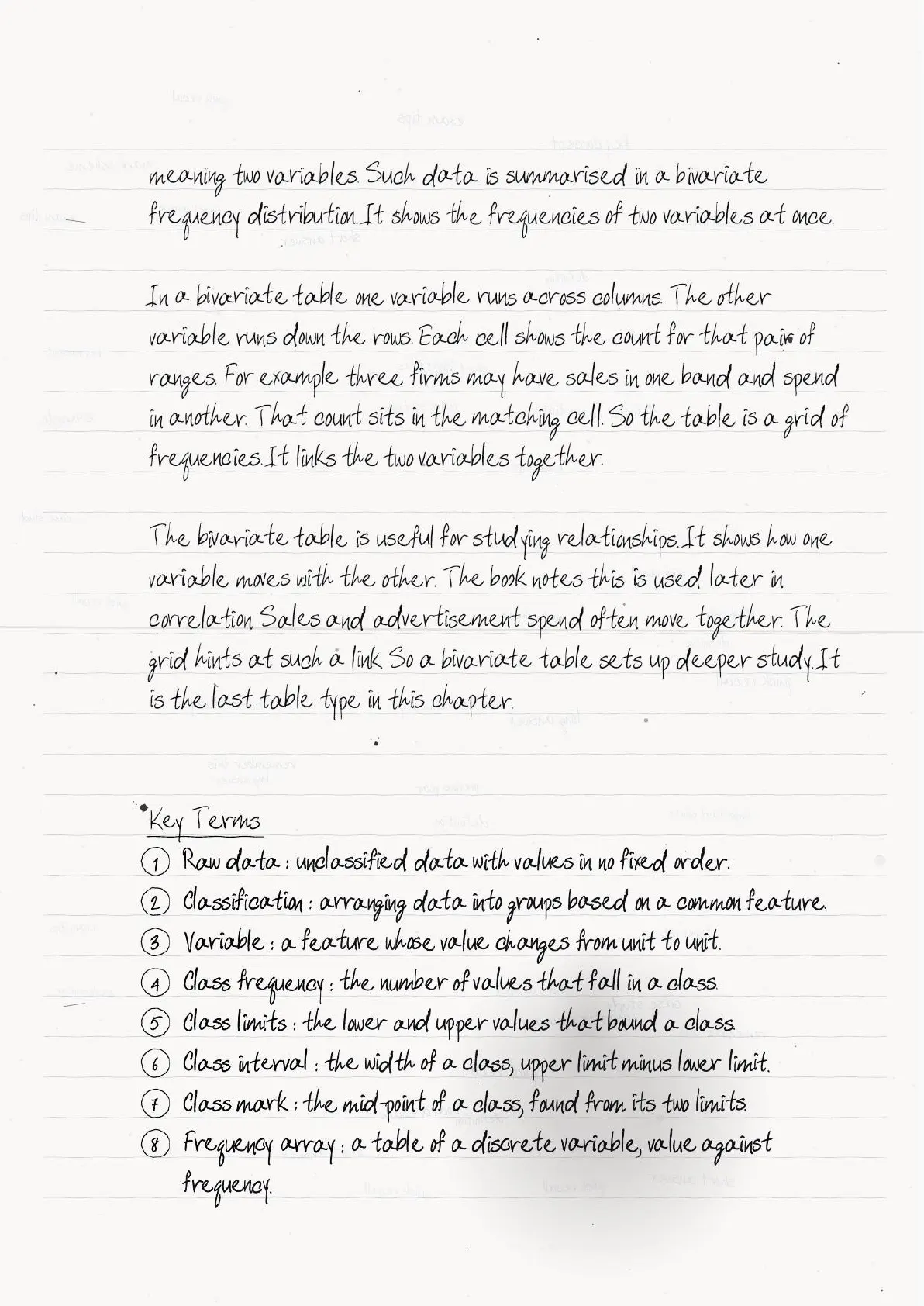
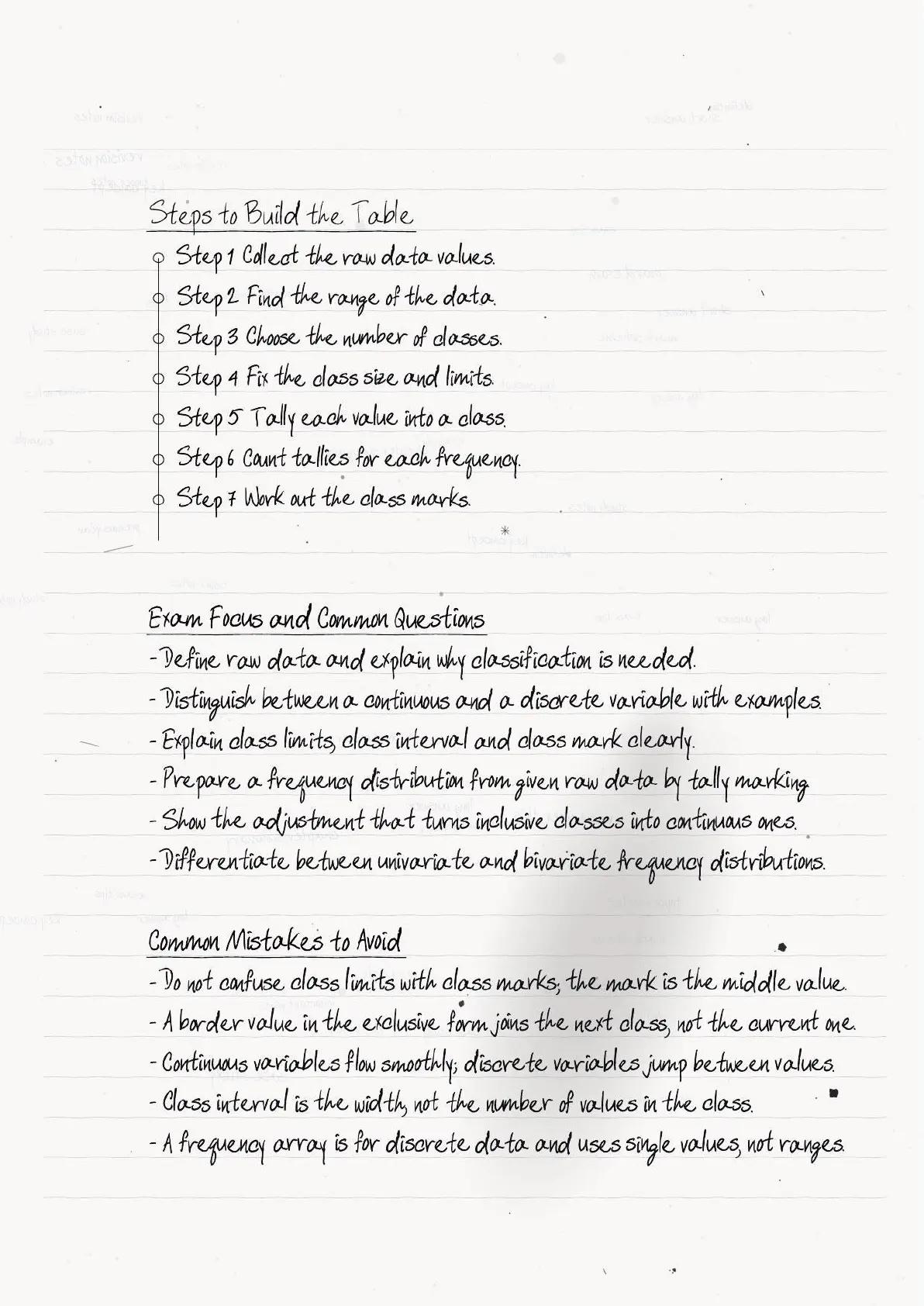
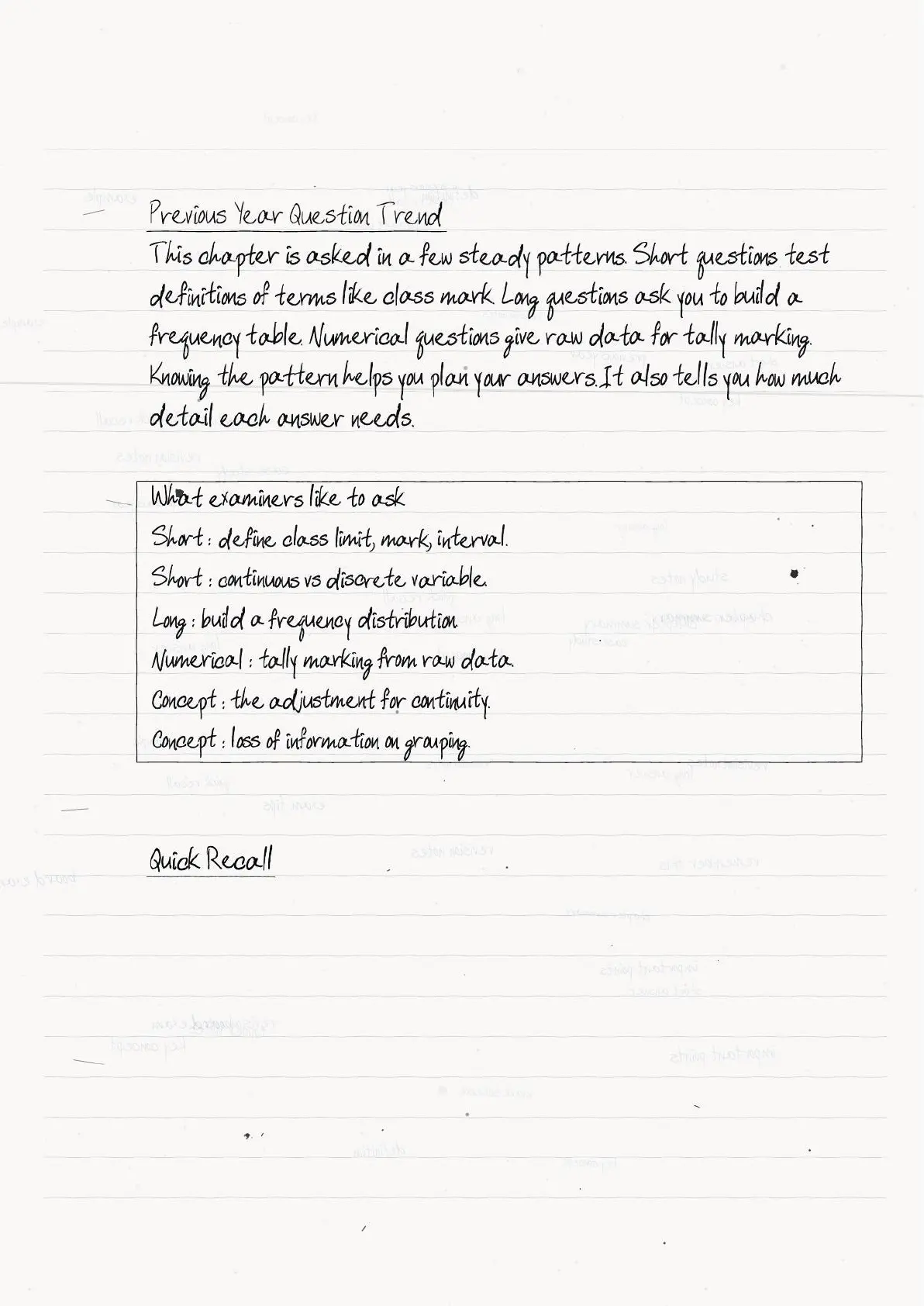
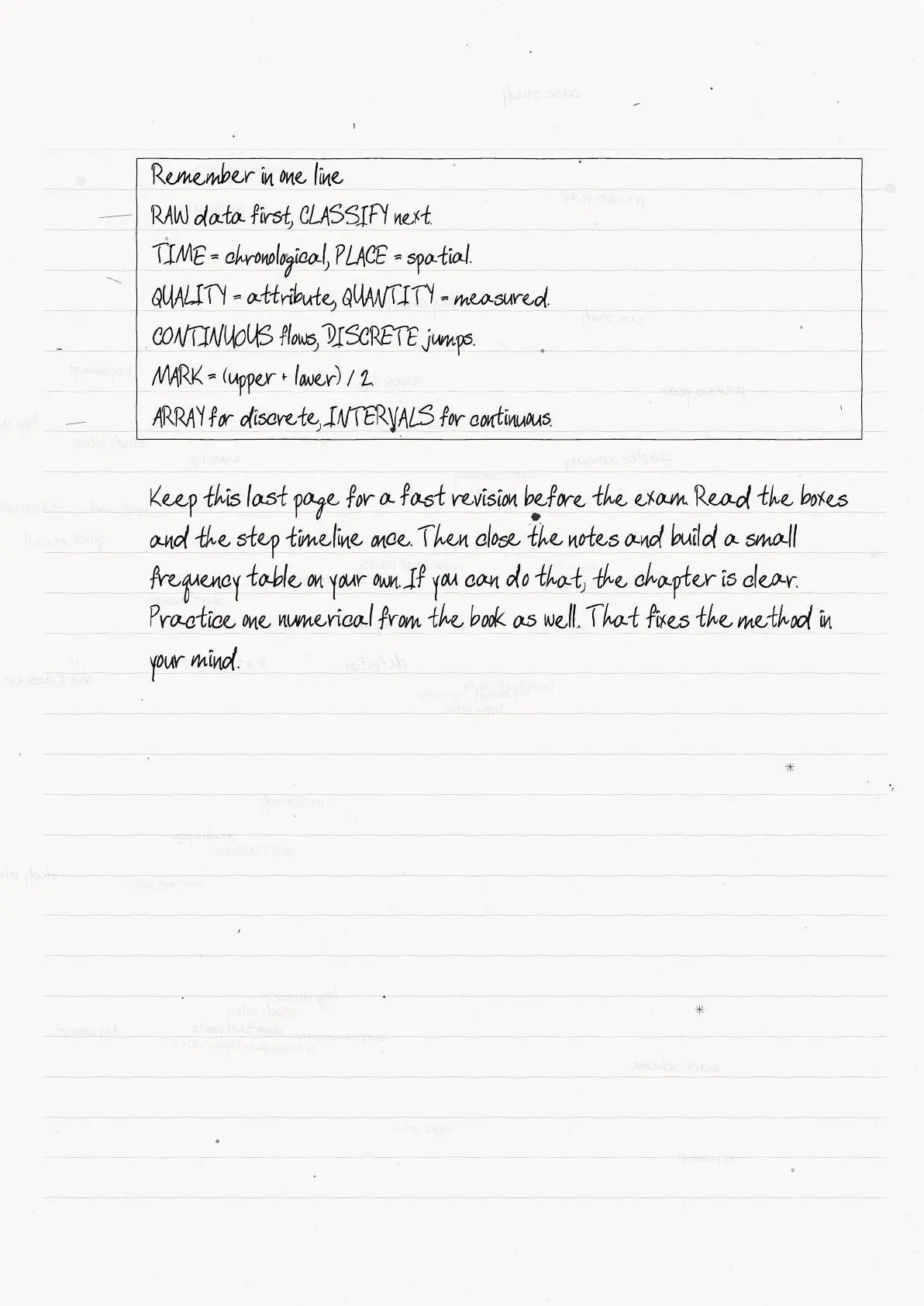
- CBSE Class 11 Weightage: a scoring chapter in the Economics paper, asked in short and long answers.
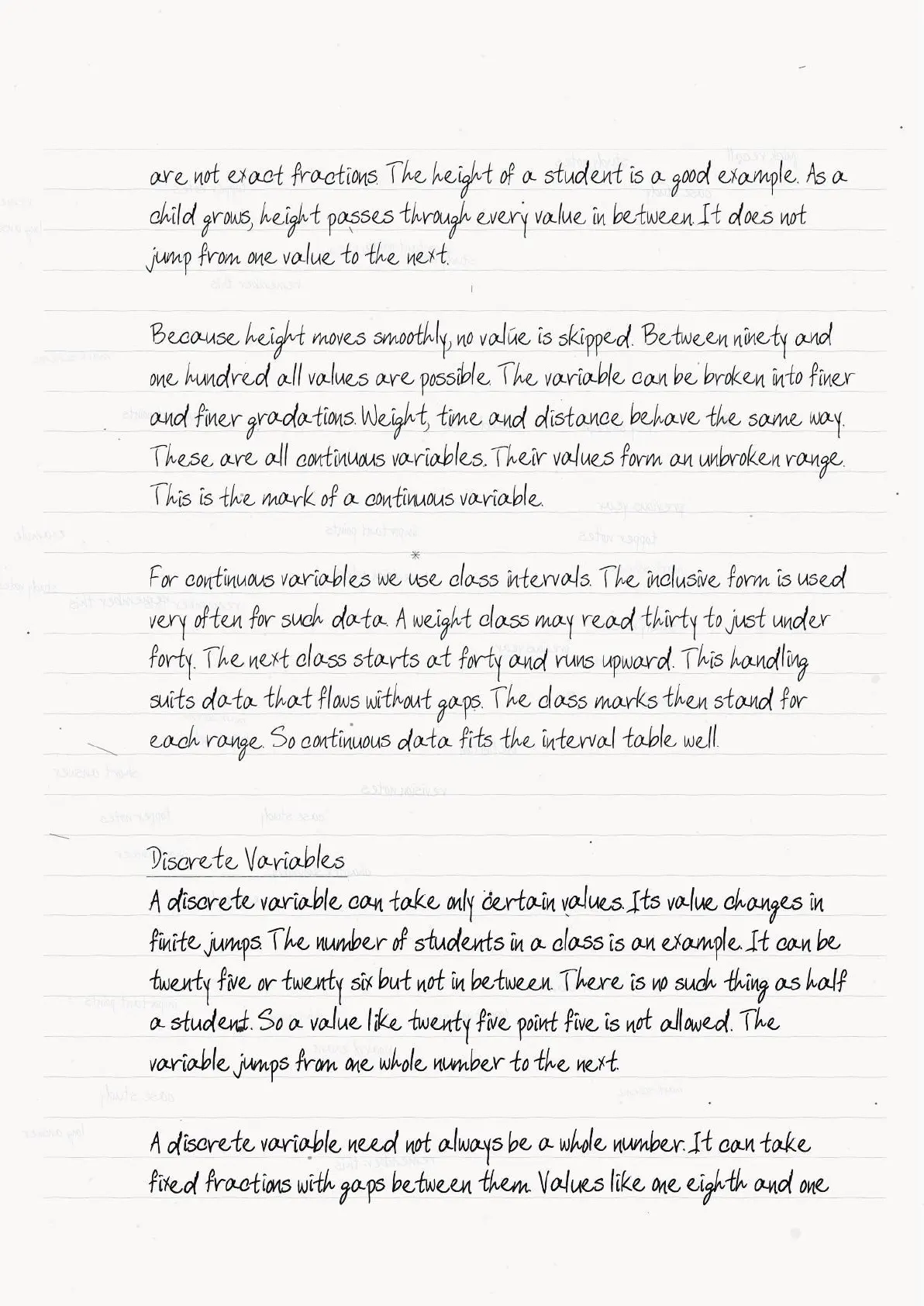
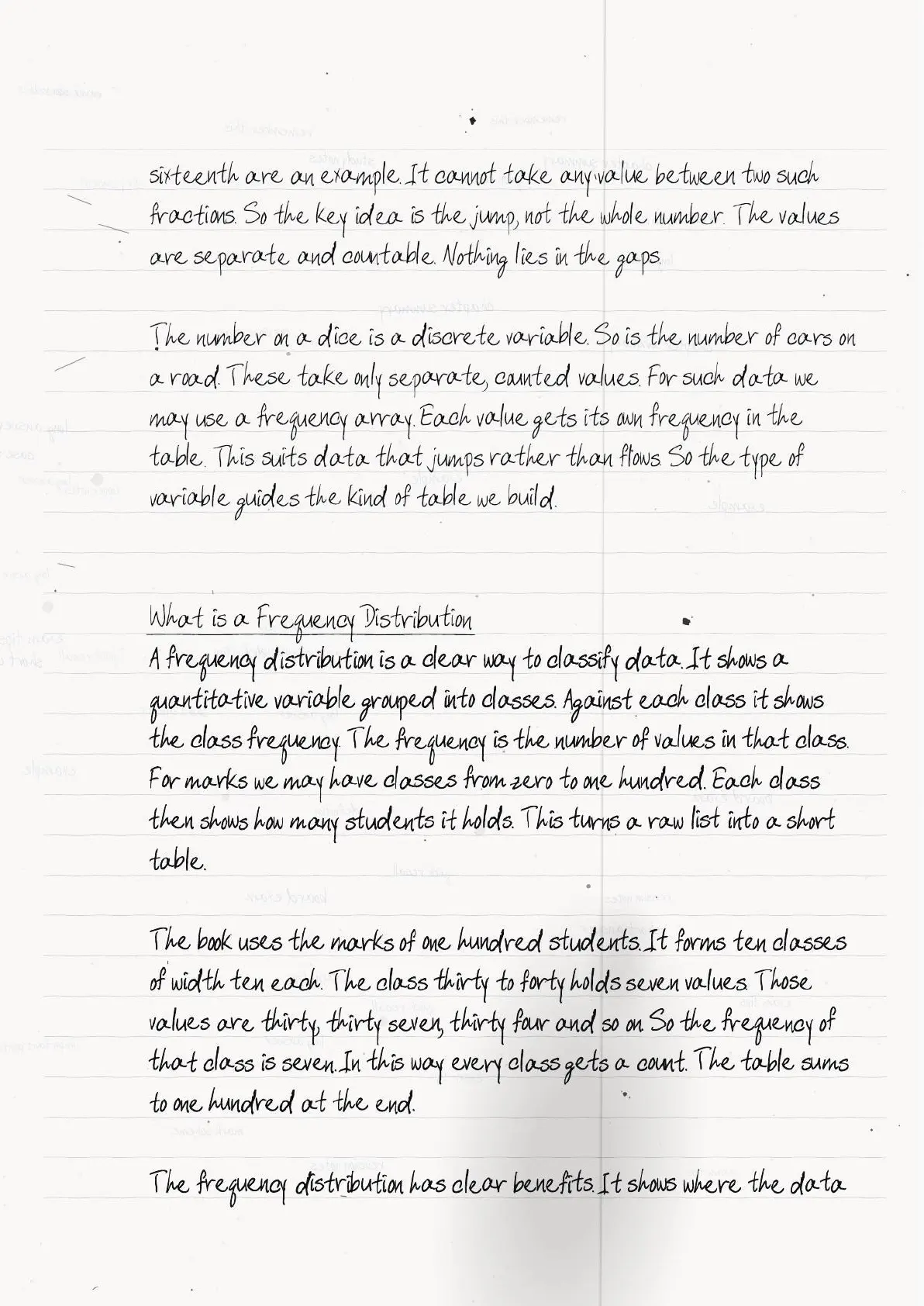
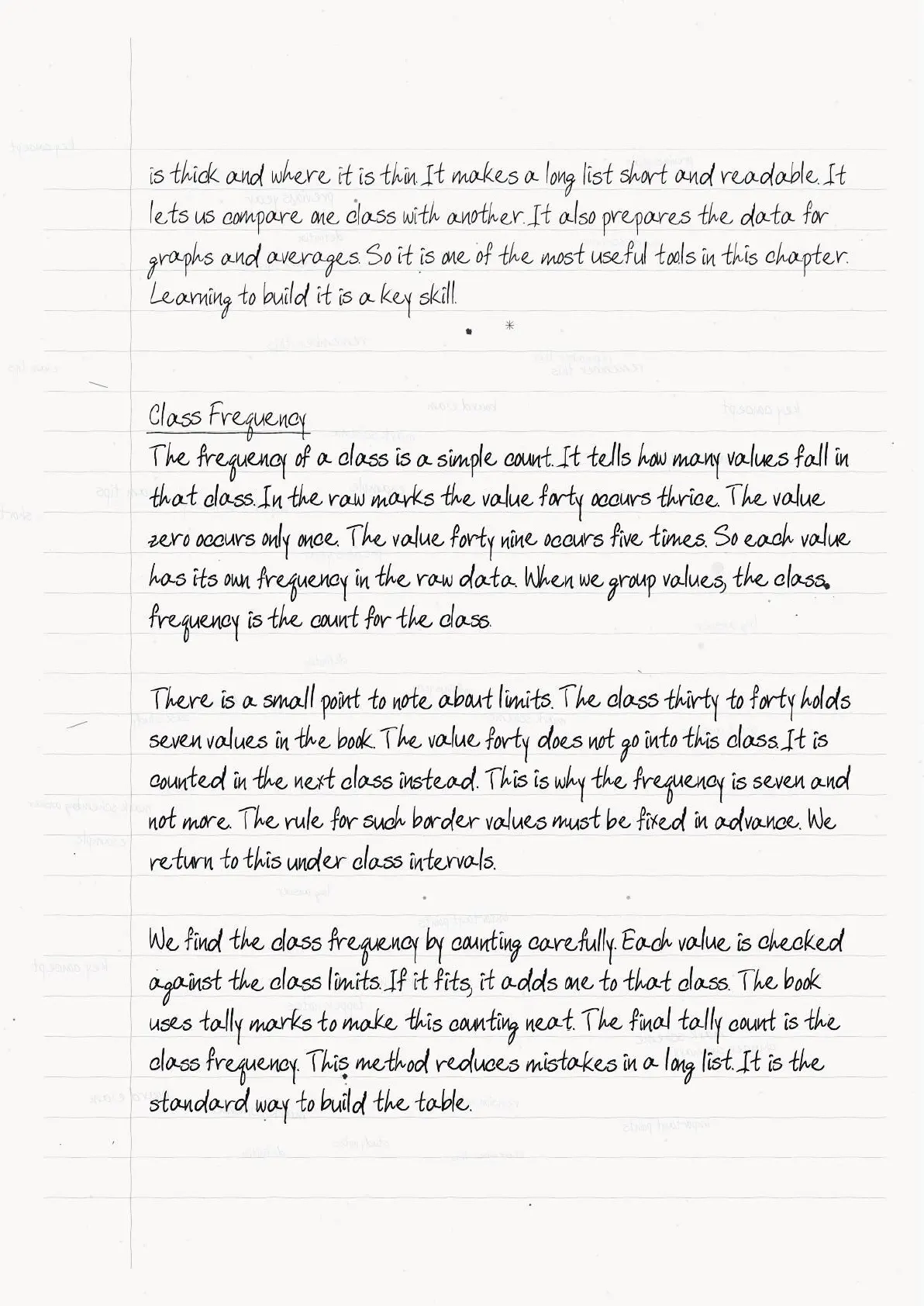
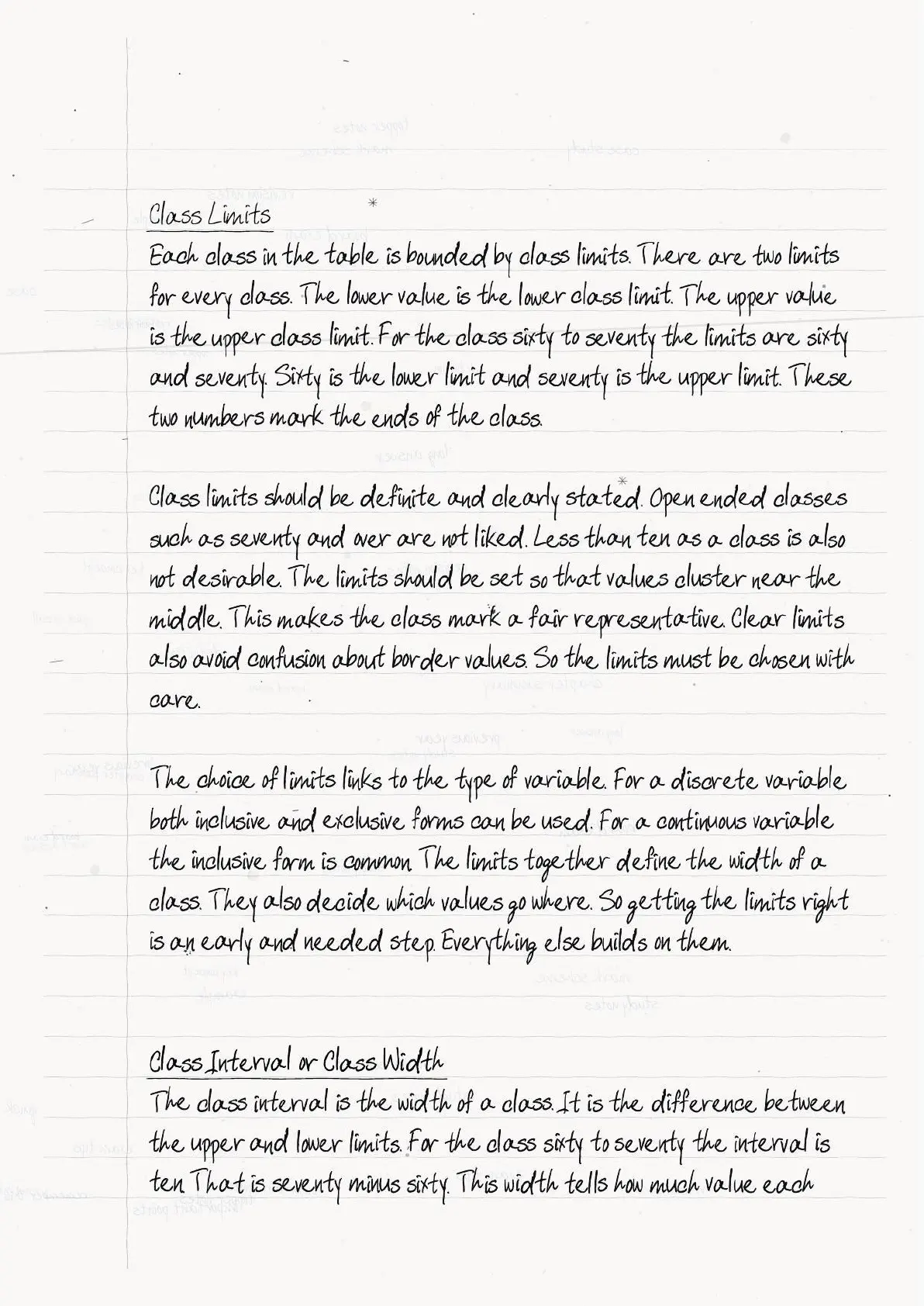
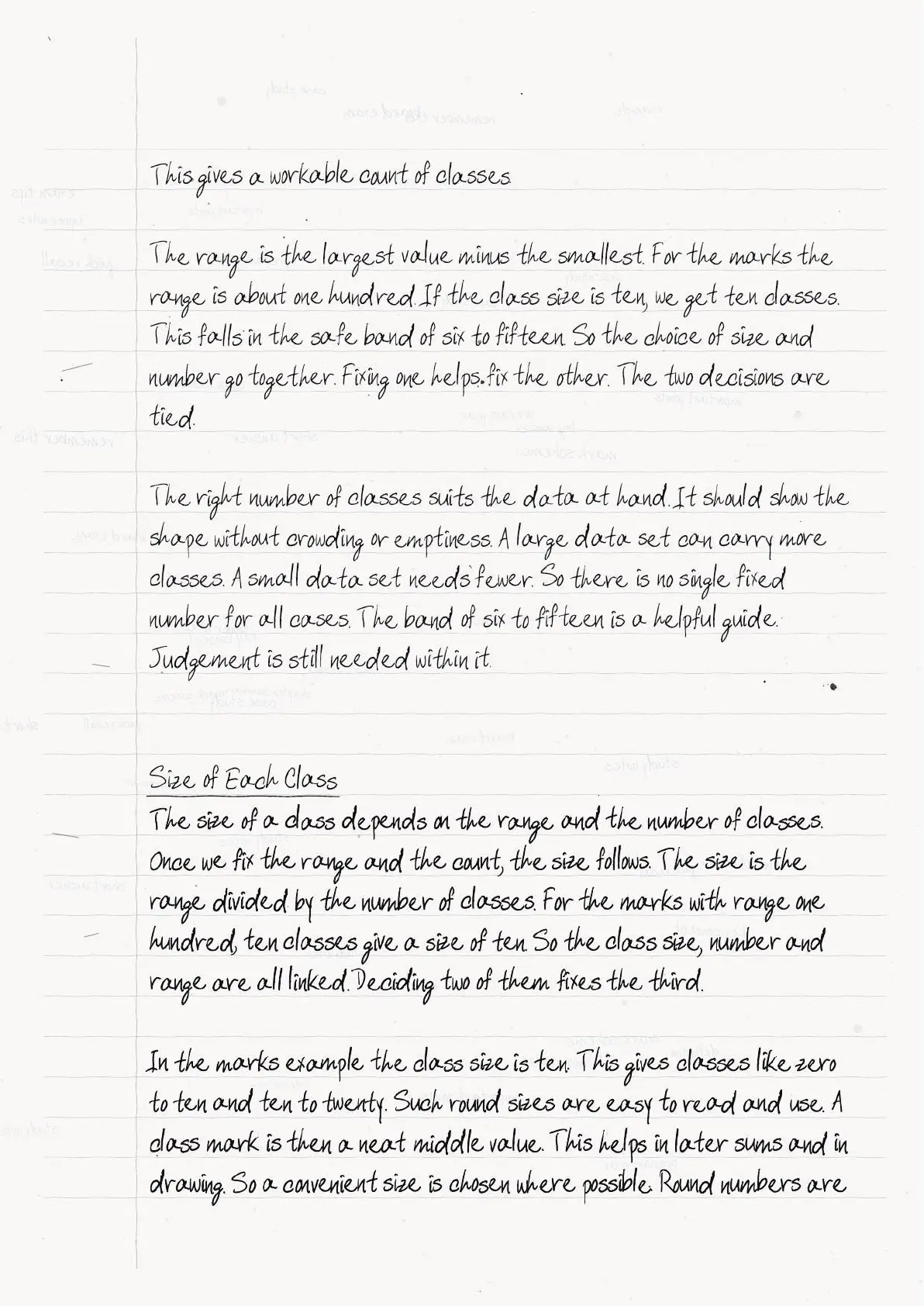
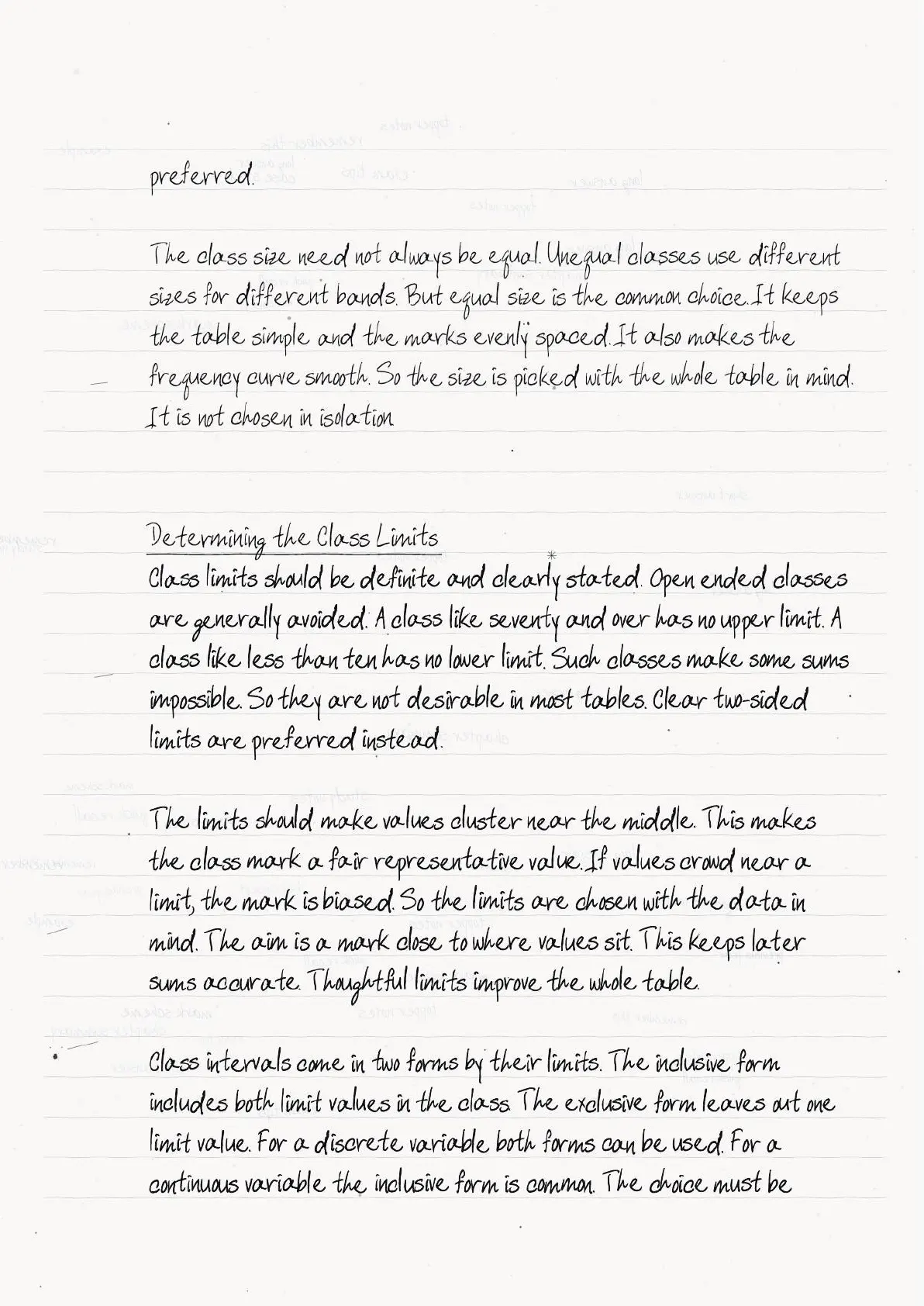
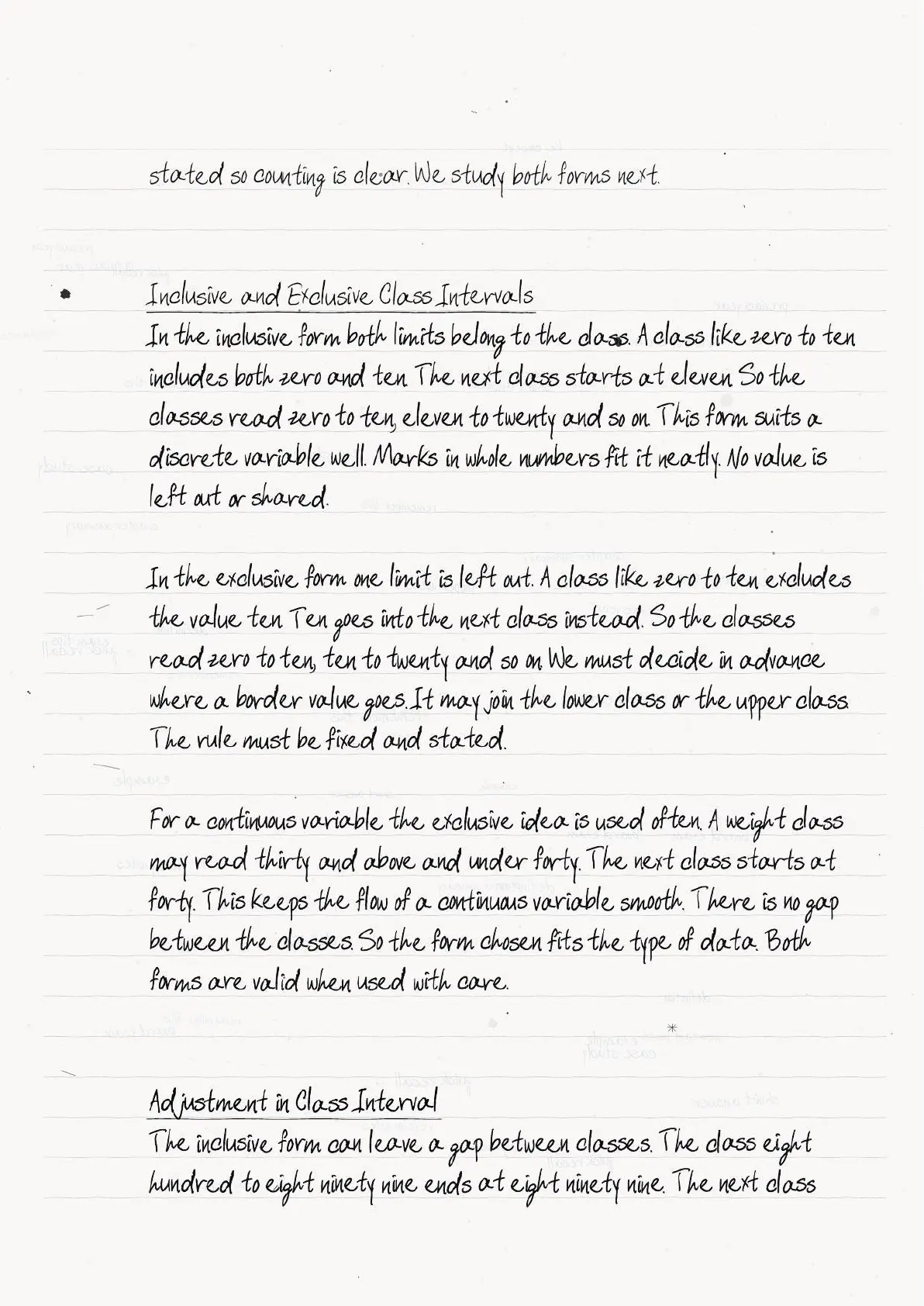
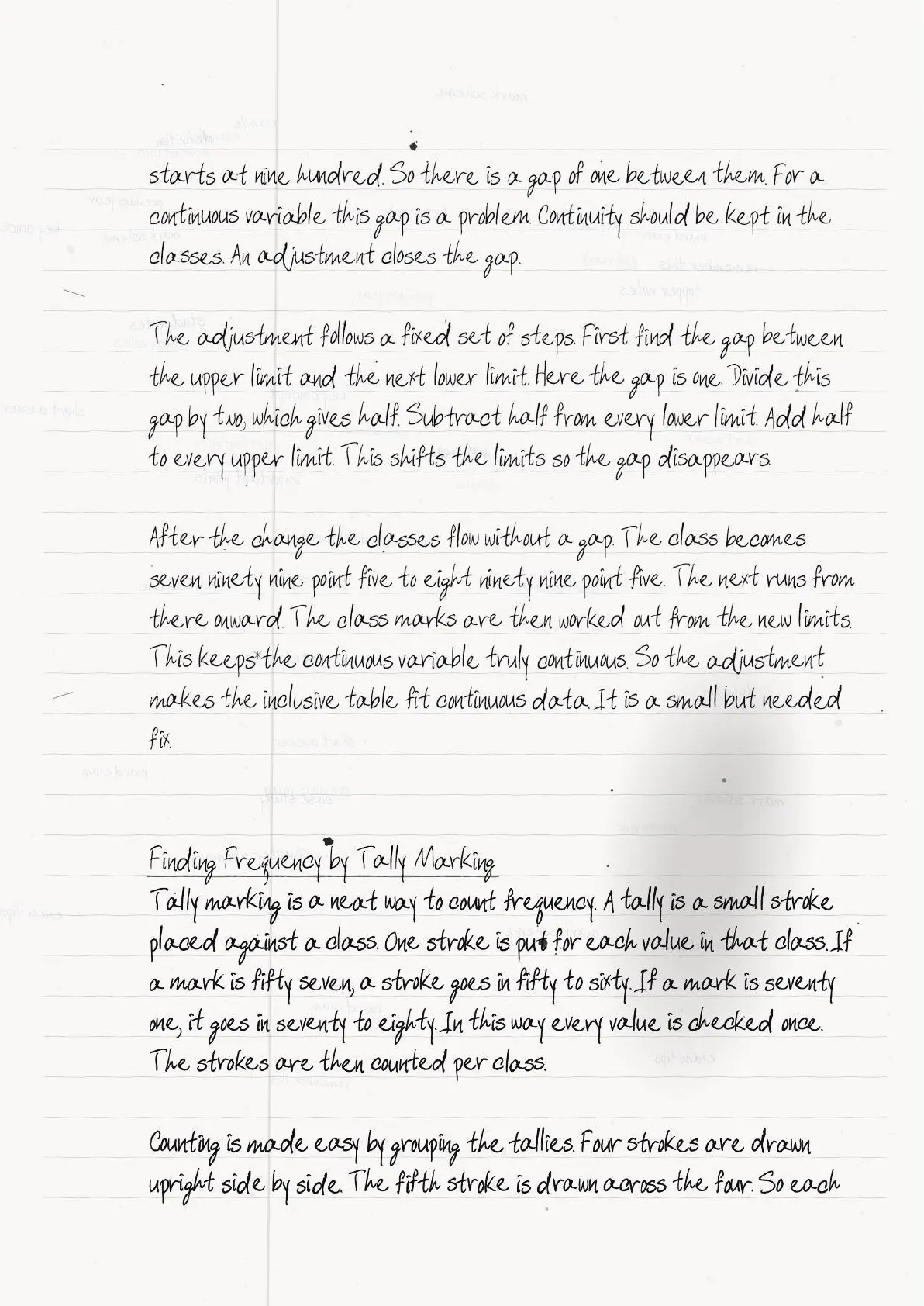
- What the notes cover: raw data and the need for classification, chronological, spatial, qualitative and quantitative classification, continuous and discrete variables, frequency distribution and class frequency.
- Best for: quick revision before Class 11 exams and a base for CUET later.
You can read the complete class 11 economics handwritten notes for Organisation of Data, with key terms, boxed definitions, and quick revision points, in the PDF below.
These handwritten notes are written by subject teachers, mapped to the 2026-27 NCERT, and checked against the last five years of CBSE Class 11 Economics papers.
What the Organisation of Data Handwritten Notes Cover
Raw data collected from any source is disorganised and hard to read. Classification arranges similar values into groups so the data makes sense. This chapter builds the frequency distribution table, the core tool of organising data.
- Raw data and the need for classification
- Chronological, spatial, qualitative and quantitative classification
- Continuous and discrete variables
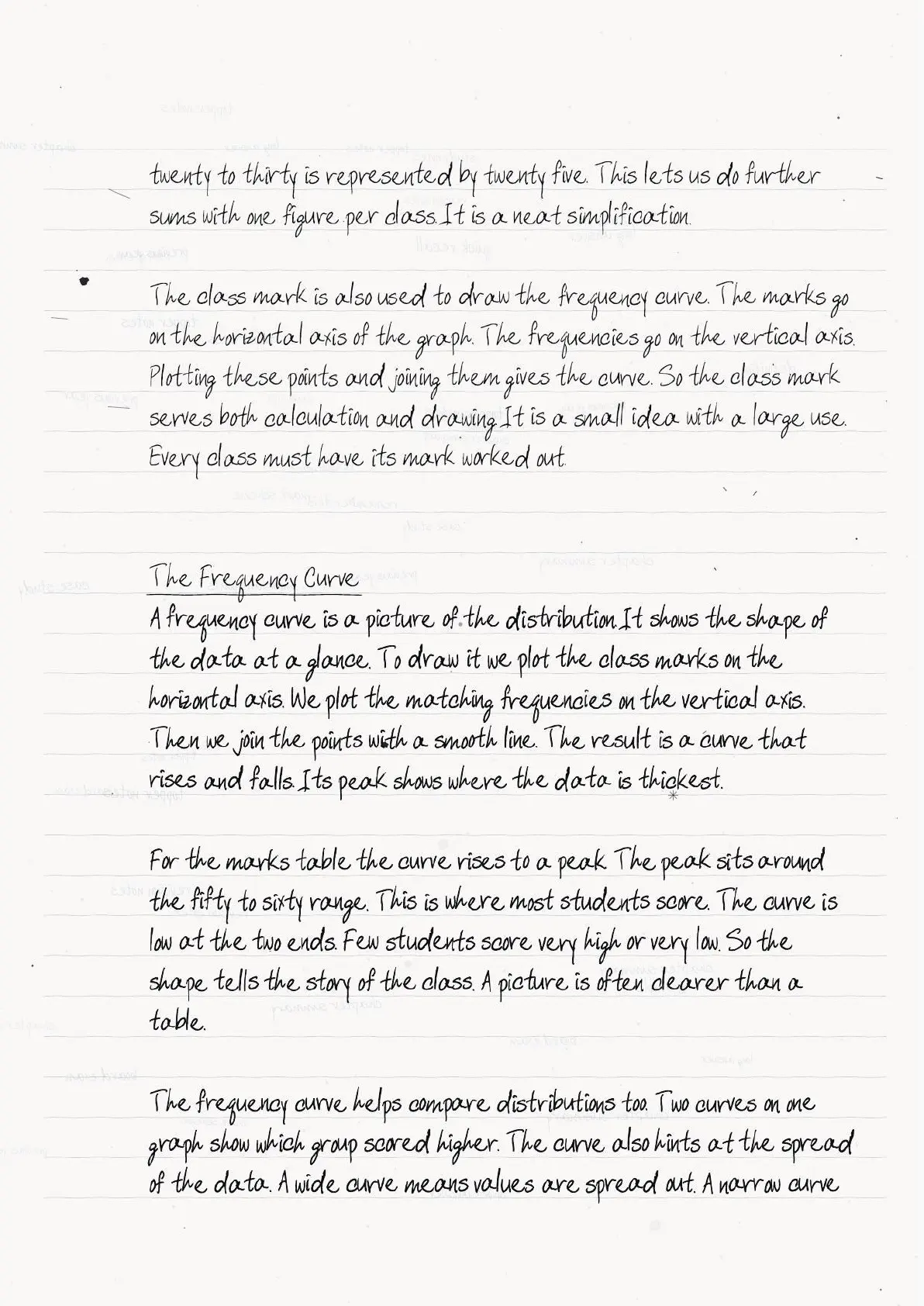
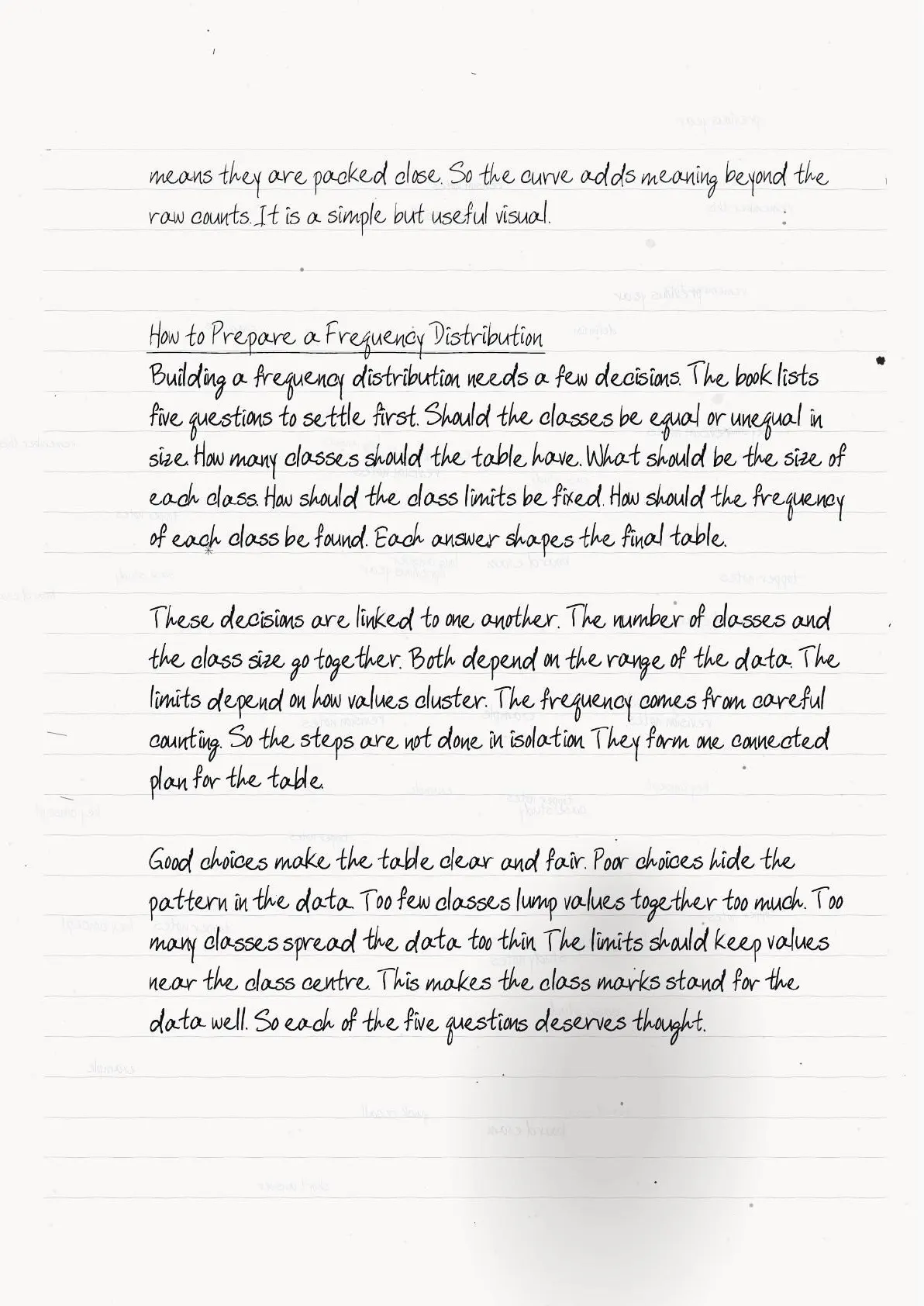
- Frequency distribution and class frequency
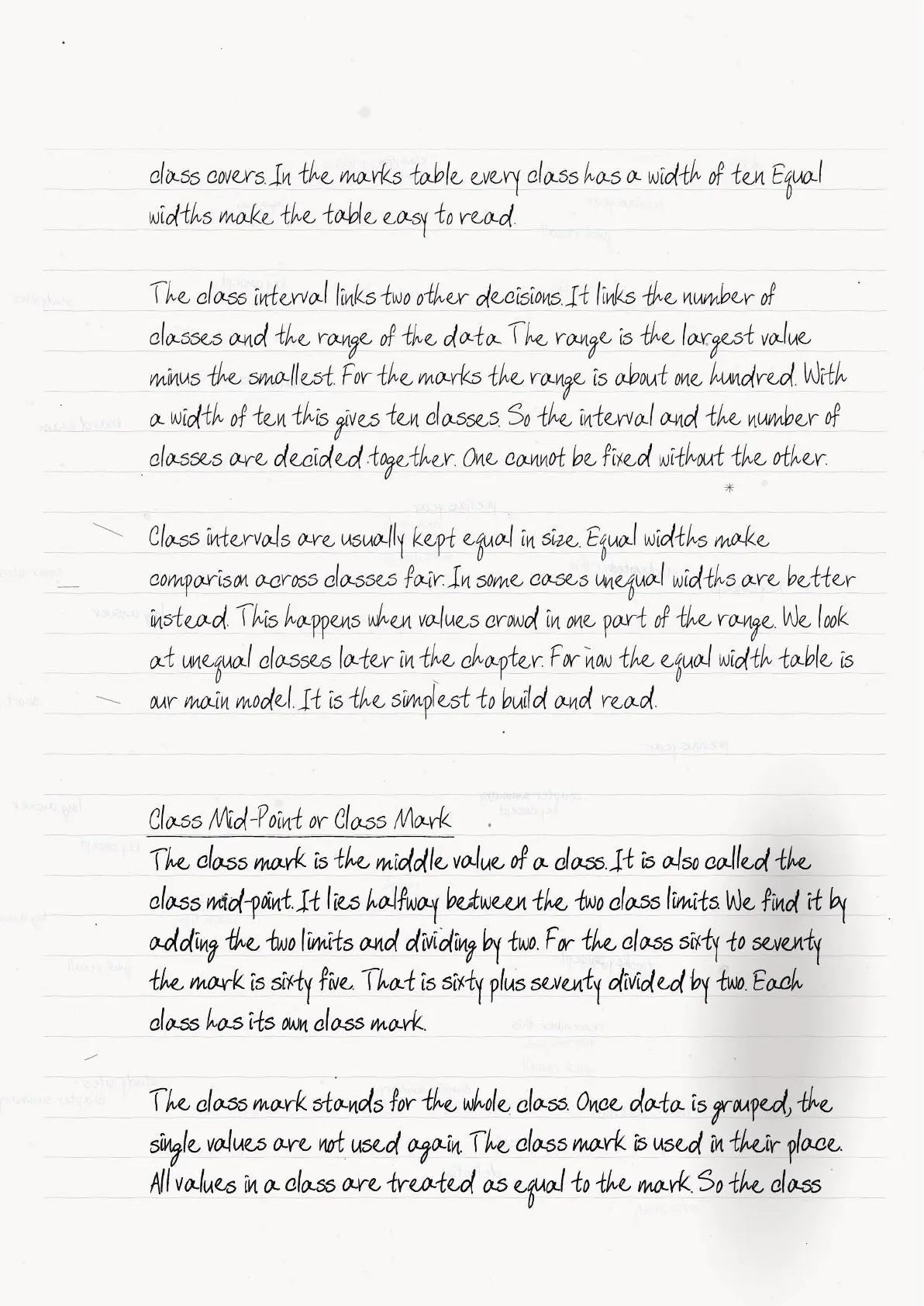
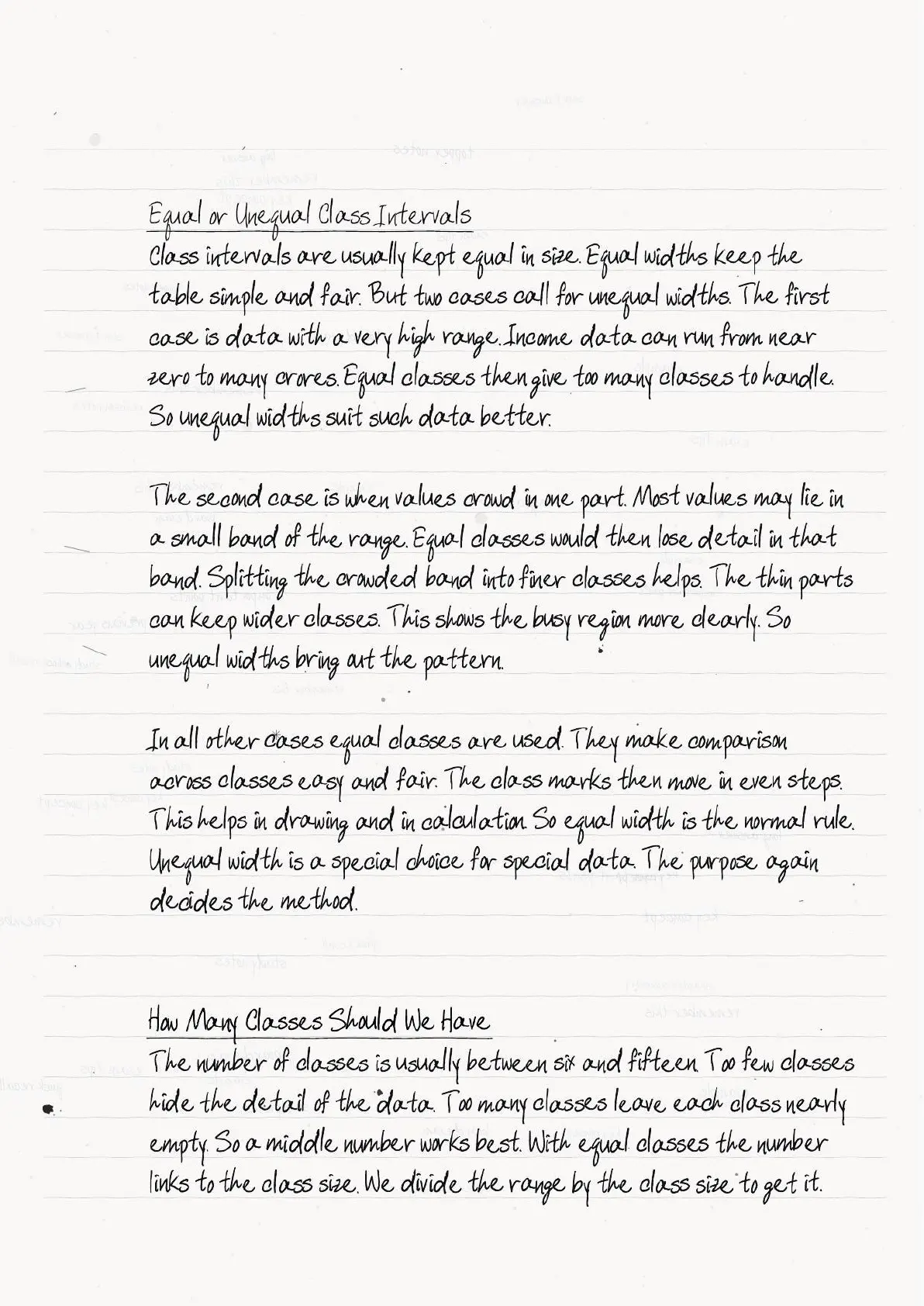
- Class limits, class interval and class mark
- Tally marking and adjustment for continuity
- Frequency array and bivariate distributions
Organisation of Data Topic-wise Weightage for CBSE Class 11 Economics
Some parts of this chapter are asked more often than others. The table below shows which sub-topics to revise first, based on recent CBSE Class 11 question trends.
| Sub-topic | Weightage | CBSE Frequency |
|---|---|---|
| Frequency distribution and class marks | High | asked most years |
| Continuous vs discrete variables | High | frequent short question |
| Class limits, interval and adjustment | Medium | asked often |
| Tally marking from raw data | Medium | numerical question |
| Frequency array and bivariate tables | Low | occasional |
Key Terms and Ideas in Organisation of Data
These are the terms and ideas the exam asks about most. Learn each one so you can define it and use it in your answers.
| Term / Idea | What it means |
|---|---|
| Raw data | unclassified values in no fixed order |
| Classification | grouping data by a common feature |
| Class frequency | count of values falling in a class |
| Class limits | the lower and upper bounds of a class |
| Class interval | width of a class, upper minus lower limit |
| Class mark | mid-point of a class, average of its limits |
| Continuous variable | takes any value in a range |
| Discrete variable | takes only separate, countable values |
How Collegedunia's Handwritten Notes Help You Revise Organisation of Data
These notes are made for the night before the exam. They keep the facts short and easy to scan. Collegedunia maps every point to the 2026-27 NCERT.
- Clear handwriting: each topic is written in neat, easy-to-read handwriting.
- Boxed key terms: the main terms and definitions are boxed by hand for fast recall.
- Diagrams and tables: simple hand-drawn tables and charts make ideas clear.
- Colour-coded headings: new sub-topics stand out, so you find any section in seconds.
Organisation of Data Self-Assessment Quiz
Try these quick questions after you read the notes. Tap each question to check your answer. They cover the points CBSE asks most often.
The class mark of the class 60 to 70 is
(a) 60 (b) 70 (c) 65 (d) 10
Answer: (c) 65 correct - it is (60 + 70) divided by 2.
A variable that takes only whole numbers like number of students is
(a) continuous (b) discrete (c) qualitative (d) spatial
Answer: (b) discrete correct - it jumps between fixed values with no values in between.
The width of a class is called its
(a) class mark (b) frequency (c) class interval (d) range
Answer: (c) class interval correct - it is the upper limit minus the lower limit.
A frequency array is used for a
(a) continuous variable (b) discrete variable (c) time series (d) attribute
Answer: (b) discrete variable correct - each single value gets its own frequency.
Grouping data into a frequency distribution causes
(a) loss of information (b) more raw detail (c) no change (d) larger data
Answer: (a) loss of information correct - single values are replaced by the class mark.
How to Use These Handwritten Notes for Class 11 Economics Revision
Use these class 11 economics handwritten notes in two passes. Read them slowly once for the full chapter. Then, near the exam, read only the boxes and key terms for a fast recall.
- Read the notes once with the NCERT chapter open beside you.
- Say each key term and idea in your own words.
- Practise one long-answer question from a past paper.
- On the last day, revise only the key terms and the boxes.
Class 11 Economics Handwritten Notes for All Chapters
The table below links the class 11 economics handwritten notes for every chapter. Use it to jump to any other chapter's notes.
Organisation of Data Class 11 Economics Handwritten Notes FAQs
Ques. Where can I download Organisation of Data Class 11 Economics Handwritten Notes PDF?
Ans. You can download the Organisation of Data Class 11 Economics Handwritten Notes PDF directly from this page. Both the Normal and HD versions are free.
Ques. Are these handwritten notes aligned with the 2026-27 NCERT?
Ans. Yes. These notes follow the current 2026-27 syllabus for Class 11 Economics. How is a frequency distribution prepared from raw data?
Ques. How many pages is the Class 11 Economics Organisation of Data Handwritten Notes PDF?
Ans. The notes run about 22 pages. They cover the full chapter with key terms, hand-drawn boxes, and a short self-assessment quiz.
Ques. What is the main idea of the 11th standard Economics chapter Organisation of Data?
Ans. Find the range, choose the number of classes, and fix the class size and limits. Then tally each value into its class and count the tallies to get every class frequency.
Ques. Are these Organisation of Data notes enough for the CBSE Class 11 exam?
Ans. Yes, for revision. The Collegedunia handwritten notes cover every key point and exam term. Read them with the NCERT chapter and practise past questions.



Comments