




The class 10 economics handwritten notes chapter 5 Consumer Rights turn the whole chapter into clean, scanned notebook pages for fast last-minute revision.
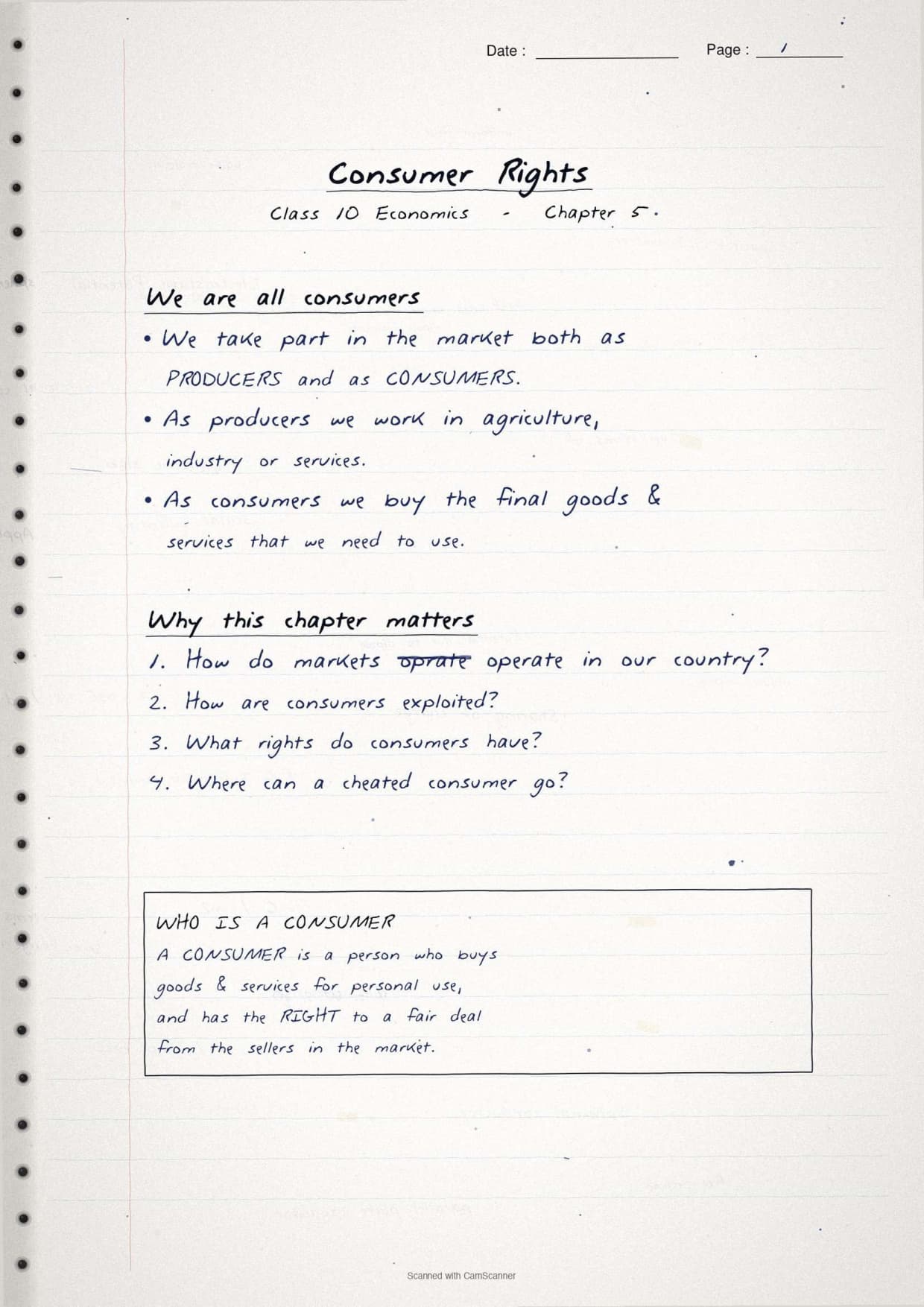
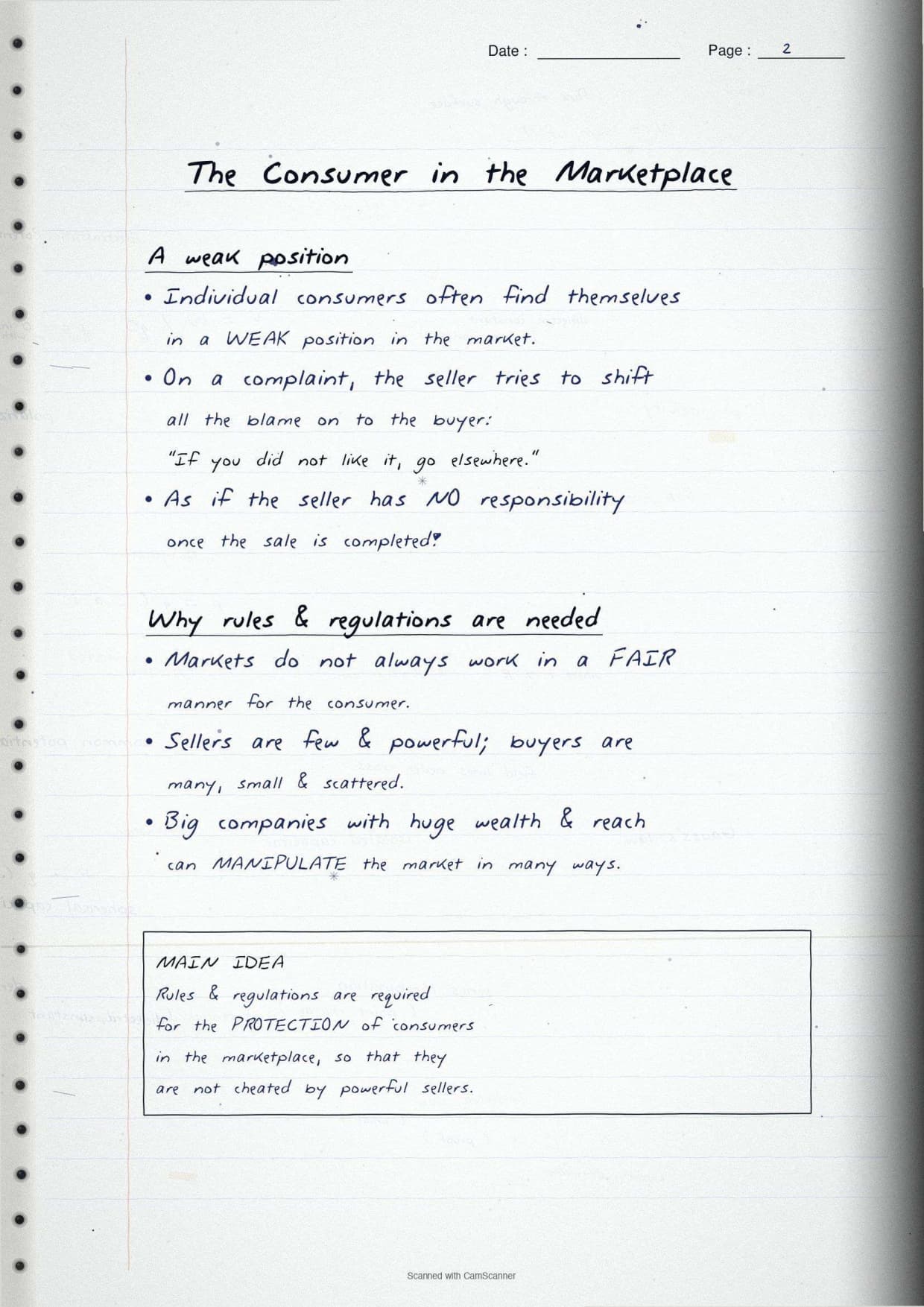
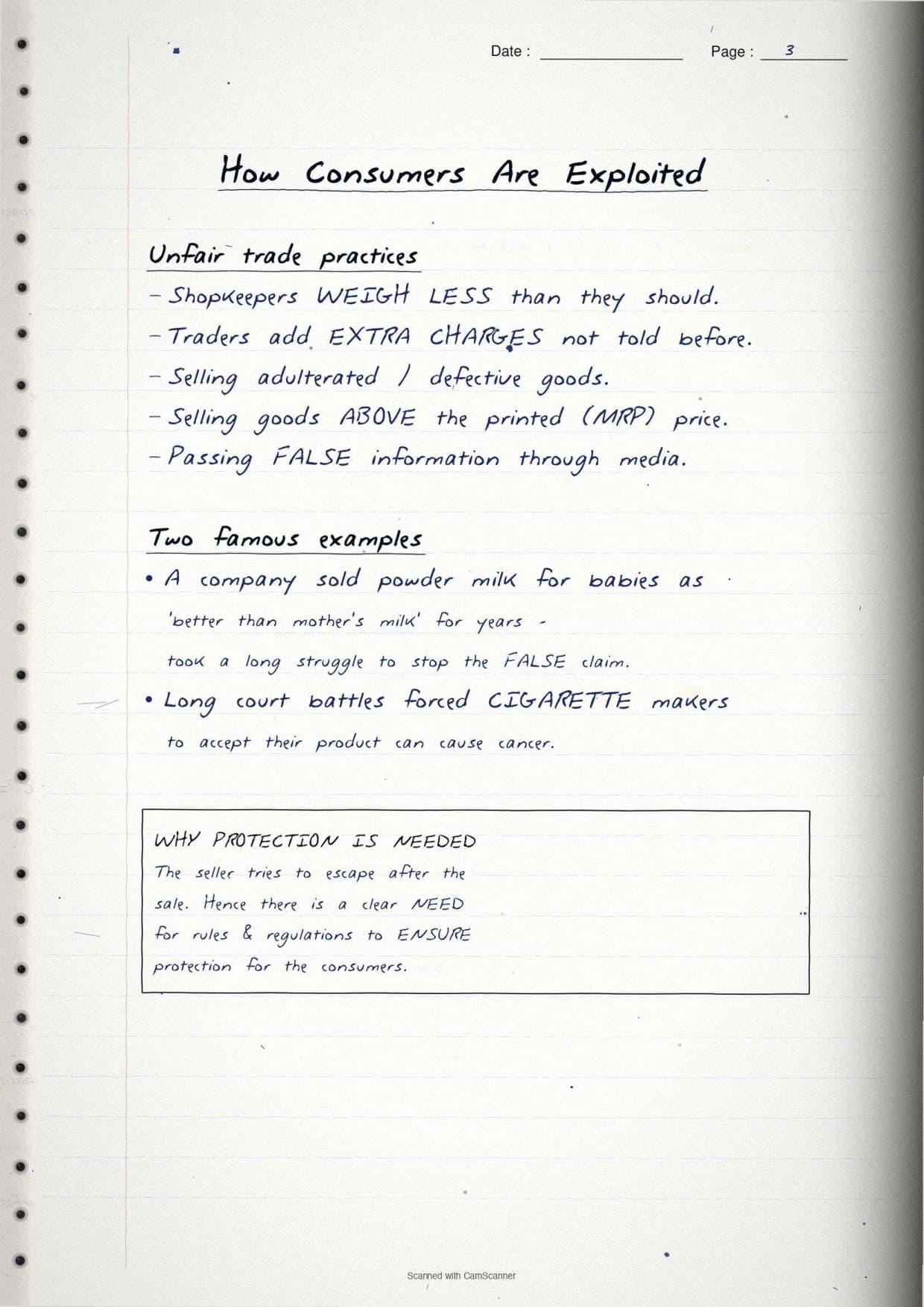
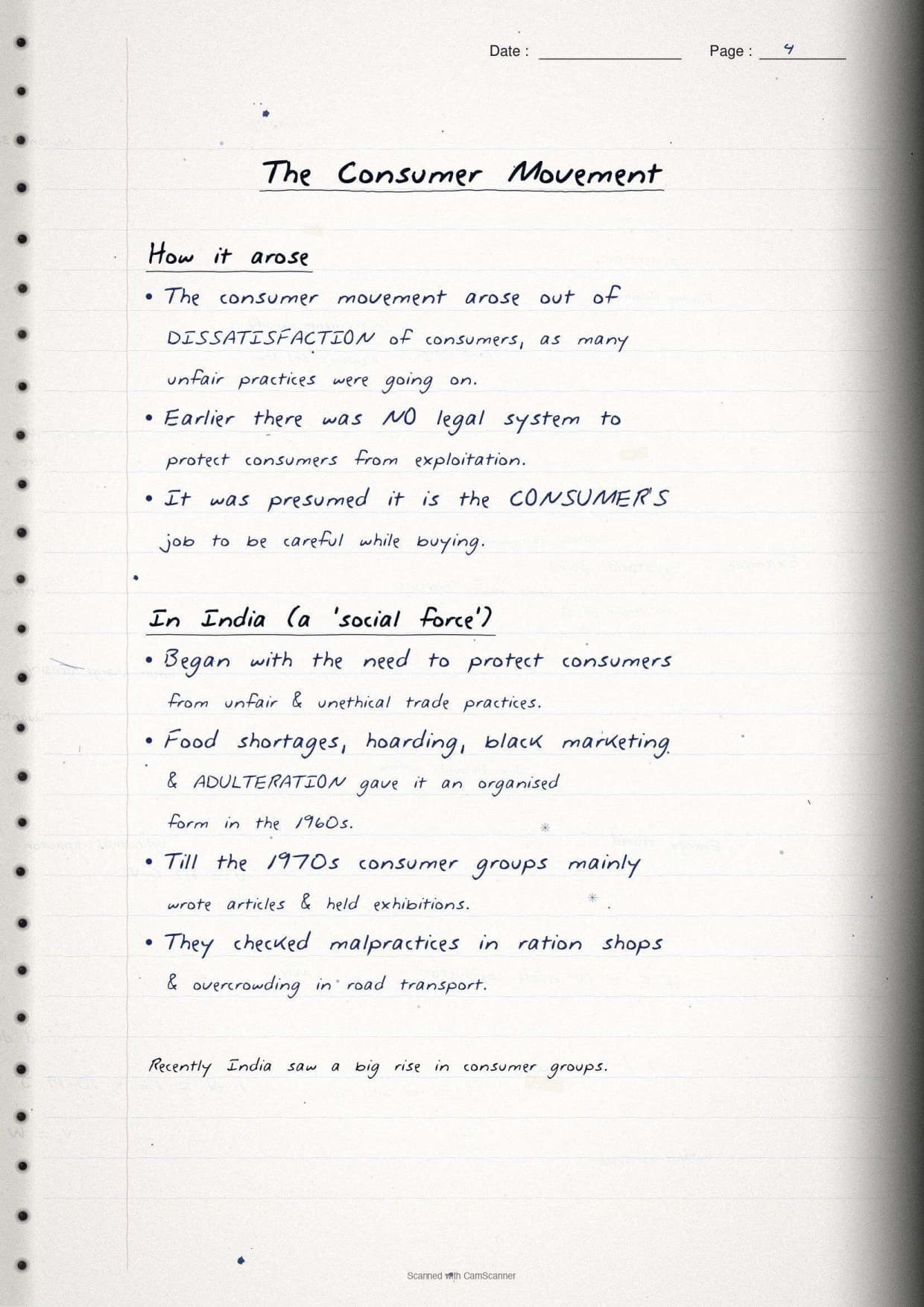
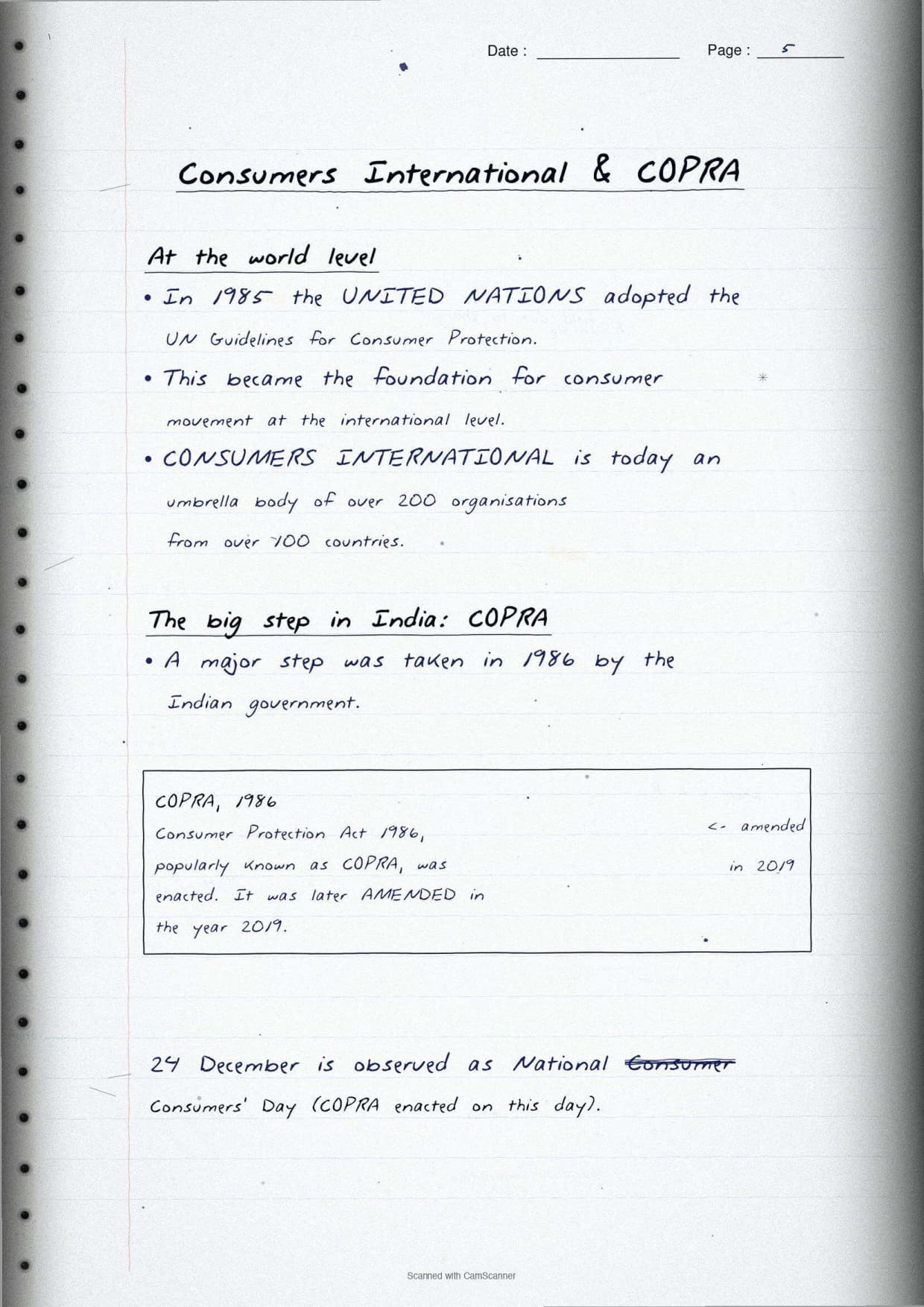
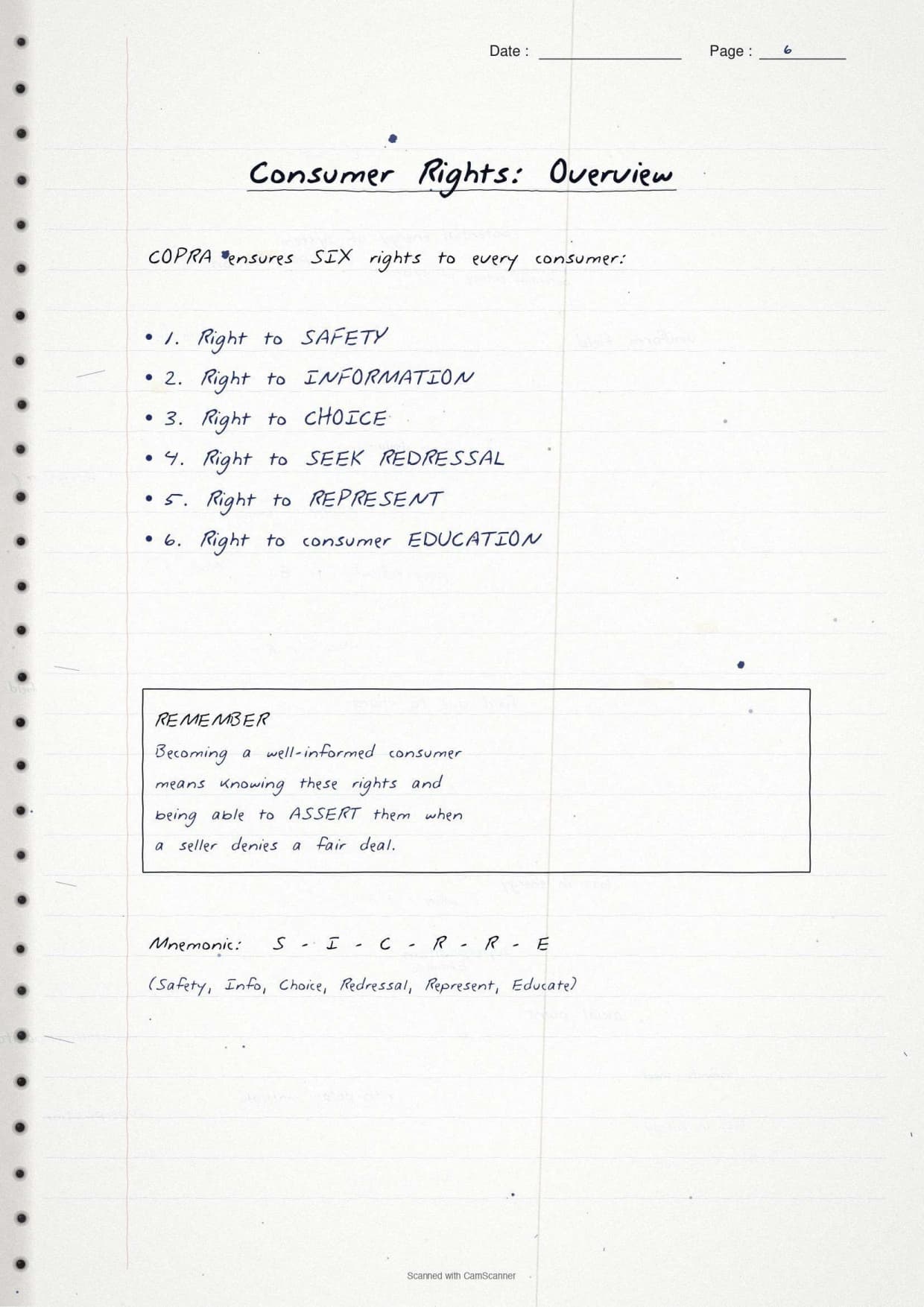
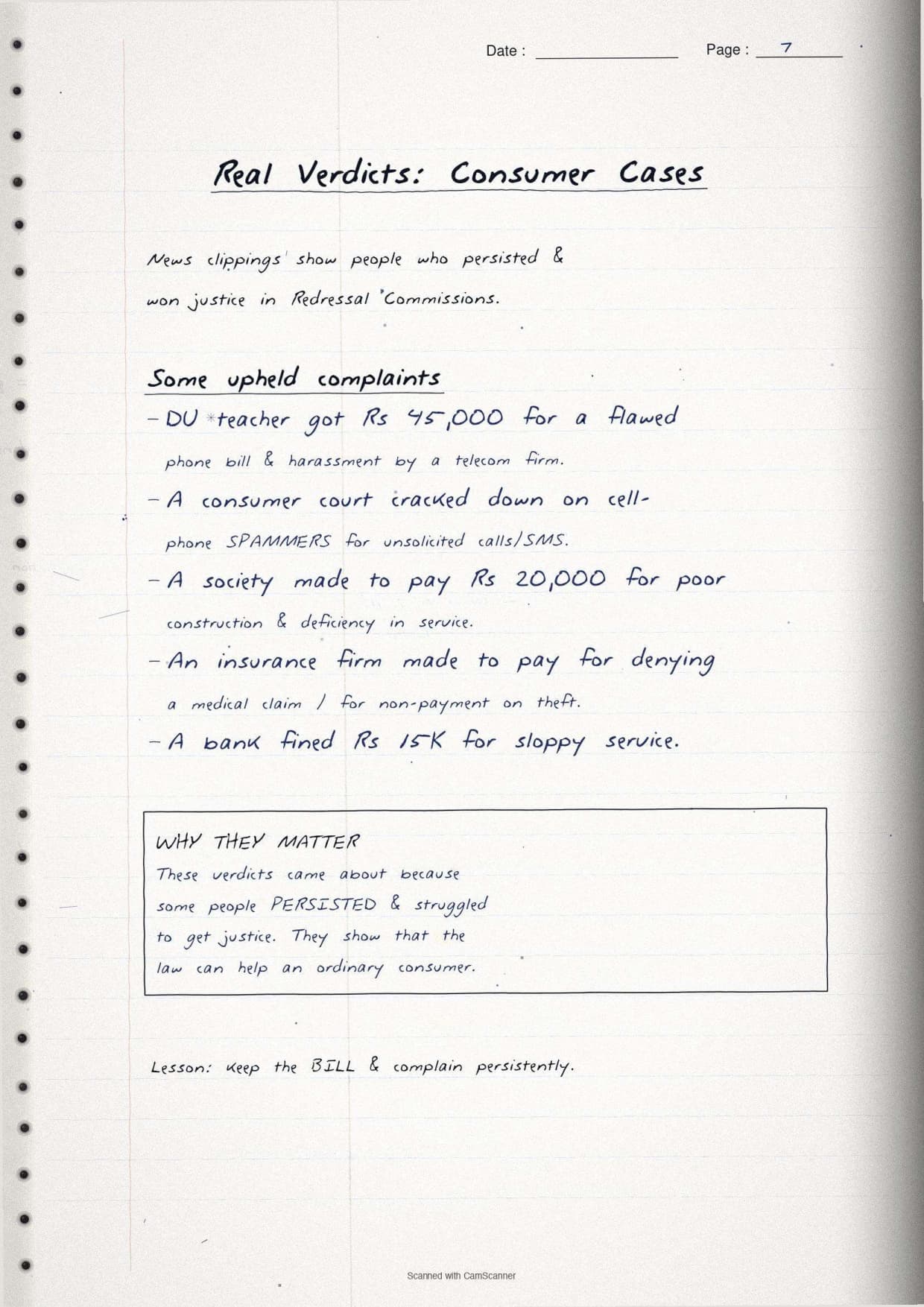
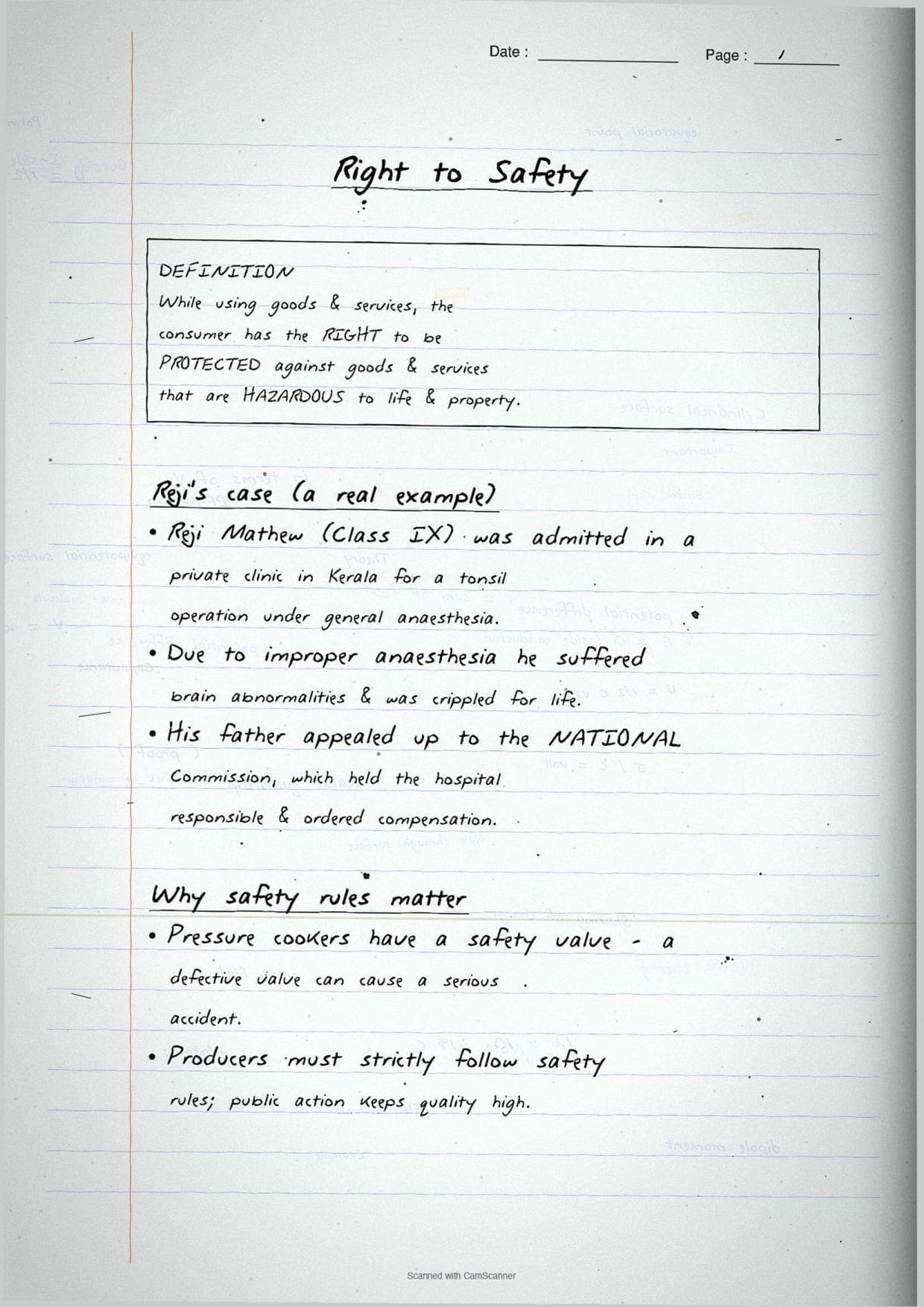
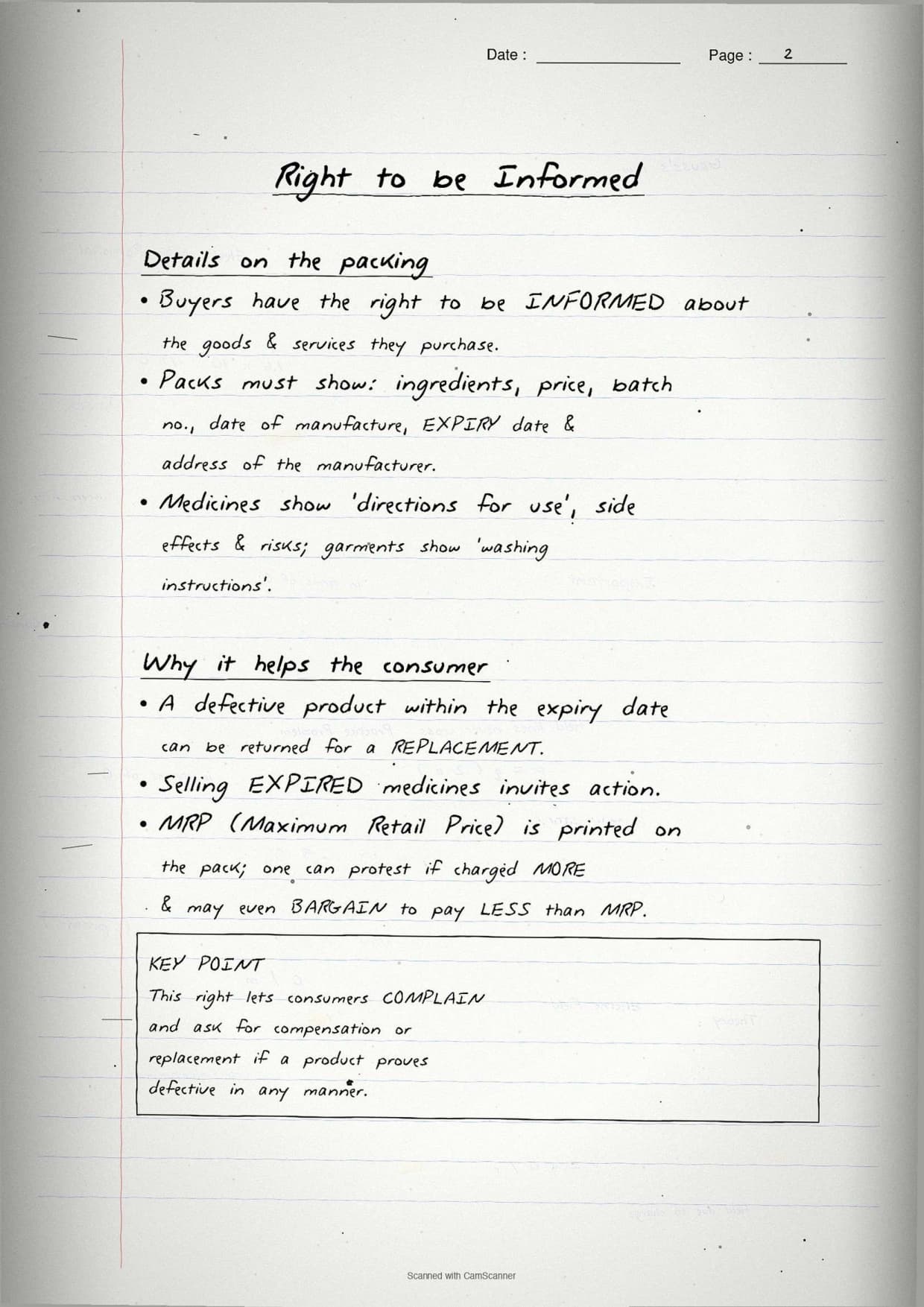
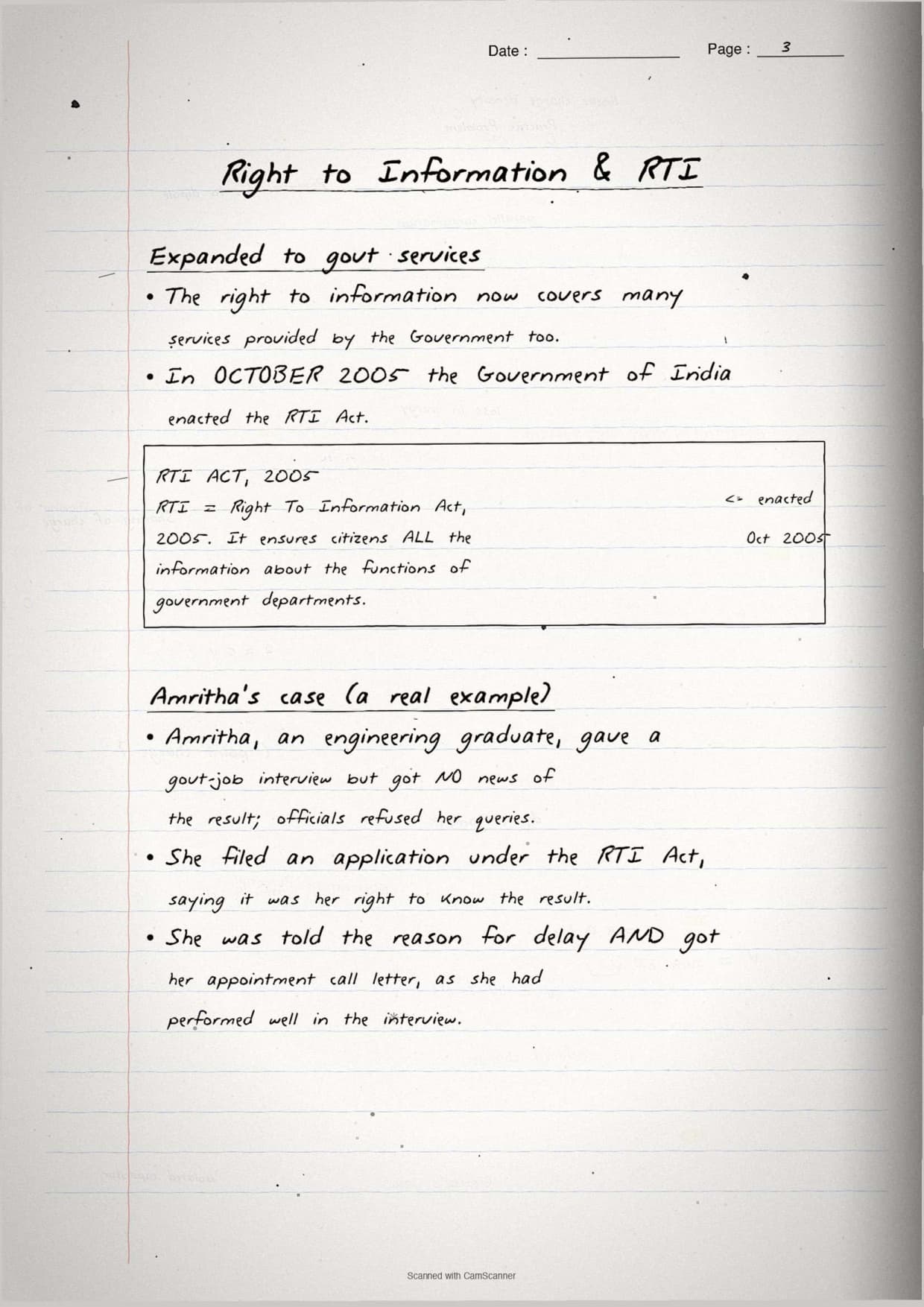
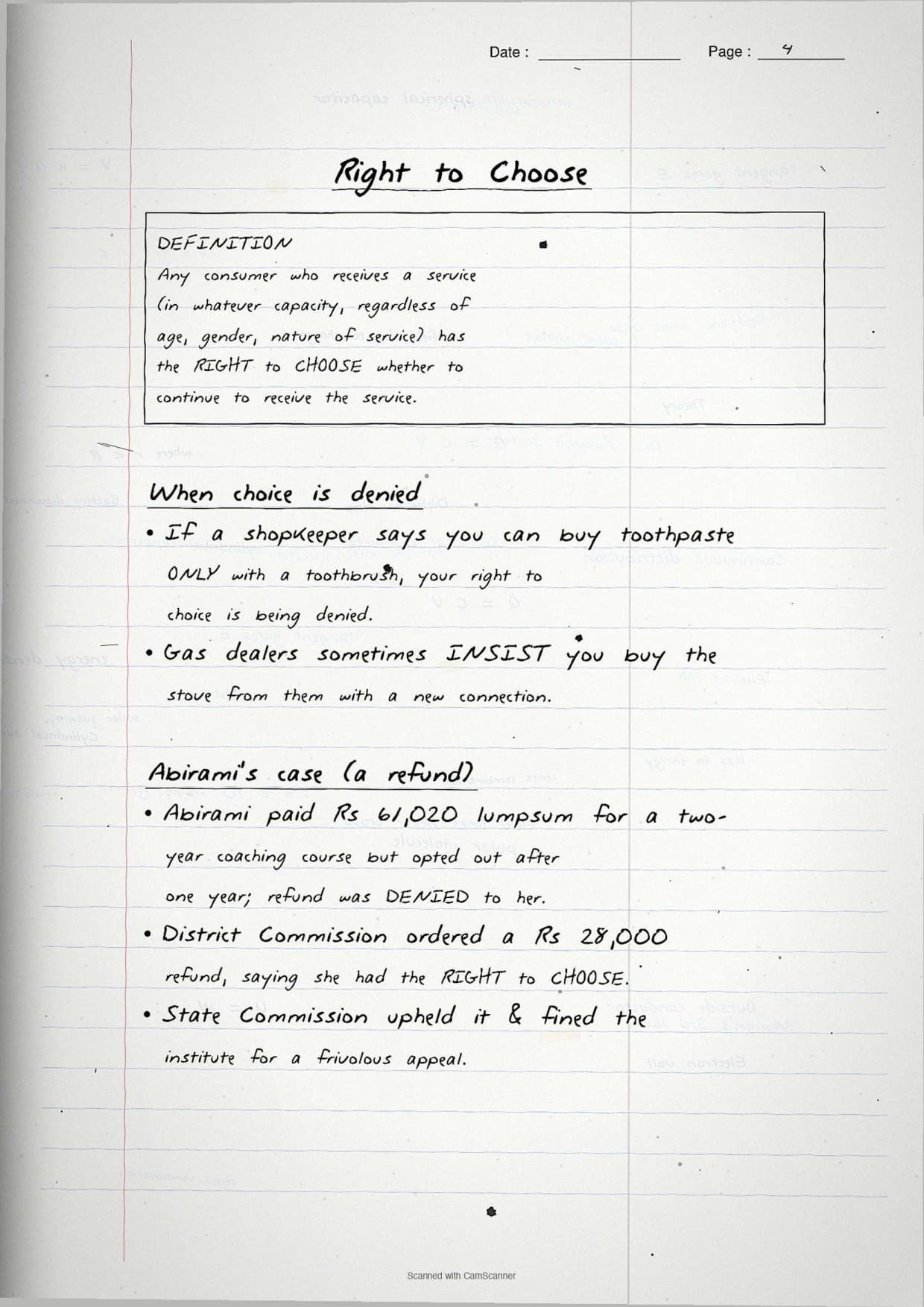
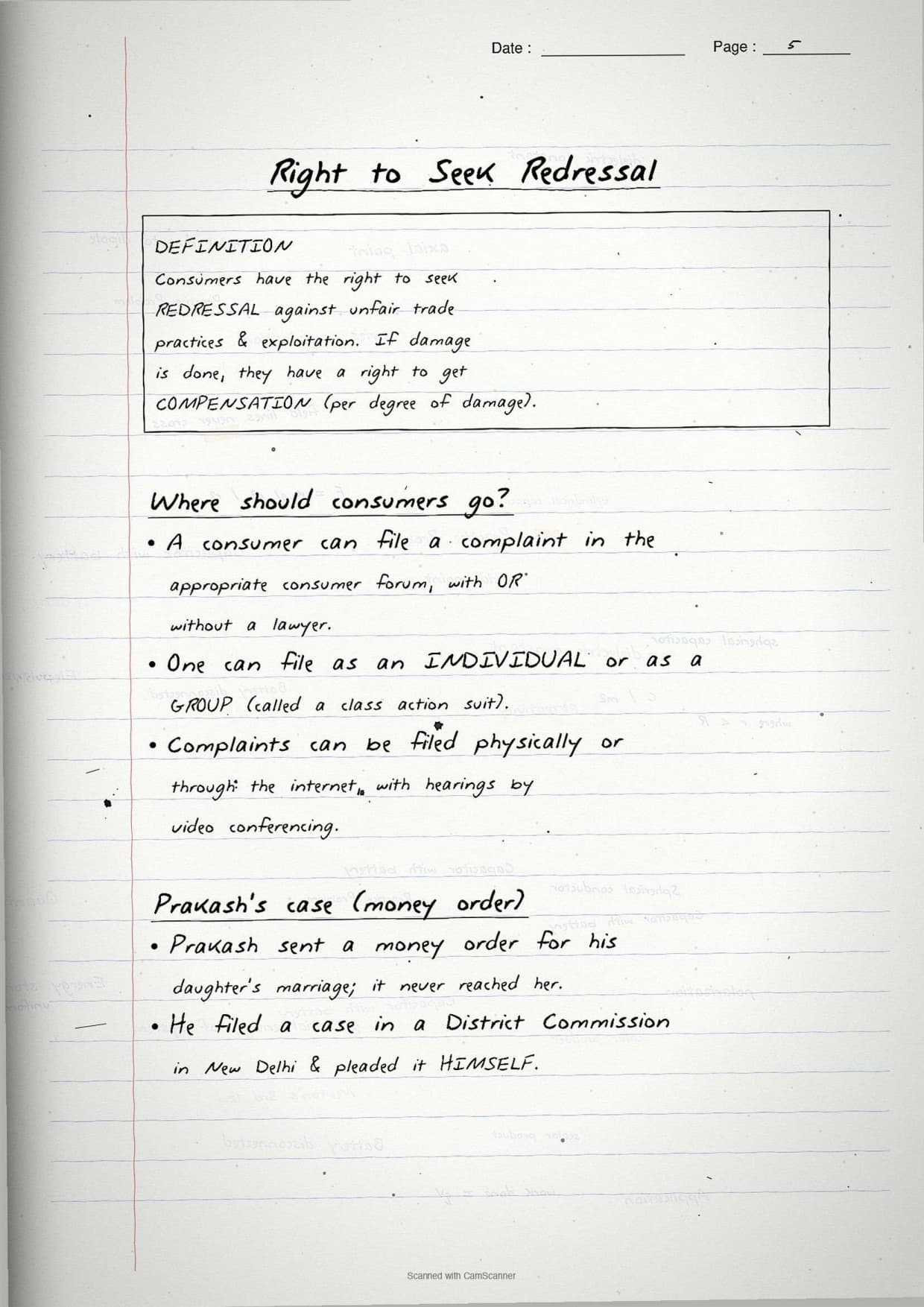
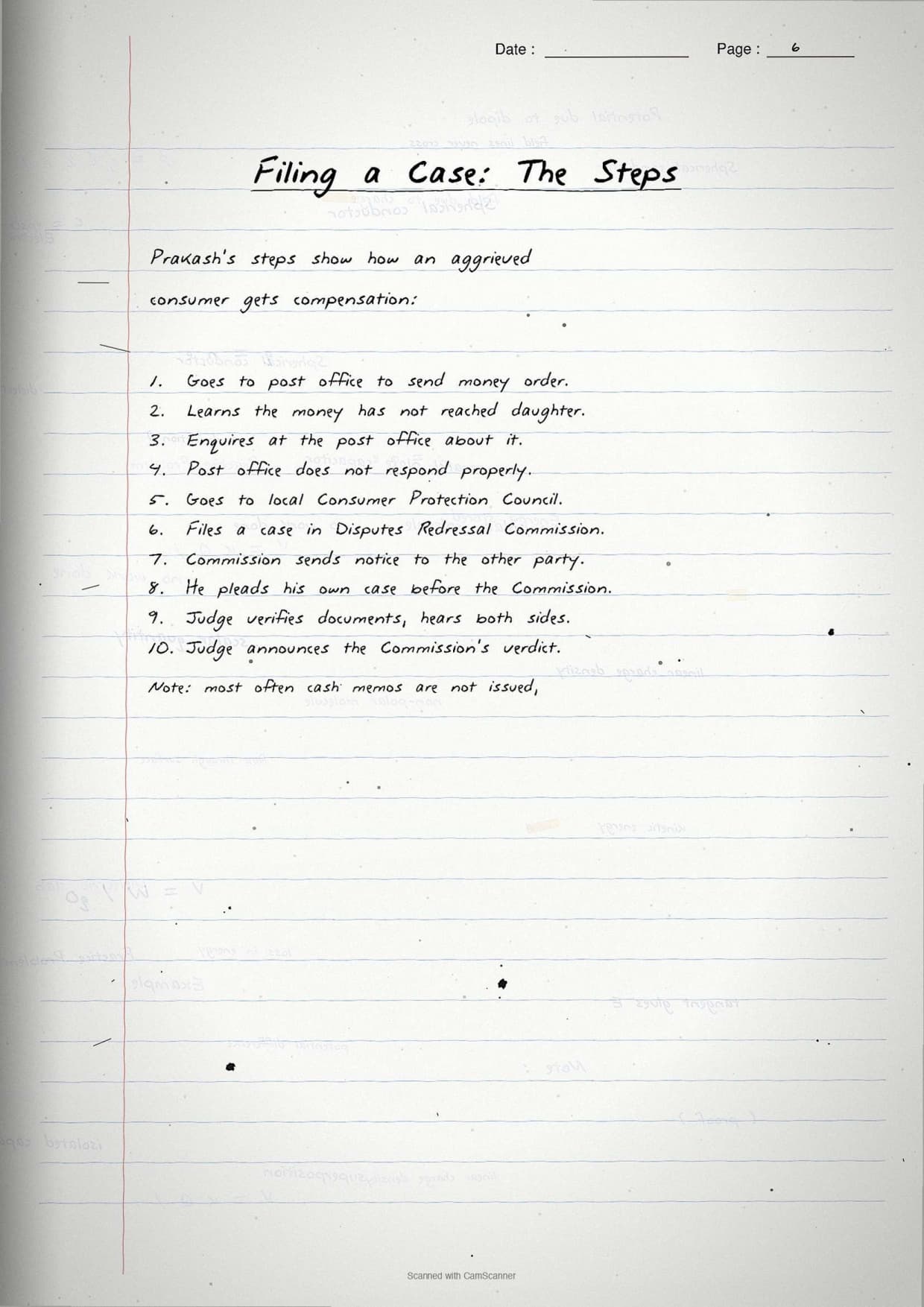
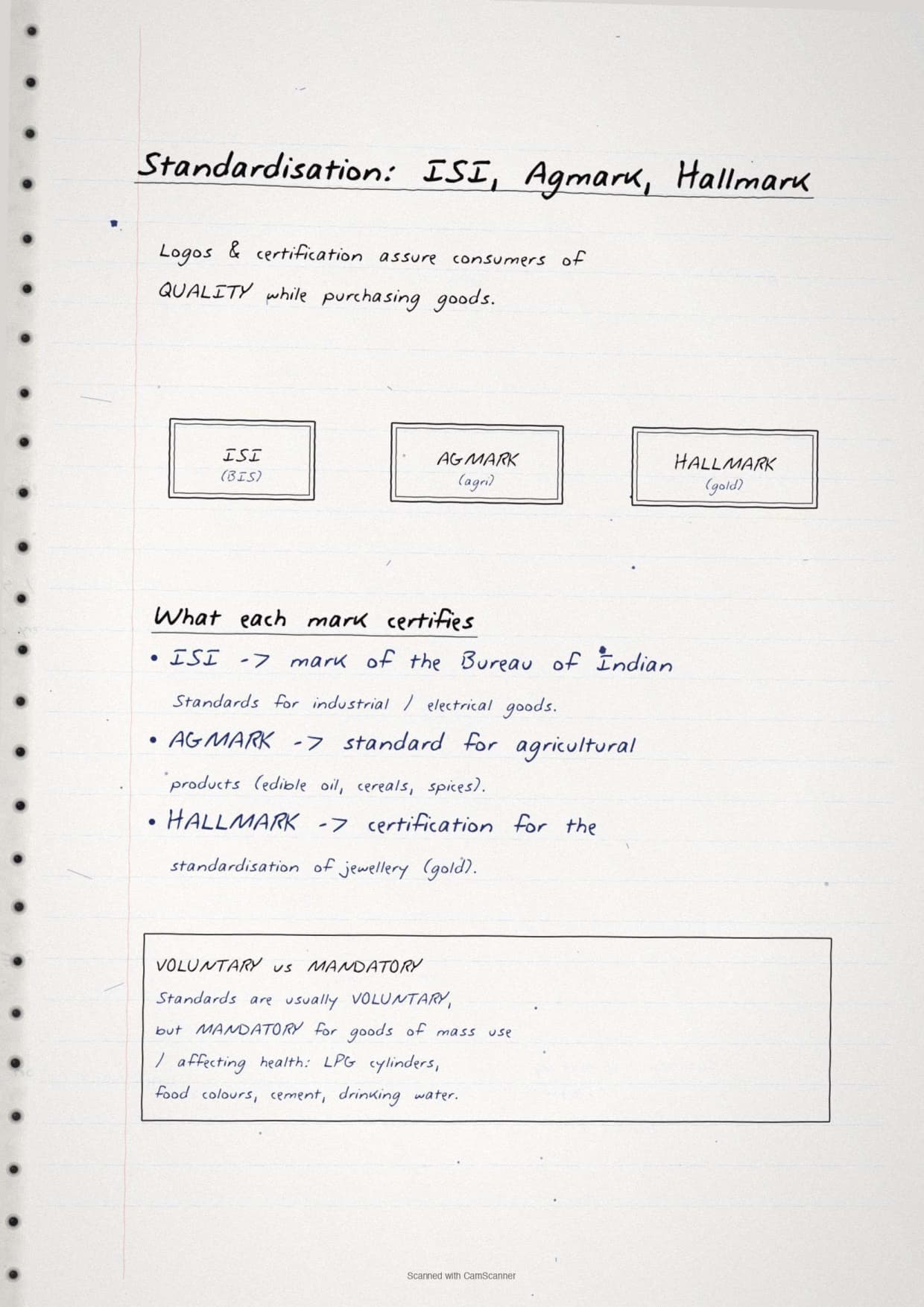
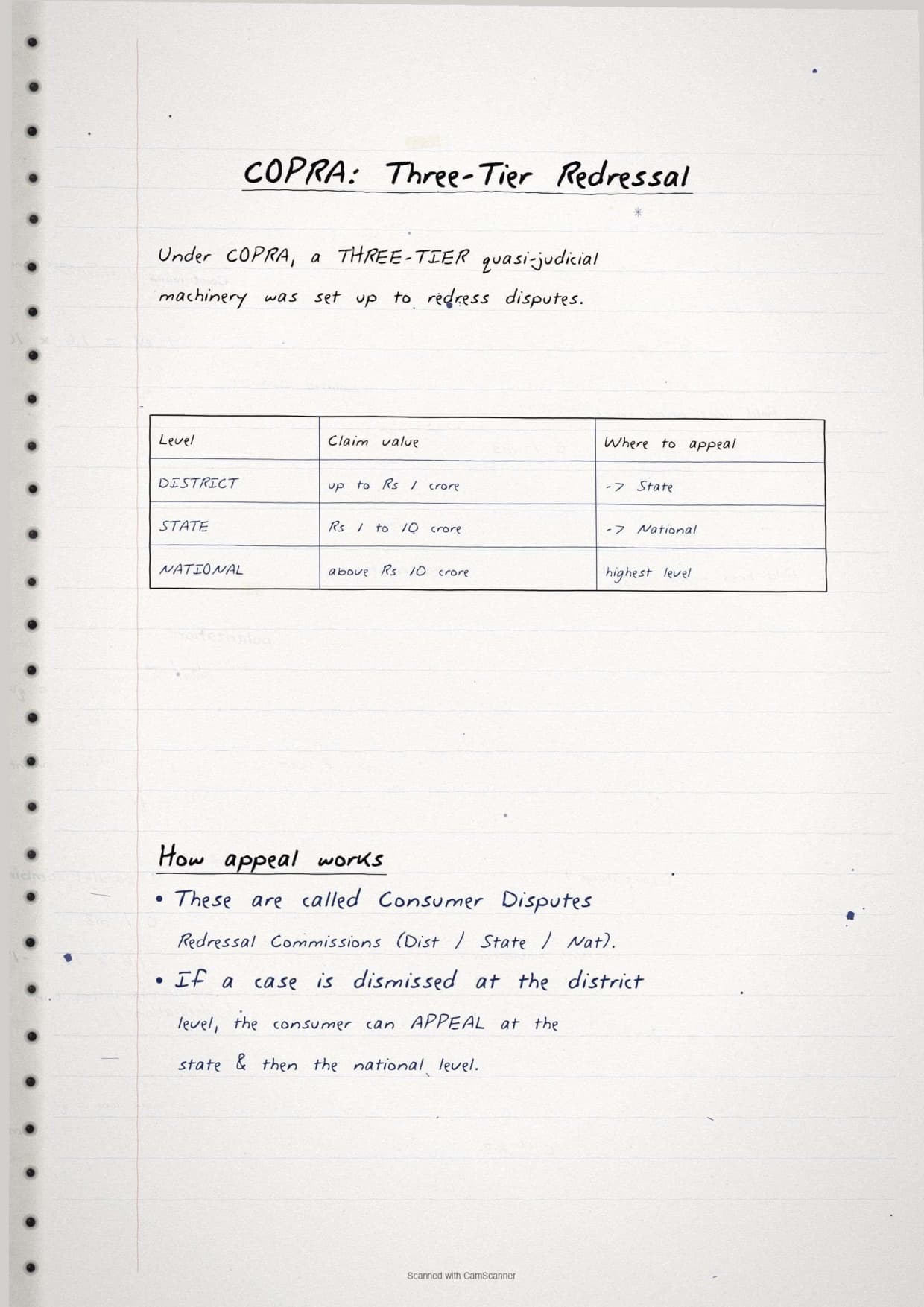
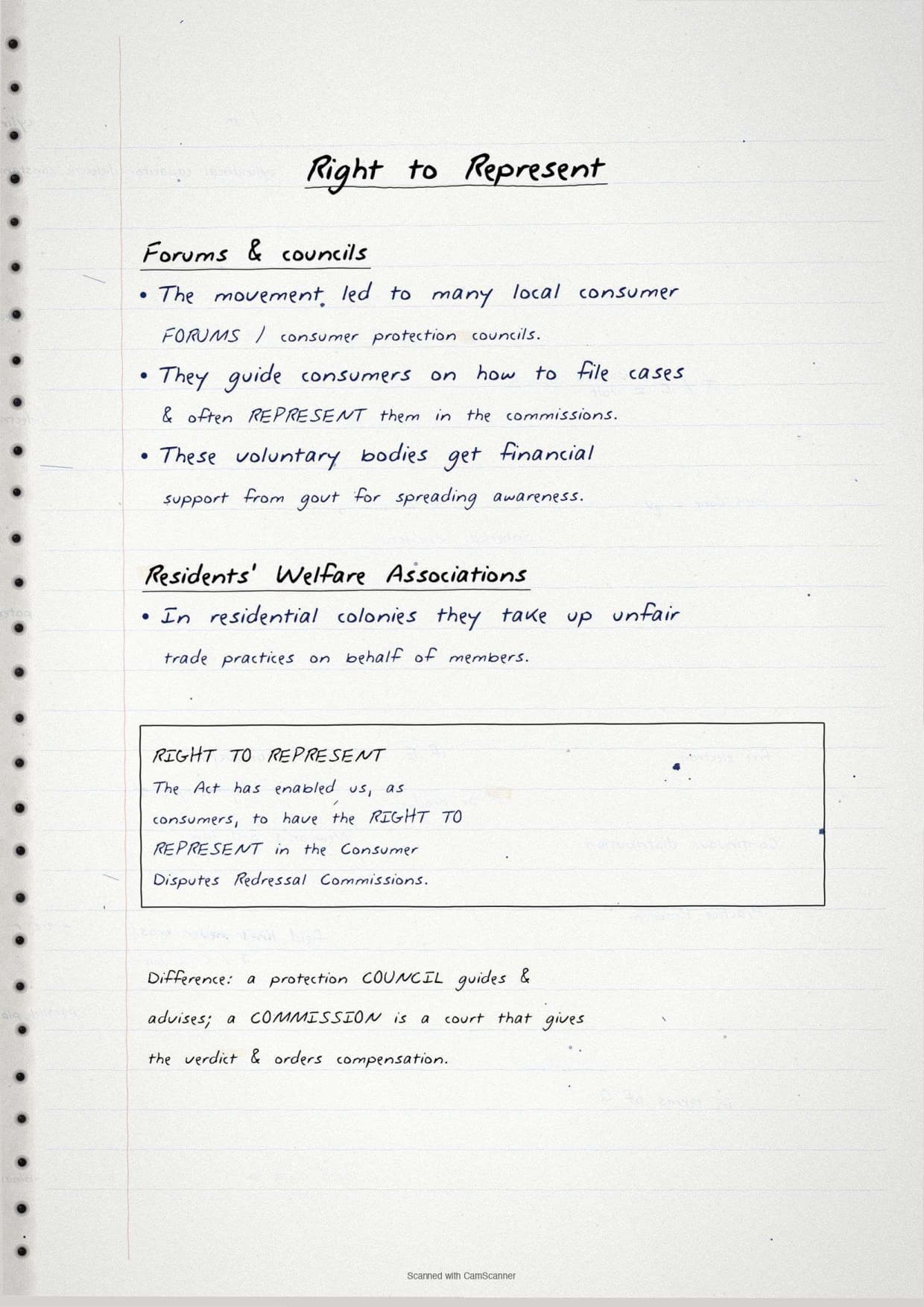
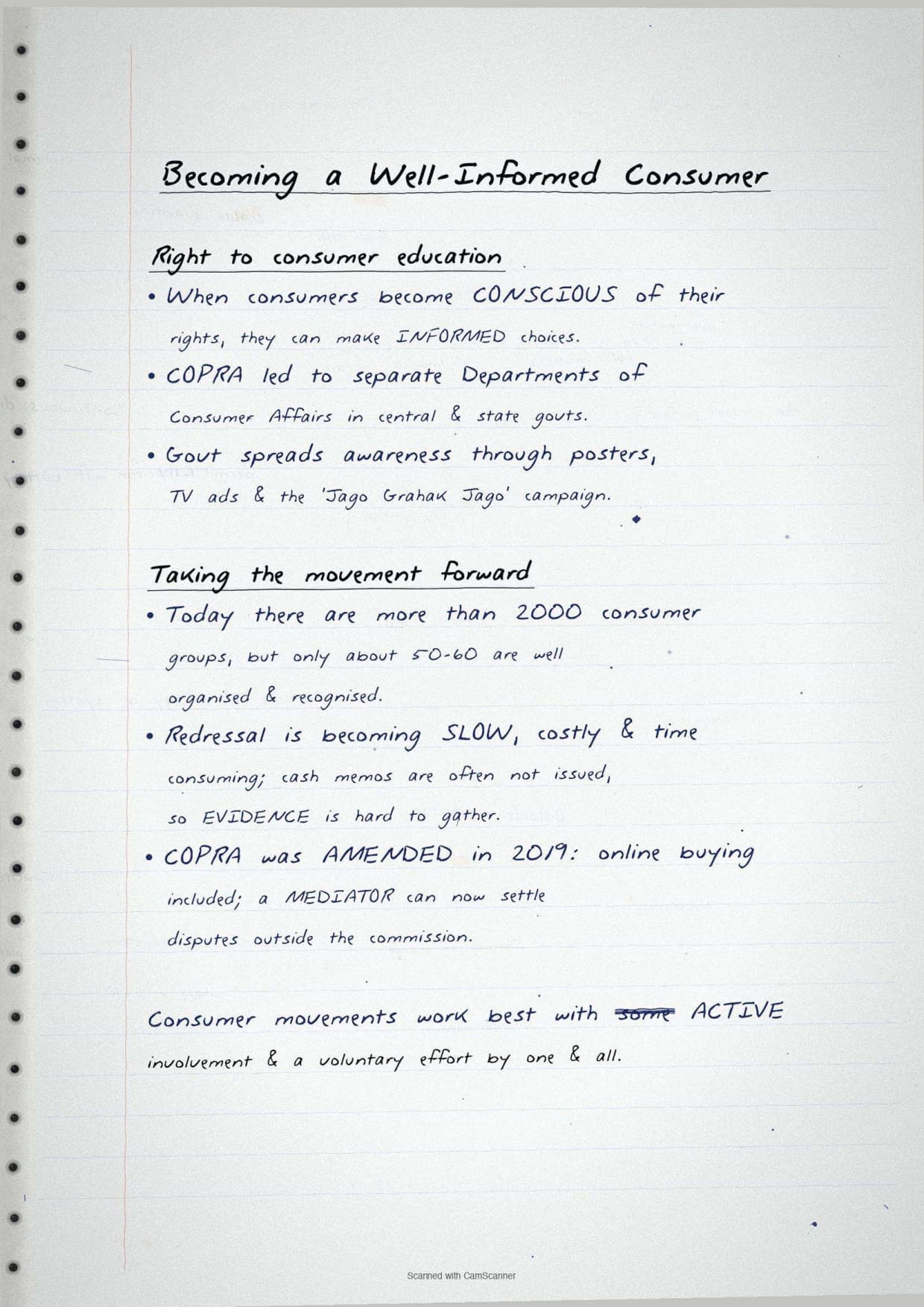
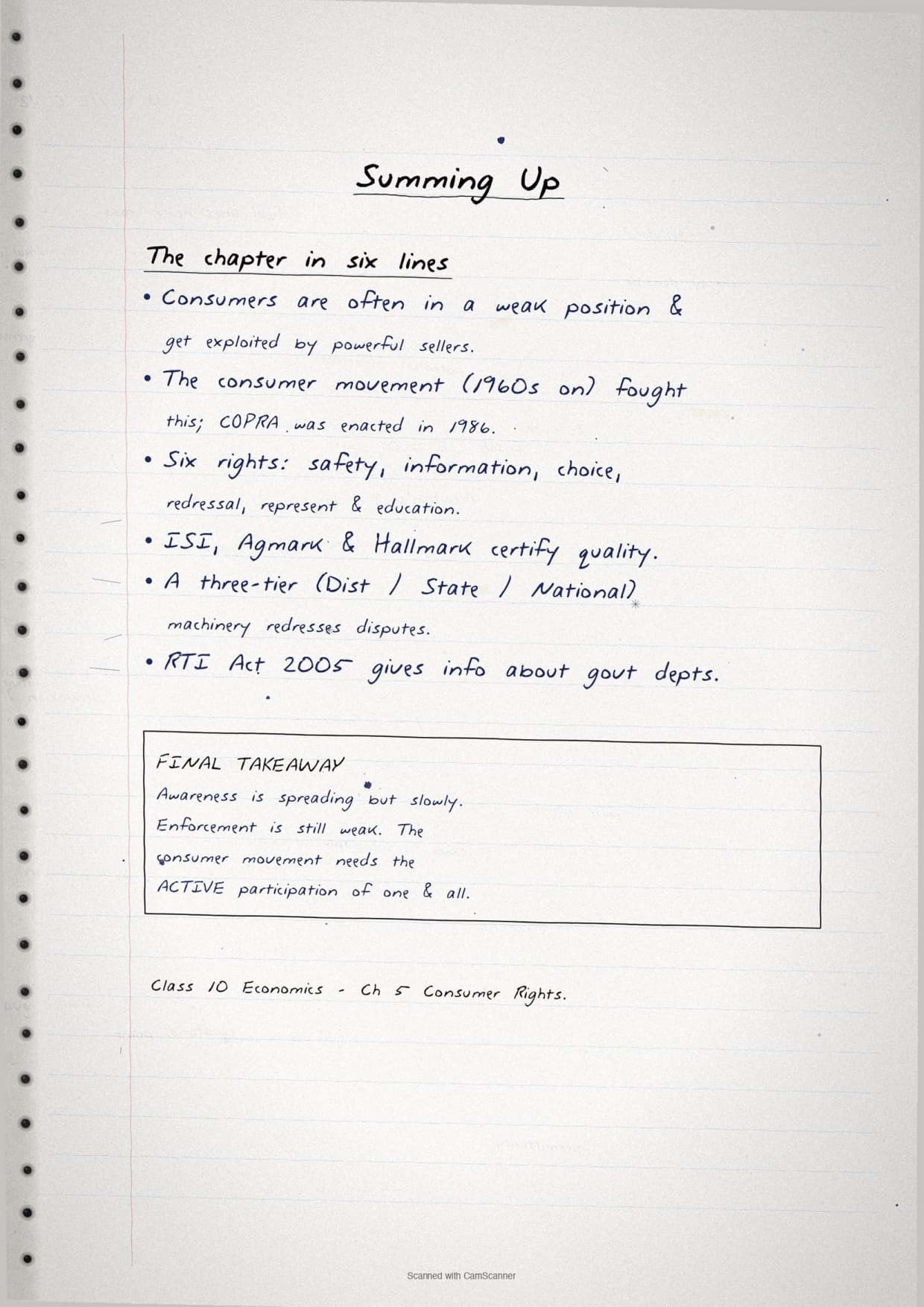
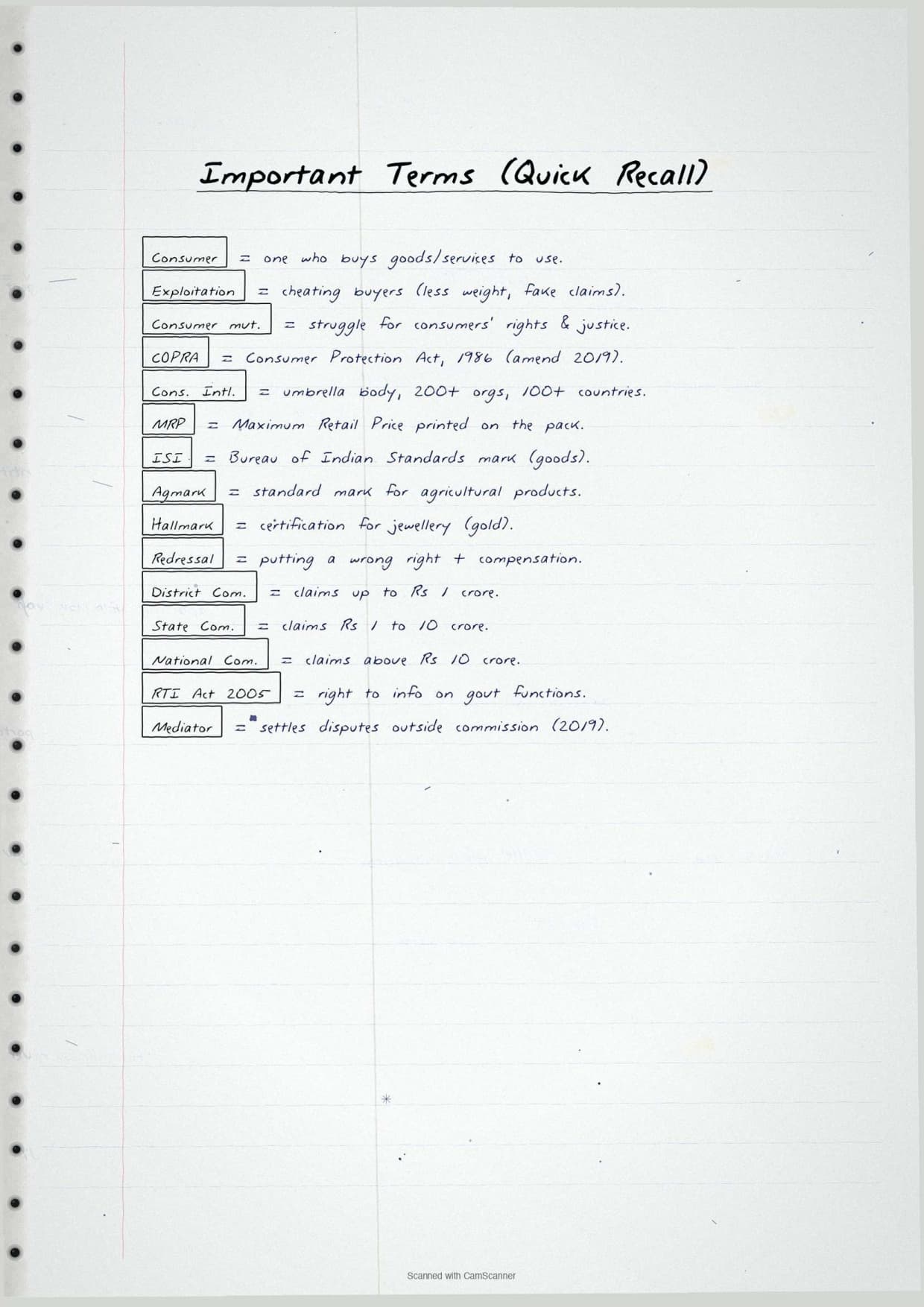
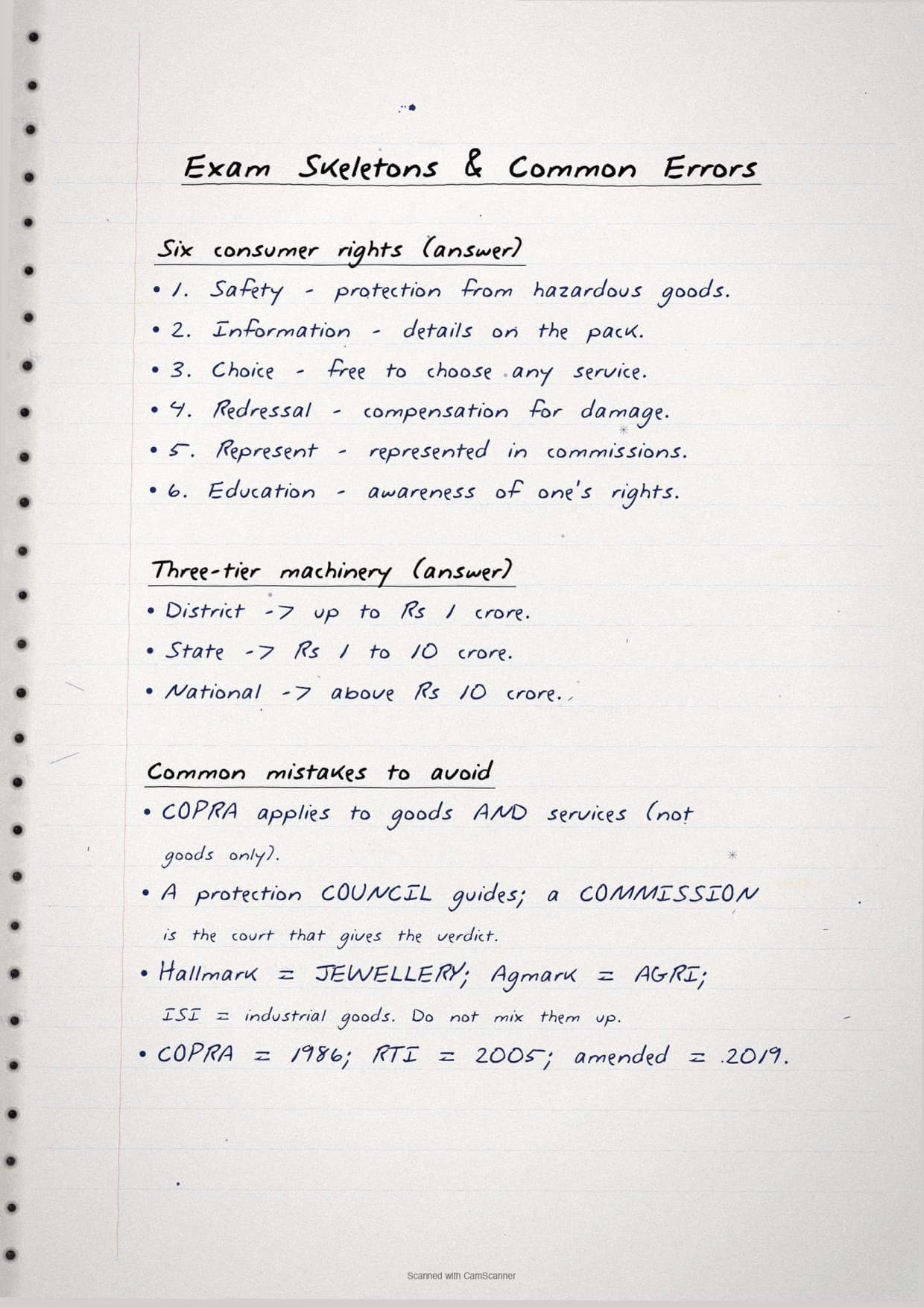
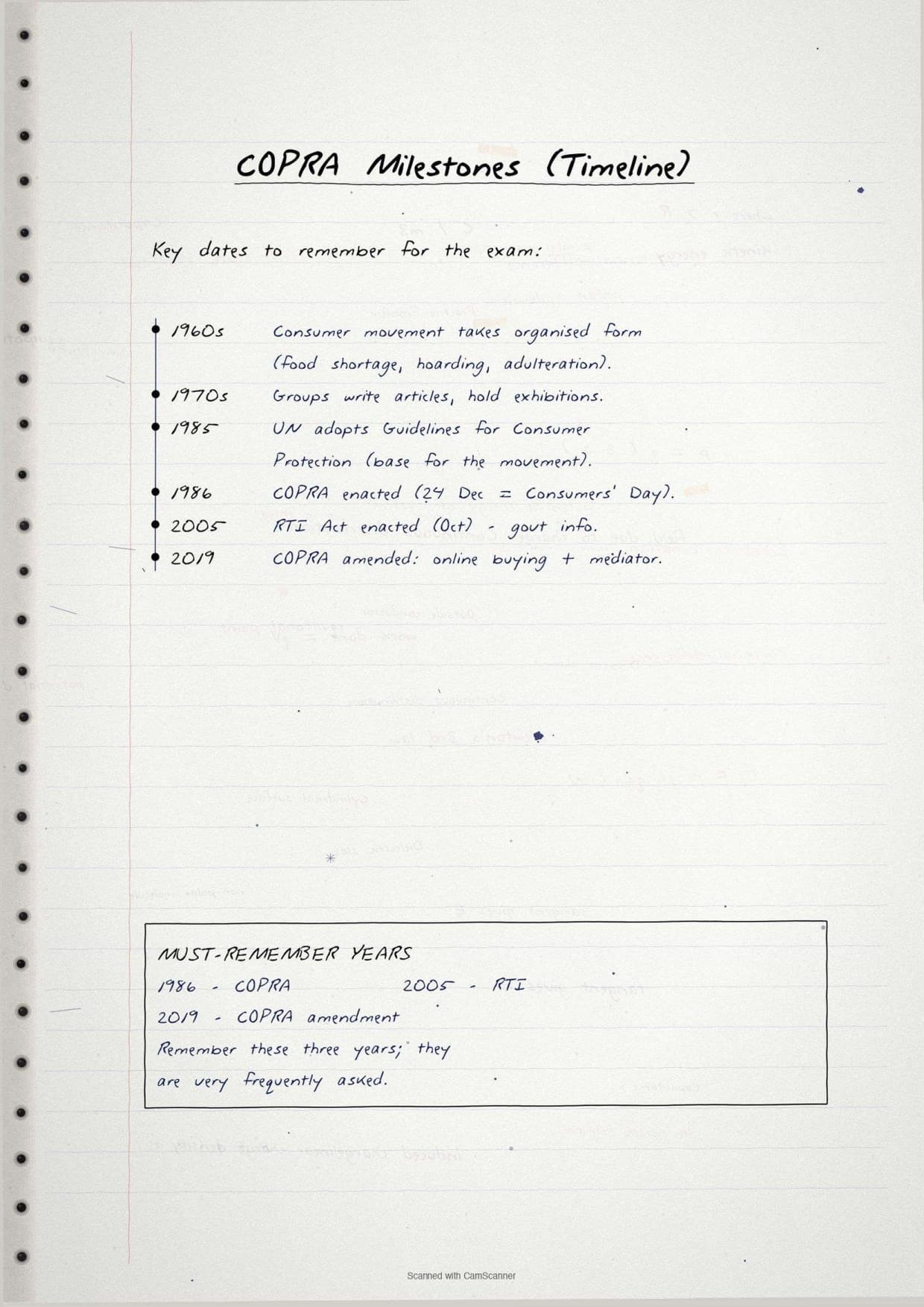
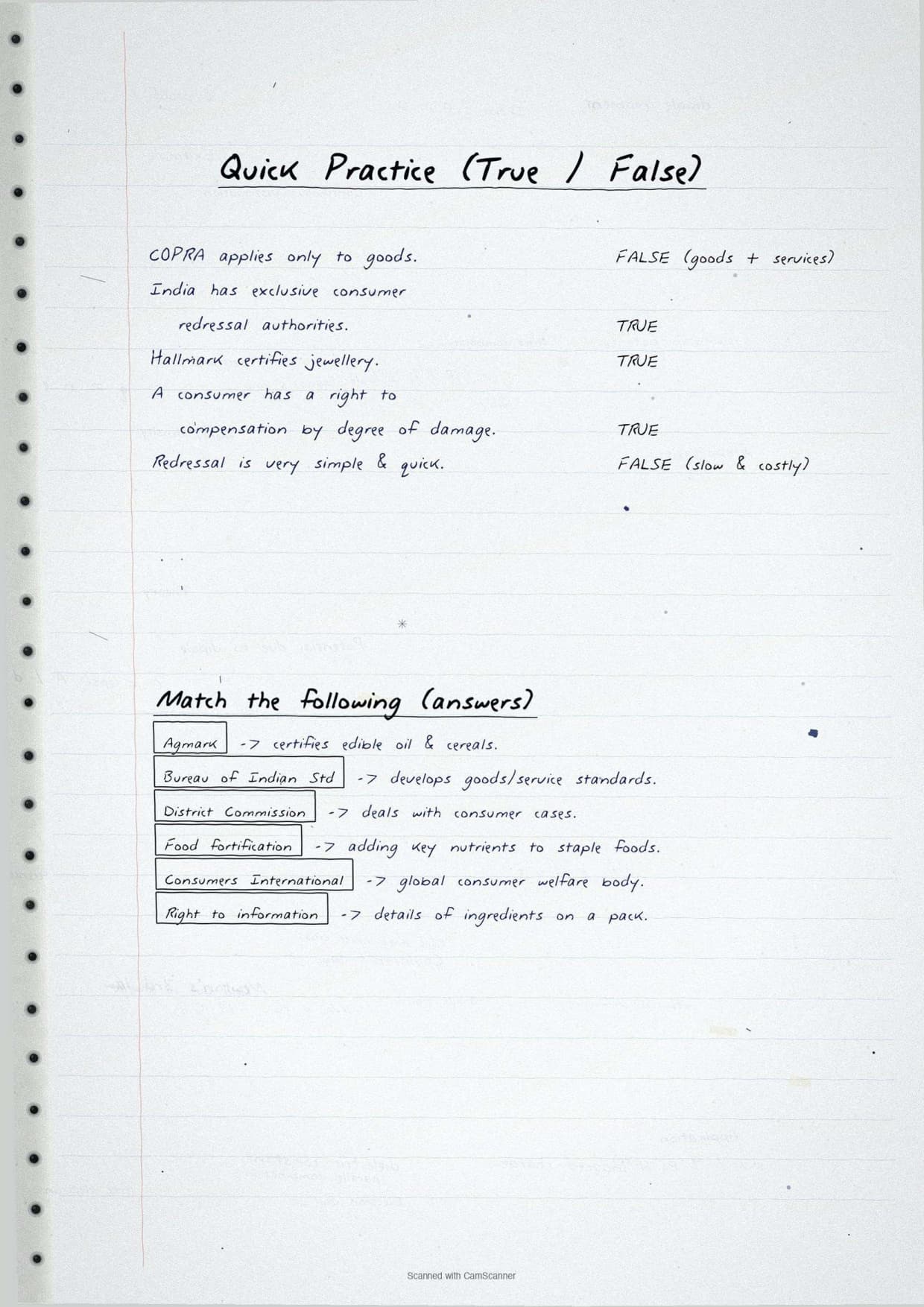
They follow the 2026-27 CBSE syllabus and Chapter 5 of Understanding Economic Development. Students get the consumer movement, the six consumer rights, the ISI, Agmark and Hallmark logos, COPRA 1986 and the three-tier redressal system in a scan-friendly format.
- Handwritten, scanned-style pages with boxed key terms and a colour-coded six-rights chart.
- This Class 10 Economics chapter usually carries 5 to 6 marks in the board paper.
- Pairs with the NCERT Solutions, Notes and Book PDF linked lower on this page.
These Consumer Rights handwritten notes are prepared from the official NCERT Understanding Economic Development textbook and checked against the last five years of CBSE board papers.
What These Handwritten Notes Include
Consumer Rights is the fifth chapter of Understanding Economic Development. It studies why a buyer in the marketplace is often in a weak position, how ordinary people built the consumer movement, what six rights every Indian consumer has, and how the law gives those rights teeth through COPRA 1986. These notes condense the chapter into pages a student can read in one sitting.
Every page is built around the things the chapter wants you to explain:
- Why protection is needed covers how consumers are cheated through underweighing, adulteration and false ads.
- The consumer movement covers how it began in the 1960s and grew through Consumers International.
- The six rights covers safety, information, choice, redressal, representation and consumer education.
- The law and logos covers ISI, Agmark, Hallmark, COPRA 1986 and the three-tier redressal system.
Because the notes are handwritten, key terms sit in boxes and arrows are drawn by hand, so the eye jumps straight to the cause-and-effect chain. Follow each arrow from exploitation to movement to rights to redressal, and the whole chapter falls into place. The notes follow the 2026-27 CBSE syllabus.
Consumer Rights Class 10 Economics Video Lesson
Source: Magnet Brains Hindi Medium on YouTube
Consumer Movement and Six Rights Pages
These pages open the chapter because the most common question asks why the consumer is in a weak position and what rights protect them. The notes give a boxed definition and a hand-drawn arrow chain, so the answer is easy to recall.
- Consumer: a person who buys goods or uses services for final use, like a student buying a notebook.
- Why protection is needed: sellers are few and powerful, consumers are many, small and scattered.
- Consumer movement: an organised social effort that began in the 1960s against food shortages, hoarding and adulteration.
- The six rights: Safety, Information, Choose, Redressal, Represent and Consumer Education (mnemonic SICRRE).
The pages box the sharpest point in red ink: a market needs rules because sellers shift blame onto buyers while consumers stay scattered and weak. A small arrow links each right to a real NCERT case, like the Reji Mathew safety case, so students never quote the wrong right. This case-to-right skill turns an average answer into a full-marks one.
| Right | What it protects in the chapter |
|---|---|
| Right to Safety | Protection from goods and services that are hazardous to life and property. |
| Right to Information | Knowing price, ingredients, batch number, manufacture and expiry date. |
| Right to Choose | No seller can force you to buy one item to get another. |
| Right to Seek Redressal | Getting compensation for the damage caused by unfair trade practices. |
Standardisation Logos and Right to Information Pages
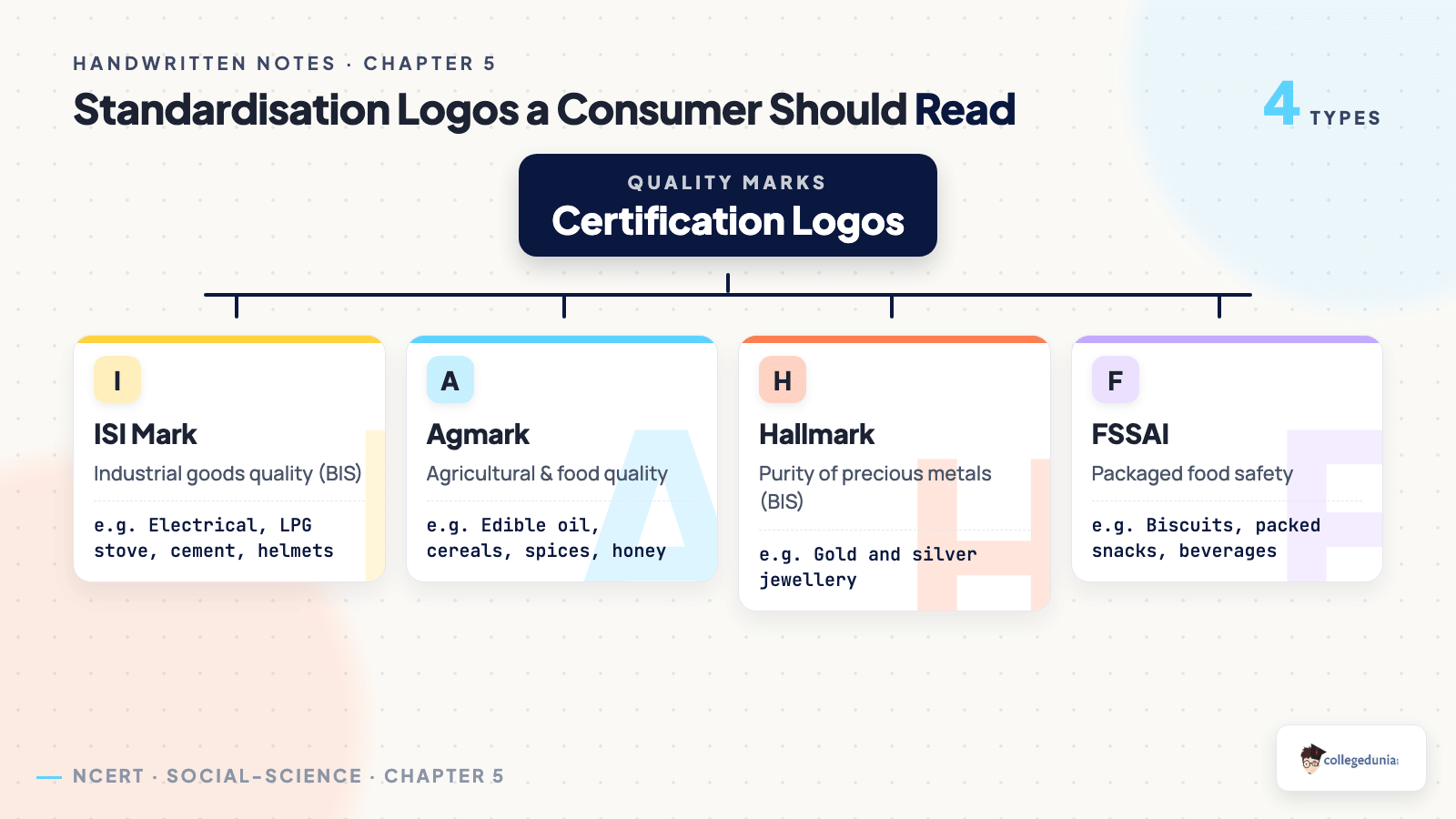
These pages explain the quality-certification logos a consumer reads on a packet and why the right to information matters. Learn the three logos, and the 1-mark question is easy.
- ISI certifies industrial goods like electrical appliances, LPG stoves, cement and helmets.
- Agmark certifies agricultural and food goods like edible oil, cereals, spices and honey.
- Hallmark certifies the purity of gold and silver jewellery.
- Right to Information means a packet must show price, batch number, manufacture date and expiry date.
The margin note underlines the line the exam loves: ISI is for industry, Agmark is for agriculture and food, and Hallmark is for jewellery, so never swap them. A hand-drawn arrow ties the MRP rule to a buyer's power: a shop cannot charge above the printed MRP, and a consumer can even bargain to pay less.
COPRA 1986 and the Three-Tier Redressal Pages
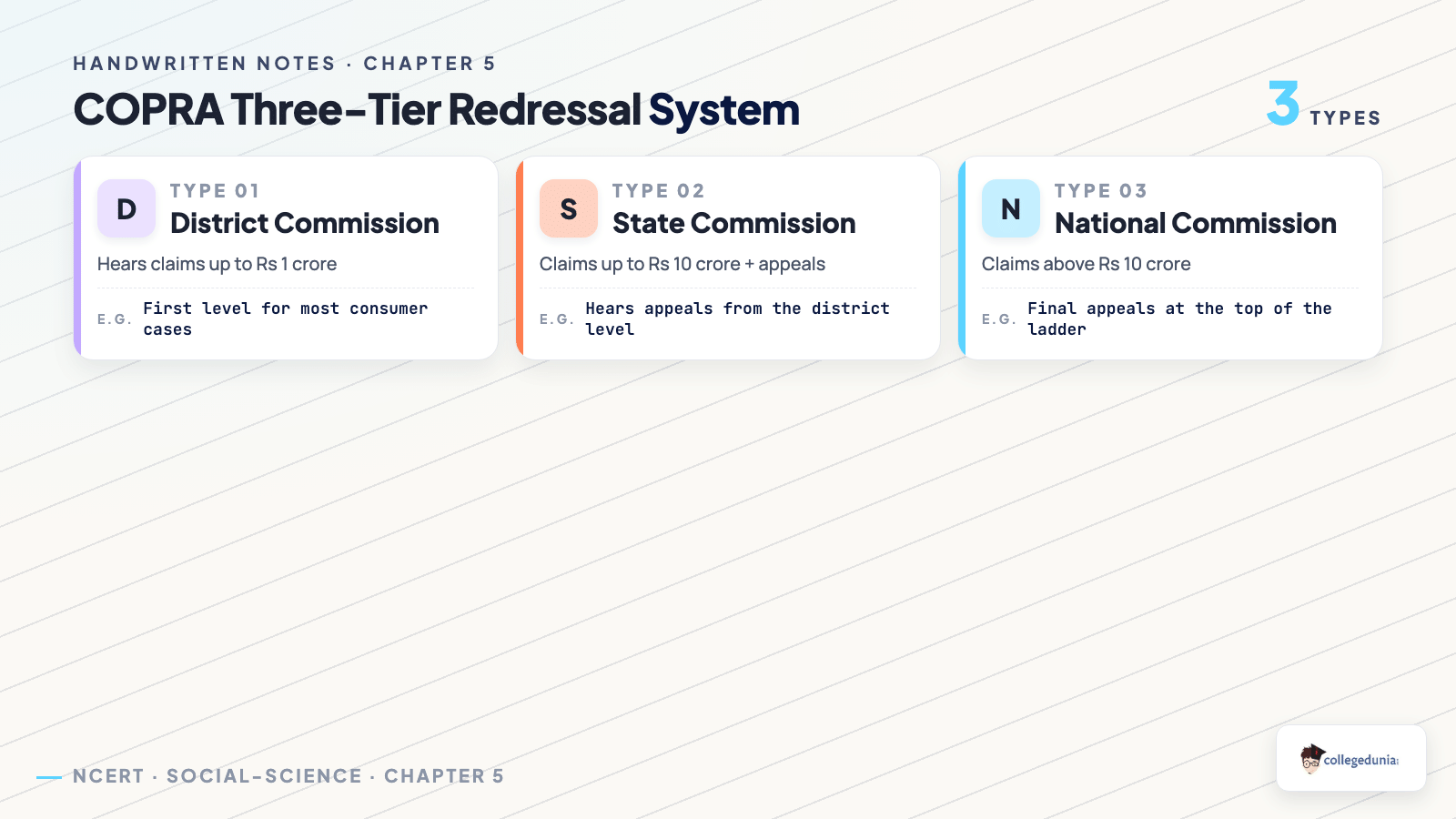
These pages keep the law and the redressal machinery next to each other, because the board often asks both. Each tier is boxed and linked to the value of the claim, so students can copy the structure onto the answer sheet.
- COPRA 1986: the Consumer Protection Act, popularly called COPRA, was enacted in 1986 and amended in 2019.
- District Commission: hears claims up to Rs 1 crore.
- State Commission: hears claims between Rs 1 crore and Rs 10 crore, and appeals from the district level.
- National Commission: hears claims above Rs 10 crore and the final appeals.
The pages box the most-tested fact in the margin: COPRA set up a three-tier quasi-judicial machinery at the district, state and national levels, classified by the value of the claim. A consumer who loses at the district level can appeal to the state and then the national commission. This law-to-ladder angle is the point examiners reward in the long-answer question.
How to Use These Handwritten Notes
Handwritten notes work best as a final layer of revision, not as your first read. Follow this plan once a week in the run-up to the board exam.
- First pass: read the notes once, following the movement, rights, logos and redressal order.
- Active recall: cover the boxed definitions and try to list the six rights using the SICRRE mnemonic from memory.
- Chain practice: redraw the three-tier redressal ladder and match each tier to its value of claim without looking.
- Self-test: attempt a short class 10 economics chapter 5 mcq drill to check the small facts.
Because the pages are scanned, students can save them on a phone and revise offline on the way to the exam centre. Pair these pages with the full solutions to check your written answers against the model points.
Common Mistakes These Notes Help You Avoid
A few errors cost marks in this chapter every year. Most come from swapping the certification logos, mixing up the COPRA and UN Guidelines years, or matching a case to the wrong right.
- Swapping the logos - ISI is industrial, Agmark is agricultural and food, Hallmark is jewellery.
- Confusing the years - 1985 is the UN Guidelines and Consumers International, 1986 is COPRA in India.
- Writing that a shop can charge a little above MRP - the MRP is the maximum legal price, never more.
- Matching a case to the wrong right - the Reji Mathew case is the right to safety, not redressal.
- Forgetting that the consumer movement began from food shortages, hoarding and adulteration in the 1960s.
Students who fix these five points usually move from average to high marks. The exam rewards a clear case-to-right link, so always name the right before you explain the case.
Student Feedback
In a Collegedunia poll of 6,180 Class 10 Social Science students before the 2026 boards, 78% of students said scanned-style handwritten notes felt faster to revise from than printed text for this chapter. Most students used the boxed six-rights chart to recall the SICRRE rights without mixing them up.
Source: 2026-27 Class 10 Social Science student poll, 6,180 students from CBSE schools across 11 states.
Other Resources for Consumer Rights Class 10 Economics
These handwritten notes are a revision layer. Pair them with the other Class 10 Economics resources for this chapter, all linked below.
| Resource | Best used for |
|---|---|
| Consumer Rights NCERT Solutions | Step-by-step answers to all the back-exercise questions |
| Consumer Rights Class 10 Notes | Quick chapter summary with the six rights, logos and COPRA in one place |
| Consumer Rights NCERT Book PDF | Reading the original NCERT chapter text, case studies and figures |
Tip: use the handwritten six-rights chart to memorise the SICRRE order, then write the full answer in your own words.
All Class 10 Economics Handwritten Notes by Chapter
The table links the handwritten notes for every Class 10 Economics chapter. Consumer Rights is highlighted.
| Chapter | Handwritten Notes |
|---|---|
| Understanding Economic Development | |
| Chapter 1 | Development |
| Chapter 2 | Sectors of the Indian Economy |
| Chapter 3 | Money and Credit |
| Chapter 4 | Globalisation and the Indian Economy |
| Chapter 5 | Consumer Rights |
Consumer Rights Class 10 Handwritten Notes Common Questions
Ques. Where can I download the class 10 economics handwritten notes chapter 5 Consumer Rights PDF?
Ans. You can download the Consumer Rights handwritten notes PDF directly from this page. It is free, follows the 2026-27 NCERT, and gives the chapter as clean scanned notebook pages with boxed terms and a colour-coded six-rights chart.
Ques. Are handwritten notes good enough for the class 10 economics board exam?
Ans. Yes, for revision. Handwritten notes are best used as a final layer after you have read the chapter and practised the solutions. They make the six rights, the ISI, Agmark and Hallmark logos and the three-tier redressal system quick to recall in the exam.
Ques. What are the six consumer rights in this chapter?
Ans. The six rights given by COPRA are the right to safety, information, choose, seek redressal, represent and consumer education. The mnemonic SICRRE keeps them in order, and the notes box each right with a real NCERT case so it is easy to recall.
Ques. What is the three-tier redressal system under COPRA?
Ans. COPRA 1986 set up a three-tier machinery classified by the value of the claim: the District Commission hears claims up to Rs 1 crore, the State Commission up to Rs 10 crore, and the National Commission above Rs 10 crore. The notes box each tier with a hand-drawn ladder.
Ques. How should I use these notes for quick revision?
Ans. Read the pages once in the movement, rights, logos and redressal order, cover the boxed definitions and list the six rights using the SICRRE mnemonic from memory, redraw the three-tier ladder, then attempt a short class 10 economics chapter 5 mcq drill to test the small facts.



Comments