


What Students Say
Likes
- The Location: It's situated in a place that's near to both York and Boston.
- Indian Students: It's pretty easy to make friends since there are many Indian students. We don't feel lost.
- Friendly Professors
Dislikes
- Small Campus: It's not such a big campus
- Ranking: Not ranked so high
- Less Exposure
Required Exams for Admission
Course Curriculum
8
- The course in our college has many options that we can choose from and it’s so related and flexible to opt for. The faculties are well qualified and welded in the field so it’s helpful and grateful to learn from them. But it’s up to us, by the end of the day, how we want to learn or how seriously we take our studies to put ourselves up.
- The difficulty level of the course was mixed, neither too easy nor too difficult. It was both practical and theory-based. Again, depending on the professor and the subjects that you choose. My course was partially practical, per se. It also depends on how much effort you put in. For me, it wasn't that difficult since I had a similar background. I was pretty much familiar with the subjects.
- The positive aspect is that AI is literally everywhere, acquiring all sectors across the globe; hence, the demand is always higher, as we are, in a way, the makers. However, the negative aspect is that many people are choosing data science because of its positive aspects, and the competition is increasing to secure a job.
Admission Experience
-
I had applied to 4 colleges
- The University of Houston (waitlisted),
- The University of North Texas (waitlisted),
- Sacred Heart University (admitted), the University of New Haven (admitted)
- I have received confirmed admission from Sacred Heart University and the University of New Haven.
- I didn't receive rejection from any university that I had applied to.
- I was not rejected, but I was waitlisted since there was high competence, in my opinion.
- I chose this college mainly due to the location since it is close to main cities such as New York and Boston and another reason would be the relatively affordable fee.
- I had taken my GRE and Duolingo, Applied online through the university's official portal, submitted my transcripts, degree certificates, Personal essay(of around 500 words) and letter of recommendation, and received the admission mail and acceptance mail.
- Accepted exams and minimum required scores:
- IELTS – 6.0
- TOEFL – 75
- SAT – 450 Evidence-Based Reading and Writing Score
- Pearson Test of English—53
- Duolingo - 100
- Eligibility criteria would be decent scores from your high school and bachelor's, valid recommendation letters, good English proficiency test scores, and good GRE or GMAT scores, which would be great to secure a good percentage of scholarship.
- The overall admission process was smooth.
- I applied for Fall 2023, and I made that decision since the intake is high and, hence, it impacts the admission rate.
- It took around a month for me to apply online and to receive admission mail.
- I started to apply in the month of February, and then I started to receive responses through the mail. I received admission mail in the month of May. First week of May.
Class Schedule
8
- We typically would have 2 to 3 classes per day, depending on the classes that you register for and also based on availability. The time usually stretches from 8:30 am to 9:15 pm.
- Again, depending upon how many students the professor wants in his/her class. Typically, in our class, there were 20 to 40 students on average.
- There were a lot of Indian students, especially in the course that I chose for whatever reason. There were about 6 to 8 Indian students for every 10 students in my class.
Faculty
8
- Faculties are from highly qualified and reputable backgrounds. They’re so proficient and excellent in the field of their study.
- The faculty-to-student ratio was approximately 1:30, which was not really bad because every student could approach, and professors were pretty approachable as well. The ratio was pretty balanced since the professor could give attention to individuals' academic status.
- The teaching methodology was both practical and theoretical. I wouldn't say it's really not enough. It depends on how perfect you are in that and how well you can apply that on an industry level. If one can apply it practically well and can present it well enough to impress the person through the work, then why wouldn't it be enough? But it's always advisable to extend the knowledge and explore the concepts.
- Faculty members wouldn't assist directly, but if you maintained good grades and kept good terms with the professors, they would aid you passively. In terms of referral guidance, by providing LORs, etc.
- I would admire a professor named Dr Khaled Sayed, NLP professor. his teaching is crystal clear, he is good at resolving doubts, he is approachable, he has good knowledge, and he has a well-designed course. I still remember what he had taught, and I will remember it in future years as well. It was that impactful.
Campus Life
6
- There are several clubs and events where we can participate and enjoy. The clubs cover almost every interest that we can think of and they're friendly to join.
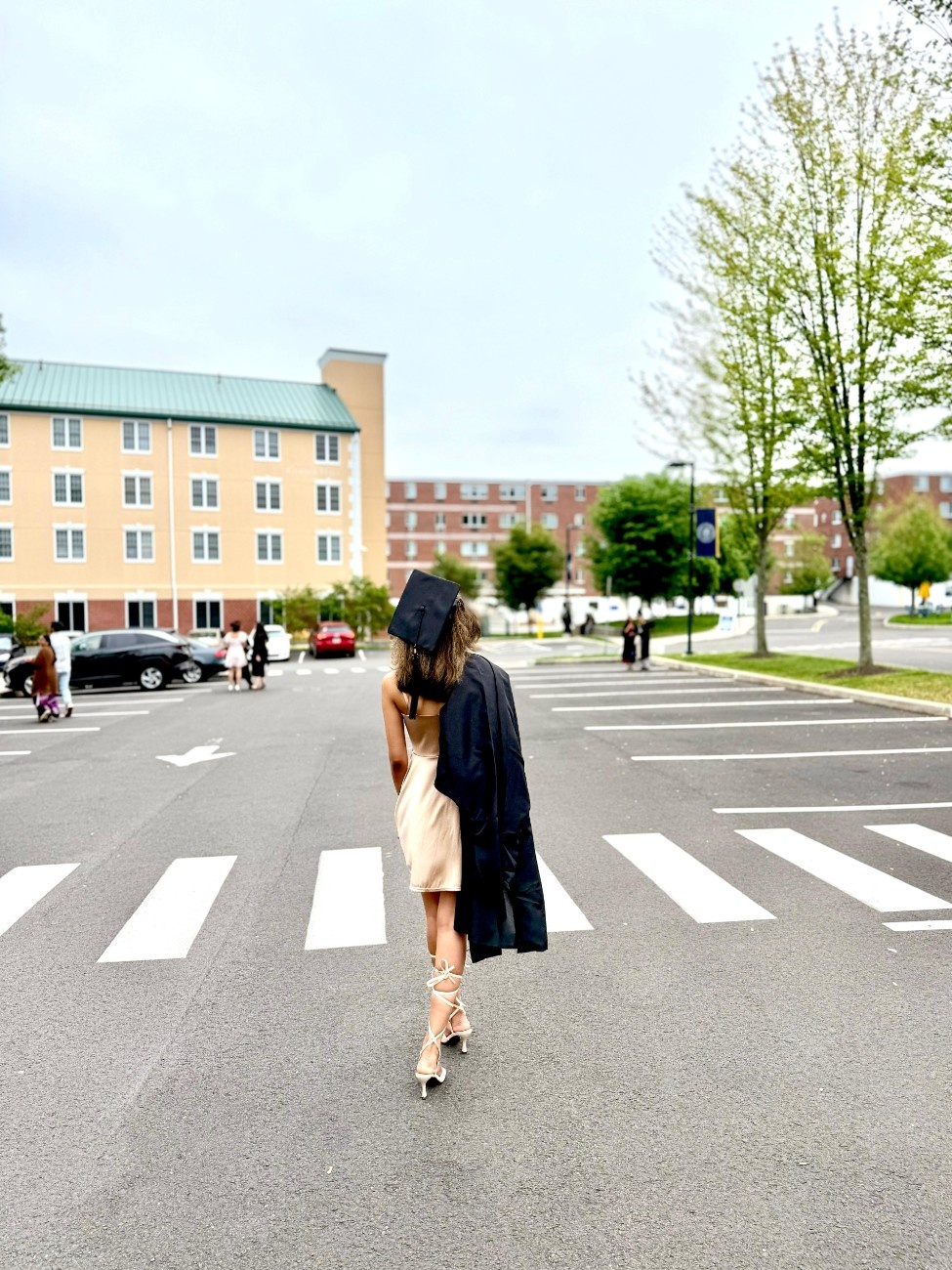
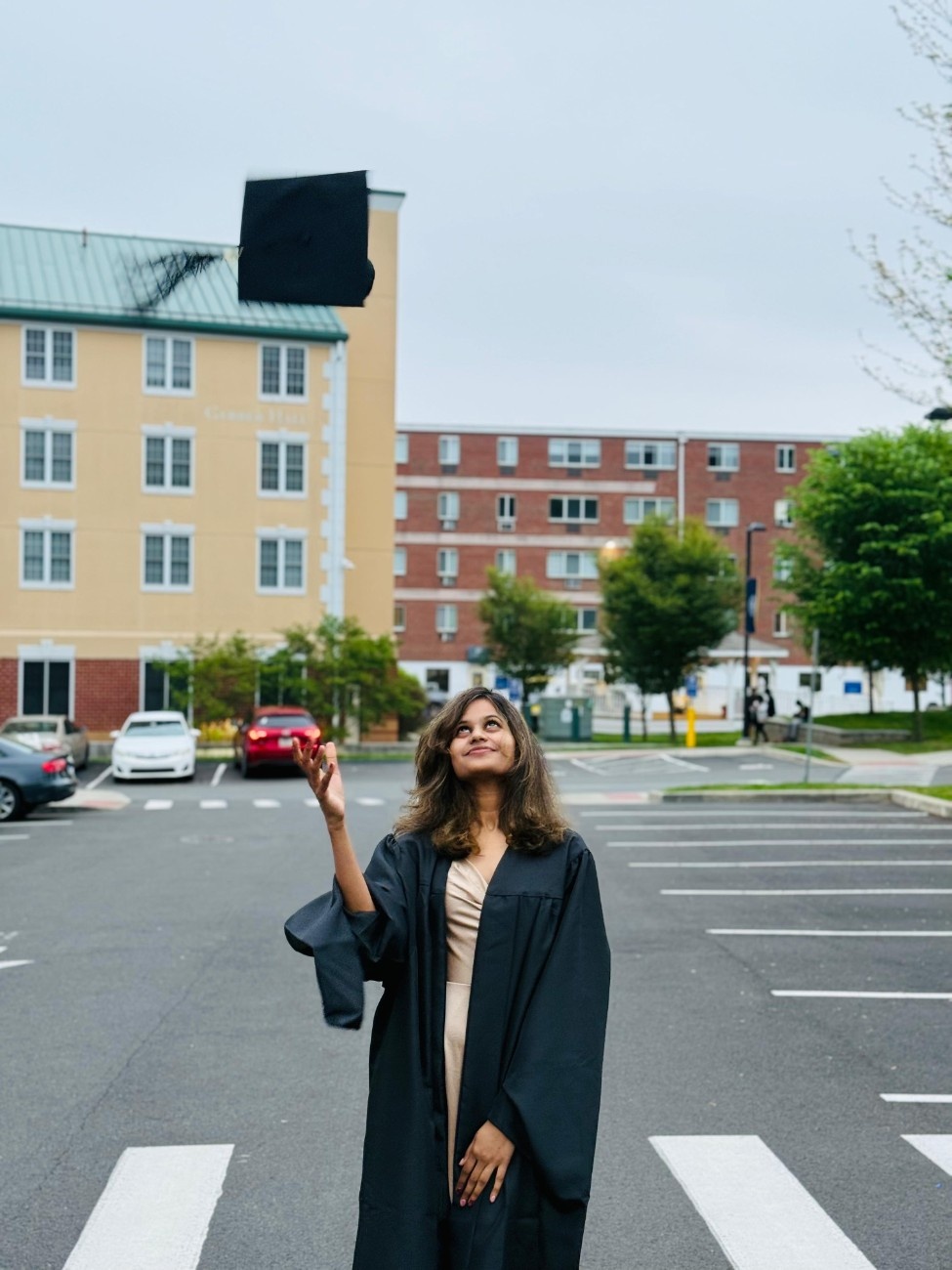
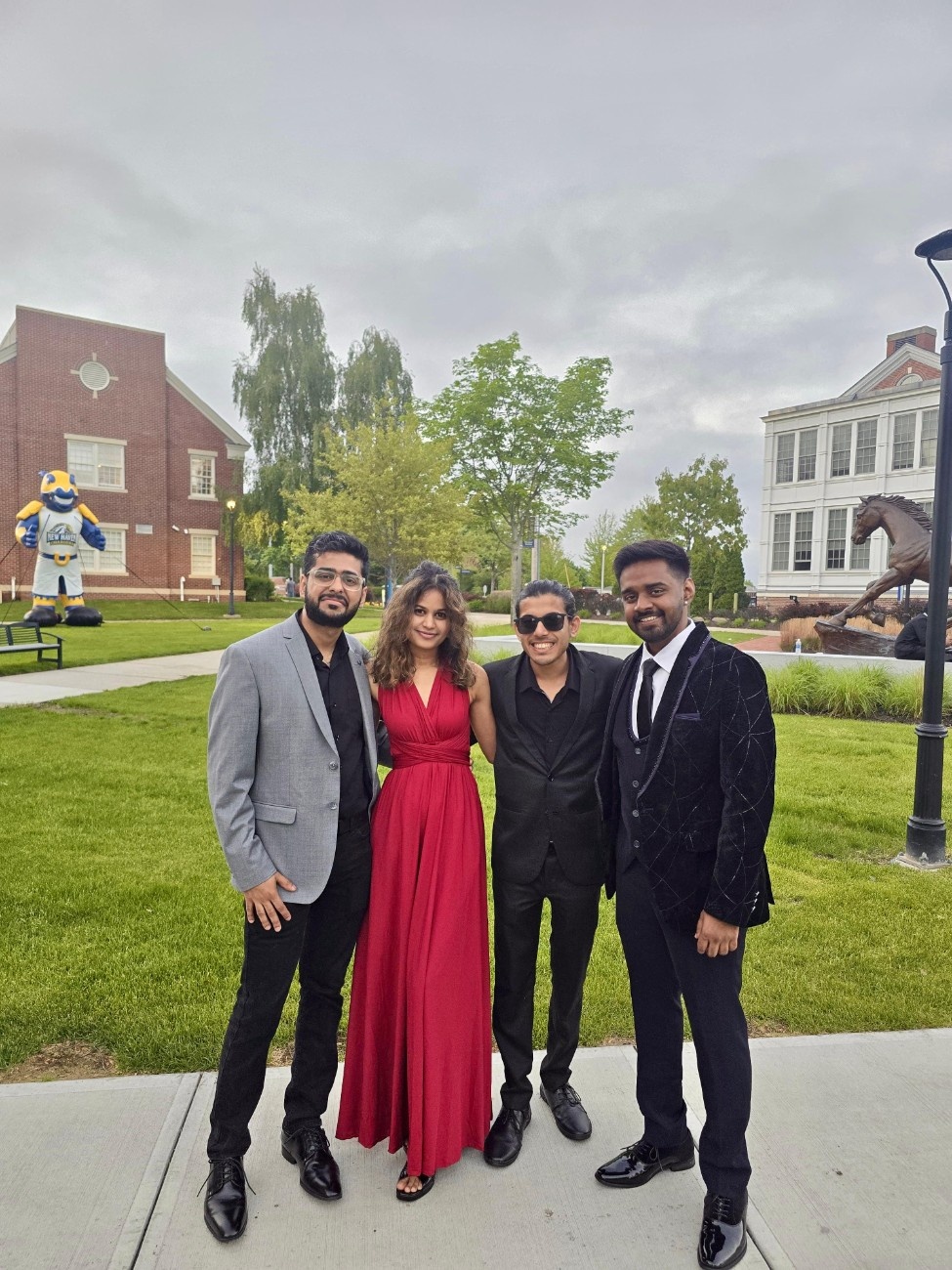
- My university has 3 campuses.
- The main campus—300 Boston Post Road, West Haven, CT
Orange Campus—584 Derby Milford Road, Orange, CT
Tuscany Campus—Piazza S. Francesco, 8, Prato, Italy
- The main campus—300 Boston Post Road, West Haven, CT
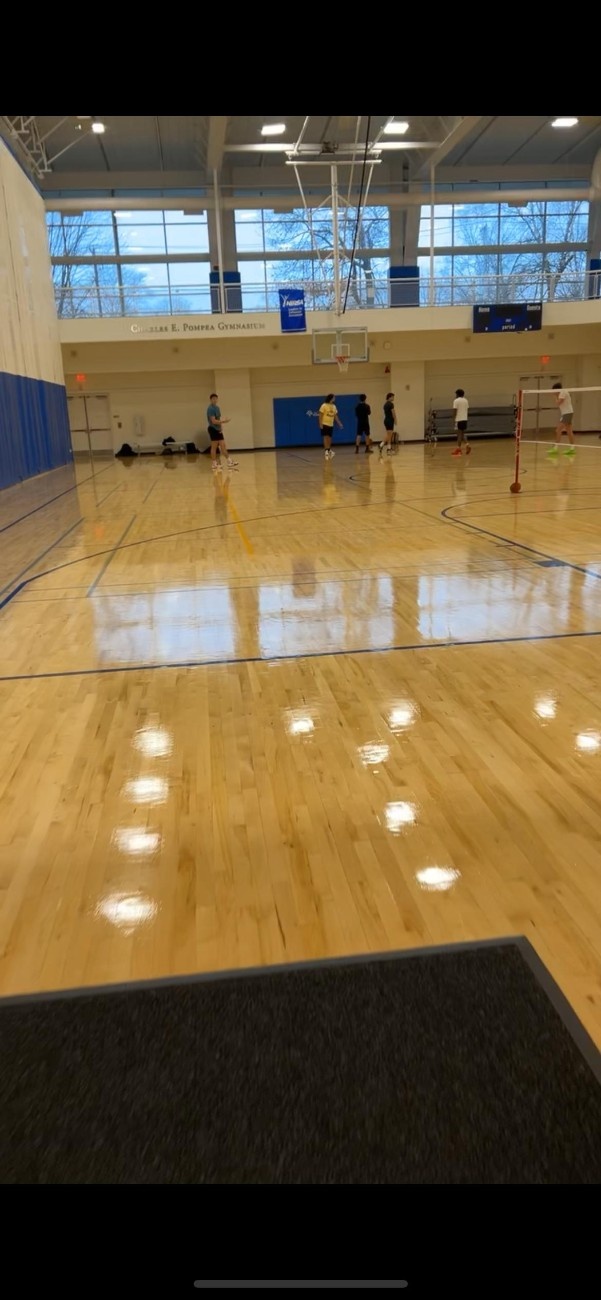
- My campus has all the main facilities, such as the library, stadiums, medical support, dining, lounging, etc.
- The major clubs are ISC, the sports club, and the music club. They celebrate Diwali, African festivals, Halloween, and sports events, a festival for international students, i.e., IFest.
- There are many extracurricular activities that students can explore; they can join Zumba, yoga sessions, dance clubs, and sports, and there are some competitions for that as well, and many voluntary works that they can choose. There are student organisations for different classes, and depending on their nationalities and interests, one can explore them.
Part Time Jobs
- There's a lot of competition for the TA, RA, and Graduate Assistant (GA) positions. Typically, one in 15 to 20 students secures a position.
- The pay for the GA position varies from $14 to $17 per hour. The pay for the TA position varies from $16 to $20 per hour, and for RA it goes from $17 to $25. (Again, it depends on quite a few factors, such as the professor you're working with, the intensity of the work, the impact, etc.)
- The other on-campus jobs that are available would be a gym trainer, a librarian, or a career advisor (as far as I know, there could be more as well). Hourly wages would vary from $12 to $20 depending on the position.
- For international students, the maximum hours that one can work is up to 20 hours per week. Securing a part-time campus job is a bit competitive and requires constant effort and awareness of the opening of the position and the right networking.
- Typically one would earn in the range of $12 to $25 per hour depending on what job they are doing. It is quite challenging to secure part-time employment while studying since they have to be so aware of the opening and they should be capable of the open position, as well as handling their education in parallel. Usually it starts from the university site. There is an official college site for on-campus jobs, which one should be constantly checking and another platform is the handshake app, where the students can check for part-time job availability. Once they find it, they should apply through the link or by filling out the form, whatever it requires, usually the resume, photo ID and a cover letter. Then if they are eligible, then they'll get an interview call, mostly in person, and then they will know the result later, after the interview, maybe after a couple of in-person interviews.
Placement
6
- The campus assists us well in choosing our career path. We can get our resume reviewed and they even conduct many workshops regarding career opportunities. They conduct career fairs as well.
- On average, 60% to 90% of the graduating batch usually secures employment within 6 months after completing their course.
- The average salary that my course graduates can expect would be $60,000 to $120,000.
- Most students get it through LinkedIn and constant job applications, and one can take assistance from the career department of the campus, where they assist in resume tailoring and other things. Reaching out to recruiters, cold DMing, proper networking, and constant effort are all it takes.
- Some of my batchmates got through constant job applications, references, and the right networking. Some of my friends got placed at AstraZeneca, working as data analysts, and at Goldman Sachs, working as business analysts.
- Major companies that hire graduates from my programme would be CVS, The Hartford, The Travellers, Amazon, Morgan Chase, and Wells Fargo.
Accommodation
Off Campus
8
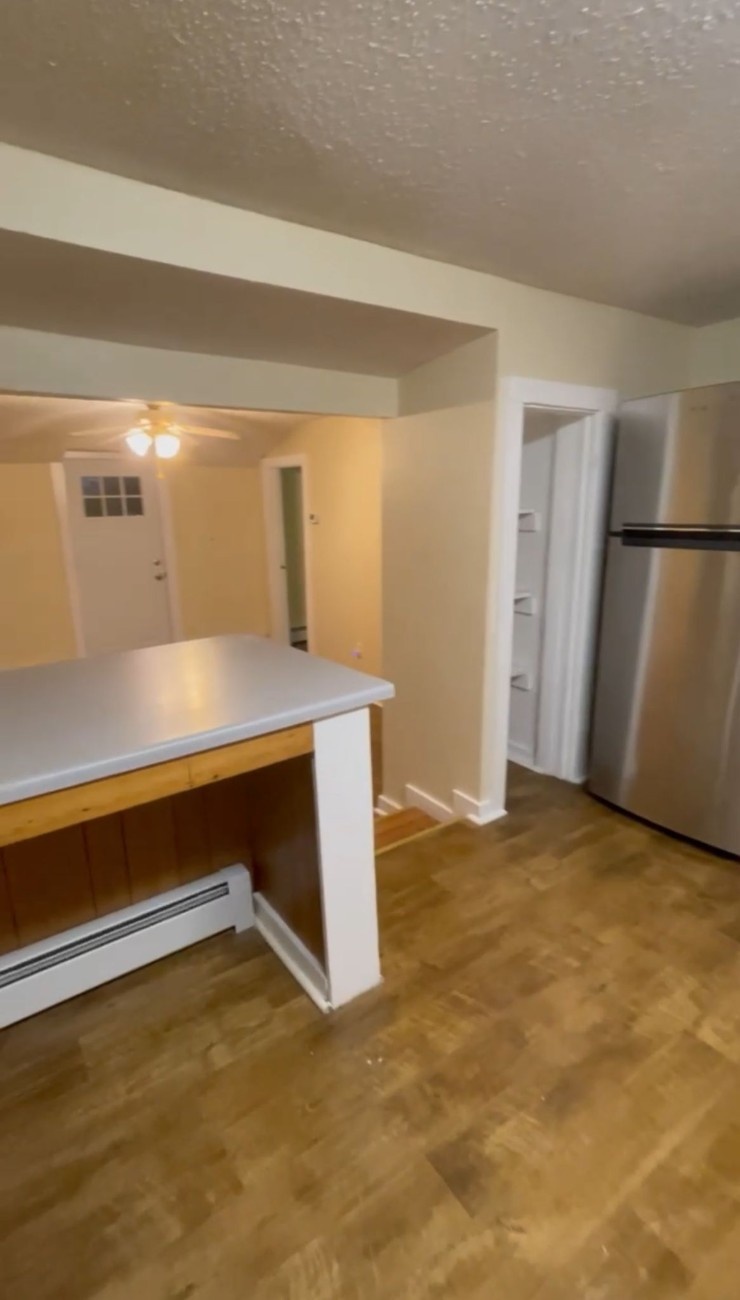
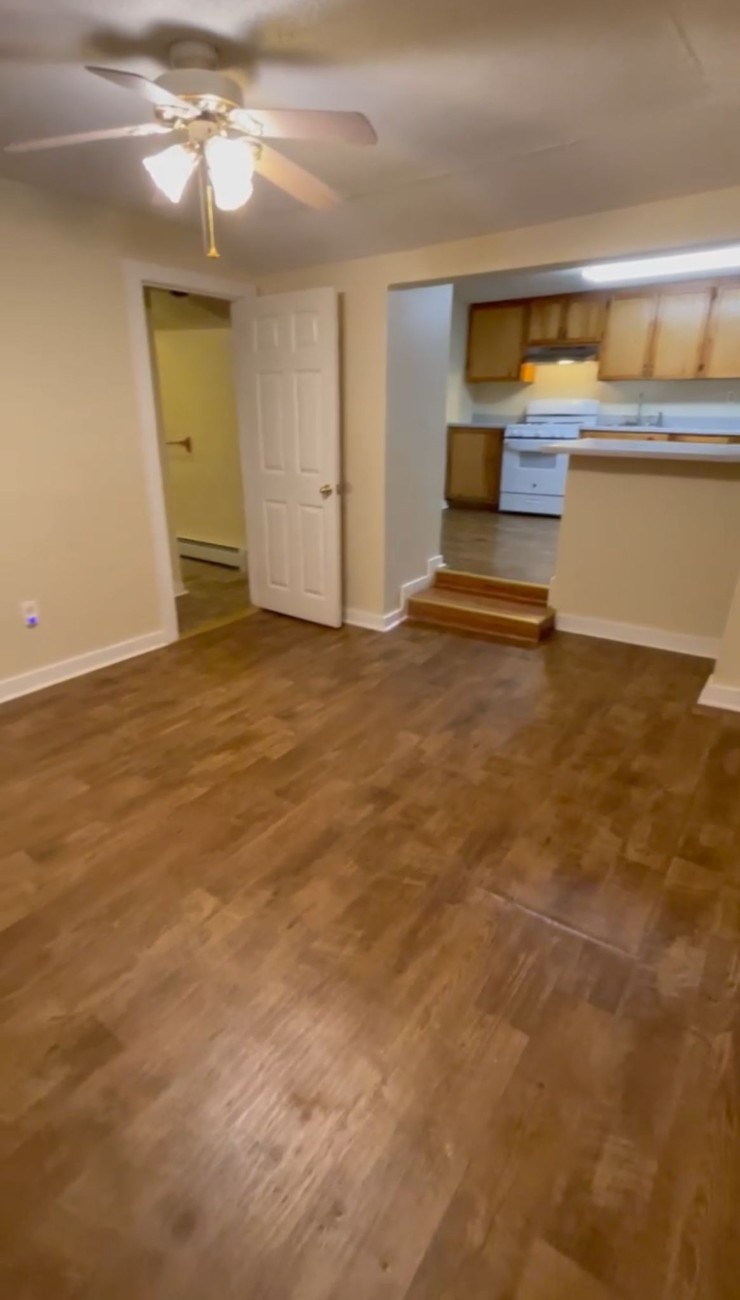
- I opted for off-campus accommodation.
- I found my accommodation through my friend of a friend, who was about to leave the house since she was done with her studies. I did not use any platform.
- The monthly rent was $525, which included the water bill. it was a private room and was in a walkable distance to my campus.
- The challenge was timing; the friend through whom I got the room had to leave even before I came to the USA, so I had to pay an extra month's rent just to keep it reserved for me.
- Based on my experience, I would recommend that future students start making networks way earlier. The more friends you make, the better it is.
- My accommodation was within walking distance of my campus. Pretty much closer to the college. Most of the Indian students prefer to stay around the campus so that they can save travel expenses and time.
Exams
- My scores: GRE 159 Verbal 166 Quant 3.5 Writing; Duolingo 125 8.5; Class minimum score: GRE 295, TOEFL 105/120, 3 LORs and precise SOP.
-
TOEFL, IELTS, PTE, Duolingo, GRE, and GMAT exams are required for admission to your university or college.
Two letters of recommendation (the minimum was two but there can be more as well). A Statement of Purpose, A resume or CV, and Official College documents (as in official transcripts and certificates) - No, an interview was never a part of my application process.
Fees
- The total tuition fee was around $33,000, approximately $1,000 per credit. I had to pay around $22,000 after considering the scholarship that I had secured. I was living off-campus and the fee was semester-wise and credit-based.
- Monthly expenses differ from person to person, depending on the individual's desired lifestyle. I had taken a private room closer to the university, so it was quite expensive. My rent was around $600 for rent and utilities, around $150 for groceries, and $50 to $100 for other miscellaneous expenses. So, in total, around $800 to $1000.
Scholarship
- Yes, I received a Dean's Scholarship during my course, and I had to maintain a GPA of 3.0 every semester and above to sustain that scholarship throughout the course duration.
- I received 20% of the Dean's scholarship. That discounted 20% of my total tuition fee. The application is included in the college application itself. No need to apply separately.
- Yes, a few of my batchmates received the dean's scholarship, to my knowledge. Almost 30% of the students received the 10% to 30% dean's scholarship.


