

![Sanjay Ghodawat University - [SGU]](https://image-static.collegedunia.com/public/college_data/images/logos/1688450765Untitled.png?h=71.7&w=71.7&mode=stretch)
Sanjay Ghodawat University Kolhapur B.Sc Food Science & Technology: Fees 2025, Course Duration, Dates, Eligibility

Sanjay Ghodawat University Kolhapur B.Sc Food Science & Technology is offered as 3 Years Full Time program, with total intake of 20 seats. The minimum eligibility criteria for B.Sc is 10+2. The total fees for Sanjay Ghodawat University Kolhapur B.Sc Food Science & Technology in 2025 is ₹ 1.43 Lakhs for the complete course duration, which includes total tuition fees of ₹ 1.28 Lakhs. Earlier, the fees in 2024 - 2025 for B.Sc Food Science & Technology was ₹ 1.43 Lakhs.
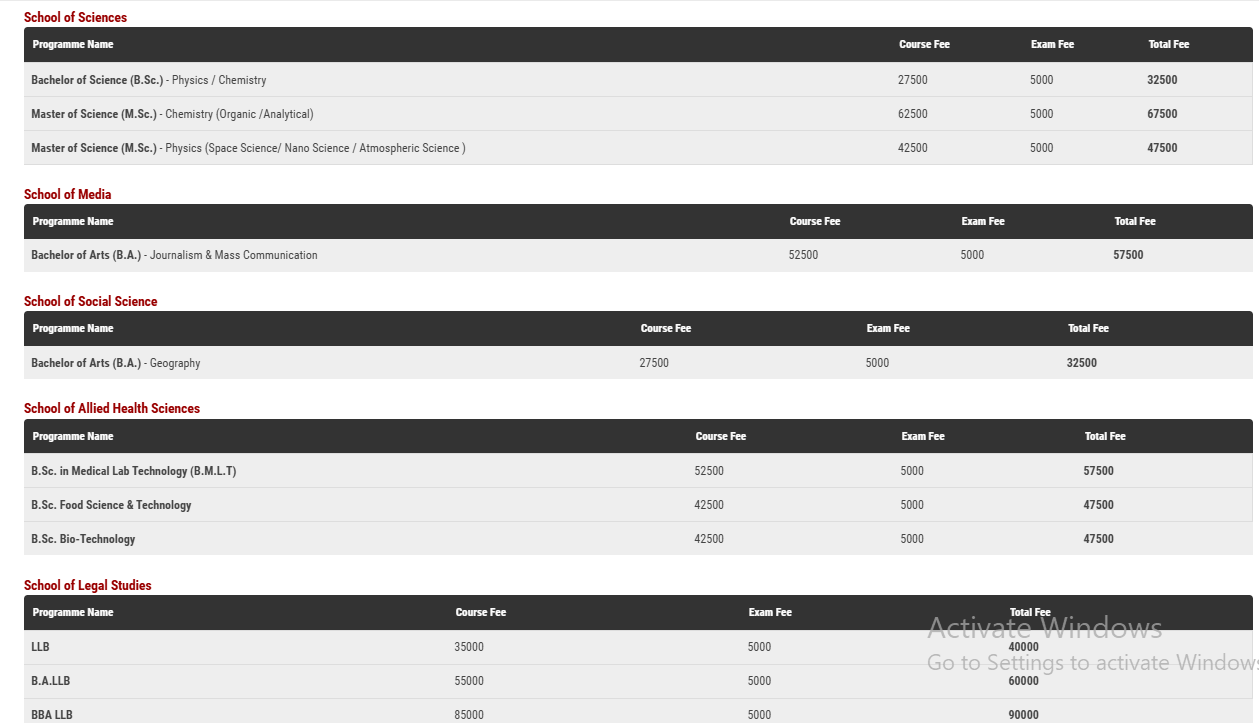
Sanjay Ghodawat University Kolhapur B.Sc Food Science & Technology fees in first year is ₹ 47,500. The detailed fees is mentioned below.- The first year tuition fees is ₹ 42,500.
- Other Miscellaneous fees is ₹ 5,000.
Sanjay Ghodawat University Kolhapur Hostel Fee is ₹ 57,000.
Sanjay Ghodawat University Kolhapur offers a total of 20 seats for B.Sc Food Science & Technology. Check Sanjay Ghodawat University Kolhapur Admission 2025
Sanjay Ghodawat University Kolhapur B.Sc Food Science & Technology Fees 2025
| Fees (2025 - 2026) | Year 1 (in INR) | Year 2 (in INR) | Year 3 (in INR) |
|---|---|---|---|
| Tuition Fees | ₹42500 | ₹42500 | ₹42500 |
| Exam Fees | ₹5000 | ₹5000 | ₹5000 |
| Yearly Fees | ₹47500 | ₹47500 | ₹47500 |
* Fees is refundable
Sanjay Ghodawat University Kolhapur B.Sc Food Science & Technology Previous Fees
| Fees | Year 1 (in INR) | Year 2 (in INR) | Year 3 (in INR) |
|---|---|---|---|
| Tuition Fees | ₹42500 | ₹42500 | ₹42500 |
| Exam Fees | ₹5000 | ₹5000 | ₹5000 |
| Yearly Fees | ₹47500 | ₹47500 | ₹47500 |
* Fees is refundable
Sanjay Ghodawat University Kolhapur B.Sc Food Science & Technology Admission 2025
The minimum eligibility for admission to B.Sc Food Science & Technology at Sanjay Ghodawat University Kolhapur is 10+2.
Also Check:
| Course Highlights | Details |
|---|---|
| duration | 3 Years (Full Time) |
| course level | UG (Degree) |
| mode of study | On Campus |
| total fees | ₹ 1.43 Lakhs |
| eligibility | 10+2 |
Table of Contents
Sanjay Ghodawat University Kolhapur Latest Updates and News
01 Aug, 2025 Sanjay Ghodawat University Kolhapur has released the Fee Structure 2025-26 for B.Sc Food Science & Technology program. The academic fee is ₹ 1.43 Lakhs.
Sanjay Ghodawat University Kolhapur B.Sc Food Science & Technology Fees
| Fee Type | Total Amount (INR) |
|---|---|
| tuition fee | ₹1.28 Lakhs |
| total academic fee | ₹1.43 Lakhs |
| hostel fee | ₹1.71 Lakhs |
| total fee | ₹3.14 Lakhs |
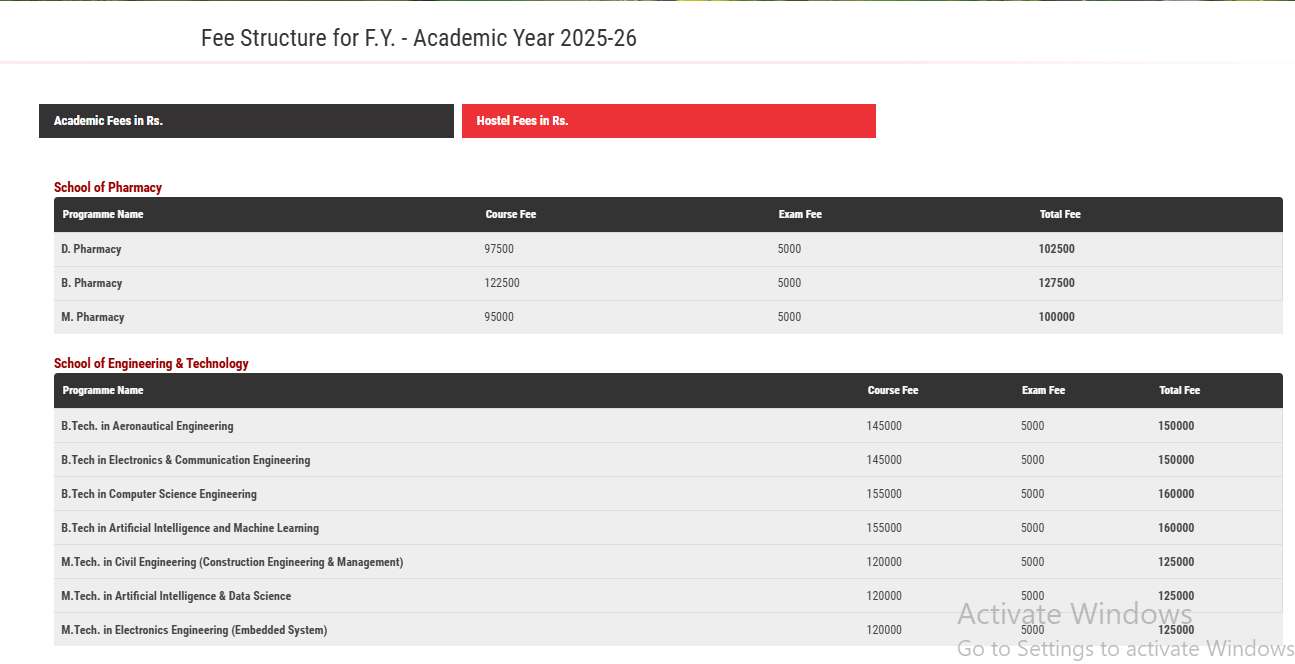
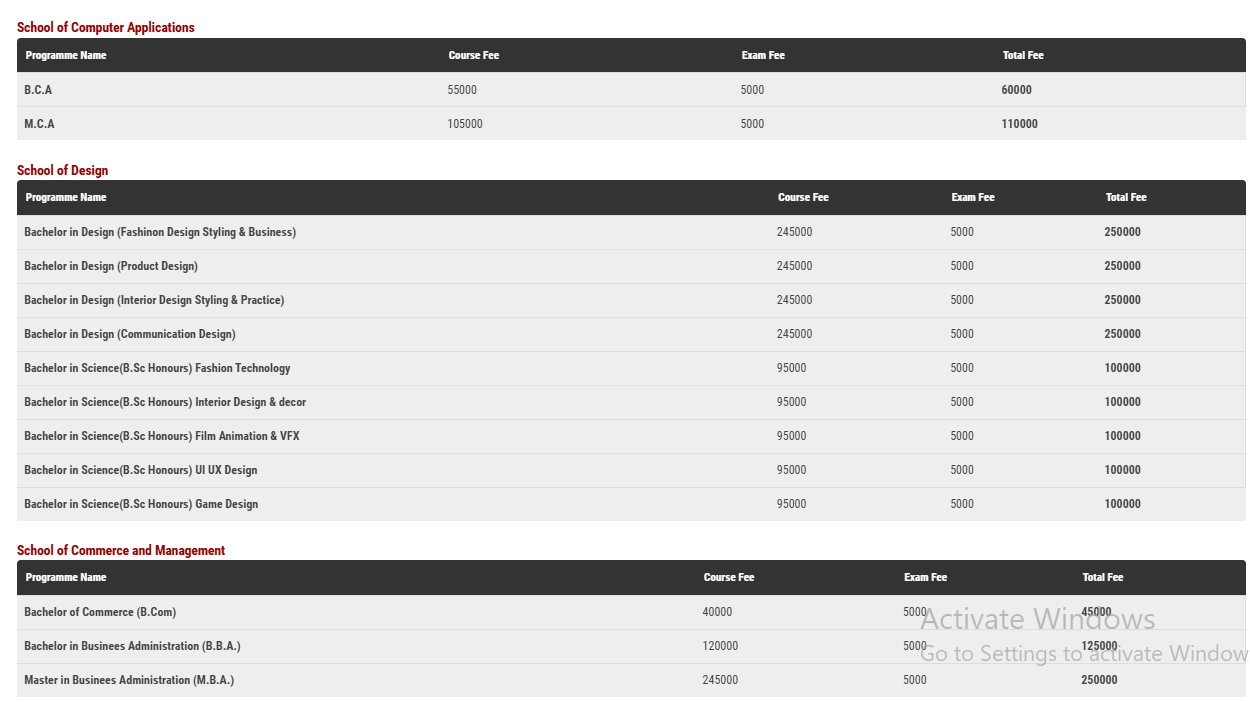
Fee Structure 2025 (As per website)-
Course Finder
Search from 20K+ Courses and 35+ Streams
Popular Streams:
Sanjay Ghodawat University Kolhapur Latest News
MAH B.Ed CET Round 3 Final Merit List Released, Institute Level Round on September 24

.png?h=78&w=78&mode=stretch)
CAT Diversity at IIM: Benefits for Non-Engineers and Female candidates


CAT LR Preparation 2025: Practice Questions on Cubes


Discover More Colleges

![DKTE Society's Textile and Engineering Institute - [DKTE]](https://image-static.collegedunia.com/public/college_data/images/appImage/13293_da3.jpg?h=111.44&w=263&mode=stretch)

![DY Patil College of Engineering and Technology - [DYPCET]](https://image-static.collegedunia.com/public/college_data/images/appImage/13305_1444627014DYPCET_NEW.jpg?h=111.44&w=263&mode=stretch)

![Tatyasaheb Kore Institute of Engineering and Technology - [TKIET]](https://image-static.collegedunia.com/public/college_data/images/appImage/1631948516download.jpg?h=111.44&w=263&mode=stretch)

![Bharati Vidyapeeth College of Engineering - [BVCOE]](https://image-static.collegedunia.com/public/college_data/images/appImage/13060_BVCOE_APP.jpg?h=111.44&w=263&mode=stretch)










.png?h=72&w=72&mode=stretch)


.png?h=72&w=72&mode=stretch)
.png?h=72&w=72&mode=stretch)

![Bharati Vidyapeeth College of Engineering - [BVCOE]](https://image-static.collegedunia.com/public/college_data/images/logos/1516604301logoedt852316.png?h=72&w=72&mode=stretch)
![Annasaheb Dange College of Engineering & Technology - [ADCET]](https://image-static.collegedunia.com/public/college_data/images/logos/1478776108logo.png?h=72&w=72&mode=stretch)

![DY Patil College of Engineering and Technology - [DYPCET]](https://image-static.collegedunia.com/public/college_data/images/logos/17388337301655376669phpxd1WfZ.jpeg?h=72&w=72&mode=stretch)

![Dr. J.J. Magdum College Of Engineering - [JJMCOE]](https://image-static.collegedunia.com/public/college_data/images/logos/1478777413djj.jpg?h=72&w=72&mode=stretch)

![Tatyasaheb Kore Institute of Engineering and Technology - [TKIET]](https://image-static.collegedunia.com/public/college_data/images/logos/1635402571WebsiteBan1.jpg?h=72&w=72&mode=stretch)
![P. R. Pote Patil College of Engineering and Management - [PRPCEM]](https://image-static.collegedunia.com/public/college_data/images/logos/1747212065Screenshot20250514141047.png?h=72&w=72&mode=stretch)
![DKTE Society's Textile and Engineering Institute - [DKTE]](https://image-static.collegedunia.com/public/college_data/images/logos/1478771694da1.jpg?h=72&w=72&mode=stretch)

![Shivaji University - [SUK]](https://image-static.collegedunia.com/public/college_data/images/logos/uv25723.jpg?h=72&w=72&mode=stretch)
![Padmabhooshan Vasantdada Patil Institute of Technology - [PVPIT]](https://image-static.collegedunia.com/public/college_data/images/logos/1615986277Logo.png?h=72&w=72&mode=stretch)

![Sanjeevan Engineering and Technology Institute - [SETI] Panhala](https://image-static.collegedunia.com/public/college_data/images/logos/1570595749logo.png?h=72&w=72&mode=stretch)
SUBSCRIBE TO OUR NEWS LETTER



Comments