





Eindhoven University of Technology admissions for Indian students run through the Dutch Studielink platform and TU/e’s own OSIRIS portal, requiring Class XII at 75 percent with Mathematics for bachelor’s programs and a four-year Bachelor’s at CGPA 8.5 out of 10 or 75 percent for master’s programs, plus IELTS 6.5 overall.
- Master’s Fall 2027: final deadline 01 May 2027, scholarship review closes 01 January 2027.
- Fees: non-EEA tuition €22,400 (₹24.68 Lakhs) per year plus application fee €100 (₹11,019).
- Eligibility: UG Class XII 75 percent with Maths, PG four-year Bachelor’s at 75 percent, both need IELTS 6.5.
- Admit rate: TU/e does not publish an official figure, estimates place it at 40 to 55 percent.
Popular tracks for Indian applicants include MS Data Science and Artificial Intelligence, MS Computer Science and Engineering, and MS Embedded Systems, reflecting TU/e’s tight industry ties with ASML, Philips, and NXP. Recent cohorts describe the quartile teaching rhythm as intense but well supported. See the full context on the Eindhoven University of Technology overview page.
Table of Contents
- Eindhoven University of Technology Application Deadlines
- TU/e Eligibility for Indian Students
- TU/e Master’s Programs and English Scores
- Eindhoven Bachelor’s Programs for Indian Students
- TU/e PhD Admissions for Indian Students
- Eindhoven University of Technology Application Process
- TU/e Admission Decisions and Offer Letters
- TU/e Documents Required for Indian Students
- Eindhoven Acceptance Rate for Indian Students
- Netherlands Student Visa for TU/e Students
- Tips and Checklist for TU/e Admissions
- Eindhoven University of Technology Admissions FAQs
Eindhoven University of Technology Application Deadlines for Indian Students
The 2027-2028 admission cycle opens on 01 October 2026 for both bachelor’s and master’s programs, per the TU/e India admissions page. Master’s applicants review documents through Studielink and complete file upload in OSIRIS. Bachelor’s programs mostly use a single January 15 deadline for numerus fixus tracks like Computer Science, while master’s programs follow a rolling January to May window.
TU/e’s primary intake for Indian students is September (Fall), and most bachelor and master’s programs open here.
| Intake | Level | Cycle Opens | Deadline | App Fee | Portal |
|---|---|---|---|---|---|
| September 2027 (Primary intake) | Master’s, scholarship review | 01 October 2026 | 01 January 2027 | €100 (₹11,019) | Studielink |
| September 2027 (Primary intake) | Master’s, final application | 01 October 2026 | 01 May 2027 | €100 (₹11,019) | Studielink |
| September 2027 | Bachelor Computer Science (Numerus Fixus) | 01 October 2026 | 15 January 2027 | €100 (₹11,019) | Studielink |
| September 2027 | Master’s, visa and guarantee-fee steps | Post-admit | 01 June 2027 | Included above | OSIRIS |
Planning note: Indian applicants who want automatic scholarship review must have a fully complete file in OSIRIS by 01 January 2027, which typically means an IELTS score by mid-December 2026.
Eindhoven University of Technology Eligibility for Indian Students
Eligibility at TU/e splits into an academic floor and an English proficiency floor. Indian applicants meet both from Class XII (for bachelor’s) or from a 4-year Bachelor’s degree (for master’s). CBSE and CISCE English-medium schooling alone does not clear the English requirement, so most Indian students take IELTS or an accepted alternative. The institution-wide floors below apply unless a specific program lists a stricter requirement on its own page.
Eindhoven University of Technology Academic Minimums
- Bachelor’s programs: CBSE Class XII with A1, A2, or B1 grades across five academic subjects including Mathematics, with Physics for engineering tracks.
- Bachelor’s programs (CISCE stream): minimum 75 percent overall and 70 percent in each mandatory subject.
- Master’s programs: a four-year Bachelor’s from an NAAC, AICTE, or Institute of National Importance / Eminence with CGPA 8.5 on a 10-point scale, or a straight 75 percent average.
- Prerequisite depth: master’s tracks like Embedded Systems and Mechanical Engineering test for at least 20 ECTS of relevant coursework in mathematics, dynamics, and programming.
Eindhoven University of Technology IELTS Waivers
TU/e’s language-proficiency page publishes a narrow waiver list that Indian applicants should read carefully. Standard CBSE, ICSE, or state-board English-medium schooling does not qualify. A waiver applies only when the applicant holds one of the following credentials, all confirmed by TU/e’s language office.
- IB Diploma or European Baccalaureate with English as the sole language of instruction.
- Full British curriculum (GCSE and A-levels) at an international or British school outside the UK.
- Entire Bachelor’s degree, or the final 3 years of High School, completed in Australia, Canada, Ireland, New Zealand, the UK, or the US.
Accepted tests and floors are IELTS 6.5 overall (6.0 per section), TOEFL iBT 90 (21 per section), Cambridge C1 Advanced 176 or C2 Proficiency 180, and PTE Academic 61. Test scores must be no older than 2 years on the day of application.
Eindhoven University of Technology Master’s Programs and English Scores
All full-time master’s programs at TU/e are 2 years and 120 ECTS, taught in English, and priced at €22,400 (₹24.68 Lakhs) per year in base tuition for non-EEA students for 2027-2028. Living expenses, health insurance, and one-off costs are not covered here; the course-wise fees breakdown on Collegedunia carries the granular numbers by program. English minimums below reflect TU/e’s institution-wide floor, since individual master’s pages defer to the central language-requirements policy.
| Programme | Duration | Minimum Eligibility | English Req. Min. |
|---|---|---|---|
| MS Computer Science and Engineering | 2 years | 4-year Bachelor’s in CS or related, CGPA 8.5/10 or 75 percent | IELTS 6.5 |
| MS Data Science and Artificial Intelligence in Engineering | 2 years | 4-year Bachelor’s in engineering with strong maths and programming, 75 percent | IELTS 6.5 |
| MS Embedded Systems | 2 years | 4-year Bachelor’s with 20 ECTS maths plus programming in C | IELTS 6.5 |
| MS Human Technology Interaction | 2 years | Bachelor’s in psychology, HCI, or engineering, 75 percent | IELTS 6.5 |
| MS Operations Management and Logistics | 2 years | 4-year Bachelor’s with strong quantitative content, 75 percent | IELTS 6.5 |
| MS Chemical Engineering | 2 years | 4-year Bachelor’s in chemical or process engineering, CGPA 8.5 | IELTS 6.5 |
| MS Mechanical Engineering | 2 years | 4-year Bachelor’s with thermodynamics, fluid and solid mechanics, CGPA 8.5 | IELTS 6.5 |
| MS Electrical Engineering | 2 years | 4-year Bachelor’s in EE or related, CGPA 8.5 or 75 percent | IELTS 6.5 |
Insider note: Master’s programs are not on a hard rounds system, but Indian files complete before 01 January 2027 get first review for automatic funding, which shifts real odds even if the paper deadline is 01 May.
Note: Program-specific entry requirements, fees, and intake availability may differ from the institution-wide minimums shown above. Always confirm on the official TU/e admissions page for your chosen program before applying.
Eindhoven University of Technology Bachelor’s Programs for Indian Students
TU/e’s bachelor’s tracks are 3-year, 180 ECTS programs in English, priced at €22,400 (₹24.68 Lakhs) per year for 2027-2028 non-EEA students. Some programs (Computer Science and Engineering, Industrial Design) run under a numerus fixus cap, meaning the seat count is fixed and applications close earlier on 15 January 2027. Other bachelor’s tracks accept applications later in the cycle. Class XII grades and Maths / Physics coursework decide eligibility, not board.
| Programme | Duration | Minimum Eligibility | English Req. Min. |
|---|---|---|---|
| BSc Computer Science and Engineering (Numerus Fixus) | 3 years | Class XII with Maths at A1/A2/B1 (CBSE) or 75 percent (CISCE) | IELTS 6.5 |
| BSc Data Science (joint with Tilburg) | 3 years | Class XII with Maths, 75 percent overall | IELTS 6.5 |
| BSc Mechanical Engineering | 3 years | Class XII with Maths and Physics, 75 percent overall | IELTS 6.5 |
| BSc Electrical Engineering | 3 years | Class XII with Maths and Physics, 75 percent overall | IELTS 6.5 |
| BSc Chemical Engineering and Chemistry | 3 years | Class XII with Maths, Physics, and Chemistry, 75 percent overall | IELTS 6.5 |
Eindhoven University of Technology PhD Admissions for Indian Students
PhD candidates at Eindhoven University of Technology are hired as salaried employees (Dutch AIO status) for a 4-year contract, not as fee-paying students, so tuition does not apply. Indian applicants apply directly to a supervisor or a posted vacancy rather than through Studielink. Positions are advertised year-round by department, most heavily in the Departments of Mathematics and Computer Science, Electrical Engineering, and Mechanical Engineering, with strong industry co-supervision from ASML, Philips, and NXP.
Eindhoven University of Technology PhD Entry Route
- Vacancy-first model: shortlist a posted PhD position on TU/e’s academic vacancies page, then apply with a research statement and CV.
- Supervisor-first model: reach out to a research group lead with a proposal aligned to their funded projects.
- English requirement: IELTS 6.5 minimum, waived if the master’s was taught entirely in English.
- Master’s cutoff: a research-oriented master’s degree, ideally with a thesis publication, is expected.
Eindhoven University of Technology PhD Salary Basics
PhD employees at TU/e receive a gross monthly salary set under the Dutch Universities collective labour agreement (CAO-NU), which places first-year AIO pay in a fixed national band. Since PhD salaries are indexed to the Dutch CAO scales and reviewed annually, confirm the current-year figure with the hiring department before signing your contract.
Eindhoven University of Technology Application Process for Indian Students
TU/e uses a two-portal flow. Studielink is the Dutch national registration system that every applicant to a Dutch public university must use, and OSIRIS is TU/e’s own document-upload and fee-payment portal that opens after Studielink registration is confirmed. The steps below are the sequence for Indian bachelor’s and master’s applicants targeting the September 2027 intake.
- Register in Studielink from 01 October 2026 with your passport, DigiD-alternative details, and prior-education record.
- Wait 1 to 3 working days for OSIRIS login credentials to reach your inbox.
- Log in to OSIRIS, complete the program-specific application form, and upload transcripts, degree certificate, CV, motivation letter, IELTS score, and passport bio-page.
- Pay the application fee of €100 (₹11,019) by bank transfer on the OSIRIS portal, since credit card and cheque are not accepted.
- Submit the file for review, then track its status in OSIRIS until an admission decision is issued.
- Post-admit, complete the visa and guarantee-fee steps in OSIRIS by 01 June 2027 so TU/e can file your MVV package with IND.
Eindhoven University of Technology Admission Decisions and Offer Letters
TU/e reviews master’s files on a rolling basis, and decisions typically arrive 6 to 10 weeks after a file is complete in OSIRIS. Bachelor’s numerus fixus programs release results on a fixed cycle in April, following the national selection window. Every offer letter states the program, start date, tuition rate, and any conditional lines like an outstanding degree certificate or a re-take on IELTS.
- Early file, early decision: Indian applicants who complete by 01 January 2027 usually see decisions by mid-March 2027.
- Numerus fixus cycle: Bachelor Computer Science and Engineering results release around 15 April 2027 for the January cohort.
- Conditional offer: a common condition is submission of the final Bachelor’s transcript with the CGPA calculated on completion.
- Deferral policy: TU/e allows a one-year deferral in limited cases, subject to program approval and re-payment of the guarantee fee.
Eindhoven University of Technology Documents Required for Indian Students
The list below covers all paperwork Indian applicants upload in OSIRIS. Academic thresholds and IELTS floors are handled in the Eligibility section, so this checklist is paperwork only. Scanned PDFs are accepted at application stage, but originals with attested translations are needed for enrollment.
- Passport bio-page, valid for at least 6 months past the program end date.
- Class XII marksheet (bachelor’s) or Bachelor’s degree certificate plus consolidated marksheet (master’s), certified copy.
- Detailed transcripts for every completed year of higher education, with grading-scale explanation.
- IELTS, TOEFL, PTE, or Cambridge score report issued in the last 2 years.
- Motivation letter, one page, program-specific.
- Curriculum vitae, current, one to two pages.
- Two academic letters of recommendation, uploaded through OSIRIS by the referee.
- Application fee proof, a bank-transfer screenshot showing €100 (₹11,019) received by TU/e.
- Passport-size photograph in the current format.
- Financial-guarantee proof, requested at the visa stage, not at application stage.
Eindhoven University of Technology Acceptance Rate for Indian Students
TU/e does not publish an official institutional acceptance rate. Based on independent estimates and program-level trends, the overall admit rate for international master’s applicants sits at an estimated 40 to 55 percent, tighter than a typical Dutch research university because of TU/e’s engineering-only focus. Numerus fixus bachelor’s programs like Computer Science and Engineering are noticeably more selective at an estimated 25 to 35 percent. The rankings context helps calibrate: TU/e sits at QS World 152 for 2027 and inside the QS Top 100 for Engineering and Technology, so peer-group applicant volume is high. See the full ranking band for context on peer selectivity.
Eindhoven University of Technology Admit Rate Estimate
The above figures are extrapolated from public admissions-office statements at Dutch research universities and from Indian student cohort reports. TU/e itself only confirms that it applies a firm academic bar (CGPA 8.5) and rejects incomplete or below-threshold files without human review, so the effective rate for files that meet the bar is higher than the raw number suggests.
Eindhoven Fixus Programs Selectivity
Numerus fixus programs cap seat count at a nationally set number. For Computer Science and Engineering, roughly 400 seats are shared across all applicants, Dutch and international, in a single ranked pool. Indian applicants with Class XII above 85 percent and strong Maths compete on par, but the January 15 deadline is a hard gate.
Insider note: Indian applicants to numerus fixus tracks should submit by early December 2026 to build a buffer for missing referee uploads, since a late document after 15 January means automatic rejection from the ranked pool.
Netherlands Student Visa for Eindhoven University of Technology Students
Indian students admitted to TU/e for the September 2027 intake apply for a Netherlands student visa under the TEV procedure, which bundles the MVV entry visa and the VVR residence permit into a single application filed by TU/e as the recognised education sponsor with IND, the Dutch Immigration and Naturalisation Service. No visa interview is required for TU/e applicants. Financial-proof documents and the guarantee-fee deposit anchor the application.
The steps run in this order for a September 2027 start.
- Receive final admission from TU/e and pay the guarantee fee (first-year tuition and living-cost buffer) into TU/e’s holding account by 01 June 2027.
- Complete the MVV / VVR form in OSIRIS and upload passport, birth certificate, and legalised English translations where needed.
- TU/e submits the application to IND, and IND issues an approval typically within 60 to 90 days.
- Book an appointment at the Dutch consulate in New Delhi, Mumbai, Bengaluru, or Chennai to collect the MVV sticker and give biometrics.
- Fly to the Netherlands within 90 days of the MVV, register with TU/e’s international office, and collect the VVR residence card on campus.
The TEV procedure fee is around €210 (₹23,140), invoiced by TU/e to the applicant. TU/e’s international office handles filing, so applicants do not deal with IND directly.
2026 update: The Netherlands raised its 2026 living-cost benchmark for student visas, and TU/e’s guarantee-fee figure follows the annual IND update, so confirm the current-year deposit on your admission letter before remitting from India.
Tips and Checklist for Eindhoven University of Technology Admissions
The following tips and steps are drawn from Indian-applicant patterns at TU/e for the past three intake cycles. Timeline items assume a September 2027 start.
- Book IELTS by October 2026 so results reach OSIRIS by the 01 January 2027 scholarship review window.
- Request transcripts 8 weeks before your target deadline, since Indian universities routinely take longer for consolidated marksheets.
- Line up two academic referees in September 2026, before they leave for winter break, and share the OSIRIS link once it goes live.
- Read the prerequisite depth line on your chosen master’s page carefully, since Embedded Systems and Mechanical Engineering test for named ECTS blocks, not just a degree title.
- Numerus fixus applicants, complete Studielink by mid-December 2026 to leave room for OSIRIS document upload before 15 January 2027.
- Do not skip the guarantee-fee planning, since it doubles as visa financial proof and cannot be raised at the last minute.
- Set OSIRIS alerts to catch conditional-offer requests, since TU/e’s default is to reject after a fixed silence window.
- Do not apply to more than two programs at TU/e, since Studielink caps parallel applications at 4 across all Dutch universities.
TU/e’s admissions setup rewards Indian applicants who move early, meet the CGPA 8.5 or 75 percent bar cleanly, and clear IELTS 6.5 on the first attempt. The Studielink and OSIRIS split is unusual for Indian applicants, so treat the two portals as sequential steps rather than a single flow. File a complete master’s application before 01 January 2027 to unlock scholarship review at no extra effort.
Eindhoven University of Technology Admissions: Frequently Asked Questions
Ques. When does the September 2027 application window open at TU/e?
Ans. Studielink opens the 2027-2028 cycle on 01 October 2026, and TU/e begins accepting bachelor’s and master’s applications the same day.
Ques. What is the deadline for automatic scholarship review at TU/e?
Ans. Complete your master’s file in OSIRIS by 01 January 2027 at 23:59 CET to be reviewed automatically for TU/e’s own scholarship rounds.
Ques. What is the minimum IELTS score for TU/e?
Ans. IELTS Academic 6.5 overall with 6.0 in each section is the institution-wide floor, and it applies to almost every bachelor’s and master’s program.
Ques. Does CBSE or ICSE English-medium schooling waive the IELTS at TU/e?
Ans. No. TU/e’s waiver list covers IB, EB, full British curriculum, or study completed in Australia, Canada, Ireland, New Zealand, the UK, or the US, so Indian board schooling does not qualify by itself.
Ques. How much is the TU/e application fee for Indian students?
Ans. The non-refundable application fee is €100 (₹11,019) per application, paid by bank transfer only.
Ques. What CGPA does TU/e require for master’s admission?
Ans. A CGPA of at least 8.5 on a 10-point scale, or 75 percent overall if your Indian university does not award CGPA, from a NAAC, AICTE, or Institute of National Importance / Eminence four-year degree.
Ques. Does TU/e require GRE or GMAT for master’s admission?
Ans. No. TU/e does not require GRE or GMAT for its master’s programs. Admission is based on the Bachelor’s transcript, prerequisites, and English proficiency.
Ques. When does TU/e release master’s admission decisions?
Ans. Decisions arrive 6 to 10 weeks after your file is complete in OSIRIS, so a 01 January 2027 file typically hears back by mid-March 2027.
Ques. What is the TU/e guarantee fee and when is it due?
Ans. The guarantee fee is a security deposit covering the first-year tuition and a living-cost buffer, paid by 01 June 2027 into TU/e’s holding account so the university can file your MVV package with IND.
Ques. Does TU/e offer a February 2027 spring intake for Indian students?
Ans. No. TU/e’s primary and effectively only intake for international bachelor’s and master’s applicants is September, so plan around the 2027-2028 September start.
Ques. What is the acceptance rate at TU/e for Indian applicants?
Ans. TU/e does not publish an official rate. Independent estimates place overall master’s admits at 40 to 55 percent and numerus fixus bachelor’s like Computer Science at 25 to 35 percent.
Ques. Can I apply to more than one program at TU/e in the same cycle?
Ans. Yes, but Studielink caps parallel applications at four across all Dutch universities, and each TU/e application carries its own €100 (₹11,019) fee.
College Student Profiles

Eindhoven University of Technology Program Fees & Deadlines
| Program | Important Dates | Fees | Application Fees | Eligibility | Financial Aid |
|---|---|---|---|---|---|
| USD 24,955 /Yr EUR 21,700 /Yr | 100 | Grade: 75%, IELTS: 6.5, TOEFL: 4.5, PTE: 61 | |||
M.S Embedded Systems 2 years | USD 24,150 /Yr EUR 21,000 /Yr | 100 | IELTS:- 6.5, TOEFL:- 90, CGPA:- 8.5 | ||
M.S Chemical Engineering 2 years | USD 24,955 /Yr EUR 21,700 /Yr | 100 | Grade: 75%, IELTS: 6.5, TOEFL: 4.5, PTE: 61 | ||
| USD 24,955 /Yr EUR 21,700 /Yr | 100 | Grade: 75%, IELTS: 6.5, TOEFL: 4.5, PTE: 61 | |||
| USD 24,150 /Yr EUR 21,000 /Yr | 100 | TOEFL iBT: 90 | IELTS: 6.5 | - | ||
M.S Automotive Technology 2 years | USD 24,150 /Yr EUR 21,000 /Yr | 100 | IELTS:- 6.5, TOEFL:- 90, CGPA:- 8.5 | ||
| USD 24,955 /Yr EUR 21,700 /Yr | 100 | IELTS:- 6.5, TOEFL:- 90, CGPA:- 8.5 |
Do you think the Dates are wrong ? Report Here
Course Finder - Search from 50K+ courses
Popular Streams:
Reviews
16 Reviews Found
Likes
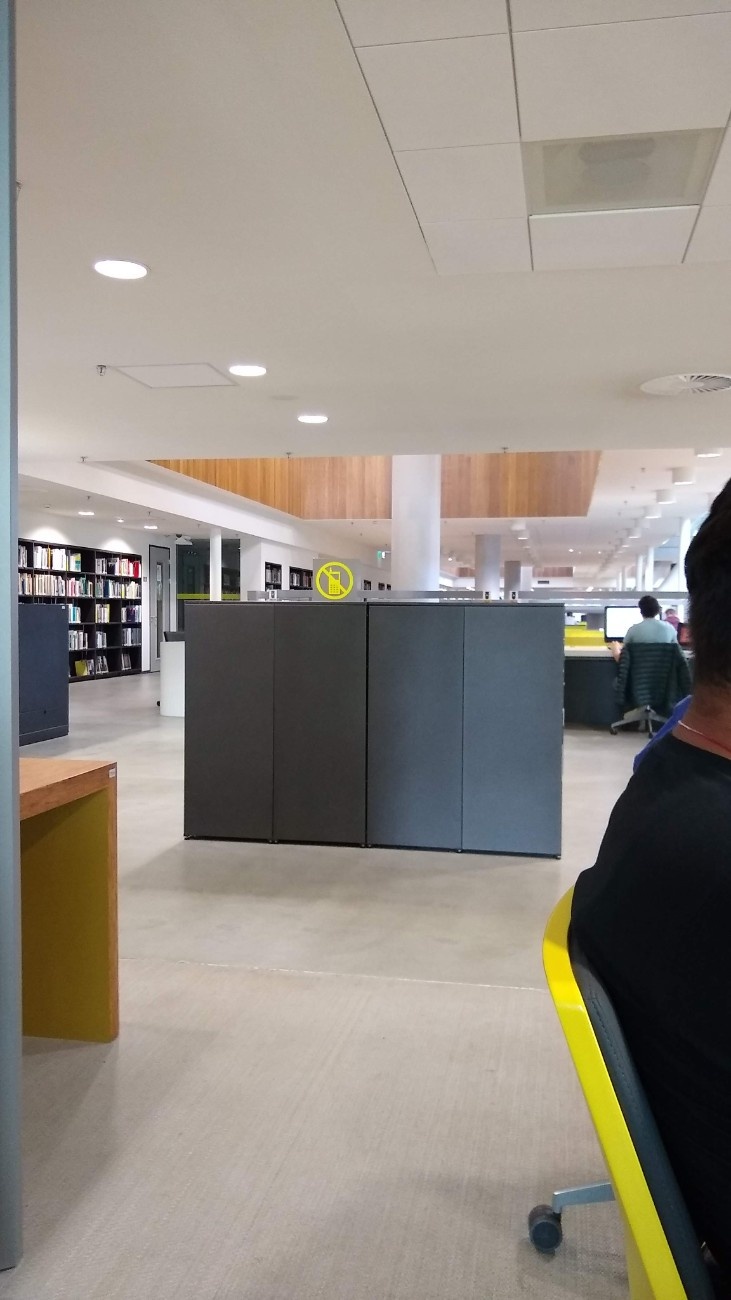
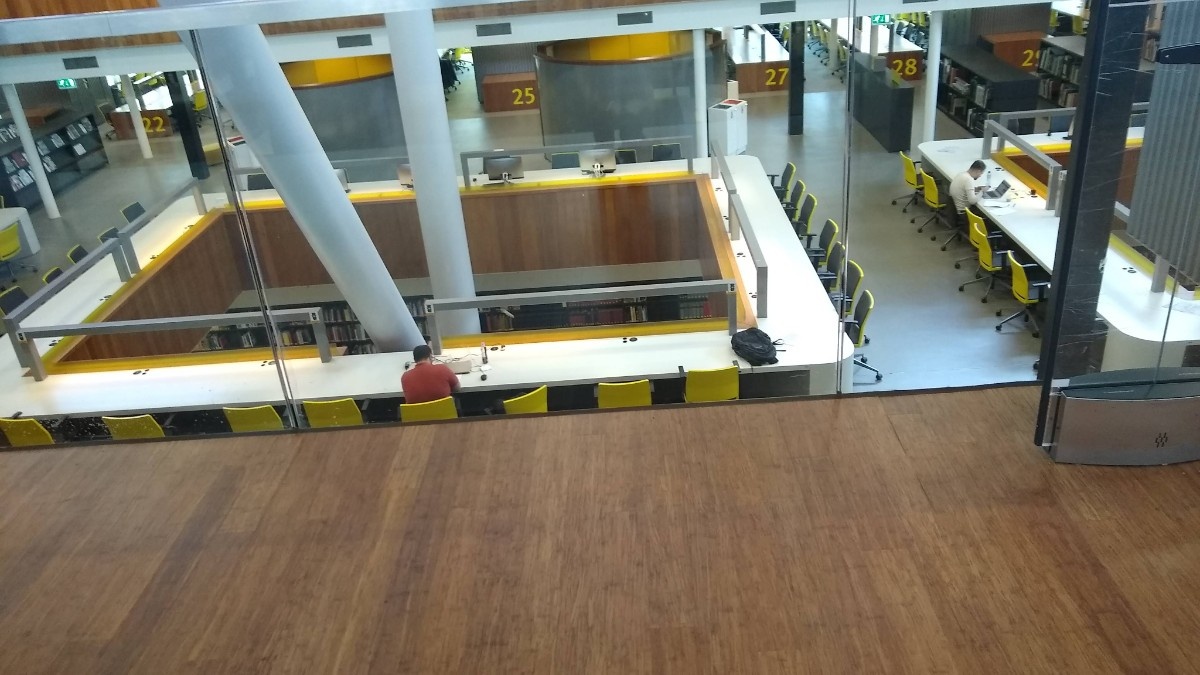
- Open atmosphere to internationals
- Application based studies i.e strong theoretical and practical balance
- Graduates are well‑prepared to work in industry, R&D, consulting roles
Dislikes
- General professors are busy and hard to reach
- Some courses are quite intensive if no prior background
- International students outside the EU pay 10 times the fees as EU students
Scholarship
- There was a scholarship facility; I am not sure of the name now. Eligibility criteria were the same as application criteria, so everyone was eligible when you submitted a form
- A complete waiver of tuition fees and, additionally, 500 euros per month was given for living expenses. 3 to 4 per stream, I think, got the scholarship.
Likes
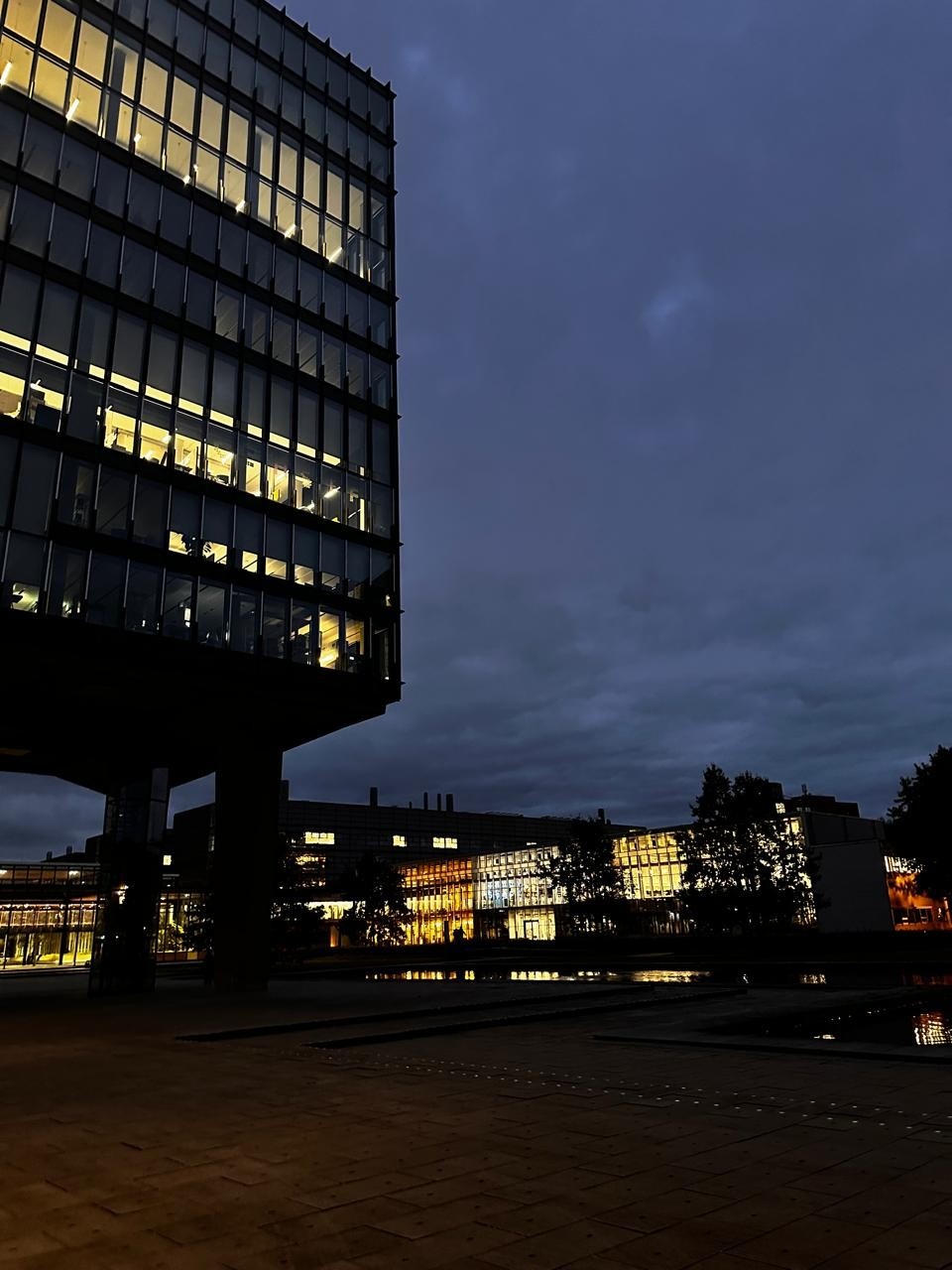
- I would say the campus environment is very vibrant and I get to meet people from different diversities and cultures
- I feel like the professors are very approachable and helpful which makes it easier to communicate your doubts with them be yourself around them.
- The area of research is given a lot of emphasis and has several labs and practical facilities to support application oriented learning in my university
Dislikes
- Sometimes the course workload gets quite heavy, especially when multiple deadlines fall in the same week, which can be a bit overwhelming
- Some courses such as advanced algorithms are highly theoretical and could include more practical or hands-on elements to make the learning experience even better.
- The cost of university oriented housing is quite high and could be reduced to make it affordable for students.
Scholarship
- I am aware there is a scholarship available for my course but I think you need to receive a high grade in your bachelor's and be academically excellent in order to get it. I know only one person in my entire friend group who has received it. The guidelines for receiving it are mentioned on the university website. I did not receive any scholarship. The name of the scholarship is ALSP/HS.
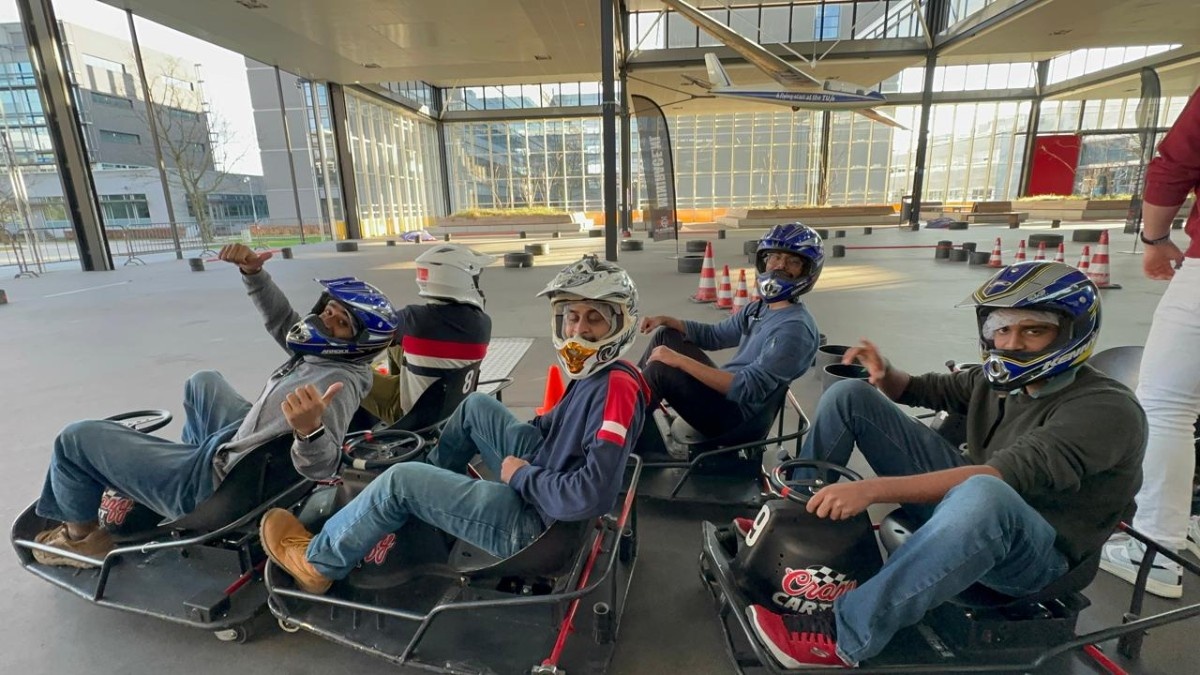
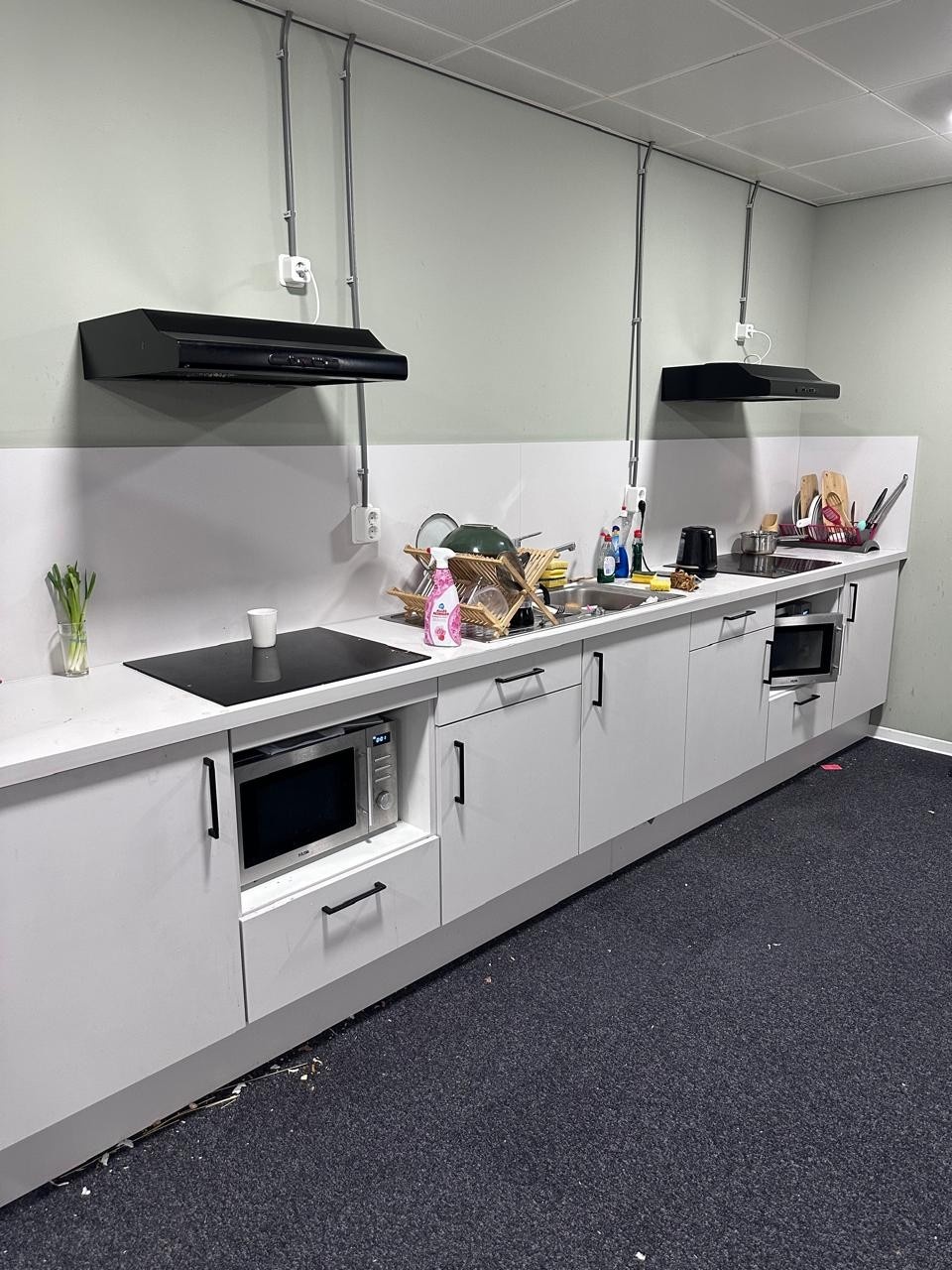
Likes
- Hands on approach - Based on the courses that you select, you will also have laboratory experiments/case studies where you can explore all the possibilities to provide a solution. University appreciates genuine solutions and does not always expect you to provide the right solution for those problems.
- Open choice for projects - You will have your own freedom for choosing the projects for courses/internship/thesis. One of the important things in an internship/thesis project is that you will also have the freedom to shape/change your problem statement of the project as you make progress.
- Mentor/Academic advisors - In continuation of the previous point. It is common to get confused in the selection of projects, that's where you have sought the help of academic advisors, who can guide you to the right person and offer support in case you are having some academic performance issues. Choosing a professor mentor in the field that you would like to work is an added plus. He/She will be able to make arrangements for any projects with industry people/university candidates. University makes sure you have both the connection within the first two months of your academic year.
Dislikes
- Too much self study - Sometimes it feels like you have to handle many things and bot on your own for so much during the initial days. The university doesn't give you time to adapt to their educational style and will demand more.
- Scheduling - There are many things that can alter the regular flow of the course schedule, like frequent train issues, protests, and hacking. These events mostly will bother your regular schedule and rescheduling will kind of be a mess.
- Teamwork - There are also some effects due to the above point in case if you do have a course related to teamwork/group projects. In some cases the train strikes will cause your teammates to be unable to travel so you'll have to do their work, although if they are present via Teams. Group project demands contribution from each person and proper workload is not divided, it can also cause unnecessary stress and the university does not help much in this case.
Scholarship
- There are scholarships available, like the ALSP (5000 EUR per year) and the Holland scholarship (5000 EUR) per year.
- I was not selected for the scholarship. For non-EU people, we have to apply for admission before the month of February so that you will automatically be included in the eligibility list.
- My batchmates didn't receive any scholarships, so it is quite a demand to get one too.
- I am unaware of the average details and further info.
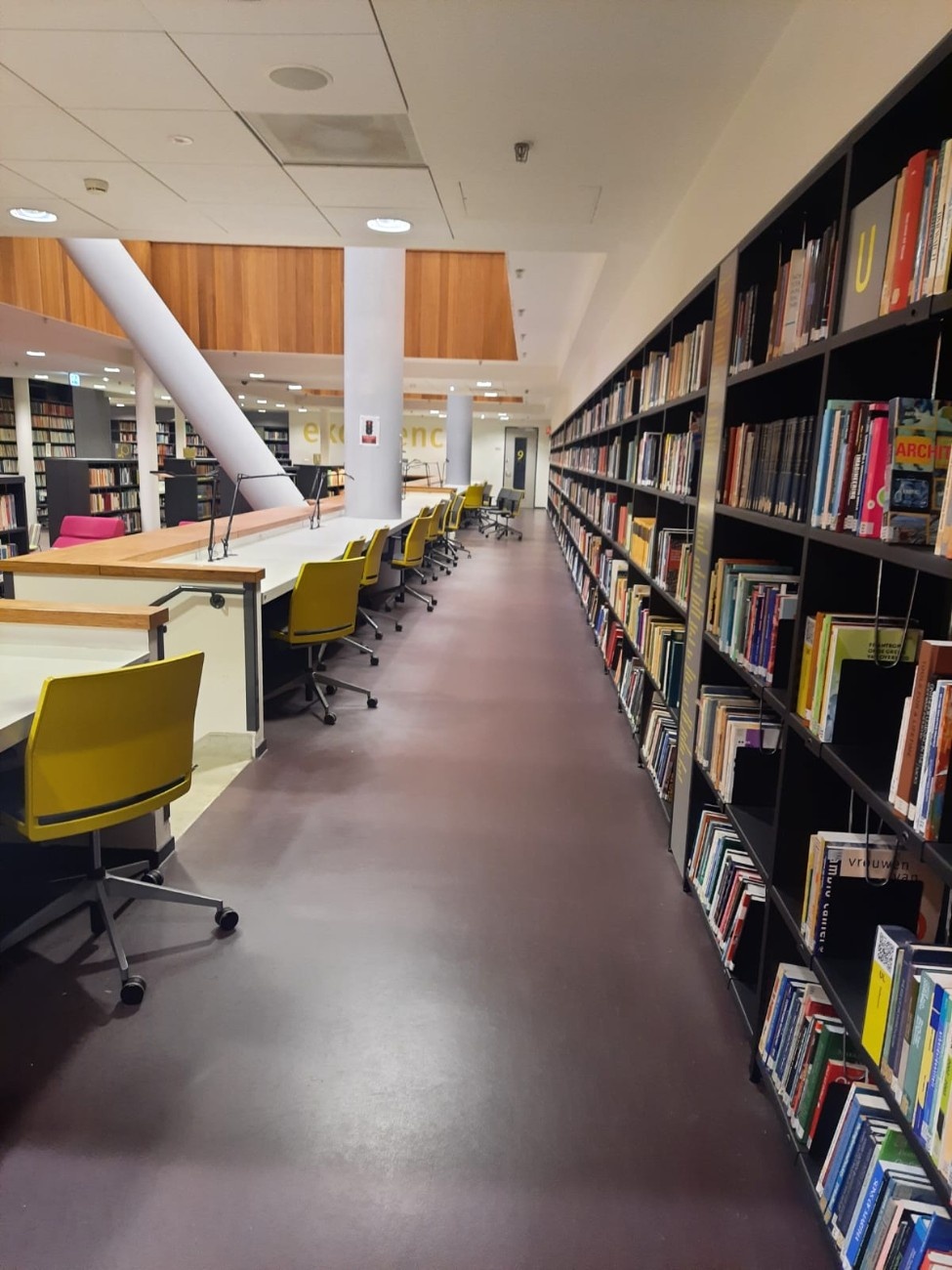
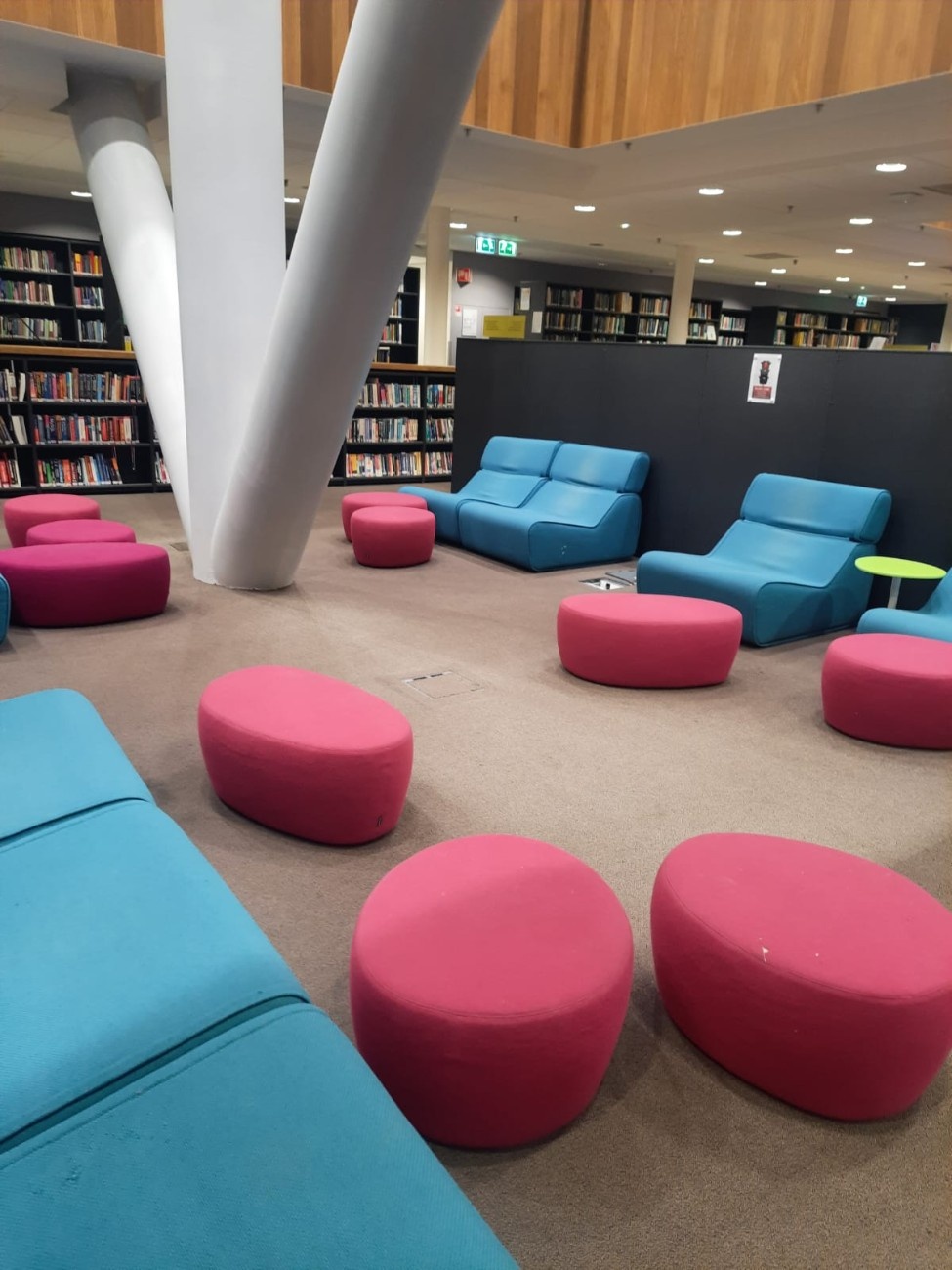
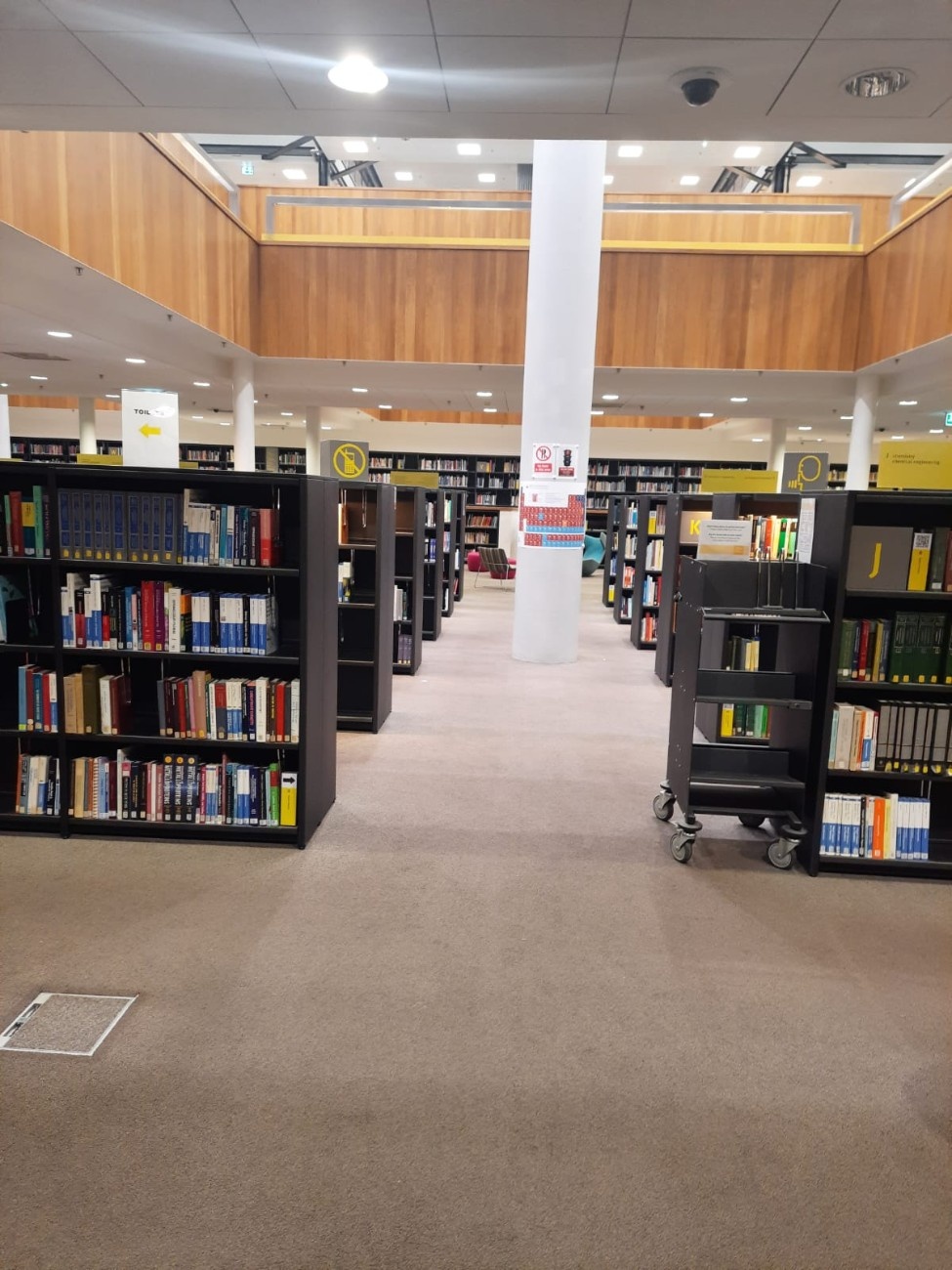
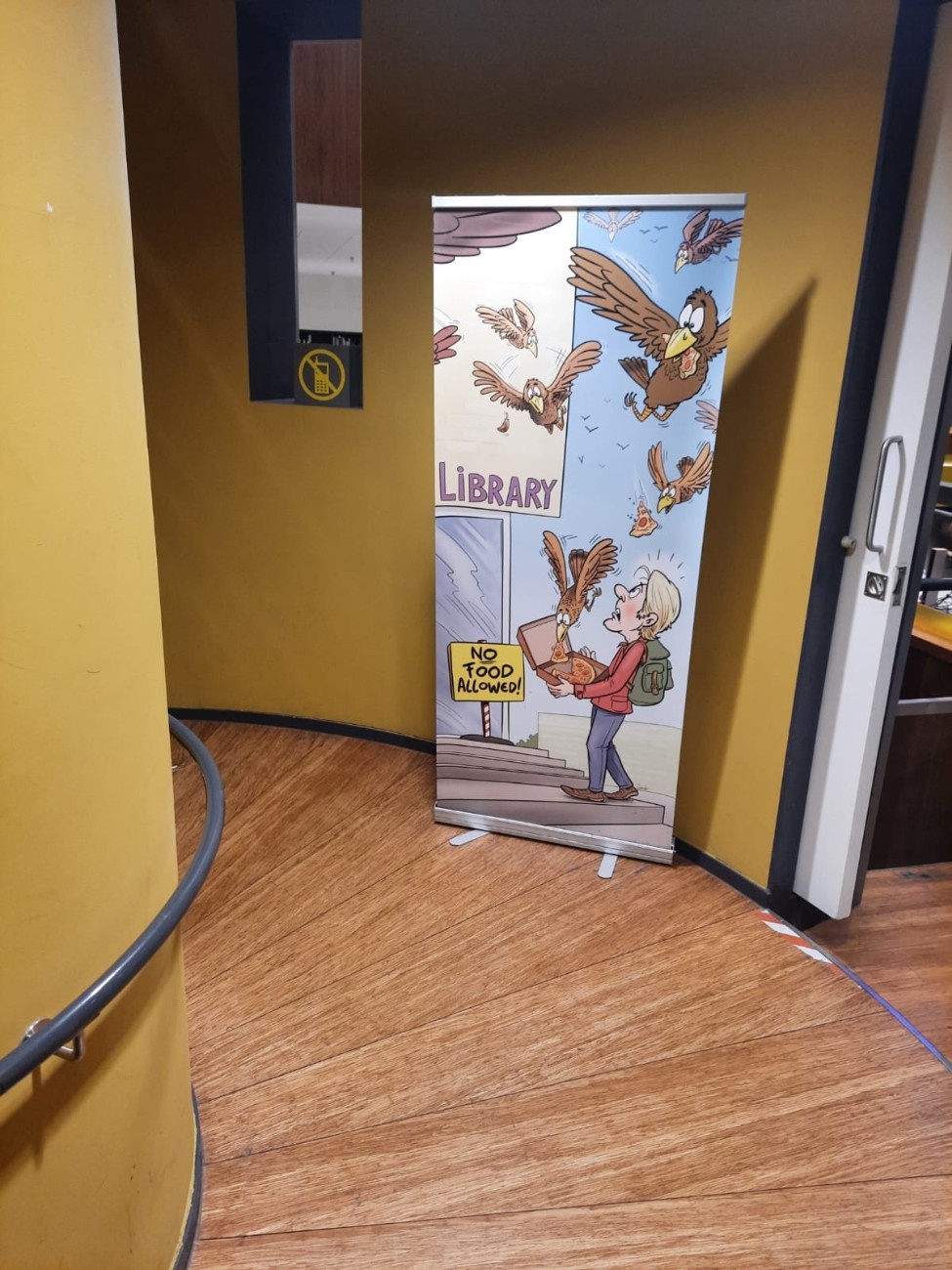
Likes
- Balance between theory and practical projects
- Group projects with at least 5 members to promote real life teams
- Interdisciplinary projects between mechanical, chemical, sustainability engineers
Dislikes
- Crowded classes as the auditorium only had about 100 seats or so
- Expensive tuition fees for an international students
- Limited course availability for some electives (overall good)
Scholarship
- I personally did not receive any scholarship; however, I do think there are things in place for that. I have seen some people get around 3-4K euros of tuition fees removed per year but not the full extent of tuition fees, though.
- The amount of scholarship could be an estimate of about 10-15 on the generous side per year. There is a student transportation card available for students to use and also insurance is really good with about a 66% discount for students for normal insurance.
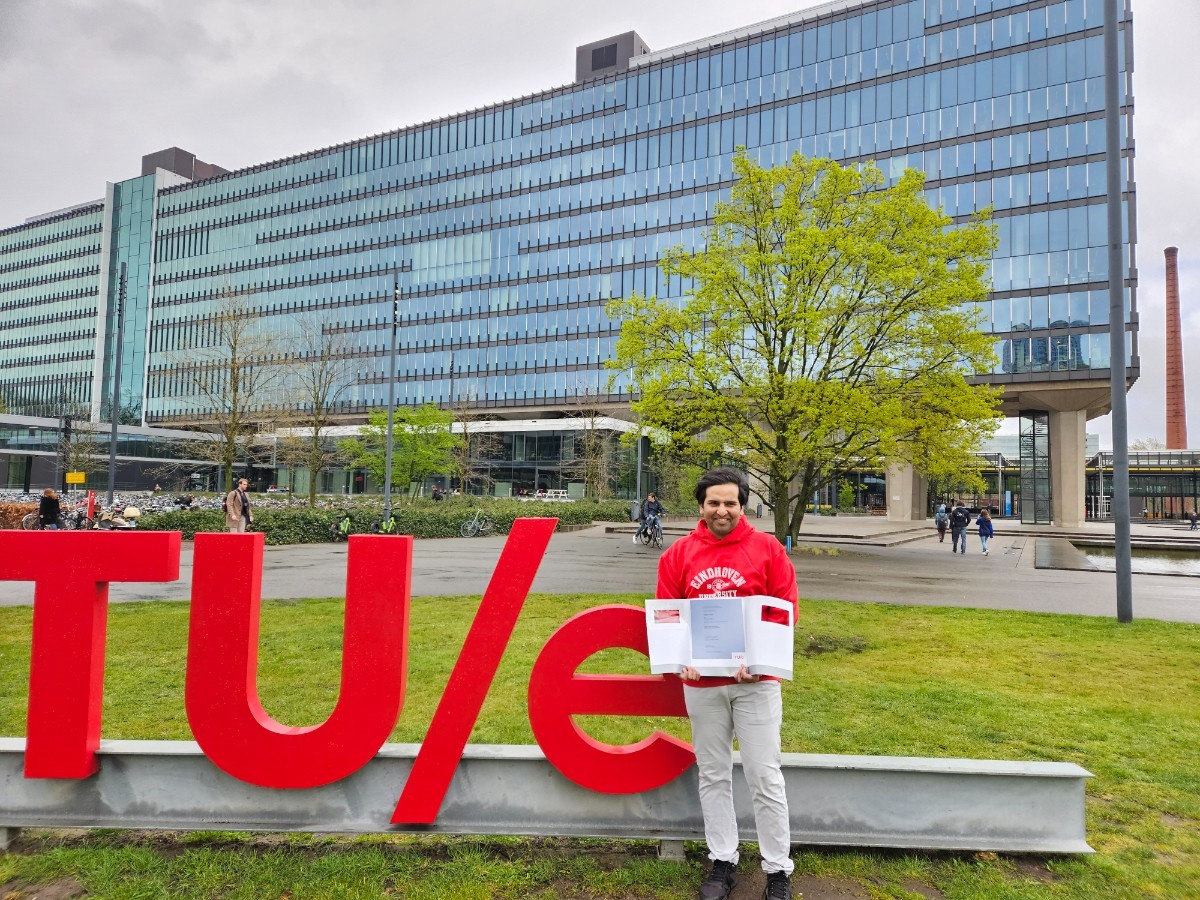
Likes
- Lot of different specializations to choose from.
- The proximity of the university to Eindhoven's automotive high-tech campus (in Helmond) gives great exposure and opportunity.
- Extremely talented and qualified faculty.
Dislikes
- Expensive when compared to EU citizens. Non EU citizens pay 17000-20000 euros p.a. whereas EU citizens only pay 2000 euros p.a.
- Some specialization groups like to extend the thesis research for a long time leading to additional expenses for students. But I think now there is a cap on how long the thesis can continue.
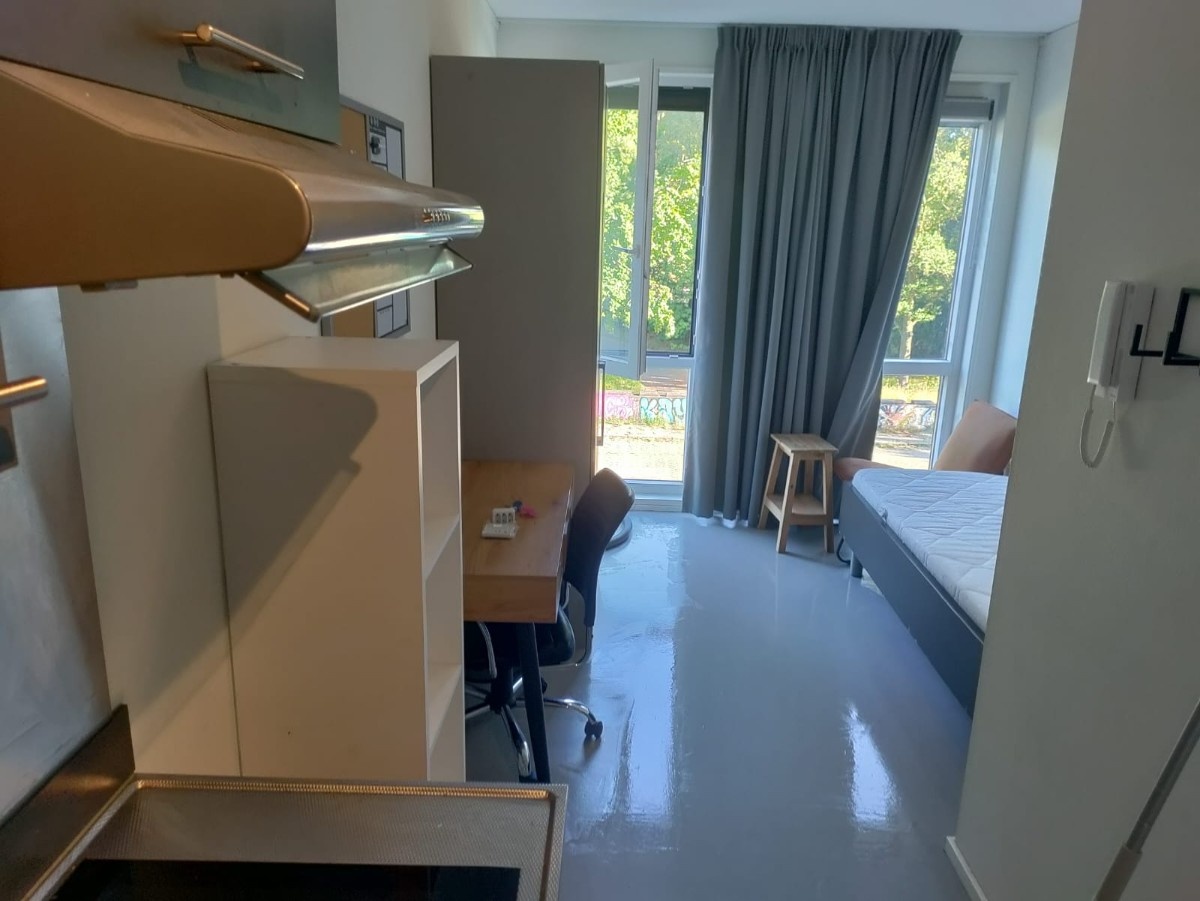
- Very limited student housing options. The two student dormitories in campus have a combined capacity to house around 800 students, whereas the total university strength is > 10000.
Scholarship
- No, I did not receive any scholarship.
- A few of my batchmates received it. I think scholarships range from 50% tuition fee to 100% tuition fee and some percentage of living expenses.
- I am not sure about the exact number of students that receive scholarships each year, but around 5-7 students from a class of 60 students had scholarships when I was studying there.
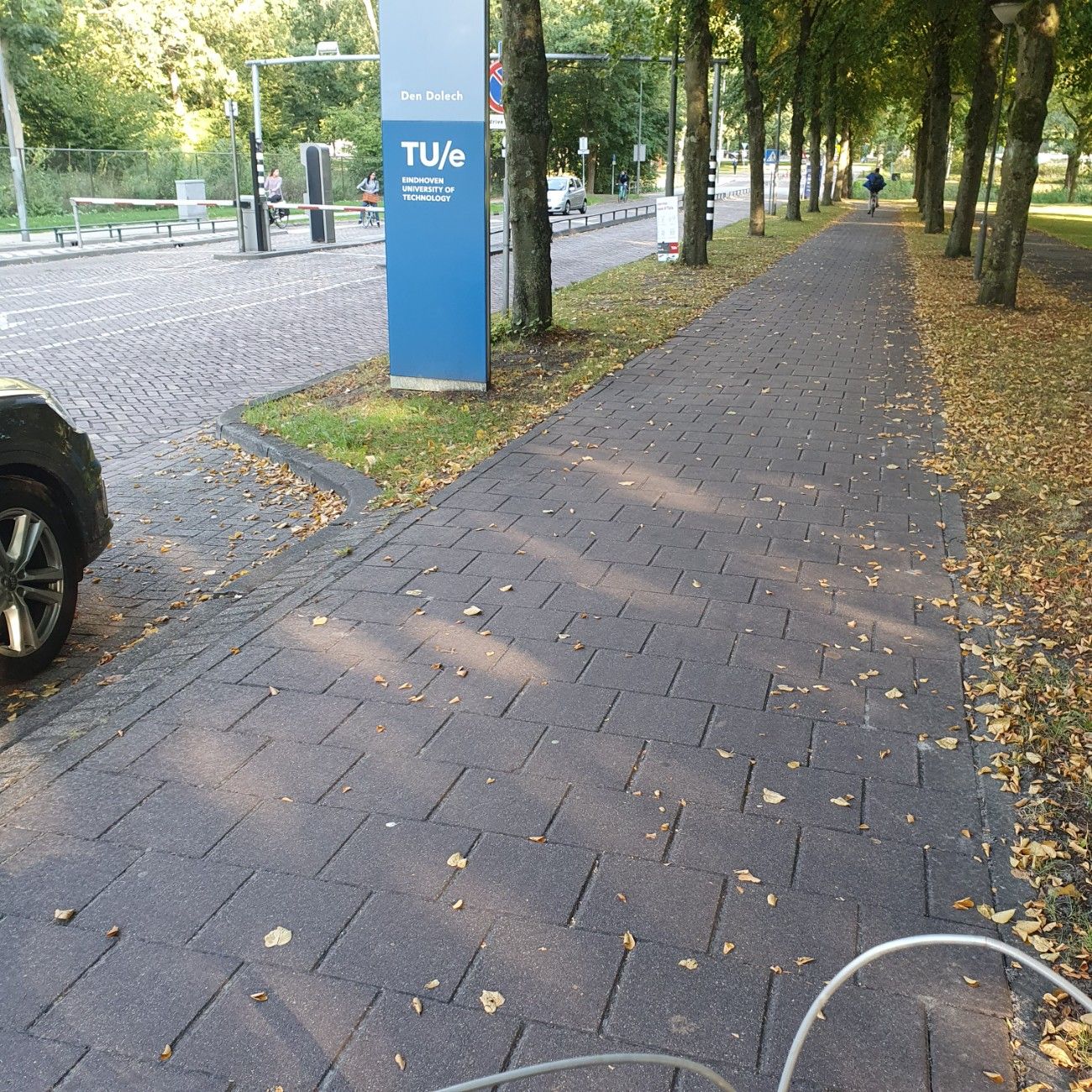
Likes
- Close proximity to high tech industries in Eindhoven so lots of internship and project opportunities
- High research oriented professors and faculty
- International community is very active and vibrant in the university
Dislikes
- Highly engineering focused university, lack of other disciplines is evident
- International tuition fees is very steep, compared to EU tuition fees
- Masters program have a tendency to get extended due to internship/thesis project administrative issues, which implies students have to pay extra fees for the extended period
Scholarship
- Yes, there is a scholarship that is with the Dutch government. Scholarship amounts vary based on students. It can vary from completely free or partly reduced tuition fees or sometimes they provide a living expense amount as a stipend to the student. I am not sure about the process now.
- I did not receive a scholarship so I don't know too much about it.
Likes
- Great international environment and diversity
- Well educated faculty from several countries
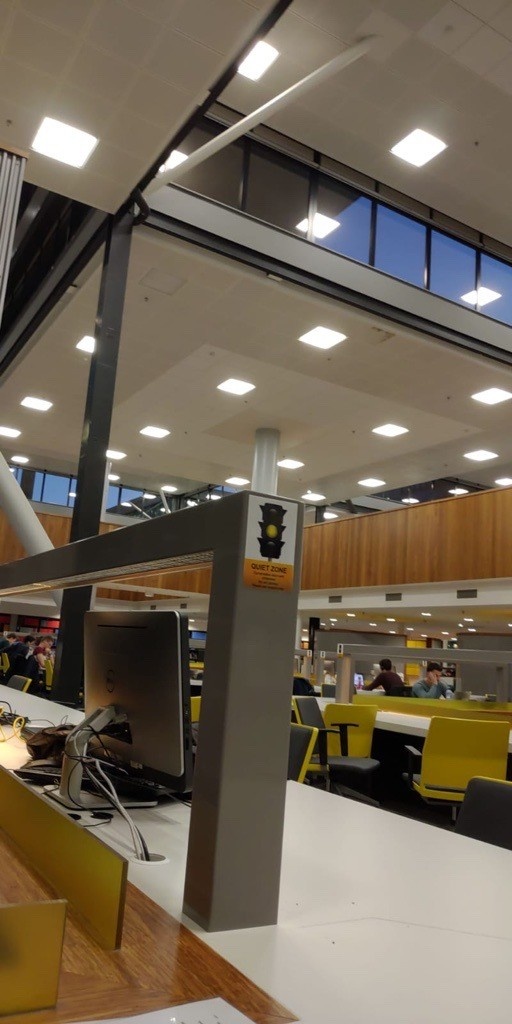
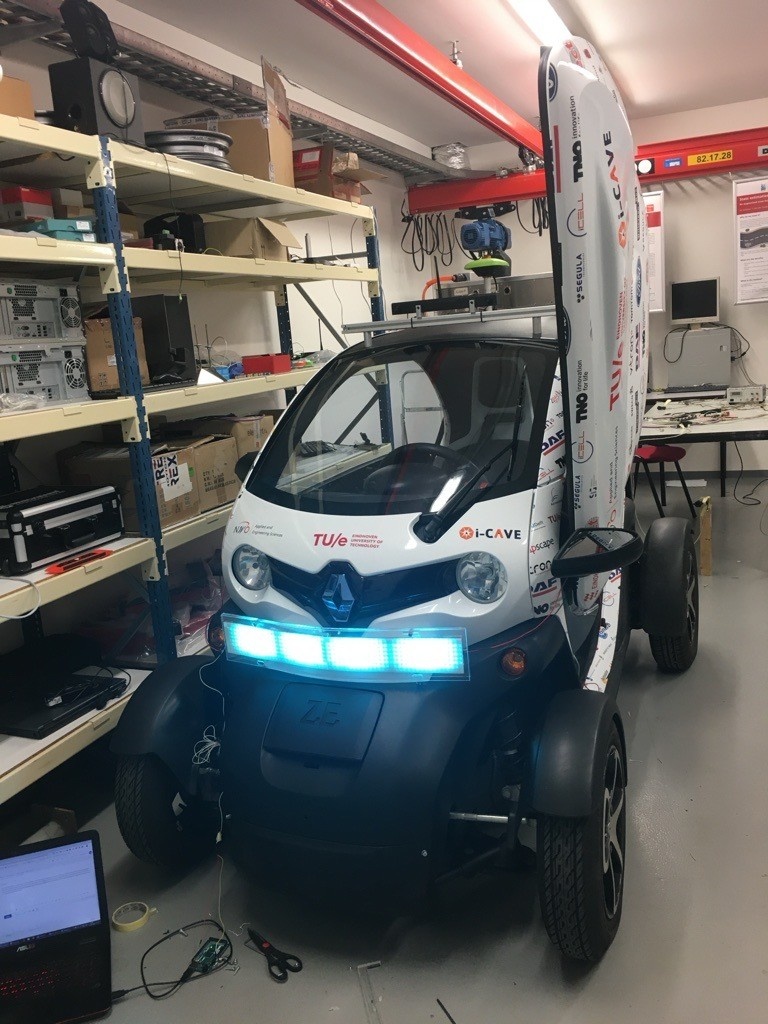
- World-class facilities when it came to machinery and equipment
Dislikes
- Complicated administrative processes
- Lack of flexibility and leniency
- No affordable cafetaria and restaurant available on campus, also closest grocery store was quite far to go in between during classes
Scholarship
- Unfortunately for the Bachelor's there are no scholarships available for students coming from India to my program.
- There are, however, options for a scholarship for Master's if you perform exceedingly well within the university and achieve cum laude during your Bachelor's (at least an average GPA of above 8 and a high score for your final thesis [above 9]).
- There are also scholarships provided by companies in the region, like ASML but all of those scholarships usually act as a max of 5-10k per year (Master's costs 21k per annum).
- One of my batchmates was offered a 50% scholarship but went to the UK instead. You can estimate only 25% of students graduate within 3 years each year at a maximum; out of that, not even a tenth probably get these scholarships.
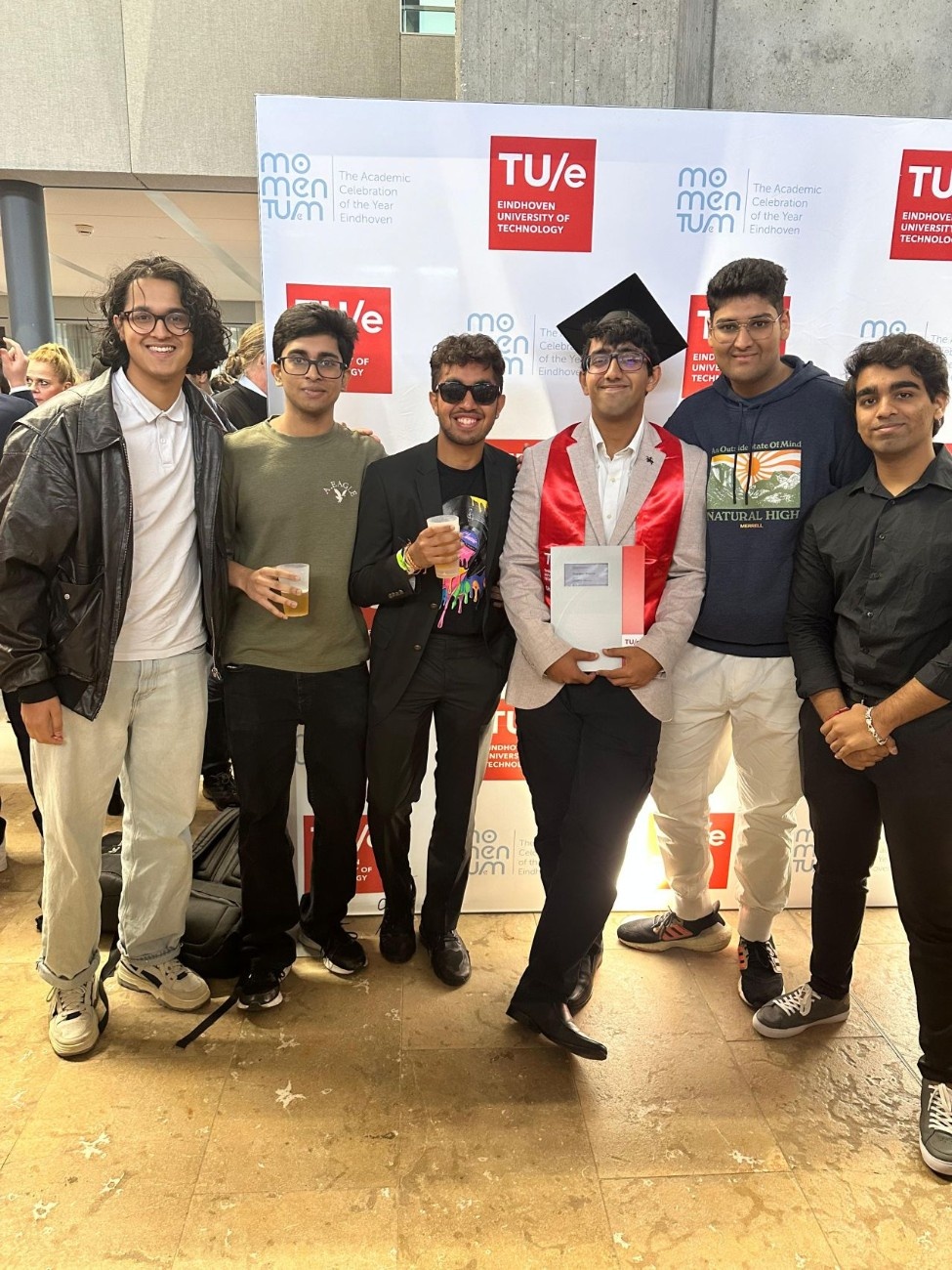
Likes
- Cultural diversity
- In vicinity of many companies and ASML headquarters
- Balance between research/academia and industry related course content
Dislikes
- Less chances of collaboration with other students for studies
- Some professors and courses are too demanding
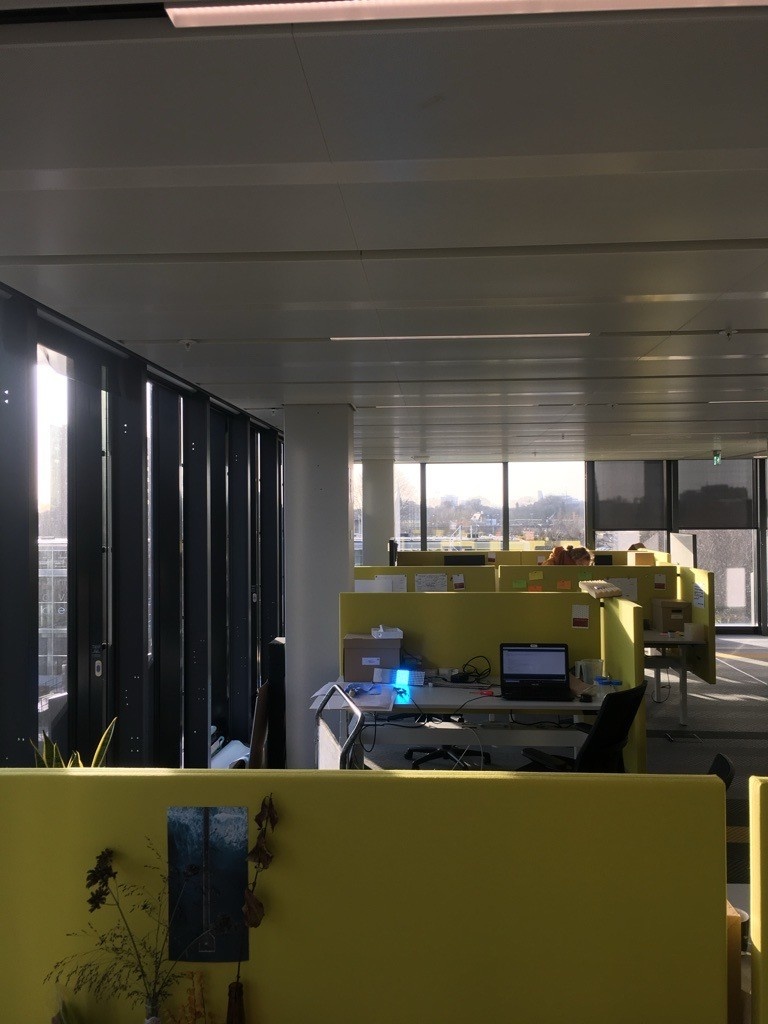
- Some of the facilities in some departments are old (monitors, pc, etc.)
Scholarship
- ALSP scholarship is the one which everyone applies for. If you apply to TU/e before 1st Feb, then you are considered for it but the competition is too much. I did not get any scholarship. You need to have a high CGPA for this. Out of 2500 applicants, only 50 are awarded the scholarship.
- There is a scholarship from ASML and the amount is 5000 euros for a year. It does not cover the entire amount but it is still helps. The criteria is any student having CGPA above 7.5 is eligible. I was aware of this so didn't apply.
- There are India based scholarships (interest free loans) as well which help students cover some part of their tuition fee. I think Mahindra and TATA give them, I was not aware of this as well so couldn't apply.
%20-%20Akhilesh%20Aralikatti.jpeg)
%20-%20Akhilesh%20Aralikatti.jpeg)
%20-%20Akhilesh%20Aralikatti.jpeg)
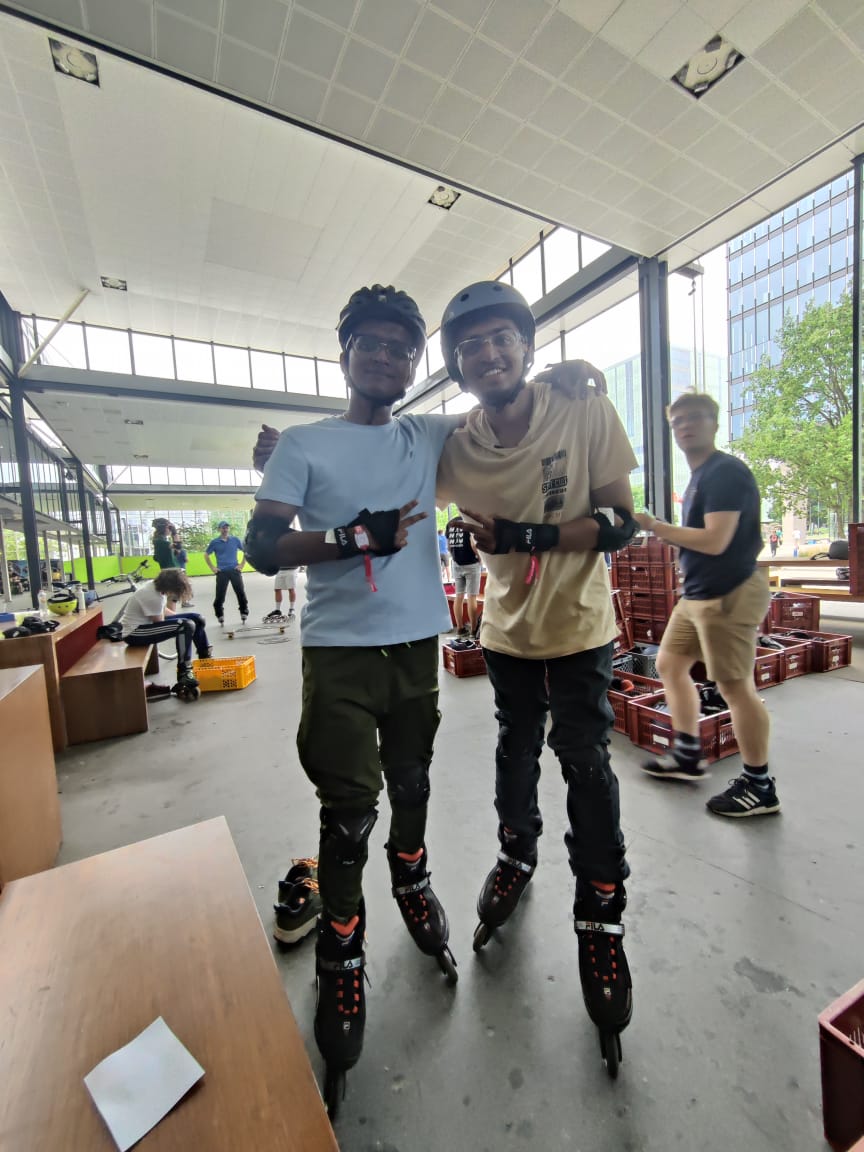
Likes
- Supporting faculty, you can ask them about literally anything even how to get best groceries.
- State of the art facilities like testing labs available.
- Innovation labs, you can ask for a model of your prototype 3d printed for free.
Dislikes
- Didn't feel at home.
- No sense of belonging.
- No placements, but companies pick students based on if they worked there in the internship.
Scholarship
- Yes, it's by the university itself. You get immediately considered when you apply but a few get it. No idea how many students receive it but only tuition fees and even if you do get a scholarship, you still have to wire the tuition fee of 16500 euros which you get back later.
- You also get back the 10,500 euros back for spending, it's just that university should know you have that amount.
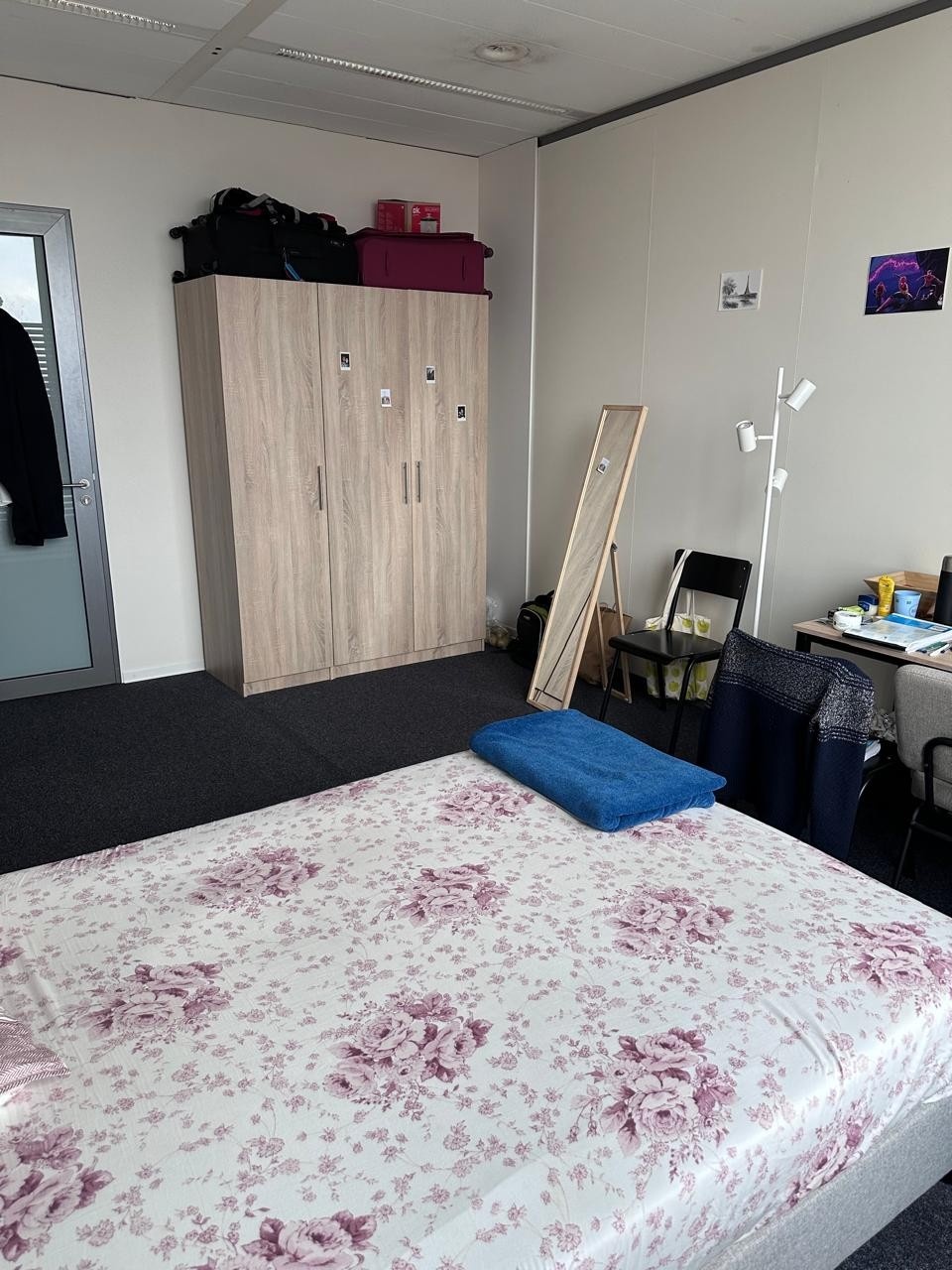
interested in this College ?
Follow & Share this college to get information about admission.



Comments