




Bachelor of Science [B.S] (Electrical Engineering)
Field of Study:
$15,295 /Yr

TU/E B.S Electrical Engineering is a 3 years Full Time Bachelor program. This program is offered On Campus. The first year fees for B.S Electrical Engineering at TU/E is ₹ 14.56 Lakhs (EUR 13300). Earlier in 2023, the B.S Electrical Engineering Fee was ₹ 13.46 Lakhs (EUR 12300). This shows that the academic fees has increased by ₹ 109440 (EUR 1000).
Based on the student reviews at Collegedunia, the B.S Electrical Engineering program at TU/E has received an average rating of 6.7 out of 10 from 1 review(s).
TU/E B.S Electrical Engineering Total Fees 2026
The tuition fee for B.S Electrical Engineering at TU/E is EUR 13300 per year (₹ 14.56 Lakhs).
The tuition fee for B.S Electrical Engineering at Eindhoven University of Technology is as follows:
| Expense Type | Average Cost (INR) | Equivalent (EUR) |
|---|---|---|
| Tuition Fee | ₹ 14.56 Lakhs | EUR 13300 |
B.S Electrical Engineering Tuition Fee Trends at TU/E
TU/E B.S Electrical Engineering Fees for Indian students is ₹ 14.56 Lakhs (EUR 13300). This academic fee has increased by ₹ 109440 (EUR 1000) from 2023. Candidates can check the year on year trends in TU/E Fees in the table below.
| Academic Year | Tuition Fees (INR) | Tuition Fees (EUR) |
|---|---|---|
| 2024 | ₹ 14.56 Lakhs | EUR 13300 |
| 2023 | ₹ 13.46 Lakhs | EUR 12300 |
TU/E B.S Electrical Engineering Application Link
TU/E B.S Electrical Engineering Application Link; Apply Here
Also Check:Tuition Fees
| Year | 1st Year Fees |
|---|---|
| Tuition Fees | $15295 (EUR 13300) |
Previous Year Tuition Fees
| Year | 1st Year Fees |
|---|---|
| 2023 | $14145 (EUR 12300) |
Reviews
16 Reviews Found
Likes
- Great international environment and diversity
- Well educated faculty from several countries
- World-class facilities when it came to machinery and equipment
Dislikes
- Complicated administrative processes
- Lack of flexibility and leniency
- No affordable cafetaria and restaurant available on campus, also closest grocery store was quite far to go in between during classes
Course Curriculum
- The difficulty in Electrical Engineering is quite high. For reference, our graduation rate within 3 years is a mere 12%. After a fourth year that rate goes up from 12 to 35%, which is still quite low. It is a good course that offers both theoretical and practical knowledge, as well as a lot of freedom to choose your electives.
- The negative aspects are definitely the rigorous examination requirements to pass each course. You can never get less than a 5/10 on an exam and every course must overall be at least a 5.5/10. The positive aspect is that project courses are taught quite well and teach students skills that they are otherwise uneducated about.
- A maximum of 2, 4-hour lectures/blocks a day. Approximately 3.5-4 full days of education
- Number of students enrolled in my programme was 300 per year.
- In my year there were only a handful of students in EE (there were obviously others in different courses), but that has risen quite a bit this year with over 20-30 joining.
Fees
- When I started, the tuition fees were approximately 11k euros per year. It increased gradually (the last tuition fees for one year I paid was 12.5k), so tuition was approximately still 35ish-K for the Bachelor's if you finish within 3 years. The university is exceptionally difficult so most students take a fourth, if not a fifth, year to finish their Bachelor's in which case you still need to pay the extra amount for the extra years. Due to budget cuts however the tuition fee rises to 18k per year for all new students (and old students will have transitional arrangements till 2027)
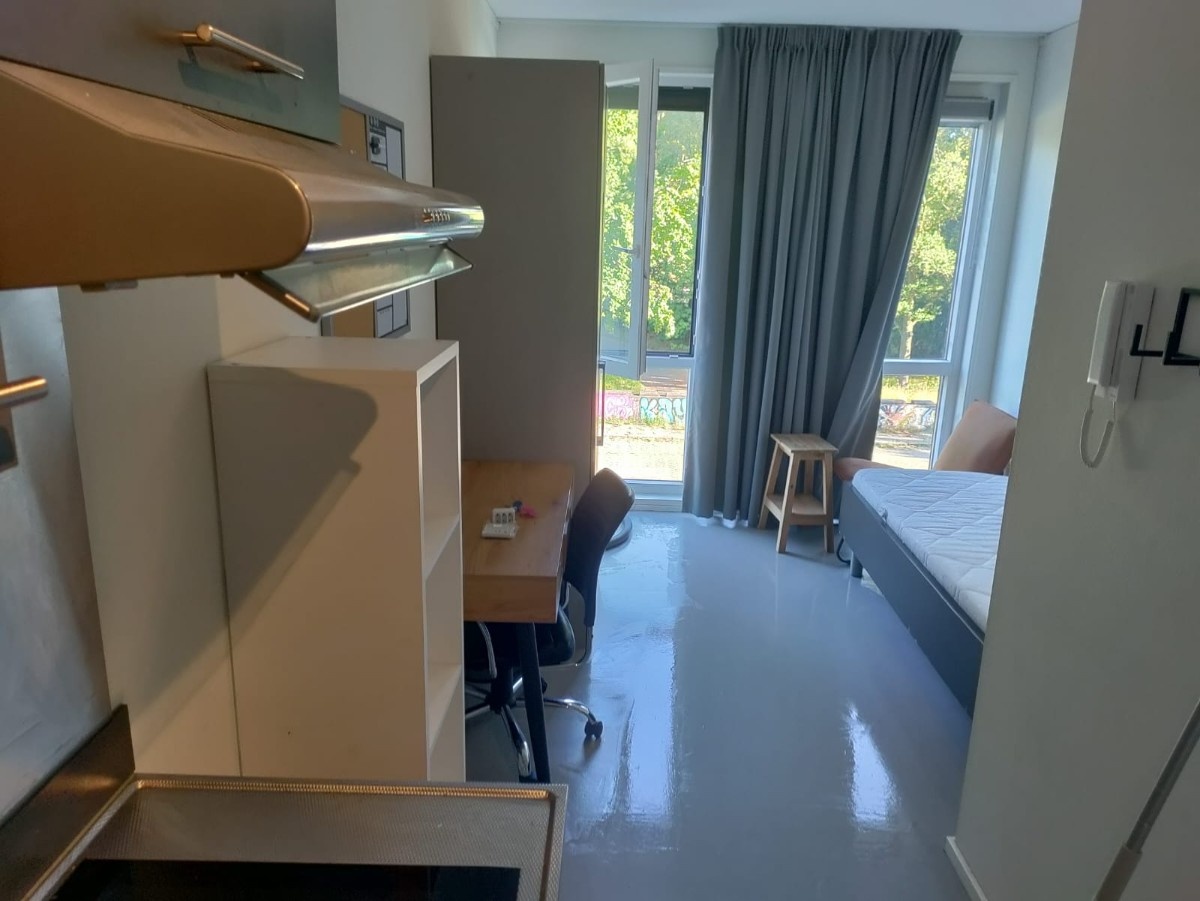
- The hostels are not included and accommodation must be found by the students themselves, and depending on the location as well as sharing/studio/facilities, it can range from 400 to 1200 euros per person. This is not considered cheap in the area but the housing crisis is quite bad.
- The fees charged for the first year are always a one-time amount and from the second year onwards, you can do it monthly/quarterly/semester-wise, etc., and the university did not have credit-based solutions.
- Everybody here usually travels by bike so transportation costs stay quite low unless you wish to explore other cities. Until you're 18 you actually have subsidised train transport, which is something all students make use of. My monthly expenses have been quite low since I cook for myself; excluding rent, one could easily survive on 200-350 euros a month here.


Scholarship Grants & Financial Aids
| Name | Scholarship Per Student | Level of Study | Type | |
|---|---|---|---|---|
| Axol Science Scholarship | Scholarship per student$ 2,300/Yr$2,000 | Level Of StudyBachelor | TypeCompany-Sponsored |



Comments